


 Not all images were able to load for printing. Please close the print window and try again.
 Everything about Watch Lugs, from Early Wire Lugs to the Most Expressive Designs
The transition from pocket watches to wristwatches relied on several developments, but lugs are the true bridge between the two.
Wristwatches were a 20th century cultural trend that rendered the centuries-old pocket watch obsolete. From a functional standpoint, both watch types are the same, but changes were still needed for daily practicality on the wrist. For starters, watch cases had to shrink – pocket watches averaged 50mm in diameter with a broader range of 43mm to 55mm. This was way too big for the early 20th century, and wristwatch cases became dramatically smaller by the 1920s as popularity was exploding, averaging around 30mm in diameter (or even less). The 12 o’clock pocket watch crown also needed relocation to a more comfortable and accessible position, and 3 o’clock became the standard. Lugs, however, were the key as they quite literally allowed for straps and bracelets for production wristwatches.
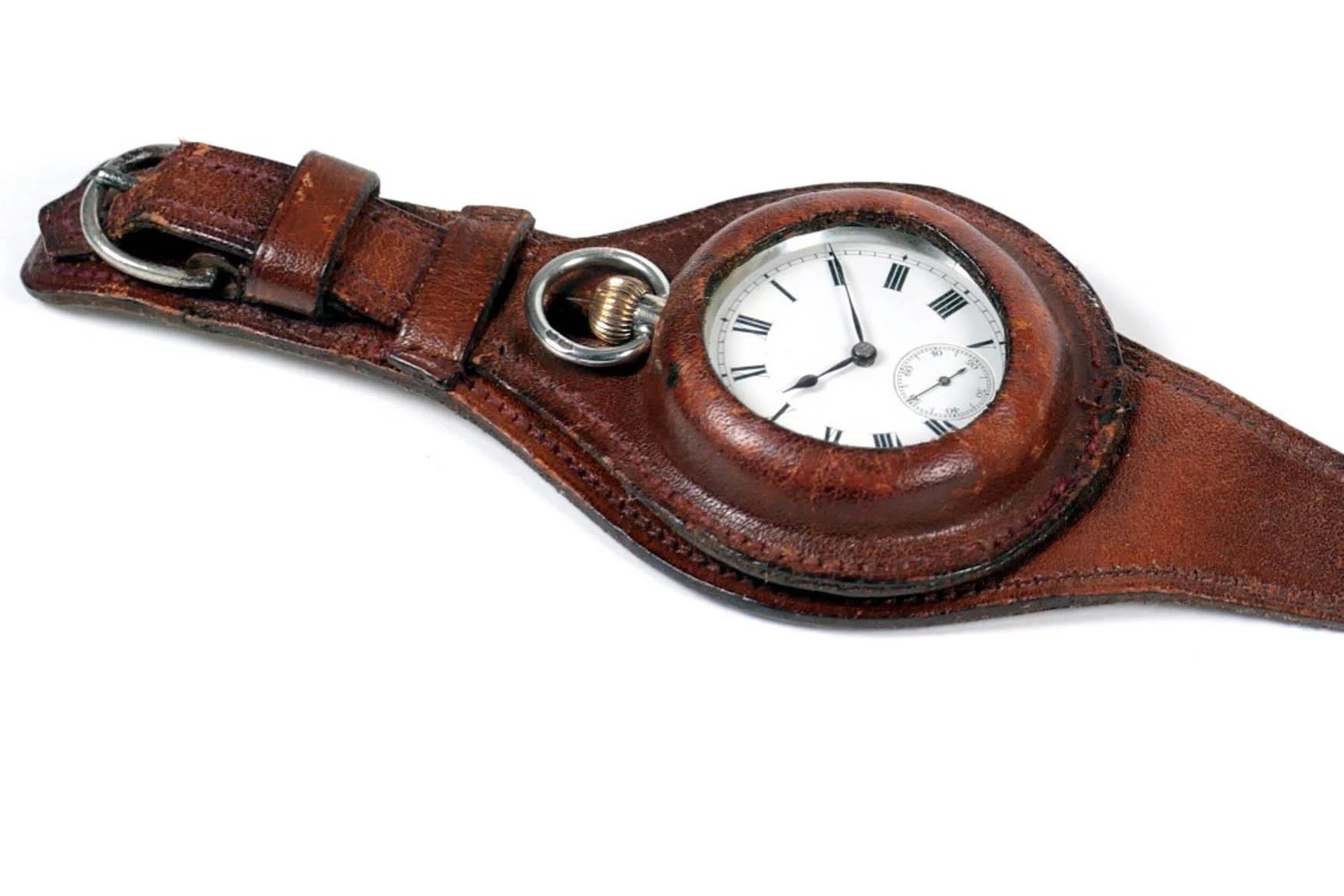
Before 1920, most wristwatches were simply converted pocket watches with lugs somewhat crudely welded to the case. This accommodated wrist straps but didn’t solve other problems like case size and crown position. To initially address this, smaller pocket watches were used (often under 45mm) with wire lugs soldered at an offset position, shifting the crown to 1 o’clock. The dial was now at an angle, but it was a necessary compromise for strap clearance and crown accessibility. Pocket watches were still considered the “man’s watch” at the dawn of the 20th century, but everything changed during the First World War.
Trench Watches or Wristlets
Men’s wristwatches were born out of necessity during war, when soldiers needed a hands-free alternative to traditional pocket watches. They existed as women’s fashion accessories before this, but were rare and niche. Jewellers would often weld lugs to pocket watch cases, or soldiers sometimes soldered lugs themselves, and these early trench watches (or wristlets as they were called) soon evolved into factory conversions and then proper production wristwatches. Some of the earliest examples came from British soldiers in South Africa during the Boer Wars, but World War I is where the need for wristlets became widespread, prompting demand for dedicated production. Militaries officially added them as standard equipment by 1914, starting with British officers and moving to the US Army by 1916. These weren’t the first, however, as German naval officers were issued a relative handful of purpose-built wristwatches in the 1880s, produced by Swiss watchmaker Girard-Perregaux.
Soldiers continued wearing their wristlets after returning home, and the sight of this quickly changed the perception of wristwatches from delicate and feminine to contemporary, rugged and masculine. Popularity started to eclipse pocket watches, and the 1920s saw a huge surge in civilian sales. This was a decade of design experimentation with the Art Deco movement often influencing case designs like Cartier’s rectangular Tank, Vacheron Constantin’s Historiques American 1921 and Jaeger-LeCoultre’s Reverso (from 1931). The wristwatch created an early 20th-century style craze, and lugs were the bridge to the wrist, and like most aspects of watch design, they evolved into many variants and styles.
Wire Lugs
Original lugs were fixed without spring bars, designed for one-piece straps (like modern NATO or Zulu straps). Wire lugs were thin “loops” initially soldered onto pocket watch cases without much concern for style, but the tradition lives on in modern watchmaking with brands paying tribute to this simple military modification. Arguably, the best-known examples come from Panerai, as it’s a signature feature of the popular Radiomir.
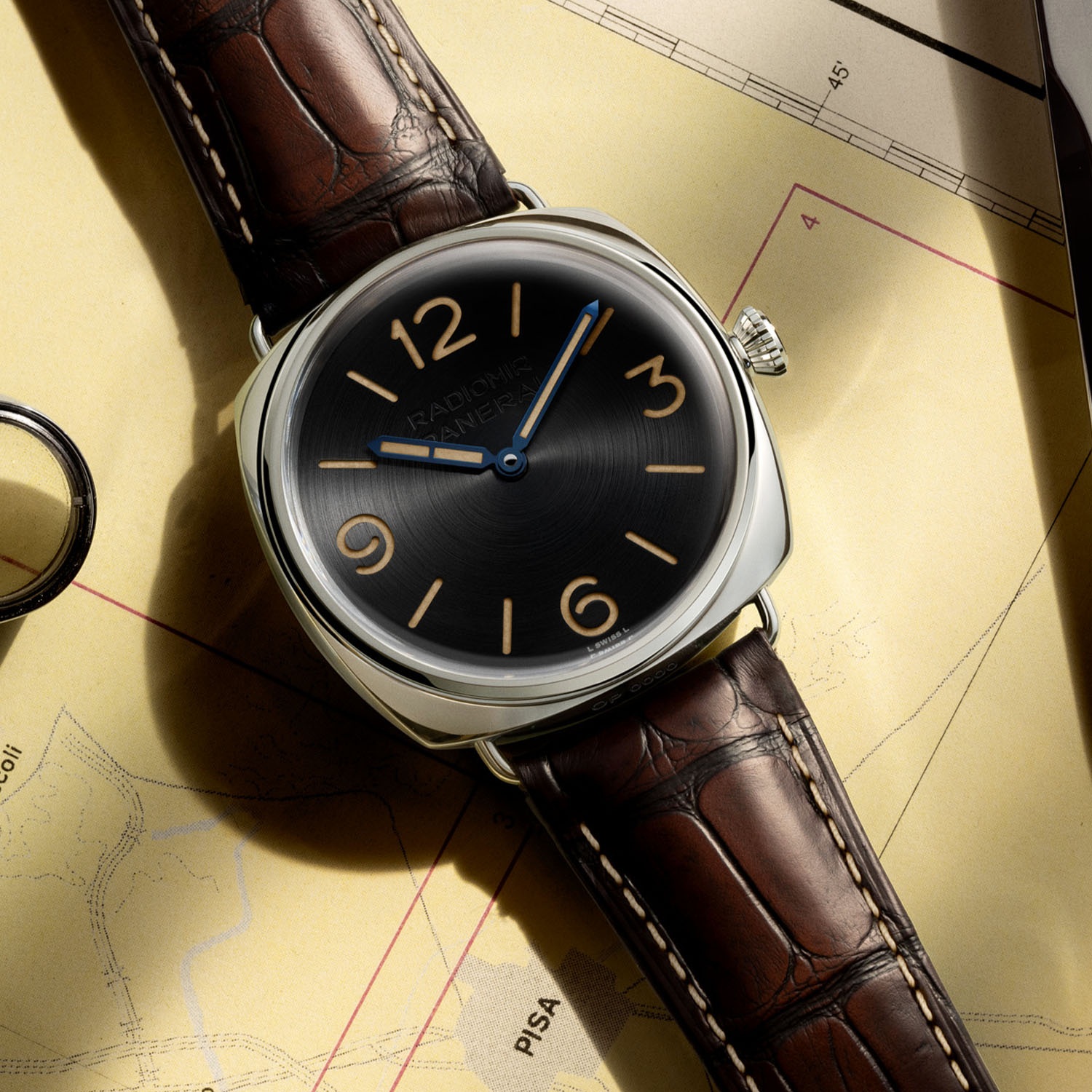
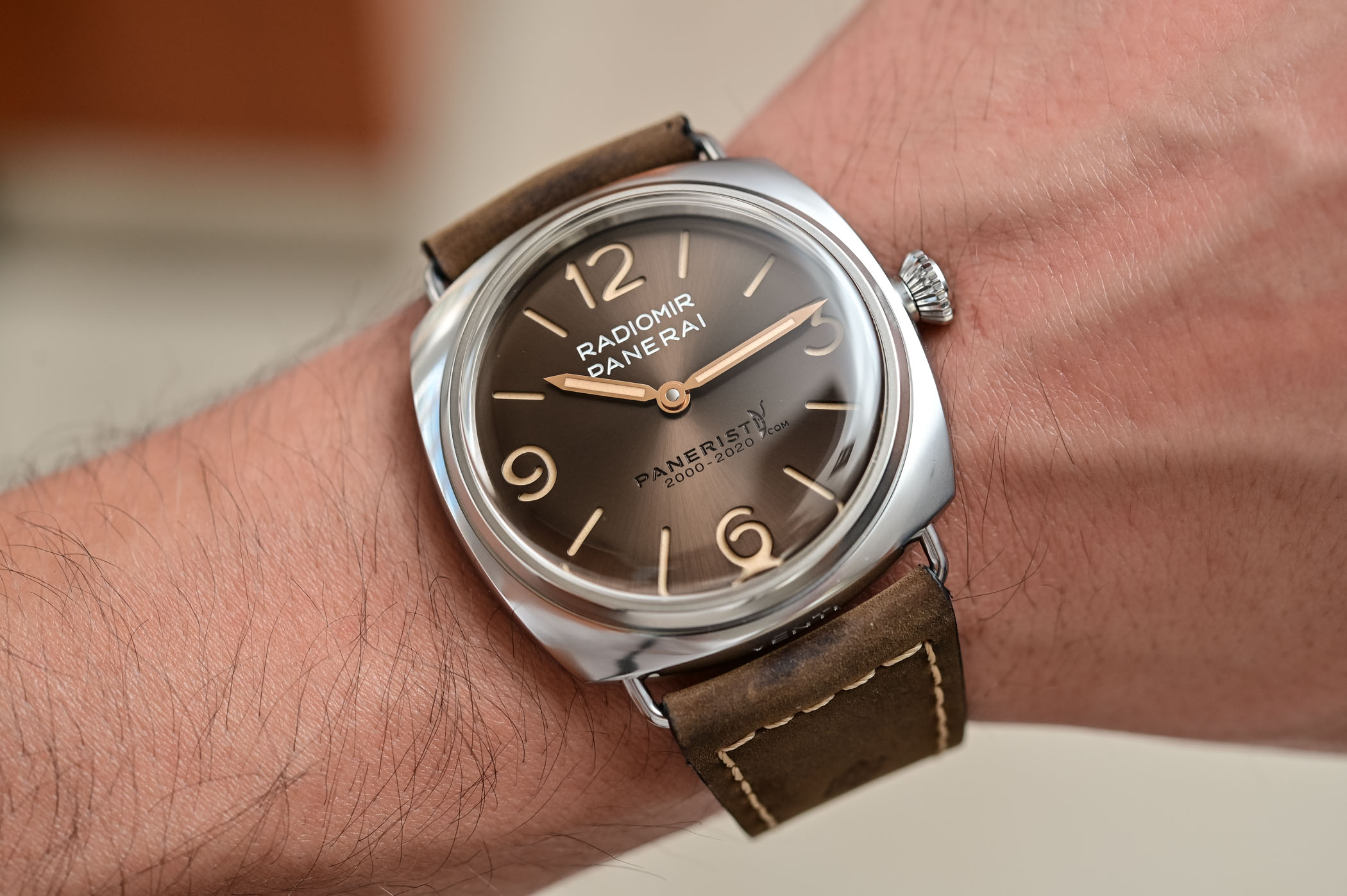
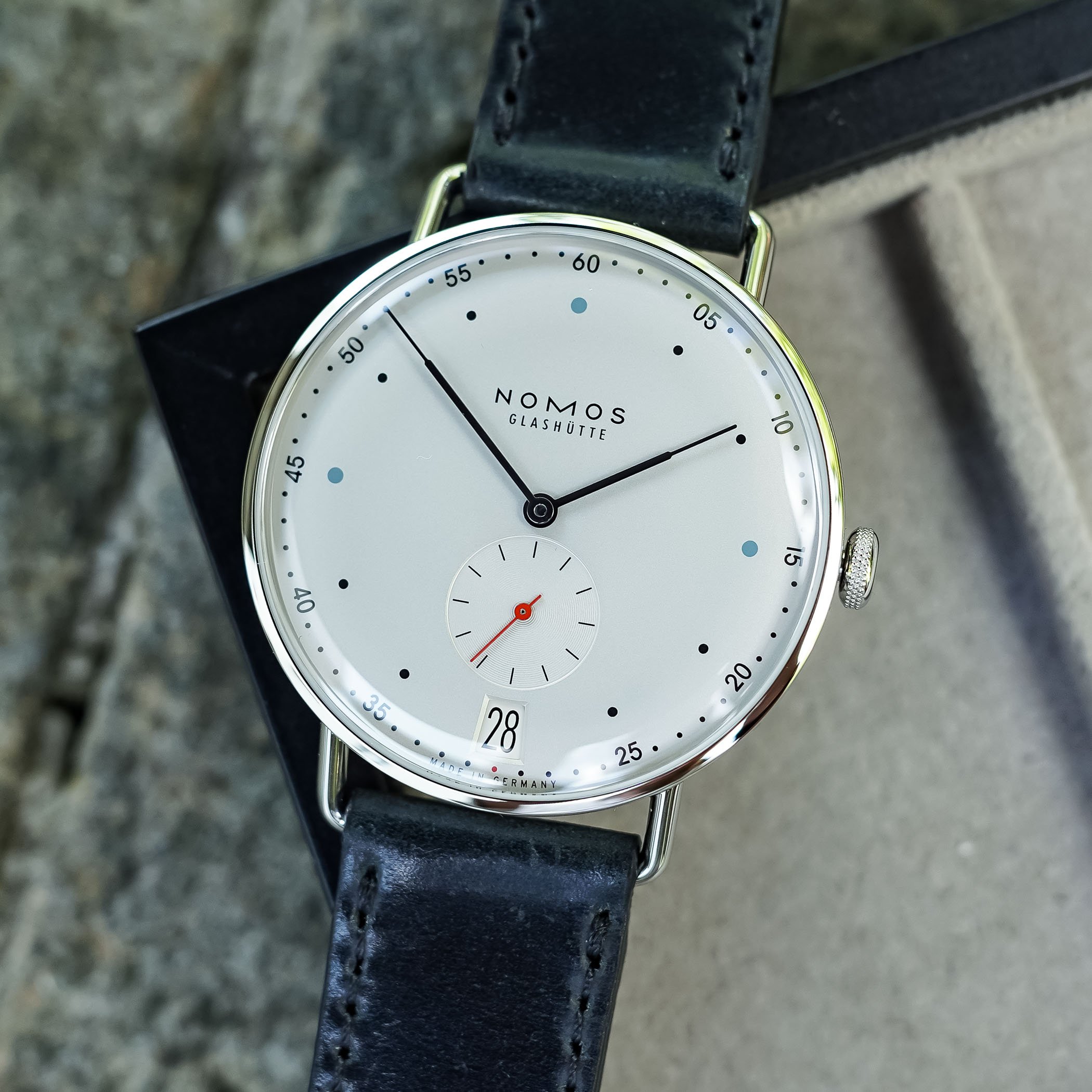
There are exceptions like the Radiomir 1940 series with standard lugs and spring bars, but wire lugs are well established with the collection and go back to the original 1935 Radiomir prototypes for the Royal Italian Navy. The NOMOS Metro is another example from German designer Mark Braun, and wire lugs really separate this series from other collections. Although the style is traditional and often desirable, it does limit strap options to one-piece designs for the most part, although rare two-piece straps that fold around wire lugs are available. Open-ended metal bracelets are also an option that hooks onto the lugs, while adapters can bring conventional spring bars to wire lugs as an attachment – that’s a somewhat clunky solution, however.
Spring Bars
As the wristwatch evolved in the 1920s, fixed wire lugs made way for twin lugs with spring bars to accommodate two-piece straps, opening the door for more refined styling. It’s not known exactly when the spring bar appeared, but patents for comparable designs were granted as early as 1915. The proper spring bar, as we know it today, wasn’t patented until 1929 by Isidor Dinstmann. It’s a relatively simple concept with a hollow tube and coiled spring holding compressible pivot pins that lock into drilled holes inside the lug ends. Initial pins were brass, but stainless steel became the standard and spring bars have remained largely unchanged for almost a century.
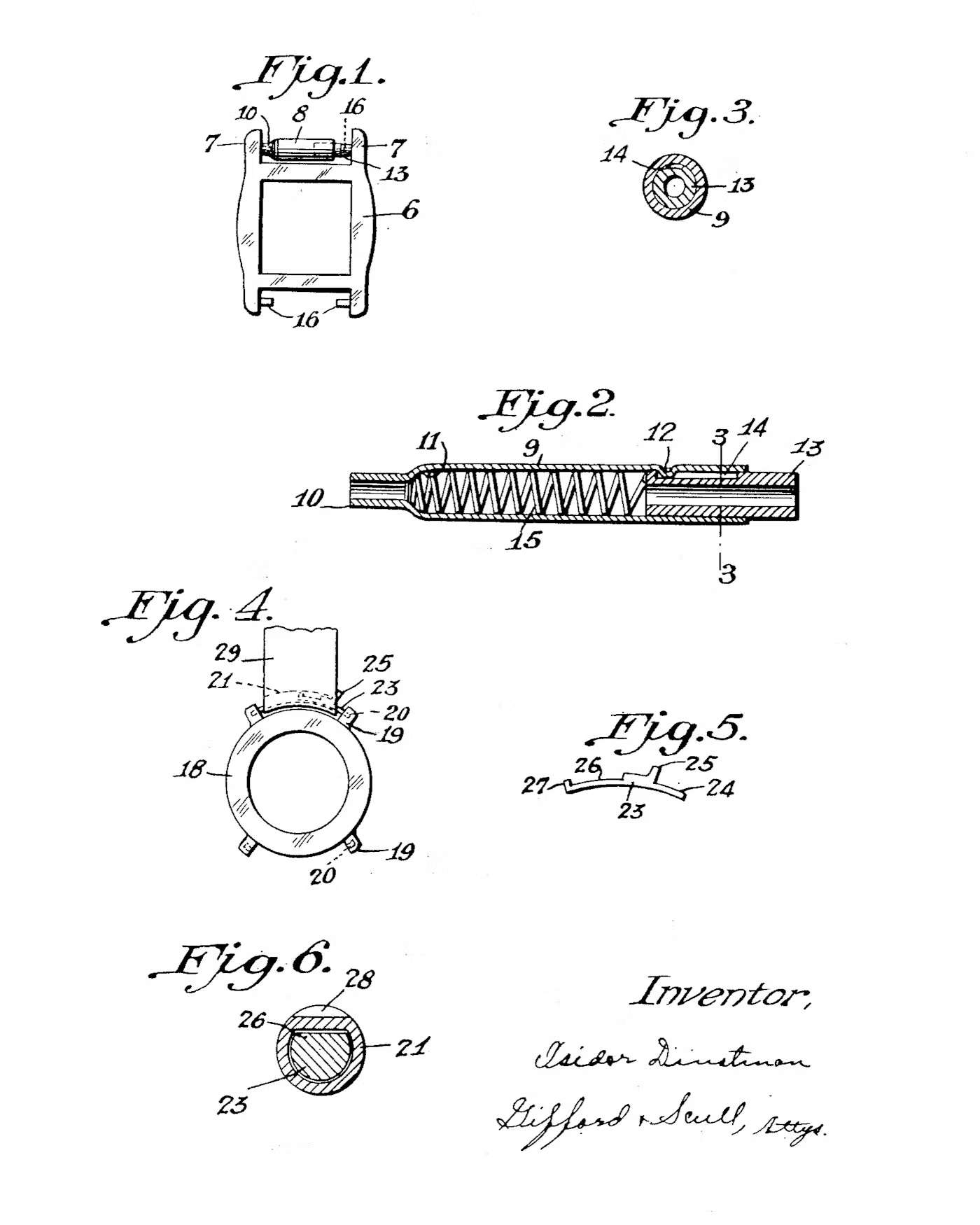
Spring bars are also used to secure buckles and clasps to straps and bracelets, and for micro-adjustments inside of clasps. A 21st-century advancement was the quick-release spring bar that features a tiny lever on the outside to compress a pivot pin with your finger and remove/replace the strap without tools. Its popularity and widespread use started around 2015. Drilled lugs have spring bar holes bored all the way through, so spring bars can be compressed and the strap removed from the outside of the lug via a small pin or tool. This makes the process easier and prevents scratches on the inside of the lugs from prying tools. For a cleaner aesthetic, along with the introduction of quick-release levers, drilled lugs have become uncommon in the 21st century.
Separate vs. Integrated Lugs
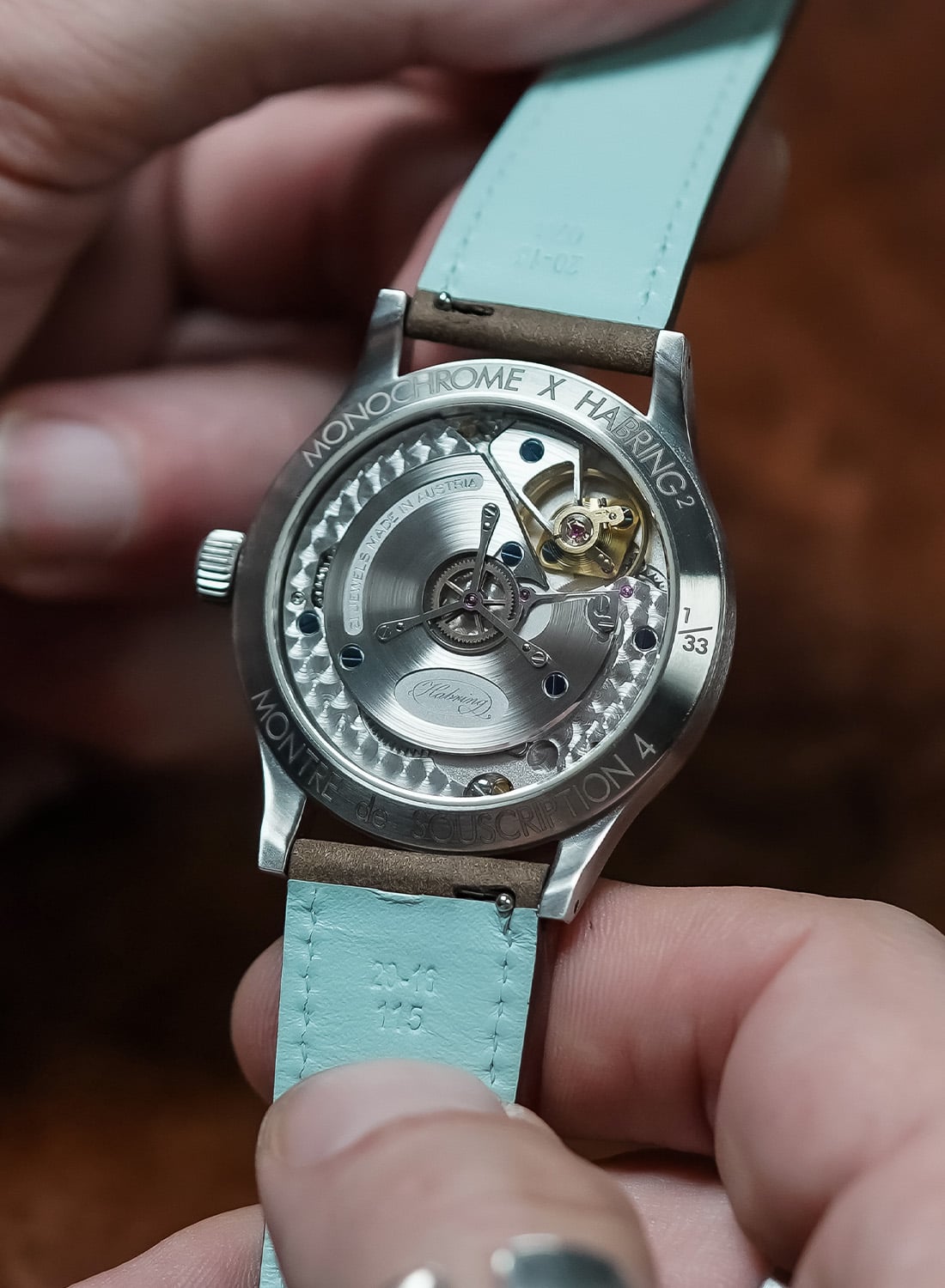
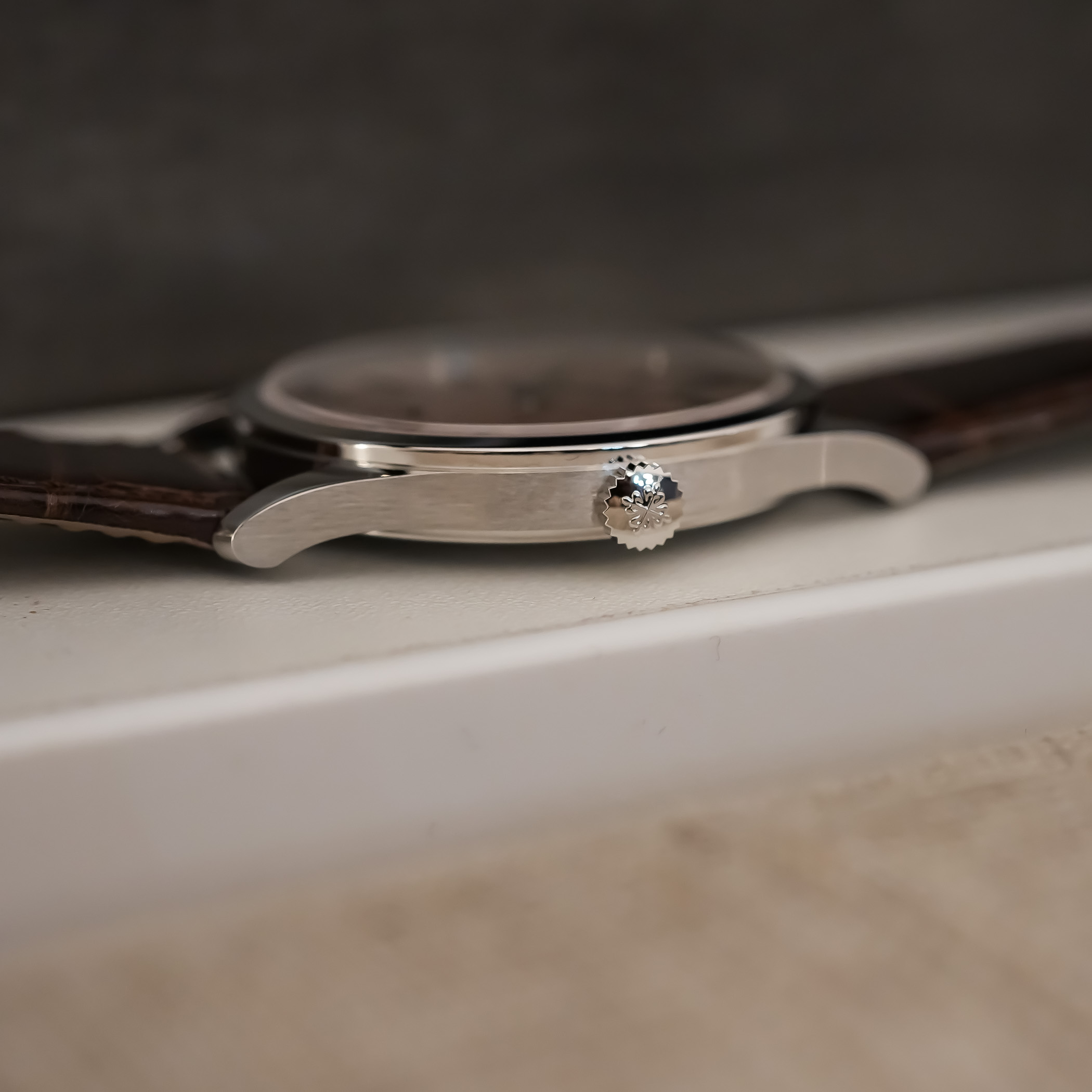
To avoid any confusion, let’s clarify that integrated lugs in this section do not refer to an integrated case/bracelet design, which will be covered later. Watch cases have two general lug designs – integrated and separate (welded on, for example). Integrated lugs are simply part of the case as it’s milled from a single piece, which started to take hold in the late 1920s and is the most structurally sound and precise design, and certainly the most common today – it is often said that this design was brought to market by Patek Philippe with the 1932 Calatrava, but previous examples might have existed.
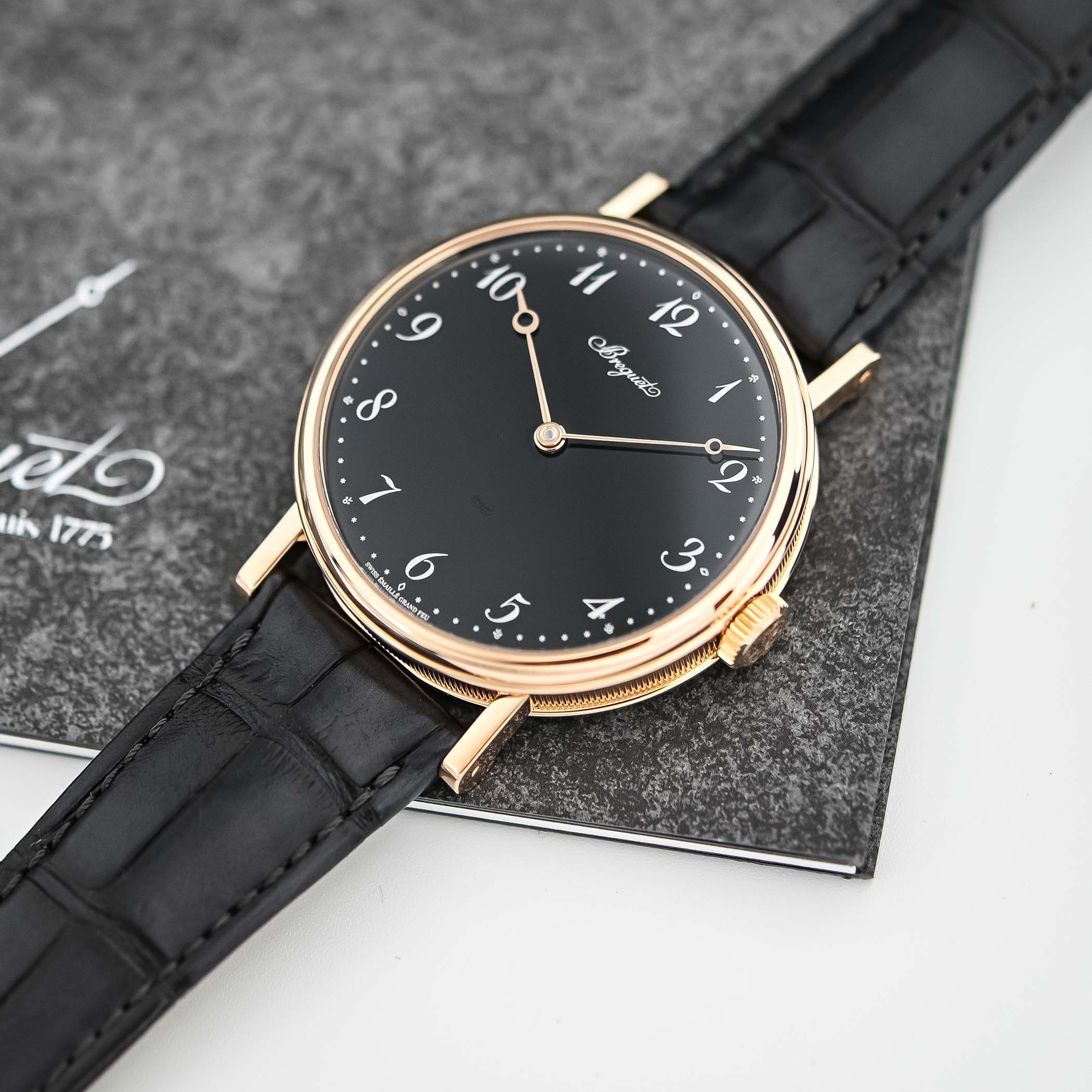
The more traditional method is soldering/welding separate lugs onto the case, which is reserved for high-end brands today as an artisanal part of the design. Breguet is famous for its fluted case with straight soldered lugs, for instance, as seen in most of the watches from the Classique and Tradition collections. A second way to attach lugs is with screws (usually hidden), which is again limited to high-end watchmaking and even more specialised. Cantilevered lugs that provide a detached and floating aesthetic are a rather extreme example, like what’s seen on the De Bethune DB28XS Sea Tourbillon.
Lug Width vs. Lug-to-Lug Length
The case size generally determines the lug width, with smaller cases naturally having narrower widths. The most common for men’s watches today is 20mm within case sizes of 37mm to 42mm, but 18mm and 22mm widths are also frequently seen. Women’s watches typically have 14mm to 18mm widths on cases averaging 28mm to 34mm. Oversized Panerai Radiomir cases with a 45mm diameter have lug widths up to 27mm, which provides a bold aesthetic for the cushion case design, but is otherwise rare in the industry.
Lug-to-Lug length, measured from lug tip to lug tip, is important from a wearability standpoint as it influences the footprint on your wrist. The watch case diameter is most important in determining overall wearability (a 45mm case is probably too big for a 6 ¼” wrist, for example), but lug-to-lug length can influence whether an otherwise appropriate case size overwhelms the wrist or if a larger case can work well with a short lug-to-lug. The saying “wears larger (or smaller) than the dimensions suggest” often references lug-to-lug. Wire lugs tend to have short lug-to-lug lengths, which is why a 45mm Panerai Radiomir doesn’t necessarily overwhelm wrists like a comparable case with more conventional lugs could.
Straight Lugs
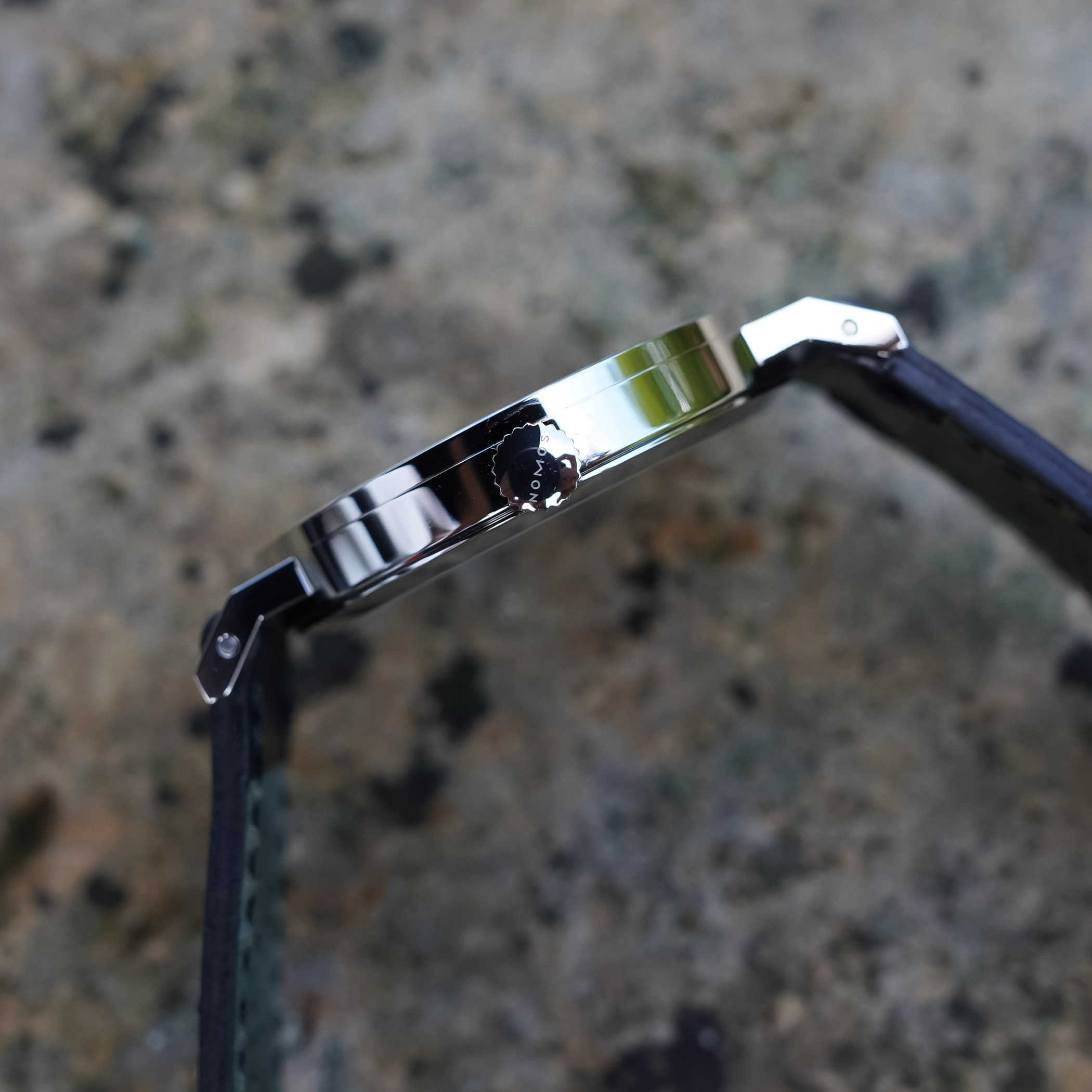
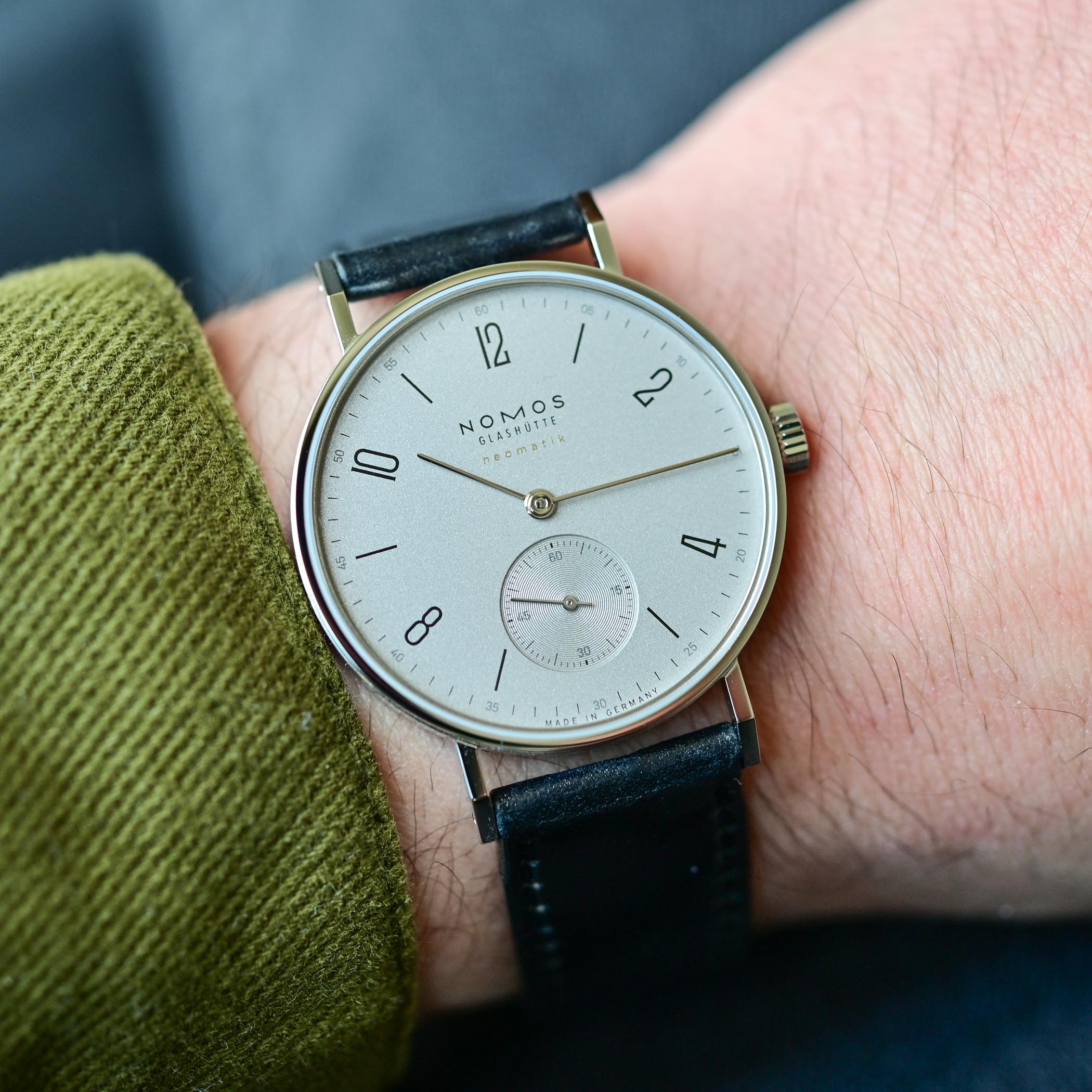
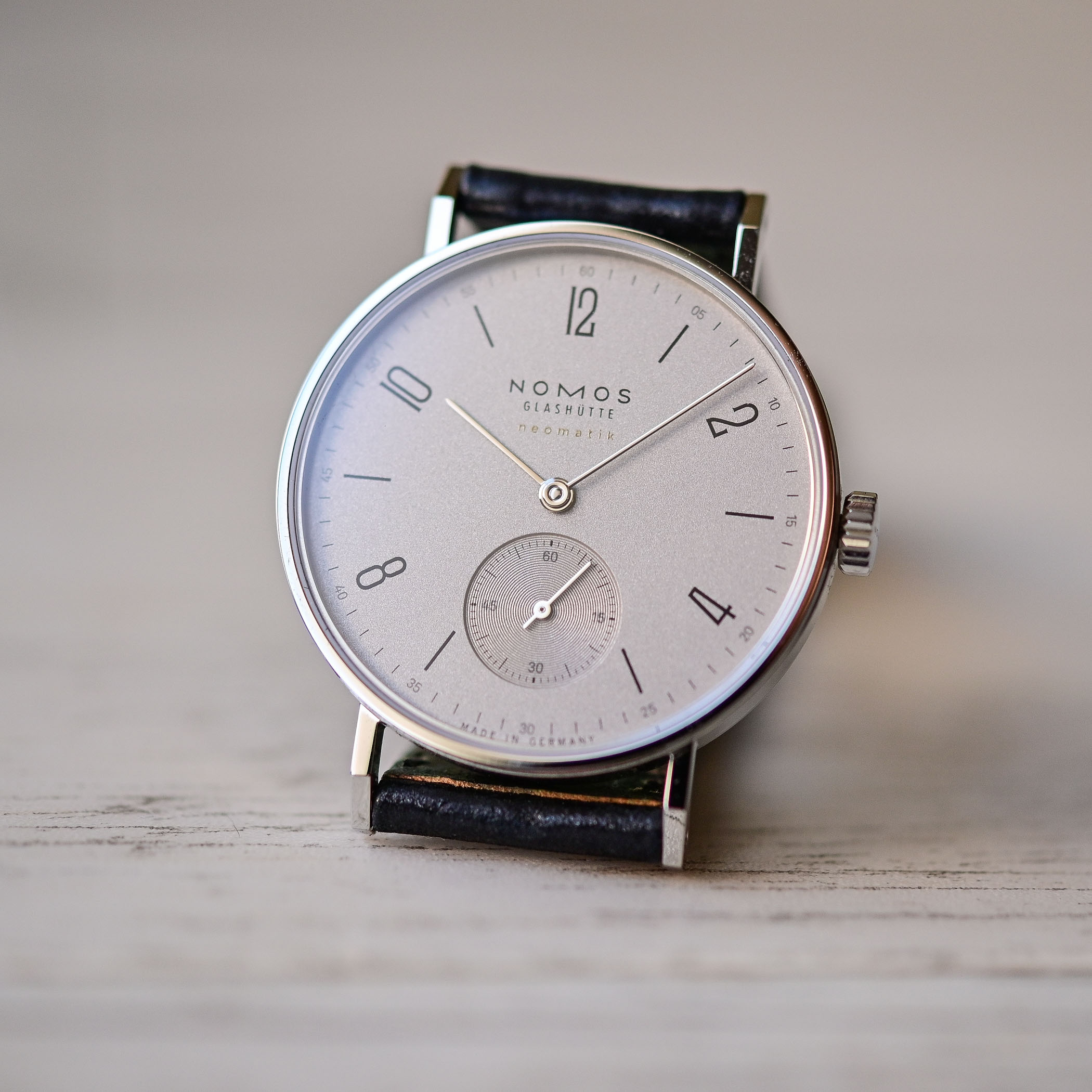
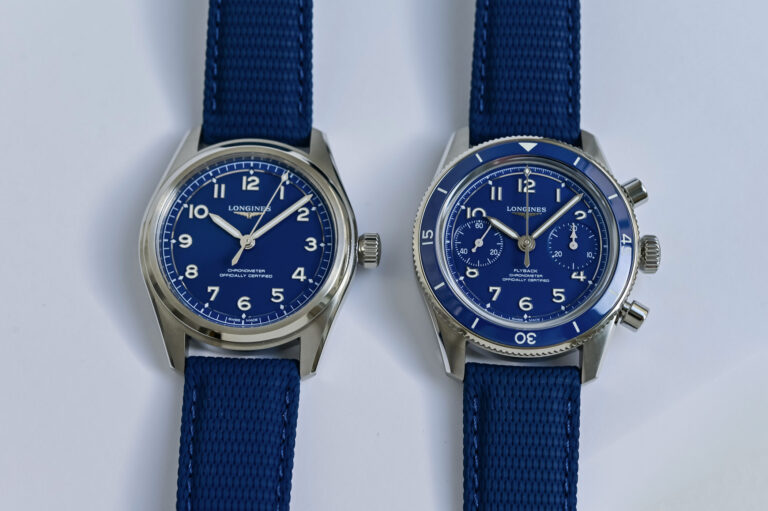
The most basic and straightforward lugs are generally utilitarian without trying to draw attention. Their job is to hold a strap or bracelet and little more, but this simplicity sometimes adds to the aesthetic by helping define the intent of the piece. The Nomos Tangente is a great example with a minimalistic case and dial, punctuated by thin, straight lugs highlighting the clean Bauhaus style. This is a specific example, as most straight lugs are thicker and proportional extensions of the case. The Rolex Explorer or Tudor Black Bay are examples with straight lugs complementing the tool-watch style without design flourishes (with the outer edges contouring with the case sides).
Twisted or Lyre Lugs
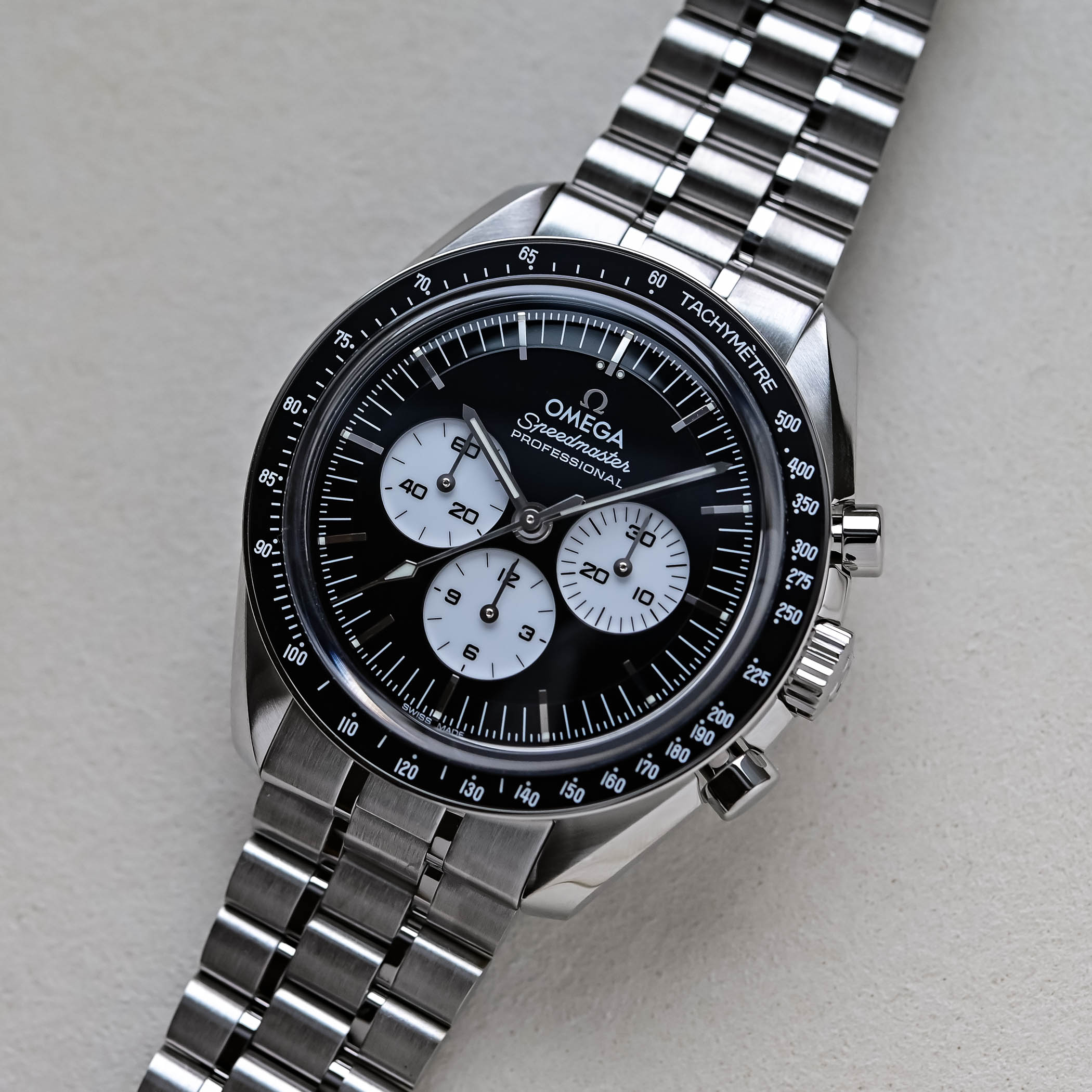
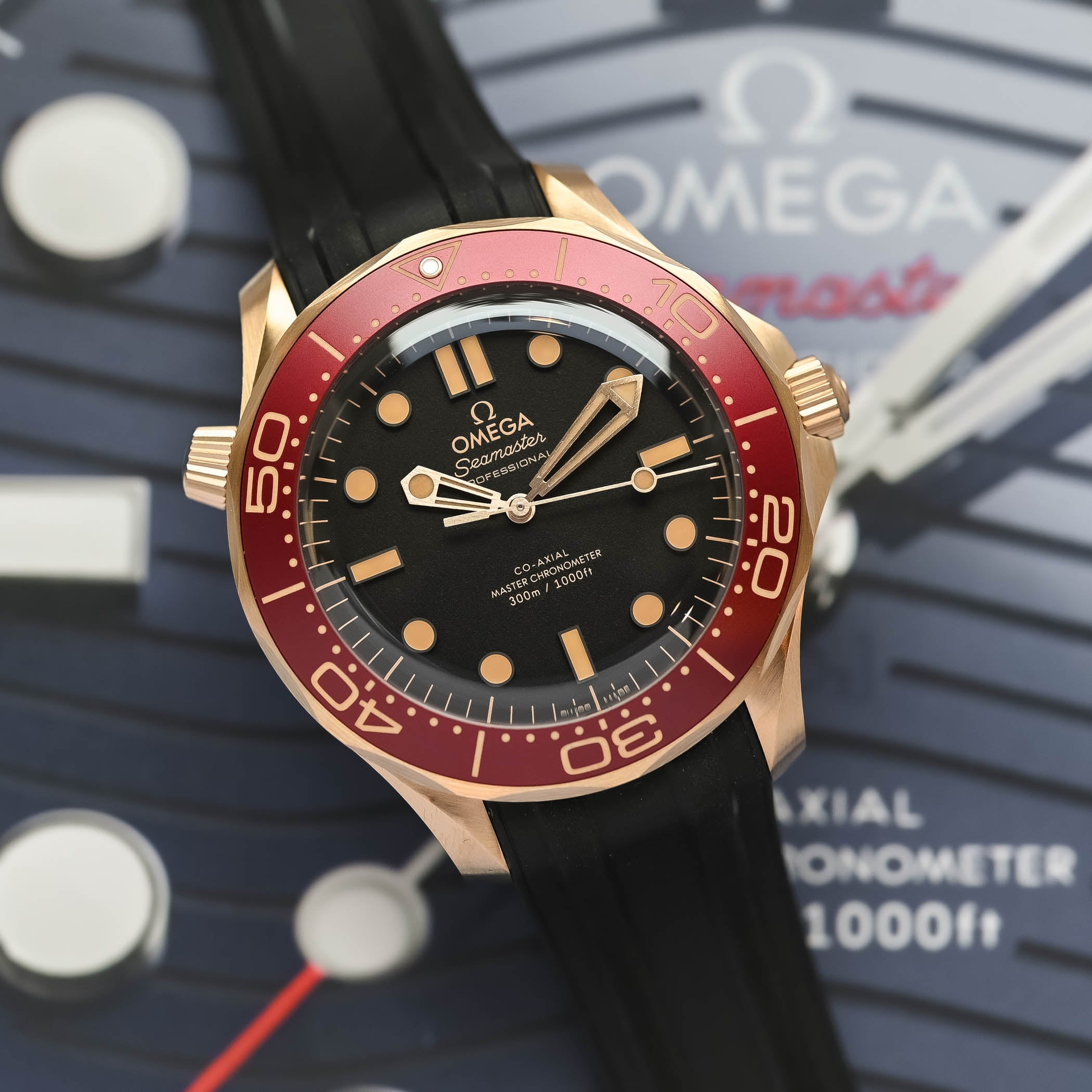
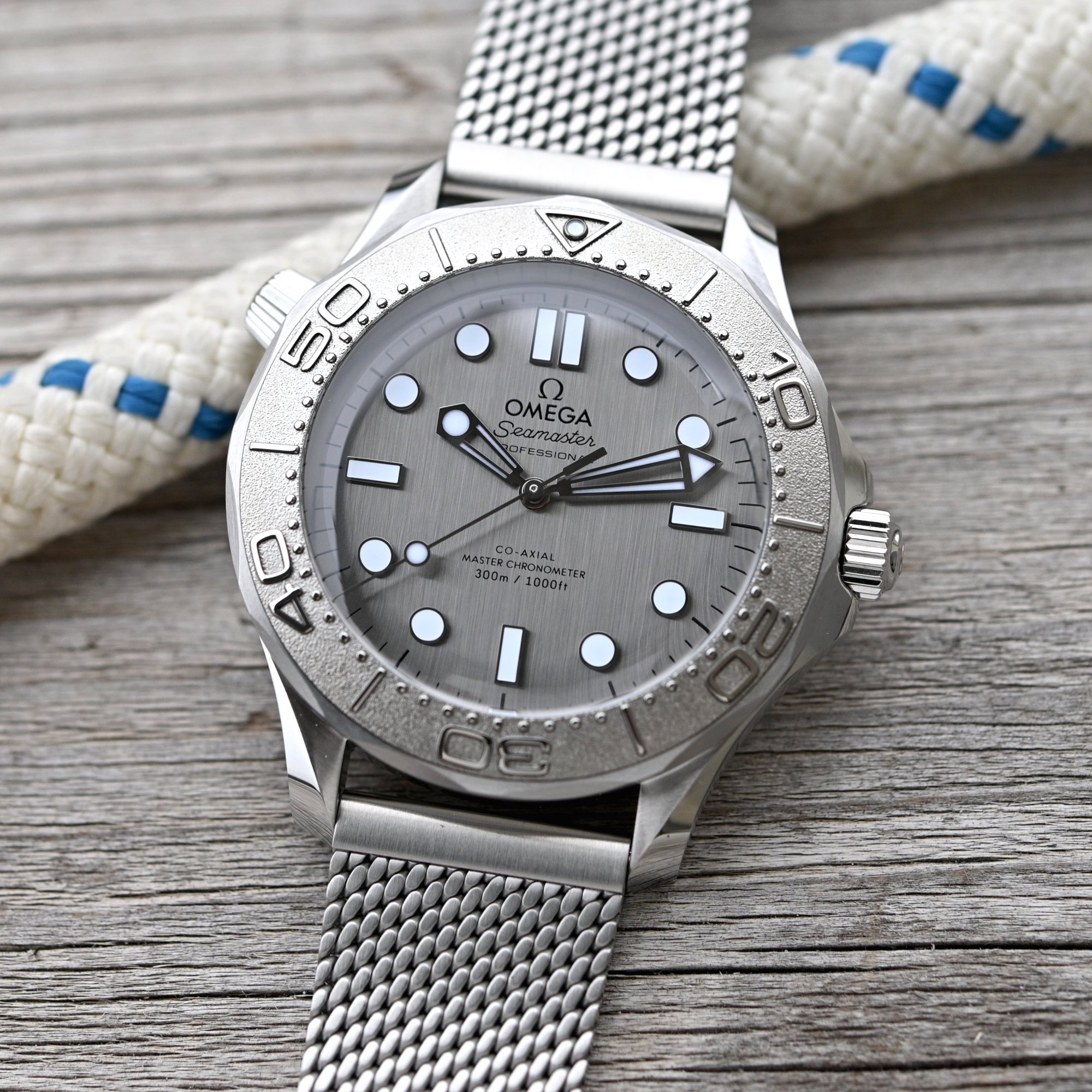
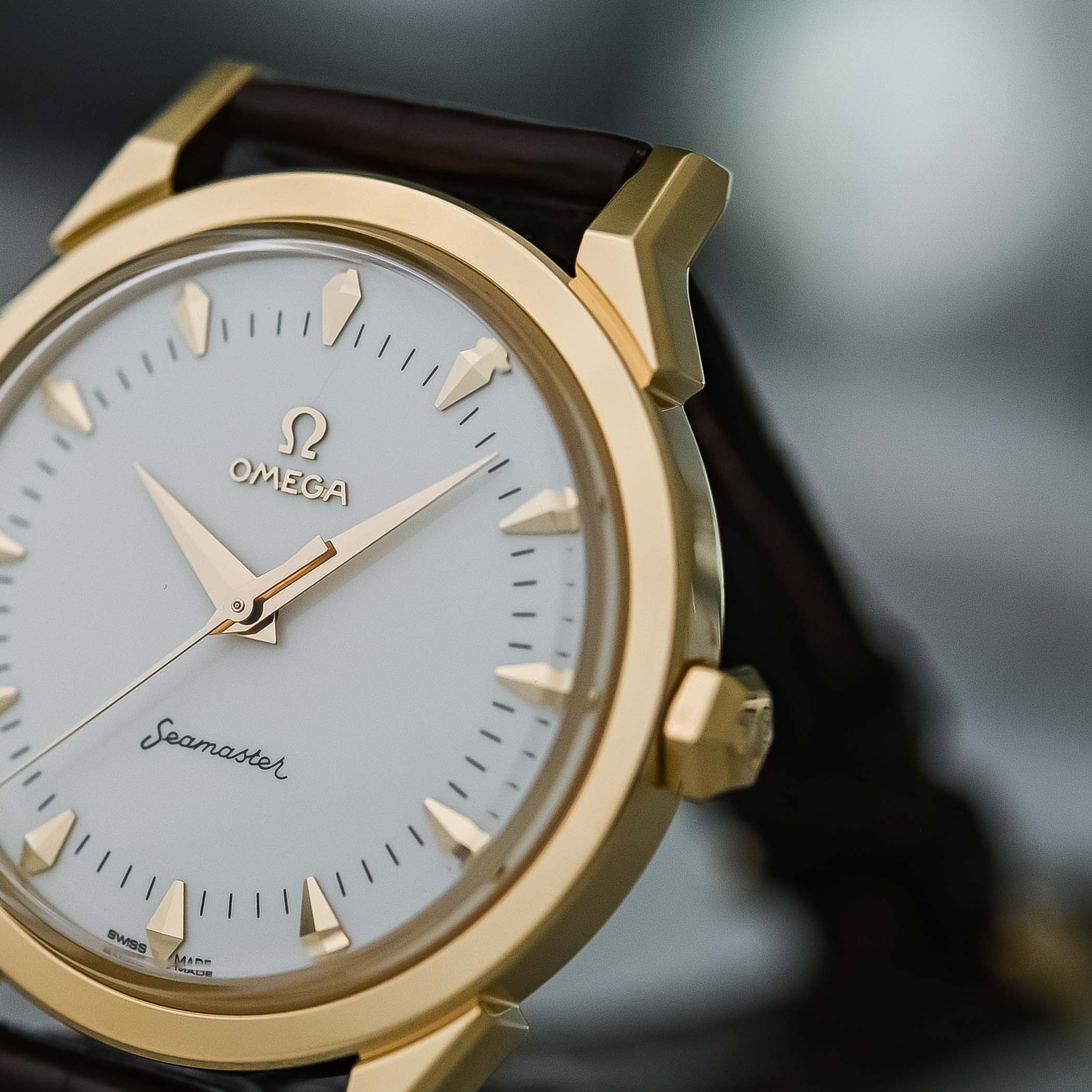
Now we have more deliberate styling with twisted or lyre lugs, first seen in the 1950s from Universal Genève (such as with the Polerouter). The most recognised example arguably comes from Omega with the 1964 Speedmaster, ref. 105.012-063. This was a departure from the straight lugs of prior Speedmaster models and continues to help define the collection today. Twisted lugs differ from straight as they curve downward while also twisting a bit, demonstrating how lugs have evolved into an important part of case design (moving from simple holders for straps and bracelets). Omega uses twisted lugs for more than the Speedmaster, with the Seamaster and other collections. Tudor, IWC and many more have embraced twisted lugs for their subtle yet effective aesthetic that catches the light.
Integrated lug Design
One of the most famous lug types is more of an extension of the case itself, so the bracelet or strap integrates with a downward sloping case end rather than wide, conventional lugs. It’s generally associated with luxury sports watches, and we can thank legendary designer Gérald Genta for the aesthetic, as he introduced two iconic models in the 1970s – the Audemars Piguet Royal Oak in 1972 and the Patek Philippe Nautilus in 1976. Integrated sports watches have since exploded in popularity, with the recent and very popular Tissot PRX reissue being an affordable example. The sloping case end effectively acts as the first link, so the bracelet integrates with the design (hence the name) by starting with the centre link, although straps are used this way as well, which somewhat minimises the effect. The bracelet also matches the width, taper and beveling of the case, maintaining the design flow as if they were a continuous piece. The downside of this design is the custom and proprietary nature of the bracelets and straps – you’re generally stuck with what comes from the watchmaker, although some offer both bracelets and straps, as mentioned, to change things up.
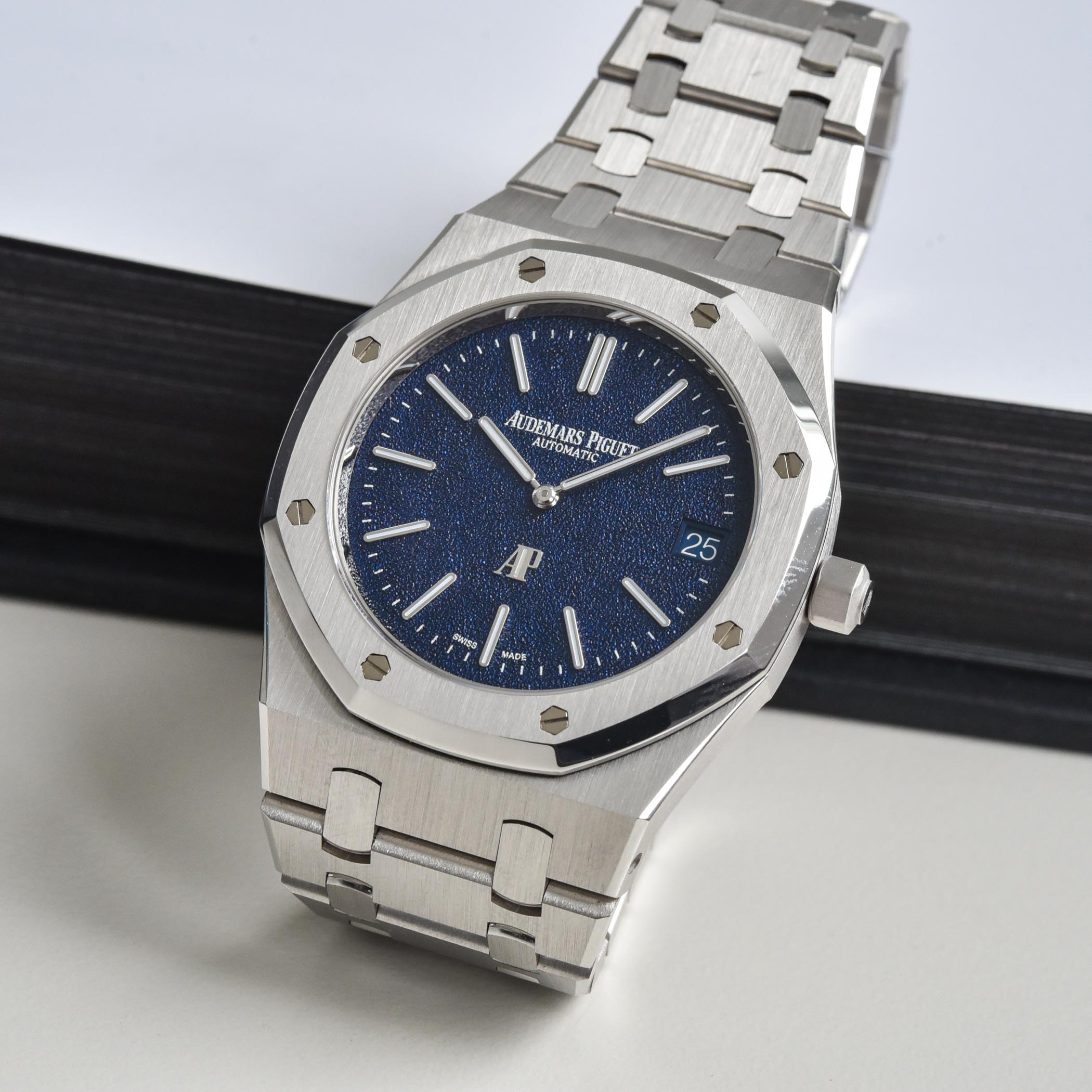
The integrated design tends to blur a bit as a comparable, uniform style can be seen with traditional lugs. An example of this is Bulgari’s Octo Finissimo with a bracelet that is very much an extension of the case, but ultimately connected via proper lugs. Other examples are Cartier’s Santos (with bracelet) and Parmigiani Fleurier’s Tonda PF series. A true integrated watch, however, follows the design principles of Genta’s original Royal Oak and Nautilus with sloped case extensions and no traditional lugs.
Teardrop Lugs
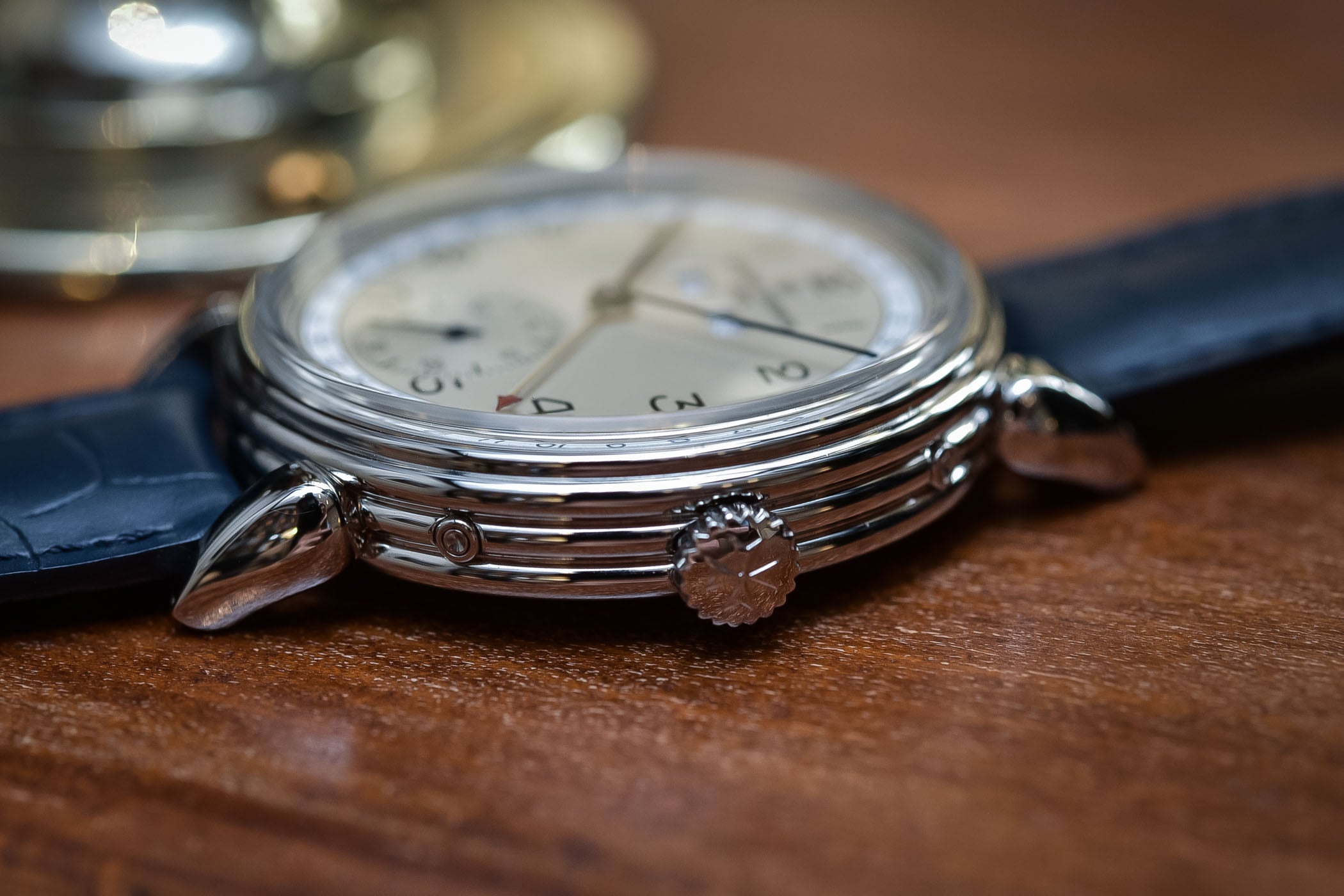
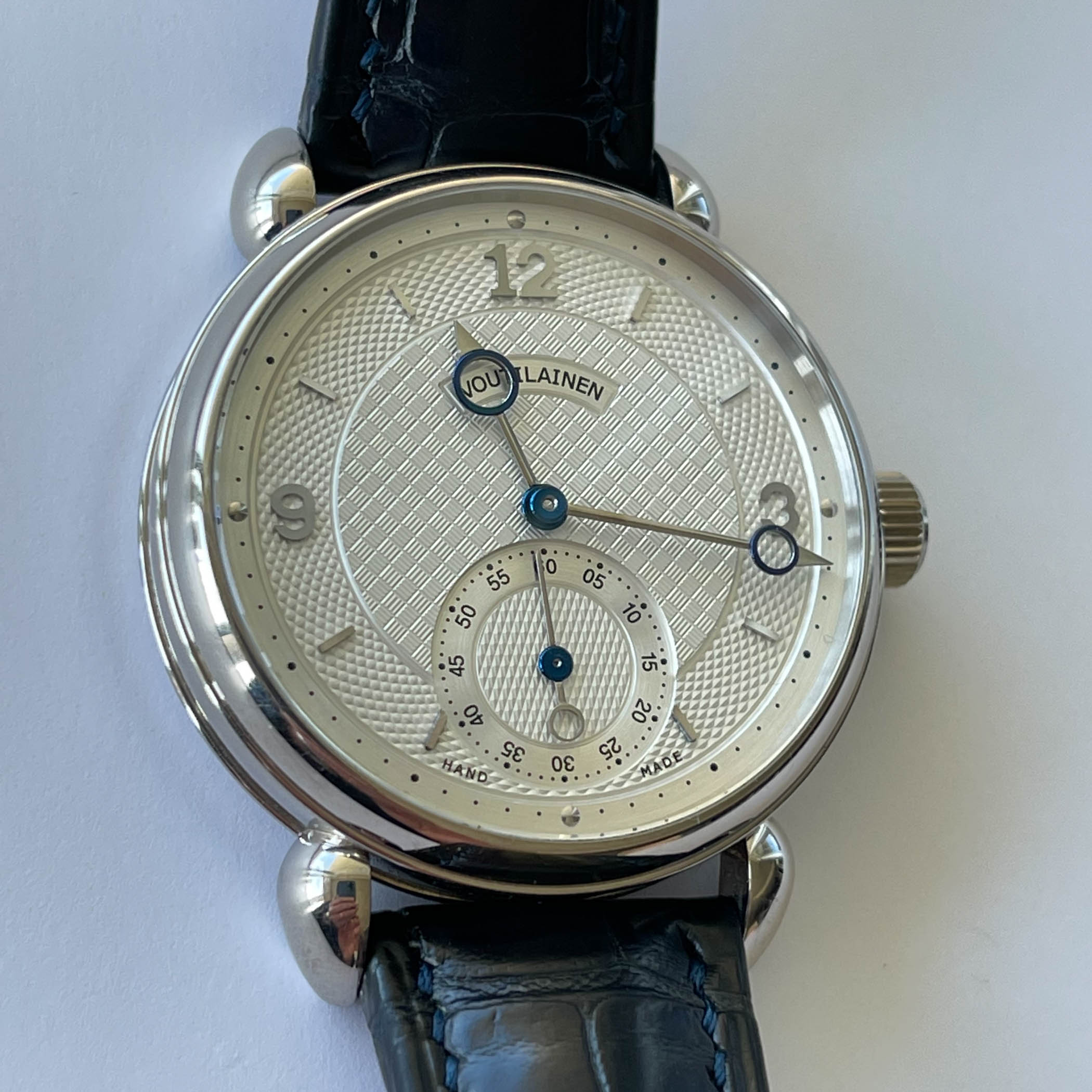
These rounded, tapered lugs resemble a water droplet or teardrop (hence the name), and while they’re more common on vintage cases, a handful of watchmakers continue with the style today. They debuted in the 1930s during the Art Deco craze and are welded to the case with a rather delicate aesthetic generally reserved for dress watches. Modern examples are rare and usually seen with high-end brands like Voutilainen with the 216TMZ Worldtime and Vacheron Constantin with the Historiques Triple Calendrier 1942. You’re much more likely to find teardrop lugs on vintage mid-century dress watches as they’re again mostly relics of the past.


Claw, Dog-Leg or Horn-Shaped Lugs
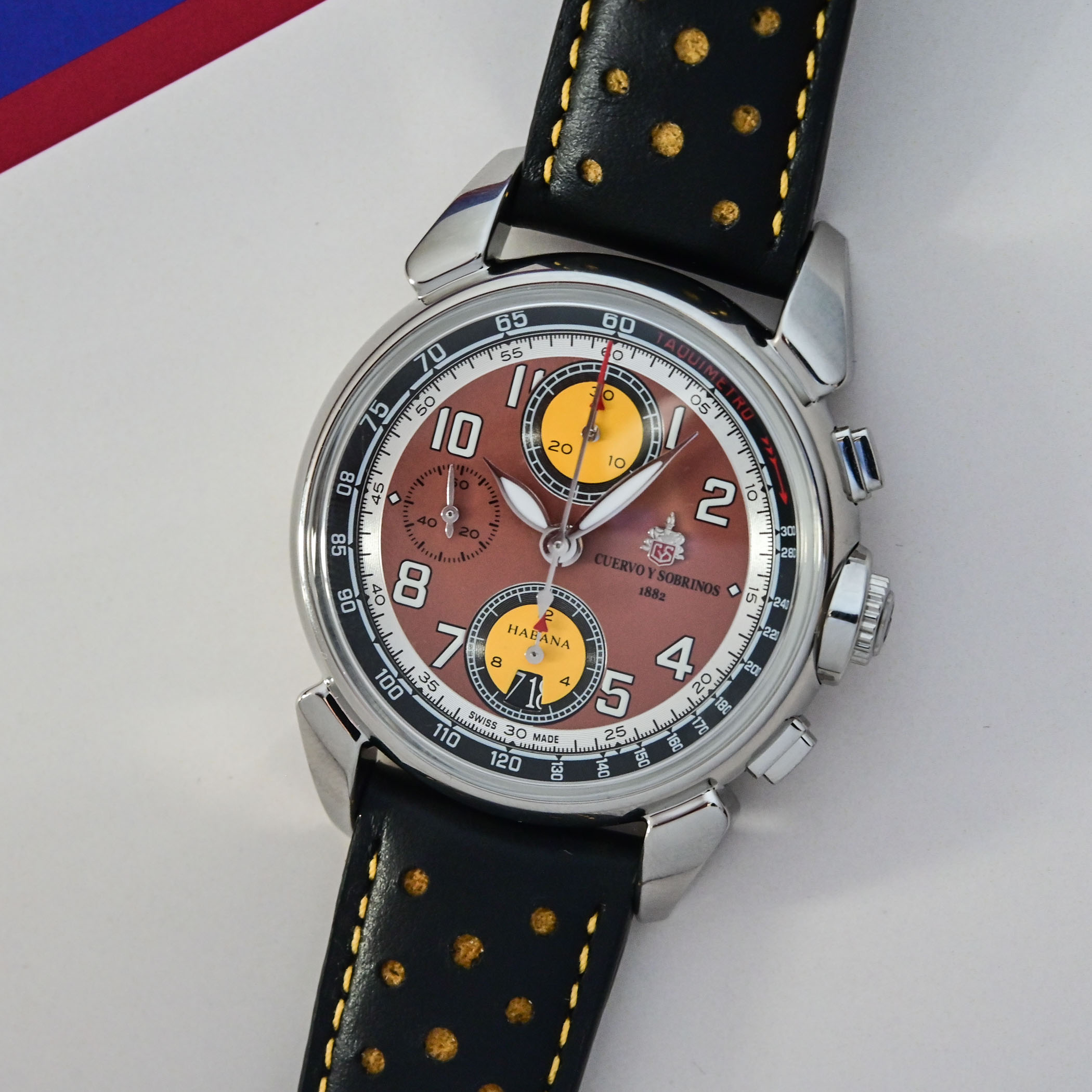
Imagine teardrop lugs becoming bolder and angular – that’s basically claw or horn-shaped lugs. They extend individually from the case and quickly angle downwards for a bold aesthetic and better ergonomics. These can have a soft(ish), curvy finish (like teardrop lugs on steroids) with the Cuervo y Sobrinos Historiador collection being a good example. From above, they almost resemble fancy table legs that could hold the case up on a flat surface. An example with harder lines and flatter, angular surfaces would be Tissot’s T-Complication Squelette.
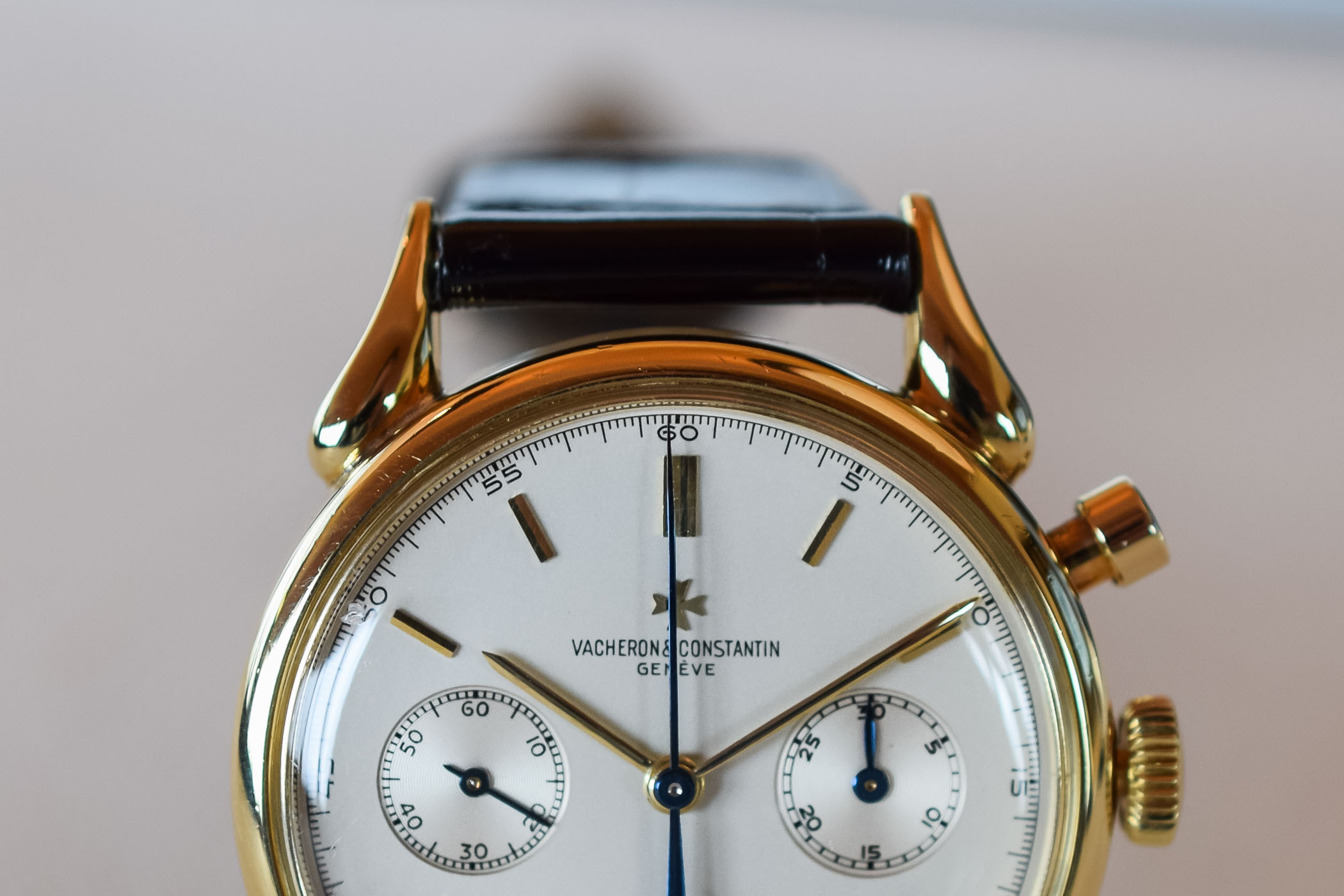
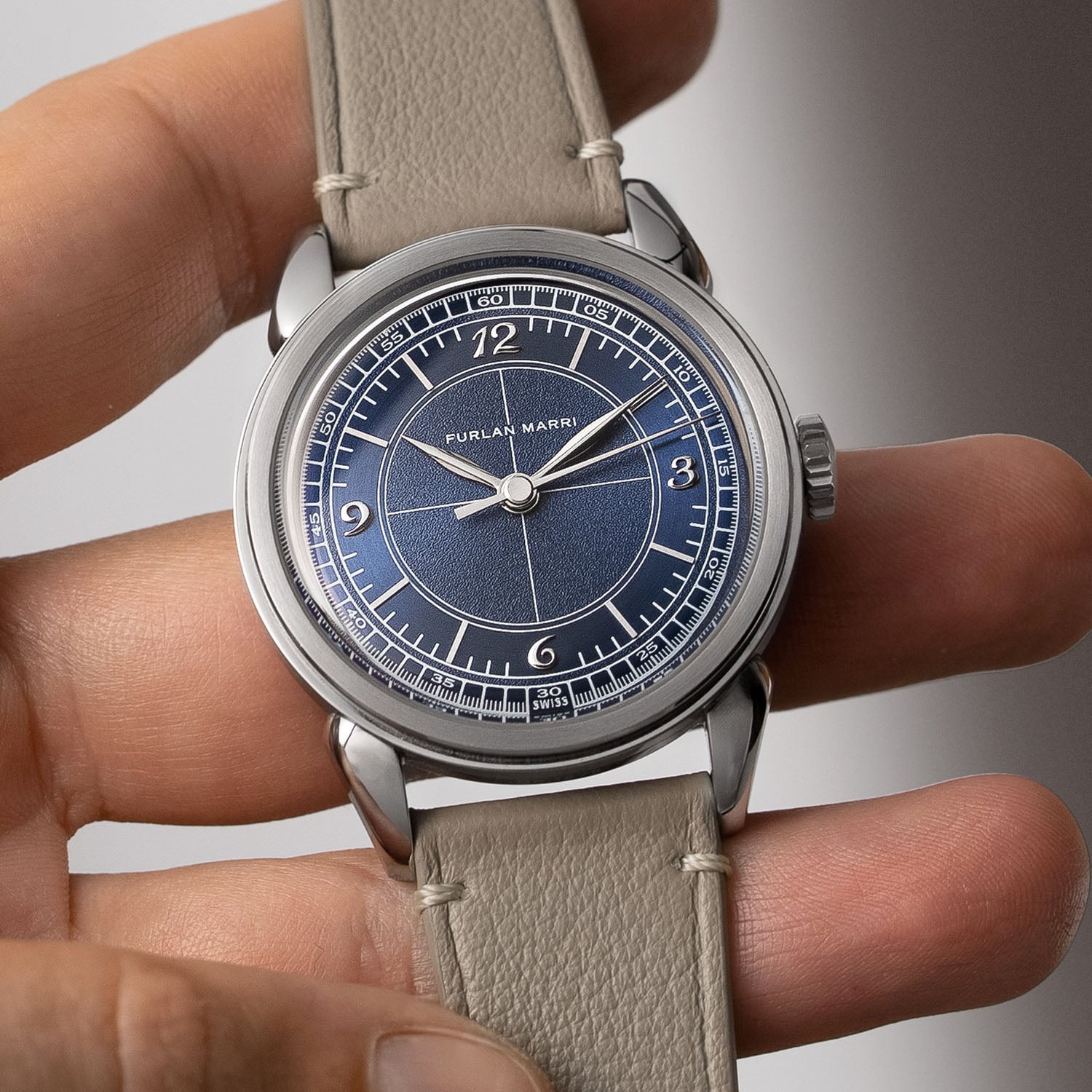
The so-called “Cornes de Vache” lugs (cow-horn lugs) are another example of mid-century design that, as its name indicates, finds its inspiration from the said animal. It is a close cousin to the teardrop lug and has been made popular recently with Vacheron Constantin’s 1955 Cornes de Vache Chronograph, or the accessible Furlan Marri 2116-A. Finally, dog-leg lugs are another example of design audacity, mostly popularised by Omega in its Constellation collection (once again, thanks to Gerald Genta), a design that has been revived recently with the Seamaster 37mm Milano Cortina and the return of the classic Constellation collection.
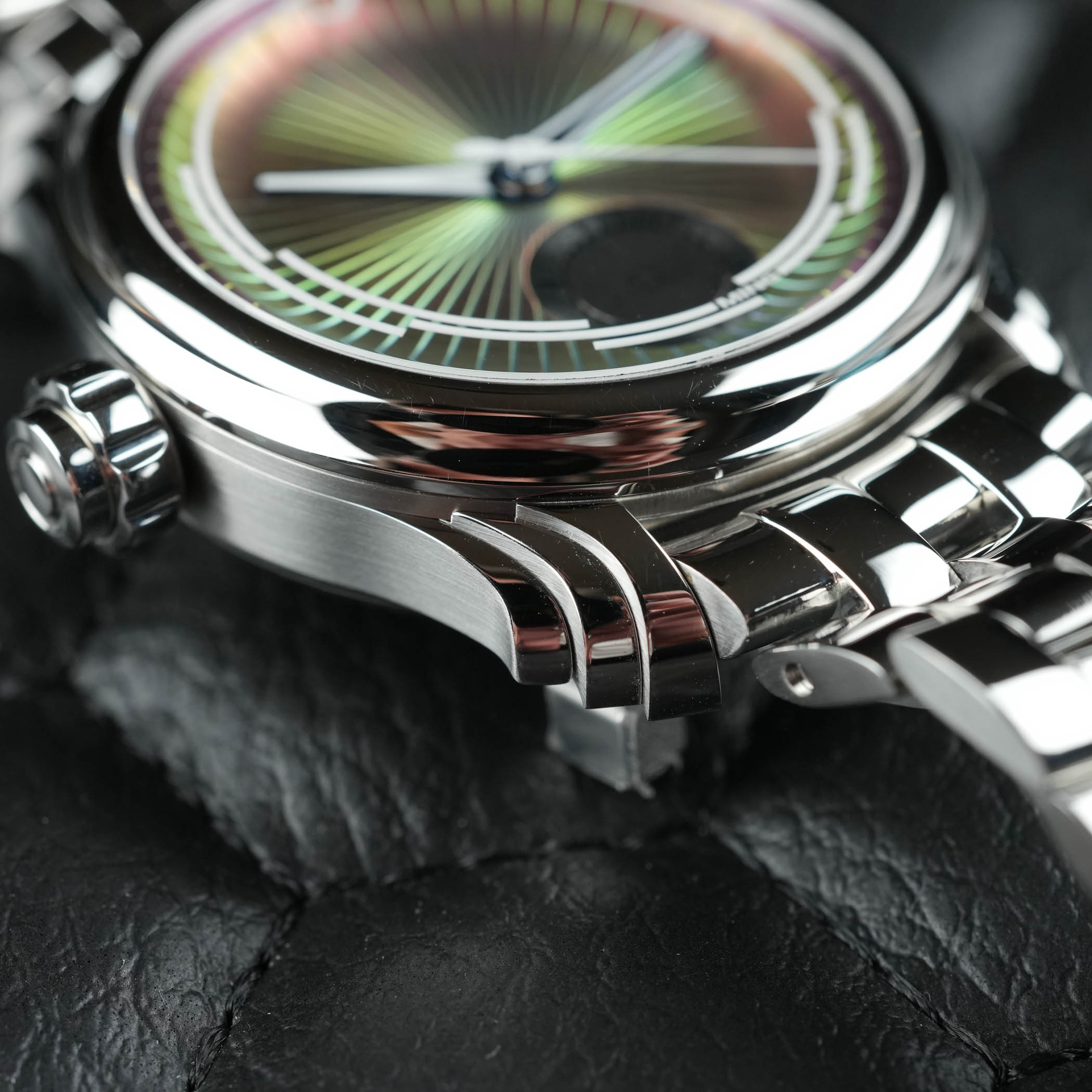
Stepped Lugs
This type features steps or terraces on the sides, reminding me of retro architecture like the Chrysler Building in New York or Junghans terraced headquarters in the Black Forrest region of Germany. The style was also born during the Art Deco era and is common on mid-century watches, but new examples include the NOMOS Tetra 27 Duo with two steps and Ming 57.04 Phoenix with three steps. The wider these get, such as with Ming’s three steps, the more wrist presence the watch has.
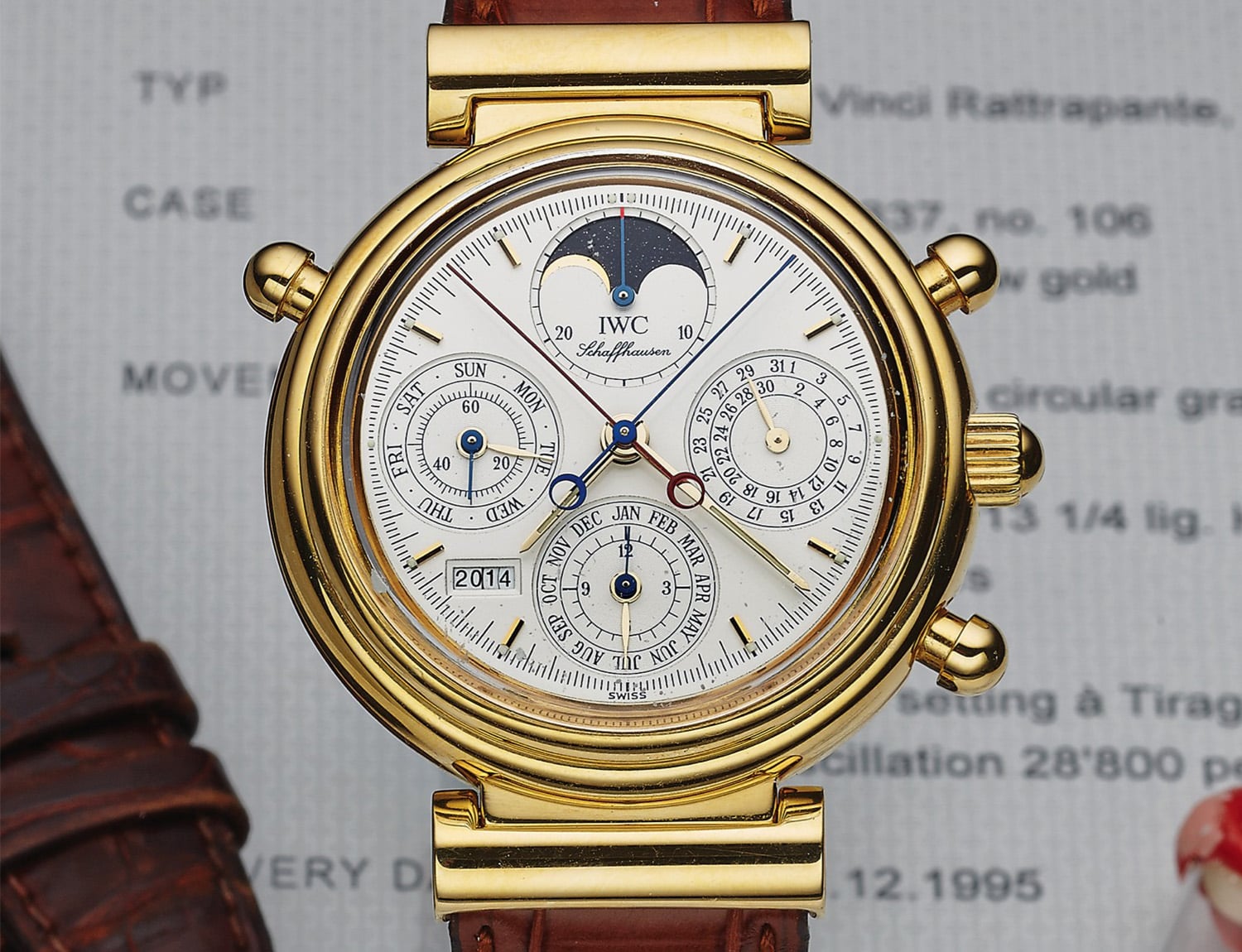
Hidden and Shrouded Lugs
Hidden lugs have spring bars just under the case, concealing the attachment points as the strap cleanly appears from underneath the watch. Hamilton’s Ventura Elvis80 Automatic is a great example, along with the Ventura V-Tec Sigma (no relation to Hamilton). Due to the unique attachment, these straps are sometimes proprietary with odd ends and can’t be swapped with aftermarket counterparts. Shrouded lugs are a bit different, as they’re outside of the case but covered (or shrouded) to conceal the attachment points. This style was popular in the 1960s and 1970s, and like teardrop lugs, is generally relics of the past. A good example is a vintage IWC Da Vinci, like the Perpetual Calendar (ref. 3750) from 1985.
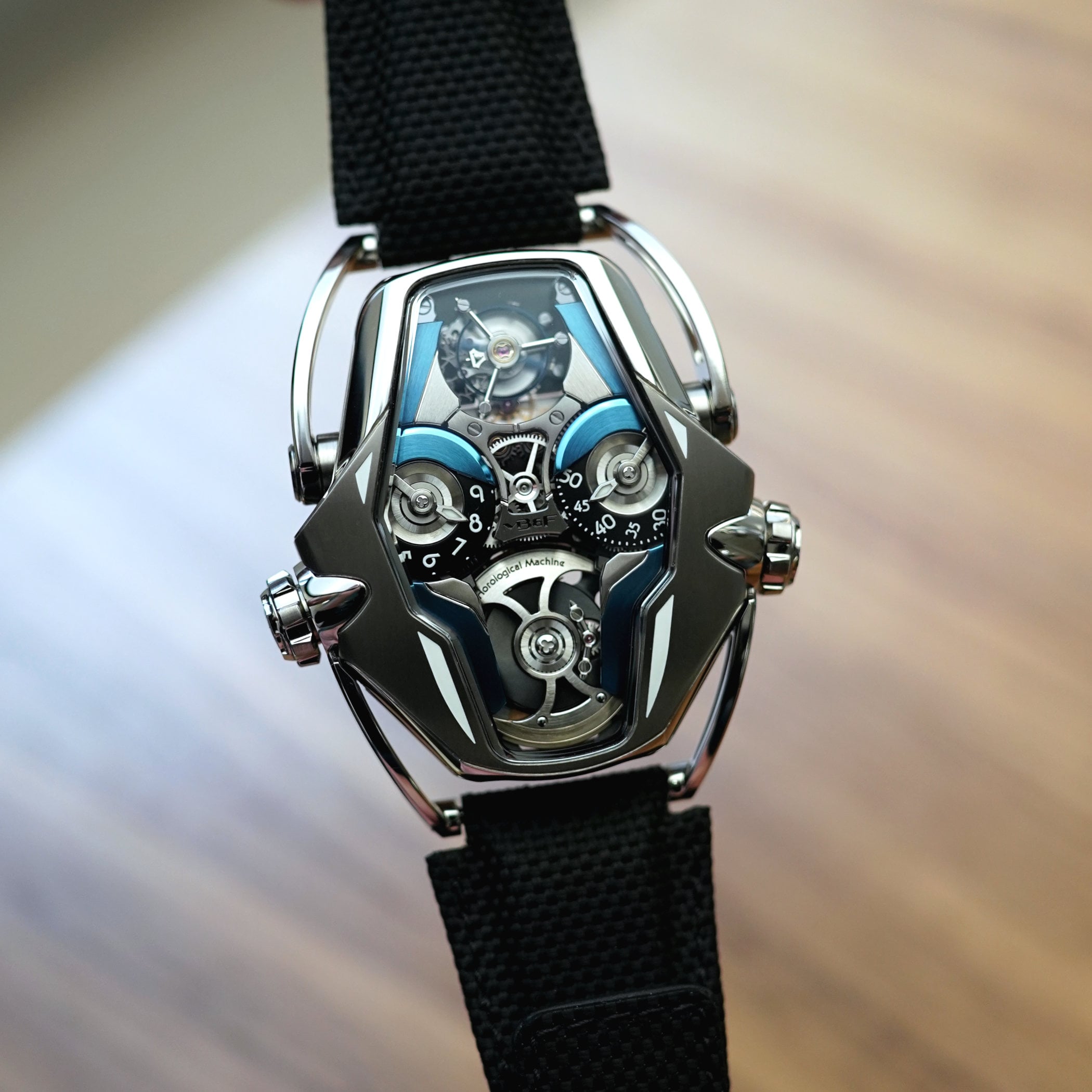
Articulating Lugs
Some watchmakers go full-blown futuristic with lugs, and MB&F is a prime example. The Sci-Fi inspired HM12 The Guardian features long, thin and slightly curved articulating lugs that attach near the case centre, so the watch almost floats above the setup. The top pair are the articulating ones and free to rotate, while the bottom lugs also reach around the case from near the centre, but are fixed in place. The same idea plays a huge role in the futuristic design of De Bethune, which uses articulated lugs in its DB28 collection.
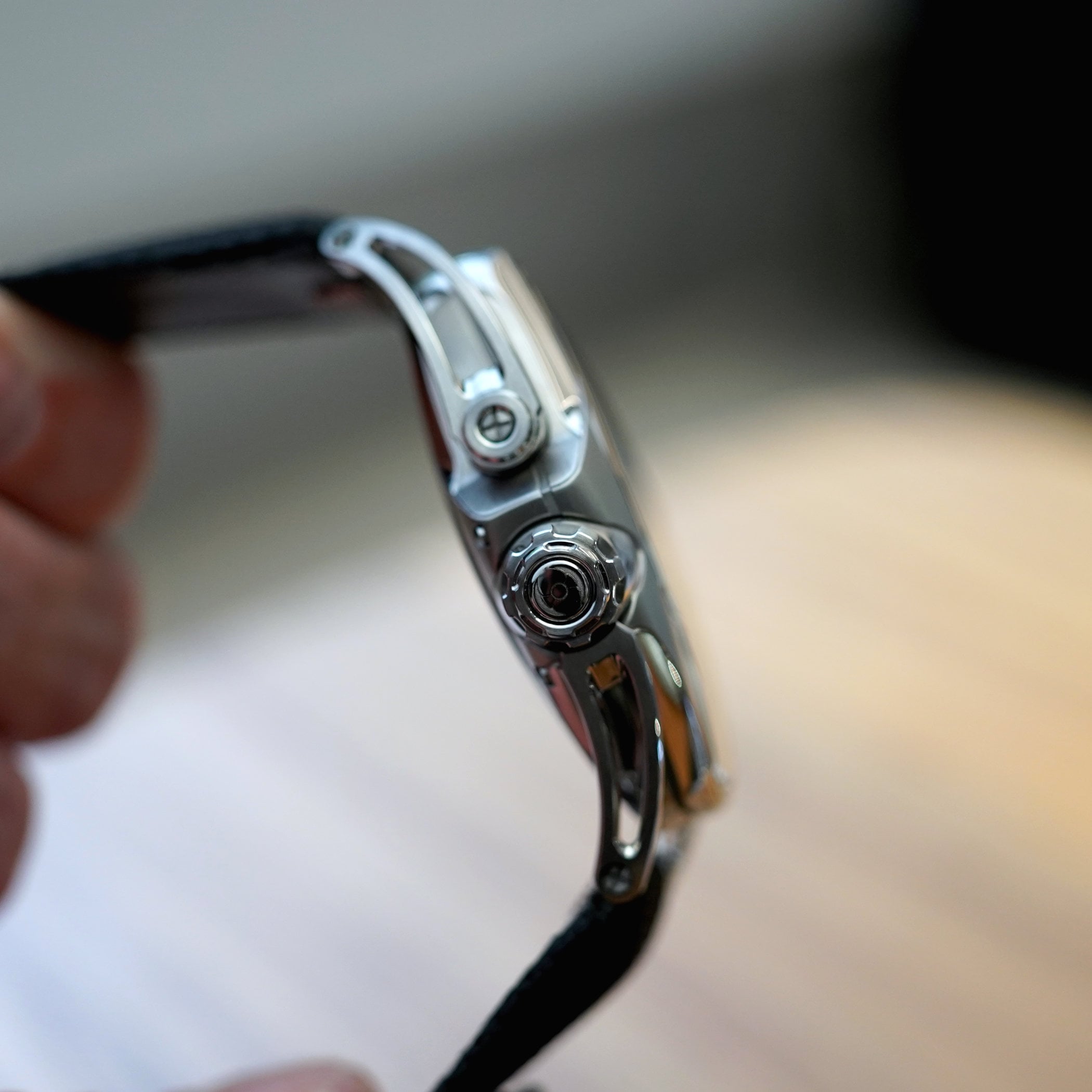
Returning to earth (at least from a price perspective), we have the Hanhart Primus Pilot series with more conventional articulating lugs. They freely rotate from the back, attached to “tubes” on the front and back of the case, while the strap attaches via conventional spring bars on the lug fronts. This allows for a more ergonomic position on the wrist, which is helpful given larger Hanhart case diameters like 44mm.
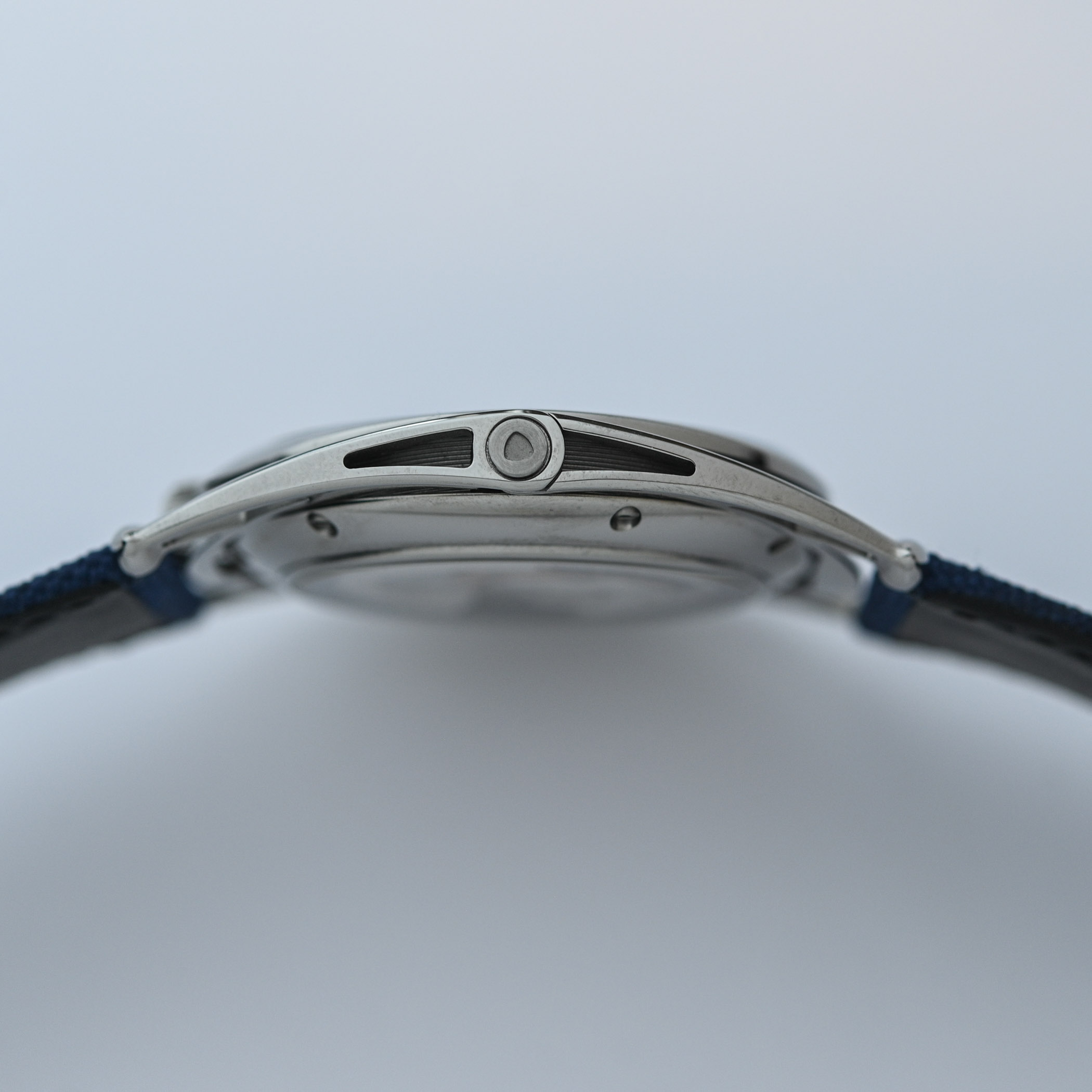
Lugs Have Come a Long Way
This isn’t an exhaustive list of lug types and styles, but it demonstrates the evolution from simple and utilitarian wire lugs to Art Deco influences in the mid-20th century to modern articulating examples from futuristic watchmakers like MB&F. Lugs have become a significant part of the case style and often help define the overall aesthetic. The Cuervo y Sobrinos Historiador series would be completely different without the horn-shaped lugs, for example. Exotic rarities are also exciting, like triple lugs seen with Roger Dubuis, such as on the Excalibur Spider Flyback Chronograph. I would say lugs are analogous to wheels on a car, and in both the watch and automotive game, these details matter. Something as seemingly simple as lugs can make all the difference in style.

1 response
I think the lugs of the AP Code 11.59 series were not mentioned. Not only they’re skeletonized, but also they are attached only from the top, and below they just ‘rest’ on the case. Quite an interesting design and a future classic IMO.