


 Not all images were able to load for printing. Please close the print window and try again.
 The Complex World of Casebacks
From functional to decorative, casebacks have evolved into complex extensions of the case.
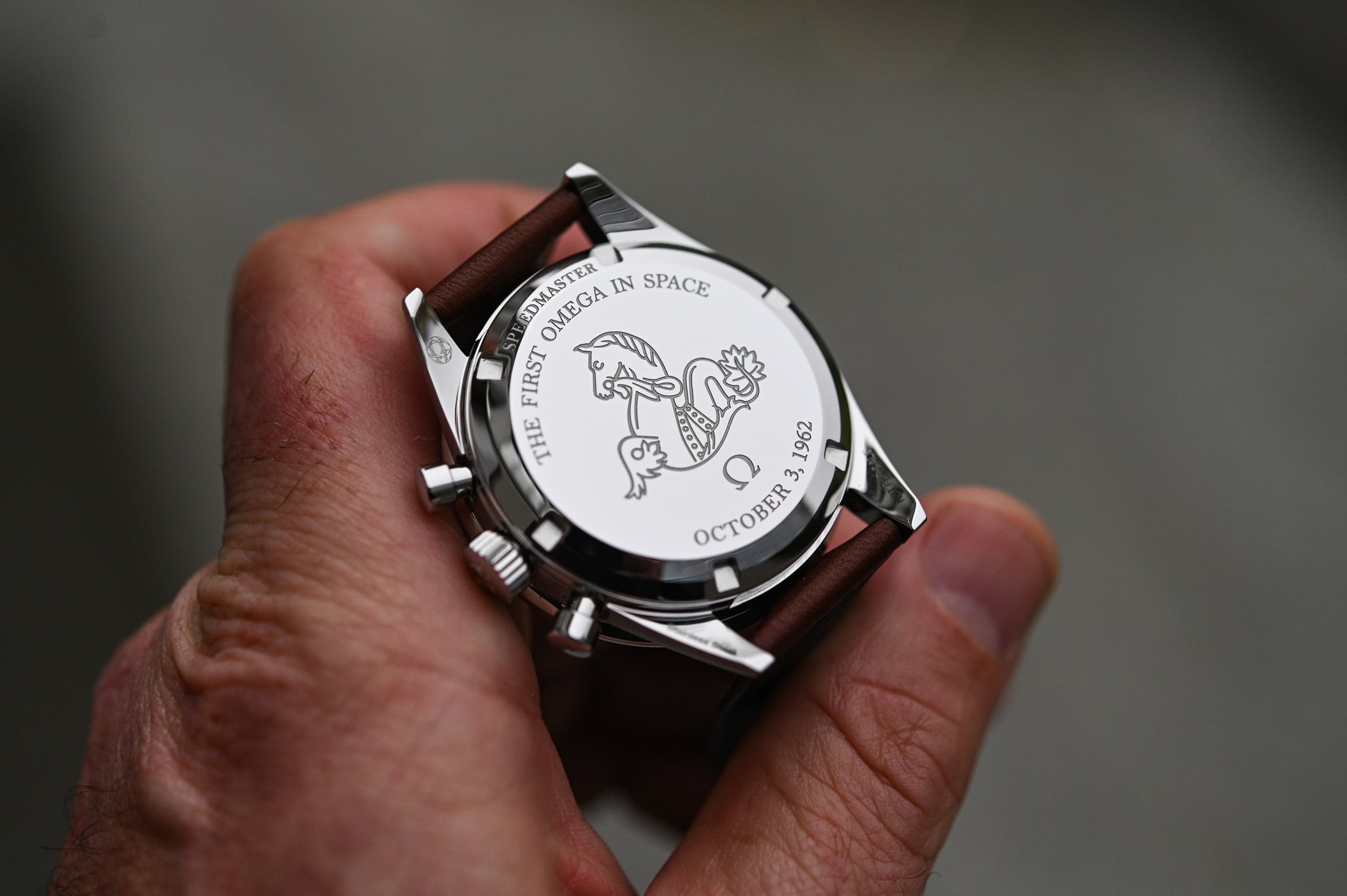
Many don’t realise just how complicated casebacks have become. Whether they’re contributing to high water resistance, displaying the movement or becoming part of the case itself, casebacks aren’t simply covers snapped on the back (although those do exist, of course). There are several ways to attach them to the case, and each method has a purpose – snapped on, screwed on, screwed down and even integrated as a solid piece. Materials vary as well, which generally match the case, although sometimes they stray from that rule, such as when a bronze or ceramic case needs a steel or titanium back. Following our overview of the lugs, let’s now take a closer look at the complex world of casebacks and the surprising variety available today in our latest instalment of The ABCs of Time.
Caseback Evolution
Casebacks are essentially the hood of the car, providing access to the engine (a.k.a. the movement) for maintenance and repairs, but otherwise remain closed. It’s common today to display the movement under glass or sapphire, not unlike how exotic mid-engine sports cars display their high-horsepower engines under glass panels. And some casebacks are dynamic, adapting themselves to underwater pressures. If we go back to the beginning, however, things were very different. Nuremberg Eggs from the early 16th century were the first pocket watches (although small portable clocks in reality) and introduced casebacks as hinged lids without effective water or dust resistance, but a closed lid is better than nothing. These were typically made of brass and provided access to wind and set the movement, and also to service the gear train, verge escapement and other components. However, some parts needed access from the front cover as well, and there wasn’t a fixed crystal in the way (just a single hour hand under a cover at the time).
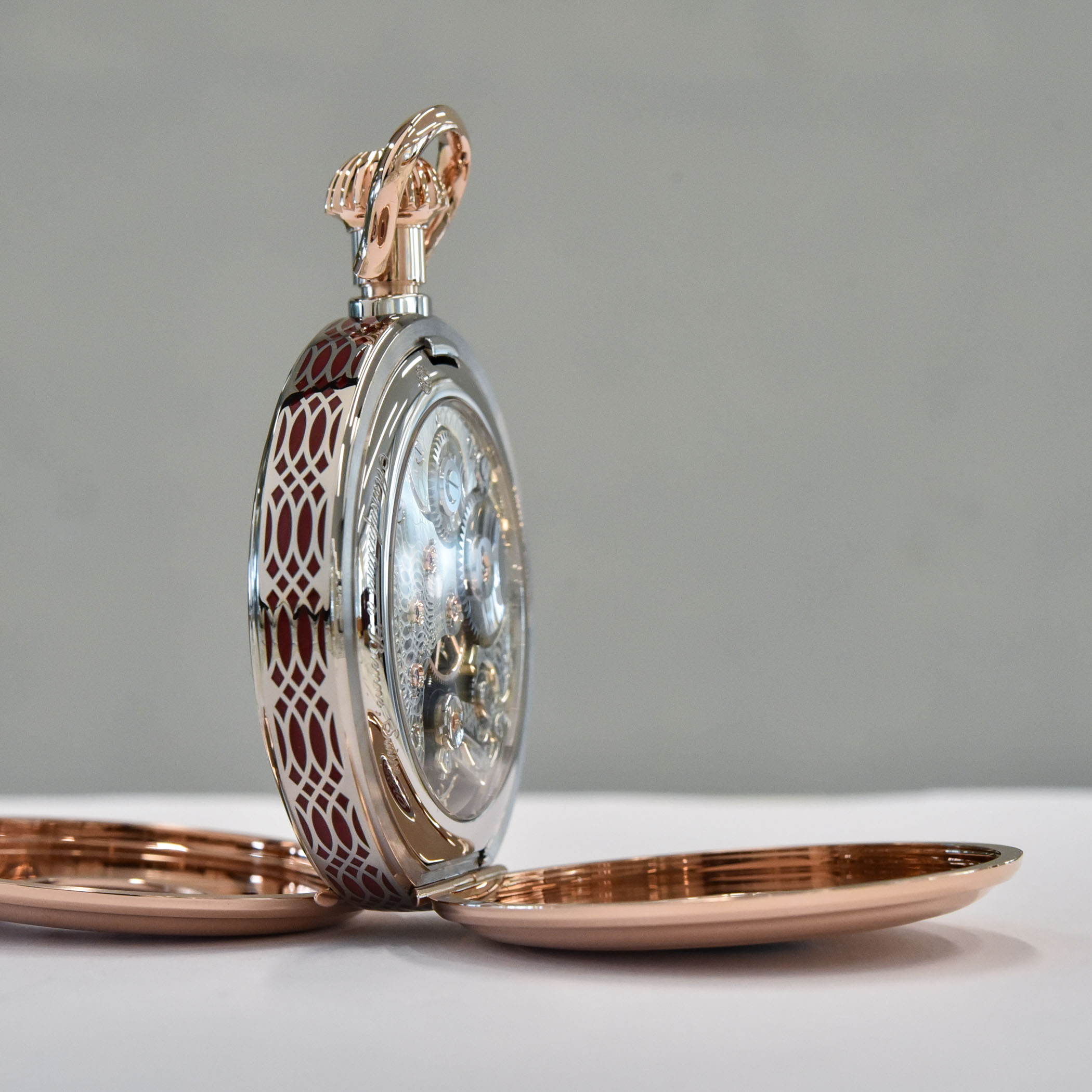
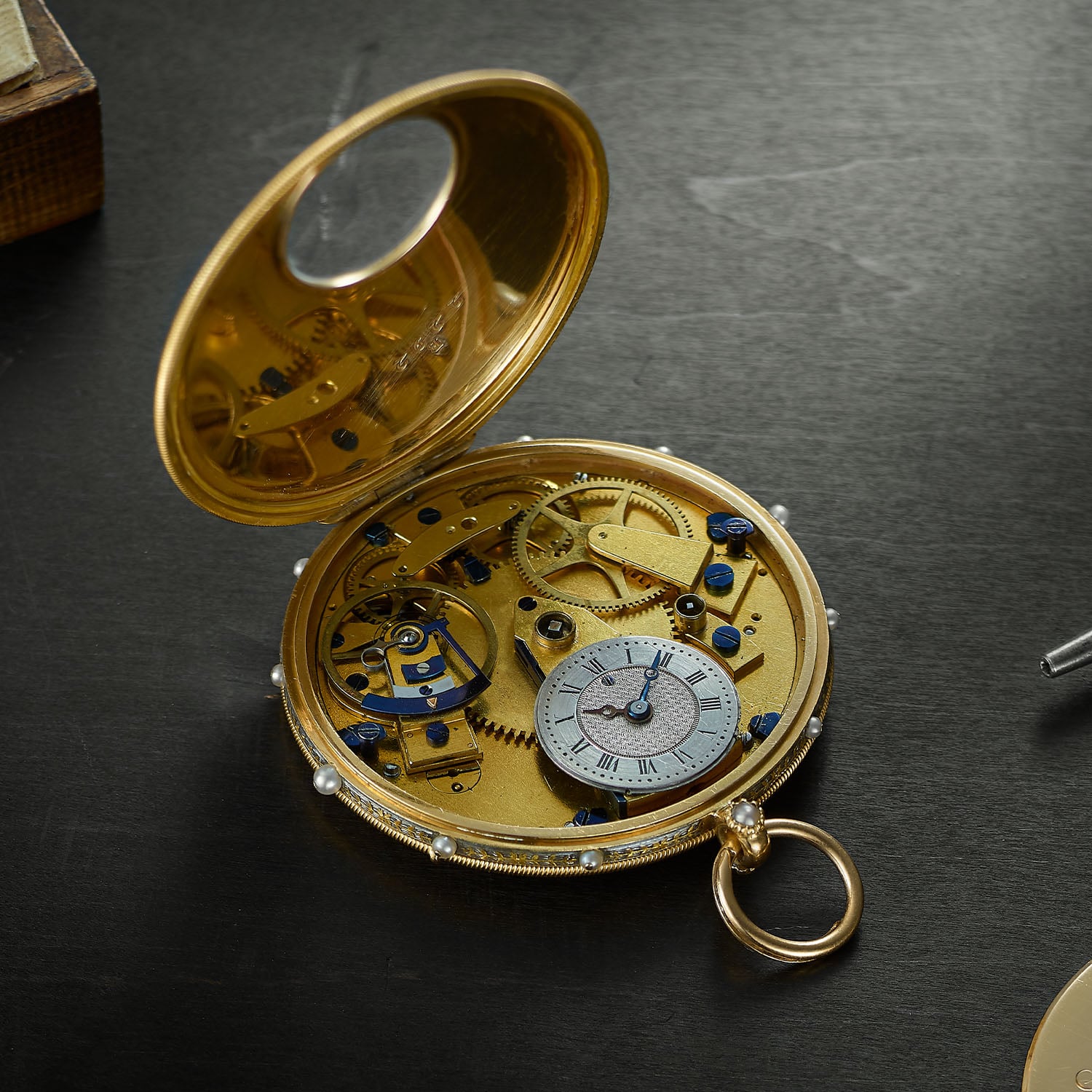
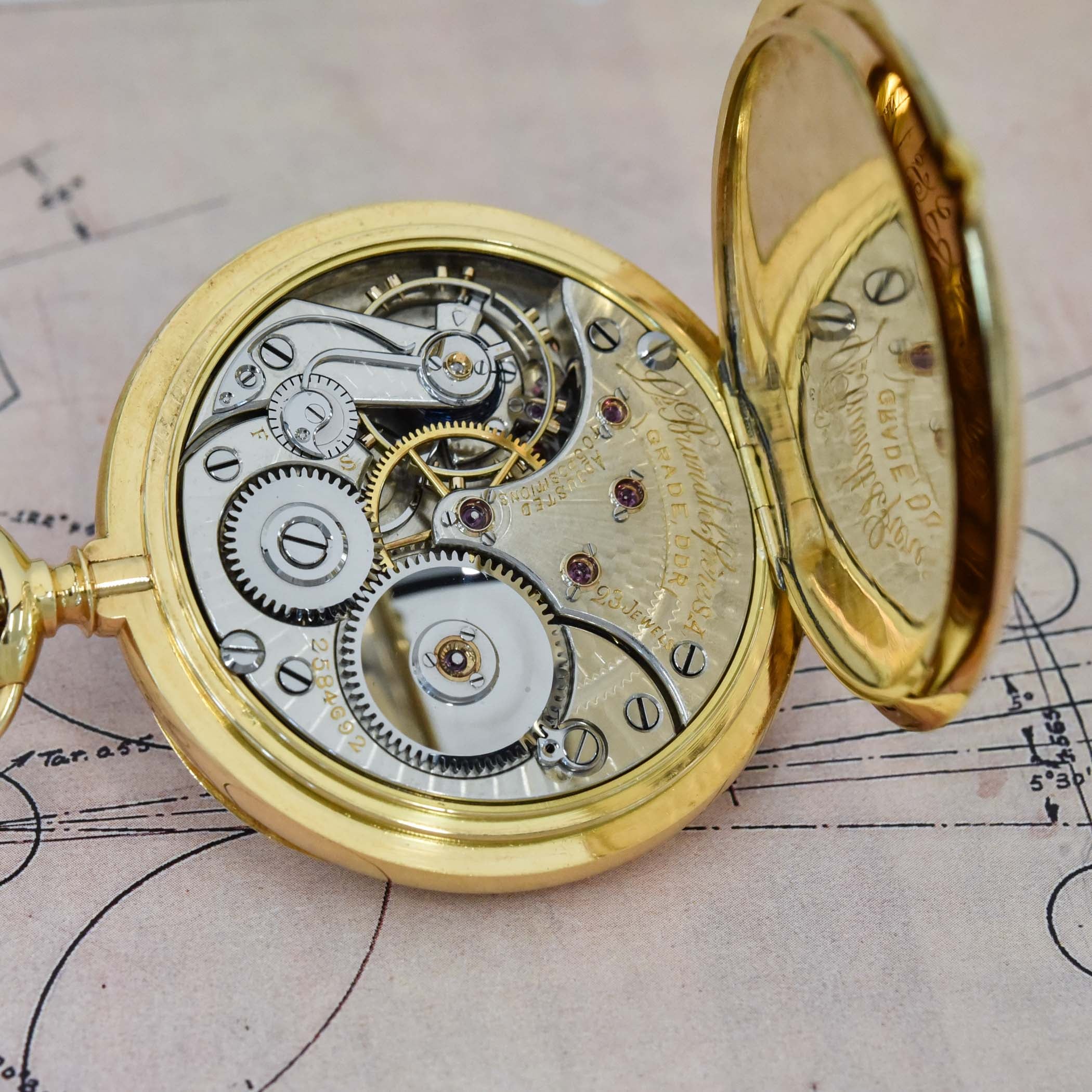
Hinged casebacks continued as pocket watches evolved into more contemporary pieces that we recognise today with glass crystals and slender, pocketable designs. Hunter pocket watches were designed in England in the early 19th century to address the rigours of fox hunting (hence the “hunter” name). These had spring-loaded metal covers over the glass crystals to protect them from damage (similar in concept to the Jaeger-LeCoultre Reverso that rotated within the case for protection during polo matches). Many were double hunters with hinged front and back covers, and some even had a second back cover under this called a cuvette for additional protection or as a very early (and rare) exhibition type to see the movement without exposing it.
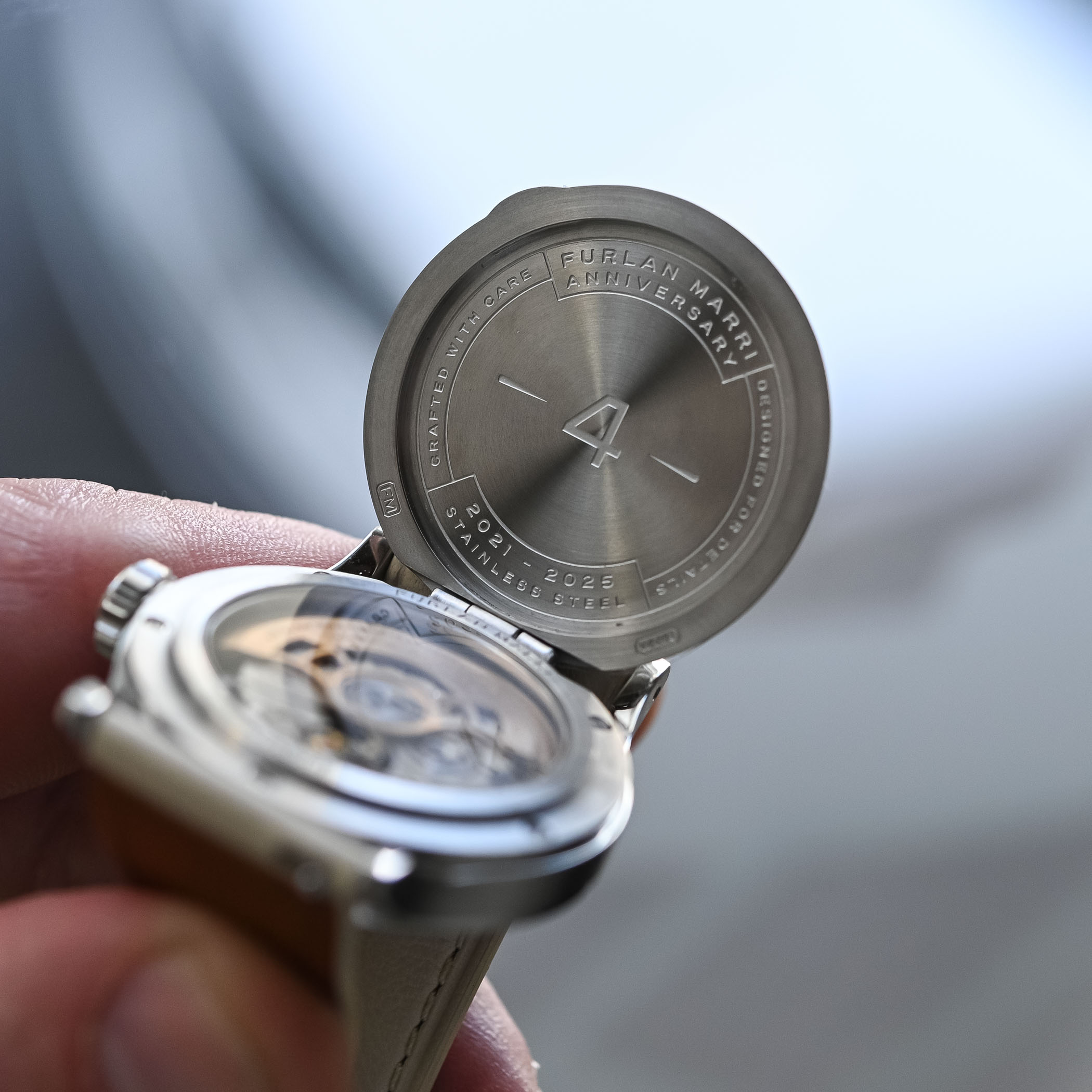
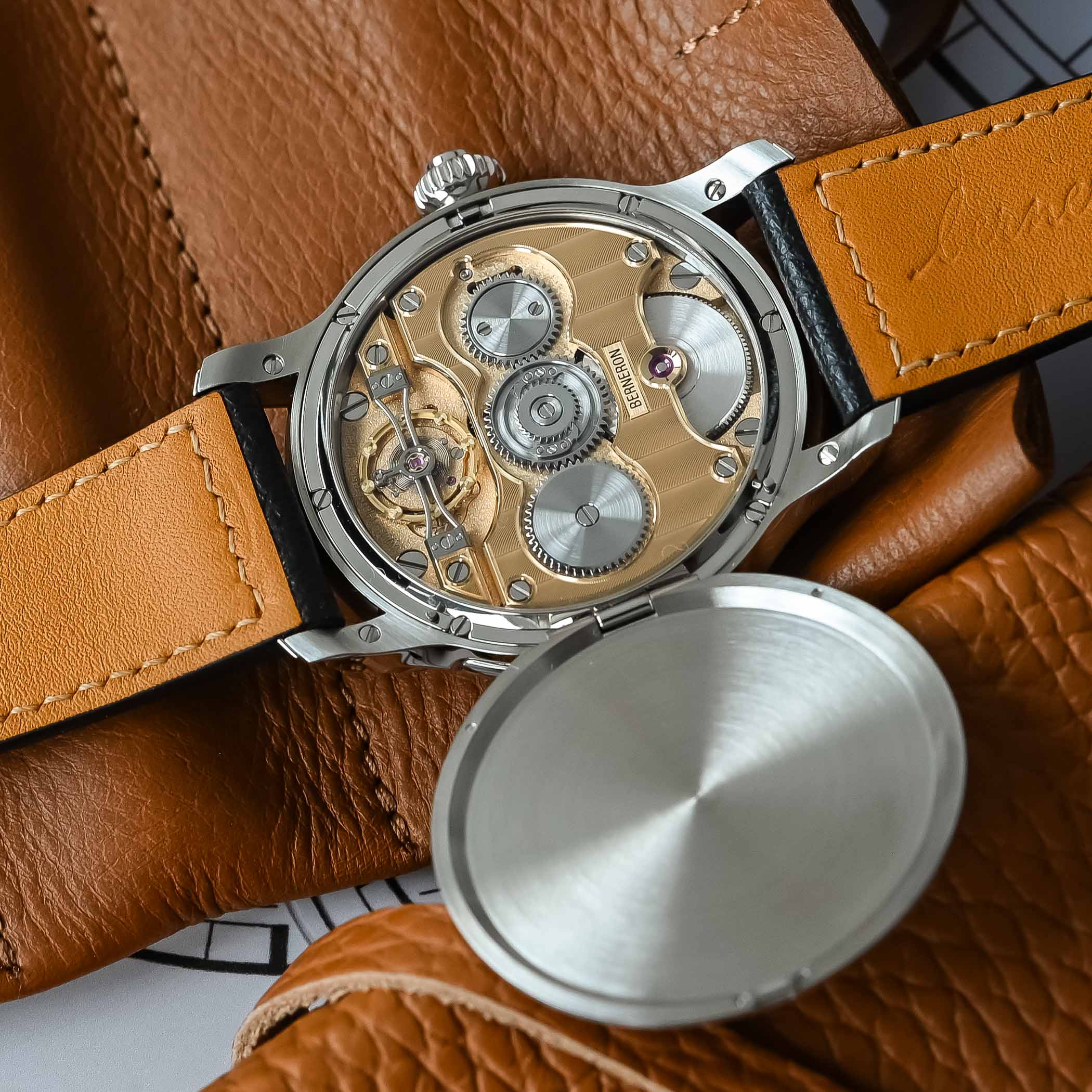
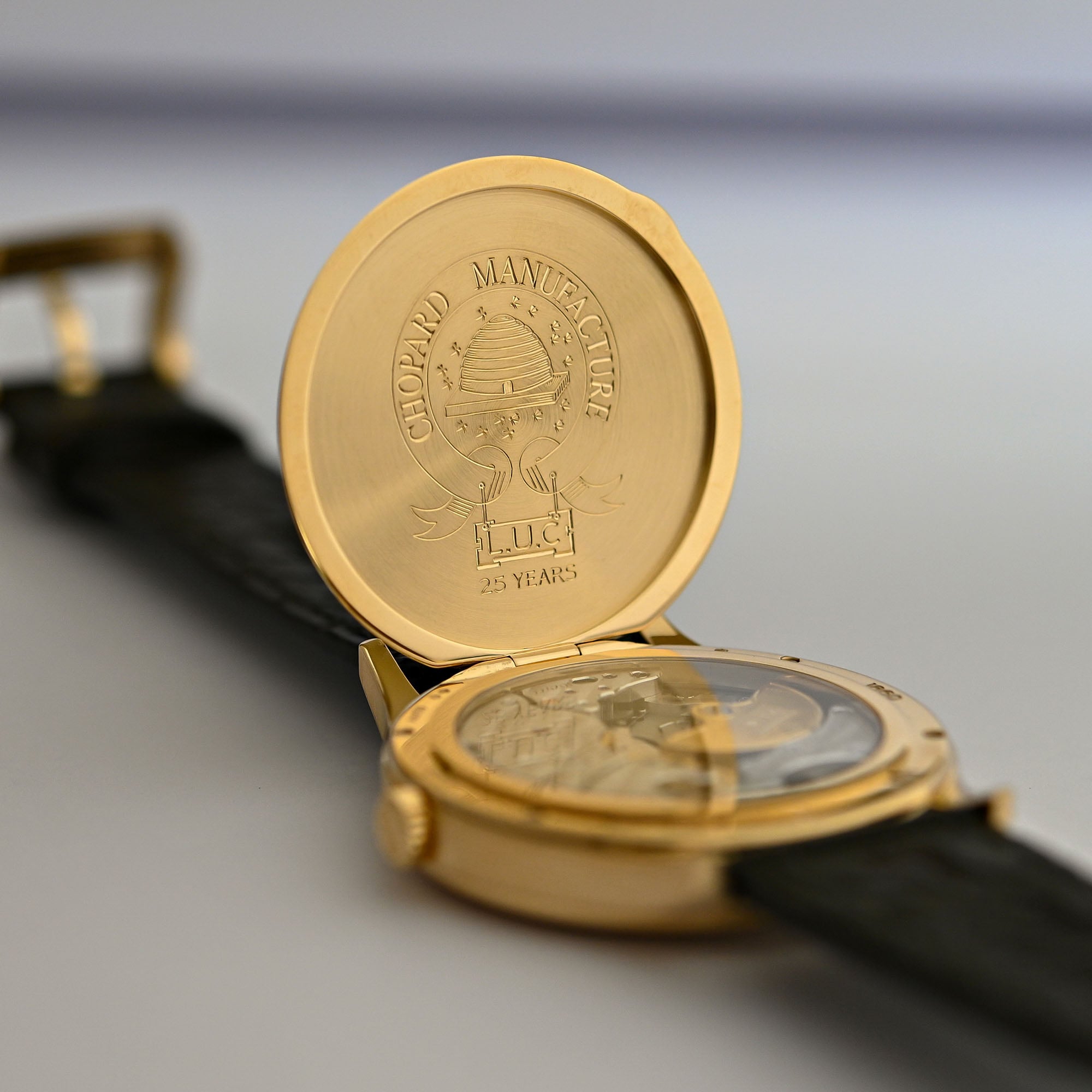
Prior to this, in the 18th century, pocket watches had either a hinged back or pair case – an inner case was placed in an outer case for protection, which itself would open in two halves via a push-button. Stem winding (without separate keys) wasn’t commercialised until the 1850s, so casebacks had to be frequently and easily opened for winding and setting the movement, and it wouldn’t be until the mid to late 19th century that more permanently placed casebacks became standard.
Snap-On Backs
Among the original semi-permanent casebacks were pressure-fitted snap-ons that generally protected the movement from dust and remained securely fastened until service or repair. This wasn’t a user-friendly component like a hinged back, but it provided better protection, a thinner case profile and improved security from accidental openings. It became a gold standard for early wristwatches prior to waterproof cases, although a good snap-on with a properly seated seal can have a 30 to 50-metre rating today for rain and splash resistance. Snap-ons were commercially introduced for pocket watches in the 19th century, but threaded casebacks were steadily gaining popularity prior to wristwatches.
Threaded Backs
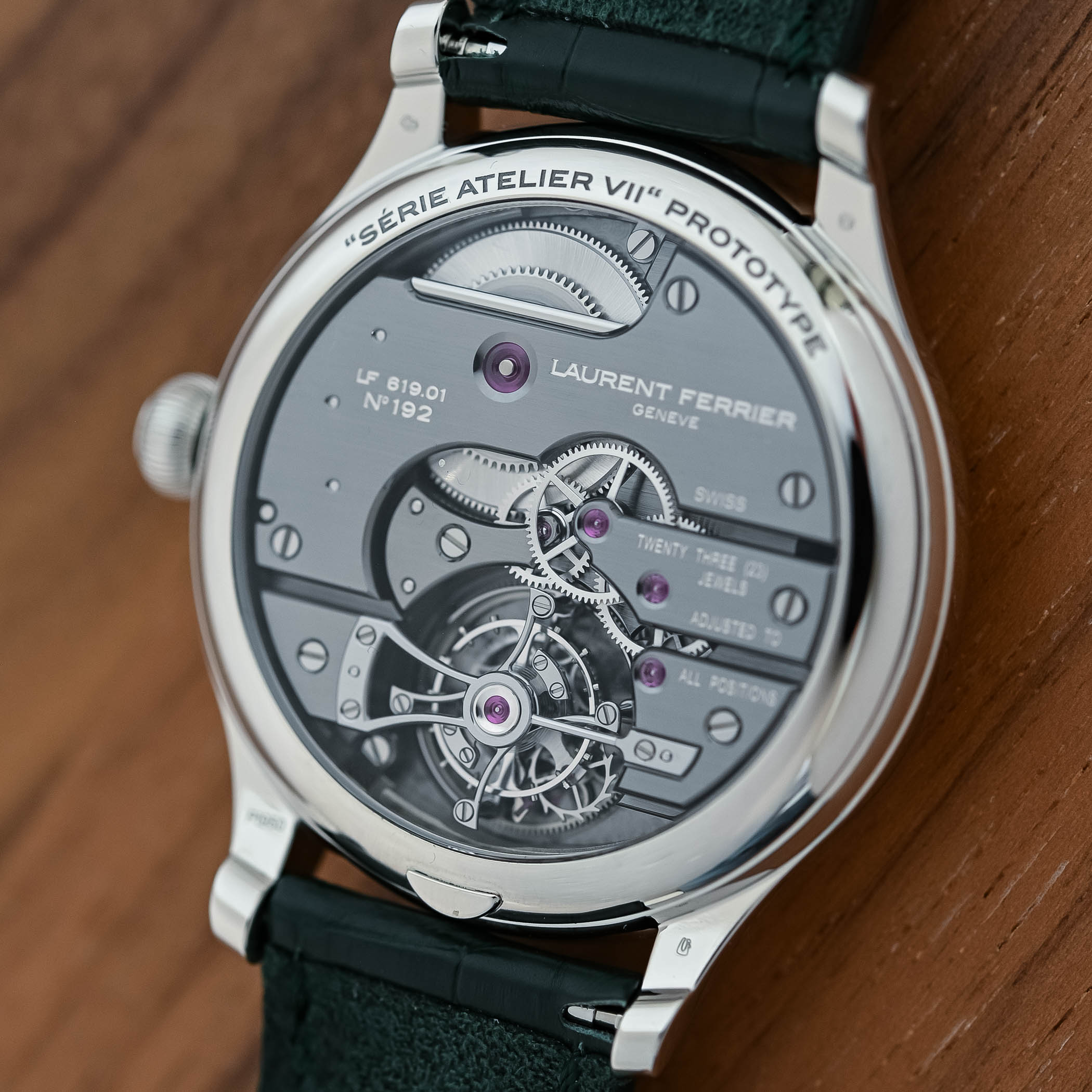
From a waterproofing and dust resistance standpoint, threaded casebacks that screwed into the case were a big step forward. Early examples from the 19th century include work from American watchmaker Aaron L. Dennison, who patented a threaded caseback in 1872. By the late 1880s, threaded backs were seen in limited numbers on pocket watches for better water and dust protection, and Swiss case maker François Borgel helped pioneer the design for both pocket and wristwatches. The weak links were the crown and bezel, which also needed to screw down and work as a team with the caseback (although push/pull crowns would eventually get effective O-ring seals for 100 metres of water resistance and beyond). Swiss watchmakers Paul Perregaux and Georges Perret patented the screw-down crown in 1926, but it was Rolex that capitalised on the concept. Rolex founder Hans Wilsdorf was working on the first truly waterproof watch case and needed a screw-down crown, so he purchased the rights from Perregaux and Perret only two months after their patent. The design itself needed work as it was reverse threaded and could jam from a fully wound mainspring. Rolex quickly made refinements and added an internal clutch, and Wilsdorf registered his own patent later in 1926.
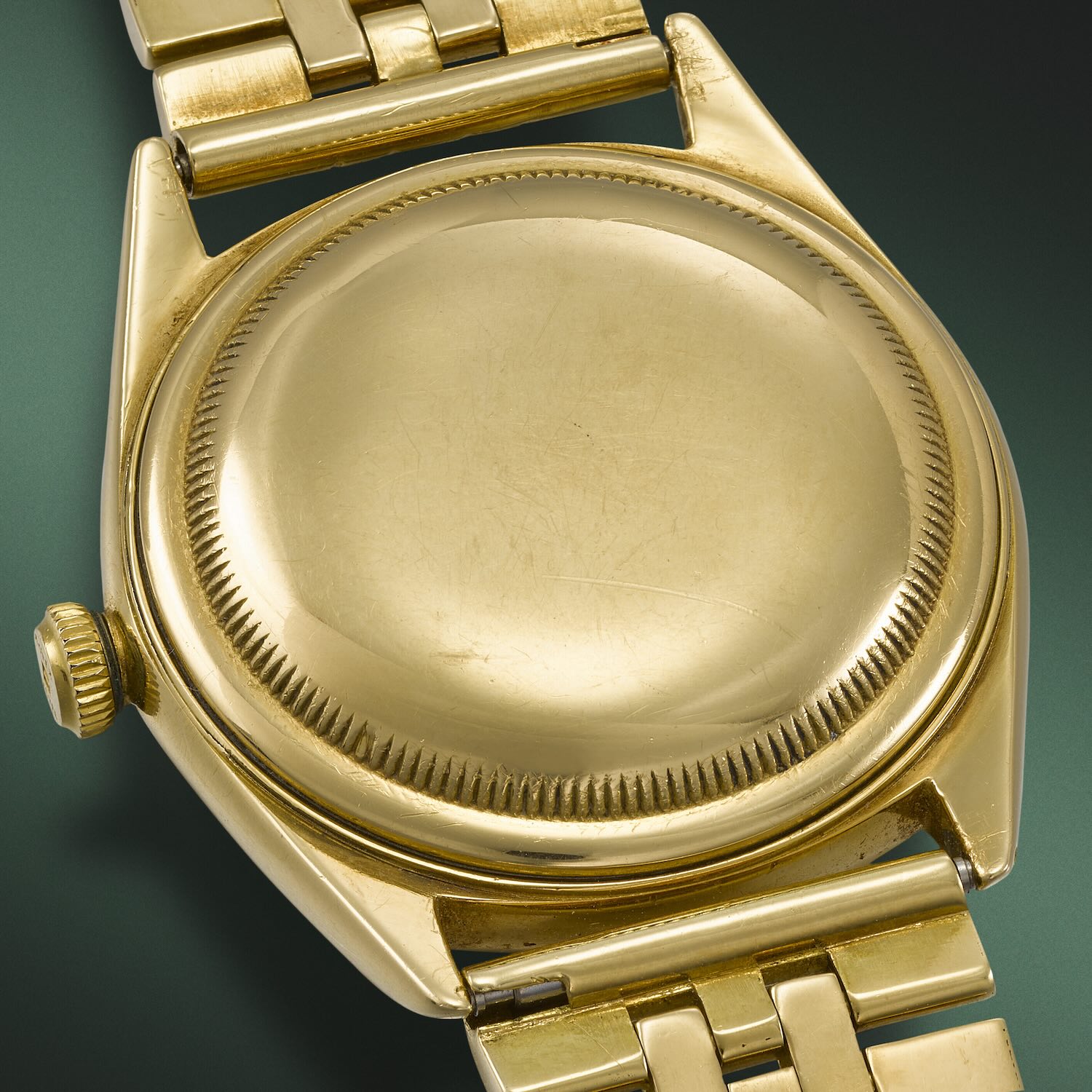
The Rolex Oyster Case
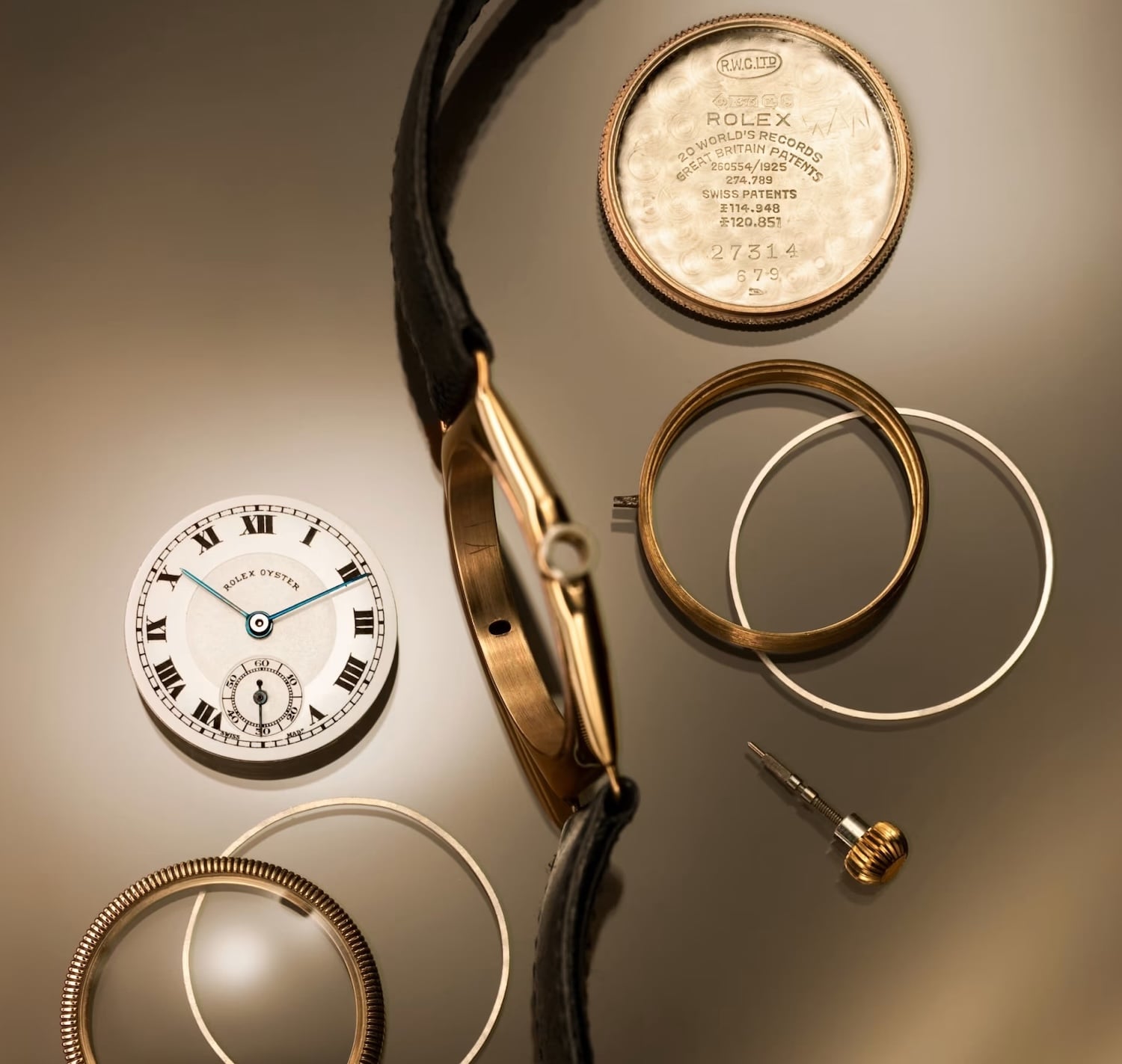
The first commercially available watch that was legitimately water and dust resistant via a hermetically sealed case was the Rolex Oyster, introduced in 1926 with a screw-down caseback, bezel and crown. It legitimised the advantages of a threaded caseback, and watchmakers adopted the design moving forward as waterproof demand increased and dive watches ultimately entered the scene. Rolex validated the water resistance of its Oyster case and durability in 1927 when English swimmer Mercedes Gleitze swam across the English Channel for ten hours with one strapped to her wrist. Longines was an early adopter of Borgel’s threaded cases during World War I (and later with models like the Conquest). IWC and Patek Philippe also utilised Borgel’s designs in the 1920s and 1930s, with legendary models like the Patek Calatrava (ref. 565) in 1938. Rolex introduced the Oyster Perpetual in 1931, which combined the Oyster case with a new Perpetual automatic movement that introduced the first modern, 360-degree winding rotor. The rotor required a bit more space for clearance, so the famous threaded Bubbleback case was born in 1933 for the commercial launch of ref. 1858. This had a more protruding caseback aesthetic that lasted into the 1950s.
Clamshell or Clamped Caseback
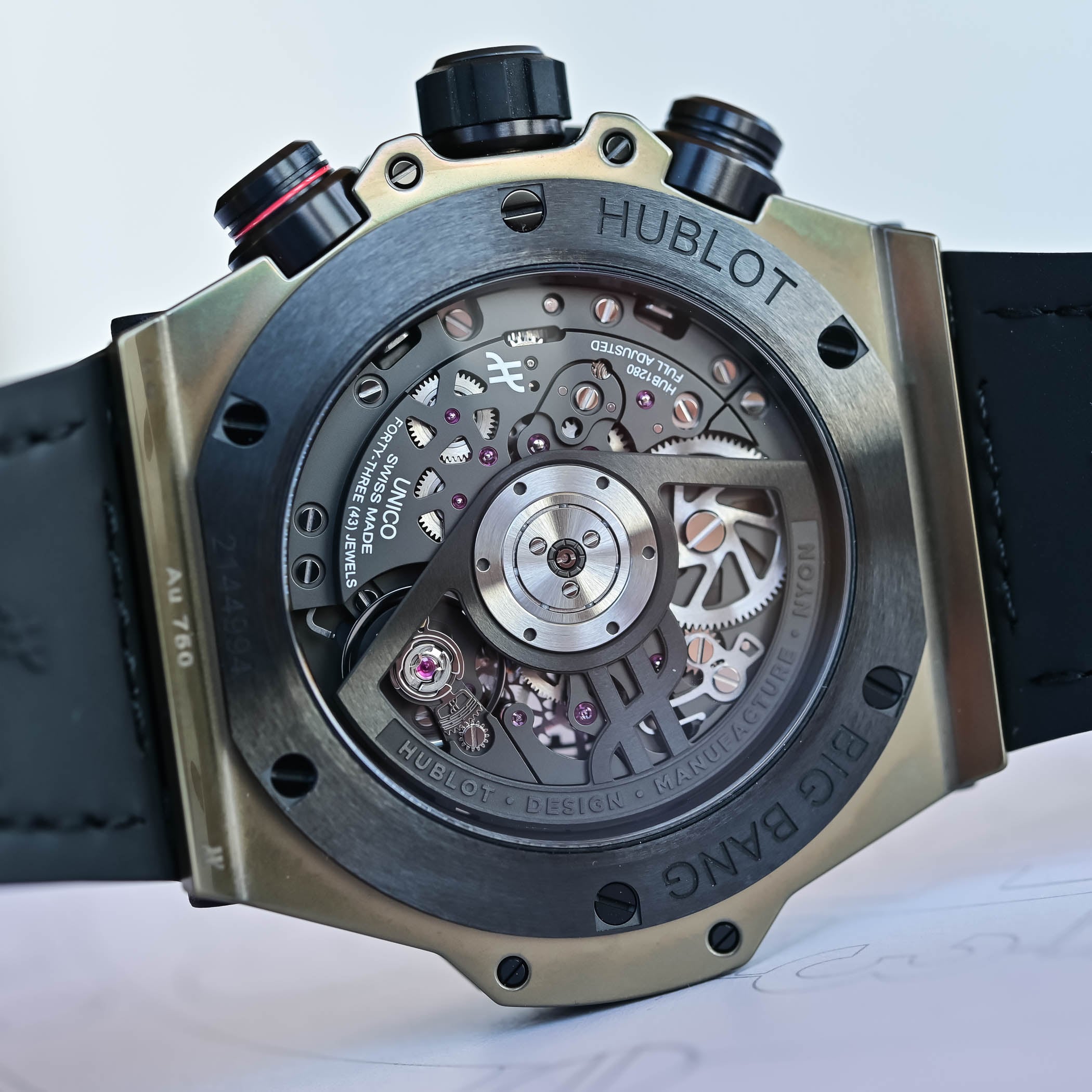
An alternative to threaded casebacks was the clamped case, where four screws secured the back by threading into the back of the lugs. It was popular in the 1930s and allowed for a tight seal against a rubber O-ring, but all screws needed to be evenly tightened. Brothers Otto and Werner Schmitz pioneered the design and their patent was bought by Swiss watchmaker Gallet in 1937 to create the Multichron 30 in 1939, one of the first truly water-resistant chronographs. The clamped case became particularly popular for chronographs, and brands like Heuer, Eterna and Breitling soon adopted it. The gold standard today is the screw-down threaded caseback, but visible screws are still popular for both aesthetics and bona fide water resistance. Classic modern examples include the modern versions of the Audemars Piguet Royal Oak and Hublot Big Bang.
The Super Compressor case
In the mid-1950s, Swiss manufacturer Ervin Piquerez S.A. (EPSA) developed a dynamic caseback that adapted to increasing water pressure as a diver descended. These spring-loaded casebacks (with wavy springs) were almost always threaded, but didn’t have a constant load on the O-ring. As water pressure increased, the case would move slightly inward and compress tighter against the seal for water resistance up to 200 metres (with models like the Enicar Super Dive able to go a bit deeper). Enicar strayed from the threaded design with bayonet-mounted backs (like a camera lens), and although a rare exception, it highlighted the effectiveness of the Super Compressor design without standard threads. The setup of these watches was consistent with twin crowns at 2 and 4 o’clock and an internal rotating bezel (operated by the 2 o’clock crown). Not all watches with this twin crown design are true Super Compressors, and few brands make genuine models today – Farer’s Aqua Compressor, Sherpa’s Ultradive and Circula’s SuperSport Compressor are fairly rare examples. The concept wasn’t just to improve water resistance as the Omega Seamaster, for example, matched the 200-metre depth rating by 1957, but also to relieve pressure on the rubber O-ring seal when not at depth to significantly prolong its lifespan.
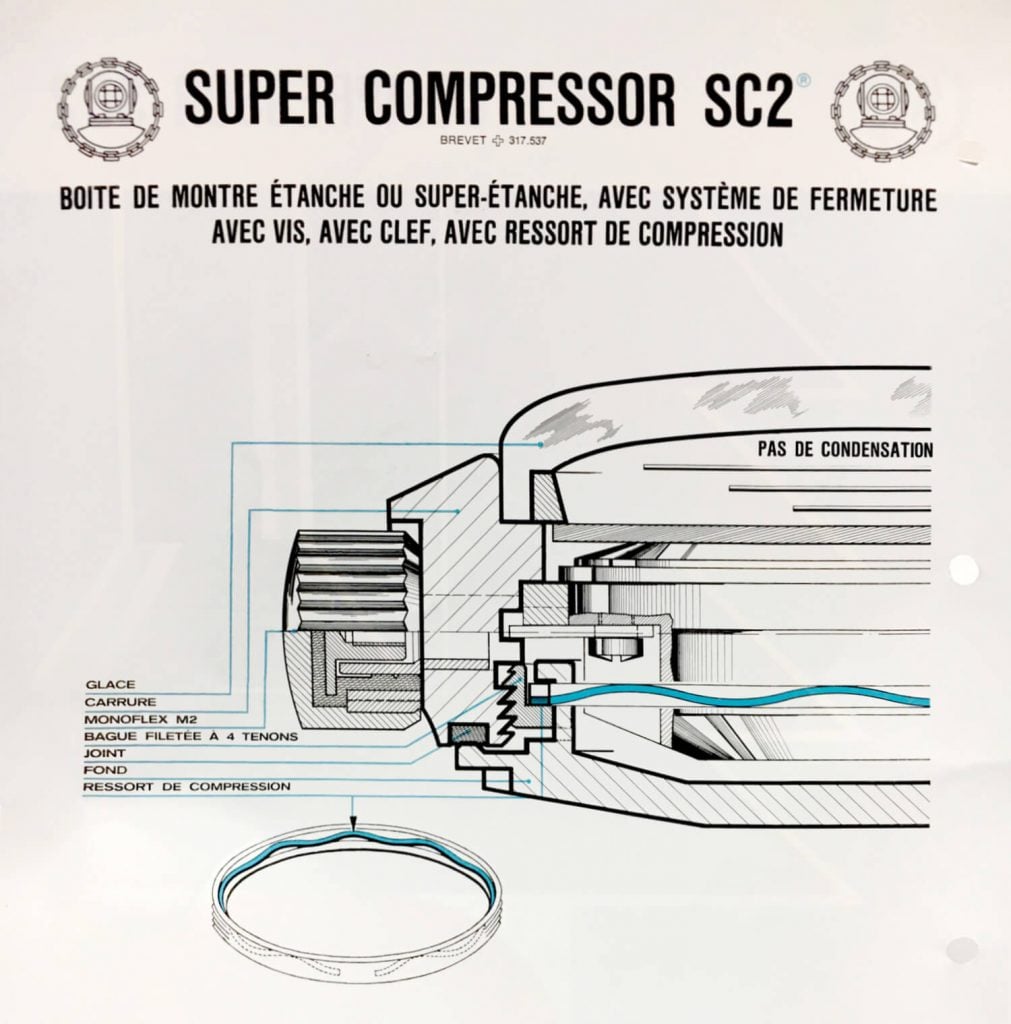
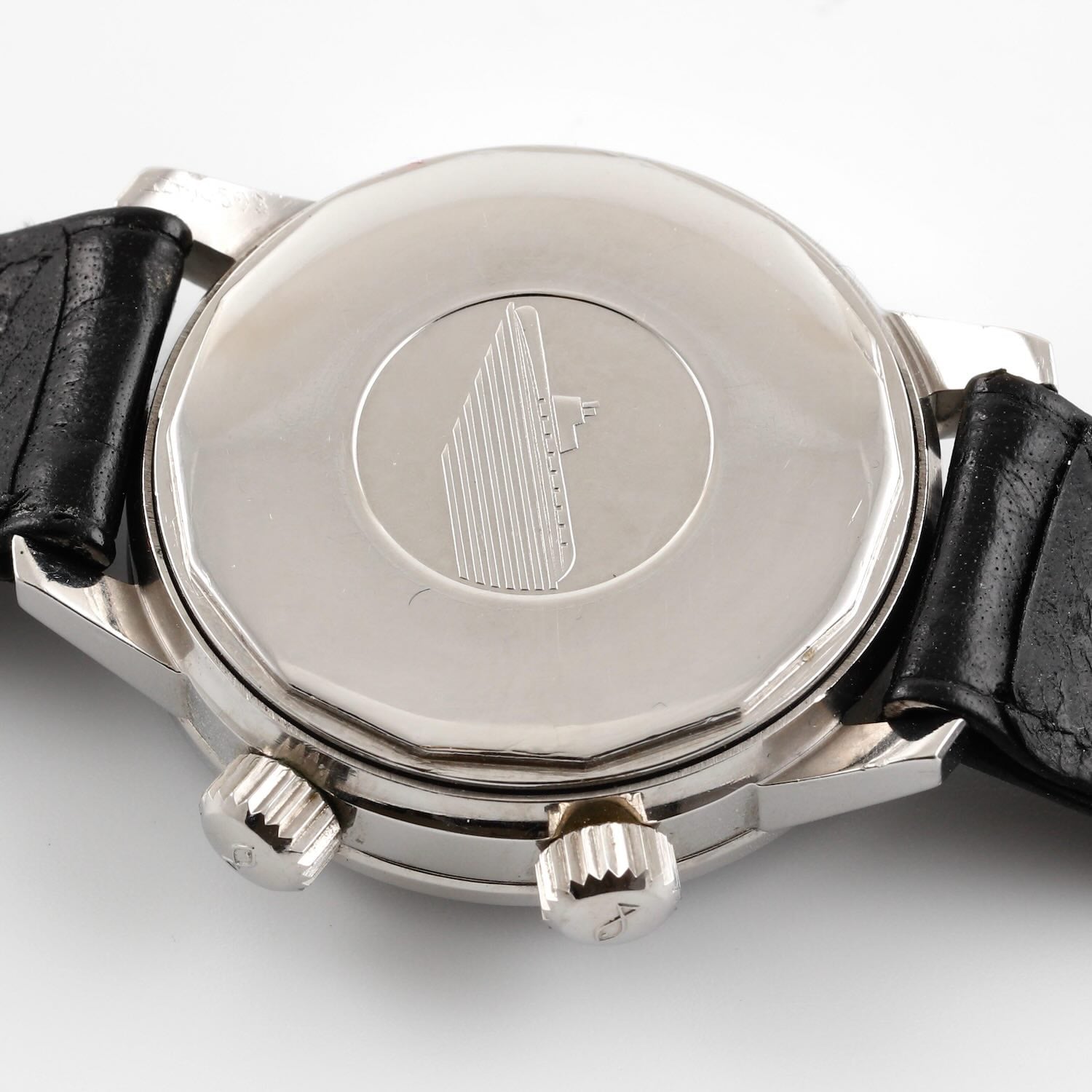
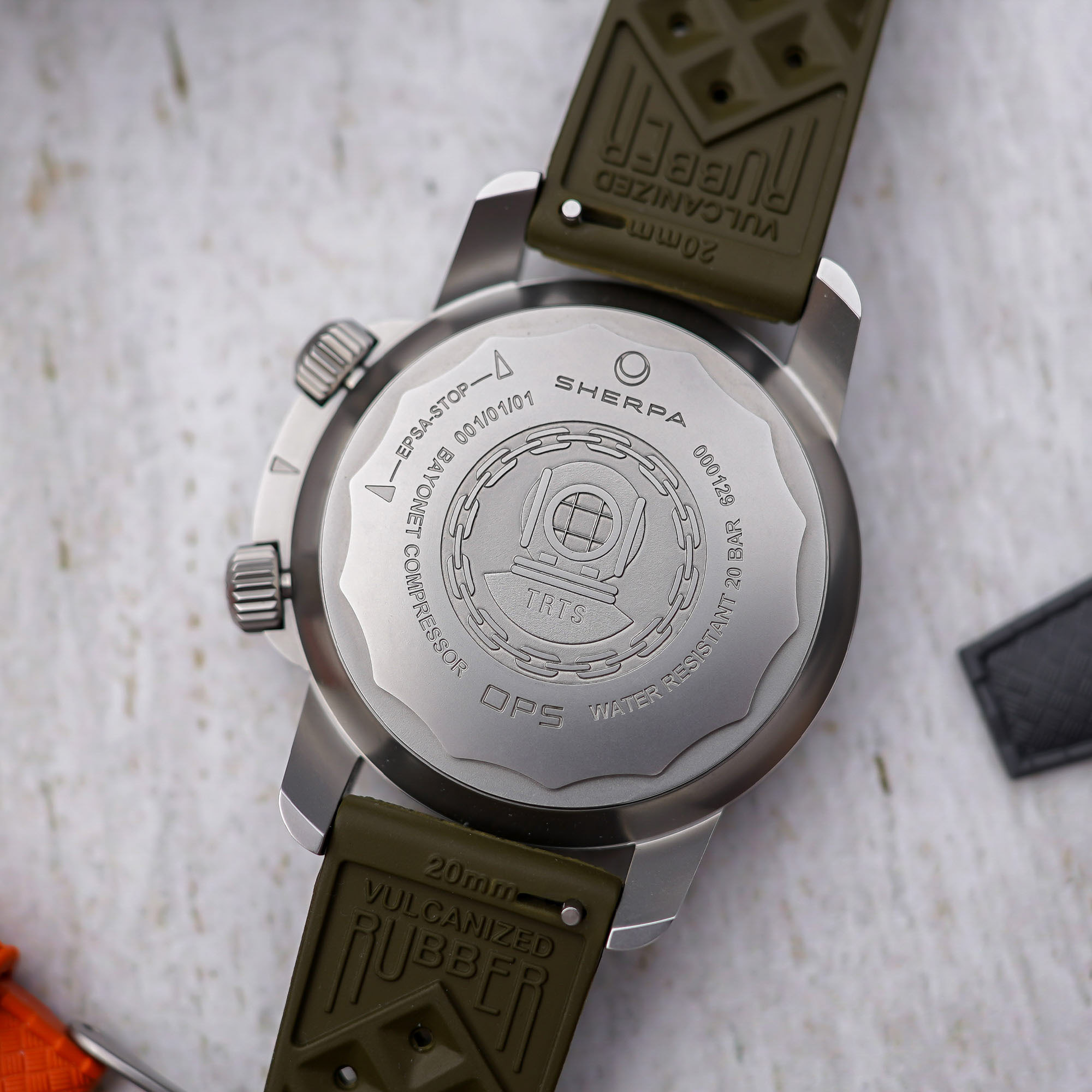
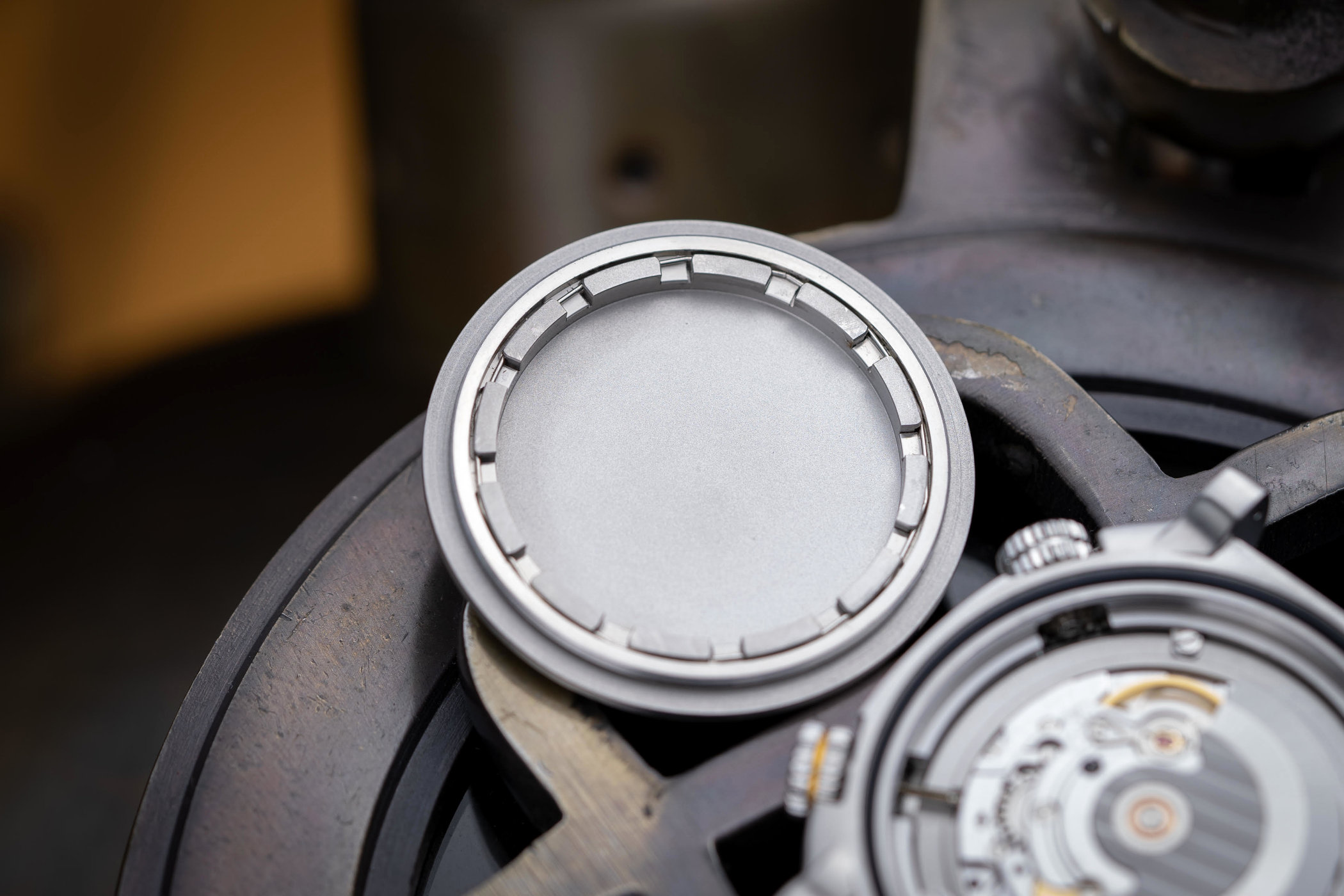
Super Compressor EPSA cases were supplied to over 100 brands with EPSA’s diving helmet logo on the caseback. Significant models included the original Longines Legend Diver, the IWC Aquatimer, the Jaeger-LeCoultre Polaris and the Enicar Sherpa. Popularity declined in the late 1960s as conventional designs improved with better water resistance and O-ring longevity, forcing EPSA into bankruptcy in the mid-1970s. Although there are modern examples today as a nod to history, Super Compressor cases otherwise disappeared due to obsolescence, and few of the descendants of the watches listed above are still using a true Super Compressor case.
Exhibition Caseback
The first exhibition casebacks emerged around 1880 and were, by and large, “salesman samples” to show off the movements and hand finishing at retailers and jewellers. They likely started with American pocket watches and were never meant for commercial production, similar to cutaway camera models that showcased the inner mechanics. Within the same decade, watches submitted for chronometry trials began using exhibition backs as well, so the finishing could be judged without having to dismantle the case. As wristwatches gained popularity in the 1920s, the focus began shifting to water, dust and magnetic resistance (and better resilience overall), so solid threaded backs and improved O-rings took priority over display backs, which were expensive and considered fragile at the time. Thinner designs like dress watches with snap-on backs were also incompatible with thicker display back designs.
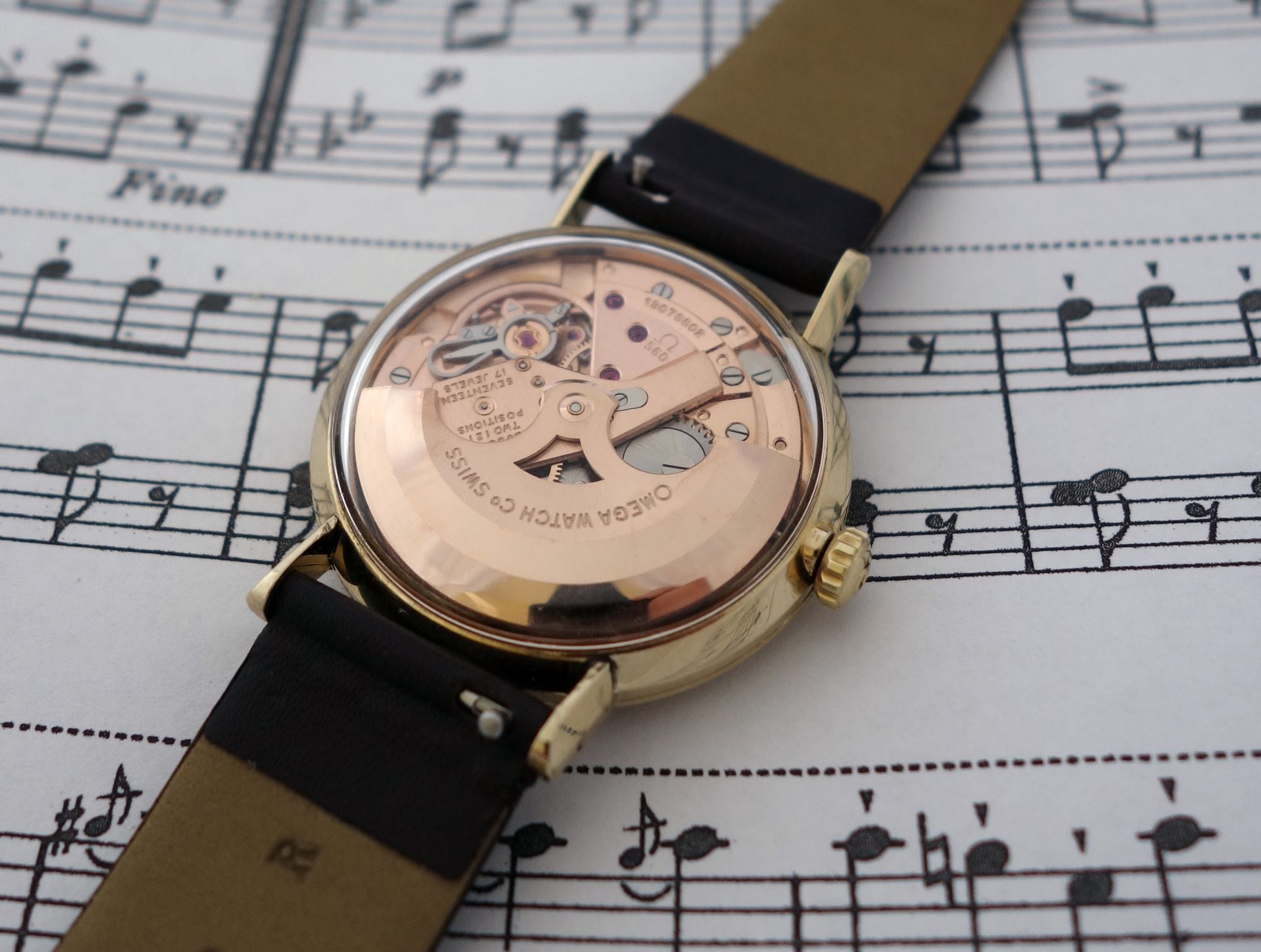
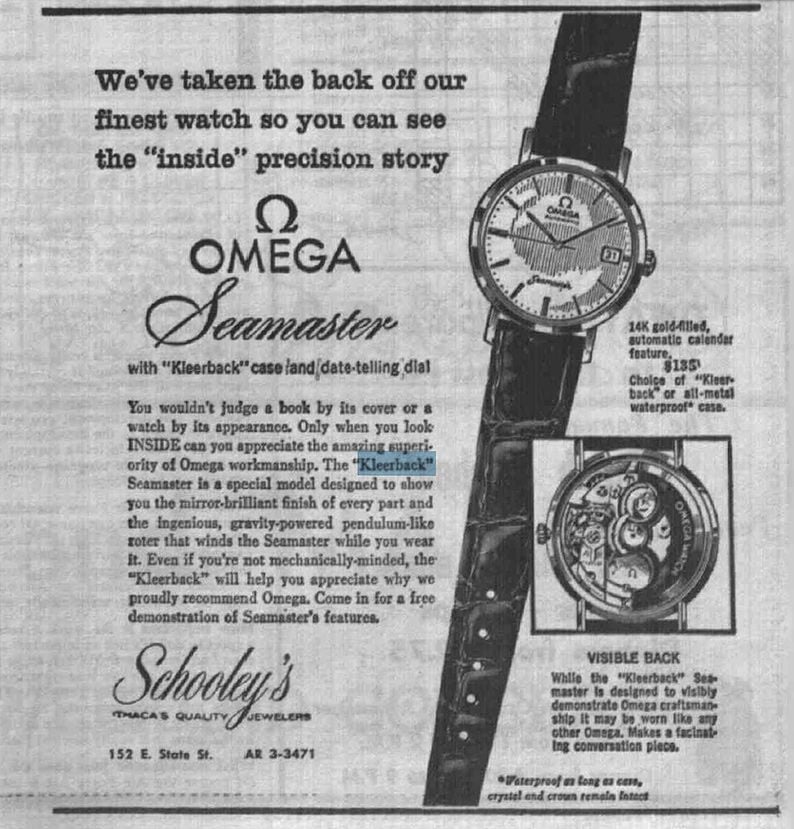
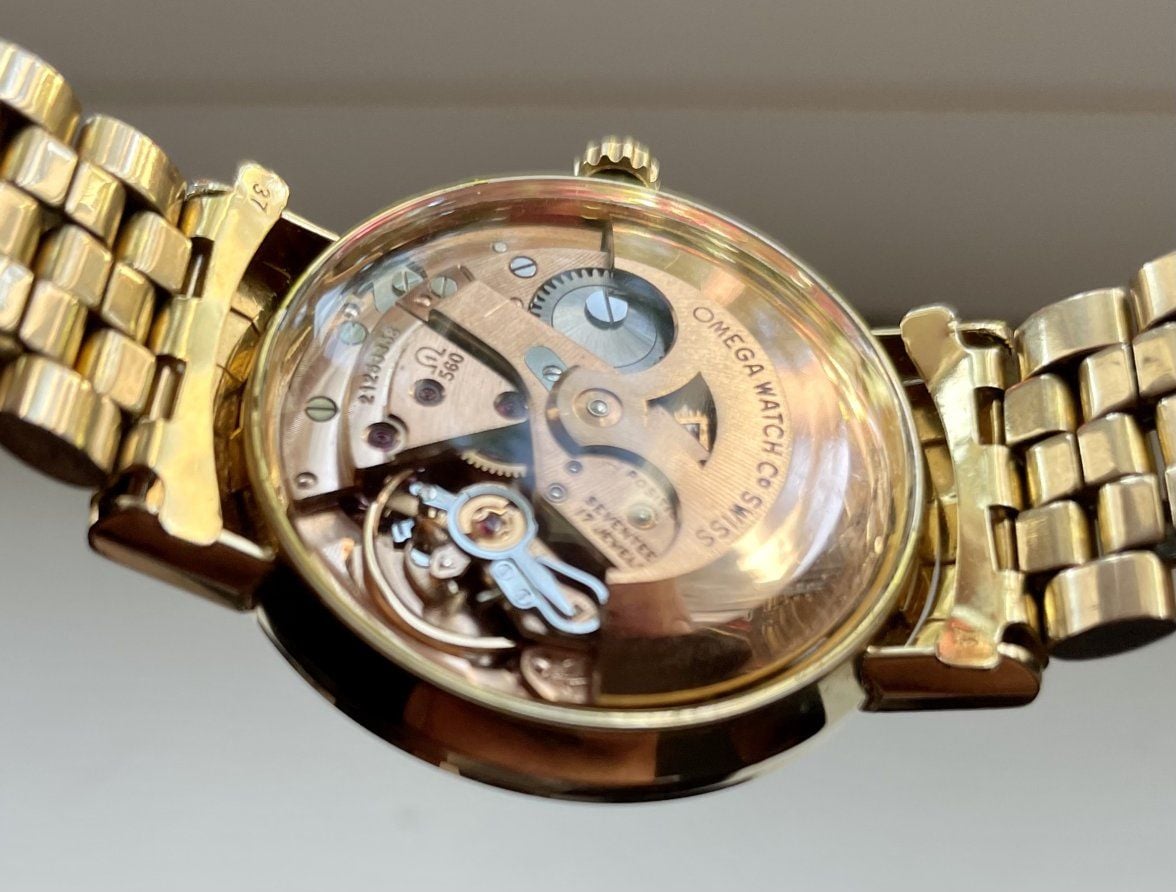
Omega was an early pioneer of commercial exhibition casebacks with the Kleerback Seamaster De Ville in the 1960s for the American market. It was pushed by Omega’s US distributor, Norman Morris, following prototypes used as retailer examples to showcase movements. Consumer demand for commercial counterparts was high enough for Omega to take the leap, and all were based on ref. KL6292 models. Production numbers were small, however, and again limited to the American market, making them exceptionally rare today (fewer than 200 pieces were sold). The casebacks had domed hesalite (acrylic) windows that were prone to scratches and scuffs, but still aesthetically ahead of their time.
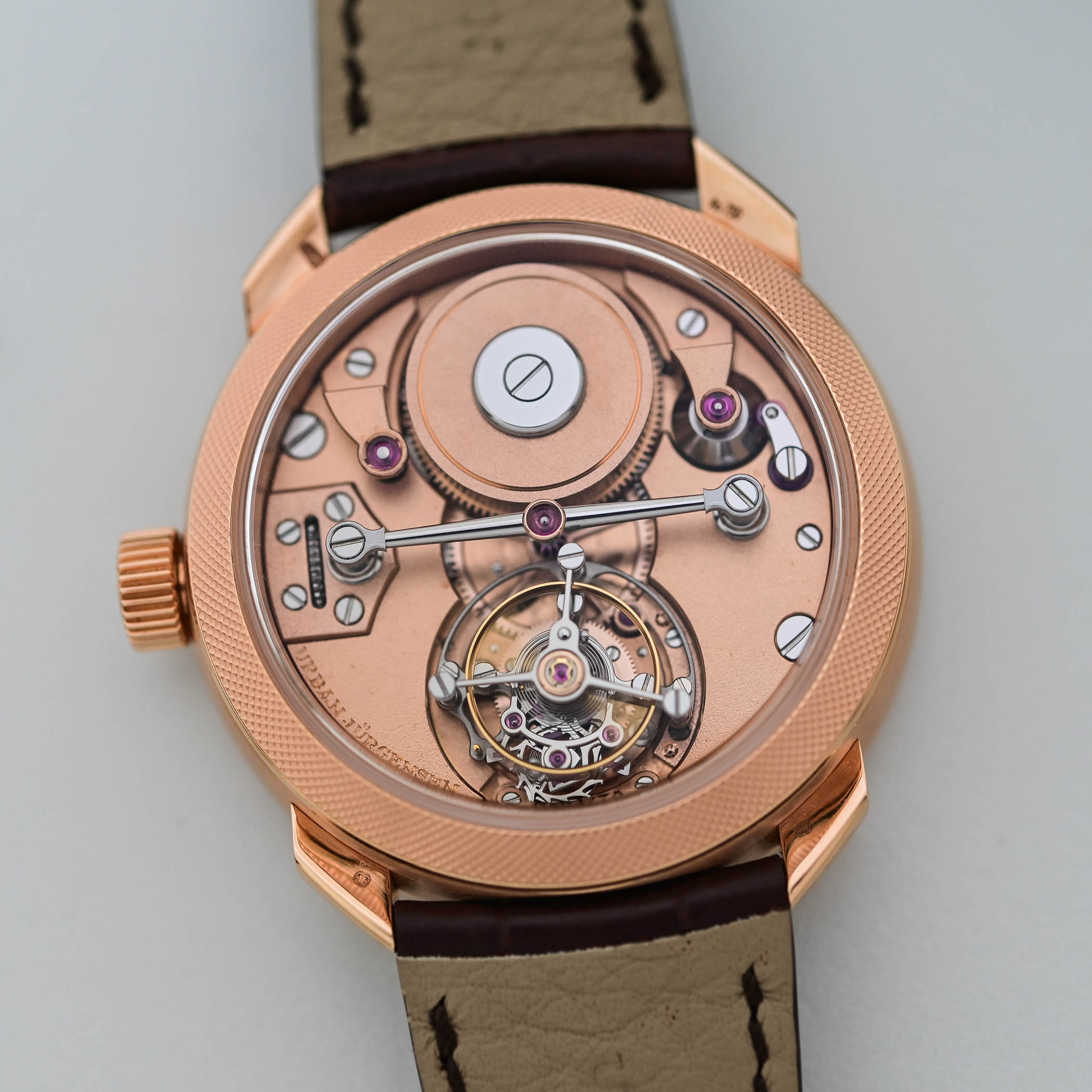
Exhibition casebacks gained traction in the 1980s and 1990s as the quartz crisis put immense pressure on mechanical watchmakers. Elite players like Patek Philippe and Audemars Piguet began using them to show off complex movements and hand finishing to further differentiate themselves from quartz and highlight traditional craftsmanship. By the late 20th century, display backs became more broadly available and are very common today among all price brackets. Acrylic has been retired as sapphire crystal and hardened mineral glass are used for modern display backs, although acrylic crystals are certainly still around. Even serious dive watches can use display backs as technology and design have reached a point where models like the Omega Seamaster Planet Ocean 600M have a sapphire display back (not anymore on the 4th Generation).
Monobloc Integrated Case
Some watches simply don’t have traditional casebacks as the case itself is milled from a solid piece, only “open” where the crystal meets the front. The movement is consequently placed from the front, so the crystal must be removed for service and repairs, but this integrated approach results in an incredibly durable and watertight design. They were popular in the 1960s and 1970s with Jenny Watches (sister brand of Doxa) and the Caribbean 1000, which was the first diver to reach 1,000 metres (and break the kilometre barrier) in 1964. Omega’s Seamaster Ploprof from 1970 is a legendary monobloc diver with an asymmetrical case that could reach 600 metres without the need for a helium escape valve, and was a favourite of Jacques Cousteau. In 1972, the Seamaster 1000 (known as The Grand) matched Jenny’s Caribbean 1000 from almost a decade earlier, although Omega would ultimately surpass almost everyone in the depth game.
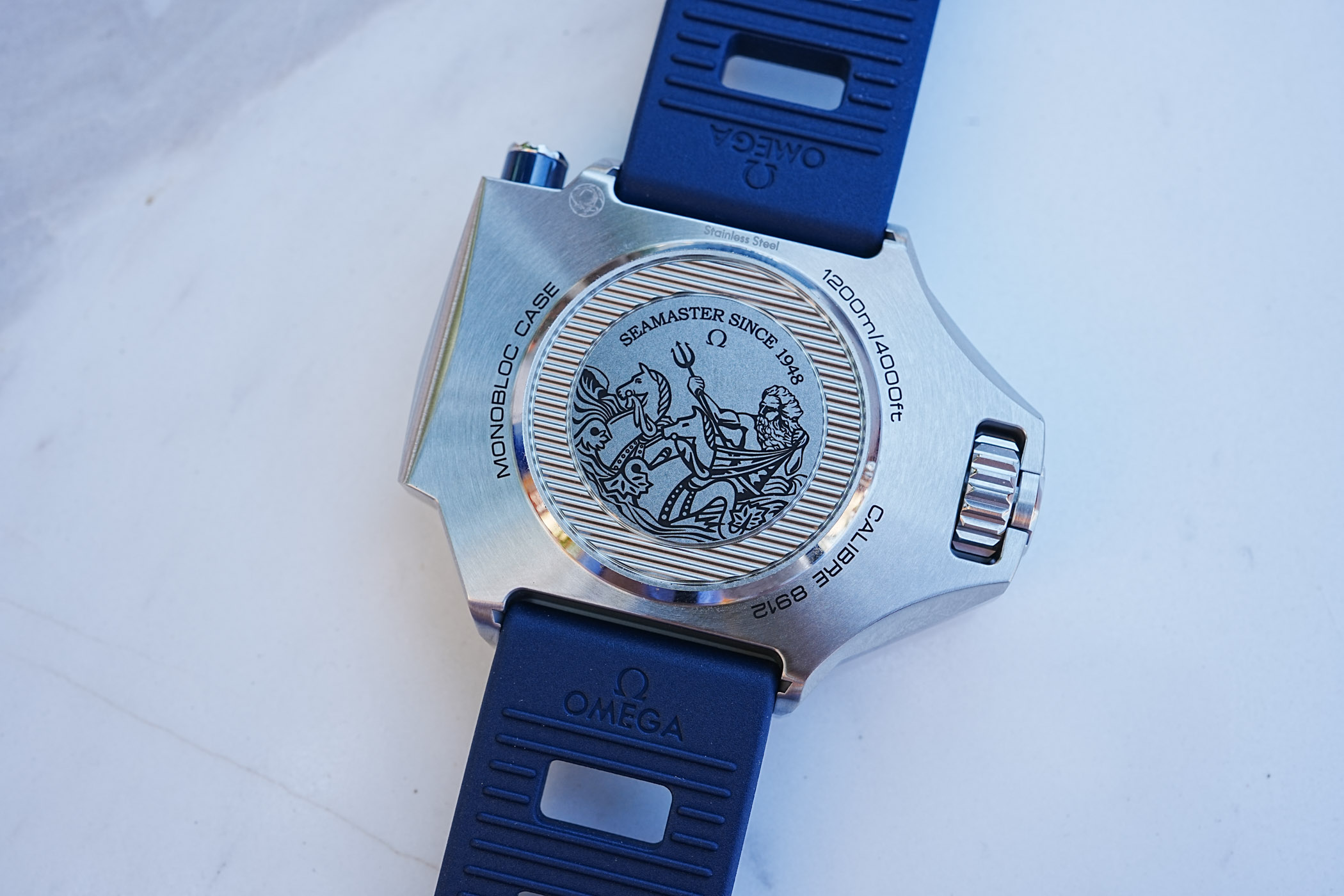
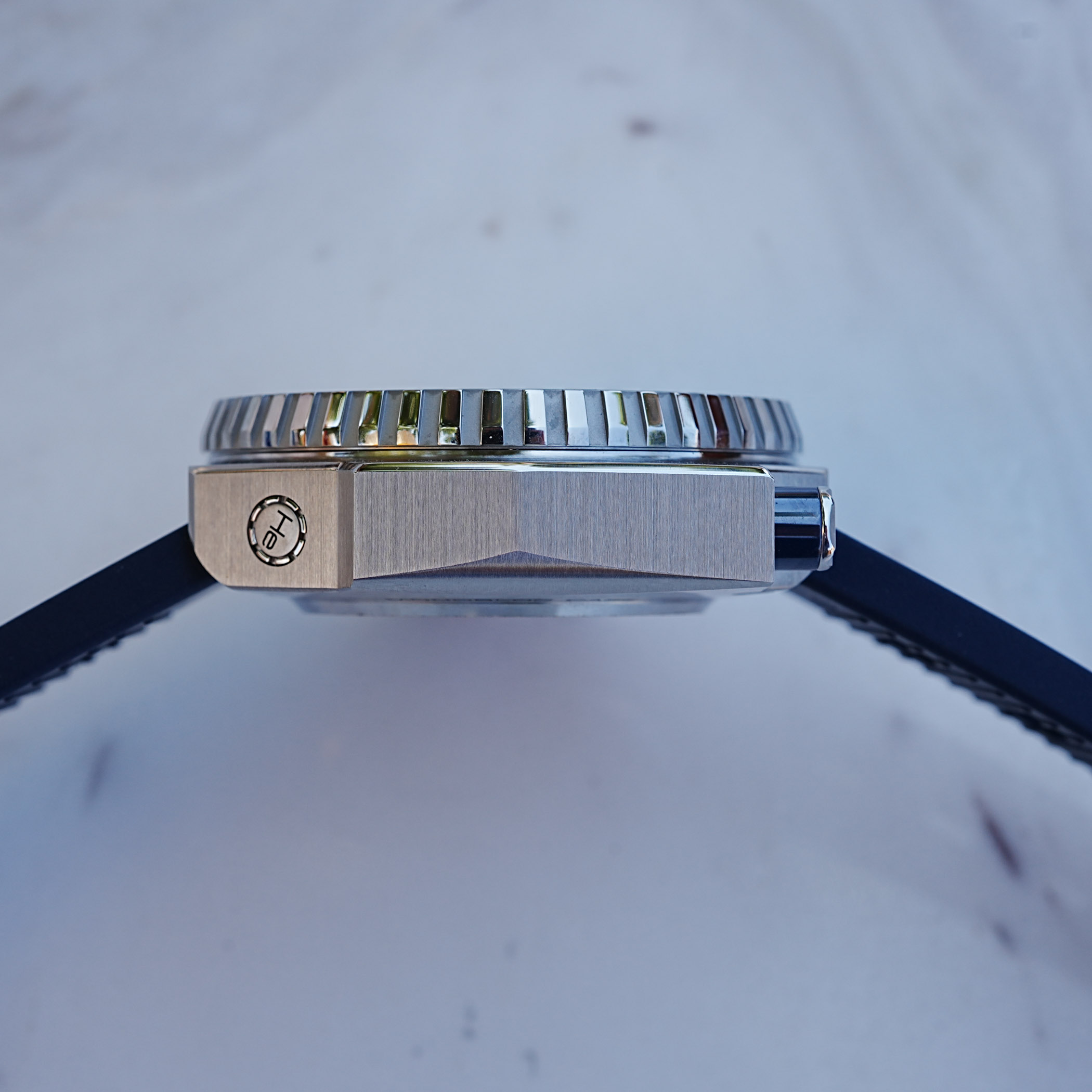
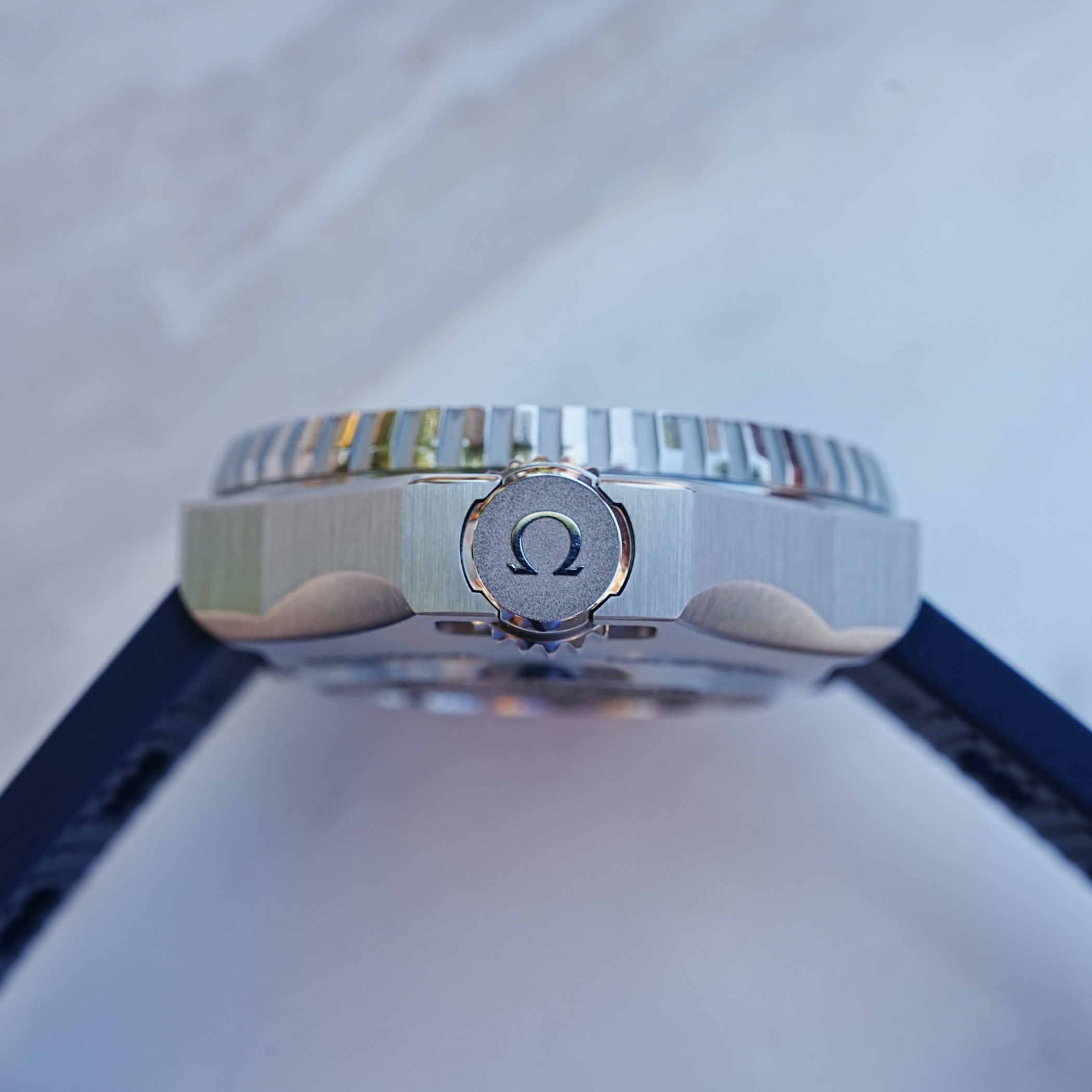
Modern Omega Ploprof models are milled from titanium or the brand’s proprietary stainless steel, O-Megasteel, and the Grade 5 titanium Seamaster Planet Ocean Ultra Deep Professional reached the bottom of the Mariana Trench in 2019 at 10,935 metres, demonstrating the extreme durability of monobloc architecture. Rolex is the only other watchmaker to reach this depth with the Deep Sea Special in 1960 and Deepsea Challenge in 2012. Others use monobloc cases like Seiko with the Prospex Marinemaster Professional Titanium SLA081, but it’s a rather rare type, as conventional threaded casebacks with O-rings are perfected and easily capable of depths beyond 300 metres (the maximum depth for most saturation divers).
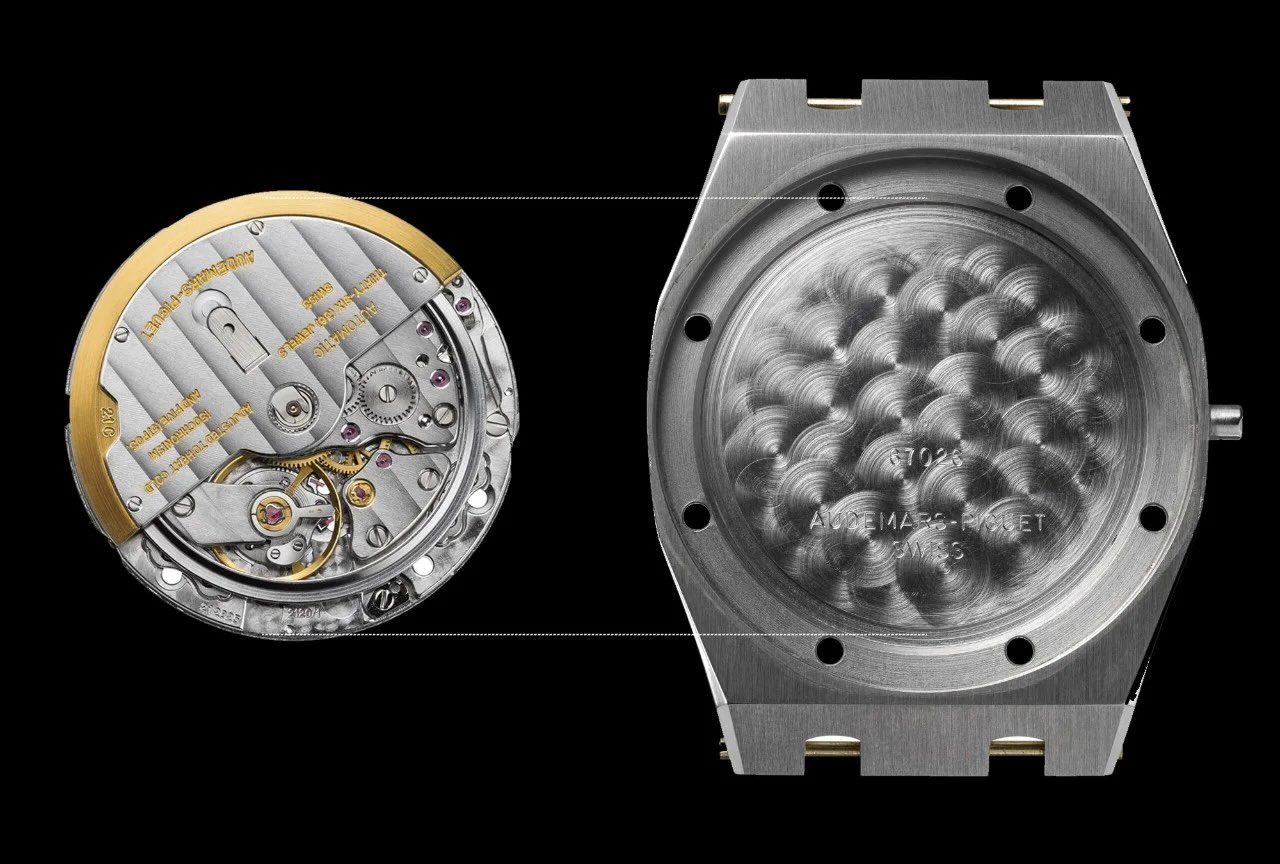
The monobloc architecture isn’t reserved for these ultra-robust dives but also found its way in some of the most delicate watches. Indeed, the original Audemars Piguet Royal Oak Jumbo (ref. 5402ST) of 1972, or the first version of the Patek Philippe Nautilus (ref. 3700) launched in 1976, both designed by Gerald Genta, were built around the concept of a monobloc case, with the movement mounted from the top side.
Conclusion
This doesn’t cover every conceivable type of caseback, but does highlight the most common and historically important. Like the recent ABCs of Time article covering lugs, casebacks seem rather pedestrian until you take a closer look and realise just how vital and varied they are for case construction. Whether for a saturation dive watch, a luxury watch with a sapphire exhibition window or a thin dress watch with a snap-on design, casebacks are both structurally and aesthetically integral to watch designs and many modern watches would be held back without the significant caseback developments realised throughout the 20th century.

2 responses
“The first commercially available watch that was legitimately water and dust resistant via a hermetically sealed case was the Rolex Oyster” are a lot of words to say that waterproof watches had been around before Rolex and their ever mighty marketing 🙂
@Greg The key words are “commercially available” as the Rolex Oyster popularized the waterproof case for a mass audience. Models like the Waltham Depollier Field & Marine from 1918 were also water resistant, but never available on a wide scale like the Oyster. To make an analogy, Ford’s Model T wasn’t the first car with an assembly line (that was Oldsmobile), but he pioneered mass production to bring the concept to a mass audience for the first time.