
 Not all images were able to load for printing. Please close the print window and try again.
 A Guide and History of Sector Dials
One of the most popular dial designs, and a 20th century staple, we look at what exactly is a sector dial.
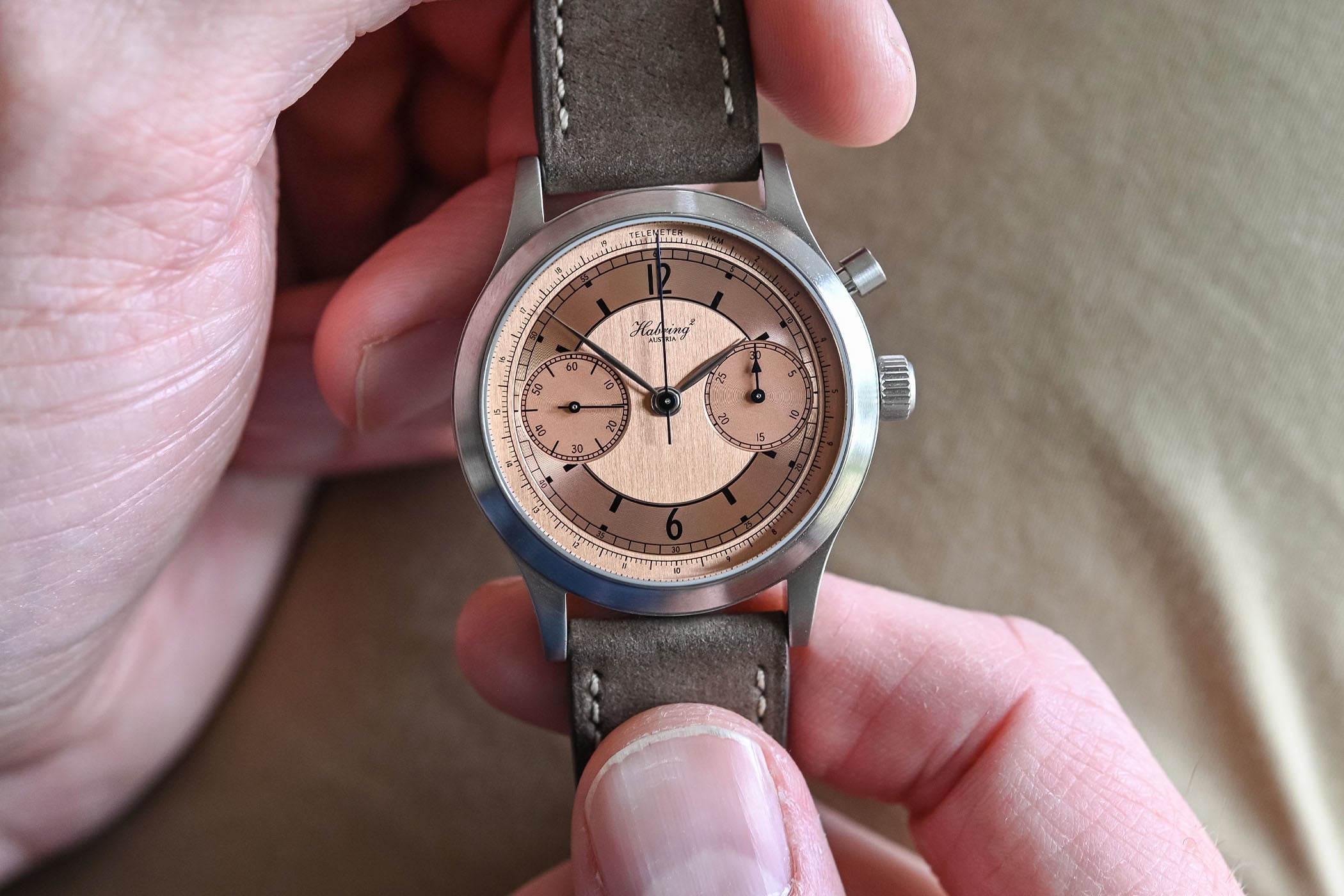
Sector dials as we know them today are a 20th-century development, although the concept has been seen throughout history to separate dial elements into “sectors” for astronomy and science. The aesthetic is often viewed as form following function, but they were popular for scientific and high-accuracy applications in the early 1900s, where separated hours, minutes and seconds (by concentric rings) were helpful for high precision. You could even say it’s a contemporary form of older regulator dials where the hands were separated into individual registers. Some mid-century aviators also preferred sector dials for easier reference in high-pressure situations, but they were never officially issued by the military. For the most part, sector dials were a stylish design that really resonated with mid-20th-century enthusiasts before falling to new trends.
A game of concentric lines
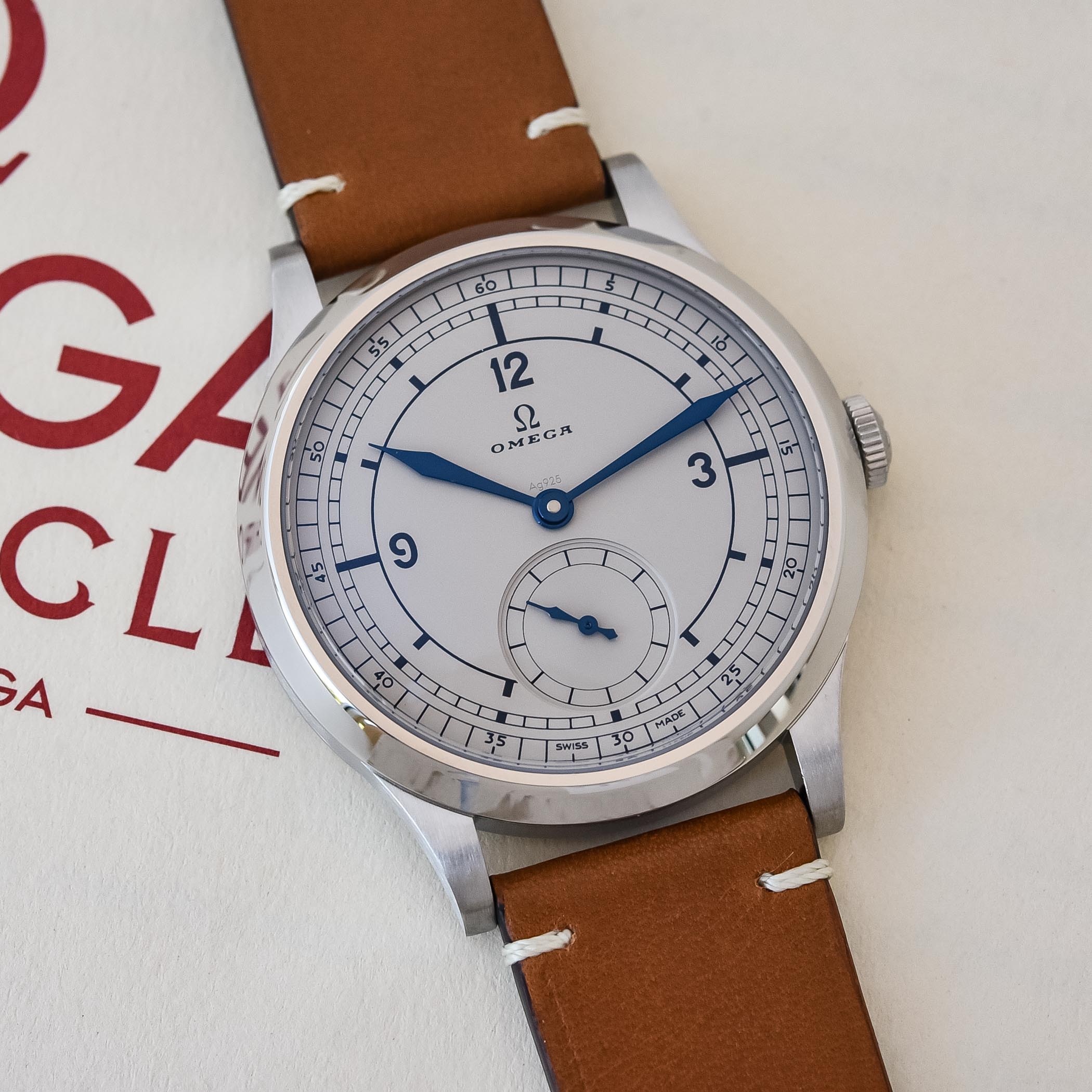
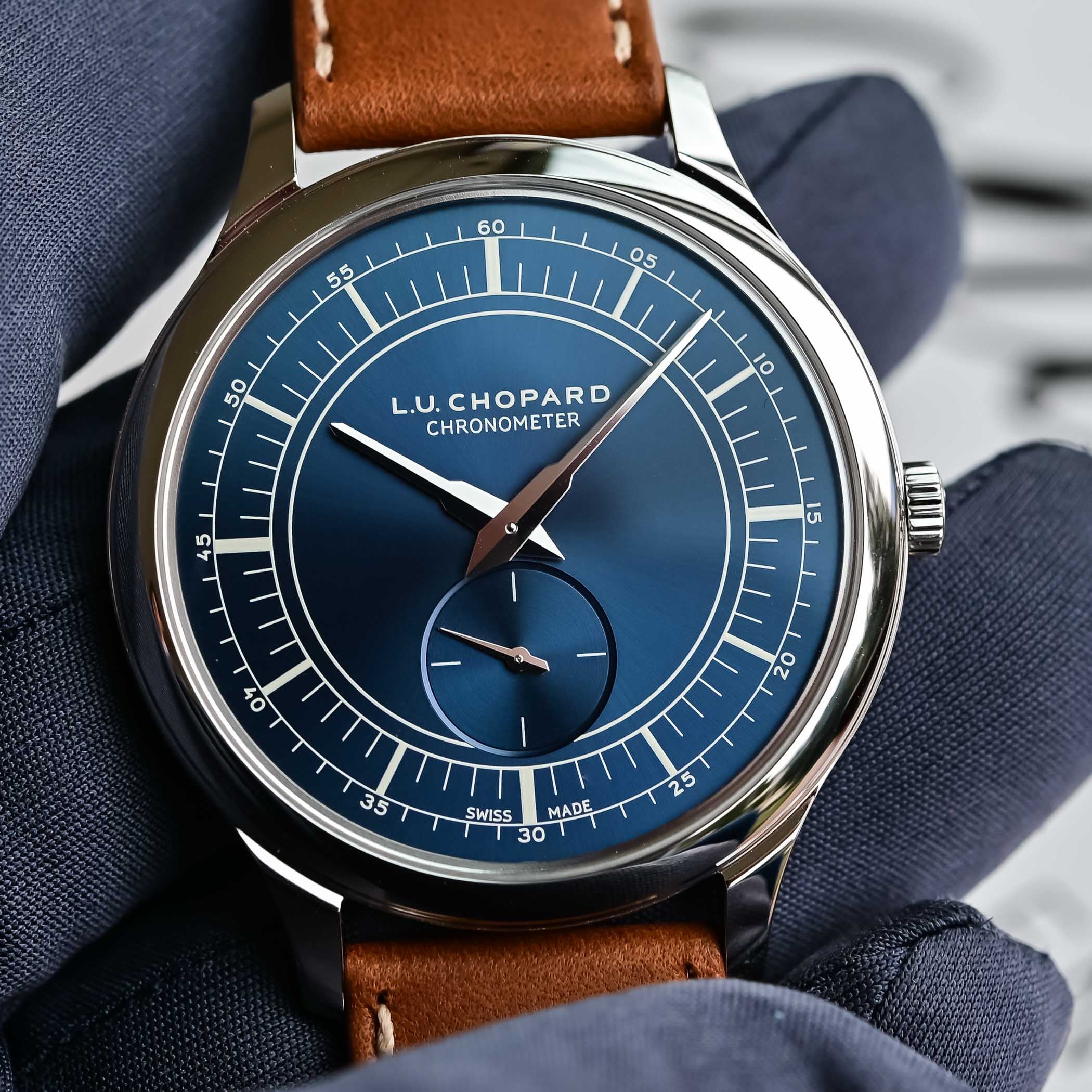
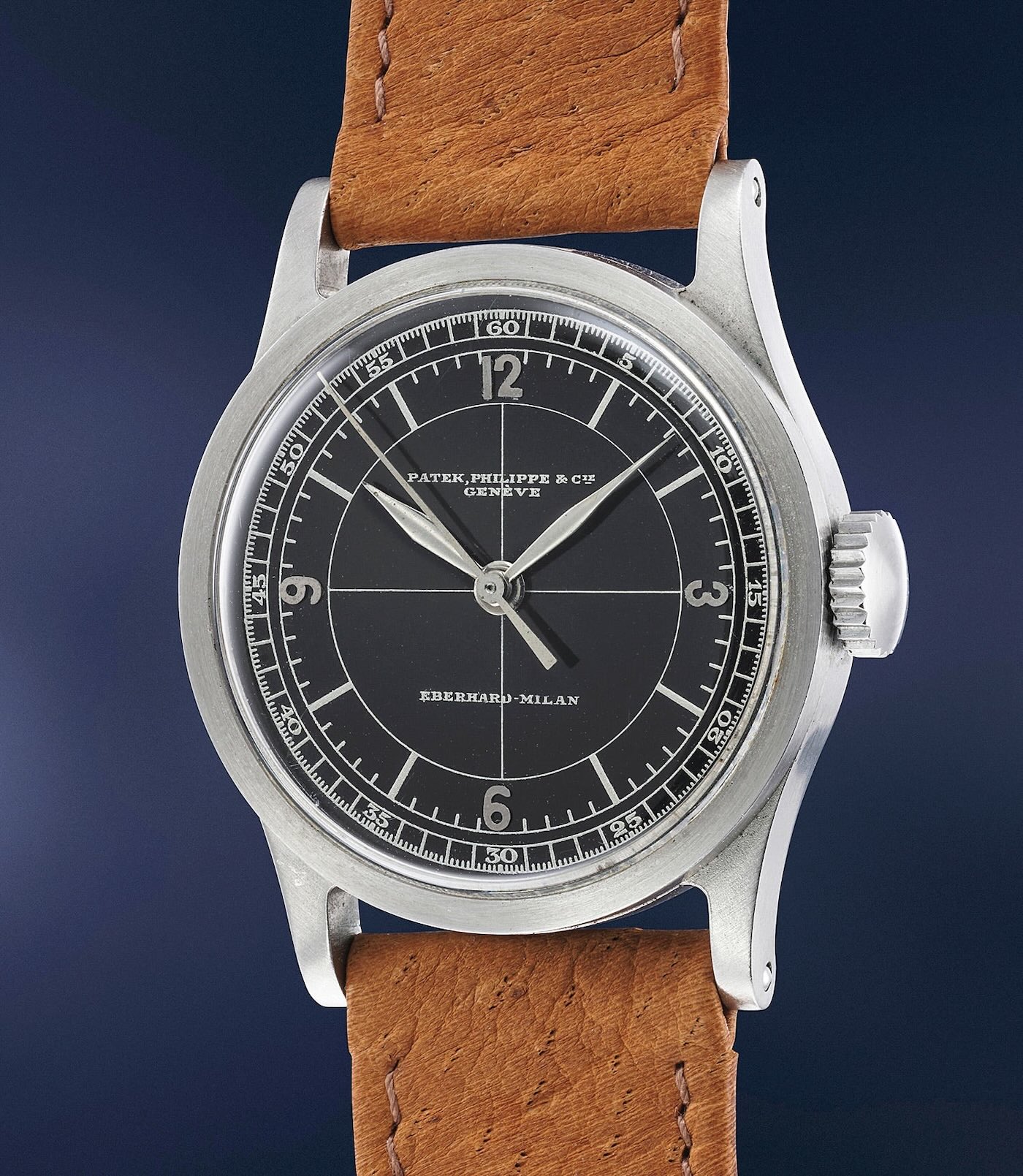
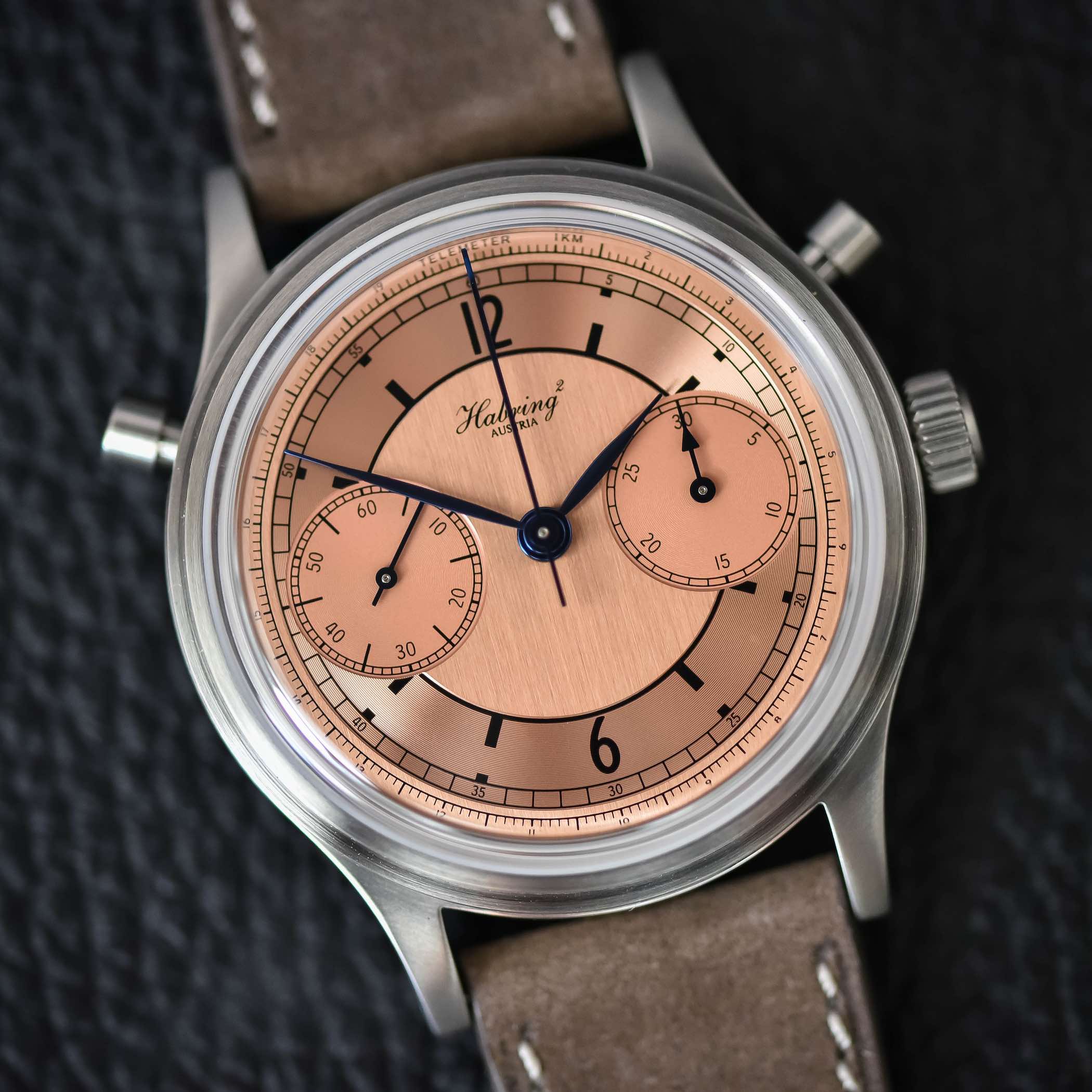
As wristwatches took hold during and particularly after World War I, design tastes were changing from ornate and Art Nouveau styles of the 19th century to industrial and geometric, with German Bauhaus and French Art Deco movements leading the way. Sector dials can be defined as having separate concentric rings for hours and minutes/seconds, with both aligning geometrically via radial lines or markers (not literally spreading throughout the dial). The hour ring tends to be bolder than the minute counterpart (which can have a railroad track style, known as chemin de fer), and distinctive lines, indices or numerals (or a combination) often mark the quarters, usually within the hour ring. A similar dial aesthetic that’s confused with sector dials is the crosshairs pattern, which separates the quarter sectors of the dial with intersecting lines forming a cross in the centre (from 12 to 6 o’clock and 9 to 3 o’clock). Many sector dials also include a crosshairs pattern, but not all crosshairs dials are sector dials.
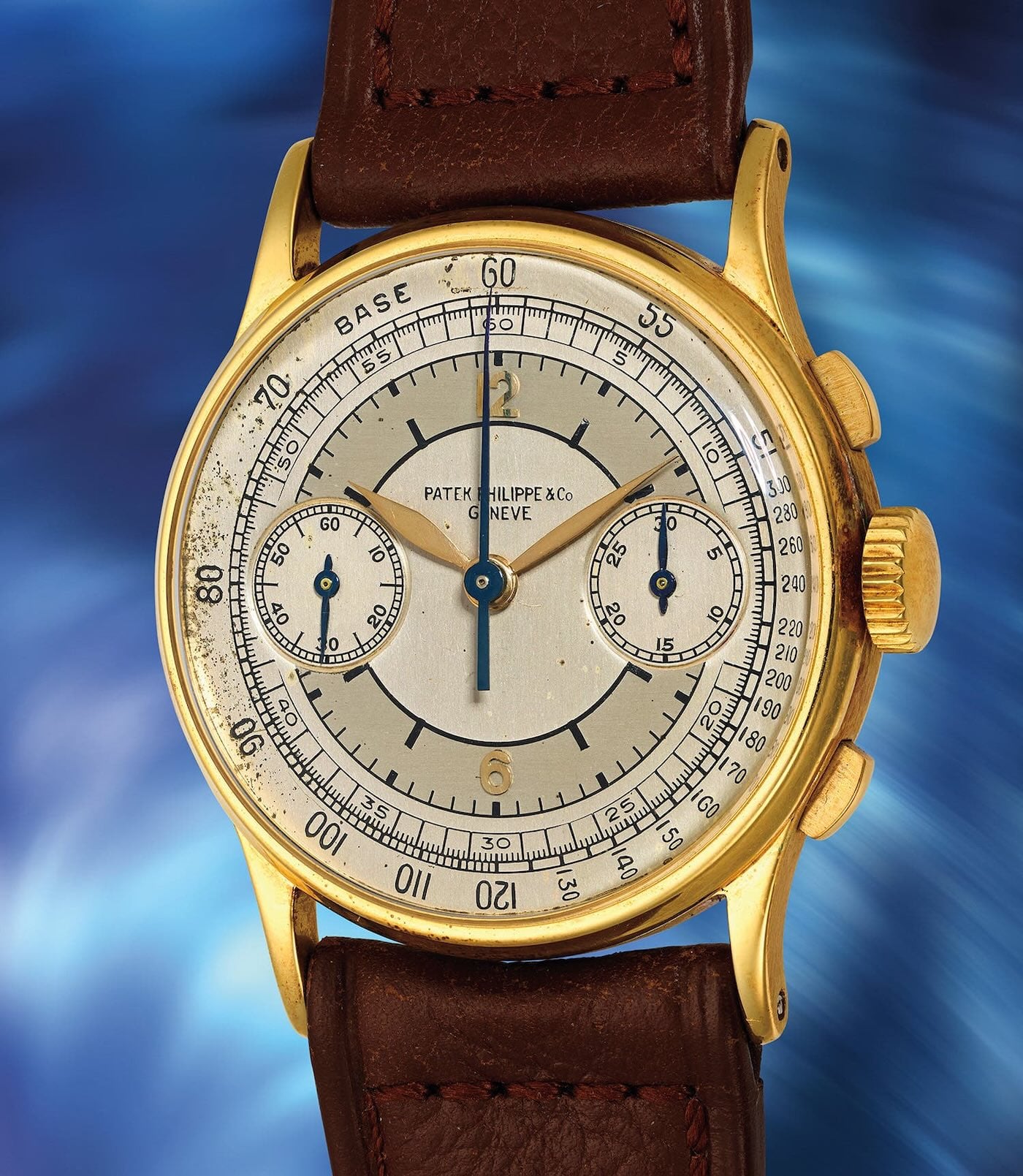
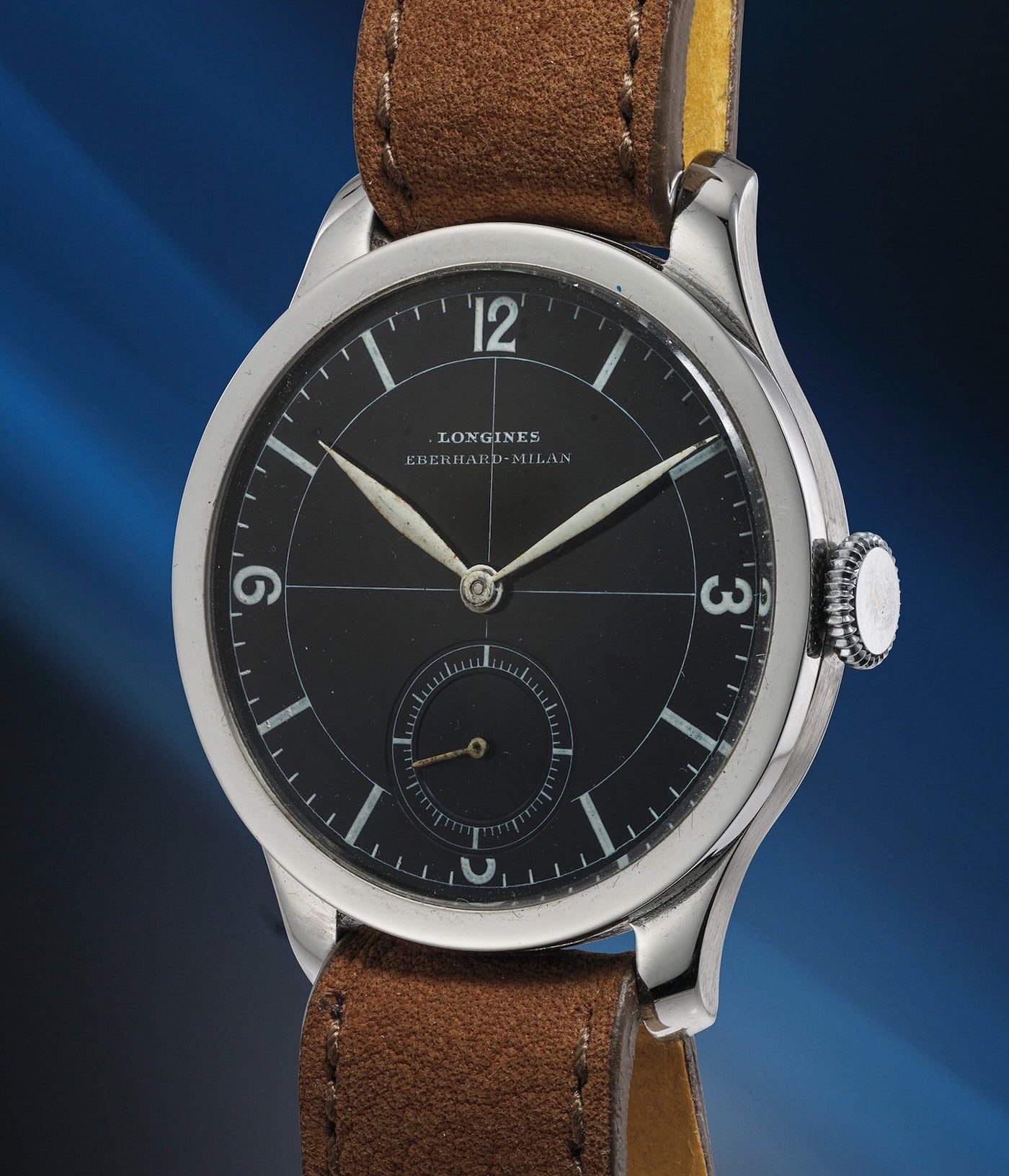
The centre dial portion of a sector dial is usually clear of marks in the absence of crosshairs, carrying only the brand name, logo and perhaps movement information like automatic. They traditionally have small seconds sub-dials as well (given their early and mid-century roots), positioned at 6 o’clock. There aren’t hard and fast rules as long as the general principles are followed. For example, some sector dials have just one ring with hours and minutes separated inside, and the inner border can be bolder than the outer to differentiate the concentric circles. An example would be Jaeger-LeCoultre’s Master Control Date, which maintains the geometric sector aesthetic with a single ring. Others can be even more stylish and minimalistic, hitting the basics while flirting with the unconventional. Laurent Ferrier’s Galet Square Boreal is a good example, with a single luminescent tan circle over a black dial and bold hour marks extending outward (with an emphasis on the quarter hours). A subtle black minute track spans the outermost rehaut, while the centre portion and small seconds at 6 o’clock reinforce the sector look. Again, no hard and fast rules.
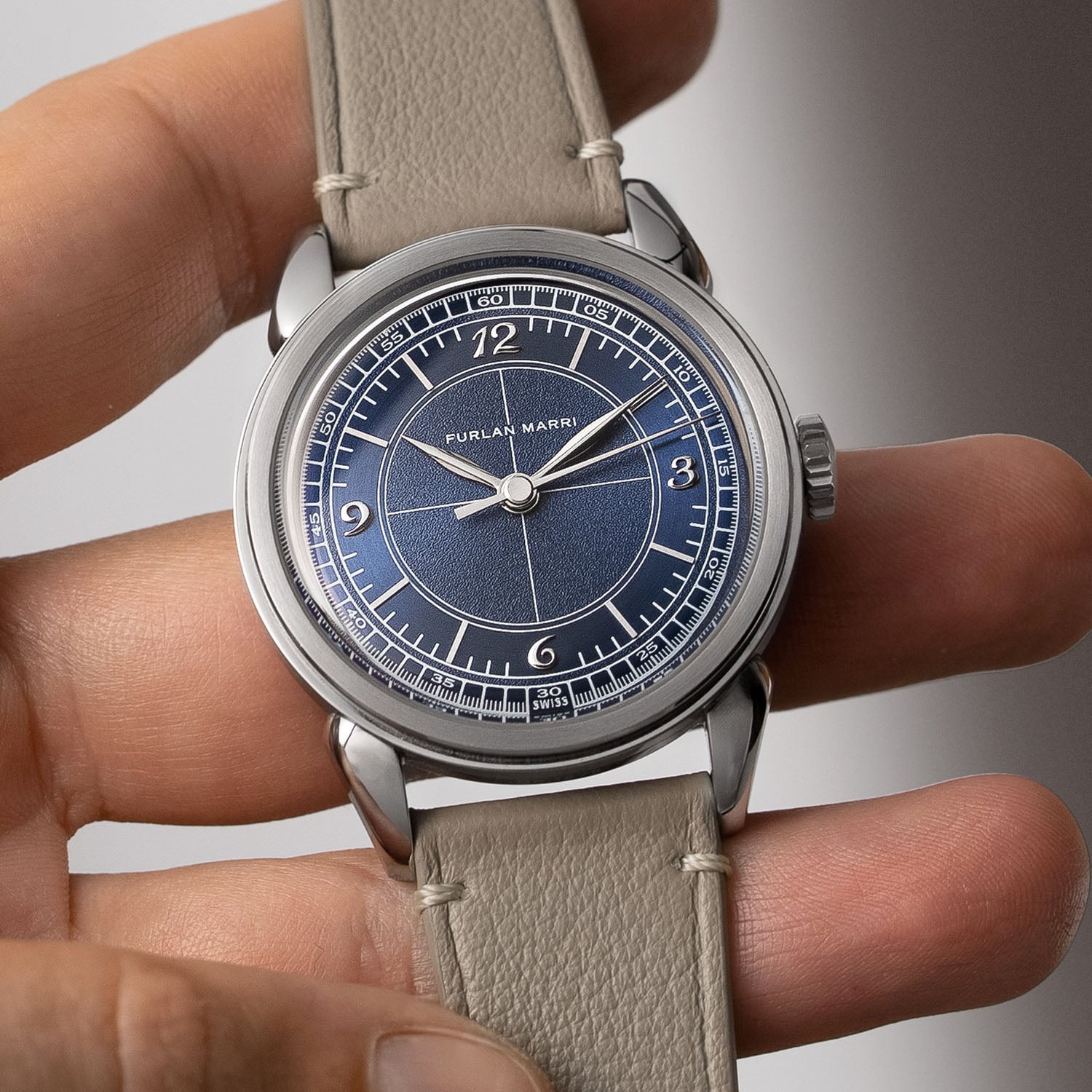
The inclusion of crosshairs became popular in the 1950s as an Art Deco symbol of precision, but the aesthetic goes back to the 1930s with examples from Longines, Omega and more to also highlight the quarter hours. Many of these were certified chronometers, with the dial again emphasising precision, which was also the case with some non-sector dials with the crosshairs pattern. Chronometer certification for wristwatches officially began in Britain in 1914 at the Kew Observatory (Rolex was the first to receive one). The familiar COSC (Contrôle Officiel Suisse des Chronomètres) standard wasn’t founded until 1973 and remains the industry standard today. A quick note: many vintage sector watches are referred to as “Calatrava” today, which has become a general term describing a minimalist, round, time-only dress watch with a flat bezel. It originated with Patek Philippe in 1932 with the Reference 96, and the brand secured a trademark; other brands never referred to their sector dial watches as Calatrava in the 20th century – it’s simply a modern descriptor.
Sector dials peaked in popularity in the mid-20th century, but tastes were again evolving in the 1960s, and the geometric, utilitarian vibe of sector dials declined in favour of more modern, cleaner aesthetics. Known as Mid-Century Modernism, the new trend pushed the Art Deco movement aside, and sector dials left the mainstream, but the style never died. Watches were increasingly becoming status symbols, and eye-catching dials were trending, such as sunburst and polished stone in the mid-1960s. By the 1980s, sector dials were completely out of fashion, but examples still surfaced on rare occasions. For example, Patek Philippe introduced a variant of the already rare Nautellipse (ref. 3770) with a sector(ish) dial, but this certainly wasn’t the norm. Things came full circle in the early 21st century when luxury brands began embracing traditional sector dials once again, pushing them back into the mainstream as the heritage craze began to emerge.
21st Century Revival
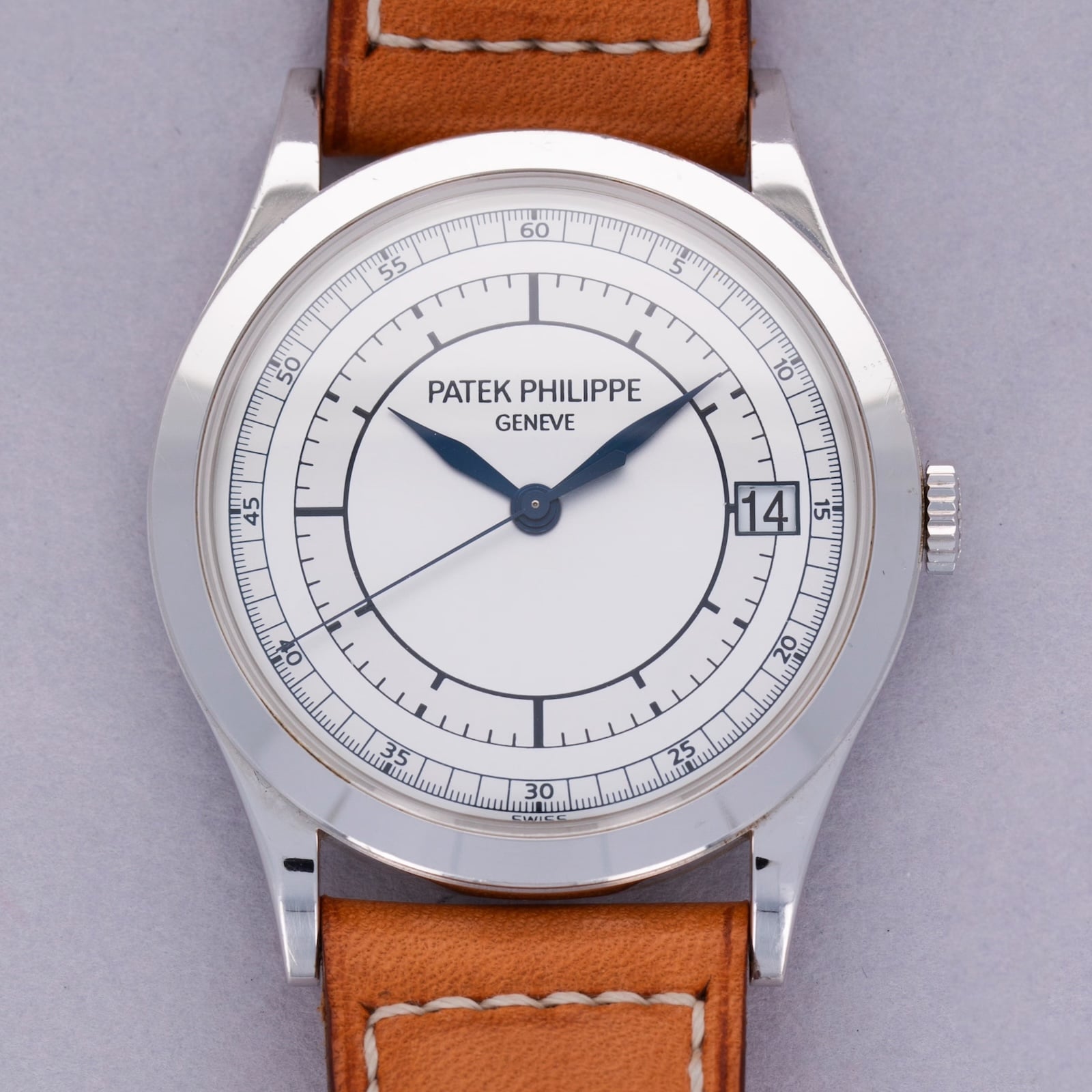
In 2005, Patek Philippe launched the Calatrava ref. 5296G with a true sector dial taking inspiration from its vintage collection – dual concentric rings for minutes and hours with full quarter marks inside the hour ring (the remaining hour marks were broken into two pieces). The inner hour ring border was bolder than the outer, and the dial centre was clear with just Patek Philippe and Genève at the top. More contemporary central seconds were used instead of a 6 o’clock sub-dial, and a date window sat at 3 o’clock. It was the perfect blend of old and new, and other luxury brands took notice.
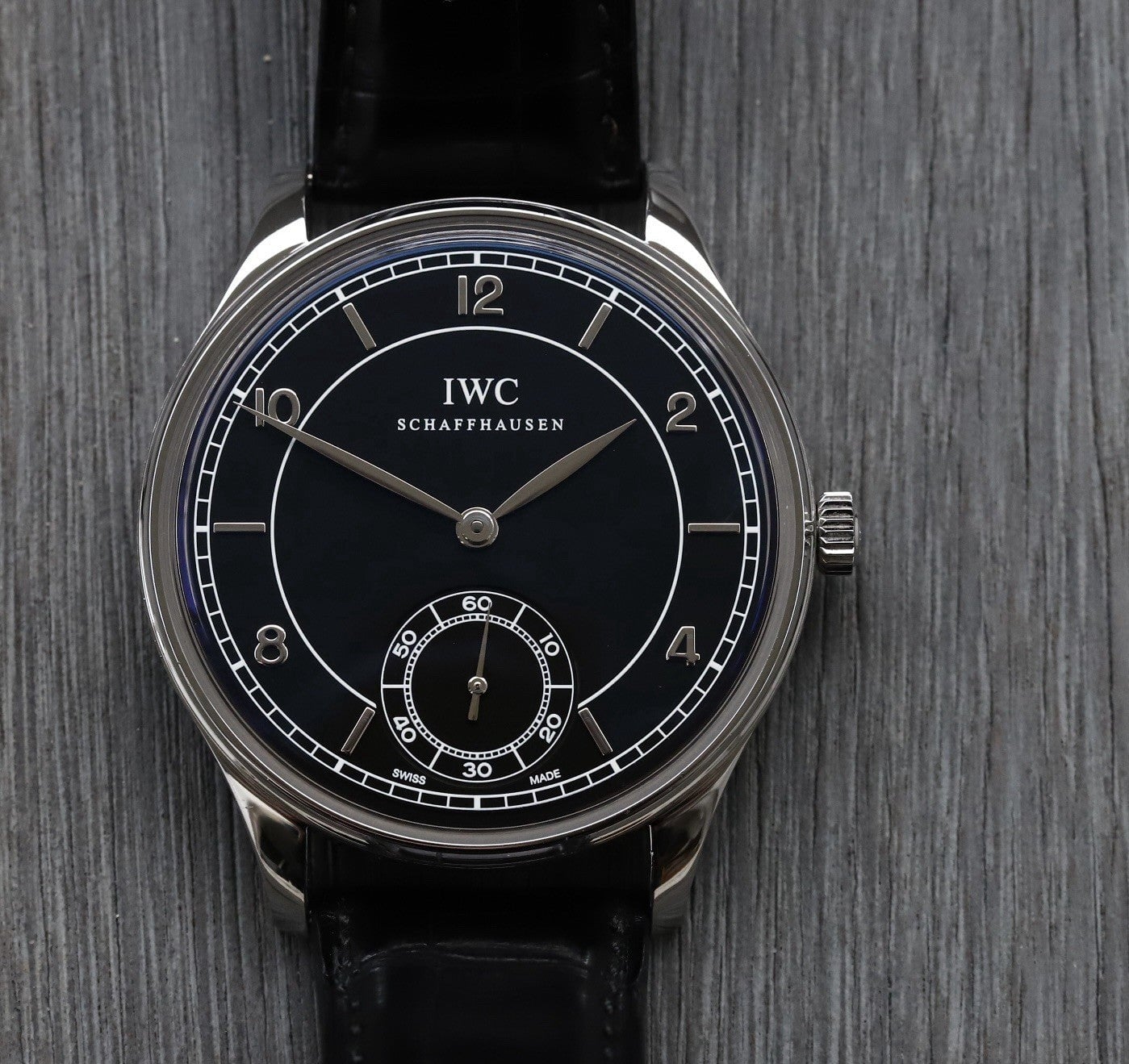
IWC released its own contemporary sector model in 2008, the Portugieser ref. IW5445-01with a narrow railroad minute track at the outermost perimeter that shared its inner border with the broad hour ring. There was a combination of applied indices and Arabic numerals for hours, and quarter hours weren’t specifically highlighted. The centre section was clean with just branding at the top, and a small seconds sub-dial sat at 6 o’clock.

Jaeger-LeCoultre’s Master Control Date sector dial launched in 2017 to celebrate the 25th anniversary of the Master Control line. As mentioned above, it featured a single hour ring with a minute/seconds track at the outer border, and was part of a three-watch collection that included a chronograph and Master Geographic, also with sector dials. Of course, this is just a small sample of 21st-century sector dials from luxury brands, but the style has regained popularity with examples across many watchmakers today, including accessible options.
Affordable Sector Dials
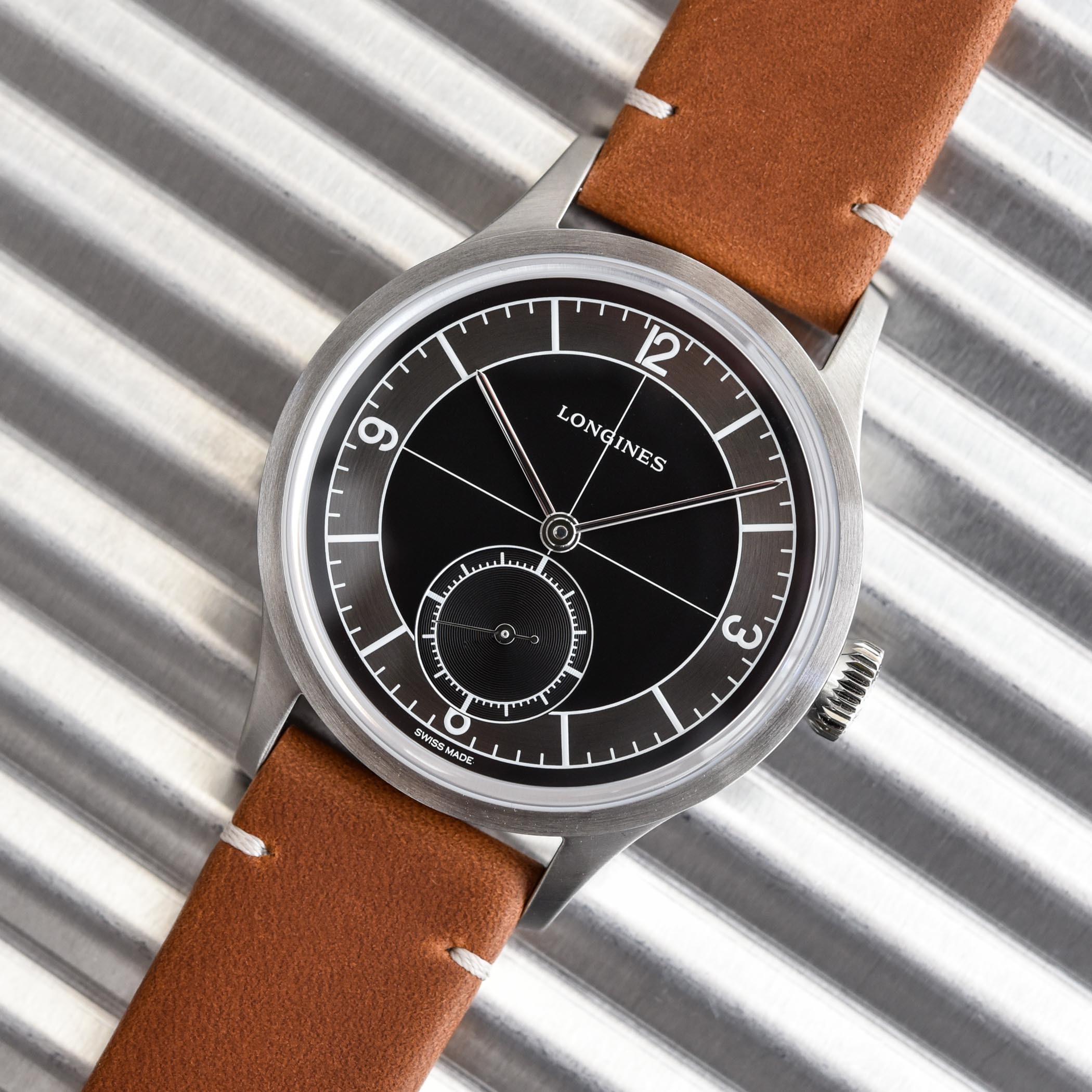
Longines has a popular collection of sector dials within the Heritage Classic line with the aptly named Heritage Classic Sector Dial, first launched in 2019. These include crosshair patterns to visually separate the quarter hours on two-tone silver or black dials, and they closely resemble a vintage 1934 model (particularly the silver dial variant). They retain the classic small seconds at 6 o’clock, and like Jaeger-LeCoultre’s Master Control Date, there’s one primary hour ring with the minute track at its outer border. Models start at CHF 2,150, which isn’t bad for a faithful heritage piece from a storied Swiss watchmaker.
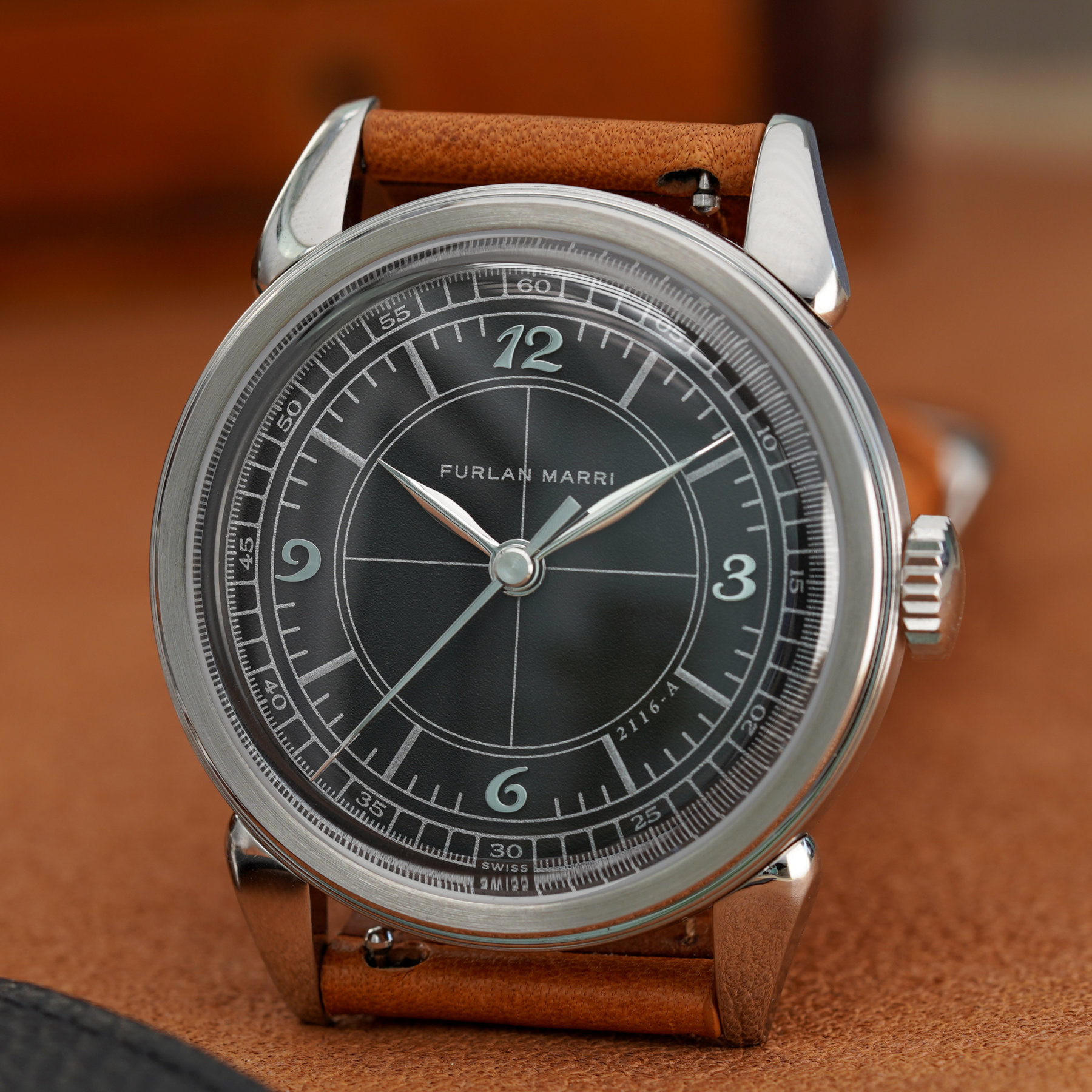
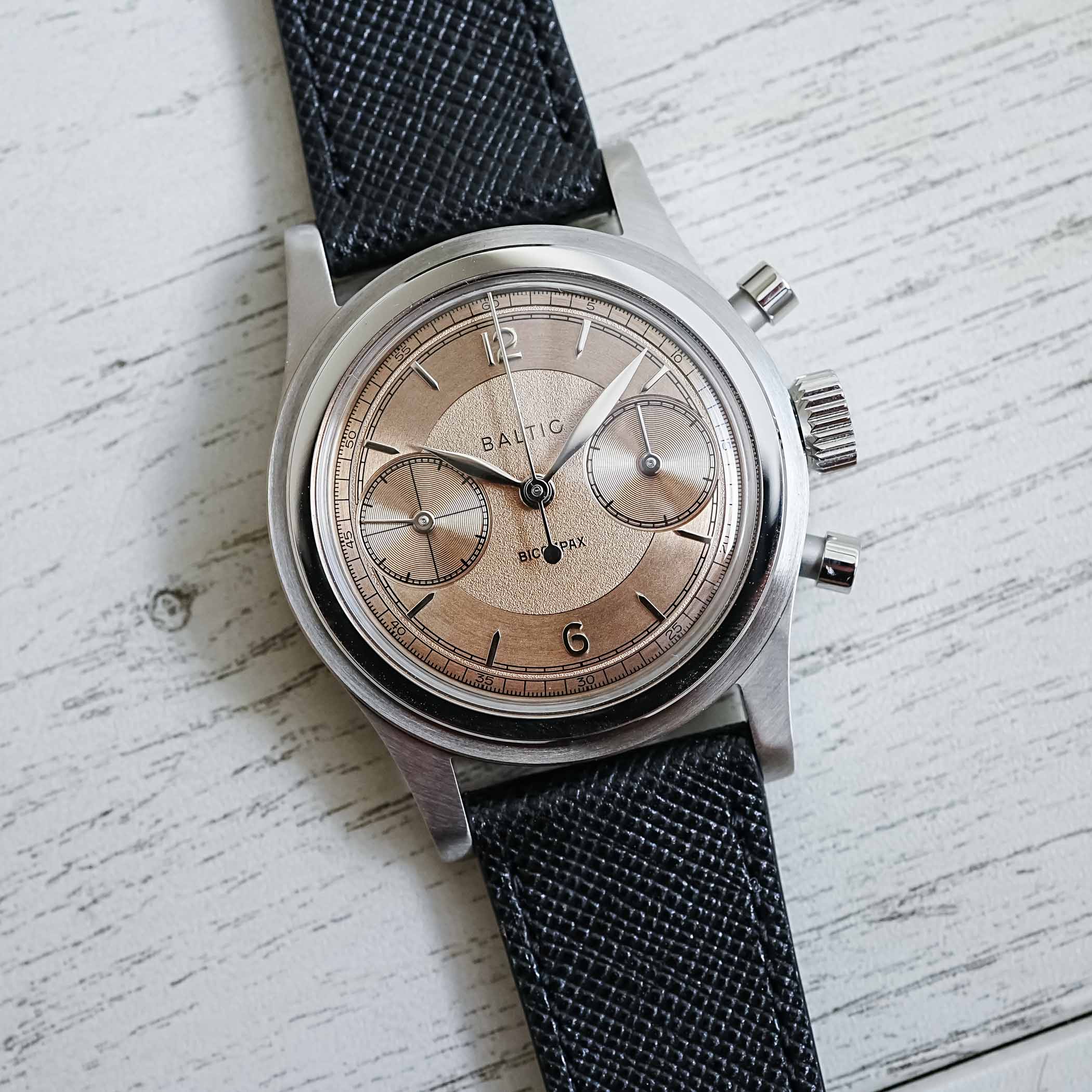
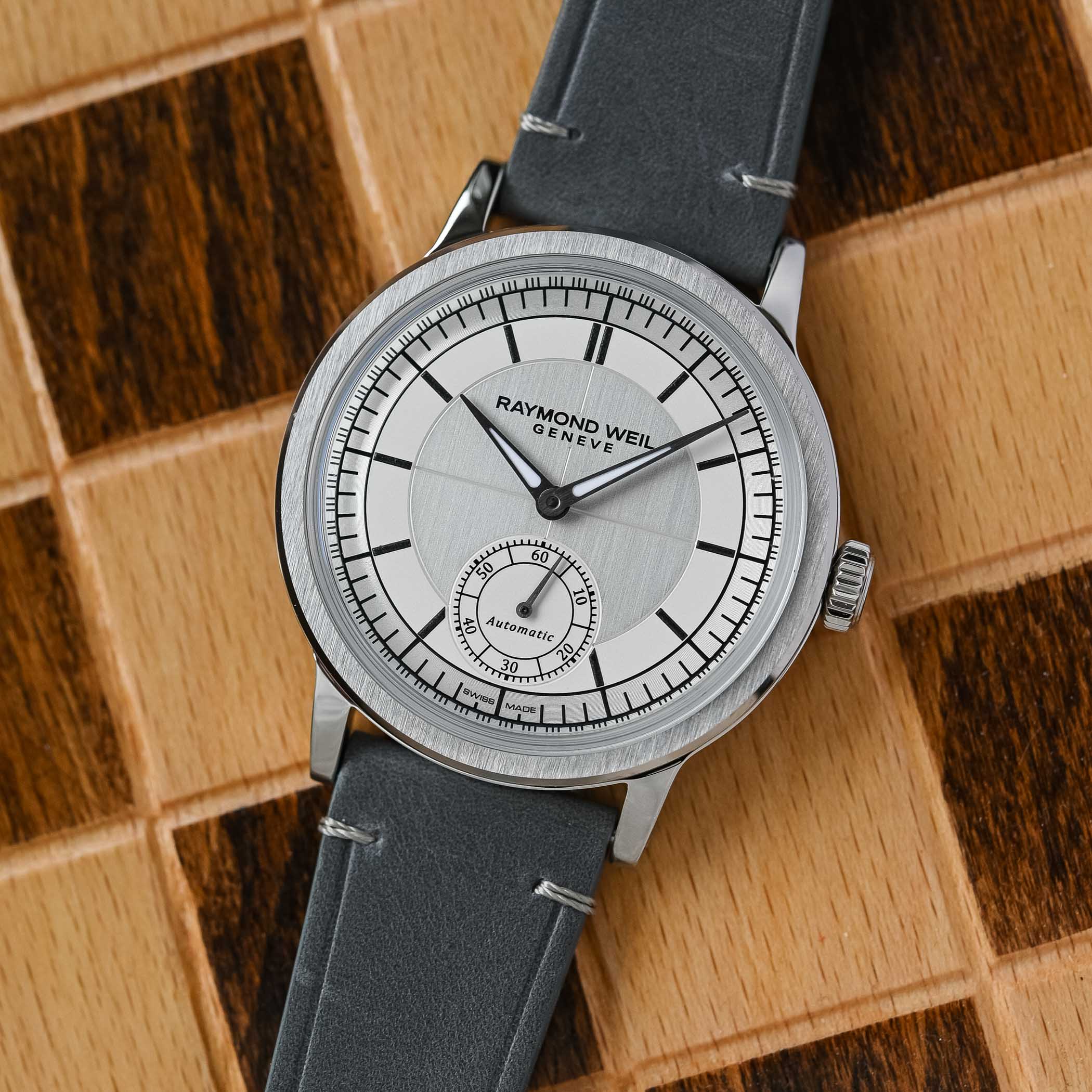
French brand Baltic, founded in 2016, doesn’t have a vintage collection to pull from, but its HMS 002 models feature classic sector dials with crosshairs like Longines, although there are two traditional, separate concentric rings for minutes/seconds and hours, with a more contemporary central seconds hand. A nice mix of old and new, not unlike the dial on Patek’s Calatrava ref. 5296. Baltic has multiple dial and case colour options, and it’s priced at just EUR 385 with a Miyota automatic. There are many other affordable options available, although most are from newer players without vintage collections, such as Raymond Weil’s Millesime Small Seconds or Furlan Marri’s Cornes de Vache Sectors.