Not all images were able to load for printing. Please close the print window and try again.
A Comprehensive Guide to Chronometer Certifications and In-House Quality Seals
The puirsuit of precision, from observatories to modern chronometer certifications.
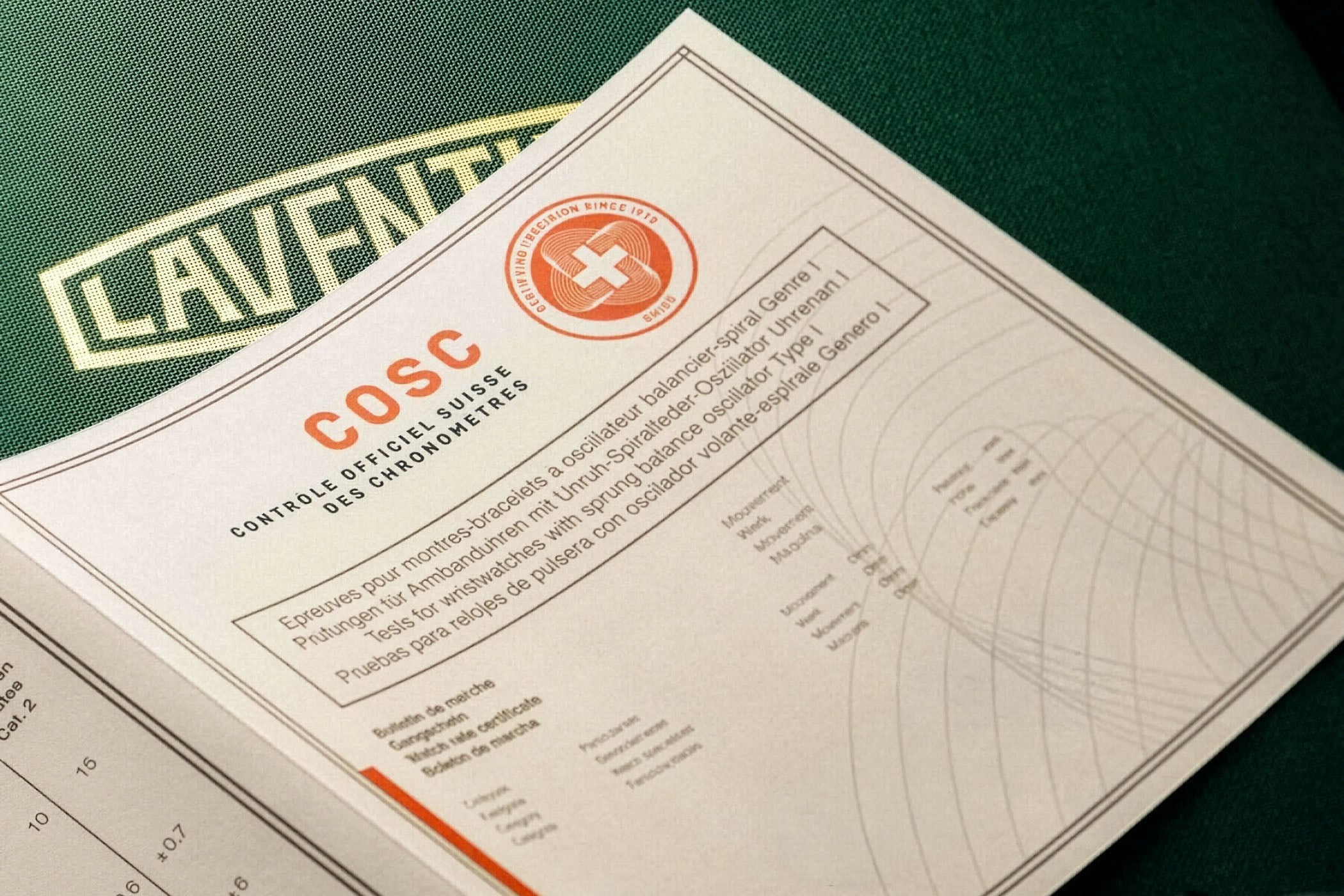
Watchmakers have chased precision since the dawn of portable timekeeping in the 16th century, but it wasn’t until the late 17th century that watches became accurate enough to support minute hands. A single hour hand was the norm for over a century, as accuracy was off by hours per day, but thanks to the balance spring invented by Christiaan Huygens in 1675, isochronism was achieved, bringing accuracy to within a few minutes per day. We’re not in chronometer territory yet, but it was a huge horological leap that forever changed movement design. Fast forward to 1766, and the British Royal Observatory in Greenwich established the first official, documented timing trials to verify accuracy. This ultimately led to the modern standards we have today, from COSC to the Geneva Seal to METAS and in-house certifications, all designed to verify the highest standards of quality and precision.
What is a Chronometer?
A chronometer is a watch or, specifically, a movement that meets a high accuracy standard (typically -4/+6 seconds per day in modern times) that’s been rigorously tested and certified by an accredited third party or, in some cases, an in-house organisation. The name’s origin goes back to 1714, when English clockmaker Jeremy Thacker coined the term to describe his custom clock created inside a vacuum chamber to achieve an accuracy capable of determining longitude on ships at sea. He combined the Greek words chronos (time) and meter (measure), although it didn’t meet the modern definition of a chronometer. English watchmaker John Arnold better defined the term in 1779 when he used it to describe highly accurate pocket watches, with one earning the designation of chronometer through time trials at the British Royal Observatory.

The British Royal Observatory
In the 18th century, the race was on to develop marine chronometers accurate and reliable enough for ships to determine their longitudinal position during voyages. To do this, specialised clocks on gimbals had to overcome the constant movements of a ship, major temperature changes, humidity and corrosive salt, and consistently remain accurate to within three seconds per day. Longitude was determined by setting the marine chronometer to a specific prime meridian (like Greenwich in England) and then comparing that to exact local time determined via a sextant (comparing the angle of the sun or stars above the horizon). Every hour of difference between Greenwich and local time equals 15 degrees of longitude east or west (or one degree every four minutes). Accuracy was absolutely critical for this, as only 3 to 4 seconds per day would cause a half degree of longitude error – about 30 nautical miles.
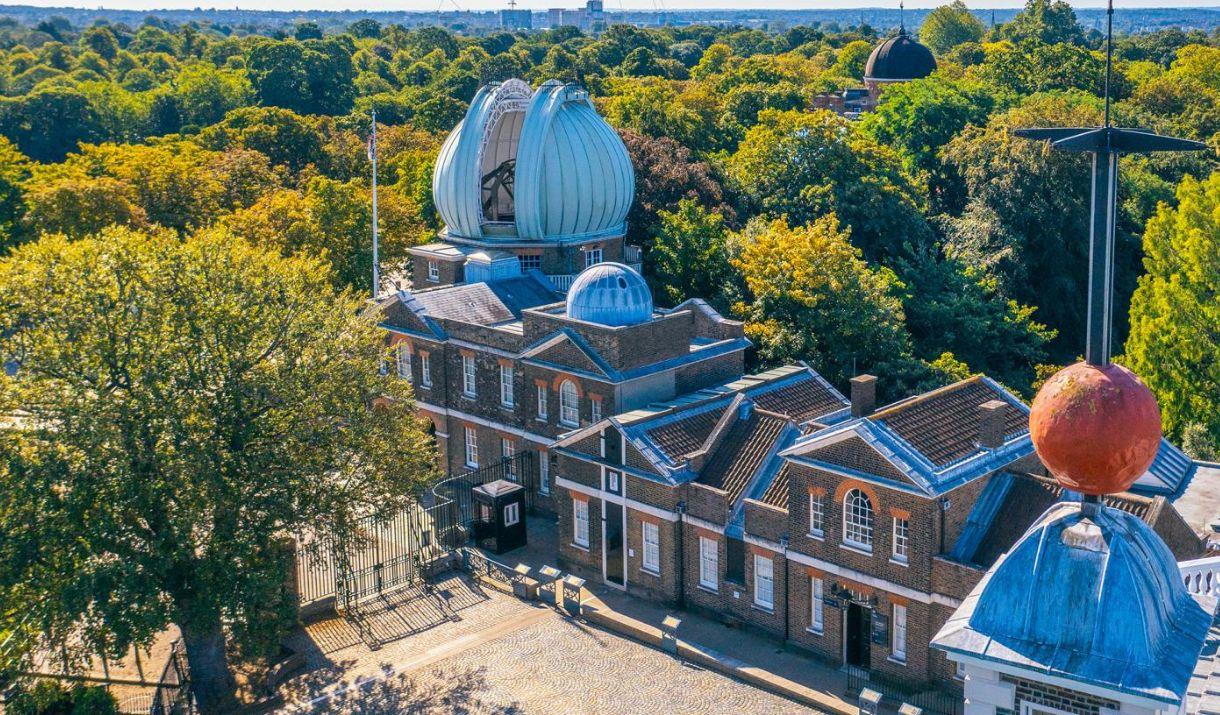
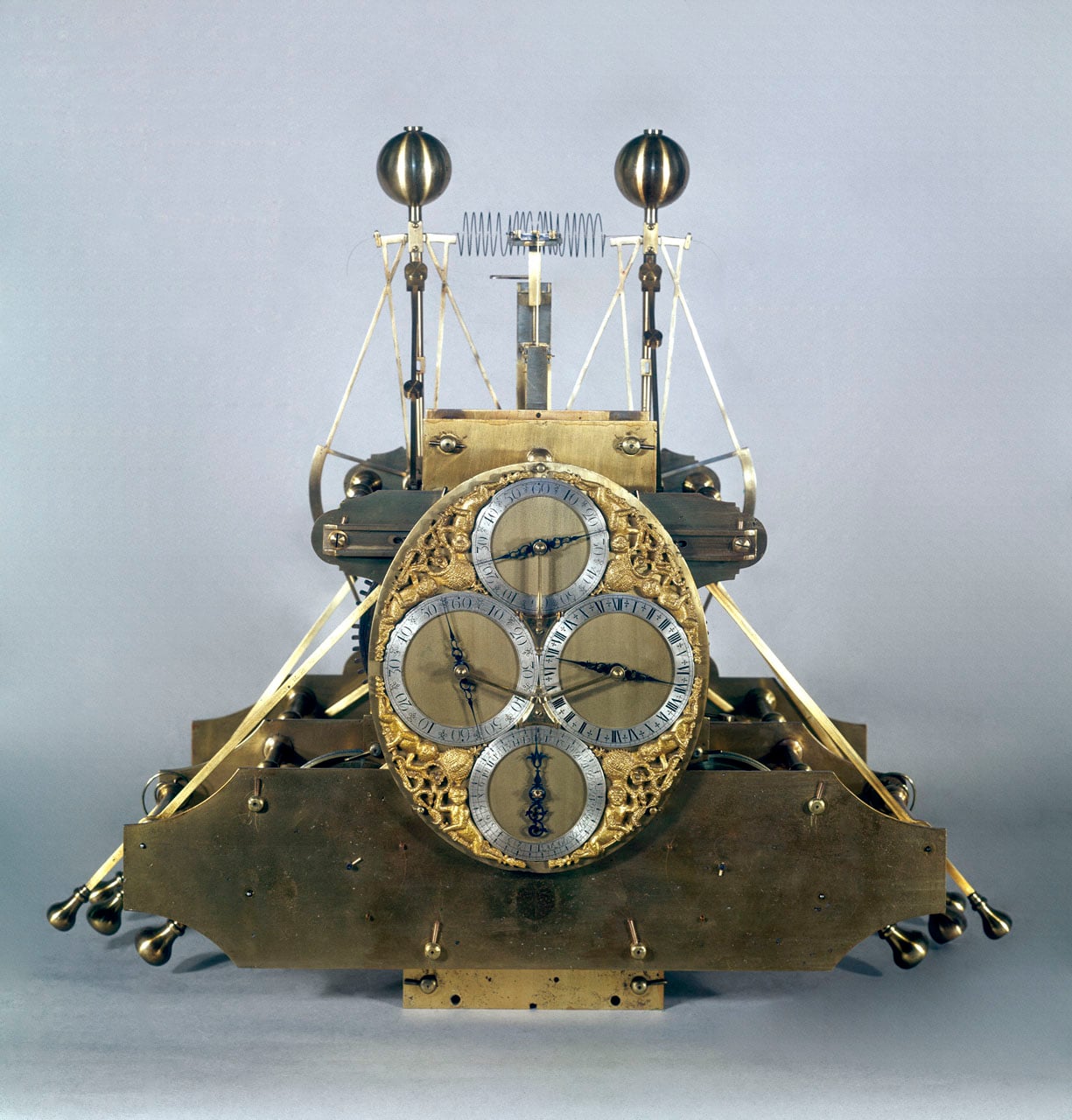
English clockmaker John Harrison developed a series of four marine chronometers from 1735 to 1761, labelled H1 to H4. In 1766, the British Royal Observatory in Greenwich established the first documented time trials to verify the accuracy of Harrison’s H4 marine chronometer and subsequent models, such as John Arnold’s No. 36 pocket watch in 1779, which became the first true pocket watch to receive the designation of chronometer. The Astronomer Royal, on behalf of the Board of Longitude, formally evaluated and acknowledged the accuracy of chronometers in the 18th century, but a standardised certification wouldn’t materialise until later in the 19th century. Things were a bit scattershot at the time, and state prizes and rewards were substitutes for specific certifications.
Admiralty’s Annual Premium Trials
In 1822, the British Royal Observatory launched the Admiralty’s Annual Premium Trials, which were one-year accuracy tests designed to advance marine chronometer accuracy through fierce competitions. It was initiated by the British Board of Admiralty, which offered significant cash prizes to help motivate watchmakers to reach higher horological heights. At the end of the 12-month testing period, which included daily accuracy evaluations compared to the astronomical regulator clock maintained by the Astronomer Royal, along with temperature and overall environmental changes through the seasons, the best chronometer was bought for GBP 300, while the second-place piece was bought for GBP 200, which were substantial sums at the time. The prices changed in 1828 as the top three chronometers were now purchased for GBP 200, GBP 170 and GBP 130, respectively. There were 13 consecutive trials until they ended in 1836, as accuracy gains dwindled and fraud became persistent. However, these chronometer acquisitions and recommendations for use by the Royal Navy served as a proverbial certification (or at least verification) of specific accuracy standards.
Kew Observatory and Bulletin de Marche
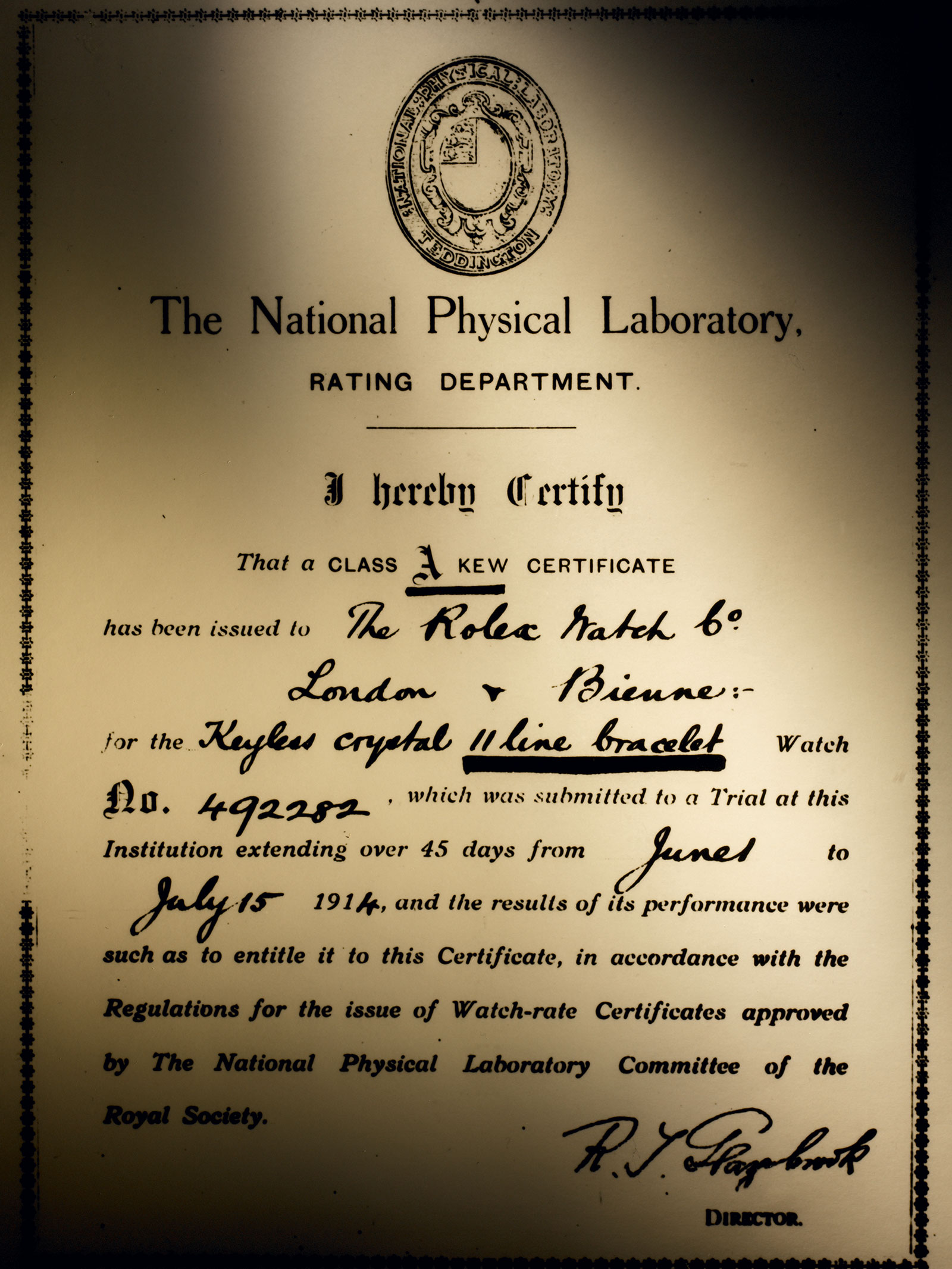
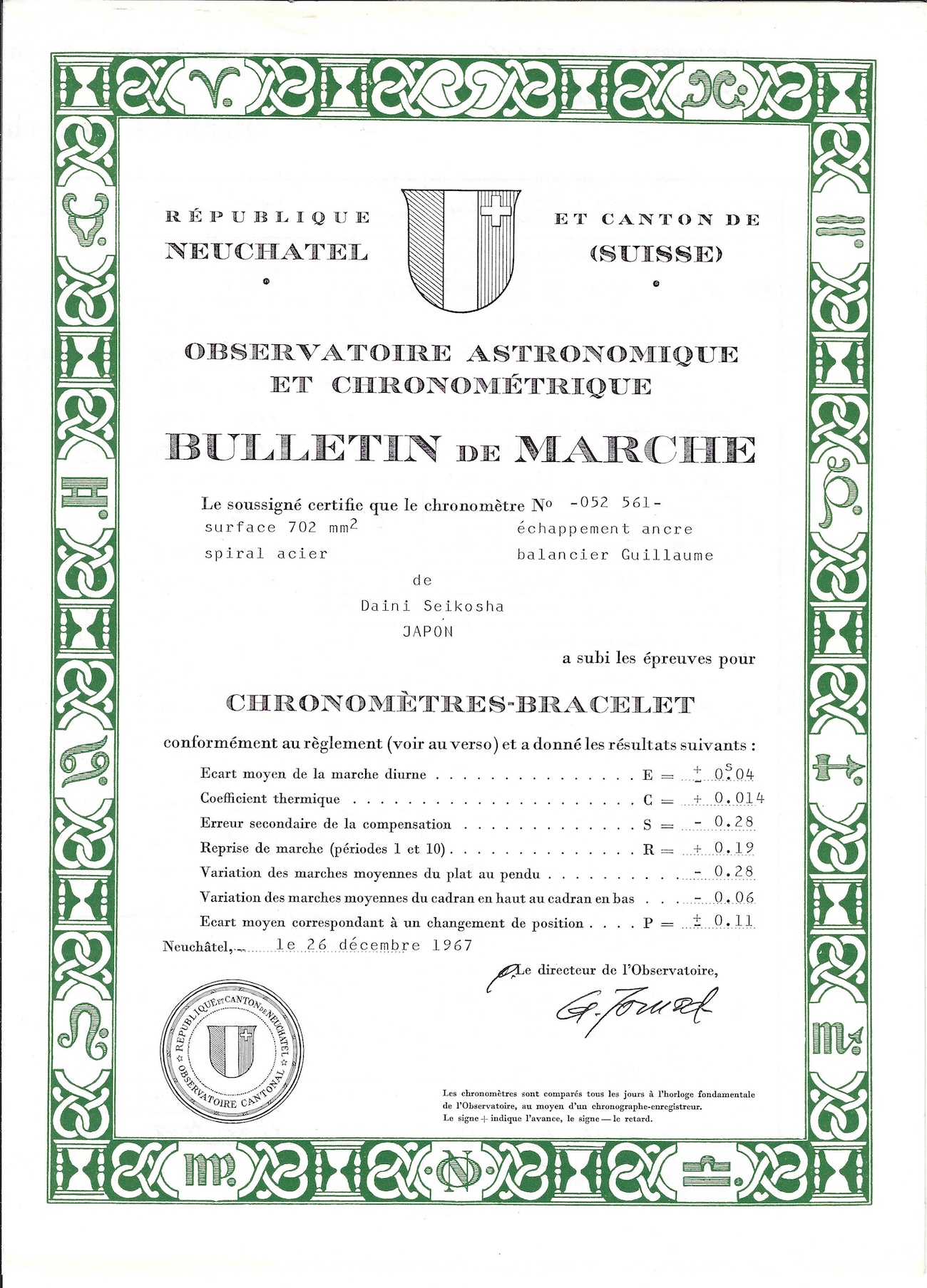
The first formal, standardised certifications were established at the Kew Observatory in 1884 with a 45-day testing period – five positions and three temperatures: extreme heat, cold and ambient. The best movements received an “A” certificate (with A, B and C certificates awarded), and almost all were based on pocket watches until 1914, when a Rolex ladies model became the first wristwatch to receive an “A” certificate as a certified chronometer (matching the marine chronometer standard). As multiple European observatories began coordinating to test and verify watches, movements that passed strict accuracy requirements received a certificate known as the Bulletin de Marche, which was signed by the respective observatory’s director and roughly equivalent to a COSC certification at the time. Watches with this certificate were known as Observatory Chronometers and were issued formal reference numbers. Movements were tested in five positions and at two temperatures (plus ambient), usually over 45 days, and tolerances were very strict (even stricter than some modern testing). Tests followed the formula originally established by the Kew Observatory with its A to C certificates.
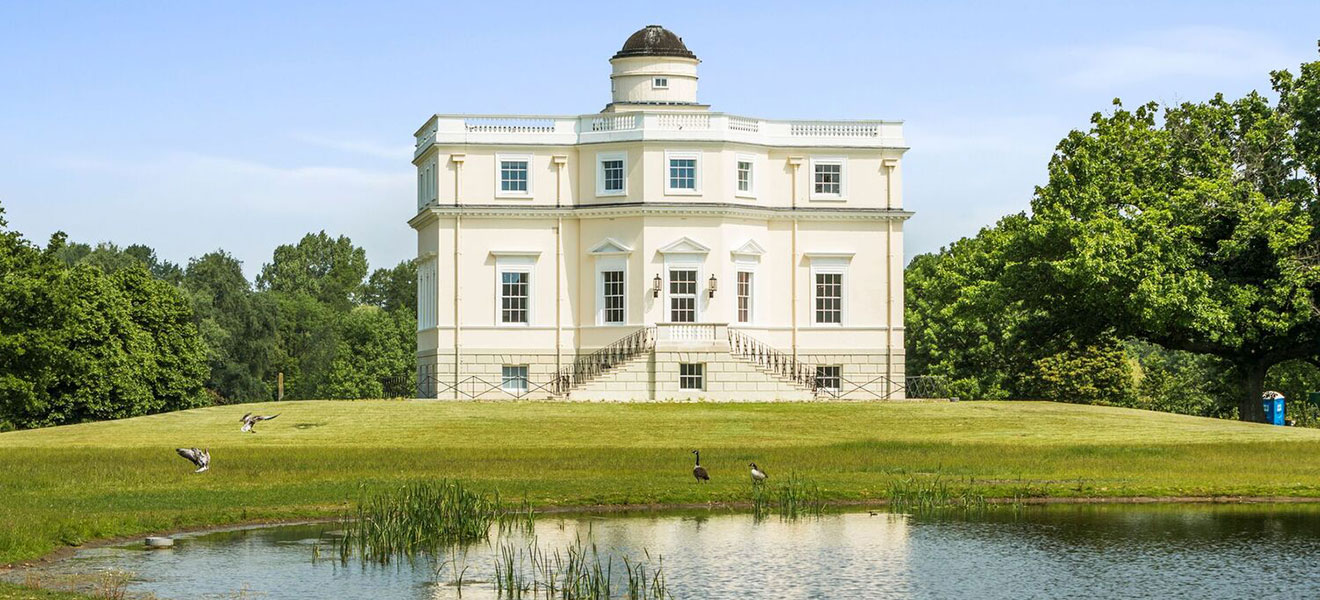
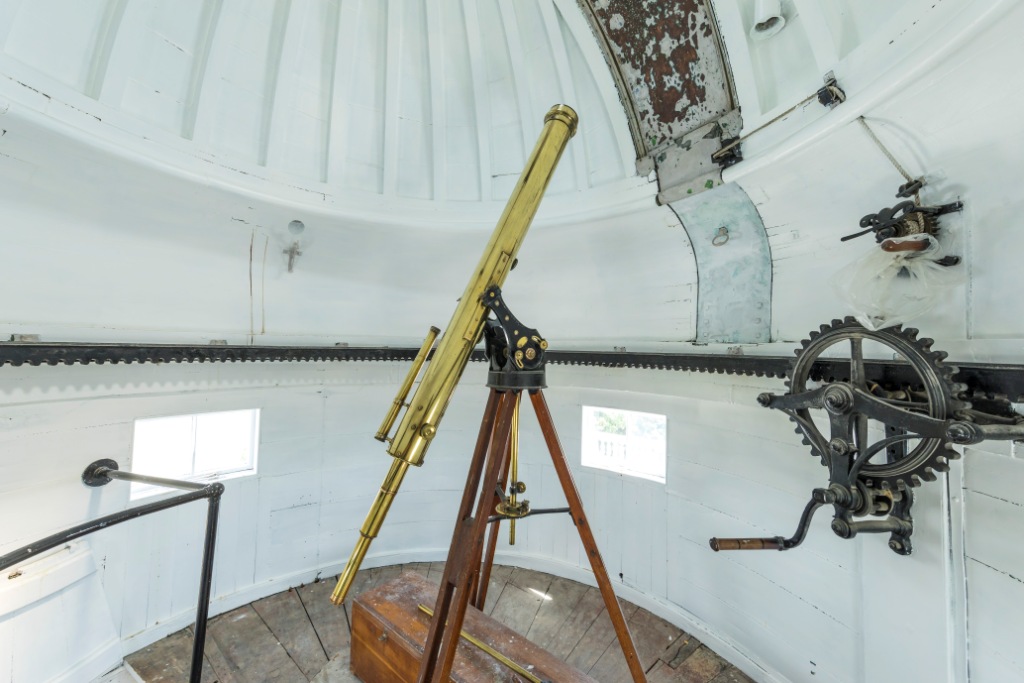
The Kew Observatory opened in 1769 in England (near London in Richmond, Surrey) for King George III as a private celestial observatory. It shifted to a more public scientific institution in 1842 when it was taken over by the British Association for the Advancement of Science with permission from Queen Victoria (where it was named the Kew Observatory, although officially remained the King’s Observatory). In the early 1850s, the observatory expanded from science, astronomy and atmospheric studies (it helped establish the UK’s first official weather forecasts) to the testing of barometers, thermometers, watches and sextants for accuracy. Various instruments earned Kew Certificates as a hallmark of excellence. In 1912, watch testing moved from the observatory to the nearby National Physical Laboratory in Teddington (called Kew-Teddington), but the testing criteria and certificates were unchanged. Watches were graded to 100 points, and none hit that theoretical perfect mark, but Omega set a record score of 97.8 in 1936 with pocket watch calibre 47.7. All operations ceased in 1980, including the Meteorological Office, and it later became a private residence.
European Observatories
Government-backed observatories were built throughout Europe for several reasons: astronomical and scientific research, local timekeeping and overall national prestige. Determining time accurately through star observations made them a natural fit for regulating master clocks and holding rigorous time trials and tests for watches. As mentioned, they certified watches with Bulletin de Marche certificates and verified the accuracy of marine chronometers to ensure ships could accurately determine longitude. They began transmitting official time via telegraph in the mid-19th century to railways and other industries, and maintained public clocks for local communities. Although observatories held their own time trials with independent testing facilities, increased cooperation allowed for standardised testing methods to ensure consistency across borders and maintain confidence in Bulletin de Marche certificates.
NeuchAtel Observatory
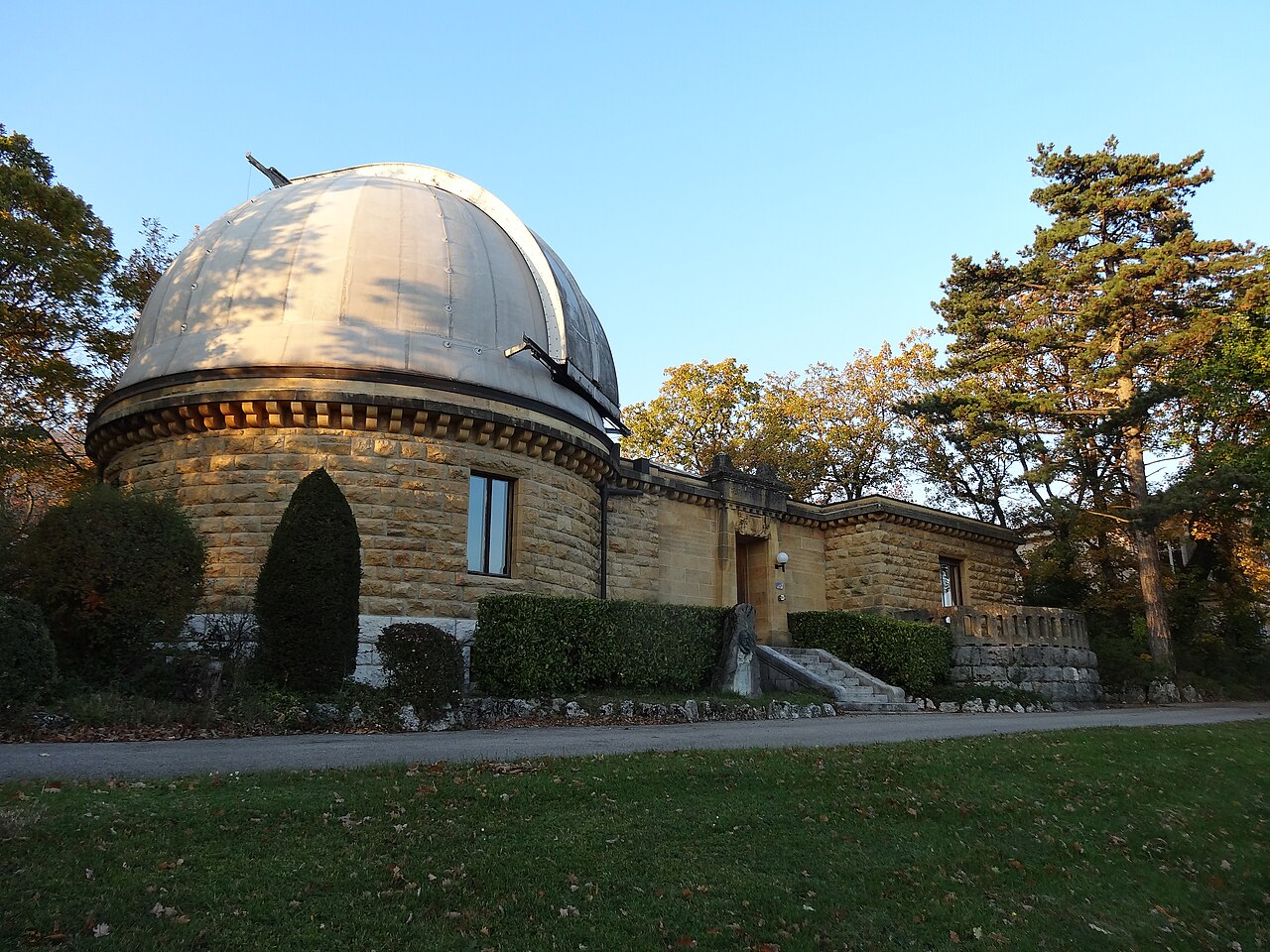
Founded in 1858 in Neuchâtel, Switzerland, the Neuchâtel Observatory was established by the Public Economy Department of the Canton of Neuchâtel specifically for the Swiss watch industry – it was known as the Observatoire Astronomique et Chronométrique de Neuchâtel (Neuchâtel Astronomical and Chronometric Observatory). Although the observatory cooperated with other European counterparts for Bulletin de Marche certificates, it strictly limited its own testing to Swiss watches until 1959, when global entries were allowed. This was a double-edged sword, however, as Seiko began dominating accuracy tests and competitions, clearly defeating Swiss watchmakers. Following failed attempts by brands to ban foreign competitors, Swiss watchmakers boycotted the observatory and competitions collapsed by the early 1970s.
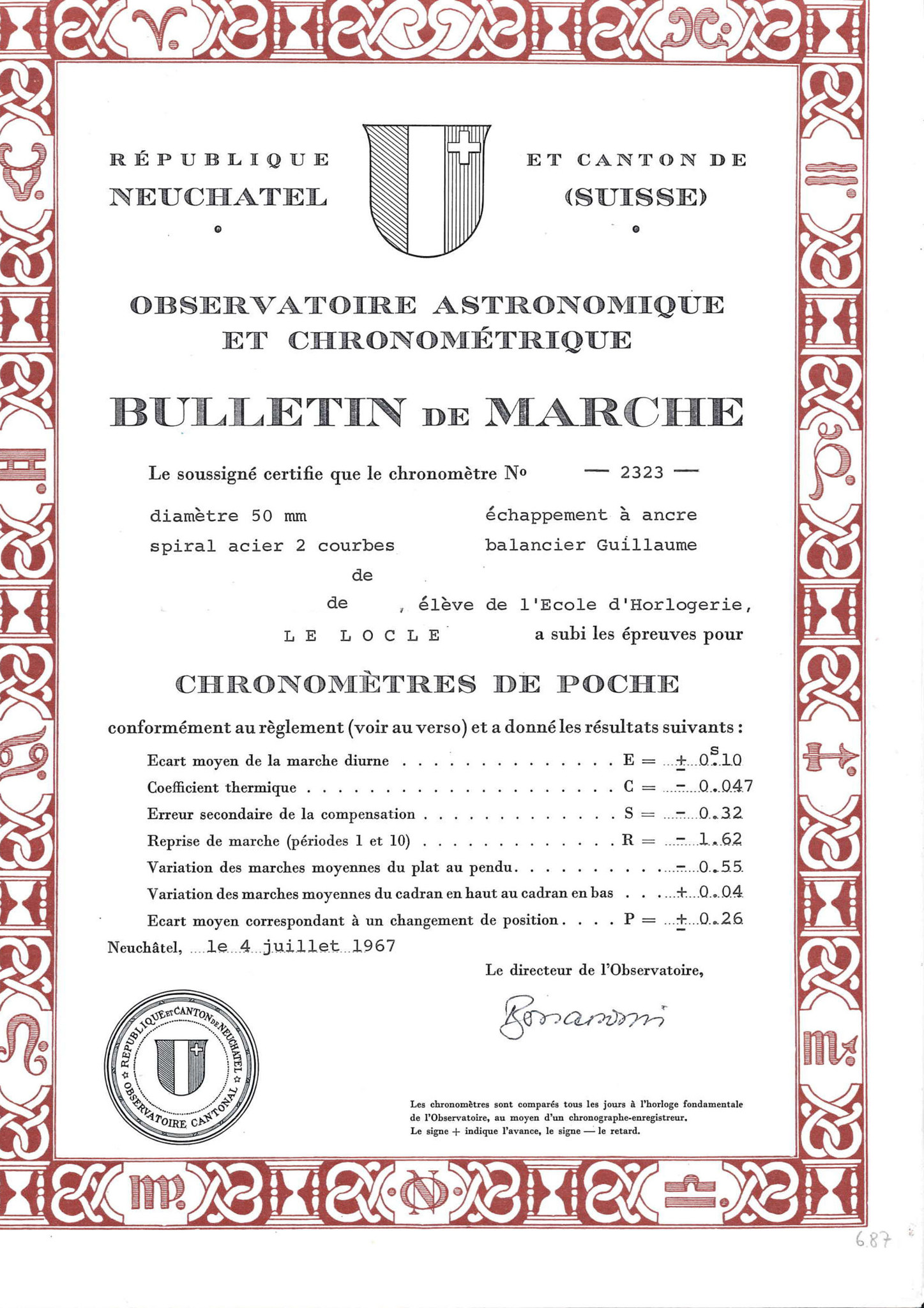
The Quartz Crisis of the 1970s and 1980s, combined with the loss of this central Swiss observatory, led to the urgent need for a trusted testing group without the downsides of fierce competition that tended to create more problems than they were worth. In 1973, five Swiss cantons – Neuchâtel, Bern, Geneva, Solothurn and Vaud – collaborated with the Federation of the Swiss Watch Industry to create COSC (Contrôle Officiel Suisse des Chronomètres), which translates to the Official Swiss Chronometer Testing Institute. The testing methods and standards established by the European observatories significantly contributed to COSC’s certification process, which remains the gold standard for industrial-scale chronometer certifications today (more below).
Geneva Astronomical Observatory
Founded in 1772 by astronomer Jacques-André Mallet, the observatory’s early horological mission was to maintain exact mean time via celestial observations to support Geneva’s exploding watch industry. Precision trials began as early as 1816 through the Société des Arts, while more standard chronometry competitions started in 1872 and continued until 1968. The original location was shuttered in the late 1960s and moved to the Sauverny forest in Versoix, where it combined facilities with an EPFL astrophysics laboratory. Astronomy took a central role in more modern times, and Geneva astronomers discovered the first exoplanet orbiting a Sun-like star, earning half of the Nobel Prize in Physics in 2019. The Geneva Astronomical Observatory was among the key facilities in the 19th century to issue Bulletin de Marche certificates in Switzerland.

Besancon Astronomical Observatory
This French observatory, established in 1884 through the Ministry of Public Education, was set up in part to counter rising Swiss dominance in the region and offered chronometer certifications since its inauguration in 1885. As the only official observatory in France, it cooperated with the other European observatories and issued Bulletin de Marche certificates for Observatory Chronometers. In 1897, however, it started stamping a unique Viper’s Head (Tête de Vipère) on movements that passed its strict 45-day testing period, a hallmark that remains today. Certifications stopped in the early 1970s with the rise of quartz watches and the Quartz Crisis, and focus shifted to astrophysics. In 2002, certifications resumed for complete watches with fully encased movements, with 16-day testing periods under ISO 3159 criteria, following COSC guidelines with accuracy rated at -4/+6 seconds per day. Cases and/or movements are stamped with the traditional Viper’s Head to confirm certification from the observatory.
PoinCon de GenEve (Geneva Seal) and TIMELAB
The parliament of Geneva established the Poinçon de Genève, or Geneva Seal, by law in 1886 as a protective certification against counterfeiters outside Geneva. It’s the oldest government-sponsored certification and has since become one of the most prestigious “stamps of approval” in watchmaking. With criteria finalised in 1891, movements had to be assembled, adjusted and regulated within the Canton of Geneva, and design and finishing had to meet strict standards. Certified movements were stamped with the Geneva coat of arms and testing was conducted at the Geneva School of Horology, which took full control in 1955.

In 2008, the Poinçon de Genève commission officially left the school (since its inception) and transferred operations to the TIMELAB Foundation (Geneva Laboratory of Horology and Microtechnology), which also manages the Geneva Chronometric Observatory. In addition to the Geneva Seal, TIMELAB also certifies chronometers based on ISO 3159 and can perform on-site certifications at a watchmaker’s facility with strict audits to ensure unbiased authenticity. TIMELAB has an enhanced chronometer certification known as OC+ (Observatoire Chronométrique+) which includes testing for anti-magnetism, water resistance and power reserve, and watches are continuously rotated during 24-hour periods to simulate daily wear. It’s important to note that OC+ is not integrated with the Geneva Seal – they’re entirely separate.
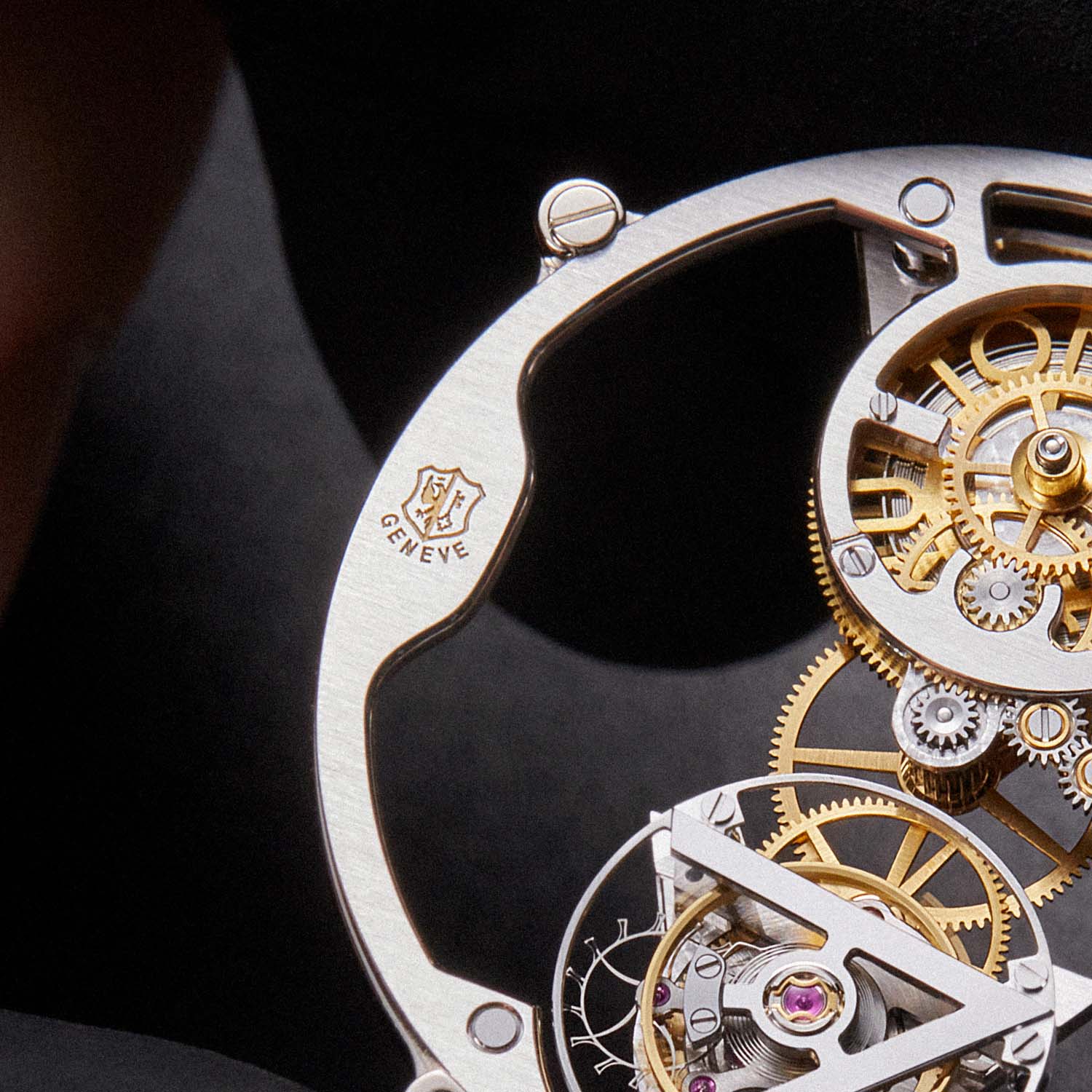
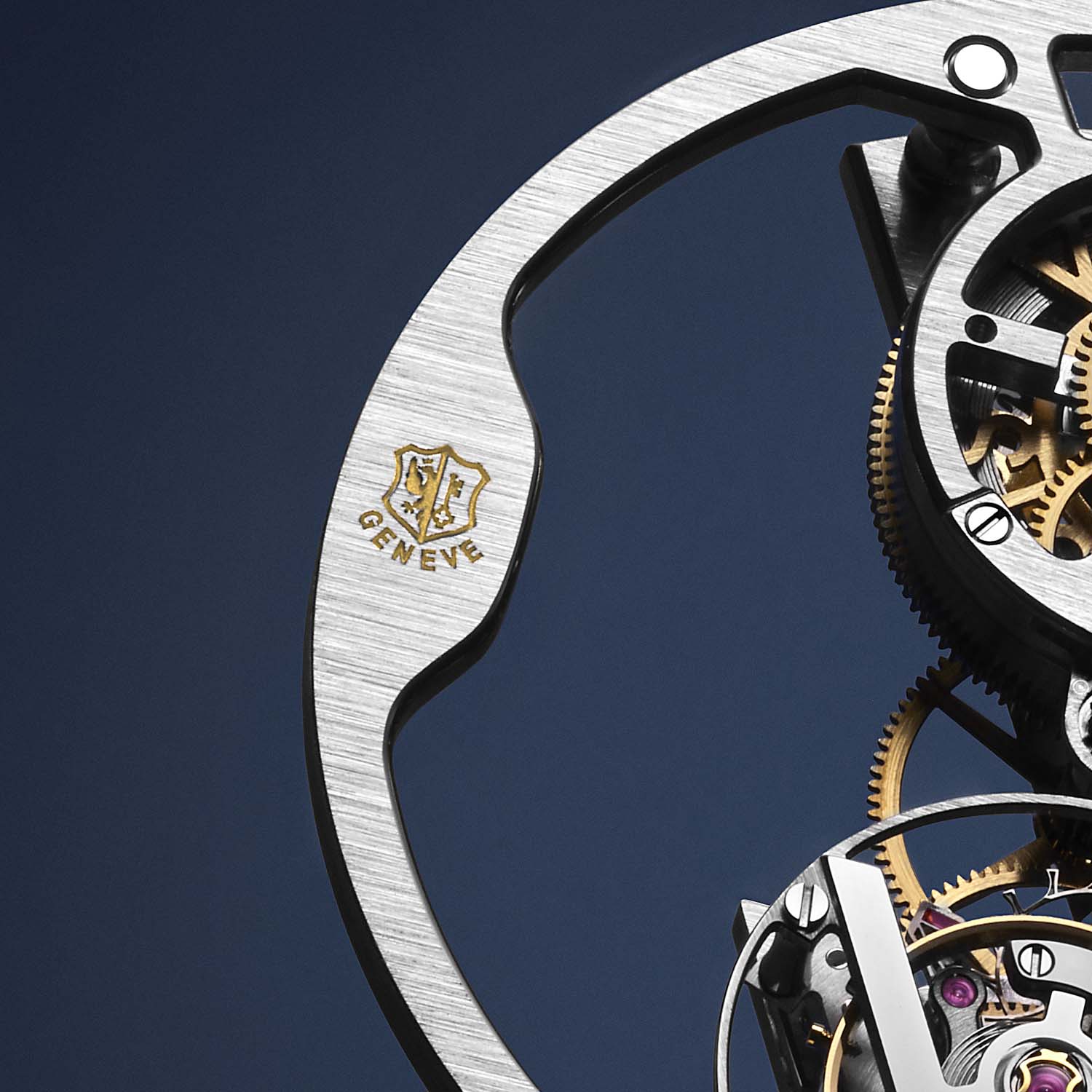
Modern requirements include assembling, adjusting and casing watches in the Canton of Geneva (no exceptions), while the watchmaker must also be registered in Geneva. Quartz movements are also not allowed. The 12 traditional standards of the Geneva Seal include flawless finishing and overall craftsmanship. For example, screw heads have to be polished or circular-grained, and rims and slots must be bevelled. Steel parts must have polished chamfers, while ruby jewels must have polished fittings on the going train and escapement. Wire springs are also prohibited, while click springs and regulators have specific rules. There are also strict rules regarding the thickness of wheels and escapements, and jewel counts. Only the most prestigious, high-end brands receive the Geneva Seal, and numbers are small given the strict criteria and limited geography within Geneva. Vacheron Constantin, Roger Dubuis, Cartier and Chopard are among the exclusive club of active Geneva Seal recipients, with Patek Philippe leaving in 2009 after more than a century to apply its own in-house certification – the Patek Philippe Seal. And although based in Geneva, Rolex has never participated, as some production happens outside Geneva in Biel/Bienne, but it established its own Superlative Chronometer certification (+/- 2 seconds per day) and strict internal finishing/performance guidelines.

In 2012, the Geneva Seal saw its biggest changes since 1955 when it expanded from evaluating just the movement to the entire cased watch with added performance requirements. For starters, water resistance and power reserve were now tested, along with a seven-day accuracy test with a wrist movement simulation machine and comprehensive testing of all complications and functions. Finishing standards also got stricter, requiring polished chamfers on all plates and completely prohibiting any traces of tooling. Although limited to Geneva with a small handful of participating brands, the Geneva Seal arguably remains the most prestigious quality stamp in watchmaking.
Bureaux Officiels de ContrOle de la marche des montres
Looking into the 20th Century, official Swiss watch rating and testing centres historically linked to observatories continued to independently test and certify watch movements via Bulletin de Marche certificates. They worked with common standards, but weren’t unified. In 1973, these independent regional bureaus, known as Bureaux Officiels de Contrôle de la marche des montres, unified to form COSC (Contrôle Officiel Suisse des Chronomètres), which centralised Swiss testing and is now the gold standard worldwide.



COSC and ISO 3159
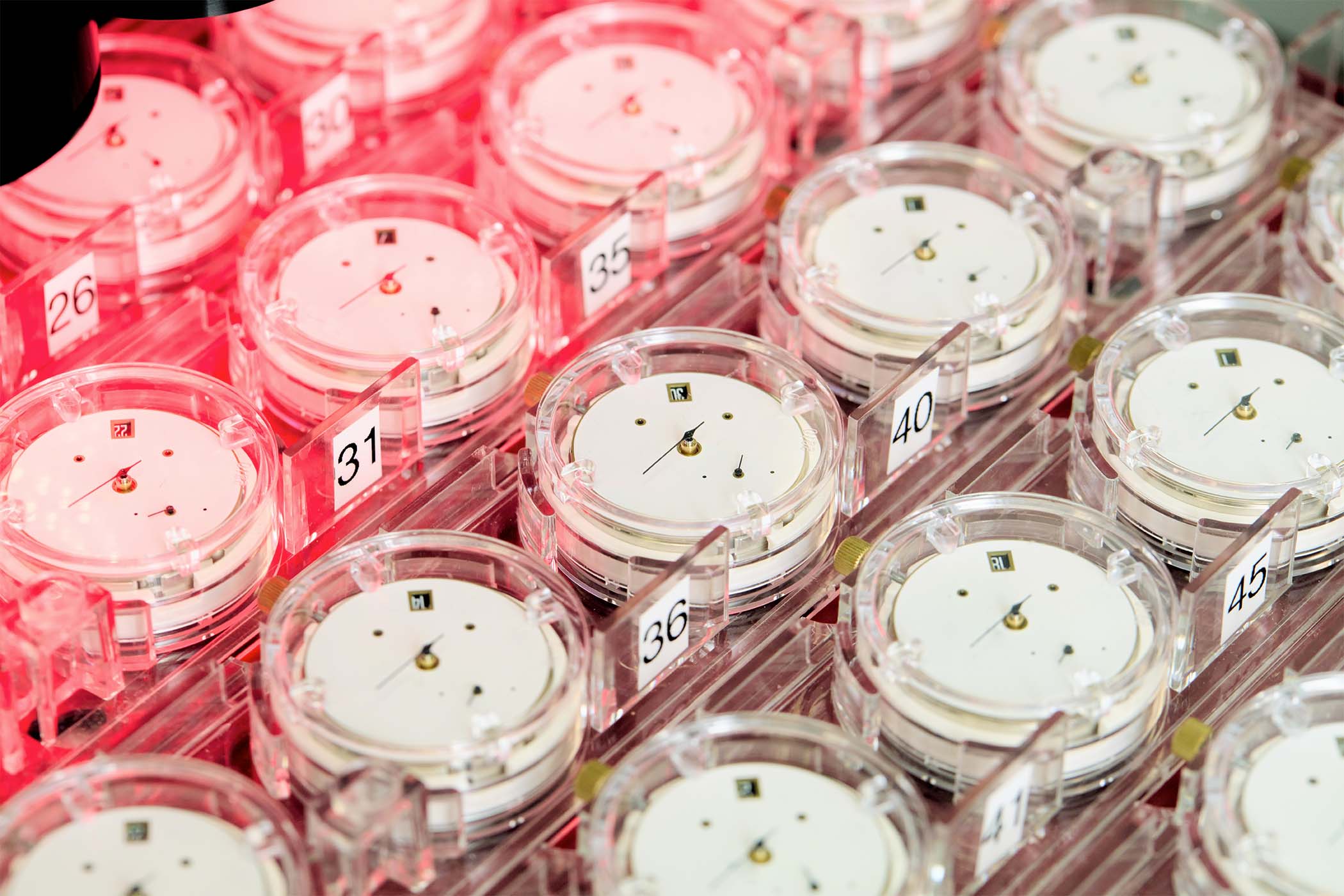
Established in La Chaux-de-Fonds, Switzerland, in 1973, five watchmaking cantons – Geneva, Bern, Neuchâtel, Solothurn and Vaud – unified with the Federation of the Swiss Watch Industry (FHS) to create COSC (Contrôle Officiel Suisse des Chronomètres) as a neutral, independent and nonprofit testing organisation to certify Swiss movements. Much of the motivation to form COSC came from the Quartz Crisis that pushed Switzerland to reinforce the high standards of traditional mechanical watchmaking (although COSC certifies a small percentage of quartz movements today). In 1976, the International Organization for Standardization (ISO) developed ISO 3159, which established a global standard and baseline for watch testing for certified chronometers, and it’s the core method for COSC.
- Uncased movements are tested for 15 days in 5 positions (dial up, case back up, crown up, crown down and crown to the left)
- Movements are tested at 3 temperatures (8°C, 23°C, and 38°C)
- Accuracy must not exceed -4/+6 seconds per day
In 2009, ISO 3159 was updated with some technical changes, but maintained the core guidelines established in 1976. Terminology was modernised, and practices were tweaked to better align with evolving and contemporary manufacturing methods. Overall, parameters didn’t change much, but a major change did occur in 2026 for COSC’s 50th anniversary with the addition of Excellence Chronometer Certified.
Excellence Chronometer Certified
This higher (and optional) certification goes beyond 2009 methods that only tested uncased movements. Both movements and fully assembled watches are now held to much higher standards that also tighten accuracy parameters. Unlike the core COSC requirement of -4/+6 seconds per day, an Excellence Chronometer Certified watch must be -2/+4 seconds per day. Position testing moves to a more dynamic simulation on robotic wrists to replicate real-world conditions, while magnetic resistance is tested to 200 gauss and power reserve claims are verified on cased watches. This higher certification doesn’t alter or replace ISO 3159, which remains the testing standard for the majority of chronometers. It also keeps COSC competitive with newer standards like METAS.

METAS and Master Chronometer
Introduced in 2014 by Omega in partnership with METAS (Métrologie Suisse or the Swiss Federal Institute of Metrology), this independent, third-party testing brings stricter requirements than COSC, including the new Excellence Chronometer Certified. Watches are tested with movements fully encased for ten days and must meet a much higher magnetic resistance of 15,000 Gauss, while accuracy is tighter at 0/+5 seconds per day. Water resistance testing is also added to the power reserve verification. Although this is an independent testing agency, watches must meet certain criteria to be eligible for METAS certification. The two main requirements are: watches must be Swiss-made, and watches must first be COSC certified.

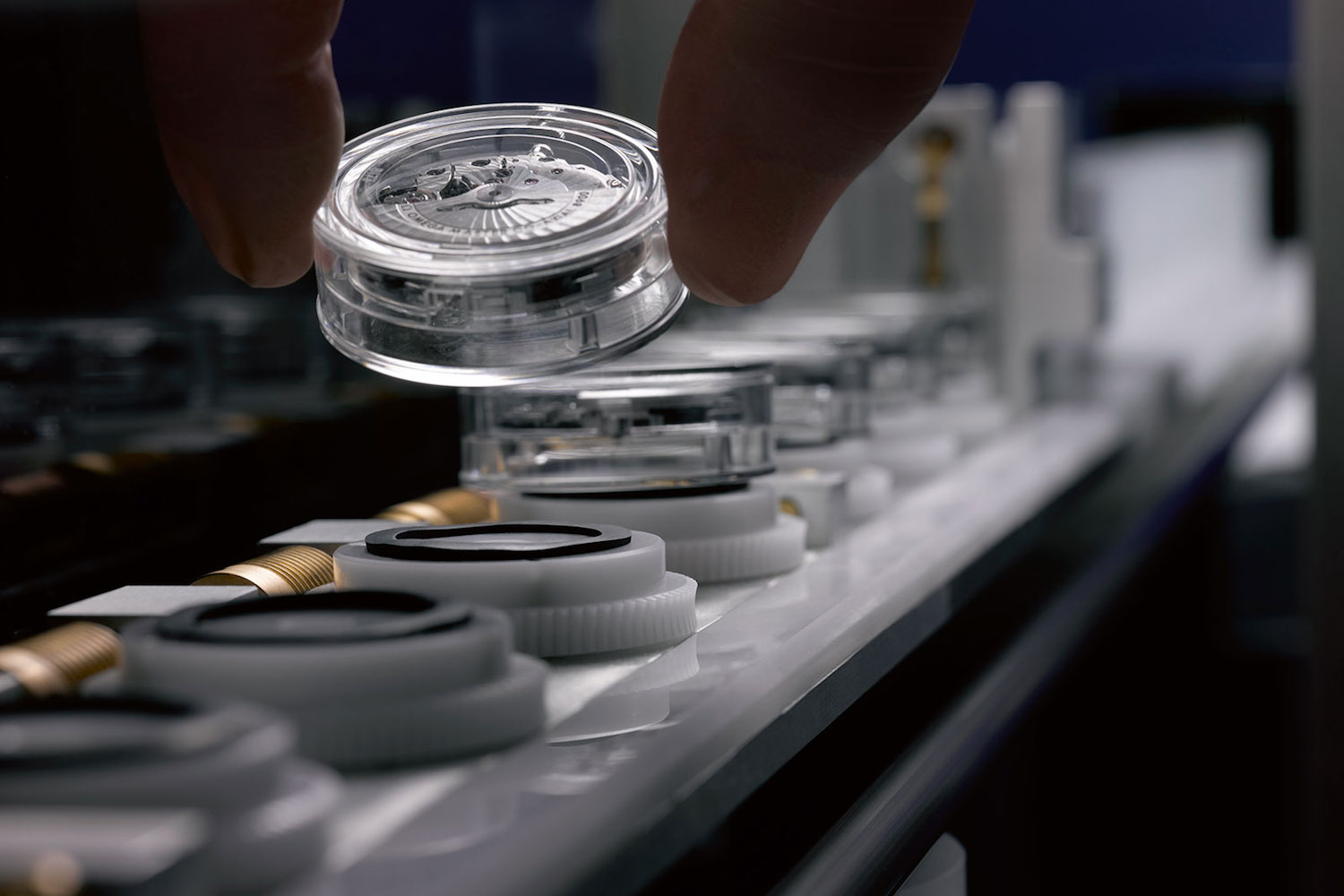
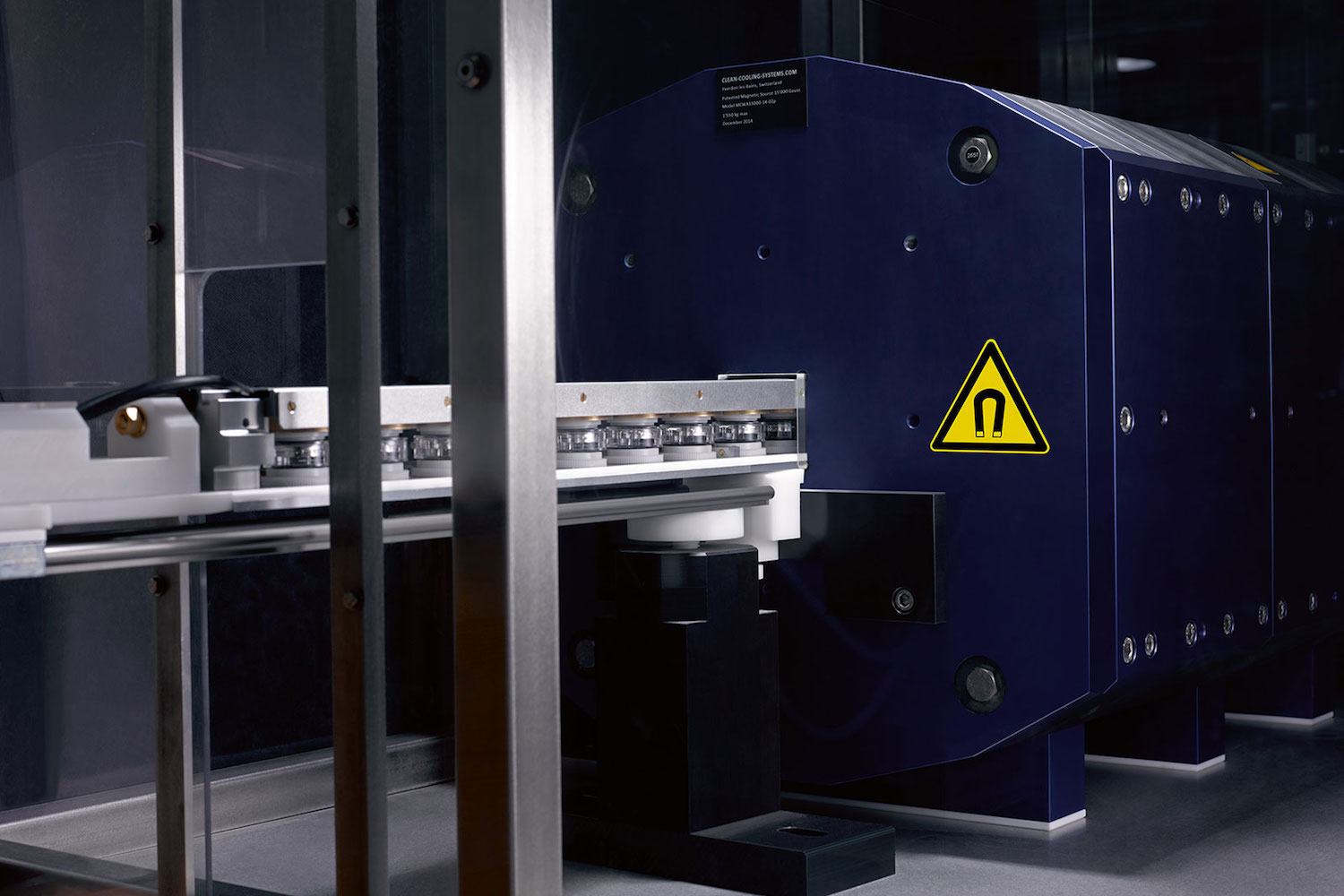
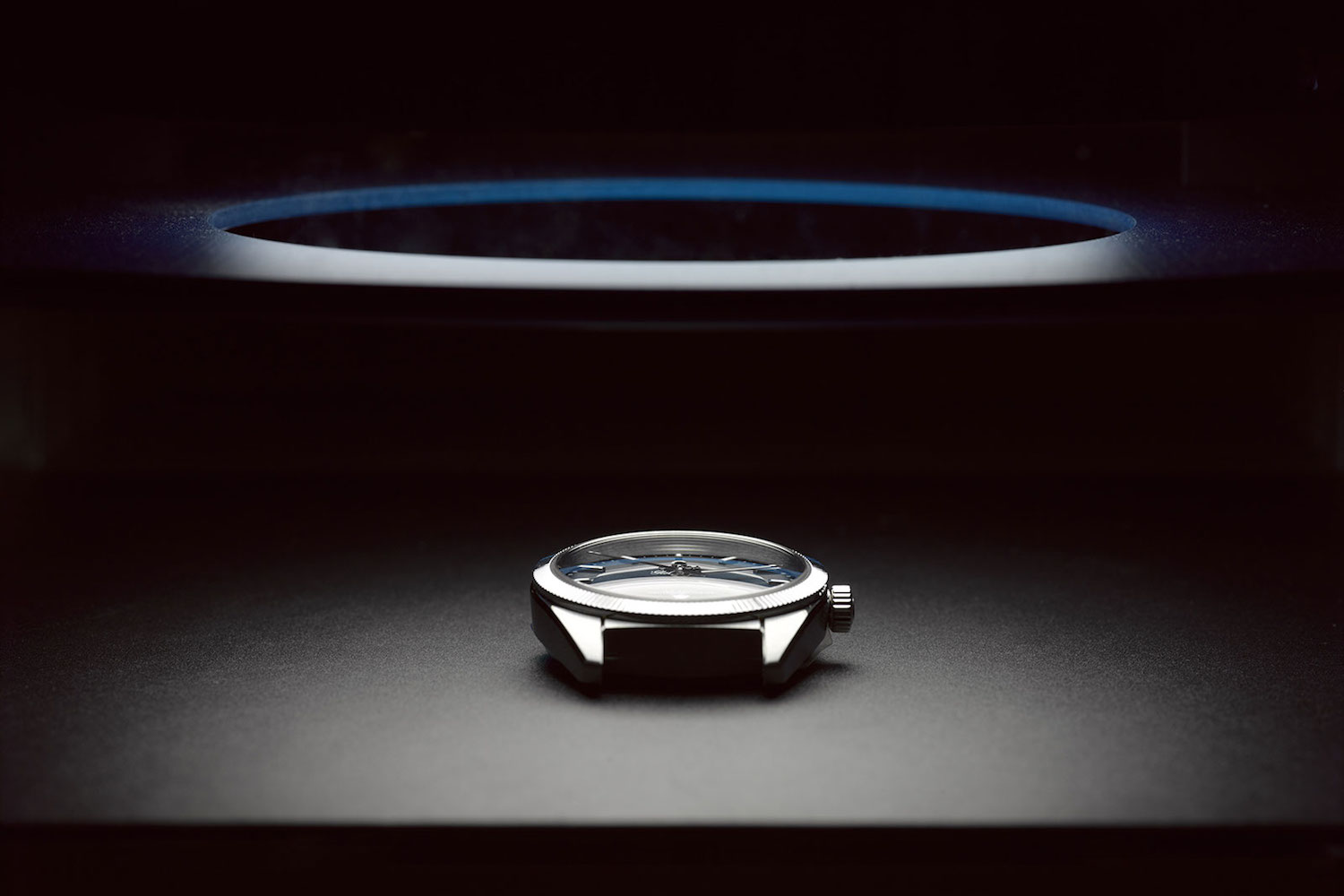

The ten-day testing process includes six positions and two temperatures (33°C and 23°C), and potential issues with condensation are checked as well (via cold water on the crystal). Condensation testing follows water resistance verification, where the watch is heated (up to 50°C) before cold water is applied to the crystal. Omega’s Globemaster, launched in 2015, was the first watch to be certified as a METAS Master Chronometer. Despite its origins with Omega, METAS certifications are open to all Swiss watches that are already COSC certified. Tudor followed Omega in 2021 to become the second major brand to adopt METAS certifications, starting with the Black Bay Ceramic model with calibre MT5602-1U. The brand expanded its METAS-certified portfolio in 2024 to include Black Bay and Pelagos models, and testing is handled in its own facility in Le Locle, Switzerland (watches don’t have to be sent to Omega).

QualitE Fleurier
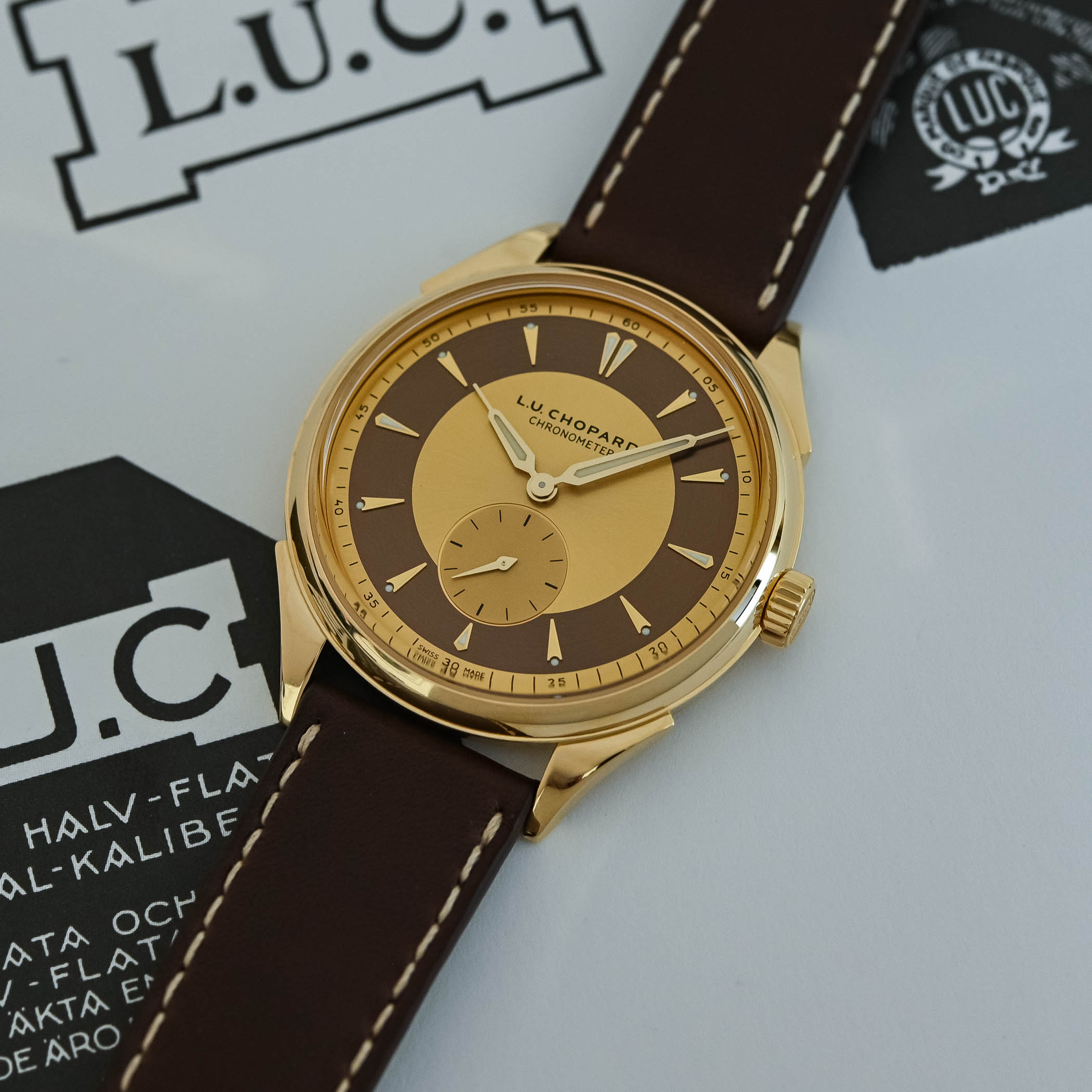
Qualité Fleurier (Fleurier Quality Foundation) is a more obscure certification established in 2001 by four brands – Chopard, Parmigiani Fleurier, Vaucher and Bovet. It’s rarely used today, but is technically open to brands outside of its founding members in the EU. Certifications began in 2004 and are backed by the Swiss government, adding legitimacy with government validation. Like METAS, watches must be Swiss-made (although 100% Swiss-manufactured) and already COSC-certified, and an emphasis is placed on a high degree of finishing like the Geneva Seal. Today, only Chopard uses Qualité Fleurier certifications and also continues to submit watches for the Geneva Seal. Movements must meet strict haute horlogerie hand-finishing standards, while also undergoing Chronofiable tests that simulate movement ageing for wear and shocks, and accuracy must remain at 0/+5 seconds per day while tested in multiple positions via a wrist simulator.


Chronofiable
Established in the late 1970s by the Federation of the Swiss Watch Industry (FH), Chronofiable is run today by the Laboratoire Dubois in La Chaux-de-Fonds, Switzerland (since 1985). It started monitoring between 1,000 and 2,000 watches worn by real people, testing wear and potential breakdowns over time. They used this data to create a testing process that simulated long-term wear through a compressed timeframe and established the Swiss Watch Industry Reliability Test Centre (CCF SA). This made Chronofiable an official, trademarked durability and ageing process that includes a 21-day period to simulate six months of hard wear, such as 20,000 small shocks and accelerations up to 550g. Testing temperatures range from -10°C to 60°C, and humidity levels rise to 85%. All functions, including crowns and pushers, are repeatedly manipulated for potential wear or faults, while water resistance and magnetism are also tested. As this is designed to potentially test to a failure point, brands often submit up to 20 pieces at a time to help validate new movements and/or cases. Chronofiable is sometimes integrated into broader certifications like Qualité Fleurier, and participating brands include Chopard, Richard Mille, Bovet and Parmigiani Fleurier.

Horological Society of New York (HSNY)
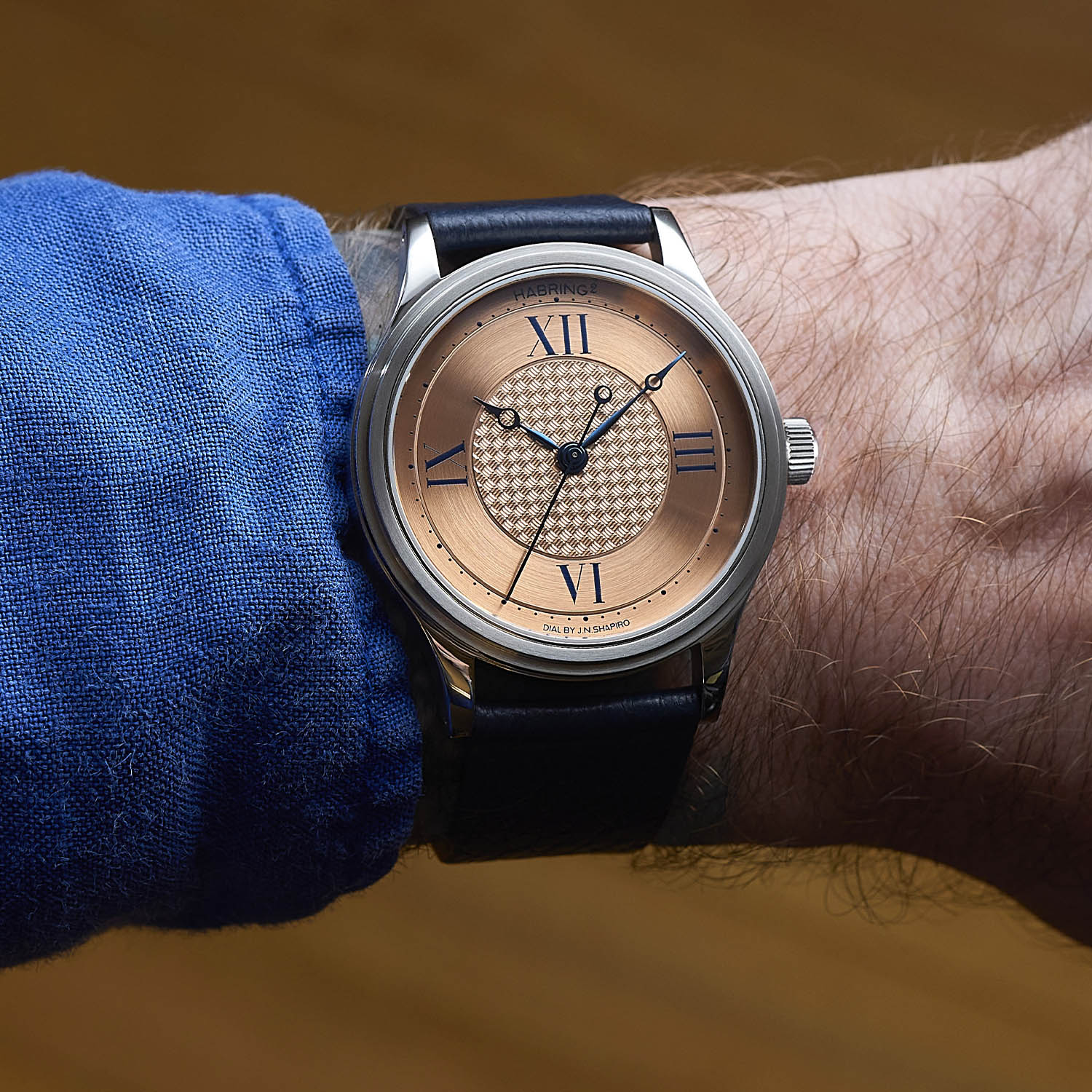
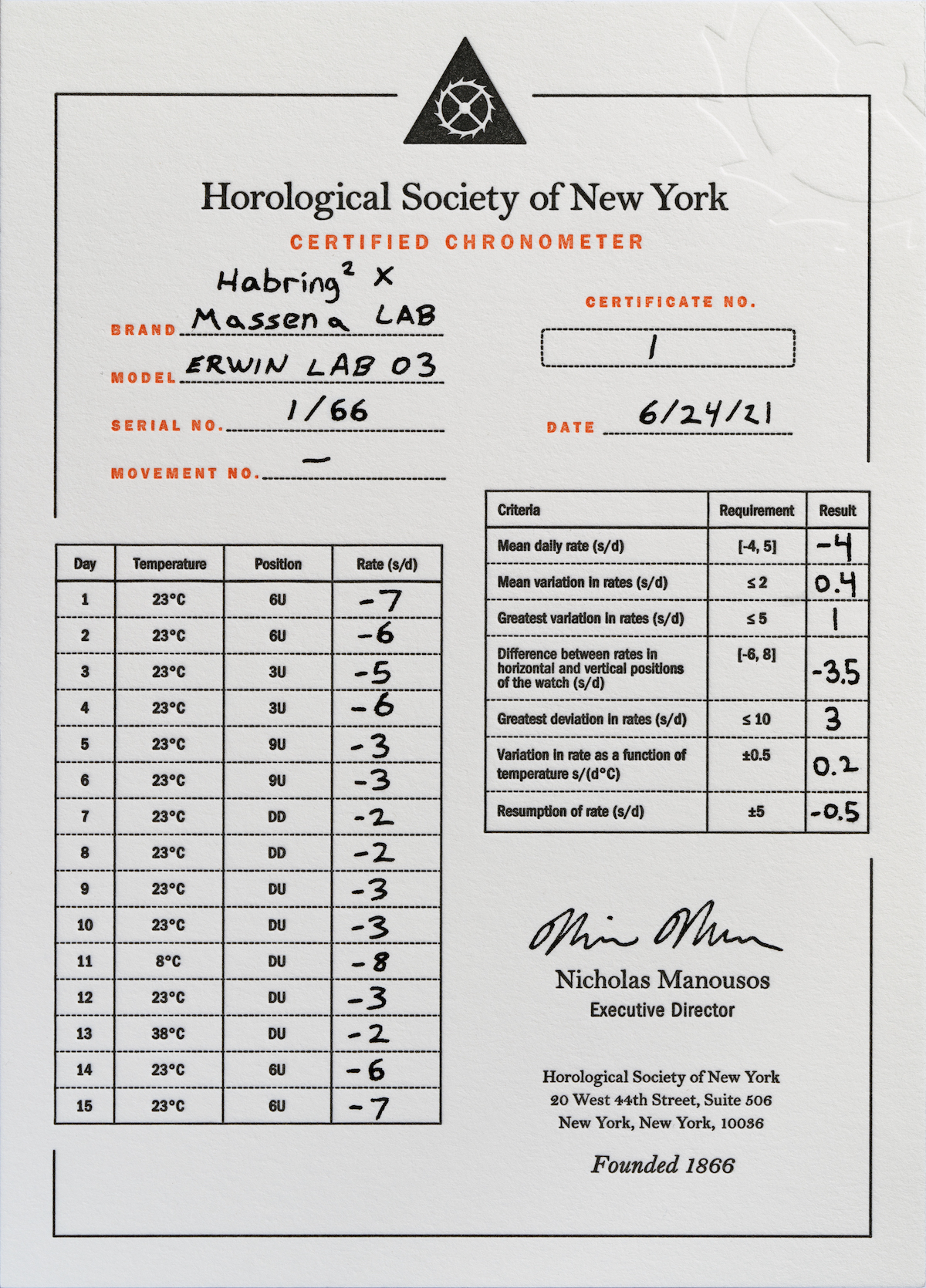
Although virtually all certifications are centred in Switzerland and Europe, there’s an American chronometer certification that’s open to all eligible watchmakers since 2021. The HSNY doesn’t use technology for testing, and certifications are strictly based on visual observations over a 15-day period for new, fully assembled watches. Although accuracy standards are on par with ISO3159 and COSC, testing itself exceeds them with more temperatures, positions and so on. Certified watches get an HSNY certificate, similar to COSC. The society goes back to 1866 and was founded by German immigrants as the Deutscher Uhrmacher Verein (German Watchmakers’ Society), although it was renamed the Horological Society of New York in 1930. It’s the oldest continuously operating watchmakers’ guild in America and operates today as a nonprofit agency for horological education and historic preservation. The Habring² x Massena LAB ERWIN LAB03, a limited Austrian watch with a guilloché dial by American watchmaker J.N. Shapiro, was the first to receive a HSNY chronometer seal stamped on the movement. Although certifications are open to global watchmakers, it remains rare, like Qualité Fleurier.
Wempe Chronometerwerke and the Glashütte Observatory
Wempe, a luxury watchmaker and jewellery retailer since 1878, acquired Hamburger Chronometerwerke in 1938, a company from 1905 that produced marine chronometers to help Germany become independent of English counterparts. It was renamed Wempe Chronometerwerke, and marine chronometers are still produced and used today by cruise ships and German research vessels. The company also acquired and restored the Glashütte Observatory in 2005, which reopened the following year and is Germany’s only chronometer testing institute (originally founded in 1910, but operations shut down following World War II). Working with state calibration authorities, it follows DIN 8319 (the German chronometer certification, similar to ISO 3159), which tests fully assembled watches for 15 days. All must have hacking seconds for precise testing, which is tested in five positions (same as COSC) and three temperatures (8°C, 23°C, and 38 °C), while accuracy is also the same as COSC at -4/+6 seconds per day. Like the Geneva Seal, however, certifications are region-specific, as watches must be assembled in Glashütte, Germany, with at least 55% of movement parts produced locally. DIN 8319-certified brands include Tutima, Glashütte Original and Wempe.

In-House Watch Certifications
The Patek Philippe Seal
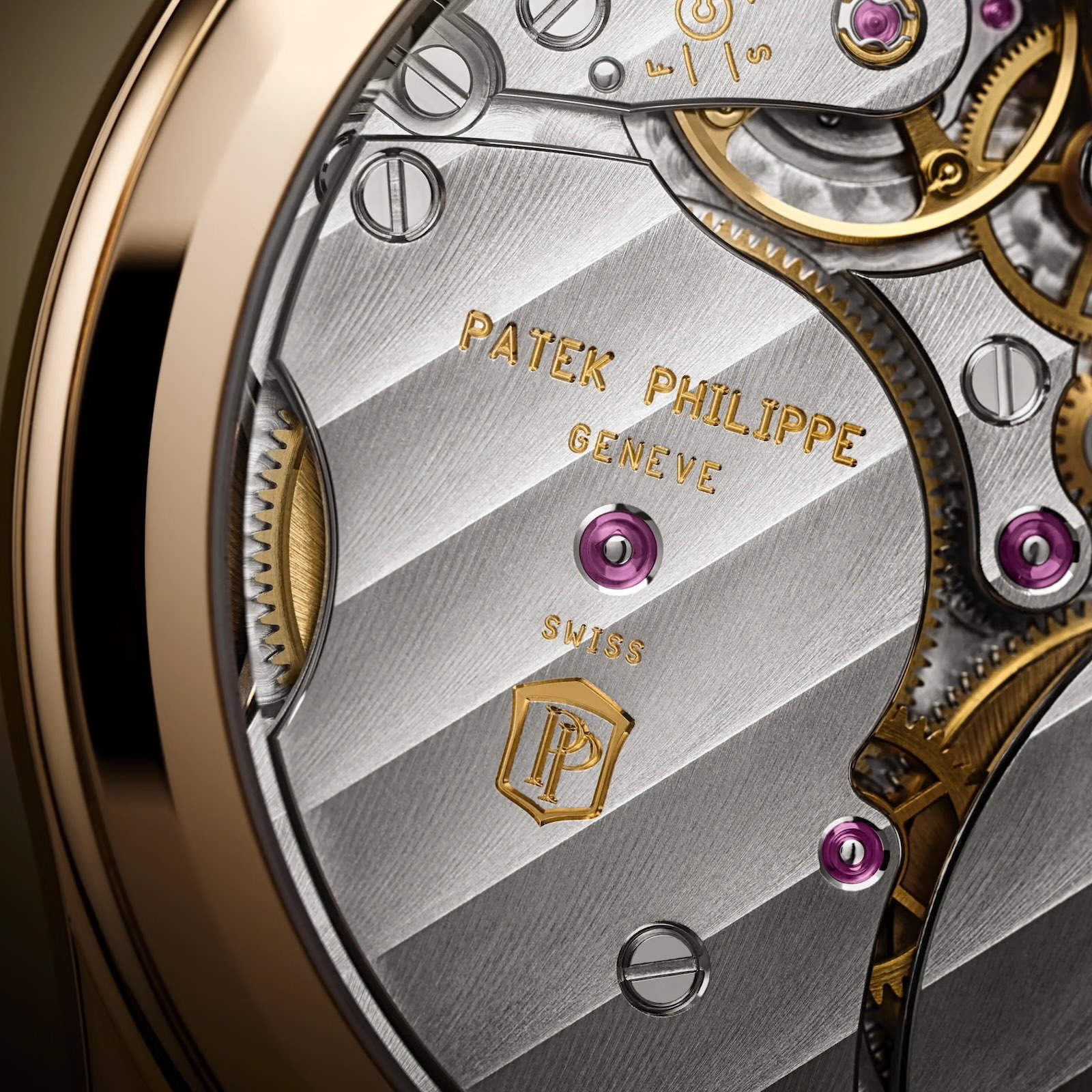
Patek established its own in-house parameters in 2009 to go beyond the Geneva Seal, which the brand had participated in since 1886 (until 2008). Patek’s own Seal certifies the entire watch, going a bit further than the Geneva Seal to include bracelets. Accuracy goes beyond COSC and ISO 3159 at -3/+2 seconds per day, and finishing is certified to the highest standards of haute horology, potentially more than the Geneva Seal, while repeaters are scrutinised via specialised acoustic testing (that’s not done with the Geneva Seal). Patek’s certification stamp is a double “PP” emblem within a shield and is reserved exclusively for its own watches. Starting with accuracy, most movements must meet -3/+2 seconds per day, but more specialised movements with a tourbillon, Spiromax silicon balance spring or overcoil go to -1/+2 seconds per day. Movements greater than 20mm can fall to -5/+4 seconds per day. Water resistance is tested to 30 metres, and acoustic testing for repeaters is personally approved by the president of the company; acoustic signatures are then archived.
Omega Laboratoire de PrEcision
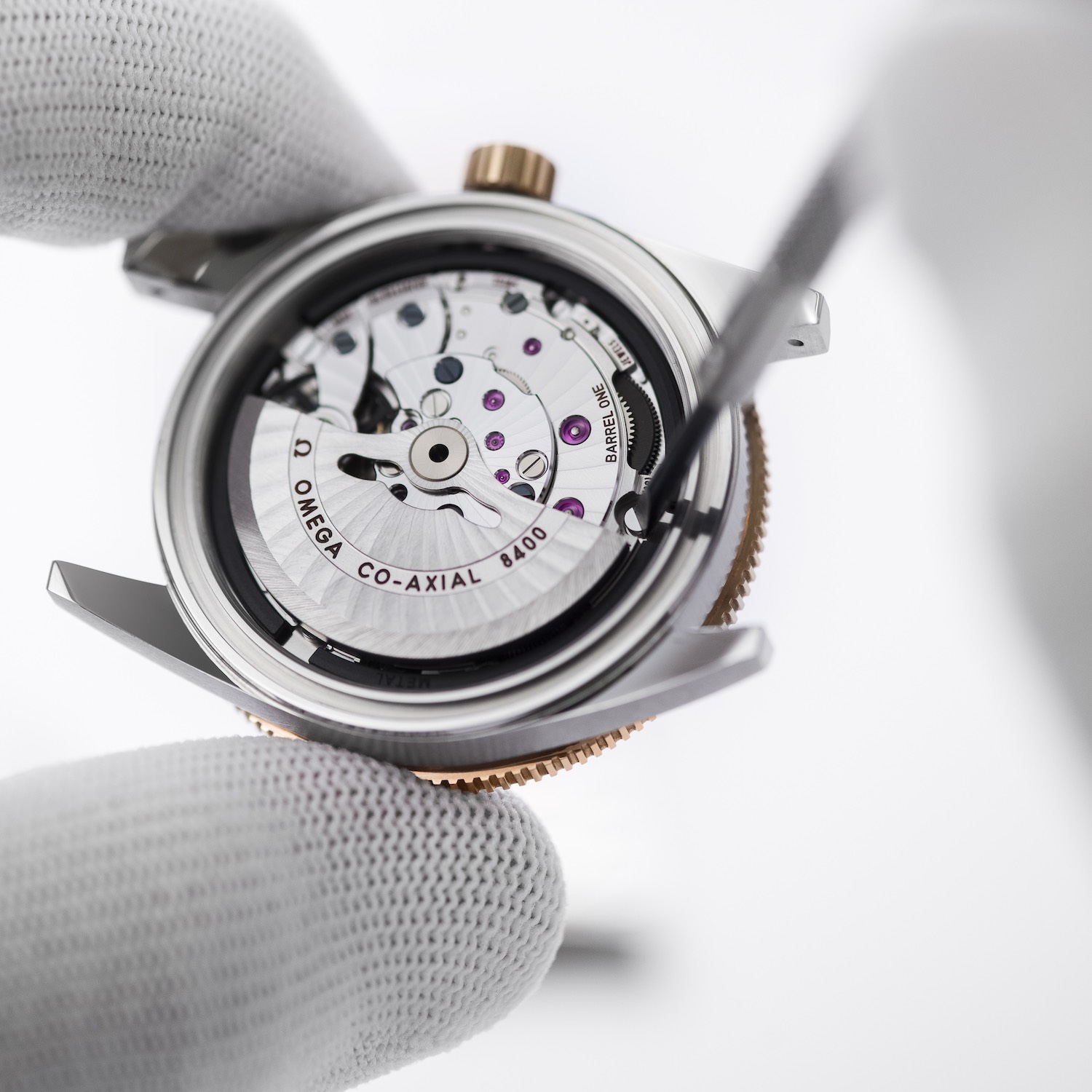
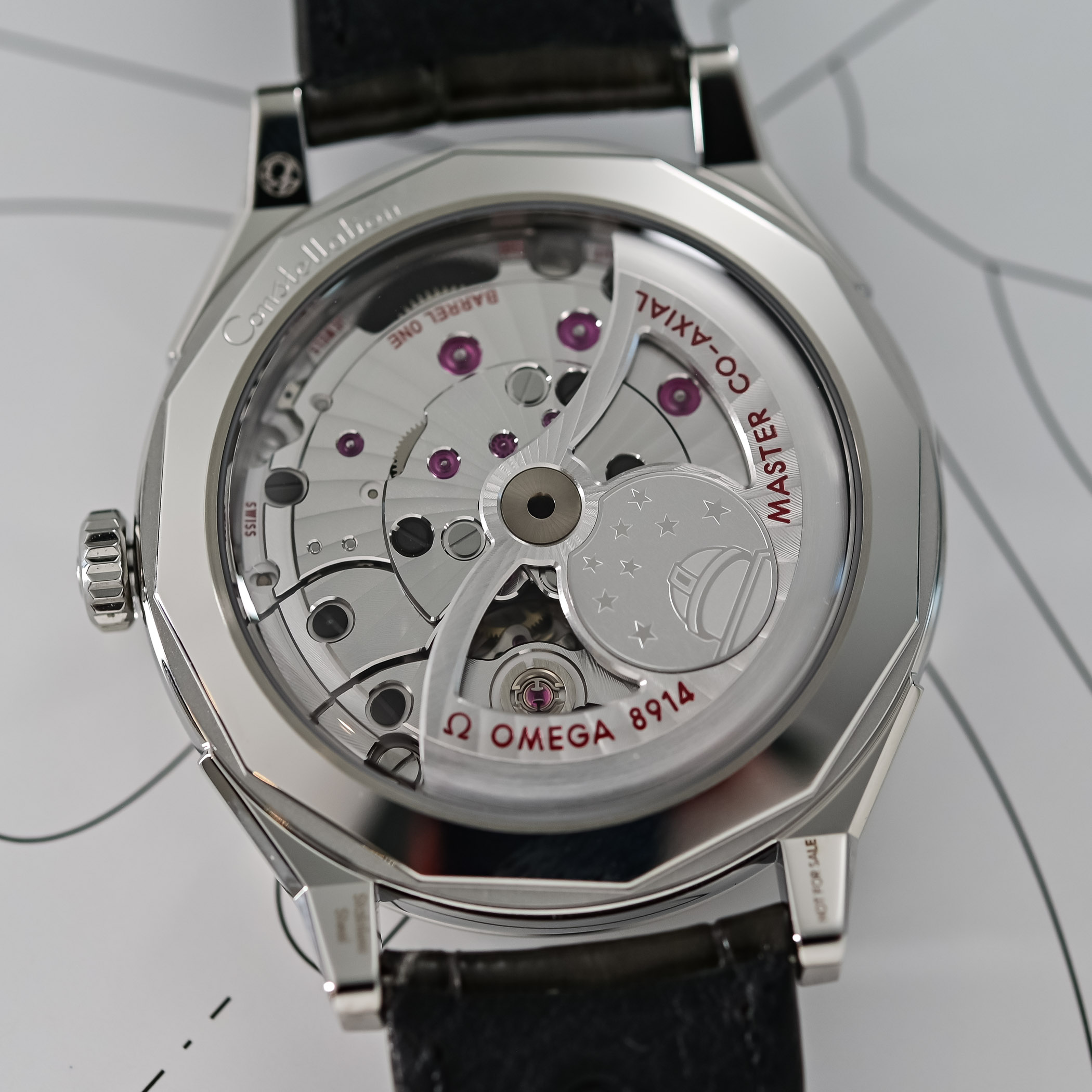
Omega established an independent Swiss certification institute (Swiss Accreditation Service (SAS) accredited) split over two sites in Bienne and Villeret. It’s an official ISO/IEC 17025:2017 testing laboratory based on ISO 3159, but a major advance is the use of Dual Metric Technology with continuous acoustic measurement that tracks a movement’s beat rate during the entire 15 days of testing. This allows a two-hand watch without a seconds hand to become Master Chronometer certified, such as the OMEGA Constellation Observatory collection. Although established by Omega (and the Swatch Group more broadly), the testing lab is open to other watchmakers for certification.

Rolex Superlative Chronometer
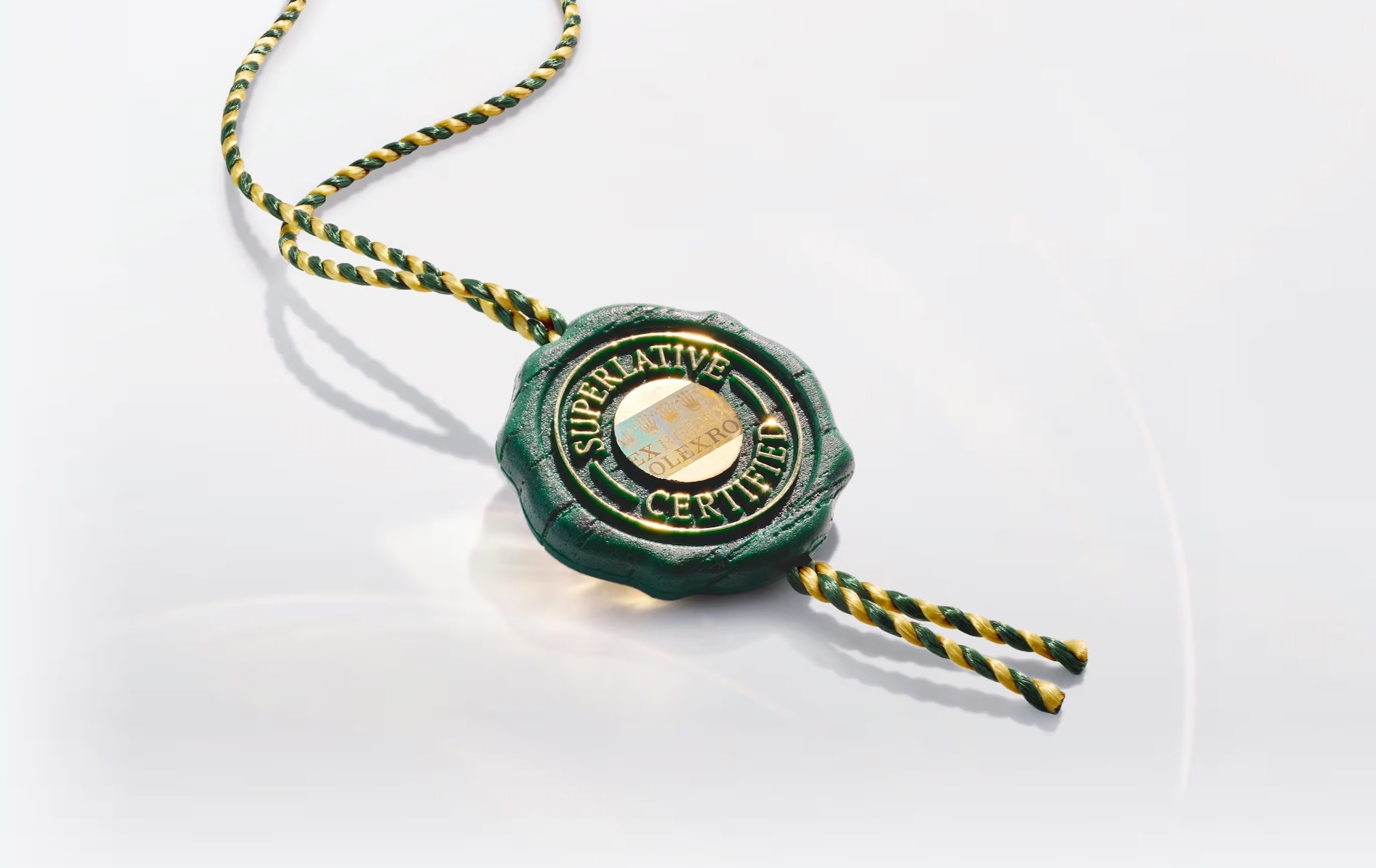
Rolex established its own in-house certification in 2015 as a superior standard to COSC, although all movements first become COSC certified. Strict testing of a fully cased watch follows COSC, and movements must be accurate to +/-2 seconds per day, well within the COSC requirement of -4/+6 seconds per day. Additional tests include anti-magnetism, water resistance and power reserve, and Rolex Superlative Chronometers are given a green seal attached to the new bracelet via a lanyard (to be stored in the original box). Of course, this seal is exclusive to Rolex and all current watches are certified. In 2026, Rolex added three new criteria to the certification: resistance to magnetism, reliability and durability.
Jaeger-LeCoultre High Precision Guarantee (HPG)
Jaeger-LeCoultre’s most recent in-house certification debuted at Watches and Wonders 2026 and enhances internal testing that began in 1970. Fully cased watches are tested using the Four Element Protocol – a week of stringent wear is simulated in a 3-day period that tests shock resistance (from 25G to 50G), altitude (up to 1,004 metres), temperatures (18°C to 35°C) and multiple positions. Like Rolex, all watches must first receive a COSC certification, and watches receive the HPG hallmark along with the COSC certificate. Like Patek Philippe or Geneva Seals, finishing is a big part of certification, with a guarantee of at least eight haute horlogerie-level finishing techniques (Côtes de Genève, beveling, polished screws, circular graining, burnishing, circular smoothing, linear smoothing and sinked rubies). Certifications are currently centred around the brand’s Master Control Chronometre collection.

Montblanc Laboratory Test 500 Hours
Established in 2013, this certification applies to every Montblanc watch sold today and tests fully encased watches at the Le Locle facility. The five-step process simulates a full year of wear within 500 hours (hence the name) and tests automatic winding, accuracy, all functions (chronographs, etc.), multiple positions and heavy rotations, water resistance and temperatures. Accuracy matches ISO 3159 and COSC standards. The five steps include: 1. four hours of winding efficiency and general quality of assembly, 2. 80 hours of accuracy and stability tests in multiple positions, 3. 336 hours of crown usage and mechanical functions testing (including complications like chronograph, moon phase, calendar and so on), 4. 80 hours of general performance testing and 5. two hours of water resistance testing. This comprehensive certification remains exclusive to Montblanc.
Grand Seiko Standard
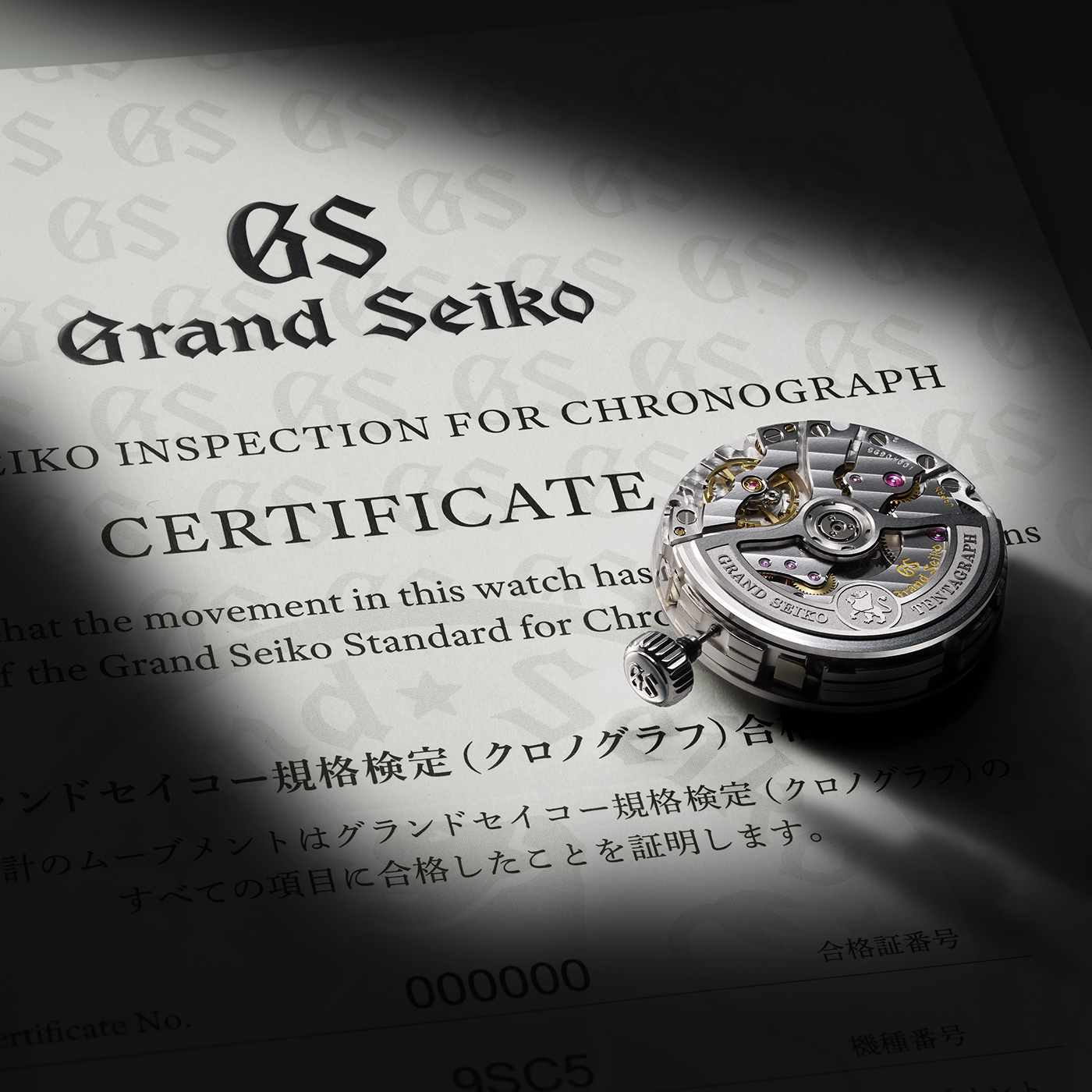
Moving to Japan, this Grand Seiko certification debuted back in 1966 and was meant to counter and surpass Swiss chronometer standards (and predates COSC). Accuracy is tighter than COSC at -3/+5 seconds per day, and the tests last for either 17 days for standard watches or 20 days for chronographs. Performance and accuracy are tested in six positions and three temperatures (8°C, 23°C, and 38°C). Like COSC’s Excellence Chronometer Certified, the Grand Seiko Standard has an enhanced level called the Grand Seiko “Special” Standard with SPECIAL printed on the dial, and accuracy tightens to -2/+4 seconds per day. These certifications are limited to mechanical watches and exclude Spring Drive and quartz models.
Conclusion
This isn’t an exhaustive list of certifications throughout history, but it touches on the most relevant ones today with historical context of how we got here. Although there’s a fairly clear line distinguishing independent certifications like COSC and the Geneva Seal from in-house counterparts, the lines can blur a bit between the two. For example, Omega’s Laboratoire de Précision is open to global watchmakers, while the Geneva Seal and Wempe Chronometerwerke are strictly limited to regions. Although exclusive in-house certifications are important and usually have the strictest standards, third-party certifications truly validate accuracy, performance and finishing for the industry as a whole, bringing common standards like ISO 3159 or DIN 8319 that remove any scepticism or guesswork regarding certifications. As discovered during the 20th century, these common standards ensure both quality control and consumer confidence across the globe.
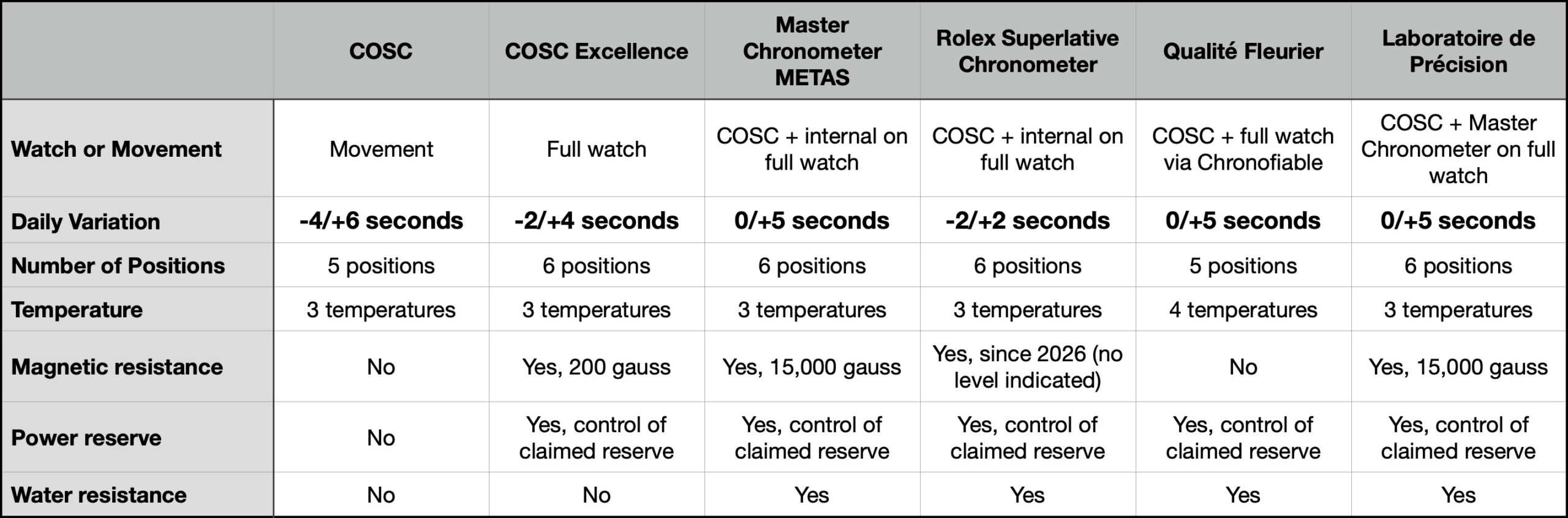
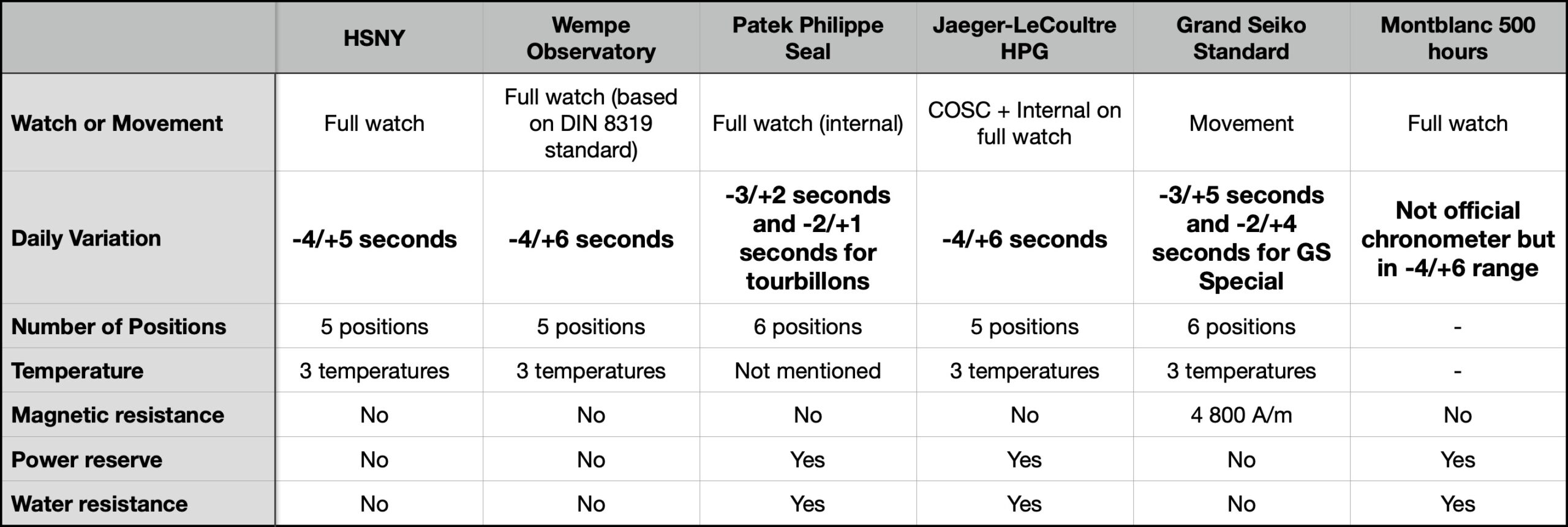
And to finish, here’s a recap table of the most important criteria tested by the different organisations mentioned above: