


 Not all images were able to load for printing. Please close the print window and try again.
 A Comprehensive Guide and History of Watch Dial Materials
From engraved brass with a single hour hand to meteorites, natural stone and Grand Feu enamel, dials have evolved into their own miniature masterpieces that are often the highlight of the watch.
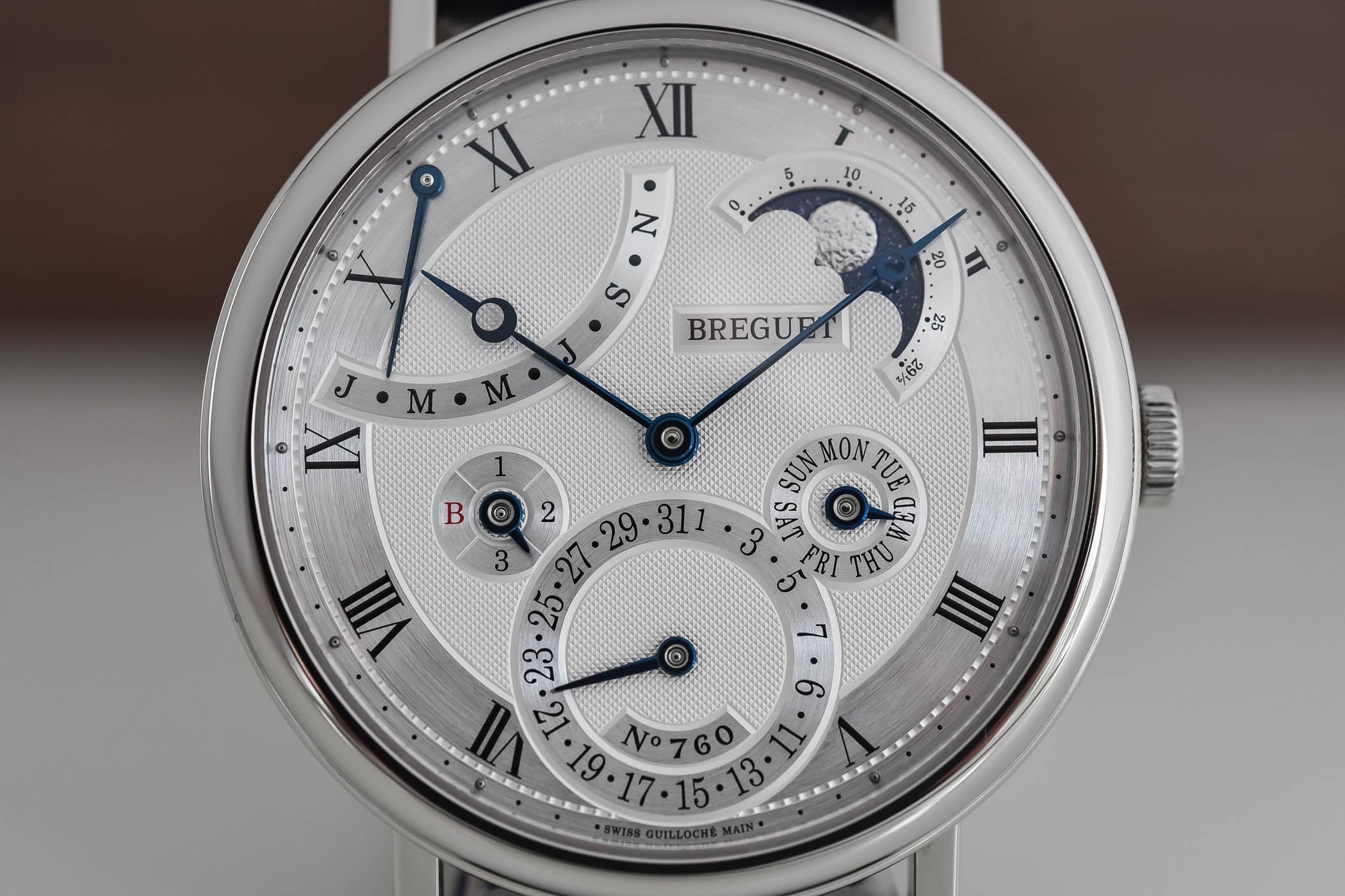
In many cases, particularly with in-house calibres, movements are the star of the show. Finishing, complexity and technology like silicon components and new escapement designs easily steal the limelight through exhibition case backs, but dials remain the centrepiece and what you see most of the time. Even in the mid-range segment where calibres are off-the-shelf from Sellita, Miyota and so on, dials can still be luxury affairs with Grand Feu enamel, natural stone, porcelain, meteorite and more, often rivalling counterparts from luxury brands. Many techniques are hundreds or even thousands of years old, while others are 20th century developments, but watch dials have come a long way since the dawn of portable time in the 16th century.
The very first “watches” from around 1510 were simply small clocks worn around the neck, but these portable Nuremberg eggs from Peter Henlein set the basic principles of the watch on your wrist today. Early brass dials were simply engraved with Roman numerals to mimic clocks of the era, but soon became ornate with embossed markings and intricate, decorative engravings like floral patterns. They were limited to a single hour hand, as movement accuracy wouldn’t allow for a practical minute hand – accuracy was off by hours per day. Arabic numerals soon joined the party, and dials were covered by hinged metal lids without protective crystals, so water and dust protection was relatively nonexistent. You’ve got to start somewhere. This article won’t cover every conceivable type of watch dial material, and won’t touch on styles like sector, California, military spec and so on (that’s for another story), but it will focus on a wide variety of synthetic and natural dial examples. With that out of the way, let’s start with one of the most desirable dial materials with a history dating back to the 13th century BC.
Vitreous Enamel
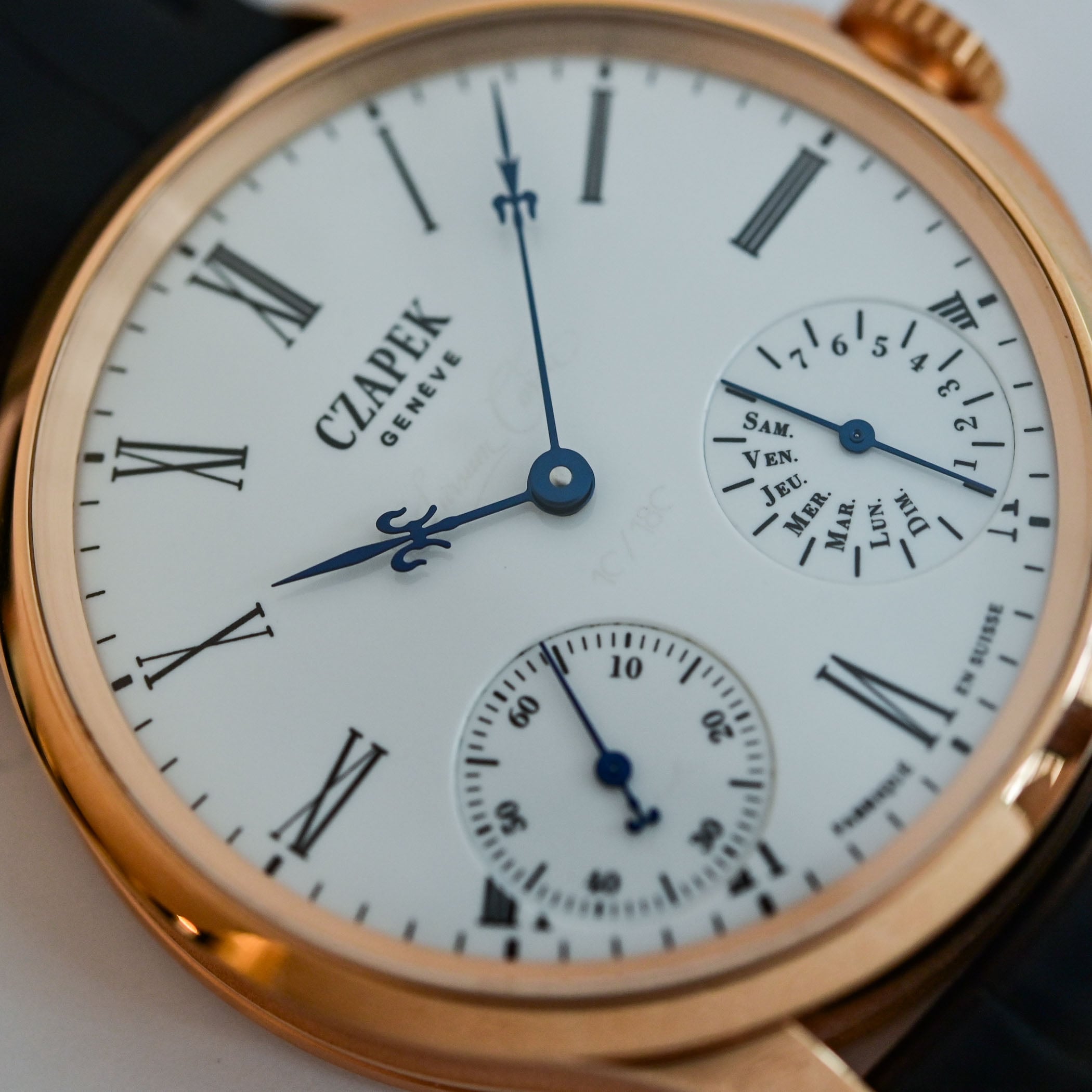
Although the history of vitreous enamel goes back millennia, it remains a very difficult process to master for watch dials, with failure rates up to 80% (even 90%) among the most experienced, dedicated manufacturers like Donzé Cadrans in Switzerland. The earliest known examples of vitreous enamel are six gold rings with decorative fused glass layers that were found in Mycenaean tombs in Cyprus, dating back to the 13th century BC. Vitreous enamel is the melting and fusing of glass powder onto a metal base, almost always in multiple layers for a durable finish with visual depth. It was traditionally reserved for jewellery and religious artefacts, but as the technique spread through ancient Greece, Rome and the Celtic regions of Britain, more practical applications evolved. In the 18th century, sinks, cookware and various cast iron products had fired enamel to protect from corrosion and heat, and provide a smoother, easier-to-clean surface.
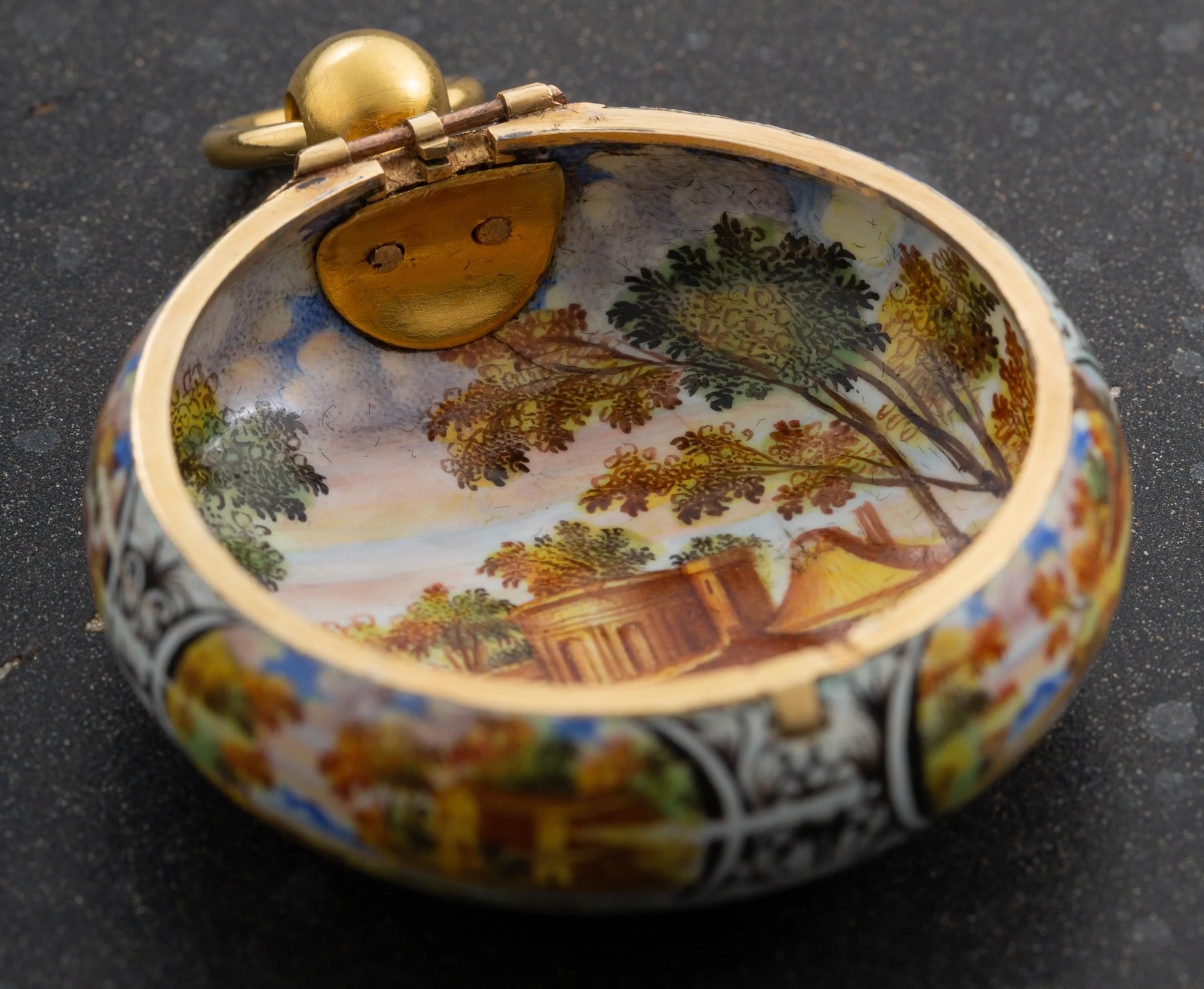
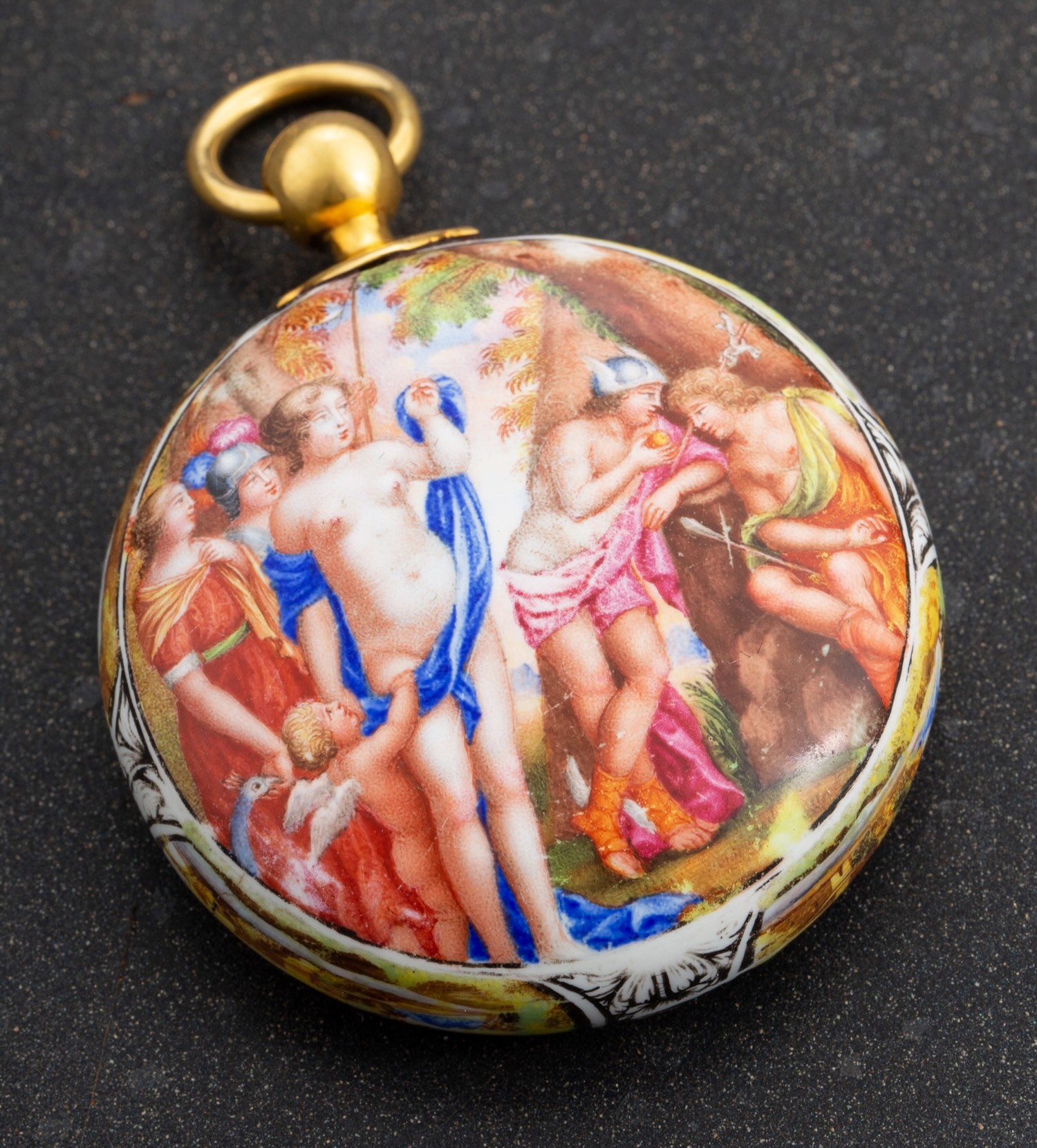
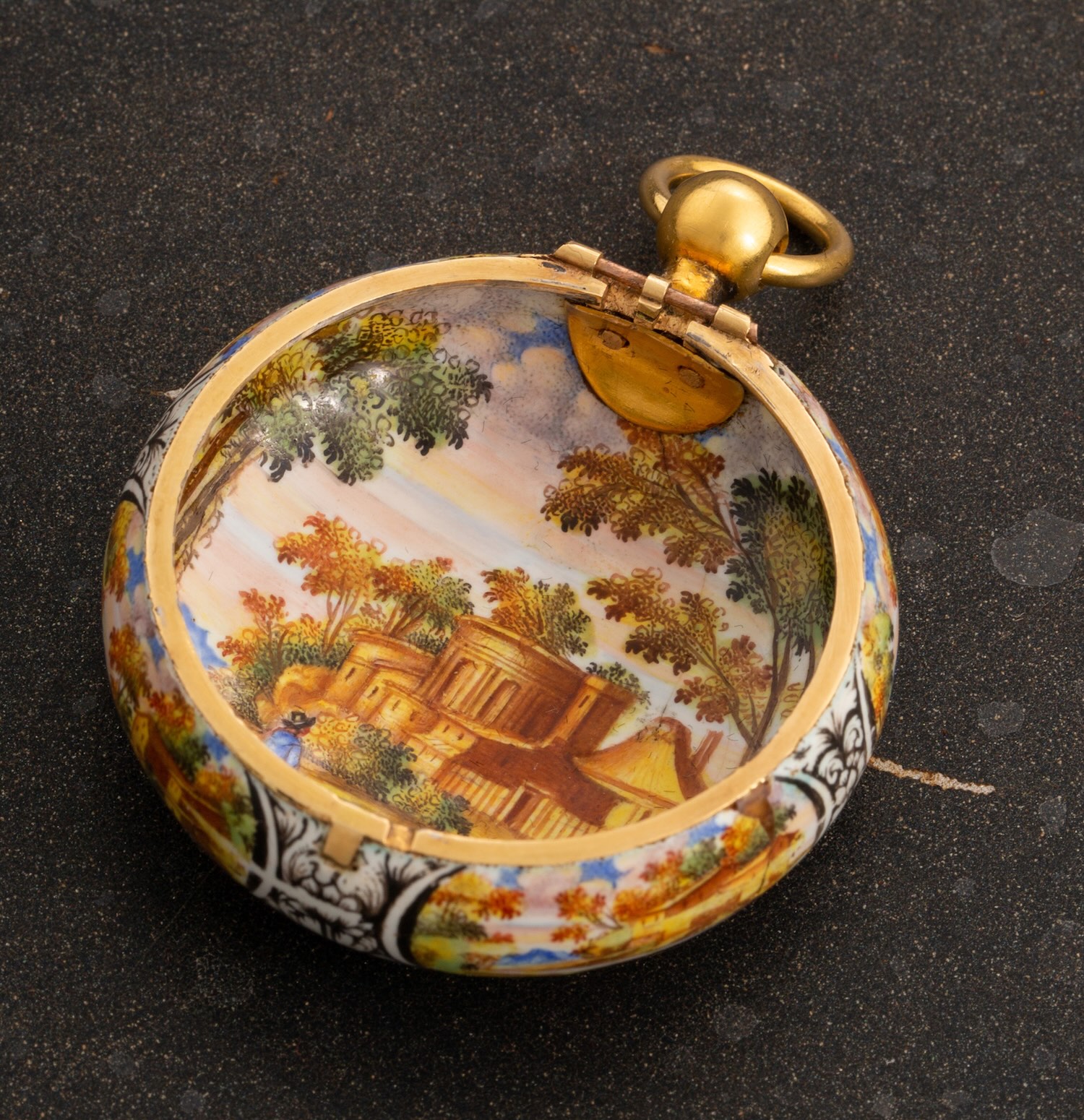
Watch dial enamelling started in France and Switzerland about a century after the earliest watches appeared in Germany, and was pioneered in horological centres like Geneva and Blois. French clockmaker Paul Viet was an early master, creating enamel watch dials from around 1635 in Blois (France), while also decorating cases with enamel. These early efforts from Viet and others like Pierre Huaud and Jean Toutin in Geneva differed a bit from modern vitreous enamel with a higher heating process for better resistance against cracking and fading over time. The hotter technique specific to dial making became known as Grand Feu (great fire in French). All Grand Feu enamelling is vitreous, but not all vitreous enamelling is Grand Feu. It’s all about temperature.
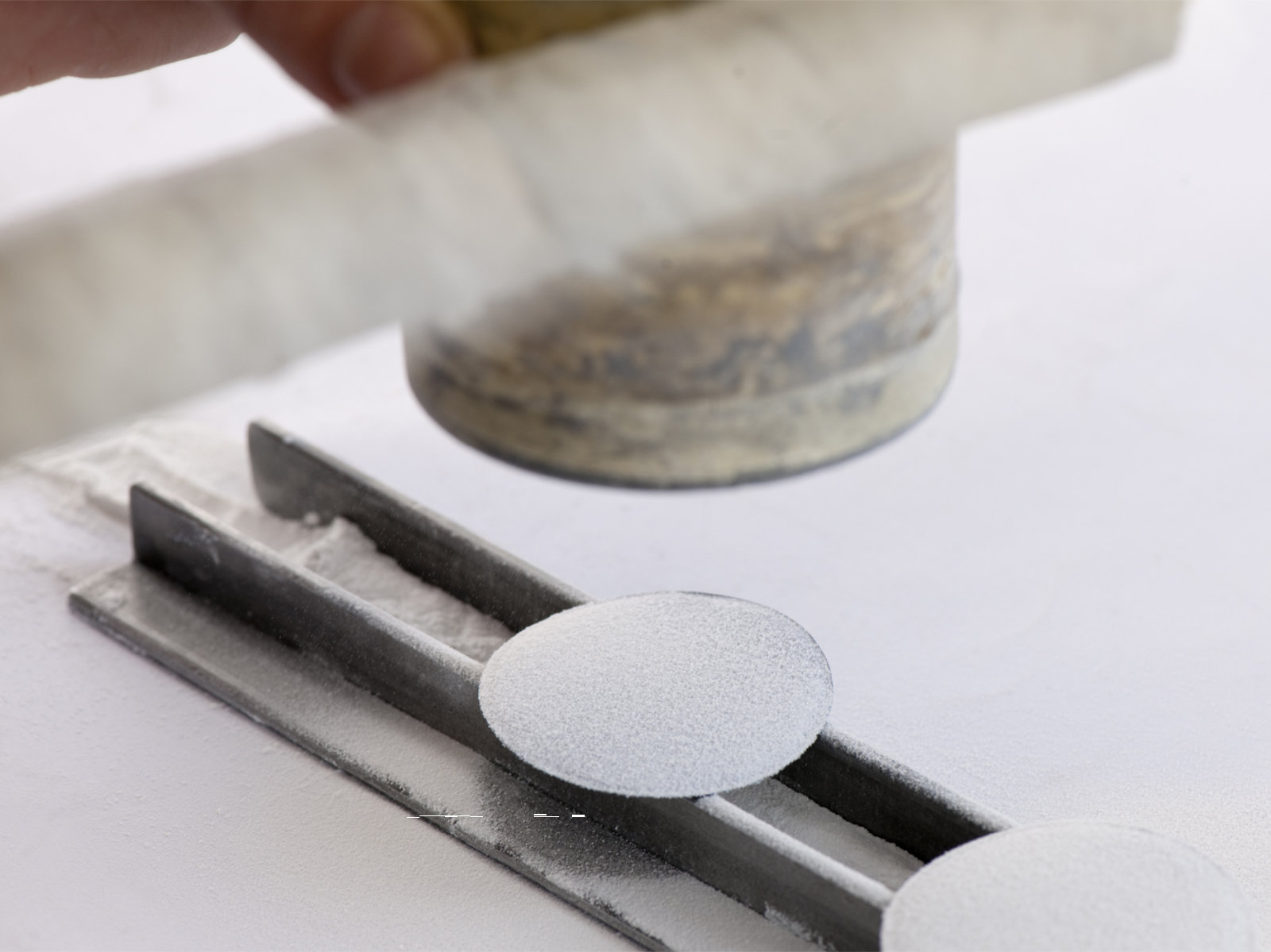
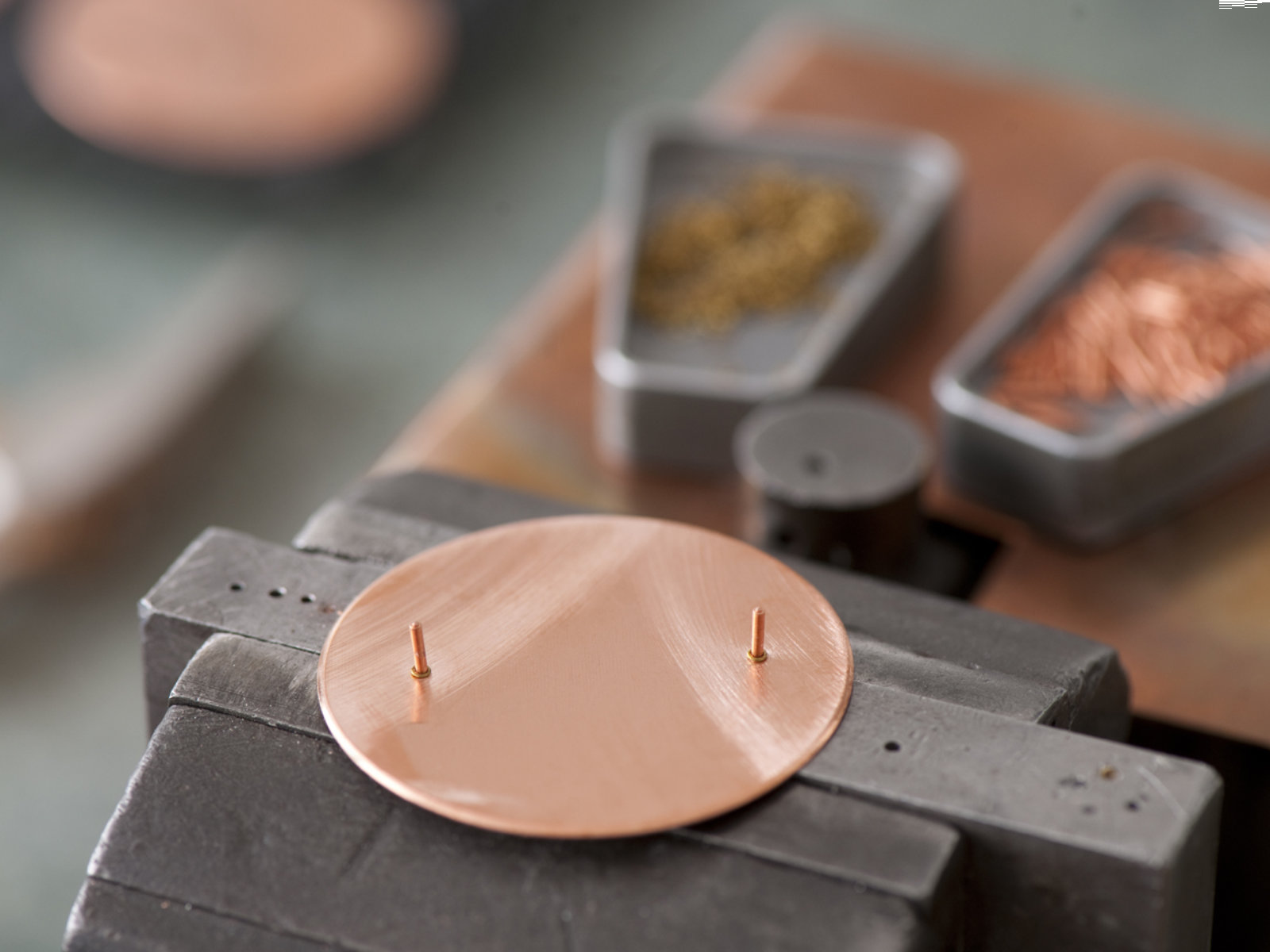
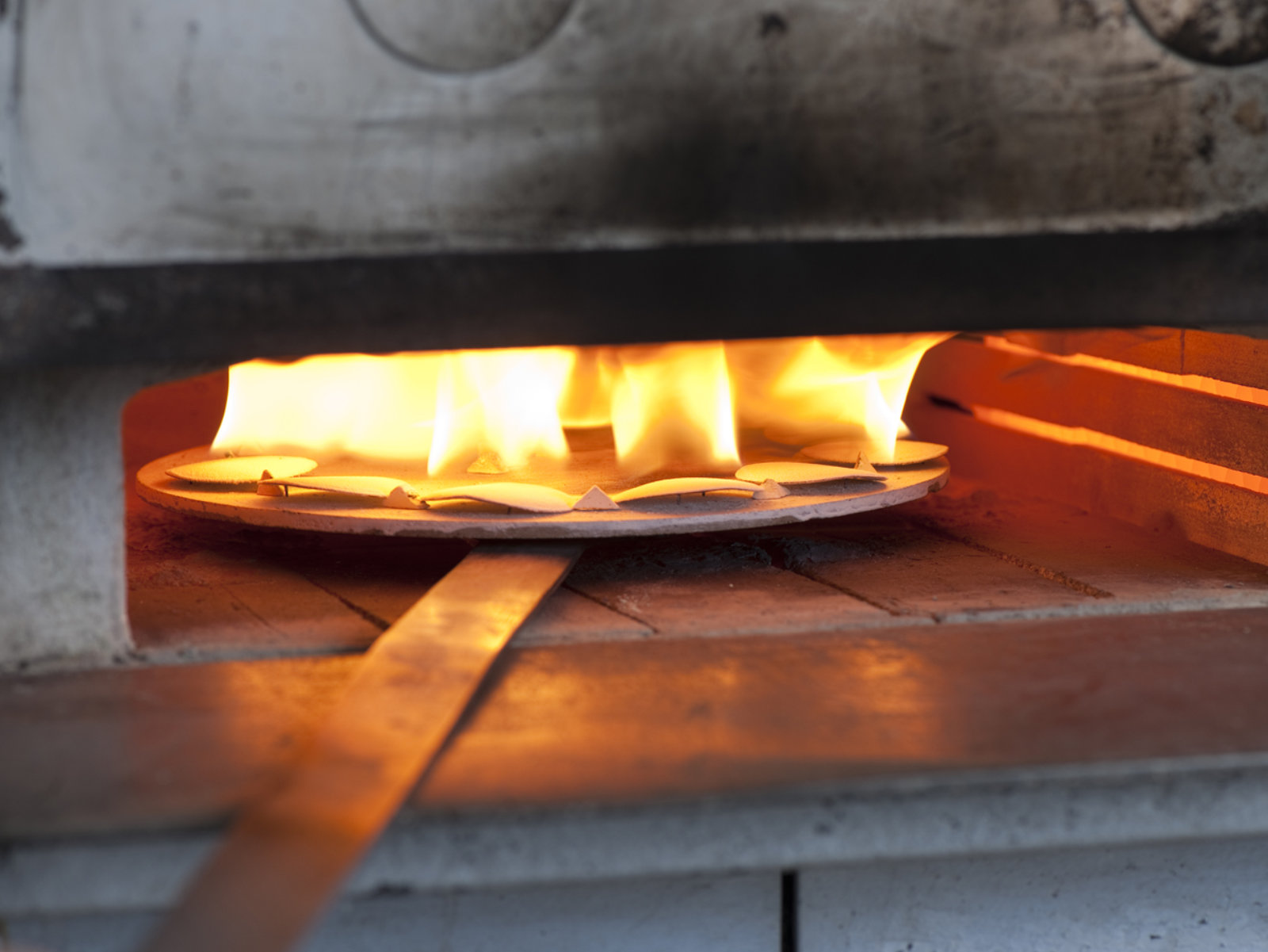
Grand Feu enamelling
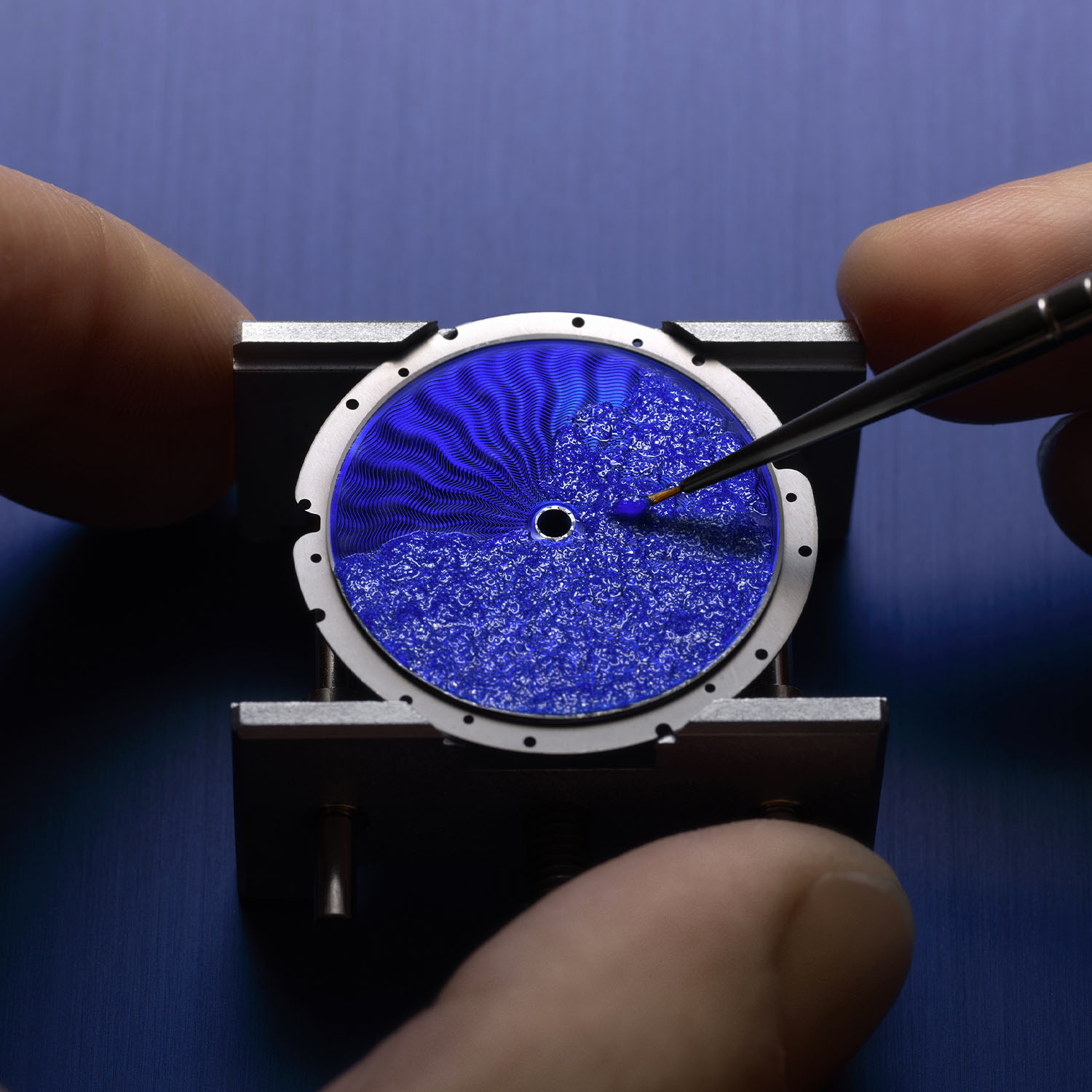
Grand Feu dial enamelling is the process of fusing soft silica (glass) powder to a metal blank (usually copper) between 800°C and 900°C, while the broader vitreous enamelling process can start as low as 700°C. The higher heat creates a superior visual depth to the finish that can’t be replicated with paint, lacquer, porcelain, polished metal and so on (although in the right hands, lacquer can come very close). The process is difficult to master, and failure rates are generally high. For starters, the extreme heat is a menace in and of itself, causing inevitable thermal shock – if the metal base and silica powder expand differently, cracks will occur, and everything starts over. The tiniest particles of dust or a grain of inadequate silica can contaminate the visual finish and again require starting from scratch. Air bubbles can also form within the silica at temperature and leave pits on the surface, while the metal base itself can warp – even the slightest deformation ruins the dial. And all of this is repeated multiple times, increasing the odds of failure. To achieve good colour depth and clarity, between 6 and 20 layers are often used that require individual firing, and each layer carries an equal risk of damage.
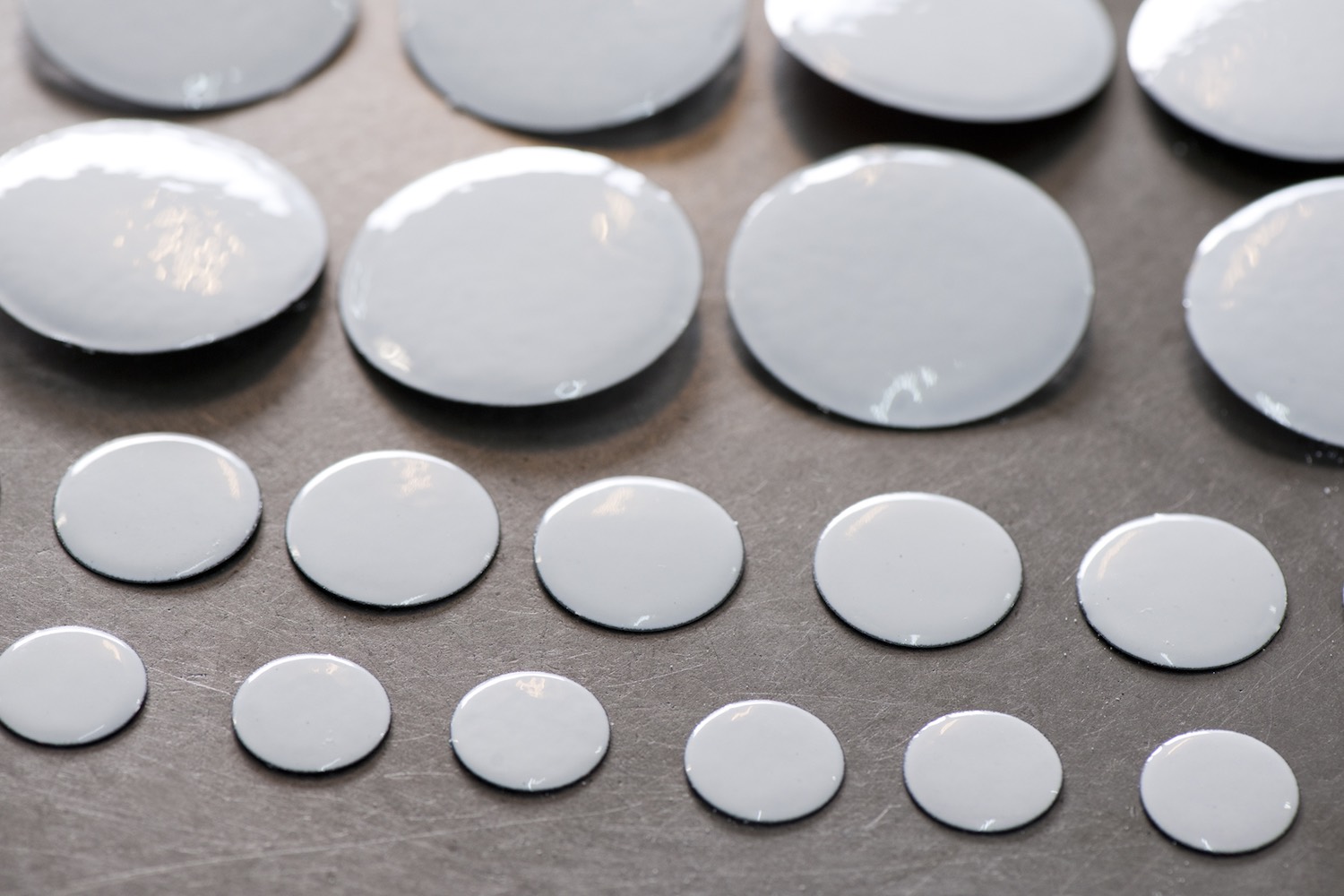
Exotic Grand Feu
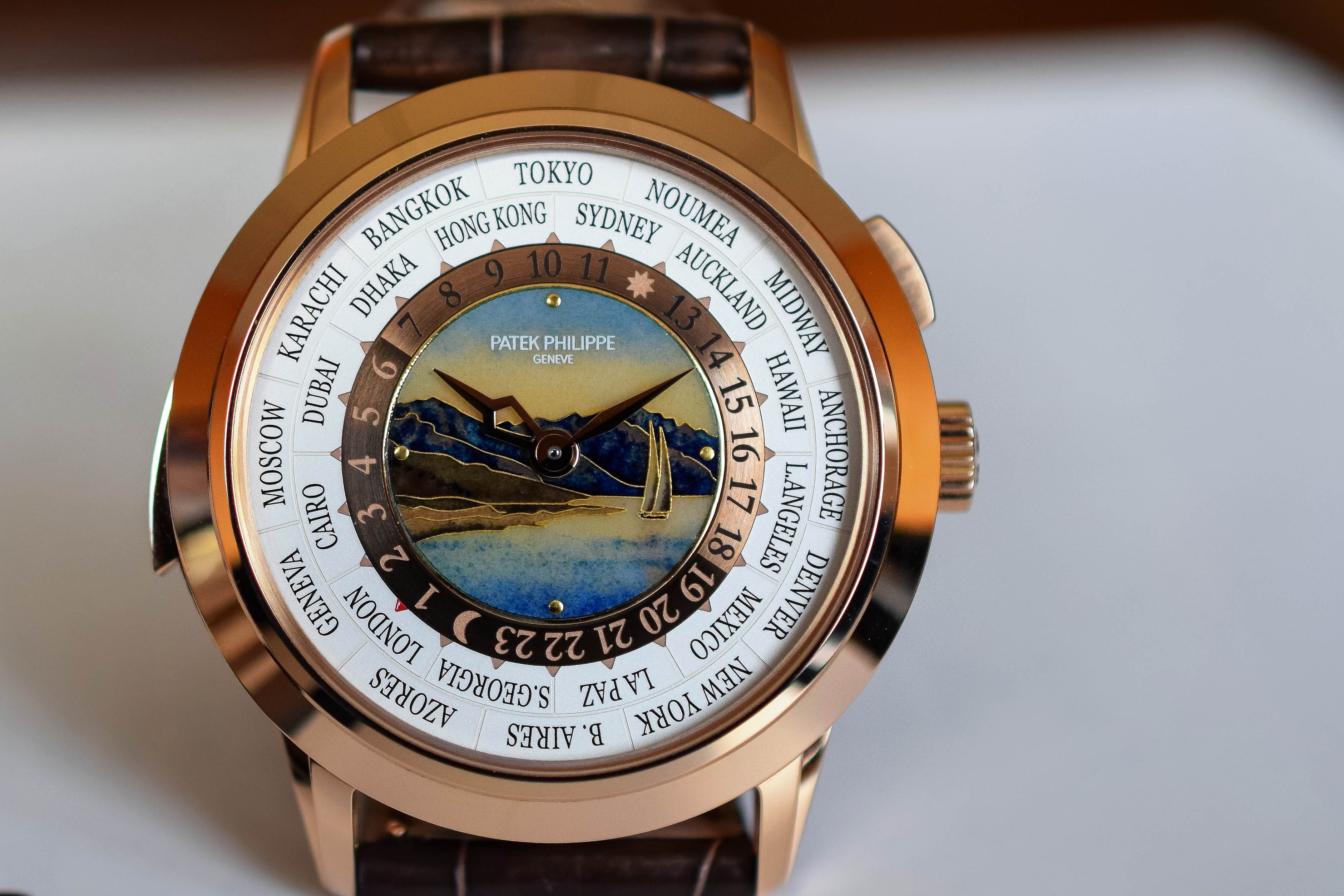
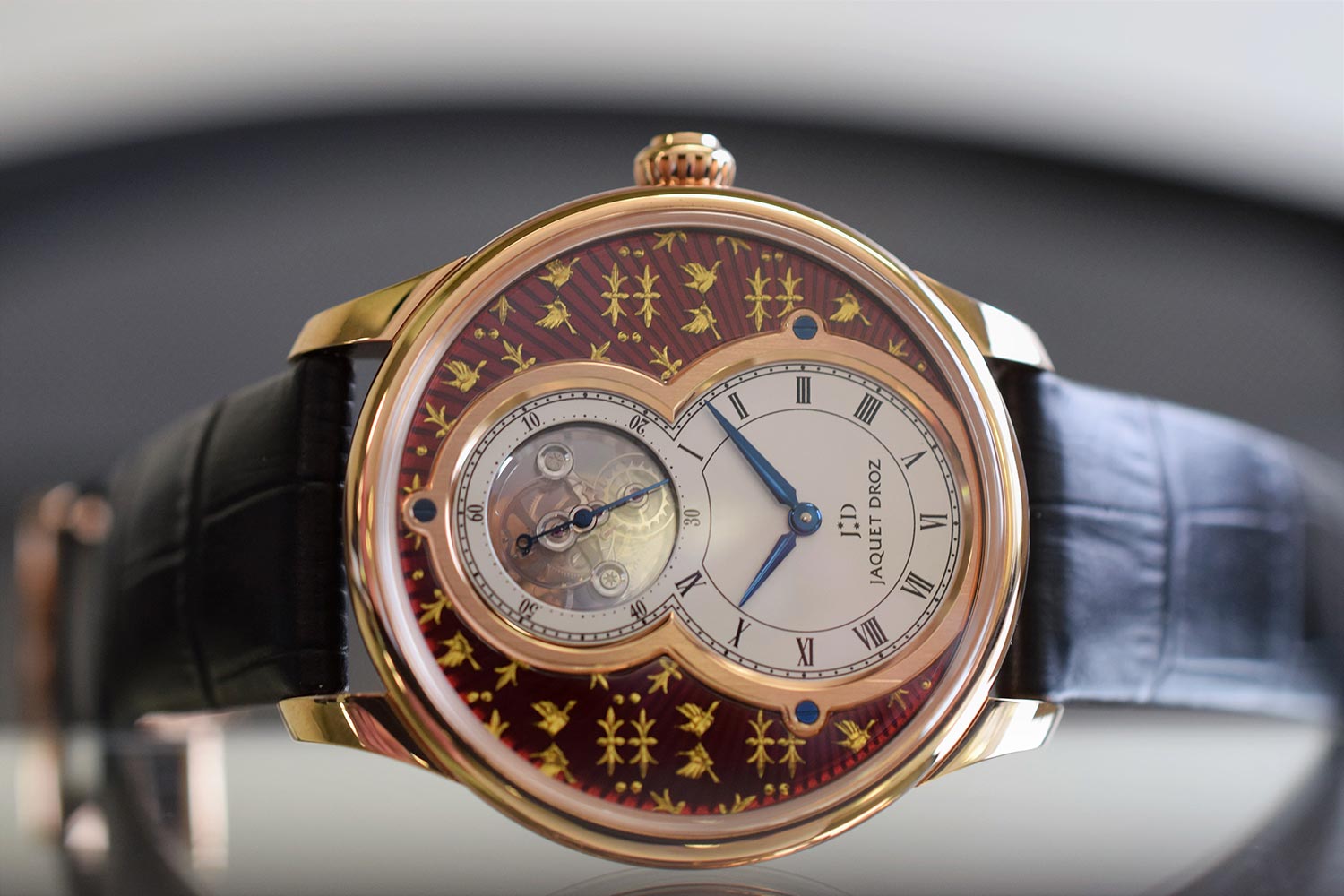
It’s not all doom and gloom, as production processes have improved and are even a bit democratized today, allowing for affordable enamel dials with newcomers getting in on the action. Grand Feu enamel has historically been reserved for high-end brands, and specialised techniques often remain with the biggest players (but not always). For example, cloisonné enamel is where ultra-thin wire is bent and manipulated to create outlines of images, leaving small pockets (cloisons) to fill with coloured glass powder or a specially prepared enamel paste. The result is like a vibrant painting and can depict nature, maps, ships and just about anything an artist can imagine. Examples include rare Patek Philippe Calatrava models that show ships (ref. 1543R), birds (ref. 5077P-035), fish (ref. 5177G-013) and more. Grisaille enamel is quite different and involves adding shades of white silica powder to a black enamel base, building shadows, highlights and ultimately distinctive monochromatic images or scenes via successive layers. Cartier’s Rotonde de Cartier 42 mm décor tigre (ref. HPI00492) is an excellent example with a tiger’s face. Paillonné enamel involves placing paillons (hand-cut gold or silver foil) between layers of clear enamel to create a three-dimensional image or pattern with a vibrant, metallic sheen. Jaquet Droz helped pioneer this technique with examples including the Petite Heure Minute Paillonnée and Grande Seconde Paillonnée. The brand also uses plique-à-jour Grand Feu that has no base – the enamel sits within thin gold or silver wires to create a stained-glass-like effect where light passes straight through. This doesn’t cover every exotic Grand Feu technique, but you get the idea.
Affordable Grand Feu
A recent watchmaker that specialises in enamel dials is independent Scottish brand anOrdain. Founded in 2015 by designer Lewis Heath and arguably best known for affordable enamel dials (outside of Asia), the brand offers made-to-order enamel collections like Model 1, Model 1 fumé, Model 2 and Model 3. Movements come from Sellita and La Joux-Perret, but the dials are produced in-house by resident artisans and maintain a Scottish identity compared to typical Swiss and Asian counterparts. Models start at around USD 2,400 for the Model 1, which is quite accessible for such in-house craftsmanship.
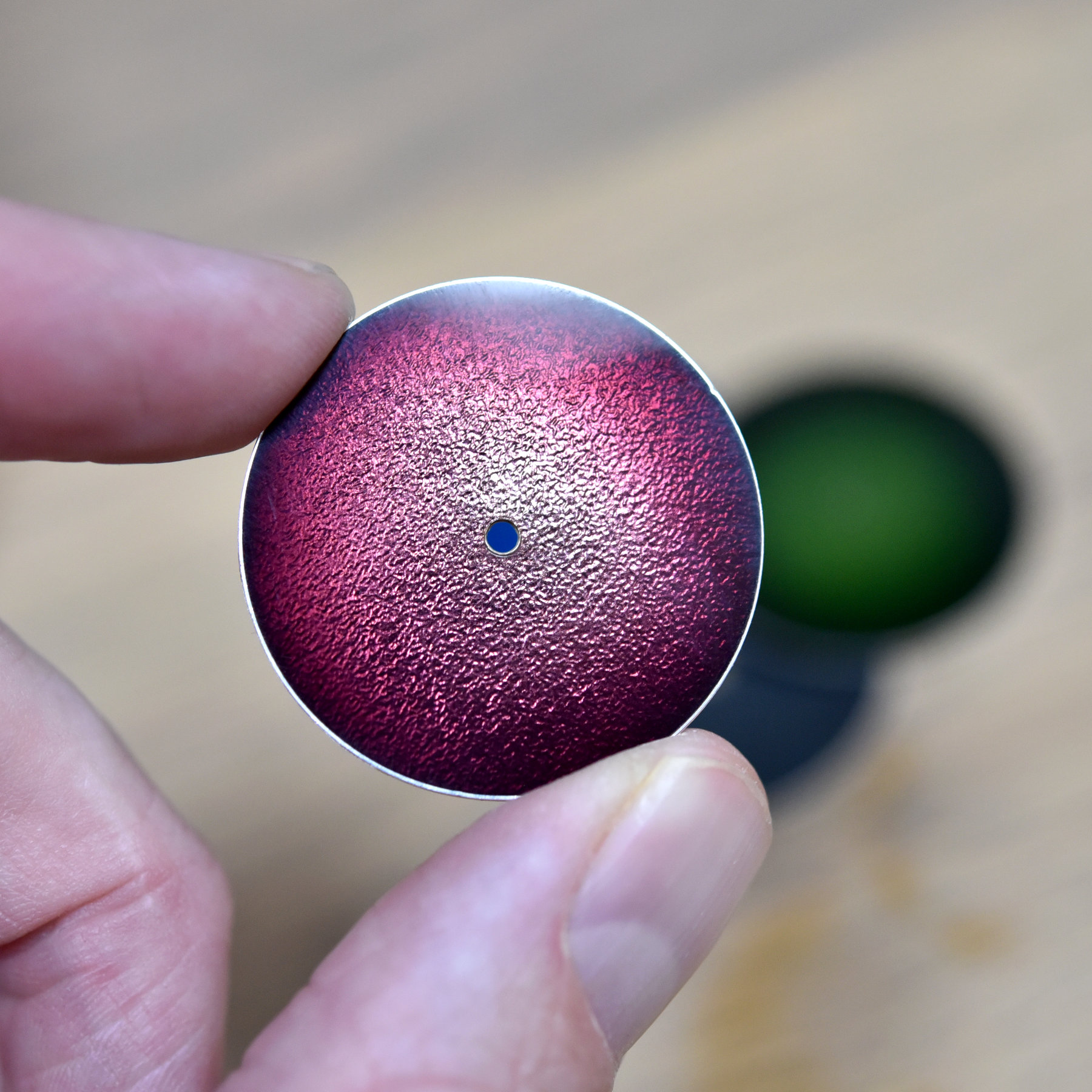
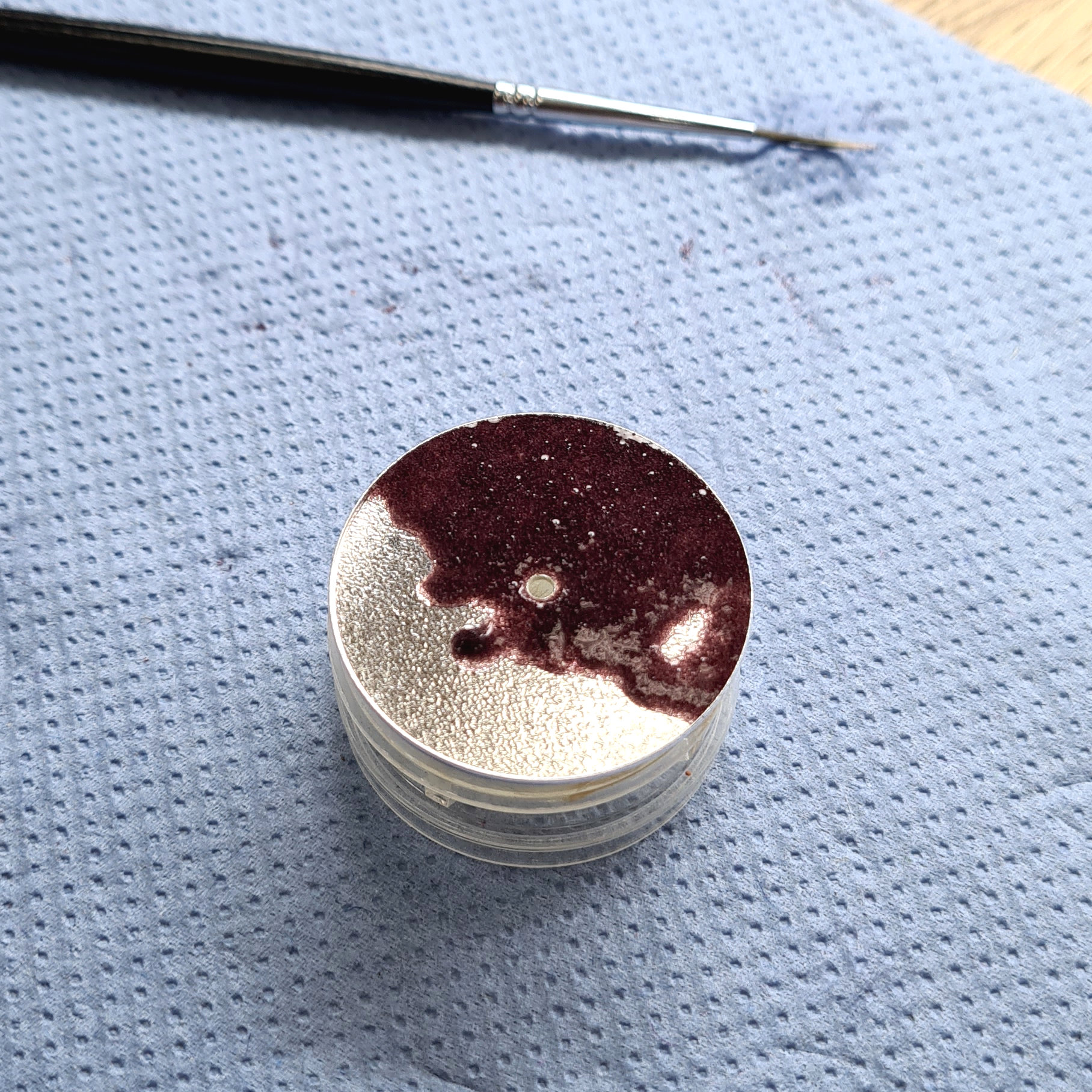
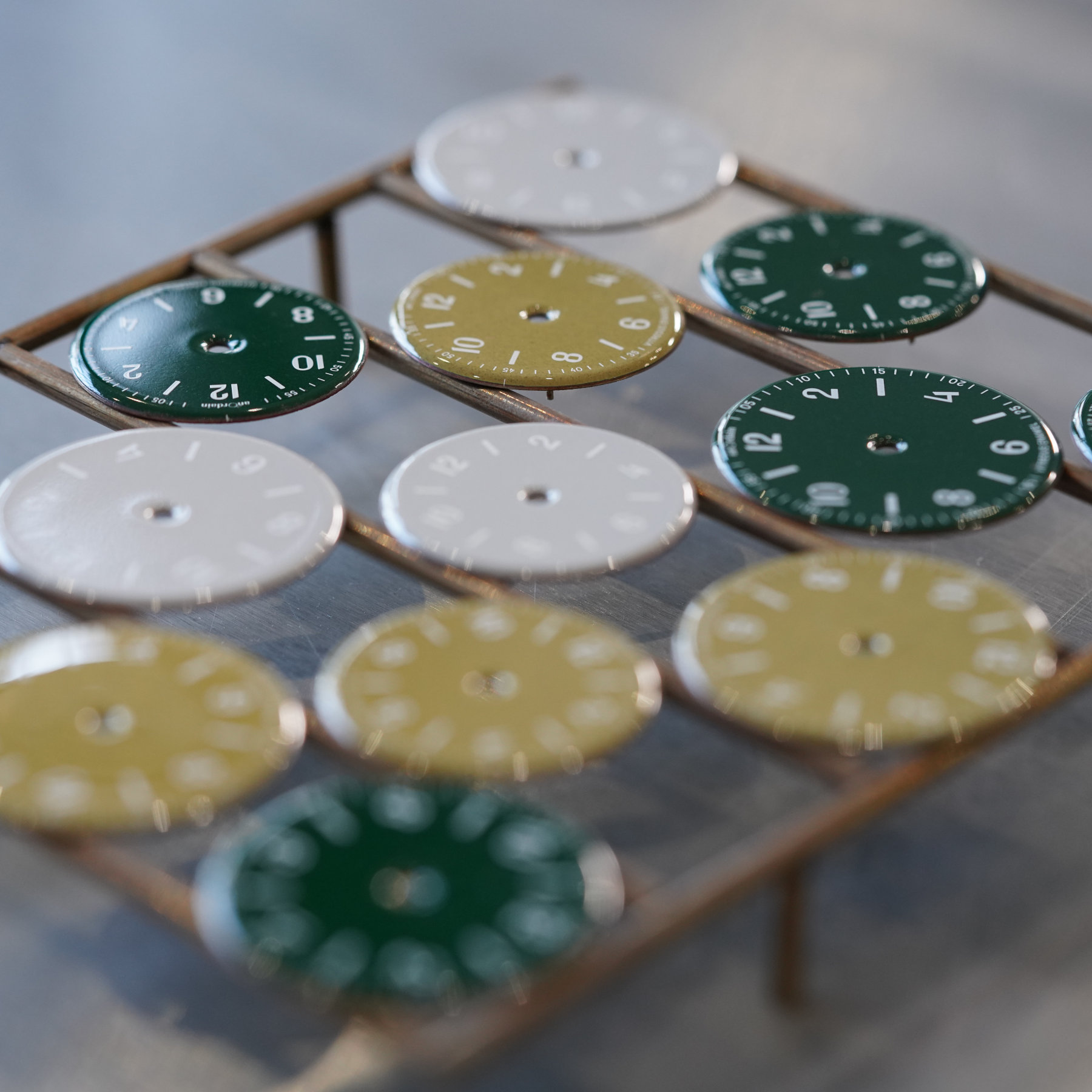
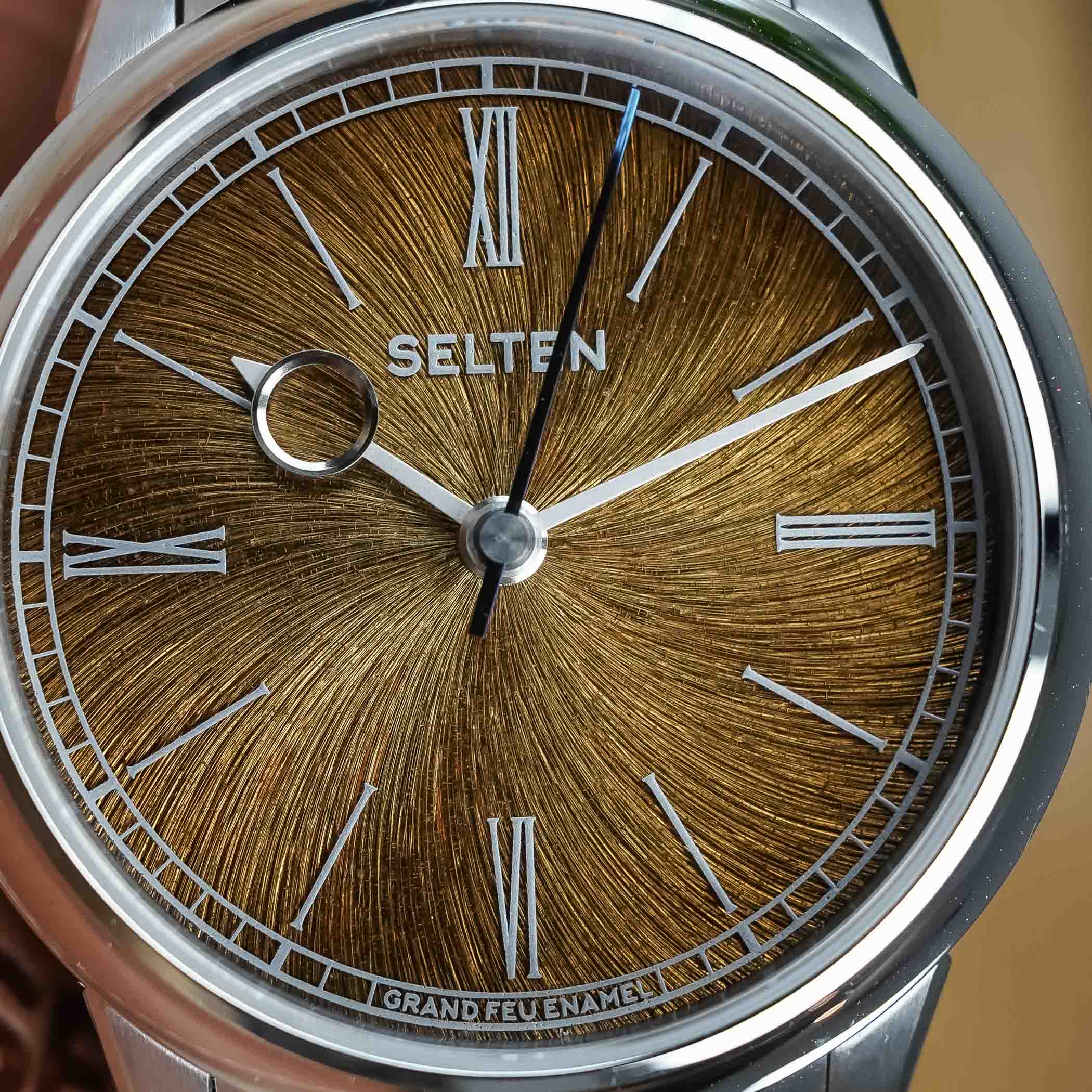
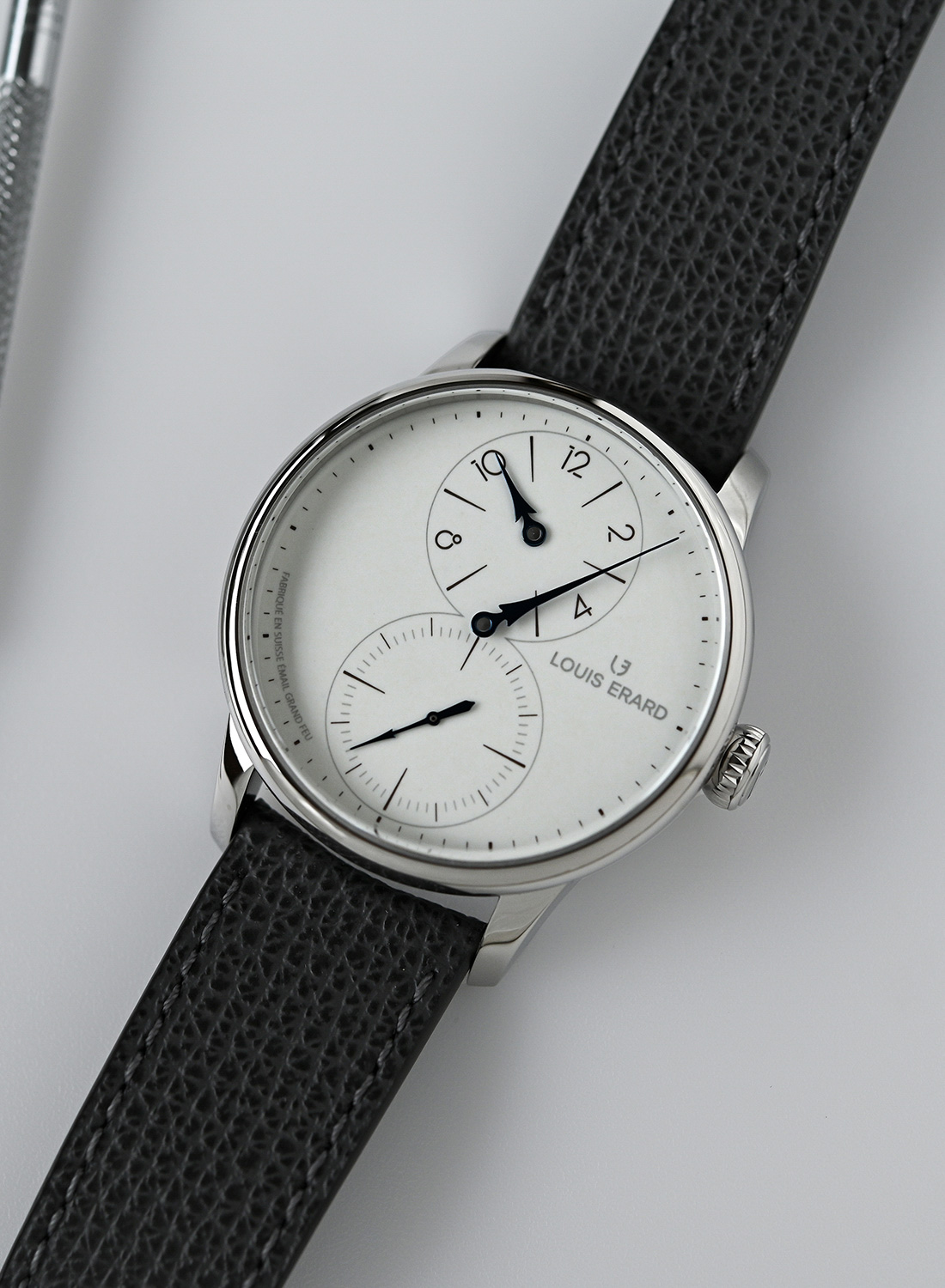
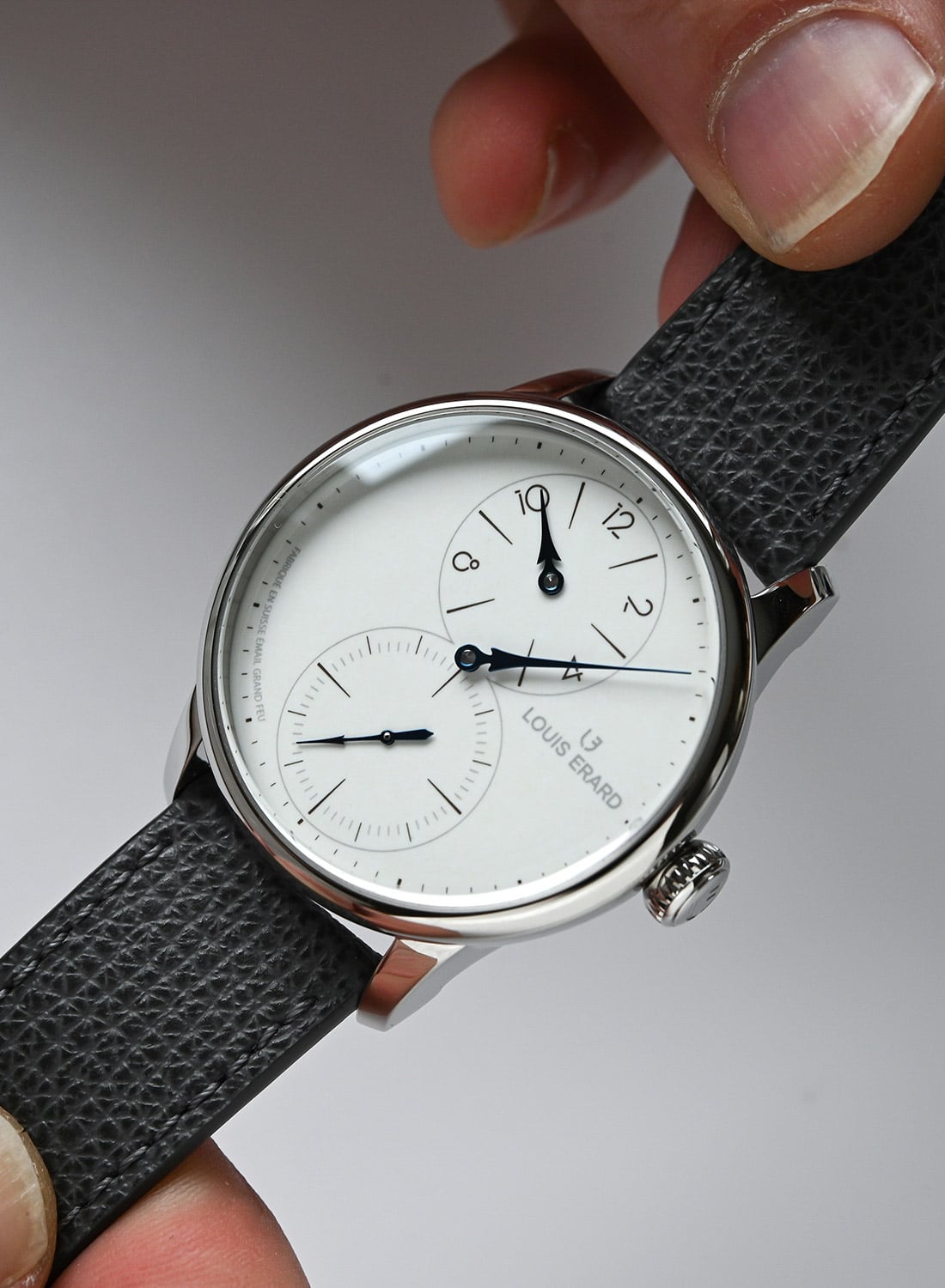
Seiko’s Presage Enamel Series, arguably the best bang for the buck for Grand Feu enamel dials from a well-established brand, offers traditional white and coloured dials for even less than anOrdain, starting at USD 1,400. O&HoraPictor, recently founded in 2024, goes back a bit to 2017, when founder Eriks established a small enamel atelier, and the 2024 watch brand has both traditional and cloisonné in-house enamel dials with Sellita automatics. Prices start at around USD 1,600. Other brands with accessible Grand Feu dials include Louis Erard and Selten.
Lacquer
Lacquer emerged in the 20th century as a more practical alternative to enamel, which was a gold standard for depth, clarity and resistance to fading, but also prone to cracking from dropping the watch or hard impacts. Lacquer was significantly cheaper and easier to use, and provided a deep, rich finish that rivalled the enamel aesthetic. Today, lacquer is usually made from synthetic materials like urethane or acrylic resins, but it traditionally comes from natural tree resin like Urushi. Seiko is well known for sticking with the latter, maintaining a centuries-old tradition of creating lacquer from the Toxicodendron vernicifluum or “lacquer tree” sap. This natural Urushi lacquer requires trees at least 15 years old, and sap is only collected between June and October via horizontal grooves cut into the bark. It’s a difficult process, as the sap itself contains the allergen urushiol, which reacts to the skin like poison ivy. The collected sap is filtered through traditional papers or hemp cloth, and iron particles are often added to achieve a deep black finish (it naturally dries brown or amber). Other minerals can be used for different colours, such as cinnabar for red. Like enamel, many layers of Urushi lacquer are applied, and each is sanded and cured in a specialised humid cabinet, where the risk of cracking or damage is far less than high-heat firing.
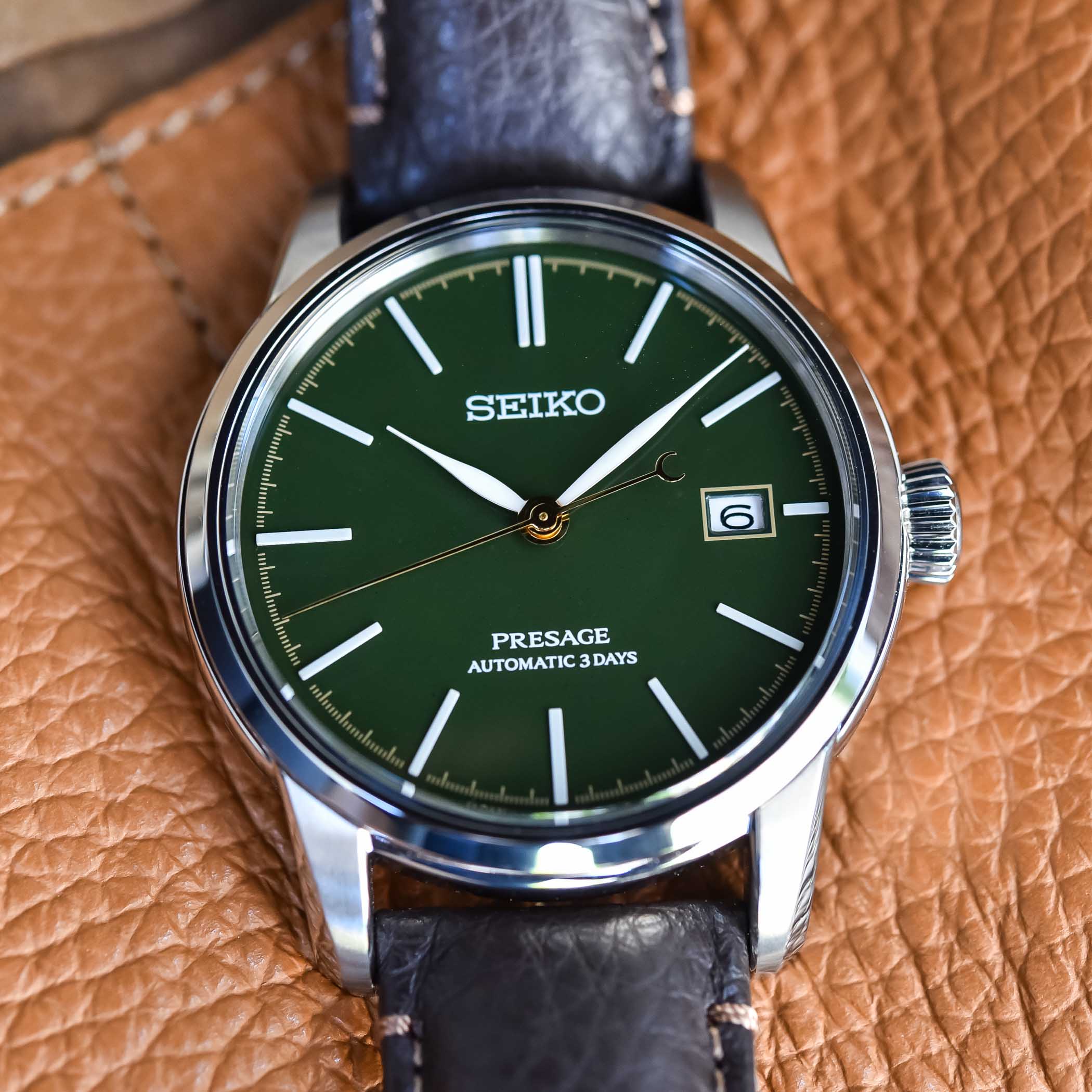
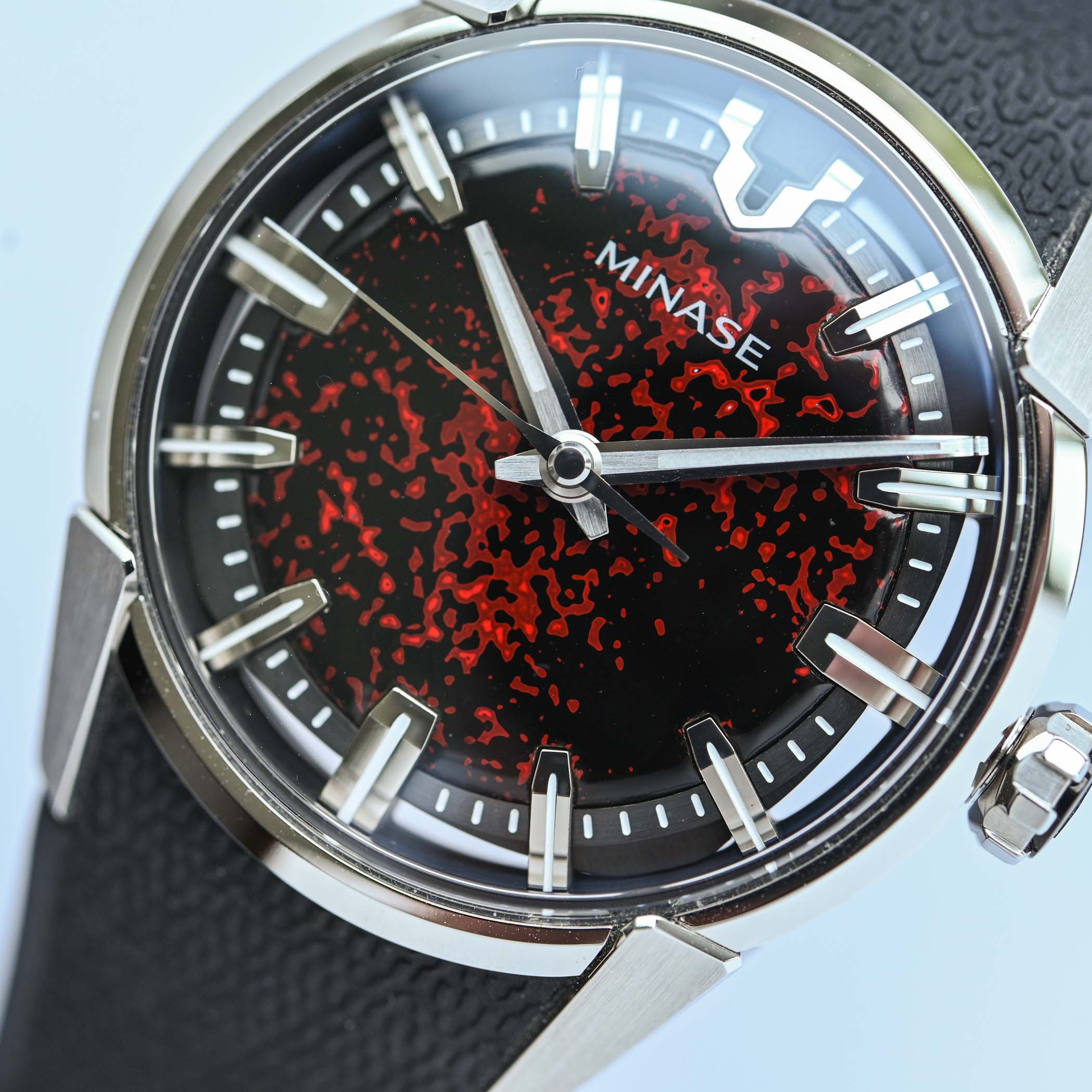
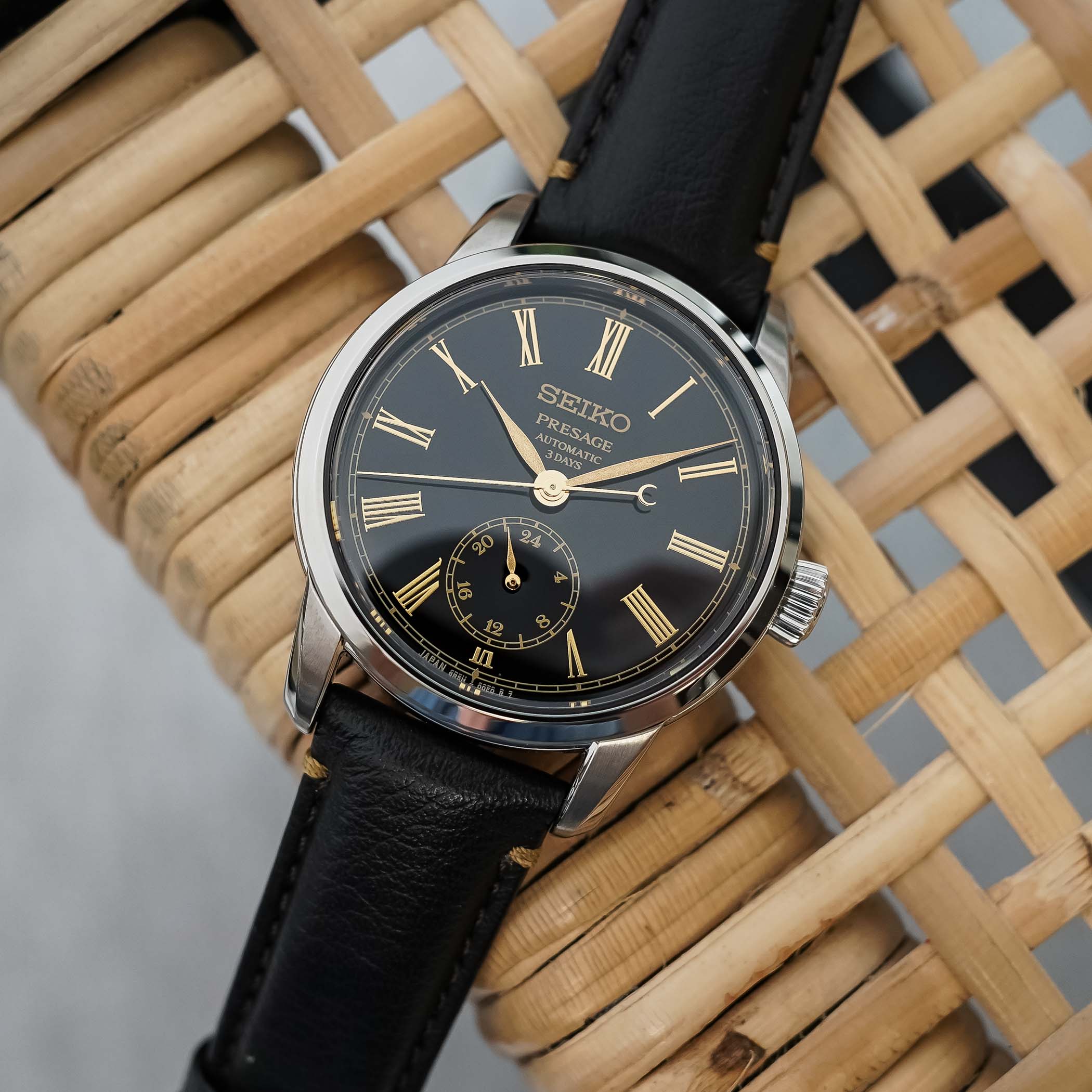
Modern lacquer processes use air brushes either by automated machines or by hand on brass, silver or gold dial plates. To prevent oxidation on brass or silver, a layer of nickel or gold can be added before successive layers of lacquer are applied, finished and cured, and a final protective varnish is often applied before a final polish. Pad printing and other dial work usually occur after final polishing, directly on the finished dial. Lacquer dials are more common than enamel, with popular models including Seiko’s aforementioned Presage Urushi Series, Cartier’s Tank Musk, Omega’s Seamaster Aqua Terra and many more.
Porcelain
There are similarities between porcelain and enamel, from long histories to production processes, but they’re ultimately very different. Both require firing at high temperatures, but porcelain is fired clay instead of enamel’s powdered glass. Porcelain generally uses kaolinite as its ceramic base, and the moulded clay is fired as a single piece at 1,200°C or higher, much hotter than enamel’s firing. The resulting dial blank can be used untreated after careful sanding/finishing and has a natural matte or satin finish, but glaze can be applied for additional gloss and depth. There are similarities to more common clays like terracotta, but porcelain is fired at much higher temperatures for a smoother and denser product. High heat brings the risk of cracks or other damage, and dial blanks are sanded down to one millimetre or less, which just increases the risk. The ceramic shrinks during the firing stage as well, making perfect dials nearly as difficult as Grand Feu enamel, and there are consequently high failure rates. Porcelain differs from modern ceramics in watchmaking for cases and bracelets, which is mainly zirconium oxide used by Rado, Omega, Hublot and other luxury brands as a tough, scratch-resistant and magnetic/corrosion-proof alternative to metals (often called high-tech ceramic).
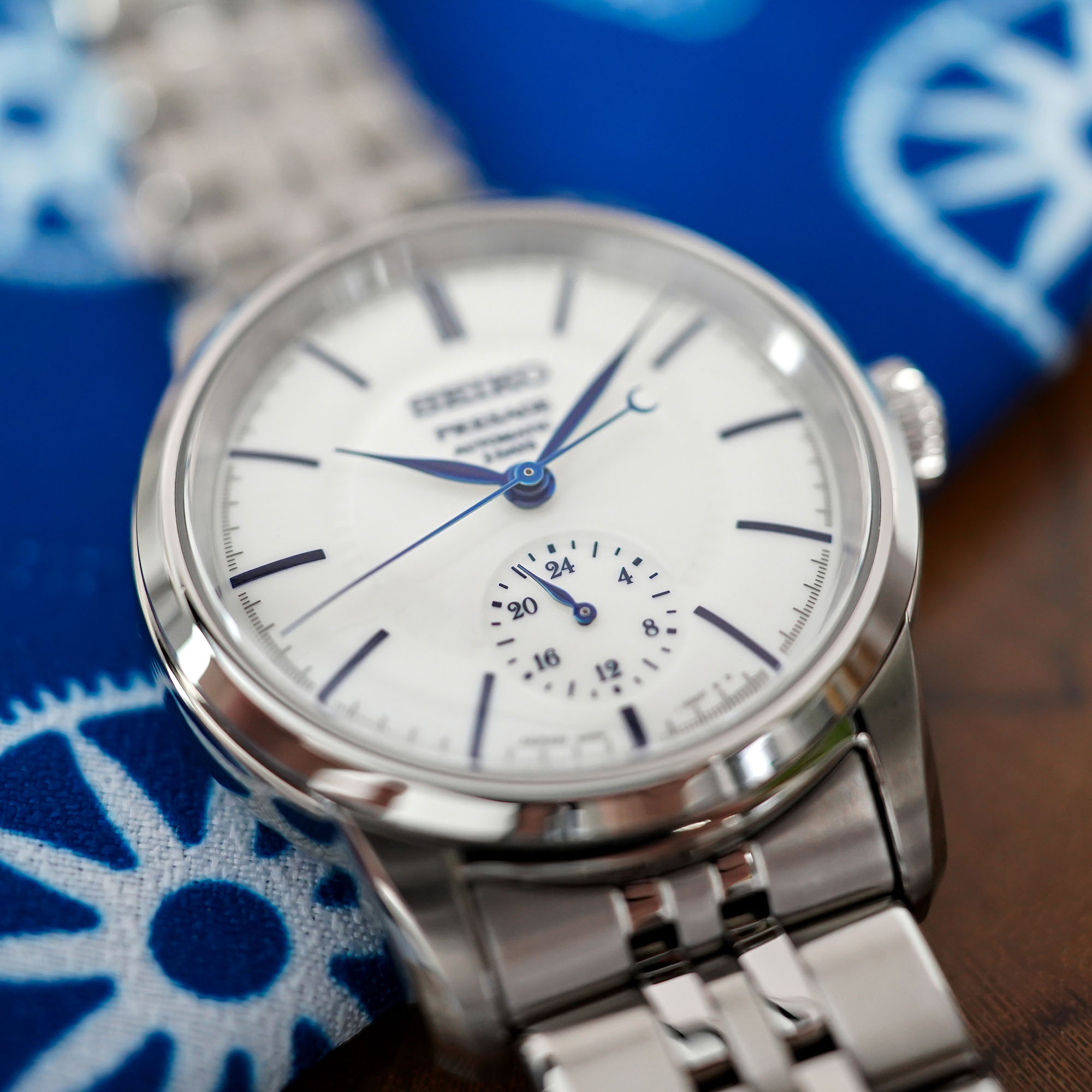
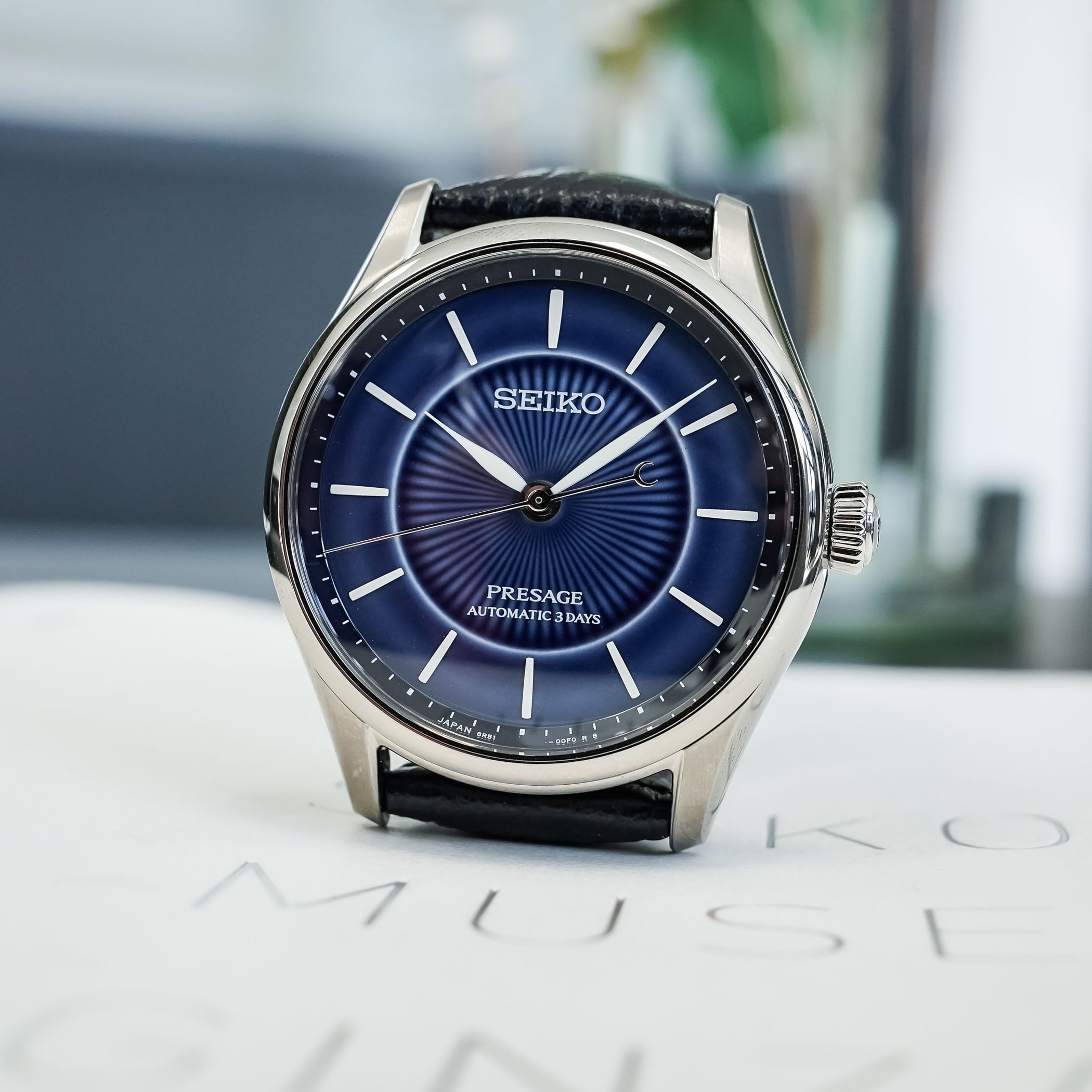
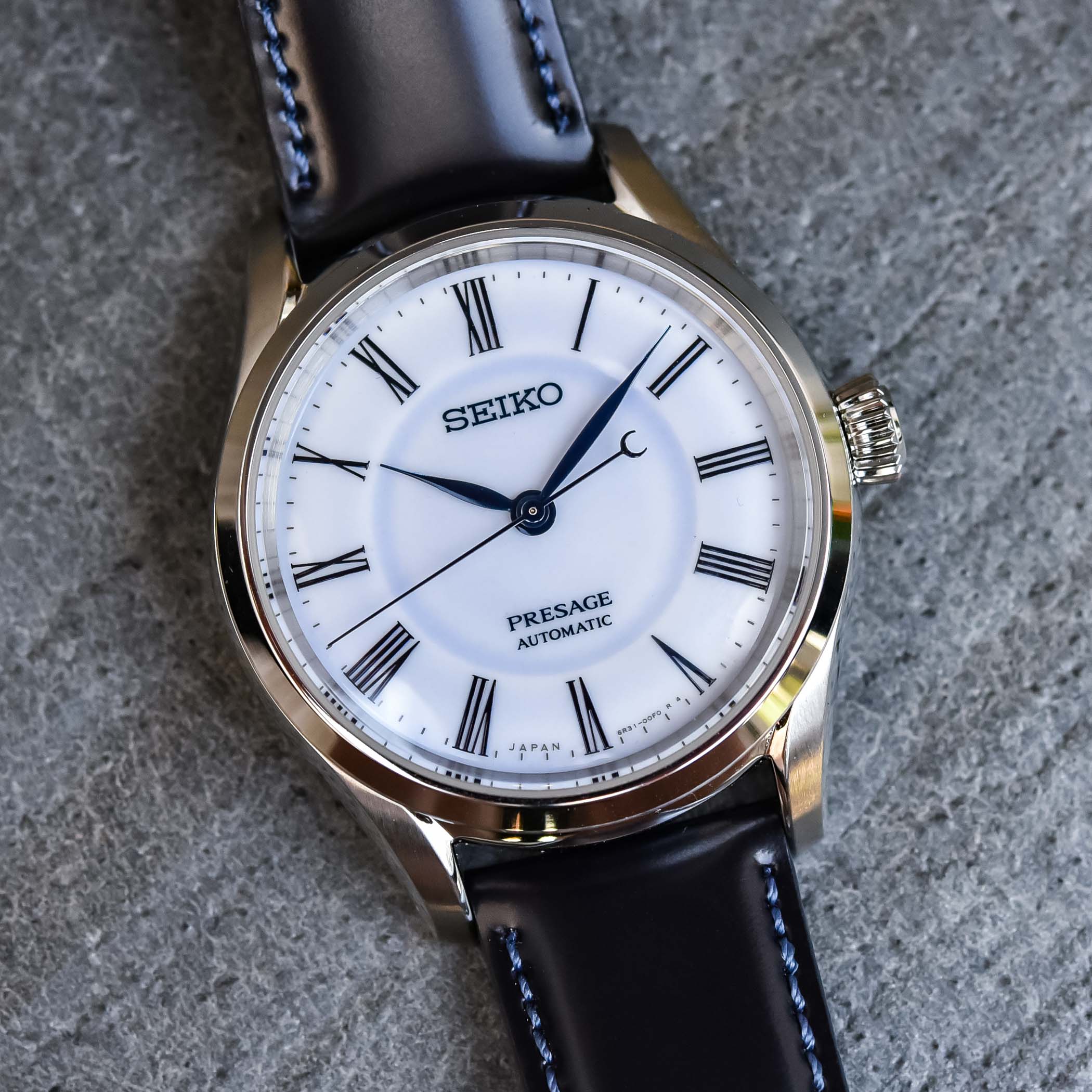
Porcelain originated in China’s Shang dynasty between 1600 and 1050 BC, although the more familiar variant appeared later in the Eastern Han dynasty from 25 to 220 AD. When it began arriving in Europe centuries later, it was prized as “white gold”, and many tried and failed to replicate Chinese hardened porcelain through the late 17th century. The code was cracked, so to speak, in Saxony, Germany, in 1708 by Alchemists Johann Friedrich Böttger and Ehrenfried Walter von Tschirnhaus, and commercial production began in 1710, with the trademark blue cross swords first appearing in 1720. Porcelain and enamel dials are often mistaken for each other, particularly with older models before the 20th century – most white pocket watch dials were enamel, as porcelain was rare and appeared in limited numbers from the 19th century. Today, Seiko is best known for traditional porcelain dials, although anOrdain produces them as well alongside its Grand Feu enamel counterparts. Other brands like Halcyon and Blonie make porcelain dials, but it remains a rare dial material in the industry as enamel is favoured.
Metals
Brass has been the standard metal base for dials for centuries as it’s inexpensive, easy to work with and accepts paint, lacquer and other finishes without fuss. However, it’s replaced with copper or occasionally precious metals like gold and platinum for high-heat applications like Grand Feu enamel. The majority of watches today with precious metal dials like gold or platinum use them as a base for enamel or other finishes, but there certainly are exceptions. F.P. Journe has 18K red or yellow gold textured dials for models like the Chronomètre Souverain and Octa Reserve, while Rolex sometimes matches gold models with gold dials, like the Day-Date and Cosmograph Daytona. A small handful of Audemars Piguet Royal Oaks have 18K gold tapisserie dials as well, although all of the above are more of an exception than the rule.
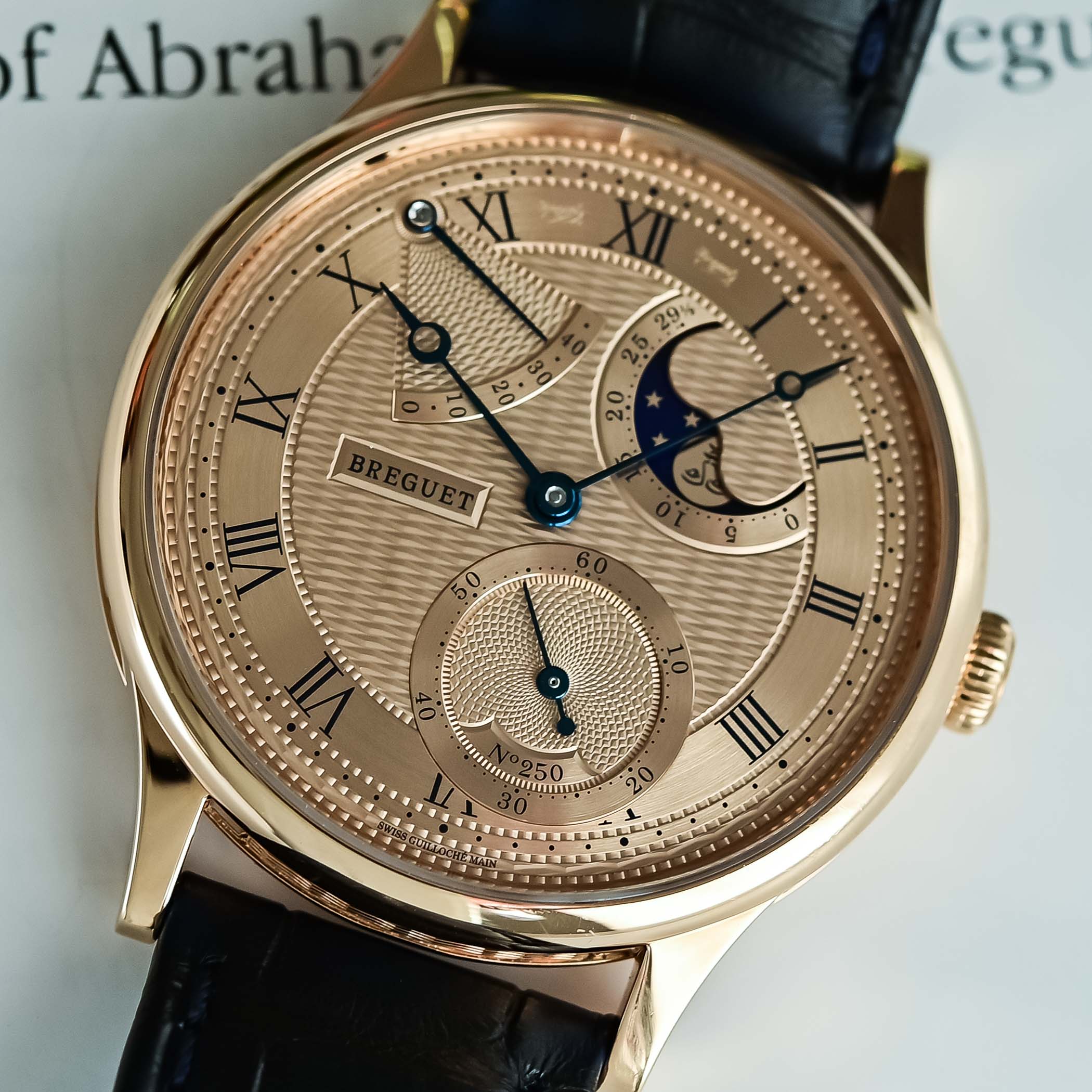
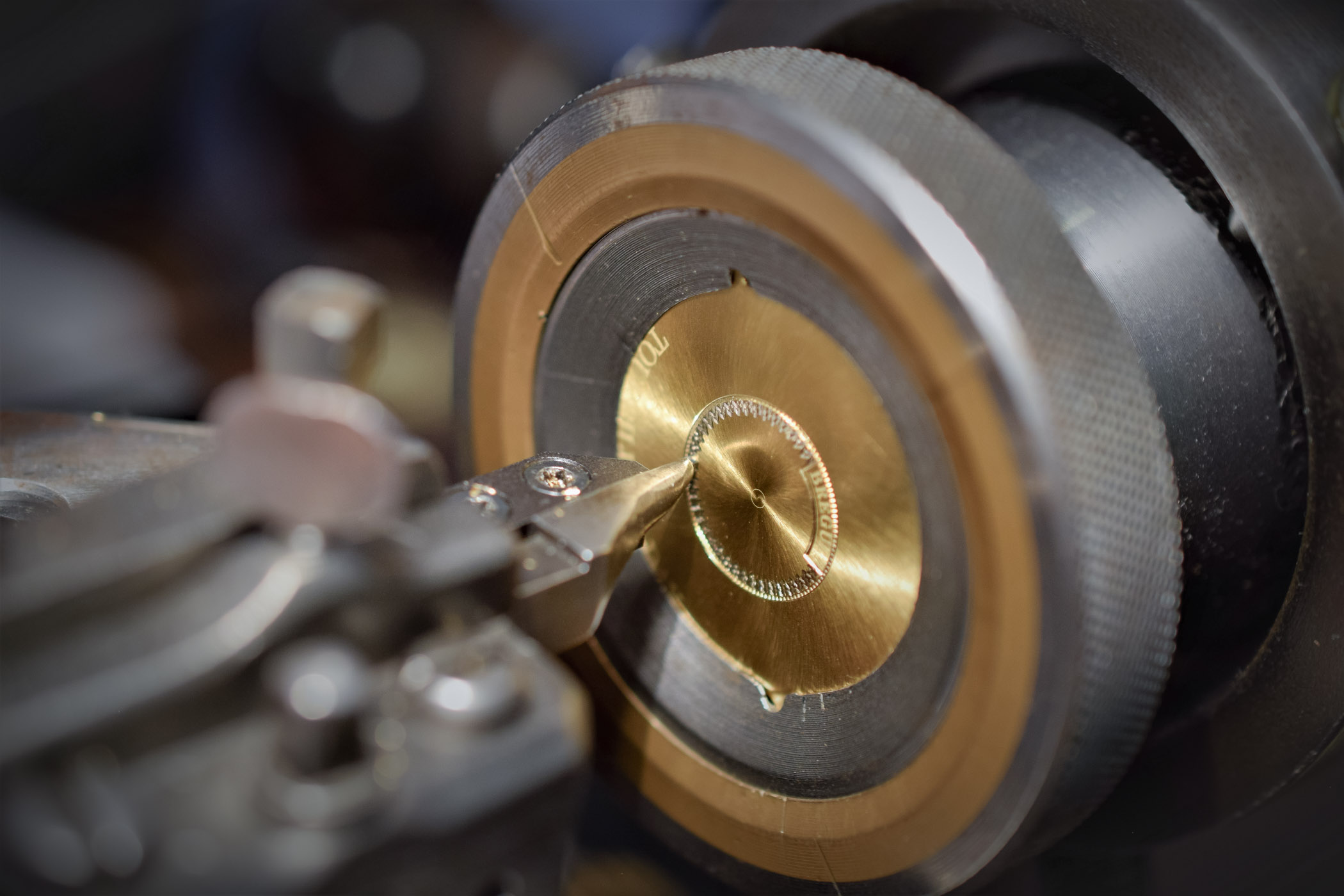
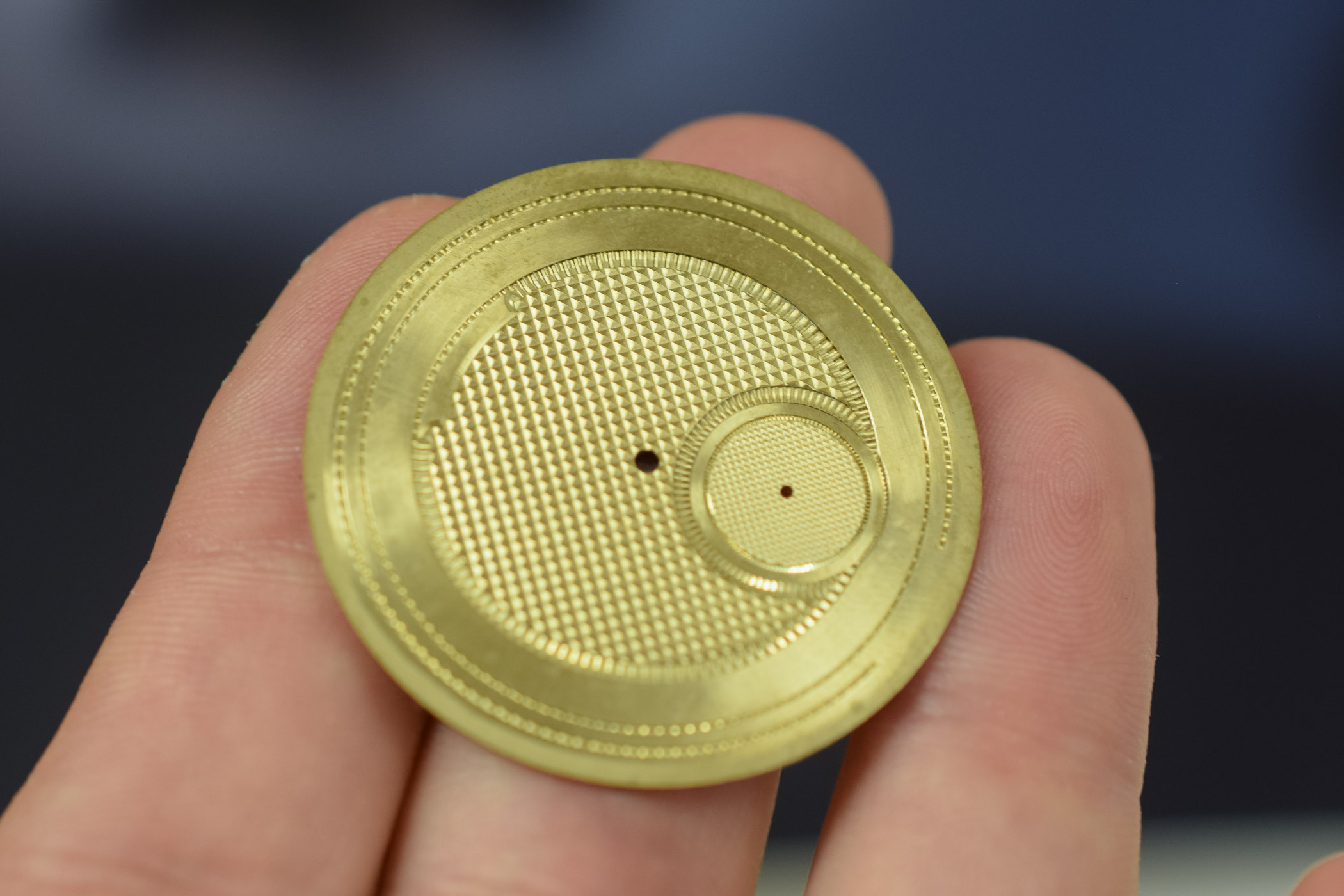
You’d be hard-pressed to find watches with solid steel or stainless steel dials, as brass, copper and softer precious metals are easiest to work with, and stainless steel dials add no value aesthetically, as the look is easy to mimic with other metals and finishes, matching the stainless steel case and bracelet for a seamless look. It’s also a very hard metal that doesn’t stamp small features well, or hold paint or enamel without further chemical treatments. Aluminium is the same story – it’s used for cases (popular with Bulgari, for example) and more commonly diving bezels, but rarely for dials. There are exceptions, of course, to the above with brands like REC Watches using metal from vintage car and plane bodies for dials. The REC Watches RNR ARKONIK Limited Edition has an aluminium dial from a 1984 Land Rover 110 door, while the Mark I M1 uses steel from a Mark I Mini Cooper. The REC Habu even has a titanium dial from a Lockheed SR-71 Blackbird. Unconventional brands like MB&F also toy with unusual metals like titanium for dials, but these are again very rare.
Meteorite
A somewhat exotic metal for dials comes from outer space – meteorite has distinctive patterns formed in space that can’t be replicated on Earth, and they’ve become popular with watchmakers. The specific type of space rock for dials is iron meteorite from the octahedrite subgroup, which is generally 90% iron and up to 10% nickel (with other trace amounts of metals). The aforementioned patterns are known as Widmanstätten Patterns, seen when meteorites are sliced into sections, polished and then treated in an acid bath. This crystalline lattice takes millions of years to form in space as molten iron and nickel (very) slowly cool, and no two patterns are exactly alike, making every watch dial unique. There are two common sources for watch dials – the Gibeon meteorite from Namibia and the Muonionalusta meteorite from Sweden – but other iron/nickel meteorites are used in the industry.
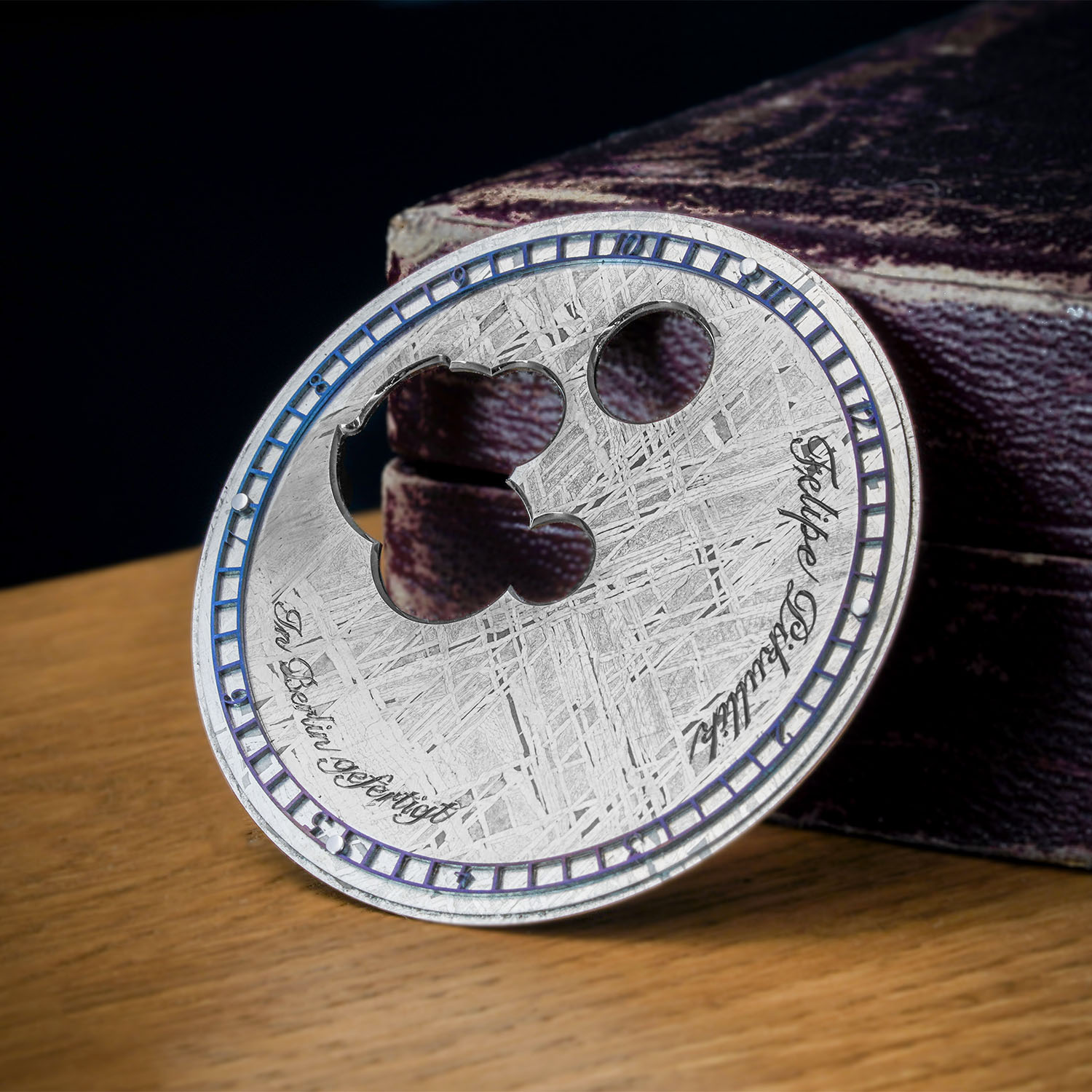
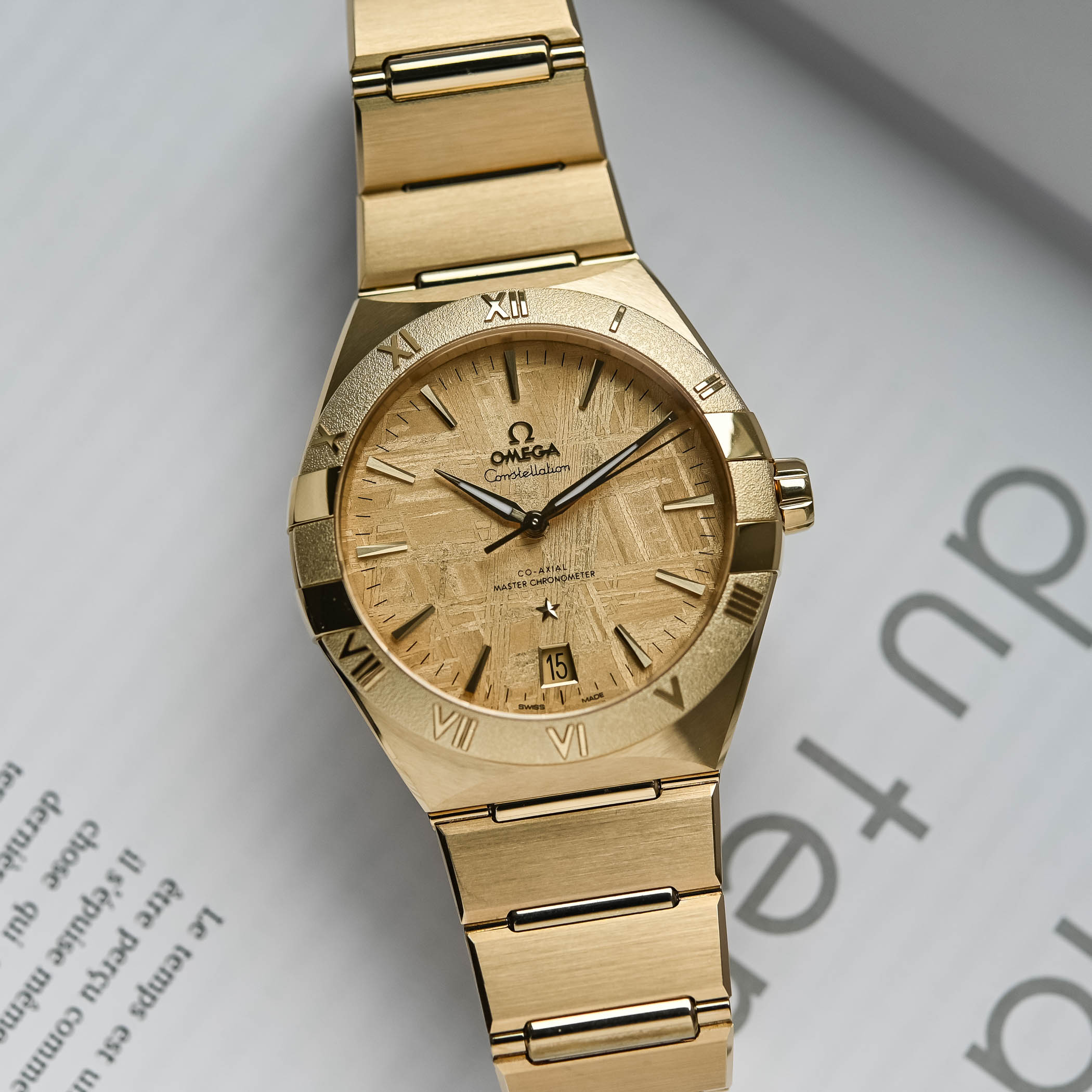
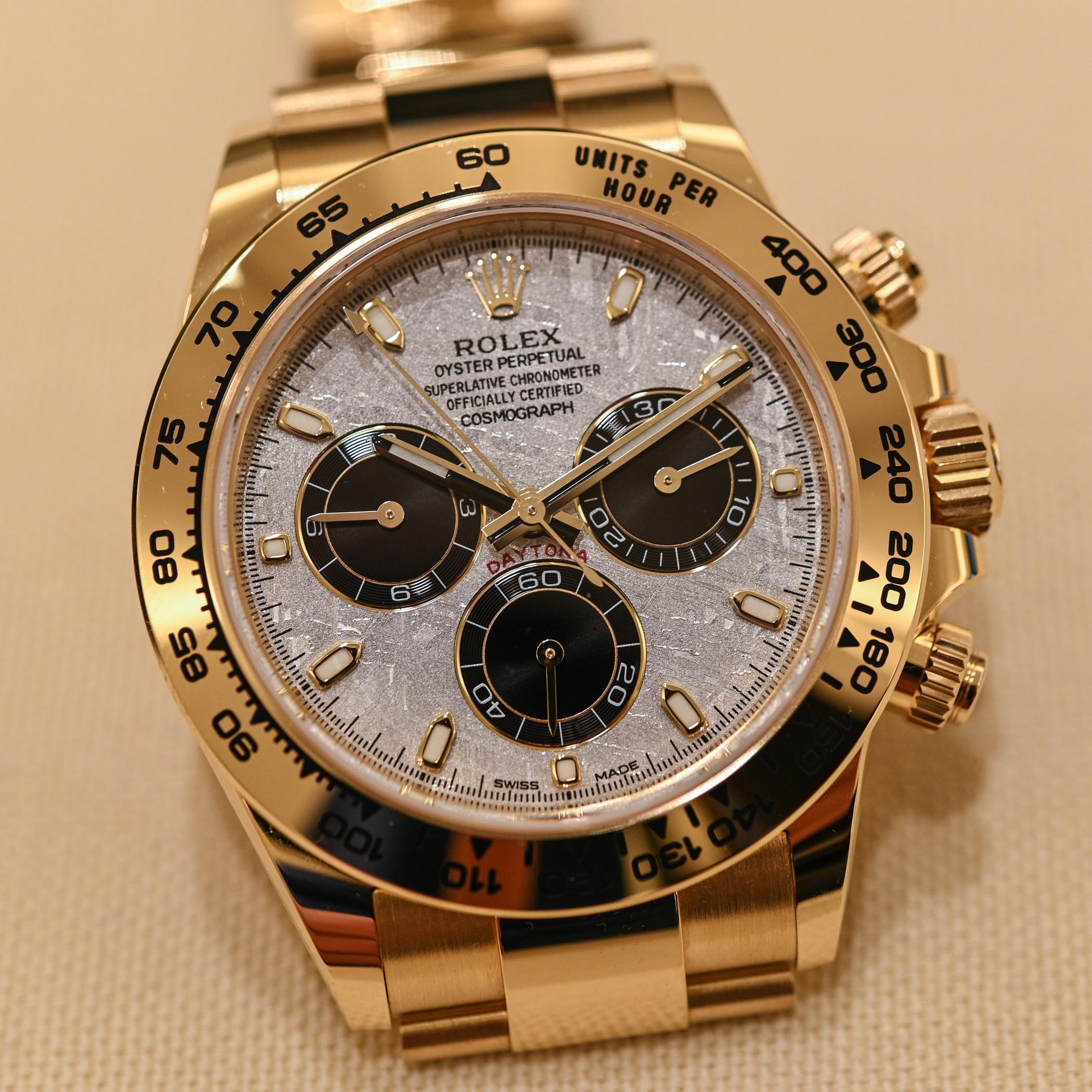
The first commercial brand to introduce a meteorite dial was Corum in 1986, cut from the Cape York meteorite found in Greenland in 1894. Corum was a niche luxury brand and not quite mainstream, so it was Rolex that really popularised meteorite dials in the early 2000s using slices from the Gibeon meteorite on models like the Day-Date, GMT Master II and Cosmograph Daytona. Meteorite dials are somewhat common today, and although they carry a notable premium over conventional dials, they’re becoming more accessible as popularity has soared in the last decade or so. Although pricier than conventional metals, standard iron/nickel meteorite dials aren’t worth their weight in gold, and it’s the difficult shaping and finishing processes that really add to the cost.
Stones
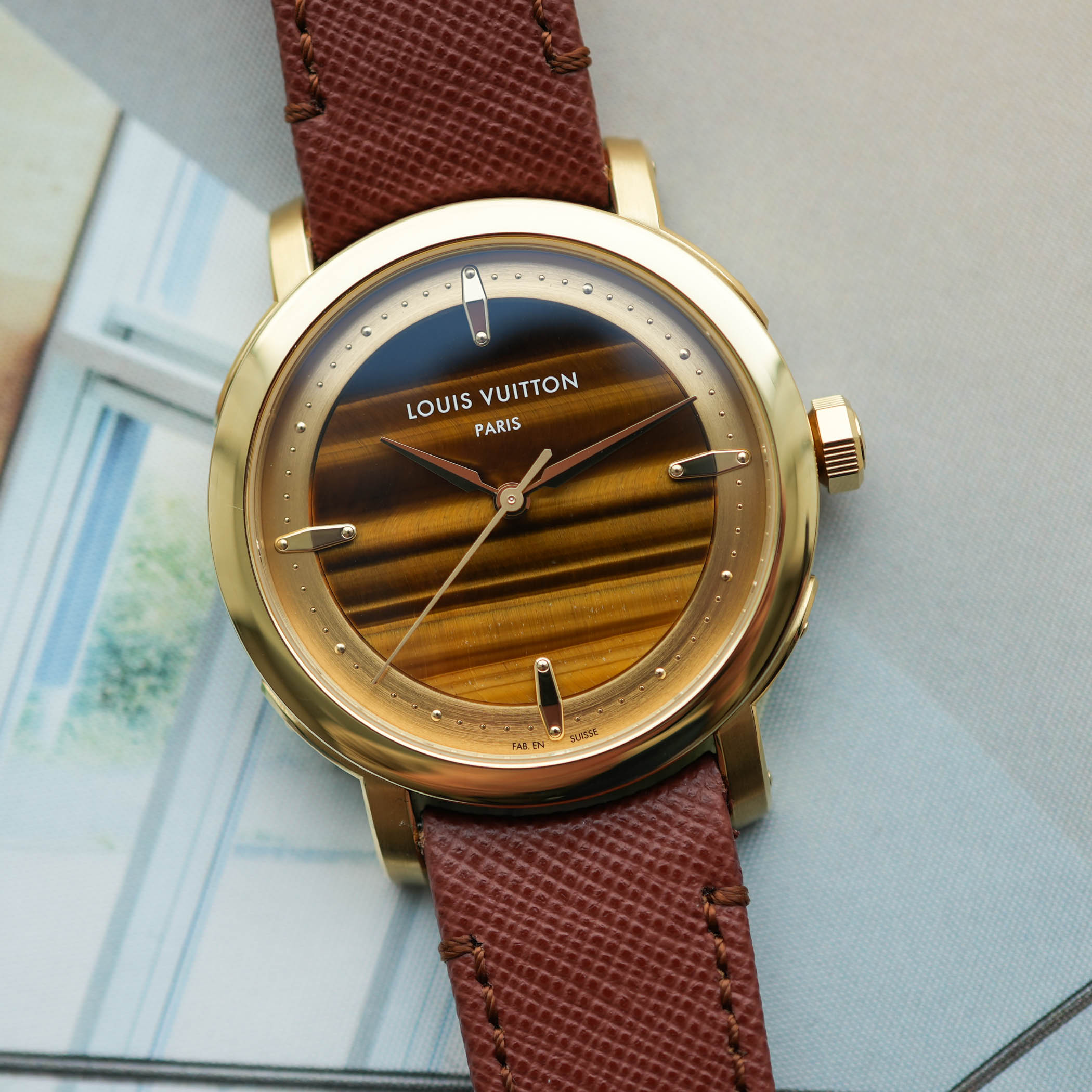
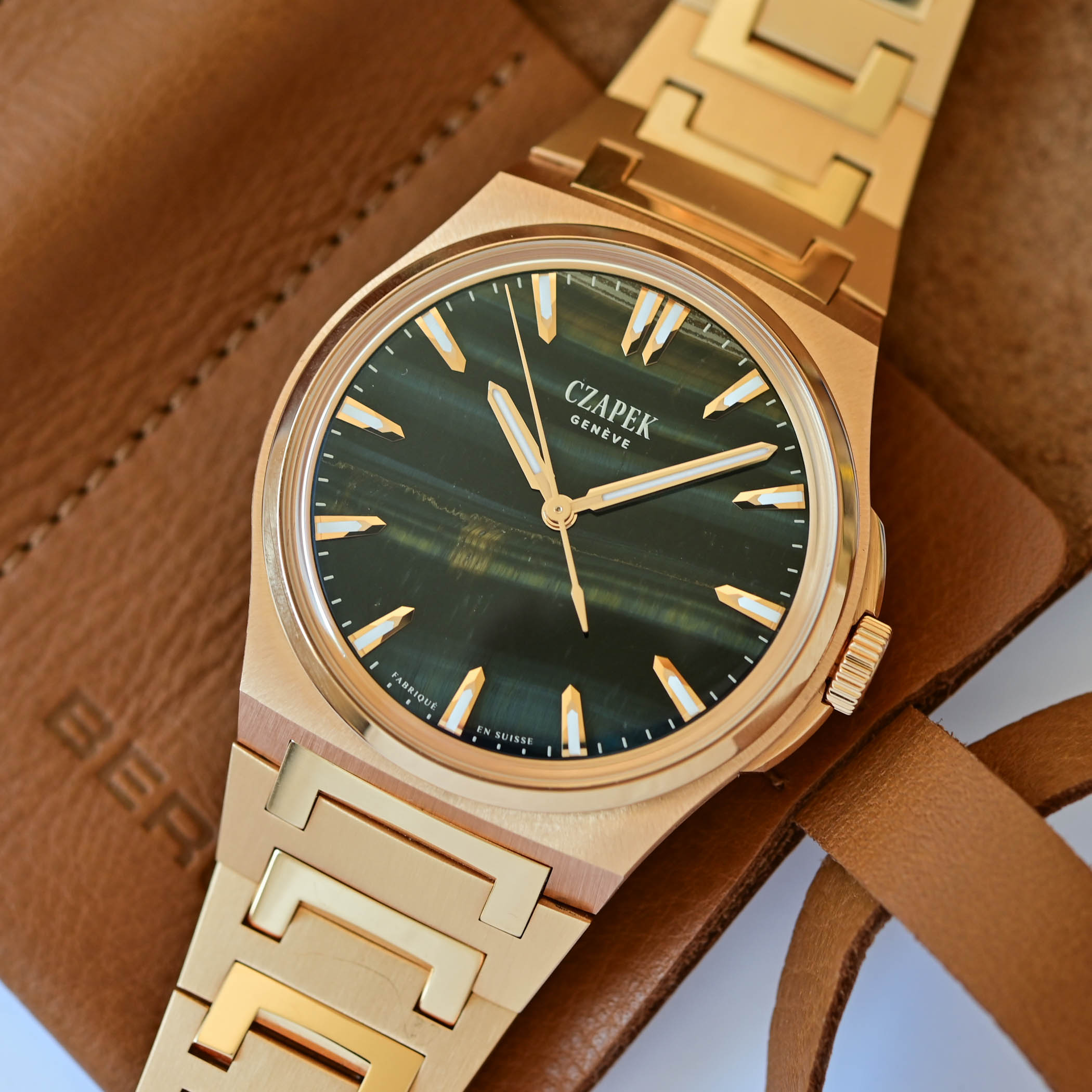
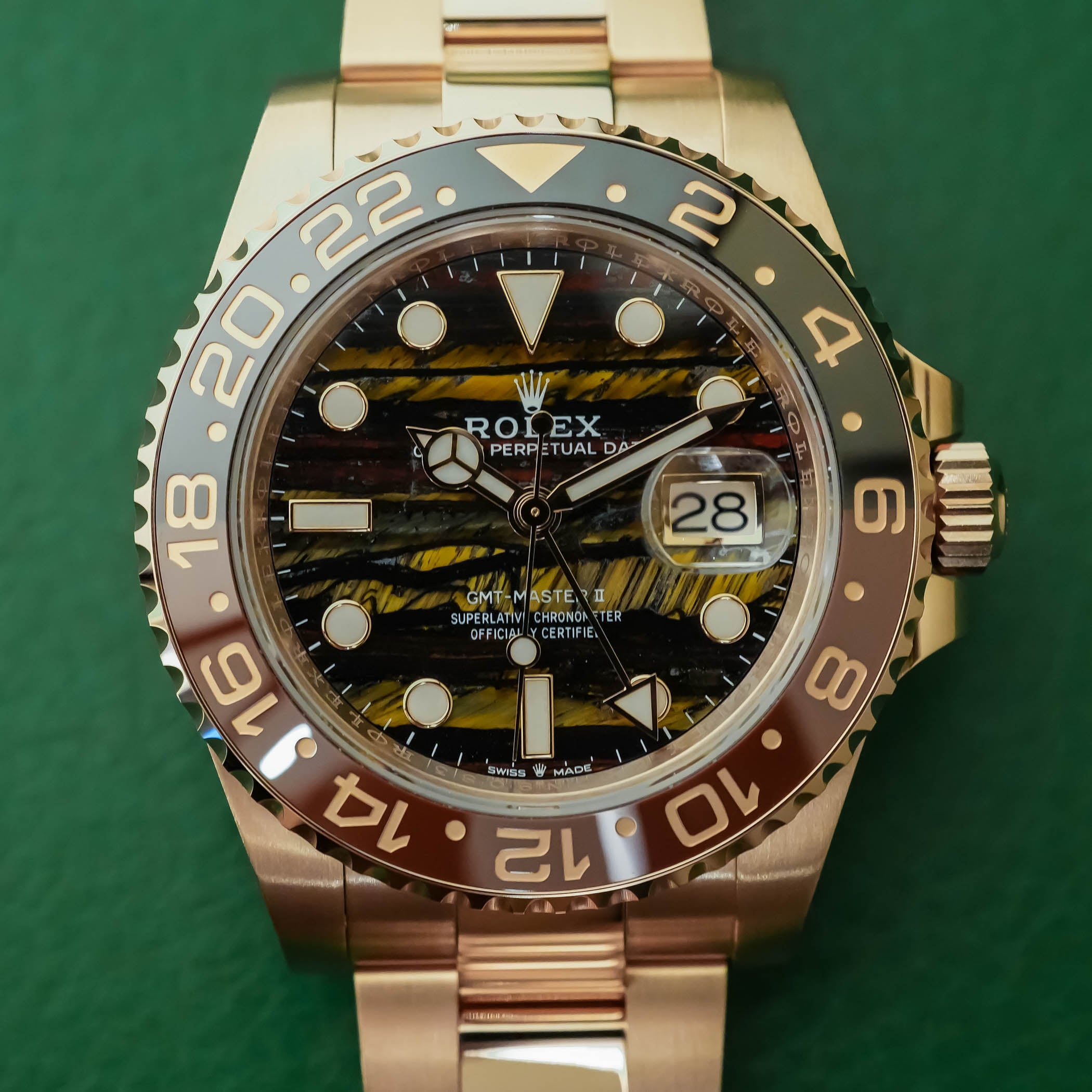
A wide variety of semi-precious stones are popular, albeit a bit rare, across many price points. Stones like Onyx, tiger’s eye, lapis lazuli, jade, turquoise and more provide exotic flair to the overall aesthetic without exploding the cost, although they’re certainly pricier than conventional dials. Like meteorite, much of the additional cost comes from preparation and finishing, and stone dials need to be cut down to thin, fragile wafers of around 0.7mm or less to keep weight and thickness in check (dramatically increasing the risk of cracks). Affordable examples include French brand Baltic’s Prismic collection with stone dials like pietersite, pink albite and bloodstone, and prices start at EUR 1,300. Baltic’s recent Heures du Monde Worldtimers use stone dials as well, like tiger’s eye and sodalite, with prices comparable to the Prismic collection. Many luxury brands occasionally use stone dials as well, like Rolex, Piaget, Cartier and Audemars Piguet, and variations of lapis lazuli, onyx, tiger’s eye, opal and malachite are often preferred. It was Piaget that first introduced stone dials in 1963, and their unique colours and styles became popular in the 1970s.
Aventurine
Contrary to what many believe, most aventurine is not a natural stone, but an artificial dial surface made from translucent glass with tiny copper crystals for a starry night aesthetic (also known as goldstone). This is popular with celestial themes like moon phases, Orreries, planetariums and more, and really sparkles like a three-dimensional night sky (known as aventurescence). Some brands use a natural quartz stone with embedded mineral flecks like mica or fuchsite, but this is less common and doesn’t provide the same depth and effect as artificial goldstone. Like meteorite, all slices of quartz aventurine are unique, and no two dials are alike; while green is most common, it can be found in shades of red, blue, brown and orange. In the luxury range, Rolex uses a green quartz aventurine dial for some Day-Date models, while A. Lange & Söhne uses black or midnight blue glass aventurine dials for Saxonia Thin models. This is just a small sample of aventurine dials, and brands from microbrands to top luxury watchmakers use both glass and natural quartz variants.
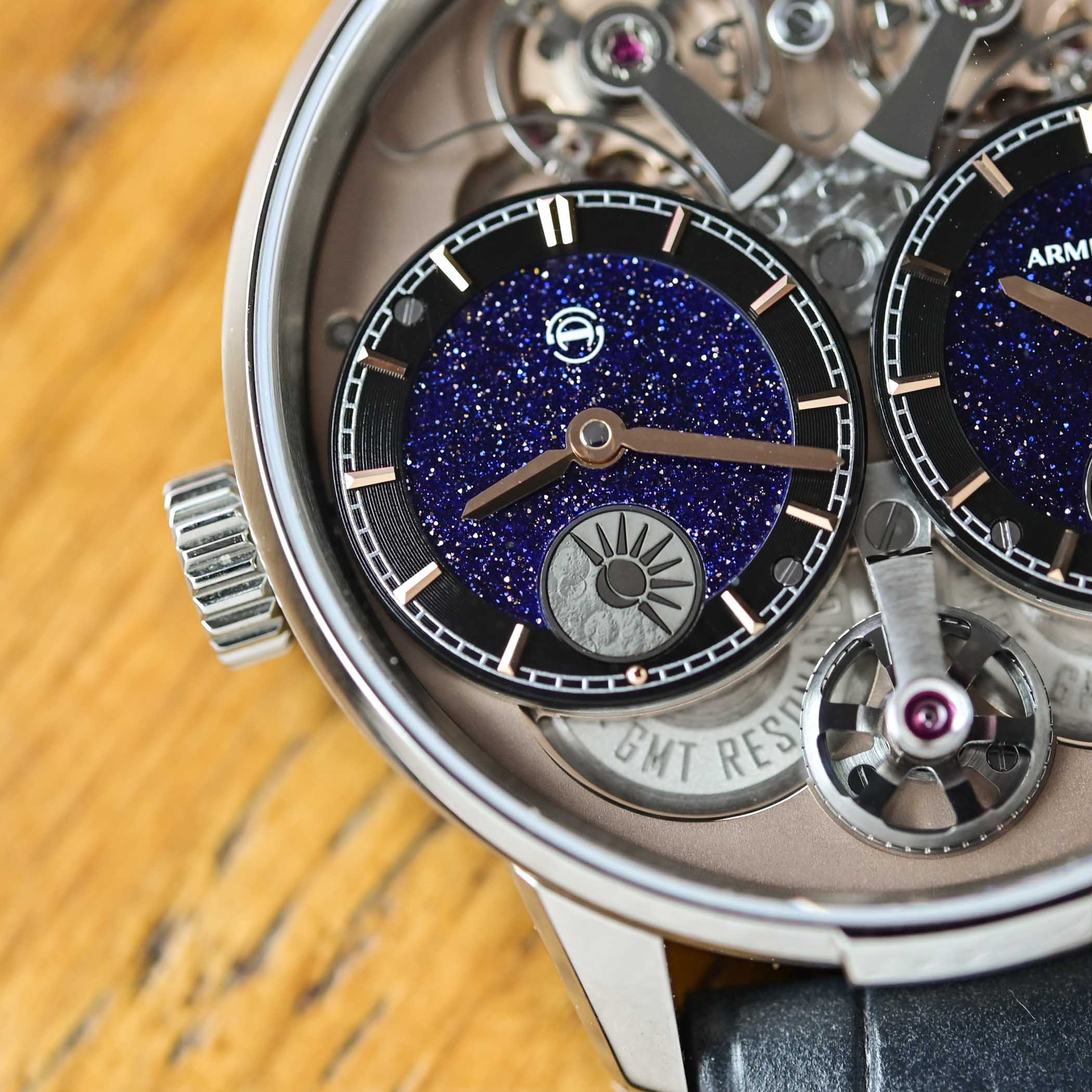
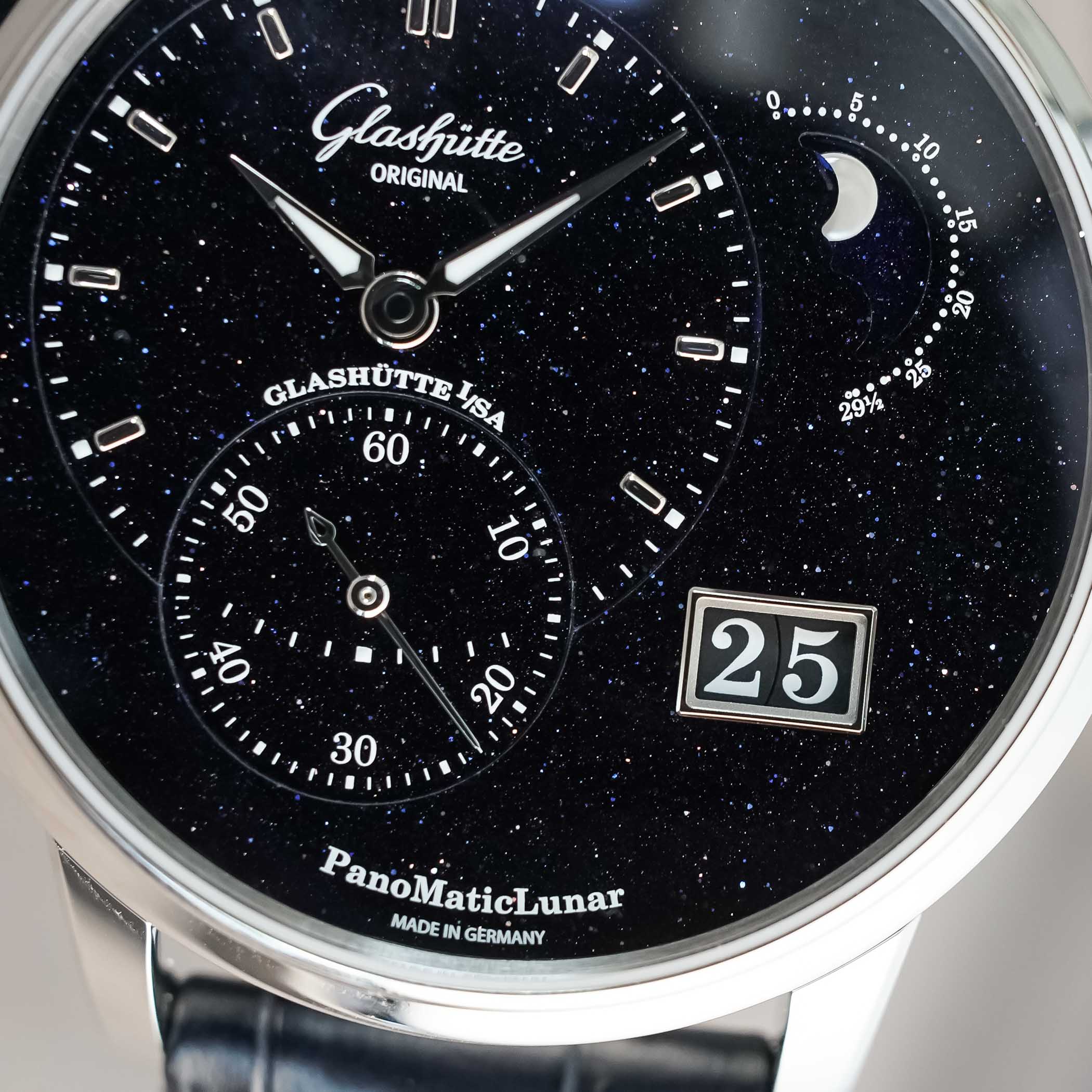
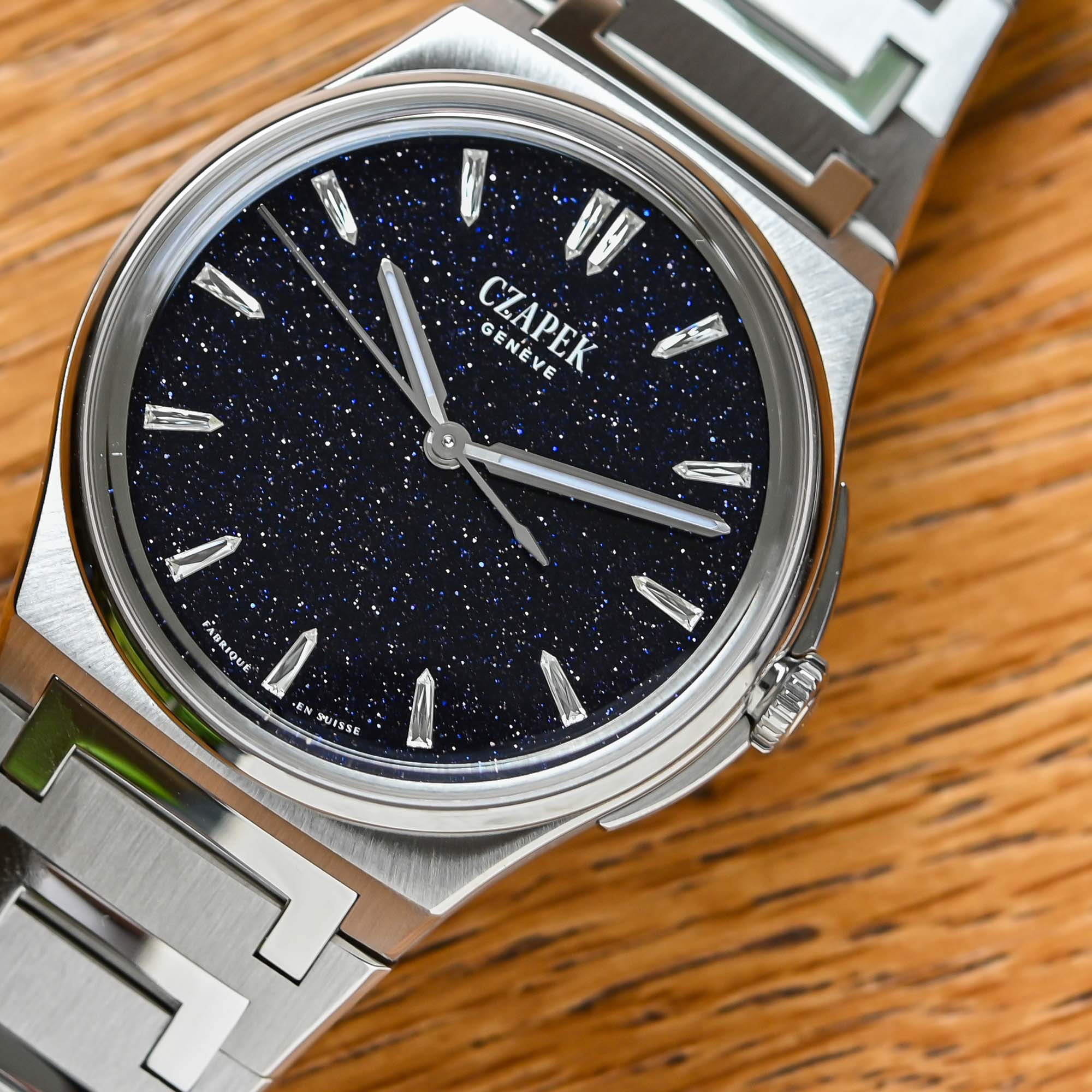
Aventurine glass is not a new development and goes back to the 17th century in Italy, although it wasn’t utilised for watch dials until modern times. It was named after the Italian phrase all’avventura, which means adventure or by chance. The actual inventor is unclear, but the story goes that an artisan accidentally dropped copper shavings into molten glass, creating a star-like effect as the glass cooled and metallic crystals formed. Its use as a watch dial really took off in the late 20th and early 21st centuries, but Rado introduced a glass aventurine dial back in the 1970s and luxury brands like Jaeger-LeCoultre and Ulysse Nardin helped popularise it later on. The natural quartz equivalent was found in the 18th century and named after the glass type for its similar look, and it’s particularly fragile when cut and finished for watch dials (no different from other natural stone equivalents).
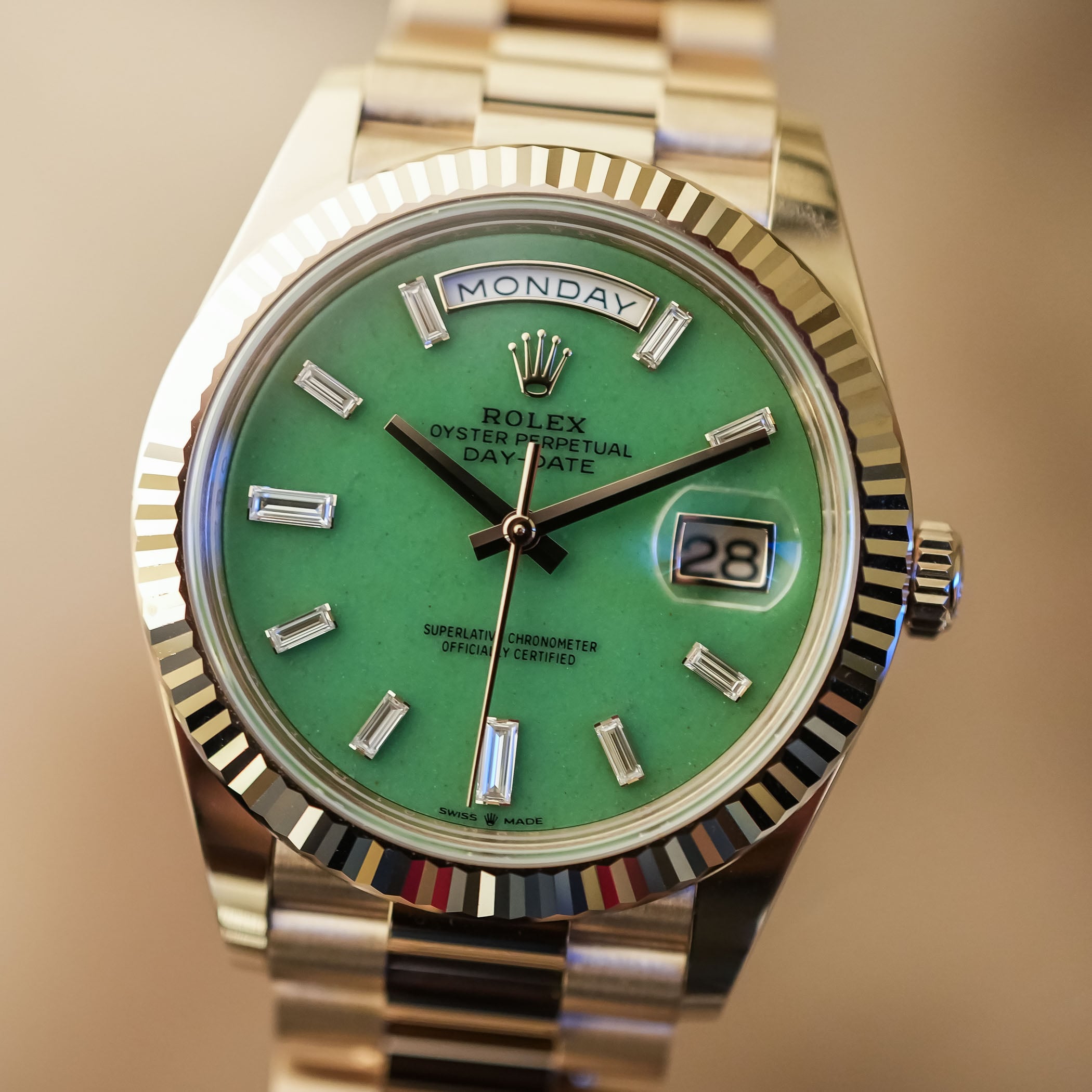
Mother-of-Pearl
This is not a stone, but a natural material called nacre that comes from the underside of mollusc shells like oysters and abalone. The iridescent inner layer of the shell has a shimmering aesthetic and often creates multiple colours as the light shifts, and like stone, no two mother-of-pearl dials are exactly alike. The organic material is the same as what produces pearls, hence the name, and the nacre is cut and finished incredibly thin, down to 0.2mm in some cases, which must be adhered to a metal dial blank for stability. Mother-of-pearl has a natural white or cream shade, but this can be altered with lacquer for a variety of colours. It was first used for pocket watch dials in the early 19th century, and it decorated cases as well. Rolex was an early luxury brand in the 1970s to perfect mother-of-pearl dial production with ultra-thin, stable slices, allowing for reliable and more affordable mass production into the 1980s. Mother-of-pearl dials have historically been viewed as feminine and limited to women’s watches, but they’ve more recently appeared on select men’s watches as a stylish and sophisticated alternative to stone, enamel and more. Examples include the Rolex Cosmograph Daytona and Datejust, Breitling Navitimer and Tissot PRX.
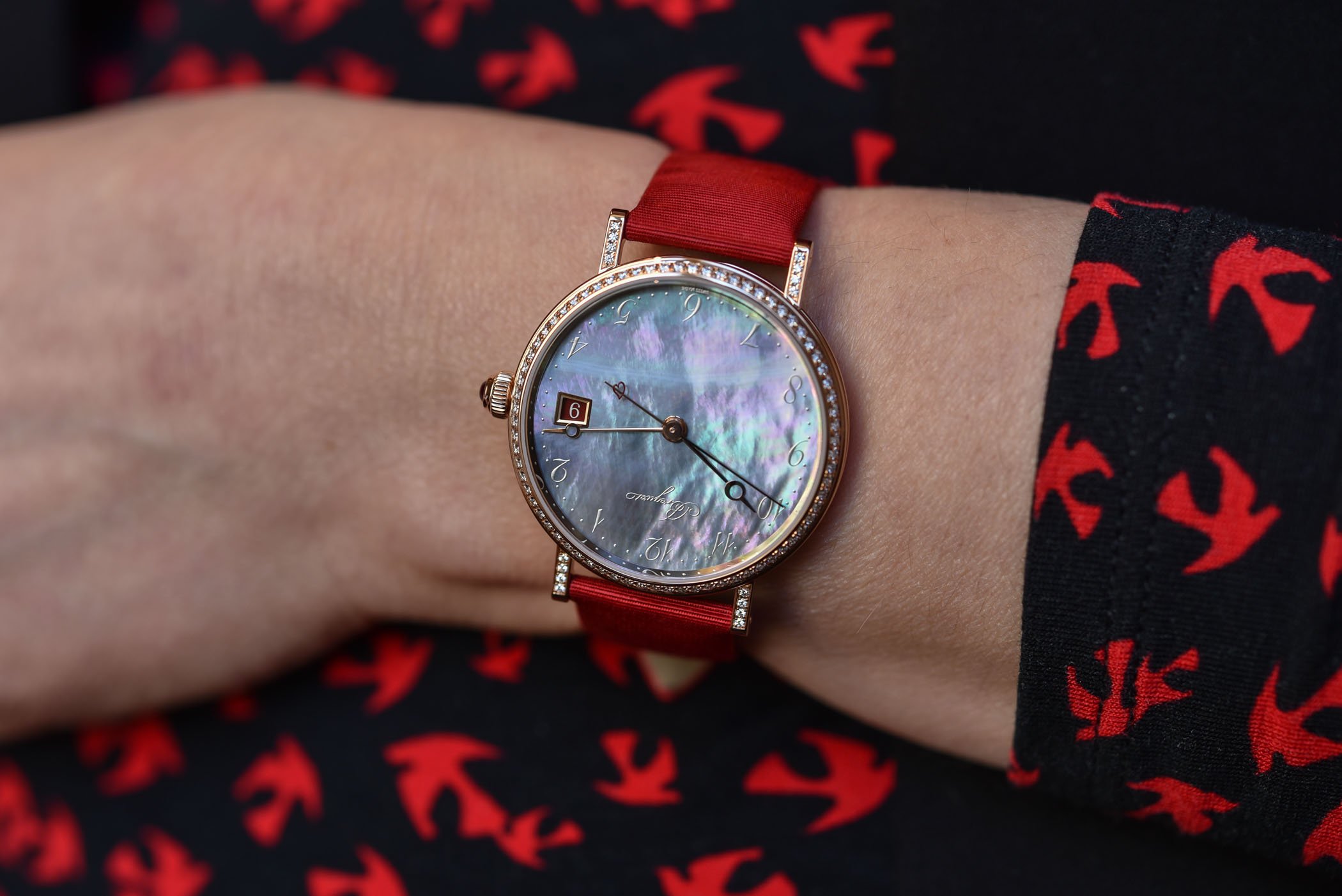
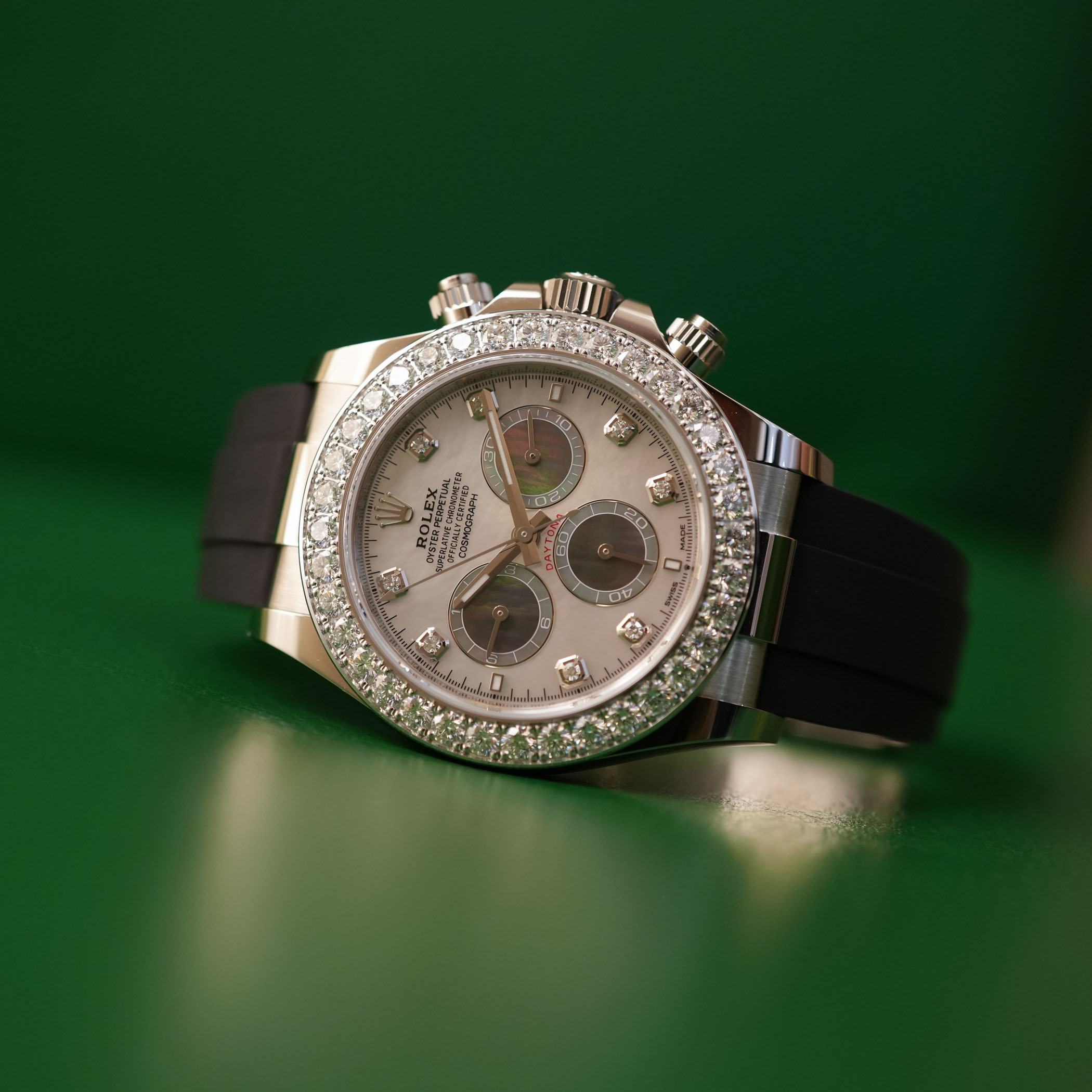
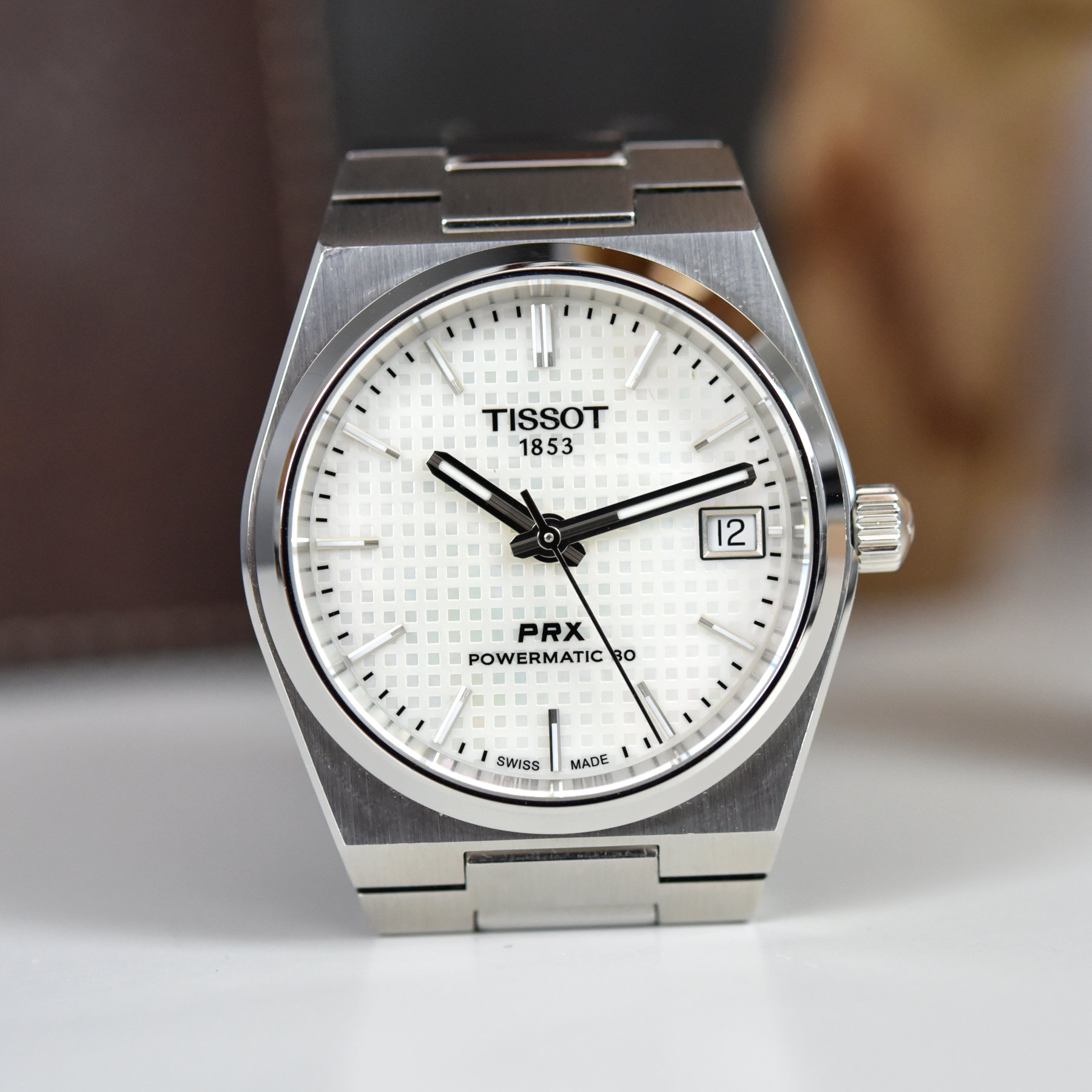
The use of decorative mother-of-pearl goes back to Ancient Egypt for jewellery and funeral artefacts, and also the Chinese Shang Dynasty (1600 BCE to 1046 BCE). It spread during the Middle Ages in Europe and the Middle East, and became a global sensation for buttons throughout the 19th and early 20th centuries, with mass production centred in Western Australia with huge shell-harvesting operations. Today, everything from watch dials and buttons to guitars and mosaic tiles can feature mother-of-pearl, and it continues to be a popular and lightweight alternative to other natural stones and metals.
Unconventional Materials
This covers the majority of common dials throughout the industry, but there’s a smaller pool of unusual dial materials used in modern watchmaking. Carbon fibre was popularised by brands like IWC with the Ingenieur Automatic Carbon Performance in 2013, with a case and dial featuring the material, and many IWC watches have used it since. Made from carbon fibre-reinforced polymer, the material is exceptionally strong, lightweight, magnetic and corrosion-proof, and comes with a variety of specific or random patterns (the latter with variants of forged carbon). Sapphire crystals are sometimes used as dials to showcase movement elements below while also allowing for markers, brand names, images, and so on to sit above. Sometimes multiple sapphire discs are used to create the illusion of floating rotating hands. Cartier’s Rotonde de Cartier Mysterious Hours is a high-end example, while Christoper Ward’s accessible C60 Sapphire shows the movement and date wheel underneath a tinted sapphire dial, while indices are applied around the perimeter. Some dials are made from natural wood, which was a unique and popular option in the 1970s with models like early Rolex Day-Dates with “Sequoia wood” dials (ref. 1807) or later “Mahogany dials” (ref. 18038). Hamilton, Cartier and many more toyed with wooden dials as well, and new brands like WoodWatch out of Rotterdam, The Netherlands, offer watches entirely from wood – dial, case and bracelet.
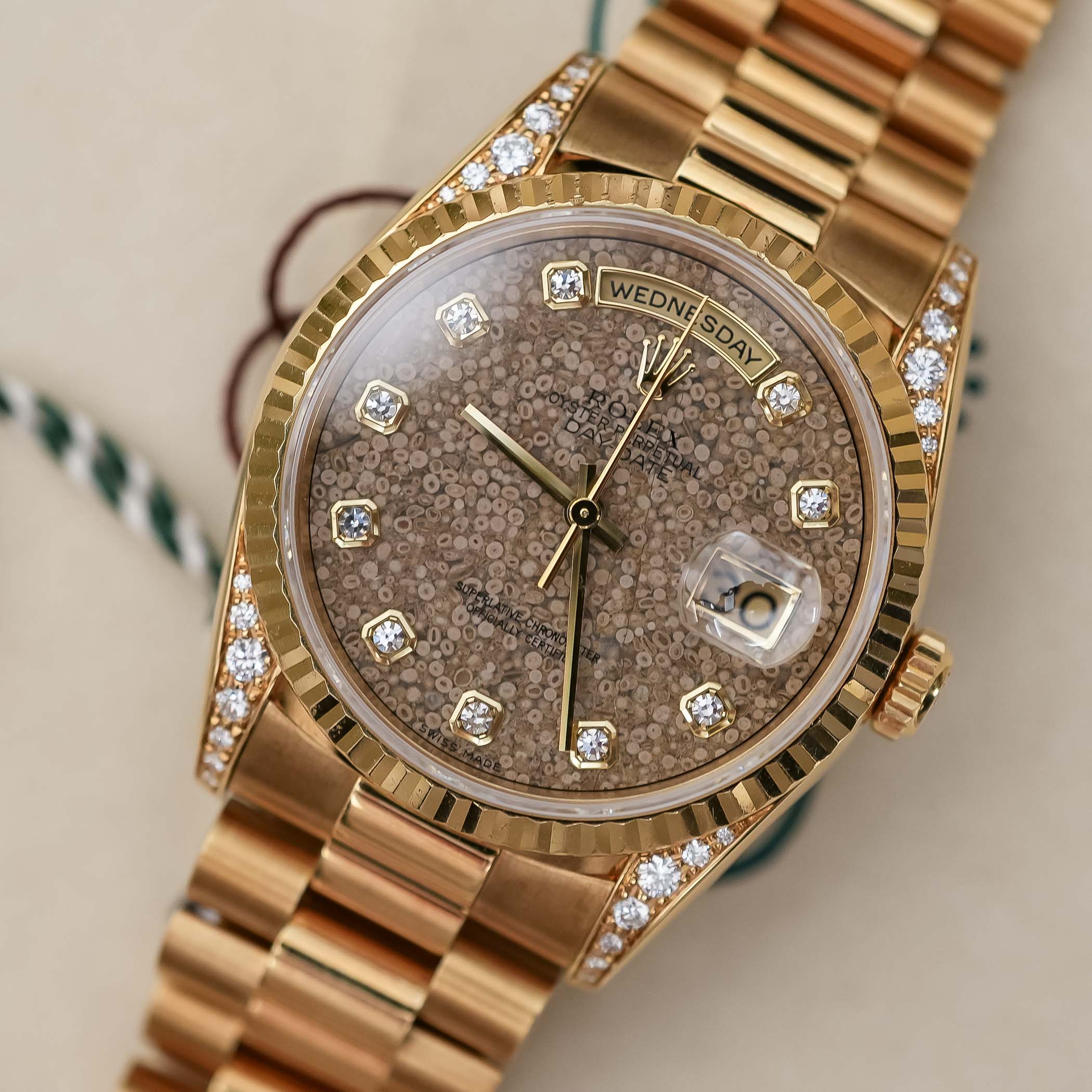
Exotic metals are rarely used, but include ruthenium, Osmium and tantalum from high-end, independent watchmakers like Maximilian James, with dials provided by specialists like MetaMetals in Weitersfelden, Upper Austria. Recycled plastics have become a popular material in recent years for cases, straps and dials, and the Oris Aquis Date Upcycle is an example with dials made from recycled PET plastic bottles, while Maurice Lacroix used recycled plastic bottles from the ocean for the affordable Maurice Lacroix AIKON #tide collection in 2022.
Conclusion
This again doesn’t cover every conceivable watch dial material, but hits on the most common and historical, and shows just how much of a variety exists. The mainstream offerings of brass bases with paint, enamel, lacquer and so on still dominate the industry, but meteorite, natural stone, aventurine, mother-of-pearl and more keep things sophisticated and interesting. There are a lot of popular dial styles, from California and sector to regulators and various military specs, but it all starts with the dial materials themselves, which add much to the aesthetic after printing, applied indices, logos and so on. It’ll be interesting to see what future materials are utilised for dials, whether recycled, natural or artificially crafted.

2 responses
Nagyon jó cikk! Szép munka! ?
This was a great read!