


 Not all images were able to load for printing. Please close the print window and try again.
 When and Why Did We Start Measuring Seconds?
Although not necessary for general time telling, tracking seconds has become an integral part of modern society.
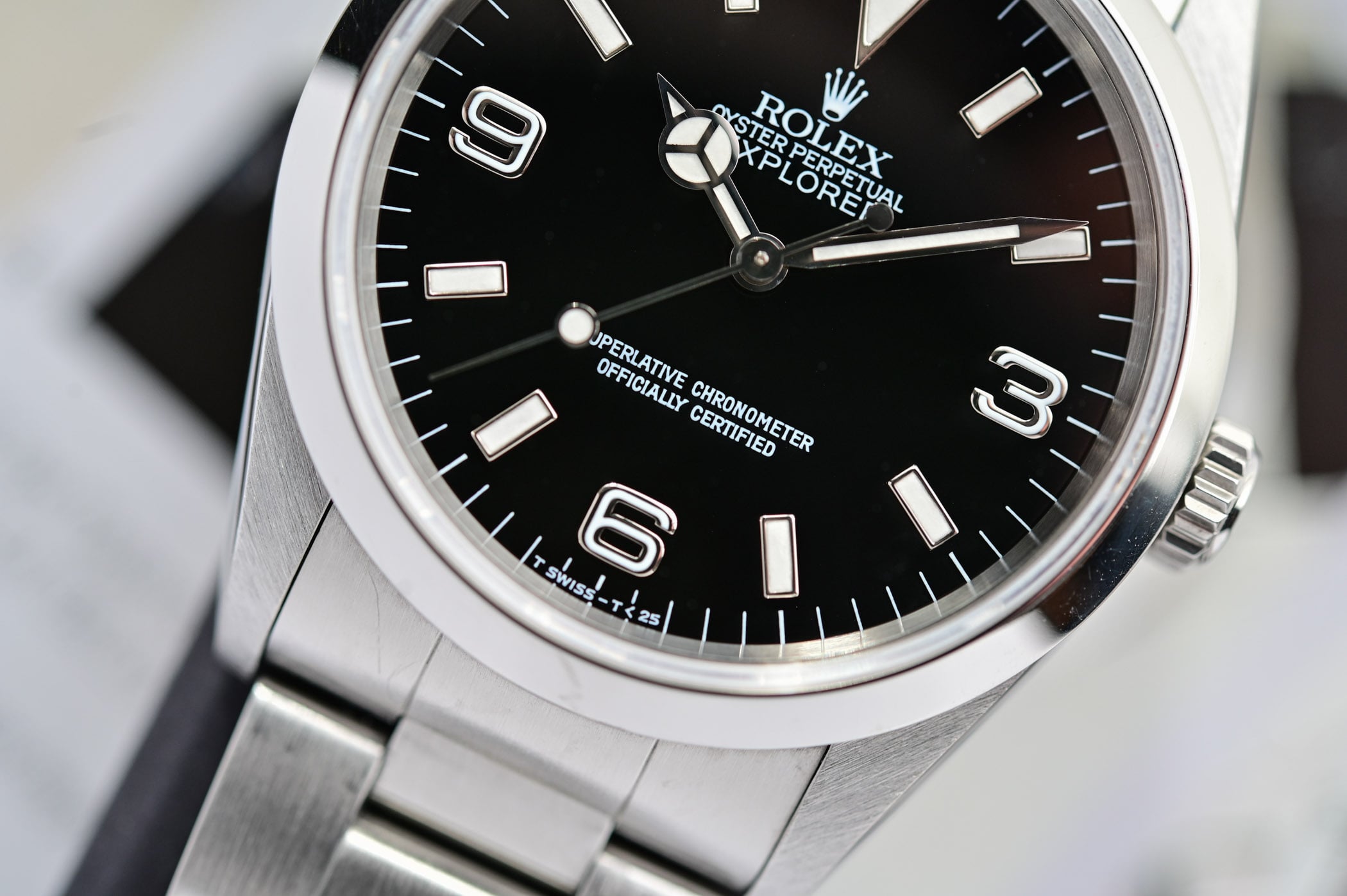
The seconds hand was a bit late to the party, as original pocket watches only featured an hour hand – movements were so inaccurate early on that even minute hands weren’t considered. Two key inventions changed the game in the mid-17th century, with one genius behind them. In 1656, Dutch scientist and horologist Christiaan Huygens invented the pendulum for clocks, which dramatically improved accuracy from half an hour or more per day to just seconds. In 1675, Huygens was also the first to patent the balance spring for pocket watches and demonstrate a working model. English horologist Robert Hooke claimed to have developed it one year earlier, but Huygens was first to bring it to fruition. The two inventions allowed for practical minute hands in clocks and watches, and seconds hands were soon to follow.
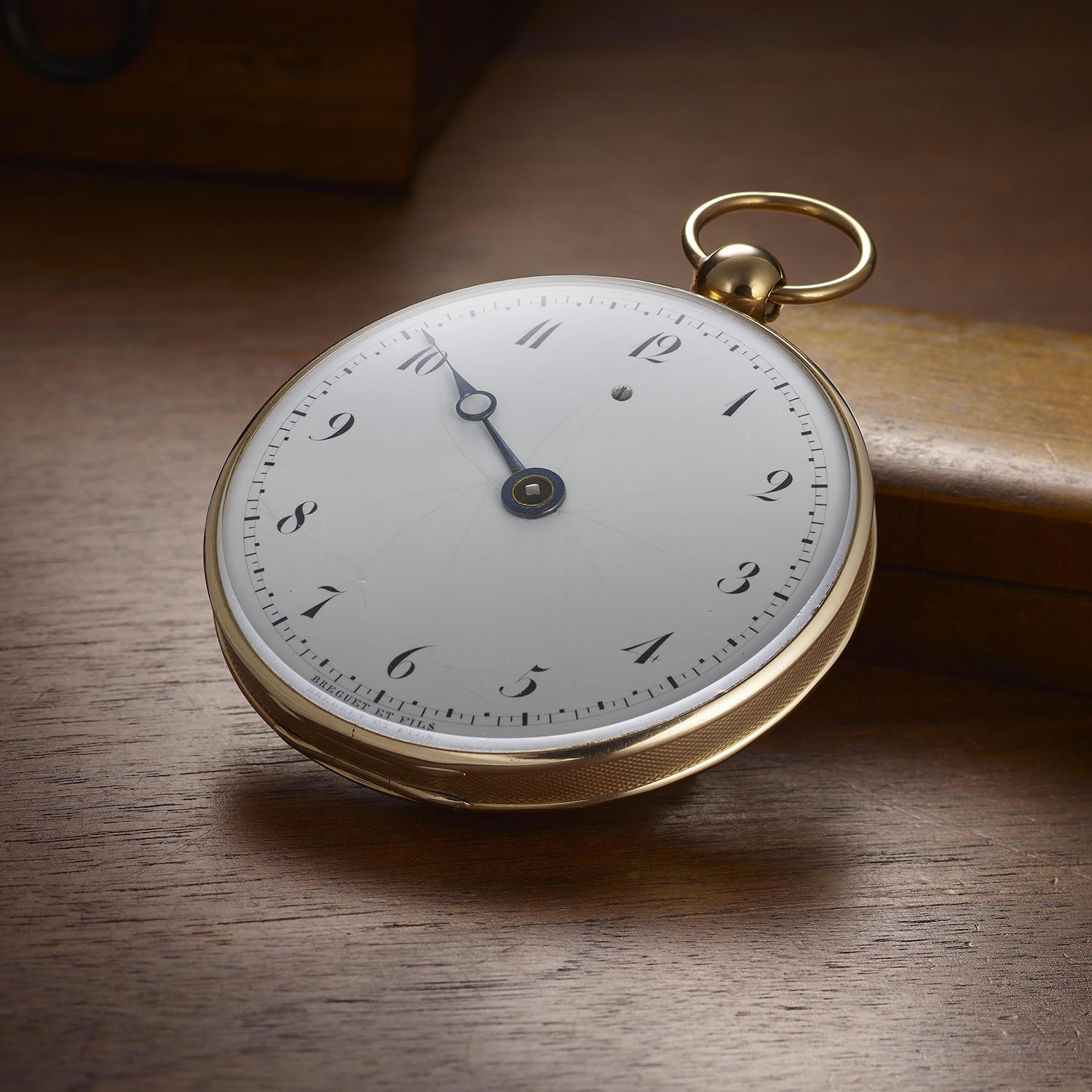
Early attempts at a minute hand were made before Huygens’ work, including an observational clock by the Swiss horologist Jost Bürgi in the late 1570s for the astronomer Tycho Brahe. Its usefulness, however, was debatable given the limitations of movements at the time. By the late 17th century, minute hands had become standard on clock dials as the pendulum was now widely used throughout Europe, although it took about a century for global saturation. Before this, dials were often broken into 15-minute quarters for the single hour hand, and the terms “half past” and “quarter past” the hour come from this design. Pocket watch dials gained minute hands around the same time, thanks to the balance spring and quicker adoption of movements. Within only five years, most European watchmakers were using the balance spring, as it was arguably a bigger leap than the pendulum (clocks were already more accurate than watches before Huygens’ inventions). Entering the 18th century, clocks were now accurate to within seconds per day, while watches were accurate to within minutes.
Seconds Hand
Like the minute hand, the seconds hand was experimented with long before it was truly useful. In the late 16th century, a handful of watchmakers toyed with the concept, but it was more of a proof of concept than anything else. A century later, in the 1690s, gear trains were gaining a fourth wheel dedicated to the seconds hand as the balance spring brought accuracy to a practical level. Almost all seconds hands were placed on a separate sub-dial, usually at 6 o’clock, as the era’s vertically stacked movements made central seconds nigh impossible, with the fourth wheel off-centre. It wasn’t until the mid-20th century that central seconds became common and mass-produced.
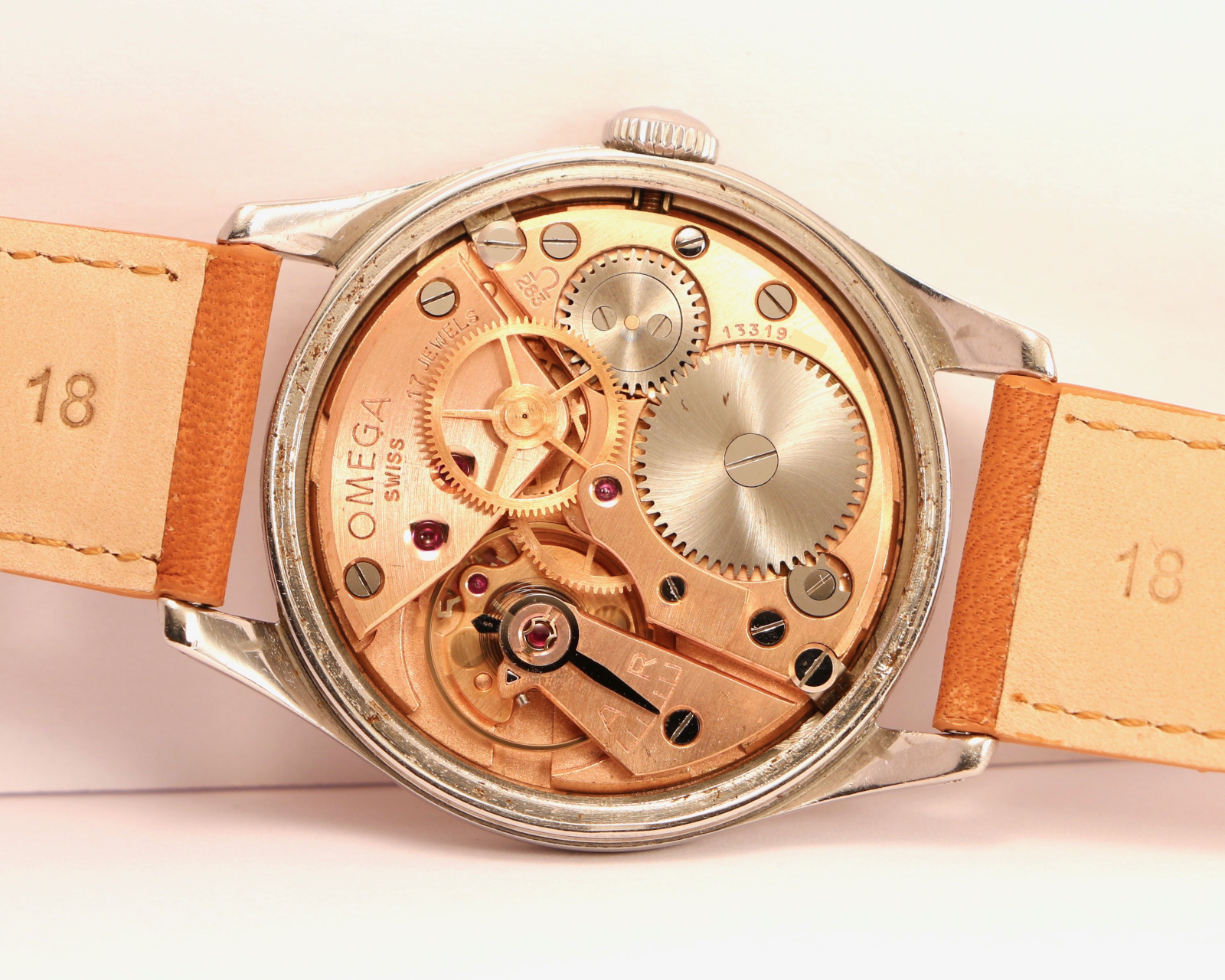
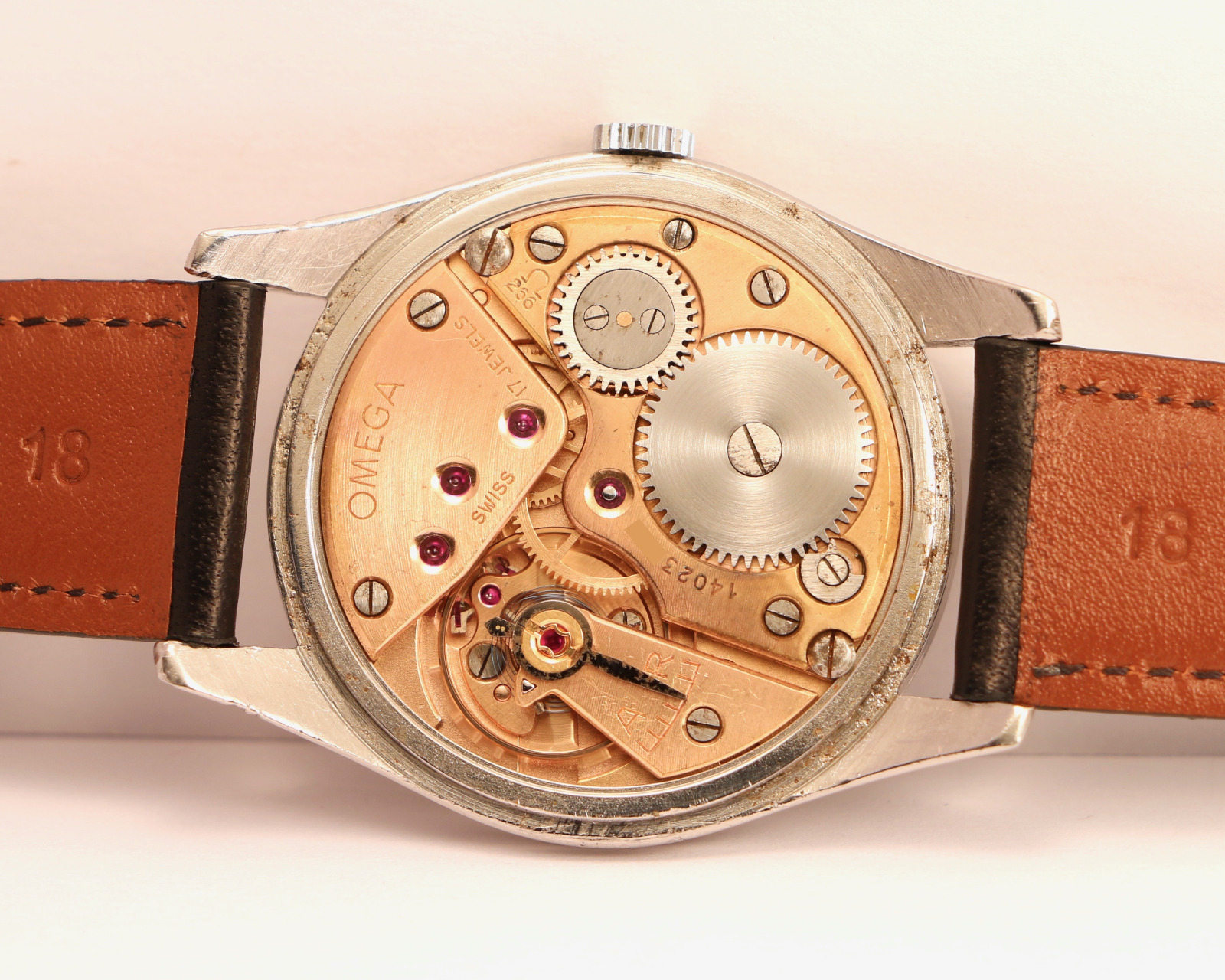
Before this, movements had to be modified with extra gears and bridges to reroute the seconds hand to a central position, but it was a clunky solution that reduced efficiency and added thickness to the movement. The modifications also caused flutter, where the seconds hand would stutter with an uneven sweep. Omega’s calibre 30T2 SC in 1939 revolutionised movement design from a central seconds standpoint by introducing a directly driven gear system with stable sweeping seconds. The main plate and bridges were reworked so the fourth wheel’s pinion extended directly to the dial’s centre, passing through a specialised hollow wheel that accommodated all three hands in the centre of the dial. Thanks to Omega’s original design, most wristwatches have a central seconds hand today, although small seconds remain popular for their traditional aesthetic.
Why Seconds?
From a time-telling standpoint, seconds are rather unnecessary, so why were they included centuries ago? Initially, it was for science, as astronomers used seconds to help measure celestial events and divide the mean solar day (the time it takes the sun to reappear in the same place in the sky) – one solar day is equal to 86,400 seconds. “Seconds” comes from the Latin term “pars minuta secunda”, which translates to second small part (or 1/60th of a minute), which was an astronomical measurement before the advent of clocks and watches. Seconds also became an extension of general time for the masses, used to track events independently as a stopwatch. An example would be timing auto races and other sports. Because of the rapidly expanding utility of accurate seconds on clocks and watches, specialised timepieces were developed to exploit seconds even further.
Chronographs
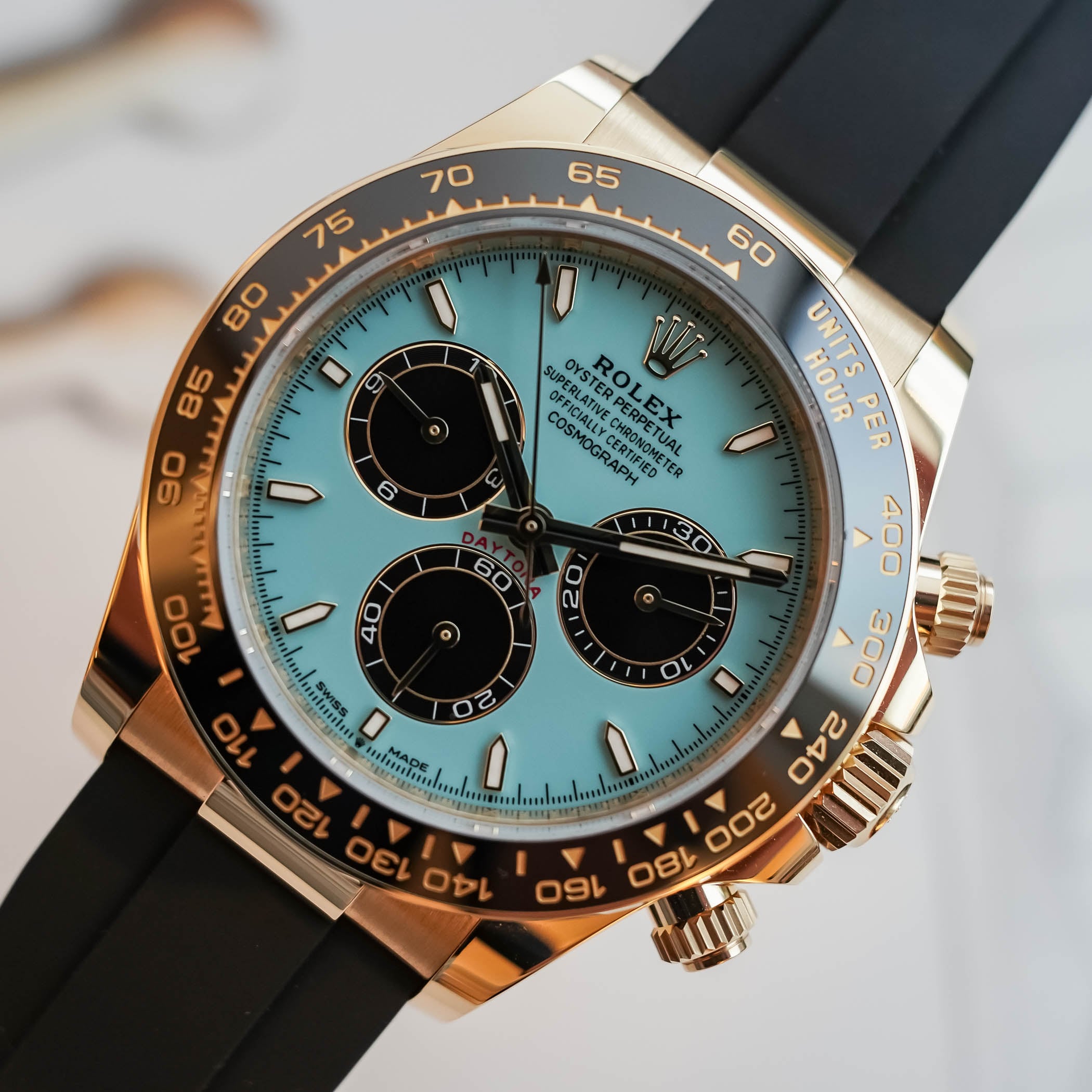
Chronographs are stopwatches combined with hour and minute hands to allow for both general timekeeping and the precise timing of events (starting with a dedicated seconds hand), from sports to mid-century aerial bombing runs to tracking distance (and countless other uses). Some of this can be accomplished with a general seconds hand, but the ability to start and stop seconds at precise times and track elapsed time independently of general time was game-changing. The complication has evolved considerably since the early 19th century, as one of the first commercially available chronographs was an inking type that left small drops of ink on a rotating dial to record elapsed time. It was invented in 1821 by French watchmaker Nicolas Mathieu Rieussec for King Louis XVIII to time horse races. Archaic by today’s standards for sure, but still effective as a timing watch for events, Nicolas named it a “chronograph” after two Greek words – chronos, meaning time, and grapho, meaning writing – as it was an inking timer. Despite the complication maturing without ink, the chronograph name stuck.
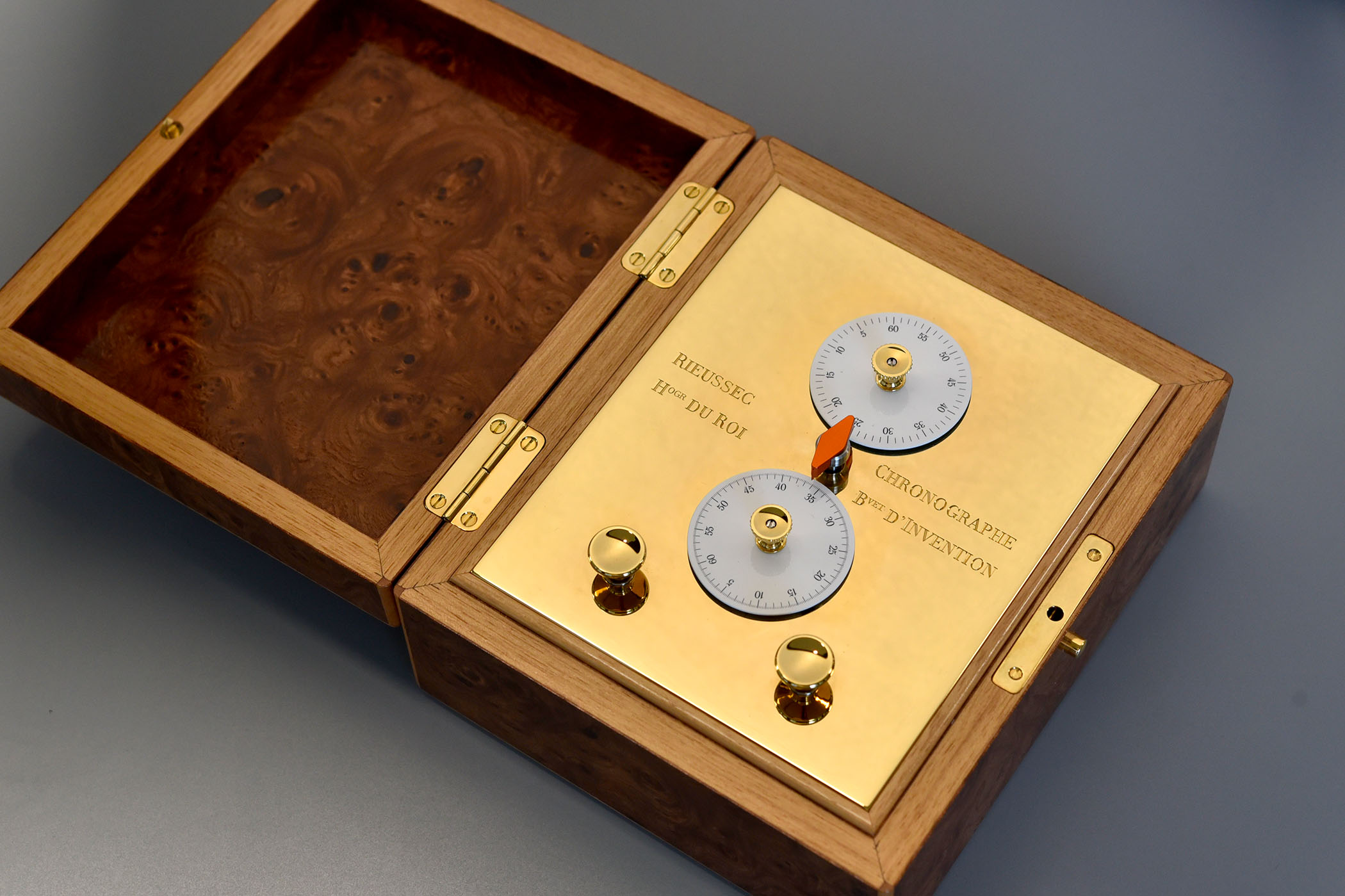
A more modern evolution came in 1862 when Swiss watchmaker Adolphe Nicole patented a contemporary mechanism that instantly reset the chronograph seconds hand to zero (it needed to be rewound before this, or so we thought – more below).
Gaston Breitling, son of Breitling founder Léon Breitling, created the first wristwatch chronograph with an independent pusher. His own son, Willy Breitling, further developed it by adding a second pusher in 1934, a feature that remains the gold standard for chronographs today. In 1969, an earthbound “space race” of sorts concluded with the development of three automatic chronograph movements (all were hand-wound before this). It was basically a three-way tie, with Zenith first announcing the El Primero (prototype) in January, while Seiko was the first to offer a model for sale in Japan with Calibre 6139. A Swiss consortium of Hamilton-Buren, Breitling, Heuer and Dubois Dépraz developed the Calibre 11 (Chronomatic) that was first to be offered for sale globally. Combining the complex chronograph with an automatic-winding rotor seems a bit pedestrian today, but it was a massive technical achievement in its day and gave rise to one of the greatest rivalries in watchmaking history.
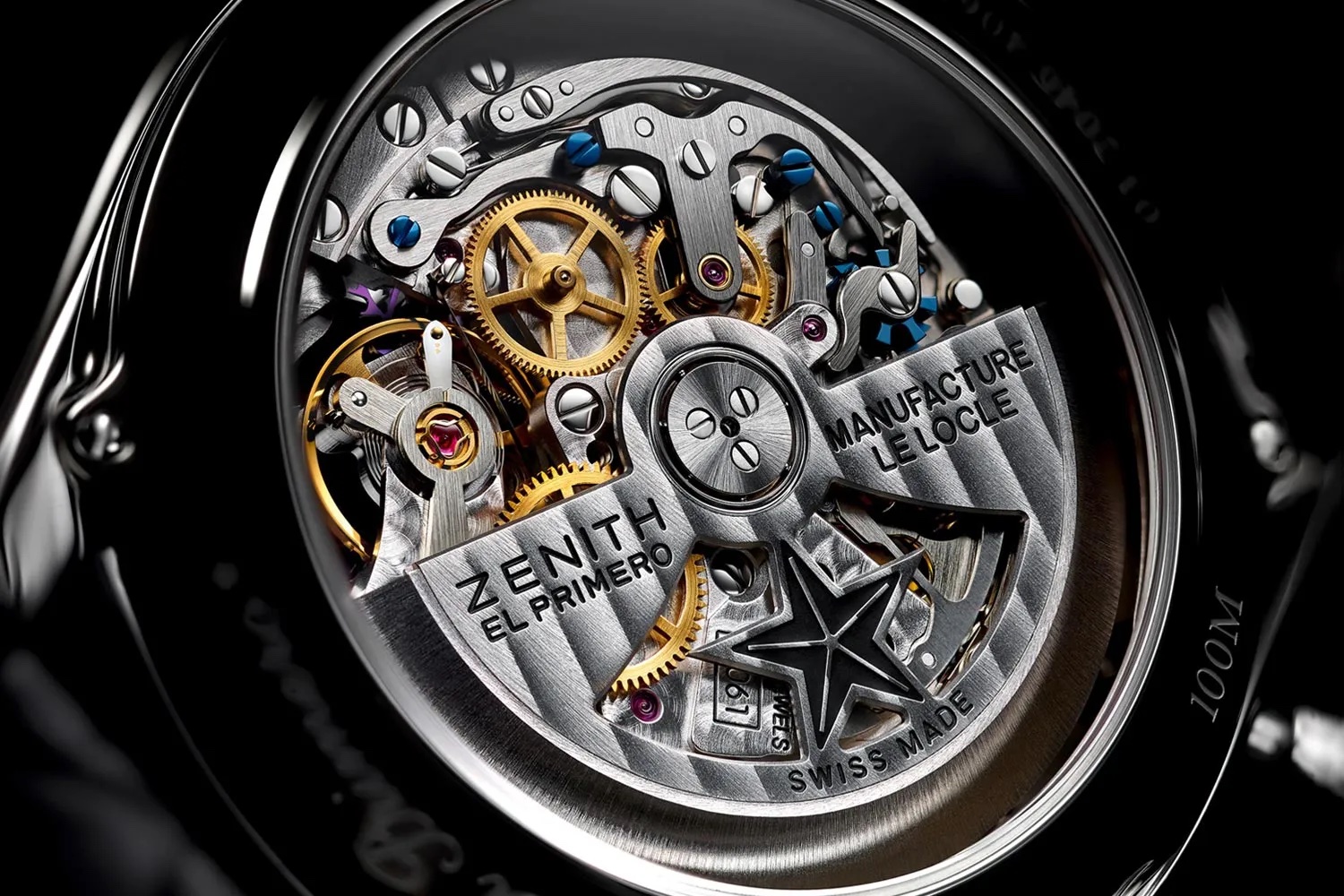
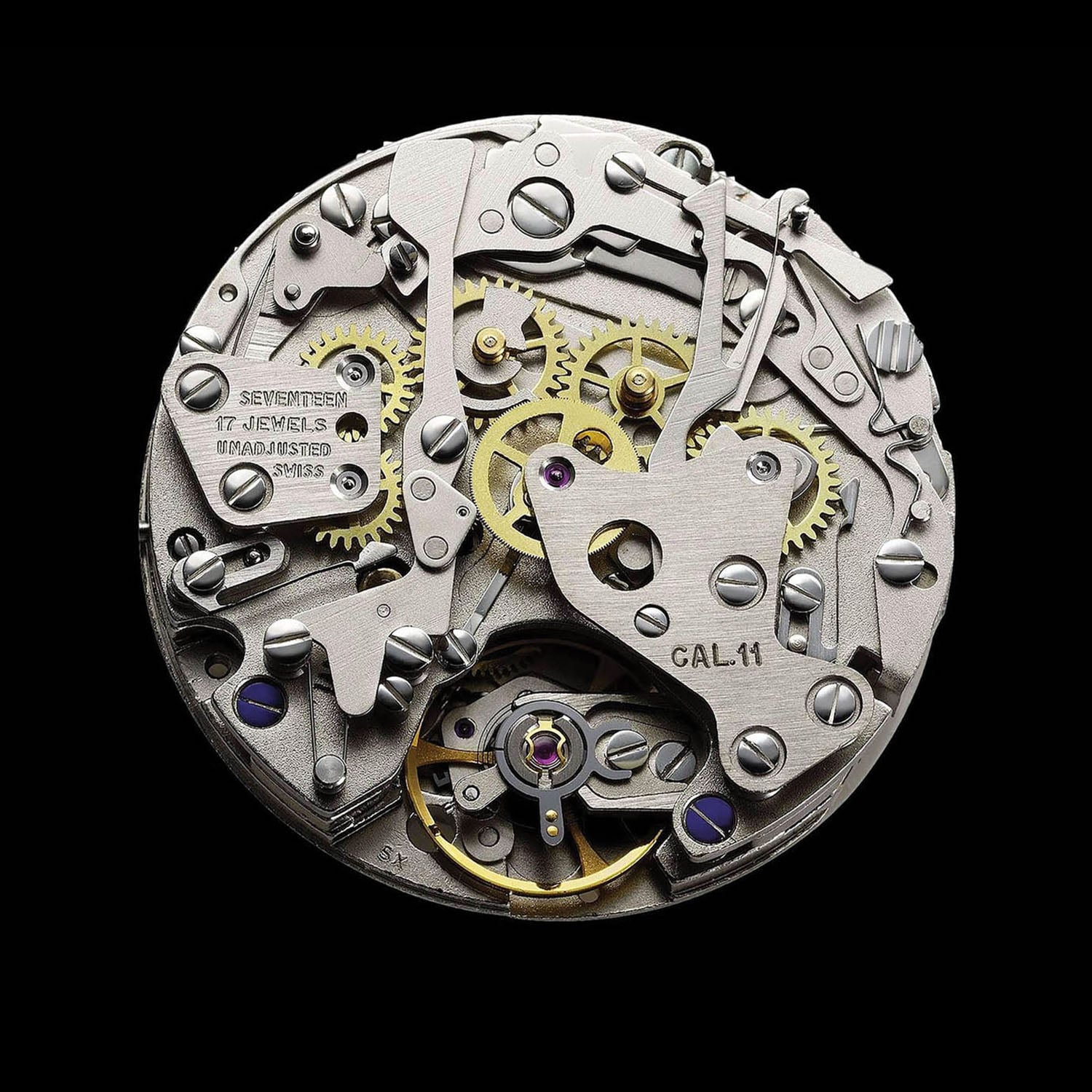
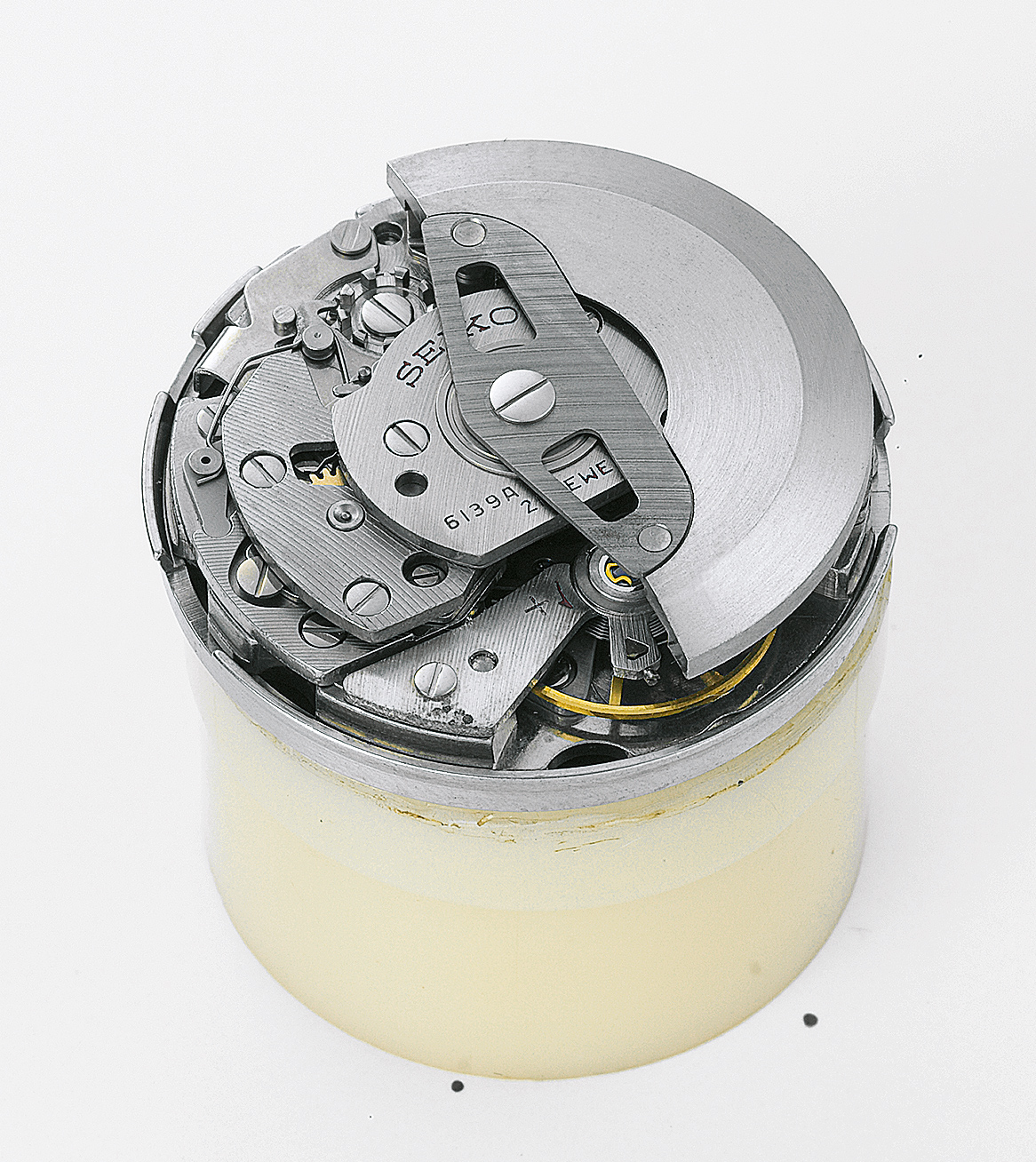
The design and development of the three chronograph movements were different. Zenith created an integrated, high-beat (5Hz) automatic chronograph with the El Primero, which remains one of the most iconic movements (and models) today. Seiko was working independently as well and developed a column-wheel chronograph with Calibre 6139, which featured Seiko’s proprietary Magic Lever automatic winding system, which had debuted a decade earlier in 1959. The Swiss consortium’s Calibre 11 was unique with a modular architecture. A chronograph module – Dubois-Dépraz 8510 – was put over a base micro-rotor calibre – Buren 1281 – which caused the crown to be positioned at 9 o’clock (as seen with the famous Heuer Monaco on Steve McQueen’s wrist in Le Mans). You could say that fully mature, modern wristwatch chronographs were born in 1969, but hand-wound counterparts remain popular and just as capable today, minus the auto-winding feature, of course.
Tachymeter and Telemeter
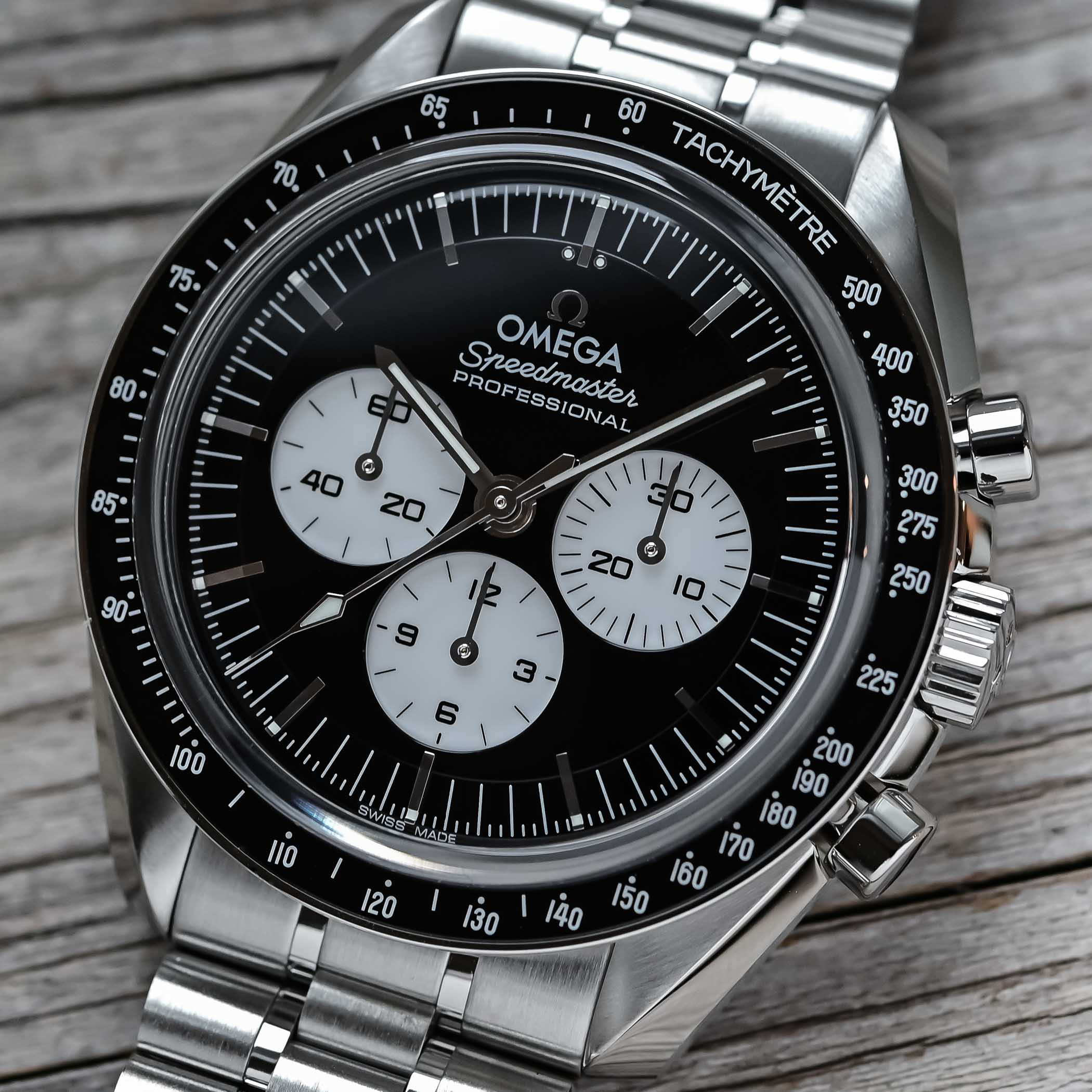
Chronographs are more than just stopwatches to time races and sporting events. Two popular and common bezel (or dial) additions are the tachymeter and telemeter. Both are specialised scales for measuring distance or speed, and they became mainstream after the chronograph complication hit wristwatches. Longines was first in 1913 with calibre 13.33Z and a monopusher integrated into the crown, while Breitling modernised the design in 1915 with an independent pusher (and later, in 1934, contemporary twin pushers). In the same year that Longines introduced the wrist chronograph, tachymeter scales appeared on dials to calculate speed using the central chronograph seconds hand (although they had been seen on pocket watches in the late 1800s). Let’s say you’re on a train and want to determine its speed. You’ll first need identifying markers at fixed distances, such as mile or kilometre markers. You start the chronograph seconds as you pass the first marker and stop at the specified second distance marker. Mile markers are common, so if it takes 50 seconds between two, the chronograph’s seconds hand will point to 72mph on the tachymeter. The scale is universal and works for both miles and kilometres (or meters, yards and so on), although it can only show measurements up to 60 seconds long (or you’ll have to start doing math in your head). The scale was originally designed for pilots and race car drivers, many of whom had dash-mounted chronographs, but today it’s more of a nostalgic nod to the past, as GPS and other tech have effectively replaced the mechanical tachymeter. A quick note: the Omega Speedmaster was the first to move the tachymeter from the dial to the outer bezel in 1957, decluttering the dial and making it easier to use.
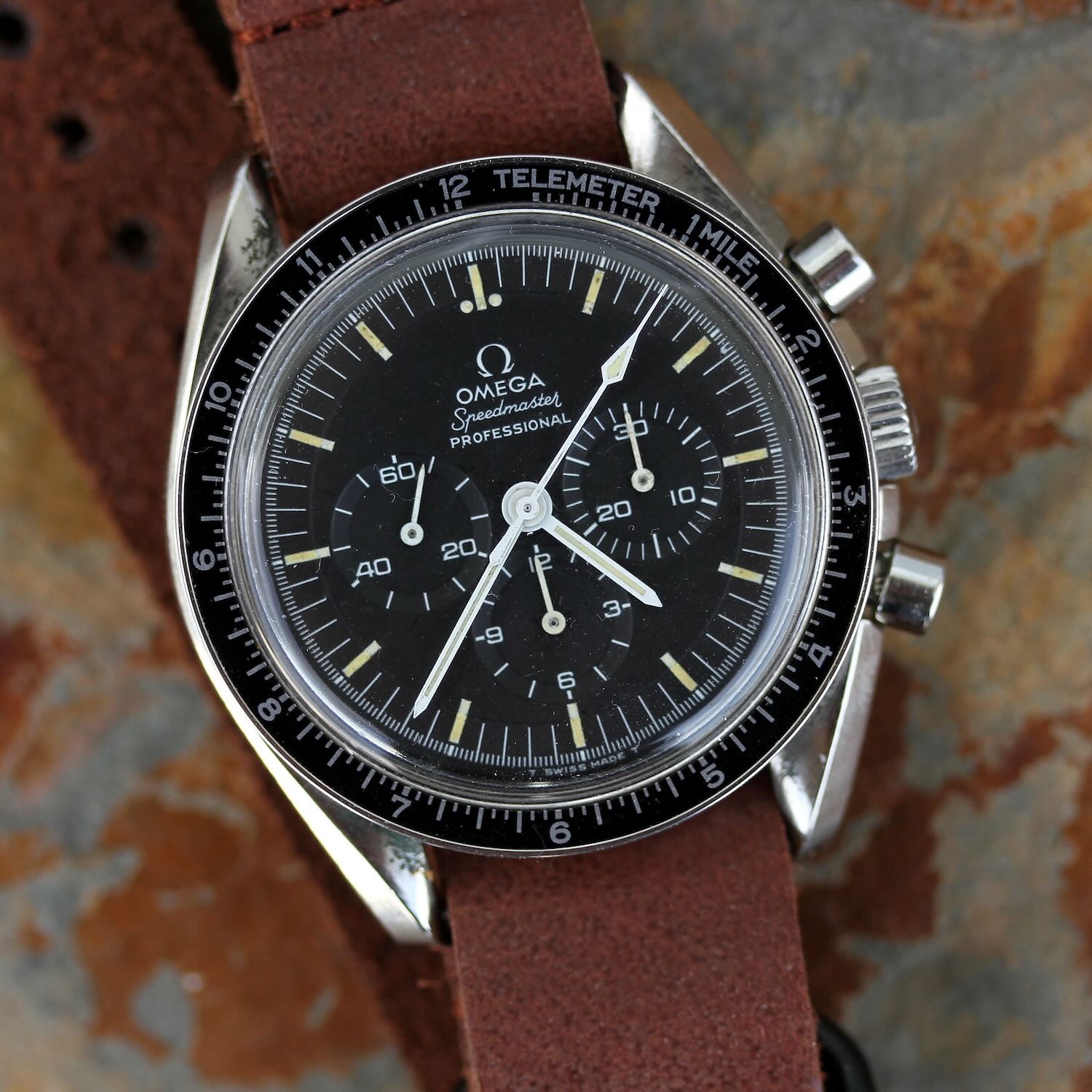
A telemeter scale measures distance using sound. For example, you start the timer as soon as you see lightning or the flash of an explosion, and stop it when you hear the report. The speed of sound is approximately 767 miles per hour (depending on elevation and other environmental conditions), so you’re measuring the time it takes sound to travel from the flash of light (that’s seen instantaneously) to your location. The chronograph seconds hand will point to the distance in miles or kilometres, depending on the scale (this isn’t universal like a tachymeter). The telemeter was initially designed for soldiers to determine the distance of enemy fire (the time between muzzle flash and sound), but it’s commonly used by enthusiasts today to measure the distance of storms (lightning and thunder). Like the tachymeter, technology has made it fairly obsolete.
Pulsometer
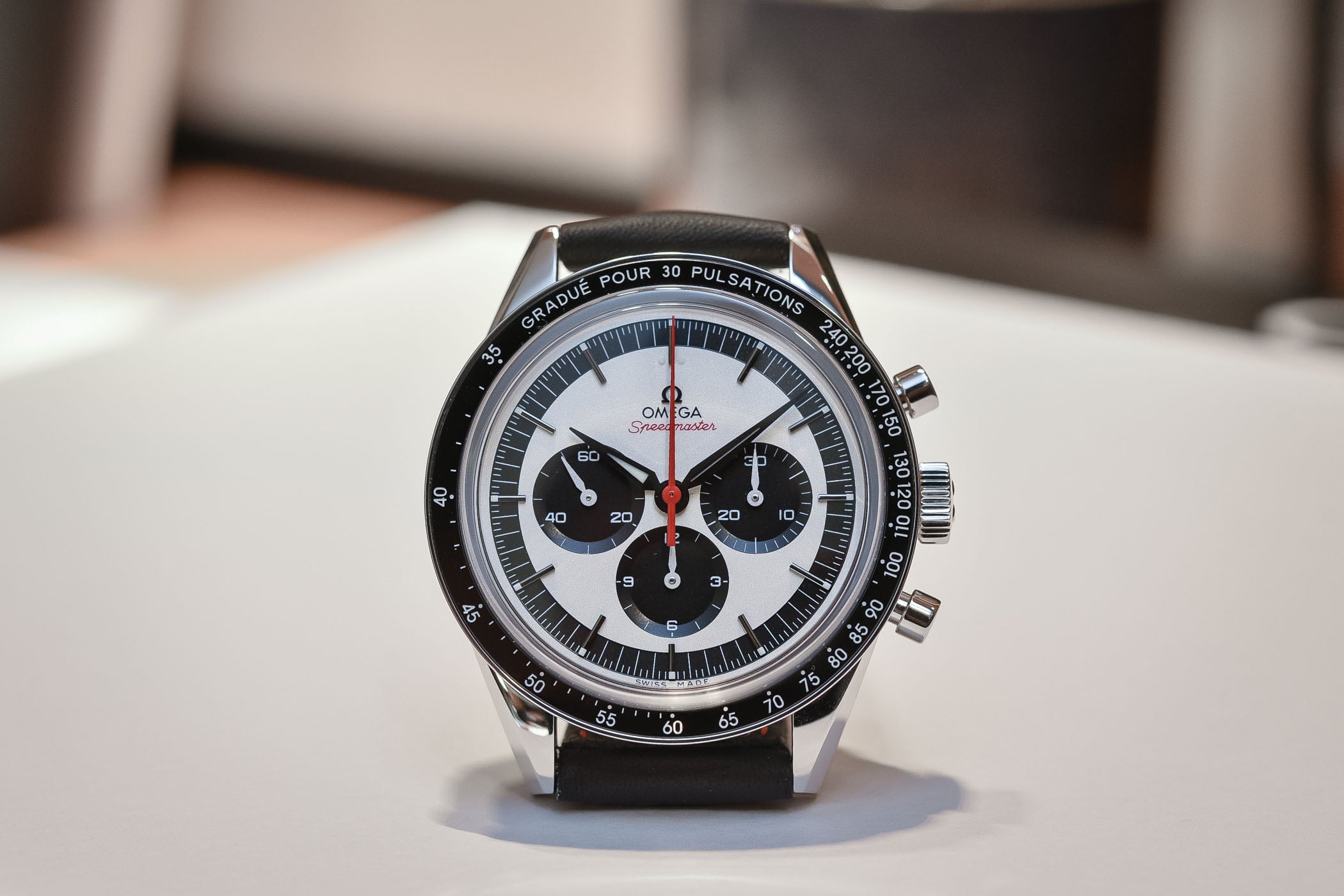
This chronograph scale is clearly meant for doctors, although anyone can use it with a general understanding of pulse rates. It measures beats per minute (BPM), shortening the old-fashioned method of counting pulses for a full minute. Once a steady pulse is found, usually on the wrist or neck, you start the timer on the first beat (which is beat zero) and then coordinate with the scale on the dial – common markers are 15, 20 or 30 beats. The scale converts to BPM at any of the three beat markers the chronograph’s seconds hand points to, although 30 beats is the most accurate, with less room for statistical error. It offers a quick and accurate way to determine BPM.
Hacking Seconds
Hacking seconds, otherwise known as stop seconds, allows users to stop the seconds hand by pulling out the crown. It’s not really designed to mimic a chronograph (it’ll throw off general time as it stops the entire gear train) – the original purpose was to coordinate time among multiple watches. It was developed in the early 20th century for the German military and by Swiss and American brands like Longines and Hamilton. Germany’s B-Uhr pilot watches are among the earliest (widespread) wartime examples, and “hack” was a military term meaning to align or coordinate. Hacking seconds became a standard specification during World War II as soldiers and pilots needed to synchronise watches down to the second for bombing runs and coordinated attacks. Today, hacking seconds are useful for precisely setting your watch by stopping the seconds at 12 o’clock and starting it to exactly match a reference time (like your cell phone). Sailors would also set their watches this way against marine chronometers for astronomical navigation.
Compteur de Tierces
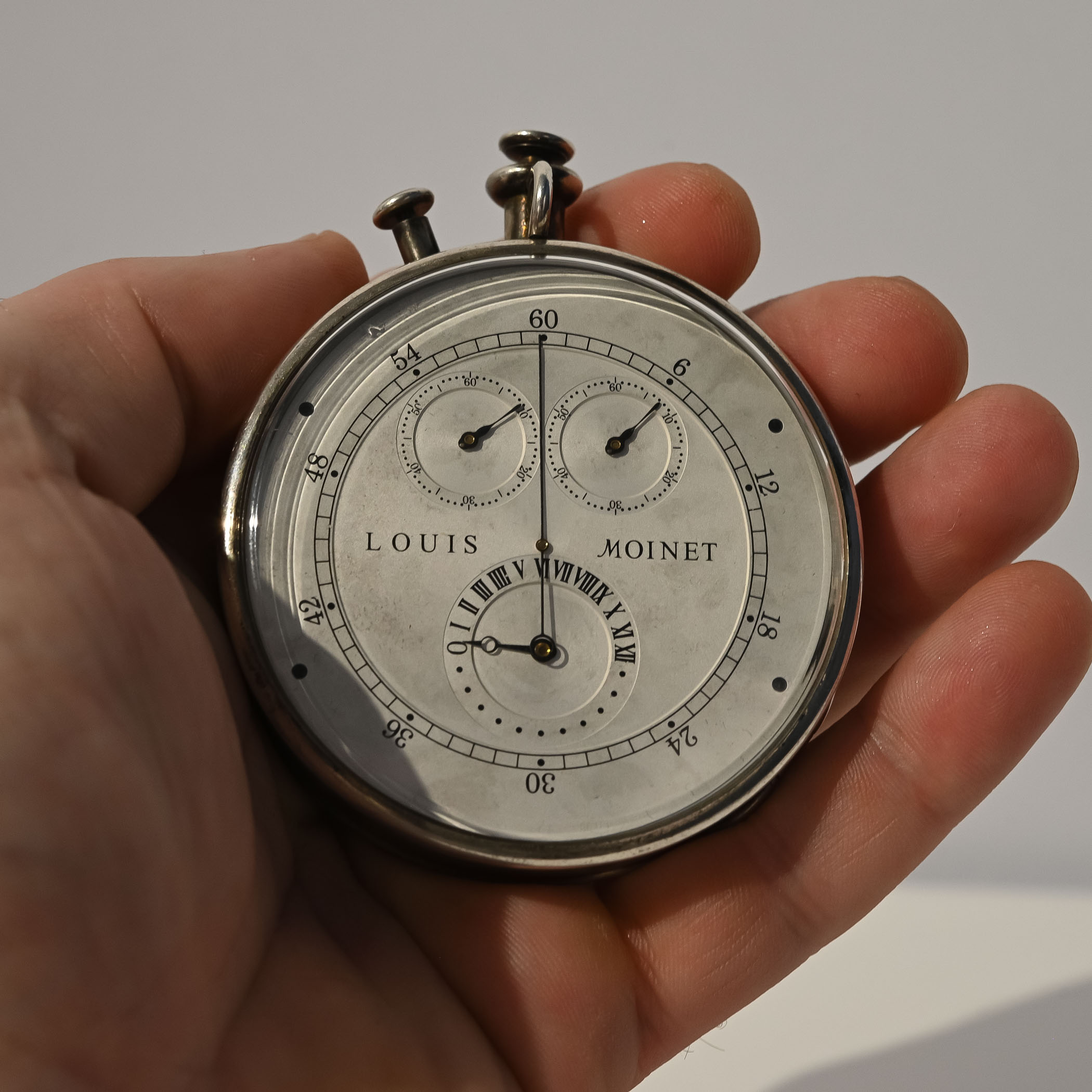
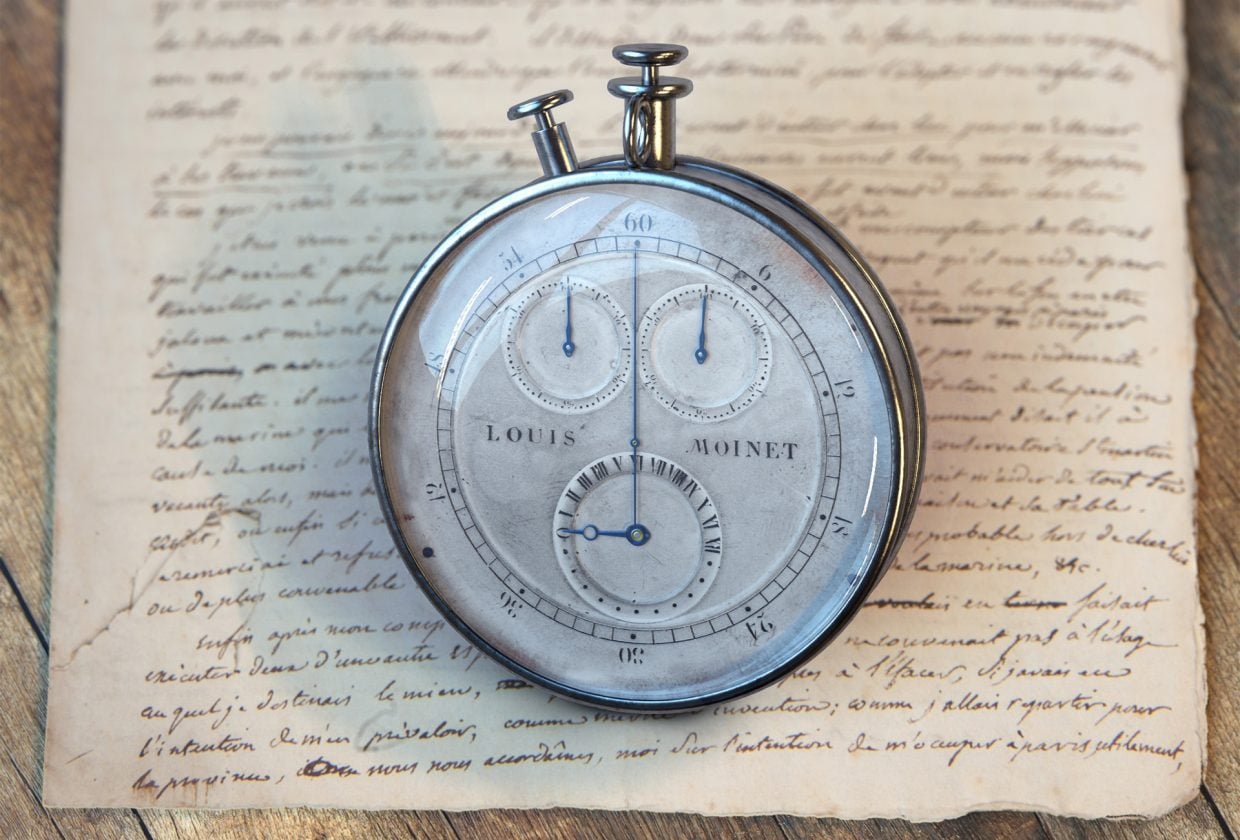
Chronographs don’t just measure whole seconds, but fractions of seconds as well. In fact, Nicolas Mathieu Rieussec’s chronograph could measure half seconds in 1821, but French horologist Louis Moinet created a piece to track celestial events in 1816 that could measure down to 1/60th of a second. This Compteur de Tierces is regarded as the first proper chronograph in the world, beating Rieussec’s commercial inking variant, and was decades ahead of its time. To ensure precision, it had a shockingly high beat rate for the time – 216,000vph or 30Hz – when 36,000vph or 5Hz is considered high-frequency today. The central seconds hand rotated once per second with a perimeter scale in divisions of 6 (6, 12, 18, etc.) to measure to 1/60th of a second, while a sub-dial at 2 o’clock tracked elapsed seconds and one at 10 o’clock tracked elapsed minutes. It wasn’t strictly a stopwatch, as a 24-hour sub-dial sat at 6 o’clock. It was called the Compteur de Tierces, meaning “thirds counter” in French, which is 1/60th of a second in 19th-century lingo. Unlike Rieussec’s 1821 inking chronograph, Moinet’s was likely a one-off, non-commercial piece, and was found in 2013 in near-perfect condition. This discovery changed what we knew about the history of chronographs and pushed Rieussec into second place.
Hyper-Accuracy
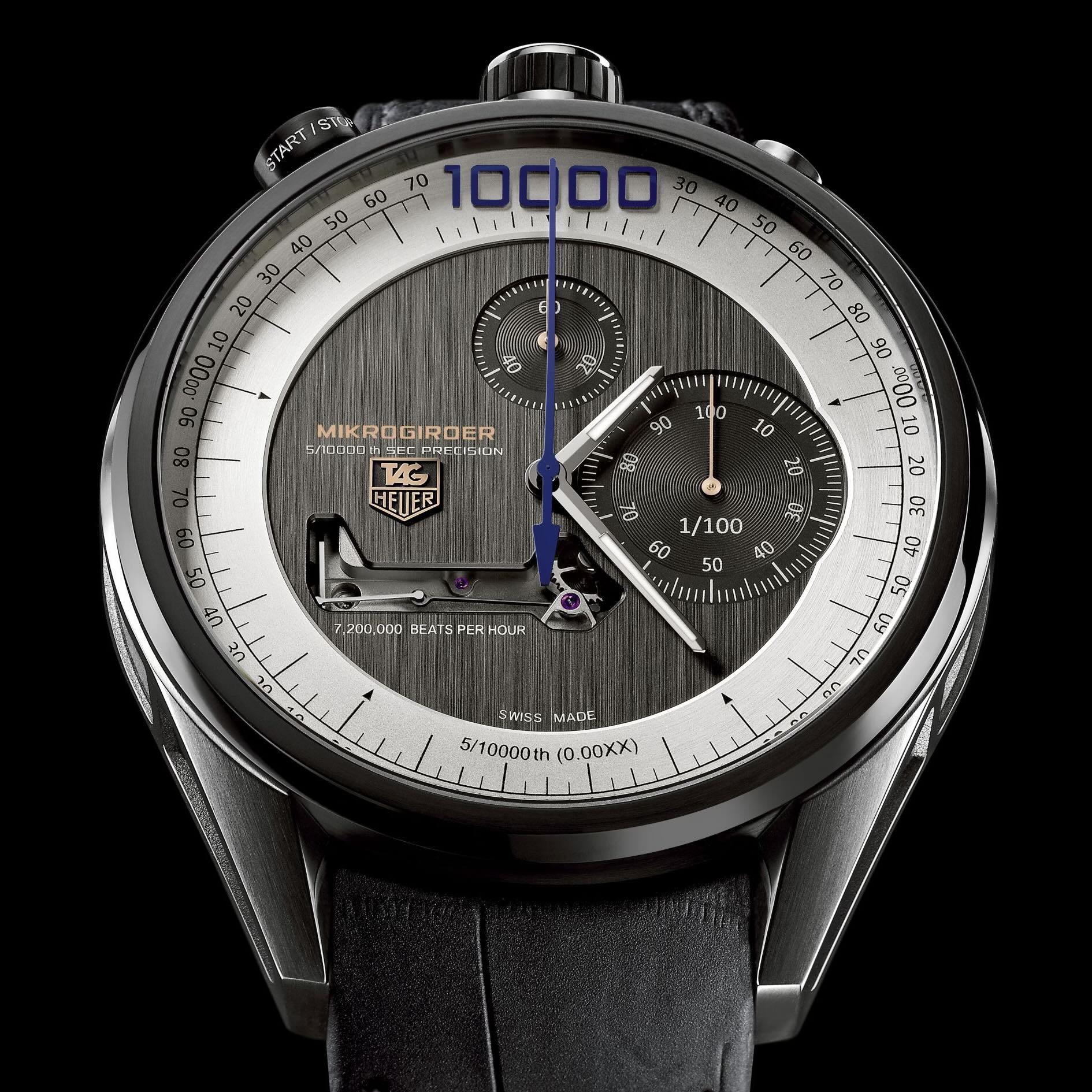
Following this mechanical wonder from 1816, TAG Heuer created the Carrera Mikrogirder concept watch in 2012, which beats at 7,200,000 vph (1,000Hz) and measures down to 1/2000th of a second. This was achieved by replacing the traditional balance and hairspring with a linear oscillator and a system of micro-blades that vibrated at a very short angle. It certainly wasn’t a feasible setup for general timekeeping (the power reserve would be unacceptable, for starters), so a separate 4Hz movement lived alongside this for regular timekeeping. It won the 2012 Aiguille d’Or at the Geneva Watchmaking Grand Prix and remains the fastest mechanical chronograph in the world at 1/2000th of a second.
Today, the most common standard for chronographs is 1/8th of a second (due to the classic 4Hz frequency), while high-beat 5Hz chronographs like Zenith’s El Primero can measure to 1/10th of a second. The reason the latter is the general stopping point for commercial chronographs is the need for ultra-high frequencies to achieve higher fractions. For example, 1/60th of a second would require a 30Hz movement, which isn’t practical for standard production (and digital equipment would be used for such precision today). And on the topic of digital technology, a standard digital chronograph can measure from 1/100th to 1/1000th of a second, easily eclipsing mechanical counterparts (for a fraction of the price, no pun intended). For example, many Casio G-SHOCKS can measure 1/1000th of a second for a full hour of timing. That’s just for commercial sales and use in sports, as technology goes much, much further. Strontium optical lattice clocks (atomic clocks) can measure to within a fraction of a billionth of a second, because why not? To put this in perspective, top physicists measure down to “only” a microsecond or one millionth of a second, to track subatomic particles and control lasers for quantum memory storage. I just time boiled eggs…
We Can’t Live Without Seconds in the 21st Century
We survived for millennia without accurately measuring seconds, but our modern infrastructure now relies on seconds to function. GPS (Global Positioning System) tracks signals from multiple satellites at the speed of light, and tiny errors of just a fraction of a second could cause positioning to be off by a hundred miles or more. Wall Street and global financial markets operate on a timestamped trading system measured in seconds and fractions of a second, while banking networks process transactions on a seconds-based system as well. As mentioned, scientific research can require measurements to a millionth of a second or beyond, and telecommunications need perfectly timed synchronisation to deliver voice and data packets to smartphones, routers and computer systems. Remove seconds from the equation, and our entire financial, communications and positioning apparatus would collapse.
Scientists have even reversed the second with time travel (hear me out). In 2019, physicists at IBM Quantum and the Moscow Institute of Physics and Technology (MIPT) sent a qubit particle one millionth of a second back in time. Scientists describe it as “rewinding” the age of the particle, and I’m not sure if it required 1.21 gigawatts, but it sounds a bit like time travel to me. Simply put, the scientific and digital age requires seconds like no other time in history, making that sweeping seconds hand on your watch far more significant than you might realise.

2 responses
An entertaining and informative display of an educational article on the workings of a watch, and in particular, the functionality of the seconds hand. Plus the fact that at a glance, I can tell if my watch is working or not.
Great write-up. Informative & concise. Well done.