


 Not all images were able to load for printing. Please close the print window and try again.
 Some of the Most Crucial, Game-Changing Technologies in Watchmaking
Five monumental inventions over several centuries have transformed watches from archaic curiosities to precise mechanical marvels.
The dawn of watchmaking was a lesson in miniaturisation. Clock towers of the era were brought down to a portable level, generally worn around the neck instead of carried in a pocket. Invented by German locksmith Peter Henlein in the early 16th century, these original “pocket watches” were called Nuremberg Eggs as they were often egg-shaped and from Nuremberg, Germany. Most components were borrowed from their clock tower cousins, like the verge escapement and foliot, and an exposed single hour hand without a crystal (protected by a hinged cover). However, the first game-changer was introduced to make these miniature clock-watches possible – the mainspring. It was one of five key inventions that made mechanical watches the small and extremely accurate marvels they are today.
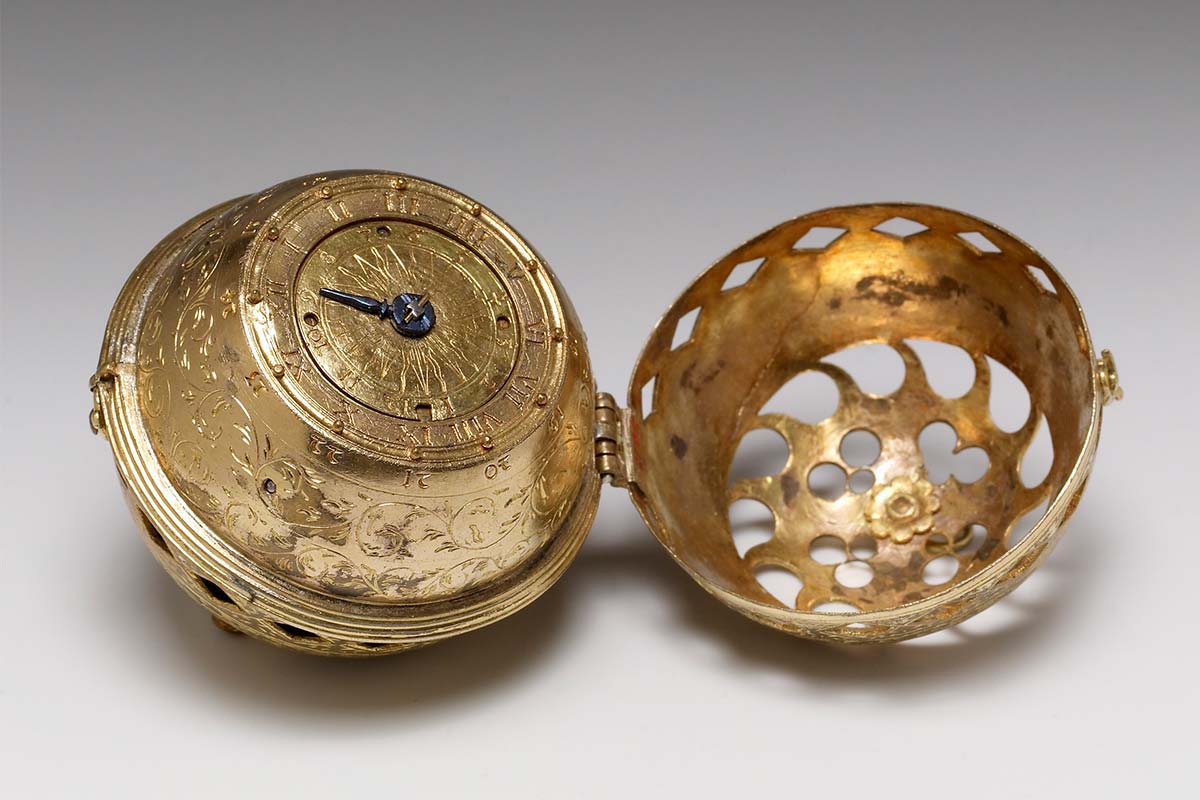
Although portable time itself was a game changer in the 1500s, there were several teething problems to work through. For starters, Nuremberg Eggs and subsequent timekeepers were entirely handmade and very expensive, reserved for the wealthy and royalty. Most of the populace continued to rely on clock towers (either visually or via ringing bells) for daily schedules and time. Early watches were also notoriously inaccurate, making a minute hand pointless as many were off by hours per day – portable timekeeping was very much a suggestion over precise time measurement by today’s standards. Overall size was an issue as well. Early 16th century “watches” were just too big to slip into a pocket, reliant on traditional, bulky clockworks before further inventions and innovations were introduced. The mainspring, however, was the catalyst for true pocket watches and modern wristwatches today.
Mainspring
Peter Henlein was the first to use a mainspring in portable timekeepers, but he didn’t invent it. In fact, mainsprings were around for a century before Nuremberg Eggs. It’s unclear who invented it, but they appeared in European clocks at the start of the 15th century, and the Burgunderuhr clock from around 1430 is the earliest known example (and fully functional at the Germanisches Nationalmuseum in Nuremberg). Mainsprings replaced hanging weights to power the verge and oscillating foliot in early clocks, which wouldn’t be a feasible power source for smaller, moveable clocks and portable watches. Even within the relatively roomy Nuremberg Eggs, there wasn’t nearly enough space for an effective weight system, not to mention that hanging weights require a stationary placement to properly function. Original mainsprings were made from basic steel and coiled effectively, but power delivery was inconsistent as they unwound. This resulted in a very inaccurate time, especially coupled with the ancient verge and foliot design. To counter this, a fusee was connected to the barrel via a cord or chain (usually the latter), which compensated for the mainspring fluctuation with a conical shape. The chain started at the tip of the fusee and unwound to the wider base, which helped offset the mainspring’s changes in torque like a car’s Continuously Variable Transmission (CVT). However, it was a bulky addition and just a stopgap until better innovations solved the problem. A fusee was used in clocks as far back as the 15th century (the aforementioned Burgunderuhr clock had one), and the concept existed even earlier for military (crossbow) and lifting (windlass) equipment. It didn’t actually make it to pocket watches until the mid-17th century, and like the mainspring, it’s unclear who invented it.
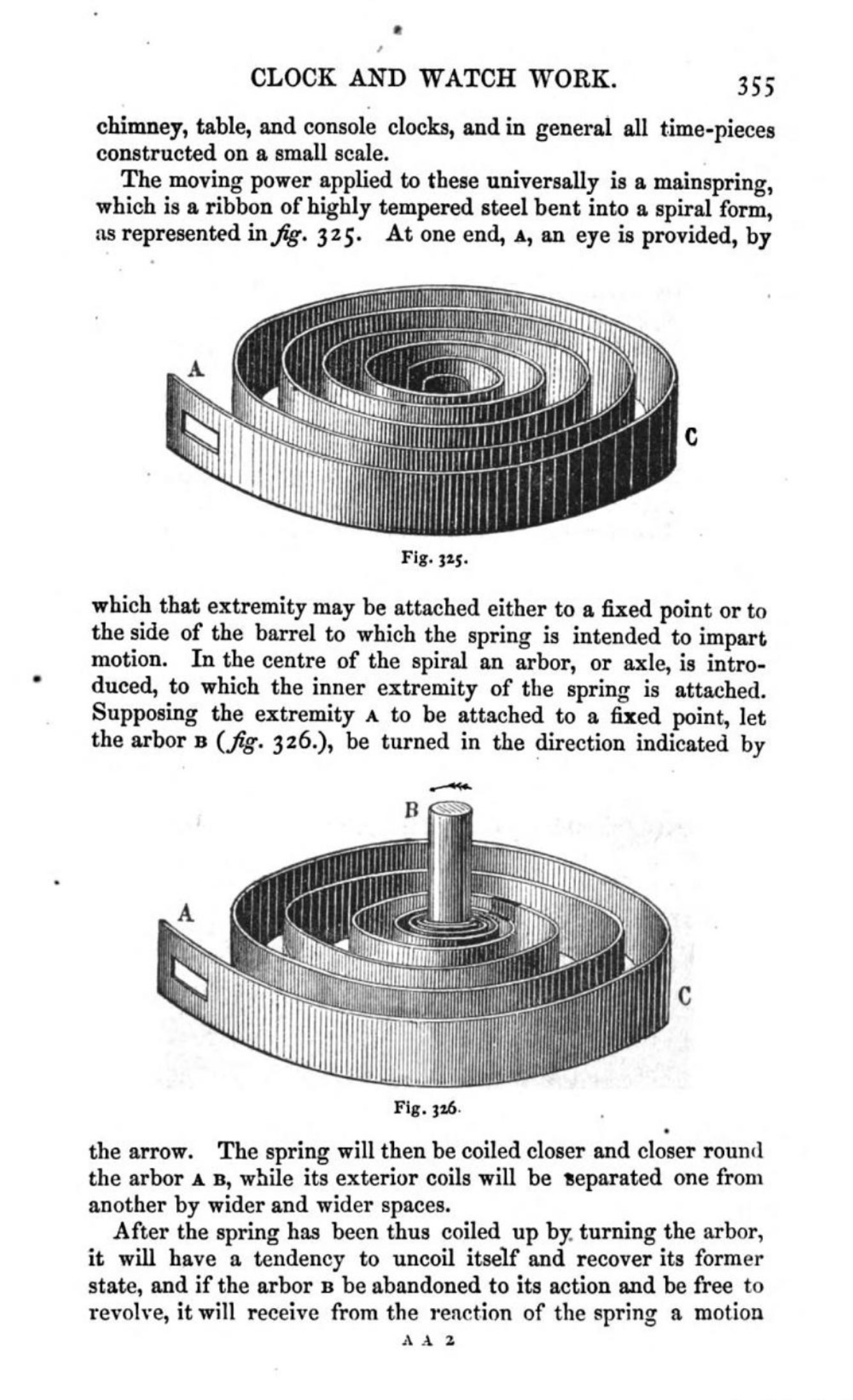
French watchmaker Jean-Antoine Lépine invented the going barrel in 1760, which became a widespread replacement for the fusee and chain in watches by 1850 (mainly in Switzerland and America). It was much thinner and more robust than a fusee and chain (a broken chain could be catastrophic for the movement, like a broken timing belt in a car), and the toothed barrel with the tensioned spring inside acted as the first wheel of the gear train. Longer than needed mainsprings with better quality steel were used, so only the most consistent power section would be utilized with the rest of the spring tensioned against the barrel wall. This harnessed the flattest part of the spring’s torque curve for power consistency. I’m simplifying things a bit, but that’s the gist of how the going barrel replaced the fusee and chain. By the time it was commonplace in the 19th century, many innovations had improved movement design as well, so a combination of factors radically increased accuracy and reliability in pocket watches (more below).
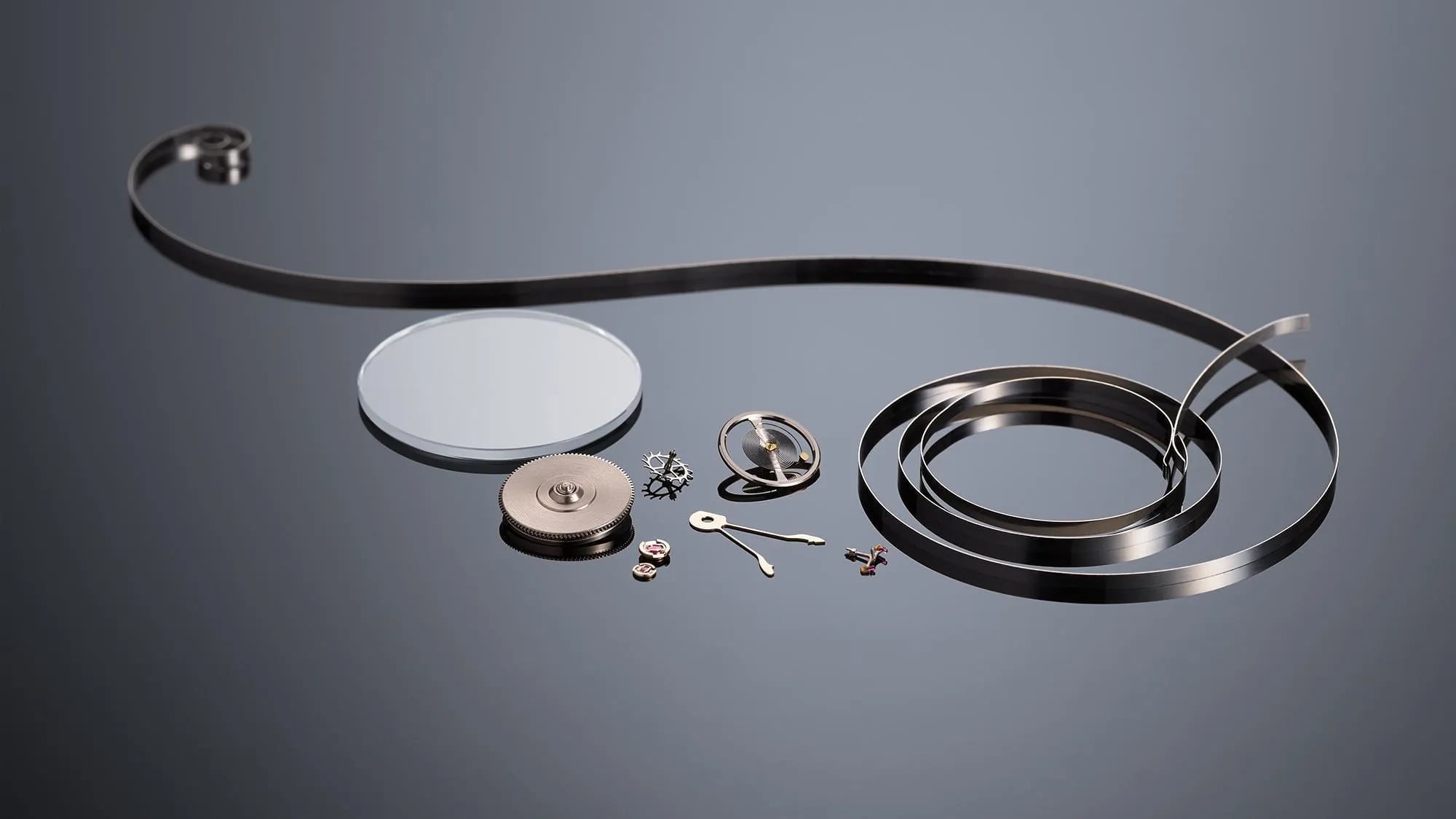
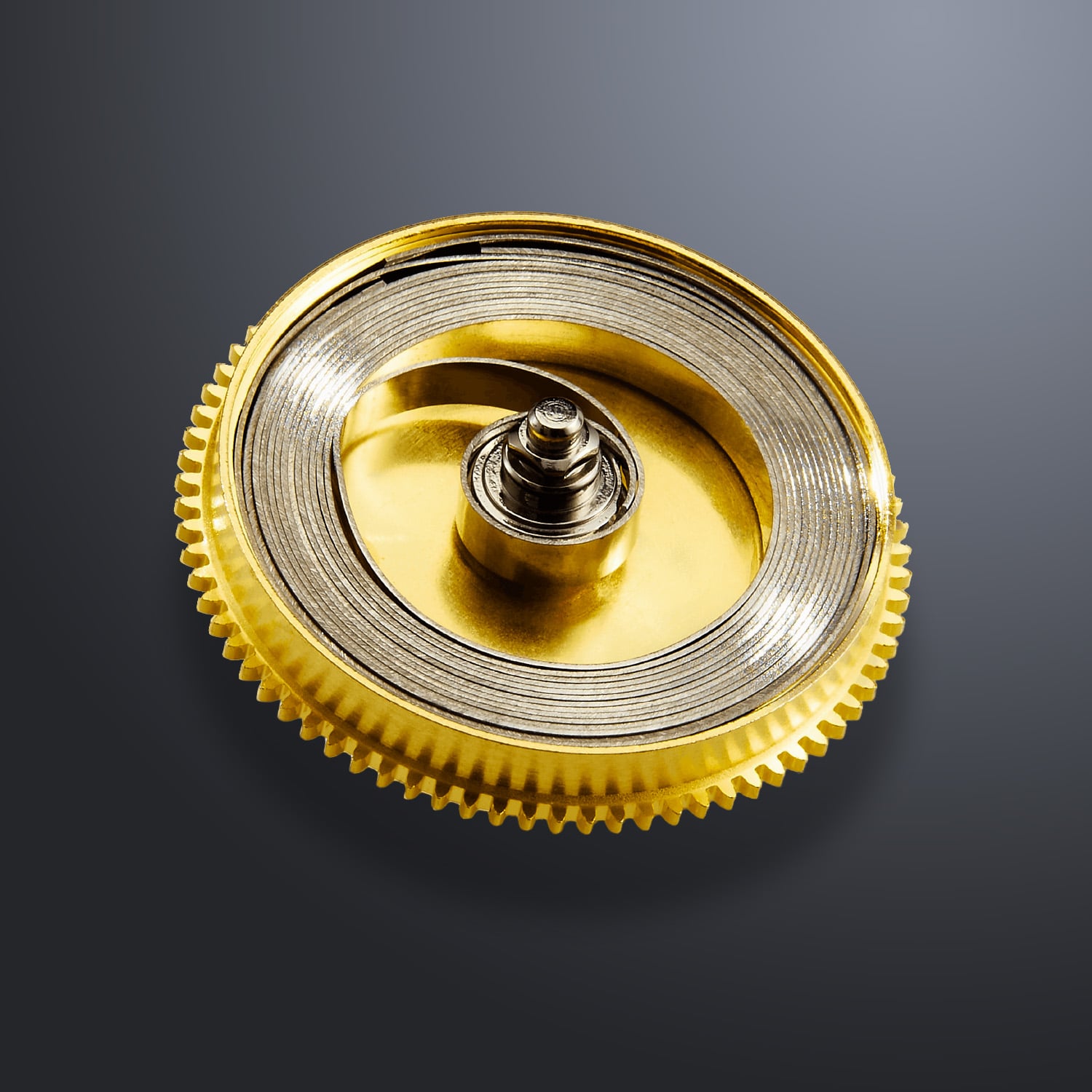
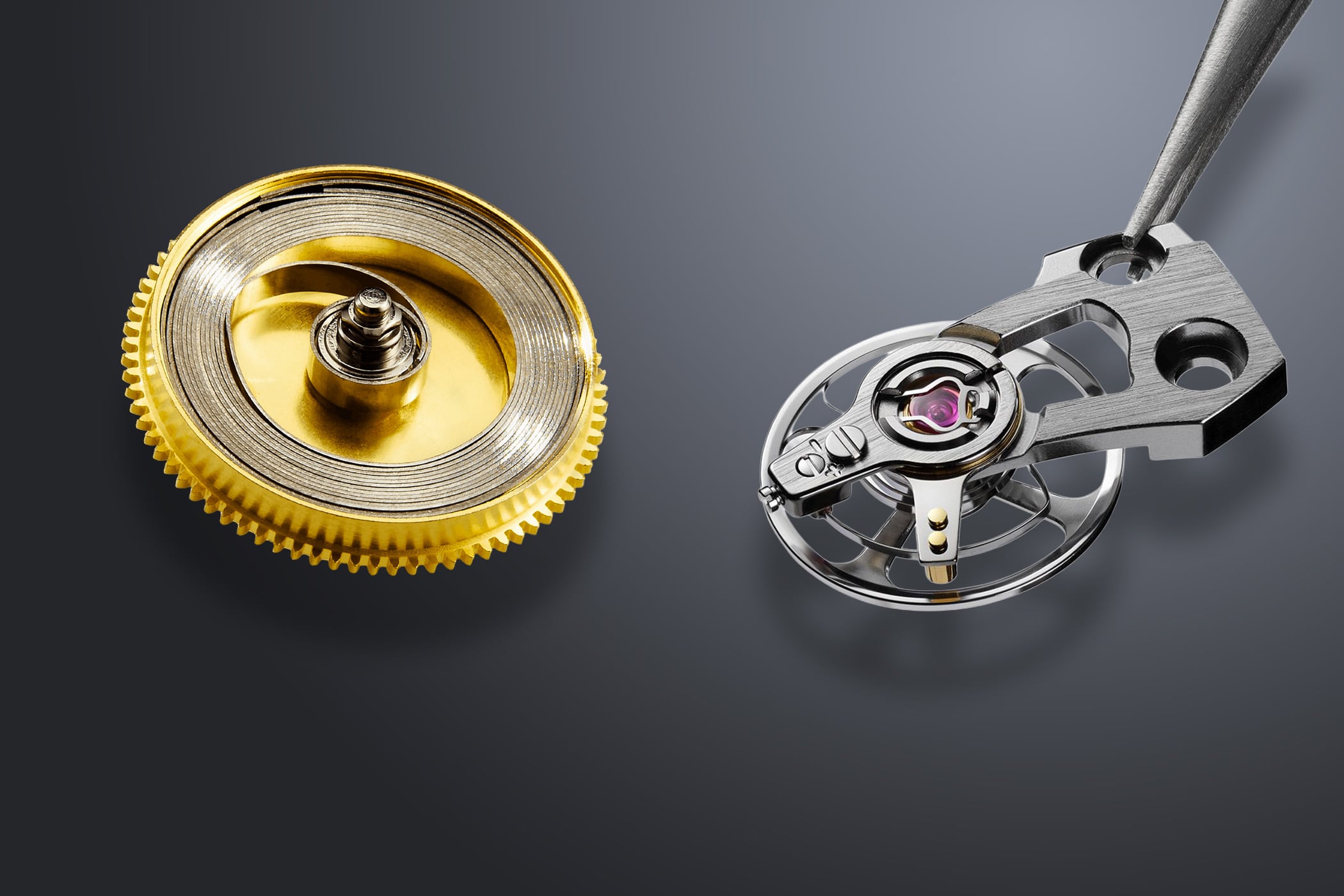
Today, most mainsprings are comprised of special anti-magnetic “white metal” alloys in lieu of carbon steel, such as Nivaflex, which consists of cobalt, nickel and chromium. Seiko’s SPRON 510 adds Molybdenum to the alloy, and both types are very resistant to fatigue (where a spring loses tension over time) and breakage with better torque curves throughout. Mainsprings are difficult to produce as they require exacting consistency with specialised alloys and complex heat treatments and polishing, so most watchmakers outsource production to dedicated manufacturers like Nivarox and Générale Ressorts in Switzerland, Sterling Springs in the UK and so on. In Japan, many watchmakers produce mainsprings in-house, like Seiko and Citizen, due to a lack of historic suppliers – Japanese watchmaking began centuries after Swiss and European counterparts in the late 19th and early 20th centuries.
Balance Wheel and Hairspring
The mainspring allowed time to go mobile, but the balance wheel and hairspring brought much more reliability and accuracy. It was invented in 1675 by Dutch watchmaker and scientist Christiaan Huygens, although English horologist Robert Hooke claims to have developed one years earlier (though the spring likely had a different design – not spiral). Regardless, the balance and hairspring drastically improved accuracy from an hour or more per day (even with a fusee and chain) to a handful of minutes, bringing true timing precision and allowing for a practical minute hand. The hairspring maintains an isochronous rhythm for the oscillating balance wheel, which was night-and-day consistent compared to the simple weighted foliot or wheels without springs it replaced. Even with the archaic, non-jewelled verge escapement still in place, the balance wheel and hairspring still brought accuracy to within 10 minutes per day for pocket watches, which was revolutionary at the time. Watches were no longer just fashion statements and novelties for the rich, but bona fide timekeepers that could be relied on. Well, if you had the money, of course.
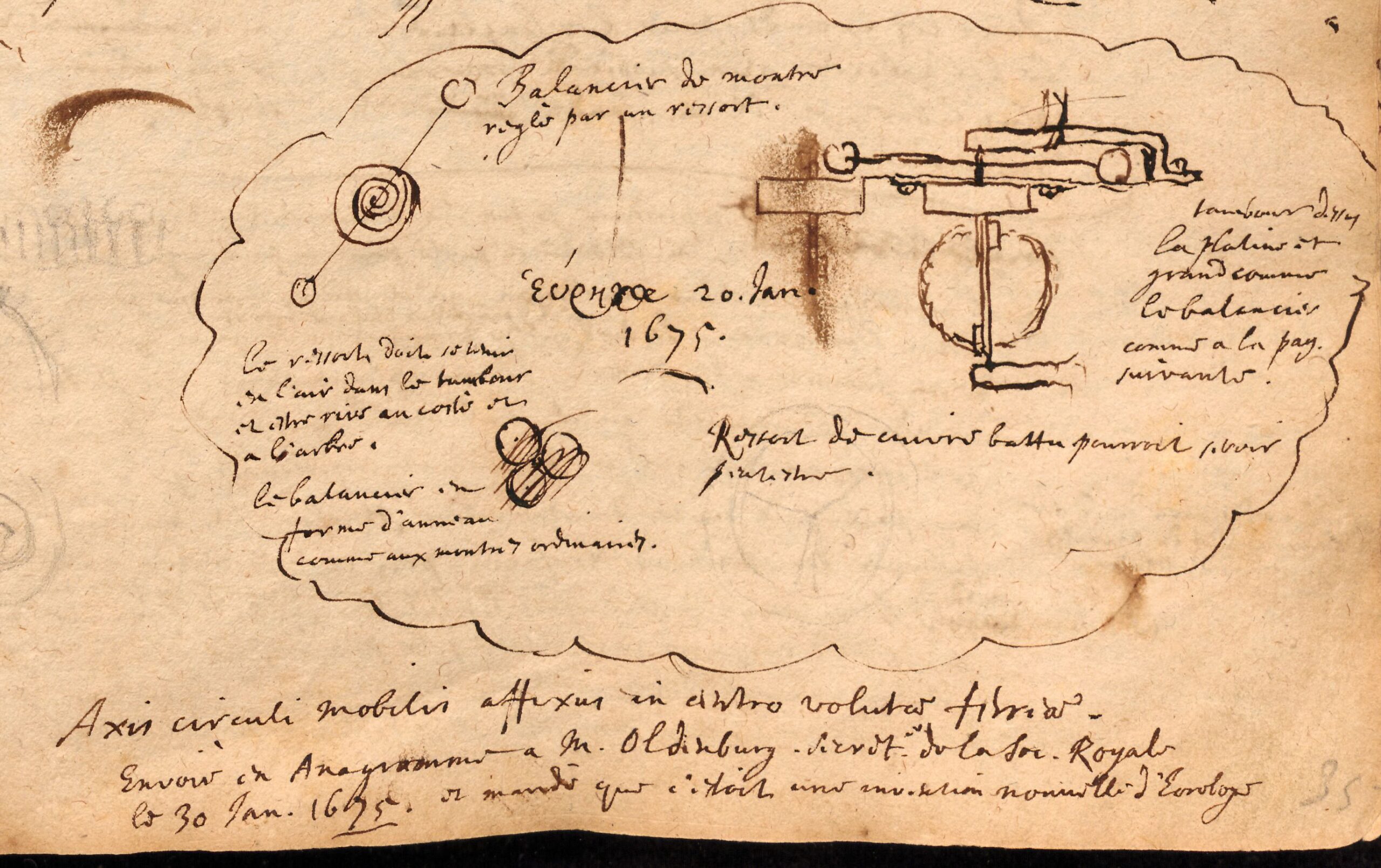
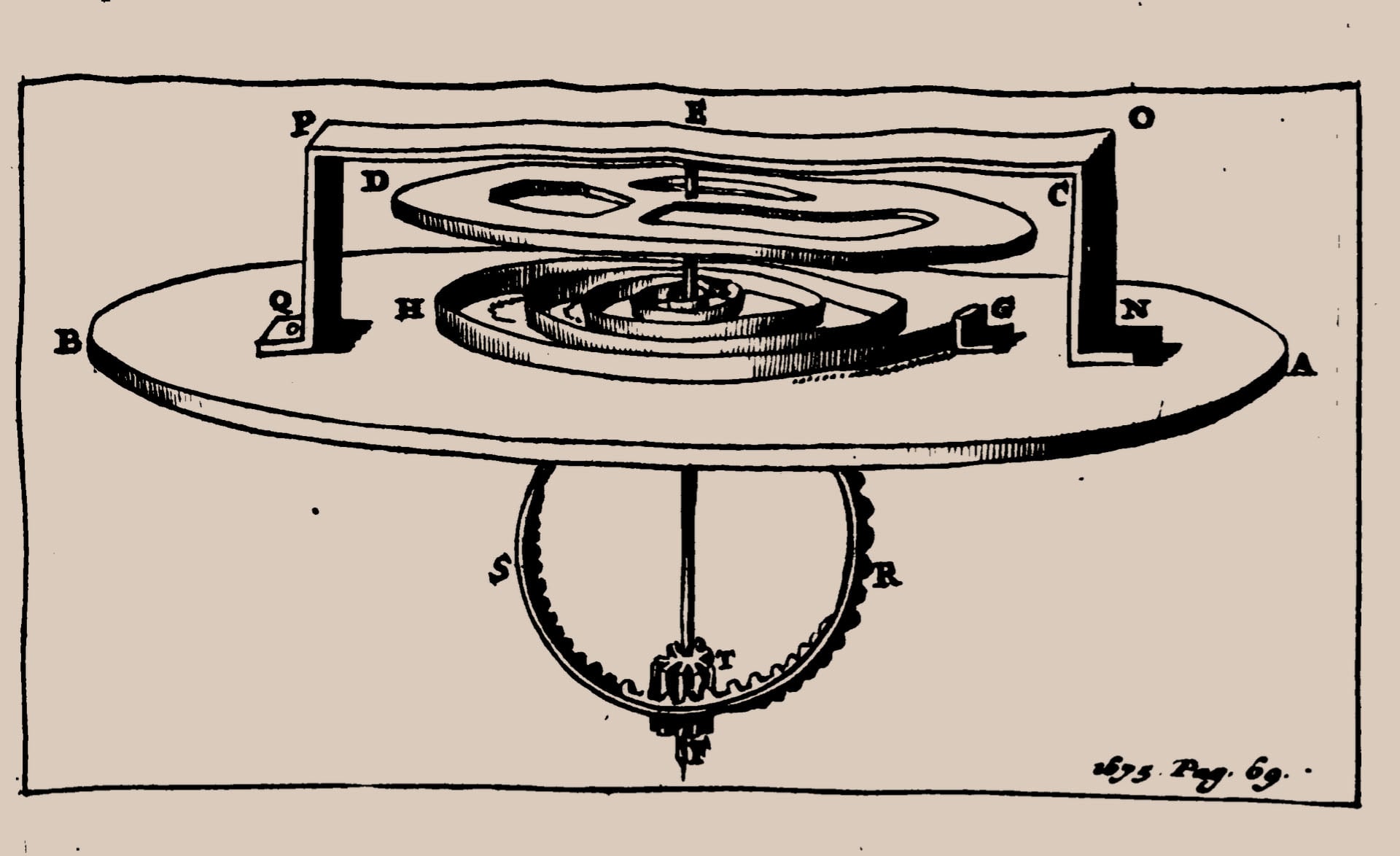
The hairspring remains one of the most difficult parts of a watch to produce today, so most watchmakers rely on specialised manufacturers. The primary Swiss supplier is Nivarox-FAR, a Swatch Group subsidiary, while Precision Engineering AG, Atokalpa and Soprod are among a small handful of others. A relative few high-end watchmakers produce hairsprings in-house, like Rolex, Ulysse Nardin, A. Lange & Söhne and Patek Philippe, but it’s not the norm. In recent years, anti-magnetic and temperature-resistant silicon has become a popular hairspring material, initiated by a consortium – Patek Philippe, Rolex, and the Swatch Group – after Ulysse Nardin first used silicon components in the Freak model in 2001. Some have their own names for silicon hairsprings, such as Rolex’s Syloxi and Patek Philippe’s Spiromax, and independent brands have recently embraced the material following the consortium’s core patents expiring in late 2021.
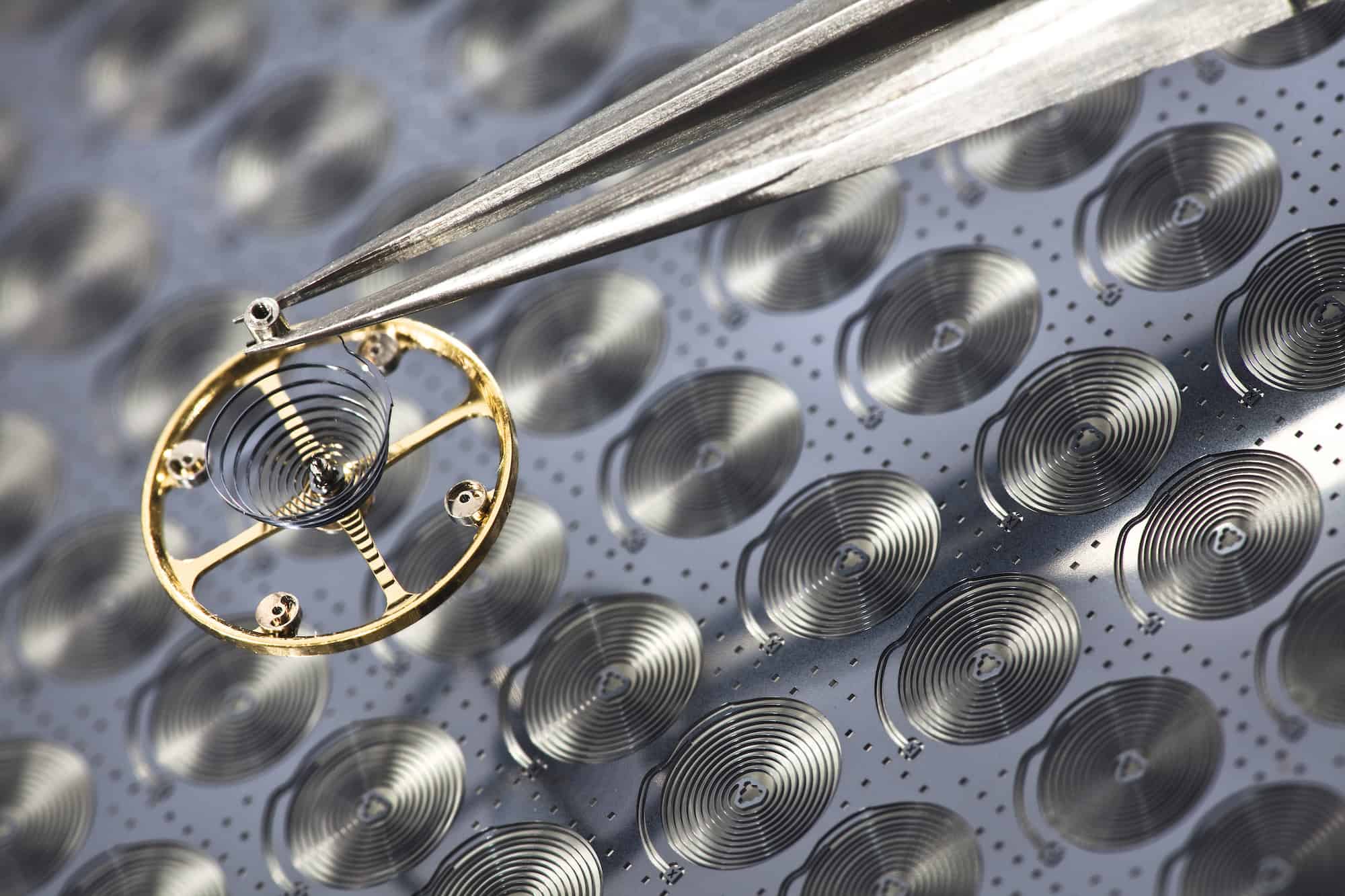
Although most watchmakers outsource both the mainspring and hairspring, the hairspring is particularly difficult to make as it requires such exacting precision in shape and size, with errors of just 0.1 micron affecting accuracy. In fact, if the thickness deviates by just 0.001mm anywhere on the spring, the movement can be off by 30 minutes or more per day. The materials are also very specialised, although steel hairsprings are still manufactured for entry-level models and vintage restorations. Before modern alloys and silicon, tempered steel hairsprings were introduced in the 19th century to improve durability, while a nickel/steel alloy (Elinvar) debuted in the early 20th century, which reduced the negative influence of temperature fluctuations on accuracy.
Lever Escapement
Although the verge escapement worked reasonably well with the balance and hairspring, improvements were needed. The main gap between the verge and lever escapement was the cylinder escapement with a compact cylindrical design. English watchmaker Thomas Tompion invented it in 1695 (with Edward Barlow and William Houghton), but it was refined by George Graham a few decades later. The escape wheel teeth would ride along the rotating cylinder wall until reaching a groove, which stopped and released the wheel. It was effective and more precise than the verge, but required a lot of maintenance as parts wore out relatively quickly, as the escape wheel was in constant contact with the cylinder. It was still a big improvement and allowed for much thinner and contemporary watch designs for a century before the lever escapement began to dominate.
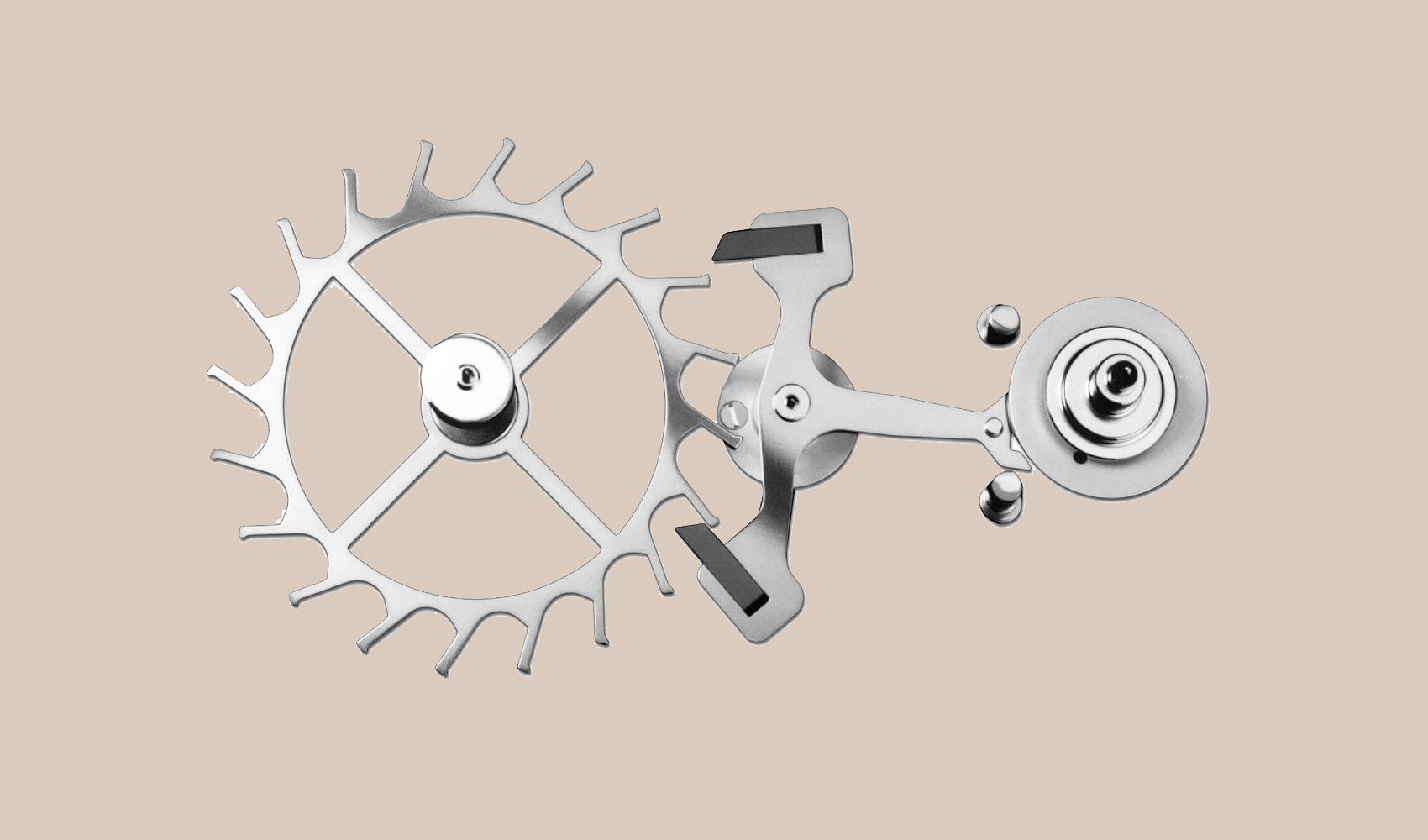
The lever escapement was also an English invention from Thomas Mudge in the mid-1750s – Mudge was an apprentice of George Graham, who worked with Thomas Tompion on the cylinder escapement. This “detached lever escapement” allowed the balance wheel to swing freely as the escapement only engaged on the impulse stage, improving both accuracy and durability. As the balance wheel oscillates, it swings an anchor-shaped lever (the pallet fork) that stops and releases the escape wheel to create controlled impulses – the tick-tock of the watch. Power from the mainspring goes to the escape wheel, which wants to rapidly turn and unwind the spring.
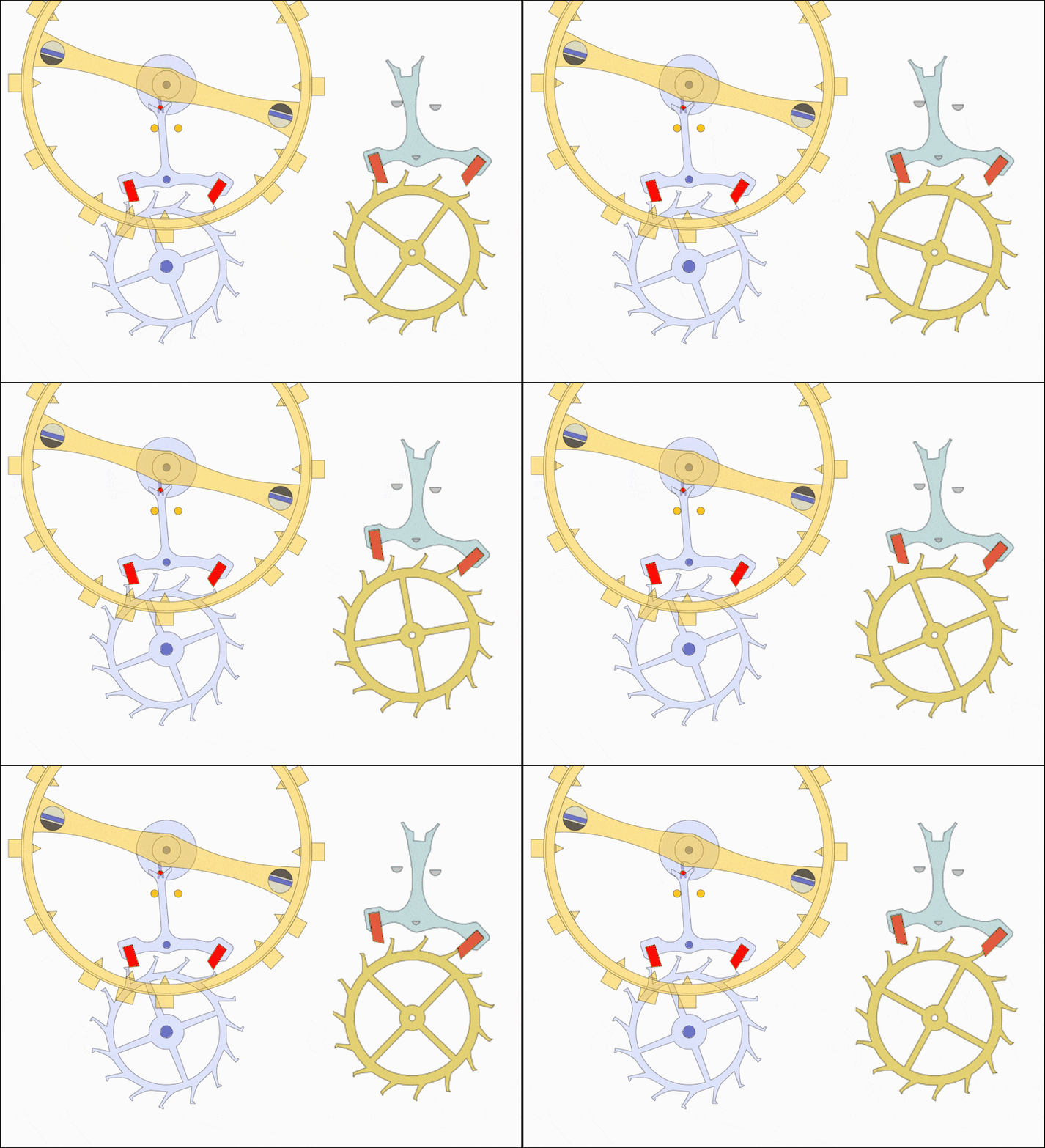
Two pallets at the end of the pallet fork control it with a stop and start action on the wheel’s teeth, which is precisely regulated by the balance wheel’s oscillation. These back-and-forth impulses from the pallet fork are the result of a pin on the balance wheel clicking the base during each swing, which in turn keeps the balance wheel powered to continuously oscillate. It’s the escapement that provides power to the balance wheel, not the other way around, and the hairspring maintains the precise oscillation (but doesn’t provide direct power itself). Original pallet fork pallets were steel, but even in the 18th century, natural stones like rubies and sapphires were preferred for much better friction and wear resistance. Comparable synthetic jewels are used today, although many watchmakers are turning to silicon for escapements as the material’s lightness and durability (and no need for oil) make silicon-on-silicon (pallets against a silicon escape wheel) superior to conventional designs.
Synthetic Jewels
Metal-on-metal friction was a primary issue for watches, especially with the natural oils used for centuries. Lubrication came from neatsfoot oil (cattle feet), sperm whale oil and even olive oil, but these would thicken and break down over time, sometimes within a matter of months. It wasn’t until the mid-20th century that modern synthetic oils entered the picture, so better wearing parts to counter substandard oils were vital for longevity and accuracy. The hardness and reduced friction from natural stones like sapphires, rubies and diamonds were utilised as early as 1704 (a process invented by Nicolas Fatio de Duillier, Peter and Jacob Debaufre), but they were difficult to shape individually by hand, so the quality of finished natural stone bearings tended to vary across movements. They were also very expensive on their own and particularly after extensive handwork, so natural jewelled watches were prohibitively expensive and reserved for the wealthiest clientele.
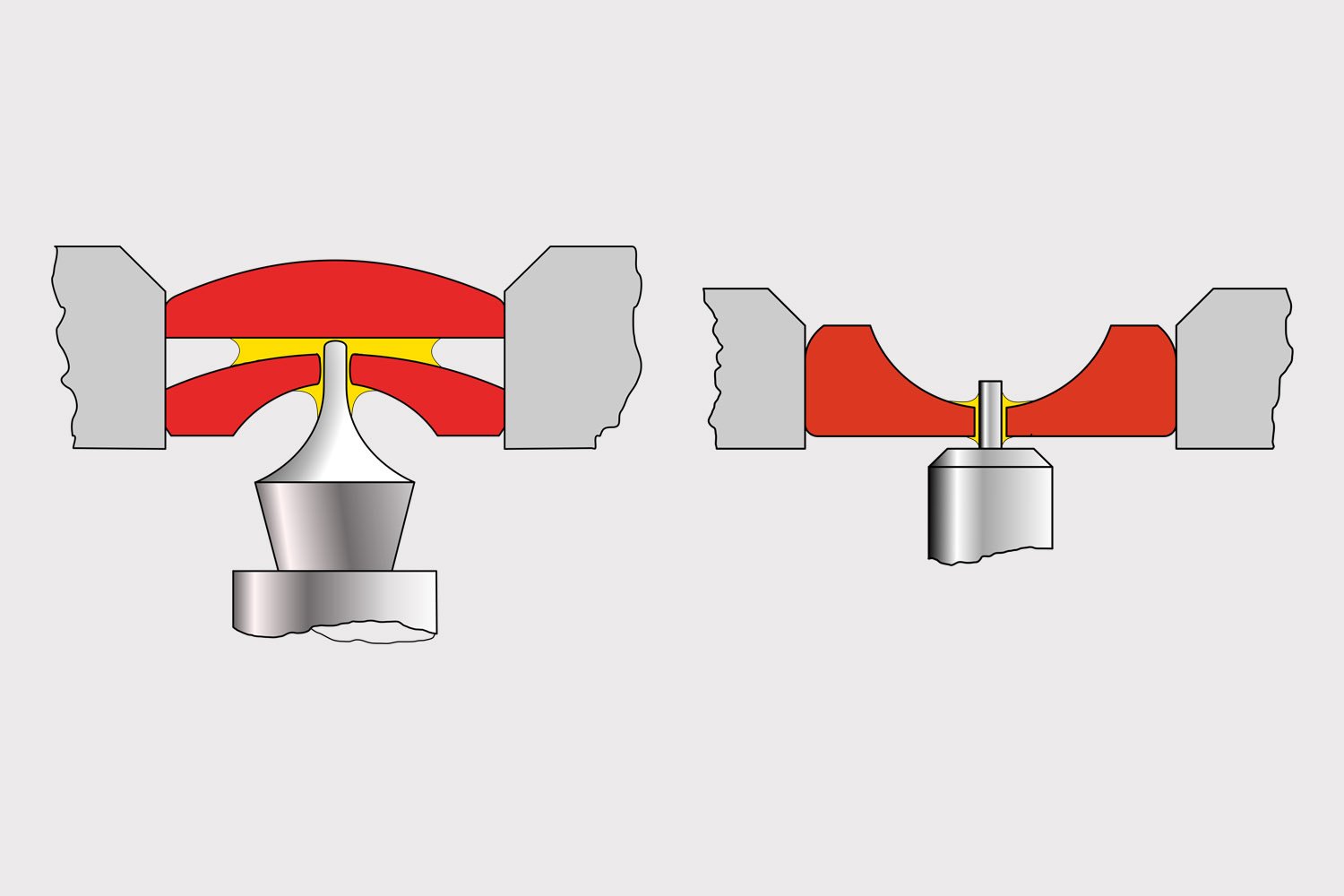
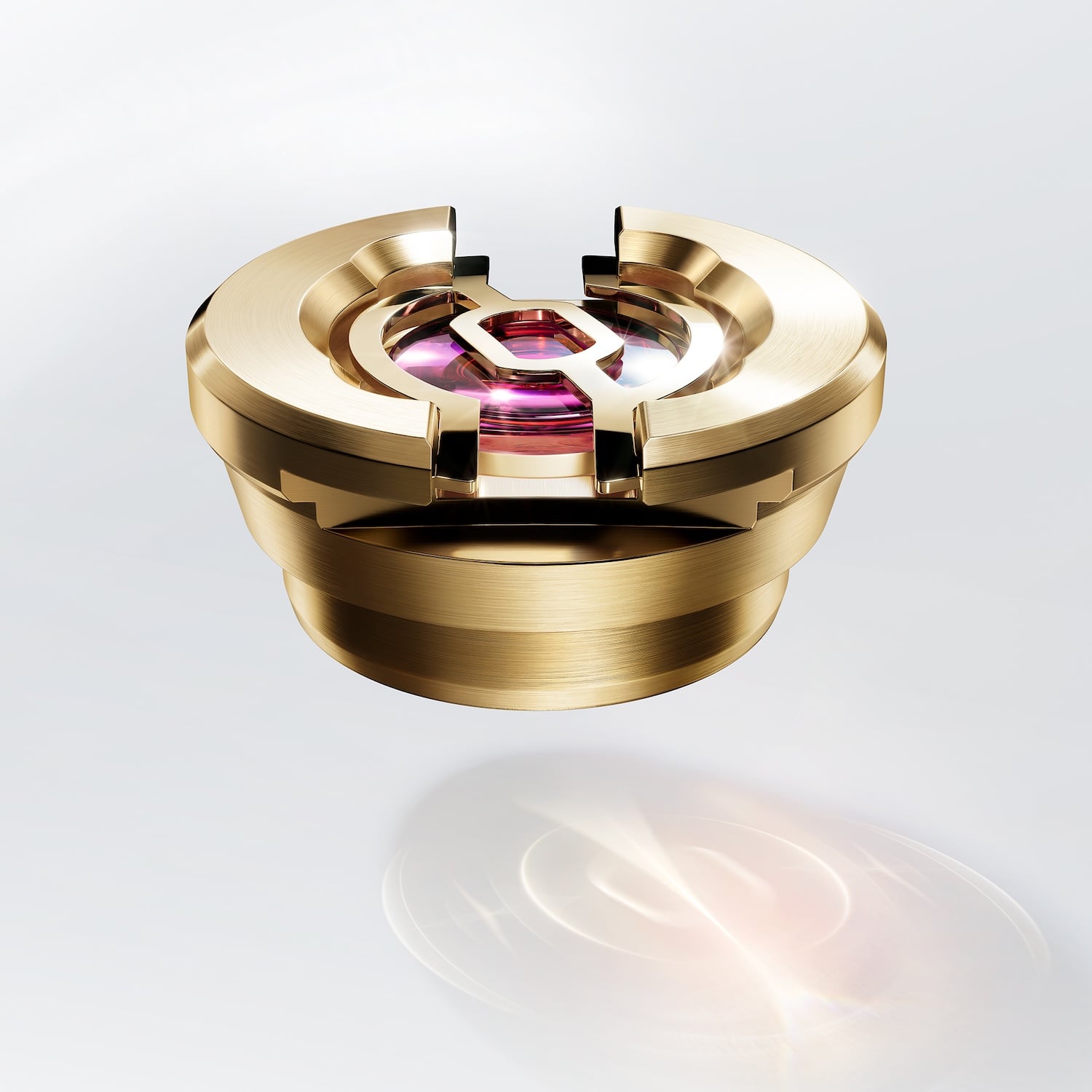
In 1902, French chemist Auguste Verneuil perfected the method of mass-producing synthetic jewels for watchmaking. Known as corundum, these laboratory rubies and sapphires were made via flame fusion called the Verneuil process, and widespread use was seen by 1910. Synthetic jewels allowed for total consistency in hardness and quality at a small fraction of the price of natural counterparts. The substantial reduction in friction and wear from synthetic jewel bearings was revolutionary from a reliability and maintenance standpoint, and almost all watches today use corundum as a buffer between pivoting metal parts in the gear train, balance wheel and escapement (including the escapement’s pallets).
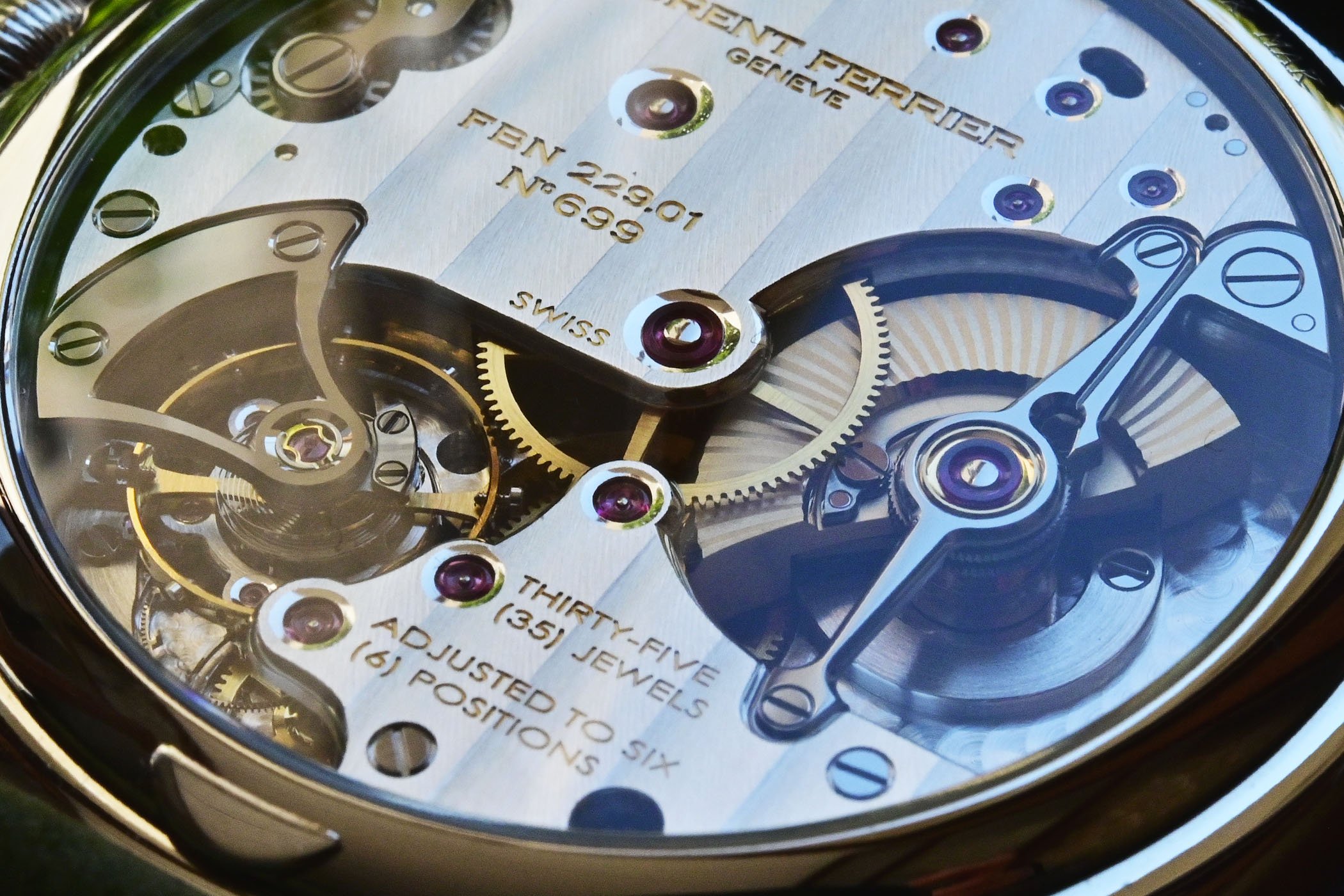
A fully jewelled watch has 17 jewels before complications (some automatics have up to 21) that cover every major pivot and/or contact location. Although synthetic jewels are not considered precious stones, they have the same hardness, smoothness and wear resistance as natural rubies and sapphires. For more details, you can check this article.
Mass Production with Interchangeable Parts
The final invention on this list deals with production methods. This doesn’t necessarily help with precision or design, but new machines allowed for mass production of interchangeable parts that significantly sped up assembly, simplified maintenance with “swapable” parts like gears and plates, and brought prices down for the mass market. While European watchmakers were focused on expensive handmade watches, American watchmaker Waltham in Massachusetts created a system of machines producing interchangeable parts in quantity that were then put on an assembly line. This reduced the reliance on high-paid, skilled watchmakers and simplified the entire assembly process, and it became known as the American System of Manufacturing. The “one-roof” factory production method was inevitably embraced by Swiss brands, although they combined mass production with handmade complications and precious metals to maintain a luxury balance that ultimately defeated simpler American brands in the second half of the 20th century, although wartime disruptions of civilian production played a key role as Switzerland was much less affected.
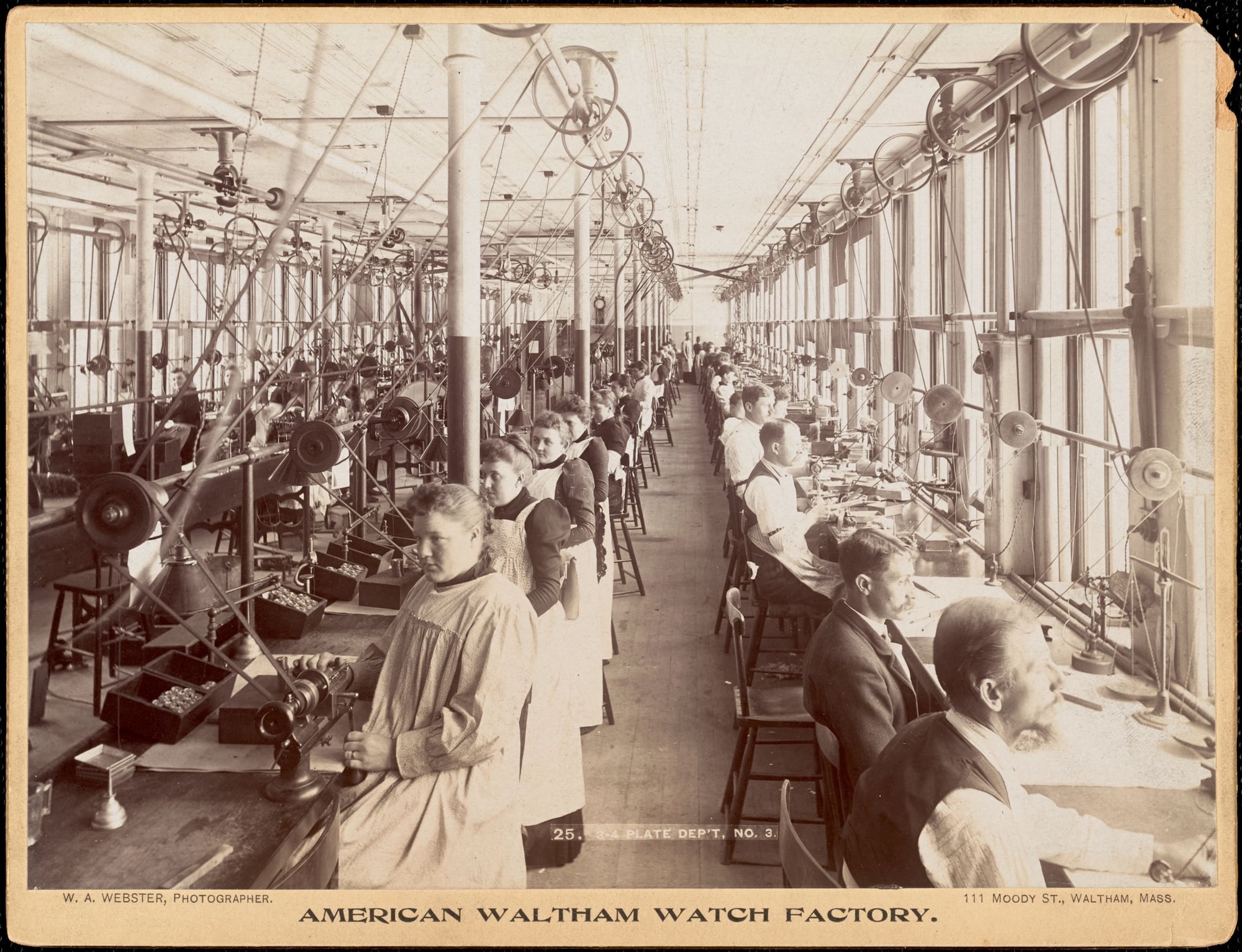
By the late 19th century, American watches became so affordable that marketing even went after kids. Ingersoll (to later become Timex) famously sold the first Mickey Mouse watch at the Chicago World’s Fair in 1933 for around USD 3.00, which was affordable enough for a kid’s wrist (approximately USD 56 today), while the Waterbury Clock Company sold the mass produced “dollar watch” back in the 1890s that helped popularize the cheaper yet reliable pin-pallet movement (simple metal pins replaced specially shaped metal or ruby pallets). Many mass-produced pin-pallet watches were even considered disposable, as repairs often cost more than the watch, but machine-made interchangeable parts didn’t require additional handwork and had a consistency allowing for much easier repairs of more expensive, yet still affordable watches. Global adoption of mass production and interchangeable parts forever changed the dynamic of watches being a major luxury item, which had persisted for several centuries.

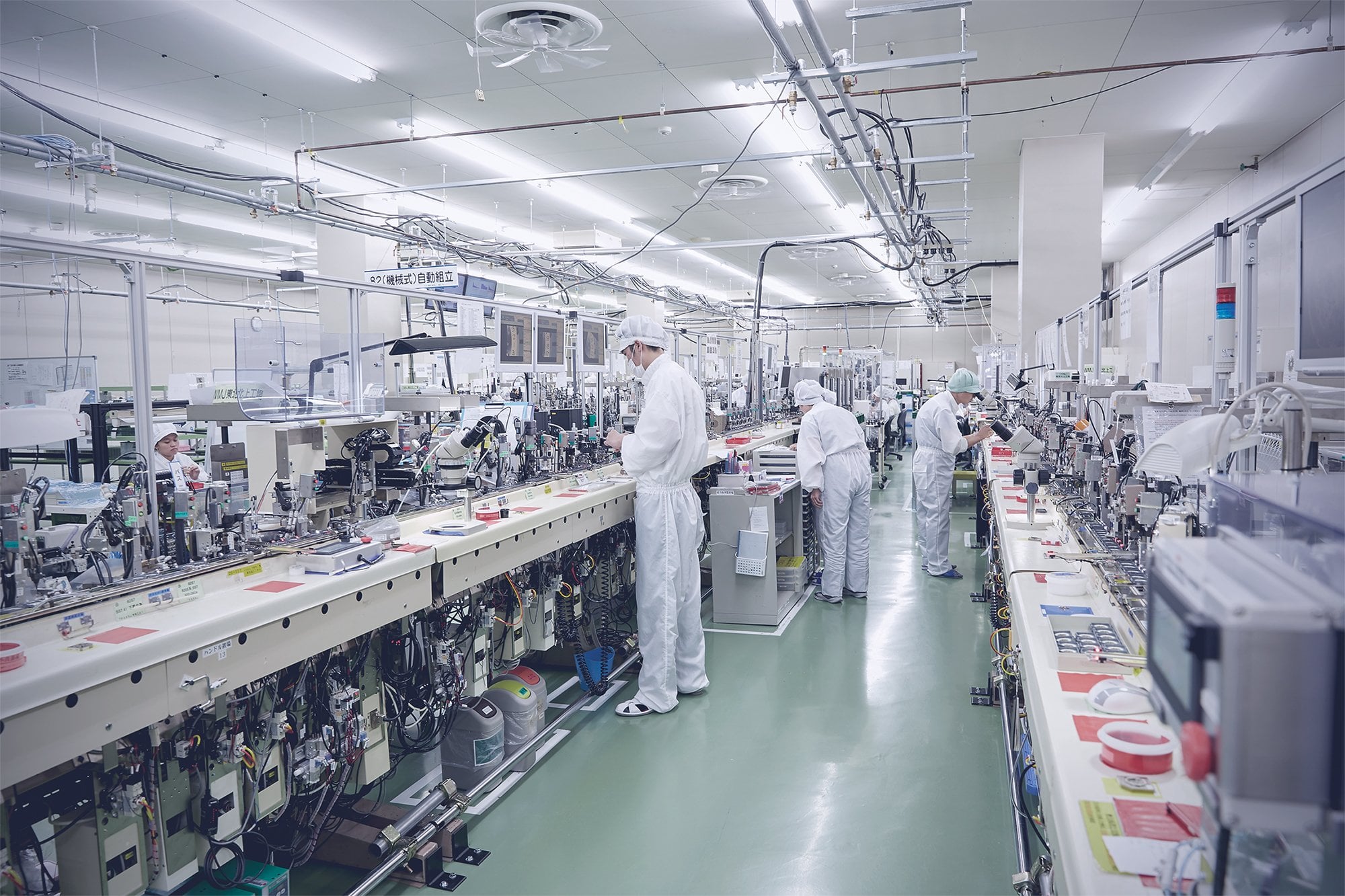
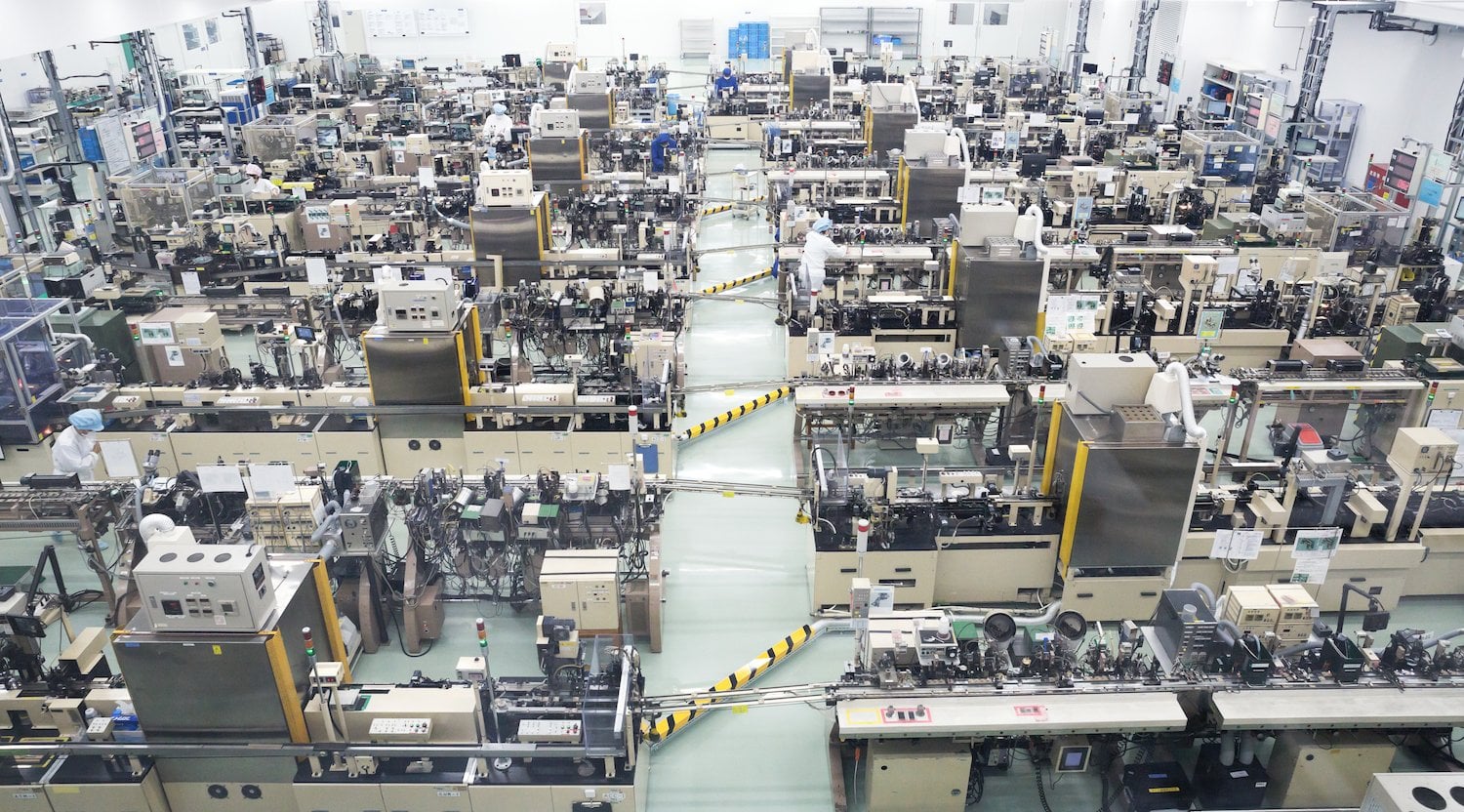
Today, movement manufacturers like Citizen’s Miyota produce several movements per second (around 100 million per year), demonstrating the incredible evolution of the mid-19th century American System. Most luxury brands like Rolex, Patek Phillipe and Breguet also rely on machines before hand finishing, so even high-end models still utilise interchangeable parts and mass production (at least to a degree on the latter). The precision of CNC machining and use of computer design software have also sped up development times, allowing even the most expensive movement types (like micro-rotors) and complications (like tourbillons) to become accessible to most enthusiasts. Baltic Watches offers the MR collection with a micro-rotor automatic for only EUR 545, while Chinese watchmaker Seagull has tourbillon pieces starting under USD 1,000 – the Seagull ST8000 hand-wound tourbillon calibre can be purchased separately for only USD 389. These are at a lower tier compared to European counterparts with a lot of handwork and finishing, but it’s still a remarkable achievement.
Conclusion
There are more than five inventions that are revolutionary in watchmaking, such as the tourbillon, perpetual calendar, chronograph and automatic winding, but the list of five above specifies the key inventions that are responsible for the affordable modern wristwatch many take for granted today. The list could easily be doubled or tripled with innovations like synthetic oils, lume, shock resistance, water resistance and more, but that goes beyond the core purpose of a modern mechanical watch – reliable, accurate and accessible timekeeping for the masses. Of course, quartz is another story entirely.

3 responses
I found your article too be well written and informative. While I had to look up the old archaic watch parts to see how they worked, I knew exactly how the innovations worked. I really appreciate the deep dive into the history of the evolution of the mechanical watch. PEACE!!!
All of that development is rendered obsolete with the invention of quartz technology.
I thought quartz watches became inexpensive and widely available decades ago, yet here we are, reading about mechanical watches.