


 Not all images were able to load for printing. Please close the print window and try again.
 The One-in-Four 1967 AAR Eagle MK I Gurney-Weslake Is Up For Sale
Built and driven by Dan Gurney, it is the only American-made Formula 1 car to ever win a Championship race.
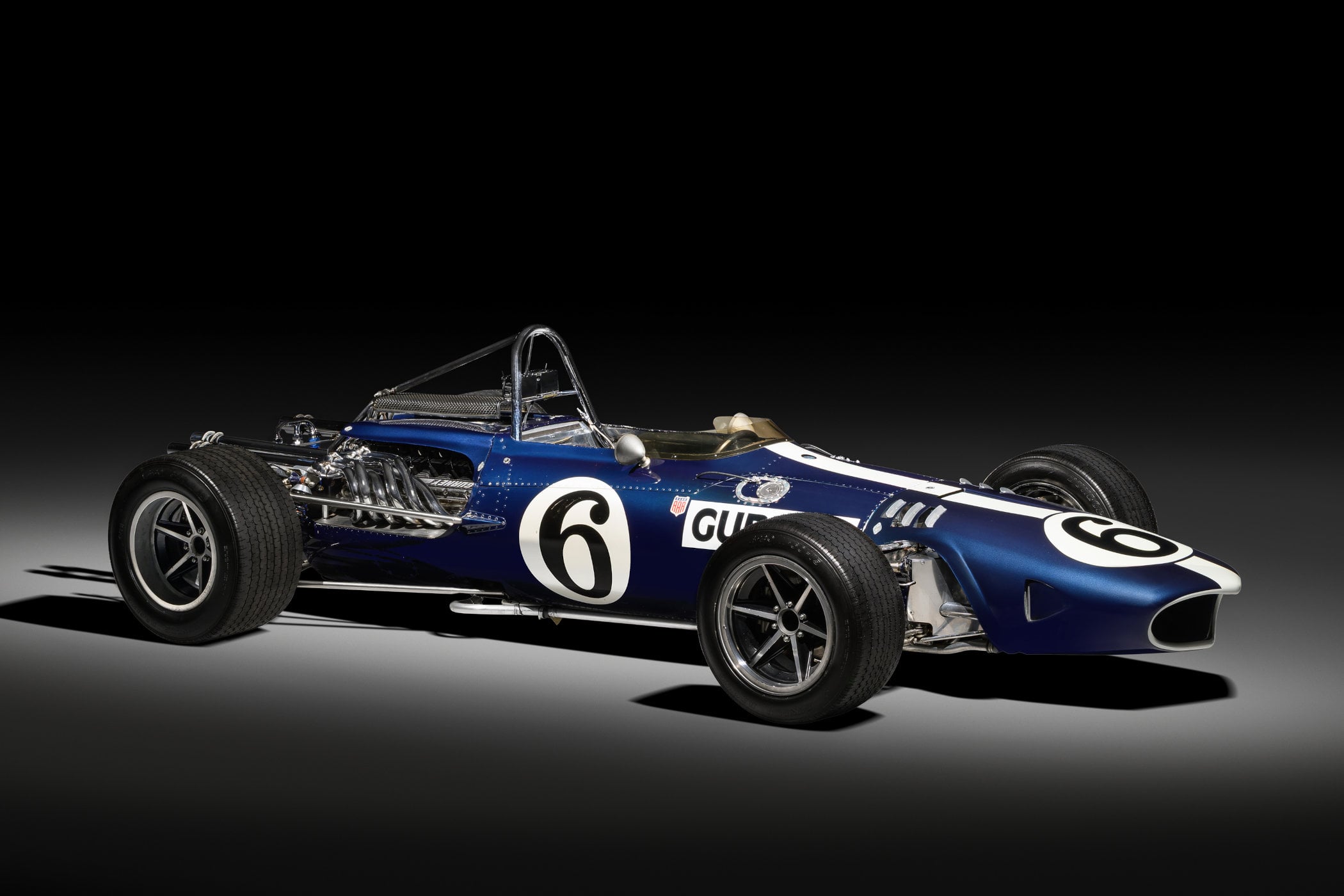
If you go through the history books of Formula 1, there are a million incredible stories to be discovered. On the driver’s side, icons like Schumacher, Senna, Prost, Moss and Fangio, as well as modern legends such as Hamilton and Verstappen, all left an indelible mark on the sport. When it comes to cars, I often think about the Brabham fan-car, the six-wheeled Tyrrell P34, the one-year-wonder Brawn GP and so on. From the constructor’s perspective, the spotlight is often on teams like Ferrari, McLaren, and Williams, but if you dig a little deeper, there are some truly fascinating moments that made racing history. One such chapter is Dan Gurney’s AAR Eagle MK I, the only American-built car to win a Formula 1 Grand Prix.
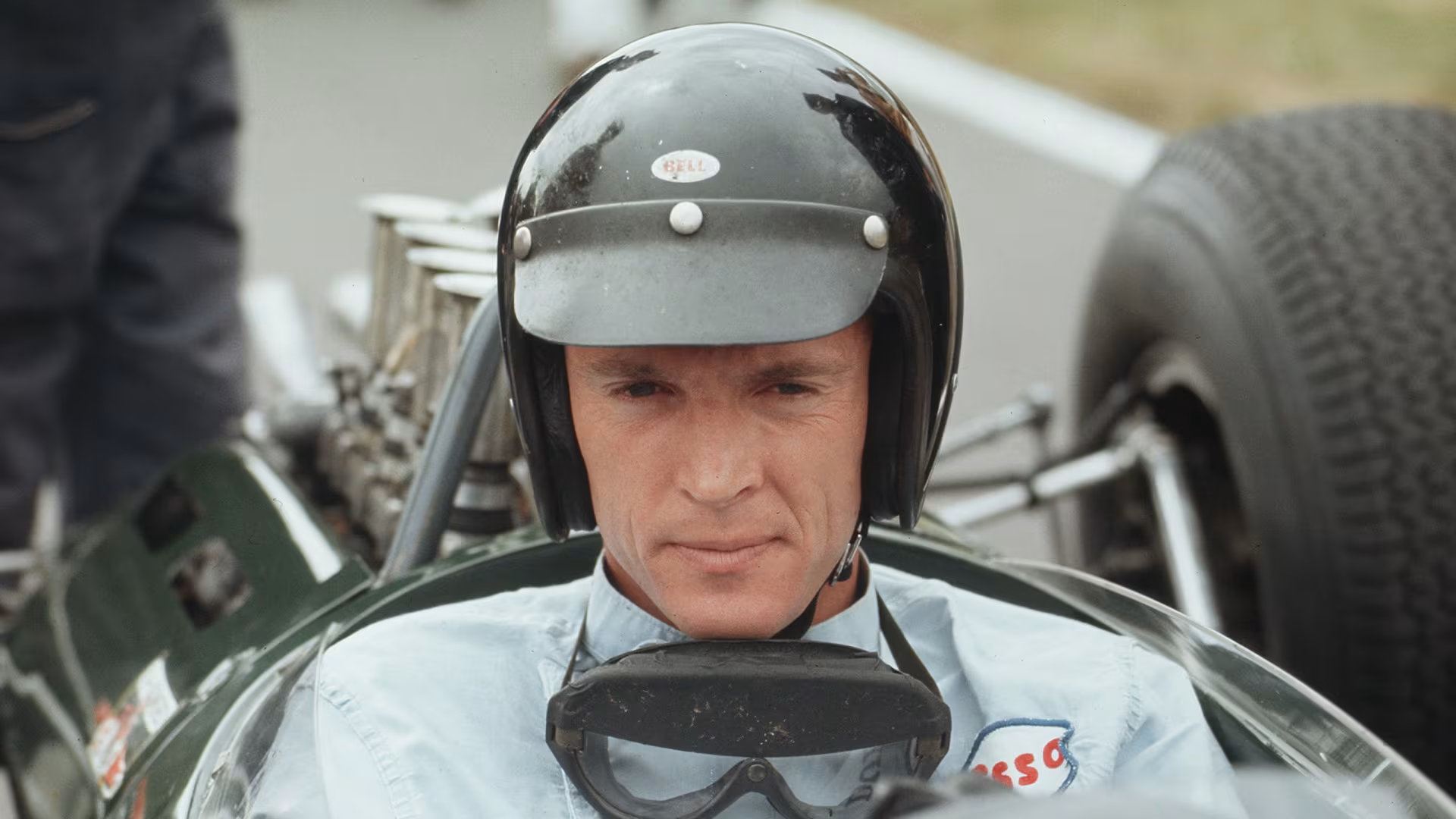
But the story of the AAR Eagle MK I isn’t remarkable purely on that single win; it’s also considered to be one of the most beautiful machines ever to have graced an F1 grid. And on top of that, it was driven to victory by the very man who developed it: Dan Gurney. The only other two who managed to achieve that were Jack Brabham and Bruce McLaren. Gurney, a man known to be fast in just about anything that had four wheels and an engine, is one of the greatest American racing drivers. He won just four races in Formula 1, once in 1962 with Porsche, twice in 1964 with Brabham, and once more with his own car, the gorgeous AAR Eagle MK 1. His legacy, however, extends well beyond that as Gurney was first in class at the 1964 Le Mans 24 Hours, piloting the Shelby Cobra Daytona with fellow American Bob Bondurant, and won overall in 1967 behind the wheel of the Ford GT40 MK IV, with A.J. Foyt as his co-driver. And then there’s the AAR side of his career…
All American Racers
Following extensive talks between Gurney and long-time friend and racing rival Carroll Shelby, the two men founded AAR in 1964, which stood for All American Racers. Later on, the team would branch out to the UK, the global epicentre for Formula 1 racing constructors since the early days. This new branch was named Anglo American Racers, neatly sticking to the AAR abbreviation. On the US side of operations, the team competed in sports car and Champ Car racing, including the famous Indy 500. Backed by Goodyear, the team developed the Eagle T1G racing car for the 1966 Indy 500, which would also be the blueprint for the Formula 1 car that followed the same year.
The Eagle chassis proved very successful stateside, winning 51 races, including Bobby Unser winning the Indy 500 in 1968 and 1975, and Gordon Johncock winning in 1973. In Formula 1, the results weren’t as great, unfortunately. The team made its debut with the Eagle T1G in the Belgian Grand Prix of 1966, the second race of the season, with Gurney behind the wheel. The best result was a fifth-place finish in the French Grand Prix and the Mexican Grand Prix, but the team also failed to finish 6 times and on two occasions failed to qualify altogether. The year that followed wasn’t much better, with Gurney running 11 out of 12 races, scoring a third-place finish at the Canadian Grand Prix, and that coveted win in the Belgian Ardennes.
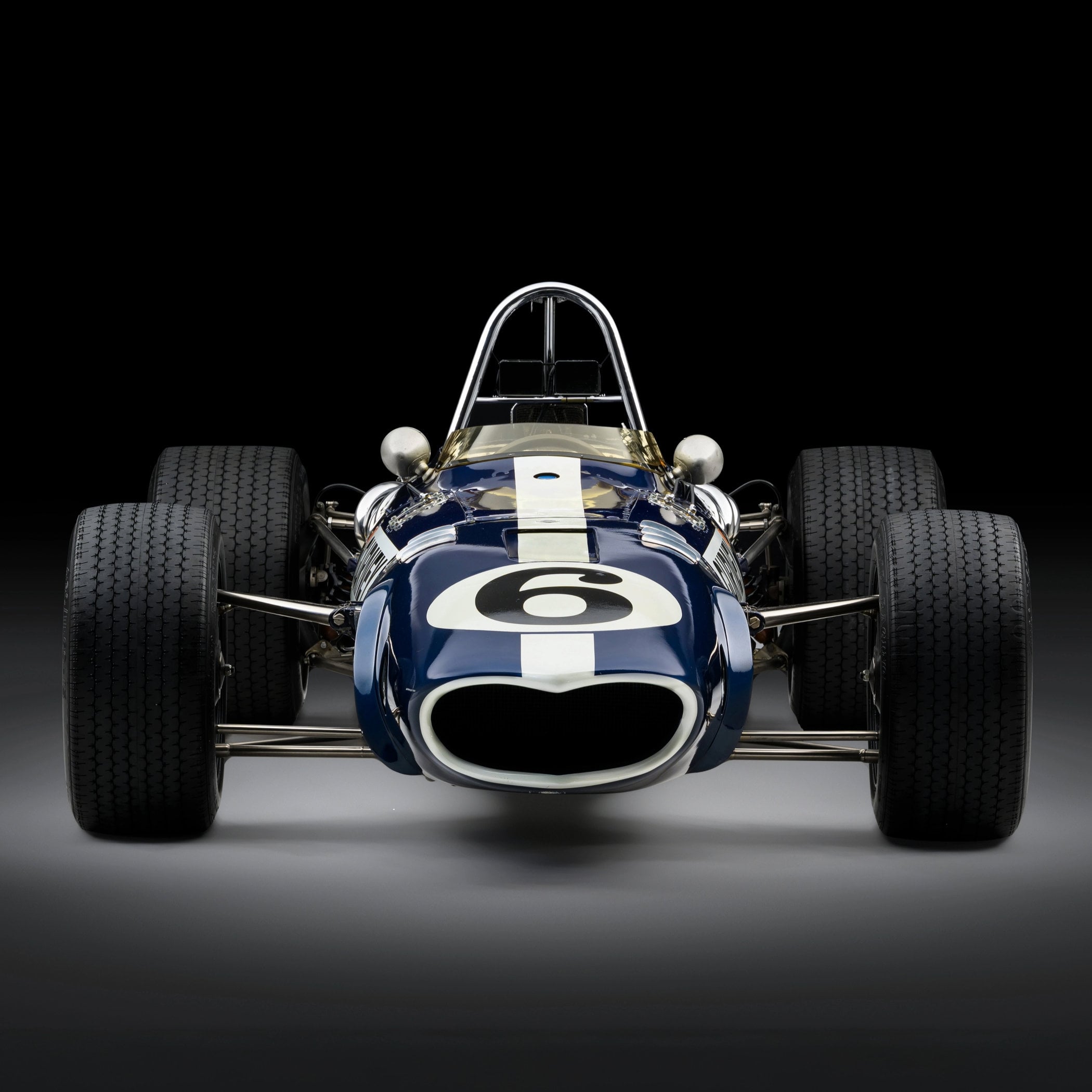
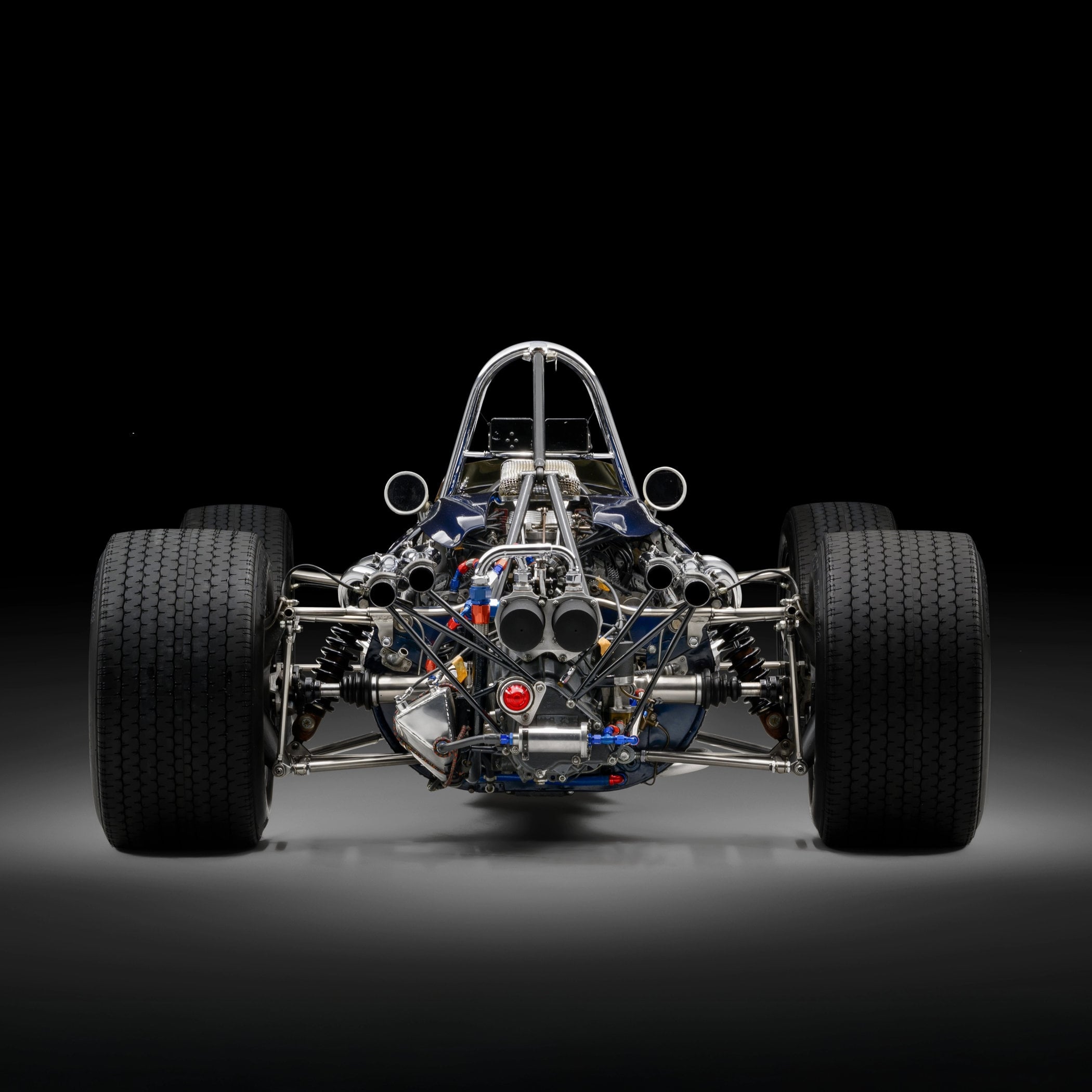
For the 1968 season, the final run in Formula 1 for the AAR team, Gurney competed in 9 out of the 12 races, but failed to score a single point in the AAR Eagle. A switch to the Ford V8-powered McLaren M7A for the final three races resulted in a fourth-place finish at the American Grand Prix at Watkins Glen. Following the 1968 season, he skipped F1 in 1969, and competed three more times in 1970 for the Bruce McLaren Motor Racing Team. In the US, however, the AAR team endured a bit more success and continued racing into the late 1990s.
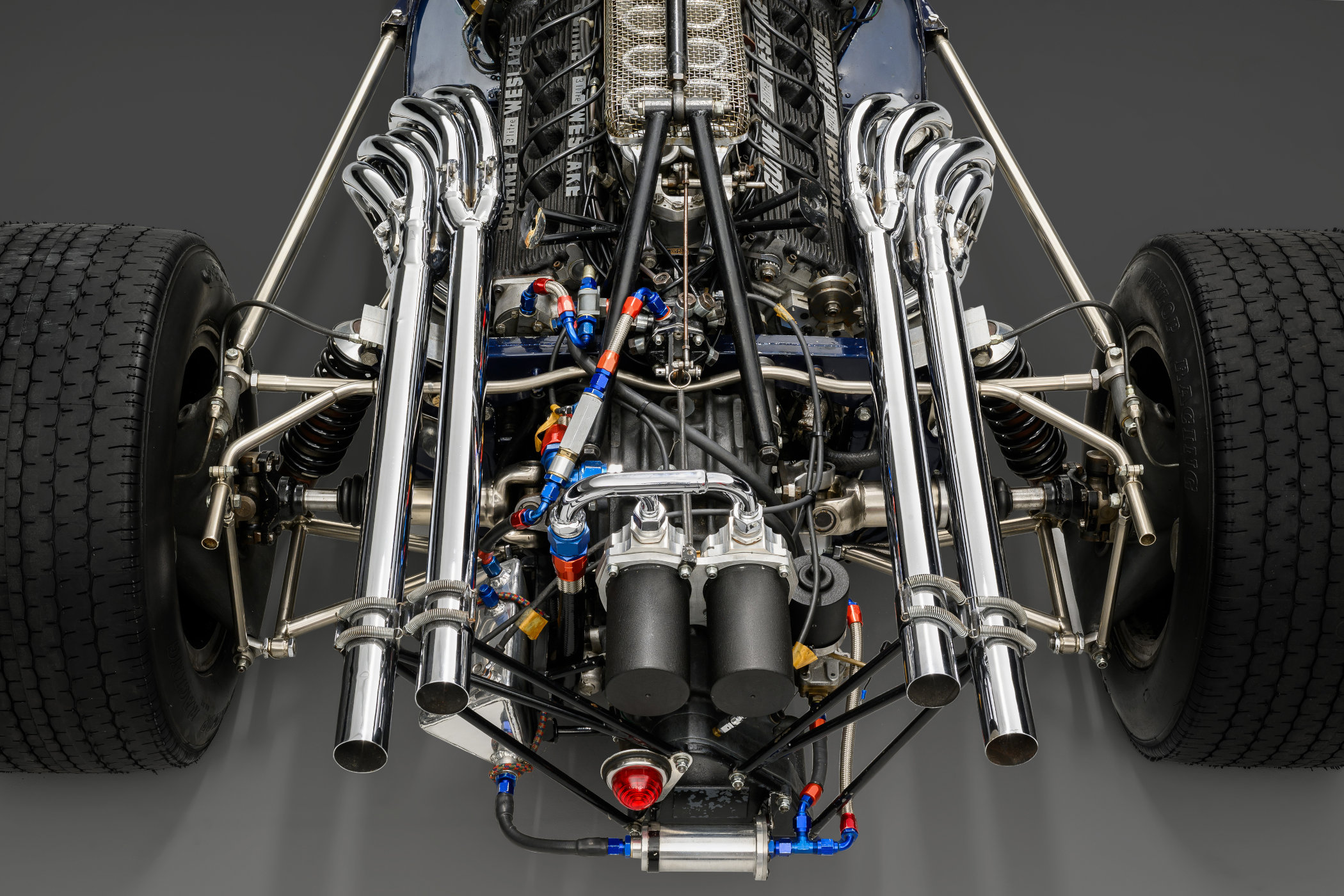
The Eagle MK I
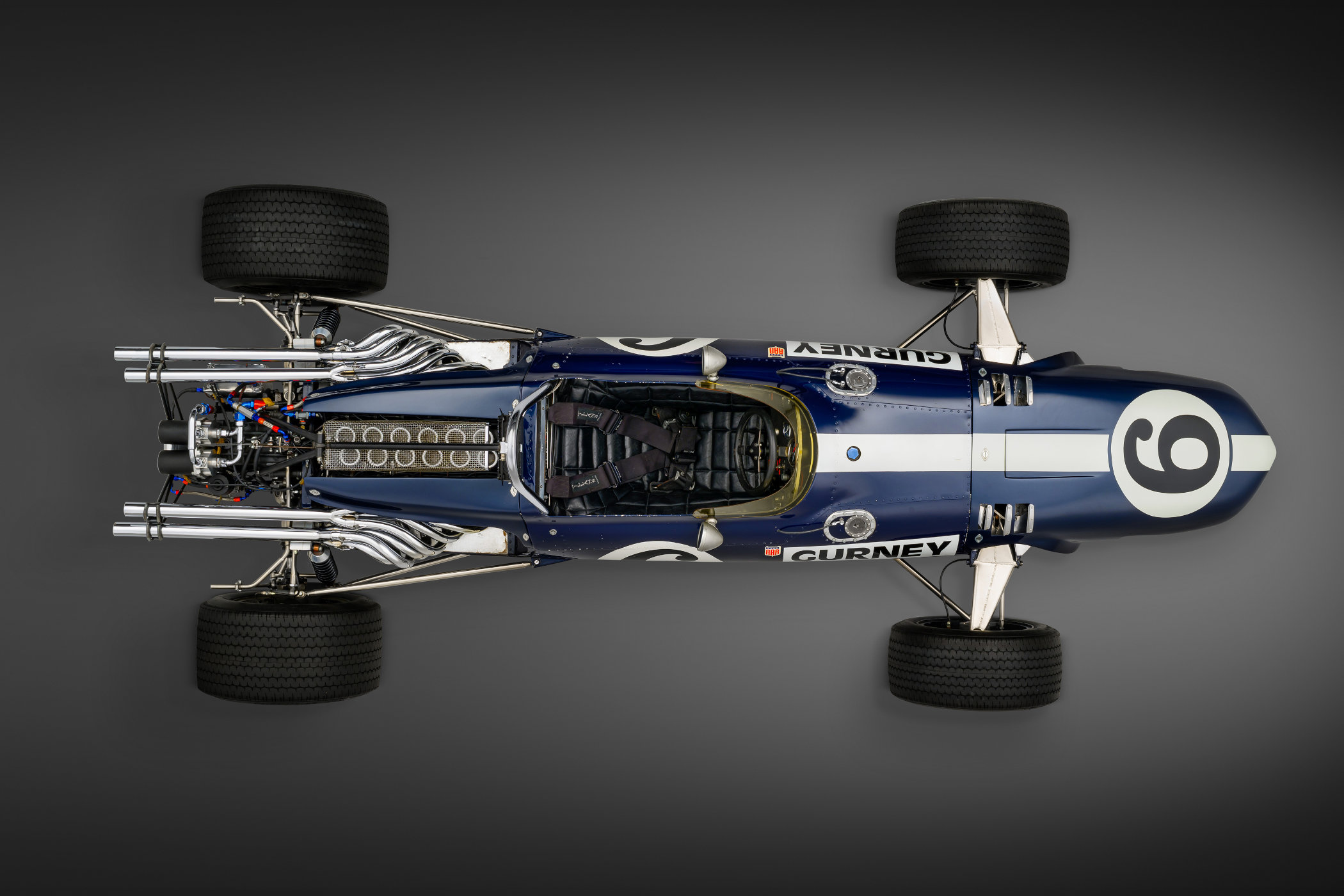
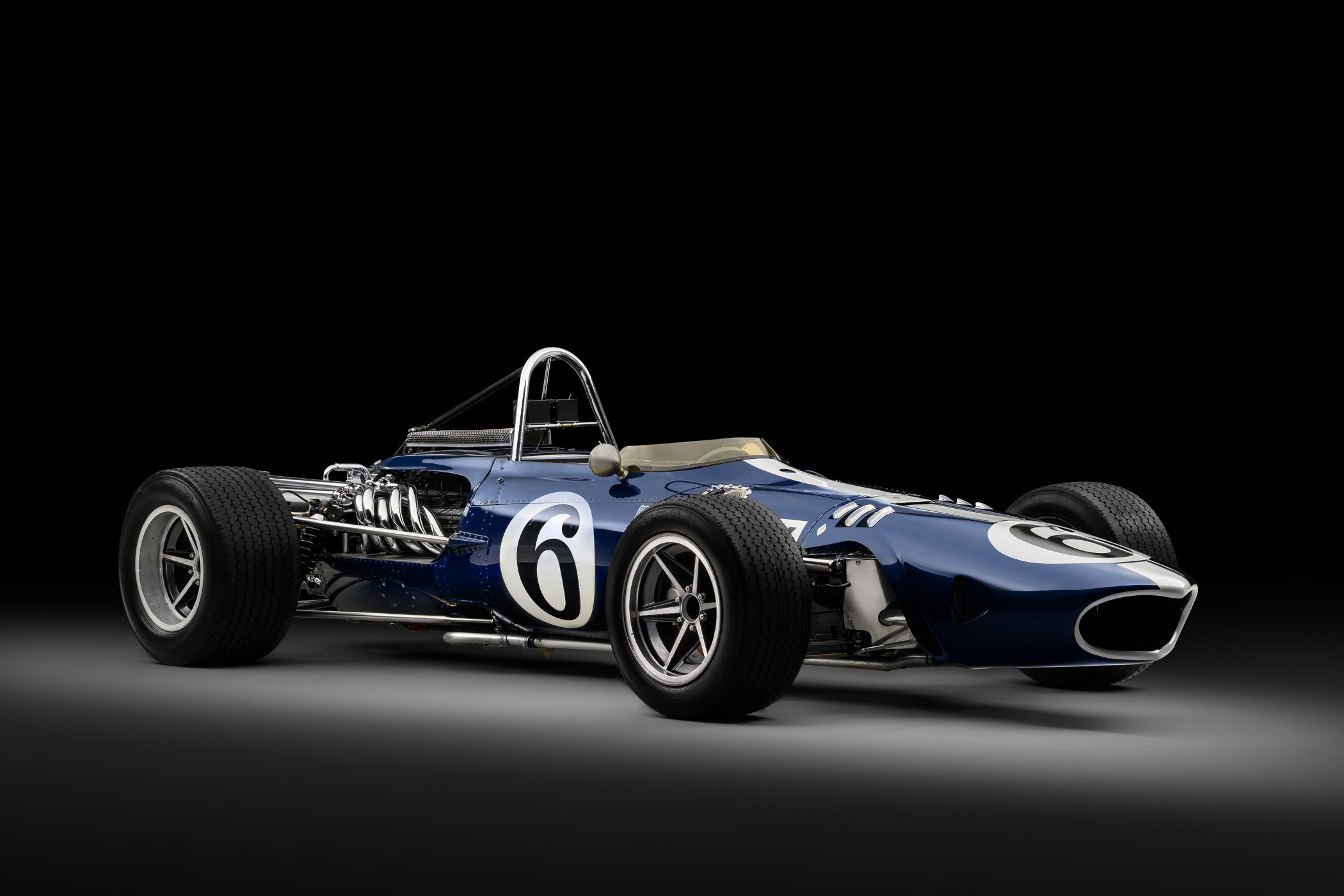
As mentioned, the Eagle MK I, also known as the Eagle T1G, was developed alongside the Indy 500 car of the same year. It was designed by Len Terry, a racing engineer who helped develop the 1965 Indy 500-winning Lotus 38. The chassis was a full-length aluminium, titanium and magnesium monocoque, with a cigar-like shape typical of the era. The body was painted Imperial blue, with white roundels and a white stripe down the length of the car, a reversal of the USA’s national racing colours of white with blue stripes. The nose had a distinct beak-like, pointed shape, giving it a characteristic look amongst the rest of the Grand Prix cars of the time.

The Eagle MK I made its racing debut with a 2.7-litre inline-four-cylinder engine made by Coventry Climax, but was actually designed to accomodate a 3.0-litre V12 by Weslake, producing around 390bhp. The AAR shop was located just a stone’s throw away from Harry Weslake’s engine manufacturing company, which developed the V12 specifically for the Eagle Mk I. A delayed development, however, forced the team to switch to the Coventry Climax engine for the time being. Similar to its US-raced counterpart, the F1-entered Eagle Mk I cars would use a Hewland DG300 five-speed manual transmission, with slightly updated suspension geometry to better suit the European racing circuits.
Upon its debut in 1966, during the Belgian Grand Prix, things looked promising despite the underpowered inline-four engine. The car finished fifth in France, 7th in Germany and fifth again in Mexico, all at the hands of Dan Gurney. Halfway through the season, the V12 was ready to roar, but despite the more than 100bhp increase in power, it failed to make a lasting impression during the remainder of the season. The following season, it returned to the grounds where it made its racing debut a year prior. Gurney qualified second behind Jim Clark, who led much of the opening stages of the race. Mechanical issues cost him time, though, with Jackie Stewart taking the lead followed by Dan Gurney. The Eagle MK I proved fast, with Gurney shattering the average speed record for a Grand Prix race, as well as the Spa-Francorchamps lap record. Gurney passed Stewart with 8 laps to go and won the race, writing history in the process.
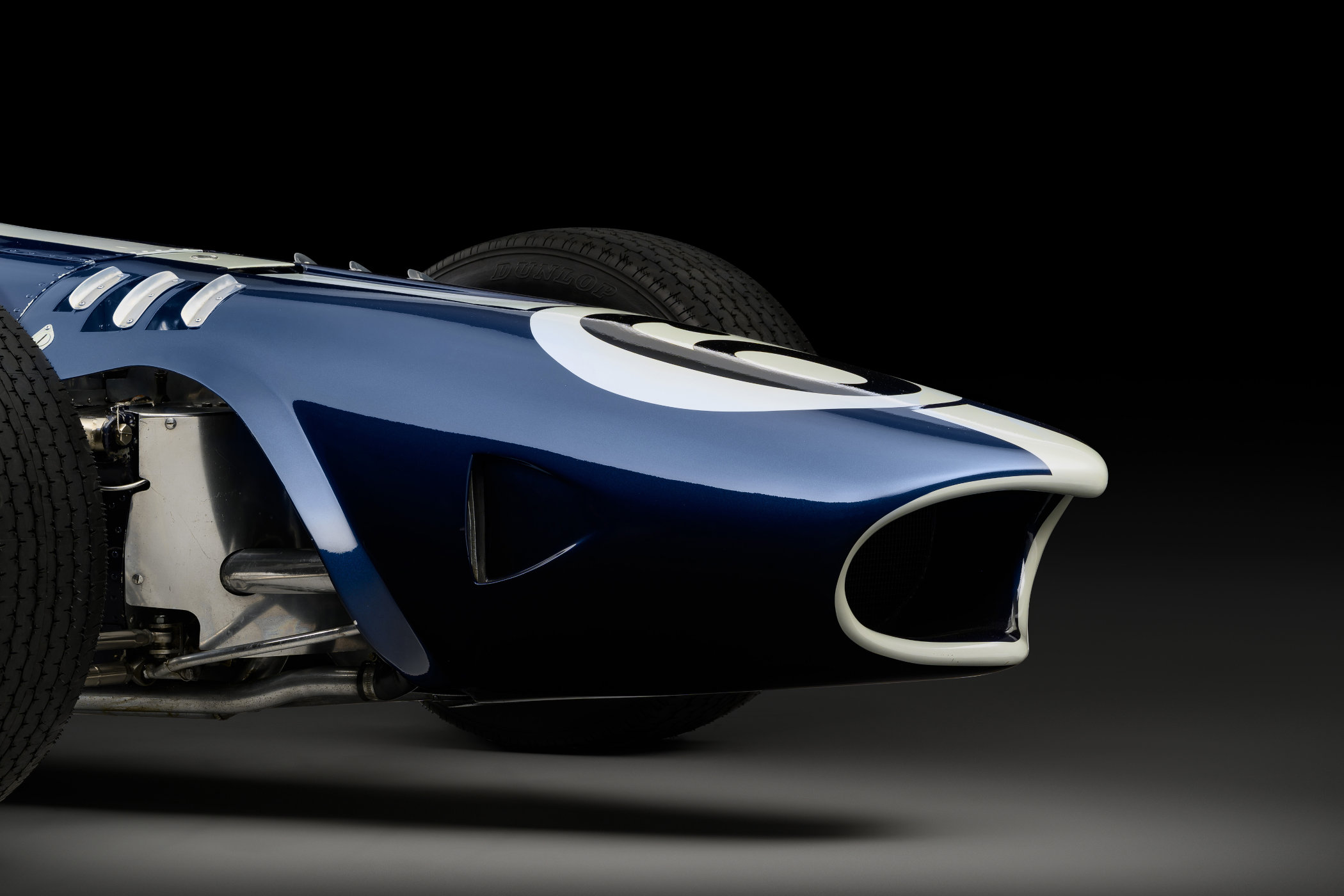
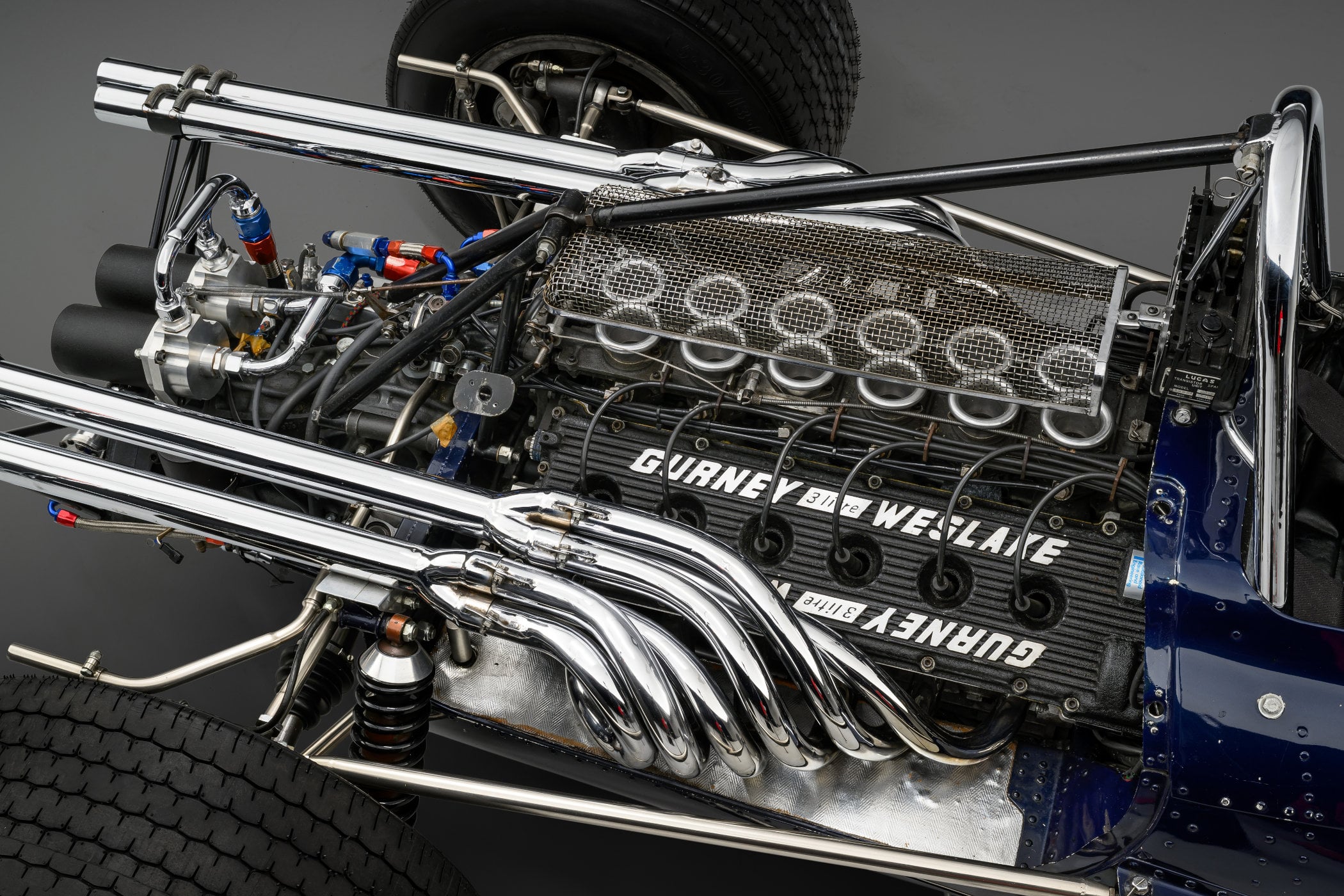
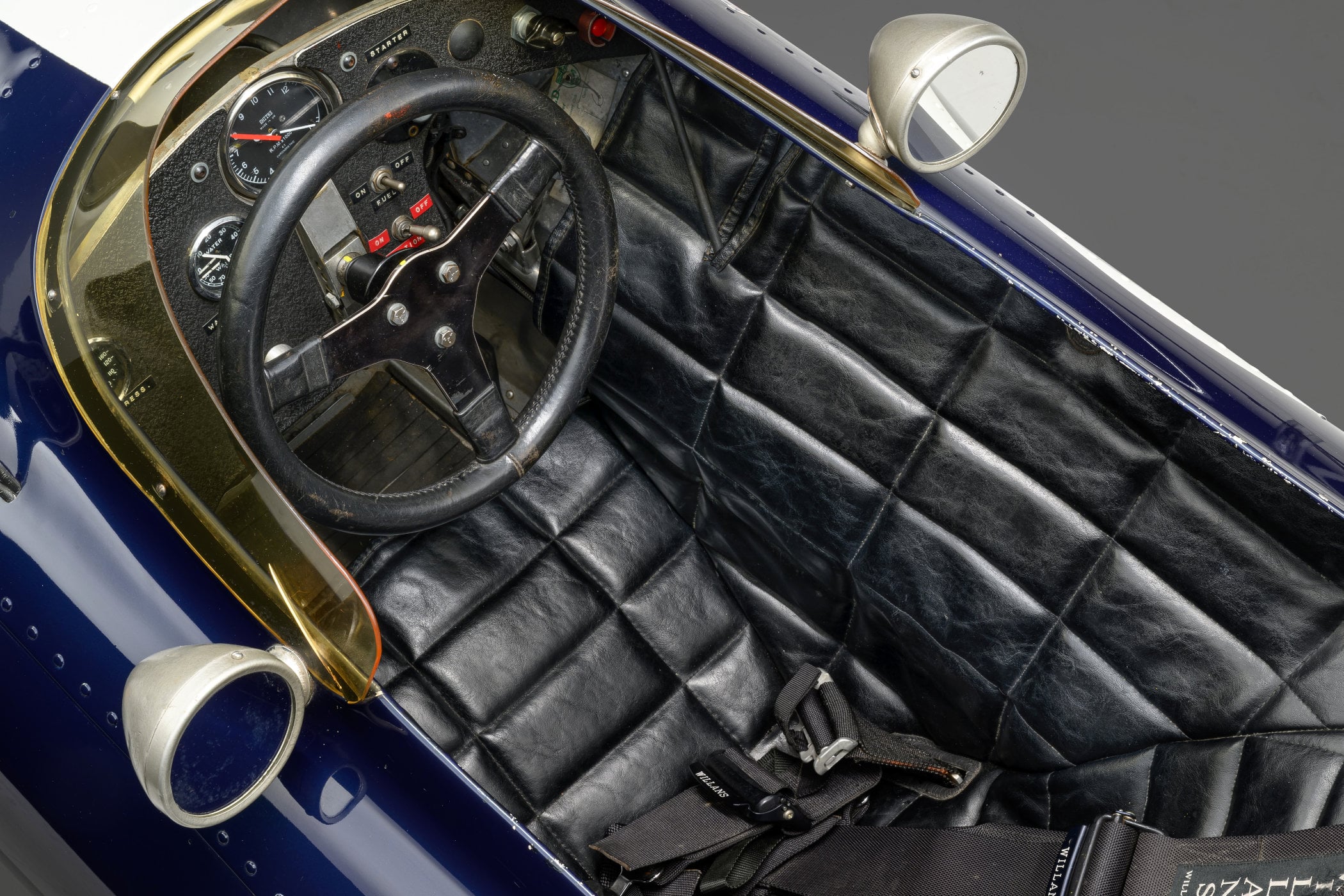
This particular car, the third out of only four built, was fitted with the V12 and driven by Dan Gurney, Richie Ginther and Ludovico Scarfiotti. And although it is not the race-winning car, it did finish third in the 1967 Canadian Grand Prix and marks one of the key chapters in Formula 1 constructor history. To this day, it remains the only car to have scored a Grand Prix victory under Formula 1 regulations, to be built by an American team.
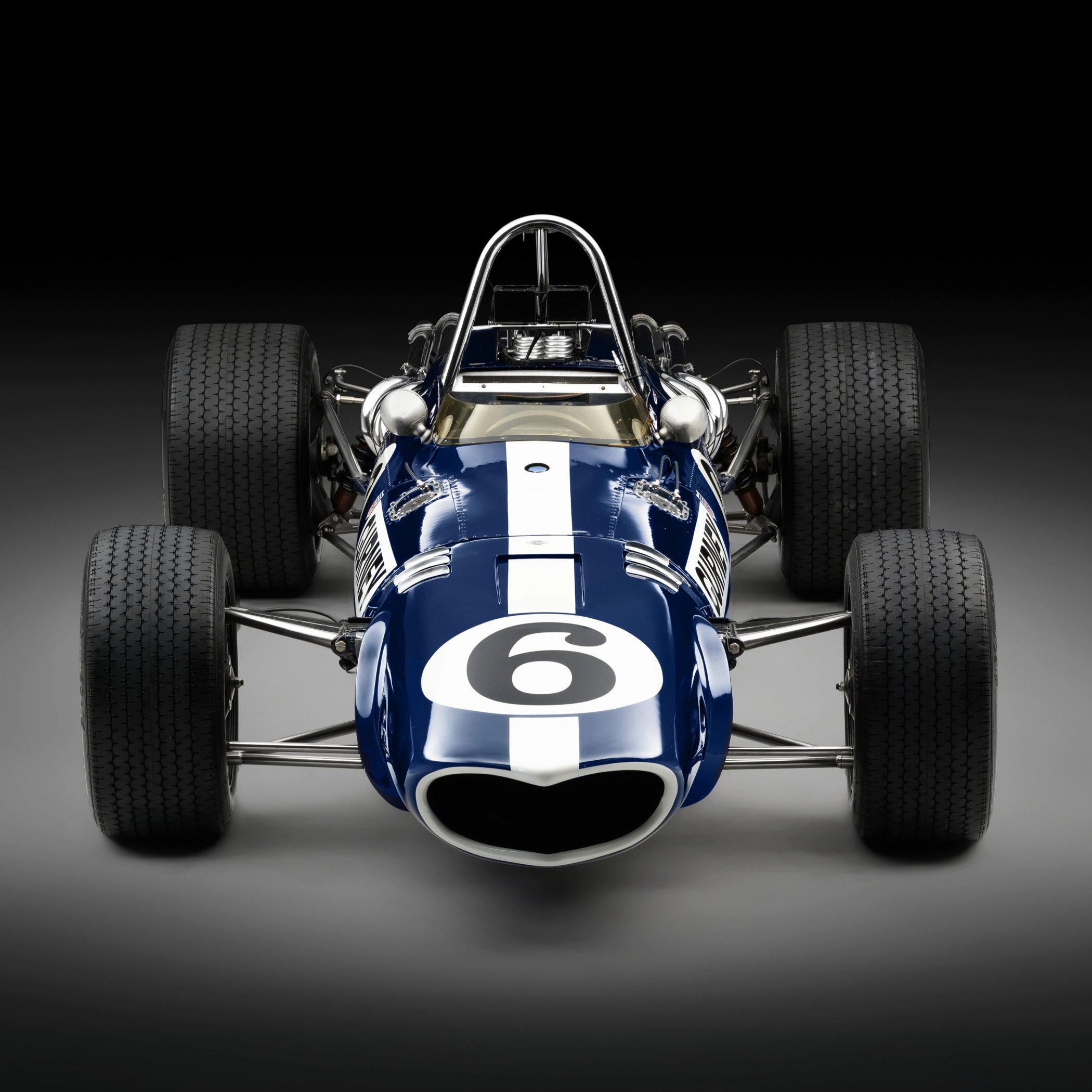
The 1967 AAR Eagle MKI Gurney-Weslake V12 is offered for sale through a sealed-bid auction by RM Sotheby’s, running from Wednesday, September 23rd to Wednesday, September 30th. With an estimate of USD 7,000,000 to USD 9,000,000, it will cost a literal fortune to park this in your garage, mansion or mancave, but it does land you a unique chapter in Formula 1’s long and intriguing history. Despite the fact that HAAS and Cadillac are currently active in the sport, I don’t see them winning races anytime soon, to be honest. And on top of that, they don’t even come close to looking as good as this one! What a machine!
For more information, please visit RMSothebys.com.
Editorial Note: The information used and images portrayed in this article are sourced from and used with the permission of RM Sotheby’s unless stated otherwise.

1 response
An actual race car competing in real races, not what we have now, which is a corporate marketing scheme.