
 Not all images were able to load for printing. Please close the print window and try again.
 McLaren Special Operations Recreate The Original McLaren M6 GT
Before the exquisite 1-cars, came the M6GT.
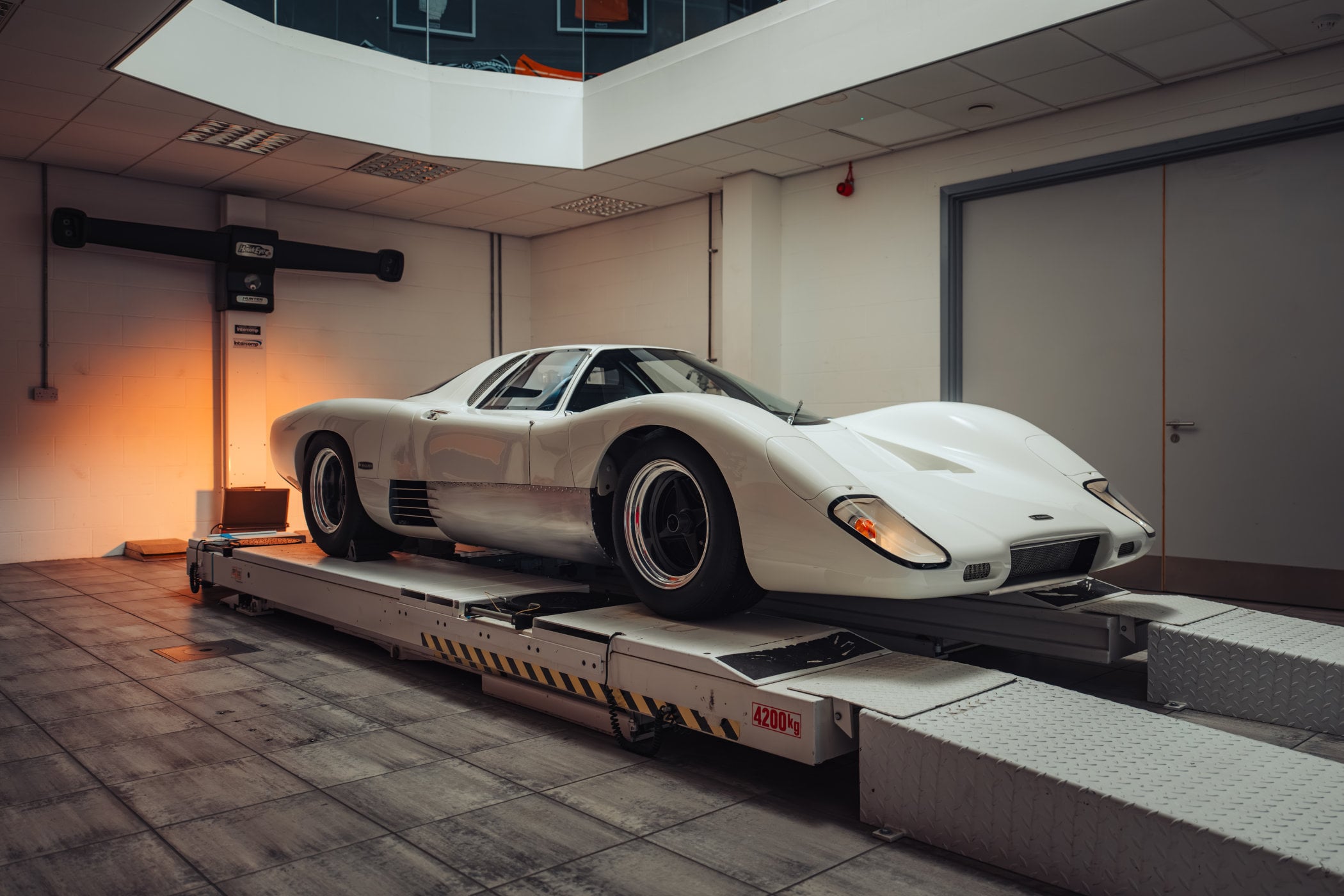
If you thought the legendary McLaren F1 was the company’s first road car, I can’t really blame you. While technically it is, as the F1 was the very first McLaren car that actually entered production, in reality, it’s predated by the M6 GT, a road-legal sports car envisioned by company founder Bruce McLaren. With inspiration coming from the blisteringly fast early CanAm cars, the M6 GT would be a race car turned road car if the company founder had had his way. Fate intervened, unfortunately, and the M6 GT never made it past three prototypes, one of which was used by the very man who came up with it. Now, well over half a century later, McLaren Special Operations (MSO) have fully restored one of the three originals.
A true Racing pioneer
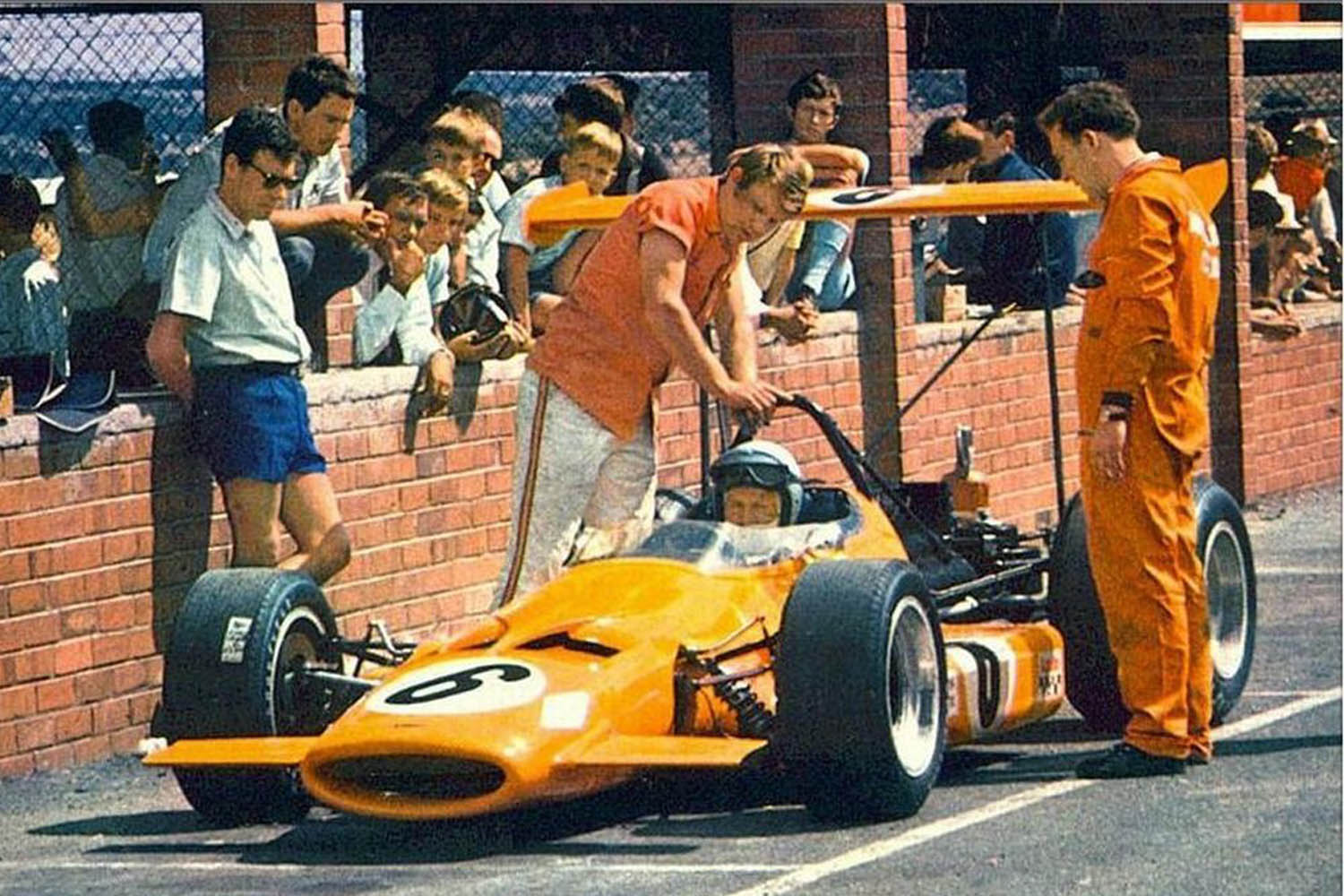
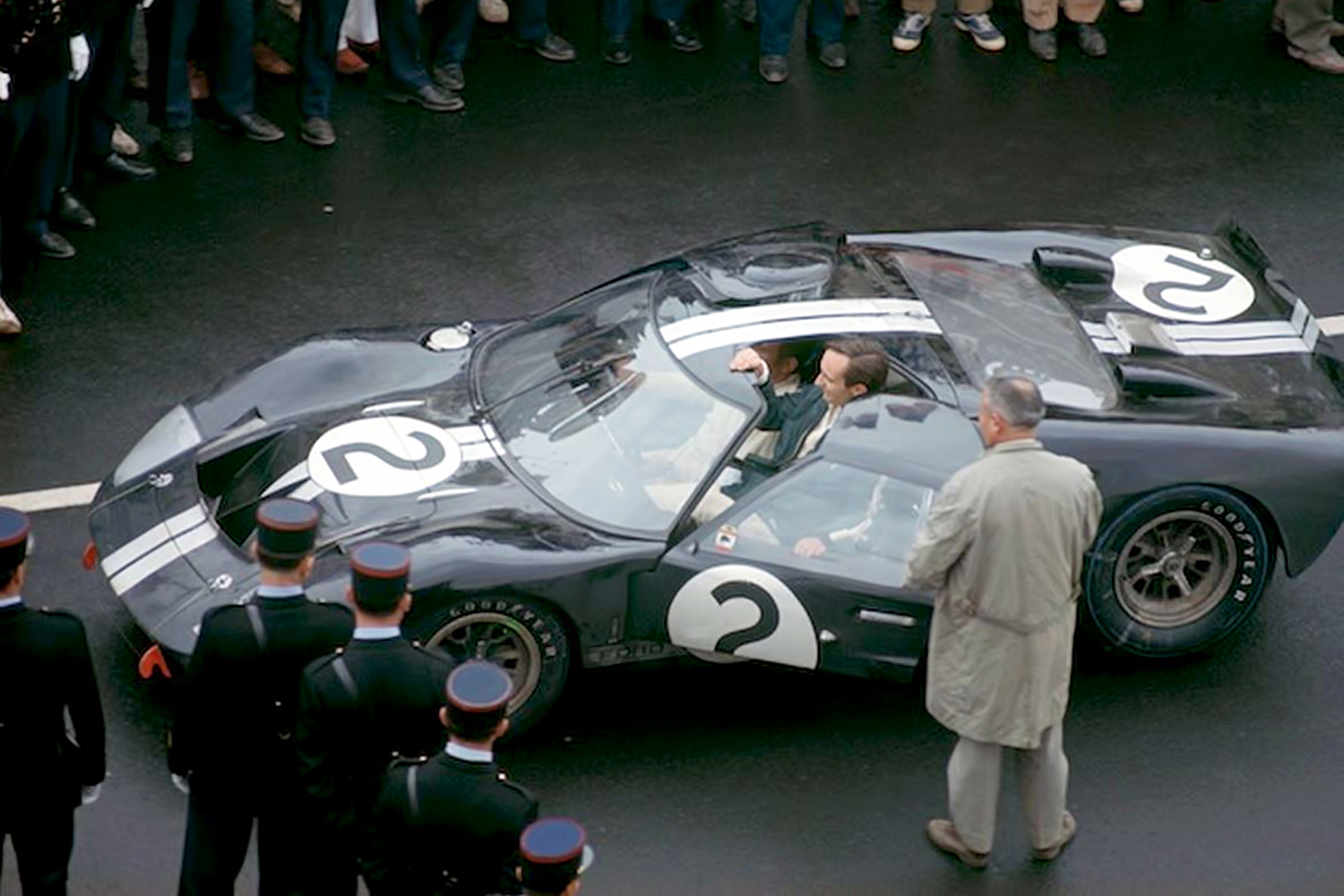
New Zealander Bruce McLaren has left an indelible mark on racing, as well as the automotive industry. He not only gave Ford its first Le Mans 24 Hours win in the GT40 (alongside Chris Amon) in 1966, he is also one of only three men in Formula 1 history to have built and raced his own car, and won a race with it (the other two being Jack Brabham and Dan Gurney). With a love for cars distilled in a very young Bruce McLaren already, he purchased and restored a 1929 Austin 7 Ulster with his father and started racing cars when he was still in puberty. He was picked up by the Driver to Europe scholarship programme, through which he moved to the UK by 1958 to compete on the European continent. After a recommendation by Australian racing driver Jack Brabham to Charles and John Cooper of Cooper Cars, McLaren secured a seat in the Cooper team, for which he won his first Grand Prix.

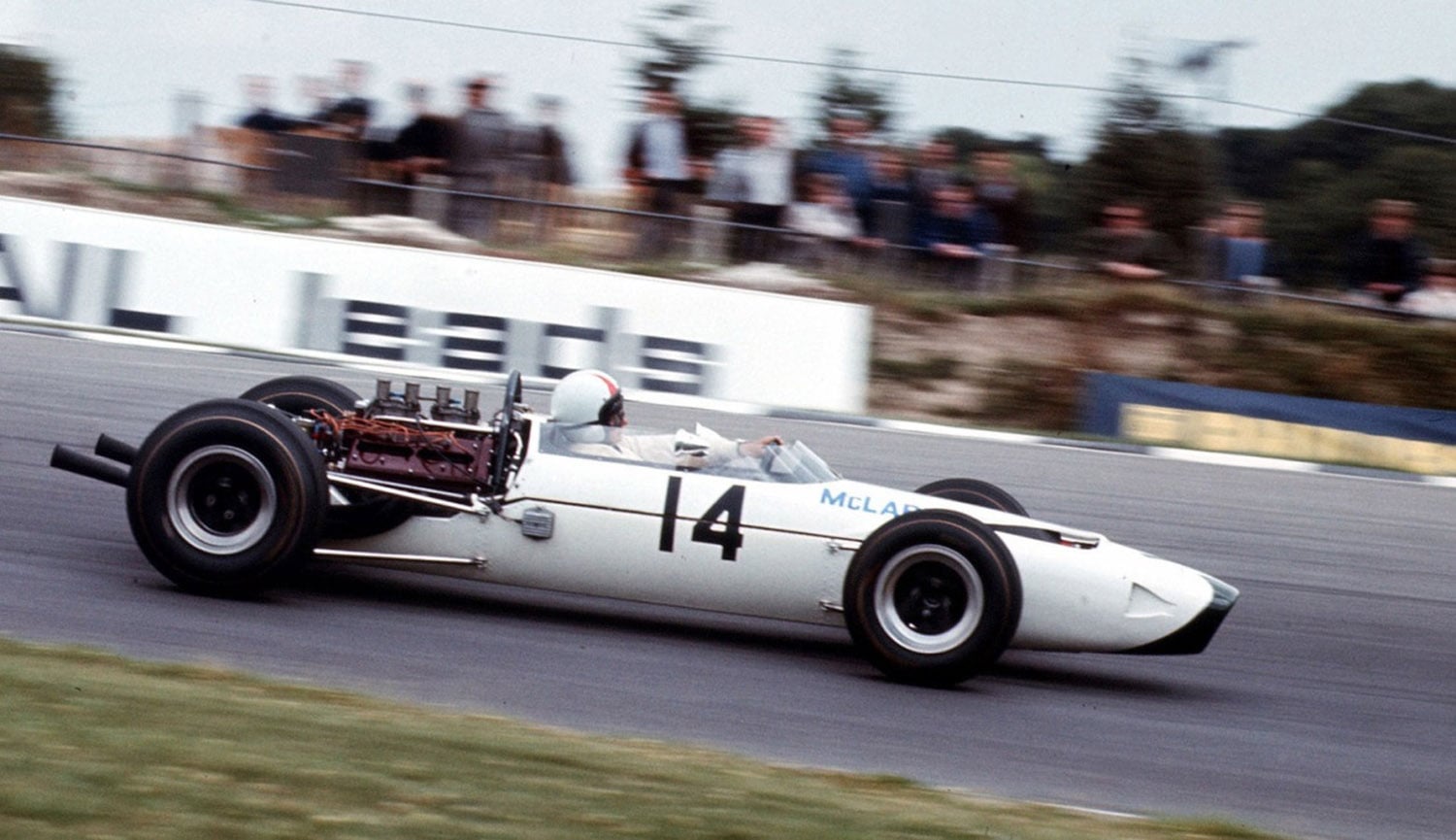
At the end of the 1961 Formula 1 season, Bruce McLaren parted with the Cooper team to pursue his desire to construct his own racing cars. By 1963, Bruce McLaren Motor Racing was founded, entering modified Coopers for the first two years. By 1966, the F1 race car built entirely by Bruce McLaren himself, the M2B, would enter the championship, with McLaren as one of the drivers. It took two more years for the racing team to win its first-ever Grand Prix, but from then on, the McLaren team proved to be regular front-runners. Sadly, Bruce McLaren would never see just how successful his racing team would become, as he fatally crashed a McLaren M8D Can-Am car during testing on June 2nd, 1970.
Turning Race Cars inTo Road Cars
McLaren would also venture into other forms, most notably the Canadian-American Challenge Cup, better known as CanAm, which it dominated for years. And this is actually where the inspiration for the M6 GT came from. The Canadian-American Challenge Cup was virtually a lawless class of road racing, sparking some of the wildest racing cars ever constructed. It originally started in 1966, with two races in Canada and four in the US, with John Surtees winning the inaugural title with his memorable red-and-white MKII Lola T70-Chevrolet. Bruce McLaren Motor Racing would enter with two McLaren M1Bs, using Chevrolet V8 power and Bruce McLaren and Chris Amon behind the wheel. The team scored multiple podium finishes, with Bruce McLaren coming in third in the championship. A year later, the much-improved M6A would blitz the competition, with McLaren now partnering with Denny Hulme, winning all but one race and the pair coming in first and second.
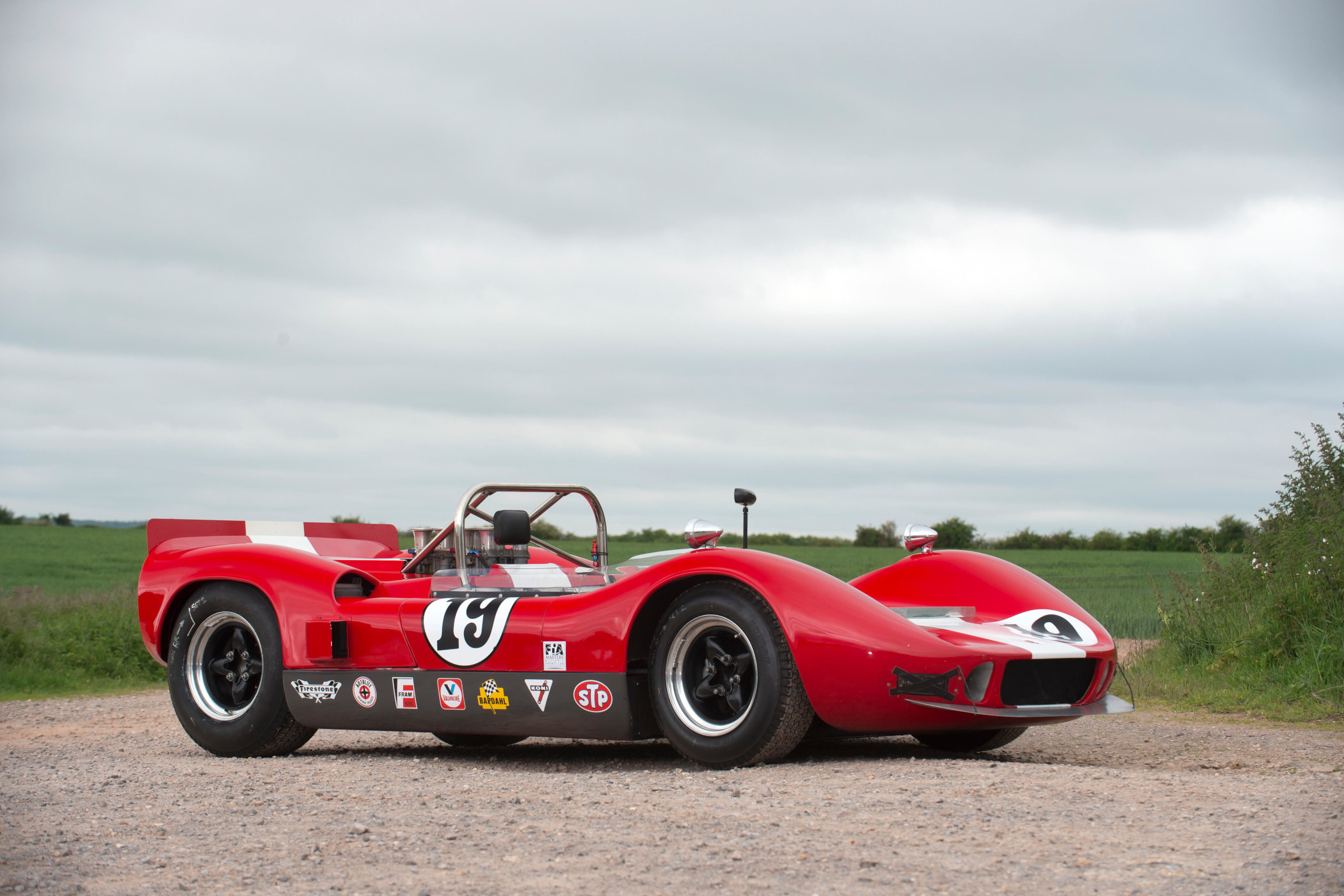
As the championship exploded in popularity, the relaxed set of regulations would spark a literal arms race for more and more power, and ever-increasing speeds. The likes of Chaparral, Shadow, Porsche and Ferrari all challenged McLaren’s dominance, with Porsche eventually succeeding in 1972 and basically killing off the series a year later, with the Sunoco-sponsored 917-30 that produced a monstrous 1,500bhp in qualifying trim. It’s said that on some courses, the cars were much faster than the Formula 1 cars of the era, and given historical footage, I don’t second-guess that claim for even a moment. By 1973, the series’s last season in the original format, the McLaren team had won 5 consecutive titles and no less than 43 races.
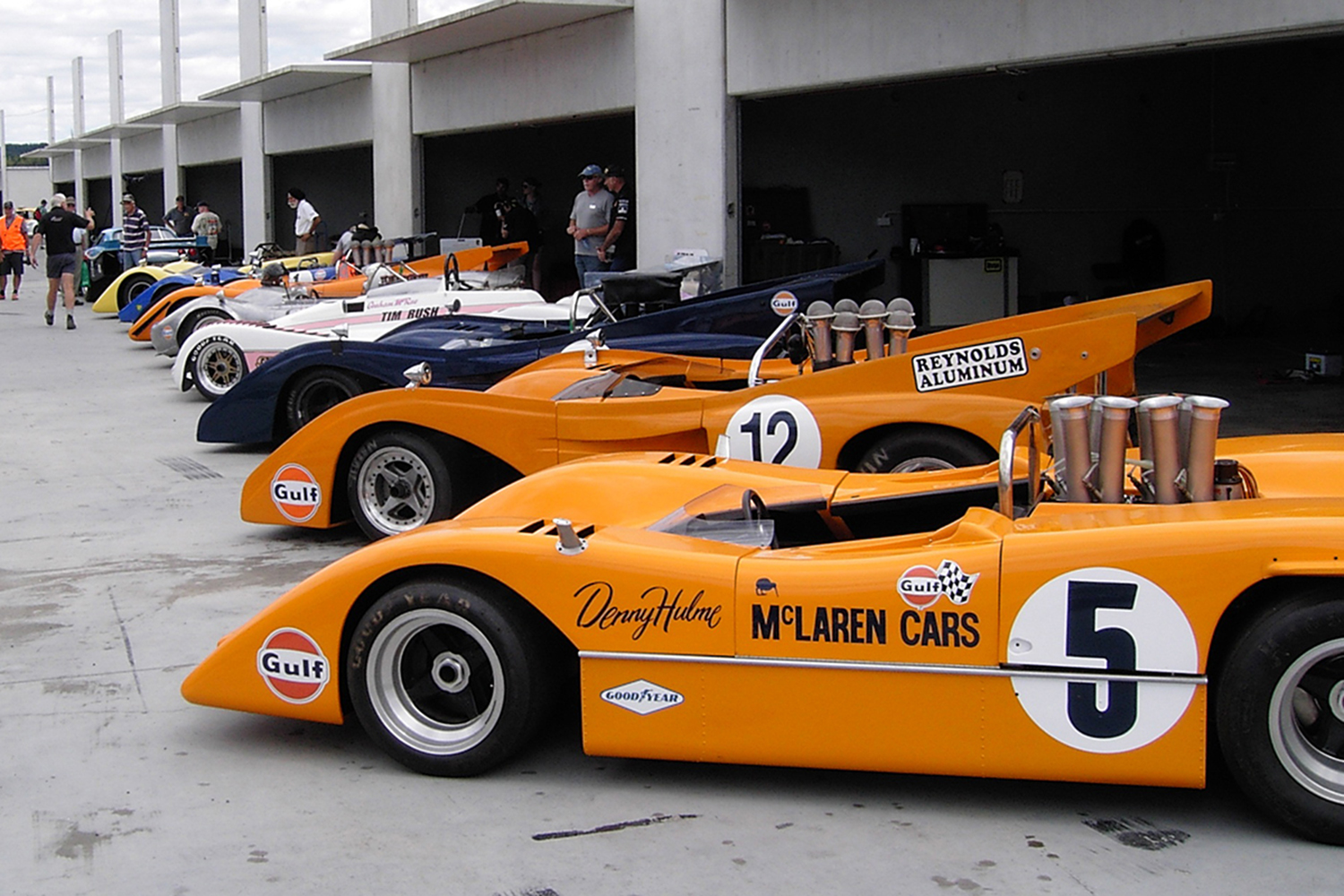
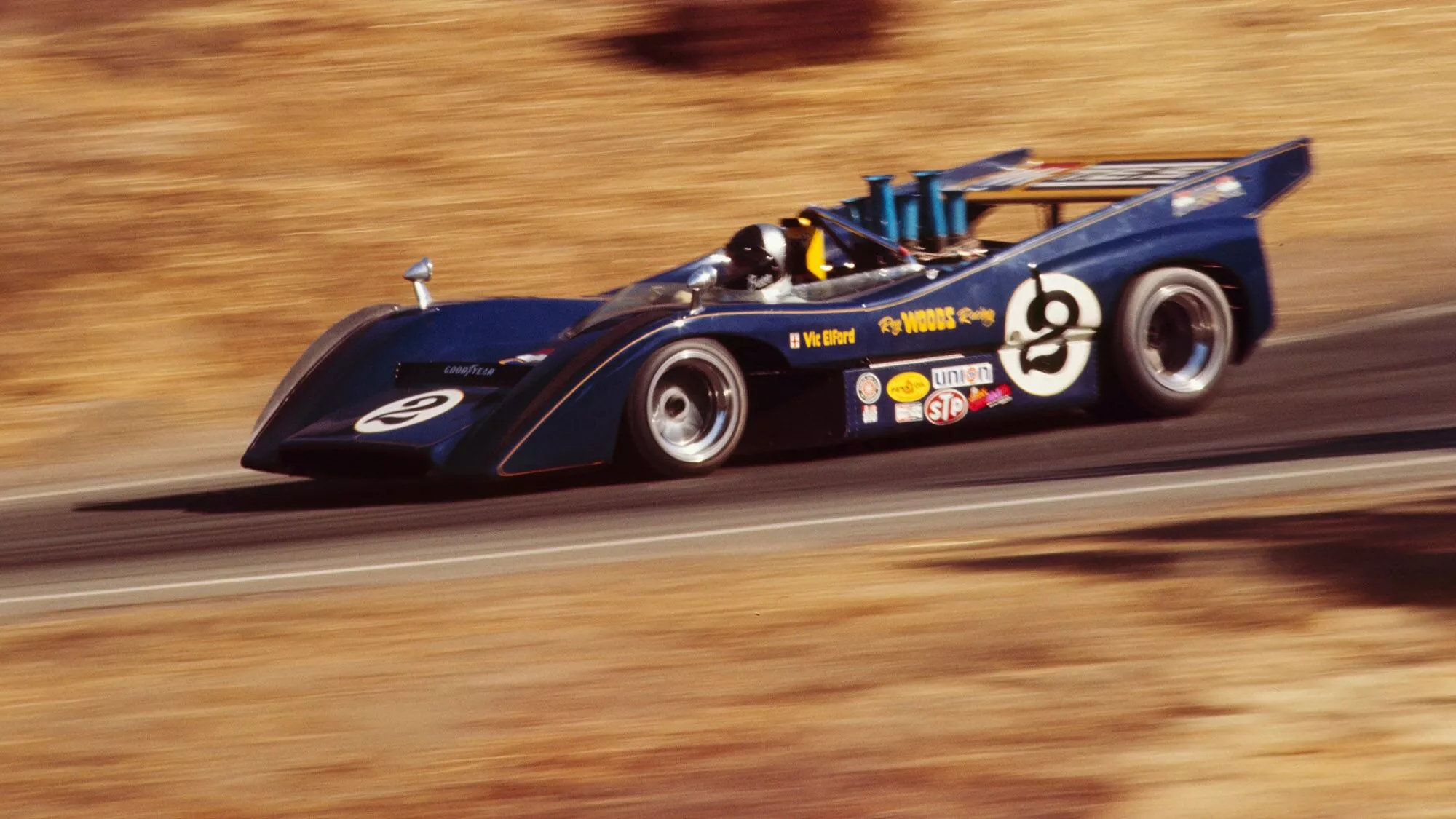
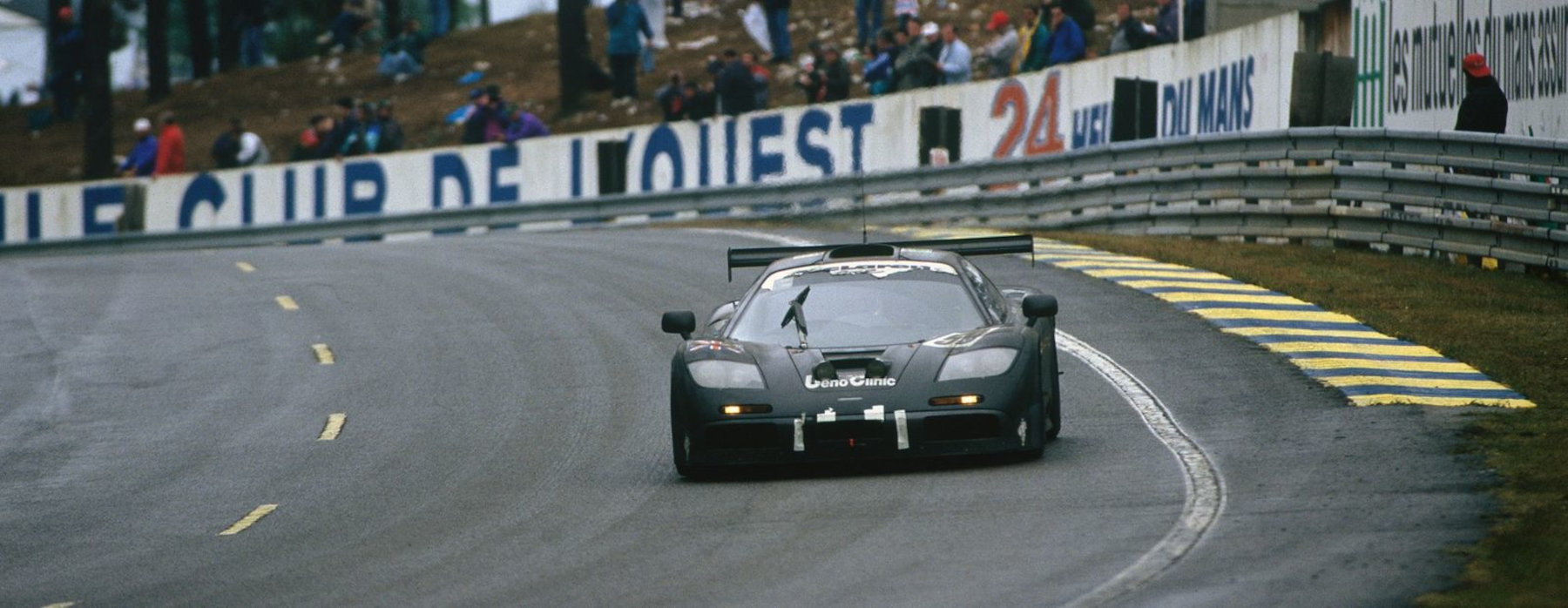
During his dominant years in Can-Am, Bruce McLaren dreamed of producing road cars based on his M6A racing car, and started work on what would become the M6 GT in the late 1960s. Part of the idea was to build 25 cars, effectively homologating the M6A for racing under Le Mans regulations. It wasn’t meant to be, though, as the 1968 regulation changes doubled the number of cars that needed to be built, and with the untimely death of Bruce McLaren shortly after the first three prototypes were built, the project was shelved. Nevertheless, one of the three M6 GTs was fitted with a license plate and regularly used on the road, proving to be a hugely fast machine for the time, thanks to the Chevrolet V8 engine it packed in the back. McLaren’s dream of creating a road car would become a reality, however, when Gordon Murray, Ron Dennis and Peter Stevens developed the legendary F1 and put it into production in 1992. And things came full circle when in 1995, the McLaren F1 GTR won the 24 Hours of Le Mans.
The MSO restoration
Fast forward to today, and the story of theM6 GT lives on thanks to McLaren Special Operations. This team of highly skilled specialists caters to the most unique and special projects related to anything McLaren. From special one-offs based on modern road cars to the restoration of historic machines, it can do it all. In tribute of its founding father, the McLaren Special Operations team has taken it upon themselves to realise the man’s vision by restoring one of the three M6 GT prototypes built.
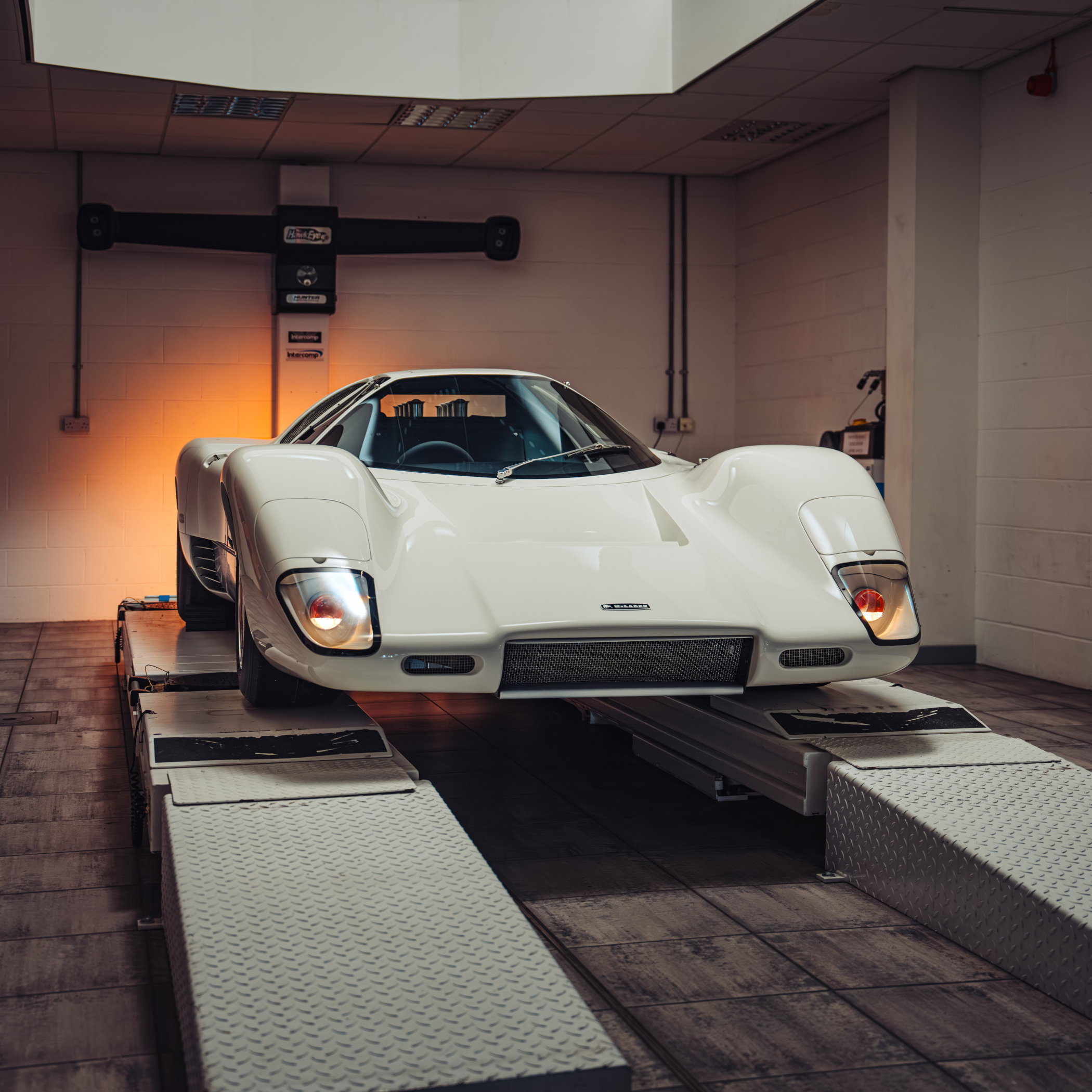
The M6 GT was basically a development of the M6A, as mentioned, hence the name. But turning a racing car into a road car is no easy undertaking, even at a time when regulations on emissions and safety weren’t as strict as nowadays. The M6 GT used a Chevrolet-sourced 5.7-litre V8 that pushed out 370bhp. It wouldn’t be as powerful as the racing cars it spawned from, yet weighing in at an incredible 800 kilos meant the M6 GT was a seriously fast machine for its time. The stoplight sprint to 100kph was said to have taken just over 4 seconds, with 160kph (or 100mph) being done and dusted in just 8 seconds flat. The top speed was said to be 290kph, making it the fastest production car of its day, if it actually had entered production.
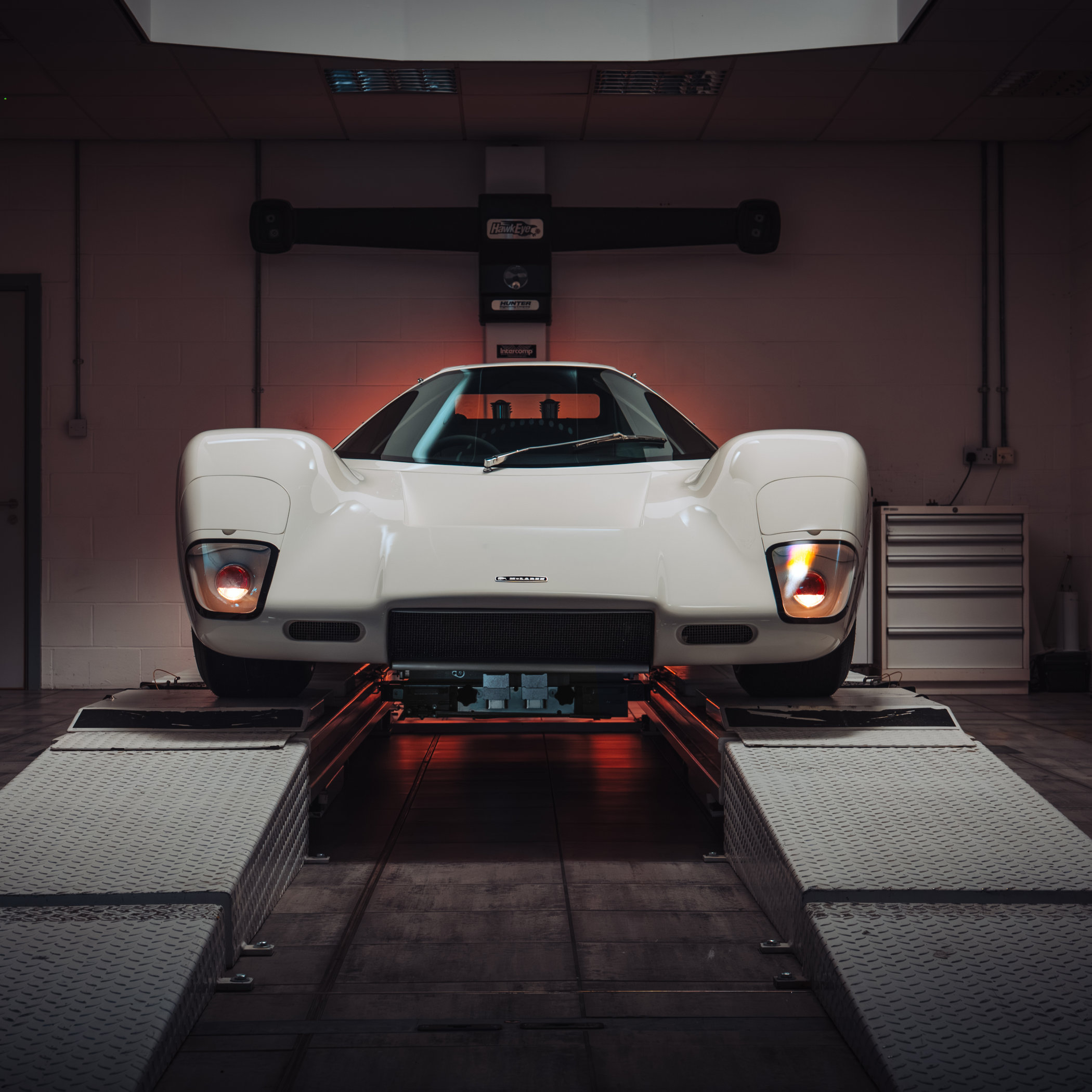
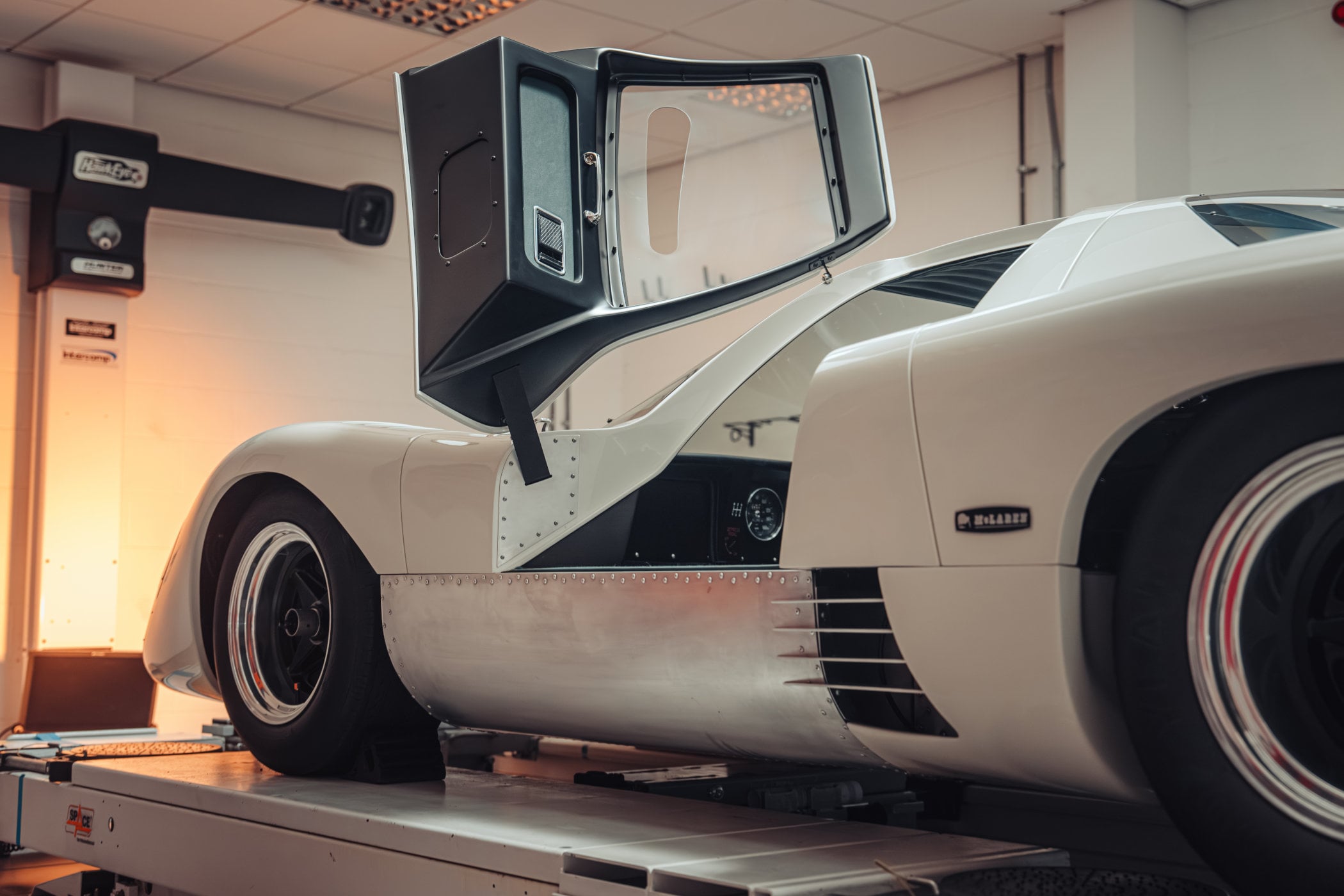
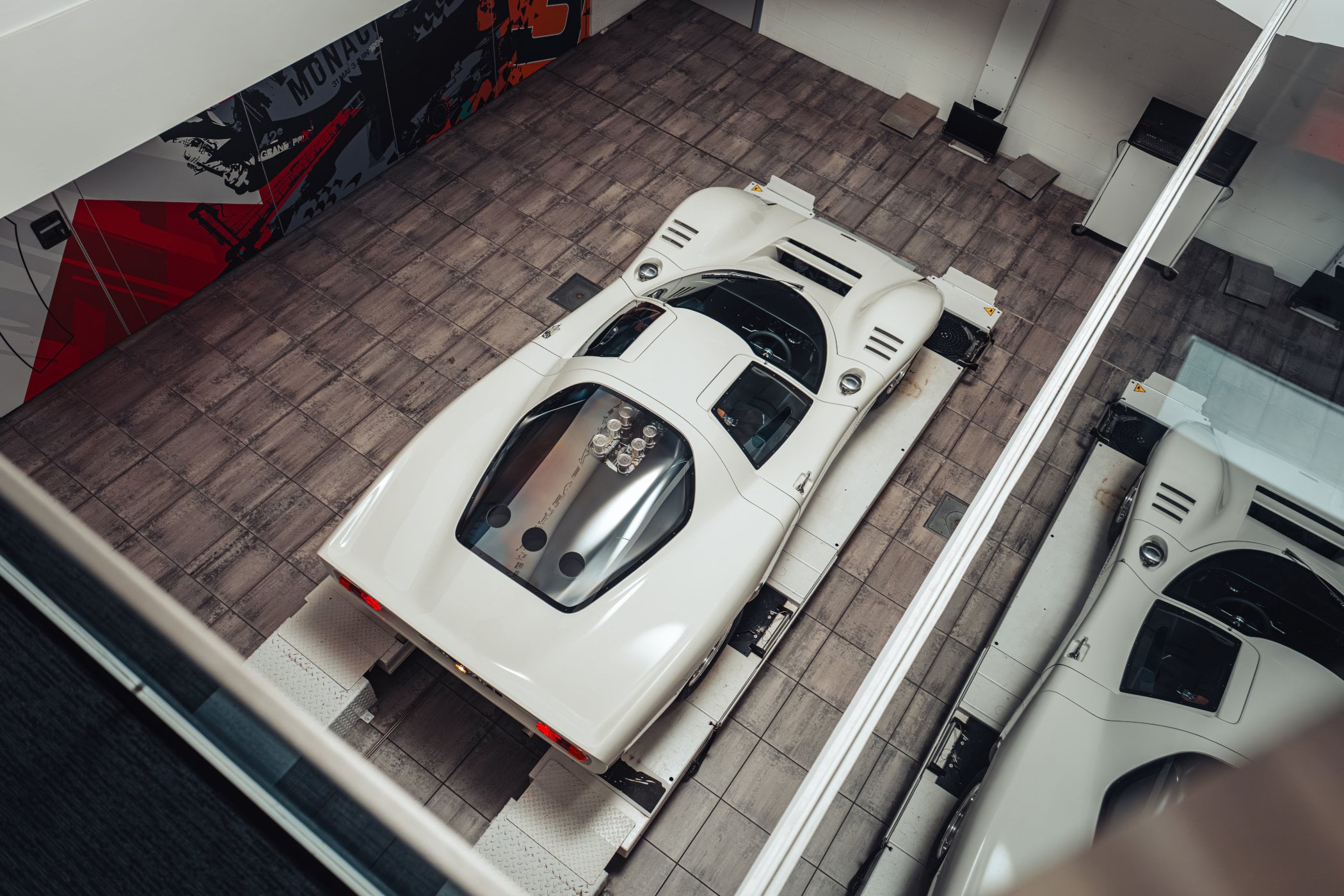
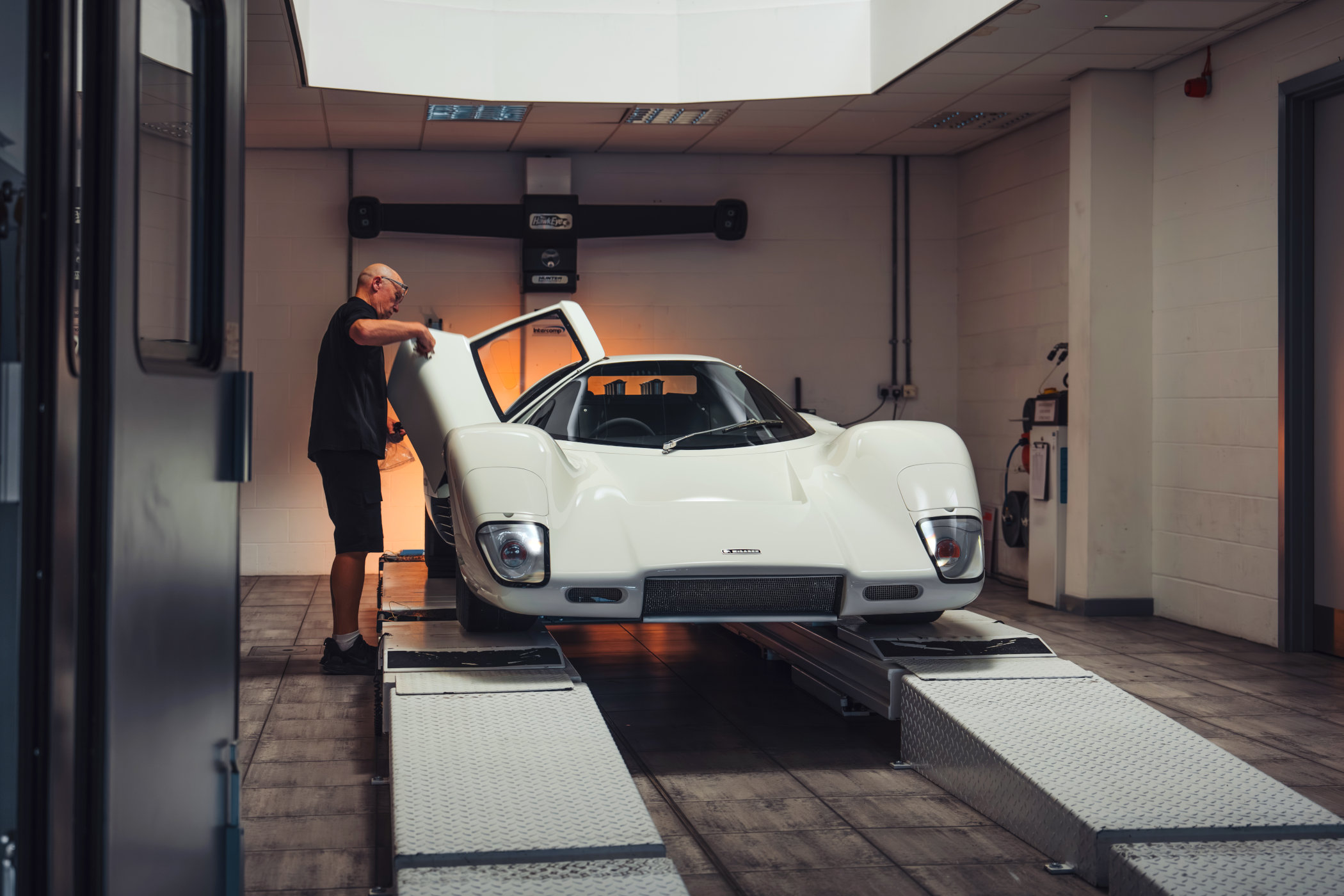
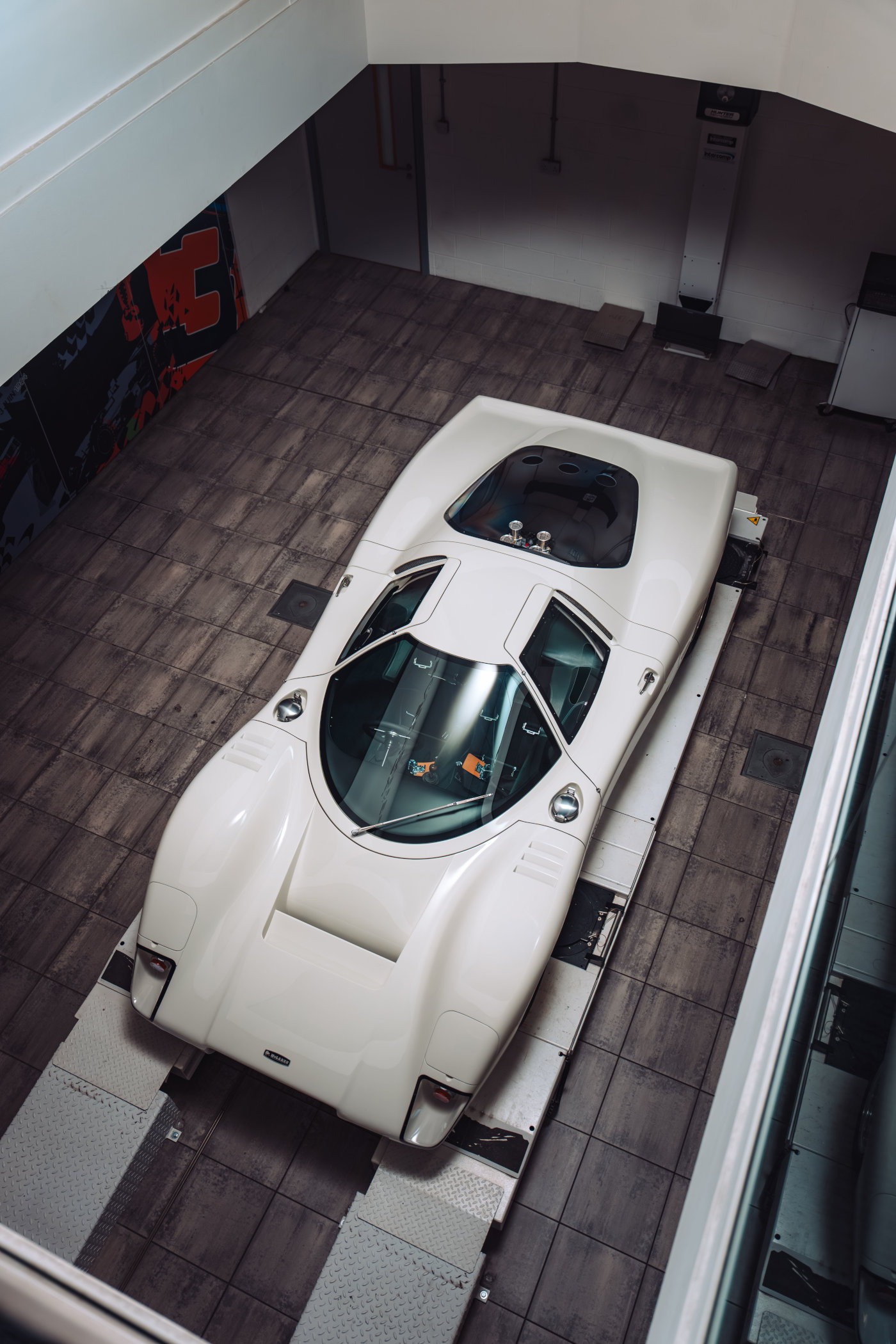
The MSO M6 GT is a true nut-and-bolt restoration using as many authentic parts as possible, and the blueprints and moulds of the original car as well. In terms of design, it essentially looks like the M6A cars, but with a fixed roof. The low-slung nose is typical of the era, with pop-up headlights over glass-covered ones, a wrap-around windshield and intakes along the sides to feed air into the V8 engine. The front and rear clamshell sections are made of fibreglass, and the butterfly doors would foreshadow one of the most iconic elements on the F1 that came decades later.
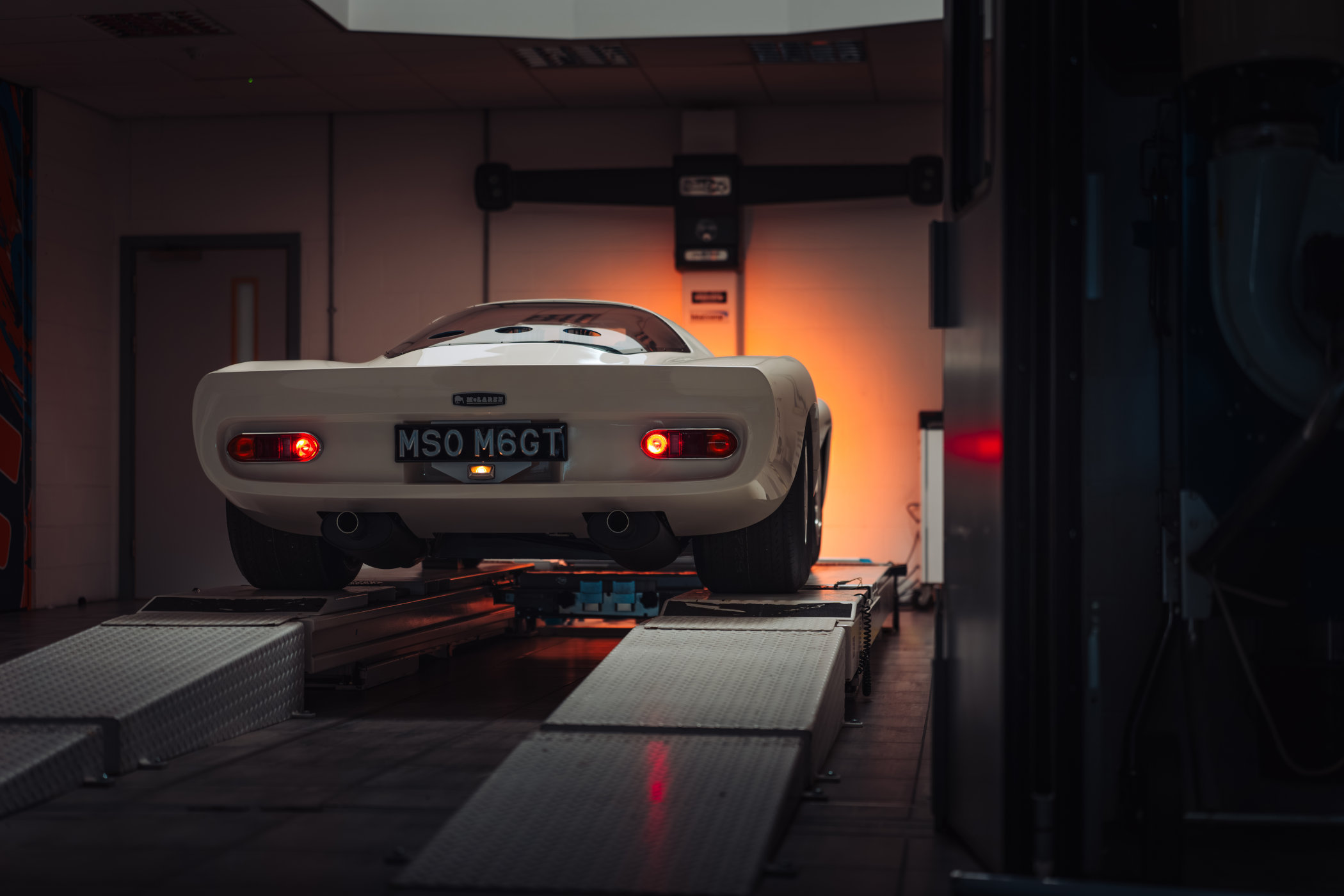
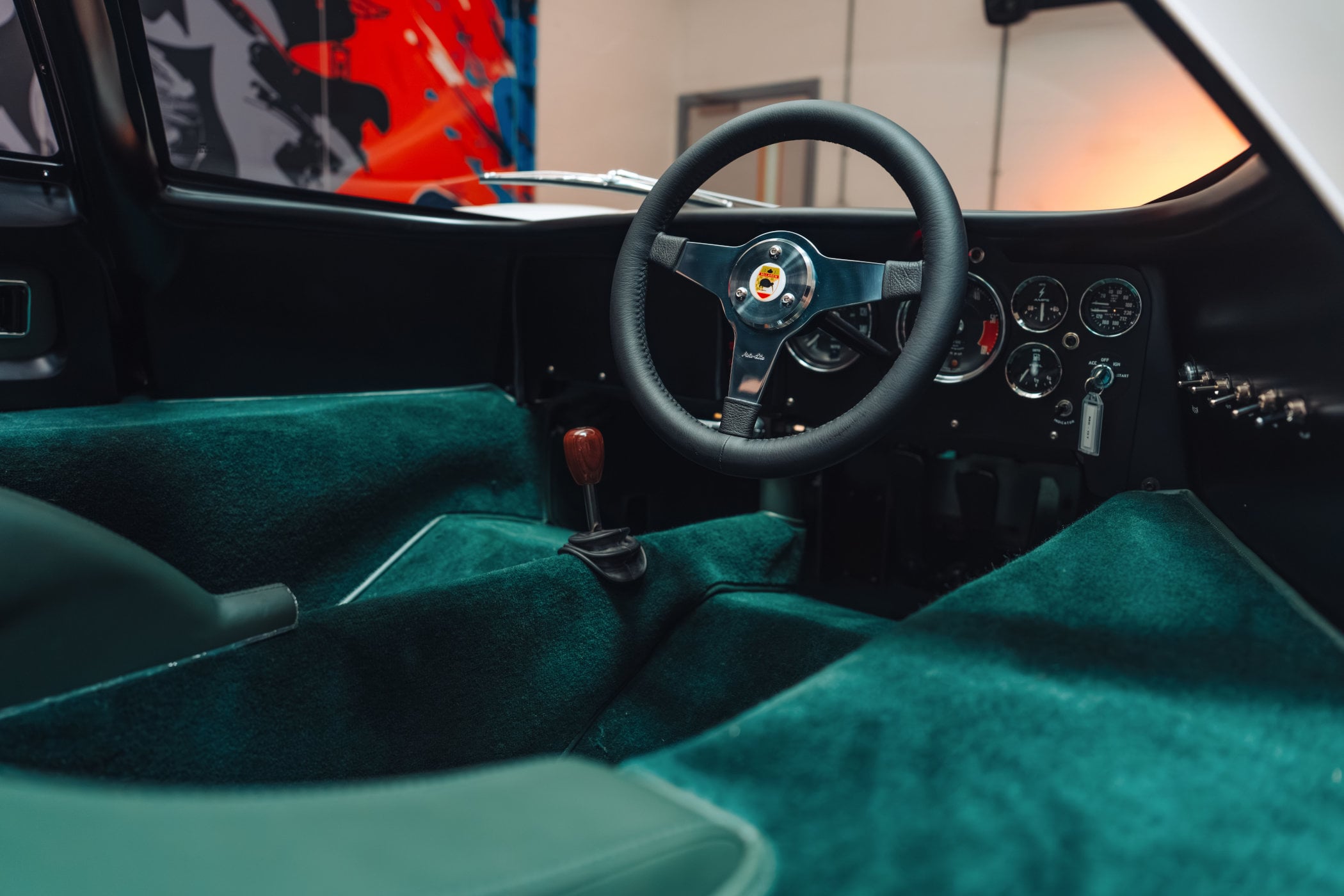
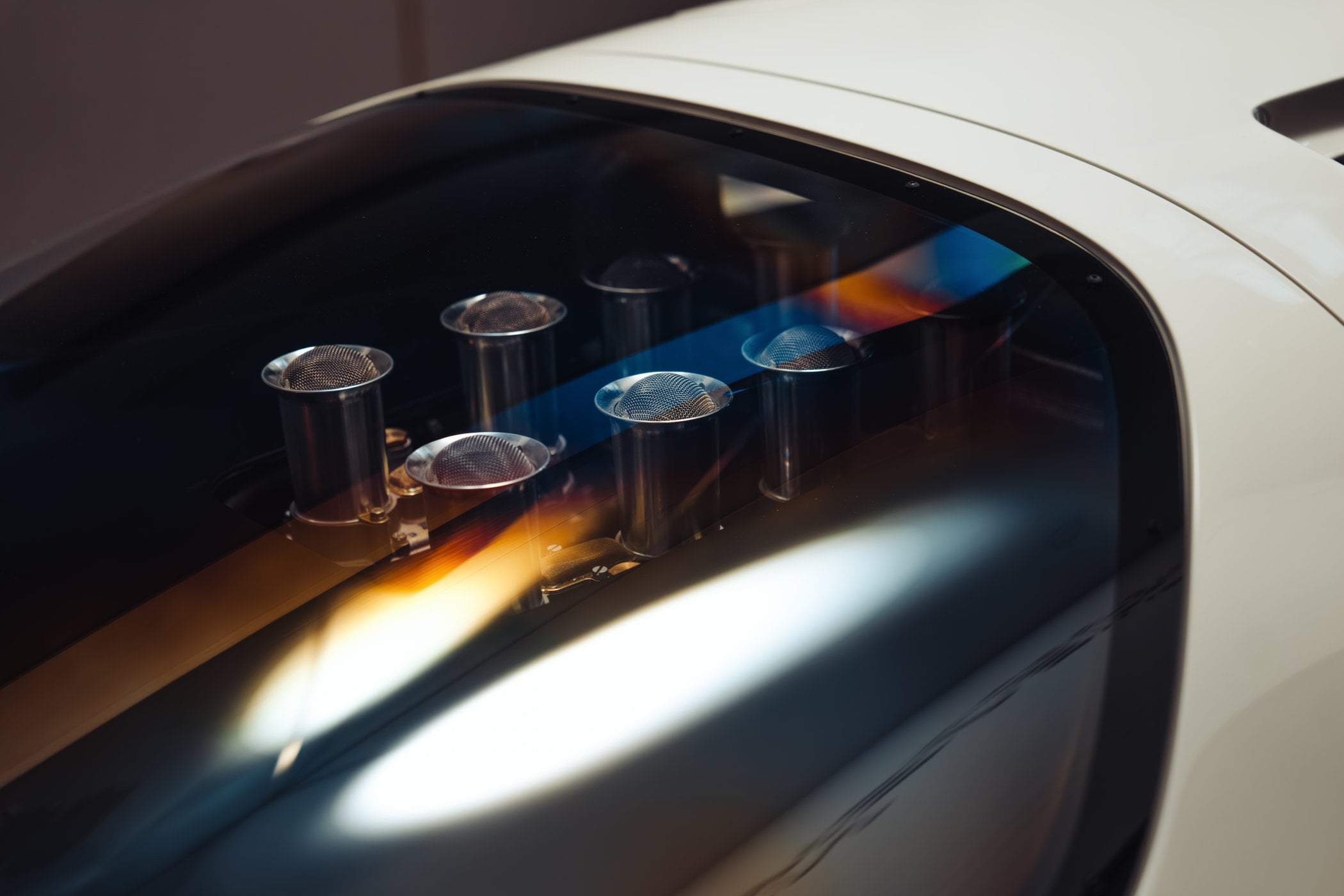
The chassis is from an original McLaren M6A race car, and the original moulds the MSO team uncovered showed McLaren made several modifications between the three prototypes. Down to the smallest parts, even when needing to be created from scratch, were modelled as close to the original car as possible. It really is a tribute to one man’s vision and a fitting answer to the question “what if…”. Finished in Colnbrook white, a colour named after the location of Bruce McLaren Motor Racing’s first workshop in London, England, the MSO M6 GT was revealed during last weekend’s Goodwood Festival of Speed. And I think the man himself would have very much approved.
For more information, please visit McLaren.com.
Editorial Note: The information used and images portrayed in this article are sourced from and used with permission of McLaren Automotive Limited unless stated otherwise.