


 Not all images were able to load for printing. Please close the print window and try again.
 An Extensive Look at Modern Alternatives to the Lever Escapement
Although a perfected design for over 250 years, the lever escapement has modern competition that’s pushing horology to new heights.

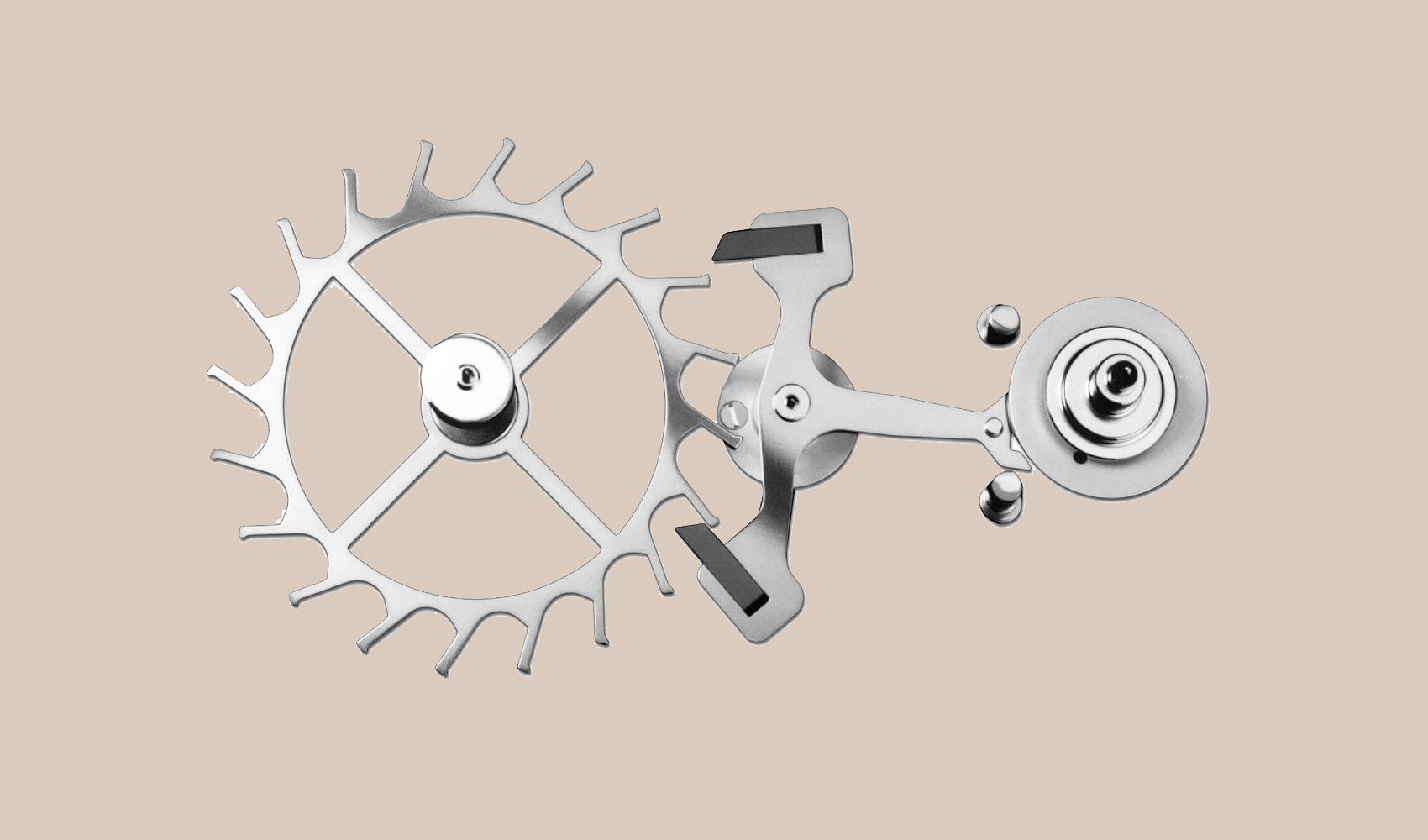
There’s an old saying, “if it ain’t broke, don’t fix it.” That could easily apply to the lever escapement, a design so perfected that almost all mechanical watches rely on it today after its debut in 1754. It’s reliable, accurate and easily mass produced, and watchmakers like Rolex and Patek Philippe have lever escapement movements accurate to within two seconds per day. For context, a COSC-certified movement is accurate to -4/+6 seconds per day. What the lever escapement lacks is extreme efficiency, as up to 30% of the mainspring’s energy is taken by the friction between the lever and escape wheel, and impulses to the balance wheel. The recent use of silicon for escapements has improved efficiency exponentially and even removed the need for oil in some cases, but designs that stray from the lever escapement entirely are starting to turn the page after a long (and still unfinished) chapter. Let’s look at several modern designs that push boundaries and might one day reshape the horological landscape.
In this article, we’re going to look at the main alternatives to the lever escapement, those that have been industrialised or produced in larger quantities. There are, of course, far more alternatives to the lever escapement produced by talented independent watchmakers. We can include here those inspired by Breguet and his natural escapement, with Laurent Ferrier (potentially the most advanced of the list), as well as Kari Voutilainen, François-Paul Journe, Charles Frodsham, Bernard Lederer, and Ulysse Nardin, with its dual impulse escapement.
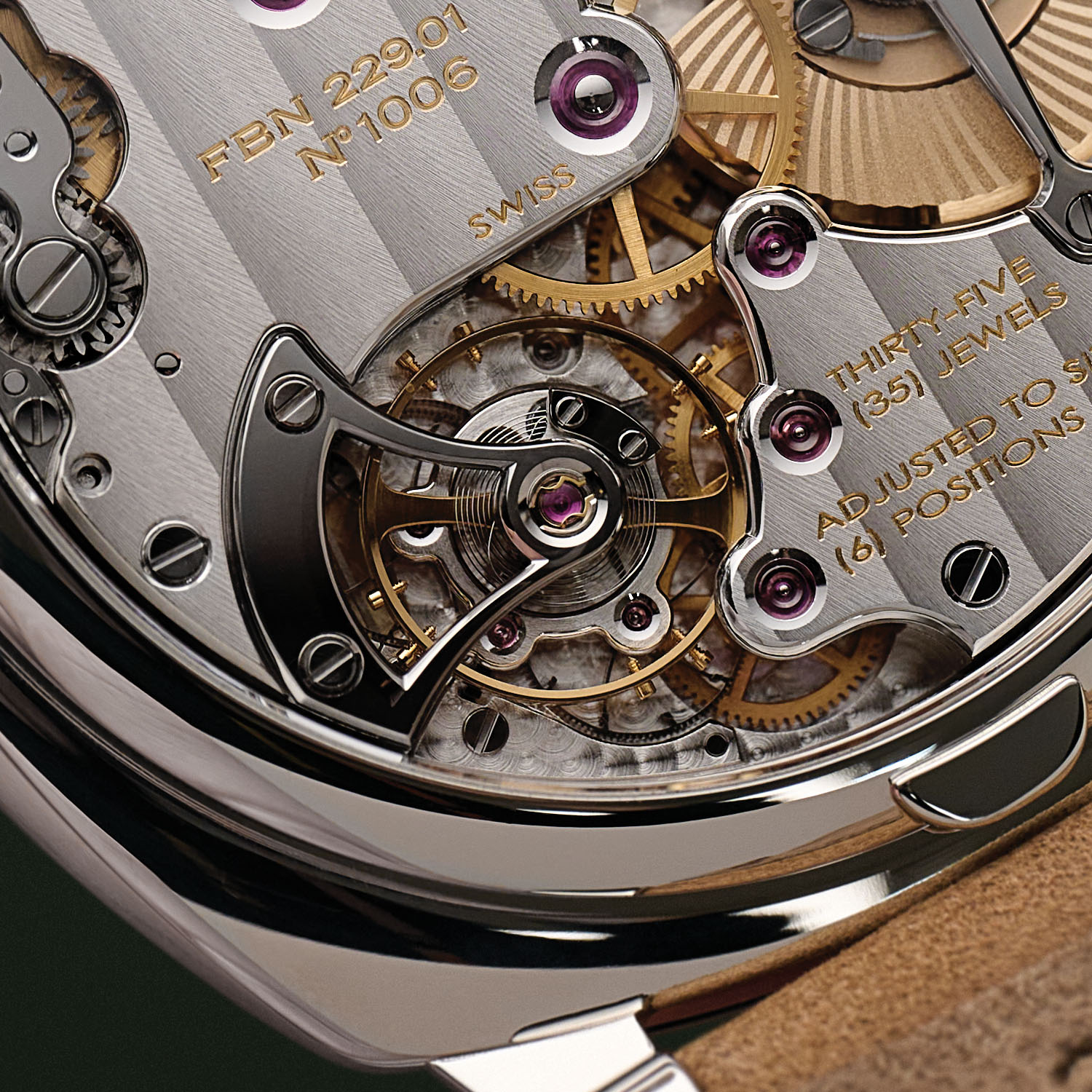
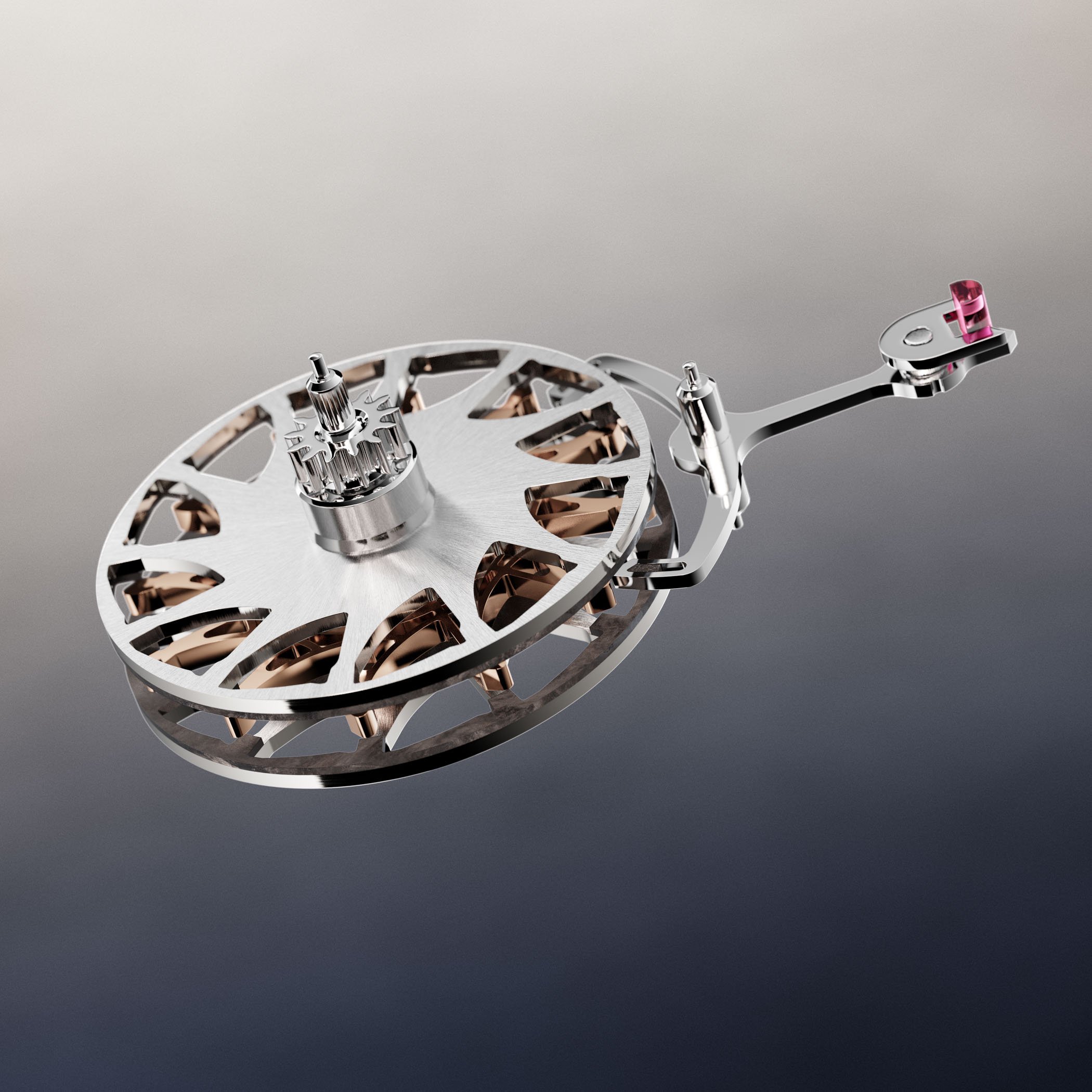
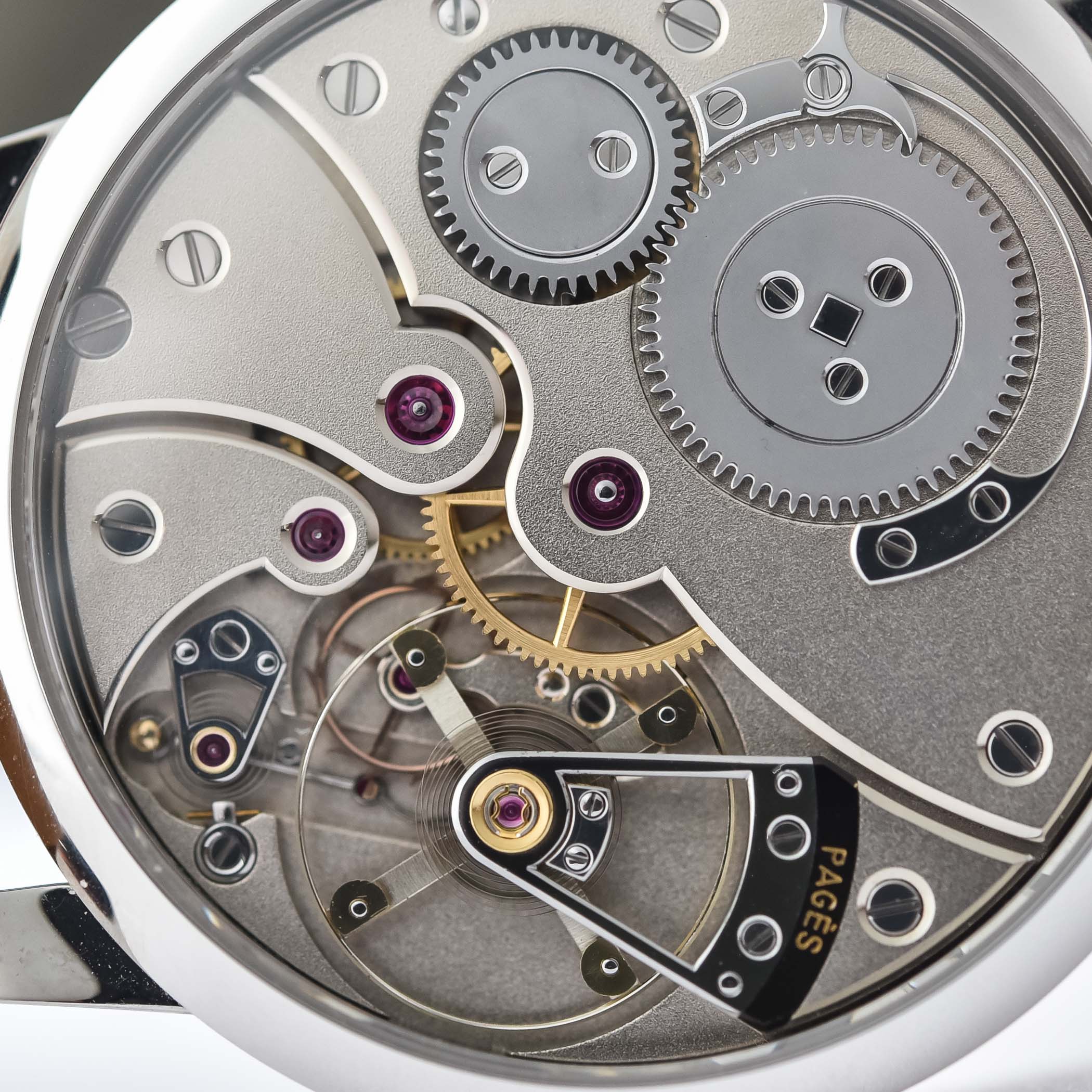
The detent escapement is an antique solution that’s been revived by a few watchmakers recently (not without production issues), such as Raúl Pagès. Finally, Breguet recently introduced the Experimentale 1, a watch equipped with a 10Hz high-frequency tourbillon and a constant force magnetic escapement, which is explained in detail here. Finally, indie watchmaker Mathieu Cleguer recently introduced his first watch, which features a new geometry named the Innate escapement, an evolution of the natural escapement.
Where It All Began
Let’s first go back several centuries to where mechanical watchmaking began, as several escapements predate the lever escapement. The verge escapement emerged in the late 13th century for large clock towers that simply rang bells for hours, as dials had yet to become mainstream. You could say these were the original Sonnerie au Passage designs and the first timekeepers that relied on mechanics alone – water clocks date back to the 16th century BC and used vessels (like large bowls) with water that either steadily drained or filled to measure time via measured lines. Similar in concept to the hourglass. The verge escapement worked in tandem with hanging weights (before springs) to regulate energy into timekeeping impulses, creating the first “tick tock” of time. It used a crown-shaped escape wheel and vertical rod with pallets – the verge – and a weighted bar for oscillation – the foliot. This original setup worked reasonably well for large clock towers in the 14th century, although accuracy wasn’t great by today’s standards – the best were still off by an hour or so per day. When the verge escapement was miniaturised for portable Nuremberg Eggs in the early 16th century (the original “pocket” watches), accuracy was even worse and often off by hours per day.
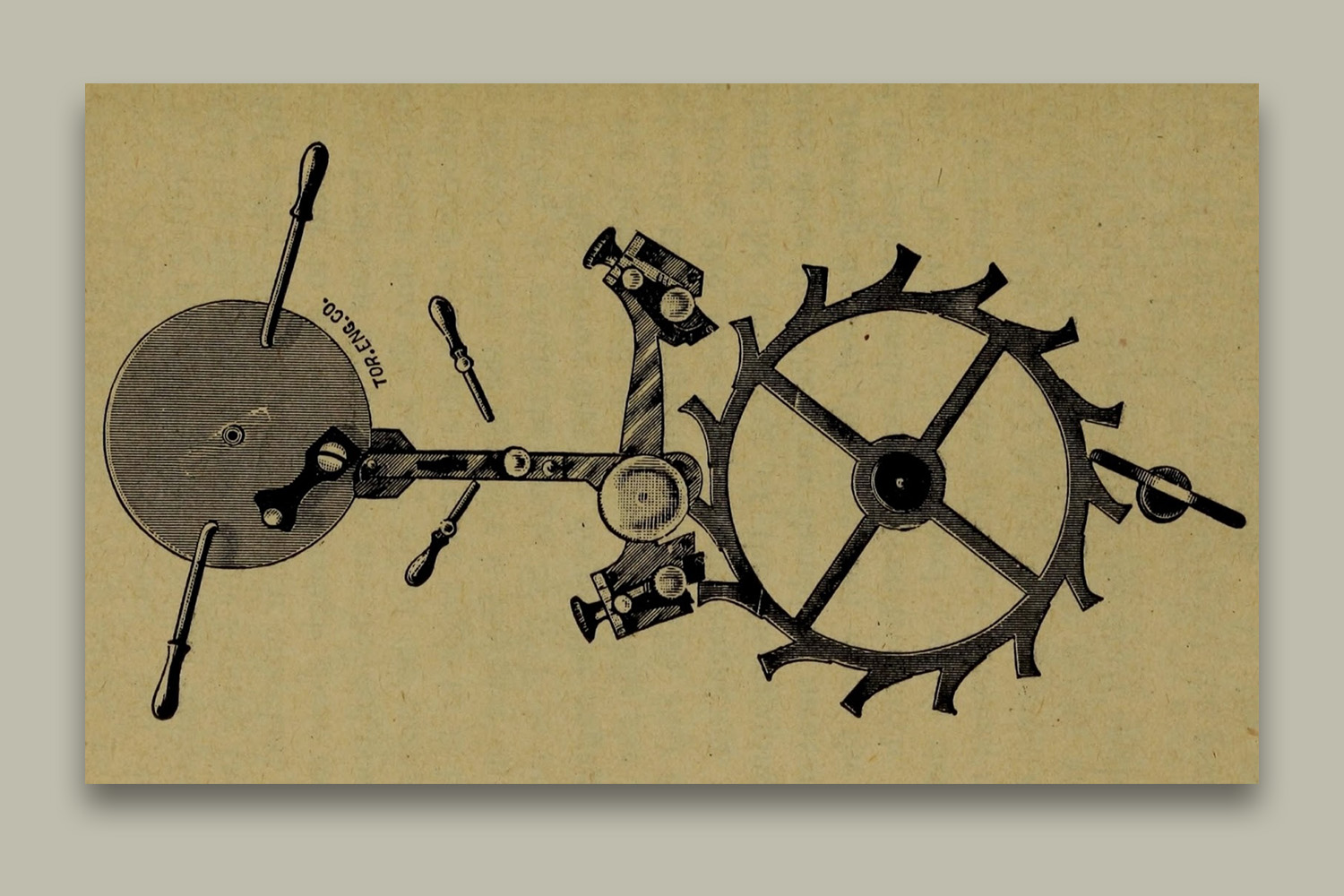
The balance wheel and hairspring were the biggest advancements for accuracy in pocket watches, developed in the late 17th century. They replaced the foliot (and early balance wheels without springs) to bring precision to minutes per day, not hours. Although somewhat archaic even by late 18th century standards, the verge escapement remained popular into the mid-19th century as an inexpensive alternative to much better designs like the cylinder and lever escapements. Following the much-improved cylinder escapement in 1695, an English invention with a slim, horizontal design that allowed for significantly thinner watch cases, the lever escapement brought the most efficient and reliable design that remains the gold standard today. It was invented by British clockmaker Thomas Mudge in 1754 for pocket watches – a revision of George Graham’s deadbeat clock escapement. The lever escapement introduced the detached concept – older escapements made constant contact that caused a lot of wear and less accuracy from friction, while the detached lever escapement only has the lever contacting the balance during brief impulse periods via a pin on the balance wheel. Imagine flipping a standard light switch on and off with your finger, only touching it briefly to perform the action. That would be a detached action, compared to a flatter switch type that you continuously run your finger over to flip it on and off, never removing it between the actions (analogous to older escapement types).
The Lever Escapement Monopoly
Despite its superior design, it took over a century for the lever escapement to become the dominant type globally, thanks to Swiss watchmakers embracing it. In the mid-19th century, the English design was refined in Switzerland with a modified lever and escape wheel teeth for shorter impulses and less friction, and the Swiss lever escapement was considered perfected. Around the same time, Swiss watchmaker Georges-Auguste Leschot developed machinery to mass-produce lever escapements, significantly reducing costs and leading to global adoption by the start of the 20th century. Cheaper counterparts persisted for a bit, particularly in America with “dollar watches” using simplified pin-lever or older duplex escapements, but the Swiss lever escapement ultimately replaced them all and continues to regulate time for around 99% of all mechanical watches today.
The Silicon Revolution
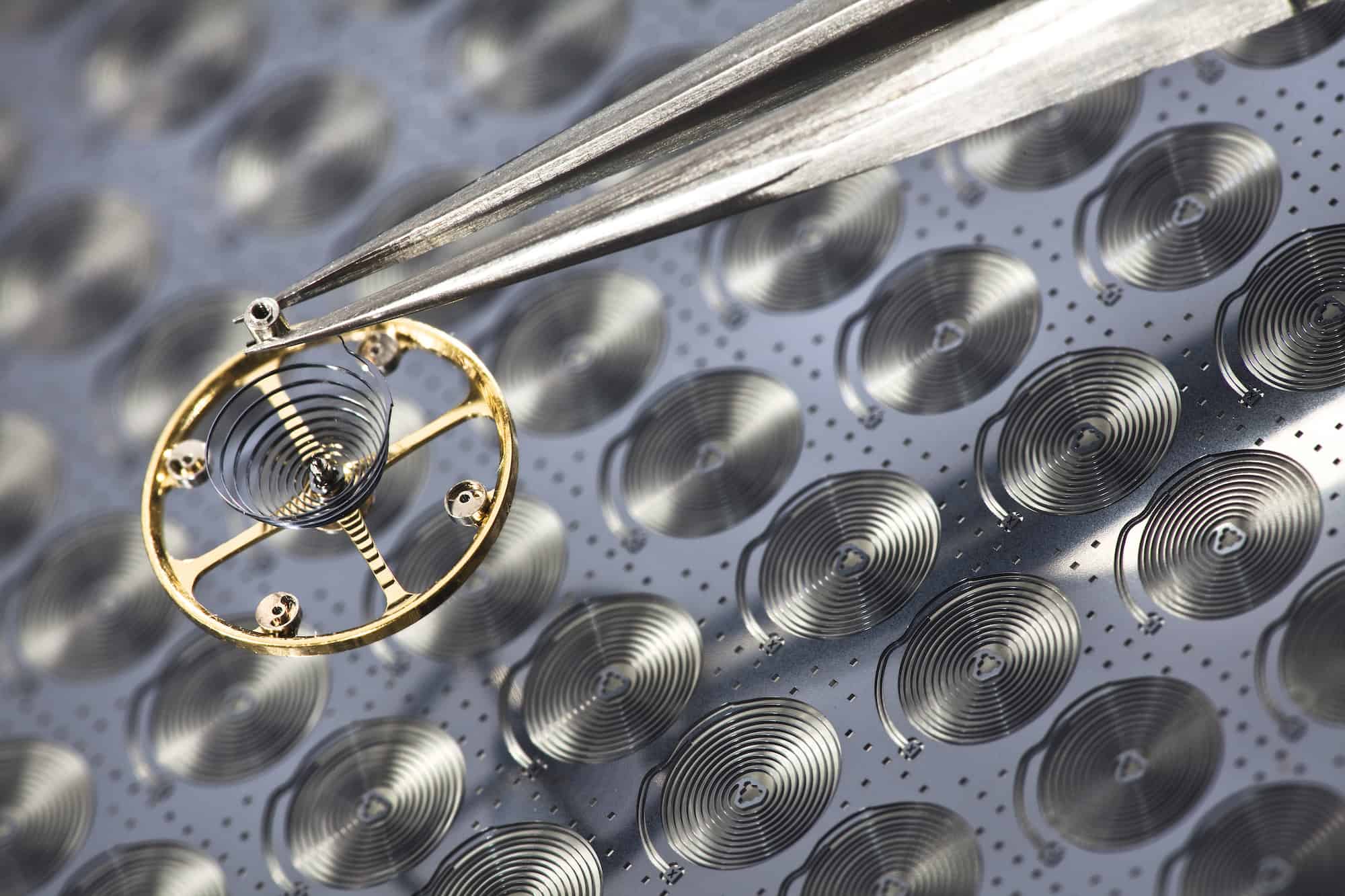
One of the biggest 21st-century advancements in watchmaking was the introduction of silicon parts, particularly with escapements and hairsprings. The material is very lightweight and durable, totally anti-magnetic and extremely temperature resistant, and is so frictionless that it doesn’t even require lubricating oil. This is an adaptation of semiconductor production as watch parts are quite literally cut from the same single-crystal (monocrystalline) silicon wafers. Deep-Reactive Ion Etching (DRIE) is the method of cutting parts like escape wheels and levers from wafers, and it’s such an exacting method that intricate shapes can be mass-produced with extreme tolerances to the micron level. No additional machine or handwork is needed as they are perfectly cut every time, providing an unmatched consistency compared to conventional metals and machining. Hairsprings can also be made with silicon, bypassing the notorious difficulty of producing them conventionally with metal alloys. Ulysse Nardin was the first watchmaker to use silicon escapement components with the Freak in 2001, and Breguet introduced a full silicon escapement in 2006 with calibre 591A (escape wheel, lever and hairspring), and silicon has slowly revolutionised the industry ever since.


The Co-Axial Escapement
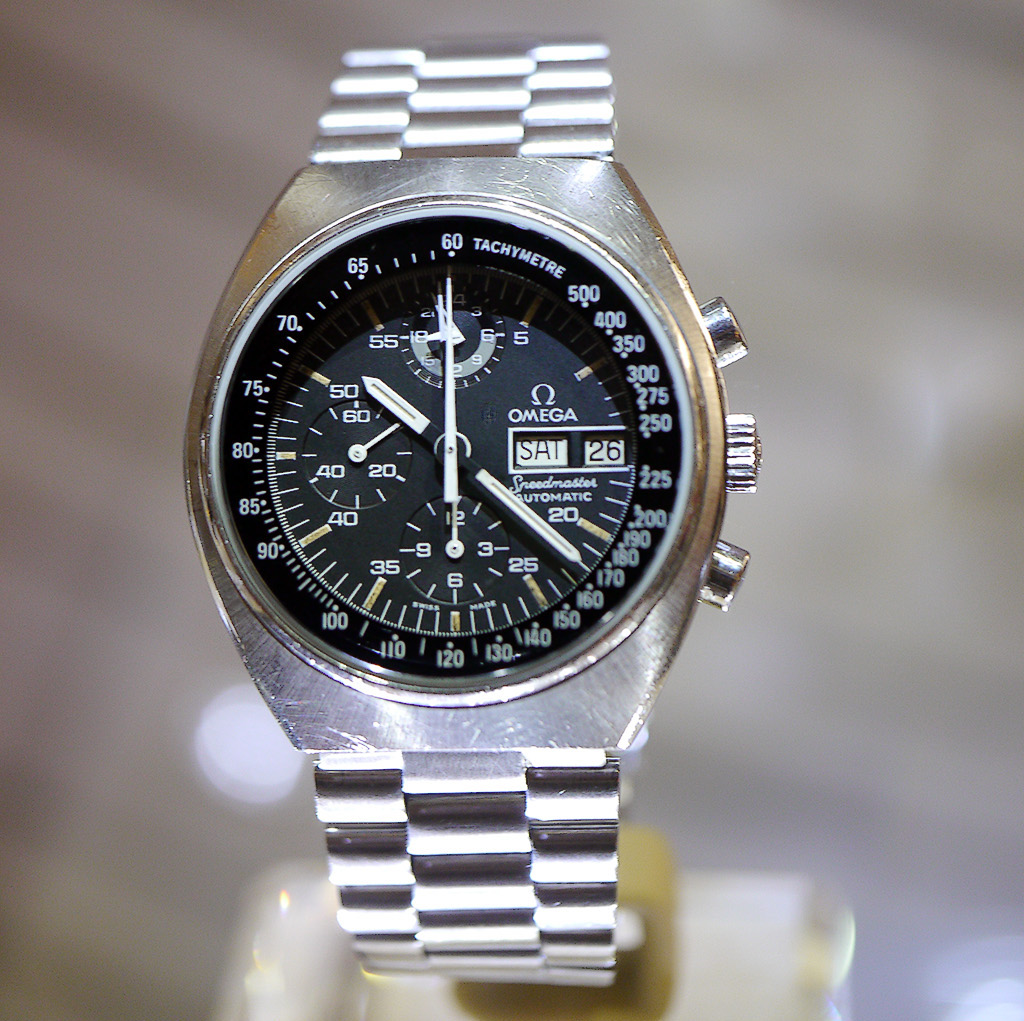
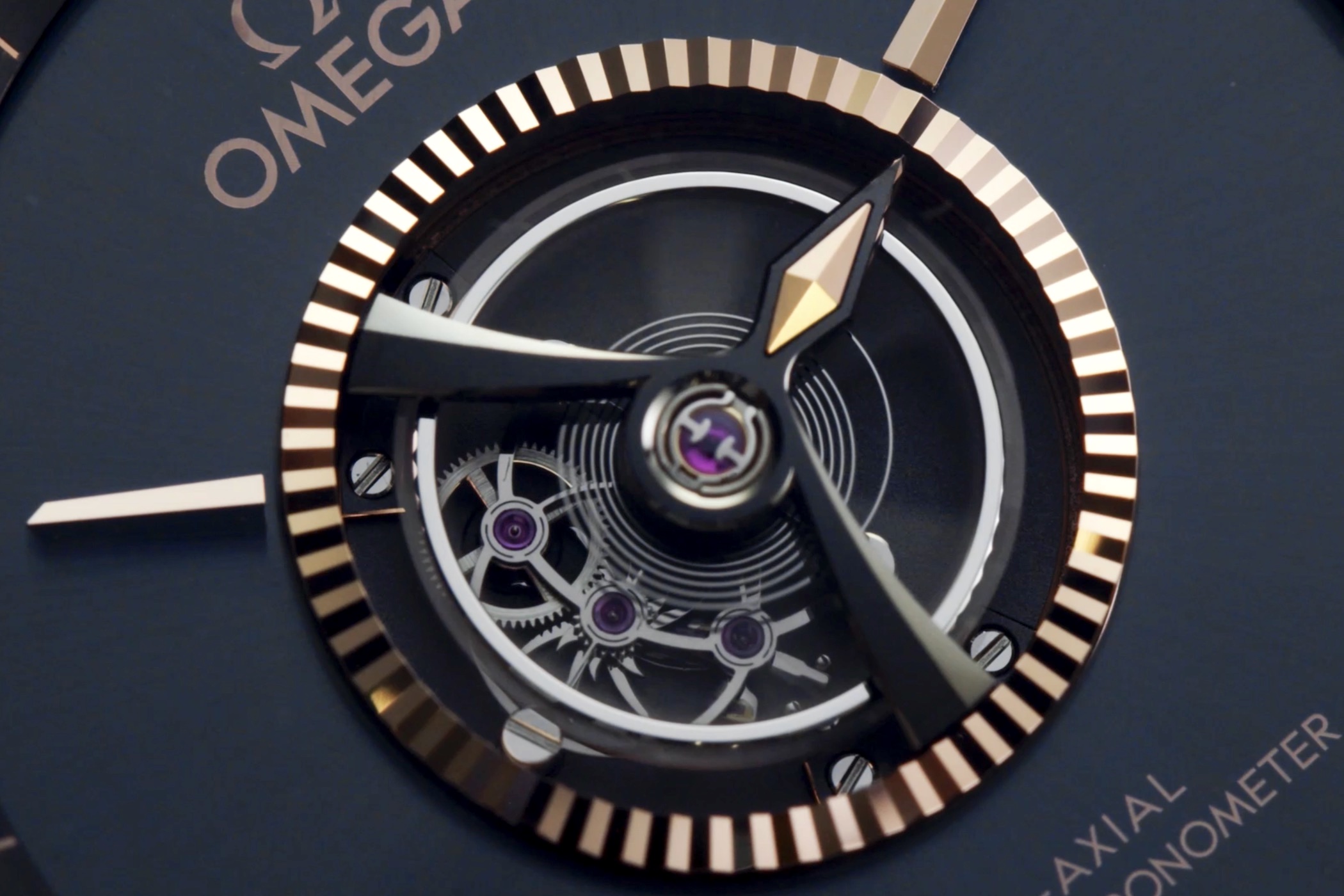
British watchmaker George Daniels, arguably one of the greatest master watchmakers of our time, invented the co-axial escapement in 1974. And that’s among the most significant of horological developments in the last century. However, acceptance of this new and improved escapement was initially elusive as the Quartz Crisis was already underway, and there was hesitancy to invest away from the proven and successful lever escapement. Daniels integrated his escapement into calibre 1045 of an Omega Speedmaster Mark 4.5 using handmade components in 1975, and this inaugural prototype wristwatch is now at the Omega Museum in Biel, Switzerland. It was Omega that finally embraced the co-axial escapement in the 1990s and was the only watchmaker to produce it at an industrial scale. Today, all Omega watches use this escapement, save for quartz models and rare legacy/heritage pieces, and it’s become an integral part of the brand’s identity.
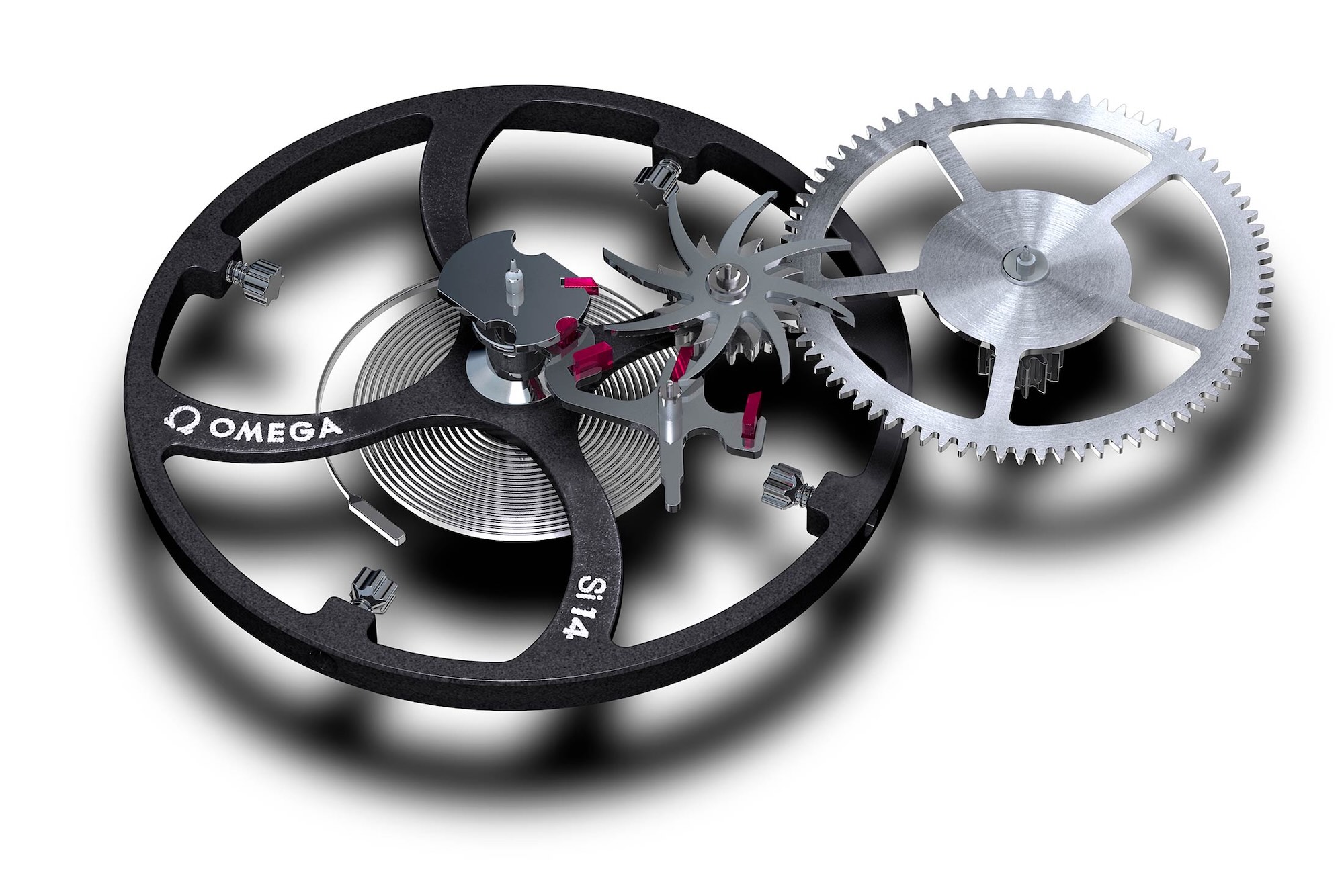
The first major difference you’ll see between the co-axial and lever escapement is the pallet fork, which has three pallets on the co-axial variant instead of two. This setup virtually eliminates sliding friction as impulses are controlled with a pushing action instead, and the escape wheel itself is comprised of two separate gears stacked together. One gear is in charge of the locking function, while the other handles the impulses. In theory at least, this results in better accuracy and longer service intervals, although the widening use of silicon for lever escapements has made this somewhat of a moot point. Here’s how it works – The two outer pallets on the lever lock and unlock with the larger escape wheel (appearing similar to the lever escapement), but the third centre pallet engages with the smaller, stacked escape gear to transmit the impulse in conjunction with a fourth pallet on a roller at the balance wheel. There’s again no sliding action as the teeth engage with the palette stones at the ends – stopping and pushing instead of the stopping and sliding action of a lever escapement. While Omega is the only watchmaker to mass-produce this escapement for its expansive portfolio, Roger Smith uses his own variant as well within a limited, handmade collection. Smith was the sole apprentice to George Daniels and is one of the best master watchmakers today (Daniels died in 2011), and extensive handwork defines his watches as he follows Daniels’ practices, with most components being handmade with limited reliance on technology.
The Rolex Dynapulse Escapement
One of the most recent examples of a new escapement comes from Rolex. The Dynapulse escapement debuted last year with the new Land-Dweller, an integrated sports watch that brought back design elements from the 1970s Oysterquartz. Although the design of the new model made headlines, it’s the new Dynapulse escapement within calibre 7135 that’s most intriguing. Unlike the recent Rolex Chronergy escapement, which is more of a tweaked and optimised lever escapement, the Dynapulse adds an escape wheel for a dual setup that engages with a separate “middleman” silicon rocker instead of directly with the balance wheel. Because of this separation from the balance, it’s not considered a natural escapement that directly gives impulse to the balance wheel, even though they look similar to twin escape wheels (this was an Abraham-Louis Breguet invention in the late 18th century).
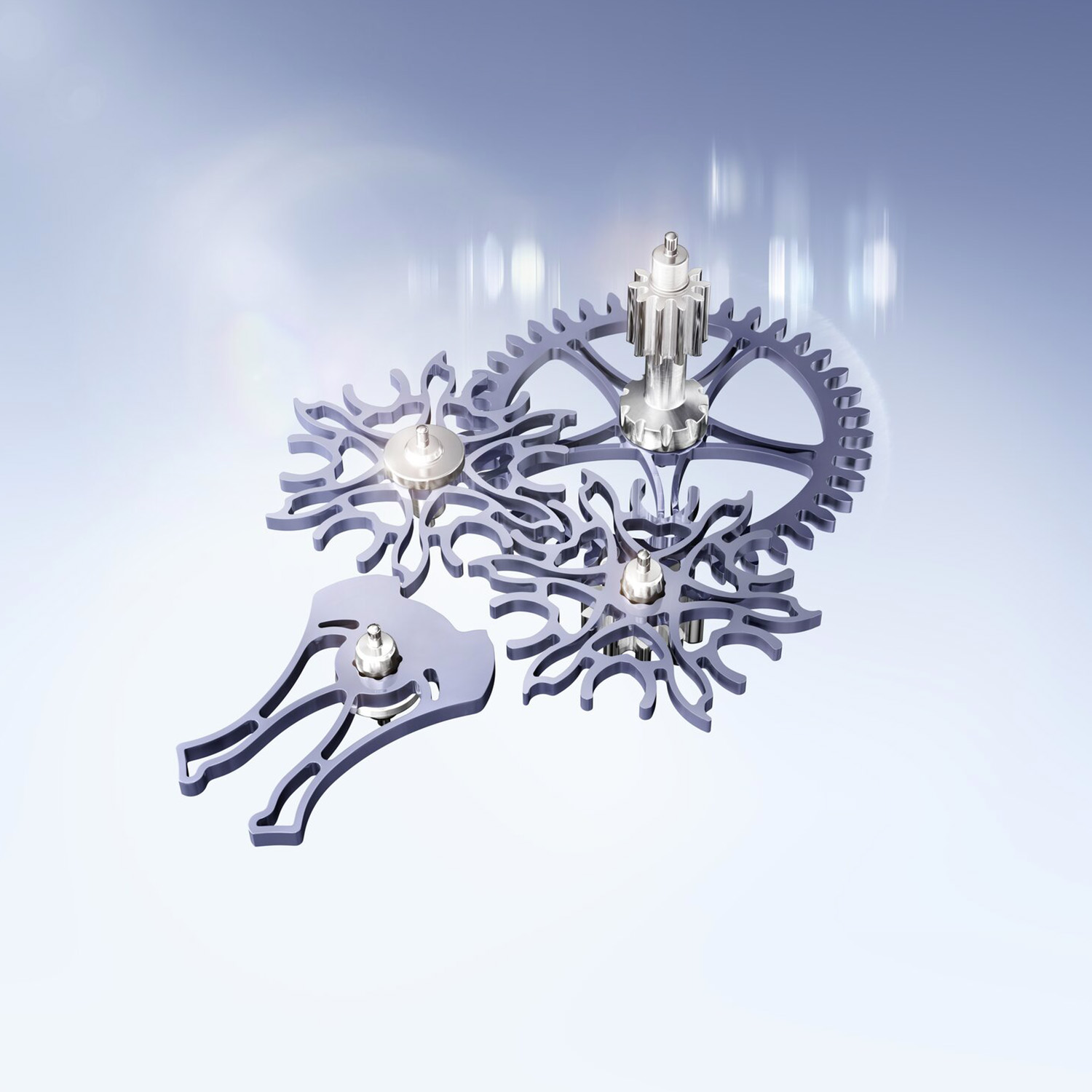
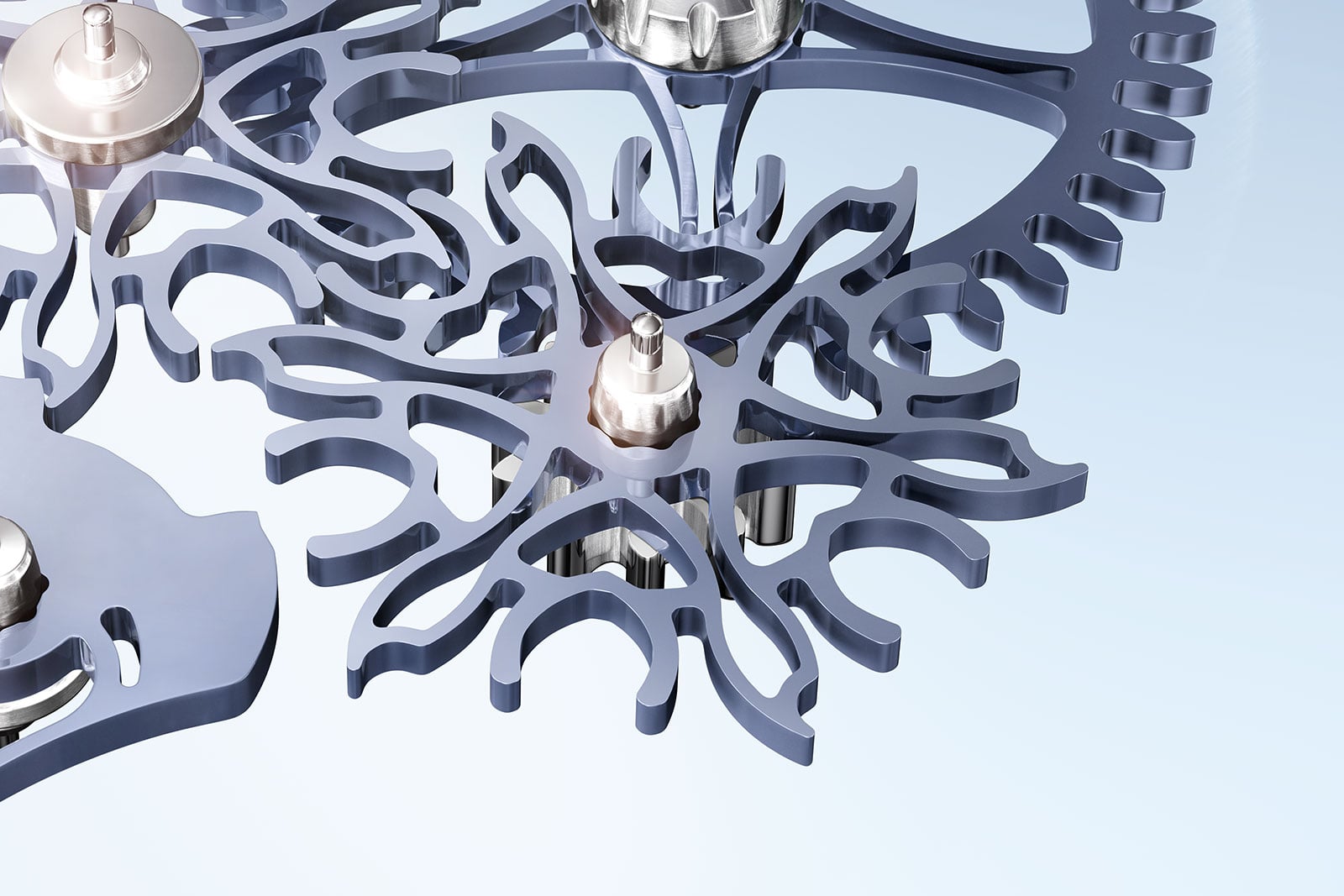
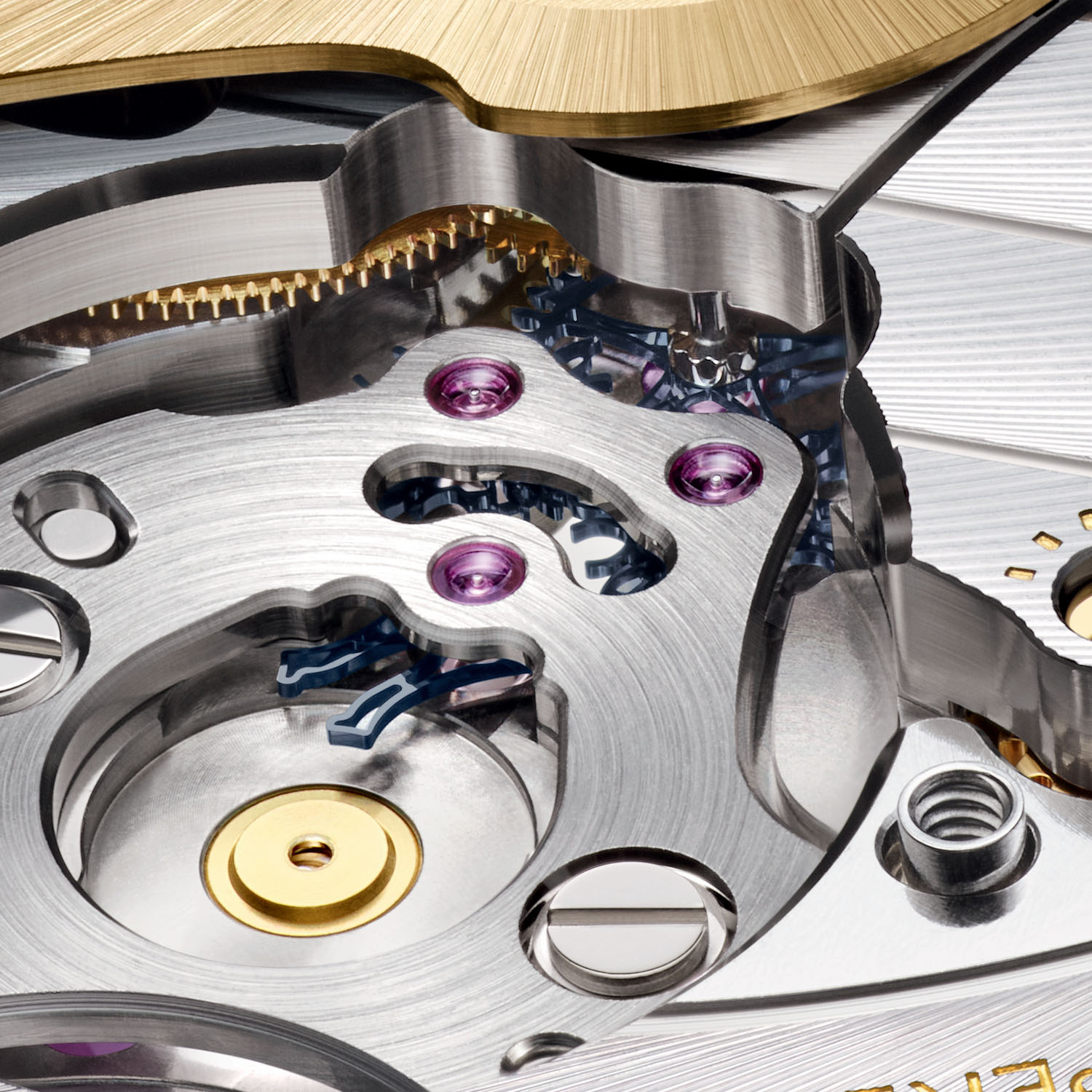
Almost the entire Dynapulse assembly is made from silicon, including the fourth wheel of the gear train that drives the first escape wheel. The second escape wheel acts as an anchor as the first wheel drives it along. The actual shape of the wheels is also very complex, with only six teeth (compared to a usual 15 or 20 teeth), allowing the wheels to be much smaller than usual in comparison to the balance wheel. This allows the footprint of the Dynapulse to match a standard lever escapement in the movement. Construction from silicon makes this design much more feasible than attempting it with a metal alloy, from the easier cutting process to the lightweight and very wear-resistant material itself. Instead of a conventional sliding action, there’s a rolling motion that virtually eliminates friction as impulse surfaces are convex instead of flat. The design is around 30% more efficient than a lever escapement and operates at a high 5Hz (36,000vph) frequency with the same power reserve as a 4Hz (28,800vph) Chronergy escapement. In theory, this silicon escapement could operate without oil, but Rolex still uses a specialised type on a nanolitre scale for maximum performance.
Grand Seiko Dual Impulse Escapement
In 2020, Grand Seiko introduced the Evolution 9 collection, along with a series of new Spring Drive and mechanical movements, including the automatic calibre 9SA5. The latter, in addition to improving the decoration, slimness and power reserve, also introduced a new escapement geometry named Dual Impulse. First seen in the reference SLGH002, later spread across multiple watches, including the SLGH005 White Birch, the Grand Seiko Dual Impulse Escapement is elegantly innovative while retaining classic solutions.
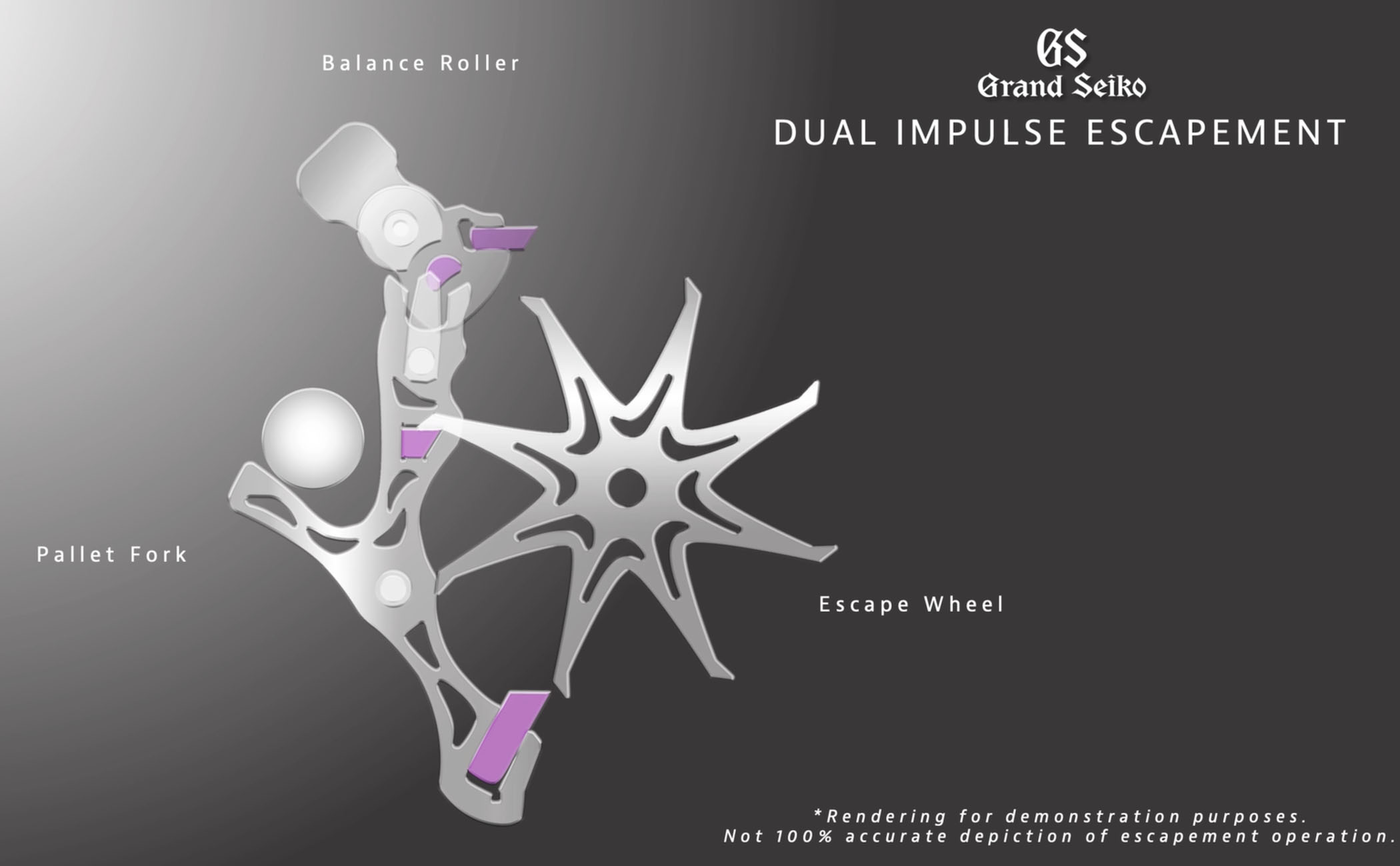
One of the only other escapement geometries with Omega’s Co-Axial and Rolex’s Dynapulse to be mass-produced, the Dual Impulse Escapement is all about the way the locking and impulse phases are executed. First, the architecture and shape of the parts used for the Dual Impulse Escapement are different from those in use in the classic lever escapement. The escape wheel has a star shape with 8 arms, instead of a wheel with teeth. This escape wheel is openworked, just like the pallet fork, to make the parts lighter and thus more energy efficient. These two parts have been crafted thanks to micro-electromechanical system technology (MEMS), allowing them to be machined to tolerances of one-millionth of a gram and to be 5% lighter than others, meaning less power is required to actuate them.
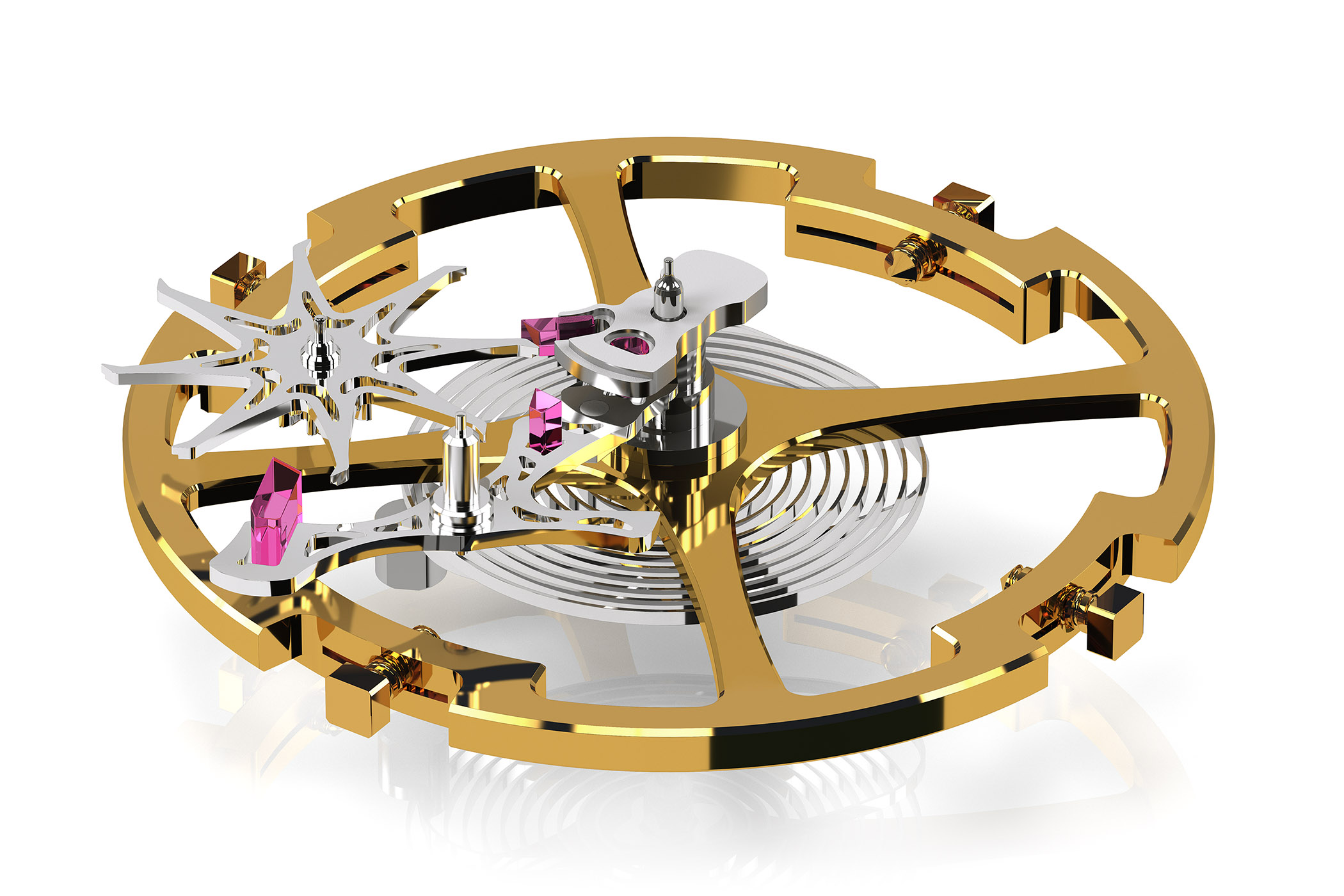
The concept behind the Grand Seiko Dual Impulse Escapement is that the locking and impulse functions are dissociated – a solution similar to the Omega Co-Axial escapements, for example. In one direction, power is transmitted directly to the balance (clockwise), as the roller receives an impulse directly on its jewel. In the other direction, it receives an indirect impulse via the pallet fork, as in a traditional escapement. Thanks to this dissociation of the locking and impulse functions, with friction occurring in only one direction, the escapement is more efficient (less friction means less energy required) and more wear-resistant.
The Ulysse Nardin Dual Direct Escapement
This one came two decades before the Dynapulse and also incorporates two escape wheels, and debuted with the Ulysse Nardin Freak in 2001 with its giant rotating carrousel. The escapement was the first to use silicon, and Sigatec was established by then Ulysse Nardin CEO Rolf Schneider, which is now one of the largest suppliers of silicon movement components. Silicon made the design ultimately possible as two escape wheels caused additional inertia that prematurely wore with aluminium prototypes. As mentioned, silicon can also be cut extremely precisely and with very complex shapes. Each wheel alternatively locks and unlocks with the lever – one locks as the other pushes the lever for the tick or tock action in what’s called alternating impulses.
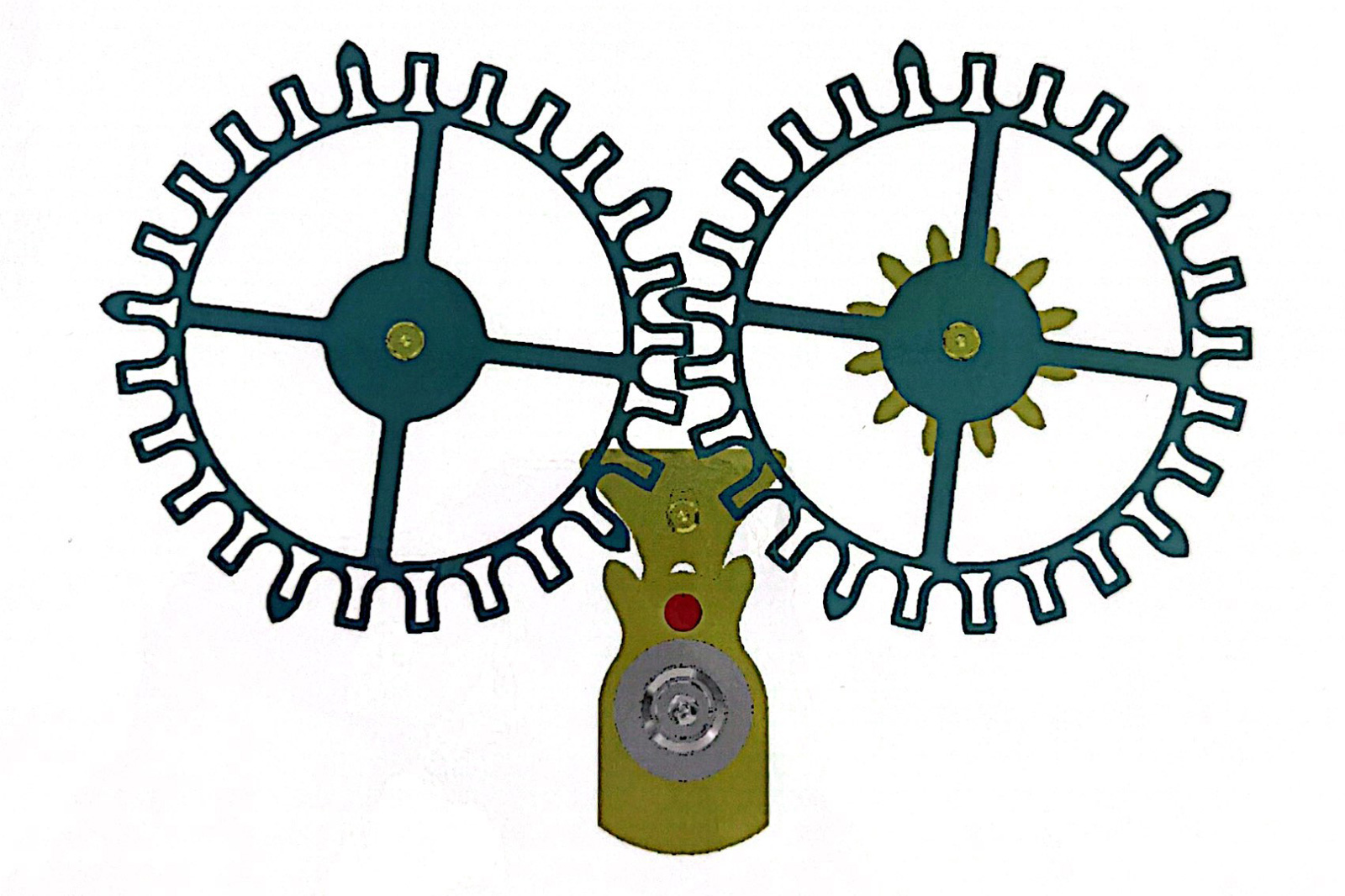
This doesn’t incorporate a traditional pallet fork as the escape wheel geometry substitutes for it. Both wheels working together also provide two impulses for every single oscillation of the balance wheel (in each direction). The initial escapement in 2001 was a direct impulse variant (or natural escapement), while the next generation in 2005 was an indirect impulse type (similar in concept to the Dynapulse), and the most recent one uses flexible silicon blades via the Anchor Escapement, which significantly changed the architecture (see below).
The Ulysse Nardin and Girard-Perregaux Constant Force Escapements
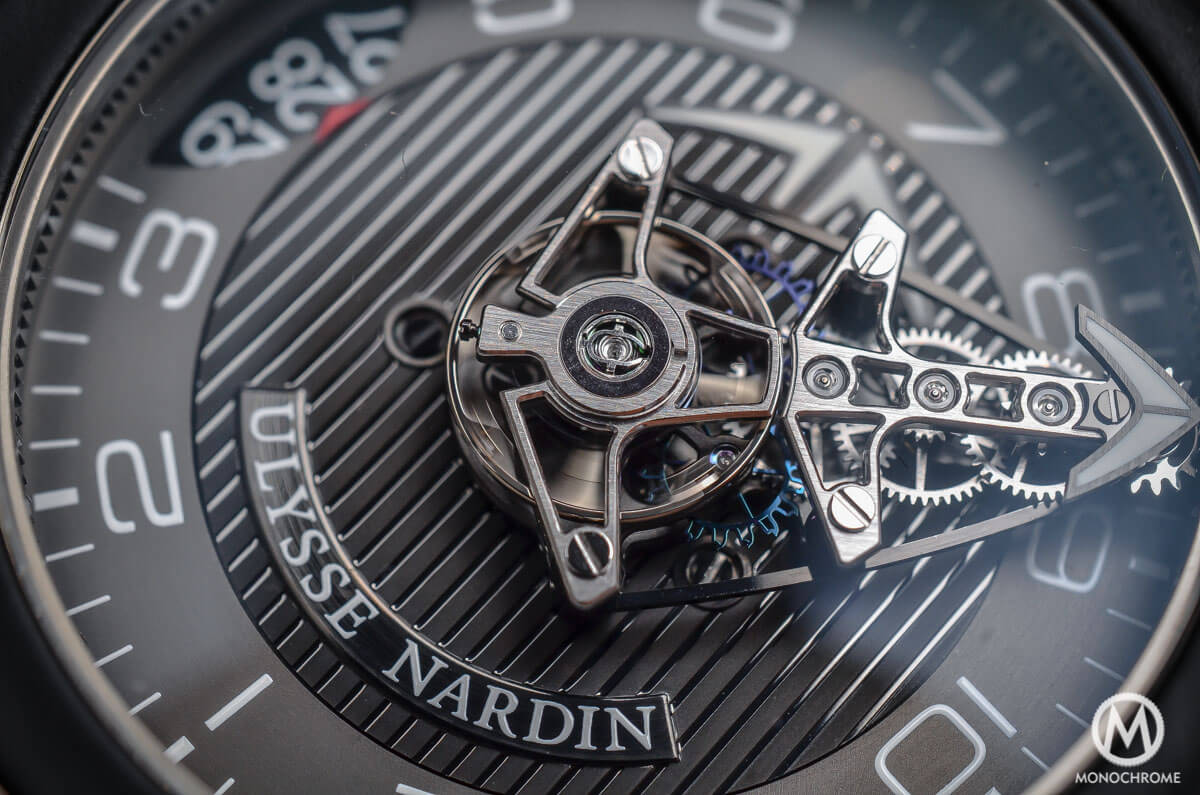
The fairly radical constant force Anchor Escapement from Ulysse Nardin appeared in 2014 and later in the Freak Vision in 2018, which used thin silicon blades to create a completely consistent power source to the balance wheel – futuristic flat springs if you will. Eight years in the making, the flexibility of silicon was exploited, and a silicon pallet fork (anchor) was freely suspended by two buckled blades within a circular silicon frame. The 4mm cross-mounted blades were extremely thin at 15 microns (a fraction of a human hair) and under tension, and bent and snapped back into place during impulses with a constant force of energy regardless of the mainspring’s state of wind (hence a constant force escapement). The suspended silicon pallet fork locked and unlocked with the silicon escape wheel in a fairly conventional way, but overall friction was significantly minimized and lubricating oil wasn’t needed.
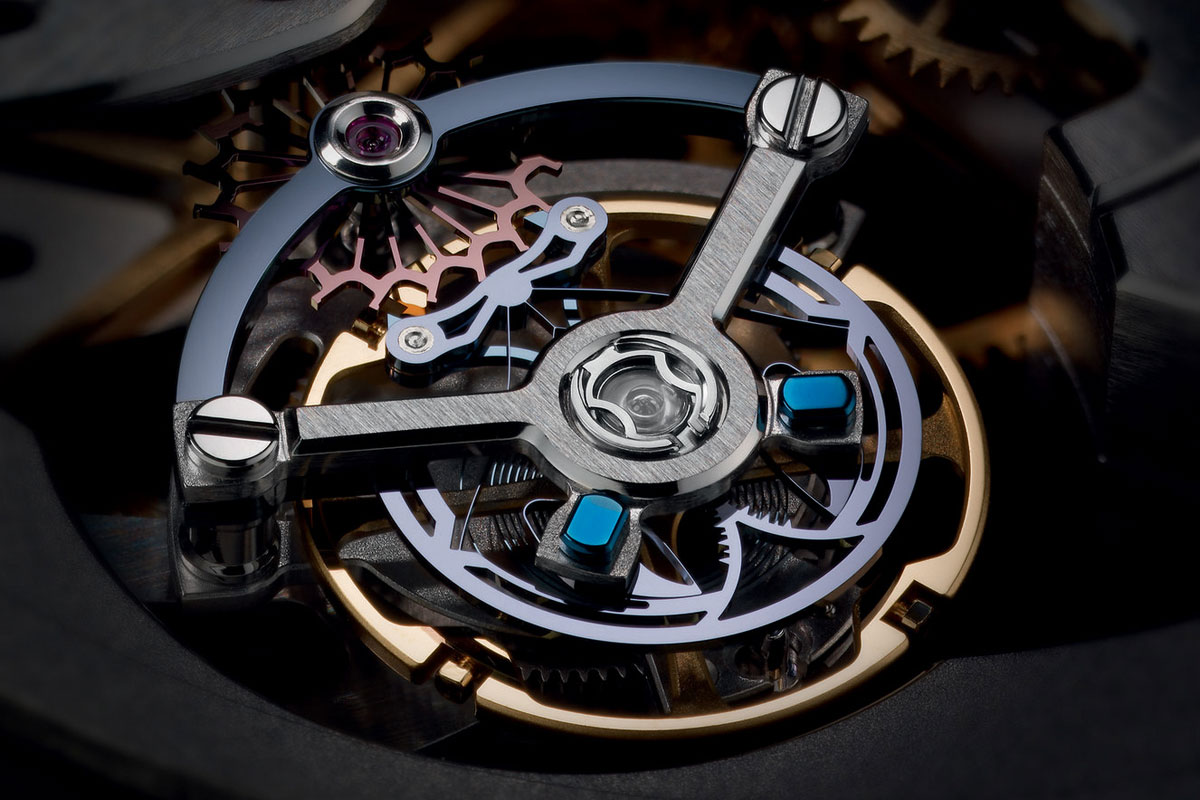
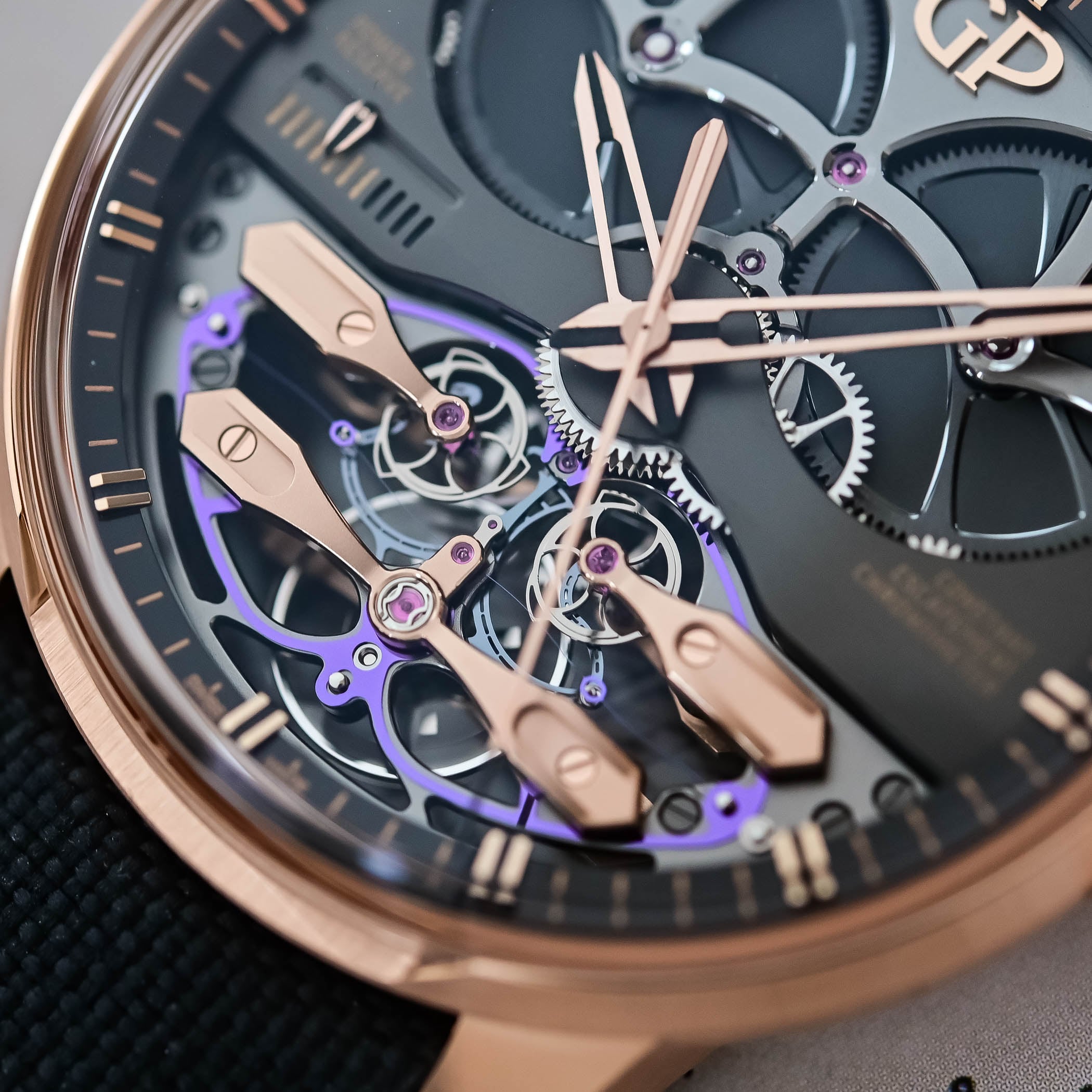
Girard-Perregaux introduced its constant force escapement a year earlier in 2013, although a prototype was unveiled back in 2008 at SIHH (now Watches and Wonders). The silicon frame here was shaped somewhat like a butterfly and utilised just one buckling silicon blade (only 14 microns) in the centre and two escape wheels. The blade was tensioned by a winding lever and snapped back and forth with consistent force to the balance wheel (think of a sound wave or playing card snapping back and forth). The impulse energy was also very small, increasing the overall power reserve. This innovative design won the Grand Prix d’Horlogerie de Genève in 2013, and a decade later, an improved Girard-Perregaux Neo Constant Escapement debuted with fewer components. Both Ulysse Nardin and Girard-Perregaux demonstrate modern examples of a constant force to the balance without a traditional remontoire d’égalitée (a small, intermediate spring before the escapement to independently provide power impulses). It again highlights the revolutionary benefits of silicon.
The Frederique Constant Monolithic Oscillator
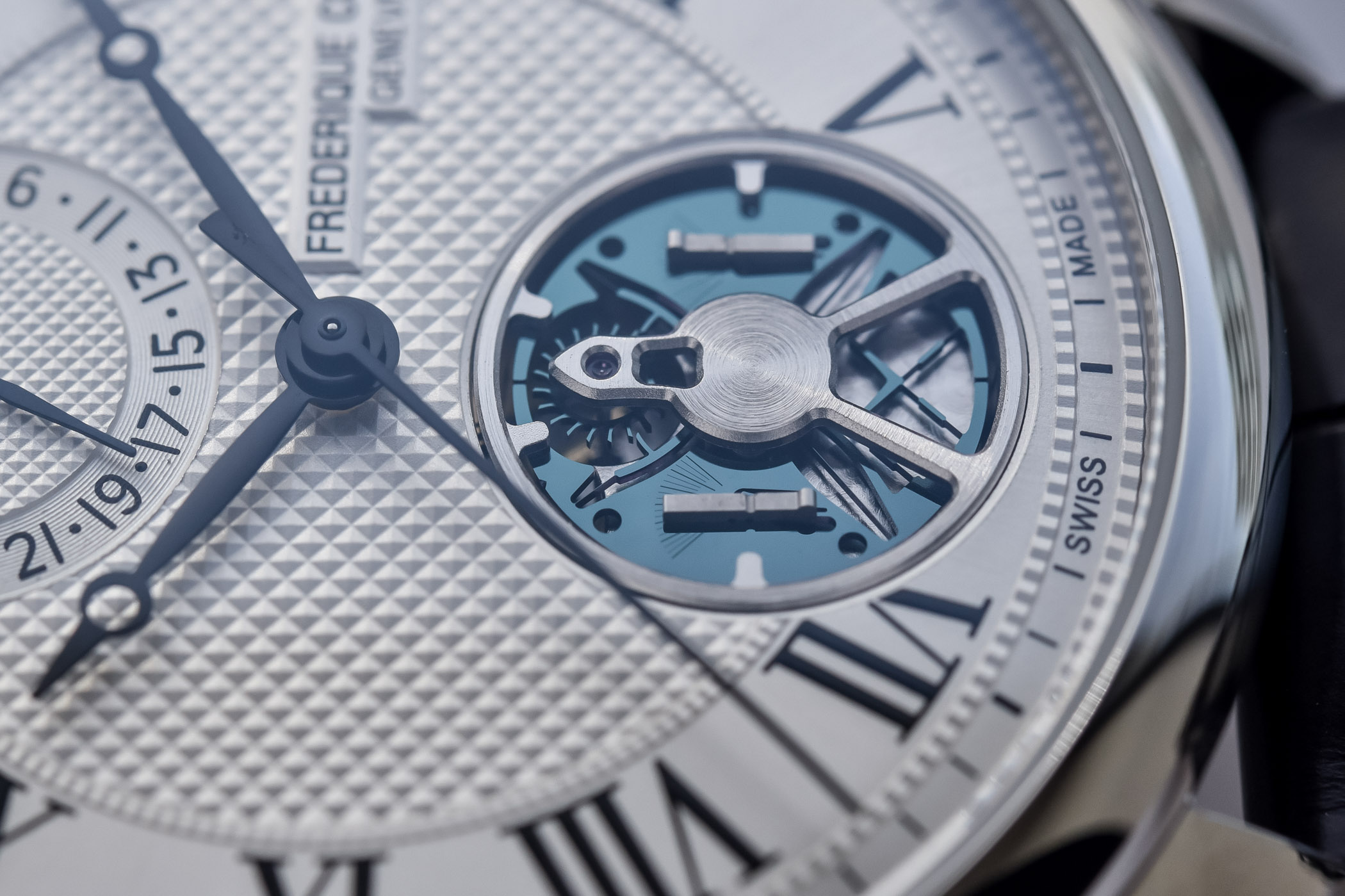
The groundbreaking Monolithic Oscillator might be the most exciting of them all, with an overall simplicity that redefines how mechanical regulating organs work. Although not first with the concept, Frederique Constant introduced the most affordable model in 2021 at a sub-EUR 5,000 price. The watchmaker collaborated with Dutch silicon tech company Flexous to create an oscillator from a single complex piece of silicon. Yes, a single structure replaced the balance wheel, hairspring and much of the escapement system – 26 parts total. It produced a frequency ten times higher than a standard 4Hz mechanical movement. That’s 40Hz or 288,000vph from a mechanical oscillator, which is radically high for anything outside of quartz (which vibrates at 32,768Hz, so still way ahead). For context, a high beat mechanical movement is 5Hz. The extremely high frequency provided a completely smooth seconds hand, not unlike what we see with Grand Seiko’s Spring Drive (at least to the naked eye). Instead of rotation, the flexible silicon oscillator pivoted at an amplitude of only six degrees (a balance wheel swings 300 degrees).
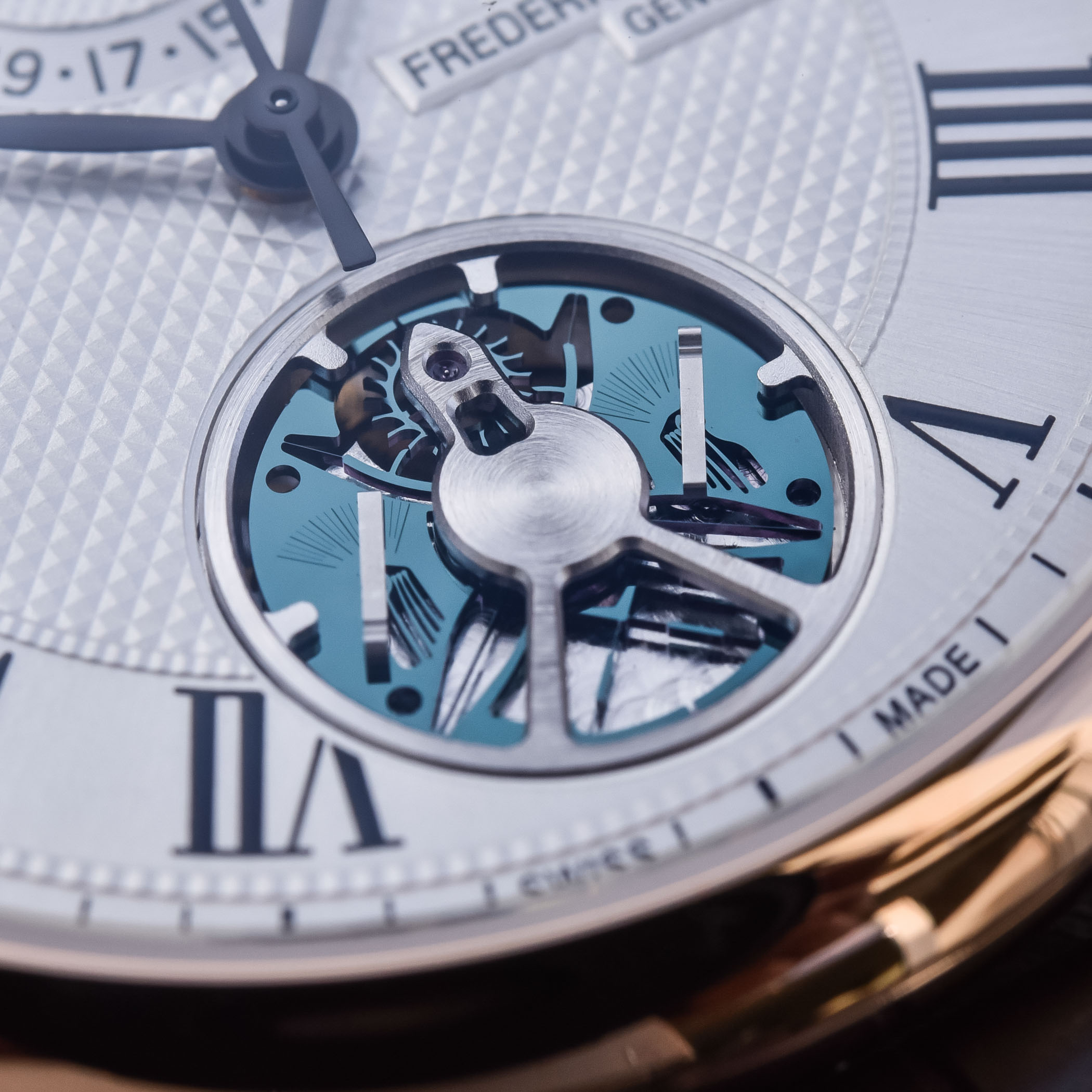
The silicon oscillator was only 0.3 millimetres and regulated by two small weights on either side, and the “pallet fork” was integrated in this one-piece design. The weights could be adjusted for regulation, just like the multiple weights on a balance. At 9.8mm in diameter, it shared the same footprint as a standard balance wheel, allowing for a (relatively) easy integration with a movement and even open-heart dials (as seen on the original Slimline Monolithic Manufacture). The oscillation itself occurred from four flexible blades (moving very quickly) via power from the mainspring, and a fourth wheel was added to the gear train to compensate for the ultra-high frequency. The two silicon anchors that engage with the escape wheel (that fits within a large aperture at the top of the oscillator) were integrated with the top two flexible blades, and a bit of sorcery must help all of this work (as I still can’t completely wrap my head around it).
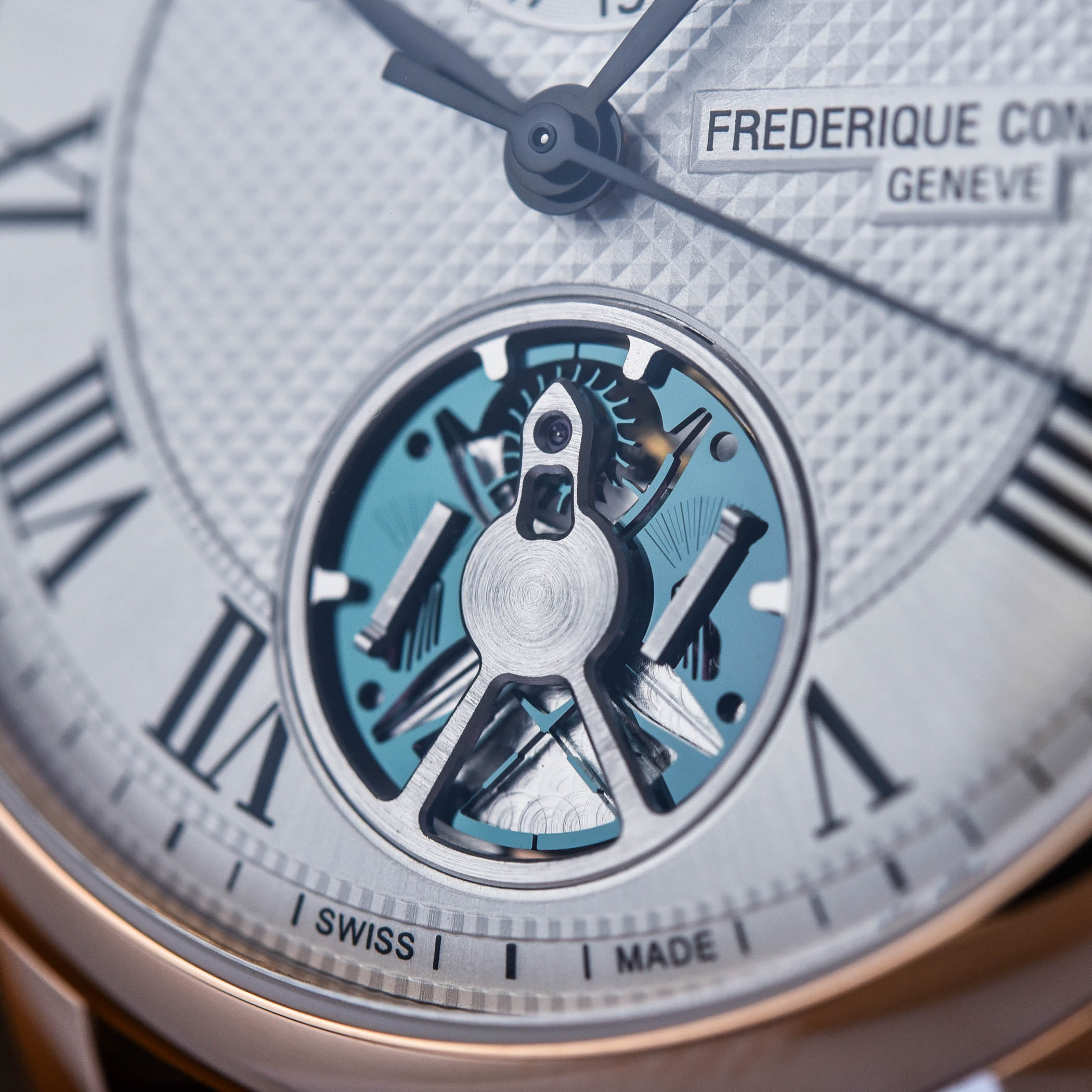
You would think a design like this would threaten to replace the traditional lever escapement en masse as it’s seemingly such a leap in design, but it’s actually been discontinued by Frederique Constant (for now, at least). For starters, it’s a difficult and expensive production process, despite the use of silicon and Deep-Reactive Ion Etching (DRIE) to cut parts without CNC machining. The wafers themselves are a bit specialised and take two weeks to produce. Also, the high frequency made it impossible to regulate via standard sound-based timing equipment, so lasers were needed with a 250,000 measurement-per-second speed, adding complexity to the process. The initial goal was to mass-produce this for affordable sub-EUR 5,000 watches, but the production headaches shifted plans to higher-priced collections.
Zenith Defy Lab
Zenith produced a similar concept to the above Monolithic Oscillator several years earlier in very limited numbers for CHF 29,900 (10 pieces total), and also collaborated with Dutch tech company Flexous for the project. This Zenith Defy Lab used calibre ZO 342 that oscillated slower at 15Hz (108,000vph), but still three times higher than a standard high-beat calibre, and it still maintained a 60-hour power reserve. The oscillator itself was also much larger than Frederique Constant’s, taking up most of the 44mm case diameter with a thickness of 0.5mm. It won the Innovation Watch Prize at the 2017 Grand Prix d’Horlogerie de Genève, paving the way for a second design and Frederique Contant’s variant in 2021. This was considered a “concept car” of sorts with very low, presold numbers, but the “production car” debuted in 2019 as the Zenith Defy Inventor with calibre 9100. This version oscillated a bit faster at 18Hz (129,600vph) and retained the six-degree amplitude seen with the earlier Defy Lab and Frederique Constant’s later design. The price was also reduced to CHF 17,900, although it was still a limited edition and has since been discontinued.
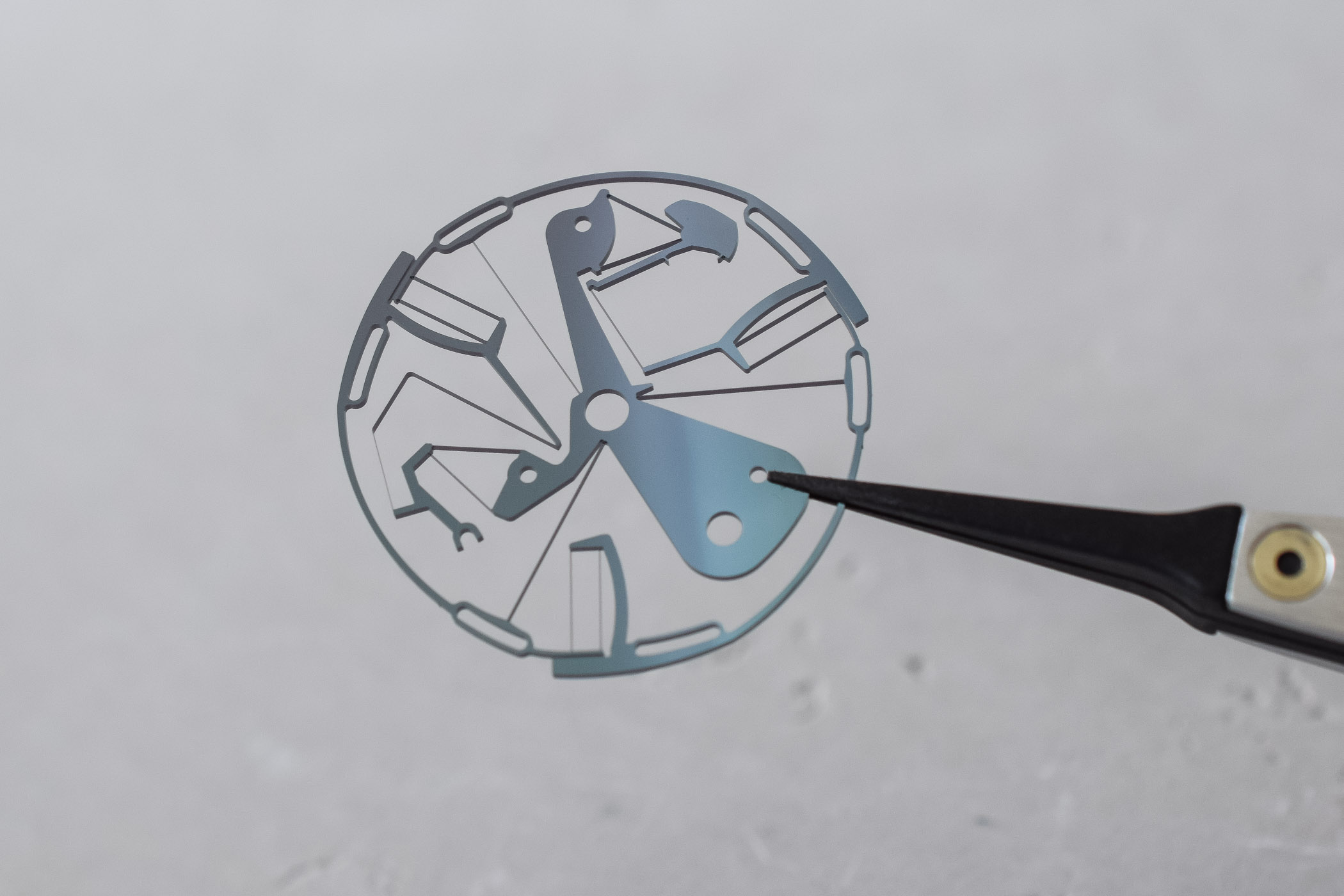
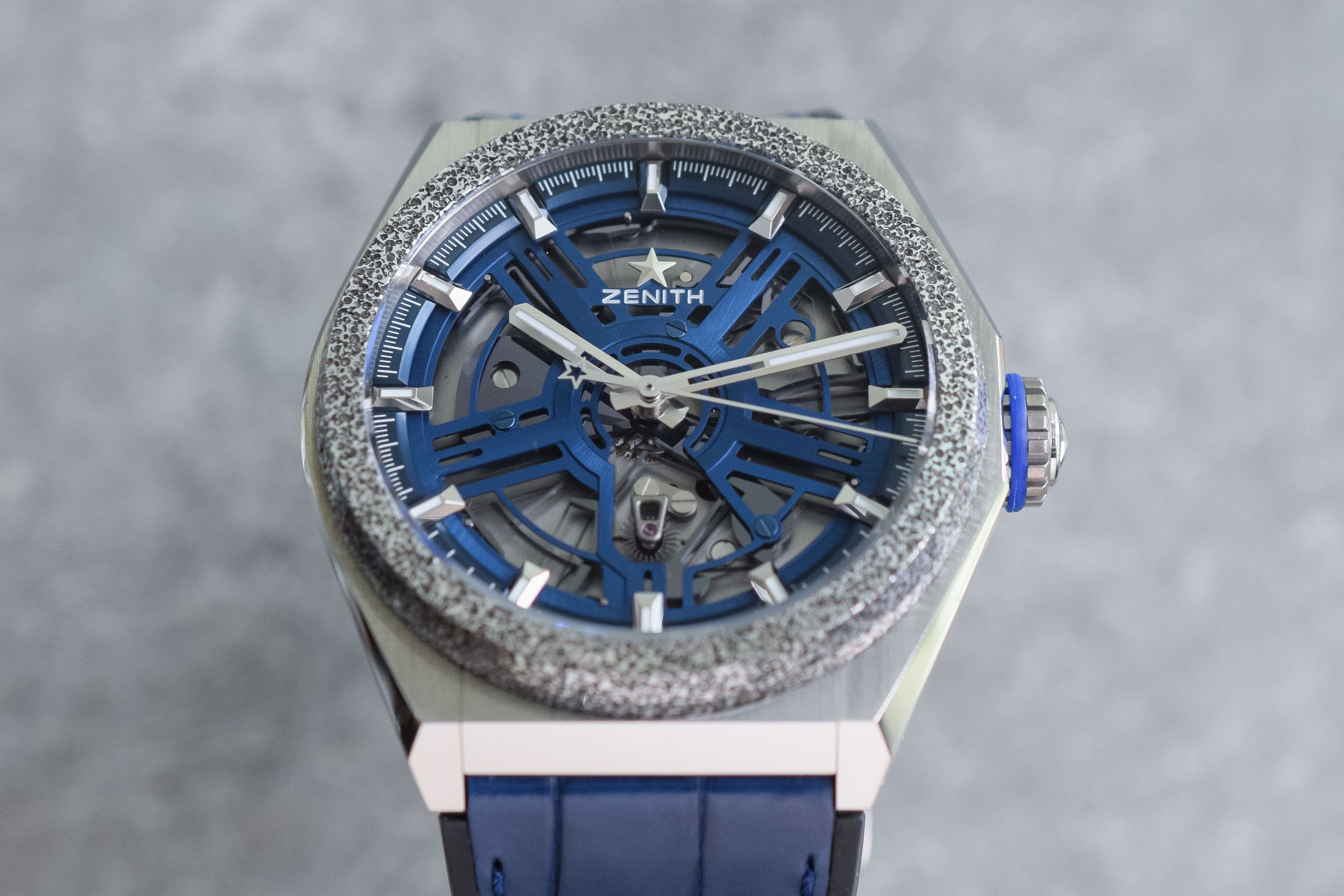
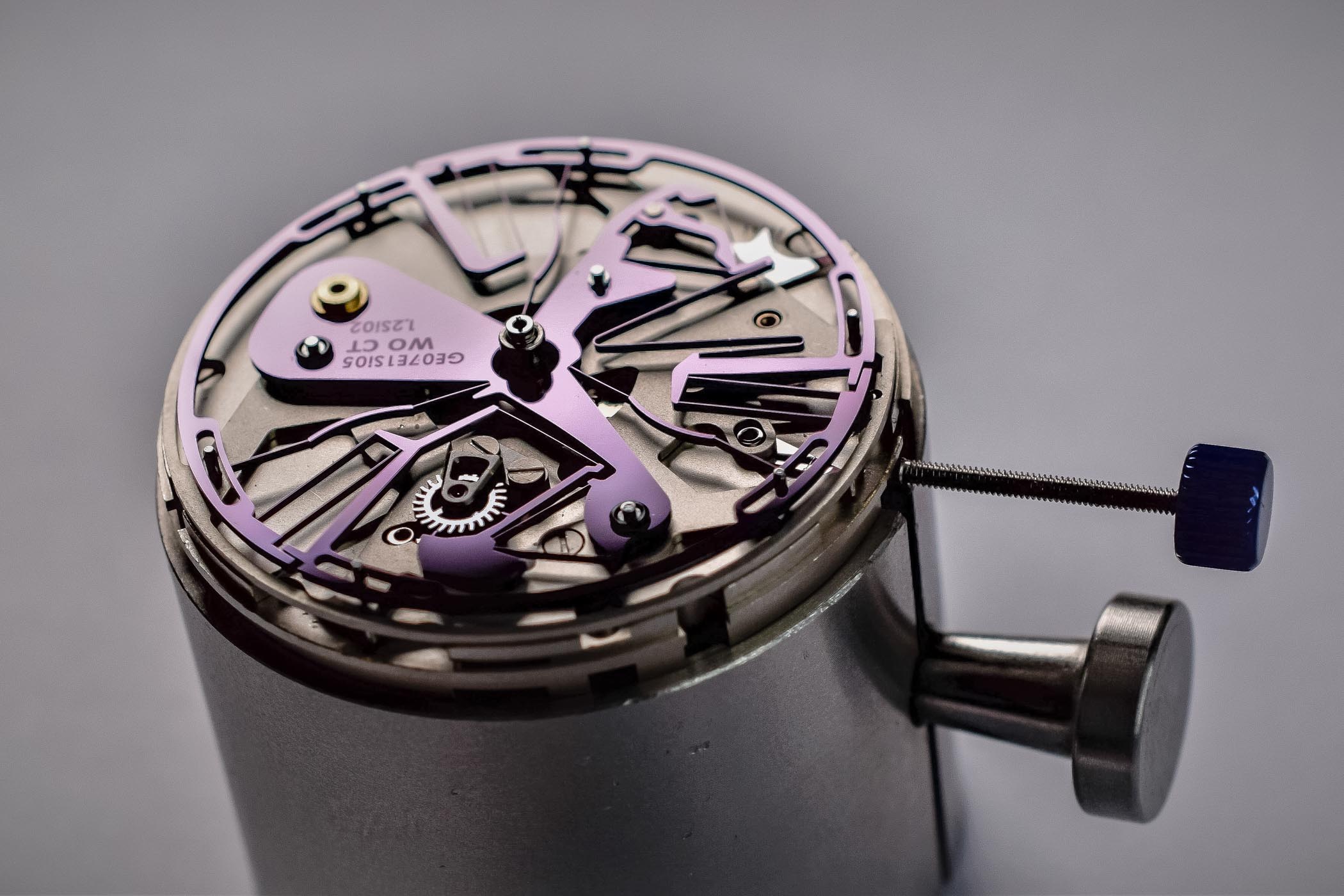
Beyond the difficulty in production and then laser regulation, one thing potentially holding this revolutionary design back is the concept of technology itself. Purists see this as innovative engineering, but something more akin to quartz over “true horology”. Silicon blurs the line a bit as its ability to flex and oscillate via a single piece reinterprets what “mechanical” means, while the more conventional silicon escapement design with proper lever and escape wheel coupled to a balance wheel retains horological familiarity. It’ll be interesting to see if one-piece silicon oscillators encroach on the status quo and cause a “silicon crisis” a la the quartz crisis of the 1970s and 1980s, replacing the balance wheel and hairspring and traditional concept we all know. With its much higher beat rate, one-piece design that’s virtually friction-free, totally anti-magnetic and free from lubricating oils, it’s unquestionably superior engineering compared to conventional regulating organs with dozens of parts, friction points and a need for oils (and more frequent maintenance). For now, the monolithic oscillators from Zenith and Frederique Constant are on ice, but there’s no doubt the design will return. Will superiority or the romance of tradition win the day? As far as the other escapements, most seem to be latched to specific watchmakers like Rolex with its Dynapulse and Omega with the co-axial, and I don’t see constant force silicon escapements hitting the mainstream anytime soon.
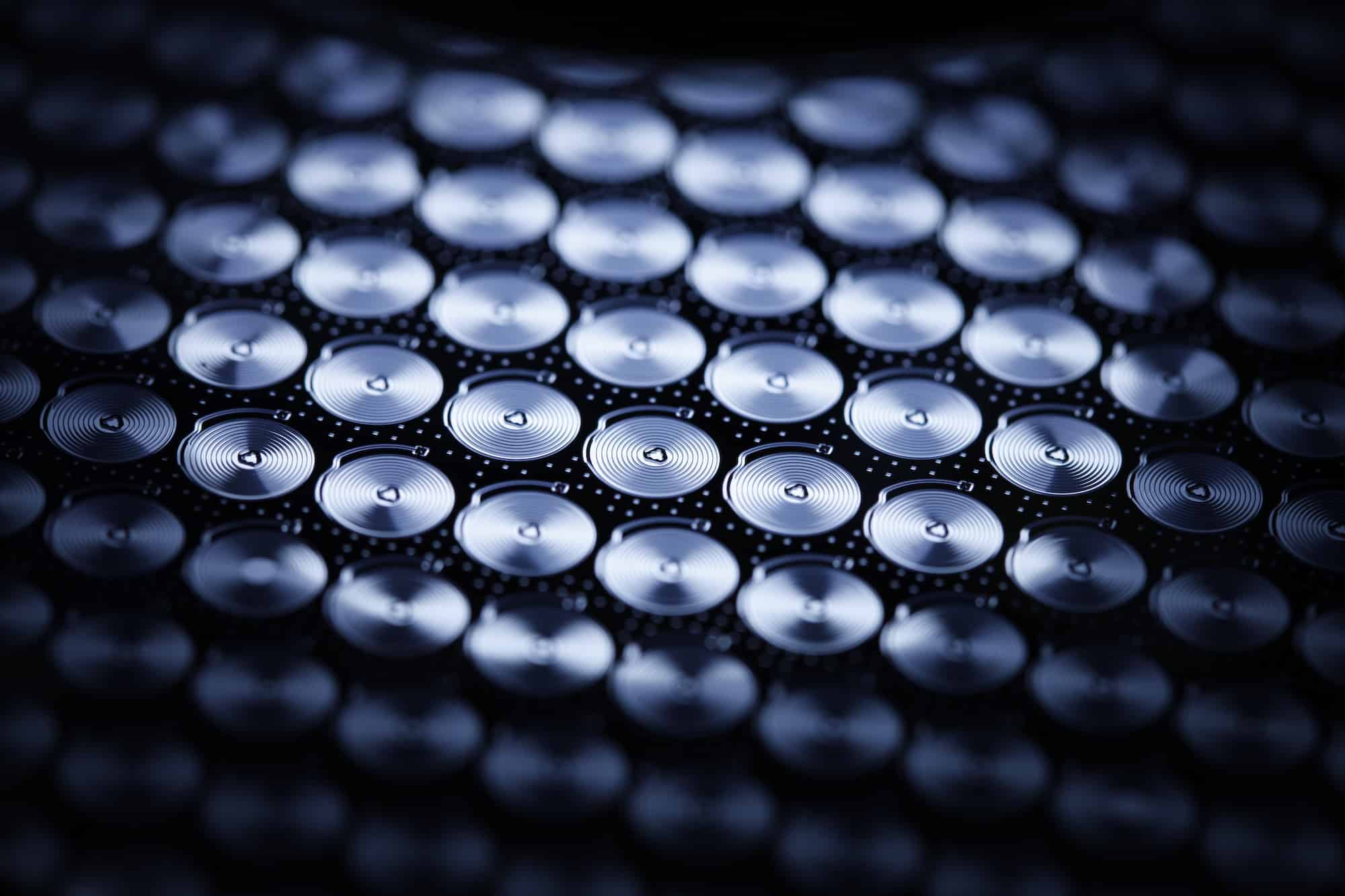
This is certainly not an exhaustive list of modern escapements that stray beyond the tried-and-true lever escapement, but these five show both an evolution of escapement designs and what could be the future of horology, while also highlighting how silicon could start truly dominating the industry. We’re already seeing silicon escapements and hairsprings in entry-level models from the Swatch Group with movements like ETA’s C07.811 (Powermatic 80), while independent brands are starting to embrace silicon as well. The material itself is what makes some of these new designs possible, like monolithic oscillators and Dynapulse, and it’s already drastically improved conventional escapements with its lightweight, anti-magnetic and (almost) friction-free properties. My money is on silicon truly revolutionising the industry in the next decade or so as it opens even more doors to what’s possible in escapement design and beyond.

5 responses
Another terrific and educational article by you guys there. Much better use of my time and energy than having to read about some other watch that is priced to insult my intelligence and my pocketbook so those selling it can go out palatial estate hunting for themselves! If these mindless watch brands would put the kind of thought and effort into the look and designs and movements that you have with these types of articles, they would do better in these eyes estimation instead of rehashing whatever’s out there already because it’s cheaper and easier, while charging palatial estate buying money!
Terrific article and writing. Informative and educational and an interesting read. Much better use of my time and energy than reading about another boring watch release using the same movements with similar, if not the same, designs as many other iterations, as it’s easier and cheaper for them to do, while charging wanna buy palatial estates prices that insult and demean my intelligence and pocketbook!
An excellent article delving into the various options to the lever escapement! Thanks for including the details of these very different escapement designs. You were correct to bring up the fact that these innovations blur the line between advanced engineering and more traditional watchmaking concepts. I would have also enjoyed the inclusion of a section on the work of Bernhard Lederer.
A genuinely impressive piece of writing. What sets it apart is the author’s ability to move between historical context, mechanical principle, and constructive detail without ever losing coherence — or the reader. The section on energy loss at the impulse face alone is worth the read. Thorough, precise, and remarkably well-structured. Highly recommended.
If time is the most important commodity , because it’s the only thing you are running out of, the best watch is the one that keeps time the best. 80 watches in ( Patek, VC, Audemars, Rolex, Jaeger, etc ) 57 years in all, I’ve discovered Spring Drive, Here’s the only new thing after 250 years.