
 Not all images were able to load for printing. Please close the print window and try again.
 The History of Chinese Watchmaking, From Reverse Engineering to a Growing Indie Scene
Although domestic watches didn’t appear until the mid-20th century, China now produces the most watches by volume in the world.
China was very late to watchmaking, with its first wristwatch debuting in 1955, while Japan had a domestic pocket watch in 1895 and its first wristwatch in 1913 (respectively Seiko’s Timekeeper and Seiko’s Laurel). Both Swiss and British watchmaking go back to the 16th century, for context. That said, China now produces more watches than all of Europe combined, totalling over 30% of the global market. Chinese exports were around 600 million units in 2025 (according to the FHS), compared to Switzerland with less than 15 million, although it’s a different story by value – estimated at USD 18 billion for Chinese exports vs. USD 31 billion for Swiss. Although prices are considerably lower compared to European counterparts, China still offers robust and reliable watches, moving up recently to impressive higher-end offerings including tourbillons, micro-rotors, split-second chronographs and even repeaters or record-breaking triple-axis tourbillons. And there’s also a fast-growing Chinese independent watchmaking scene.
Reverse Engineering
The WuXing or Five Stars wristwatch emerged in 1955 and was directly based on an archaic Swiss pin-lever movement with only five jewels (a movement considered fully jewelled starts at 17). A team of four Chinese watchmakers designed the calibre and got the watchmaking ball rolling, but it would be a couple of years before a fully jewelled, mass-produced domestic movement hit the scene with the Shanghai A581, based on the Swiss AS 1187 calibre and/or calibre AS 1194. This was the primary domestic movement until the mid-1960s, when the Chinese government consolidated most of its watchmakers to produce one standardised movement, although the Shanghai Watch Factory designed the improved SS1 series a couple of years prior that replaced the Shanghai A581. This major consolidation was known as the Ministry of Light Industry Initiative, and the majority of factories had to cease production of current projects in the early 1970s and focus solely on the new Tongji (Unified Mechanism) calibre, which was reverse-engineered from the Swiss Enicar AR1010. The purpose was to bring consistent and reliable watches to the domestic population that were highly affordable. It wasn’t long before over 30 factories were manufacturing the Tongji with solid specifications for the time, such as 17 jewels (minimum), 3Hz (21,600vph), accuracy within +/-30 seconds per day and a power reserve of 40 hours. By the early 1980s, production had reached 33 million, over five times the output from a decade earlier.
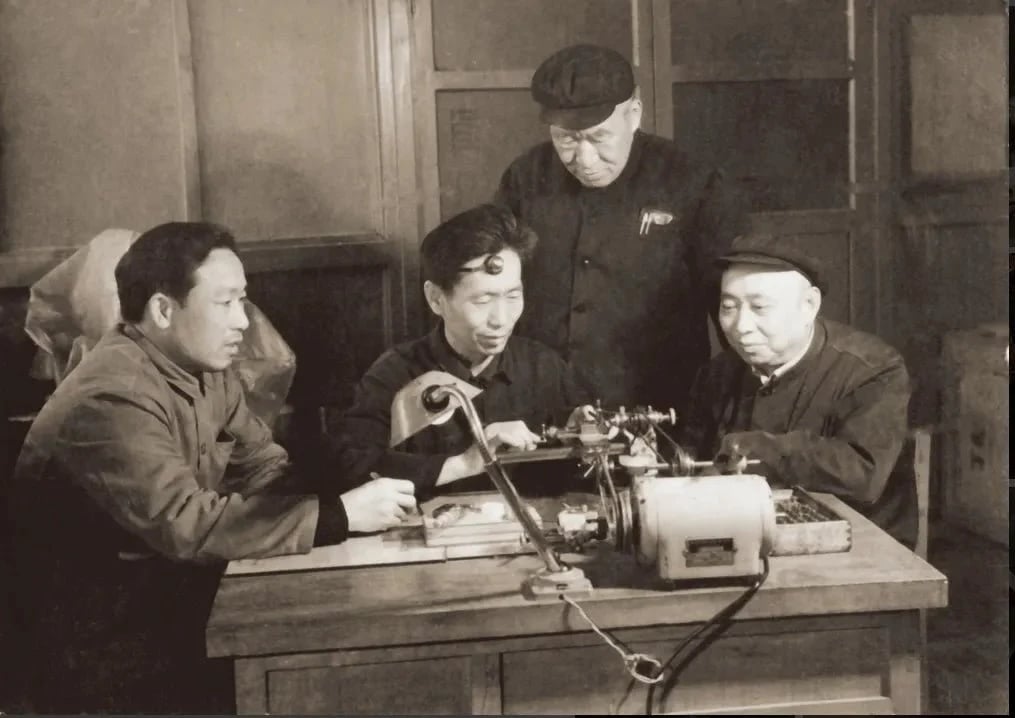
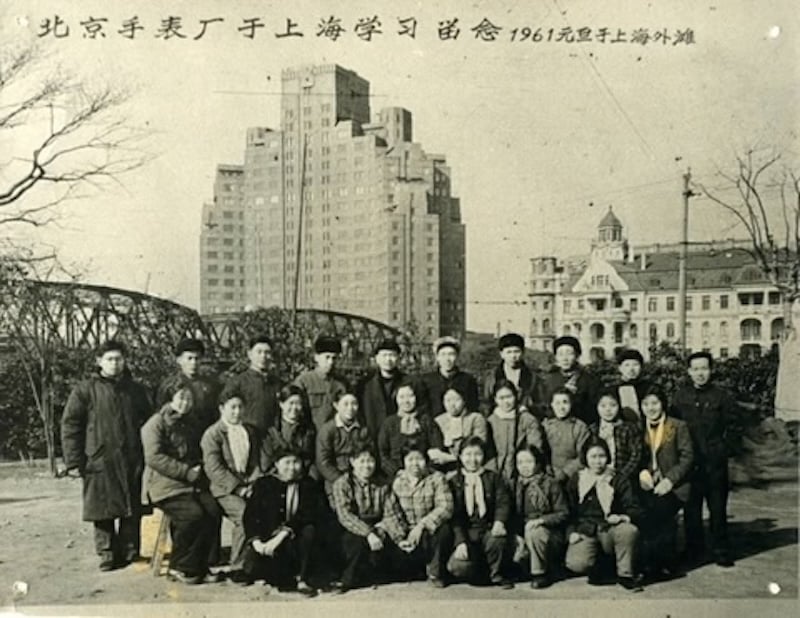
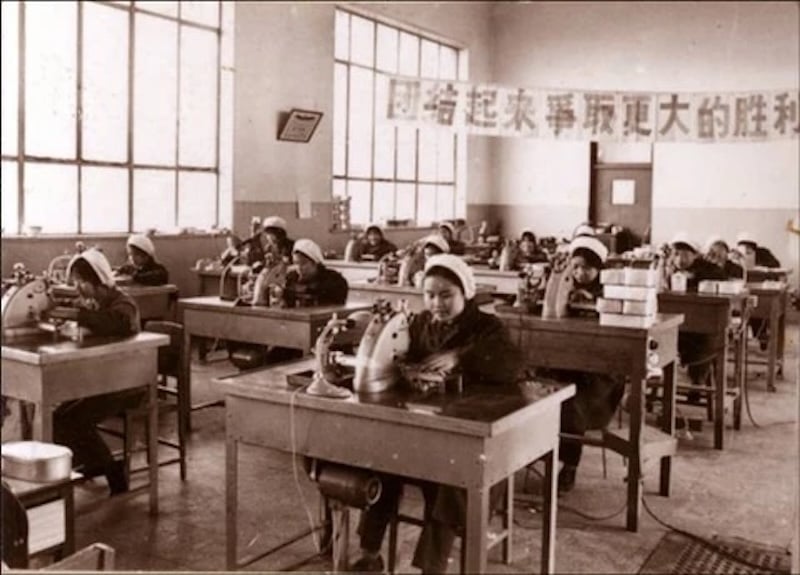
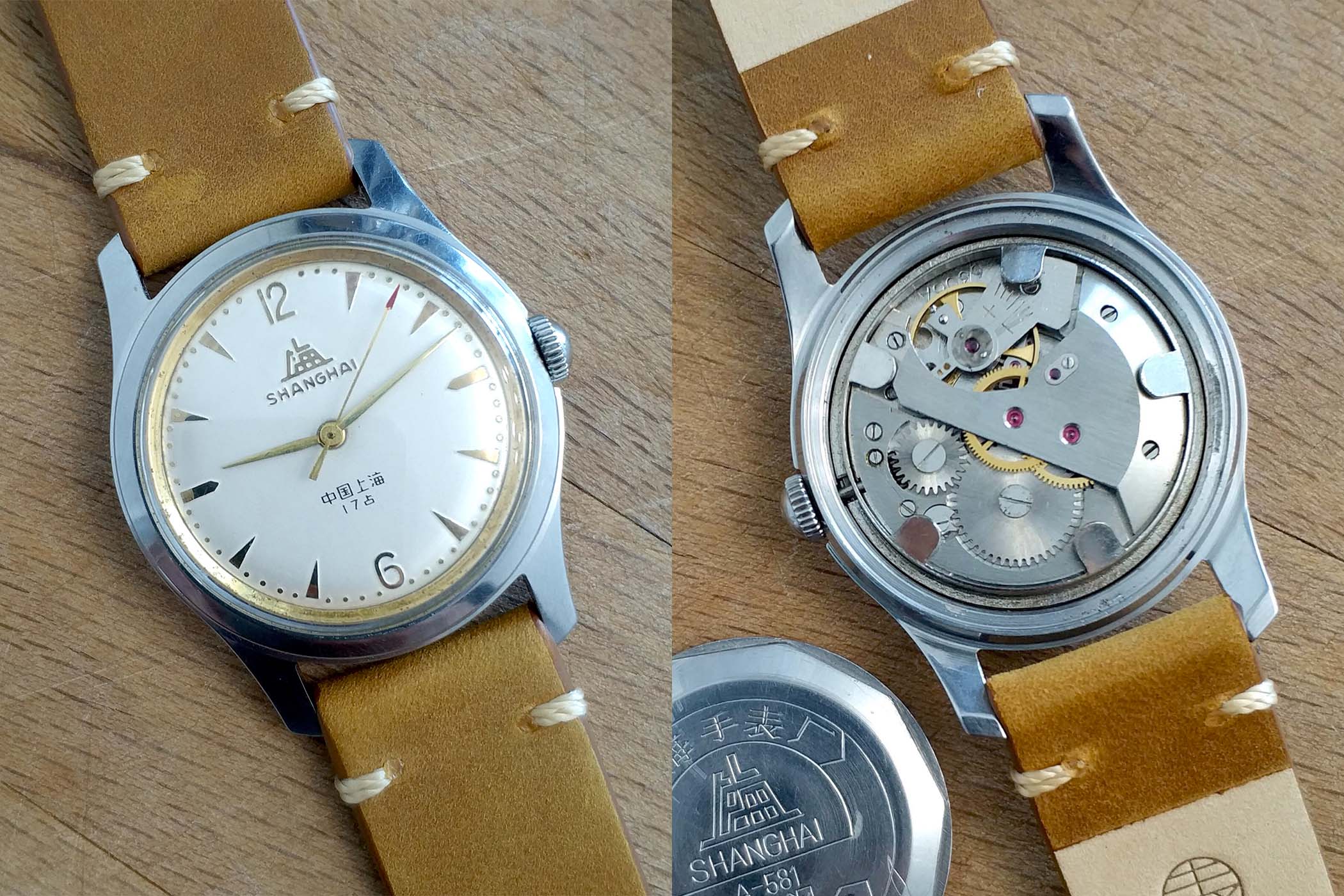
Up to this point, the majority of Chinese movements were based on Swiss counterparts, but fully homegrown designs emerged in the 1960s as watchmaking quickly advanced throughout major factories. By the end of the 1950s, eight major factories had been established: Shanghai Watch Factory, Tianjin Watch Factory, Beijing Watch Factory, Guangzhou Watch Factory, Nanjing Watch Factory, Jilin Watch Factory, Qingdao Watch Factory and Liaoning Watch Factory. Although over a hundred factories would eventually be spread throughout China, these original eight were dominant well into the 1980s, and a few remain very relevant today. At the time, China had its own Holy Trinity of sorts for several decades: Shanghai, Tianjin and Beijing, which were horological leaders even during the national consolidation era (as much as could be expected under the circumstances).
Project 304 – China’s First Chronograph
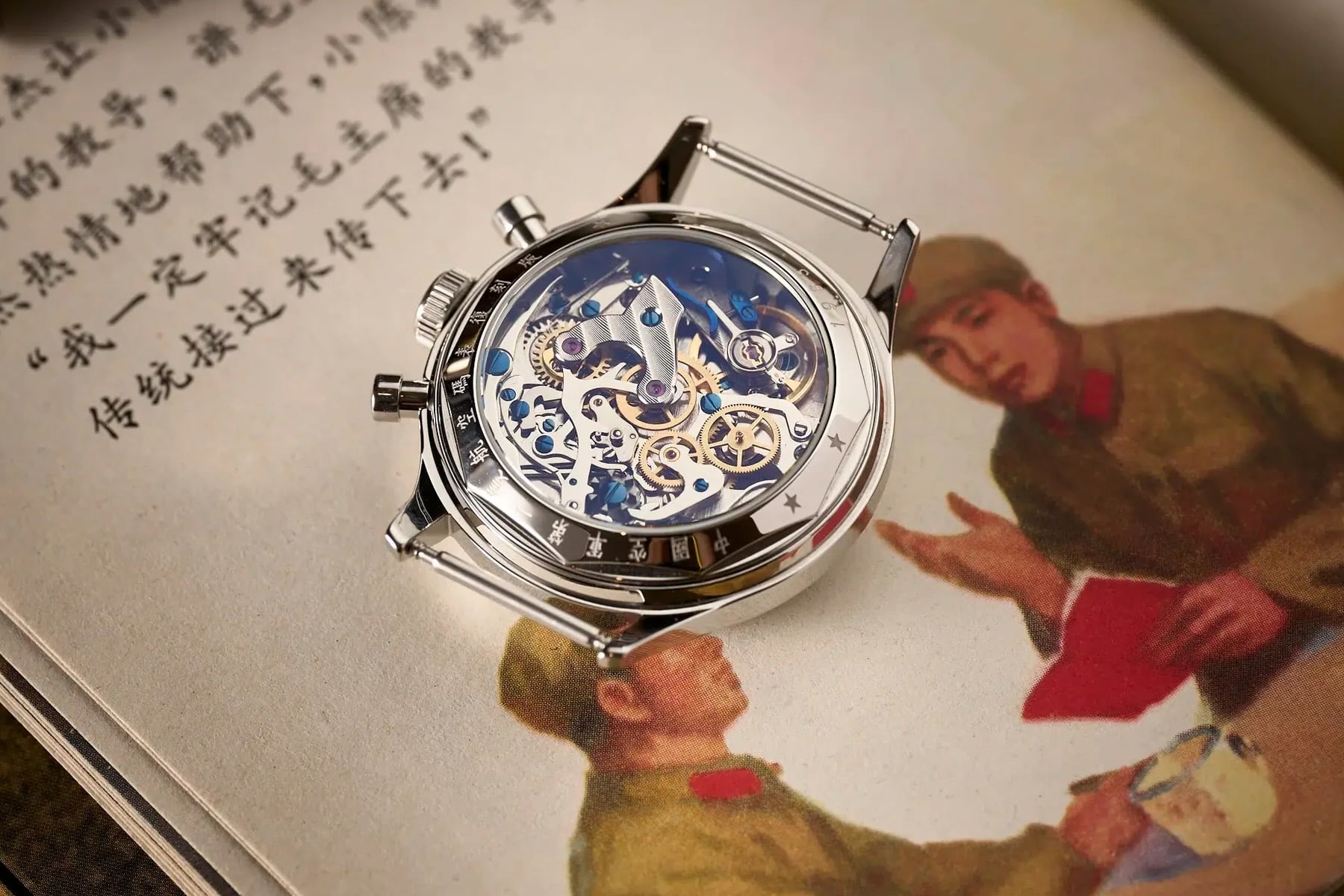
Although civilian production eventually fell under the government’s consolidation efforts, military watches moved forward a bit more independently, and the Tianjin Watch Factory (known today as Sea-Gull) produced the first pilot’s chronograph for the People’s Liberation Army Air Force (PLAAF). Known as Project 304, it was a state secret initiated in 1961 and tooling was imported from the Venus Watch Company in Switzerland (specifically for calibre 175). By the end of 1963, a second batch of prototypes was finished and approved, and production of 1,400 pieces was completed in 1966 for the PLAAF. The movement, known today as calibre ST19 (and very popular with brands like Studio Underd0g for its exceptional pricing), was again based on the Venus 175 and featured 30-minute and small seconds sub-dials. It was a column wheel chronograph with 19 jewels, upgraded from the Venus counterpart’s 17 jewels, and was refined to withstand high g-forces, extreme temperatures, shocks and magnetism.
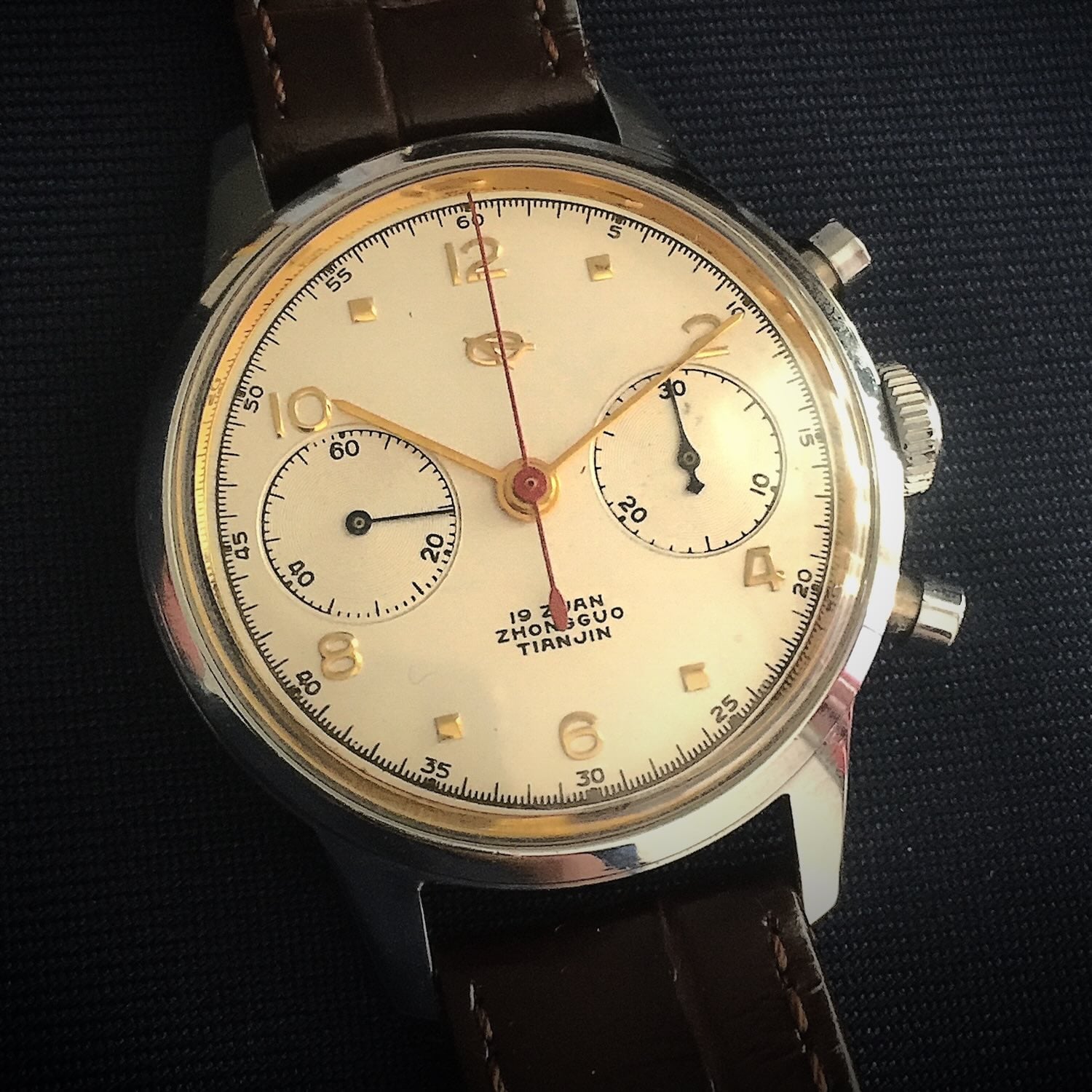
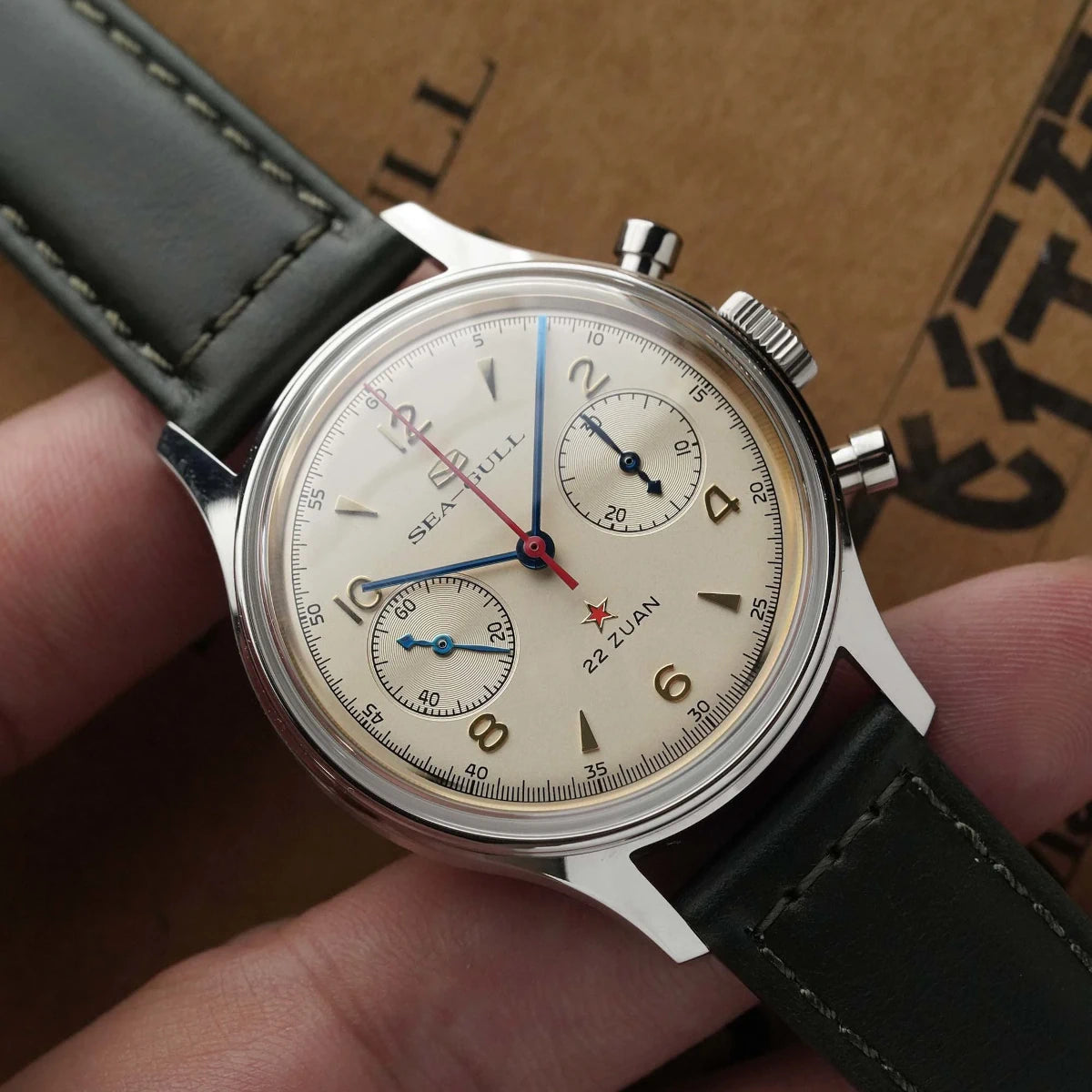
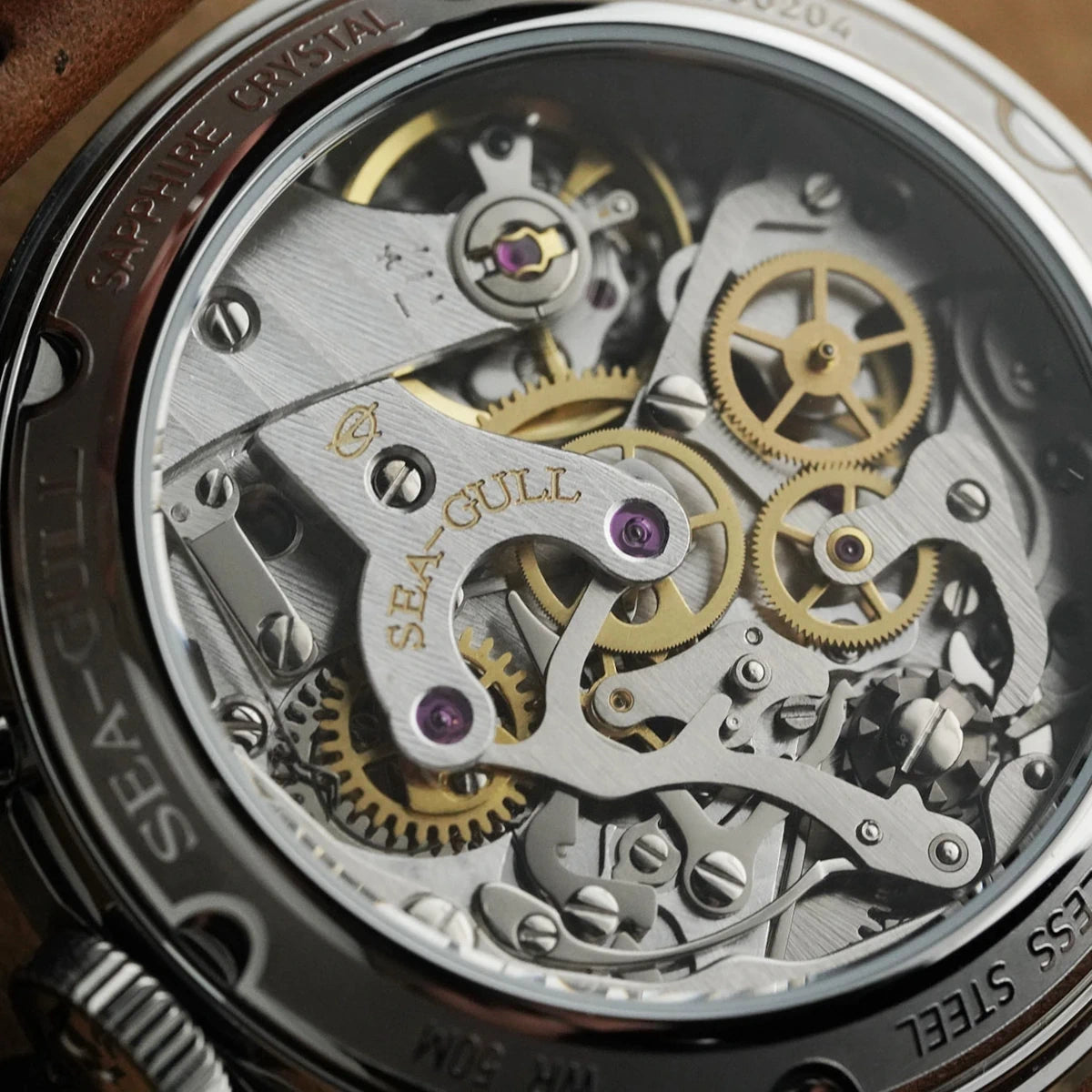
Because of the successful 1963 prototypes, the watch is often referred to as the “1963” and modern Sea-Gull chronographs are named just that. Although many variants exist today, you can get a rather faithful tribute piece at 38mm in diameter with a high-domed acrylic crystal, hand-wound ST19 column wheel chronograph and period-correct beige dial with gold indices, blue hands and red chronograph seconds hand. It’s also known as the Red Star model, with a red star at 12 o’clock and Chinese reference (in Chinese lettering) to the Tianjin Watch Factory at 6 o’clock. Original models are rare and prized by collectors, but faithful modern examples can be had for less than USD 1,000.
First Truly Domestic Movements
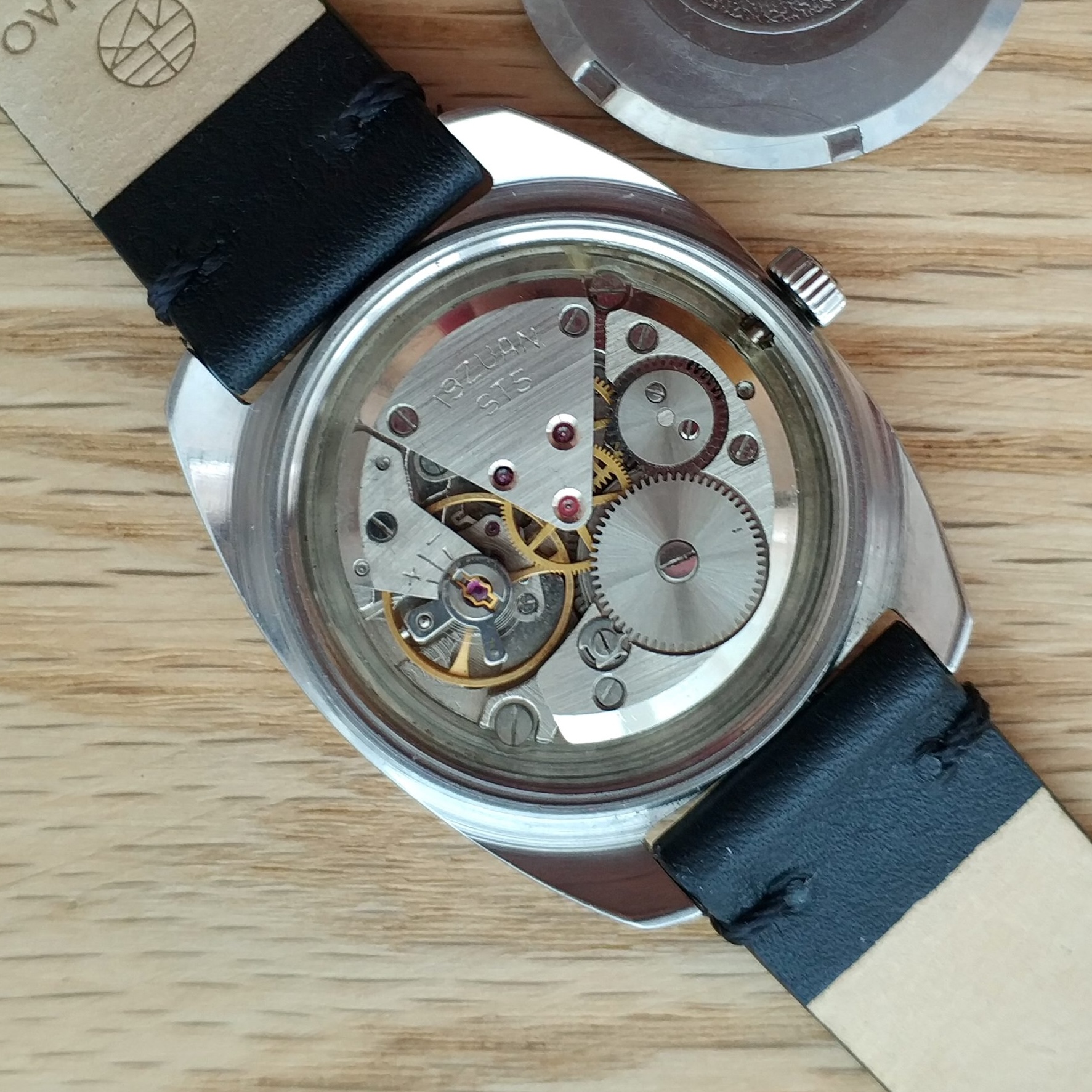
Prior to the Ministry of Light Industry Initiative in the 1970s, Tianjin Watch Factory designed a movement that was independent of total foreign influence – all movements prior to this were Swiss clones, with a small handful copied from Russia or other European regions. DongFeng was a brand the factory developed to introduce the new movement in 1966, calibre ST5. It started as a well-designed, high-quality hand-wound movement that was noticeably thin at the time with 19 jewels, a power reserve of up to 40 hours and an initial beat rate of 2.5Hz (18,000vph). The latter was upgraded to 3Hz (21,600vph) with the ST5-K, and a thicker automatic variant debuted a bit later, although production was limited. Decorations were impressive and handmade, showcasing “Sea-Gull Stripes” with radiating arcs that were distinctive compared to Swiss Côtes de Genève. In 1969, the Shanghai ZuanShi Watch Factory developed a second domestic movement, calibre SM1A for Zuanshi-branded watches. It was hand-wound with accuracy approaching chronometer levels, featured 17 jewels and hacking seconds, and a beat rate of 3Hz, following initial movements with 2.5Hz. Like the ST5, the 3Hz variants gained a K in the designation when introduced in 1972: SM1A-K.
The Bulova Influence
Before quartz in the 1960s, brands were experimenting with electric watches like Hamilton’s Ventura, an Elvis Presley favourite that debuted in 1957, and Bulova’s Accutron in 1960. Both were American brands at the time and approached electric watches differently – the Ventura replaced the mainspring with an electric counterpart to power a conventional balance wheel, while Bulova introduced a fully electric movement with a tuning fork replacing the balance wheel. Bulova’s design had similarities to the later quartz movements in concept, although with a very different architecture.
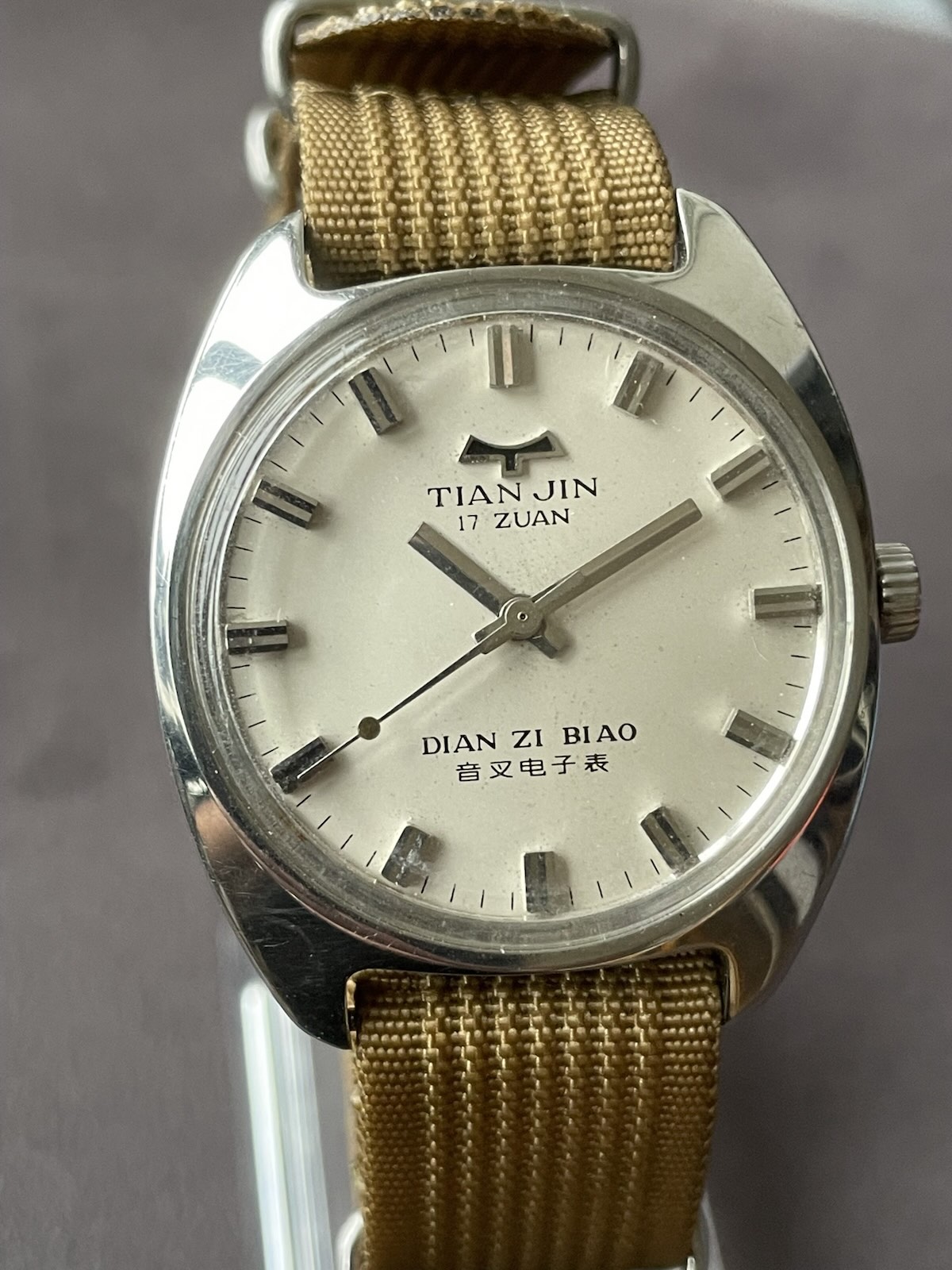
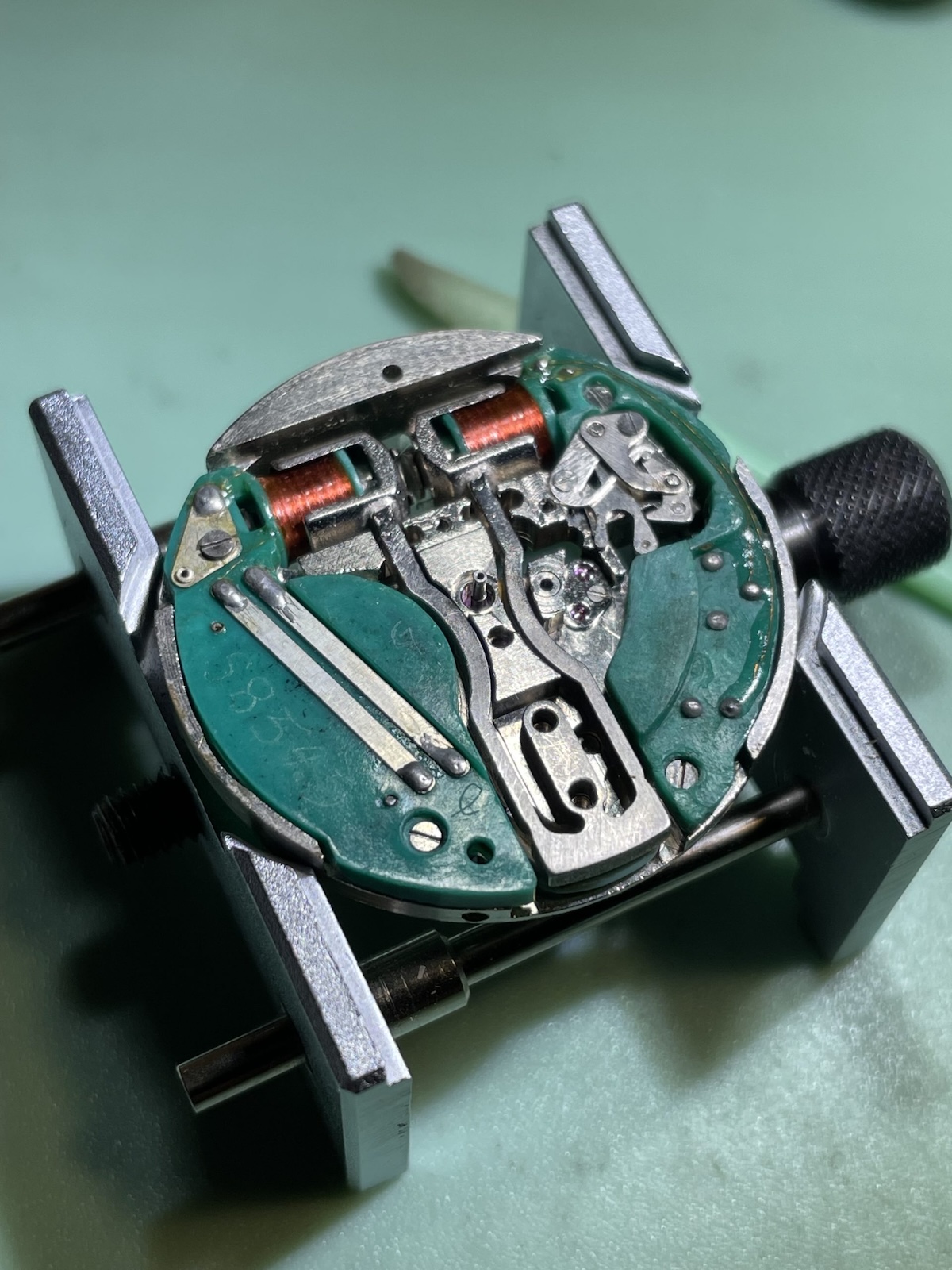
In 1965, the Tianjin Watch Factory copied Bulova’s tuning fork design with calibre ST4 and later DST2. How that happened is quite fascinating. American U-2 spy planes were known to fly over Russia and China prior to established satellite technology, and electric Bulova watches were favourites of U-2 pilots. Three U-2 planes based in Taiwan had been shot down inside Chinese territory (the two nations were separate in the 1960s), and legend has it that a Bulova Accutron watch was recovered and reverse-engineered. A second electric watch was introduced in the 1970s after years of development among multiple factories, known as calibre SD2. This used a circuit to energise a coil to keep the balance wheel oscillating at 5Hz, but the project was relatively short-lived as quartz became dominant. This had the same high beat rate and similar concept as Citizen’s Cosmotron from the 1960s and 1970s, although it’s unknown if China outright copied the design.
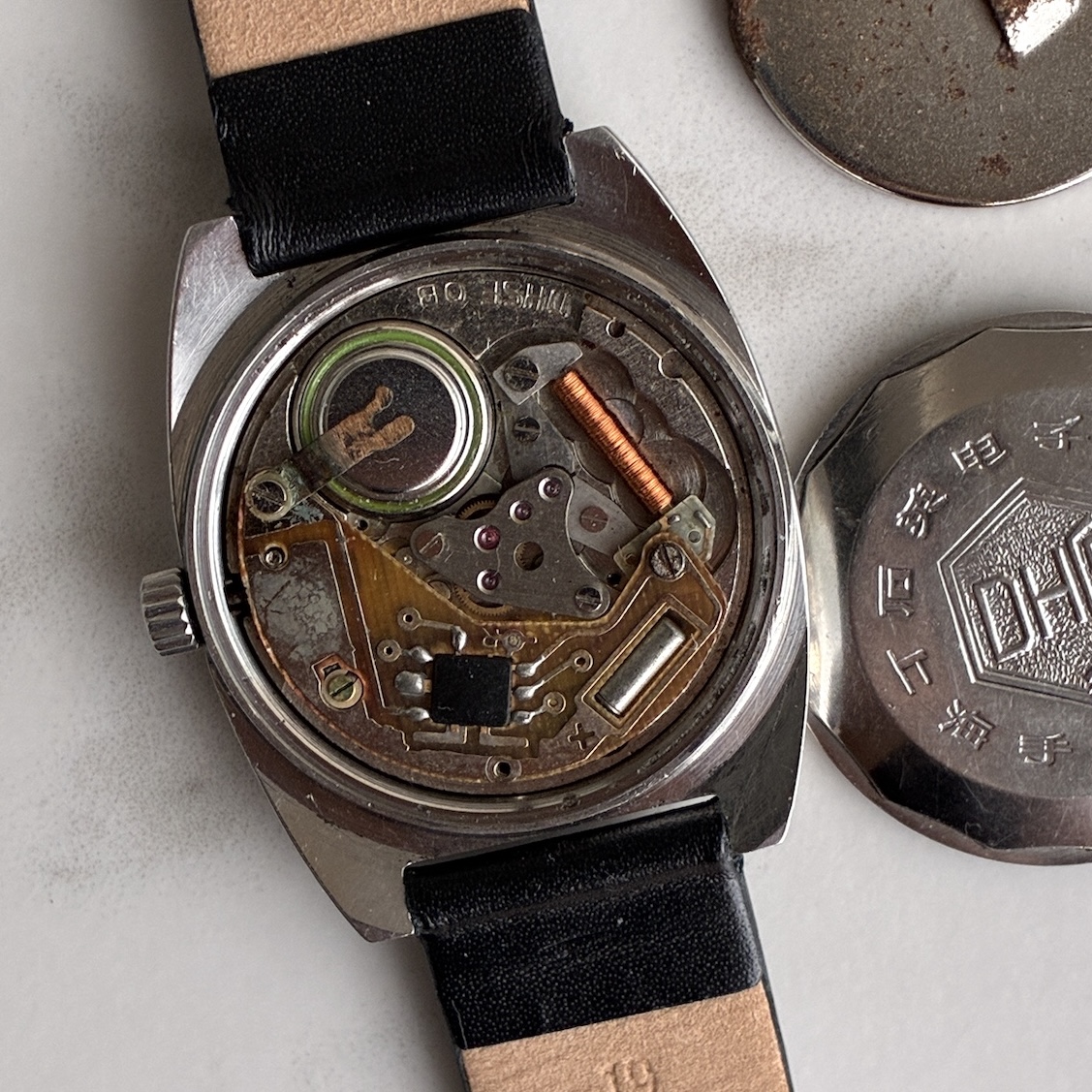
Quartz watches also played a role in the 1970s and 1980s, although China never fully embraced the technology like neighbouring Japan. The three primary factories at the time, Tianjin, Beijing and Shanghai, dedicated a bit of R&D to quartz, and Tianjin launched the DST3 quartz calibre by the end of 1978, with a few more to follow, including a calendar and also smaller architecture for women’s watches. Shanghai introduced the DSE and DHSE (date) quartz calibres by the end of 1979 under the Baoshihua brand, while Beijing got involved in quartz, but had the least commitment of the three factories. The Tongji was so widespread and affordable, with a nationwide service and repair apparatus in place, that quartz almost didn’t make sense for China, although domestic quartz production did increase substantially by the mid-1990s. Cheap, imported Japanese quartz movements also became dominant for many brands in the late 1980s as leader Deng Xiaoping established a more friendly free market environment, adding a disincentive to develop quartz in-house. With joint ventures came an explosion in watch production; however, China produced over 650 million watches in the year 2000 alone, with export prices starting as low as USD 4. By comparison, Switzerland exported just 30 million watches in the same year, but averaged hundreds to thousands of dollars per piece, generating far more market share by value.
Differentiation
Although over 80% of manufacturing across 100-plus factories was devoted to the unified Tongji calibre prior to the 1990s, factories were free to design the watches themselves. All movements were built to tight specifications with interchangeable parts, but cases and dials varied widely and allowed factories to differentiate themselves. Factories developed their own brands as well to further broaden regional marketing, as many were named after Chinese animals or landmarks. Meihualu was named after the Sika Deer, while Xiongmao was named after the Giant Panda. Taishan was named after a mountain in Shandong province and so on. The majority of watch dials remained conservative with white or silver shades, but many factories experimented more in the 1980s with intricate patterns, scenery, wildlife or floral motifs. A single factory could produce a dozen or more watches that were so different that you’d think they were completely separate, but all shared the Tongji calibre.

Some factories were permitted to produce their own movements alongside the Tongji as they were groundbreaking at the time, fully Chinese in design and much higher quality than the unified counterpart. Tianjin Watch Factory continued ST5-K production throughout the 1970s, while Shanghai Zuanshi Watch Factory continued with the SM1A-K. These were rare exceptions but provided a higher level of domestic horology to keep China competitive with foreign markets. On the opposite end of the spectrum, Nanjing Watch Factory was allowed to produce the rather crude calibre SN2, which was a fairly rough, unfinished movement with very few jewelled bearings (generally only for the balance). This was an ultra-cheap design for those that couldn’t afford the already cheap Tongji watches, and it even proved to be robust, reliable, and accurate to within a minute per day. They fell under Nanjing’s Zhongshan brand, and many came with elaborate textured dials, so these were stylish in spite of the cheap mechanics and ensured that just about every citizen could attain a domestic timepiece.
Modern Chinese Watchmaking
China experienced a major crash in domestic watchmaking by the early 2000s, led by several factors including the quartz crisis, the fall of the Tongji as factories were freed to produce their own designs and many joint ventures resulted in imported quartz movements over domestic ones. New players started pushing out older, traditional factories with foreign partnerships and established factories (going back to the 1950s and 1960s) went bankrupt, and the 1997 Asian Financial Crisis was the nail in the coffin for a sizeable portion of the Chinese industry. However, China’s watchmaking machine recovered and today enjoys a dominant global position for export volume. Sea-Gull, formerly the Tianjin Watch Factory, endured the hardships and rose to become the largest movement manufacturer by volume, controlling approximately 25% of the entire global supply with up to five million movements per year. Sea-Gull has expanded well beyond the legacy Tongji and simple, low-cost movements as recent horological developments include tourbillons and a rattrapante split-second chronograph. Value, however, continues to define the company, as the split-second chronograph is the most affordable of its kind, with a price starting at USD 3,499 (many start north of USD 10,000), while tourbillon pieces from the brand’s Heritage series can be found for around USD 2,000 (and even less with some online searching). In fact, a Sea-Gull ST8000 tourbillon calibre can be bought directly from the manufacturer for only USD 389, which is truly astounding for such a complex movement, regardless of origin.
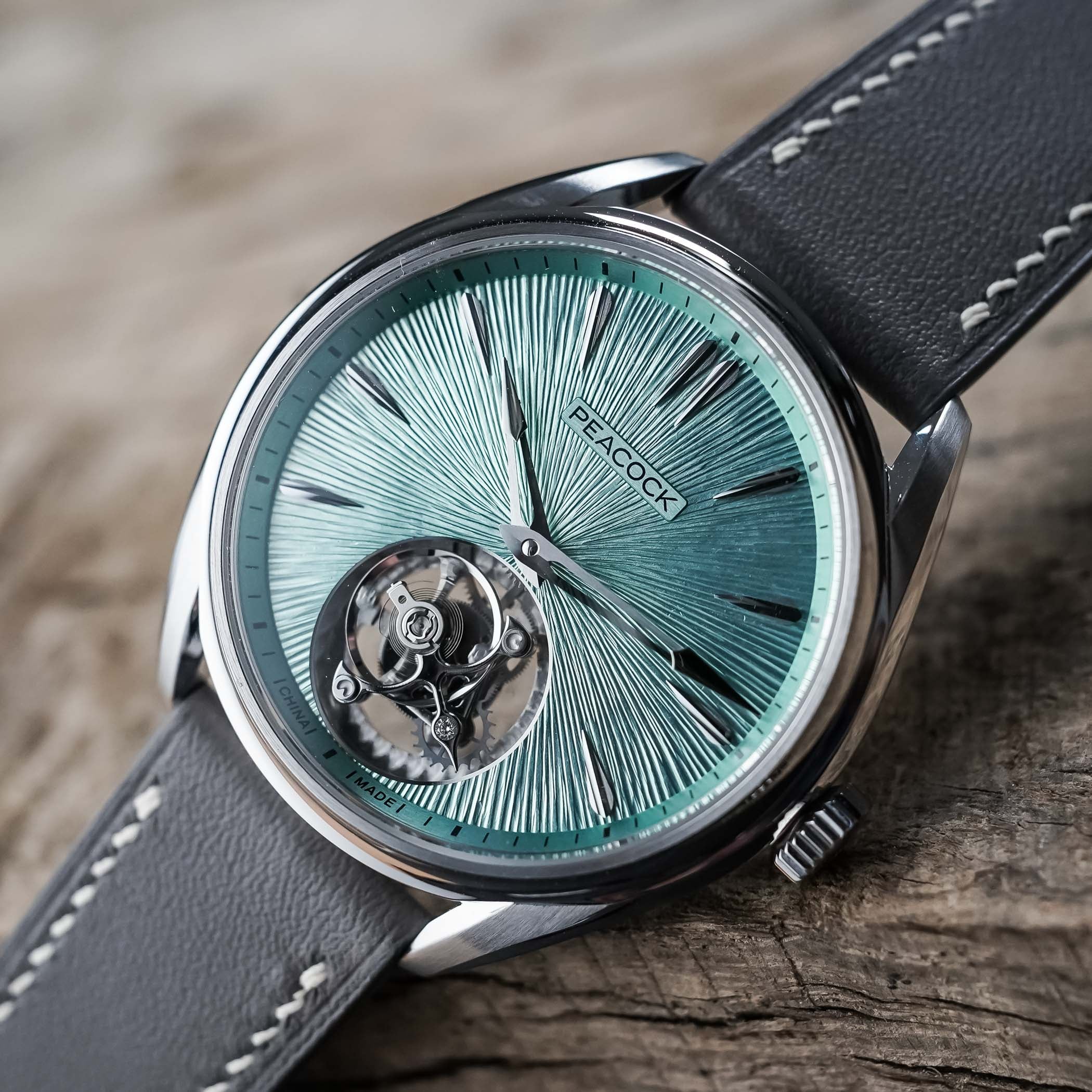
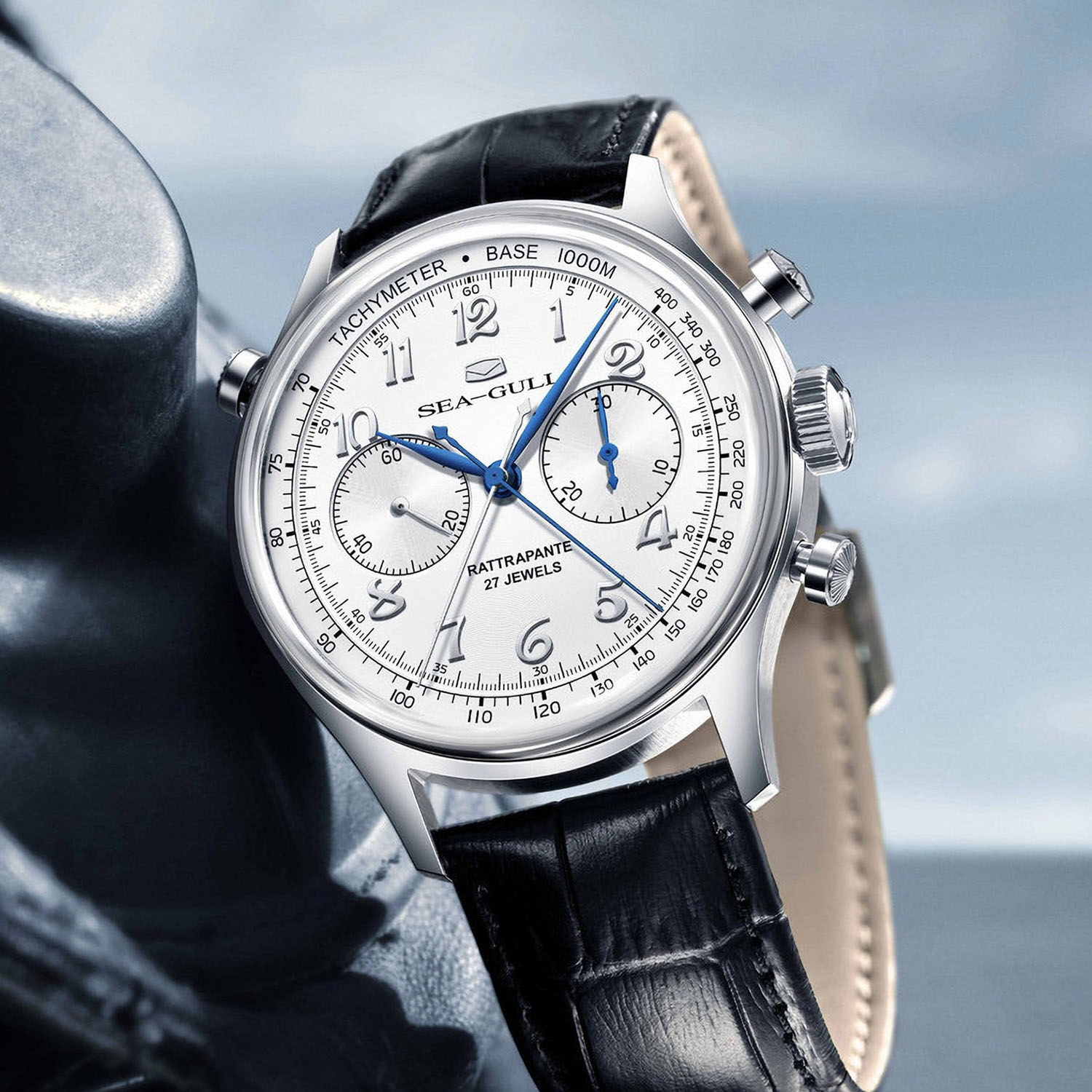
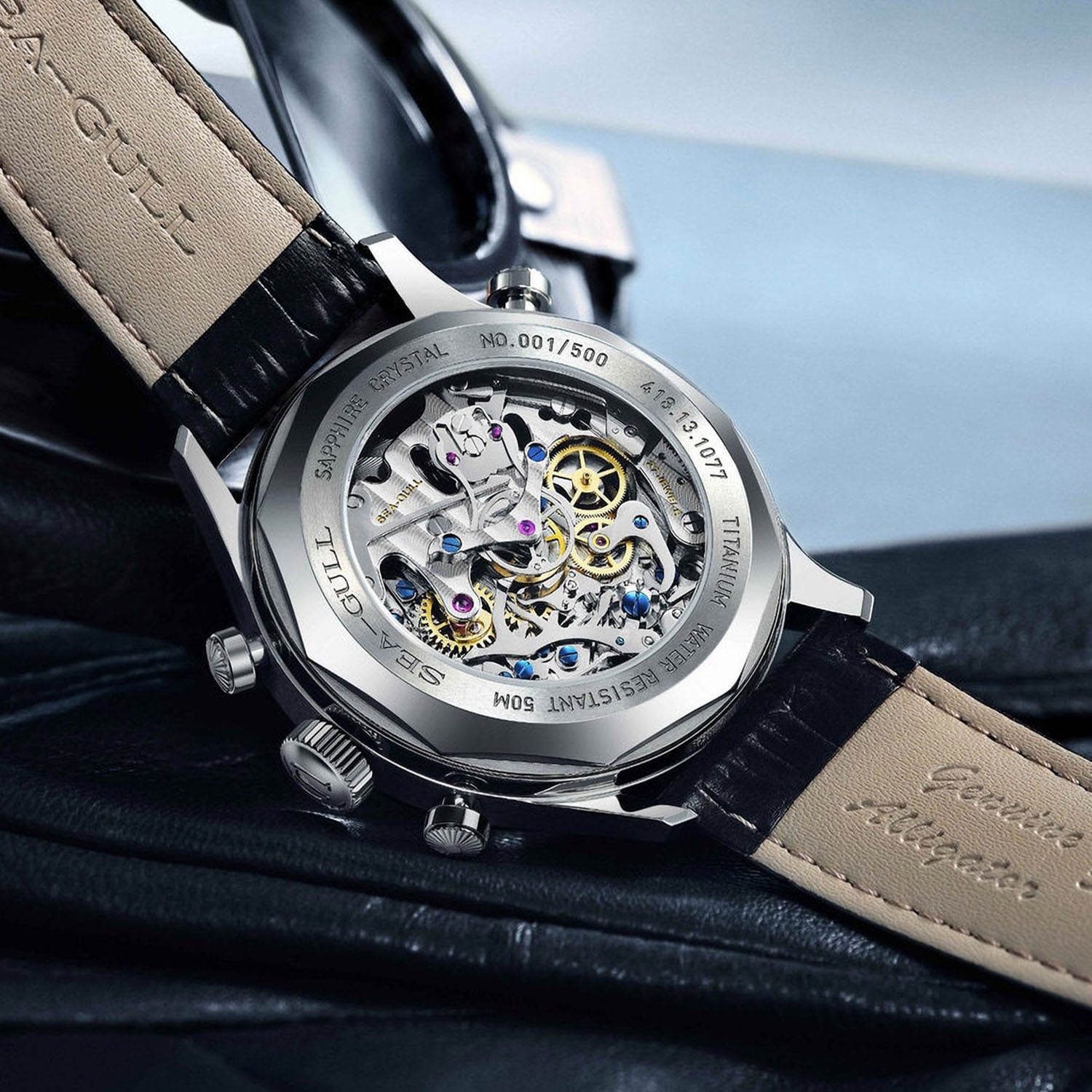
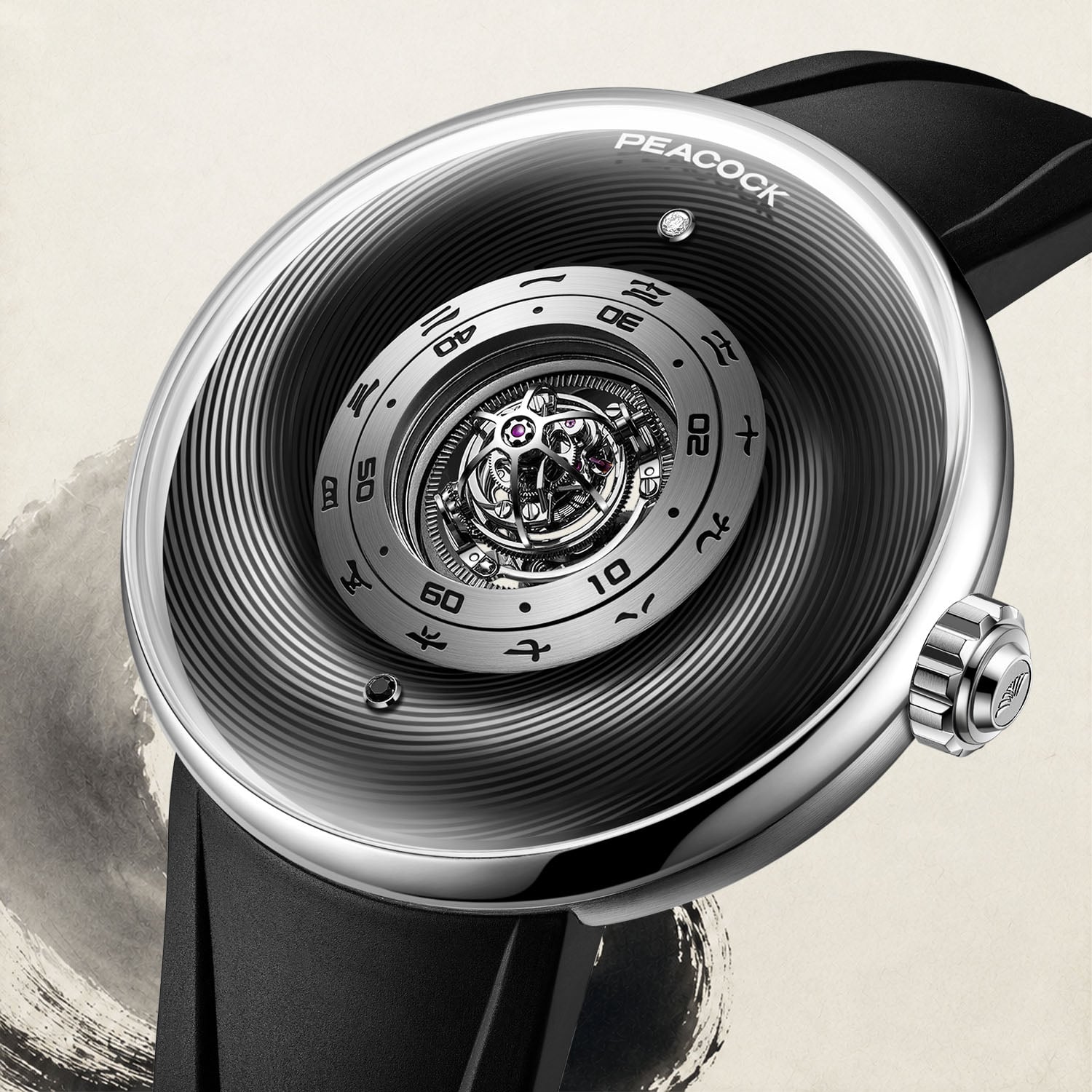
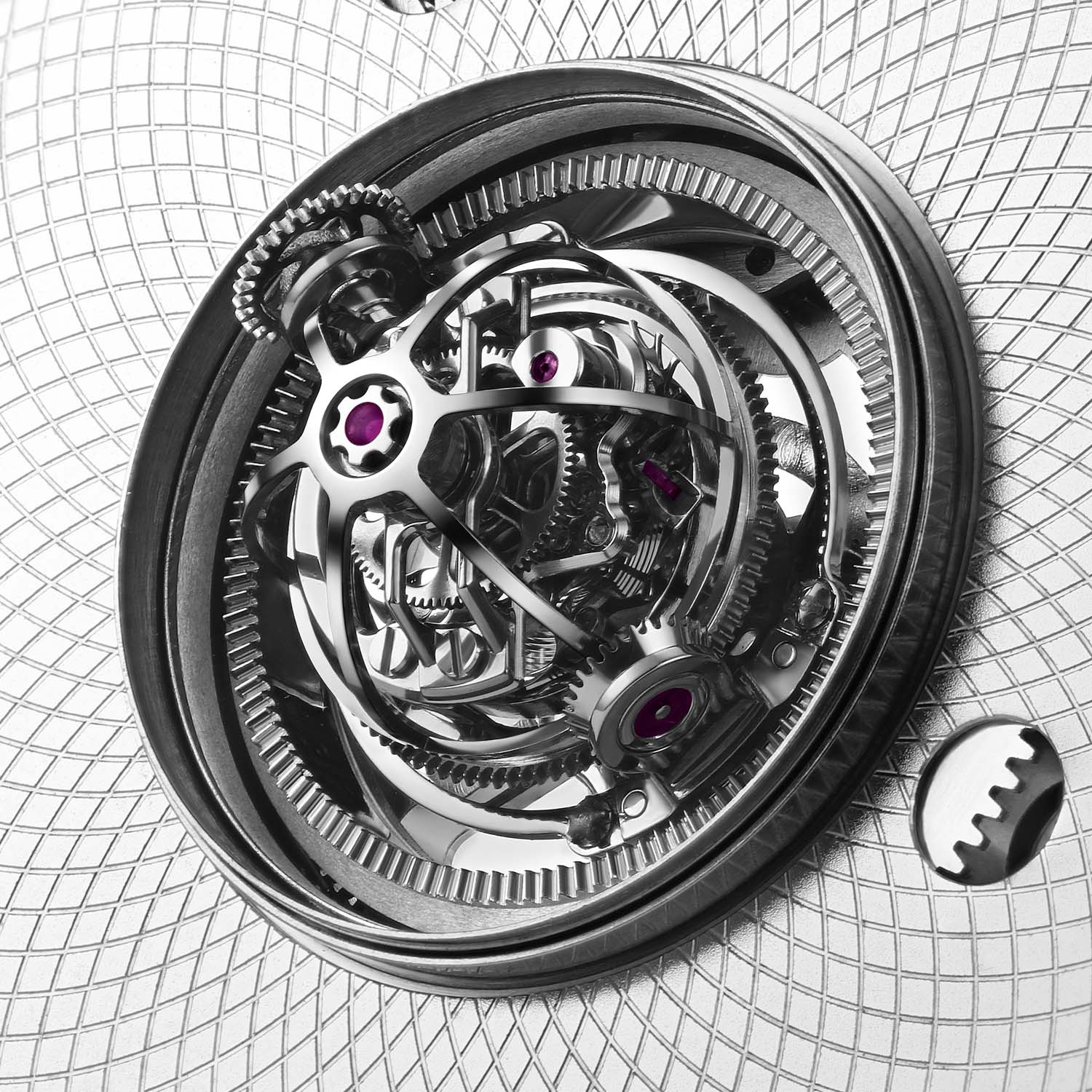
Hangzhou Watch Company is another major movement manufacturer that offers a wide variety of low-cost mechanical options, along with impressive tourbillons and micro-rotors. A recent example is the wildly popular Baltic MR series that uses Hangzhou’s affordable CAL5000a micro-rotor movement with prices starting at only EUR 545. Peacock Watch Company ups the ante as it developed China’s first dual-tourbillon design with flying tourbillons at 5 and 7 o’clock. Recently, Peacock unveiled the Tai Chi Curved Guilloche, a rather futuristic watch with the world’s smallest and lightest triple-axis tourbillon, and a dial made using traditional guilloché technique. This small snapshot of the more sophisticated side of recent Chinese watchmaking by major manufacturers demonstrates how China has somewhat democratised traditionally high-end, high-priced watches like tourbillons, micro-rotors and split-second chronographs, bringing accessible prices to the masses. Just keep in mind that finishing, accuracy, and even long-term durability won’t match European counterparts… for now!
Chinese Haute Horology
Although the above examples, particularly Peacock’s triple-axis tourbillon, can certainly qualify as higher horology (and I dare say the triple-axis tourbillon crosses into haute horology), there are examples that truly push the envelope, while newer independent brands bring watches that also compete with some of the best from Switzerland and Europe. Starting again with Sea-Gull, there are a handful of double-tourbillon models with hand-wound calibre ST8080-2. These watches start at a bit over USD 46,000, or about the same as Peacock’s. Then we have Sea-Gull ref. ST9250G, a serious in-house heavy hitter with a perpetual calendar, moon phase, tourbillon and minute repeater, selling for USD 296,000. The Three-Legged Golden Crow (ref. 618.96.9101) is another Sea-Gull minute repeater with a tourbillon and automaton on the dial showing an animated bird unfolding its wings. Beijing Watch Factory has its own tourbillon minute repeater, the MRB-1, and a double tourbillon as well.
The Growing Independent Chinese Scene
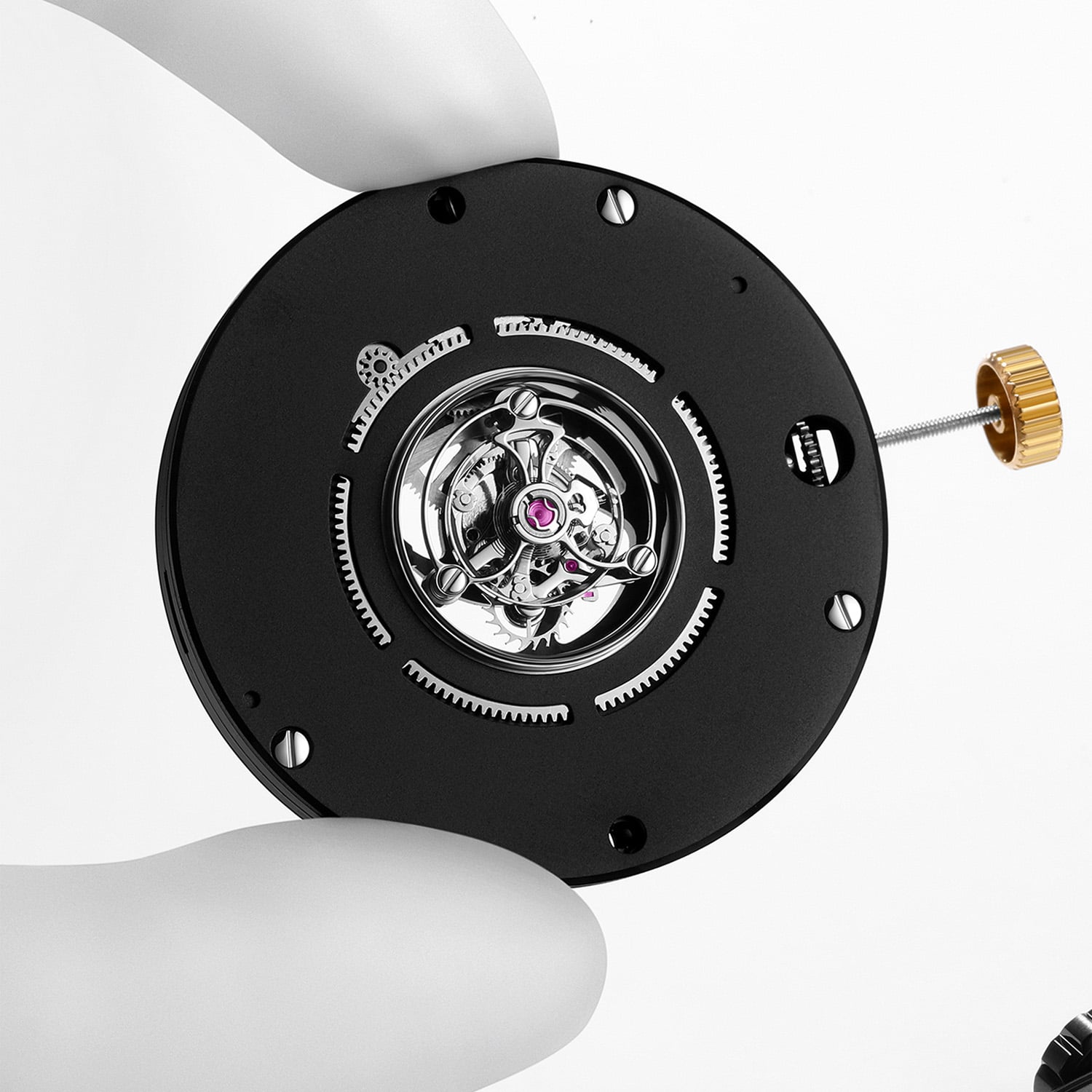
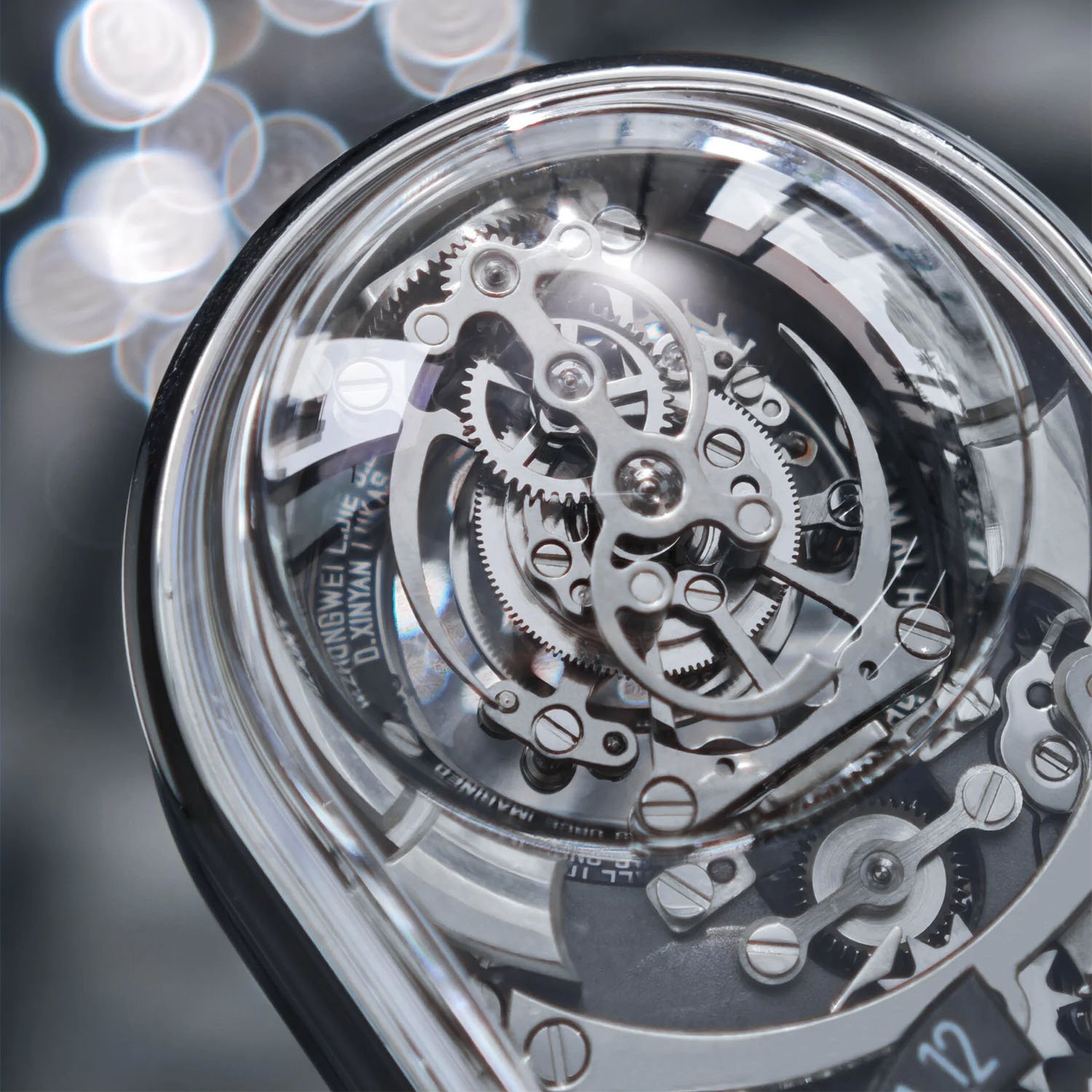
Fam Al Hut is a small independent brand that brings a bi-axis tourbillon and European-level finishing and craftsmanship with the Mark I. The long, capsule-shaped case has the eye-candy tourbillon that rotates at 150 seconds and 60 seconds at the top and two retrograde hands underneath for hours and minutes, all with an open-worked aesthetic. At USD 42,000, it’s surprisingly well-priced for such a complex piece, although the movement isn’t entirely in-house.


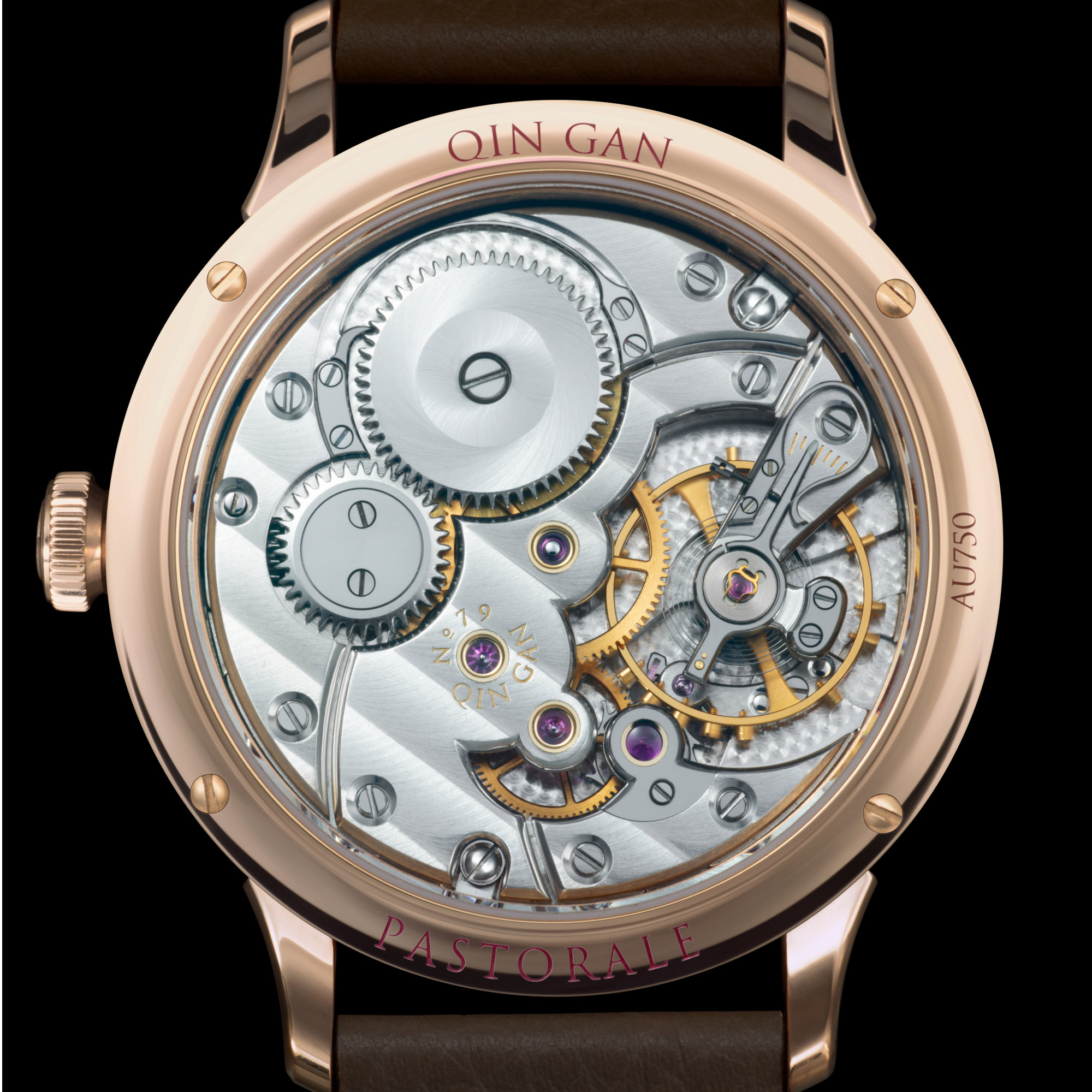
Qin Gan is a second-generation Chinese watchmaker with early complications and prototypes like the Quarter Strike that strikes every quarter hour via a unique gong within an open-worked dial, and a tourbillon with a dragonfly automaton. The Pastorale I and II became the first watches produced beyond the prototype stage, starting with a hand-wound, time-only movement based on the Longines 30L calibre with haute horology levels of hand finishing. The Pastorale II followed with a similar time-only design and base movement, but an even higher level of finishing. Production is very low (around 20 pieces) but really emphasises handwork and finishing at a level rivalling some of the best in Europe.
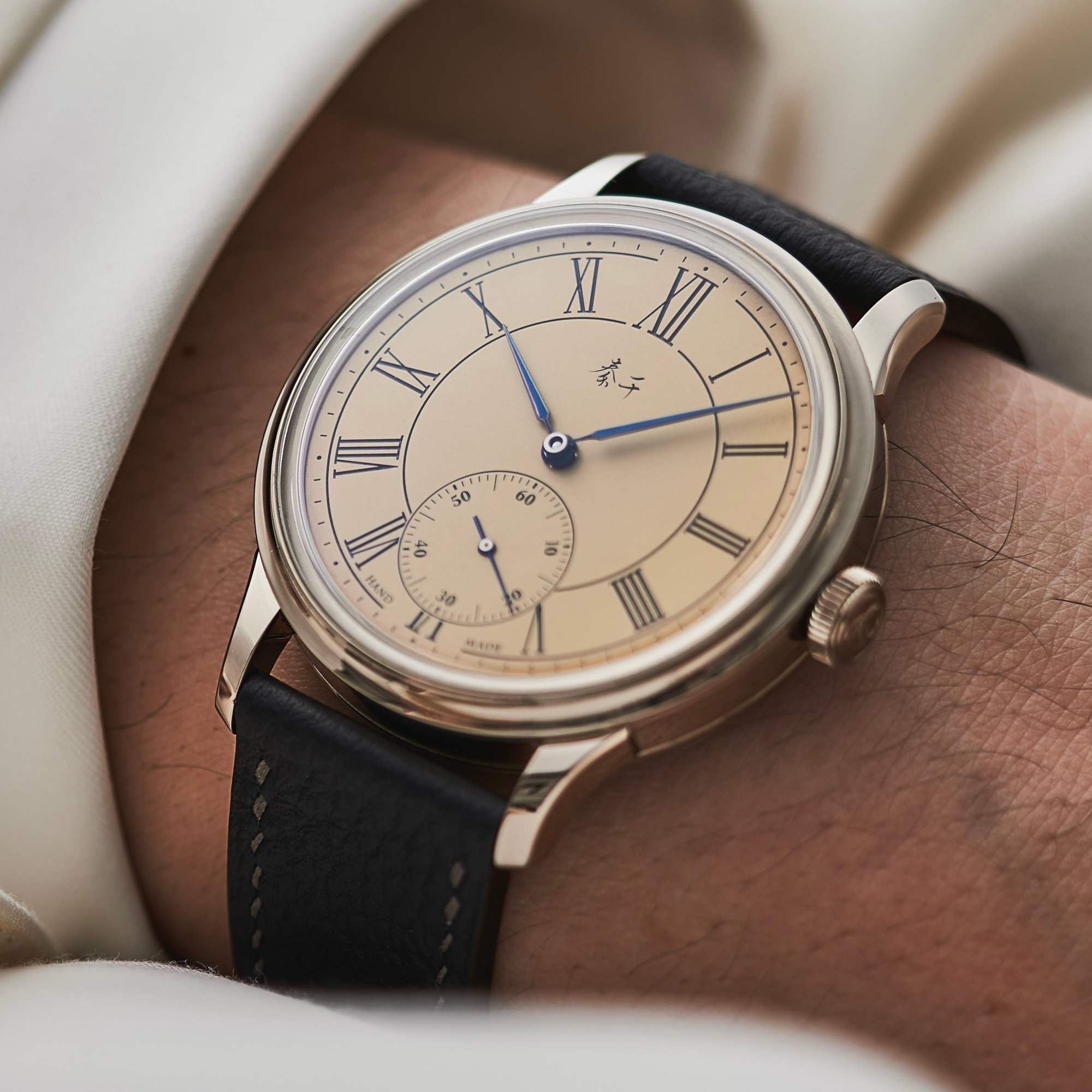
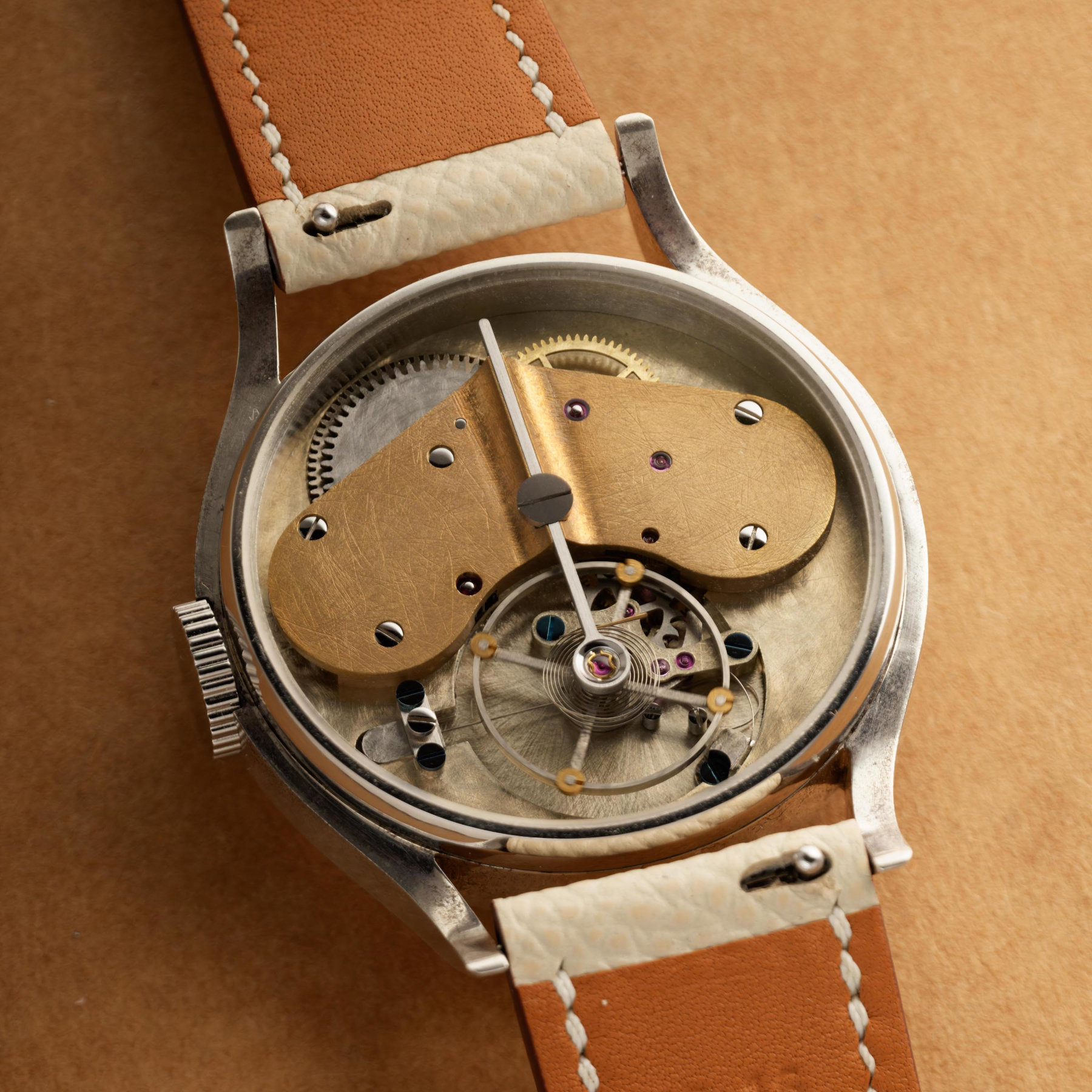
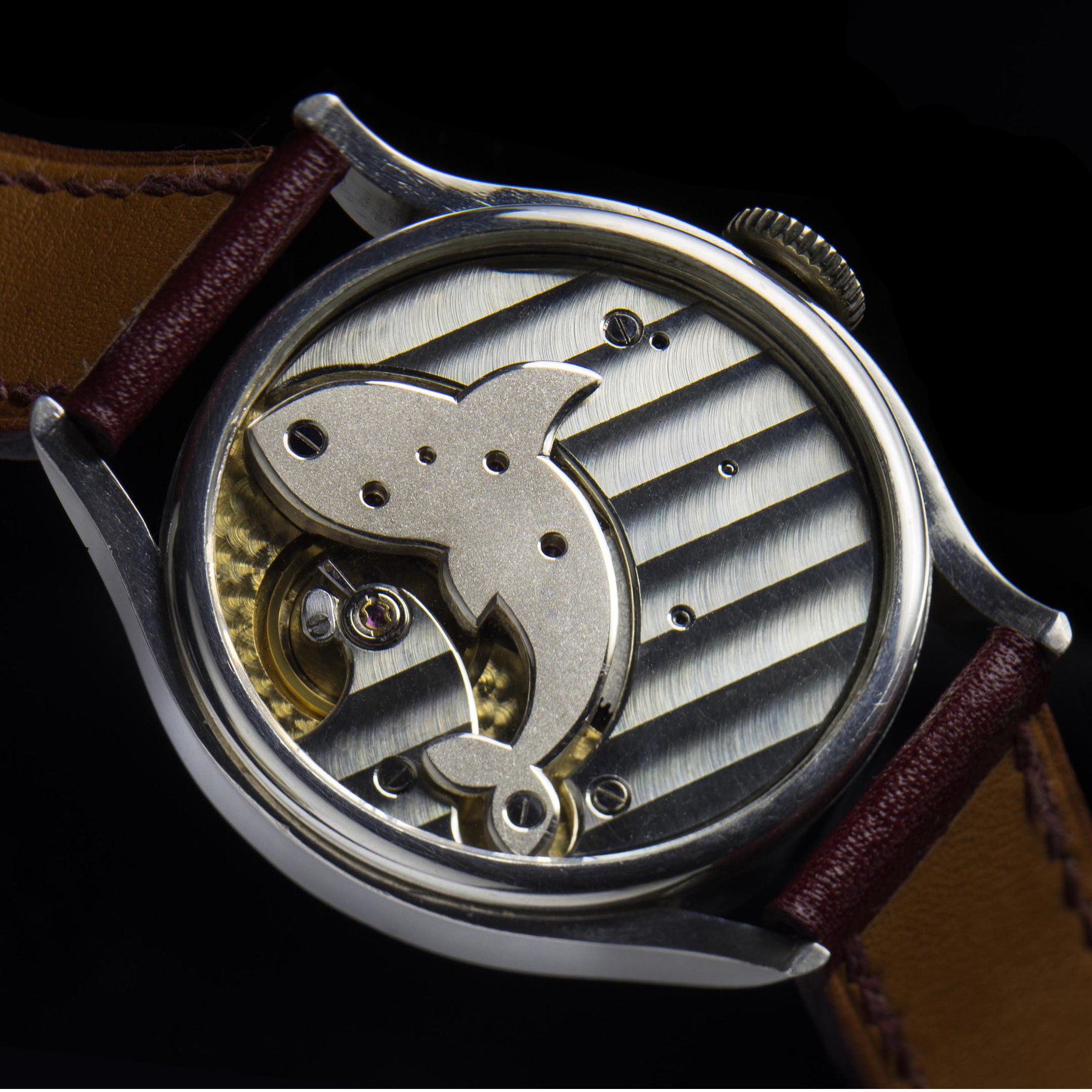
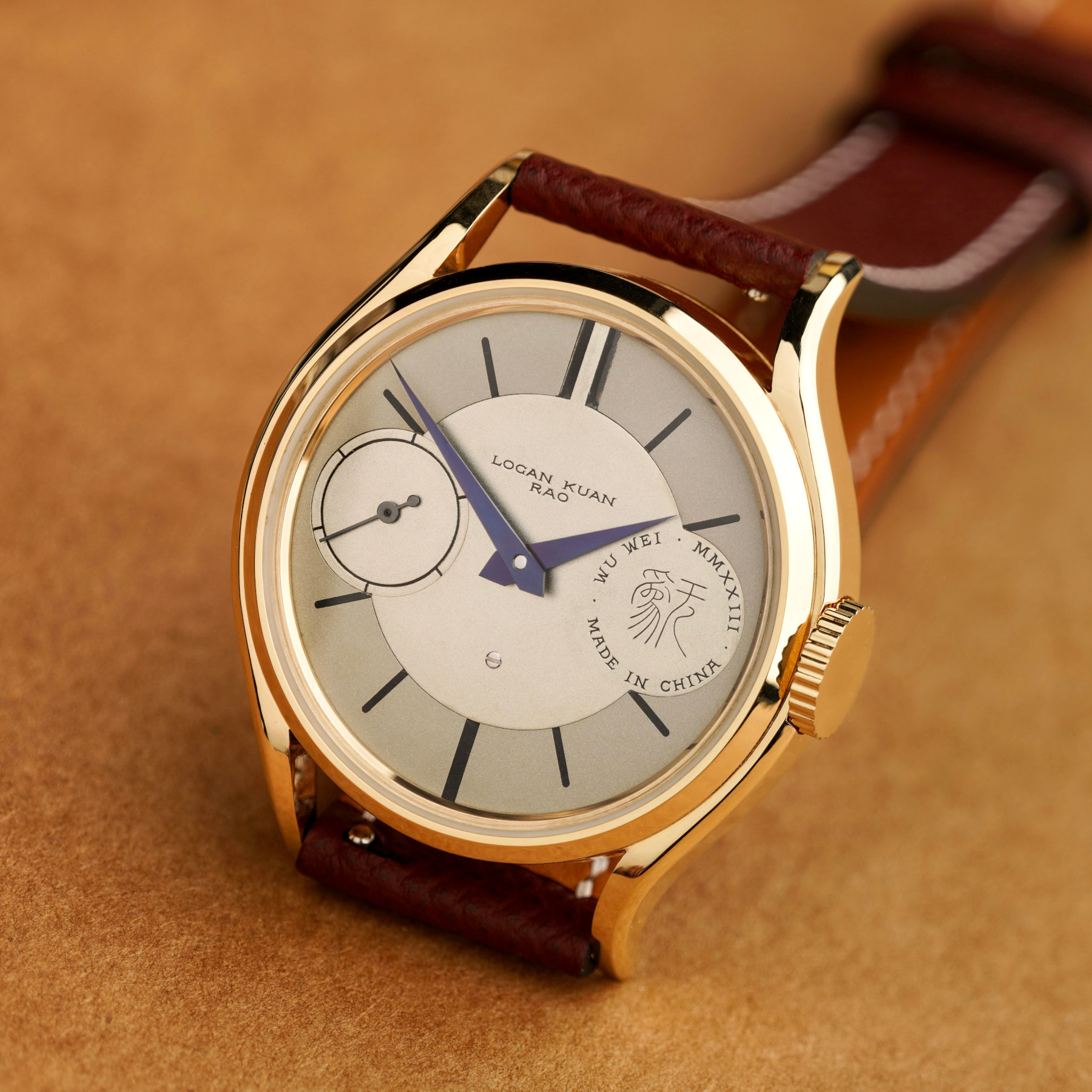
Logan Kuan Rao is a self-taught watchmaker creating entire watches virtually by hand. In 2017, he presented his first watch, the Orca, that integrated a whale-shaped plate surrounded by Geneva Stripes acting as visual waves. Eight years in development (with three years devoted to the prototype), he was able to deliver nine watches. He went on to develop a new escapement, the Equal-Push escapement that modified the co-axial escapement with a joint lever. However, he continues to perfect the design and has since introduced Wuwei, his second watch with a traditional lever escapement. Last year, however, he produced a single piece with a very rare, handmade double detent escapement. It’s still relatively early days for this one-man watchmaker, but he’s providing exceptional handmade Chinese watches and might very well advance to one of today’s great master watchmakers.
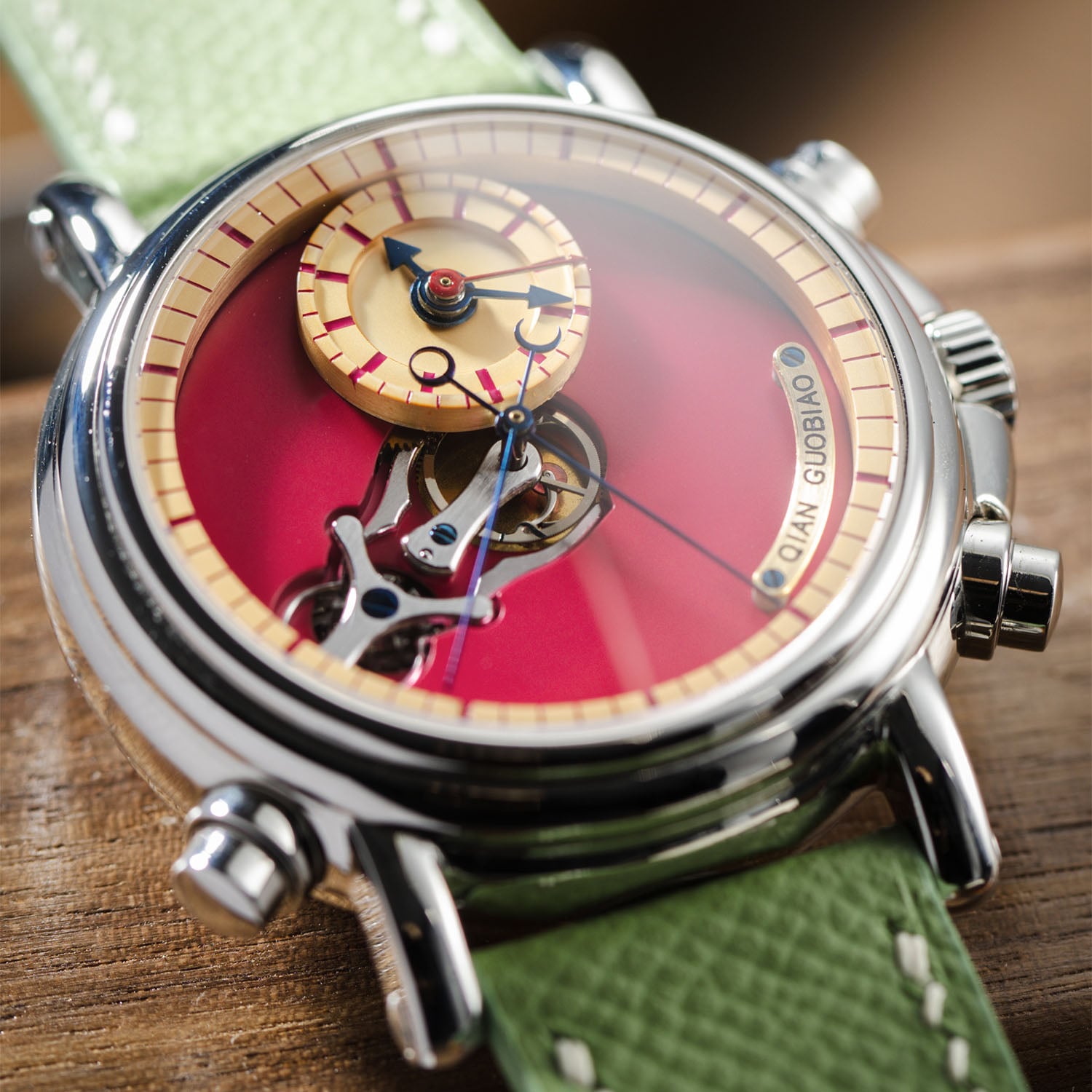
Qian GuoBiao is another example of an artisan-sized independent watchmaker, distinguished by its complex watches, such as the Double Balance Wheel watch, with its original regulating organ using two balance wheels, one on each side of the movement. He also recently presented a split-seconds chronograph model, as well as the openworked AB-05 Skylight Series.
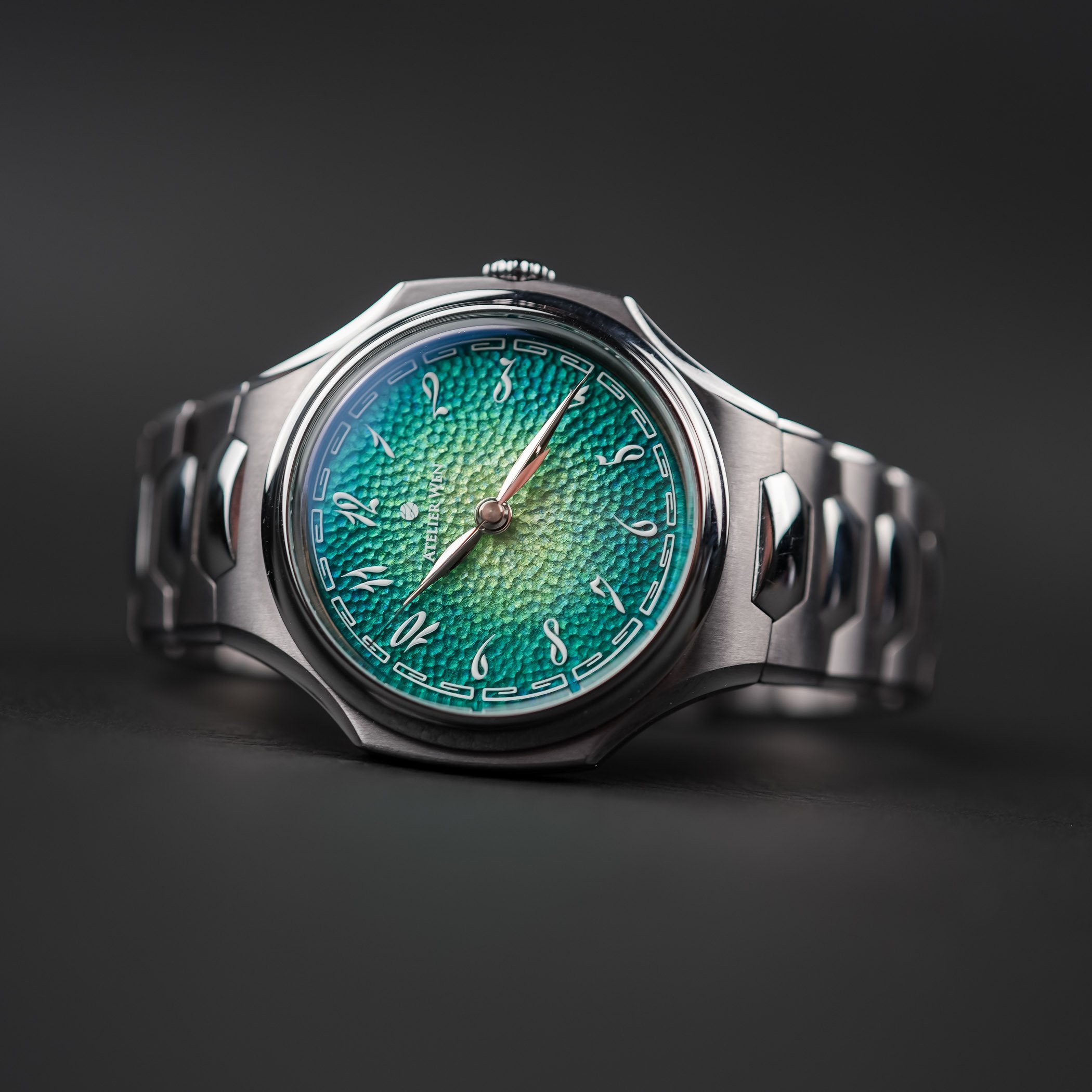
Atelier Wen is probably the best known on this list – a microbrand founded by two French enthusiasts (Robin Tallendier and Wilfried Buiron) with two Chinese designers (Li Mingliang and Liu Yuguan). The goal was to bring high-end Chinese watchmaking and traditional craftsmanship, such as fired porcelain dials (Porcelain collection), complex guilloché dials by Cheng Yucai (Perception collection) and Grand Feu enamel dials coupled with rare tantalum cases (Inflection). Although movements aren’t made in-house, they’re aesthetically customised with three primary calibres: French Pequignet EPM03, Swiss Girard-Perregaux GP03300 and Chinese Dandong SL1588A. Emphasis has been on dial and case designs thus far, although that should change in the future as plans include in-house movements.
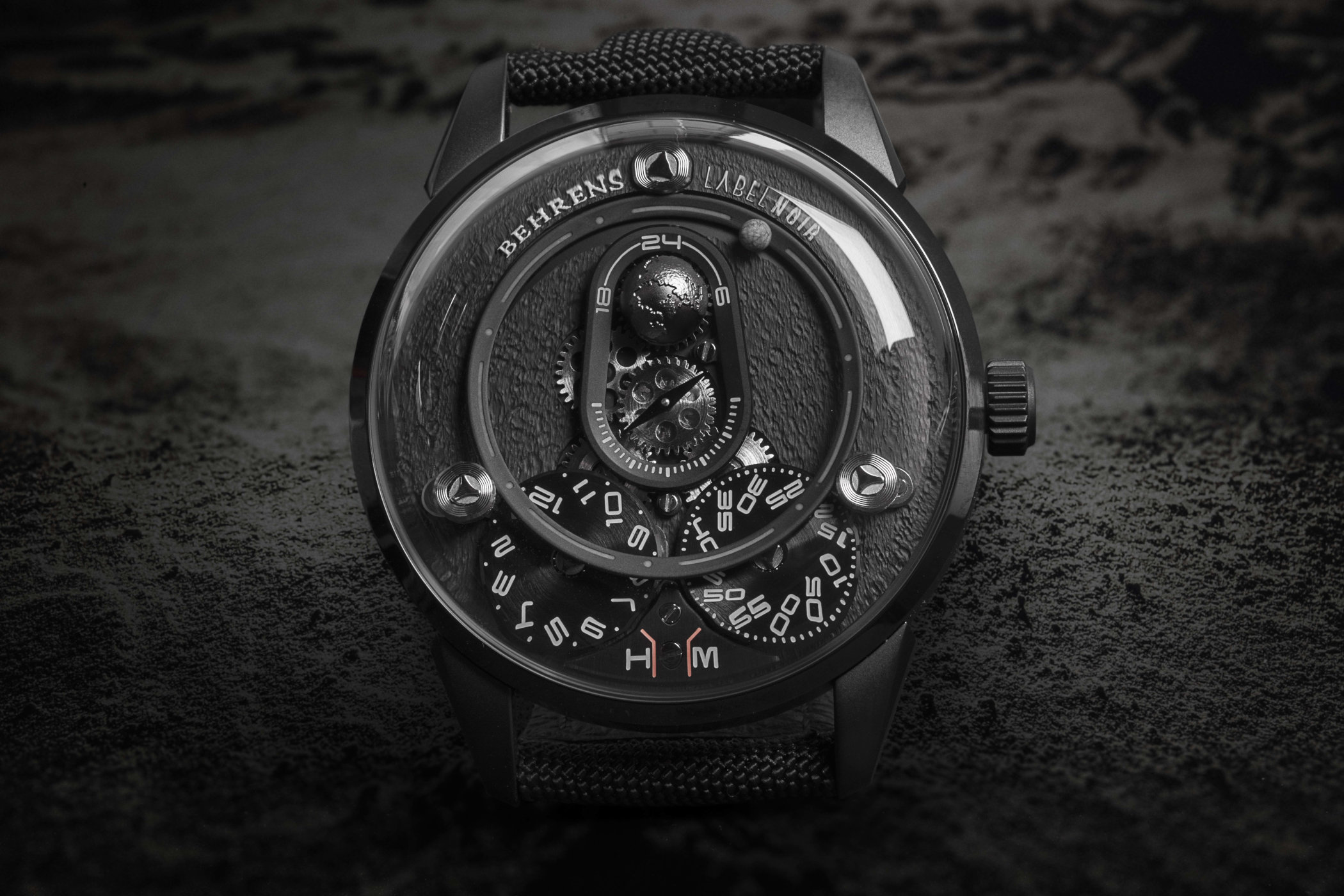
Shenzhen-based Behrens takes an unconventional approach with watches like the Apolar. The dial features a spherical earth and moon, each rotating every 24 hours and 28 days, respectively. At the bottom, there’s an hour disc on the left and a minute disc on the right, and time is read in an analog/digital fashion in lieu of conventional hands (although there’s a small seconds hand in the centre of the dial). The base movement is an ETA 2824 automatic, so we’re not breaking new in-house ground, but the design and execution are otherwise next level. The Da Vinci Code has an equally unique dial with a design mimicking the locking device of the Da Vinci Code with a fun take on wandering hours. Project One features a futuristic design that would be right at home in a Sci-Fi movie. A large spherical Earth sits at the top left, while a spherical Mars counterpart sits at the top right and both rotate every 24 hours and 24 hours/37 minutes, respectively, to accurately display their rotations. Hours and minutes are shown at the bottom via rolling wheels like an old-school mechanical odometer, while a calendar and both Earth and Mars time zones are also displayed. The base movement is a Sellita SW200, but the execution is truly wild and honours China’s space program. This is a small sample of a surprisingly vast collection of exotic pieces from Behrens, with prices starting at just USD 2,000.
Conclusion
This doesn’t cover all of China’s independent brands, but provides a picture of how diverse and impressive recent Chinese watchmaking has become. Major manufacturers like Sea-Gull, Peacock and Hangzhou not only provide more movements globally than any other nation (particularly Sea-Gull), but have also elevated to true haute horology with double tourbillons, perpetual calendars and minute repeaters. China is the only country producing truly affordable tourbillons and allowing European brands like Baltic to release micro-rotor collections for just a few hundred Euros. Of course, it’s fair to point out that European horology usually surpasses much of the aforementioned Chinese “exotics” like tourbillons and micro-rotors, but beyond these entry-level offerings is bona fide haute horology with in-house designs. China and “cheap” often get grouped together, but in the world of watchmaking, that’s no longer an accurate assessment, as brands big and small are pushing new boundaries.