


 Not all images were able to load for printing. Please close the print window and try again.
 The History of English Watchmaking
Switzerland and Germany are synonymous with European watchmaking, but some of the greatest horological achievements have come from England.
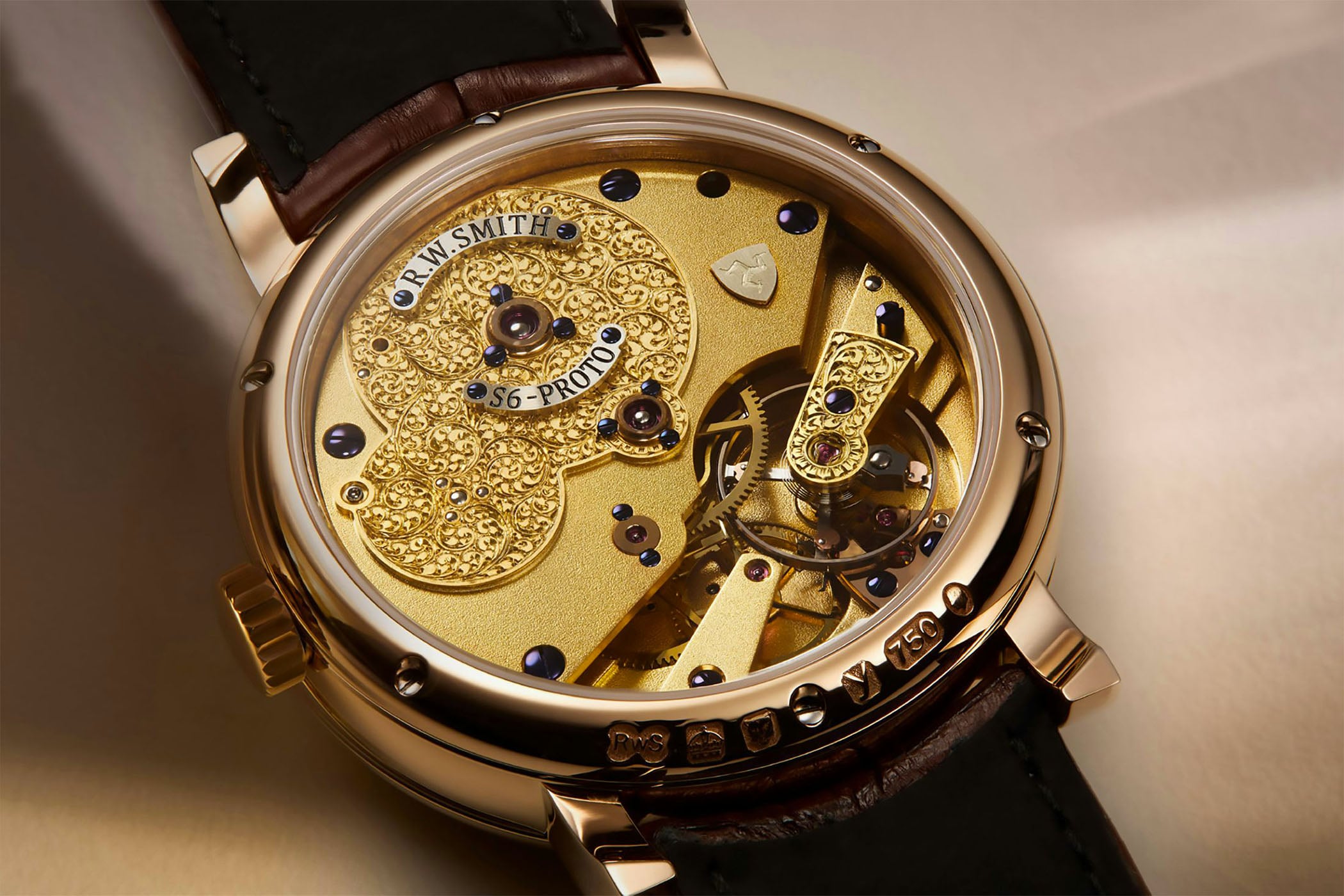
In our recent ABCs of Time article, The Top Five Countries Where Watchmaking Reigns Supreme, England didn’t quite make the cut (and some of you took issue with that), so let’s take a look at the history of English watchmaking and give the country its due. After all, several of the most important inventions actually originated in England, not Switzerland. England’s decline started in the mid-1800s (after several centuries of glory) when it shunned mass production, while its Swiss and American counterparts embraced it. To make an analogy, England was still writing books by hand after the printing press had been adopted by the rest of the industry. The Quartz Crisis was the final nail in the coffin, until a resurgence spearheaded by great watchmakers like Derek Pratt (1938-2009) and George Daniels (1926-2011) put it on the map again. Today, brands like Bremont, Christopher Ward, Garrick, and Roger W. Smith have picked up the baton.
Early Pioneers and Inventions
English watchmaking goes back to the late 16th century, and Thomas Tompion is one of the earliest names of significance, bringing exceptional clock and watchmaking to the region. Often referred to as the Father of English Horology, he made one of the first pocket watch movements with a hairspring in the 17th century, coupled with a verge escapement and an early example of the balance wheel. The hairspring itself was probably invented by British horologist Robert Hooke around 1658, and he then commissioned Tompion to produce a movement that implemented the new design. However, it was Dutch scientist Christiaan Huygens who most likely produced the first working watch with a hairspring in 1675 – at least the first properly documented one. The hairspring and balance wheel combo improved accuracy to such a degree that an hour or more deviation per day changed to just a few minutes, thanks to the new harmonic oscillator.
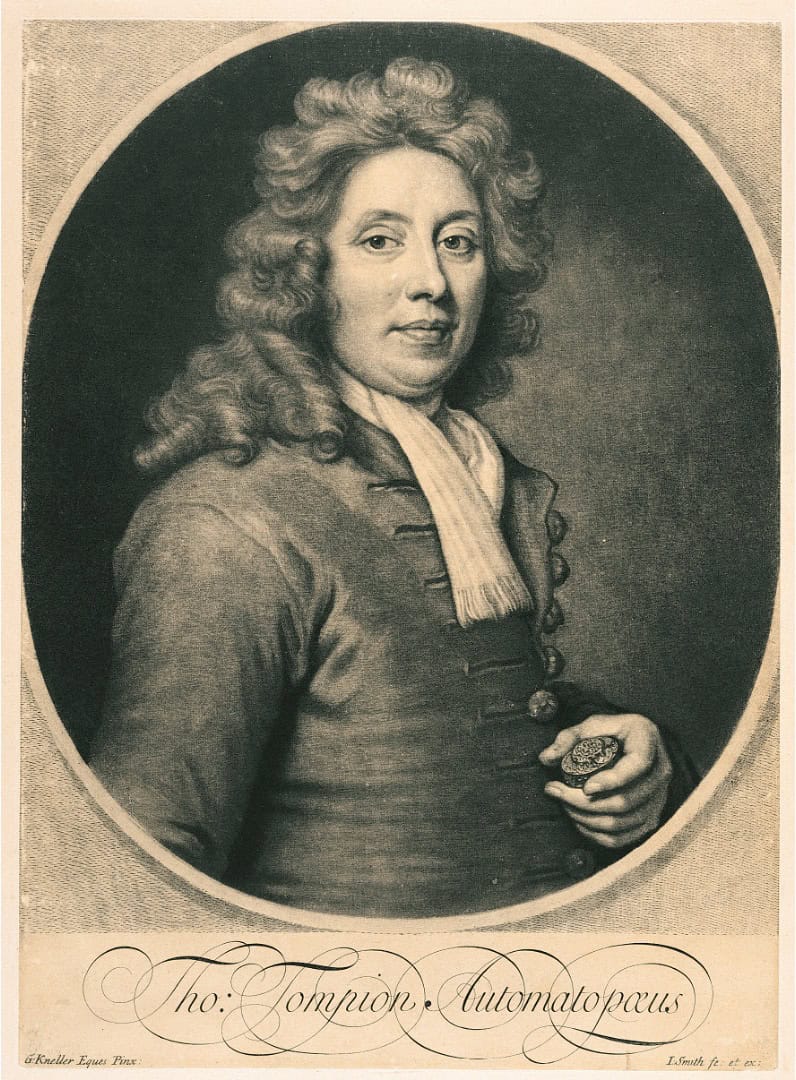
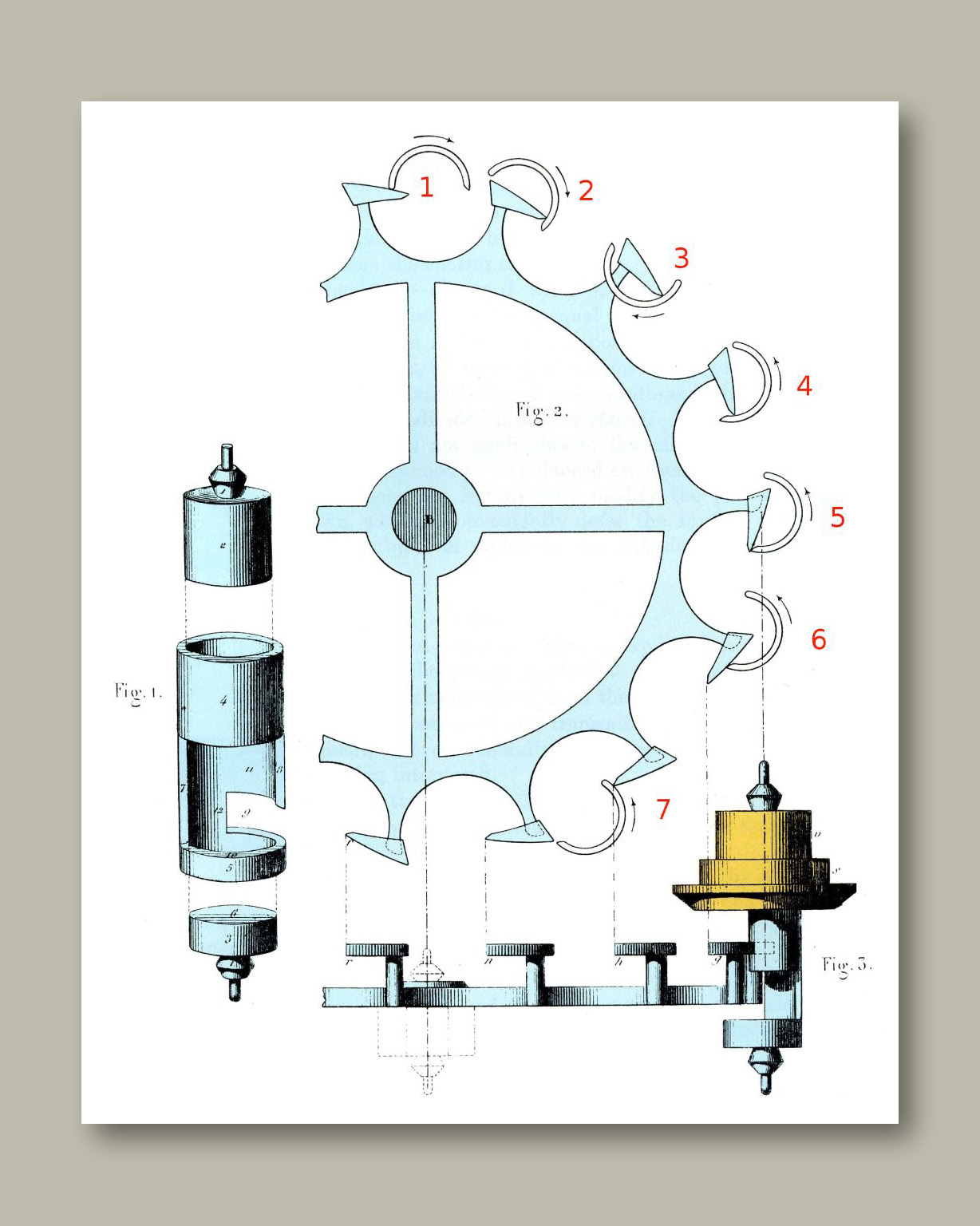
In 1695, Tompion improved movement design once again with the cylinder escapement, which replaced the original verge and allowed for much thinner watch cases. The verge escapement had a tall design with a vertical wheel, resulting in thick movements and cases, while the cylinder escapement had a compact horizontal arrangement. A narrow, specially cut cylinder engaged with the escape wheel teeth directly, significantly reducing bulk and increasing accuracy, but not really addressing friction and premature wear, as there was consistent metal-on-metal contact. It revolutionised the industry by allowing much thinner and more fashionable pocket watches in the 18th century – a big step for contemporary designs. Complementing this was the waistcoat, which had a dedicated pocket for pocket watches with a lanyard to keep it attached to the owner. King Charles II (of England) introduced waistcoats in 1666 to refine the looser attire of the day.
The visible lanyard became part of the fashionable ensemble itself. Waistcoats were refined further in the 19th century as they integrated with contemporary three-piece suits, and pocket watches were a standard part of the fashion, even well into the wristwatch era. So, we can thank England for both the contemporary pocket watch style and attire to carry it.
The Lever Escapement
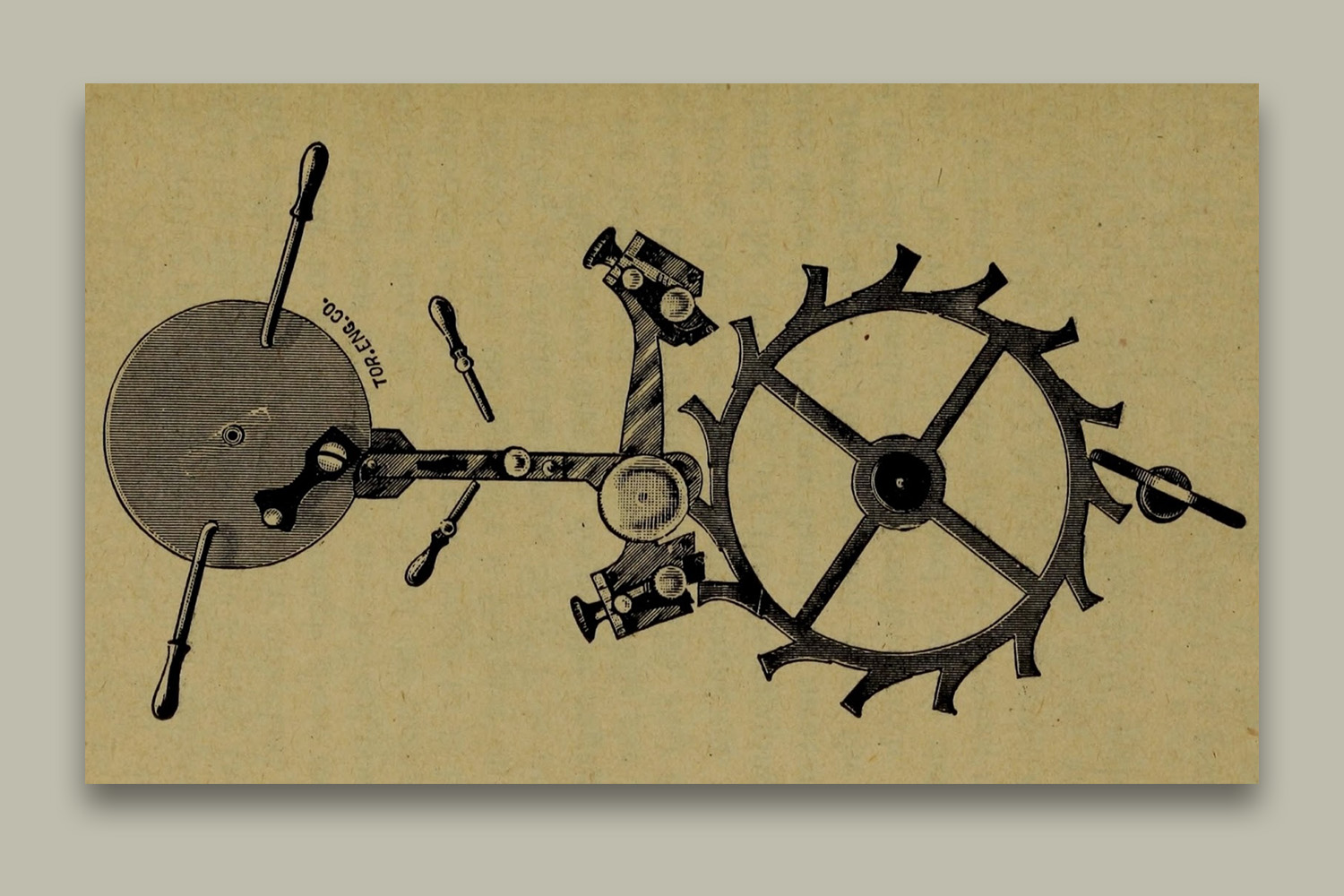
One of the most significant and consequential developments in watchmaking is the lever escapement, invented by English clock and watchmaker Thomas Mudge around 1755. It replaced the cylinder escapement as a more efficient, reliable and accurate alternative with much less friction/wear as the balance wheel oscillated almost freely with only brief engagement with the pallet fork and escape wheel during impulse periods. The detached lever escapement design is still the gold standard today and is used in almost all traditional mechanical movements.
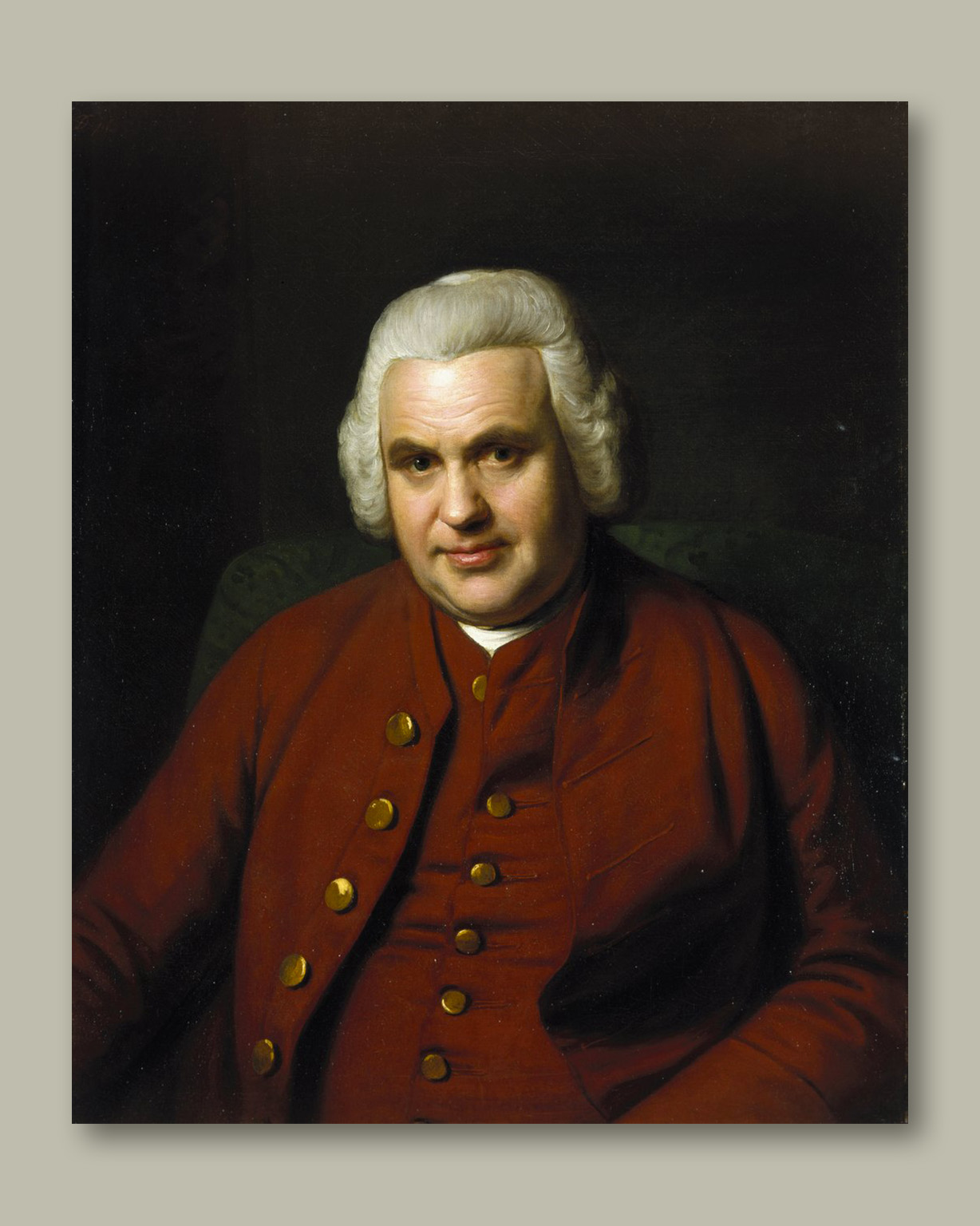
It would take another century, however, before Mudge’s escapement became an industry standard, as cylinder escapements remained popular and even the archaic verge hung around as a cost-effective alternative. The turning point came in the mid-19th century when Swiss watchmaker Georges-Auguste Leschot developed machinery for mass production of lever escapements, pushing them to a dominant position that grew into the near “monopoly” it enjoys today.
Repeaters
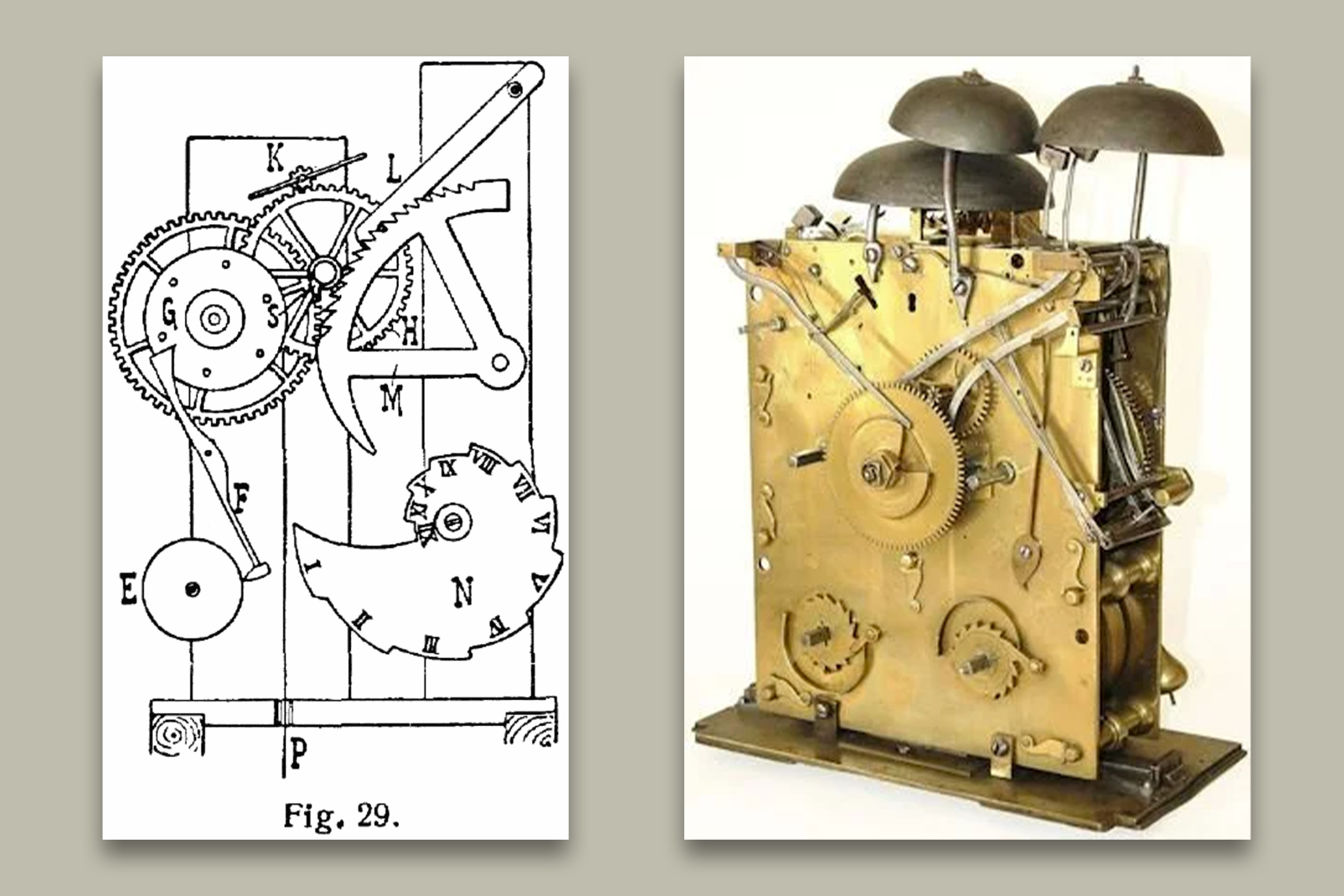
English cleric and inventor Edward Barlow invented the first repeater mechanism with the rack and snail design in 1676, but Daniel Quare, a clockmaker in London, received a patent for the first repeater in 1687 following a decision by King James II, who preferred Quare’s design with one pusher for the repeater over Barlow’s that required two pushers. These early designs were quarter repeaters that chimed the hours and quarter hours, and the more popular minute repeater debuted around 1750, invented by Thomas Mudge, who also invented the lever escapement above. The minute repeater chimed the hours, quarters and minutes for a more precise audible time. Abraham-Louis Breguet perfected the repeater by replacing small bells with wire gongs, allowing for better, fuller sound within much slimmer case designs. This concept remains the standard for almost all repeaters today.
The Crown
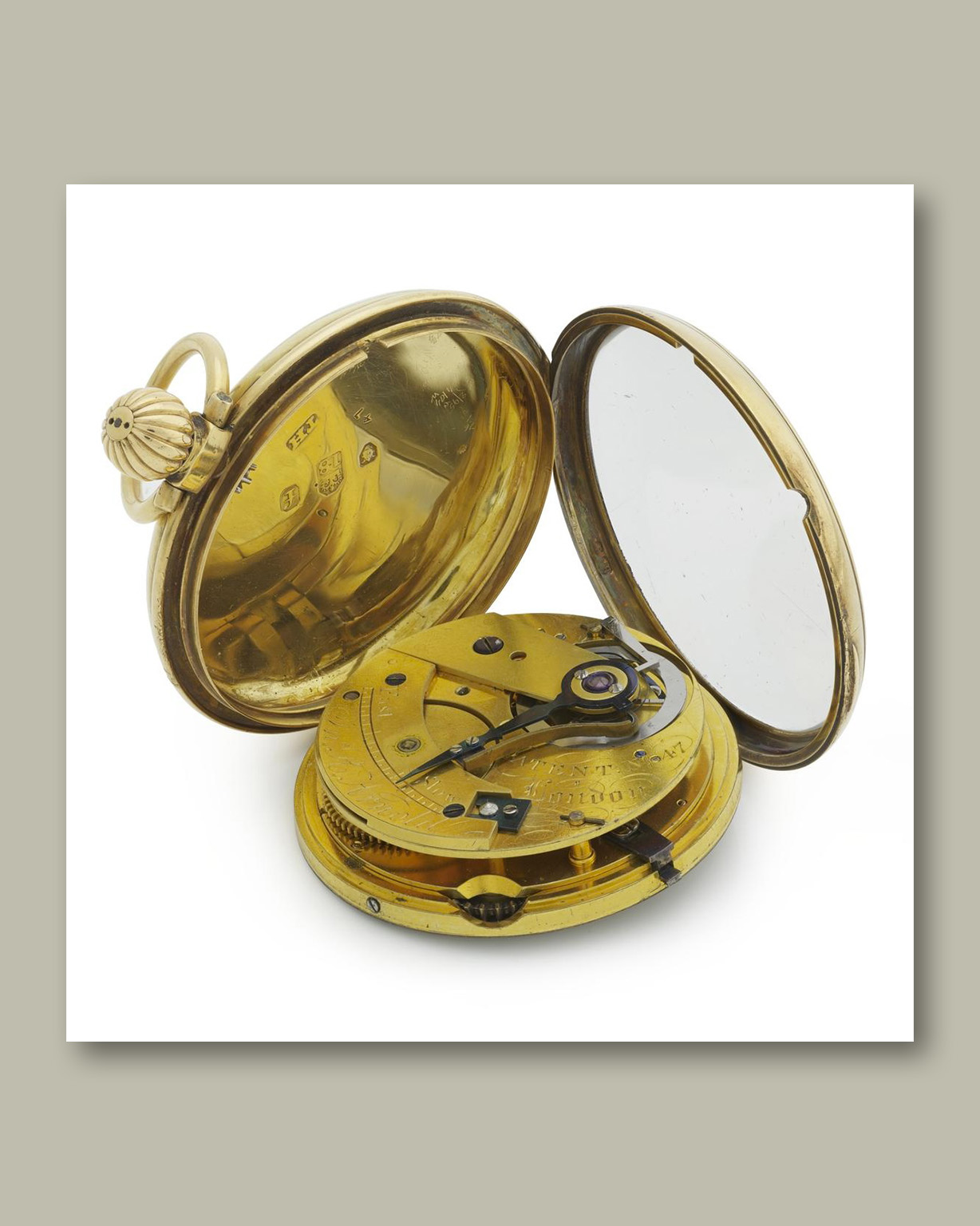
Early clocks (with mainsprings) and watches were all wound and set with separate keys, either placed in the back or front (and sometimes both), but the small tools were finicky and easily misplaced. Around three centuries after the first watches debuted in Germany (Nuremberg eggs from the early 16th century), English watchmaker Thomas Prest invented the keyless winding system in 1820 that used an integrated stem and crown in place of keys. Adoption in England was fairly slow, however, as it was designed for the contemporary going barrel, which houses the mainspring and connects directly to the gear train. At the time, English watchmakers still favoured the fusee and chain design, which had a chain leading from the barrel to a cone-shaped pulley, which compensated for the loss of torque as the mainspring unwound like a variable transmission (unspooling from the small diameter at the top to the wide base). In the second half of the 19th century, the integrated crown and stem (called keyless works) became widespread after refined designs by Jean-Adrien Philippe (of Patek Philippe) and Swiss watchmaker Adolphe Nicole were patented in the early/mid-1840s. The crown got its name as it traditionally sat at 12 o’clock (on the head of the watch) and resembled crowns worn by European royalty at the time.
Marine Chronometers
English clockmaker John Harrison invented the marine chronometer in 1735, which allowed captains to accurately track a ship’s longitude (east/west position). Finding latitude (north/south position) wasn’t such a technical problem as tools of the day, like the backstaff, quadrant, or astrolabe, could determine the angle of the Sun at noon (maximum altitude) or the North Star (Polaris) at night – the angles would correspond to latitude. Trade was booming throughout the 17th century, and more precise navigation for long passages was a critical issue to solve, specifically finding longitude. It required comparing local time with a fixed reference, with the difference converted to east/west degrees. An incident that cost around 1/10th of England’s annual budget, when Sir Cloudesley Shovell’s fleet struck the Scilly Isles after longitude was miscalculated (killing over 1,400 sailors), was the tipping point that demanded change.
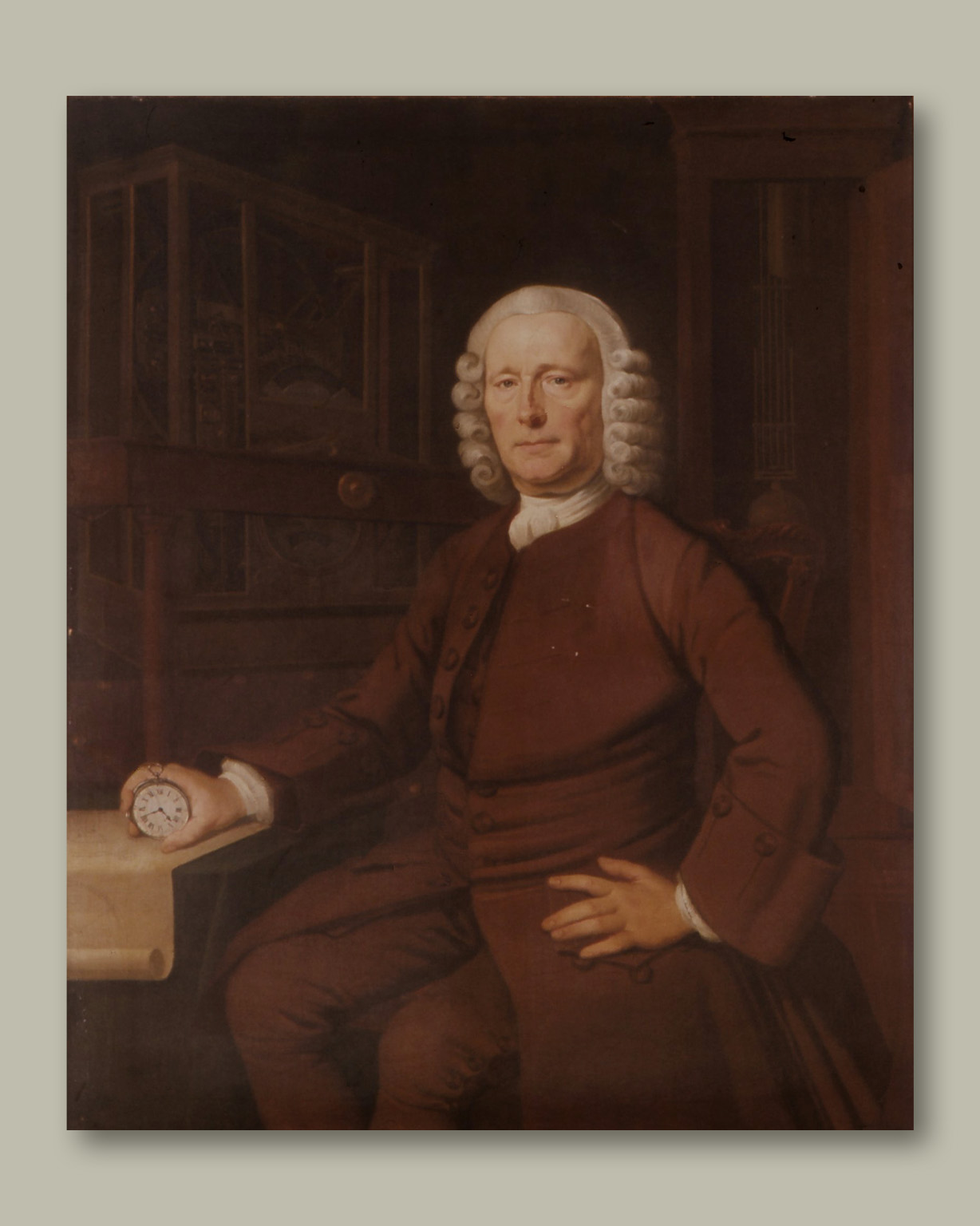
The British government, now desperate for a reliable way to crack the longitude dilemma, offered a GBP 20,000 reward for a viable solution in 1714. The concept was simple – again comparing local time to reference times, but the accuracy of the onboard clock had to be extremely accurate for precise positioning, three seconds per day to cut errors within half a degree of longitude. This accuracy was achievable on land, but impossible at sea with constant ship movement, temperature fluctuations, humidity and corrosive salt in the air. It might seem a bit trivial, but “small” cumulative errors over a long voyage from a less accurate clock or pocket watch could lead to significant navigational errors and potential disaster (including getting lost). To put this difficulty into perspective, elite scientists Sir Isaac Newton and Christiaan Huygens believed that such an accurate clock aboard a ship wasn’t possible and suggested alternative methods (that proved too impractical). British clockmaker John Harrison, with inventions like the gridiron pendulum and grasshopper escapement under his belt, took up the challenge in 1730 and worked with George Graham, the best English clockmaker of the era, to deliver the H1 sea clock in 1735 that proved itself effective on a voyage in 1736, albeit only on the return trip. Also, a transatlantic voyage was required to win the GBP 20,000 reward, so more work was to be done, but the successful demonstration of the H1 prompted the government to provide a GBP 500 grant to Harrison to perfect the design. The clock itself was very unconventional and worked around a lack of total understanding about springs, isochronism and so on in the 18th century. It used two large brass pendulums that swung in opposition to each other to counter the influence of gravity (they would cancel each other out to compensate for the ship’s motion). To handle temperature fluctuations at sea, materials such as bimetallic strips were used, while self-lubricating lignum vitae minimised friction and the Grasshopper escapement with light, springy pallets was almost “friction-free” and extremely consistent. Three clock evolutions were made, H1 to H3, with a pocket watch No. 1 (H4) following.
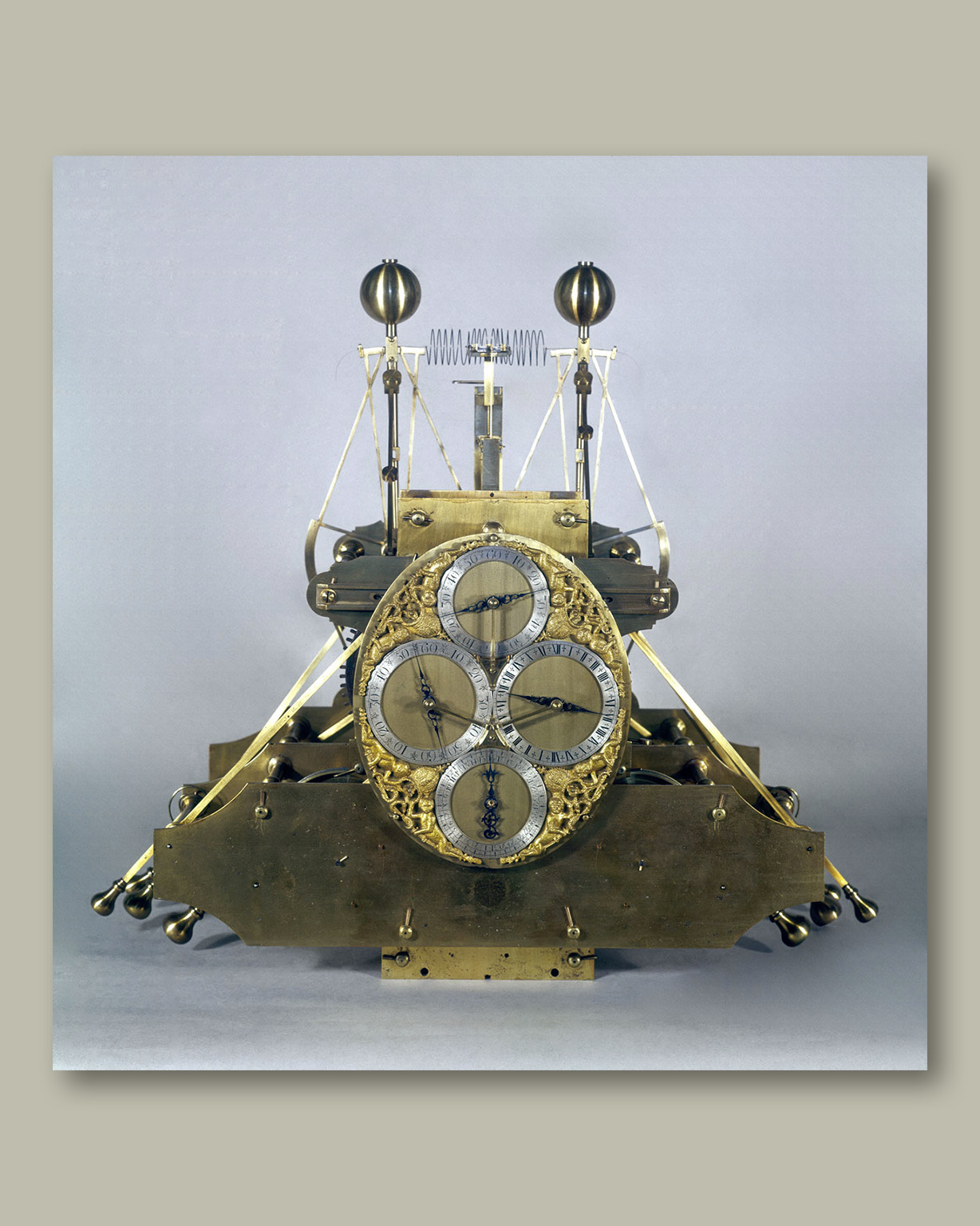
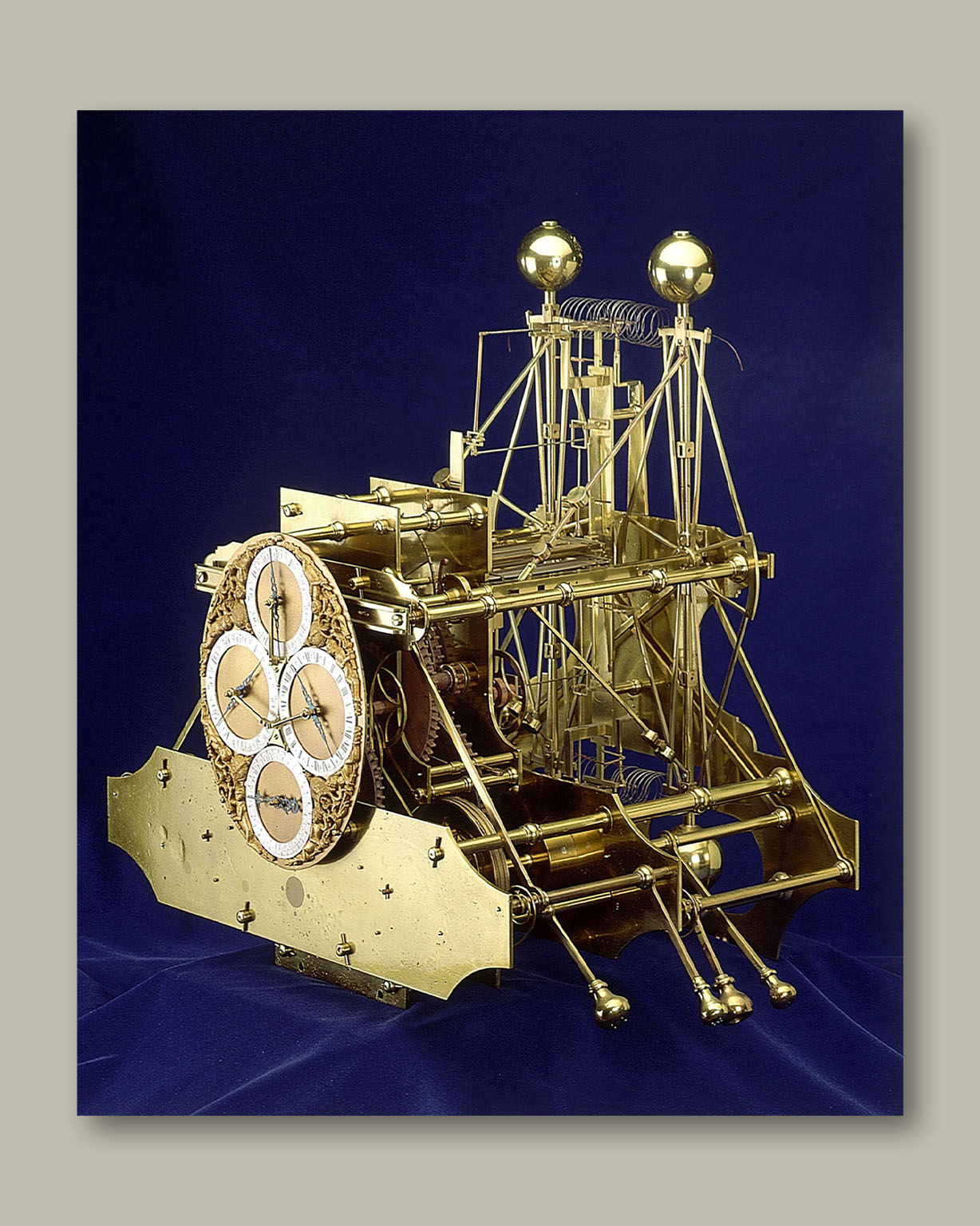
British watchmaker John Arnold improved the design in the early 1770s, introducing innovations like a bimetallic balance for better temperature resistance (using a combination of brass and steel) and spring detent escapement with a single impulse design. Famed British officer Captain Cook used Arnold’s design on his second voyage to map the southern oceans, proving its viability for longitudinal navigation. To solve the problem of a ship’s movement, marine chronometers were mounted on gimbal systems to maintain a consistent horizontal position, which was originally used for compasses before Harrison and Arnold’s work. Precisely knowing longitude revolutionised sea trade and long explorations, and demonstrated the importance of accurate and reliable timekeeping well beyond general applications on land. By the 19th century, the modern marine chronometer – a wooden box with a “brass bowl” suspended on gimbal rings within it – became the standard, revolutionising trade and exploration globally.
Automatic Wristwatch
Moving to the 20th century, British watchmaker John Harwood patented the first automatic wristwatch movement in 1924. This wasn’t the first automatic or self-winding movement in existence, as Hubert Sarton presented an automatic winding mechanism with a central rotor in 1778 – an invention too often and wrongly attributed to Perrelet. Abraham-Louis Breguet perfected it further in the 1780s, although an automatic mechanism was somewhat impractical as it required the user to walk for at least 15 minutes at a time to significantly wind the mainspring. Pocket watches proved to be too static throughout the day for early automatic efforts to really take off.
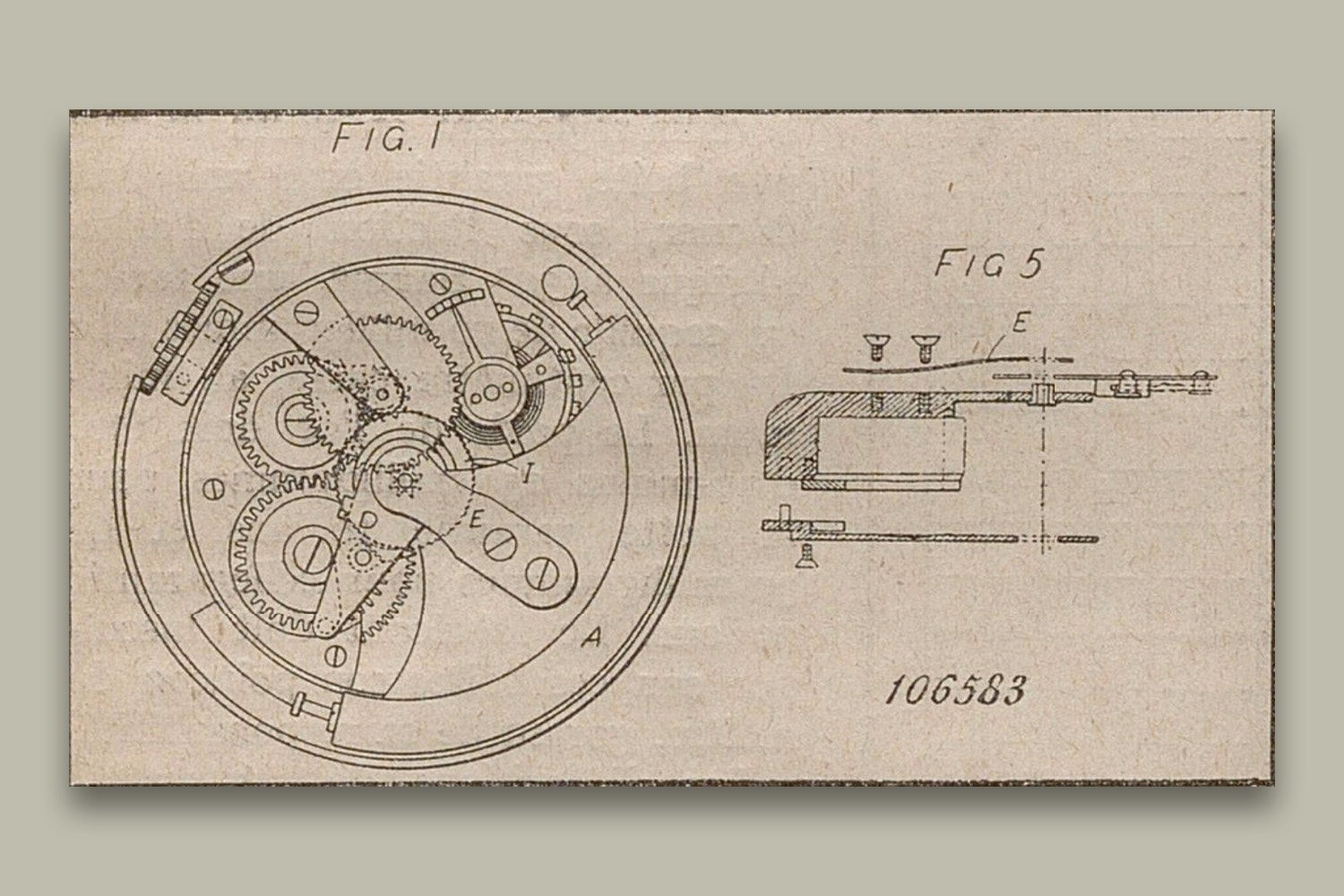
Harwood’s automatic used a central rotor that stopped at two bumpers on either side, limiting it to 270 degrees (back and forth) instead of a free 360 degrees seen with modern counterparts. The first to put Harwood’s design into mass production was Swiss brand Fortis in 1926 with a model simply called the HARWOOD Automatic. It was only a handful of years before this groundbreaking concept was surpassed by an improved design – in 1931, Rolex introduced the Oyster Perpetual with a rotor that swung a full 360 degrees, pushing the less efficient Harwood automatic into obsolescence. However, the Harwood automatic was the first of its kind to reach commercial success and set a new standard for self-winding calibres.
Rolex
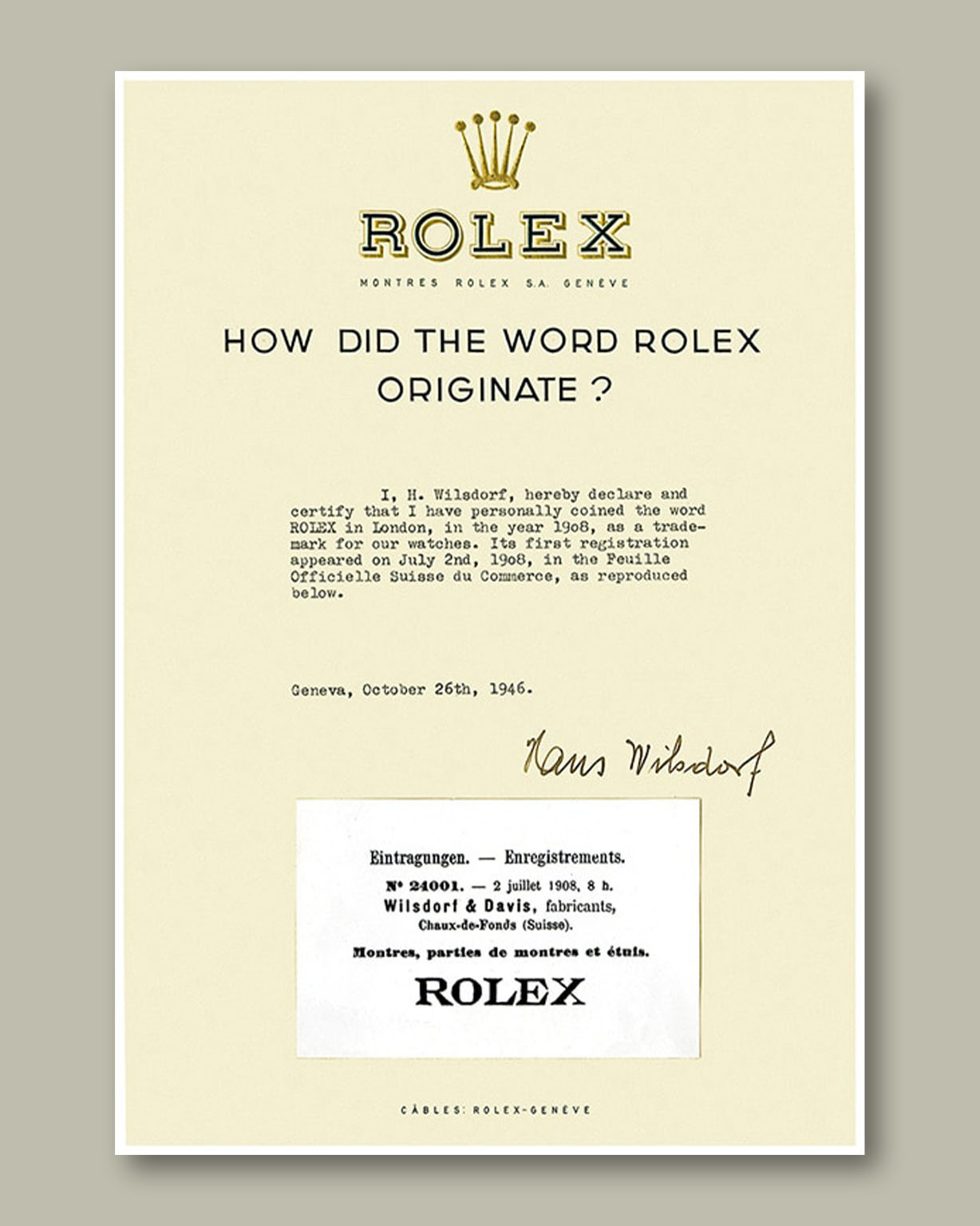
Okay, what is Rolex, the most successful Swiss watchmaker in the world, doing here? Well, the company was actually founded in London by Hans Wilsdorf in 1905 (along with Alfred Davis, his brother-in-law). It was initially called Wilsdorf and Davis and imported Swiss movements for early models. This was long before the Oyster case and Perpetual movements we know today, and “Rolex” wasn’t registered as a trademark until 1908 – although the company name didn’t immediately change. It wasn’t until 1915 that the brand was officially renamed Rolex Watch Co. Ltd. Wilsdorf relocated to Geneva in 1919, as high export duties and British taxes on luxury goods became unsustainable, so Rolex was selling watches under that name from England for around four years. And the rest, as they say, is history.
English Watchmaking in the 21st Century
English watchmaking went the way of American watchmaking following the Quartz Crisis of the 1970s and 1980s (aka disappeared), but both countries came back in the 21st century with popular brands, in-house calibres and even haute horology. Two English brands are generally the most recognised today – Bremont and Christopher Ward – but several others are equally significant, including Garrick, Farer, Studio Underdog, Fears, Pinion and Roger W. Smith. The latter represents the highest level of British horology from one of the greatest master watchmakers (more on that below). All of the above surfaced after 2000, but short histories don’t lessen some extremely impressive achievements.
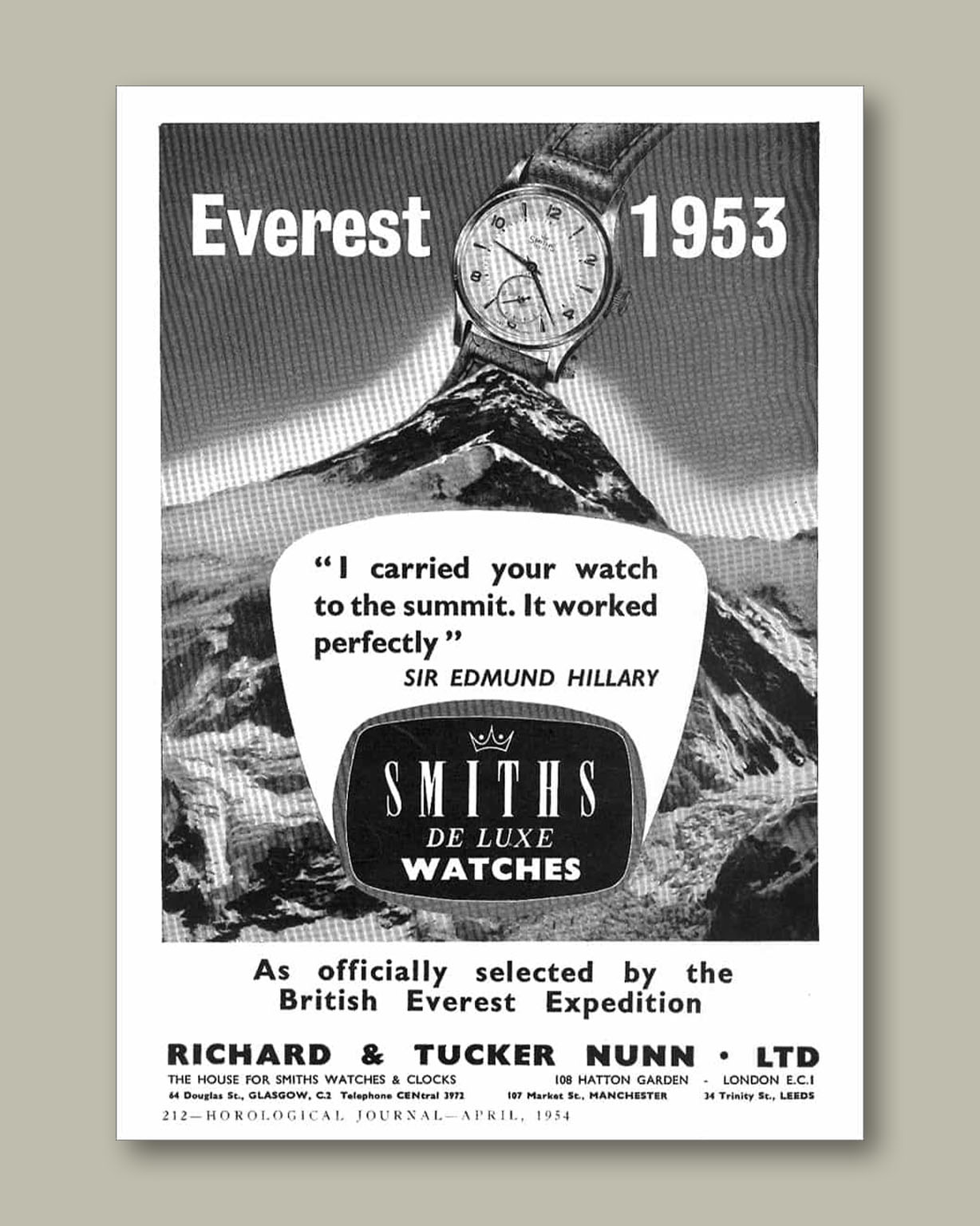
Before we continue, let’s take a look at the 20th century before the Quartz Crisis did its thing. Smiths was the last of the great English watchmakers to go under, founded in 1851 in London by clock and watchmaker Samuel Smith. The brand is probably best known for its De Luxe model, which was worn by Sir Edmund Hillary to the peak of Everest. There’s a bit of controversy surrounding this as Rolex had also claimed that a pre-Explorer model reached the summit, but it was Smiths that was actually first in 1953. Rolex was part of the overall expedition at the lower base camps, but never reached the peak with Hillary and his climbing partner, Tenzing Norgay. Smiths produced popular and high-quality British watches, including the De Luxe, Imperial and Astral models, and military issues like the W10 into the 1970s. Unfortunately, like so many watch brands around the world, it didn’t weather the Quartz deluge and ceased production in 1980.
Derek Pratt
Derek Pratt was a renowned English watchmaker, renowned for his work at Urban Jürgensen (based in Biel/Bienne, Switzerland, following its founding in Copenhagen in the 18th century) and his intricate, engine-turned guilloché dials. He also recreated John Harrison’s H4 marine chronometer pocket watch (the original finished in 1759). In the 1960s, after studying at the National College of Horology in London, he worked in the growing field of microelectronics before moving to Switzerland to restore clocks and watches. During this time, he produced handmade remontoir tourbillon pocket watches (among other pieces) and designed a remontoir that directly drove the escapement. He continued this work with Urban Jürgensen, making remontoir-tourbillons (remontoir driving the escapement within the tourbillon) and also collaborated with master watchmaker George Daniels on projects including the Co-Axial Escapement (although Daniels gets official credit for its invention).
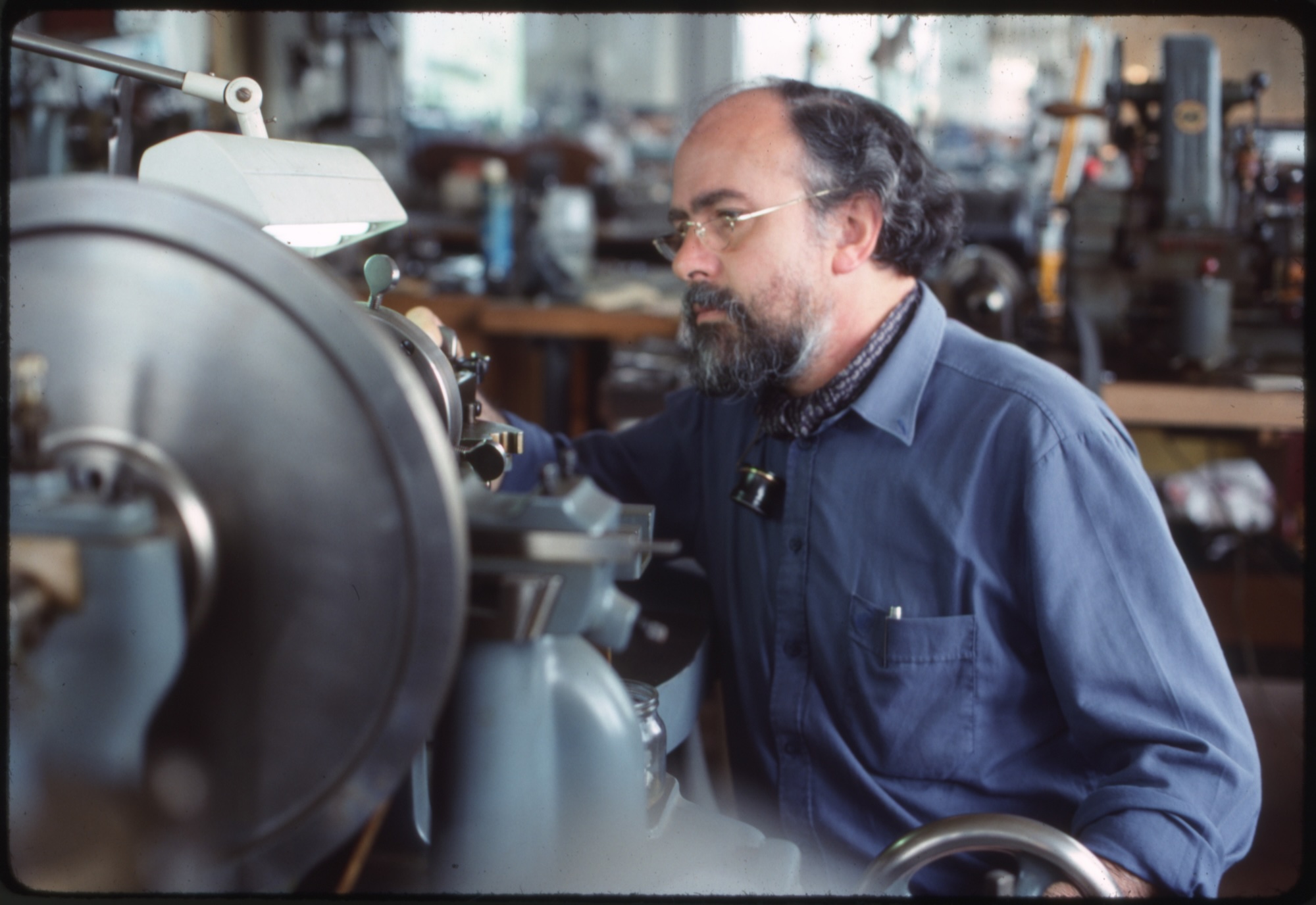
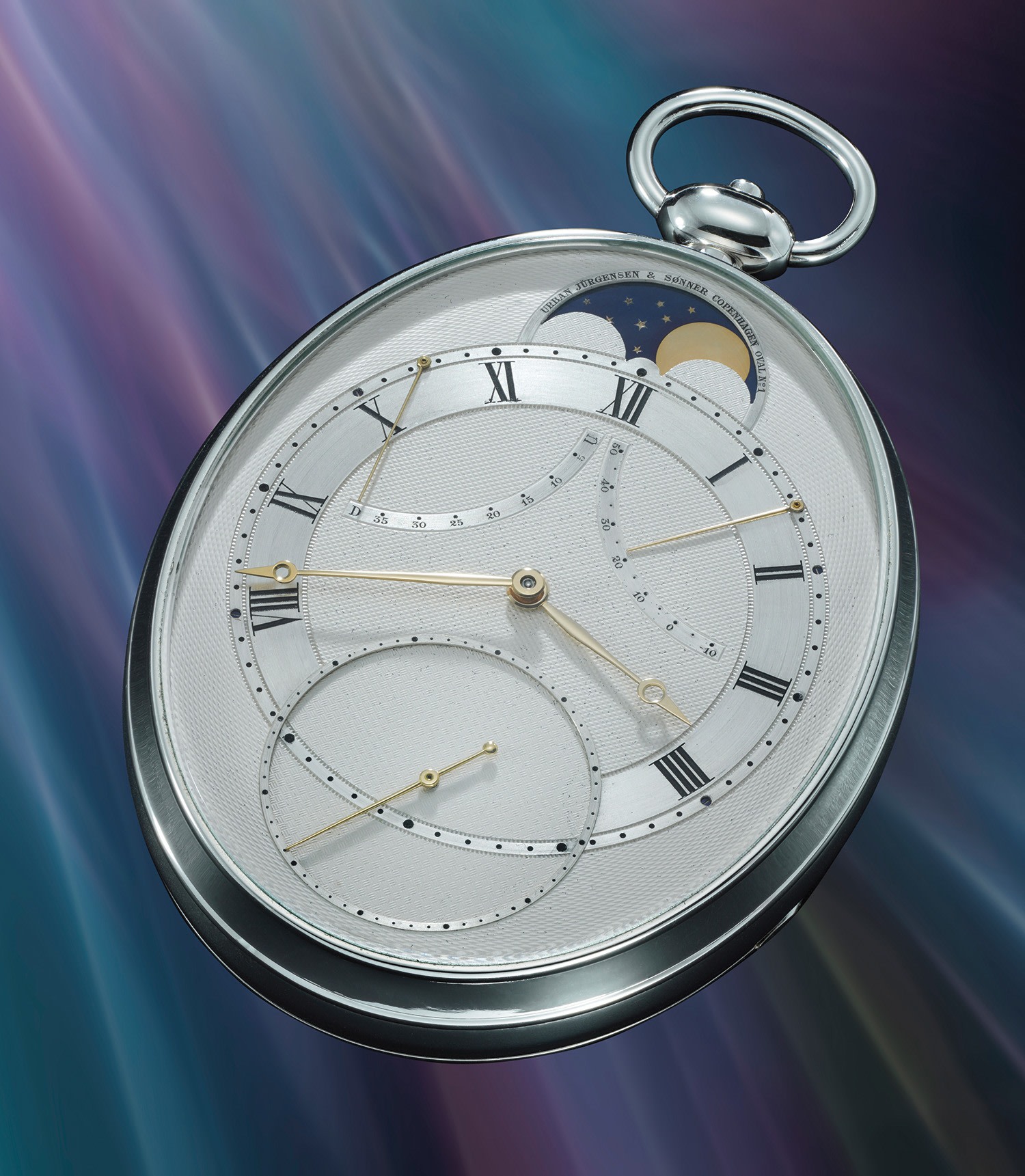
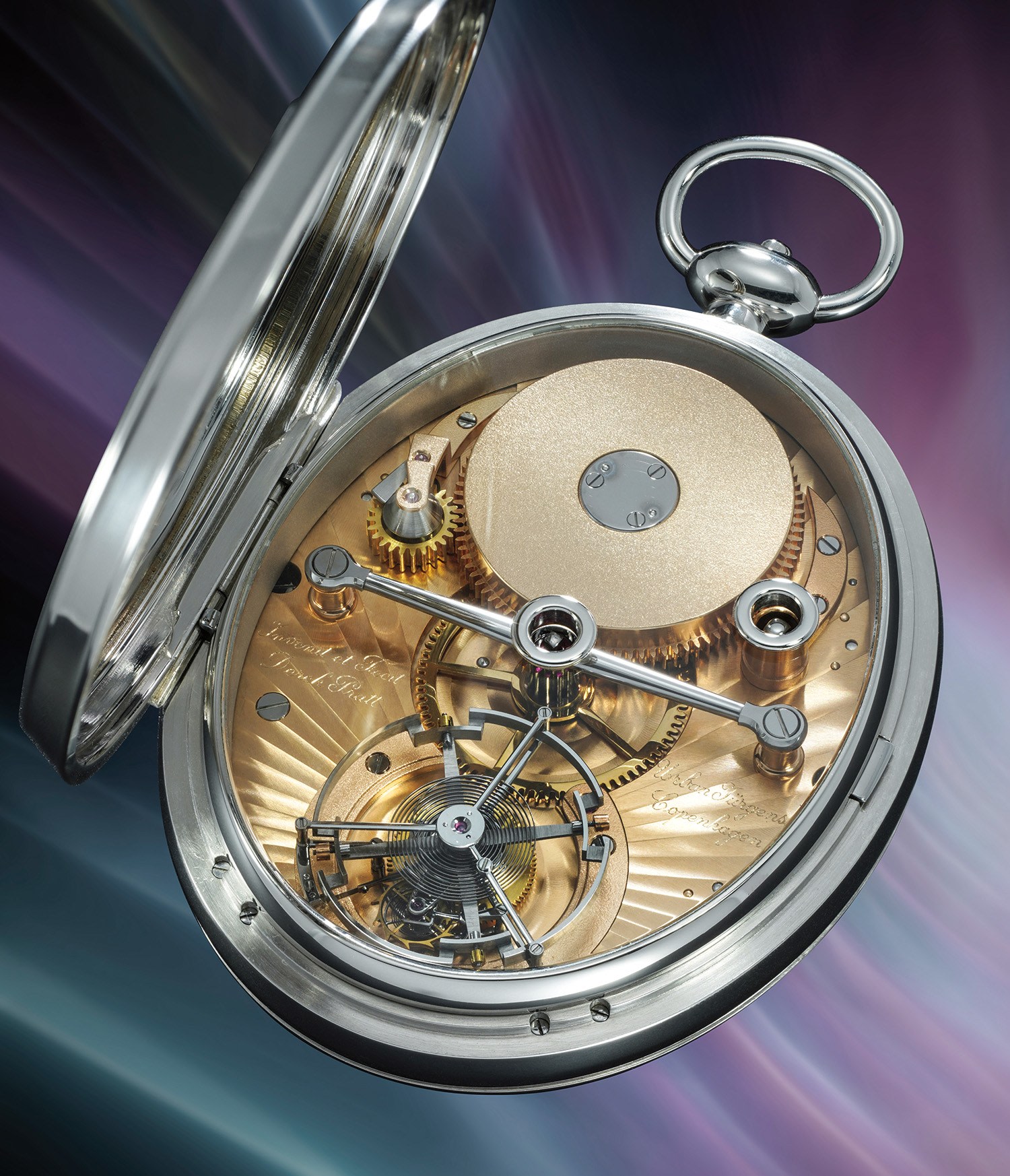
Perhaps his favourite creation was The Oval, an oval pocket watch with his remontoir within a flying tourbillon, detent escapement, “flying” mainspring barrel and three complications (moon phase, power reserve and thermometer). Although not a grand complication, it’s still considered one of the greatest technical designs in watchmaking today and was made entirely by hand, including the crystal, case, dial, hands and, of course, movement. This doesn’t cover all of Pratt’s innovations and inventions, like the Double-Wheel Remontoir Tourbillon and contributions to the Reuleaux triangle remontoir mechanism, which are part of his legacy (he died in 2009 at the age of 71).
Roger W. Smith
Roger W. Smith is among the greatest watchmakers in the world, not just within England, and he was a protégé of master watchmaker George Daniels (more on Daniels below). He was born in 1970 and attended the Manchester School of Horology at 16, and won the British Horological Institute’s Bronze medal and was top in his class. Roger has made entire watches by hand and also refined the Co-Axial Escapement developed by Daniels in 1976 (and widely used today by Omega) with a single wheel variant, potentially extending service intervals to 20 years. Given his production methods, waitlists can stretch for many years, and only 15 to 20 watches are built annually. He’s even been compared to Abraham-Louis Breguet with exceptional pieces like his Pocket Watch 2 – a handmade gold pocket watch finished in 1997 that features a tourbillon, perpetual calendar and spring detent escapement, and it took five years to create. The old-world production methods were as important as the watch and complications, which is generally a lost art today. In 2023, it sold at auction for GBP 4.86 million, which was a new record for a British timepiece.
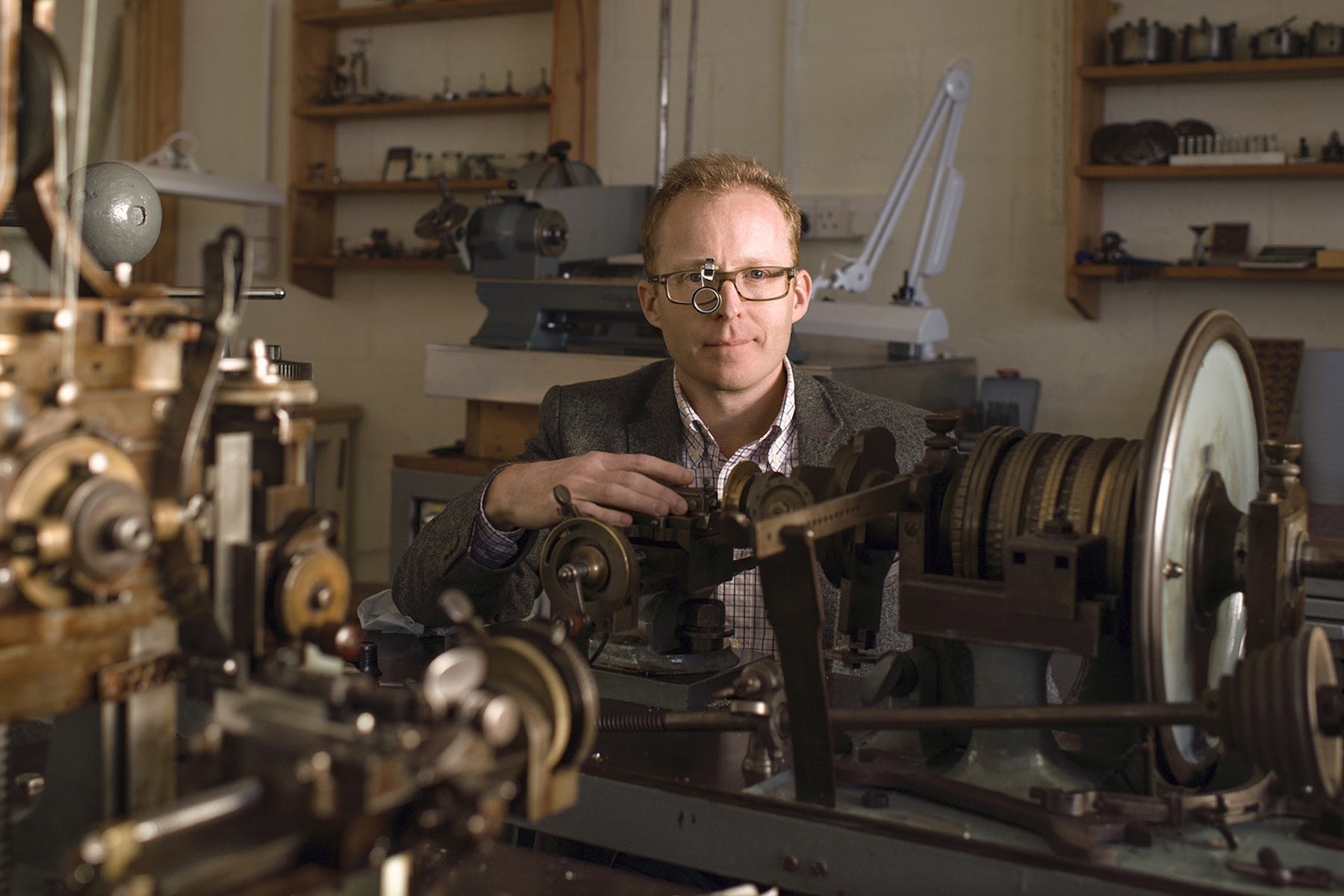
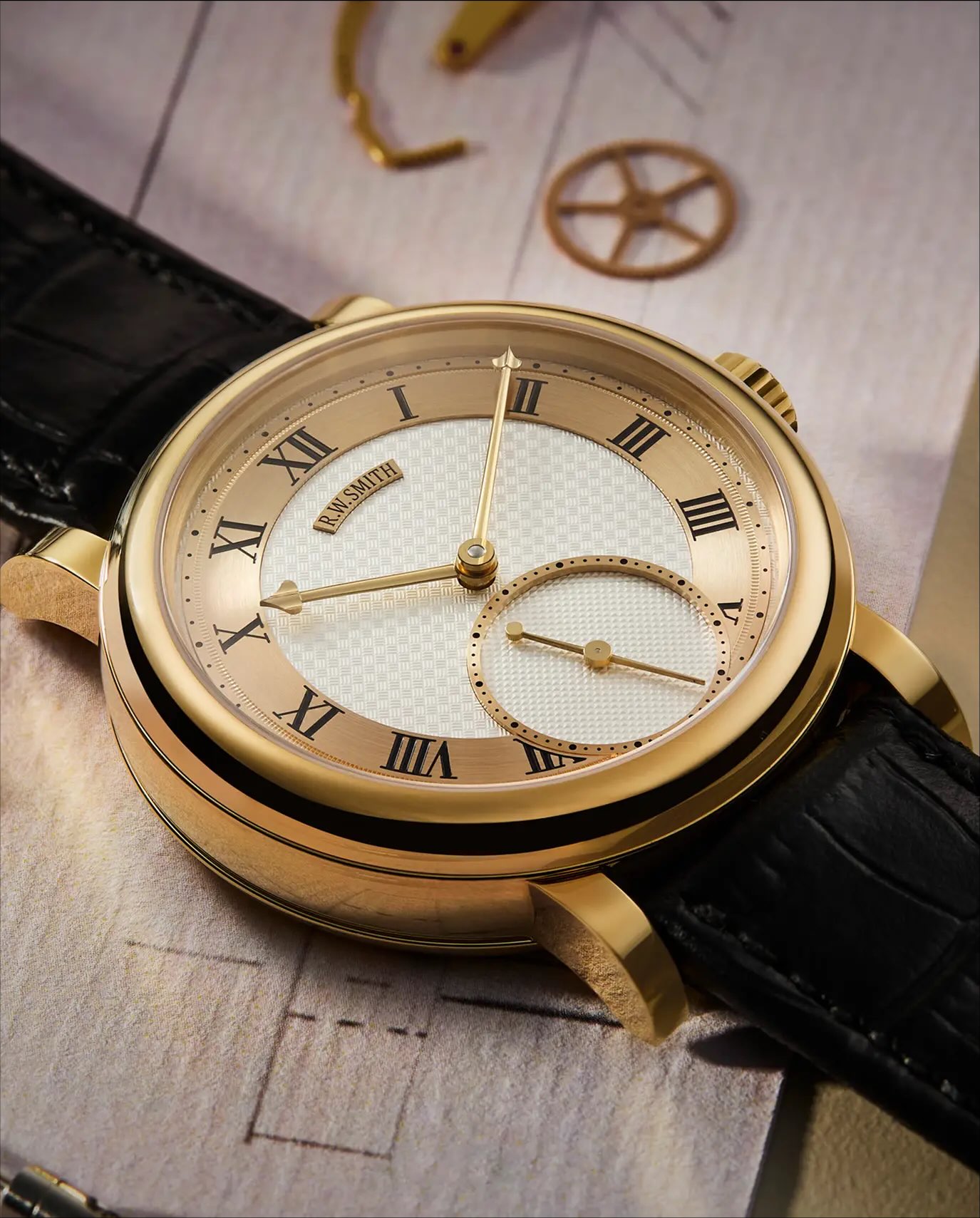
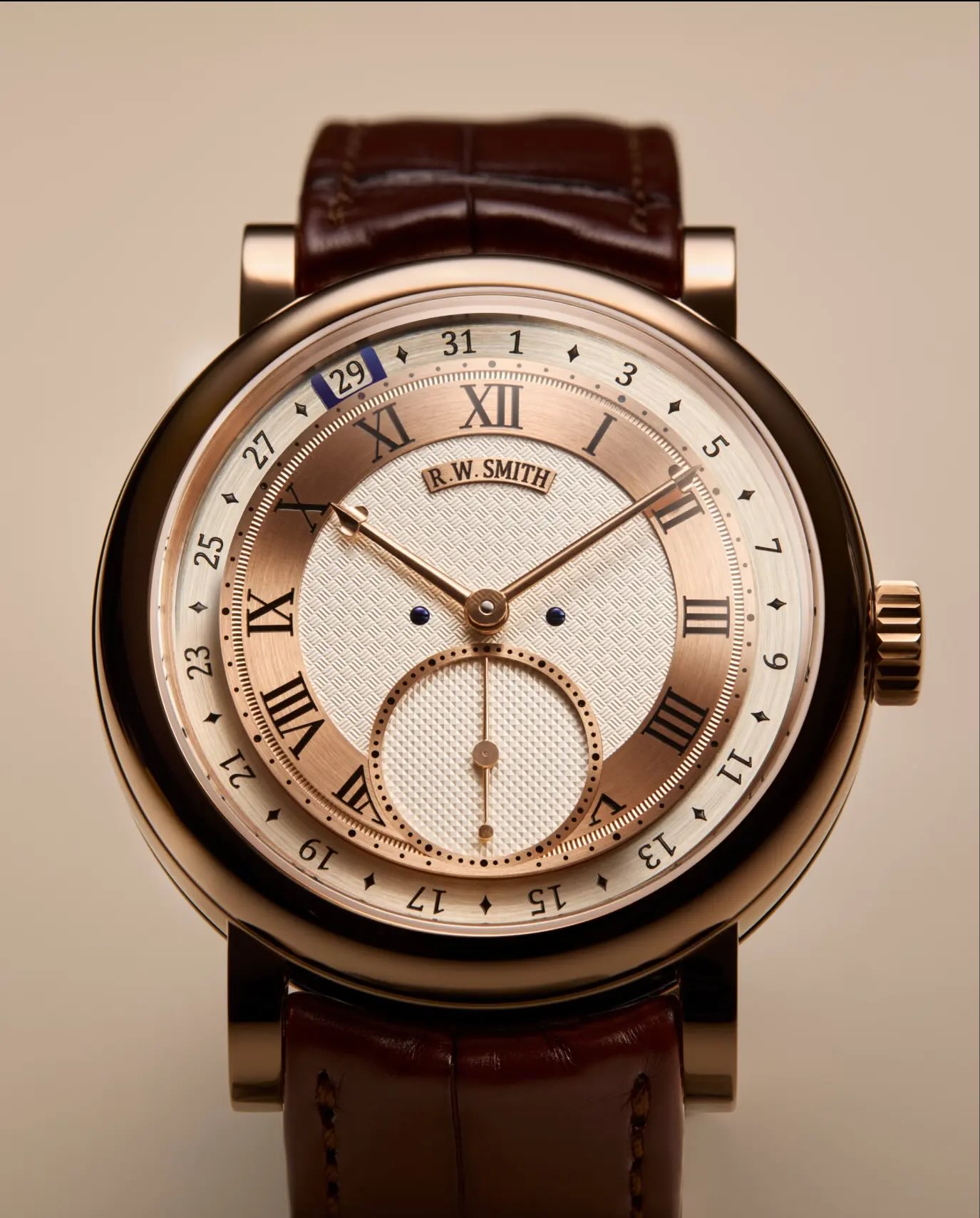
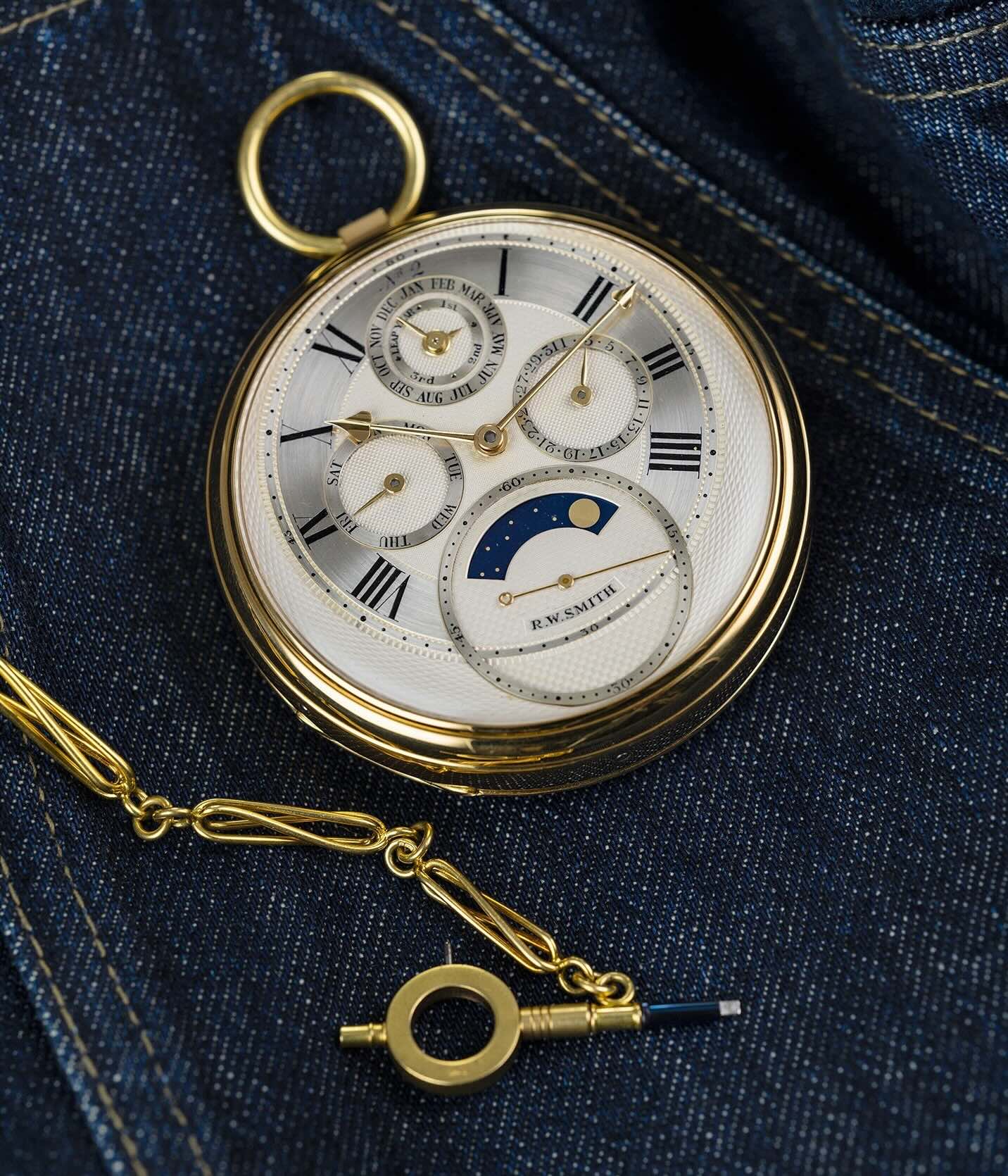
Roger W. Smith was established in 2001 and now consists of a small team of master watchmakers. Everything is produced in-house with the exception of hairsprings, mainsprings, jewels, crystals and straps, and although handwork is still a major part of production, modern CNC machines are used for certain parts, which are then meticulously hand finished. Even with this technological assistance, some watches can take up to two years to complete, with over 400 components, and they feature his latest Co-Axial Escapement.
George Daniels
As impressive as Roger Smith is – a master of master watchmakers – Daniels was truly the OG, and the author of a book that became a reference for all watchmakers, Watchmaking. He was Smith’s mentor and eventually a watchmaking partner, and Smith spent seven years hand-building two pocket watches to win his approval before becoming an apprentice. Daniels is probably best known for inventing the Co-Axial Escapement in 1976, which improves efficiency by replacing the sliding friction of a lever escapement with radial or pushing friction. This also minimises the need for oil, which was only surpassed by the use of silicon in 2001 (a full silicon escapement was introduced by Breguet in 2006 with calibre 591A – escape wheel, lever and hairspring).
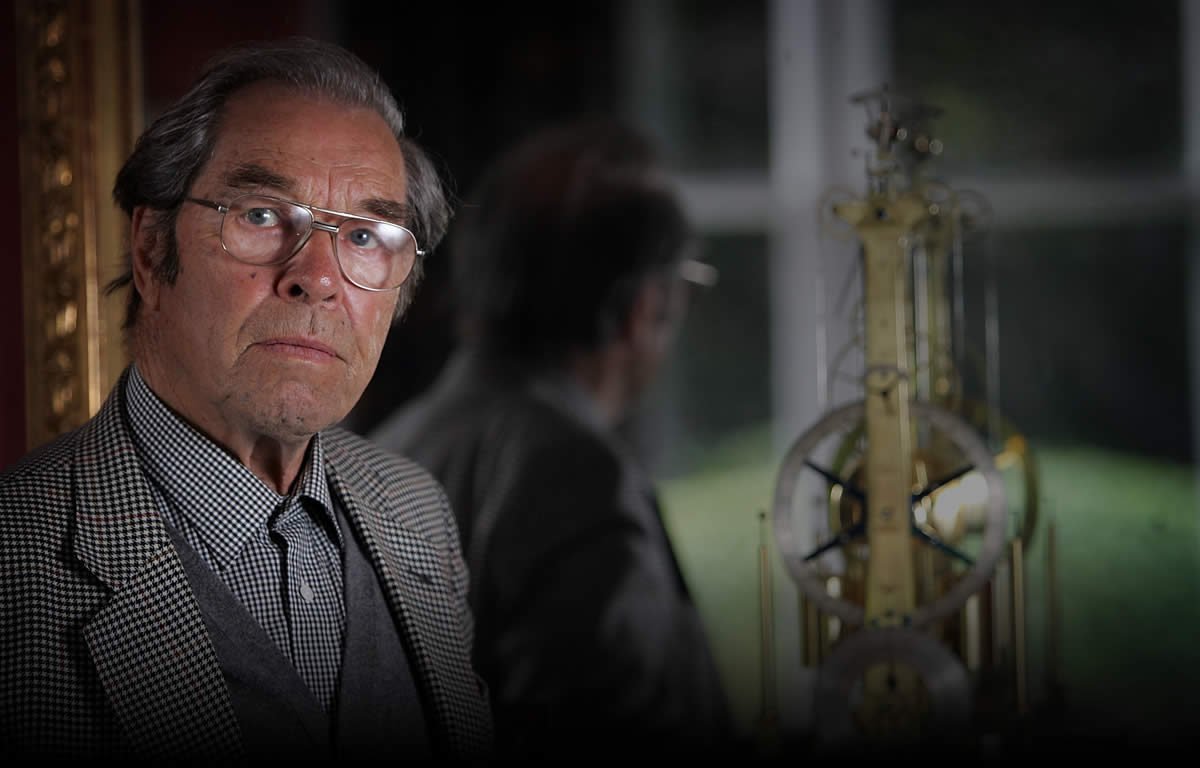
Daniels is considered the first watchmaker in the 20th century to build complete watches by hand from scratch, which was known as the “Daniels Method” of watchmaking. Most of his creations were pocket watches with two wristwatches, and only 25 to 27 pieces were finished during his life. A year before he died in 2011, he was honoured as a Commander of the Order of the British Empire (CBE), which is the highest award outside of knighthood for leading and distinguished roles in England.
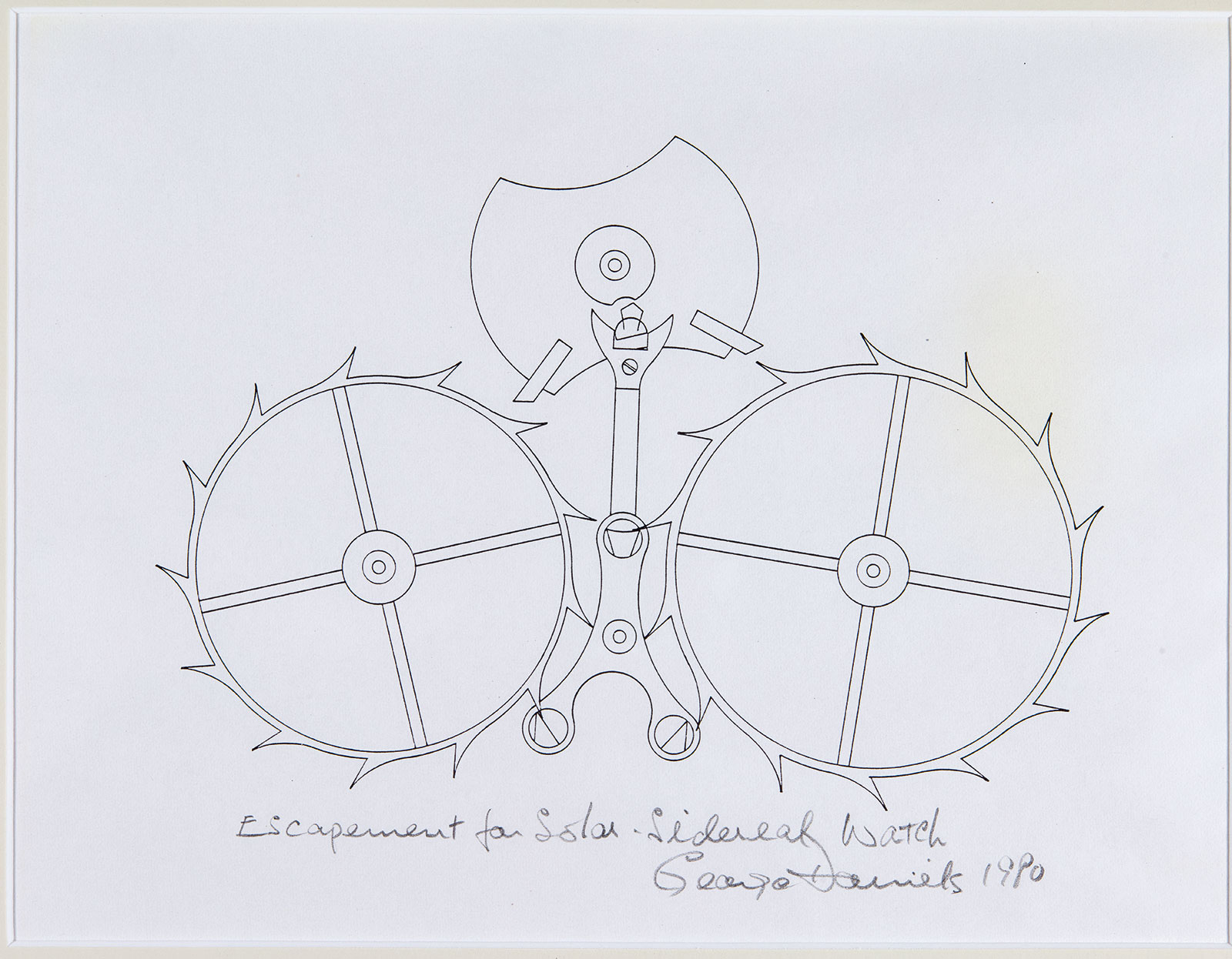
Daniels joined the army in 1944 with the East Yorkshire Regiment, and soon became known for repairing soldiers’ watches. He continued repairing watches after leaving the army in 1947 and opened his own watch repair shop in London in 1960. He hand-built his first pocket watch on commission in 1969 and invented a new escapement in 1974, which was first incorporated into a watch in 1976. This Co-Axial Escapement is considered one of the greatest horological developments in recent watchmaking history, which has been embraced by Omega and used in most of its current collections. Omega is currently the only brand to industrialise the escapement for mass production, but Roger Smith continues to use it for his small and exclusive portfolio.
Modern Days of English Watchmaking
With the renewed interest in mechanical watches at the end of the 21st-century, several brands started business on British soil. Nowadays, the United Kingdom has undoubtedly become one of the growing hubs of watchmaking in Europe.
Bremont
Bremont was founded in 2002 by two brothers, Nick and Giles English, following the death of their father in a private plane crash. All three were aviation enthusiasts and pilots, so they honoured their father by launching a watch brand focused on pilot’s watches. A standout is the Martin Baker collection (now called Altitude MB Meteor) that was designed and tested to withstand emergency ejections from a jet fighter. Initial models (MBI) were reserved only for pilots who had ejected via a Martin Baker ejection seat (Bremont and Martin Baker partnered for the project in 2007), but consumer models became available a year or so later with MBII. Today, Bremont has expanded its portfolio with collections covering air, land and sea with pilot, field and dive watches, and represents a major 21st-century English watchmaker with a large 35,000-square-foot production centre known as The Wing, completed in 2021 in Henley-on-Thames, Oxfordshire, England.

Christopher Ward
Christopher Ward was founded in 2004 by Chris Ward, Mike France and Peter Ellis, and maintains a direct-to-customer approach with online sales. Early pieces like the C5 Malvern Automatic earned them positive reviews, while a Swiss partnership in 2009 with Synergies Horlogères (movement manufacturer) elevated the brand even more. The two merged in 2014 and allowed Christopher Ward to produce in-house movements, with Calibre SH21 being the first. At the time, it represented the first commercial movement offered by a British brand in five centuries, although it was ultimately Swiss-made. Today, the watchmaker has truly impressive horological examples with a Sonnerie au passage mechanism and visually interesting in-house calibres, including one featured on the dial side.
Garrick
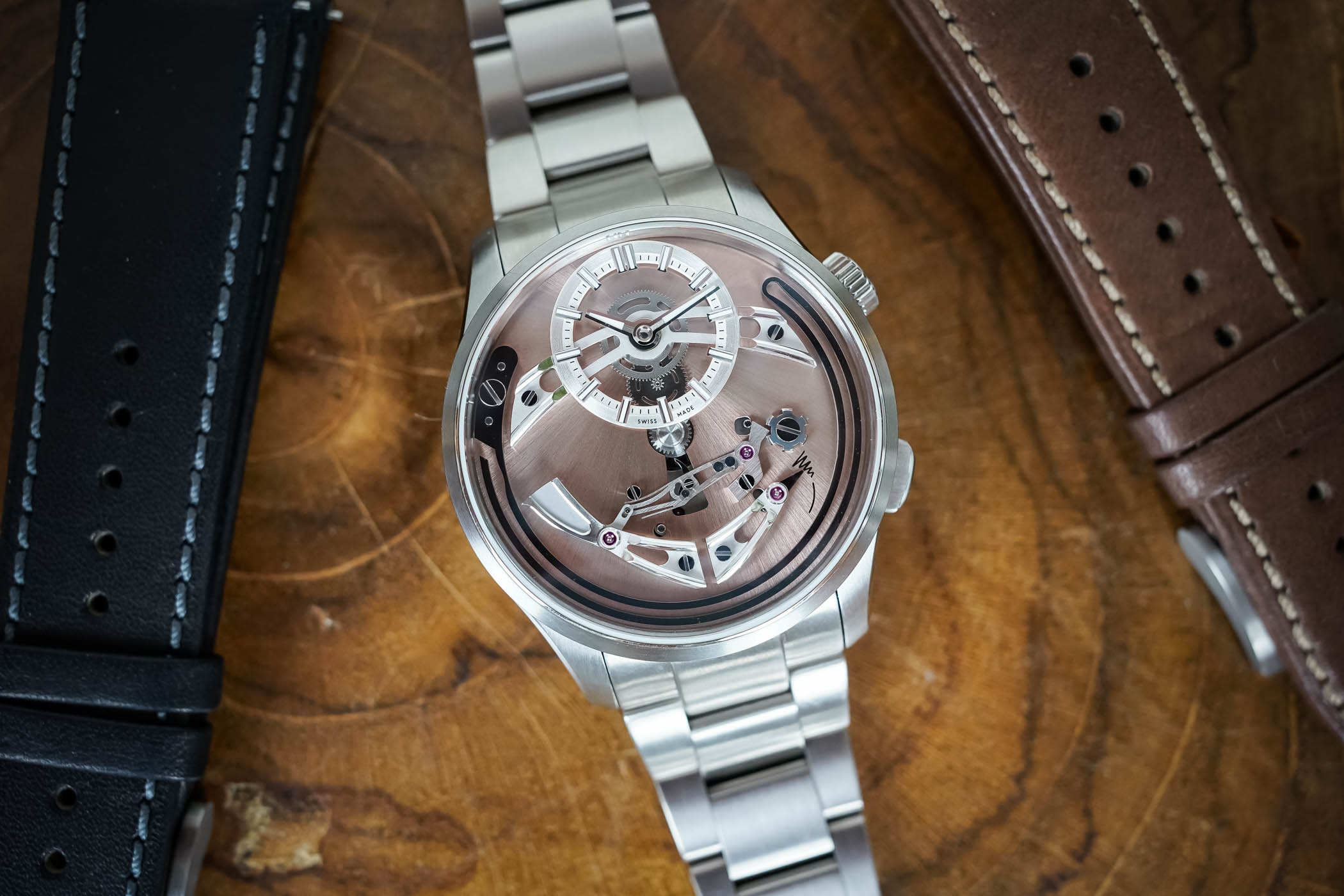
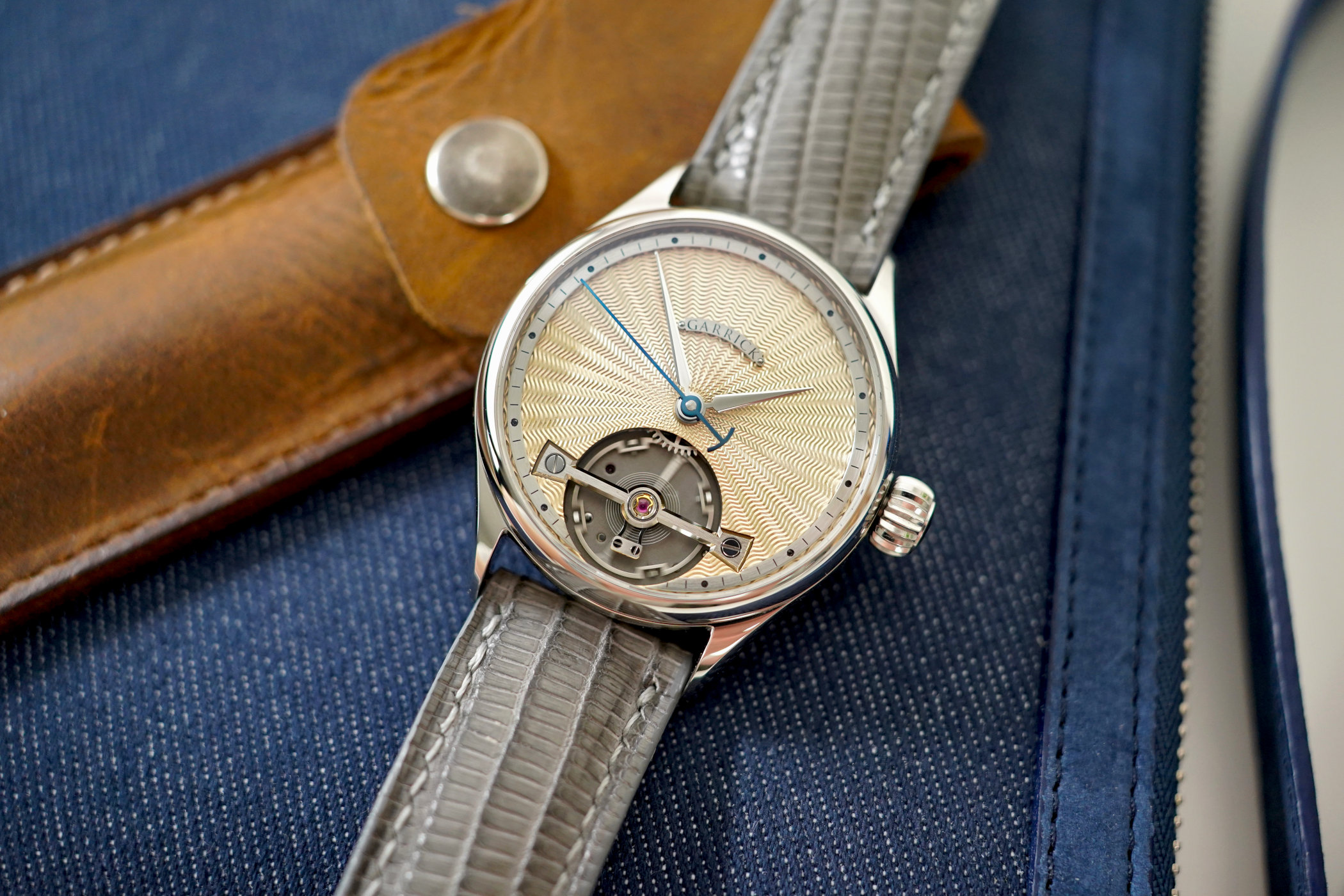
British haute horology exists in England and begins with the independent watchmaker Garrick. Founded in 2014 by David Brailsford and Simon Michlmayr in Norfolk, England, Garrick has many hand-finished and complex proprietary movements, many designed in partnership with Swiss watchmaker Andreas Strehler, with his manufacturer Uhr Teil AG and built in Garrick’s own workshop. Traditional rose engine lathes are used for complex guilloché dials, and Garrick’s signature, free-sprung Trinity balance wheel is manufactured in-house and displayed in a large aperture at 6 o’clock on many pieces (resembling a tourbillon to a degree). The balance is made from the anti-magnetic alloy Sircumet, which is exclusive to the brand. Only 50 watches are produced annually, and many are bespoke pieces with designs that clients can tweak before production. They also collaborated with British watchmaker Fears in 2022 for the Fears Garrick with calibre UT-G04 that features Garrick’s oversized Trinity balance wheel at 6 o’clock. It’s a permanent collection available today, although limited to 15 per year.
A Small but Growing Field
English watchmaking is often overlooked as major European players from Switzerland and Germany tend to steal the limelight. However, those in the know understand just how significant brands like Roger W. Smith and Garrick are to haute horology, not to mention England’s illustrious and substantial history spanning centuries. Smaller brands like Fears, Farer and Studio Underd0g bring colourful and playful watches, with the latter often using food as a theme – there’s pizza, watermelon and guacamole-themed dials, for example. Studio Underd0g is also among the only brands outside of China that continues to have standard access to Seagull’s outstanding and affordable hand-wound ST-1901B chronograph, and they’ve had multiple collaborations with Christopher Ward and Fears to celebrate English watchmaking together. Bremont and Christopher Ward bring mid-range luxury with a few high-end exceptions like Bremont’s perpetual calendar and Christoper Ward’s C1 Bel Canto, and both represent the best British options for those looking for alternatives to Swiss brands. There’s truly something for most enthusiasts (and budgets) in the British watchmaking market today.

1 response
Honestly surprised the article barely touched on Fears. We’re talking about a brand with 180 years of British watchmaking history, still independent and still family-owned today… yet somehow more attention was given to Bremont, a brand that has spent years struggling with its own identity and direction. And with all respect, putting Fears in the same bracket as Farer or Studio Underd0g really undersells what Fears actually represents. Those are modern brands from the recent British revival era. Fears is part of British watchmaking history itself. There’s a massive difference between a respected modern microbrand and a company that has been part of the industry’s heritage for nearly two centuries.