


 Not all images were able to load for printing. Please close the print window and try again.
 A. Lange & Söhne’s Brilliant 1815 Tourbillon In Platinum, Up-Close
Lange, Platinum, Grand Feu, Tourbillon... what more is there to desire?
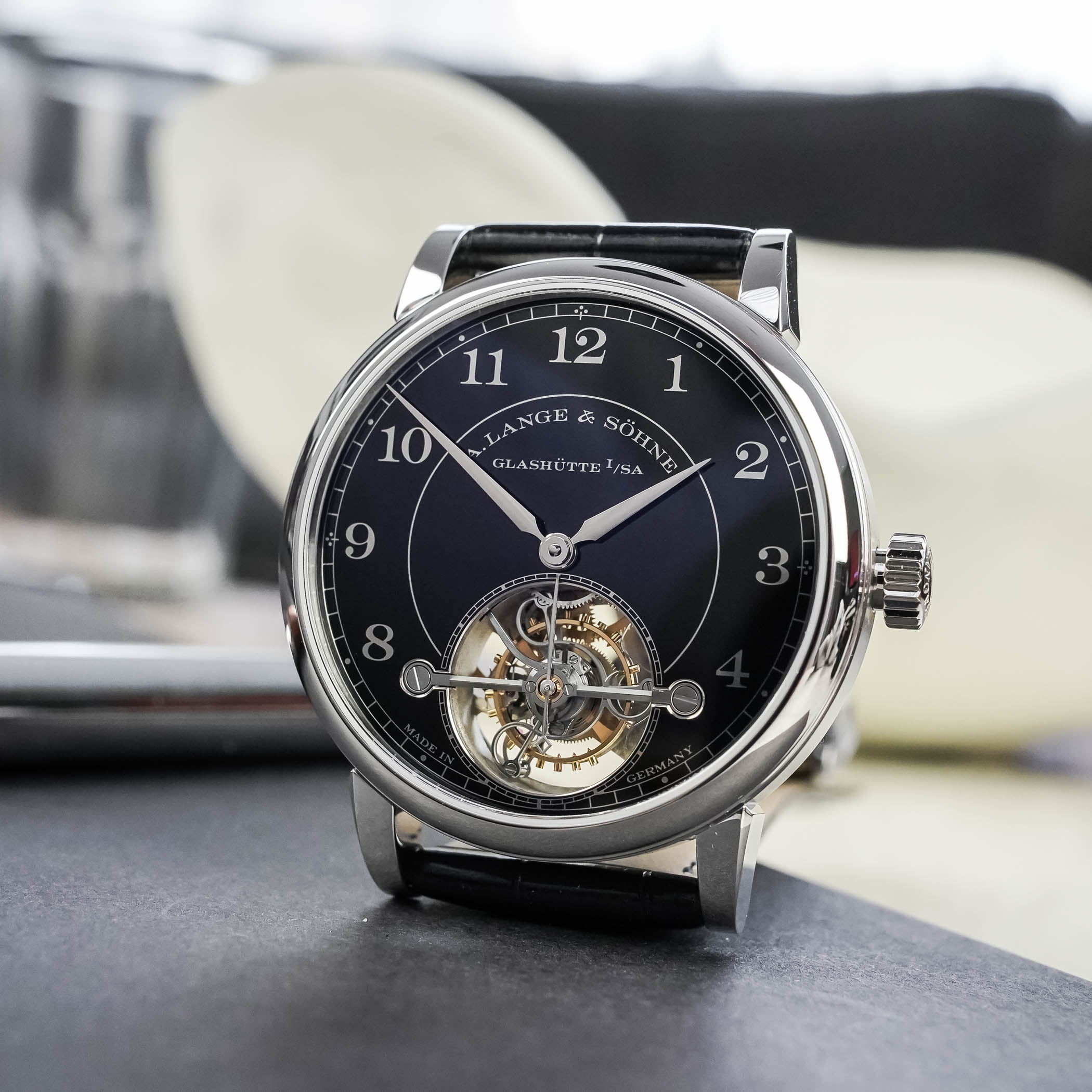
Ever since its release, A. Lange & Söhne’s superb 1815 Tourbillon is a genuine horological heavyweight. While it might not have the complexity of the Tourbograph or the Triple Split, it certainly carries its weight, and not just by material. This latest edition is refined, elegant, technically impressive and aesthetically beyond words. Dressed in all platinum with a deep black Grand Feu enamel dial, you know you’re in for a spectacular treat. This 1815 Tourbillon delivers on all fronts and is a perfect blend of elegance and watchmaking prowess. That’s about all the reasons we need to get up close and personal with it.
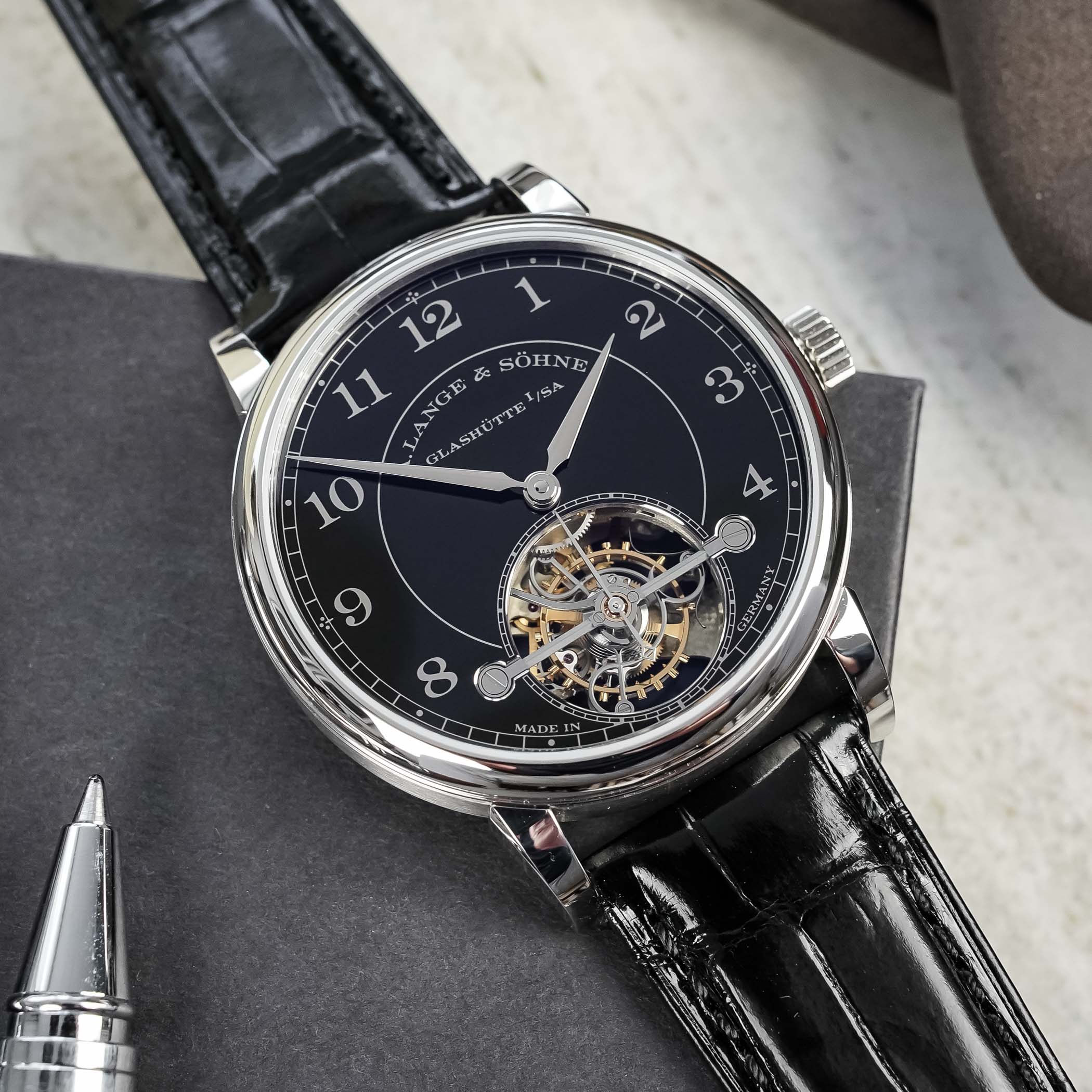
The 1815 collection is named after the birth year of the company’s original founder, Ferdinand Adolph Lange, and this tourbillon is among the most classy timepieces coming from the German watchmaker. There’s no denying the fact that A. Lange & Söhne sits among the most prestigious watchmakers. Honouring centuries-old traditions, paired with an unbridled attention to the very finest details, the brand walks a fine line between past, present, and future. While things are done with clear vision and in keeping with the Saxony tradition, the brand is also at the forefront of technical innovation.

Watches like the Double Split, or the aforementioned Triple Split, rewrote the rulebook on mechanical chronographs. The Zeitwerk, with its signature jumping digital display of time, broke with typical watchmaking convention, and the Lange 1 is as iconic as can be, revered for its non-overlapping display. Throughout all this incredible work, one thing becomes obvious: A. Lange & Söhne has mastered the artistry and complexity to reach the pinnacle of horological possibilities.
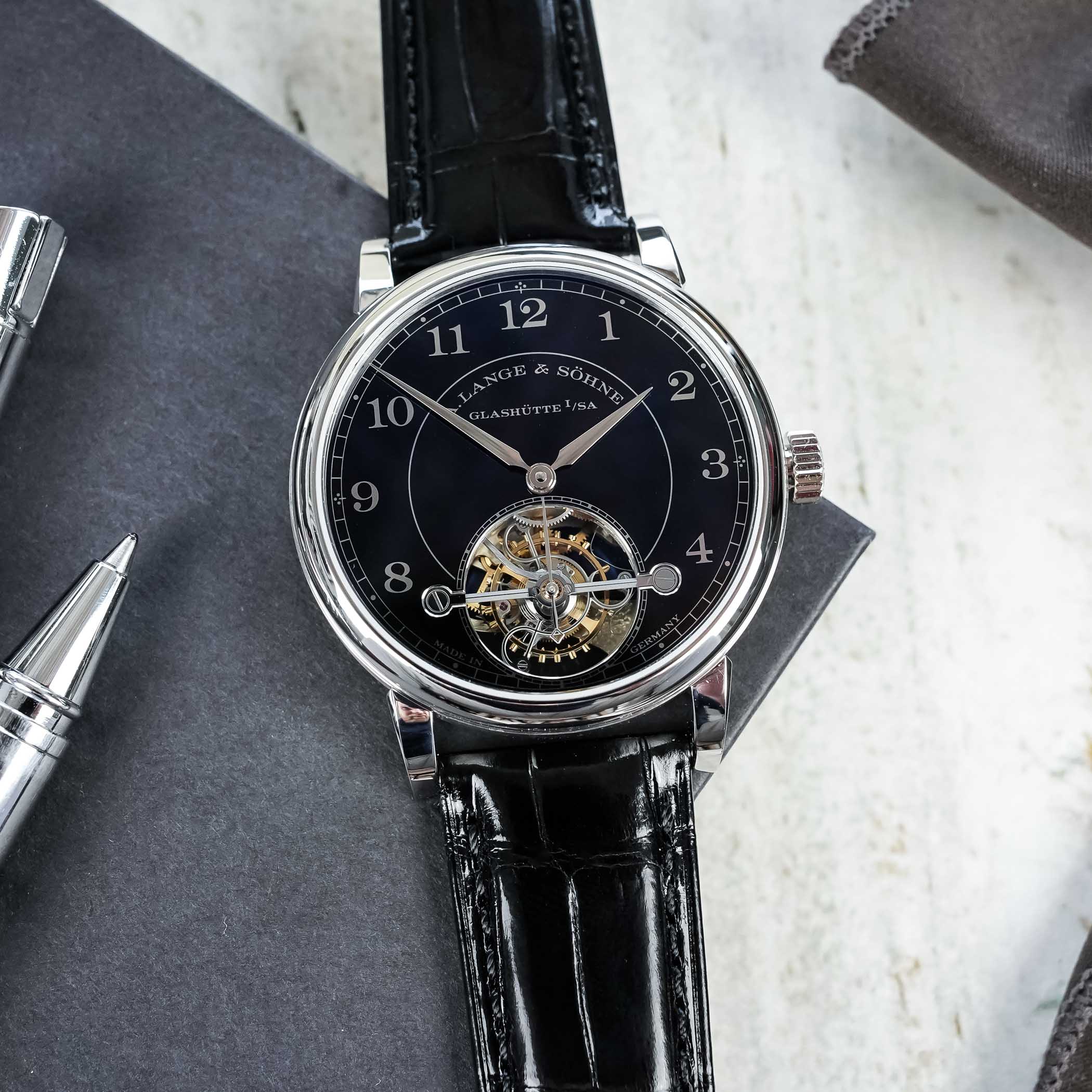
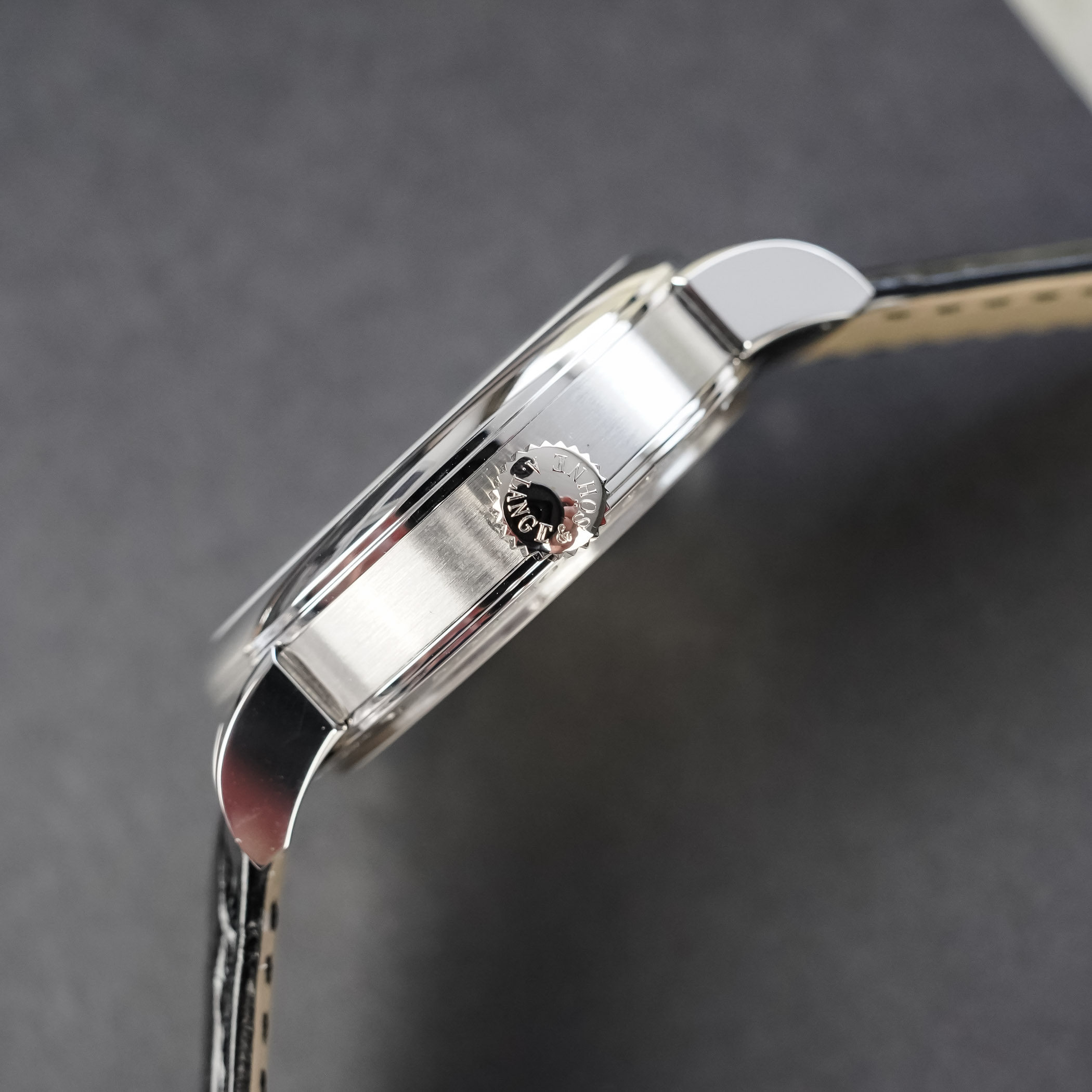
And the 1815? That fits in perfectly, regardless of size or complexity. Despite not being part of the original quarter of watches that relaunched A. Lange & Söhne in 1994, the 1815 followed shortly after, as it was introduced in 1995. The collection is recognised for its restrained classical design, with clean lines and modest proportions. Yet within the collection, the 1815 Tourbillon holds a special place.
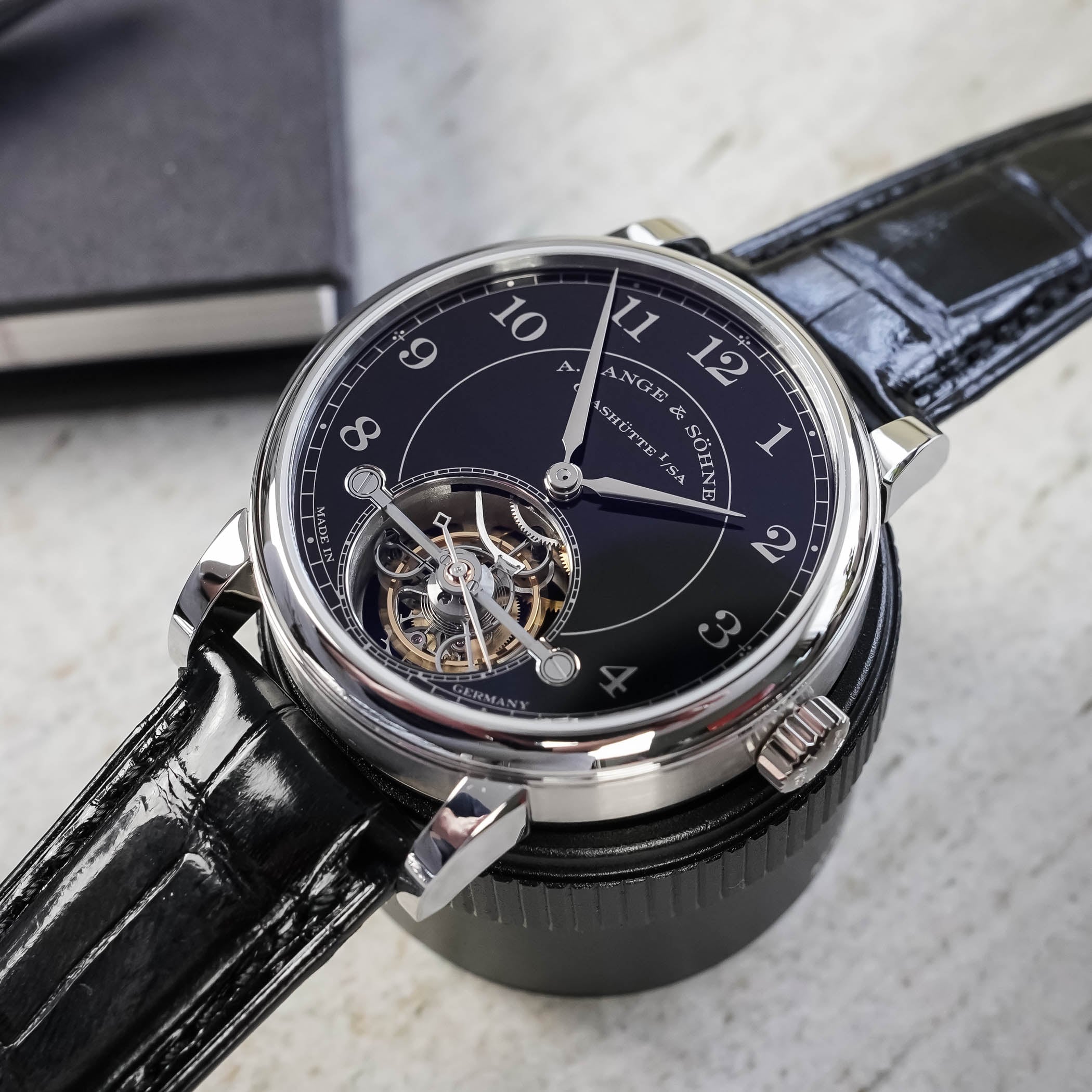
Beyond just a tourbillon
Not only is it regulated by what’s still considered a holy grail in mechanical watchmaking, the ever-mesmerising tourbillon escapement, but it also incorporates two intricate technical solutions to elevate it beyond ‘just’ a tourbillon. It was first introduced in 2014, with a platinum case, and a year later, the same 1815 Tourbillon was introduced as a stunning Handwerkskunst edition with a tremblage dial. Its movement, Calibre L102.1, is made entirely in-house, even down to the hairspring of its regulating organ.
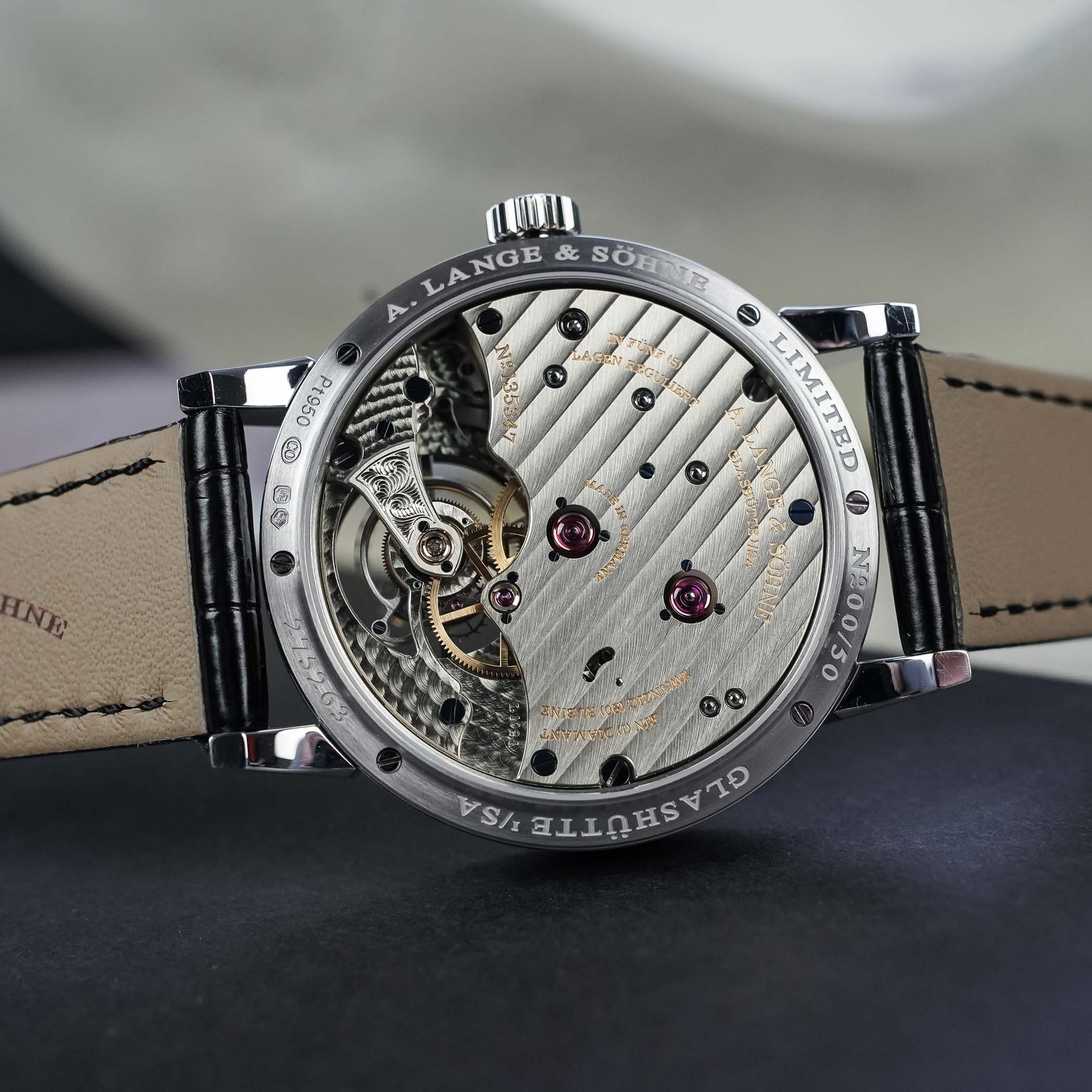
The German Silver bridges and mainplate are finished to absolute perfection, with broad Glashütte ribbing, jewels set in gold chatons and fixed with heat-blued screws, detailed gold-infilled engravings, and hand-decorated balance cock and so on. The balance staff for the tourbillon is capped with a diamond end-stone on the bottom side, which also sits in a gold chaton. But there’s far more to it than just a pretty decoration, as the 1815 Tourbillon serves up two highly technical mechanisms, and that’s what makes this movement so special.
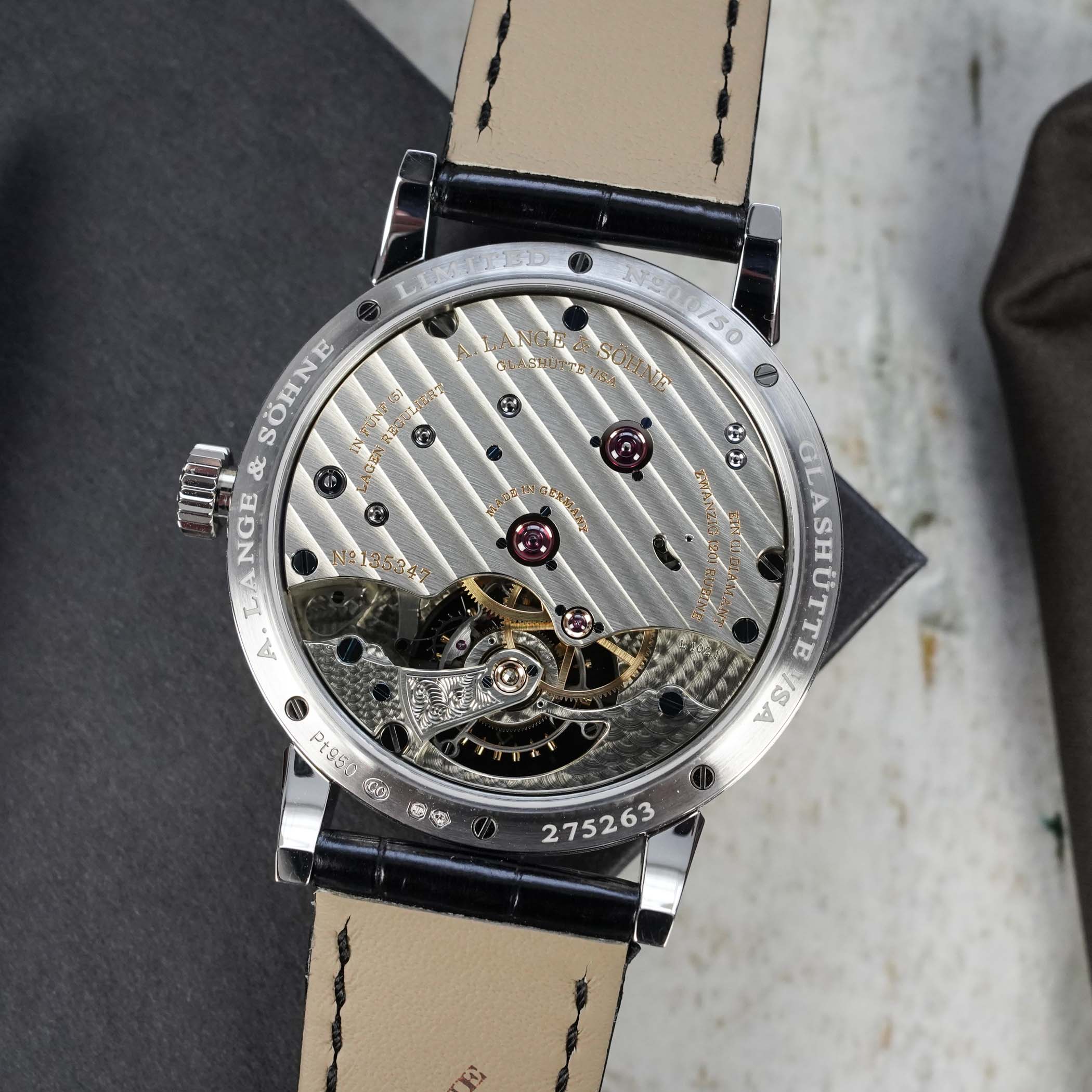
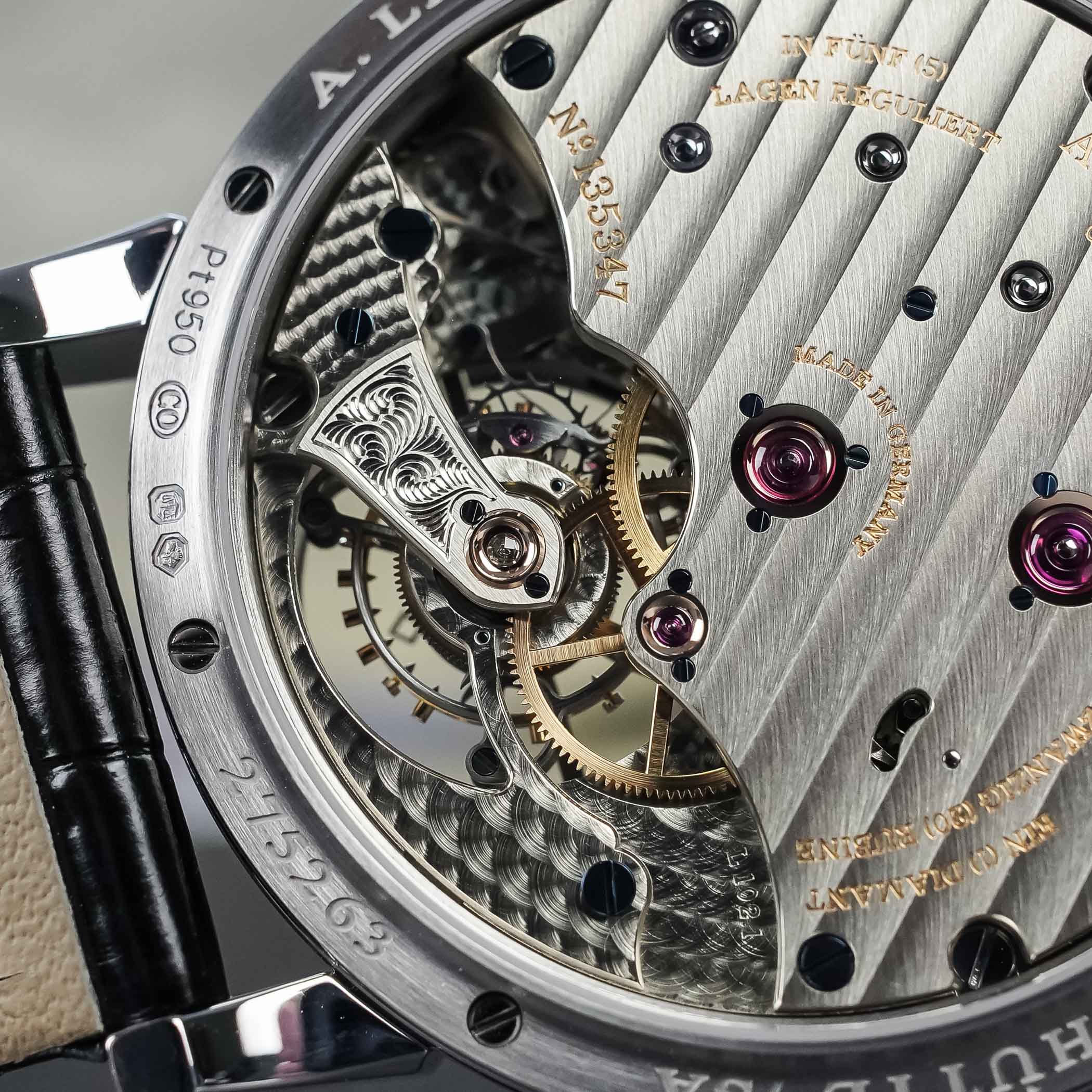
Fitted with a patented stopping and zero-reset mechanism, pulling the crown does two things: the two flexible arms of the stopping mechanism gently push down on the poising screws or the rim of the balance wheel, stopping the tourbillon’s rotation. Simultaneously, a lever connected to the keyless works pushes a heart-shaped cam on the balance staff to reset the small seconds hand to zero. This allows you to perfectly set the time of your watch down to the second. Both solutions are far from easy to master, as a tourbillon escapement is a precisely balanced and complex system of parts. Stopping and releasing it without interrupting its balance or causing damage is a delicate matter.
These patented mechanisms existed independently, with the zero-reset system first introduced in 1997, with the Saxomat automatic movement, and the tourbillon stopping mechanism following in 2007. The 1815 Tourbillon of 2014 brought the two together for the very first time.
Platinum & Enamel Packaging
All this mechanical splendour is set in a platinum case with a brushed and polished finish. The contrast between the surface treatments, the compact 39.5mm diameter and the relatively slender height of 11.3mm, makes it a very wearable and attractive watch to begin with. And it only gets better when you dive into the details, even when ignoring the spectacle in the bottom half of the dial for a second.
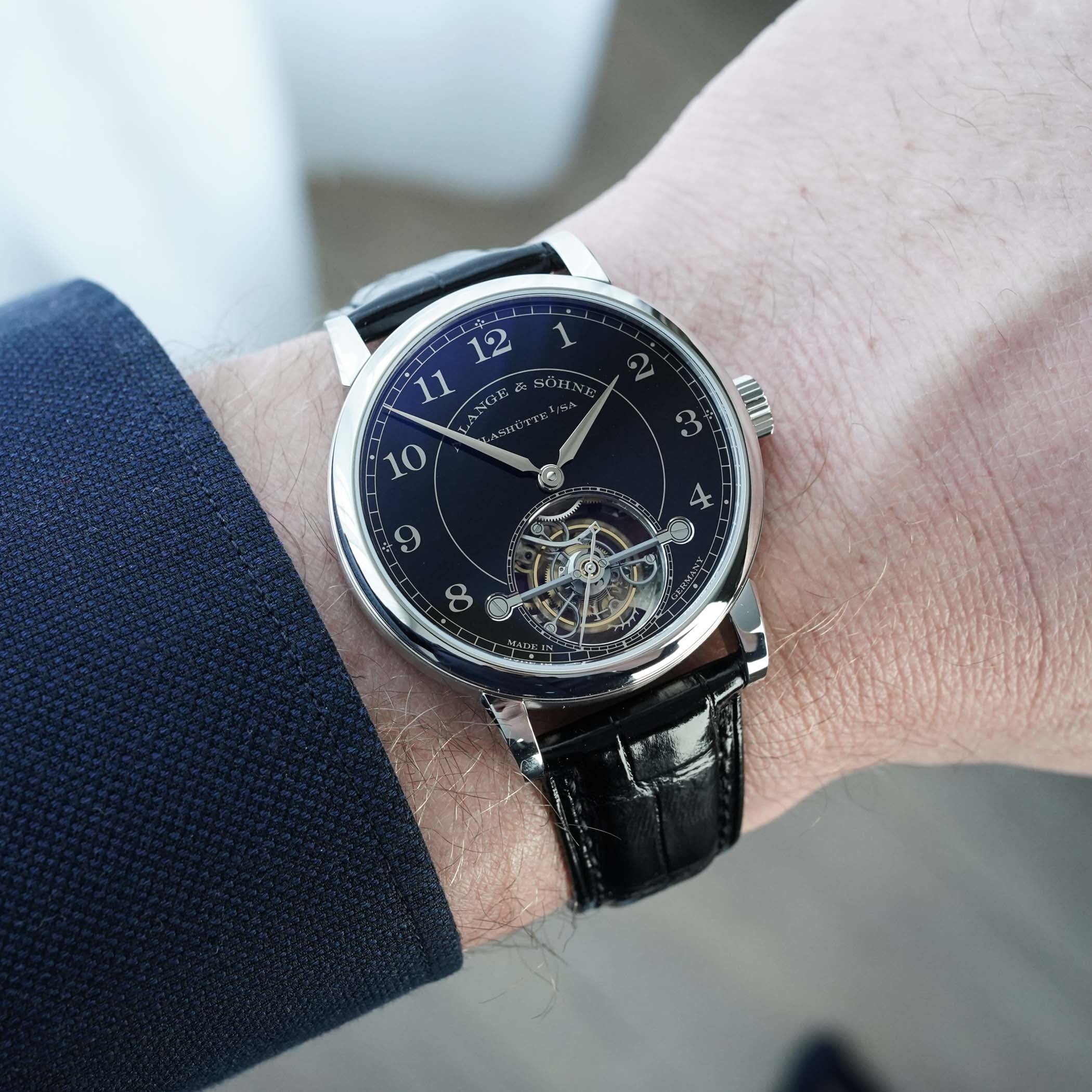
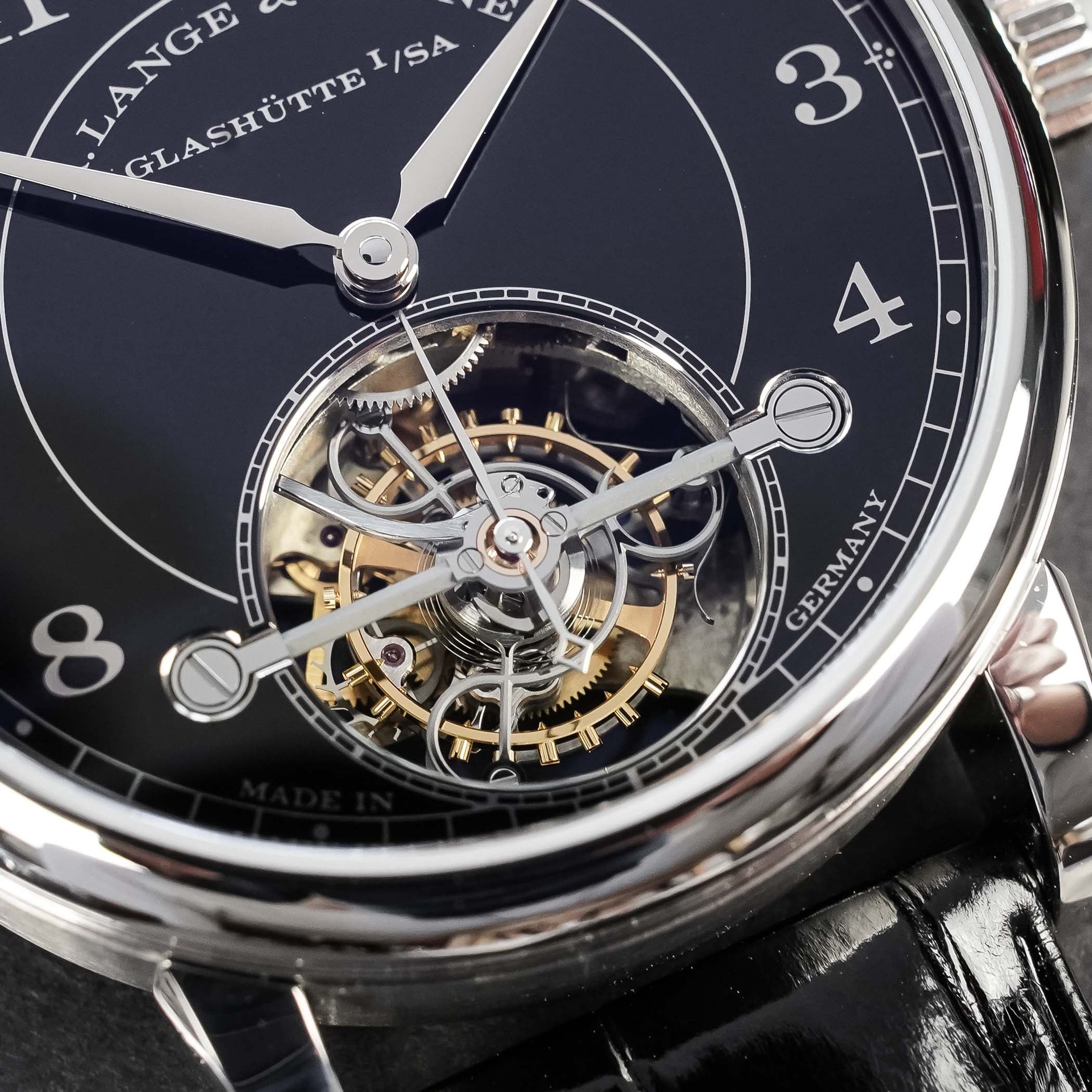
You’ll notice the perfect balance of the dial, which starts out with an 18k white gold base that A. Lange & Söhne covers with a deep black Grand Feu enamel layer. Enamel is known for being quite the challenge in its own right, but black enamel is extremely challenging to get right. The tiniest imperfections will stick out like a sore thumb, immediately. Each layer of enamel pigments, up to 30 in total, is fired in a kiln to achieve a deep, glossy, jet-black finish. This is then finished with the 1815’s characteristic railroad track and Arabic numerals in subtle silver, which playfully blends into the deep black dial under certain angles. Time is indicated by finely polished white gold hands for both the hours and minutes, and details like the small dots in the minute track, the circular line to frame the centre section and the Glashütte I/Sa (which stands for ‘In Saxony’) add a further touch of tradition and refinement.
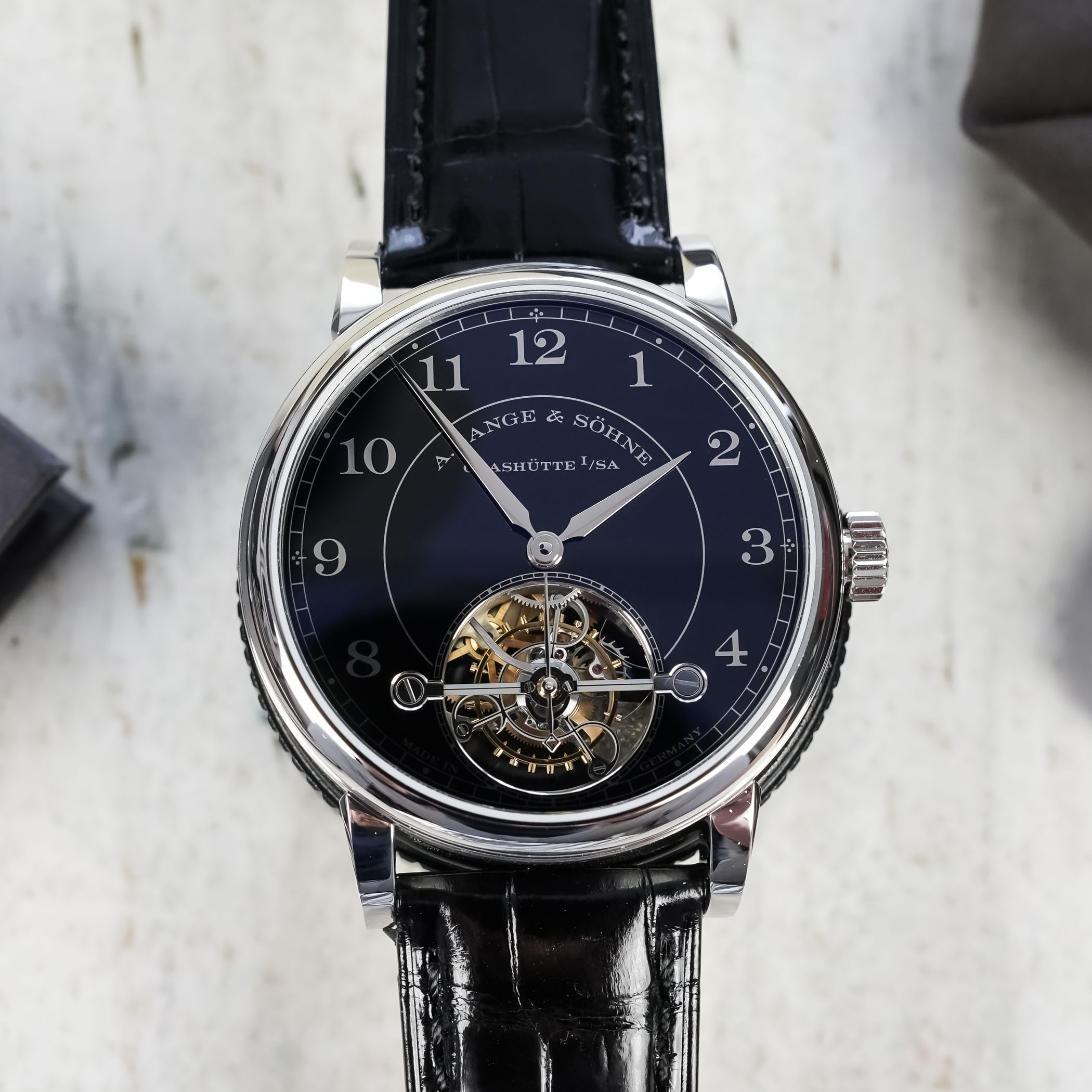
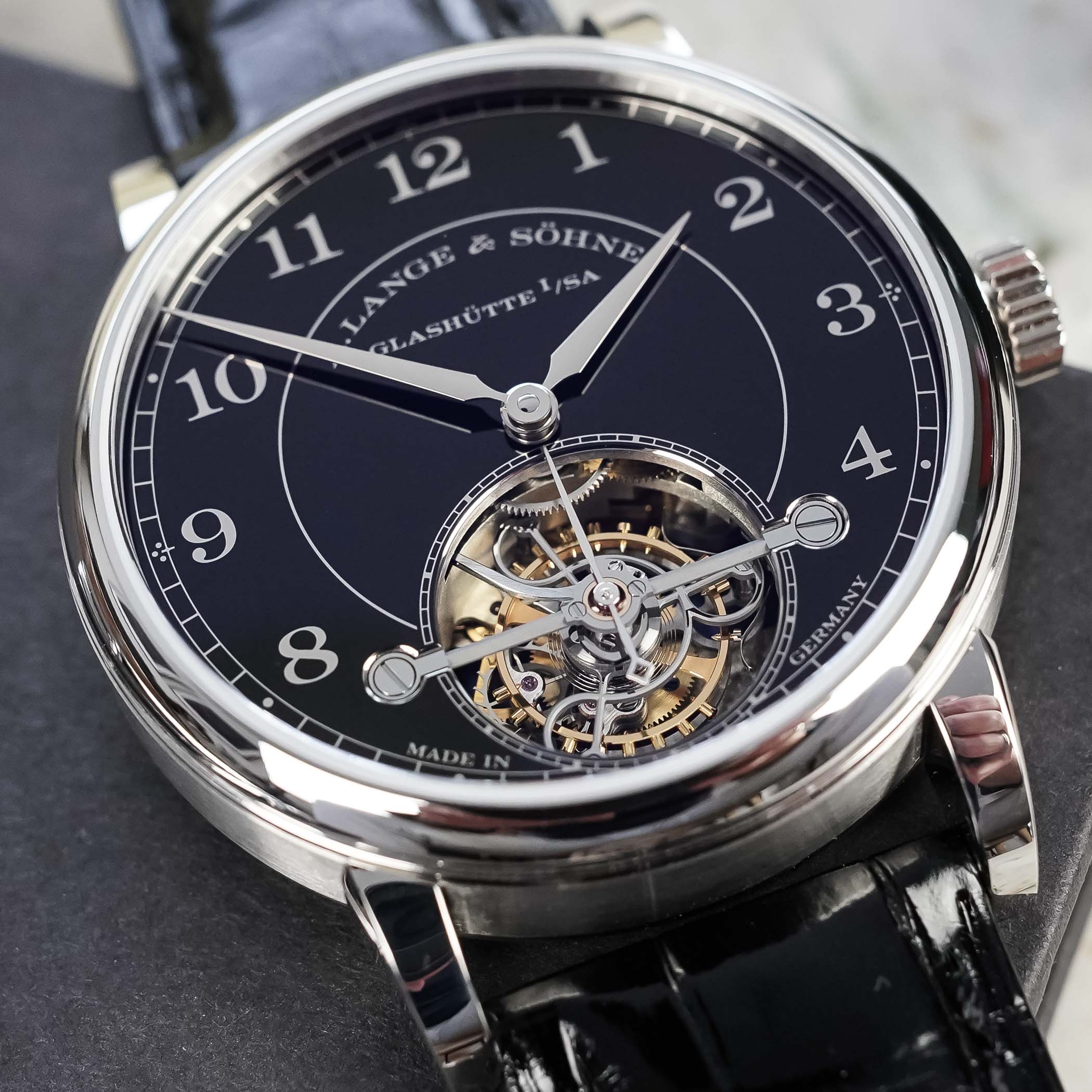
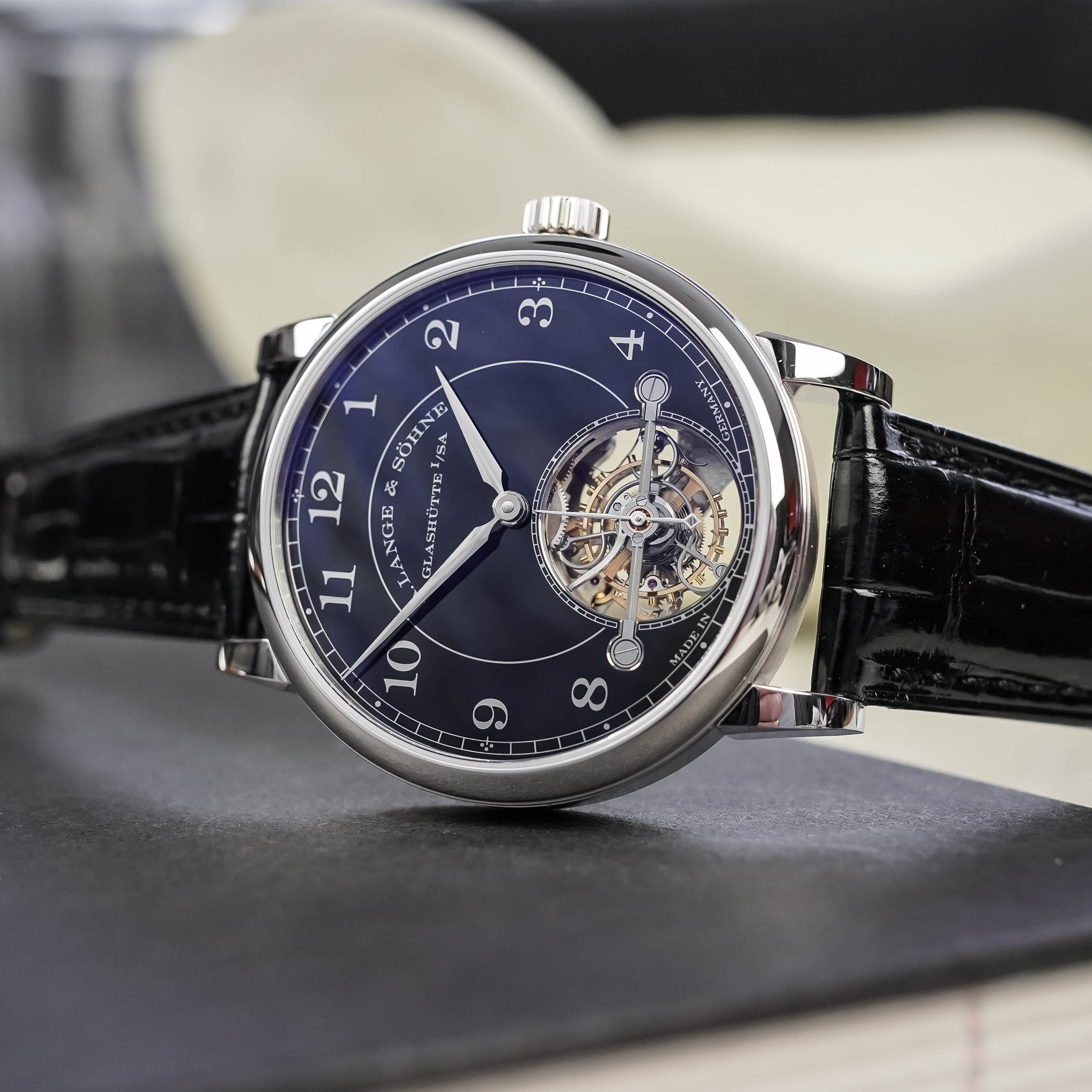
Mounted flush with the top surface of the dial, the tourbillon is exposed under a narrow bridge with triangular arms. At each end, a single screw with a black-polished head fixates it into the movement. Look closely, and you will notice a bevelled edge along the entire rim of the aperture and screw heads, which shows Lange’s attention to detail. The slender small seconds hand that’s mounted on top of the tourbillon’s axis travels along its own railroad-style track, enabling a precise reading of the time. The finishing touch is the “Made in Germany” script, reminding you of its origins. The whole display is pure, elegant, legible above all and a perfect testament to Lange’s penchant for refinement.
Final Thoughts
The A. Lange & Söhne 1815 Tourbillon with black Grand Feu enamel dial comes with a gloss black leather strap. The platinum folding clasp offers a touch of balance on the underside of the wrist, against the heavy platinum case, so it wears beautifully wherever you take it. Only 50 of these will be made, at a price that’s upon request only. However, considering the complexity, level of detail and craftsmanship as well as the choice of materials, this is a watch that costs well into the six figures.
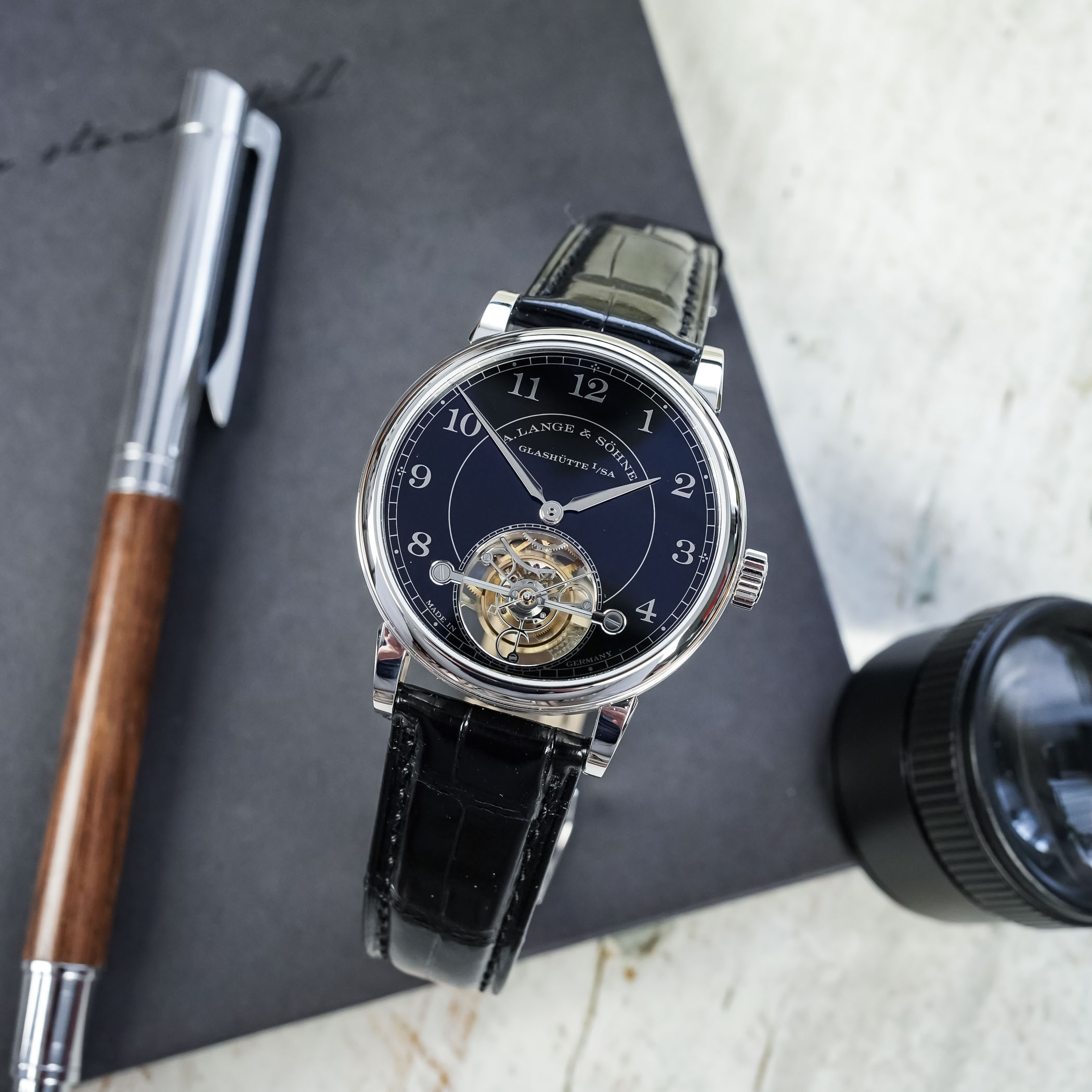
The A. Lange & Söhne 1815 Tourbillon truly is one of the brand’s finest watches. It’s sort of like a finely cut bespoke tuxedo from a Savile Row tailor. It doesn’t stand out for its flashiness or cutting-edge materials but basks in refinement and class. The pure black dial is a perfect canvas for its classical display of time, interrupted by one of the most beguiling mechanisms in mechanical watchmaking: the Tourbillon.
For more information, please visit ALange-Soehne.com.


1 response
Lange watches are marvellous. One thing they should do across the board or at least for many of their watches is make them slimmer. That’s it. Otherwise they’re perfection.