


 Not all images were able to load for printing. Please close the print window and try again.
 The History and Evolution of Watch Clasps
From simple hooks and latches to sophisticated clasps with on-the-fly extensions, strap/bracelet closure innovations have grown exponentially in the last century
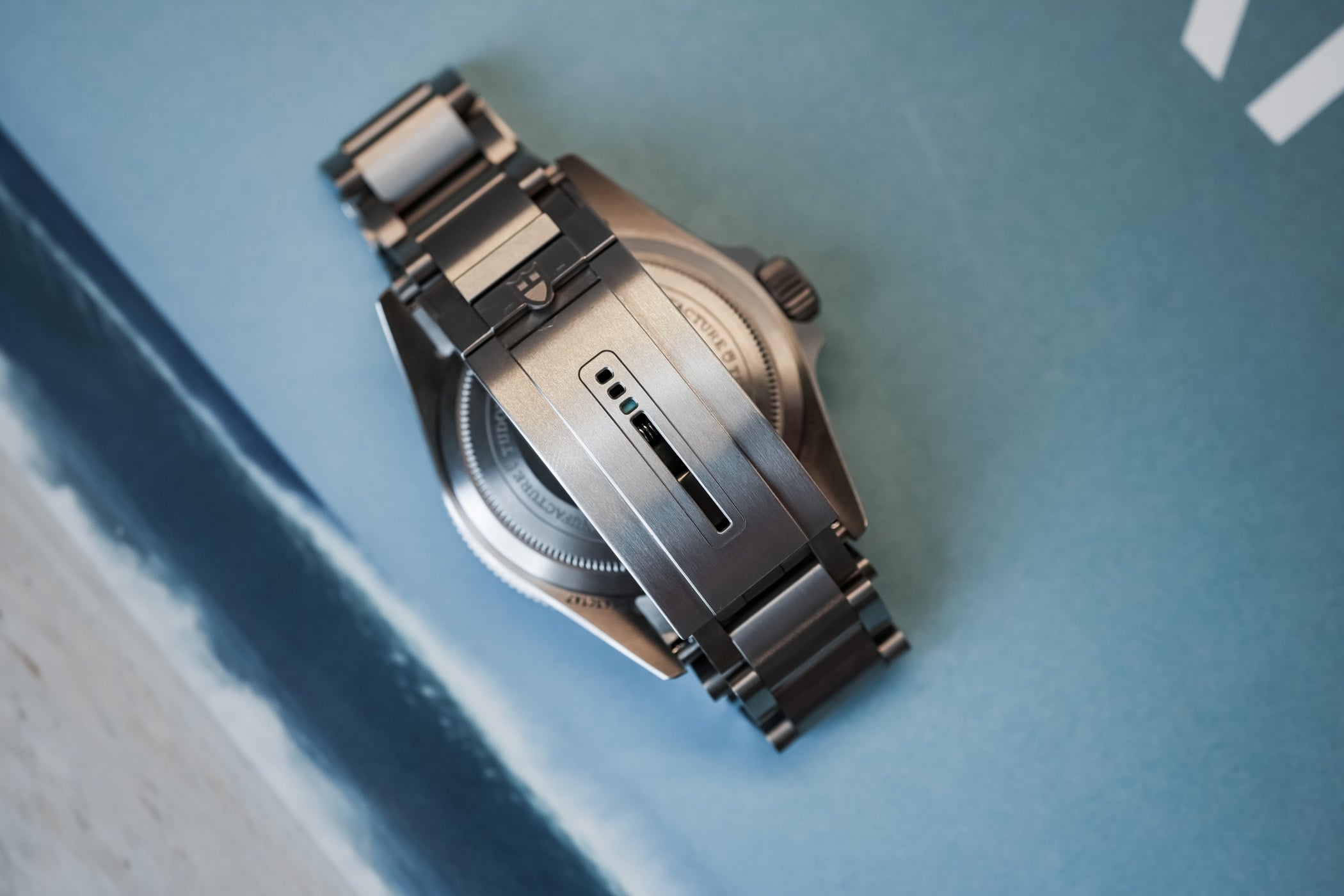
Following up on our recent ABCs of Time article on the history of watch bracelets, we turn our attention to clasps, which are much more than simple closures today. In fact, some of the best are R&D marvels with intense engineering, CNC machining, extensive hand finishing and dozens of parts requiring extremely tight tolerances. The very first metal bracelets for women’s watches in the 18th and 19th centuries didn’t have closures at all and simply slipped over the wrist like traditional jewellery. Early metal expanding bracelets like the “Army” bracelet by Gay Frères during World War I also worked without a clasp. The first commercial watch closure for a two-piece strap copied belt and shoulder strap buckles with centuries of proven design, and this pin buckle still dominates watch straps today.
Pin or Tang Buckles (a.k.a Ardillon)
The simple pin buckle, also known as a tang or ardillon (the latter is French for tongue), adopts the pin buckle design that goes back thousands of years to the Bronze Age. Artisans from around 2,000 BC were crafting belts and straps with pin buckle-like closures (loop and pin designs), largely for military or field use. Fast forward about 1,500 years to the Iron Age, and these buckles evolved into modern pin buckle types with metal frames and a central pin (or tongue) to secure into evenly spaced strap holes. Following the Second British Boer War (1899 – 1902), where some of the earliest wristwatches (converted pocket watches) used improvised leather straps, pin buckles became dominant, with World War I acting as the proving ground. By 1918, pin buckle straps were a standard military issue for wristwatches (or wristlets) for trench warfare and other combat operations. Following the war and sharp rise of wristwatch popularity in the 1920s, leather straps with pin buckles were the norm aside from early metal bracelet designs like the Bonklip and one-piece expandable bracelets.
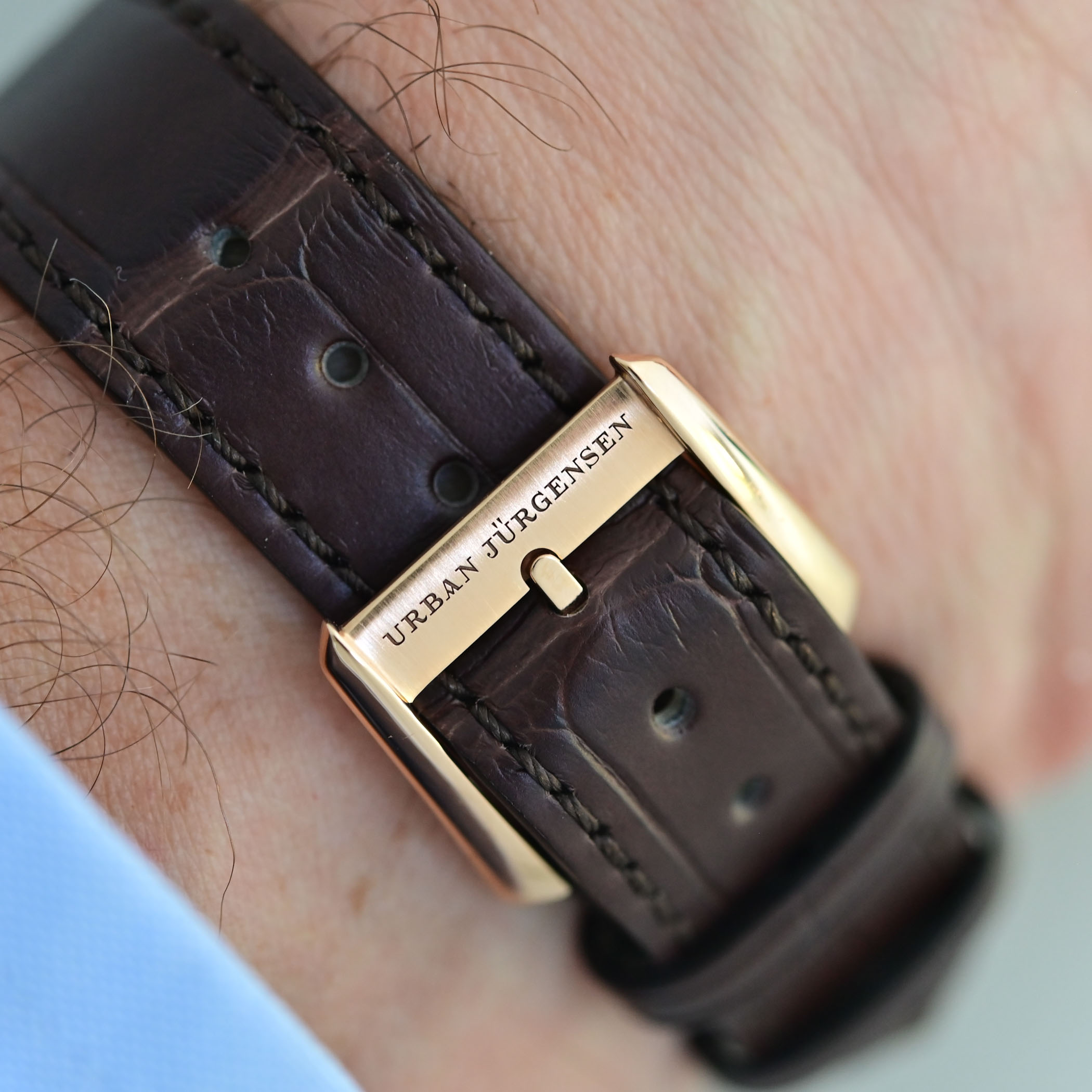
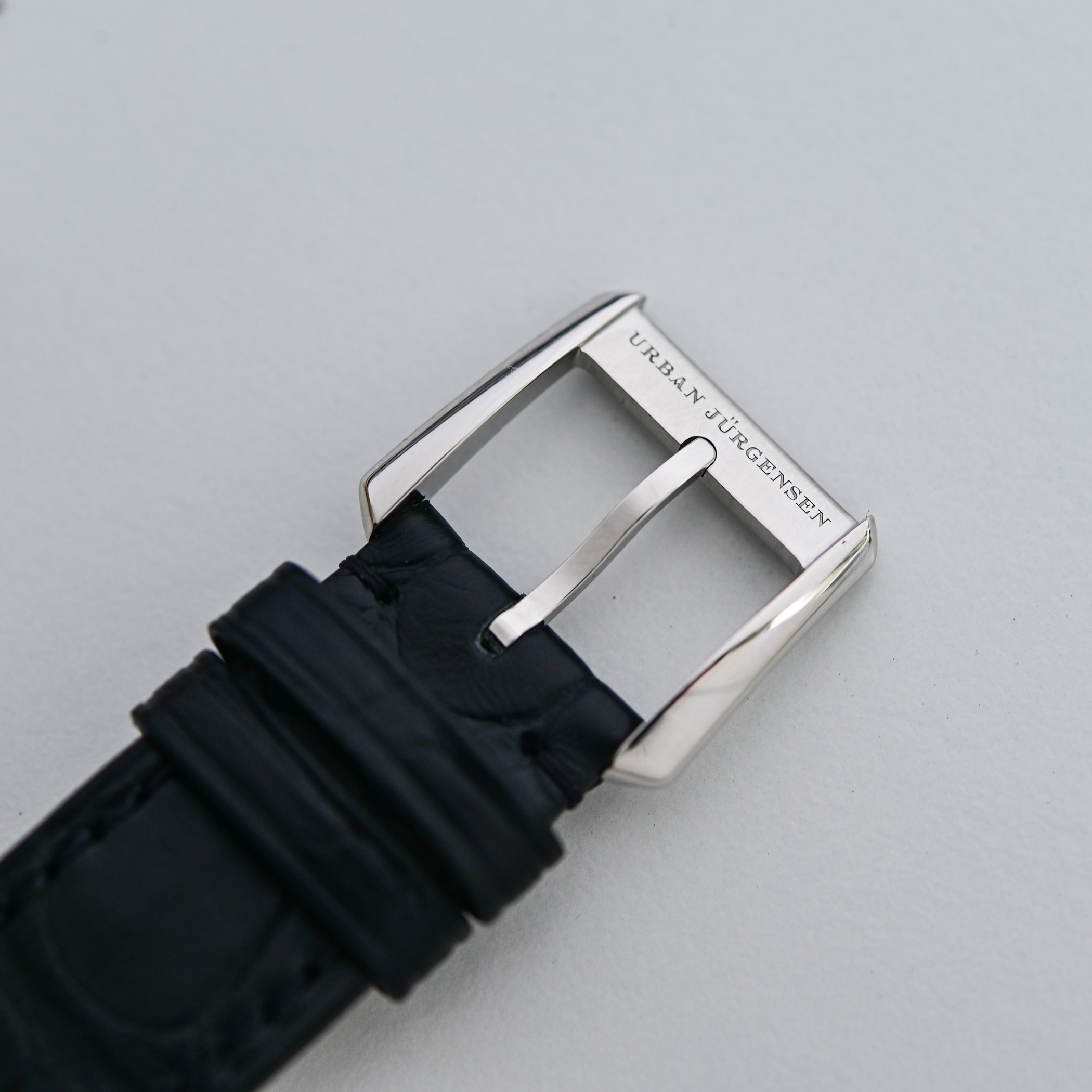
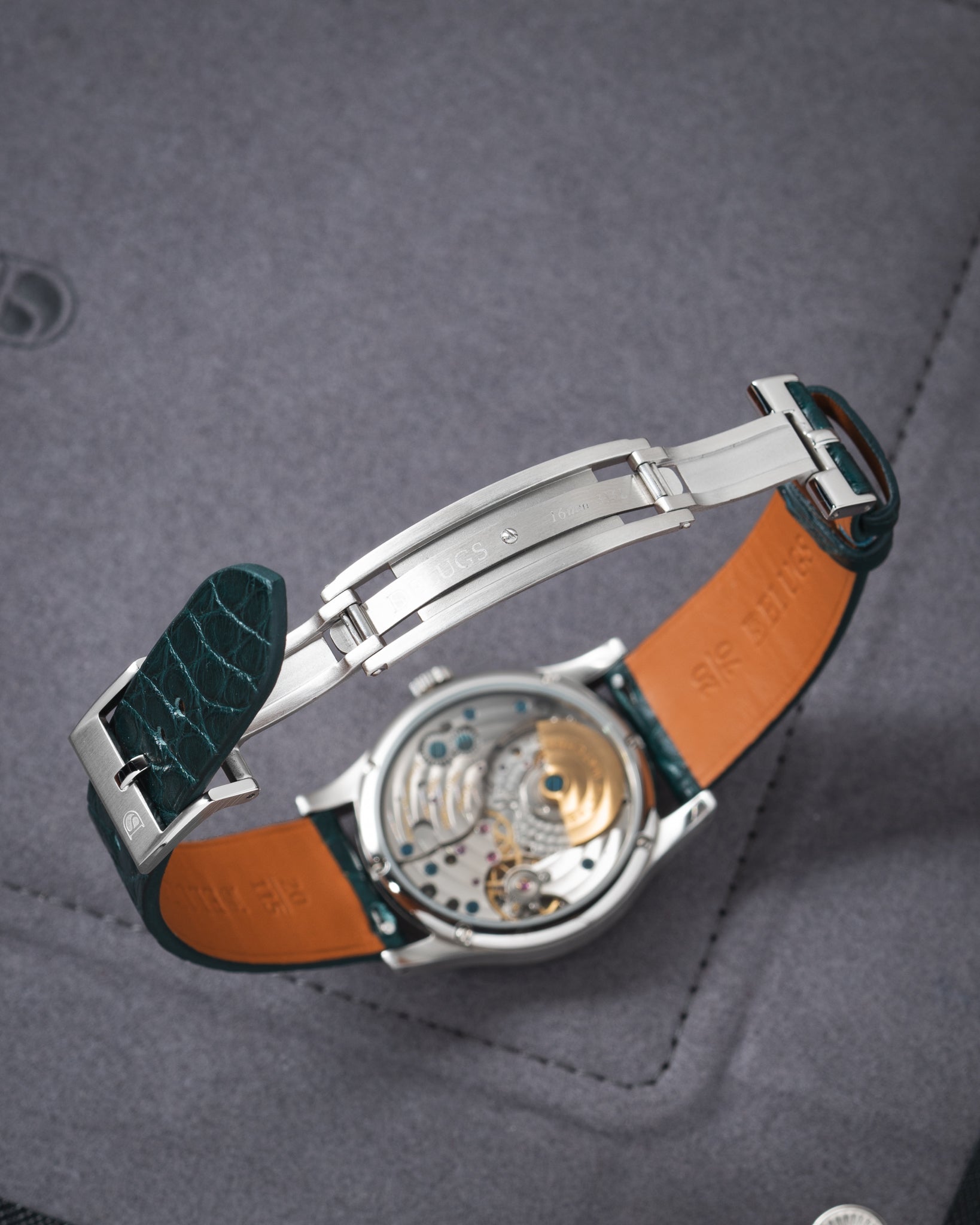
Surprisingly, leather belts with pin buckles as we know them today didn’t really take off until the early 1920s as well, thanks to Levi Strauss adding belt loops to jeans. The one downside of watch strap pin buckles was the lack of fine-tuning – unlike a modern bracelet clasp with micro-adjusting, you’re stuck with the pre-punched hole spaces in the strap. Pin buckles have been non-adjustable affairs in watchmaking for a century, but that’s changing in the 21st century. Delugs was founded in 2018 as a leather strap specialist, including watch-specific designs for Vacheron Constantin, Cartier and Tissot PRX owners. The company later started to use tool-free, micro-adjustable pin buckles in steel and titanium to improve fit between strap holes (patent pending). Known as Fitwell Micro-Adjust Buckles, designed for/with Delugs and produced by the company Fitwell, they don’t sacrifice style and look like ordinary pin buckles, but offer 3mm of expansion with just a pull. Subtle yet brilliant way to integrate micro-adjustability into what’s always been a static, simple buckle design.
Deployant Clasps
Otherwise known as folding clasps (although not all folding clasps are deployant clasps, see below), we can thank Louis Cartier for its invention around 1909 with partner and French watchmaker Edmond Jaeger (of Jaeger-LeCoultre). It was called the bouclé déployante and made its debut in 1911 on the legendary Cartier Santos. The clasp was paired with a leather strap to help preserve the material, as standard pin buckles created stress and wear from pulling, stretching and bending at least twice per day. Many deployant clasps are paired with bracelets today, but they remain a good option for leather counterparts to effectively function like a bracelet. The clasp is set on the strap by locking onto one of the pre-punched holes with a pin or tongue (to ensure the proper size when closed) and often a spring bar on the other end. The clasp is left attached to the strap to put all the workload on the clasp itself, which removes the two-piece strap dynamic and creates a continuous loop (again like a bracelet). This allows for quicker, more convenient use with minimal stress on the leather. When open, the three-piece design has two curved metal blades connected to a hinge in the middle, allowing the wrist to slide into the strap. It then folds together and either pressure-snaps closed or locks via a pusher system, and rests on the underside of the wrist. Relatively simple but very effective. It’s important to note that on a bracelet, deployant and folding clasps are synonymous, but on a leather strap, a deployant clasp is specific for creating the closed loop with its ability to lock into a chosen strap hole for size – it’s not referred to as a more generic “folding” clasp.
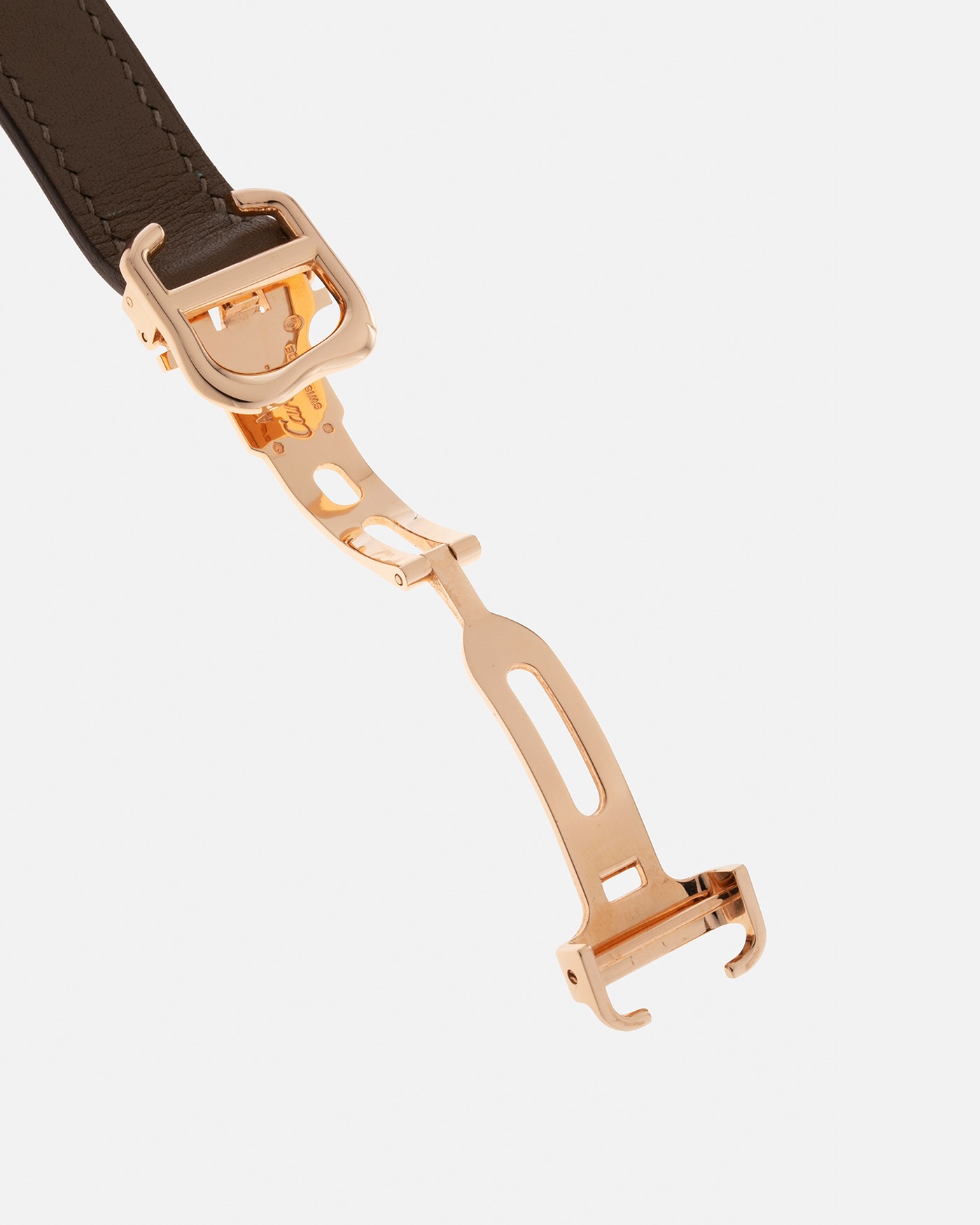
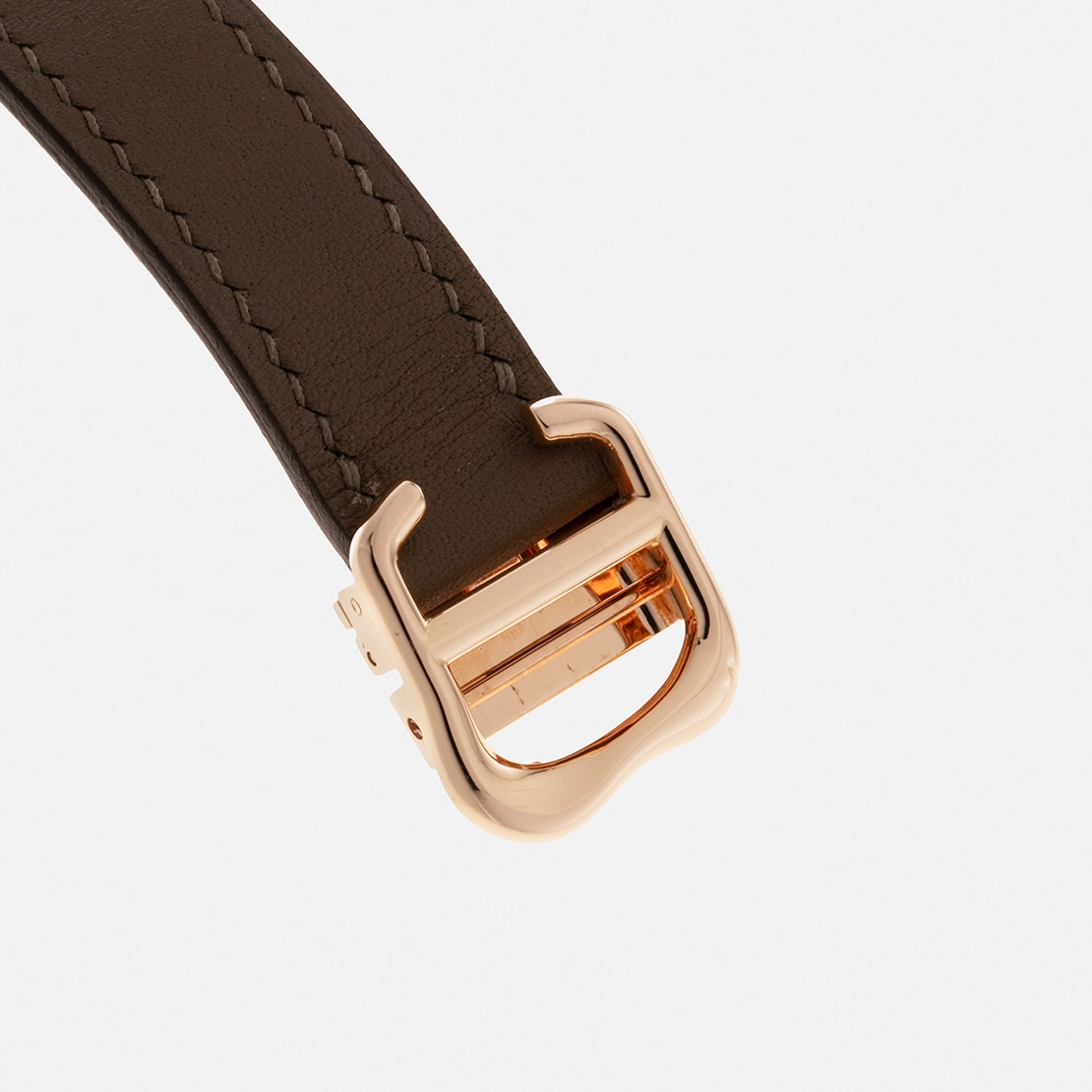
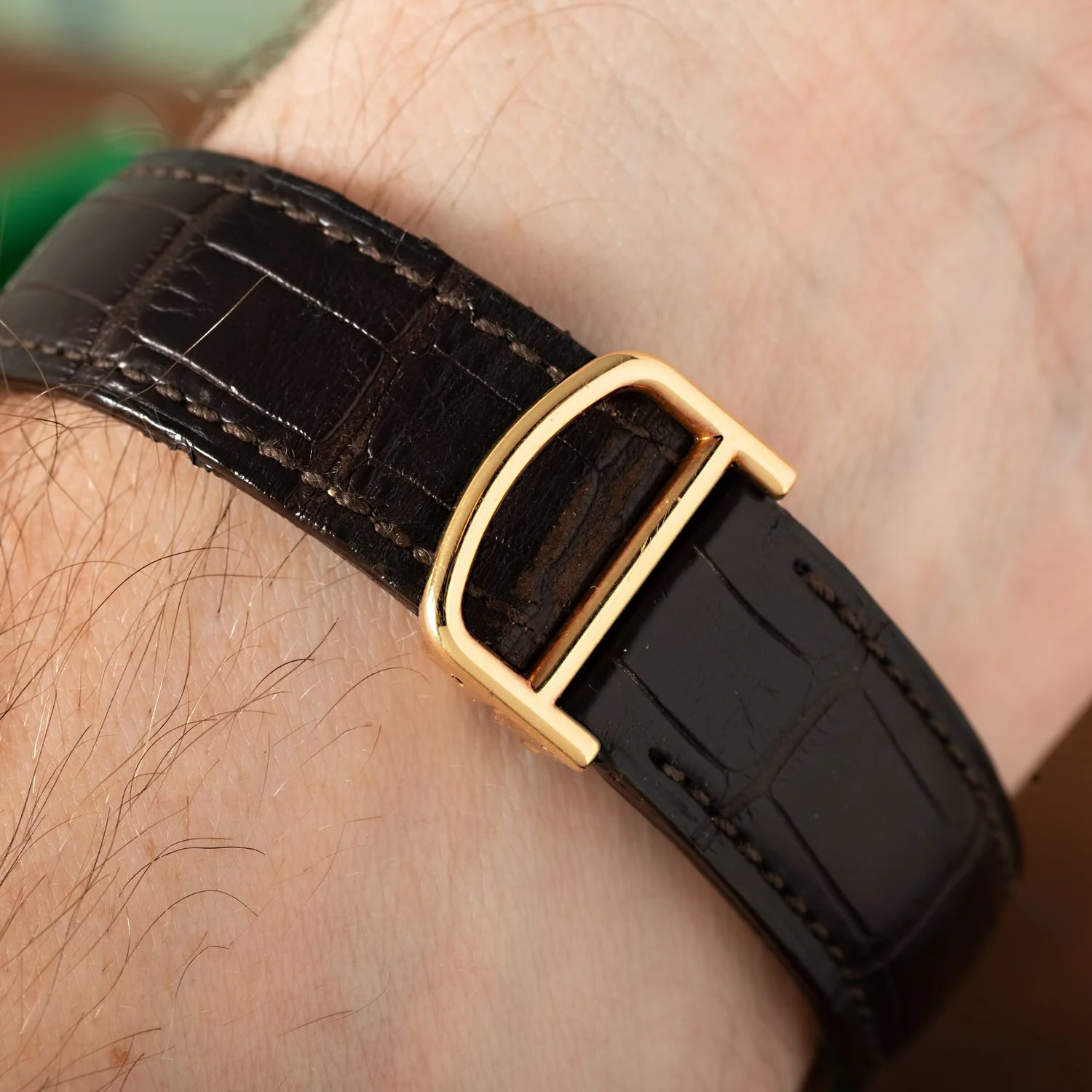
There are a few ways to secure and release a modern deployant clasp, either on a bracelet or strap. The first is simply by pressure – push and snap closed, and then pull open via a small lip or groove. The second is via a button or pusher on the side, and many have twin pushers (one on each side). This provides more security on the wrist as the clasp is locked down until the pusher releases it. For additional security, a metal flap can fold over the closed clasp from the adjacent bracelet end and snap in place, providing a second lock in the system. This is common for dive watches when a secure lock is paramount for safety underwater. Rolex calls its triple deployant clasp the Oysterlock, for example. Clasps can be made of many materials, from stainless steel and titanium to gold, platinum and ceramic.
Micro-Adjusting Deployant Clasps
Many deployant clasps today can be adjusted up to 10mm (specialised clasps expand even more) to fine-tune the fit after removing links. This also allows adjustment during the day when heat, humidity and so on can affect the wrist size and fit. Traditionally, this uses a spring bar that can move between a series of holes on the clasp’s sides, but it requires a small tool to compress the bar from outside. It’s effective, but not exactly convenient while outside and busy. Like quick-release levers to easily remove a strap or bracelet, clasps have evolved to include on-the-fly micro-adjusting for fast, tool-free fine-tuning. It’s unclear who invented the first micro-adjusting clasp, and it likely started among third-party suppliers in the second half of the 20th century. One of the best on-the-fly extension clasps today is Rolex’s Glidelock for dive models like the Submariner (introduced in 2008), which features 20mm of adjustment in 2mm increments via a rack-and-notch sliding design, and it allows for a quick transition over wetsuit sleeves.
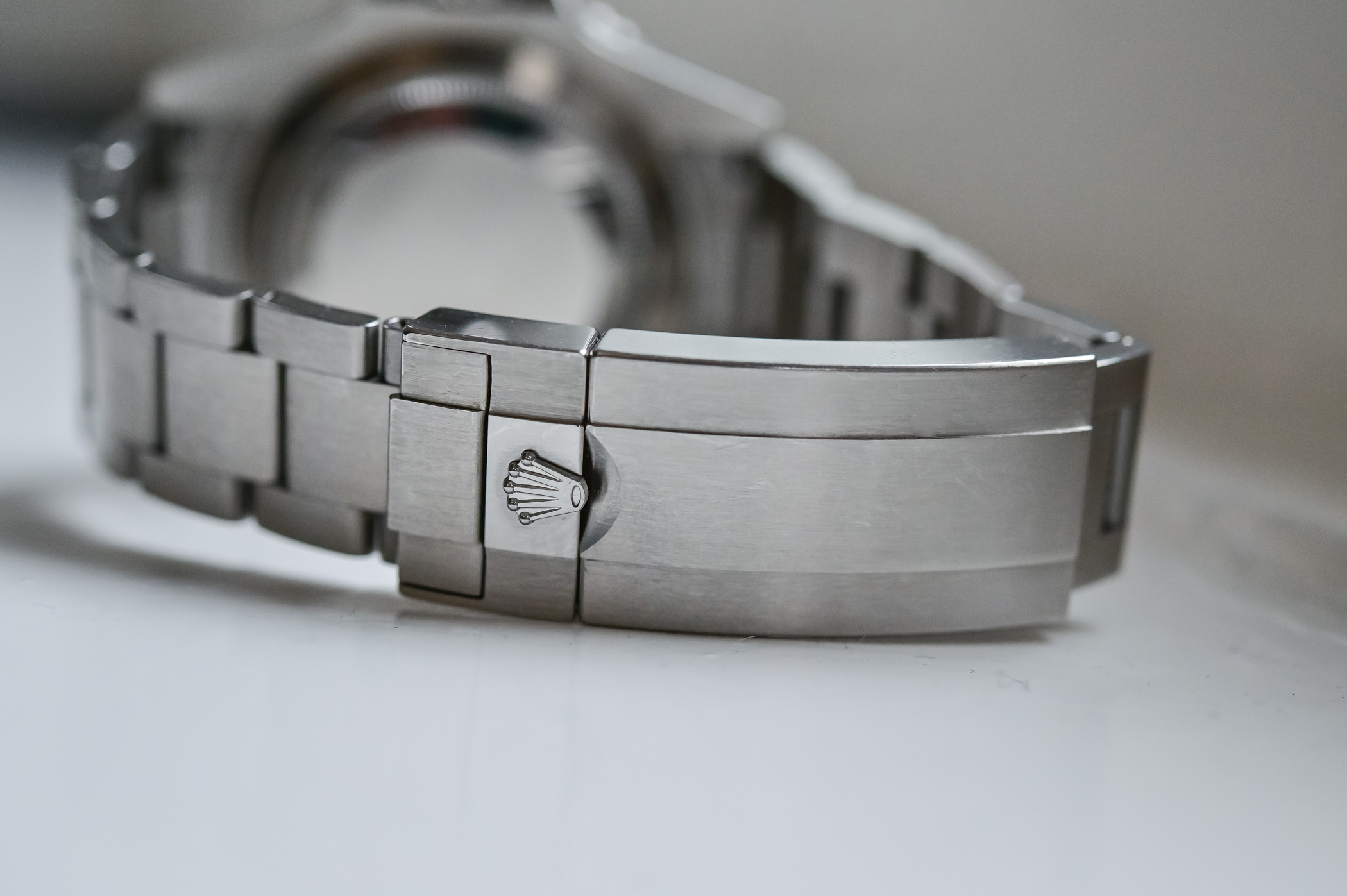
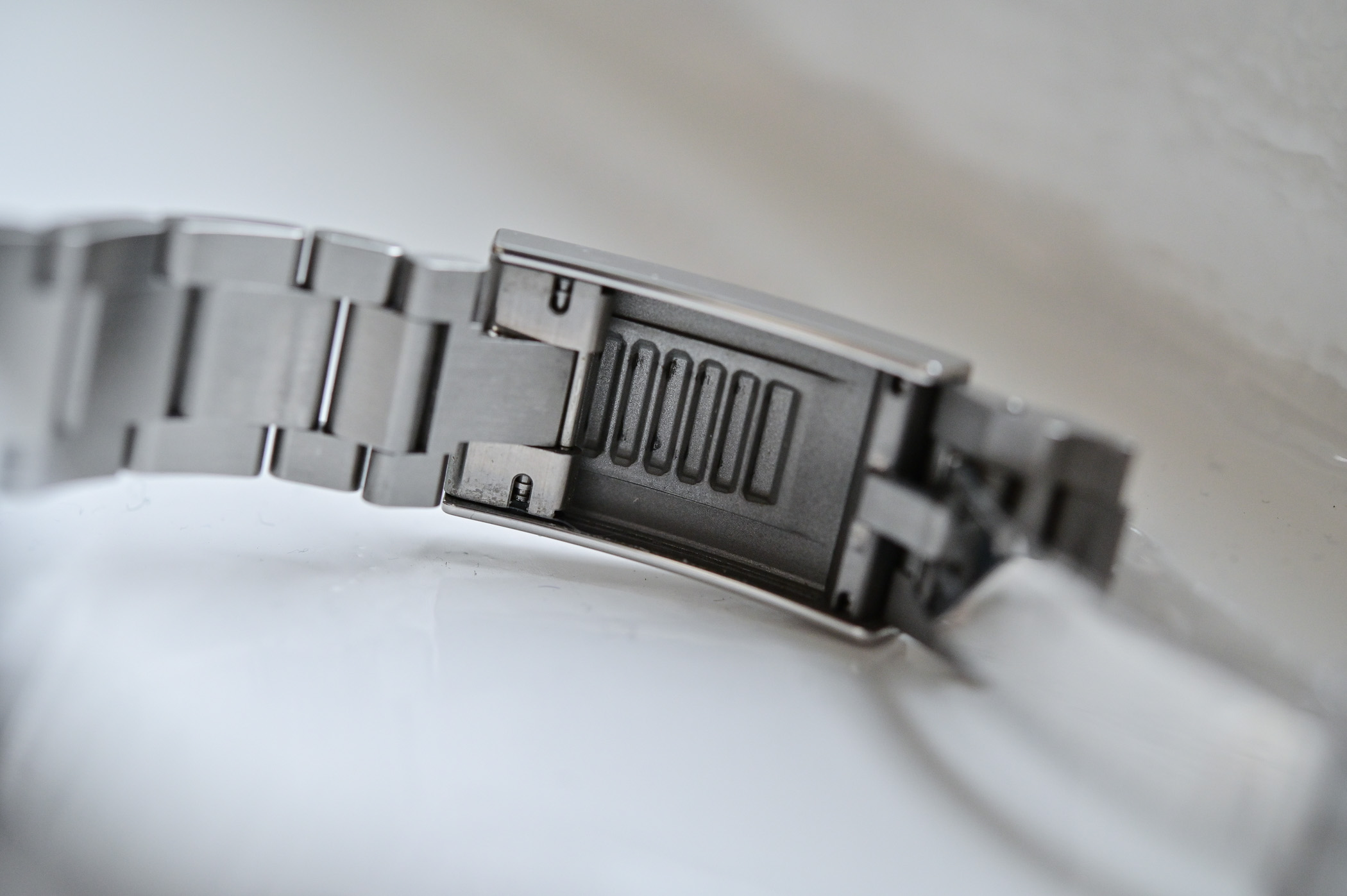
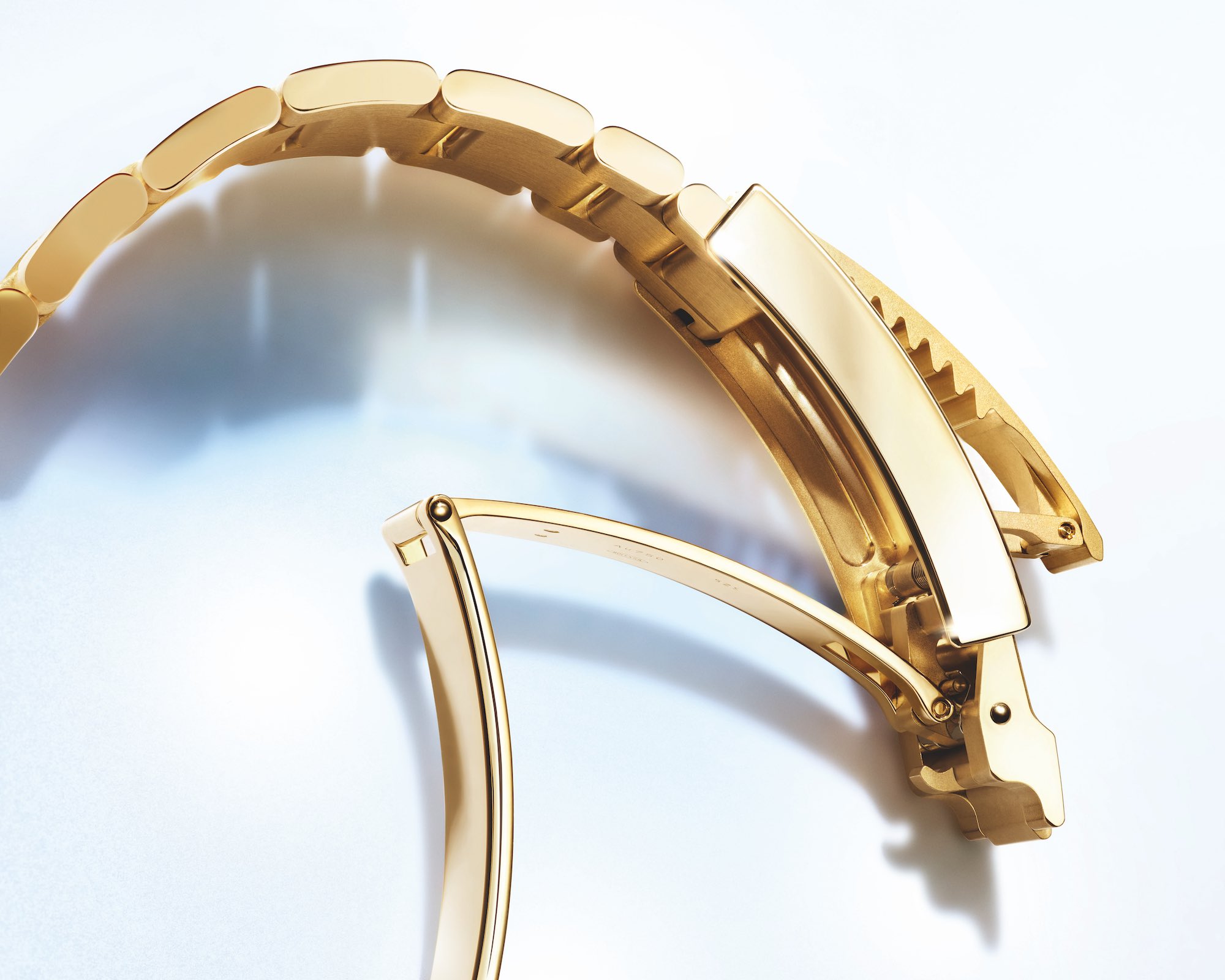
Rolex Sea-Dweller and Deepsea models combine the Glidelock system with Fliplock, which unfolds via three blades to extend the bracelet another 26mm for a quick fit over a thick wetsuit sleeve. All Glidelock clasps can be adjusted while wearing the watch, and the clasps remain thin at around 6mm to 7mm with the integrated rack-and-notch system, but Fliplock requires removal of the watch to manually unfold the blades. The Omega Seamaster Professional 300M has a comparable fold-out diver’s extension, while Seiko Prospex models feature ratcheting diver’s extensions. Tudor’s Pelagos Ultra has an innovative and patented auto-adjustable spring mechanism in the clasp to adapt to water pressure, tightening in deep water to compensate for the wetsuit sleeve compressing, and loosening a bit as pressure drops during an ascent. This is combined with a more standard micro-adjusting system and is analogous to a Super Compressor case back, but for the wrist.
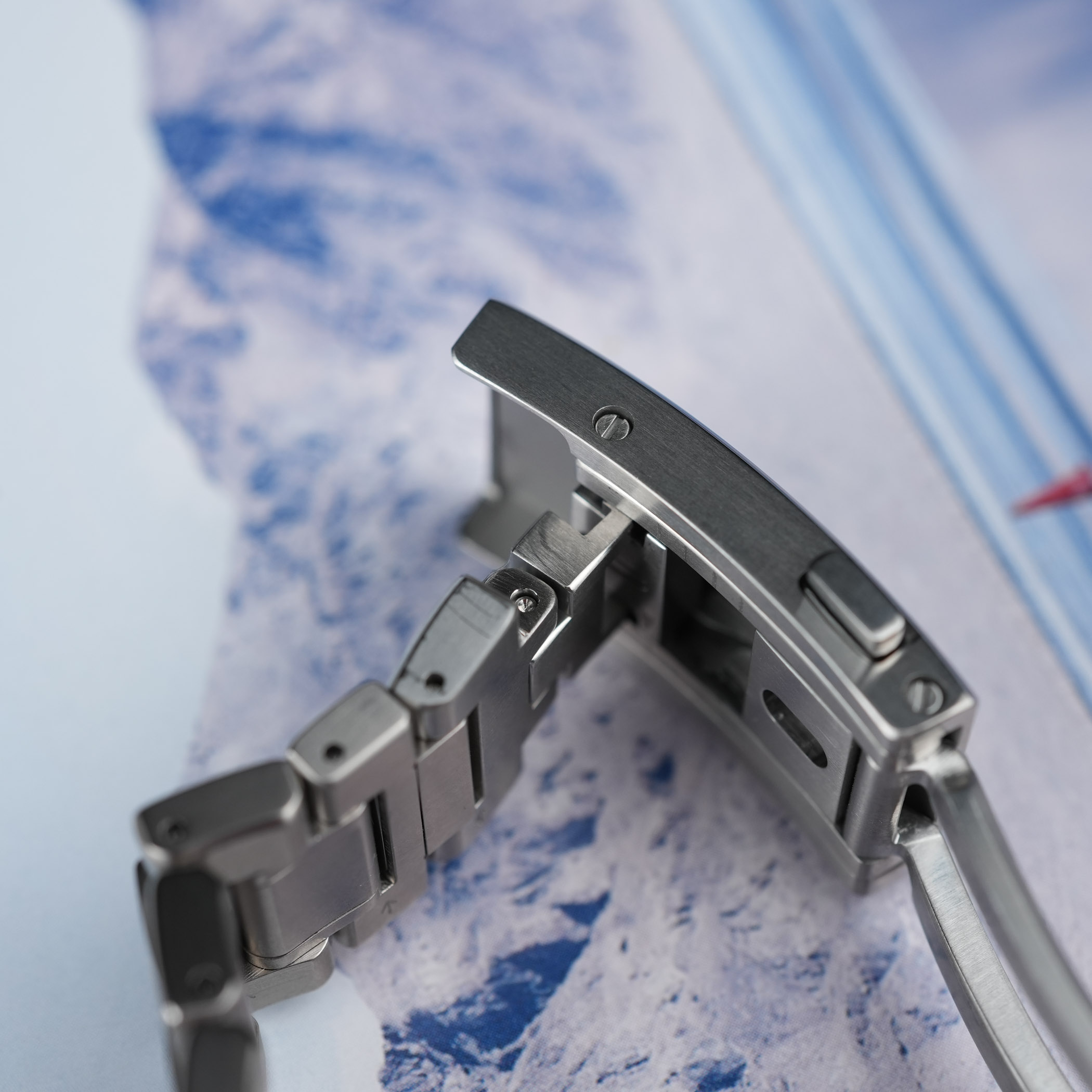
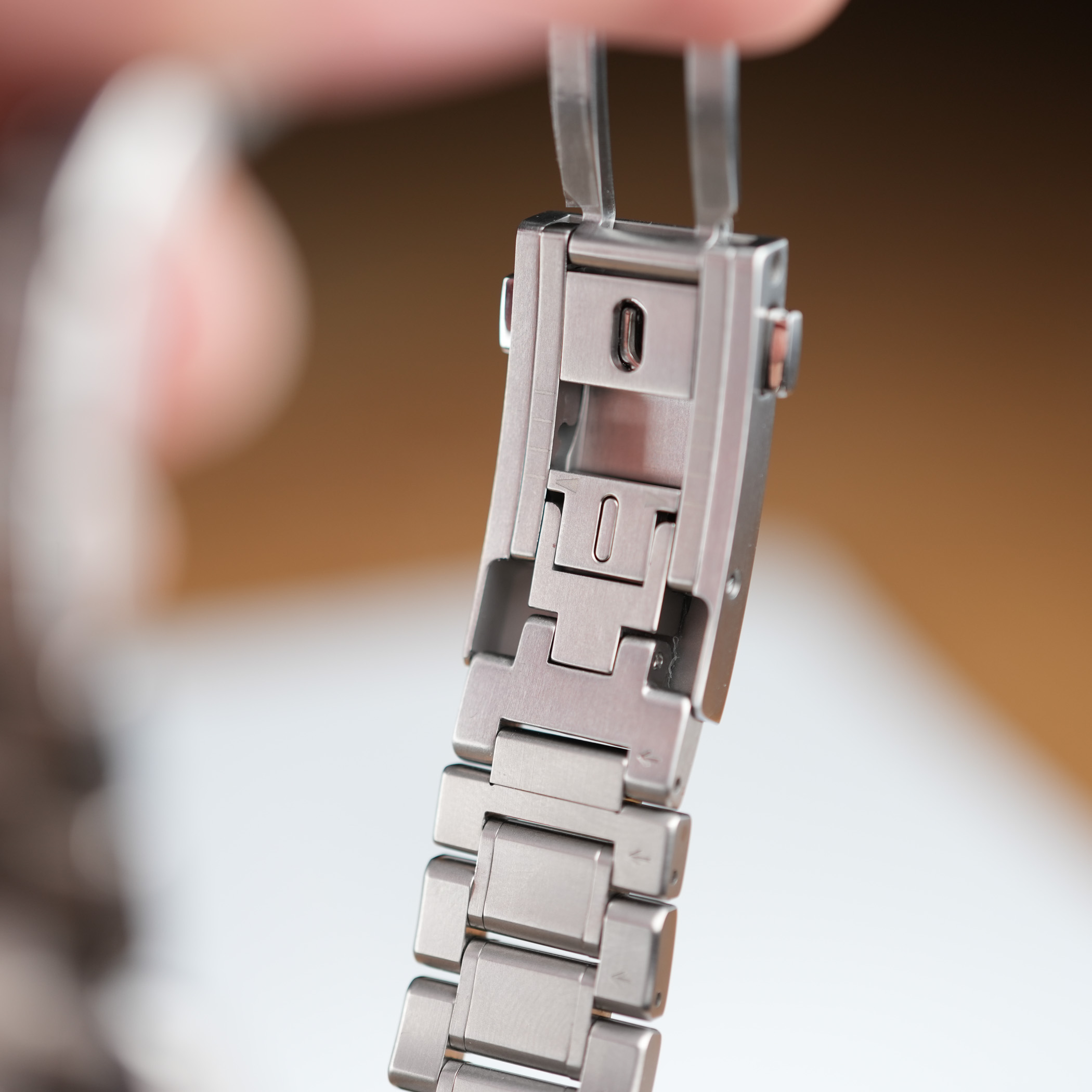
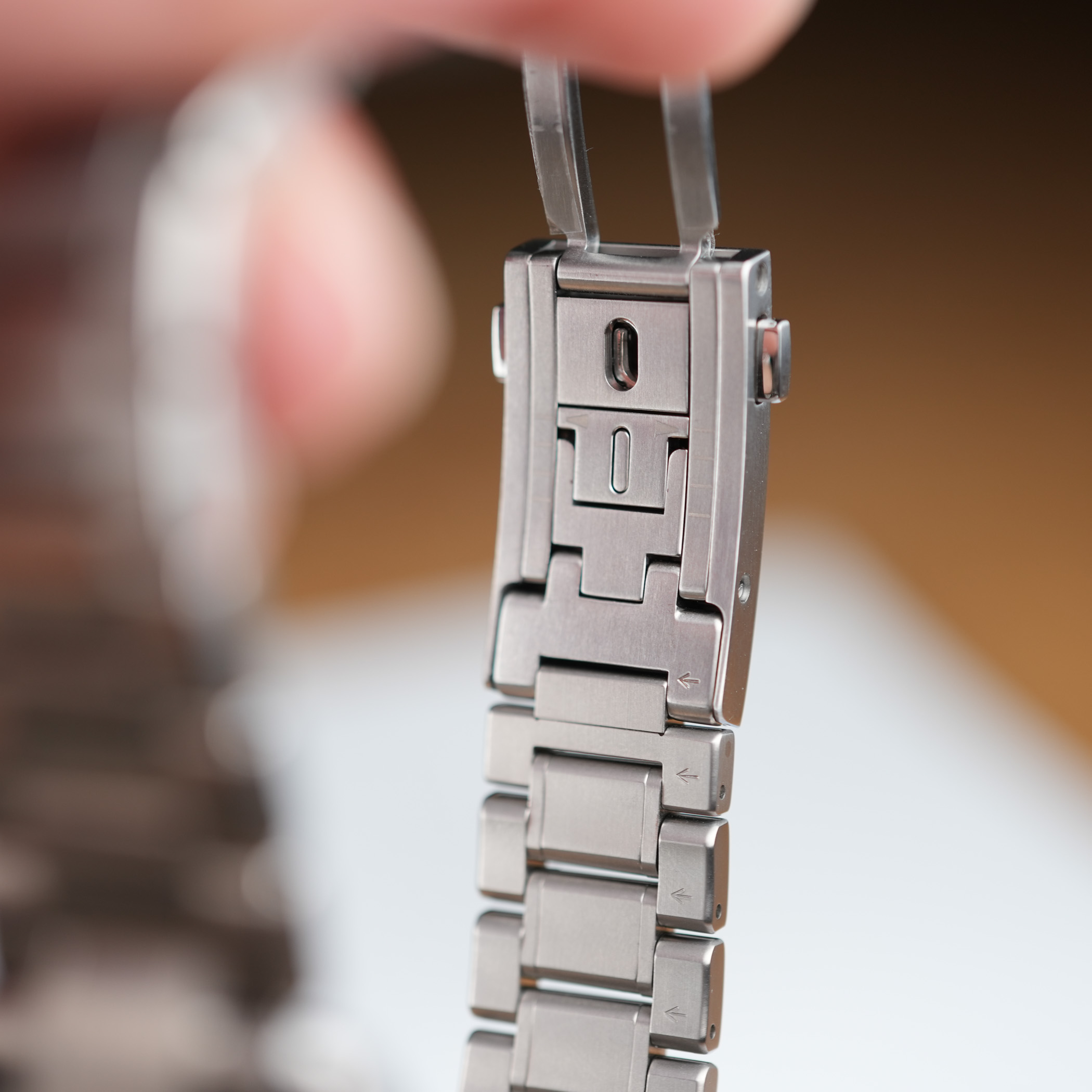
The Brogioli micro-adjusting mechanism (from Swiss bracelet manufacturer Brogioli SA) features a flush, central logo button to activate the sliding action for around 7mm of adjustment, which is used by brands like IWC, A. Lange & Söhne and more. Tudor has its T-Fit clasp for 8mm of adjustment, while independent Swiss watchmaker Horage recently introduced the ultra-thin, 5.6mm HMAC micro-adjustment clasp with 10mm of adjustment in 1mm increments via an internal button. For brands that don’t offer micro-adjustment deployant clasps (or on-the-fly options), high-end dedicated manufacturers like Delugs offer designs customised to specific watchmakers and models, and there are countless general 3rd party options as well.
Butterfly Clasp (AKA triple-deployant)
This is also a Louis Cartier invention, developed and released after the deployant clasp for leather straps, but it’s most common on bracelets today. Unlike the standard deployant clasp that sits front and centre on the outside of the bracelet, butterfly clasps close entirely underneath for a seamless, continuous aesthetic as if the bracelet was one piece. This hidden design is achieved using two hinged arms on either side of a central piece, and both arms fold inward to bring the bracelet halves together. Some are open via side pushers, while others are simply pulled open from a friction fit, but all unfold like butterfly wings (hence the name). Sometimes the brand’s logo will appear where the two bracelet halves meet, but the clasp itself is always hidden under the bracelet. The clean aesthetic is certainly appealing, but the butterfly clasp has a couple of downsides – they can be uncomfortable for smaller wrists (if the clasp doesn’t cleanly conform to the bottom of the wrist) and they traditionally can’t be micro-adjusted like standard deployant counterparts. However, like the pin buckle, the latter is changing.
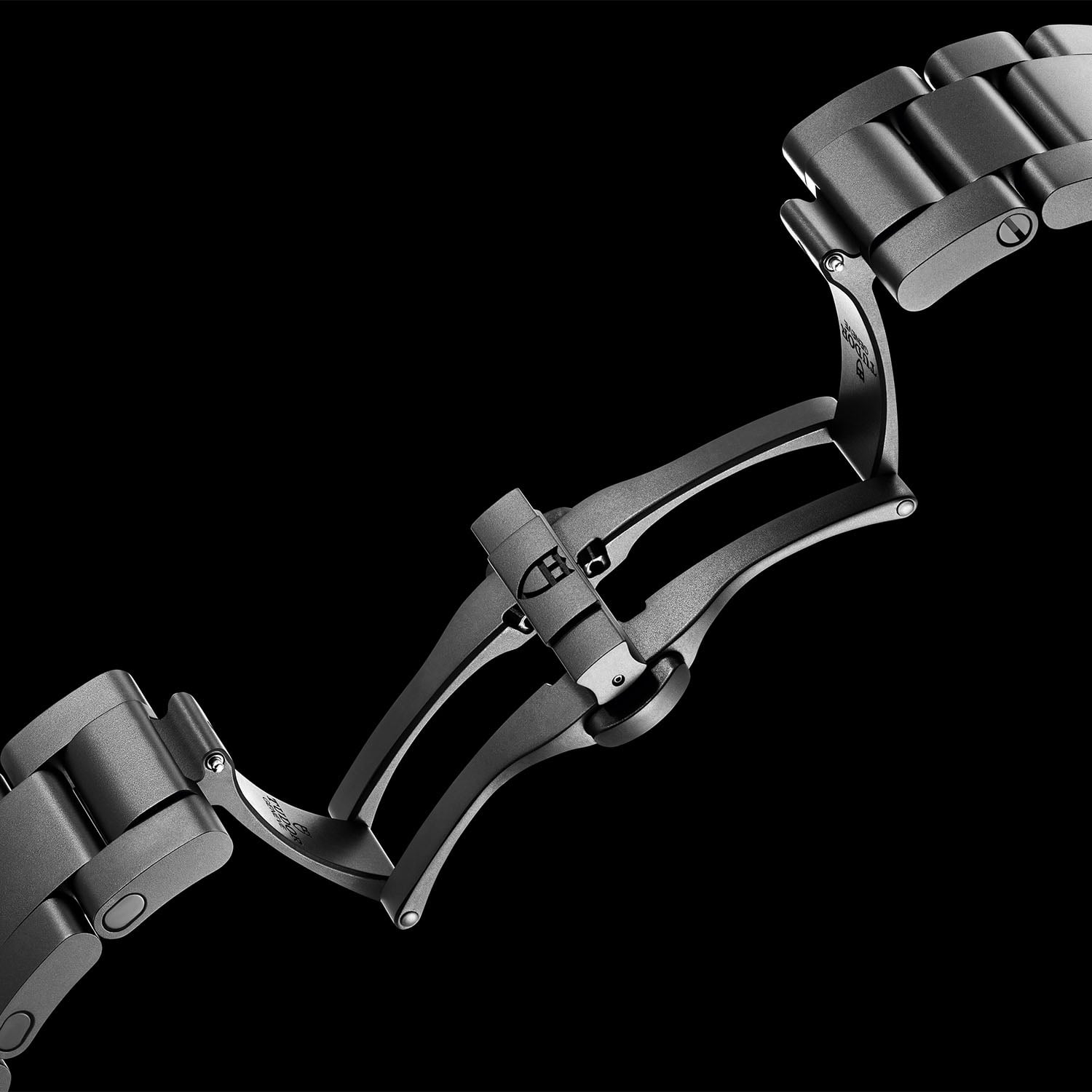
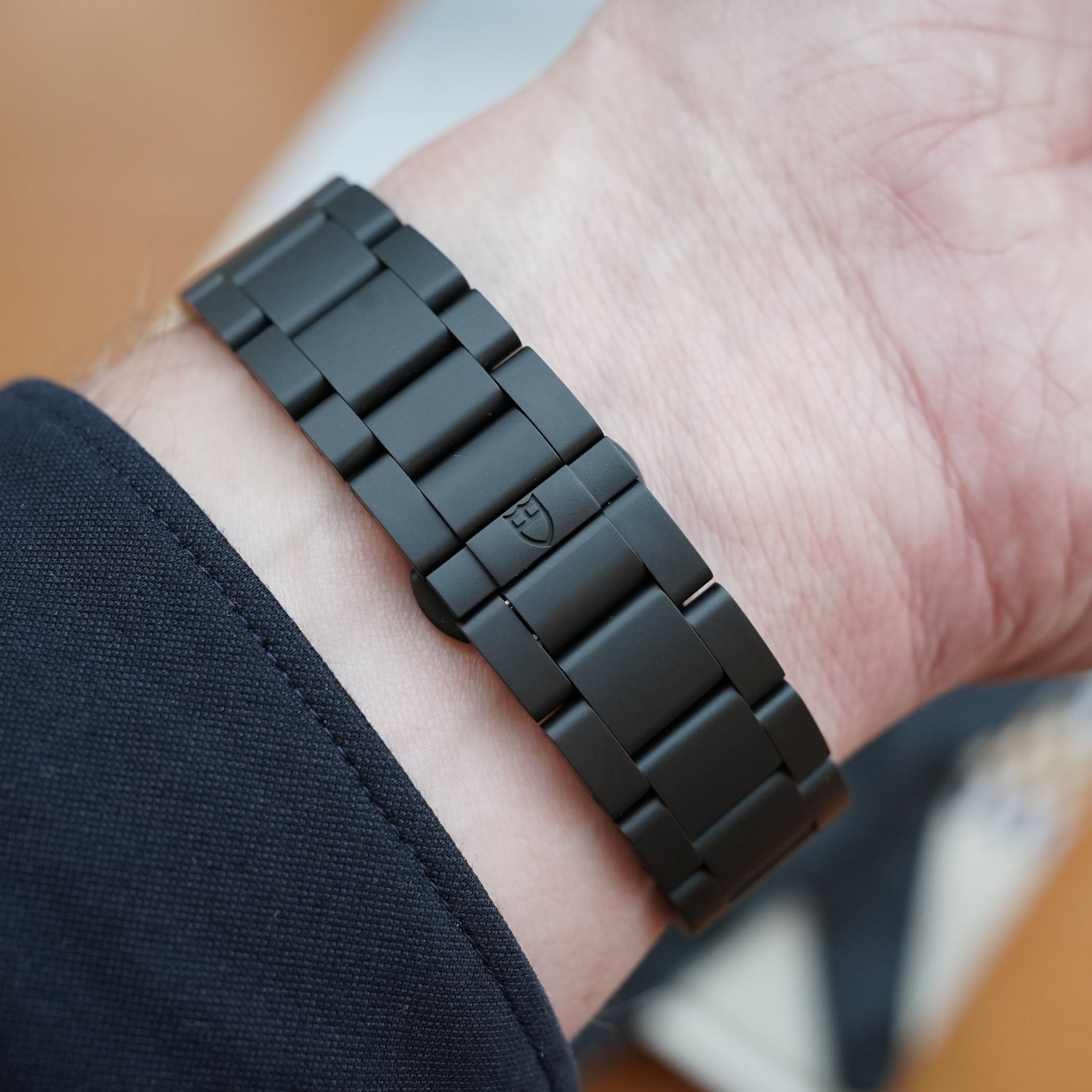
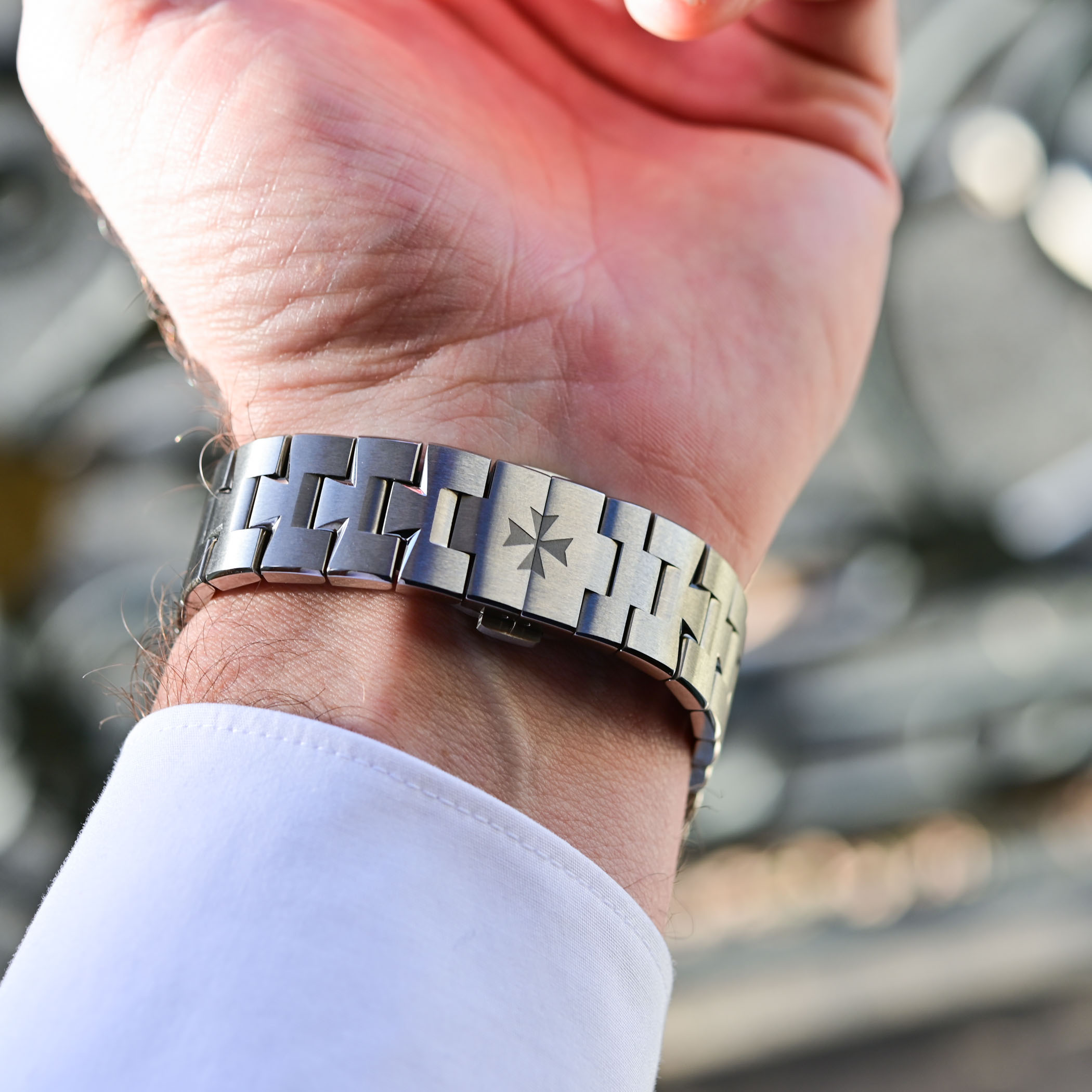
Vacheron Constantin has a butterfly clasp for recent Overseas models that provides 2mm of expansion within the last two bracelet links on either side of a central piece. A simple pull on each side slides the links outward, providing some fine-tuning usually not seen with such a clasp. Christopher Ward has an adjustable butterfly clasp as well with The Twelve integrated sports watch series that extends to 3mm, while Formex offers a similar design with adjustability up to a full 6mm with three positions.
Sliding and Hook Clasps
Getting a bit more unusual with bracelets like Milanese (mesh) and Bonklip, we see more simplified clasps that allow for infinite sizing options without removing links – the original micro-adjusting clasps, if you will. For Milanese bracelets, an open clasp with a metal frame slides down the opposite side of the two-piece design and can lock anywhere within the bracelet’s length via friction from a folding piece (similar in concept to a Velcro strap). The Milanese bracelet was popularised in Pforzheim, Germany in the 1920s and is a refined version of medieval chainmail (between the 3rd and 4th centuries BC). The Apple Watch reintroduced the design to many with the Milanese Loop in 2015 after the style peaked in the 1970s and rapidly declined. Apple uses a strong magnetic closure in place of a traditional clasp, simplifying the design even more.
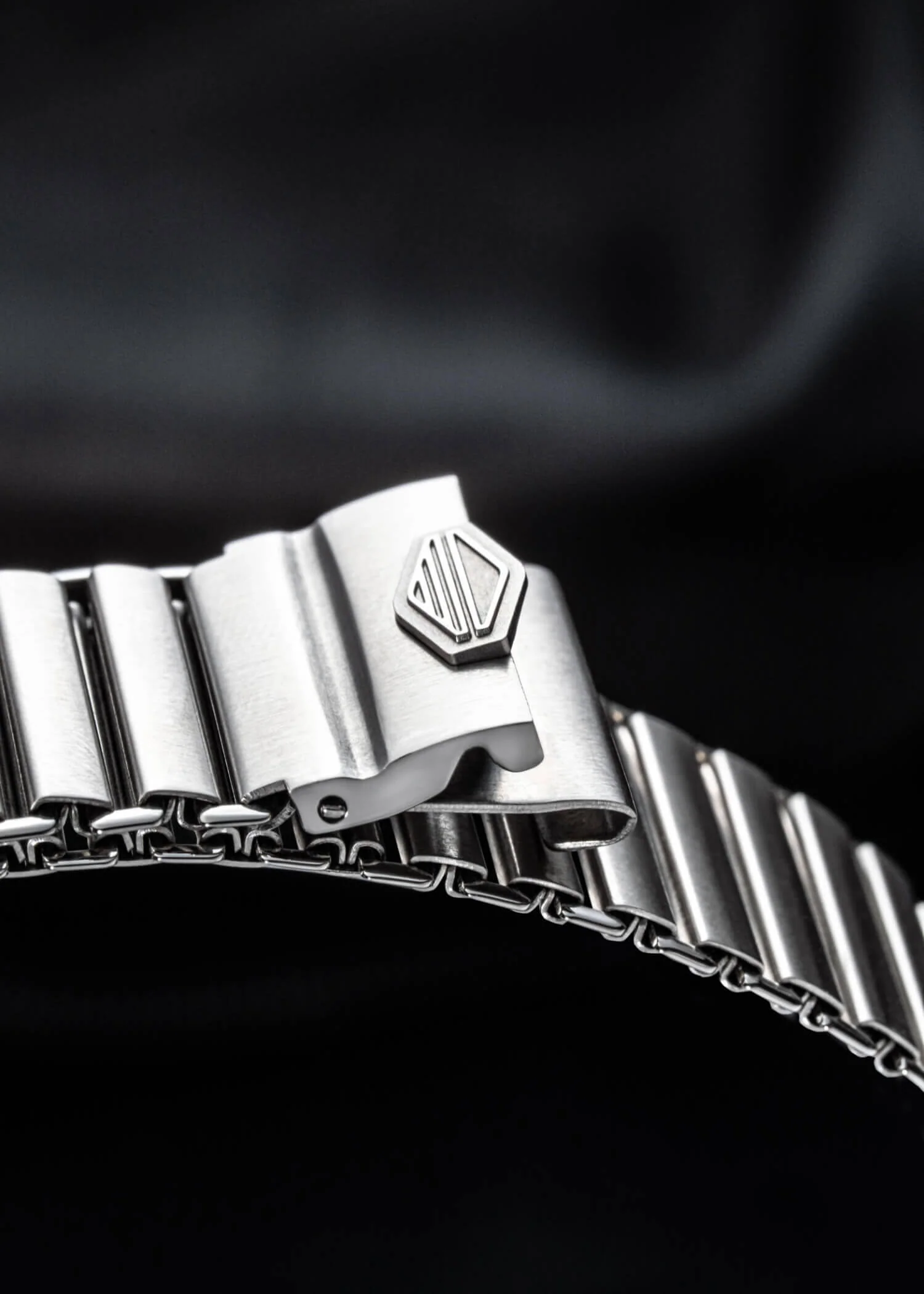
Bonklip bracelets are often referred to as “Ladder” or “Bamboo” bracelets as they’re comprised of horizontal metal tube links connected by metal loops (kind of like a metal rope ladder). The design was patented in England in the late 1920s by B.H. Britton and Sons, and like the Milanese bracelet, the clasp can stop anywhere along the length of the opposite side via a T-shape hook that locks between any tube links. Some modern variants feature an additional locking flap for extra security, like the tri-fold or triple deployant clasp.
This doesn’t touch on every clasp type available, but provides an overview of the principal types from the early 20th century to today. Some watchmakers push the envelope on what’s possible with specific clasp types, such as Ming using a pin buckle with a 3D-printed titanium Polymesh bracelet, blurring the lines between metal and fabric designs. MB&F has a leaf spring deployant clasp for models like the HM7 Aquapod, which incorporates arced springs with the folding blades. Closing the clasp puts tension on the springs to create opposing friction against the frame for a secure hold (tension locking). The clasp can then be pulled open without the need for pushers. By experience, it is one of the best clasps on the market.
Although bracelets and straps get most of the attention, buckles and clasps can be equally or even more important depending on the circumstance (like frequently diving with a wetsuit). On-the-fly micro-adjustments are now a requisite for many buyers to remain comfortable in different climates and environments, while others prefer deployant clasps over pin buckles on leather straps (or vice versa). The buckle or clasp is quite literally what secures the watch to your wrist, and they’ve evolved into sophisticated and often expensive feats of engineering within the last century.

2 responses
Very interesting article. Still, give me a simple pin buckle any day.
loved the article!