
 Not all images were able to load for printing. Please close the print window and try again.
 Alternatives to Central Hands to Break Conventions
Conventional watches have two or three central hands, but some break those rules with hands scattered just about anywhere on the dial.
Look at most analogue watches, and you’ll see central hour and minute hands, and the majority have central seconds as well. It’s a perfected design that can be traced back to Ancient Egypt, when sundial shadows moved across the dial plate in a clockwise rotation. We’ve already looked at Unconventional Ways Watches Can Relay Time Without Traditional Hands, but what about watches with hands pushed outside of the central position? There are many ways to achieve this, and some demonstrate serious horological ingenuity and movement complexity. And while it’s not necessary to stray from the traditional centralised setup, pushing boundaries has historically led to countless breakthroughs and truly defines the spirit of watchmaking.
The Regulators
Regulator clocks were used by watchmakers from the 18th to the early 20th centuries to set pocket watches after production or repairs/maintenance, as they were the most accurate at the time. Regulators were large, weight-driven pendulum clocks that were accurate to around ten seconds per month when standard clocks would lose around five minutes per week. These master clocks were also found in railway stations, post offices and observatories where accuracy was paramount. A unique aesthetic associated with regulator clocks is the separation of hands, leaving the minute hand centralised and most prominent, while the hour and seconds hands (when applicable) were moved to smaller sub-dials. When setting new pocket watches in numbers, the minute hand was most important, as many were set within the hour, so only the changing minutes were referenced.
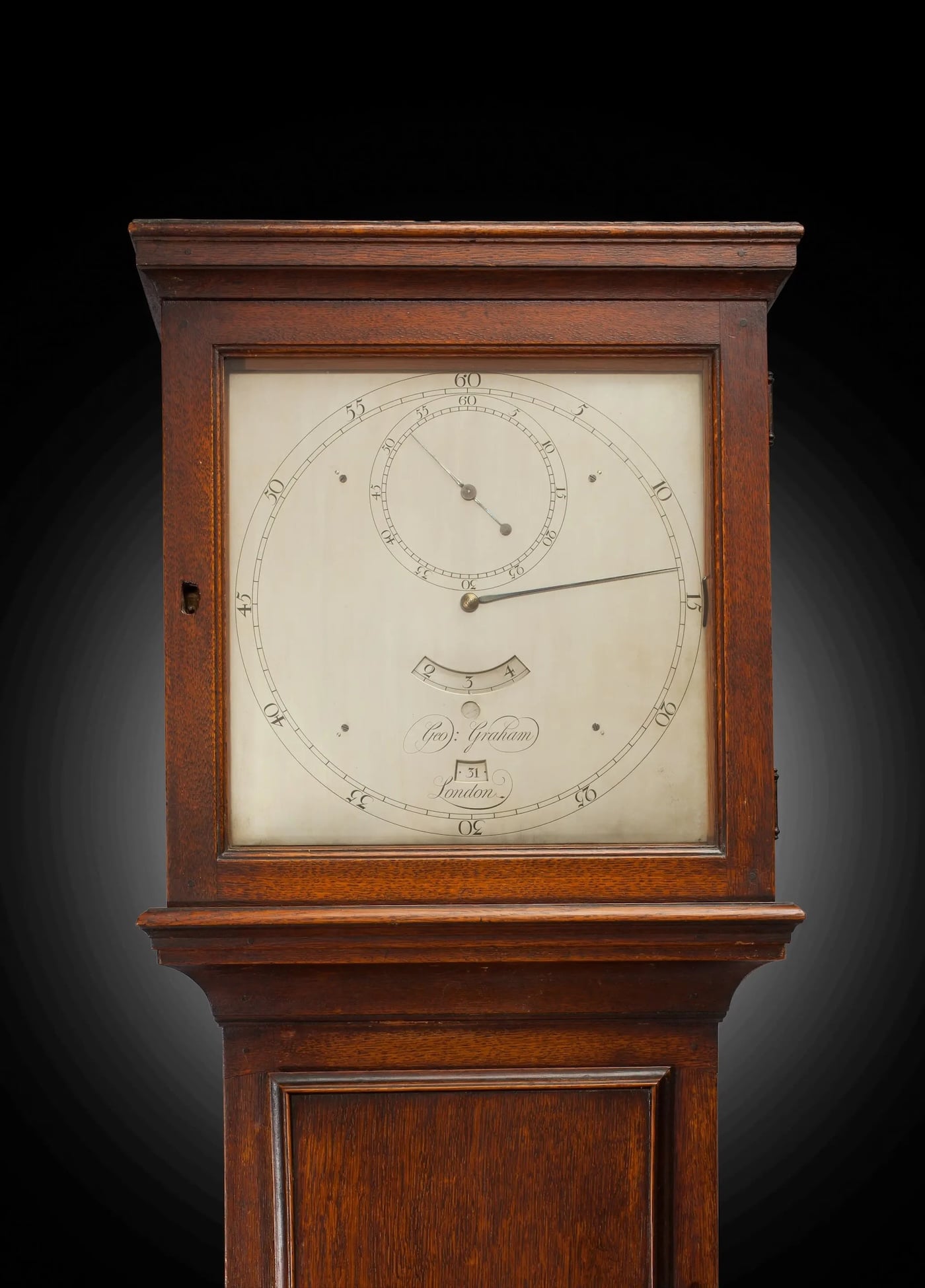
The regulator clock was invented in 1715 in England by George Graham, known as the father of precision time. His inventions include the deadbeat escapement, which stopped the escapement completely when the pendulum swung (compared to the anchor escapement, where the escape wheel inefficiently recoiled with each swing), and the mercurial temperature-compensated pendulum that used mercury within the weights to compensate for temperature fluctuations. As the ambient temperature rose, the pendulum arm would expand and get slightly longer, slowing down the clock. With mercury in the weights, the dense liquid metal rose at a comparable rate with the heat (think of a thermometer), perfectly offsetting the metal expansion. These two inventions resulted in the most accurate master clocks for well over a century before the invention of special alloys that resisted expansion. Regulator clocks themselves were set and regulated by sundials at high noon, when the shadow and hour/minute hands were perfectly in line.
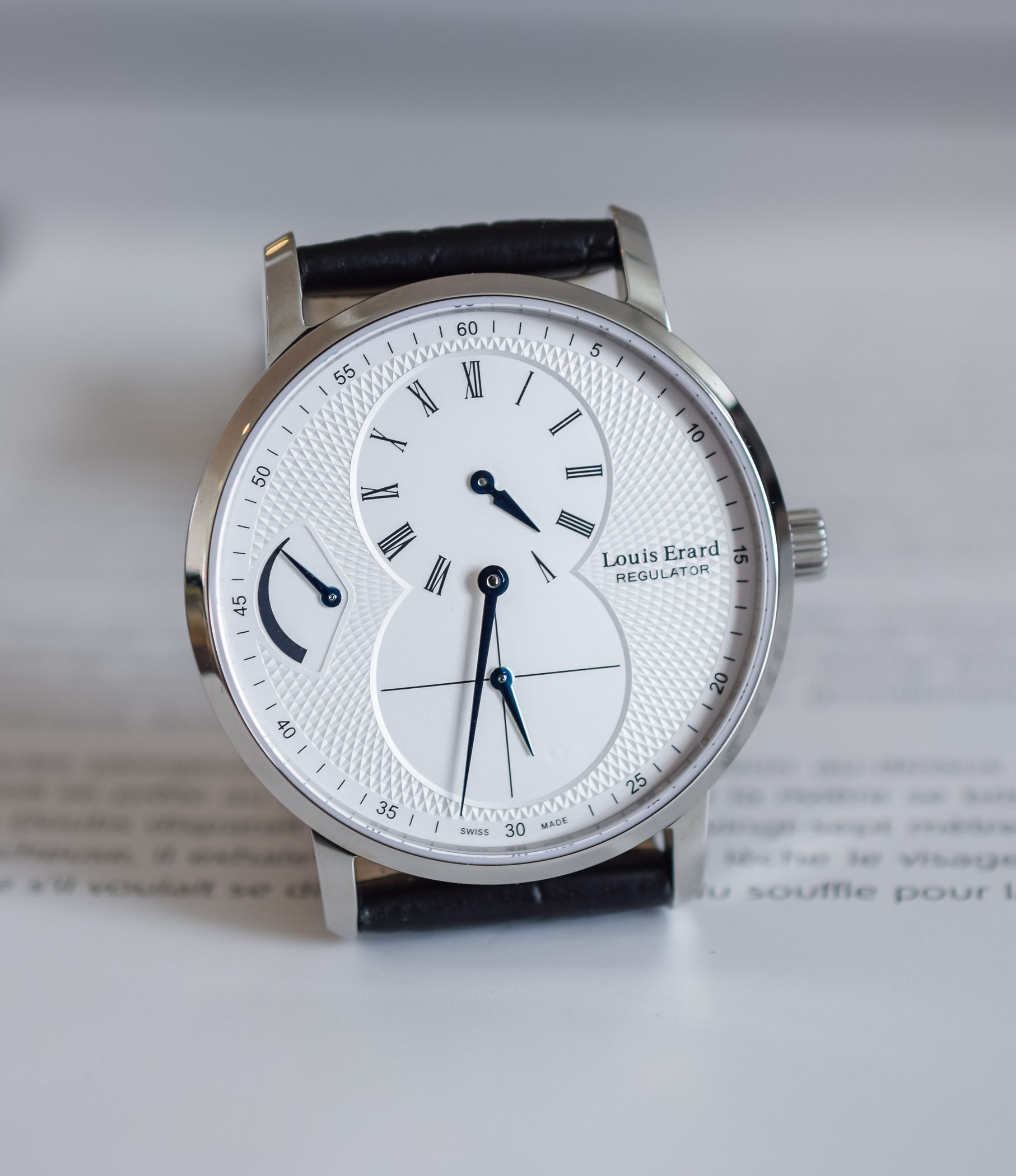
Today, our “master clock” is a coordinated network of atomic clocks around the world, creating Coordinated Universal Time (UTC). When your phone or computer automatically sets the time via the internet, it ultimately comes from the atomic clocks. Each clock is so precise that one would be off by about a second if started at the beginning of the universe. And that’s a literal statement. Unlike hyper-accurate vibrating quartz crystals that are not completely immune to temperature fluctuations, atomic clocks use the vibrations of atoms from Caesium-133 that are absolutely unchanging. It’s complex technology, and I won’t bore you with specifics (and I don’t entirely understand the tech myself), but needless to say, mechanical master clocks no longer cut it. That said, enthusiasts often like tradition and wristwatches have adopted the regulator style across many brands.
Chronoswiss
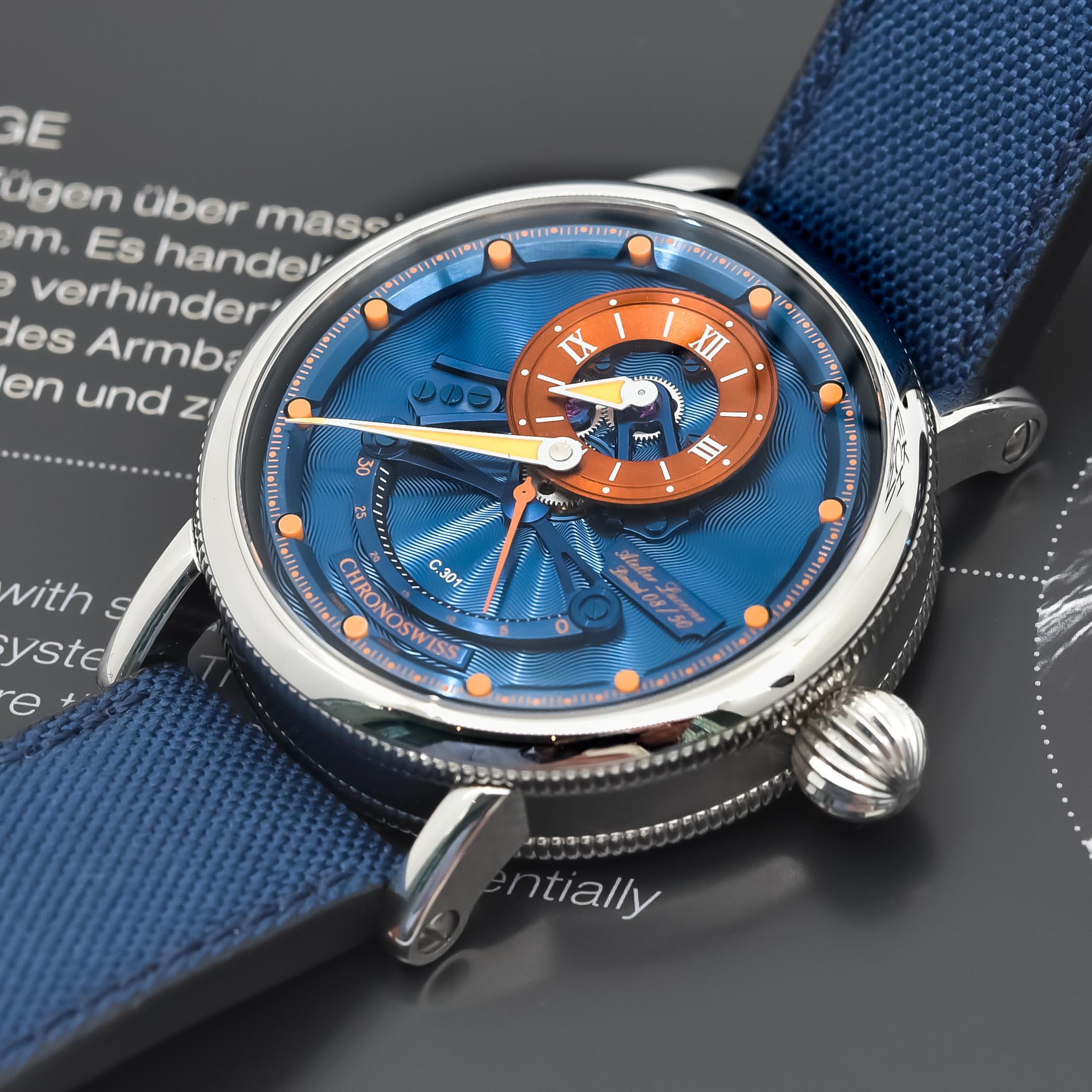
Founded in 1983 by Gerd-Rüdiger Lang in Munich, Germany, Chronoswiss launched the world’s first serially produced regulator-style wristwatch in 1987, the Régulateur. One-offs and prototypes from other brands existed before this, but nothing was commercially available. The Régulateur had a prominent central minute hand, and then a small hour hand at 12 o’clock and a seconds hand at 6 o’clock. The outer track had Arabic numerals from 5 to 55 (like B-Uhr Type B dials during WWII), while the hour sub-dial had Roman numerals. Although “Chronoswiss” implies a Swiss watchmaker, it remained German until 2012, when Oliver Ebstein acquired the brand and relocated it to Lucerne, Switzerland. However, Chronoswiss had always used Swiss movements. In 1995, the brand introduced the world’s first serially produced skeletonised chronograph with an automatic calibre, the Opus, but regulators truly define the brand and remain at the heart of its portfolio. Contemporary, even futuristic models like the ReSec with multi-dimensional guilloché dials and retrograde seconds really push the traditional concept to new heights.
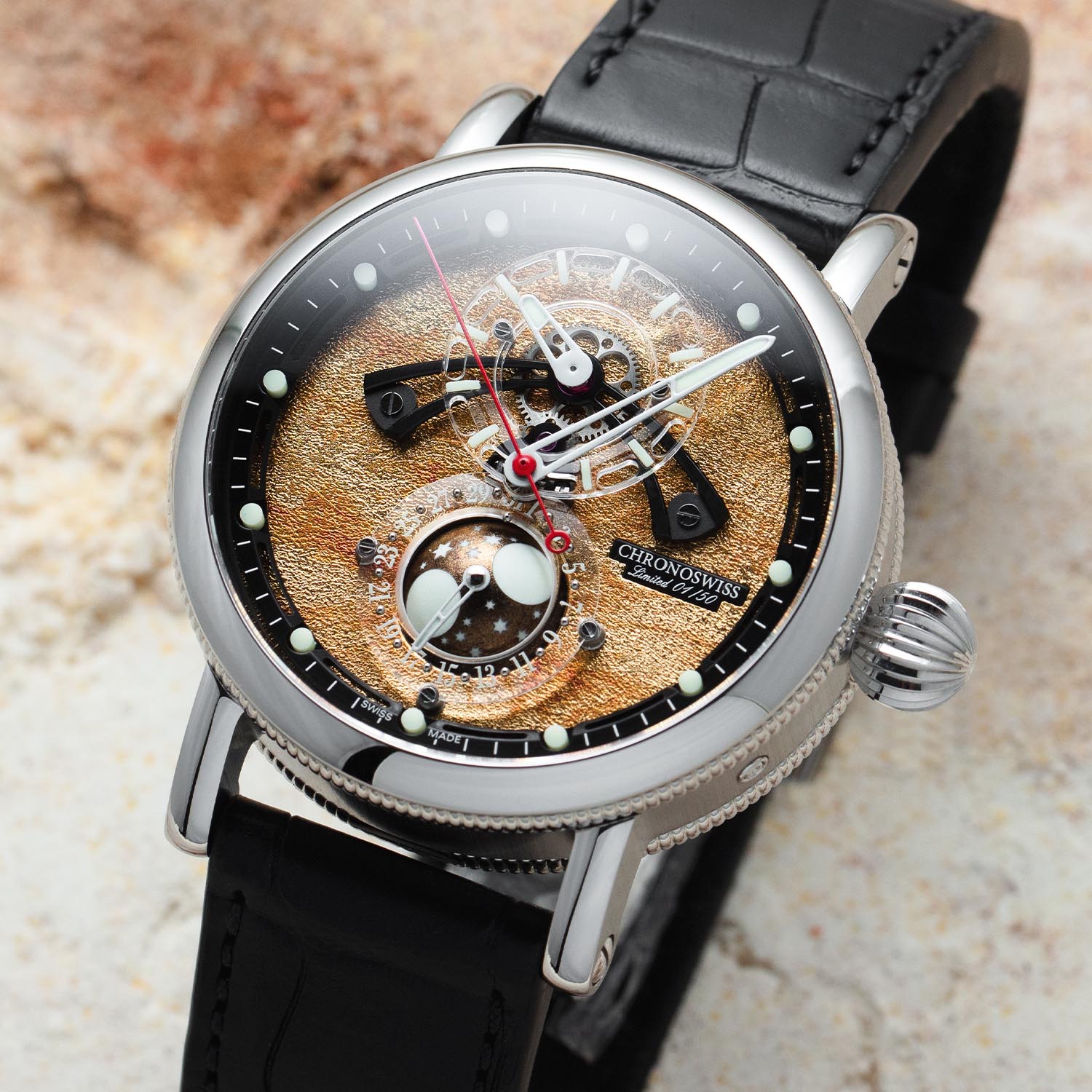
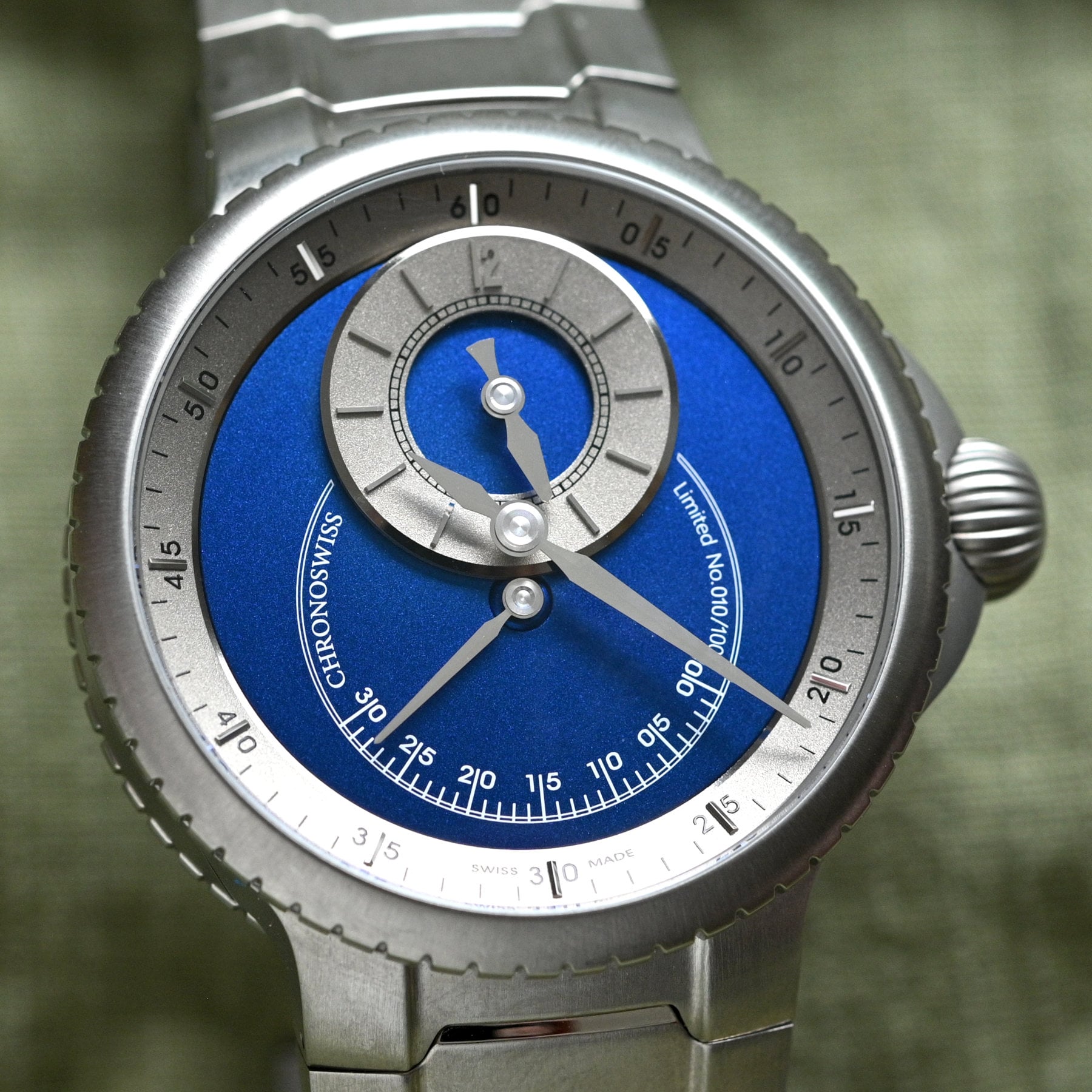
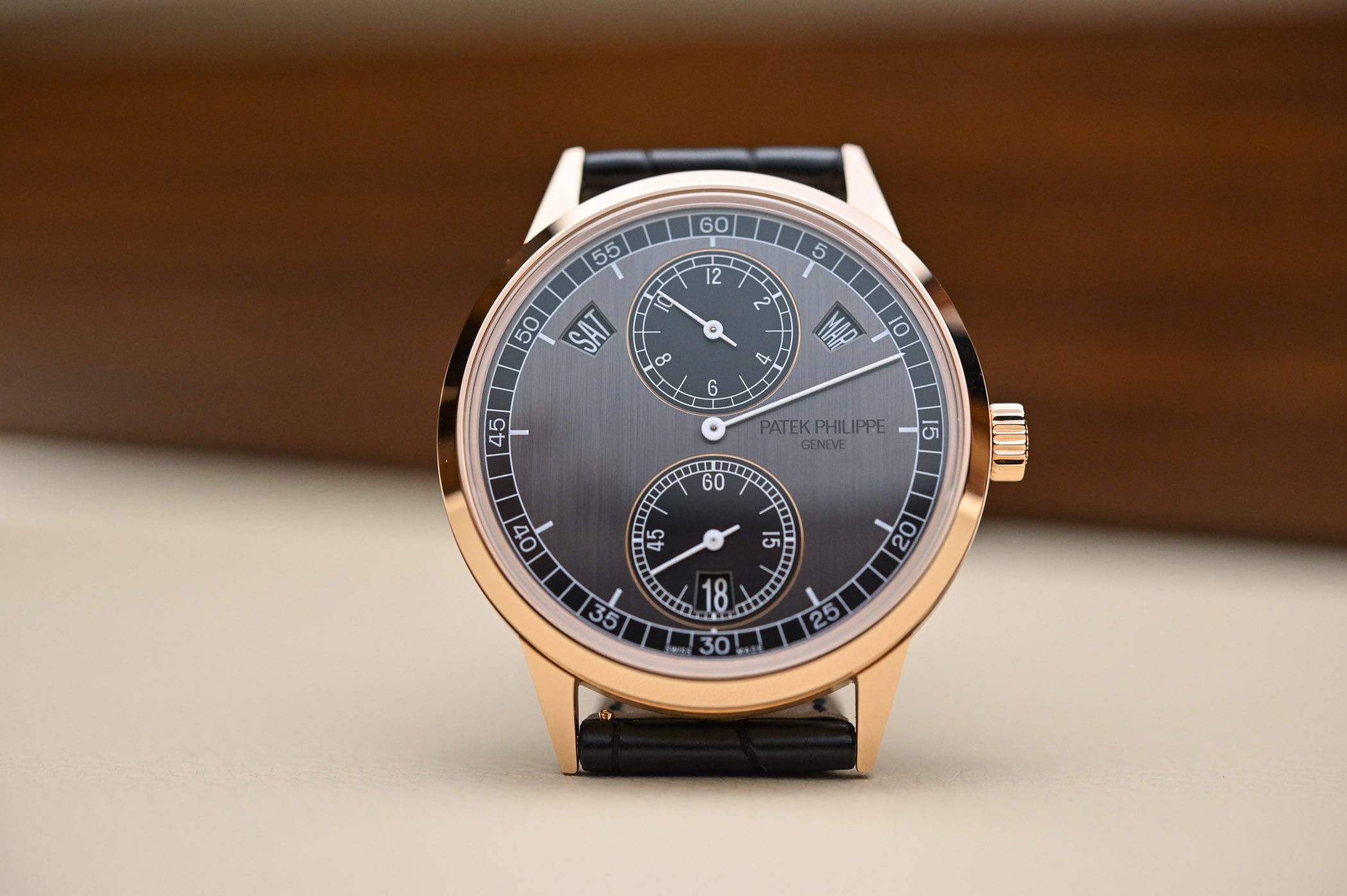
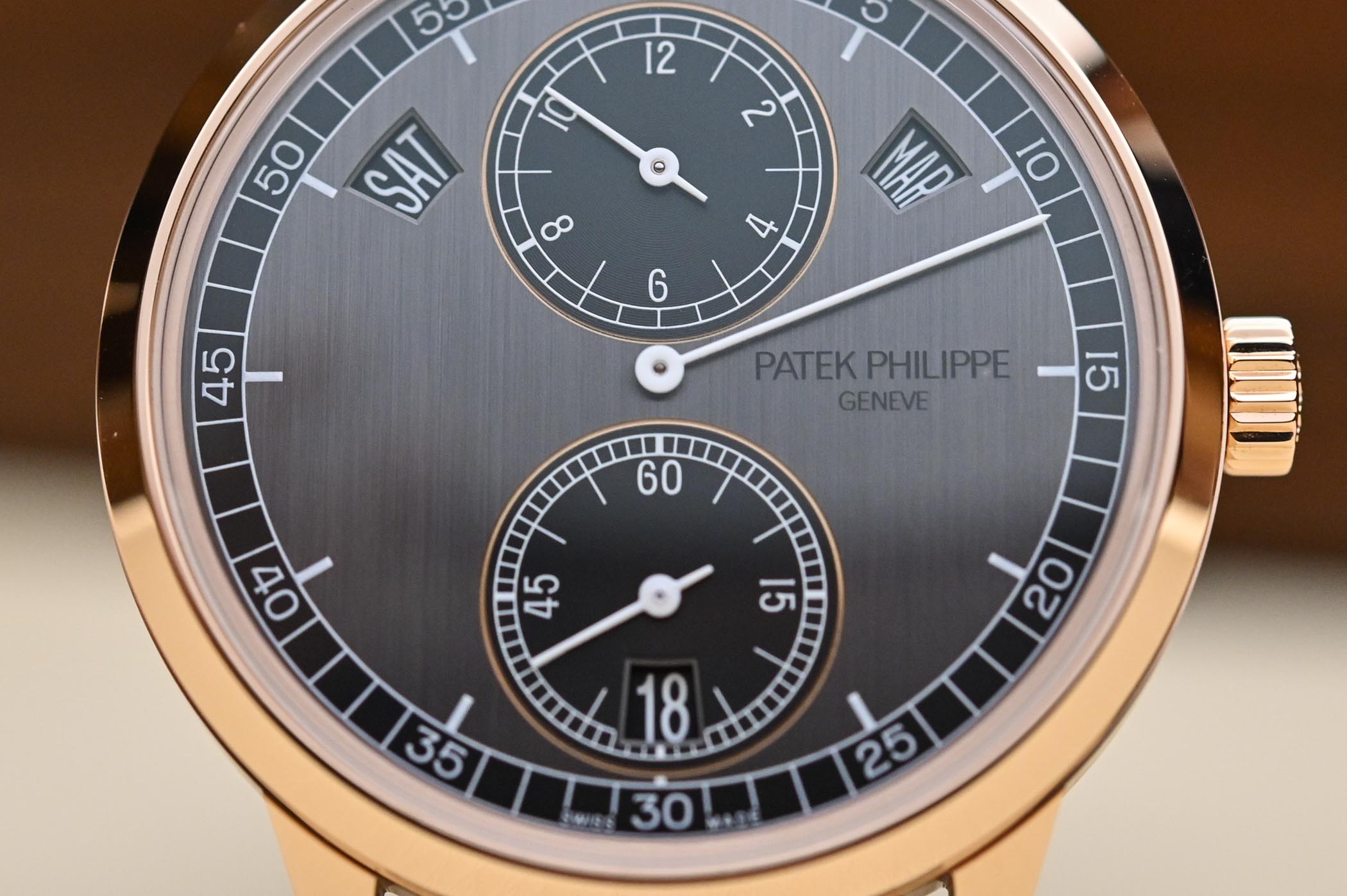
Chronoswiss isn’t the only one with regulators, as many have jumped on this train, from mid-range brands like Junghans and Louis Erard to high-end powerhouses like Patek Philippe, Glashütte Original and Chopard. Louis Erard has the largest and most varied regulator portfolio outside of Chronoswiss, with collaborative pieces like the Regulator Time Eater series with Russian watchmaker Konstantin Chaykin and the whimsical Régulateur Tourbillon with dial design by Alain Silberstein. Patek Philippe’s ref. 5235R has a classic design with graphite and black dial, 18k rose gold case and a subtle annual calendar with small apertures at 10 o’clock (day), 2 o’clock (month) and 6 o’clock (date). Junghans has max bill regulators with its signature German Bauhaus style, while the Chopard L.U.C Regulator from 2015 resembled a chronograph at first glance with a central minute hand and four sub-dials – power reserve at 12 o’clock, hours at 3 o’clock, seconds at 6 o’clock and a 24-hour GMT hand at 9 o’clock. Glashütte Original’s 18k white gold Senator Chronometer Regulator adds a big date aperture at 3 o’clock and power reserve at 9 o’clock, but it otherwise has a classic setup with hours at 12 o’clock and seconds at 6 o’clock.
The Retrograde Hands
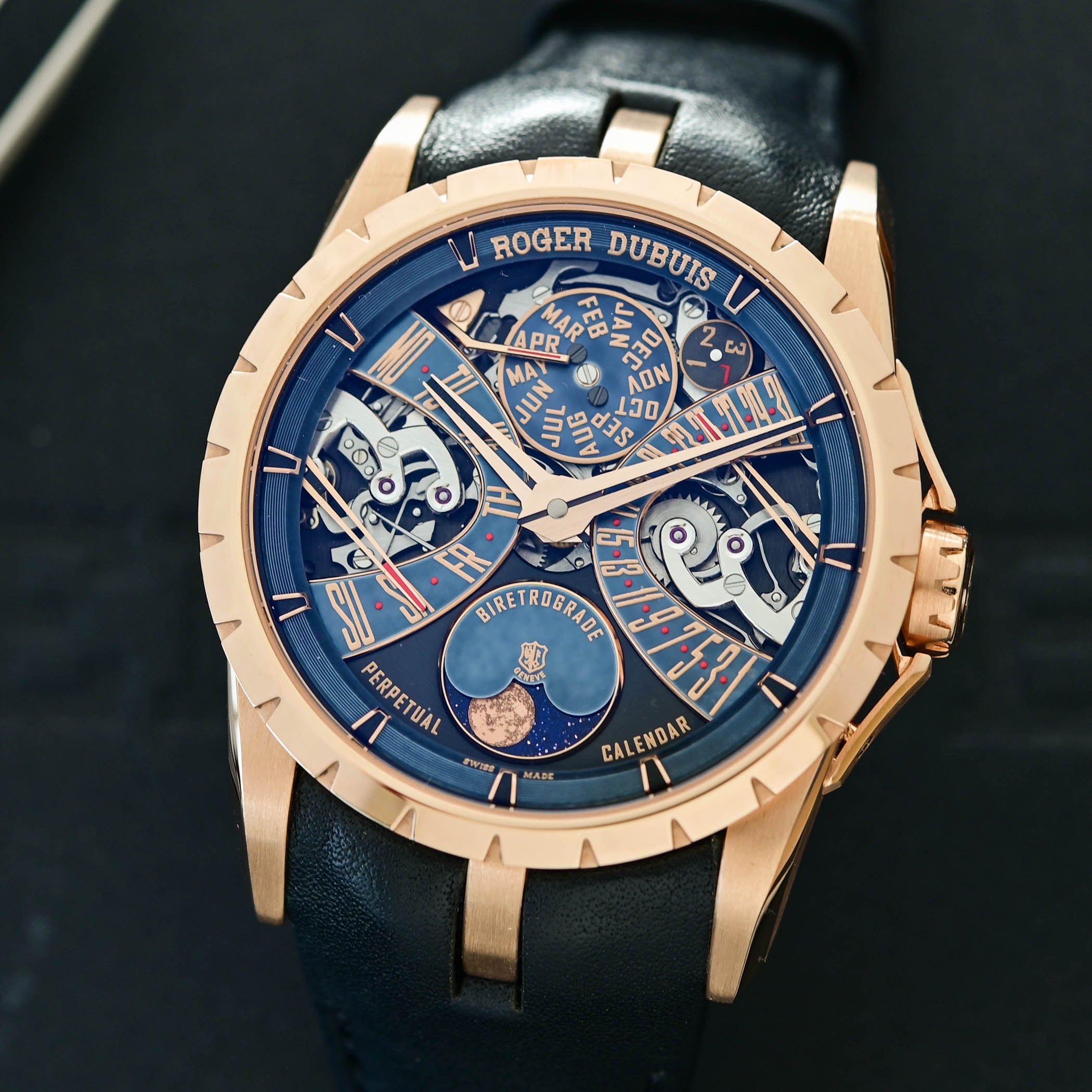
This goes back to the 17th century, when both clock and pocket watch makers were experimenting with bold designs in Germany and France. It’s unknown who specifically invented the retrograde concept, and the earliest examples were seen in scientific clocks. French watchmaker Jean-Antoine Lépine created one of the first pocket watches with a retrograde hour hand in 1791, but Germany had the first recorded retrograde pocket watch mechanism about 40 years earlier, with a retrograde date. Unlike most watch hands that rotate 360 degrees, retrograde counterparts follow a shorter arc that can be 180 degrees or even shorter, like 90 degrees. There are no rules as to the length of the arc, but when the hand reaches the end (like a seconds hand reaching 60), it instantly jumps back to the beginning to start again. This complication allows hands to abandon the central position and move anywhere on the dial, although it’s not uncommon for central hands to be surrounded by retrograde displays like a power reserve indicator, calendar and seconds.
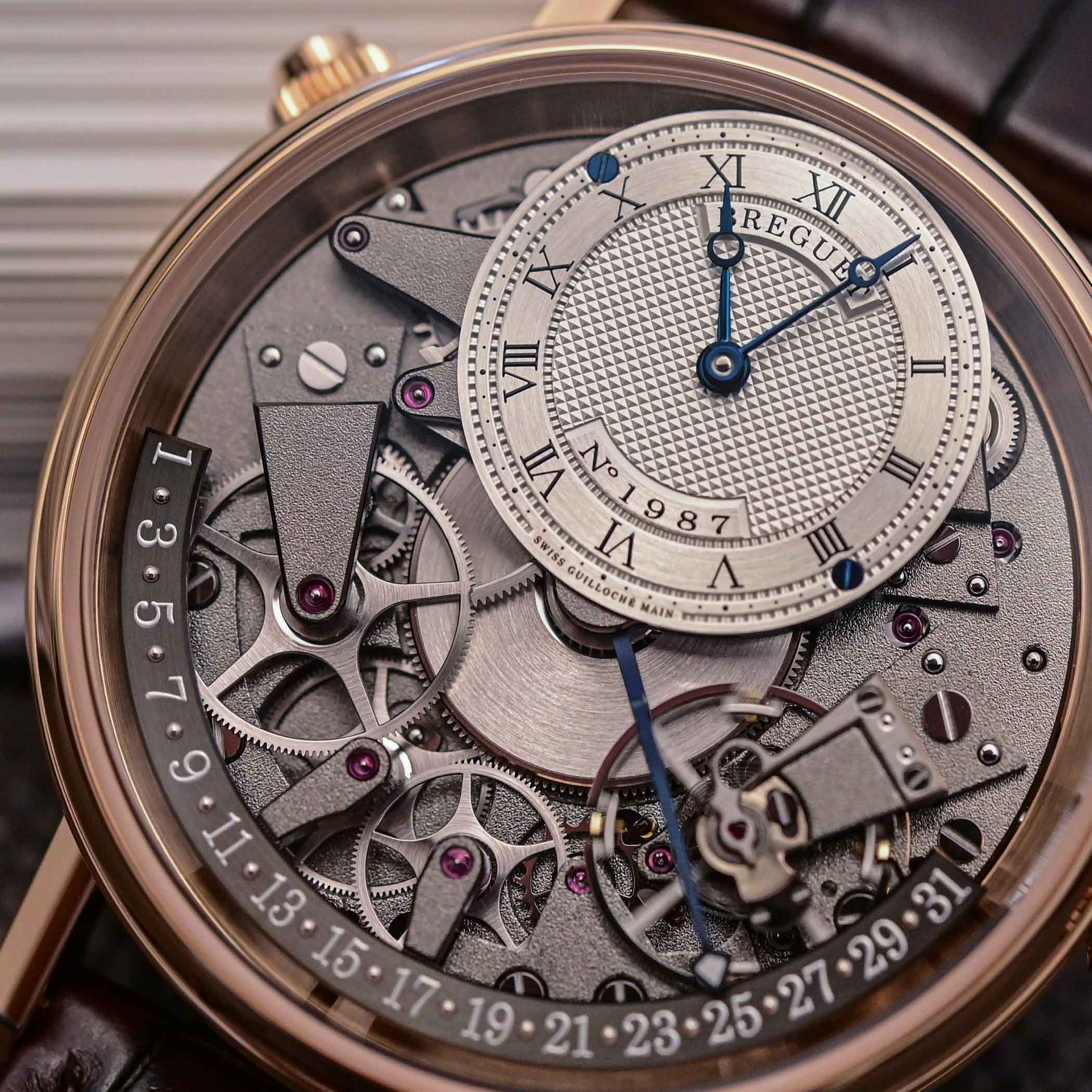
It took over a century for the complication to move out of general obscurity when Abraham-Louis Breguet popularised it in the late 18th century, but 20th-century wristwatches really defined it as novel haute horology. Let’s start with Breguet and the Tradition Quantième Rétrograde 7597 with a retrograde date at 6 o’clock, offset sub-dial at 12 o’clock with hours and minutes (more on that type of setup below), and although there appears to be dual balance wheels for resonance, there’s only one at the right with a clever open-worked symmetrical aesthetic. Vacheron Constantin’s Patrimony Retrograde Day-Date is an interesting one with central hour and minute hands flanked by a 180-degree retrograde date at 12 o’clock and a smaller (almost) 180-degree retrograde day of the week at 6 o’clock. Like wandering hours, retrograde complications have steadily filtered into the affordable segment, with examples like the Orient Star SDE00002B0 Retrograde with a retrograde power reserve at 12 o’clock and day of the week at 6 o’clock, although this piece also has central hour and minute hands like the Vacheron. For our purposes, let’s now move to watches that relocated the central hands with retrograde counterparts.
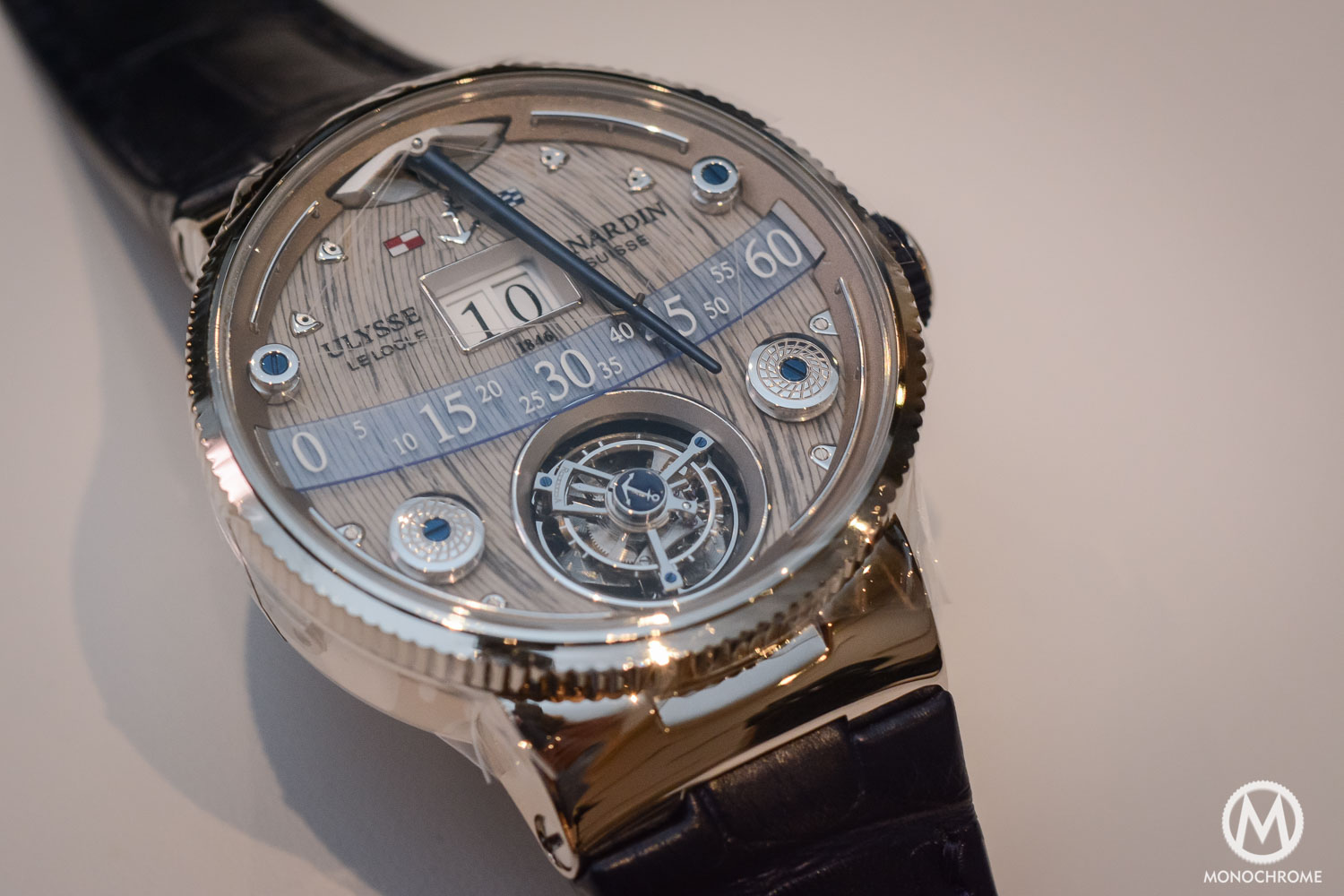
Moving to the highest end of haute horology, we have Ulysse Nardin’s Grand Deck Marine Tourbillon with a single retrograde minute hand positioned at 12 o’clock that sweeps across a translucent blue track at the dial’s centre. A large jumping hour with two discs sits just below the minute hand’s mounting point, while a flying tourbillon rotates at 6 o’clock. It’s even more complex than it looks, as the minute hand is connected to polyethene wires called Dyneema fibre, which snake through two pivots and two take-up reels, just like a ship’s rigging. The wires move the single hand with attachment points on each side, and instead of snapping back immediately at 60 minutes, it’s a slower sweep backwards as the bottom two reels spin during the action (one winding and the other unwinding). It’s a unique and complex take on the retrograde complication that replaces central hands.
Off-Centre Timing Hands
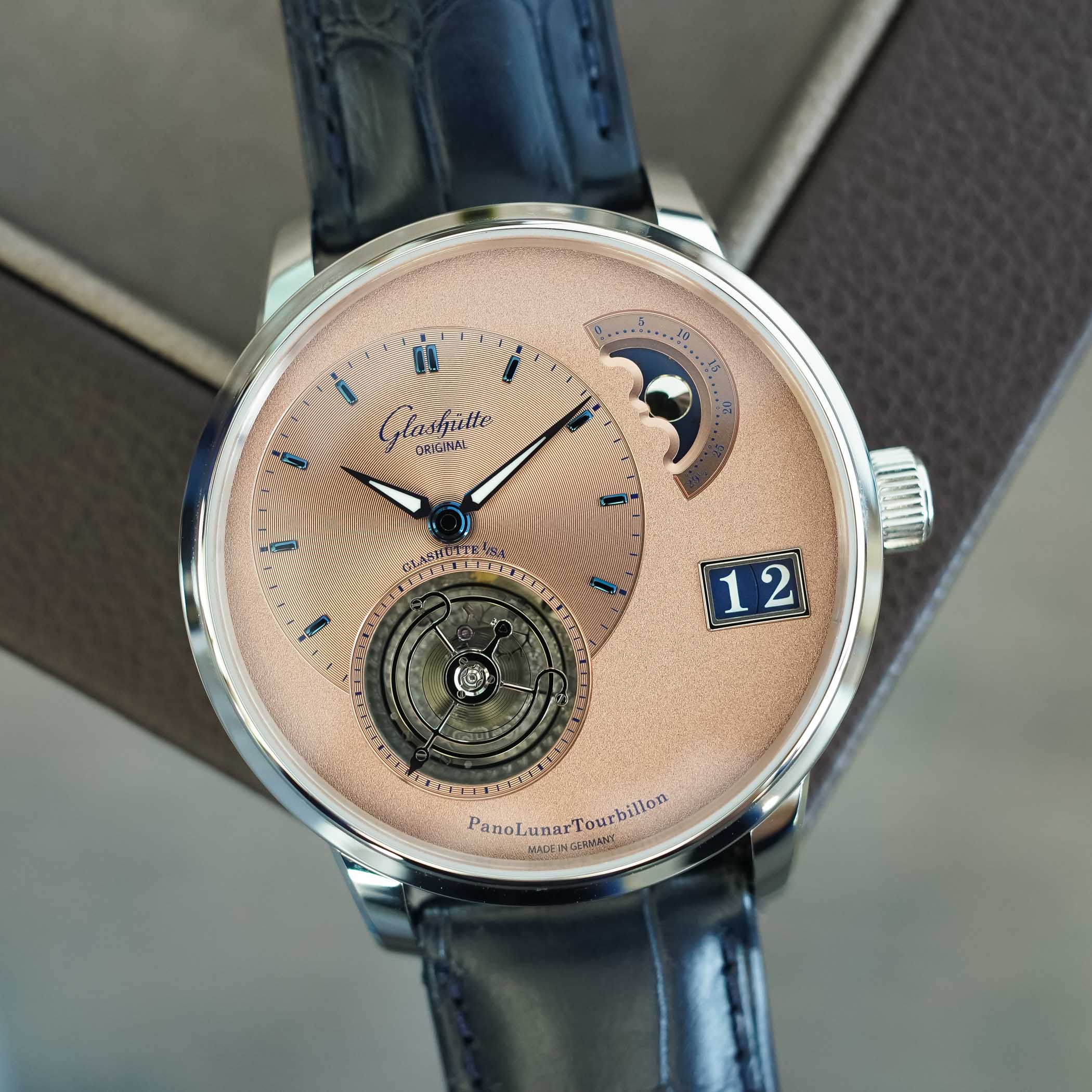
This is a popular style as it often leaves more room on the dial for complex complications, although sometimes it’s just a stylish look. Jaques Droz is an example of the latter, as it’s well known for figure-eight dial designs. Its Grande Seconde series positions the hour and minute hands in a 12 o’clock sub-dial and the seconds hand in a larger, overlapping 6 o’clock sub-dial. The latter can feature complications like a pointer date, dual time, moon phase and so on. Another popular collection comes from Glashütte Original with the Pano series that features an offset timing sub-dial at 10 o’clock with a variety of complications surrounding it. For example, the PanoLunarTourbillon has a flying tourbillon just underneath the hands as it overlaps the sub-dial, while a big date sits between 3 and 4 o’clock and a moon phase at 2 o’clock. Armin Strom’s Orbit has an offset timing dial at 9 o’clock and small seconds overlapping at 8 o’clock, while the movement has unique, open-worked dial-side elements, including a column wheel coupled to an on-demand pointer date and micro-rotor. The central pointer hand stays at 12 o’clock until activated, when it then points to the date via Arabic numerals on the outer bezel.
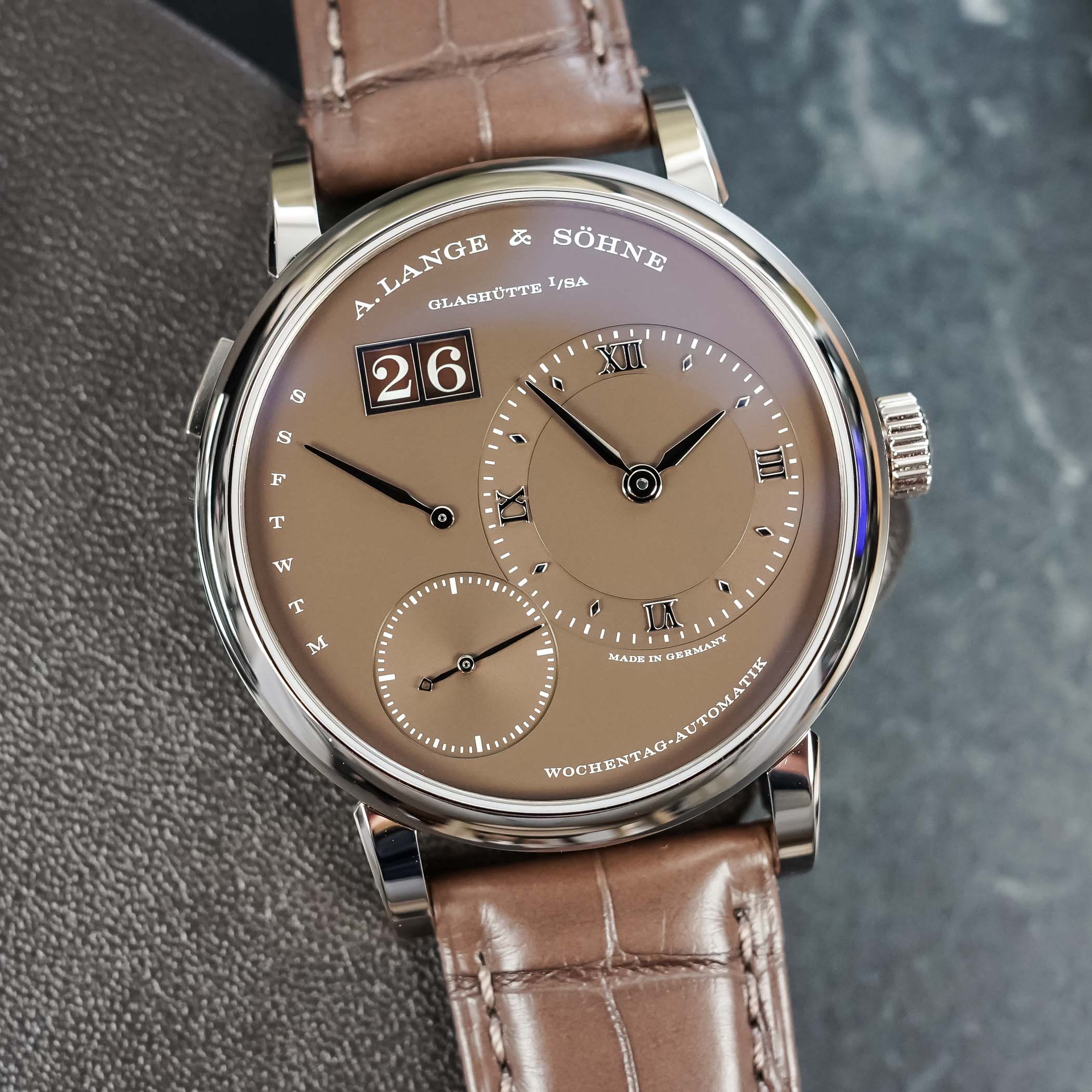
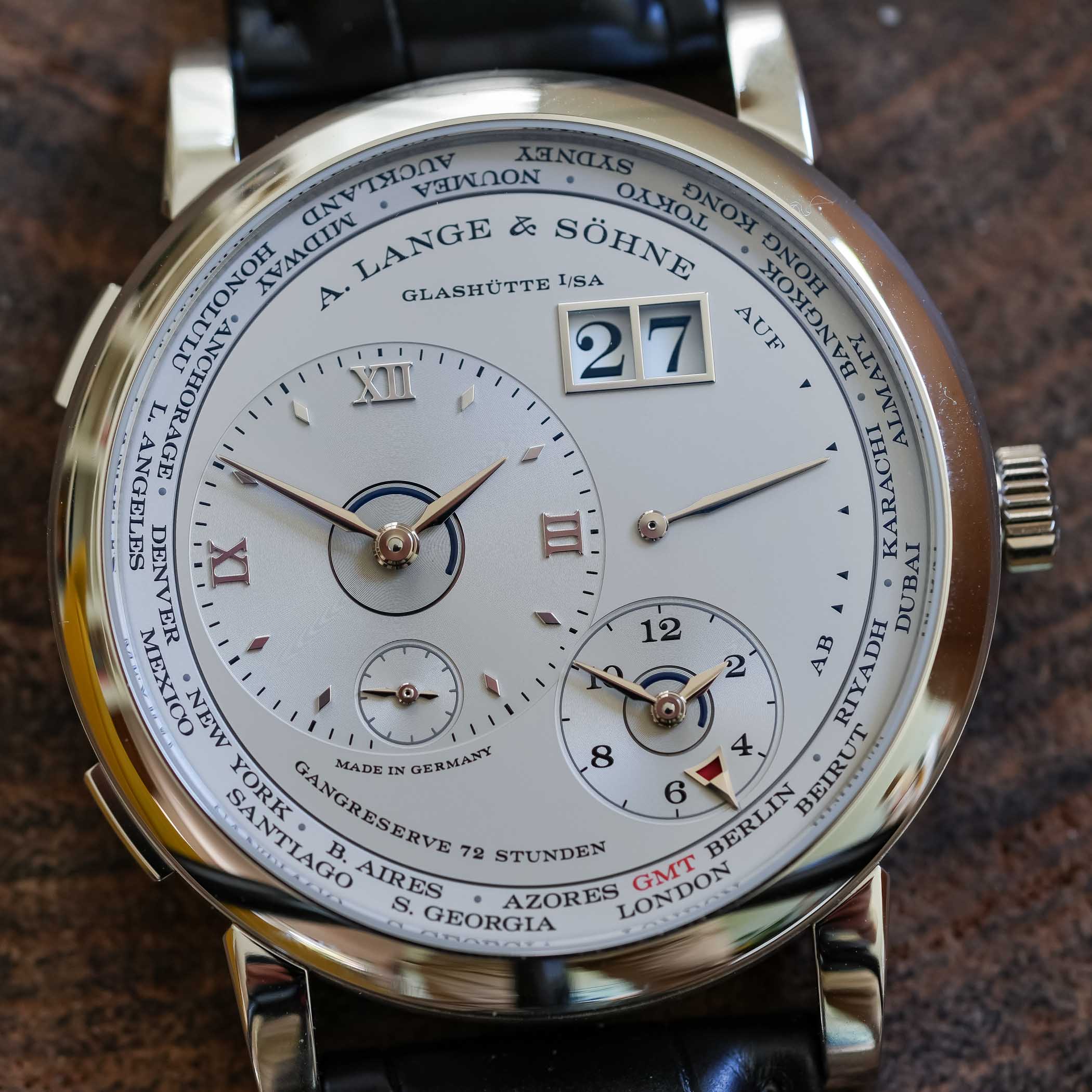
Of course, the A. Lange & Söhne Lange 1 is arguably the most popular and well-known model in haute horology to have an off-centre timing sub-dial. The model was launched in 1994 as the inaugural piece for the German watchmaker’s revival following destruction at the end of WWII and seizure by the Soviet Union. Walter Lange, great-grandson of founder Ferdinand A. Lange, re-registered the brand in 1990 and continued with its haute horology roots in Glashütte, Germany. The Lange 1 remains a core collection today and features an off-set timing sub-dial at 9 o’clock, small seconds at 5 o’clock, big date at 1 o’clock and power reserve at 3 o’clock. Some later models moved the timing sub-dial to 3 o’clock, but the overall aesthetic is the same. The in-house calibres follow Glashütte traditions with three-quarter plates, screwed gold chatons and hand-engraved balance cocks.
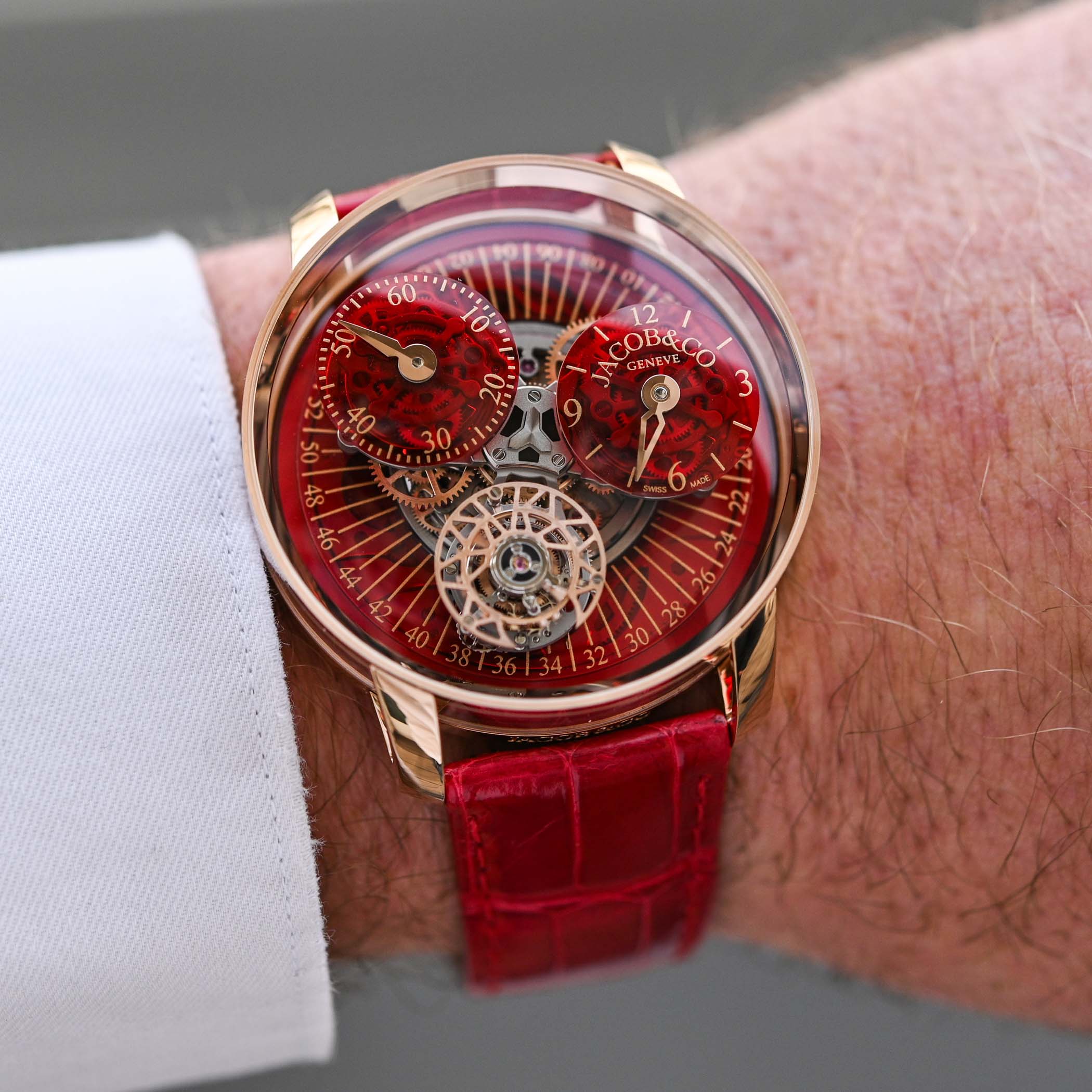
If you really want to go crazy, Jacob & Co. has you covered with the Astronomia. There are many variants, so let’s look at the Tourbillon Typhoon model from 2014. Most Astronomia models have three-dimensional planetariums rotating around the dial to represent the sun, moon, Earth and other planets within our solar system (with exceptions like the Astronomia Regulateur that adopts the aforementioned regulator style above). The Typhoon has an offset timing sub-dial that rotates with the celestial objects, always maintaining an upright orientation as it circles the main dial. Impressive, but we’re just getting started. Opposite the sub-dial is a triple-axis tourbillon (60 seconds, 2.5 minutes and 10 minutes), and precious stones represent the sun in the centre (2-carat yellow sapphire) and moon opposite the Earth (1-carat white diamond), with the Earth and moon intersecting the sub-dial and tourbillon line. The Typhoon part of the name indicates that the animation of this kinetic planetarium can be sped up as a “typhoon” blows through. On demand via a 9 o’clock wheel, the satellites can make a full rotation around the dial in just four seconds – the standard rotation is otherwise ten minutes. This is among the most complex and fantastical ways to utilise an off-centre timing sub-dial.
Single Hour Hands
Unlike the regulator with a central minute hand surrounded by small hour and seconds sub-dials, some watches come with a central hour hand, and only a central hour hand. The brand that really defines the style is MeisterSinger, an independent German brand founded in 2001 by Manfred Brassler. He wanted a design that looked back at medieval clock towers like Westminster Abbey with a single hour hand, and the entire brand identity is based around this aesthetic. Some models have additional complications like a power reserve indicator, moon phase and date (of varying styles), and a small handful have central minutes with a jumping hour. It all started with the inaugural piece called N°01, while N°02 and N°03 models followed, but there are over ten collections today within a portfolio, including in-house movements. The Bell Hora even adds a chiming mechanism for a sonnerie au passage.
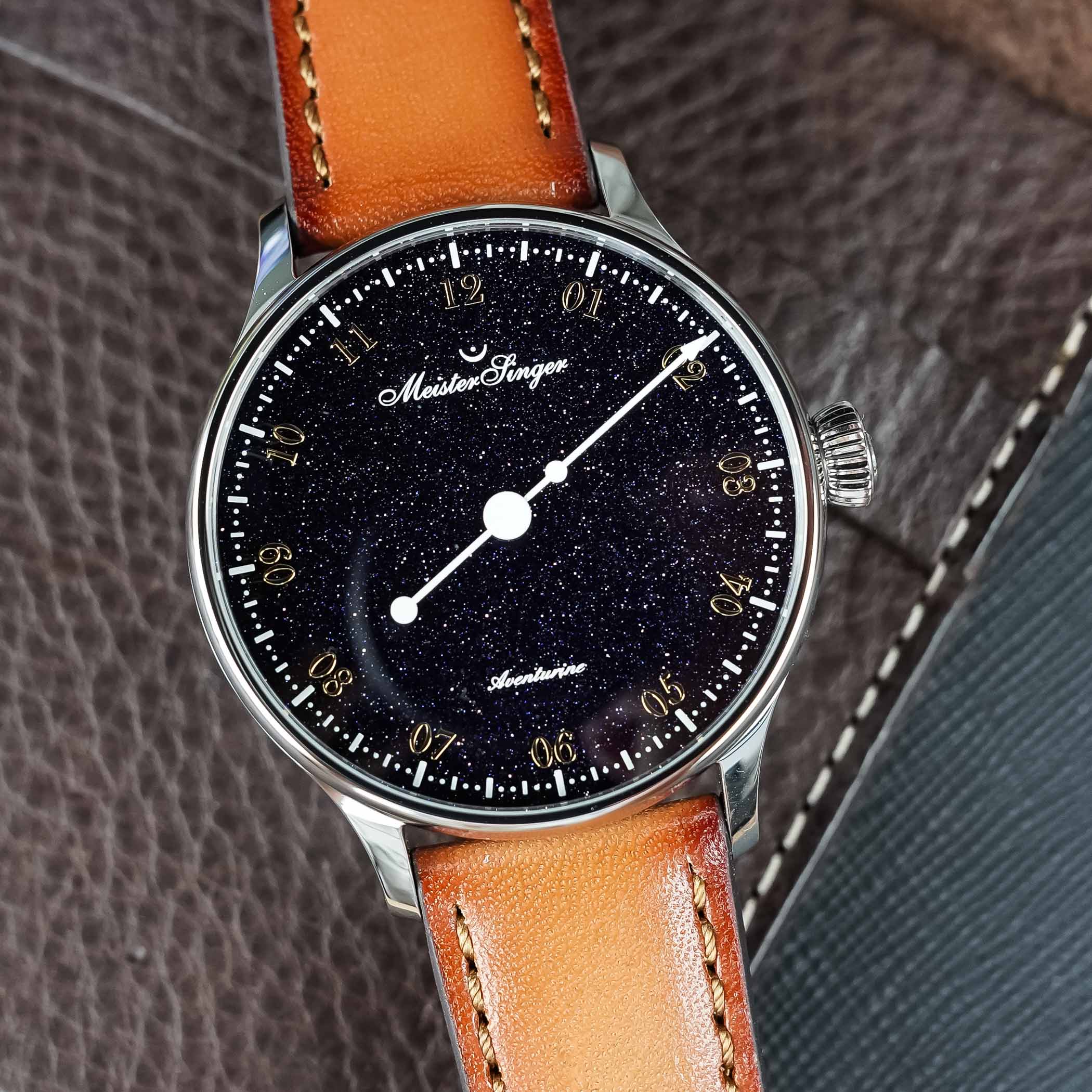
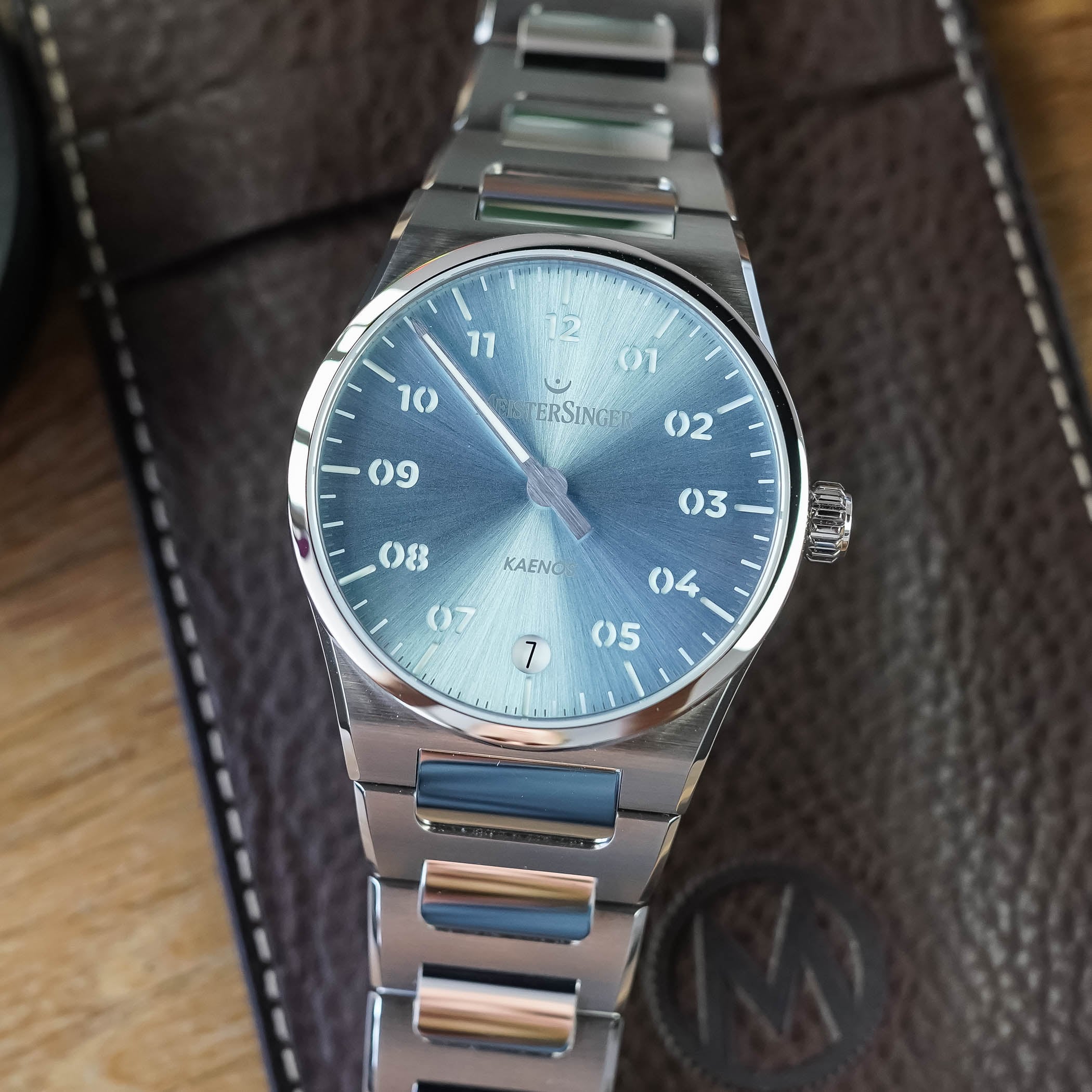
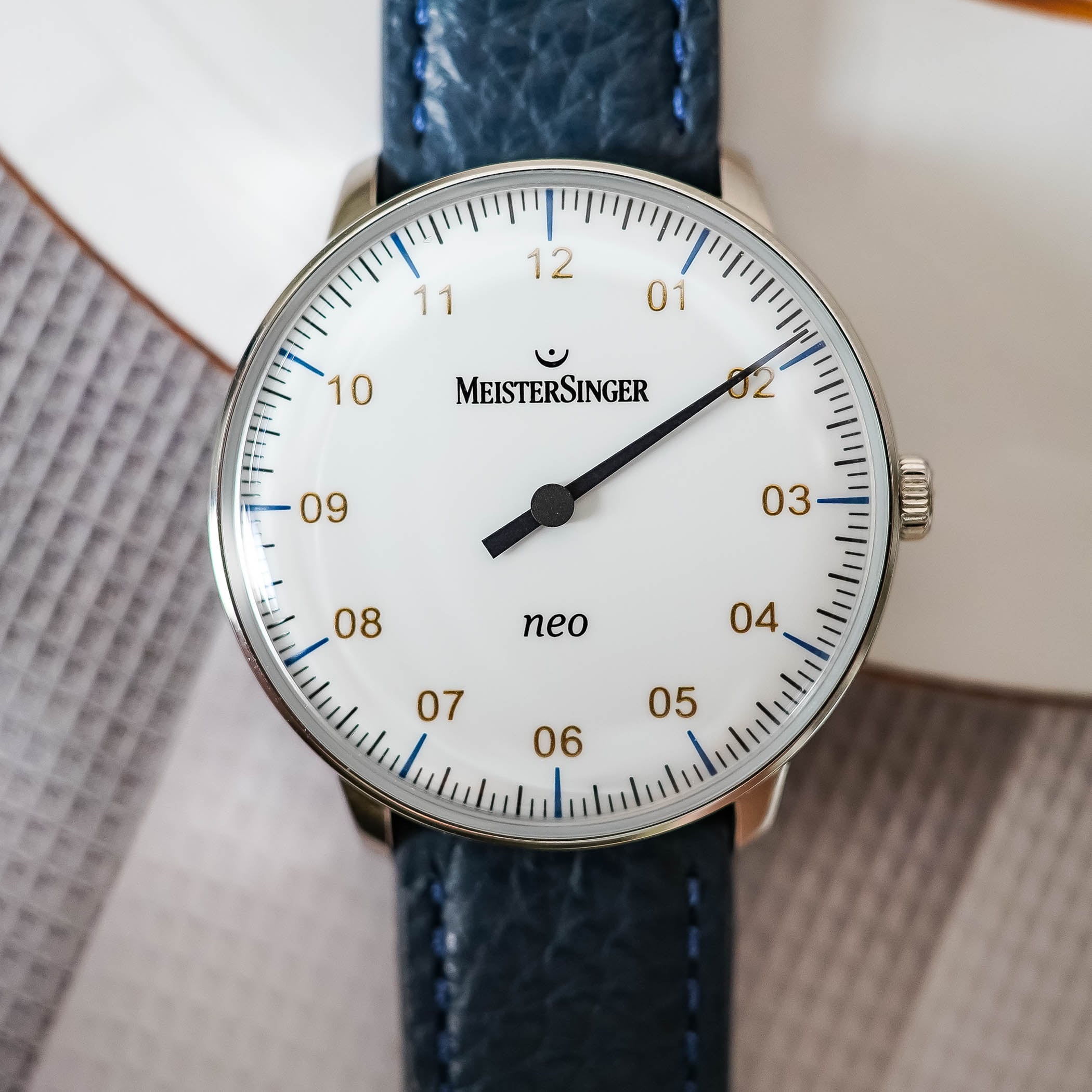
MeisterSinger certainly isn’t the only watchmaker with single-hand pieces. There have been similar concepts like Konstantin Chaykin’s Genius Temporis with a single hour hand that temporarily rotates to minutes at the push of a 2 o’clock button (using an inside minute track and shorter end of the central hand). This doesn’t cover all brands with single-hand watches (Botto has the Uno model, Vario has the Navi Single Hand and so on), but it shows a serious commitment to a somewhat niche aesthetic.
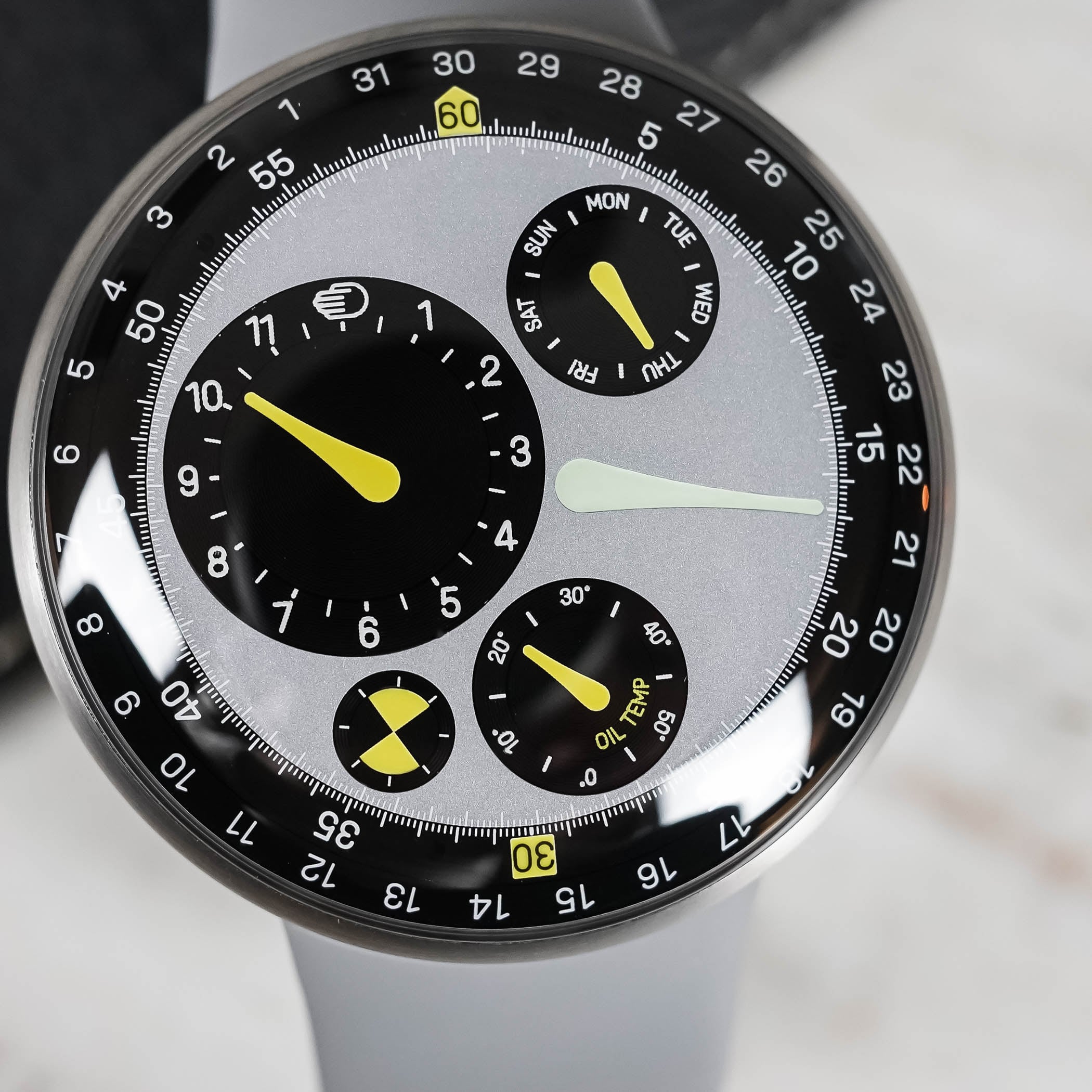
This isn’t an exhaustive list of watch designs with timing hands that aren’t centralised, but it does touch on the main styles without straying to different concepts altogether, like wandering hours or rotating discs (like those from Ressence or Trilobe). Although centralised timing hands will always remain the gold standard for watches, innovative designs and out-of-the-box thinking keep horology interesting and engaging, and are often highlighted at shows like Watches and Wonders, Dubai Watch Week and Geneva Watch Days. Who knows what the future will bring with new ways hands can indicate the time, but it’s always exciting to see the unexpected appear and steal the spotlight.