


 Not all images were able to load for printing. Please close the print window and try again.
 PS Horology’s Peter Speake and his Personal Relationship with Time and Watches
A series that moves beyond brands and products to explore the personalities of the watch industry’s most influential leaders.

Twelve on Time is a conversation series that invites leading personalities from the watch industry to step beyond their work and speak more personally about their relationship with time, creativity, and craft. Through a set of twelve questions, the column aims to lift the veil on both the individual and their perspective on watchmaking, revealing not only how they perceive watches but also how they perceive themselves within a culture shaped by precision, heritage, and emotion. This time around, we put veteran independent watchmaker Peter Speake in the spotlight
1. Which watch changed the way you looked at watchmaking?
It wasn’t a watch; it was a period. I’d been servicing modern watches and then found myself in Piccadilly restoring antique and vintage pieces. What that did was show me the sheer scale of what watchmaking had been: centuries of development, enormous creativity, technical and aesthetic diversity that I simply hadn’t been exposed to before. Seeing where it all came from, and the range of it, changed something. It stopped being a job.
2. What is the quality you value most in a watch?
The human time in it. When I look at an antique pocket watch, Tompion, or Frodsham, or any number of makers in between, I think about the people who made it. Working at benches before CAD existed, before CNC existed, drawing on paper, cutting by hand. The early Cartier case makers in New York, London and Paris were doing the same thing, building by hand, and what they built became a legacy. What I find encouraging today is that across both independent and mainstream watchmaking, there are people returning to that. Makers, decorators, allied trades spending real time on things with their hands rather than pressing a button and calling it done. That time is in the object. You can feel it, even if you can’t always see it.
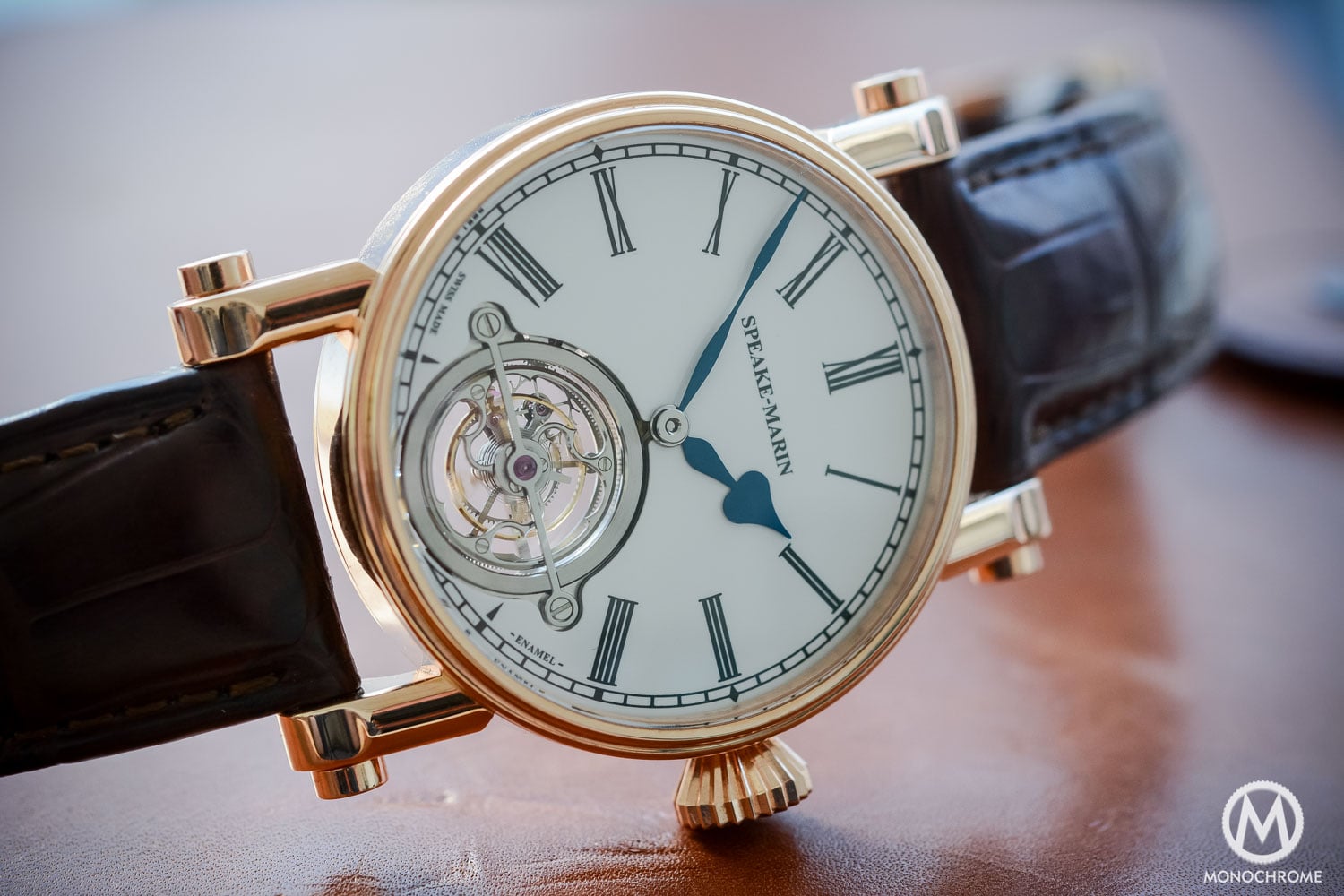
3. Which is your favourite complication?
The tourbillon because it is a visually mesmerising animation of the passing of time.
4. What is the most overrated trend in modern watchmaking?
I don’t follow the general market closely enough to have a useful opinion on this. I’m aware of the cycles, like sports references, dress watches coming back, vintage-inspired everything, but trends describe what most people are doing, and that’s not where watchmaking tends to move forward.
5. What detail instantly tells you a watch was made with care?
I can’t answer this cleanly, because care isn’t located in a single detail and it isn’t correlated with price. I’ve handled expensive watches that showed no real thought and inexpensive ones that clearly did. What I notice after long enough at a bench is whether the object is coherent. Whether the decisions reinforce each other or contradict. That coherence, when it’s there, is usually the sign that someone with an actual point of view made it.
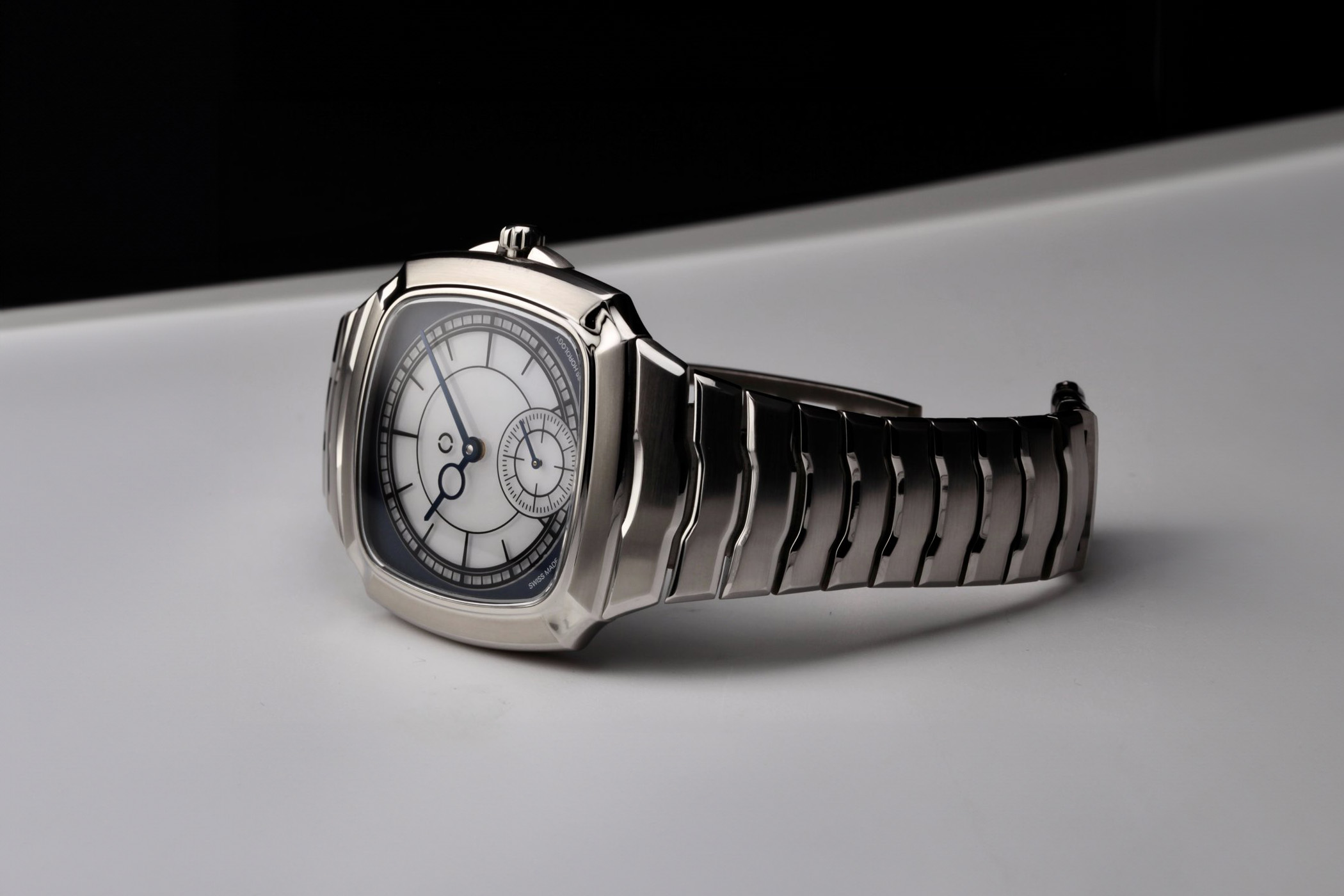
6. Which moment most fundamentally shaped watchmaking as we know it today?
The industrialisation of manufactures at the turn of the twentieth century. The move from individual makers producing watches from start to finish to rationalised factory production with divided labour and interchangeable parts changed not just the method but also what knowledge meant in the trade. Skill that had lived in people’s hands moved into machines and tolerances and written specifications. The gain was scale and consistency. Something else was lost. Independent watchmaking over the last thirty years has been, in part, an attempt to recover it.
7. What is the greatest challenge facing the watch industry today?
Convincing younger generations there’s genuine value here and doing it honestly, in terms they’ll actually find credible. The industry’s traditional arguments – heritage, craft, investment – aren’t wrong, but they’re made on the industry’s own terms. A younger buyer with a phone on their wrist isn’t starting from the same place. The argument needs to be made differently. Some people are doing that. Most aren’t.
8. What outside sources of inspiration most influence your thinking?
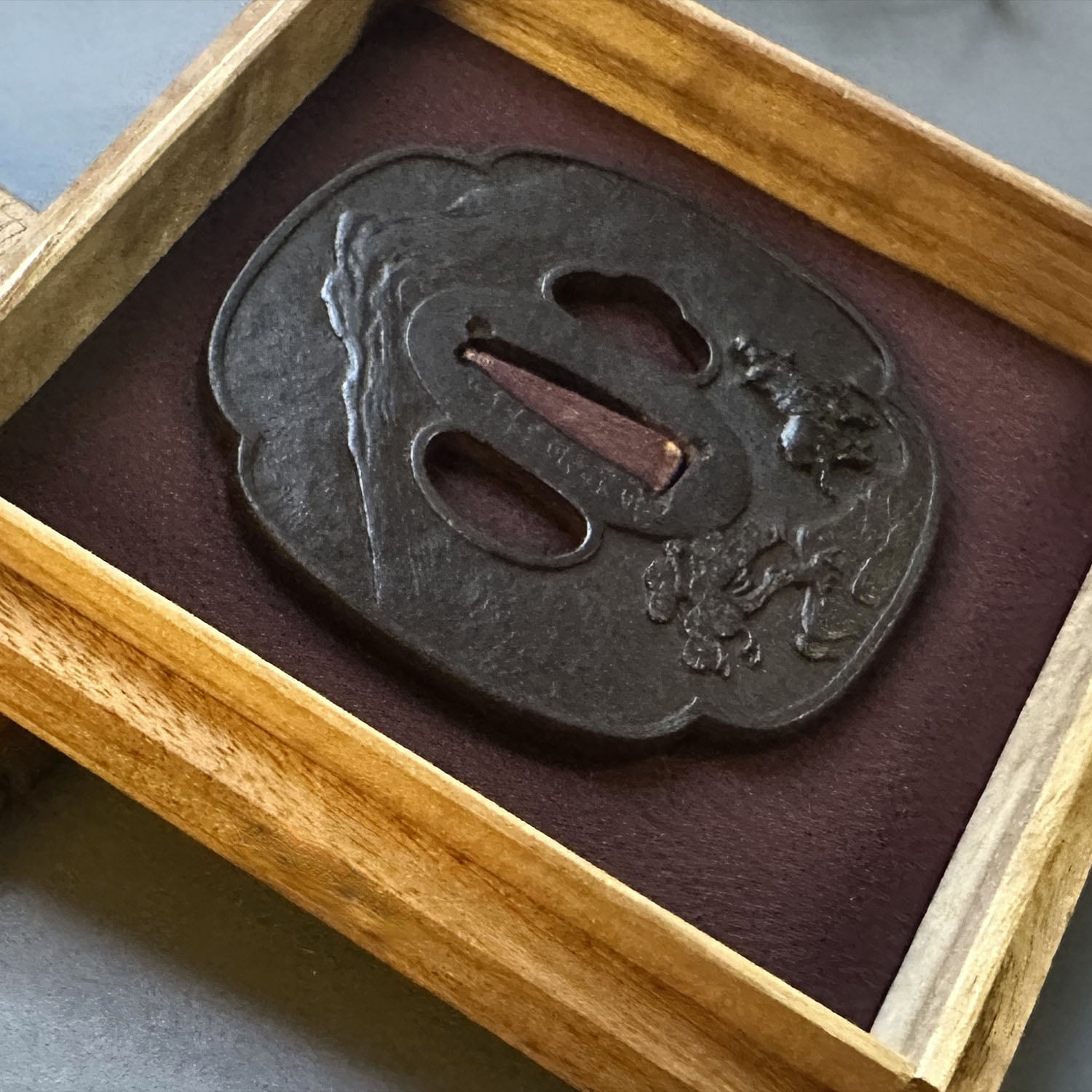
Japan. I’ve been many times, and the same thing strikes me each time: the seriousness with which detail is treated, and how wide that extends. Food, metalwork, packaging, textiles. There’s a word, shokunin, for a craftsperson who has devoted his/her working life to mastering a single skill and who understands that mastery as something with moral weight, not just technical weight. That idea sits close to what I recognise in watchmaking at its best.
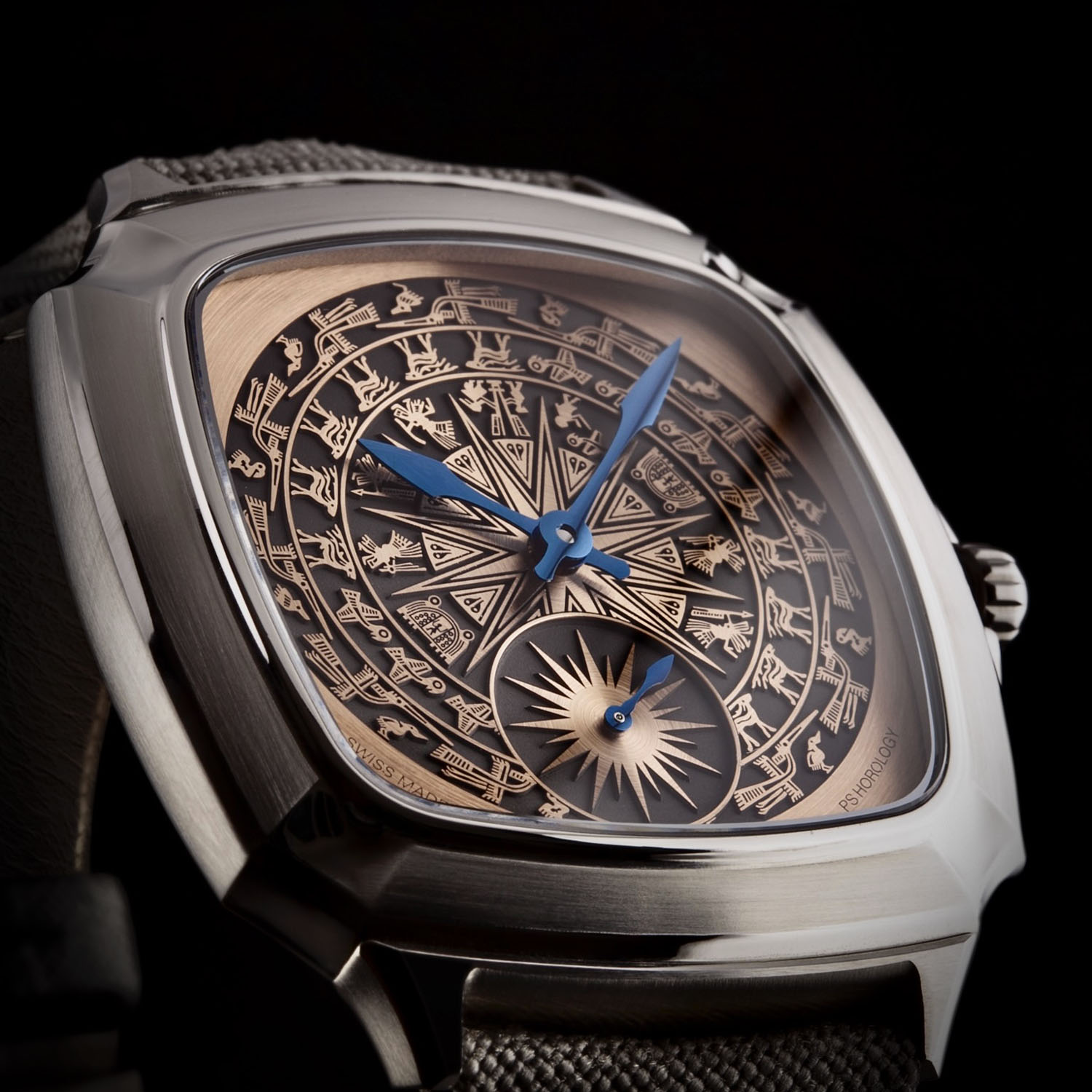
9. Which watch do you wish you had created?
It’s a question I can’t really engage with. The value of another maker’s work is inseparable from the process that produced it, the specific problem they identified, the decisions they made over months or years. That process belongs to them. What I can say is that the watch I most want to have made is the next one I’ll make. That’s the only one whose process is mine.
10. Which watch do you wear most when nobody is watching?
None.
11. Which personality has most shaped your view of watchmaking?
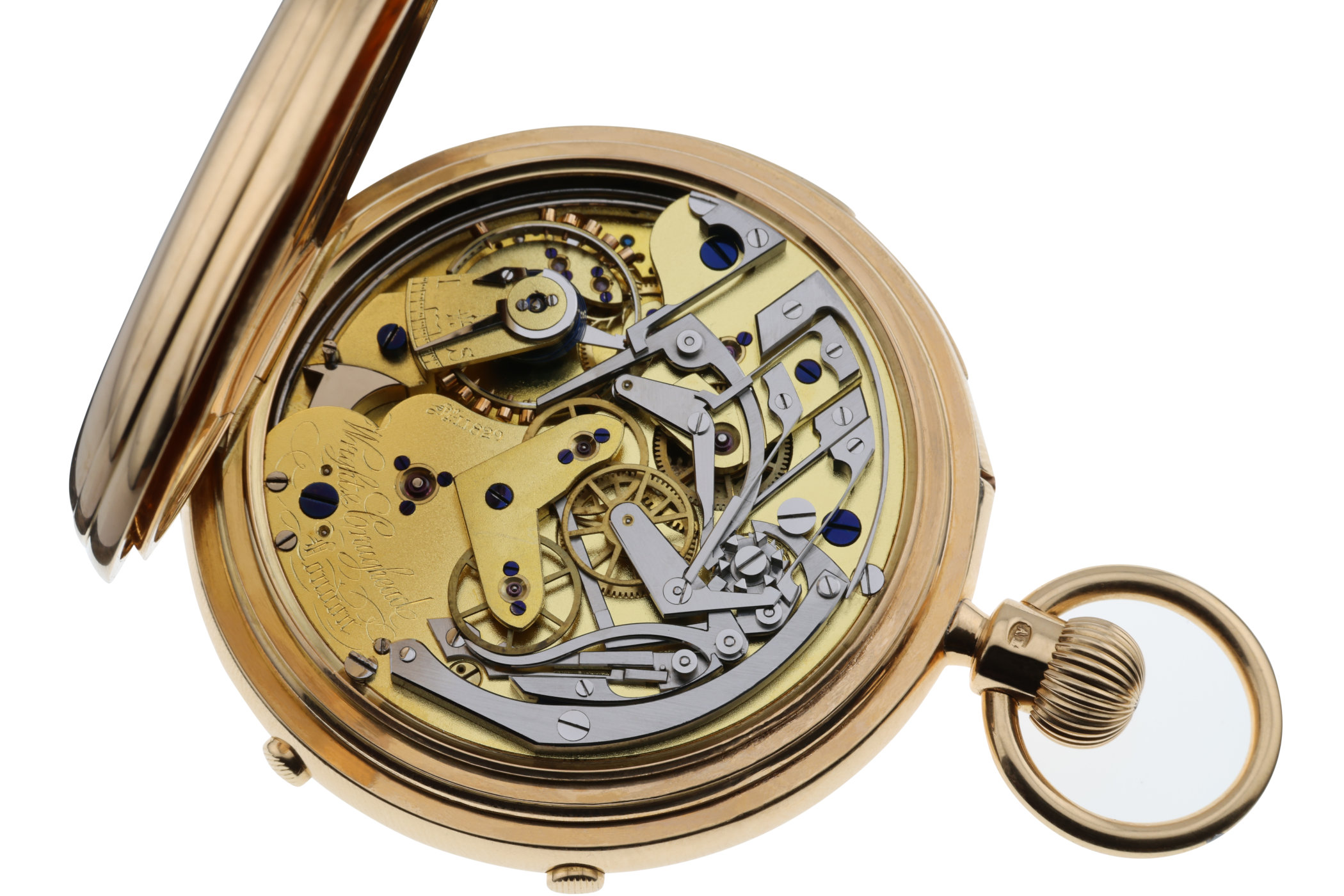
Nicole Nielsen. Not as a public figure, Nielsen left almost no biographical trace, but as a maker whose design language is identifiable in the movements made for Dent, Smith and Frodsham through the nineteenth century. The angularity. The geometry of the bridges, the proportions of the components relative to each other. It reads as the work of someone who held a consistent aesthetic position across a long career and never deviated from it. In a period when individual attribution wasn’t commercially significant, when the maker’s name wasn’t the product, that consistency is remarkable.
12. What should younger collectors focus on before buying their next watch?
A friend of mine asks one question before any acquisition: will this still be relevant in twenty years? I think that’s a sound discipline. It moves the focus away from wanting, which is immediate and unreliable, toward the things that tend to hold coherence of design, quality of execution and clarity of purpose. I’d add one more question alongside it: does it bring you genuine satisfaction to live with, not just to own? A watch that passes the twenty-year test but that you rarely reach for has still failed somehow. Both questions deserve an honest answer before money is spent.

2 responses
This is the most honest and relatable interview I’ve read on Monochrome. He makes a lot of sense. Thank you.
I knew instantly that Peter doesn‘t talk to the magazines, he talks to his core principles.