
 Not all images were able to load for printing. Please close the print window and try again.
 Louis Erard’s Manuel Emch and his Personal Relationship with Time and Watches
A series that moves beyond brands and products to explore the personalities of the watch industry’s most influential leaders.
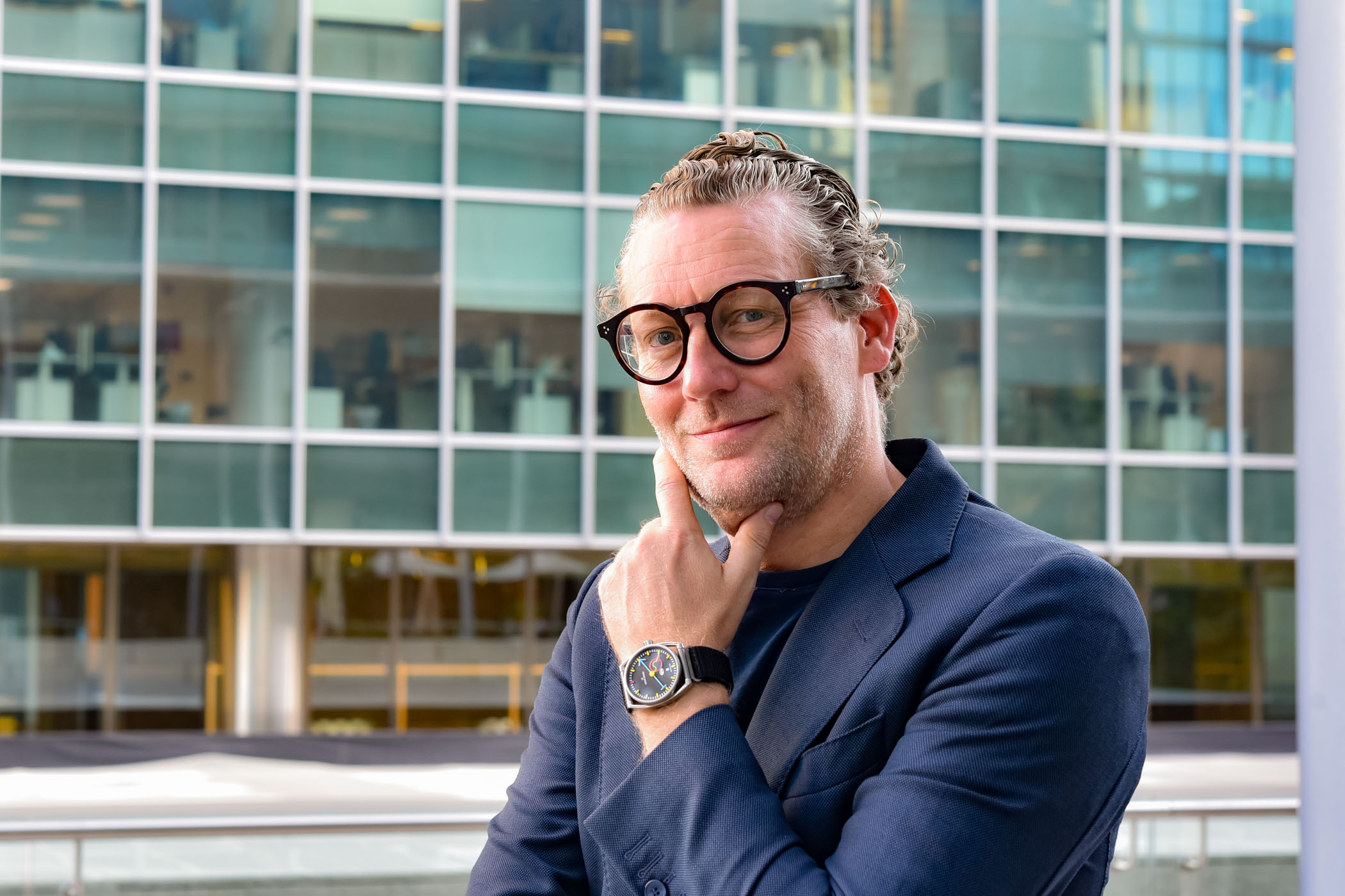
Twelve on Time is a conversation series that invites leading personalities from the watch industry to step beyond their work and speak more personally about their relationship with time, creativity, and craft. Through a set of twelve questions, the column aims to lift the veil on both the individual and their perspective on watchmaking – revealing not only how they see watches, but also how they see themselves within a culture shaped by precision, heritage, and emotion. For this new instalment, we’re meeting with Manuel Emch, the man behind Louis Erard, one of the founders of Kollokium and a watch industry consultant.
1 – Which watch changed the way you looked at watchmaking?
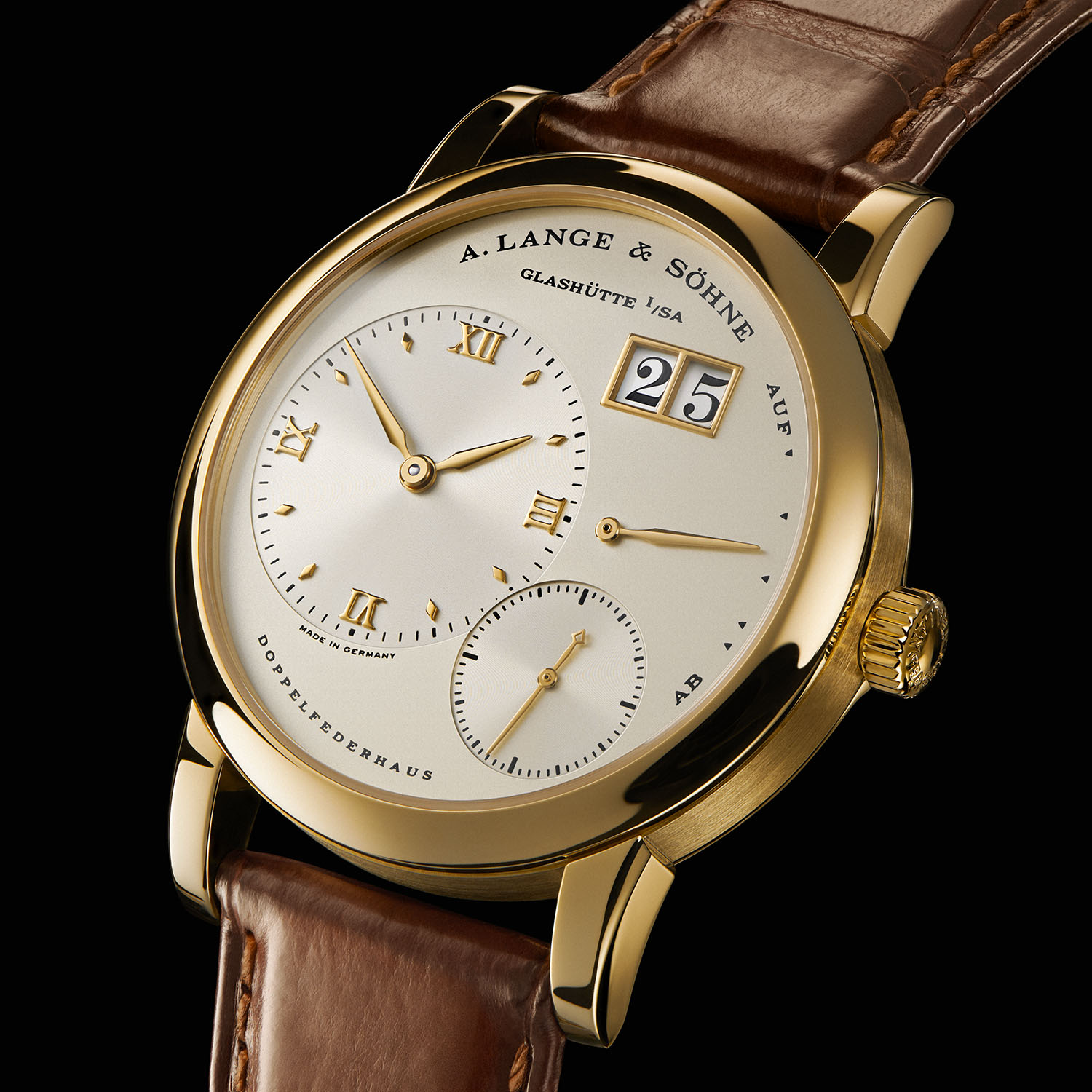
The A. Lange & Söhne Lange 1. Not only because of the watch itself, but because of Günter Blümlein‘s vision behind it. It was a masterclass in every dimension of watchmaking: an exceptional movement architecture and finishing, obsessive attention to design and proportion, and a completely new way of displaying time that felt both radical and timeless. The Lange 1 taught me that true innovation doesn’t come from adding more—it comes from rethinking everything with coherence, purpose and uncompromising attention to detail.
2 – What is the quality you value most in a watch?
Character. A watch should have a personality before it has specifications. If you can recognise it across a room without reading the logo, someone has done their job.
3 – Which is your favourite complication?
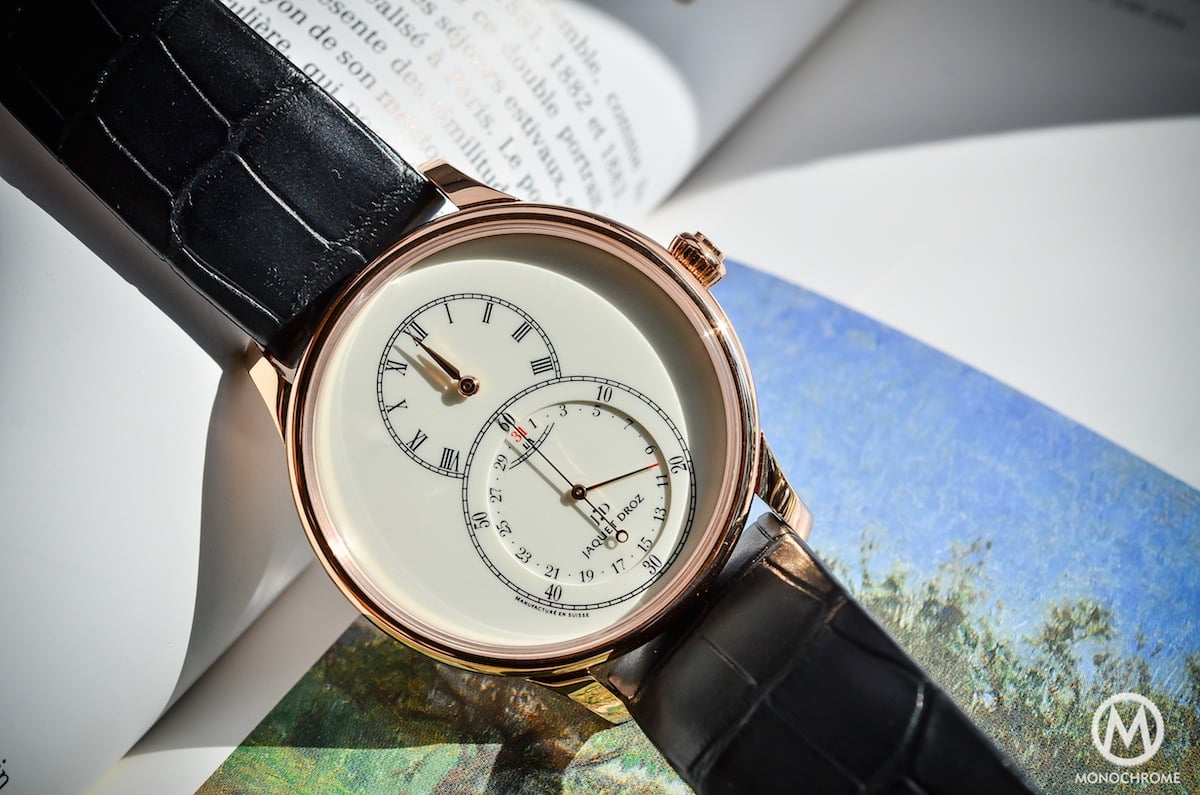
Ironically, I don’t really have one. I generally prefer simple time-only watches. If I had to choose, it would be any display that decentralises time. Whether it’s the Grande Seconde, a regulator or any off-centred indication (editor’s note: functions you found at Jaquet Droz and later at Louis Erard), I enjoy watches that subtly change the way we read time. My very first creation, the Grande Seconde at Jaquet Droz, probably explains that preference. It’s a small complication, but one that completely changes the personality of a watch.
4 – What is the most overrated trend in modern watchmaking?
I would say artificial scarcity as a marketing strategy. Limited editions should celebrate creativity, craftsmanship, or a meaningful story, not compensate for a lack of ideas. Also, collaborations – which I am known for – only make sense when they come from friendship, mutual respect, and a shared creative vision, creating something genuinely new rather than simply using them as a commercial tool.
5 – What detail instantly tells you a watch was made with care?
The dial. It is the face of the watch and where emotion begins. You can immediately tell when someone has obsessed over proportions, depth, textures, typography and finishing.
6 – Which moment do you believe most fundamentally shaped watchmaking as we know it today?
The Quartz Crisis. Ironically, it saved mechanical watchmaking. It forced the industry to rediscover why mechanical watches deserved to exist – not because they were the most accurate instruments, but because they embodied craftsmanship, emotion and culture.
7 – What is the greatest challenge facing the watch industry today?
Remaining culturally relevant. Young collectors are no longer looking for status symbols; they are looking for authenticity, meaning and emotion. Brands that continue selling heritage without creating culture will eventually become irrelevant.
8 – What outside sources of inspiration most influence your thinking in watchmaking?
Contemporary art has probably had the greatest influence on me, followed by architecture and industrial design. Watches should participate in today’s culture rather than simply celebrate yesterday’s achievements.
9 – Which watch do you wish you had created?
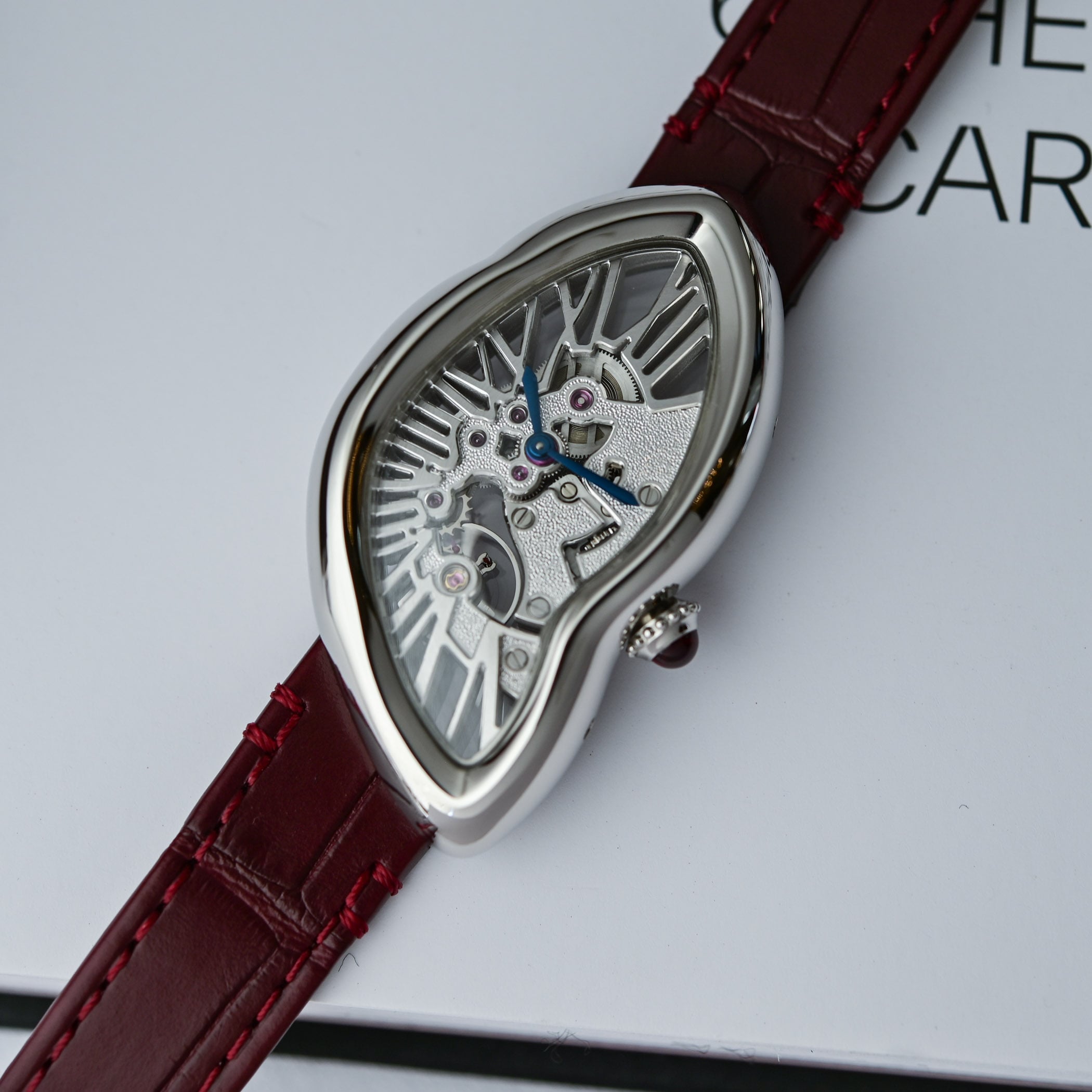
The Cartier Crash. It broke every rule while remaining unmistakably elegant. It proved that a watch can transcend function and become a true cultural object.
10 – Which watch do you wear most when nobody is watching?
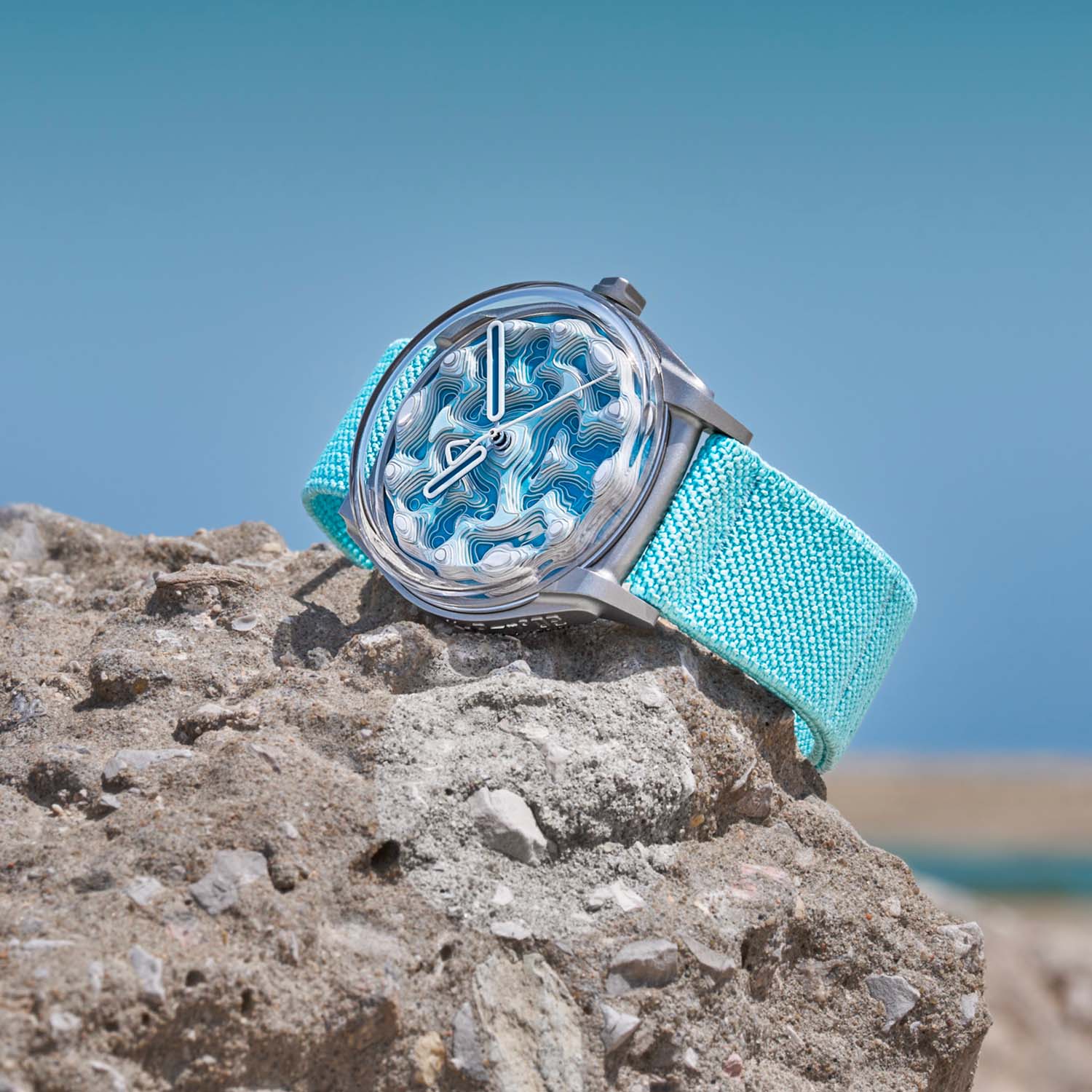
I own more than a hundred watches and genuinely enjoy rotating through them. That said, I usually alternate between my brands with the Louis Erard × Alain Silberstein Tourbillon and the Kollokium Projekt 02 Variant C. The Louis Erard Tourbillon is special because, in my view, it is an everyday tourbillon. It wasn’t designed to spend its life in a safe but to be worn every day, for every activity. The Kollokium represents another side of my personality: challenging conventions through design, materials and experimentation.
11 – Which personality has most shaped your view of watchmaking?
Without hesitation, Nicolas G. Hayek. He understood that watches are not simply products – they are stories, emotions and people. He taught an entire generation that courage and vision matter more than market research.
12 – What should younger collectors focus on before buying their next watch?
Buy the watch that still excites you six months after you first discovered it, not the one everyone else tells you to buy. Taste takes time to develop. Don’t collect hype – collect curiosity.