


 Not all images were able to load for printing. Please close the print window and try again.
 The Philosophy and Influences of Bernhard Lederer; Watchmaker, Researcher, Inventor
A conversation with a man who is known as a visionary watchmaker, a tireless researcher, and a creator of complex escapements.
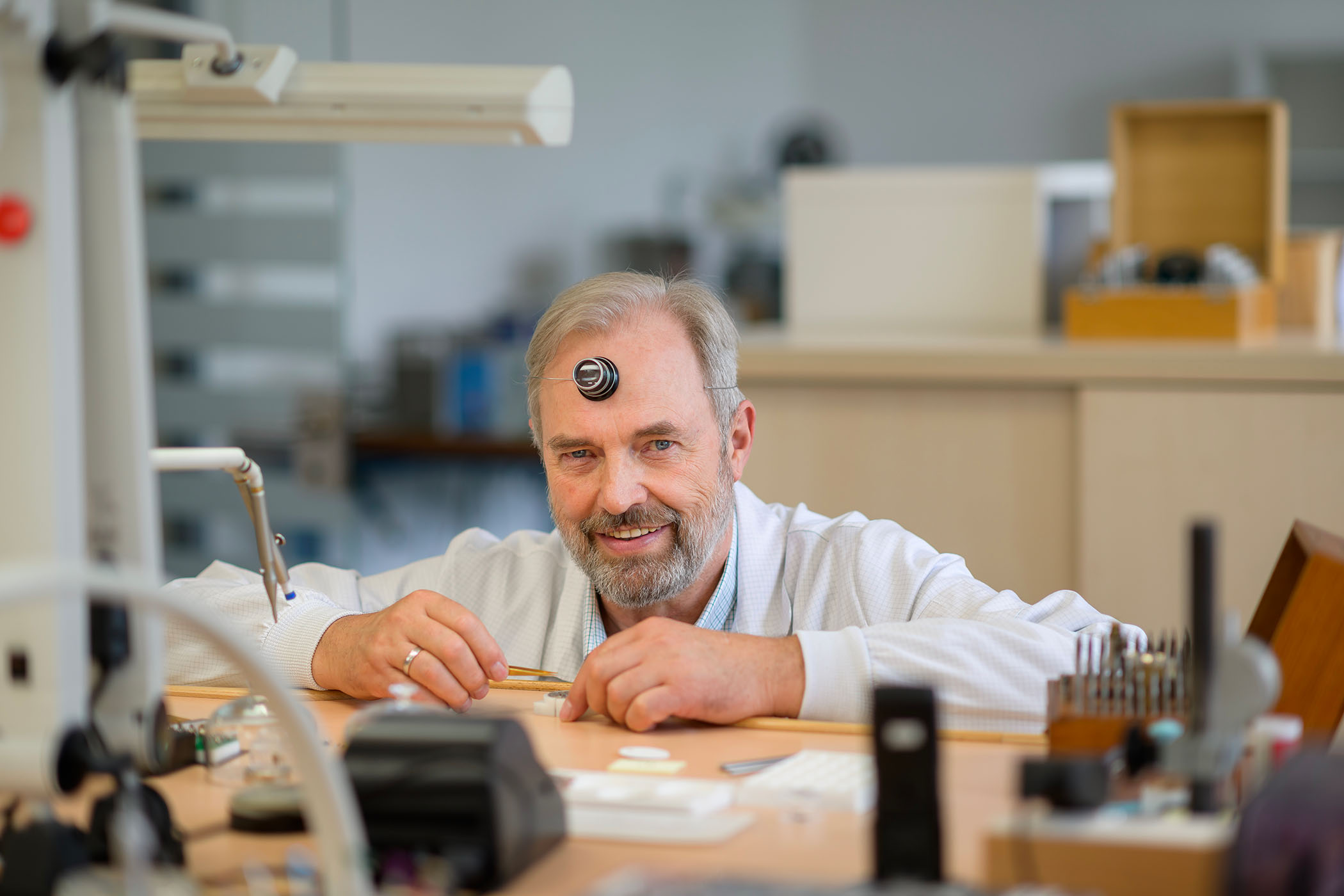
For more than four decades, Bernhard Lederer has built a reputation on tangible achievements: remarkable timepieces, original escapements, and chronometric innovations. Yet the watches themselves reveal only part of the story. Behind each creation lies a way of thinking that has evolved over a lifetime devoted to independent watchmaking. Rather than retracing milestones or celebrating an anniversary through a catalogue of accomplishments, this conversation looks beneath the surface. It explores the ideas, influences, and principles that have shaped Bernhard Lederer‘s philosophy over the course of his career.
What drives me is inventing concepts that give every watch a reason to exist,” he says.
It is a deceptively simple statement, but one that has guided his work for more than forty years. Underpinning it is the conviction that genuine innovation is never created in isolation, but grows from a deep understanding of the watchmakers and thinkers who came before. In this conversation, MONOCHROME moves beyond the mechanics of the watches themselves to examine the intellectual foundations of Bernhard Lederer’s work, tracing the experiences and convictions that continue to shape his singular approach to watchmaking.
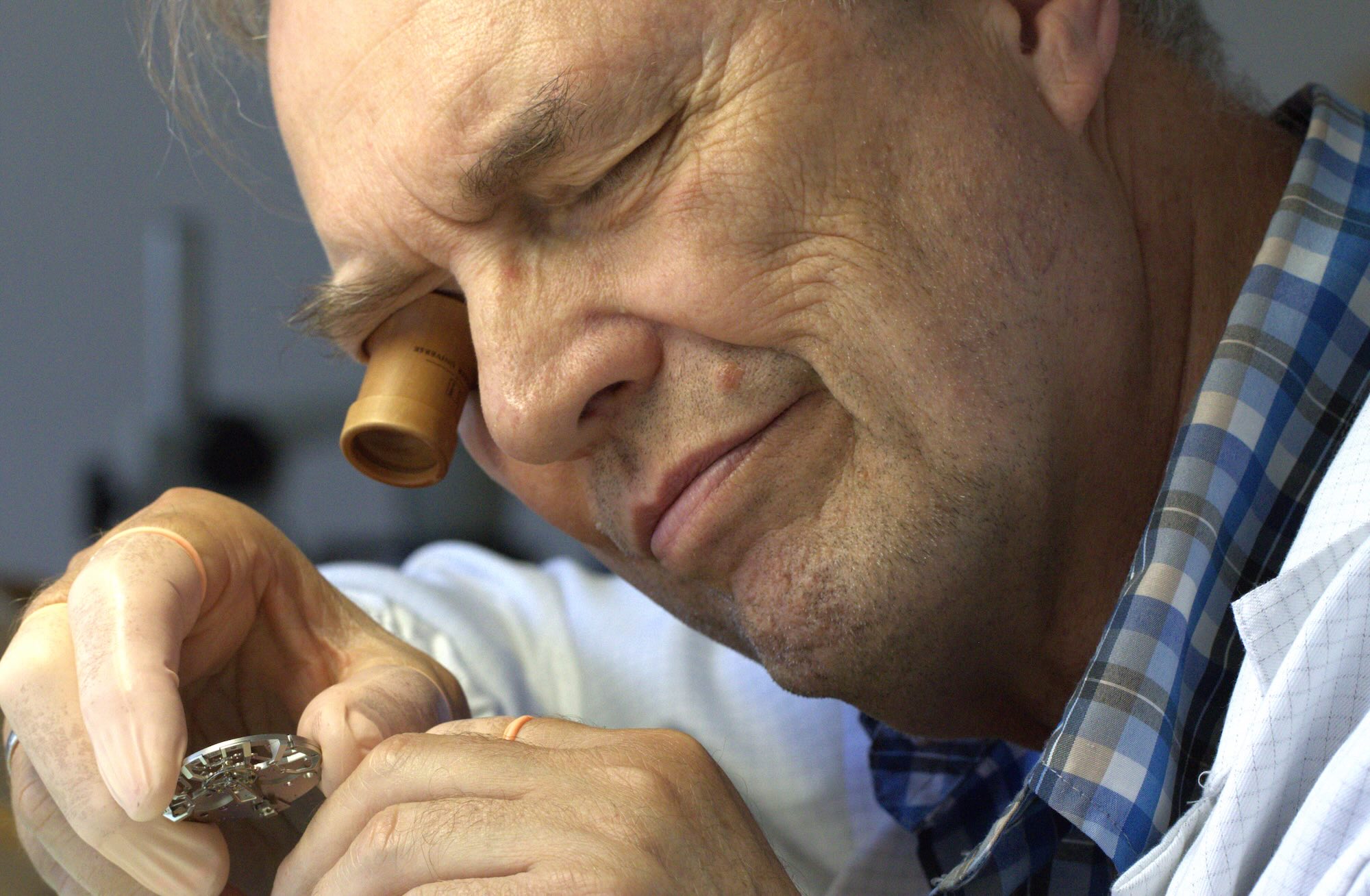
Pascal Brandt, MONOCHROME – Forty years is a long time to devote to a single subject, especially when you’re dedicated to the art of independent watchmaking. Looking at your work today, there’s a risk of being captivated by the watches themselves. I’m also interested in the person behind them. When you look back on Bernhard Lederer, who first took up this profession, what do you recognise in him today, and what has changed?
Bernhard Lederer – My curiosity has remained unchanged. Even before I became a watchmaker, I was fascinated by mechanical objects. My grandfather’s pocket watch, the water mills near my hometown, the gearshift on my bicycle- basically, whatever came my way. Reading old books about mechanical constructions and visiting flea markets where I could study technical diversity taught me that there’s rarely just one way to solve a mechanical problem. That has stayed with me.
What has changed is my experience. When you’re young, you admire beautiful mechanisms. Over time, you start to wonder why they were built that way and not another way.
You stop just looking at the result and become interested in the thinking behind it. Quite early in my career, during my apprenticeship at the Wuppertal Watch Museum, I also began restoring historic watches. It was a way to earn extra money, but looking back, those years shaped my way of thinking far more than I realised.
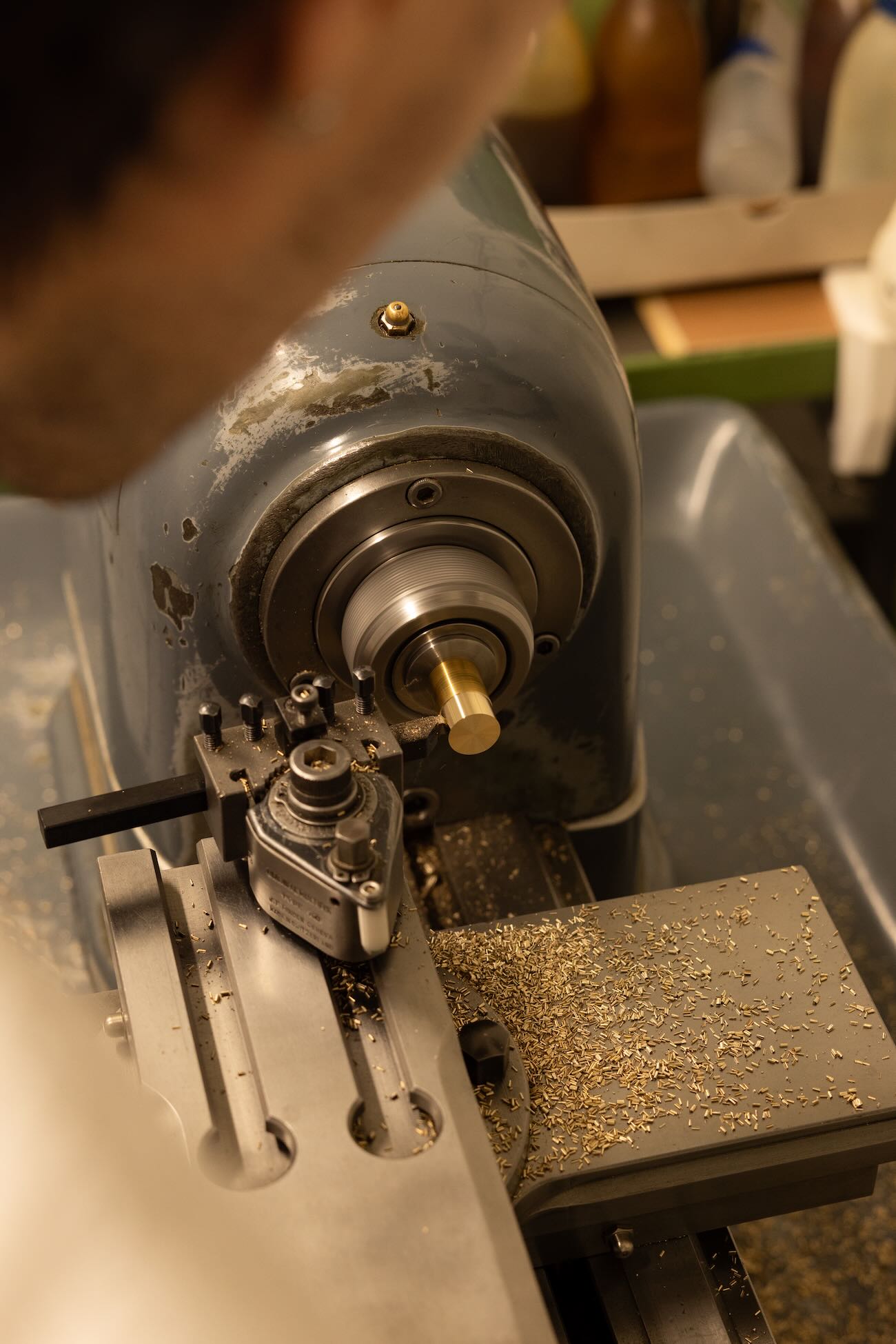
The topic of restoration often comes up when people talk about your work. What did restoration teach you that making new watches couldn’t?
Restoration forces you to understand another person’s way of thinking. You can’t simply replace a defective component and move on. You have to understand why that component existed, and what problem it solved; then you have to study the techniques required for its manufacture and the style of the era in which it was made. All this gives you a wider view of every single piece.
Working with historical pieces also teaches humility. You quickly realise that many questions that are considered modern were explored centuries ago. Watchmakers like Mudge, Breguet, Janvier, and Le Roy didn’t just create beautiful objects. They grappled with the same issues that still interest us today: precision, power transmission, and regulation.
One experience I often reflect on was taking apart a Breguet watch. I had expected perfection everywhere. Instead, I discovered that Breguet had gone to extraordinary lengths only where it mattered most.
At what point did the study of the past become part of creating something new?
I’ve never viewed history as something to be copied. If that were the goal, there’s little reason to build new watches. For me, watchmaking is a dialogue across generations. Every great watchmaker leaves some ideas for posterity, some complete, some unfinished. Examining these ideas reveals possibilities that couldn’t be realised back then due to limited materials, techniques, or understanding. I never describe innovation as creating something entirely new. It arises from reexamining existing ideas with today’s knowledge and asking if a better solution is possible. Many of my projects, particularly on escapements and chronometry, began this way.
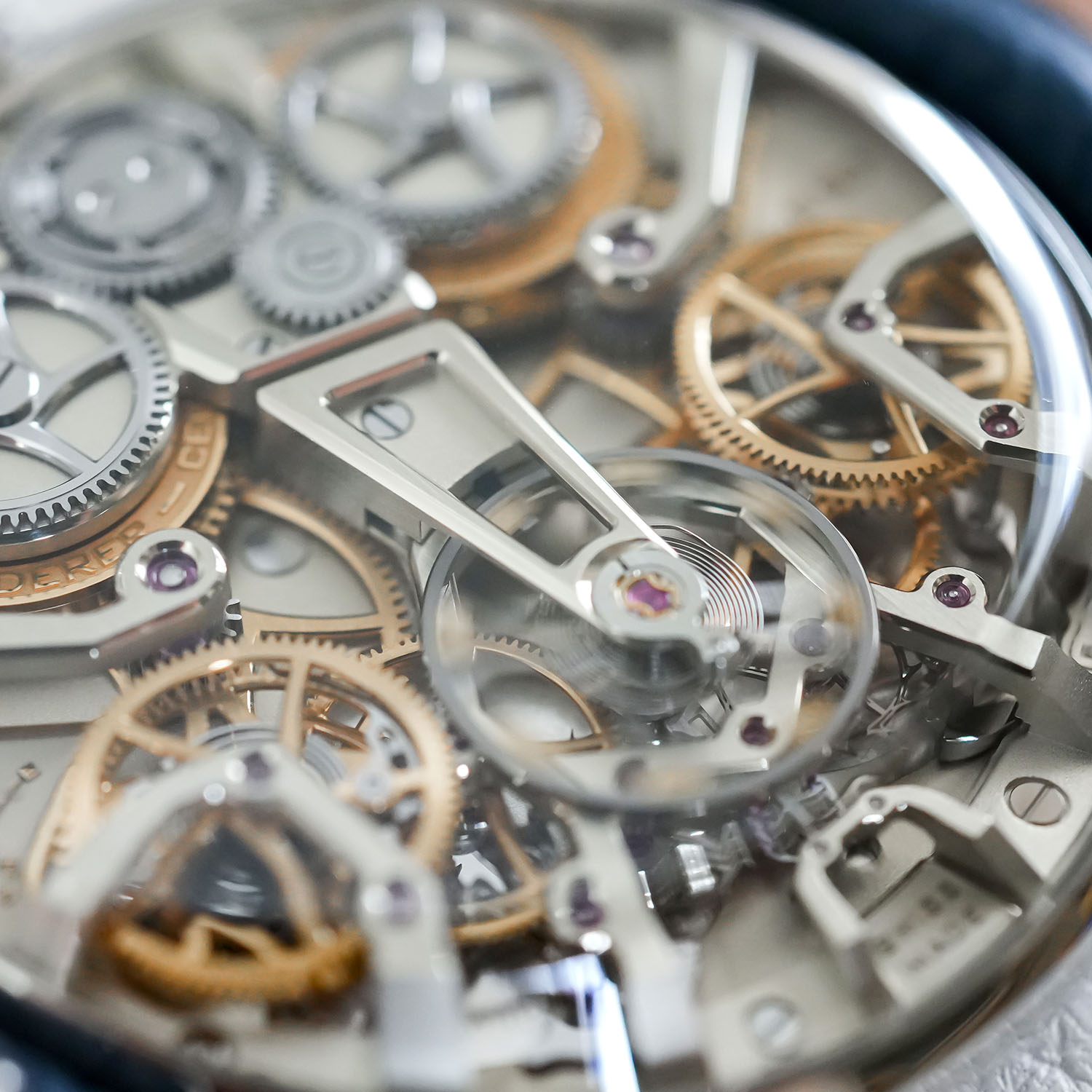
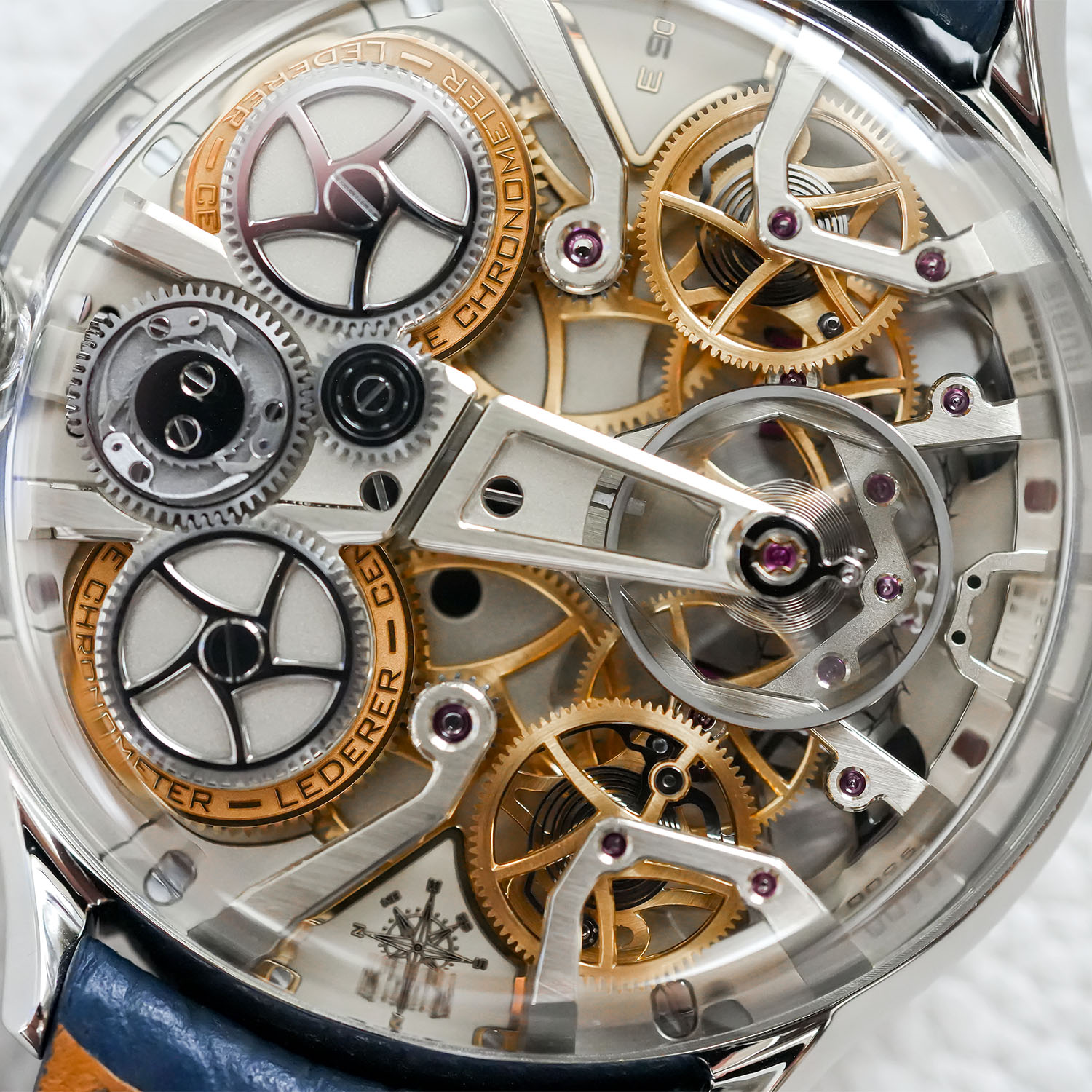
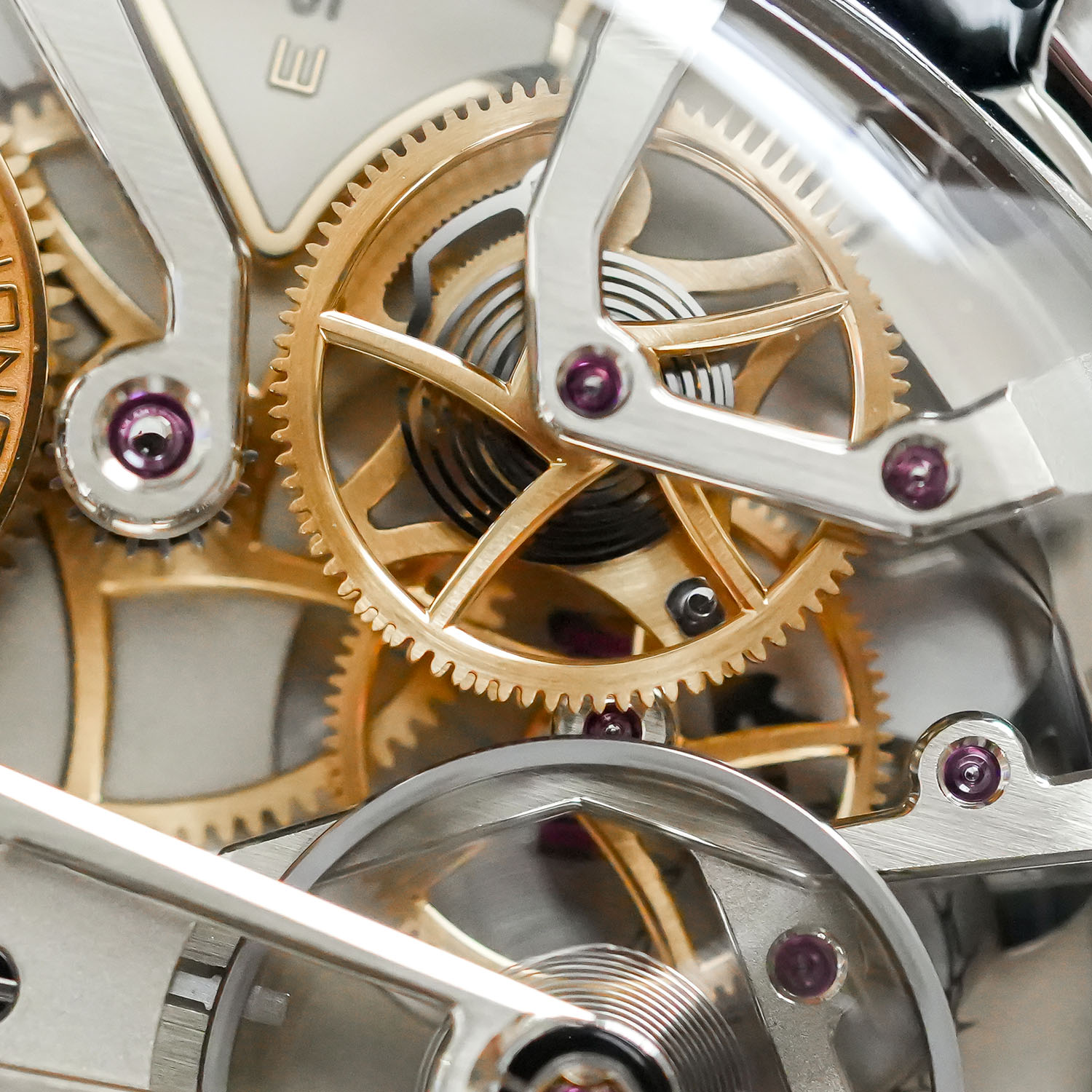
So, your study of horological history naturally led you to escapements. Was it always your intention, or did it gradually become inevitable?
At first, it wasn’t a conscious decision. I never told myself that I wanted to become known for escapements. Escapements are my hobby, my passion; they’re more exciting than the best mystery novel. My interest has always been in chronometry – making a mechanical watch run consistently and accurately. You could improve decorations, but if the escapement didn’t function efficiently, there was a limit to what could be achieved. Over time, it became clear I wanted to focus on chronometry and escapements. It wasn’t about choosing the most complicated subject. It was about choosing the most fascinating subject and pursuing the fundamental problem to its logical conclusion.
It seems that your work is always guided by a specific reason. How do you decide whether an idea is worth years of your life?
Innovation for innovation’s sake has never been a driving force for me. If the sole purpose of an idea is to be different, it probably won’t remain interesting for long. A new design should be a response to a real technical problem. It should improve something that already exists or enable us to understand a mechanism better – ideally, to find a new solution. Otherwise, I see little point in pursuing it further.
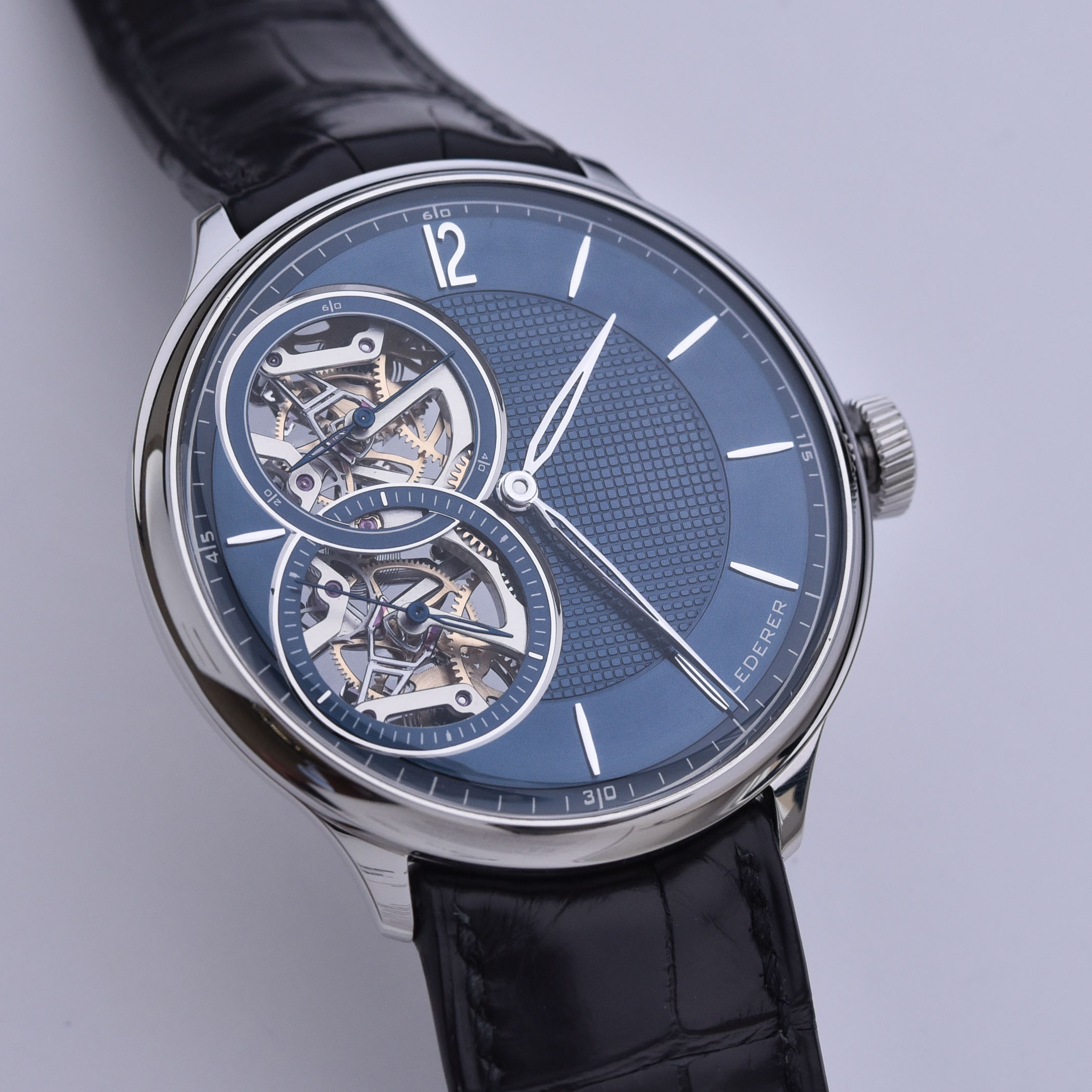
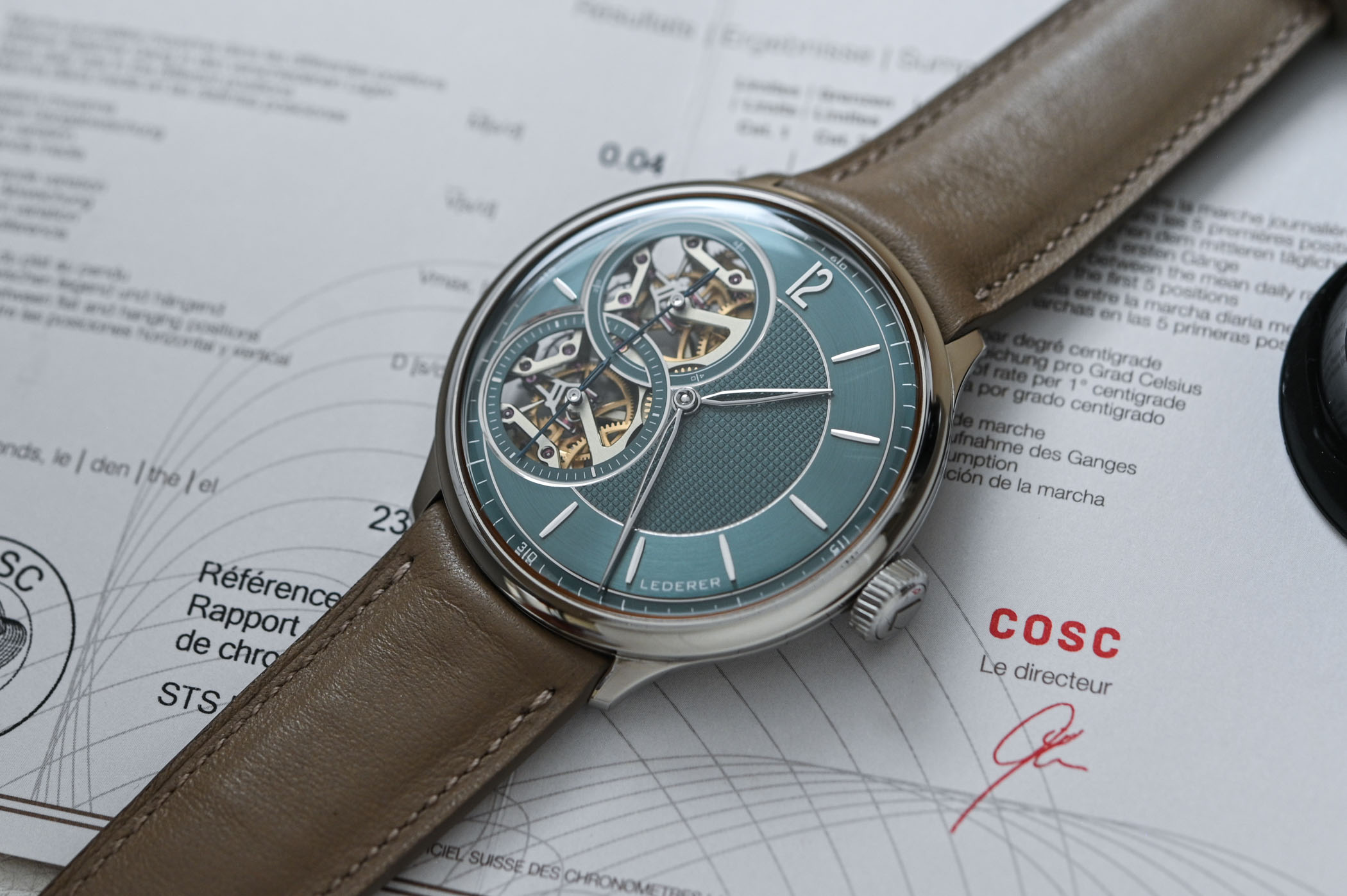
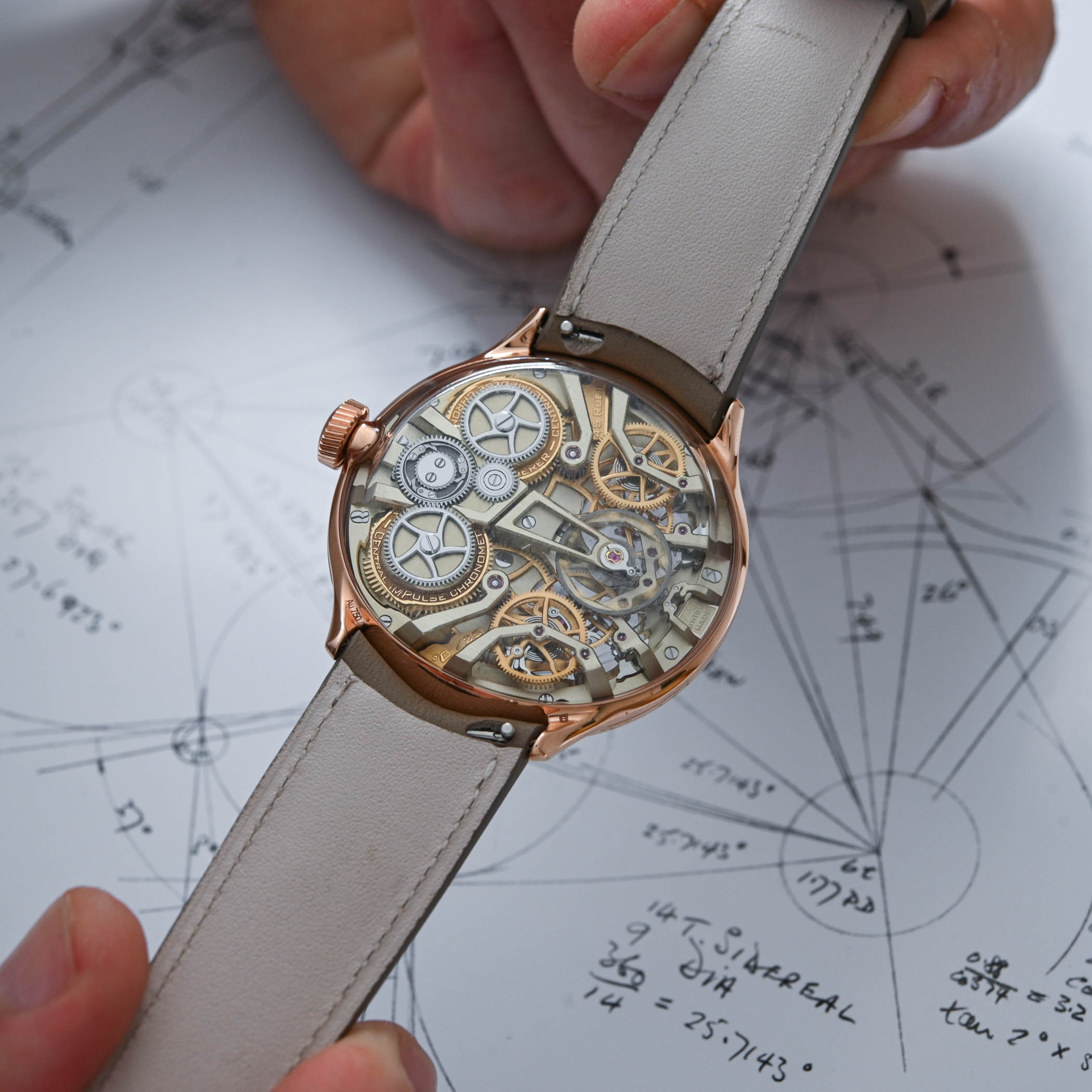
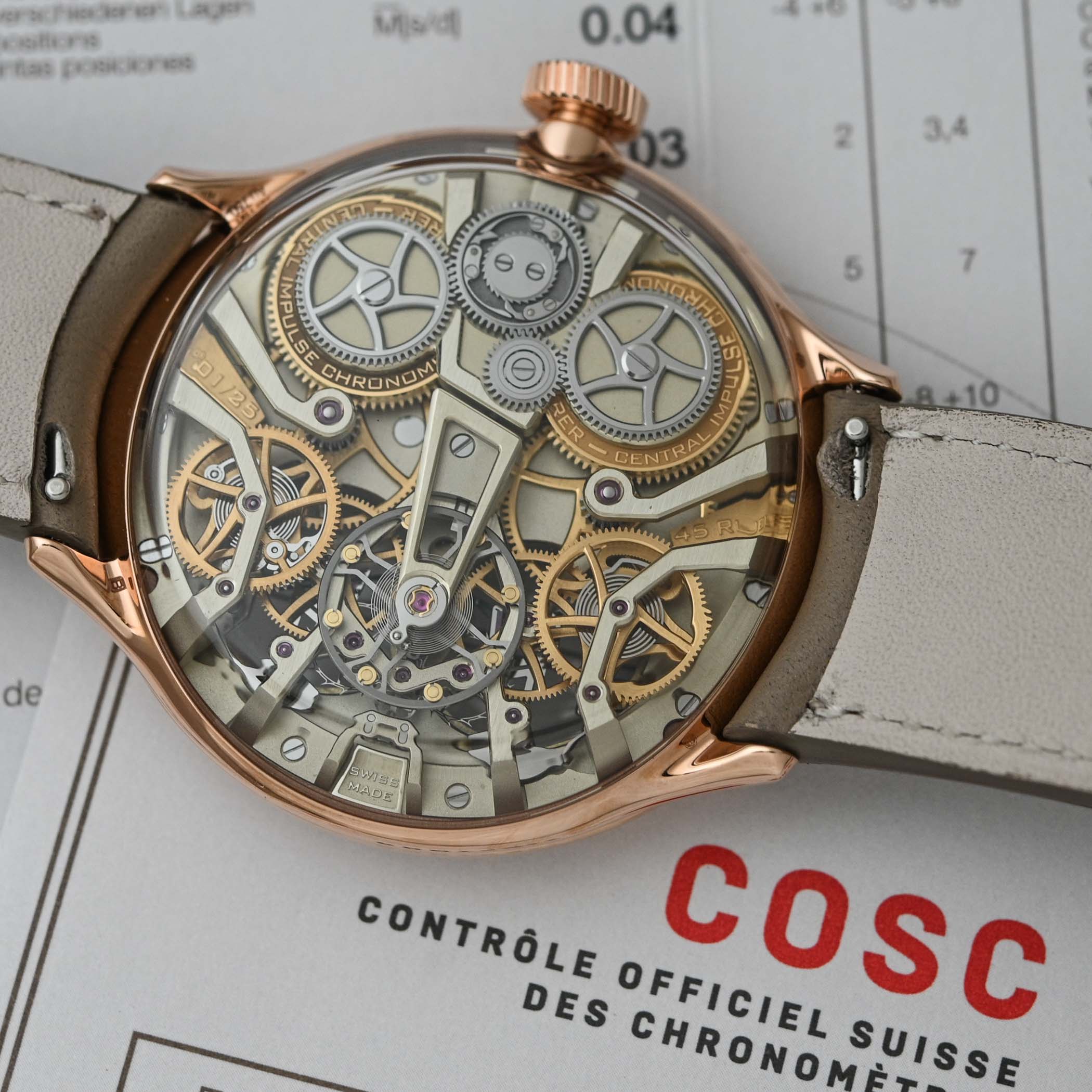
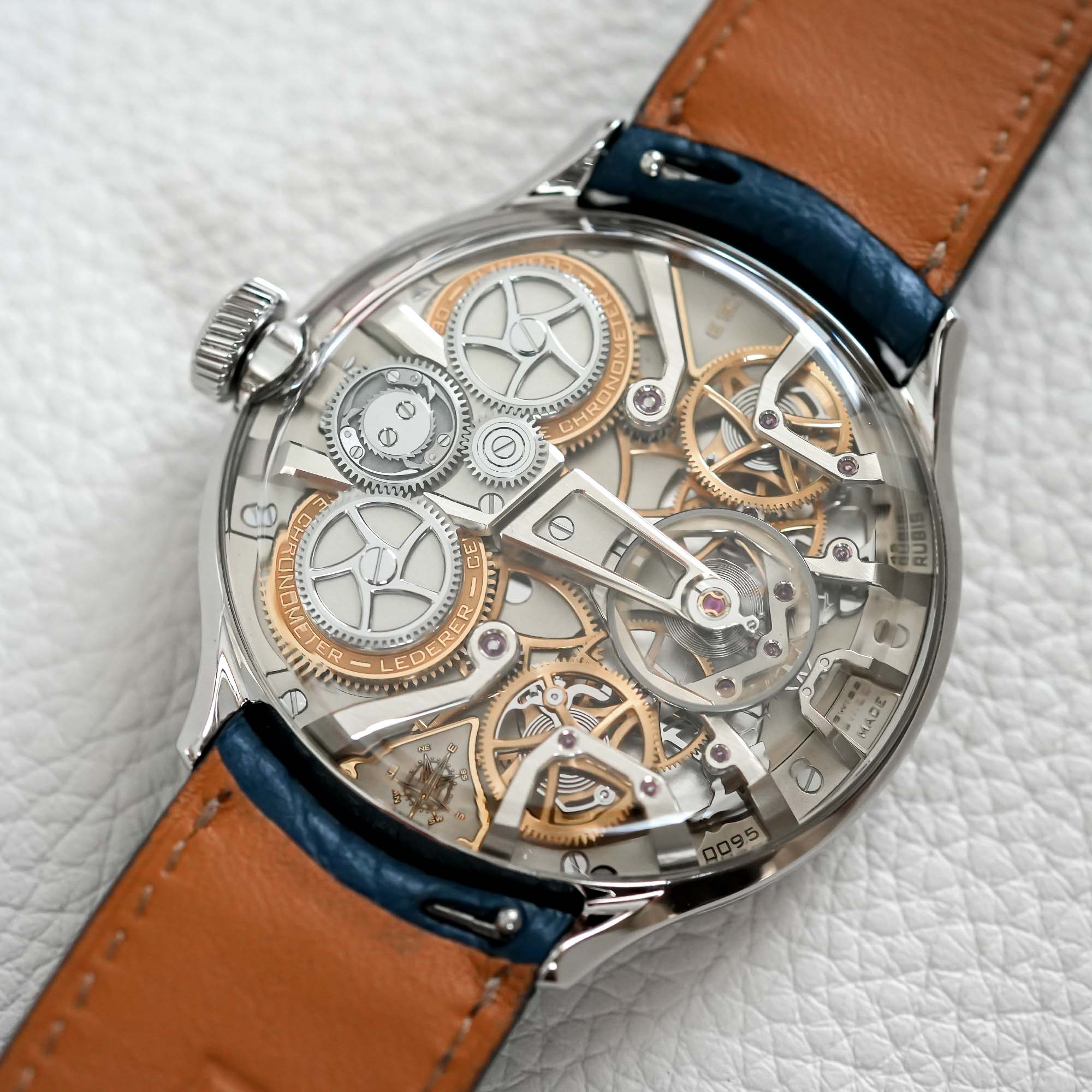
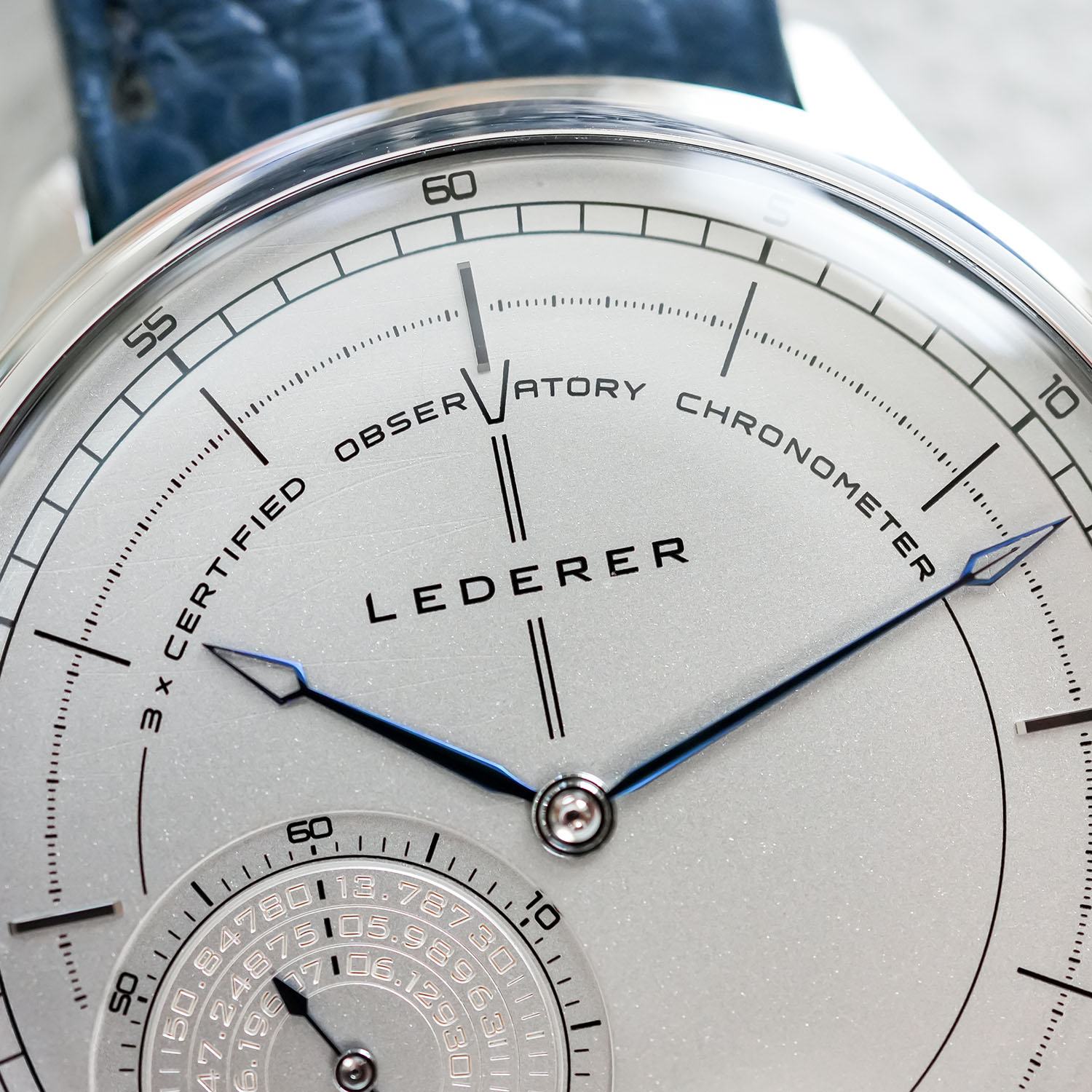
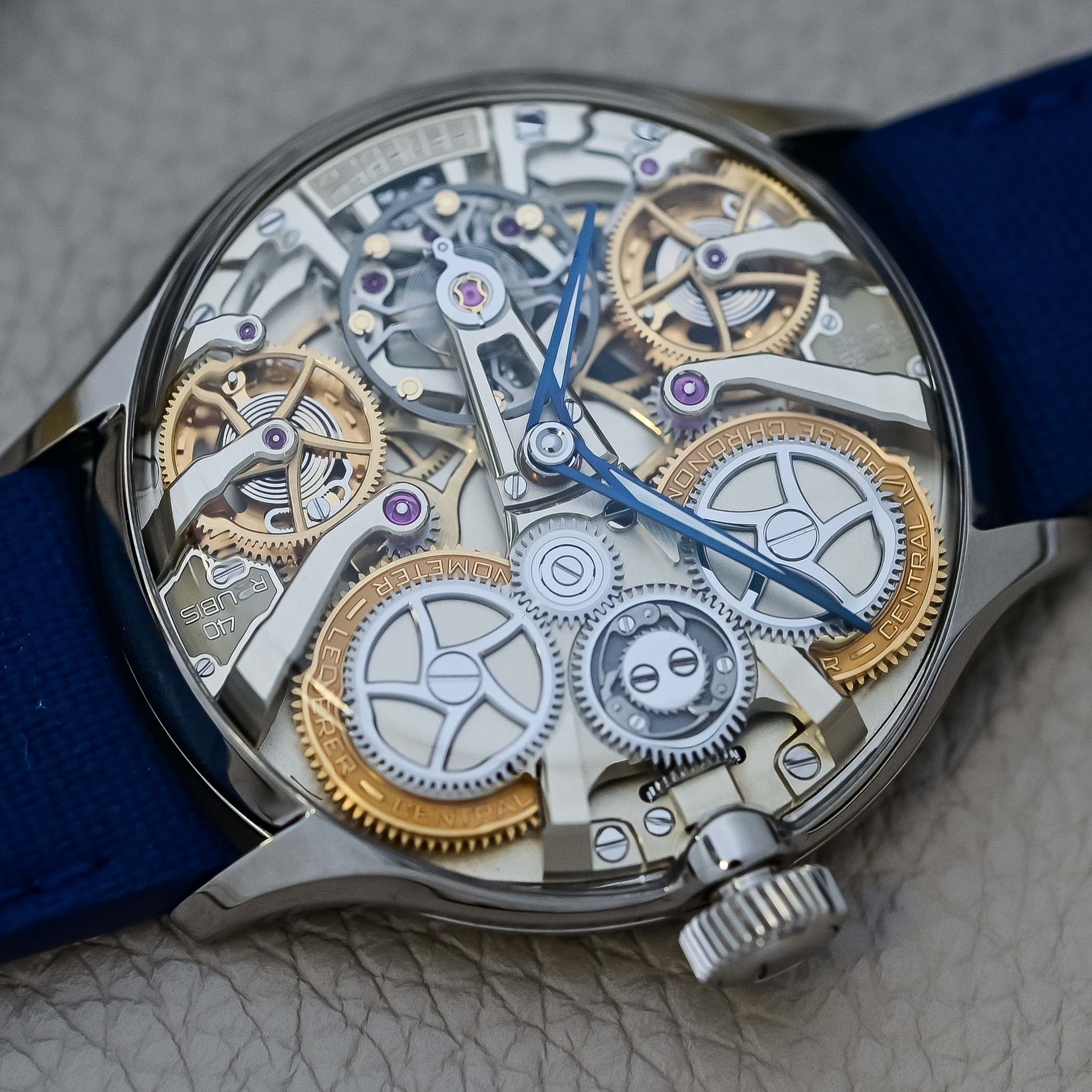
In this respect, the Central Impulse Chronometer can be seen not as a nostalgic homage or a technical gimmick, but as a continuation of an idea that had evolved over the centuries. When you look at this watch today, what do you think people recognise immediately, and what else would you like them to notice?
I think many collectors immediately recognise that it doesn’t attempt to imitate history. They understand that the historical references are there because they remain mechanically relevant.
What is sometimes overlooked is how much work goes into bridging the gap between the historical principle and the finished watch. An idea may have existed for centuries, but that doesn’t automatically make it practical for a modern wristwatch. Materials, tolerances, manufacturing methods, and countless small details must evolve before the principle becomes reliable enough for everyday use. In his day, George Daniels was convinced that no one would ever be able to use his independent double wheel escapement in a wristwatch.
That’s what interested me the most. I wasn’t trying to recreate the past. I wanted to understand why earlier solutions reached their limits at a certain point and whether today’s technology made it possible to take these ideas a step further.
You have been a longstanding figure of independent watchmaking. Independence is more than just running your own company. At what point did it become something without which you could no longer work?
I don’t think independence was ever a goal in and of itself. It developed quite naturally from the kind of work I wanted to do. As my interests increasingly focused on chronometry and escapements, I realised that certain projects required a great deal of time. With some ideas, it takes years to know whether they’re even feasible, and that’s hard to reconcile with an environment driven by short development cycles or commercial expectations.
There came a point when I sensed that the work itself required different conditions. It wasn’t about wanting complete freedom. It was about creating an environment in which an idea could truly mature.
Independence is often described as freedom, but the way you put it, it sounds more like responsibility. Has that always been your experience?
Yes, responsibility is the more appropriate word. When you’re independent, there’s no one to decide whether an idea is worth pursuing or whether a compromise is acceptable. Those decisions rest entirely with you. That can be liberating, but it also means you can’t blame anyone else if the result falls short of your own standards.
In many ways, independence forces you to become your own harshest critic. It’s very easy to convince yourself that something is good enough. It’s much harder to accept that it isn’t, to go back to the drawing board, and to start over.

From the outside, collectors see the finished watch. They don’t see the years that pass before anyone even knows a project exists. What aspect of this process is rarely appreciated?
Most of the work remains invisible. People naturally focus on the finished movement, the architecture, or the escapement. They don’t see the calculations that come to nothing, the prototypes that never leave the workshop, or the countless small decisions that gradually shape the final result.
Research rarely follows a straight path. There are moments when an idea seems promising, and reveals a flaw much later. These moments can be frustrating, but they’re also necessary, and at the end, both challenging and full of emotions. That is why patience has become such an important part of my work.
It’s striking that you rarely speak of success in the conventional sense. You speak of understanding, responsibility, and patience. Has your definition of success changed over the course of these forty years?
It has become simpler. At the beginning of one’s career, progress is easily measured by successes: the completion of a project, the opening of a workshop, or the unveiling of a new watch. These moments are important, of course, but they don’t provide lasting fulfilment. Today, I find my satisfaction elsewhere. It’s when an idea finally comes together mechanically, and every component is in its place, and the movement behaves exactly as you’d hoped.
The greatest reward for me is when I see that my work inspires others to delve deeper into the art of mechanical watchmaking. When a collector or a young apprentice begins to ask more profound questions because of something I’ve built, I feel that my life has made sense, that I’ve contributed something valuable.
The world of independent watchmaking has changed enormously over the past four decades. When you started, it was a much smaller world. Today, collectors are better informed, independent watchmakers have a greater presence, and the conversation surrounding mechanical watchmaking has expanded significantly. When you look at this evolution, what has truly encouraged you along the way?
One of the most encouraging changes is the deeper understanding among collectors. People are becoming more interested in why a movement is designed the way it is, rather than simply how it looks or how complicated it appears to be. This creates space for a different kind of discussion – one that focuses on ideas rather than novelty.
Independent watchmaking has become much more diverse. When I started pursuing my own ideas often meant working in relative isolation. Today, there are many talented independent watchmakers, each of whom approaches the craft from a different perspective.
On the other hand, are there any developments that give you pause? Not necessarily because they’re wrong, but because they raise questions about the direction in which watchmaking is heading.
Every generation approaches watchmaking differently, and I don’t think that’s something to fear. New ideas are indispensable. Without them, the craft would eventually become more of a museum piece than a living discipline.
What concerns me is when innovation is disconnected from its actual purpose. A new mechanism should exist because it contributes something- whether technically, functionally, or intellectually. When changes serve only to attract attention, they rarely remain interesting once the novelty wears off.
As I’ve been listening to you over the past hour, I noticed that, after forty years, you talk less about finished watches than about unfinished ideas. Has that always been the reason you return to the workshop every morning?
Yes. The better you understand a movement, the more you realise how much there is still to explore. Research is never something you can ever truly complete. Every answer reveals another layer of complexity, and another opportunity for improvement. That’s what keeps the work interesting even after all these years.
And there’s also a very human reward. Seeing the enthusiasm of colleagues, or watching someone discover a movement with fresh eyes. These moments serve as a reminder that the art of watchmaking is ultimately just as much about the exchange of knowledge as it is about creating objects.
After all, anniversaries often invite us to look back. But after our conversation, I also get the impression that this 40th anniversary is less a celebration of what has been achieved and more a reminder of how much remains to be explored. Is that an accurate perspective?
I think so. Forty years offer an opportunity to pause, reflect, and honour the people, experiences, and ideas that have shaped my work. But they do not change the work itself. There are still technical challenges worth pursuing, and better solutions waiting to be discovered. That is why I do not see this anniversary as the completion of forty years. I see it as the beginning of the next chapter.
Is there a surprise in store for the enthusiasts?
I’ll reveal more in the coming months. Without giving away too much for now. I am working on a new watch, as you might expect, that incorporates an entirely new regulating system. But that’s not all…

1 response
The Three-Times Certified Observatory Chronometer is among my favourite high horology watches. Its aesthetics and technical characteristics capture the spirit of the early modern history of watches. A true instrument.