


 Not all images were able to load for printing. Please close the print window and try again.
 The Five Most Complicated Wristwatches Ever Made
A handful of watches, with dozens of complications, are true wonders of the horological world.
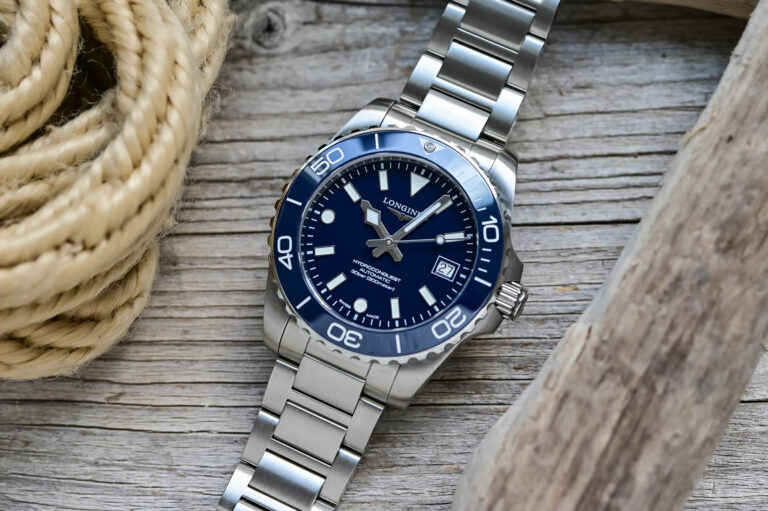
When I think of an affordable complicated watch, something like the Longines Master Collection Chrono Moonphase comes to mind with a full calendar, chronograph, moon phase and 24-hour time (as a day/night indicator). That’s amateur level, however, when it comes to grand complications and the five most complicated watches on this list of this ABCs of Time article are horological marvels. Some are eight years or more in the making and even created entirely by a single watchmaker (save for some finishing or specific decorations). Most of us would need a detailed instruction manual just to understand the dials (and how to operate everything), but the incredible degree of functionality from a purely mechanical movement reinforces that old-school ingenuity can be more impressive than modern technology.
An Ancient Art
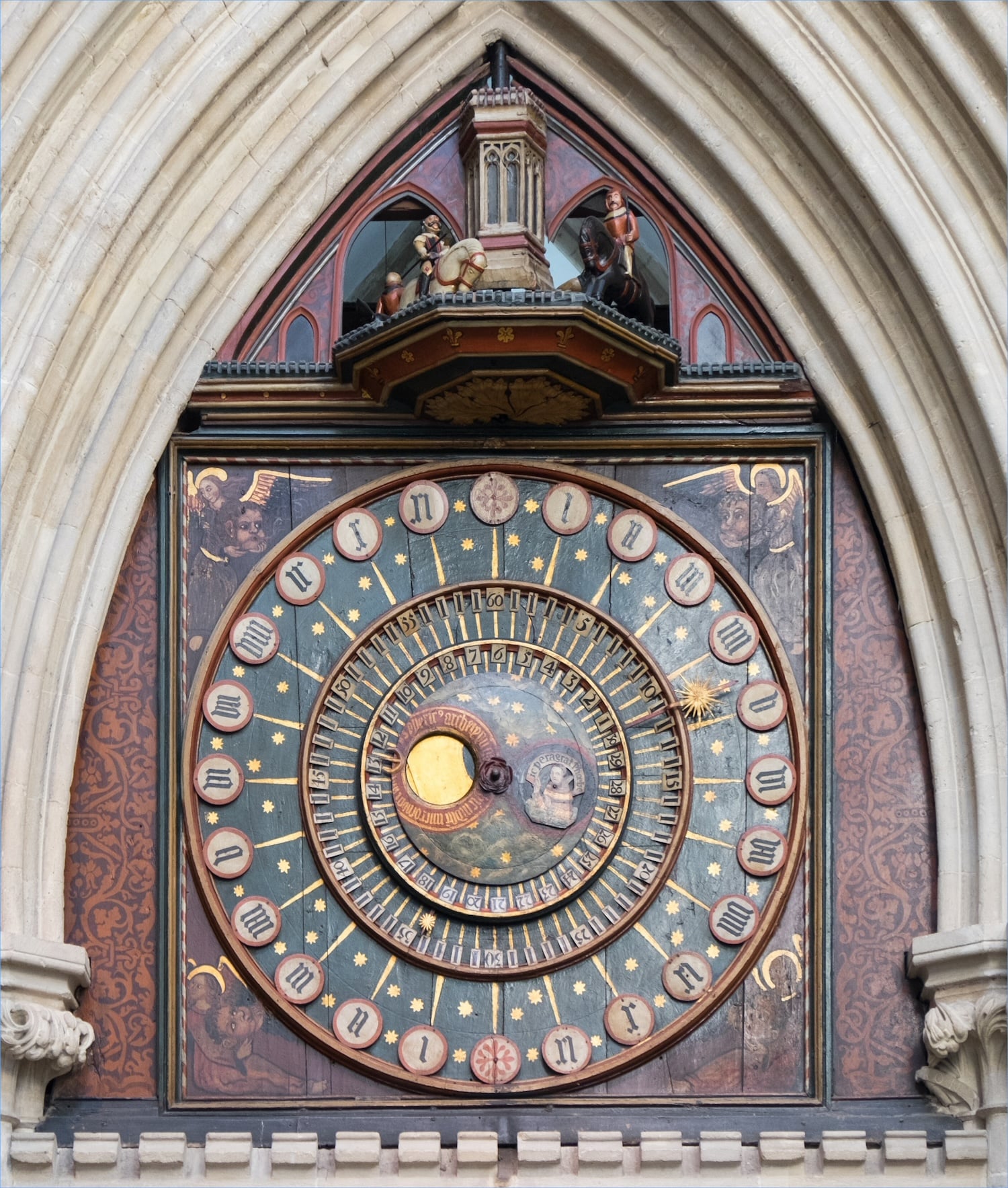
Complications are by no means a modern development and go back centuries to the early days of portable timekeeping. We can look even further back to the 14th century, when clocks had complications like chiming mechanisms, automata and astronomical displays with moon phases and solar cycles. Clocks like the Wells Cathedral Clock from 1392 are among the earliest to feature complications – automata figures ringing bells and an astronomical display with the positions of the sun and moon. Arguably the most famous is the Prague Astronomical Clock from 1410 in the Czech Republic, which remains operational today. In the 16th century, early pocket watches started getting simple alarms and moon phases, but advanced complications followed a couple of centuries later.
English watchmaker Thomas Mudge invented the perpetual calendar in 1762, while the repeater was invented in the 1680s (credited to multiple talents like Edward Barlow with the rack and snail striking mechanism and Daniel Quare with a perfected design). It was Thomas Mudge (again) who invented the true minute repeater around 1750, while earlier examples were usually quarter repeaters. The chronograph (as we know it today) debuted in the early 19th century, with examples from Louis Moinet in 1816 and Nicolas Mathieu Rieussec in 1821 (the latter with the first commercialised variant). We’re just scratching the surface with complications, but you get the idea.
Grand Complications
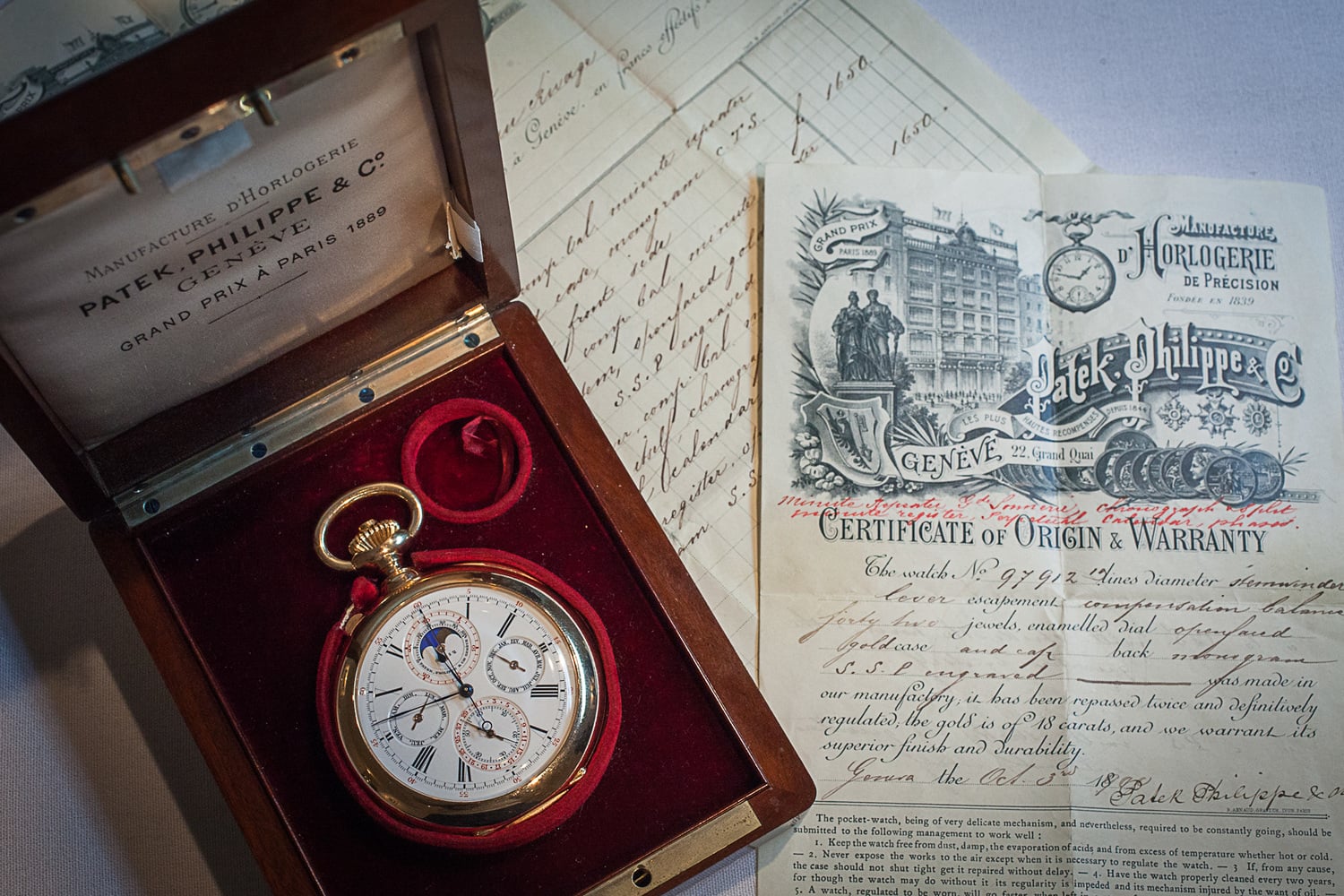
A grand complication is a watch with multiple, complex complications, but three specific ones are generally recognised as a standard (although not a hard requirement) – chronograph, minute repeater and perpetual calendar. The first grand complication was commissioned in 1783 for Queen Marie Antoinette, but wasn’t finished until 1827 (long after her death). Produced by Breguet and known simply as No. 160, it featured a staggering 23 complications with 827 parts, and included a minute repeater, perpetual calendar, power reserve indicator, equation of time, chronograph, thermometer, and was even self-winding (perpétuelle). Patek Philippe’s “Palmer” pocket watch from 1898 had only 13 complications, including a minute repeater, grand and petit sonnerie, perpetual calendar, split-seconds chronograph and moon phase. It was the elite watchmaker’s first grand complication and ultimately led to a piece on this top 5 list.
The first commercial grand complication wristwatch debuted fairly recently in 1990 – IWC’s Grande Complication, an automatic chronograph with perpetual calendar and minute repeater, followed in 1991 by the Blancpain 1735, an automatic watch with 11 complications including a tourbillon, a minute repeater, a rattrapante and a perpetual calendar. Smaller wristwatch cases made grand complications much more difficult than pocket watch counterparts, so they were late to enter the picture. IWC had the requisite minute repeater, perpetual calendar with moon phase and chronograph, but it falls well short of the most complicated wristwatches today.
Vacheron Constantin Les Cabinotiers Solaria Ultra Grand Complication – 41 complications
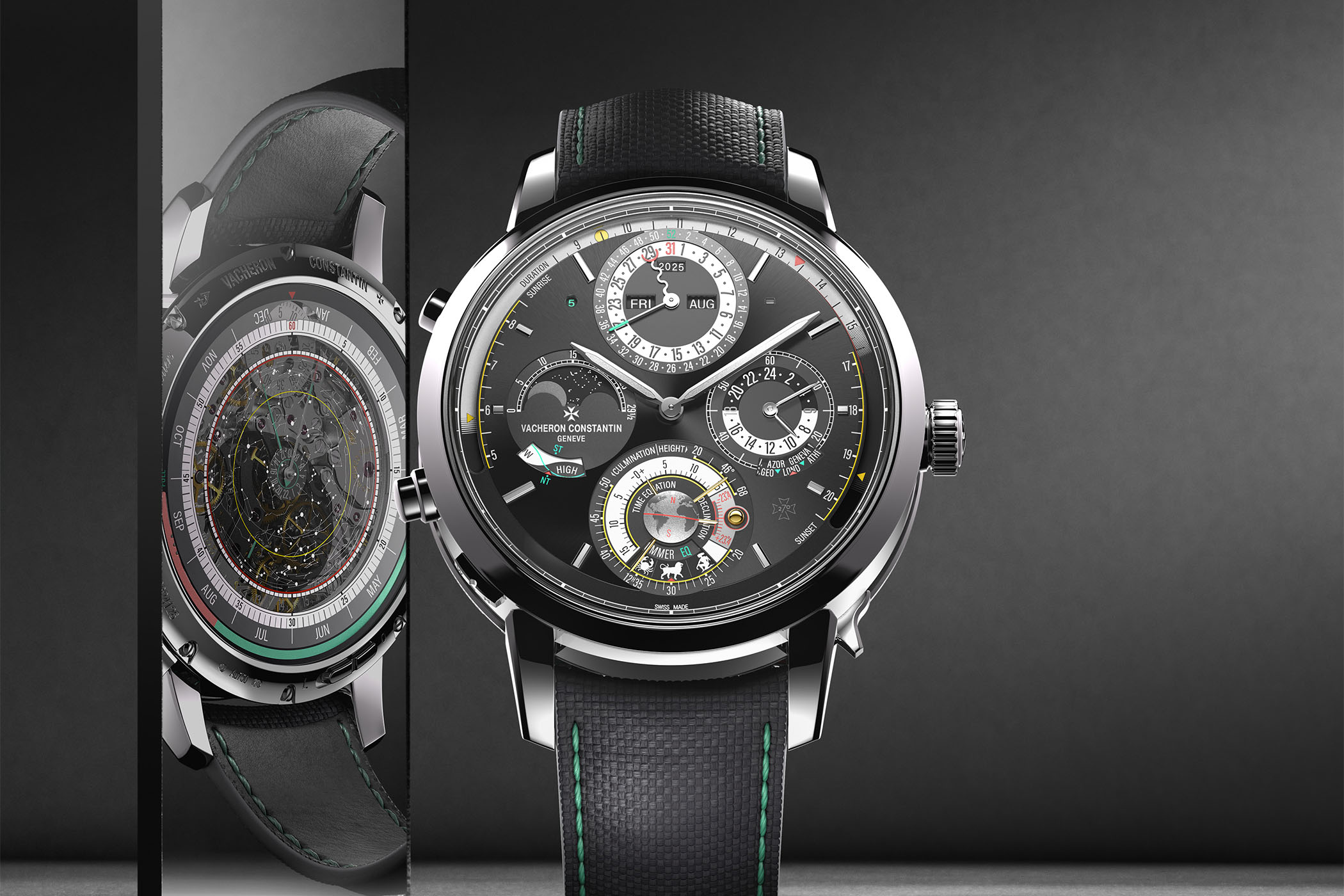
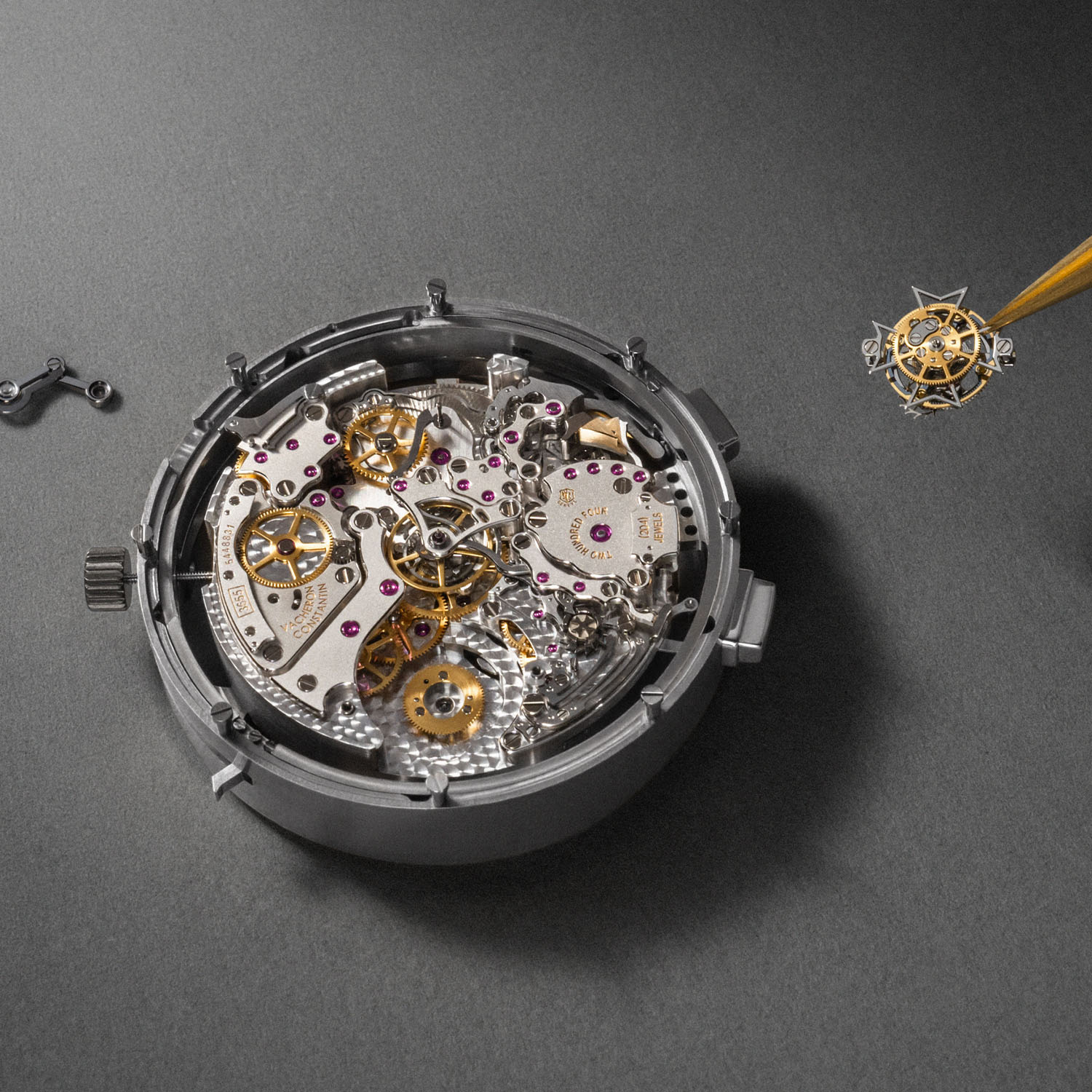
Holy Trinity member Vacheron Constantin leads the field with grand complications, including the most complicated timepiece in the world. This pocket watch from 2024, the Berkley Grand Complication, has 63 complications and remains the overall champion (it includes Gregorian and Chinese perpetual calendars within its massive 98mm x 50.55mm case). The watchmaker’s most complicated wristwatch, the Les Cabinotiers Solaria Ultra Grand Complication, holds the wristwatch title with 41 complications packed into a wearable 45mm case. Finished in 2025 for the brand’s 270th anniversary, it includes a Westminster minute repeater, split-seconds chronograph, perpetual calendar, equation of time, seasons, zodiac signs, world time and sunrise/sunset times (and a lot more).
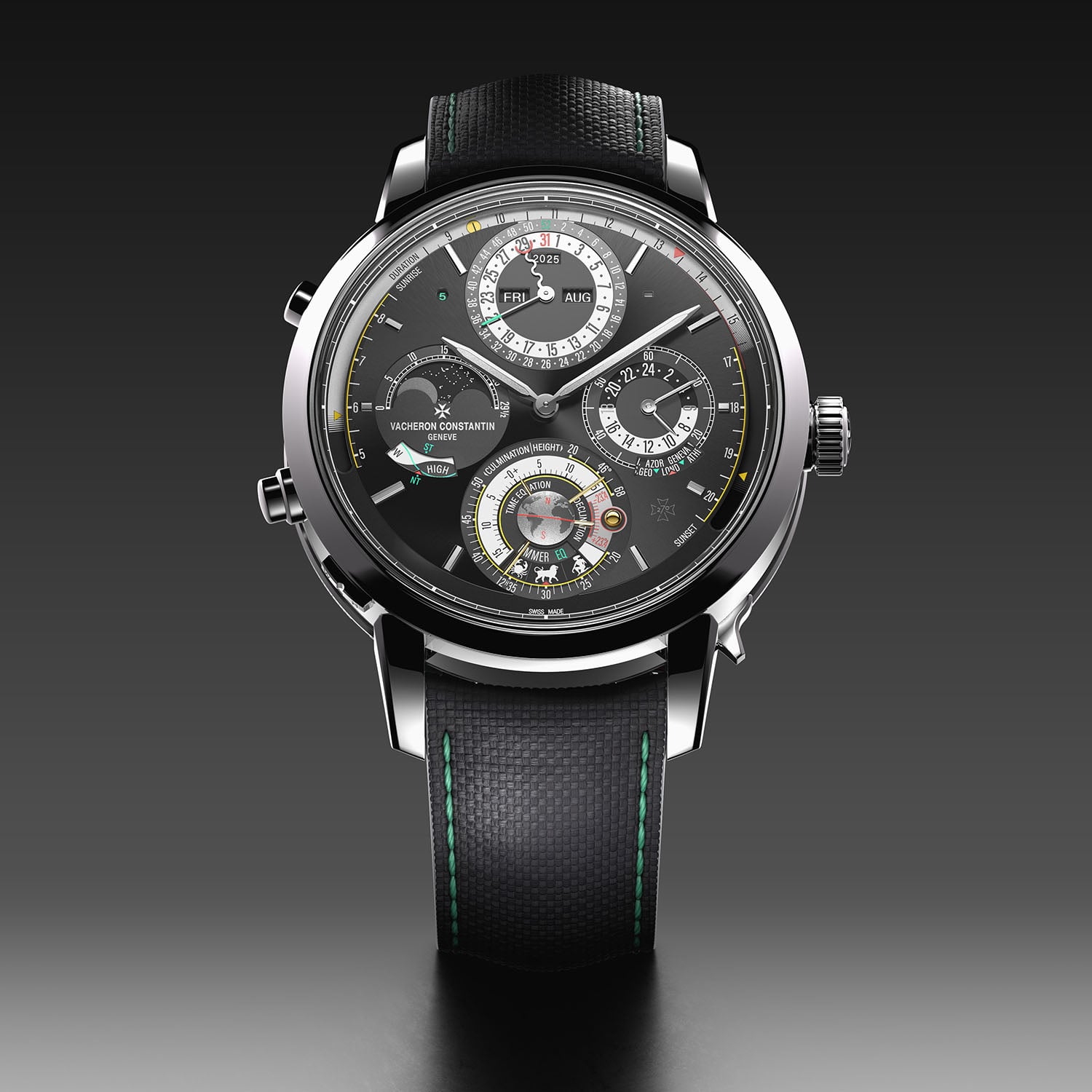
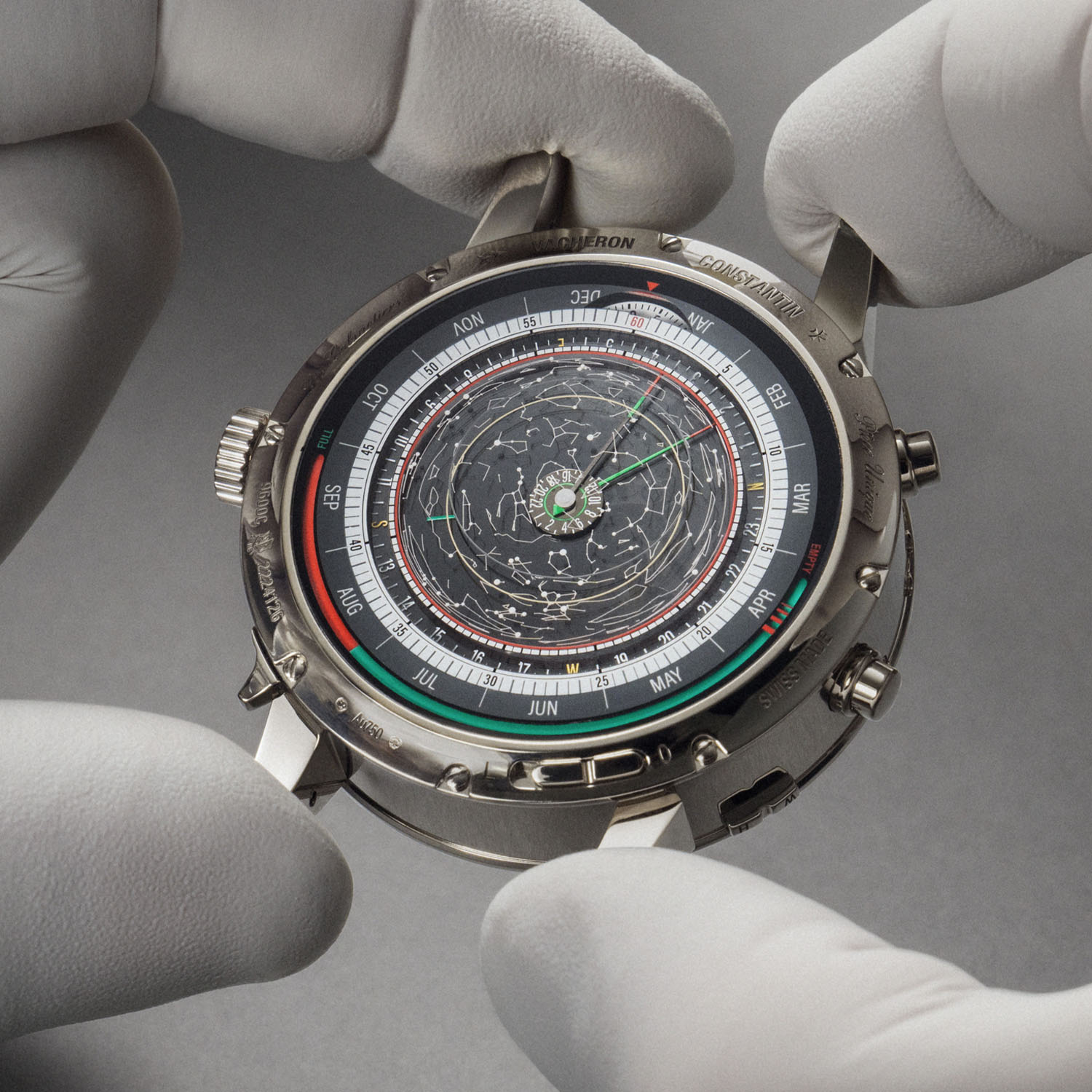
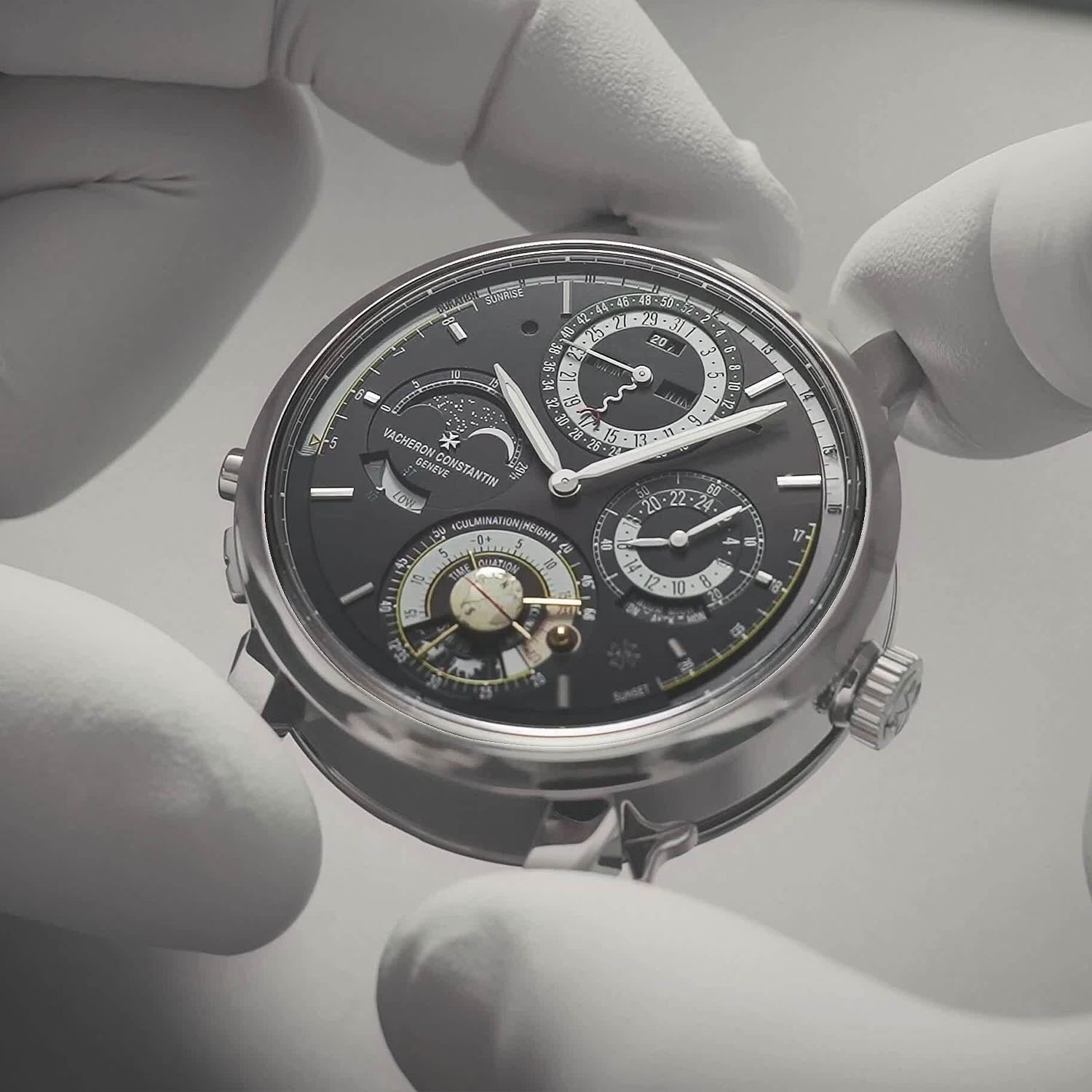
For such a complicated piece, it’s surprisingly visually unintimidating, with complications featured on both sides of the watch. The front has only four sub-dials and is both contemporary and uncluttered, but dig a little deeper and you’ll see multiple complications within each sub-dial and around the perimeter. There are 1,521 components with Calibre 3655, and the 45mm case has a height of only 14.99mm. This is shockingly compact for such a complex piece and comfortable for daily use (although it is a seven-figure watch). A standout is the number of astronomical complications, including a world’s first on the back – tracking celestial objects. This is linked to the split-second chronograph, which can determine when a star or constellation will appear in the night sky.
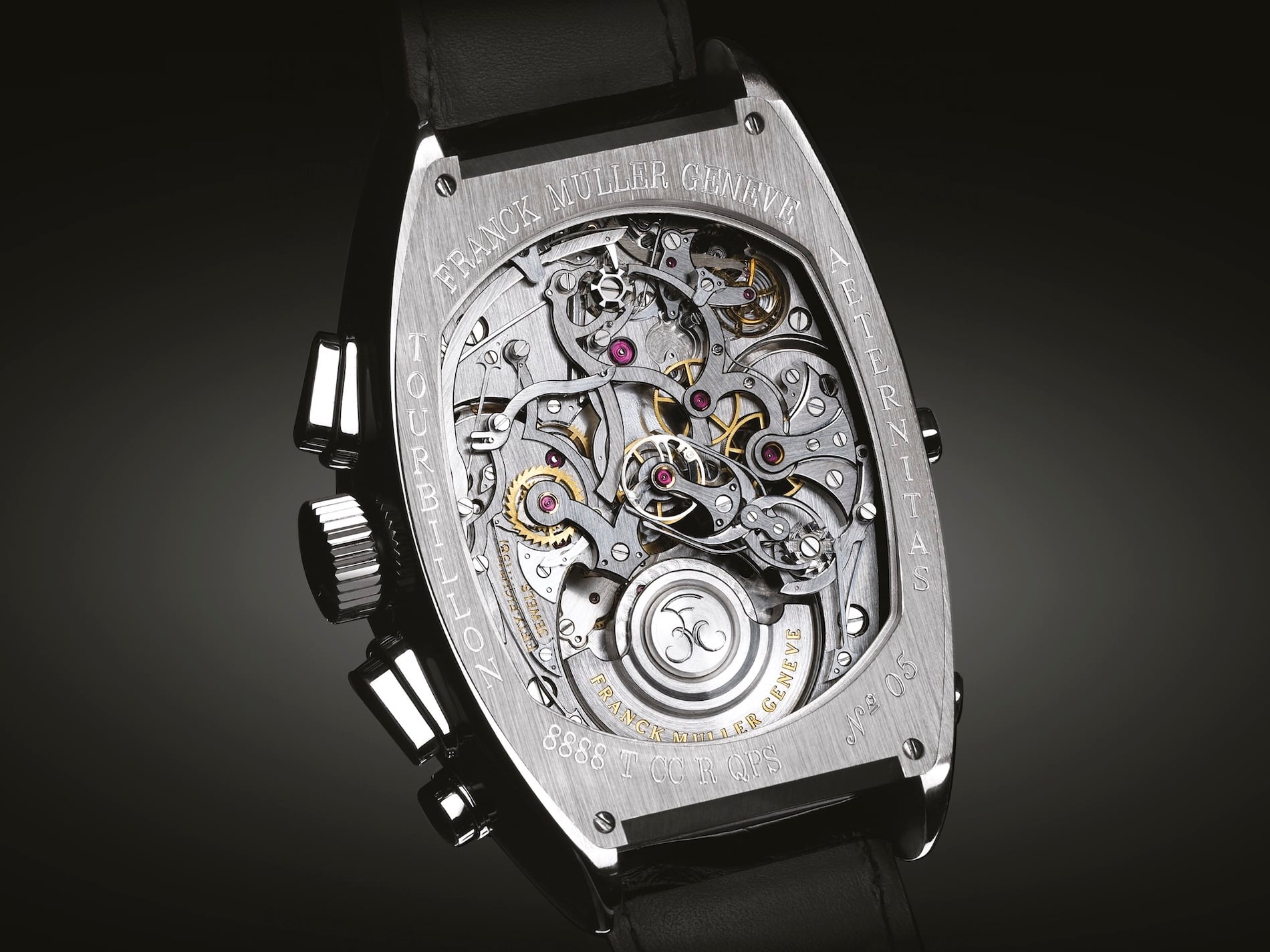
Franck Muller Aeternitas Mega 4 – 36 complications
Completed in 2009, this piece has 36 complications and held the title before Vacheron Constantin took over with the above watch. Five years in the making, it has 18 hands and 5 discs for a total of 23 active displays, and 7 pushers around the case (and 4 correctors). Along with a flying tourbillon, complications include a Westminster minute repeater, grande and petite sonnerie, a secular perpetual calendar with moon phase (good for 1,000 years without adjustment), a flyback chronograph, dual time zones and much more. Although there are 36 complications, it’s limited to 23 indications as some are unseen or contributors to other advanced operations (the flying tourbillon is considered two complications, for example). Everything is housed in a sizeable tonneau-shaped case (Cintrée Curvex) at 42mm wide and 61mm tall with a height of 19.15mm. It’s heavy and very tall on the wrist, but hands-on experiences say it’s surprisingly wearable. Calibre FM 3480 QPSE is a micro-rotor automatic with 1,483 components and 99 jewels, and is on full display via the exhibition case back. It sold for USD 2,700,000 and is said to be worth north of USD 4 million today.
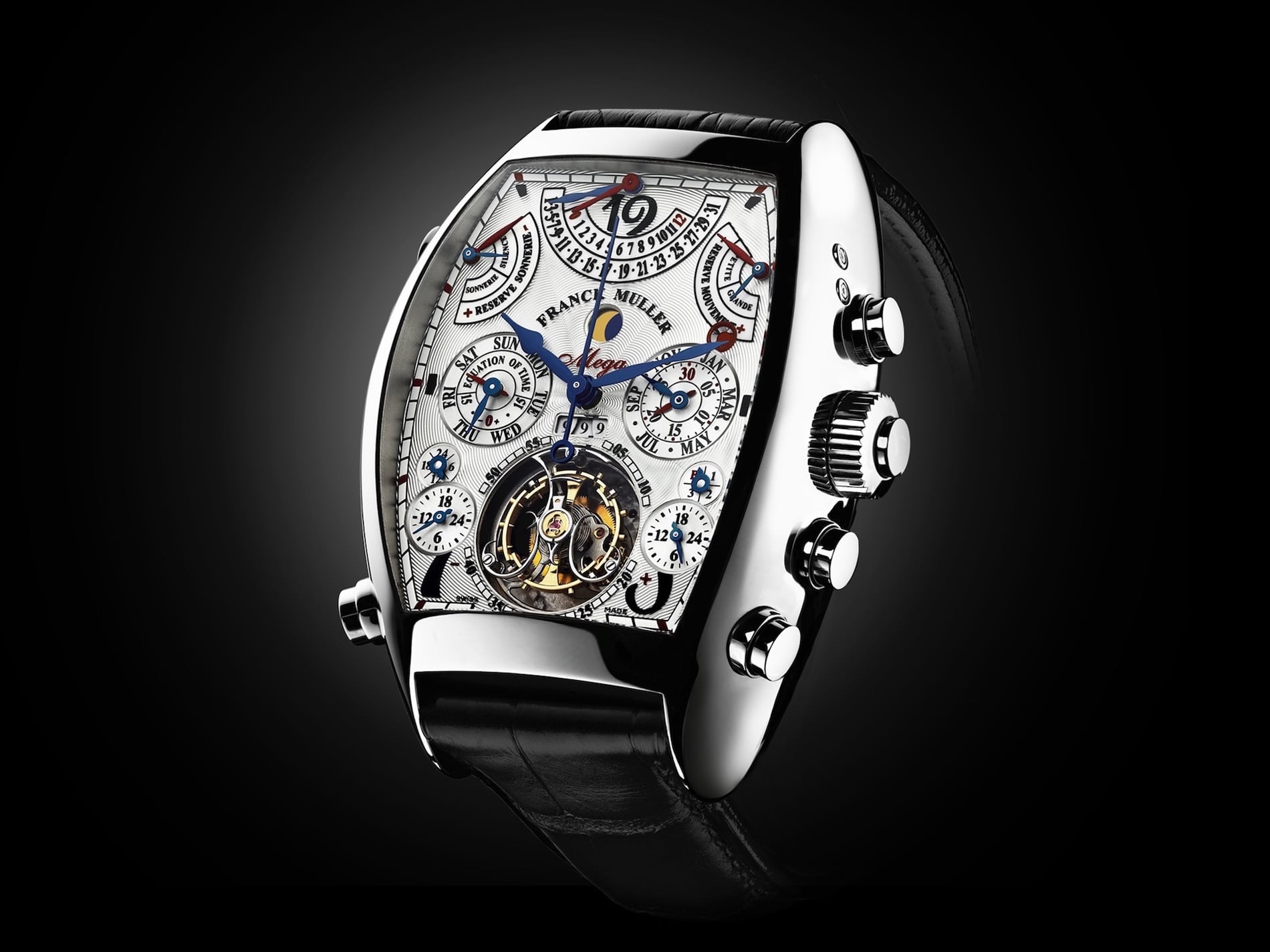
Franck Muller, the man behind the brand, created complicated watches back in the 1980s before partnering with entrepreneur Vartan Sirmakes in 1991 to form the company. His hallmarks are oversized, tonneau-shaped Cintrée Curvex cases and loud dials, which compete with industry heavyweight Richard Mille with a similar design language. Muller quickly established his brand as a “master of complications” with an emphasis on tourbillons with watches like the Revolution 3 with the world’s first tri-axial tourbillon, Grand Central Tourbillon with a tourbillon in the centre of the dial and Giga Tourbillon with an oversized, 20mm tourbillon at 6 o’clock. The Aeternitas Mega 4 remains a true horological wonder and arguably as impressive as Vacheron Constantin’s Les Cabinotiers Solaria Ultra Grand Complication, despite having fewer complications.
Vacheron Constantin Les Cabinotiers Celestia Astronomical Grand Complication 3600 – 23 complications
We’re back with Vacheron with another highly complex piece from 2017, featuring 23 complications that again utilise both sides of the watch. With so much going on, it’s clearly a grand complication, but there’s not a chiming mechanism (no minute repeater or sonnerie). It focuses on astronomical displays with a perpetual calendar and moon phase (with an integrated day/night indicator), sunrise and sunset, solstices, seasons, zodiac signs, equinoxes and the equation of time. There’s also a tourbillon, tide indicator (mareoscope), sun/earth/moon conjunction, opposition and quadrature, and a three-week power reserve via six barrels! That’s a lot of mainsprings. The back of the watch has a custom star map (showing the owner’s night sky) that makes a full rotation every sidereal day – 23 hours, 56 minutes, and 4 seconds, or the true time for Earth to rotate 360 degrees, which is a few minutes shorter than a solar day. The discrepancy comes as the Earth has to make a slightly longer rotation than 360 degrees for the sun to return to the same location in the sky, which is the solar day. You can also see the tourbillon and stacked mainspring barrels from the back.
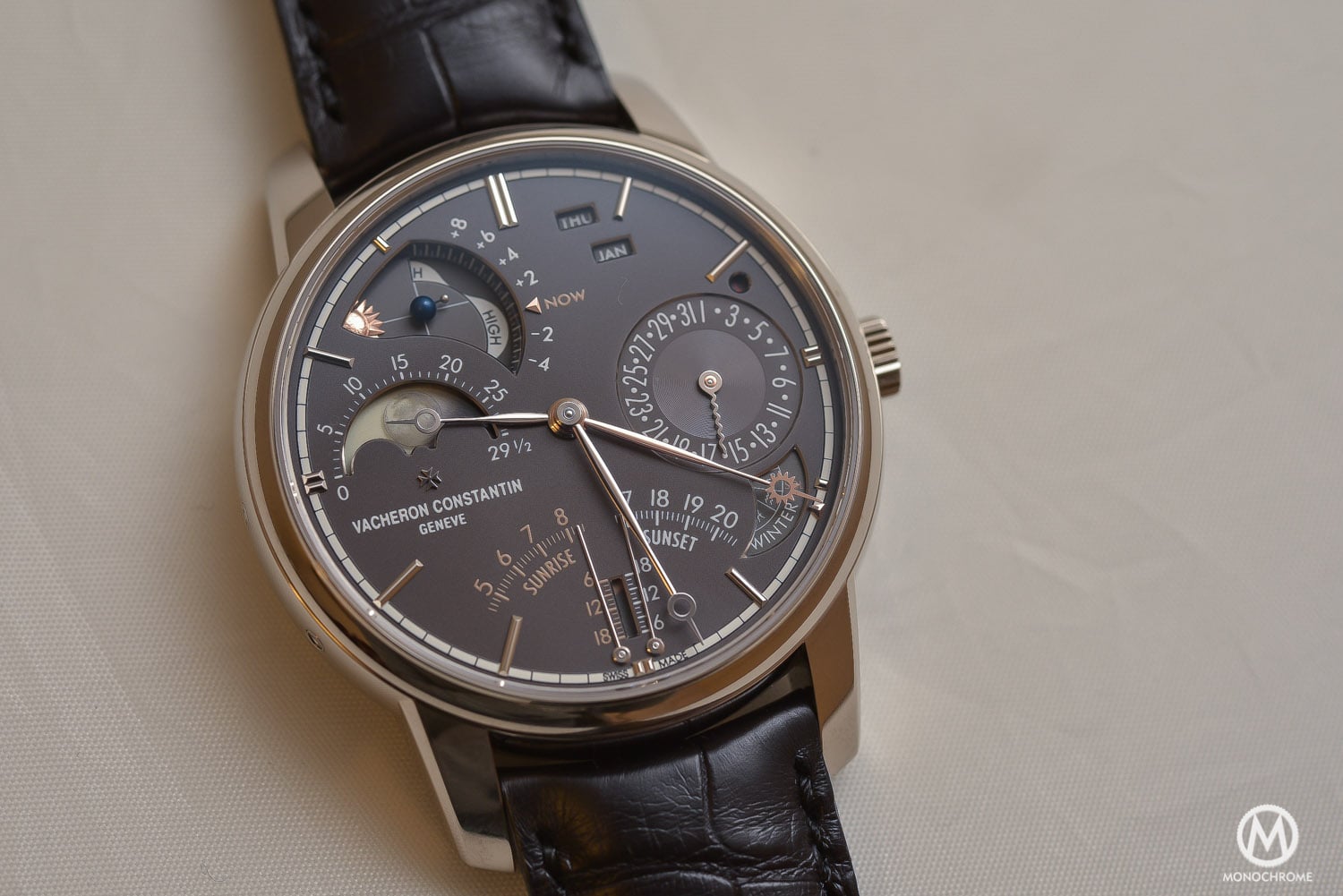
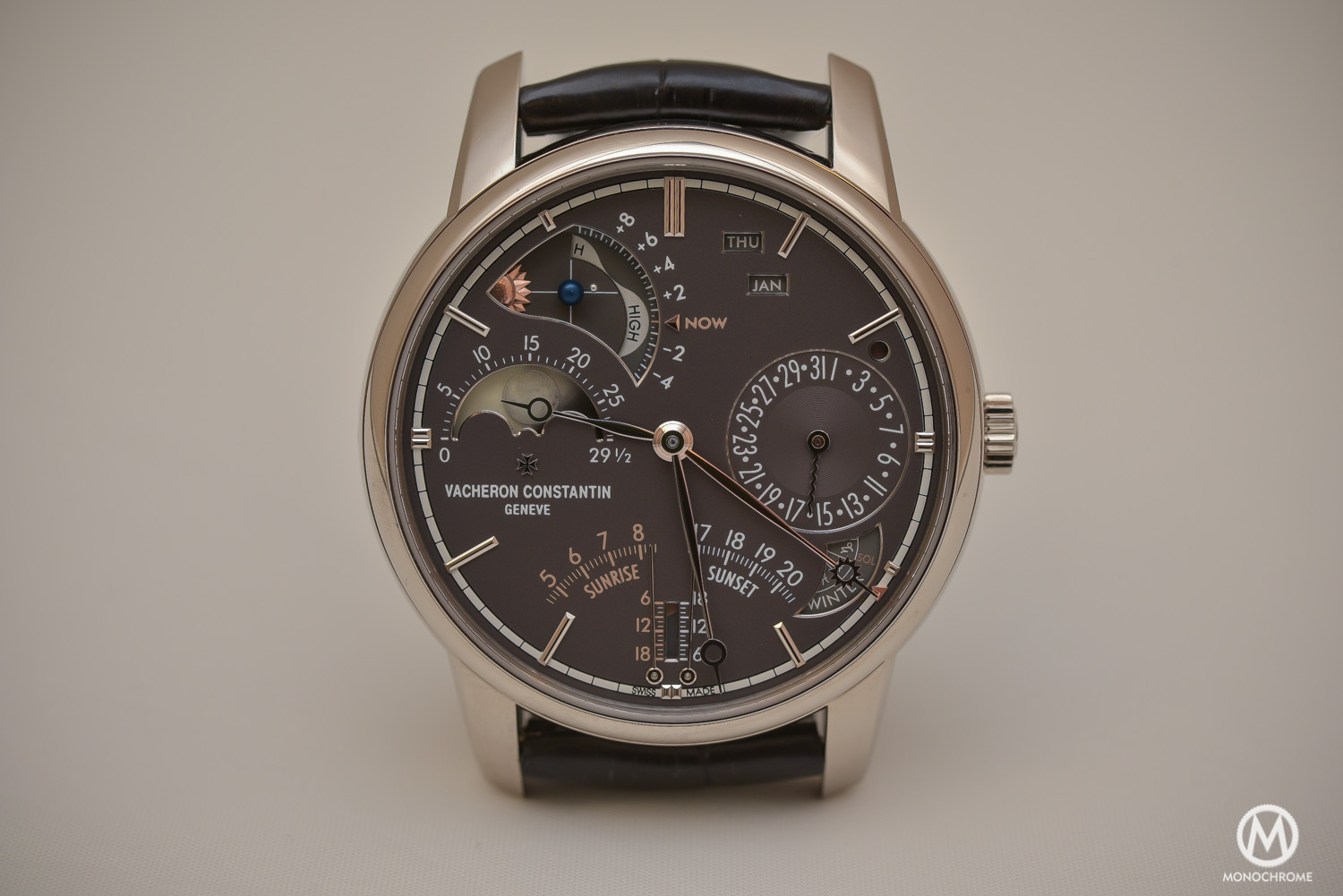
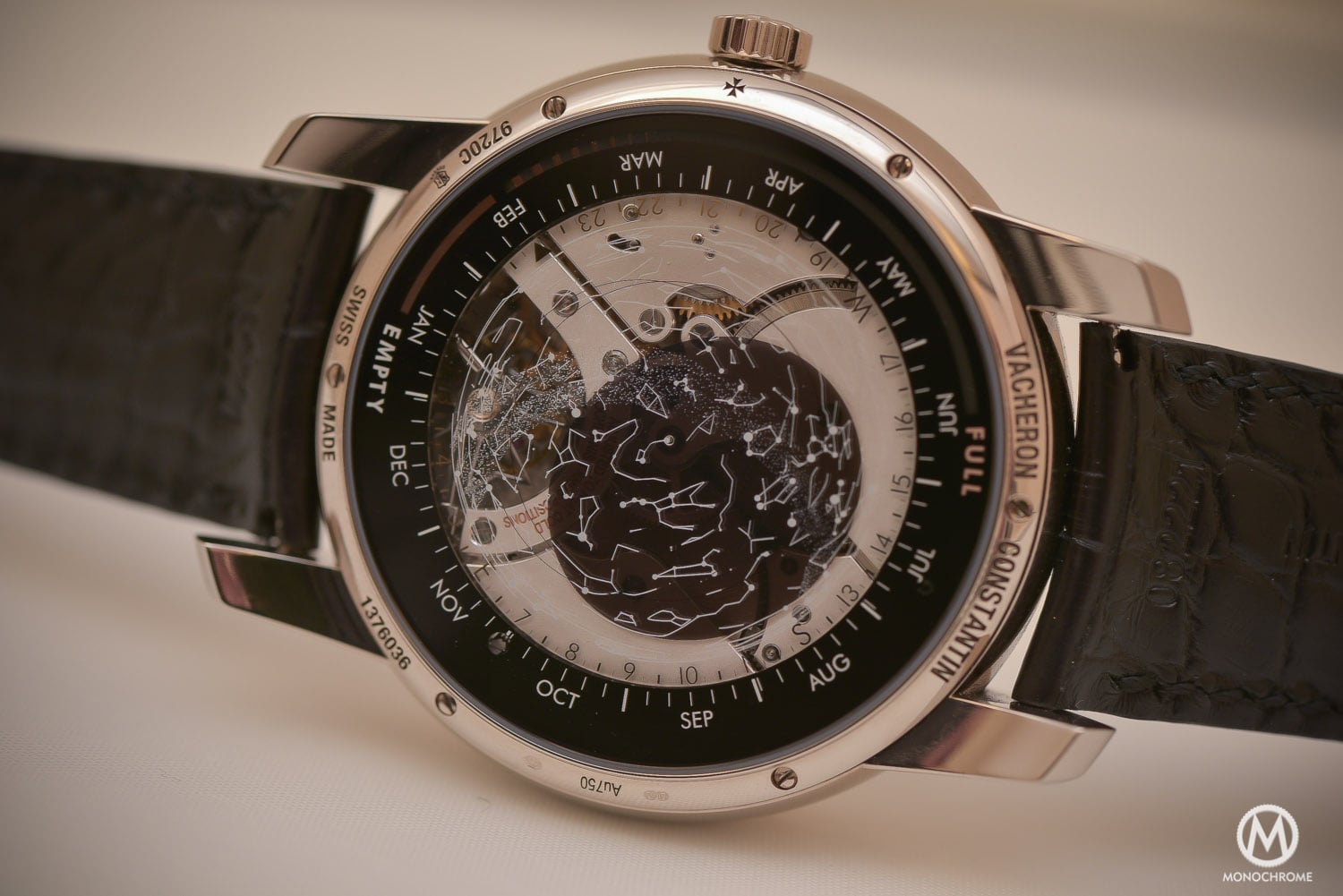
The case is 45mm in diameter and 13.6mm in height, which is very wearable despite having almost two dozen complications. Unlike others on this list, the Les Cabinotiers Celestia Astronomical Grand Complication 3600 has a solid theme with celestial and earthly indications, providing an incredible amount of information about the world around us with levers, gears, springs, jewels and mechanical ingenuity. The hand-wound calibre 3600 has 514 components and 64 jewels, and features the Poinçon de Genève (Geneve Seal), verifying top finishing and quality – only 0.008% of Swiss watches receive this seal per year, which is much more difficult to get than a COSC certification, for example. In 2020, the Ode to Music model succeeded this one with a modified calibre 3600 (calibre 1731 M820) that replaced the tourbillon with a minute repeater, grande and petite sonnerie. This piece dropped a bit to 19 complications, but was a more traditional grand complication with the chiming mechanisms.
Audemars Piguet Code 11.59 Ultra-Complication Universelle RD#4 – 23 complications
The second Holy Trinity watchmaker, Audemars Piguet, unveiled its most complicated wristwatch in 2023, also with 23 complications. Based on the Code 11.59 collection from 2019, which was a deliberate expansion from the quintessential Royal Oak line, this took seven years to develop and got inspiration from the L’Universelle pocket watch from 1899. The goal was to produce a highly complex piece in a modern, wearable package that was easy to live with (for those that could afford such a luxury, of course). The case is only 42mm in diameter and 15.5mm in height, which falls well within the “normal” range for contemporary watches like chronographs and divers, and everything is located on a single dial (the case back is solid, but opens via a hinge to reveal the resonance chamber of the Supersonnerie and the Calibre 1000 movement. And what is a Supersonnerie? This AP patented technology amplifies and enhances acoustics within a wristwatch (clarity, volume and so on), rivalling and even surpassing much larger pocket watches with more internal space. A new soundboard membrane with special gongs attached to the membrane (not the mainplate) and a specialised case back combine to create a superior sound compared to traditional repeaters and sonneries. Opening the case back also enhances the sound, analogous to opening the lid of a grand piano.
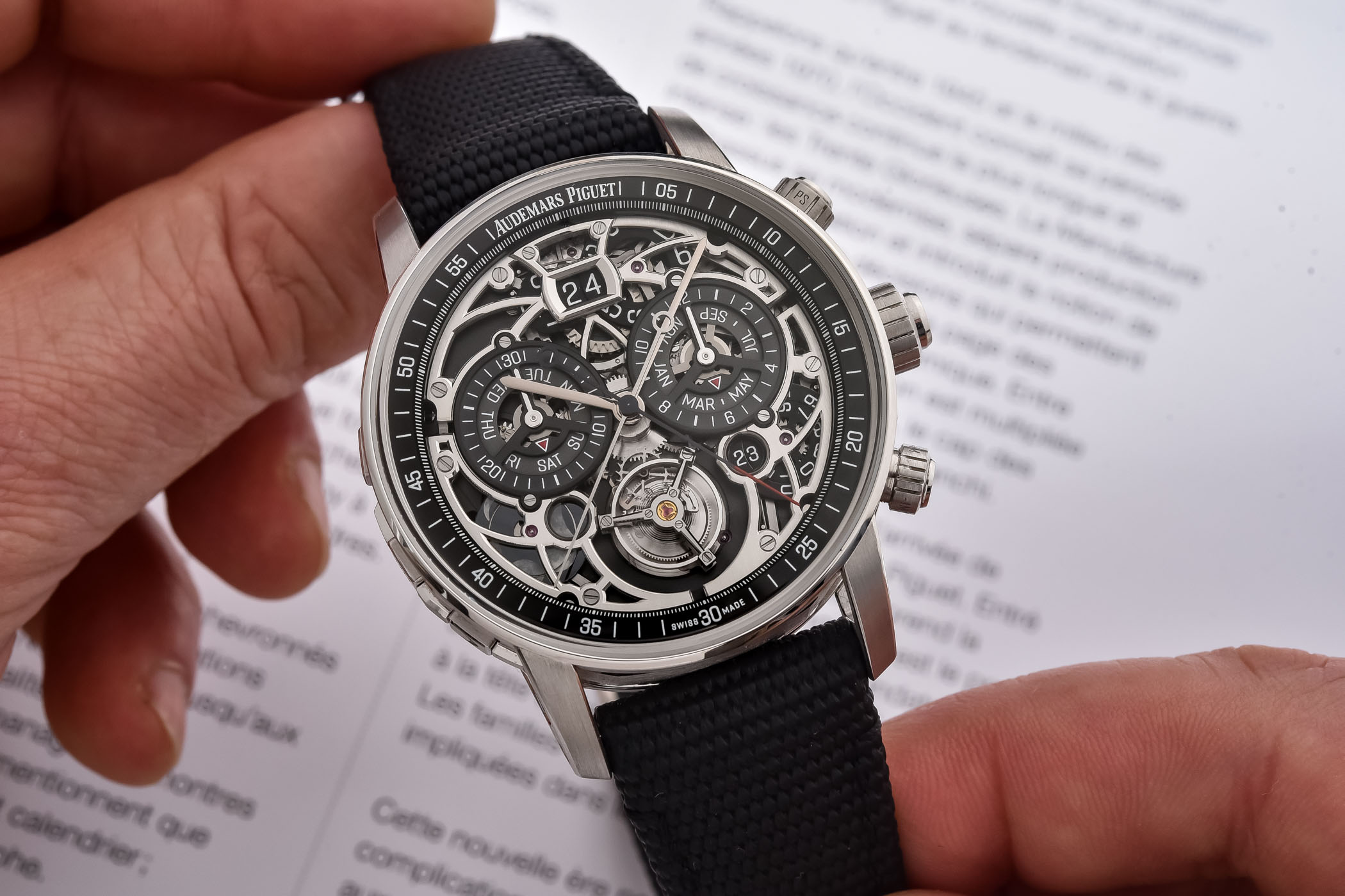
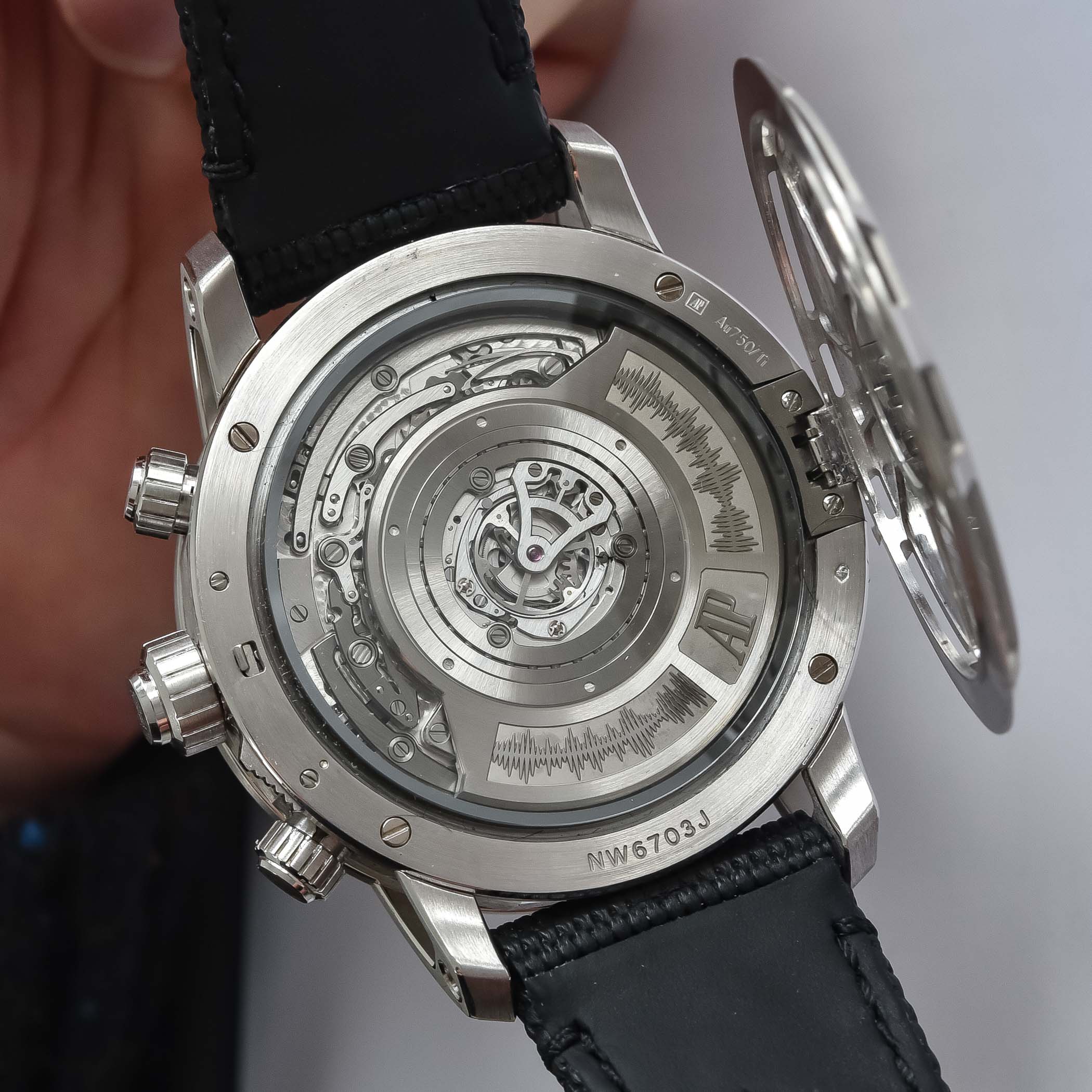
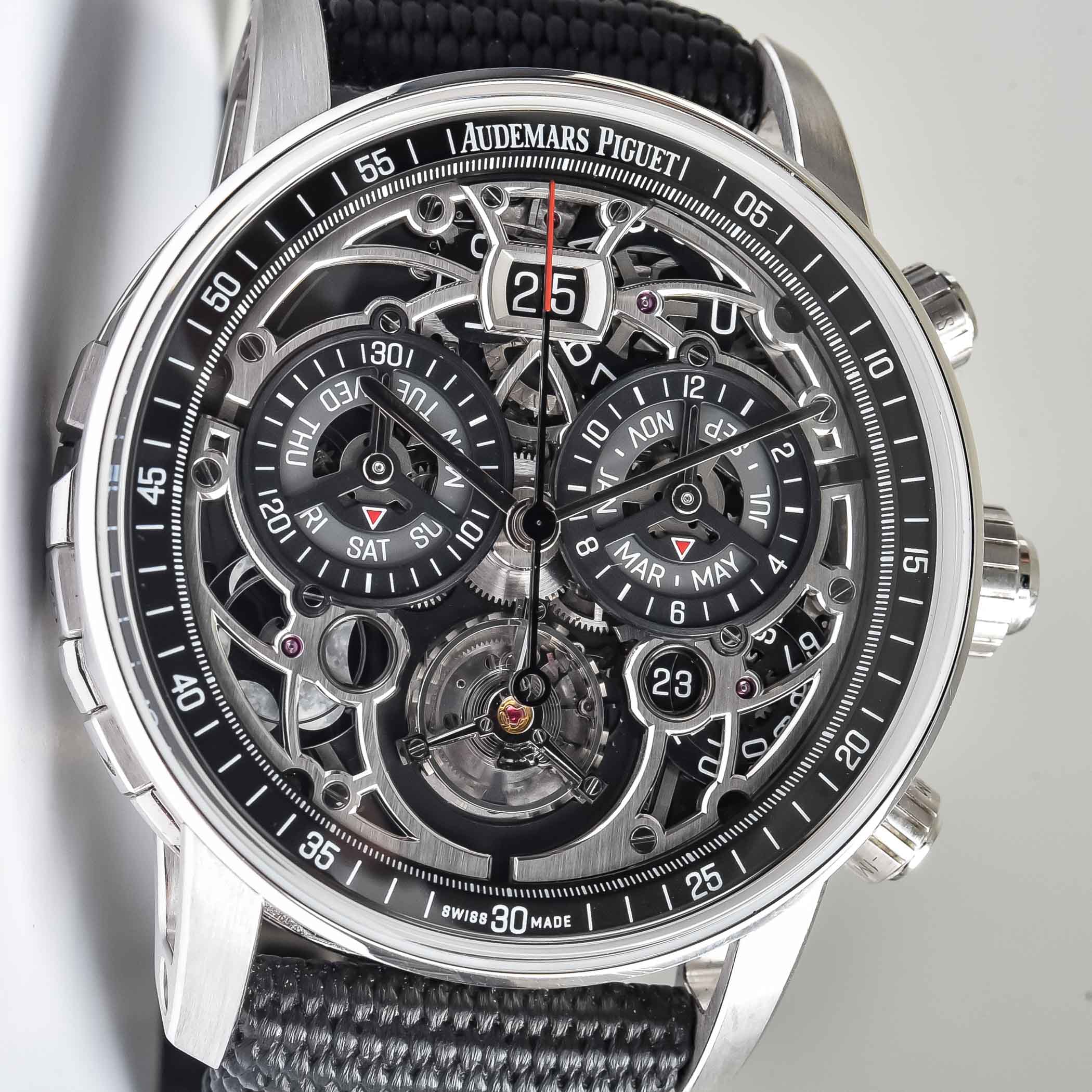
The Code 11.59 Ultra-Complication Universelle RD#4 utilises some of the best AP technology from prior R&D models, such as the Supersonnerie from the Royal Oak Concept Supersonnerie (RD#1), the semi-Gregorian perpetual calendar (until 2400 without adjustment) from the Royal Oak Perpetual Calendar Ultra-Thin (RD#2) and the flying tourbillon from the Royal Oak Jumbo Selfwinding Flying Tourbillon Extra-Thin (RD#3). The Calibre 1000 has 1,140 components, 90 jewels and a 64-hour power reserve with a semi-peripheral automatic rotor, and additional complications include a split-seconds flyback chronograph, minute repeater, grand and petite sonnerie, flying tourbillon and locking of chiming functions when the mainspring is too unwound. Giulio Papi, AP’s technical director, wanted the watch to be user-friendly, so pushers/correctors on traditional grand complications are replaced with labelled push pieces on the left side of the case and three crowns with integrated pushers on the right. Not exactly simple, but more intuitive than many others for those who want to dive in without instructions. The watch comes in four variations – two solid dials in black or beige with white gold cases, and two open-worked dials in white or pink gold cases.
Patek Philippe Grandmaster Chime – 20 complications
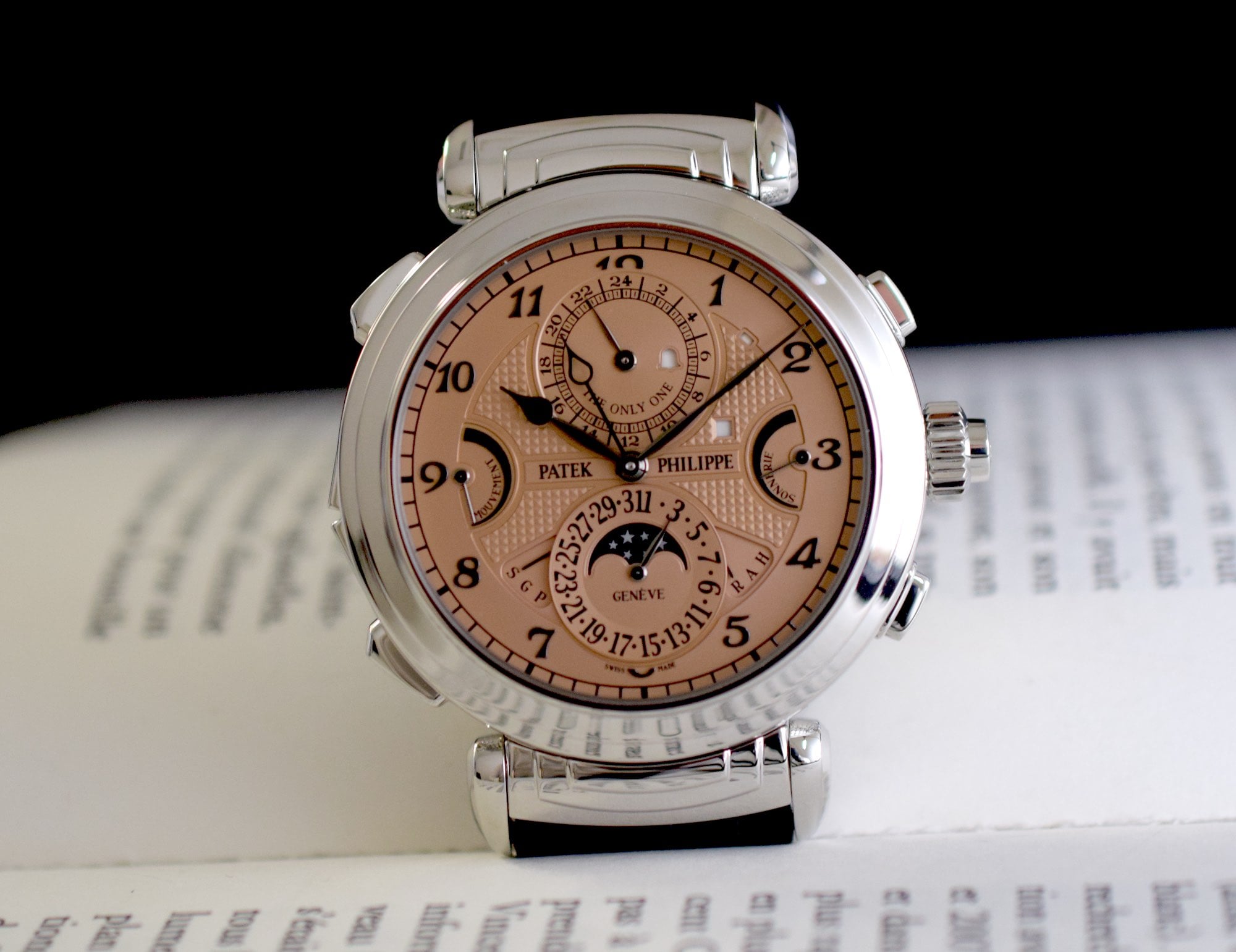
We move to the final Holy Trinity watchmaker with a Patek Philippe grand complication that focuses on sound (as the name suggests). The Grandmaster Chime debuted in 2014 to celebrate the watchmaker’s 175th anniversary (known as a dodransbicentennial – that’s a real word) and remains its most complicated piece with 20 complications. It took eight years to develop and features some industry firsts, and although it has fewer complications than the watches listed above, it’s no less complex and a massive horological achievement. Let’s start with the two patented industry firsts – on top of a minute repeater, grande and petite sonnerie, there’s a date repeater that sounds the date on demand, which was created by Thierry Stern, Patek Philippe’s president. It uses a dual high/low chime for 10-day intervals and a high chime for individual days at the push of a button. The second first is an alarm with time strike, which acts as a “minute repeater” with hours, quarters and minutes to sound the alarm instead of just a chime. Unlike the minute repeater, this is solely the alarm and is not sounded on demand.
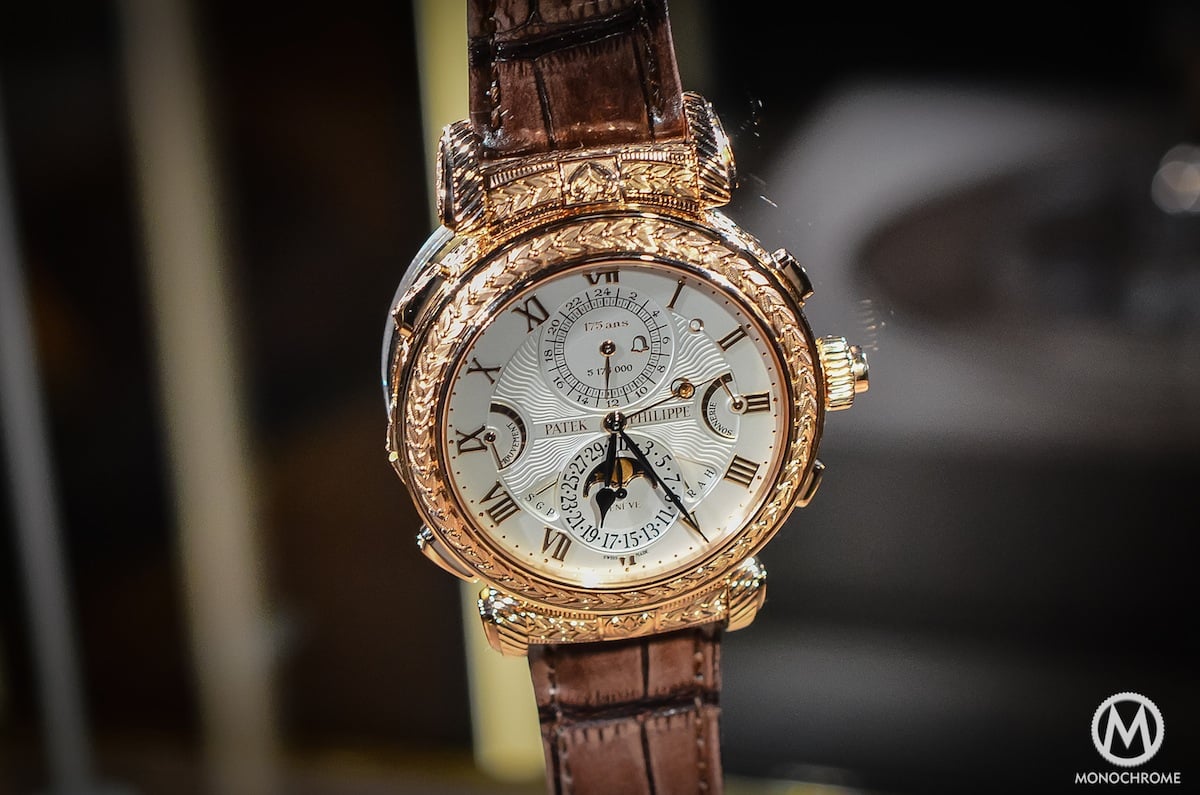
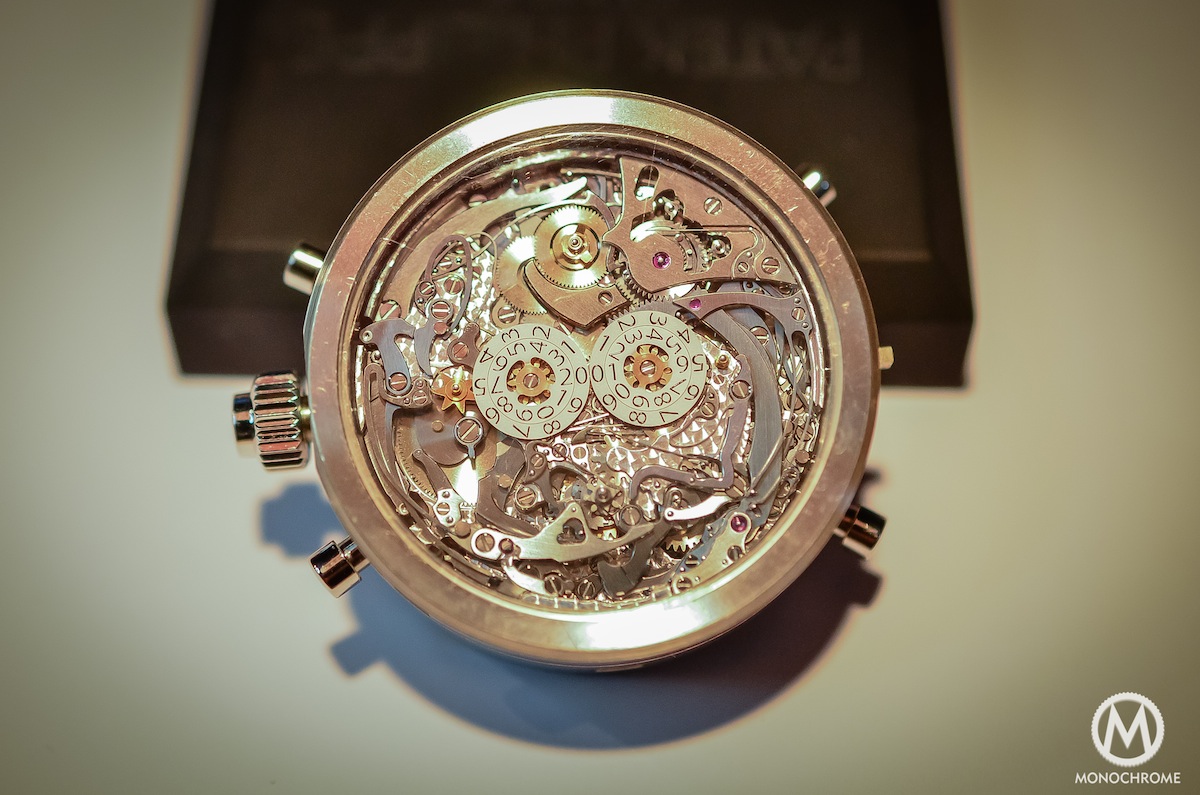
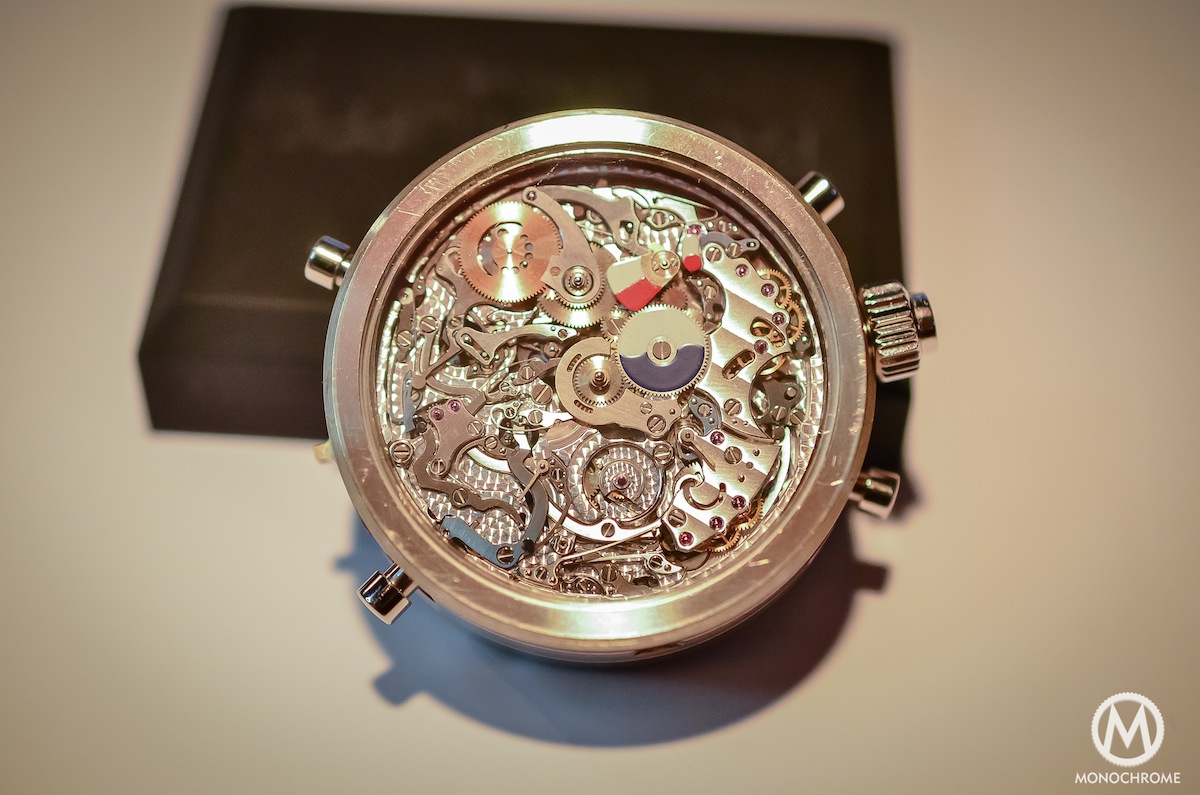
Calibre GS AL 36-750 QIS FUS IRM (yes, that’s the name of this dodransbicentennial movement) has 1,366 parts and 108 jewels in a compact 37mm x 10.7mm form, finished to the highest standards with the Patek Philippe Seal. The movement isn’t visible to the wearer as both sides are utilised as dials, but this piece has a patented trick up its sleeve. The case is reversible, so it can be rotated and securely latched via lug mechanisms, so you can choose which side is face up. The case itself and lugs are intricately engraved as well, which puts this even more into a niche category, as it won’t be to everyone’s taste. That said, at CHF 2.5 million (in 2014) with only six pieces available, only a relative few were seriously interested, and it required an application and interview (or special invite) with a final approval by the watchmaker. Simply having the money wasn’t enough (Ferrari fans will be familiar with this process). A seventh piece was designated for the Patek museum, which is likely the only way enthusiasts will ever see one, but this watch represents the pinnacle of traditional chiming innovation with five individual sound complications (with four patents), and additional grand complications like an instantaneous perpetual calendar, four-digit year display, movement and strikework power reserve indicators, leap year cycle and moon phase. It’s a rotating masterpiece from one of the greatest watchmakers in history.
A Quick Comparison
To help put things in perspective – extreme grand complications vs everything else – let’s run some numbers. Vacheron Constantin’s Les Cabinotiers Solaria Ultra Grand Complication houses Calibre 3655 with 1,521 components and 204 jewels, while a common ETA 2824-2 has 38 major components and 25 jewels. The aforementioned Longines Master Collection Chrono Moonphase movement, Calibre L687.5, has 27 jewels and up to 300 components (the latter spec isn’t verified by Longines). Now let’s move up to “standard” grand complications – Jaeger-LeCoultre’s Master Grande Tradition Grande Complication is a masterpiece of a grand complication by any measure, with a flying tourbillon, minute repeater with cathedral gongs attached to the crystal, sidereal time via the tourbillon and dial, zodiac signs and a perpetual calendar. Its Calibre 945 has 527 parts, compared to 1,521 from Vacheron. The price is approximately USD 400,000, very high by any standard, while the Vacheron is well into seven figures. This isn’t to disparage any particular piece, just provide some context as to how much extreme grand complications separate themselves from the rest. One note – Vacheron’s other piece on this list, the Les Cabinotiers Celestia Astronomical Grand Complication 3600, has only 514 components with calibre 3600, even with 23 complications. It’s an unusually low number for such a complex piece (even less than Calibre 945 from Jaeger-LeCoultre), showing incredible innovation and horological mastery from one of the Holy Trinity watchmakers.

1 response
Do they, all functions, work? Reliably? Do we really know, are they tested?