


 Not all images were able to load for printing. Please close the print window and try again.
 Thierry Stern on Heritage, Craftsmanship, and the Future of Patek Philippe
Sitting down with Patek's President, to talk Grand Exhibition as well as future of the brand.
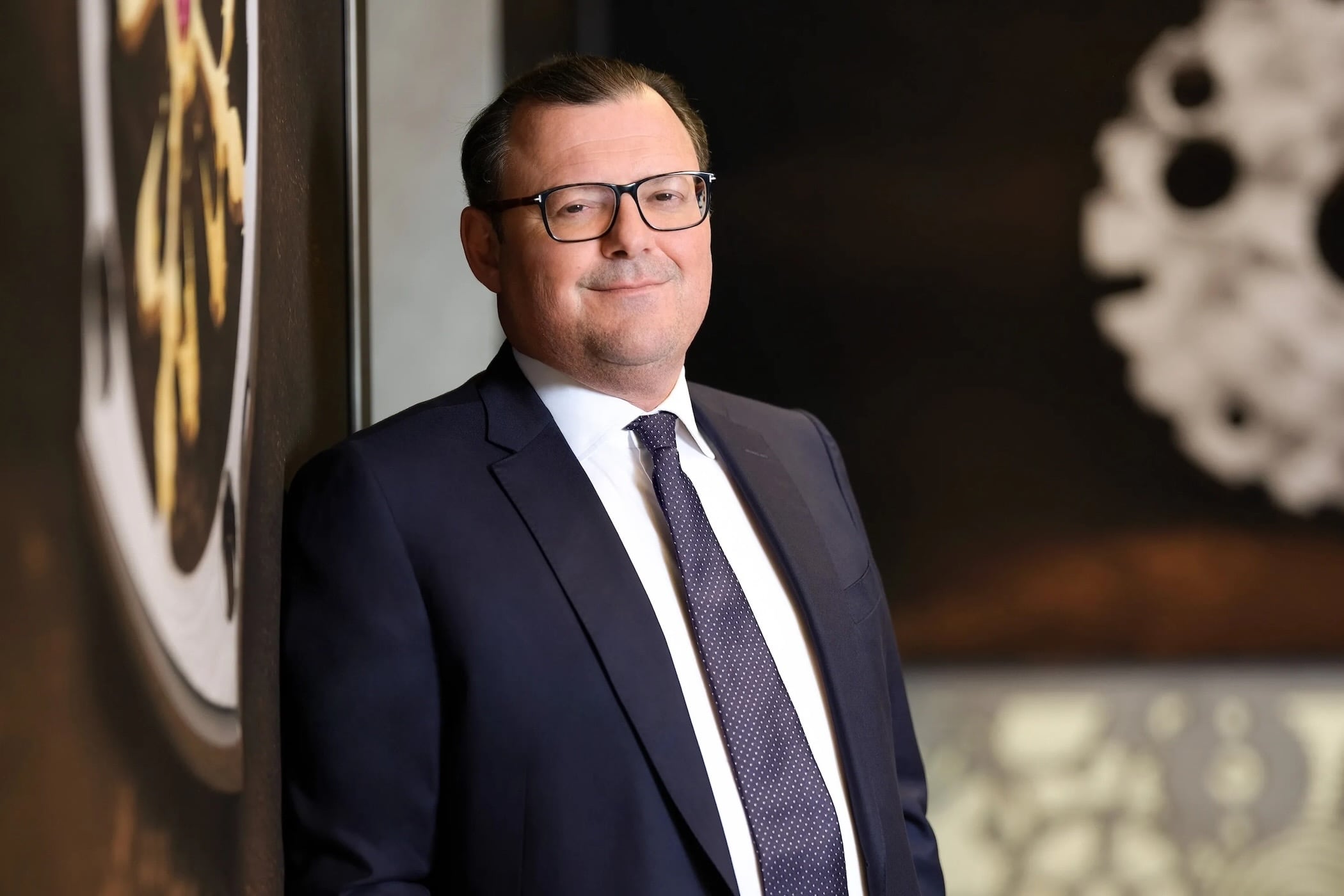
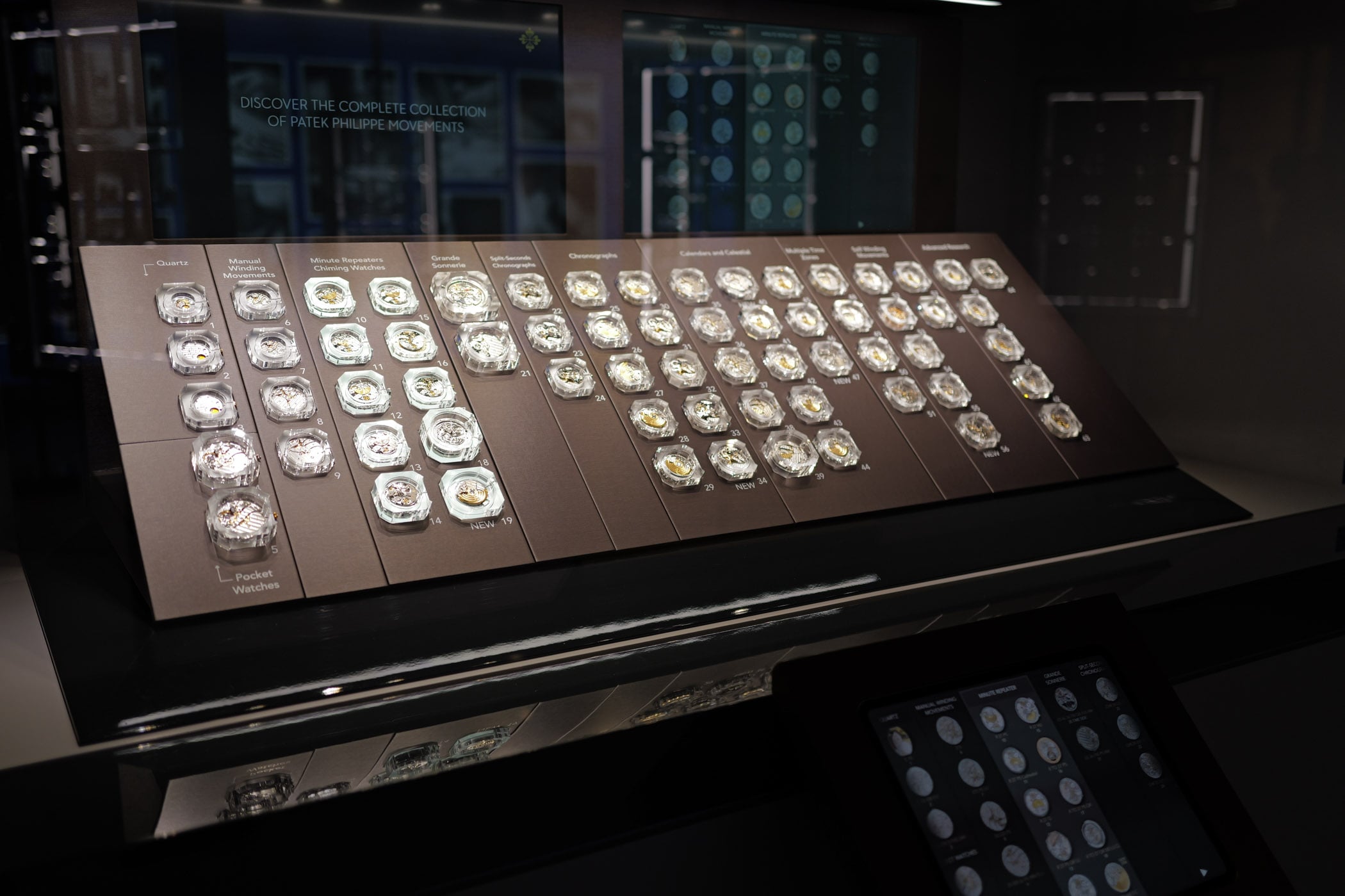
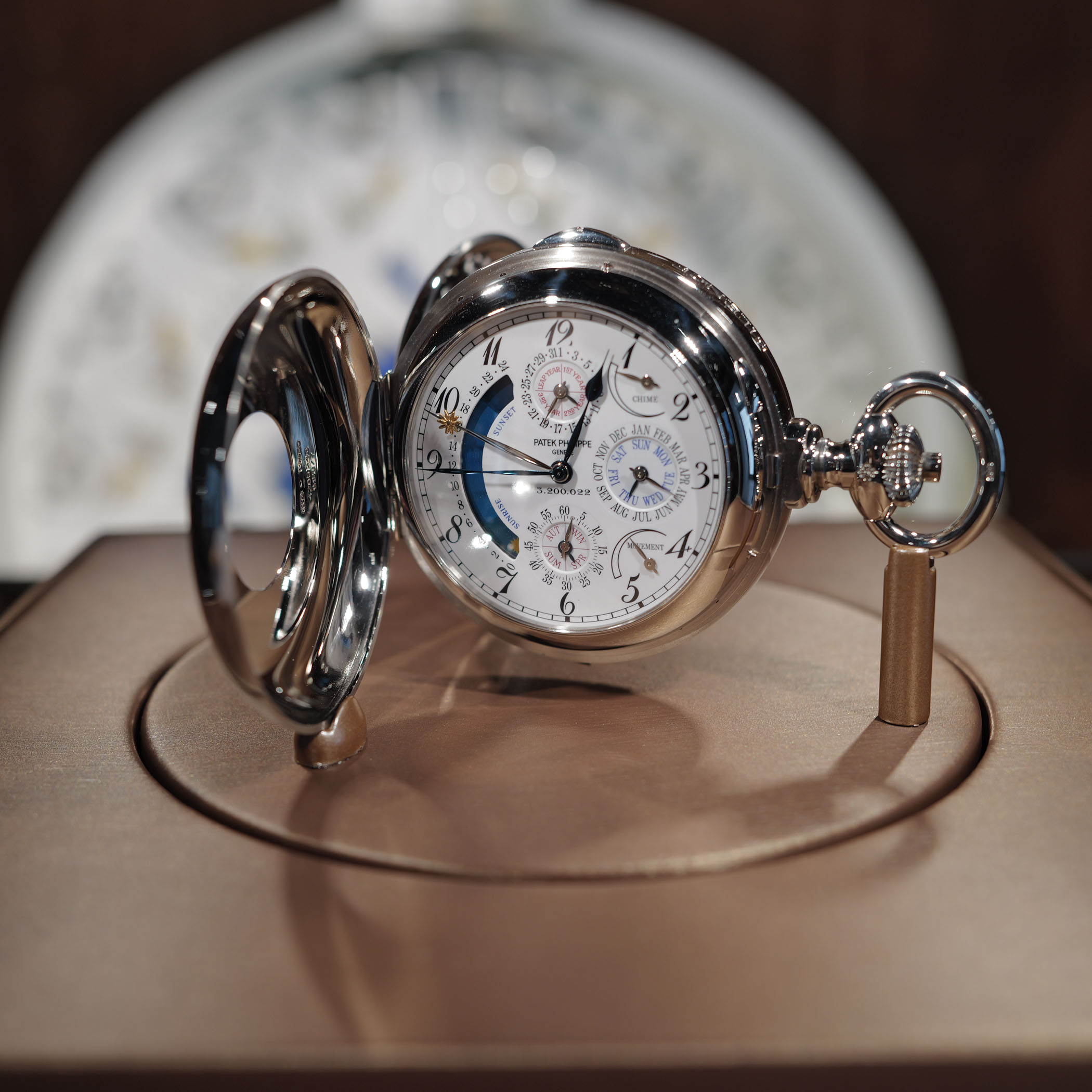
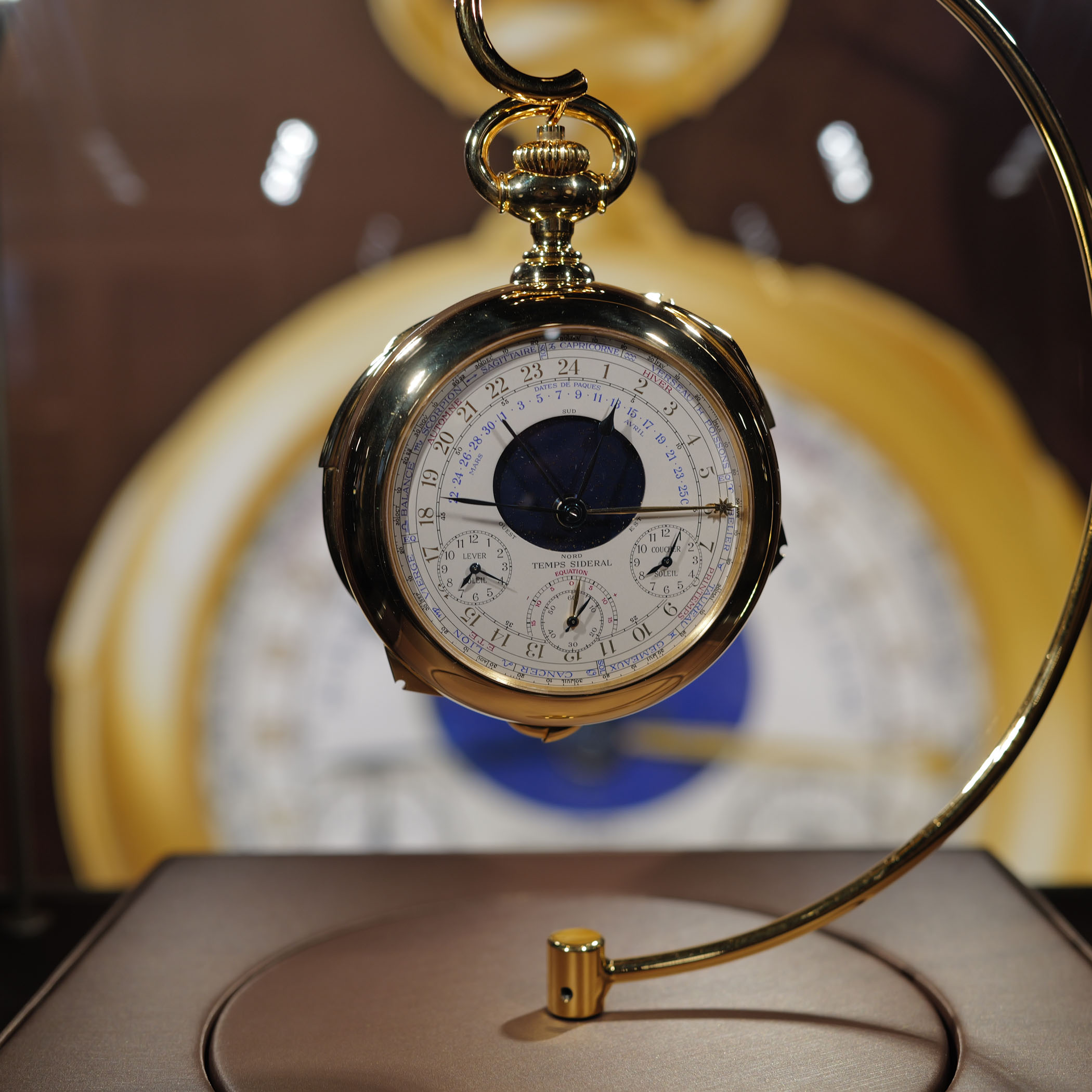
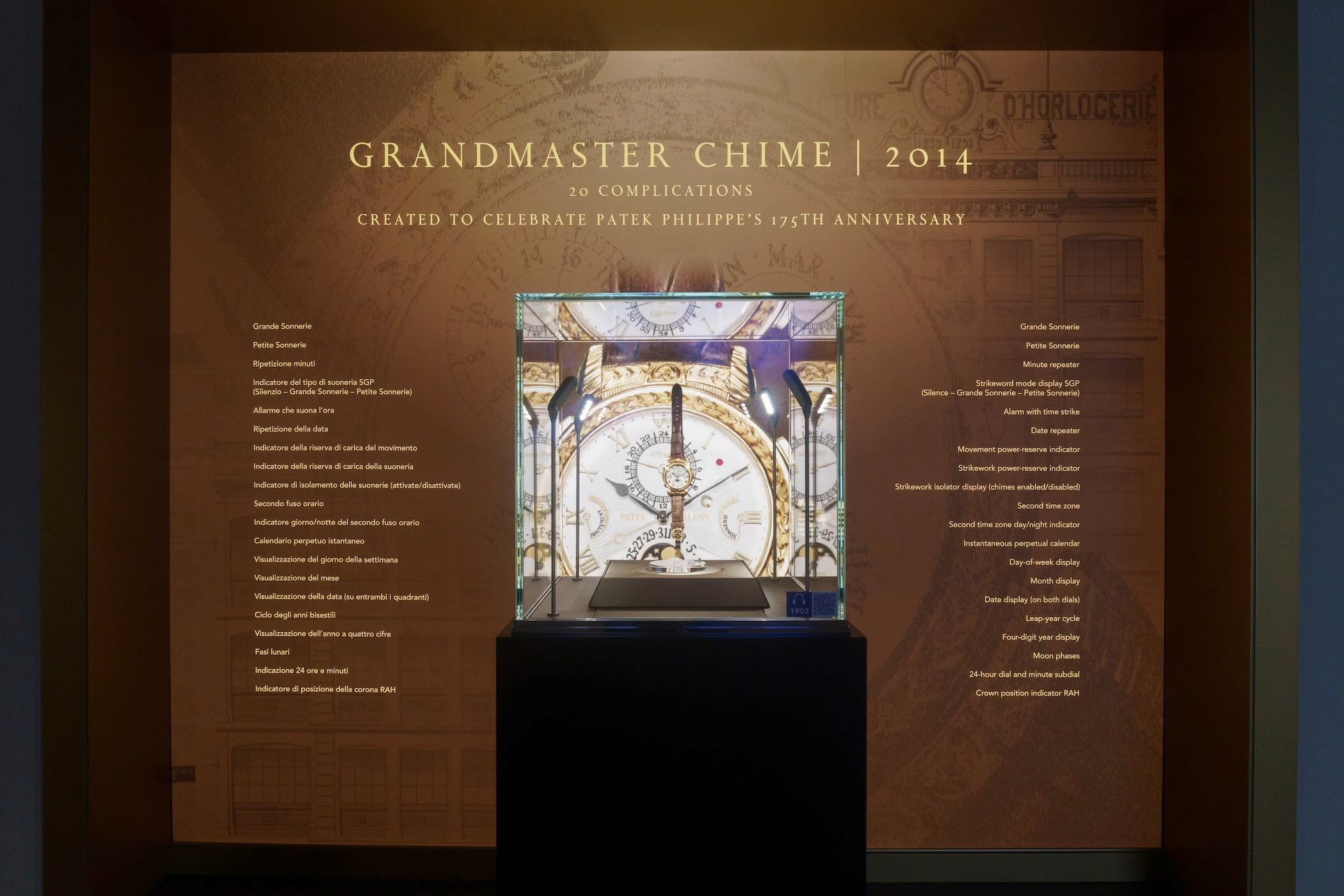
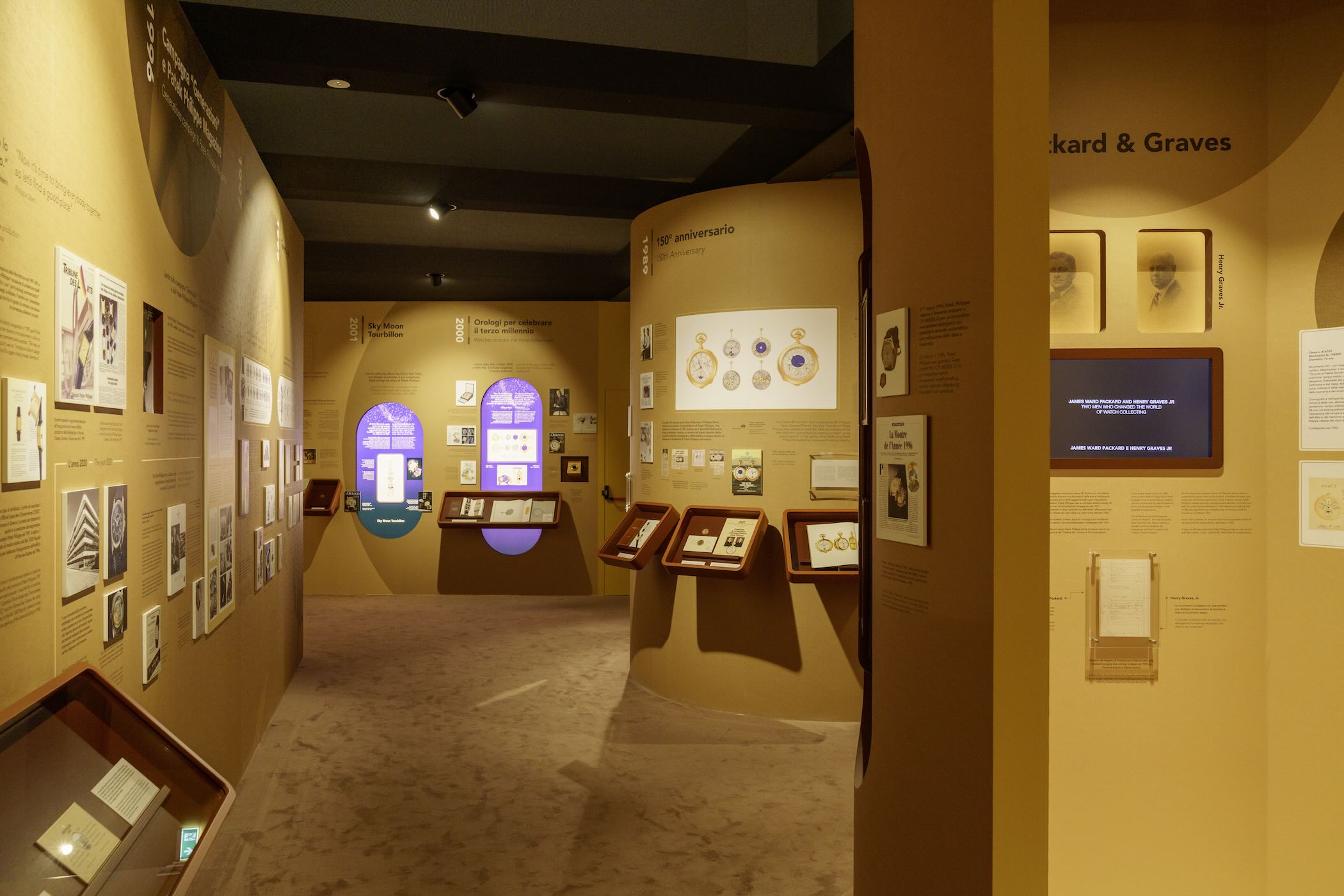
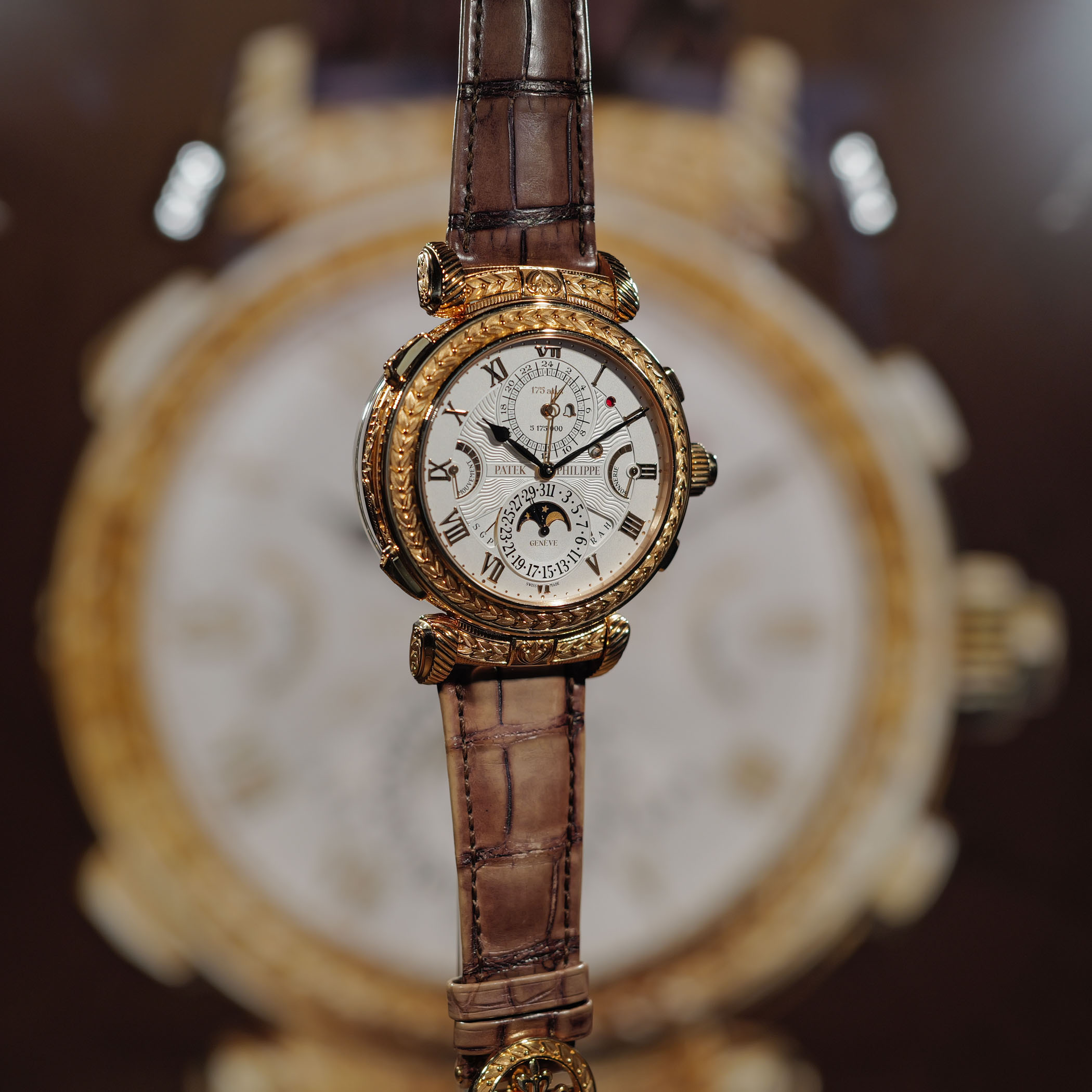
Last Friday, the Patek Philippe Watch Art Grand Exhibition opened its doors in Milan, and at the moment of opening, more than 45,000 people had already registered to visit the exhibition. The Grand Exhibition in Milan is the seventh and by far the biggest of all Grand Exhibitions that Patek Philippe organised. The vast number of timepieces, both new collection, as well as many historic pieces including the Graves Super-Complication, Star Calibre 2000 and GrandMaster Chime, is almost overwhelming. So don’t think you’ll run through the exhibition in 30 minutes and see it all. There’s a section dedicated to the historic timeline with important moments for the brand, milestones, “world’s firsts”, and many patents. And there’s a section dedicated to showcasing and explaining the more complex timepieces like, for instance, the new Perpetual Calendar Chronograph. We sat down, together with a few other journalists, for a group interview with Patek Philippe’s President, Thierry Stern.
On Restoration & Product Longevity
Q: Patek Philippe is one of the very few manufacturers that commits to restoring virtually every watch made since 1839. When you develop a watch today, do you ask yourselves whether Patek Philippe will still be able to restore it 100 years from now?
Thierry Stern: That is essential for us—it goes even deeper than that. When we develop new movements, the first thing we study before we begin is the materials we can use. We know there are modern evolutions like silicon, and we constantly ask ourselves: Will Patek Philippe be able to reproduce this in 100 years? That mindset applies to movements and cases alike. For example, Patek Philippe has never worked with certain materials like ceramic. While ceramic is beautiful, we cannot repair or restore it if it breaks.
Restorability is built directly into our engineering rules. When an engineer starts their day building something new, one of their primary tasks is ensuring we can fix it a century from today.
On Standout Creations & Handcrafts
Q: Rare handcrafts, watches, and clocks are complex works of art involving several techniques. Is there one piece from the exhibition you would single out as a favourite?
Thierry Stern: That is difficult because every piece present was validated and designed with great pleasure—they are all part of the same family. Choosing just one is always a challenge. However, looking at the full collection here… The new chronograph with perpetual calendar is particularly cool because, from a movement perspective, it’s brand new and very interesting to build.
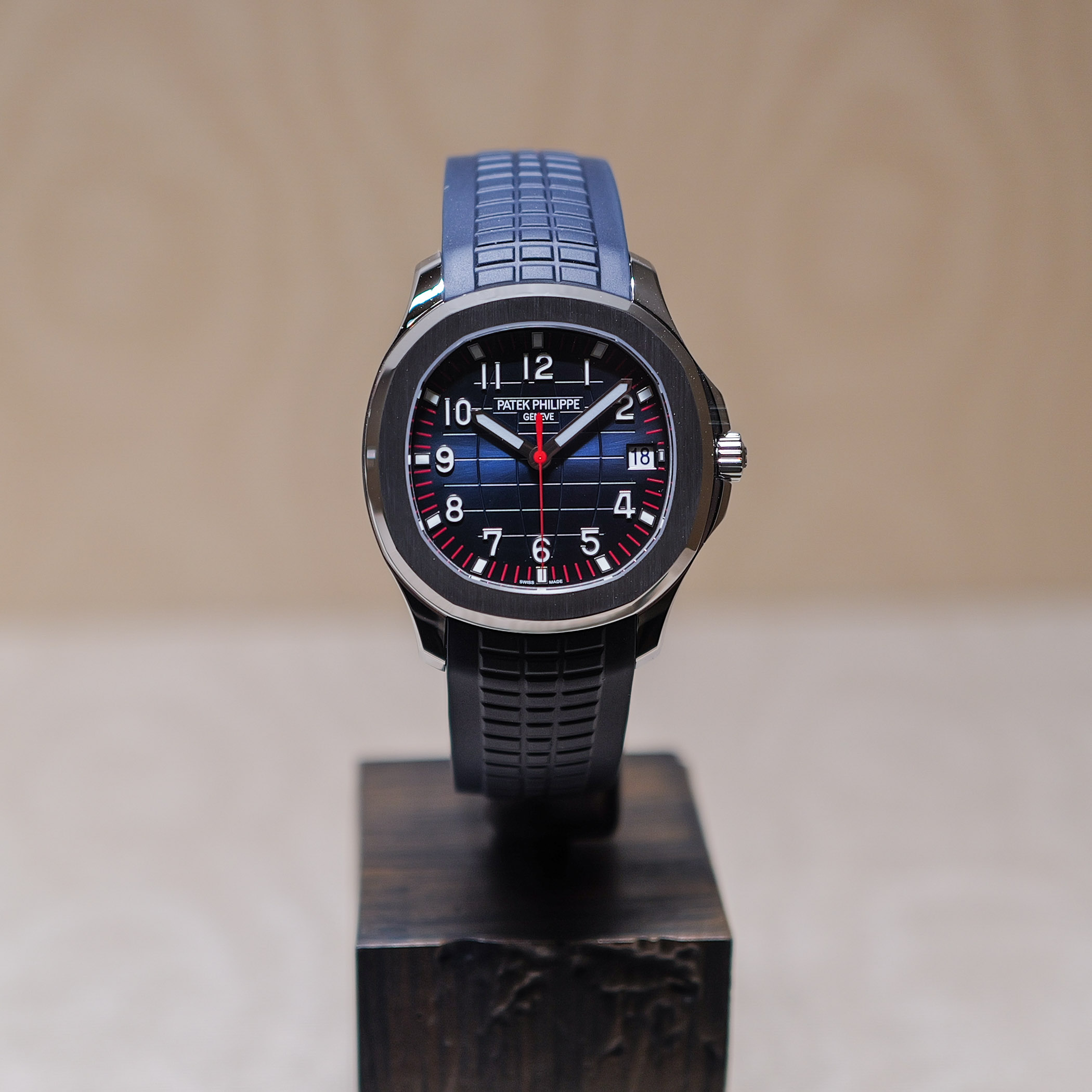
Beyond that, I am exceptionally fond of the Dante Pocket Watch created for the Italian market. The level of enamelling is extraordinary—the blue is vibrant and breathtaking. It was created in collaboration with the renowned enameller Anita Porchet, who can speak to the immense technical challenges required to achieve that level of mastery.
On Heritage, Patents, and Modernising the Museum
Q: Is there a particular historical Patek Philippe watch that you feel is underappreciated today?
Thierry Stern: My historical knowledge of the museum’s total inventory isn’t as deep as my father’s expert level yet, so it’s tough to point to a single reference.
Instead, what I feel people often overlook is the sheer number of patents Patek Philippe has introduced since 1839. That historical innovation is what matters most to me. To highlight this, we appointed a new head of the museum who comes from our commercial marketing background rather than a traditional museum or watchmaking background.
His mission is to promote the museum and our historical pedagogy in a fresh way. It isn’t dusty, but it was time to put our history back at the center of our communication. I learned a great deal from my father about how to communicate that heritage. I want to promote the ideas, the patents, and the history – not just one isolated piece.
On Grand Exhibition Models & Regional Editions
FG: How do you decide whether a piece created for a Grand Exhibition remains a limited edition or finds its way into the permanent collection?
Thierry Stern: It usually begins with the intention of making a limited series. But as we see the final watch, we often realise it’s simply too good to restrict. There isn’t a strict rule – it comes down to experience and a logical view of how we want to build our catalogue over 10 or 20 years.
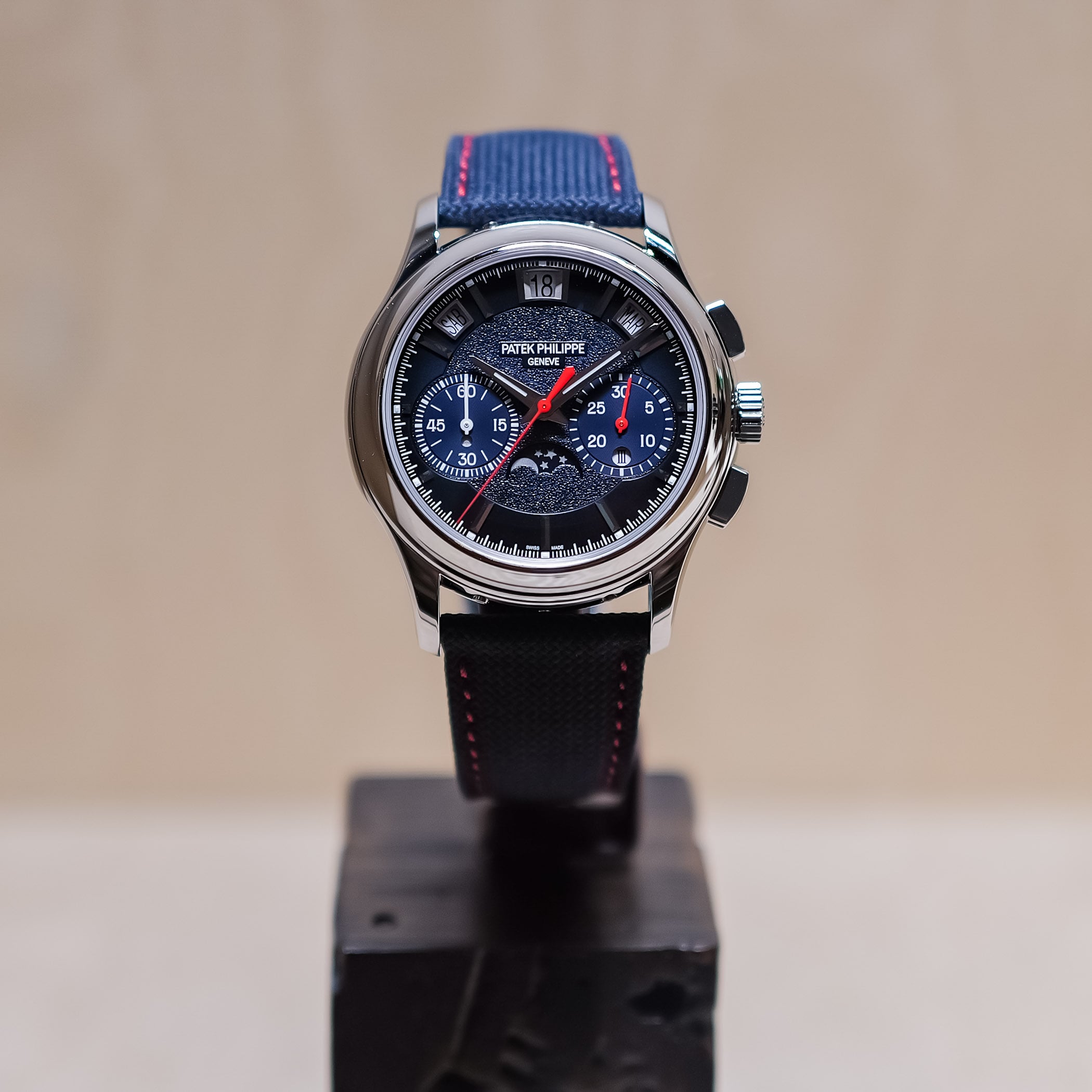
FG: Specifically regarding major developments like the Perpetual Calendar Chronograph shown here in Milan?
Thierry Stern: That is designed for a mature market. Italy has a deep understanding of fine watchmaking, so we knew the Italian market would appreciate a movement like that. It is a massive investment in time and money to develop such movements. World collectors will want it, but for this specific launch, it is exclusive to the Italian market.
FG: So would collectors from around the world have to travel to Milan to buy it?
Thierry Stern: It’s really for Italian collectors. However, later on, variations of the movement will enter the main collection in different ways, because you cannot survive making that level of financial investment for a single one-off run.
On Selecting Milan for the Grand Exhibition
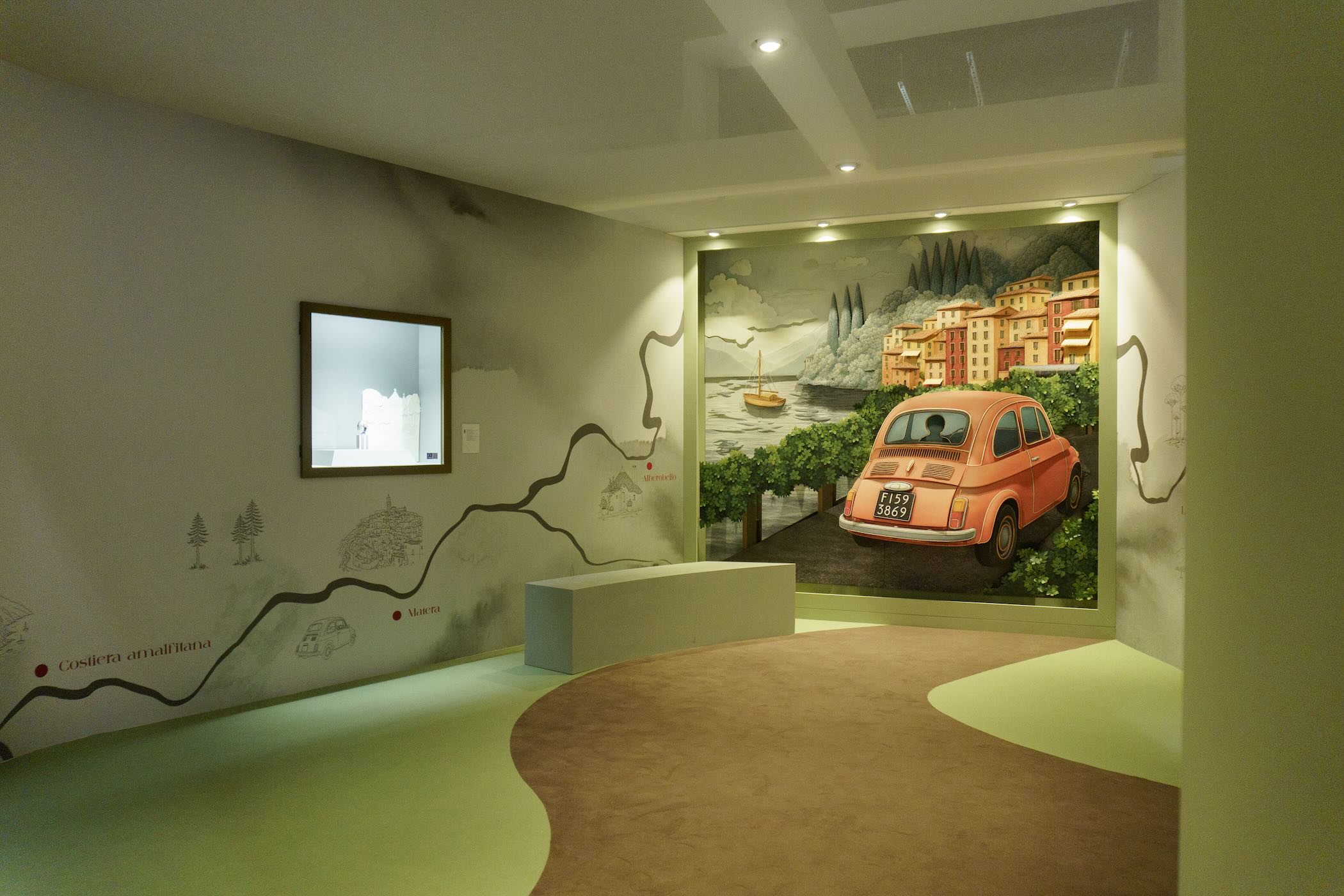
Q: This exhibition showcases the Geneva headquarters, the manufacture in Plan-les-Ouates, and the museum. What was the process of selecting this venue in Milan?
Thierry Stern: When we started hosting Grand Exhibitions back in Dubai, we had around 800 square meters. Today, as the brand has grown, this exhibition spans 2,900 square meters. Finding a central, accessible location that size is extremely difficult.
We selected this site in Milan because it offered the space we needed to introduce new sections—like dedicated archive areas—that we previously didn’t have room for. We actually had to postpone the event by a year to wait for the roof construction to finish, but it gave us a magnificent, brand-new space to welcome everyone and share the dream of Patek Philippe.
On Legacy and Passing the Torch
Q: As the fourth generation leading your family business, what does “legacy” mean to you? What do you hope watchmakers say about your watches 100 years from now?
Thierry Stern: Legacy brings a heavy sense of responsibility. My father built something amazing, and when I took over, my biggest responsibility was ensuring I built upon it without damaging what came before. I was fortunate to be trained directly by my father and surrounded by incredible professionals. Legacy means respect, tradition, and teamwork—building a team that trusts you and works hard for the brand.
In 100 years, I hope a watchmaker opens one of our pieces and says: “This is truly fine mechanics.” Similar to a vintage car – some look beautiful on the outside, but when you open the hood, they are a nightmare to repair because the underlying quality isn’t there. I want future watchmakers to enjoy servicing our watches, knowing we preserved the necessary parts and engineering integrity to make that possible.
On the Evolving Customer Base & Women’s Timepieces
Q: How has the profile of the Patek Philippe client evolved during your presidency?
Thierry Stern: We haven’t lost our traditional clients; we’ve simply added new profiles. THere’s people who can be considered prominent newcomers; customers with the means, who loves the status and aesthetic, even if they aren’t fully versed in technical horology yet.
While others are, for instance, young enthusiasts; younger collectors who understand the craft intimately. They might start by buying a vintage piece for $5,000, customising the strap, and learning the history before eventually investing in modern references as their career progresses.
And what is funny is that we had this many years ago with the Aquanaut, and this is why we launched the Aquanaut in the first place. We were convinced that “we will have a whole new bunch of new people, you know, the young ones buying the Aquanaut.” And it’s true, they were motivated to buy it, but none of them could buy it because the existing collectors said, “I would like to have it first.” So the retail said that they could have it first, as they are already loyal clients.
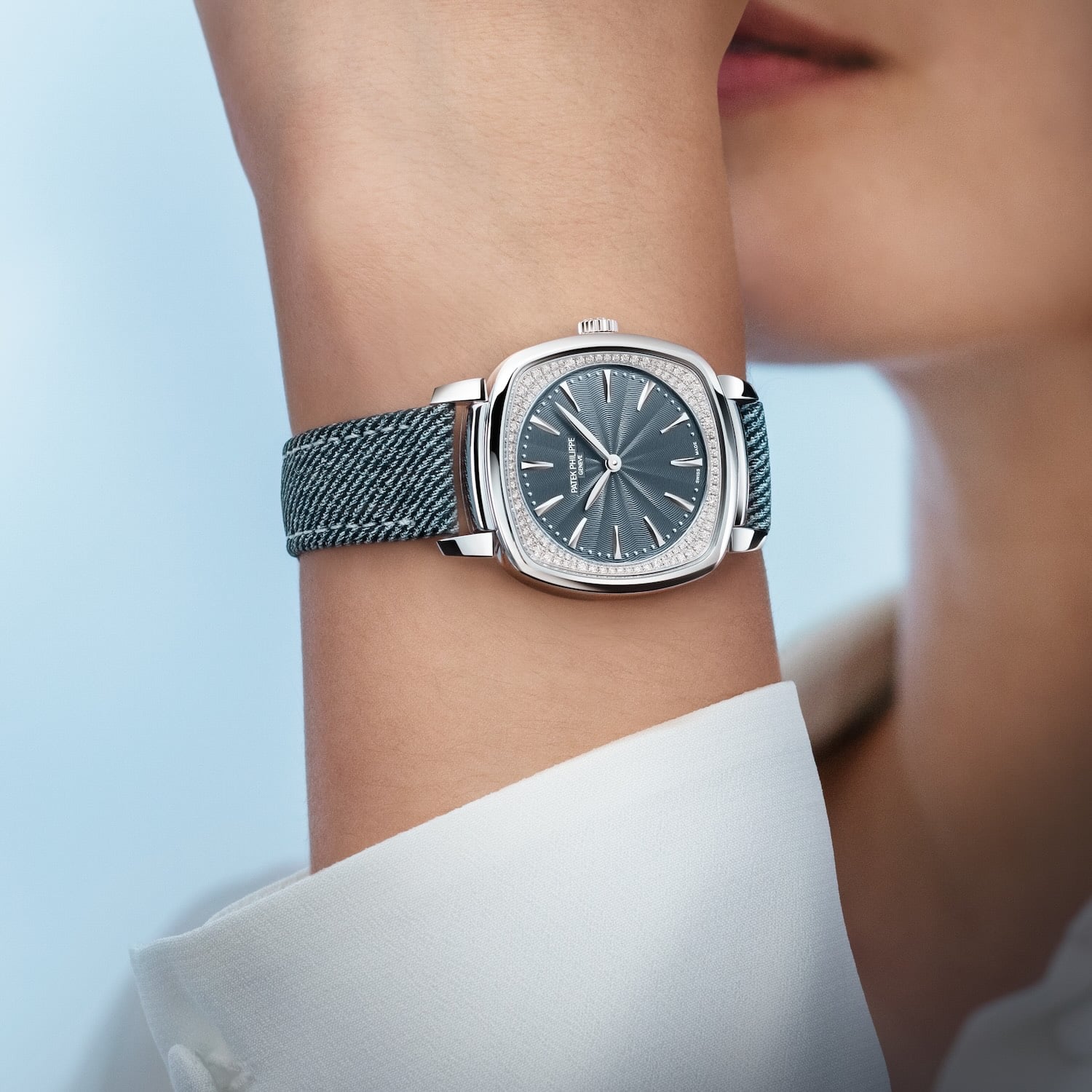
Q: Women are becoming an increasingly prominent voice in luxury watchmaking. How has your design approach for female clients evolved?
Thierry Stern: I have viewed female collectors as equally important as men for many years. Historically, the challenge was size—creating a highly complicated movement that fits into a 36mm or smaller case.
75% of our women’s collection remains mechanical. Advances in technology now allow us to build smaller, highly complex movements without sacrificing quality. Furthermore, aesthetic preferences have evolved—women want bolder designs, vibrant colors, and unique shapes.
Years ago, the first collectors asking me for ultra-thin split-second chronographs (like the Reference 5959) were women in Asia who were engineers and appreciated the intricate mechanics. Today, we continue to design watches that surprise and respect that high level of horological understanding.
On Preserving Human Handcrafts in a Digital Age
Q: Technology can now reproduce almost anything visually. Which human skills or crafts within watchmaking are you most concerned about preserving?
Thierry Stern: A few years ago, I would have said enamelling or marquetry. Today, I am not worried because we have actively built up our rare handcrafts department.
If you visit Patek Philippe today, you’ll see a thriving department where we actively train the younger generation. For instance, we recently expanded our marquetry team from one master artisan to three, bringing on two young trainees.
The hardest part was changing the mindset of the older master craftsmen. In the past, some artisans wanted to keep their techniques secret and “die with their know-how.” I had to be very firm with them and say: “Someone taught you this skill. You have a duty to pass it on. If you aren’t willing to teach, you cannot stay here.” Once we established that culture of transmission, it transformed the department.
On Strategy and Planning to 2039
Q: You mentioned in a recent interview that Patek Philippe already has plans mapped out through 2039. What is it like living that far in the future?
Thierry Stern: Our target is to introduce two major technical innovations per year. 2039 will mark Patek Philippe’s 200th anniversary, so we are actively building the strategic logic for our normal collections, rare handcrafts, and flagship anniversary pieces right now.
Running Patek Philippe is like playing chess. When you see me make a bold move—like discontinuing the ultra-popular Nautilus 5711—it is because I already know where we are going 5 to 10 years down the line.
Consistency is key. Many watch brands change their strategy every two years whenever leadership changes, which confuses the team. My goal is to maintain a clear, long-term vision so our watchmakers, designers, and artisans can build the future with confidence.
On the Purpose of the Grand Exhibition
Q: What do you hope the tens of thousands of visitors take away from this exhibition?
Thierry Stern: Education and appreciation. I want people to realise that crafting a fine mechanical watch isn’t as simple as pushing a button on an automated machine. It takes a minimum of a full year to build a watch once design and development are complete.
I hope visitors leave with a smile, a deeper understanding of independent Swiss watchmaking, and a respect for the human skill behind it. Even if they don’t buy a watch today, educating the public elevates the entire watch industry.
Advice for the Next Generation
Q: What advice will you give your son on the night before he eventually takes over the company?
Thierry Stern: First: Don’t give out your private phone number on night one! On a serious note, my advice is: Listen and observe.
I tell him he is lucky right now because people don’t recognise him yet. He can walk through the Grand Exhibition incognito and listen to what real visitors are saying. If people talk to me, they will always say nice things out of politeness. But when you are anonymous, you hear raw, honest feedback.
Second: Travel the world and listen to your retailers. They are on the front lines with the clients every single day. If you want to design beautiful watches that resonate across different cultures, you have to go out into the markets, talk to your partners, and listen.

7 responses
…wanted to read it, stopped after a few lines. I see the head of the company and am already turned off by the brand as such. No, I could not afford any of their watches, at least not without some drastic cuts in other personal expenditures. But still, as someone who is having an interest in all things watches, you would normally also look into such an article. Could not do it. Had it been ALS or Vacheron, yes for sure. I would even start saving for one of their watches at some point in time, if there were a model, which I felt the desire to own. Not with Patek, and this was different in the past. I know it is irrational in a way, but it is what it is.
A humble everyman who can apparently predict the future. That’s why he’s our family guy.
Even though Mr. Stern has honed his interviewing skills over time and can couch his words, he still cannot camouflage enough his arrogance and his elitism, as though only he and the Swiss know how to make a proper watch, and what to do with them and who should wear them. It’s an outrageous display of privilege and propaganda, hiding his disdain. I couldn’t bring myself to continue to read such self-aggrandizement. The appearance of a trust fund baby.
The profile picture actually looks a bit like Archie Luxury.
Honestly I don’t get these comments, I am certainly not a fan of him personally but literally nothing he says is self-aggrandising, or making it seem like only the Swiss etc.
He says “a deeper understanding of independent Swiss watchmaking”, and he’s clearly talking about PP through the lens of them being one.
Maybe chill out for a second and read the damn thing – although, to be honest, it’s not really interesting – but at least mind your blood pressure, you know?
It’s a real indictment of the shallowness of watch criticism to read most of these comments, or anything on Reddit. I never hear the same disdain about cars they’ll never be able to afford from Edmund’s or road and track and car and driver’s readers. It’s also a testament to the seething status anxiety, envy disguised as virtue, and resentment that drives modern social media “criticism” or “fandoms/anti fandoms.” Not a single one of the commenters comments on how Patek is going to drop two new pieces of technological innovation every year. What could those possibly be? Do you people even like watches? Isn’t it of mention that the brand who helped launch silicon in watches, invented the annual calendar, perpetual calendars, the gyromax, and even crowns on watches, is going to be making new stuff? As the kids on twitter say “please don’t put it in the newspaper that I got mad!”
He does look a little like AC3….