


 Not all images were able to load for printing. Please close the print window and try again.
 The History of Indian Watchmaking
Although relatively late to the game with mid-20th-century domestic production, watchmaking in India has grown exponentially, with newer brands taking the spotlight.
Watchmaking in India got a fairly late start, but the importation of Swiss watches began in the 19th century for the wealthy and royalty. The British Crown had direct rule over India for almost a century between 1858 and 1947 (a period known as the British Raj), so European luxury imports were prized among the well-to-do. Hindu symbols and related designs were seen on watch dials and cases as brands catered to this specific market – for example, a Jaeger-LeCoultre Reverso with a miniature enamel painting of an Indian lady’s portrait (known as the Indian Beauty) is a famous piece. It was actually Indian polo and its popularity among British officers that led to the design of the Reverso. Fast forward to 1961, and HMT, a government-owned watch manufacturer, finally brought homegrown timepieces to the locals.
HMT – Hindustan Machine Tools
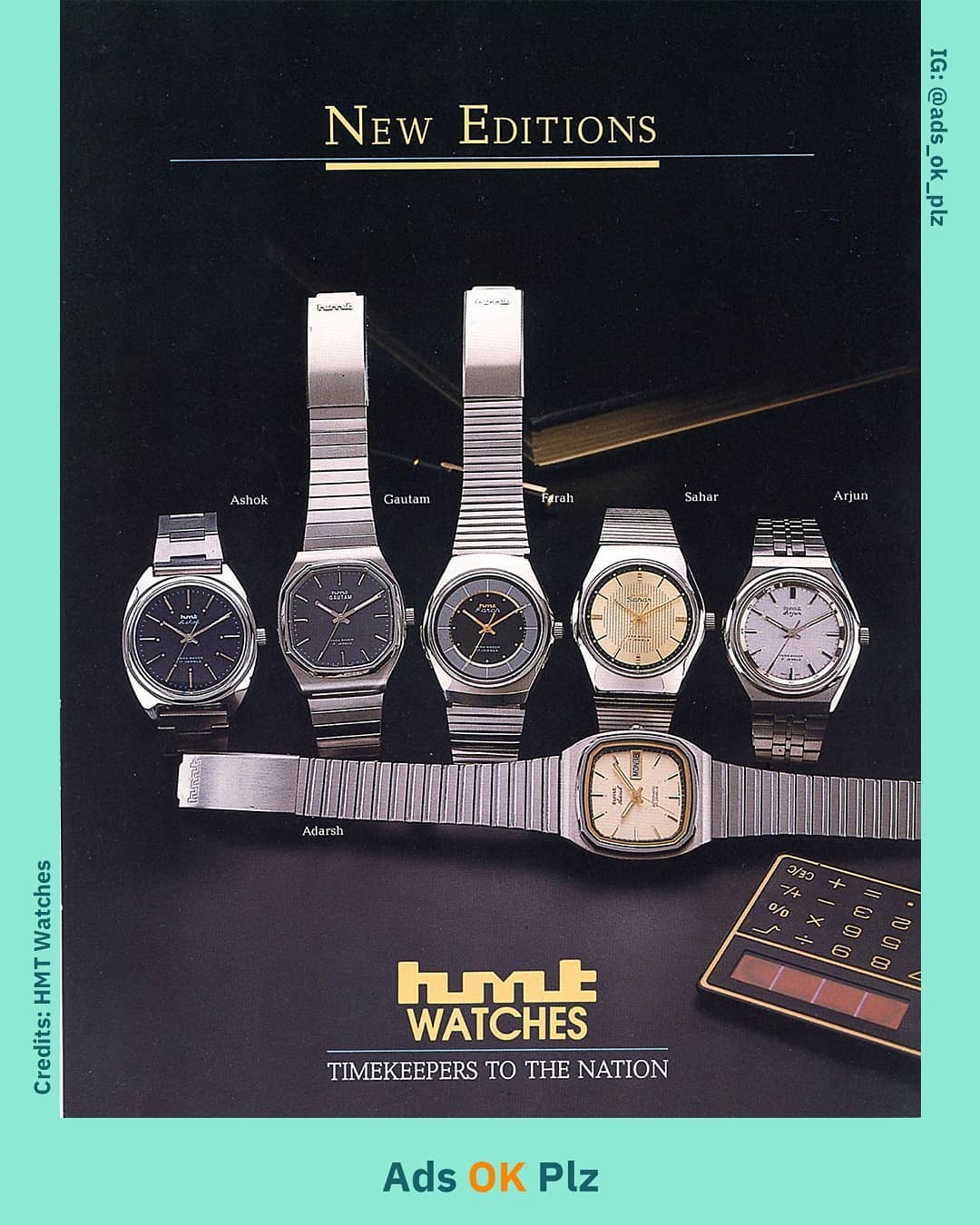
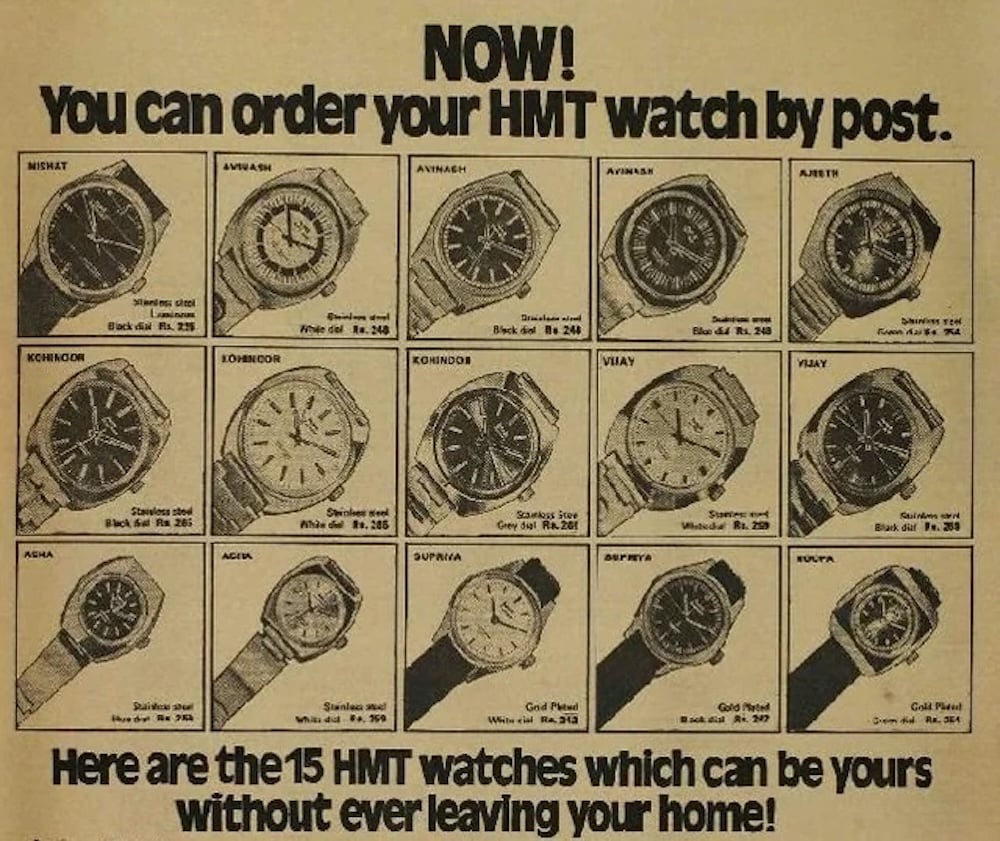
After India gained independence in 1947, the race was on for national industries and self-reliance. HMT watches grew from a collaboration with Citizen Watch Company in Japan, and a factory was established in Bengaluru in 1961 (better known as Bangalore today). The company didn’t start with watches, but with heavy machinery in 1953 to launch India’s industrial independence. Everything from lathes to large machinery to printing presses was manufactured. It was Prime Minister Jawaharlal Nehru who pushed for domestic watchmaking, and HMT became a cultural icon with both hand-wound and automatic models (and later quartz in the 1970s) like the Rajat, Janata, Kohinoor and Pilot. By 1975, HMT watchmaking became fully in-house (including hairsprings and mainsprings), and new factories opened throughout the country into the 1980s in Ranibagh, Srinagar and Tumakuru (five factories total). Other machinery was still produced as the company continued to expand and diversify, but HMT is best known for its watchmaking division today.
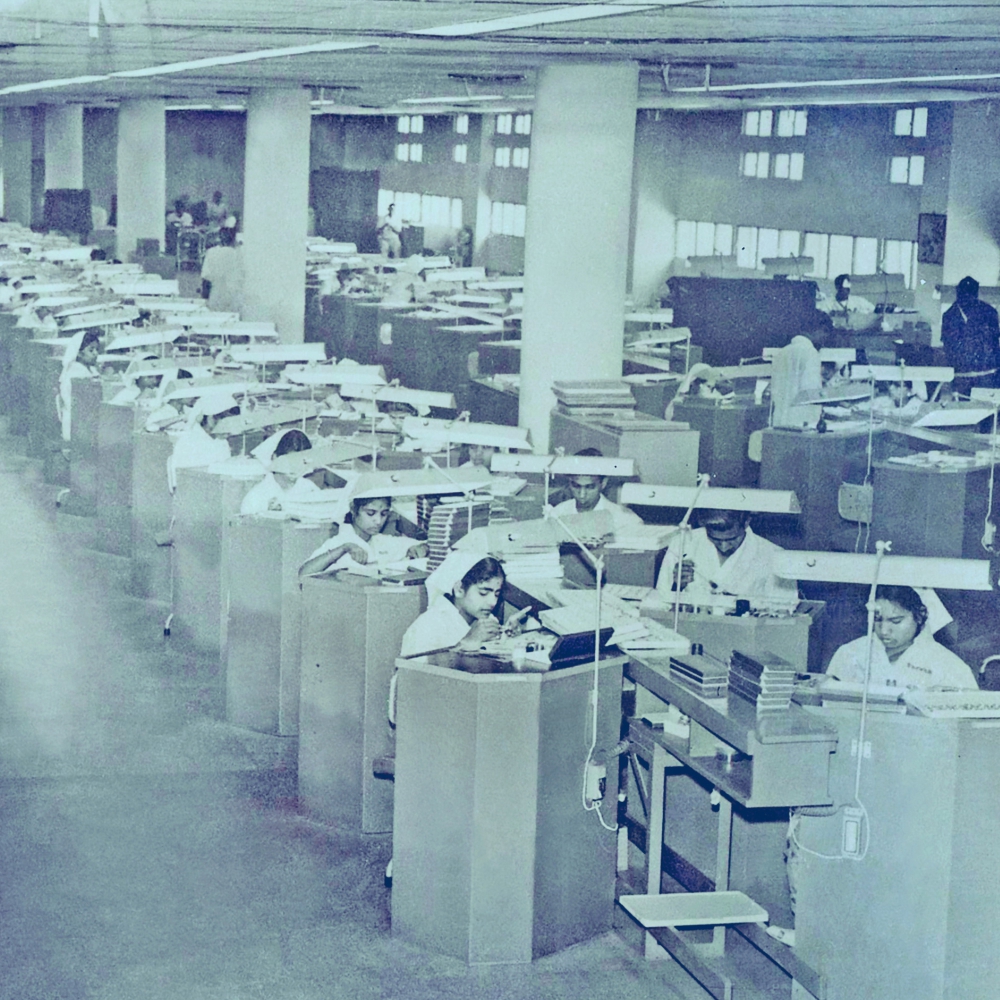


For decades, affordable HMT watches were so domestically popular that waitlists were common, and the company slogan was “Timekeepers to the Nation”. Helping this were extreme import taxes that effectively blocked outsiders and gave HMT somewhat of a monopoly early on (until other domestic brands rose in popularity – more on that below). Unfortunately, mismanagement and over a decade of financial losses in the 2000s led to the watchmaking division’s closure in 2016, although over 115 million watches had been produced for both civilian and military use, making HMT one of the largest watchmakers in the world at one time.
Titan
A quartz crisis of sorts occurred in the mid-1980s for HMT when the large Indian conglomerate Tata Group (best known for its cars) created a watch brand in 1984. Known as Titan, the brand poached key management and workers from HMT and designed affordable and fashionable quartz watches that became popular with consumers over the ageing and utilitarian HMT mechanical counterparts (in a Swatch kind of way). Of course, HMT had its own quartz models, but they were notably more expensive than Titan’s new collections and never sold particularly well as a result. HMT remained focused on mechanical watches and missed the exploding quartz trend, and Titan was there at the right time, thanks (in part) to advice from HMT employees who defected. Worsening HMT’s fortunes was the loosening of import restrictions in the 1990s that turned customers away from the brand to more desirable European watches. The combination of contemporary foreign styles and Titan’s desirable quartz portfolio was the beginning of the end for HMT, with its reliable but outdated designs.
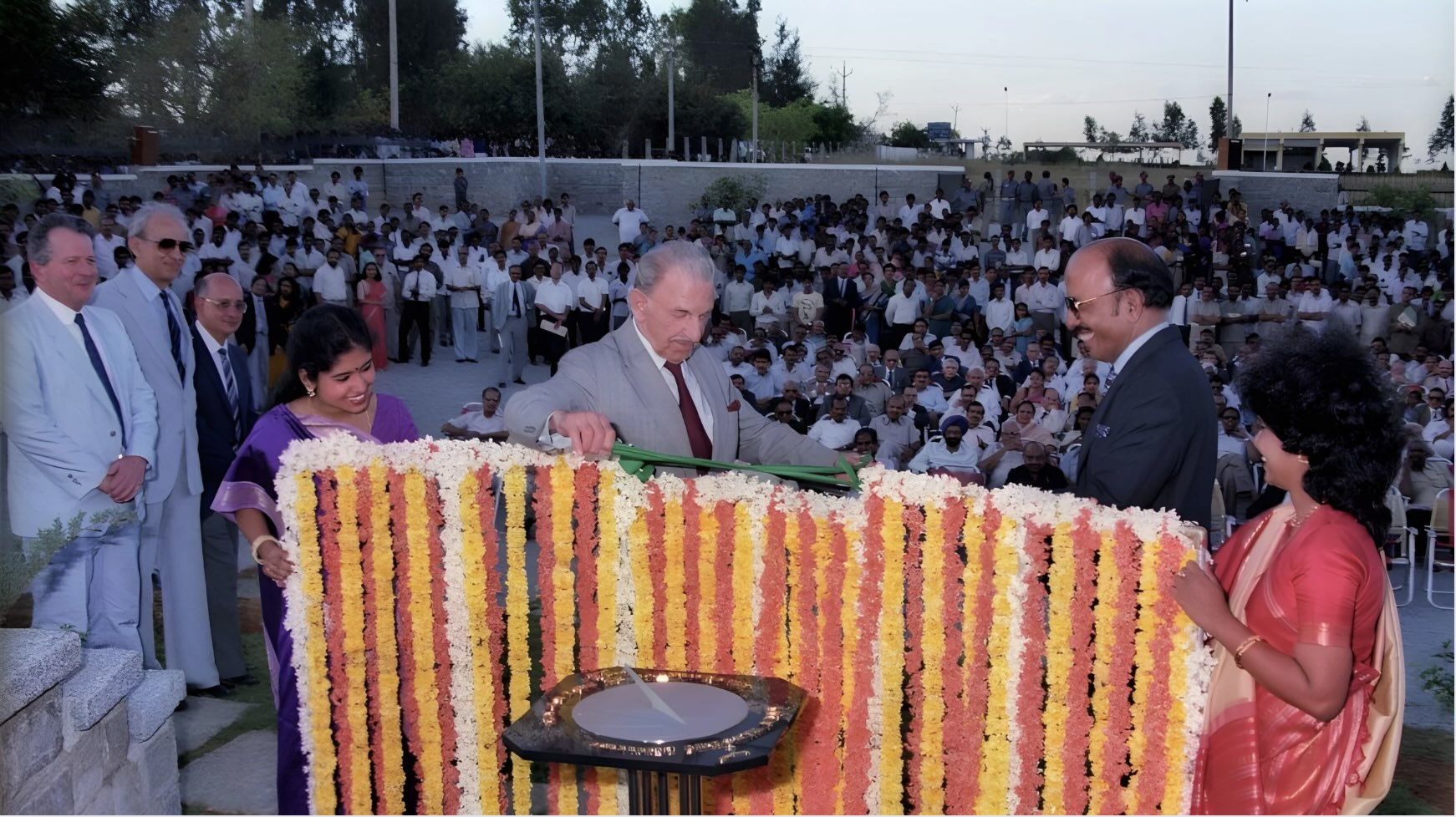

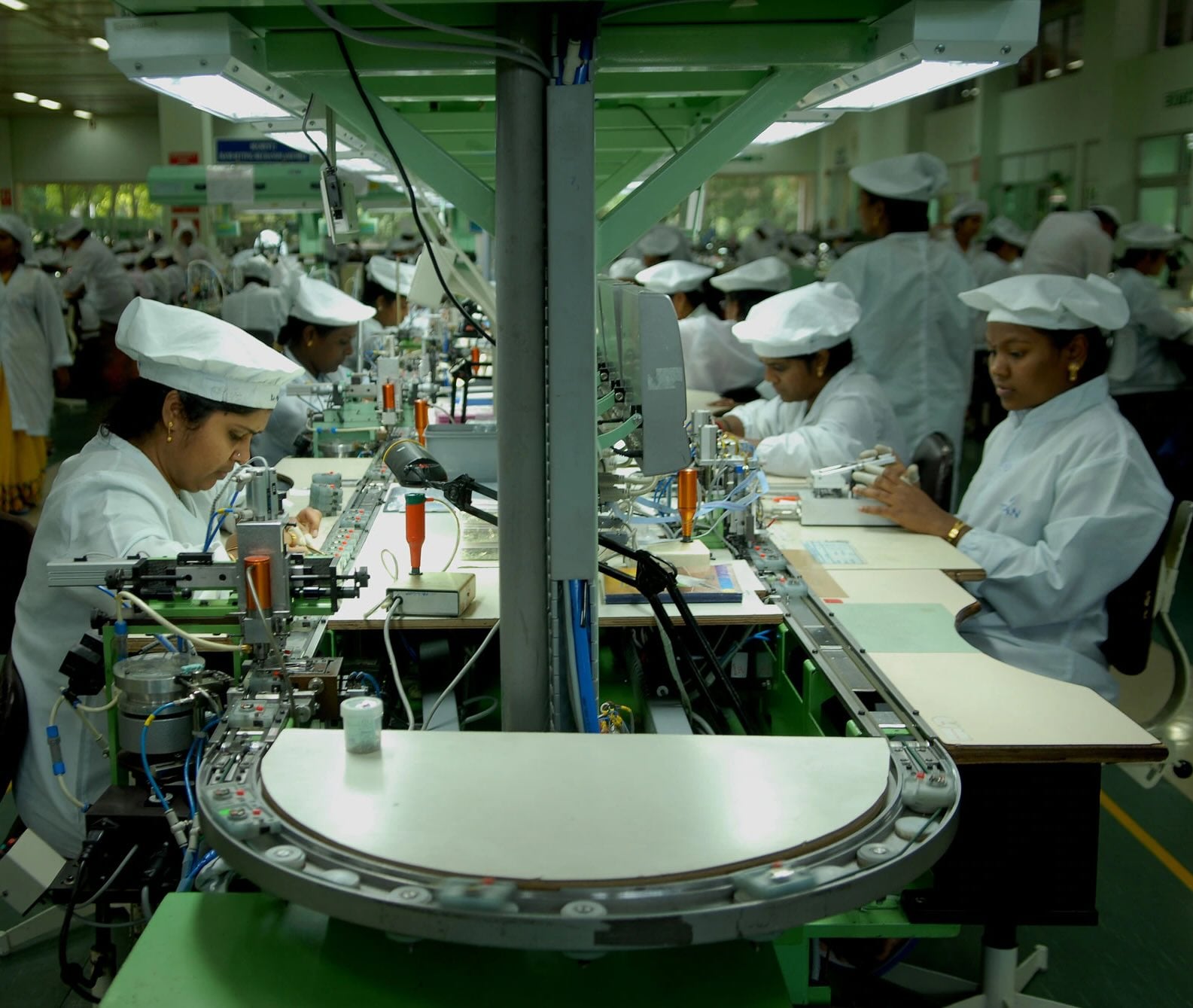
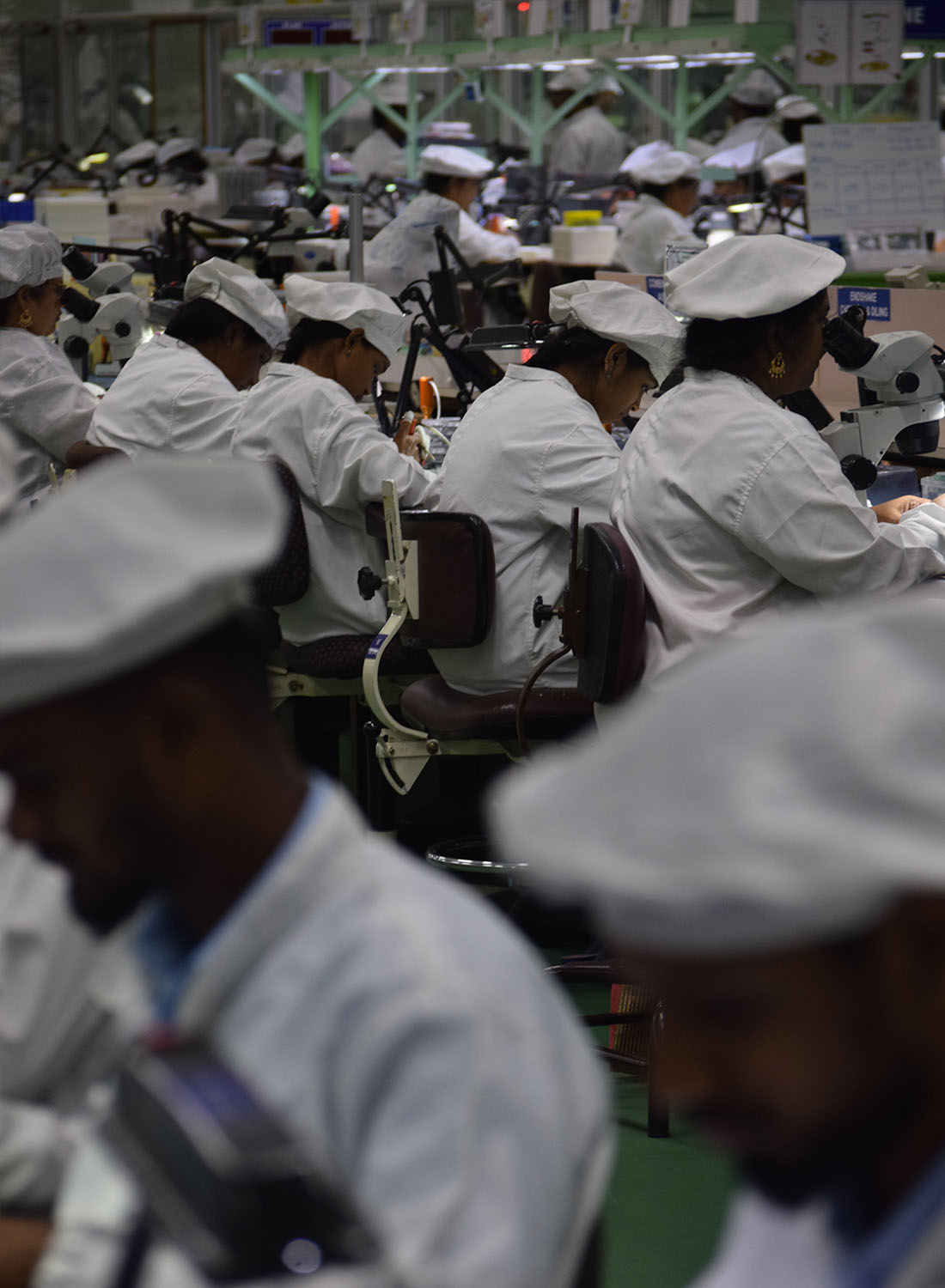
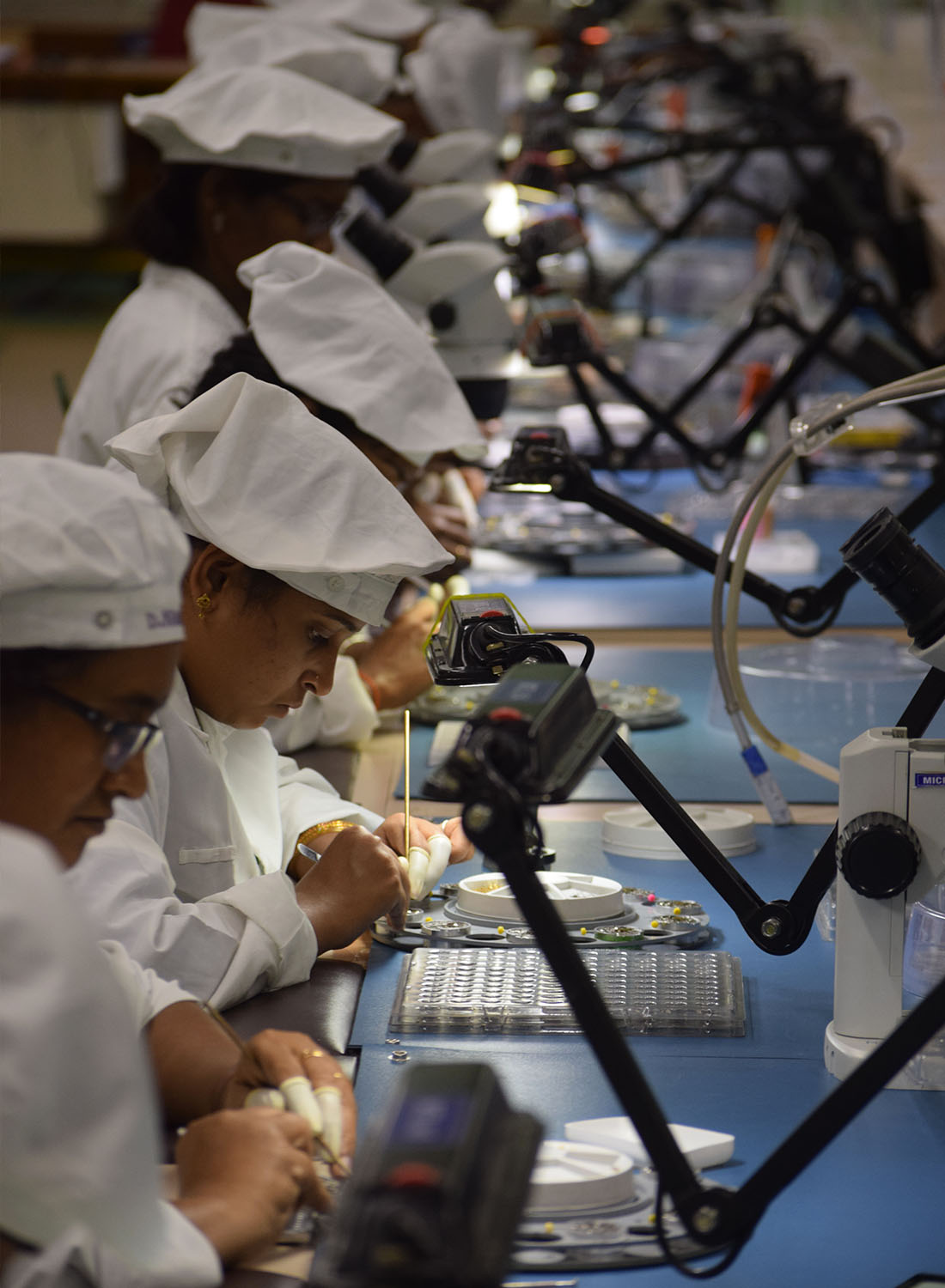
Titan’s manufacturing and marketing were ahead of their time into the 1990s, as the factory in Hosur, Tamil Nadu, was state-of-the-art with automation, and its retailing experience was unheard of at the time in India. “World of Titan” showrooms had spacious floor plans, comfortable air conditioning and featured some of the best customer service (and after-sales service) in the country. The Apple Stores of the day. Innovations like the thinnest water-resistant quartz movement in the world also helped Titan gain prominence outside of India. In 2002, the brand launched the Titan Edge, which was the thinnest watch in the world at the time and a testament to Indian innovation.
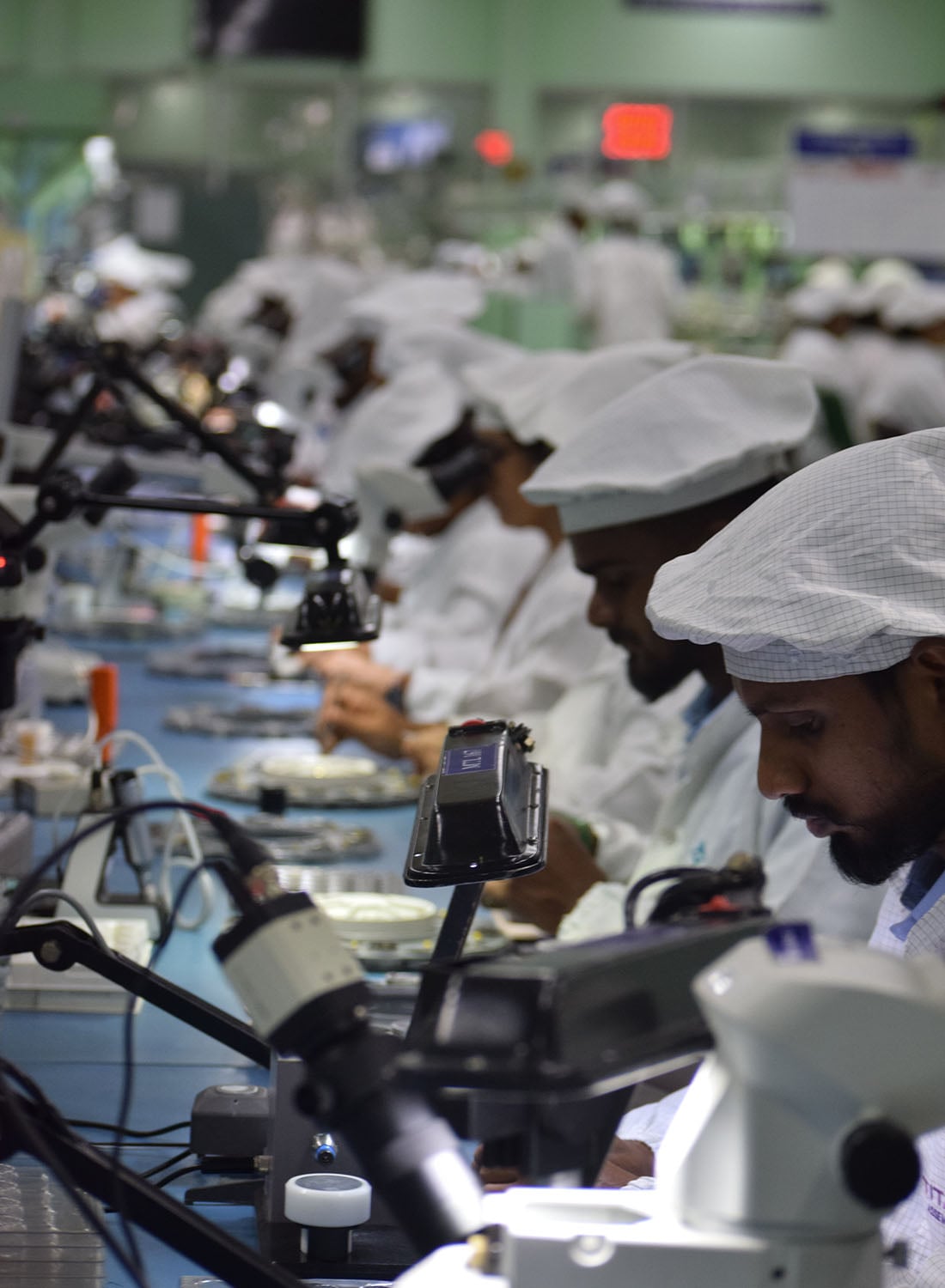
From 2011 to 2023, Titan even made its entry on European soil by taking over one of the oldest watch brands in existence, Favre Leuba. The brand was later acquired by SilverCity Brands and relaunched by industry veteran Patrik Hoffmann. Nevertheless, the acquisition made sense back then, since a strong connection existed between Favre Leuba and India. In 1865, Fritz Favre travelled to India and released his own products there, making the country a very important market for Favre-Leuba, which was the first Swiss company from the industry to have established itself in that country.
Chasing Trends
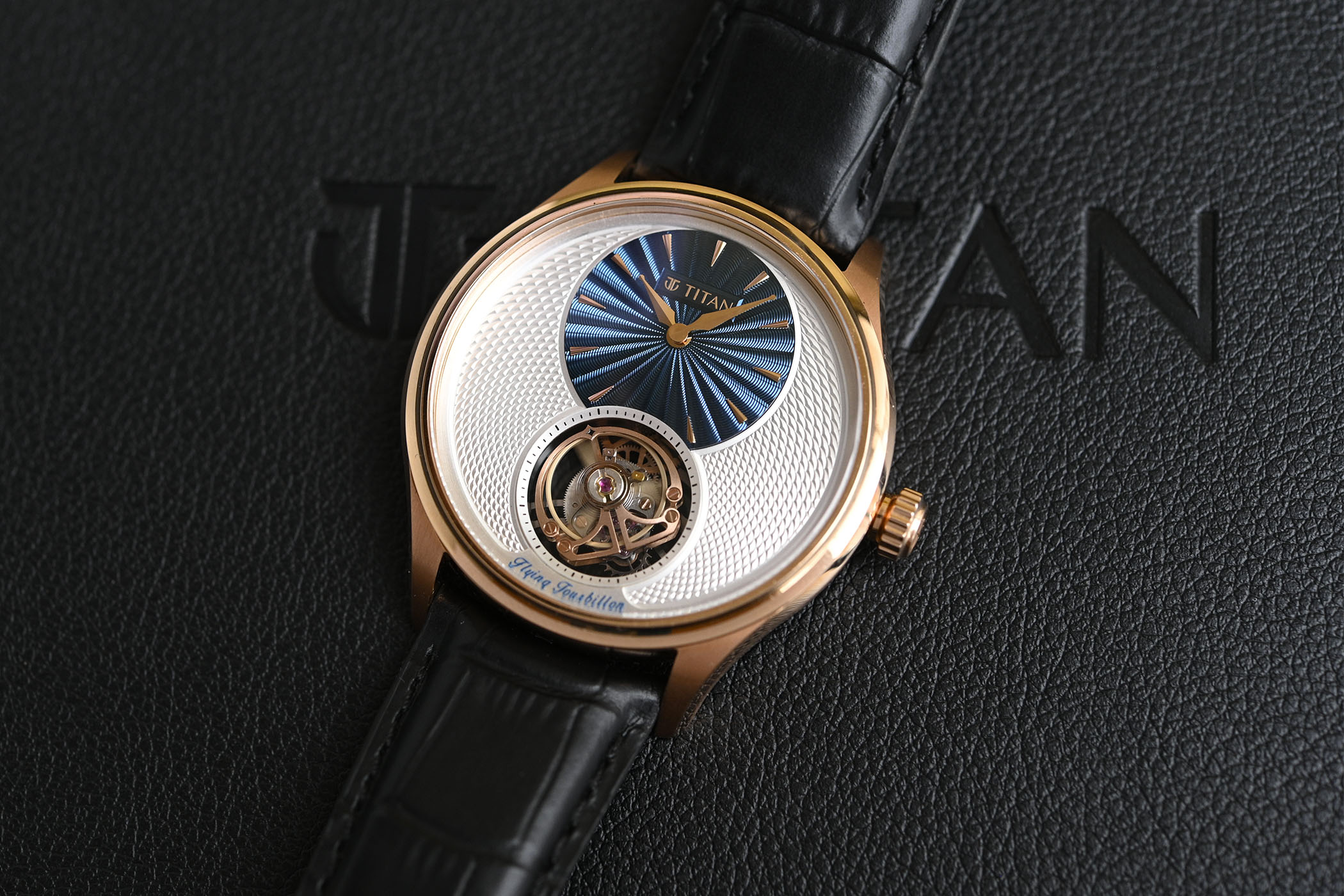
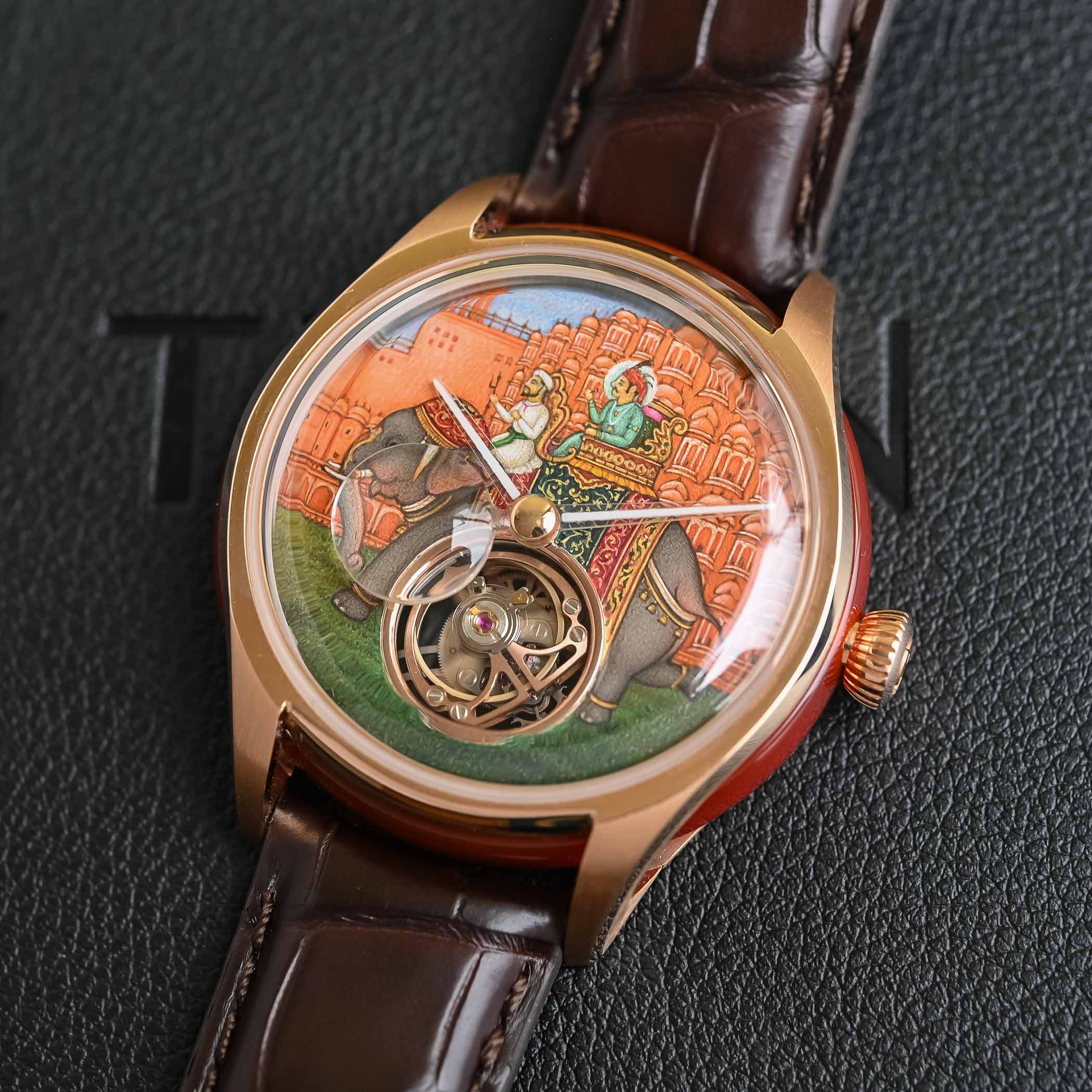
Titan capitalised on untapped local markets and potential trends that HMT missed, starting with the women’s market that was largely ignored. In 1992, the Titan Raga debuted with design elements specifically for Indian women – local design tastes with an emphasis on jewellery. It was a big success and left HMT even further behind. The next strategy was to target Indian youth with edgy, hip designs. A sub-brand was developed called Fastrack that made trendy, affordable watches, and huge numbers were sold (again comparable to the Swatch strategy in the US). As technology advanced, Titan adapted and produced hybrid and full-blown touchscreen smartwatches like the Titan Juxt, bringing domestic wearables to the masses. The brand recently focused on high-end mechanical watches after global consumer shifts during and after Covid, and produced its first flying tourbillon piece in 2024 for its 40th anniversary – the “40 Years of Joy” with an intricate guilloché dial and in-house calibre 7TH1. It was limited to just four watches, but demonstrated serious watchmaking prowess and what was to come. The following year, Titan released the Nebula Jalsa flying tourbillon with an artistic miniature dial painting by Padma Shri Shakir Ali on a marble blank, and it was limited to ten watches. The minute hand had a very interesting counterweight – a loupe that magnified different parts of the painted dial as it slowly rotated every hour, also highlighting the tourbillon aperture at the top of every hour. It sold for EUR 39,800, a much different price bracket than the general portfolio, but along with the 2024 anniversary piece, it demonstrated a broader approach to watchmaking and the pursuit of haute horology.

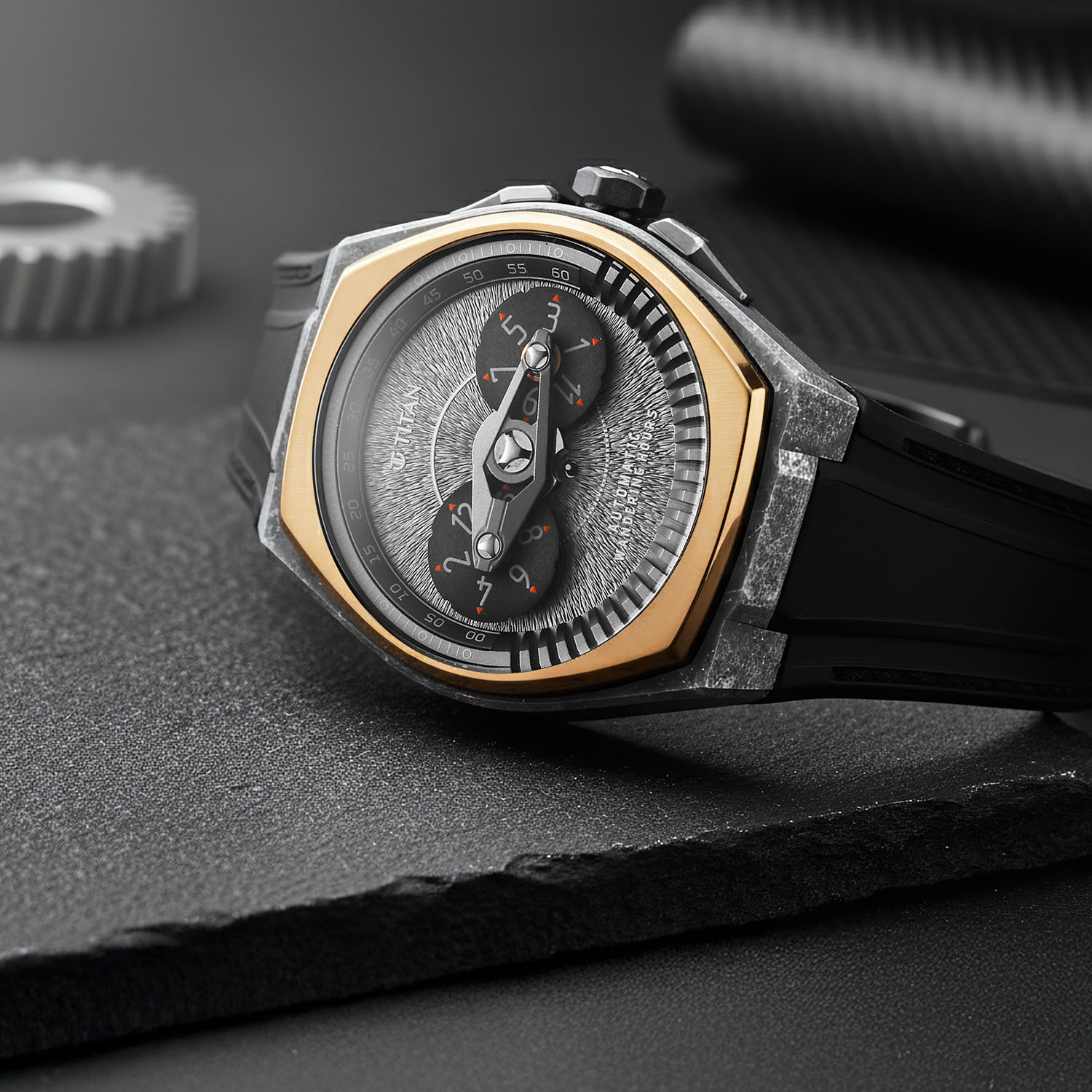
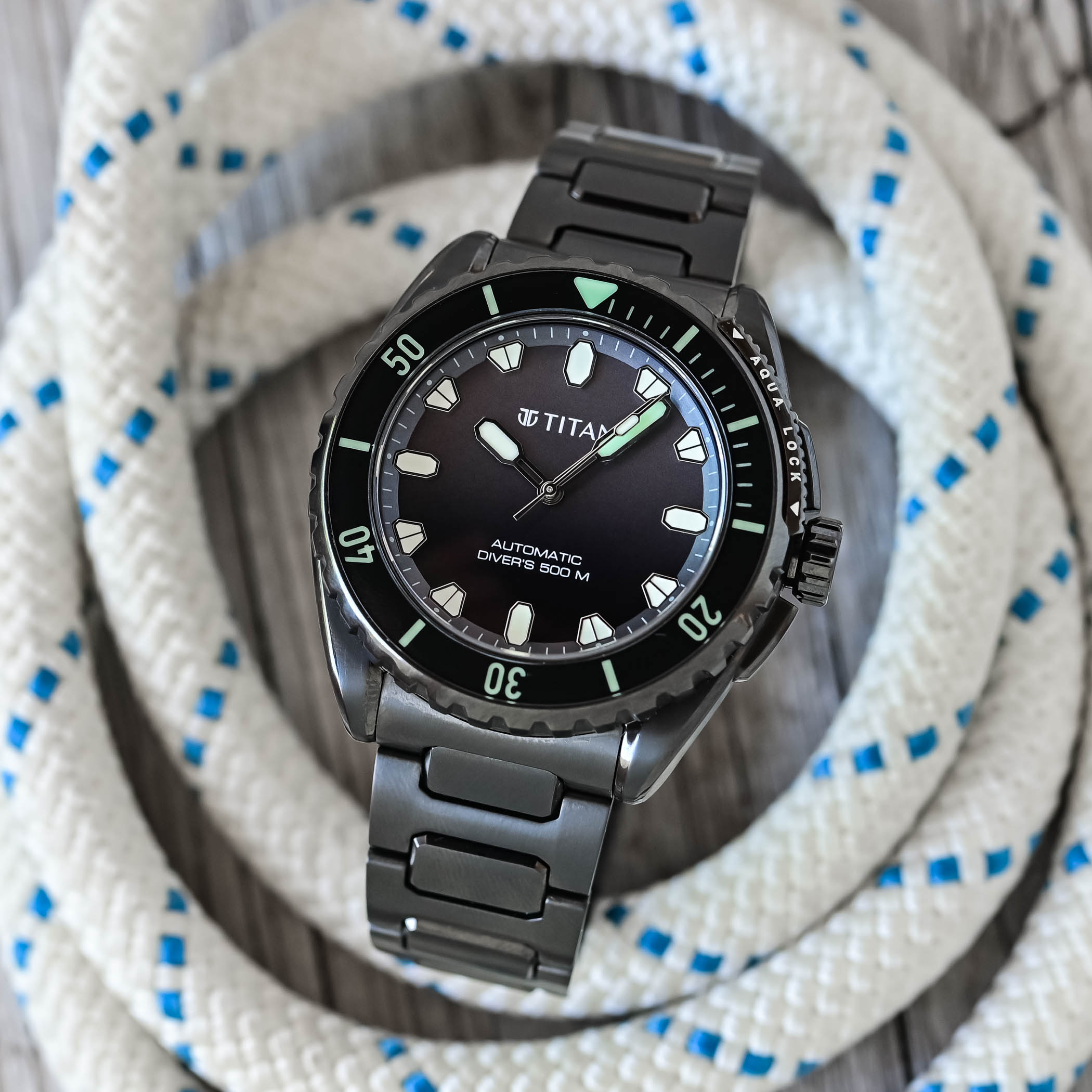
Titan is the fifth-largest watchmaker in the world today, producing 15 to 17 million pieces annually. For context, the entire Swiss watch industry makes up to 17 million watches per year. It’s expanded over the decades to include jewellery, wallets, belts, eyewear and fragrances, becoming a fashion conglomerate beyond just timepieces. Its most recent watch collections include real innovation and global appeal, including the titanium Zero Hour Professional Diver 500M with an in-house automatic and a price of only USD 840, and the Stellar 3.0 with wandering hours and a crystalised titanium case housing a domestically produced automatic, calibre INH 7AW-D2.
Indian Microbrands
Although Titan remains the major domestic watch brand, microbrands have hit the scene in recent years with impressive, mostly affordable designs that highlight India’s history and culture. Mumbai-based Ajwain Watch Company is a great example – its DEVI dial has an abstract face of Hindu goddess Maa Durga, while the Sortie model with blue fume dial has digital-inspired Arabic numerals mimicking an LED display in an Indian fighter cockpit. Jaipur Watch Company is India’s first bespoke watchmaker and often integrates Indian coins and stamps into the dials, and Coromandel Watch Company has designs inspired by the Indian Coromandel Coast. This is just a sample of the many microbrands throughout the country, but it shows a growing pool of local watchmakers, talent and Indian spirit.
Bangalore Watch Company
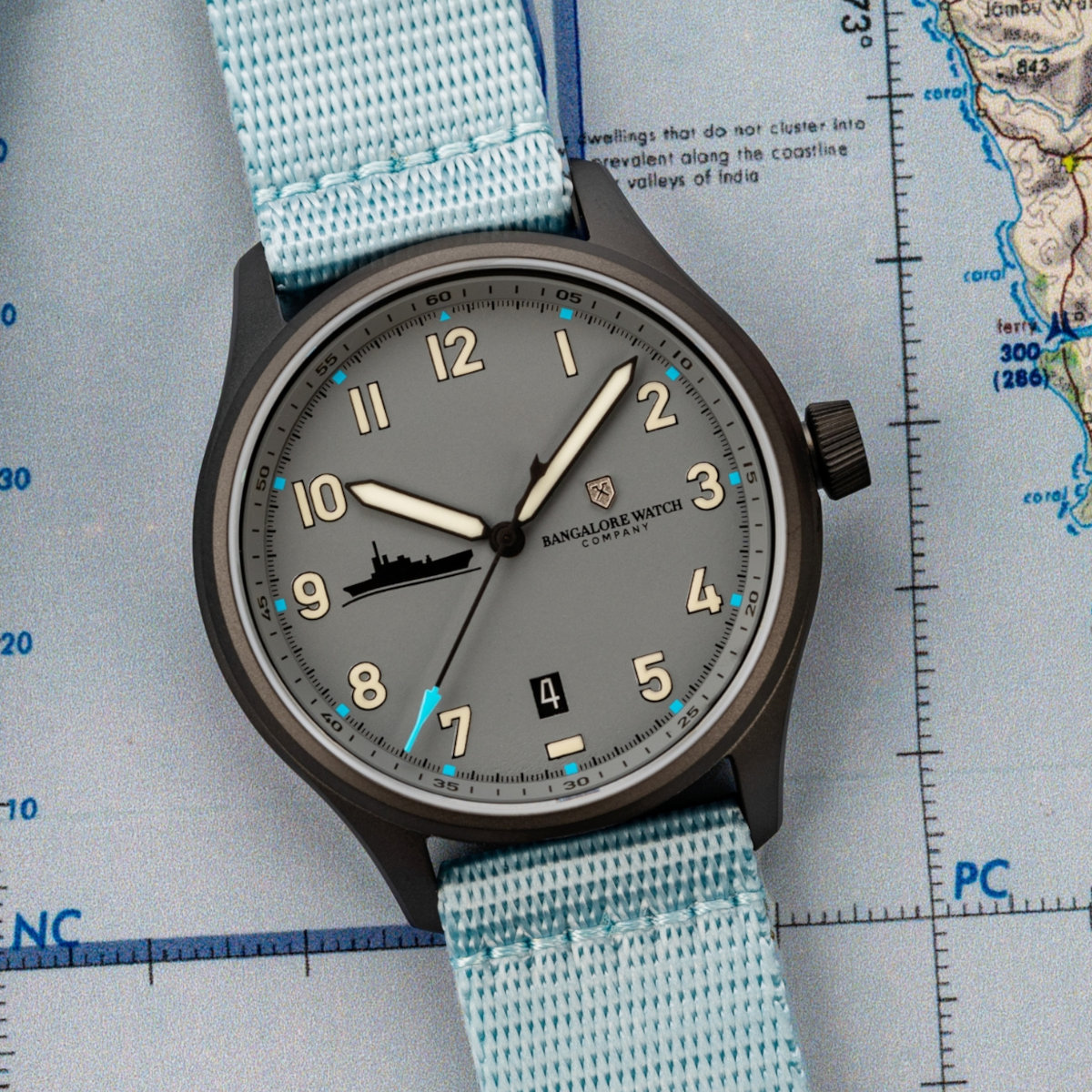
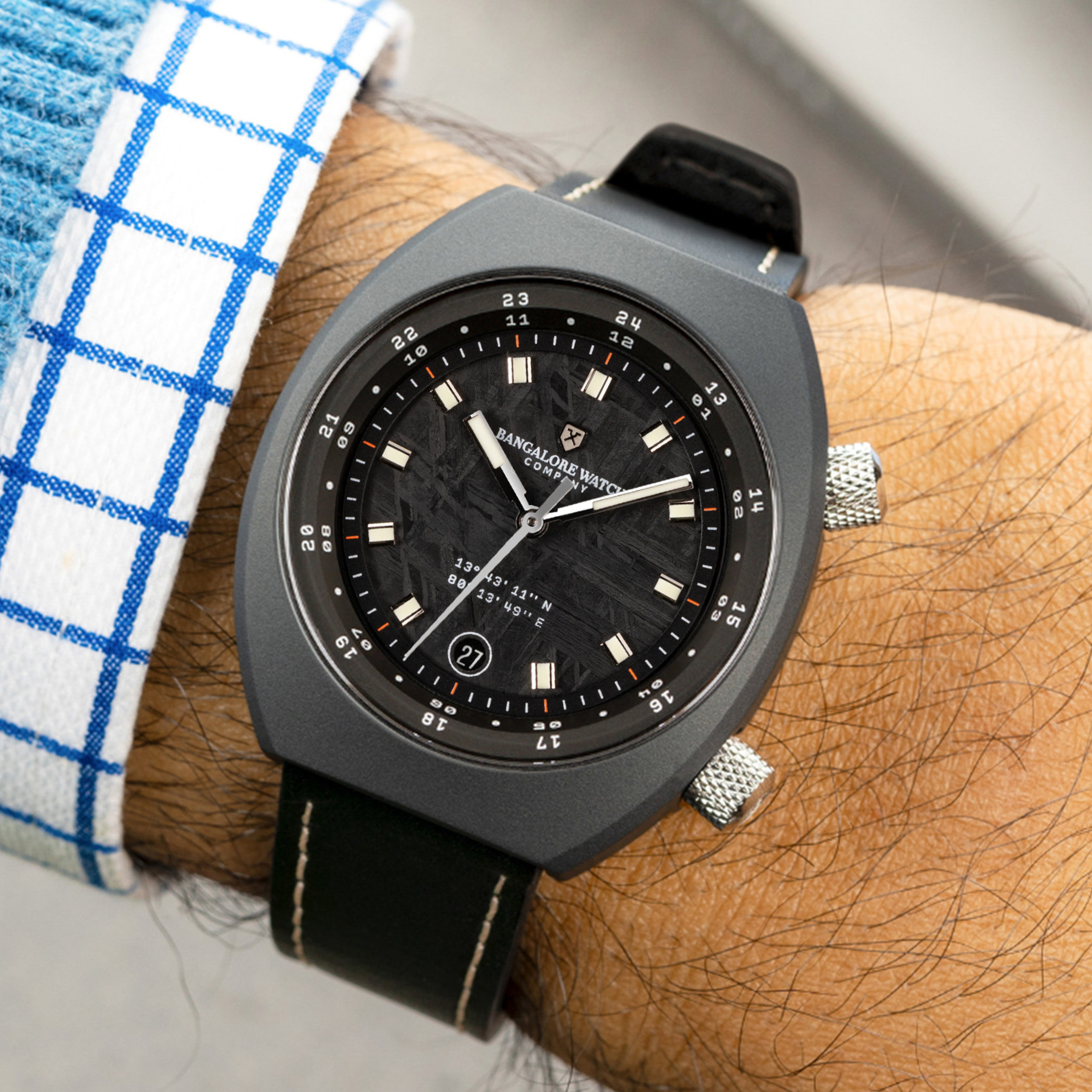
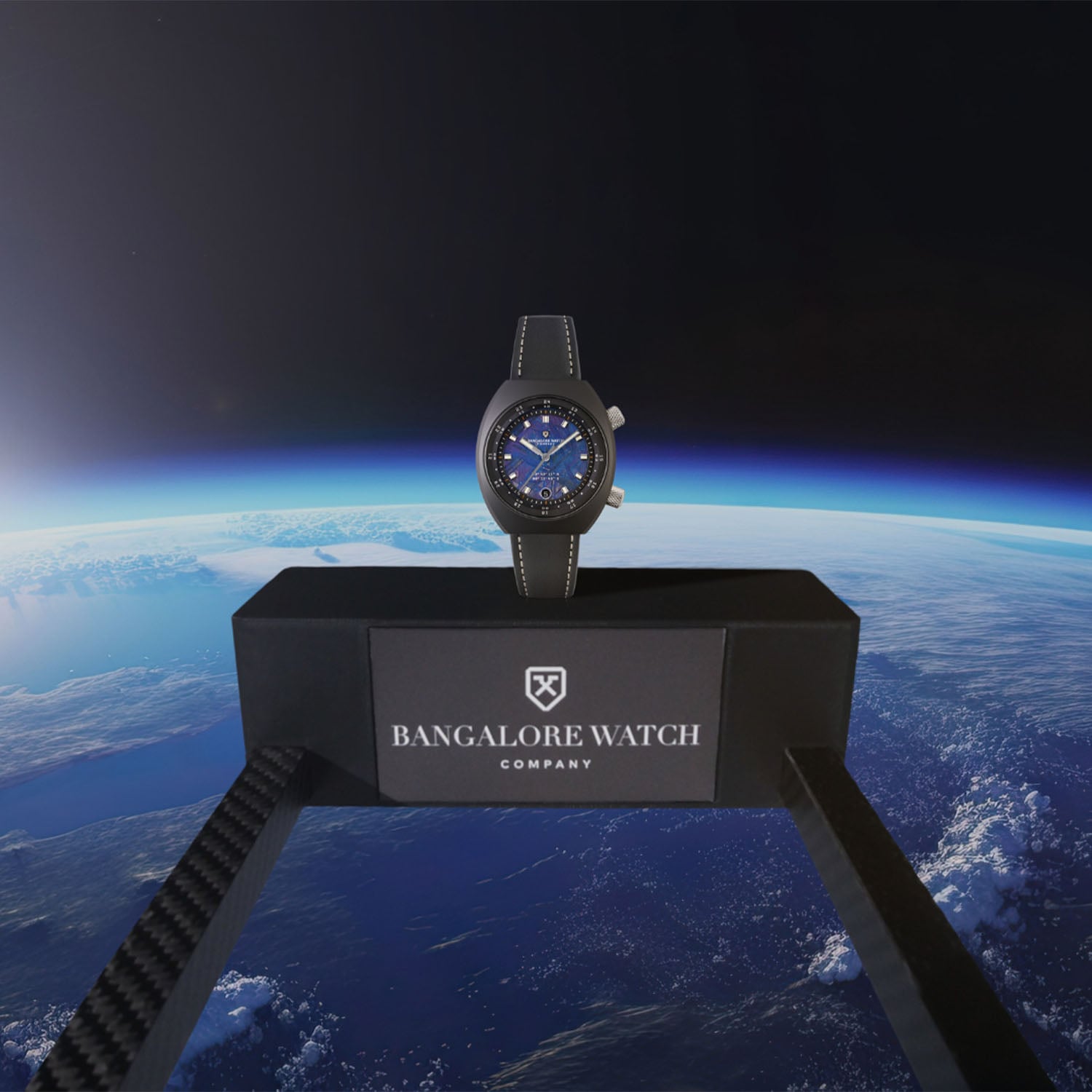
Bangalore Watch Company separates itself from the rest of the above microbrands and is arguably the most prominent Indian watchmaker outside of Titan. It’s even pushing beyond the microbrand label and closer to a true independent brand with themes ranging from space and aviation to cricket and the Himalayas. Founders Nirupesh Joshi and his wife, Mercy Amalraj, started the brand in 2018 with a focus on India in the 21st century. The collections highlight aviation, space and sports, like the MACH 1 that celebrates the Indian Air Force MiG 21 (with actual metal from the jet used for dials) or Cover Drive that has multiple references to cricket, India’s most popular sport. Apogee Horizon pays tribute to 50 years of India’s space program, and the brand actually launched a model to the edge of space in partnership with a UK-based space engineering firm. It reached 114,000 feet (35 kilometres) via a high-altitude balloon, which is below the Karman line (accepted border between earth and space at 100 kilometres), but it still had to withstand extreme temperatures, pressures and radiation. It’s an unusual accomplishment for a relatively small brand and demonstrates a real vision and forward thinking. Although Bangalore has no short-term plans to produce in-house movements, design and assembly do occur within its walls, and many components are produced by local suppliers as well.
Global Watchmaking
Switzerland and a handful of European countries (along with Asia) get most of the attention when it comes to watchmaking, but it’s truly a global industry. Most people think of cricket, Bollywood and the Taj Mahal when India comes to mind, but watchmaking has become a big part of its identity and culture. HMT was the catalyst for its industry today, but it was too slow to adapt to changing tides and technology, allowing Titan to fully take the reins by the late 1990s. Microbrands have helped define Indian watchmaking in the 21st century, particularly Bangalore Watch Company, but Titan remains the titan of the industry (pun intended). We’ve already seen high horology from Titan with in-house tourbillon models, and Bangalore has many intriguing collections that represent Indian culture, and it even sent a watch to the edge of space that survived unscathed! Although India won’t rival Switzerland, Germany or Japan anytime soon from a marketing and consumer awareness standpoint, remember that Titan alone often surpasses Switzerland’s entire annual output per year, which is an amazing feat. Look for India to become a more substantial player in the coming years.

1 response
What about Allwyn, Hegde Golay?