


 Not all images were able to load for printing. Please close the print window and try again.
 From Repeaters to Alarms, The Sounds That Watches Make
From minute repeaters to sonneries to alarms to music boxes, mechanical watches have had “bells” of some kind for over five centuries.
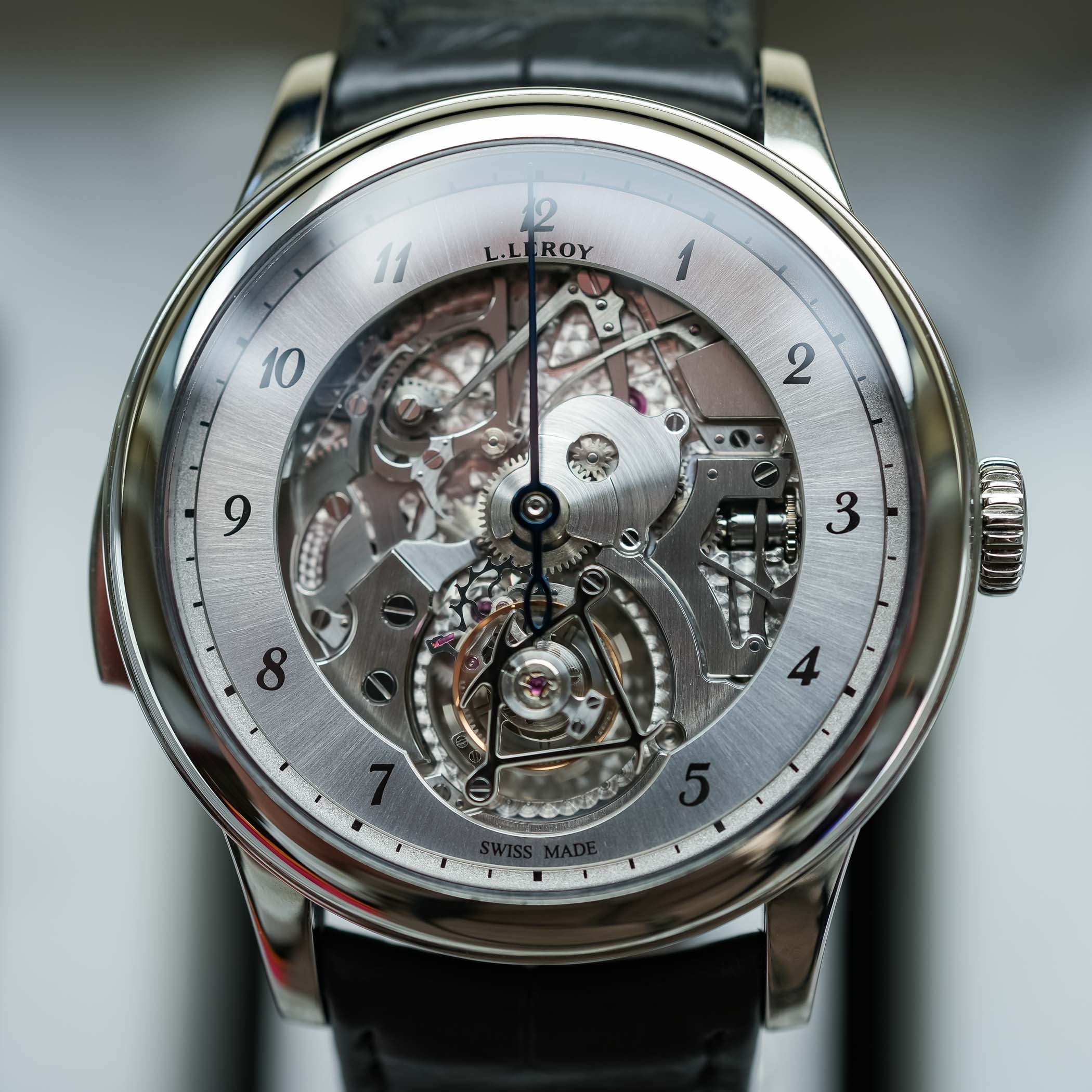
The first mechanical clocks were actually bell towers without dials or hands. Bells would simply ring to mark the hours or special events, starting in the late 13th century in Europe (Italy and Germany to be specific). The name “clock” even comes from the Latin word for bell, clocca. Among the most famous of these bell towers is the Salisbury Cathedral clock that continues to operate today – fully restored, of course, but with parts going back to the 14th century. Churches and town halls commonly had mechanical bell towers that benefited the community at large, and it wasn’t long before dials and hour hands joined the party. Even after the pendulum and anchor escapement replaced the original verge and foliot design in the mid-17th century, allowing for minute hands with much-improved accuracy, bells were always an active part of clock towers. The most famous today, from Big Ben in London to the Zytglogge in Switzerland, continue to ring bells every hour and for special occasions, and sometimes even play melodies.
The first pocket watches (technically portable clocks worn around the neck) were invented by German locksmith Peter Henlein in the early 16th century with single-hour hands protected by brass lids. Eventually known as Nuremberg eggs, as they soon evolved from cylinder shapes to round and oval (with origins in Nuremberg, Germany), some of these portable timekeepers also had striking mechanisms to chime the hours. This means that the very first “watch” (a very loose definition for our purposes – portable time with a mainspring) was also a primitive Sonnerie au Passage (French for striking upon passing). Keep in mind – striking a small bell within a wearable clock is very different from a modern Sonnerie complication within a pocket watch or wristwatch. That said, as clock towers were miniaturised to become portable Nuremberg eggs and then actual pocket watches, the tradition of “bells” tended to follow. This article won’t cover the history of every type of mechanical watch chime and melody, as that’s the job for long books, but it will cover the most common and historically important.
Repeaters
Unlike the Sonnerie, which automatically chimes on the hour (and also quarter hours and so on), repeaters chime on demand without automation. The original intent was to provide audible time when the dial couldn’t be seen at night (before the invention of dial lume). A button or slide on the case activates the repeater (with the slide winding the repeater’s dedicated spring), which consists of miniature spring-driven hammers that repeatedly strike hardened steel wire gongs, guided by a rack and snail striking mechanism. There are many types of repeaters, with the minute repeater being the most popular, but quarter, half-quarter, five-minute, decimal and other repeaters also exist, although many have been abandoned in other eras. Then there’s even more complex pieces like the Grande sonnerie (grand strike in French) that combines a sonnerie that chimes at the hour and quarter hours with a minute repeater option, so the hour, quarter hours and minutes can also chime on demand.
The first repeater was invented in 1676 by Edward Barlow, an English cleric and inventor who designed the rack and snail mechanism for clocks. Widespread use of gas lights and then electricity made the repeating clock somewhat redundant in the 19th century as indoor lighting became easy and plentiful, but the tradition of “bells” continues to this day. The repeating pocket watch was invented around 10 years after the repeating clock by English clockmaker Daniel Quare, who received a patent in 1687. It was much more difficult to fit the repeating mechanism in pocket watch cases, so they’ve always been expensive and rare luxury items. The early models struck a small bell at the back of the case in lieu of a metal wire gong, but the latter became a standard in the 19th century – a Swiss invention by Breguet in 1783.
Minute and quarter repeater
The minute repeater acts as a quarter repeater with the addition of the remaining minutes after the quarter hours – current hour, then quarter hours, then minutes. So, 8:35 would chime eight times for hours, two times for two quarter hours past 8 o’clock and five times for five minutes past the second quarter hour. The chimes are distinctive as well, so the hours sound different from the quarter hours, which sound different from the minutes. Most minute repeaters have two specific tones, with the hours having the low tone and the quarter hours having a ding-dong of high and low tones. The minutes then have a high tone. Going back to 8:35, you’ll hear eight low tones followed by two ding-dong tones and then five high tones. These multiple tones are achieved with either a single metal wire gong that’s tuned differently at both ends for a low and high pitch, or simply two separate gongs. The quarter hours are a combination of the hour and minute tones, again as a quick ding-dong chime. A quarter repeater simply sounds the hours with a low tone and quarter hours with a high or ding-dong tone, skipping minutes entirely.
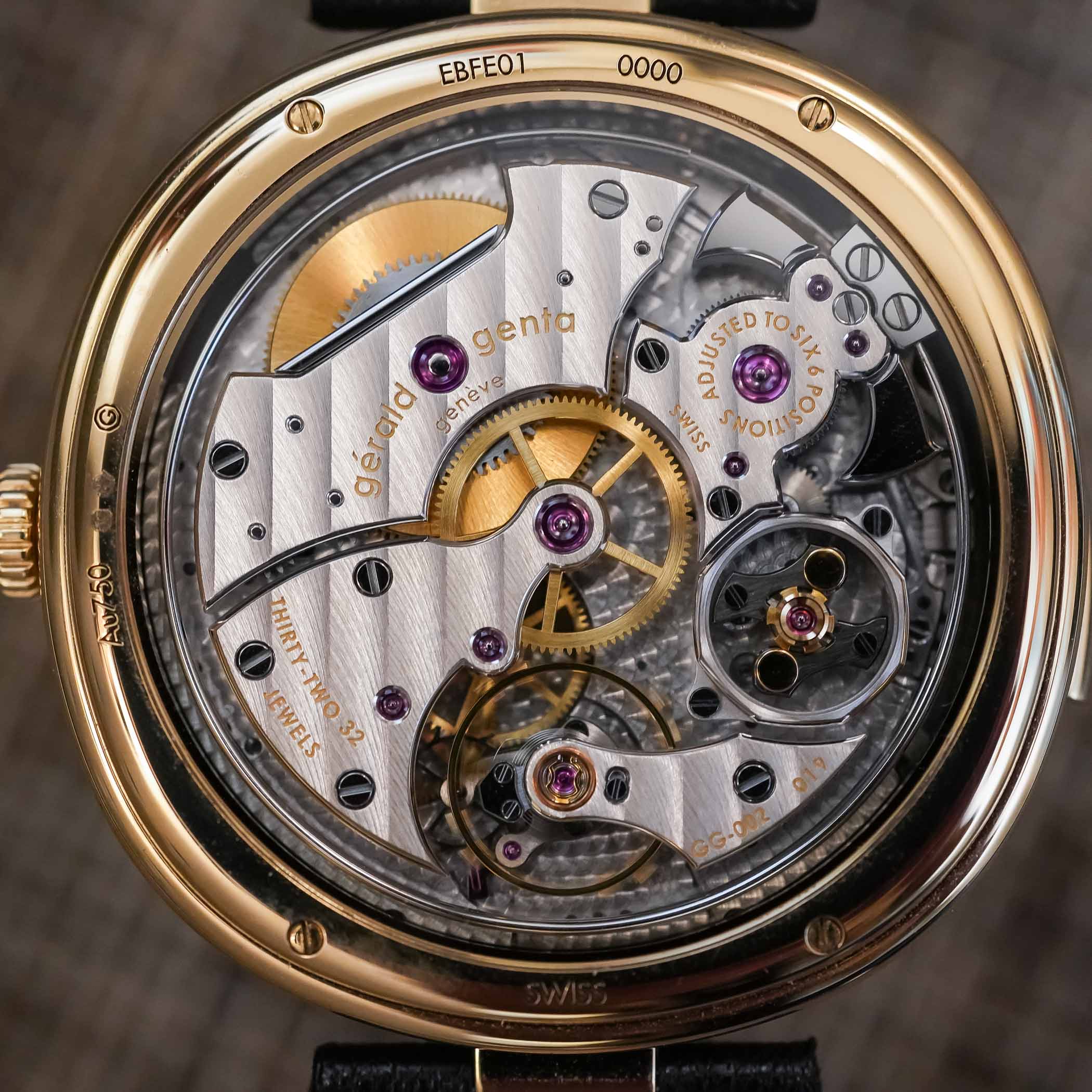
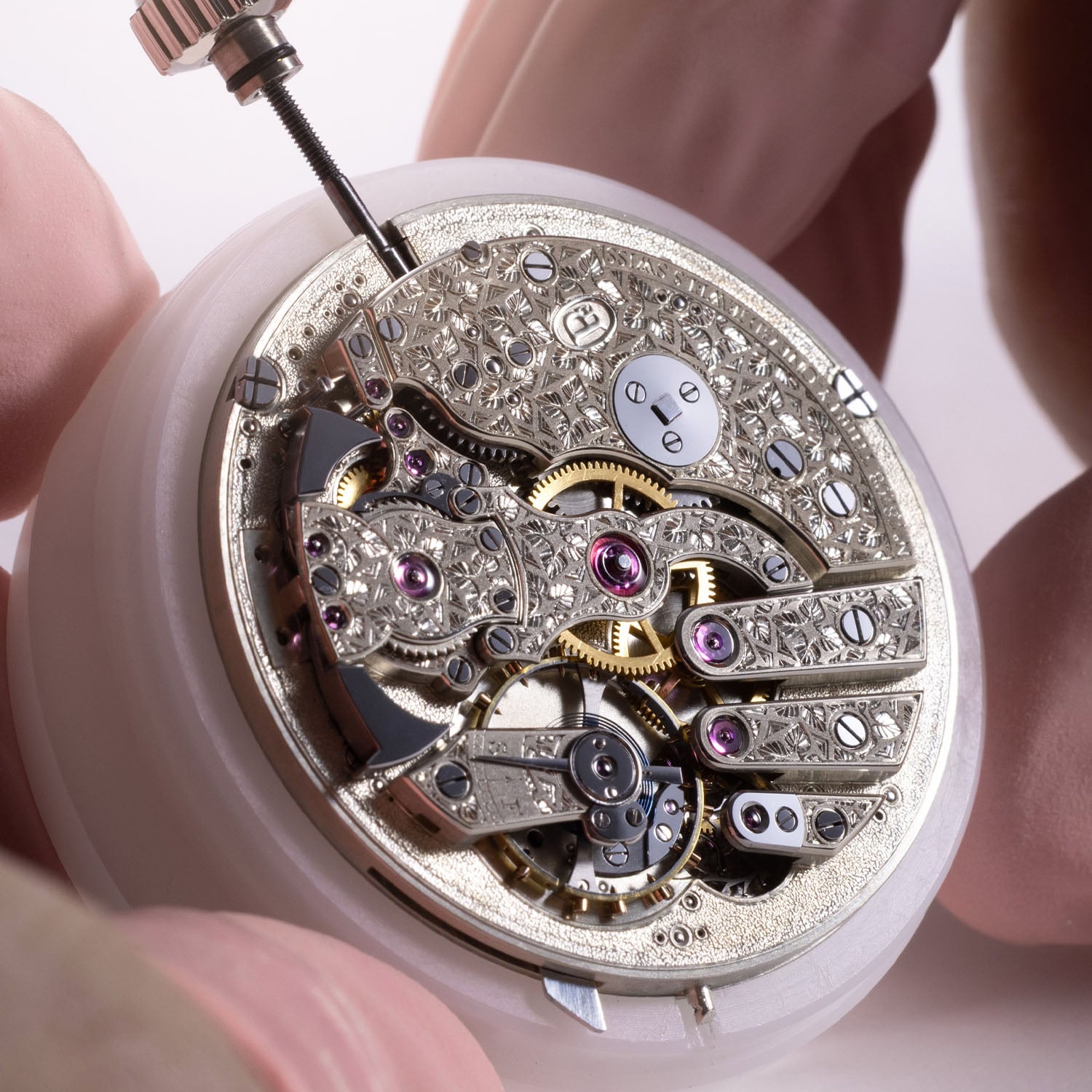
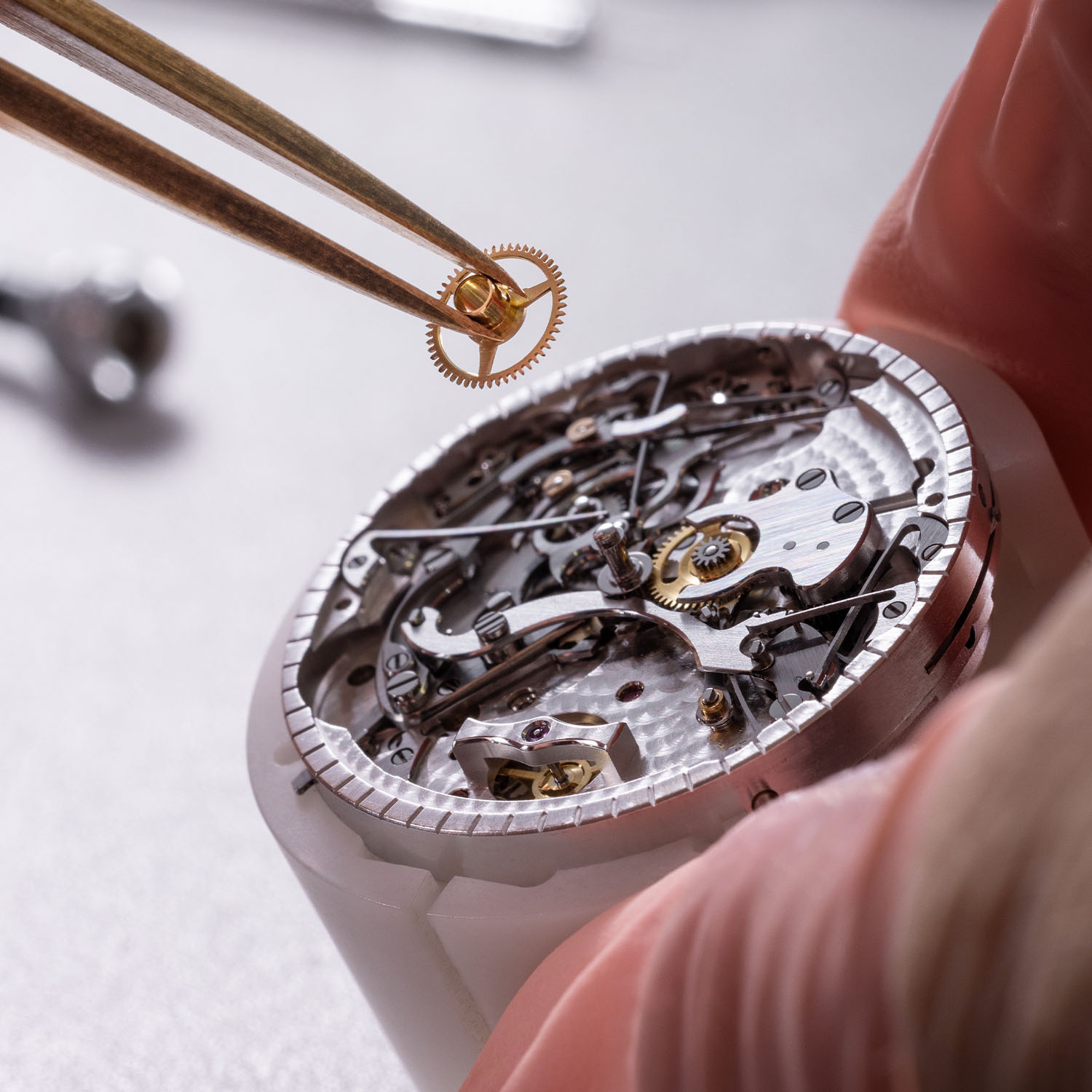
This all works via a complex setup of additional gears and cams. Snail cams (stepped discs that rotate with the hands and are somewhat snail-shaped) act as a mechanical memory to keep the chimes at the correct time. There are usually three of these cams in a minute repeater – a 12-step cam for hours, a 4-step cam for quarter hours and a minute cam that can have up to 14 steps. There are then levers with extensions that ride along these steps, falling into different depths as time advances, which is how the mechanical memory works. When the chiming button or slider is activated by the user, the hammers strike the gong(s) based on where the lever extensions are situated on the snail cams’ steps. Most minute repeaters use a separate mainspring for the chiming hammers, as generating the sound could rob too much power from the timing mainspring and interrupt the balance wheel with the sudden draw of additional power. Rare exceptions include A. Lange & Söhne’s Zeitwerk Minute Repeater that uses a patented system with a single high-torque barrel. When the chiming starts, a remontoire ensures that the Zeitwerk’s balance wheel continues to get consistent, uninterrupted power while the hammers are using the higher load.
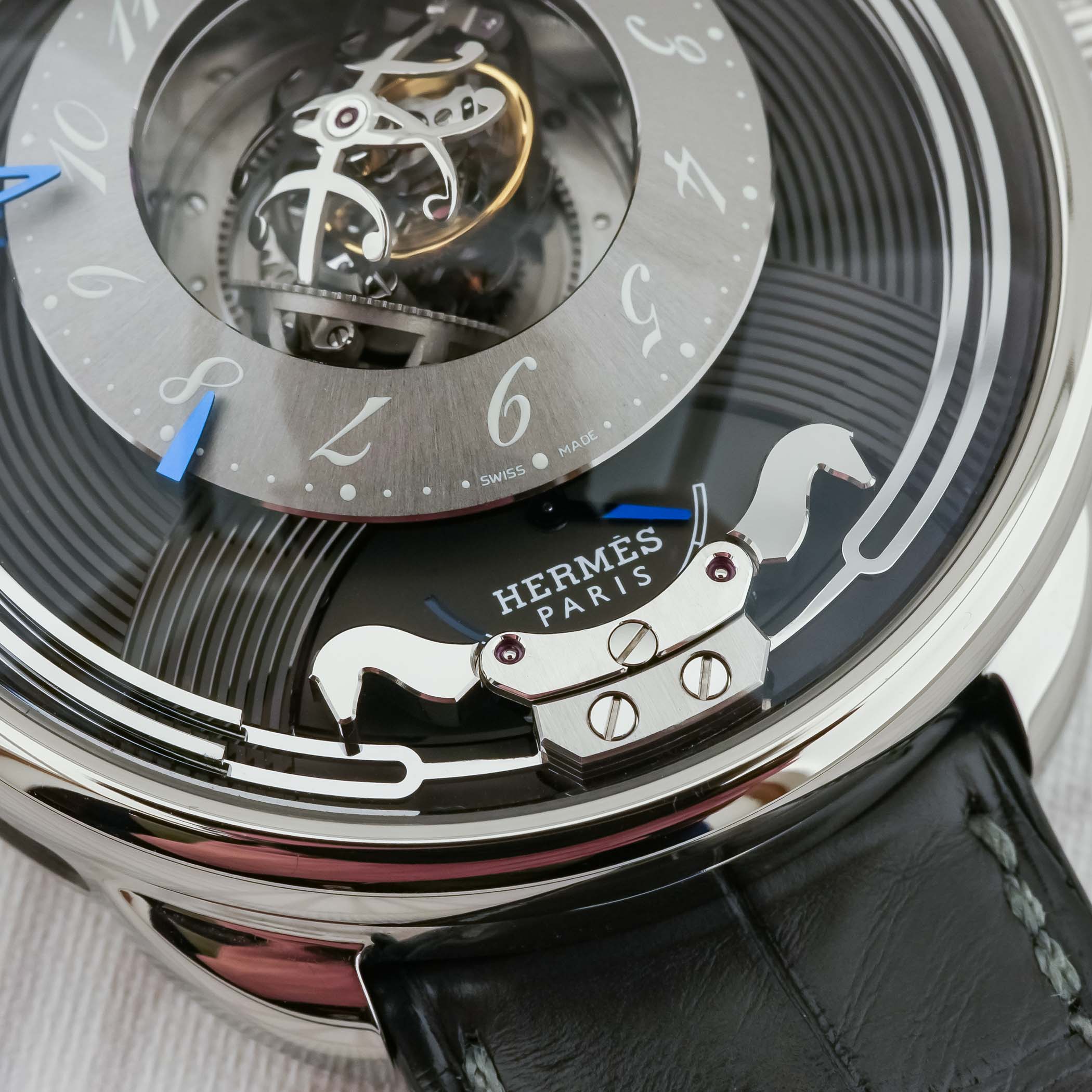
The first watchmaker to achieve widespread production of a minute repeater pocket watch was John Ellicott from London, just after 1750. Abraham-Louis Breguet then made design enhancements to improve both reliability and production methods, allowing for the highest quality minute repeaters in the 19th century and beyond. All remain expensive today as the complication is among the most difficult and exclusive of horological creations (eclipsing even the tourbillon). A very cool and visually interesting example is the H. Moser & Cie. Endeavour Concept Minute Repeater Tourbillon that displays the hammers and gong on the dial side, along with a flying tourbillon. A grail watch to be sure, and the watchmaker has several variants of this design. If you want to go to the stratosphere, however, Patek Philippe has a similar concept with the 5303R Minute Repeater Tourbillon that costs… more.
Half-Quarter Repeater
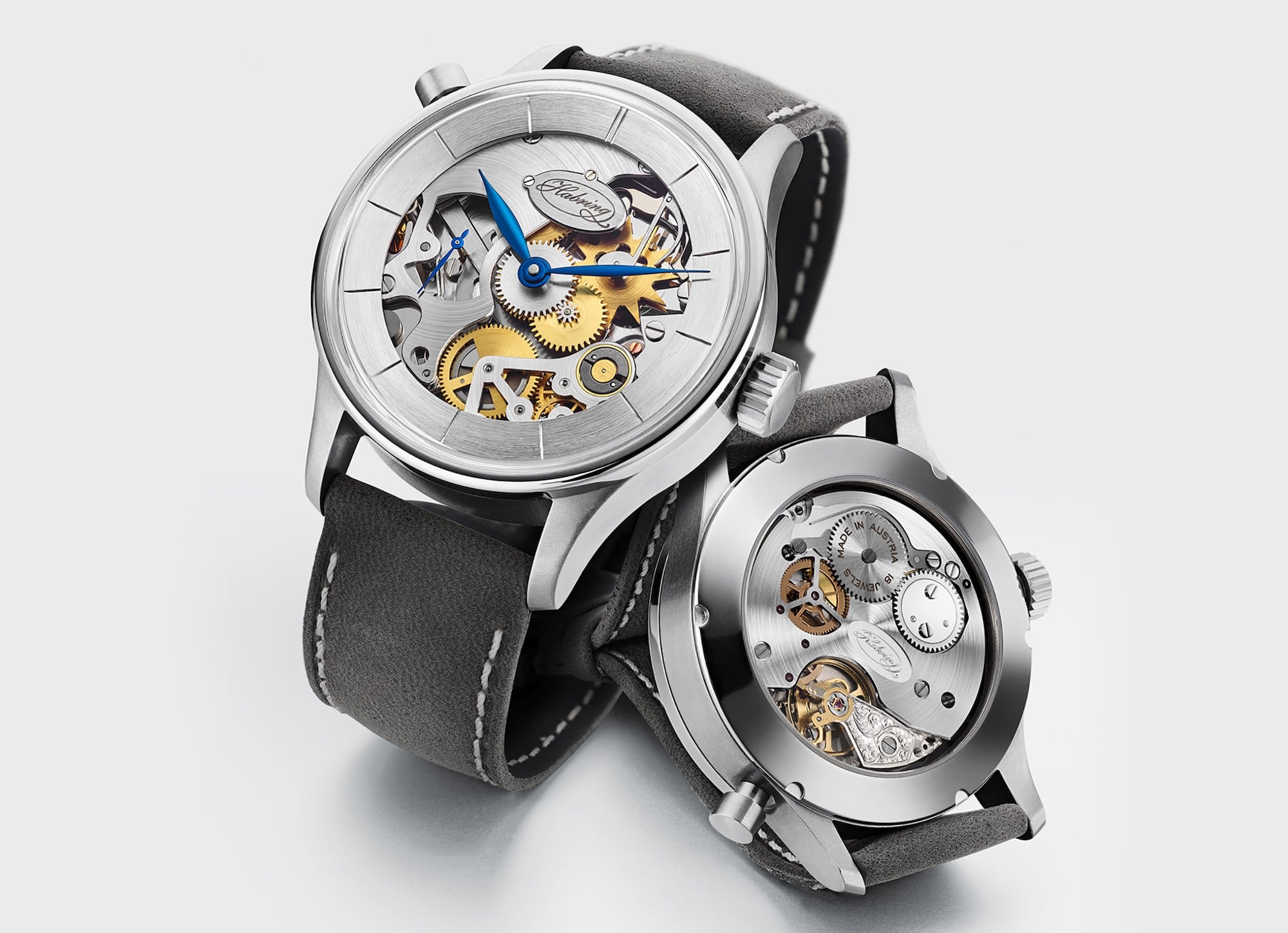
This complication chimes for hours and quarter hours like a minute repeater, but then adds half quarters instead of minutes – 7 ½ minute chimes with a single tone. As an example, 8:38 would have 8 low tones for hours, two ding-dong tones for two quarter hours and then one high tone for a half quarter. This type of repeater is rare today and more of a relic of the 19th century, as quarter and minute repeaters are dominant. Most are simply found in antique pocket watches, but a tiny number of high-end watchmakers toy with the complication on occasion, usually as custom projects.
Five-Minute Repeater
A five-minute repeater takes the quarter repeater concept, but chimes five-minute increments instead quarter hours after the low tones for hours. Let’s go back to 8:38 – eight low tones for hours and then seven high or ding-dong tones to get to 8:35. At 8:40, the eighth five-minute tone would chime and so on. The five-minute repeater was invented by Samuel Watson in 1710 (who also invented the stopwatch), and like the half-quarter repeater, it’s generally been abandoned.
Decimal Repeater
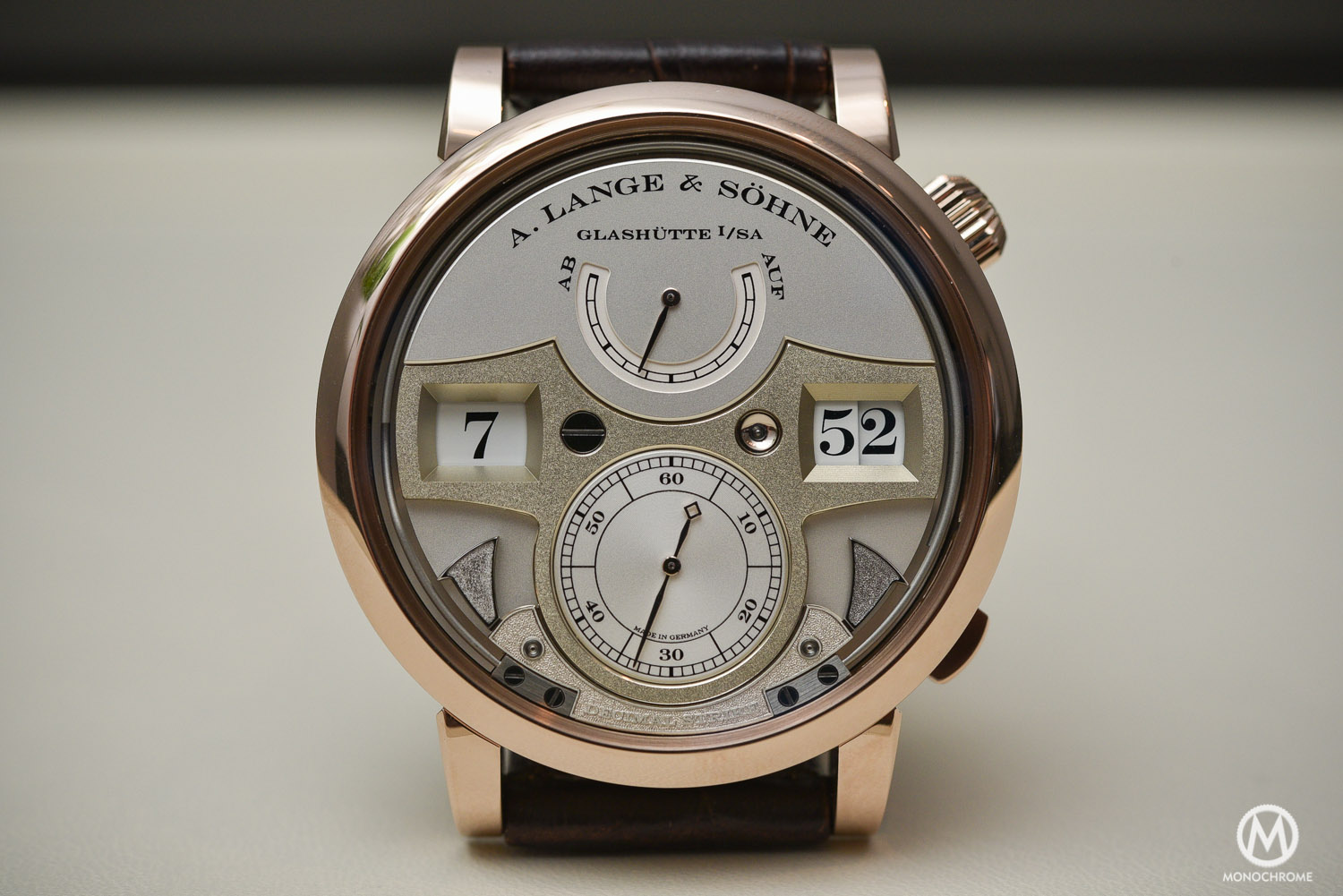
The decimal repeater is a type of minute repeater, but chimes every 10 minutes after the hours instead of 15-minute quarters (and then chimes the minutes). 8:38 would have eight low tones for hours, three ding-dong tones for three 10-minute intervals (to 30) and eight high tones for minutes after 30. Modern incarnations of this were invented by Finnish watchmaker Kari Voutilainen by modifying vintage repeater movements, while A. Lange & Söhne made the Decimal Repeater Zeitwerk in 2015 and Credor (a luxury division of Seiko) made a Spring Drive variant (ref. GBLS998) in 2012. Other examples exist, but like most repeaters above, they’re very rare.
Sonneries
A sonnerie differs from a repeater as it chimes automatically without having to be triggered by the user, although most allow both options. French for sound or ringing, a sonnerie is quite literally the original concept of mechanical time as bell towers would automatically ring on the hour. As mentioned, early portable Nuremberg eggs had Sonnerie au Passage striking mechanisms, which only chimed at the top of the hour and remain the simplest of the broader sonnerie family. Many Sonnerie au Passage watches have a low tone and are among the most affordable of chiming watches. A great example is the Christopher Ward Bell Canto collection, which has a dial-side Sonnerie au Passage mechanism and retails for USD 5,205. This piece won the ‘Petite Aiguille’ prize at the Grand Prix d’Horlogerie de Genève in 2023 and demonstrates that some of the most sophisticated designs in horology can also be accessible. MeisterSinger’s Bell Hora collection offers another affordable Sonnerie au Passage option, albeit without the mechanism visible. These have the brand’s hour hand-only design coupled with the earliest of mechanical chimes, so it’s a medieval clock tower on your wrist. They start at just EUR 4,250.
Grande and Petite Sonnerie
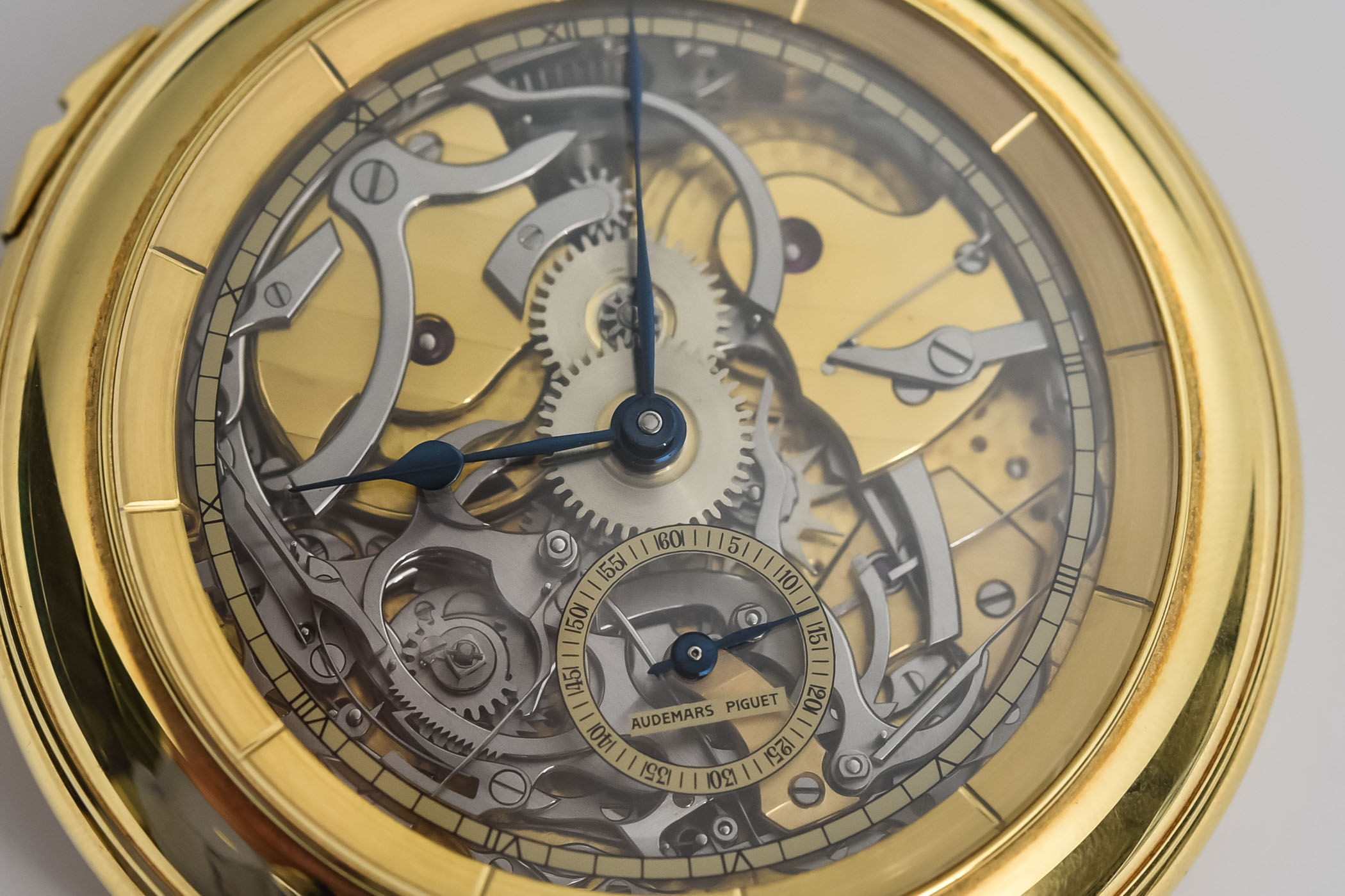
Grande Sonneries have the most difficult and complex complications for a watch, consequently resulting in very high prices and rarity. Most are combined with a petite sonnerie as opposed to those being an independent complication. Swiss master watchmaker Philippe Dufour produced the first grand sonnerie wristwatch in 1992, and he’s known for comparable pocket watches in the 1980s (and created a handful for Audemars Piguet). However, this masterpiece of horology dates back to 19th-century pocket watches. The grande sonnerie (again French for grand strike) automatically chimes the time at the hour and quarter hour, so hours chime at the top of the hour and both hours and quarter hours chime every quarter hour. Most include additional features that act as other types of chiming watches, such as a minute repeater and aforementioned petite sonnerie. All have a way to silence the mechanism, as we have to sleep if nothing else. As a grande sonnerie chimes every 15 minutes for the entire 24-hour day if not silenced, most need a second barrel and mainspring dedicated to the complication.
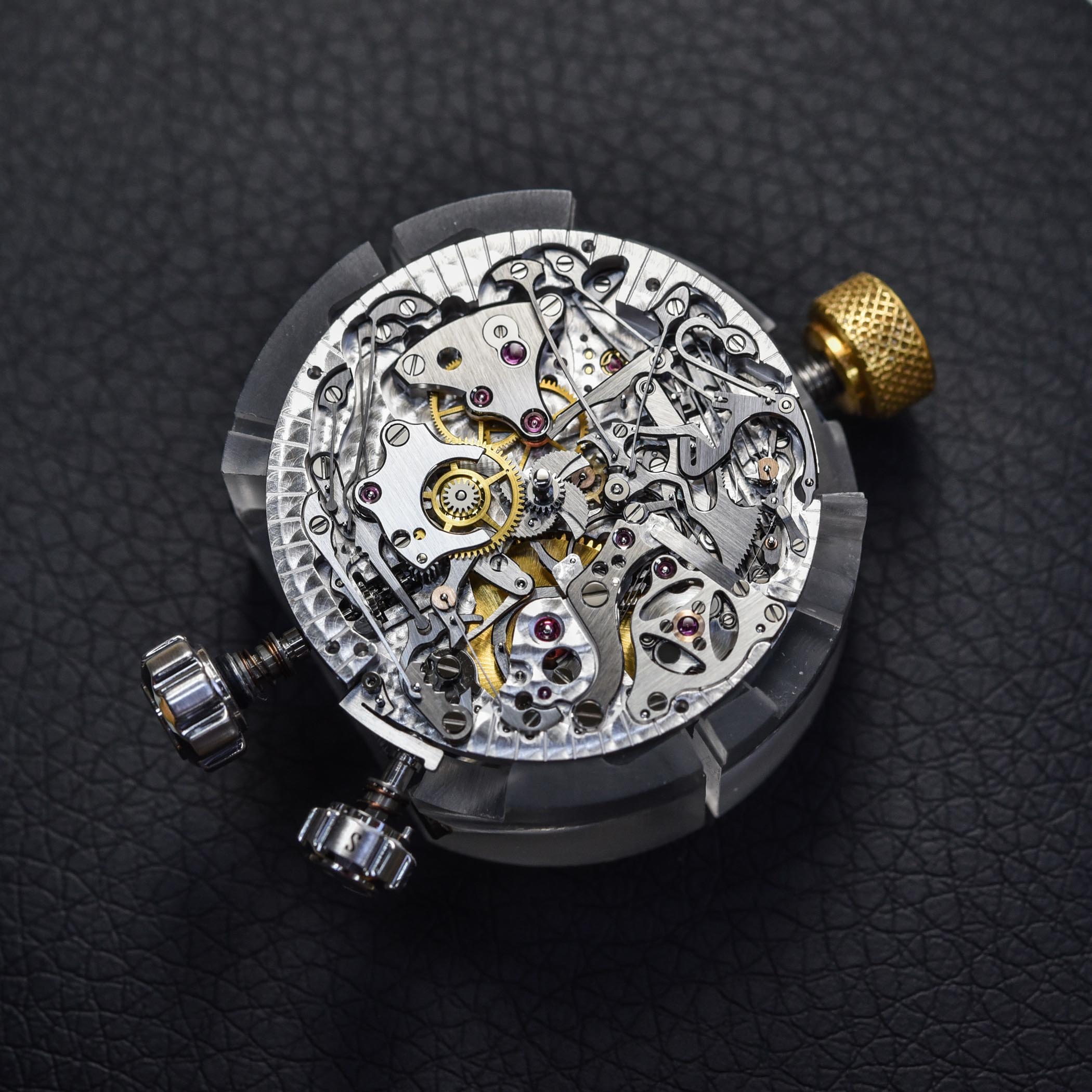
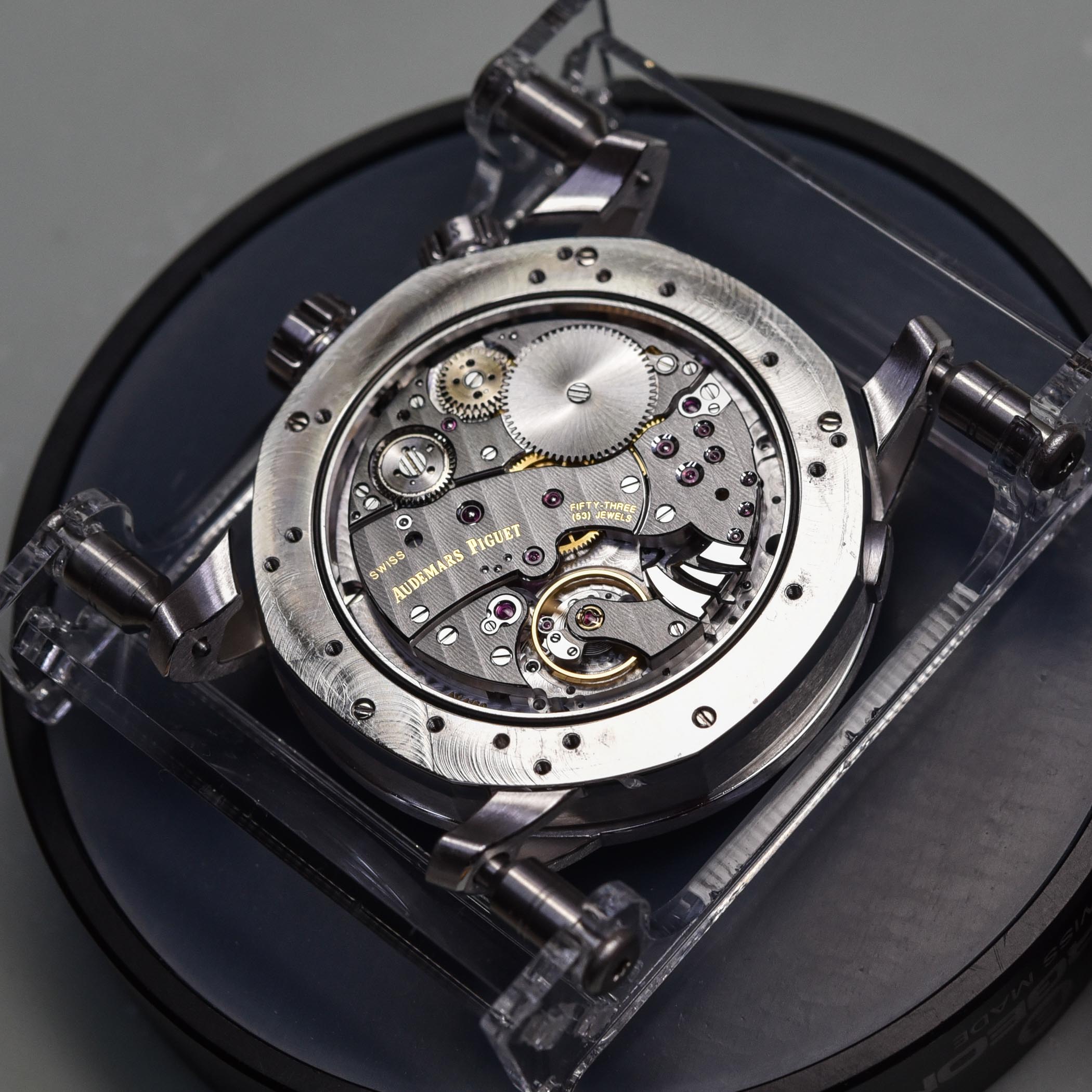
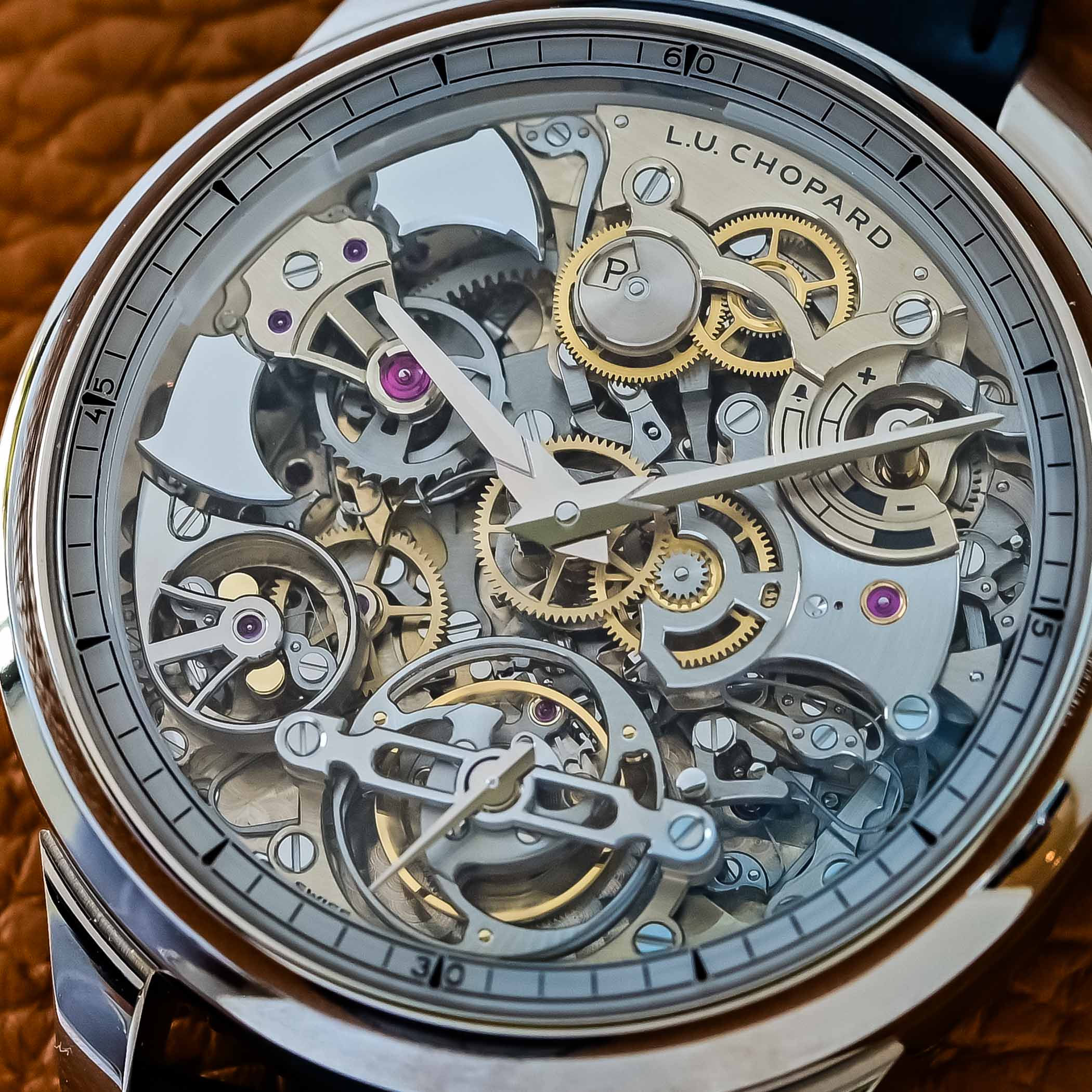
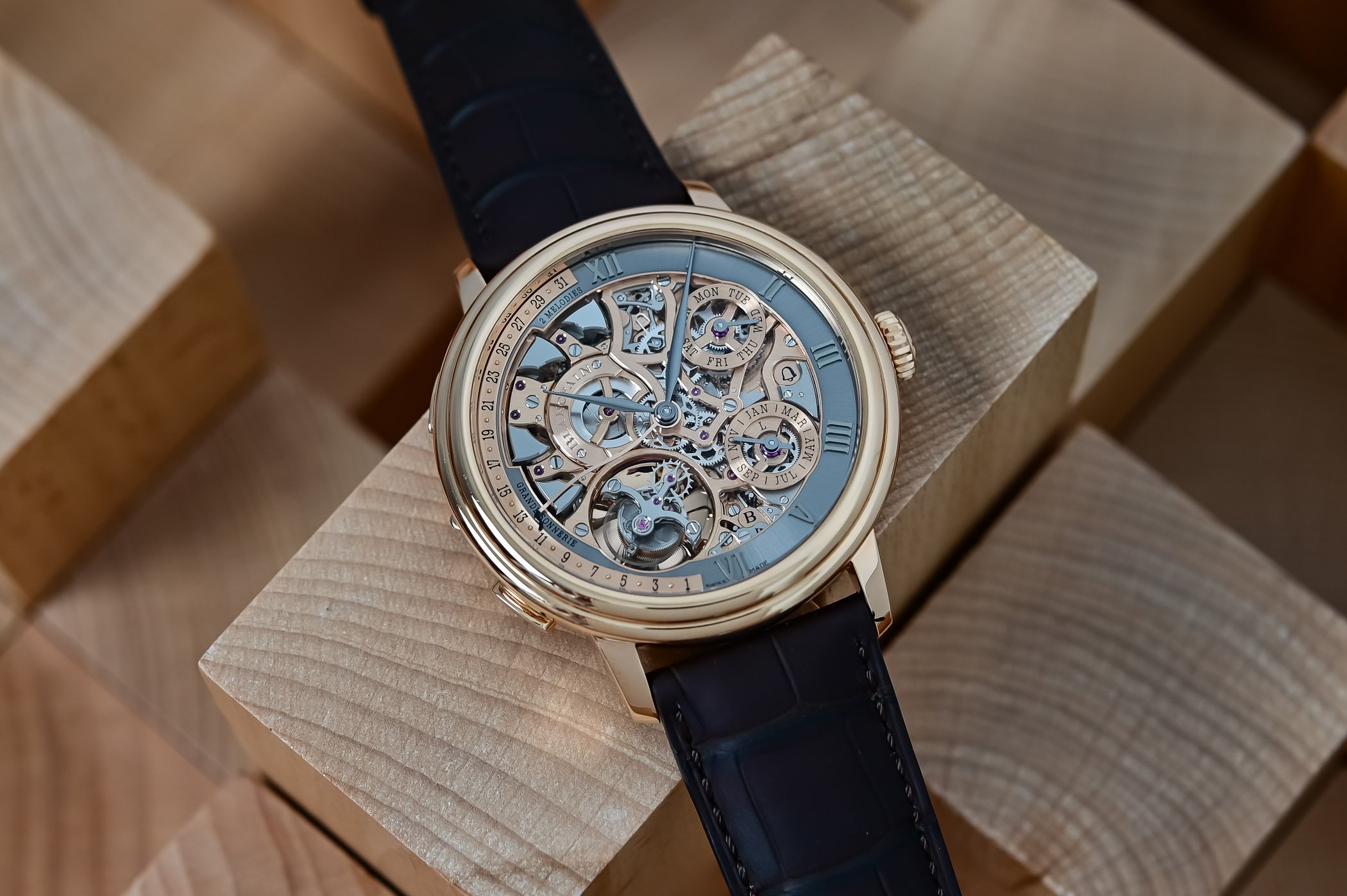
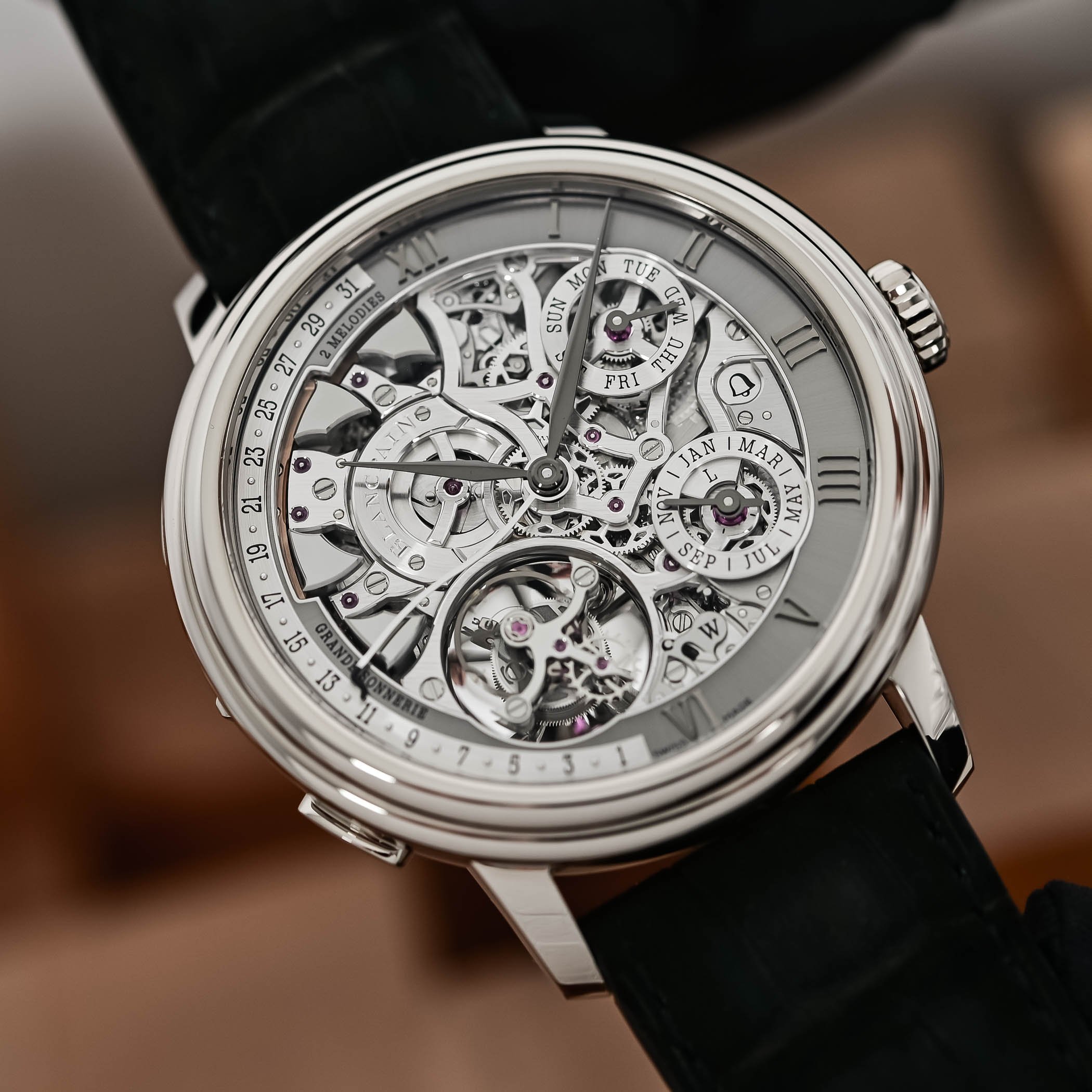
With such horological mastery and potentially thousands of hours to produce a single piece (that can have over 1,000 parts), grand sonneries get the royal treatment with incredible hand finishing and often additional bells and whistles (pun intended). You might as well go all the way at this point. An example is Blancpain’s Grande Double Sonnerie 15GSQ that also features a flying tourbillon, perpetual calendar, minute repeater and petite sonnerie, all in a skeletonised package that displays the wizardry of mechanics. It doesn’t end there, as this double grand sonnerie has four individual tones (four gongs with four hammers), so it can play melodies like the Westminster chime (think Big Ben) or an original Blancpain melody composed by musician Eric Singer (drummer and vocalist for Kiss). It’s the most complex watch ever conceived by Blancpain, and you can buy two Ferraris and a Lamborghini and still have a bit left over for the price. A petite sonnerie (French for small strike) is similar to its grand cousin, but only chimes the quarter hours at each quarter hour, chiming the hours only at the top of the hour. You’ll most likely find this as an optional part of a grand sonnerie today, but a tiny handful of watches specifically dedicated to the small strike do exist.

Accoustics
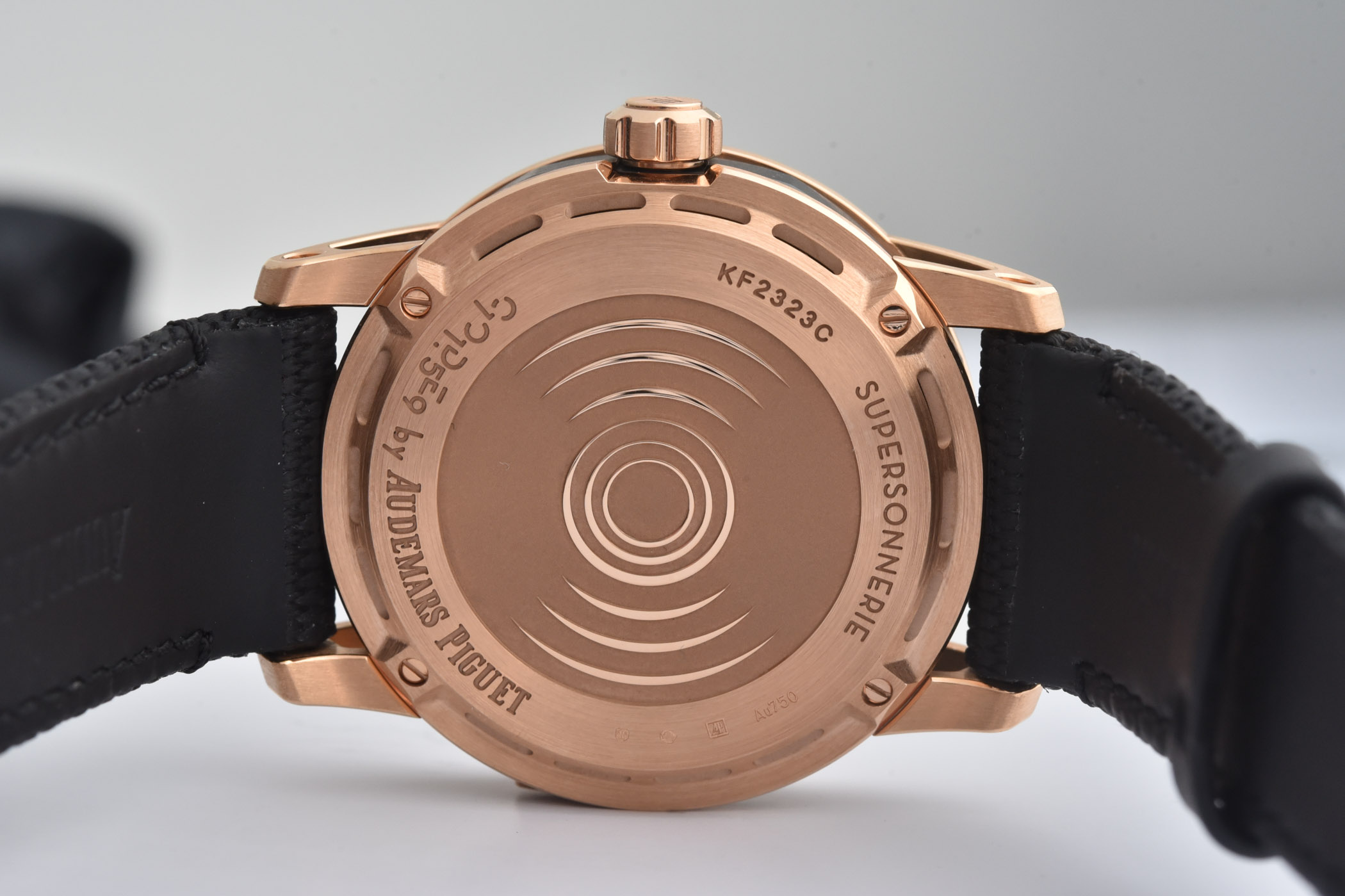
Given the complexity of grand sonneries (and most minute repeaters), master watchmakers at this level take acoustics very, very seriously. We’re in Stradivarius territory here. For starters, a type of soundboard is often used for attaching the gongs in lieu of the mainplate itself, amplifying the sound like a guitar body. Jaeger-LeCoultre even attaches gongs directly to the sapphire crystal, which naturally amplifies the sound towards the wearer. The gongs themselves are much longer and known as cathedral gongs. These can wrap around the movement almost twice for richer, fuller tones that last longer. Gongs are also hand filed to the micron level for specific notes, such as E, G, F, and B. The most minor imperfection with filing can cause the gong to be scrapped, and the process started over. The watch case materials are considered for the best possible sound. Specific types of gold and titanium are often best for resonance, while internal resonance chambers are common to further enhance the tones. Specialised hammers are often used for optimal strikes, such as articulated hammers or, in the case of Jaeger-LeCoultre, patented “Trébuchet” hammers designed to strike with more force and precision. Background mechanical noise is eliminated by magnetic governors that regulate the speed of the chime to ensure a perfectly even pace (over other regulator types that can produce a faint buzzing). Watches are then monitored in specialised acoustic sound chambers with advanced technology like laser-vibration analysers to test and fine-tune different frequencies. Many CEOs will listen to each and every finished piece before personally approving it for sale (it is the case, for example, at Patek Philippe).
Mechanical Alarms
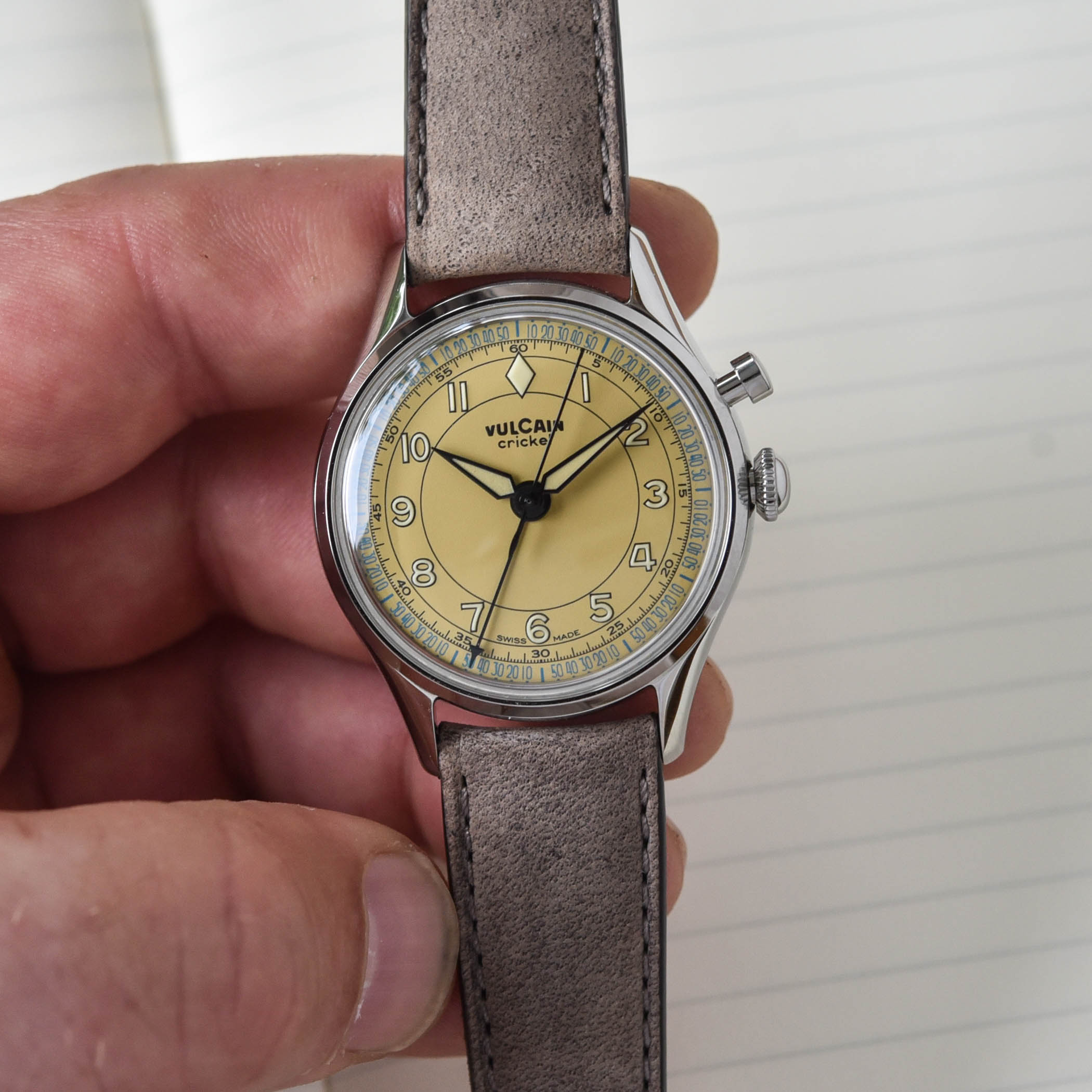
Alarm watches aren’t as concerned about sound quality as repeaters and sonneries, but that also depends on the watchmaker. For example, Jaeger-LeCoultre works much harder on overall sound quality with precise internal hammers and gongs than a brand like Vulcain. That said, the Vulcain Cricket was the first truly successful, mass-produced alarm wristwatch, launched in 1947. Alarm watches before this were generally too quiet, unreliable and the alarm function itself could interrupt accurate timekeeping. Starting in the early 1950s, a Cricket was given to each US president (starting with Harry S. Truman), so it soon became known as the Watch of Presidents. The modern Cricket President models retail for USD 4,640, so despite the mechanical complexity and presidential history, they remain accessible to enthusiasts.
The history of mechanical alarms goes back to the 15th century, when specialised clocks were designed to wake European monks in the morning, while an American clock by Levi Hutchins in 1787 was designed for personal use. Neither could be set for a specific time as the alarm was fixed during production, and in the case of Hutchins, it rang at 4am for his workday. Sounds fun! French inventor Antoine Redier made the first adjustable alarm clock in 1847 (at least the first to receive a patent), but it was German watchmaker Johannes Dürrstein who introduced the first production pocket watch with a 30-second alarm in 1900. In 1914, Eterna released a wristwatch with an alarm, but it had a short, somewhat quiet 7-second alarm. Most mechanical alarm watches have an extra hand that points to the time for the desired alarm and works in 12-hour shifts (so the alarm will sound twice per day, AM and PM, if not silenced). Alarm watches lack much of the prestige and desirability of repeaters and sonneries, although some watchmakers produce them at very high levels. The billions of quartz watches since the 1970s have also brought comprehensive alarm functions to the wrist for just a handful of dollars. The legendary Casio F91W is a perfect example and new ones can be had for around EUR 20.
Vulcain Cricket
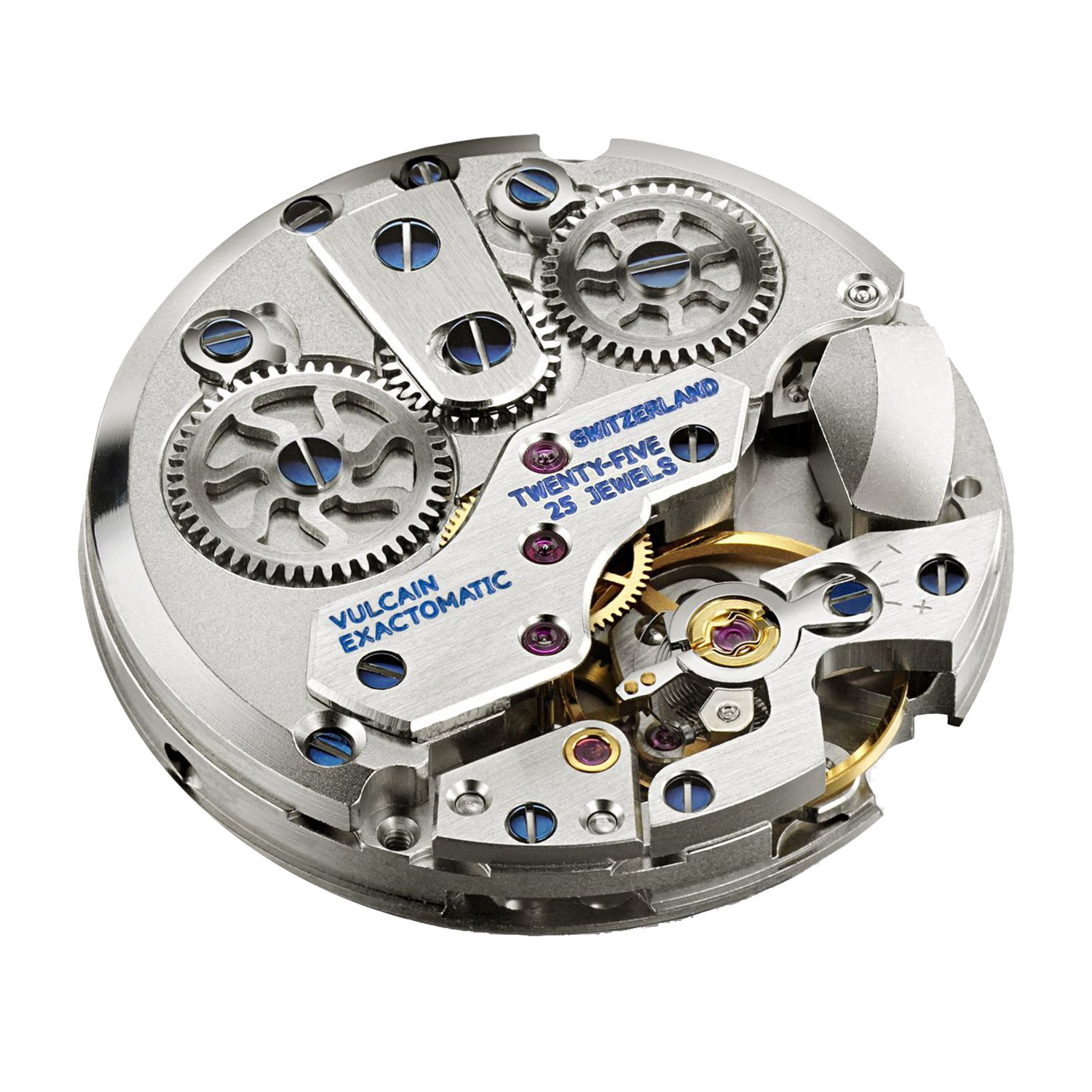
Unlike earlier alarm wristwatches, the Cricket was the first to have twin barrels in 1947 with the hand-wound Calibre 120 – one dedicated to the time and the other to a 25-second alarm. Physicist Paul Langevin was brought in to assist with the original design to create a loud enough alarm that was as effective on a night table as on the wrist. A hammer rapidly striking an internal membrane was amplified by a perforated case back, creating a pitch that mimicked a cricket’s chirp (hence the name). The Cricket won the prestigious Chronometry Prize at the Neuchâtel Observatory the year it was launched, a testament to its ease of use and effective alarm. In 1961, Vulcain released its first alarm diver, the Cricket Nautical, which followed the first dive watch with an alarm from Jaeger-LeCoultre (see below). Its main purpose was to act as a safety alarm to alert divers when it was time to resurface, but it was a general alarm on land as well. A patented triple case back design doubled as a resonance chamber that amplified the sound in water and a diver’s decompression table was included on the dial. The watch was rated for an impressive 300 metres at the time, which was tested by diver Hannes Keller in 1966 with a successful 250-metre decent.

Russian (Signal) Poljot
In the 1960s, the Soviet Union’s horology efforts saw Poljot (Russian for flight) branch off from the Signal line as its own premium brand, similar to Credor coming from Seiko. The Calibre 2612.1 (a “copy” of the Swiss AS 1475/1930) had 18 jewels and a slow 18,000vph, and used twin crowns with the top one controlling the alarm functions. A loud, rattling sound was produced by a hammer hitting a pin and lasted about a dozen seconds. This represents an affordable entry into alarm watches, and both vintage and somewhat recent ones (they’ve been discontinued) can be acquired for around USD 100 and up to USD 450. The alarm has its own mainspring that’s wound separately with the 2 o’clock crown that also sets it via a dedicated hand. You can find these watches with the same movement under other Russian brand names, like Strela, as well.
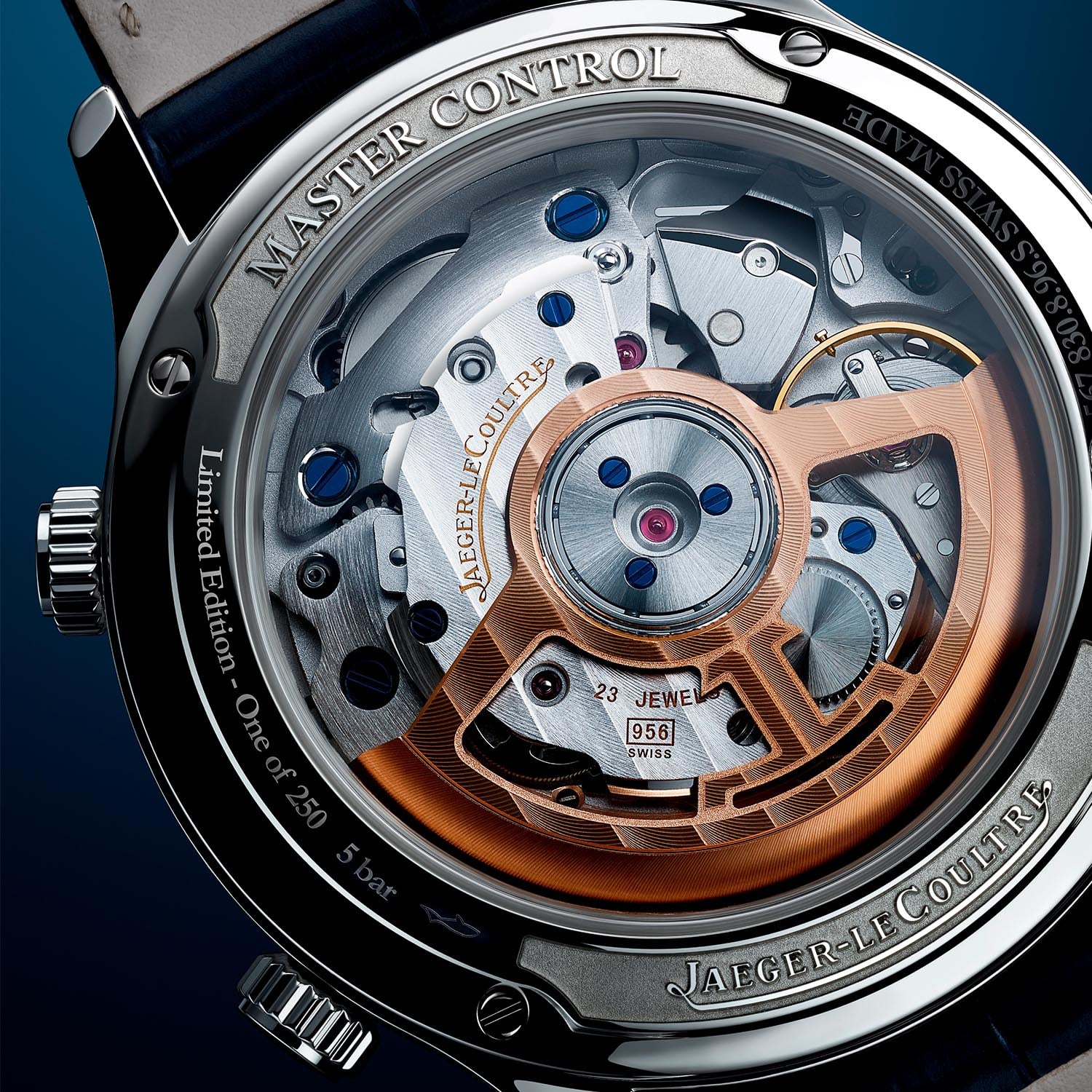
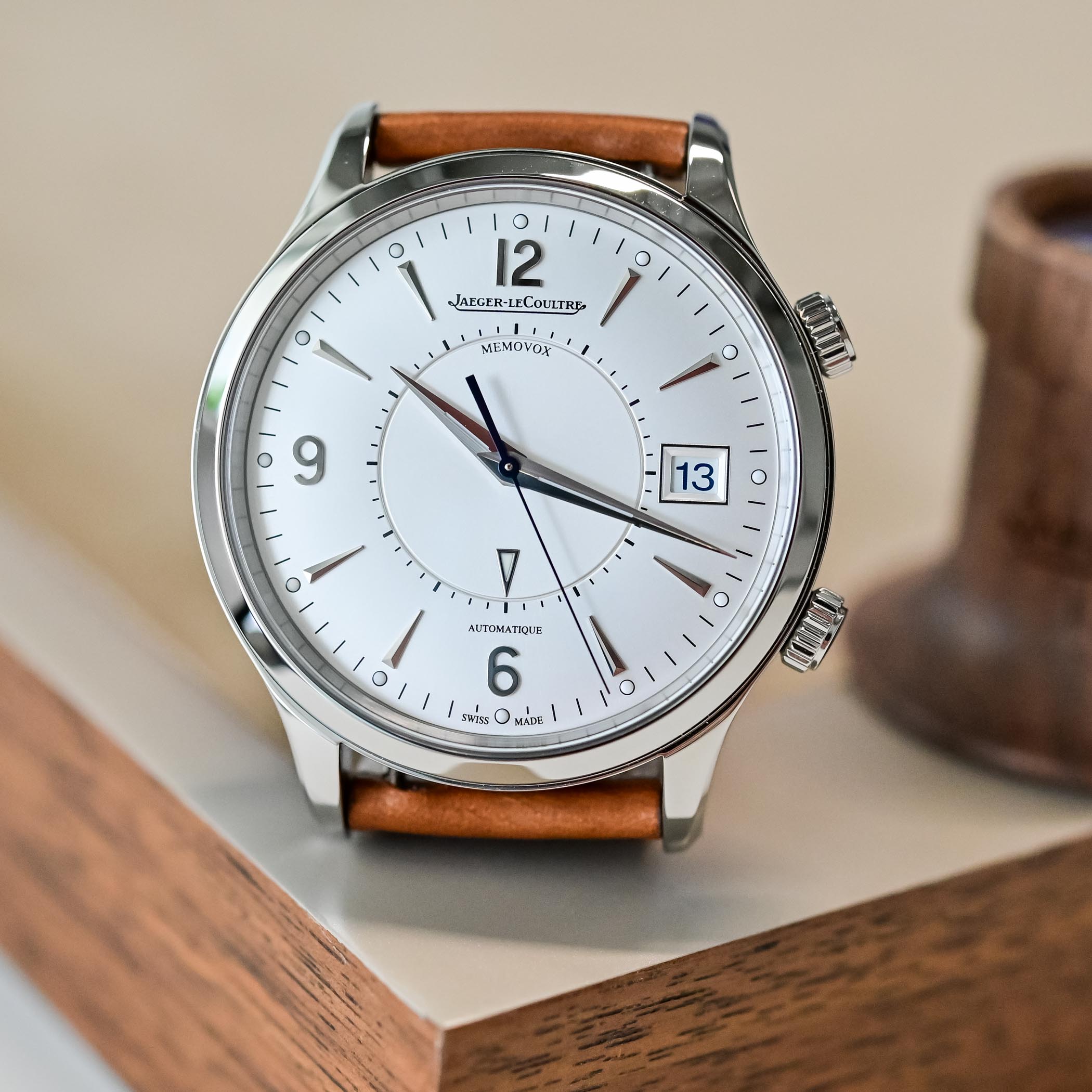
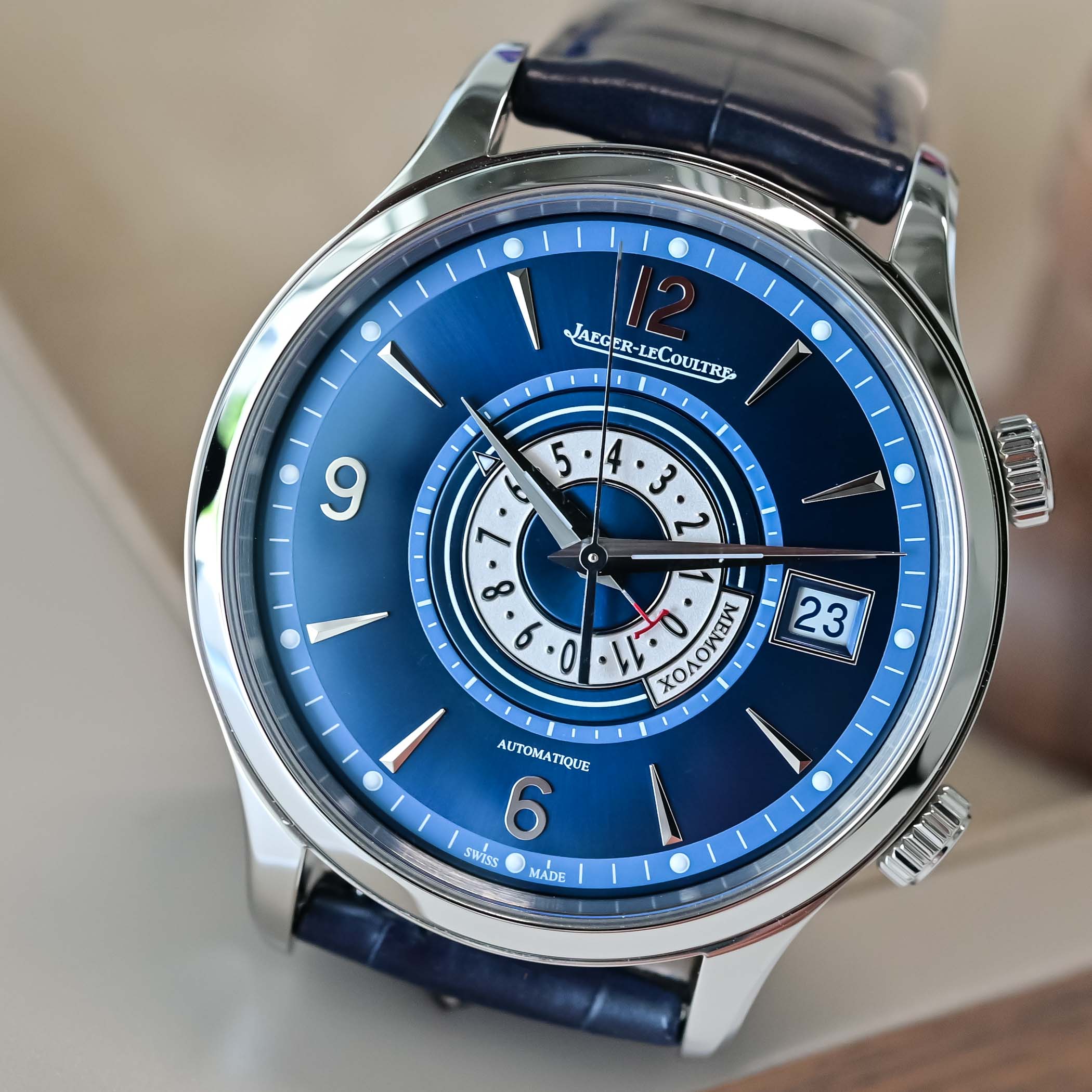
Jaeger-LeCoultre Memovox
Introduced in 1950 (initially called the Wrist Alarm), the Memovox has become one of the most iconic collections for both JLC and alarm watches in general. The name comes from Latin words Memor (remember) and Vox (memory), which combine to “the voice of memory” (aka an alarm). Designed to compete with the popular Vulcain Cricket, it started the trend with Calibre 489 of having twin crowns – one for the alarm and the other for time functions (seen later by the aforementioned Poljot). The Memovox was targeted to businessmen who needed alarms and/or reminders for meetings and other needs throughout the day. In 1956, the watchmaker released the first automatic alarm watch with Calibre 815 and the first dive watch with an alarm in 1959 – the Memovox Deep Sea with a 200-metre depth rating. The alarm was used as a safety alert for divers, but wasn’t quite as effective underwater as the Cricket Nautical in 1961, with the triple case back. The Memovox alarms initially sounded via a hammer and resonance membrane, but soon transitioned to internal gongs for a more refined “school bell” sound that continues today with the Master Control and Polaris lines.
Musical Watches
Some watches play music beyond simple melodies, using mechanical systems that differ from the traditional hammers and gongs seen in repeaters and sonneries (although some grande sonneries play simple melodies as we’ve seen). Most musical watches use a system of pins on a rotating cylinder or disc that pluck a comb of chiming blades, the same as a mechanical music box. One of the most famous musical watches has two sets of cylinders and blades to play the Godfather movie theme. Complex creations from Breguet, Ulysse Nardin, and more bring refined music boxes and extended tunes to the wrists of those bored by such pedestrian things like minute repeaters and grande sonneries.
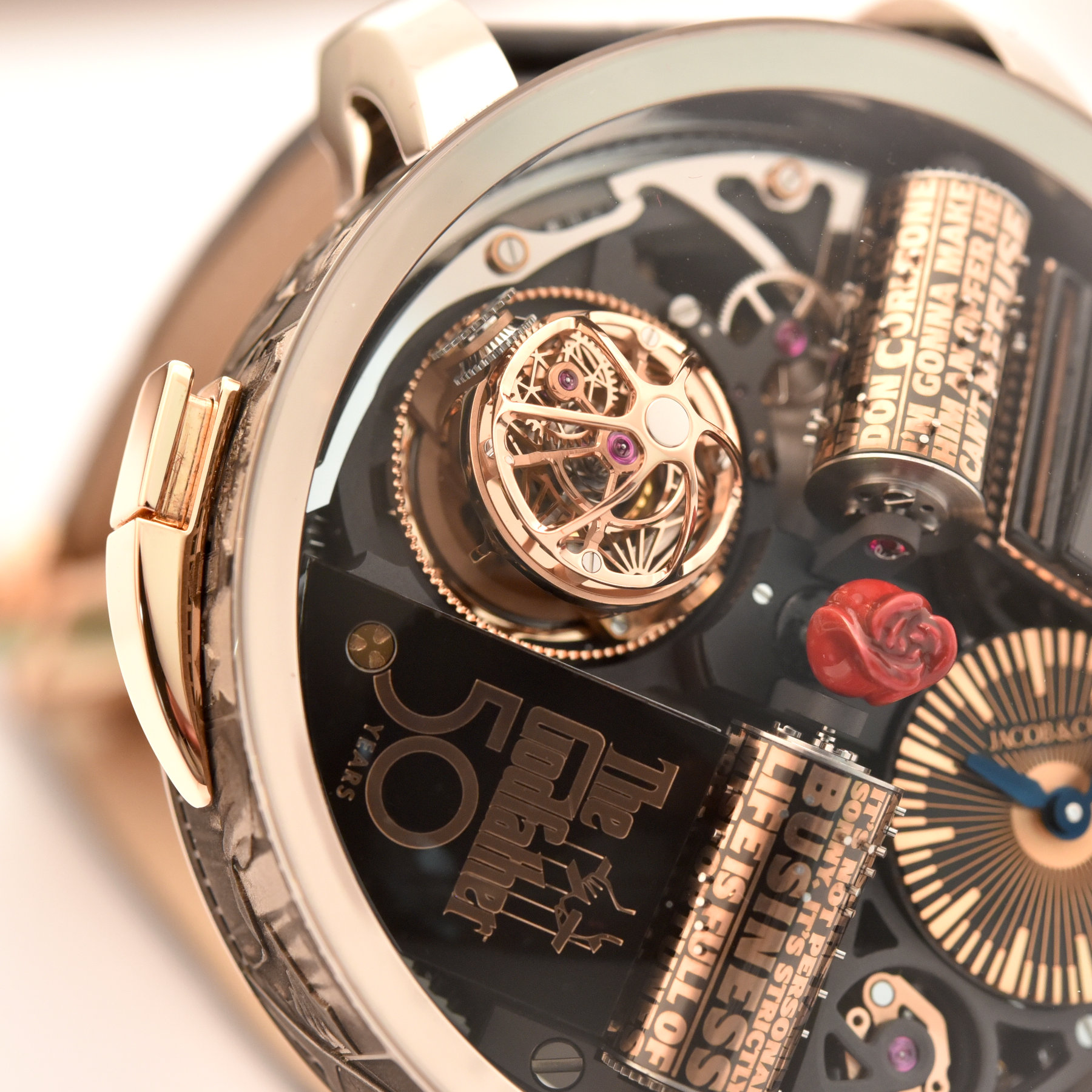
Jacob & Co. Opera Godfather
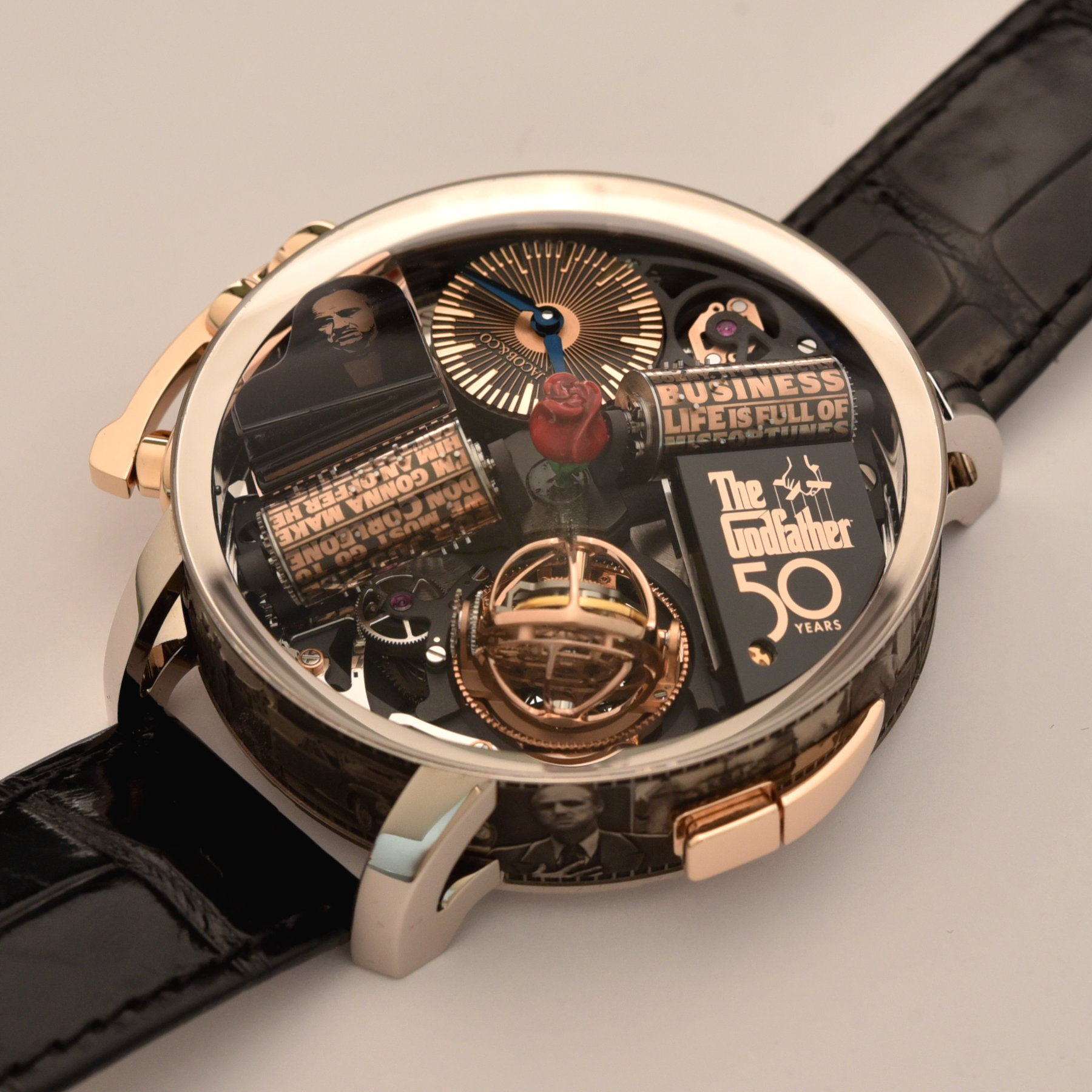
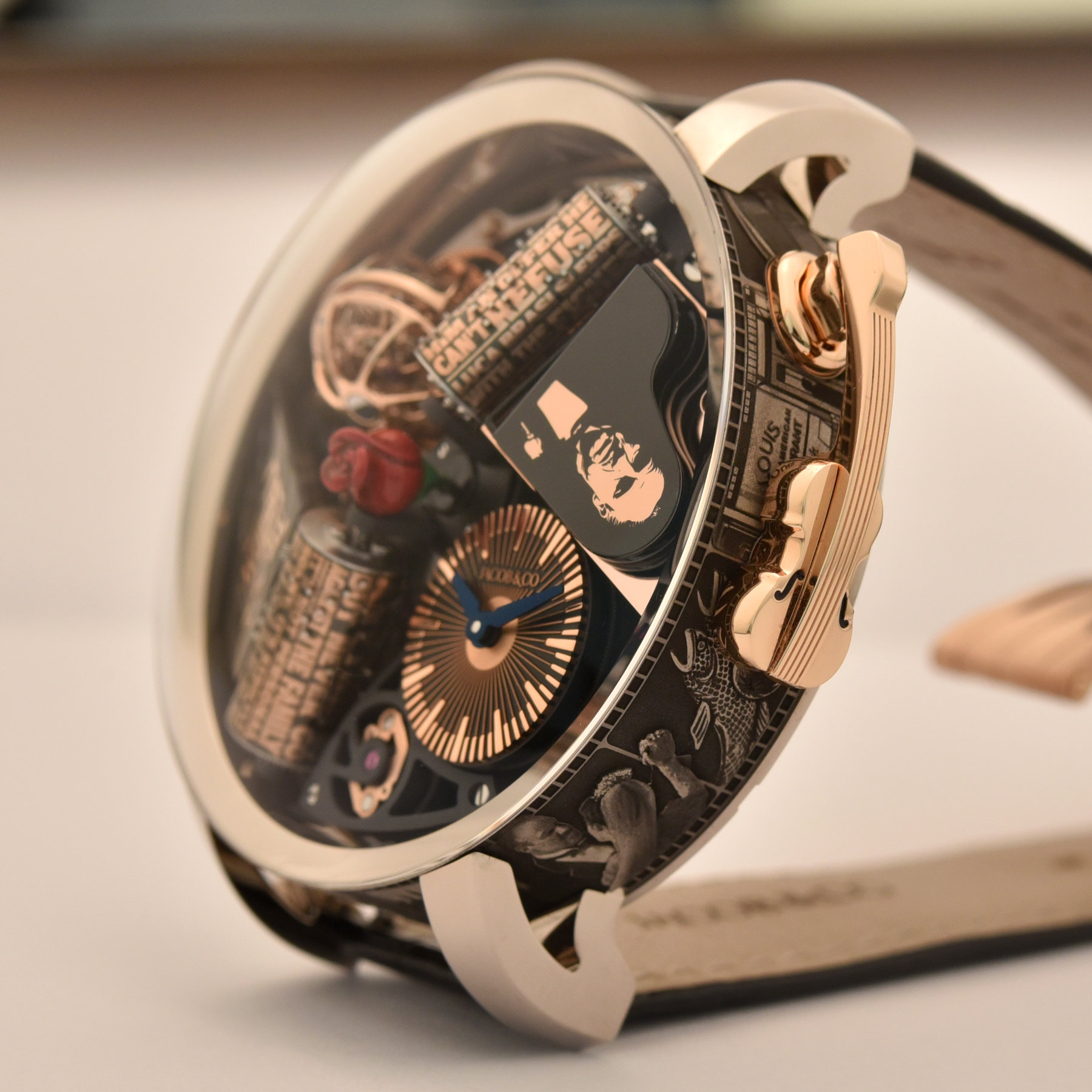
Where to even begin with this one… The Jacob & Co. Opera Godfather dial of this watch is part movie set, part concert hall and all haute horology. Before we get into the music, we’ve got a triple-axis flying tourbillon – 24 seconds, 48 seconds and 180 seconds on each axis, respectively. That alone is extreme, but we’re just getting started. Two large cylinders, one at the keys of a piano model and the other at a plaque of The Godfather, have hand-set pins that pluck individual blades from two combs to play the 30-second, 120-note Godfather theme. Twin custom music boxes are syncing together for a song. As this happens, the entire dial rotates 120 degrees (tourbillon and all), while the off-centre time sub-dial remains in an upright position as it perfectly rotates counterclockwise to compensate. Sitting in the centre of the action is Don Corleone himself, enjoying the spectacle. The miniature concert is activated by a pusher at 10 o’clock (in the same manner as a repeater), and the dedicated music spring is wound via a large, folding violin-shaped crank at 3 o’clock. There is enough reserve for three 30-second Godfather themes to be played. An integrated key on the case back winds the timekeeping mainspring. Jacob & Co. is no stranger to exotic creations with pieces like the Astronomia Revolution Four-Axis Tourbillon and Casino Tourbillon, but the Opera Godfather just might be the most over-the-top wrist carnival with 658 parts to the hand-wound JCFM04 movement, multiple sapphire crystals on the case sides, a multi-axis flying tourbillon and the Godfather front and center as he may call on you to return a favor. Magnifico, grandioso and other Italian adjectives.
Ulysse Nardin Stranger
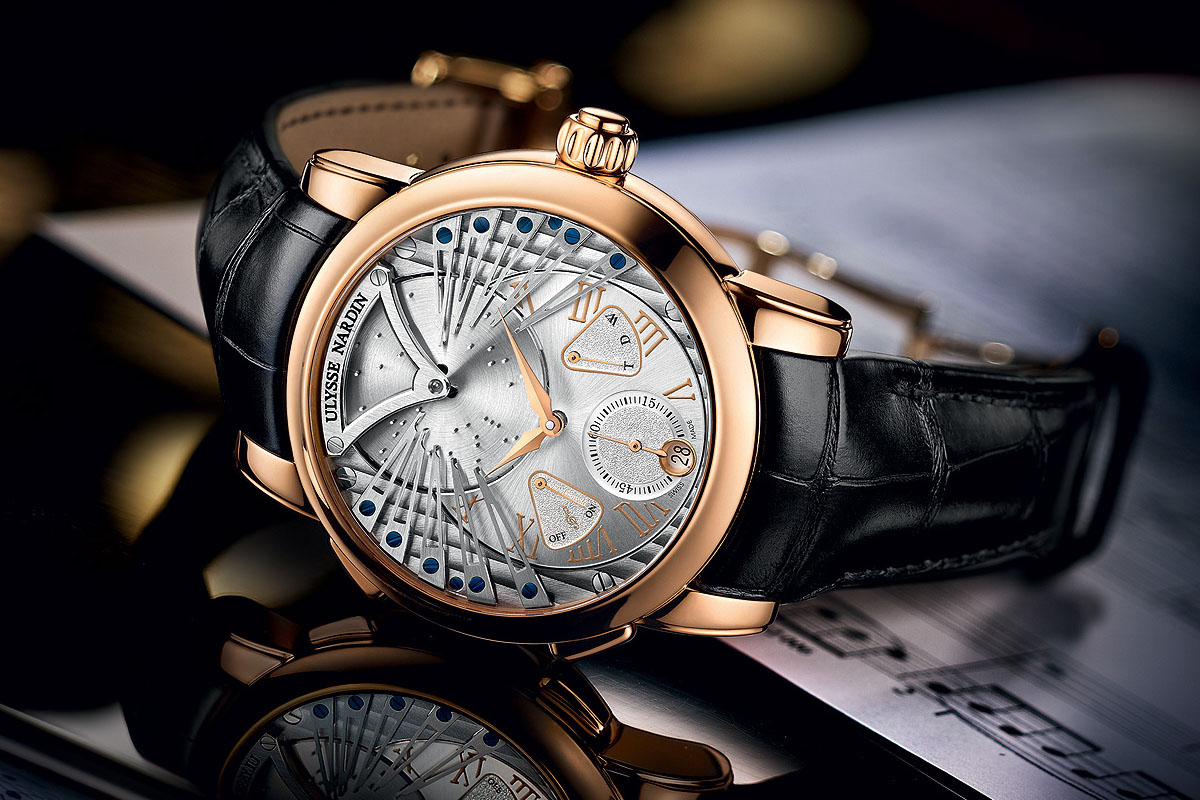
There have been stranger things from Ulysse Nardin than the Stranger (I’m looking at you, Freak), but this musical watch, first launched in 2013, takes the music box concept and stretches it throughout the dial. A wide disc with pins replaces the traditional cylinder, so a series of ten blades is spread out along the perimeter like a pair of butterfly wings. The concept is simple – the disc secured by a triangular bridge at 12 o’clock rotates and its pins pluck the various blades to play Frank Sinatra’s Strangers in the Night (hence the Stranger name). The disc setup is more of a visual spectacle than a comparable cylinder as it provides an exploded view of the action. The song can be listened to hourly as a Sonnerie au Passage (I suspect that’ll get old fairly quickly) or via a pusher at 8 o’clock like a repeater. The 10 o’clock pusher is the on/off switch with an indicator at 8 o’clock on the dial, while the crown has an integrated pusher to choose the time setting functions in lieu of pulling the crown to different positions. These crown positions are also indicated on the dial at 4 o’clock – T to set the time, D to set the date and W to wind. The music box shares the reserve with the time, so you may be winding more frequently (it’s worth the hassle), especially if you let it play on the hour. Other variants of the Stranger play different songs like Vivaldi’s Violin Concerto in E or We are the Champions by Queen (the latter from the Only Watch 2015 edition, ref. 6903-125/OW), and all are powered by the 64 jewel, UN-690 automatic calibre.
Boegli Grand Opera
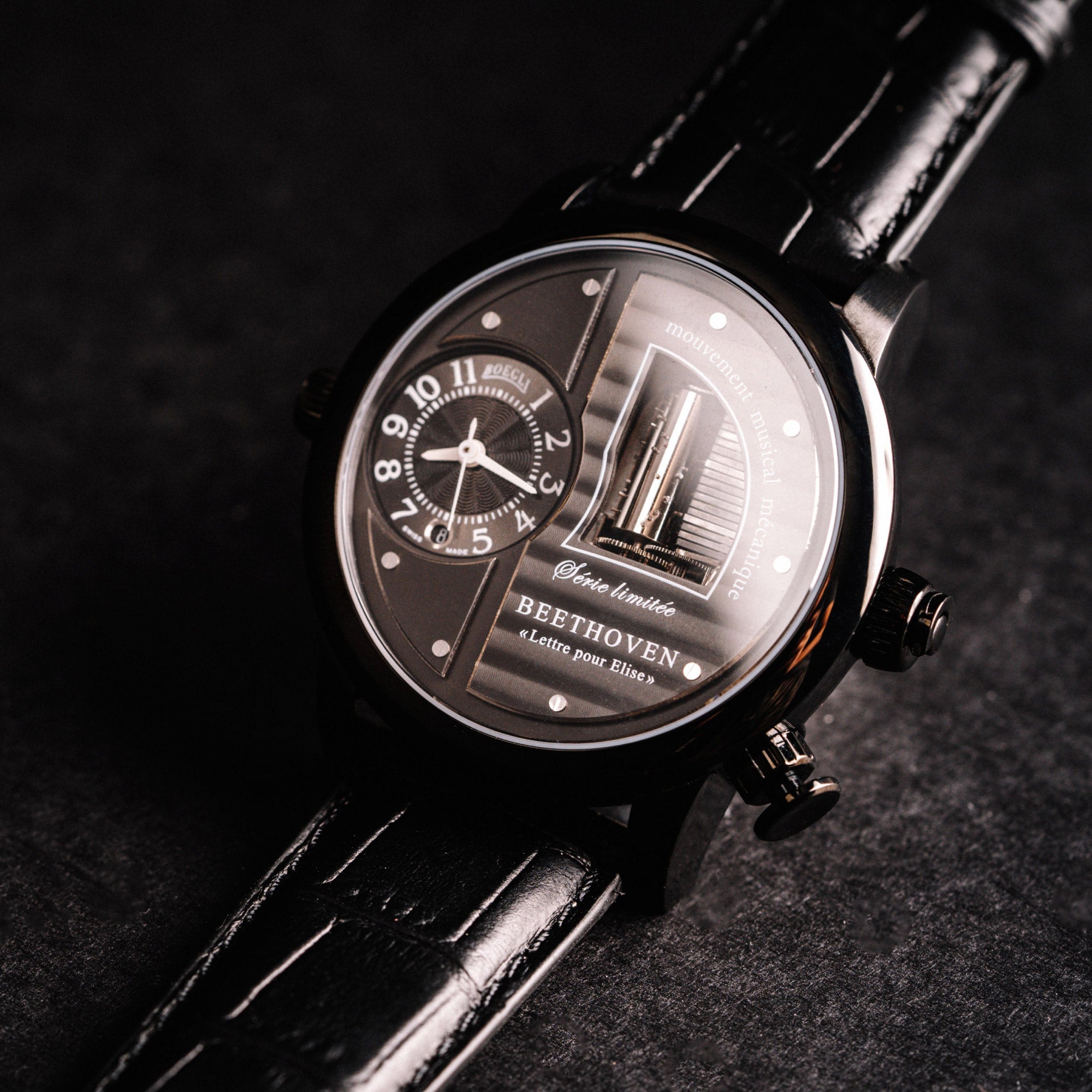
On the more affordable front, we have a collection from Swiss watchmaker Boegli with conventional, vertically positioned cylinders. It starts with a base ETA 2671 automatic and adds a musical module, which rotates the 17-tooth cylinder at approximately 12 o’clock on the three-level dial with Côtes de Genève. A wide variety of music options/models include Beethoven (Für Elise), Mozart (The Magic Flute), Chopin (Tristesse) and Vivaldi (The Four Seasons), and play time is a full 60 seconds with 54 notes. A pusher at 4 o’clock activates the music in repeater-style, while a conventional crown at 3 o’clock winds the movement. A 9 o’clock crown sets the time for the sub-dial at 9 o’clock. Models are accessible at USD 5,113, compared to high five and six-figure prices for the aforementioned pieces. In addition to wristwatches, Boegli has a full collection of musical pocket watches with music from The Godfather (a more affordable take on Jacob & Co.), Beethoven, Mozart and Vivaldi. These use a hand-wound ETA 2660 base with a separate module that powers a horizontal cylinder (near the centre of the dial) with the comb of blades underneath. A lever at the back of the case starts the miniature concert. These pocket watches come in both open and hunter styles, and prices start at a very accessible USD 1,574.
This is by no means an exhaustive list of musical watches, but it highlights a few notable ones with different price points, from you need to be a millionaire to you need to be wealthy to nicely affordable.
Jaquet Droz and The Charming Bird
Here’s a wildcard from Jaquet Droz, a brand that was founded in La Chaux-de-Fonds in 1738 by Pierre Jaquet-Droz. With his son Henri-Louis and also Jean-Frédéric Leschot, the brand became famous for three incredible automata that were way ahead of their time. All resemble large dolls and were the robots of their day. First, we have The Draughtsman that sits at a small desk and can produce four individual drawings – a portrait of Louis XVI, Marie-Antoinette, a dog and finally a Cupid driving a chariot drawn by a butterfly. He even periodically blows away remnants of his lead pencil via a small air pump hidden in his head. Second is The Writer that can write text up to 40 letters, which can also be (painstakingly) mechanically programmed for custom text. He writes with a goose feather and also inks it on occasion. And finally we have The Musician, a female doll that plays a custom organ designed just for her – there’s no hidden music box as she actually plays the instrument. She also appears to breath and follows her hands with her head and eyes for an eerily lifelike performance. All three automata remain fully functional at the Musée d’Art et d’Histoire of Neuchâtel.
The automata were used as marketing tools to demonstrate the brand’s mechanical prowess as they sold watches to European nobility in the 18th century, and it was very effective. The company shuttered in the late 18th century following the deaths of Pierre and his son, and this marvel of a brand disappeared for two centuries. Although the name was bought and used in the 1960s, it wasn’t until The Swatch Group acquired Montres Jaquet-Droz SA in 2000 that a bona fide revival began. Staying true to its roots, automata played a big role within the brand’s high end portfolio with pieces like the Bird Repeater, a minute repeater that shows an animated scene of two birds feeding their hatchlings, and one even hatching from an egg. There are a surprising amount of these automata watches today considering their complexity, from The Rolling Stones to The Dragon – eight watches in the current portfolio with a ninth Signing Machine that signs Jaquet Droz in script (that one isn’t a watch).
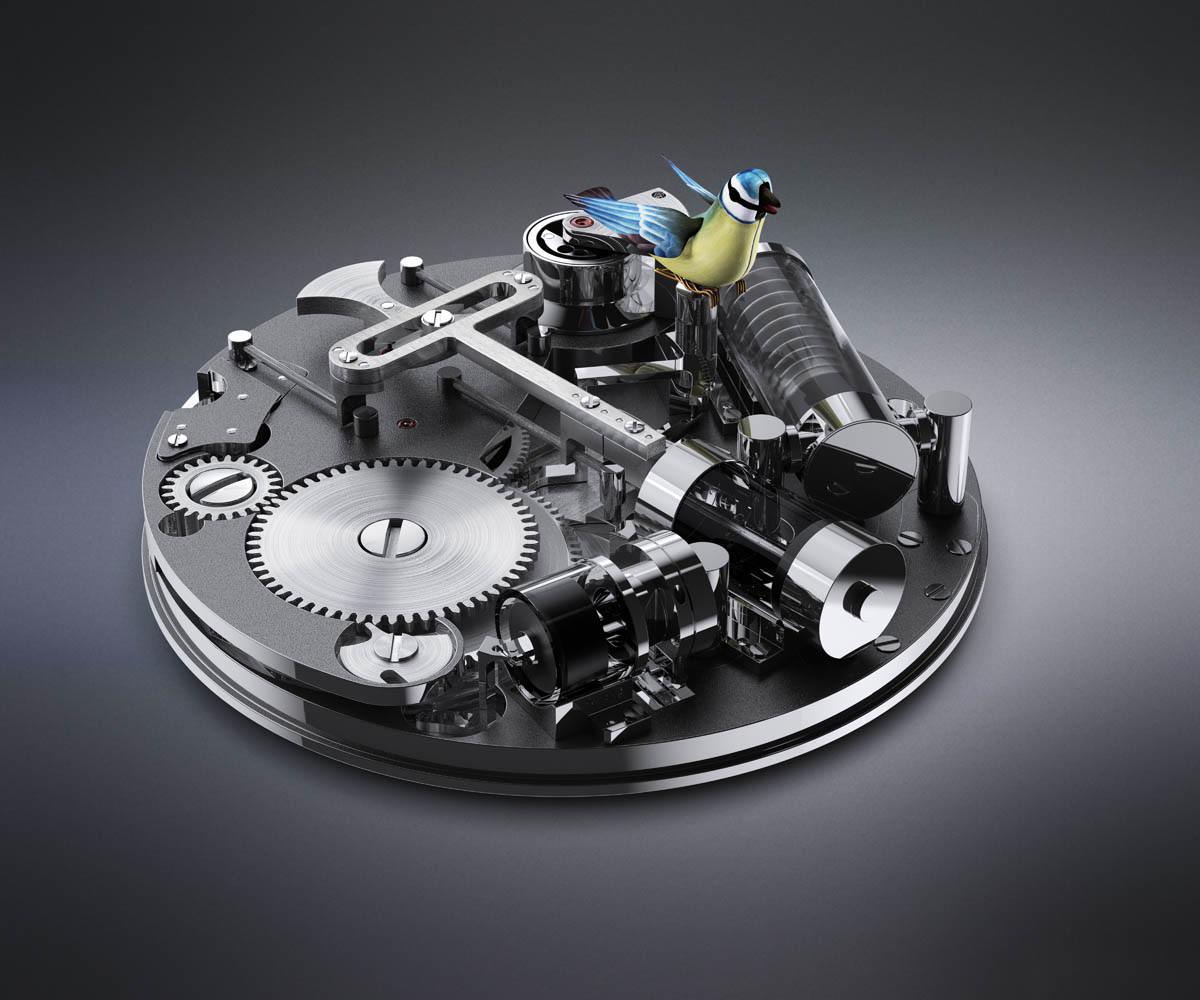
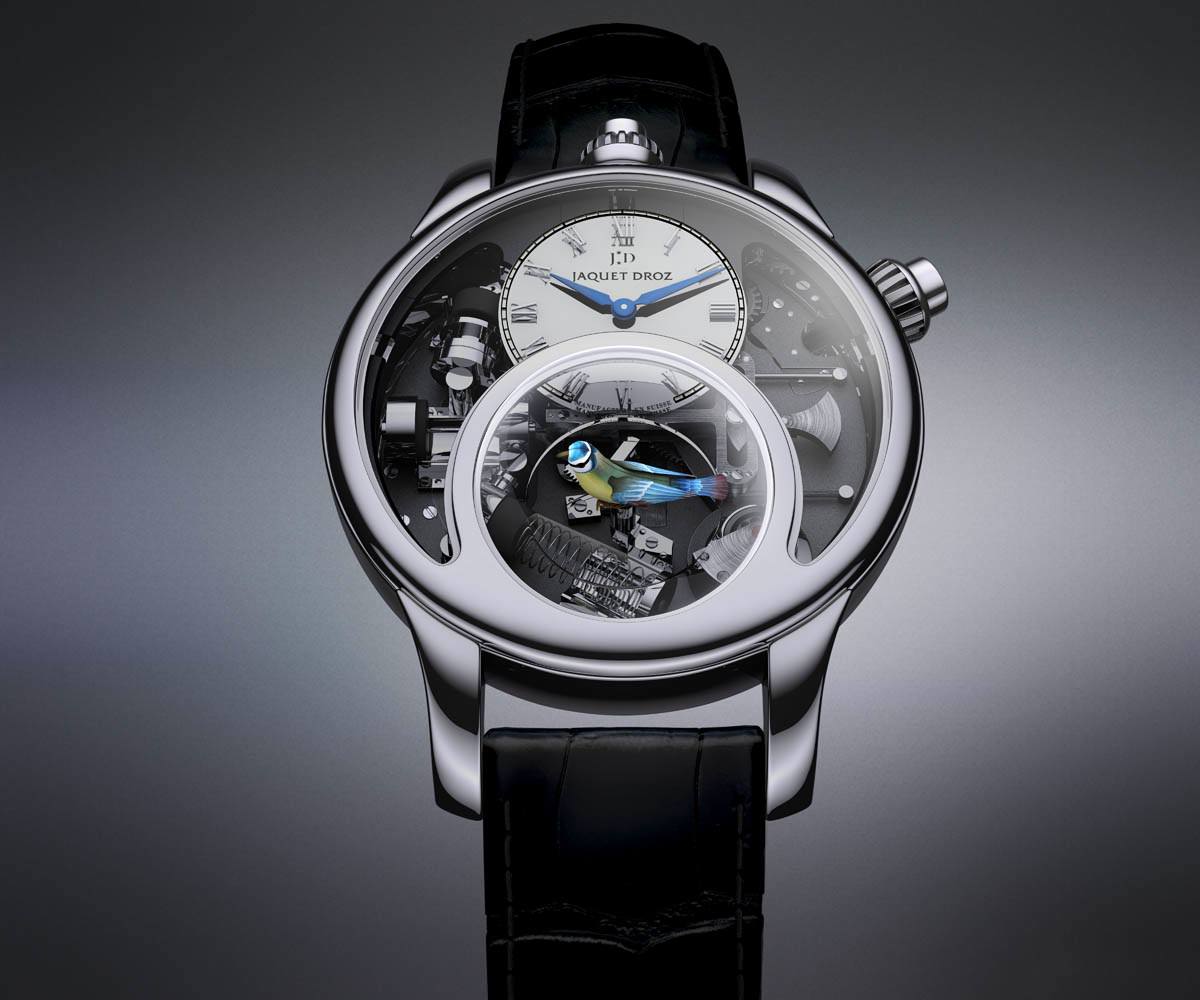
The Charming Bird is the one we’re focusing on as it isn’t an animated minute repeater, but solely a bird automaton that lives in a bulbous sapphire cage at 6 o’clock. It chirps, flaps its wings, spins and otherwise fluidly moves around like a real miniature bird, while the entire mechanism is open-worked. You can see behind-the-scenes magic like the tiny piston-driven air system at 3 o’clock and sapphire pipes that produce the realistic chirps (the latter is a first for a watch). A silent magnetic regulating system keeps the motions perfectly controlled and the show is initiated by a pusher at two o’clock. The bird can do its thing for about 30 seconds via a dedicated mainspring, although the pusher can stop the action at any time should it get a little grating. The actual time is powered by automatic calibre 615 with a beat rate of 21,600vph (3Hz) and a 38-hour power reserve. The chirps of the bird have no relation to the actual time, but the sounds and animation are fascinating nonetheless, especially on a wrist-worn timepiece. It’s the modern equivalent of the 18th century automata that took Europe by storm.
Conclusion
As mentioned at the top, this doesn’t cover everything, but provides an overview of the different types of mechanical watches that produce sound to relay the time, provide an alarm, play a miniature symphony or just be fascinating and charming. If you look at the visual and audio capabilities of an Apple Watch today, everything discussed is put to shame from a technological standpoint. That, of course, misses the point. Creating audible art in a purely mechanical way is a demonstration of master craftsmanship that no technological gizmo can touch. Artificial intelligence will never create a Picasso or Rembrandt, and synthesizers will never match a grand piano, because the true sights and sounds of our world just can’t be simulated with technology.

2 responses
I should start a watch brand. And then let lvmh or richemont take it over. I’ll call it “Engulf & Devour.” It’s motto on the corporate logo will read, OUR FINGERS ARE IN EVERYTHING. It’ll match the description of the watch industry with its motto;
“Oh Mighty Dollar,
We pray to Thee,
For without Thee
We are in The Crapper.”
An alarm is probably the most useful complication for a wristwatch in everyday life.