


 Not all images were able to load for printing. Please close the print window and try again.
 Diving with the new Doxa SUB 200 T.Graph II, The Return of the Brand’s Diving Chronograph
Testing Doxa’s new diving chronograph in its natural habitat.
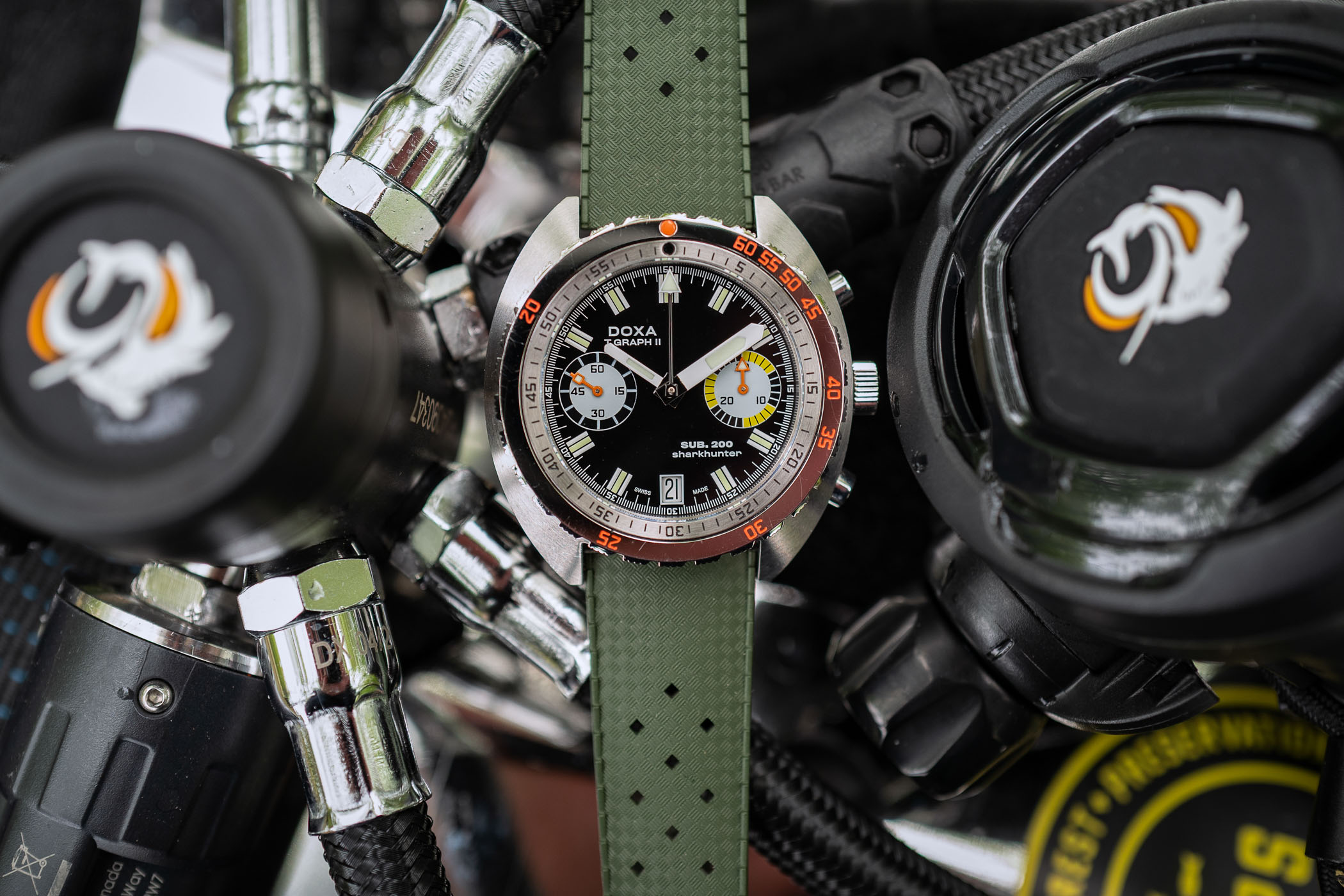
There’s a particular type of watch that doesn’t feel the need to explain itself. It doesn’t have a fancy movement with a skeletonised rotor. It doesn’t come in a box made of rare-earth metals the size of a carry-on. It doesn’t require trips to maisons and ateliers. It just shows up, orange-faced and slightly thick, pushes you out of the way and says: I’m going in the water, and I’m timing stuff while I’m in there. The new Doxa SUB 200 T.Graph II is that watch, and it’s exactly what it should be: plenty thick, unapologetically tool-watch ugly in the best possible way, and ready to get in the water. We are going to do exactly that, but first, let’s dig into a bit of history.
The story of Doxa itself and its legendary SUB 300 watch is well-covered territory by this point, so we won’t delve too deep into it, but you can find the whole story here. In 1969, the same year humans walked on the moon, and Woodstock turned a farm in upstate New York into a muddy legend, Doxa introduced the original SUB 200 T.Graph. A dive watch with a chronograph complication was still a rarity at the time. It was a strange and specific idea: take the proven dive watch platform, add the ability to time short surface intervals, and keep the whole thing legible enough to use when your vis drops to two feet, and your drysuit is flooded.
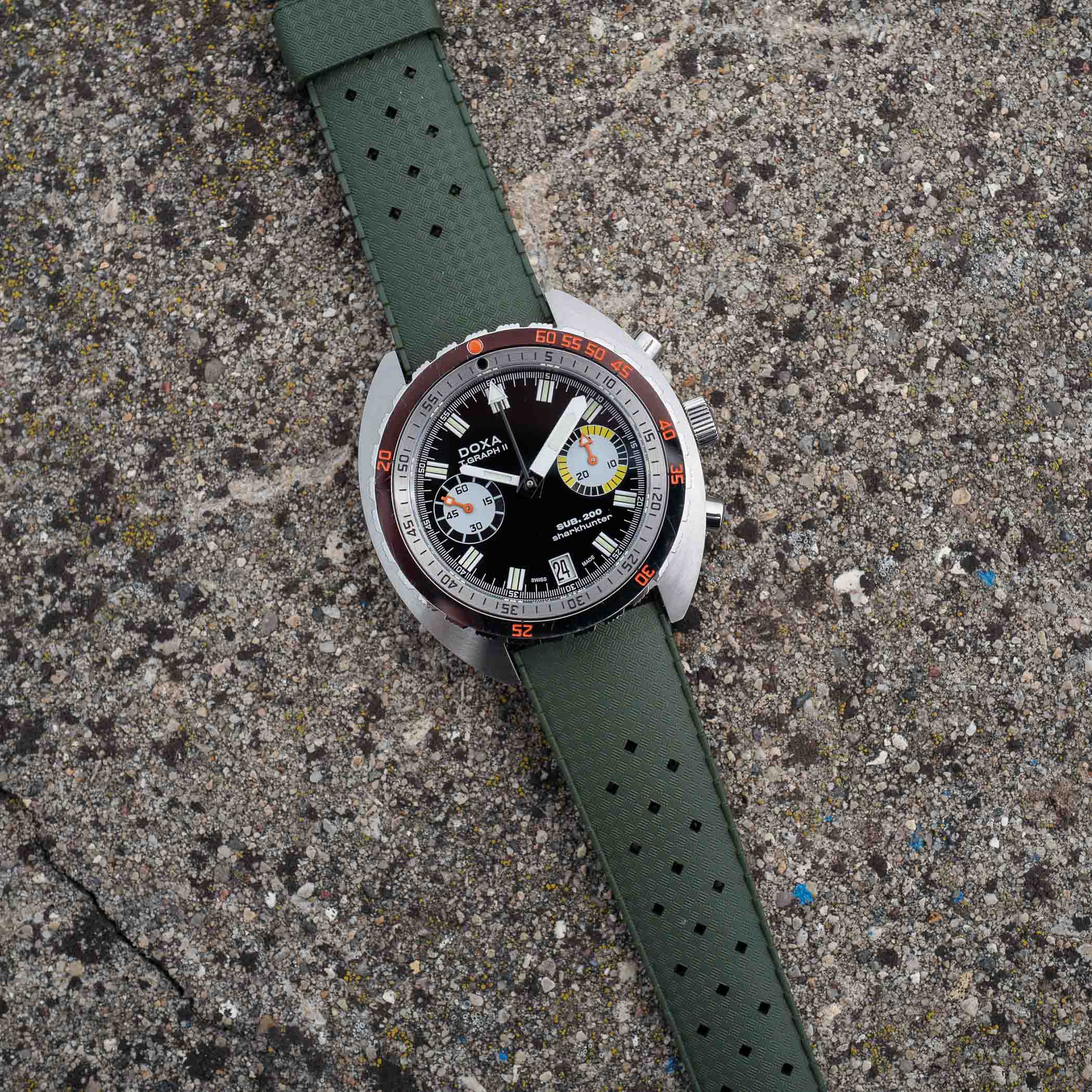
The concept was niche, but it worked. And while it may not have shaken the horological world upon its release, it has become a highly collectable cult icon in the years since. Doxa released a limited edition reissue of the watch back in 2019 for the 50th anniversary, and those models have become as sought after as the originals, so a broader reissue seemed imminent.
The new Doxa SUB 200 T.Graph II
Now, nearly sixty years after its initial introduction, Doxa hasn’t reinvented the wheel so much as trued it. The new SUB 200 T.Graph II is a chunky, stainless steel diver that comes in at 42mm wide and 14.6mm thick – fractionally smaller than its predecessor’s 43mm x 15.15mm profile. Minuscule changes can make a big difference in the wild world of wristwatches. It can mean the difference between a watch that sits on top of your wrist and a watch that sits in your wrist, balanced and settled, the way a good dive watch should feel when you wetsuit up and step to the edge of the boat.
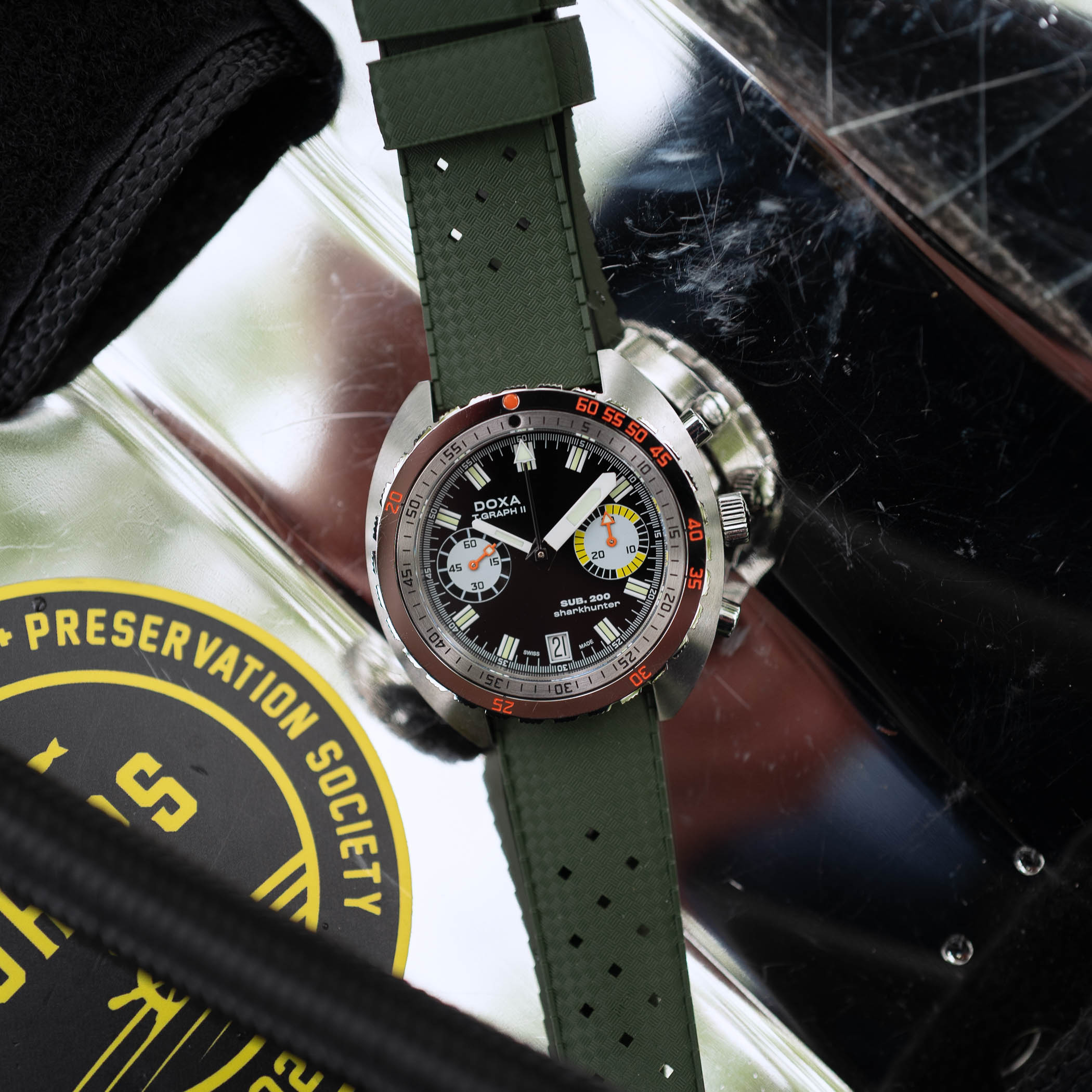
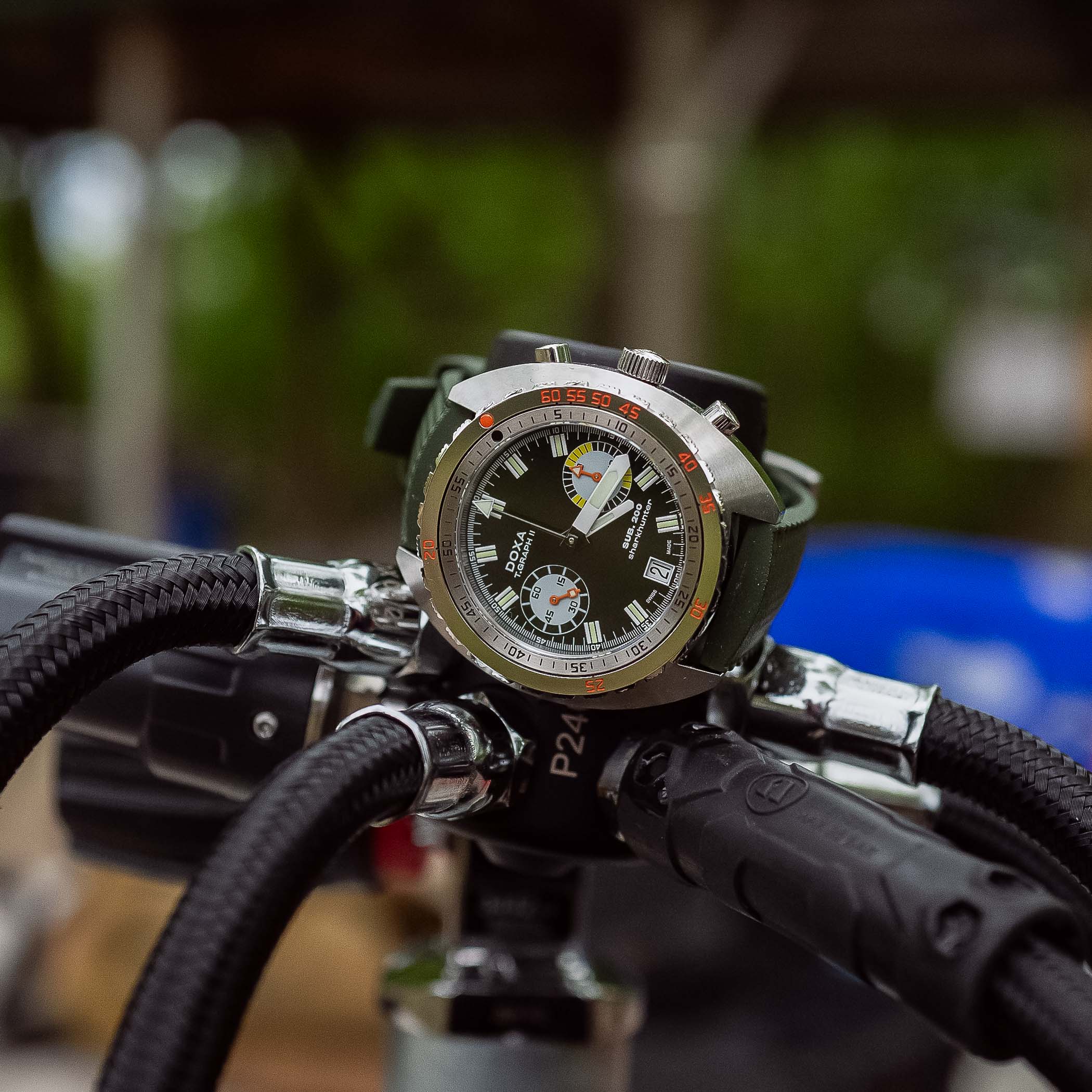
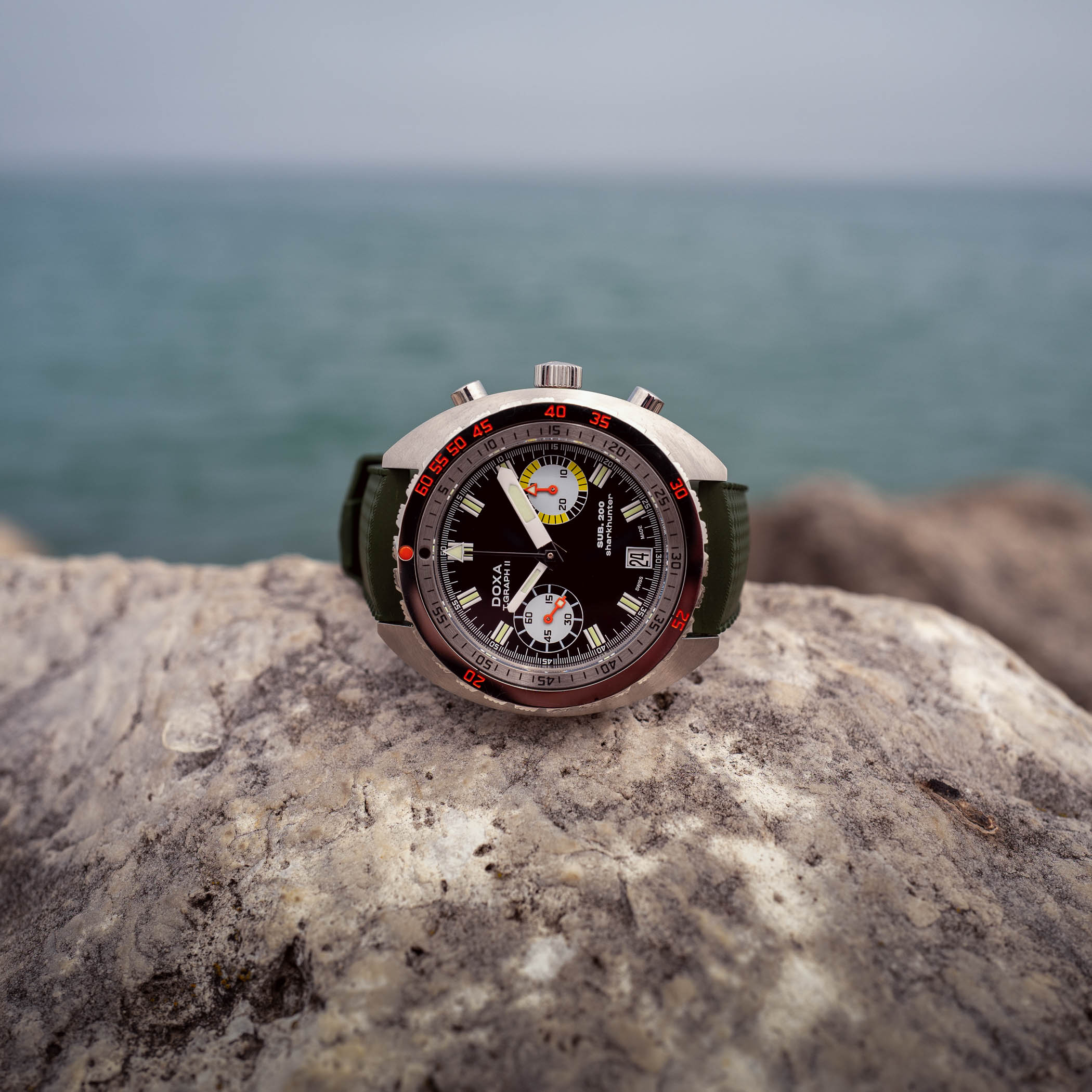
The iconic cushion case, Doxa’s signature silhouette, is still emphatically present, and the watch still reads big, clear and purposeful. They’ve just dialled in the geometry so it wears without excess drama across a wider range of wrist sizes. That was a good call. Divers come in all shapes and sizes, and a watch that’s fighting your wrist is a watch you’re going to swap out.
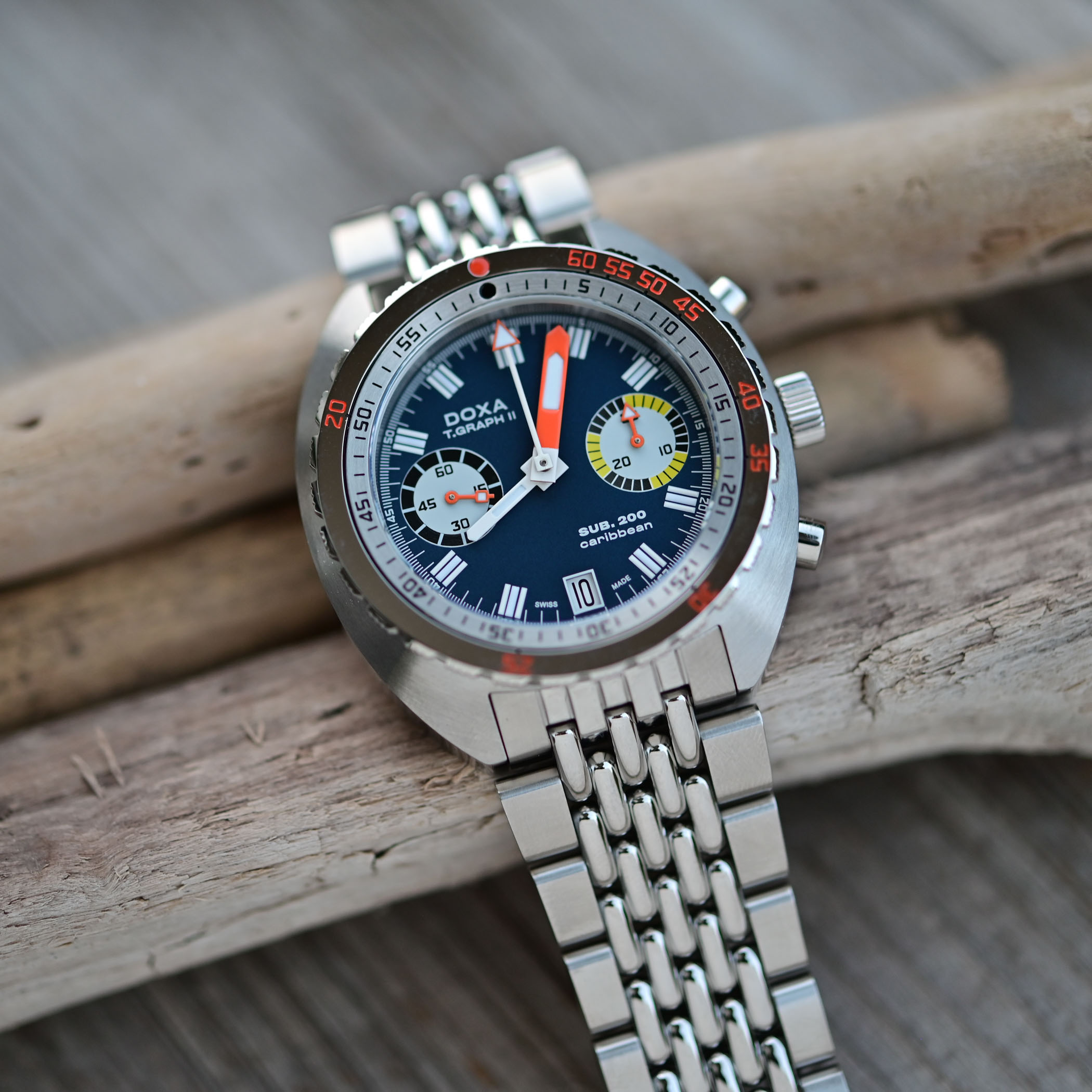
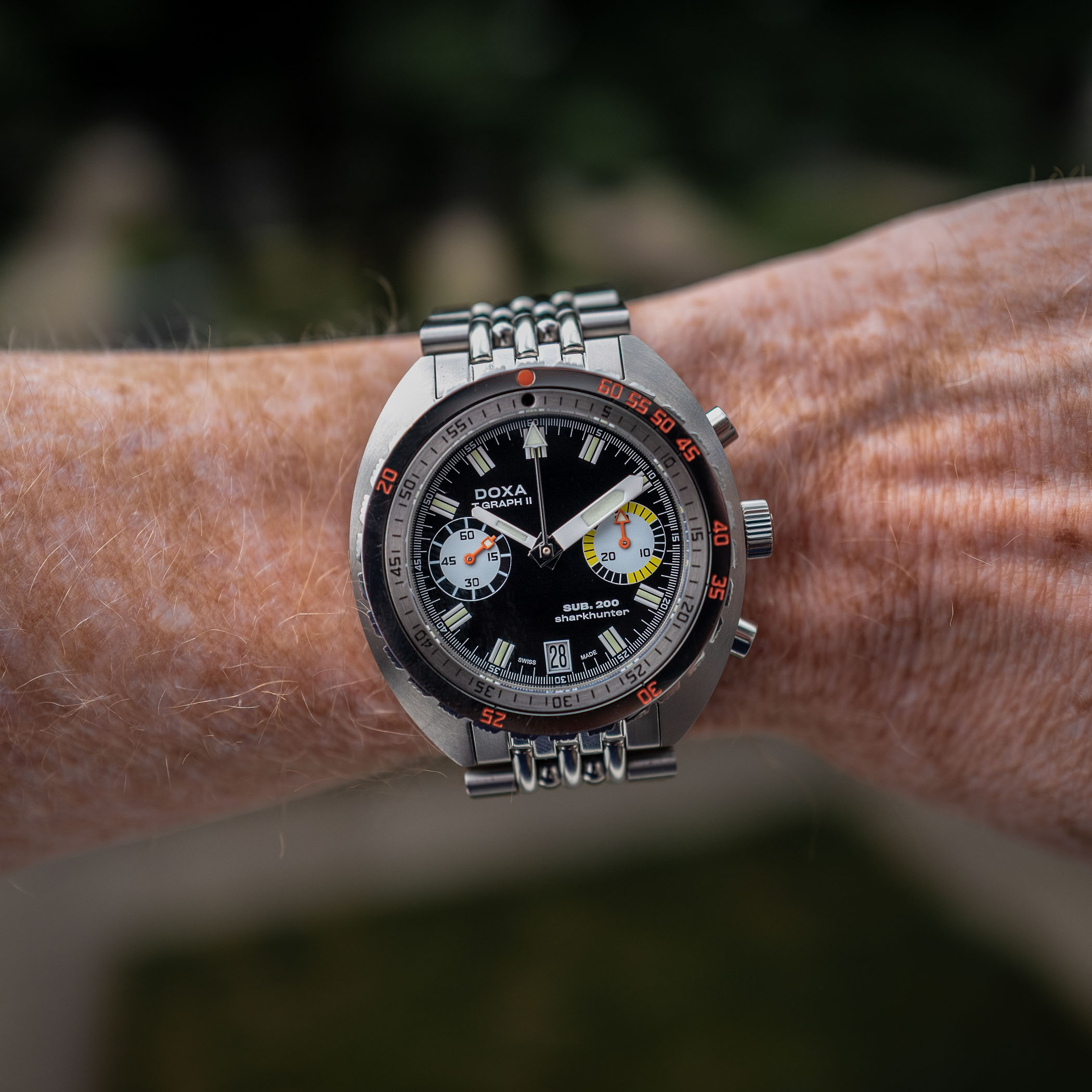
Underneath the sapphire crystal (with AR coating, of course), the layout is exactly what you want from a Doxa: bold printed indices loaded with Super-LumiNova, a 30-minute chronograph counter at 3 o’clock, a 60-second counter at 9, and a date window sitting cleanly at 6. No clutter. Just the information a diver needs, arranged logically and orderly.
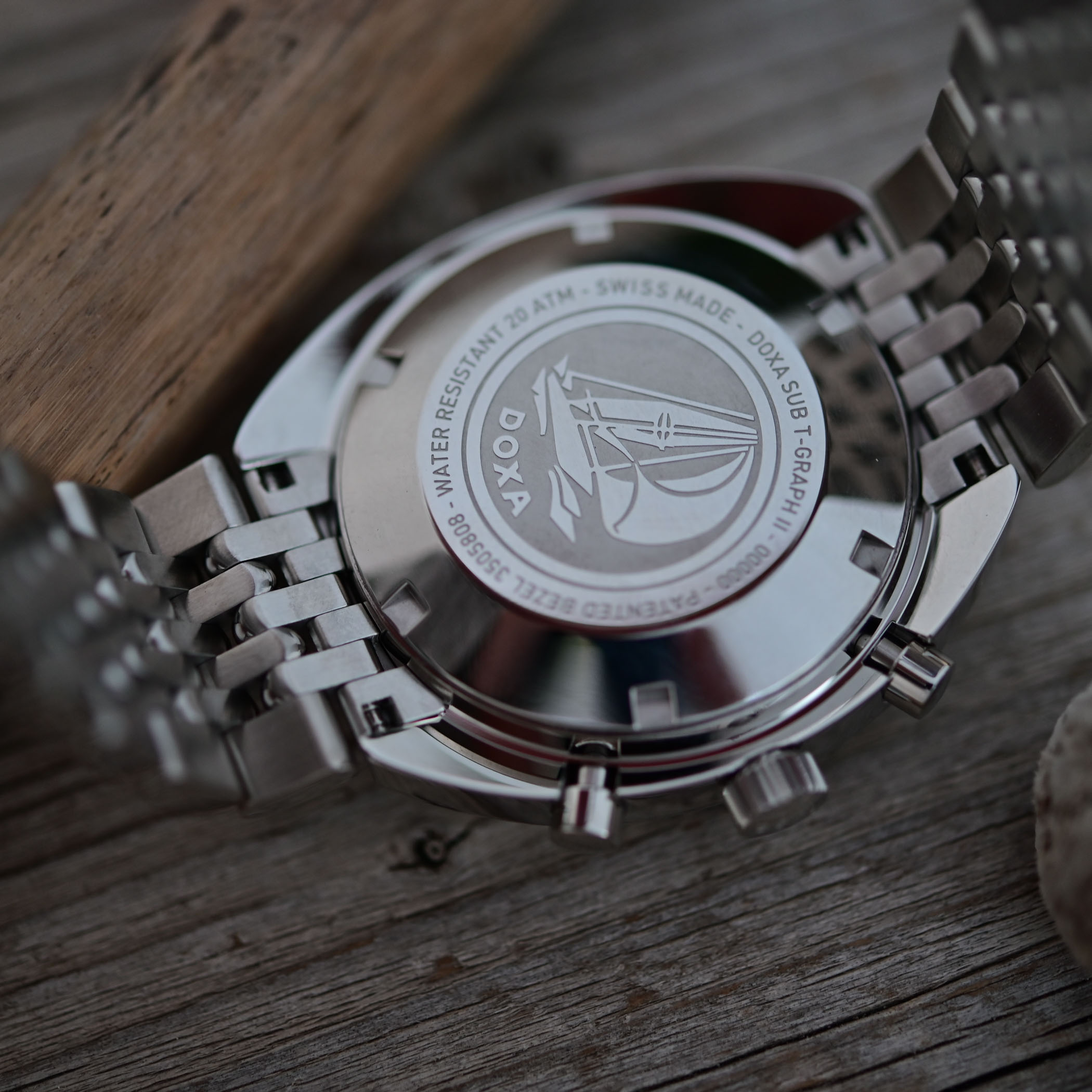
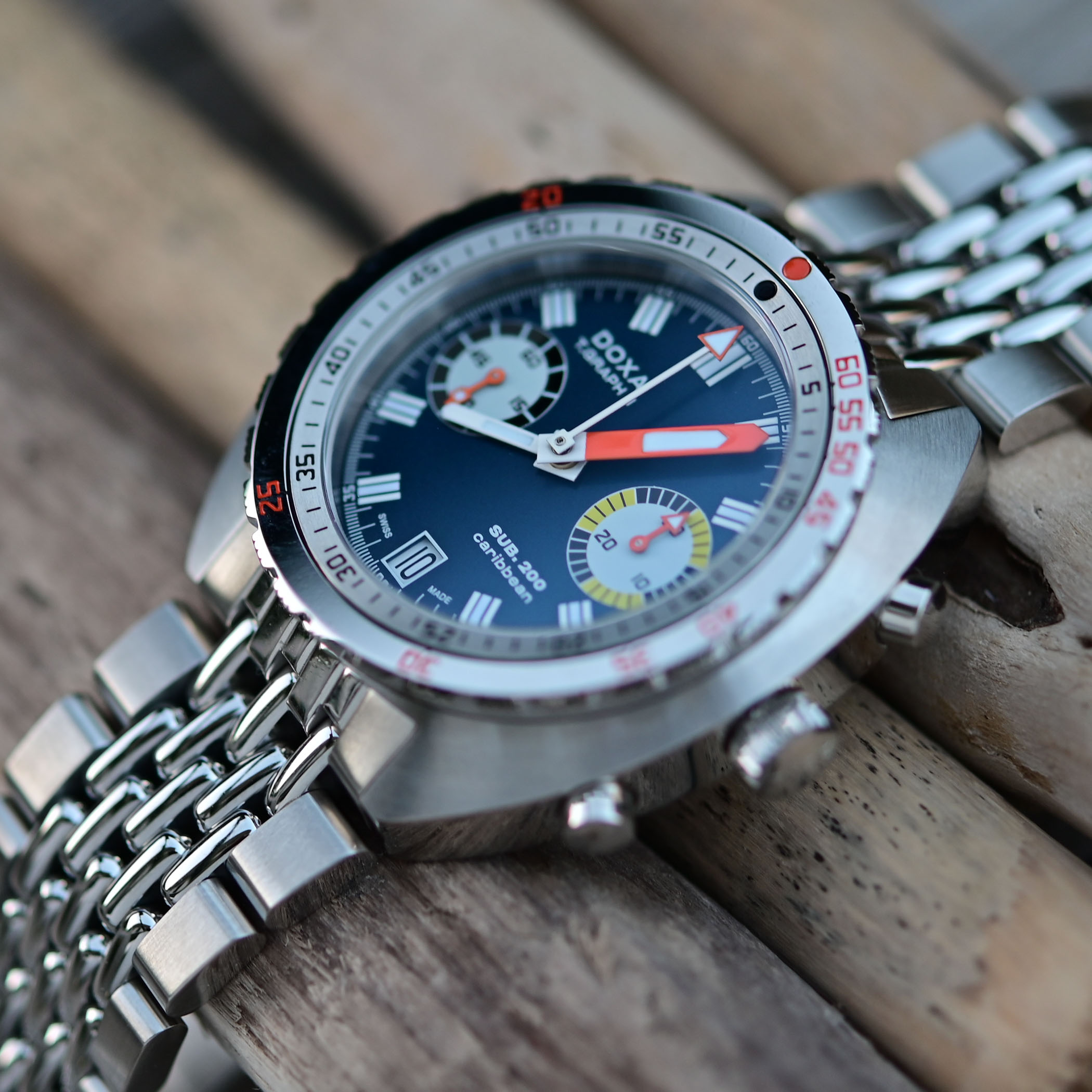
The movement below deck is the Sellita SW510, a solid, well-regarded Swiss automatic beating at 28,800 vph with roughly 56 hours of power reserve, and its architecture is based on the emblematic Valjoux 7750. It’s not an in-house calibre, and that is the way it should be. This is a tool watch company. They source an honest, reliable movement, lightly decorate it with their own name, and focus their energy on what the watch does rather than what the movement looks like. That’s the appropriate philosophy for a watch like this, and to mess with that would be a fool’s errand.
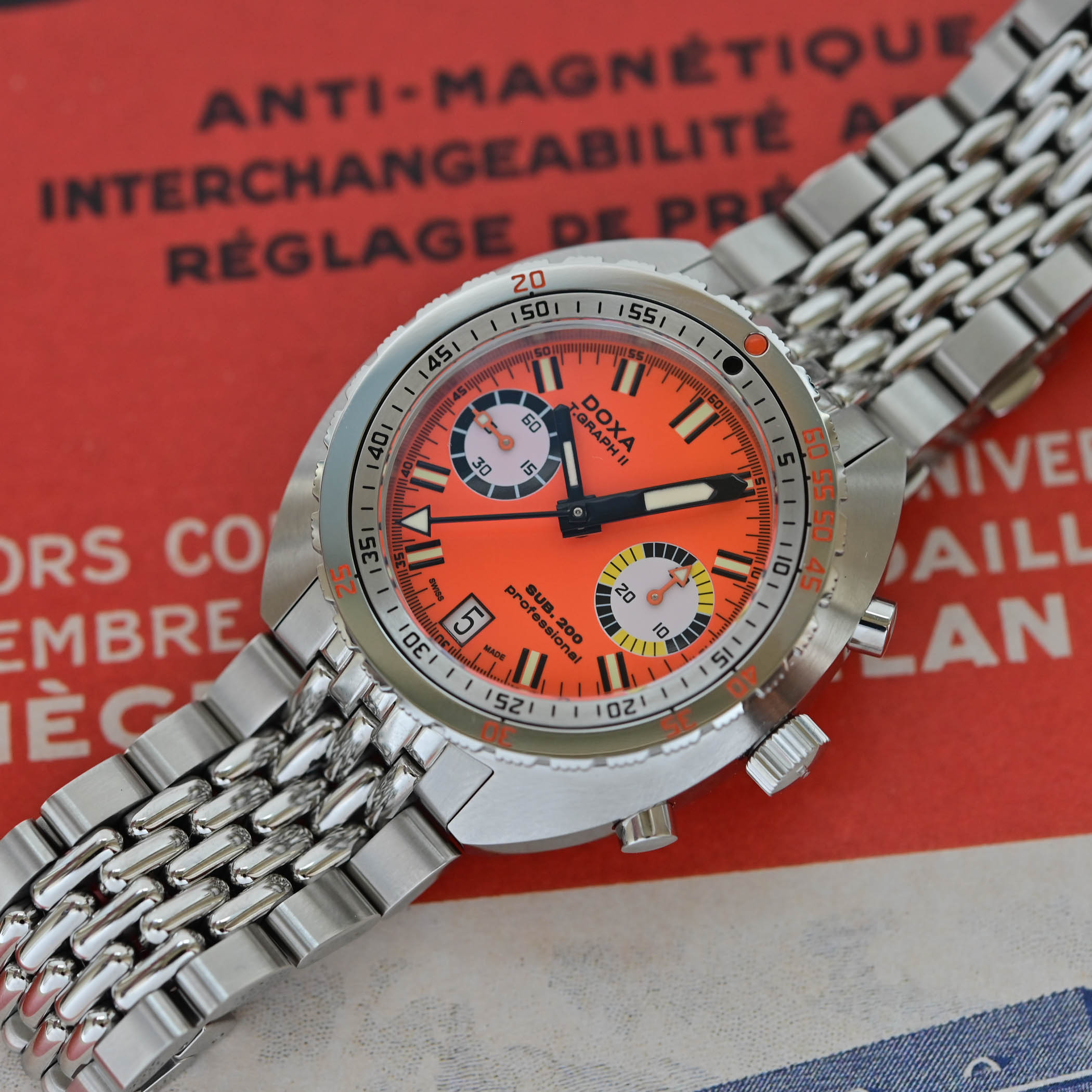
Now, let’s talk about those classic Doxa colours. The T.Graph II launches with four references, three of which are legacy Doxa: Professional orange (the OG), Sharkhunter black, and Searambler sunburst silver. The fourth and newest member of the gang is Caribbean blue. Deep, dark, borderline-navy blue with just enough shift in the light to remind you it’s not just another dark dial. Long a fan favourite, the Caribbean blue has been part of the Doxa SUB line for decades, and seeing it on the T.Graph is pretty exciting. On the colour-matched rubber strap, the whole thing reads as one cohesive object, less a watch on a strap than a single piece of gear for all your subaquatic activities.
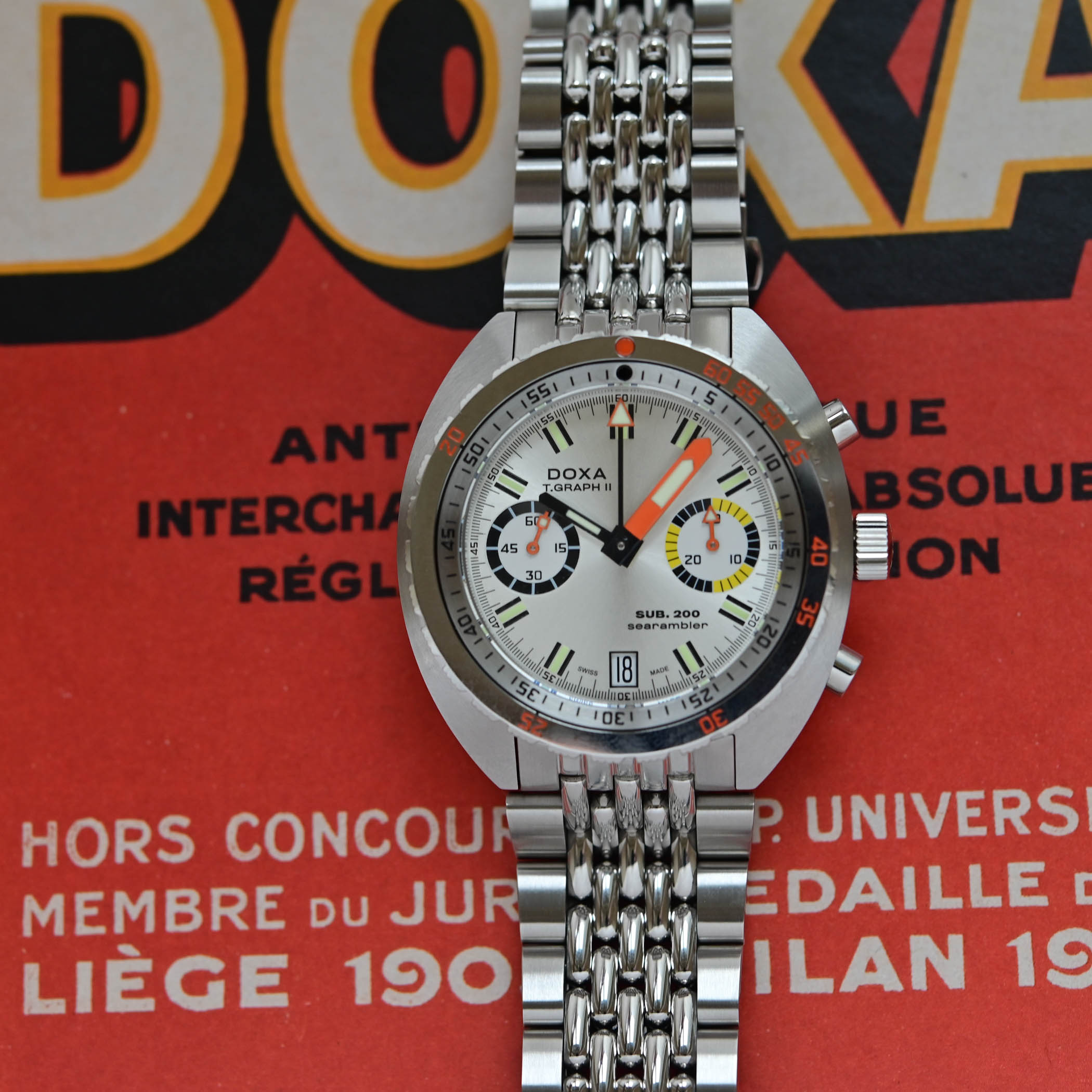
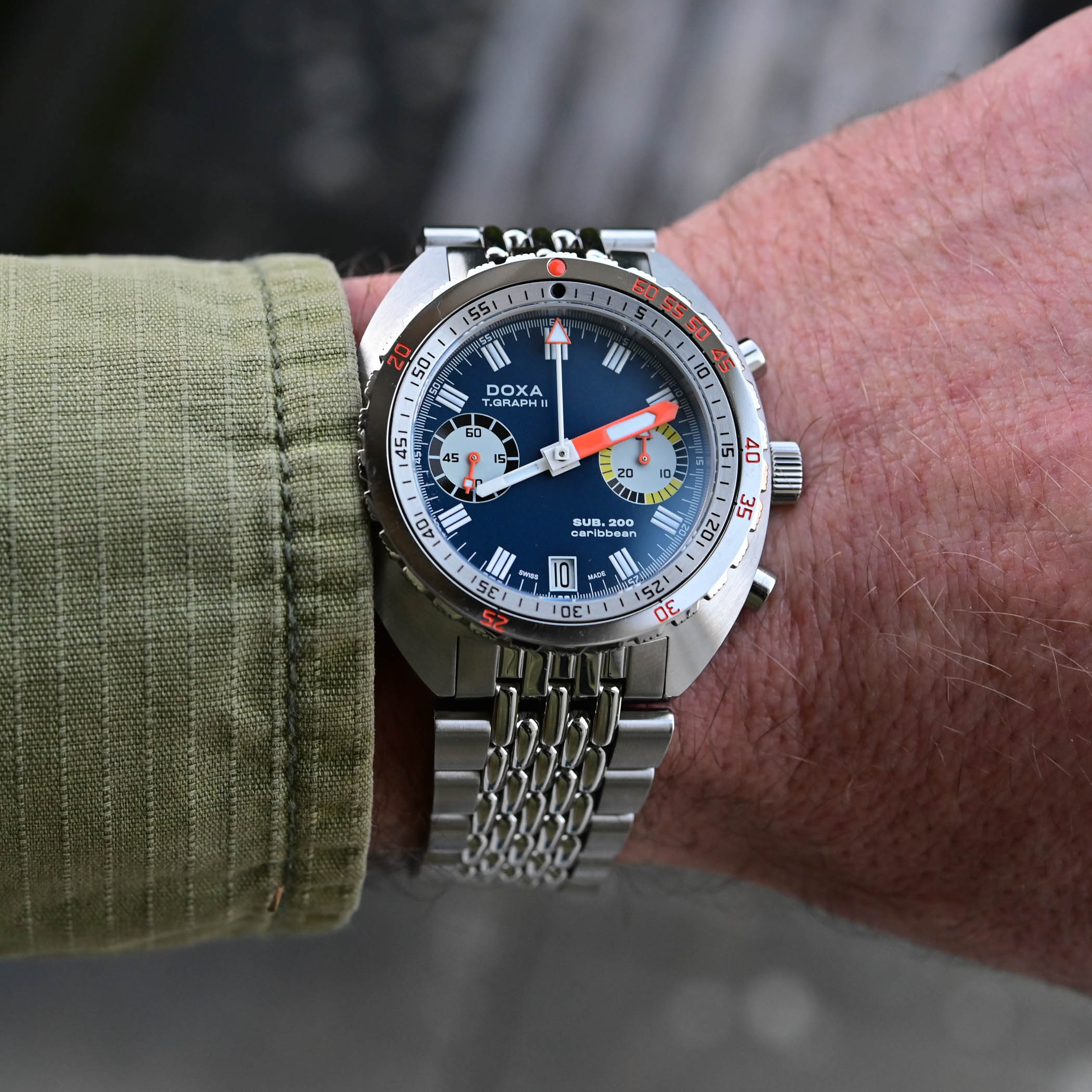
Speaking of straps, you get two options. The stainless steel “beads of rice” bracelet, a Doxa hallmark, carrying the lineage of the working diver’s watch from the golden age of diving, or a rubber strap in either black or tone-matched colour. Both have signed, folding clasps with wetsuit extensions. This is exactly the right call. Not every diver wants to deal with a bracelet. Not every collector wants a rubber strap. Give people the choice, keep the price gap sensible (about forty bucks), and move on.
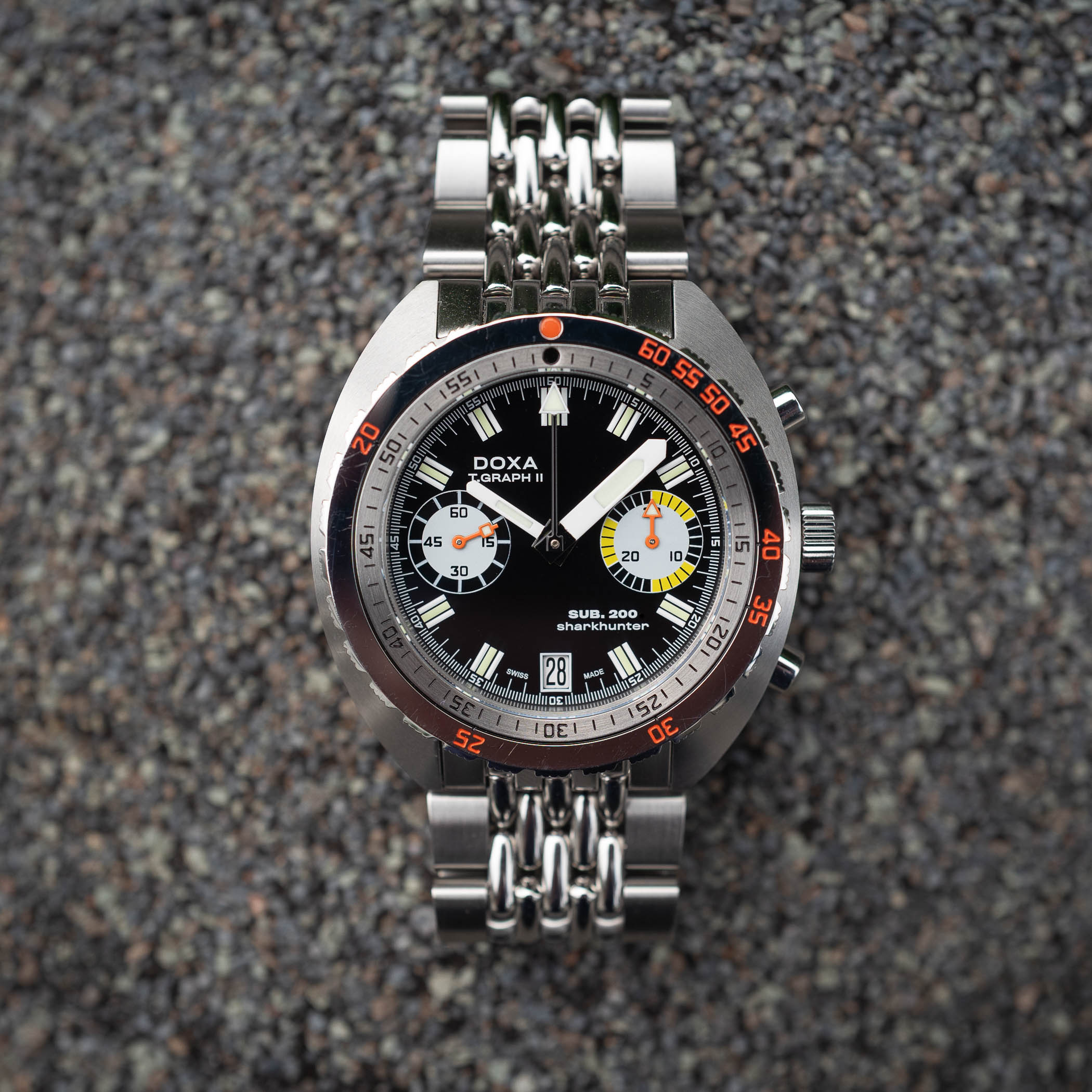
Water resistance clocks in at 200 metres with a screw-down crown and screw-in caseback. The bezel is unidirectional, stainless steel, and does its job without the kind of loose, jangly movement you get from lesser executions. If you have used a Doxa bezel before, you know the drill: It clicks, it holds, it doesn’t budge, and that’s the whole assignment.
Diving with the SUB 200 T.Graph II
We were fortunate enough to borrow an early press piece and take the Sharkhunter variant on a few dives in a frigid Wisconsin quarry. Maybe “fortunate” is the wrong word to use for frigid diving, but we did it anyway. Since the 40°F (4°C) water temps required a dry suit, we had to put the watch on a long velcro strap to make it fit around the bulbous suit arm, but it surely looked the part on the utilitarian black nylon. The Sharkhunter’s black blends right in and looks like another no-nonsense piece of diving kit. And it performs its assigned task of timing the dive with that same pragmatic stoicism. Set the bezel pip to the minute hand, and you’re ready to descend the murky depths in search of adventure, or in our case, a few purposely sunken aeroplanes and a mysterious stove that no one seems to know the provenance of. Underwater, the T.Graph blends right in and goes unnoticed until you need it, stealing a glance to confirm how long you’ve been underwater, or just peeking because it looks so cool. The legibility was spot on, no matter how bad the visibility got, and the T.Graph shrugged off the near-freezing temps like it was a day at the beach.
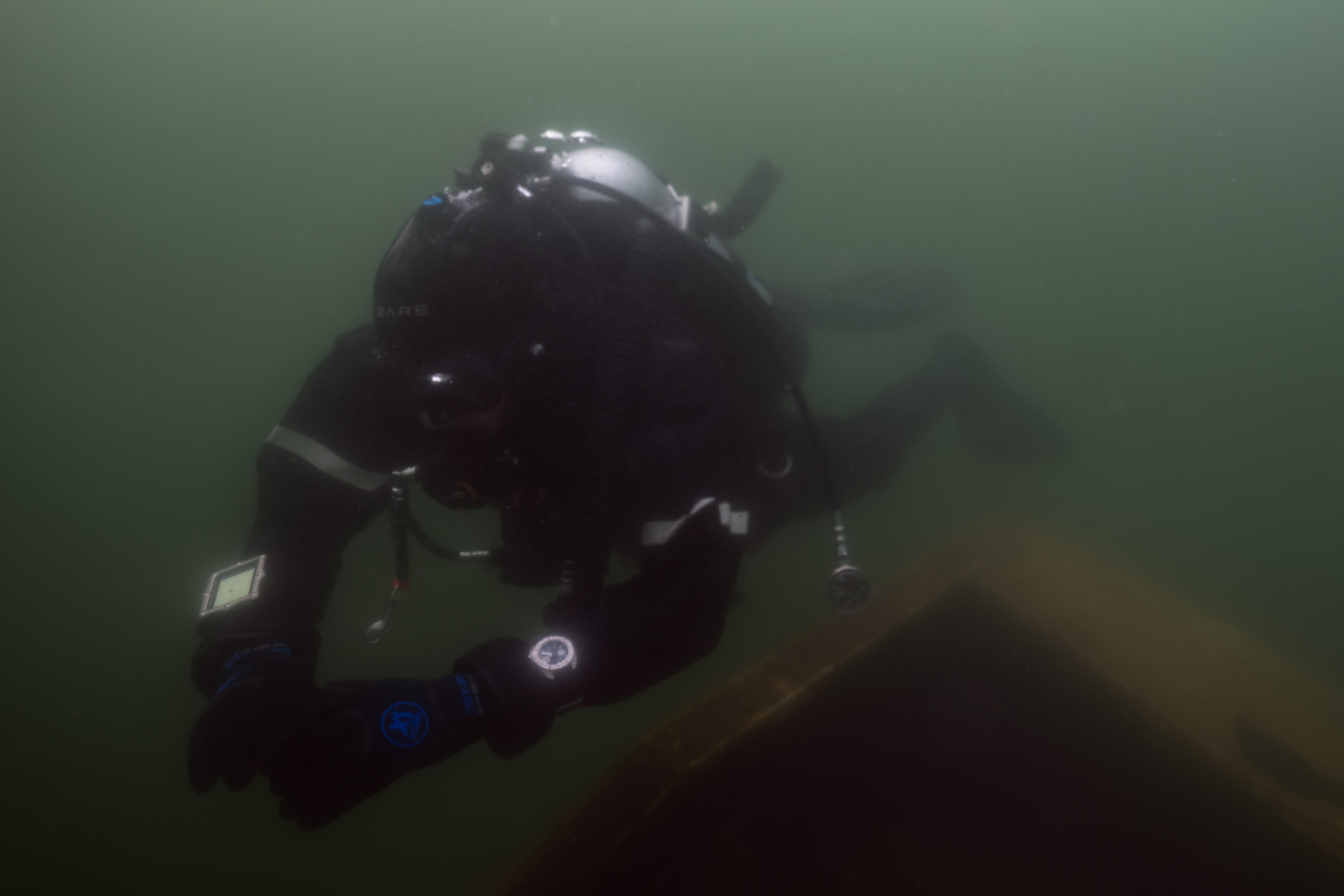
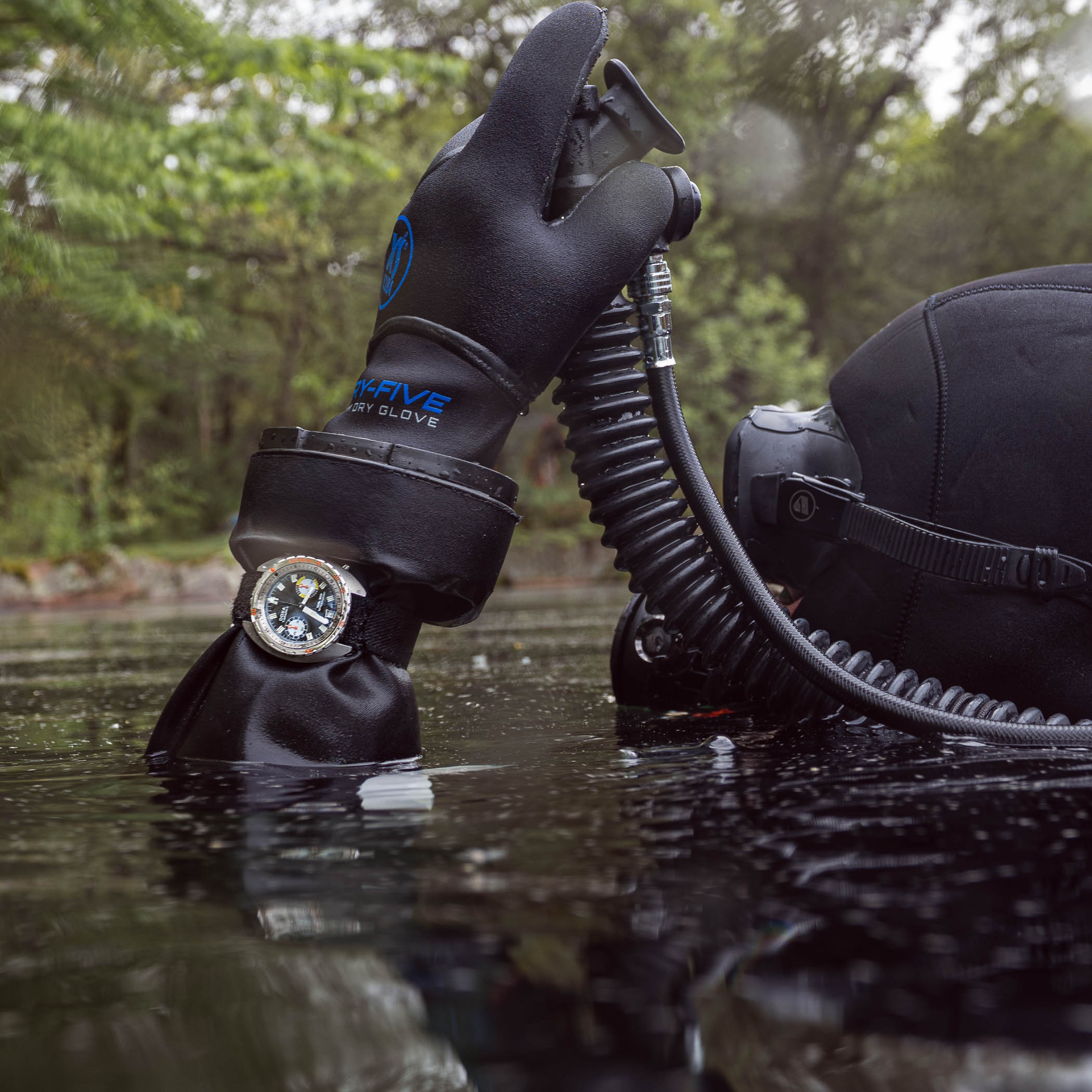
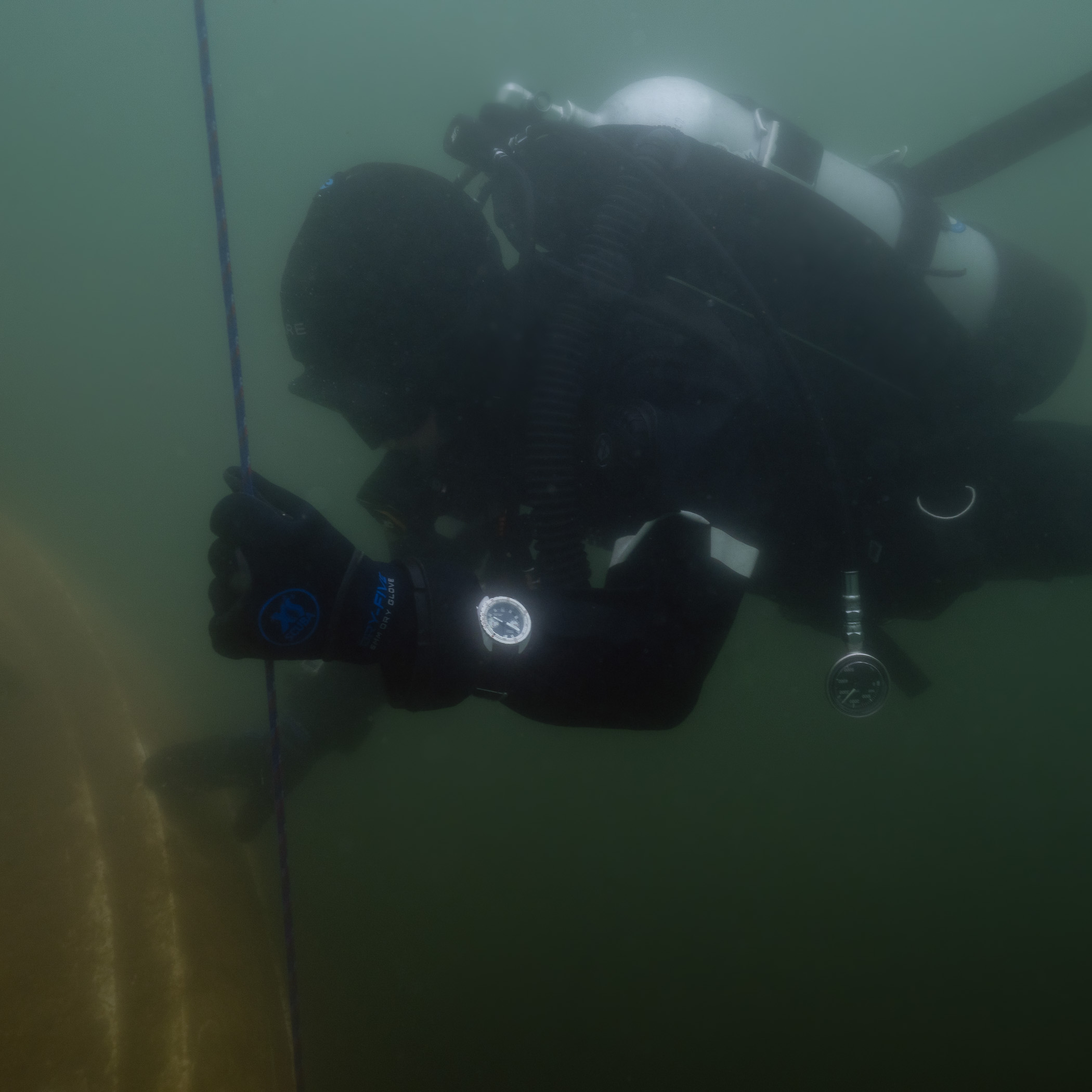
Here’s the thing about the T.Graph II, according to Doxa: it’s not a chronograph that dives. It’s a dive watch that also has a chronograph. That small distinction can change the way you think about a watch. The timing bezel is still your primary instrument underwater. You track your dive time with it because that’s how you stay alive. The chronograph exists for timing everything on the surface: intervals between dives, trips between dive sites, knowing how long you’ve been drifting in a current while your buddy sorts out their reel, etc… It’s a backup capability built into the platform without compromising the platform itself.
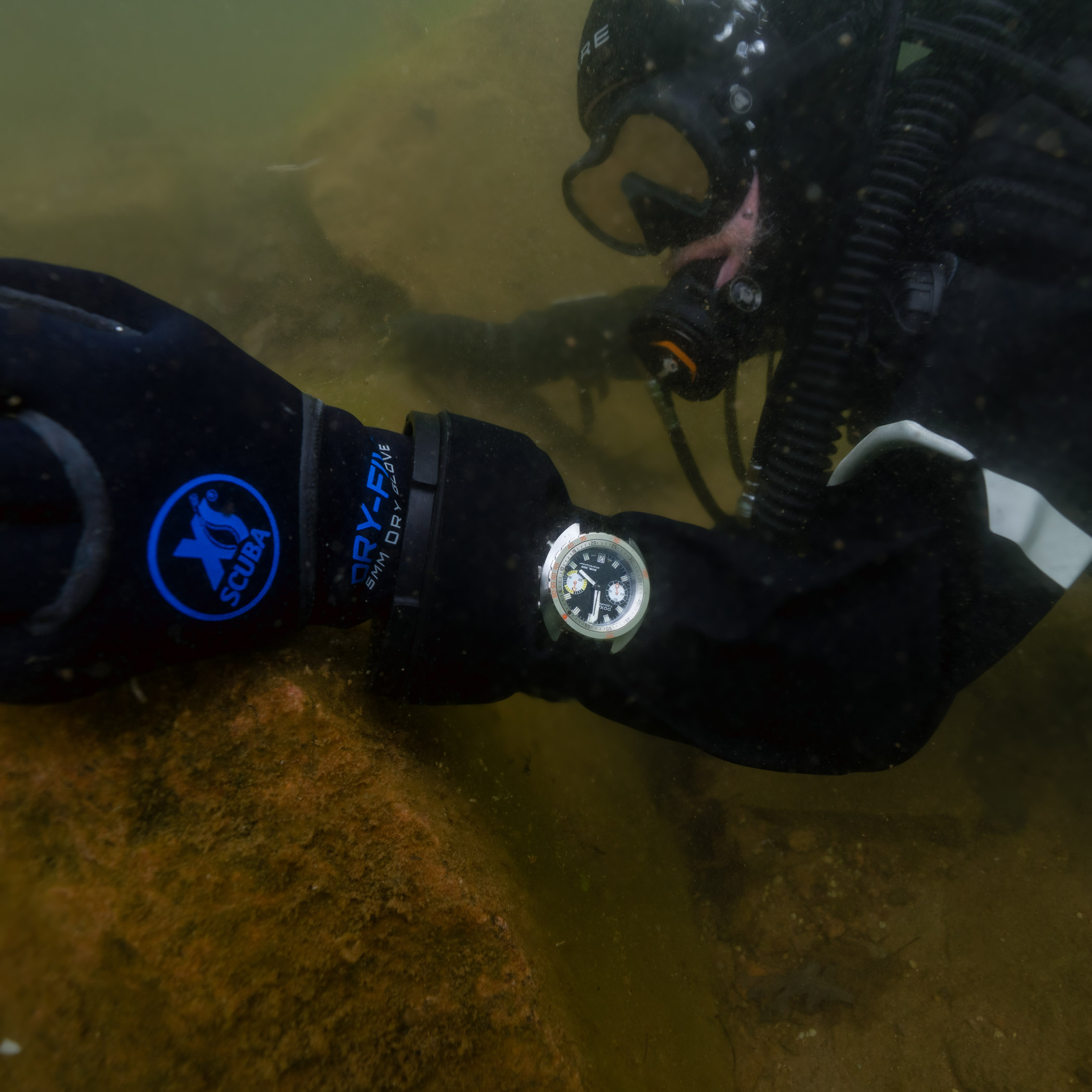
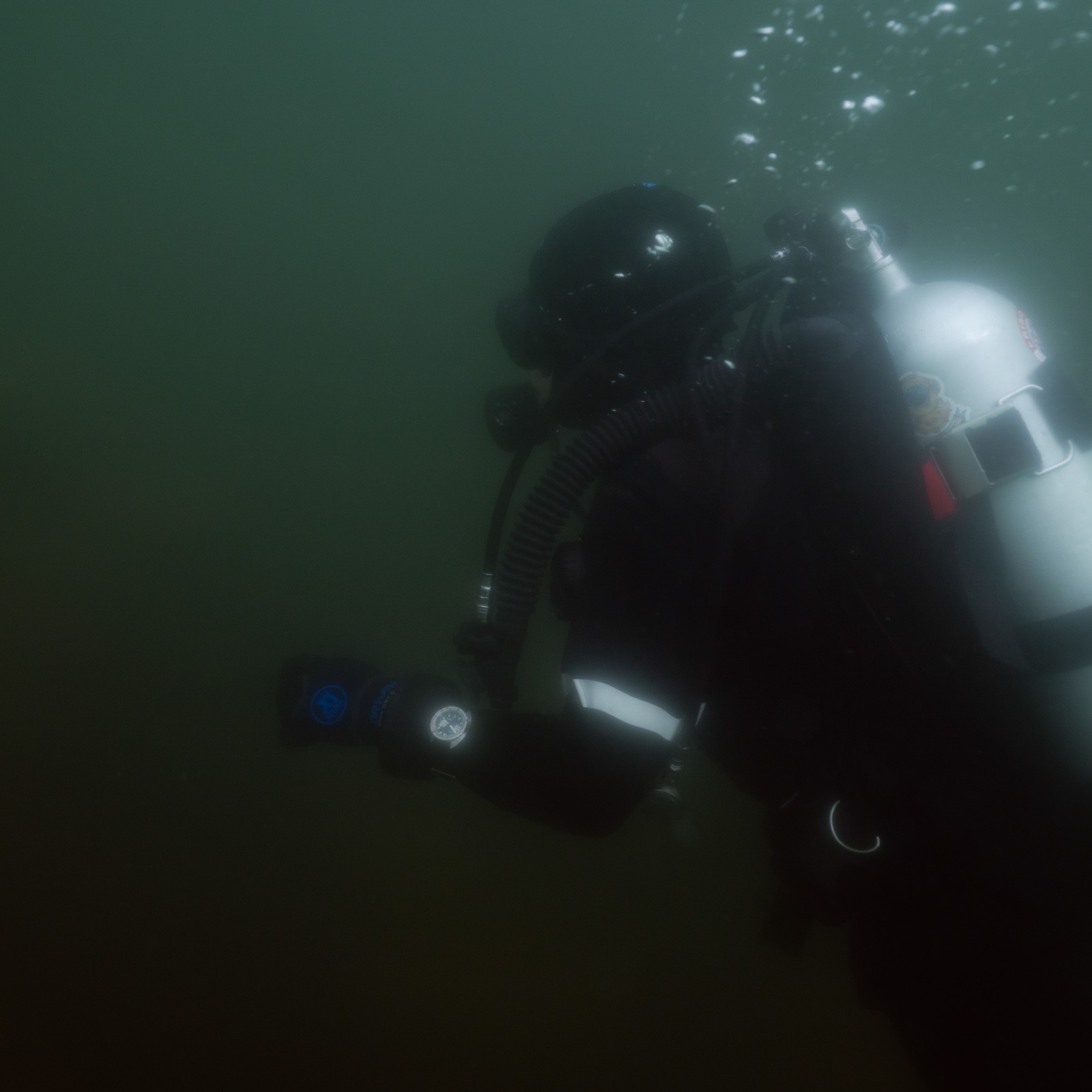
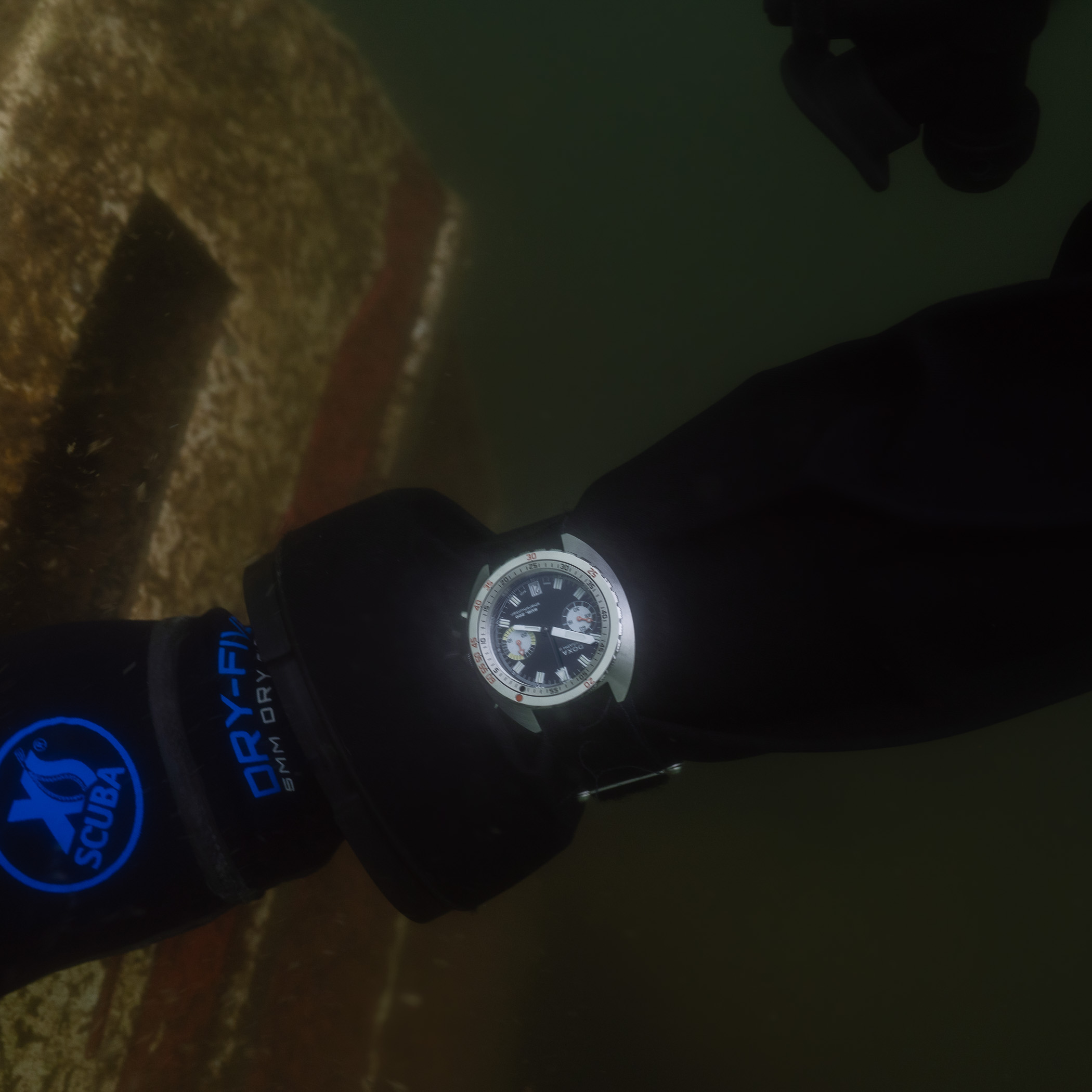
At EUR 3,950 / USD 4,250 on rubber and EUR 3,990 / USD 4,290 on the bracelet, the Doxa SUB 200 T.Graph II lives in a competitive neighbourhood. You could buy other dive chronographs at this price, and some of them are excellent. But few of them carry fifty-five years of dive watch DNA, four dial colours rooted in actual history, and a name that has been trusted by working divers since the era of twin-hose regulators and decompression tables printed on laminated cards.
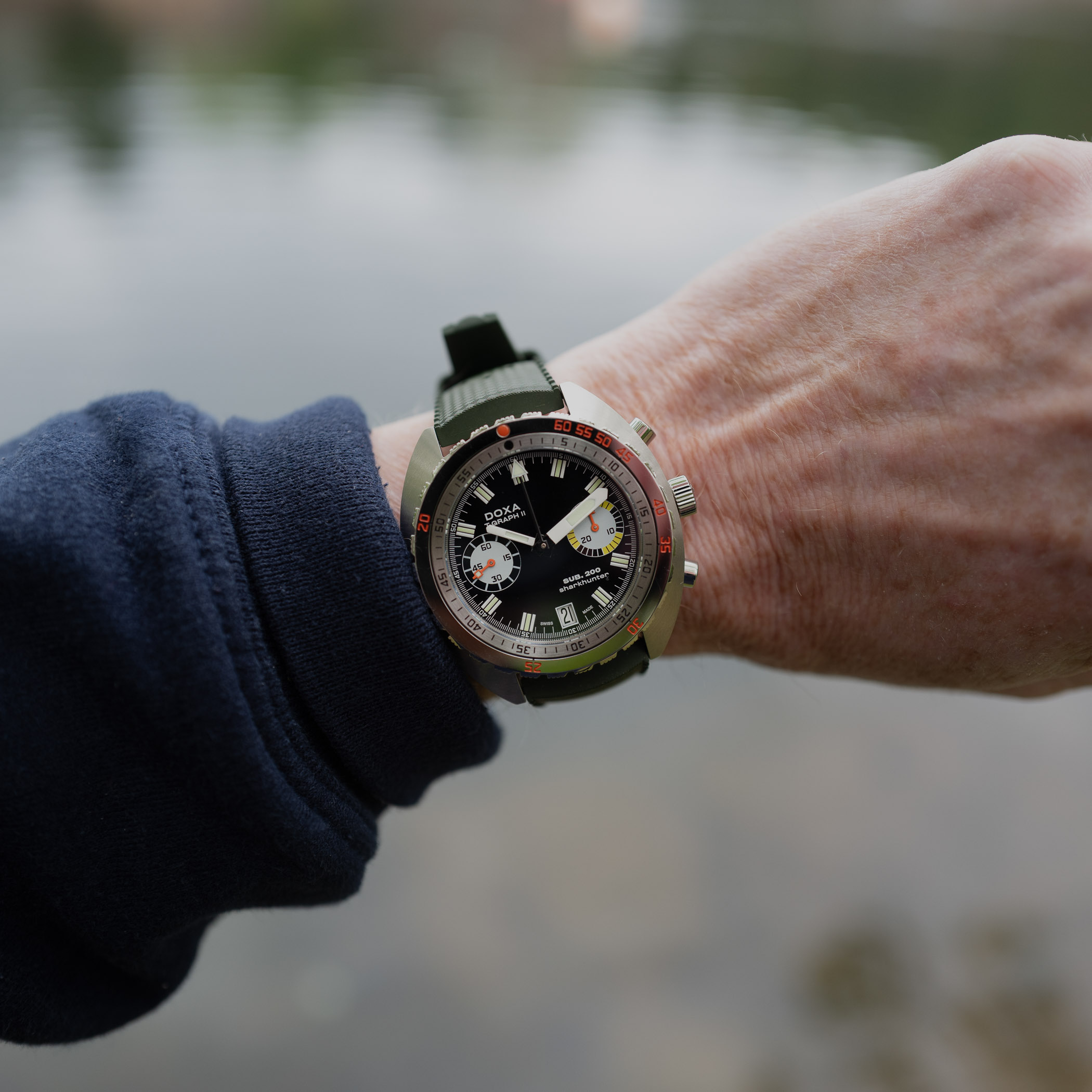
This is a watch designed for people who go in the water. If that’s you, it deserves your attention. Available late June 2026 at Doxa retailers and doxawatches.com.

5 responses
One thing I am always confused about is the ability to use the pushers in the water. Is it safe to do that on the Doxa? Seems like it would be useful, but
Great article and cool underwater photos! Another winner by Derek!
Great article and cool watch, the sentence ” It just shows up, orange-faced and slightly thick, pushes you out of the way and says: I’m going in the water” made me think of someone…..
For $1,500 less, I’d take a look at the Aquastar Deepstar 39mm dive chronograph.
Doxa did good with this classic reissue. The size is spot on perfect and since the bezel is smaller then the case, they made the bezel slightly higher and the case itself thinner which makes it look perfect. I hate the Jenny Fish on the cowns so I am more then happy they chose the Doxa writing. Many love the Carribean for the look and complain about the white Minutehand on the Sharkie but to me, the classic representation is more accurate and so the white minute hand is a perfect choice. For the Carribean Dial, this is not a classic, as this color was first used in the early 2000s. All others are true classics an spot on perfect. Just ordered one!