


 Not all images were able to load for printing. Please close the print window and try again.
 The Jaw-Dropping Koenigsegg-Powered Kimera Automobili K39
The concept of a Lancia 037 restomod pushed to extremes, and seaks Pikes Peak glory.
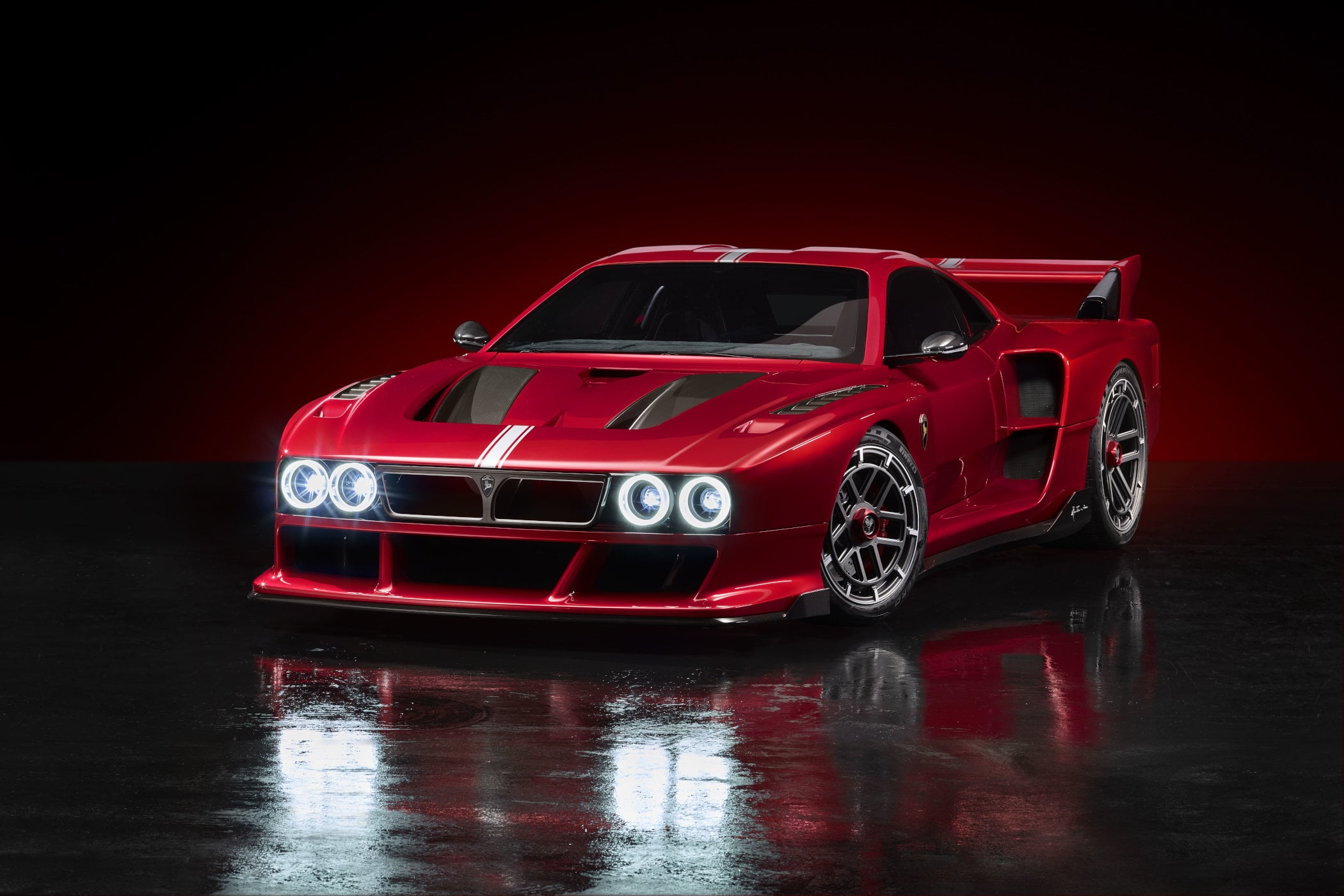
Today’s restomod scene is much like the late-1990s to early 2000s supercar game. It seems like every other week, some never-before-heard-of company takes an icon from the past and dusts it off for life in the spotlight once more. But there’s a big difference. Unlike the many, many vaporware projects (who among you remembers the Leblanc Mirabeau, Orca C113 or Vencer Sarthe?) that spawned 20 to 25 years ago and then faded into oblivion, the majority of today’s restomods are actually being built, and more importantly, sold! And every so often, one of those is turned into something really special. Take the legendary Lancia 037, for instance, which was turned into the sharply penned K37 by Italian manufacturer Kimera Automobili in 2021. Now, though, after moving from the purist EVO37 to the bit more spirited EVO38, Kimera goes all-out with the new K39. And the best part is, they are taking it up Pikes Peak!
From 037 to K39
The Lancia 037 is a legend in rallying, for more reasons than one. Not only was it a World Rally Championship-winning car, but it was the very last one to claim the title with a rear-wheel drive setup. In the early years of the 1980s, all-wheel drive was quickly turning things around on the highest stage of rally competition. Audi introduced its quattro technology in 1980, and despite the added weight, the added traction proved the way forward for the sport. By 1982, Audi had fought its way to the top and dominated the season with the Quattro. However, a year later, a Martini-clad lightweight Italian by the name of Lancia 037 would defy the odds and be crowned World Rally Champion. The key to its success was its compact size, incredible agility and the likes of Walter Röhrl and Markku Alén behind the wheel.
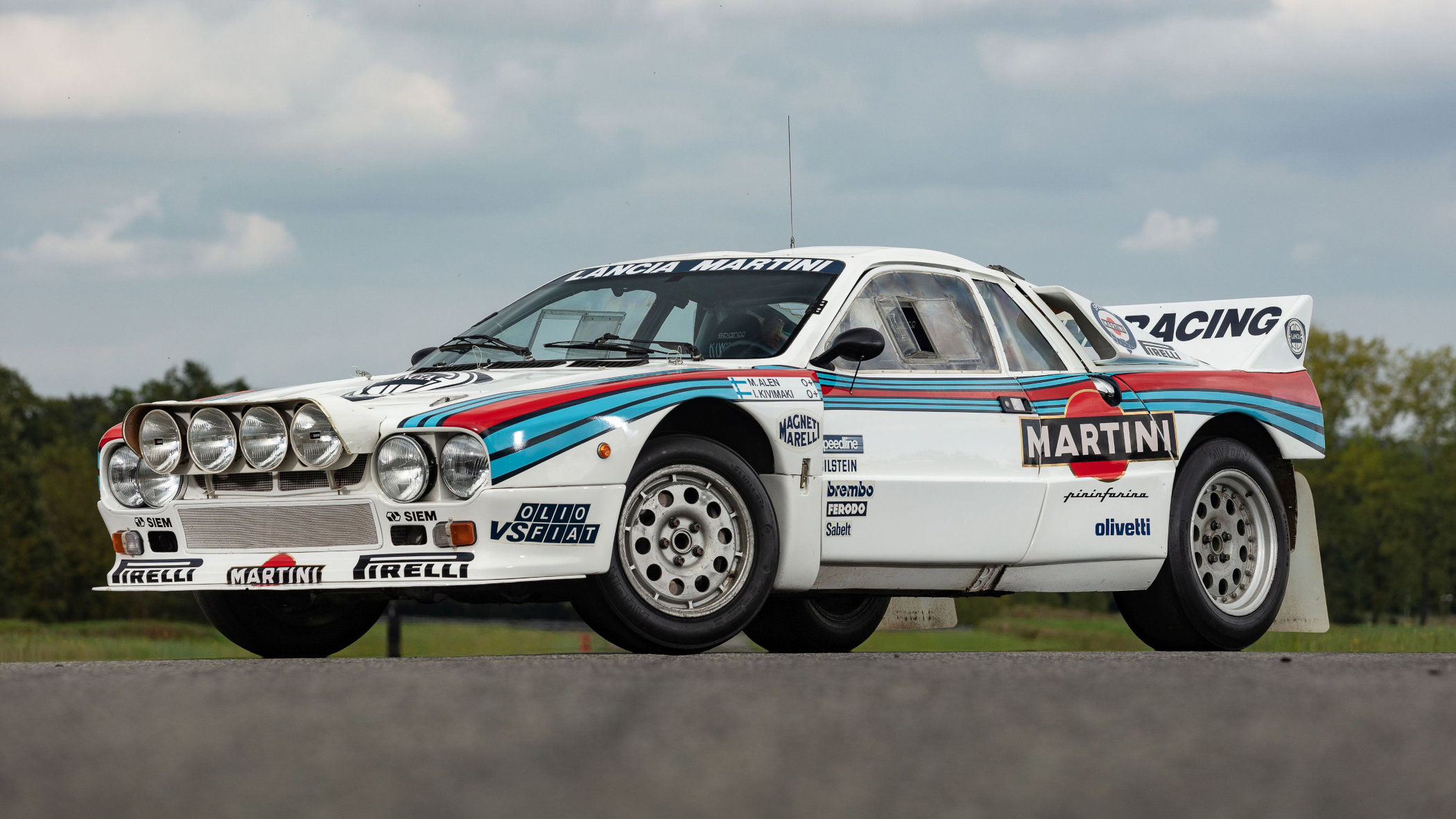
The demise of the Group B rally championship, which was triggered by a series of serious incidents with fatal consequences, would also be the end of the Lancia 037’s rallying career. Although short-lived, it remains an icon of the sport and still a beloved sight in classic car events and concours the world over. So much so that Kimera Automobili, an Italian coachbuilding specialist, decided it would be the perfect inspiration for its restomod EVO37. This took the pure lines of the compact rallying coupe and turned it into a nipped-and-tucked sports car that looked absolutely stunning from all angles (see gallery below, left). It featured the signature double headlights, the cut-off rear section with integrated spoiler, the twin double exhausts and so on.
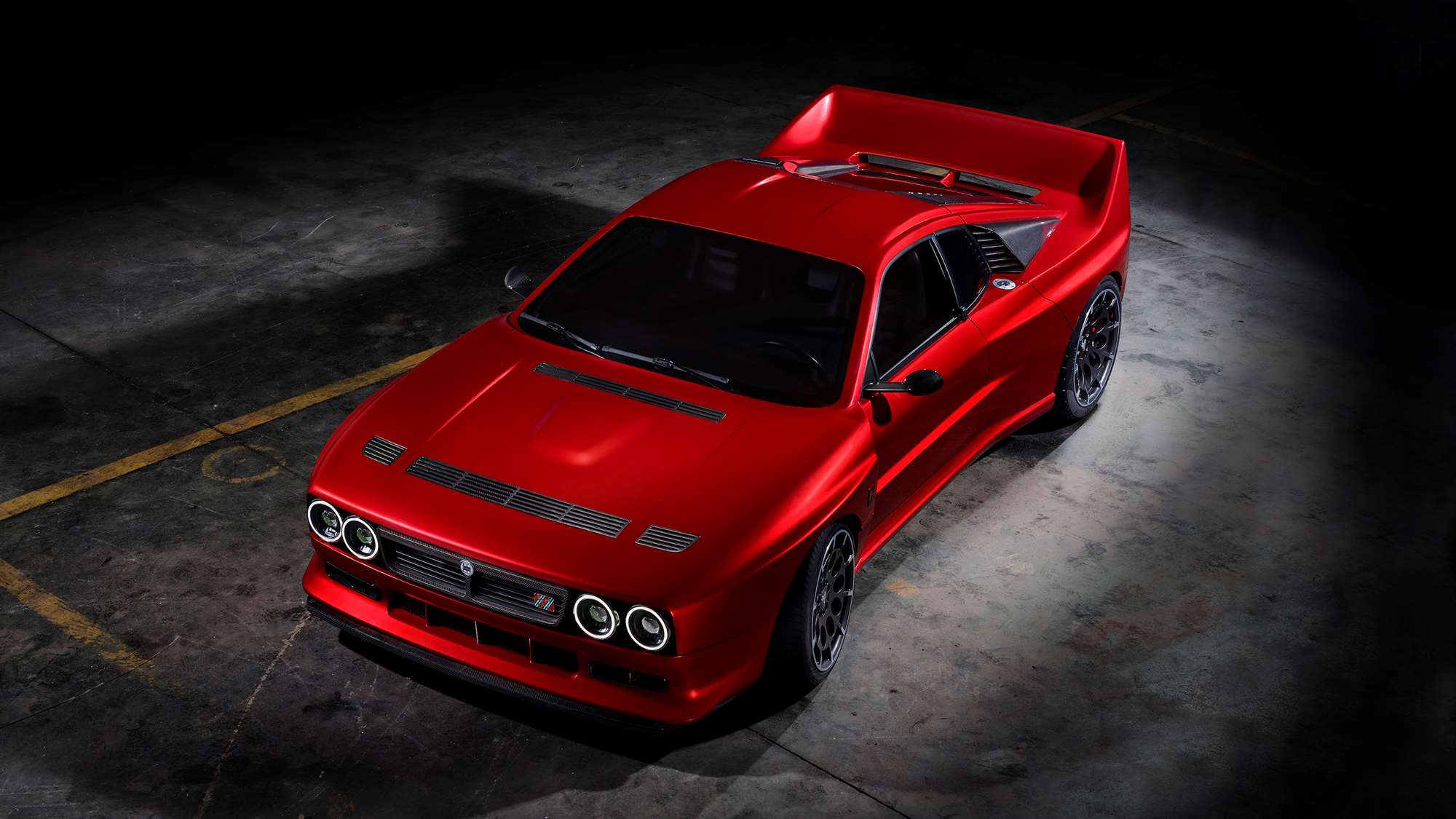
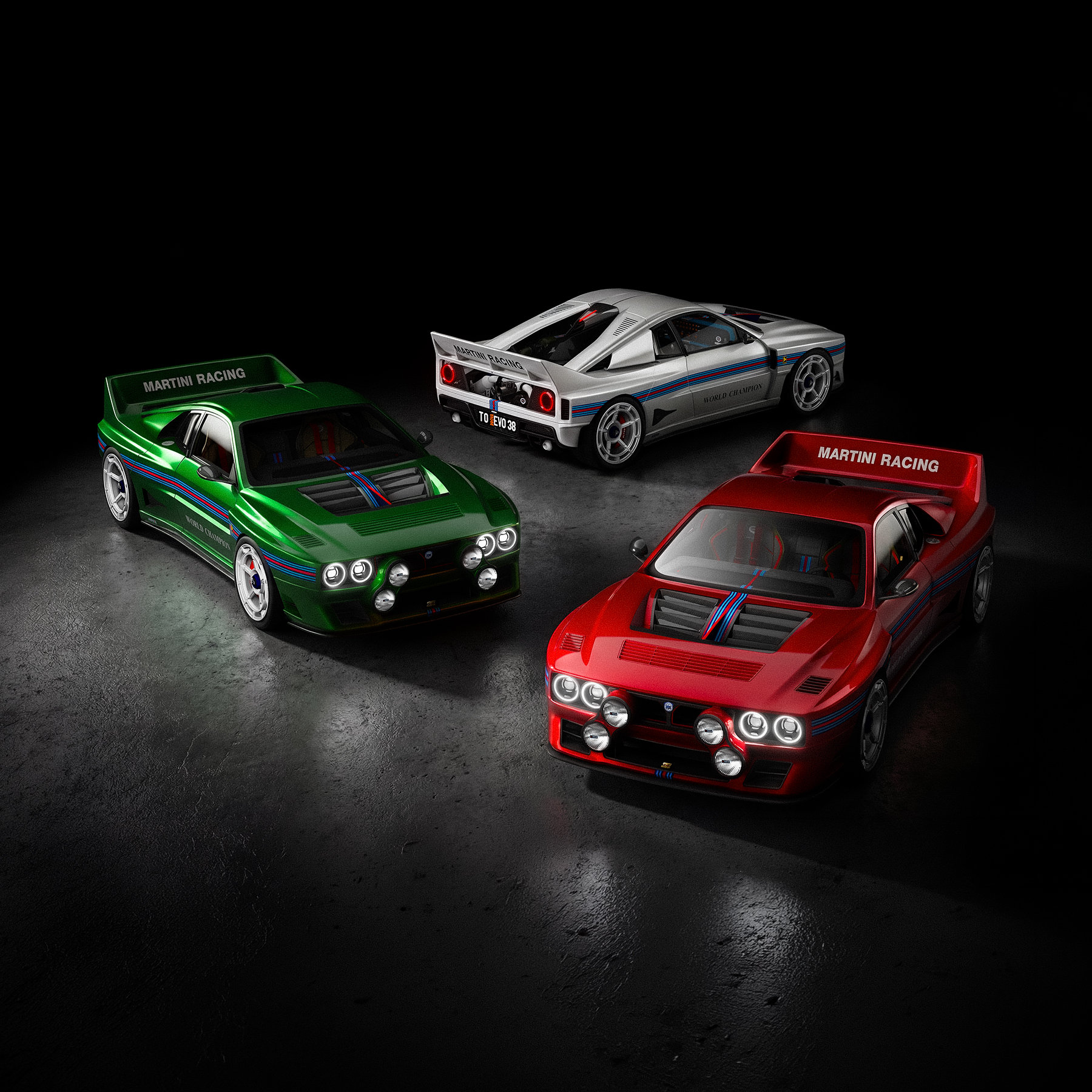
Largely drawn up from carbon fibre and fitted with an engine very close to the original (in fact an overhauled, enlarged 037 block), it weighed about 1,000 kg and packed up to 500bhp from a 2.1-litre turbocharged four-cylinder. After raving reviews, Kimera returned to the spotlight with the EVO38 not long after (see the gallery above, right), which took things a step further. The styling and aerodynamics were more pronounced, and it received a considerable performance upgrade. But it turns out that wasn’t where Kimera’s love for the 037 concept ended, as they have just pulled the covers off something called the K39, which coincidentally channels another Lancia legend.
Italian Styling, Swedish Power
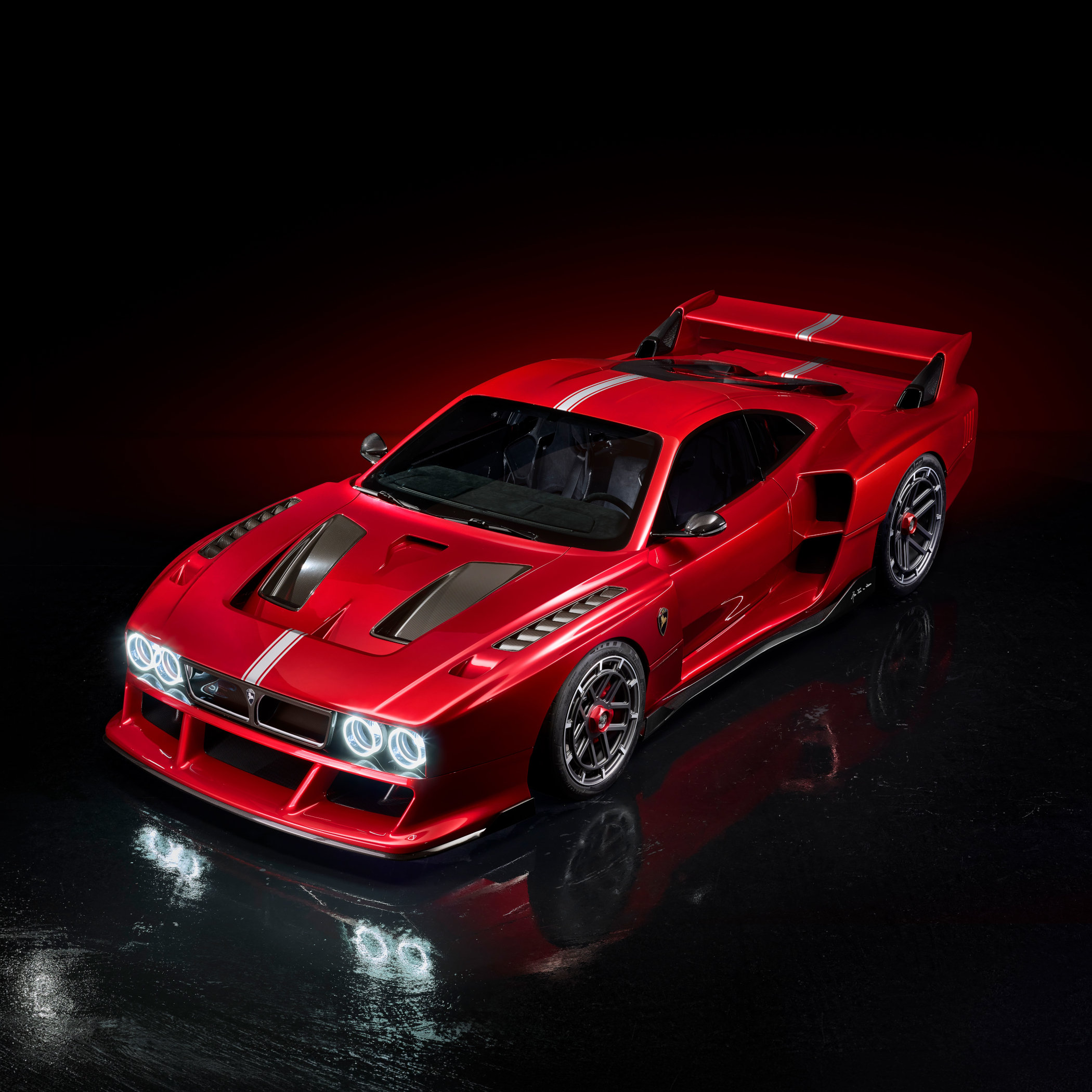
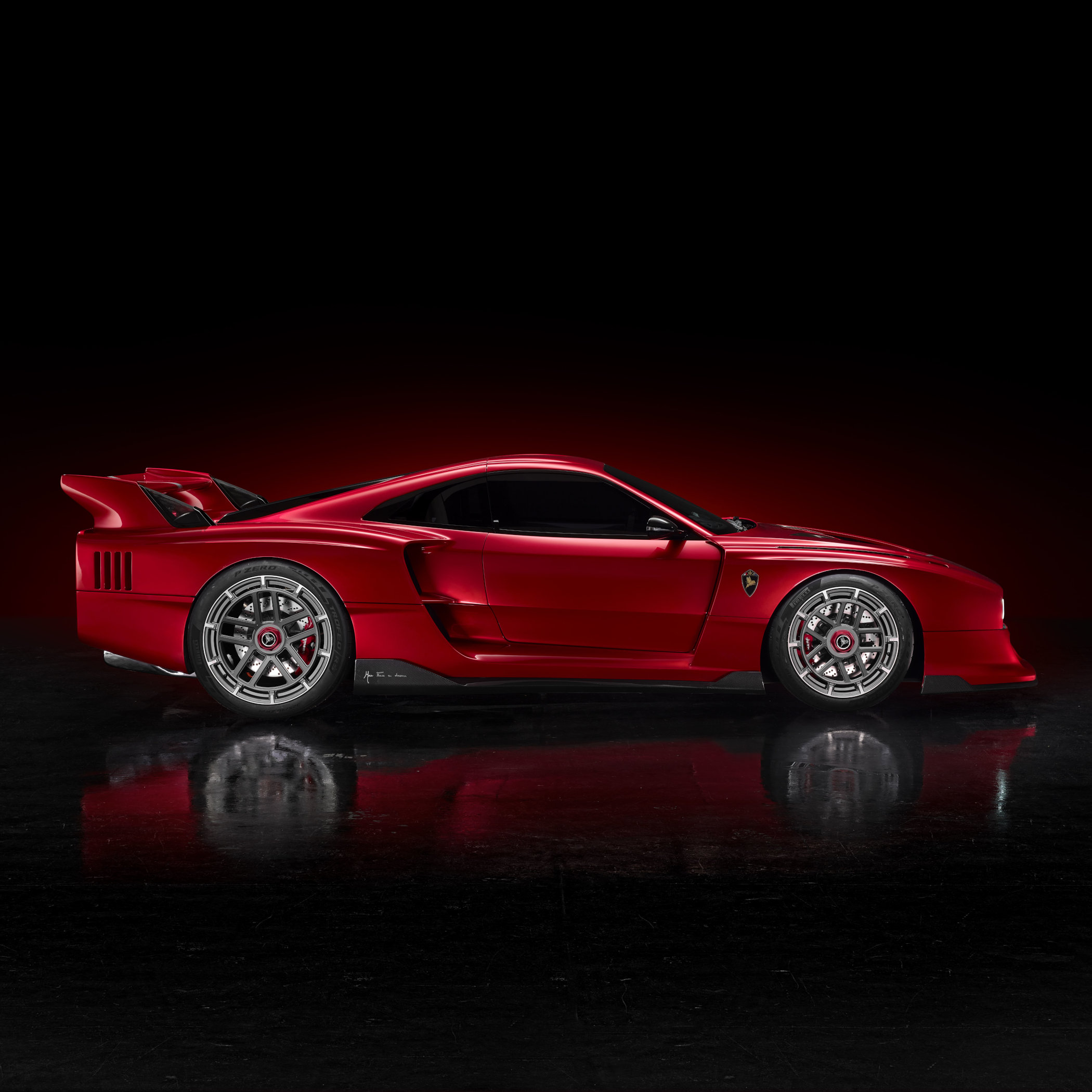
From afar, you immediately recognise the lines of the 037 it is modelled after. Of course, the cars are miles apart, and it doesn’t take long for the many, many changes and updates to start falling into place. But what Kimera has done is more or less merge the purity of the 037 with the brutish aero of the Group 5 Beta Montecarlo Turbo, another one of Lancia’s racing legends, and turned it into a proper supercar. And fun fact: the 037 was actually built upon the Montecarlo platform, so with this K39 things come to full spiritual circle. It’s like the perfect mash-up of the two, sprinkled with a very heavy dose of 2026-tech.
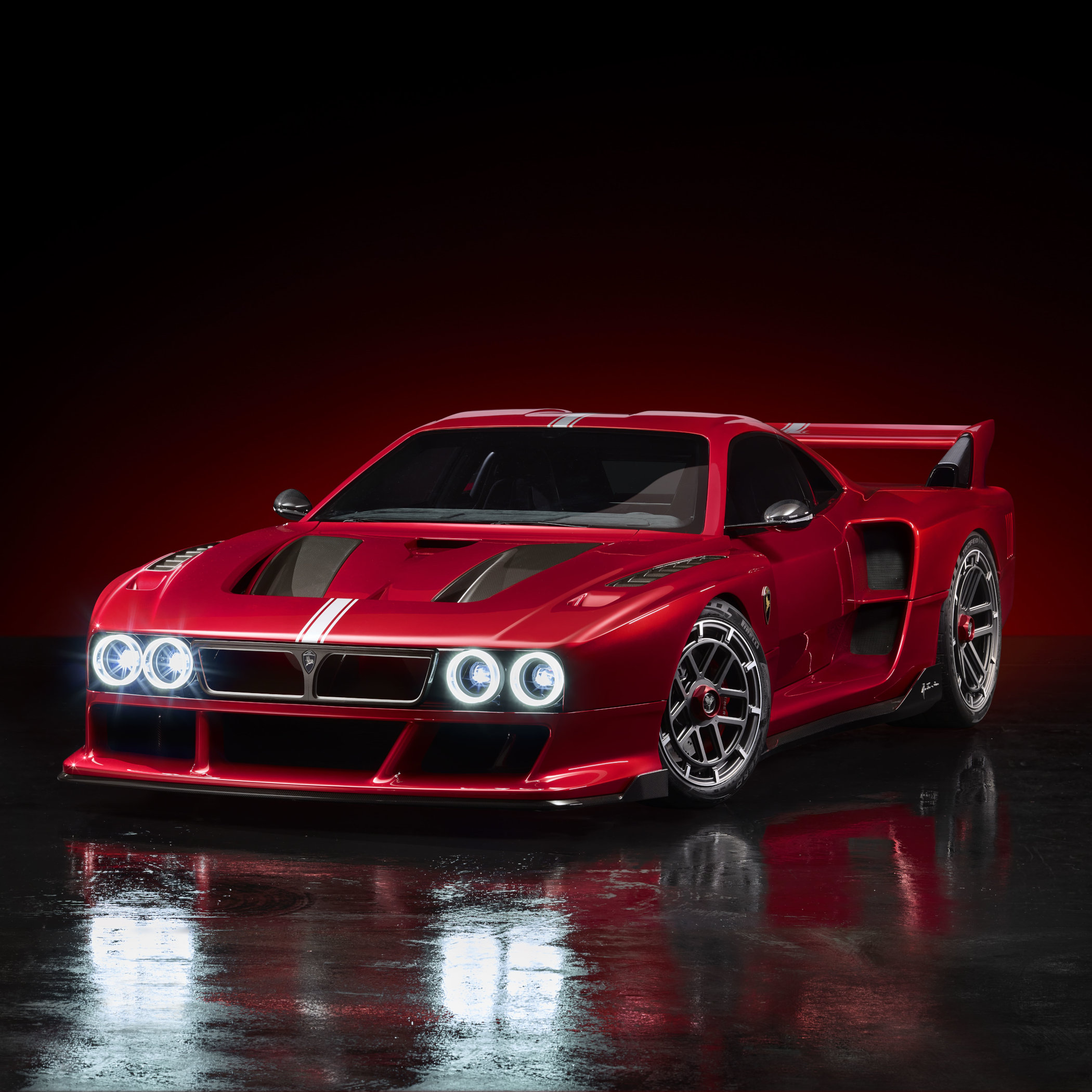
For starters, the K39 is much wider than the EVO37 and EVO38 before it, and incorporates the boxy rear wheel arch with massive side air intakes of the Group 5 Montecarlo Turbo. Up front, the splitter is much more pronounced, being longer, lower, wider and more aggressive. The twin headlights have remained, but the K39 has daylight running light rings, with pop-up high-beams behind it, which looks pretty fabulous! Then there are two massive air vents in the front section, a NACA-duct in the centre, and more vents on top of the front wheel arches.
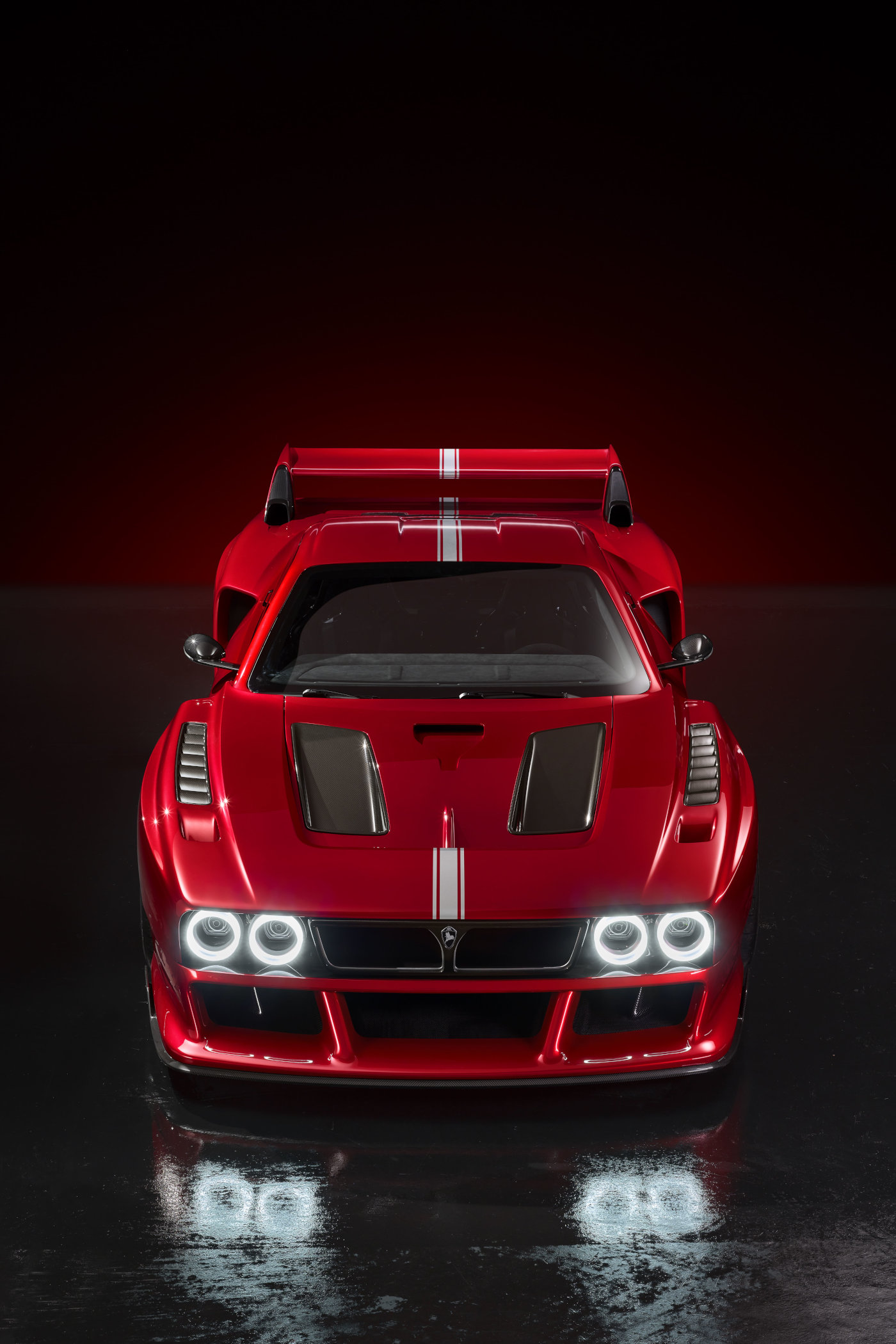
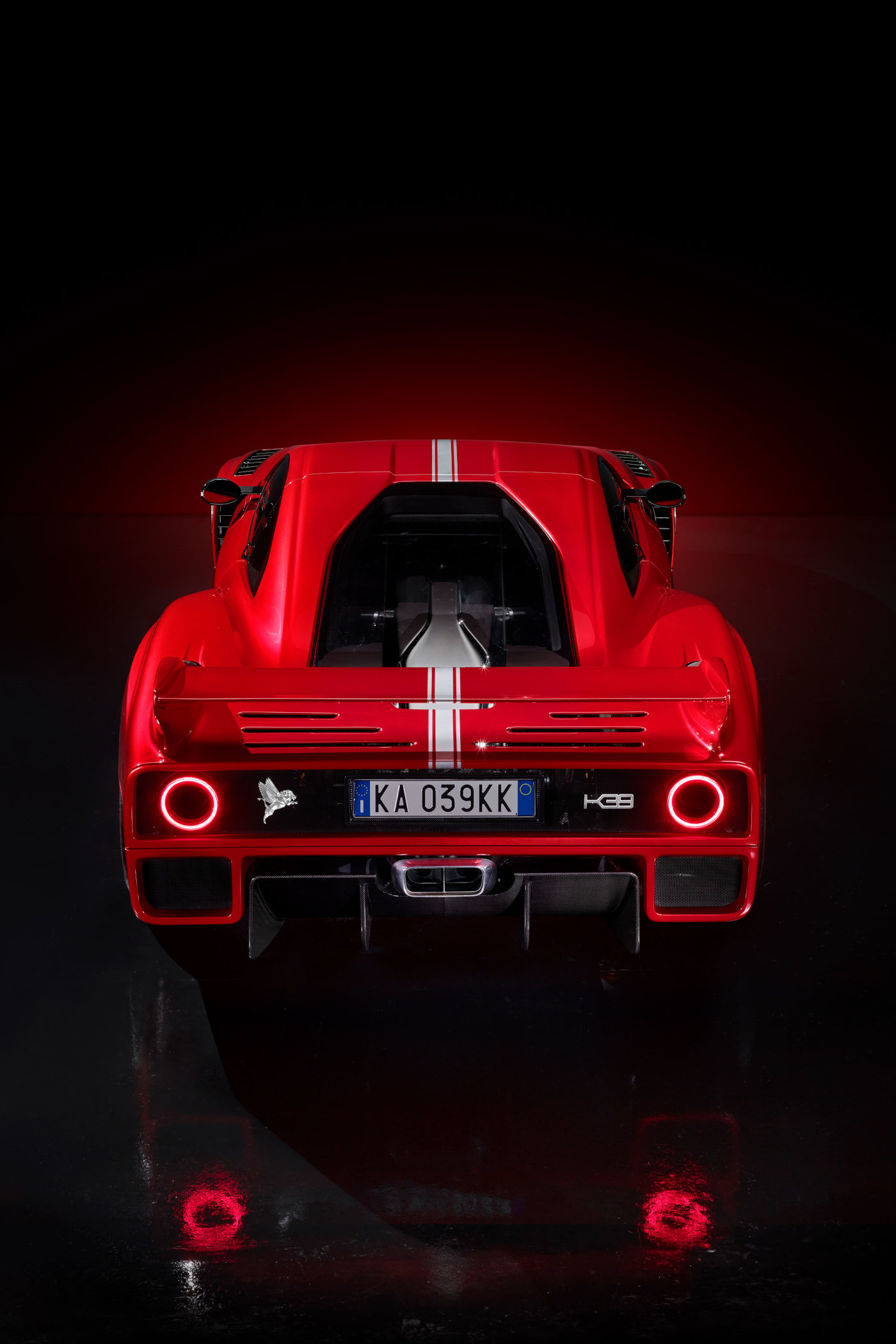
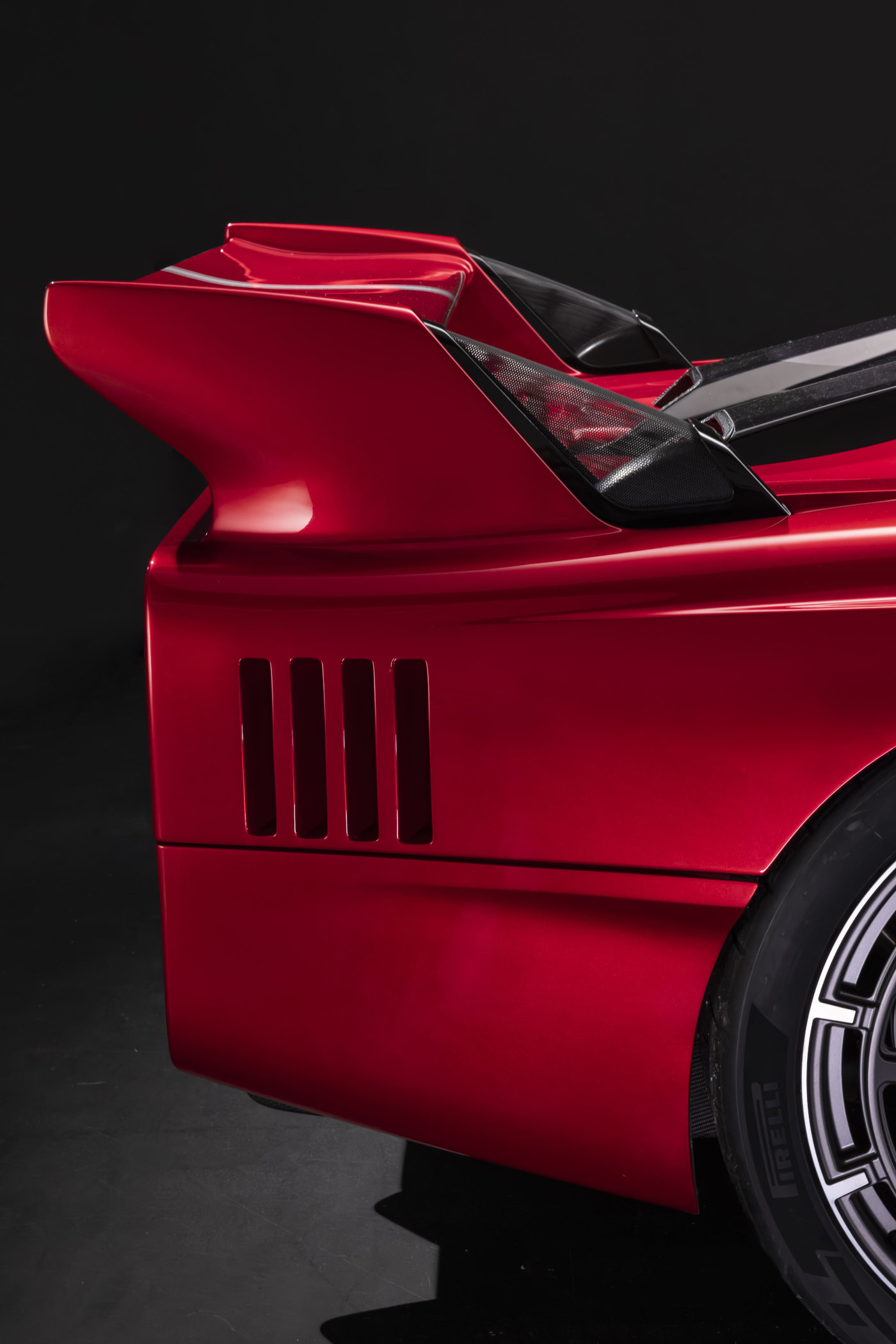
The rear section is also massively reworked, now sporting a much bigger integrated rear wing. Just in front and integrated into the base mounts on either side of the wing are intakes to feed air into the brakes, and there’s yet another that cuts through the roof and into the engine cover. The eagle-eyed among you might have also seen a little styling element that hints at another Italian icon: the four vertical slats behind the rear wheels are indeed a nod to the Ferrari F40. Completing the mad styling is an ultra-wide rear end with vertical cut-off, massive diffuser and central exhaust.
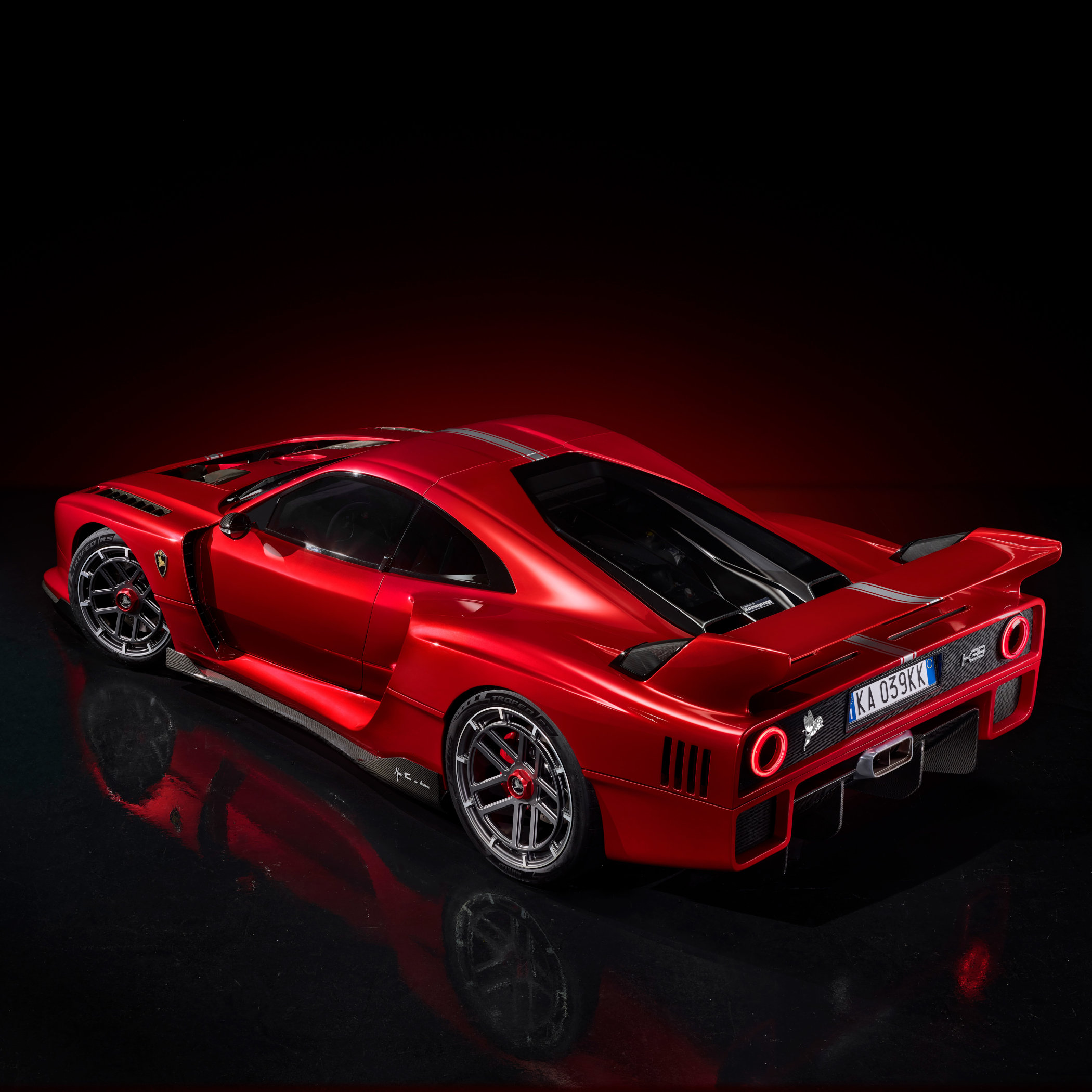
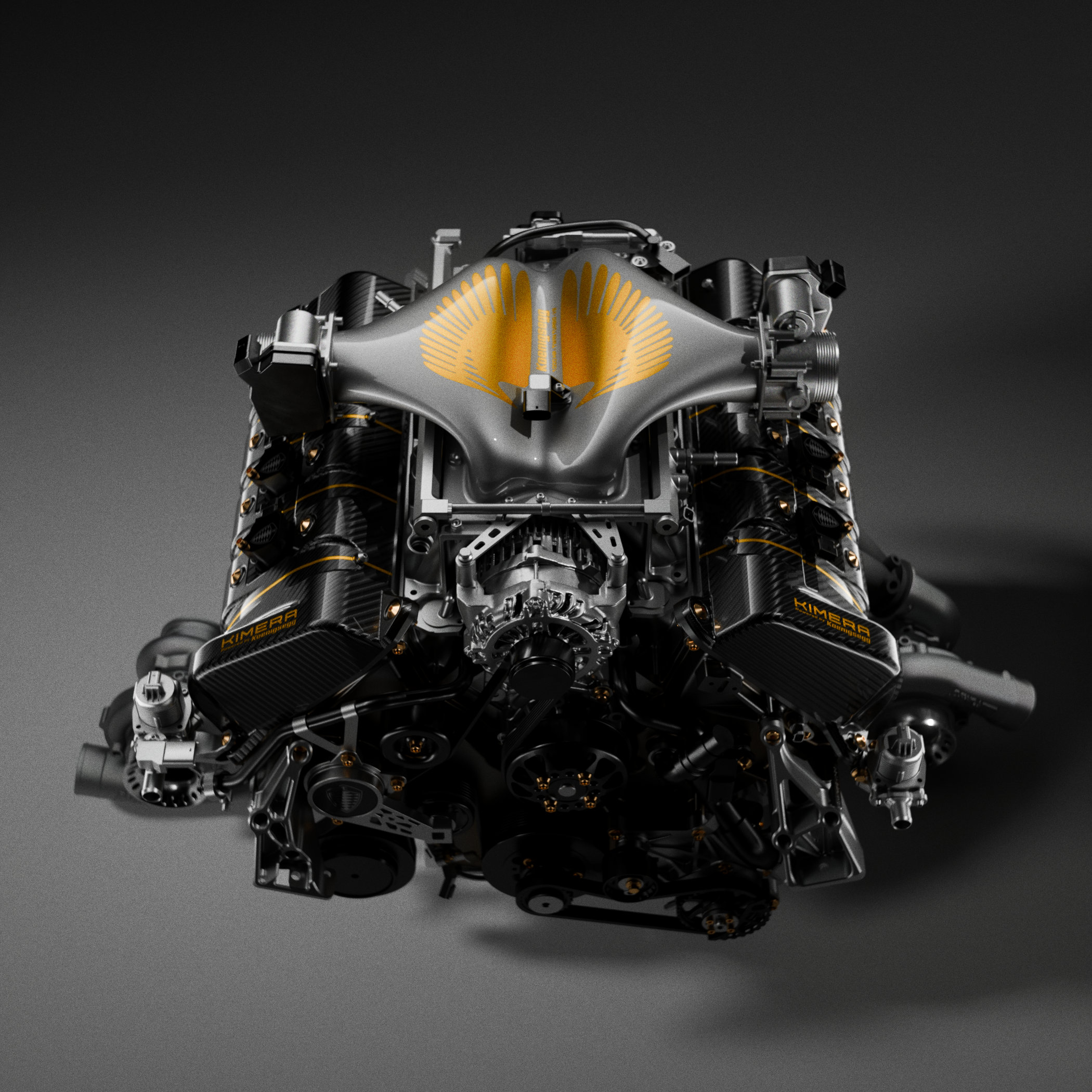
Kimera has also been shopping around for a new engine, since the new look demands new power. Moving away from the turbocharged four-cylinder engine of the EVO37 and EVO38, the K39 is powered by a bespoke 5.0-litre twin-turbo V8 engine developed with Koenigsegg, the Swedish performance wizards. In essence, it’s the same engine as the Jesko, but detuned to 1,000bhp and 1,200Nm of torque. The choice for less power seems odd in today’s out-of-control power-wards, but the K39 is a lot lighter and more agile than the Jesko. And just to paint the picture, the K39 weighs just 1,100 kilos, giving it an almost 1-to-1 power-to-weight ratio!
On the inside, no expenses are spared, with swatches of Alcantara, leather and carbon fibre trim. Not much is known as of yet, and there are hardly any images available, but it’s said to have an exposed gear-linkage, bucket seats and a steering column-mounted rev counter to emphasise its racing and rallying lineage. And speaking of which…
Pikes Peak Spin-off
Next to the K39 Stradale, Kimera is also aiming for motorsports glory. And to do that, it takes the already pretty wild K39 Stradale concept and takes it to the extreme with the K39 Pikes Peak. And with the obvious clue in the name, Kimera aims to take it up the legendary hillclimb at some point and, hopefully, come out of it with bragging rights until the end of days. And Pikes Peak is far from easy, as the course stretches for 12.42 miles or 20 kilometres from start to finish with over 156 corners in between, but that’s not even the biggest challenge. Pikes Peak is notoriously hard on cars for the simple reason you climb almost 3 vertical kilometres in the process! The start sits at 1,440m of elevation, with the finish being at 4,302m of elevation, and that means the air gets thinner and thinner the further up the mountain you get.
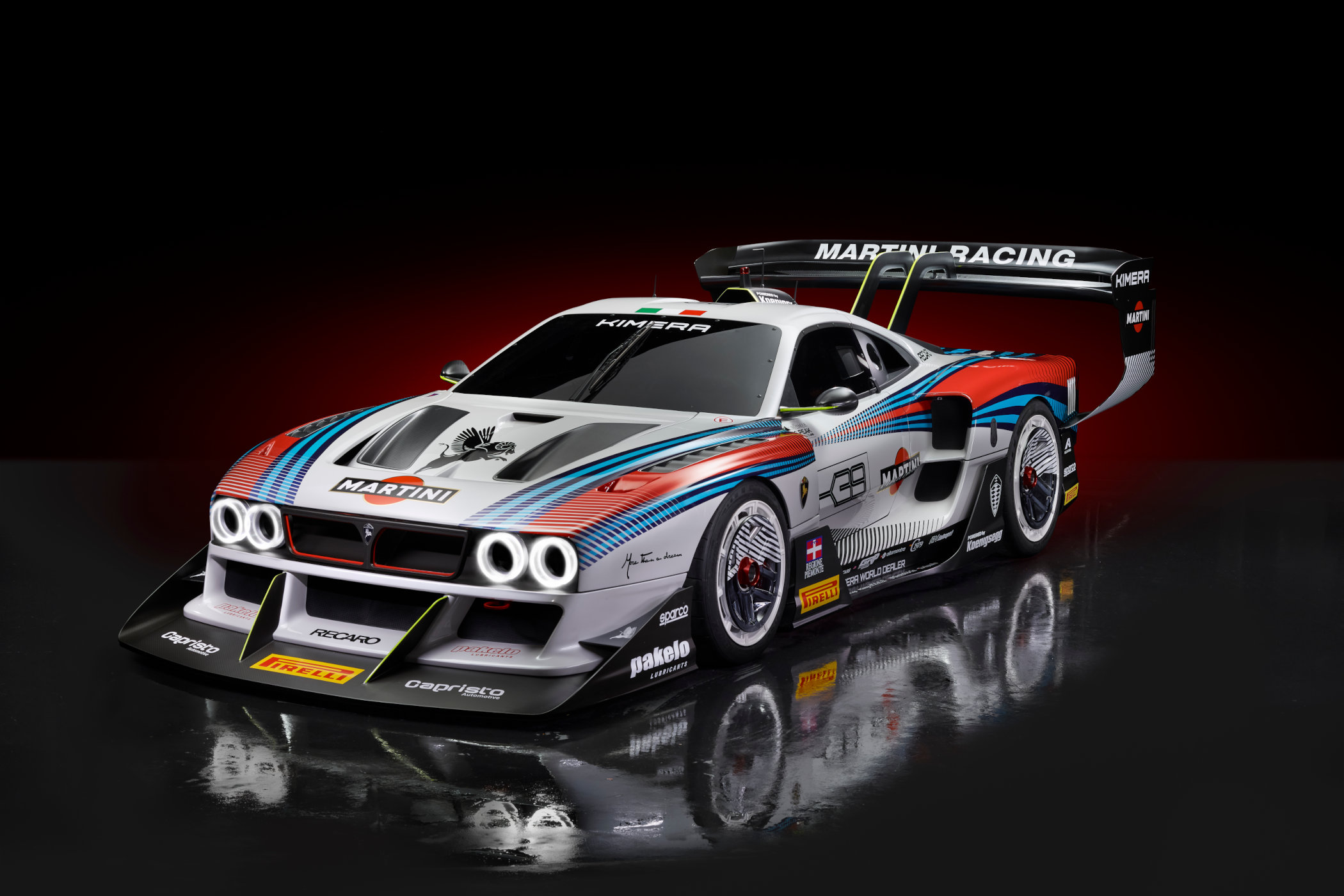
To compensate for the drop in oxygen levels, competing teams are usually looking at BIG power and BIG aero. Decades ago, Group B monsters were fitted with insane spoilers and wings in the pursuit of downforce and grip, and the game has only gotten more advanced over the years. Not too long ago, Ford smashed the course record with the Supervan 4.2, an electrically powered missile packing 1,400bhp and one of the biggest wings ever seen on a competition car! Kimera, however, is taking up the challenge with a car that’s at least as bonkers as the Supervan was. This thing is absolutely mind-blowing from end to end.
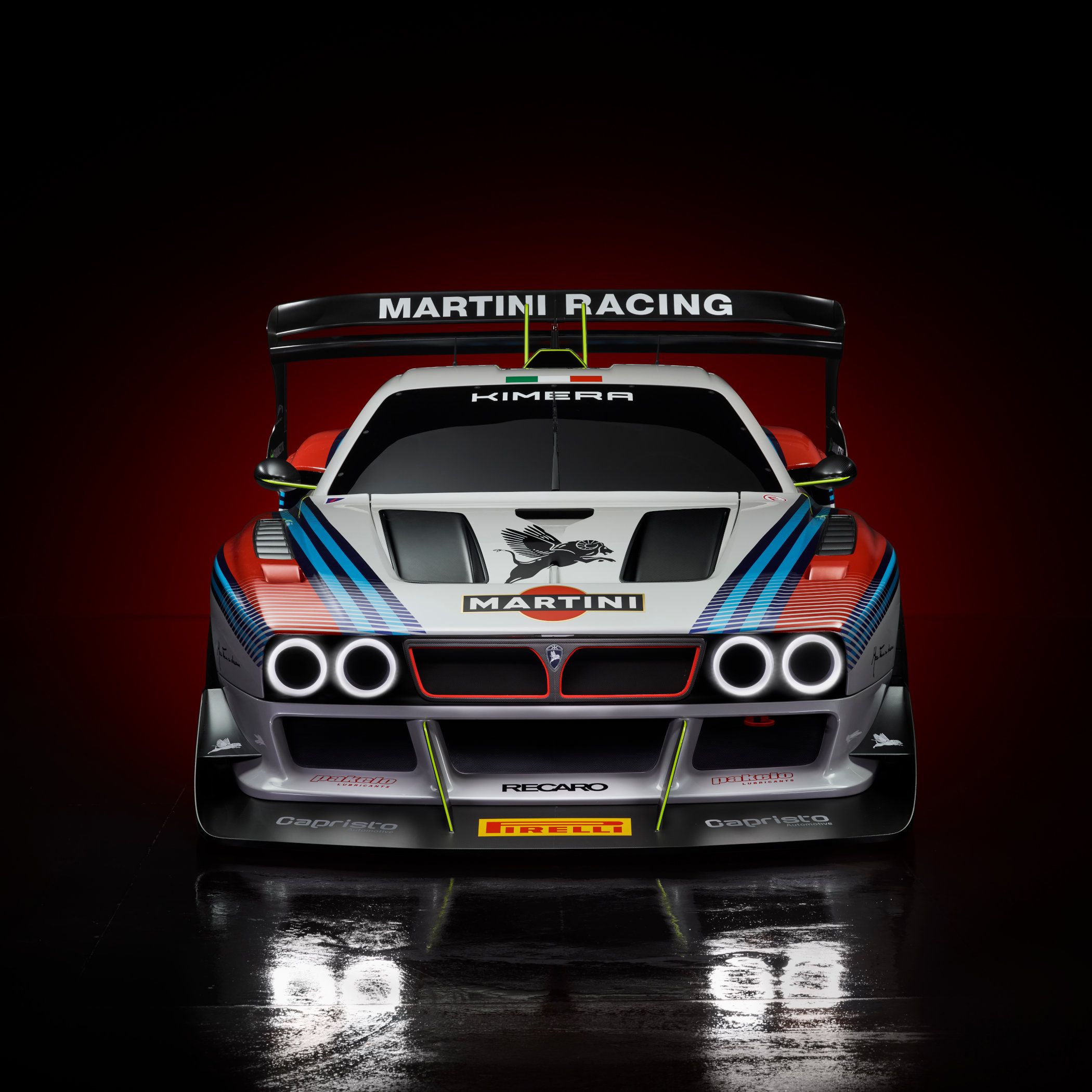
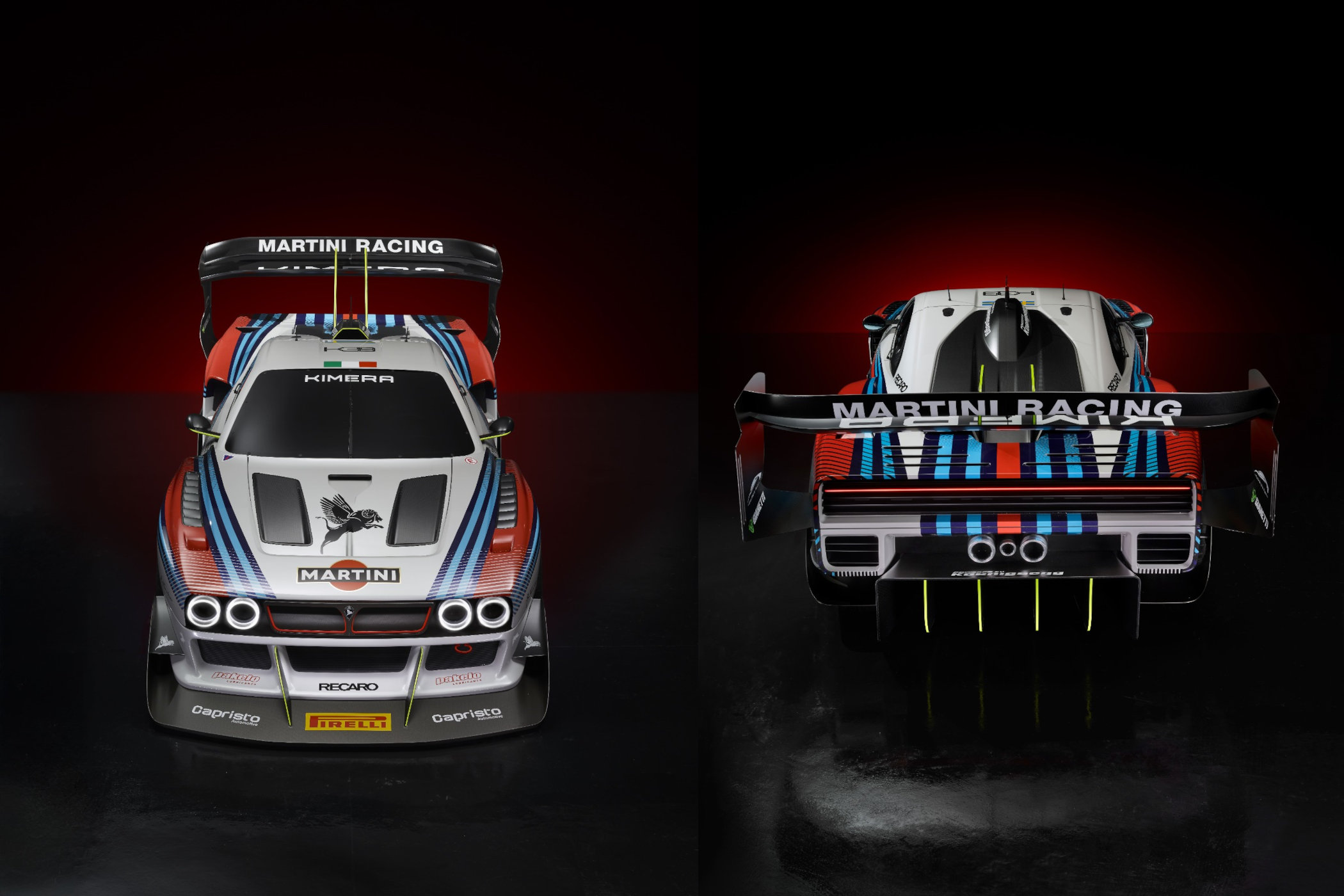
The first thing you’ll notice is the iconic Martini livery, which looks insanely good on virtually any race car. Lancia actually raced with it for years, and put it on anything from its rallying cars to Le Mans Group C cars. But step back a minute, and take in the extreme aero the K39 Race is packing. It has a park bench for a rear wing, with swan-neck supports and uprights that curve down into the rear bodywork. The diffuser is even bigger than on the road car, as is the front splitter, the sideskirts, and well, pretty much everything else. Apparently the engine is left untouched from the road car to this, but I can imagine Kimera and Koenigsegg will give it some extra oomph in pursuit of glory. It’s said Kimera is targeting a 2027 entry, and it will build 10 customer cars. Prices, for both cars, have not yet been confirmed, but it will surely run into the millions.
And whichever way you feel about these ultra-exclusive exotics often destined for a life in hiding, sadly, I salute Kimera’s efforts in building one of the sexiest retro-inspired hypercars in recent years! To me, it looks ab-so-lute-ly magical!
For more information, please visit Kimera-Automobili.com.
Editorial Note: The information used and images portrayed in this article are sourced from and used with permission of Kimera Automobili unless stated otherwise.

2 responses
How to look fast without moving. Monster!!!
I owned a 1976 Lancia Montecarlo (named Scorpion in USA because of Chevrolet similarity). It was a magical looking car when it appeared on the cover of Road & Track but bombed here because it was priced the same as a Porsche 911 and really had some problems, so it never got the long term breeding as it deserved. There are some street versions of the 037 in the USA; Jay Leno featured one and drove one on his show. The car is iconic as the Kimera proves. I wish Lancia would come back to the USA with something like this and the Stratos at an everyman’s affordable price or at least at today’s 911.