


 Not all images were able to load for printing. Please close the print window and try again.
 The Boreham MKI RS Pushes the Humble Escort to New Heights
Are you ready for a 400k Escort?
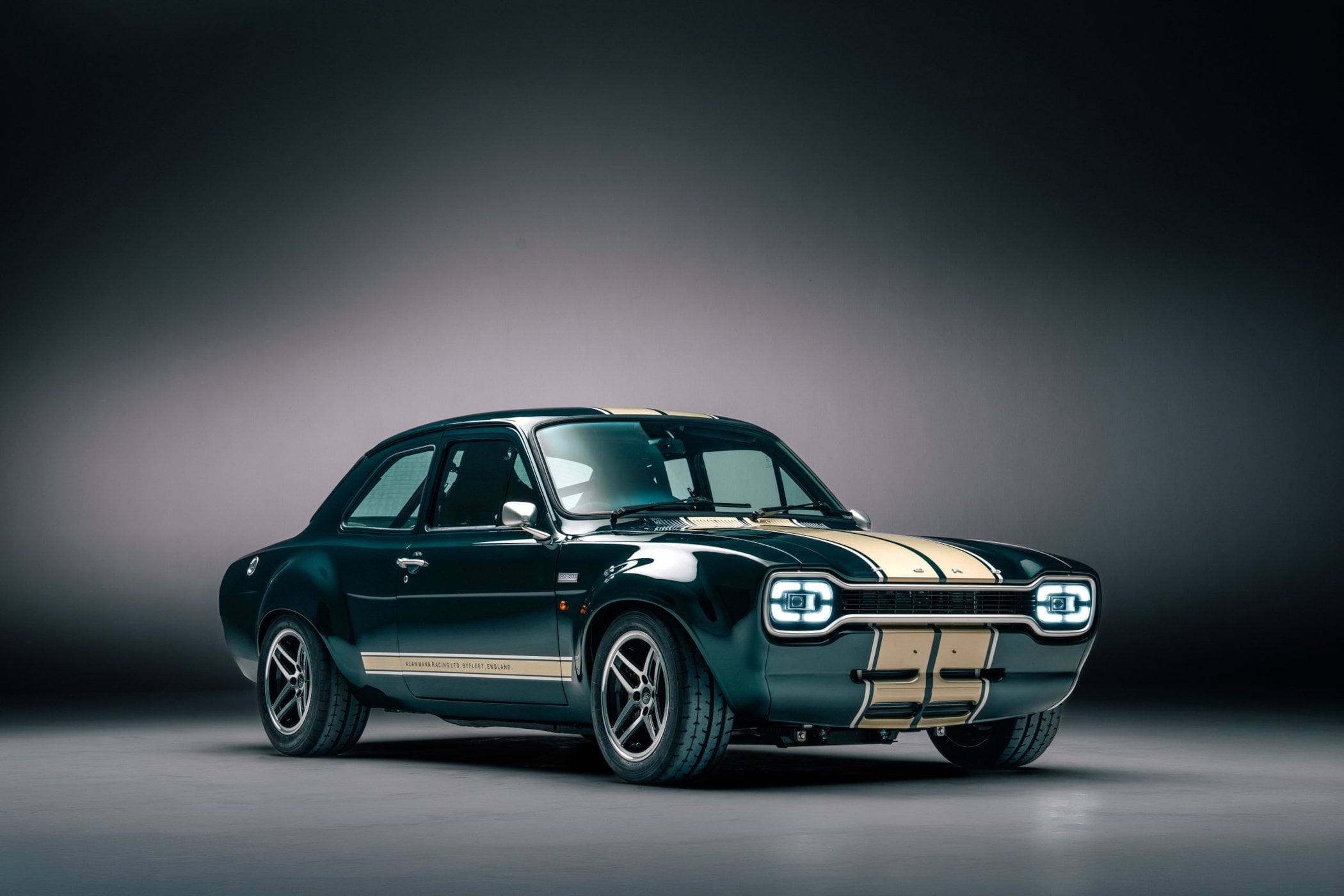
The humble Ford Escort spanned six generations from its debut in 1967 to its end in 2004, with over 4 million cars built during those years. The small family car was Britain’s best-selling car for many years and proved to be one of the industry’s most enduring machines, thanks in part to the efforts of Alan Mann Racing and many others, who gave the Escort an unbelievable racing career. And because of that, it’s embedded in the hearts and minds of many enthusiasts, making it a popular classic to this day! Boreham Motorworks, known for the insanely cool Ford Escort RS Alan Mann 68 Edition, has now taken it upon themselves to create the ultimate Escort, simply called the MK1 RS. And boy, does it look good!
From Humble Beginnings
As mentioned, the Ford Escort has always been a genuine people-mover. Revealed in late 1967 as a replacement for the popular but ageing Anglia, and production commencing a year later, the Escort proved an almost instant success. It was compact, well-equipped for the time, handled pretty well, and above all, was relatively affordable. No wonder then that it survived for almost half a century! In just six short years, Ford managed to put 2 million of them on the road in the UK and far beyond, making it one of the best-selling cars in history.
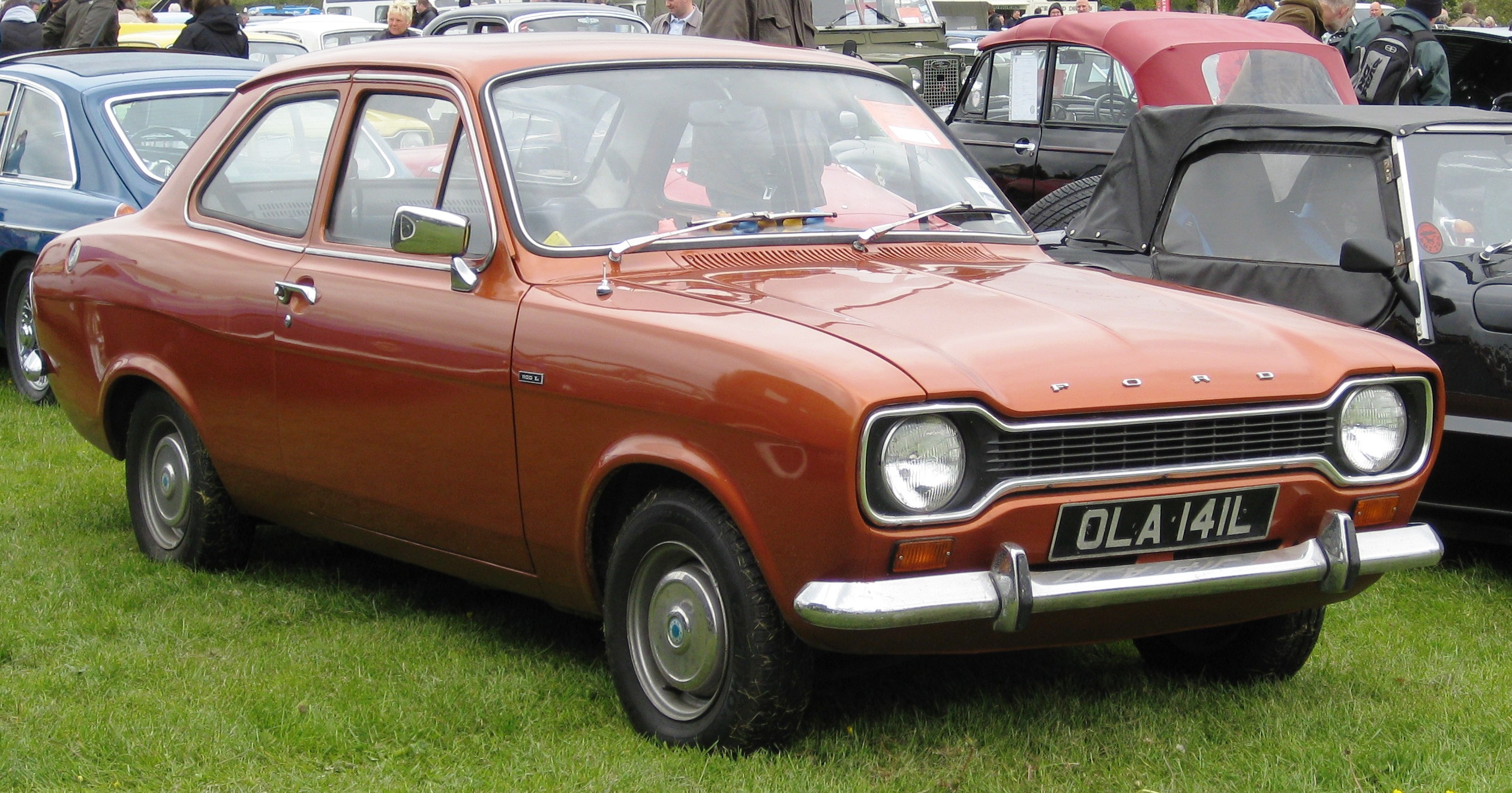
The Escort started life as a compact saloon car, but other versions quickly followed. It also became available as a two-door estate, practical for commercial use and as a panel van. Later in life, with the introduction of the third-generation Escort in 1980, it lost its roof too, adopting a boxier design than the soft coke-bottle shape of the first and second generations. With such popularity came the desire for performance, and plenty of potent Escorts have come and gone, with the 1992-1996 Ford Escort RS Cosworth being the ultimate iteration. The Escort also proved a formidable track and rally weapon from very early on, with a second-gen Escort RS 1800 winning 20 World Rally Championship stages from 1975 through to 1981!
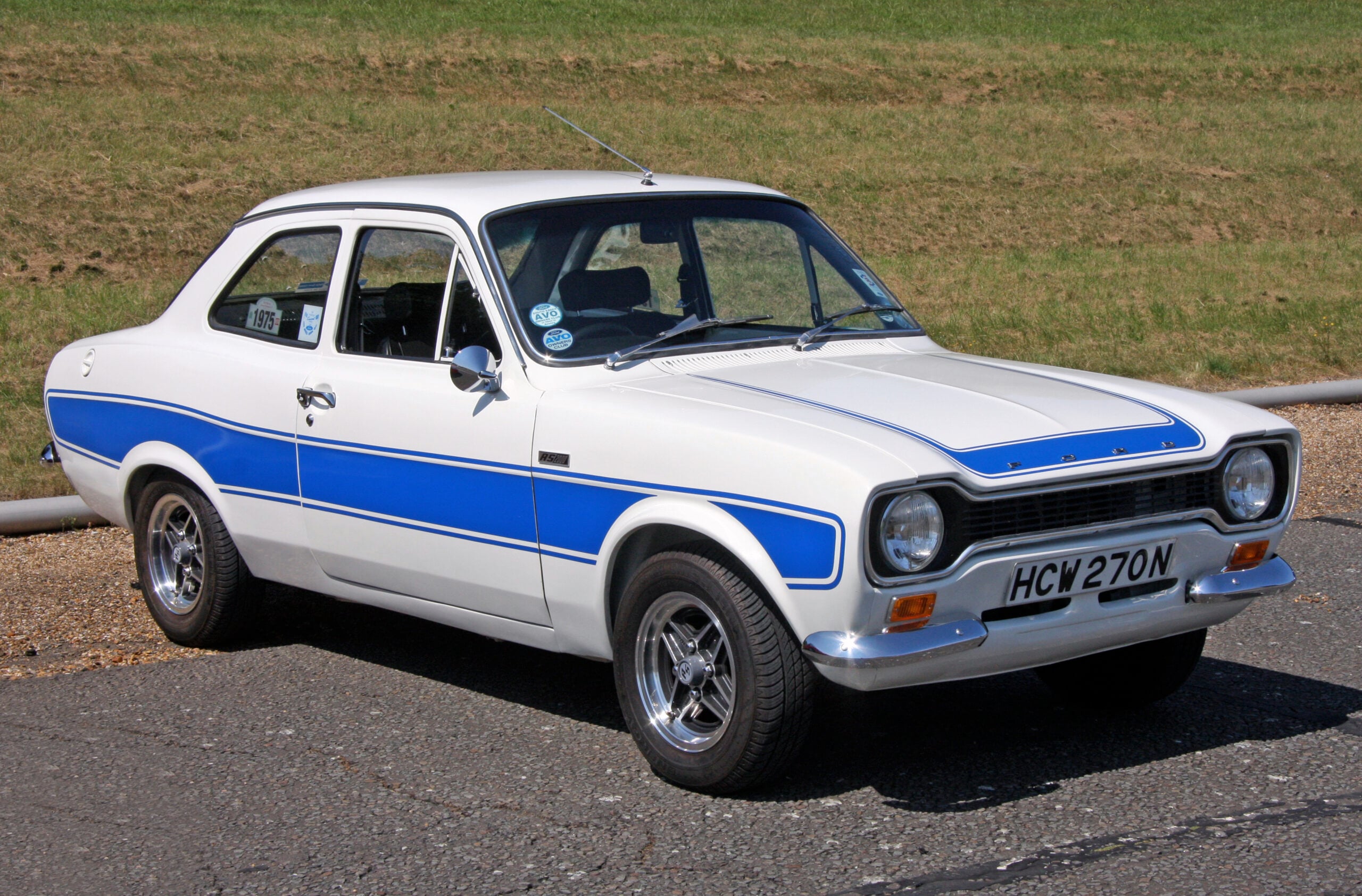
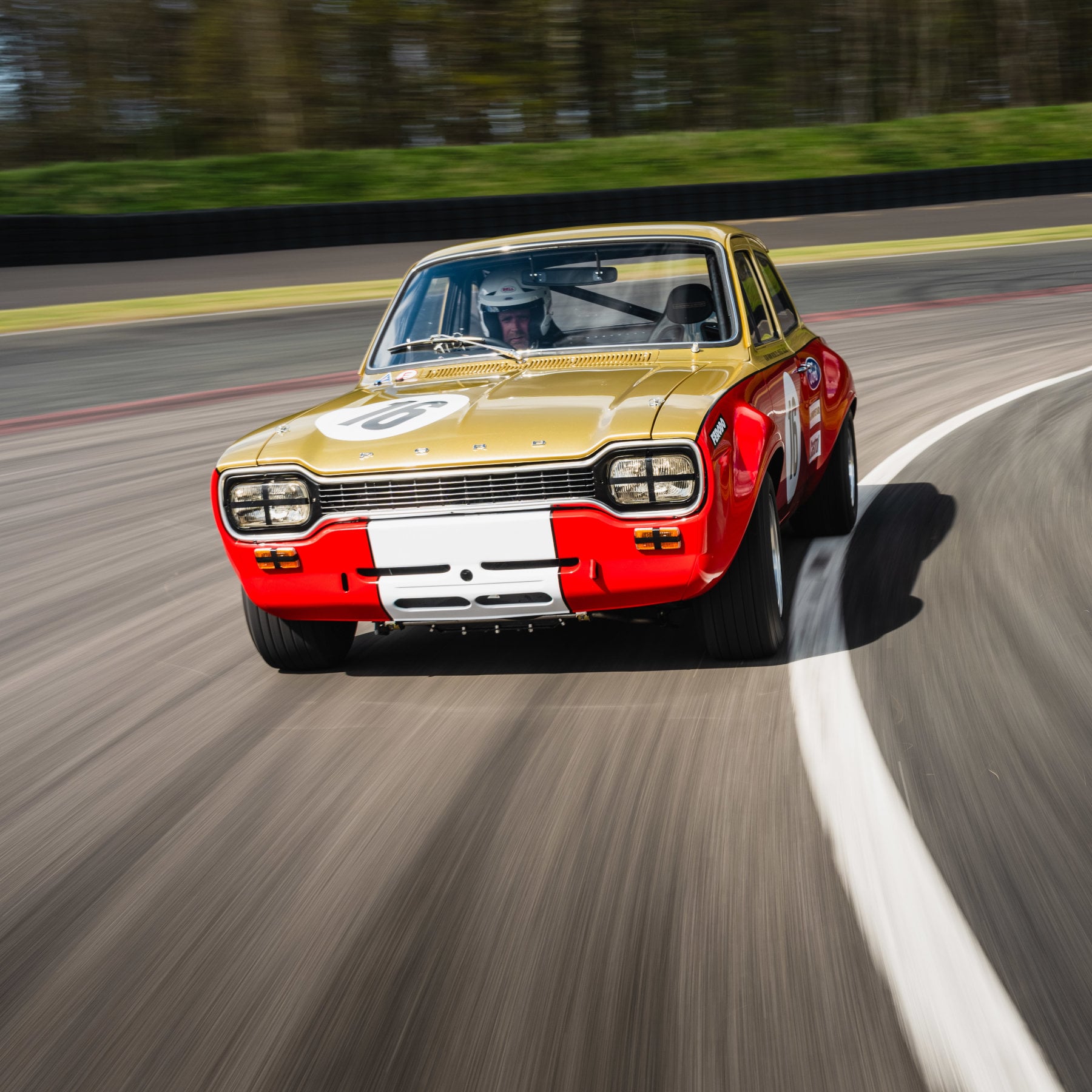
With such a pedigree, you’d think there still are plenty of them around, and you’d be sort of right, although it mostly comes down to the most special versions, of course. Most attention goes to the first- and second-generation Escorts, which are regular attendees at classic racing and rallying events, as well as at concours and car shows. The mighty double-decker-winged Escort RS Cosworth is a true rarity, and in absolute mint condition can command six-figure prices!
The Ultimate MKI RS
Coming from humble beginnings while also having a monumental racing career that spans decades is also fuel for people to look for an Escort beyond what it originally was meant to be. And no, I am not talking about the “improved” Boy Racer takes on the Escort platform we saw during the 1990s and early 2000s; this is, in fact, an entirely new car. Following their brilliant recreation of the 1968 Alan Mann Racing Ford Escort MK1 RS, Boreham Motorworks is back with yet another Fast-Ford based on the Escort, and it goes beyond anything we’ve ever seen being done to the plucky little car.
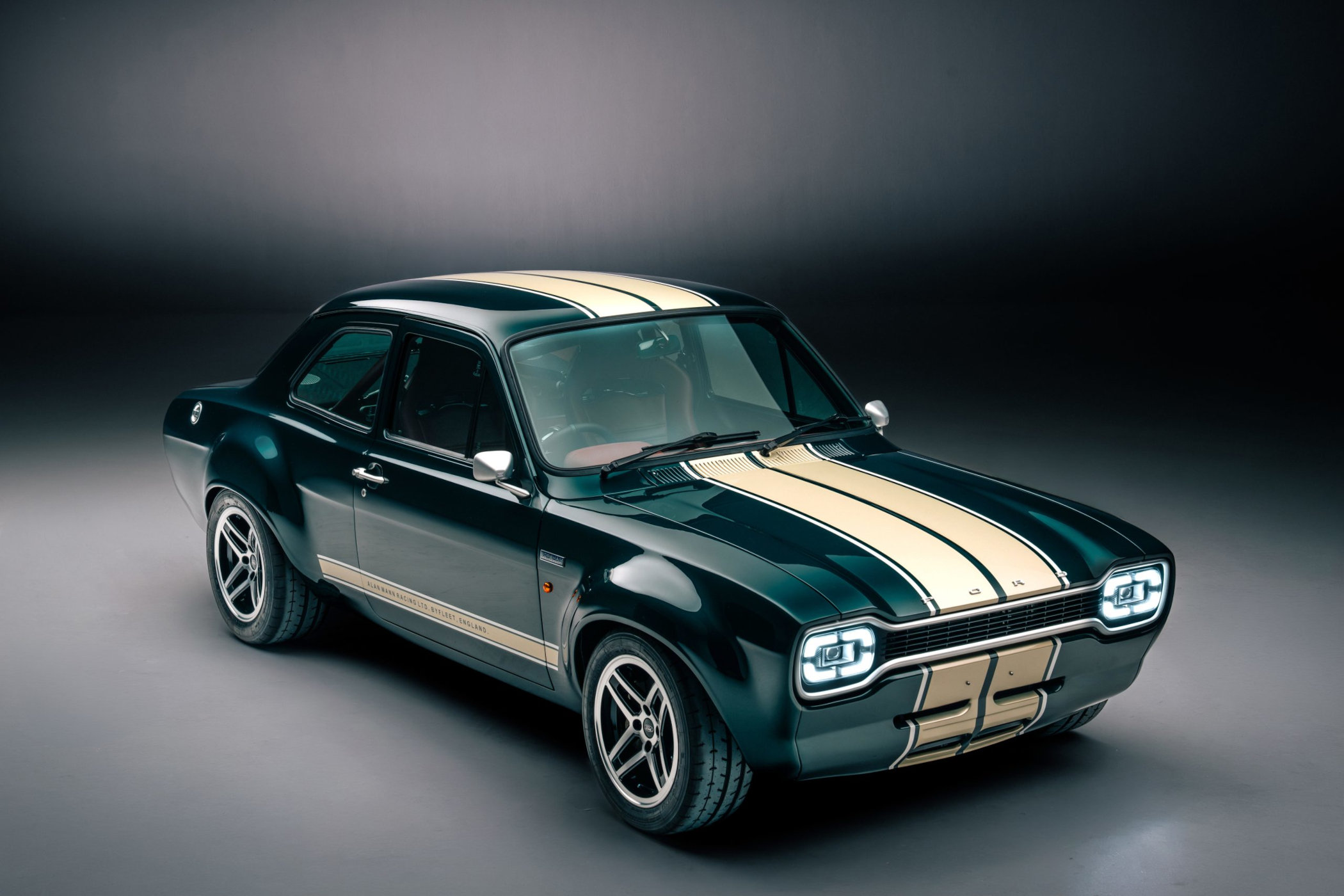
The MK1 RS by Boreham Motorworks is nothing short of a masterpiece, which is licensed by Ford themselves, but one that comes at a hefty price. Although prices north of a hundred grand for rare road and racing Fords are no exception, I don’t think anyone ever expected to see a Ford Escort MK1 RS with a starting price of… brace for it… EUR 410,000! And that’s without even looking at the options list, and before the taxman comes around to hit you with a VAT charge. But in return, you get a car where everything, and I do mean everything, has been honed to absolute perfection!
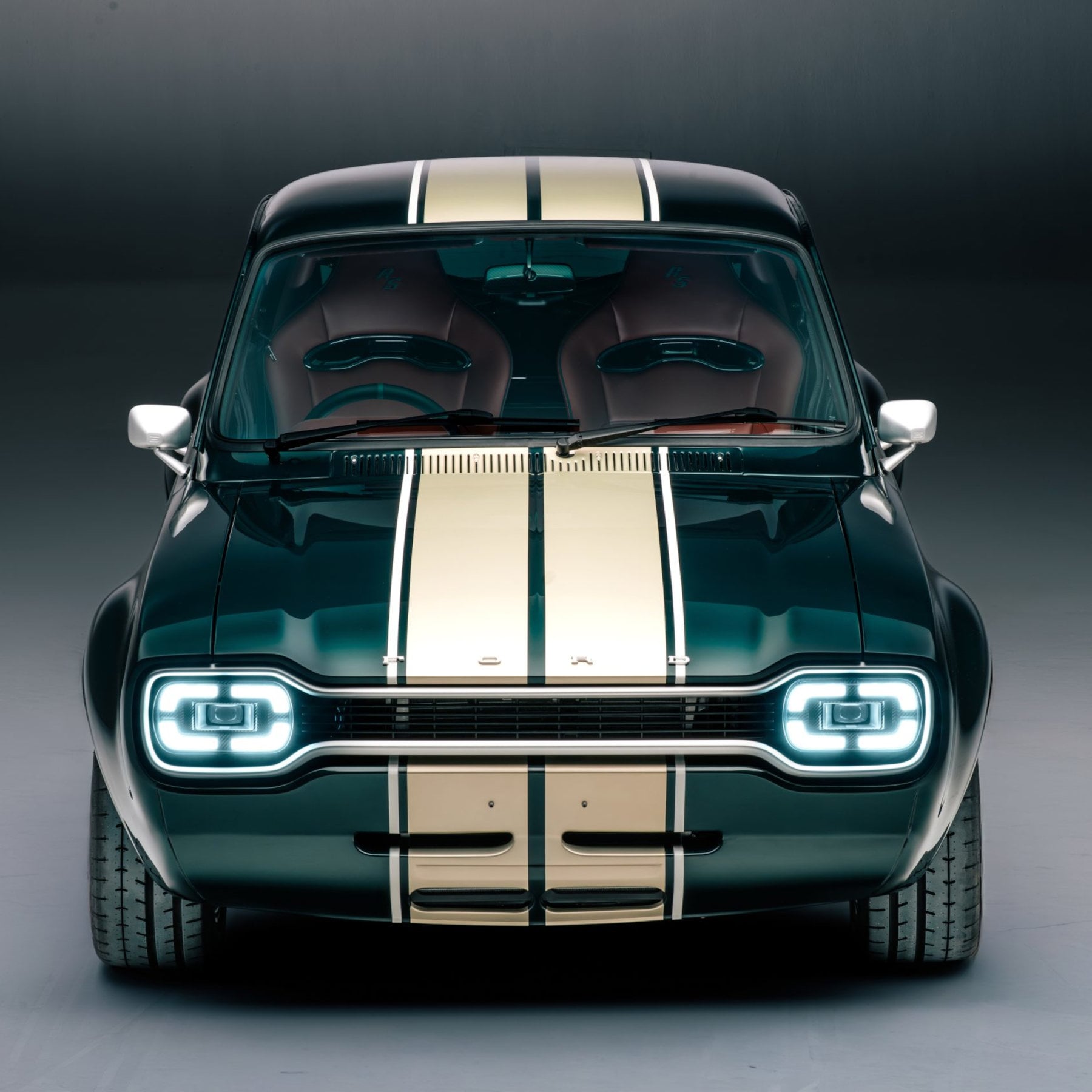
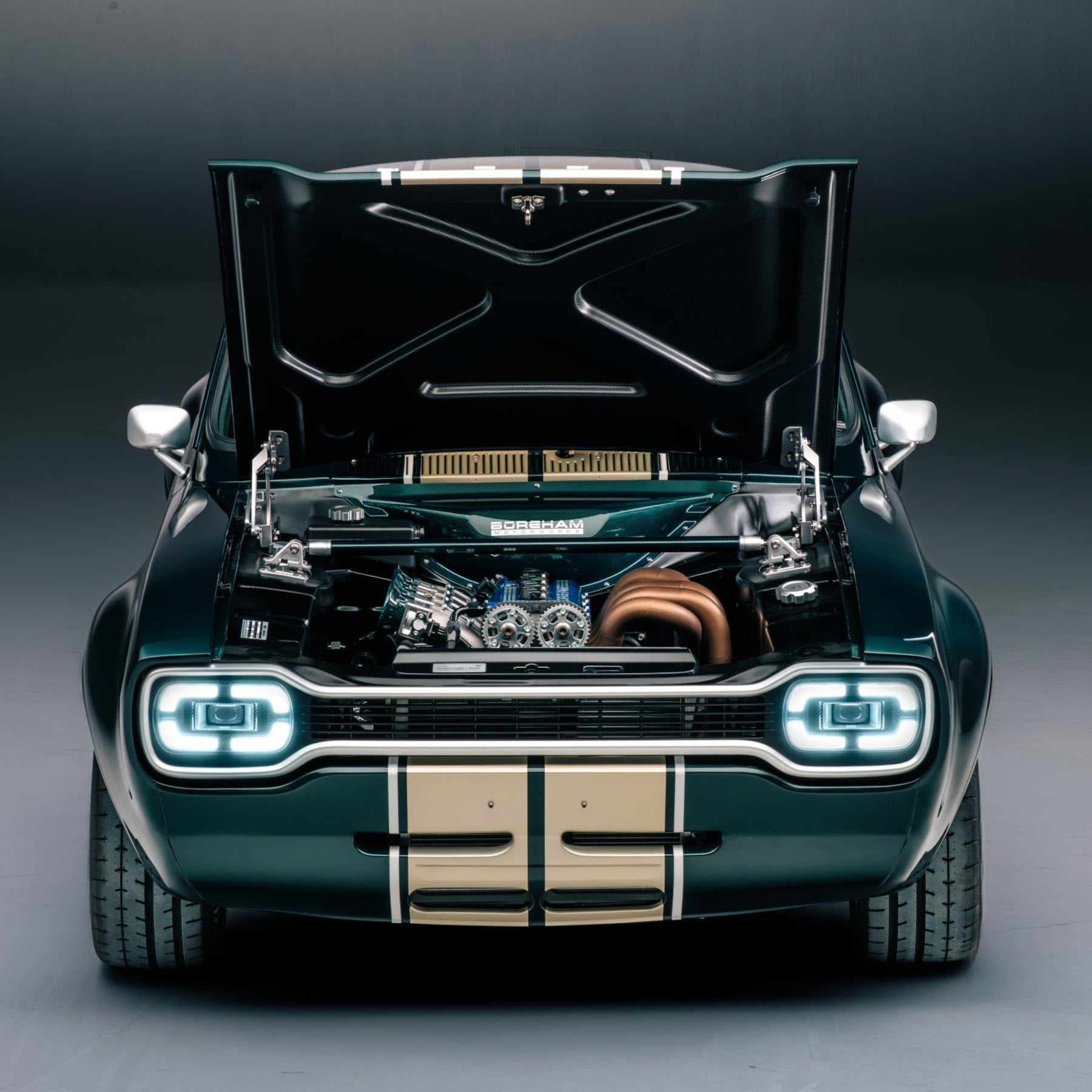
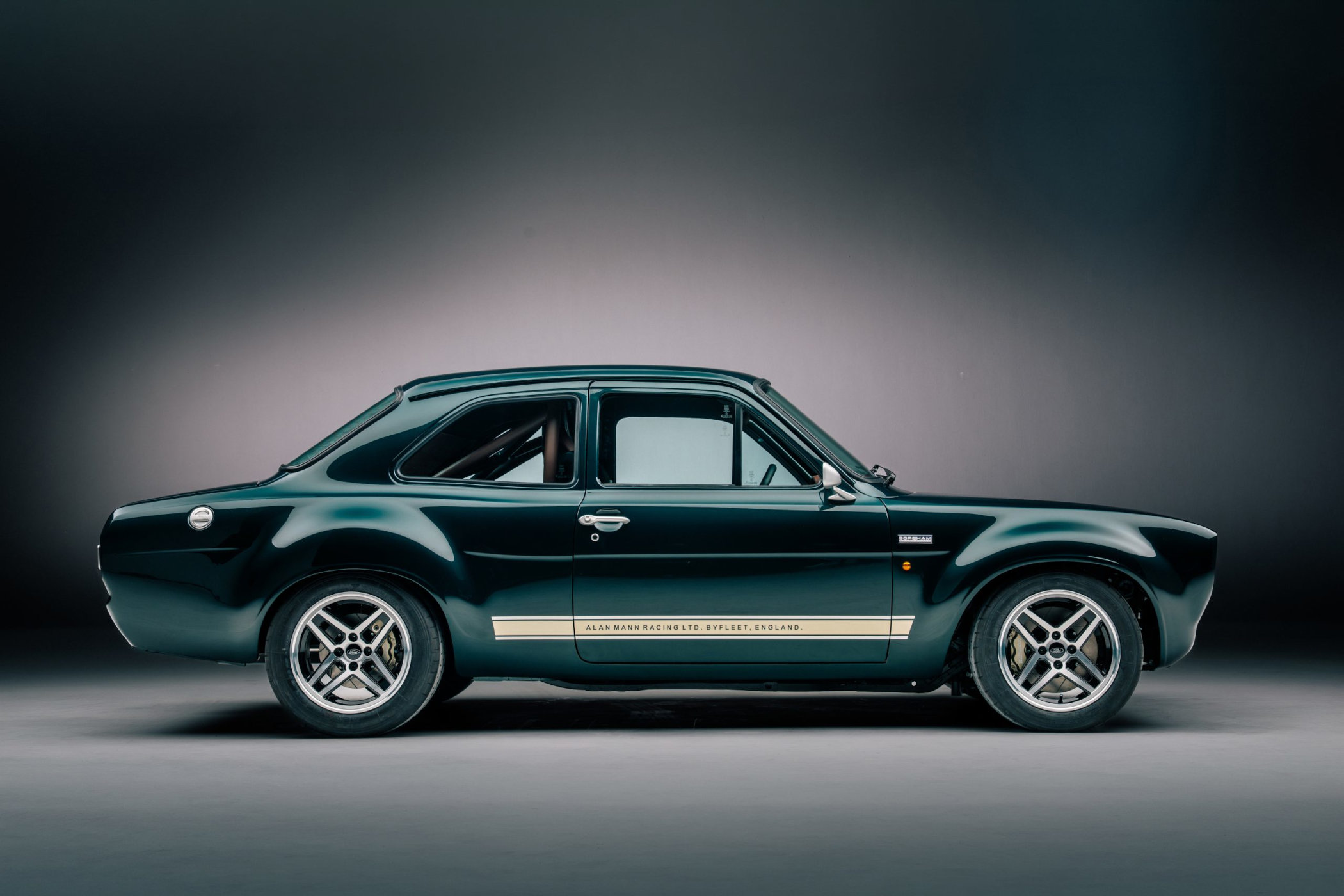
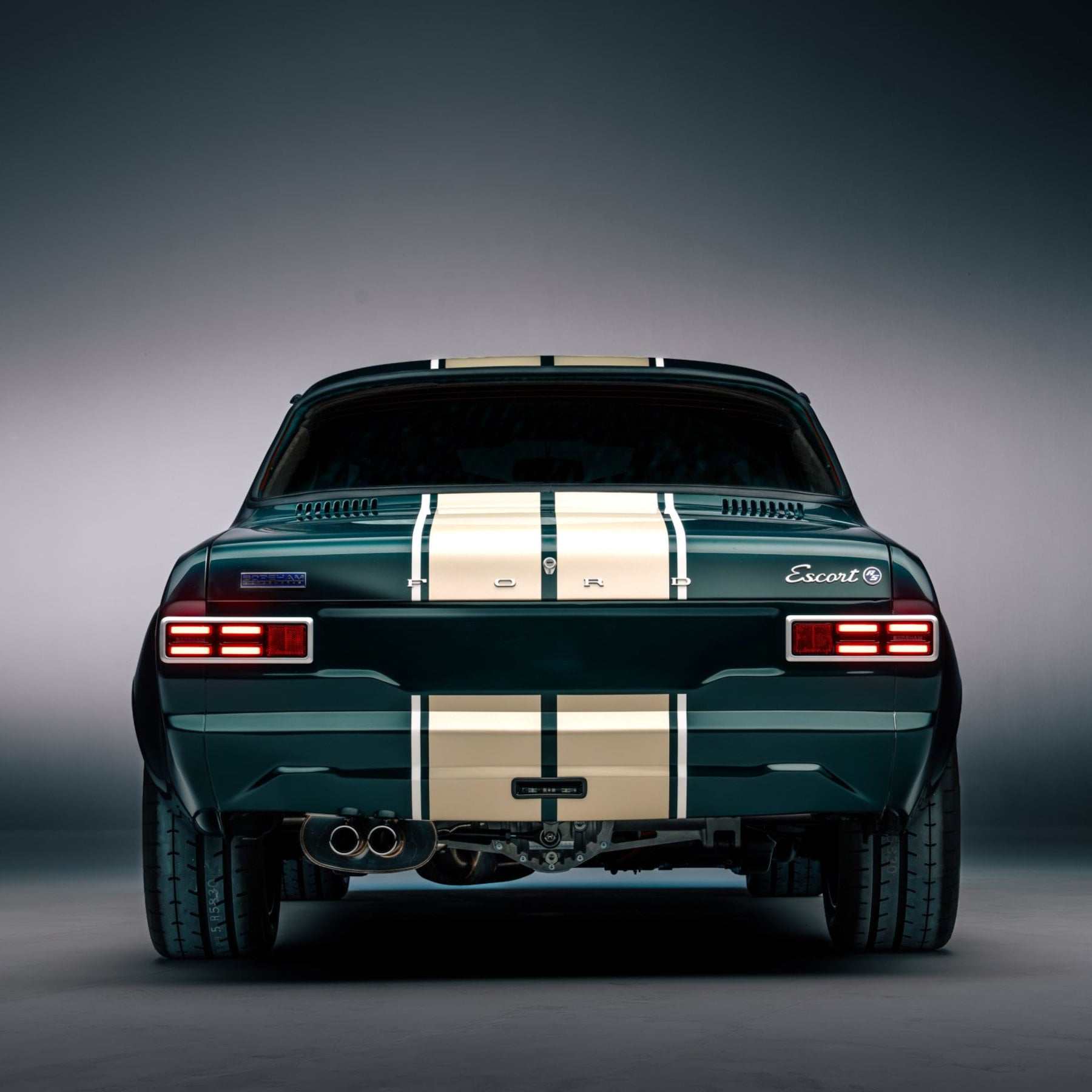
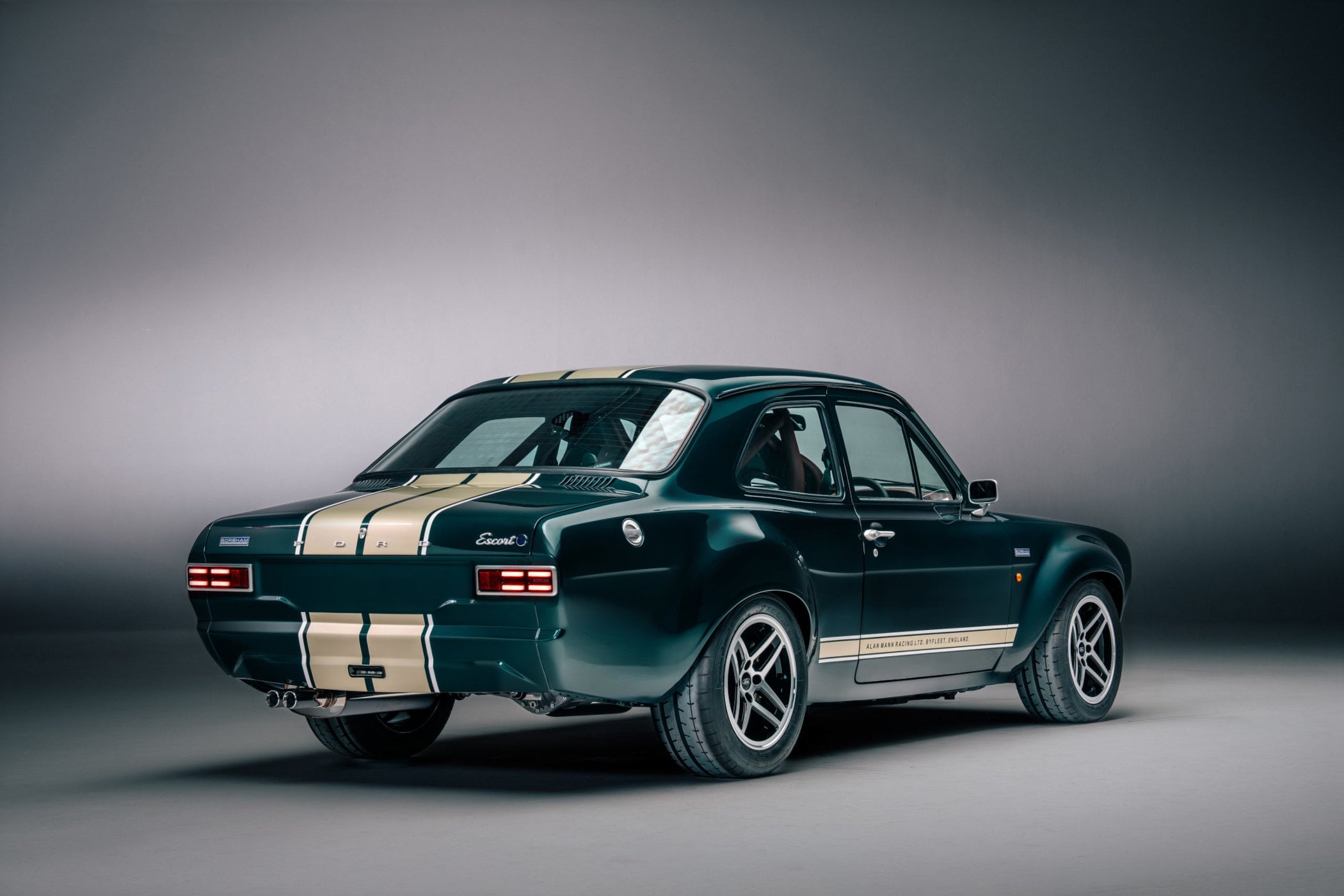
It’s developed along the same lines as the Alan Mann 68 Edition, yet now intended for road use. The wheelbase has been extended, the chassis has been stiffened, and most of the heavy steel components are replaced with aluminium or even titanium to shed weight. The body is partly drawn up out of carbon fibre, with an immaculate finish and very tight shut lines all around. And the looks are just, well…. stunning. The shape is iconic, with those bulging wheel arches over classic double four-spoked wheels, the ‘Dog Bone’ grille surrounding the LED lights and so on. Personally, I would have loved a little duck-tail spoiler on the trunk, but perhaps that’s one of those items on the options list.
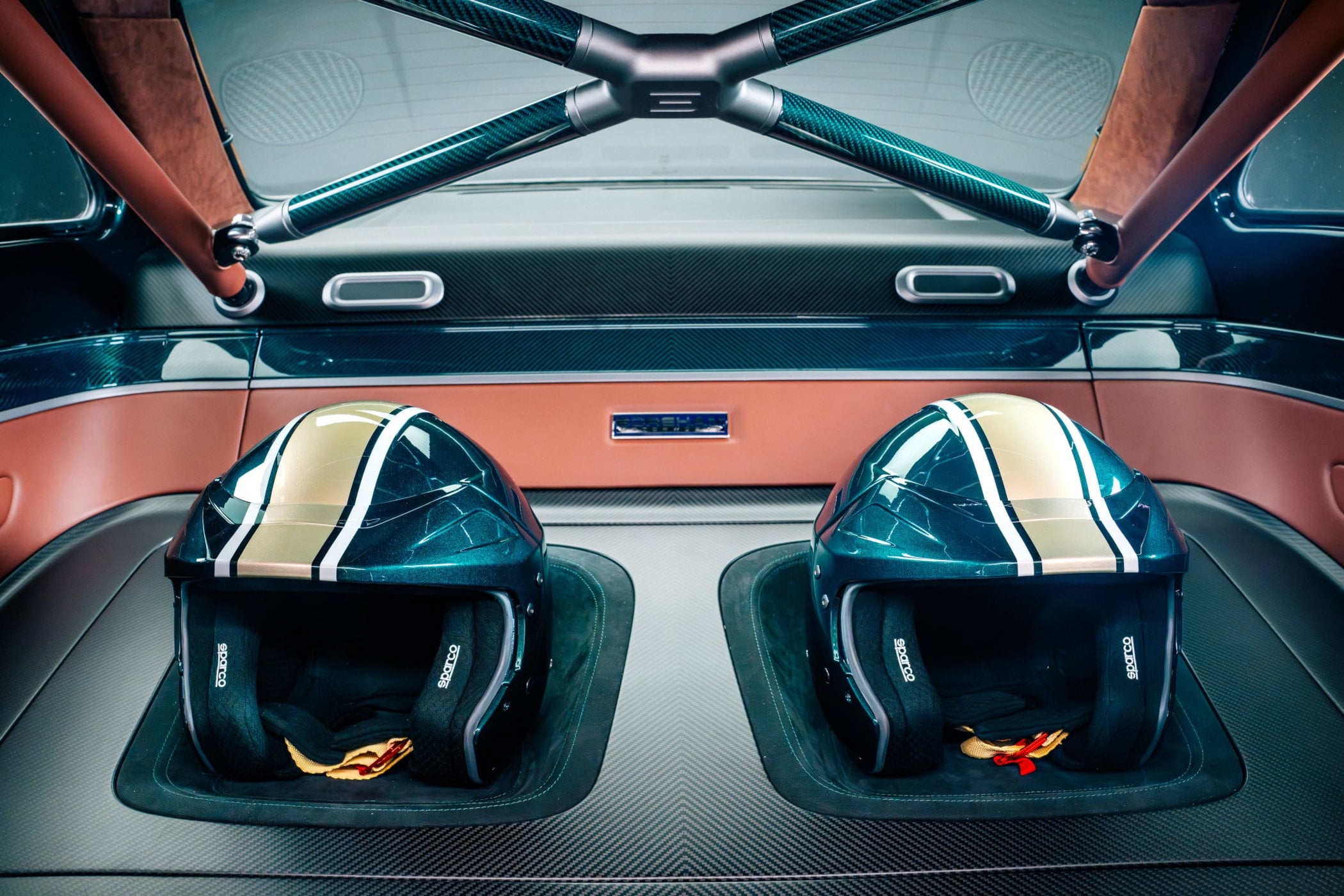
On the inside, it’s just more of the same. Every panel has been redesigned so that it still honours the original. There’s leather, carbon and aluminium trim everywhere, with a set of dashboard timers on the centre console and so on. Behind the carbon-backed leather-clad bucket seats there’s an X-shaped strut brace for extra rigidity, and below it, a moulded storage space for a pair of helmets. Matching the car, of course.
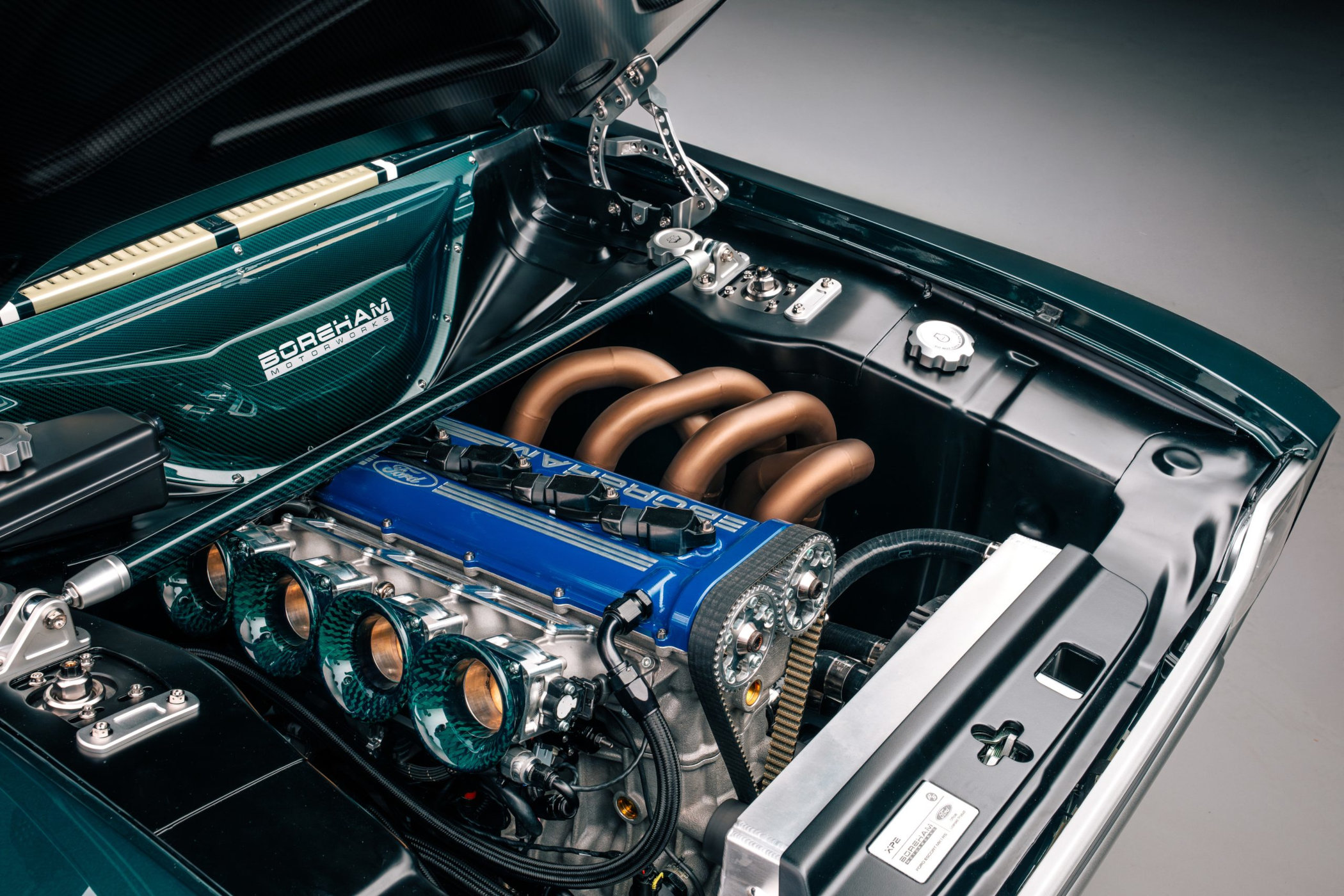
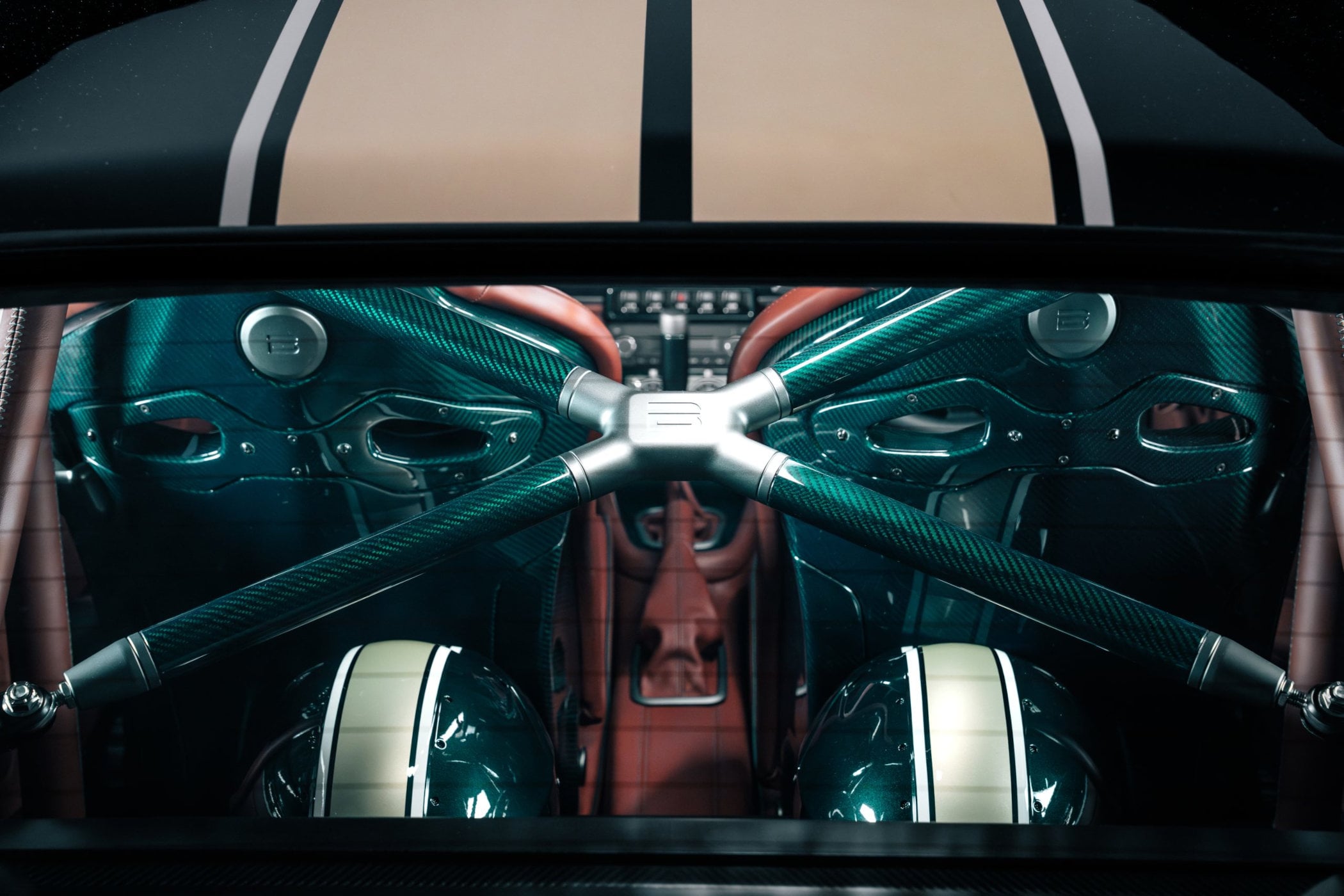
And then there’s the engine, which has a proper name and not some silly coding of letters and numbers. It’s called Ten-K, and is an option I urge all future owners to tick. If you do so, you get a 2.1-litre Twin Cam four-cylinder engine that has a redline of an astonishing 10,000rpm, thanks to belt-driven camshafts, individual throttle bodies, a carbon-fibre airbox, and many billet or forged internal components. It produces 330 horsepower, which means this engine alone has a better specific output than many supercars and even hypercars! Power is sent to the rear wheels only through a close-ratio five-speed dog-leg manual by Holinger. And given the kerb weight of less than 900 kilos, the MK1 RS should be an absolute riot to drive, especially with the high-performance suspension set-up it comes with as standard. This includes adjustable R53 dampers and struts, identical to those used in the GMA T.50, to highlight just one component.

The stance of the MK1 RS is absolutely fantastic, and it looks great in this gold-over-dark-green exterior. Boreham is said to make just 150 of these, starting at an eye-watering EUR 410,000 a pop. I don’t know if there’s a market for a Ford Escort of this level, but I’m pretty sure Boreham has the clientele for it. And if this is anything to go by, I can’t wait for Boreham to complete the work on one of my all-time favourite cars, the Ford RS200!
For more information, please visit BorehamMotorworks.com.
Editorial Note: The information used and images portrayed are sourced from and used with permission of Boreham Motorworks, unless stated otherwise.


3 responses
Please fix:
«The humble Ford Escort spanned six generations from its debut in 1964 to its end in 2004» – no, it arrived in 1967 as a 1968 model year car.
«The Escort started life as a compact three-door hatchback» – no, the first generation was a saloon car with separate luggage compartment.
Best escort was the 1973 1300E
My mate had a orange two door 1300 back in the early
80s and he literally hammered it every where but it never
Faultered a bit good car took some stick.