


 Not all images were able to load for printing. Please close the print window and try again.
 Porsche Versus Porsche, a Very Personal Take on the Cayenne Turbo Electric & Macan GTS
Normally we're all about the sounds and smells of cars, but this time, we look for something special in Porsche's flagship EVs.
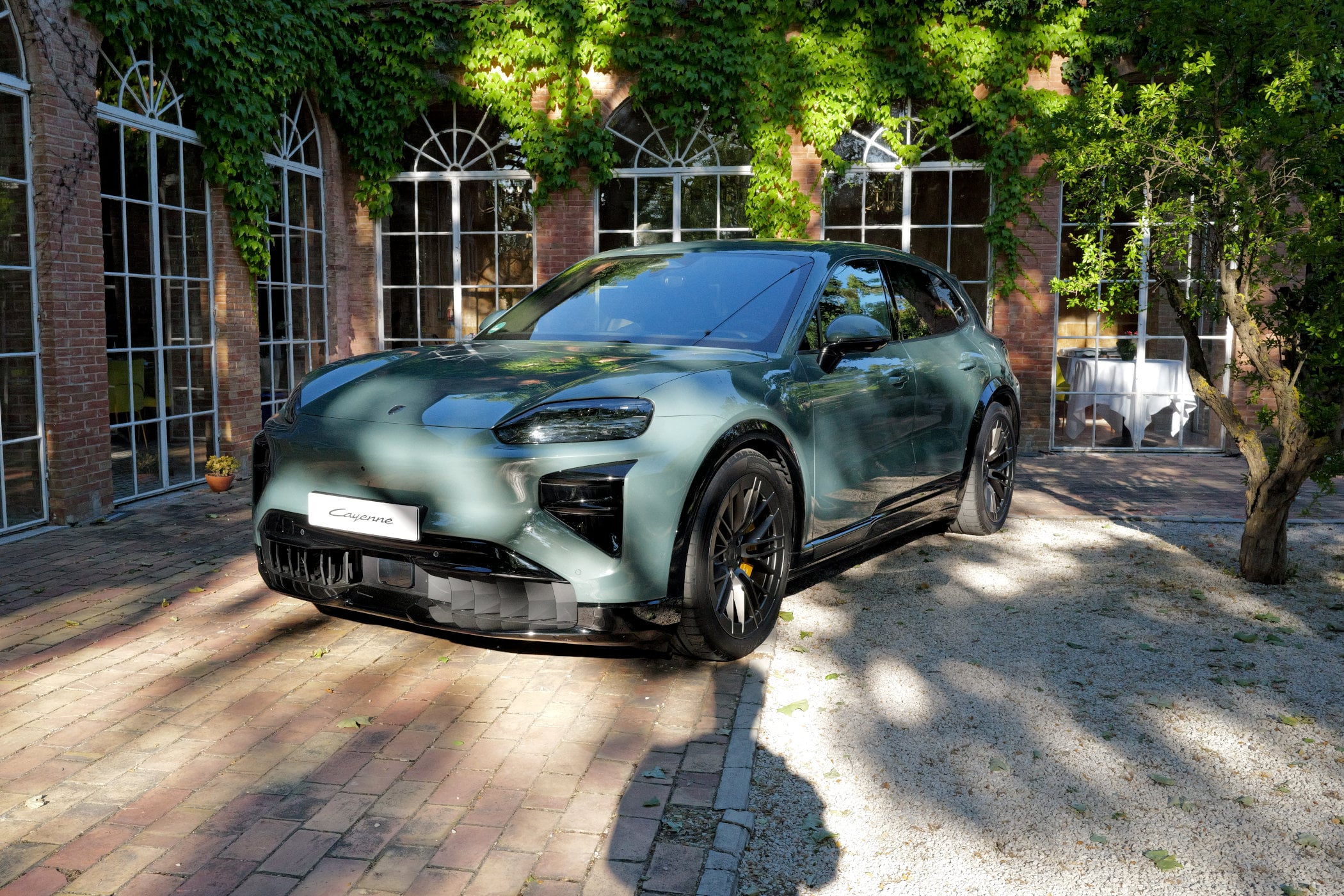
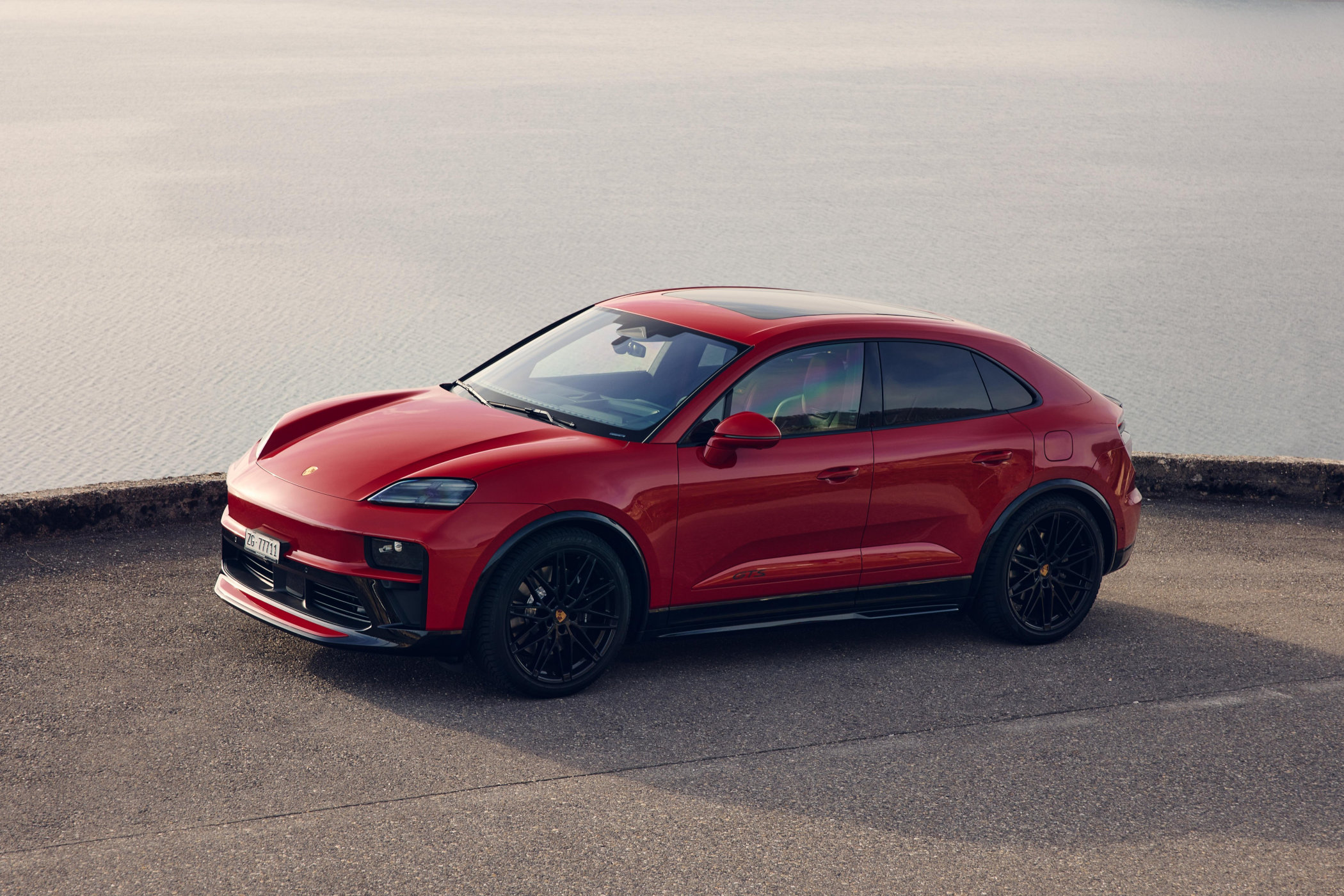
My pre-assumption about EVs is that they’re like battery-powered watches. That means they are of no interest to me. Yet, when Porsche asked me to join them in the south of France and have a drive in their latest EV that packs more than 1,000 horsepower, I was curious anyway and joined them for a drive in the stunning surroundings of Marseille. And to top things off, when I came back, they lent me the Macan GTS (also a full EV) for a week. Will the Cayenne Turbo or Macan GTS convince me that EVs can be a great ride?
Yeah, what to think of this… I guess since you’re reading here on MONOCHROME, you’re well aware that we do not cover any quartz watches. Our passion is ignited by the beauty of the mechanics inside a watch. And similarly, for cars, an internal combustion engine (and its sound) is what gets us going. With a quartz watch, it’s more about the looks, the exterior, not about the ‘engine’. And similarly with EVs, the battery and electric motor are not the kind of inspirational things that we talk about with passion. So what to think of these two new Porsches?
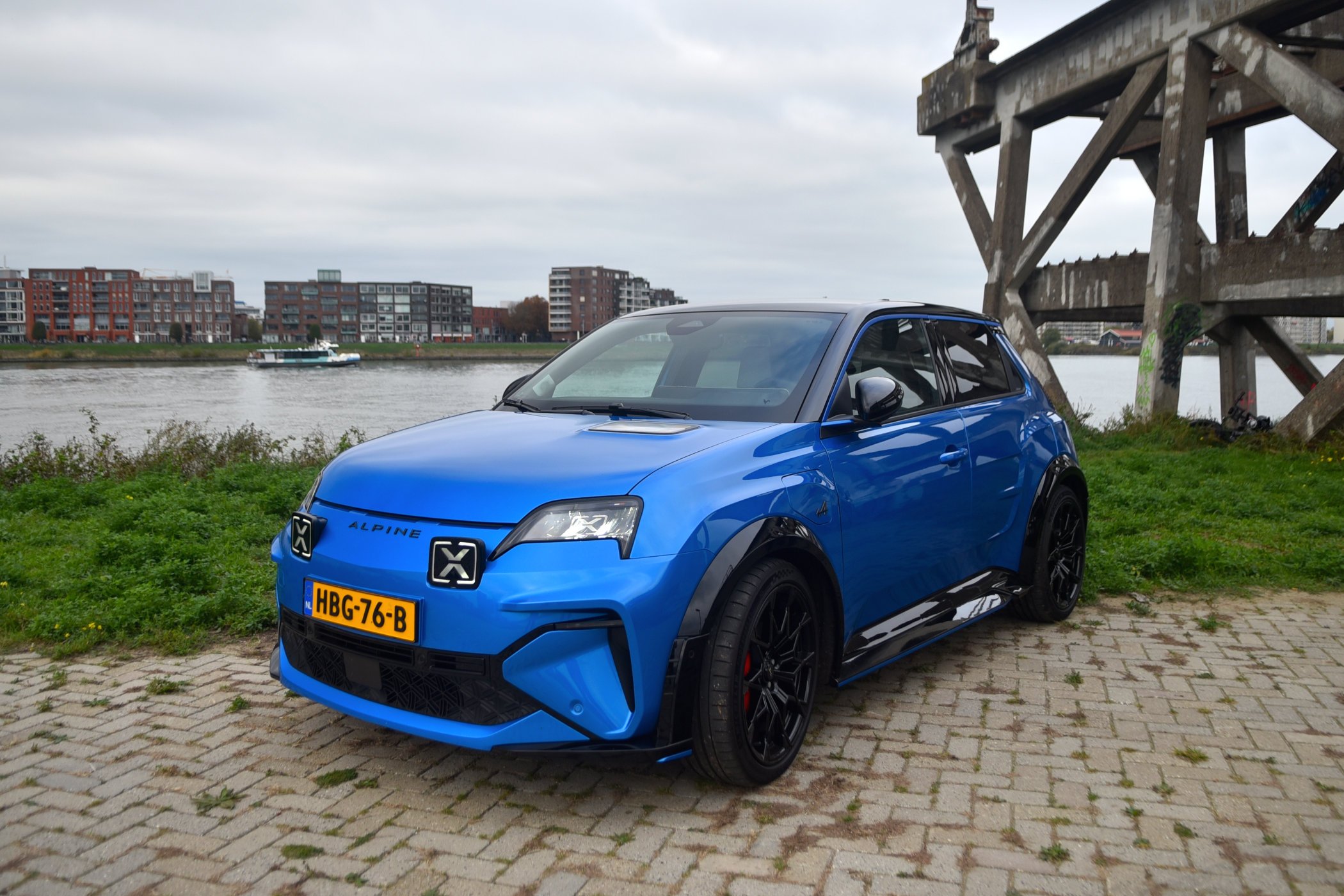
Admittedly, my experience with EVs is pretty limited. And that’s by choice. I’ve driven a friend’s Tesla (Plaid), a Polestar I had as a rental, and that Renault 5 (OK, they call it Alpine A290 GTS) that Robin tested, and that’s it. And yes, that Tesla was fast, the Polestar was comfortable (and boring), and I thought that small Renault drove… terrible. Yes, sort of fast, but the feeling of the drivetrain, the suspension, the steering, and the haptic feedback were all lacking entirely. We often call ’em iPads on wheels, or as one of our readers (SPQR) rightfully said: “EVs should not appear in a section called Petrolhead Corner, as they obviously do not use petrol and rarely appeal to drivers. They are nothing more than mobile white goods.”
So to me it’s a big no for EVs, yet I’m open enough to give something a chance and see if I can find something positive.
The Cayenne Turbo Electric
The new Porsche Cayenne Turbo Electric delivers 857 PS, and yes, in the intro I mentioned more than 1,000 horsepower. To be precise, 1,156 PS, and that’s what it delivers during short sprints, using Launch Control. The maximum torque during Launch Control is no less than 1,500 Nm.
With this power, the car has a top speed of 260 kph (162 mph) and accelerates from 0 to 100 km/h (62mph) in just 2.5 seconds when using launch control. And it takes just 7.4 seconds to reach 200 kph. That’s fast and felt like one of the fastest launch controls that I experienced. According to the specs, the Cayenne’s electric system is based on an 800-volt technology for super-fast charging (10 to a maximum of 80% in just 16 minutes). Although I can fill the tank of my car faster, the other numbers are quite impressive!
What It’s Like To Drive
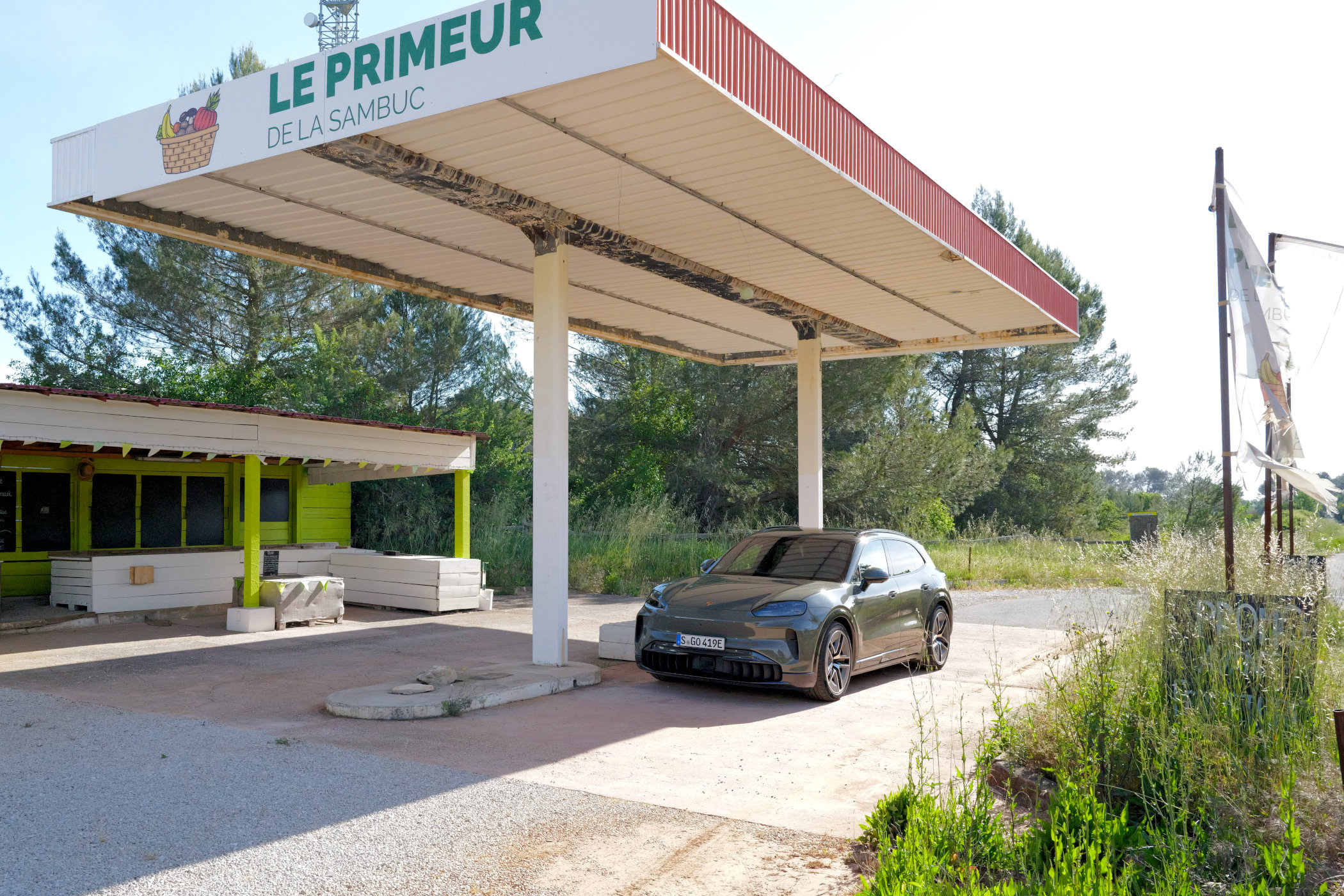
Upon arrival in the Marseille surroundings, several Cayenne models (mainly the new Turbo Electric) were waiting for us. I’m not going to go into anything related to the styling elements, the interior, the infotainment or such things. You can find numerous videos on YouTube about every little design detail and the interior and infotainment system. So, as someone who’s not convinced by any EV so far, I was curious to get behind the wheel!
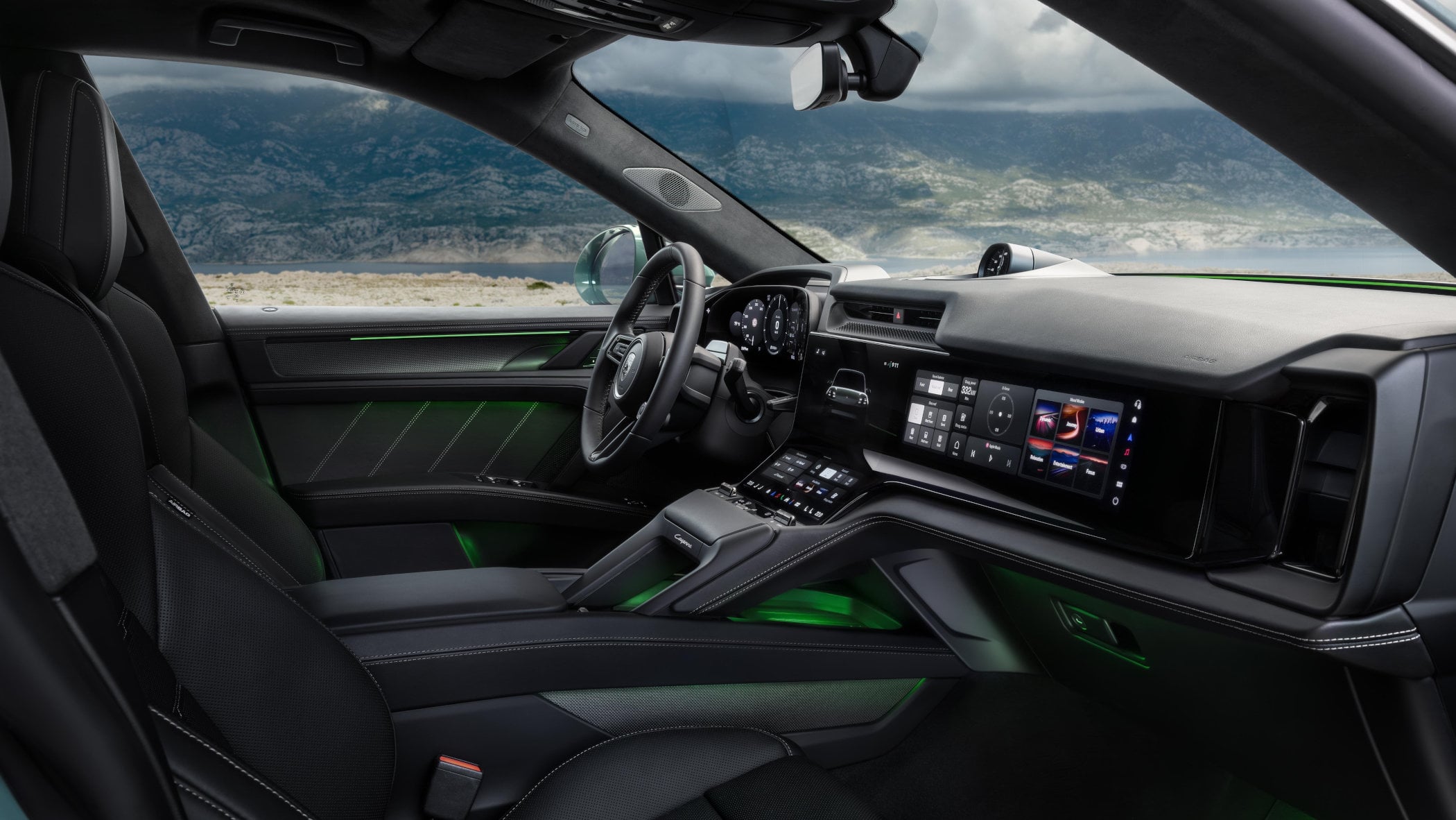
Of course, I entered the new Cayenne as sceptical as I can be. Besides that the Cayenne is an EV, it’s also a very big SUV, which usually is not synonymous with sporty driving. The mountain roads surrounding Marseille were narrow, and the car was rather big; it’s Porsche’s biggest SUV. But, to my surprise, the car felt nimble; you could steer and position it with extreme precision, and somehow it felt much lighter (and even smaller) than the specs would make you believe. The steering felt… like a Porsche.
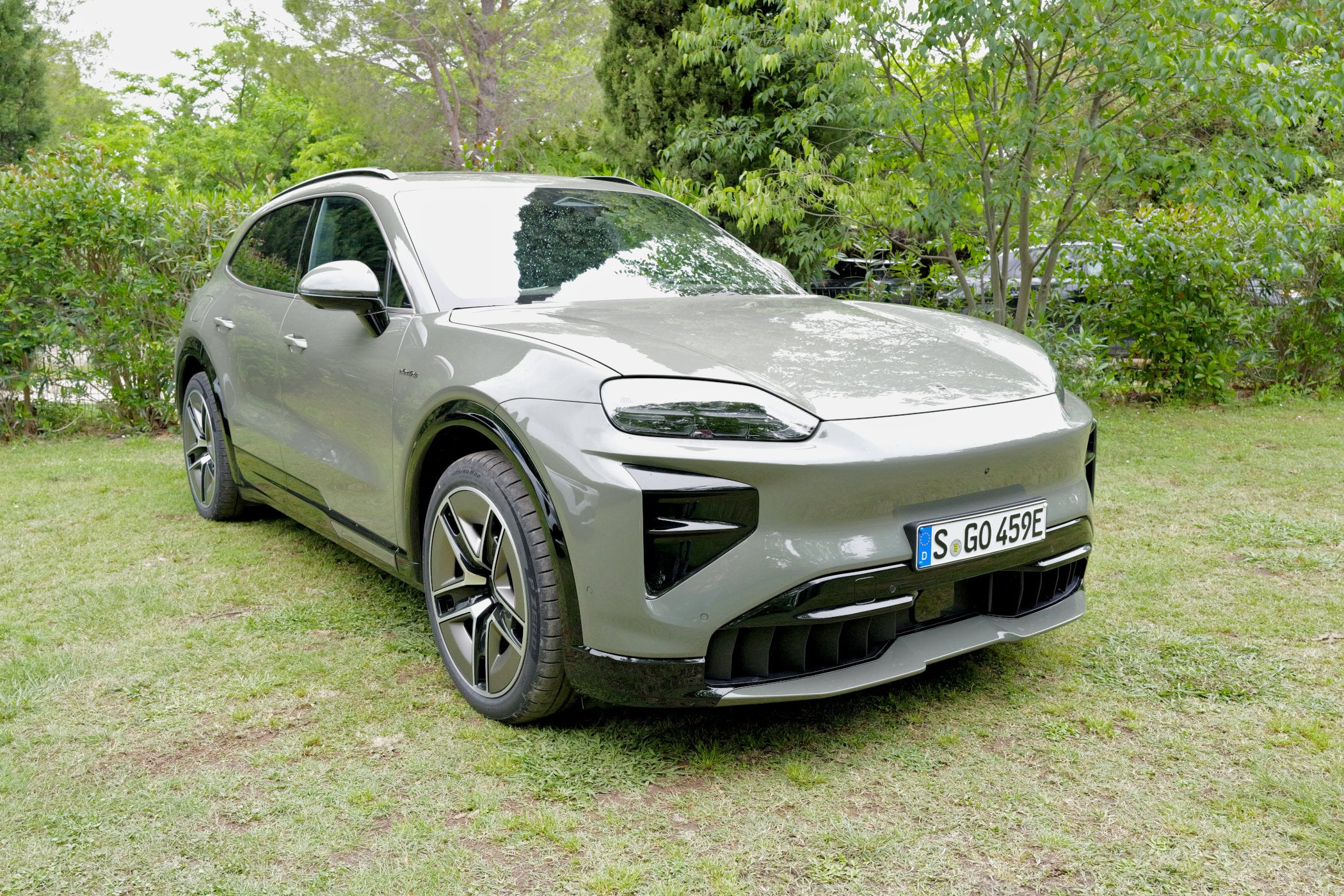
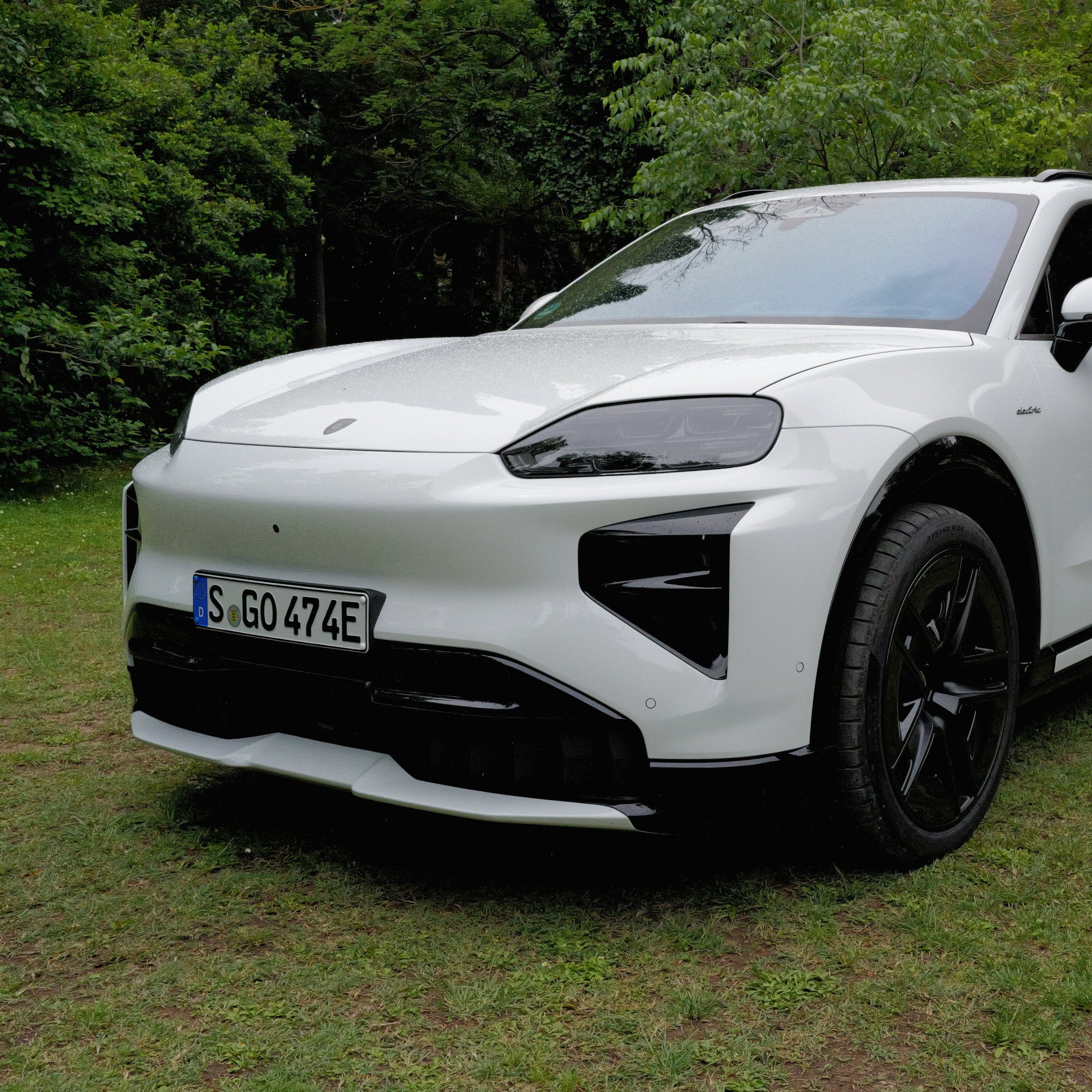
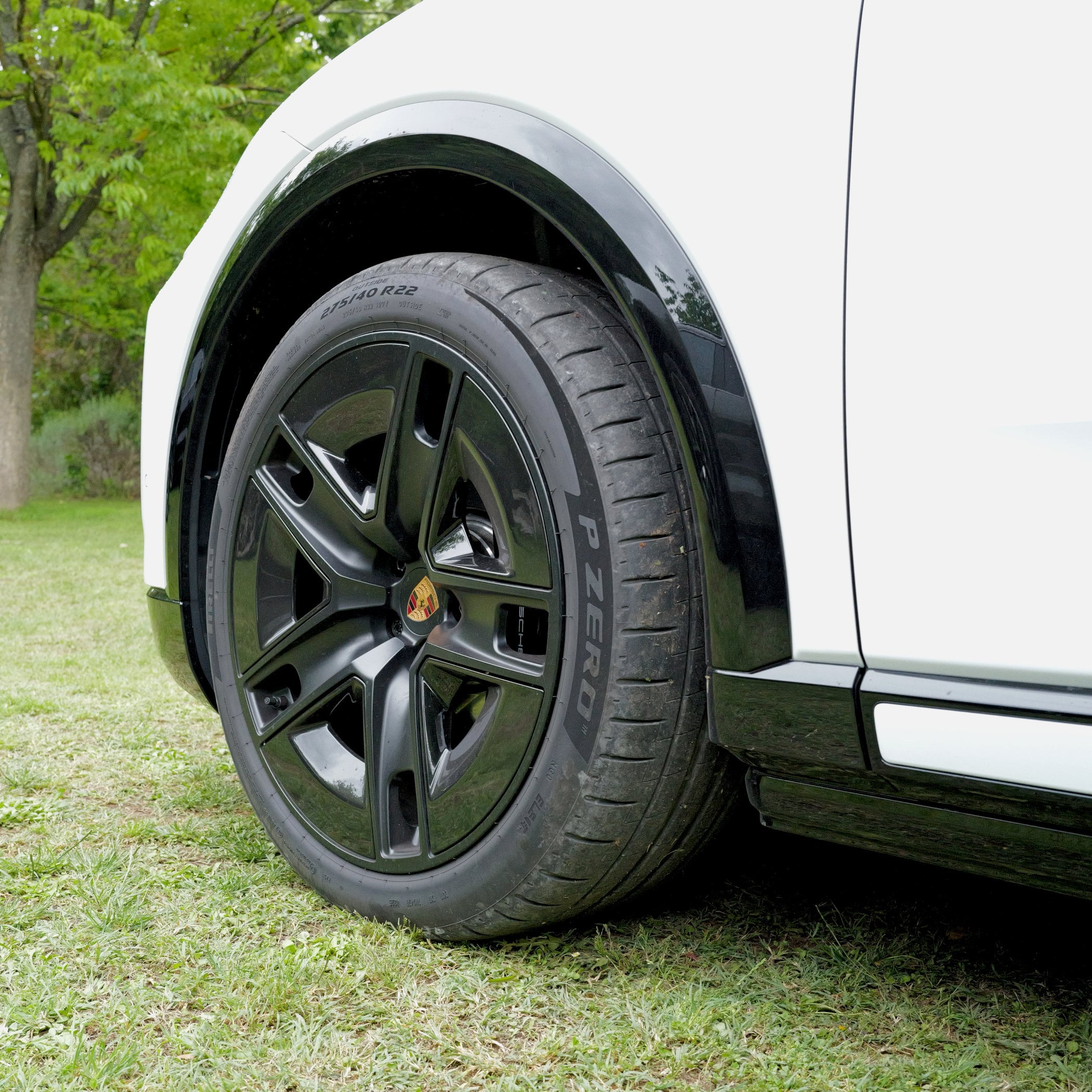
When driving on the narrow hairpin road up and down the mountains around Marseille, it didn’t feel like you’re driving a ‘sea container’ on wheels (that’s how most SUVs feel). Add to that the fact that it’s an EV, meaning it’s even heavier than the average SUV, which certainly doesn’t improve sporty driving. Add to this that, in my perception, EVs’ steering feels rather numb (and that’s an understatement), and you understand why I was quite surprised by the rather pleasant driving. It’s worth noting that the model we drove had air suspension, which can drastically improve drivability for such a big and heavy car!
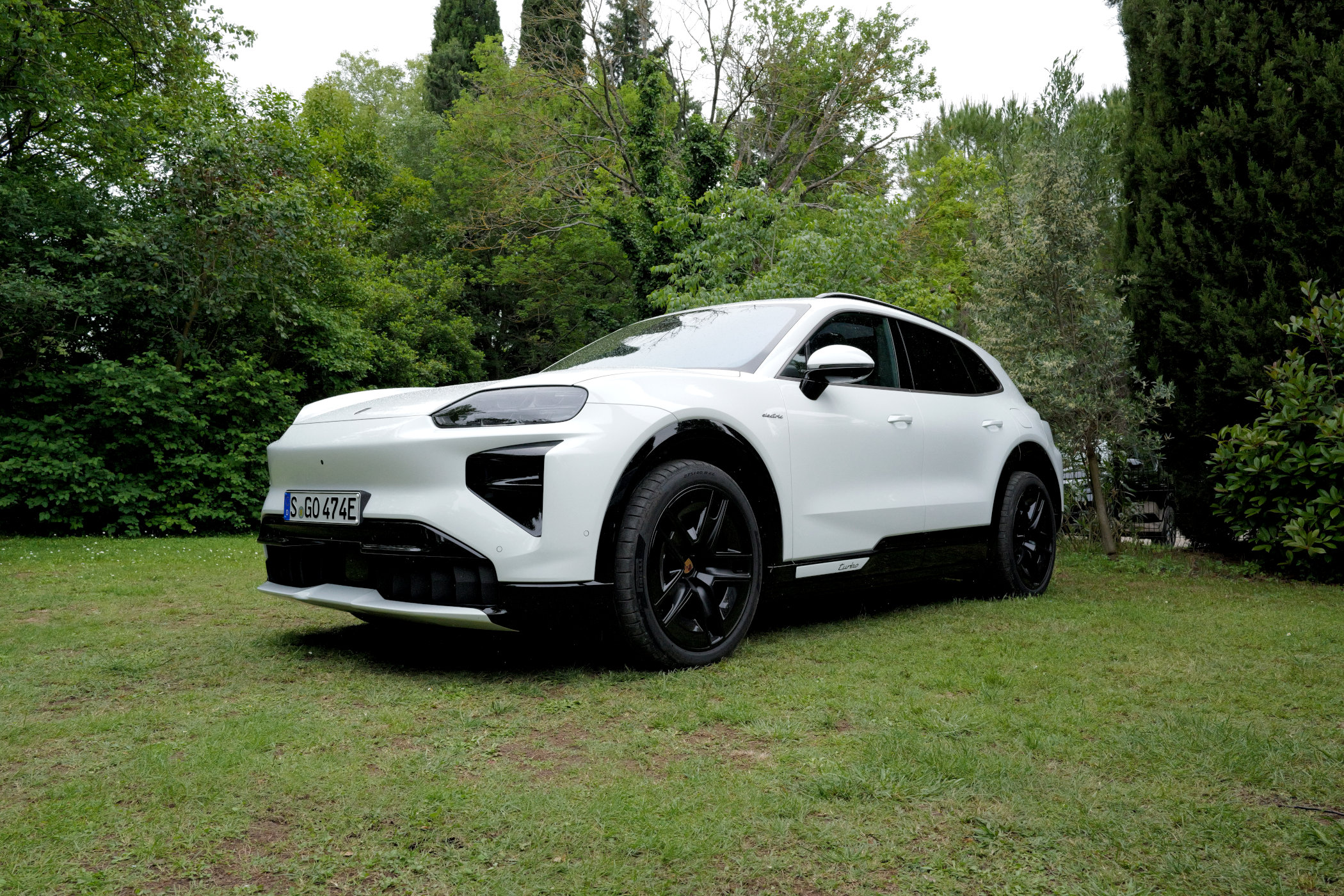
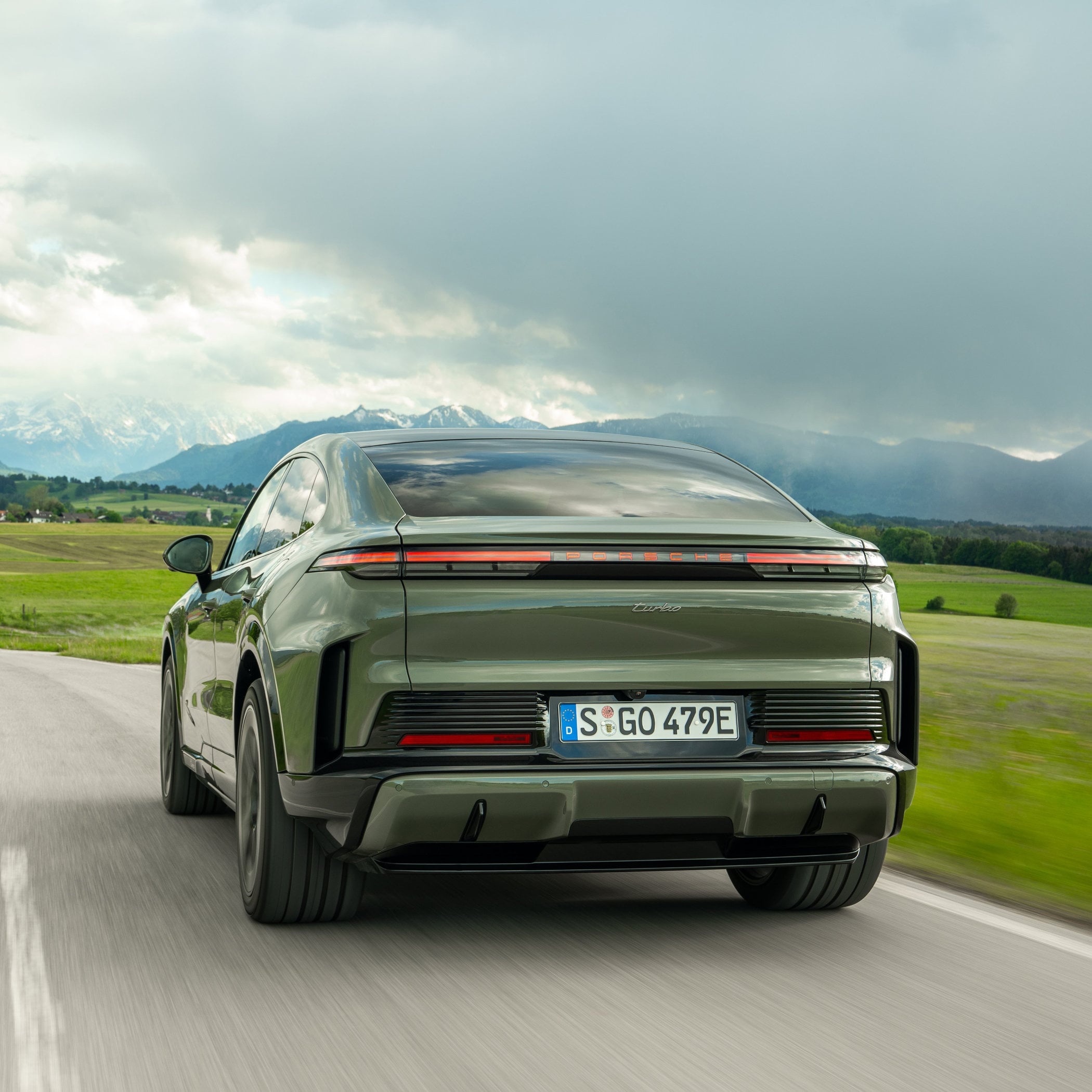
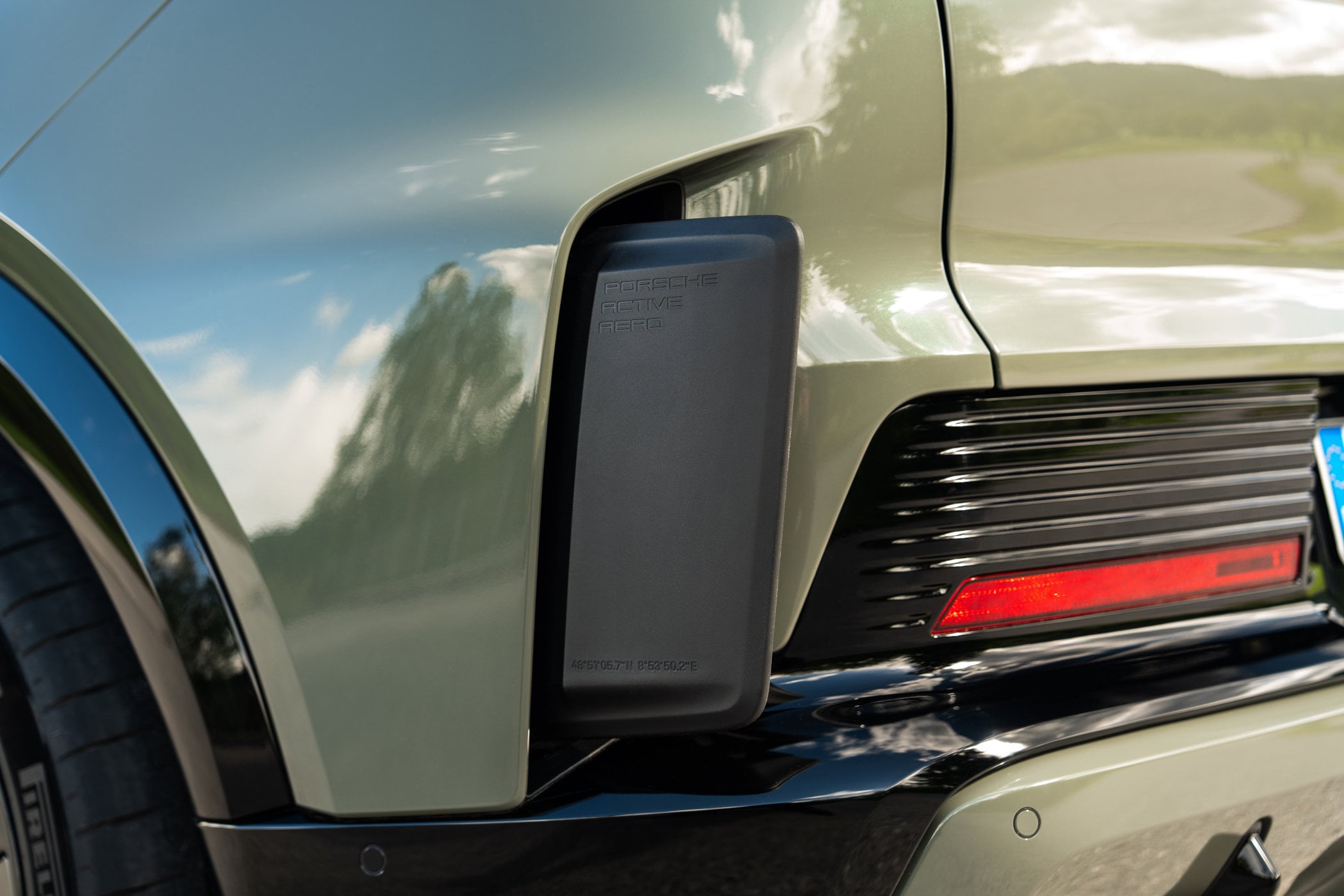
After an hour or two behind the wheel, and being pretty ‘shocked’ by how well the Cayenne performed and handled, I handed the wheel to my co-pilot; he’s an automotive journalist / ex-race driver / Porsche driving/training instructor. So at least someone who’s properly capable of driving and testing cars. And, like me, he also threw the Cayenne around corners, like it was a small sports car. OK, admittedly, he was able to drift it around the hairpins, while I didn’t dare to push it to the limit like that. That was very impressive, both from my co-pilot, as well as from the Cayenne! And when testing this car with more than 1,000 PS, launch control is a must. Heck, that was the most intensely fast acceleration I ever experienced! Not even the 911 GTS or 911 GT3 could match that. And it’s in a big and heavy SUV!
After a full day of driving, I was baffled by how nimble, fast, easy and pleasant the Cayenne drove. And let me add that even the fake V8 sound wasn’t too bad.
The Macan GTS
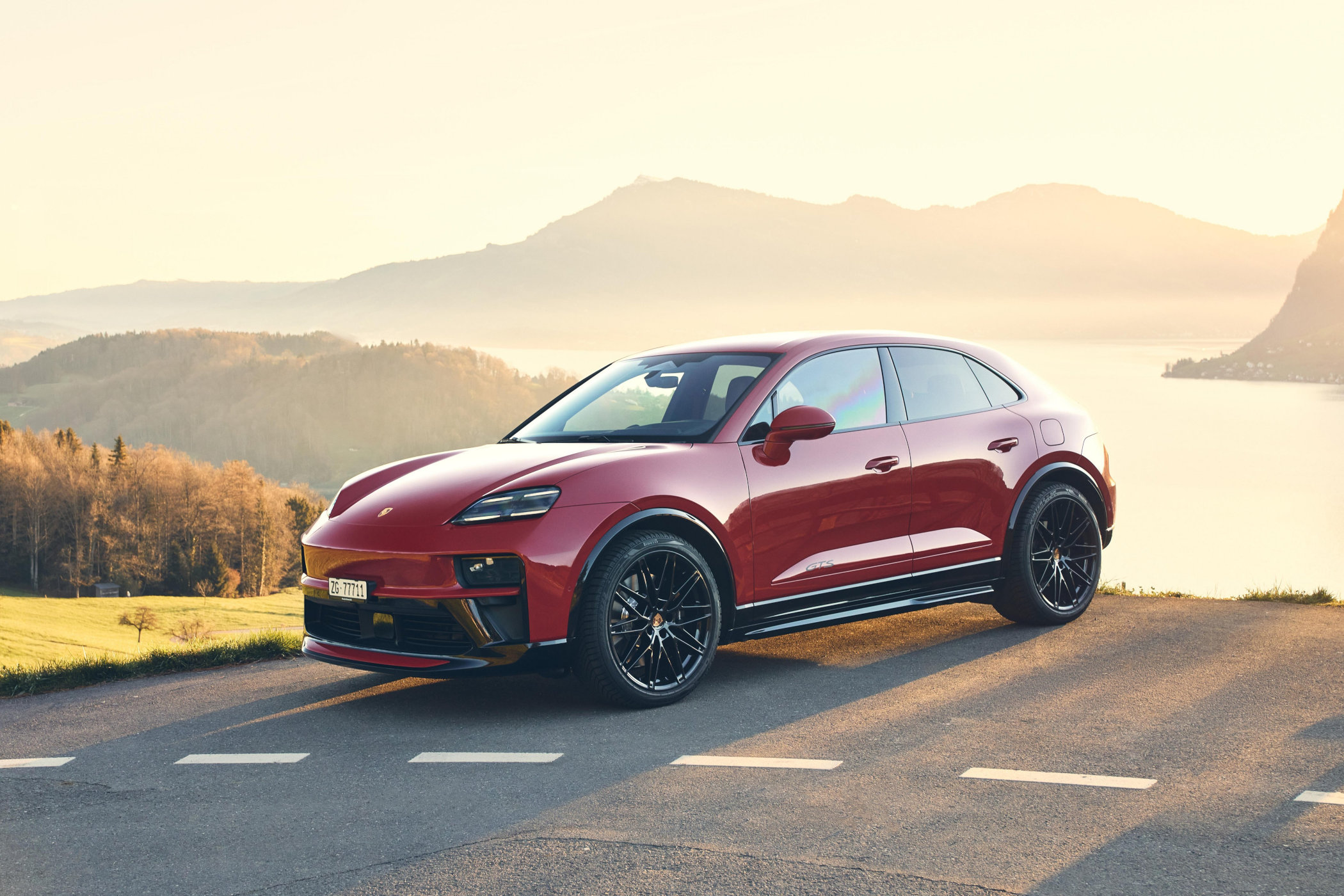
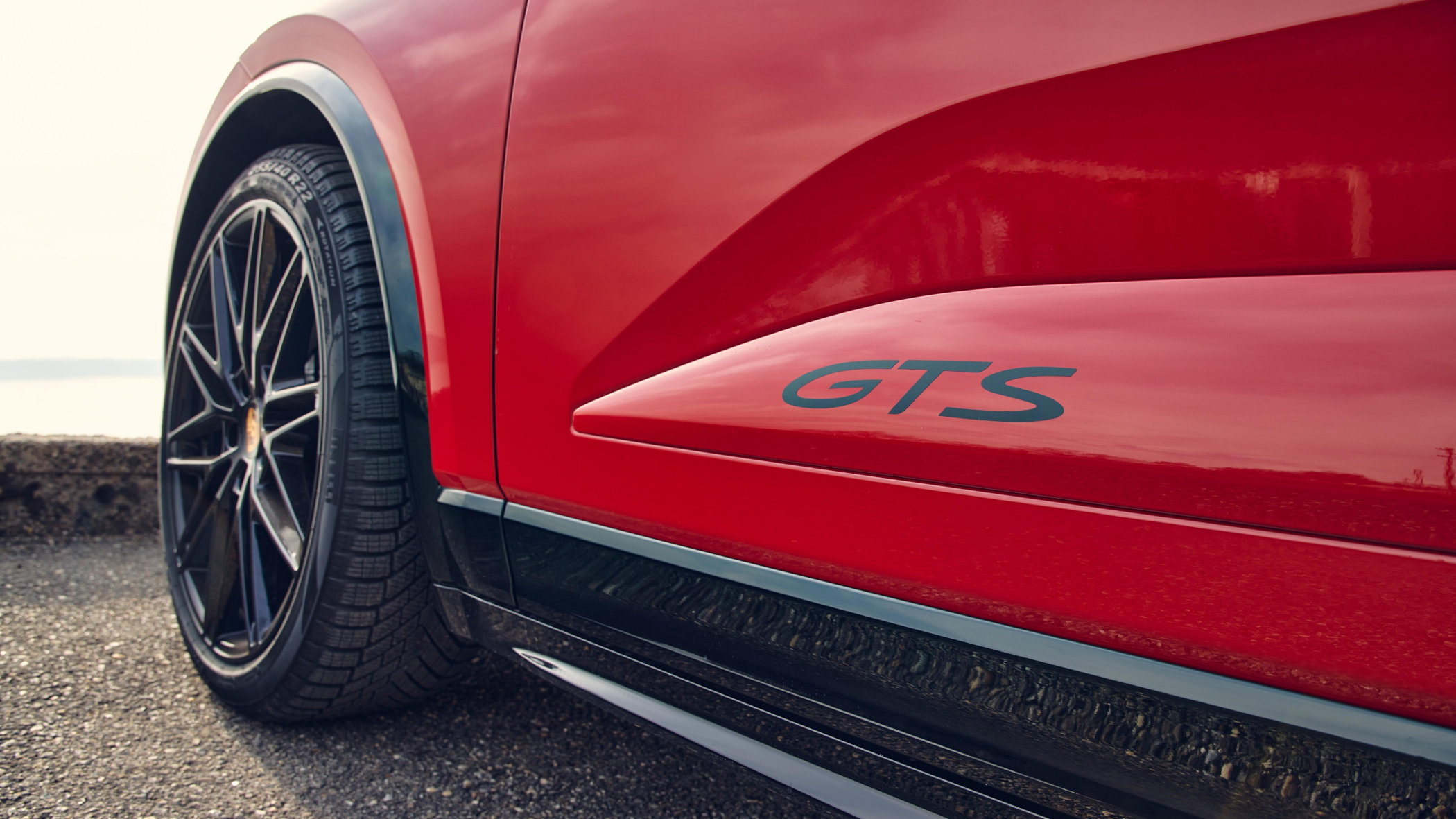
The Macan GTS is less powerful at 516 PS (or 571 with launch control), which is significantly less than the Cayenne Turbo Electric. Torque is 955 Nm during launch control, and top speed is 250 kph (155 mph). Charging from 10 to 80% can be done in 21 minutes. Maybe good to mention is that the Macan GTS weighs 2.470 kg, while the Cayenne Turbo Electric weighs 2.720 kg.
What It’s Like To Drive
Coming back home, I picked up the Macan GTS at the Porsche importer. More EV testing to do. And the first thing I noticed was that the fake V8 sound in the Macan was too fake and actually pretty annoying. Gosh, we’re talking about fake engine sounds. That’s something that doesn’t belong in a proper car. However, the drivetrain, the suspension, the steering, and the haptic feedback were not too bad. Maybe not as impressive as the Cayenne, but certainly another level than the other EVs or SUVs that I drove, and actually pretty good. I do not want to sound too negative, but you know that my pre-position towards anything EV is not positive.
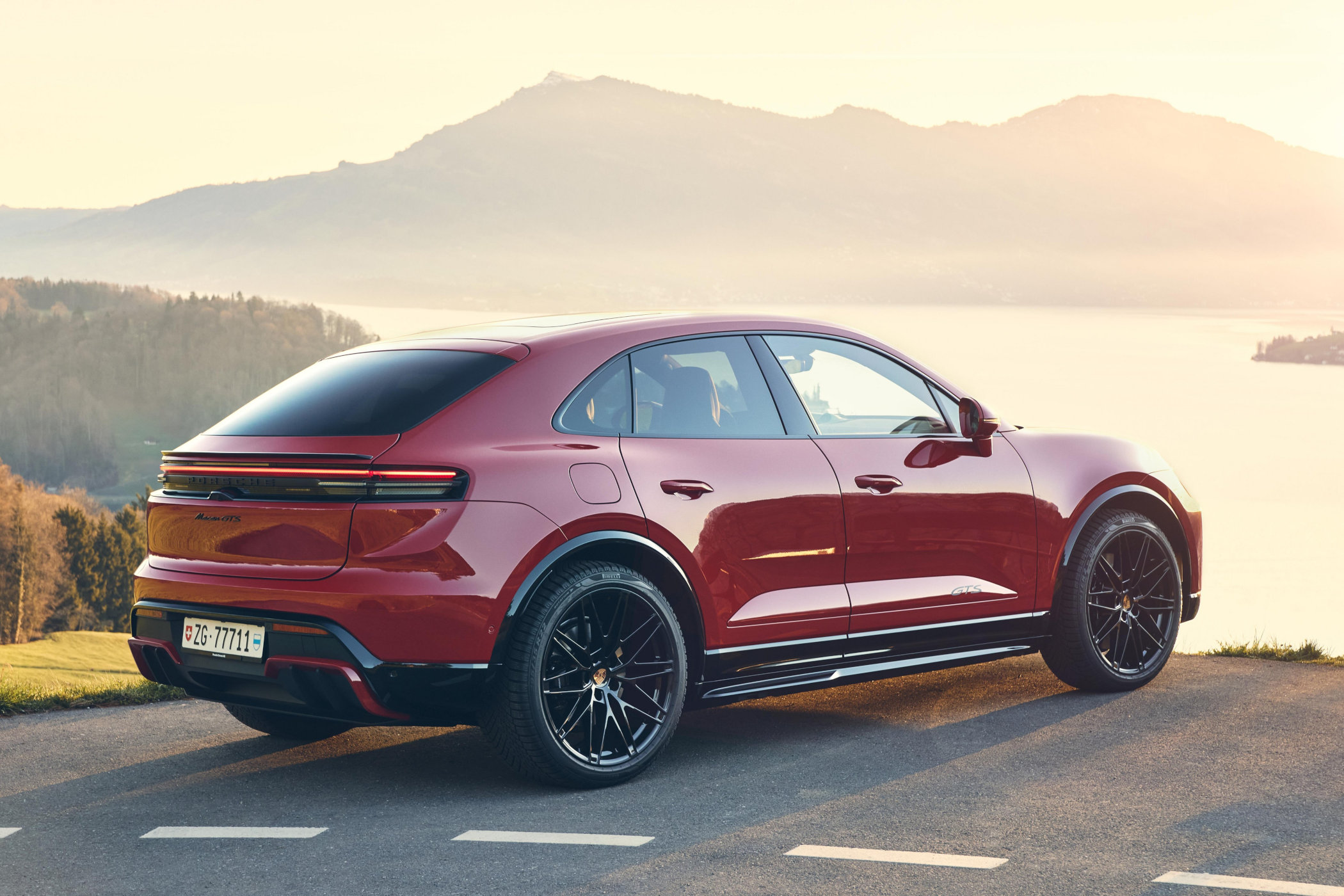
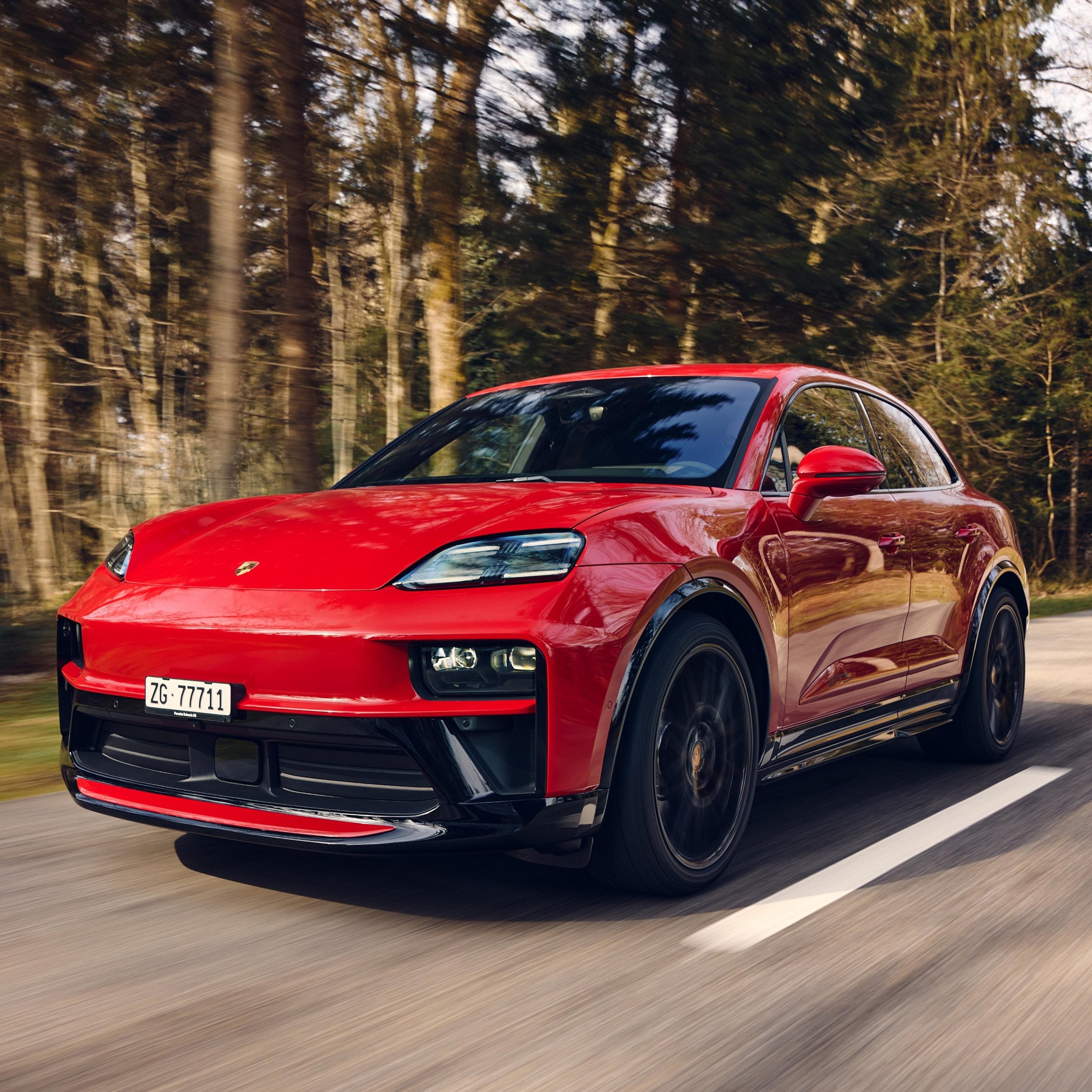
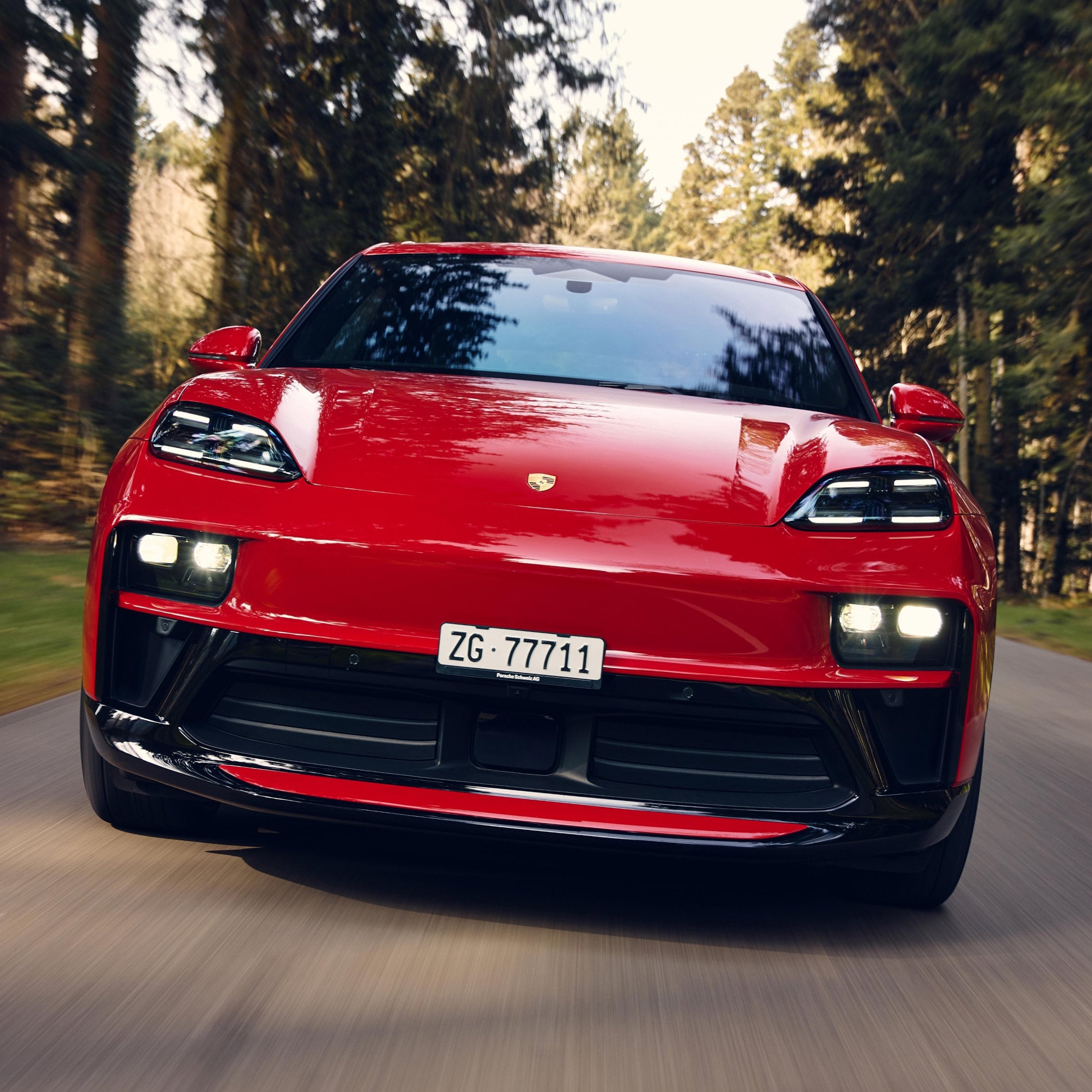
Since the Macan is smaller than the Cayenne, it was even easier on the public roads in my (countryside) area. Small country roads, avoiding a tractor or two, or a car with a caravan (lots of tourists in my area), and still keeping a certain speed with two wheels in the dirt/grass next to the road. Due to its size, the Macan felt very pleasant for daily use. Bringing my kid to school, doing groceries, and going to the city for a business meeting (and parking in the Amsterdam city centre and/or parking garage) was easy. Although I could not really compare it to the Cayenne in these situations, since I only drove the Cayenne on curvy mountain roads around Marseille. I can compare it to my own Volvo XC60; it’s the T8 with air suspension.
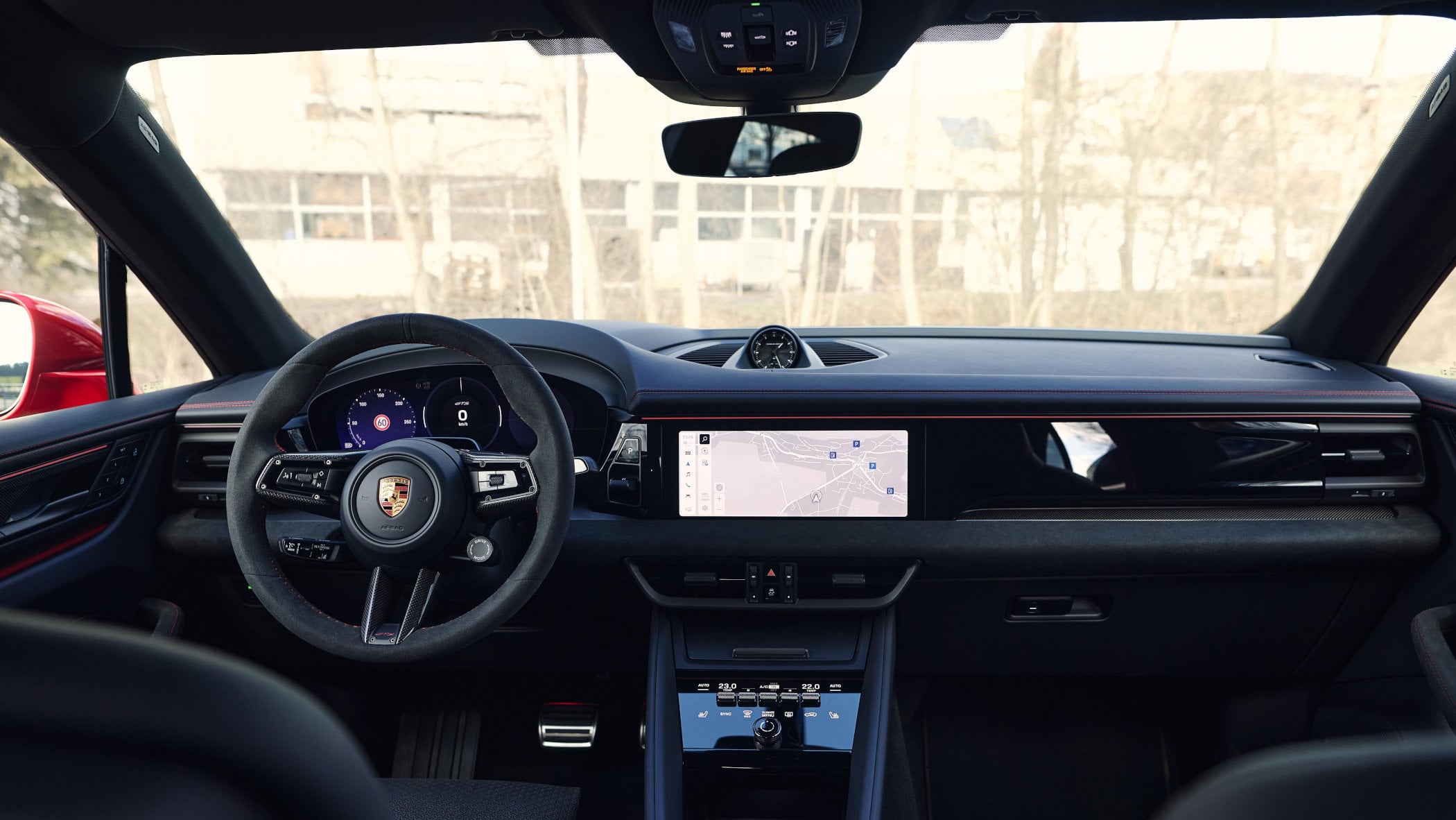
Admittedly, the Macan GTS feels more stable in fast corners; it’s easier in city centres, and despite the Macan looking smaller than my XC60, the Macan’s trunk is bigger! The trunk floor of my XC60 is raised due to the hybrid battery pack. The Macan GTS might not have the exact same feel as the new Cayenne, but it comes close, pretty close (except for that annoying fake engine sound).
The Verdict
Now this is going to be the hard part… Both the Cayenne Turbo Electric and the Macan GTS drive really nicely. Compared to the other EVs I’ve driven, well, I actually can’t compare them as they are so much more pleasant to drive. And that’s all due to how the car feels when driving, the haptic feedback, the suspension, the precise steering, and everything that really feels “Porsche”.
Still, both are very heavy SUVs, and while all driving assistance systems are absolutely sublime and really make a huge difference, you can still feel these are very heavy cars when you push them to the limit. The low centre of gravity, due to batteries placed in the chassis, certainly helps with this. And as said before, even the fake V8 sound in the Cayenne is kind of pleasant, while the V8 sound in the Macan should be turned off.
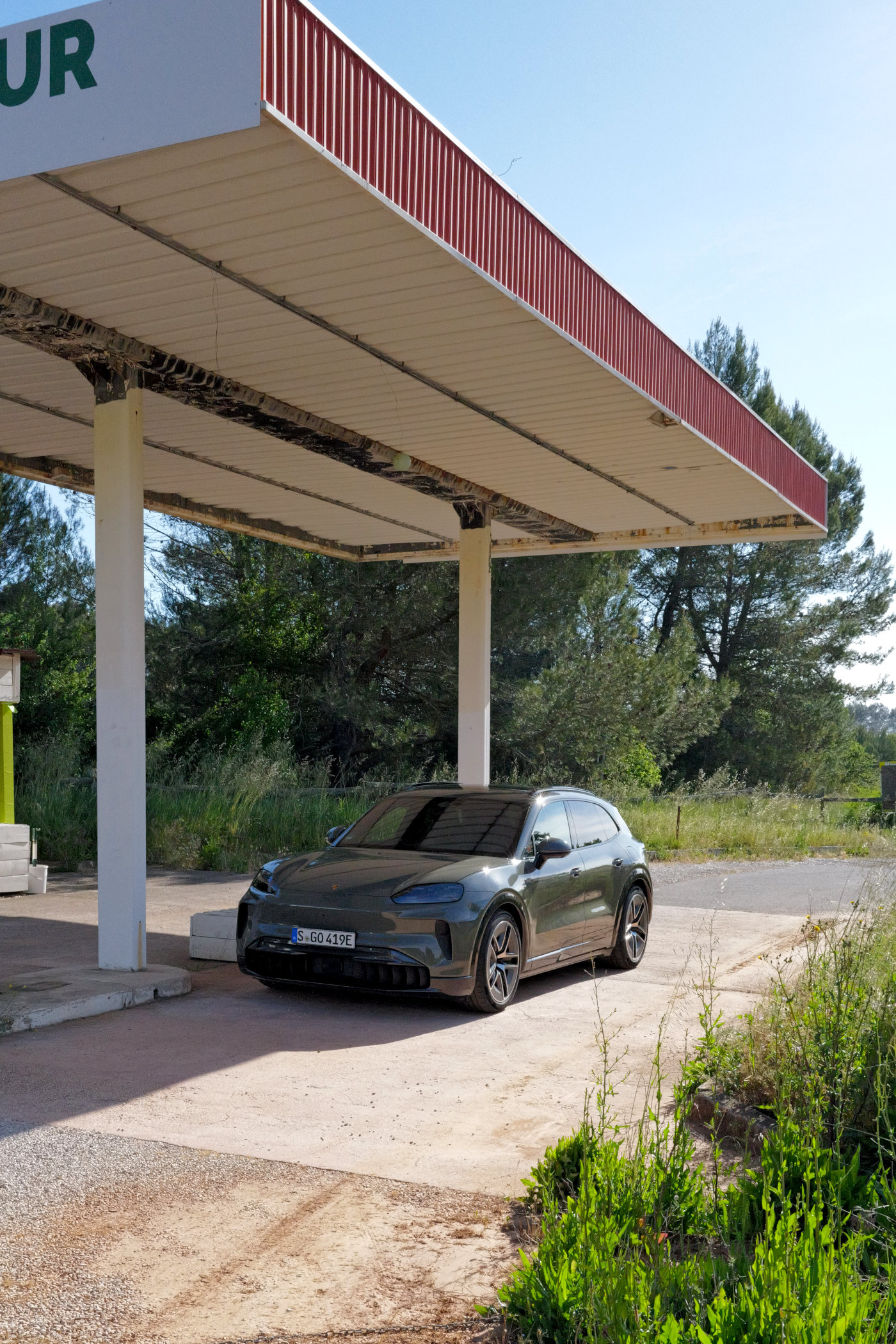
So if you’re looking for an electric SUV, these two are very pleasant cars. The drivetrain, the suspension, and the haptic feedback when steering are all excellent, and almost make you forget that you’re in an EV. For me, though, I stick to a car with an internal combustion engine. When cars become entirely self-driving, and I can lean back, open a laptop and work, or take a nap, then I will be OK switching to an EV.
I did my best to see the positive, and certainly found some of that. So besides this rare EV story in the Petrolhead Corner, we’ll be back to ‘proper’ cars from now on! Sorry, Porsche, although you did an amazing job making me barely notice that I was driving an EV, it’s still not for me.
For more information, please visit Porsche.com.
Editorial Note: The cars have been provided by Porsche Pon Imports in the Netherlands, for which we thank them. The information used for and images portrayed in this article are of our own, or sourced from and used with permission of Porsche AG, unless stated otherwise.

7 responses
A battery car, Oersche what are u doing??????
Fake V8 sound…it’s like being vegan and eating vegan food that taste meat….
Dear Frank, I’m a watchmaker…”mechanical” who’s been driving electric for three years, and…I completely disagree with you!
But this is the petrolhead corner, so I completely agree with you!
Frank, EV’s are not for me either. I just bought a 1984 VW Cabriolet as a trip down memory lane. One question: What is the weight of the “battery pack” as a % of the total weight for a big EV? Is it not diminishing returns in that the bigger the EV the bigger the battery pack and the more weight to haul around?
Please stick to reviewing watches:
“…and I thought that small Renault drove… terrible. Yes, sort of fast, but the feeling of the drivetrain, the suspension, the steering, and the haptic feedback were all lacking entirely.”
Almost the entire motoring press find the R5 one of the best driving vehicles (both ICE as well as BEV) in years. And someone who knows a lot about watches finds the drive terrible. Therefore please quite the petrol head corner since it really seems you don’t know what you are talking about.
And as a vehicle dynamics development and suspension tuning engineer (at a Renault competitor) I can indeed say that the R5 really drives good…
Those new Porsche EVs look very fat on the road and don’t have the elegance of previous models. The other interesting thing is that maintenance is often more expensive than gasoline cars, a small detail that very few people realize and Porsche isn’t exactly known for cheap maintenance.
Frank, remember, I told you, your are wrong 😉