


 Not all images were able to load for printing. Please close the print window and try again.
 The History and Evolution of Shock Resistance in Watches
Although developed centuries ago for pocket watches, wristwatches and our haphazard arm movements demanded a renewed focus on shock resistance in the 20th century.
Early 16th-century watches were fragile by today’s standards, to say the least. These mechanical curiosities for the mega-wealthy could sustain catastrophic damage from a single drop or hard knock, and accuracy was off by hours per day. Shock resistance was on the back burner at the time as improving accuracy and reliability were paramount, along with reducing size and weight. This was the focus for centuries as pocket watches matured from portable clocks worn around the neck to thin, sleek and accurate timepieces that slipped into small vest pockets. The balance and hairspring (developed in the late 17th century) were particularly prone to failure or even damage from moderate bumps or rough handling, and it wouldn’t be until the late 18th century that viable shock resistance finally joined the party.
Abraham-Louis Breguet
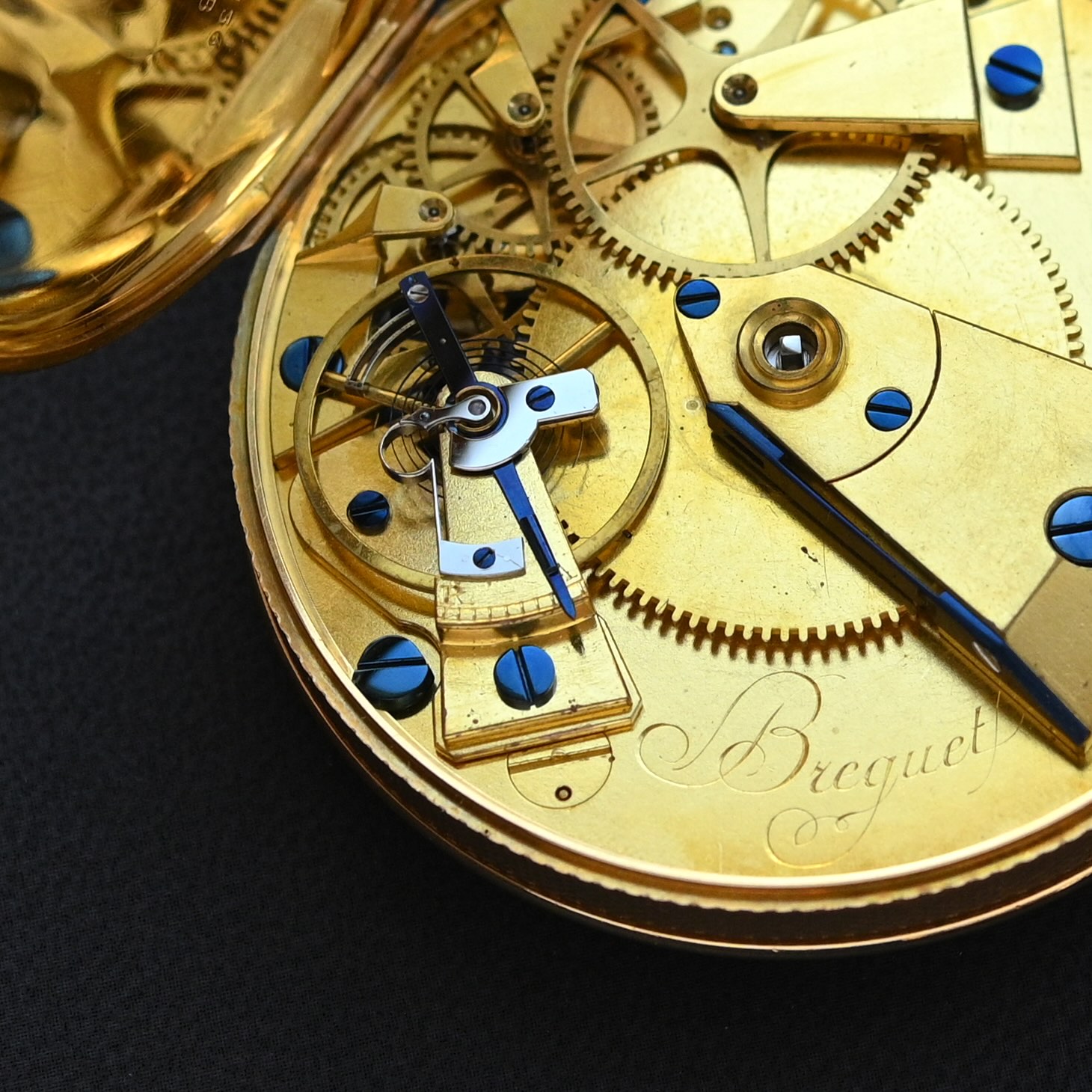
The master horologist who brought us the tourbillon, overcoil hairspring, and first commercially available self-winding movement (the Perpétuelle) also developed effective shock resistance in 1790. Known as the pare-chute system – French for parachute, as both are designed to protect from falls – it was designed to protect the balance wheel pivots that were highly susceptible to damage from impacts. The tips of the balance wheel shaft were shaped into cones that fit into cup-like bearings that were mounted on tiny blade springs attached to the bridge. Instead of an impact going directly to the ends of the balance wheel shaft, it was absorbed by the new suspension system, like leaf springs on horse-drawn carriages of the era. The final variant debuted in 1806 and forever improved the historic fragility of movements. During a demonstration at the house of Charles-Maurice de Talleyrand-Périgord (French clergyman, statesman and diplomat, and Prince of Talleyrand), Breguet himself dropped a pocket watch on the floor and had guests pass it around, confirming first hand that the movement continued operating without issue.
This was an exclusive anti-shock system and was only seen on high-end Perpétuelle automatic watches in 1792, but it eventually made its way to many Breguet models by the early 19th century. Outside of Breguet, the vast majority of watches remained unprotected and susceptible to damage, with protective (second) outer cases offering a degree of shock protection for some. The good news was that pocket watches were less prone to drops and hard knocks as they lived in soft pockets most of the time and were attached to lanyards, which prevented falls to the ground. So, for the next century, the focus otherwise remained on accuracy, innovations like keyless works and mass production with interchangeable parts, and ultimately, affordability for the masses. It wasn’t until the rise of wristwatches that shock protection took centre stage.
Incabloc
Wristwatches first appeared in numbers during World War I when soldiers needed a hands-free solution in the field and especially under combat conditions. Although wristwatches were considered feminine and women’s novelties at the start of the 20th century, the sight of returning soldiers wearing them (called wristlets at the time) soon changed that perception and wristwatches exploded in popularity in the 1920s. Movement fragility, however, became a particular issue as protective pockets and lanyards gave way to haphazard wrists that tended to bump desks, walls, doors and so on. A race was on to protect wristwatches from both shocks and water/dust, and Rolex (commercially) solved the latter in 1926 with the hermetically sealed Oyster case, but it wasn’t until 1934 that Incabloc debuted for modern-day shock resistance. Unlike Breguet’s proprietary pare-chute, Incabloc could be adapted to just about any movement, and most watches were using it by 1950.
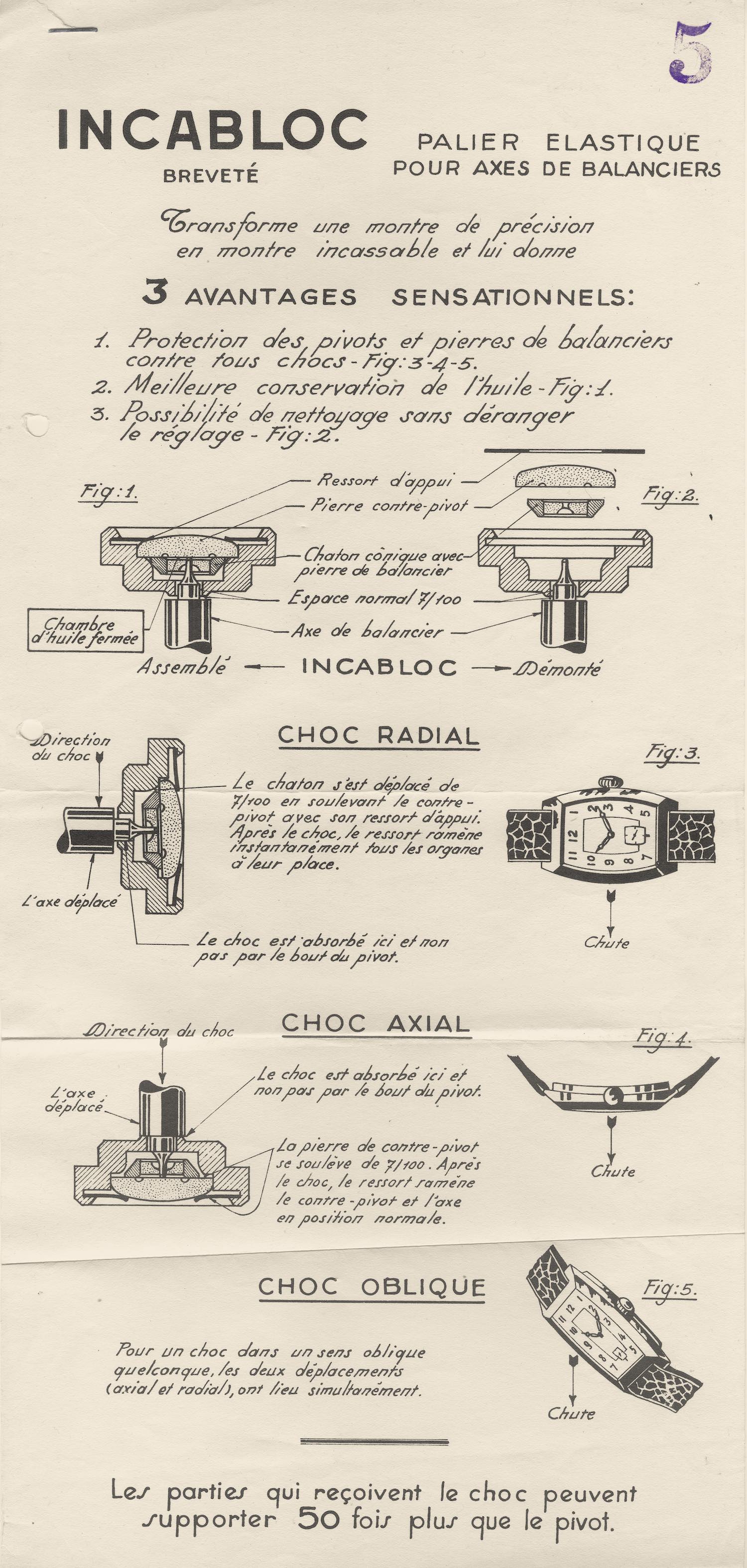
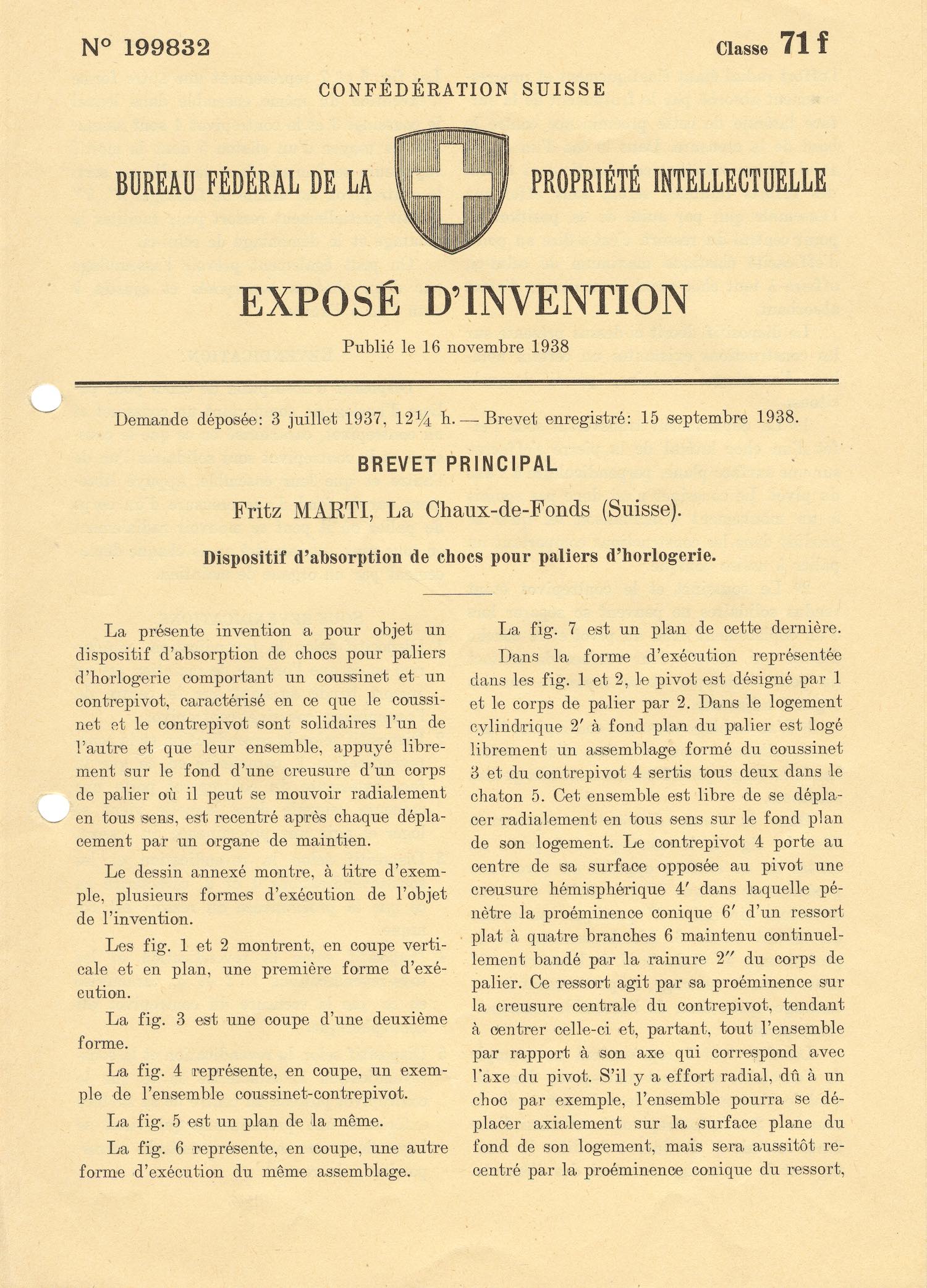

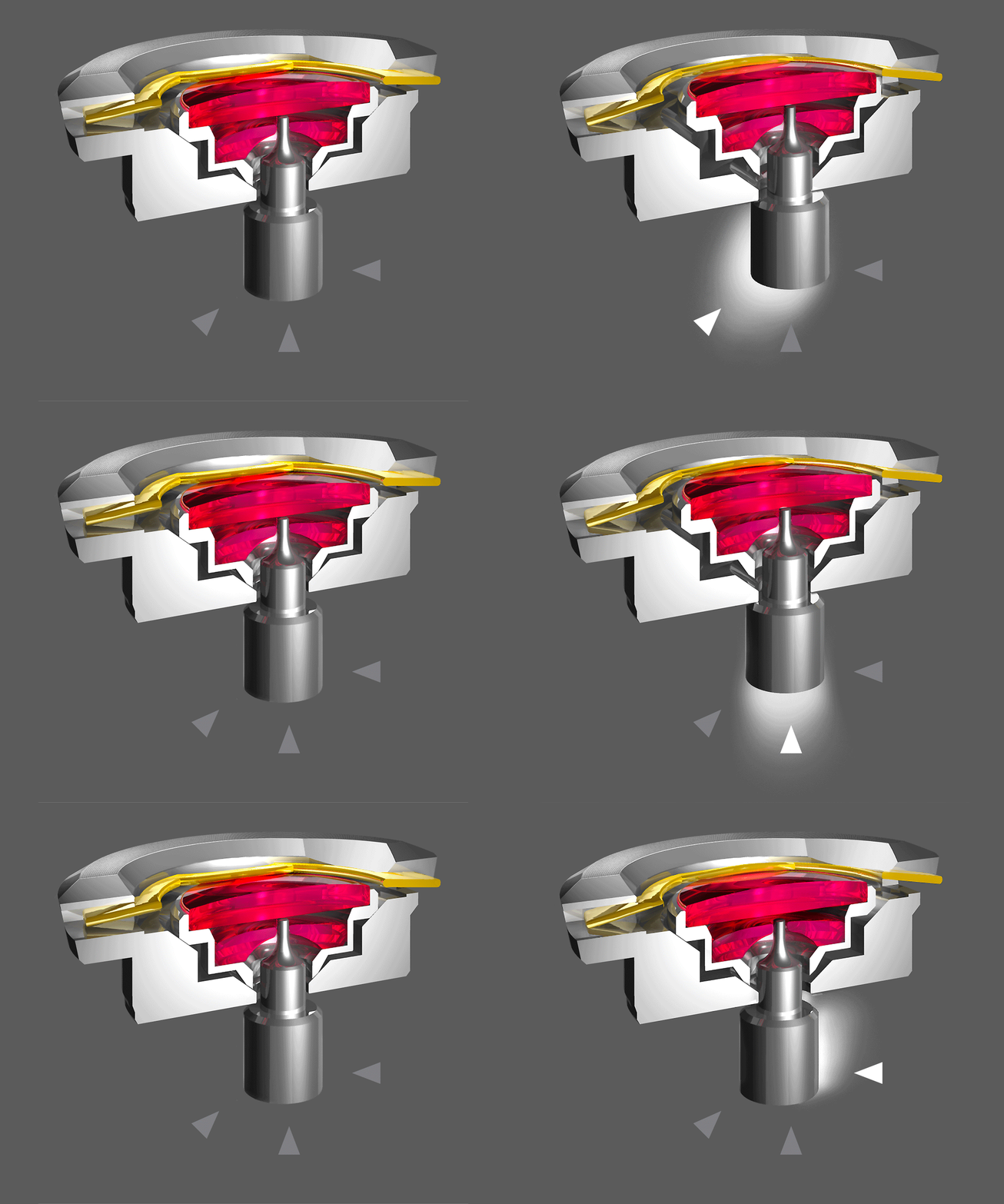
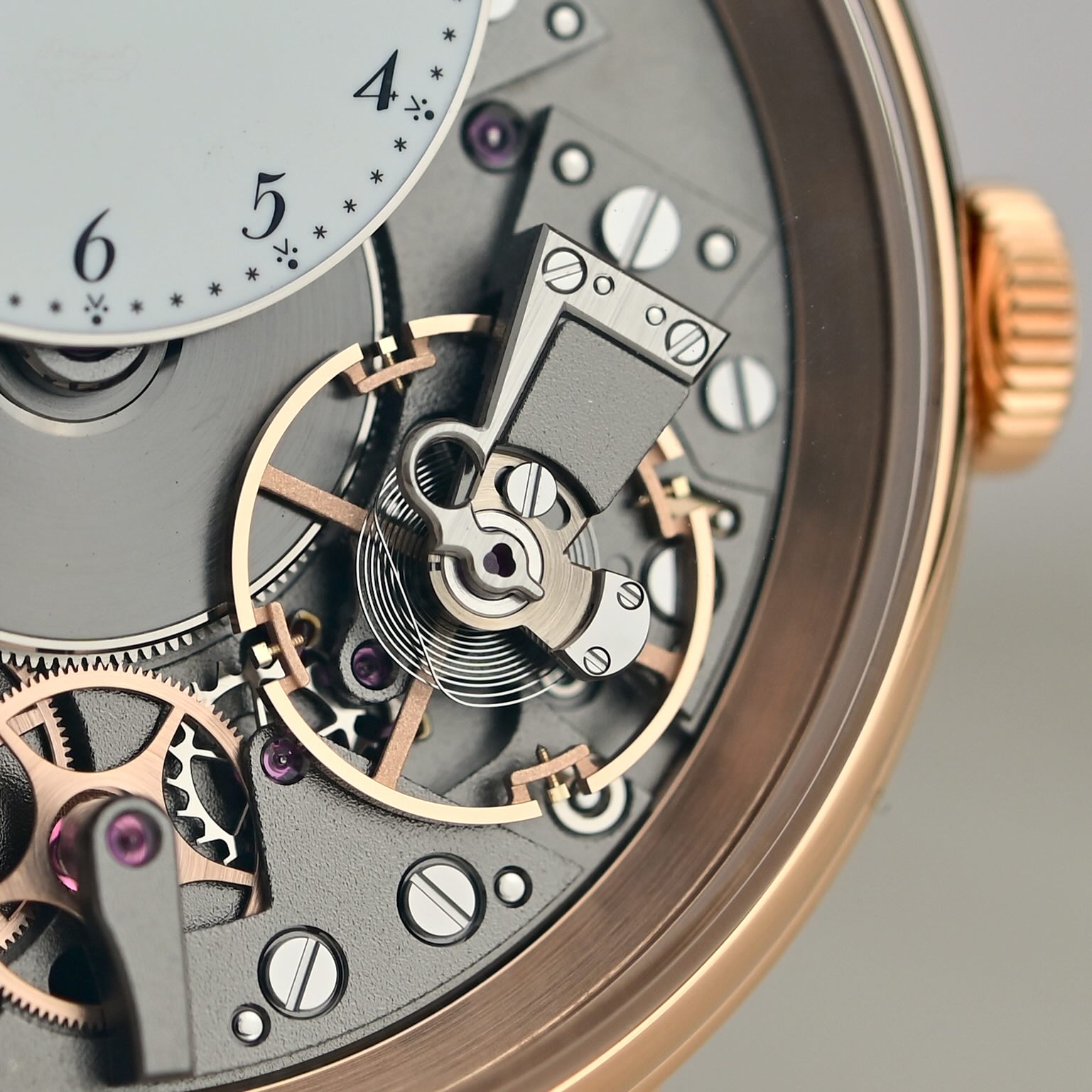
Incabloc was invented by Georges Braunschweig and Fritz Marti, Swiss engineers from La Chaux-de-Fonds, with research underway by 1928. Marti received the first Swiss patent in 1929 for a movable balance jewel (patent no. 141098) and the two founded Porte-Echappement Universel SA to manufacture the new anti-shock system (the company became Portescap SA in 1963). The balance staff and particularly the tiny pivots are among the most fragile components of a movement, so Incabloc puts the jewel bearings and balance staff end stones within bushings mounted on lyre-shaped springs that somewhat resemble the shape of a violin. The spring system allows for staff movement both vertically and side to side during an impact, and it immediately returns to the correct position for proper function.

By 1960, the majority of watches were equipped with Incabloc, which revolutionised the reliability of wristwatches for day-to-day wear. In fact, it became a mandatory addition to movements with a Swiss lever escapement, and it was common for brands to print “Incabloc” on dials as a confirmation of shock resistance and overall quality. Incabloc deliveries were impressive at 300,000 in 1935, but hit a staggering production of 36 million per year by the 1970s. The following quartz crisis almost destroyed the company in the 1980s as quartz watches without mechanical balance wheels were naturally shock resistant. It was sold in 1988 to Eric Zutter, who established Incabloc SA and refined the system for the mechanical watchmaking renaissance that occurred in the 1990s and into the 2000s. Although there are many competing anti-shock systems today, Incabloc remains the most widespread and industry gold standard.
KIF Parechoc
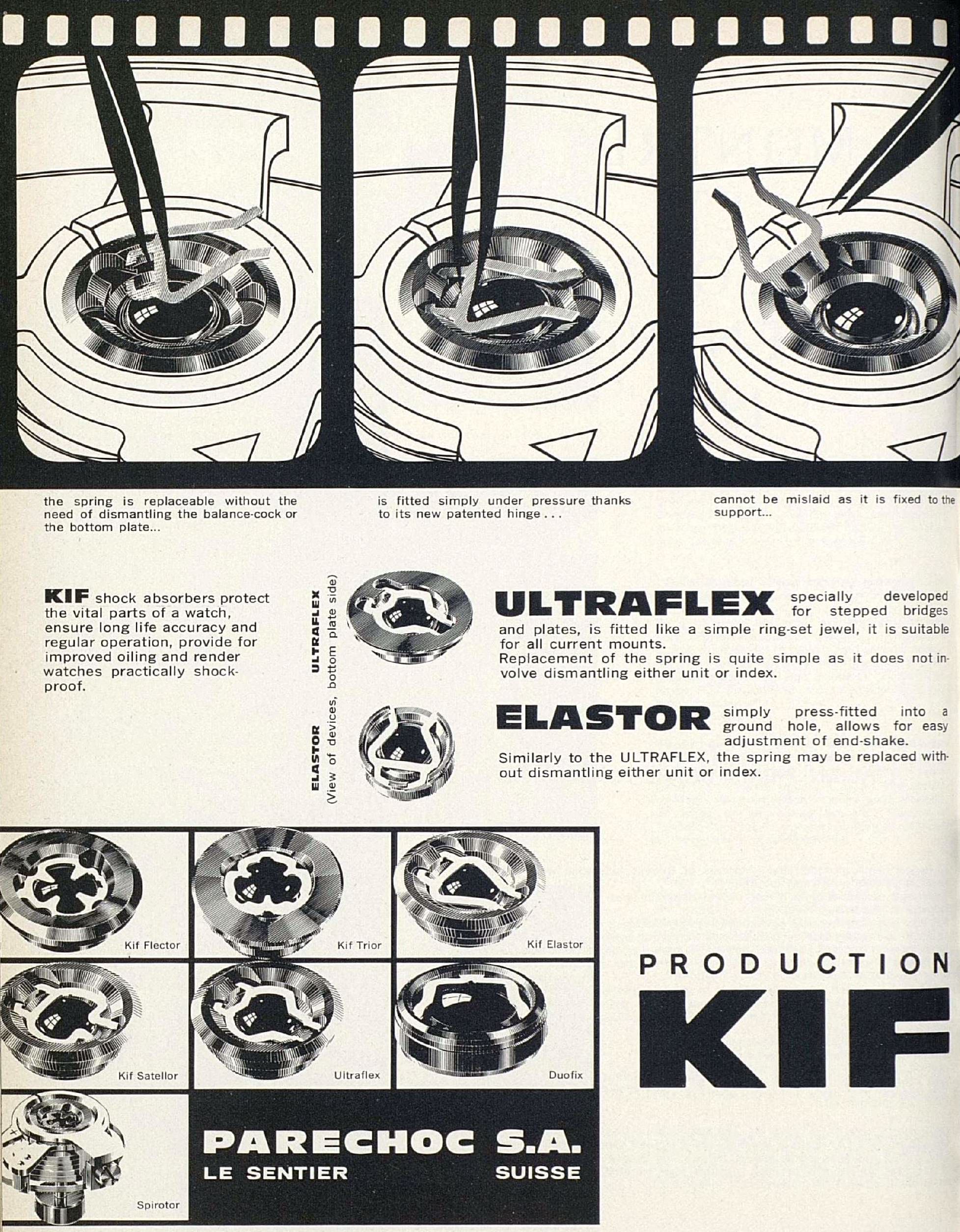
The main Swiss competitor to Incabloc is KIF Parechoc by KIF Parechoc SA, founded in 1944 by Georges Galet in Le Sentier, Switzerland (in the Vallée de Joux). Pare choc is French for shock absorber (or bumper), and the original design utilised blade-type springs into the 1950s before switching to a free bearing system loaded with a spring (similar to Incabloc). KIF was supplied to many Swiss brands with a focus on the high end, and the most famous to adopt it was Rolex. The watchmaker used the anti-shock system for half a century, from the early 1950s to the mid-2000s, when it developed its own anti-shock protection – Paraflex. This rollout was gradual and started with calibre 3186 in models like the GMT Master II and Explorer II, and also in the Cellini Prince. The quartz crisis caused major hardships, and KIF Parechoc SA diversified its products to remain viable, but was acquired by the Acrotec Group in 2006 and returned to focusing on shock protection and other calibre components. The Acrotec Group is a Swiss high-precision manufacturer for the watchmaking, automotive, medical and aerospace industries.
Diashock and Parashock
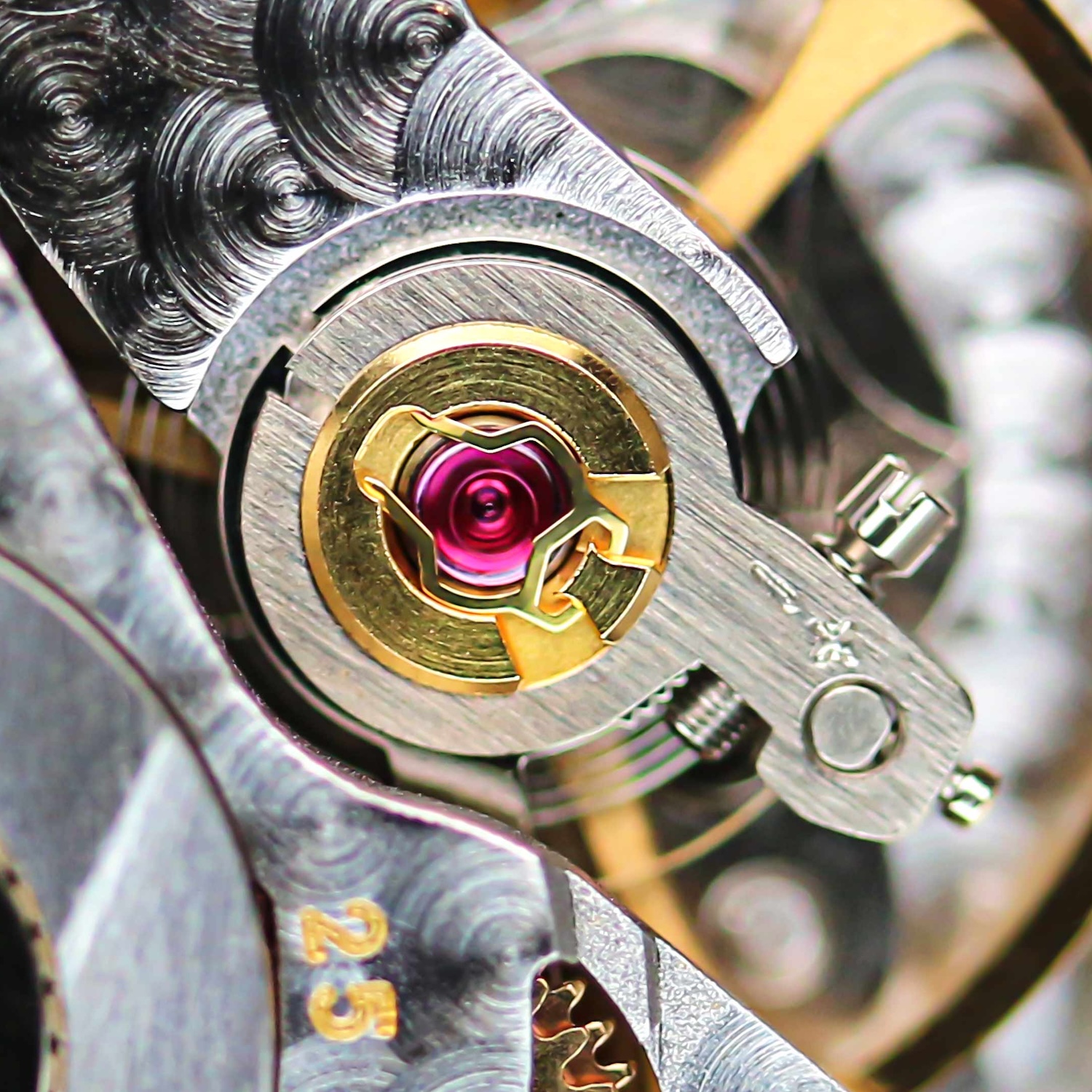
Moving from Switzerland to Japan for a moment, Seiko developed its own shock resistance with Diashock as an answer to Incabloc’s European success. Developed in 1956, it was similar in design to Incabloc with a spring-loaded bearing assembly that protected the balance staff pivots. It debuted in the Seiko Marvel, the first Seiko watch to use a mechanical movement designed entirely in-house. It was soon included in most Seiko and Grand Seiko movements, and the Japanese watchmaker was able to match the effectiveness of Incabloc and even improve a bit on balance efficiency. Interestingly, the retainer spring came in two shapes, but one wasn’t more effective than the other. The first was rectangular-ish, while the other had a three-sided clover shape. Grand Seiko tends to use the clover-shaped one, although it’s likely more for internal identification than a difference in performance. Japanese watchmaker Orient also utilises Diashock, even though it makes its own movements, as the watchmaker has been owned by Seiko Epson since 2009. Before this, Orient used Incabloc for many models alongside Diashock (as proximity to the latter made economic sense).
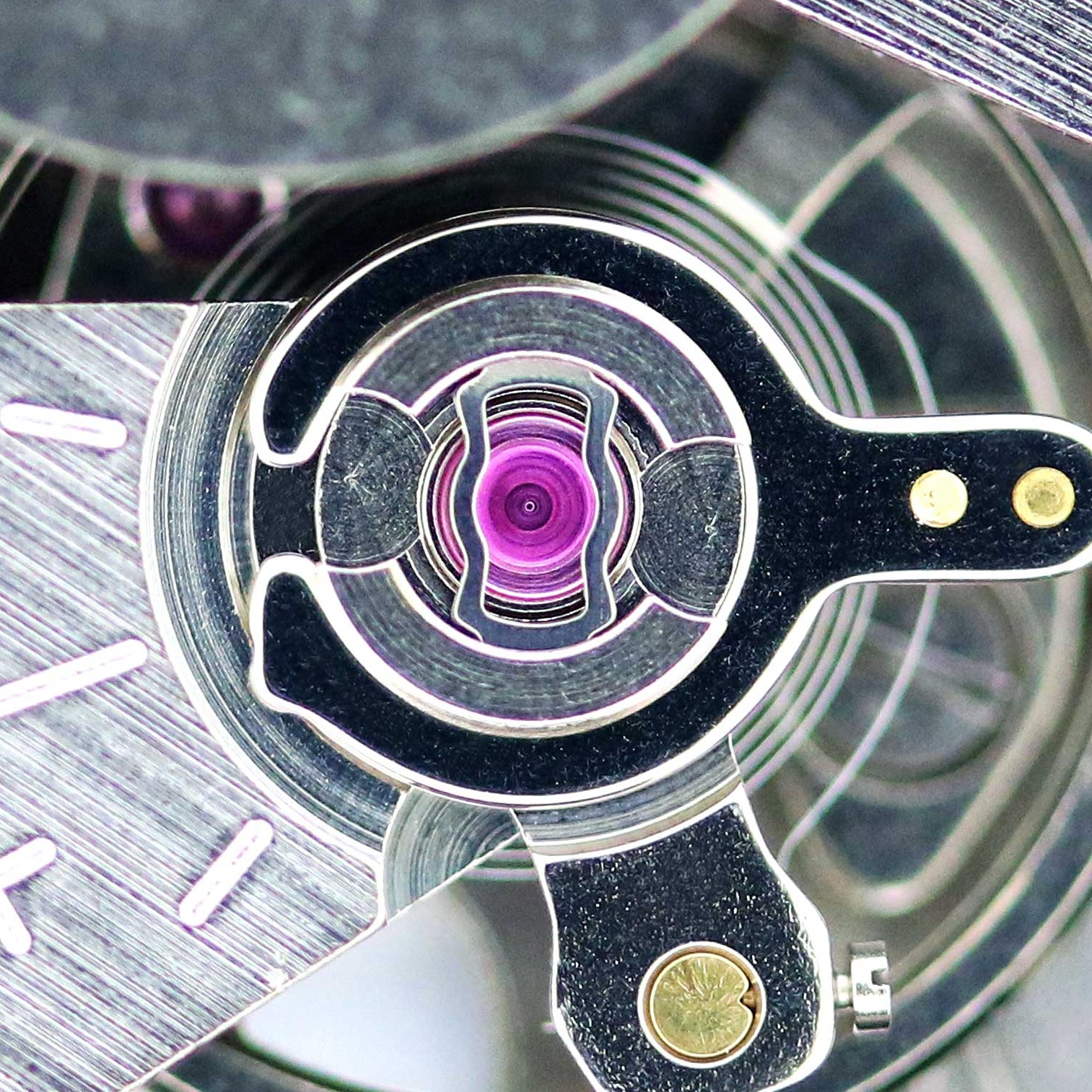
Citizen has its own shock protection called Parashock, also introduced in 1956 as an answer to Incabloc. It famously tested the system by dropping Citizen Parashock models from helicopters during promotions. Shock protection for the balance staff and pivots is fairly straightforward, so Parashock is similar in design to Diashock, which is similar to Incabloc, but minor variances and internal production make them proprietary. The Parashock system is found throughout Citizen’s Miyota mechanical movements and was also used in India’s Hindustan Machine Tools (HMT) watch movements via a Citizen partnership since 1961, although the company shut down in 2016.
Novodiac
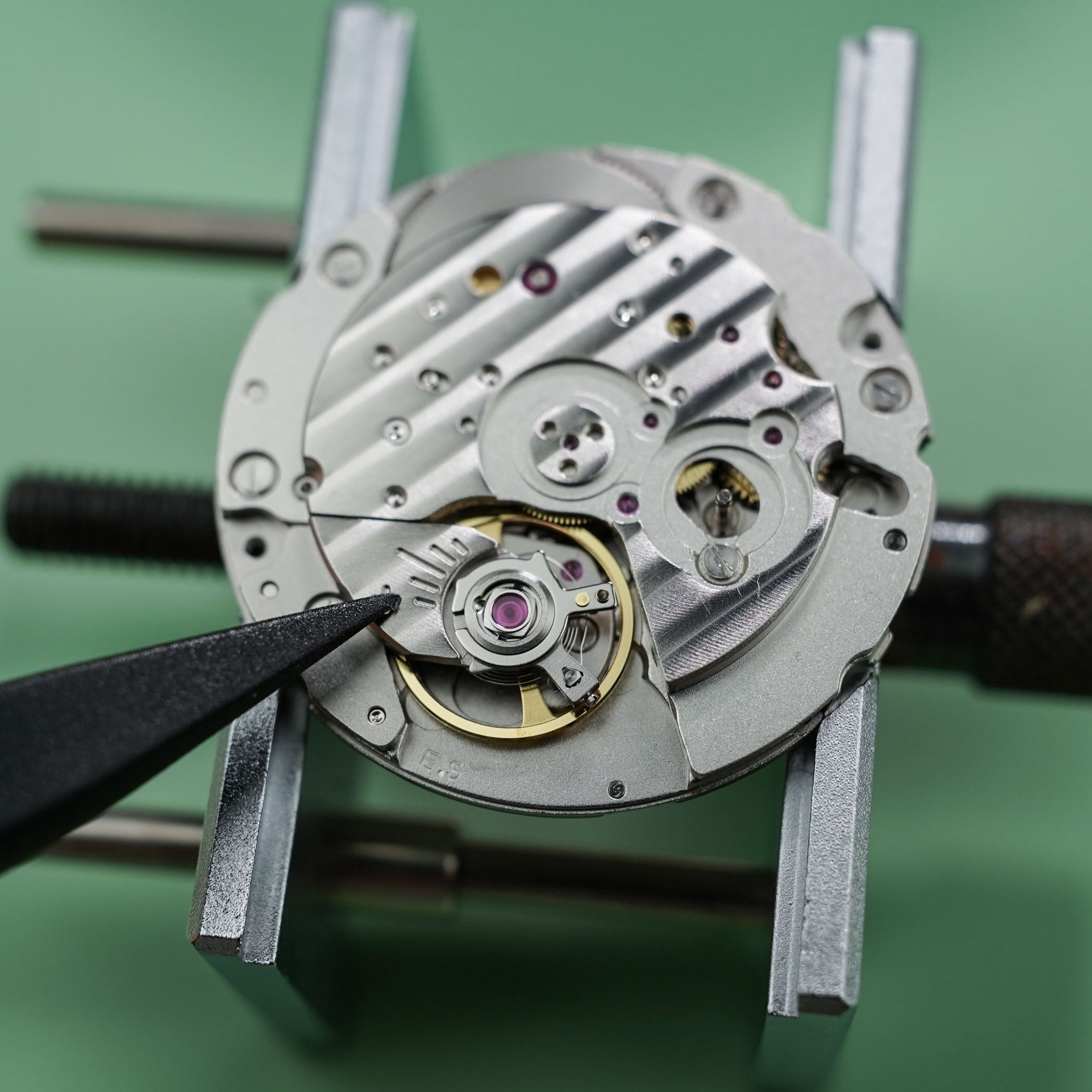
Incabloc created a second variant for many ETA movements, like the workhorse 2824-2, called Novodiac. It’s a cheaper, simplified system that uses a three-prong wire spring via a friction fit that’s easily removed for servicing (standard Incabloc uses a lyre-shaped spring that’s hinged or held in place with unequal pressure at its contact points for better movement). ETA itself also has an anti-shock system called Etachoc, which is basically just a copy of Novodiac. The movement grades generally determine which type of shock protection is used by ETA – Standard and Elaboré usually get Novodiac (or Etachoc), while Top and Chronometer get full Incabloc systems.
Paraflex
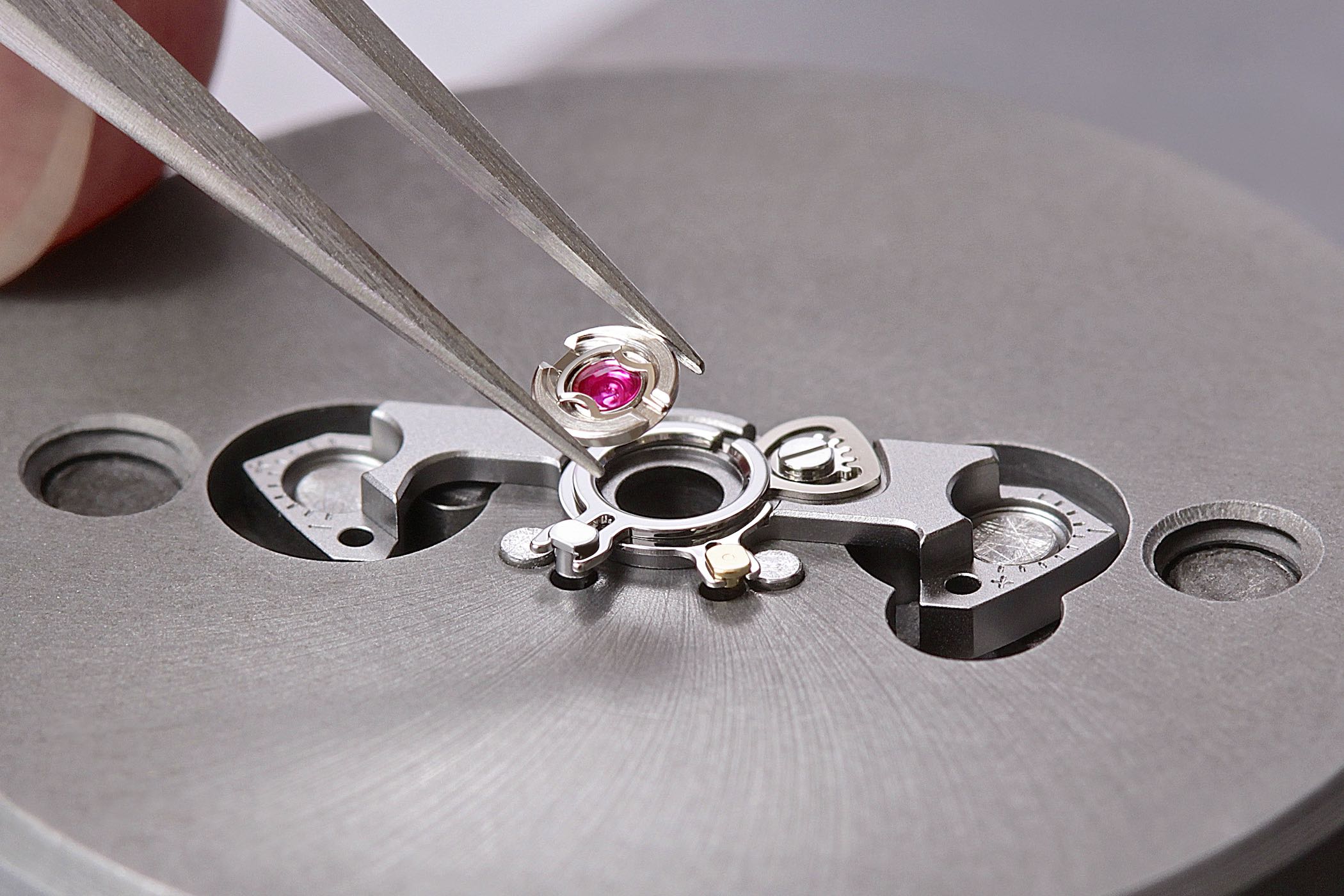
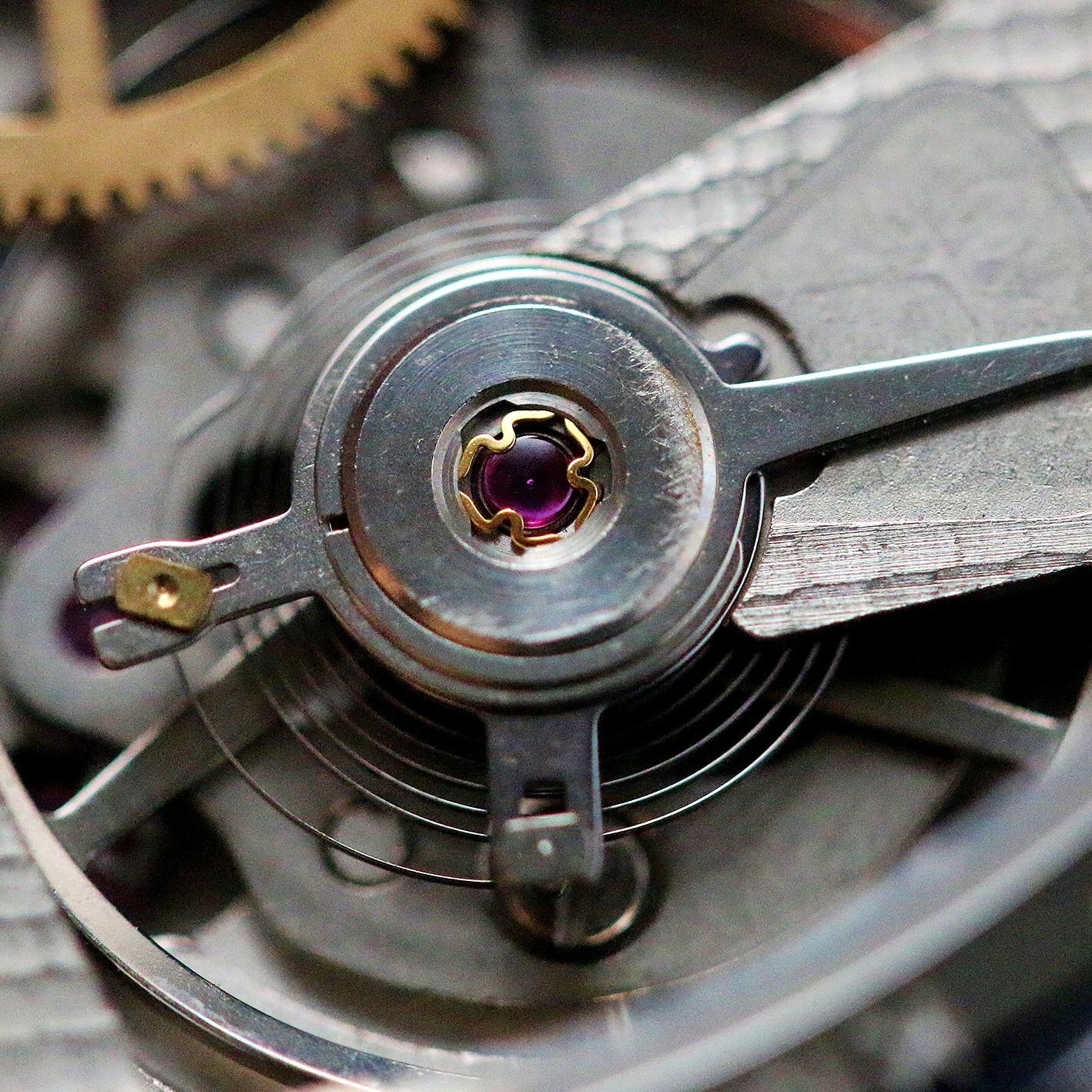
Rolex developed Paraflex in 2005 to further bring design in-house and improve shock resistance by up to 50%. It uses a very small spring (often compared to rice) to allow for movement on multiple axis and it absorbs energy better than more traditional systems like Incabloc. Seen from above, the system has a unique aesthetic with a rounded-off rectangular spring sitting at an offset angle on the jewel, attached to an independent arm at each end. The spring is placed at both ends of the balance staff, and while a bit more efficient and adaptable to shocks, it otherwise functions like comparable anti-shock systems.
Speciality Anti-Shock Systems
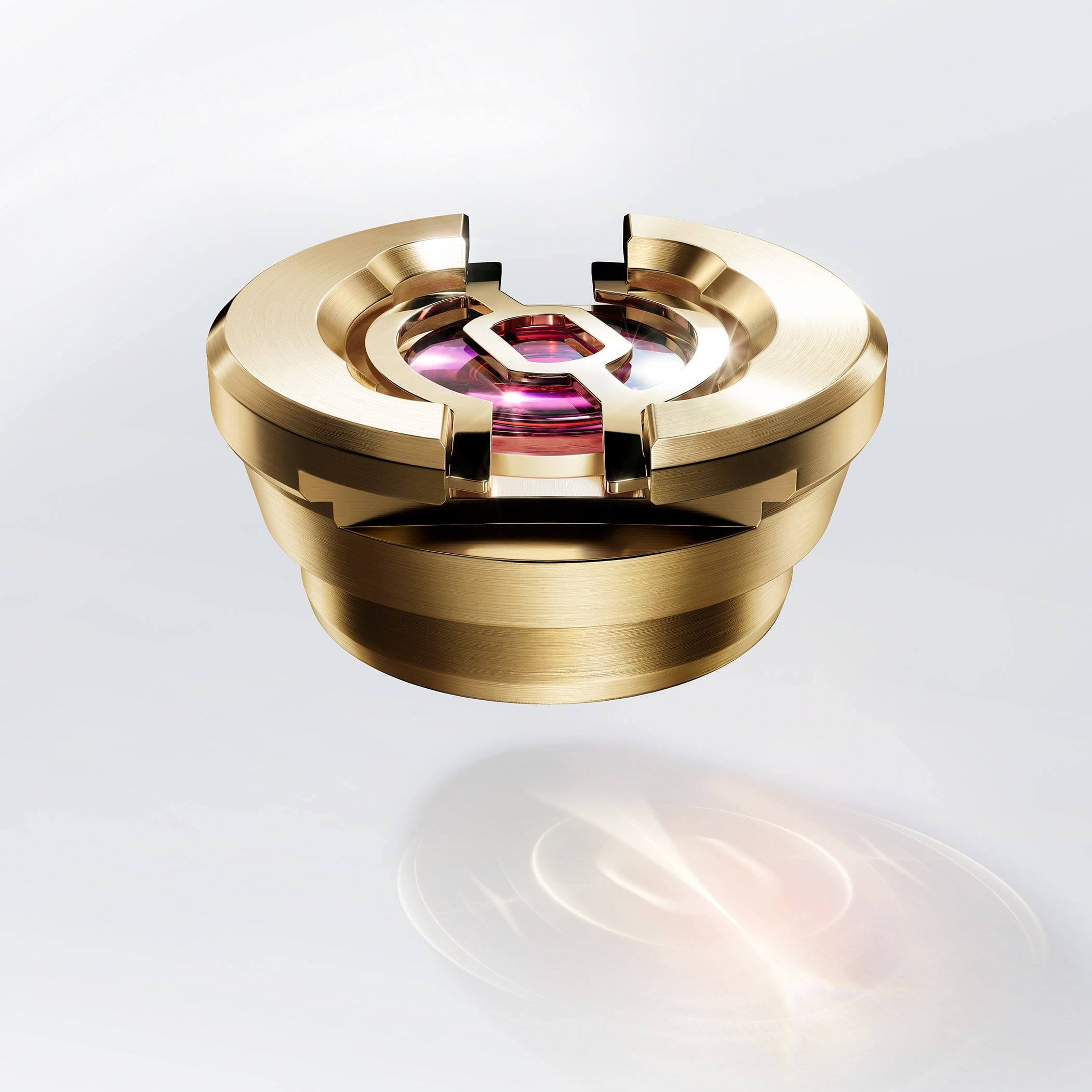
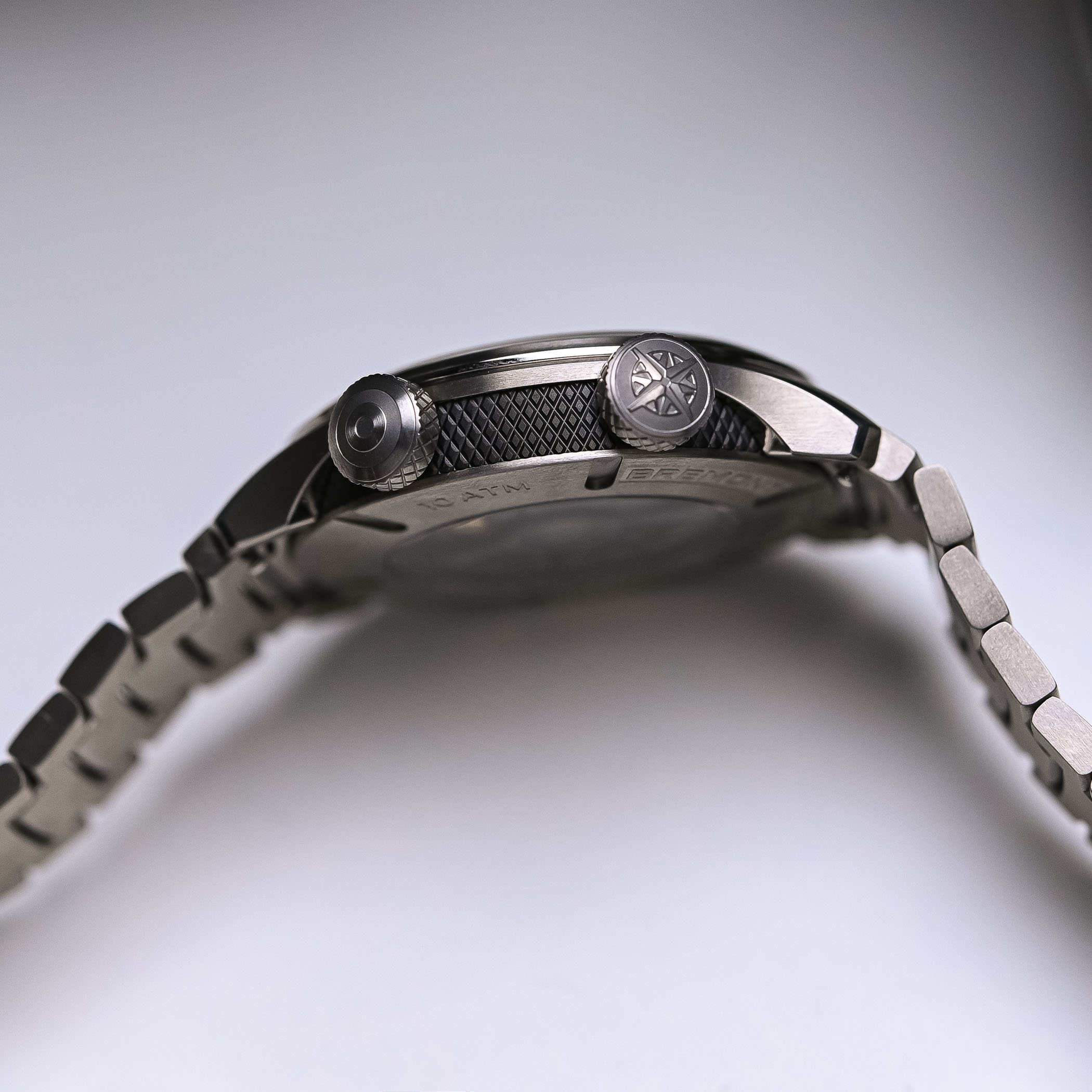
While conventional shock protection focuses on the balance wheel’s staff and pivots, some models have additional (or altogether different) shock protection in place. For example, Bremont uses Incabloc for its movements, but adds additional measures to its Martin Baker series designed to withstand ejections from fighter aircraft. The latest model is known as the Altitude MB Meteor, and the movement is mounted on an anti-shock rubberised ring within the titanium Trip Tick case, creating a movement-wide anti-shock system in addition to the specific balance wheel Incabloc protection. Some quartz watches and modern smartwatches have their own unique shock protection in place. Casio’s G-Shock has a hollow case with an internal floating system with the quartz module attached at just a few strategic points via a flexible mounting system, allowing it to effectively float within the case during impacts. Alpha GEL (aGEL) is also used as a cushion for critical components like the circuit board, as it’s a type of soft, elastic silicone that temporarily deforms under stress. aGel has excellent vibration dampening and can resist frequencies of 1,000Hz and extreme acceleration up to 20G.
Some modern smartwatches use aGEL as well, although usually ruggedised models meant for serious outdoor fitness. Apple Watches and comparable offerings from Samsung and Google take more of a G-Shock approach with hollow space and resin brackets, and various types of foam cushioning. Due to the absence of balance wheels and fragile mechanical parts, quartz and smartwatches are again naturally more shock resistant than traditional mechanical watches, so mainstream offerings from Timex, Casio, Citizen, Swatch and so on feature no specific shock protection within the case.
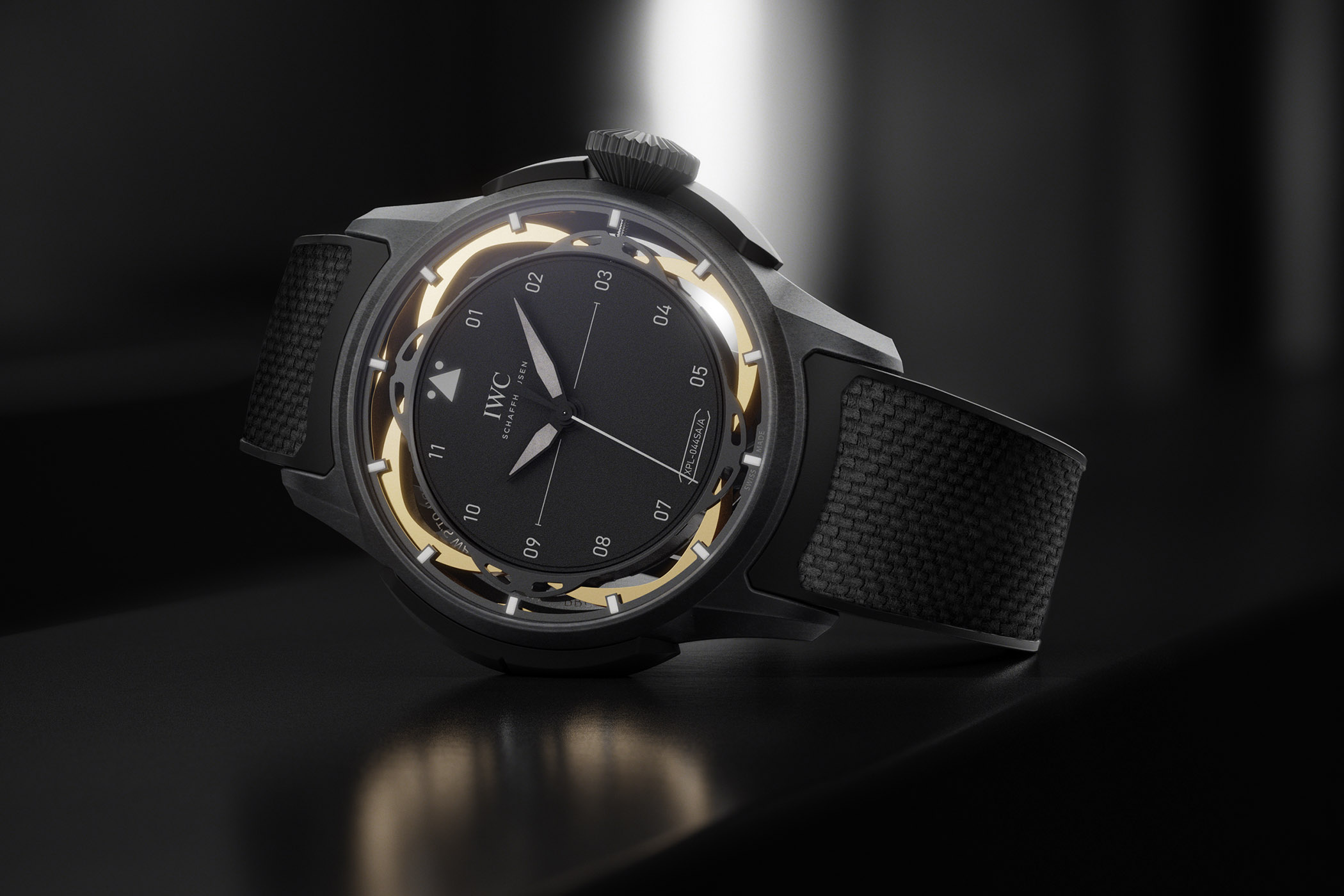
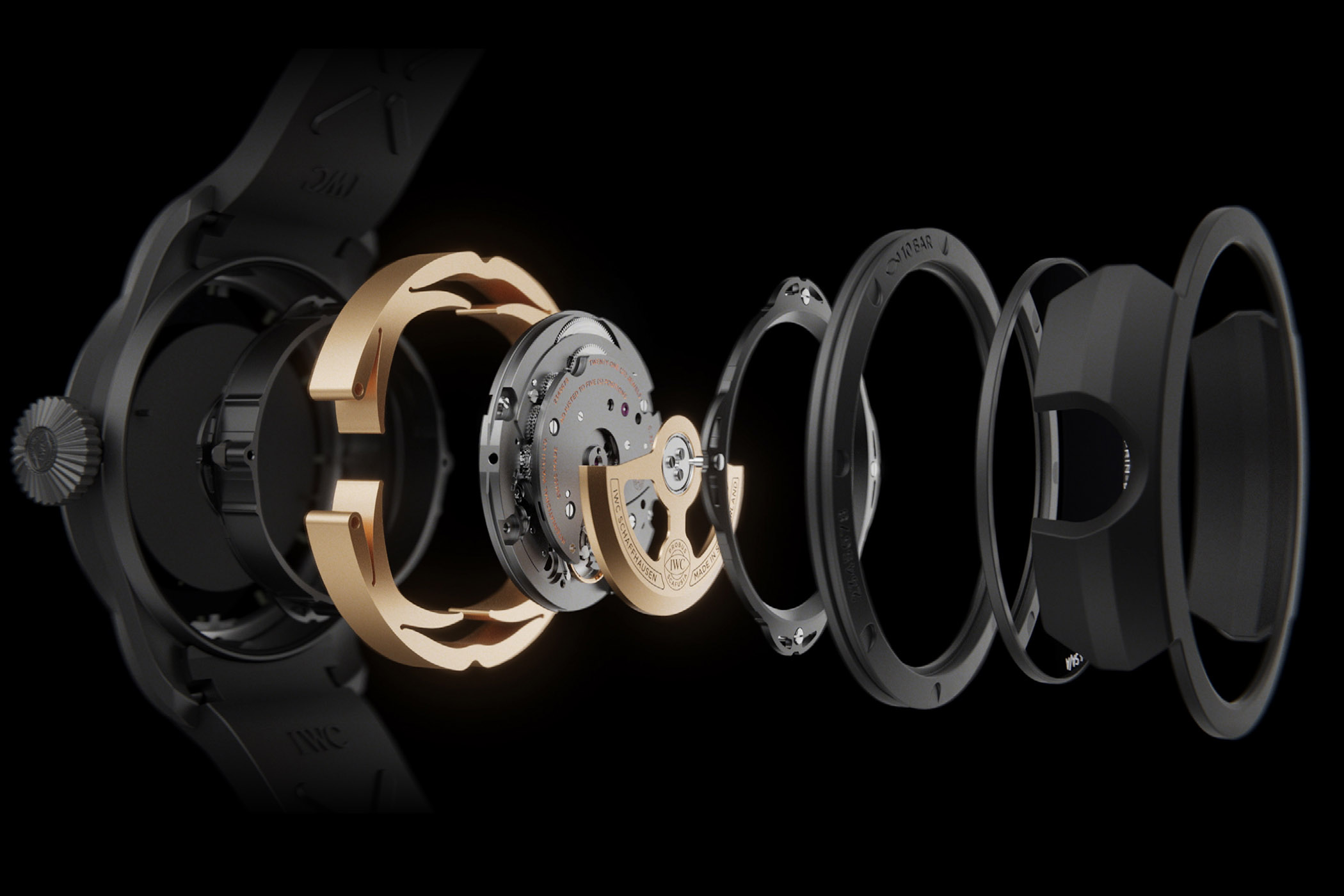
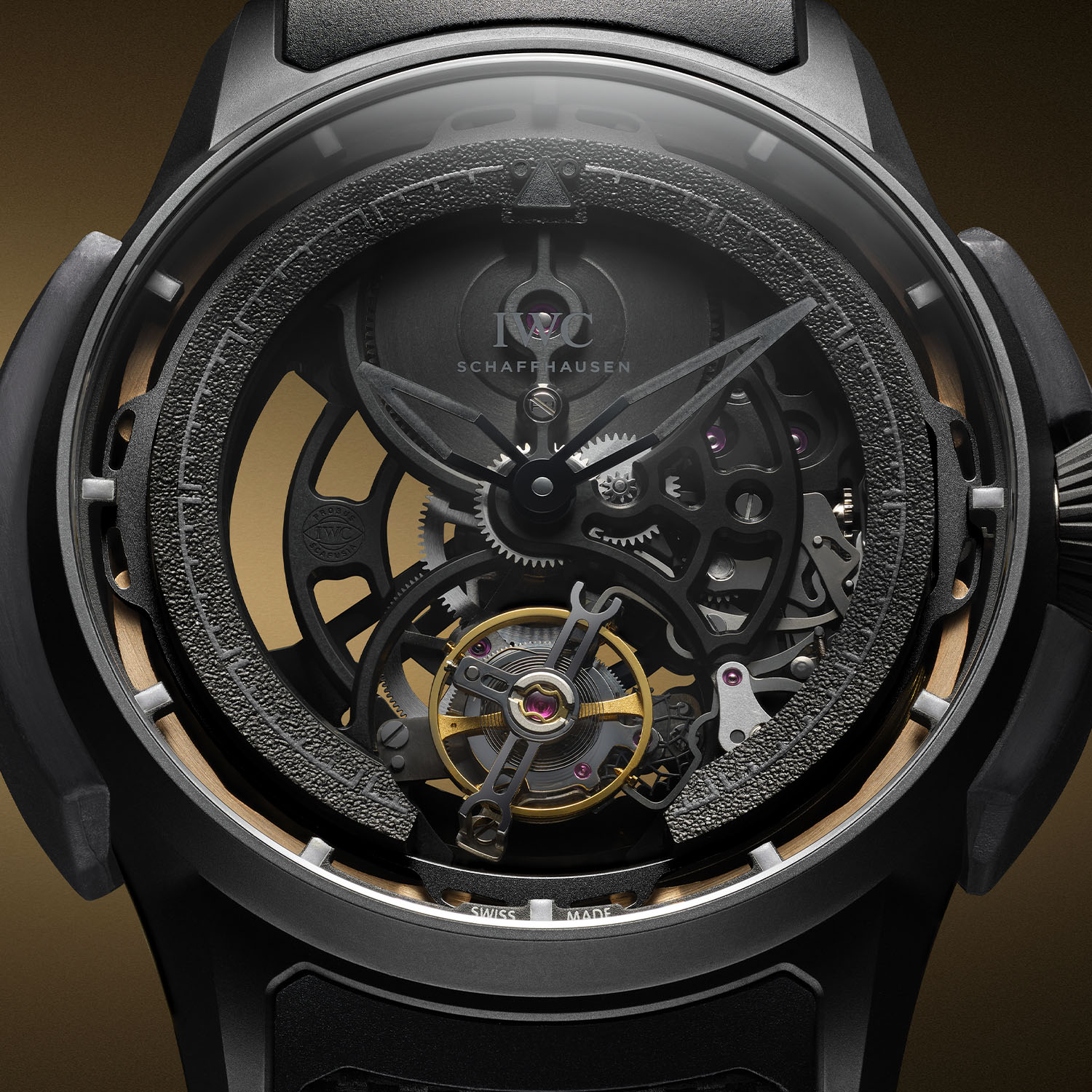
IWC’s patented SPRIN-g PROTECT system is similar in concept to Bremont’s rubberised ring mount for a complete mounting system, this time using a cantilever spring to support the movement and protect it from shocks and high G-forces. The spring is comprised of Bulk Metallic Glass (BMG) alloy that’s more elastic than steel or conventional alloys, and the design was tested at the University of Cambridge and survived an astounding 30,000G. Only a few limited-edition watches used the system, debuting in 2021 and 2025. The Big Pilot Shock Absorber Tourbillon Skeleton XPL (ref. IW357701) from 2025, limited to 100 watches, was rated at 10,000G, which is otherwise unheard of for a tourbillon movement.
Ball Watch Company has an anti-shock system called SpringLOCK that has a protective cage around the hairspring that absorbs energy. Hard knocks can cause the delicate hairspring to deform and disrupt the balance wheel’s isochronism, so that energy is redirected to the cage that also physically limits how much the coils can distort from their natural state. In addition, Ball has the Amortiser system that uses an anti-magnetic ring to surround the movement to protect against shocks – a bumper, if you will. On some models, this includes an automatic rotor locking switch on the case back that secures the rotor in place. This prevents shocks from transferring through the free rotor to the gear train.
Although rare, some shock protection extends beyond the balance wheel to the escapement. For example, Incabloc SA developed Duofix, which is a similar anti-shock bearing system for the escape wheel pivots (and/or fourth wheel) to provide more comprehensive protection to the regulating organs.
This isn’t an exhaustive list of every anti-shock system out there, but it does highlight the principal ones and provide a history of their development. Protection from water and magnetic fields is also vital for the industry, but in day-to-day use, shock protection is arguably the most important. Watches inevitably get knocked around throughout the day, and we can thank Breguet for setting things in motion with pare-chute long before World War I and the rise of wristwatches. Anti-shock systems prove that horology goes far beyond chasing timing accuracy as performance extends from the “lab” to a hostile world full of activities, weather, temperature and even carelessness. Our watches maintain an incredible degree of reliability thanks to shock protection that has become a requisite for all mechanical movements, whether in Asia, Europe or America (and anywhere in-between).

5 responses
Another enjoyable and informative article on the inner workings of a mechanical watch movement, this time on the shock absorber, including its place in history. A much better read than a review of a watch that, for all intents and purposes, doesn’t exist. You know who you are, rolex, don’t you.
Fun fact: In the prior ETA 2824-2 movements used by Tudor, they not only replaced the regulator with Triovis, but also swapped in a KIF shock system like Rolex.
An hole article about shock resistants in mechanical watches without the mentioning of Certinas (New) DS Concept. Certina, the leaders of shock resistants in mechanical watches.
Thank you for the interesting writeup. However, Rolex did not invent waterproof watches; they rather pushed marketing beyond conventional boundaries.
I am missing the Norqain Wild One in this topic…. ?