


 Not all images were able to load for printing. Please close the print window and try again.
 The Most Popular Watch Styles Explained
Mechanical watches have a variety of styles, not unlike cars or clothing, and each has a specific purpose (even if those lines are often blurred)
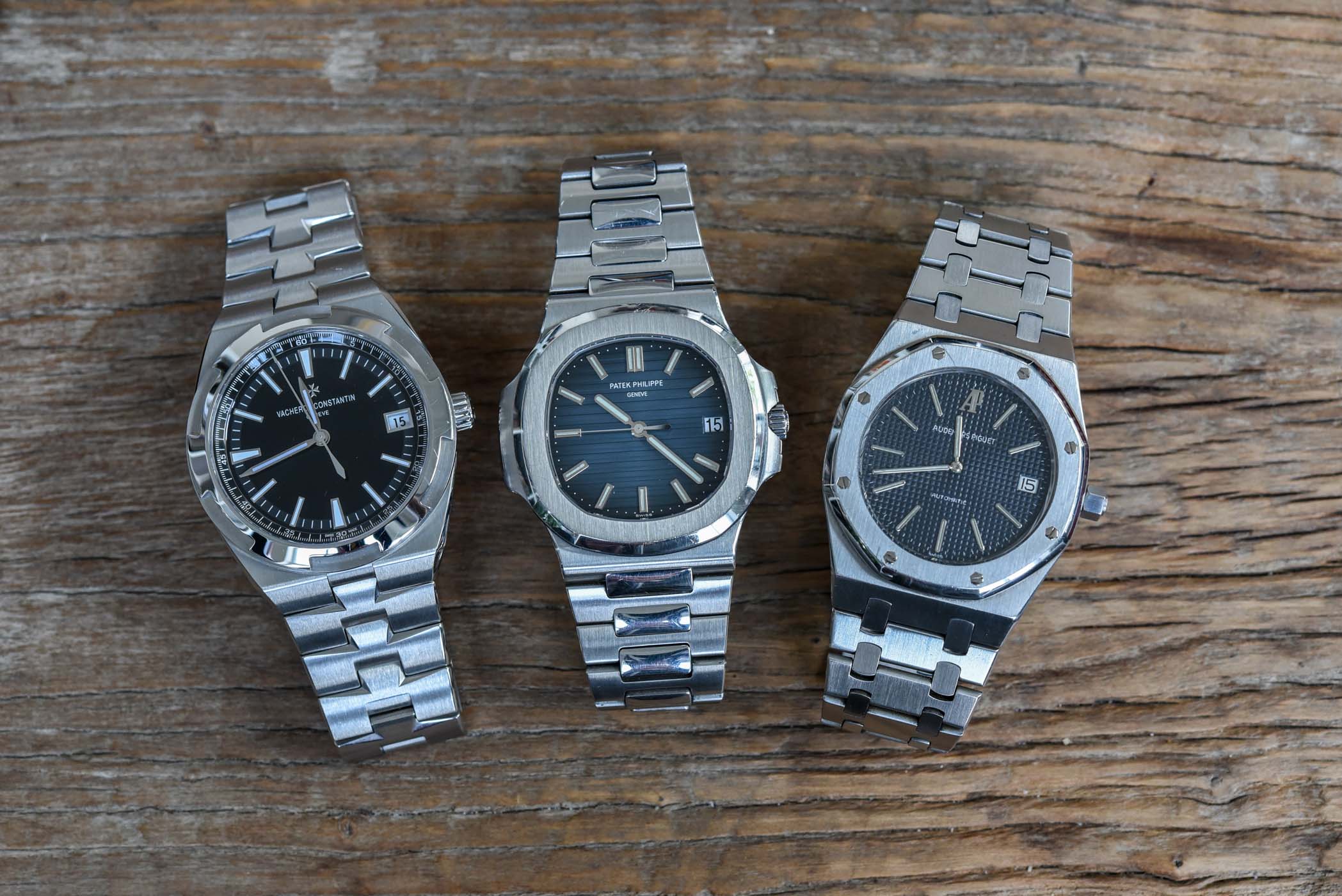
There’s an endless amount of mechanical wristwatches on the market today from a seemingly endless amount of brands (large and small), but almost all watches fall into a specific style (assuming it’s not from MB&F or Urwerk). However, many take on multiple roles and blur those lines – an Audemars Piguet Royal Oak is a sports watch by design, but also clearly a luxury and dress watch. To be fair, it was always marketed as a “luxury sports watch” since its debut in 1972, but I dare say buyers today treat it more as luxury/dress piece than a rough and tumble sports watch (given the price). Many enthusiasts, including myself, dislike putting watches into strict boxes. I’ll wear a dress watch with a t-shirt and jeans, and a nice field watch with a suit and tie, because at the end of the day, there are no rules (just don’t dive with a dress watch with 30 metres of water resistance).
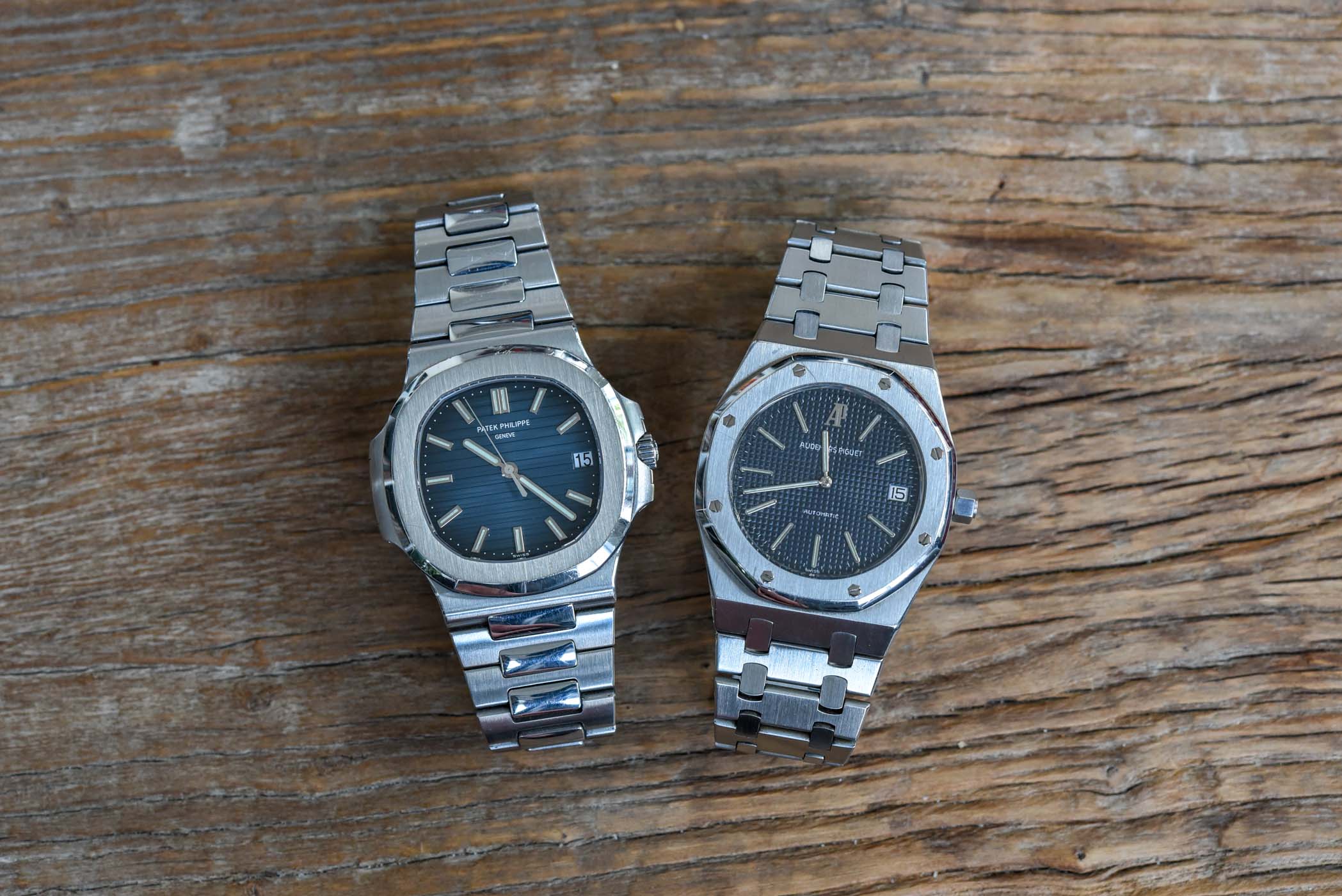
Like cars and clothes, watches have specific styles – there are sports cars, sedans and crossovers, and casual, office and formal dress (and so on). This new episode of the ABCs of Time won’t cover every possible style of watch and will focus on five principal ones. The lines also blur a bit as styles can fall into multiple categories, so you’ll see some models talked about multiple times. Specific examples of watches, from accessible to pricey, will also accompany the list. With all of that out of the way, let’s jump in.
Field Watches
This could easily be called “military watches” as field watches are based on simple, durable and highly legible designs issued to soldiers in the field throughout the 20th century (early World War I models were called trench watches). Some are very faithful to originals throughout the century, while others honour the general style with modern touches. There aren’t really hard and fast rules, but most have large Arabic numerals with a secondary 24-hour scale, plenty of lume and modest case dimensions that rarely exceed 40mm (compact and out of the way). Complications, if present, are usually limited to a date window or a power reserve indicator. Durability is key, but some eras have inexpensive and even disposable models via the MIL-W-46374 spec from Vietnam into the 1980s. In all cases, field watches are rugged and reliable tools of war or outdoor excursions, from hiking trails to rock climbing and anything in between.

Dirty Dozen
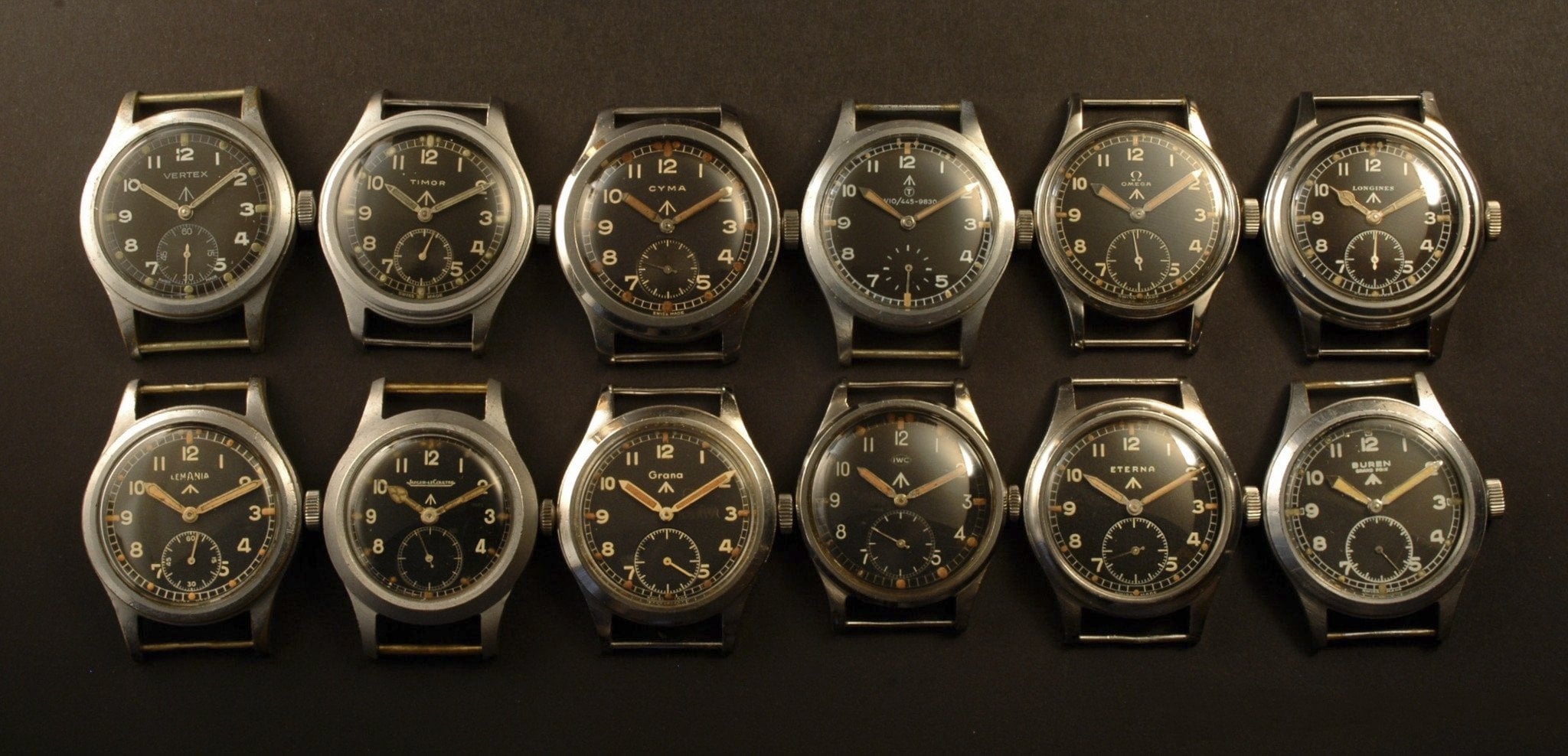
Near the end of World War II, the British Ministry of Defence commissioned field watches from 12 Swiss brands for special field units (including engineers, artillery and so on). They’re arguably the most famous of all historic field watches and easily identifiable by specific design elements. These Dirty Dozen models had black dials, Arabic numerals, small seconds at 6 o’clock, luminous hands and markers, railroad minute tracks and the Broad Arrow and W.W.W. (Watch, Wrist(let), Waterproof) engraved on the case back, and dials featured the arrow at 12 o’clock as well (symbolising property of the British Crown). Other requirements included a shatterproof acrylic crystal, 15-jewel movement (regulated to chronometer standards), 36.5mm case and water/shock resistance. British watch companies were already monopolised by the war effort (producing weapons and ammunition), so Swiss companies were used for the initiative. Although not identical, the 12 Swiss brands produced very similar models within the specific design requirements, and finding a complete, unadulterated set today is a collector’s dream. The 12 Swiss brands were Buren, Cyma, Eterna, Grana, Jaeger-LeCoultre, Lemania, Longines, IWC, Omega, Record, Timor and Vertex, with the latter being a British brand that produced the watches via Swiss facilities – it was a Swiss-made watch from the only British watchmaker on the list. Also of note – these weren’t referred to as the Dirty Dozen at the time, and likely picked up the nickname over two decades later from the 1967 movie, The Dirty Dozen.
Modern Field Watches
Many brands produce faithful yet contemporary field watches that span much of the 20th century. Hamilton is one of the best known with the Khaki Field models, like the hand-wound Khaki Field Mechanical 38mm. Hamilton was an instrumental US partner in World War II, providing over one million watches to US and allied forces between 1942 and 1945, including over 10,000 marine chronometers for the US Navy. Benrus has the 34mm DTU-2A/P that’s very faithful to Vietnam-era watches (MIL-W-3818B) that the brand supplied to US forces in the mid-1960s. Benrus is also credited with creating the first plastic field watch for inexpensive robustness that was easily replaced (MIL-W-46374).
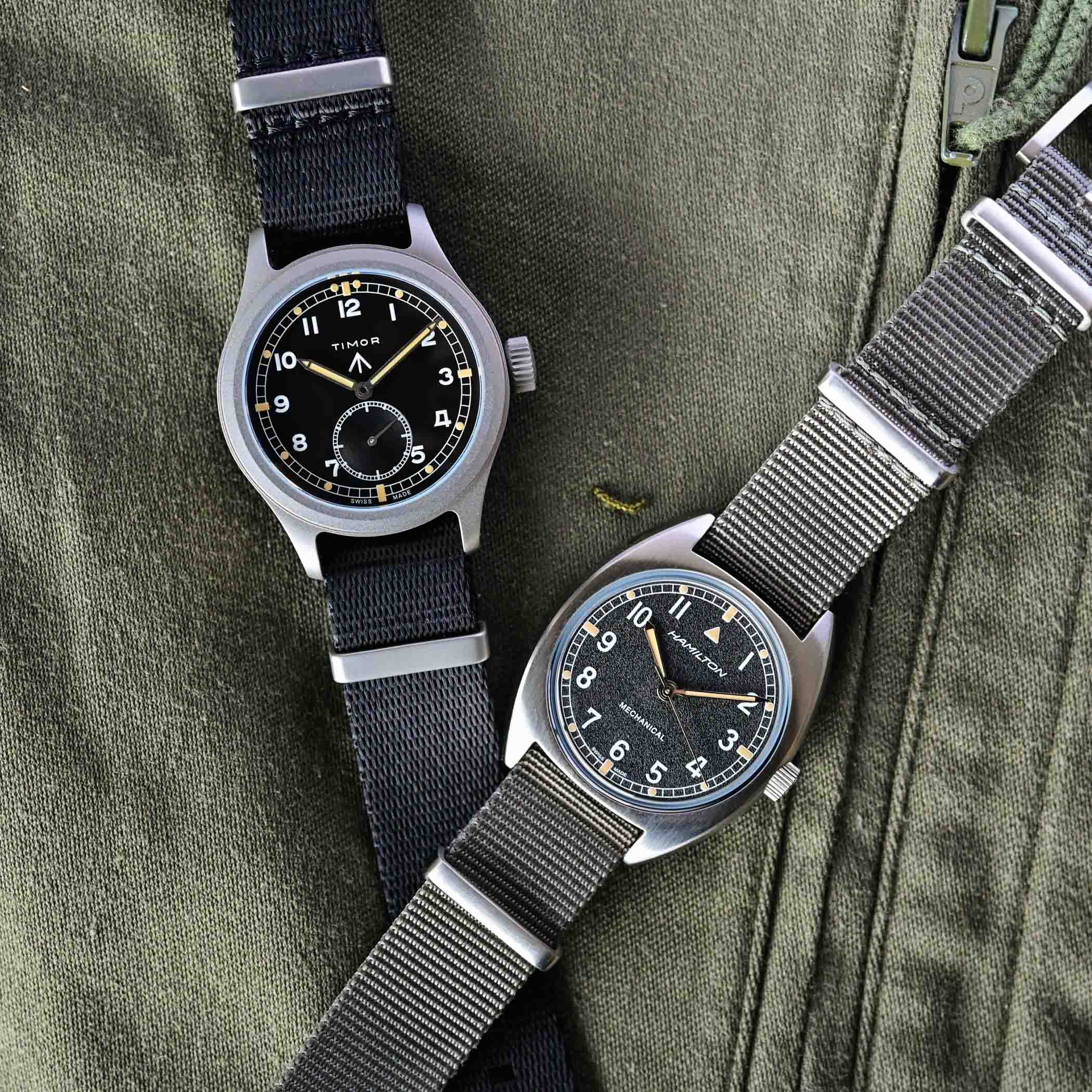
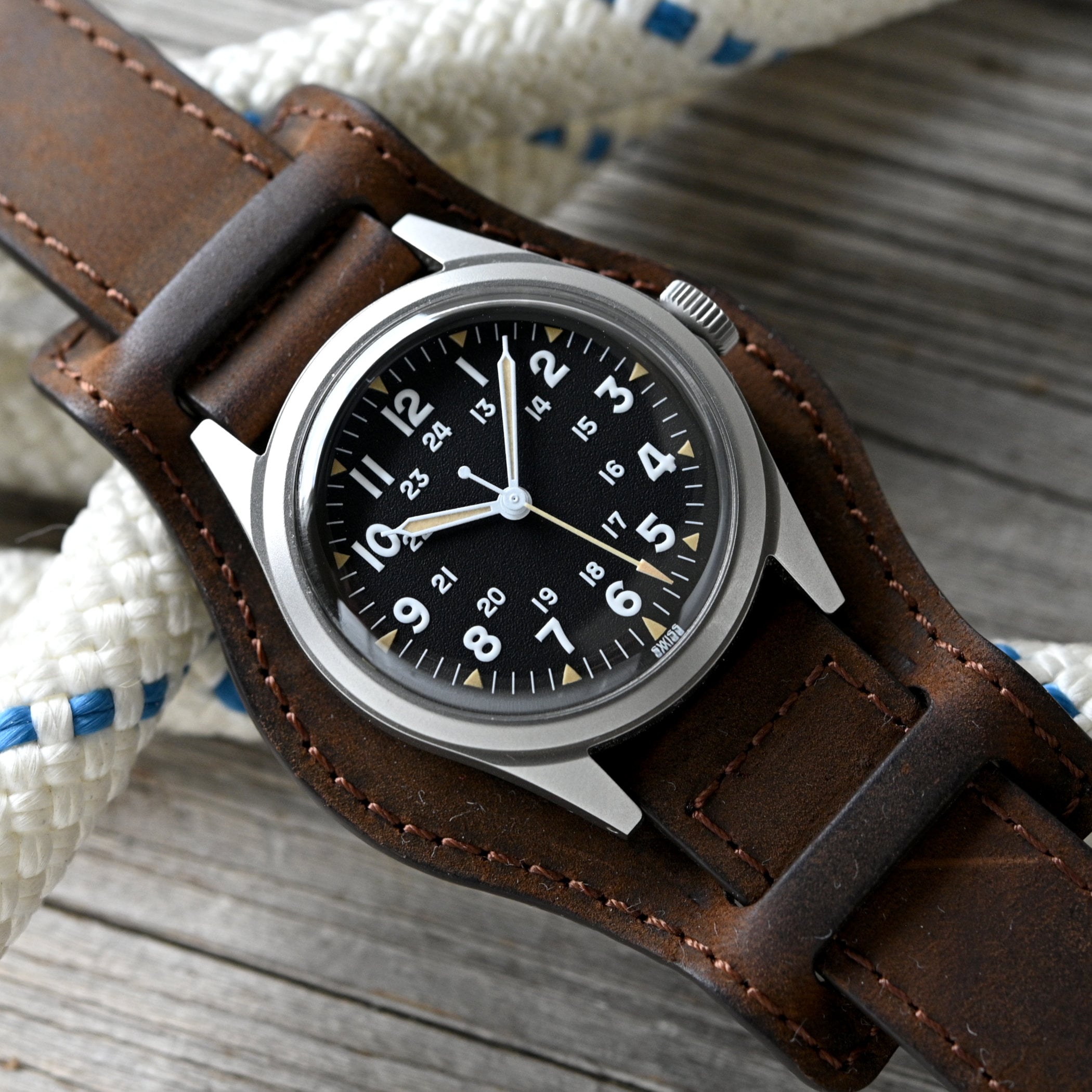
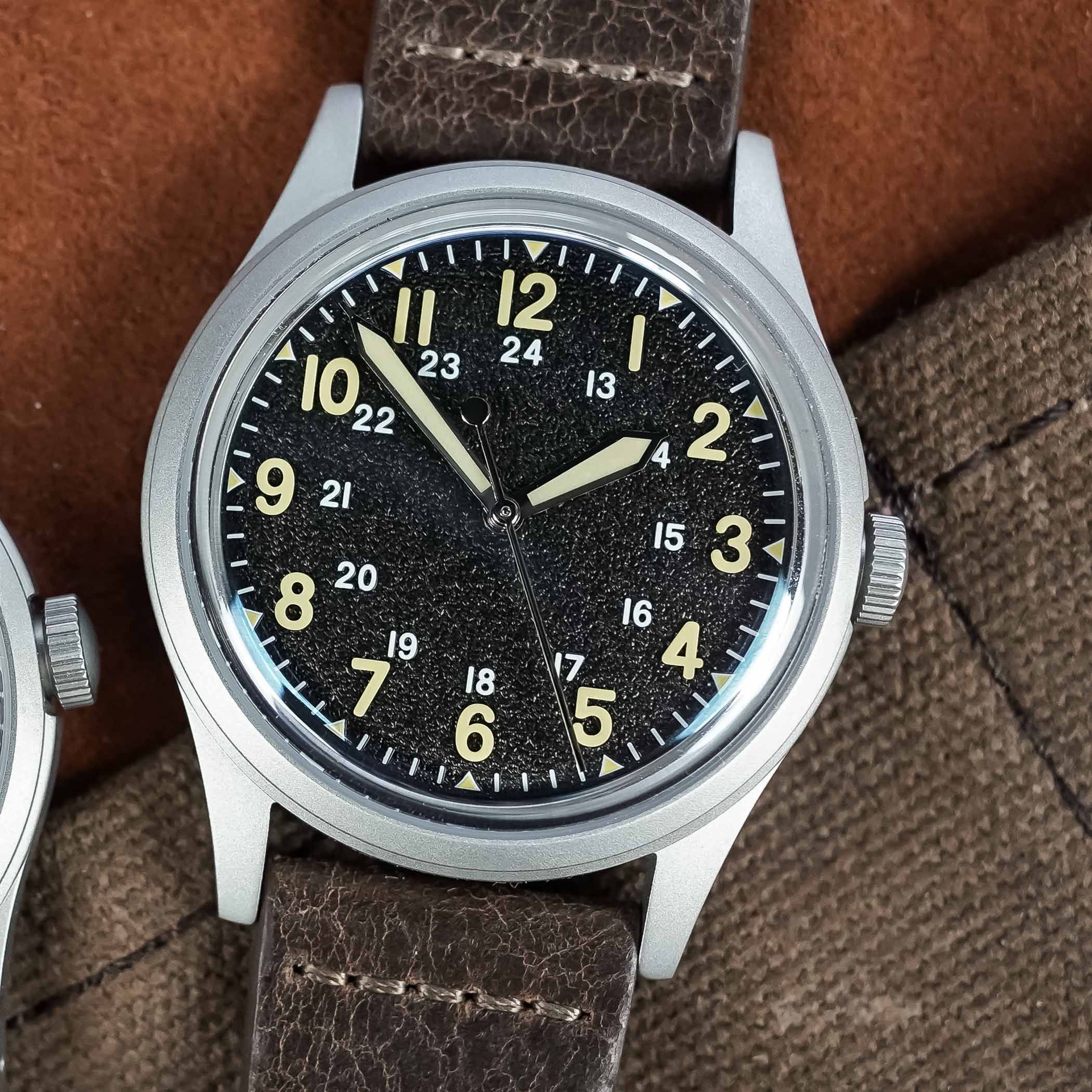
At a more accessible tier, Praesidus Watch Co. has the A-11 Service Watch, a no-nonsense and faithful piece with the A-11 spec that debuted in 1942 for US forces (produced by Elgin, Waltham & Bulova). A-11 watches were designed for both US pilots and field use, and earned the nickname, “the watch that won the war”. If you’re looking for a new Dirty Dozen variant, several brands have you covered, including Praesidus, Vertex (an original maker, relaunched in 2015 after closing in 1972), Timor (another original Swiss maker, relaunched in 2018 in the UK), Bremont, Vaer and more.
Pilot’s Watch
Like field watches, pilots’ watches were born from military necessity (with exceptions for early aviation pioneers). Of course, they debuted alongside the birth of aviation in the early 20th century, with Louis Cartier producing the first in 1904 – the Santos-Dumont wristwatch for his friend Alberto Santos-Dumont that allowed him to check the time without releasing the controls (flying an airship, not winged aircraft). In 1909, Louis Blériot wore a Zenith when he became the first (aeroplane) pilot to cross the English Channel. Pilots’ watches became vital for flight navigation in World War I, and many wrist-worn variants were converted pocket watches with welded lugs. Key design elements included large Arabic numerals for maximum legibility, large crowns that were easy to manipulate with gloves and radium lume for the hands and numerals.
B-Uhr (Flieger)
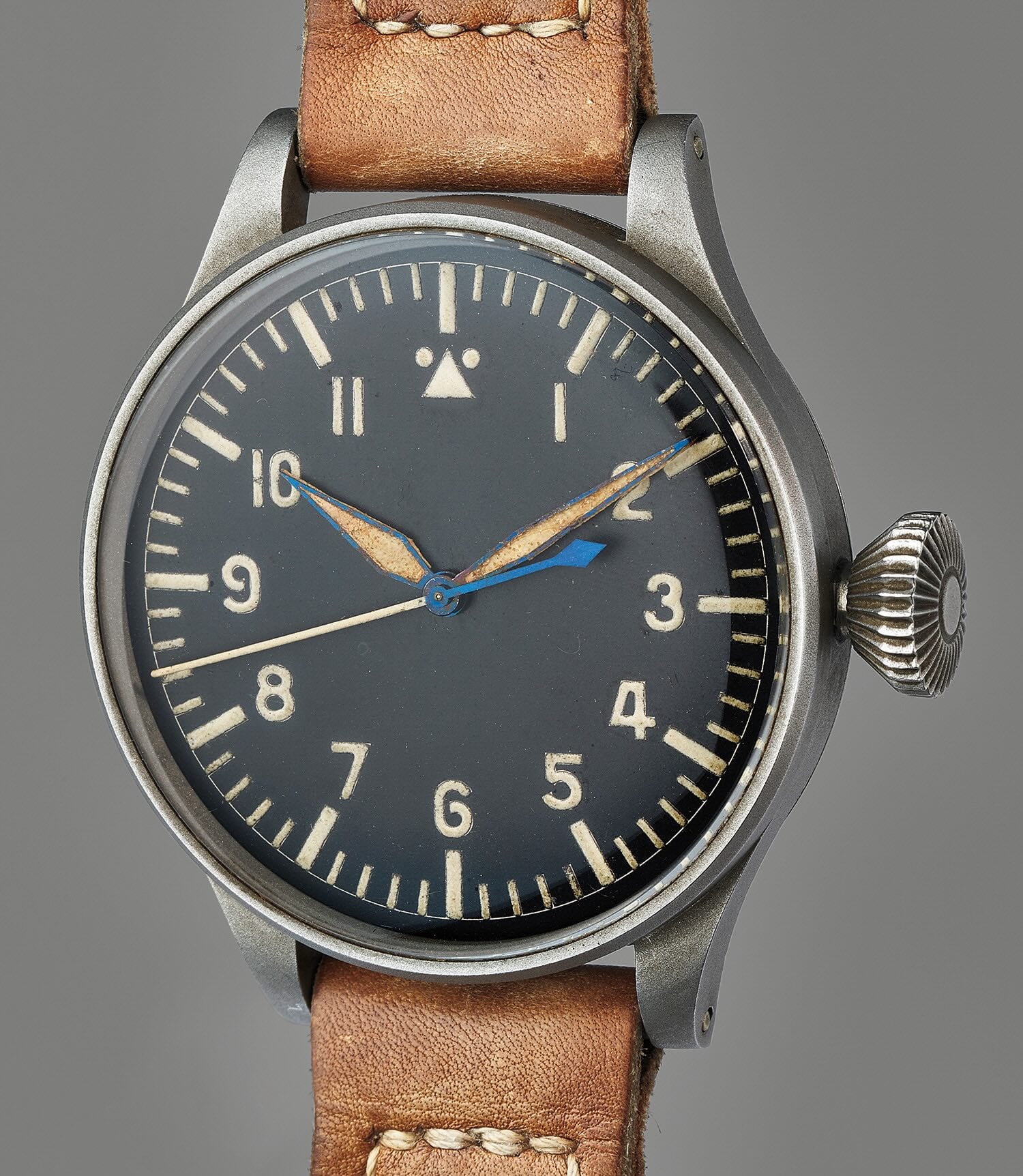
The B-Uhr (Beobachtungsuhr or German for observation watch) was born in 1940 for Luftwaffe aviators and remains a classic style today. Cases were large at 55mm in diameter and featured oversized onion crowns (or other large types) and a soft iron cage for high magnetic resistance. During the war, there were five brands commissioned to make these watches (similar to the Dirty Dozen initiative) – Laco, A. Lange & Söhne, Stowa, IWC and Wempe. Two distinctive matte black dial types define the B-Uhr. Type A dials (Baumuster A) debuted in 1940 with a simple, almost sterile design with large Arabic numerals for 12-hour time and a triangular index with two dots at 12 o’clock. A year later, Type B dials (Baumuster B) had large Arabic numerals for minutes instead of hours – 5 to 55 with a triangular arrow marking 12 o’clock. Inside of this were smaller numerals for 12-hour time. Unlike wartime field watches that had prominent 12-hour time with 24-hour time circling inside, Type B dials never included 24-hour time. Both B-Uhr types had leather straps riveted to fixed bars for strength, and the large cases were often worn over flight jackets (like a dive watch over a wetsuit).
Modern Pilot’s Watches
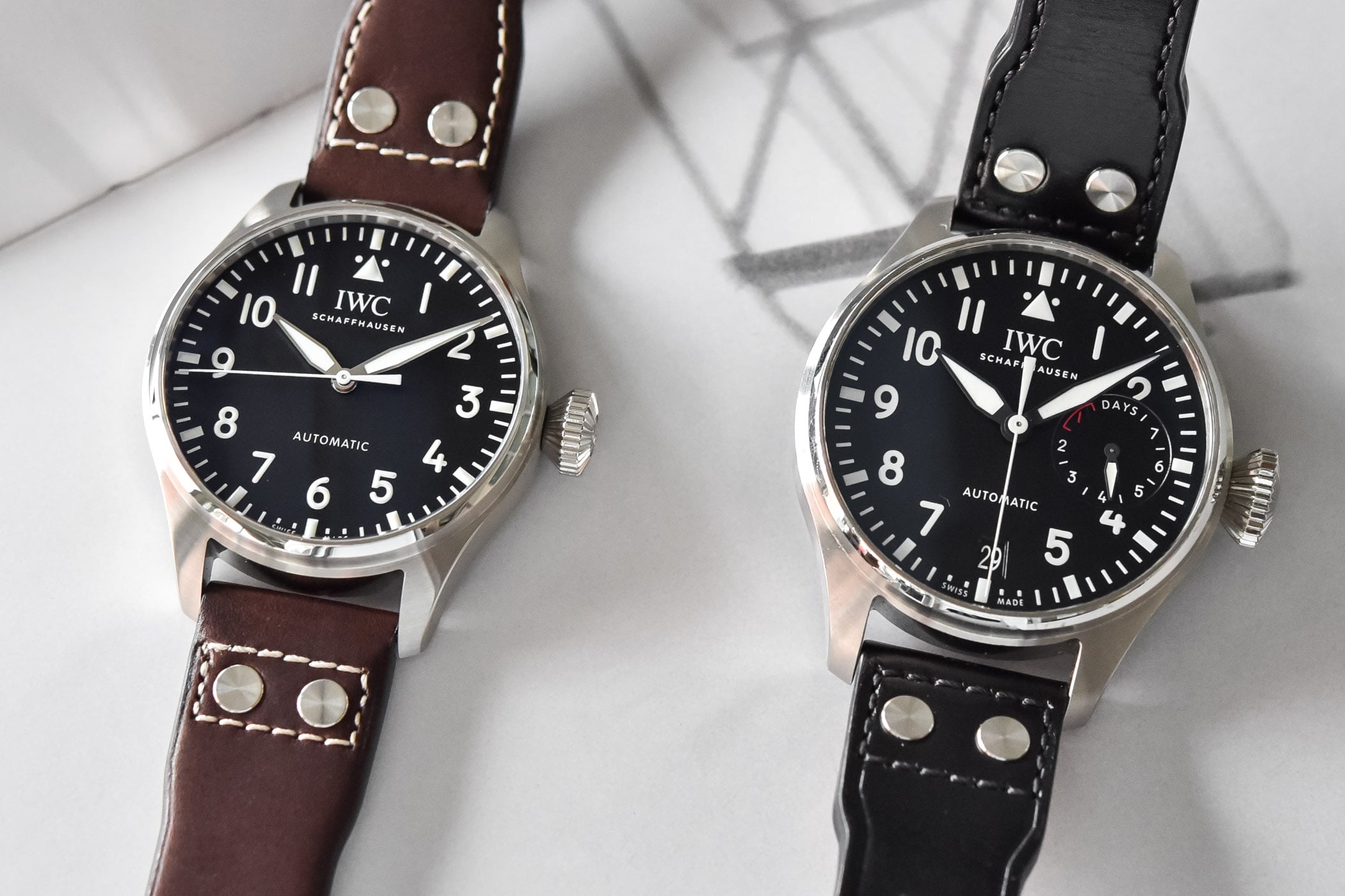
During the Vietnam War, the Glycine Airman became a cult favourite among pilots for its 24-hour dial and rotating 24-hour bezel with GMT functionality. It debuted in 1953 (with hacking seconds introduced in 1955) and wasn’t an official military issue, but pilots bought it in droves for active use, while commercial pilots relied on it for tracking multiple time zones in the jet age. Rolex’s GMT Master also became a commercial pilot favourite. Today, some pilot’s watches are designed for very specific needs, like Bremont’s Altitude MB Meteor (from the original Martin Baker line), which is designed to withstand emergency ejections from jet fighters (for continued, reliable use behind enemy lines, etc.). Although modern technology has rendered most mechanical watches obsolete in a cockpit, some pilots still wear chronographs to calculate distance and/or fuel use, and GMT watches to track multiple time zones.
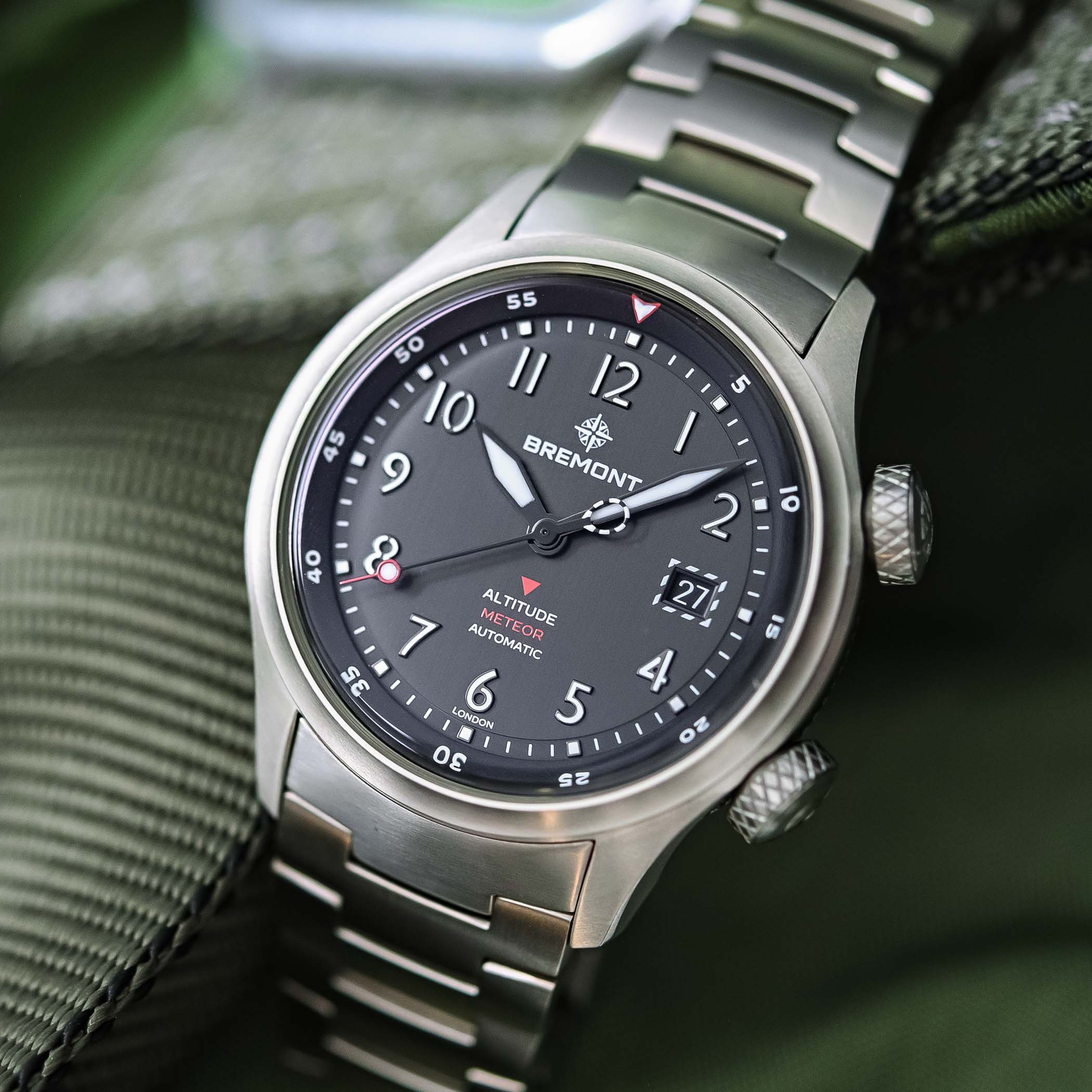
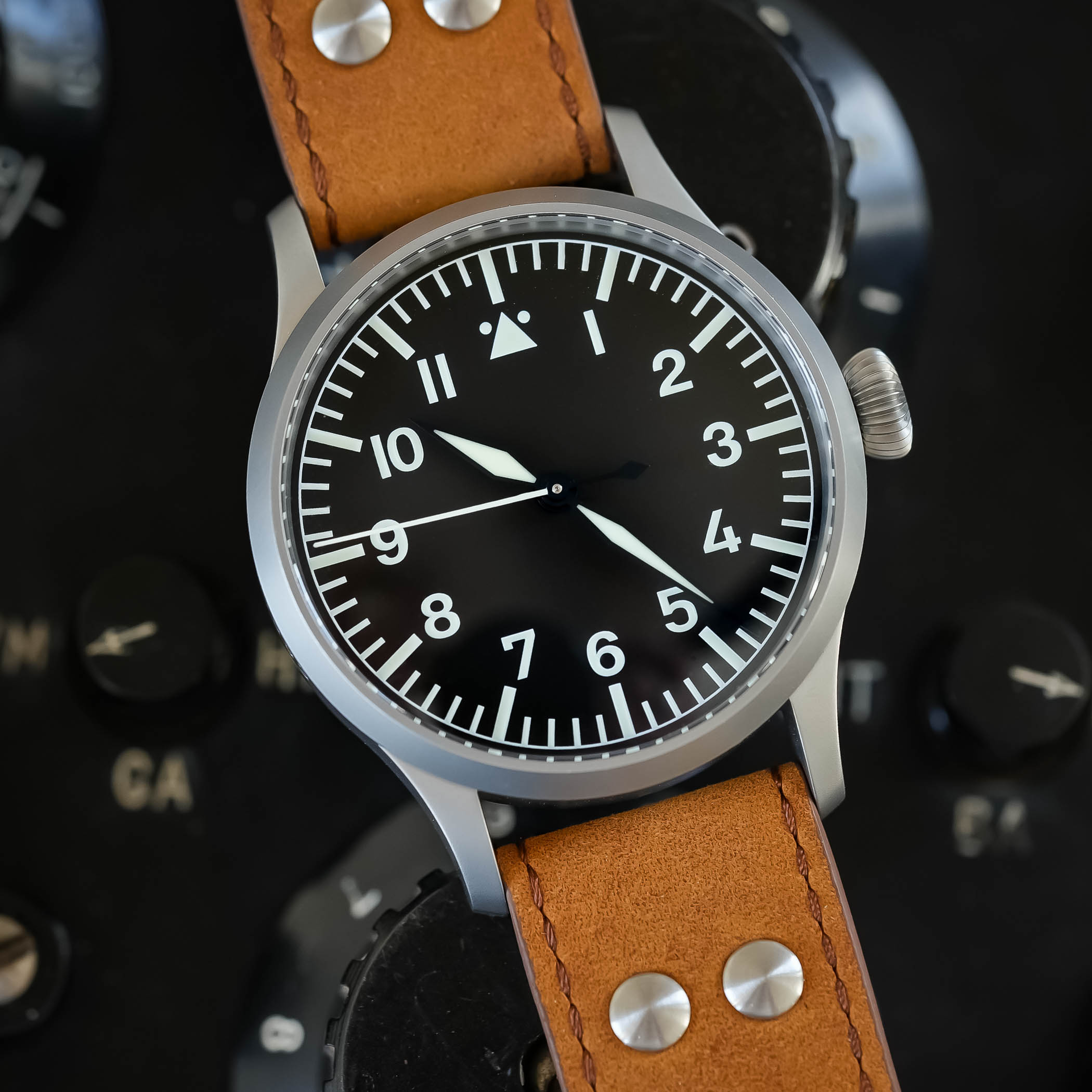
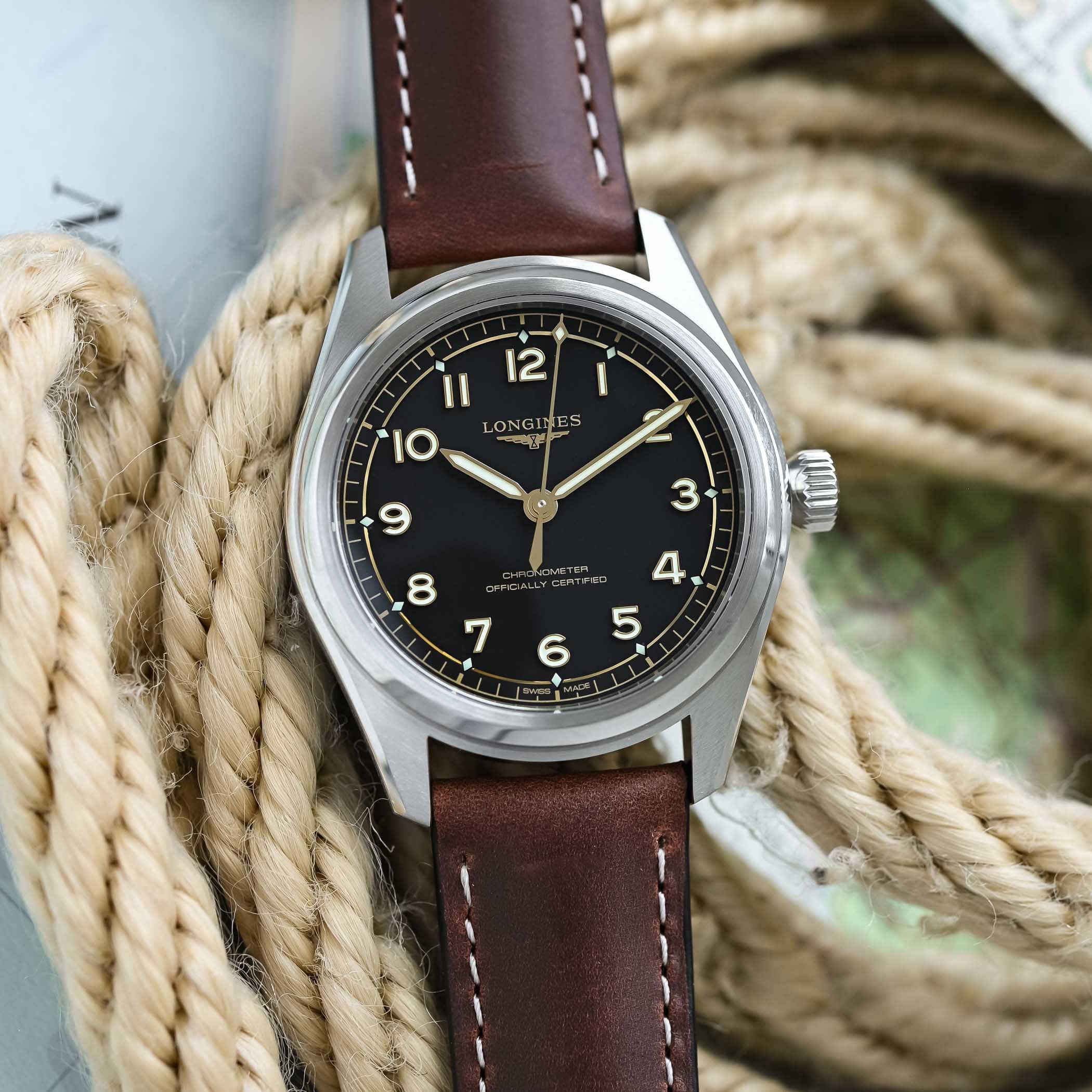
IWC is well known for its modern pilot’s watches, like the Big Pilot’s Watch and Mark XX. On the more affordable front, Oris is well known for the ProPilot line. Brands like Stowa and Laco, which produced the original B-Uhr models during World War II, offer modern yet faithful versions in many sizes.
Sports Watch
The “sports watch” term is a bit vague – a watch that’s rugged enough for playing sports, mountain climbing, a rough day on the boat and so on, but field and dive watches can also fall into this category (the lines often blur). So, for this one, we’ll look at some traditional sports watches that were either developed with a purpose or have a classic aesthetic that helped define the category (aka integrated sports watches). Rolex really defined what a “sports watch” is with the Oyster case back in 1926, which was one of the very first to be dust and water-resistant. With a screw-down crown, case back and bezel, it sealed like an oyster shell (hence the name) and was the first rugged wristwatch case on the market. A year later, Mercedes Gleitze swam the English Channel for 10 hours with a Rolex Oyster on her wrist, proving the water resistance and overall durability of the new case design.
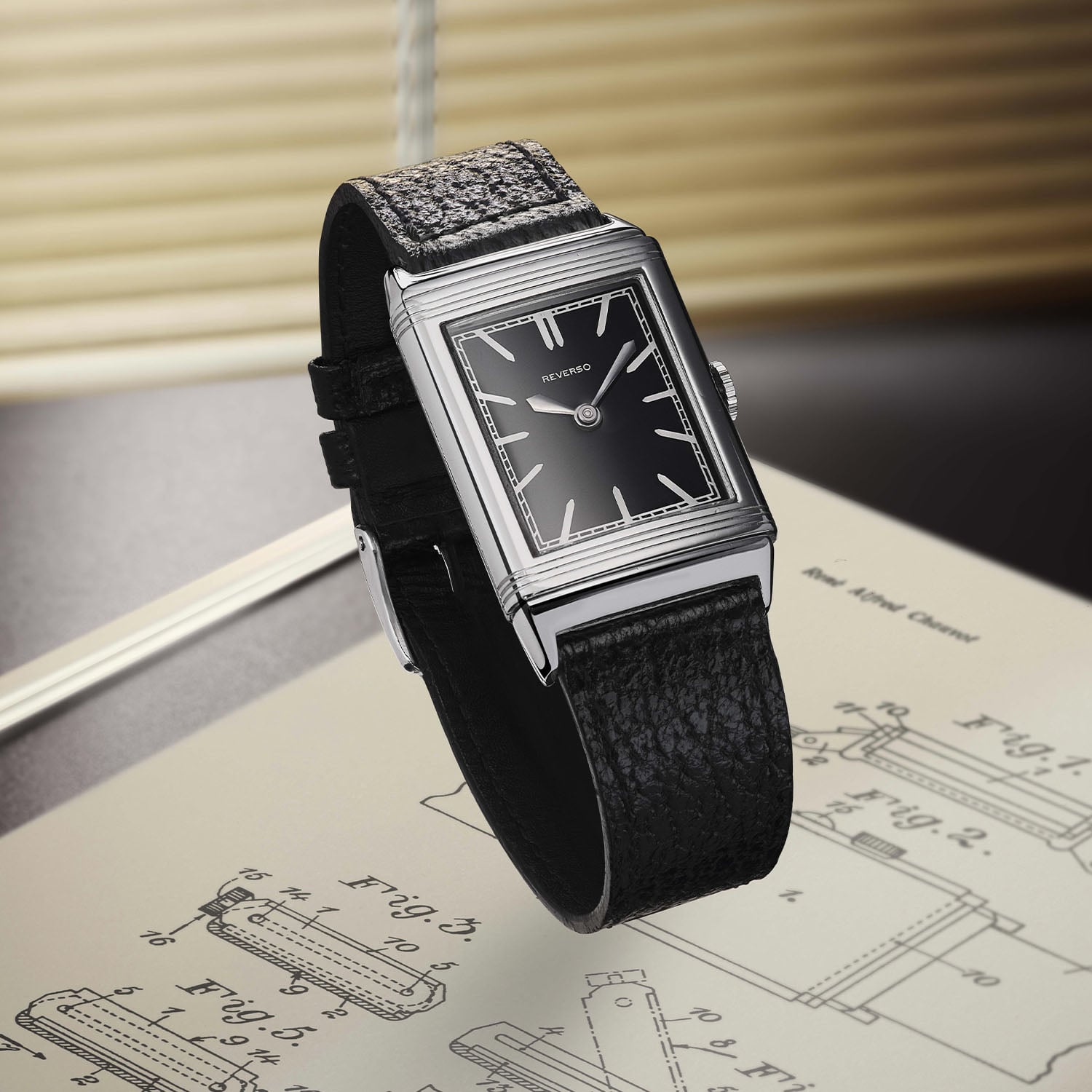
Jaeger-LeCoultre Reverso
Launched in 1931, the Jaeger-LeCoultre Reverso was designed to withstand the rigours of polo matches, while also doubling as a dress watch for nighttime events. As the name implies, this Art Deco masterpiece could reverse itself within the secondary outer case, so the crystal was face down and shrouded with the solid case back forward, protecting it from hard-fought polo matches and other rigours owners might throw at it. It wasn’t the first to have a reversible, protective case – the Le Cabriolet model from Universal Geneve debuted a few years earlier, and Cartier, Patek Philippe and others had similar concepts in the 1930s. The Reverso, however, outlasted all and reigns supreme today. The watch has evolved well beyond its polo roots as both sides now showcase watch faces, movements and/or complications (defeating the original intent), although the classic and protective one-sided models still exist and are popular with traditionalists.
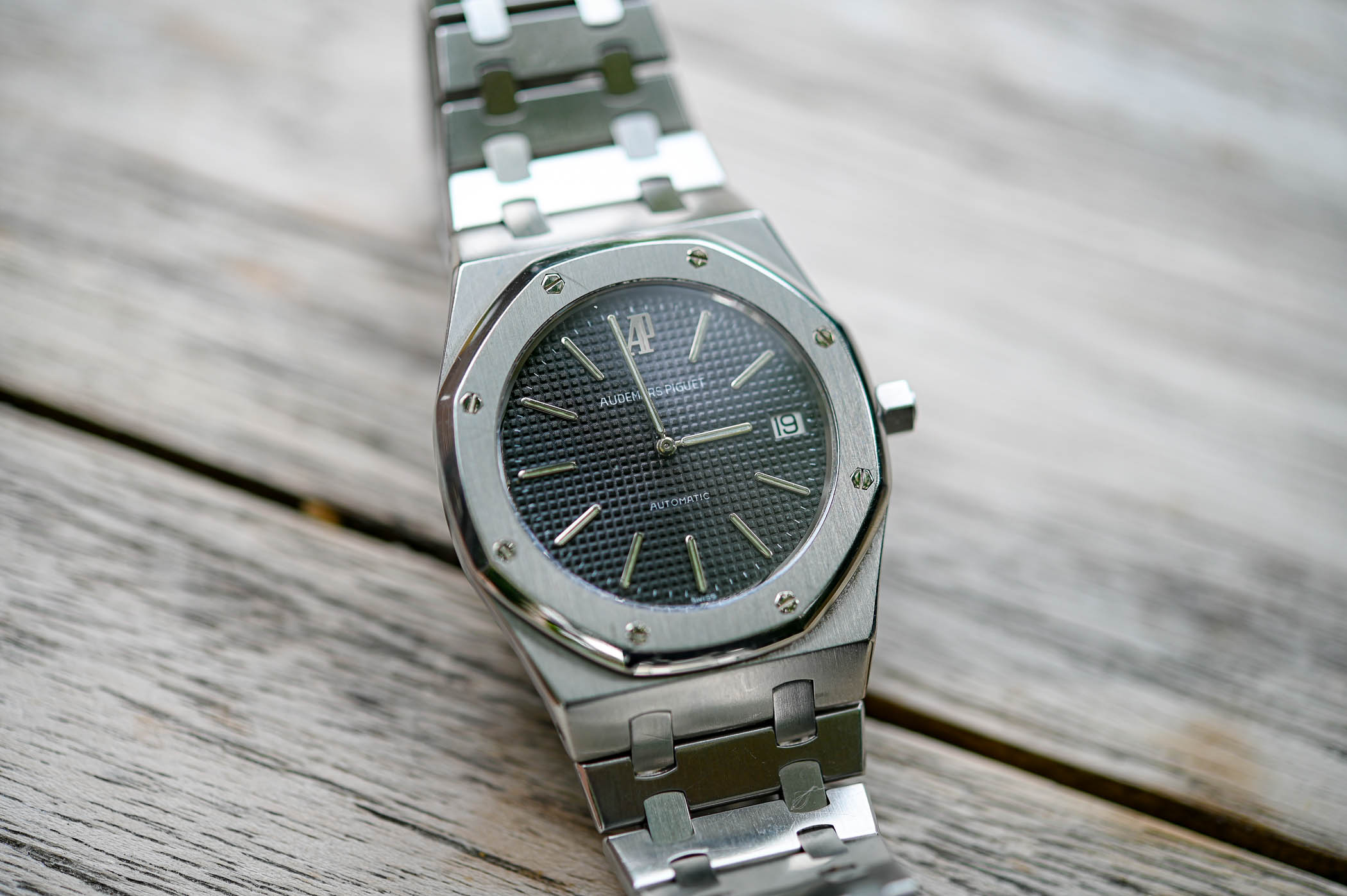
Audemars Piguet Royal Oak
The AP Royal Oak was a game-changer in 1972 (ref. 5402ST) when legendary designer Gérald Genta created the first luxury integrated sports watch – in stainless steel, no less. A tonneau-shaped case replaced traditional round counterparts and featured an octagonal bezel with eight exposed screws, inspired by a deep-sea diving helmet. An integrated bracelet and petite tapisserie-patterned dial completed the look, and countless integrated sports watches today take inspiration from the Royal Oak, from the popular and affordable Tissot PRX to (dare I say?) the Girard-Perregaux Laureato Fifty – the latter originally launched a few years after the Royal Oak in 1975. Although among the most legendary of watches today, the Royal Oak was polarising and rather unpopular at launch, and at CHF 3,300, it was exorbitantly expensive for a steel watch – more than the gold Patek Philippe Calatrava and several times more than the Rolex Submariner.
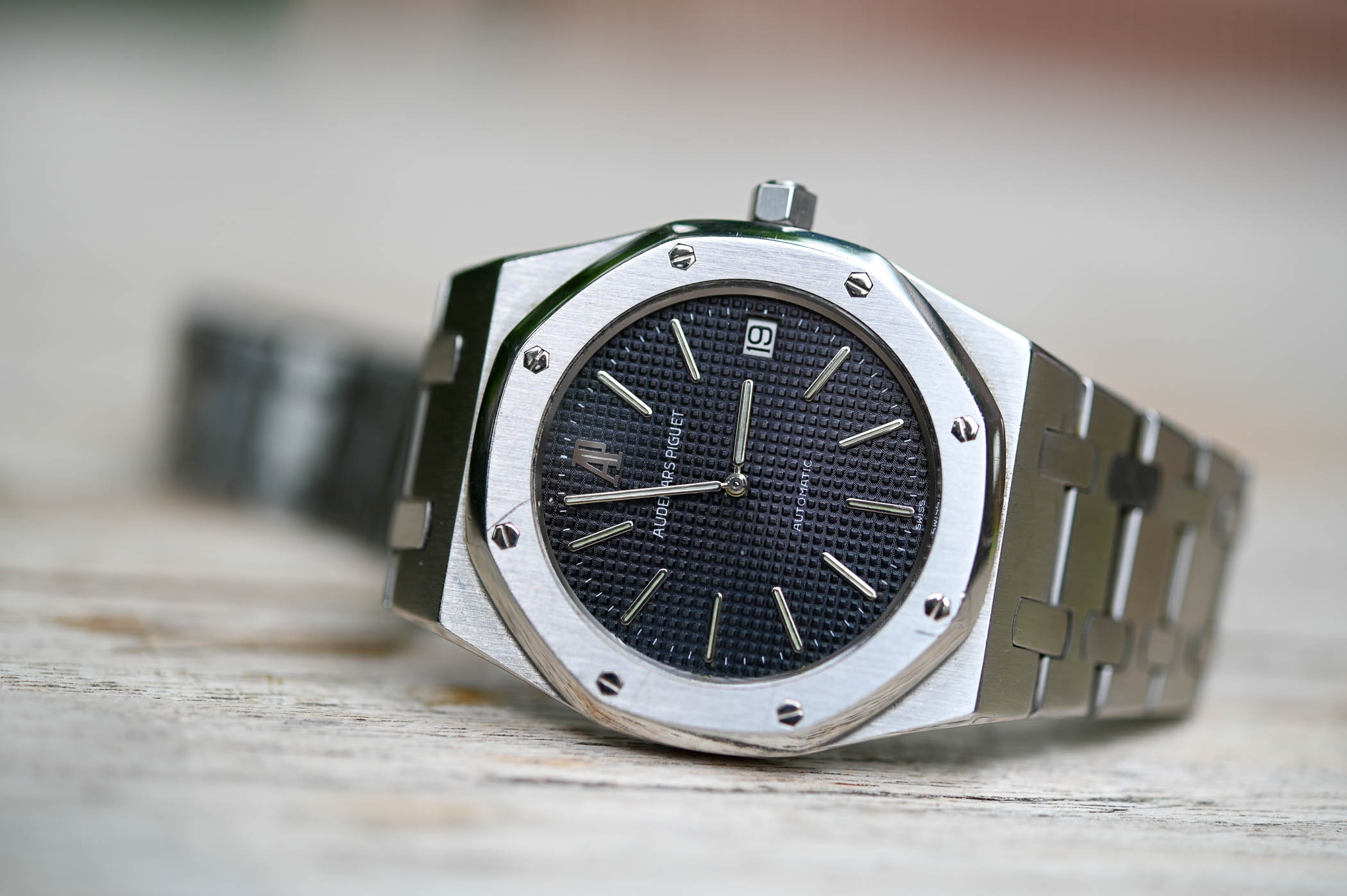
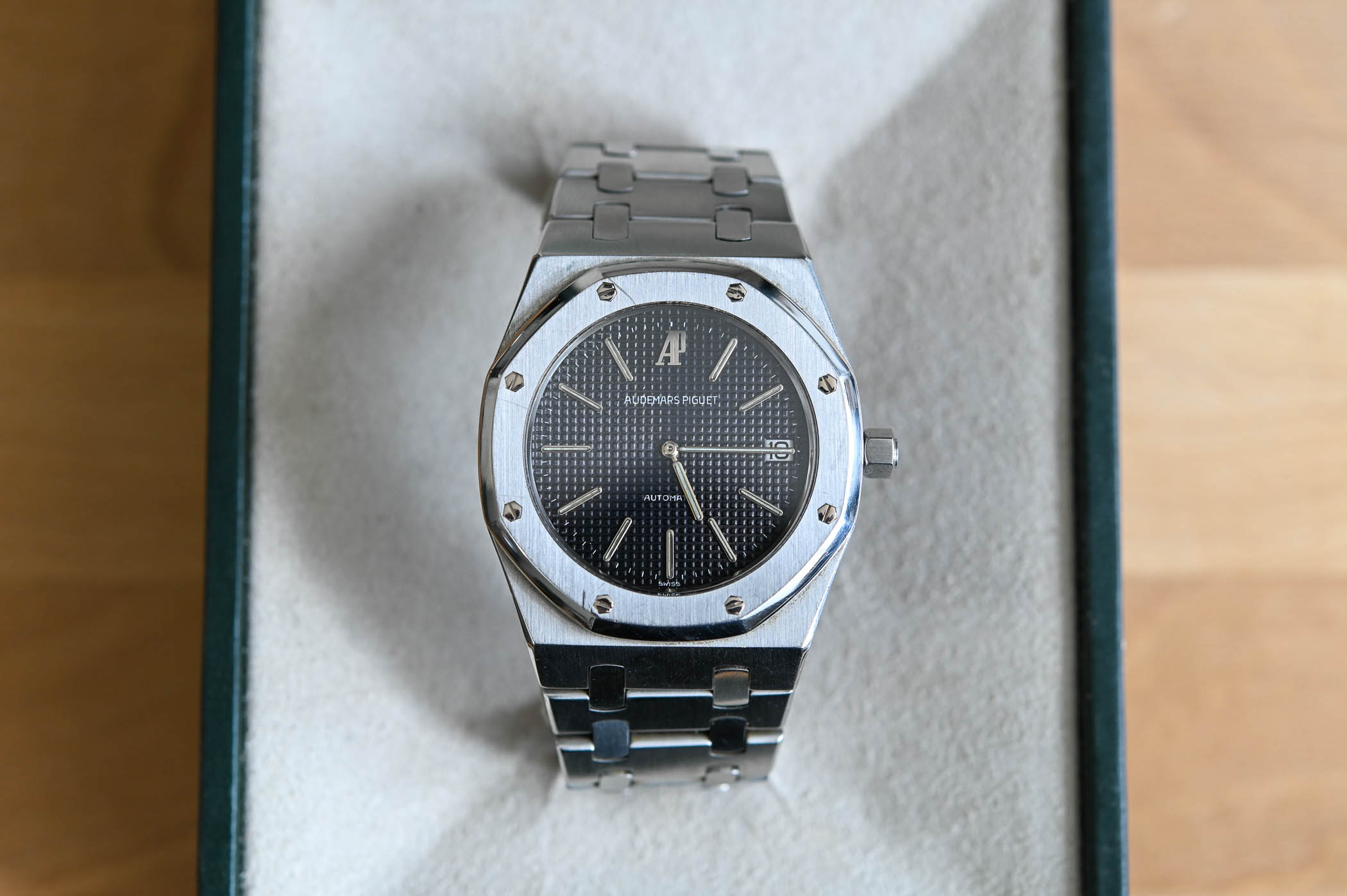
American marketing campaigns even bragged that it was the “costliest stainless steel watch in the world”. Of course, it caught on and even became a symbol of wealth and defiance of convention, and in many ways, the model saved the watchmaker during the turbulent Quartz Crisis. It was the antithesis of the quartz craze. Stainless steel also made it more rugged and suitable for daily wear, despite the high cost and otherwise luxury position. Along with traditional models, perpetual calendar, chronograph, tourbillon and more Royal Oaks make up the collection today, and solid gold and even platinum cases and bracelets are available (and go for Ferrari money).
Dive Watch
Unlike the term sports watch that can be used for a wide range of watches, the concept of a dive watch is far more precise. While watches meant for aquatic activities have existed ever since the invention of the waterproof case – the first known examples were pocket watches from the late 19th century, followed by early wristwatches used during WWI, or the Submarine watch by Tavannes Watch Co. Then, in 1926, Rolex launched the Oyster case concept equipped with a screw-down crown, a revolutionary concept that changed water and dust resistance forever. The 1932 Omega Marine, even though not yet defined by the classic elements of a modern dive watch, could be considered one of the earliest of its kind, as it was tested to depths no watch had ever been taken to before – 73 meters in Lake Geneva and then to a pressure corresponding to 135 metres depth in a laboratory. WWII also had a strong influence on watches meant for aquatic use, with the development of frogmen units, underwater demolition teams and submarine units, all needing watches with more resistance than usually seen. Most famous examples are the Panerai Radiomir or canteen watches made for US military forces, with a screw-down crown cover.
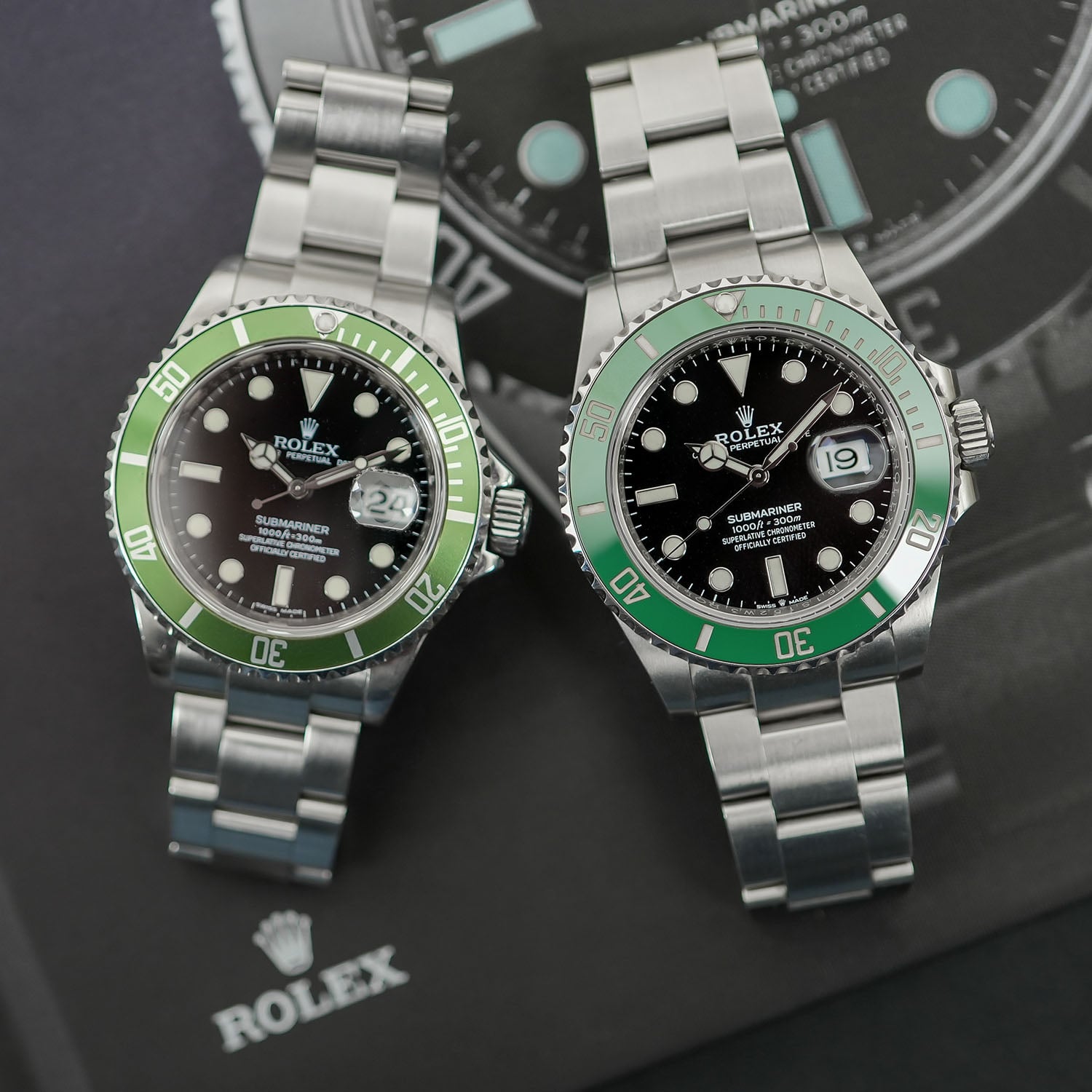
But it’s the development of scuba diving and its spread across the general public that brought the concept of the modern dive watch to the world, partially due to the association between Rolex and French underwater photographer, engineer and explorer, who jointly worked on the creation of the Submariner, and Blancpain with Commander Robert Maloubier of the French Special Forces Combat Swimmers, working on the Fifty Fathoms model.
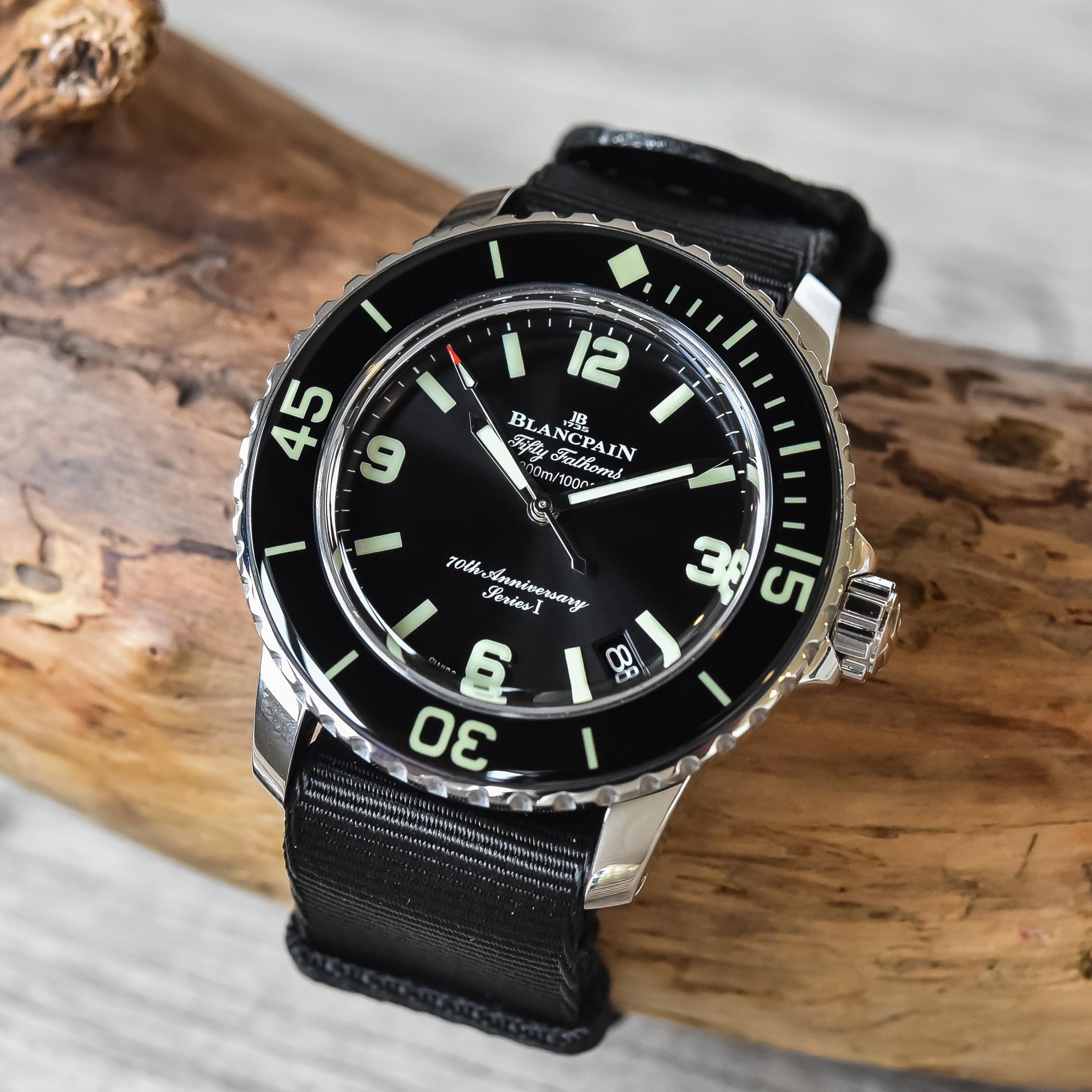
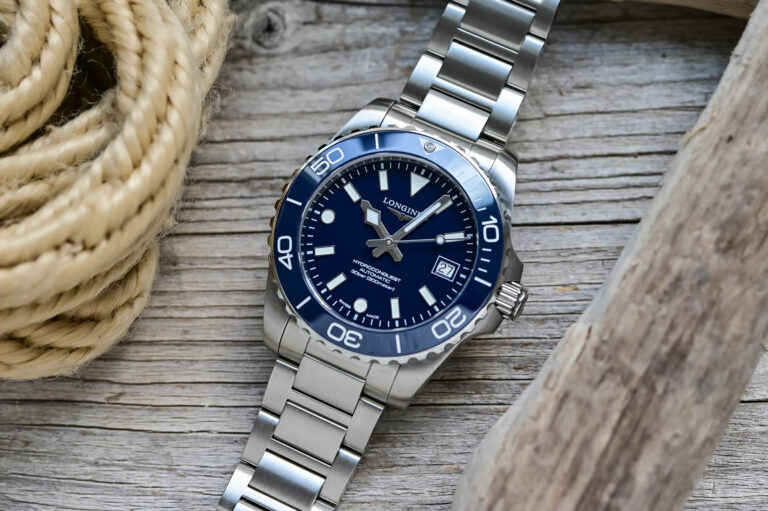
What makes a dive watch a dive watch…? As extensively explained in this in-depth article, the concept of a modern dive watch is more than just about water-resistance. While it’s been refined over the years, mostly with the creation of the ISO6425 standard, a dive can be summarised by the following requirements: a time preselecting device (i.e. a rotating bezel with markings at least every 5 minutes), adequate readability at 25cm in total darkness, indication that the watch is running (in general, a second hand with a luminescent tip), magnetic, shock, thermal shock and saltwater resistance, and resistance to pressure of 10 bars (equivalent to a depth of 100 metres).
Dress Watch
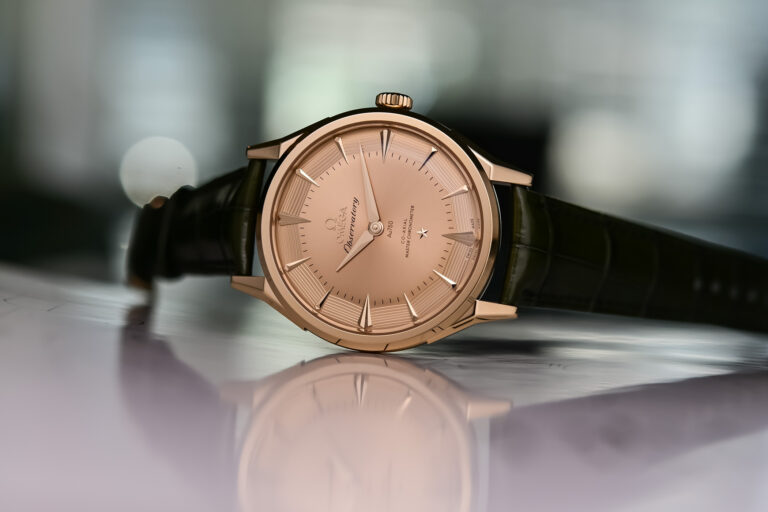
Dress watches have a distinctive style that’s the opposite of a typical field or sports watch – a suit and tie vs a t-shirt and sneakers (generally speaking). They’re usually thin and minimalistic, shunning conveniences like high water resistance and ample lume. They’ve traditionally been time-only with limited complications (if any), like a date window, but modern examples can have multiple complications (as we blur the lines). For example, the 2025 Bulgari Octo Finissimo Ultra Tourbillon is only 1.85mm in height – the entire watch, not just the tourbillon cage – so thin, delicate and dressy can also be very complex these days (although this is an extreme example). Dress watch cases should be modest in size, and steel, gold or platinum, and straps are usually brown or black alligator or fine leather. A dress watch is meant to discreetly slip under a cuff and complement the occasion, not draw attention to itself as it lives in an easy, calm environment. That doesn’t mean you can’t wear one with a t-shirt and jeans as dress watches can often dress down, but most other watches can’t simply dress up for a black-tie event. That said, there can be a blurry line between dress and luxury watches – you can wear any Royal Oak or Land-Dweller at the most formal of events without question.
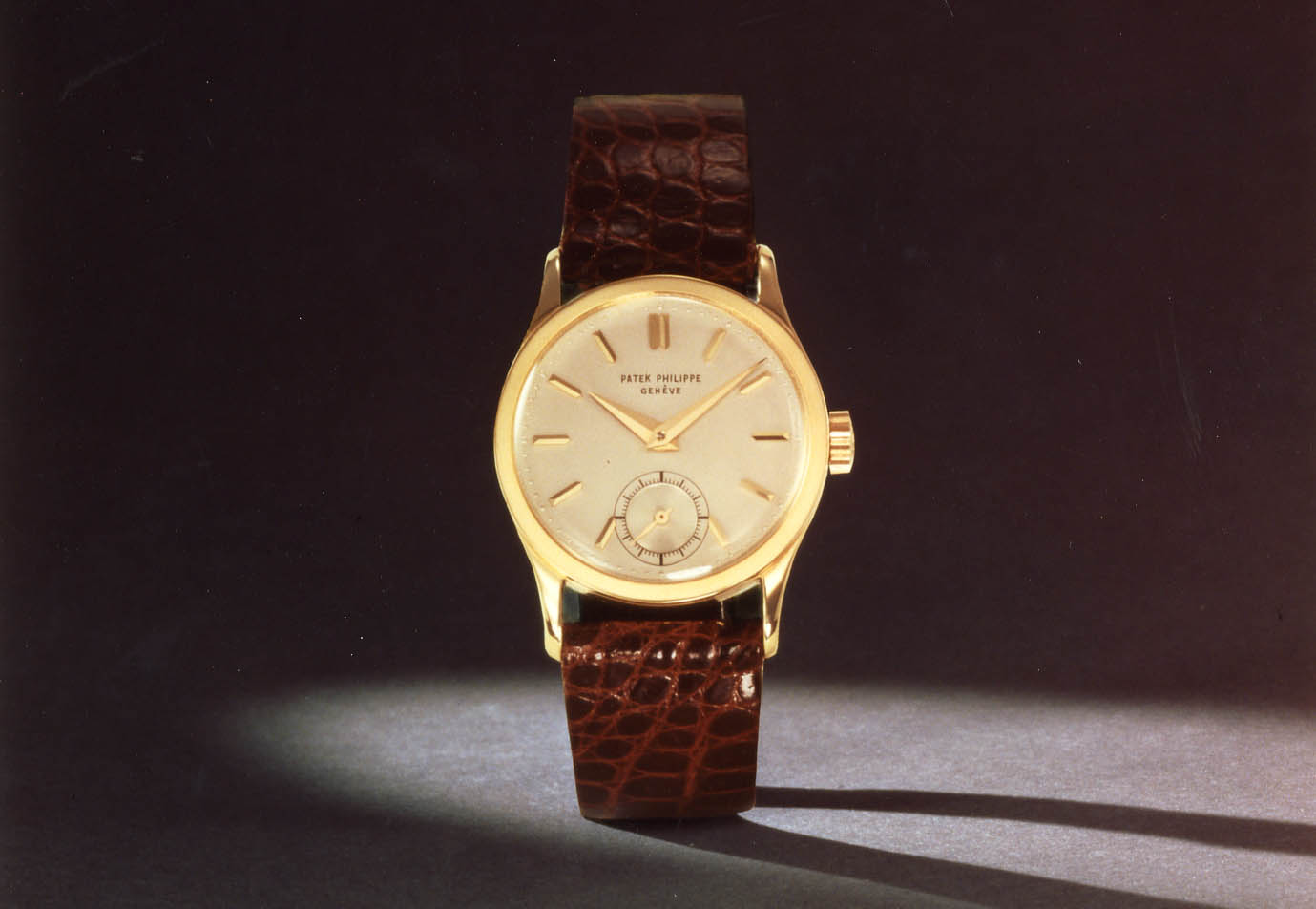
Patek Philippe Calatrava
To help define what a true dress watch is, let’s look at one of the most iconic. Patek Philippe’s Calatrava was born in 1932 (ref. 96) with the minimalistic Bauhaus design influence. Named after the Order of Calatrava (a Catholic knighthood order), models span almost a century, so there have been many styles – time only with and without seconds (central or small seconds), a date window, guilloché bezels, multiple case sizes and even quartz movements.
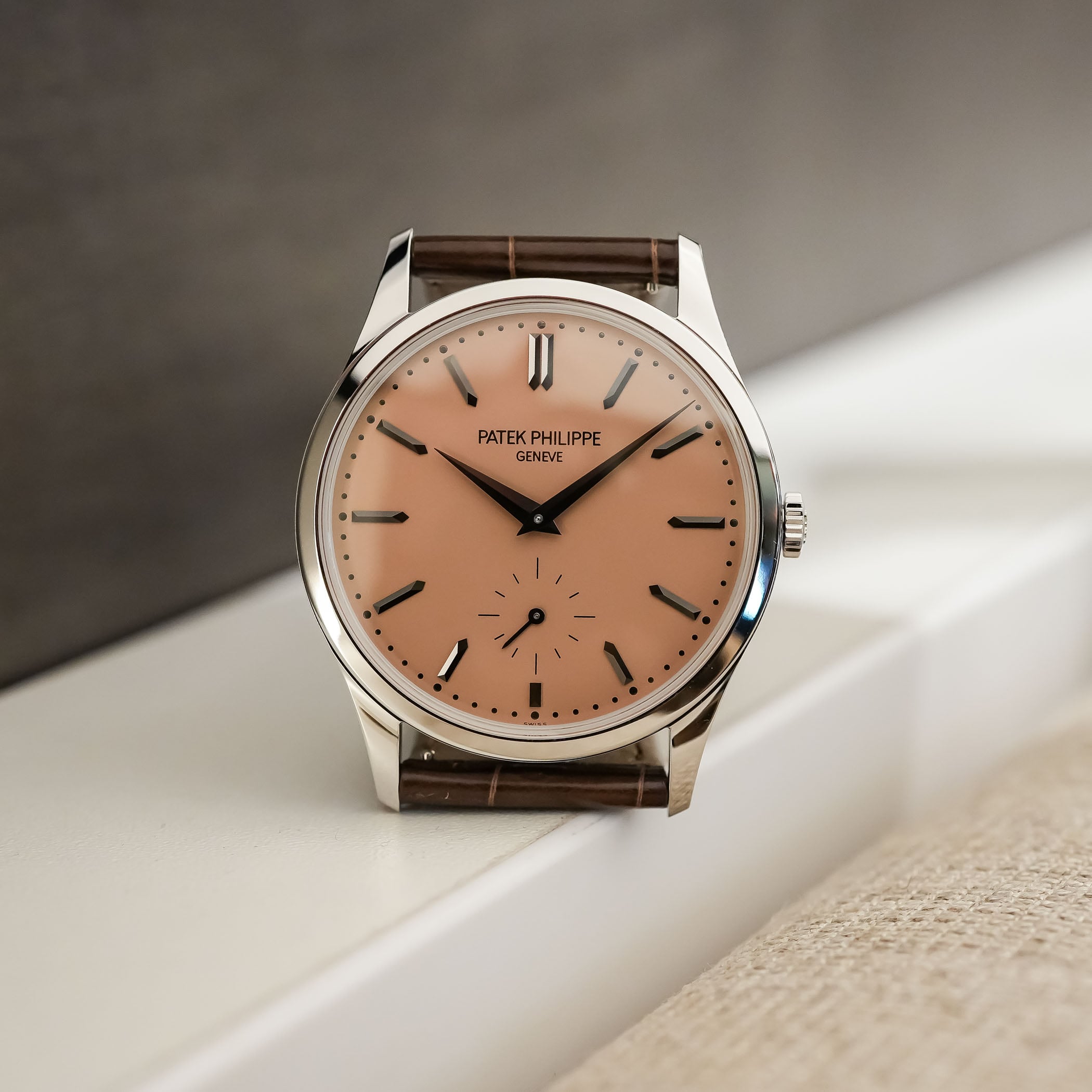
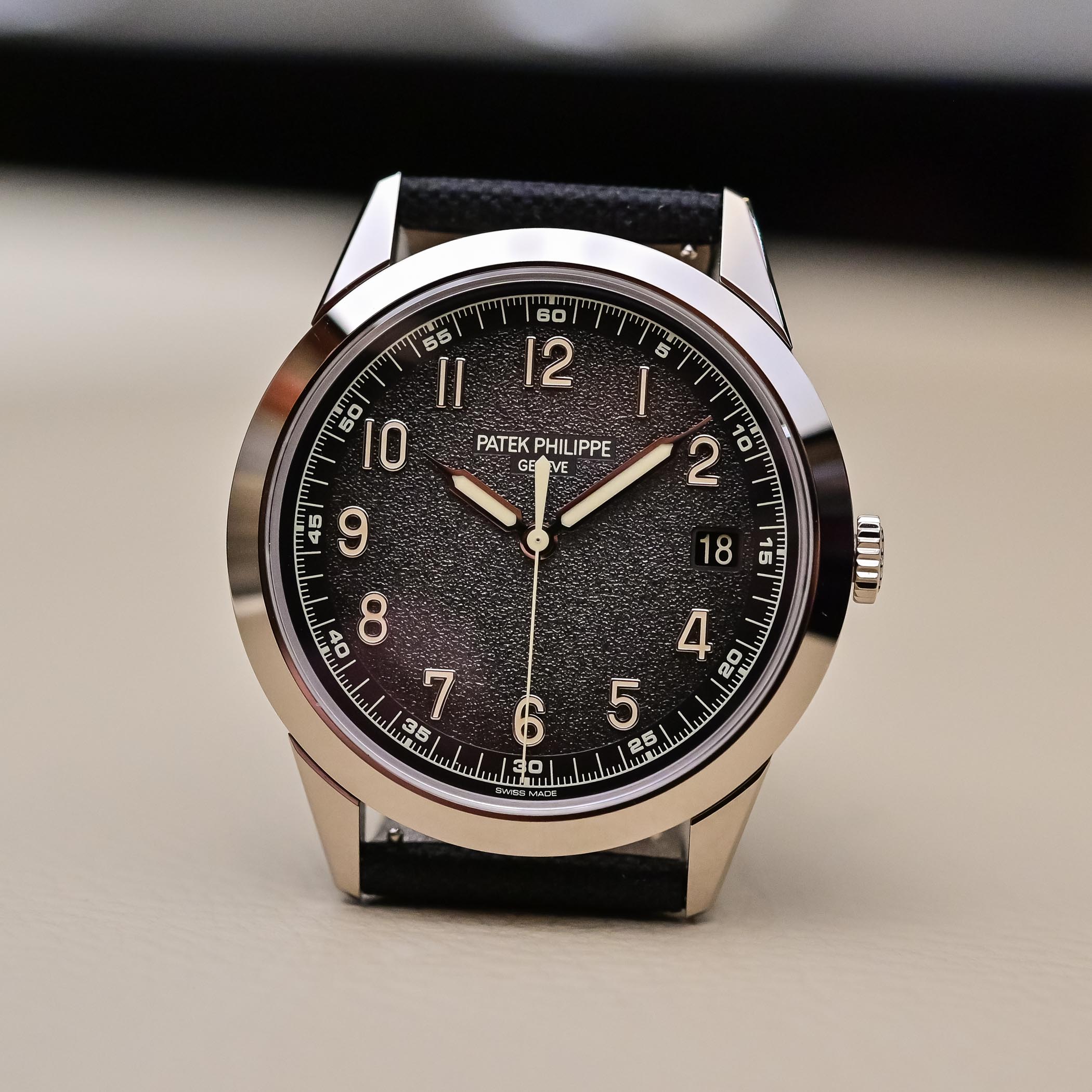
The Ref. 6119G-001 is a familiar example with small seconds at 6 o’clock and no date. This one includes a classic guilloché bezel with a hobnail pattern and drops the rear dust cover for a conventional sapphire case back. Simple indices or Roman numerals are classic design traits of a dress watch, but Arabic numerals are also common today – such as with the Calatrava ref. 5226G-001 that really blurs the line between dress and office/casual with a larger 40mm case, textured dial, date, applied Arabic numerals and a whole lot of lume. What is this thing? It’s like when Porsche made the Cayenne SUV. Rules are made to be broken.
Luxury Watches
What is luxury? Extravagance, grandeur, wealth… the highest form of opulence. First class vs. economy, Bentley vs. Honda, iPhone vs. Android (the last one is just for the comments). A luxury watch is defined by many as simply expensive – a EUR 20,000 watch is a luxury watch by default. For the most part, that’s true as most in-house watches from prestigious brands are expensive, but it’s also more complicated. The Royal Oak in 1972 proved that a luxury watch doesn’t have to be gold or platinum and redefined the category altogether. For high-end brands with in-house calibres, the movements are often the most expensive and “luxurious” element of the watch, so a steel Patek Philippe Nautilus is, without question, a luxury watch to the nth degree. But wait a minute… a steel Cartier Tank with a quartz movement is also a luxury watch. No gold and no fancy mechanical movement. The Cartier name and iconic Tank history are enough in this case. So, what exactly is a luxury watch? Price plays a part, perhaps the biggest part, but it usually boils down to brand recognition, meticulous hand craftsmanship and/or precious metals and stones. A platinum Swatch with a diamond bezel is a luxury watch, even with a disposable quartz movement (that doesn’t really exist), while a steel time/date Vacheron Constantin Overseas is also a luxury watch for the expertly crafted/finished in-house automatic (and brand recognition). The bottom line is that “luxury” is more of an art than a science.
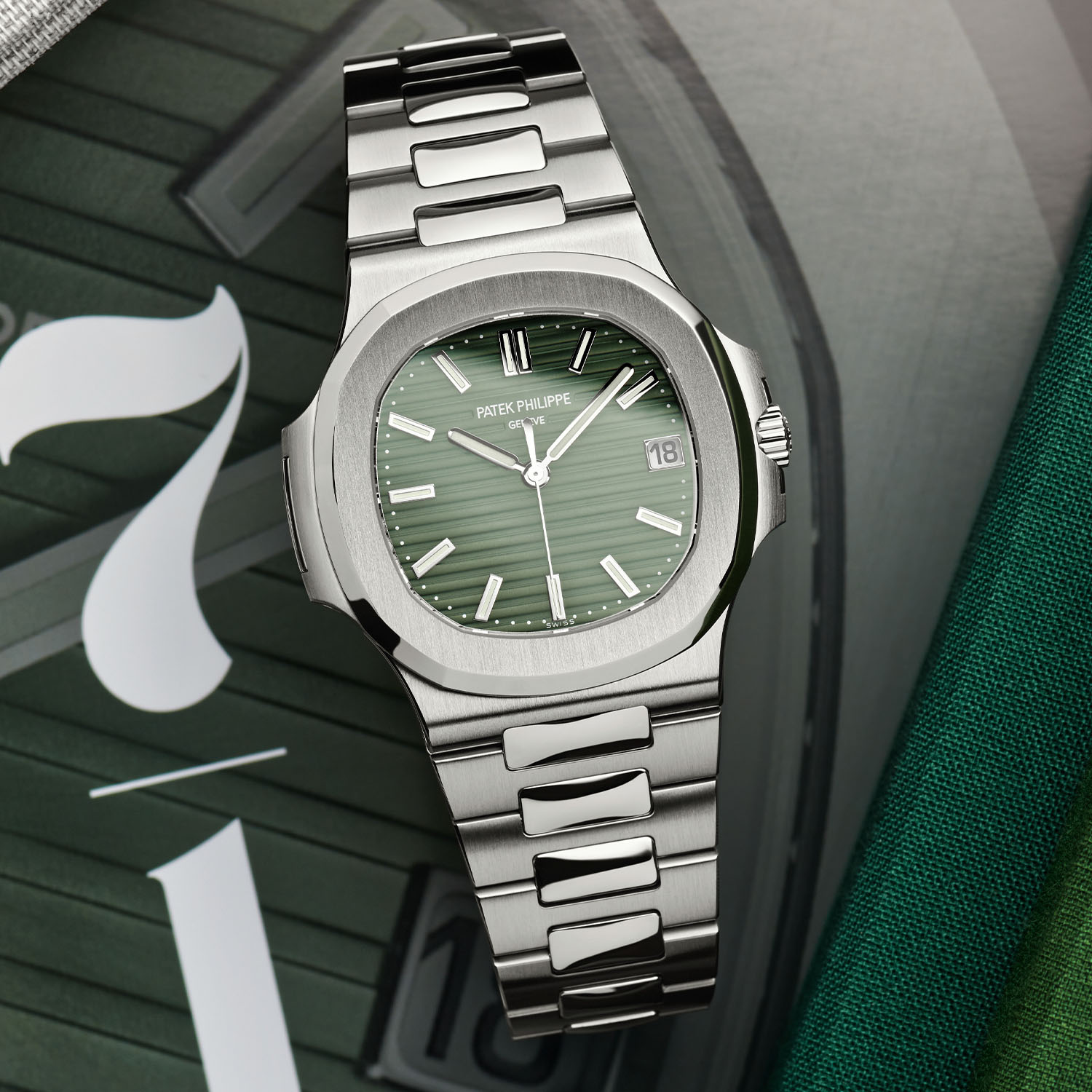
Luxury Can Be Anything, But Not Everything Can Be Luxury
Let’s look at one of the other styles above. Not every sports watch is a luxury watch, but a sports watch can definitely be a luxury watch. Tissot’s PRX is an outstanding integrated sports watch for the price, but it’s not a luxury watch unless they make a gold one – see how weird this is? Audemars Piguet’s steel Royal Oak is a quintessential luxury watch – both are steel and look similar to the layman, but meticulous handwork and historical significance mean a lot in this game, as does price (the Royal Oak costs A LOT more). However, let’s look at price alone – an exceptionally rare plastic Swatch Jellyfish in mint condition, produced in limited numbers in 1983, would fetch thousands of dollars at auction, but it would never be considered a luxury watch (even if it sold for EUR 25,000). See how weird this is?
Rolex is a luxury watch because it’s a Rolex, but the brand has more than earned the distinction with its history and incredible craftsmanship and precision. Unlike a Rolls-Royce interior wrapped in leather and polished exotic woods, you don’t “feel” the luxury from a steel Rolex on the wrist compared to a nice Seiko (for example), but you know it’s there. Some of that is perception, much of it is very real, and “luxury” is the blurriest of the five styles in this article.
This again doesn’t cover every watch style, but provides an overview of what differentiates one style from another, and how those lines often blur. A Rolex Land-Dweller is a sports watch, dress watch and luxury watch, while the Patek Philippe Calatrava is a luxury watch, dress watch, and dare I say field watch. The watch world is an amazing and complicated place, and among the best environments for enthusiasts, collectors and historians with a history and brands going back many centuries. Styles and preferences evolve, and one person’s sports watch is another’s dress watch, but that’s also what keeps it all fun and interesting.

3 responses
What about just nice watches? What’s called the gada by some people?
I think the GADA-type “gentleman’s watch”, like the DateJust, is a big category. It’s not really a dress watch or sport watch, but it can be used for both.
Thank you for an enjoyable write-up.