Not all images were able to load for printing. Please close the print window and try again.
Chinese Brand Atelier Mephalie Launches its Minute Repeater Collection, Priced to a Tenth of What Europe Does…
A Chinese name founded in 1876 is revived, and claims to be able to produced over 200 minute repeaters a year... at a fraction of Swiss prices.
Let’s have a quick overview of minute repeaters recently launched. Gérald Genta Geneva Minute Repeater: about CHF 320,000. Piaget Polo Minute Repeater: about EUR 400,000. Bulgari Octo Finissimo Minute Repeater 37mm: EUR 195,000. And while we can continue this list forever, you won’t be able to find much under EUR 150,000 (at least for new watches, as the second-hand market offers great opportunities). The reason is fairly simple: minute repeater watches are hard to produce and assemble, mostly done by hand, finished to high standards and delivered in low volumes. Many reasons that explain the high prices by Swiss/European brands. China had a slightly different view on that topic… Recently, Peacock launched what they claimed to be the world’s smallest and lightest triple-axis tourbillon, proving that Chinese watchmaking is getting serious. And while we’re now used to see Chinese tourbillons well under the 10k mark, Chinese brand Atelier Mephalie launches with a collection of minute repeaters in the USD 20-30k range. And not just that, but with a claimed production capacity of over 200 movements a year. Enough to trigger our curiosity.
What is a minute repeater…? It is one of the grails of classic watchmaking, a complex movement that is able to chime the time (most of the hours, quarters and minutes) on demand. These were created before widespread artificial lighting or electricity so people could tell the time in the dark. How does it work? In a very summarised version, when activating a slide or push button (which arms a separate power source), a series of stepped cams, known as snails, which are connected to the mechanism that drives the hands, “read” the time thanks to feelers. Their positions determine how far the corresponding toothed levers, called racks, can travel. In effect, the mechanism mechanically reads the time and encodes it as a number of strikes. This is then transmitted to the chiming mechanism, where (most of the time) two hammers hit corresponding gongs – a metal wire coiled around the movement and acoustically tuned – to create a sequence that indicates the time. Finally, in order to control the tempo of this sequence, a governor (centrifugal wheel) regulates the delivery of the energy provided by the repeater mechanism.
After reading this, you understand why a minute repeater is complex. And by complex, we also understand costly. A minute repeater requires a vast number of components and a long process of adjustment, but there is an additional dimension: it must not only function flawlessly but also sound beautiful. For these reasons, highly skilled watchmakers spend considerable time adjusting the hammers, gongs and striking mechanism to achieve the desired tone, volume and resonance. Each watch may require extensive individual testing and fine-tuning. We’re here talking about classic, artisanal watchmaking, not industrial production. And a price tag that, when the watches come from Europe, hardly ever goes under 100-150k euros.
But as we’ve seen in recent years, large-scale Chinese watchmaking has evolved. Not just a little, but to a point where some brands can now produce split-seconds chronograph movements and triple-axis tourbillons. There’s even a buzzing independent watchmaking scene producing pretty interesting things… Minute repeaters aren’t entirely new to China, but for now these were not truly convincing. One example came from Seagull, paired with a tourbillon, offered just under USD 100k and with a debatable finishing of the movement. Enter Atelier Mephalie, with ambitious watches, ambitious production plans and ambitious pricing.
The story can be summarised pretty accurately by the press release’s opening sentence: “Atelier Mephalie announces its Minute Repeater Collection, comprising three watches built around a hand-wound minute-repeater calibre designed, developed, and produced in the atelier’s own workshop.” Intriguing, to say the least. And the rest of the press release also reveals surprising details. First, what is Atelier Mephalie? It is the revival of Mephalie, a Chinese name founded in 1876 by Sun Tingyuan. In 1915, his son Sun Meitang opened a new clock factory in Shanghai, bringing mechanised production to traditional clockmaking, while keeping Chinese decorative crafts alive. The factory was destroyed in 1932, and the name went quiet for decades. Atelier Mephalie is its revival, led by Lin Xiaolin, who joined the watch industry in 2011 and has spent the next 15 years working in watch manufacturing (he’s also behind the brand Lucky Harvey). He then assembled a team of watchmakers and repair specialists, as well as specialists in movement architecture and precision machining. And the first watch collection is nothing less than a minute repeater.
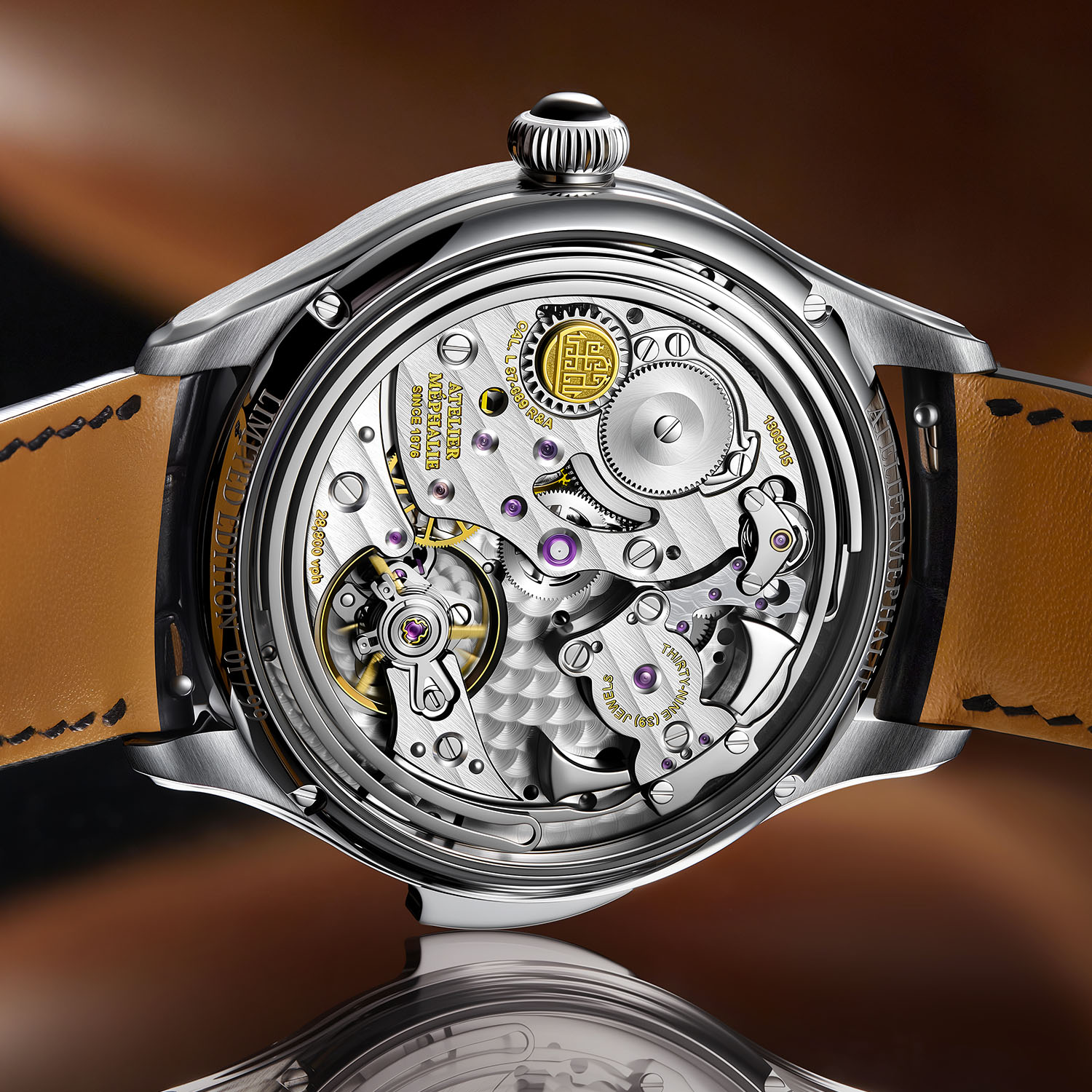
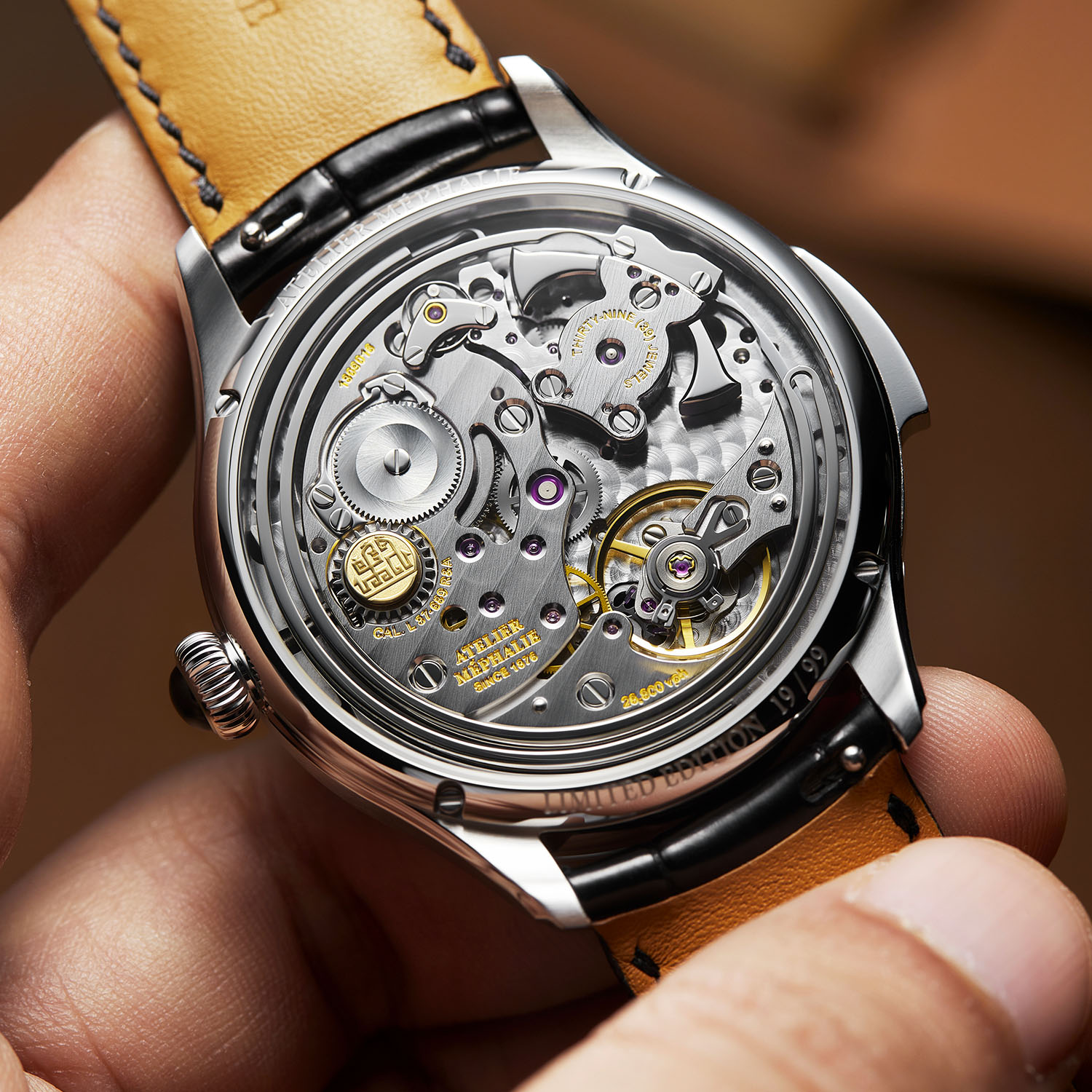
Before we talk about the watches, let’s talk about the movement, the Calibre CAL.M 37-689R. What’s interesting about what the brand explains comes from the conception of this movement, as “the development program was intended to support repeatable production rather than a single movement. Over five years, the team worked through successive rounds of acoustic, mechanical, and production testing before arriving at the calibre used in these watches.” If so, the movement would be more “industrialised” and then more “repeatable” than a traditional, manually-adjusted minute repeater, haute horlogerie calibre. This could explain the surprisingly low price at which these watches are offered, but also another fairly unexpected production volume claimed at over 200 movements a year. Indeed, the 218 watches that compose this inaugural series will “account for the atelier’s full production capacity of the year”, as indicated by Atelier Mephalie. This alone feels rather remarkable, if ever possible.
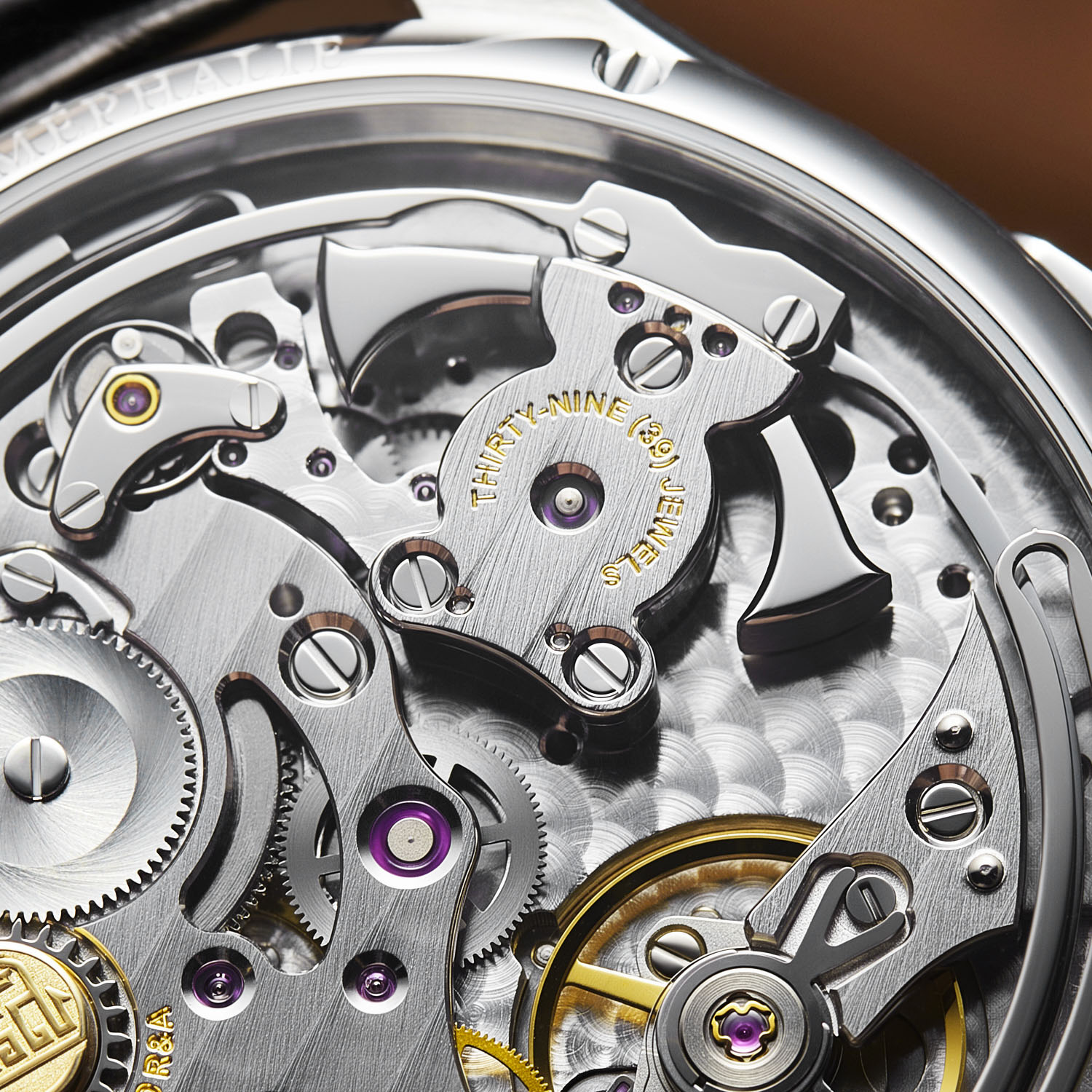
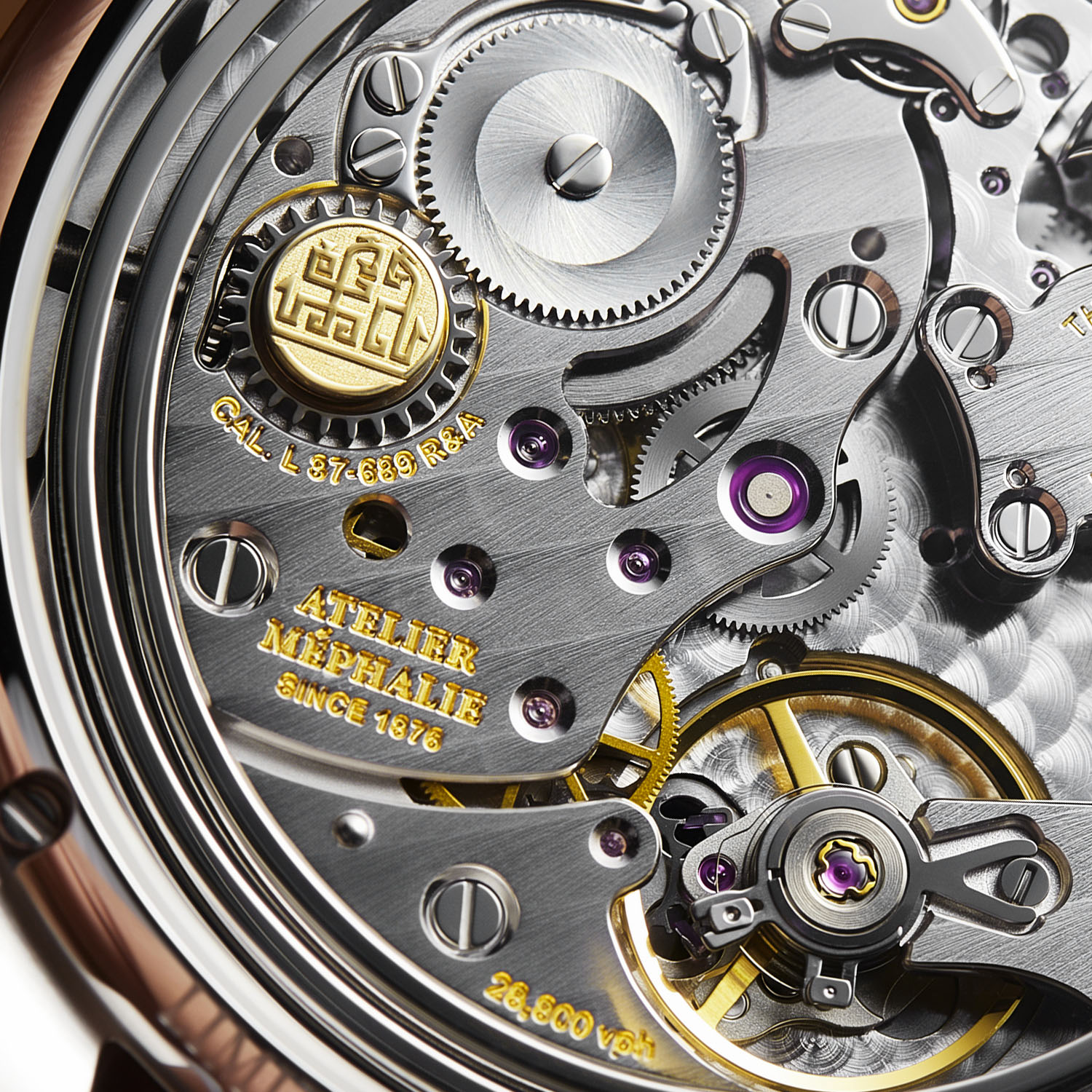
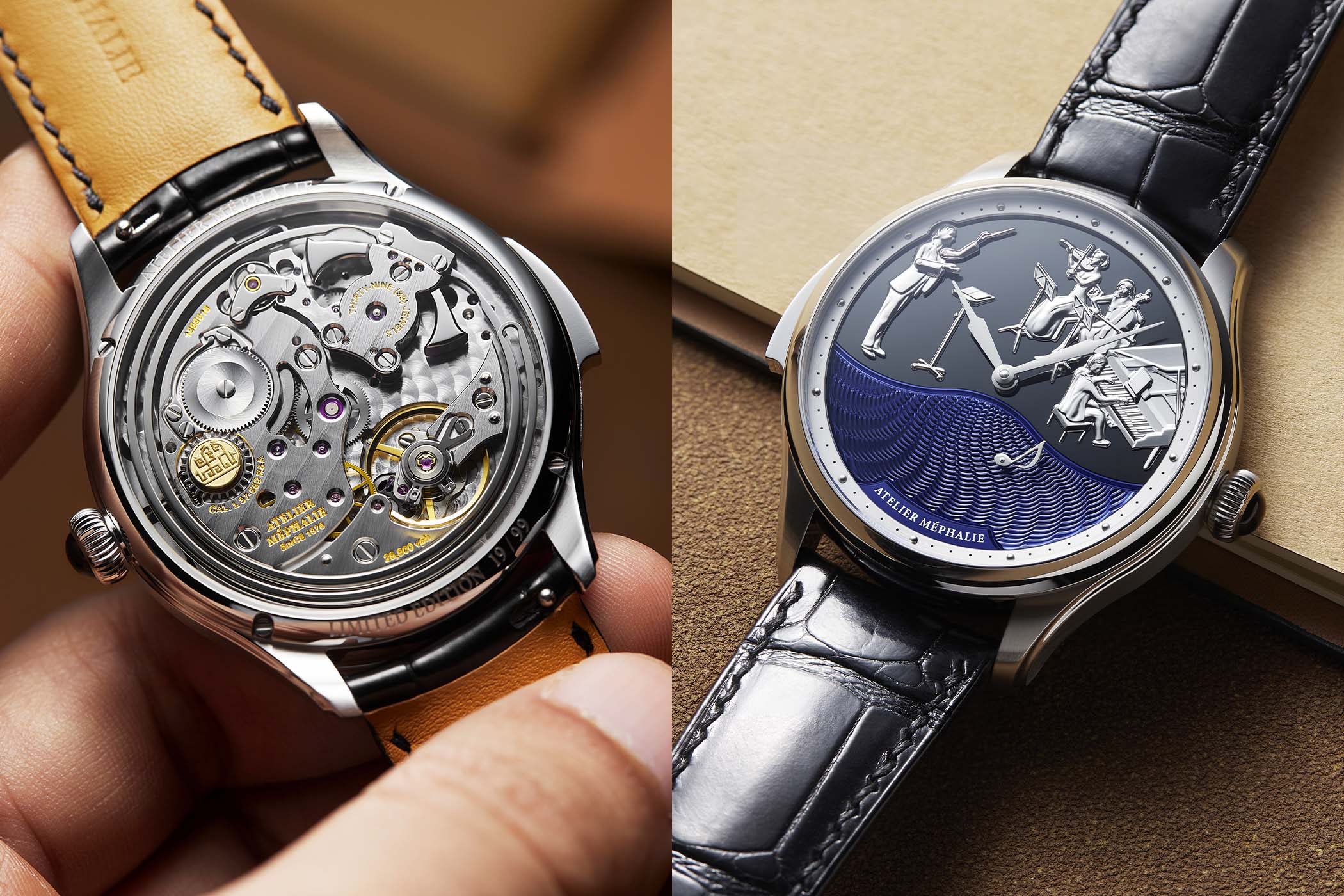
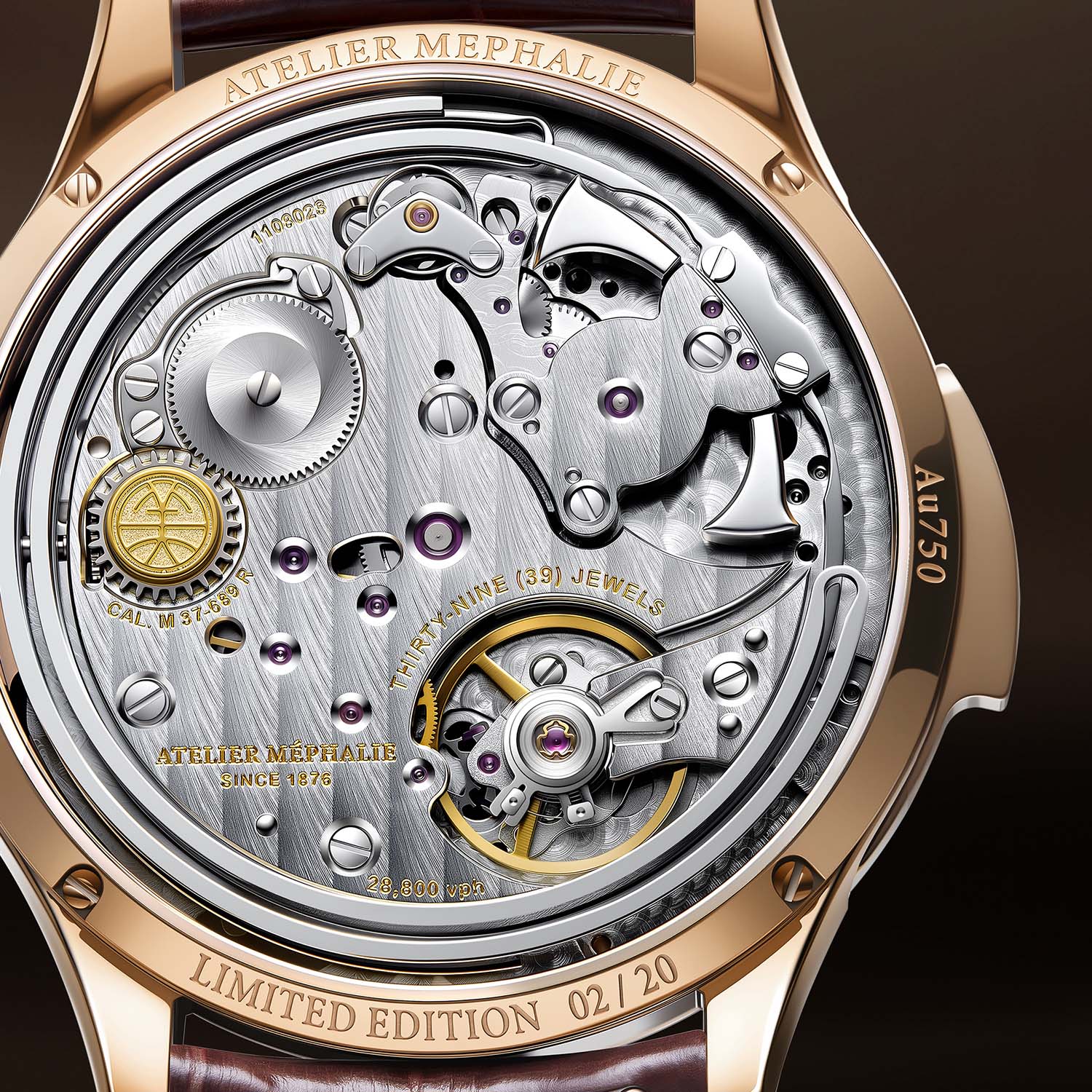
The movement itself is a large, hand-wound calibre measuring 37mm in diameter and 6.89mm in thickness, comprising 39 jewels, running at 28,800 vibrations per hour with a 45-hour power reserve. Its architecture is fairly traditional, with a slide on the case band activating the chiming mechanism, while two hammers then strike the hours, quarters, and minutes on conventional gongs. The rhythm of the chiming sequence is regulated by a flying governor. As expected from the headlining price, the decoration is not unpleasant but limited compared to what we’re used to seeing in Swiss haute horlogerie. While their surface is polished, the hammers are not perfectly well-defined, the bridges aren’t hand-chamfered, and the coiled gongs have a square profile. Also, the claimed accuracy of -10 to +25 seconds per day remains a bit poor.
As said, Atelier Mephalie launches with three different models, all sharing the same movement and identical design and proportions. The case, made in steel or rose gold depending on the version, measures 42mm in diameter (thickness between 11.6mm and 12mm depending on the version; about 50mm in length) and shows a classic design, with polished and brushed surfaces, as well as sapphire crystals on both sides.
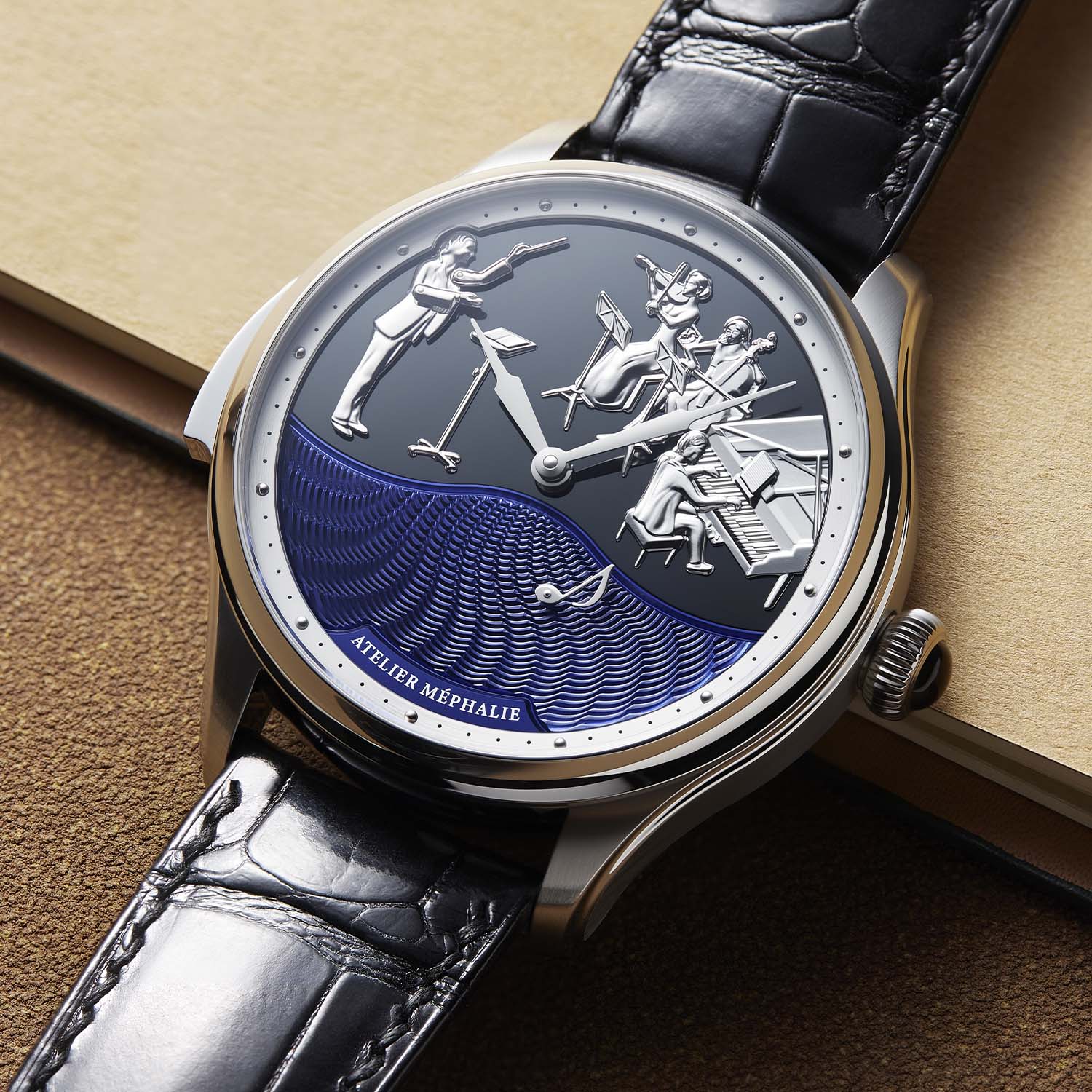
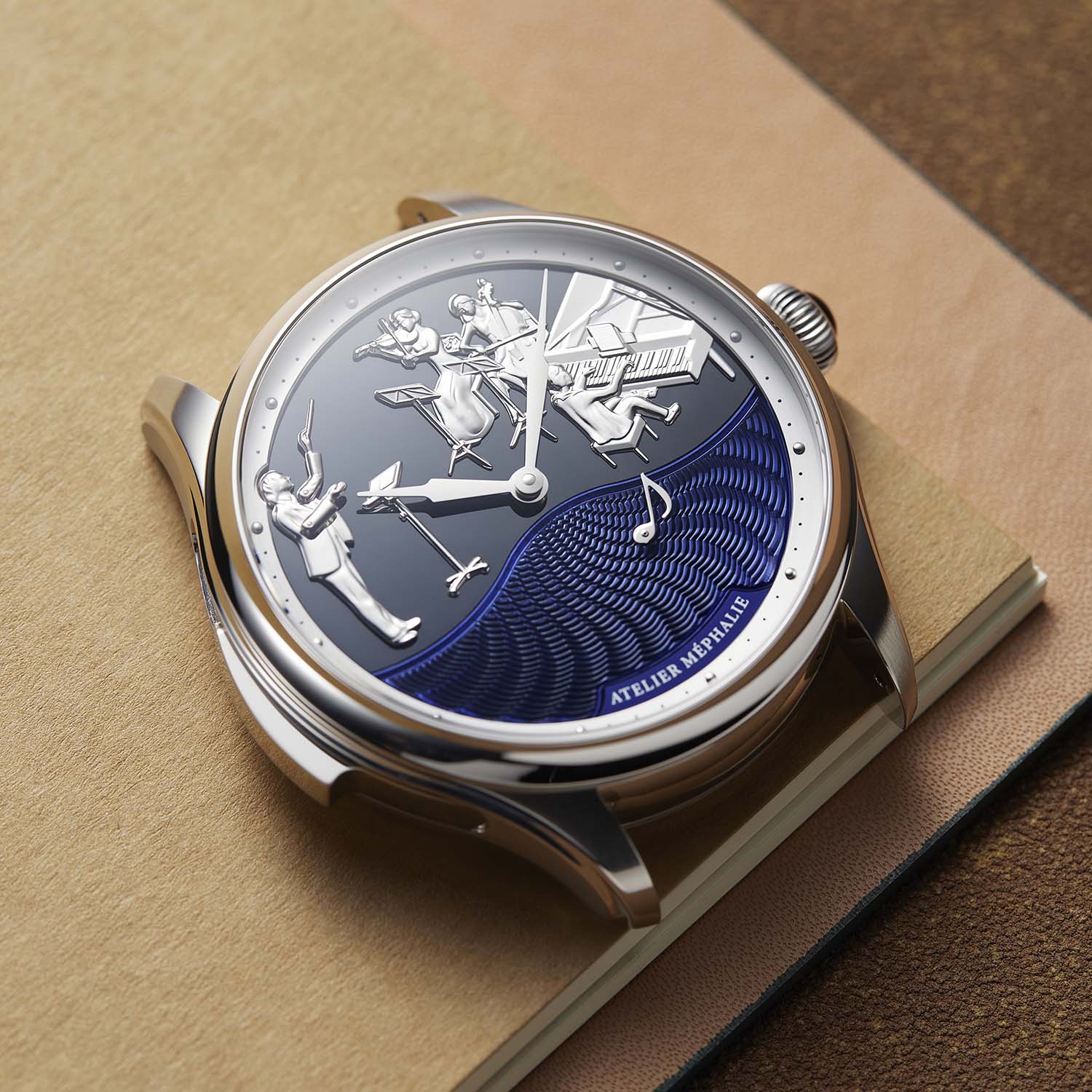
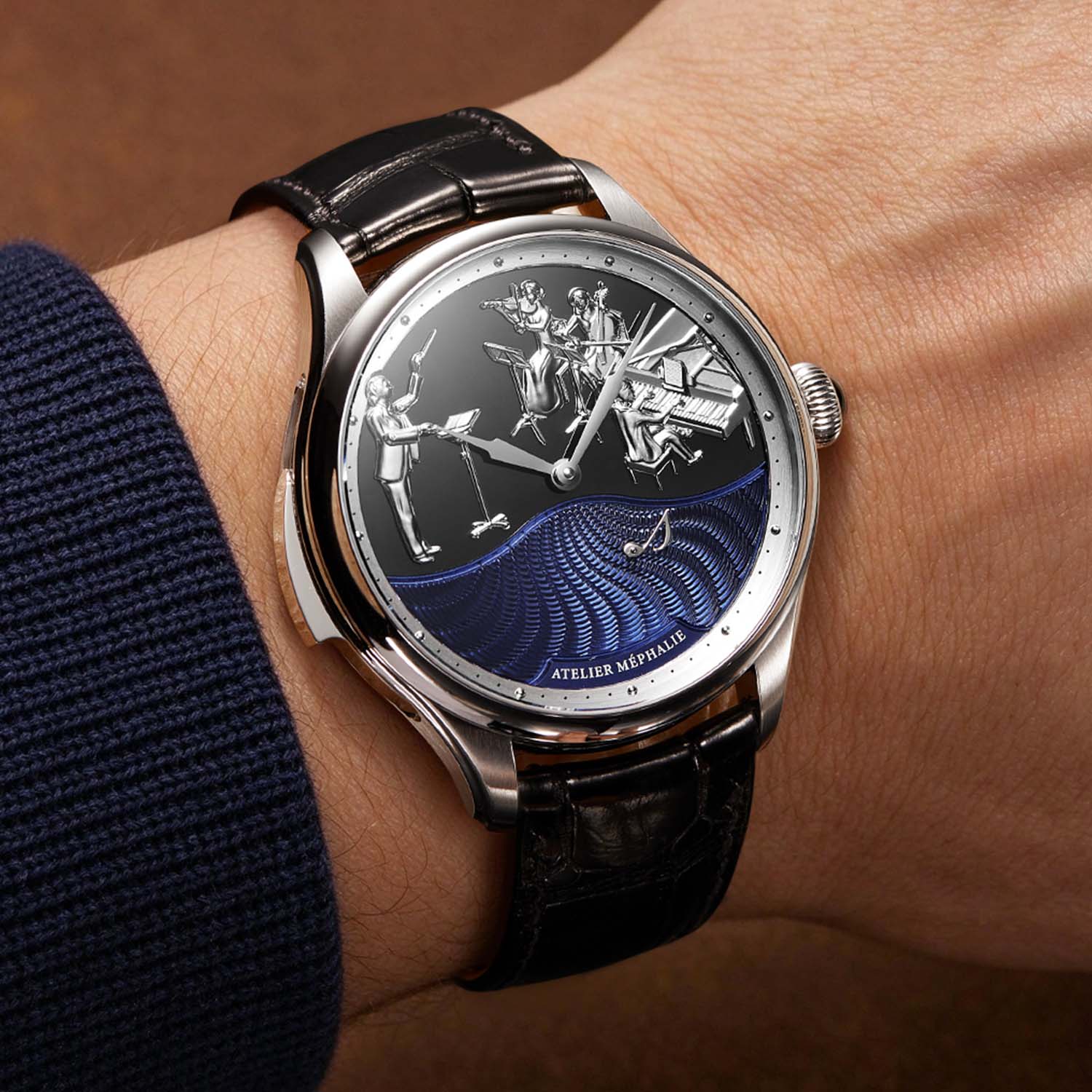
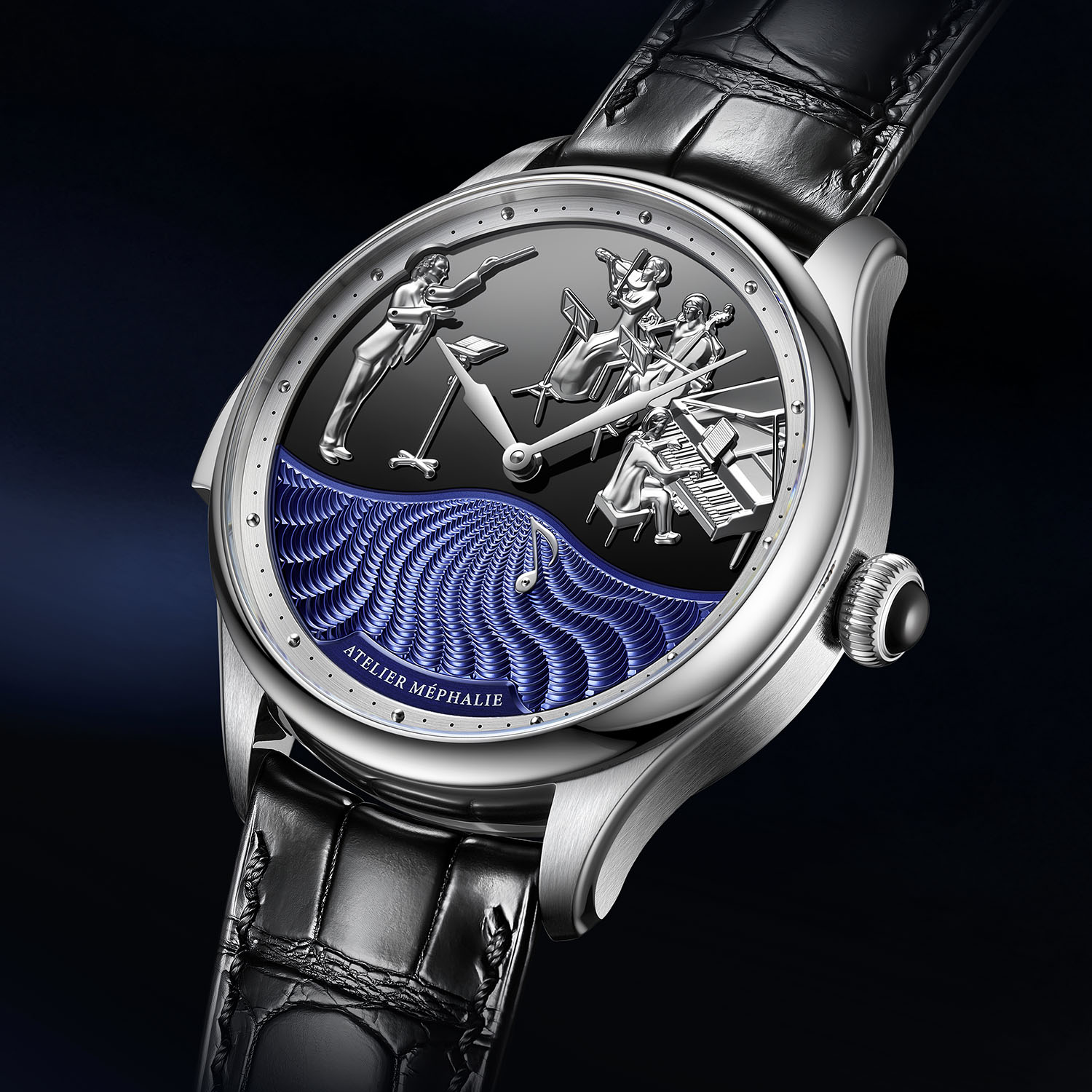
The first edition, named The Conductor, is a steel model that adds an automata to the repeater mechanism. It turns the the chime into a small ballet of hand-finished silver musicians. When the repeater is activated, the arms of the conductor move in response to the striking sequence. This scene is set over a two-piece dial – with the overall style remeniscent of Ulysse Nardin watches with Jaquemarts – with a black polished part underneath the musicians and a deep blue guilloche plate, hand-turned by Chinese craftsman Cheng Yucai. Worn on a black alligator strap, the Atelier Mephalie Minute Repeater The Conductor is limited to 99 pieces and priced at USD 25,000, excluding VAT.
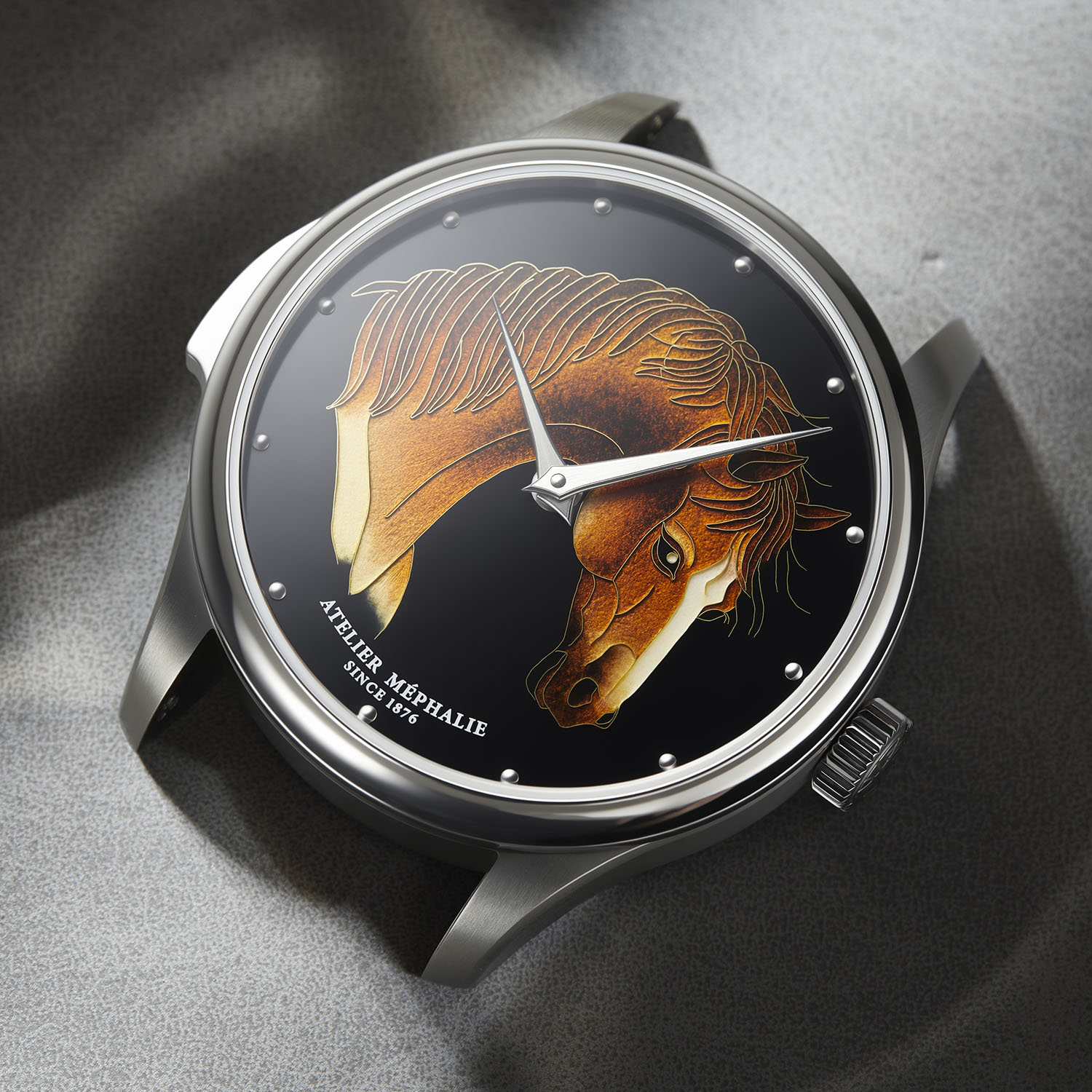
The second version, the Galloping Horse, is also made of stainless steel. It differentiates itself thanks to its dial made by Xiong Songtao – third-generation heir to the Xiong family enamel workshop, a nationally recognized China Arts and Crafts Master, and a representative inheritor of Jingtailan cloisonné, a craft listed as intangible cultural heritage. For this watch, the dial depicts a horse head, including the flowing mane, traced by thin gold wires and then filled cell by cell with enamel in amber and chestnut tones, fired repeatedly. This is set over a black enamel background, with polished, slender hands. Note that the horse is the standard design, and collectors can commission other motifs at additional cost. This version is also limited to 99 pieces and priced at USD 28,000, excluding VAT.
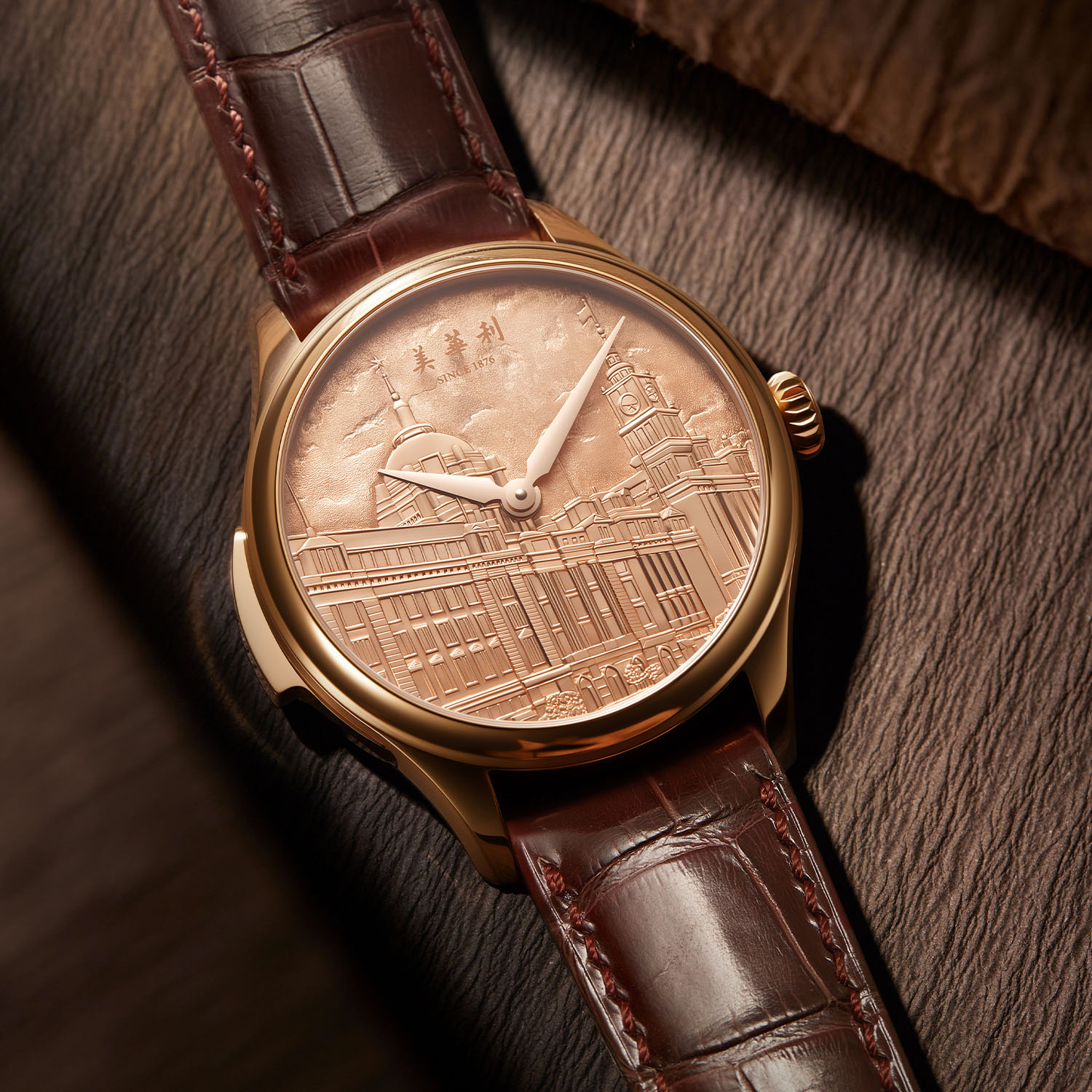
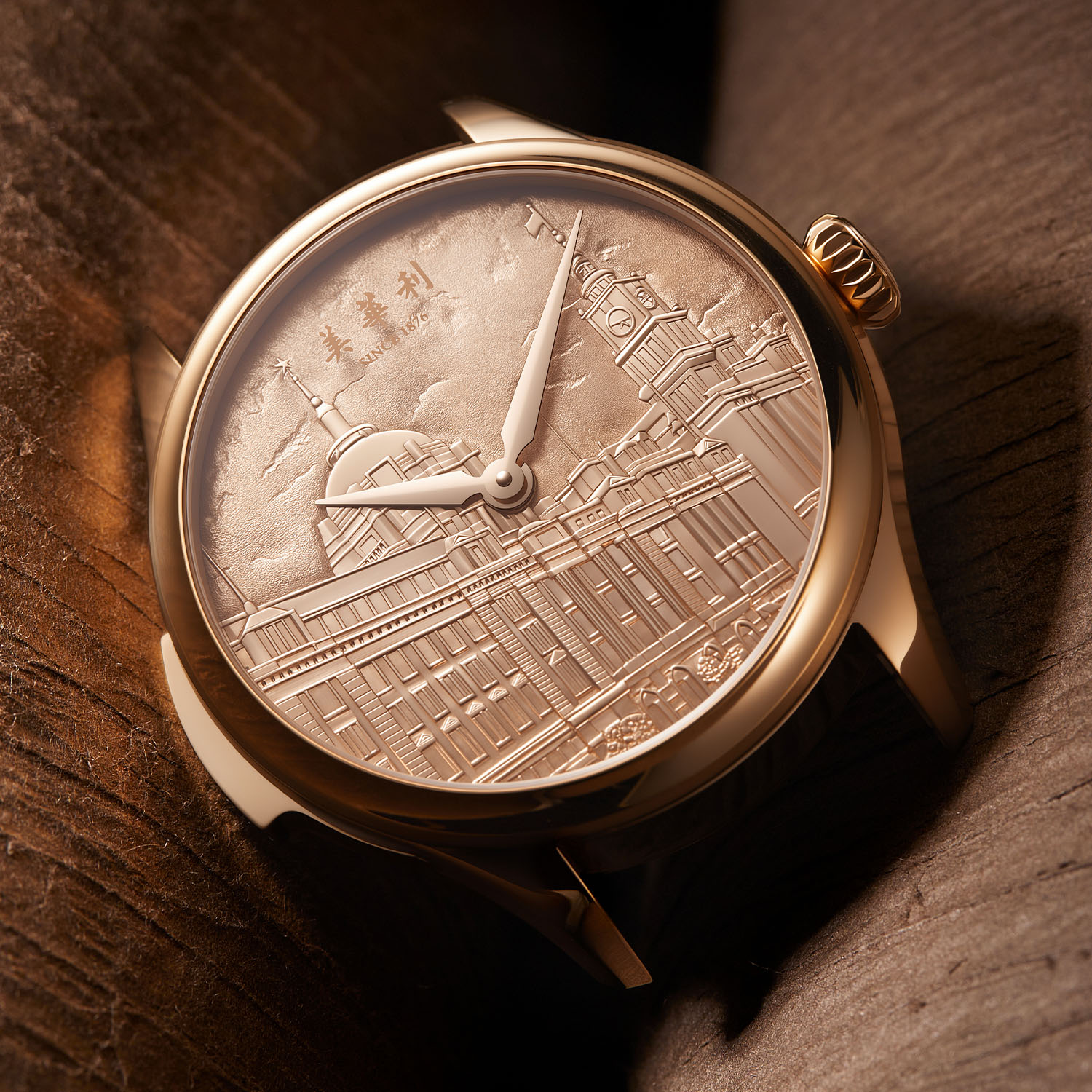
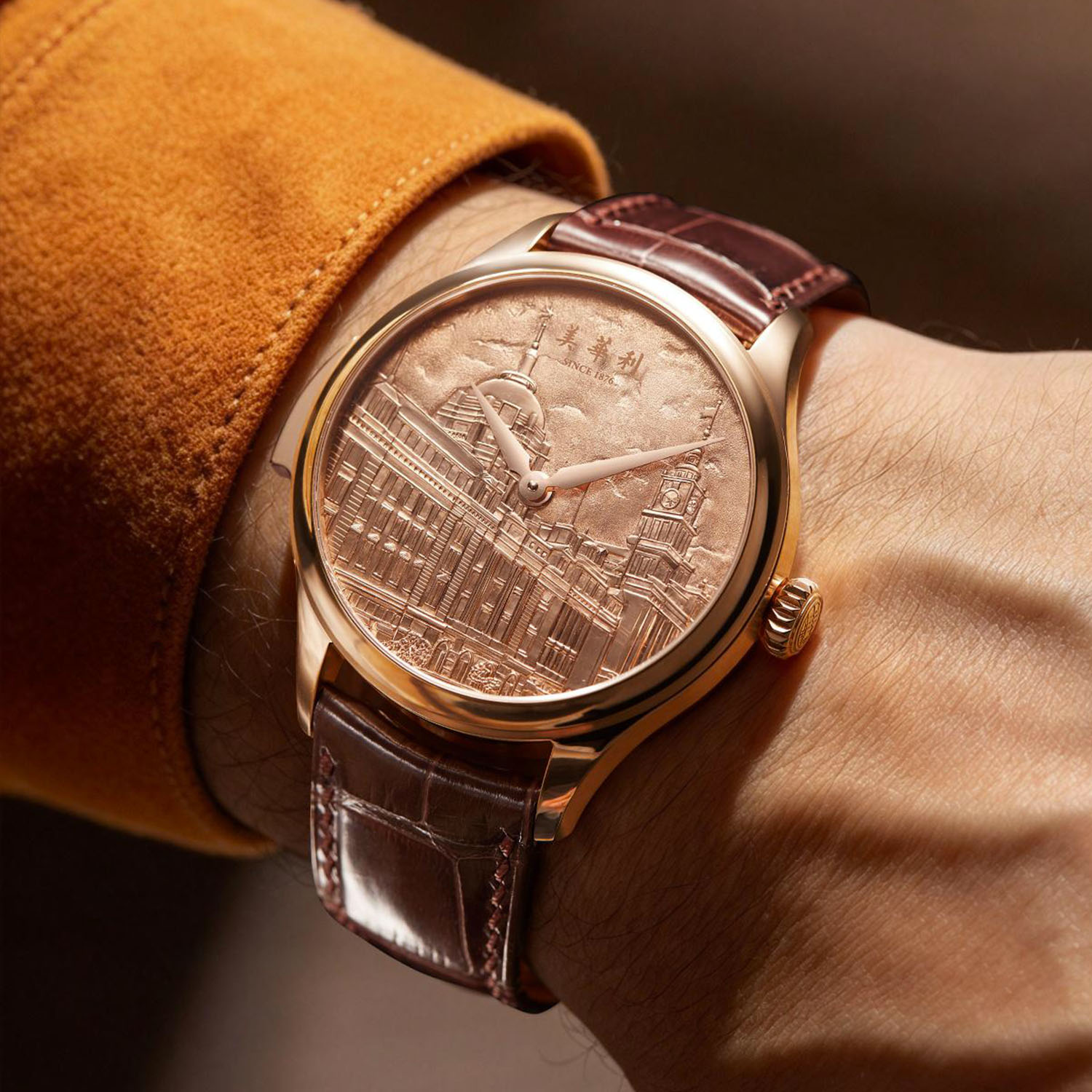
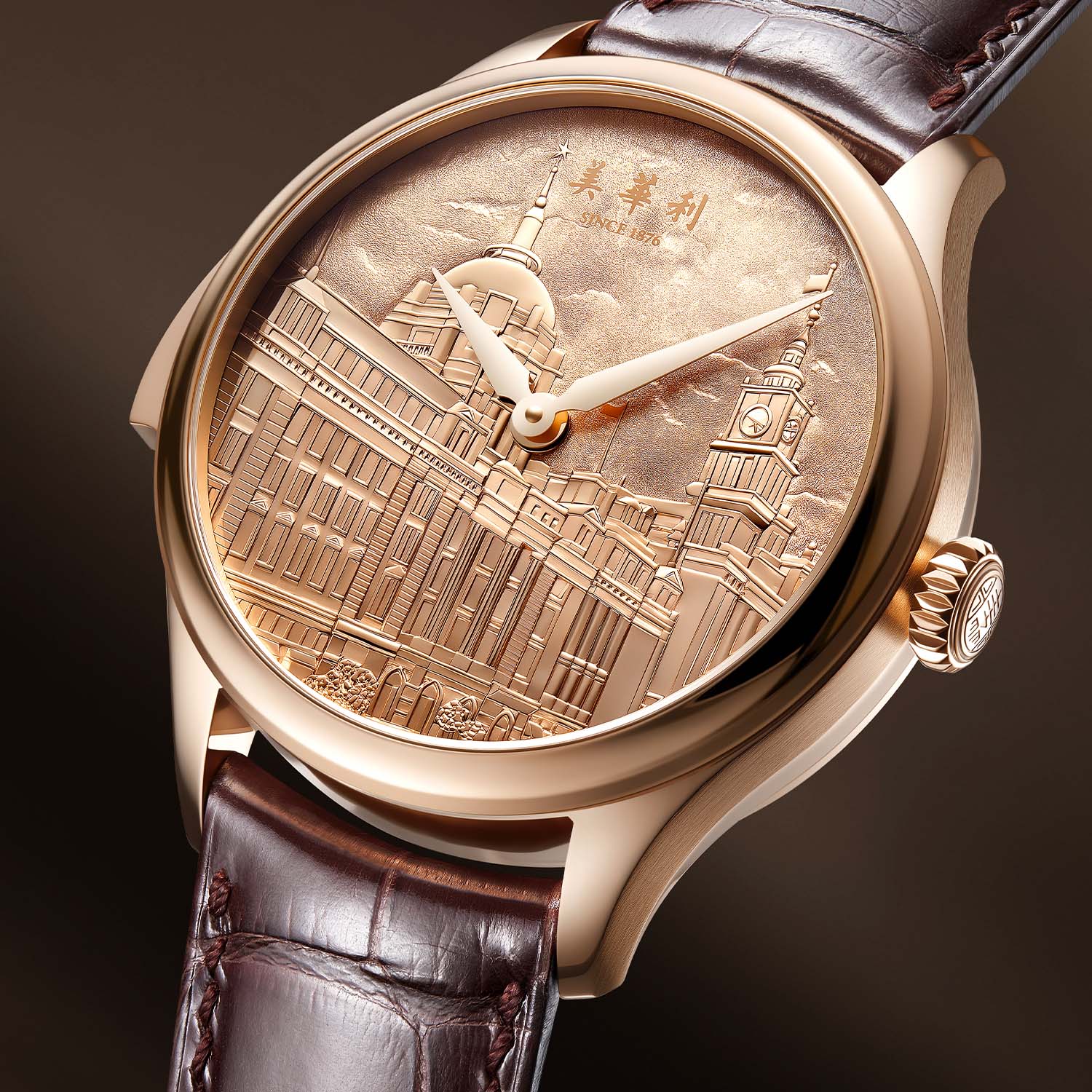
Finally, the last and most exclusive edition is the Voice of China, made entirely in gold. The dial is a solid piece of 18K rose gold, hand-carved into a relief of No. 12 on the Bund, a building once praised as the most luxurious between the Suez Canal and the Bering Strait. The case, handset, and pin buckle are all made in 18K rose gold, while an 18K yellow-gold plaque appears on the movement side. This version is limited to only 20 pieces and priced at USD 59,500, excluding VAT.
All three versions are available as of now from Atelier Mephalie or through its retail partners. For more details, please visit www.mephalie.com.