
 Not all images were able to load for printing. Please close the print window and try again.
 Unbroken Chains, or Why Pre-Owned Watches Need More Than “Box and Papers”
A safer watch market: dealers and collectors now share one place to check. Inside Worldwatch's open register, and why buyers will want to know a watch's full history.
Picture a steel Rolex Submariner, sold in the summer of 1968 by a family jeweller in a small European town. The salesperson writes the shop’s name and the date on the papers, slips the receipt into the box, and hands it over. In 1985, a watchmaker replaces the worn bezel during a service and notes it in his workshop ledger. In 2004, the watch sells at a regional auction. By the time a dealer buys it in 2019, the papers and the receipt are long gone. Four businesses each knew a piece of that Submariner’s story. None of it travelled with the watch. And it isn’t only old watches. A watch bought new in 2015 may already have had three owners, a service and a new bracelet, with none of it written down anywhere a buyer can see.
For most pre-owned watches, that is how it goes. A painting can carry a provenance that runs back centuries. A used car comes with a history report. A mechanical watch, built to outlive its owners, usually arrives with whatever its last seller can tell you. Today, on World Watch Day, the Amsterdam company Worldwatch takes a first step toward changing that with the Worldwatch Register: a free public list of professional watch dealers and the starting point for watch histories that hold together.
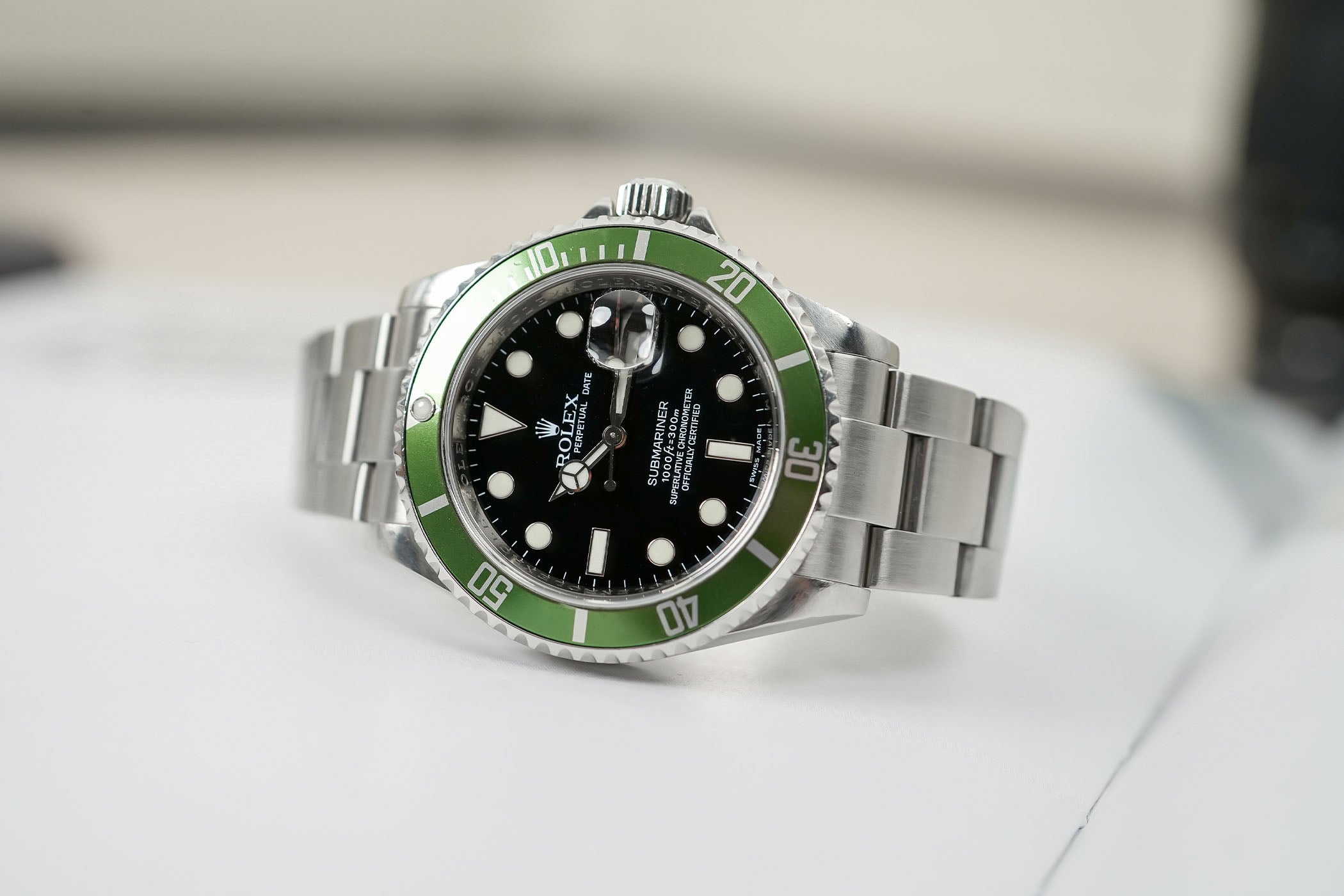
Every part of the trade keeps its own records
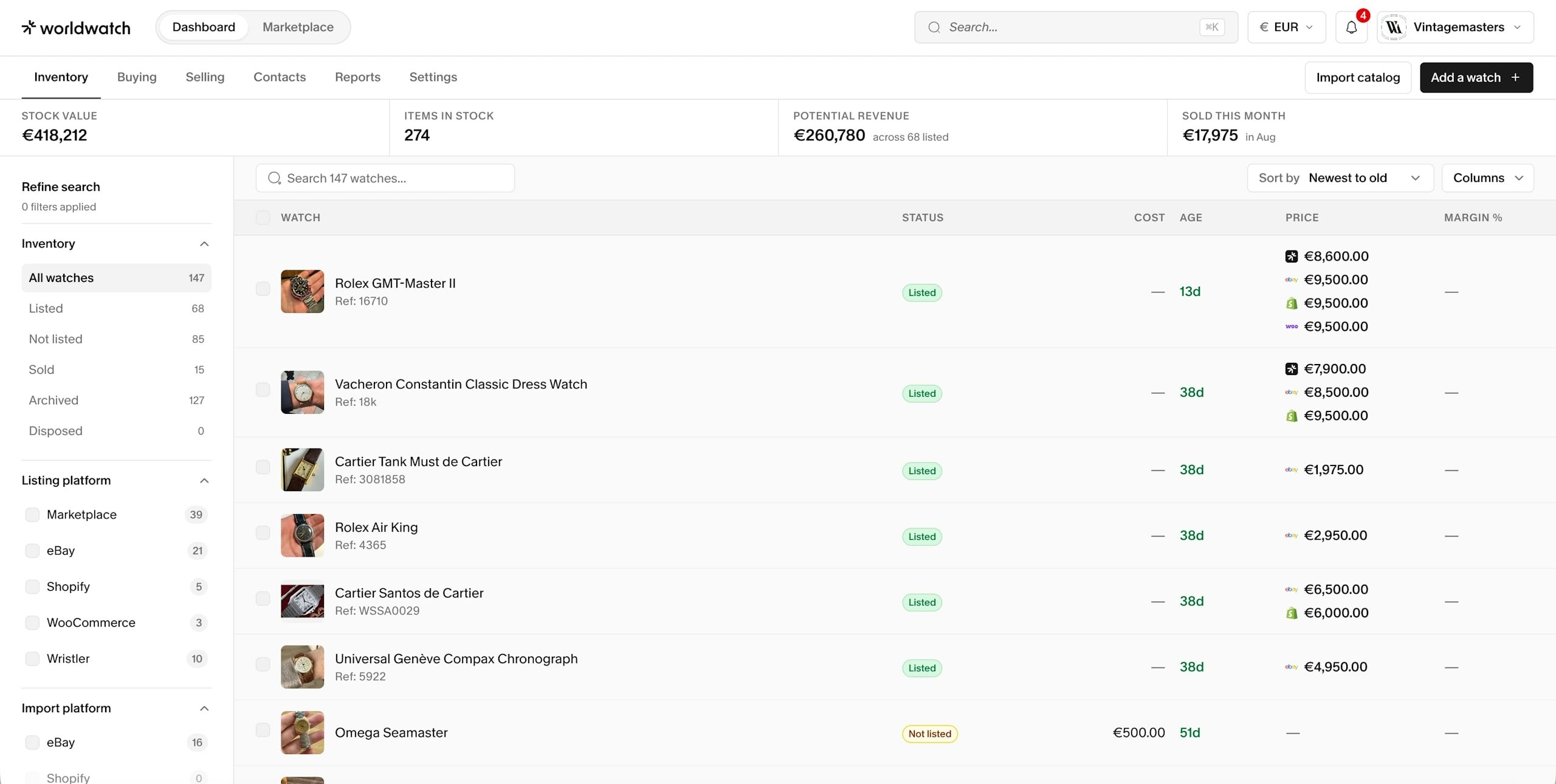
“Every time a buyer meets a new dealer, they have to check that dealer from scratch. And every time a watch changes hands, someone has to work out again whether it is what it claims to be,” says Stan Duin. He built the dealership Vintage Masters, and he is a co-founder of The Horology Club Europe. His full attention, however, is on Worldwatch, where a team of 10 brings the entire business of a watch dealer together on one platform.
Duin starts from what he sees in the trade. “We build for the problems we run into ourselves,” he says. “We talk to a lot of different people in this market, from dealers and collectors to watchmakers, auction houses and marketplaces, and we keep asking which problem is the biggest. Then we build for the biggest problem we see.” The trouble, as Duin sees it, is that every part of the trade keeps its own records and none of them meets.
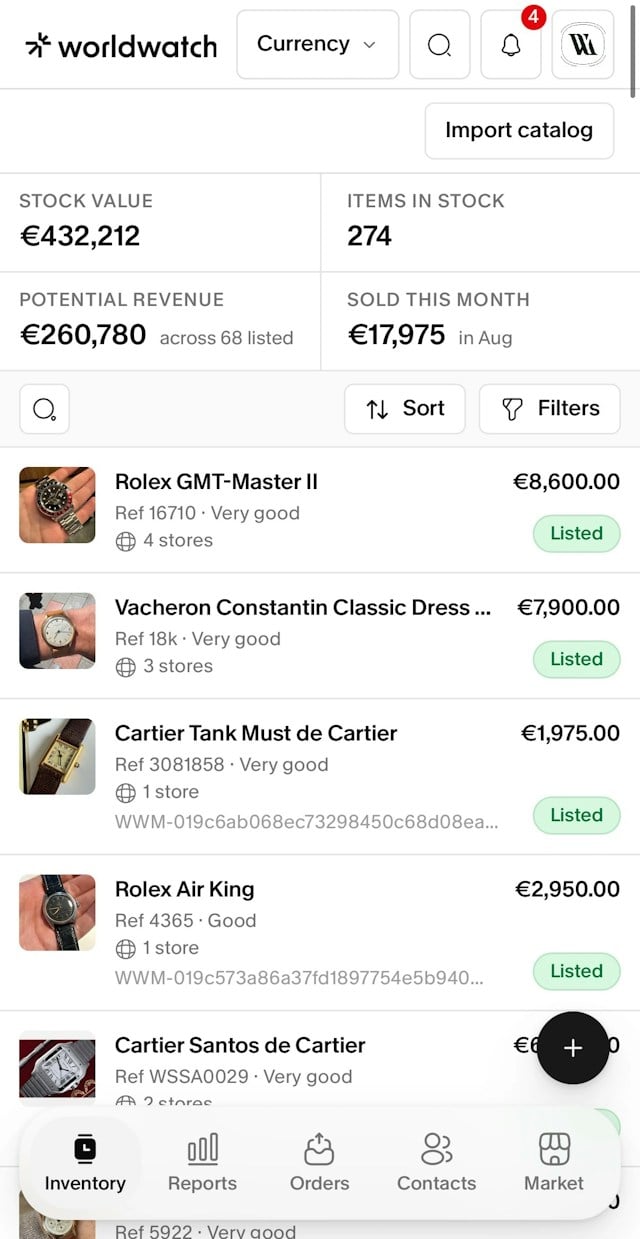
“Everyone in this trade works on their own island. The dealer has an inventory book, the watchmaker has workshop records, the auction house has its catalogue, the authenticator has a report, and the marketplace has a listing. Each knows a piece of the watch’s story, and none of the pieces connects. When a dealer retires, 30 years of knowledge about which watches are right retires with them.”
Other collectors solved this long ago. Art historians still trace who owned a painting through old dealer archives, such as the records of Joseph Duveen held by the Getty Research Institute. A graded trading card carries a certificate number anyone can look up. Few people buy a used car without checking its history. Watches, made to last for generations, have no equivalent.
What the Register shows
The Worldwatch Register is online at worldwatch.market/register. Look up a dealer, and you see the basics: the business name, where it works from, the year it started trading and a link to its website. Next to each fact, the Register shows where it was checked and when.
What you’ll find on a listing:
- The business name and location
- The year it started trading
- A link to the dealer’s own website
- Whether the dealer is verified, and the date of the verification call
What you won’t find:
- Star ratings or reviews
- Paid placements or sponsored spots
- A ranking of any kind
- A verdict on whether a particular watch is genuine
Joining takes a dealer a few minutes: a free account, a public profile with their logo, and then verification. To become verified, a dealer signs a code of conduct and completes a call with the Worldwatch team, working through a standard set of questions. Listing and verification are both free, and the order in which dealers appear is drawn at random every day, so nobody can buy their way to the top.
“Every list that ranks businesses ends up selling the top spot,” Duin says. “The Register doesn’t say a dealer is good. It says what was checked and when: the business exists, and it is who it says it is. The judgment stays where it belongs, with the buyer.” The Register is about the dealer. Judging the watch is still up to you and the dealer, but you know who you are dealing with before that conversation starts.
The Register is built for four groups. Dealers who want to be found, with a checked page they can send to any buyer and a badge for their own website. Collectors who want an extra checkpoint before they buy, and dealers who want the same before trading with a dealer they haven’t met. Brands running certified pre-owned programs, who need to know that the dealers they source from are real, checked businesses. And platforms that want their buyers to feel more confident about the sellers on them.
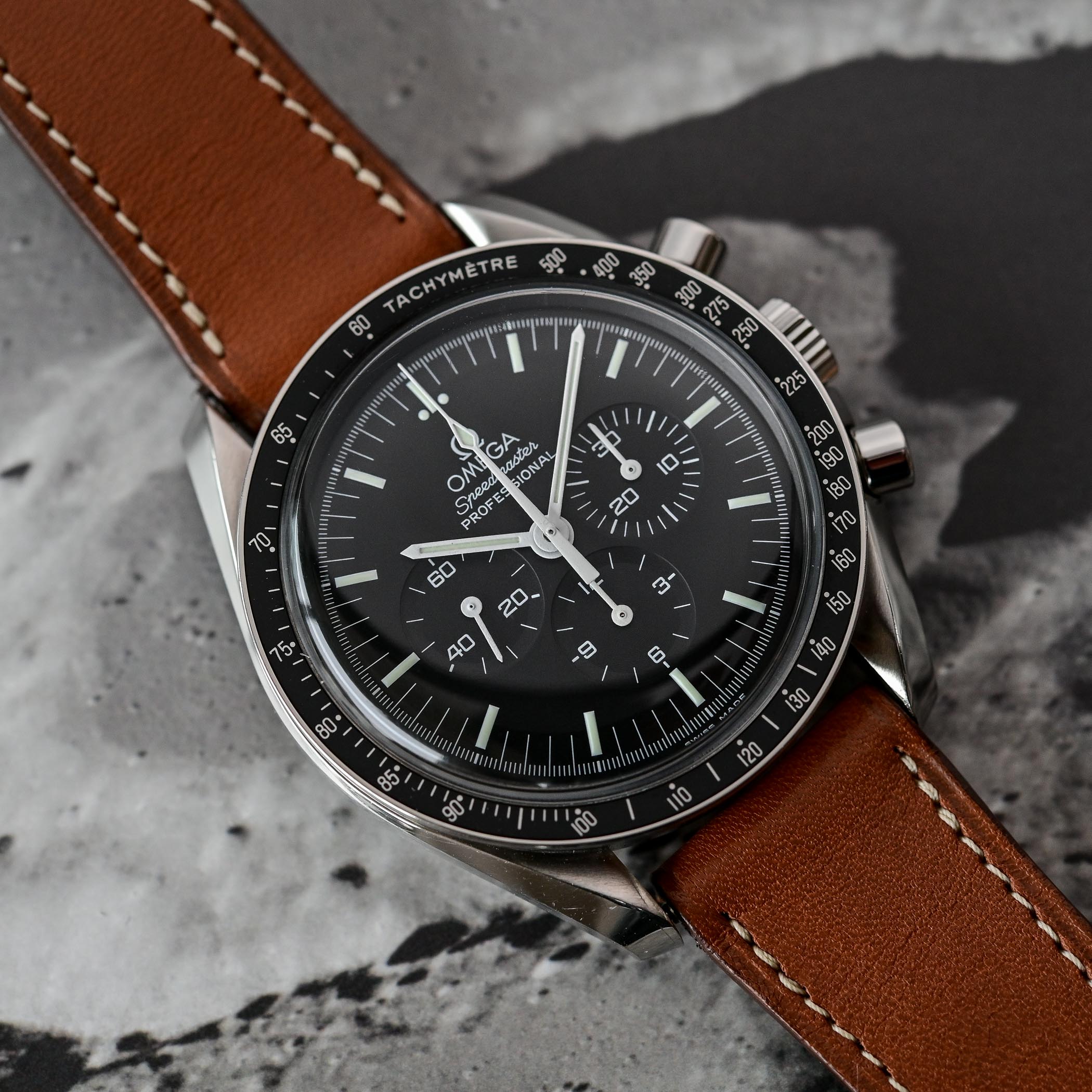
Leon Noordanus, co-founder of the marketplace Wristler, heard about the Register before it went online. “Expertise and craftsmanship belong at the heart of this market, which is why we work only with professional watch dealers and jewellers,” he says. “An open register of those professionals gives buyers one more way to check who they are buying from.”
Watchmakers are next. Every watch in the trade passes through a watchmaker’s hands, yet there is no public record of who the watchmakers are or what they specialise in. Worldwatch is in talks with watchmakers and their organisations to decide together what a watchmaker’s listing should show. For a collector, that could mean finding the right workshop for a particular watch. For the watch, it means its service history no longer has to stay in one workshop’s files.
Gertjan Westerbeke, a watchmaker and microparts specialist who owns The Janus Huibregt Collection, was one of the first to see it. “A very welcome register, and remarkable that nothing like this exists yet,” he says. “Trust and specialist craftsmanship are key in watch servicing.”
Beyond box and papers
“Full set” is one of the first things a fresh pre-owned buyer asks about. Duin looks at it more closely. Papers get lost. A period-correct box may have joined the watch decades later, and nobody can say for sure. An archive extract tells you when a watch was made and where it was first delivered, but it is not the original paper.
“Box and papers carry weight because they show part of a watch’s history,” Duin says. “But when you buy from a dealer who really knows their trade, the box and papers say less than the dealer’s expertise does. And a watch doesn’t have to stay all original forever. Nobody expects a restored classic car to have every original part. People want to know what was replaced, when, and who did the work. As original parts get harder to find, that will only become more important.”
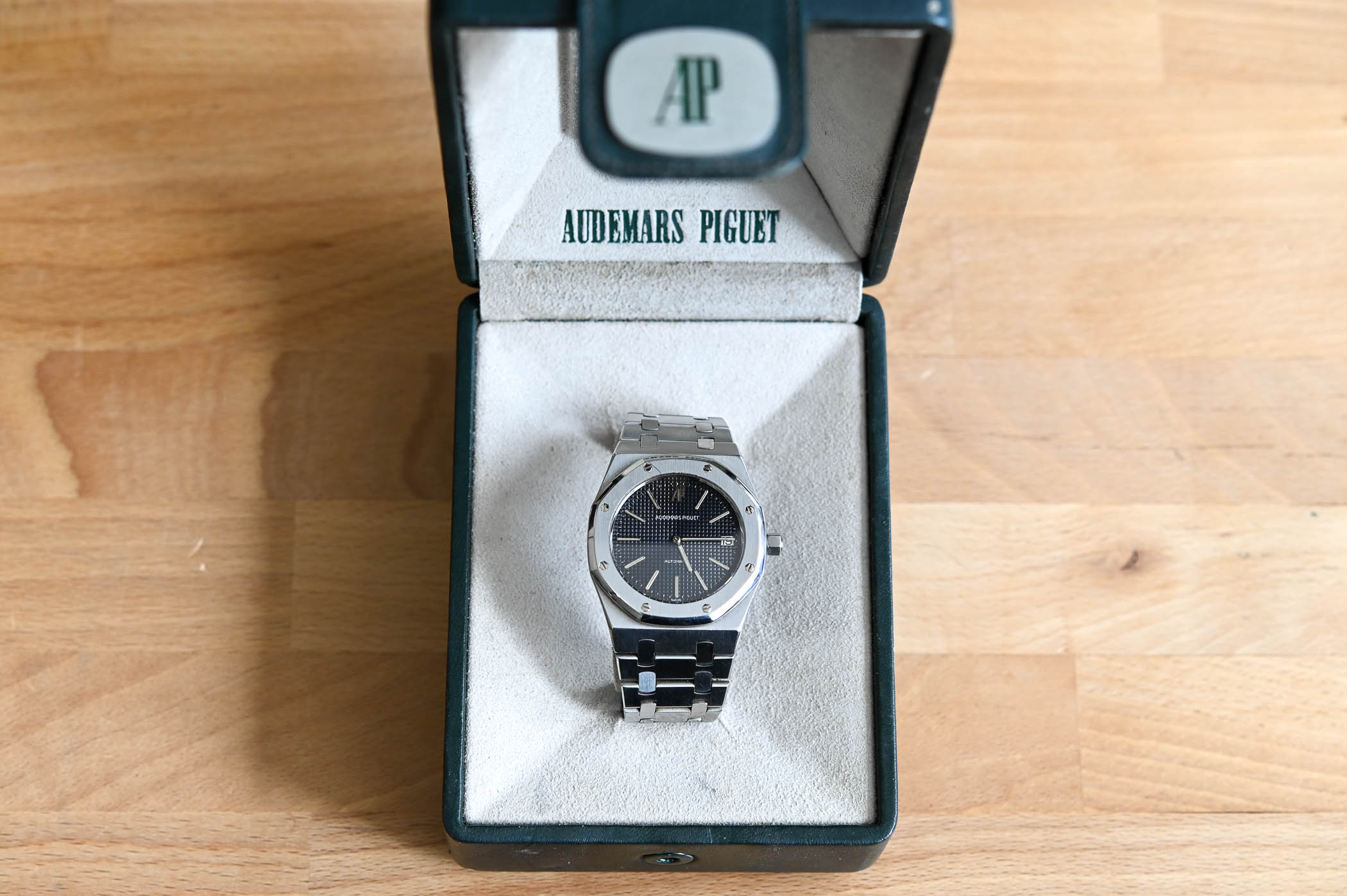
The group of people buying pre-owned watches is growing, and Duin sees knowledge as the biggest barrier for newcomers. “A recorded fact tells a buyer more than anyone’s opinion,” he says. “Objective beats subjective, so that’s what we build for.”
Frank Smits, founder of The Horology Club Europe, puts it from the buyer’s side. “As a serious collector, I want to be well informed about a watch I consider buying,” he says. “Knowing the exact details regarding originality and authenticity allows me to make an informed decision to add such a watch to my collection, or to simply give it a pass.”
That is the longer ambition behind the Register: to link the moments in a watch’s life into one history.
1968 sold by a jeweller –> 1985 serviced by a watchmaker –> 2004 sold at auction –> today offered by a verified dealer
Each moment becomes a link. A chain does not need to be complete to be useful. Most watches on the market today have no recorded history at all, and that is normal. Every link that is added tells the next buyer a little more, and no single lost receipt breaks the chain. Who appears in that chain is up to the people in it. A dealer’s name is attached only if the dealer agrees, in the same way an auction catalogue can name a consignor or describe “an important private collection”. The choice belongs to the owner. “Our goal is that in 10 years you can still buy the watch you love,” Duin says, “and know exactly what you are buying.”
An open invitation
Worldwatch’s main product is a platform that runs the entire business of a watch dealer in one place, from buying a watch to listing, selling and shipping it. The Register sits apart from that: it is free for every dealer, whether they use the platform or not.
Duin is clear that Worldwatch does not want to rebuild what others already do well. Auction archives, authentication services and the certified pre-owned programs run by brands each hold a strong link in a watch’s history. “We can imagine brands wanting to see where their certified watches came from and where they go after,” Duin says.
“We have no plan to build anything twice,” he says. “If a company has already built something along these lines, we want to hear from them, and we can build it together. The same goes for anyone who wants to build on top of Worldwatch. This is an invitation for the market to stop working on islands. “How fast this goes is up to collectors. Once enough of them ask where a watch has been before they buy it, a recorded history becomes the normal thing to expect.”
The next time you are about to buy a watch from a dealer you have not met, look them up first at worldwatch.market/register. If you’re a dealer, create a free account there and verify your business to be listed. And if a watch in your collection has a story, ask your dealer to help write it down.