Not all images were able to load for printing. Please close the print window and try again.
Christian Knoop and Alexia Genta on Gérald Genta’s Legacy and the Rebirth of the IWC Ingenieur
Talking about the rebirth of the IWC Ingenieur.
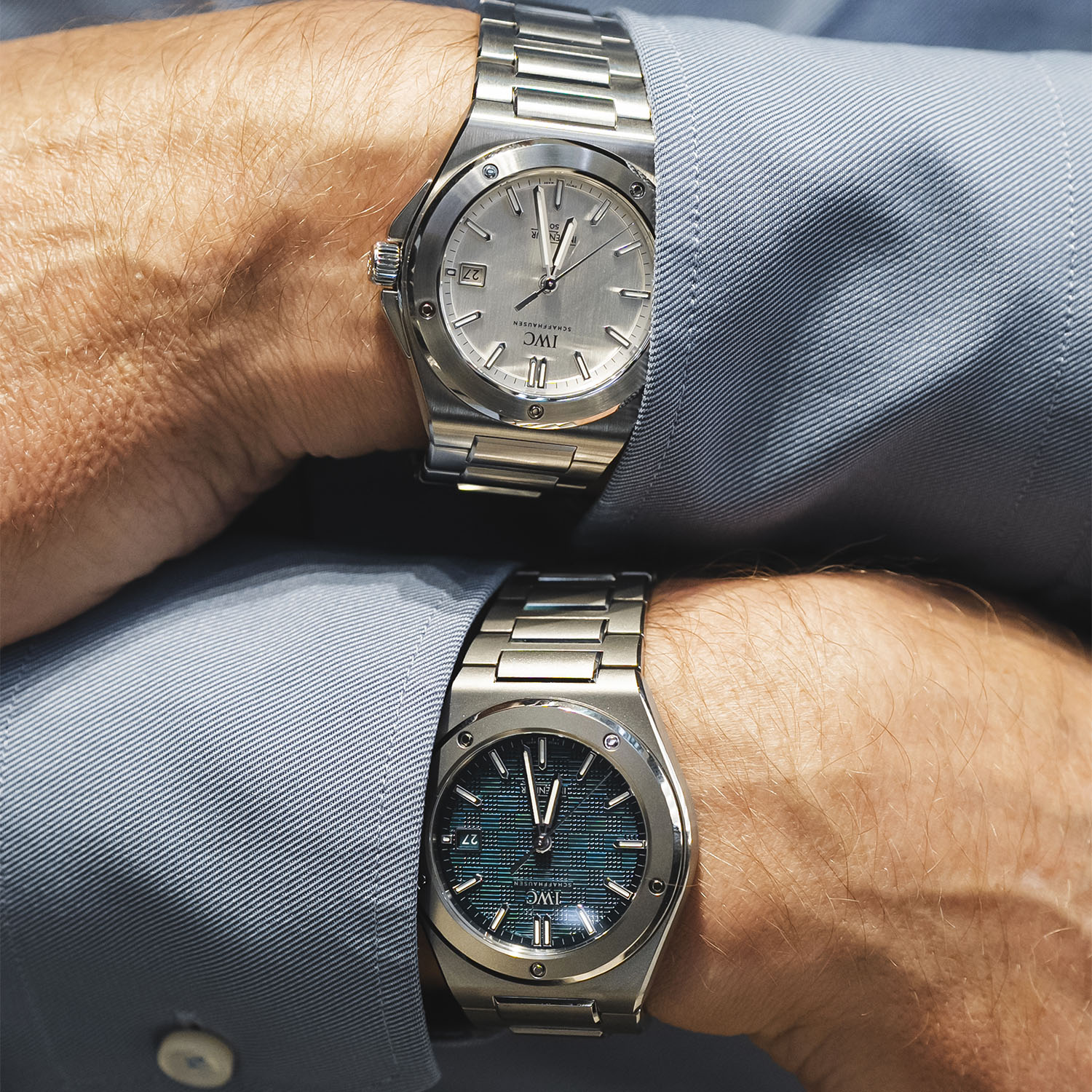
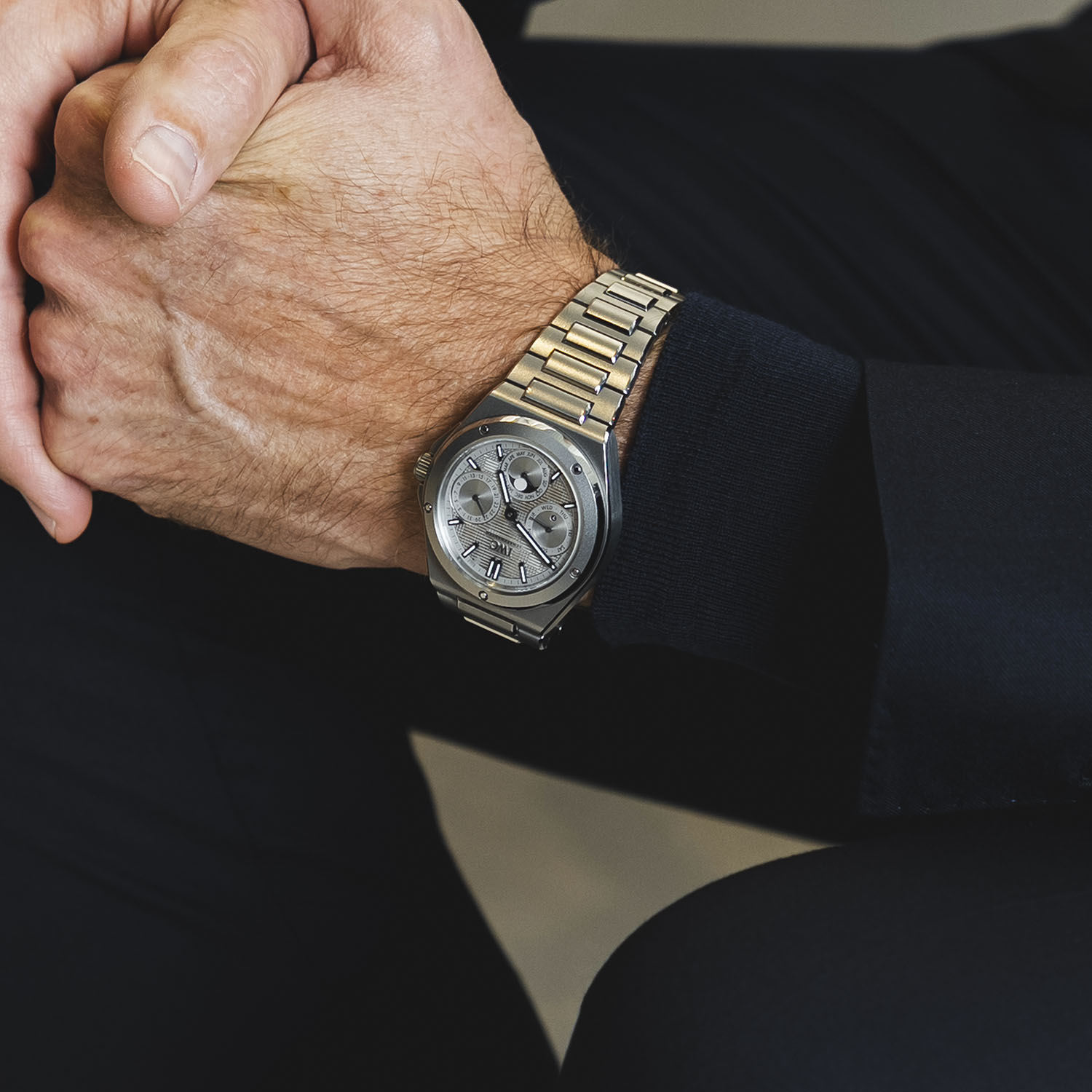
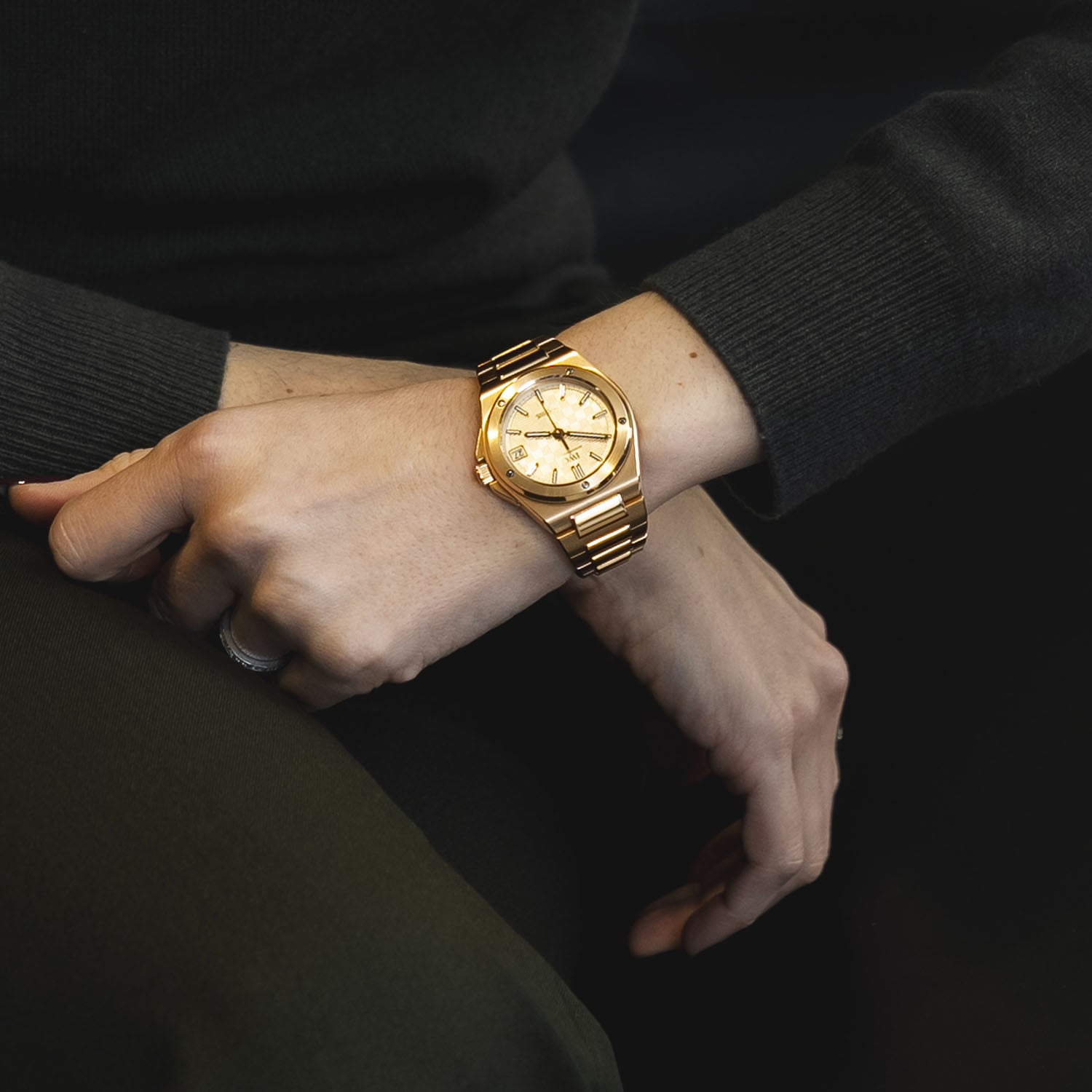
Few timepieces capture the tension between utilitarian rigour and avant-garde artistry as well as the IWC Ingenieur. Born in 1955 as an antimagnetic instrument for scientists and engineers, the model underwent a radical transformation in the 1970s when IWC enlisted legendary designer Gérald Genta. Genta reimagined the tool watch into a sculpted steel icon with an integrated bracelet and its signature five-screw bezel.
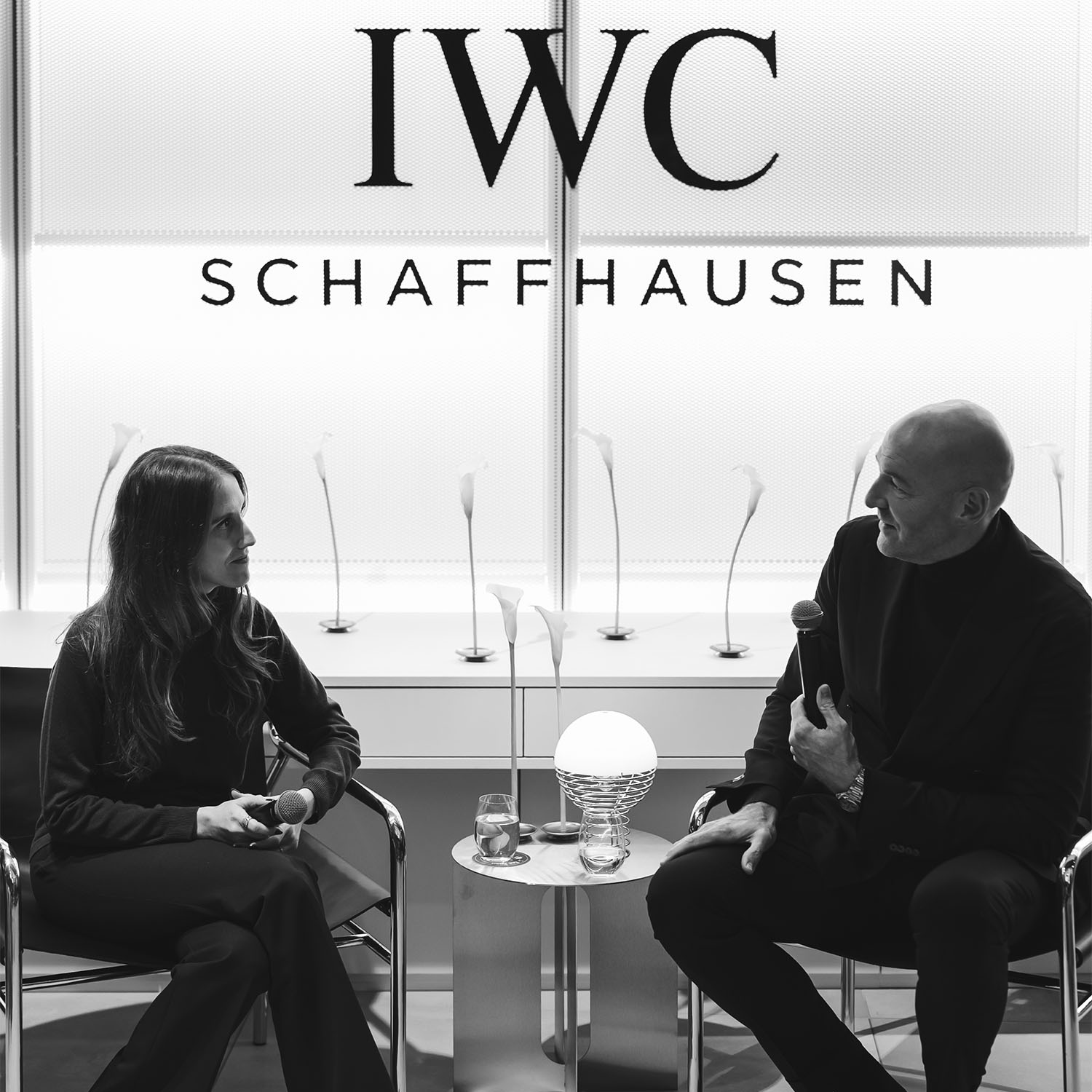
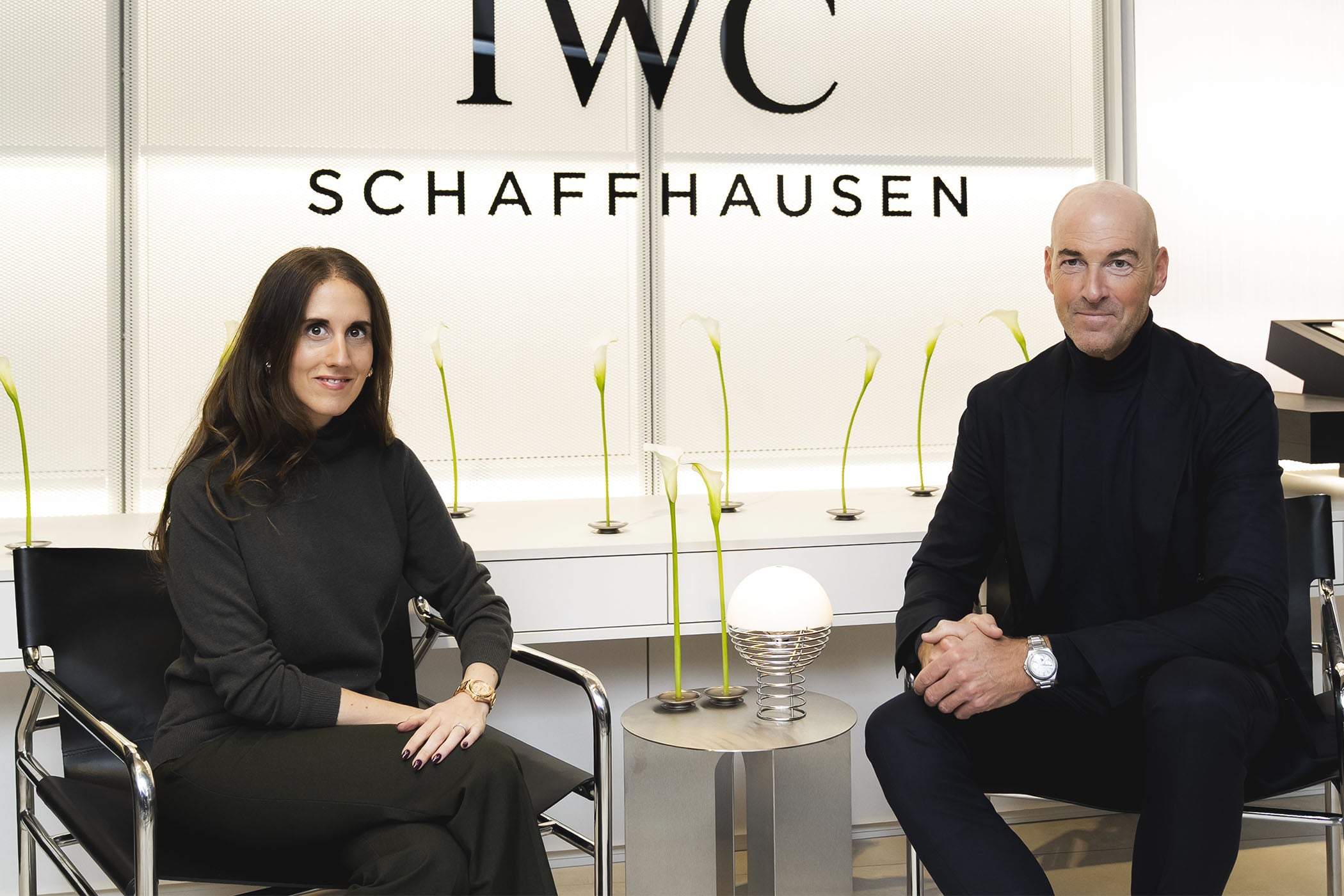
At an intimate gathering in Amsterdam celebrating five decades of this design lineage, Christian Knoop, IWC Schaffhausen’s Chief Design Officer, sat down with Alexia Genta, the late master’s daughter. Together with the audience, they explored Gérald Genta’s prolific, instinct-driven process, the challenges of modernising a sacred design code, and why true innovation often takes decades for the world to comprehend.
The Evolution of an Icon
Christian Knoop: The Ingenieur collection debuted in 1955 as IWC’s first civilian watch to incorporate technical advancements inherited from military instrument watches like the Mark XI – notably the soft-iron inner case for antimagnetic protection and Albert Pellaton’s revolutionary pawl-winding system. It reflected an era captivated by postwar progress, technical engineering, and industrial optimism.
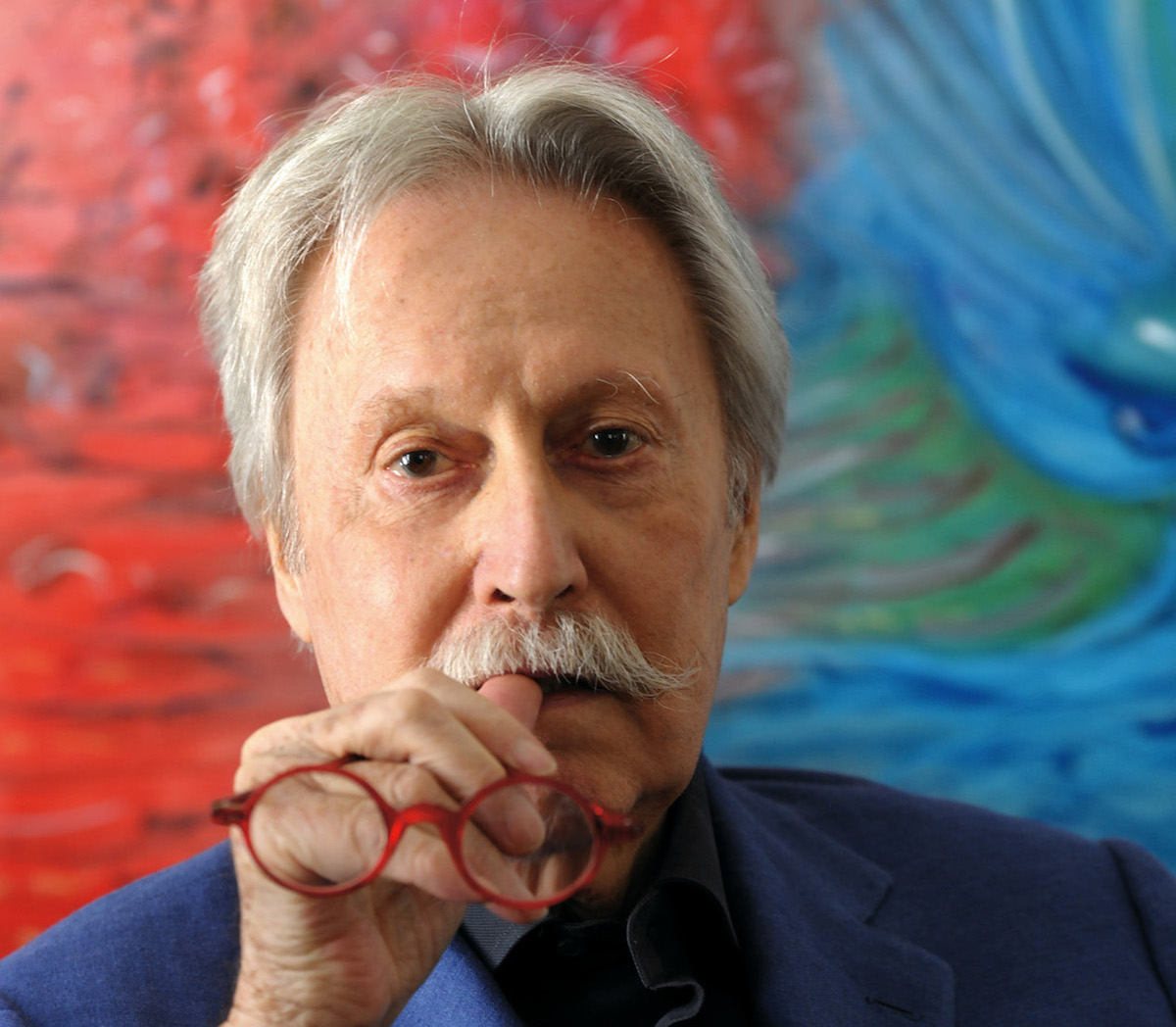
By the 1970s, however, the quartz crisis forced the traditional Swiss watch industry to rethink its approach. IWC leadership – including Günter Blümlein and Hanno Burtscher – sought fresh ideas to revitalise the line, leading directly to the collaboration with Gérald Genta. Alexia, how did your father recall that era and his partnership with IWC?
Alexia Genta: He always admired IWC because it was a deeply serious brand that knew precisely what it was doing. For him, working on the Ingenieur was exceptionally fun because he could actively follow prototype production.
The reason Dad was able to create industry-defining designs is that he approached every project not as a watchmaker, but with the conviction of a pure artist. He designed what he found most balanced and satisfying, and IWC gave him the artistic freedom to express himself.
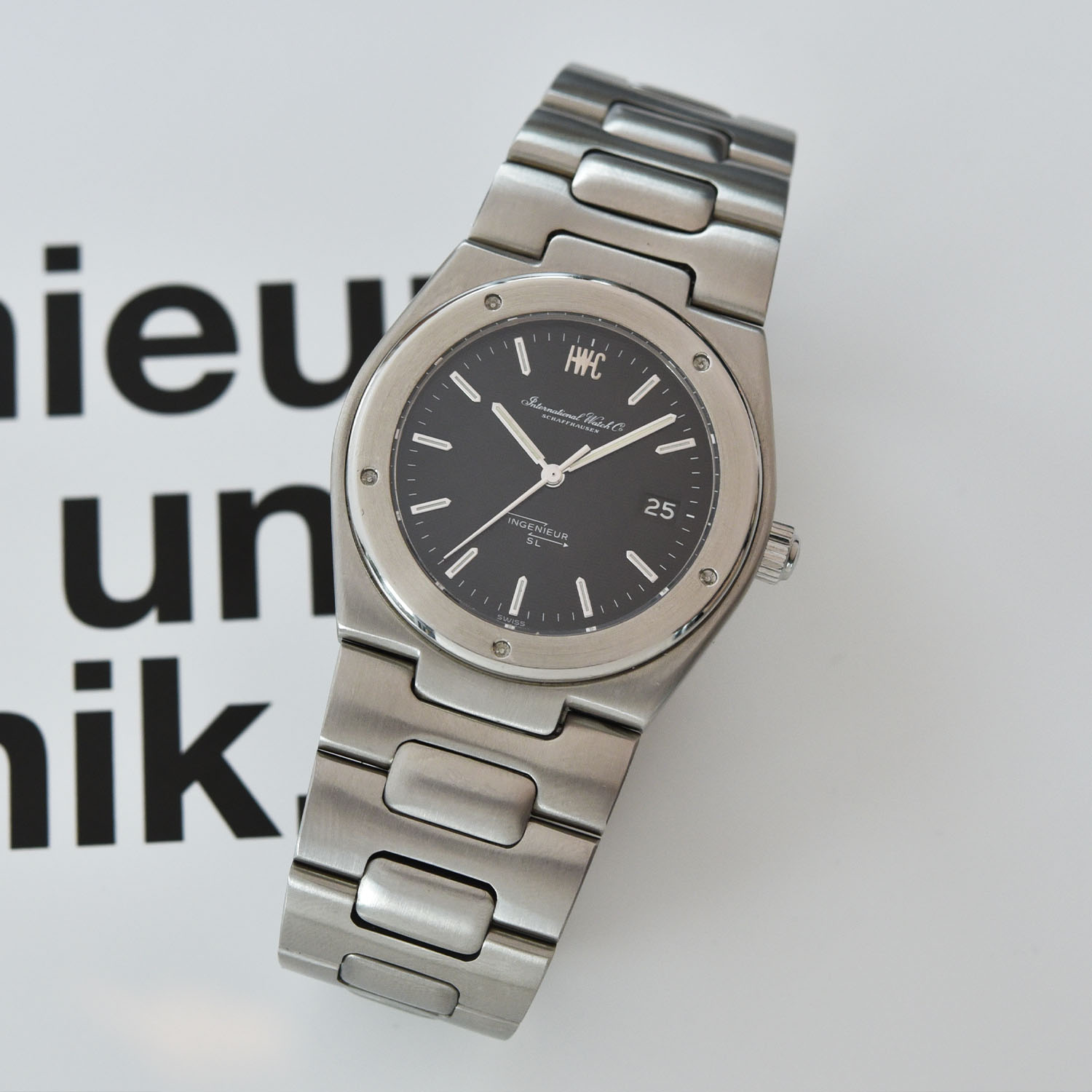
Christian Knoop: That artistic perspective is critical. A designer introduces the irrational, emotional, and human element that pure engineering cannot provide. With the Ingenieur, your father created a signature so distinctive that you recognise it from across the room. At the same time, it wasn’t merely a decorative exterior; the form factor was intimately linked to the mechanical construction and the spirit of engineering.
Alexia Genta: Exactly. He treated the watch as a holistic sculpture, designing the case and integrated bracelet as a singular object rather than two detached components.
The Picasso of Watchmaking
Christian Knoop: His working method remains legendary. He worked with gouache on colored paper – a medium where you cannot erase or correct errors. If a mistake happened, you started from scratch. Today, we model in 3D and iterate endlessly in software. When I visited your mother in London, viewing his archives of gouache renderings was like walking through an art gallery.
Alexia Genta: His process was entirely instinctual. He would sit at his desk in the morning with his blue paper and gouache, draw two perpendicular lines, pick up a brush – no pencil sketches, no prior research – and the watch would simply pour out of him. Within a couple of hours, the piece was finished, and he moved on.
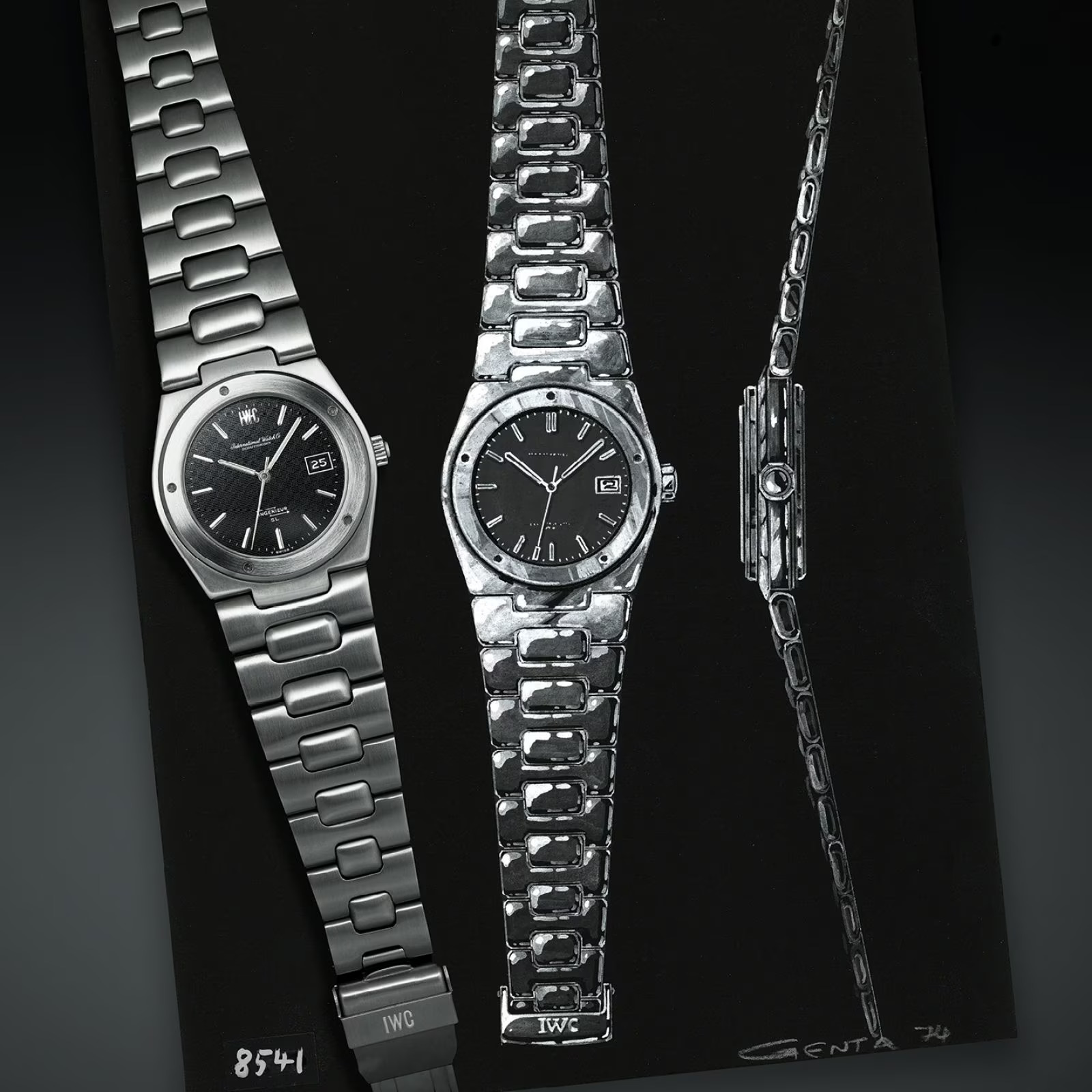
My mother estimates that over his career, beginning at age twenty-three, he produced around 100,000 designs. He would create four to ten watch concepts every morning under the constraints of watchmaking. Then, by 2:00 PM, he would transition to painting on canvas with total artistic freedom. That dynamic tension between discipline and free artistic spirit defined his genius. He designed everything from sports watches and fine jewellery to perfume bottles and cutlery. In many ways, he was the Picasso of watchmaking.
Christian Knoop: Beyond the watches themselves, your father fundamentally established the profession of the watch designer. Before Genta, the public only acknowledged the watchmaker. He gave a face and an identity to watch design, inspiring the generations that followed and opening the door for brands like IWC to embrace design thinking as a core discipline.

Alexia Genta: It certainly wasn’t easy at the beginning. When he was a young designer in Geneva trying to make a living, he would drive around knocking on factory doors. People would ask, “Why would we need designs?” He would slip ten gouaches through a mail slot, and they would keep two, return eight, and give him a few Swiss francs. He faced immense pushback – whether with the Ingenieur or when he debuted his Mickey Mouse designs and the traditional industry felt insulted. Yet he persevered because he was an artist through and through.
Reinterpreting the Ingenieur for 2023
Christian Knoop: When we set out to relaunch the Ingenieur for 2023, we studied the 1976 original extensively. We refined the proportions, integrated new case attachments, adjusted the bezel geometry, added crown protection, and introduced the grid dial pattern.

Before the public debut, I had to present our final prototype to your mother. Knowing how fiercely she protects your father’s legacy, I was genuinely nervous. I showed her the watch and pointed out where we had altered the case attachment and refined details. Her reaction was an immense relief: she told me that continuously evolving, questioning the status quo, and improving was entirely in Gérald’s spirit.


Alexia Genta: My mother and I are fiercely protective of his work, but she was completely right. If Dad were alive today, he wouldn’t be repeating what he did in the 1970s. He was constantly moving forward, always producing new prototypes rather than dwelling on the past. Evolution honours his vision, provided it respects the integrity of the original design DNA.
Questions from the Floor
Audience Member: Did your father ever have a personal favourite among his creations?
Alexia Genta: Being half-Swiss, I have to be diplomatic! While he was proud of the iconic watches that made his name, what he loved most was creating without an external brief – making unique, one-off prototypes that never even carried a commercial name. If you asked him directly, his answer was always: “The watch I will design tomorrow”.
Audience Member: Christian, when tasked with re-engineering such an iconic silhouette, what was your greatest challenge?
Christian Knoop: Our biggest commitment – and hurdle – was keeping the 2023 Ingenieur as a pure, three-hand automatic. In past decades, the industry often felt compelled to overload iconic designs with complications or technical clutter. We wanted to prove that a focused, three-hand automatic could achieve the same stature and recognition within IWC as a Big Pilot or a Portugieser.
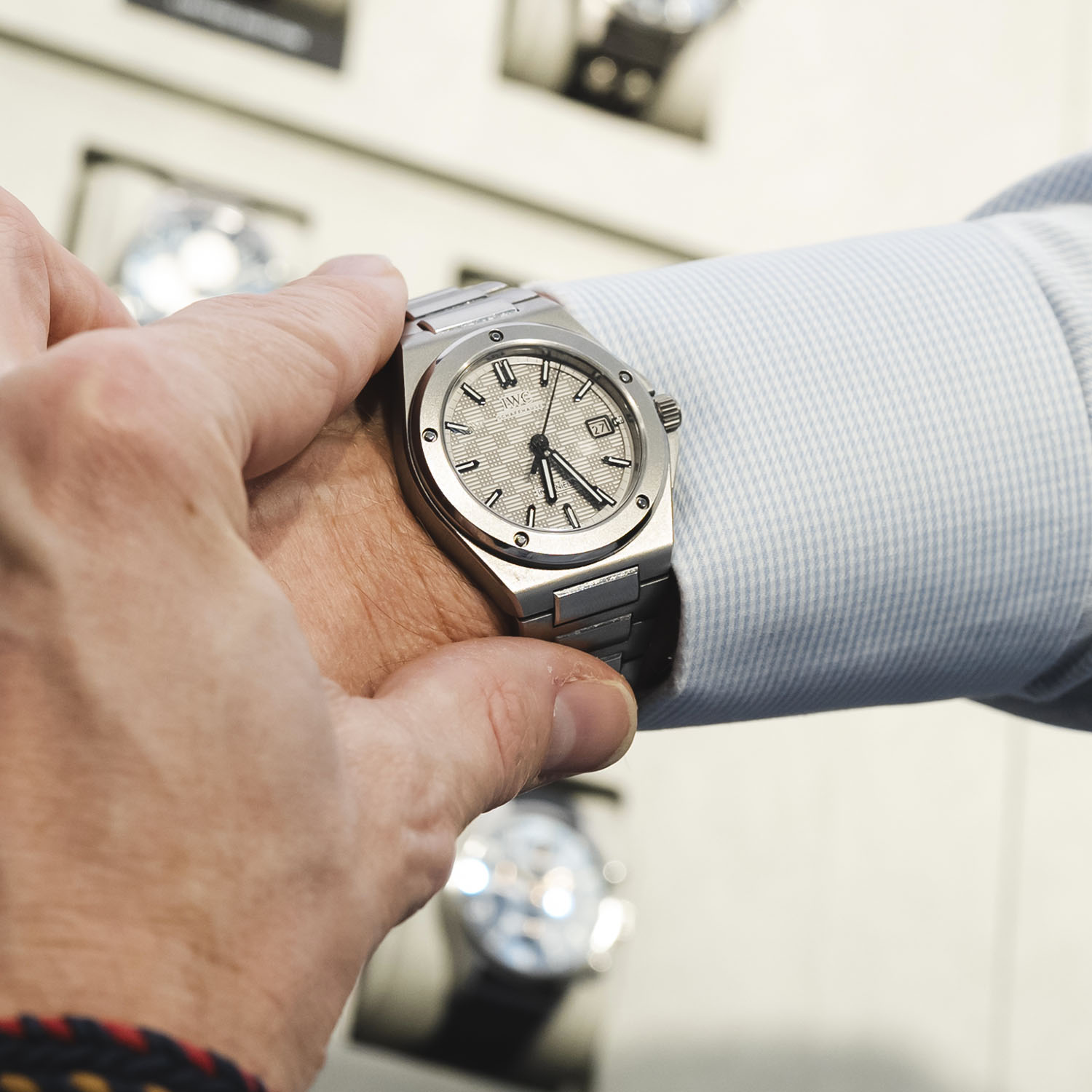
It also comes down to timing. When Genta’s Ingenieur SL launched in the 1970s, it was a “brilliant failure” commercially because the market simply wasn’t ready for it. Like many revolutionary products, it was decades ahead of its era. It took nearly forty-five years for the horological landscape to catch up, but the Ingenieur is finally receiving the universal acclaim it has always deserved.
For more details, please visit iwc.com.