


 Not all images were able to load for printing. Please close the print window and try again.
 Christiaan van der Klaauw’s Pim Koeslag and his Personal Relationship with Time and Watches
A series that moves beyond brands and products to explore the personalities of the watch industry’s most influential leaders.
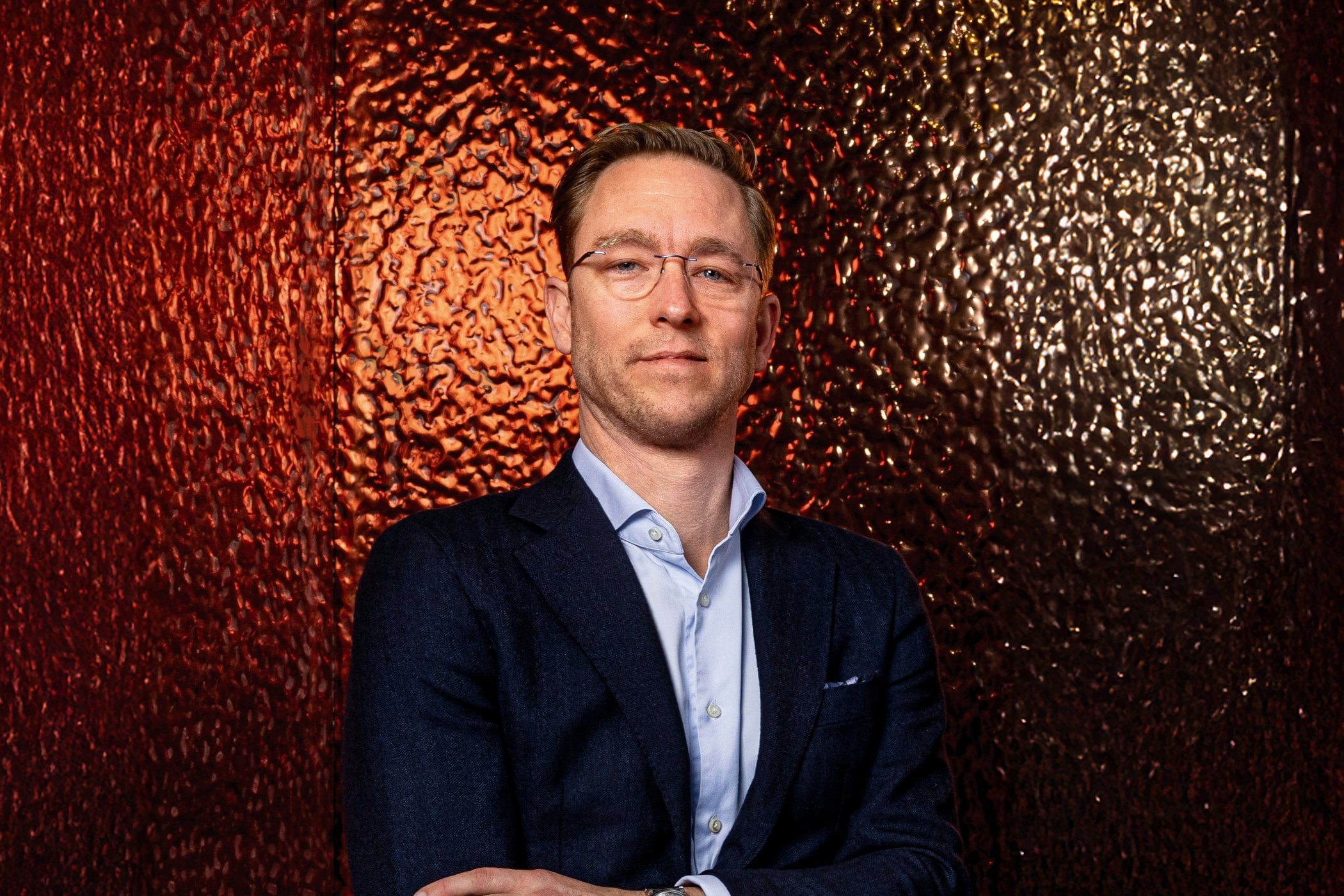
Twelve on Time is a conversation series that invites leading personalities from the watch industry to step beyond their work and speak more personally about their relationship with time, creativity, and craft. Through a set of twelve questions, the column aims to lift the veil on both the individual and their perspective on watchmaking – revealing not only how they see watches, but also how they see themselves within a culture shaped by precision, heritage, and emotion. We turn to our home country for the latest instalment, with the man who has led Christiaan van der Klaauw for several years already, Pim Koeslag.
1. Which watch changed the way you looked at watchmaking?
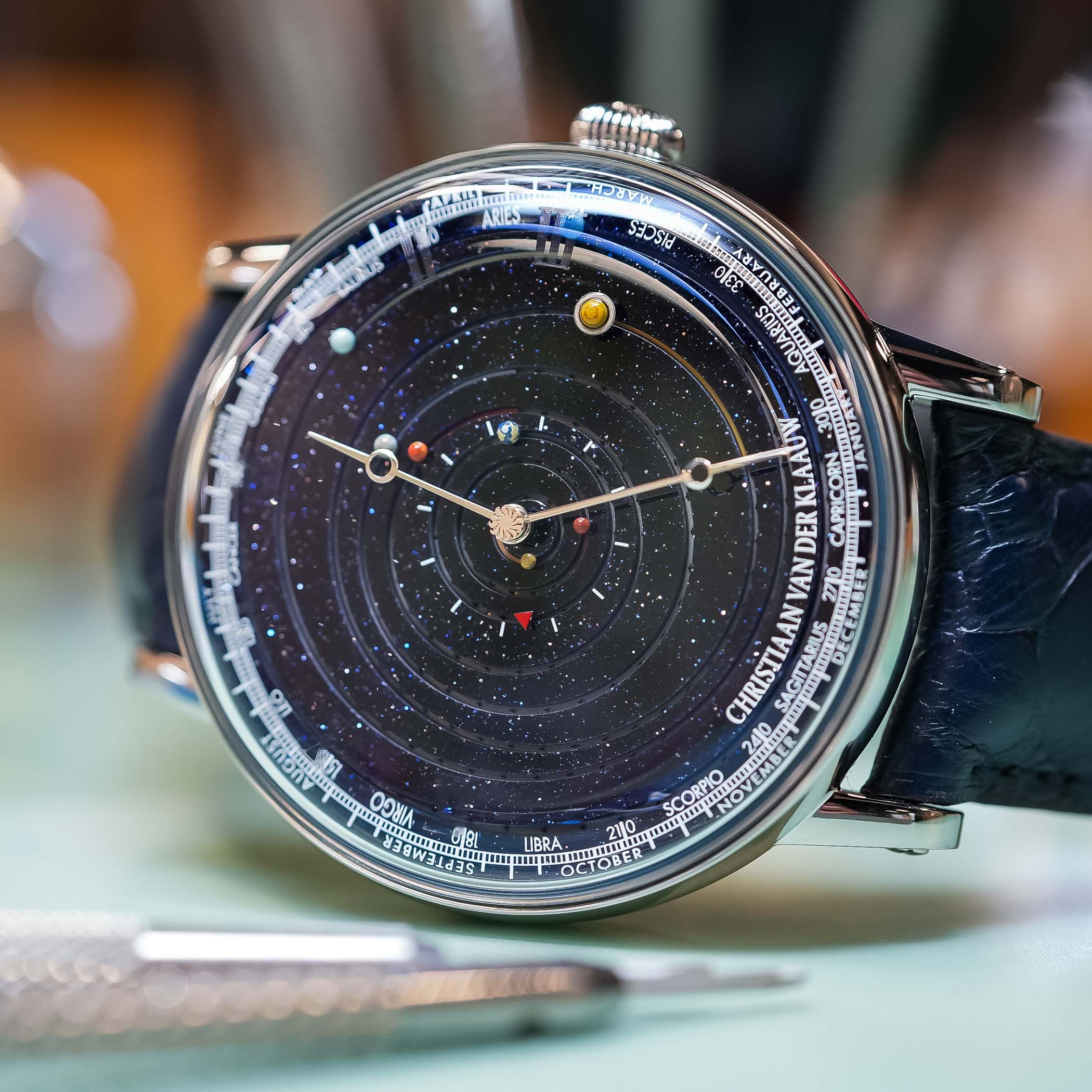
The Planetarium: Before joining CVDK, I focused on pure watchmaking, developing complications such as perpetual calendars and tourbillons. The Planetarium opened my eyes to the fact that if you combine watchmaking with science and astronomy, a completely new world of complications opens up, some more poetic and some very functional.
2. What is the quality you value most in a watch?
The level of creativity, which could be technical creativity or aesthetic creativity. Doing the same thing as others does not feel very interesting to me. Of course, the execution should be flawless; that is not even a question!
3. Which is your favourite complication?
My favourite complication is not on the market yet; it is still a work in progress! My favourite existing complication is the Grand Planetarium Eccentric, a full-dial solar system with the 8 planets orbiting our sun. My second favourite is a chiming watch like a minute repeater or grand sonnerie, just magical!
4. What is the most overrated trend in modern watchmaking?
Overpriced 3-hand watches, usually well-finished, but I have the feeling that every week there is a new brand popping up.
5. What detail instantly tells you a watch was made with care?
The finishing of the dial is the one thing I look at first.
6. Which moment do you believe most fundamentally shaped watchmaking as we know it today?
Probably the quartz crisis in the 1970s made people realise that watchmaking is an art rather than a utensil.
7. What is the greatest challenge facing the watch industry today?
I think one of the challenges is the change in retail and distribution channels; you see more and more business-to-customer, a direct approach mostly via social media. I still believe every market needs a different approach to interact with its consumers. You cannot compare a Japanese customer to an American or a European. I hope retail and distribution will be able to survive this trend or find their place in this new way of doing business.
8. What outside sources of inspiration most influence your thinking in watchmaking?
What inspires me most is mechanics in other professions, like the automotive and medical industries; astronomy is also a huge source of inspiration!
9. Which watch would you wish you had created?
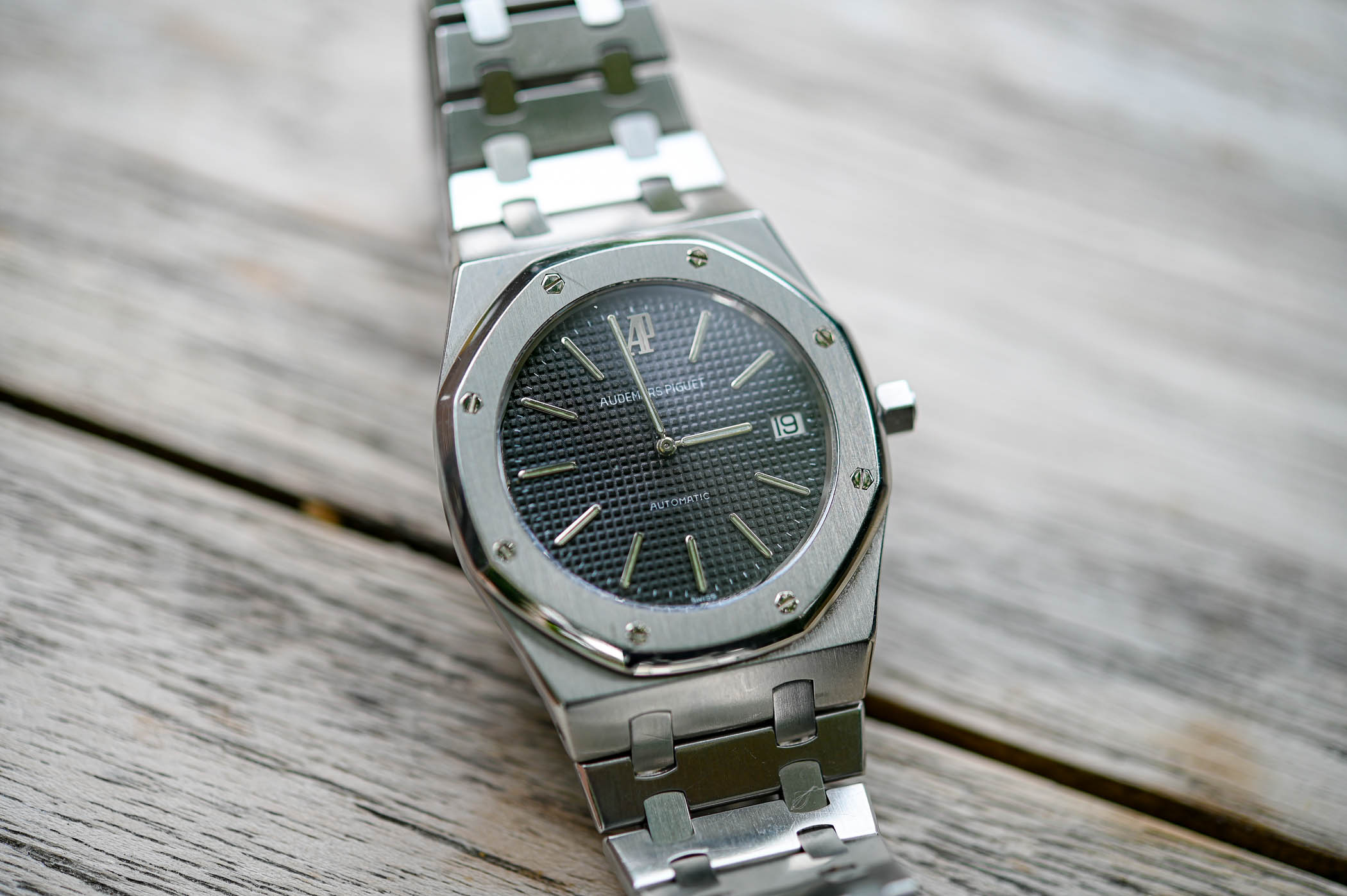
The Royal Oak, timeless! Like the Porsche 911…
10. Which watch do you wear most when nobody is watching?
The Franck Muller Curvex Chronograph. My good friend and colleague gave it to me; he worked with Franck for more than a decade, and later in his career we co-invented and co-designed many incredible watches. He gave me the watch just before he passed away last year. It reminds me of the many evenings spent talking about watches over a good glass of wine, shaping the future of watchmaking.
11. Which personality has most shaped your view of watchmaking?
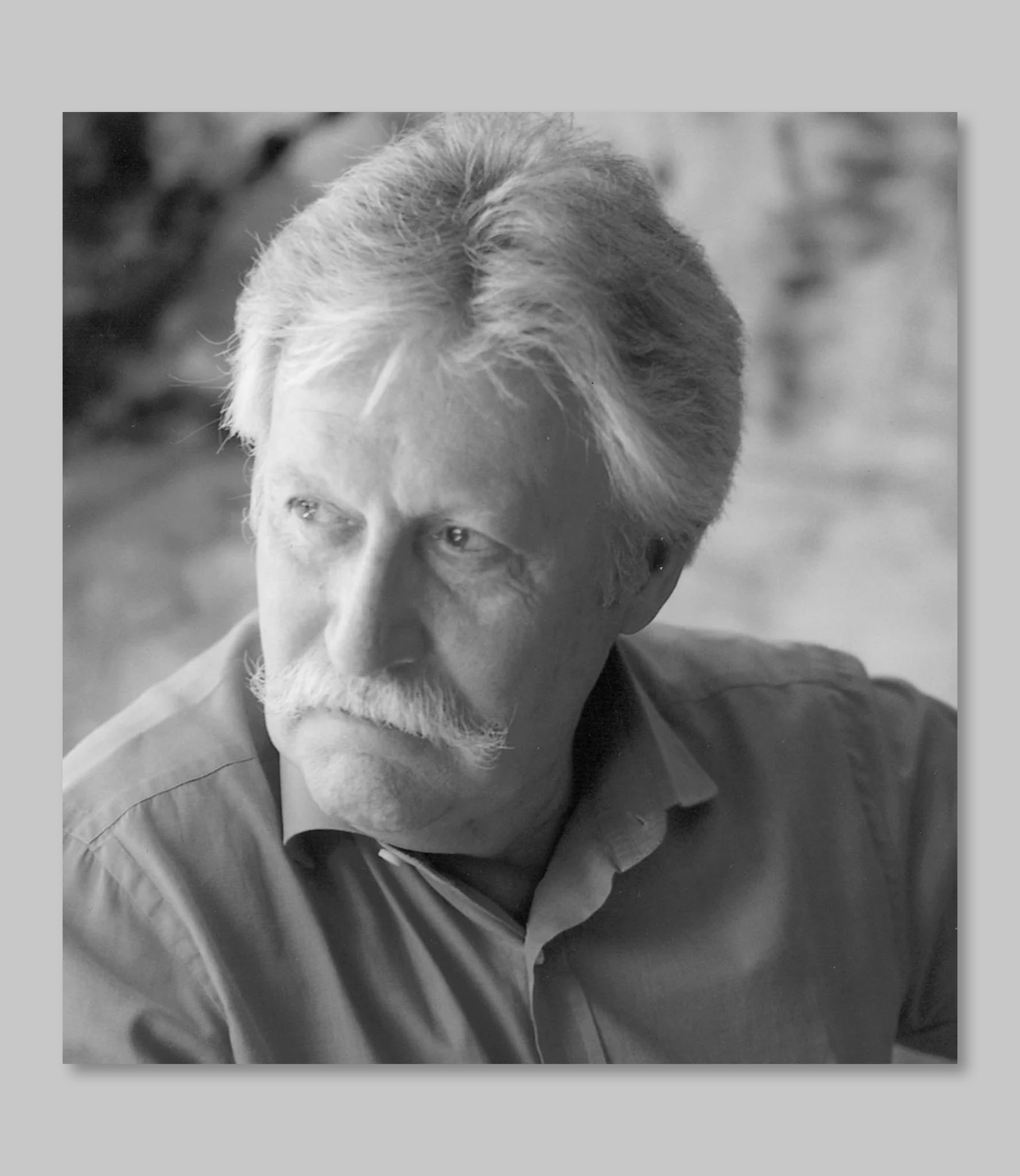
Gérald Genta. I remember having dinner with him at Hotel de Paris in Monaco, having discussions about designs and movement complications; it inspired me to keep searching for that iconic design that, if you have the watch in your hands, you can not tell if it was designed 40 years ago or yesterday; that is the ultimate dream as a designer!
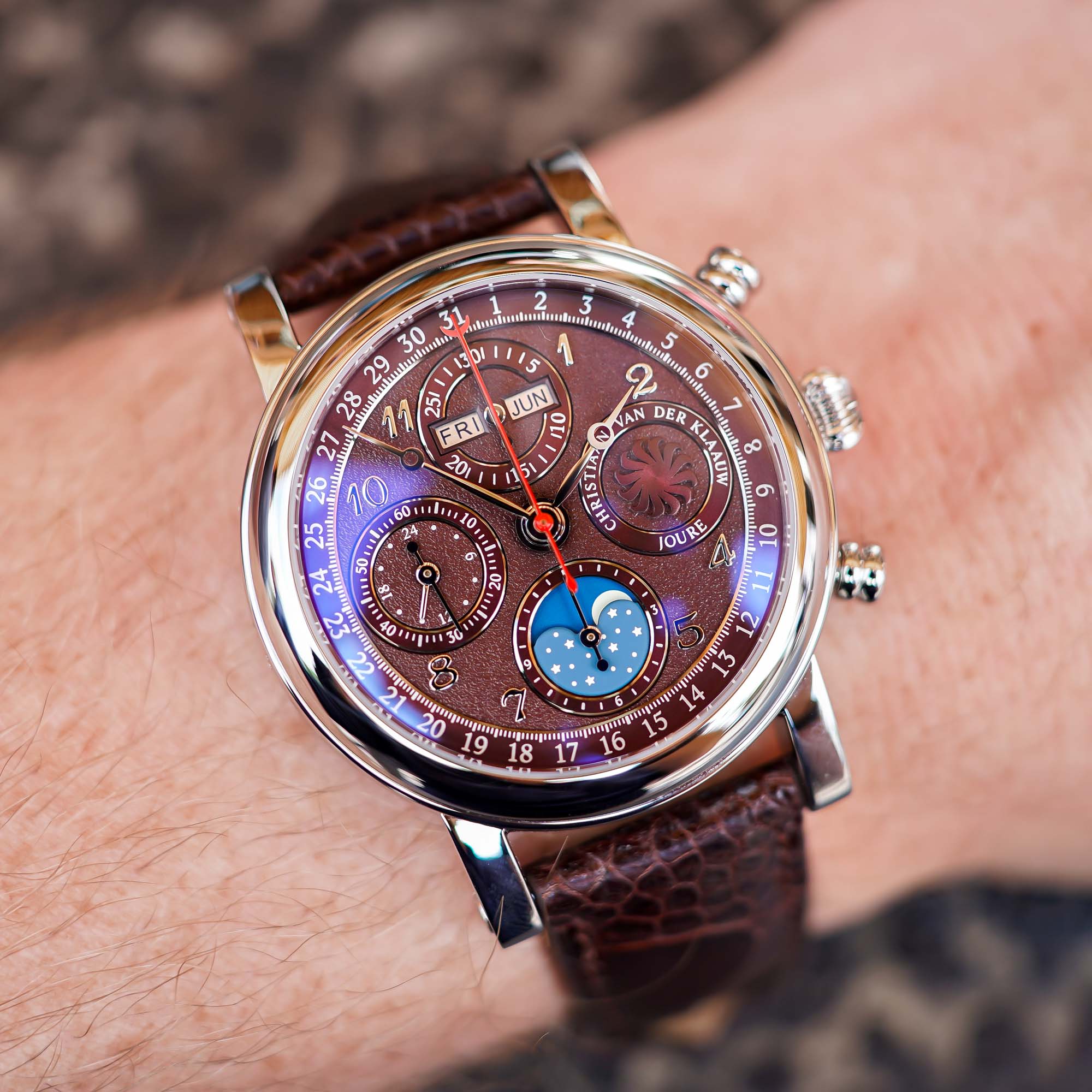
I feel so blessed that he took the time to listen to my crazy ideas. I created a very complicated perpetual calendar at the time (around 2008); all functions could be set by one single crown. I wanted to sell a couple of pieces per year. He told me I had to think bigger than just making a couple of watches, and that the only way to make it a huge success was to sell the idea to one of the big brands. I know that he was right about that after all…
We made only a handful of those perpetual calendars, and, in my opinion, the invention did not get the attention it deserved. So not only was Gérald Genta a great designer but also commercially very smart; you don’t see that a lot!
12. What should younger collectors focus on before buying their next watch?
Check out your own feelings and desires before checking the wrists of your friends; uniqueness is priceless

3 responses
Thank you for this very nice and good interview
I’m really enjoying this series! Cool to get into the heads of all these people.
Excellent interview and excellent series. Please keep them coming.