


 Not all images were able to load for printing. Please close the print window and try again.
 Watches Designed to Withstand the Most Extreme Conditions, From the Deepest Oceans to Outer Space
Very few owners can take full advantage of the most specialised and robust watches ever conceived, but that’s what makes history, and they’re just downright cool.
Let’s be honest, virtually no one who buys a Rolex Submariner or any 300m dive watch actually dives below 50 metres. In fact, the majority of dive watch owners today rarely, if ever, engage in diving. Most serious scuba divers use wrist computers, so traditional dive watches are often fashion statements as watch enthusiasts like the style, appreciate the robustness for time in the pool and inevitable knocks, and many can dress up or down. James Bond proved the latter by going from a wetsuit to a tuxedo in a matter of minutes with his Submariner in Goldfinger (it was actually a dry suit, but I’ll let that detail go). Some watchmakers push the envelope well beyond mainstream dive watches and really showcase the power of innovative engineering, even if only a tiny handful of users can benefit.
Everyone likes bragging rights, and hitting serious design milestones can be marketing gold. We’re currently witnessing the race for the thinnest mechanical watch with marvels like the Bulgari Octo Finissimo Ultra COSC (1.70mm), Richard Mille RM UP-01 Ferrari (1.75mm) and Piaget Altiplano Ultimate Concept (2.0mm). Exorbitantly expensive, but also super impressive and innovative, highlighting watchmaking expertise at its finest. Other over-the-top designs have more specific and even practical purposes, like surviving the most extreme conditions above and below Earth’s surface (and beyond Earth altogether). As humans continue to push the boundaries of endurance (or at least let machines do the heavy lifting), they need watches that can keep up, so let’s look at a handful that go beyond just bragging rights with the ability to withstand the most gruelling conditions imaginable.
Bremont’s Martin Baker Ejection Seat Series
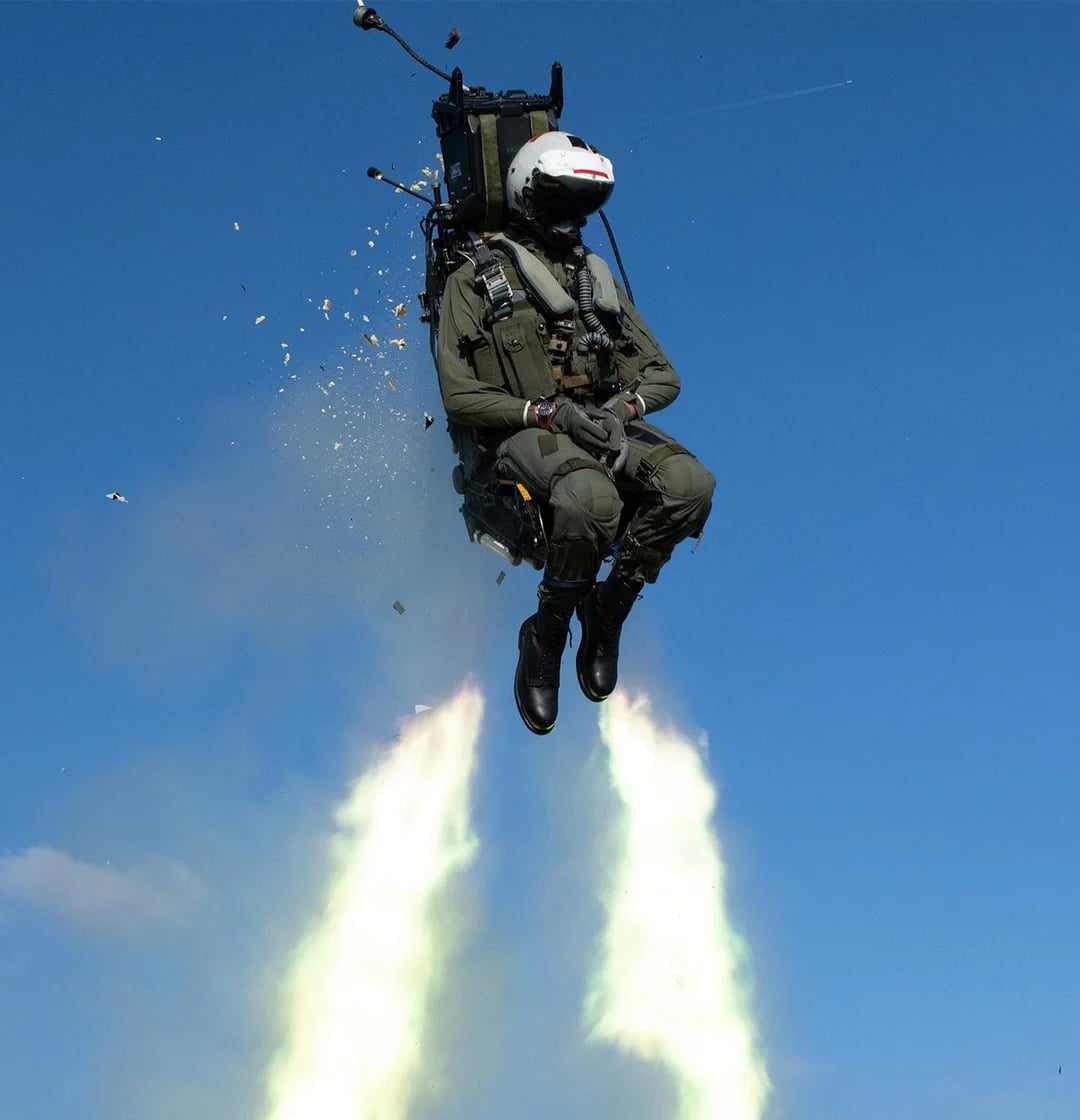
Bremont is a British watchmaker founded in 2002 by brothers and pilots Nick and Giles English. Following the death of their father (a RAF pilot himself) in a private plane crash, the two launched Bremont with their passion for watches and as a tribute to their father. The portfolio initially focused on pilots’ watches, but the brand now has three main pillars – air (Altitude), land (Terra Nova) and sea (Supermarine). However (for our purposes), one particular series stands out. In 2007, the brand partnered with leading fighter ejection seat manufacturer Martin Baker and created the only watch specifically designed to withstand the extreme pressures, vibrations, G-forces (up to 20G) and temperature changes ranging from -46° to +49°C during an emergency ejection. The tricks included using a patented “floating movement” on a specialised rubber ring, soft iron anti-magnetic Faraday cage, shock-resistant case and other overengineered components. The original Martin Baker watch (MBI) debuted in 2009 and was reserved solely for pilots who not only ejected from an aircraft, but specifically with a Martin Baker ejection seat. Small and exclusive club for sure, but over 400 were sold, including one bought by Tonight Show host Jimmy Fallon for his father-in-law, who had ejected from a malfunctioning fighter jet in 1961 (and he presented it to him on the show). The MBI had a red barrel mimicking the ejection seat that was part of the brand’s signature three-piece Trip-Tick case design.
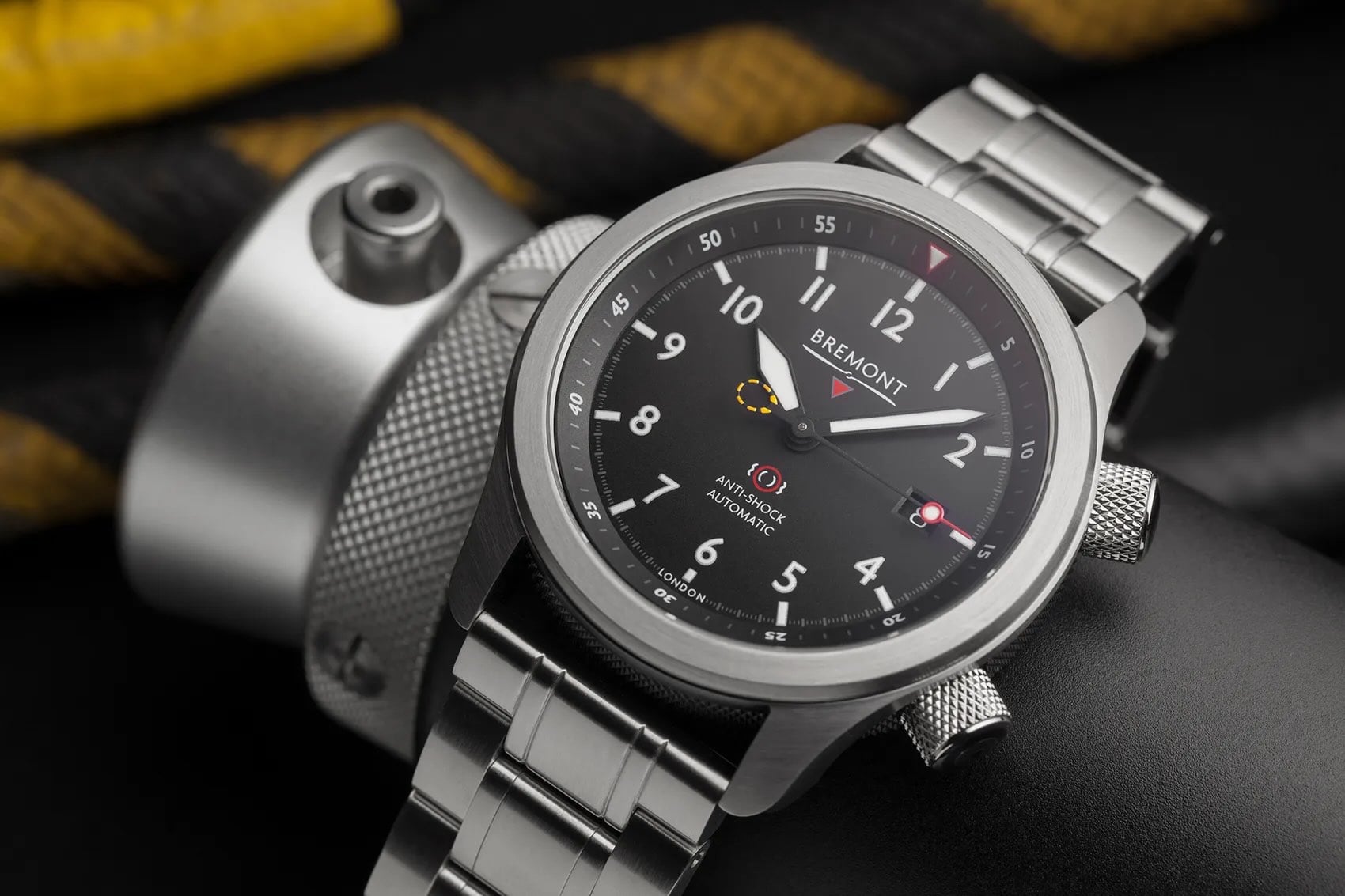
Subsequent models, MBII and MBIII, became available to the general public, but all were certified to withstand a real fighter jet ejection. The latest models are part of the Altitude line and were renamed MB Meteor (for Martin Baker “Gloster” Meteor) and again feature anti-magnetic shielding and a shock-absorbing movement mount. They were named after the Gloster Meteor, Britain’s first fighter jet and the one used to test the first Martin Baker ejection seat in 1946. The aesthetics are a bit sleeker now, but the general formula remains unchanged with twin crowns and an internal rotating bezel, and the signature coloured barrel as part of the Trip-Tick design. Barrels now come in standard orange or with a stealthier black DLC treatment – red is reserved for pilots who have ejected.

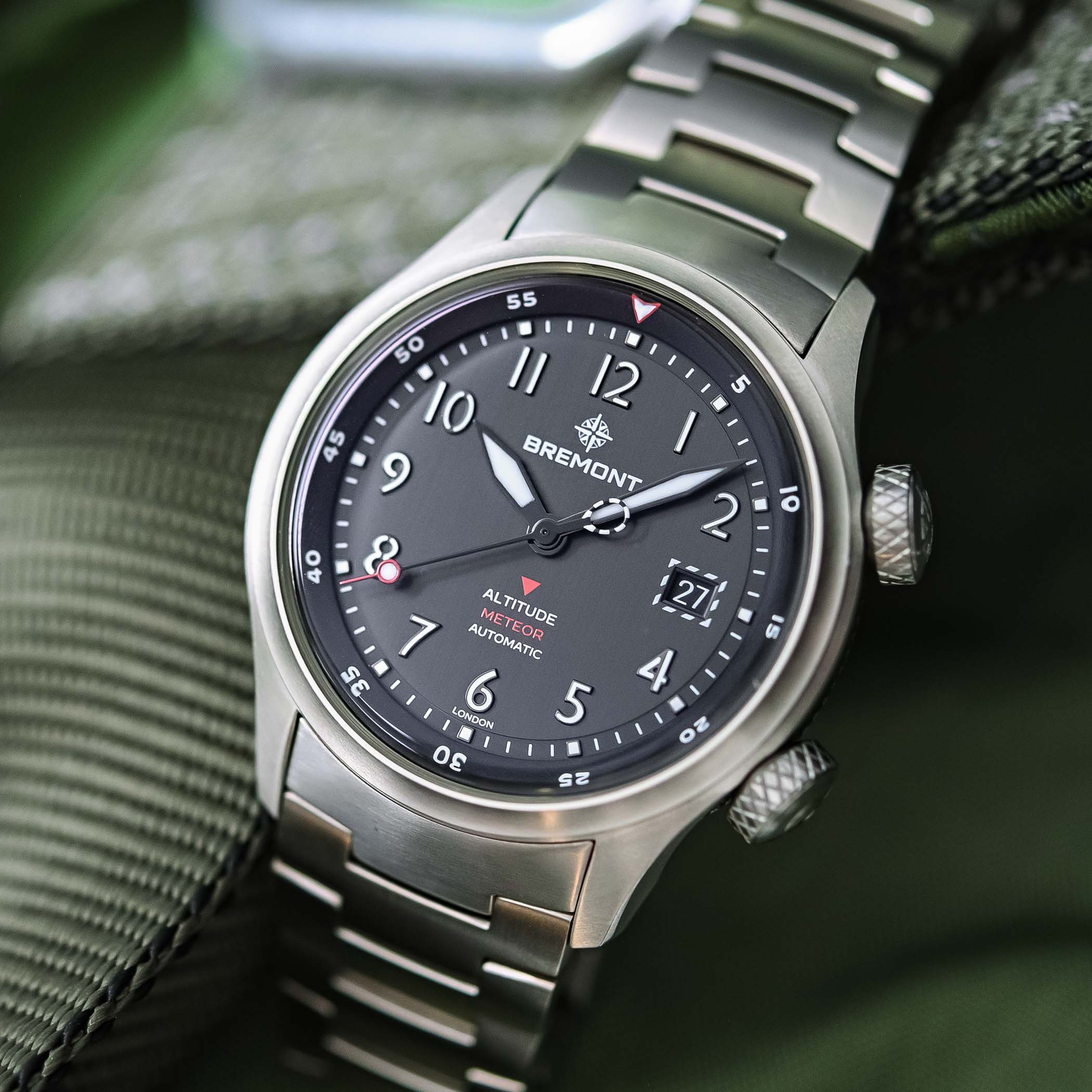
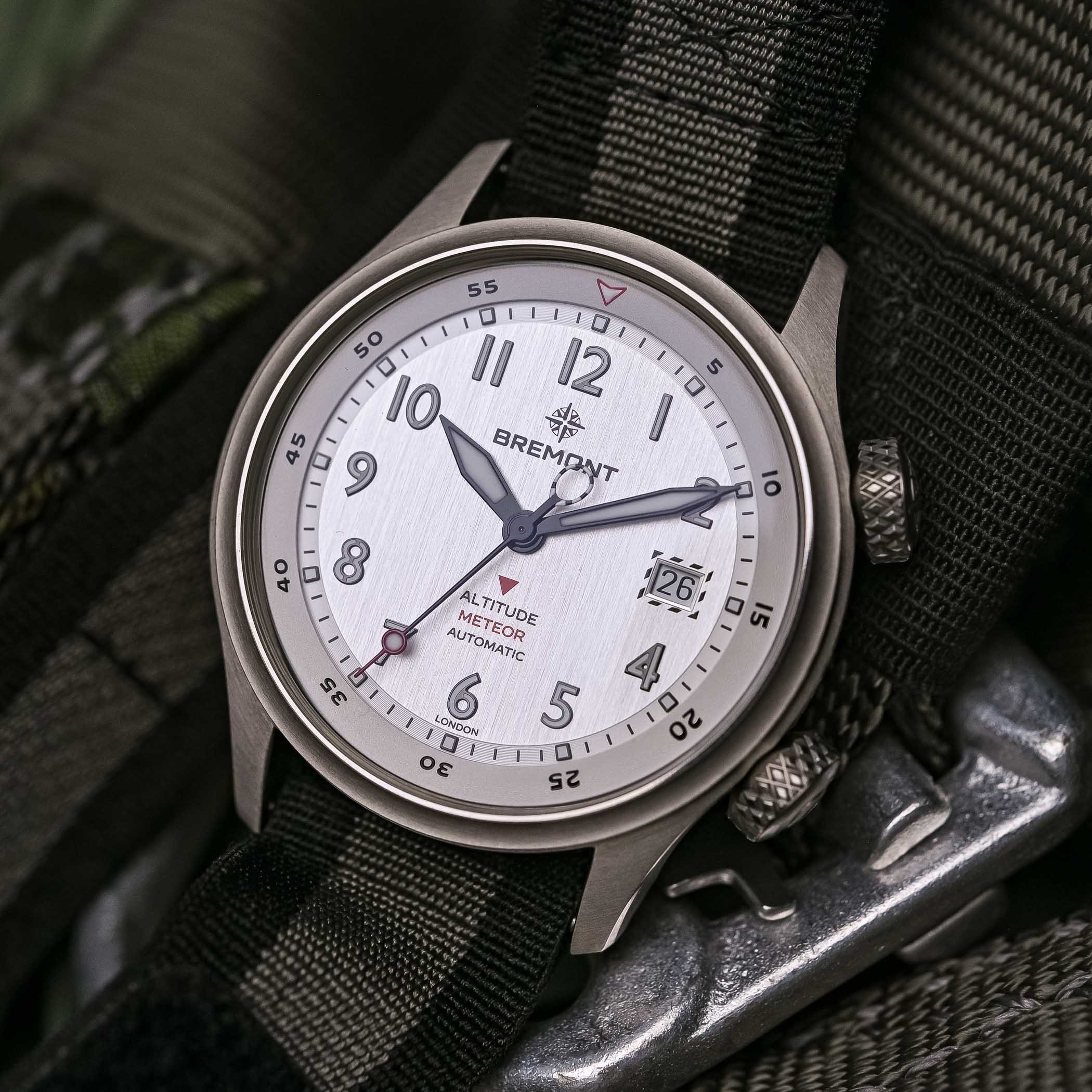
Very few of us will ever eject from a fighter jet, but it’s certainly cool knowing that your watch can survive such an extreme event. And it’s much more than a gimmick, as hundreds have already been sold to real pilots who have ejected with Martin Baker seats. Coming in titanium or stainless steel, the latest MB Meteors are very stylish and sporty pilot’s watches that look just as good with your feet safely on the ground.
Rolex and Omega Descend to the Mariana Trench
The deepest dive ever achieved by a scuba diver happened in 2014 by Egyptian Army officer Ahmed Gabr, who reached 332 metres in the Red Sea. The descent took no more than 15 minutes, but it was a 13.5-hour event that required a long and complex decompression strategy and support team to pull off. So, of course, it makes sense that Rolex and Omega would design dive watches that can descend to around 11,000 metres to the Mariana Trench, the deepest part of the ocean. It was the great Captain Kirk who said, “Because it’s there!” when asked why he was free climbing El Capitan in Star Trek V (the quote actually originated with George Mallory, who attempted but failed to climb Everest in 1924). I suppose the same logic applies here – why design a watch that can descend almost seven miles beneath the surface when the deepest scuba dive was about 1/5th of a mile? Because it’s there!
Rolex Deepsea Challenge
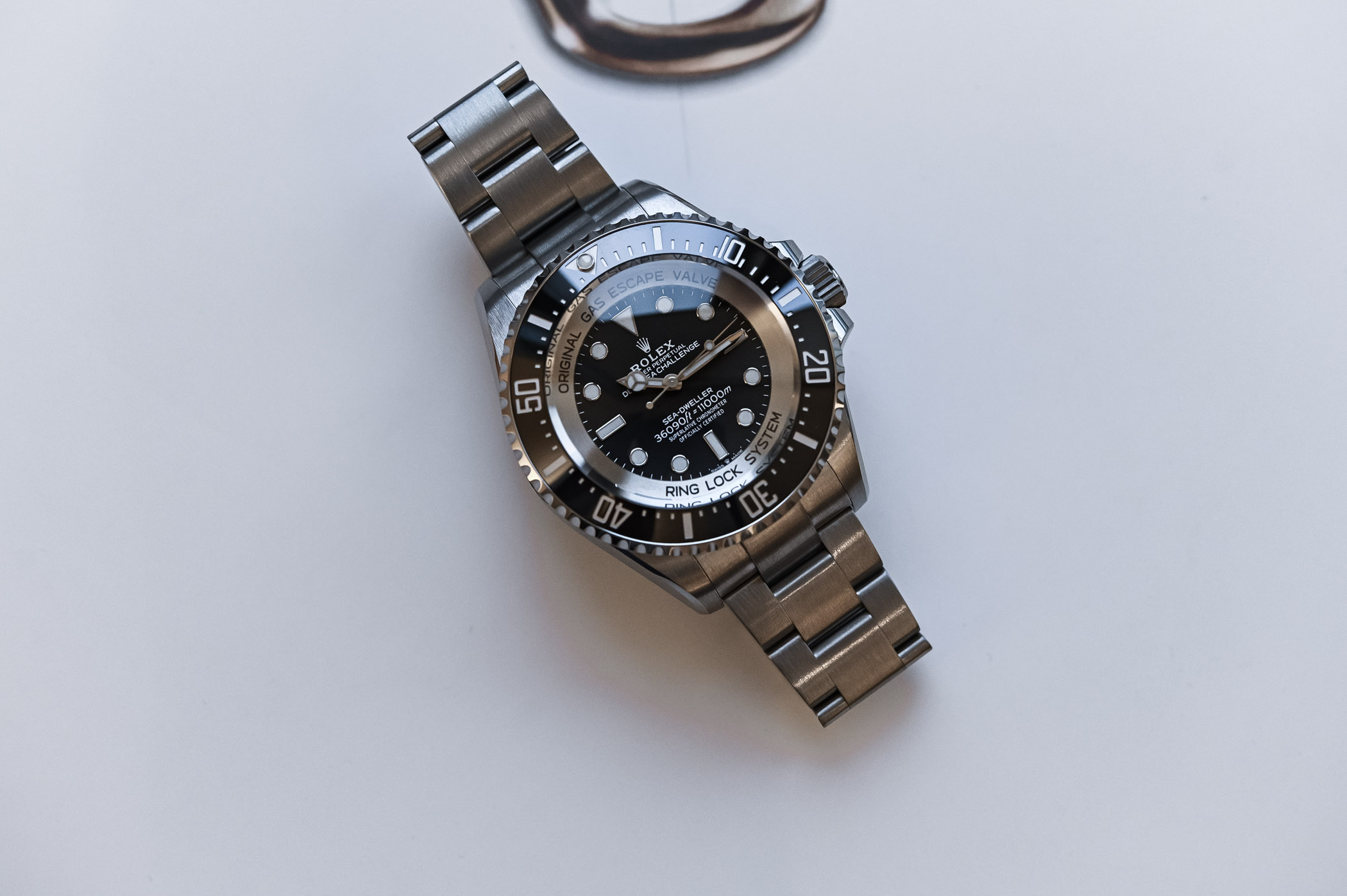
Let’s start with the Rolex Deepsea Challenge, a watch that anyone can now buy (assuming you can find one) that evolved from a prototype that James Cameron took to the Mariana Trench in 2012 attached to the side of a very specialised, deep-sea submersible called the Deepsea Challenger. Rolex’s experimental Deepsea Challenge dive watch survived a depth of 10,908 metres during Cameron’s descent, which was the first solo trip ever to this deepest part of the ocean. The Mariana Trench has a crushing water pressure of 15,750psi (pounds per square inch), which is over 1,000 times the pressure at sea level. The first humans to reach the bottom of the trench were Don Walsh and Jacques Piccard in 1960, but it wasn’t until 2019 that a submersible was capable of making the trip multiple times – The DSV Limiting Factor. While James Cameron was the only solo operator to reach the bottom, three people reached it in 2020 aboard the Chinese submersible Fendouzhe, making it the largest crew to date. Several unmanned submersibles have taken the dive as well, but it all remains a very difficult and dangerous trip to attempt, as the Mariana Trench is among Earth’s most inhospitable places.
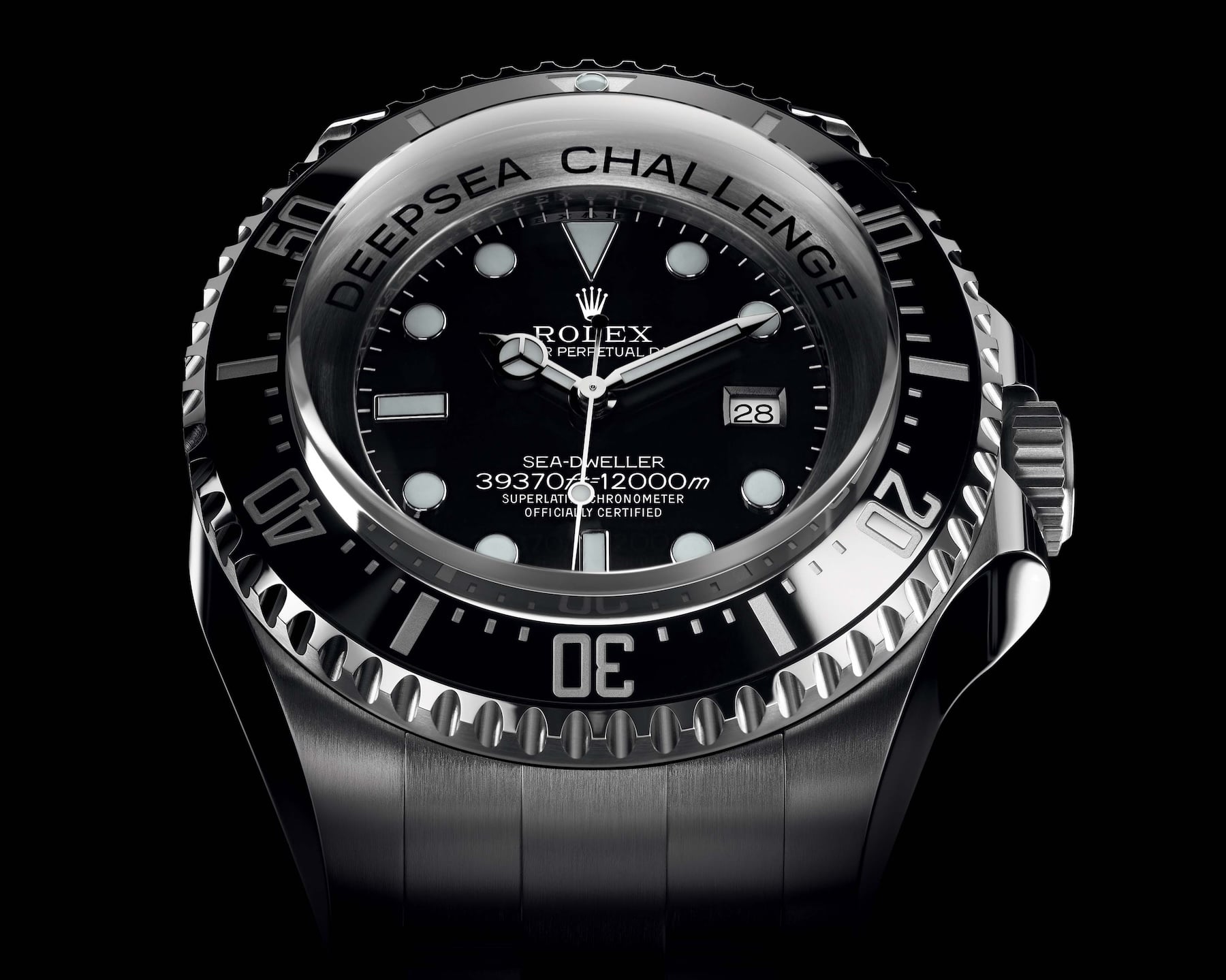
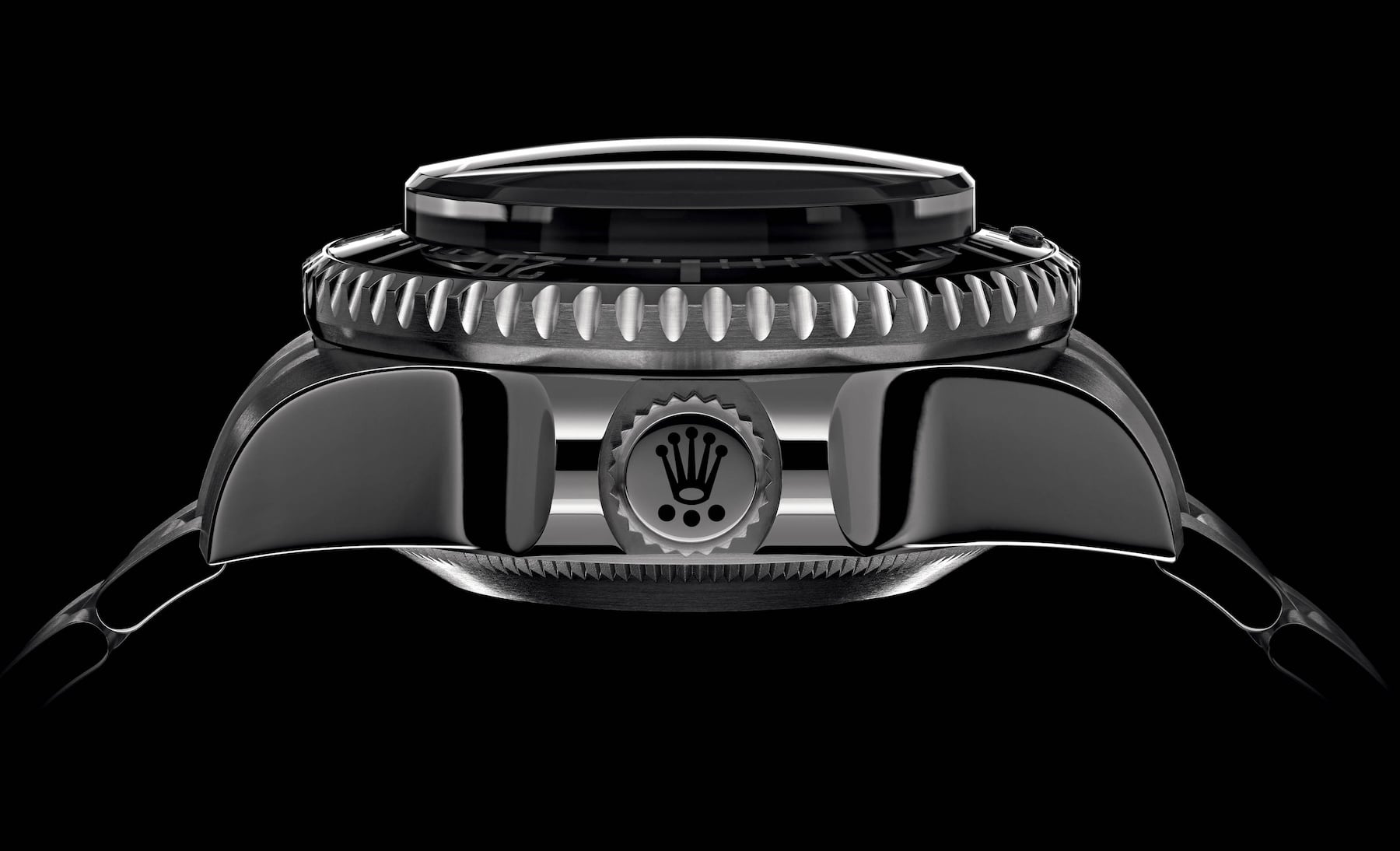
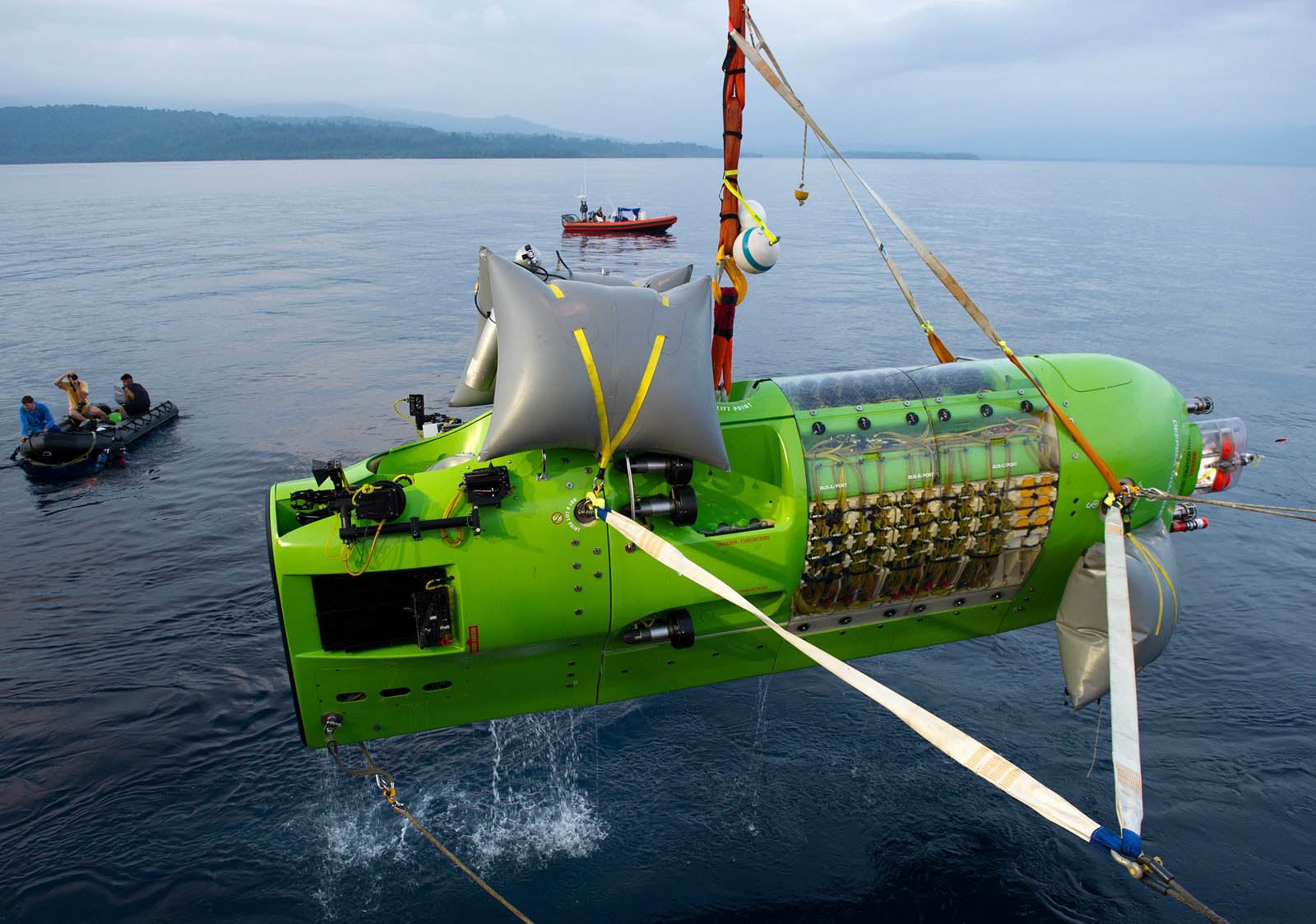
The 2012 Rolex Deepsea Challenge prototype was a massive 904L stainless steel watch with a diameter of 51.4mm and height 28.5mm, and the sapphire crystal alone was 14.3mm. It weighed around 400 grams, which is approaching a pound on your wrist. Not exactly a wearable piece, but still a bona fide dive watch that descended to the deepest point on earth and withstood around 8 tons of pressure per square inch. It didn’t have the deepest water resistance rating ever, but if you literally can’t go deeper than the Mariana Trench, what’s the point of more? For example, German watchmaker H20 Watch has the Kalmar 10 Miles with an actual depth rating of 25,300 metres (officially certified in Germany), which is beyond 10 miles in the name – just over 15 miles – as it needed a 25% buffer to achieve the certification. Cool, but ultimately pointless and it never actually made the journey to the bottom of the ocean. The Deepsea Challenge has real street cred with about half of that depth rating, because there’s true field testing, and then there’s everything else.

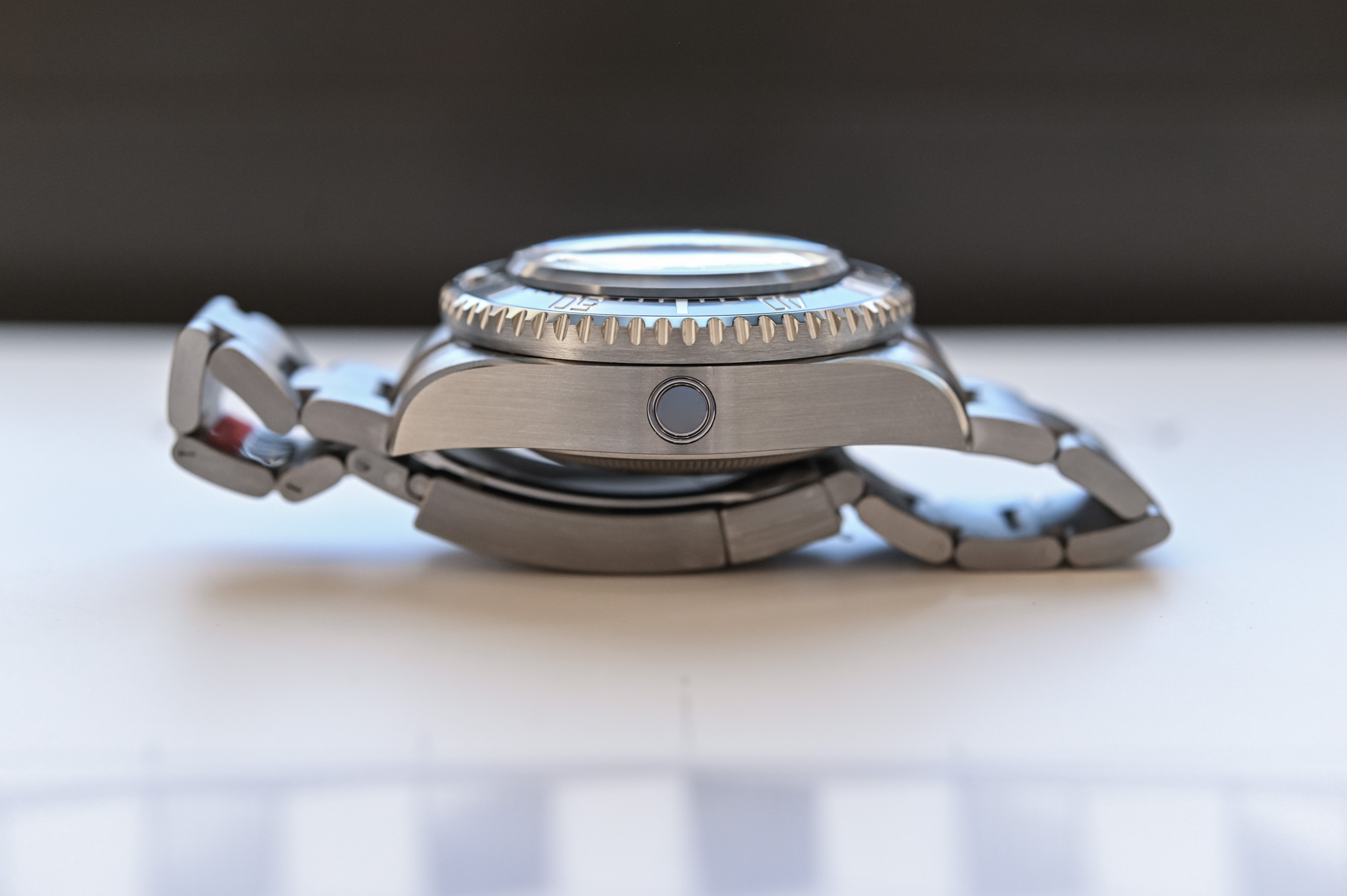
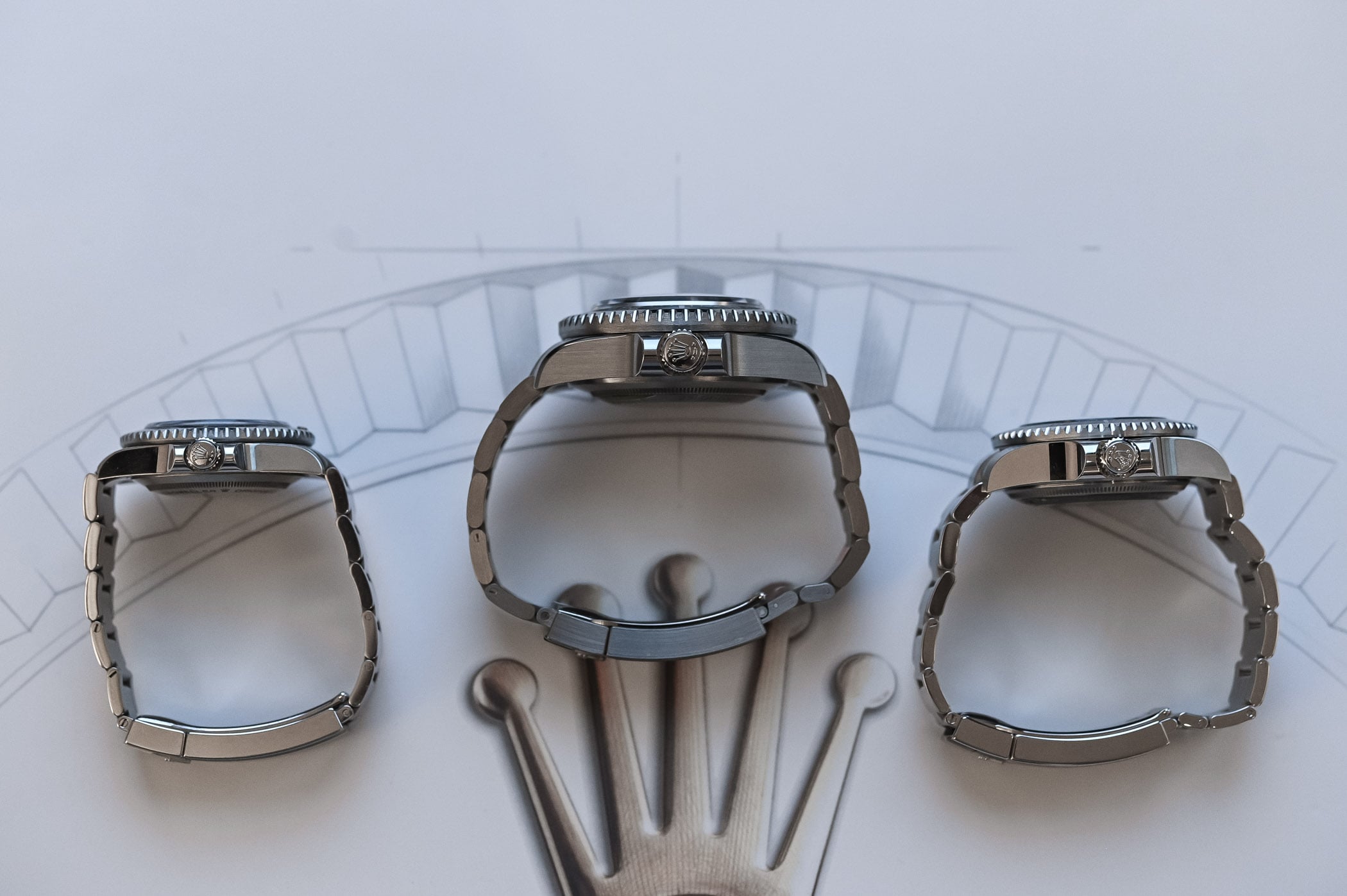
The consumer Deepsea Challenge (ref. 126067) traded stainless steel for titanium to reduce the exorbitant weight to 250 grams, and it also shrank a bit to a diameter of 50mm with a height of 23mm. The prototype’s 14.3mm crystal was reduced to 9.5mm. Still a massive watch, but something that can be “reasonably” worn on the wrist. Beyond just huge proportions to withstand extreme depths, the Deapsea Challenge features Rolex’s Ringlock System, which uses a nitrogen-alloyed steel compression ring sandwiched between the crystal and mid-case. The case back compresses against the ring under pressure to form an even tighter seal, not unlike the concept of Super Compressor divers (although a very different design). Anyone who buys a Deepsea Challenge can’t begin to exploit its full potential (short of dropping it into the Mariana Trench from a ship), but knowing what it can do is the fun part, and it’s an imposing sight on the wrist.
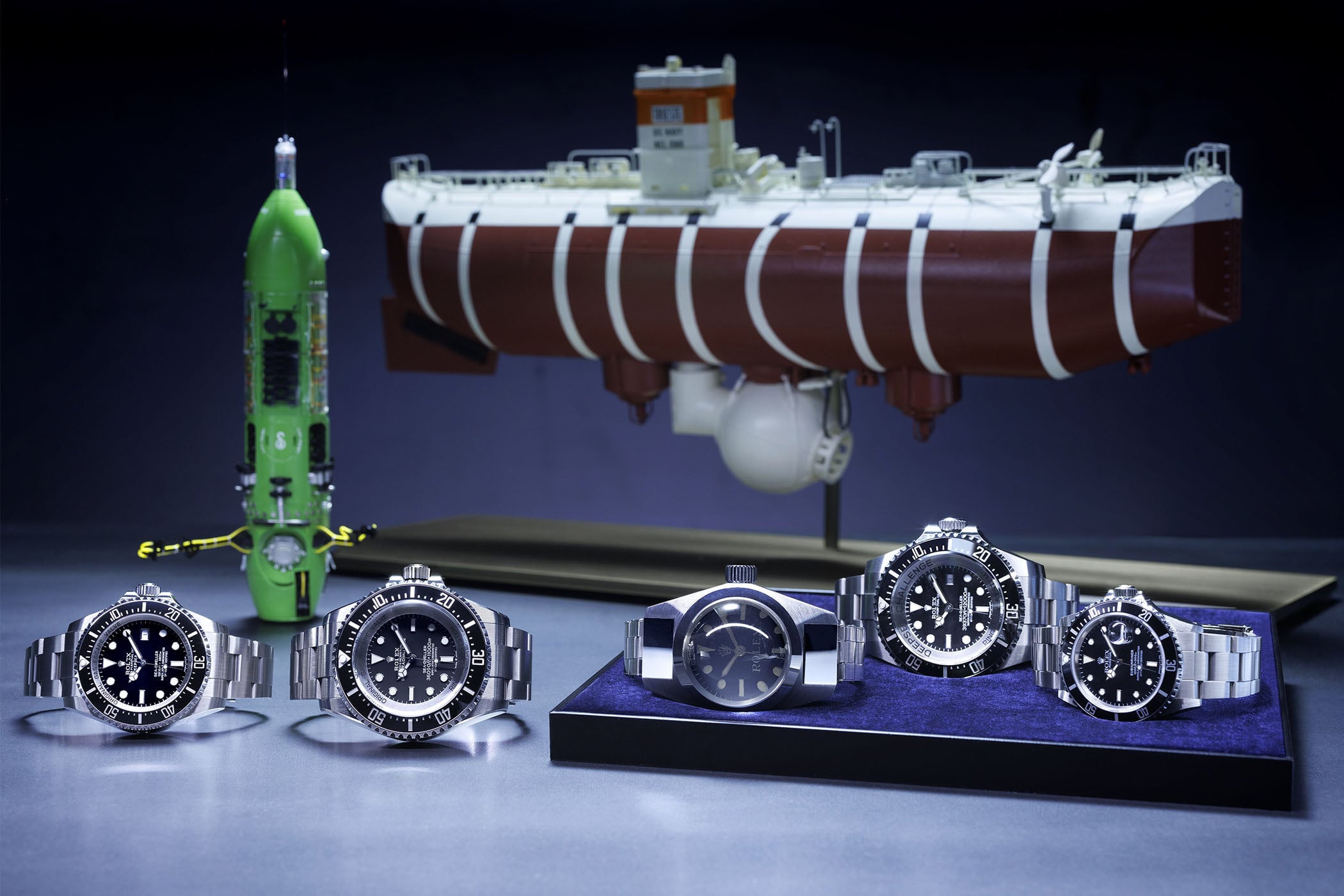
Here’s a crazy sidenote: Rolex did this before, way back in 1960. The Bathyscaphe Trieste submersible reached the bottom of the trench (10,908 meters) with Don Walsh and Jacques Piccard at the controls. The experimental Rolex Deep Sea Special (number 3 of 35 total watches produced) was attached to the outside and survived the trip unscathed 65 years ago. Impressive to say the least. It used a massive domed sapphire crystal, steel Ringlock System and titanium case back, and was quite literally decades ahead of its time.
Omega Seamaster Planet Ocean Ultra Deep Professional
Not to be outdone, Omega’s Seamaster Planet Ocean Ultra Deep Professional beat Rolex by 20 metres in 2019 with a descent to 10,928 metres in the Mariana Trench. This is close to the absolute lowest point of the trench, although the difference of 20 metres here is a bit trivial at such depths (the bottom is not completely flat with a complex system of slopes, mounds and valleys). As mentioned above, nothing beats a true field test and both Rolex and Omega have walked the walk.
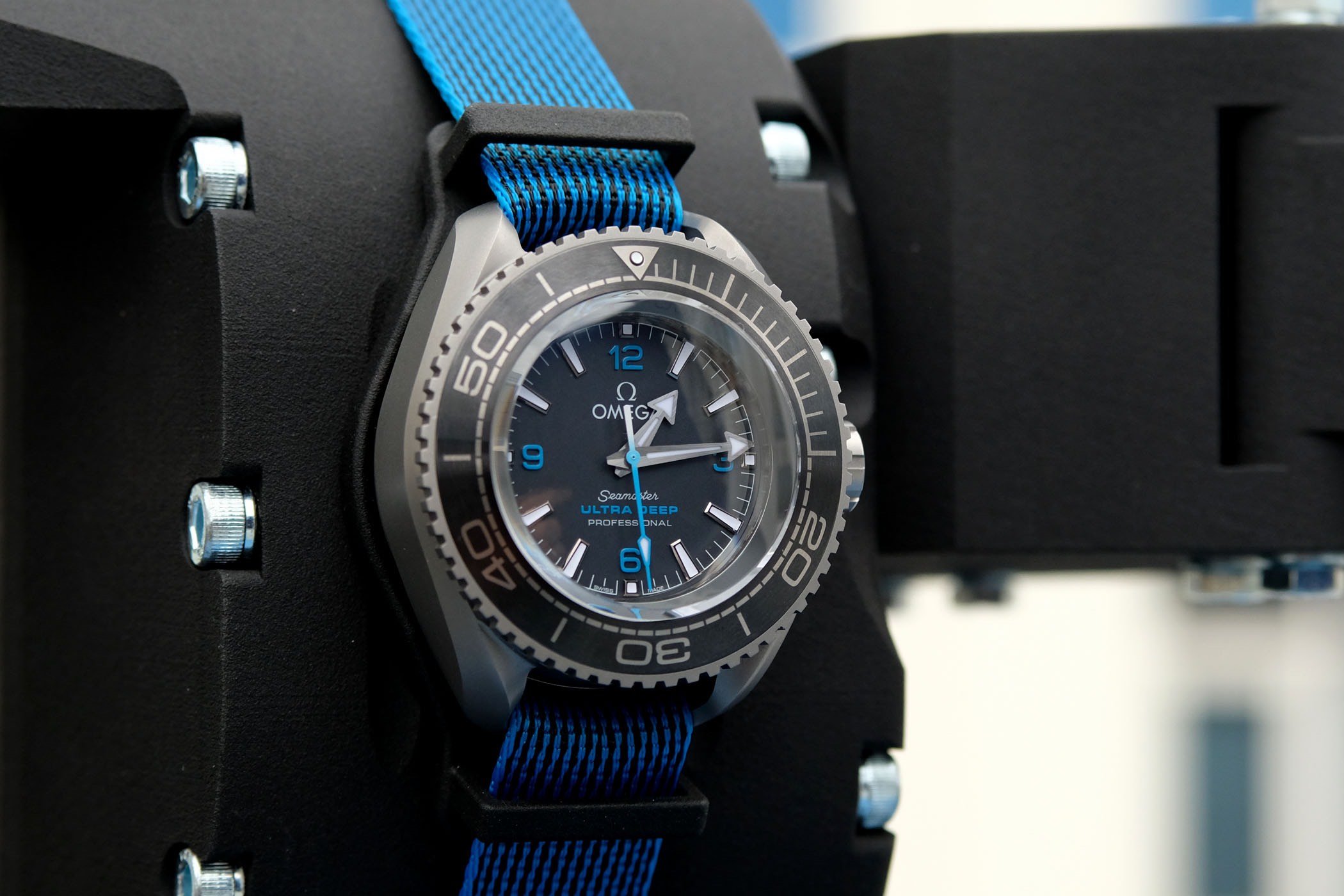
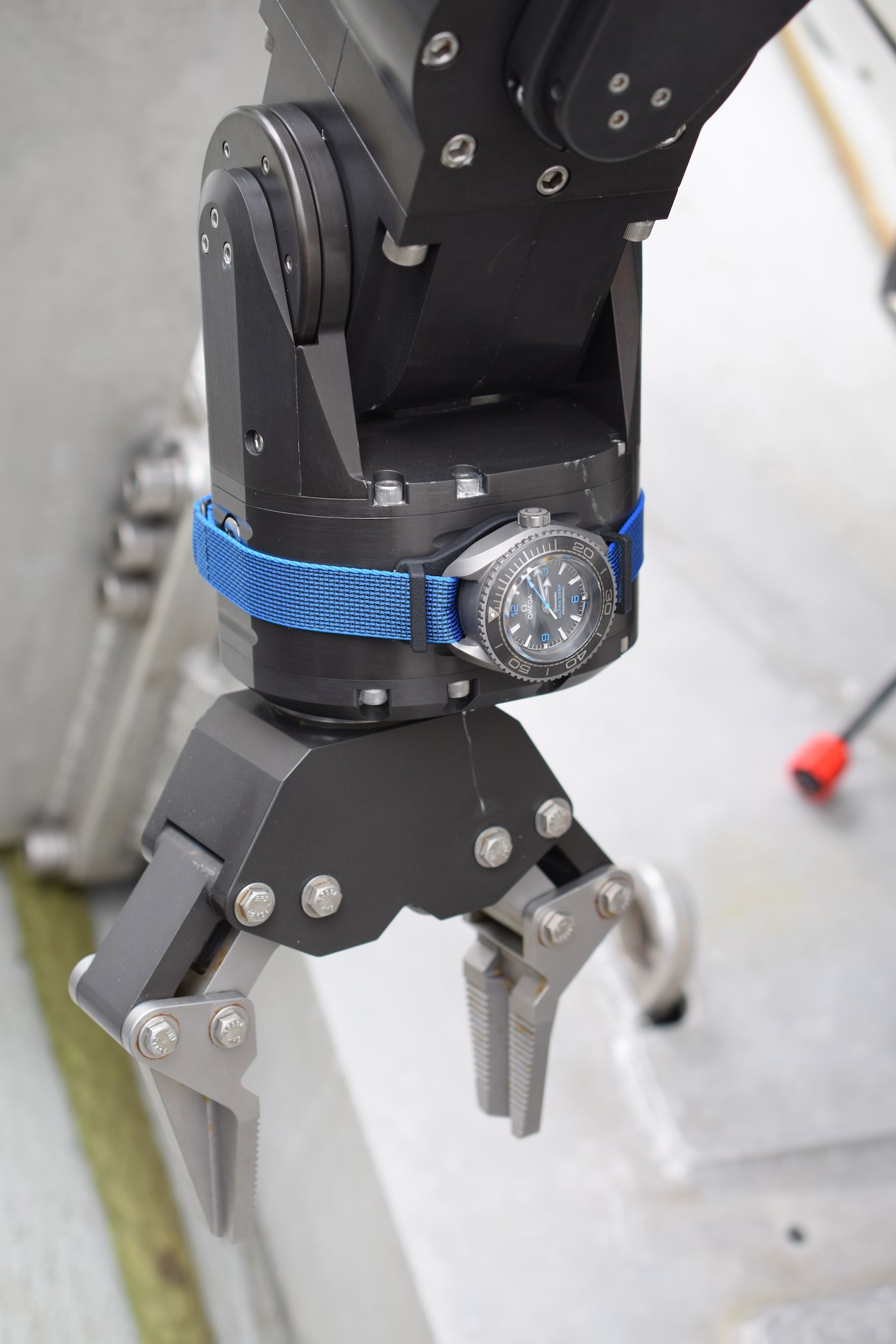
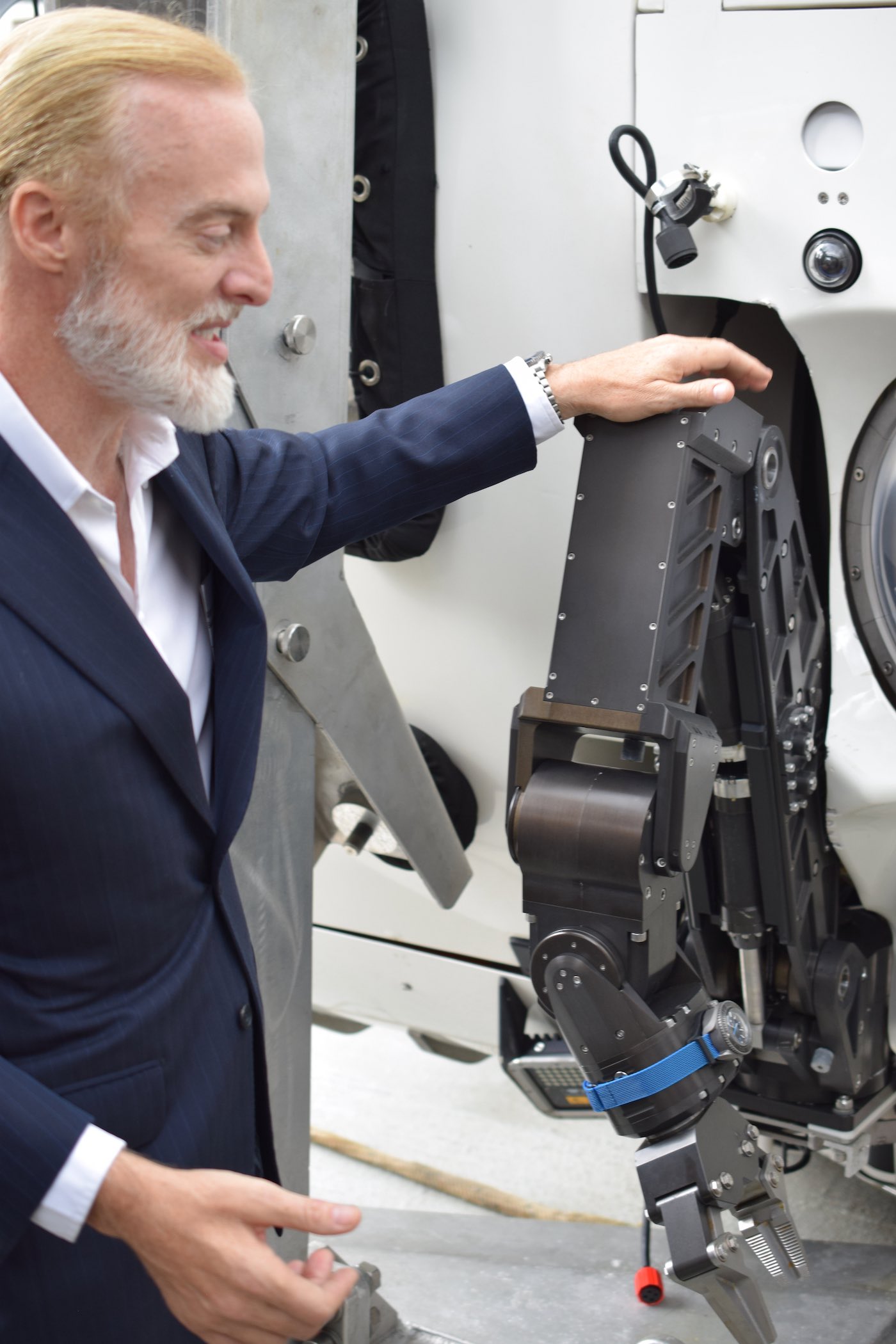
Like the Deepsea Challenge, Omega’s Seamaster Planet Ocean Ultra Deep started as a prototype in 2019 (three in total) and descended to the trench via the titanium DSV Limiting Factor submersible led by Victor Vescovo. It was part of the Five Deeps Expedition that was the first to dive to the five deepest points of our oceans – Atlantic, Pacific, Indian, Southern and Arctic. The Mariana Trench, known as the Challenger Deep, is in the Pacific and again the deepest. Vescovo didn’t just descend to the trench, he was also a naval jet pilot, climbed to the highest peaks in seven continents and went into sub-orbital space. The Omega was Grade 5 titanium from the start and also featured O-MEGASTEEL, Omega’s proprietary stainless steel that’s antimagnetic and almost 50% harder than standard 316L steel. It maintained classic Omega dive watch features like the twisted bombé lugs and external rotating bezel, but at 55mm in diameter and 28mm in height, it was predictably massive. Instead of traditional spring bars, the lugs turned inwards and almost touch (known as Manta Lugs as they resemble the head of a manta ray), forming its own NATO strap holder for overall strength.
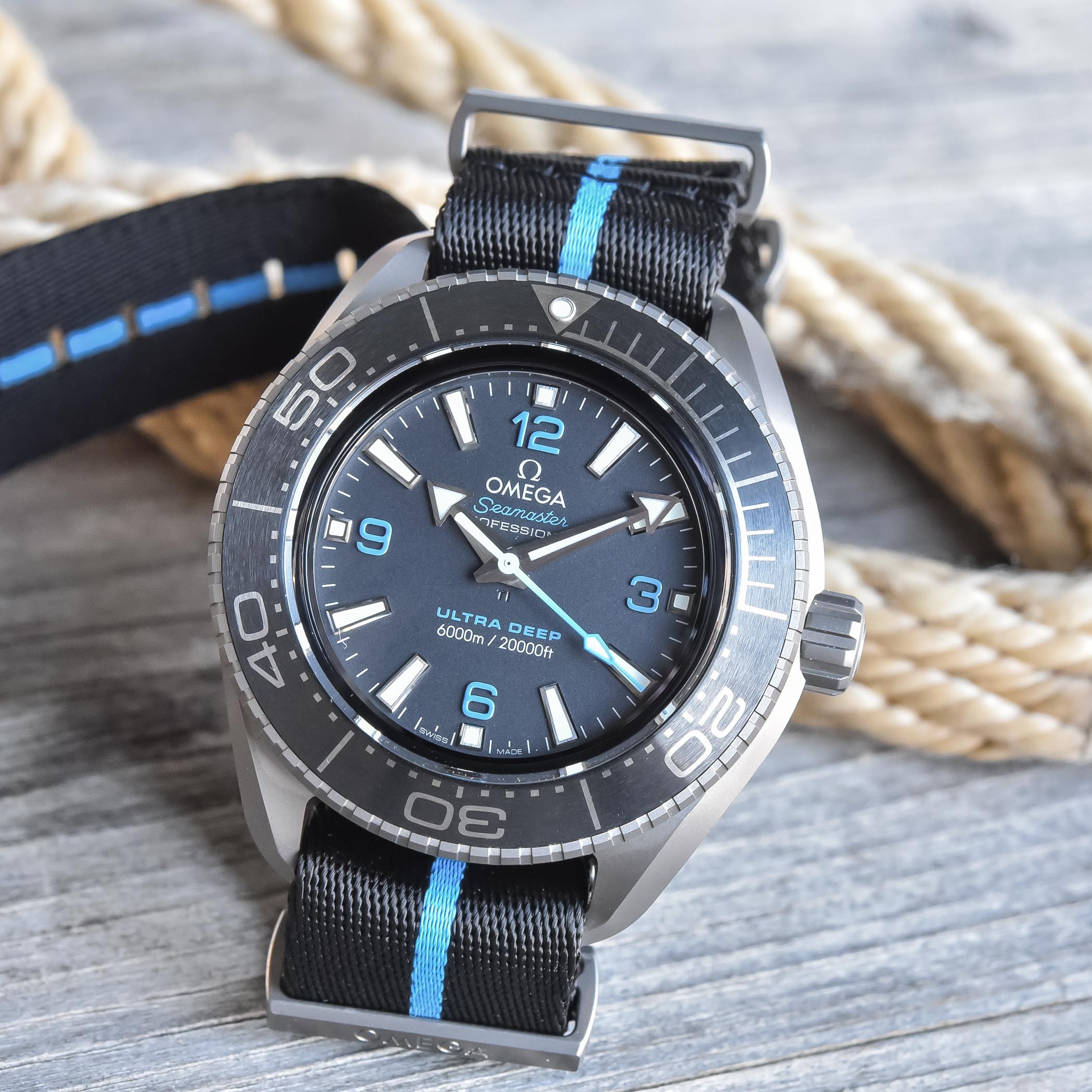
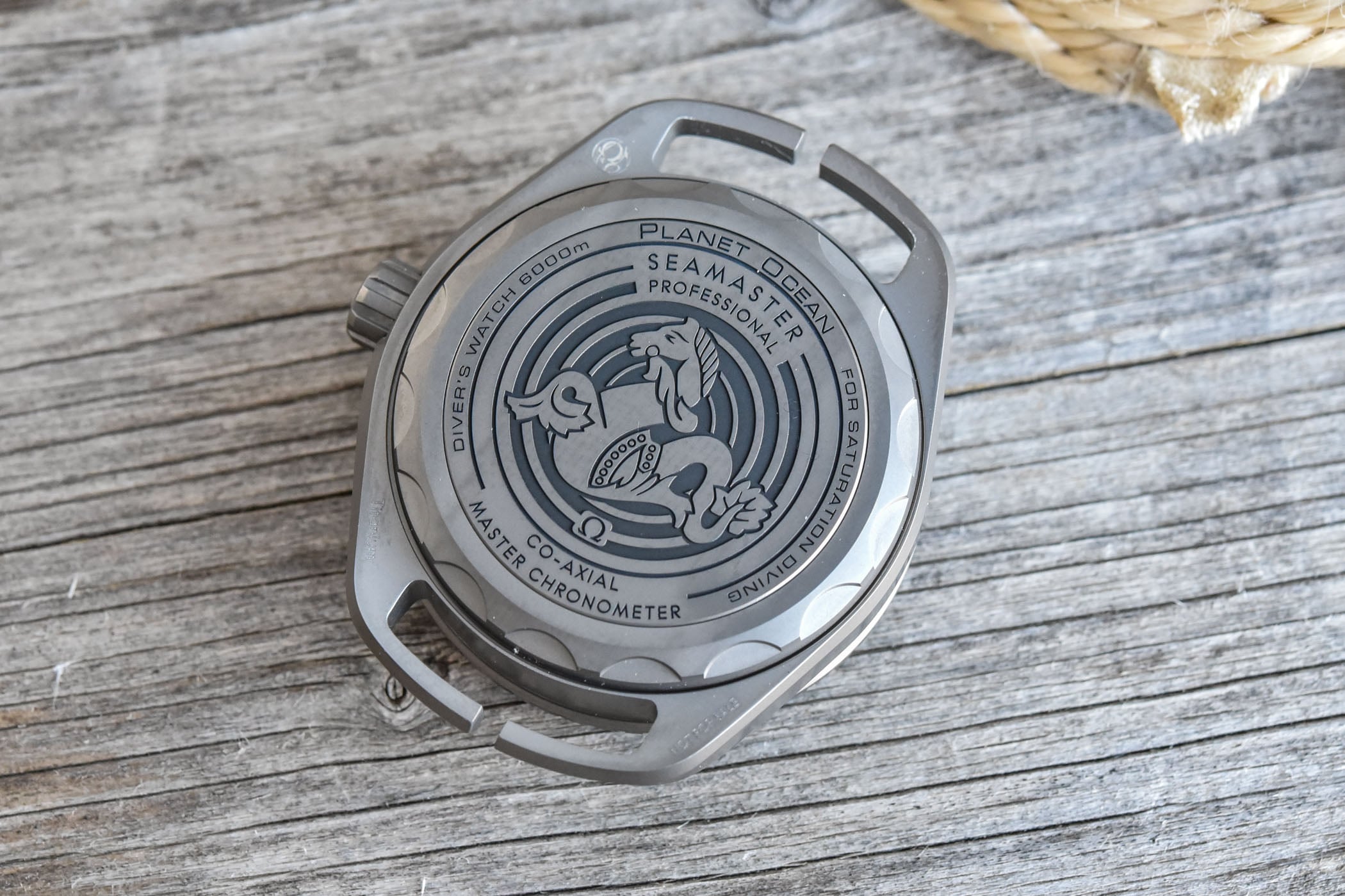
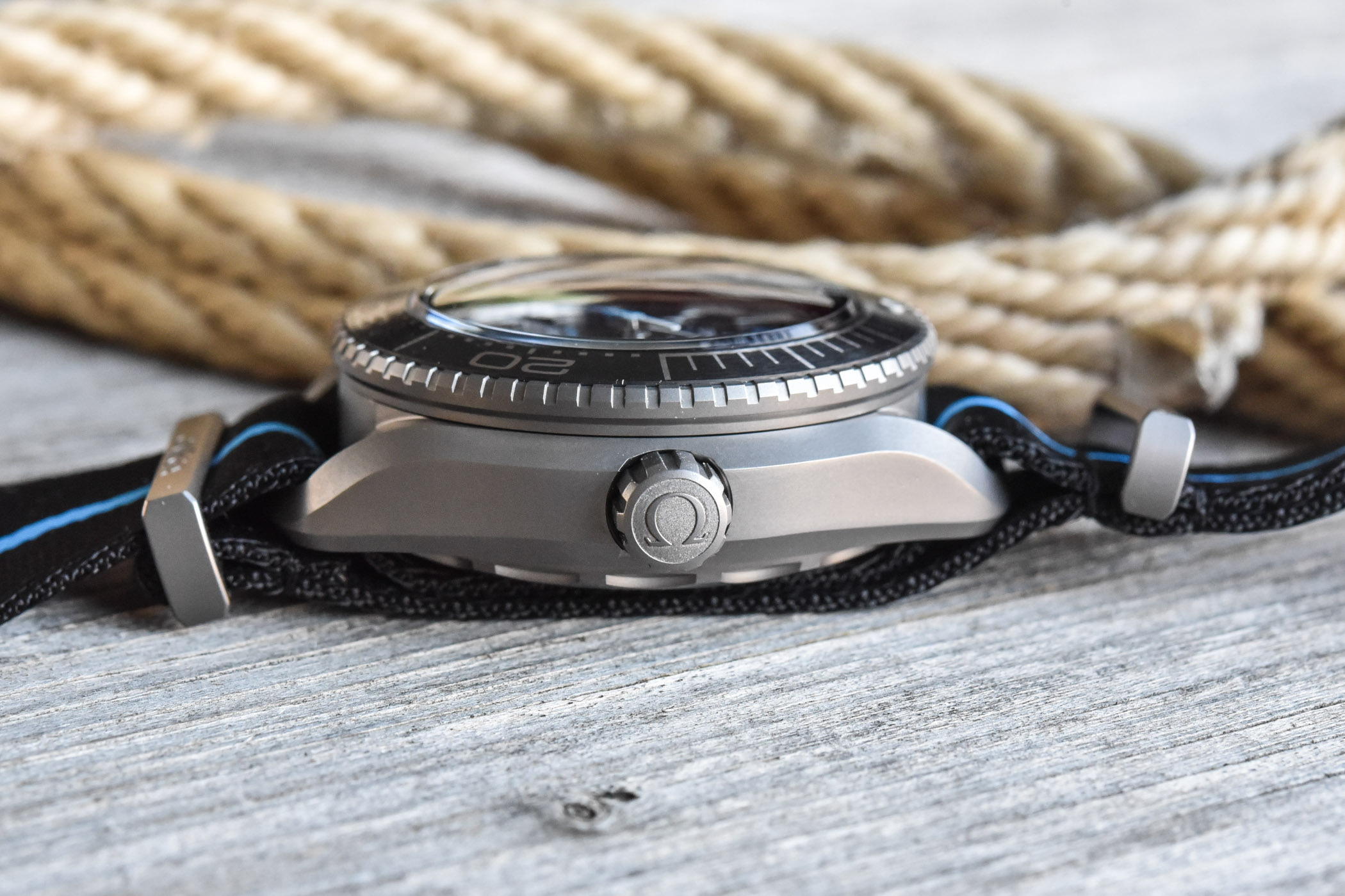
The sapphire crystal didn’t use a conventional gasket and was instead sealed with LiquidMetal – a liquefied zirconium-based amorphous alloy heated to 280 degrees Celsius and poured into a case channel. The crystal was then compressed with five tons of pressure until the LiquidMetal cooled. Three prototypes were ultimately made (FOD-X 1, 2, 3), and all went to the bottom of the trench and survived. Like Rolex, Omega released a smaller consumer version in 2022 at 45.5mm, however these were scaled back a bit and only water resistant to 6,000 metres.
Rolex and Smiths Were First to Reach Everest’s Peak
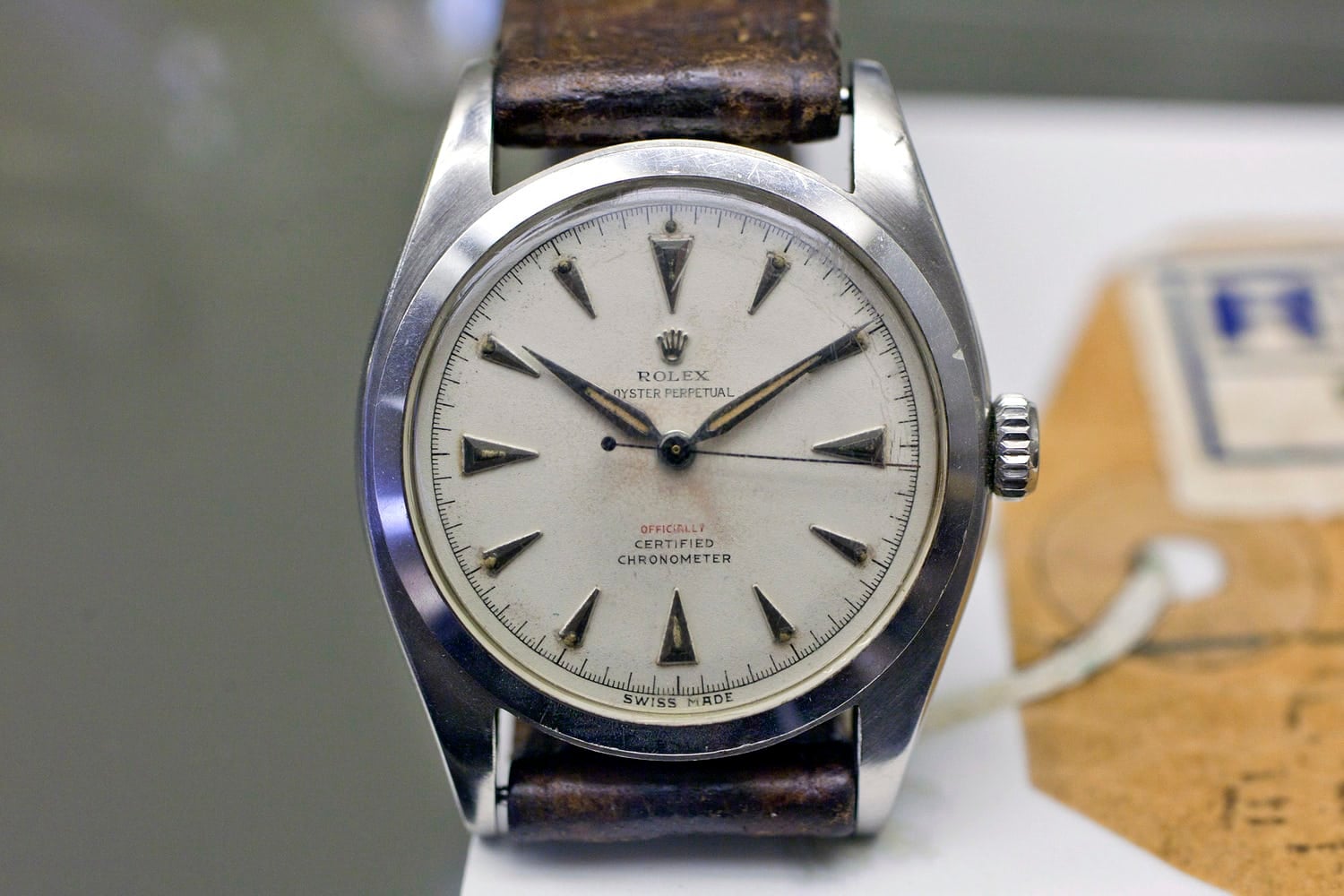
While the Mariana Trench is the lowest point on earth, Mount Everest is the highest at 8,848 metres. Watches from both Rolex and Smiths were first to reach the peak, but there’s a bit of controversy surrounding this. It was English watchmaker Smiths that provided the official Everest watches for the 1953 expedition, but Rolex also provided both Sir Edmund Hillary and Tenzing Norgay (who both reached the peak) with modified Oyster Perpetual watches. The Rolex models were the precursor of the Explorer, and the successful ascent solidified the robust “Explorer” reputation. The Explorer name was actually trademarked months earlier, but not used on dials until after the expedition. It’s generally accepted that a silver dial Rolex ref. 6098 was worn by Hillary to the peak, along with a Smiths Deluxe A049 prototype (that became the revered Smiths A404 in the same way that the Rolex model became the Explorer). Some say it was Norgay that wore the Rolex instead, while others claim only the Smiths watch made it to the summit, and Rolex models were used at lower checkpoints. I’m fairly confident that Rolex made it to the top of Everest in 1953, likely on the wrist of Hillary. Either way, Rolex learned from the event that a black dial with luminous indices and Arabic numerals at 3, 6 and 9 o’clock would have better legibility and ref. 6298 with the familiar Explorer formula (which was also part of the expedition), celebrated the successful Everest event and became popular with consumers.
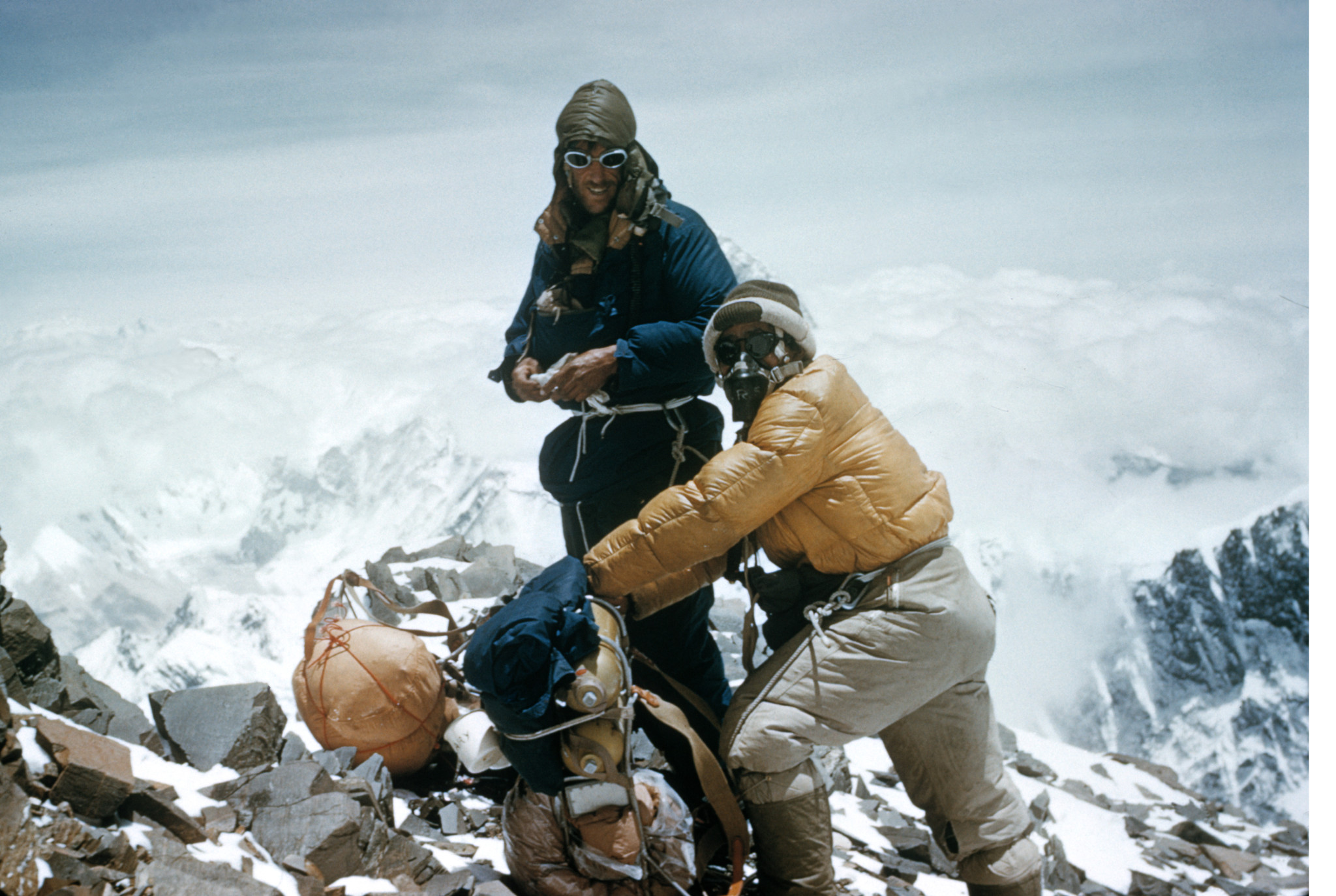
The Rolex and Smiths watches had to survive extreme cold, altitude and pressure at the peak, which would damage or destroy most watches at the time. Both were special prototypes, and Rolex had been testing Oyster cases since the 1930s in extreme conditions in the Himalayas, while Smiths was the official watchmaker for the all-British Everest team as an English brand. Special oils with low viscosity were used to avoid thickening and freezing, while the cases were water-resistant and robust to avoid condensation and resist shocks. Although very impressive at the time and quite a technical achievement, many watches today could survive a trip to Everest’s peak, as overall designs have significantly improved. Many brands even have Everest-themed watches like the Vacheron Constantin Overseas Everest Chronograph, which followed a dual time prototype worn by American mountaineer Cory Richards to Everest. Accessible brand Certina has watches like the DS-2 Chronolympic, which was used by a Japanese team in 1970 (ref. 8501 800) that not only climbed Everest, but team member Yuichiro Miura then attempted to ski down, hitting speeds of 160km per hour before crashing. Certina’s DS-2 Chronograph is the most recent model today, inspired by the now iconic Chronolympic.
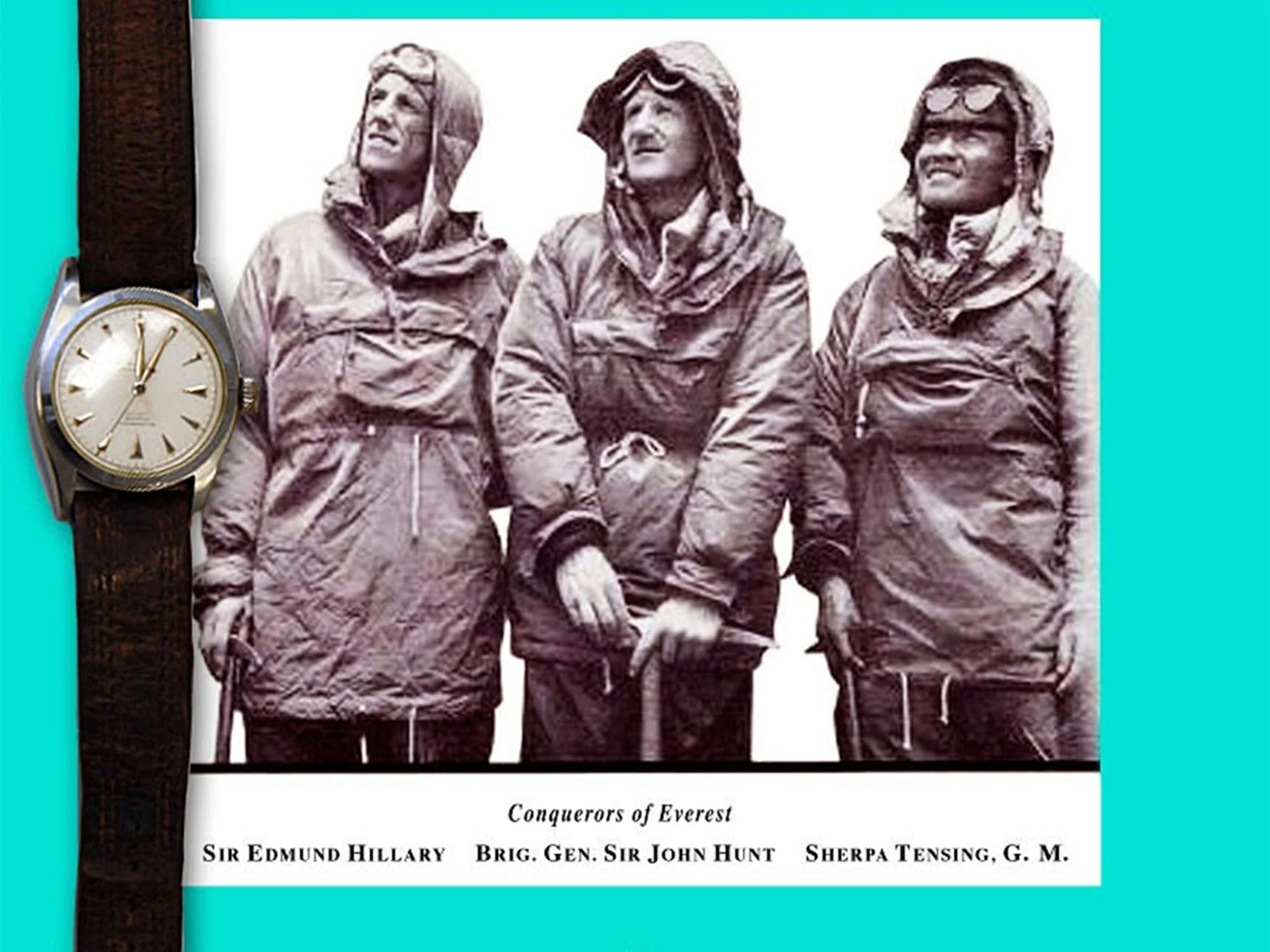
Everest-capable watches might not be as extreme as divers that can reach the Mariana Trench or pilots’ watches that can survive ejections from jet aircraft, but they still must survive extreme conditions in one of earth’s most inhospitable places – sub-zero temperatures, high altitude and major shocks can still cause the majority of watches today to fail.
Omega’s Speedmaster Professional Goes to the Moon
The legendary Omega Speedmaster Professional, now referred to as the “Moonwatch” in its iconic form, didn’t start life as a spacefaring timepiece. Debuting in 1957, it was positioned as a racing chronograph like most comparable timers of the era and continued Omega’s reputation as a sports timer – the brand was the official timekeeper of the Los Angeles Olympics in 1932. Interestingly, Omega didn’t modify a Speedmaster for the rigours of space – the watch simply passed all of NASA’s tests in its mid-1960s form. A real tribute to the design and durability of the watch. Contributing factors were a manual wind chronograph movement that wouldn’t be affected by zero gravity (calibre 321), a shatter-resistant Hesalite crystal that could deform just a bit under pressure to prevent failure, an antimagnetic shield and a crown that pushed tightly against the O-ring and case for an enhanced seal.
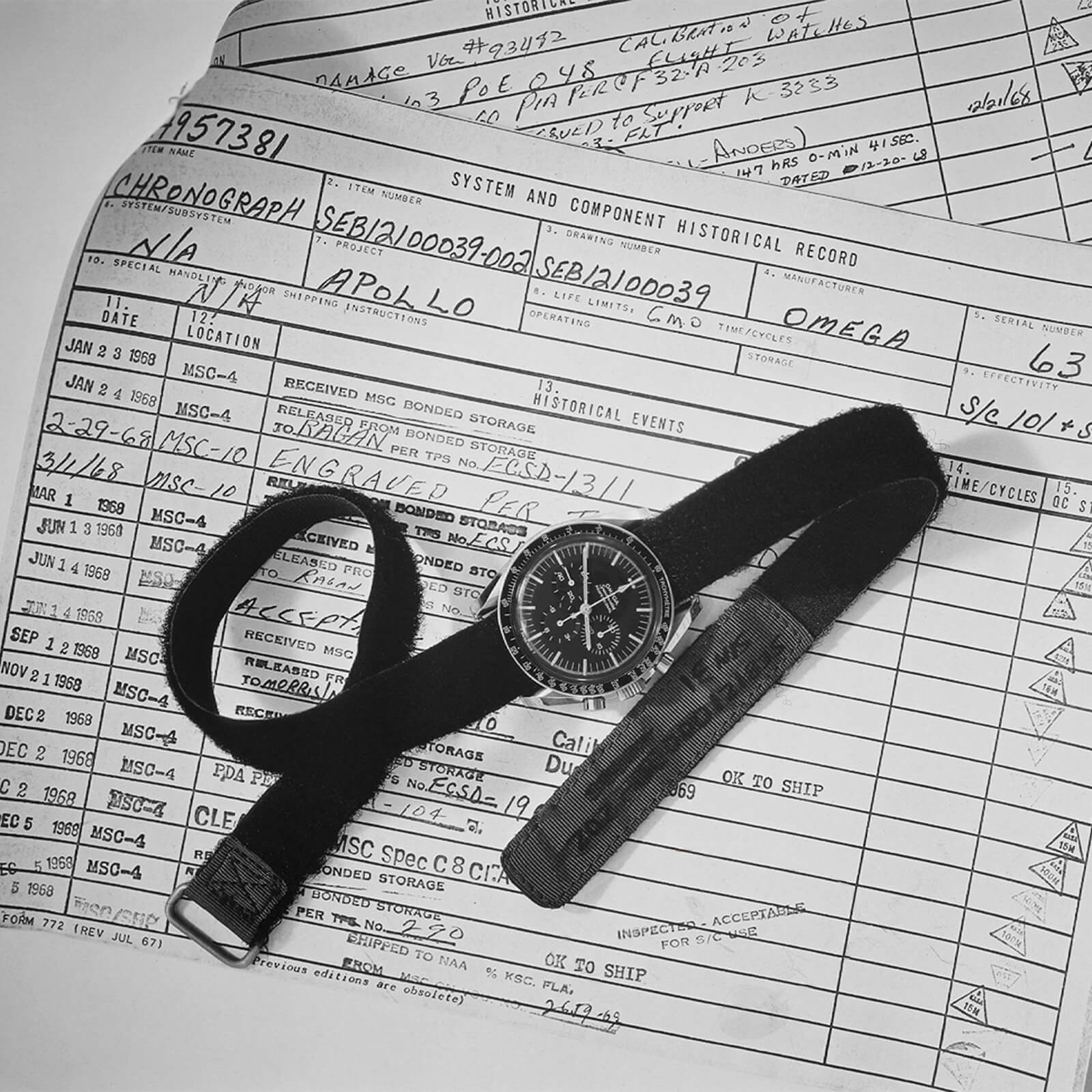

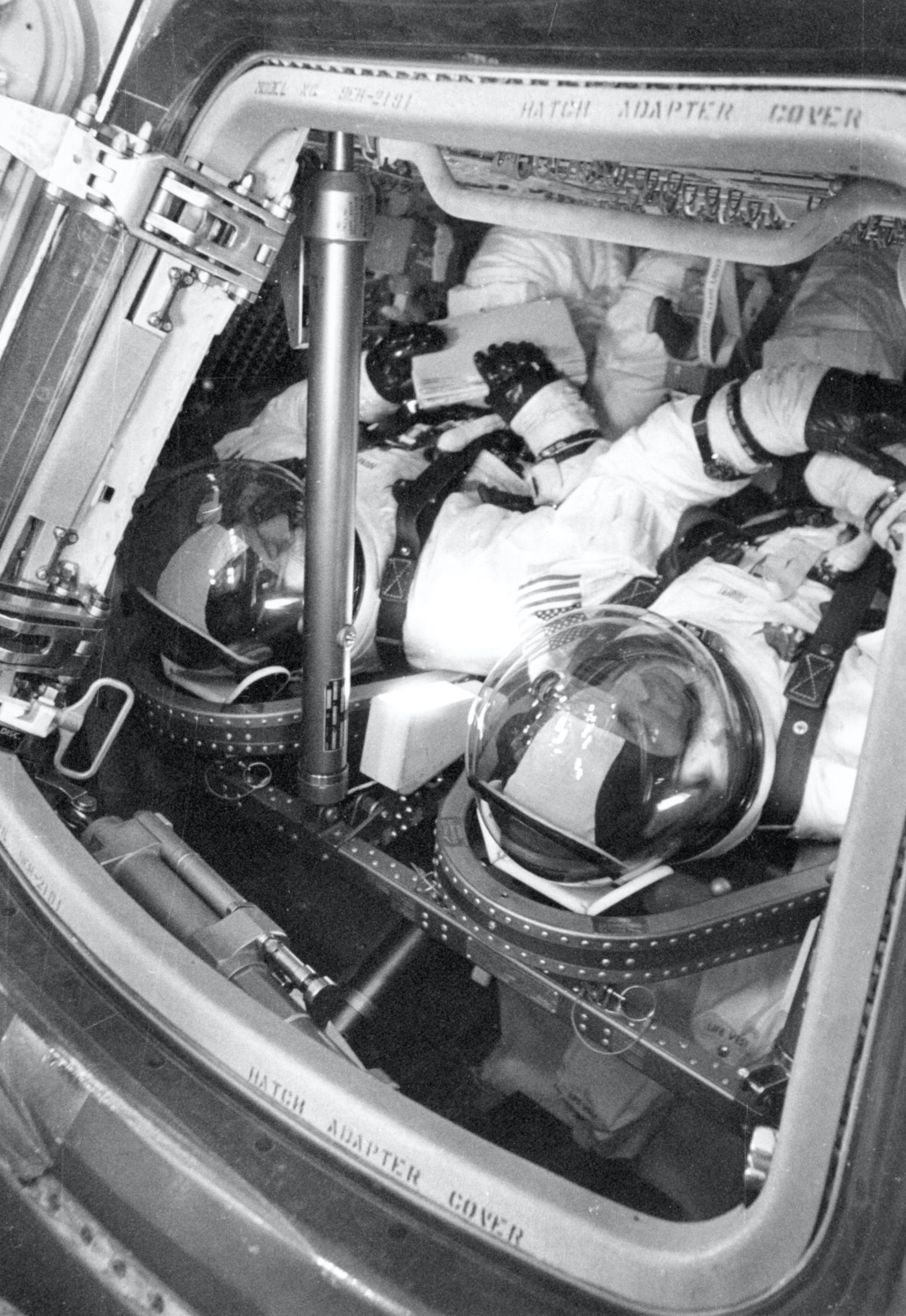
NASA tested a handful of chronographs in 1964 (including Breitling, Rolex and Longines) – 18°C to 93°C in a near-vacuum, near 100% humidity, 40G shocks, 7G acceleration and sustained operation in 100% oxygen environments at pressure. The Speedmaster was the only watch to pass all tests, and it became the official “space watch” in 1965 for all subsequent US manned flights. The stock Speedmaster (ref. ST 105.003) didn’t require any modifications and briefly became known as the “Ed White” watch as he wore it during the first US spacewalk during Gemini 4. Omega did add a long Velcro strap to easily go over bulky space suit sleeves, but I wouldn’t call that a mod. 1969 was a monumental year as the Speedmaster became the first watch worn on the moon by Buzz Aldrin.
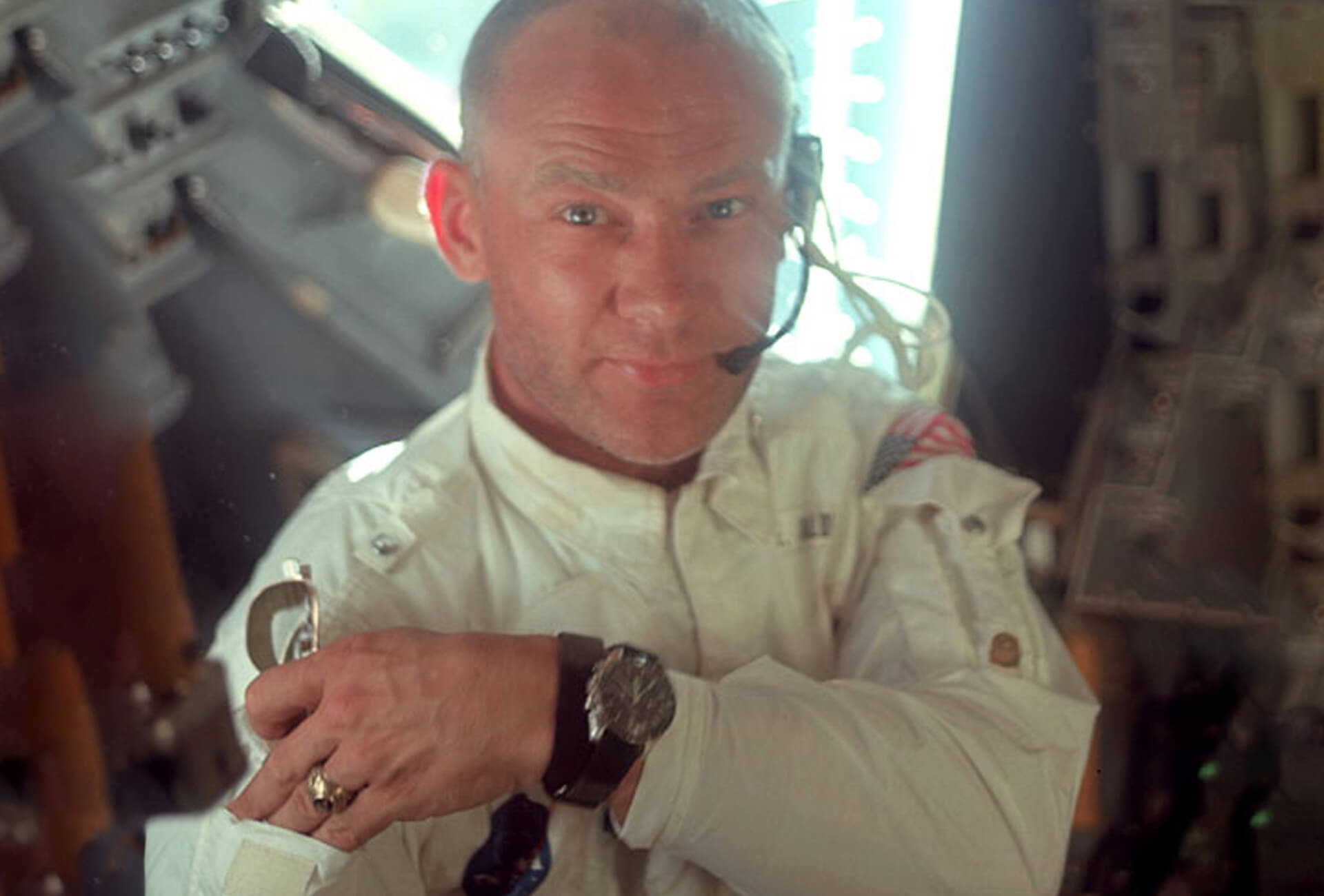
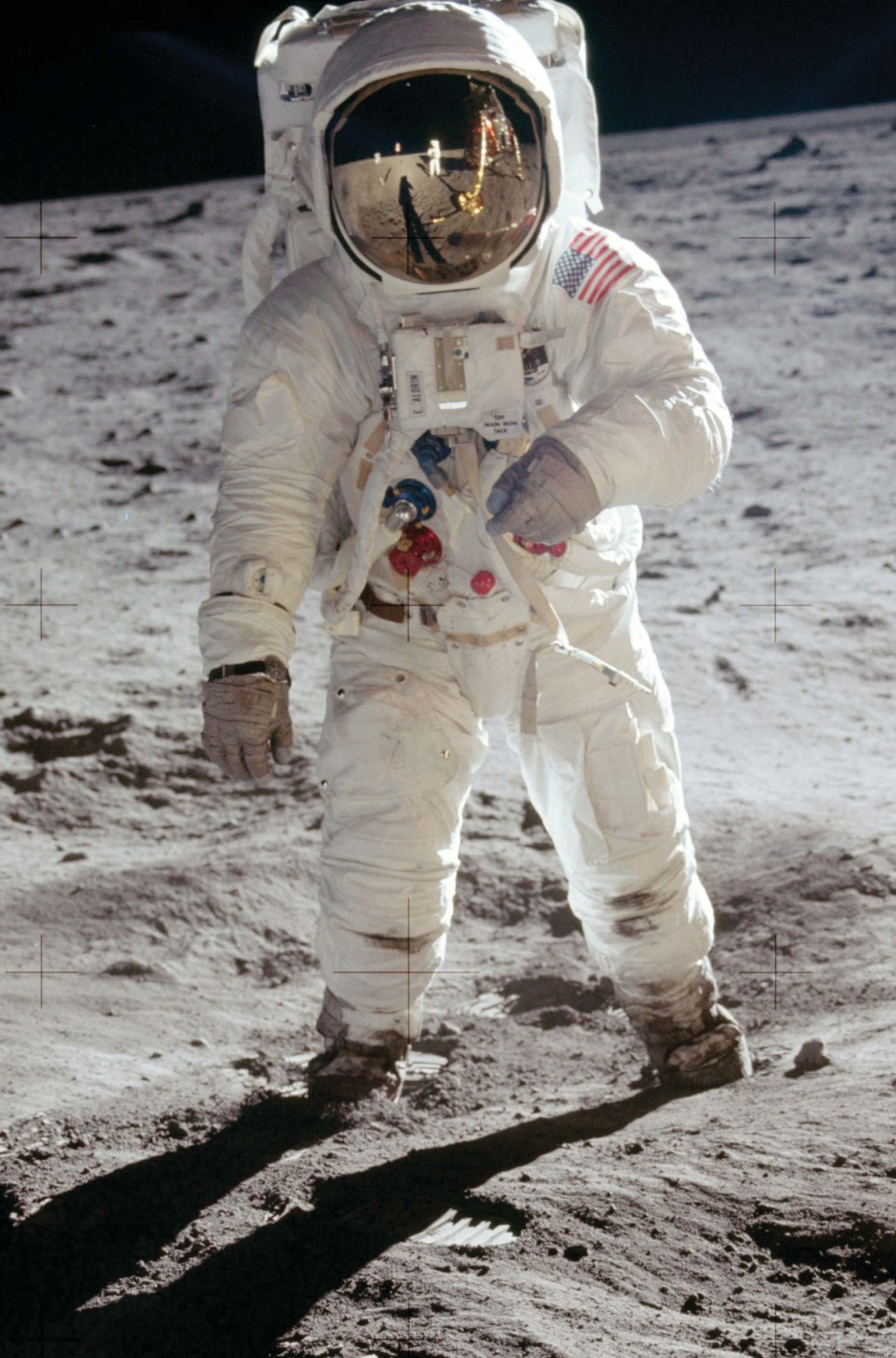
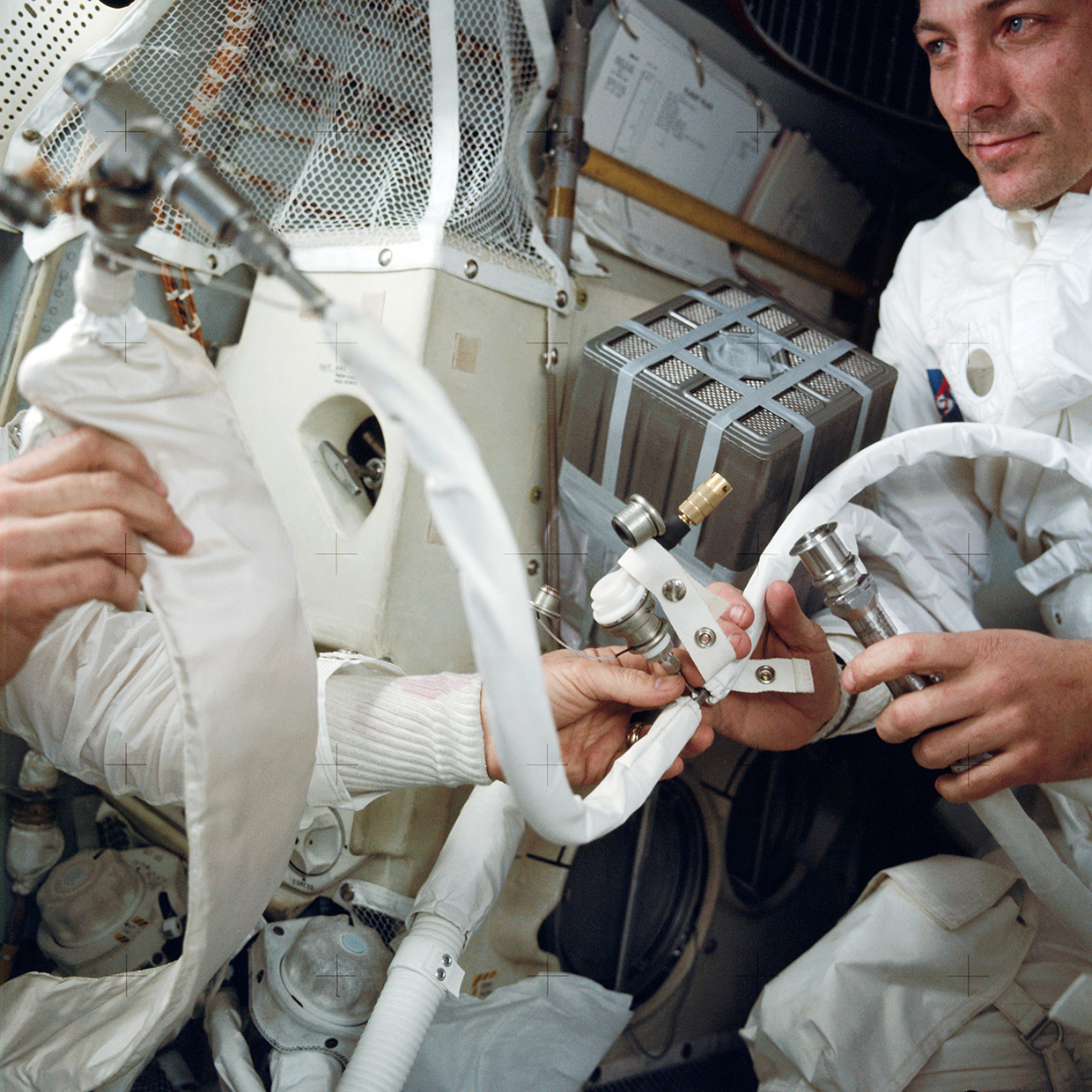
Both Aldrin and Neil Armstrong brought a Speedmaster ref. ST105.012 near the moon during the Apollo 11 mission, but Armstrong (the first to set foot on the surface) left his in the capsule. Aldrin, the second man on the moon, wore his around the sleeve of his spacesuit and the Speedmaster Professional would forever become the Moonwatch. Of course, it was generally unnecessary to wear a mechanical watch on the moon (it was more of a backup timer for the electronic counterpart in the lunar lander – which coincidentally failed), but as Aldrin put it, “Being a watch guy, I decided to strap the Speedmaster onto my right wrist around the outside of my bulky spacesuit.” It did, however, play a vital role during the Apollo 13 disaster in 1970. Astronaut Jack Swigert used his Speedmaster to time an emergency 14-second engine burn via the lander’s descent propulsion system, which was no longer needed for a surface landing as the mission was aborted after an oxygen tank had exploded. A Speedmaster “Moonwatch” was worn by astronauts during every Apollo mission and landing.
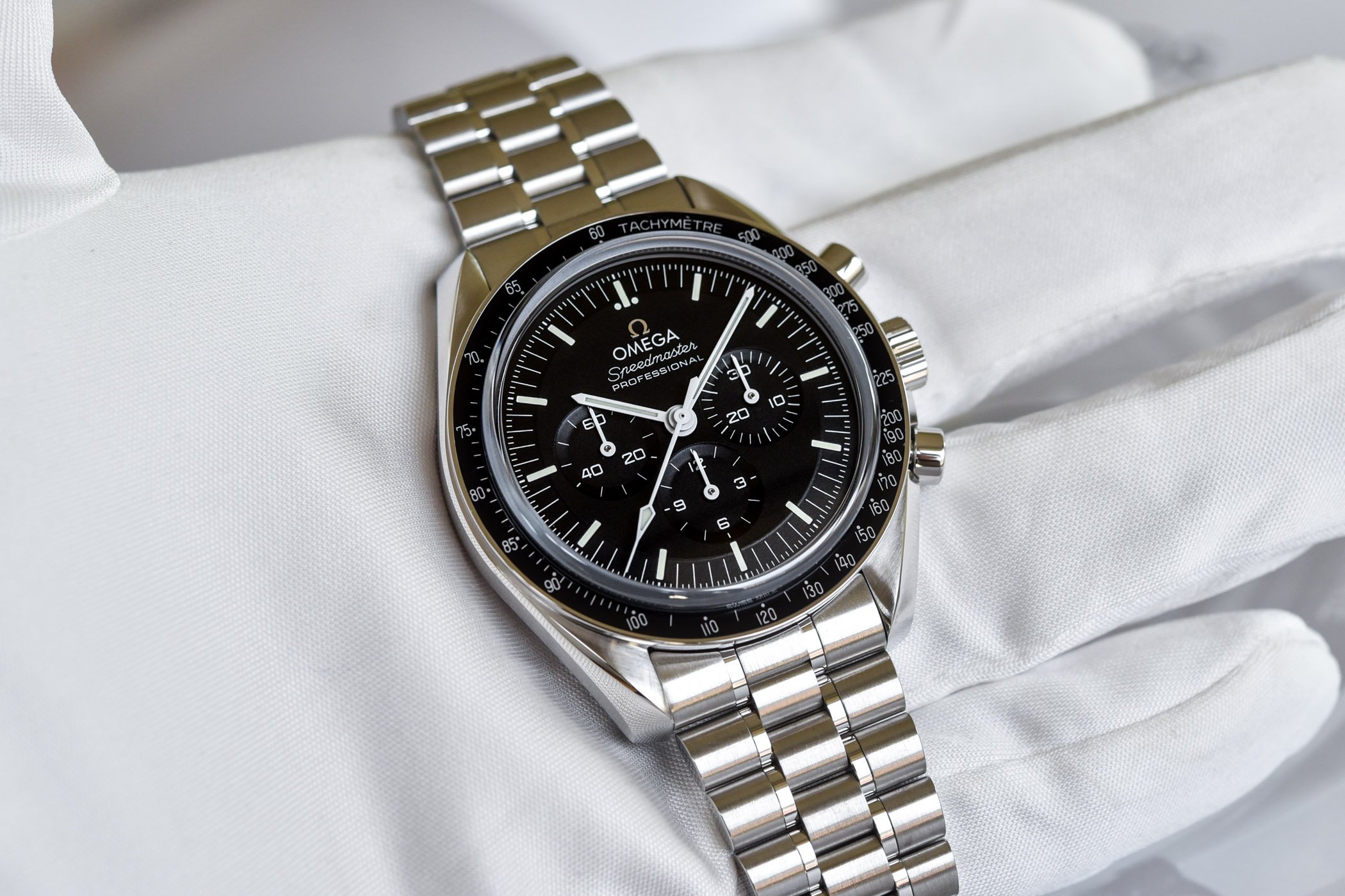
Today, the Moonwatch lives on in many forms in stainless steel or gold, but ref. 310.30.42.50.01.001 is the true successor with the most faithful design – a black dial and tachymeter bezel, Hesalite crystal instead of sapphire, solid case back and 42mm case. A similar but more luxurious variant features a sapphire crystal and exhibition case back, and is a very popular choice with the modern touches, but for my money, there’s only one true new Moonwatch today, and it’s the Hesalite/closed case back variant.
Of course, other watches have also been to space, such as the Fortis Cosmonauts Chronograph that became the official Roscosmos watch in 1994 (Russian Space Agency), spending years on the Mir and ISS space stations. Cosmonaut Yuri Gagarin, the first man in space, wore a Sturmanskie watch in 1961, making it the first watch ever to leave Earth’s atmosphere (but it was never actually exposed to space as it remained sealed within the space capsule). And a Bulova prototype was worn on the moon by astronaut David Scott during the Apollo 15 mission. Then there’s “edge of space” moments like when Felix Baumgartner jumped from a height of 24 miles from a high-altitude balloon in 2012 with a Zenith El Primero Stratos Flyback Striking 10th on his wrist. Not exactly space, but still very cool, and the conditions were certainly harsh for the Zenith. Fortis also sent 13 encased movements (Werk 17 column wheel chronograph automatics) to the “edge of space” via balloon to an altitude of 18.6 miles for testing. It might sound relatively tame, but temperatures alone can reach -60°C in a near vacuum with low pressure and elevated radiation levels, and the attached gondola crash-landed at the end. All movements survived and only two performed below standard upon inspection. Indian watchmaker Bangalore successfully sent its Apogee Karman to the edge of space as well in 2024. Again, not space, but still very impressive.
Is the Victorinox I.N.O.X. the Toughest Watch in the World?
The examples above highlight how watches can survive specific conditions like extreme depths, space and jet aircraft ejections, but what about a watch that’s just hardcore tough – like run over by a tank tough. Burned with fire tough. Dropped on concrete from 30 feet high tough. Enter the Victorinox I.N.O.X. from the Swiss brand founded in 1884 as a cutler’s workshop before making the world’s first Swiss Army Knife. Patented in 1897 as the Original Swiss Officer’s and Sports Knife, the iconic and versatile Swiss Army Knife initially included a second blade and corkscrew, and eventually evolved into the Swiss Champ series with up to 73 functions, including a wood saw, metal file, magnifying glass, scissors, screwdrivers and much more. In 1989, the brand started producing watches for distribution in the United States, adding a major addition to its portfolio in the same way Montblanc added watches to its iconic pen portfolio.
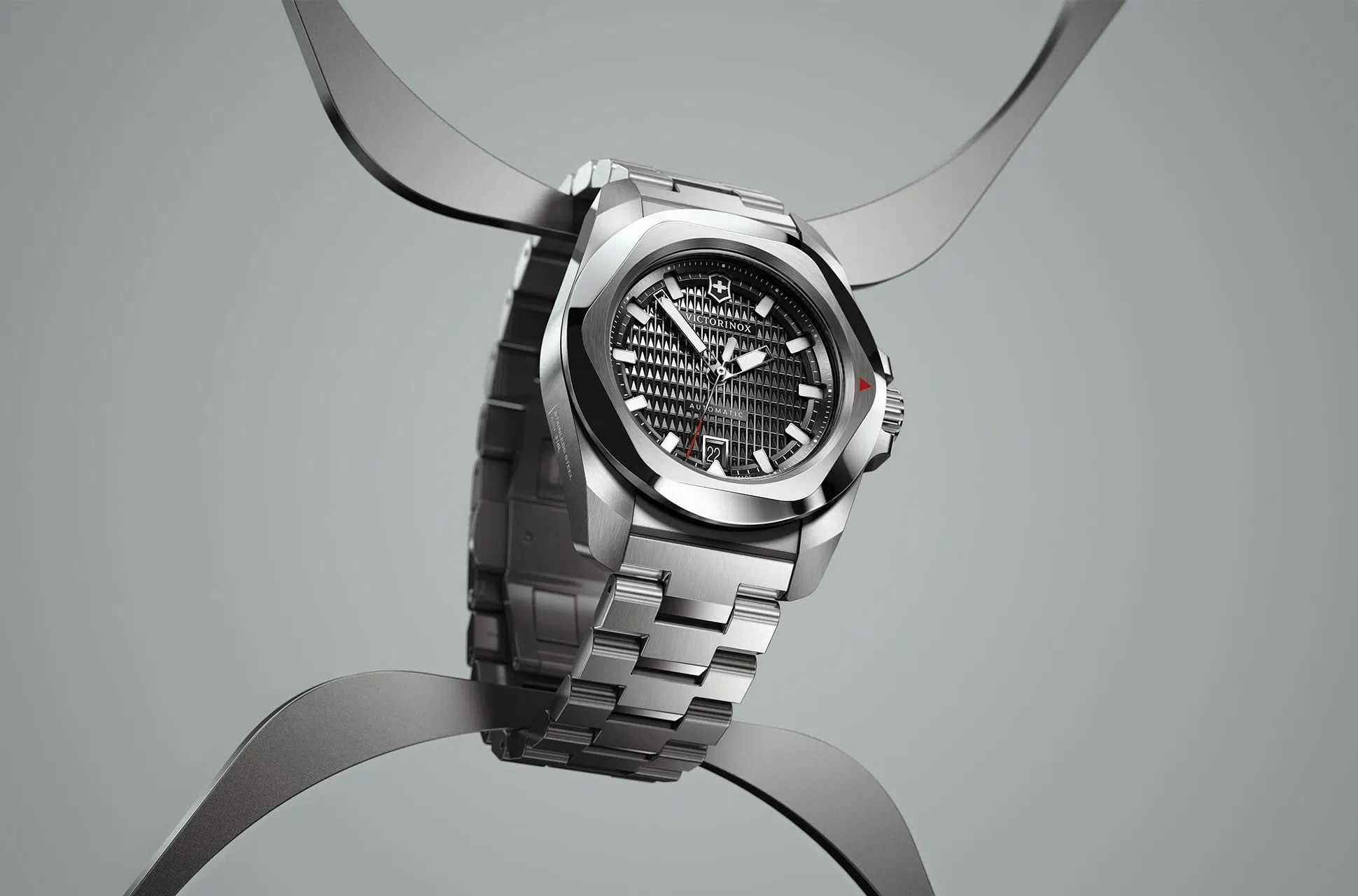
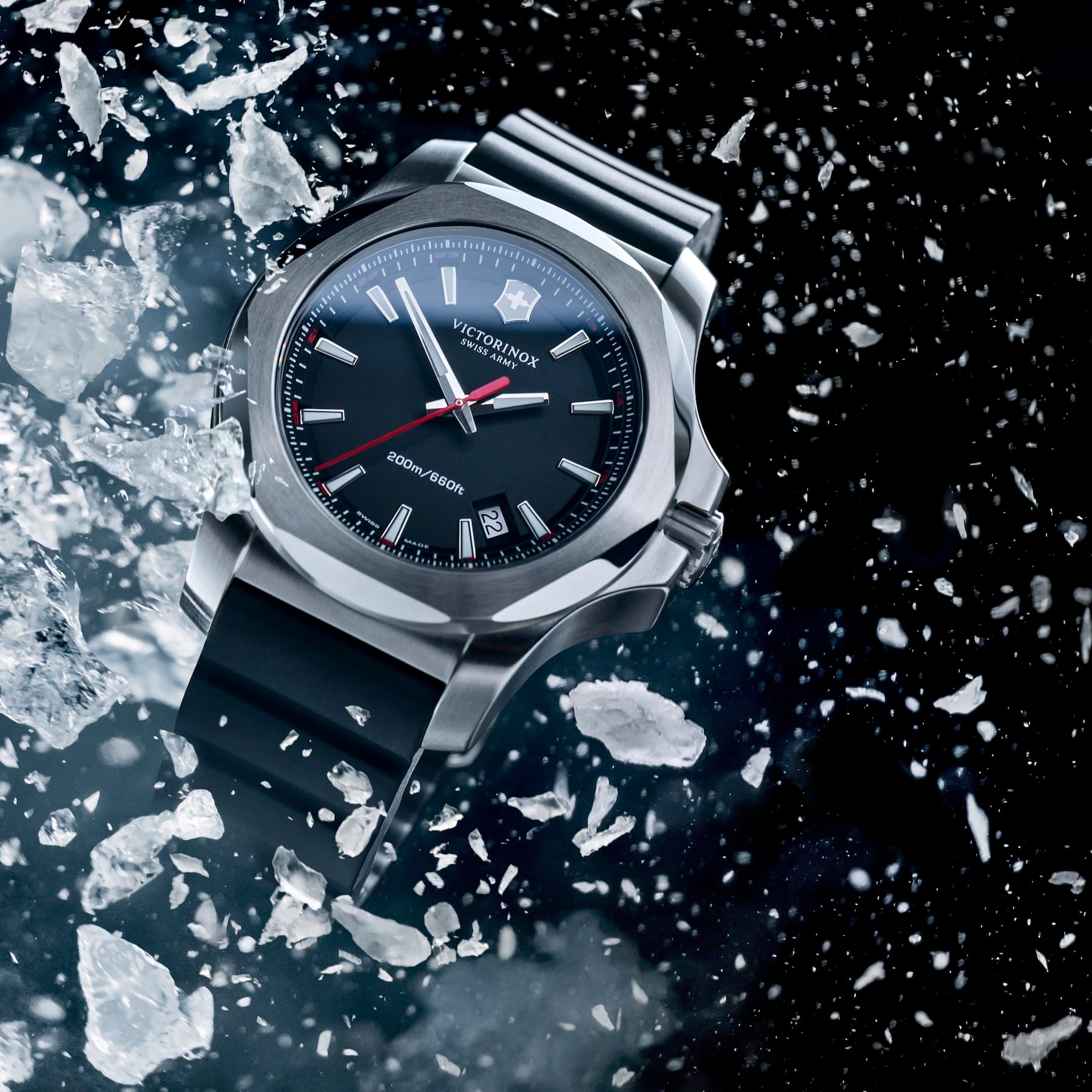
The Victorinox I.N.O.X. debuted in 2014 to celebrate the brand’s 130th anniversary and 25th anniversary of watchmaking. The focus was on extreme durability and always utility (as that’s the ethos of the company) and initially came with a quartz movement, but expanded to mechanical variants in 2018. The name comes from Victoria (the founder’s mother) and inox (from the French name for stainless steel) and took three years to develop. Unlike many dive or pilot’s watches that may go through a dozen or so rigorous tests, The I.N.O.X. went through 130, including long durations of extreme temperatures (including within fire and being frozen in ice), being attached to a bobsled on an official Olympic course to test extreme vibrations, run over by a 64-ton tank, shot with arrows, dropped on concrete (ISO 1413 certified with a 10-metre drop) and much more insanity. Water resistance was also rated at 200m, which is very solid, but extreme depths were never a priority with the model. None of the above tests broke the watch and it continued to function within specs, arguably making it the toughest watch in the world. Yes, it was actually run over by a bona fide tank.
So, how did the I.N.O.X. survive such a beating? It starts with a monoblock case milled from a single block of 316L stainless steel (with carbon composite or titanium monoblock case options) and the sapphire crystal is slightly recessed below the bezel for protection from impacts. Integrated crown guards and stamped indices instead of applied counterparts helped protect/prevent failing points, and an optional bumper “case” of removable silicon or rubber provided additional shock protection. Admittedly, the original quartz movement by nature is less prone to shock damage than a mechanical one, but both variants are ultra tough and mechanical models still retain ISO 1413 shock resistance. The ETA or Sellita models today have applied indices and a bit more refinement, and in real-world use, the modest loss of toughness is negligible. Unless, of course, you have a tank to run over your watch with. If you’re in the market for one, they’re no longer exclusively giant and heavy blocks of metal as smaller models at 32mm are available, along with much lighter carbon and titanium variants. A diving model (I.N.O.X. Professional Diver) is also available for the ultimate in robustness above and below water, with the robustness of the original quartz model and additional dive watch features like a unidirectional rotating diver’s bezel.
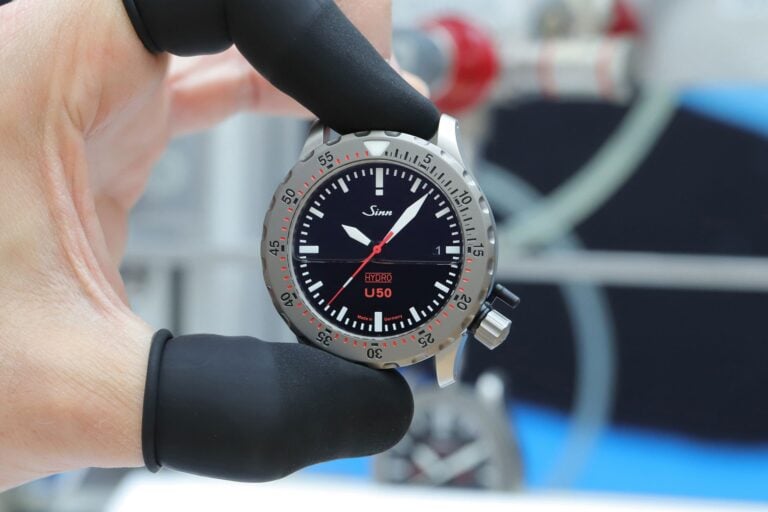
There are other watches with a reputation for being the toughest on the block. Casio’s G-SHOCK collection instantly comes to mind and the iconic 5600 line remains available, going back to 1987. Full metal G-SHOCKs are also in the portfolio for the added sense of weight and toughness, and a wide selection of models are available today, both digital and analogue. Other brands like Luminox, Marathon and Sinn are known for military-tested beasts that can take a real beating as well, but it’s Victorinox with the wild I.N.O.X. that takes the trophy for the overall toughest consumer watch in the world.
This isn’t an exhaustive list of watches designed for the most extreme conditions, but highlights some of the craziest and most iconic, while covering the deepest part of the ocean, the highest peak on earth, outer space and high-speed/altitude jet aircraft ejections. Oh, and being run over by a tank after surviving fire, high drops on concrete, arrows and corrosive liquids. Most buyers will never come close to exploiting their full performance – but just knowing what they can do is downright cool. For those who are true fans of the extreme, the above watches are tailor-made for your wrists.

8 responses
How about the Certina Diver DS for the price a bargain !
Great article! I learned a ton of watch history & brand history. Superb stuff, thank you ??
Great article! I learned a ton of watch history & brand history. Superb stuff, thank you !!
(Revised w !!) ?
Great article! I learned a ton of watch history & brand history. Superb stuff, thank you !!
(Revised w !!) ?
@Mandy Gelien The Certina is a very cool diver with enhanced shock resistance (and a great price), but not quite at the level of the watches in the article.
SPS005 Seiko Spacewalk Springdrive
“It’s generally accepted that a silver dial Rolex ref. 6098 was worn by Hillary to the peak, along with a Smiths Deluxe A049 prototype (that became the revered Smiths A404 in the same way that the Rolex model became the Explorer). Some say it was Norgay that wore the Rolex instead, while others claim only the Smiths watch made it to the summit, and Rolex models were used at lower checkpoints. I’m fairly confident that Rolex made it to the top of Everest in 1953, likely on the wrist of Hillary.”
Nonsense. Iyt has been established since September 1953 that a Rolex was definitely not on the wrist of either Hilary or Tensing when they summited Mout Everest. AS the Watch Collectors Club points out “Rolex’s advertising agency, J Walter Thompson paid a reporter from The Times newspaper in London to message them in code announcing the expedition’s success. As a result, Rolex ran an advertisement on page 3 of The Times on June 2nd, claiming that their watch was first to the top of the mountain. …Smiths didn’t get their advertisement published until three days later on June 5th. Rolex was also clever in two other ways. They hosted a party for the whole Expedition in Bombay as they were travelling back to England. At the party, they gave out more gold Rolexes, and by the time the party arrived back in London Edmund Hillary, Tenzing Norgay and expedition leader Colonel Hunt were all official Rolex ambassadors……Many Rolex fans have undertaken a detailed photographic study of the pictures from the expedition and they believe that neither Hillary nor Norgay were wearing one when climbing the mountain, not least because Norgay is clearly wearing a steel watch in all the pics, and the Rolex he owned at the time was gold.
The best evidence however comes from the Managing Director of Rolex UK at the time. In September 1953, the Managing Director of Smiths was clearly annoyed at the success Rolex had with their claim to be first and their subsequent marketing of the newly launched Explorer model. He wrote to the leading watch magazine of the day, the monthly magazine of the British Horological Institute.”
In that letter the MD of Smiths stated,”Sir Edmund Hilary haas stated in writing that he took a Smiths watch to the sumit and no other and he has offered the actual watch which he wore to the Worshipful Company of Clockmakers for permanent exhibition in their museum in Guildhall”
The Managing Director of Rolex responded to this letter in October 1953 as follows: “It would appear from Mr Barrett’s (MD of Smiths) letter that Sir Edmund Hilary was in fact wearing only one watch at the summit and that a Smiths watch We congratulate Smiths on the fact that their Smiths de Luxe ordinary wind wrist watch reached the summit with Sir Edmund Hilary”
As Tensing Norgay is wearing a steel watch in photographs at the summit it cannot have been his gold Rolex either. Essentially, if Rolex’s own MD made it clear that no Rolex watches were worn at the summit of Mount Everest, your article is wholly wrong on the point.
@SPQR I know this is a touchy subject and expected this kind of reaction. It can swing both ways and I’ve read all about the reactions at the time, including the articles from the British Horological Institute. The two climbers were representing Smiths as the English brand and “politics” plays a potential role after strong reactions, especially after Smiths’ Managing Director angrily reached out to the publication. It was also a steel Rolex ref. 6098 that would’ve been worn, not a gold piece. I never concluded that the Rolex was worn to the top, just that I have some confidence. Of course, I could be wrong and it’s all a bit of lore at this point.