


 Not all images were able to load for printing. Please close the print window and try again.
 Your Guide to Functional Watch Bezels, From Diver to Tachymeter and Rare Ones
The most common types of bezels, including some oddities with a very niche purpose.
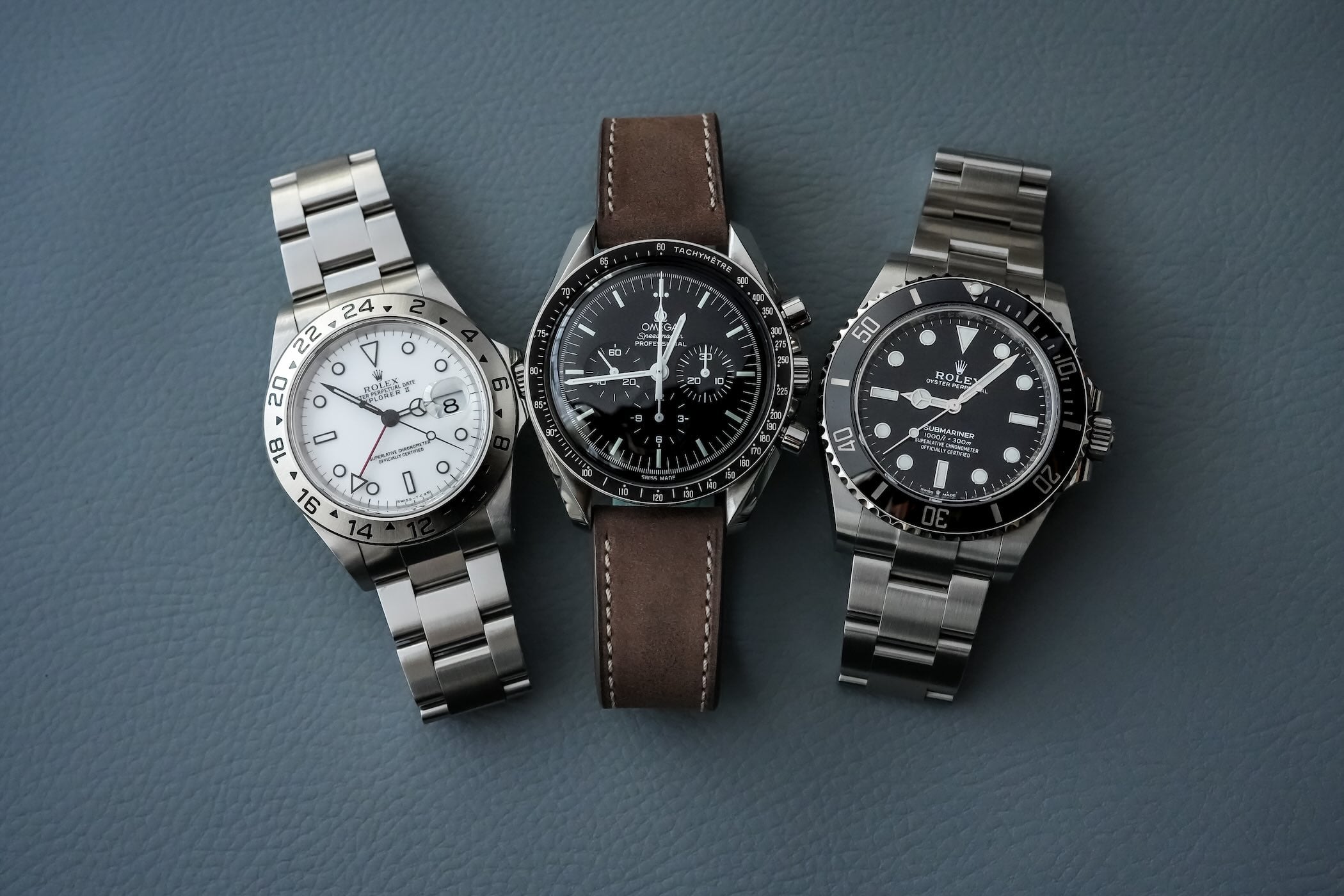
By and large, most information on your watch comes from the dial. Sometimes there are functions on the back, like a power reserve indicator or an addition to the case, like on the Pierre Kunz Spirit Diver with a Boyle-Mariotte depth gauge that can measure down to 80 metres. Functional watch bezels, however, add functionality that usually coordinates with dial elements. The most common examples are rotating diver’s bezels or 24-hour GMT bezels, but there are many others like the Seiko Prospex Automatic Field Compass with a rotating compass bezel and so on. This won’t be an absolutely exhaustive list of functional watch bezels, but it will highlight the majority with some rarities thrown in.
Diver’s Bezel
The first watch with a rotating bezel appeared in 1937, in Rolex’s extremely rare Zerographe (ref. 3346) with the brand’s first in-house chronograph movement. It wasn’t a dive watch, but it did have a 60-minute scale on the bezel for the somewhat primitive chronograph functions of the day. The first proper 60-minute diving bezel appeared in the first half of the 1950s. The Blancpain’s Fifty Fathoms was the first dive watch with a unidirectional rotating diver’s bezel, while the Rolex Submariner that came around the same time still had, at that time, a bidirectional bezel. Of course, the Submariner is arguably the most famous and recognised dive watch today (largely thanks to James Bond), but dive watches are a dime a dozen these days, with relatively inexpensive models competently descending below 100 metres. Most major brands have divers in their collections, making the rotating diver’s bezel the most widespread and mainstream of all functional watch bezels.
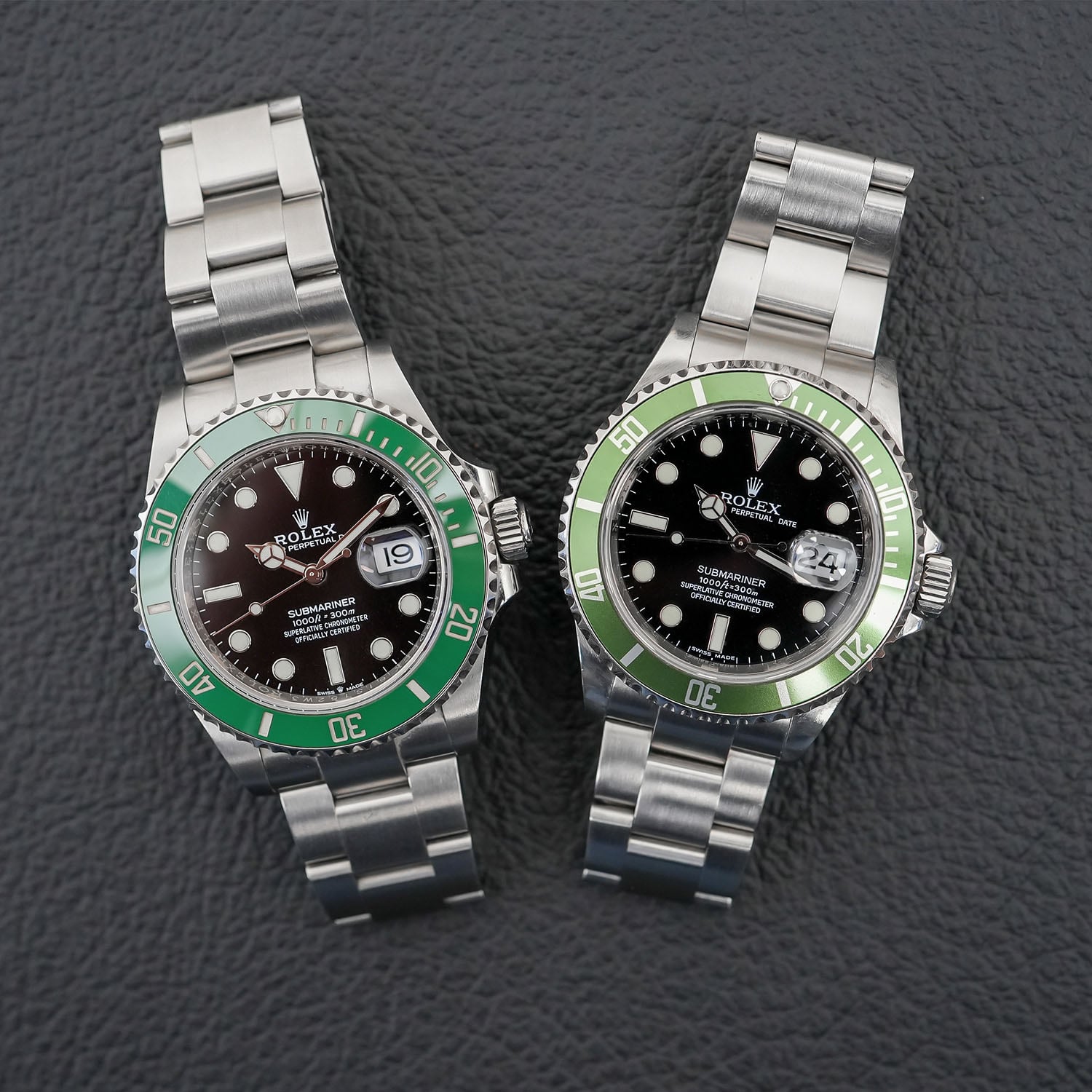
Using a diver’s bezel is very simple, and its purpose is to time a dive to ensure you don’t run out of air, stay at depth too long, and to safely ascend with timed decompression stops if necessary. The 12 o’clock mark is simply rotated to align with the minute hand at the start of a dive. For a watch to be a true dive watch, it must meet the ISO 6425 standard that specifies minimum water resistance (100 metres), legibility in darkness and so on, but for our purposes, it requires a rotating bezel to be unidirectional and only turn counterclockwise. The reason for this is that if it’s accidentally turned during a dive, it’ll indicate that the diver has less time available and cause a premature ascent, which is much safer than the opposite (believing there’s more time available than originally set).
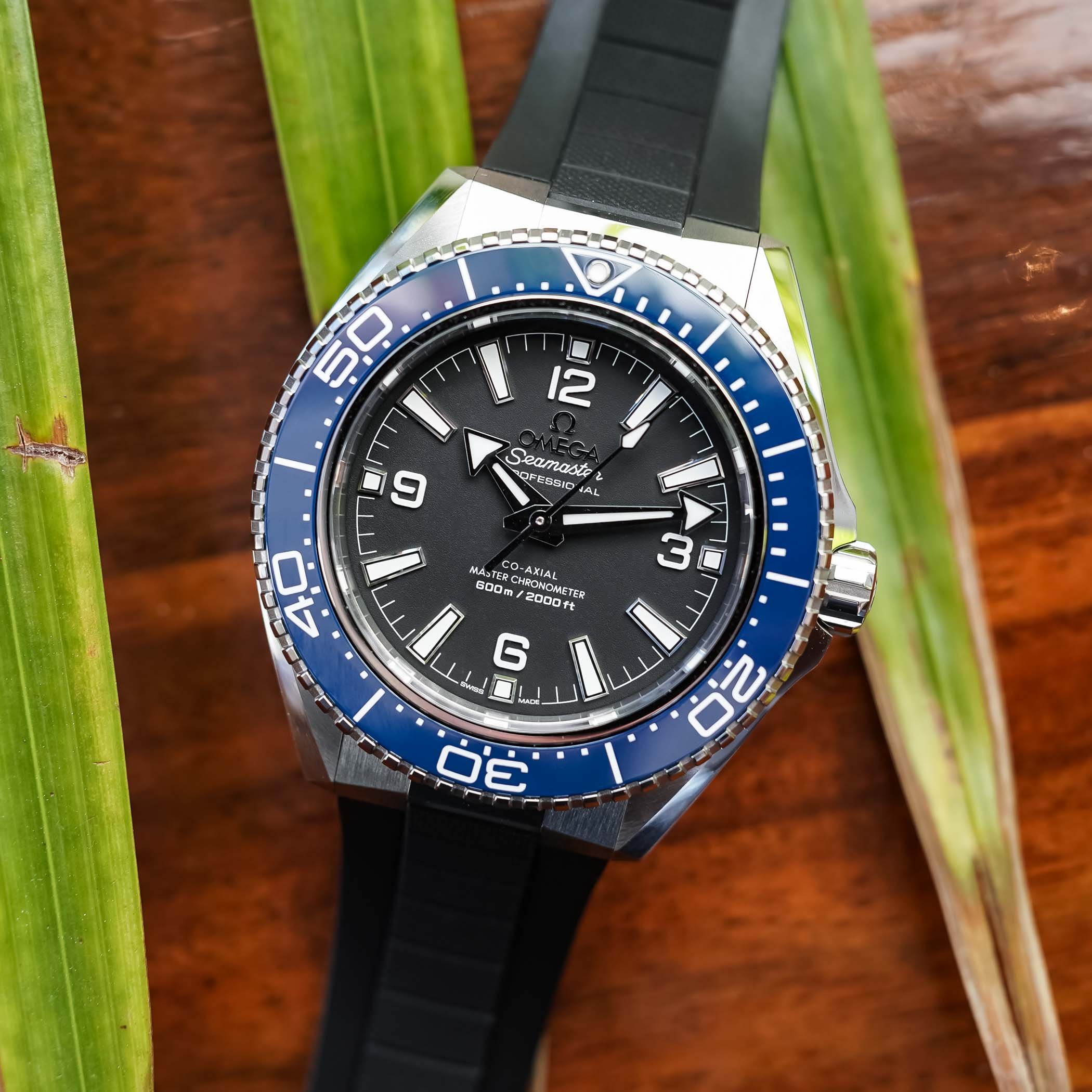
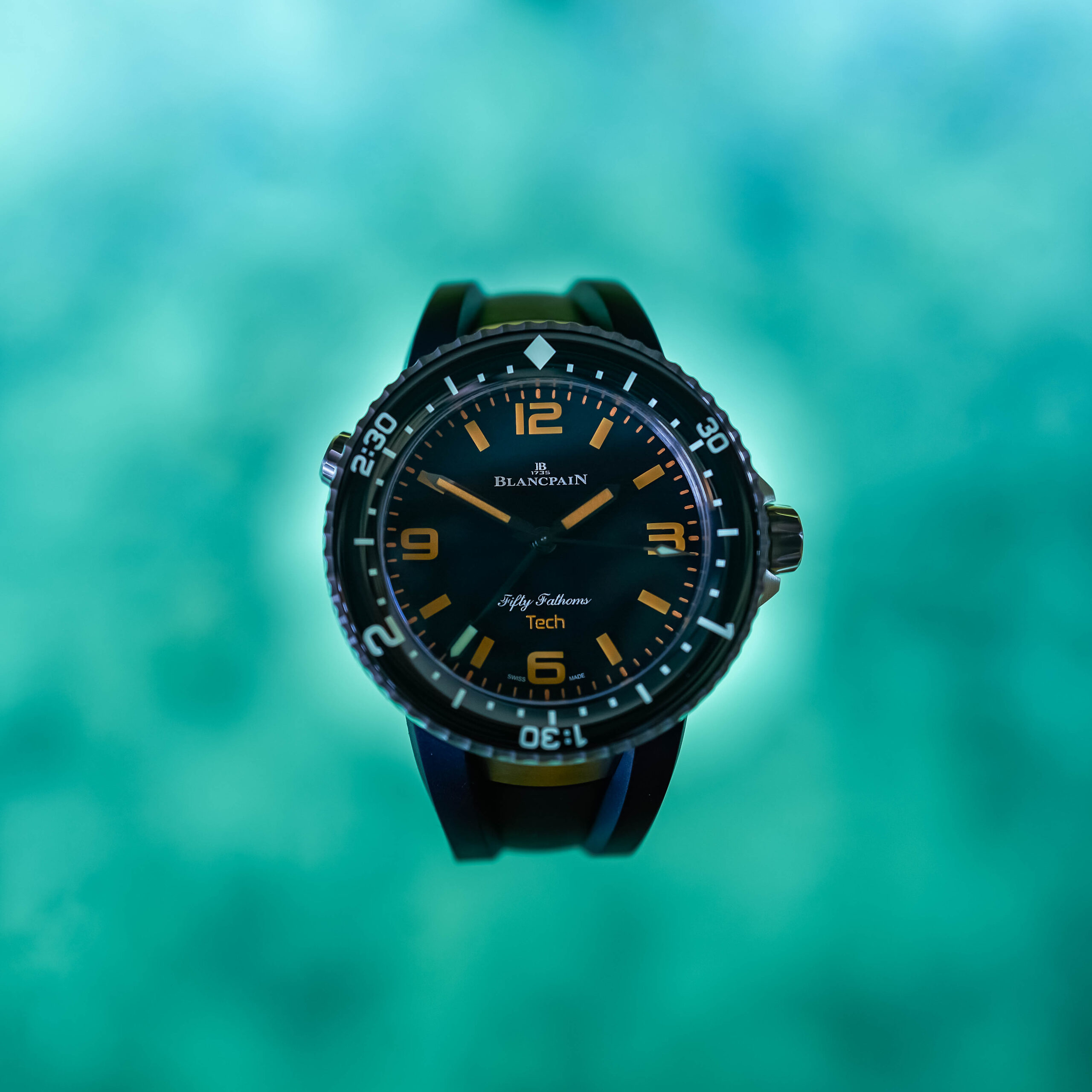
Most diving bezels have a 60-minute scale, and many also feature a detailed 15-minute or 20-minute scale for precise timing. An average dive lasts up to 45 minutes, so a 60-minute scale is usually adequate. The length generally depends on the depth and, of course, tank size, but the deeper you go, the quicker the air is consumed as it becomes more compressed. A full 60-minute dive isn’t uncommon per se, but is considered long if the depth is below 10 metres. There are exceptions to this, as seen with watches like Blancpain’s Fifty Fathoms Tech Gombessa with a three-hour diver’s bezel for technical, professional dives with specialised equipment like a rebreather that recycles air exhaled by the diver.
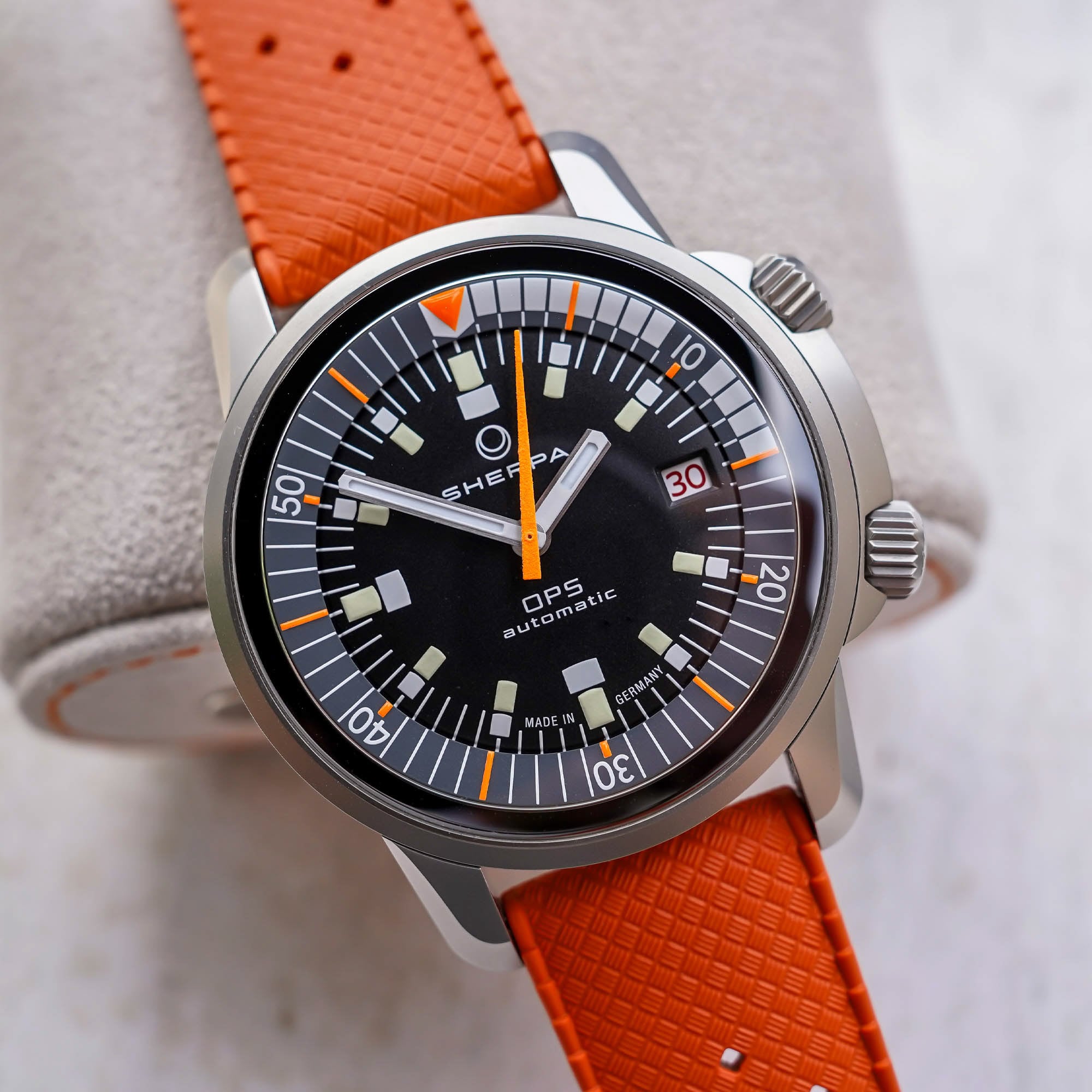
Some dive watches have internal rotating bezels with a second crown for bezel rotation. A common example is the super compressor dive watch that has a spring-loaded case back that compresses tighter against the O-ring as pressure builds from depth, increasing water resistance. The purpose of this is to provide professional depth ratings while not having a constant load on the gasket to extend its life. An internal rotating bezel, actuated by an additional crown, helps avoid accidental movements and keeps the bezel itself safe from damage and corrosion, and is also used in many dive watches that aren’t true super compressors (but share the style).
GMT 24-Hour Bezel
A 24-hour bezel for a GMT watch allows the user to track two (or three) time zones via a third GMT hand. Rolex’s GMT Master II is arguably the most popular example. The central hour and minute hands can show the local time, while the GMT hand points to a second time zone along the 24-hour bezel. The opposite can also be true, with the GMT hand pointing to the local time and the central hands showing a second time zone. There are two types of GMT watches that emphasise one or the other.
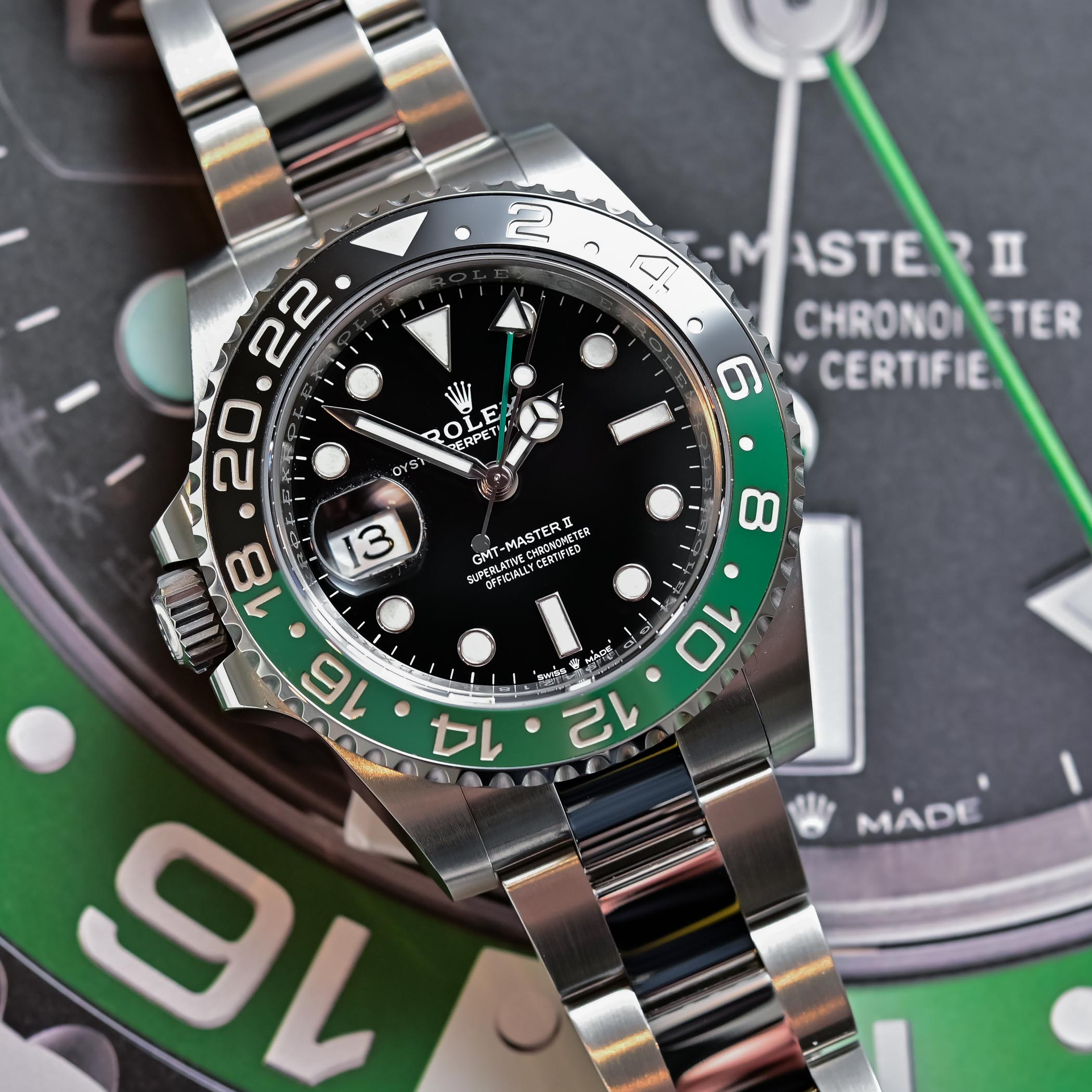
A true or traveller’s GMT watch allows the user to move the central hour hand in one-hour increments without interrupting the other hands, which is designed to change the local time as you fly (or travel as the name implies), while the GMT hand maintains the home time via the 24-hour bezel. An office or caller GMT watch is more for the office (again, as the name implies) and allows the user to move the GMT hand in one-hour increments. This maintains the local time with the regular hour and minute hands, while the GMT hand shows a second time zone for clients, etc. For example, an executive in New York has clients in Germany and needs that time zone at a glance via the GMT hand and bezel. Of course, either GMT watch type can be used for either purpose if desired. One note – if you set the GMT hand with the dial’s time, it can act as a day/night indicator with the bezel if two time zones aren’t needed.
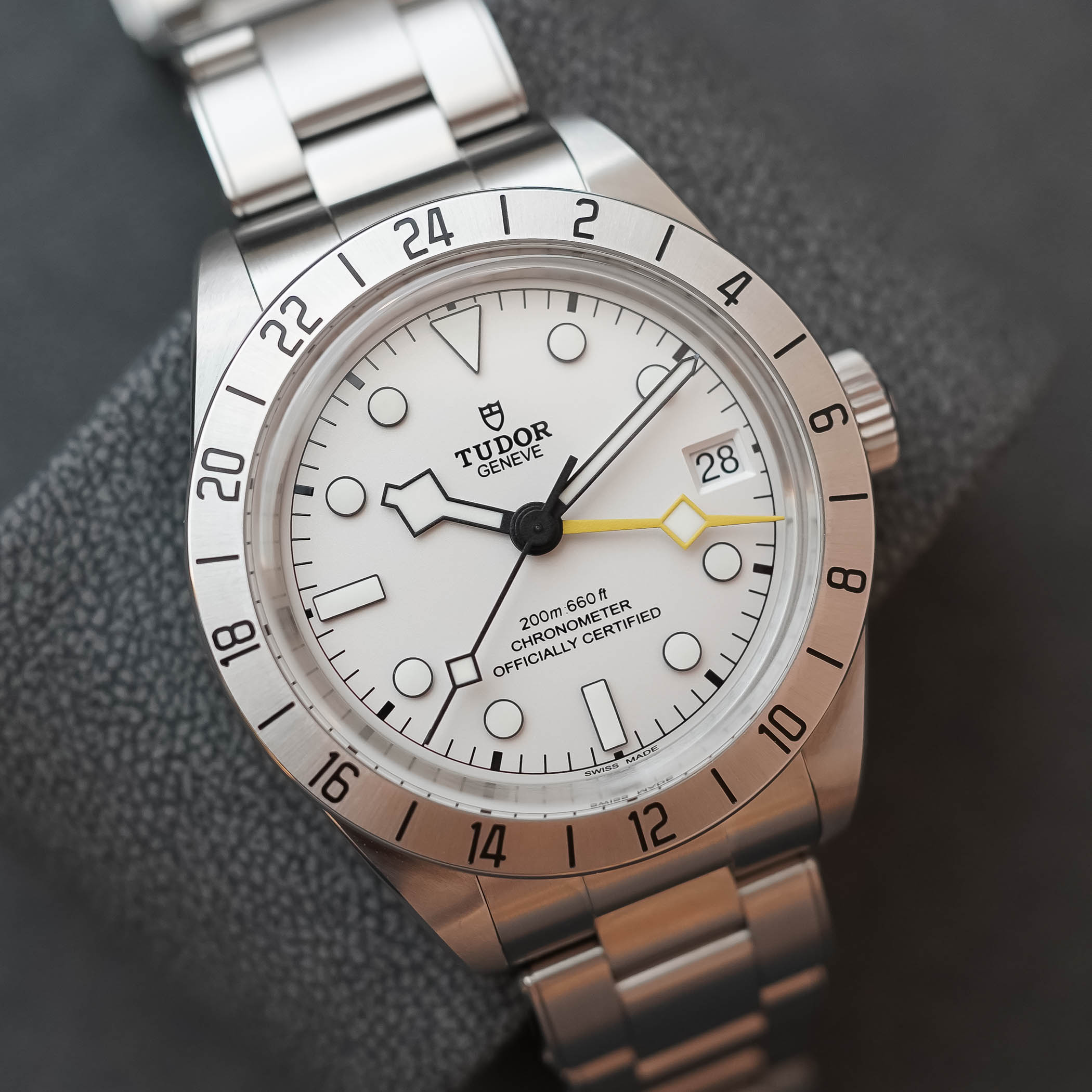
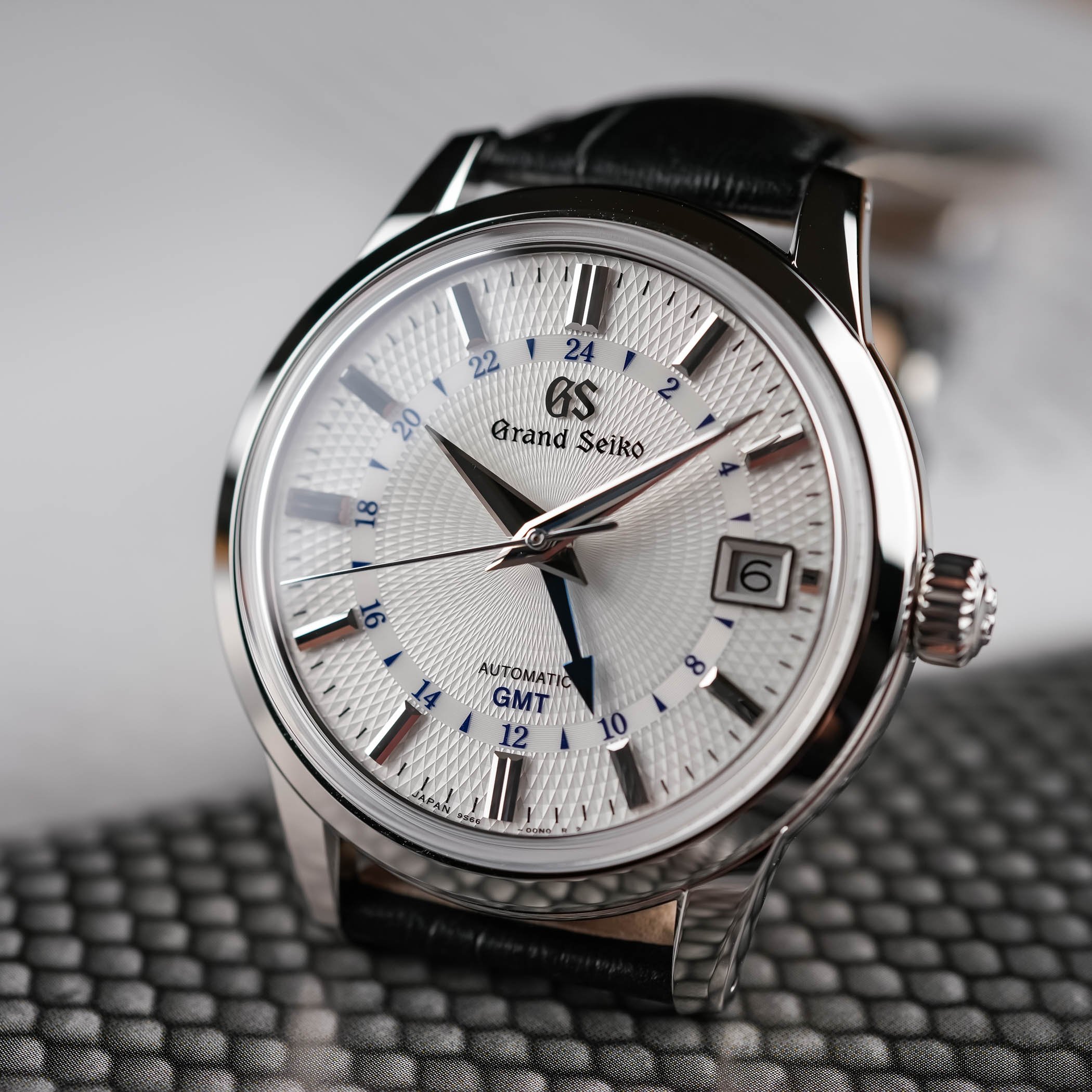
Some GMT watches have rotating 24-hour bezels, allowing users to track a third time zone. It’s a bit less cut and dry than tracking two, as three time zones can’t be tracked simultaneously, so practicality is a bit lacking. Here’s how it works – If the local time in California is 9pm on the central hands and home time in Hawaii is 6pm on the GMT hand, you can get the time in London by rotating the GMT bezel. However, you lose the Hawaii time and also must know the time difference in hours between Hawaii and London (so, you could just do the math in your head). London is 11 hours ahead of Hawaii, so you simply rotate the bezel eleven hours ahead to get London time on the GMT hand at the bezel, which would be 5am. However, if there’s a second, permanent 24-hour scale printed on the dial’s perimeter, you can track all three time zones at once. The Grand Seiko SBGM255 Snowdrop and SBGM257 Moondrop are examples of this.
Tachymeter Bezel
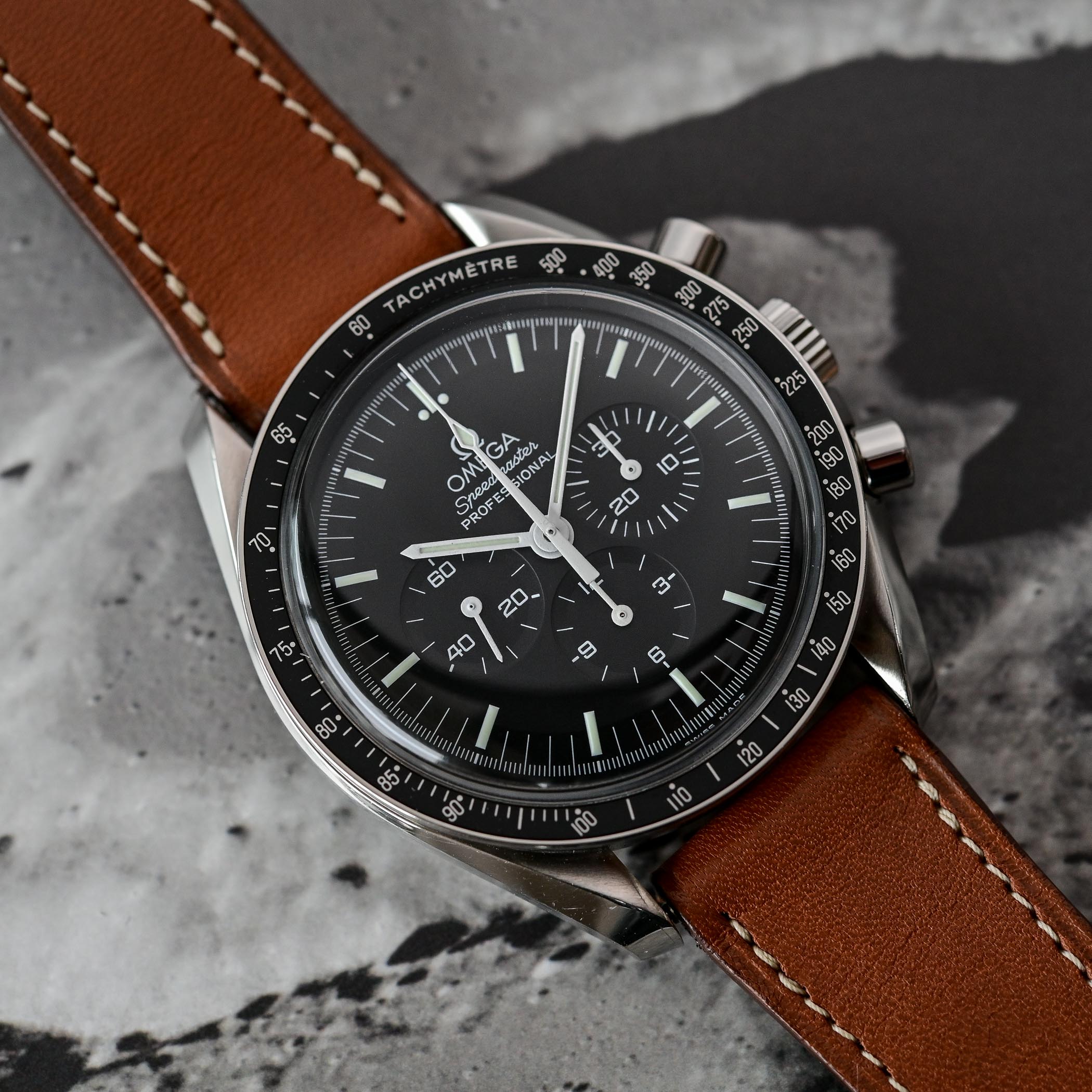
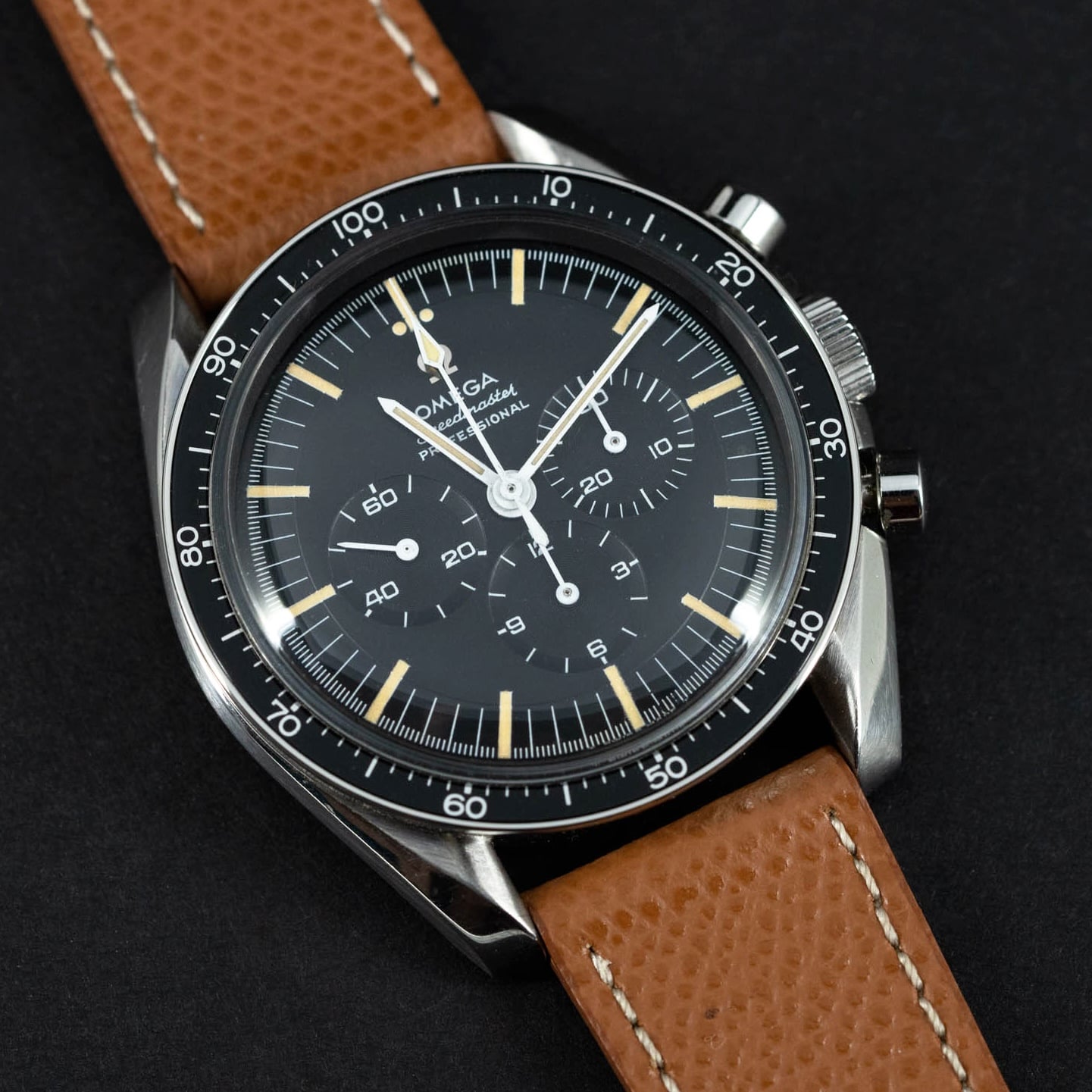
A tachymeter scale is used to measure speed when the distance is known or to track the frequency of a recurring event. For the most part, these are found on chronograph watches, which use the central chronograph seconds hand to start measuring a distance (most common use) or an event. At the end of the distance (using two specific landmarks at the start and finish), you stop the chronograph’s seconds hand, and it will point to the speed on the tachymeter scale. This can be done with a three-hand watch with hacking seconds as well, but is most practical coupled with a chronograph. If you’re timing a car’s speed between two fixed points that are a mile apart and the car completes the distance in 60 seconds, the seconds hand will point to 60 on the tachymeter – the car was travelling at 60 miles per hour. Some tachymeters are printed directly on the dial’s perimeter, but many are engraved on an external bezel. A famous example of a watch with a tachymeter bezel is the Omega Speedmaster Moonwatch, as the inaugural version of 1957 was the first chronograph with a scale printed on an external bezel.
Telemeter Bezel
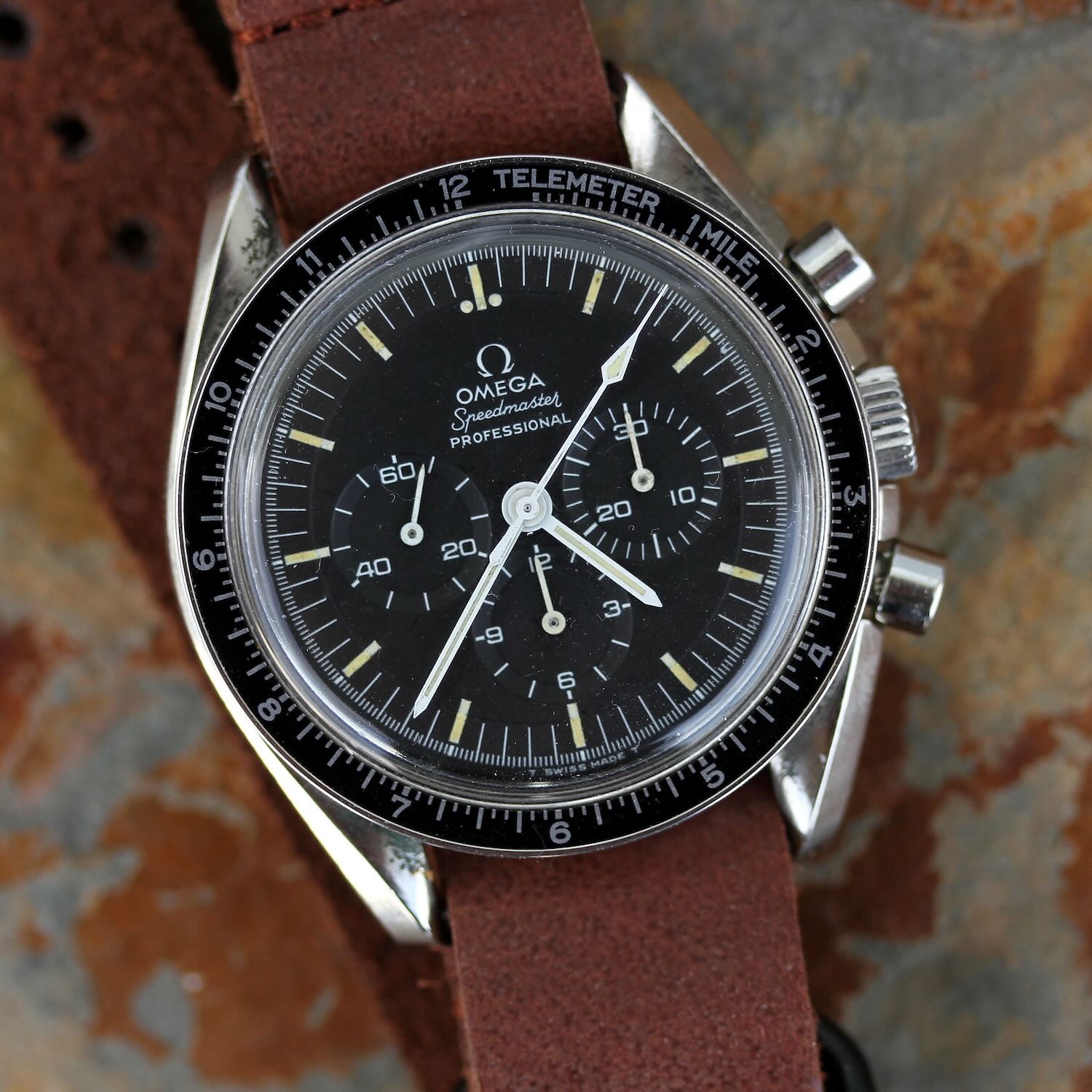
A telemeter scale is similar to a tachymeter, but measures distance instead of speed. It’s also most commonly found on chronographs – an example is the Omega Speedmaster ref. 145.022 ST 71 with a telemeter bezel (most Speedmasters have tachymeter bezels). Some watches have both a tachymeter and a telemeter, like the Junghans Meister Telemeter chronograph. A telemeter uses light and sound to measure distance. A classic example is lightning and thunder – you start the chronograph seconds when you see lightning and stop it at the sound of thunder. The seconds hand will point to the distance on the telemeter scale in miles or kilometres. This uses the instantaneous speed of light with the much slower, predictable speed of sound to measure the distance. The flash of a distant explosion and the following sound can also measure distance, and so on.
Compass Bezel
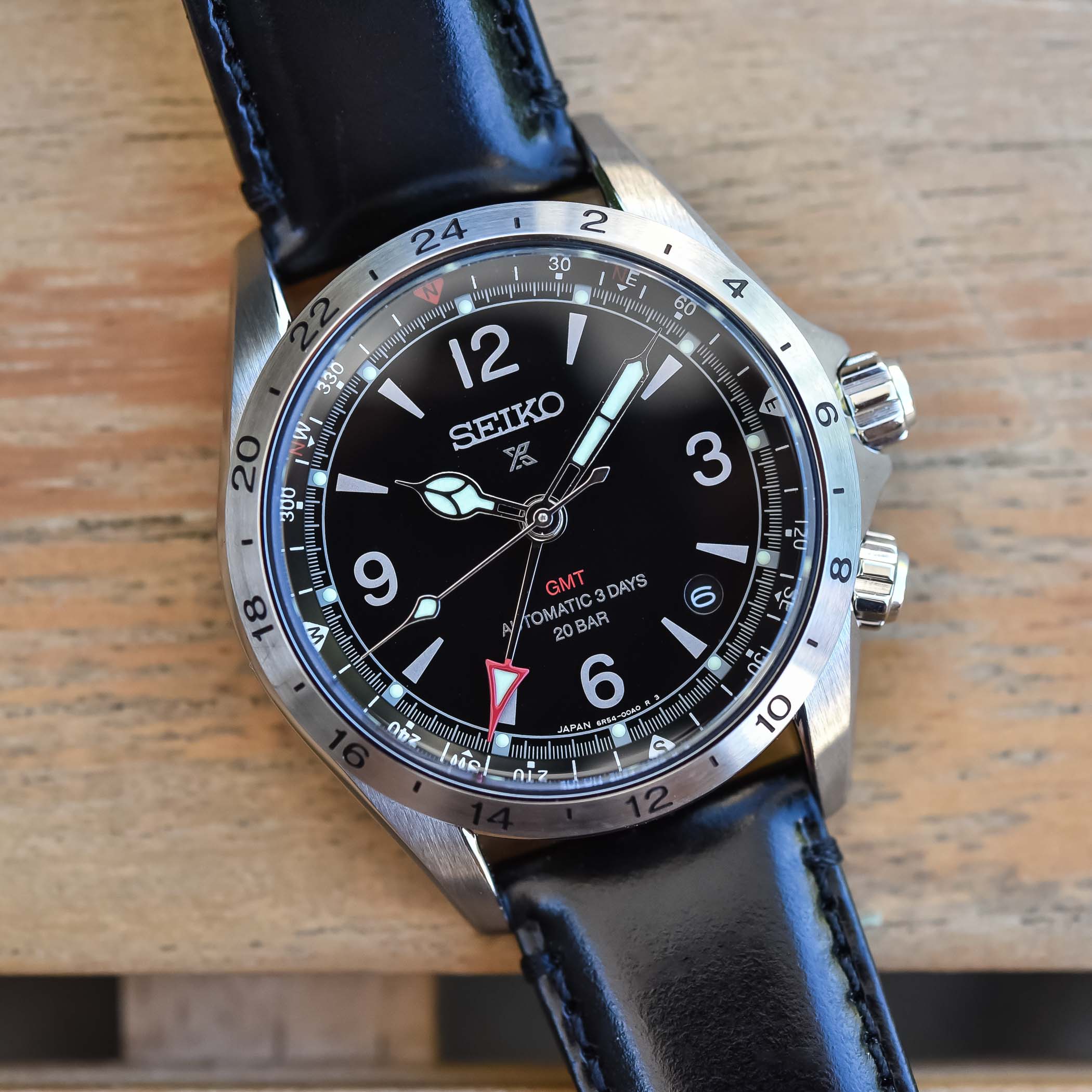
A rotating compass bezel does exactly what it says and helps hikers, backpackers and so on orient themselves using the watch hands, compass bezel and sun simultaneously (either the northern or southern hemisphere). For the northern hemisphere, here’s how it works. With the watch flat (parallel to the ground), move so the hour hand points directly at the sun. Next, rotate the compass bezel so the south marker (S) is exactly between the hour hand and 12 o’clock. Now all of your cardinal directions – north, south, east and west – are aligned for accurate navigation. For the southern hemisphere, simply align the north marker (N) between the hour hand and 12 o’clock. A good example of a compass watch is again the Seiko Prospex Automatic Field Compass with an internal rotating bezel. Hamilton’s Khaki Field Expedition has an external counterpart.
The five bezels above represent the most common found within mainstream portfolios, but less common ones are no less interesting. The list below shows a rarer breed of external (and internal) bezels that continue to push functionality beyond standard time and date displays. Some are very rare for a small and specific audience, while others aren’t entirely unusual, but not exactly the norm. It all adds to the fun and mystique of watchmaking.
Worldtimer Bezel
Most Worldtimer watches have the rotating list of cities integrated within the dial, as Louis Cottier designed it first in the 1950s. However, a relative handful move this to the external bezel. Delma’s Cayman Worldtimer Automatic is a great example, combining the external rotating bezel of cities with an internal 24-hour scale. This is a less expensive way to deliver a worldtimer as internal complexity, coupled to the crown or pushers, is replaced by a simple rotating bezel, but the wearer can still realise full worldtimer functionality. Once the local time is set, you rotate the bezel of cities until your city is positioned at 12 o’clock. The internal 24-hour scale then coordinates with the other cities on the bezel to show time in all major time zones. It’s simple to use the external bezel in lieu of working the crown, and these generally have a sportier aesthetic than more traditional worldtimers.
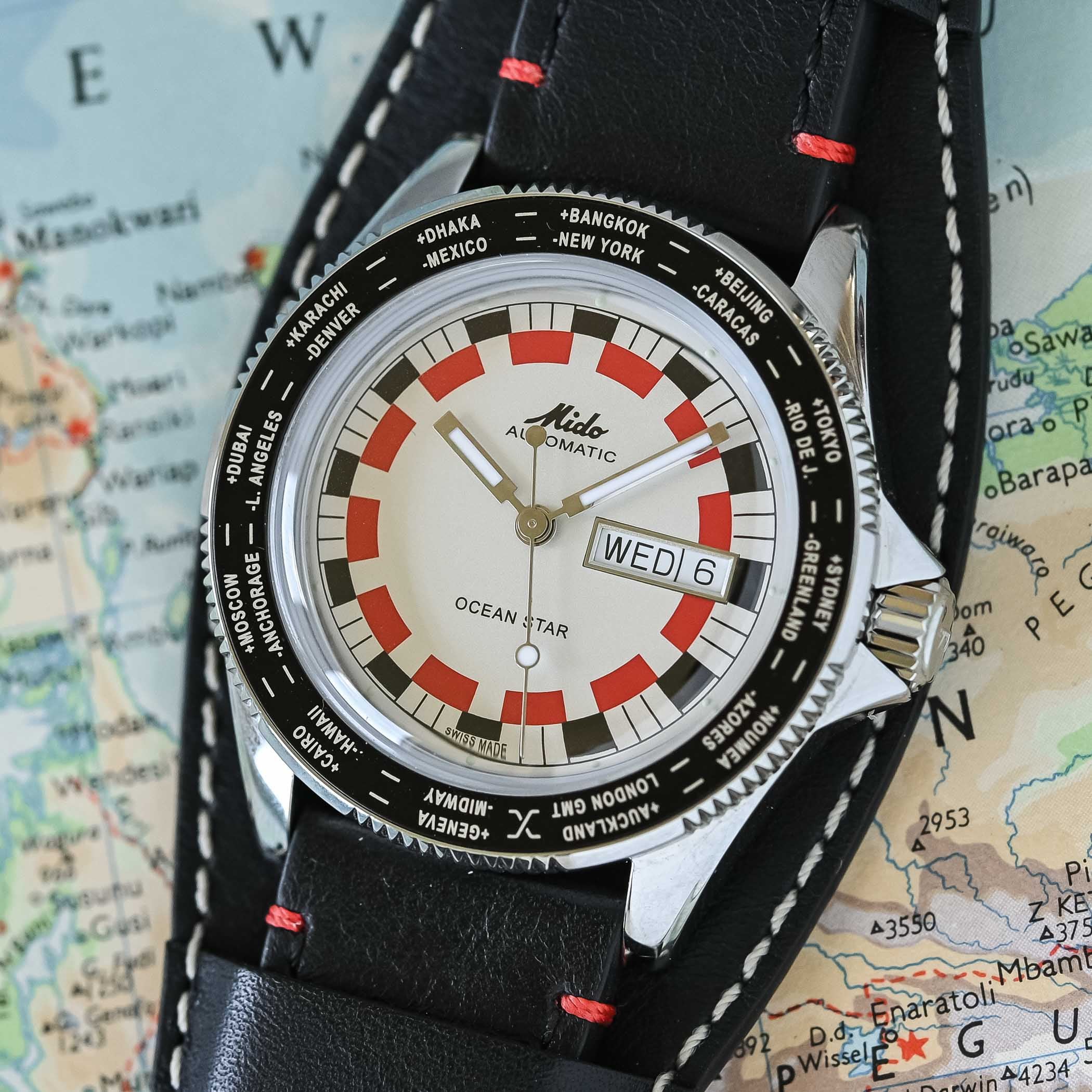
Some worldtimer watches with external bezels offer limited functionality and act more like a GMT piece. For example, the Mido Ocean Star Worldtimer doesn’t have an additional 24-hour ring on the dial, so it’s more about checking one additional time zone at any given time via the rotating bezel. This brings more simplicity to the user while presenting a complex aesthetic over a traditional GMT counterpart.
Countdown Bezel
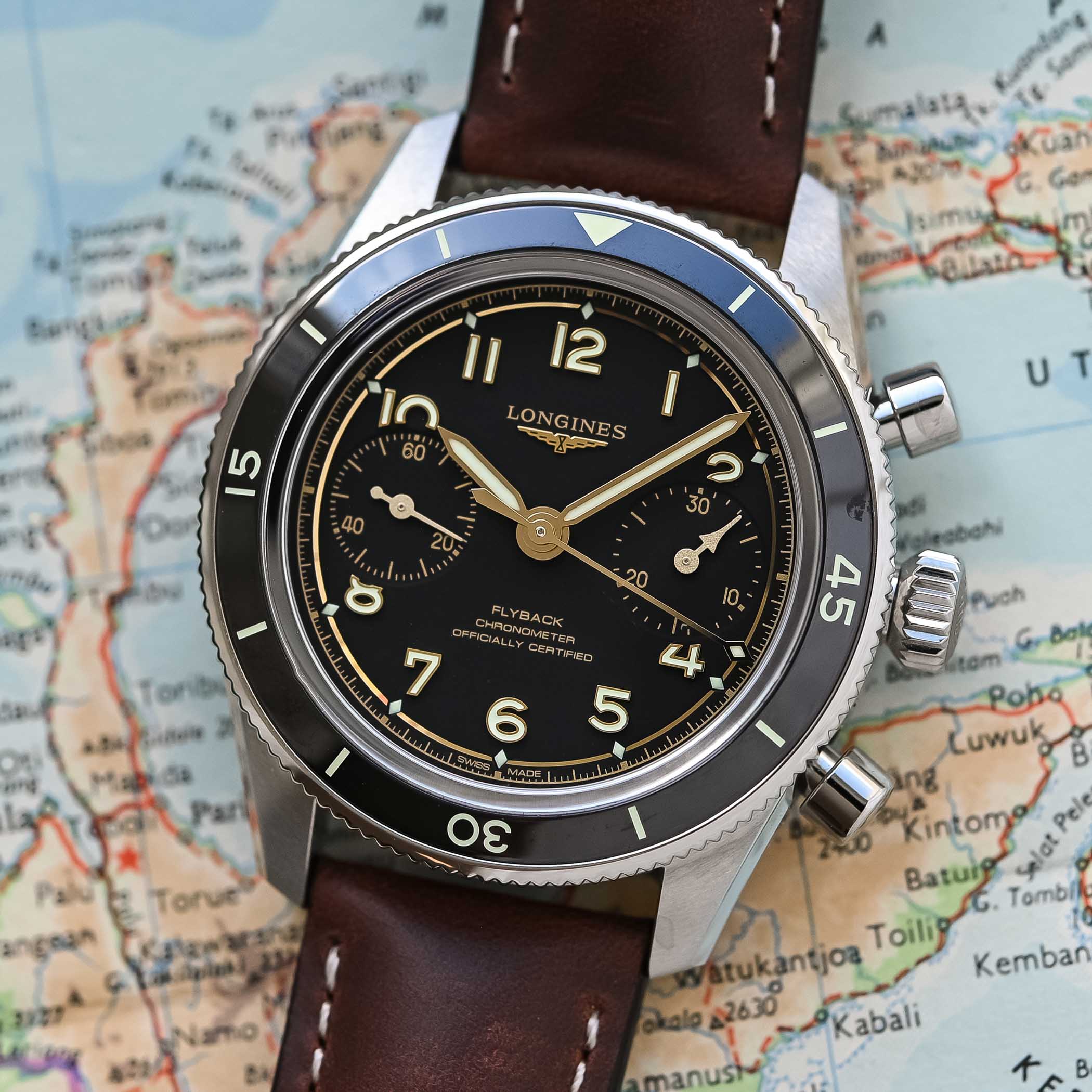
A countdown bezel is quite literally the opposite of a familiar diver’s bezel (that, of course, counts up). Instead of tracking the elapsed time of a dive or activity, a countdown bezel allows you to specifically time an event. For example, if you want to keep something in the oven for 30 minutes, you simply rotate the bezel to line up 30 with the minute hand. Once it reaches 0 on the bezel (usually a triangle or mark similar to a diver’s bezel), 30 minutes have been precisely counted. You could use a diver’s bezel for this and also use a countdown bezel to dive, but each is more suited for its specific task.
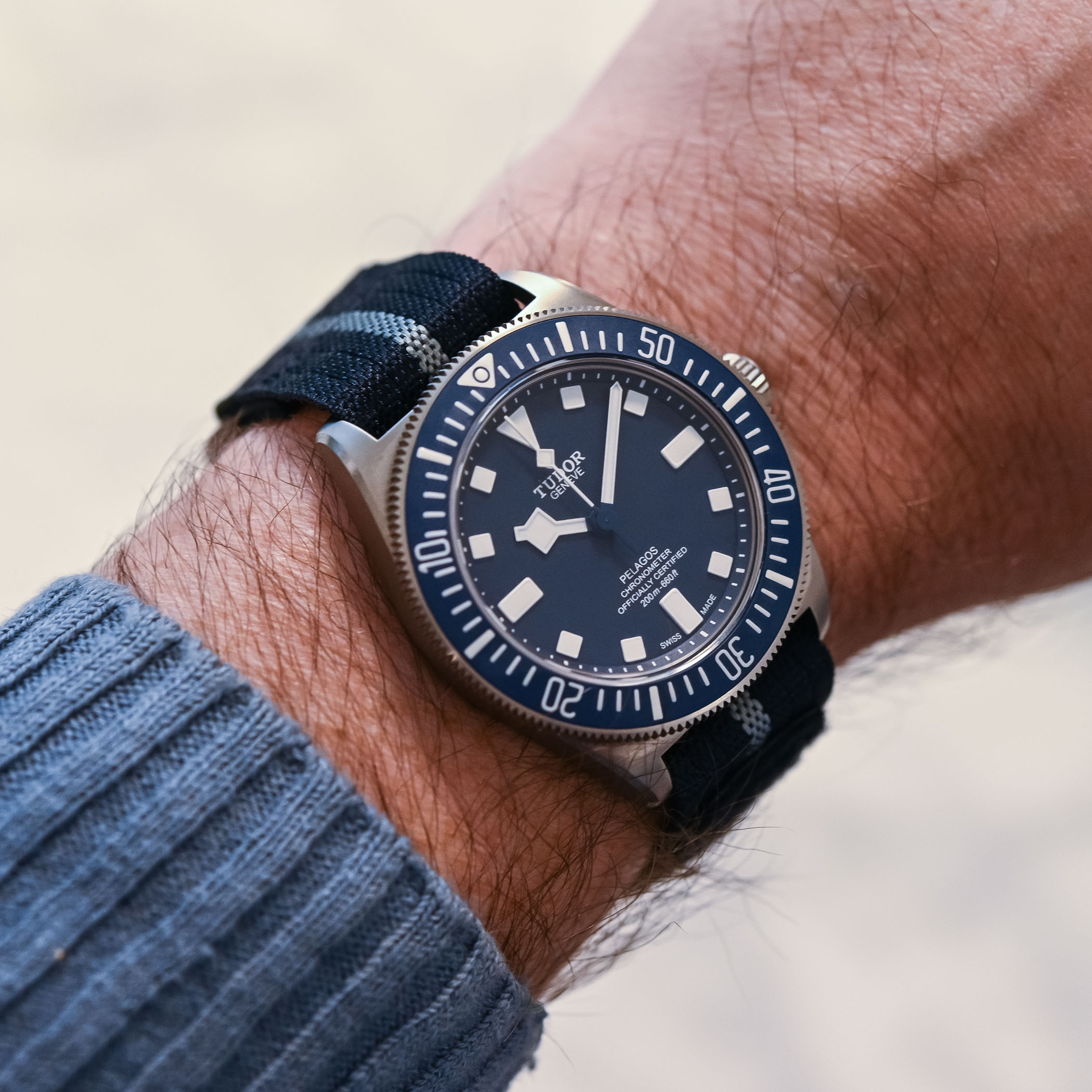
An interesting example is the Tudor Pelagos FXD (ref. 25707B) as it takes the brand’s renowned dive watch series and turns it into a countdown timer (compared to the Tudor Pelagos Ultra, for example). Other examples include the Longines Spirit Pilot Flyback and Favre Leuba Sea Sky Revival.
12-Hour Bezel
The 12-hour bezel, sometimes referred to as the “poor man’s GMT,” allows you to track a second time zone by rotating the bezel to coordinate with 12 o’clock and the hour hand. For example, if I’m in Los Angeles and want to track time in London, I would turn the 8 to the 12 o’clock position as London is 8 hours ahead. When it’s 1pm in Los Angeles, you’ll also see that it’s 9pm in London via the bezel.
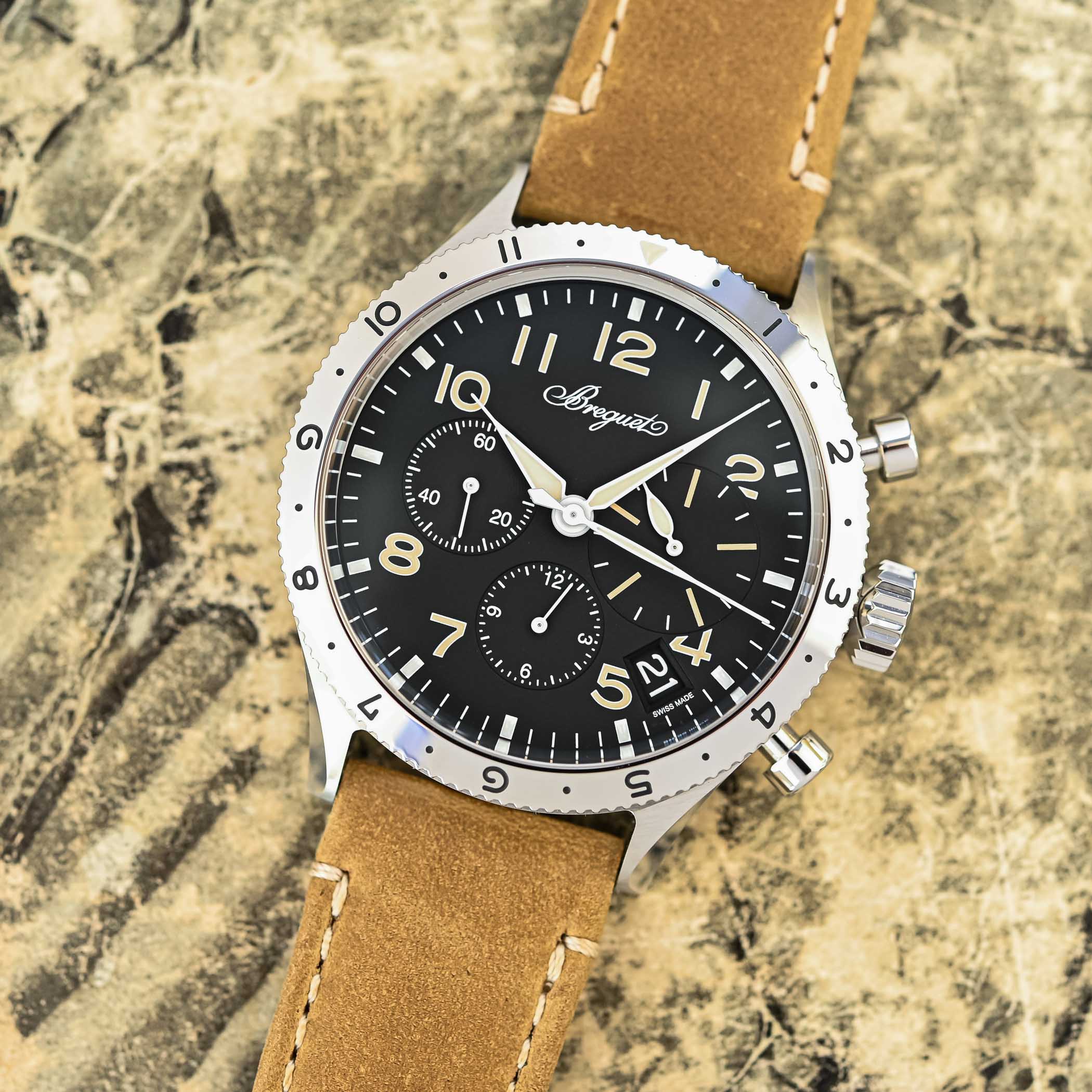
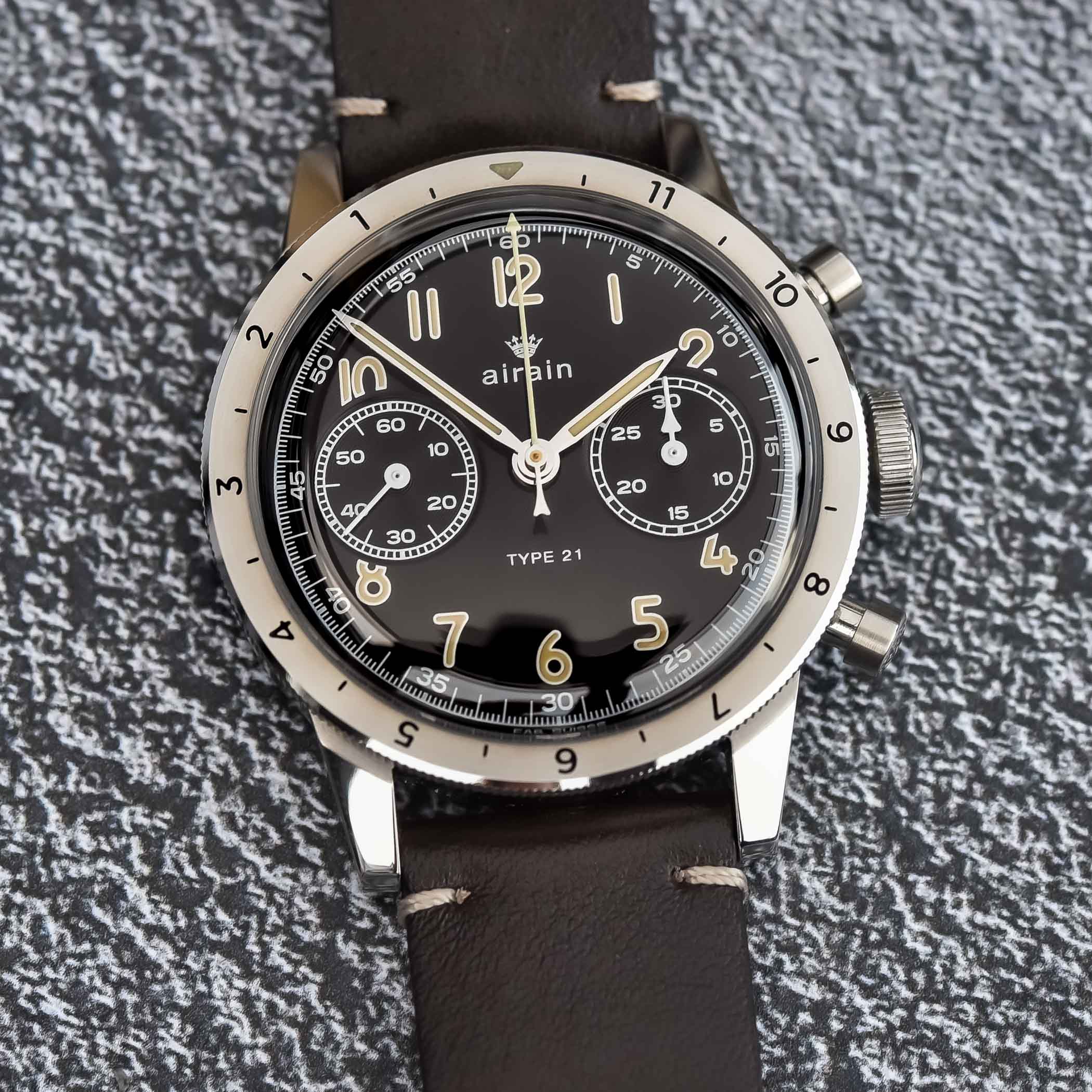
Some 12-hour bezels are also formatted as a countdown bezel as described above. If you want to time something for 30 minutes, such as boiling eggs on the stove (don’t boil eggs for 30 minutes), you rotate 30 on the bezel to the minute hand, again as demonstrated above. Both functions make the 12-hour bezel particularly useful for military applications, and they’re often referred to as military bezels. A good example is the Breguet Type XX with a standard bezel or Airain Type 21 with a countdown bezel.
Non-Deco and Decompression Bezels
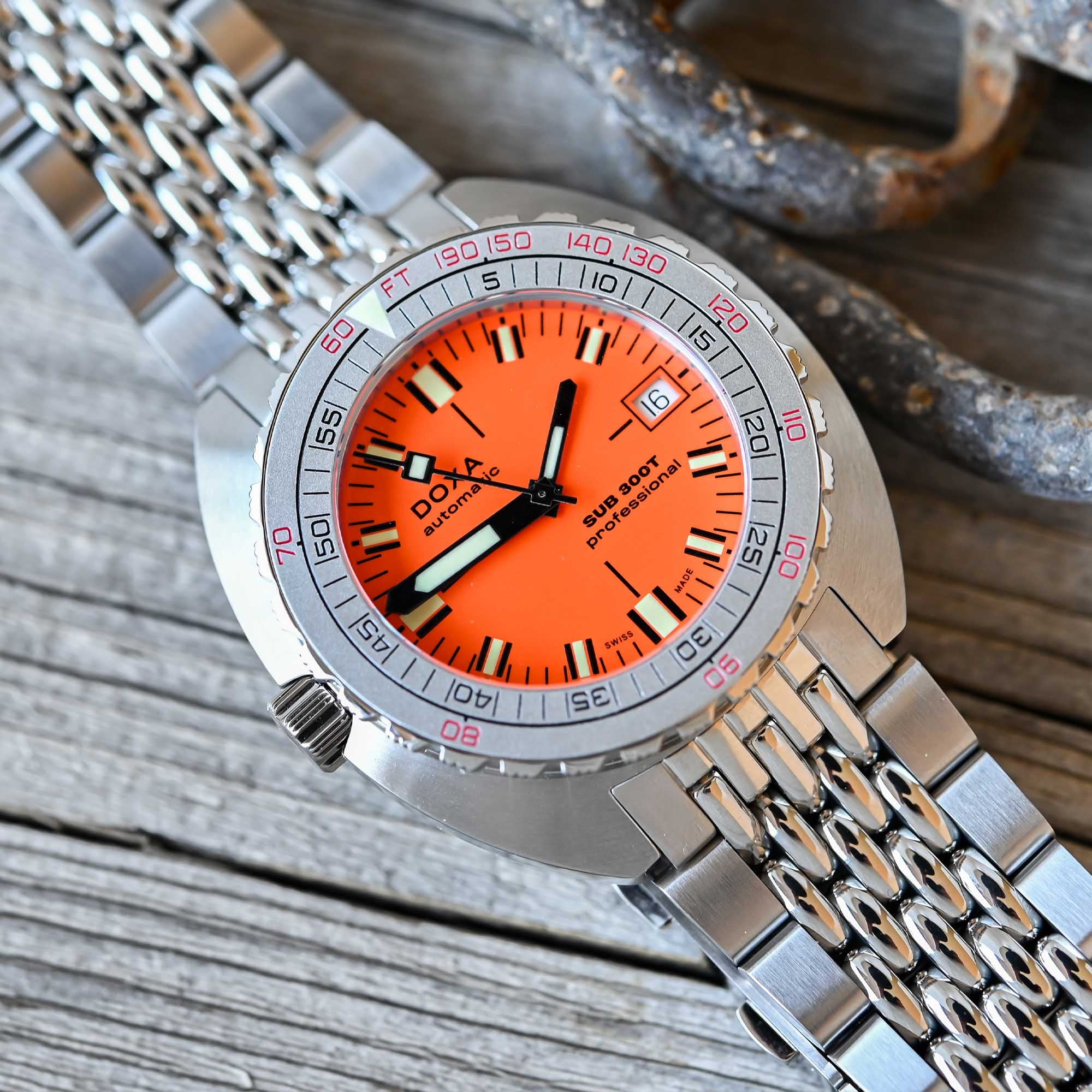
Mainly seen on Doxa watches (and invented by the brand in 1966), a non-deco bezel shows a no-decompression table alongside the traditional diver’s bezel, which conveniently links depth with dive time – this shows how long you can stay at a particular depth before requiring decompression stops. Without this table readily available, divers would have to memorise the numbers matching immersion time and depth or risk getting the bends (decompression sickness) when nitrogen gas forms bubbles in the bloodstream and surrounding tissue. Doxa’s non-deco bezel was revolutionary at the time, as it wasn’t until 1988 that DSAT (Diving Science and Technology) developed the Recreational Dive Planner to specifically avoid decompression stops. That said, early diving tables go back to 1908 when John Scott Haldane created a decompression table for the British Admiralty. A good example of a non-deco bezel is on Doxa’s SUB 300 Collection.
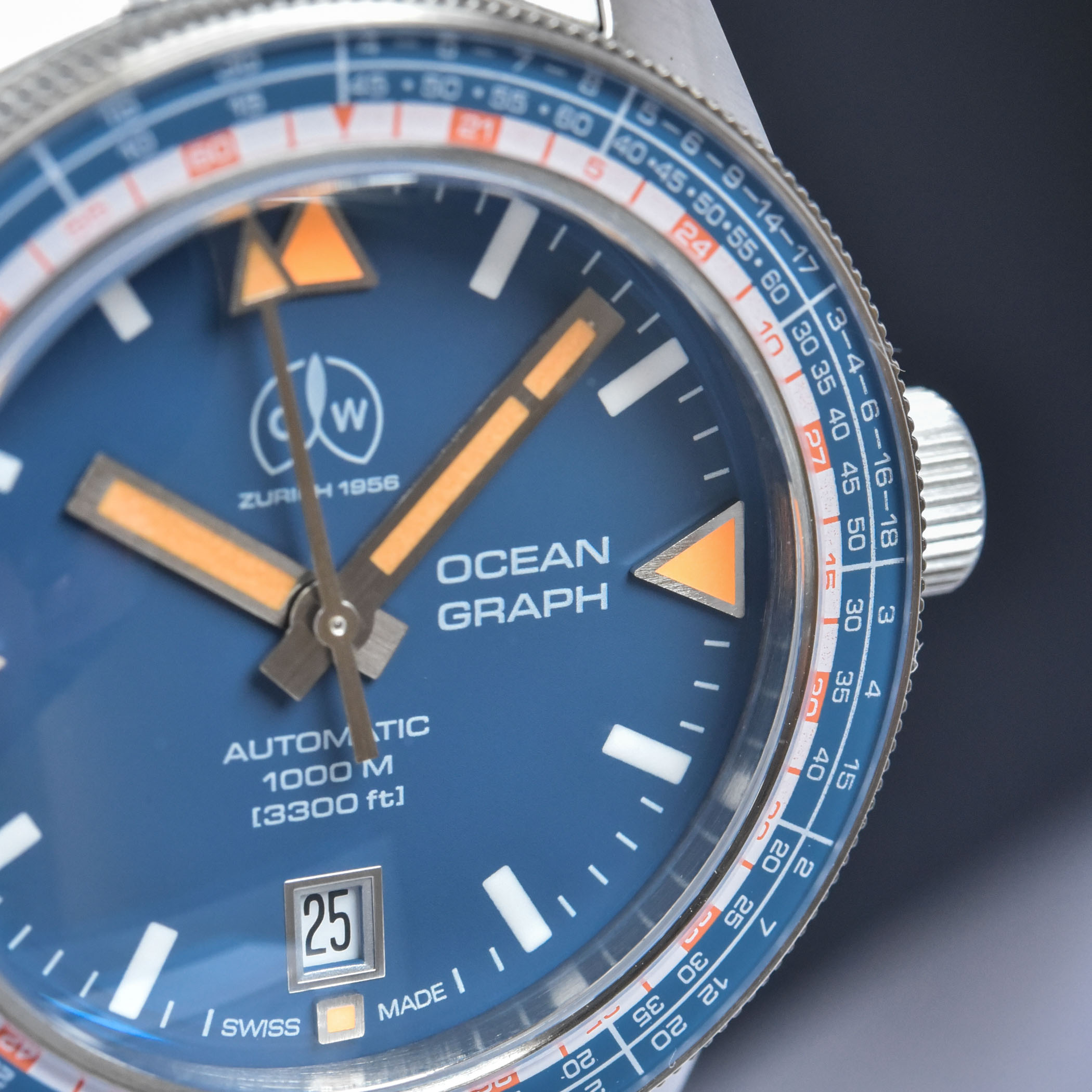
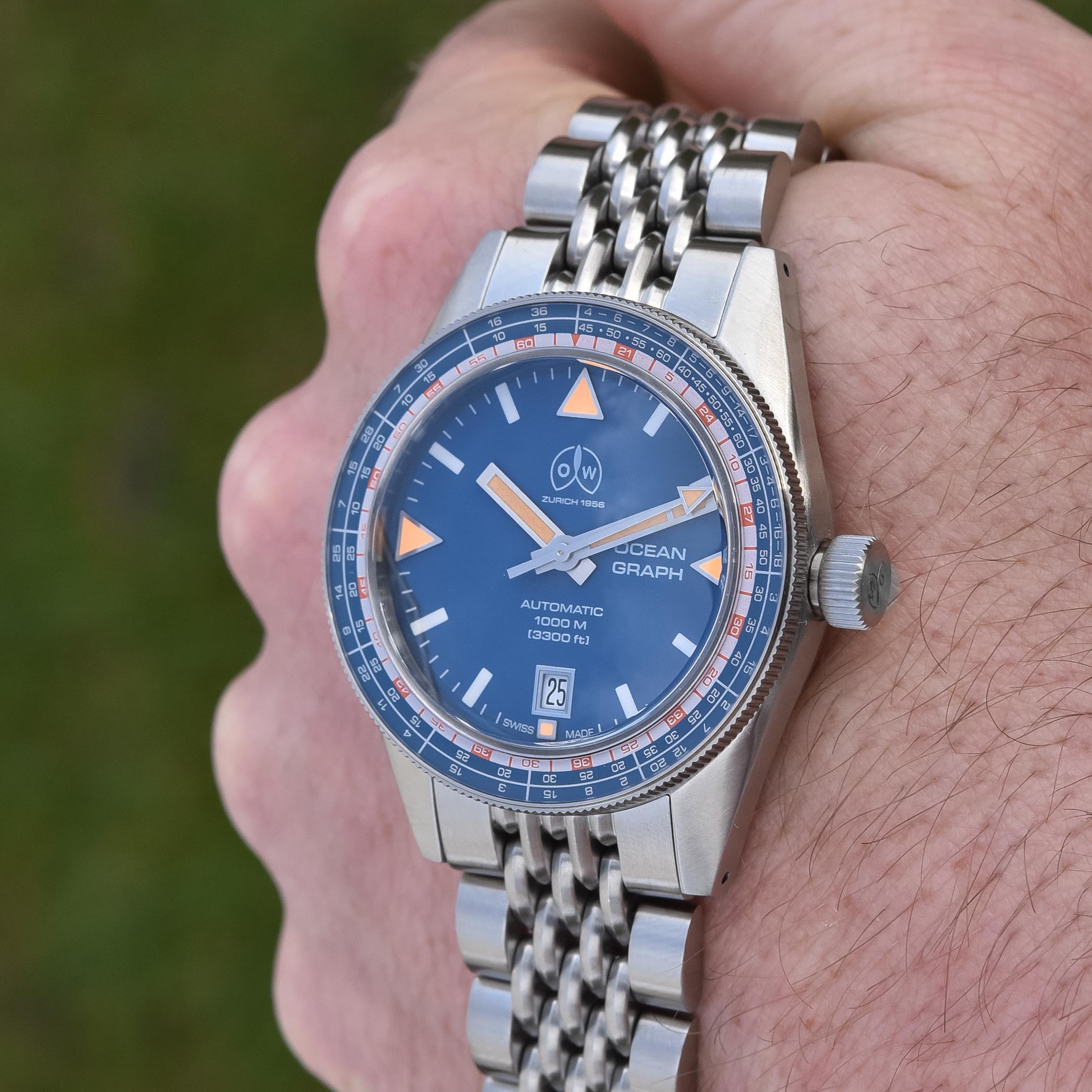
On the opposite end, a decompression bezel can be used when you stay at depth long enough to require decompression stops. Examples of this are Aquastar’s Deepstar 39mm and the Ollech & Wajs OW Ocean Graph. With the latter, the bezel has three distinctive scales – the inner scale shows diving times up to 60 minutes, along with the maximum depth of a dive in metres. The middle scale shows dive times that are long enough to require decompression stops based on depth and time, while the outer scale shows the required decompression times in minutes.
Hour Angle Bezel
This is both rare and very specific for pilots to help with navigation, and they are also apparently luddites. I dare say the vast majority will never use it as modern GPS devices render the hour angle bezel obsolete, but what fun is that? We all know that the Earth rotates every 24 hours, and every hour creates a 15-degree difference in longitude. So, if you pull out a sextant and watch with an hour angle bezel, you can figure out your current longitude via the position of the sun and Greenwich Meridian (aka GMT or Greenwich Mean Time). Oh, and you’ll need an astronomical almanack as well, because this is designed for the irrational and insane.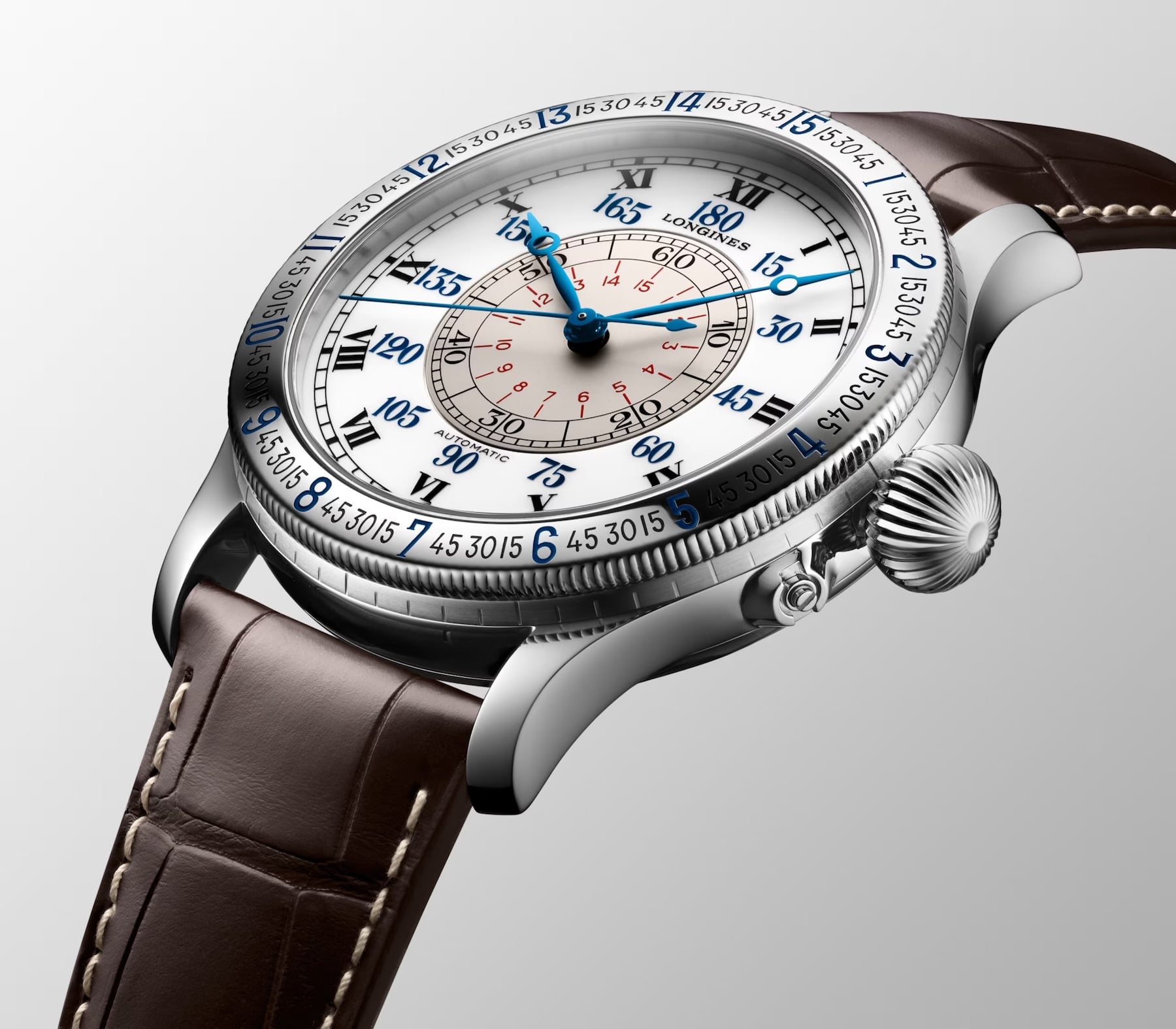
The best example of a watch with an hour angle bezel is the Longines Lindbergh Hour Angle (and it was originally designed by Charles Lindbergh and Longines in 1931). The bidirectional rotating bezel has markings with degrees that correspond with the dial – every four minutes of time equals one degree on the bezel for a total of 15 degrees every hour. The watch then needs to be set to Greenwich Mean Time (the Longines Lindbergh can do this via a radio signal) and then the equation of time needs to be adjusted – the exact position of the sun isn’t always consistent with the 24-hour day (mean solar time), so the rotating bezel is used to compensate for this (the equation of time can be up to 16 minutes off of mean solar time). You’ll need an astronomical almanack for help. Then simply determine when the sun is at its highest point with a sextant (easy, right?), understand the hour angle using all dial hands against the bezel and then calculate longitude (and also understand if you’re east or west of Greenwich).
I’m also confused, so buy the Longines if you’d like a novelty and cool historic piece that’s technically functional. And then thank modern technology for sparing you from this nightmare.
Slide Rule Bezel
This is also a pilot’s bezel, but not really used for navigation like the hour angle bezel. Instead, the slide rule bezel allows you to calculate speed, distance, rate of descent and fuel in a completely analog way, along with general mathematics. Like the hour angle bezel, it’s complicated and impractical with 21st-century technology. The Breitling Navitimer and Sinn 903 St Navigation Chronograph are good examples, although the Sinn piece is somewhat of a copy of the Breitling – a result of rights of the Navitimer being sold to Sinn in the late 1970s during the quartz crisis and partial Breitling liquidation.
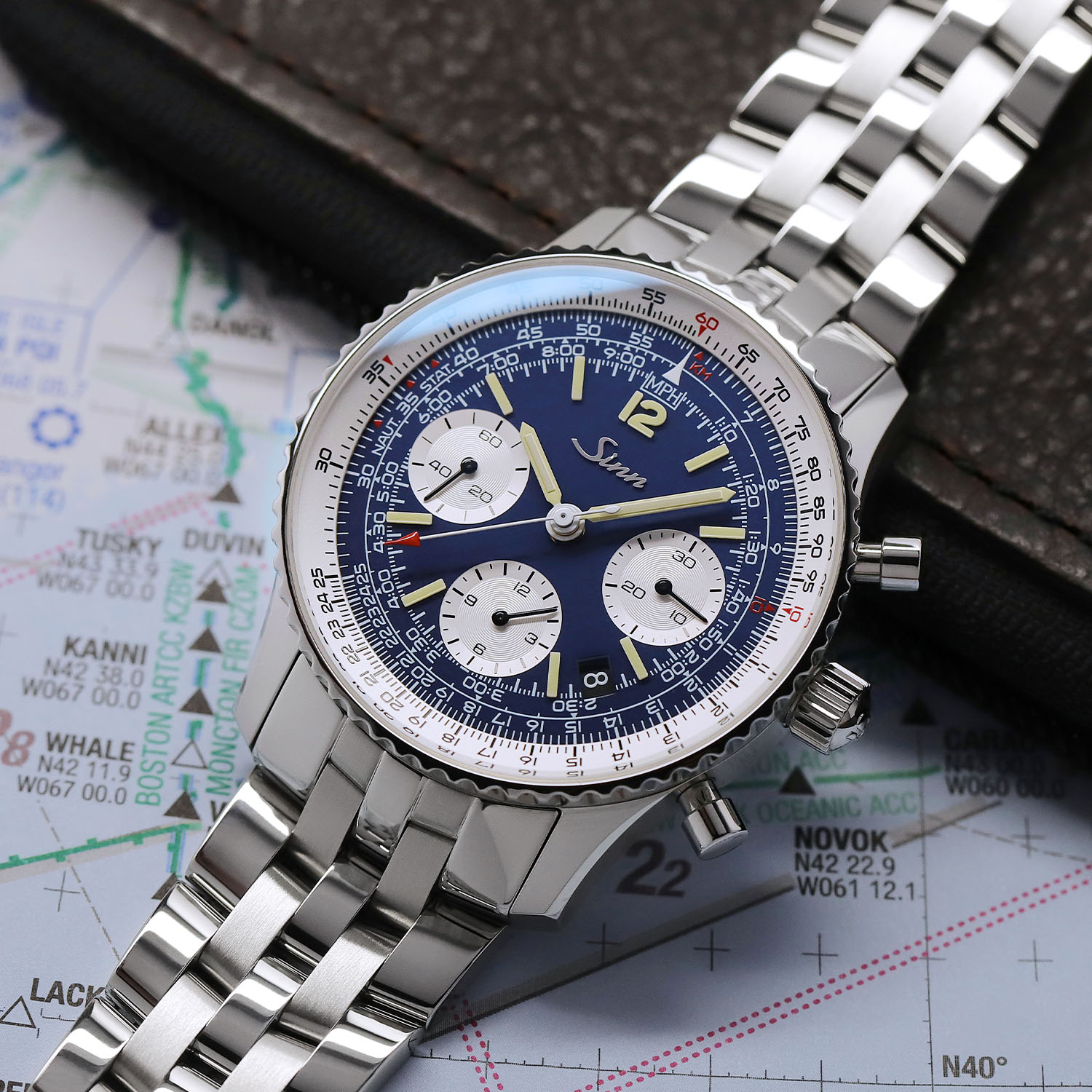
The slide rule bezel works in tandem with a fixed inner scale like a traditional slide rule. Using the number 10 as the reference point for calculations, the two scales use logarithms to compress numbers without altering their ratios – division becomes subtraction and multiplication becomes addition. You’ll need to already have an idea of where decimal points land, as they’re kind of all over the map in the results (2.50 might be 25 or 250, for example). It’s again complicated and difficult to describe in just a paragraph or two, but it allows you to perform a multitude of calculations without the need of an electronic calculator or other technology. In the 1950s, Breitling’s owner’s manual actually warned users that the bezel would require time and patience to understand, and that might be an understatement, particularly today.
Pulsometer Bezel
We now shift from pilots to doctors with the pulsometer bezel, which is designed to quickly measure the heart rate via beats per minute (or BPM) using the bezel and a central seconds hand (or, more conveniently, a chronograph seconds hand). A good example comes from Omega with the Speedmaster CK2998 Pulsometer. This bezel is less complicated than the last few above and is simple to use. With the second hand starting at 12 o’clock (either a standard or chronograph seconds hand), you start counting heartbeats until you reach 30 beats. At that moment, wherever the seconds hand lands on the bezel indicates beats per minute. Some pulsometer scales are designed for 15 beats, but ultimately work the same way as 30 beats. The pulsometer scale isn’t always on the bezel and often printed on the dial, but functionality is the same either way.
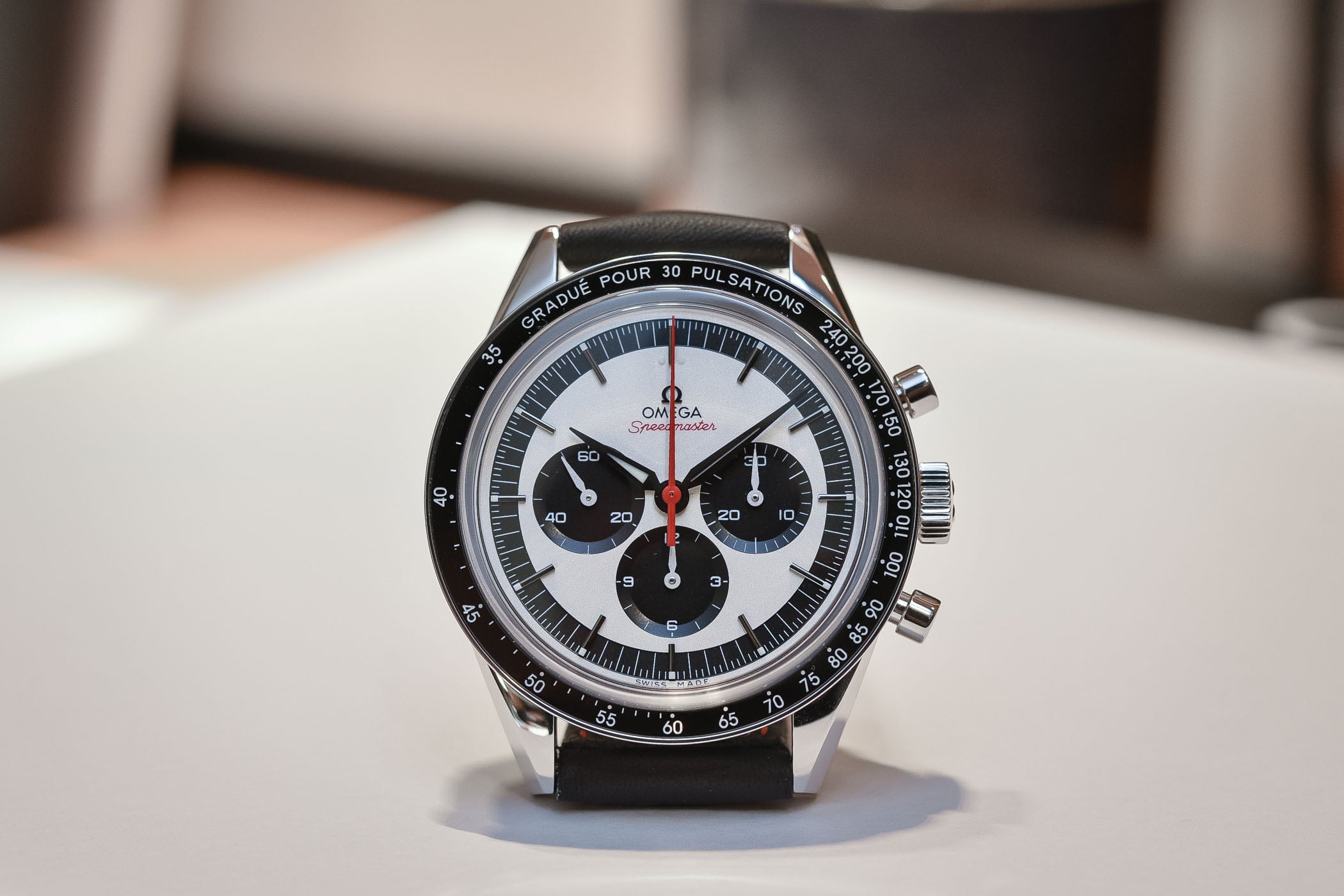
Decimal Bezel
This is a rare one that was generally abandoned in another era. Although not really seen today, decimal bezels were a thing on mid-century chronographs and had a scale of 100 points (in sections of 10) instead of the common 60 for a minute. This allowed elapsed time to be converted into decimal values for a host of things like scientific or accounting applications. For an easy example, instead of timing an event at 30 seconds, it would be interpreted as .50 or 50% of a minute. It was all the rage with scientists and engineers at the time, but has generally gone the way of typewriters and slide rules today. As with the pulsometer bezel above, the scale can be printed on the dial’s perimeter as well, so a distinctive bezel isn’t required.
Regatta Bezel
This is generally limited to the Rolex Yacht-Master II, but is actually seen on a handful of others like vintage Seiko Regatta Timers and the Panerai Regatta Chronograph. The bidirectional rotating bezel acts as a countdown timer (with a general maximum of 10 minutes) to start the sailing race. There are often multi-colored segments within the countdown’s final minutes as the sailors prepare for the start. Very few owners need a watch that times the starting sequence of a regatta, but the Rolex Yacht-Master II is arguably the best tool for the job and an impressive display of watchmaking. The rotating bezel actually interacts with the movement, so rotating it 90 degrees initiates a programming function of the countdown (that’s initially set by the crown). Rotating the bezel back locks in the programming via a mechanical memory. I’ll spare you the specifics of such a niche design, but it’s important for the type of race a regatta is.
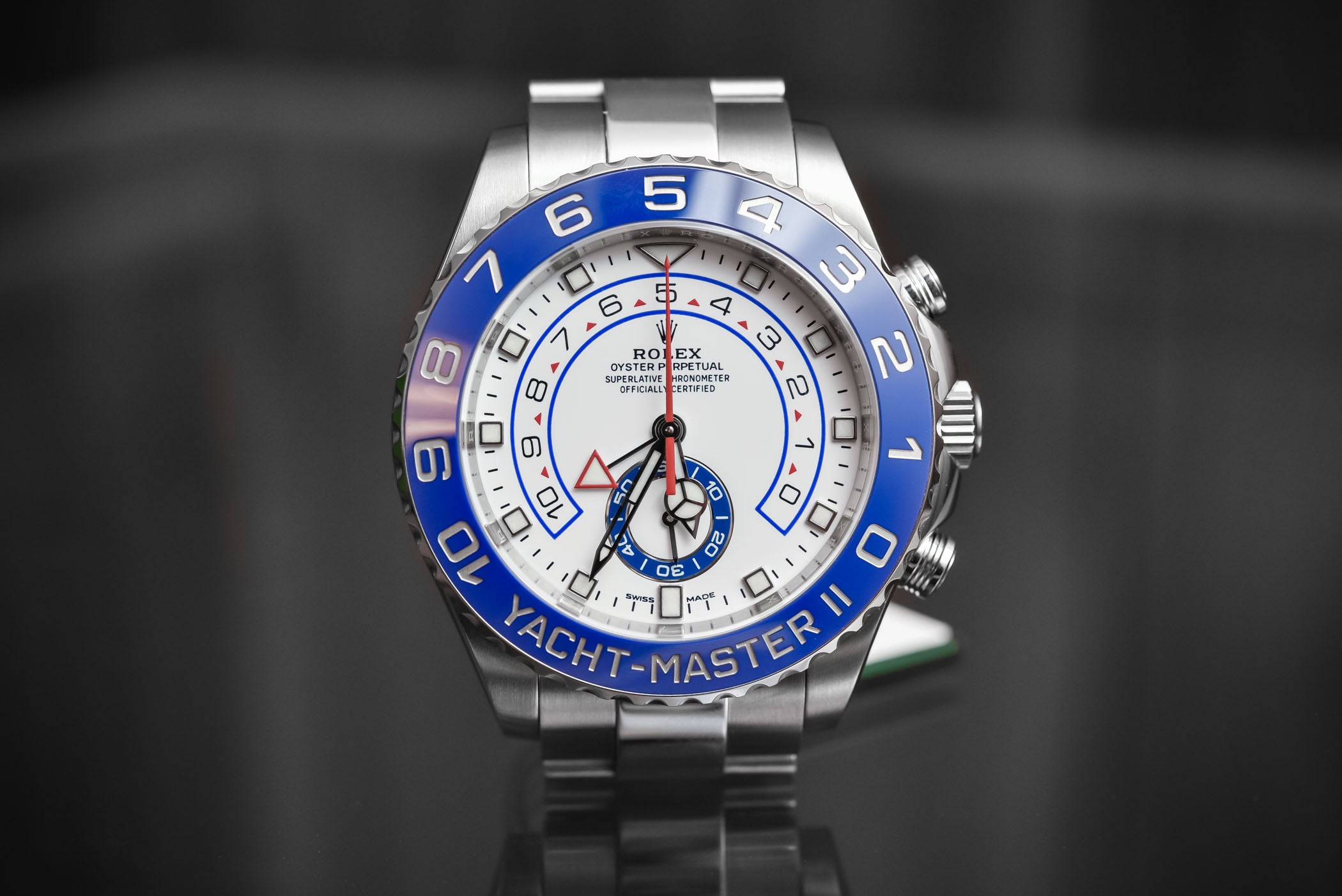
Unlike cars or motorcycles, boats can’t remain still at a starting line. Before a regatta, they simply sail around a line for 5 or 10 minutes during the preparatory phase until the race begins. This usually happens within three stages, and a regatta bezel allows the skipper to precisely time the somewhat complex sequence of events. For a detailed explanation of how it all works, see our Hands-On with the Rolex Yacht-Master II.
Depth Gauge Bezel
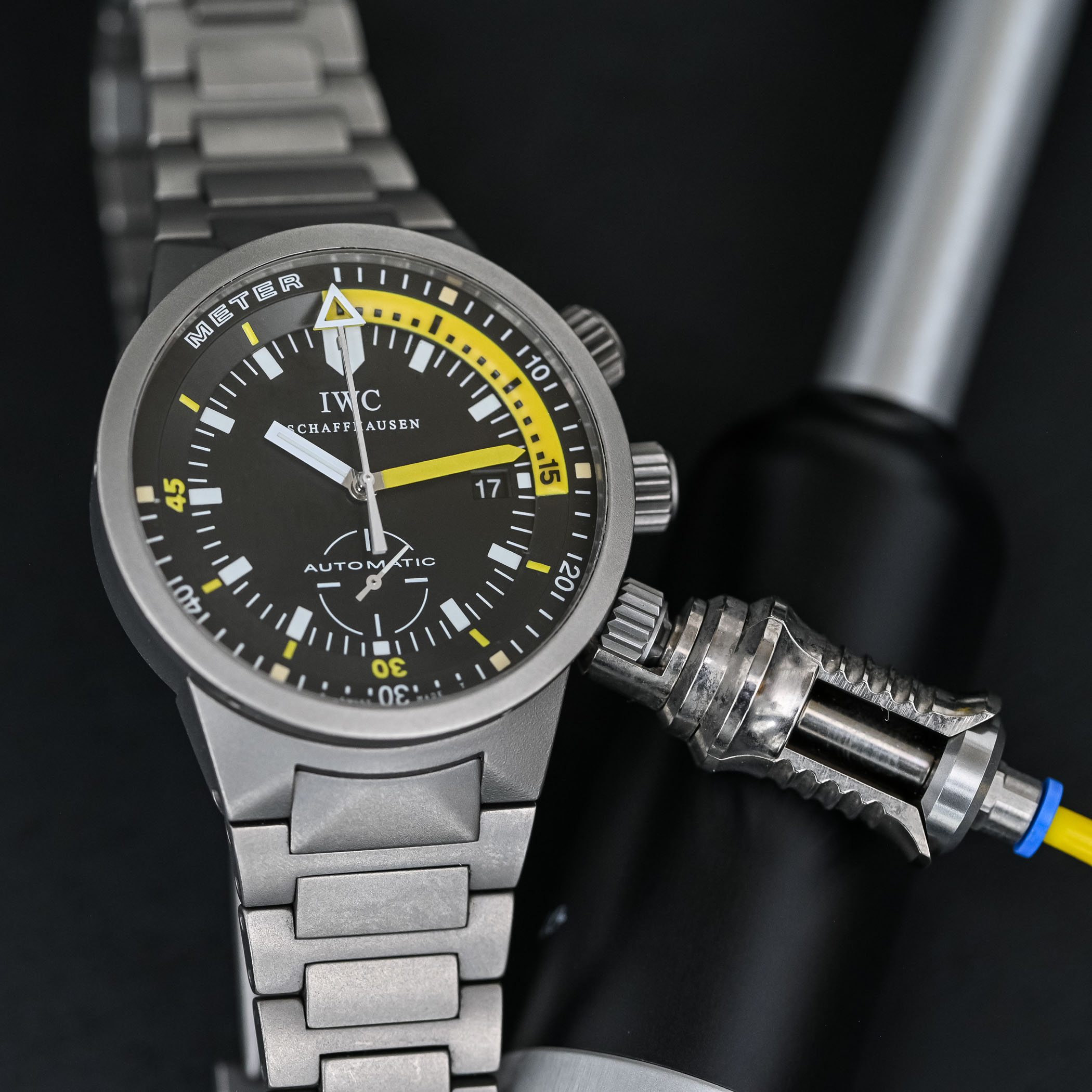
A final rarity on the list has long been surpassed by today’s advanced diving computers, but remains a marvel of mechanical engineering. A good example is IWC’s Deep One (ref. IW3527) that uses an internal rotating diver’s bezel and second fixed internal bezel that coordinates with two hands to indicate current depth (white hand) and the maximum depth achieved during the dive (yellow hand). Water enters the crown at 4 o’clock via drilled holes and into a Bourdon tube (named after French scientist Eugène Bourdon in the mid-1800s). This thin metal tube straightens as water pressure builds via depth, which is transferred to the dial’s two hands to display the current and maximum depth. As a diver ascends, the tube coils tighter as water pressure drops. It’s a simple concept, but it effectively relays depth information up to 40 metres without any electronics. Again, diving computers have made such a watch obsolete today, and the Deep One was only produced for two years as a result. Cool, niche and expensive, and a classic example of how mechanical ingenuity provided solutions before computers and digital screens.
Analog Functionality
This isn’t an exhaustive list of functional watch bezels, but does highlight the majority and demonstrates how mechanical and analog functionality remains useful in the digital age. Of course, we have diving computers, smart watches and magnetic compasses that can do everything mentioned above, but this old-school way of navigating and measuring our world is timeless and never relies on batteries, computer chips or soulless technology. I’m also someone who believes that all motorcycles should have carburettors and mechanical typewriters should return to the office, so I might be a bit hopeless in my old-school mentality. That said, watch enthusiasts often share my take on the utility and absolute coolness of analog functionality associated with watch bezels. And even if you rarely use them, they’re always a stylish part of the watch with an interesting history behind them.

1 response
This was very informative, excellent read.