


 Not all images were able to load for printing. Please close the print window and try again.
 All About Watch Crowns, the Small but Crucial Interaction with your Watch
The crown was revolutionary to watchmaking in the early 19th century, and there’s a variety of types and configurations today.
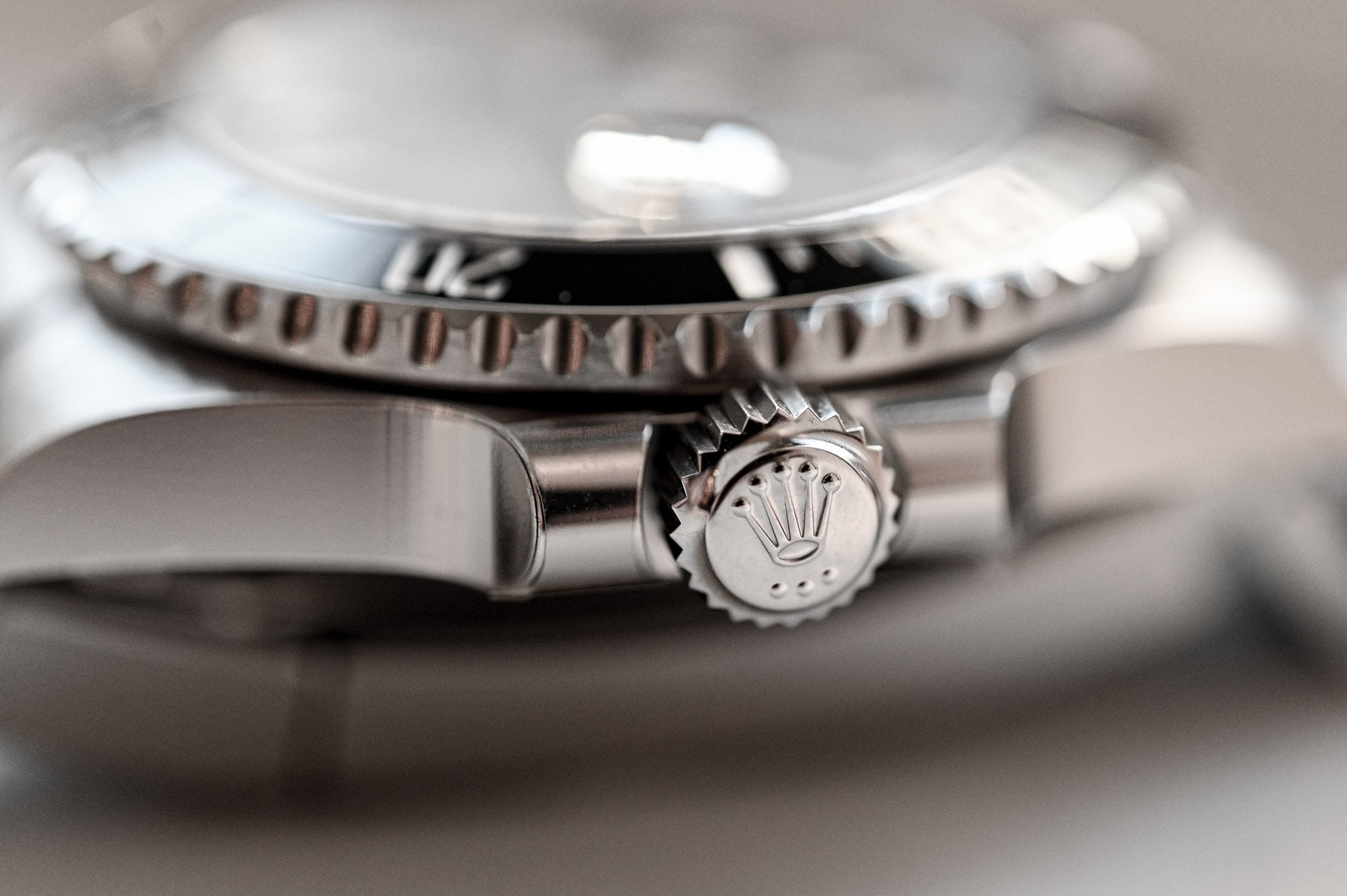
For almost all modern watches, besides a few exceptions (there is always an exception to the rule), the crown is literally the command centre that winds the mainspring, sets the time and controls common complications like dates, calendars and GMTs. Supplementary controls like pushers complement the crown, but they’re limited to specifics like chronographs or perpetual calendars, among other functions. Before the mid-1800s, separate keys were inserted into the caseback or dial (often both for winding and then time setting), which was effective but fussy with small items that could be lost, and potentially exposed the movement to dust and humidity. Integrating this into the case side with a stem and crown system brought an easier and seamless experience that remains unsurpassed today. Watches can now have multiple crowns in many positions, and sizes and shapes vary widely.
From Keys to Crown
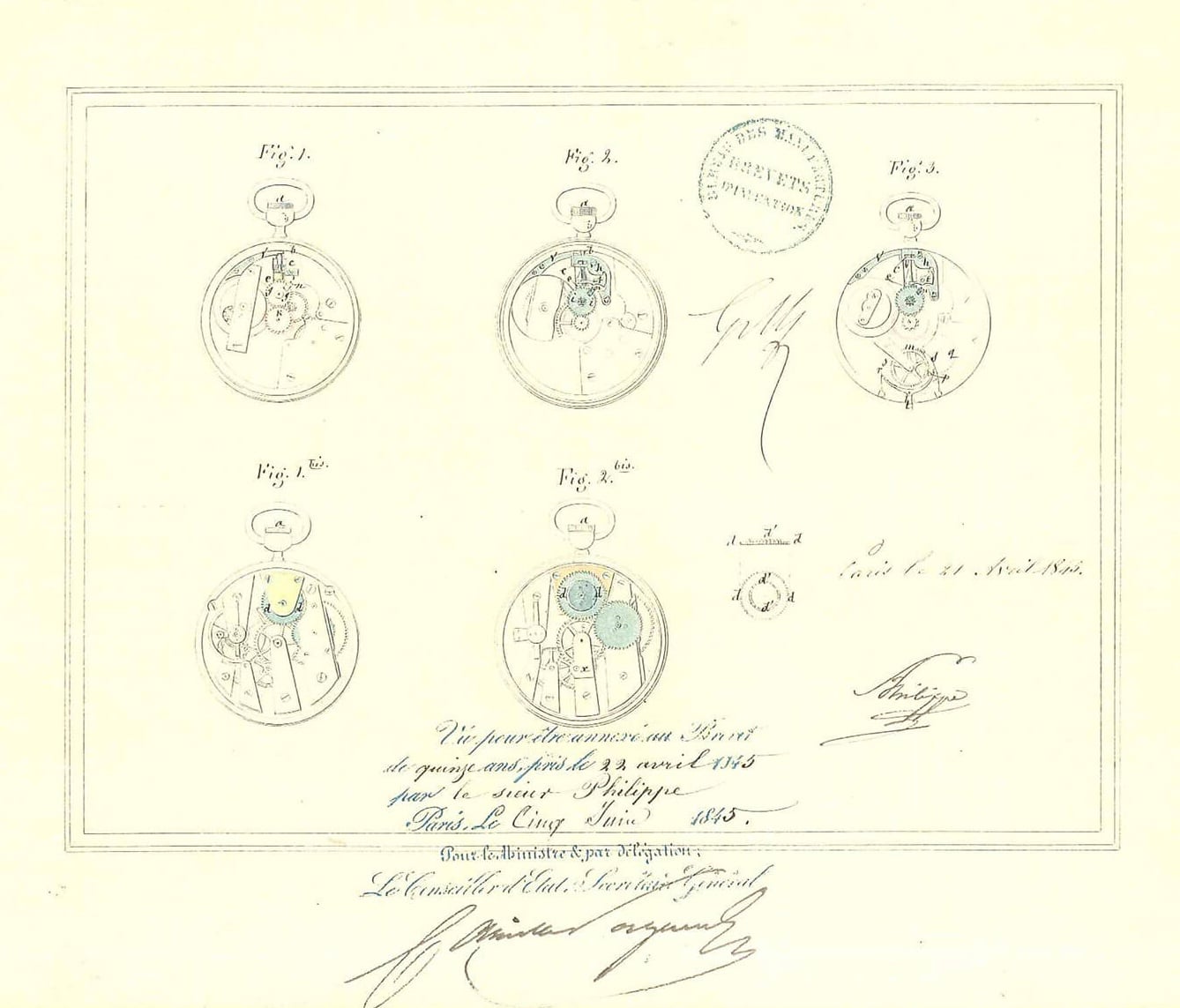
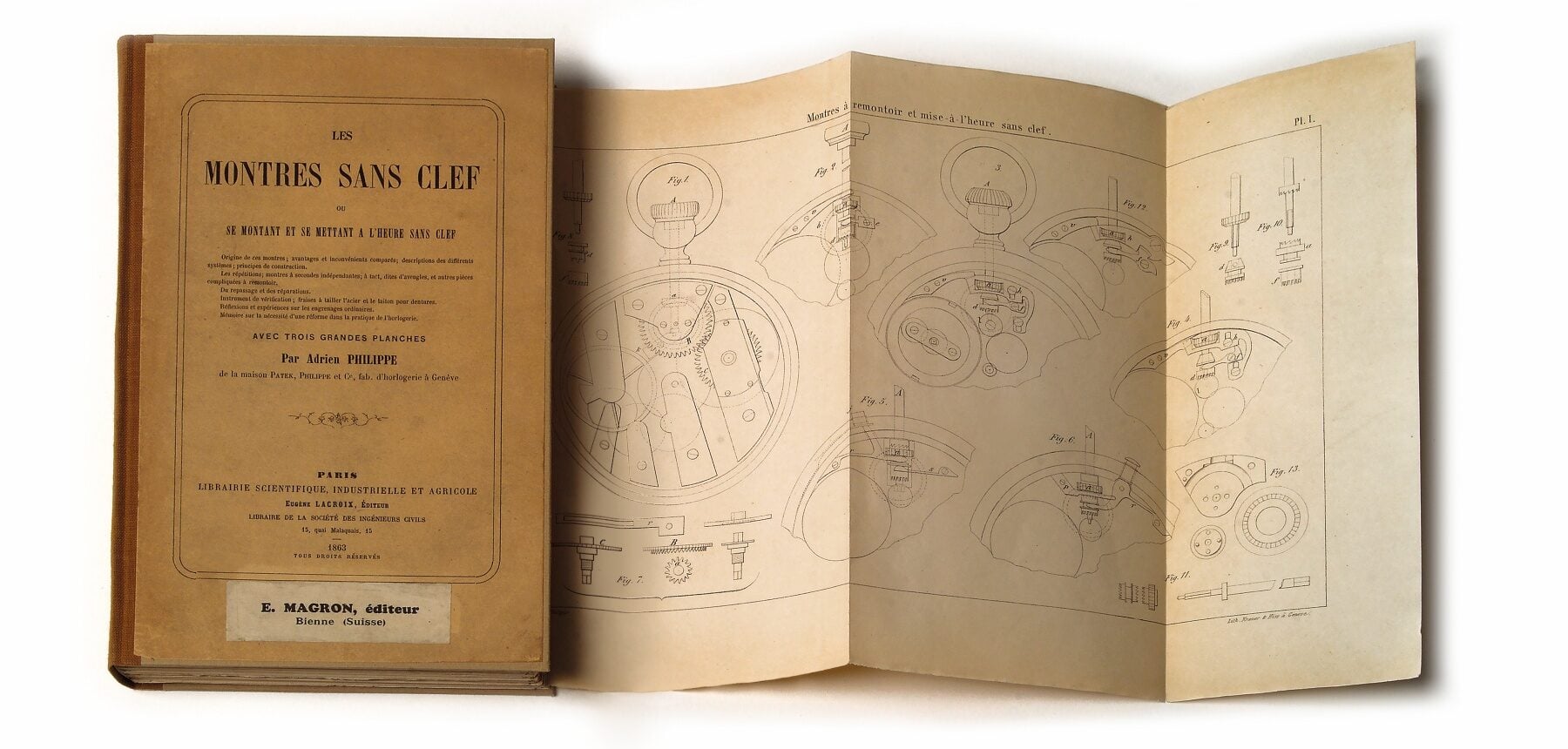
Winding and time-setting keys go back to the German Nuremberg eggs from Peter Henlein that represented the dawn of pocket watches in the early 16th century. This remained the standard for three centuries until French watchmaker Jean Adrien Philippe created and patented the first commercially successful stem and crown system in 1842 (his last name is part of Patek Philippe as he was a cofounder and head watchmaker in the mid-19th century). This wasn’t the first crown system, as English watchmaker John Arnold created a working crown for pocket watches in 1820 (credited to him after his death), while Abraham-Louis Breguet refined that design a decade or so later, but Adrien’s design with a sliding pinion system became the global standard that remains today. The crown was initially at 12 o’clock on pocket watches (moved to 3 o’clock on wristwatches) and was called a “crown” as it resembled what northern European royalty was wearing at the time (and was positioned at the head of the watch).
Stem and Crown System
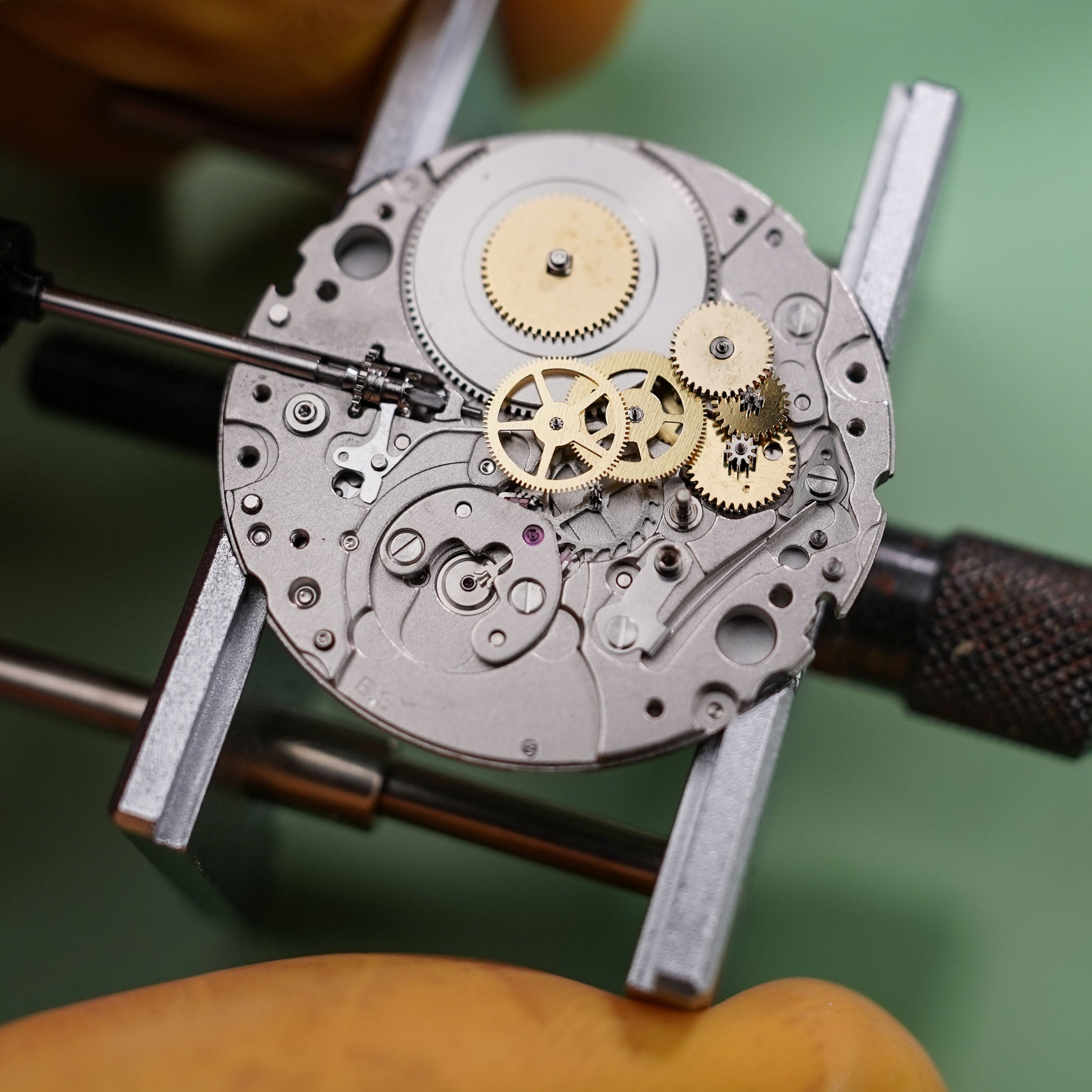
Similar in concept to a car’s manual transmission, the crown is the knob we interact with to control different functions of the watch. What you don’t (usually) see is the stem, which is the narrow rod connected to the crown that engages with different gears depending on its position. When pushed in at position 0, turning the crown clockwise winds the mainspring (on both manual and automatic watches, with few exceptions on the latter), while pulling it to position one on a simple time and date watch will allow you to set the date. With a day/date window, you turn the crown clockwise to set the date and counterclockwise to set the day of the week, although that’s sometimes reversed. Pull it once more to the second position, and you can set the time itself. Having these functions centralised to a simple, built-in crown system allows watches to operate independently of external tools – a major convenience we take for granted today. Adrien Philippe’s design is among the biggest gamechangers in horology, just behind breakthroughs like the mainspring, balance wheel/hairspring and lever escapement.
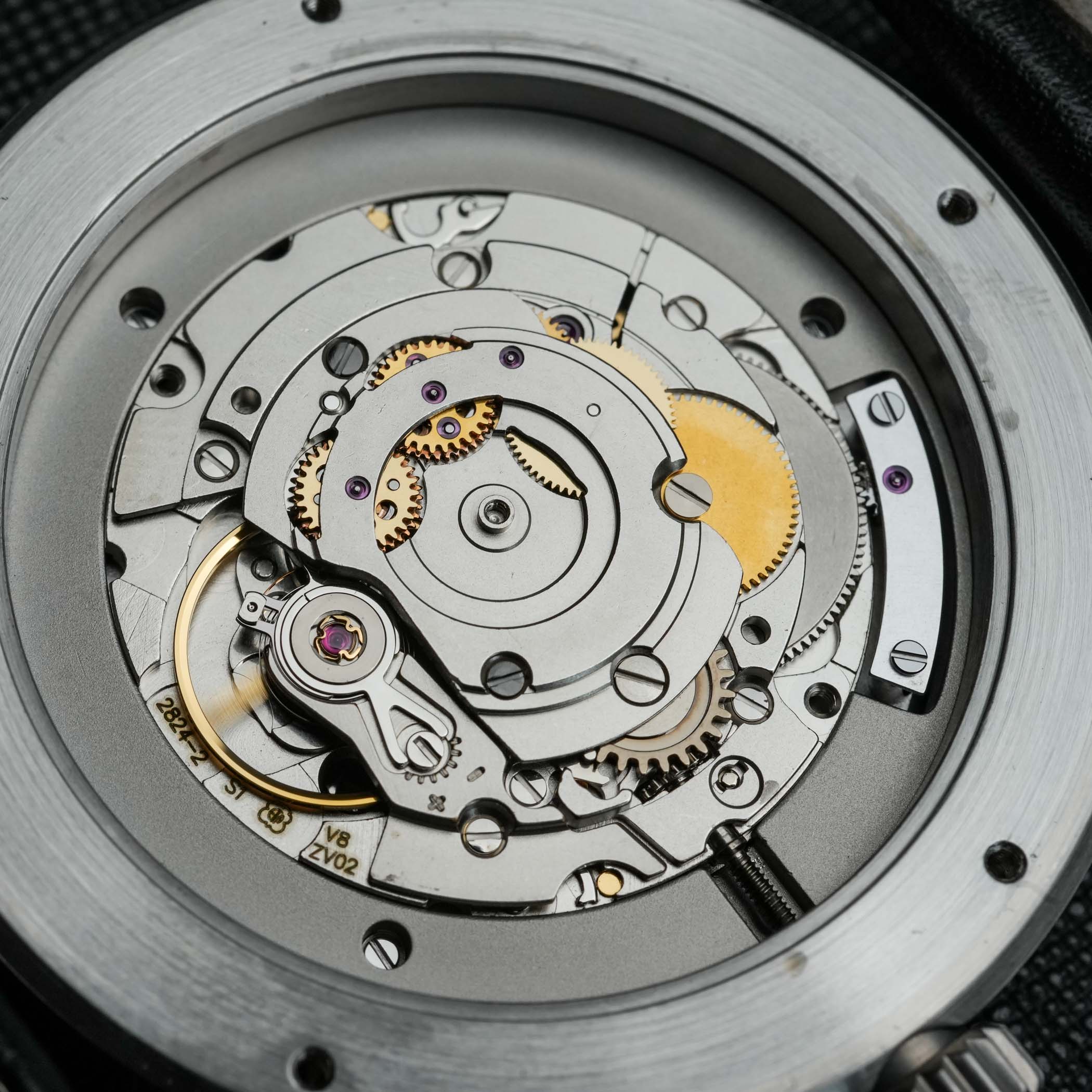
Push/Pull vs Screw-Down Crowns
The crown relies on an opening in the case that’s vulnerable to water (and dust) intrusion, so steps were taken to make them as secure as possible when pushed in. Some early key-wound pocket watches featured dual cases with an outer one protecting the main case from water, but it wasn’t exactly practical, and effectiveness varied. High-performance gaskets are used with crowns today for water resistance, and screw-down crowns provide the best seal for high depth ratings. That said, push/pull crowns have become remarkably water resistant, with watches like the NOMOS Club Sport neomatik 37 having a 200-metre depth rating.
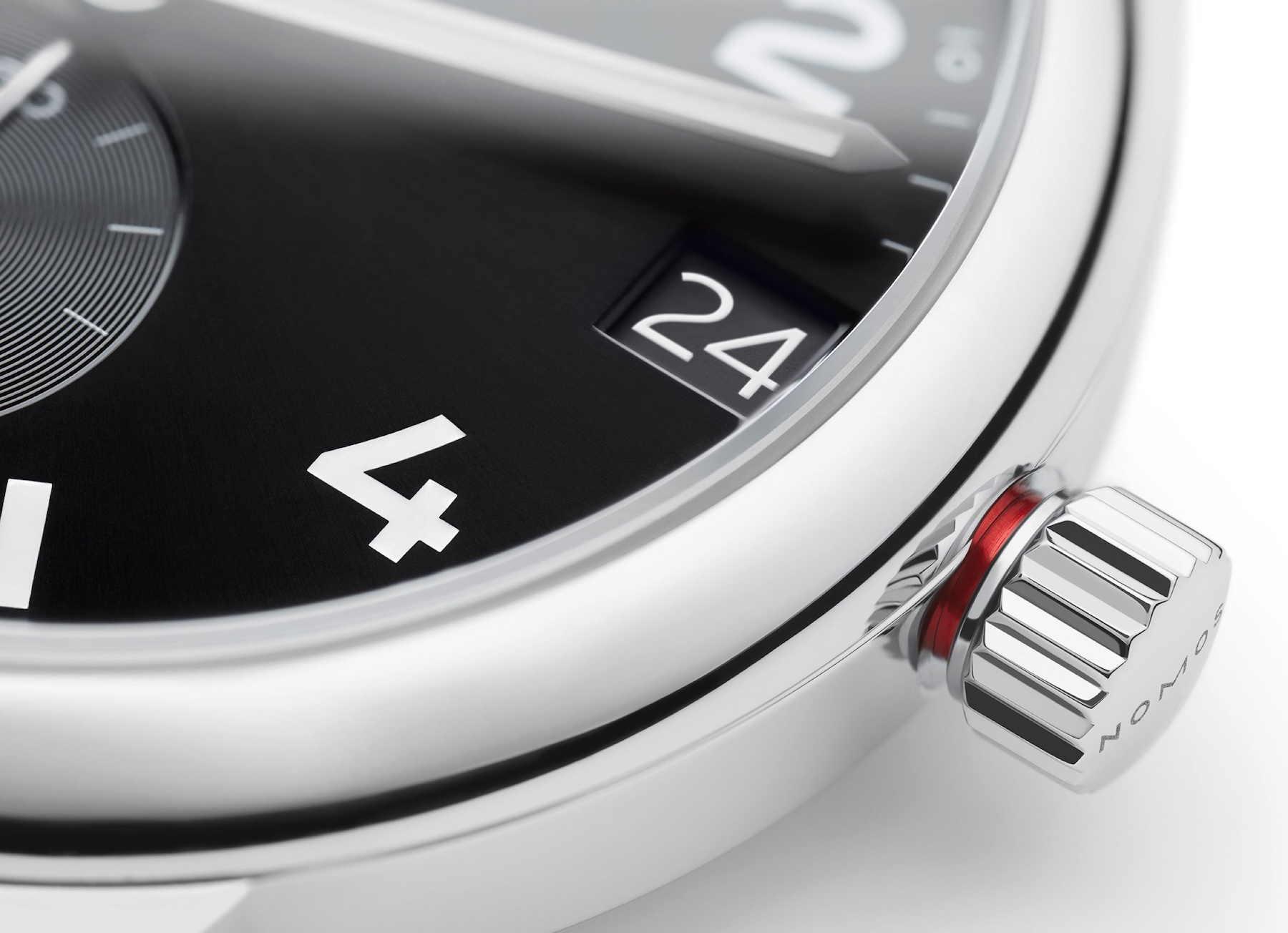
That’s serious dive watch territory without the inconvenience and wear and tear of screw threads. Precise machining and tight tolerances, multiple O-rings coated in silicone oil and an overall durable case with a screwed case back make this possible. There are limits, however, and a screw-down crown is required for deeper depths and saturation diving, as a push/pull counterpart generally loses effectiveness after 200 metres.
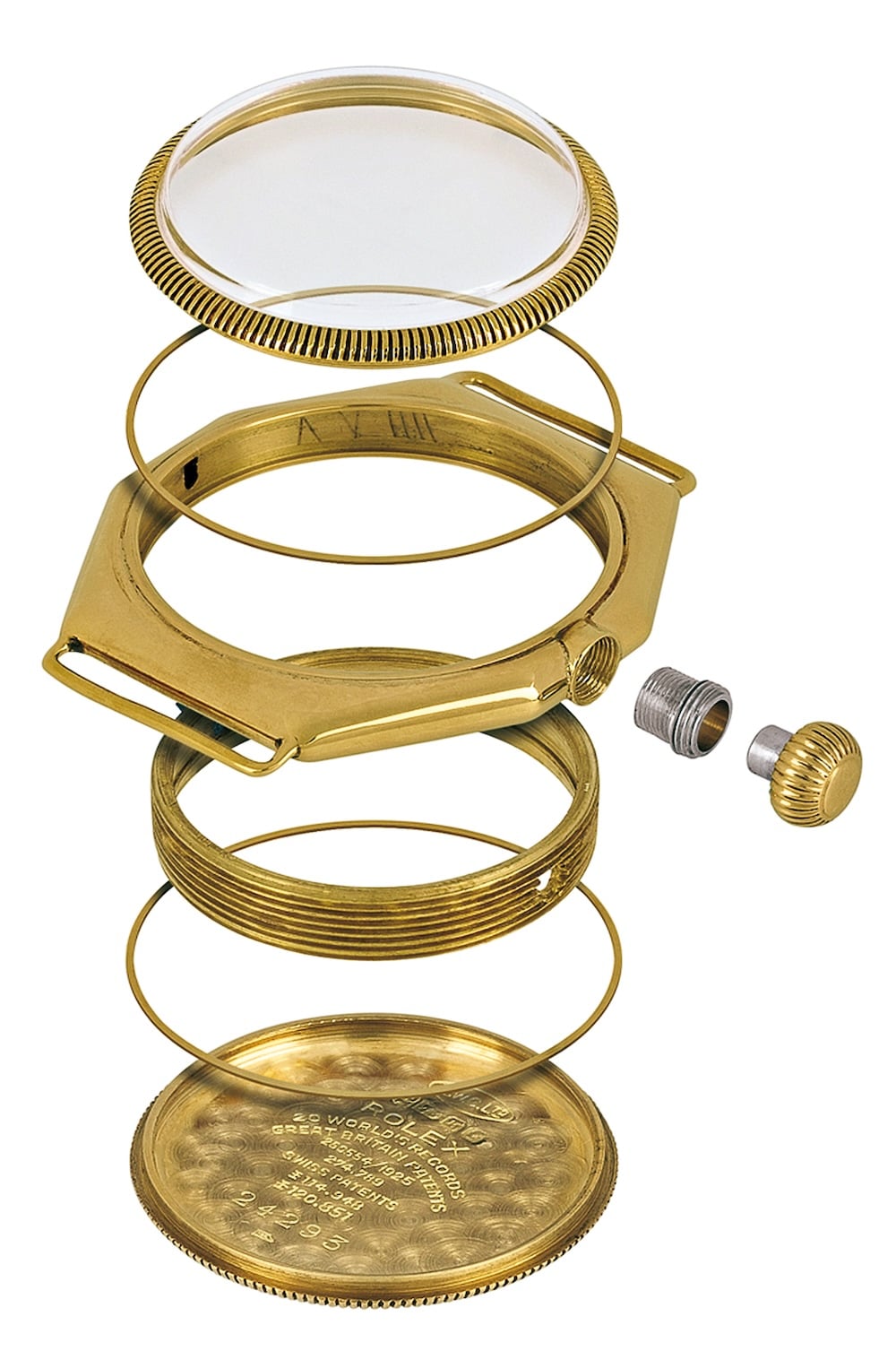
Hans Wilsdorf, founder of Rolex, introduced the Oyster case in 1926, which was the first to successfully use a screw-down crown for a commercial watch. Coupled with a screw-down bezel and case back, the Rolex Oyster became the first significant water-resistant case and was proven by British swimmer Mercedes Gleitze, who swam across the English Channel with one strapped to her wrist. Interestingly, Rolex didn’t invent the screw-down crown and actually bought the rights from Paul Perregaux and Georges Perret, who had already received a patent. Rolex then secured legal protection for the design in late 1926 and an official patent in the summer of 1927.
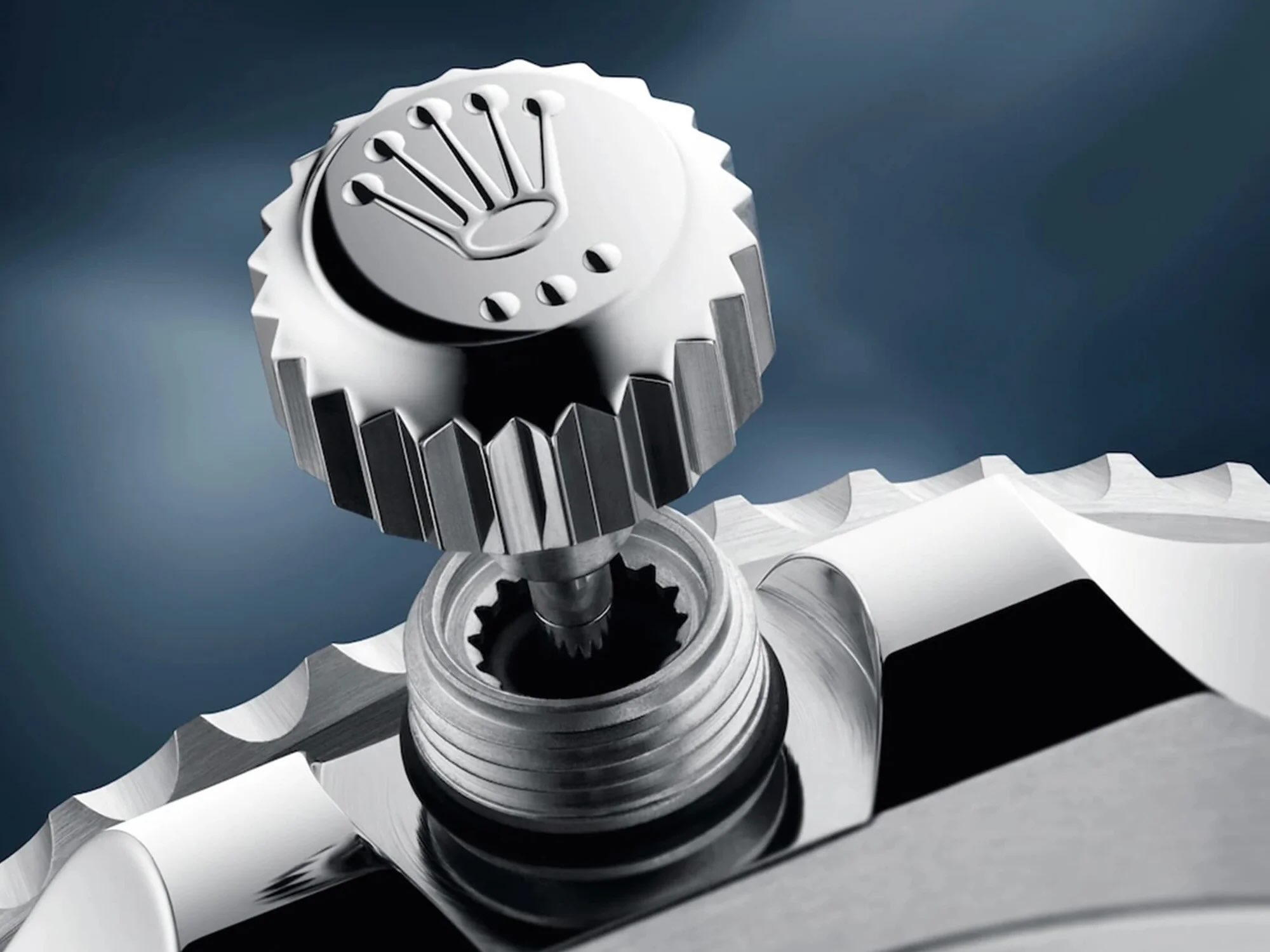
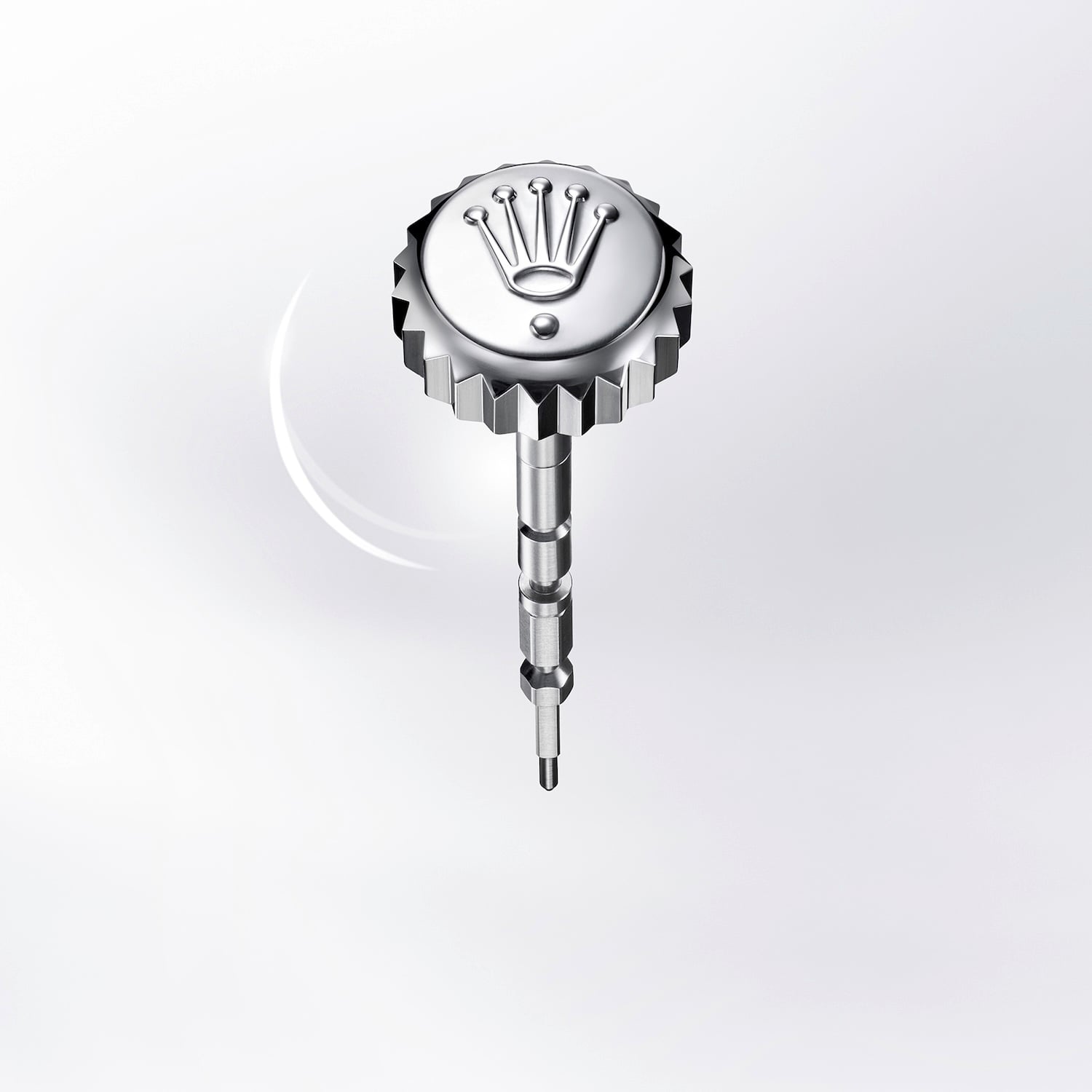
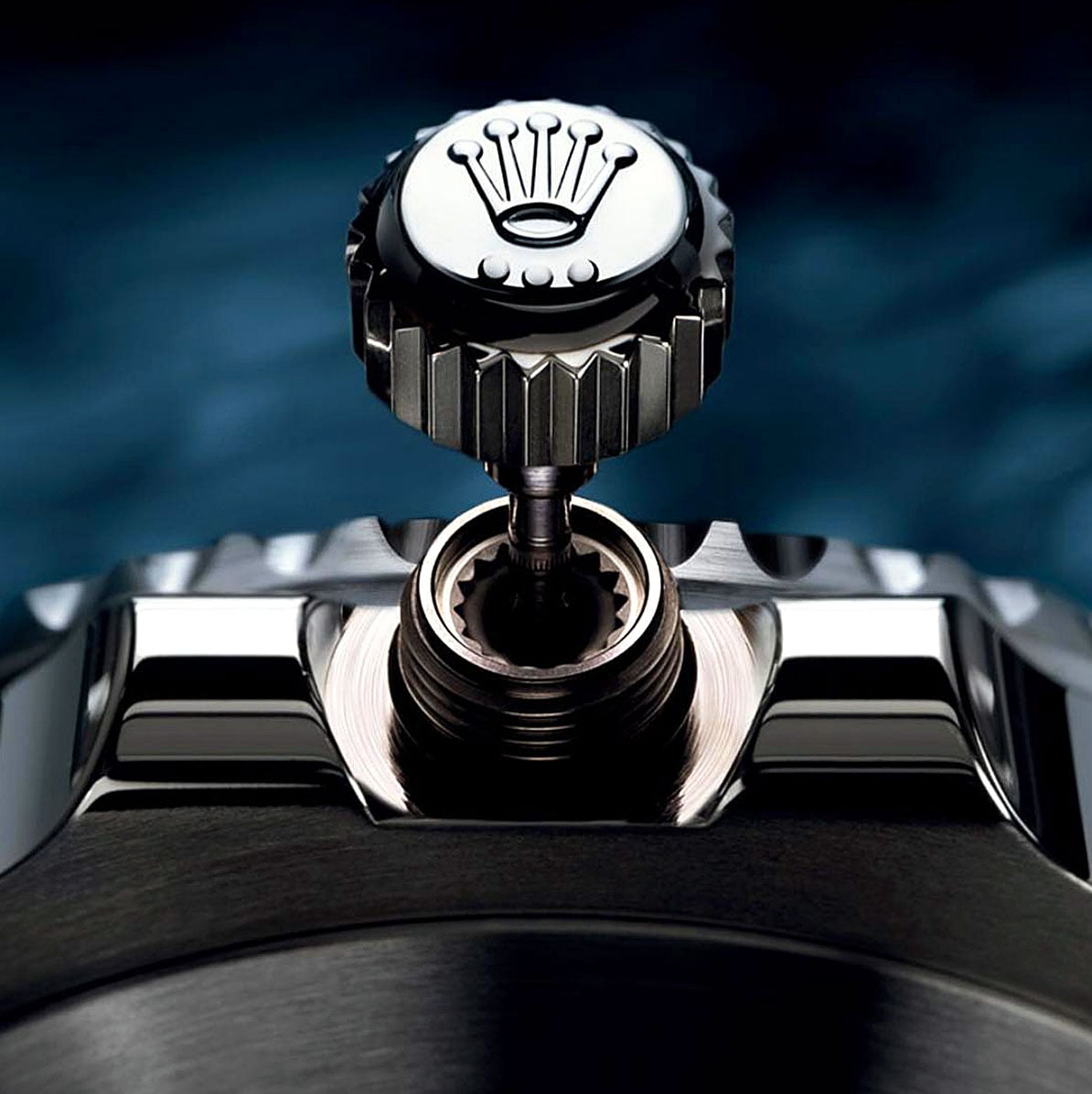
Rolex has two types of screw-down crown systems today for its Oyster Perpetual models – the Twinlock and Triplock. The more land-focused models like the Datejust, Air-King, Day-Date or Explorer use the Twinlock system, while divers like the Submariner up to the extreme Deepsea Challenge use the Triplock. As the names suggest, the Twinlock crown uses two O-rings to seal the case when the crown is screwed down, although water resistance is rated at only 100 metres. The Triplock with three O-rings is rated at 300 metres for the Submariner and an astounding 11,000 metres for the Deepsea Challenge, which was proven by James Cameron’s descent to the Mariana Trench in 2012 with one attached to his submersible, the Deepsea Challenger (down to 10,908 metres). It took more than just the Triplock to make this possible, but it still proved its extreme effectiveness at sealing the crown.
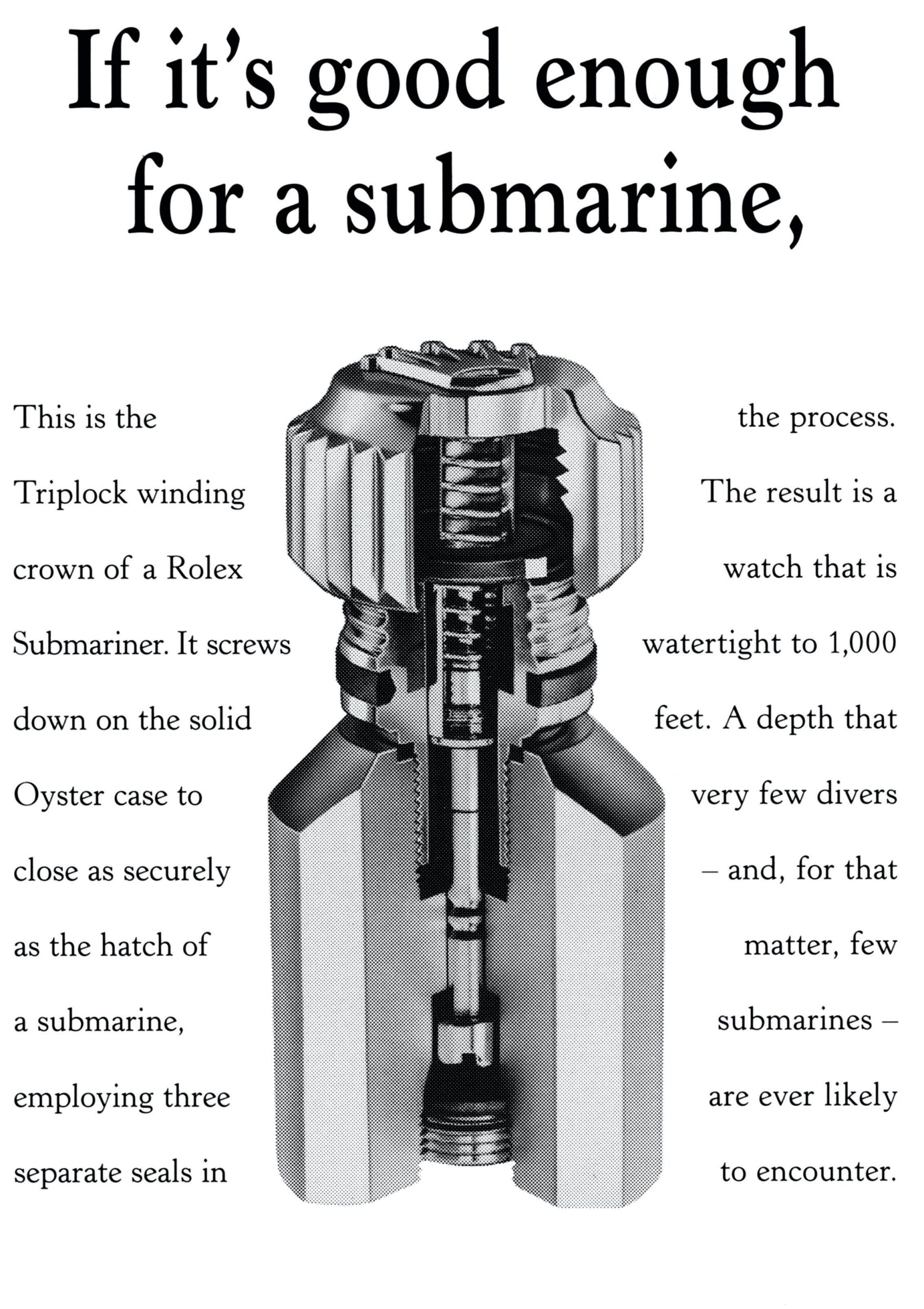
Screw-down crowns are the gold standard for almost all serious dive watches today, as the ability to tighten the crown against O-rings via threads is the most secure. Watches like Omega’s Seamaster Planet Ocean Ultra Deep (6,000 metres) and Oris AquisPro (4,000 metres) prove just how effective a screw-down crown is for deep-sea exploration, although practical depths stop at around 300 metres for saturation dives, so anything more is an engineering demonstration and overkill. That said, there’s an undeniable cool factor associated with overengineering – knowing your watch can descend thousands of metres is cool, even though you’ll never actually put that into practice. The same can be said for cars that exceed 200mph and so on.
Multiple Crowns
Some watches have more than one crown, most commonly twin crowns for internal rotating bezels. They’re positioned at 2 and 4 o’clock, with the 2 o’clock crown usually rotating the bezel and the 4 o’clock crown operating the movement. Super Compressor dive watches, first introduced in the 1950s with spring-loaded case backs, traditionally use this setup, and the internal rotating bezel is more protected than external counterparts. Many dive watches today mimic the style without the compressor case backs, such as the Longines Legend Diver and Baltic Aquascaphe Dual-Crown, while the Farer Aqua Compressor and Christopher Ward C65 Super Compressor Elite are true Super Compressor models with spring-loaded case backs that compress against the gasket as water pressure builds. This increases water resistance “on the fly” without otherwise having a high load on the gasket.
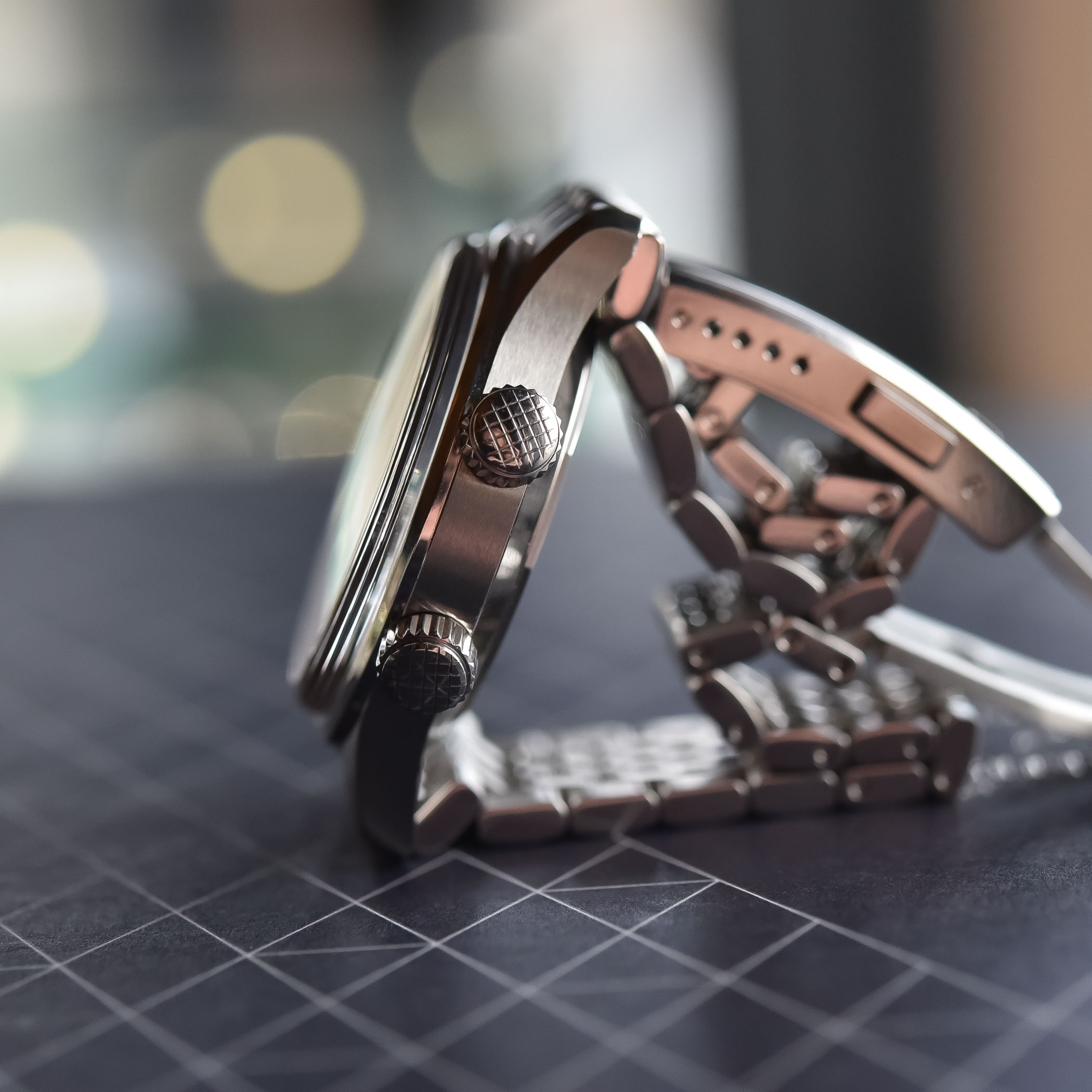
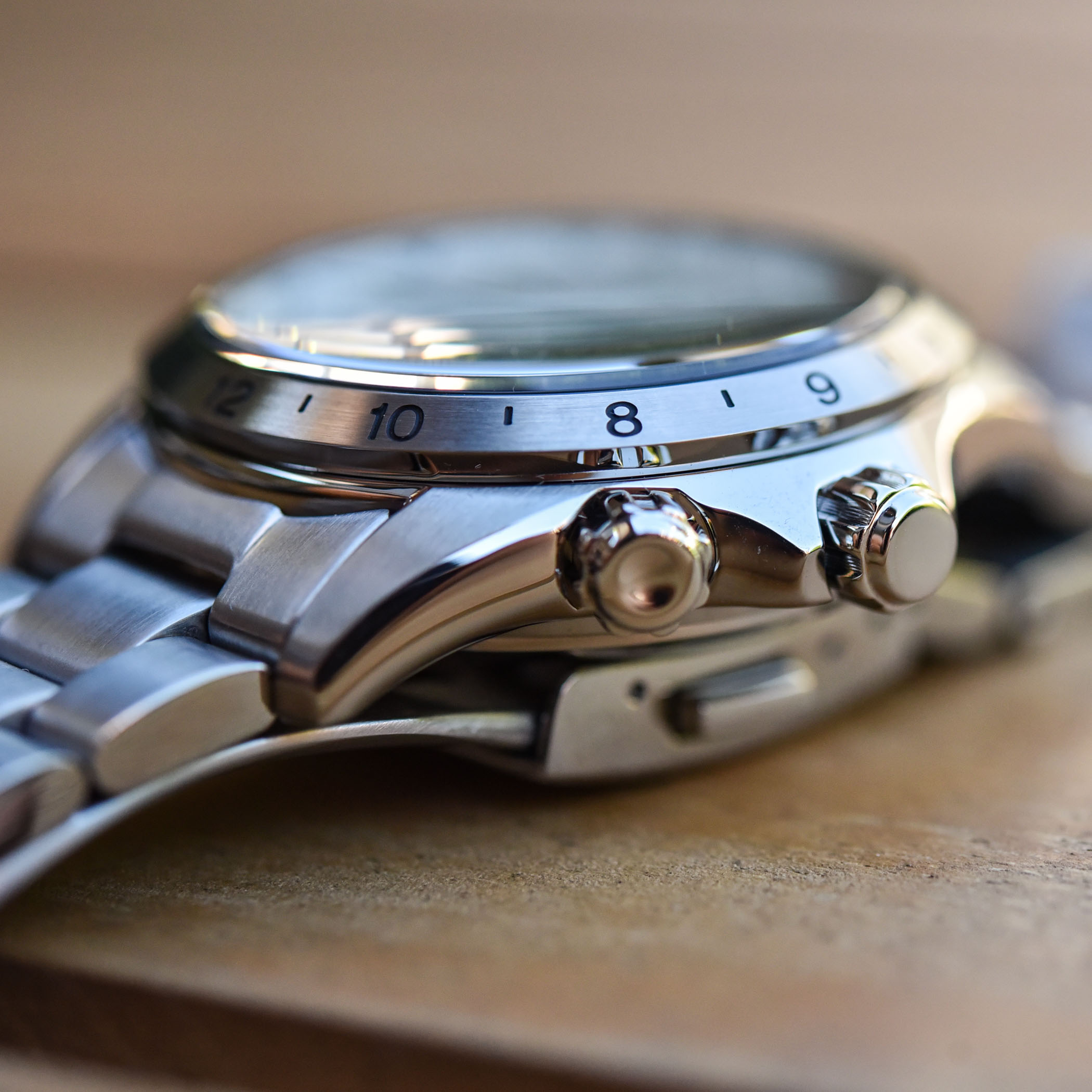
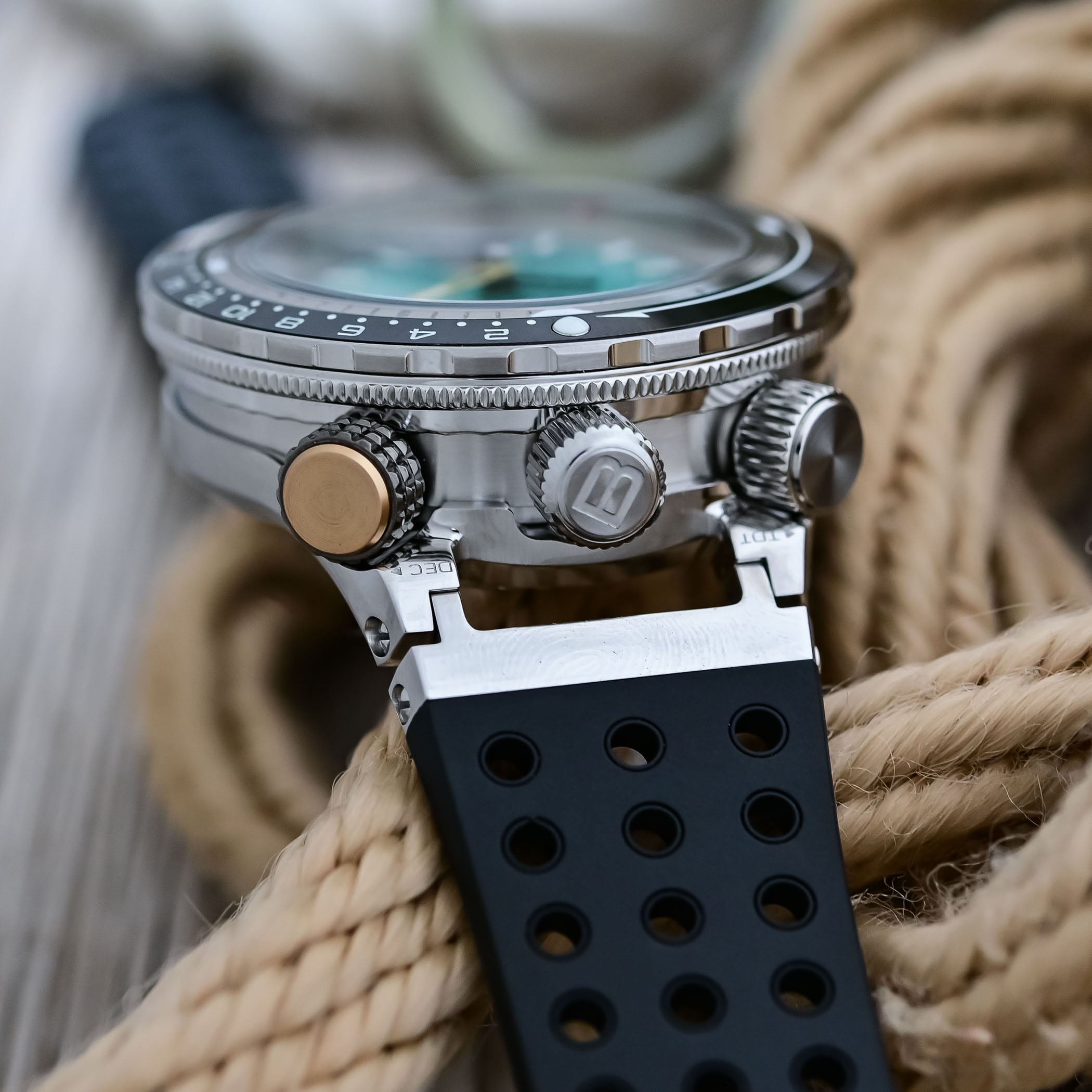
Not all twin-crown watches are dive watches, as Seiko, for example, has model SRPD31K1 (Prospex Automatic Field Compass) with an internal rotating compass in lieu of a diver’s bezel. Although positioned as a field watch, it still has a 200-metre depth rating and could be used for diving with the bezel’s scale (without relying on numerals). Some watches even have three crowns, like the Bühlmann Decompression 02 with a crown at 11, 12 and 1 o’clock. This three-crown setup looks like the 1970s bullhead chronographs like Citizen’s ref. 679011 or Seiko’s ref. 6138-0040, but those models had pushers at 11 and 1 o’clock, not crowns. On the Bühlmann Decompression 02, the 12 o’clock crown winds and sets the watch, the 11 o’clock crown locks and unlocks the twin decompression bezel (measuring dive time and decompression stops), and the 1 o’clock crown works the decompression dial. It’s a complex, very serious mechanical deep-sea diving tool that even includes a “Fly-no-Fly” indicator after a deep dive (allowing at least 24 hours before indicating it’s safe to fly at altitude).
Crown Types
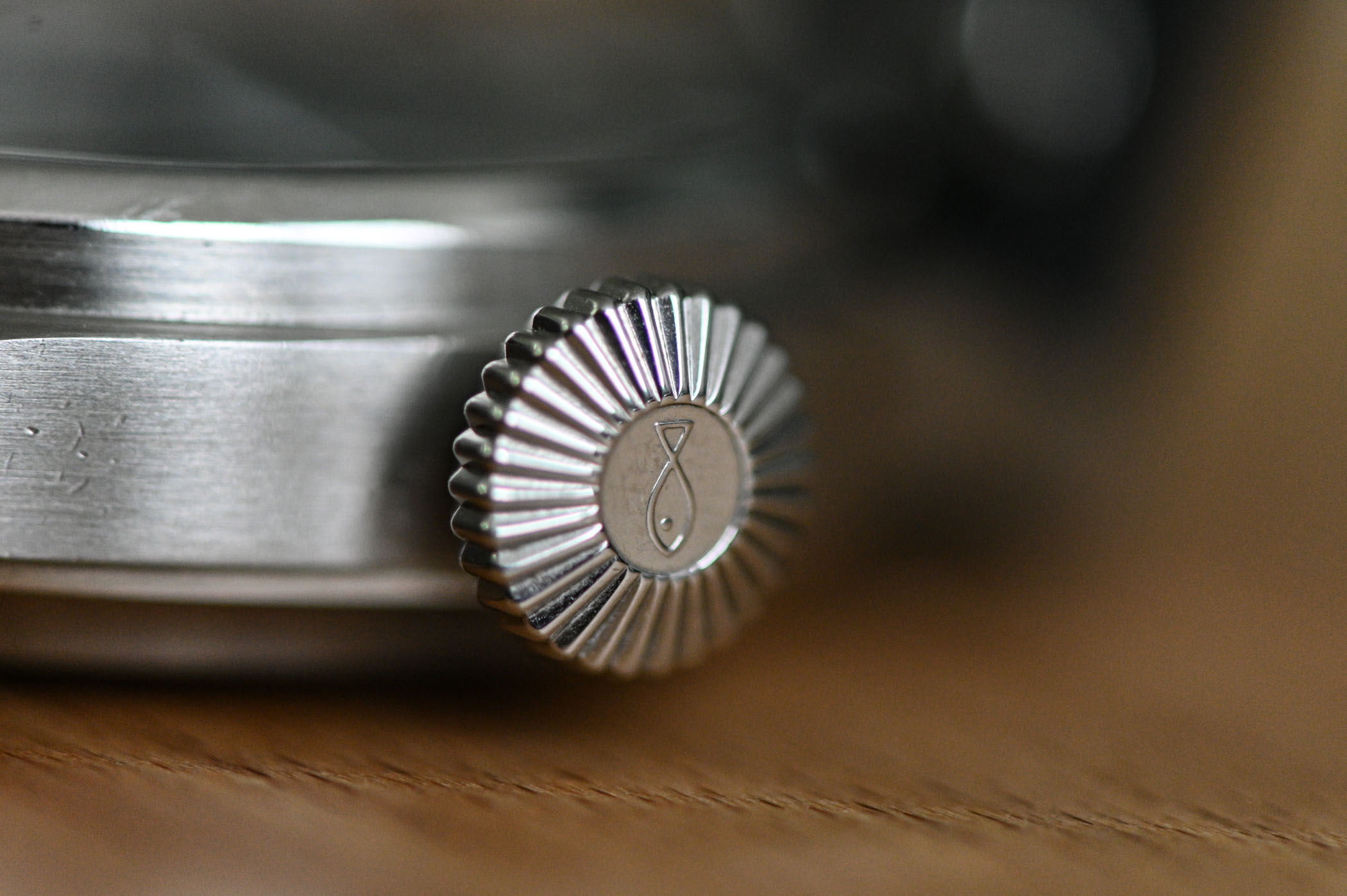
Crowns come in all shapes and sizes, often based on need and functionality. For example, pilot’s watches historically have oversized crowns that can easily be used with gloves, such as the IWC Big Pilot with a large conical or onion crown – the latter is a large, onion-shaped fluted crown that quite literally resembles an onion. Some are more bulbous than others (and sometimes called pumpkin crowns) with round or flatter ends, but all allow for very easy manipulation. Of course, the distinctive aesthetic can also just be for looks, and it’s a signature design element of Chronoswiss watches, for example. A conical crown is similar to an onion, but the outer end is flatter. It’s more like a cone or classic cut diamond shape, although the lines can blur a bit between onion and conical, depending on the flatness of the end. Cabochon crowns are luxury types with a gem set into the end, usually sapphires or rubies that aren’t faceted (although any precious stone can be used, including diamonds). The shape and size of the crown itself vary, and many are custom and specific to the watch model. Cartier is best known for its widespread use of cabochon crowns, but many luxury brands like Patek Philippe and Vacheron Constantin use them as well.
Guarding the Crown
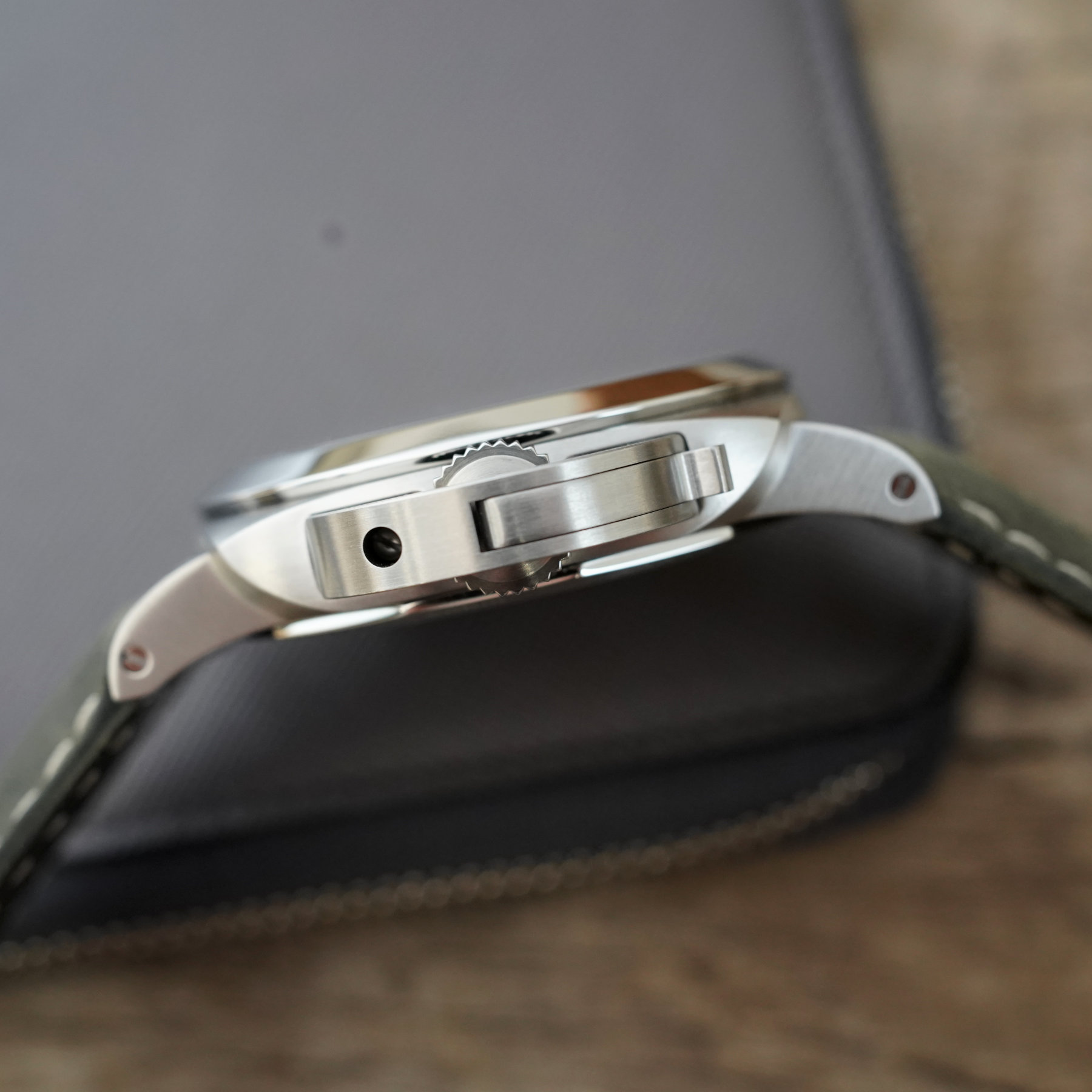
Crown guards, usually seen on dive watches, are the most common way to protect the crown from impacts and damage, but there are other types of protection. A recessed crown is slightly integrated into the case side, which provides protection via the case itself and looks sleek and minimalist. Using it, however, is more difficult than conventional counterparts as a fingernail is often needed to pry it open and simply winding it can be fiddly. Then there are moving levers and apparatus that lock onto the crown for protection. Panerai is best known for this with the Luminor, which has an arch over the crown with an internal lever that pushes the crown against the case to increase water resistance (an effective alternative to a screw-down crown). When the crown is needed for winding or time setting, you simply lift the lever to free it within the bridge structure (known as the crown-locking lever on the crown-protecting bridge). U-Boat’s Capsule line has a patented crown protection system for the 9 o’clock crowns that was inspired by bathyspheres from the 1930s. The 9 o’clock crown position is to prevent the large lever system from uncomfortably impacting the wrist at 3 o’clock. A cap screws down over the already screw-down crown as an extra shield and to reinforce the watertight seal, which is attached to a hinged arm that moves it out of the way when the crown is needed.
King of the Case
The crown is the most important external feature of a watch. You can’t set the time or wind it (at a minimum) without one, with very few exceptions like the Ulysse Nardin Freak. As the crown stem must pierce the case to engage with the movement, O-rings, screw threads, and even external mechanisms like Panerai’s crown-locking lever ensure that the case remains watertight – sometimes to the extreme as watches have descended to the deepest parts of the ocean. Crowns come in a variety of sizes and styles for specific functionality or aesthetics (or a blend of the two), but all provide control of the inner workings. Mechanical watches are at the height of maturity, as the basics are well established. The lever escapement, balance wheel and so on are truly perfected, and although innovations are seen from time to time (like Rolex’s recent Dynapulse escapement in the Land-Dweller), the general formula is at the peak of refinement. This includes Adrien Philippe’s crown system, which is as tried and true as the wheel today.

1 response
An oft’ overlooked part of a watch’s design.