


 Not all images were able to load for printing. Please close the print window and try again.
 The Watch Angels x Alpina Startimer Pilot IFR Chronograph, a Proper Pilot’s Instrument
When many pilot watches lean on aviation-inspired aesthetics, the Startimer Pilot IFR Chronograph brings something genuinely new to mechanical aviation watchmaking.
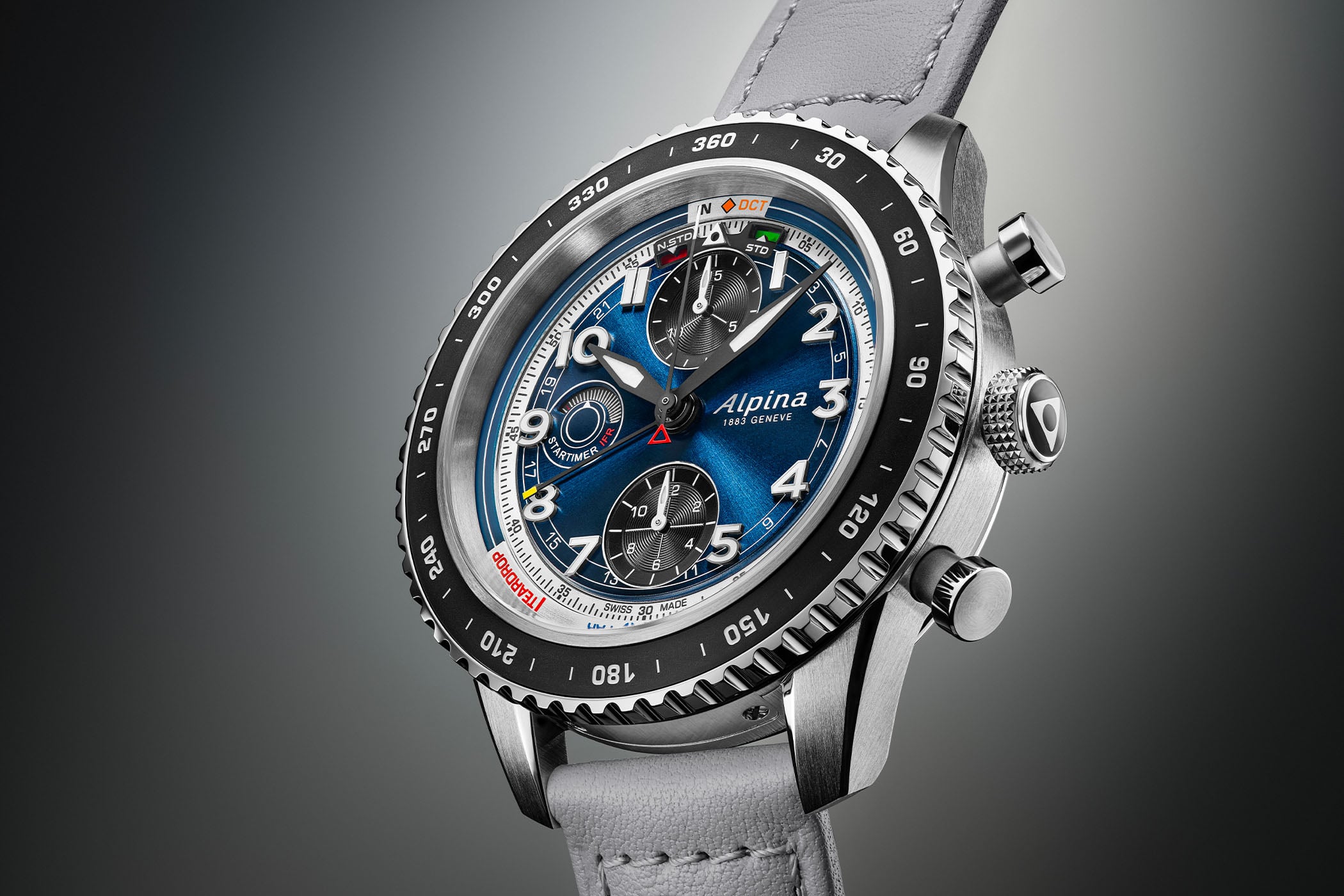
Pilot watches have always occupied a special place in watchmaking and in our hearts. Large crowns, legible dials, chronographs, GMT indications, and slide-rule bezels all emerged from real-life needs. Yet despite many decades of looking up to aviation for clues, very few modern pilot watches can actually assist pilots in flight procedures. Most are stylistic tributes and cockpit-inspired designs rather than functional instruments. Things change now with the new Watch Angels x Alpina Startimer Pilot IFR Chronograph, a pilot watch that does more than copy aviation aesthetics.
The Watch Angels x Alpina Startimer Pilot IFR Chronograph introduces a mechanical, purpose-built system to help pilots during holding-pattern procedures under IFR (Instrument Flight Rules). And unlike many aviation-themed “add-ons”, this one is based on a genuinely repeatable and standardised operational procedure used daily by instrument-rated pilots worldwide. Whether most owners will actively use the function in the cockpit is another question, but the logic behind the watch remains authentic and unusually purposeful. Let’s see what it does. And, for those with a pilot’s license, I beg forgiveness for entering your area of expertise.
The IFR Holding Patterns
One of the most important phases of instrument flying is entering a holding pattern, and most of us have experienced this when travelling by air. These aerial waiting loops are used around airports when aircraft cannot immediately proceed with an approach due to traffic, weather or operational constraints.
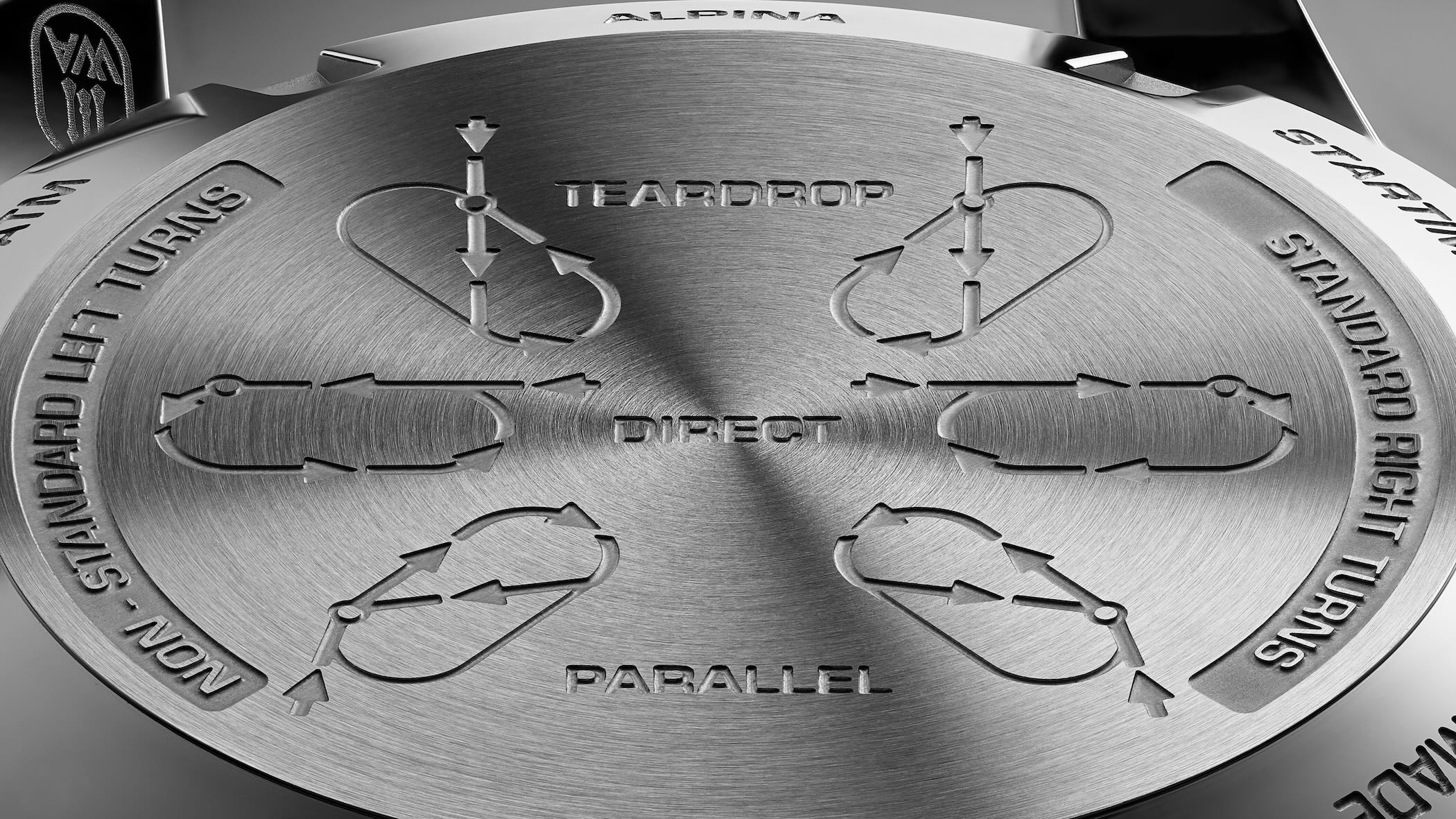
While the holding pattern itself varies depending on airport and airspace, the entry procedures remain globally standardised. Pilots entering a hold must determine whether the correct entry is direct, teardrop or parallel, depending on their heading relative to the inbound course published on IFR charts. There are plenty of educational videos explaining the holding pattern on YouTube, should you be interested, or remember that the simplest one is direct entry when you fly straight to the checkpoint (fix, a known location on the IFR charts) and immediately merge into the holding racetrack. During the parallel entry, you fly straight to the checkpoint, cross it, and fly away from it parallel to the track. You then make a wide U-turn to join the main racetrack safely.
The teardrop entry gets its name because it is shaped like a falling teardrop. You fly straight to the checkpoint, cross it, and angle out away from the pattern; then, once away, you turn back to join the main racetrack. To visualise this, turn the watch over; the patterns are engraved on the caseback. Normally, this procedure requires mental calculation and interpretation under potentially stressful conditions, and the Startimer Pilot IFR Chronograph transforms it into a mechanical system integrated into the case. Here´s how it works, in short. Also, please refer to the infographic.
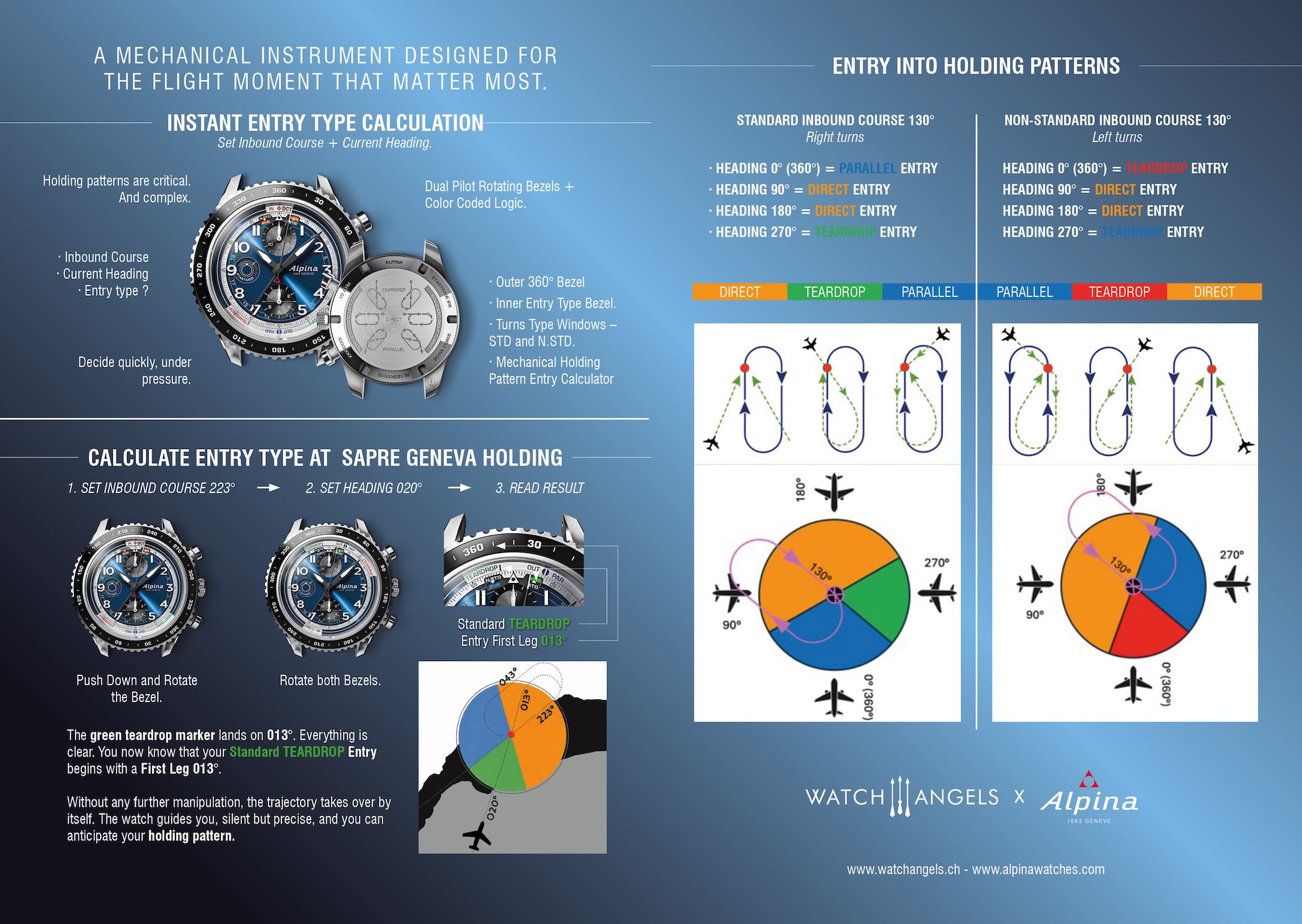
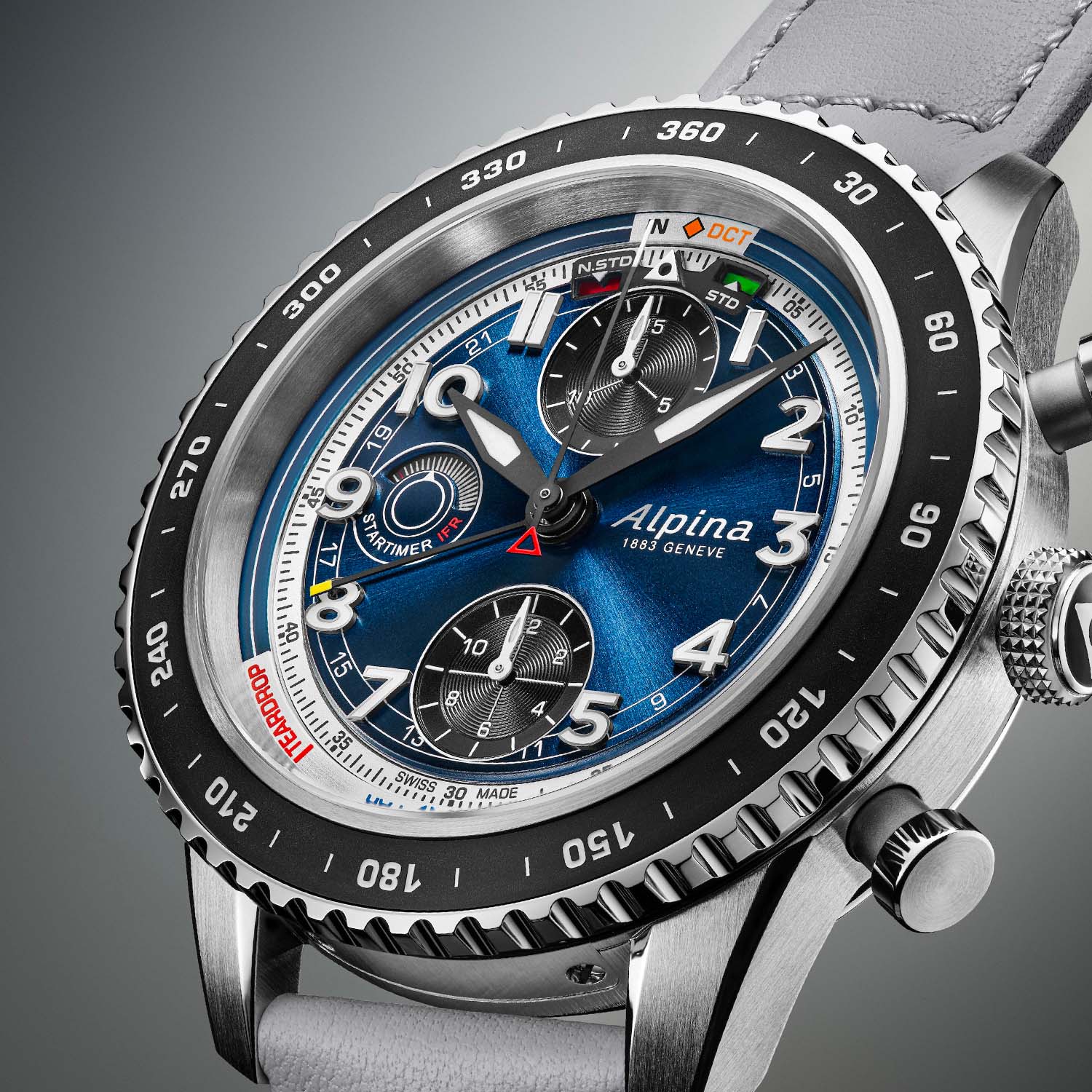
First, the pilot sets the inbound course from the IFR chart by pressing the bezel down and coordinating the relevant degree marking with the orange outbound indicator on the rotating inner ring. Next, the pilot sets the aircraft heading to the holding fix by releasing the bezel and lining up the heading with the triangle at 12 o’clock; during this step, the bezel and inner ring rotate together.
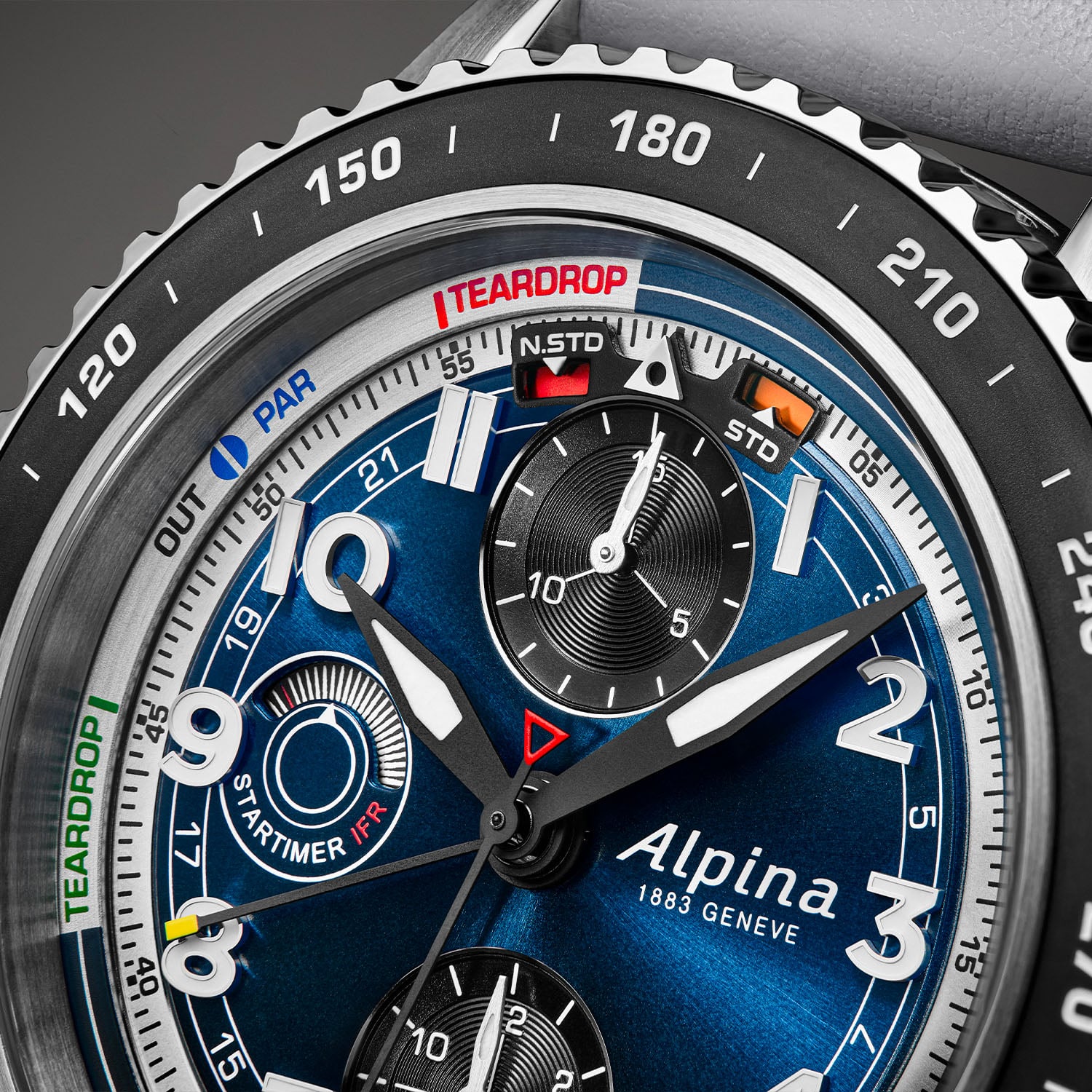
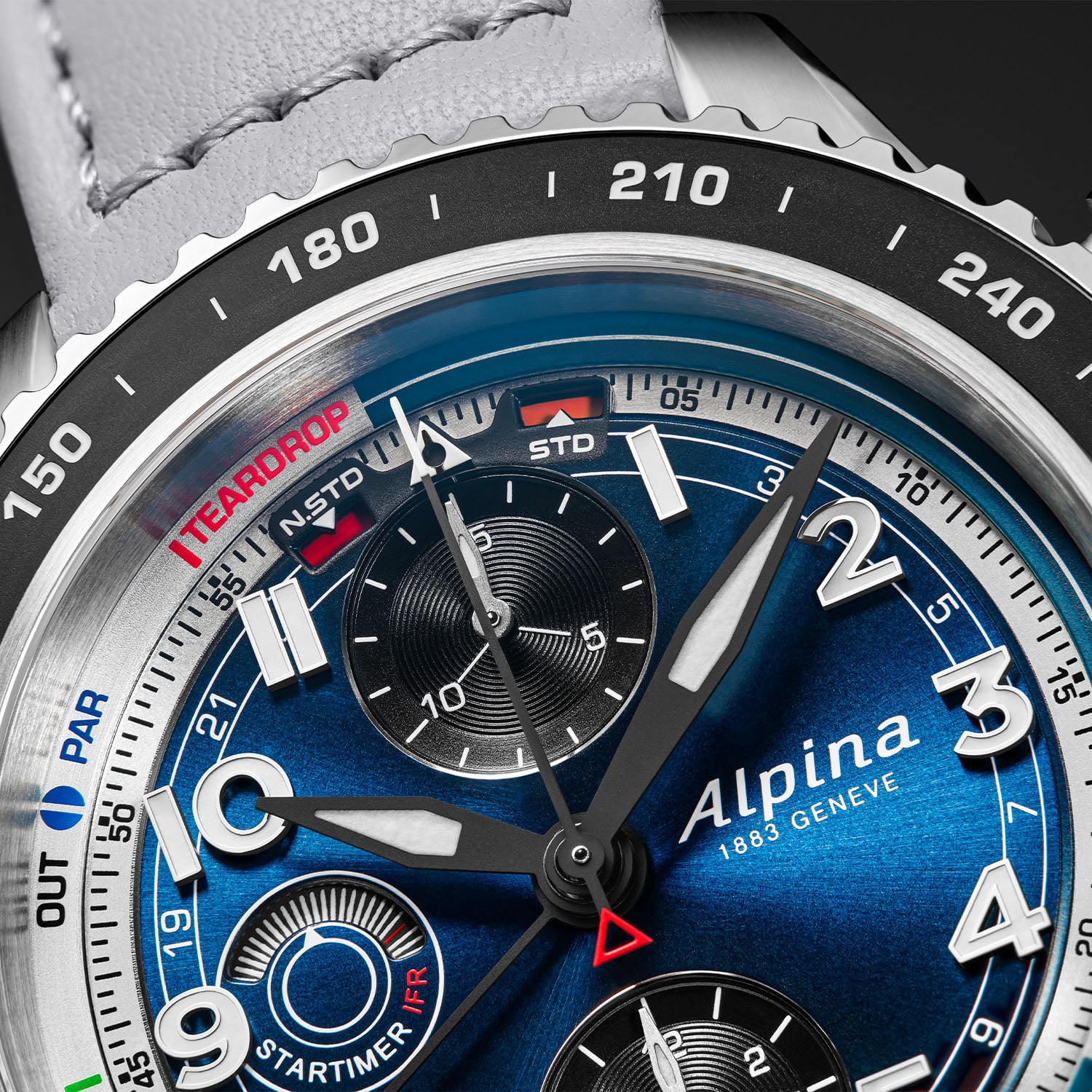
Once these two inputs are set, and the hold type (standard or non-standard) is confirmed from the chart, the watch automatically displays the correct hold entry procedure, direct, teardrop or parallel, through the coloured apertures at 12 o’clock (orange, red or blue respectively), along with all required headings and courses to fly the pattern correctly, including inbound course, outbound course, heading to the fix and first-leg heading.
The calculation mechanism works independently of the movement. This is effectively a mechanical “habillage complication”, integrated into the bezel and case components rather than the calibre.
A Proper Pilot’s Instrument
Beyond the IFR system, the watch incorporates the three functions most associated with traditional aviation instruments: chronograph timing, UTC reference time and navigational orientation.
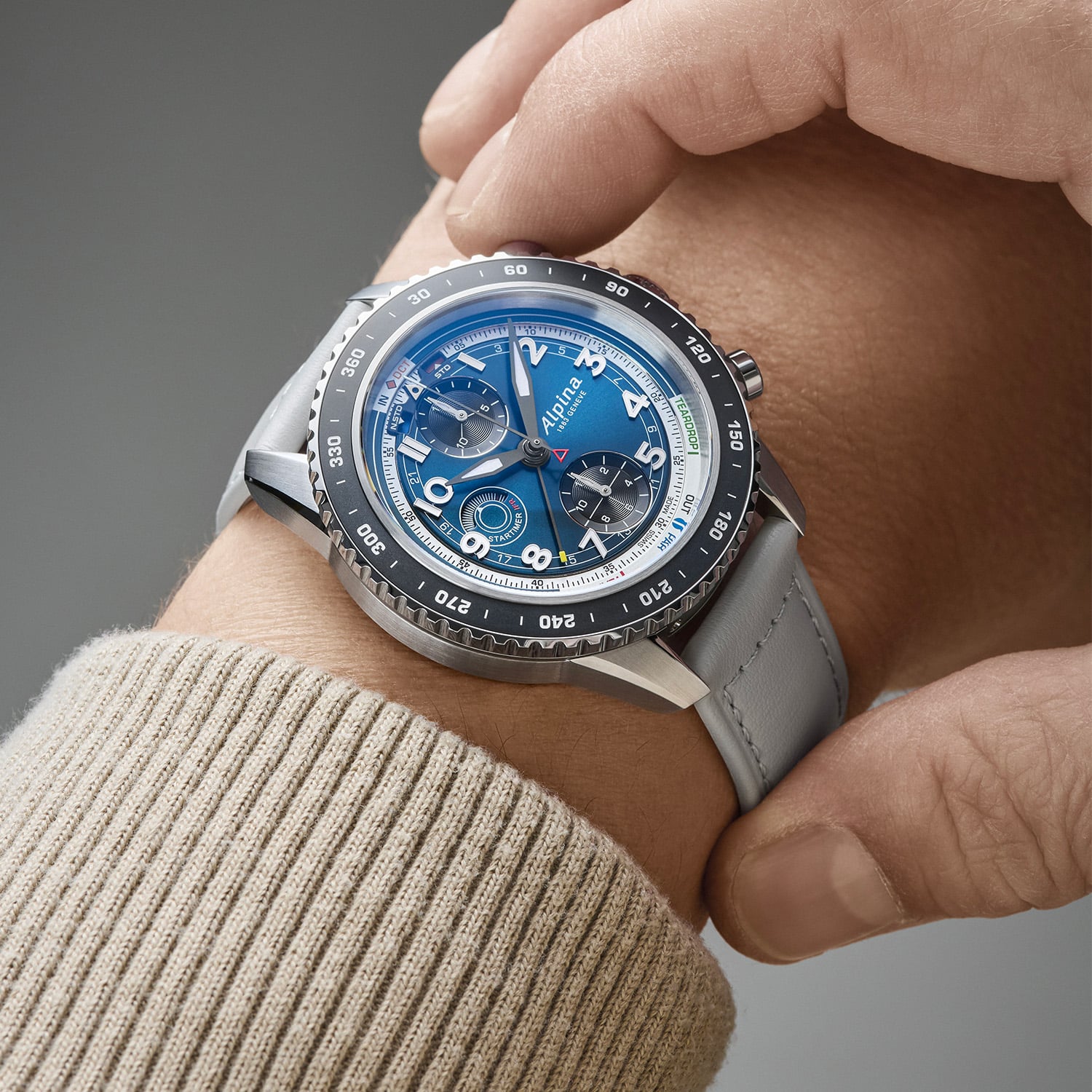
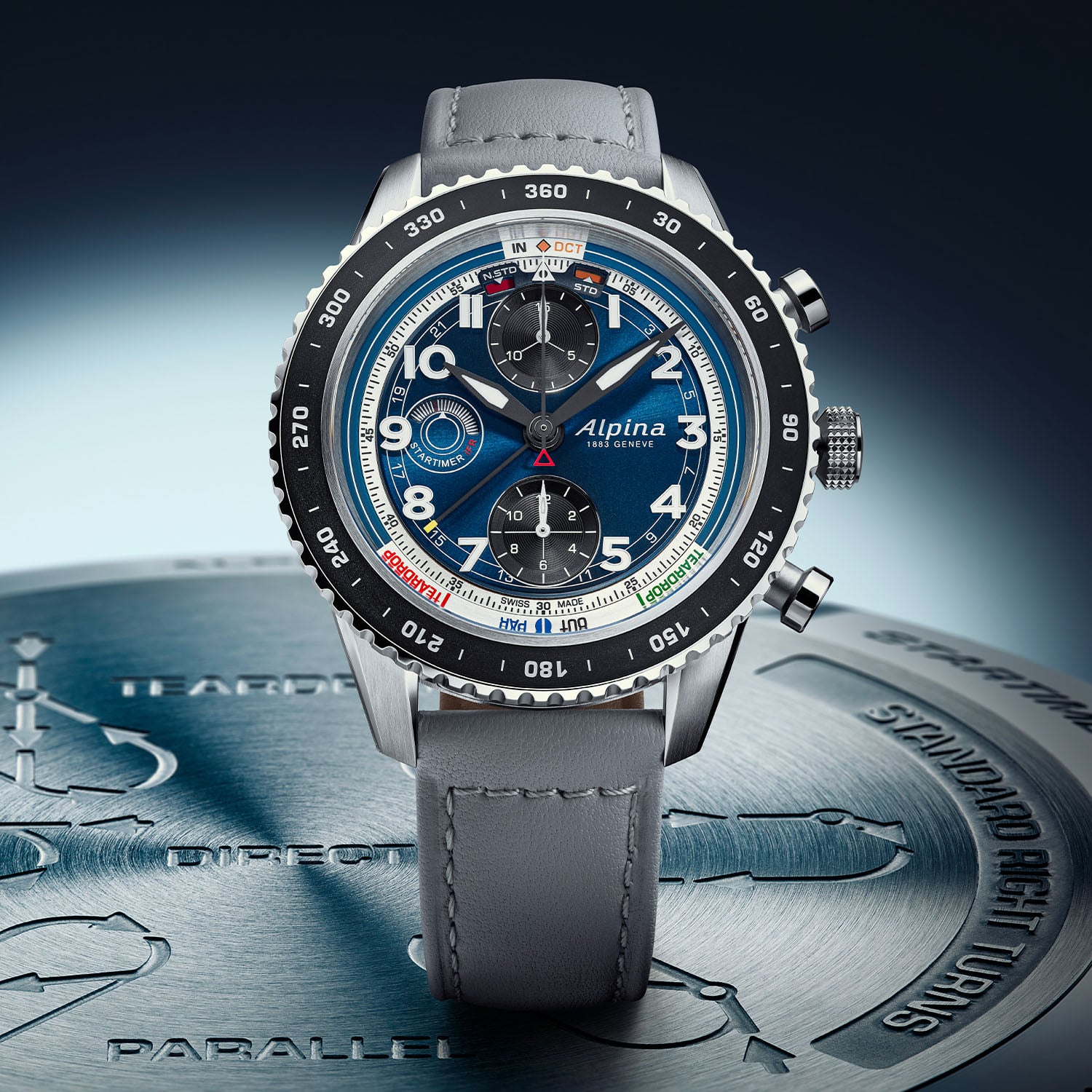
The chronograph, useful for timing holding legs, fuel calculations, and time-speed-distance measurements, features a 15-minute counter at noon and a 12-hour counter at 6 o’clock, with a central chronograph hand (in black with a red triangle for the counterweight). A central, yellow-tipped UTC hand tracks aviation reference time, essential for global air traffic coordination and flight planning. The watch is large, as can be expected for a professional aviation instrument. The stainless steel case measures 44.5mm in diameter with a 51mm lug-to-lug and is 15.8mm thick. Still, it does not appear excessive. The case boasts vertically brushed surfaces with polished bevels, with a matte black ceramic bezel. The convex sapphire crystal is AR-treated. Water-resistance is 100m.
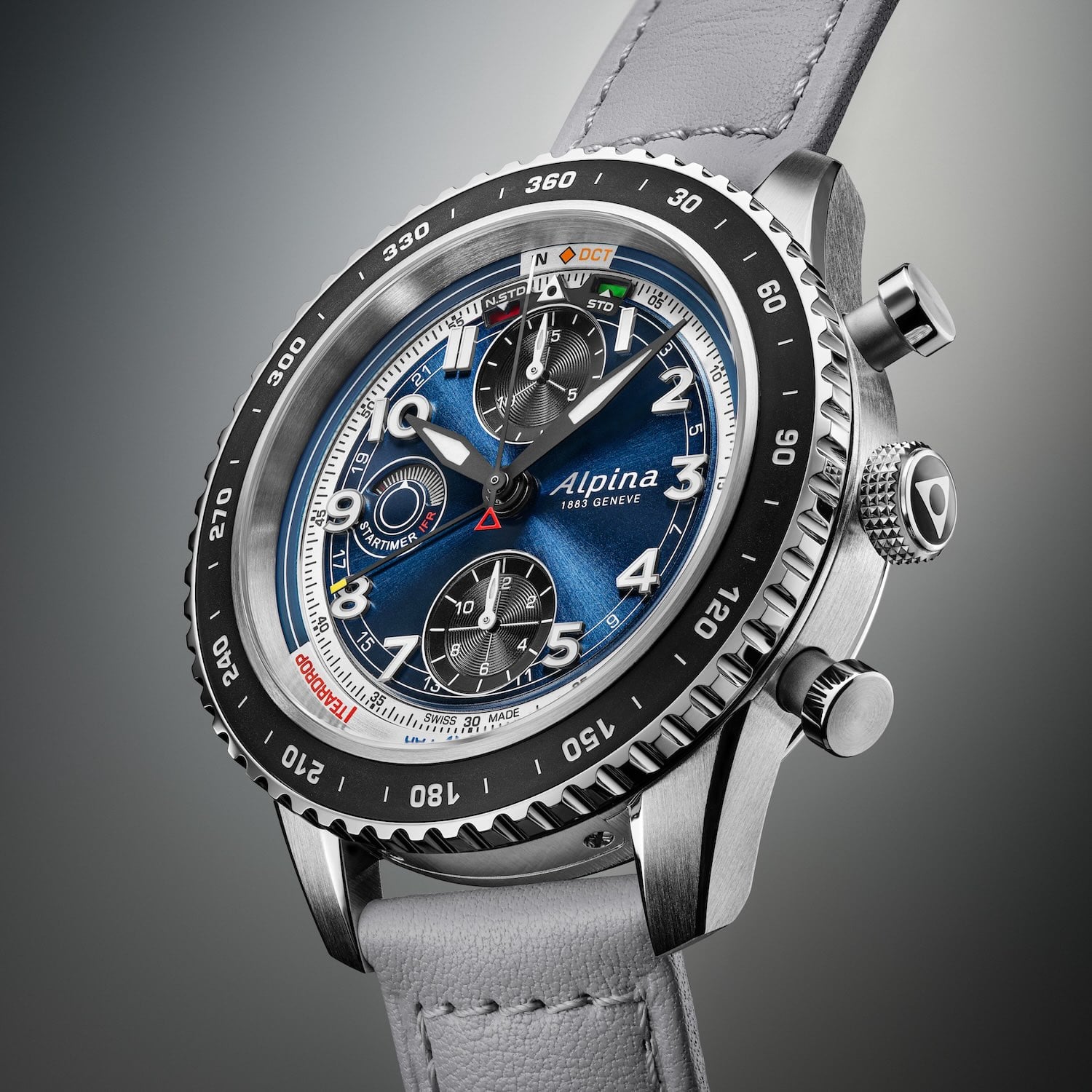
The blue sunray dial is highly technical in appearance, featuring lume-filled applied Arabic numerals and black chronograph counters with white markings. The broad luminous hour and minutes hands, the central UTC and chronograph seconds hands, and the rotating running-indicator disc at 9 o’clock, which replaces a conventional small seconds display, add to visual complexity. The watch is powered by the Sellita SW531b automatic chronograph calibre, a column-wheel movement operating at 28,800 vibrations/hour with a 62-hour power reserve.
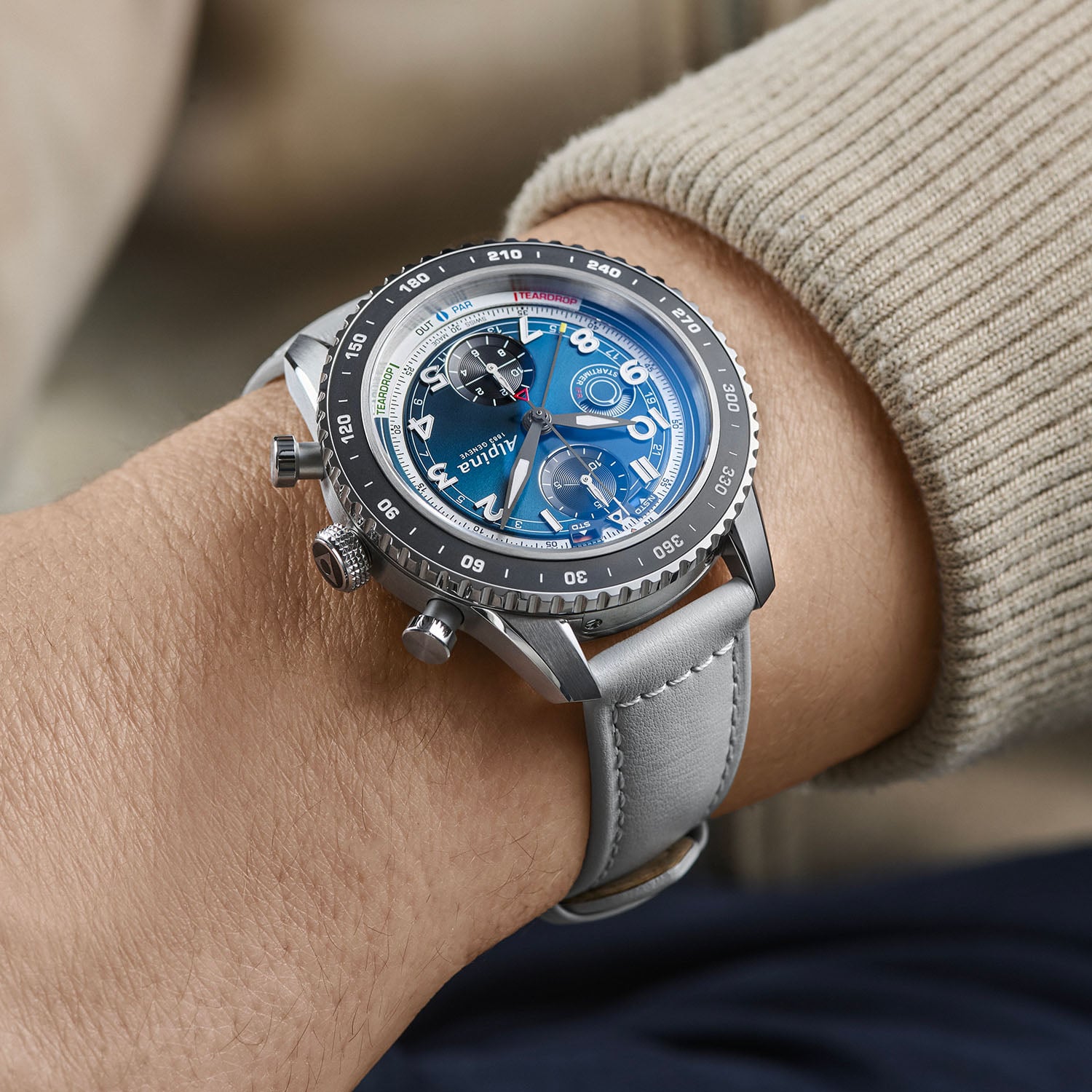
The Watch Angels x Alpina Startimer Pilot IFR Chronograph is delivered with two pilot-style leather straps, one in light grey and one in camel brown, both with quick-release spring bars for easier interchangeability. Limited to 300 pieces, the price is CHF 4,295 including shipping, VAT and import duties. The order window opens on May 21st, 2026, exclusively on Watch Angels.

2 responses
I fly IFR and do not understand at all how this „instrument“ would help me. It adds further complexity without any value and the percentage of pilots still flying IFR without GPS / RNAV capabilities tends towards zero.
Further, when I read „decide quickly under pressure“ I hope these people never are allowed to fly a plane. You do NOT decide quickly under pressure, you have this already prepared BEFORE you even ENTER the APPROACH.
I still prefer my IWC Big Pilot.