
 Not all images were able to load for printing. Please close the print window and try again.
 The WEC Is Turning Into The Most Exciting Championship On Earth, As We Attended the Spa 6 Hours Race
Courtesy of Rolex, we immersed ourselves in the magic of endurance racing as the World Endurance Championship rolled trough the Belgian Ardennes.
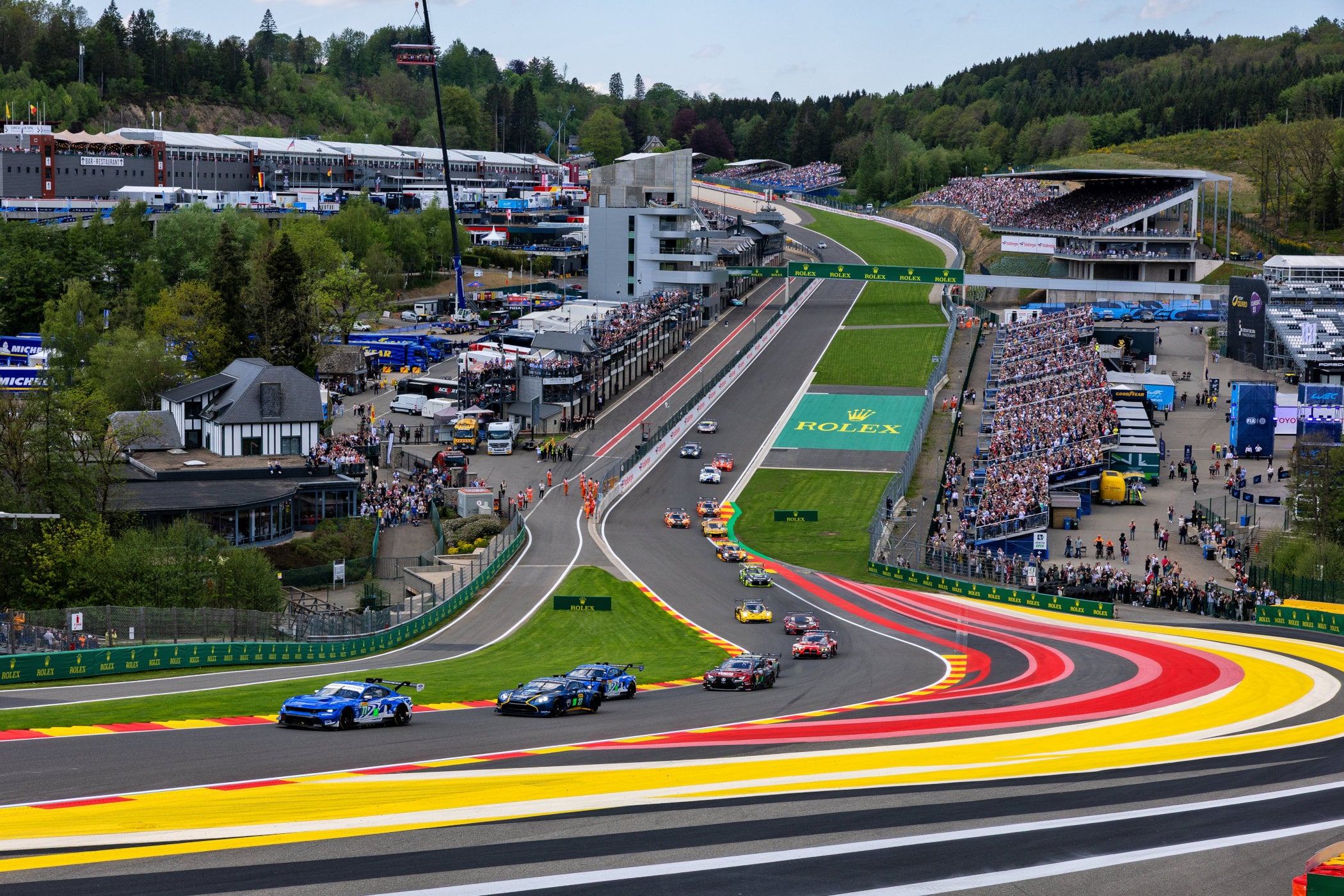
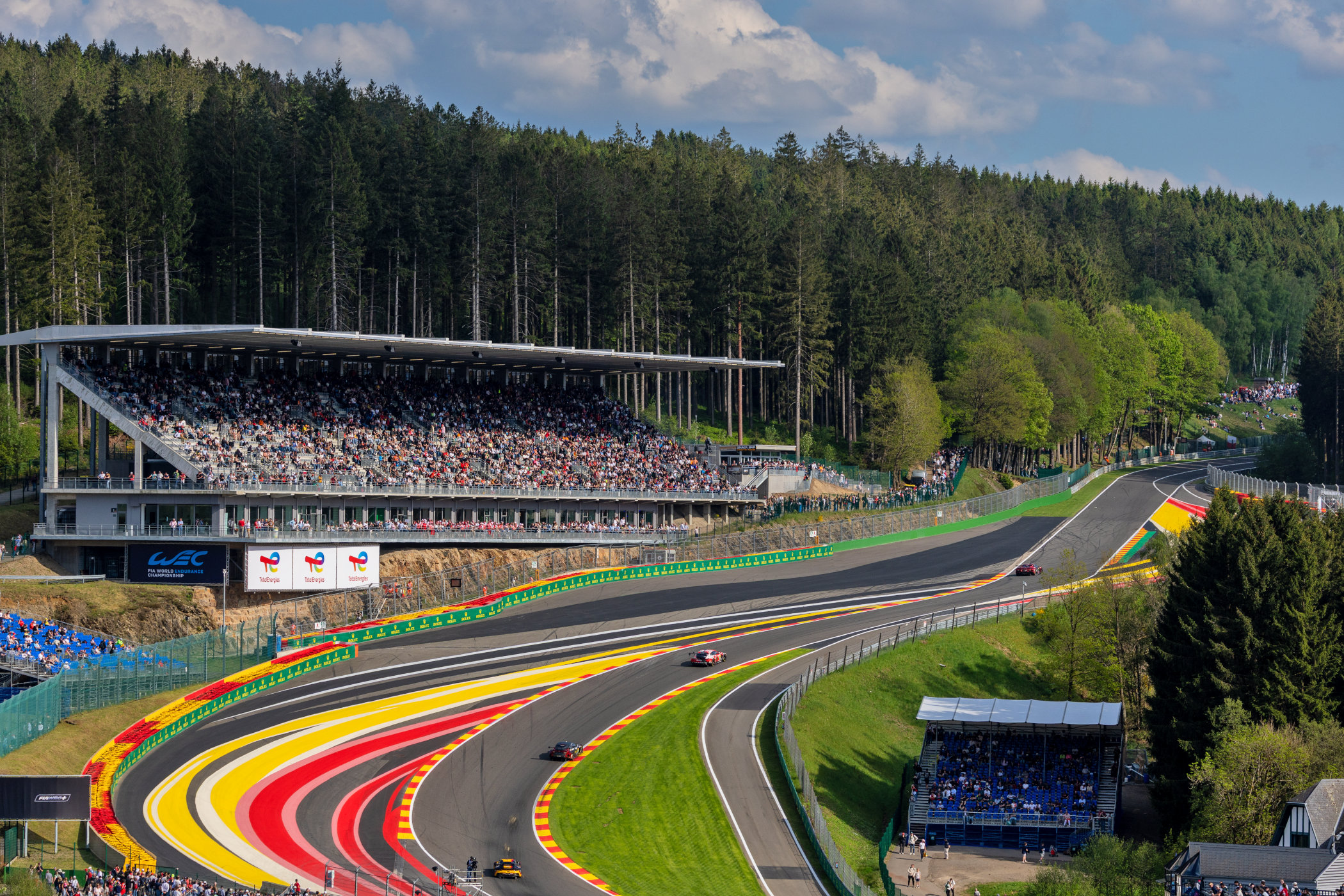
Spa-Francorchamps… to many, myself included, it feels almost like hallowed ground. It’s one of the greatest race tracks in the world, nestled in the south-east of the Belgian Ardennes. The circuit undulates up and down, left and right, presenting a 7,004-meter-long high-speed and technical challenge for man and machine. The Busstop chicane, the La Source hairpin, the Kemmel straight, and of course: Raidillion and Eau Rouge. It has often been the battleground of legendary drivers and cars. This past weekend, it was the World Endurance Championship’s turn to head to the hills for Round 3 of this year’s 8-race title run, the TotalEnergies 6 Hours of Spa. And it’s a touch extra special, as it’s the last event before The Big One, the Crown Jewel, the 24-hours of Le Mans. We were invited to get up close with all the action and experience the race first-hand, as well as talk to Rolex’s latest Testimonee, Nyck de Vries.
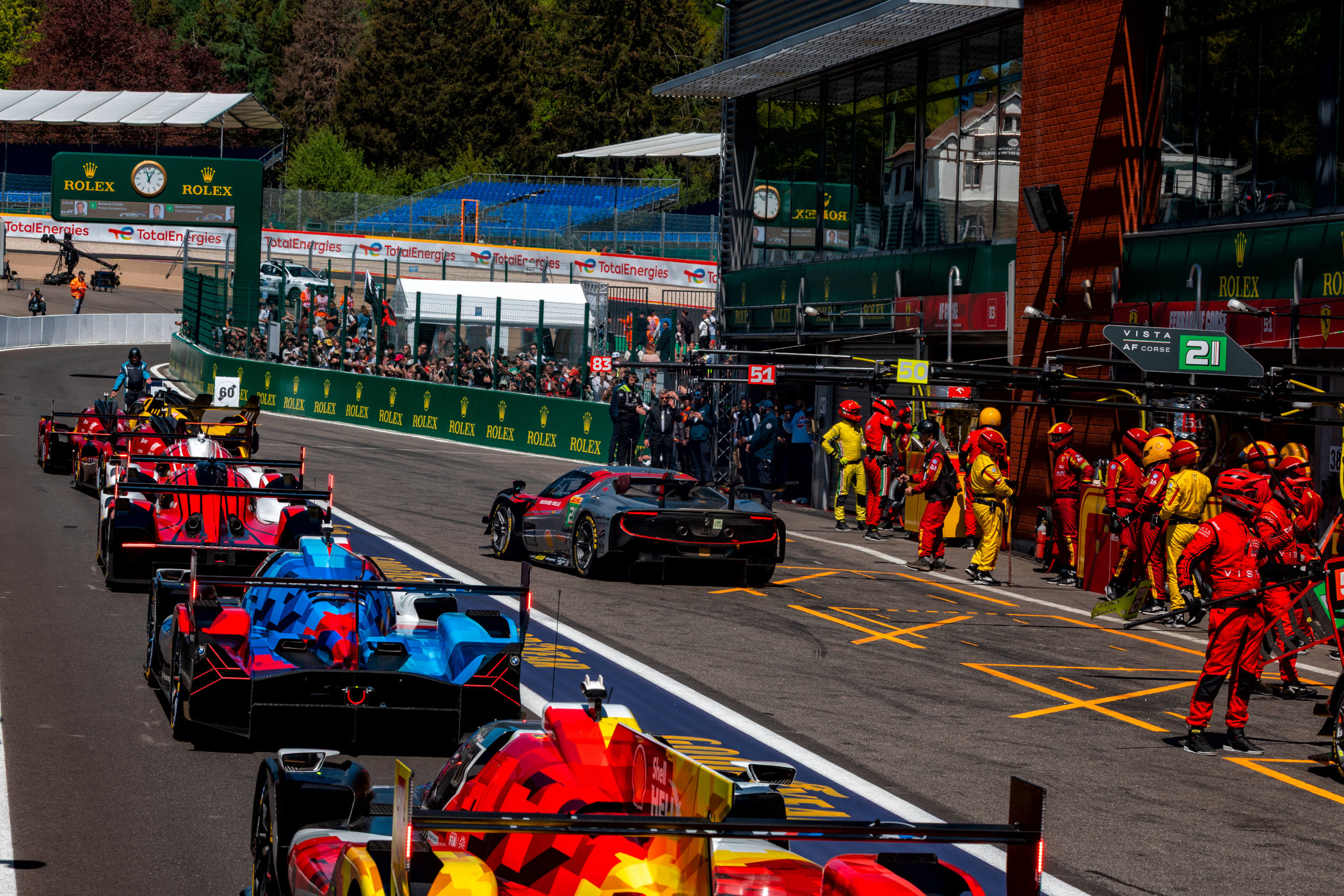
The World Endurance Championship
Shortened to WEC for ease, the World Endurance Championship has been around since 2012, and is basically the spiritual successor to the World Sportscar Championship that started all the way back in 1953, and ended in 1992. In between those two, the FIA ran the Intercontinental Le Mans Cup, a name few will remember but brought us the legendary GT1 series as well as the LMP categories. Competitors are split into individual categories, depending on the car they want to run: LM GT3 for road-derived race cars, and the top-tier LMDH or LMH cars, better known as the Hypercar class. For the 24-hours of Le Mans and Daytona, the field is expanded with LMP2 cars, which are basically a standardised prototype class where all competitors use the same engine and chassis.
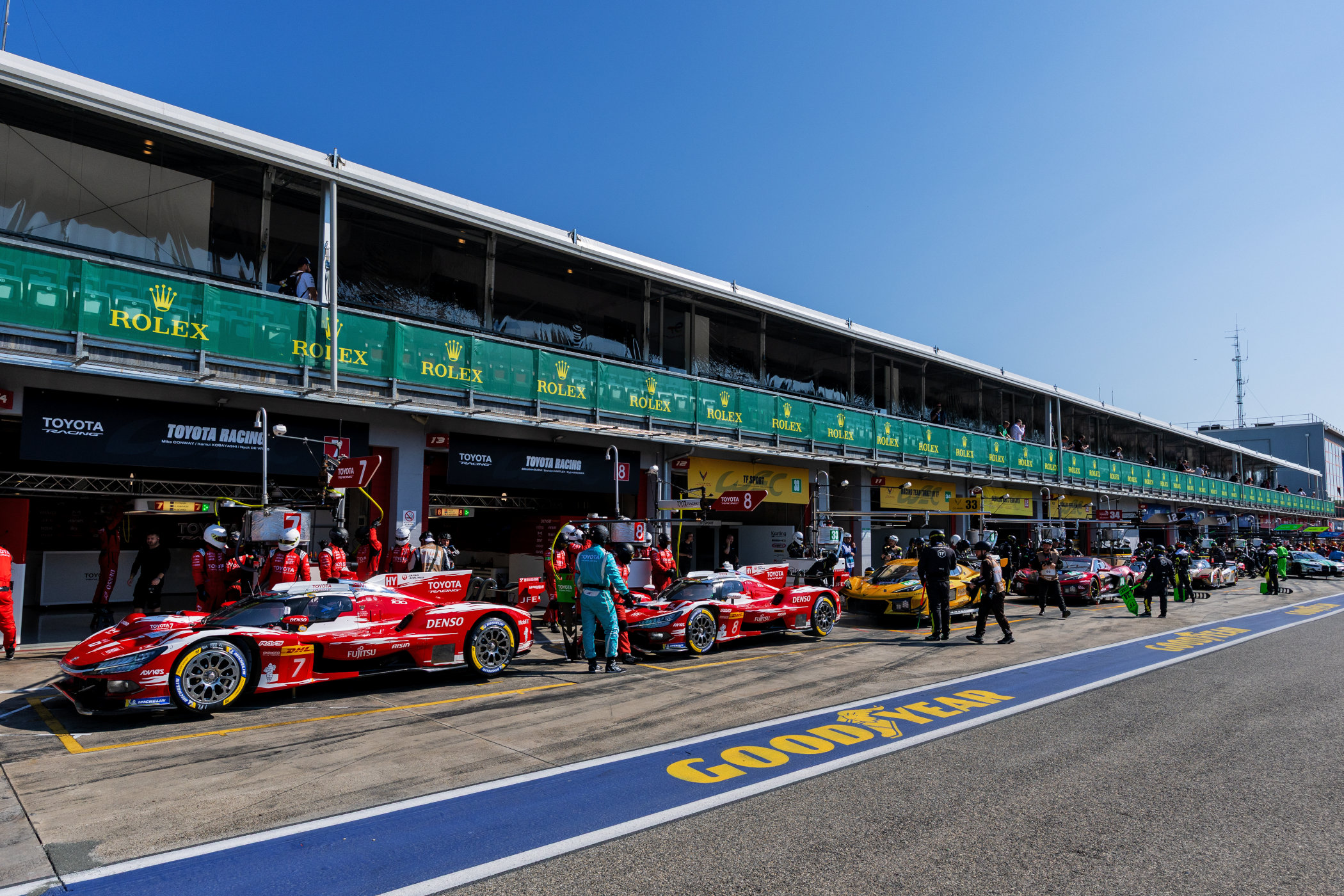
For 2026, the season consists of eight races, starting with the Imola 6 Hours. Spa is the second race on the calendar, before the circus heads for The Big One, The Crown Jewel: The 24-Hours of Le Mans. Then it’s on to São Paolo, Brazil, then to Texas for a race at the Circuit of the Americas, followed by a race at the Fuji Speedway in Japan, a race in Qatar and finally a race in Bahrain. The points that can be scored in each round are dictated by the length of the race, with a single point for pole position in each class for each race. Two titles are up for grabs for the drivers, one in the Hypercar class and one in the LM GT3 class. Additionally, there’s a constructor’s championship for the Hypercar class, which has welcomed 8 constructors for this year: BMW, Toyota, Ferrari, Aston Martin, Alpine, Peugeot, Cadillac, and newcomer Genesis.
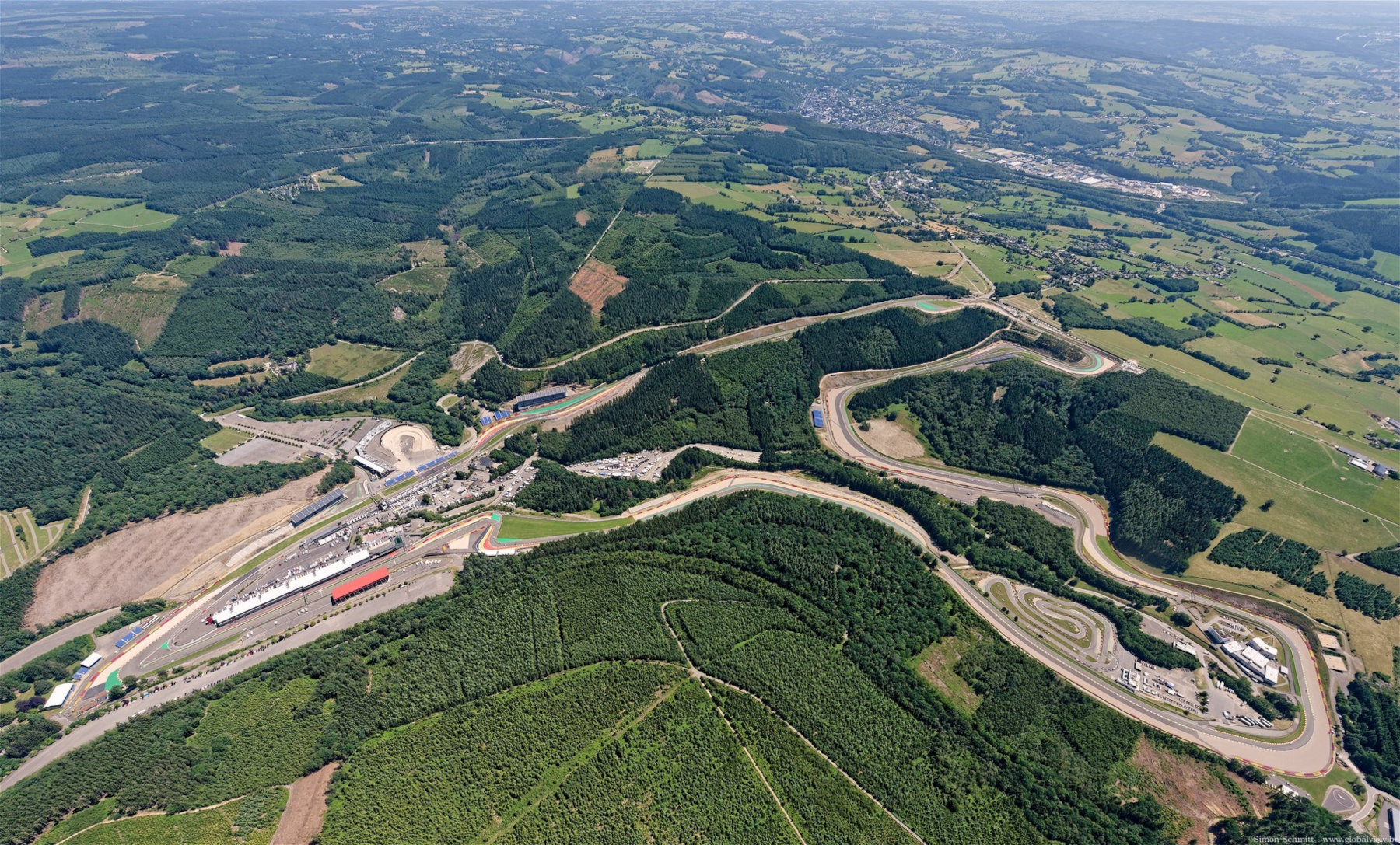
The Spa 6 Hours
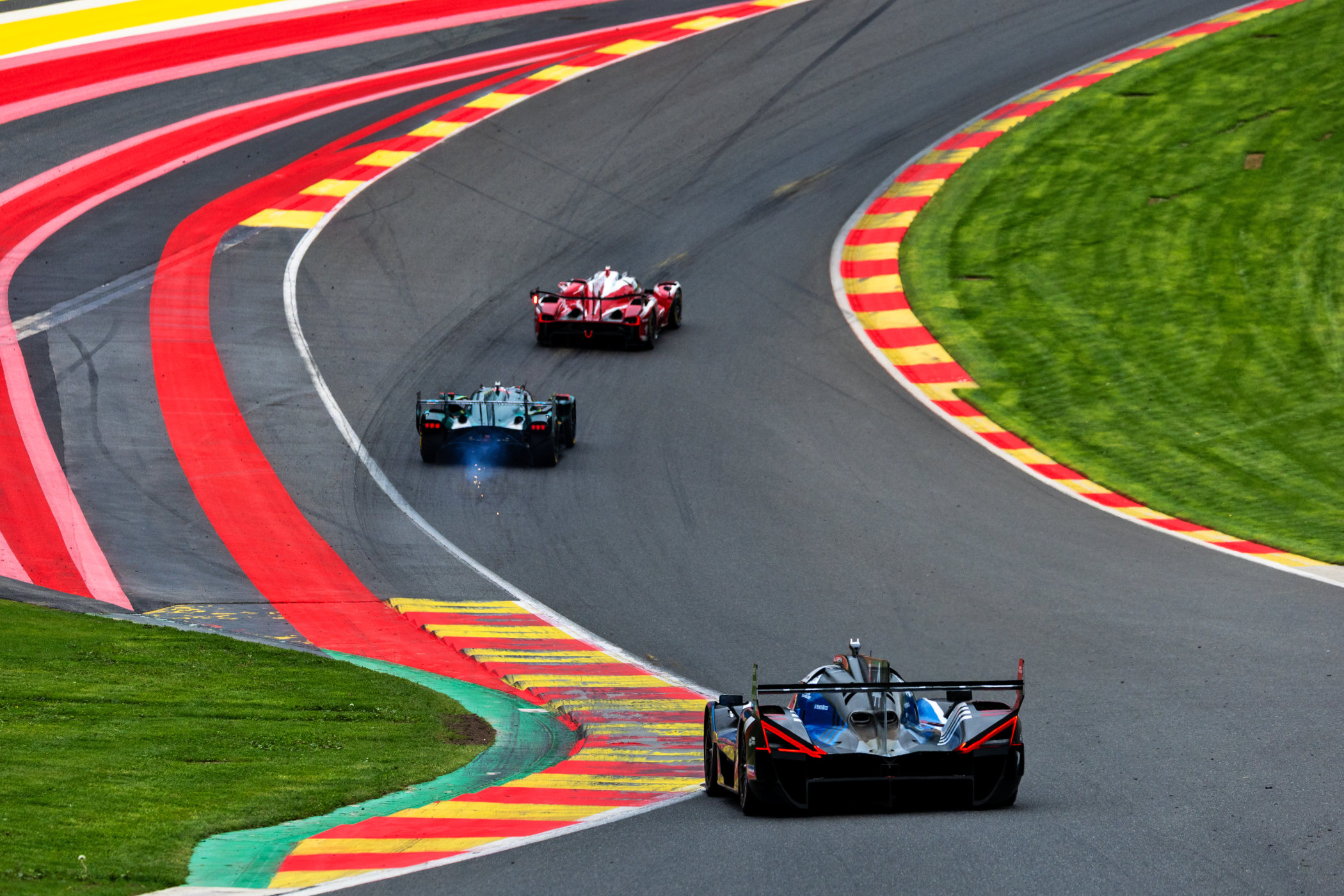
With new entries lining up on the grid, and a mix of GT3 and Hypercar teams battling it out, the 6 Hours of Spa race was sure to be action-packed from start to finish. The Spa Francorchamps track is a challenge in itself, but changing weather often throws an extra spanner in the mix just to make it even more of a test of skill. It’s not uncommon for the La Source hairpin and the run down to Eau Rouge and up to Raidillion to be bone-dry, while at the end of the Kemmel Straight, the Les Combes kinks are treacherously slippery due to a sudden shower of rain.
A total of three practice sessions allow the teams to get a feel for the track and the circumstances, before heading into qualifying and eventually a ten-car shootout per class called the Hyperpole. And across all sessions, it was an intriguing ballet between teams to see who was fastest, with various teams and cars topping the timing charts in each session. This proves that the racing is very close in either of the categories, and it all depends on timing, skill, and a great deal of luck to be among the fastest. In LMGT3, the Ford Mustang GT3 EVO of Proton Racing came in third, the aforementioned Heart of Racing Team Aston Martin was second, and the hyperpole went to the Akkodis ASP Team, who is running the Lexus RC F GT3. In the Hypercar class, it proved a “Battle of the French” as both Alpine and Peugeot proved quick, but Cadillac wasn’t to be ruled out just yet. In the end, Pole Position went to the Peugeot TotalEnergies 9X8, Cadillac came in second, and Alpine rounded out the top 3.
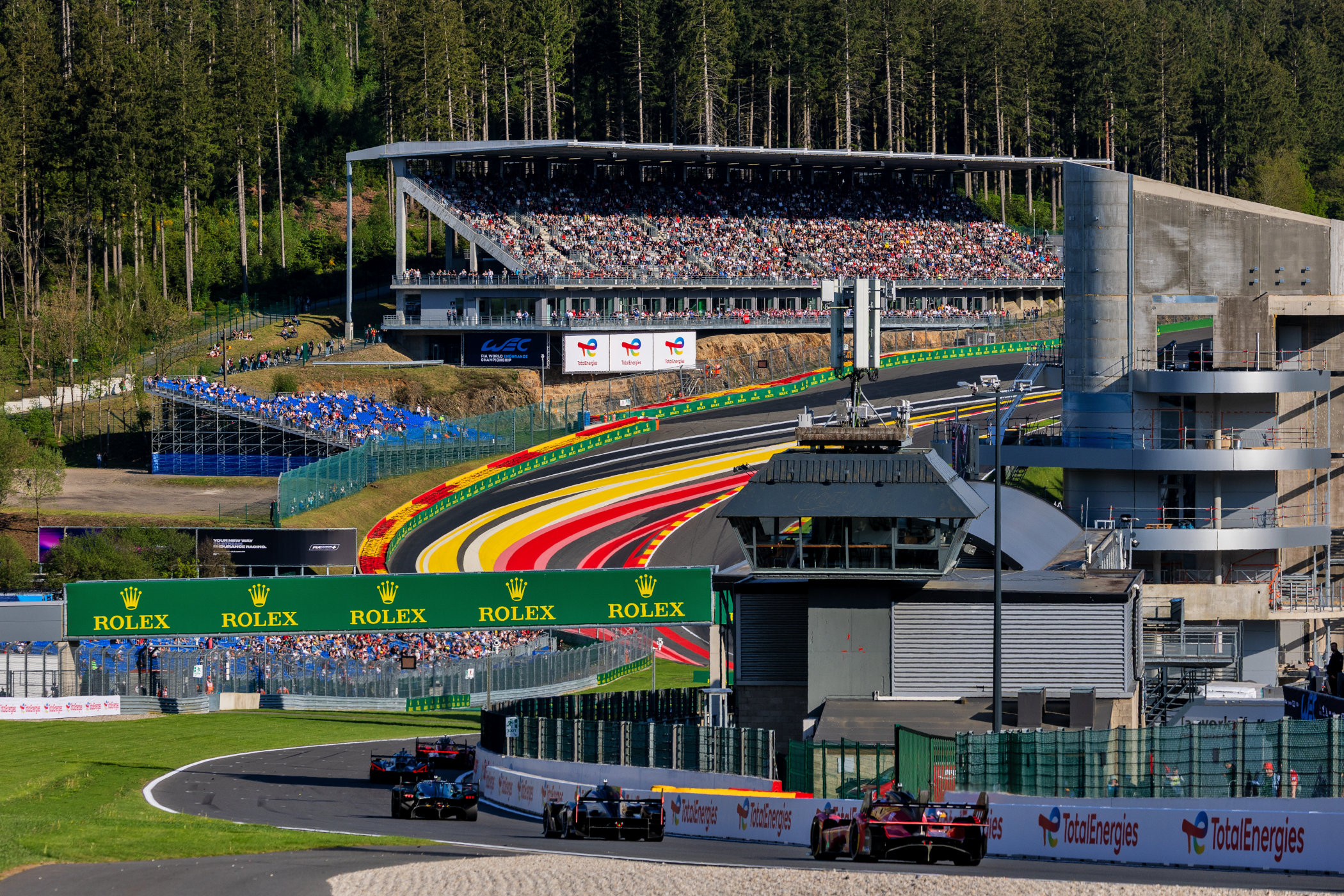
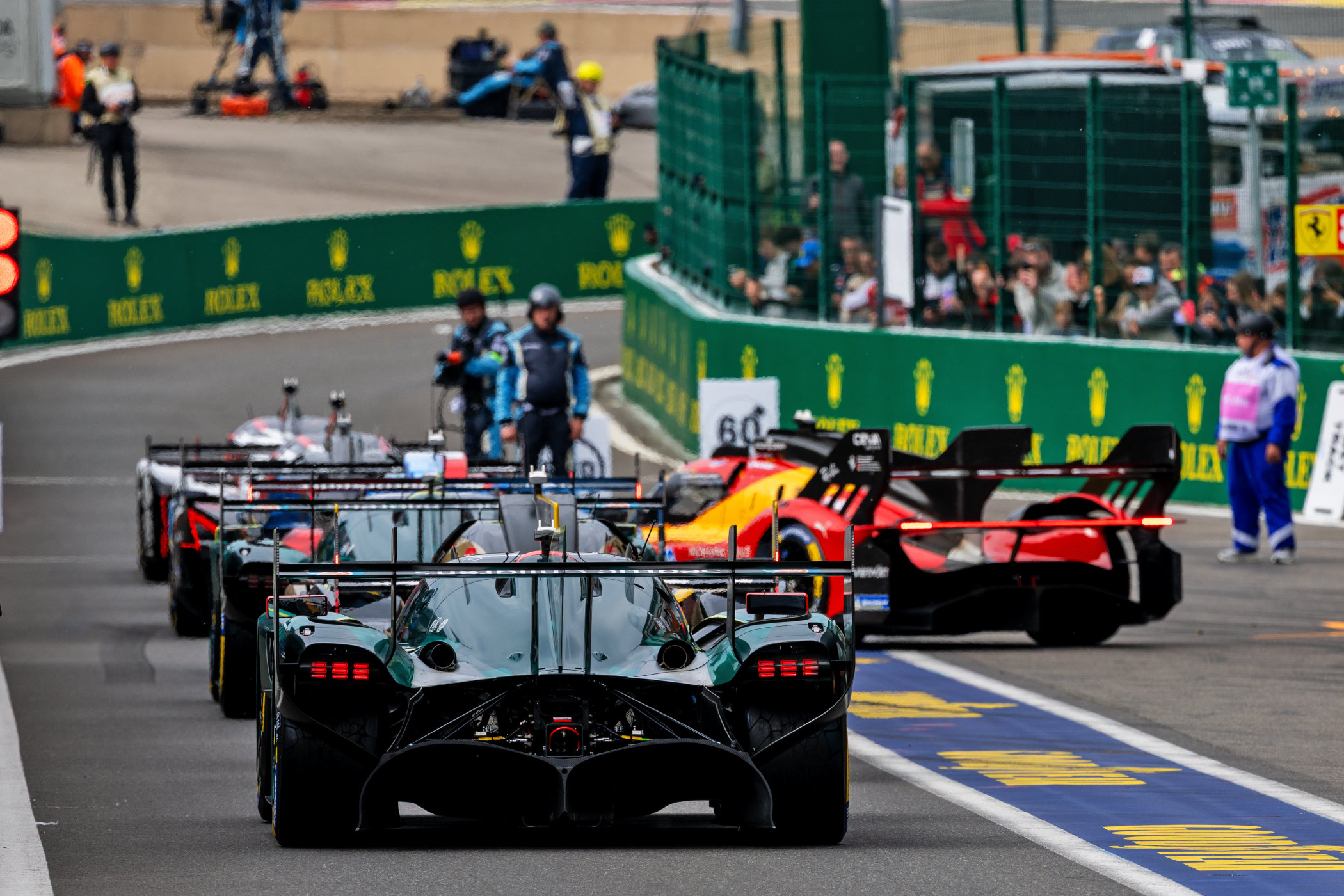
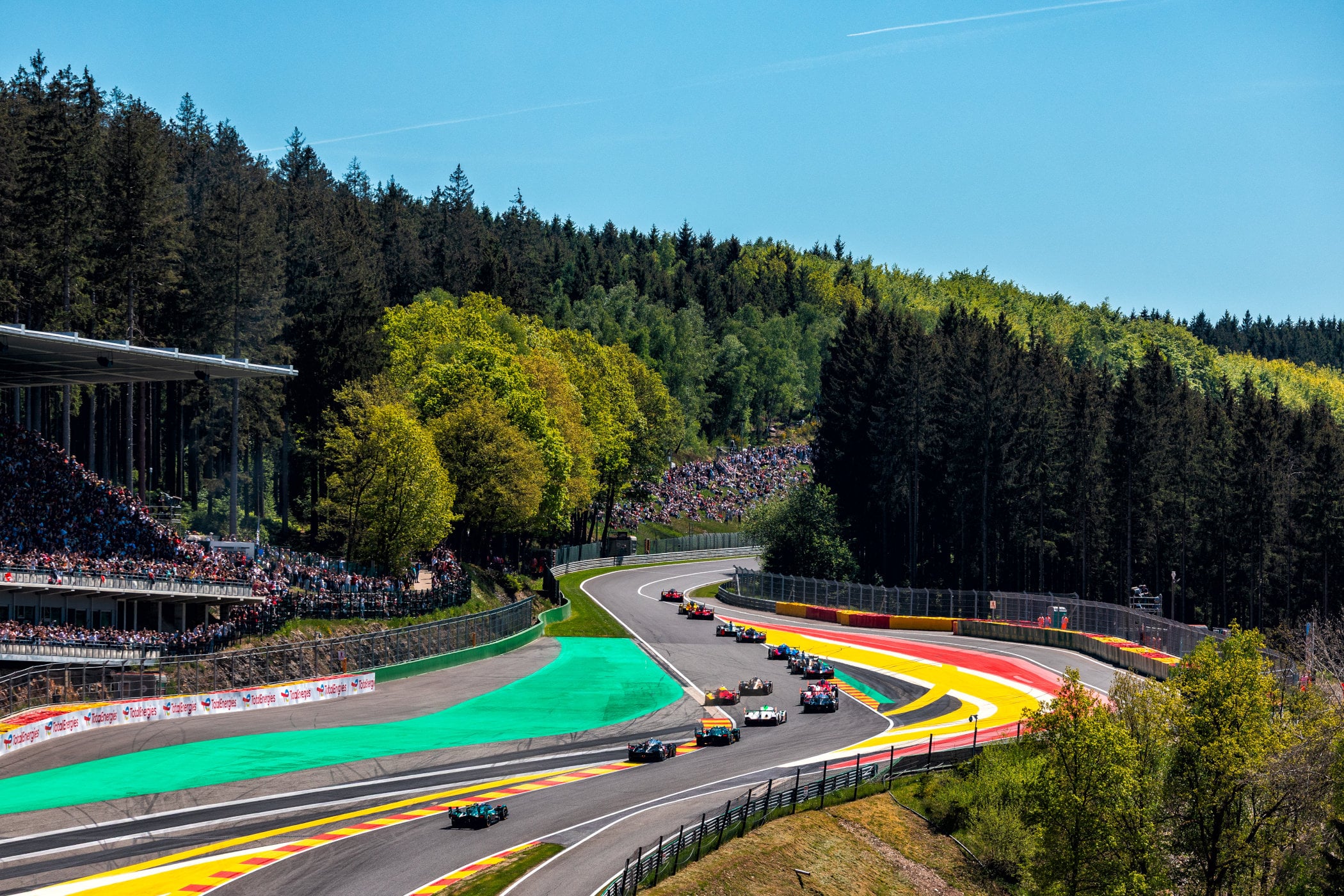
As race day came, the skies cleared, and it was sunny all the way. With 17 hypercars and 18 LMGT3 cars lining up, it was sure to be an action-packed race from flag to flag, despite the 7km long track to spread the field! Right from the green light, racing was close, hard but fair, as the Ford Mustang immediately tried to muscle its way past the leading Lexus. After the first few battles, the field started to find its rhythm around the Ardennes track. Gaps increased, yet the difference in speed between Hypercars and LMGT3 cars meant that they would converge multiple times, which poses one of the biggest risks in multi-class races: overtaking lower-tier cars.
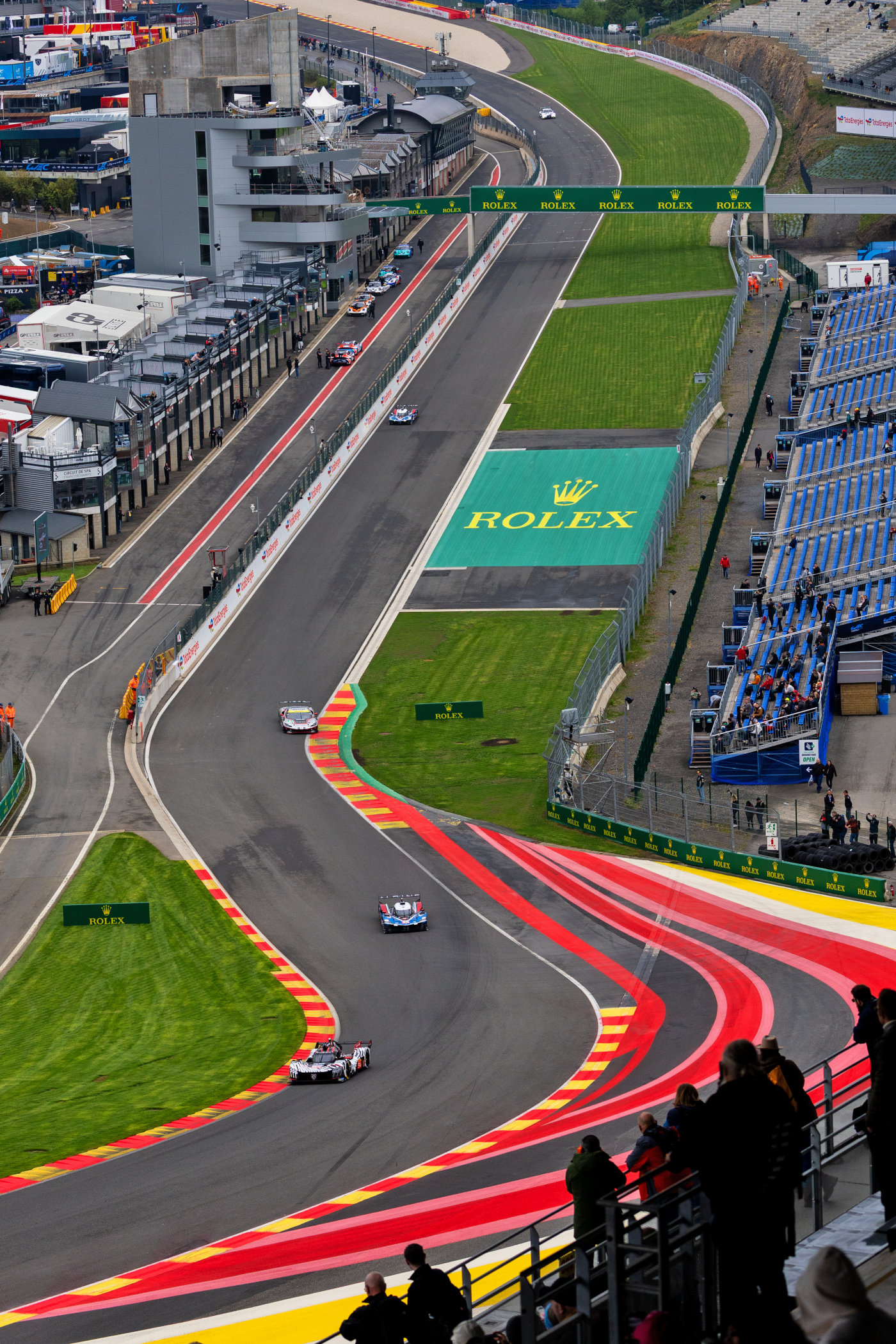
Cadillac came out guns blazing, asserting early dominance in the 6-hour-long race. They took the lead from the Alpine car on the second lap already, and only relinquished it when the first rounds of pit stops came around. Peugeot also found themselves in the mix from early on, with Alpine, Ferrari and Toyota close behind. In the LMGT3 class, one of the Ford Mustangs tried to muscle its way past the leading Lexus but failed, dropping down the order considerably on the opening few laps. After that, racing remained close but settled down into a steady rhythm of rounding the laps.
The middle phase of the race was marked by a series of events causing multiple cautions, virtual or even full safety car periods. With the field reshuffled and strategies split down the entire field, the race got very interesting once again. Hours long, the Hypercars fought a close battle pretty much down the entire order. Misfortune struck the Toyota team, as shortly after the #8 car driven by Sébastien Buemi, Ryo Hirakawa and Brendon Hartley pitted, a crash triggered a lengthy safety car period, seeing the team tumble down the order. The #94 Peugeot of Loic Duval, Malthe Jakobsen and Théo Pourcharie suffered a race-ending crash as they couldn’t avoid a spinning LMGT3 Mercedes right in front of them.
After things progressed into the finale of the race, it was clear it would be a battle to the win between multiple cars. With about an hour to go, one of the AF Corse Ferrari 499Ps was struck by an LMGT3 Lexus at the La Source hairpin, causing yet another safety car stint. This bunched up the pack yet again, and it proved to be the cork in the champagne bottle, about to pop out very violently. Shortly after the restart, the #009 Aston Martin Valkyrie tried to overtake the #35 Alpine down the Kemmel Straight but was forced onto the grass after a late block, causing the car to spin out, crash into the wall and retire. Not long after that, the #35 spun out on its own, hit the wall and had to limp back to the pits as well.
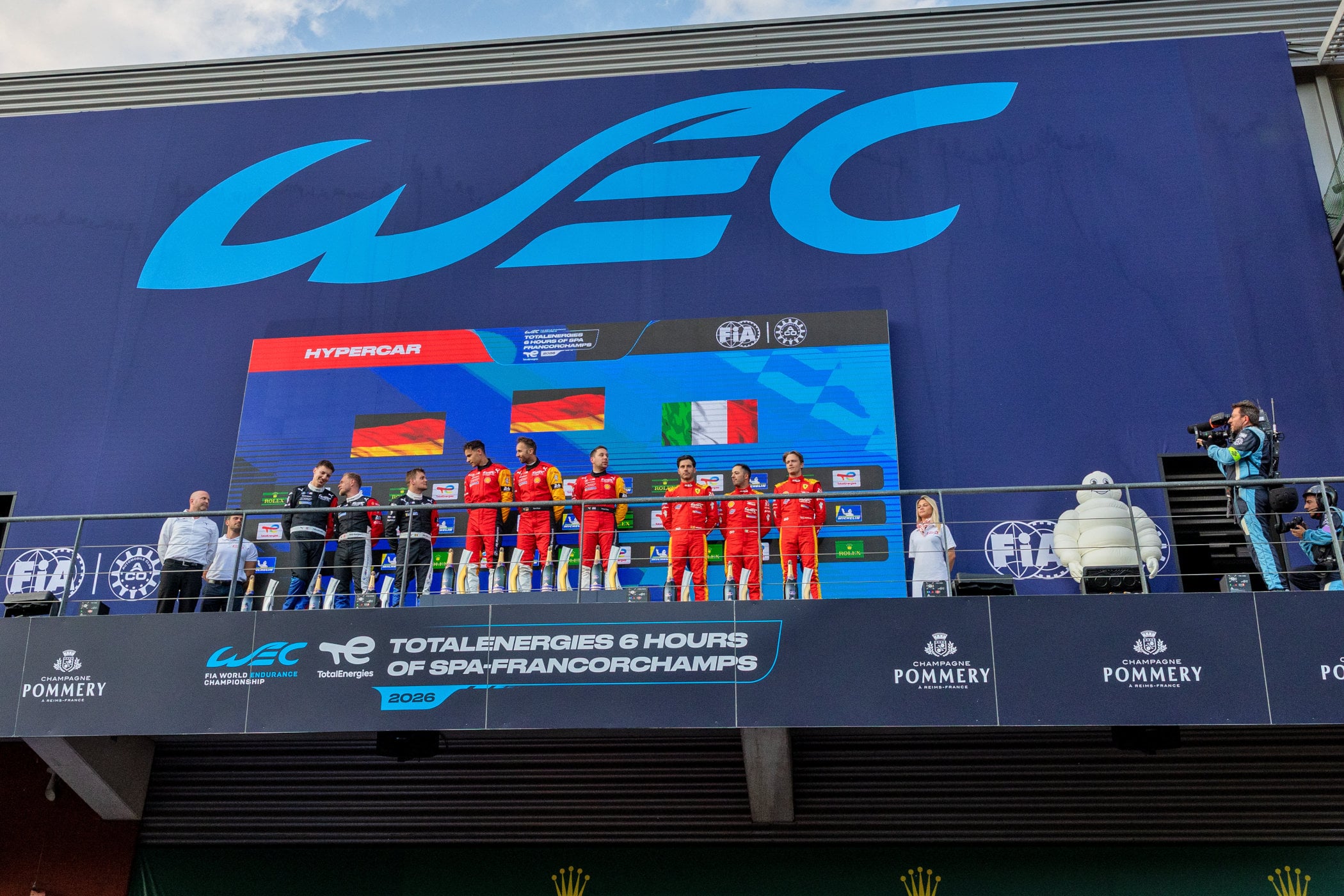
Meanwhile, the Belgian WRT BMW Team had taken the lead, with Robin Frijns piloting the leading #20 car and ex-F1 driver Kevin Magnussen behind the wheel of the sister car. The closing stages saw a tense lap-after-lap battle between the two BMWs, a fast-charging Ferrari and Aston Martin hot on their heels. Multiple swaps for positions occurred, and it was fascinating to see it unfold. In the end, BMW held onto the lead, scoring the team’s first 1-2 finish on home soil! In LMGT3, it was the Garage 59 team running the McLaren 720S GT3 EVO that claimed victory, ahead of the Heart of Racing Team Aston Martin Vantage AMR GT3 EVO, and The Bend Manthey Porsche 911 GT3 R in third.
All in all, it was exciting, action-packed and filled to the brim with drama and heartbreak, but also euphoria for local heroes and a battle until the end that kept us on the edge of our seats. And if this is anything to go by, the WEC is in for a stellar running of the 24 Hours of Le Mans and quickly turning into one of the most thrilling forms of racing!
Rolex Testimonee Nyck de Vries
On Thursday evening, coming straight from the track, I had the chance to talk to Toyota Gazoo Racing driver and Rolex Testimonee Nyck de Vries, who also happens to be Dutch, like me. Nyck previously raced for Toyota before getting the lifelong dream opportunity to drive in Formula 1, replacing Alexander Albon in the 2022 Italian Grand Prix at Monza. Finishing an impressive 6th in that race, he was called up by AlphaTauri (now Racing Bulls, the sister-team of Red Bull Racing), where he replaced Pierre Gasly after his move to Alpine.
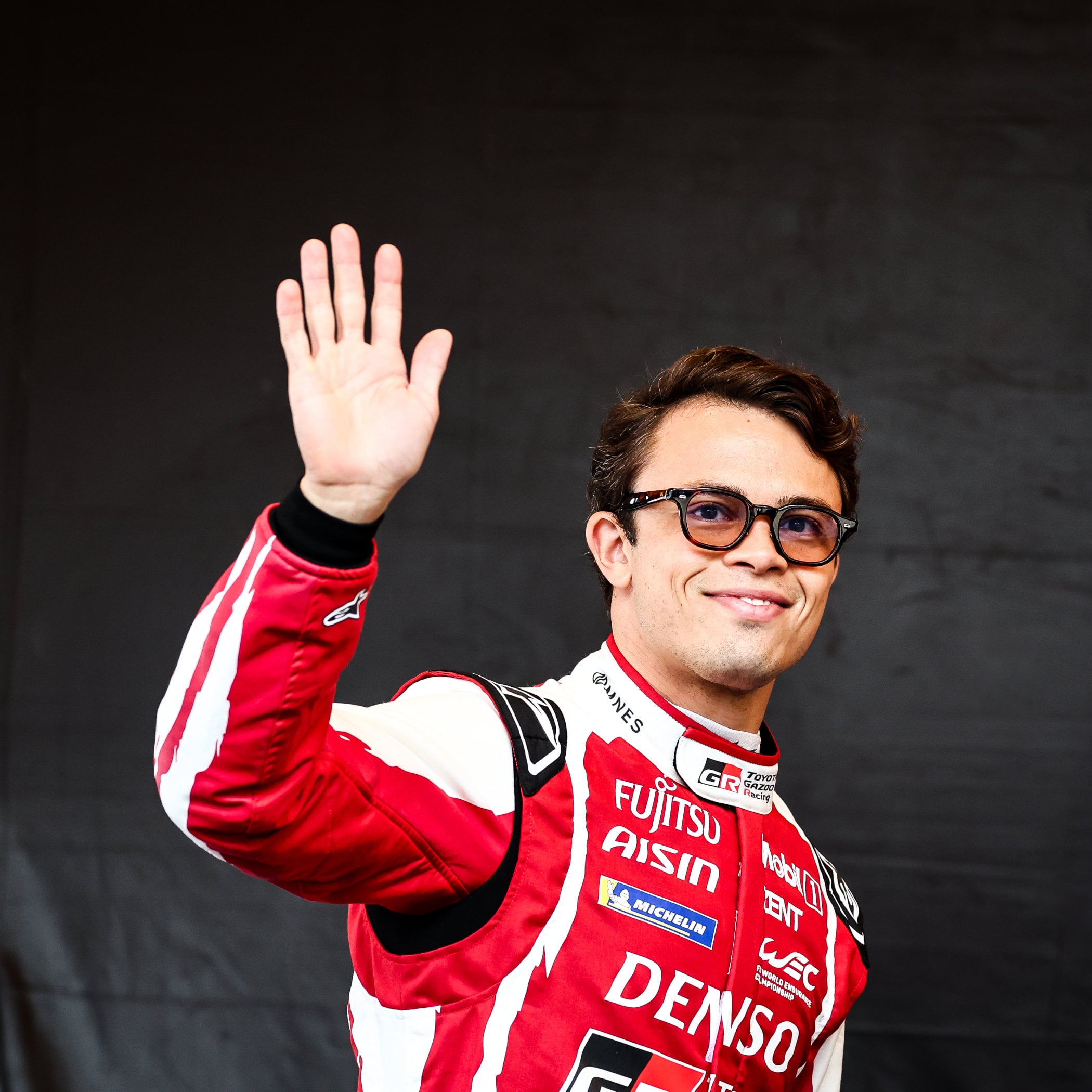
Nyck de Vries started in ten races in the 2023 Formula 1 season, before being replaced by Daniel Ricciardo for the remainder of the season. Despite this somewhat unfortunate chain of events, Nyck is still considered a highly skilled driver, and his close ties to Toyota saw him return to the Toyota Gazoo Racing team shortly after his F1 exit. Since then, he has won the 2024 6 Hours of Imola race, as well as the 2025 Bahrain 8 Hours, and came in third in the World Endurance Championship in 2024. More importantly, however, he came in second at the 2024 running of the 24 Hours of Le Mans, just 14 seconds behind the race-winning Ferrari team. And since he joined Rolex as a Testimonee only recently, it was the perfect time to ask some questions on racing, as well as watches.
Robin Nooij, MONOCHROME: What is the appeal of the WEC for you and what makes racing in this class so special?
The beauty of endurance racing is that success never comes from just one thing. You need to perform at every level, and there’s no single key to success. What makes it special is that you race as a team, and everyone brings different strengths and weaknesses. That means you can complement each other, and like in all team sports, it’s important to recognise each other’s strengths and be honest about weaknesses.
I also find endurance racing very interesting because of the variety of challenges involved. You have to manage changing conditions, traffic, setup compromises between drivers, tyre wear, fuel load changes, and strategy. It’s a very complete form of racing.
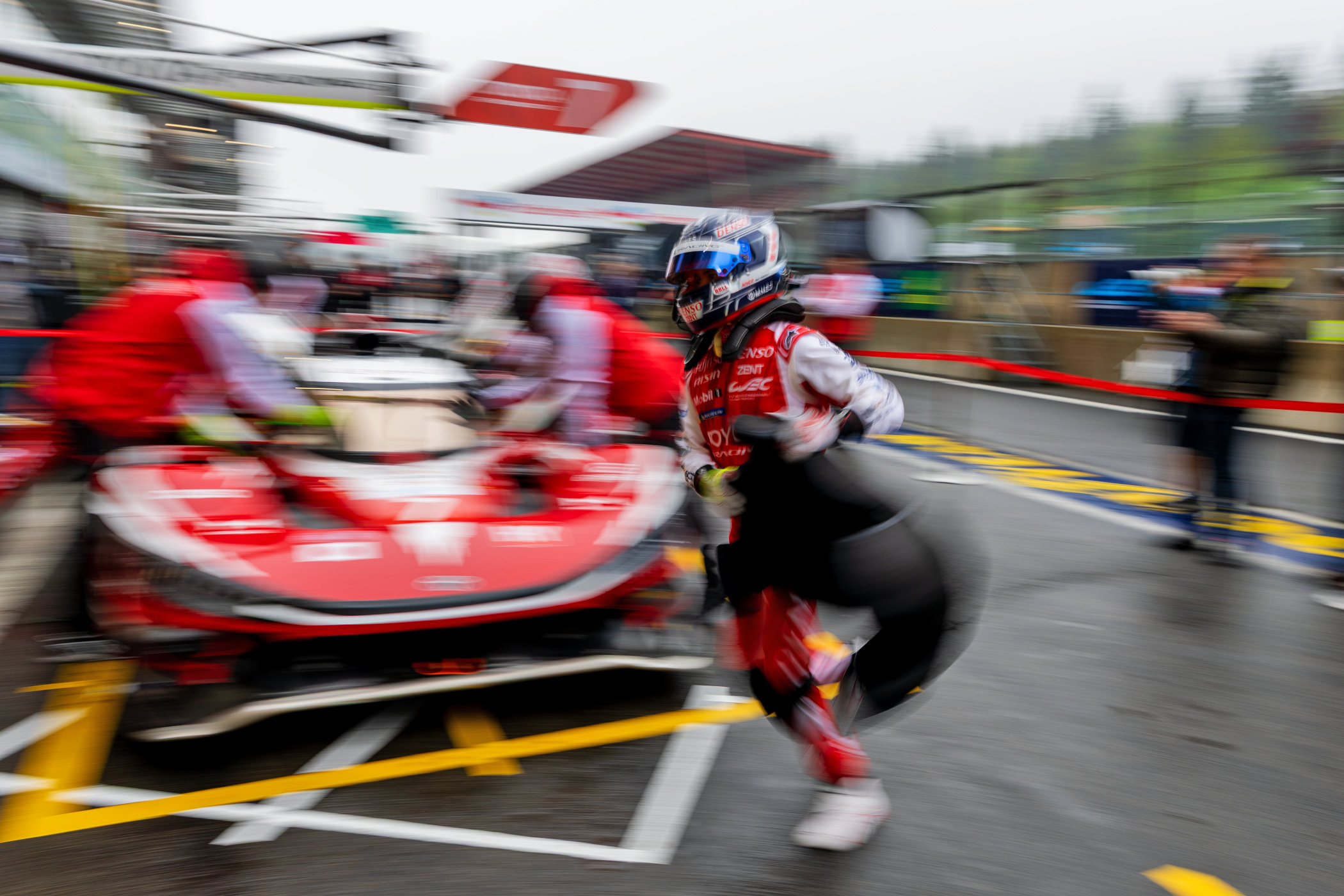
Your career has taken you from Formula 2 and Formula E to Formula 1 and now to endurance racing. Has your sense of timing changed since competing in longer races?
Yes, endurance racing has taught me a lot, especially about adaptability and compromise. During my F1 years, I had already started endurance racing, which was quite uncommon, and I think that experience actually helped me win the Formula 2 championship in 2019. By nature, I’m very detail-oriented and a perfectionist, and I can get deeply absorbed in small details. But endurance racing taught me that sometimes you simply have to get on with it. When you share a car, especially with an amateur driver, you have to compromise. Nothing is ever perfect. You may need to give the other driver more time, or make the car setup more comfortable for them, because the time gain with them is bigger than for you. That acceptance of compromise and the need to adapt really has taught me a lot.
Also, in endurance racing, it’s easier to get into a rhythm and flow because the races are longer. In sprint racing, the lights go out, and it’s war immediately. In endurance racing, you simply have more time to settle in and find your groove, your rhythm.
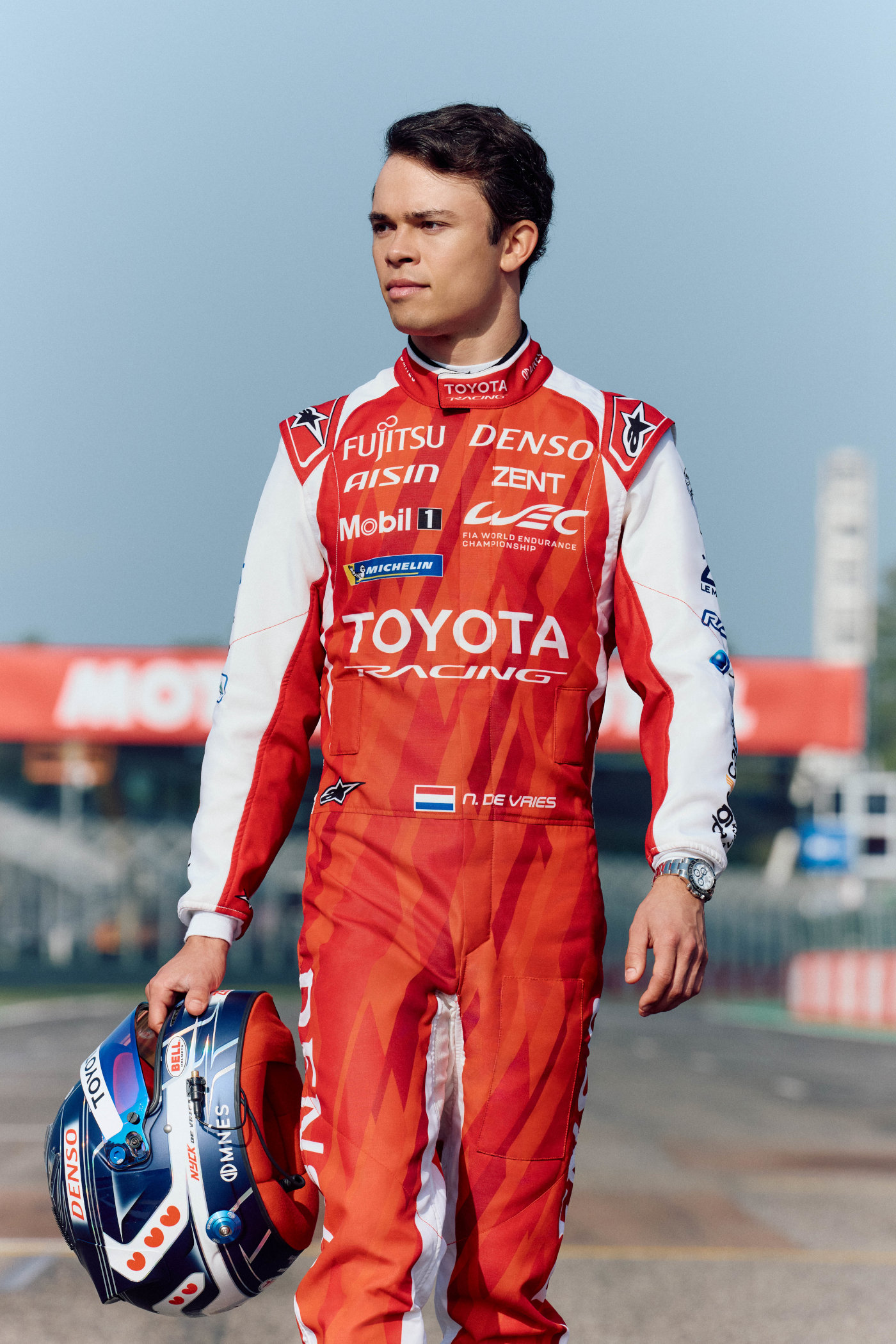
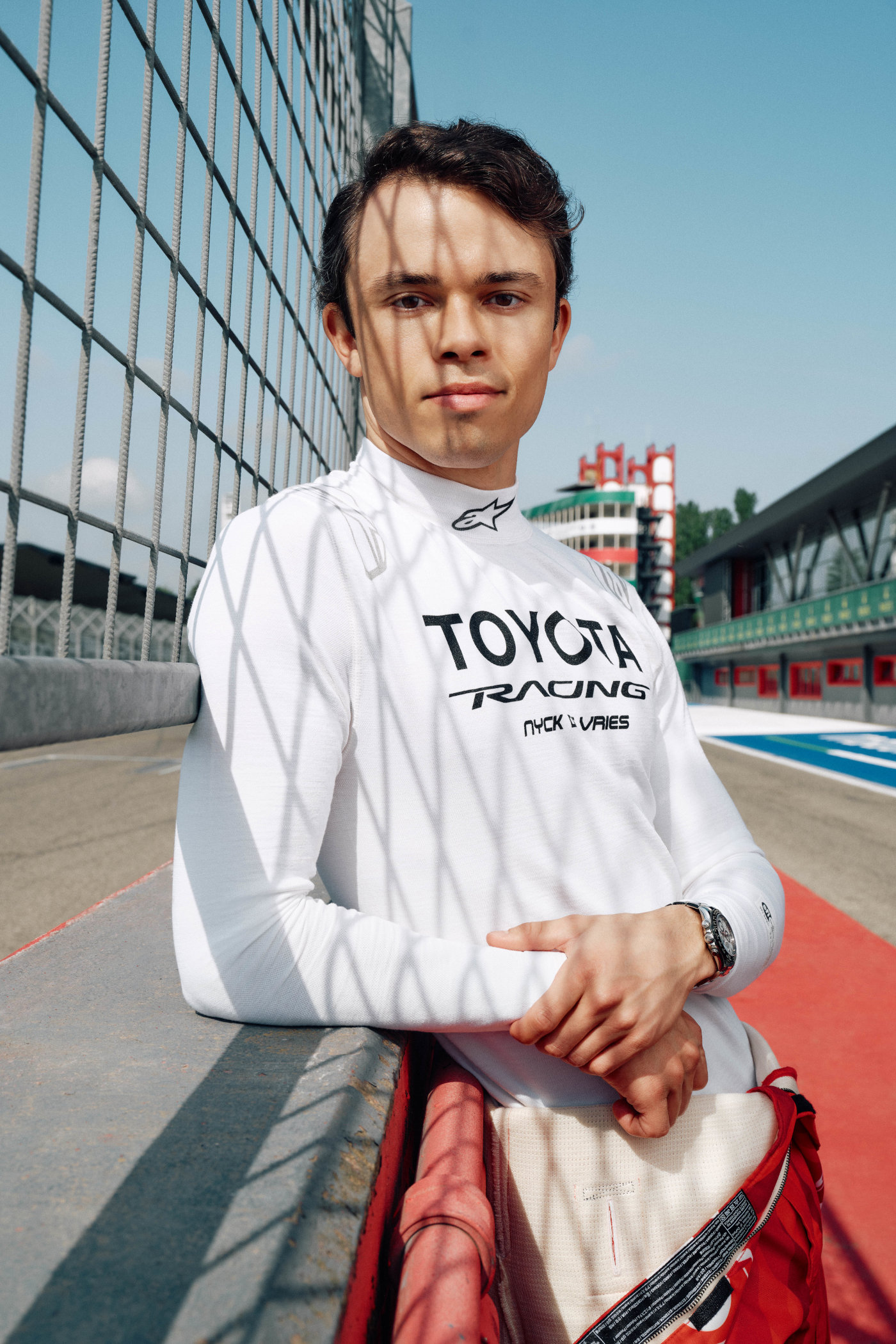
Spa-Francorchamps is a circuit where conditions can change quickly. As a driver, how do you determine the right moment to take risks, especially on a track with curners such as Eau Rouge, Raidillon and Blanchimont?
In racing, nothing is ever the same. Even if the sun is shining and there is no wind, every lap is still different. I think the key skill that separates a good driver from a very good one — or the very best — is the ability to adapt. You use all the information available to improve yourself and the car, but you still need to read the circumstances and respond accordingly. In endurance racing, especially, the car is constantly changing. You might start a stint with full fuel and new tyres, then end it with an empty tank and worn tyres. Then you go back out with a full tank again, but now the tyres already have many laps on them. So the car is never the same. That means you always need to stay open-minded and be willing to adapt, using the tools in the car and your judgment for the conditions. On a track like Spa, with elevation changes, blind corners, high-speed corners, and so on, precision and feeling are especially important.
From whom did you receive the best advice ever, and can you share it with us?
I don’t think it came from one person specifically; I think I learned it the hard way myself. As a young driver, you grow up dreaming about Formula 1, and you think that’s everything. I was obsessed with that goal. Eventually, I got the opportunity to fulfil that dream, but once I was there, I realised that actually nothing had changed. The work didn’t change. The process didn’t change. What I enjoy, trying to become better every day and living racing every day, stayed the same. It was just called Formula 1 instead of WEC or something else. So I realised that you really have to enjoy the process and the journey. As a competitor, you want to win, and that matters. But it’s also important to remind yourself how privileged you are and to enjoy the moment.
What motivates you as a racing driver?
Marginal gains and the process of always trying to get better. It’s an endless process. There is no real end goal, because even when you achieve something, the next race is already there. Of course, as a team, our goals are to win Le Mans and fight for the championship. But as competitors and racers, once you win once, you want to win again. So you have to enjoy the process and the journey. That’s what motivates me: trying to be a little bit better every day.
If you had not ended up in motorsport, what other ambitions would you have had? And what is your ultimate goal in racing?
I never really had a Plan B. I don’t really believe in a Plan B. I think you need to have one goal, and no matter what, you try to make it work. It may not happen in a straight line, and there will be many obstacles along the way, but somehow you have to make it happen. So no, there wasn’t really another ambition in mind outside racing.
In the short term, the team’s objective is clear: to win Le Mans and fight for the championship. More broadly, though, I don’t really see racing as something with a single final endpoint. Once you achieve one goal, the next race is already there. So for me, the real goal is continuous improvement and always trying to become better.
With your experience in Formula E and now WEC, how do you see the future of motorsport?
I think Formula E is technically very impressive and doesn’t always get enough appreciation, especially in terms of software development. In that area, it is far above Formula 1 and WEC. It is extremely advanced, but also quite niche because so much of it is about software. There is also a lot of cross-learning between Formula E and WEC, particularly in energy management, fuel saving, and software-related systems. That makes involvement in both categories very useful for me as a driver. At the same time, what I criticise a little in Formula E is that the pure racing can sometimes become too extreme in its energy-saving nature — almost like a cycling peloton. So while the technical product is strong, there is still room to improve the sporting side.
You’ve become a Rolex Testimonee this year. Was it something you ever dreamed of?
It wasn’t something that consciously crossed my mind. I grew up racing, and my whole life has been about racing, optimising performance, achieving goals, and becoming a better driver. Naturally, when you do well in something, other opportunities come along, and that’s how this came about. But of course, when I bought my first Rolex in 2019 after winning the Formula 2 championship, I could never really have imagined that becoming a Rolex Testimonee would be possible. So yes, it’s a dream and a big honour.
What does it mean for you to be part of the Rolex family, and how do you feel about representing Rolex in motorsport?
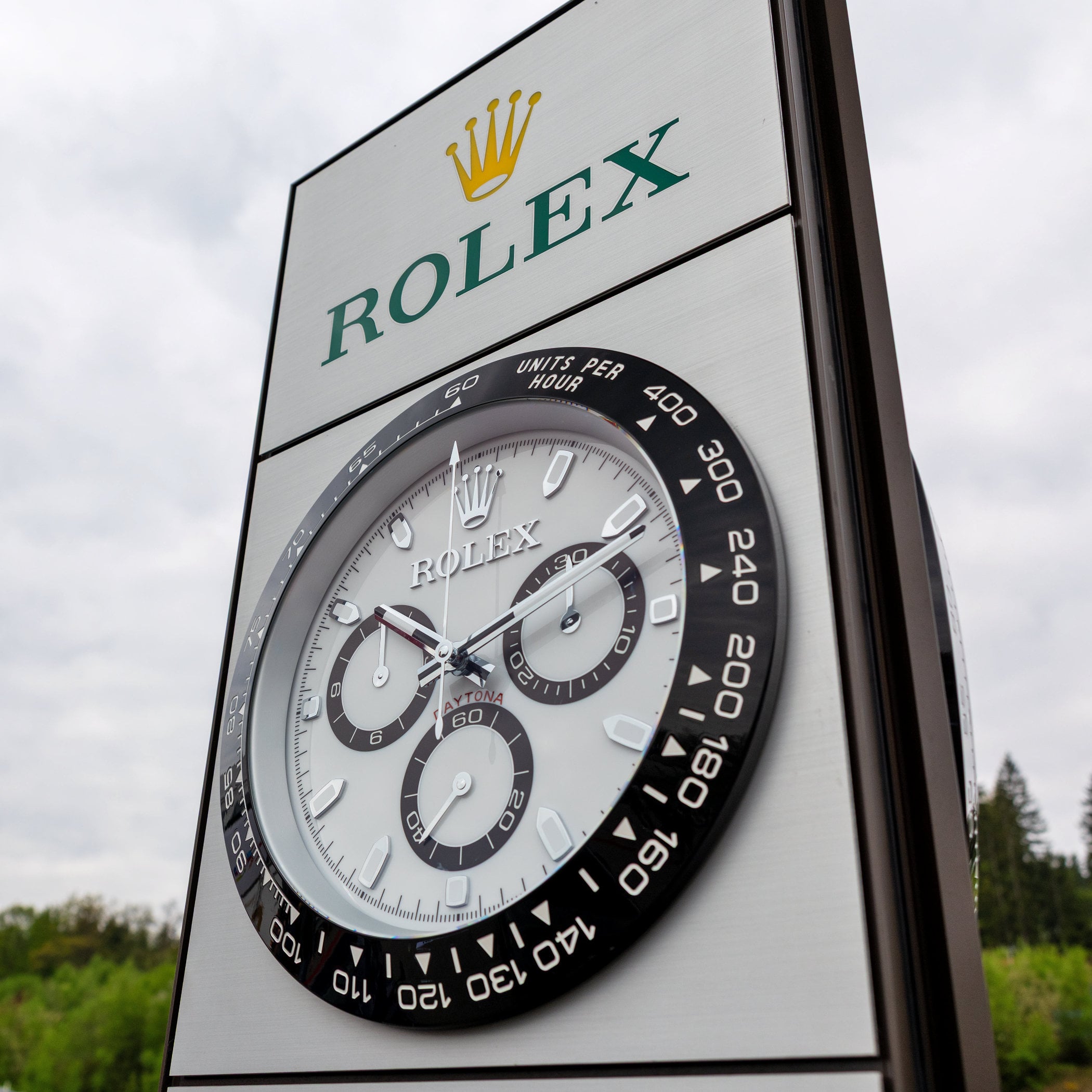
It’s an honour because Rolex represents everything we appreciate in watches and in the values the brand stands for. It is a globally recognised brand, and being associated with it brings additional value. I feel humbled to be part of that family. It’s a great match. WEC, Rolex, and watchmaking all reflect similar values. They represent each other extremely well, and for me, it is an honour to represent those values for a brand like Rolex.
What is your favourite Rolex watch? And why?
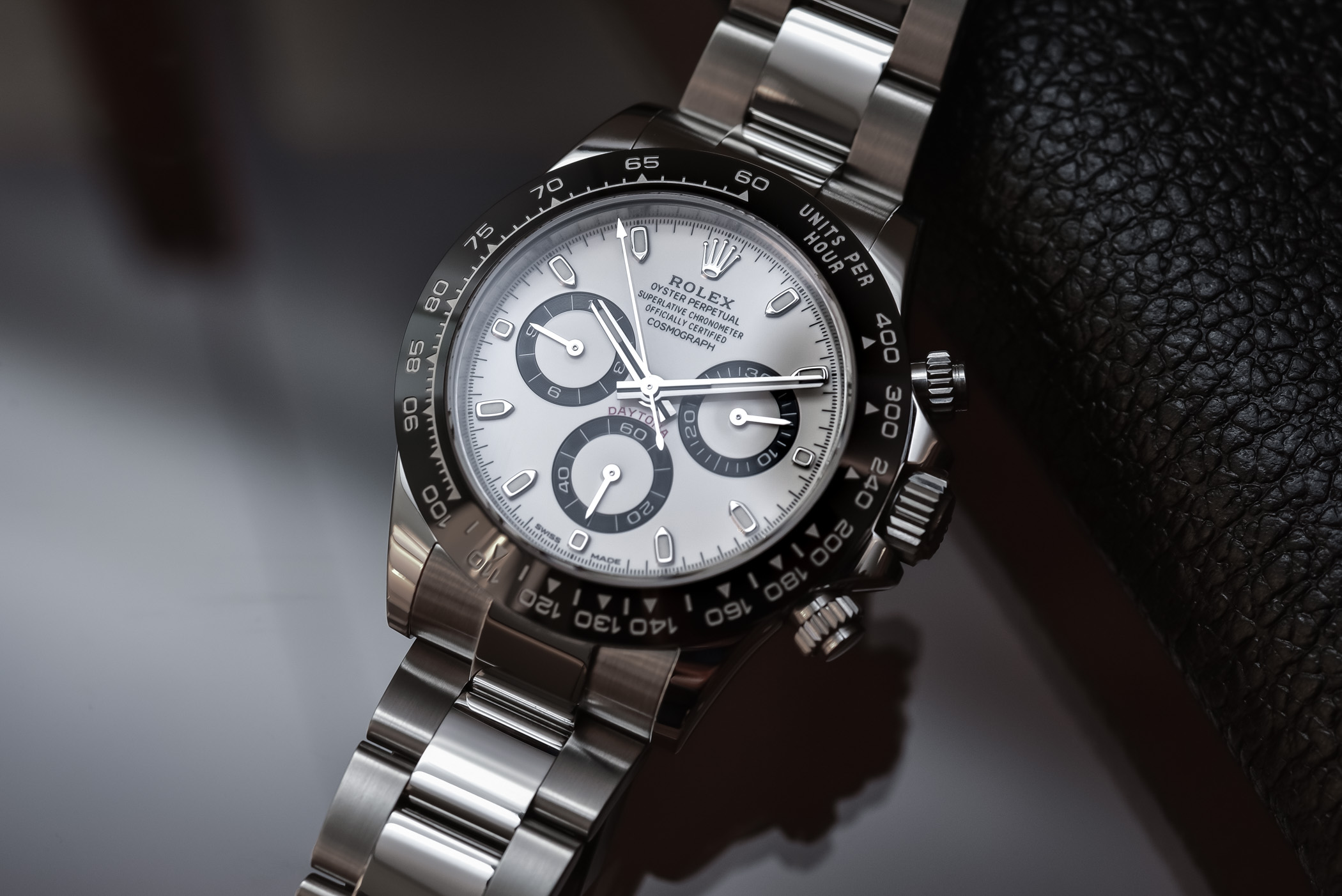
If I’m fully honest, my favourite is still my first one — the first watch you buy yourself is always your first love, and everybody remembers their first. My first Rolex was a Daytona in stainless steel with a white dial and ceramic bezel. I bought it in 2019 after winning the Formula 2 championship, so it carries a very strong
emotional value. For me, watches are always linked to emotions and memories. He also spoke about another Rolex he bought after winning the Formula E
championship. He said Rolex is green for him, and he especially loves the dark green dial because it changes slightly depending on the light. But more than anything, the watch reminds him of having achieved something important. Rolex is strongly associated with precision, reliability, and endurance performance.
Which of those values do you recognise most in your own development as a driver?
I wouldn’t single out just one. In endurance racing, you cannot succeed with only one quality. You need all of them. There is never just one key to success.
If you want to excel in endurance racing, in WEC, or at Le Mans, you have to perform at all levels. So I’d like to think that I have all of those values to a meaningful degree.
For more information about the World Endurance Championship or Rolex, please visit FIAWEC.com or Rolex.com.
Editorial Note: The information used and images portrayed in this article are our own or sourced from and used with permission of the FIA WEC and Rolex, unless stated otherwise.