


 Not all images were able to load for printing. Please close the print window and try again.
 Porsche Chops The Roof Off The 911 GT3 And Calls It S/C.
A car that shouldn't be... if you ask purists.
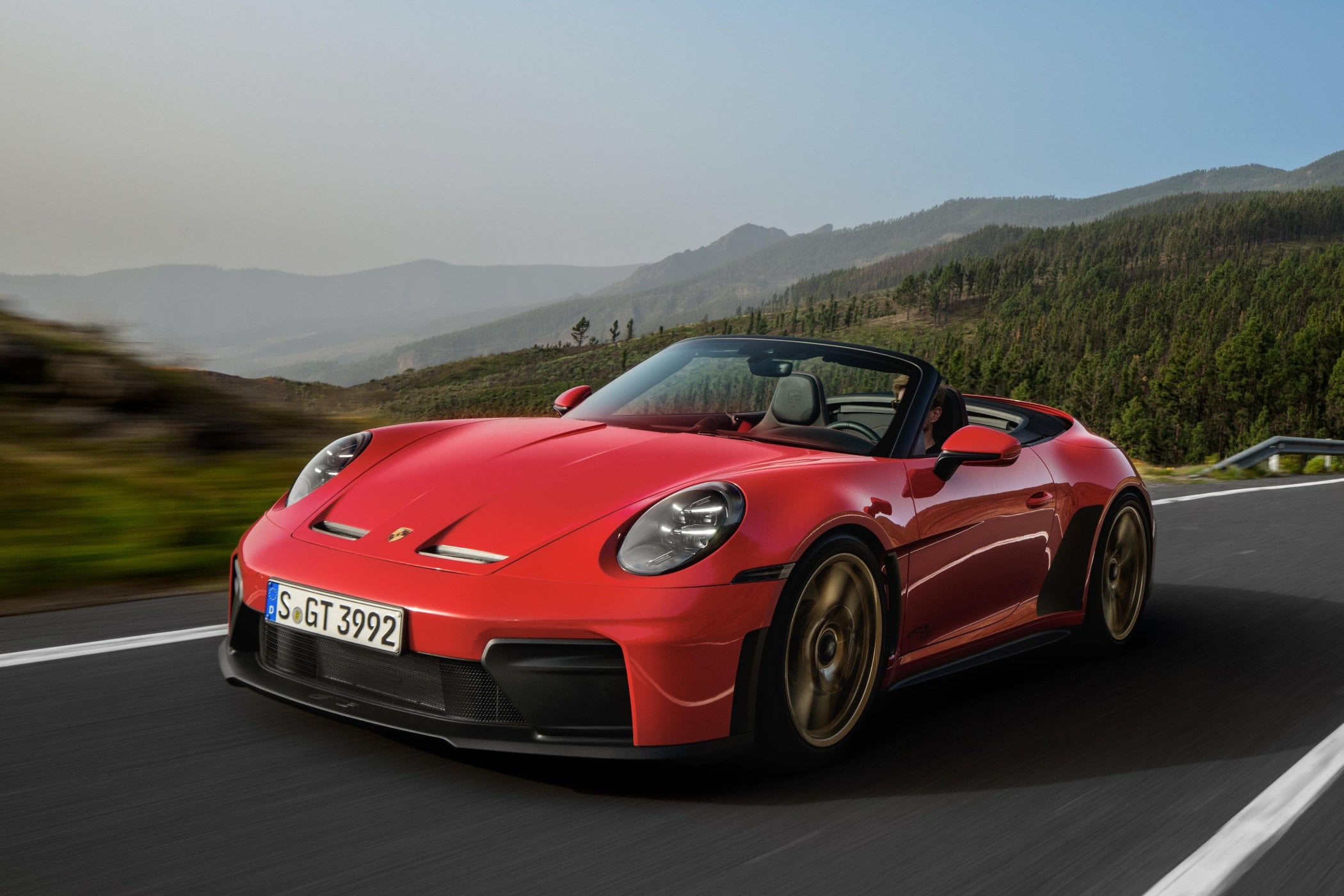
If you asked the majority of car enthusiasts what was missing from the Porsche 911 line-up, I have a suspicion pretty much no one would answer with a roofless 911 GT3. But in a genuine case of “what if” Porsche has done just that, and from the first reports from the car world, it’s virtually every bit as brilliant to drive as the fixed-head GT3! But in all honesty, this was pretty much unheard of, like a decade ago. No one in their right mind would have even thought about a convertible GT3! It’s a purist’s car, to be driven hard, on a knife’s edge of bravery and capability (likely limited by the driver, not the car). So what to make of this new open-top GT3 S/C? Is it blasphemy, or pure genius?
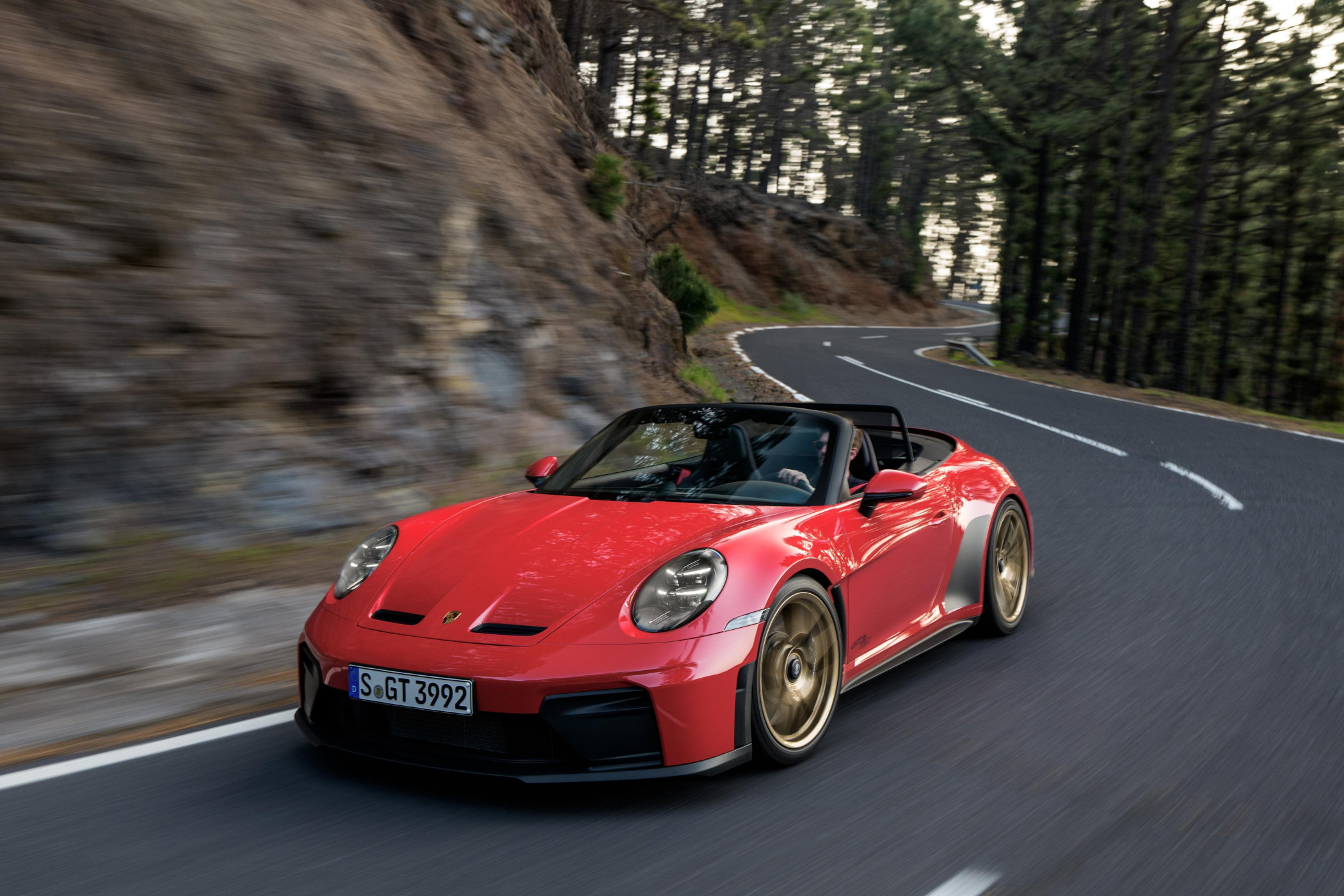
It’s almost as if a client of the Sonderwunsch program got the idea to do this, and Prosche ran with it. It’s so unexpected, given the purity of what the GT3 represents in Porsche’s lineage, that it feels a bit odd, a bit dirty, a bit sinful. Then again, there is very likely to be a market for it otherwise; they wouldn’t make it, and it does come with one major benefit: You’re sensorially closer to that magical high-revving flat-six in the back! Cutting the roof allows the noise, music to some even, to enter the cabin undisturbed, and that’s also what matters in a car designed for driving focus and pleasure! So there’s at least that!
The GT3 lineage
The GT3 is to the 911 what a Stradale is to a Ferrari. It’s basically a high-performance, laser-focused special on the 911 platform with influences from racing as well as the best bits from the road cars. The GT3 line is the spiritual successor to the Carrera RS program from the 1970s, but the name first appeared in 1999, on the 996-gen of the 911. It basically homologated the racing spin-off of the 911 for GT3 racing, hence the name, and it stuck. Big time! The GT3 was a more hardcore take on the essence of a 911, rear-wheel drive only, no rear seats and other creature comforts, and above all: a 355bhp “Mezger” flat-six engine bolted to a manual gearbox.
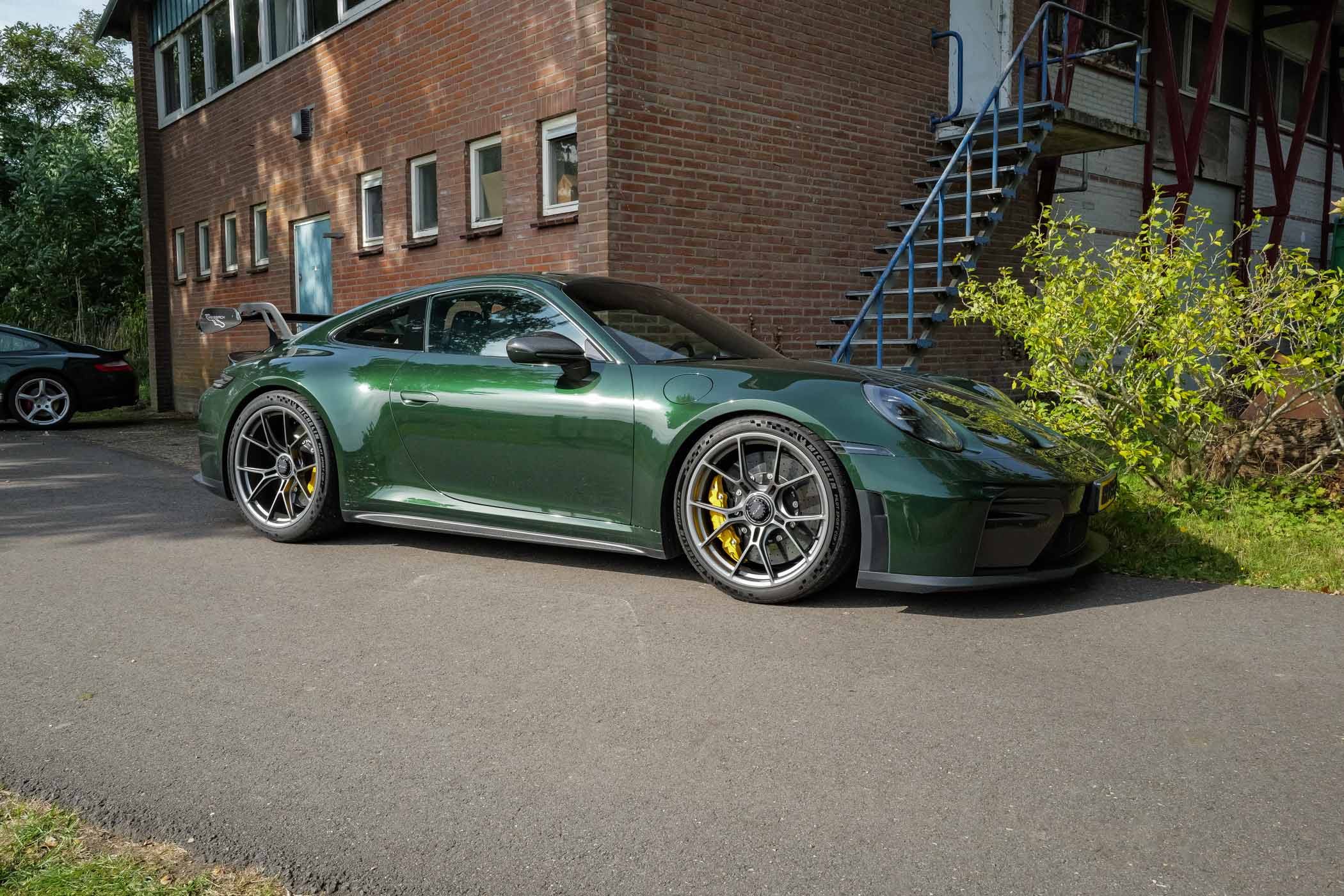
With the introduction of the 997-generation, the anticipation of a GT3 variant was imminent. And sure enough, in 2006, Porsche put it on the road, bumping the power to 409bhp and shaving a couple of tenths off the zero-to-100kph time in the process. On the outside, it was recognisable thanks to the unique wing on the back, much in the spirit of the 996 GT3 before it. This was replaced with the 991 GT3 in 2013, which came with a newly developed 3.8-litre engine, pumping out 470bhp. Power was fed through Porsche’s PDK automatic paddle-shift transmission, which was the first breakaway from the purists’ approach of the GT3 line-up. The 991-2 GT3 also gave us the Touring Package, which exchanged the fixed rear wing for a retractable one, and more importantly, saw the return of the much-desired manual transmission.
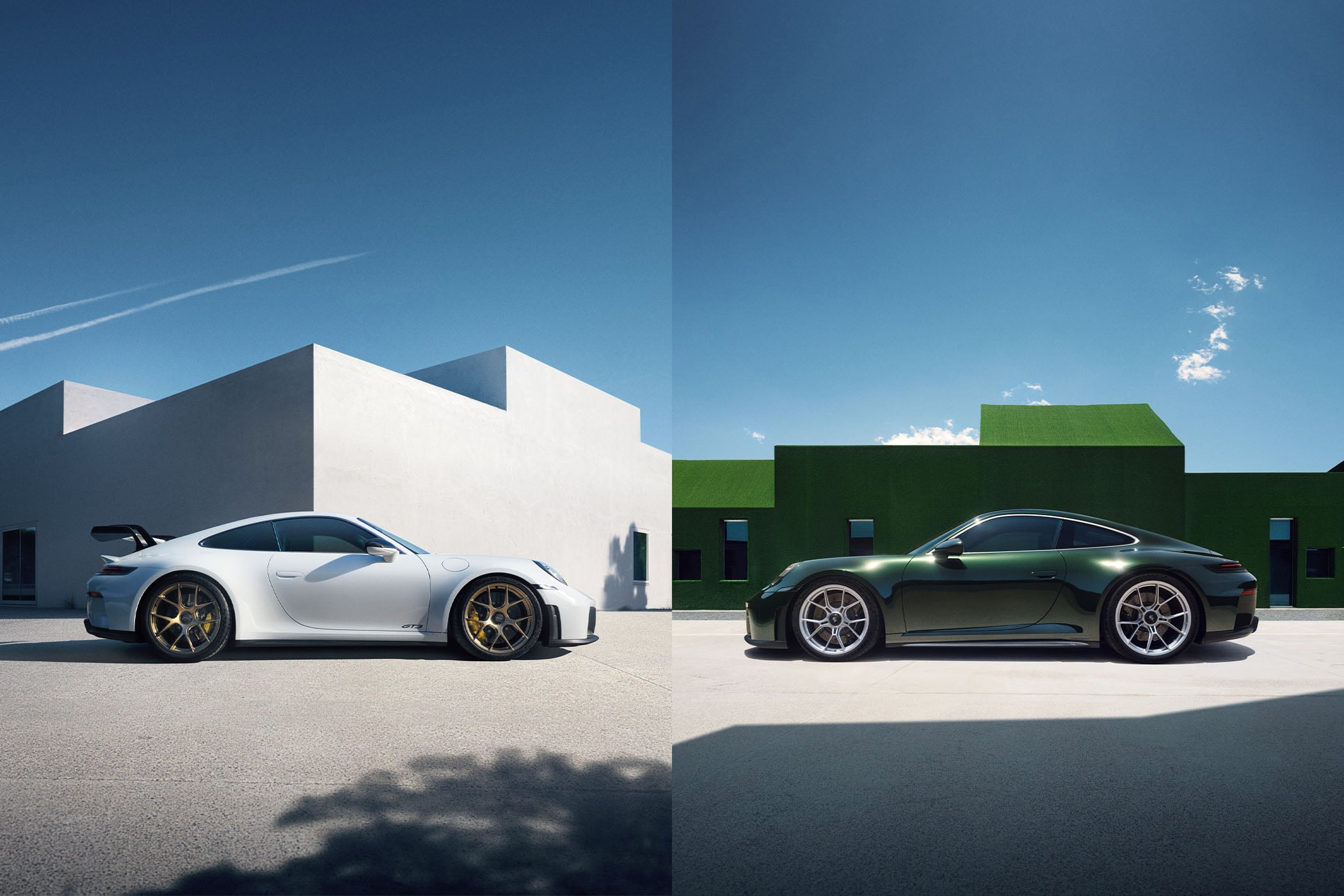
The 992 generation of the 911 was introduced in 2018, with production commencing in 2019. The GT3 variant was introduced in 2021, with the Touring Package following shortly after. Updates included a larger rear spoiler with integrated air vents, a bigger diffuser, bucket seats and an optional roll cage. The engine was enlarged to 4.0 litres and delivered 510 horsepower, which is exactly where we’re at now when it comes to the GT3. Through all those years, however, the GT3 was a coupe (with the exception of some GT3-based Speedsters, that is). Until now…
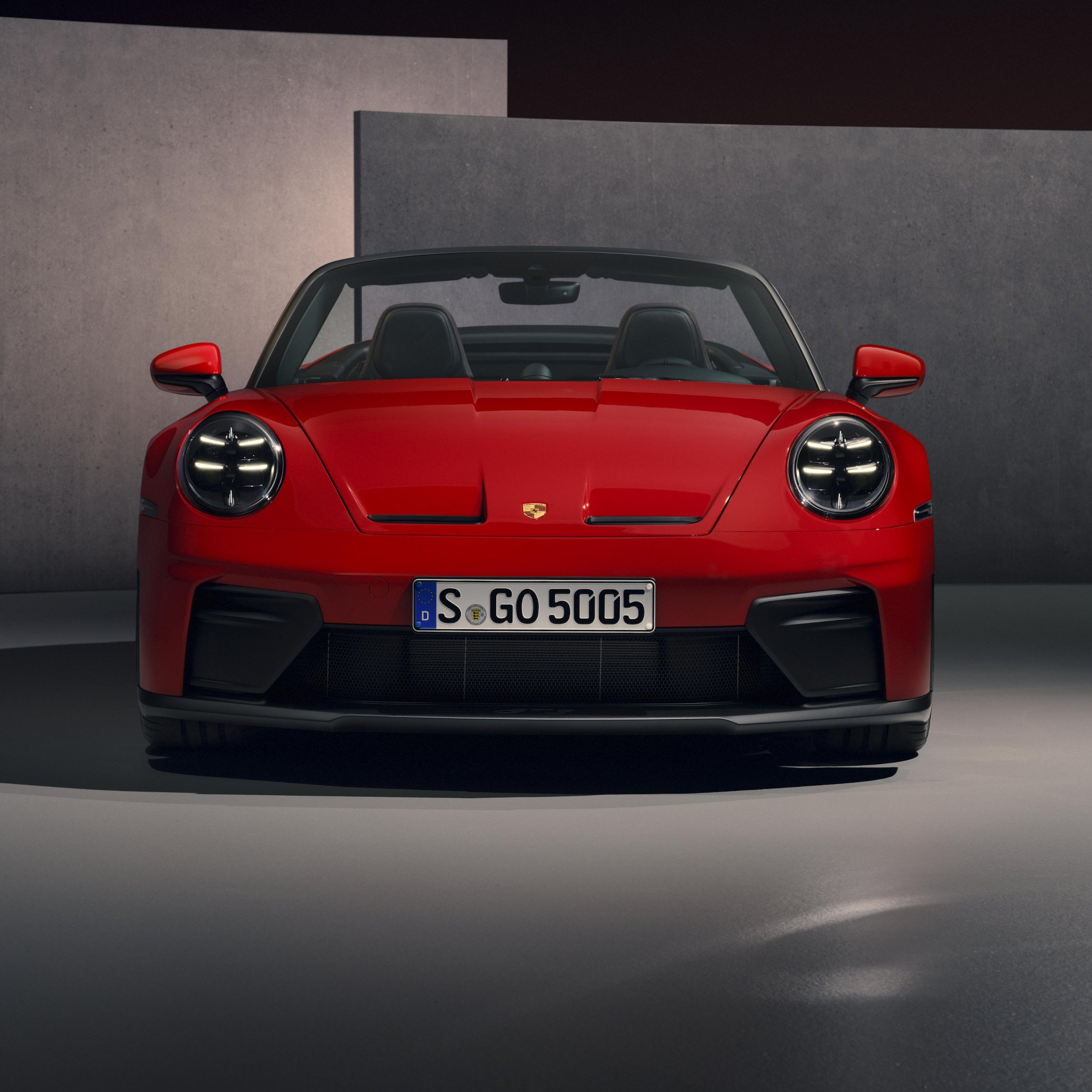
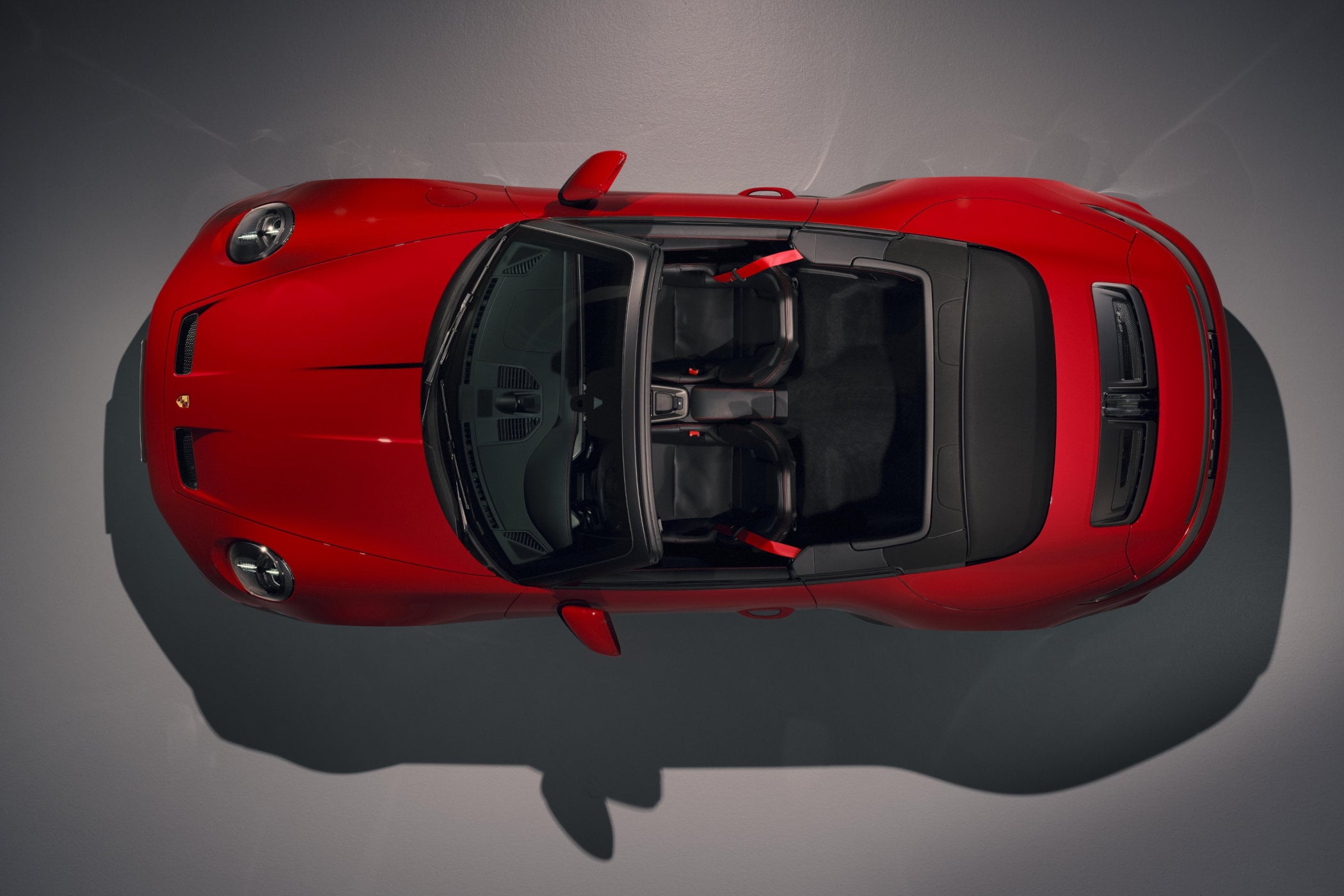
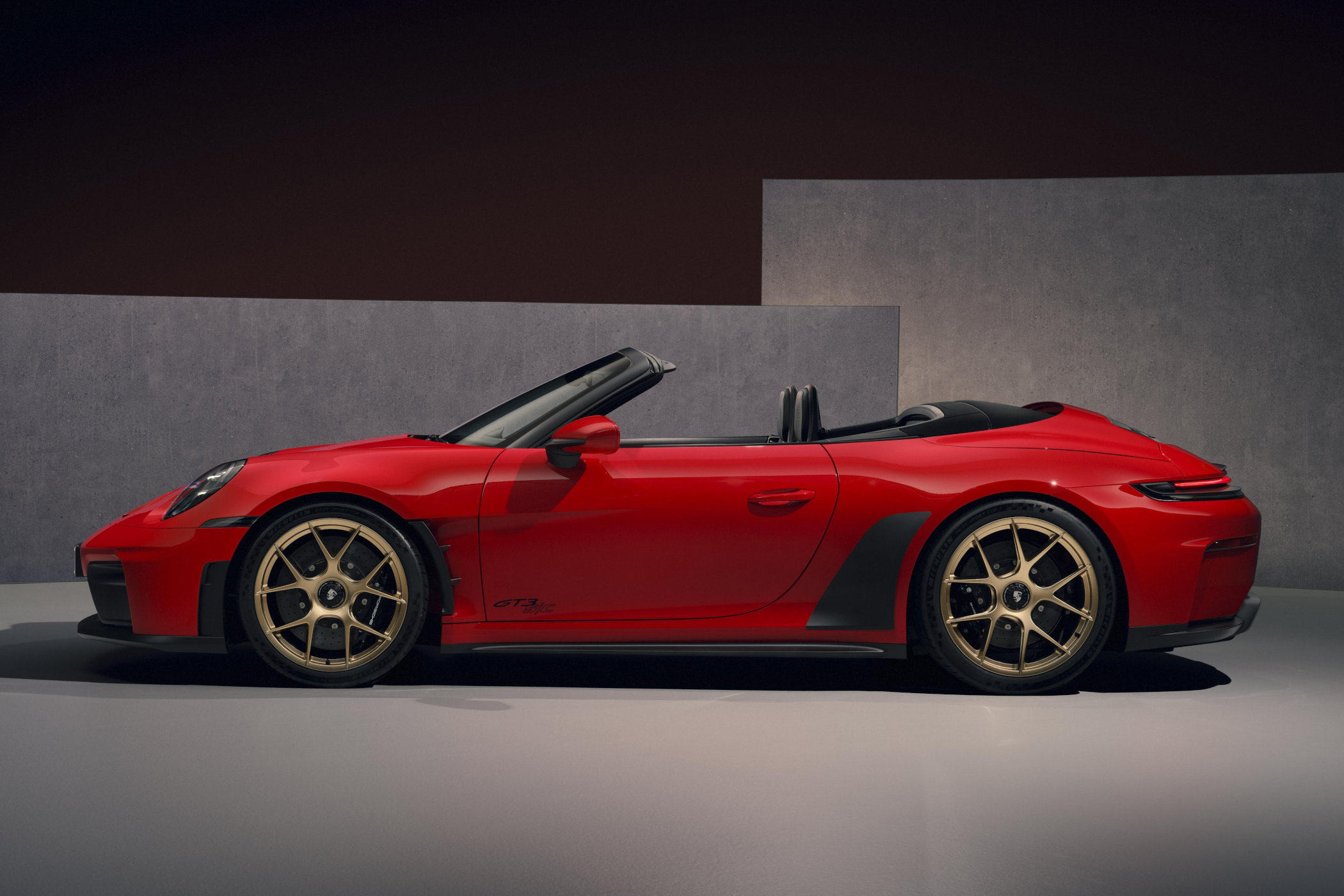
The GT3 S/C
If you have a remote idea of cars and how they’re constructed, you will know that a convertible is always less rigid and more prone to flexing than a coupe. It’s like taking the lid off a shoebox, essentially. With it, it’s much more structurally stable and can take a bigger impact. While the shoebox analogy is a bit of an exaggeration, it’s still very much true that the chassis of a convertible needs to be strengthened to accommodate the lack of rigidity from the roof structure. Porsche, however, if Chris Harris is anything to go by, has managed to make the difference virtually imperceptible for the everyday driver. In essence, that means the GT3 S/C is every bit as hardcore as its GT3 sibling! Reassuring, to say the least!

The 911 GT3 S/C relies on the GT3 platform, of course, so you get the latest in chassis technology from Porsche, including rear-wheel steering, active suspension management, and a naturally aspirated 4.0-litre flat-six engine mounted behind the rear axle with 510bhp on tap. The top speed is similar to the closed-top GT3, and you’ll be hearing that high-revving engine (9,000 rpm red line!!) a lot more now that the roof is gone. And the best part of it all, it comes with a close-ratio manual six-speed transmission only, which will surely delight 911 enthusiasts.
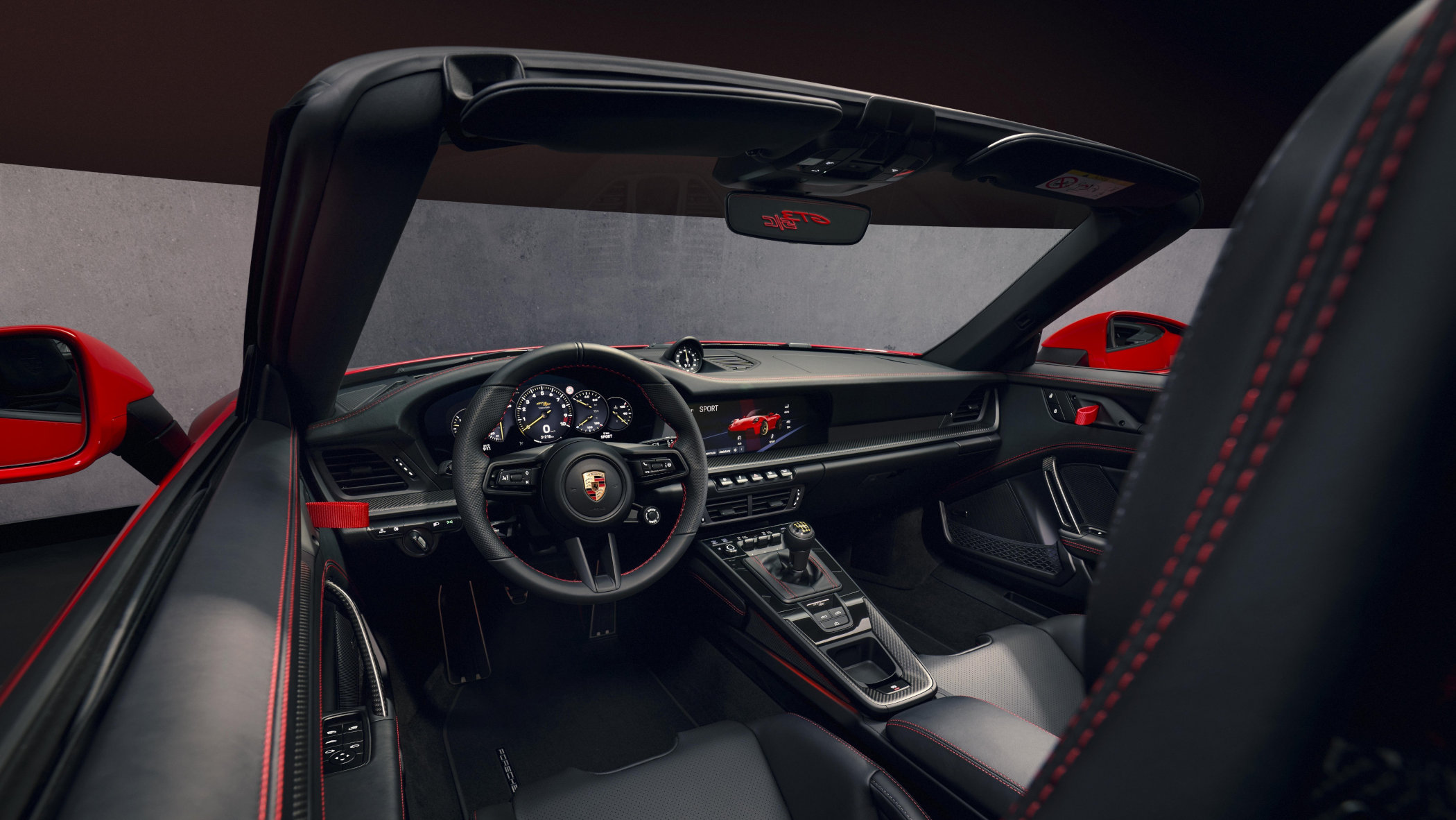
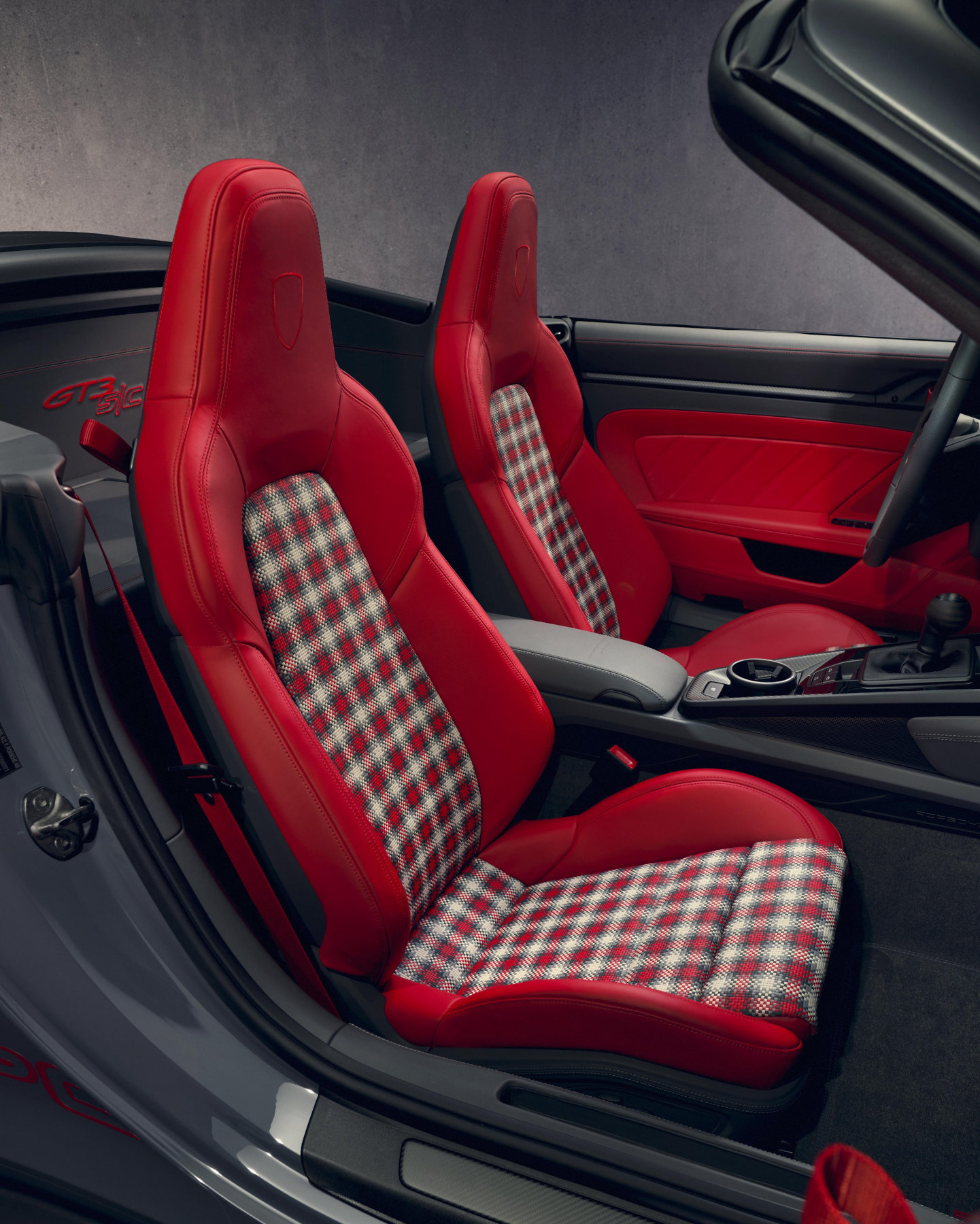
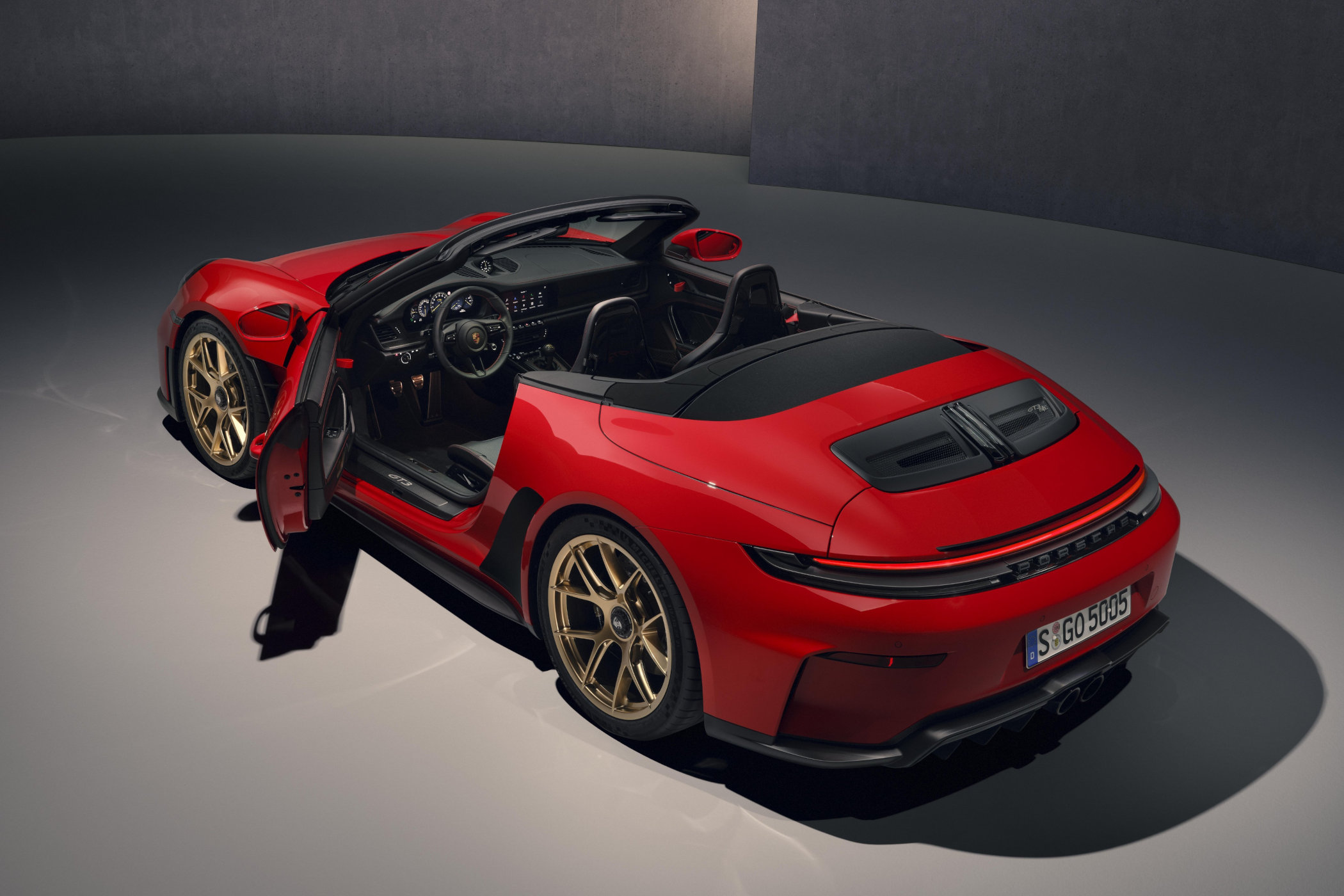
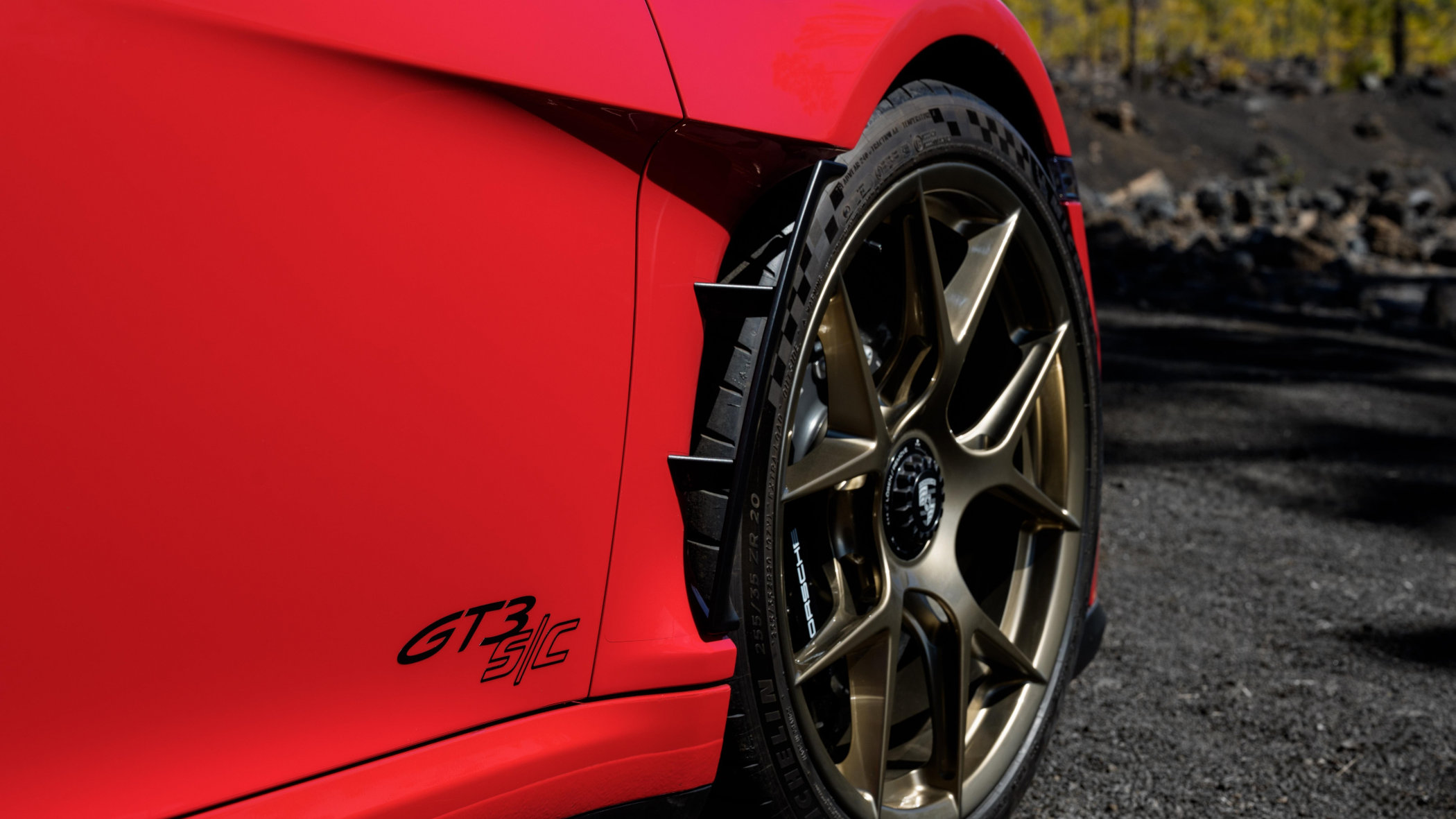
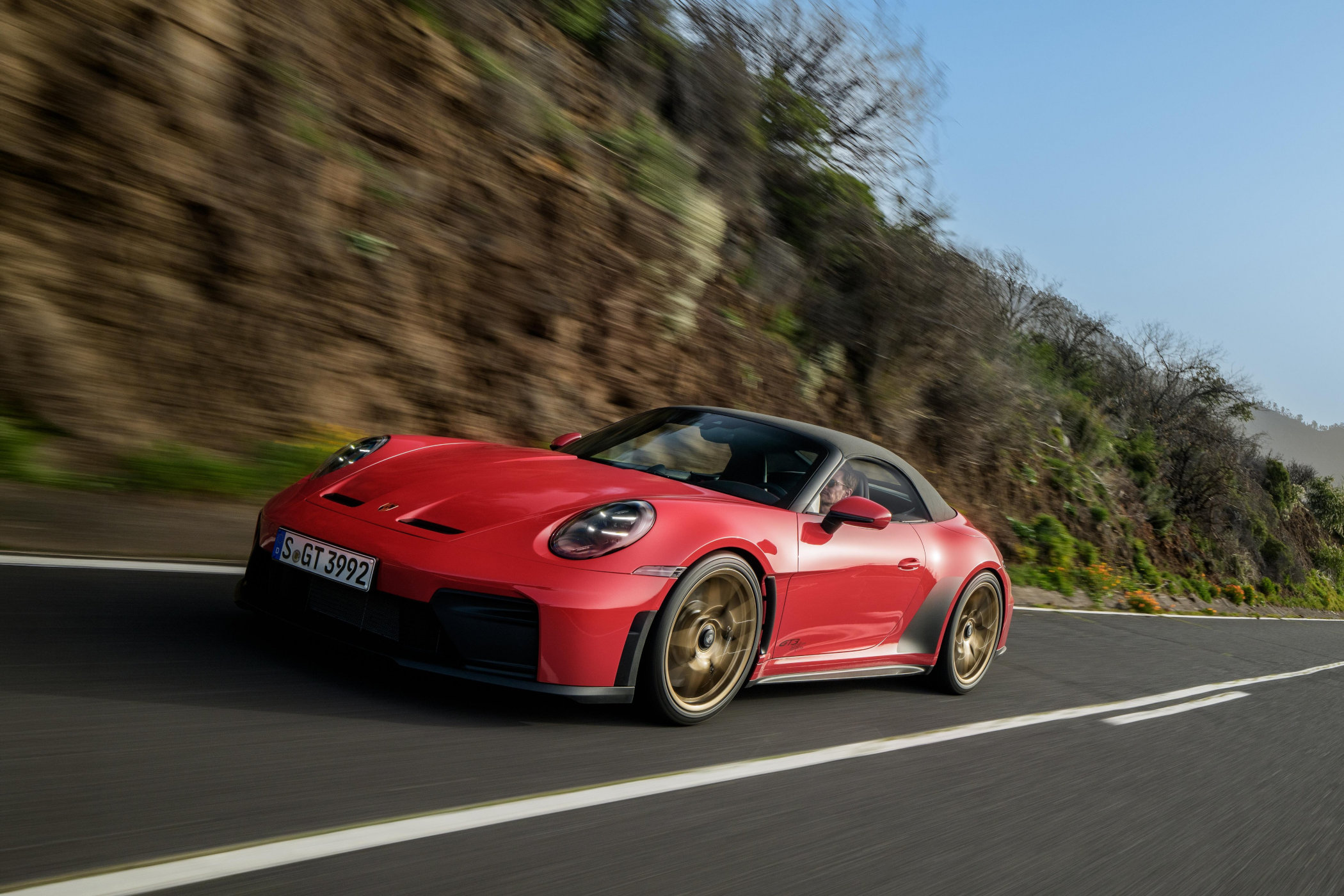
The body combines elements of the regular GT3 with bits from the S/T line, including lightweight front fenders and door panels. The convertible roof is taken straight from the regular convertible, with no hard cover or anything, and opens and closes in 12 seconds at speeds up to 50kph. The S/C also gets the cutaway sections behind the front wheels that run into the doors from the S/T, which I thought always looked rather mean and cool!
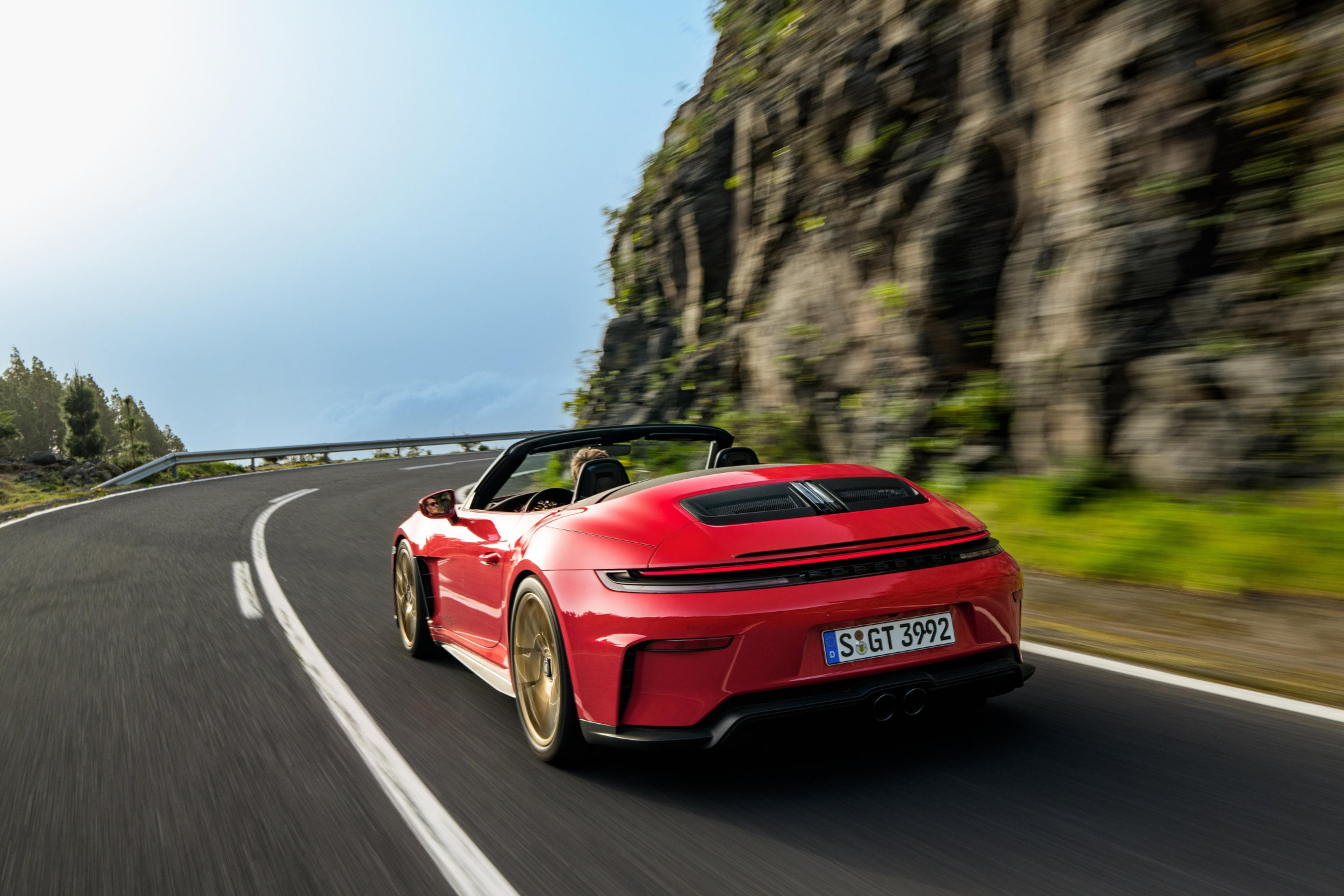
Around the back, there’s no fixed rear wing, but instead, you get the integrated spoiler from the Touring Package. So retractable, and with a little gurney flap. On the inside, it’s pretty much more of the same, with lightweight carpets and carbon fibre door cards and handles shaving off as much weight as possible. The multi-adjustable lightweight bucket seats can fold forward, but there are no rear seats to be found anywhere, not even in the options list.
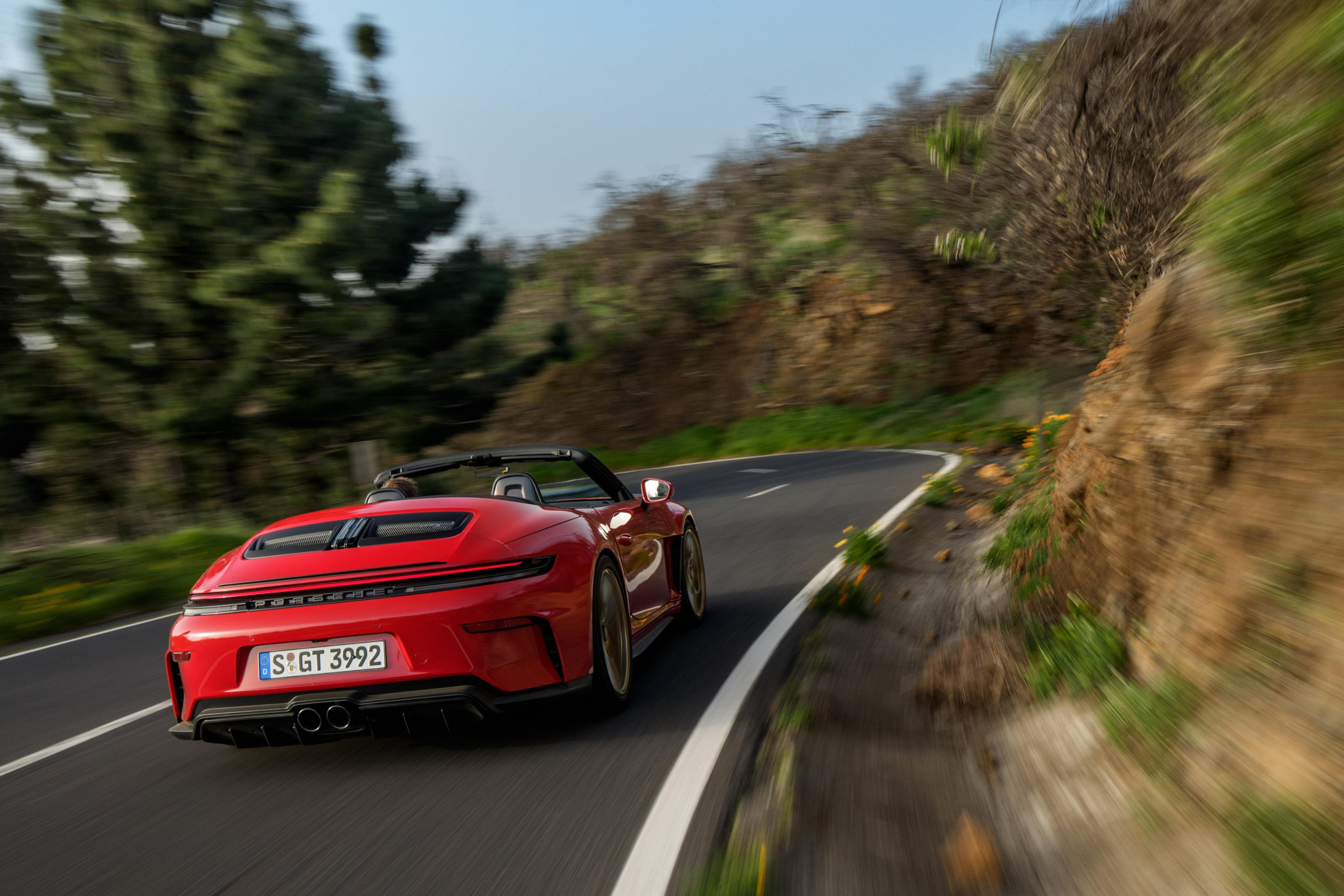
Now, all this comes at a fair price. The new Porsche 911 GT3 S/C will set you back a hefty EUR 382,600, without taking a look at many ways you can individualise your car. What’s quite surprising as well, given the brand’s penchant for special and limited editions, is the fact that this is not limited in production! It’s part of the regular line-up of GT3s, just with a soft-top! And until the next-gen of the 911 arrives, that is…
For more information, please visit Porsche.com.
Editorial Note: The information used and images portrayed in this article are sourced from and used with permission of Porsche AG, unless stated otherwise.

1 response
Very happy they made it but a real shame you can’t get backseats, it would have been the ultimate joy ride.