Not all images were able to load for printing. Please close the print window and try again.
Carrozzeria Castagna Milano Turns the Alfa Romeo Giulia into the Giulia Q, a Stunning Two-Door Roadster
Italian coachbuilding at its finest, completely reworking Alfa's four-door saloon.
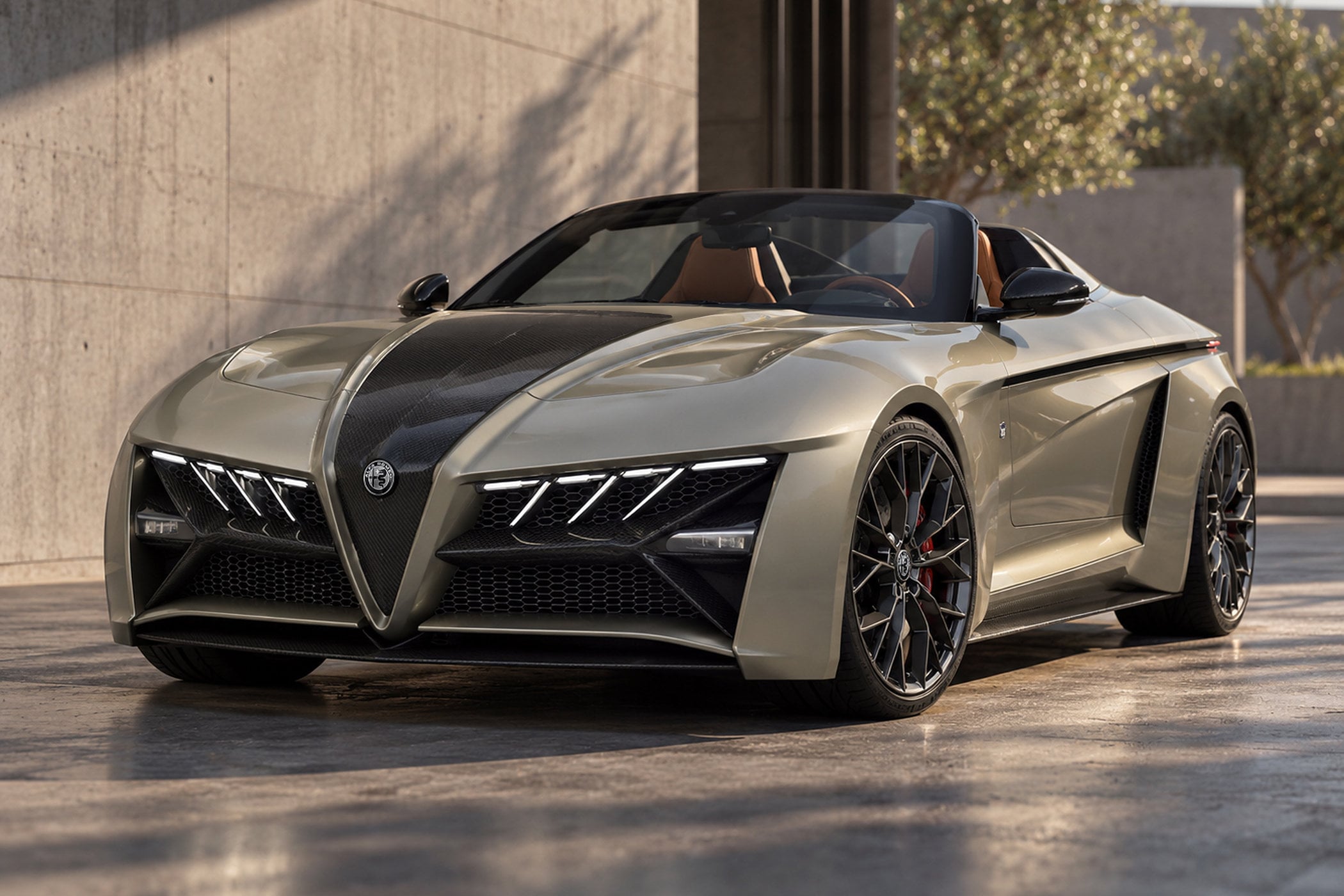
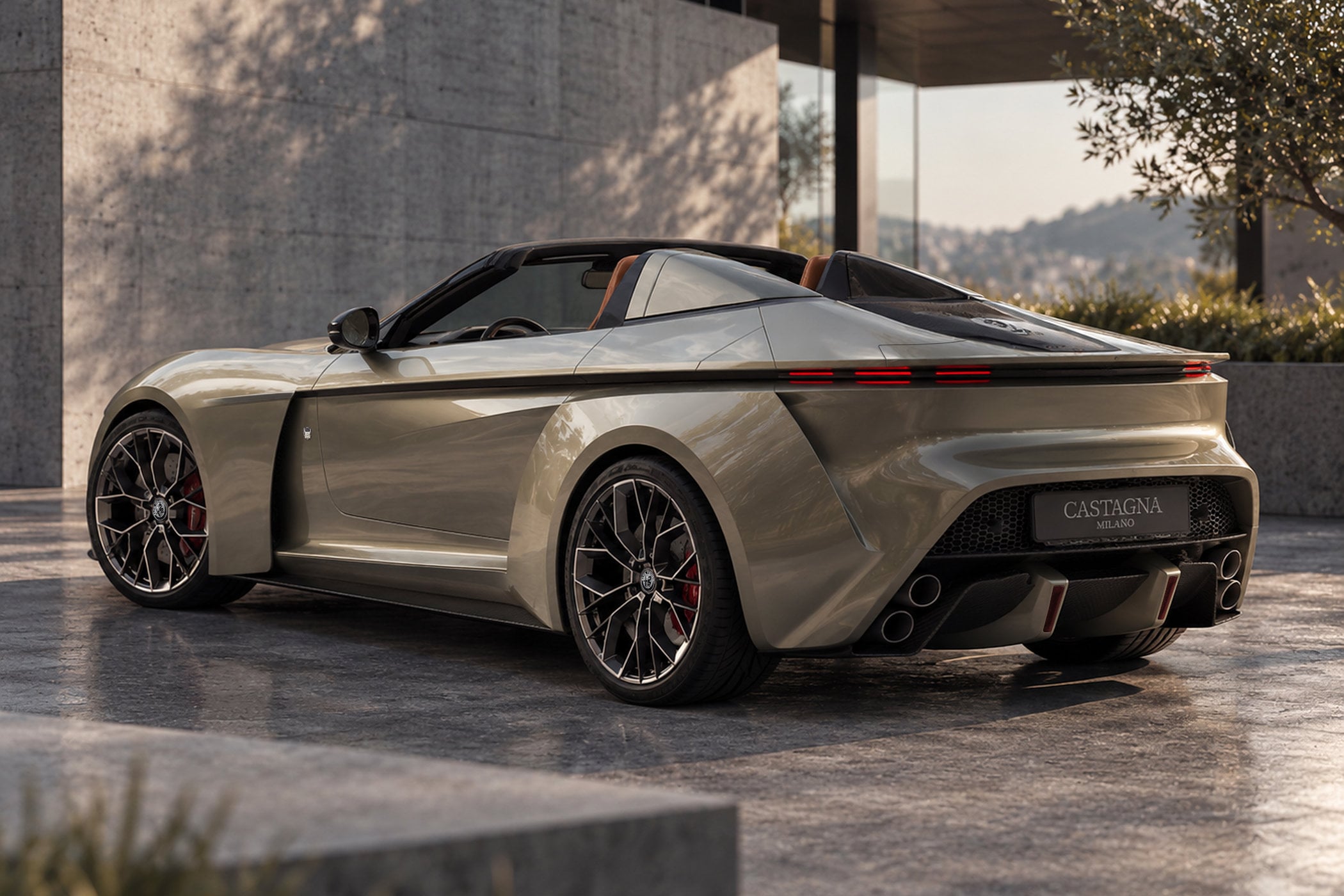
What do you do when a car manufacturer doesn’t build the car you want? For just about anyone of us, it means moving to another brand or hoping your preferred manufacturer introduces something that scratches your itch down the line. However, if you’re into the coachbuilding business, or have the funds to enlist the help of a coachbuilder, you can have the car of your dreams made just for you. That’s sort of how I envision the Carrozzeria Castagna Milano Giulia Q came to life, although the company remains fairly tight-lipped on whether this is a bespoke commission or not. It “intends to complete it with a true enthusiast of the brand”, indicating he or she might or might not yet be involved. Regardless, this Giulia Q looks rather stunning, especially considering it’s based on the four-door Alfa Romeo Giulia QV saloon car!
Coachbuilding is far from a new industry, and in fact was the prime method in the early days of the car, when it was a real luxury to own a motorised vehicle to begin with. People would buy a chassis and engine, and turn to any of the hundreds of coachbuilders spread across Europe or the US. The other option was to buy a complete car from a manufacturer, who themselves enlisted the help of coachbuilders to construct entire bodies on top of rolling chassis. It all came down to a split between skills and craftsmanship, sort of comparable to when a watch manufacturer collaborates with an artist to create a unique dial.
Names such as Mulliner, Figoni et Falaschi, Vanden Plas, Scaglietti and so on all left their mark on some of the finest automobiles of the time, often building bodies for cars by Rolls-Royce, Bentley, Bugatti, Duesenberg, Packard and others. The Italians and the Brits led the way for most of the glory days, but the art of coachbuilding also extended to plenty of other countries. The rise of mass production, followed by unibody construction methods, accelerated the downfall of the coachbuilding industry. A handful of names survived, either committing to pure coachbuilding or turning themselves into a design studio that could coachbuild if needed. Examples like Zagato, Pininfarina, Bertone and Castagna Milano have all found ways to survive. Over the past decade or two, however, coachbuilding seems to be on the rise again, as we see more and more bespoke or highly limited production runs spawning.
Carrozzeria Castagna Milano
The origins of Carrozzeria Castagna Milano, or Castagna in short, can be traced back to the mid-1800s, with Carlo Castagna being hired by carriage manufacturer Paolo Mainetti. Rising through the ranks and with the business on the rise thanks to a series of takeovers of competitors, Carlo Castagna took over control of the company in 1894 and renamed it in 1901, and again in 1906, to bear his own name: Carrozzeria Castagna Milano.
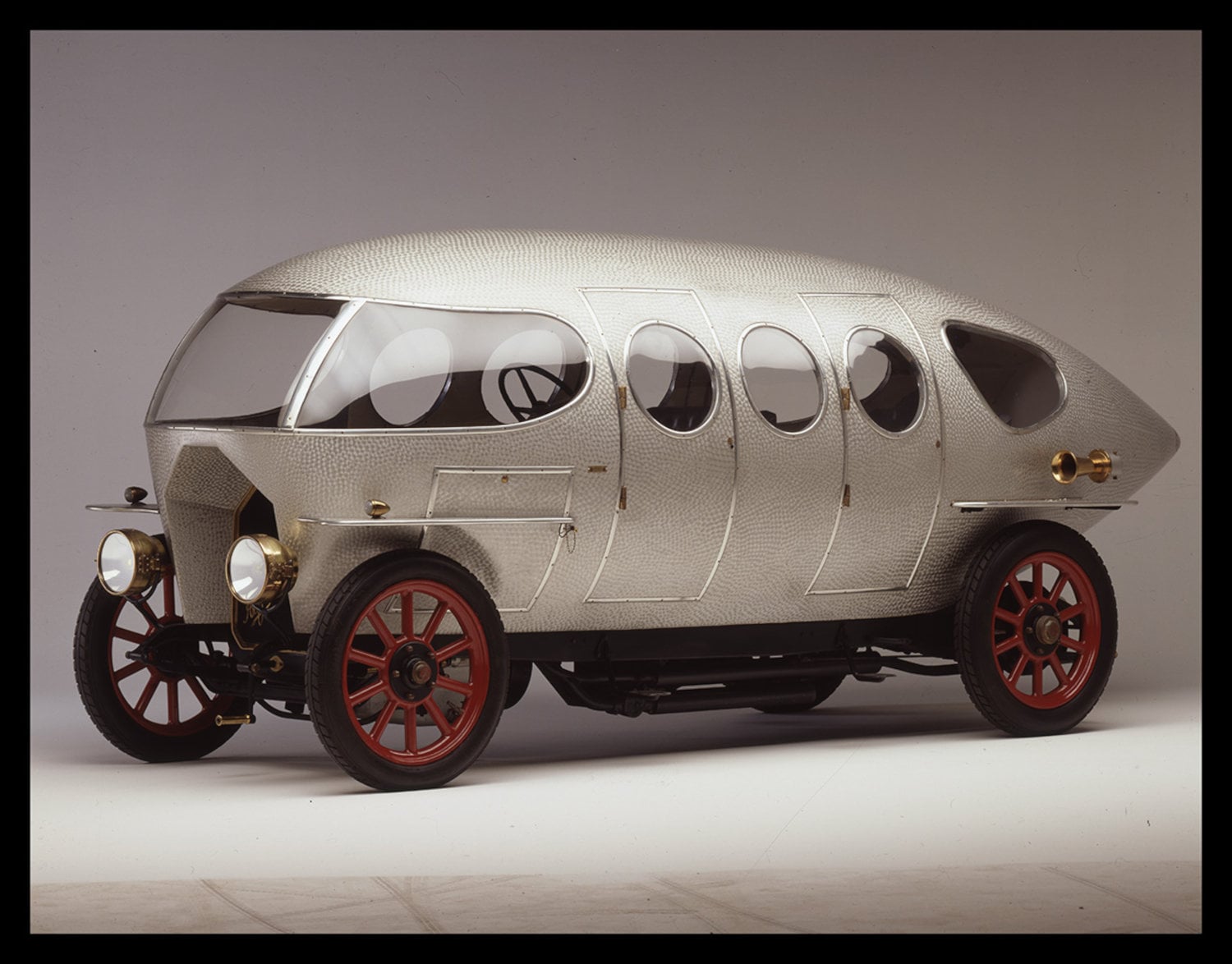
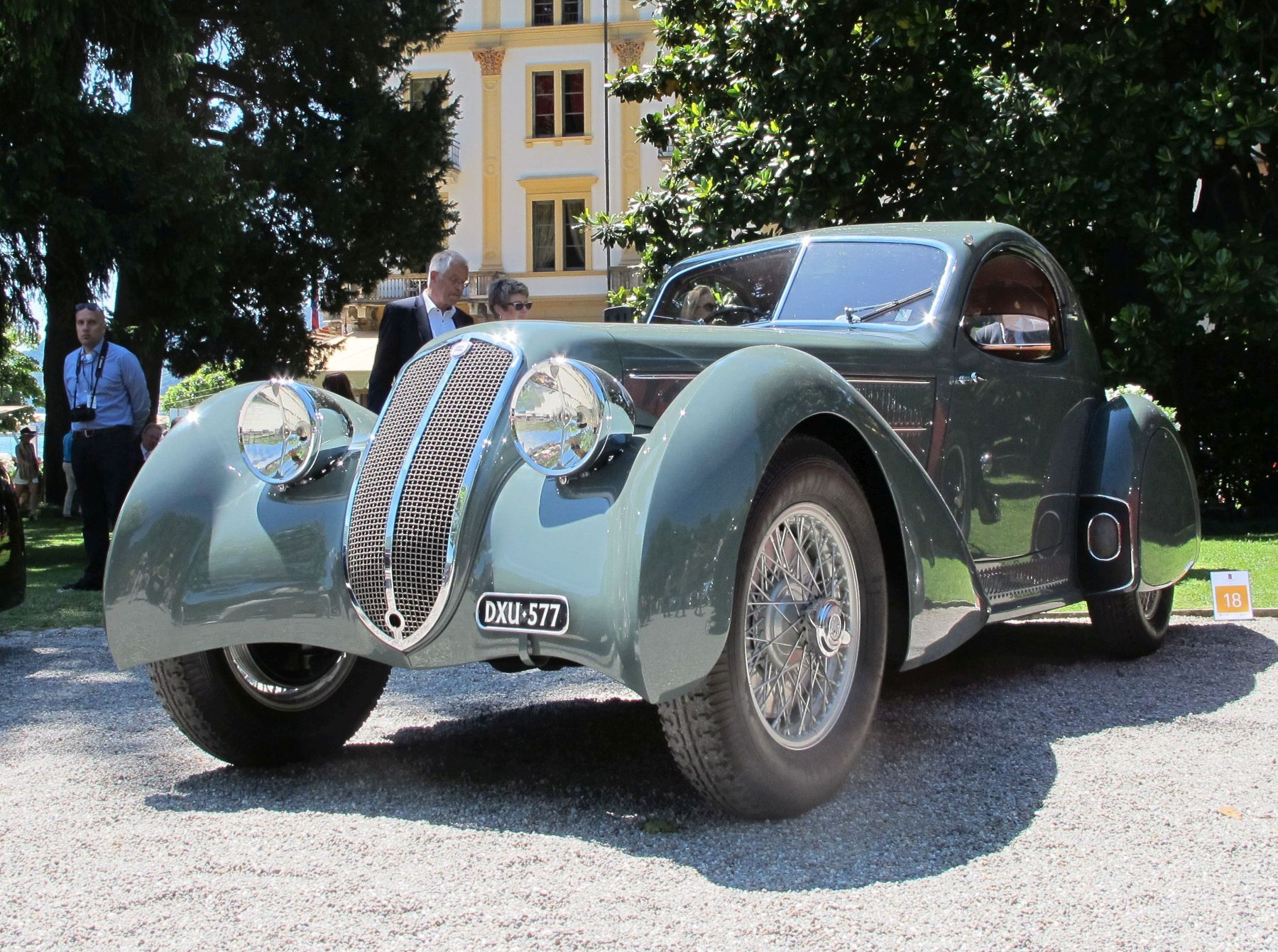
By 1905, the company moved into car body manufacturing and quickly evolved into the biggest Italian body manufacturer, employing around 400 people and building over 100 bodies per year by the 1930s. Castagna built bodies for Alfa Romeo, Lancia, Maserati, Duesenberg, Mercedes-Benz and others, and was regarded as one of the best. Castagna also dared to challenge convention through cars such as the 1913 Alfa Romeo 40/60 HP Aerodinamica (above) and the gorgeous 1933 Lancia Astura Series II (below).
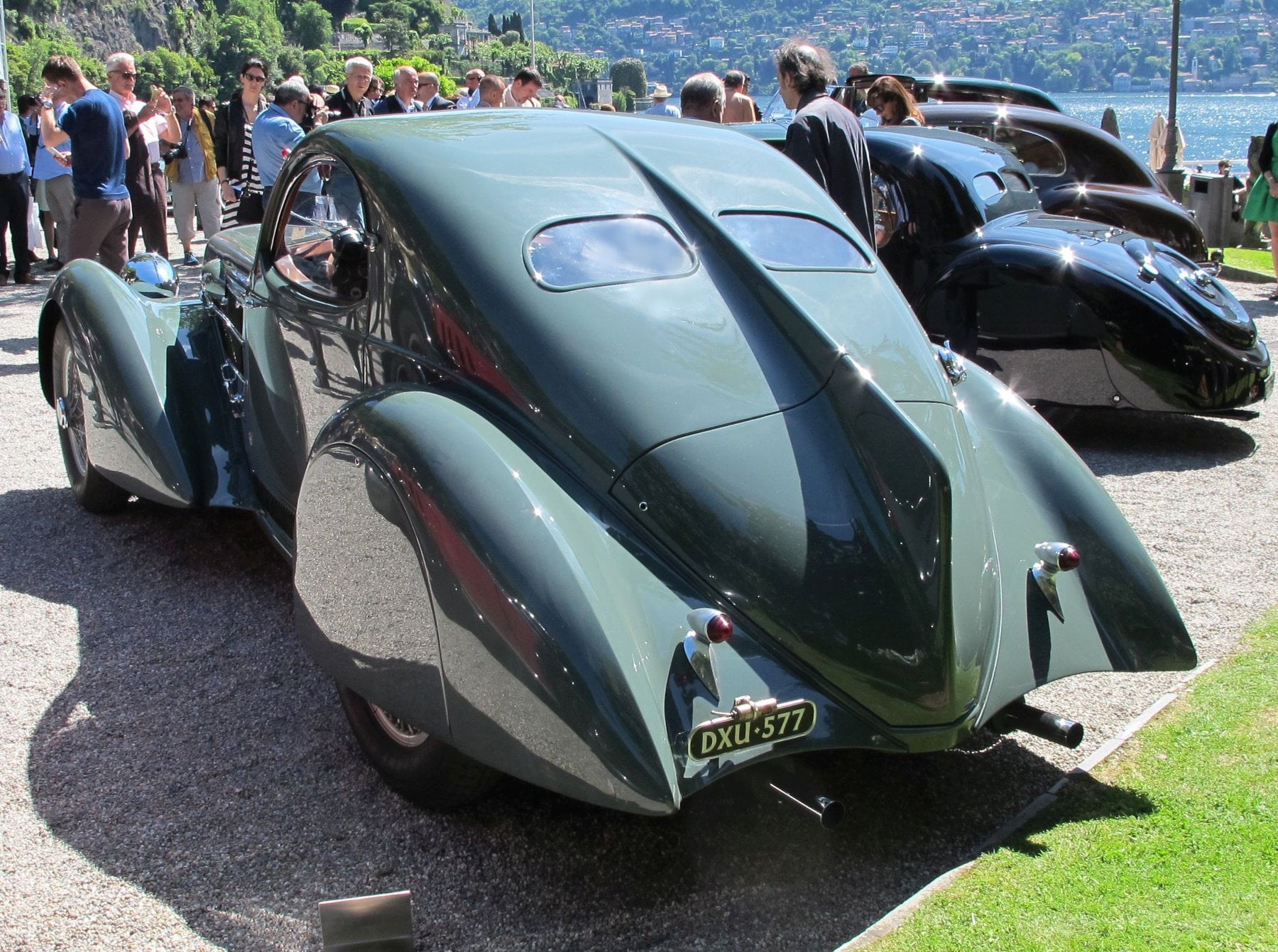
The outbreak of the Second World War meant a turning point for the business, which shifted to producing military vehicles, as so many manufacturers were forced to do. After the war, however, Castagna returned to coachbuilding, but business was tough in Italy due to the poor economy. By 1954, all operations ceased, and the company went into a deep sleep. That is, until the 1990s, when it was revived twice in an attempt to return to the forefront of the industry again. Although details are sparse on what the company actually does, it is still very much in business and shows new concept cars and bespoke projects from time to time. And the latest is this Giulia Q, a two-door roadster based on Alfa Romeo’s Giulia Quadrifoglio Verde.
The Giulia Q
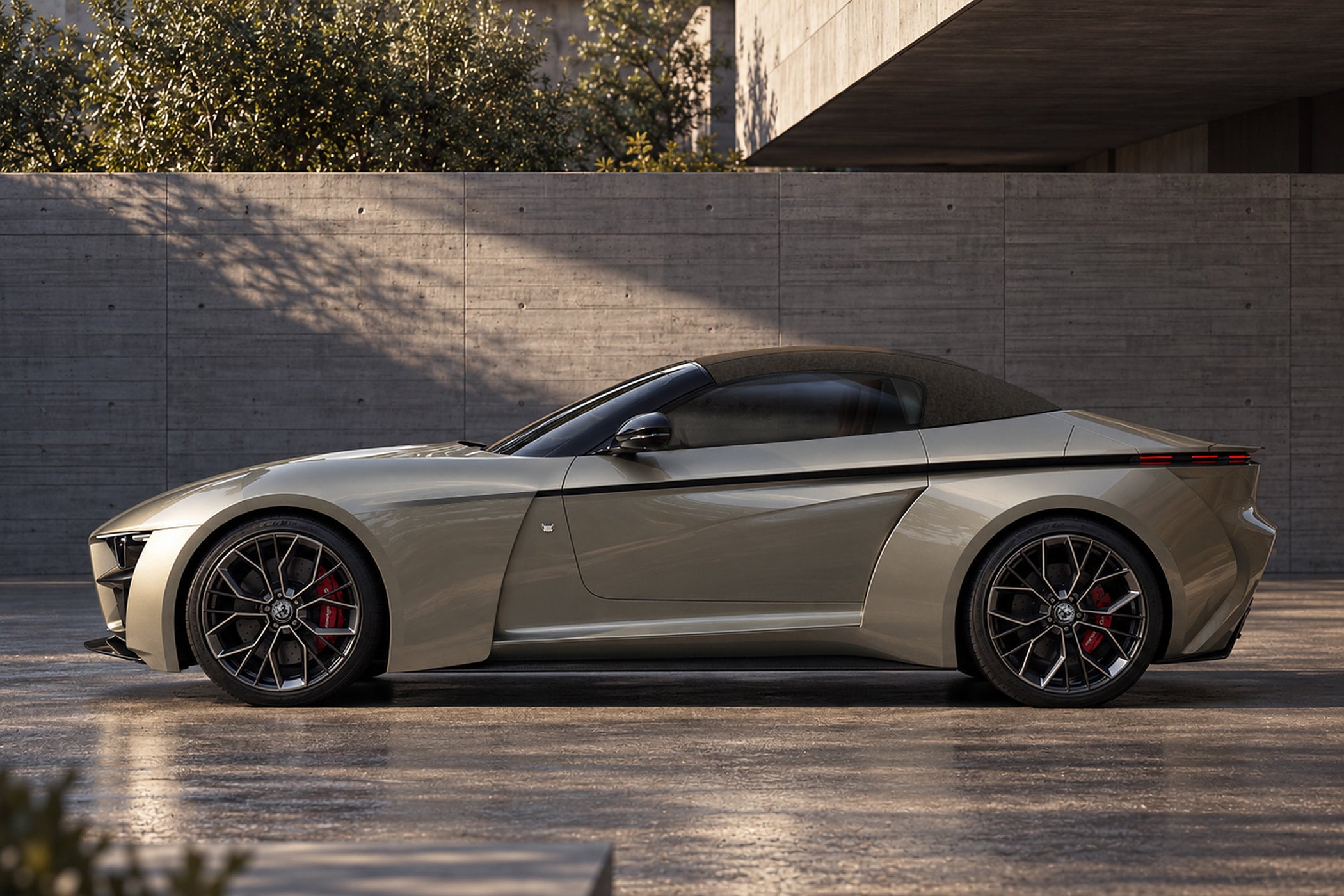
As mentioned, the Giulia Q started life as a Giulia Quadrifoglio Verde, Alfa Romeo’s performance saloon introduced in 2015. Eagle-eyed readers might have already figured out that the Giulia Q is not a simple nipped and tucked version of the four-door Giulia QV as it rolled off the assembly line. Instead, what Castagna has done is create the open-top Giulia Alfa Romeo never envisioned (or dared) to build. The result is quite impressive, and it’s a drastic reconfiguration of the original car.

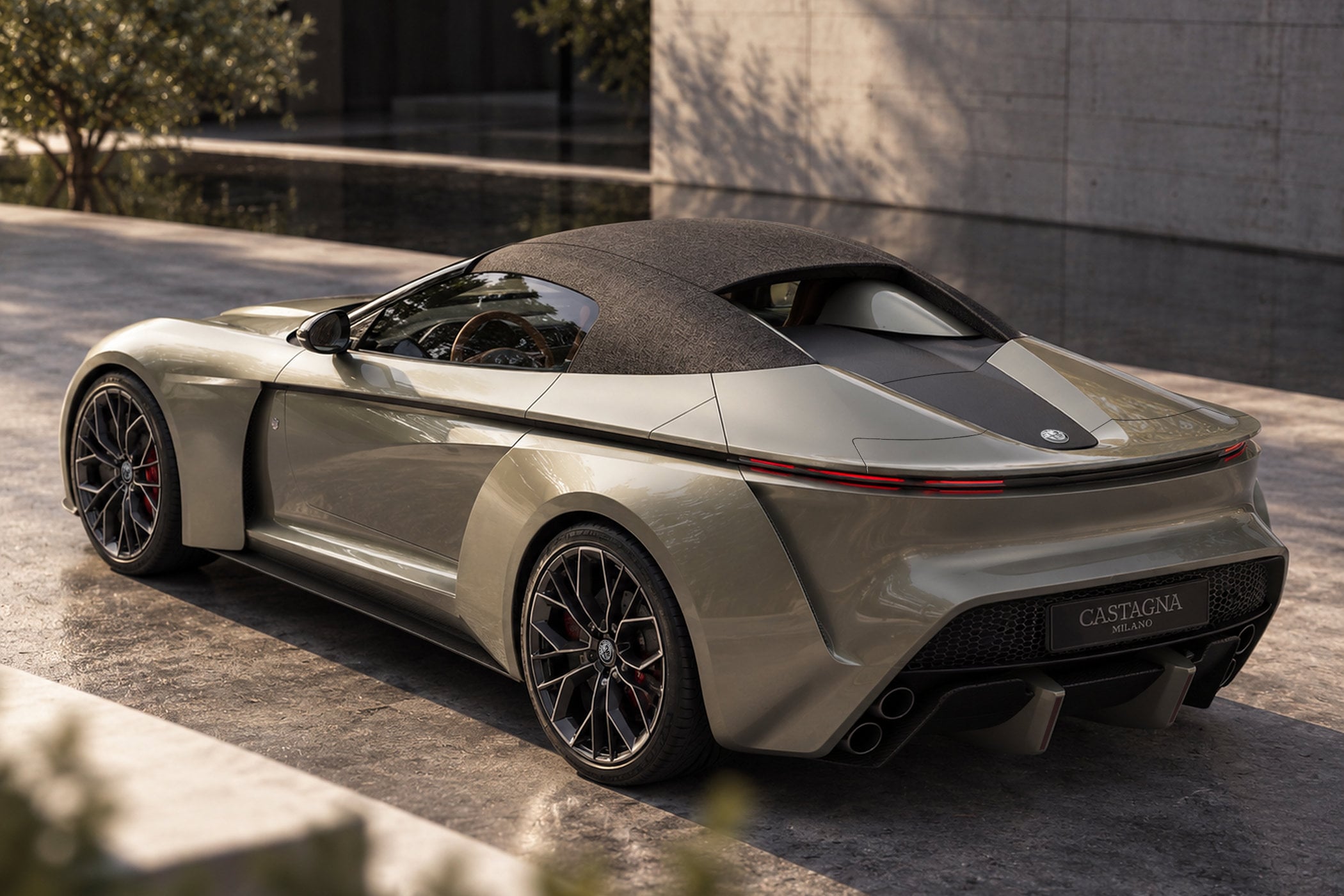
For starters, the cabin has been pushed back substantially, with the entire dashboard, steering wheel and front seats moving back 330mm. It also lost its roof, obviously, in favour of a foldable soft-top that disappears under the rear deck entirely when desired. The hood is extended and a lot more pronounced than on the Giulia QV, with an exposed carbon fibre centre panel, and it has a completely redesigned front section. The headlights, as well as Alfa Romeo’s signature shield-shaped grille, are sharpened, and there’s an integrated splitter in the bottom. The windshield is constructed using Castagna’s patented Vistotal system, where the size of the A-pillars is drastically reduced to improve both style and visibility.
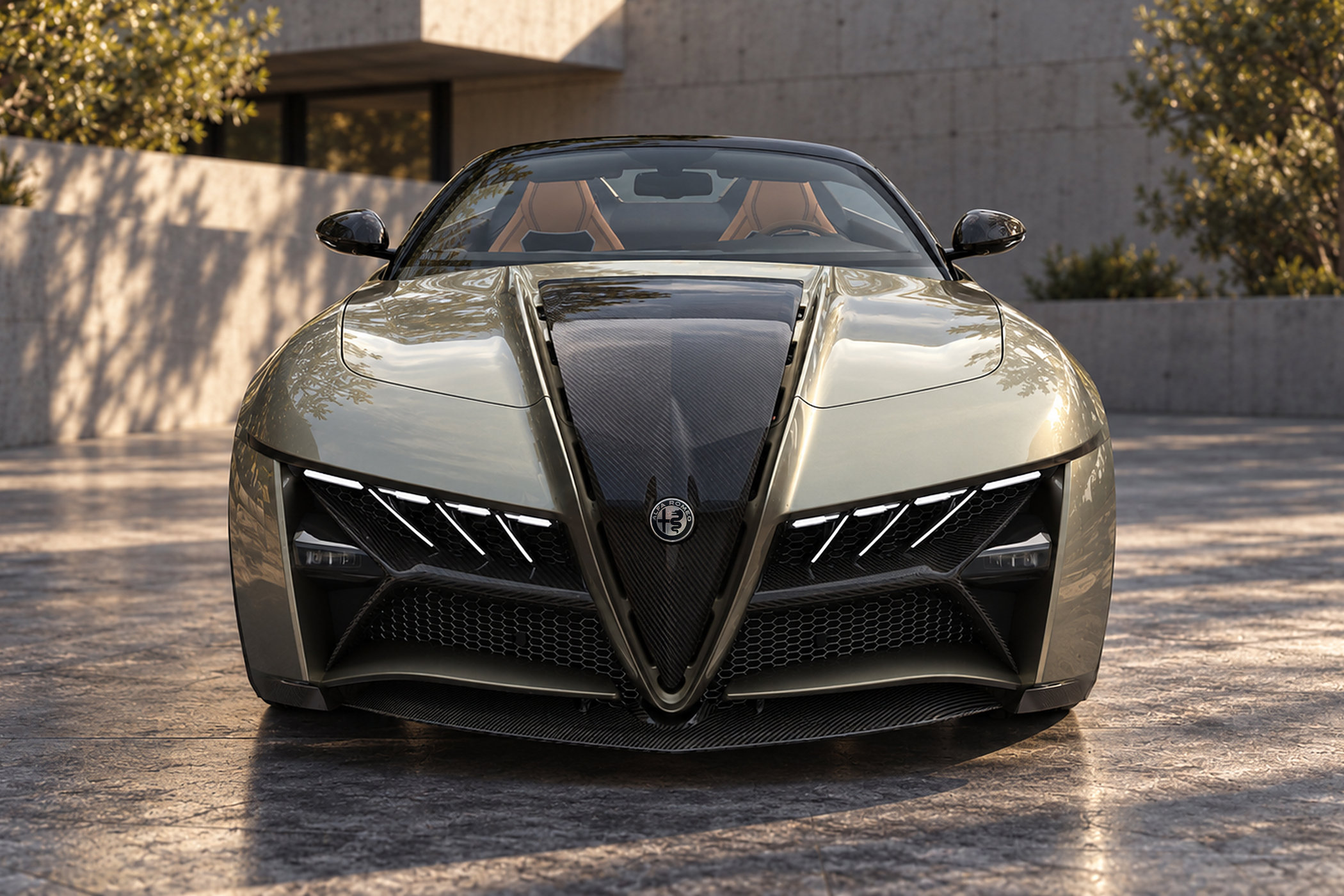
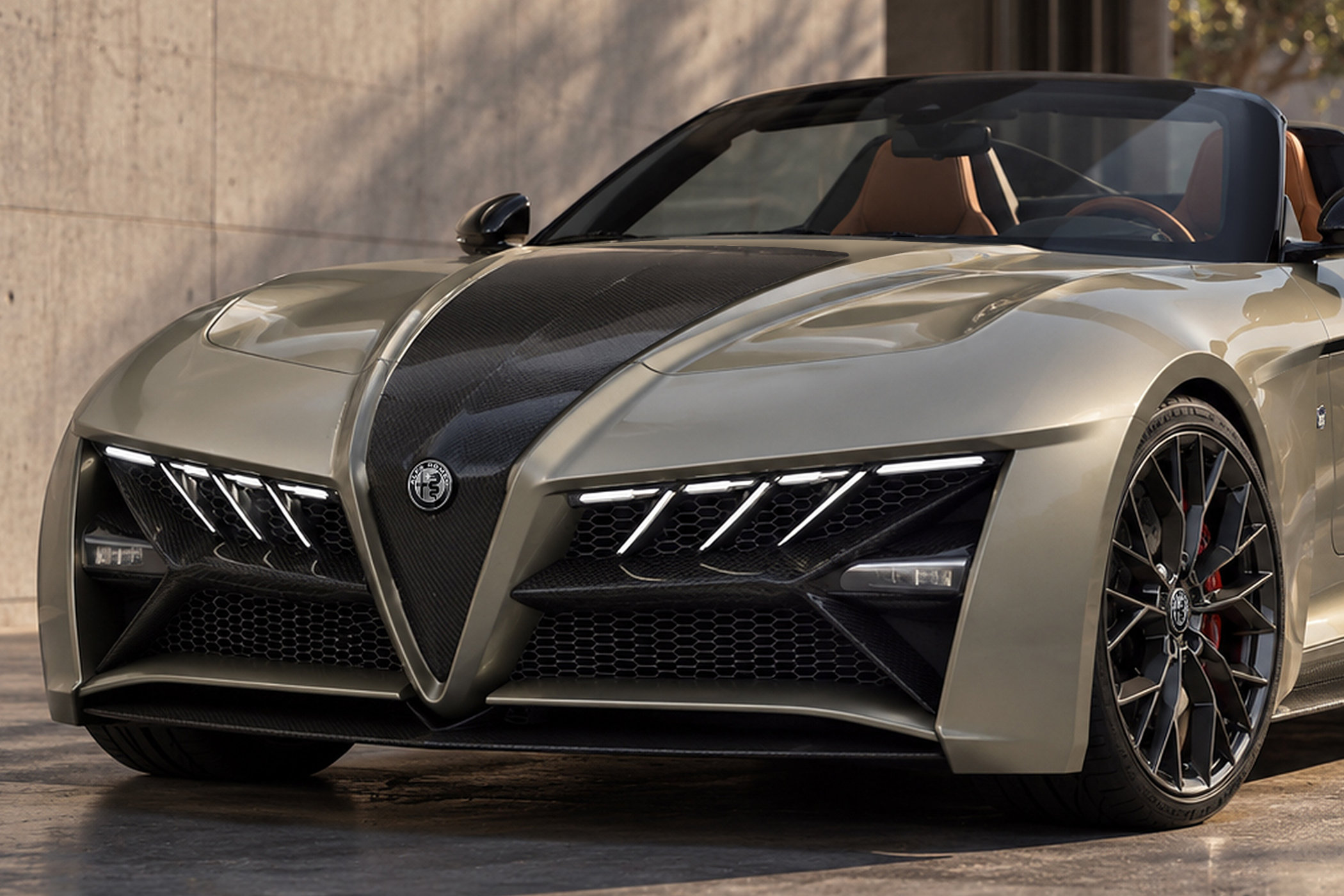
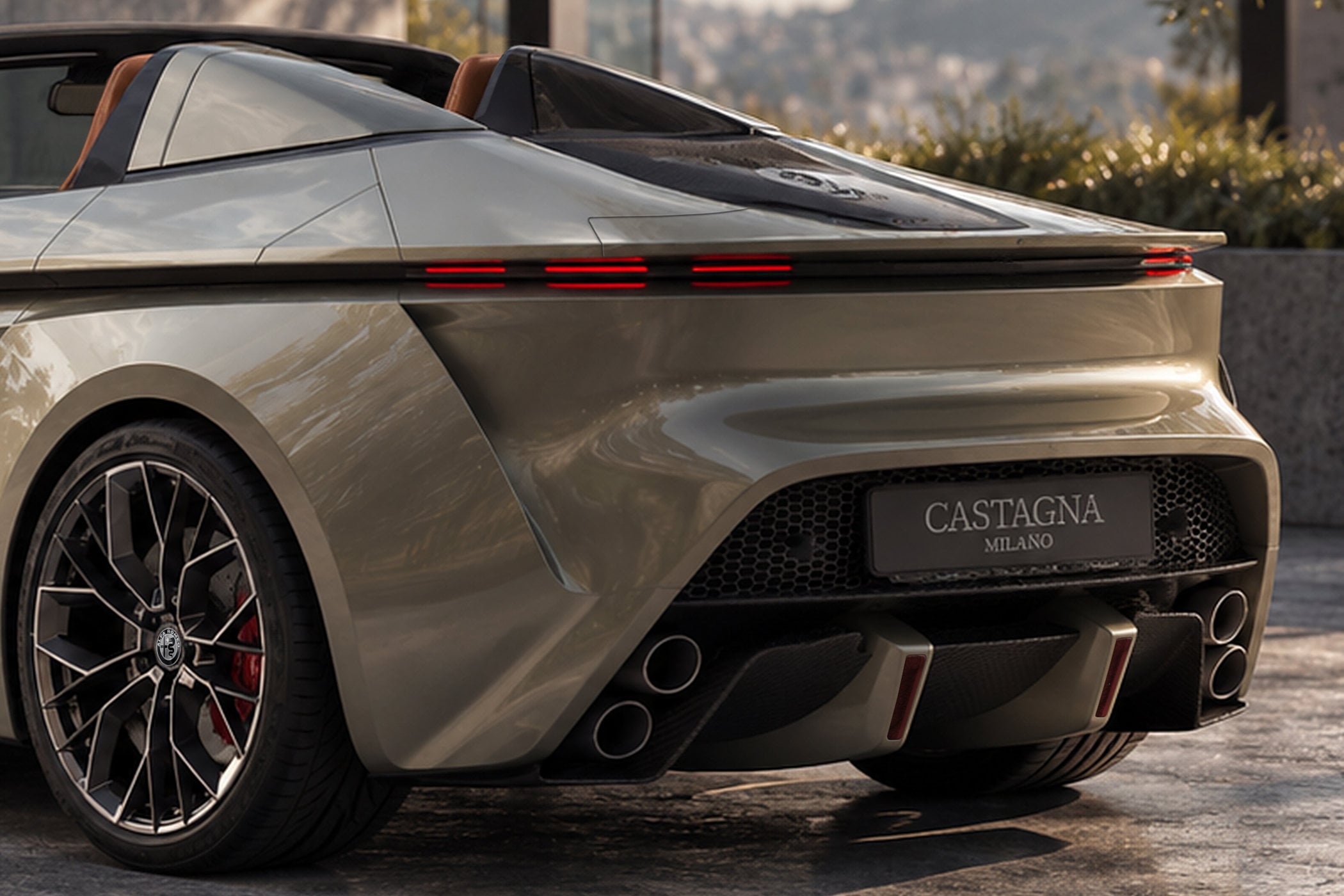
One of the most standout design cues is the line running from the top of the headlights, down the length of the car, only being interrupted by the front wheel arches and ending around the back. This creates a separation that simultaneously gives way to the taillights, as well as creating an edge for the integrated rear spoiler. The side profile also reveals sharp cuts to improve the airflow in and out of the wheel wells, and a double fairing right behind the seats, of which there are now only two. Around the back, the position of the exhausts has been reconfigured, and they are now stacked vertically to give way to the rear diffuser. There’s no imagery available of the interior of the Giulia Q, but I imagine you’re not shy of creature comforts with such a bespoke build.
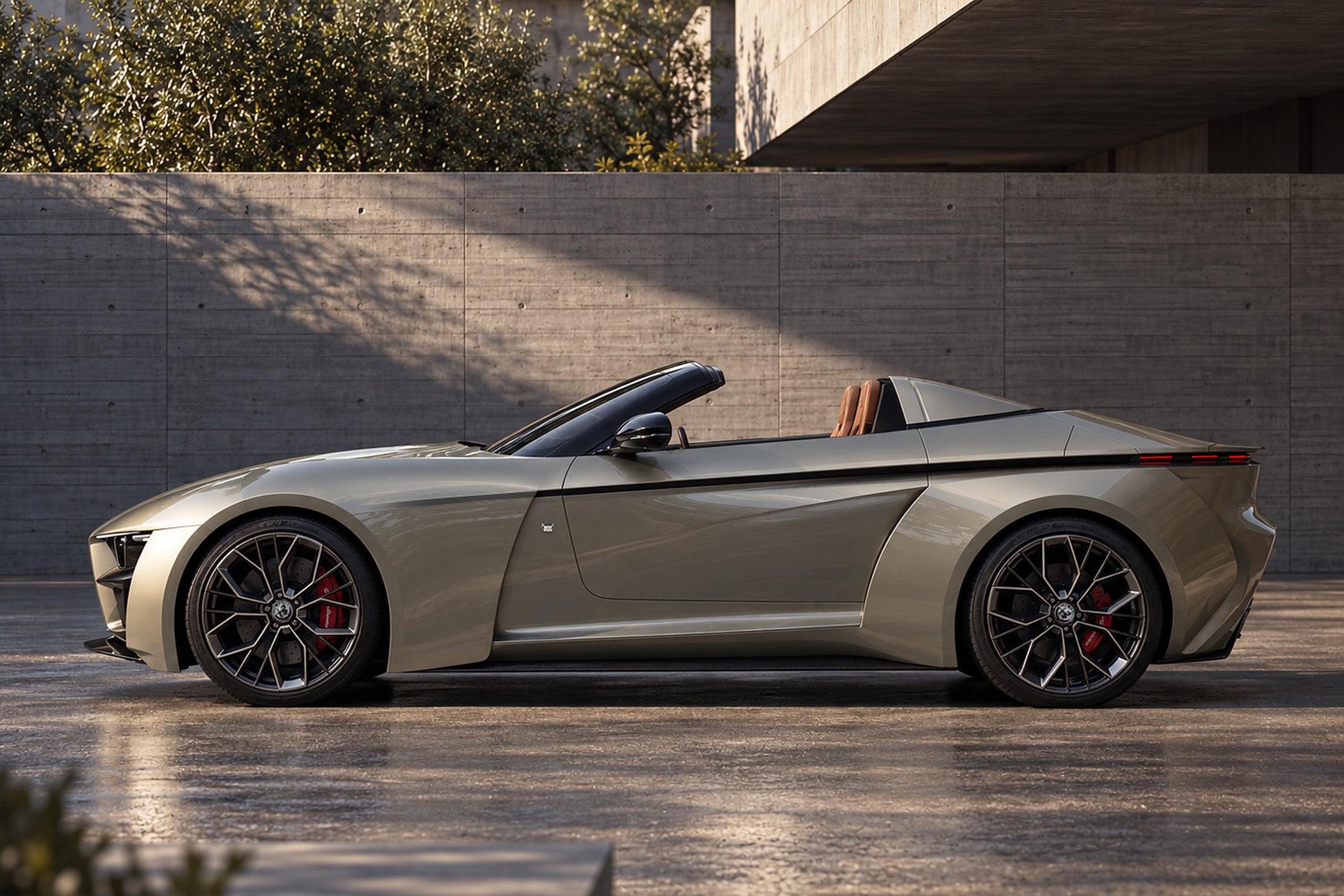
As it’s based on the Giulia QV, it shares the same driveline too, meaning the Giulia Q comes with the same 2.9-litre twin-turbo V6 engine producing 520 horsepower and 600Nm of torque. Given the fact that the Giulia Q weighs about 200 kilos less, I bet the zero-to-100kph time has dropped from the original 3.9 seconds, while its 308kph top speed is likely a bit higher. Castagna isn’t specific on either of the two specs; it simply states the top speed to be “over 300kph”. The company is also especially proud of the fact that the Giulia Q has 623 litres of luggage space, with the roof down. So it’s quite practical instead of being a pure show queen.
For more information, please visit CarrozzeriaCastagna.it.
Editorial Note: The information used and images portrayed in this article are sourced from and used with permission from Carrozzeria Castagna Milano, unless stated otherwise.