


 Not all images were able to load for printing. Please close the print window and try again.
 Talking to Nirupesh B. Joshi, Co-Founder of Bangalore Watch Company, One of India’s Fastest-Growing Watch Brands
And how BWC plans to expand internationally, bringing Indian watch culture to the world.
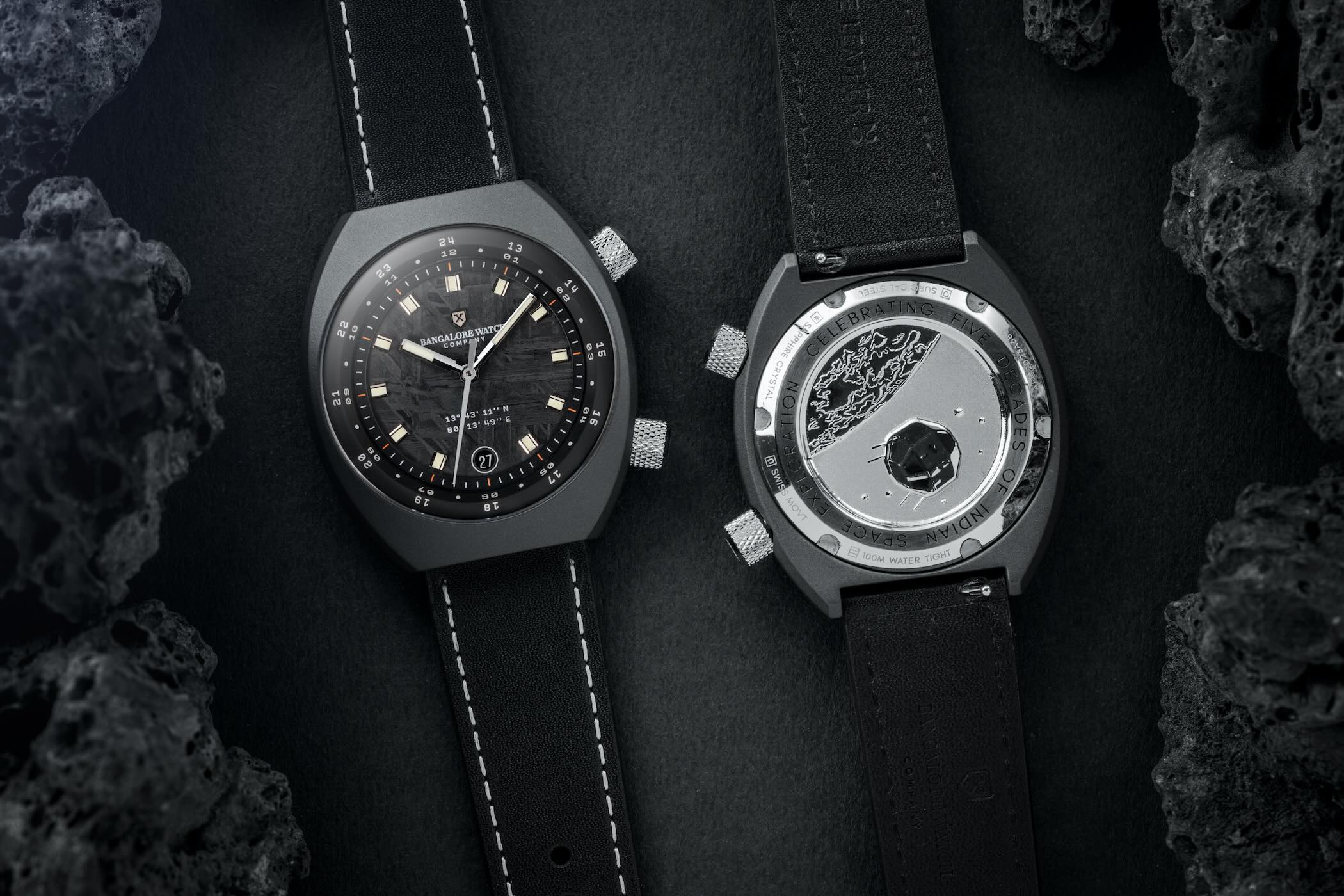
We’ve said it multiple times, but watchmaking isn’t limited to Switzerland or even Europe. Watchmaking is global, whether regarding the watch collecting community or the watchmaking industry. One of the fastest-growing markets, as we’ve discovered when talking to the country’s main watch retail company, is India, a country with somewhat unknown yet impressive manufacturing capacities and a collecting culture in the making. Standing apart as one of the fastest-growing Indian watchmaking brands is Bangalore Watch Company (or BWC), which we’ve followed since its earliest days. It is now time to meet again with its co-founder, Nirupesh B. Joshi, to see how the brand is evolving.
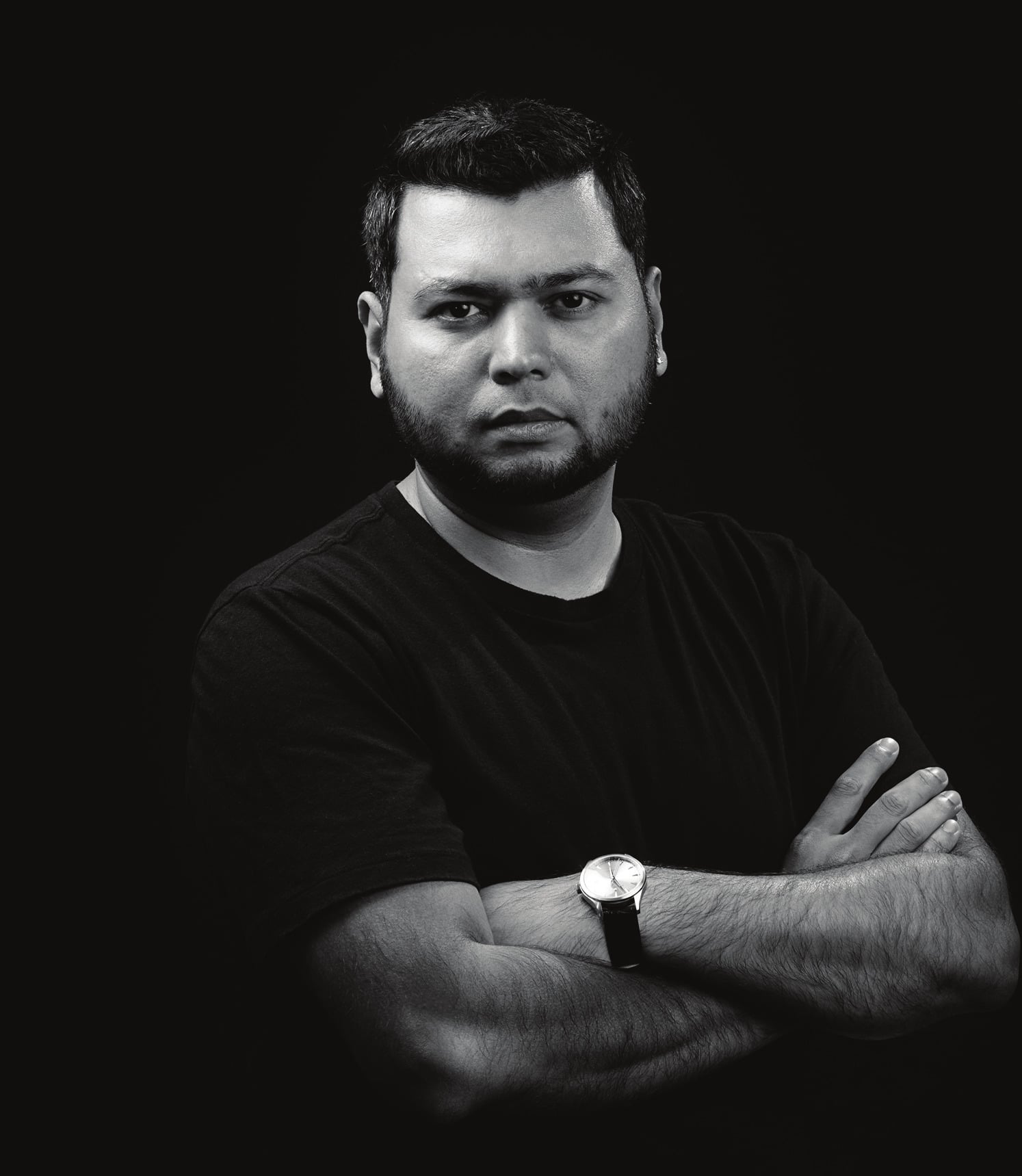
Xavier Markl, MONOCHROME – Could you share a bit about your background?
Nirupesh B. Joshi, Co-Founder of Bangalore Watch Company – Both Mercy and I come from fairly straightforward corporate backgrounds. Before starting Bangalore Watch Company, we spent over a decade working in global tech consulting. It was a very different world from what we do today – structured roles, big organisations, and a lot of travel.
At some point, though, we both felt the need to step away from that life and build something of our own. We didn’t come into watchmaking with any industry background, and that was intimidating at first. But it helped us approach things with an open mind. We learned everything from scratch, asked a lot of questions, made our share of mistakes, and slowly found our way. Looking back, that shift from consulting to watches feels unexpected, but also very natural now.
Was there a specific moment that ignited your passion for watches?
It really began when we were in Hong Kong, we were completely taken by the world of watches – the craft, the mechanics, and the stories that every brand seemed to carry. At the same time, it made us step back and look at India. We realised there wasn’t a brand that was known for respectable quality watches from India, or one that spoke of a modern Indian narrative. Everything was either too stereotyped for India or carried a design grammar that felt kitschy. We asked ourselves if there was an opportunity to build a brand from India that reflected our vision of a modern Indian narrative, with the highest quality in the price segment we operate in today. And that curiosity turned into a business plan.
What is your philosophy as you build your brand?
Great question! I’d say we’re not really a traditional Indian ‘heritage’ brand. We see ourselves as part of a counter-culture that’s emerging. From our perspective, the way India has been represented in watches hasn’t really moved forward – it’s often tied to the colonial past or stuck in very traditional imagery. There’s definitely an audience for that, but we felt there was more to an Indian story than gods, oriental motifs, or Devanagari script.
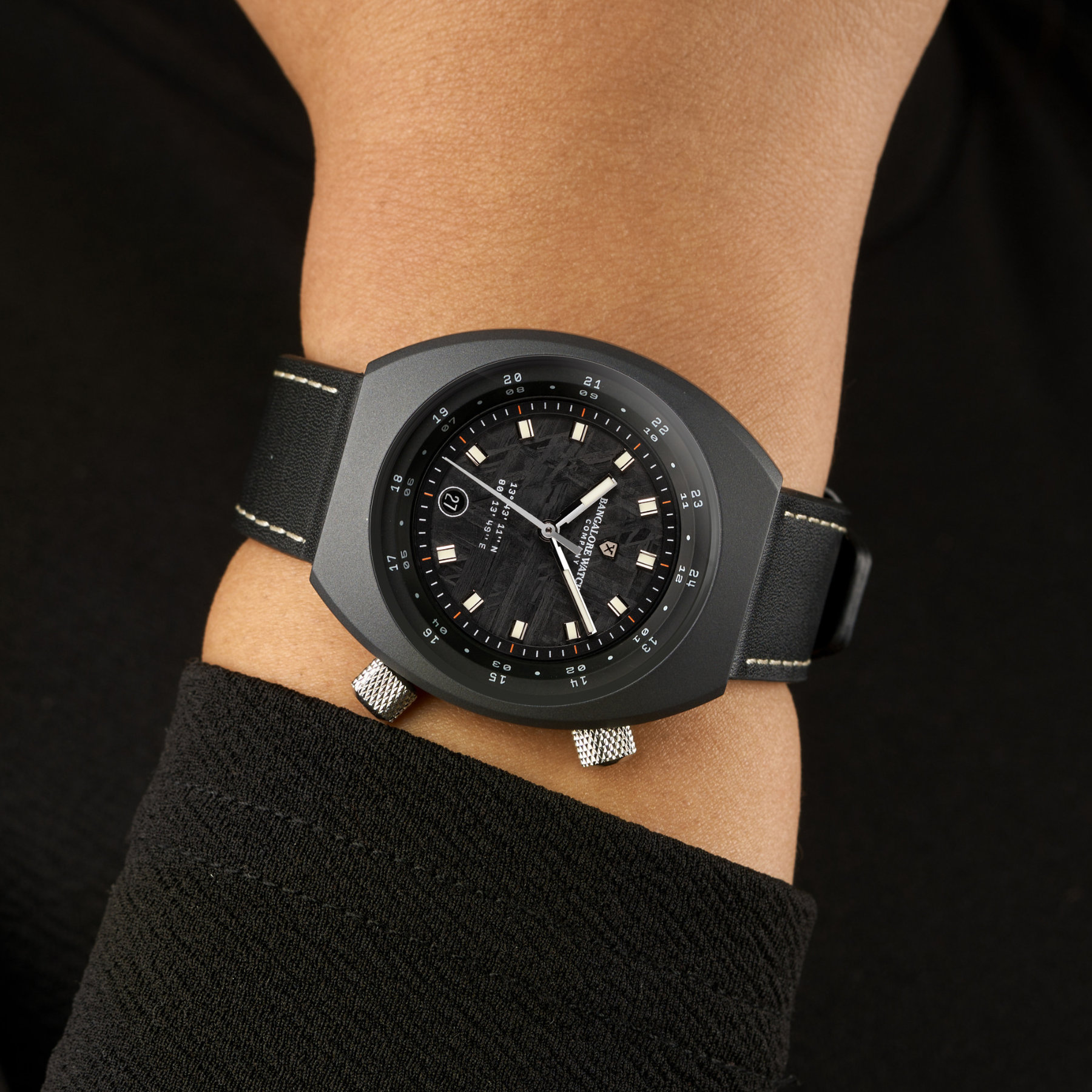
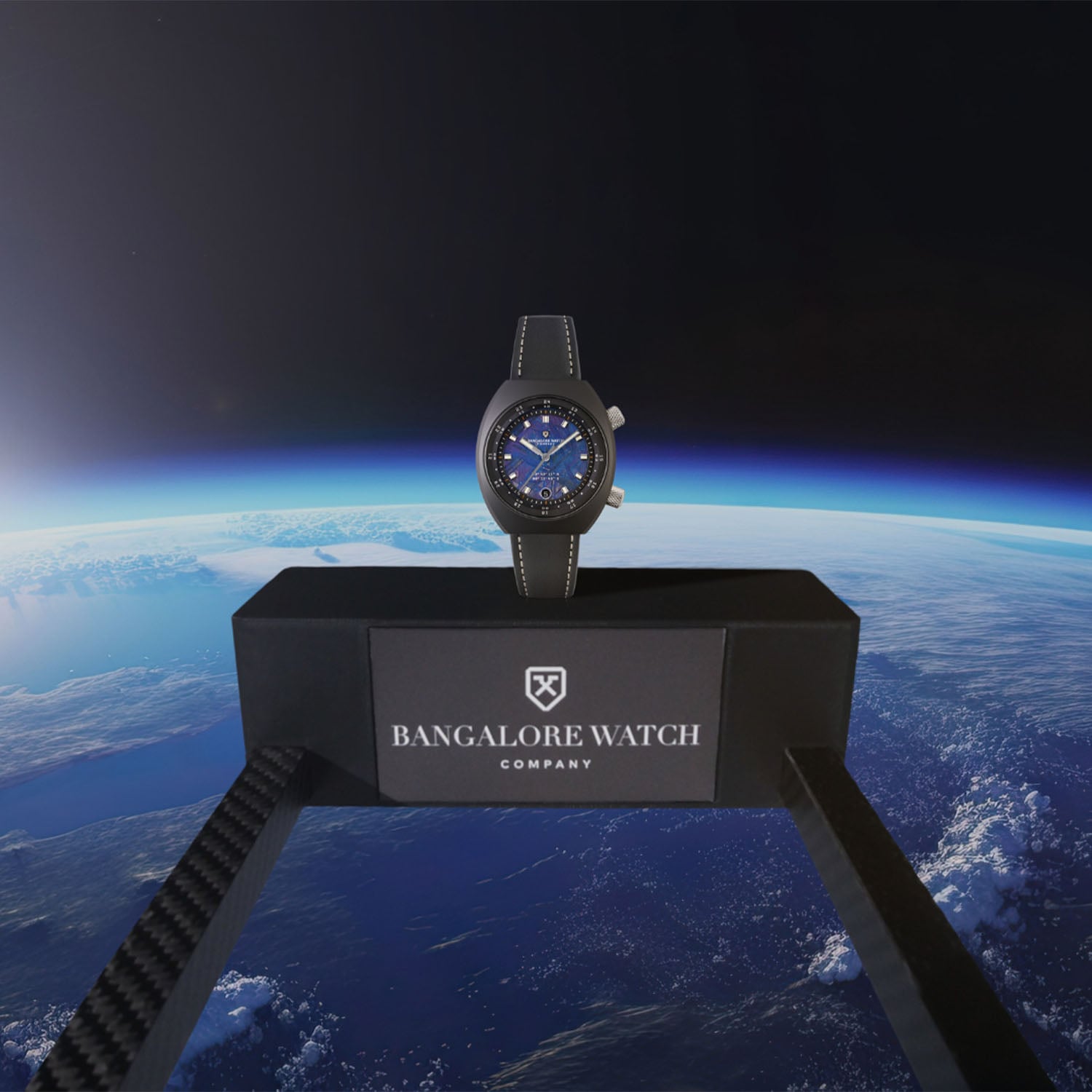
Our approach is to draw on modern themes and cues from India and build high-quality watches for a global audience. We have chosen themes such as our Space programme, our Aviation, and our Sports. People around the world are responding to this perspective. Around 35% of our owners are from outside India, and that number keeps growing as more people discover what we’re doing.
Seven years since starting BWC, how have you and Mercy figured out your working dynamic as a couple running a watch brand?
We get this question a lot. We have been together for several years now, so we can really play to our strengths. Like most couples who run businesses, we end up arguing about a lot of things and often get involved in many things together. However, broadly speaking, I manage our product development, public relations, marketing, finance and compliance. On the other hand, Mercy manages all aspects of our Customer Experience, Events, our upcoming Boutique and Operations. We are also supported now by a young and capable team of 13 people in Bangalore; they’re all excited about what we’re building together.
Since we last spoke in 2022, what major developments has the brand experienced?
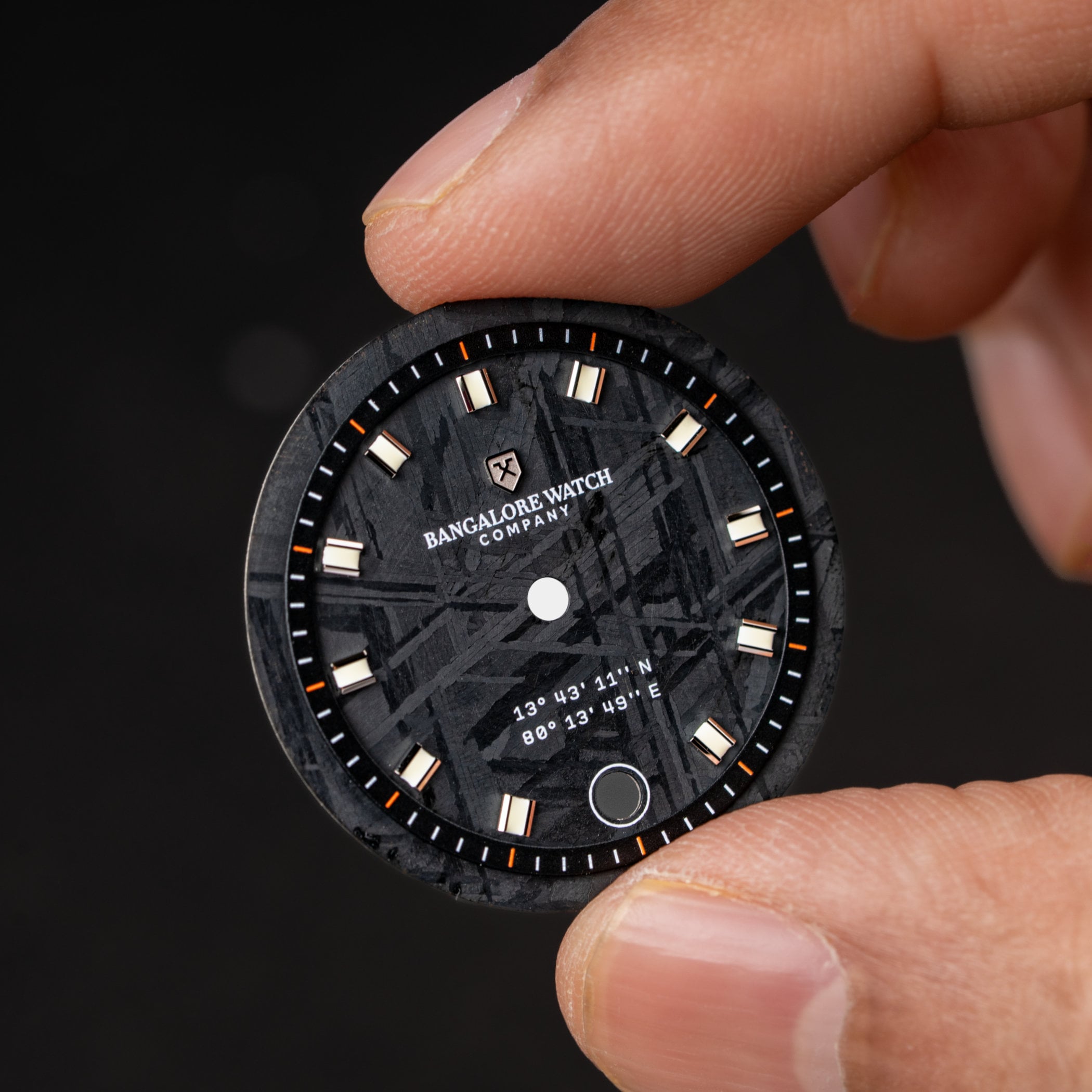
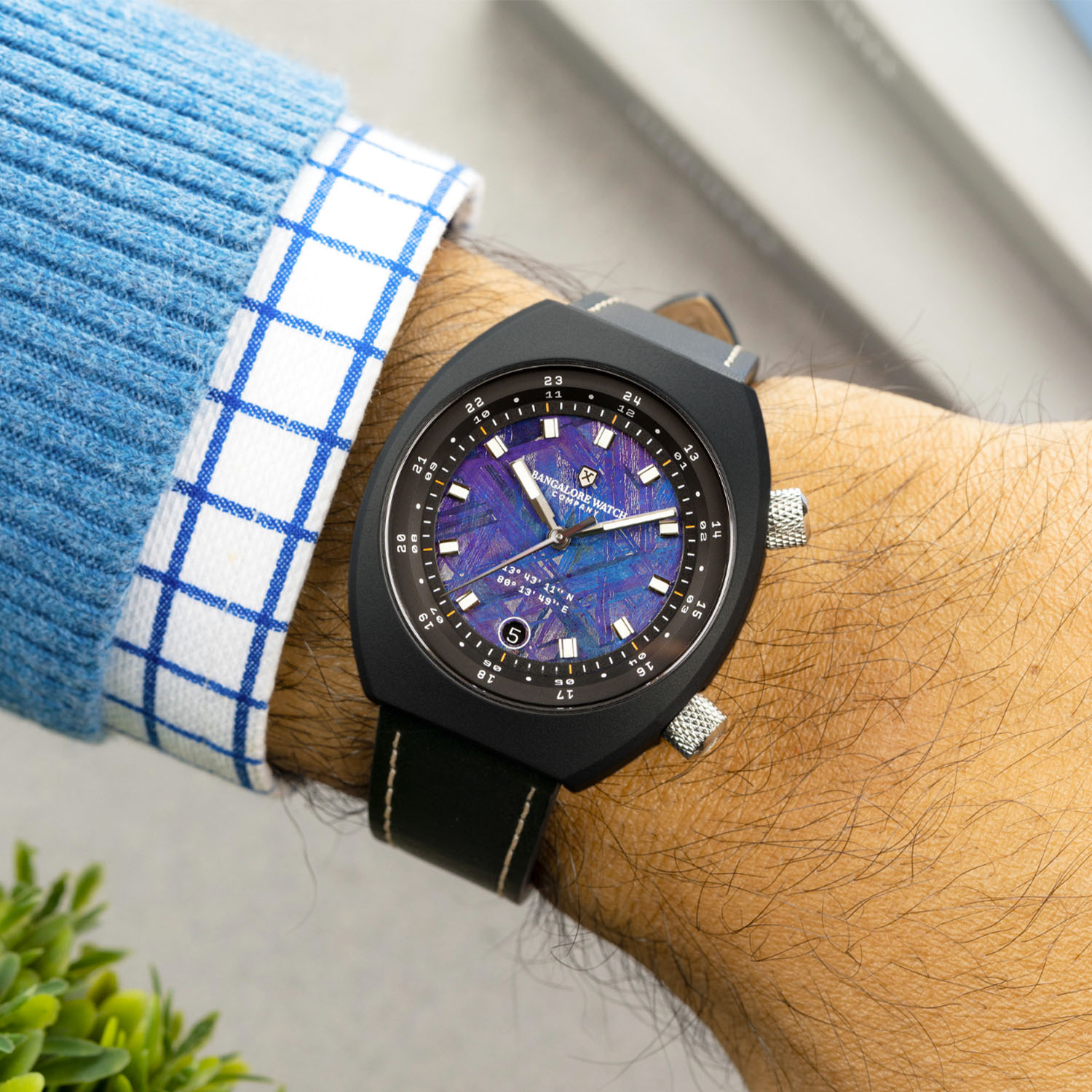
A lot has happened since then. First, our products and collections have matured – we now have a clearly distinct product line-up ranging from Space, Aviation, Sport, and Outdoors. Next, within these four lines, we have made several technical achievements: developing an entirely new proprietary material called Cerasteel™, sending a watch on a Stratospheric flight and qualifying it for spaceflight, making watches with exotic materials like different meteorites, and recovering metals from aircraft carriers. Also, we now have a fully owned assembly, testing, and quality control operation in Bangalore, with a lab built in partnership with Witschi that certifies all our equipment. Having the technical operations entirely in-house gives us full control of the end-to-end process and great confidence in our ability to ship watches that our customers will love. And lastly, our global customer base has now grown much bigger than it was a few years ago, thanks in part to our relationships with the watch media, which help us tell our story better.
How do you manage supply and production? Sourcing of movement but also of other components, countries of origin, partners, if you want to detail, also include what is done in India with Indian makers, if any and your own infrastructure.
Like most small independent brands, we have a global supply chain. But over the past few years, we have localised much of our supply and production. We have a great relationship with Sellita; we have used their movements since 2019. But recently, we have also started using La Joux-Perret in some of our limited-edition watches. Many components are now produced in India. And of course, we now operate an owned workshop and lab for assembly, testing, regulation, and quality control. We have Swiss-trained watchmakers who perform all the assembly and testing operations in Bangalore before our watches are shipped to our customers worldwide.
What are your next projects?
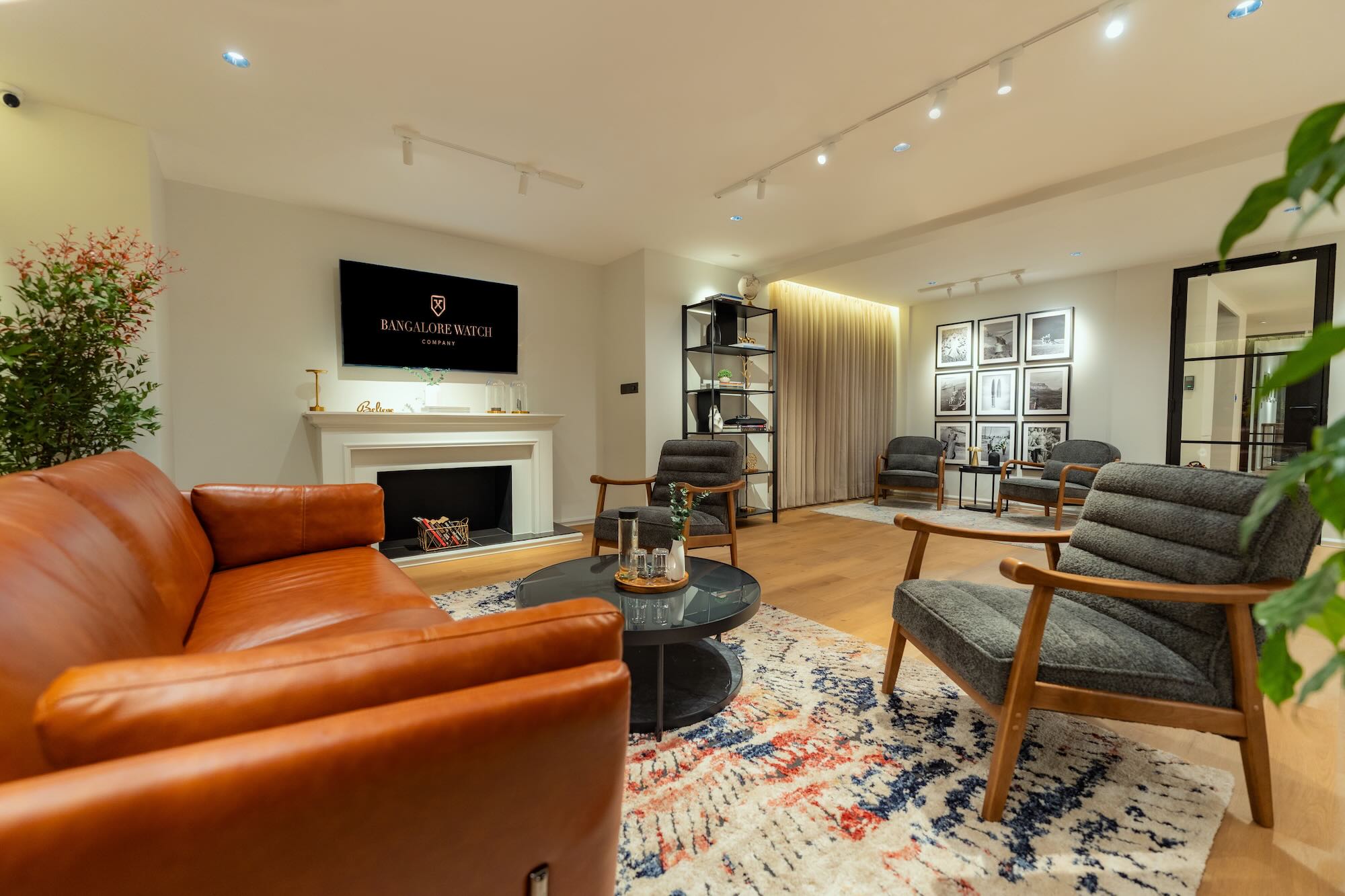
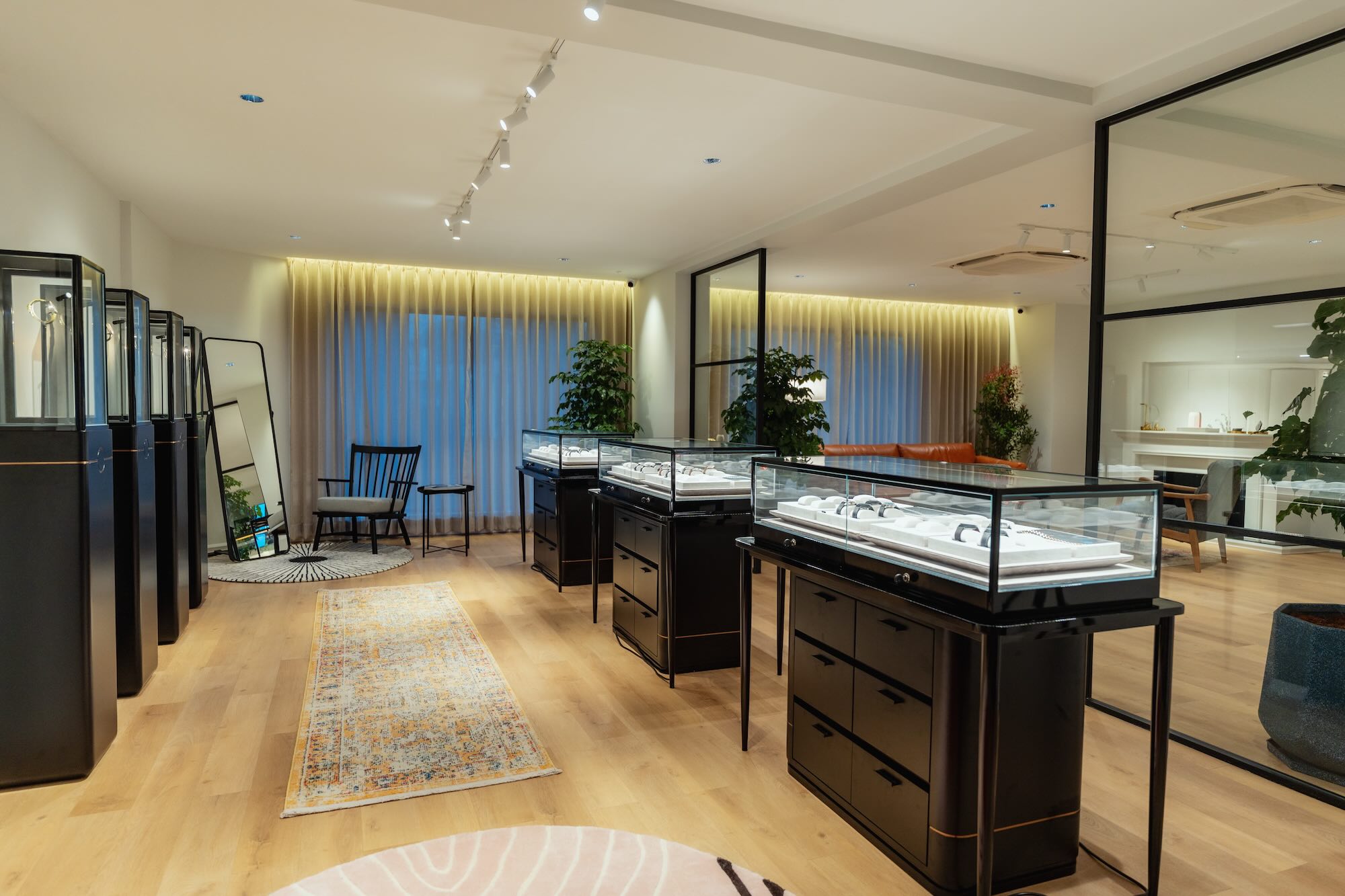
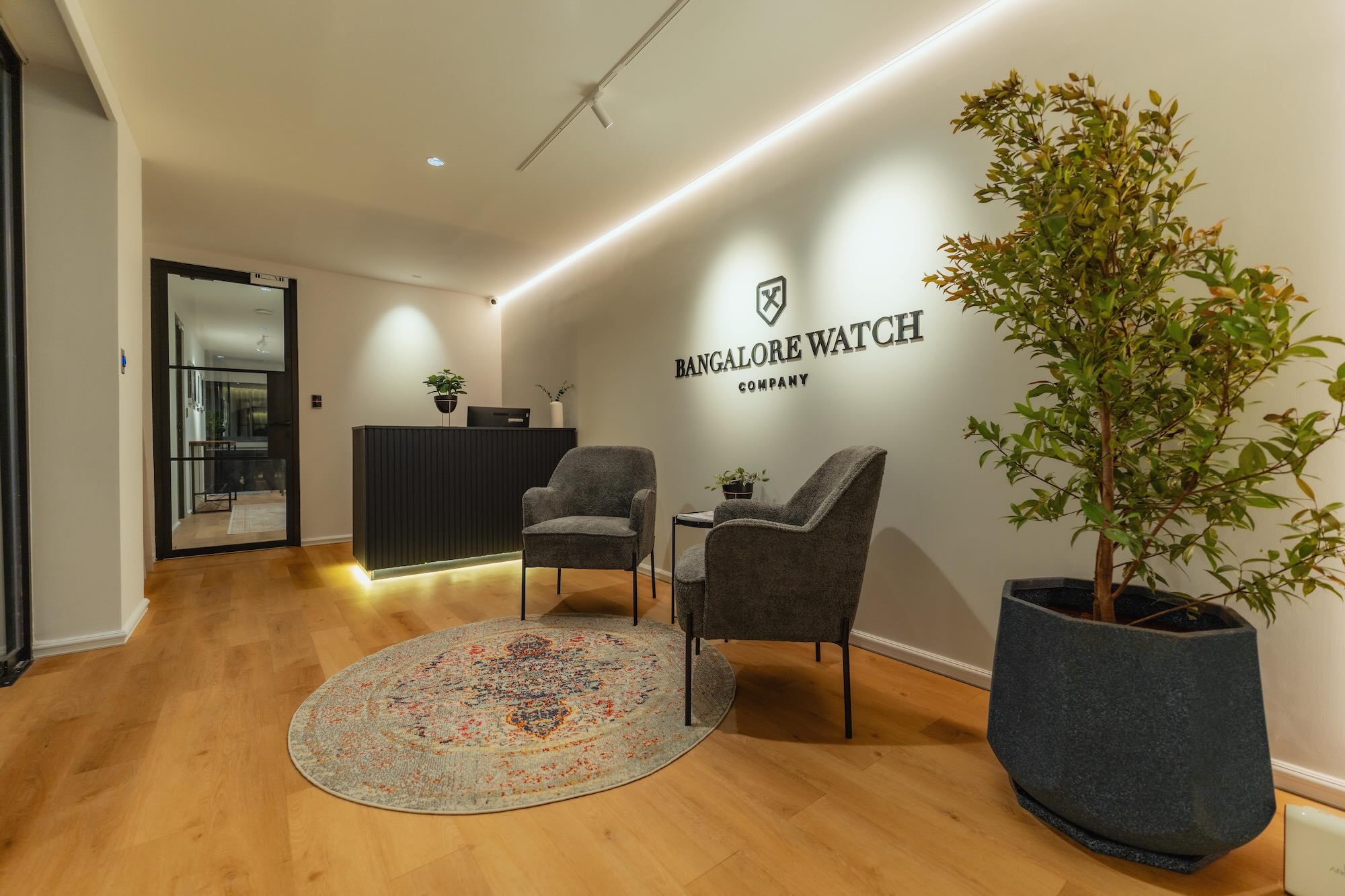
A lot is happening right now; one of our biggest projects is our recently opened flagship boutique in Bangalore. For the past 7 years, we have operated as a digital-first brand with a studio in Bangalore for in-person appointments. However, the flagship boutique is 1,600 sq ft and will allow our customers to experience the brand in the best possible way. We have a customer lounge, a watch viewing/display area, and an area dedicated to hosting our Masterclasses. We expect to start hosting community events at our boutique soon. Besides the boutique, the product roadmap continues to evolve with several new watches planned for 2026.
Outside India, where are your customers and collectors, and what has the international response been like? Also, what are the main challenges you face as a brand?
35% of our business comes from our overseas customers. The US is our biggest market after India, followed by the UAE and Singapore. What’s interesting is that even though our watches are rooted in modern Indian stories, people from all over the world connect with them. It shows that good storytelling and thoughtful design aren’t limited by geography – it speaks to anyone who appreciates it.
How do you plan to grow internationally?
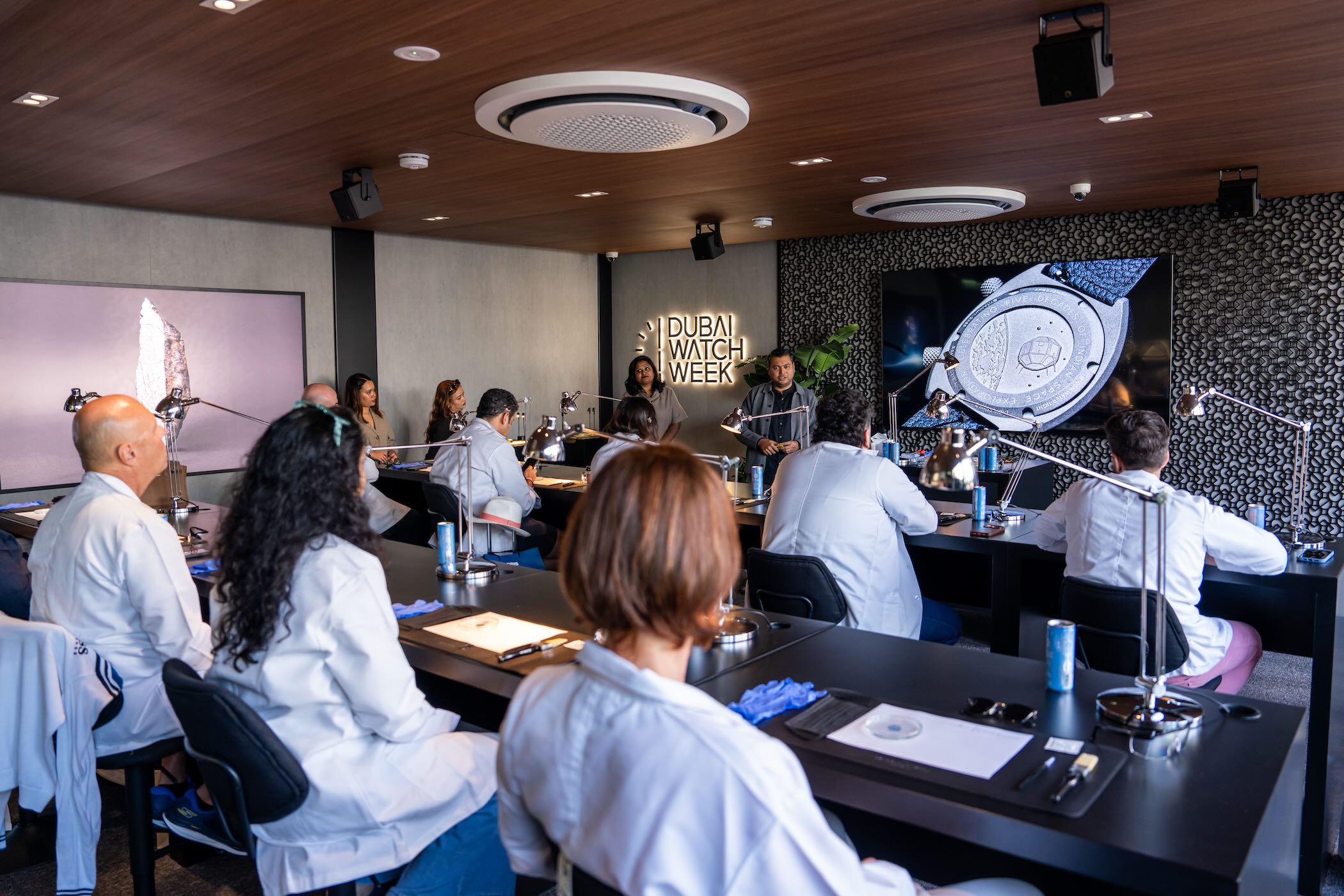
At the end of 2025, we wrapped up our participation at Dubai Watch Week. Besides hosting the first Meteorite Masterclass, we also hosted an Open House for our customers and the collectors’ community in Dubai. For 2026, we plan to take the brand on 1-2 international road trips to meet our customers and the collectors’ community. We will be balanced with this approach, as a small brand, we cannot be everywhere, but we will pick 1-2 places to be. It is important for us to stay direct-to-customer for the foreseeable future, but there are talks about some special editions with collectors and independent retailers that will allow us to go deeper into collectors’ watch boxes internationally.
What are your challenges as you look to grow internationally?
Well, the industry is going through a turbulent time right now, but I see an opportunity for small brands like ours to tell unique stories with our unique voice. Our customers and collectors appreciate this more than launches from large brands. We are happy to be in this camp right now.
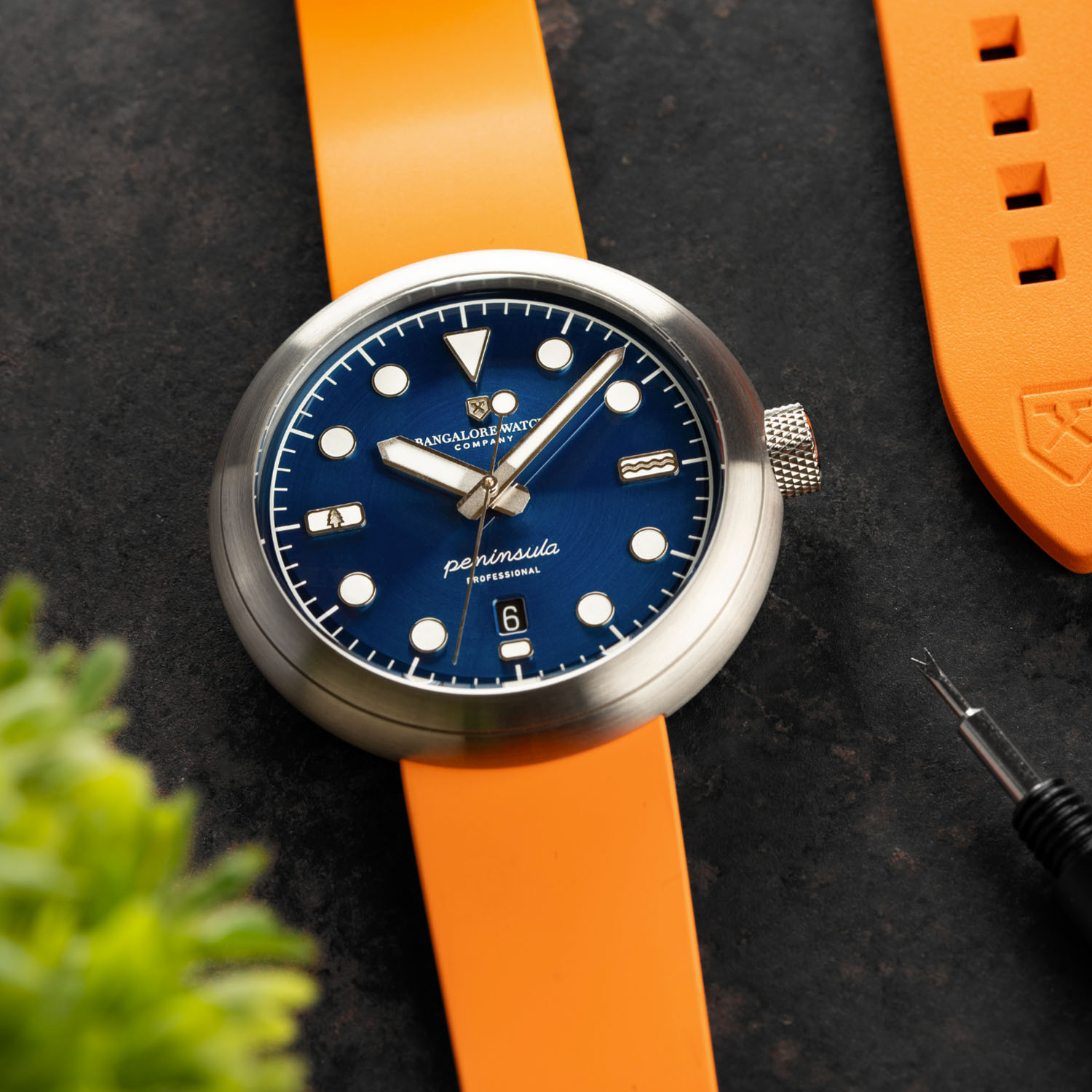
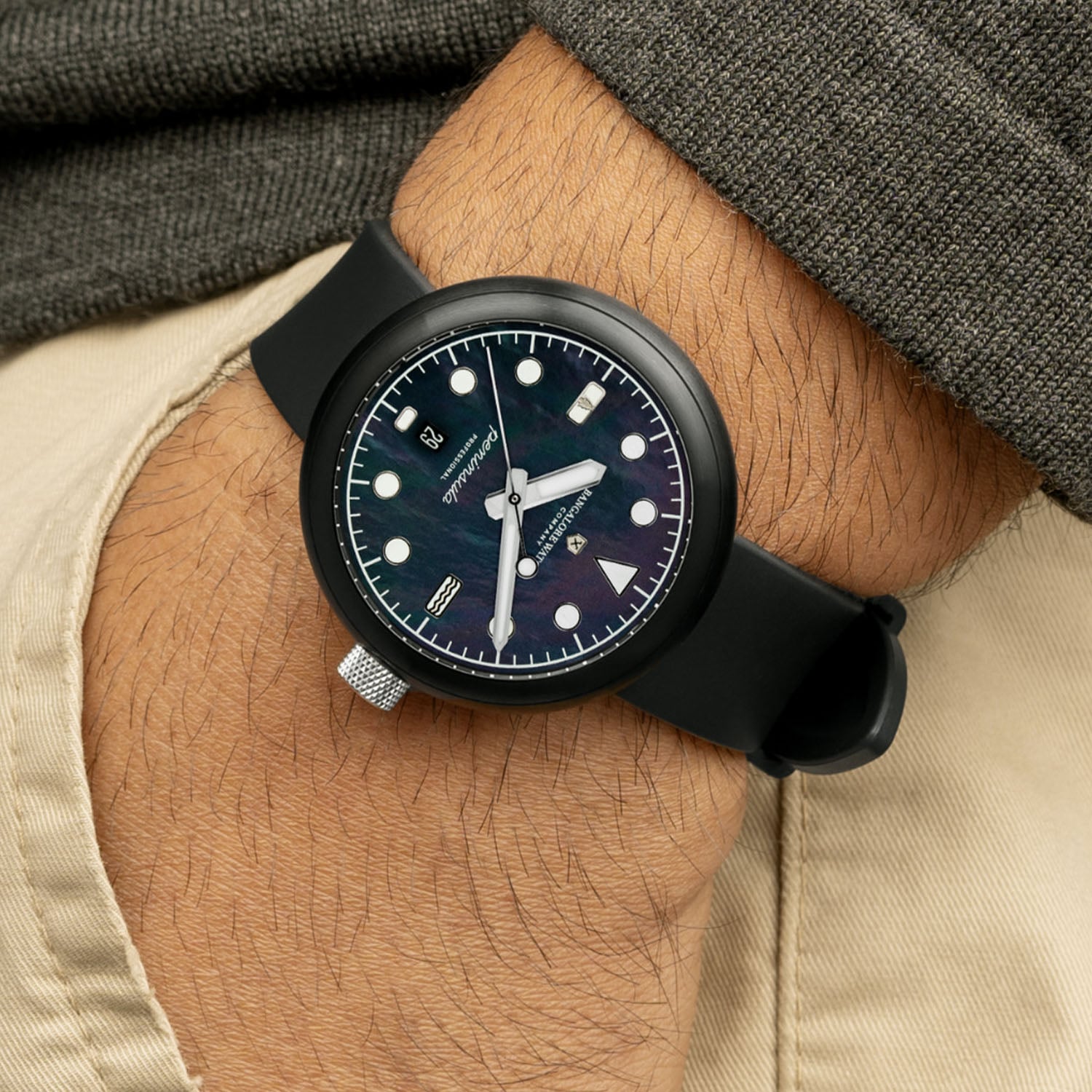
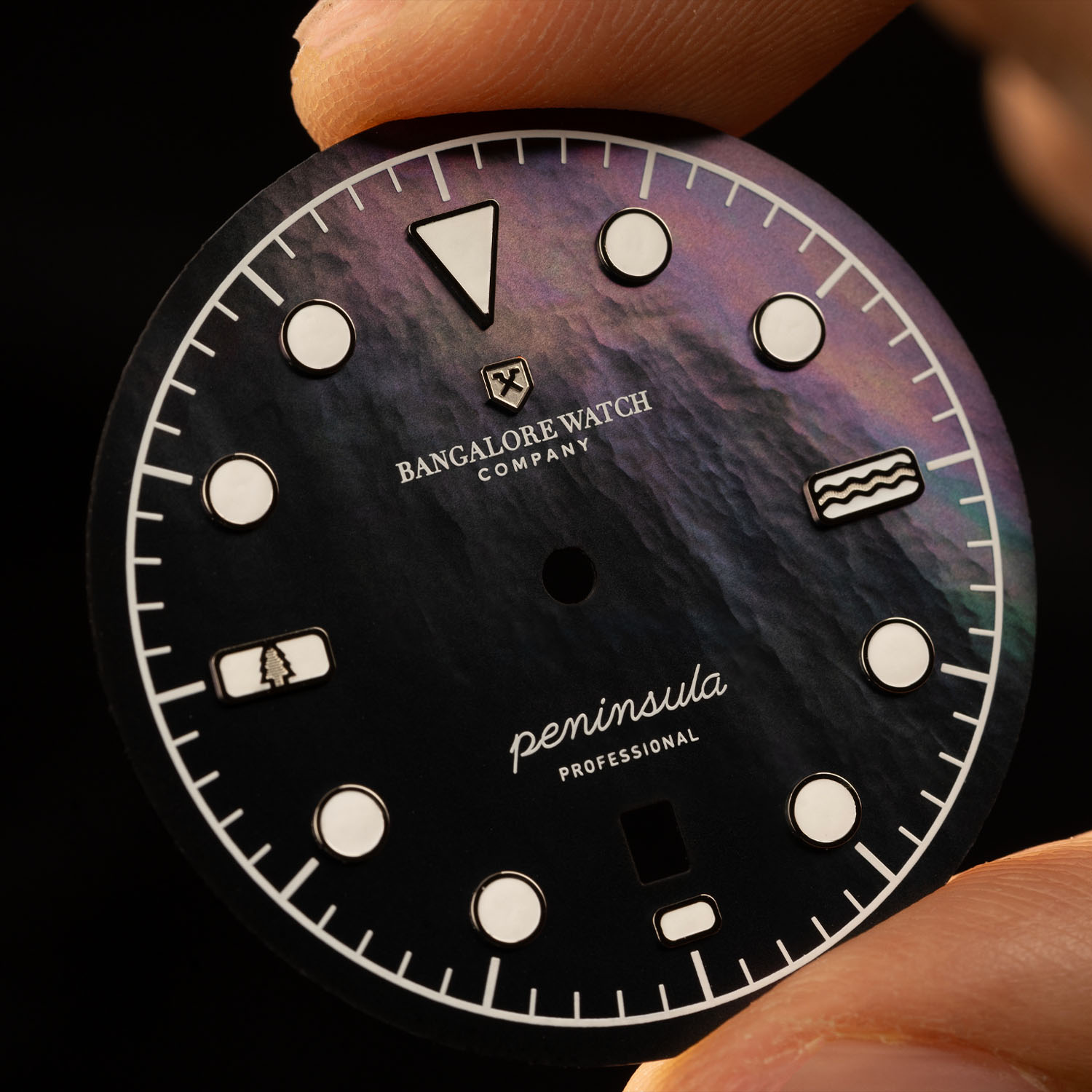
There are always perceptions of challenges building from a country that isn’t known for watches. But that perception is changing as we take on new projects, such as our recently launched Peninsula, which features a completely pebble-shaped case. We felt confident to put it up for a GPHG nomination and found out, quite surprisingly, that it was already put forward by the members even before we could. Tariffs are a natural challenge too, but that situation is more transient and doesn’t deter our long-term goal of building a high-quality watch brand from India for a global audience.
For more details about the brand, please visit www.bangalorewatchco.in.

2 responses
Where have I seen those knurled crowns before? Ha! Ha! Nice watches.
There is nothing known as Indian watch culture. Either you wear a watch or u don’t. That’:s it. A marketing gimmick to sell your brand!