
 Not all images were able to load for printing. Please close the print window and try again.
 Kross Studio Rebranded to Marco Tedeschi, Unveils the MT1.1 Tourbillon 7 Jours
Understanding the evolution of the creative indie brand created by Marco Tedeschi.
Over the past years, Kross Studio has emerged as an intriguing player in independent watchmaking. Founded just before the pandemic, the company has grown, gaining visibility through a series of collaborations inspired by pop culture – a deliberate departure from traditional watchmaking narratives – while at the same time demonstrating genuine technical credibility. Behind the scenes, the brand has also built a serious foundation through its work as a subcontractor for some established industry names. Although this activity remains discreet and intentionally understated, it has played a key role in shaping the manufacture’s capabilities and expertise. Its relevance, though, has not gone unnoticed, as highlighted by Chanel’s recent minority investment.
This year marks a significant turning point. The brand transitions from Kross Studio to the more personal identity of Marco Tedeschi, reflecting a clearer alignment between the products and the vision behind them. At the same time, during Watches & Wonders 2026, the brand will present a new evolution of its MT1 tourbillon. A visit to the manufacture in Gland allowed us to sit down with Marco Tedeschi to discuss his journey and the evolution of the brand, and to gain deeper insight into their latest developments, including the new MT1.1 Tourbillon 7 Jours.
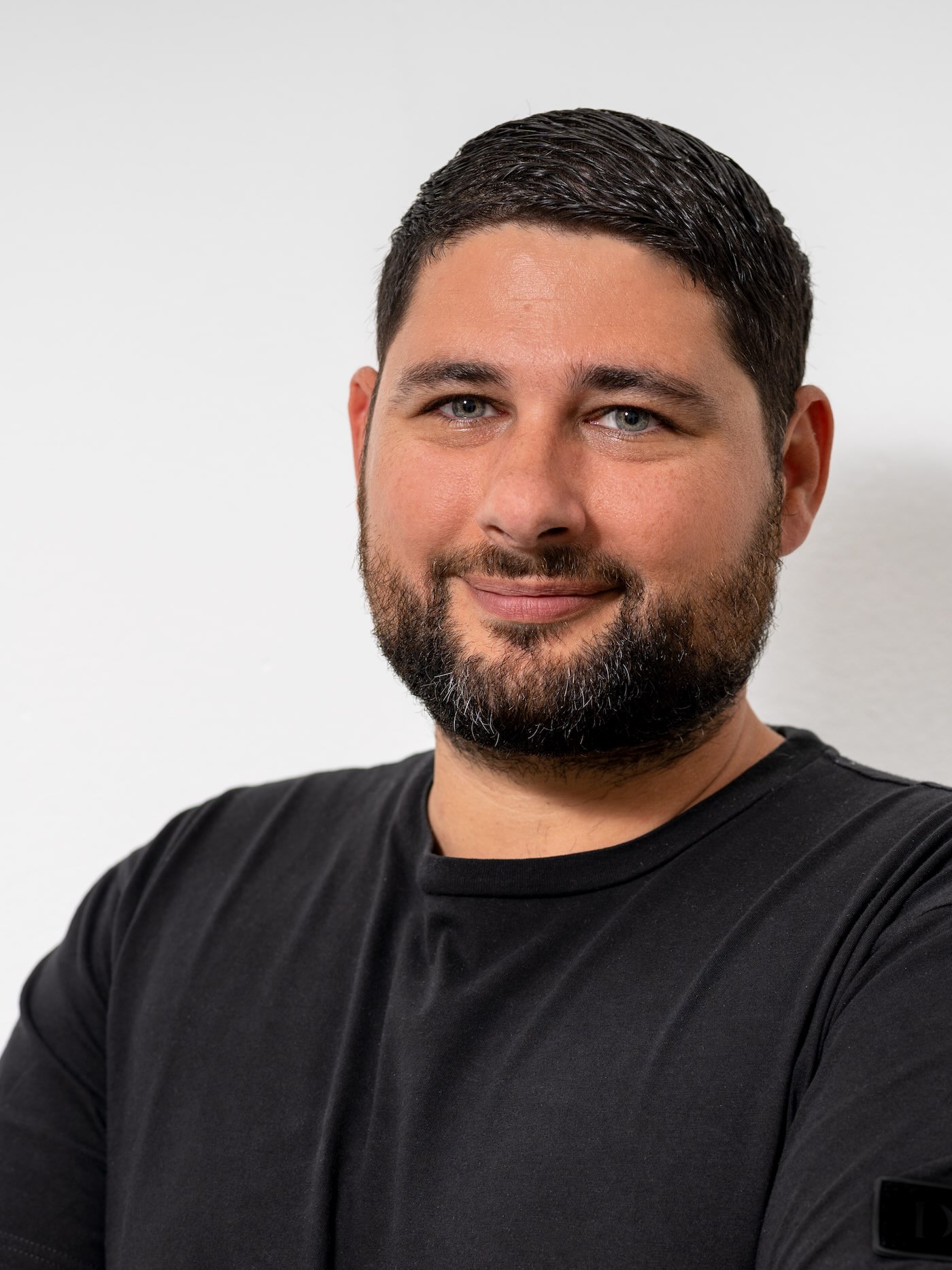
Xavier Markl – MONOCHROME – Marco, thank you for taking the time. Could you tell us a bit about your background and how you went from being passionate about watchmaking to actually working in the industry and eventually leading your own brand?
Marco Tedeschi – My story starts with my father, who was a manager at a watch shop in Geneva. He was very passionate about his job, and when I was young, he began taking me to work with him on Saturdays.
To keep me busy, he gave me small tasks – mainly winding mechanical watches. I was incredibly lucky to have the opportunity to touch and feel these captivating timepieces. While winding them, I completely fell in love with the mechanisms. I became fascinated by how something completely “dead” could come to life just by turning the crown. That’s really when my passion for watchmaking began.
And how did that passion evolve into a career?
Later on, my father moved to Franck Muller, and I got the opportunity to spend time in the manufacture. I used my vacations to learn different jobs there – sometimes observing, sometimes actually working with my hands.
This allowed me to discover all the different crafts within a manufacture. At some point, I realised this was what I wanted to do with my life. So I joined the École Technique de la Vallée de Joux to study watchmaking, followed by an engineering school to become a microtechnology designer. During my engineering studies, I had the opportunity to design my very first movement. That was a key moment for me.
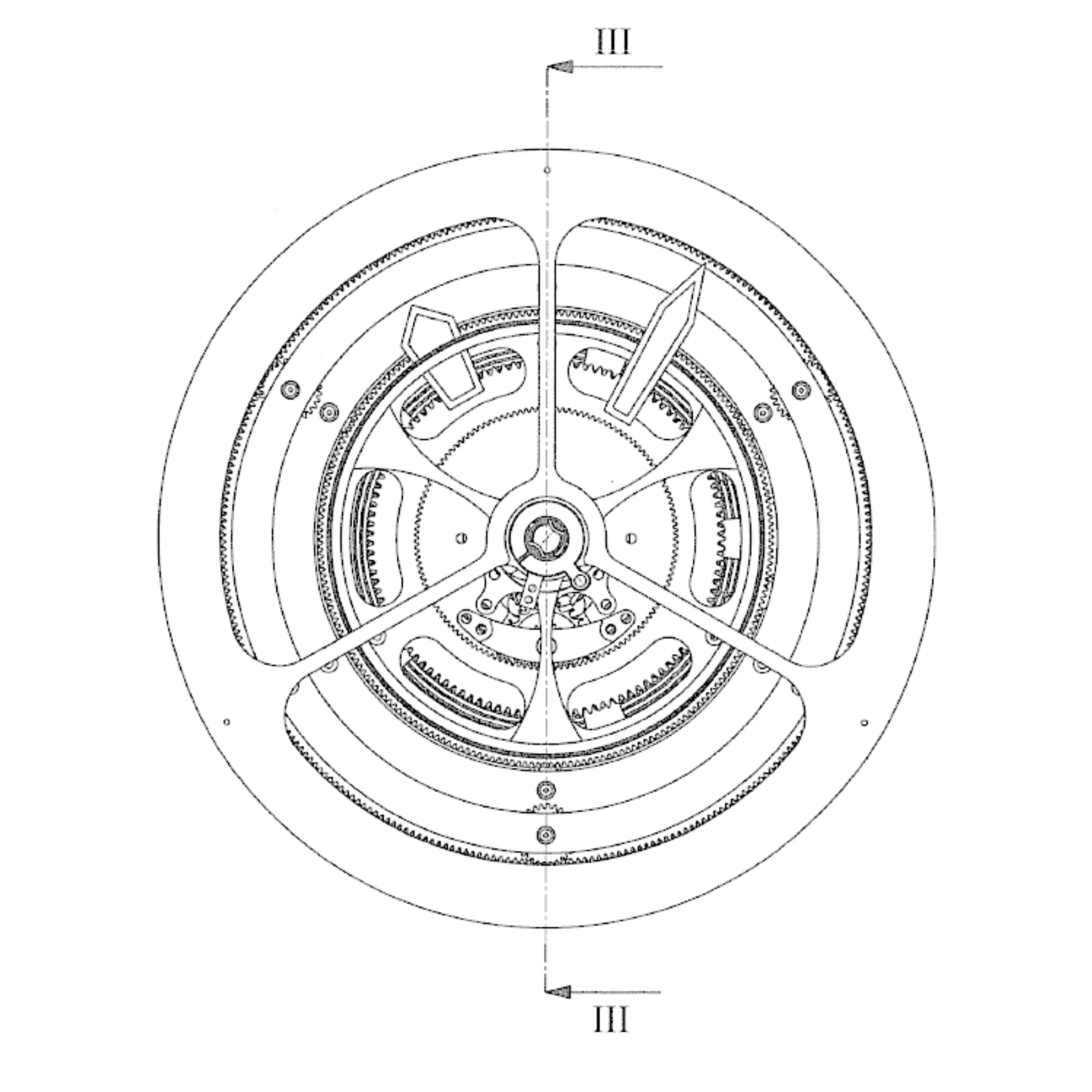
Instead of following traditional construction methods, I decided to rethink the movement completely. I wanted a long power reserve and preferred manual winding – I love the interaction between the wearer and the watch. So I designed a movement with a large barrel and placed all key components – the energy, regulator and display – on the central axis. It was something that had never been done before.
Quite a bold approach at that young age. What happened next?
I sent my design to several CEOs of watch brands, hoping for feedback. Only one replied: Jean-Claude Biver. He invited me to present my work. What I thought would be feedback turned into a job interview – and that’s how I started working at Hublot.
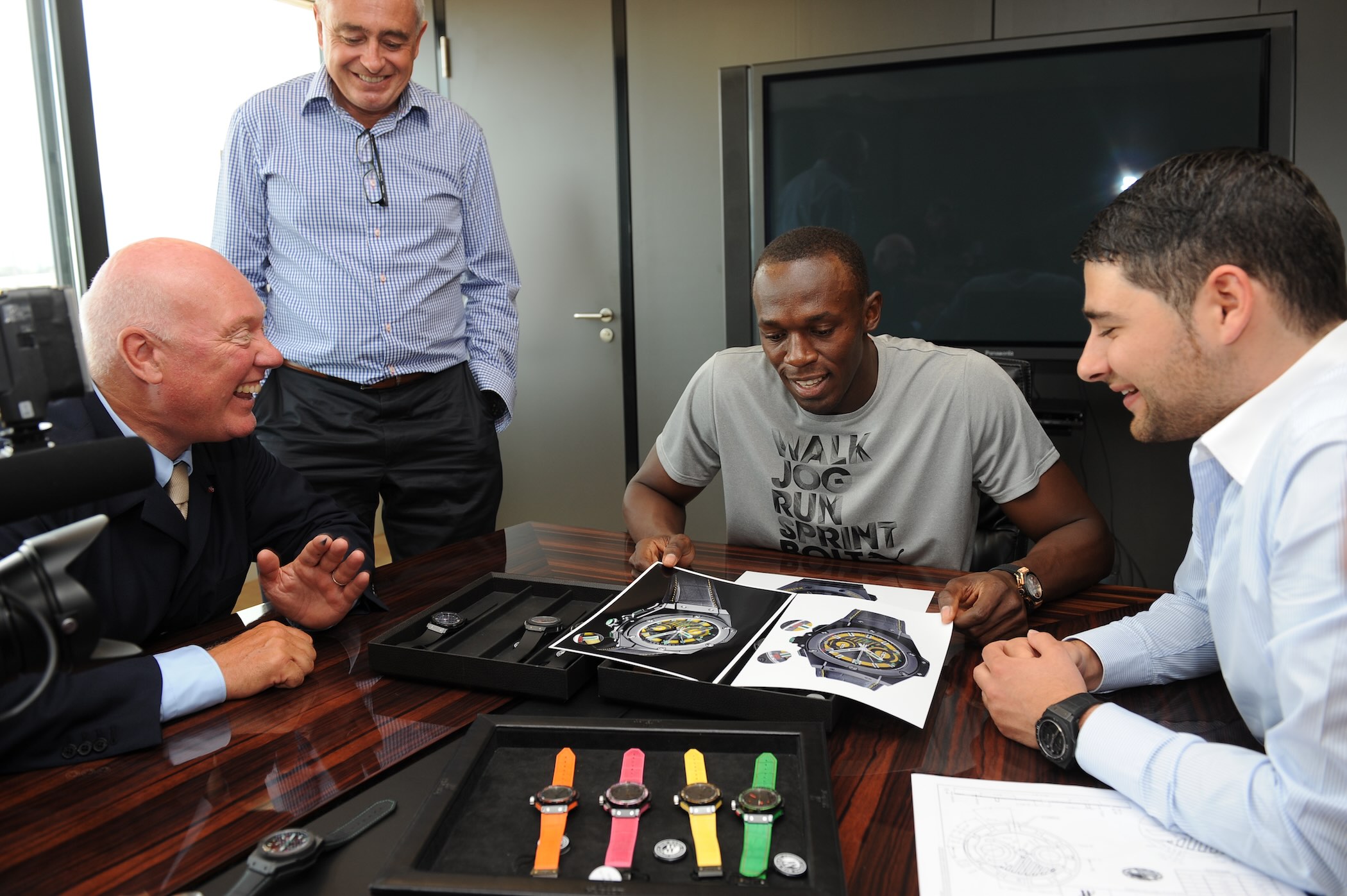
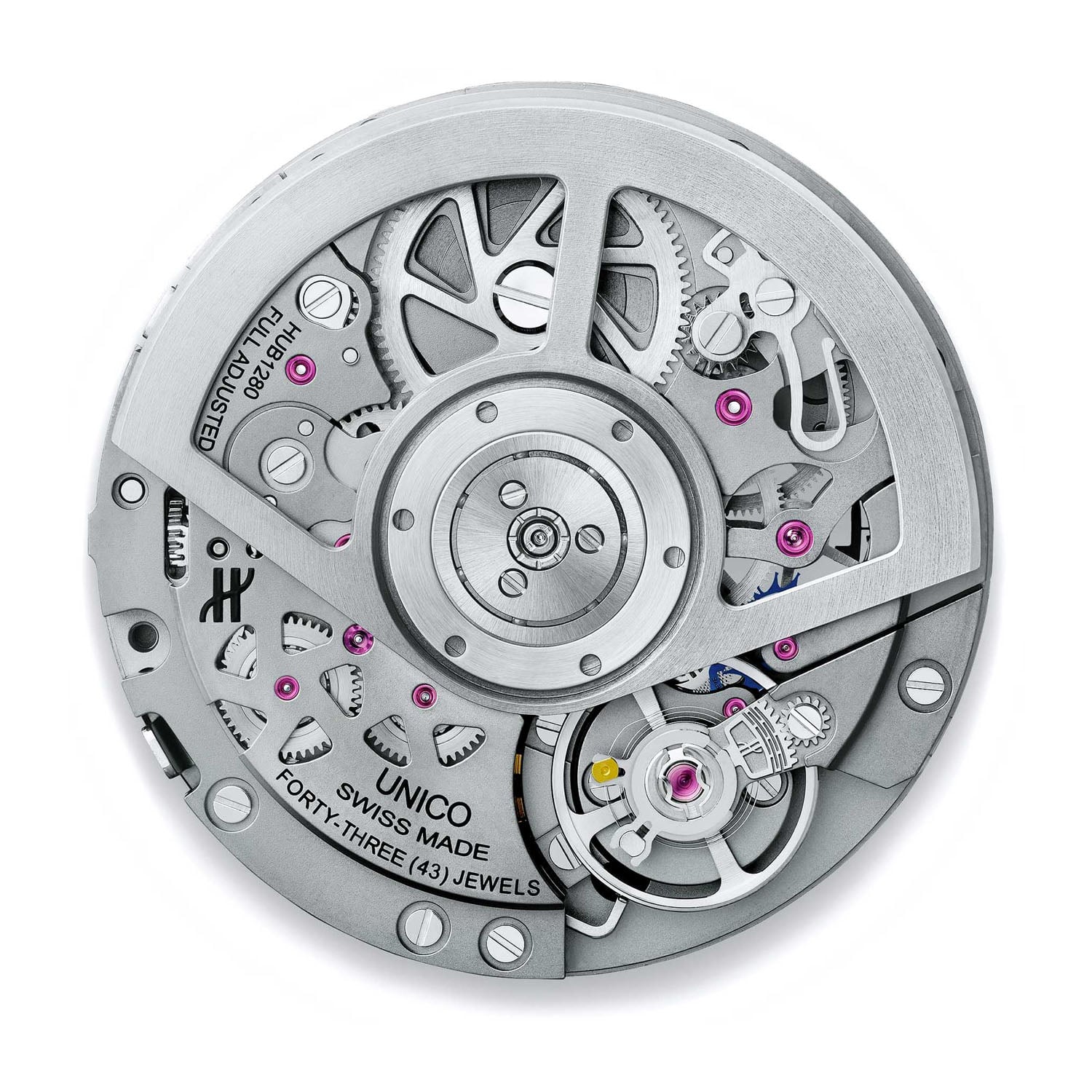
I joined before graduating and later helped build their manufacture, especially for movements and cases. One of the main projects was the development of the UNICO chronograph movement for the Big Bang. It was an incredible experience. I learned how to build an efficient manufacture and understood the key challenges involved.
Later, I moved into a more business-oriented role, managing the Middle East and Africa region. During that time, I also completed a Master’s degree in management to broaden my understanding of finance, marketing, and operations.
After leaving Hublot, I started consulting for various brands, including Romain Jérôme. Eventually, I became CEO there. It was another important experience because the brand outsourced most of its manufacturing. We worked on building internal capabilities and developing new products and movements in-house. Unfortunately, the brand’s owner decided to close it just before COVID.
Is that when you decided to launch your own project?
Exactly. That’s when I created Kross Studio. Given the unexpected context of the pandemic, the goal at first was to finance the business through subcontracting. That allowed us to develop manufacturing capabilities while also working on our own brand vision. It was a difficult time due to uncertainty, but also full of opportunities – many companies needed new partners.
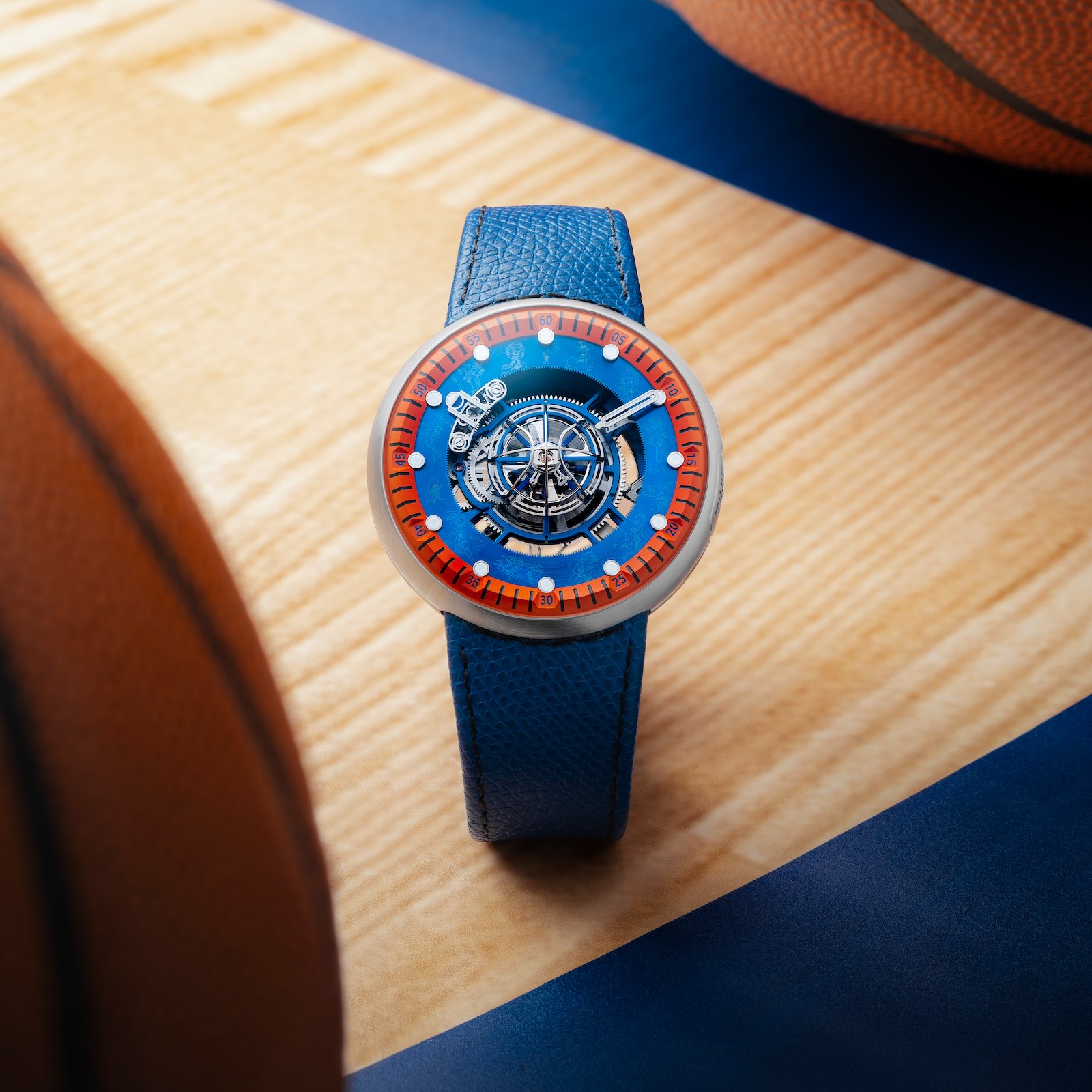
As far as the “brand” activity is concerned, I wanted to create a different philosophy in both design and construction. At the centre of everything is the movement, especially the central architecture I’ve been developing for years. At the same time, I wanted a different marketing approach. I’m a big fan of pop culture and cinema, so instead of traditional watch themes, I wanted to integrate that into the brand identity.
From a creative perspective. I didn’t want to follow the traditional codes of watchmaking – you know, the usual themes like racing, aviation, or classic luxury storytelling. I wanted to bring our construction philosophy into a completely different universe, something more contemporary and emotionally engaging.
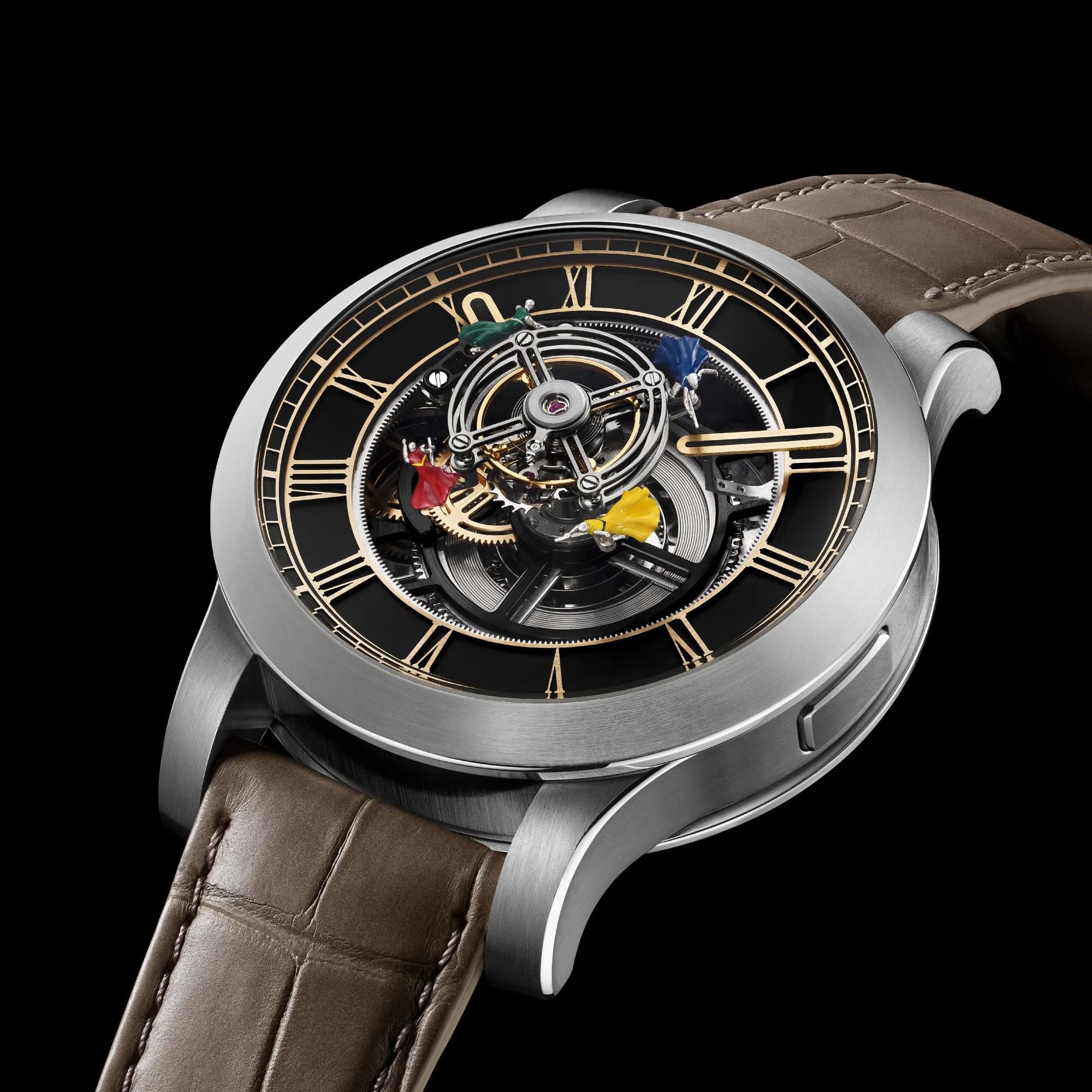
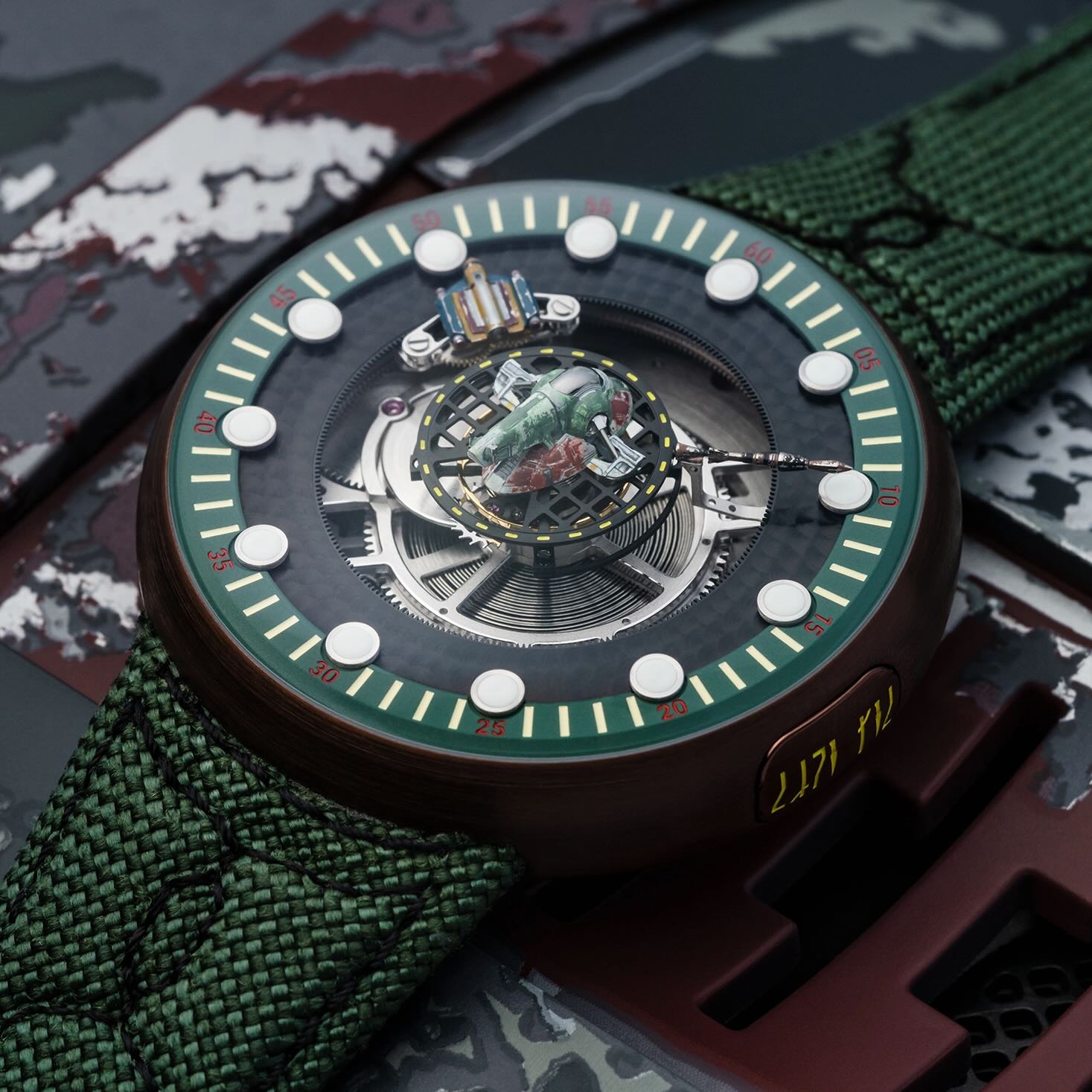
Additionally, as a young structure, we needed visibility. Collaborations were a way to quickly create awareness and reach audiences beyond traditional watch collectors. Working with recognisable universes allowed us to tell stories differently and position Kross Studio in a more dynamic, accessible space while still showcasing our technical capabilities.
Chanel became a shareholder of your company. Can you tell us more?
Yes, Chanel became a minority shareholder. I have deep respect and really appreciate their philosophy. They invest to support and develop companies without taking control while allowing them to develop specific know-how… For me, it was essential to maintain independence while securing a strong partner to expand production capacity and capabilities.
On the occasion of Watches and Wonders 2025, you introduced the MT1, a tourbillon with a distinctive design and packed with interesting features. Now you are coming with an evolution of the model. Can you tell us more?
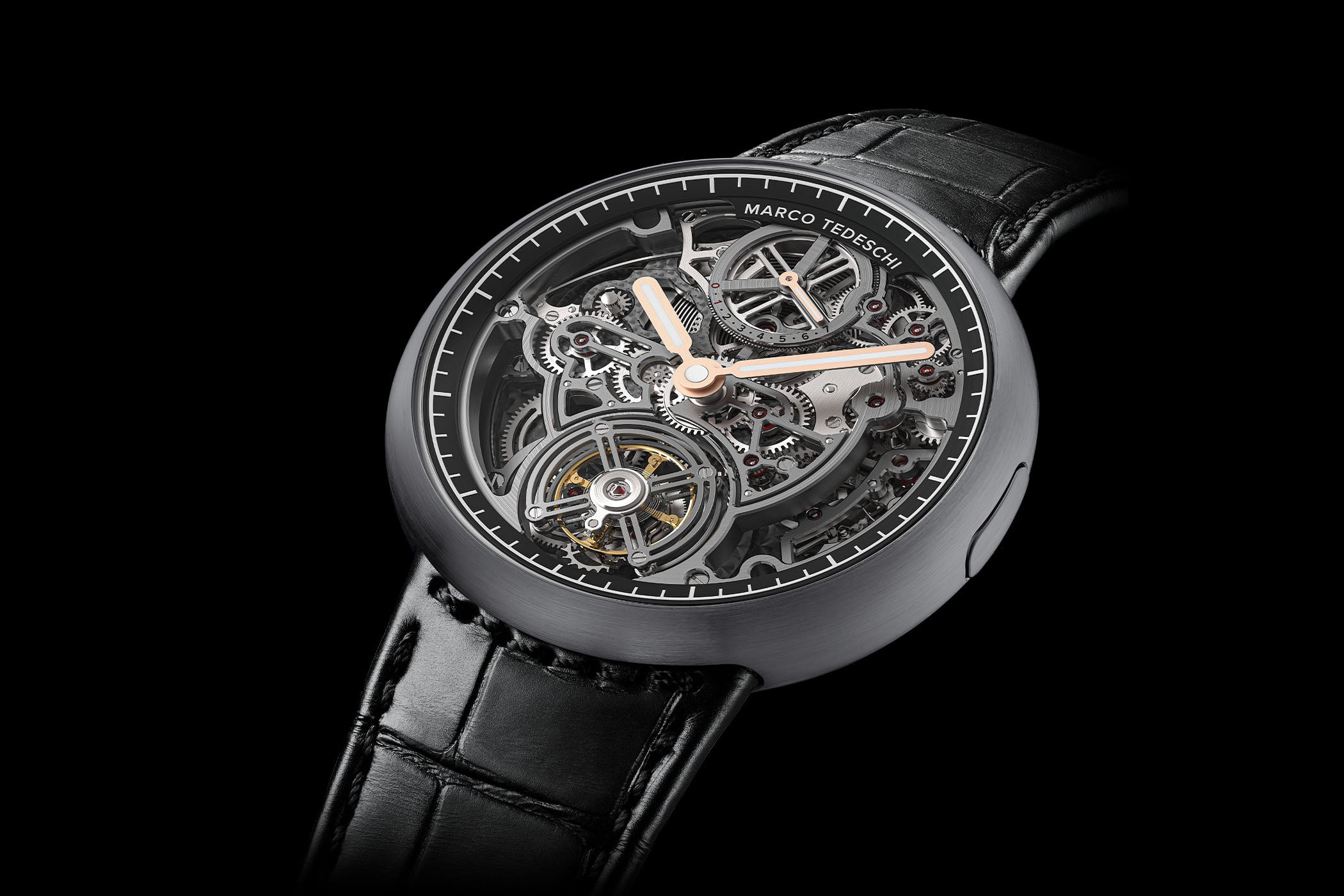
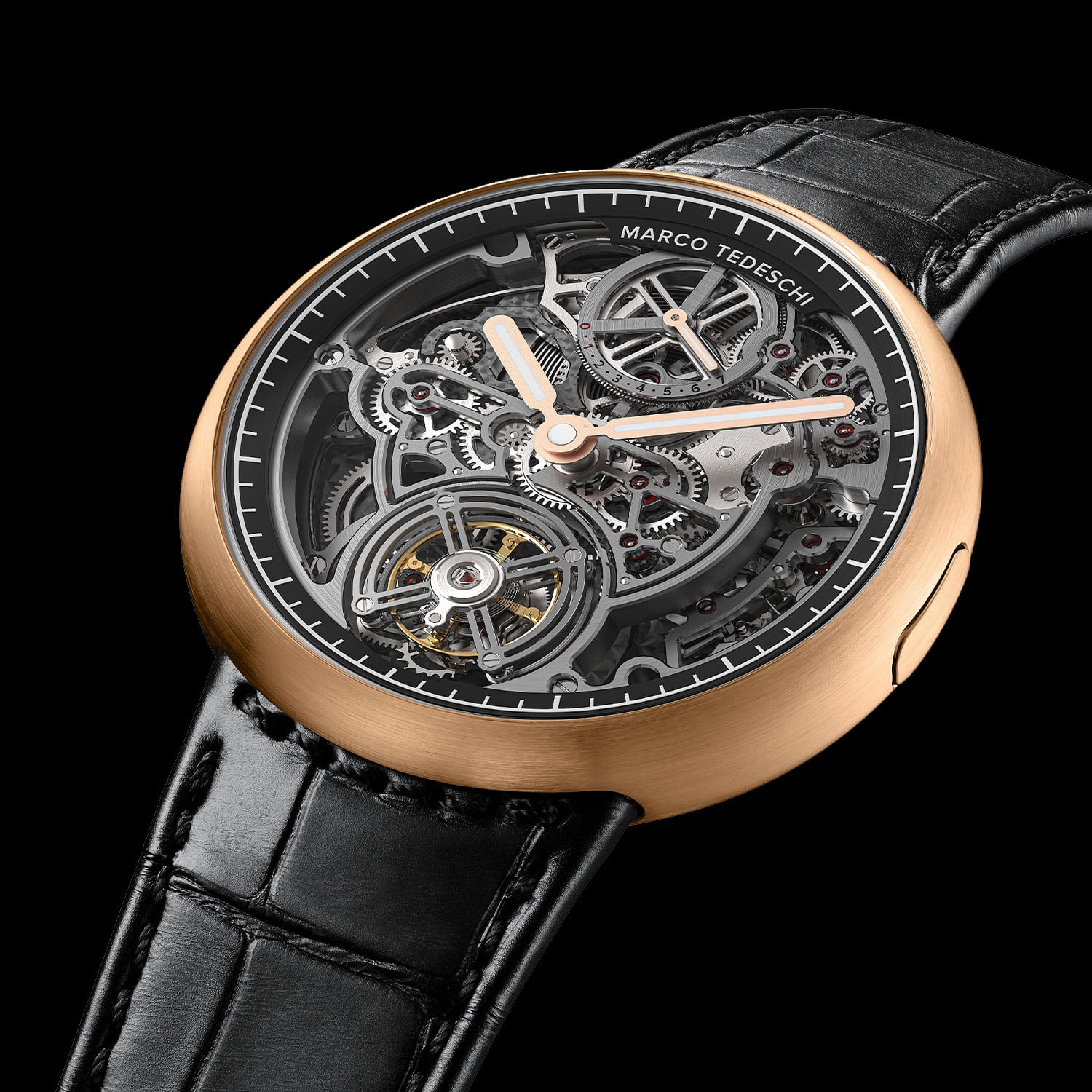
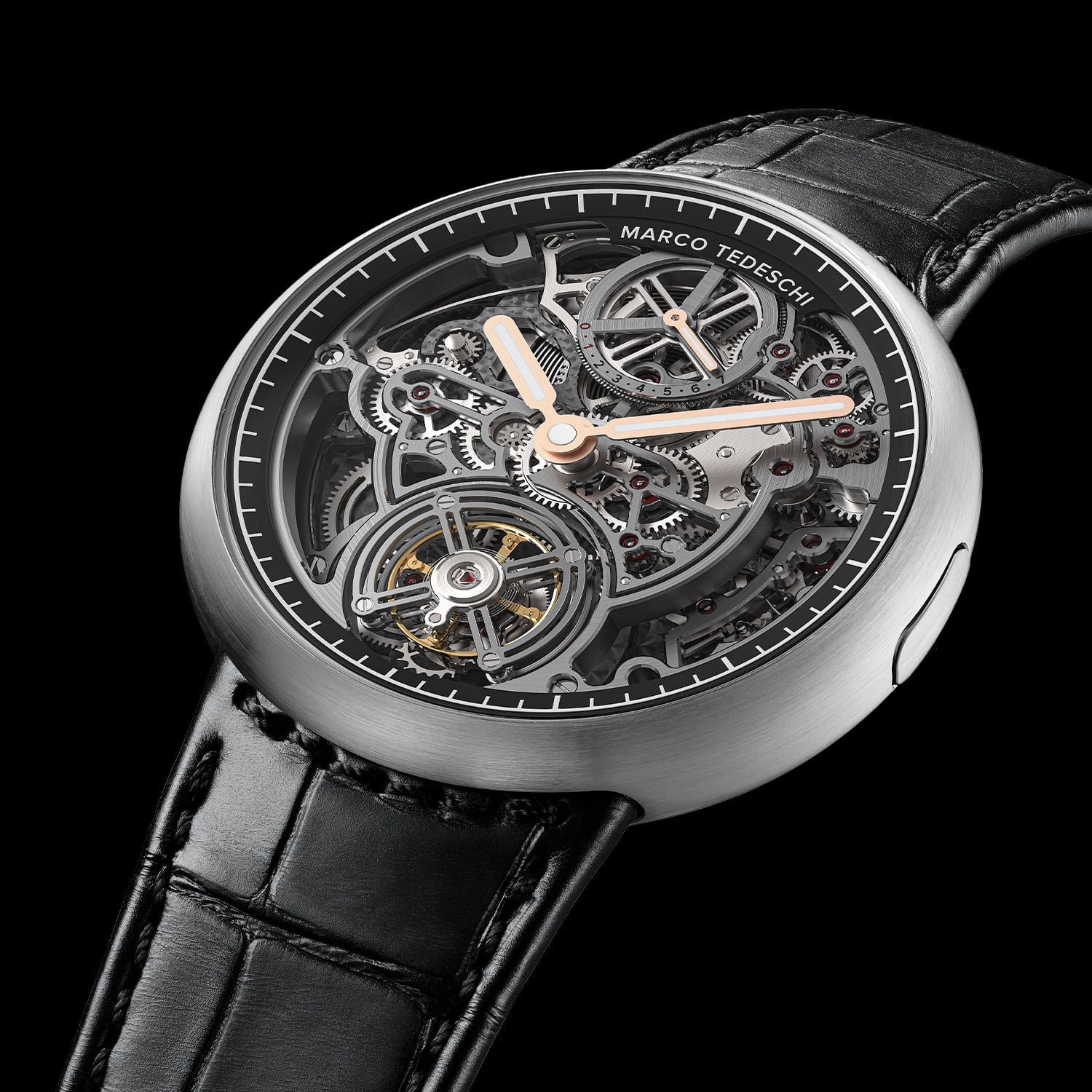
The MT1 Tourbillon really stands out through its very organic design. We chose a fully round case, without lugs and without a traditional crown, to keep the lines as pure as possible. Instead of a crown, there is a pusher on the side of the case that allows you to switch between two modes – winding and time-setting – which are then operated through the back of the watch. It creates a very different and more intuitive interaction.
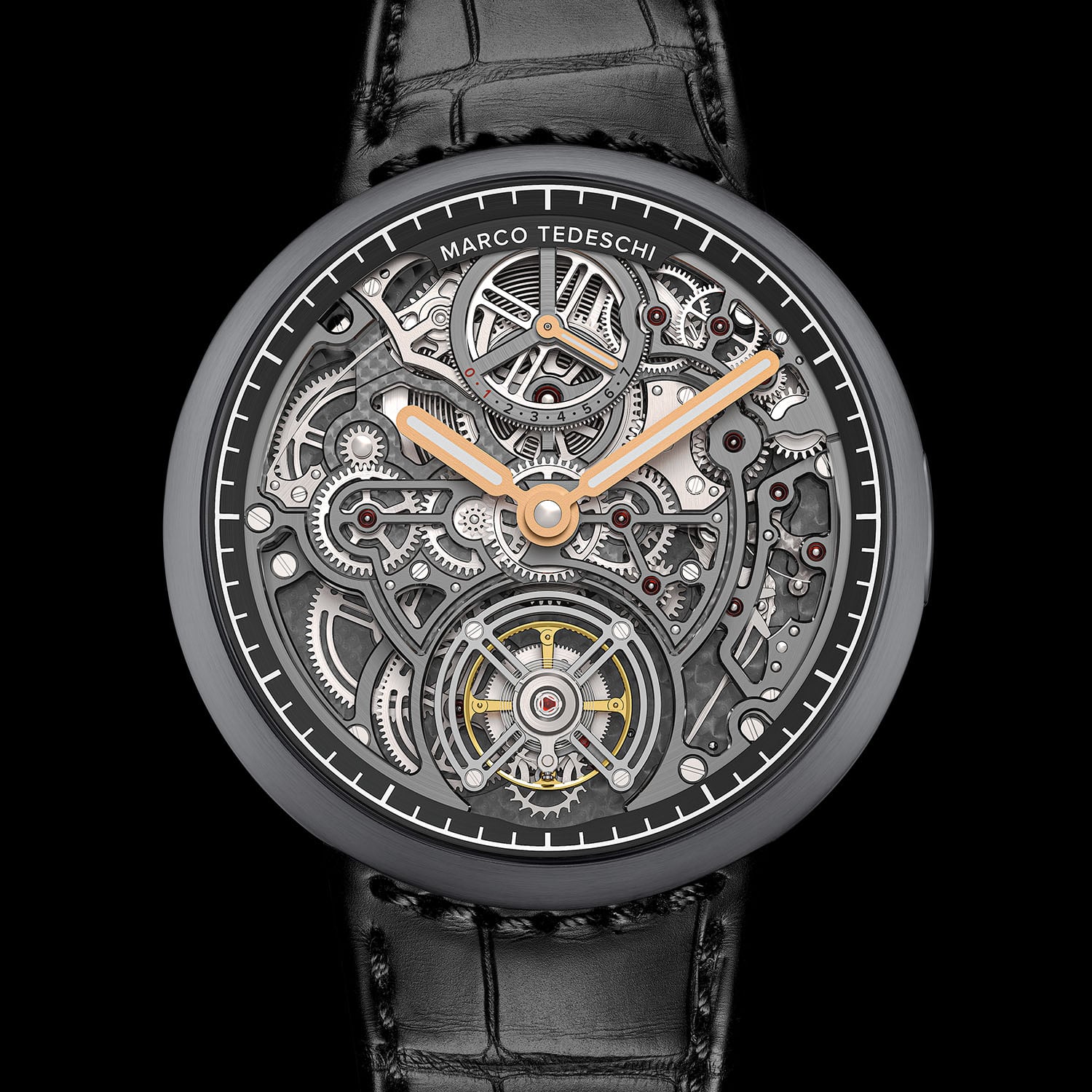
The movement itself has a highly architectural, skeletonised aesthetic, in which the construction is fully visible and aligns with our central design philosophy. We also developed an interchangeable strap system that is extremely practical and easy to use, so the watch can adapt quickly while remaining very user-friendly.
For Watches and Wonders 2026, we will introduce an evolution of the MT1, which we call MT1.1 – that keeps the same architecture but adds functionality and improves usability. It features a power reserve indicator at 12 o’clock. Since it’s a manual-winding watch, it makes perfect sense to display the remaining energy.
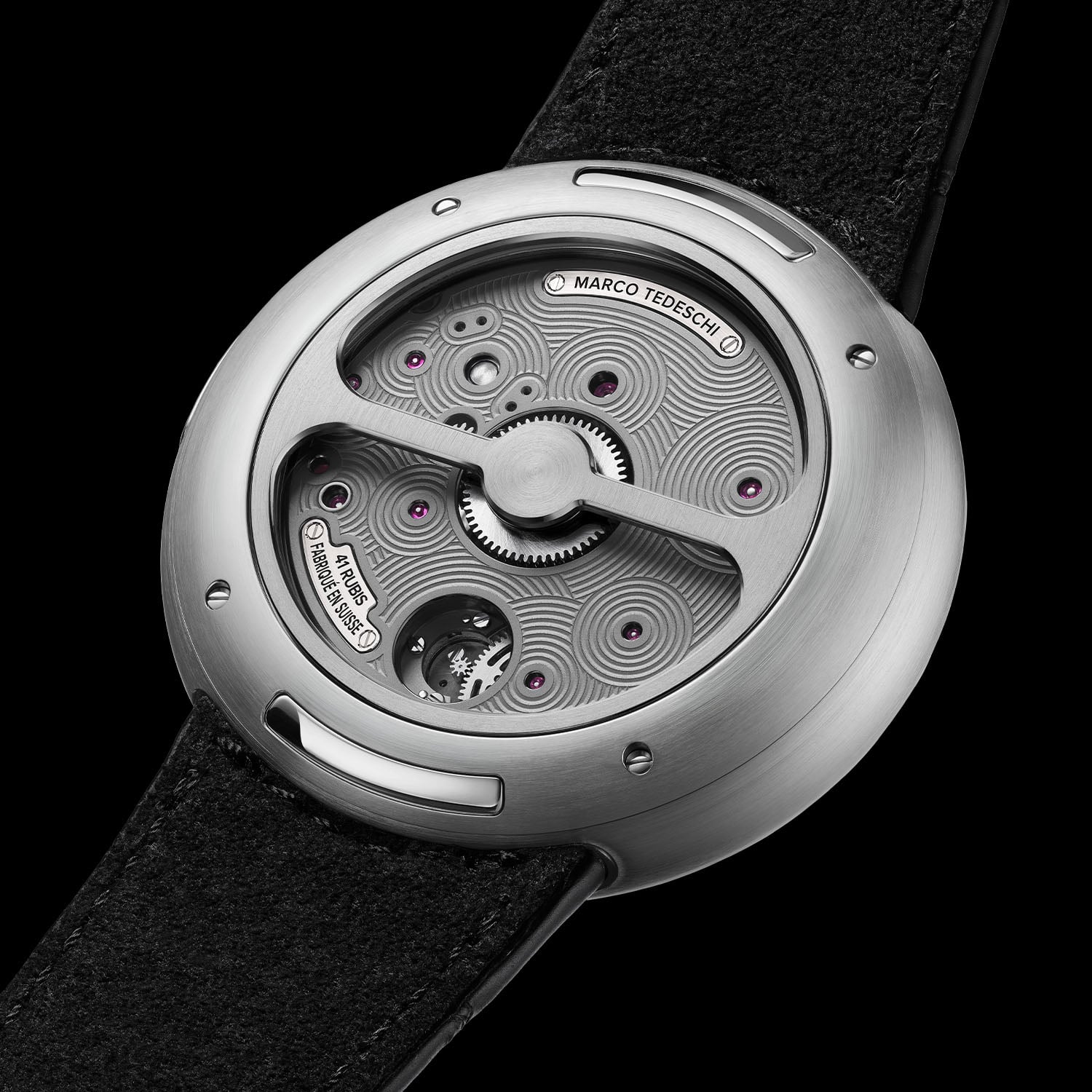
We’ve also worked on new materials (including tantalum, which we machine in-house), varied case executions, and improved ergonomics. For example, we redesigned the clasp with a new double-folding system. The goal is always to refine the product while staying true to the original concept.
That leads us to big news for the brand… We’ve seen a shift from Kross Studio toward using your own name with the MT1. And now, as of Watches and Wonders, the brand is moving from Kross Studio to Marco Tedeschi.
Yes, exactly. It became important for us to clarify the brand’s identity. The watches are deeply linked to my vision, my architecture, and the movements I’ve been developing for many years.
So moving toward the name Marco Tedeschi for the brand was a natural step. It brings more clarity and allows us to communicate more directly what the product is and where it comes from. You can see it as a full circle – from the initial idea, to the movement, to the final product, now clearly associated with my name. Still, Kross Studio remains one of our core activities. It’s still the playground for collaborations, but under the Marco Tedeschi brand umbrella.
What challenges are you focusing on now?
Production is a key challenge. We’re expanding capacity, investing in machines, and growing the team – but I want to remain a relatively small company. Maintaining a strong team spirit – almost like a family – is very important to me. We’re working on several exciting projects that will introduce something truly different to collectors. I think the coming years will be very interesting.
For more details, please visit www.marco-tedeschi.com.