Not all images were able to load for printing. Please close the print window and try again.
Jiro Katayama, Founder of Otsuka Lotec, on the Creation and Future of Japan’s Coolest Indie Watch Brand
A conversation with the non-watchmaker founder of the brand that has reached impressive international fame, while still being very much JDM-only.
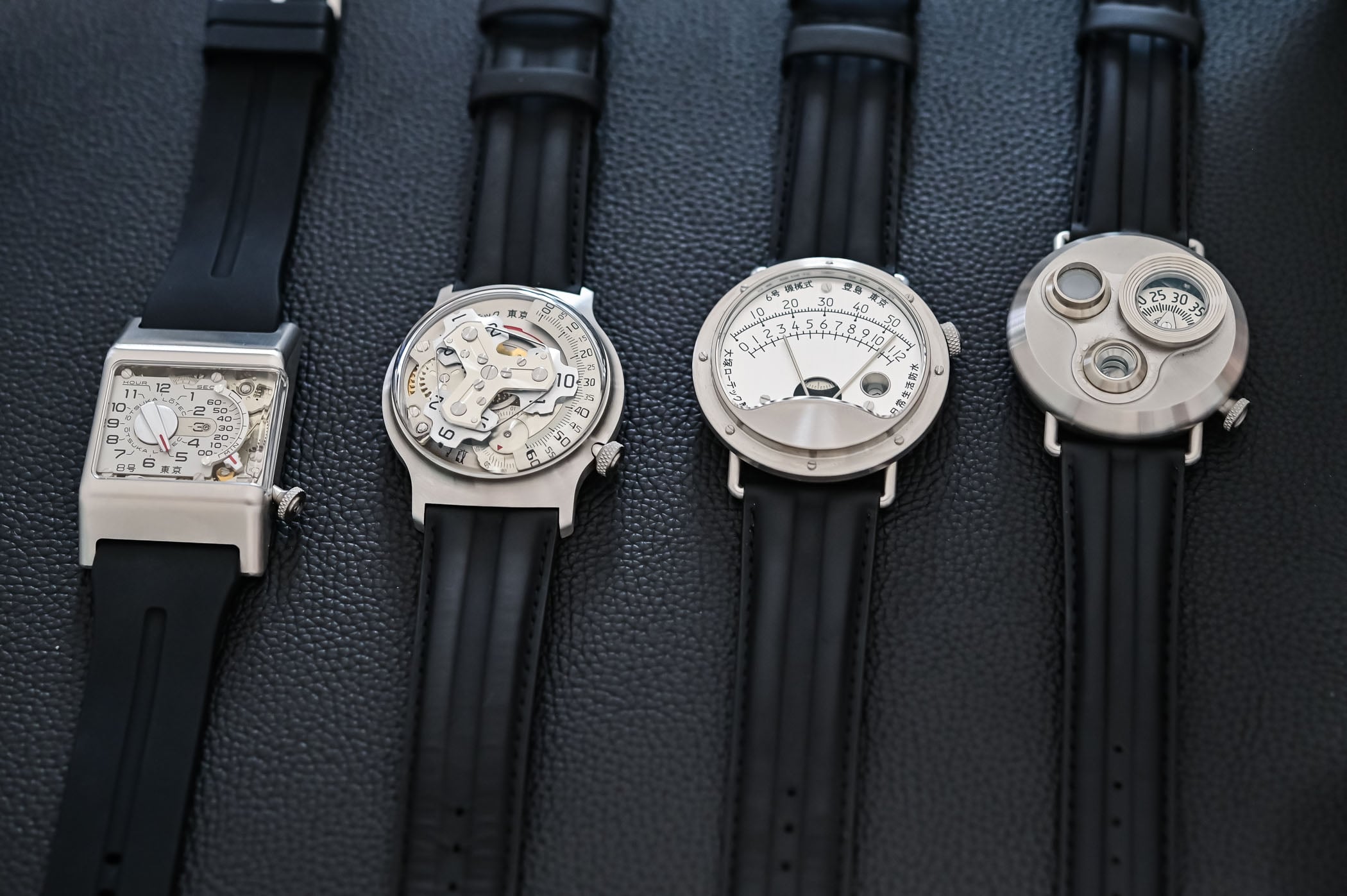
If you’ve been reading MONOCHROME regularly or have been following the evolution of indie watchmaking in recent years, the name Otsuka Lotec should be familiar to you. In only a few years, the steampunk-inspired, industrially-designed collection has reached impressive worldwide recognition, while still being extremely difficult to buy overseas – a classic case of JDM-only coolness… But that’s only the shiny layer over a much deeper and far more interesting story. The fascination around Otsuka Lotec certainly has to do with its country of origin, but the watches – how they are conceived and manufactured, their singularity, their inspirations – and the background of founder Jiro Katayama are equally fascinating, if not the real reason why Otsuka Lotec has become the new sensation of independent Japanese watchmaking. Good enough reasons for me to talk with Katayama-san, trying to understand where it all began and where he wants to go.
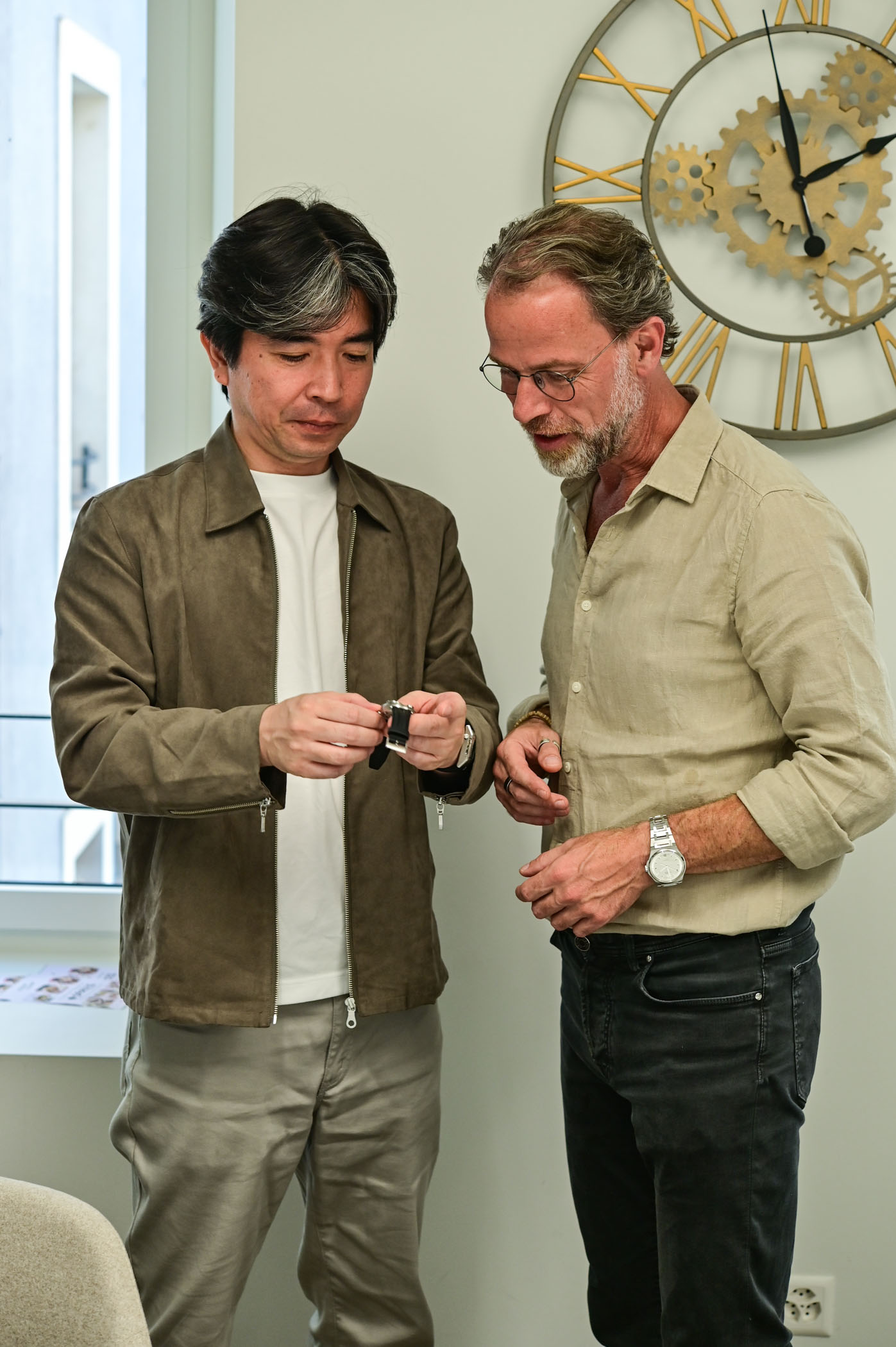
Frank Geelen, MONOCHROME – Katayama-san, perhaps we could start at the very beginning. You have a background in automotive design and later worked as a product designer. What first sparked your interest in watchmaking, and what made you want to create watches yourself?
Jiro Katayama, founder of Otsuka Lotec – Back when I was working as a product designer, I had a vague desire to create something through my own craft. On a whim, I impulse-bought a small lathe I found on an online auction around 2008. I decided to try making a watch case just to practice operating it – simply because its compact size seemed manageable on a small lathe. I had almost no knowledge of wristwatches at the time, but as I discovered the fascination of various time-display mechanisms, I felt a similar charm to that of automobiles – a tool you can actually wear. That was what led me to dive into watchmaking in earnest.

You did not originally train as a watchmaker. How did you actually learn the craft? Was it through books, experimentation, taking watches apart, learning from other watchmakers, or simply figuring things out by yourself?
I acquired most of my knowledge through web searches. I started designing and prototyping by imitating what I saw in photos of disassembled movements and videos of watchmakers. It was a process of trial and error – making something, testing it, and repeating – which gradually expanded what I was capable of doing.
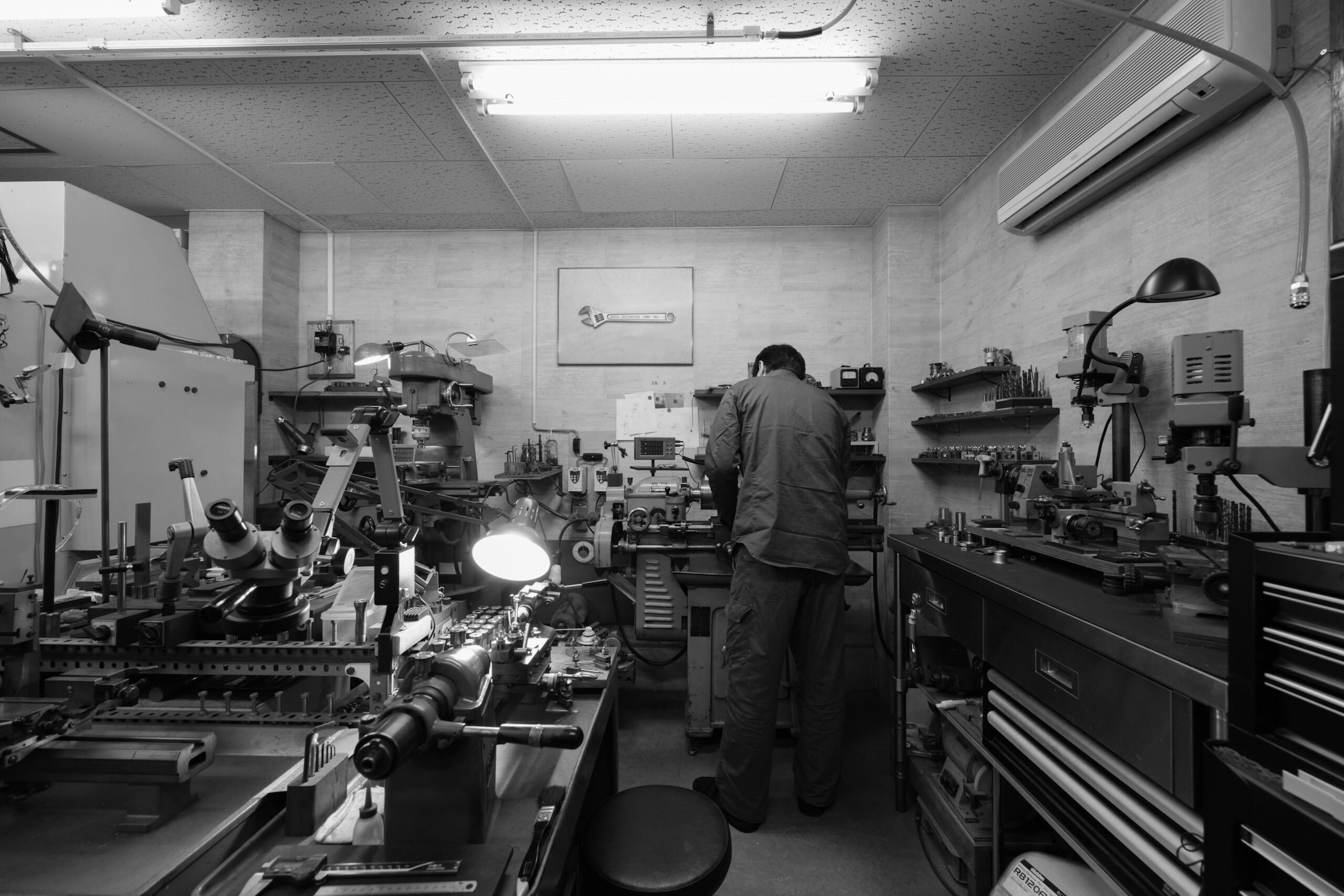
Do you remember the first watch you ever made? How did you go about producing it, and what did that first experience teach you?
The very first piece I made was “No. 1”, for which I machined only the case out of brass based on my own design. Although the finish was crude, the joy of having made it myself was immense. Through trial and error, I learned how to leverage the properties of materials and picked up key design techniques, such as planning with assembly in mind.
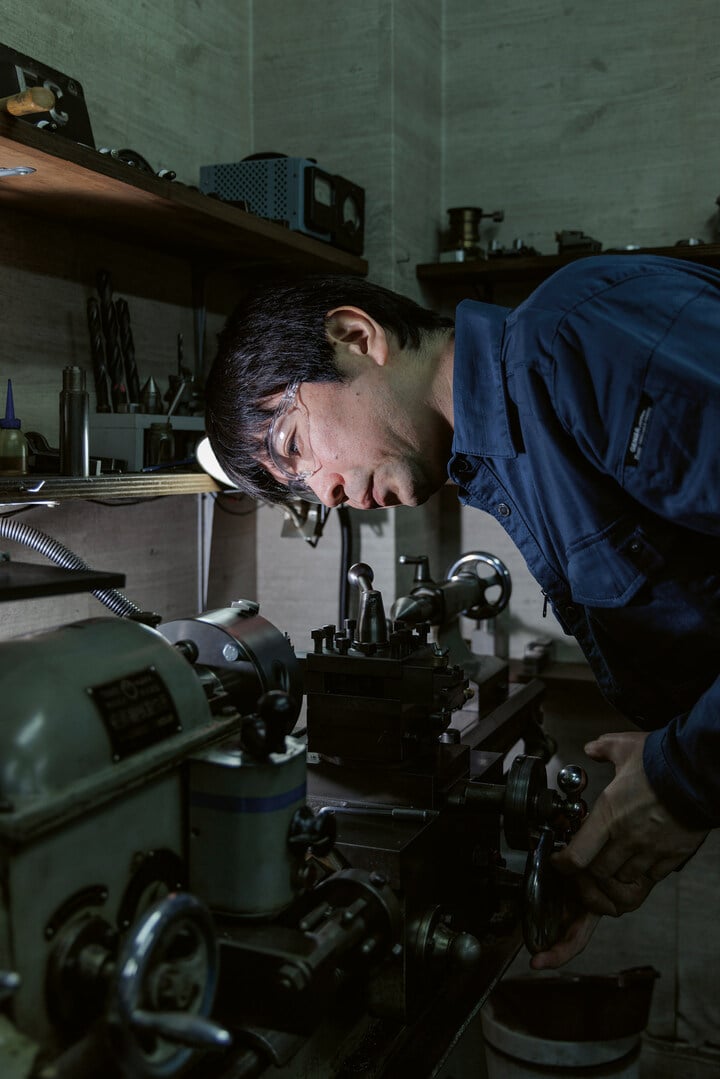
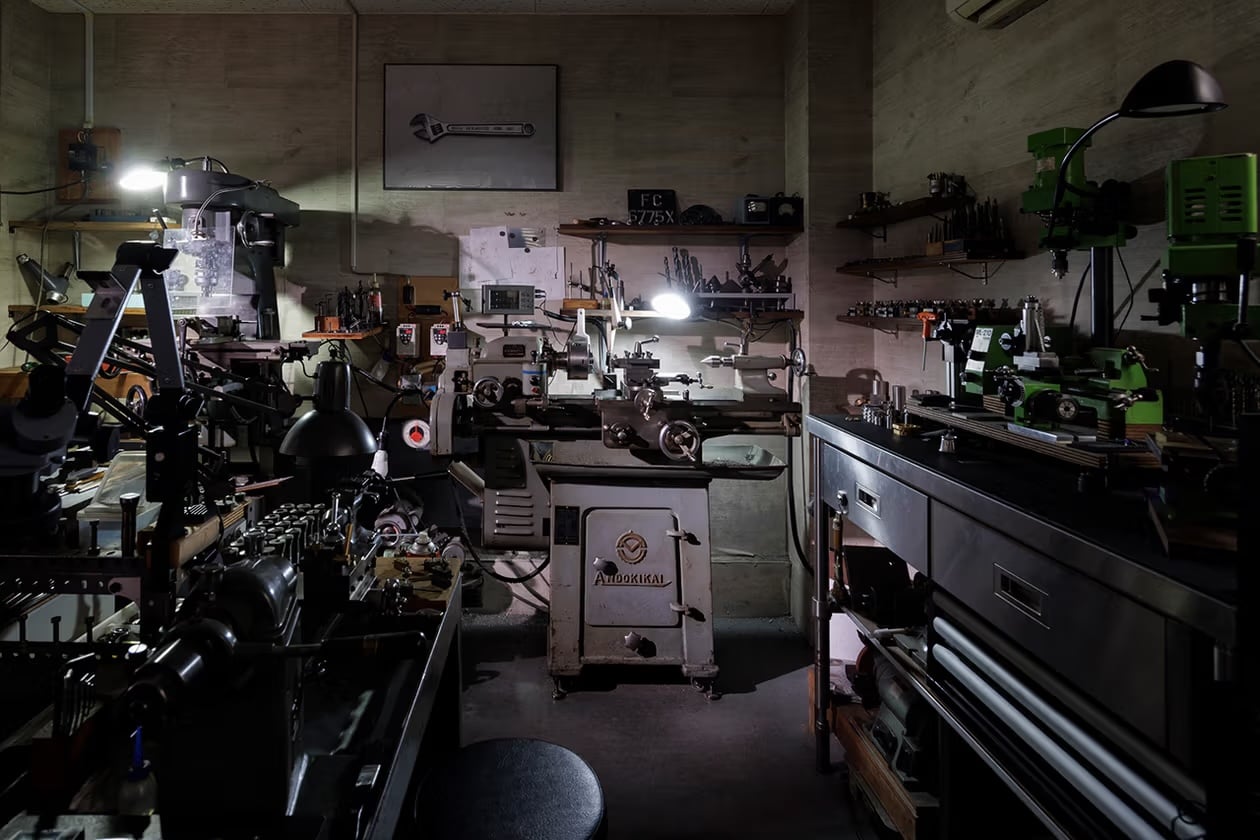
Coming from automotive and product design, what did you find most difficult when you first entered watchmaking? And conversely, what skills from your previous career proved unexpectedly useful?
The level of detail. I realised that this was a world operating on an entirely different scale – a far finer level of detail – than any of the products I had worked with before. That said, when it comes to designing a wristwatch, my past experience as a designer has proven truly valuable in mastering elements of form like proportional balance, layout, and surface composition.
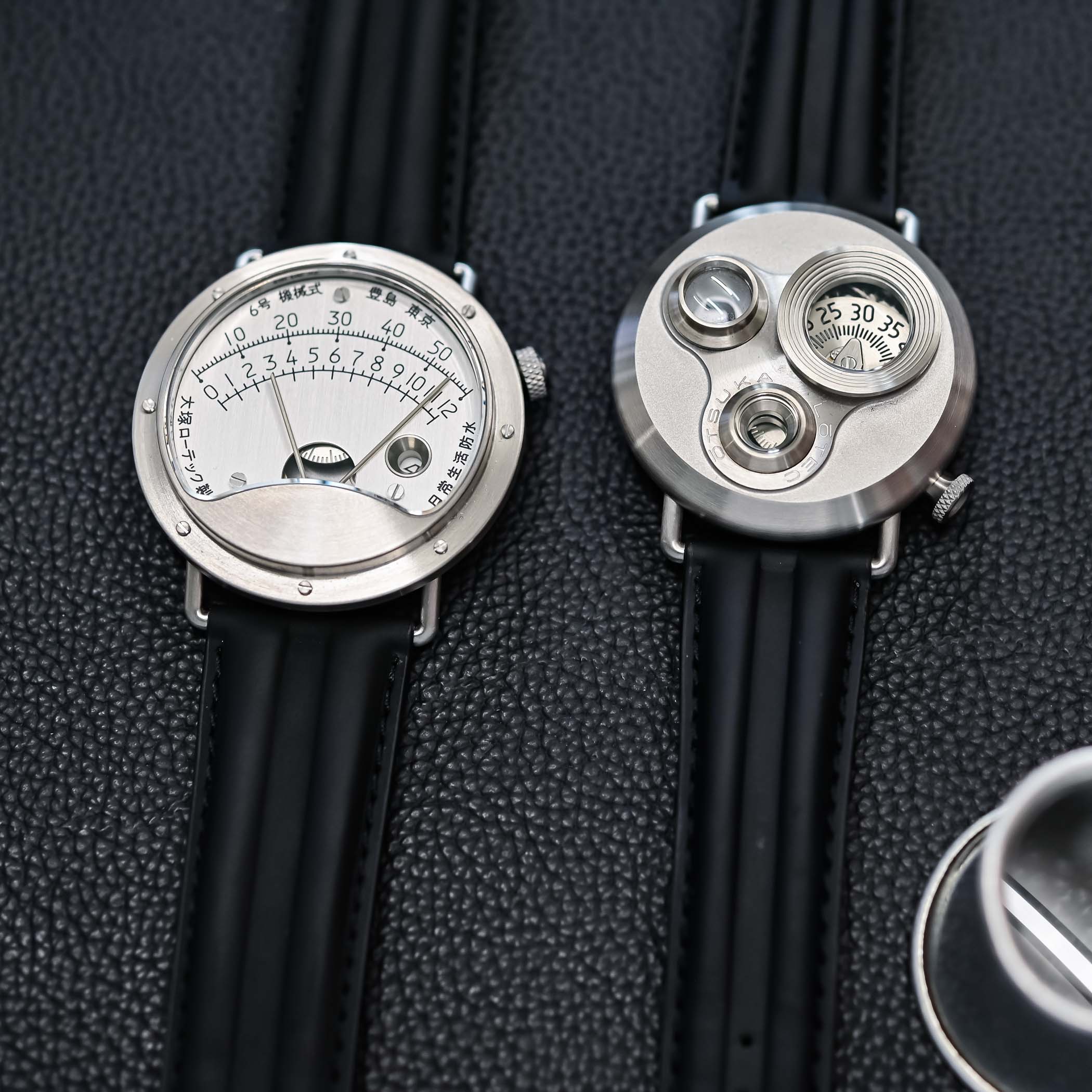
Otsuka Lotec’s watches are obviously inspired by vintage cameras, industrial gauges, machinery and other instruments. Is that an accurate way of describing your sources of inspiration? Where does this fascination come from?
That’s correct. Looking back at what appeals to me, many are industrial products from before the era I grew up in. I’m not entirely sure why, but perhaps it’s because they express the creator’s individuality much more strongly than today’s highly specialised, divided-labour products, and I resonate with that. My childhood experiences of observing and handling those objects serve as the core inspiration for my designs. I became fascinated by various time-display mechanisms, which drew me deep into watchmaking. I design both the movement mechanisms and the case aesthetics while drawing inspiration from these concepts.
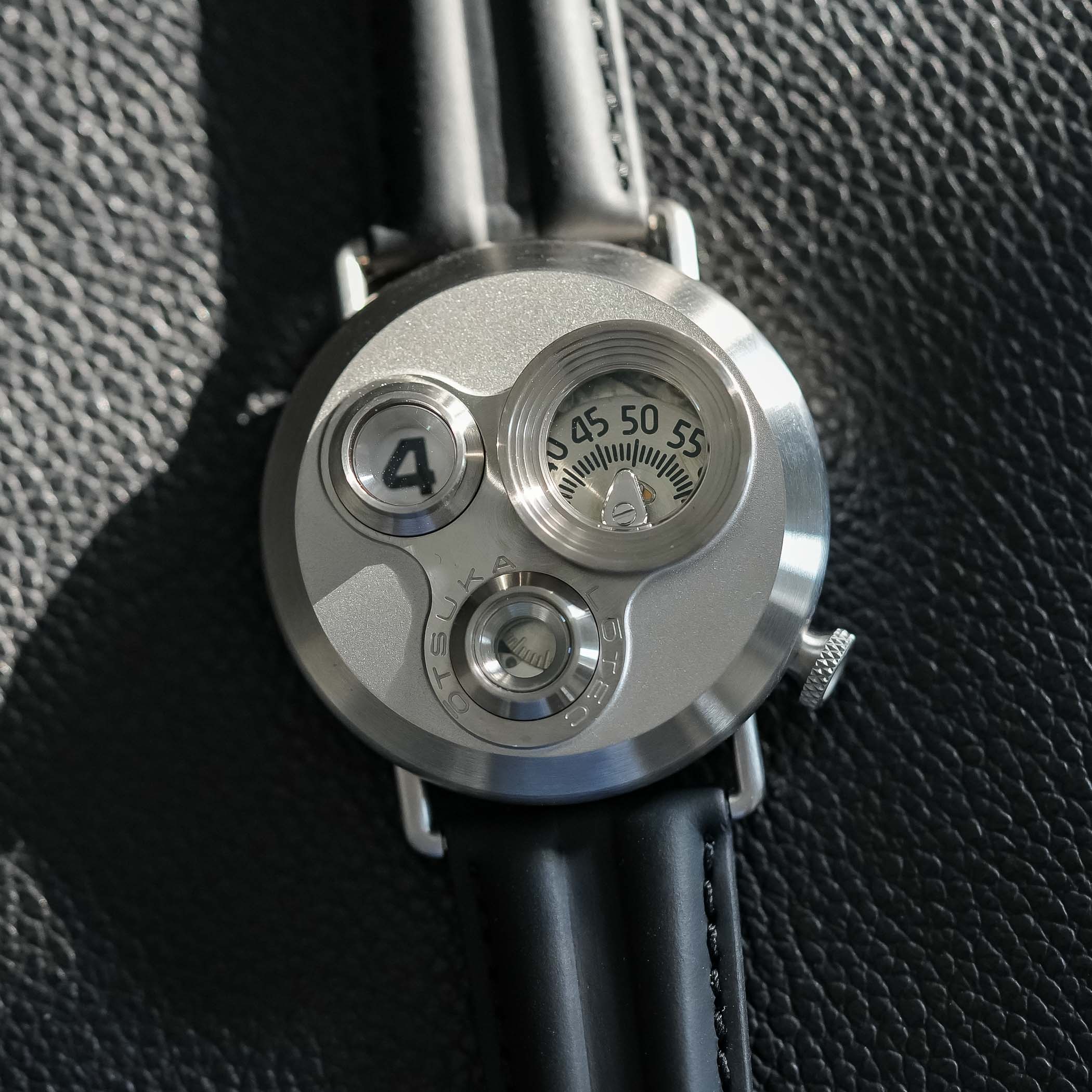

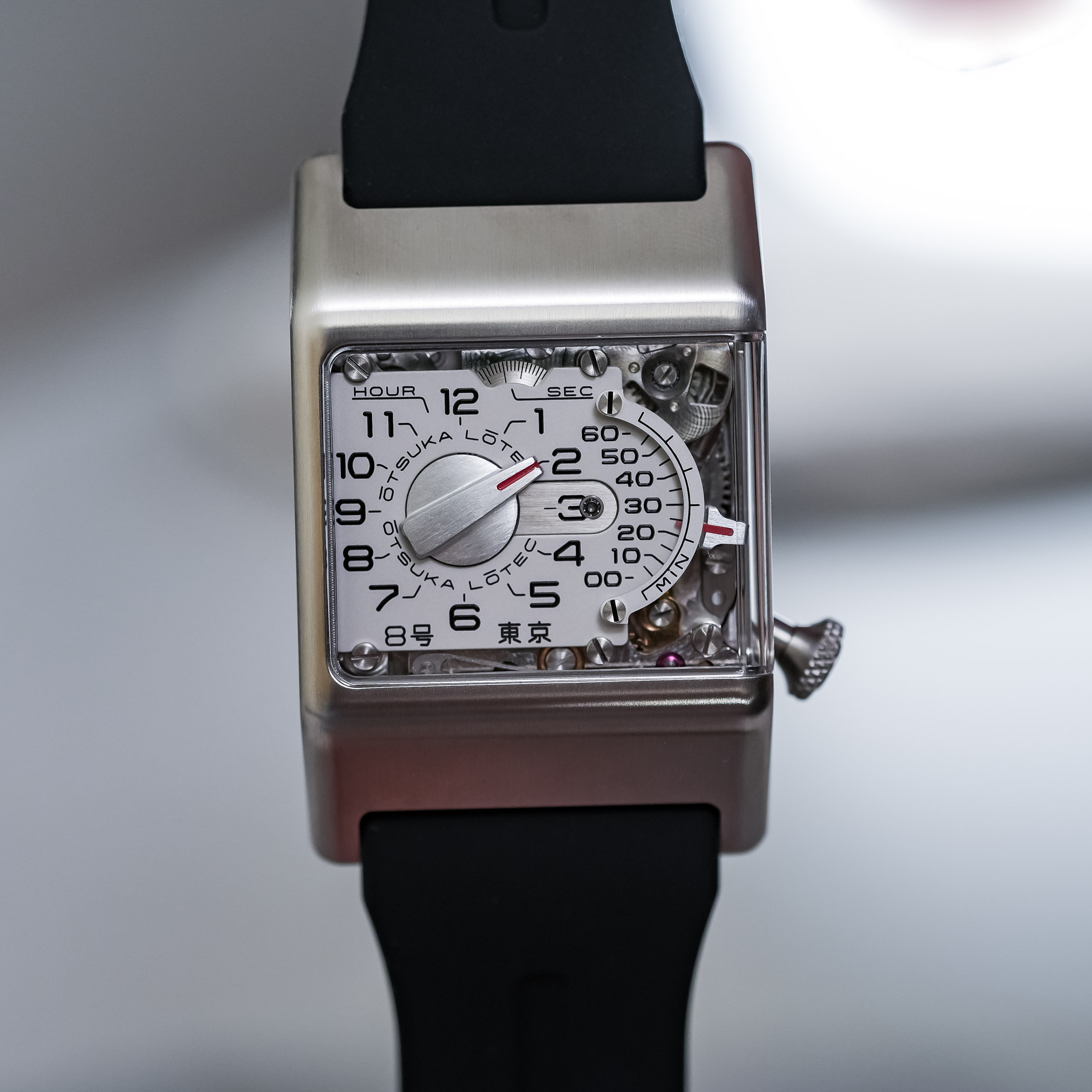
Your watches often look more like instruments or pieces of machinery than conventional watches. Do you consciously try to move away from traditional watch-design codes?
I think it just naturally turns out that way because I design what I personally find cool. However, I feel a stronger urge to create something fresh rather than something that closely resembles an existing object. Also, I suppose I naturally favour the raw, industrial aesthetic inherent in tools and machinery.
There is a very strong sense of three-dimensionality in your designs – the dials, hands, indicators and cases almost seem to be constructed rather than simply designed. How do you approach the design of a watch? Do you begin with a technical function, a visual idea, a shape, or perhaps a particular object that inspires you?
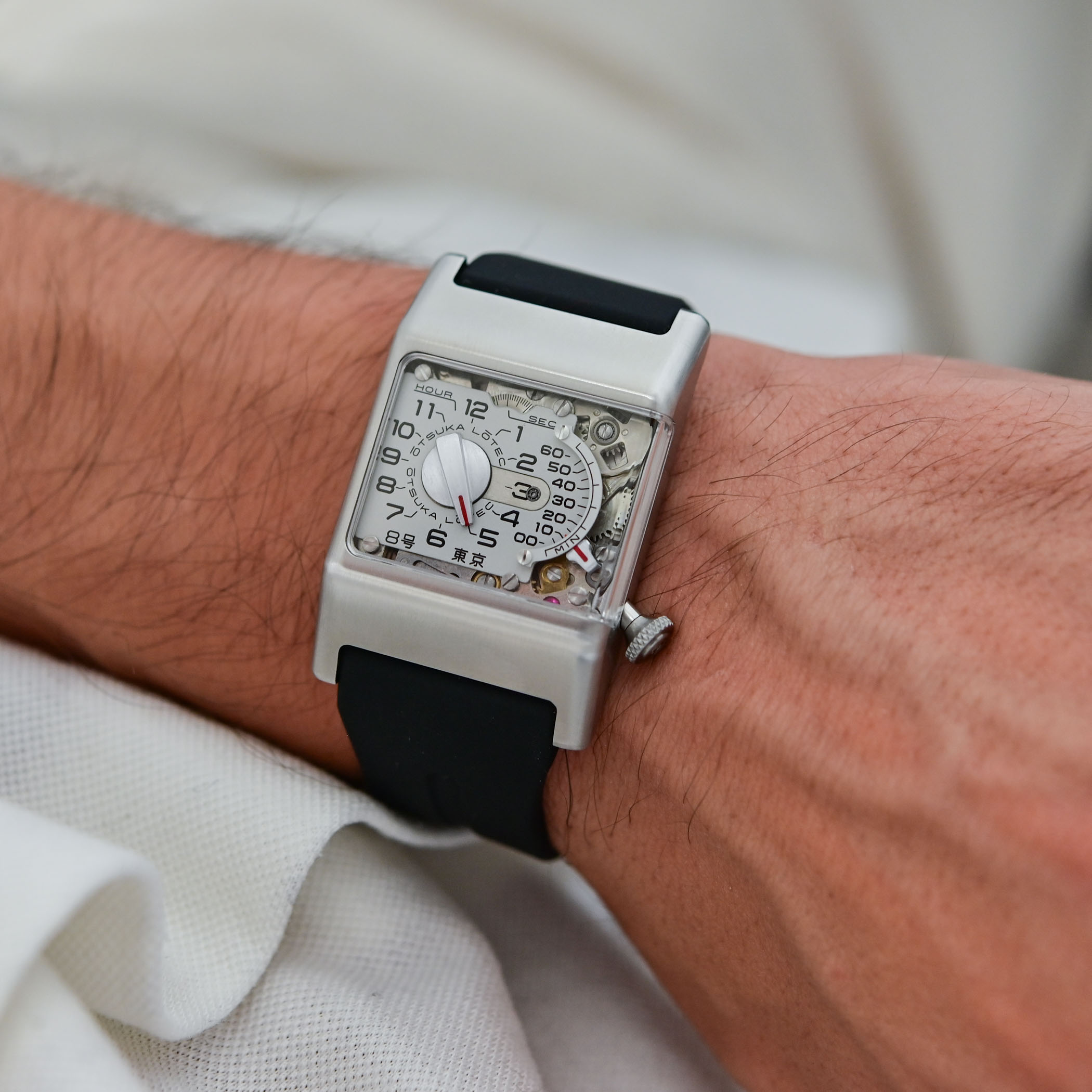
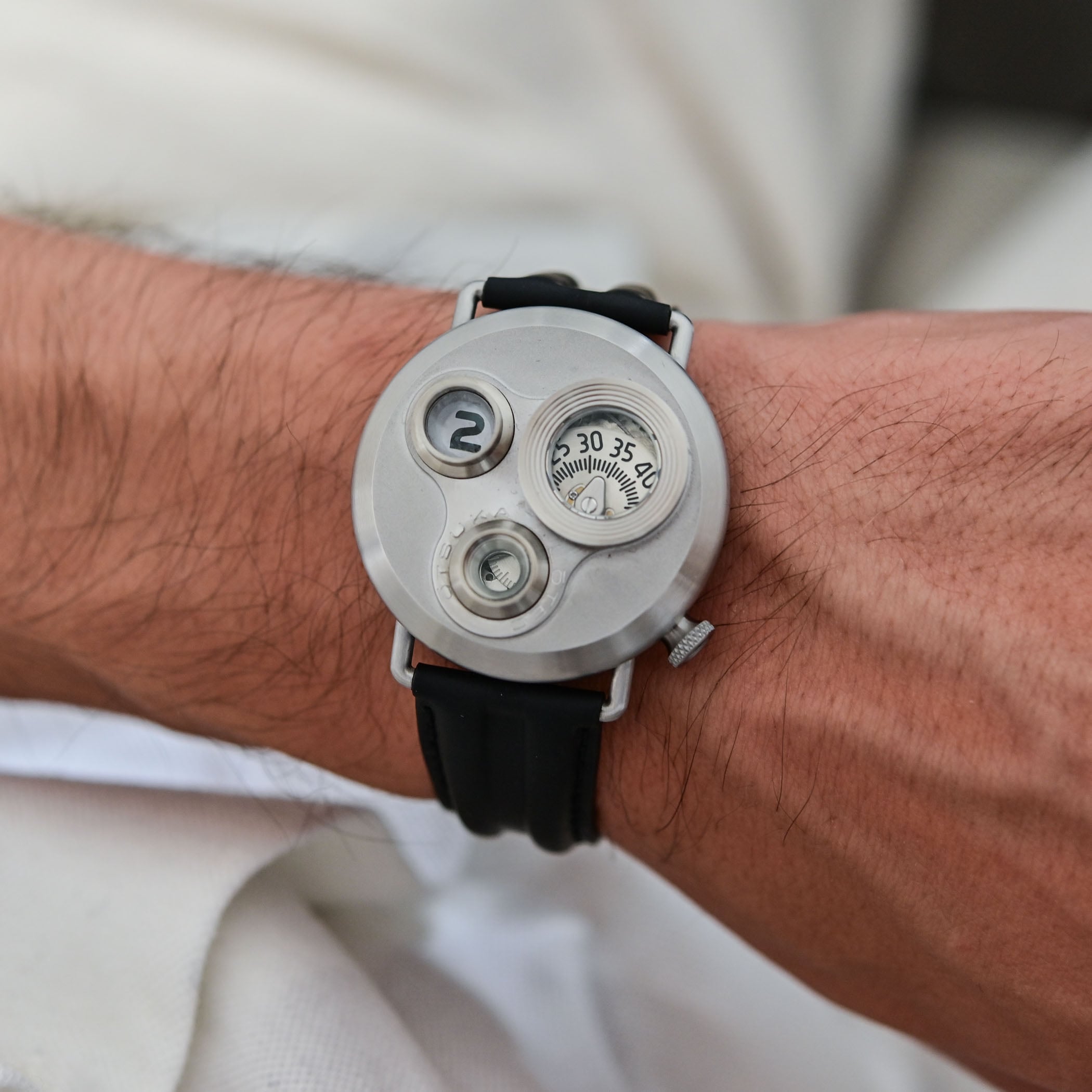
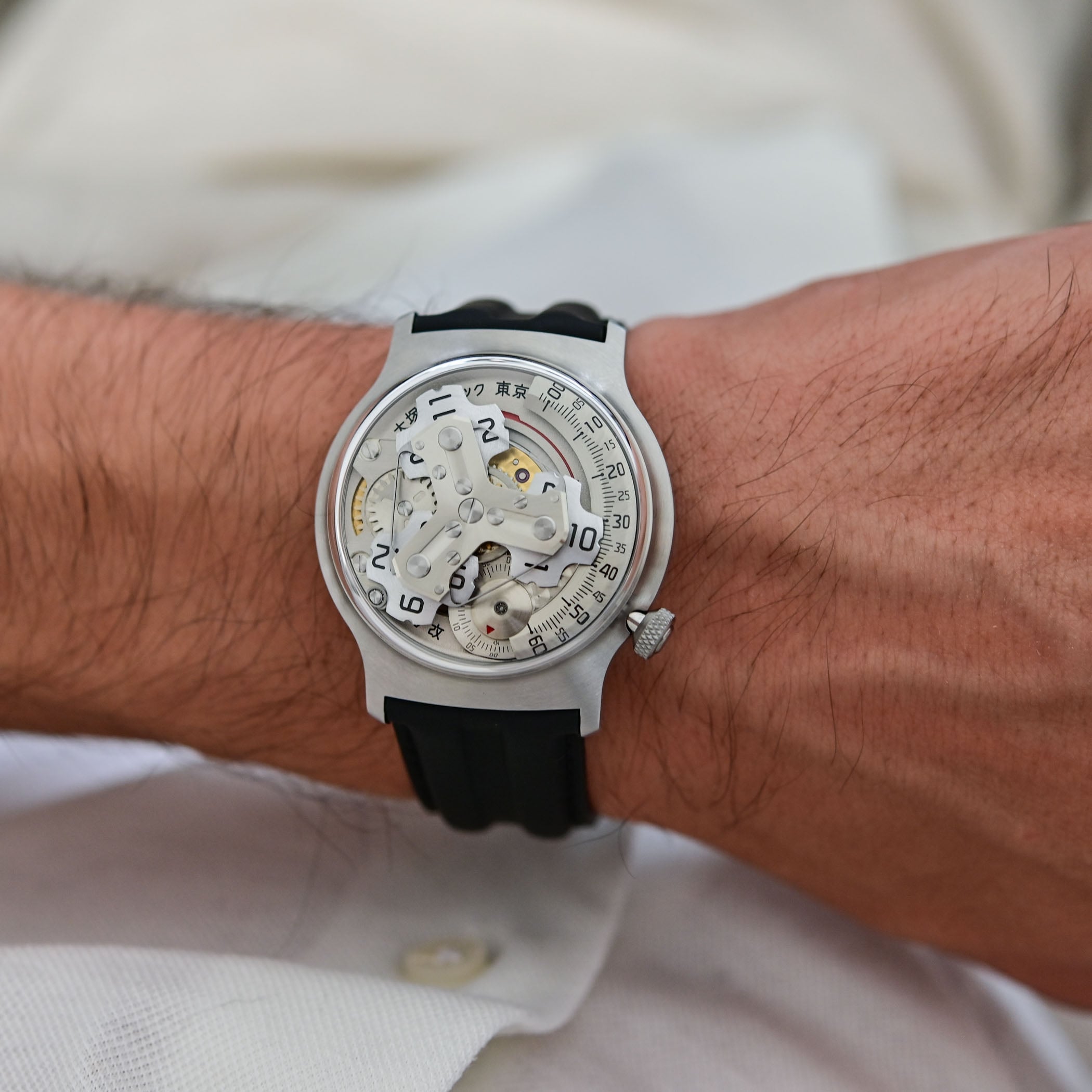
I constantly design in 3D using 3D CAD so that the structure of the mechanical components itself looks captivating. I pay close attention to shadows to create an effective sense of depth where parts overlap, and I vary textures across different elements. Occasionally, I sketch rough concepts to expand my ideas while designing all components – including the case – simultaneously.
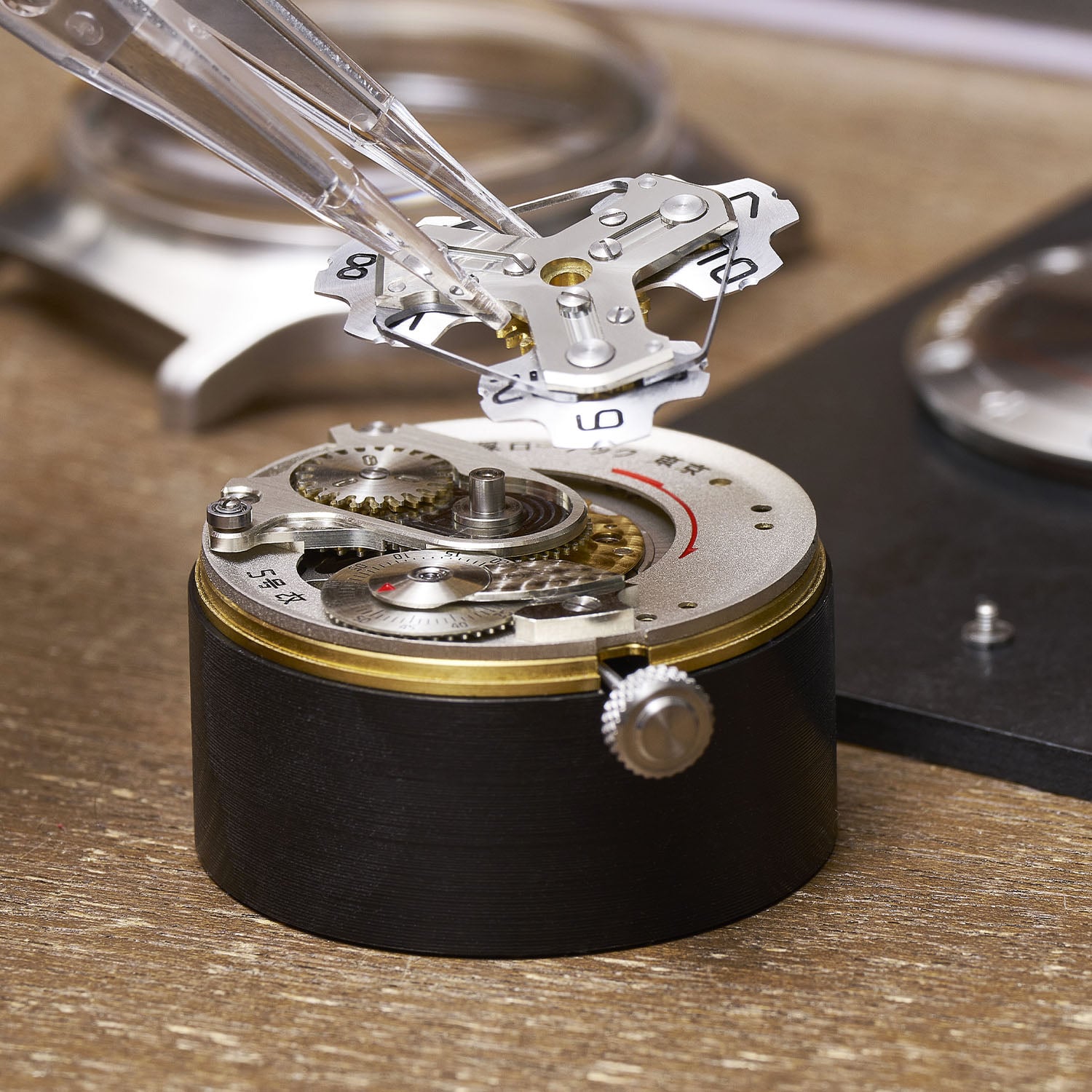


When you started Otsuka Lotec, how did you actually make your cases, dials and other components? Did you work with existing suppliers, local workshops, or did you manufacture parts yourself?
In the beginning, I had no supplier connections whatsoever. I made everything at home using materials and tools that any ordinary consumer could purchase online or elsewhere. I even turned glass and lenses out of raw sheets and rods. To build whatever I envisioned, I researched everything from machinery to raw materials, using whatever I could find – even items from model hobby shops and stationery stores.
Otsuka Lotec remained a very small operation for many years. How has your creative process changed since you collaborated with Hajime Asaoka and Precision Watch Tokyo began?
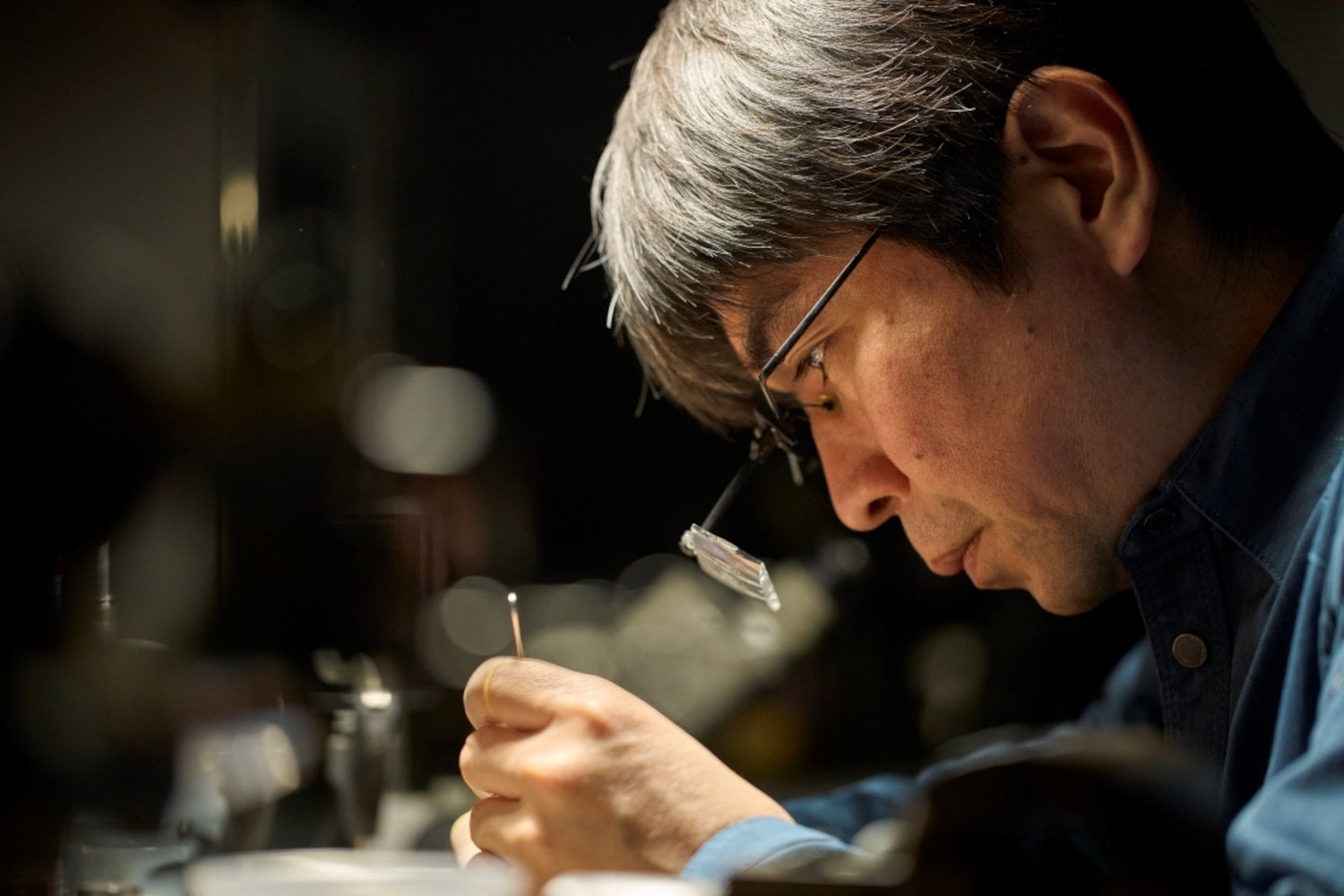
The process itself hasn’t changed. Even now, I handle the design, engineering, and prototyping in my home workshop. Compared to when I was working entirely solo, the biggest change is that I can now dedicate sufficient time to the creative process.


When you see an Otsuka Lotec watch today, do you still recognise it as the work of the one-person workshop you started – or has the brand become something different from what you originally imagined?
Compared to the beginning, the quality of our products has improved, and we’ve become capable of tackling much higher technical complexity. That has certainly expanded my creative freedom. However, the core identity of Otsuka Lotec – making the exact wristwatches that I myself want – hasn’t changed, and I don’t think it ever will.
Otsuka Lotec has developed a very strong following outside Japan despite being extremely difficult to buy overseas. Is international distribution something you would like to pursue, or is keeping the brand small and Japan-focused an important part of its identity?
I believe being a brand originating from Japan is important. However, our team is small, and we are not yet able to fully meet demand. So we are starting by building an infrastructure domestically to better meet that demand. Our production volume is continuing to grow. We are considering the possibility of expanding overseas, but we are taking it one step at a time.
Finally, Katayama-san, after all these years of designing and making watches, what continues to fascinate you about mechanical watchmaking?
Mechanical watches keep time solely through the power of a mainspring, incorporate various mechanisms driven by that force, and can be worn almost as an extension of yourself – I find a charm in them that goes far beyond that of a mere tool. I thoroughly enjoy crafting them according to designs that I personally find genuinely cool.
For more details about the brand, you can consult our previous articles here or visit otsuka-lotec.com.