


 Not all images were able to load for printing. Please close the print window and try again.
 Michel Nydegger, CEO for Greubel Forsey, On The Brand’s Long-Term Vision And What Lies Ahead
With experience from the brand within, Michel Nydegger looks back on 18 months of being CEO, but also sheds light on the brand's future.
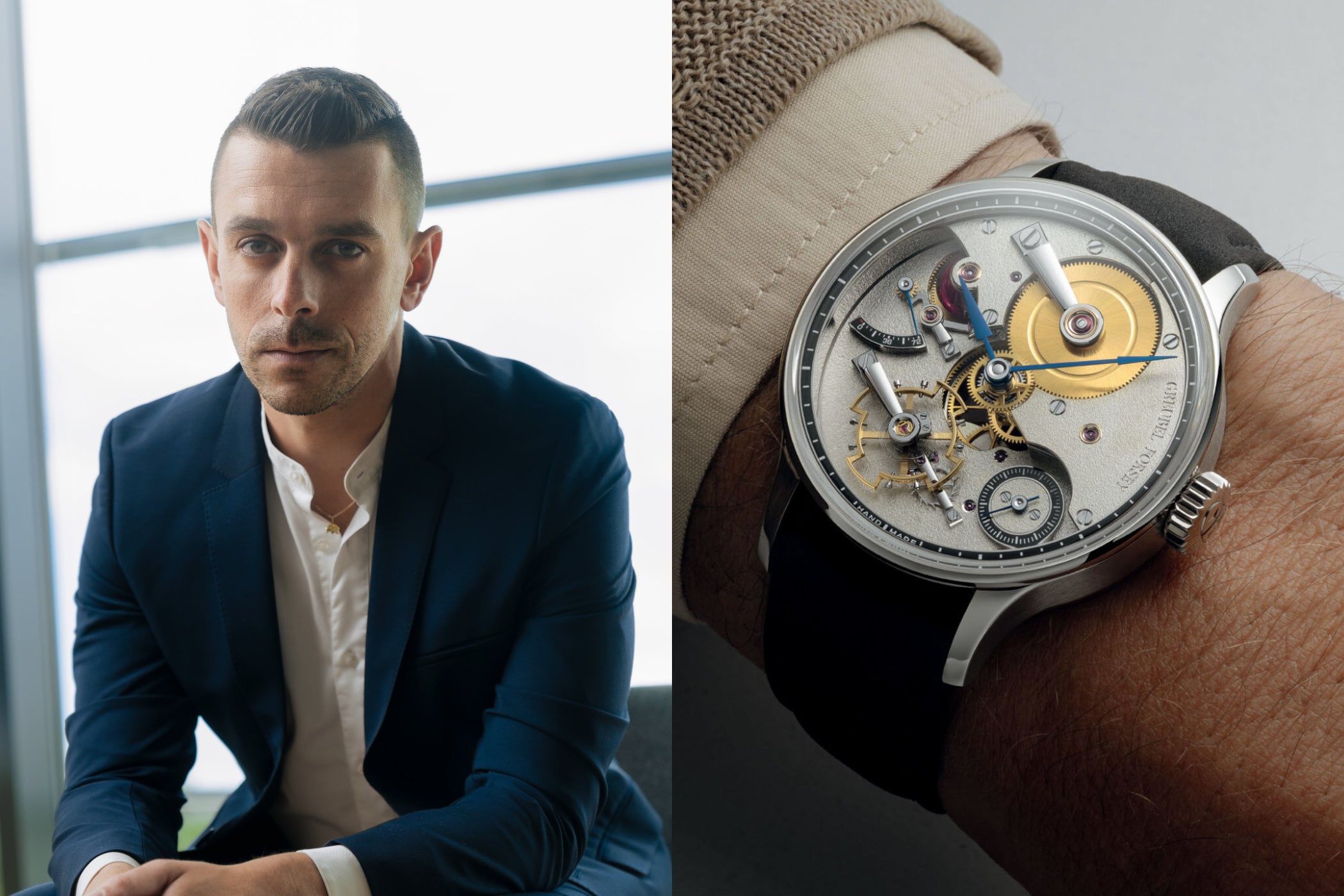
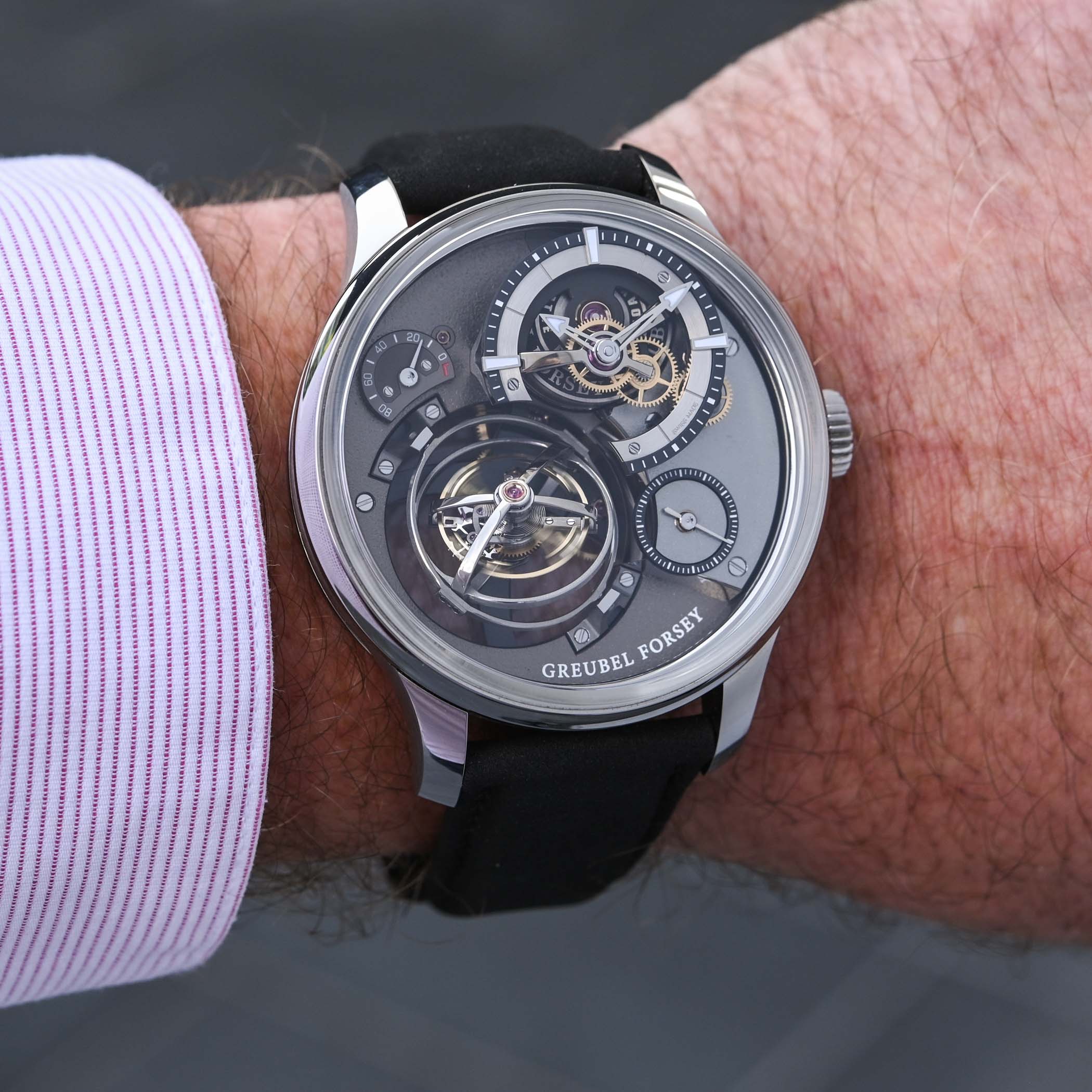
After several years working closely with Greubel Forsey, Michel Nydegger has now spent a year and a half at the helm of the brand founded by Robert Greubel and Stephen Forsey. With a deep, first-hand understanding of the manufacture, its philosophy, and its people, Nydegger offers a thoughtful perspective on leadership and sustainability at one of contemporary independent watchmaking’s most uncompromising maisons. We sat down with him to discuss management, long-term vision, production volumes, and what lies ahead for Greubel Forsey, considering Stephen Forsey has just announced stepping down from his operational position on the board.
Xavier Markl – MONOCHROME Watches – You joined Greubel Forsey after spending a lot of time with Robert Greubel and Stephen Forsey. How did this experience shape your approach, particularly in terms of management and communication?
Michel Nydegger, CEO of Greubel Forsey – I don’t think I have a management style in the traditional sense. The people here don’t need to be managed as such. Greubel Forsey is more of a group of artists coming together to create something meaningful, so “management” is probably not the right word for what we do.
My role is really about helping bring out the best in everyone. That means putting certain structures and methodologies in place—often very discreetly—so that people can focus entirely on their work. At the beginning, this can feel strange because we are still very much in a start-up mindset, but over time, these processes become natural and almost invisible.
What matters to me is not telling people exactly what to do. Ideally, everything should come from the team itself. We are around 130 people today, and I consider myself extremely fortunate to work with such talented and experienced individuals. I can’t imagine replacing many of them.
I strongly believe in collective discussion. Having everyone around the table allows us to challenge ideas and assumptions. One person alone can be wrong, but through dialogue, we usually find the best possible solution together.
Does this philosophy influence the priorities of the brand today?
Very much so. Our main goal is to make everything we do sustainable in the long term. Greubel Forsey is not a conventional business, and our priorities are different from those of most brands.
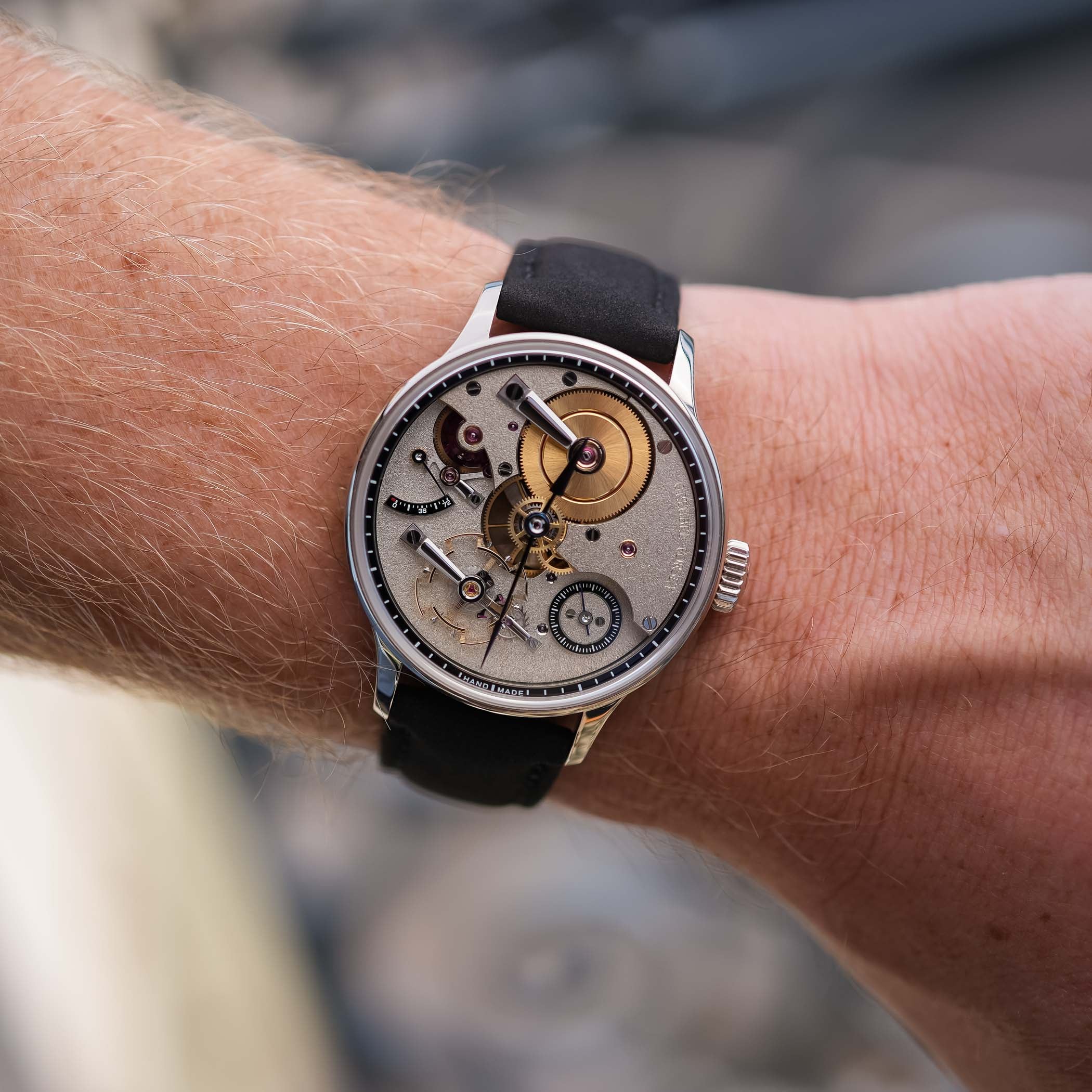
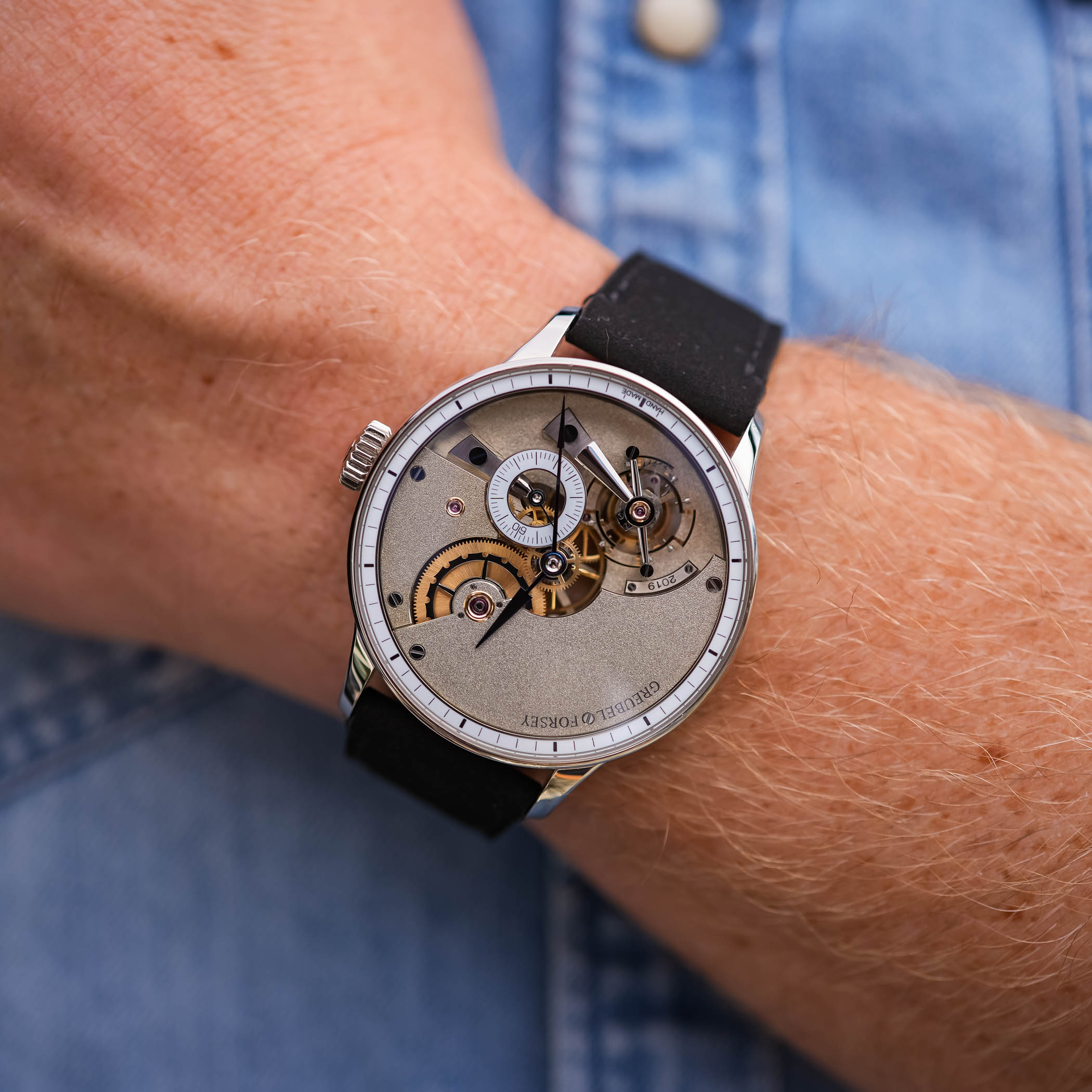
A good example is the “handmade” projects. At the beginning, many people didn’t understand it. It was something new, something ahead of its time. But this is often the case with our projects. That’s also why we want to be more open and less secretive, so people can better understand what we are trying to achieve.
For every project, the first question we ask ourselves is very simple but very demanding: Why should this timepiece exist? We are not here to produce watches for the sake of it. Each piece must contribute something meaningful to the history of watchmaking.
You mentioned internal structure and methodology. How important is that for a manufacturer like Greubel Forsey?
It’s essential. Out of roughly 130 people, we have one person in marketing and communication, two people in sales, and one in HR. Everyone else is directly involved in watchmaking. That’s a conscious choice, but it also means that some administrative or structural aspects are not always handled in the most efficient way.
By improving our processes, we don’t want to change who we are. The manufacture itself was designed to be efficient, not industrial. Better methodology simply allows people to focus even more on what they love: creating exceptional watches.
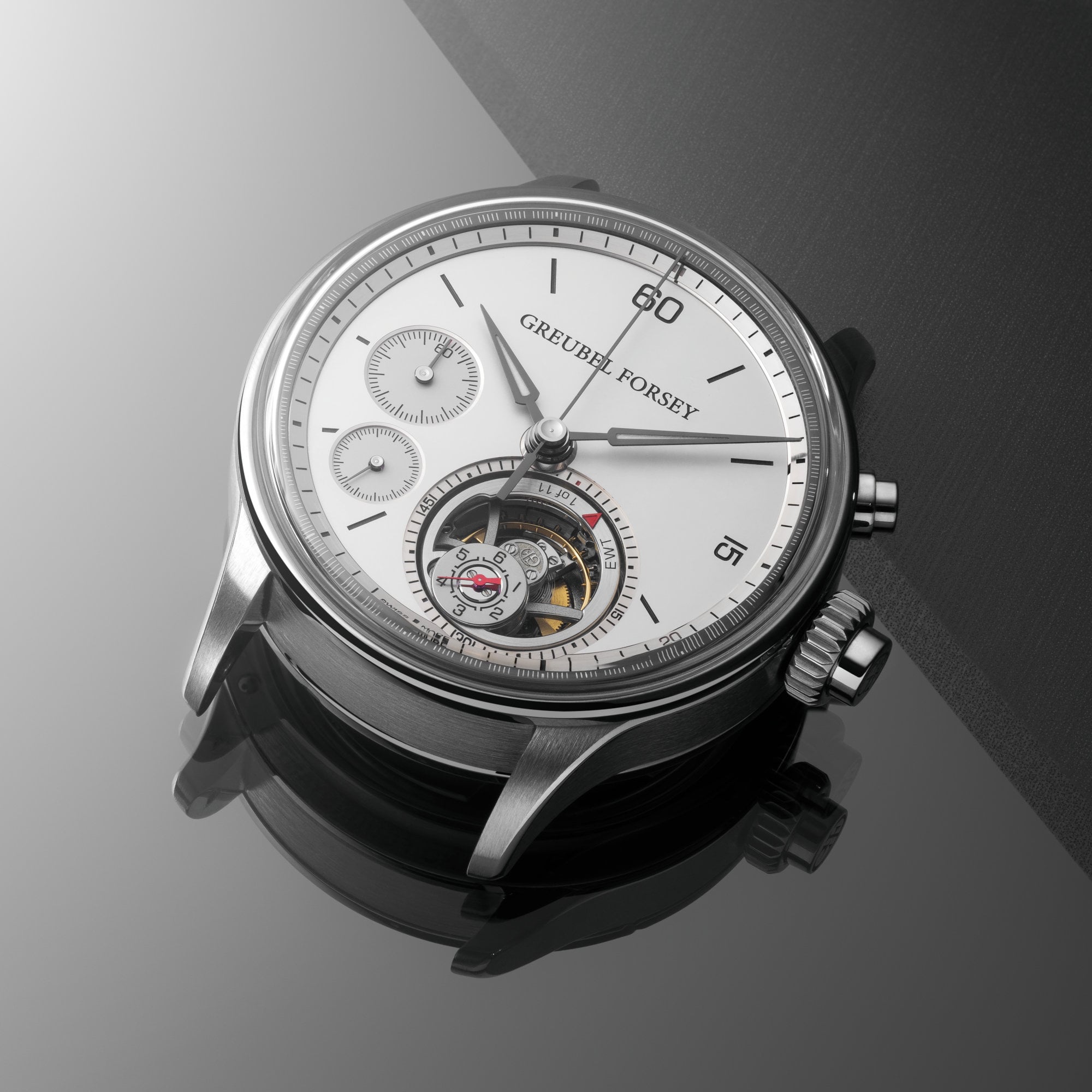
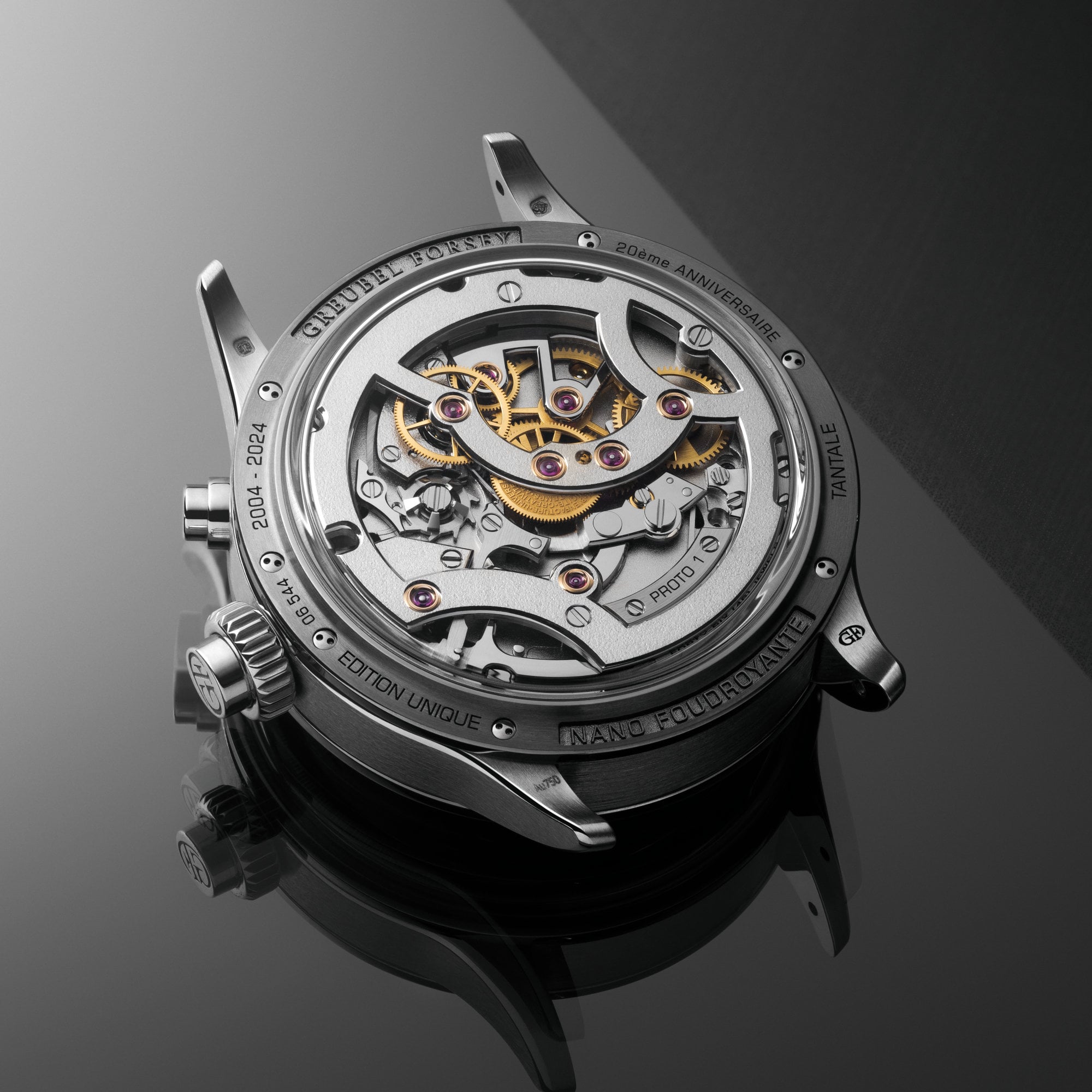
One topic collectors care deeply about is the secondary market. How do you approach this issue?
Ultimately, the responsibility lies with us. We need to ensure that the results on the secondary market are worthy of the watches we create. For a long time, we focused entirely on making the watches and delivering them. Today, we see that the secondary market is the final link in the chain—one that we didn’t address seriously enough in the past.
This is why we are very careful with production volumes. We don’t simply decide on a number of watches to produce. We aim to produce the right number. If a reference reaches a point where there are already enough pieces available, we stop producing it until demand absorbs what exists. This removes unnecessary pressure from retailers and collectors alike.
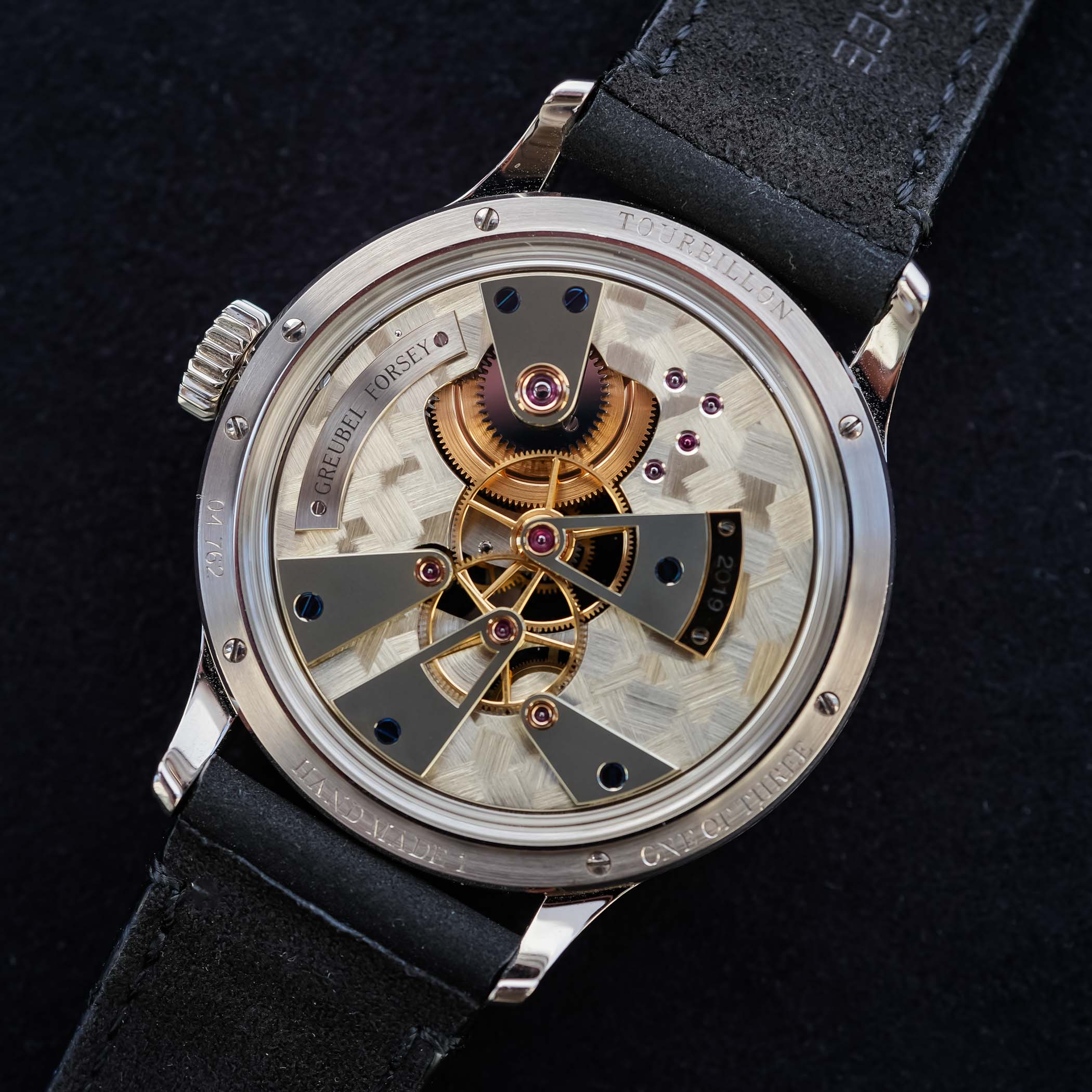
Does that mean you have no intention of increasing production?
Exactly. We don’t need to. We are producing about 200 watches per year. No one is asking us to produce more. We are independent, and where we are today is both comfortable and sustainable.
Even if we wanted to significantly increase production, it wouldn’t really be possible. The price and the quantities are dictated by the nature of the product itself. These watches are handmade, extremely complex, and very time-consuming. You can’t simply scale that up.
Greubel Forsey covers a wide range of prices and expressions. How do you see this diversity?
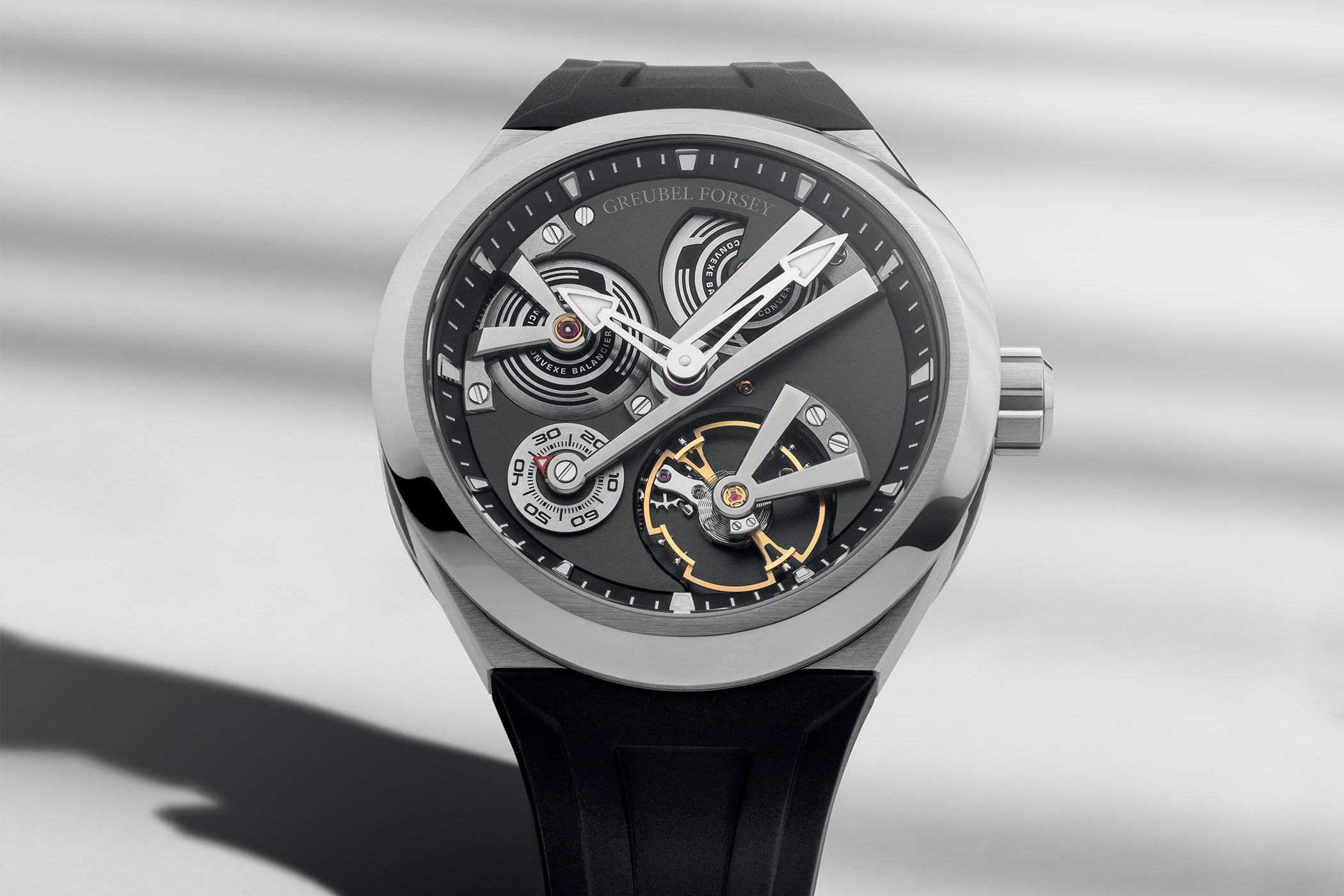
What I find interesting is that very different watches receive exactly the same level of attention, finishing, and care. They may speak in different ways, but they all express what the brand stands for. For collectors, this is exciting. You can own one Greubel Forsey watch and then explore very different interpretations of the same philosophy. There is real depth and choice within the collection.
Today, Greubel Forsey timepieces start in the mid-six-figure range, with entry prices typically around CHF 170,000 for the more accessible models, and extend well into the seven-figure territory for highly complicated models such as the Grande Sonnerie.
With Stephen Forsey stepping down from the board, can you share how this change will influence Greubel Forsey’s strategy, roadmap and operations?
Michel Nydegger – It will have no influence on the strategy, roadmap and the operations. Stephen Forsey has stepped back from daily, operational involvement but he remains a shareholder.
On a more personal note, do you have a favourite Greubel Forsey watch?
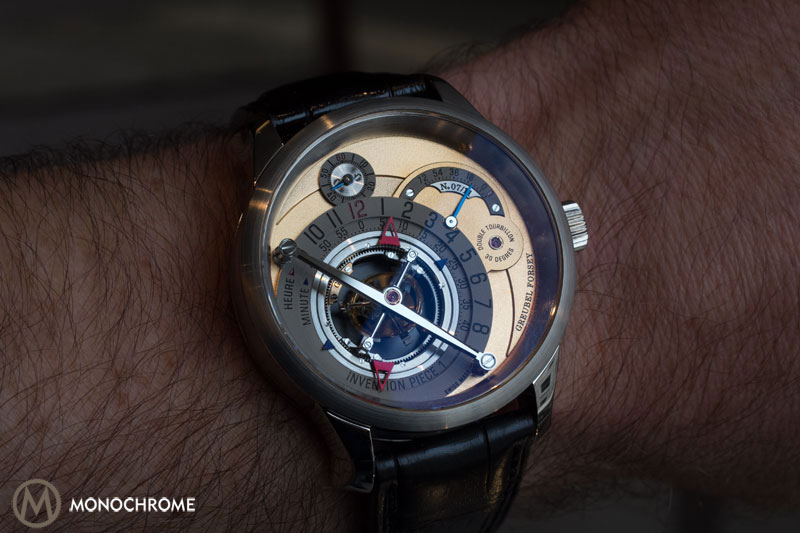
Michel Nydegger – I would say the Invention Piece 1. When it was released, it was spectacular. Even today, if it came out for the first time, it would still feel surprising and engaging. Its design is spectacular, but its construction gives it a timeless quality. To me, it remains as fresh and relevant today as when it was first introduced.
Finally, can you tell us what lies ahead for Greubel Forsey?
There is one project that we are restarting, and that is very dear to me, and for which I’d like to share some exclusive teasing info: we have new projects with the Time Aeon Foundation. After the Naissance d’une Montre 1, Naissance d’une Montre 2, and Naissance d’une Montre 3 projects, they will be presenting a fourth one soon.
The foundation is dedicated to preserving and transmitting watchmaking knowledge, but also to creating dialogue and exchanges between craftsmen. The idea is not to remain closed, but to share, to support, and to build meaningful projects together. Naissance d’une montre 4 will be a joint project between us and an upcoming sort of brand which does not exist yet.
For now, I can’t say much more. It’s still early to talk more about this. But we’re very excited about what’s coming. You’ll hear more about it soon. Watches and Wonders if we can. It is a really exciting project, and I am really excited about it.
For more information, please visit GreubelForsey.com.

3 responses
I am sure it’s my own limit, but how is this better than my splendid Breguet 7057BR, which costs a fraction and oozes history?
Mr. Nydegger indicates that Mr. Foresey’s stepping down from the board will have no influence on the brand’s strategy, roadmap, and the operations. However, this is exactly why Mr. Foresey is stepping down! He doesn’t agree with nor accept the strategy, roadmap, and the operations Mr. Nydegger is referring to, although what that exactly is remains perfectly vague and unclear. This interview comes across more as a public relations ploy rather than something substantial or informative. Is Mr. Nydegger trying to get out in front of a potentially harmful affront to the brand by one of its 2 founding members stepping away because he doesn’t agree with the direction of the company? Given the amount of money that these watches cost, could Mr. Nydegger be trying to minimize Mr. Foresey’s leaving the board? I think we all know the obvious answer to that!
Hi Xavier, thanks for this article/interview. I always loved G&F watches for the way they pushed the boundaries of watchmaking, both from a technical and finishing perspective. Now I am a bit doubtful about the future of the brand, as Mr. Forsey was -at least in my opinion – the real creative and technical force behind the brand. For sure there will be a before and a after for the brand, and collectors will pay attention to this.
Best regards,
Andrea