
 Not all images were able to load for printing. Please close the print window and try again.
The History of French Watchmaking
France has been a horological player since the dawn of mechanical time and has centuries of milestones from watchmaking legends.
Similar to American watchmaking, French watchmaking is enjoying a 21st-century rebound with in-house calibres, compelling designs and the return of historical brands. It’s not rivalling European counterparts like Switzerland and Germany for dominance, but there’s a respectable and growing industry today that truly demands attention. This reboot somewhat masks the long and storied history of French horology, which dates back to the 14th century, with names like Jean-Antoine Lépine, Abraham-Louis Breguet and Ferdinand Berthoud introducing breakthroughs and innovations. The country’s close proximity to Switzerland has also been vital for cooperation and production, and remains very beneficial today. Let’s look at one of the most historically influential countries that’s helped push horology to new heights that remain today.
Medieval Clock Towers
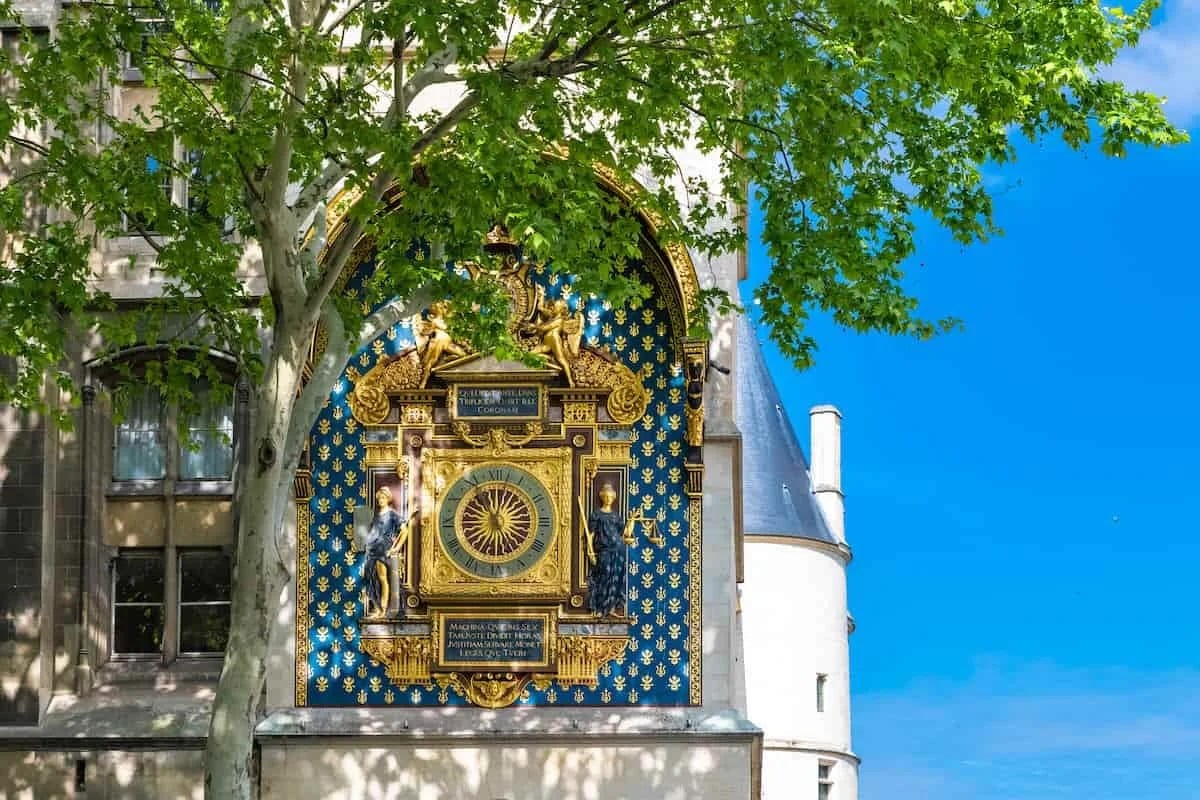
Some of the earliest mechanical clocks surfaced in France in the early 14th century, particularly the Conciergerie Clock (Tour de l’Horloge), which was the country’s first public clock tower in Paris. Built by German engineer Henri de Vic by order of King Charles V between 1370 and 1371, it led to additional and more advanced clocks throughout the country, like the astronomical Gros-Horloge in 1389. These were generally limited to religious centres but served the civic community at large with hourly bells and single-hand dials to help organise the day. France wasn’t the first country with mechanical clocks (free of a water source), which appeared around a century prior in northern Italy and southern Germany, but pioneering efforts were made in the Jura mountains from the 14th through 16th centuries to advance design and technology.
Julien Coudray became the first French royal horologist, serving both Kings Louis XII and Francis I, and is credited with developing some of the earliest portable watch movements in 1518 (inserted in the handle of daggers), just after Peter Henlein’s Nuremberg Eggs in Germany around 1510. This puts France in second place for advancing portable time, and Coudray’s work helped establish the central French city of Blois as a European watchmaking hub. Around 200 master watchmakers ultimately supplied the royal court with portable timepieces.
Mass Exodus
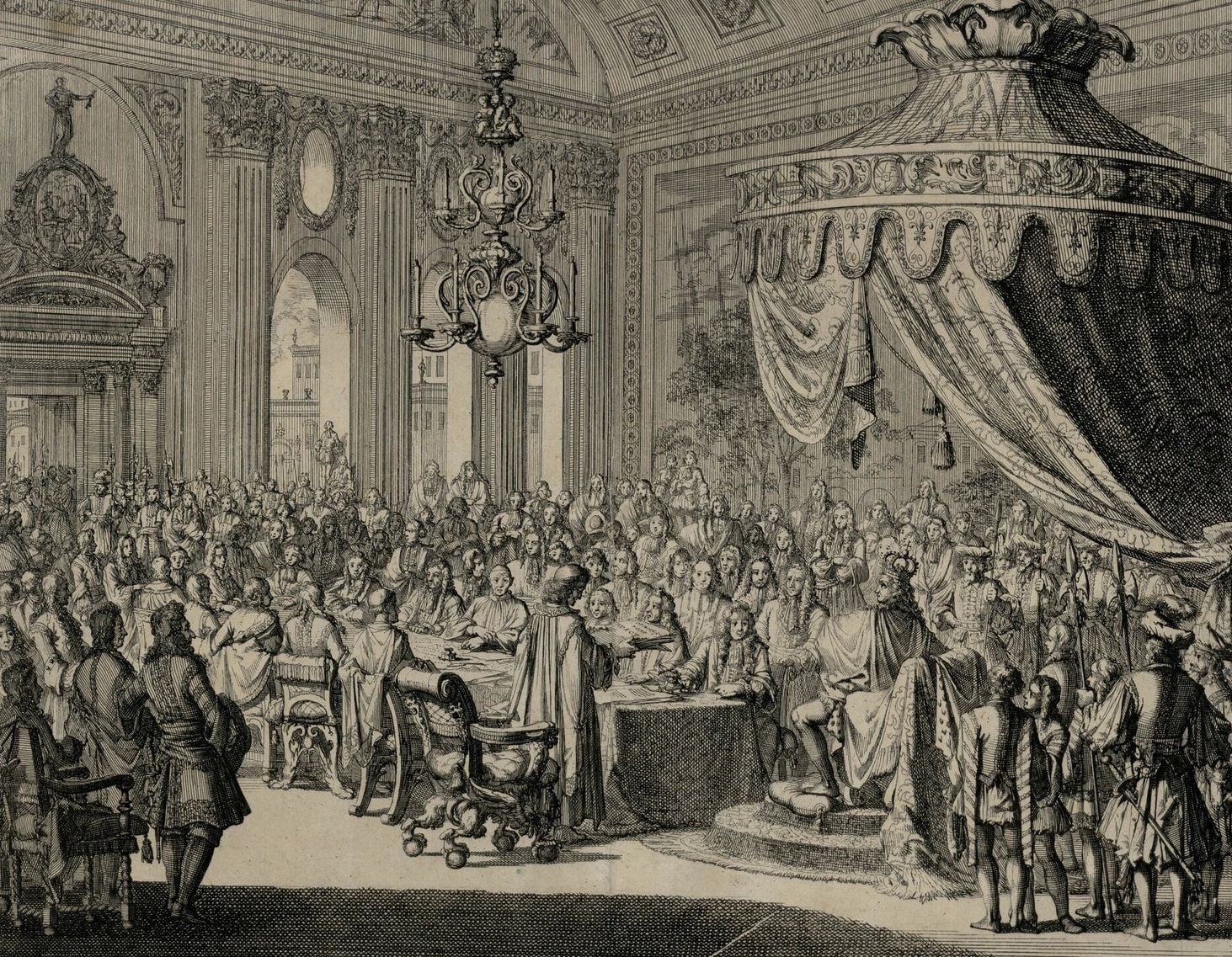
There was a turbulent period for French watchmaking when King Louis XIV revoked the Edict of Nantes in 1685, which was originally signed in 1598 by King Henry IV. It had granted the Huguenots (who were Calvinist Protestants) rights within the predominantly catholic country, but the revocation outlawed the protestant faith and stripped the Huguenots of almost all religious and civil rights. Protestant churches and schools were burned, and public worship was banned, with imprisonment and harsh violence for offenders. The only solution to remain in France was strict religious conversion, so over 200,000 Huguenots fled mainly to Switzerland (and neighbouring European countries), which brought thousands of skilled watchmakers to Switzerland that bolstered their industry – and simultaneously degraded watchmaking in France.
Jean-Antoine Lepine
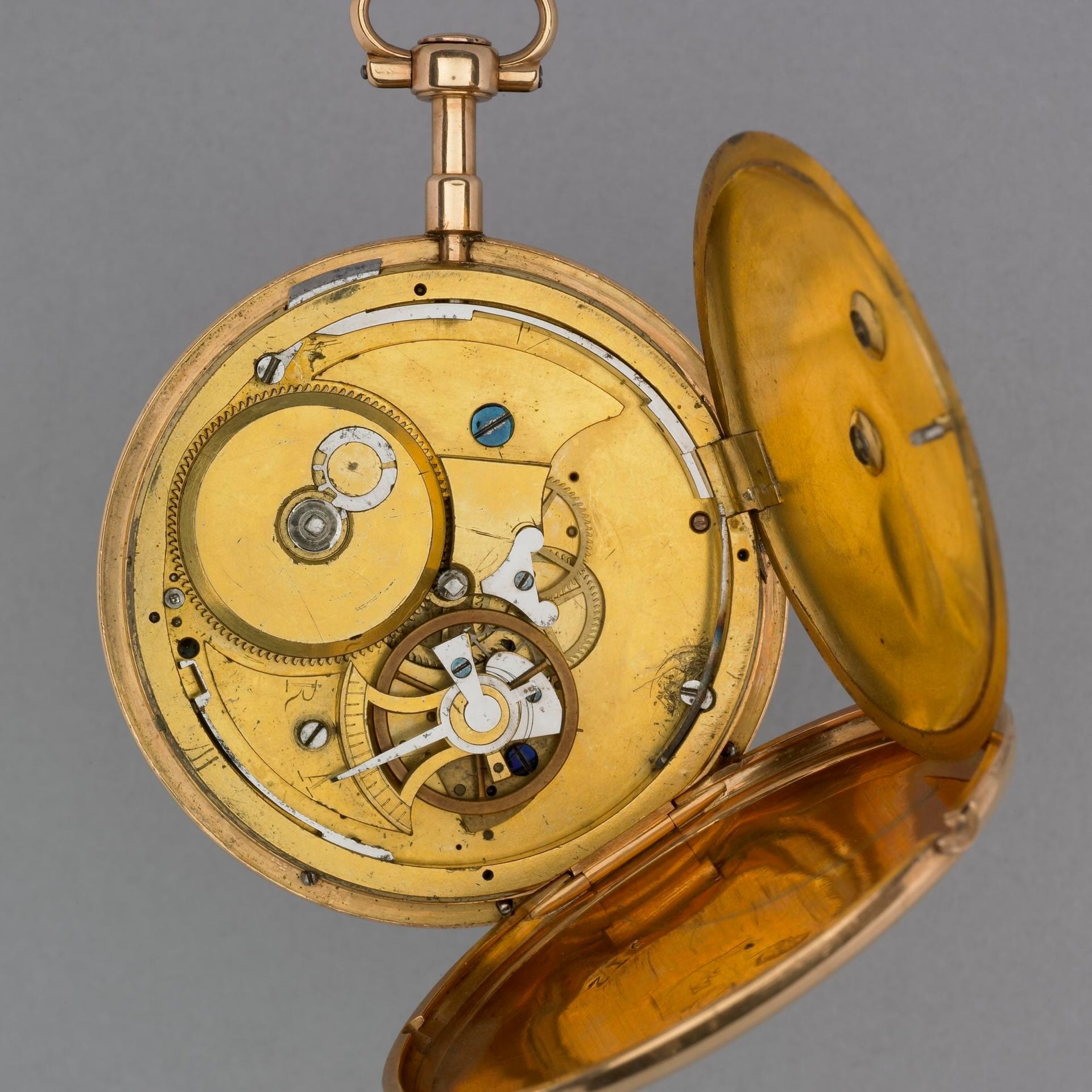
The mass exodus persisted for around three decades before French prince and statesman, Regent Philippe d’Orléans, reached out to British master watchmaker Henry de Sully to come to Paris and establish a workshop in Versailles. This started a rise in local horological talent with masters like Jean-Antoine Lepine, who revolutionised pocket watches with the Lepine Calibre in the mid-18th century. It removed the movement top plate for a single plate with independent bridges for the gear train, and the balance wheel shifted to one side (instead of being on the top of two parallel plates). This allowed for significantly thinner watches with easier maintenance and repair. The traditional fusee and chain were also removed as the thinner cylinder escapement and another Lepine invention, the going barrel, better transmitted power through the gear train and regulated the balance. Lepine’s work was very influential in France, and this is just a sample of his contributions; he set the tone for future calibres and watch design with a renewed focus on aesthetics. Other master watchmakers like Julien Le Roy helped restore France as a major watchmaking centre in Europe, and an observatory for certifying chronometers was established in Besançon in 1867, reinforcing the country’s commitment to precision.
Julien Le Roy
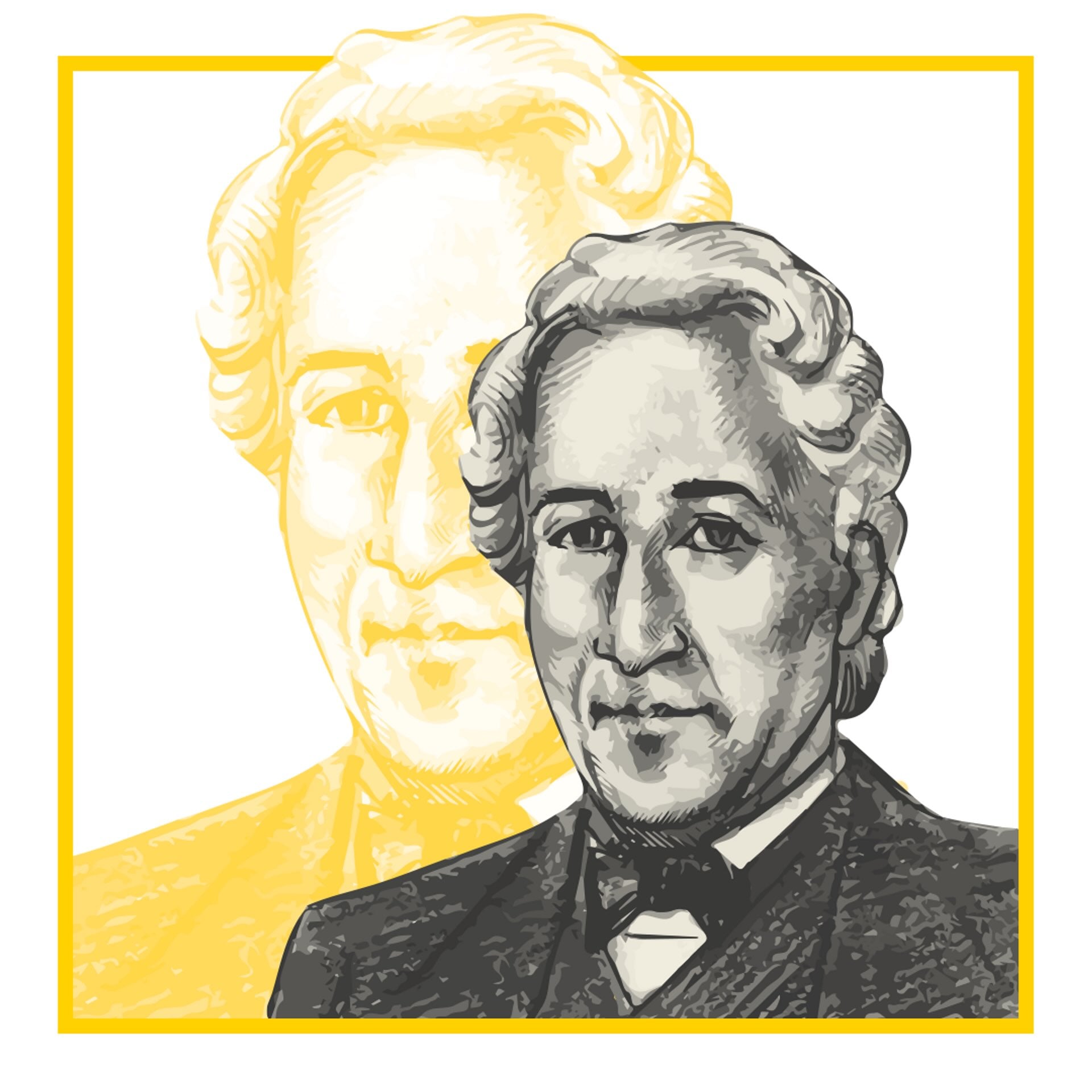
This master clock and watchmaker was only 27 years old when appointed the Master Clockmaker of Paris in 1713. It was the era of the Enlightenment, when science and intellectualism began to threaten the foundations of absolute monarchy and catholic rule. It was also a time when English watchmaking was dominant in Europe, so many French watchmakers were eager for parity, and Le Roy was obsessed with increasing accuracy and efficiency. He improved existing designs like the compensating pendulum to further resist the effects of temperature change, and made repeater watches smaller and more robust. In 1739, he was appointed watchmaker for Louis XIV and perfected equation clocks (those that measure both 24-hour and true solar times) and clocks with seconds hands. He also improved clock towers with more efficient designs that had fewer parts and were easier to maintain. In 1740, he invented the horizontal clock movement to allow for slimmer and more compact footprints, and new striking mechanisms in the 1740s and 1750s.
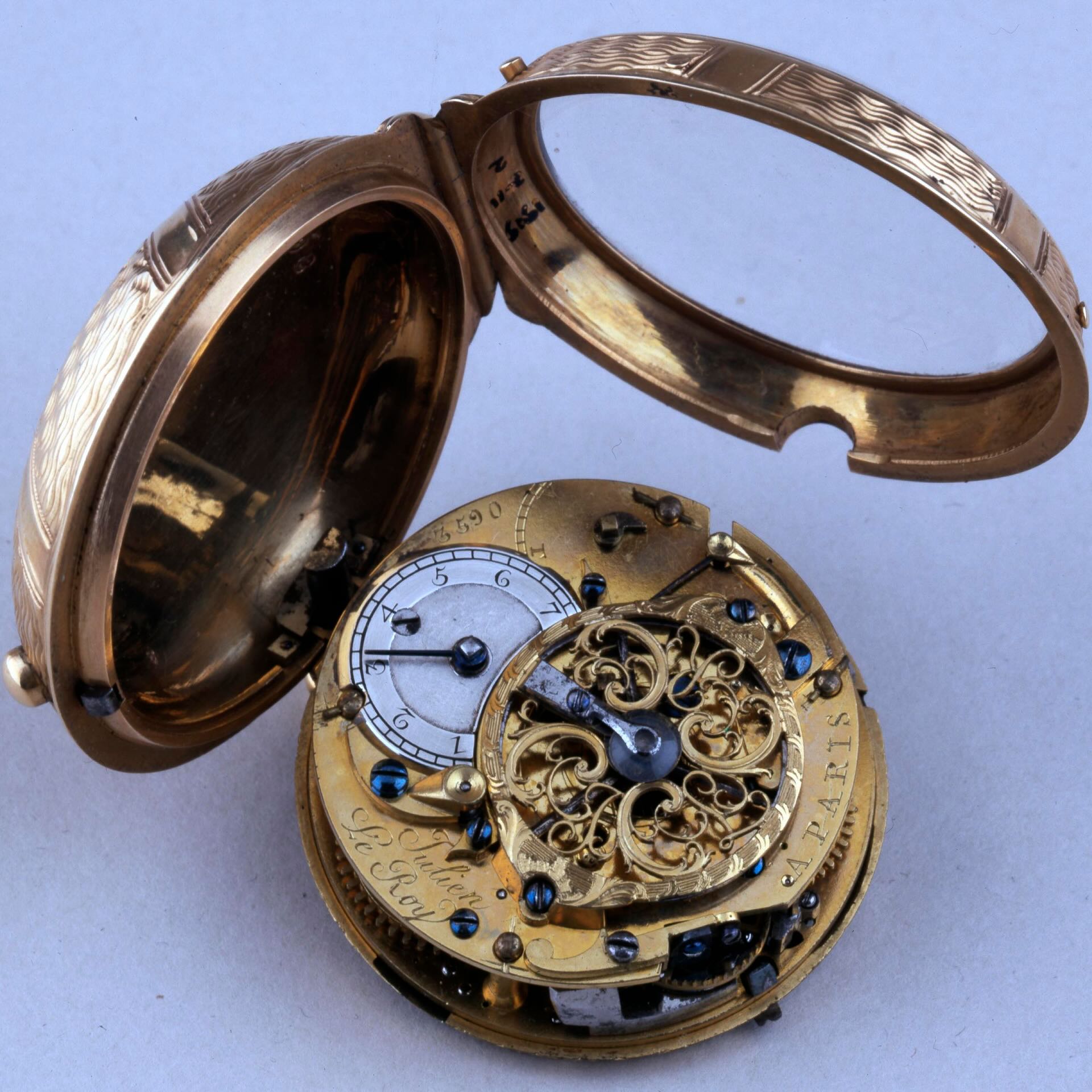
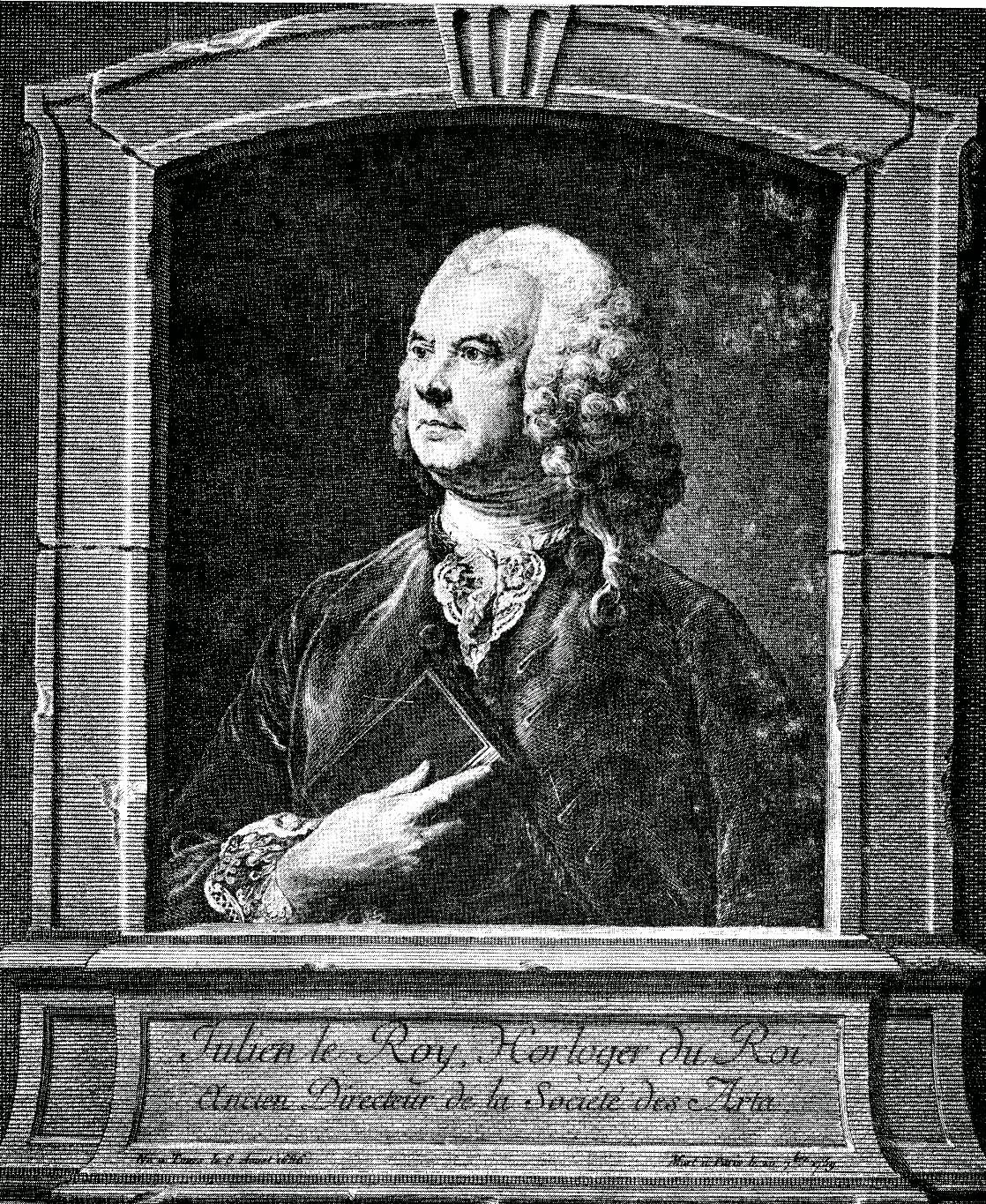
Following his death in 1759, his son Pierre Le Roy continued his legacy. He was a brilliant horologist himself and had invented the detached (pivoted) detent escapement in 1748, although it was later perfected in England by John Arnold and Thomas Earnshaw. The detent escapement reduced friction and delivered one impulse to the balance wheel every two vibrations, and became the standard for marine chronometers at the time. The lever escapement in 1755 by English horologist Thomas Mudge ultimately became the gold standard that continues today. Pierre went on to become one of the greatest producers of marine chronometers (for ships to accurately determine longitude), perfecting temperature compensation and balance spring isochronism, and competed directly with masters like Ferdinand Berthoud and English horologist John Harrison (matching and sometimes surpassing their work).
Ferdinand Berthoud
Although Swiss-born, Ferdinand Berthoud moved to Paris in 1745 and became an official Master Watchmaker in 1753 at only 26. He served kings Louis XV and Louis XVI directly and soon served as master watchmaker for the French Navy. Most of his career was devoted to marine chronometers, and he was also a prolific writer, publishing reference articles for the Encyclopédie méthodique and his own work in 1759, L’Art de conduire et de régler les pendules et les montres, à l’usage de ceux qui n’ont aucune connaissance d’horlogerie (The Art of Operating and Adjusting Clocks and Watches, for the Use of Those with No Knowledge of Horology).


His Marine Clocks No. 6 and No. 8 were successful during a one-year voyage to the Caribbean during the Longitude Trials in 1768, proving that clocks could withstand harsh conditions on the water for extended periods and calculate longitude to within half a degree. He also advanced the use of natural jewel bearings (diamonds and rubies) to increase efficiency and drastically reduce friction, and further pioneered self-compensating balance wheels to combat the negative influences of temperature change. In 1804, Napoleon Bonaparte made him a Knight of the Legion of Honour.
Abraham-Louis Breguet
The 18th and 19th centuries were truly the golden age of French watchmaking with major growth and innovations, and Abraham-Louis Breguet was arguably the most influential watchmaker. He founded Breguet in Paris in 1775, following an apprenticeship with Jean-Antoine Lepine, and changed the course of watchmaking in France and throughout Europe. Although born in Switzerland, he had moved to France in his teens, and his horological prowess gained the attention of King Louis XVI and Queen Marie-Antoinette, who commissioned some of the most complex timepieces in the world for the era. He is believed to have made the first reliable and effective self-winding watch with the perpétuelle movement in 1780 and then shock resistance with the pare-chute in 1790, and both were over a century ahead of their time.
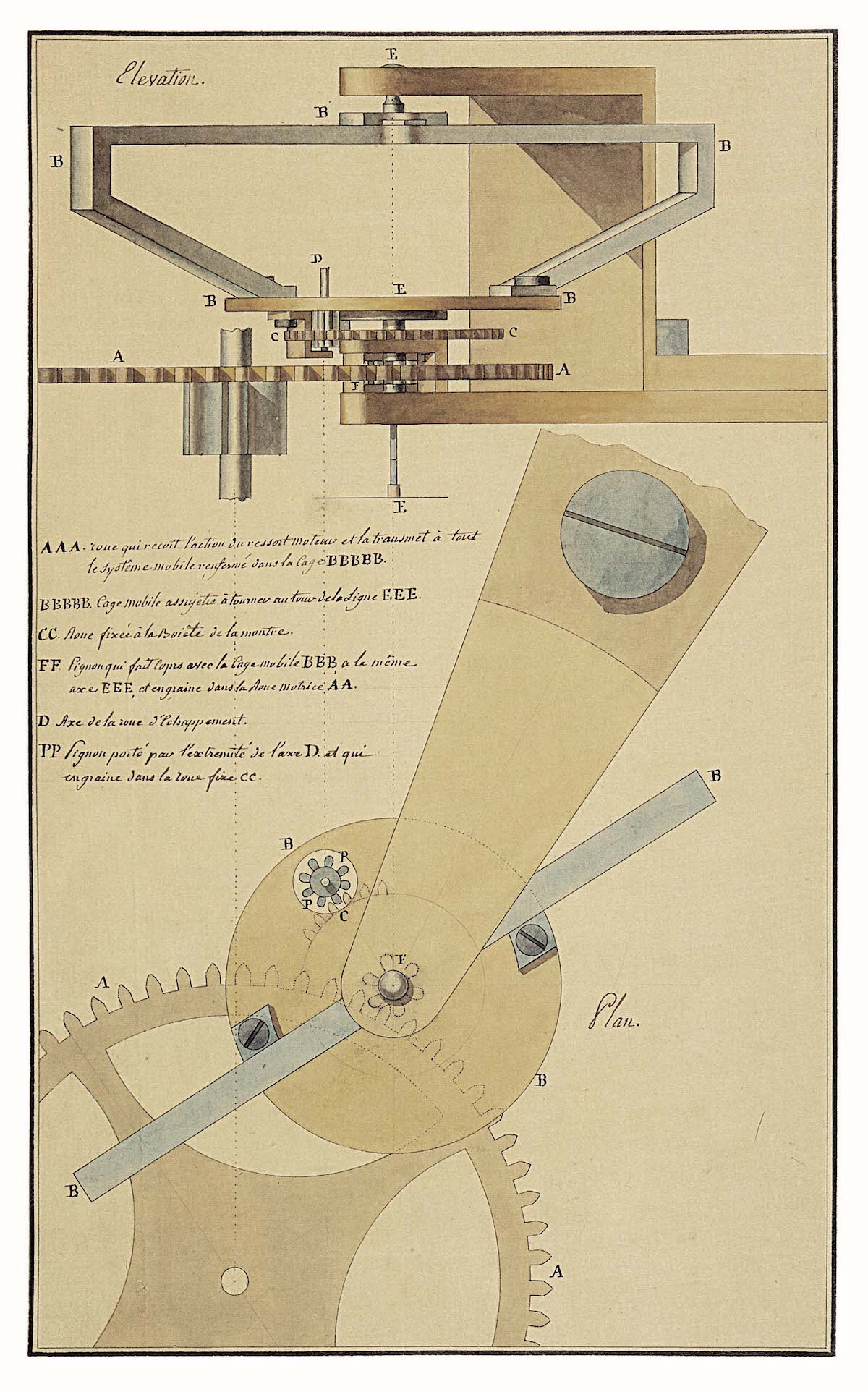
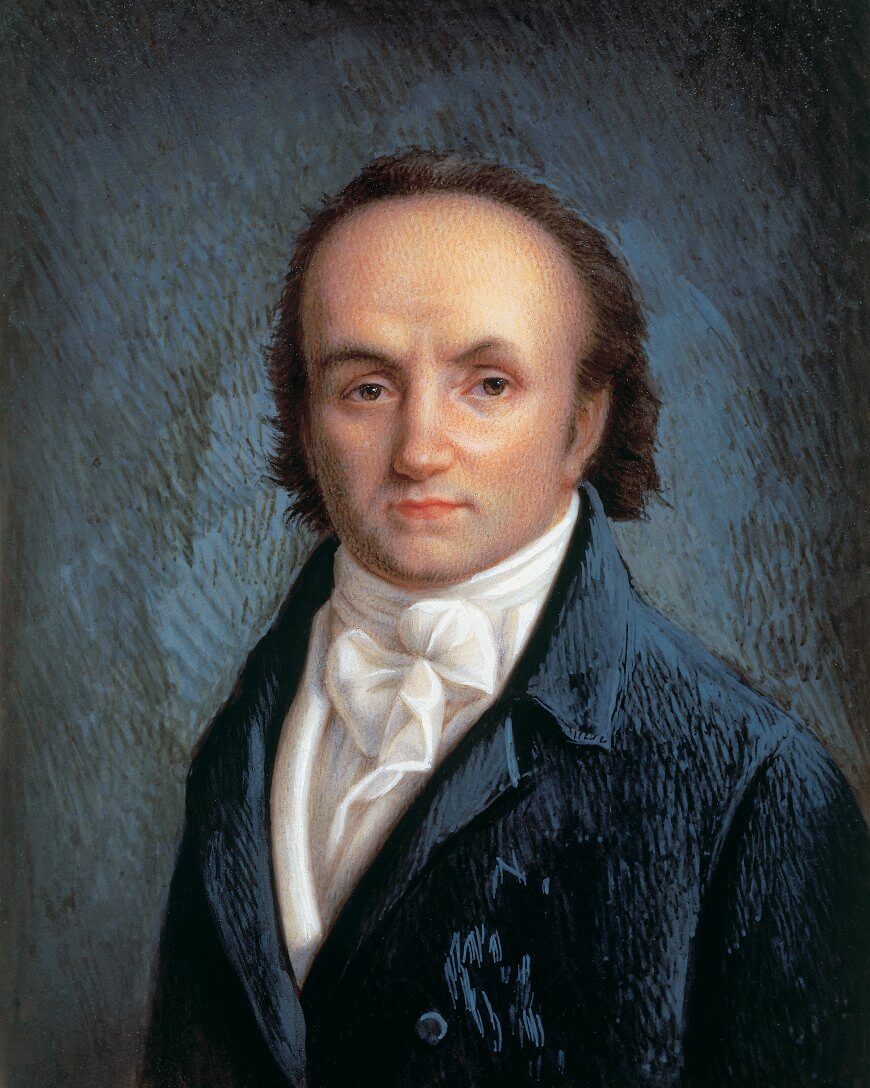
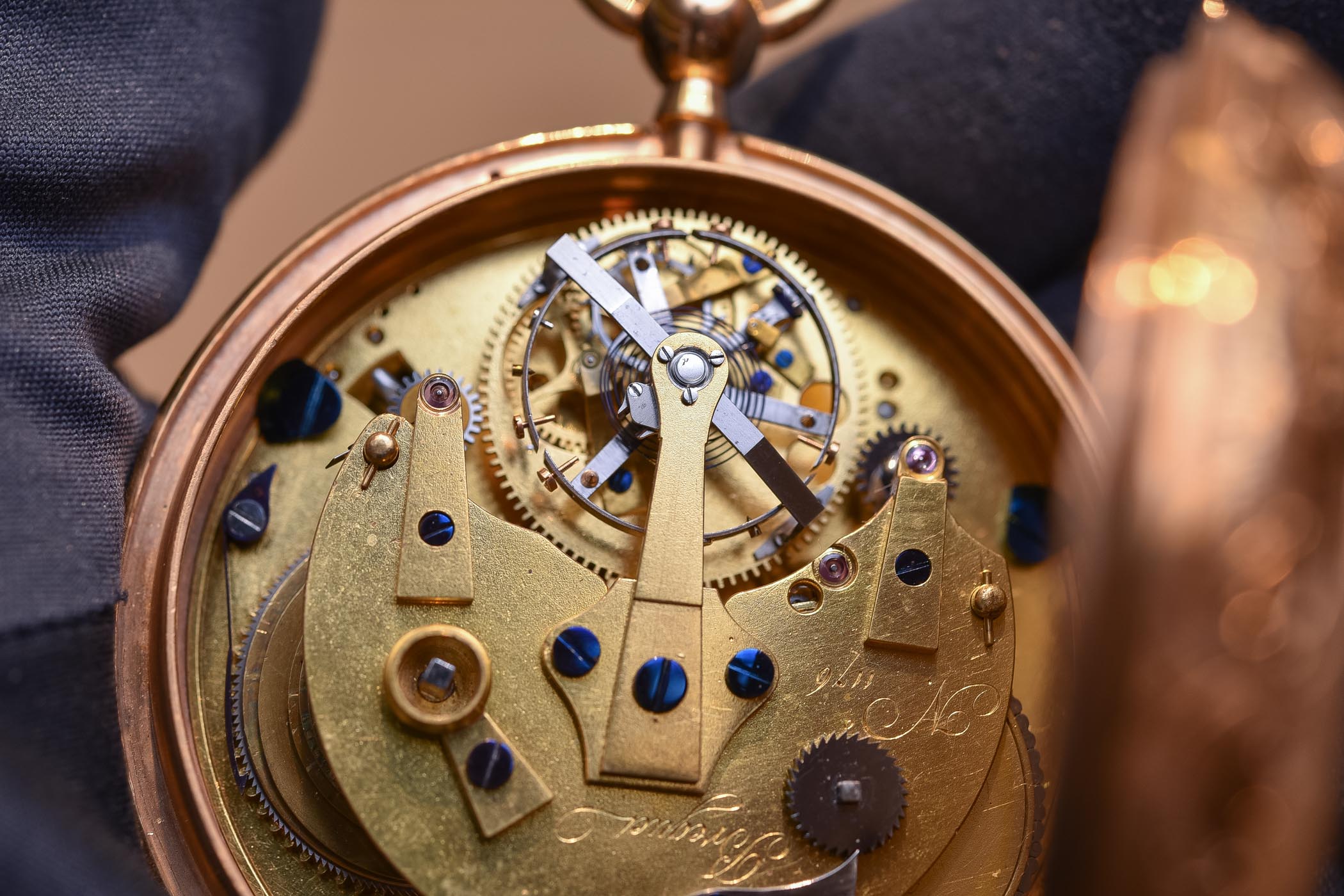
In 1795, he introduced the Breguet overcoil with an upward curve at the terminal section of the balance spring, providing more consistent spring movement for better precision. He also invented the tourbillon at the end of the 18th century and received a patent in 1801. Major clientele included Napoleon Bonaparte and the Queen of Naples, Caroline Bonaparte, for whom he created one of the first known wristwatches in 1810. King Louis XVIII appointed him Horloger de la Marine, or Official Watchmaker of the Royal French Navy, to supply marine chronometers in 1815, following Ferdinand Berthoud. In 1827, he completed the most complicated watch in the world (at the time) for Queen Marie-Antoinette, which had been commissioned by a member of her guards in 1783 – it was 44 years in the making and 34 years after she was executed on the guillotine. This Breguet No.160 “Marie-Antoinette” pocket watch incorporated every known complication of the era and unmatched finishing, and remains one of the most important watches in history. This certainly doesn’t cover all his achievements, like the gong for repeaters (1783), Breguet hands and numerals (also 1783), and retrograde display (1794), but illustrates how influential and ahead of his time this master of master watchmakers truly was.
The Rise of Watchmaking in Besançon
The late 18th century was another turbulent time for France’s watchmaking industry – the French Revolution saw the rebellion of commoners in 1789 (about 98% of the population ranked as 3rd class behind royalty and nobility), and the monarchy was soon overthrown, leading to the famous executions of Louis XVI and Queen Marie Antoinette in 1793. Principles of nationalism and basic human rights were established, but government in general remained a bit scattershot until General Napoleon Bonaparte seized control in 1799 and the burgeoning republic fell under military rule. Production never left Paris, but much of it shifted east to Besançon with its strategic proximity to watchmaking centres in Neuchâtel and the Jura Mountains (and the Swiss border).
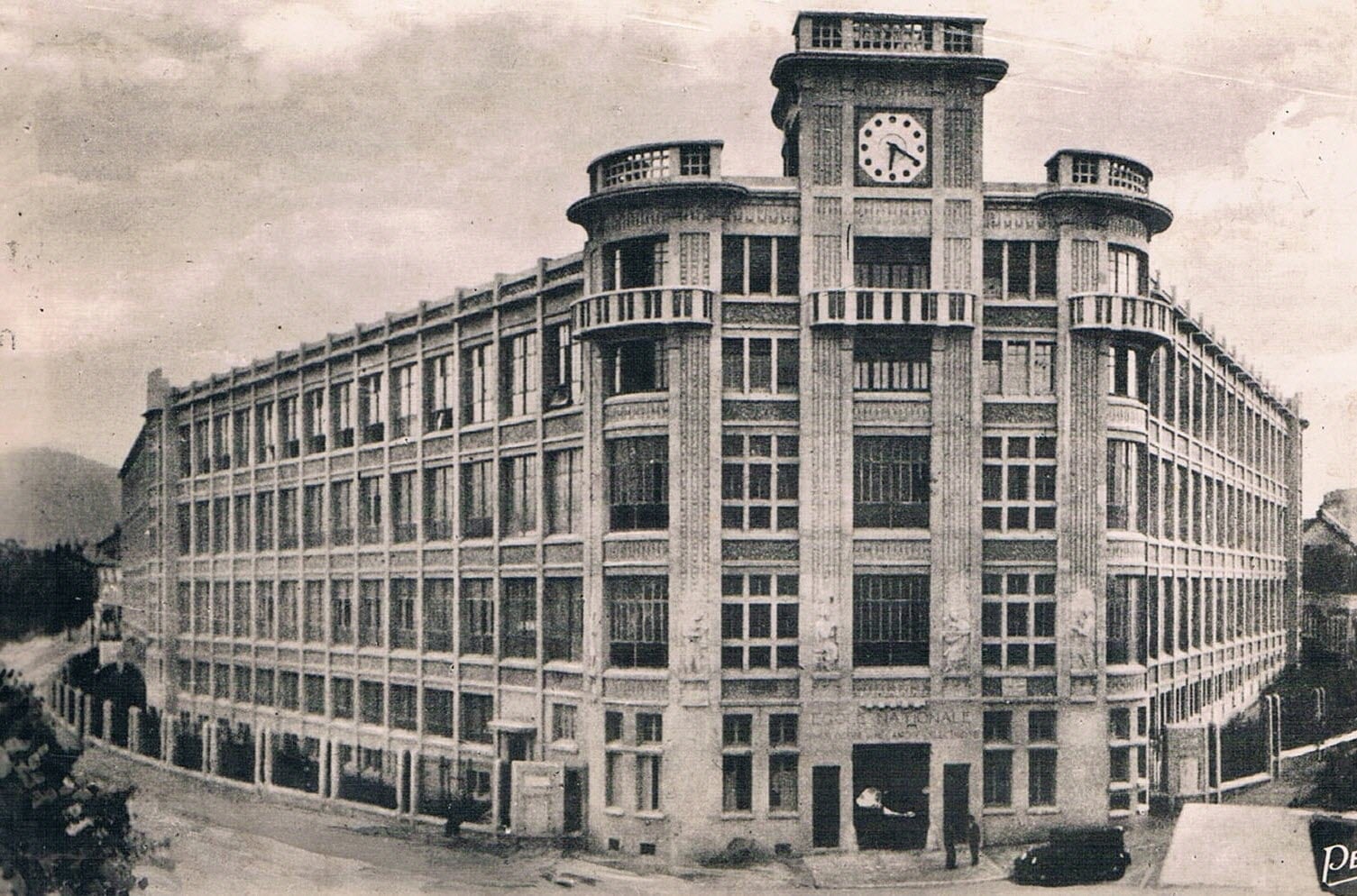
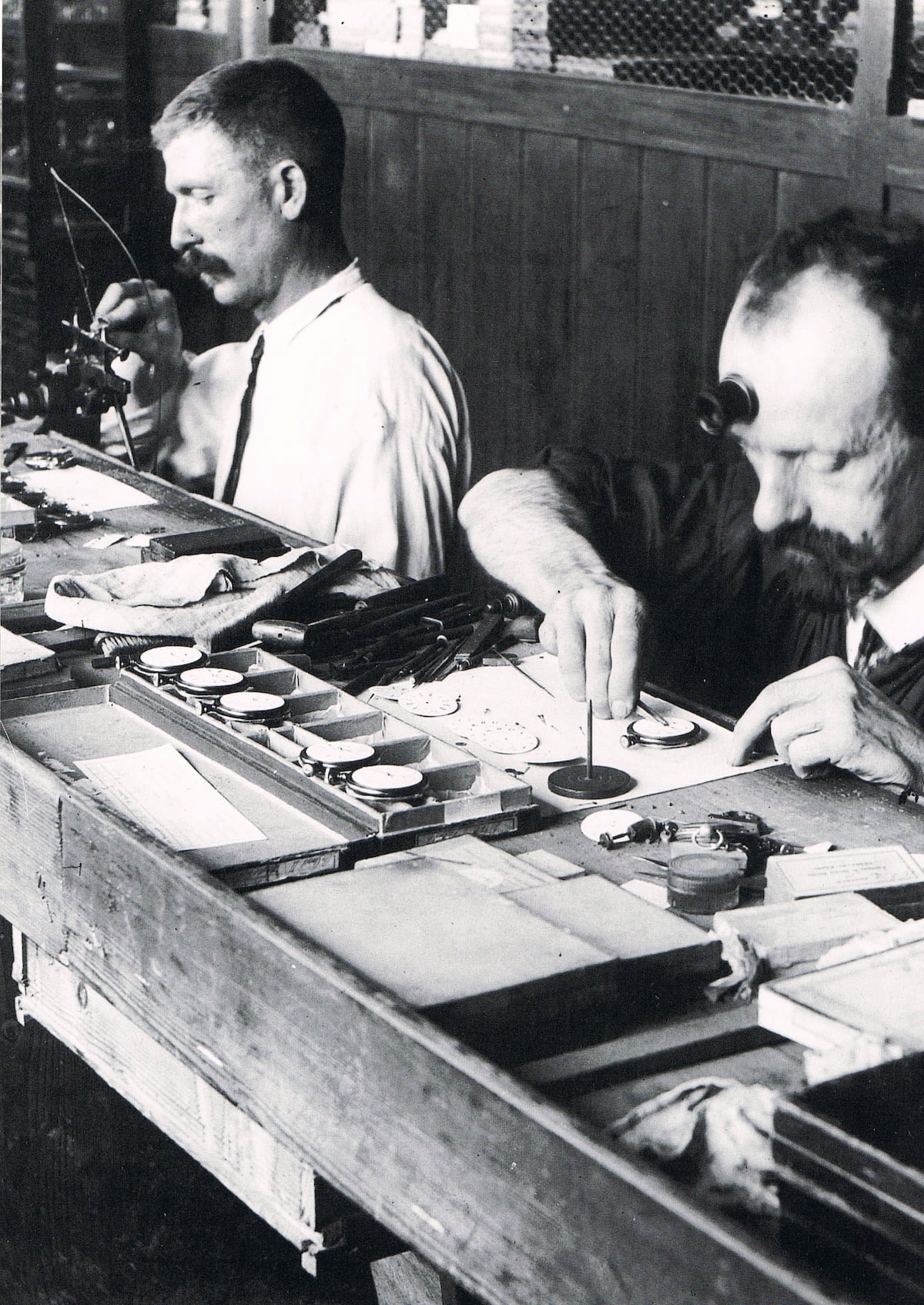
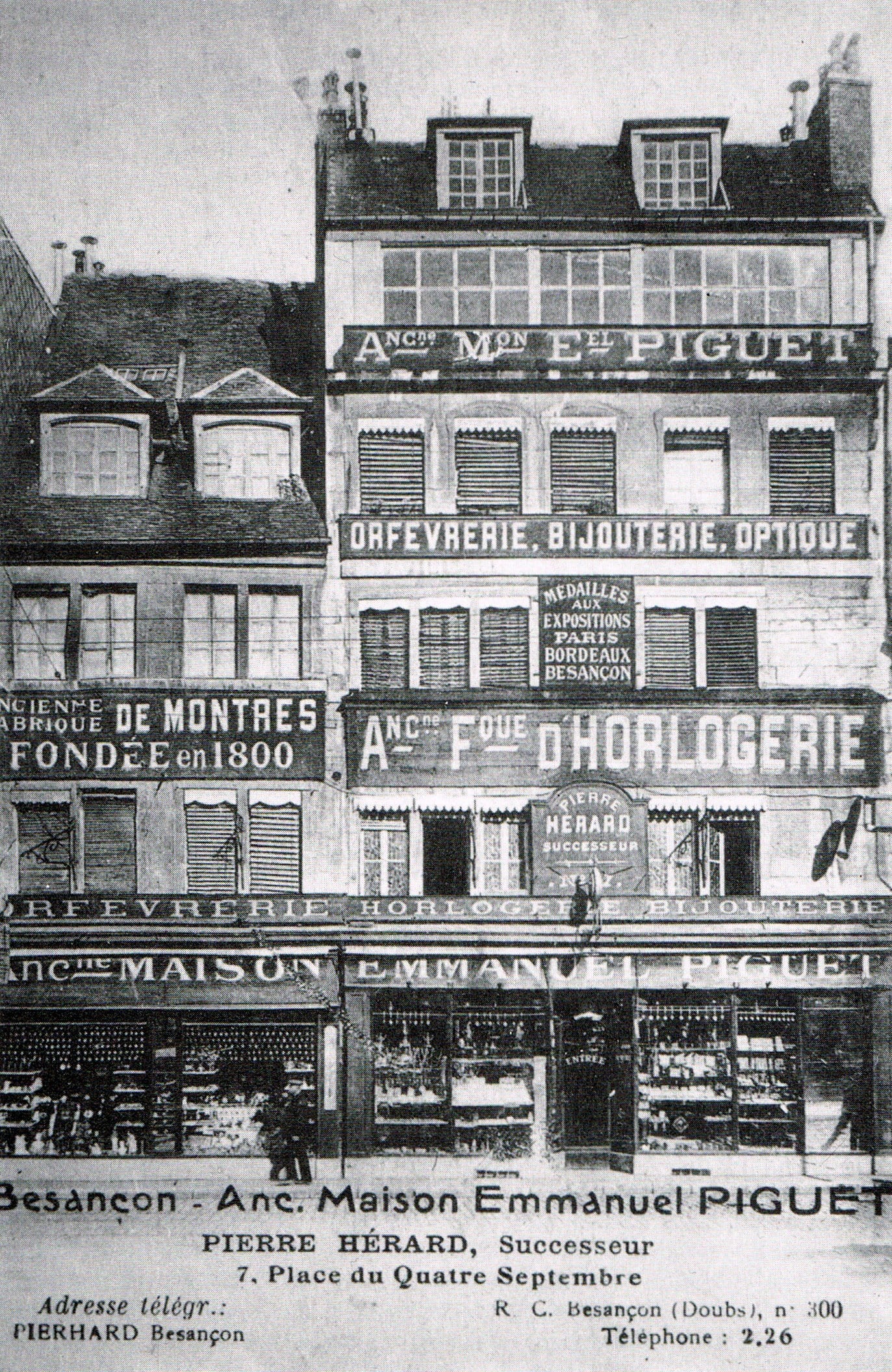
By the end of the 18th century, some generational Huguenots returned to France via Besançon with other Swiss watchmakers, led by Genevan watchmaker Laurent Mégevand in 1793. With a desire to reduce dependence on foreign watchmaking, a formal decree was established that year in the city: the Manufacture Française d’Horlogerie, which granted immigrant watchmakers financial subsidies, workshops and exemptions from military service, and almost 800 exiled Swiss watchmakers were working in Besançon by 1795. The close proximity to the Swiss border allowed them to maintain established supply chains while enjoying tariff-free access to the French market. A municipal watchmaking school opened in 1861 to unify training, coinciding with a system of établissage – a network of workshops producing specific components or partial assembly. As mentioned, the Besançon Observatory opened in 1878 and established local chronometric testing, and although this growing and diverse industry took decades to mature, Besançon became the capital of French watchmaking with around 90% of production by the late 19th century.
Cartier
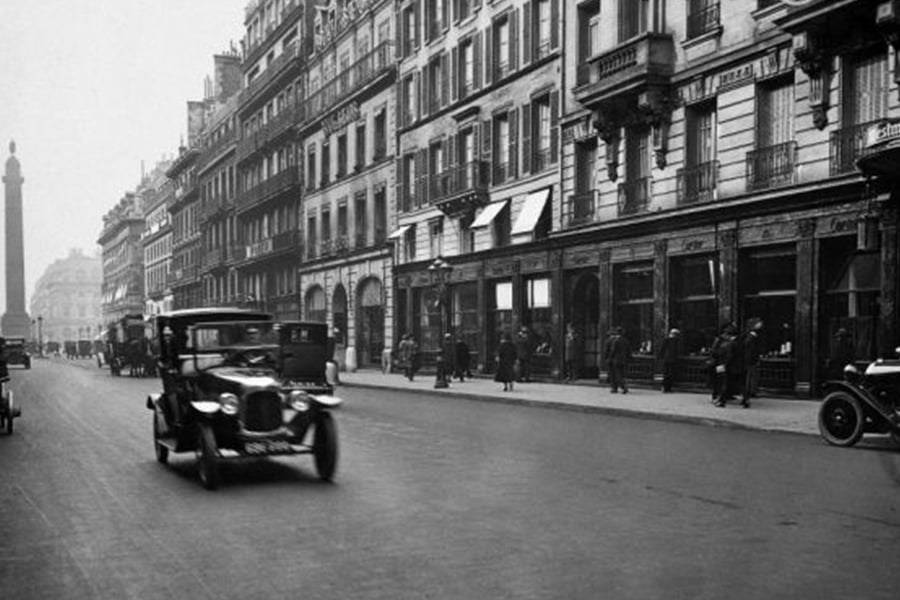
Cartier was founded in Paris in 1847, when Louis-François Cartier took over the workshop of his mentor, Adolphe Picard. He started as a jeweller and goldsmith, and operations were relatively small and localised under his tenure. However, he quickly earned a strong reputation among wealthy and elite clientele, and even the niece of Napoleon, Princess Mathilde, became a high-profile client in 1856. The business really expanded under his sons and grandsons, starting with Alfred Cartier in 1874. In 1899, the company moved to larger headquarters at 13 Rue de la Paix in Paris under Alfred’s son, Louis Cartier. It would be Alfred’s three sons, Louis, Pierre and Jacques, who would take the brand global, with boutiques expanding to London (1902) and New York (1909). King Edward VII of the United Kingdom soon referred to Cartier as the Jeweller of Kings.
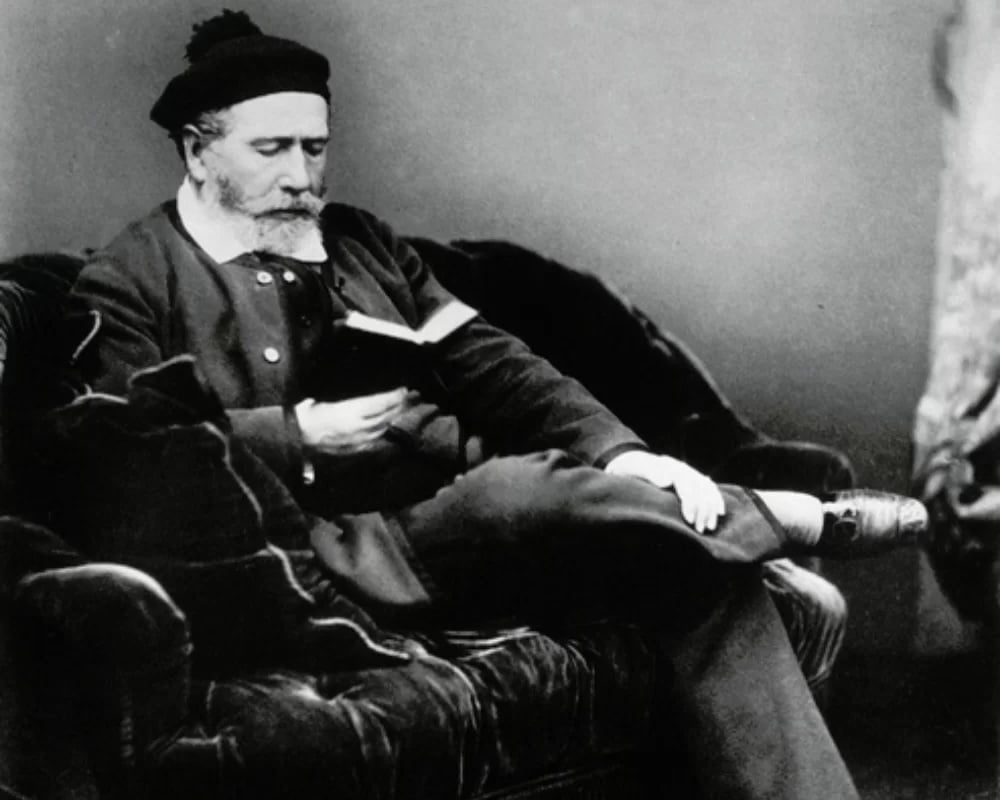
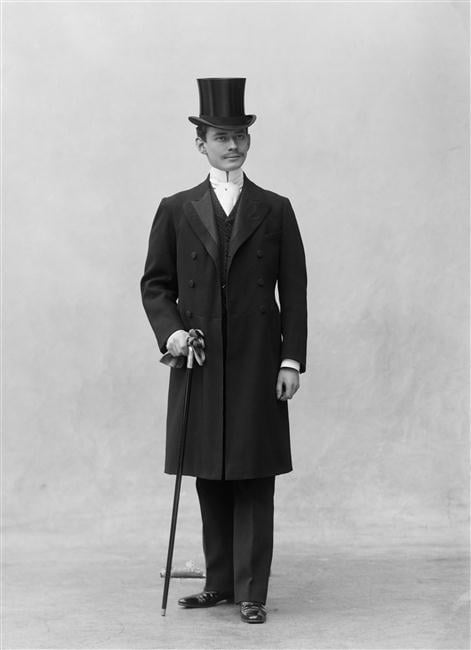
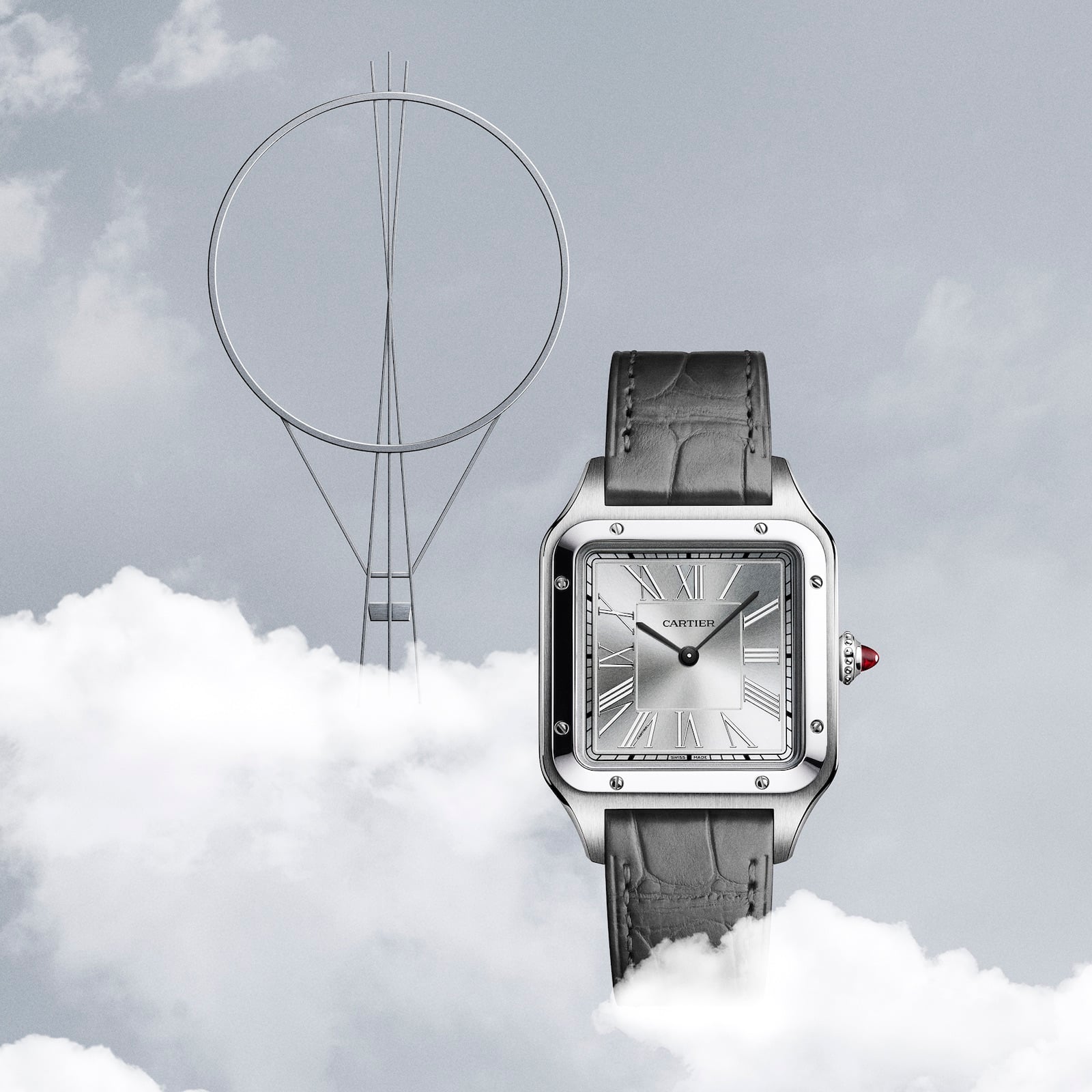
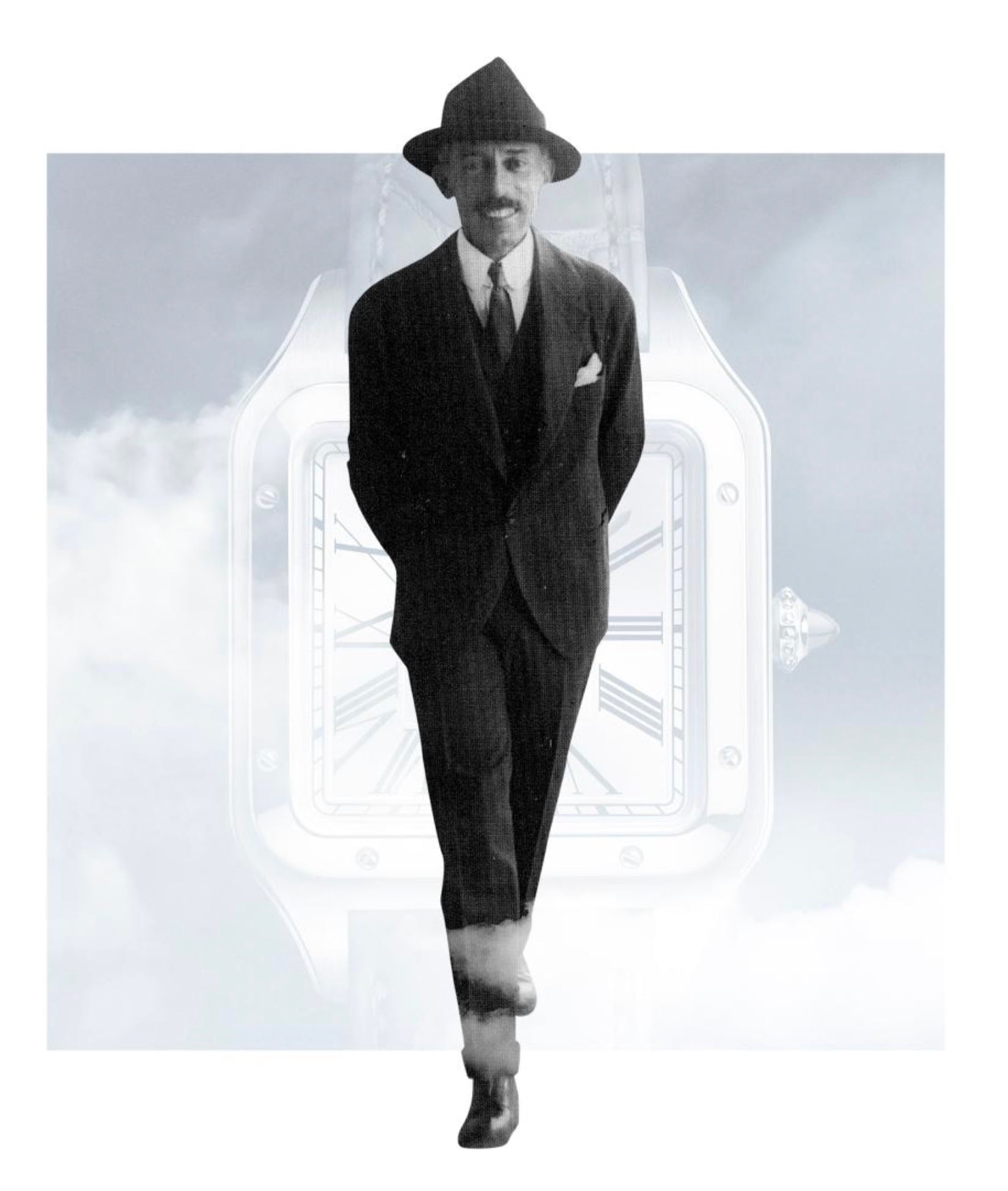
Although Cartier toyed with pocket and pendant watches as early as the 1850s, it wasn’t until 1904 that the brand became a bona fide elite watchmaker with the iconic Santos wristwatch. Created for early aviator and friend Alberto Santos-Dumont, it’s one of the first dedicated men’s wristwatches from a major brand and the first pilot’s watch, allowing Alberto to check the time without taking his hands off the controls. The watch had a stylish, flat square case mated to a leather strap, which was decidedly unique compared to a typical round pocket watch, and he wore it during a record-breaking flight in 1906 in the 14-bis aeroplane (220 metre distance for 21.5 seconds). Why a pilot would need to check the time during a 21.5-second flight is anyone’s guess, but he did fly his later Demoiselle plane 11.2 miles in 1909 for 16 minutes, which would genuinely require a watch to monitor the time. These early aviation achievements brought fame to the Santos model, which first sold to the public in 1911. The popular square design led to another icon, the Tank in 1917. The design differed from the Santos as it was inspired by the overhead view of a Renault battle tank (hence the name), with the longer brancards (vertical case sides) resembling the tank’s tracks. It wasn’t commercially available until 1919, and an early prototype was gifted to US General John J. Pershing in 1918. The Tank featured Cartier’s now-signature Roman numeral dial, railway minute track inside the numerals and blued steel sword hands.
Pierre Cartier died in 1964 and was the last of the original family to run the company, and the remaining family members decided that the three Cartier branches – Paris, London and New York – all of which were run under independent owners, design philosophies, supply chains and so on, were too fragmented and lacked a unified identity. The three branches were sold off separately, starting with New York even earlier in 1962, although they were all bought and reunited in the 1970s by Robert Hocq and financier Joseph Kanoui, who began shifting production to Switzerland. This Swiss transformation was fully realised when Richemont acquired the entire Cartier empire in 1993, and the brand was permanently headquartered in La Chaux-de-Fonds and Geneva.
Emmanuel Lipmann and LIP
A small workshop from Emmanuel Lipmann, LIP, opened in Besançon in 1867 and would become a major local and national watchmaker. Disruption from world wars and both Swiss and American competition strained the French watch industry in general, but LIP significantly contributed to 20th-century technology and horological advances, starting with radium dials in 1904. Lipmann collaborated with Pierre and Marie Curie to develop one of the earliest luminescent watch dials, while also developing the first assembly lines for mass watch production in France alongside modern marketing campaigns. In addition to famous clients like Winston Churchill (who was gifted a LIP T18 with a tonneau-shaped calibre in 1948), innovations included the Himalaya model that reached altitudes over 8,000 metres during French expeditions from 1950, Europe’s first working electric wristwatch prototype in 1952 (launched in 1958, just one year after Hamilton’s electric Ventura), and the Nautic-Ski 200-metre dive watch with an internal rotating bezel in 1967 to celebrate the brand’s centennial (and the 1968 Grenoble Winter Olympics).
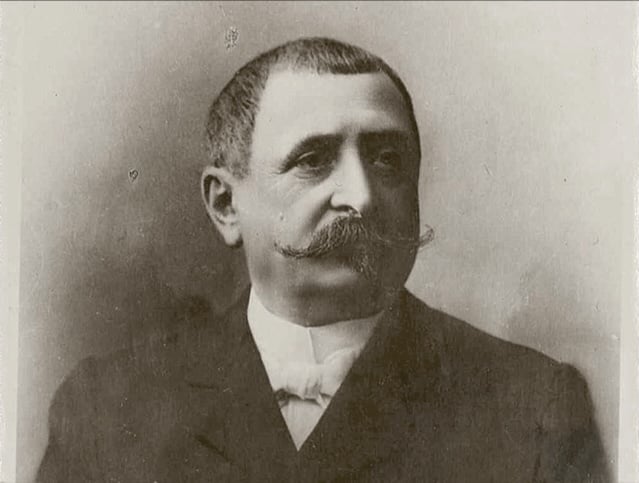
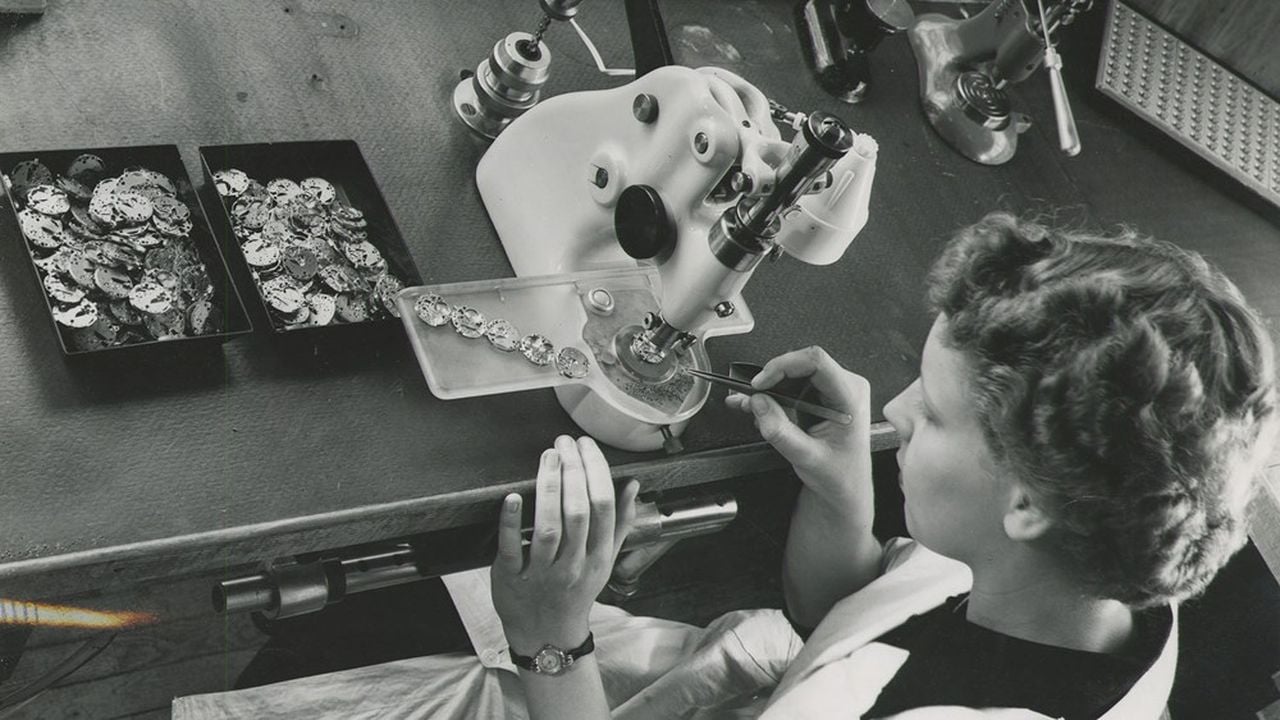
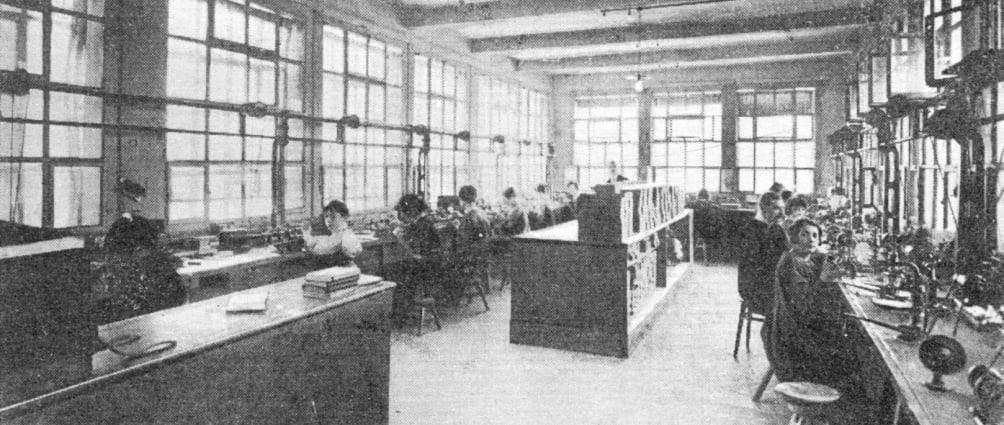
LIP fought to remain both relevant and solvent during the Quartz Crisis and faced significant layoffs by the mid-1970s. There was a factory takeover by workers led by Charles Piaget (no relation to the Piaget brand), known as autogestion, where workers run the factory under self-management, as plans had been made to liquidate and paychecks were halted. 65,000 watches were seized by workers and clandestine sales began alongside renewed production. Although police raided and cleared the factory later that year, protests continued and included a 100,000-person march as the workers’ cause brought major national (and international) support. This led to the 1974 Dole Agreements that allowed them to return and restructure under new director Claude Neuschwander. In 1975, the factory hired Roger Tallon to create a radical, avant-garde design known as the Mach 2000, but LIP couldn’t muscle through prior hardships, competition and the Quartz Crisis, and the factory was ultimately liquidated in the 1980s.
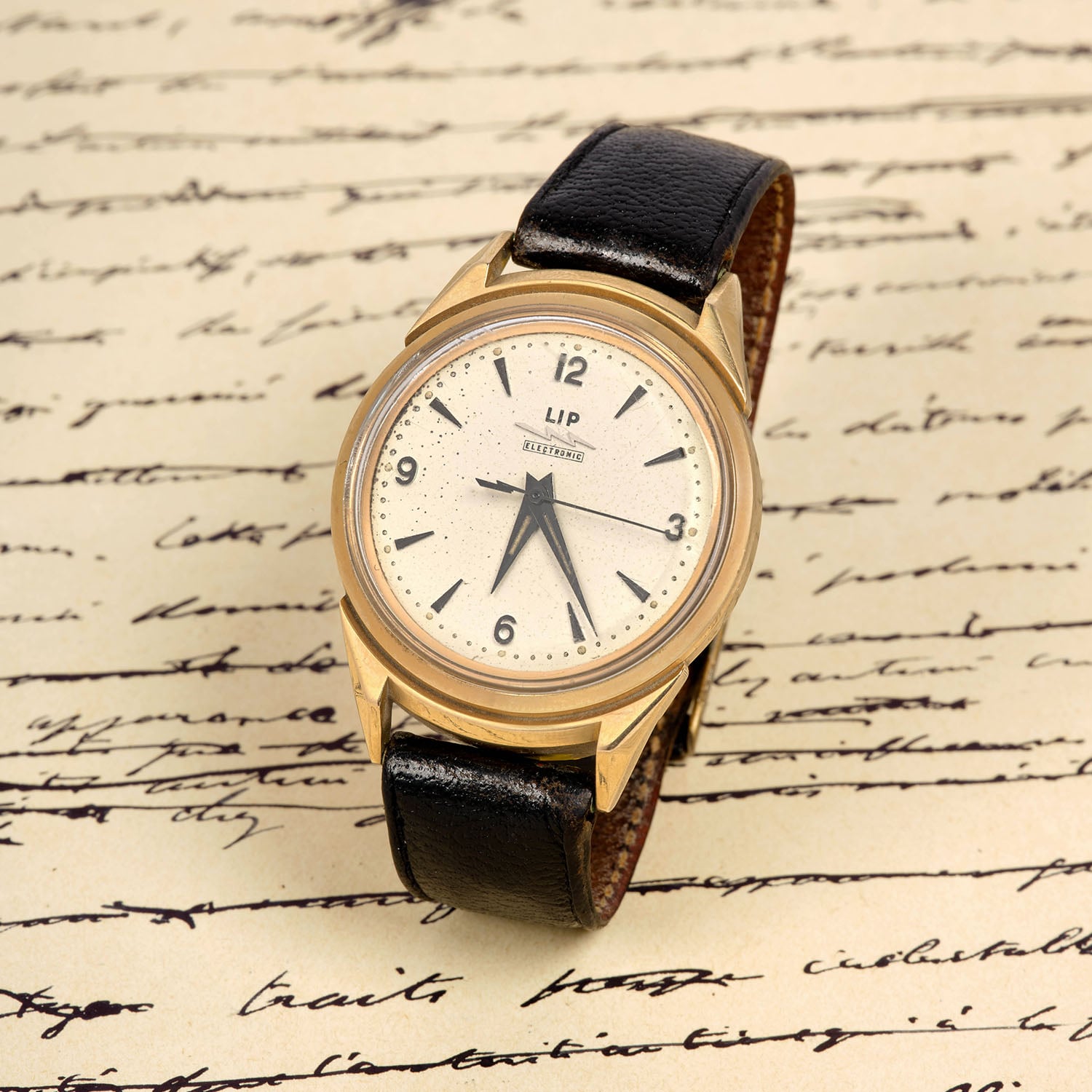
Like many defunct watch brands at the time, it went through many hands, but landed with Jean-Claude Sensemat in 1990, who restarted production in southwestern France with sales eventually hitting one million watches per year. Manufacturing shifted to China for cheap mass production, but moved back to Besançon in 2014 following acquisition from the Société des Montres Bisontines (SMB). Design and assembly continue in Besançon today, while most calibres are outsourced to Miyota or Sellita. However, LIP launched an in-house movement in 2025, the R26, which was developed over three years in collaboration with the SupMicroTech engineering school in Besançon. It was the brand’s first new automatic calibre in over 50 years.
Industrialisation
The 19th century saw a transition from artisanal craftsmanship and small workshops (and consequently slow production) to machining tools, standardised parts and larger factories with the birth of assembly lines. The rapid growth of railways in the 1880s and electrification in the 1890s accelerated mass production, and France was the second largest watchmaking nation at the dawn of the 20th century, just behind Switzerland. Major factories emerged for specific components like the Parrenin (Fabrique d’Ébauches Parrenin) for movements and ébauches in Villers-le-Lac in the late 1870s, and Belzon watch factories in Morteau in the 1880s producing affordable 5-franc pocket watches (inspired by American counterparts like Ingersoll). LIP was a real pioneer in French industrialisation and mass production, and although French principles of style and craftsmanship weren’t abandoned, more contemporary watches emerged with cleaner and more legible designs without bespoke embellishments.
Type 20 and Type 21 Flyback Chronographs
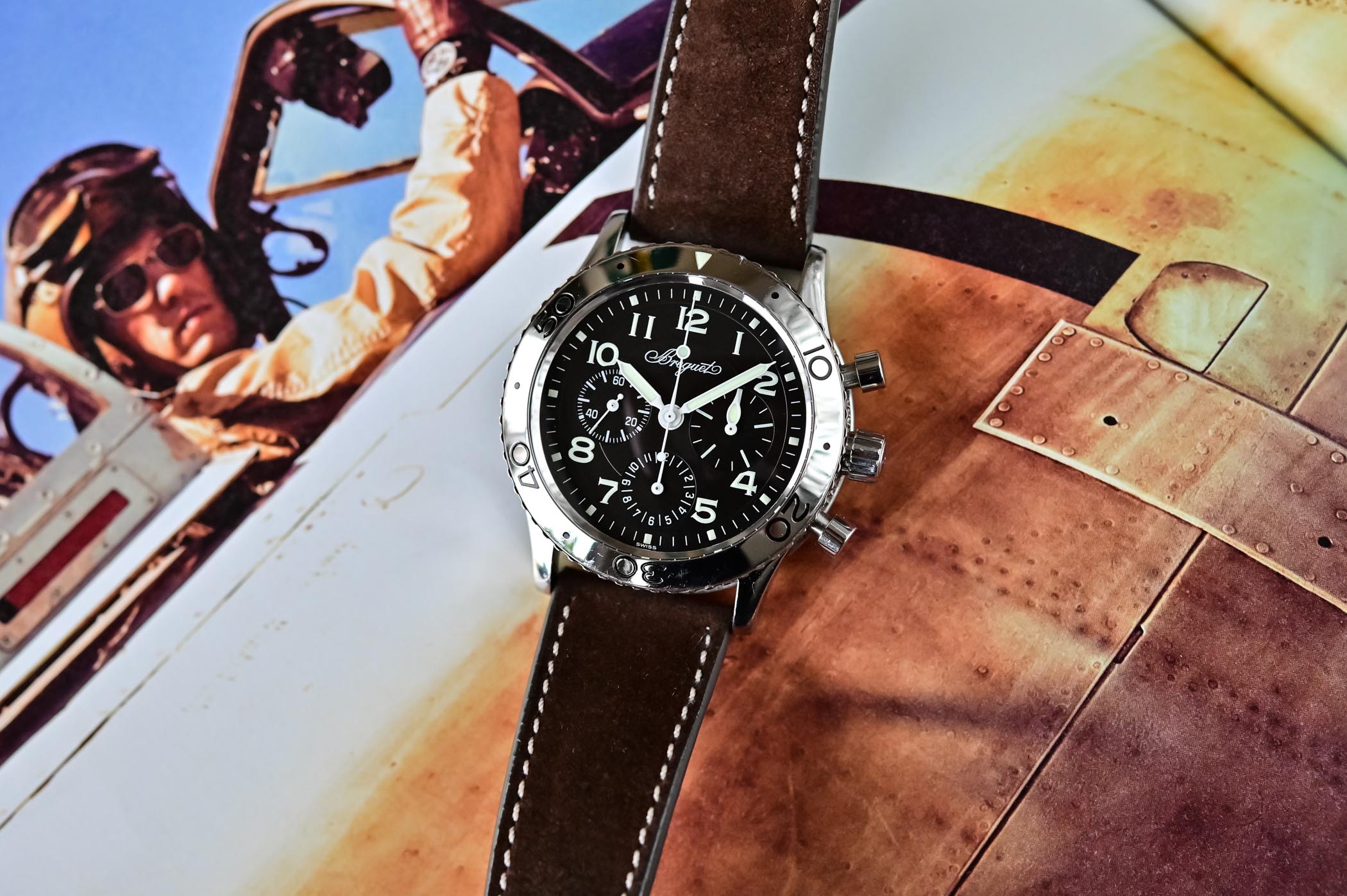
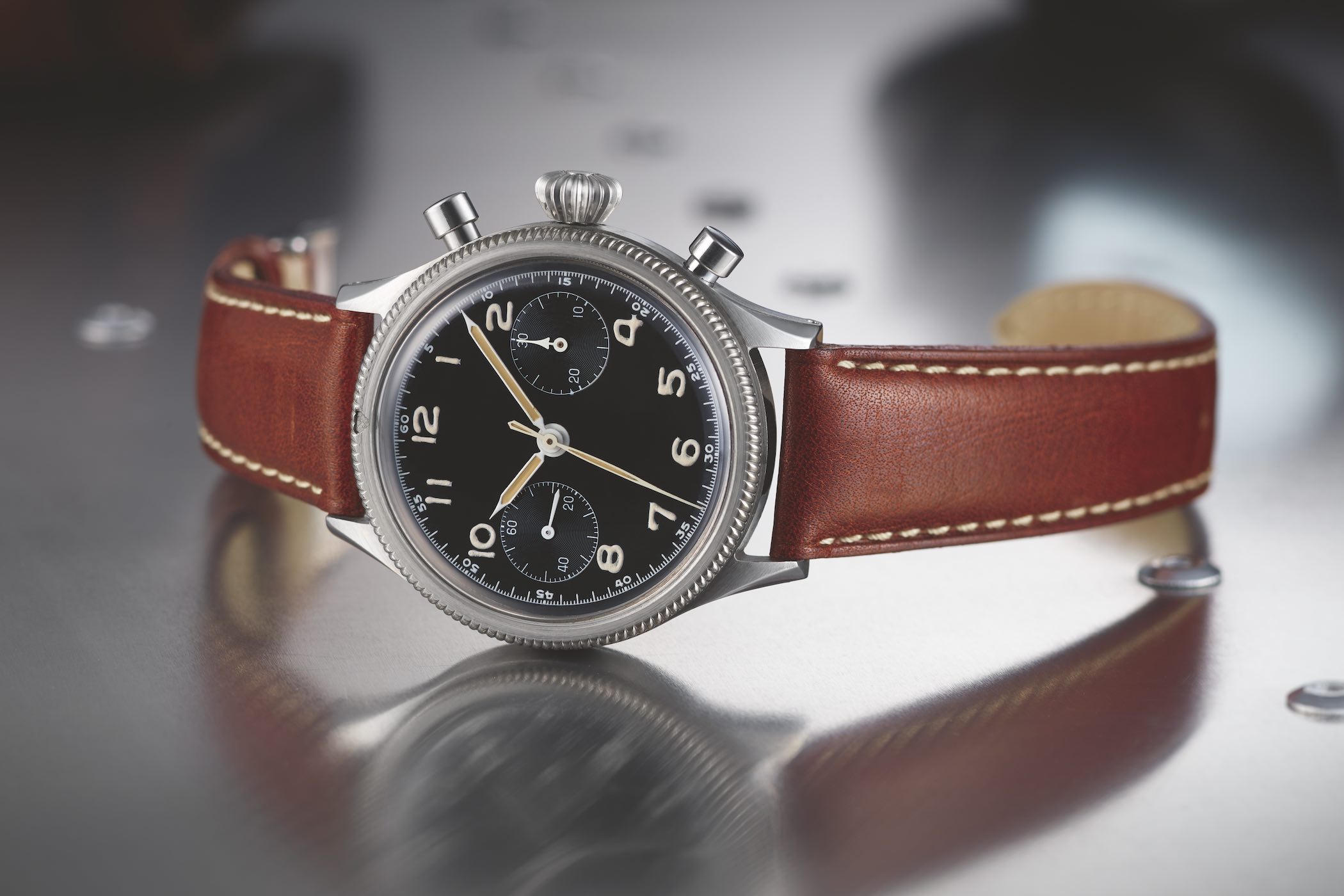
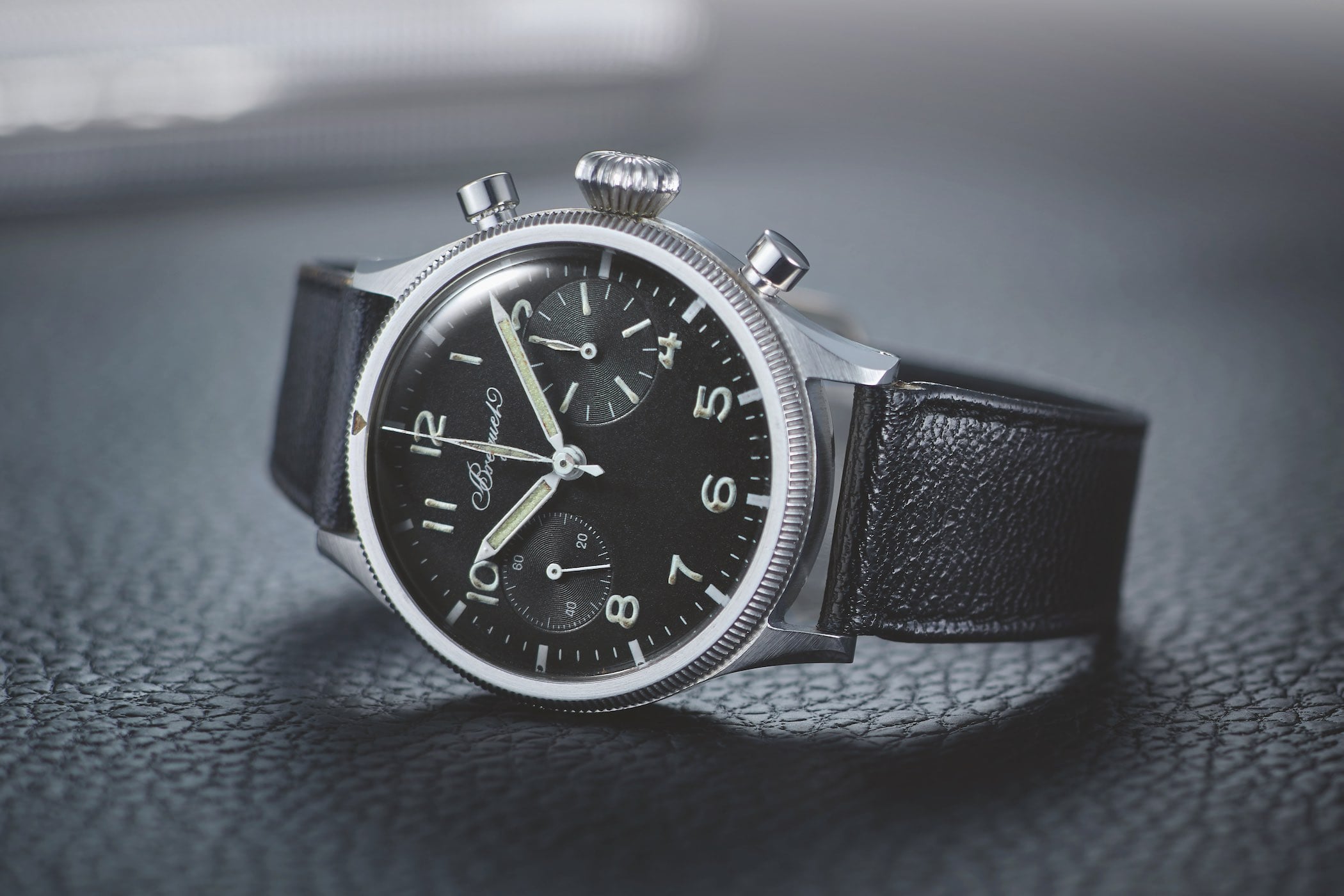
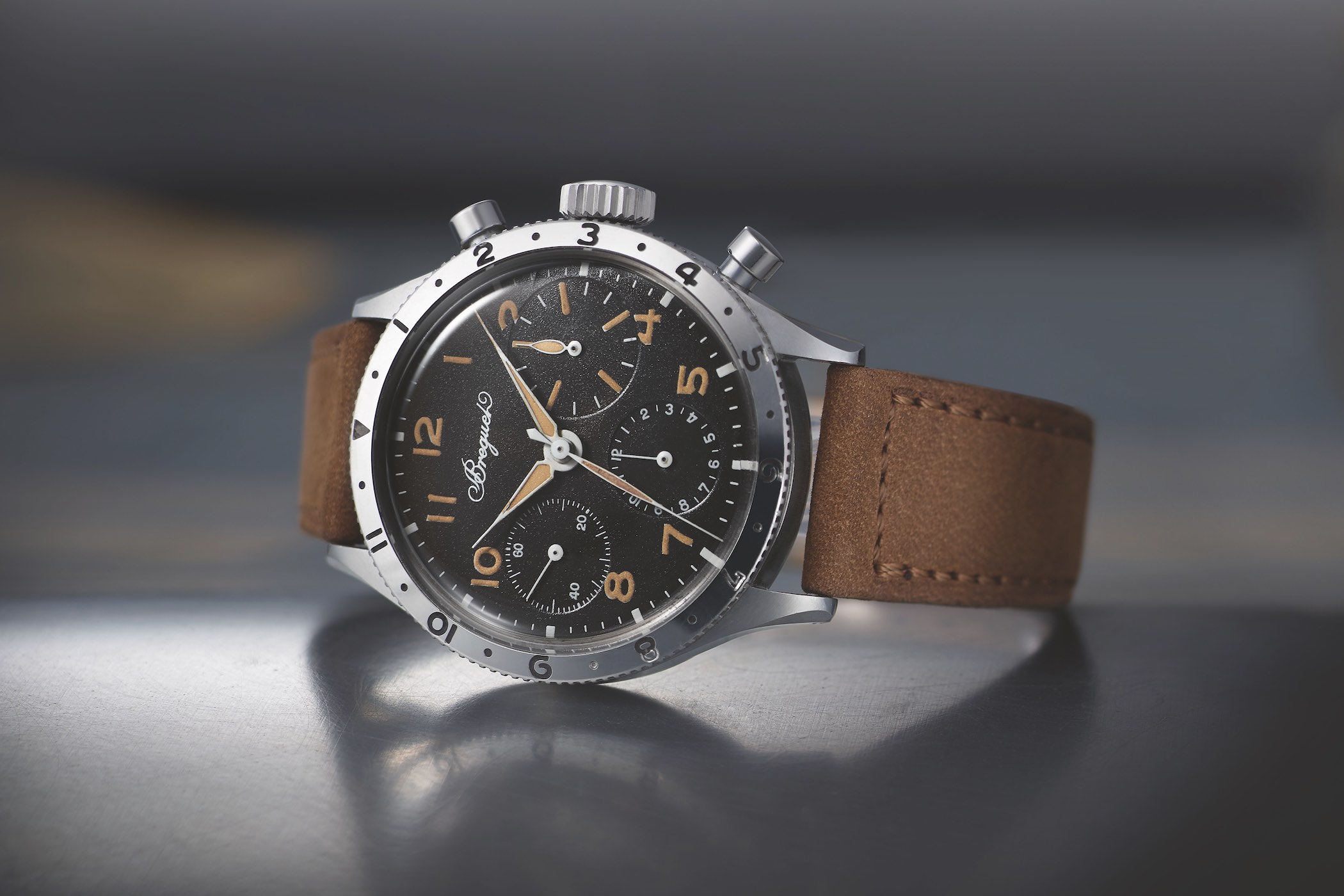
In the 1950s, the French Ministry of Defence commissioned Type 20 and Type 21 flyback chronographs (retour-en-vol) for the Air Force, Navy and Army, and multiple brands became suppliers. Both models were hand-wound with bi-compax dials, and the flyback function allowed users to start, stop and reset the chronograph with the single press of a pusher. Most Type 20 models had matte black or grey dials with large Arabic numerals, 38mm cases and accuracy standards within +/-8 seconds per day, with a minimum 35-hour power reserve. Supplying watchmakers included Breguet, Dodane, Airain, Auricoste, Mathey Tissot, and Vixa. Type 21 models were similar to Type 20 with upgrades focusing on durability and lower maintenance, and small aesthetic changes like glossier dials and graduated bezels. Dodane became a primary contractor for Type 21 chronographs as they best met the evolved standards and, specifically, lower costs (while Breguet, for example, was ultimately deemed too expensive for standard military issue).
Collapse and Rebound
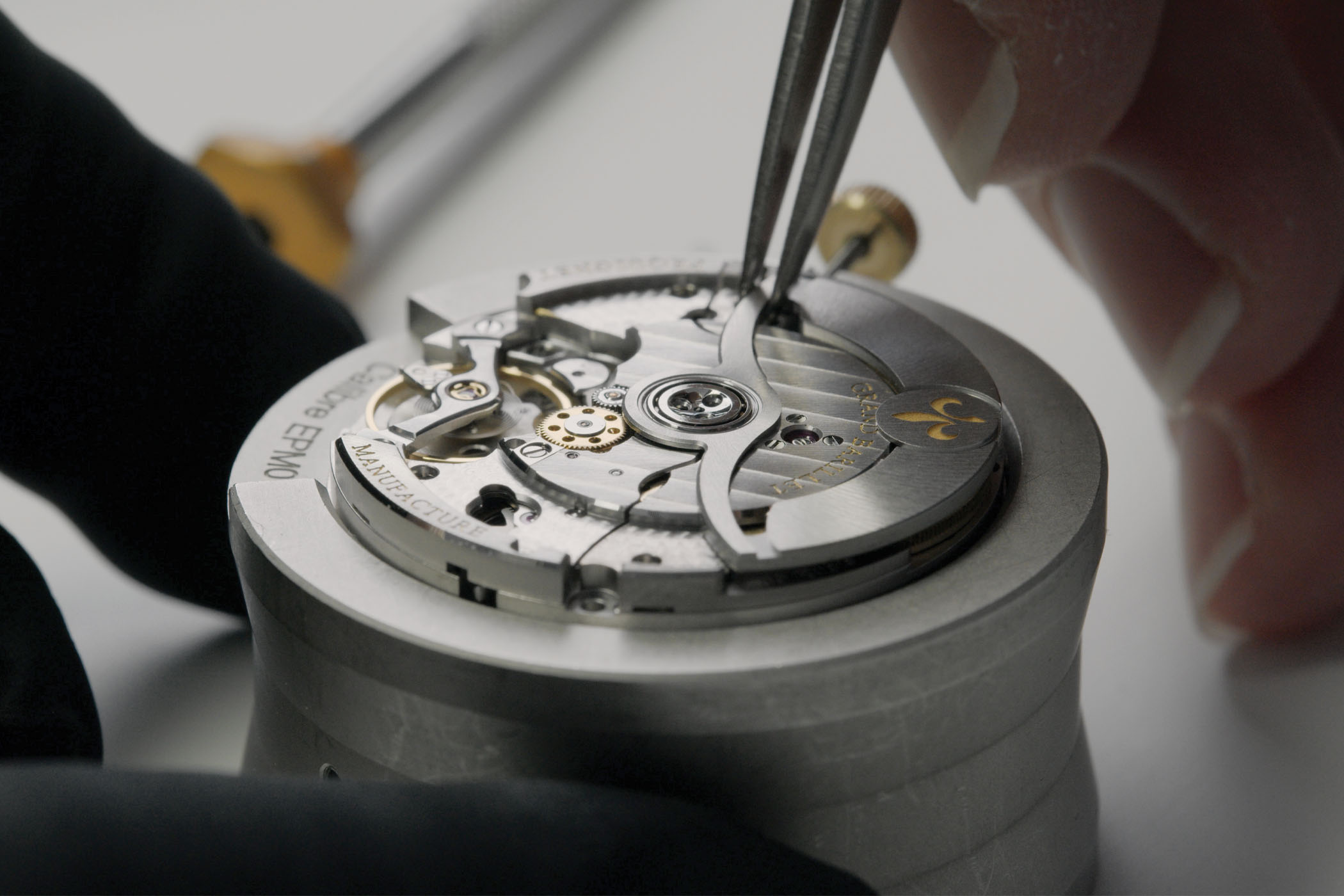
France was not in a position to weather two world wars and the Quartz Crisis. World War II in particular devastated vital infrastructure, disrupted international markets and depleted the skilled labour workforce. This led to financial ruin and bankruptcies for many factories, and the Quartz Crisis was the final nail in the coffin in the 1970s and 1980s. In 1994, the central French producer of watch movements, France Ebauches, financially collapsed, which effectively ended domestic watch production. A slow rebound began in the 21st century as legacy brands returned under French ownership, led by Pequignet, which launched the Calibre Royale in 2010 – the first in-house, ground-up French calibre in decades. Yema followed in 2018 by developing its own in-house movements in the city of Morteau, and France was slowly returning to form.
Modern French Watchmaking
Pequignet
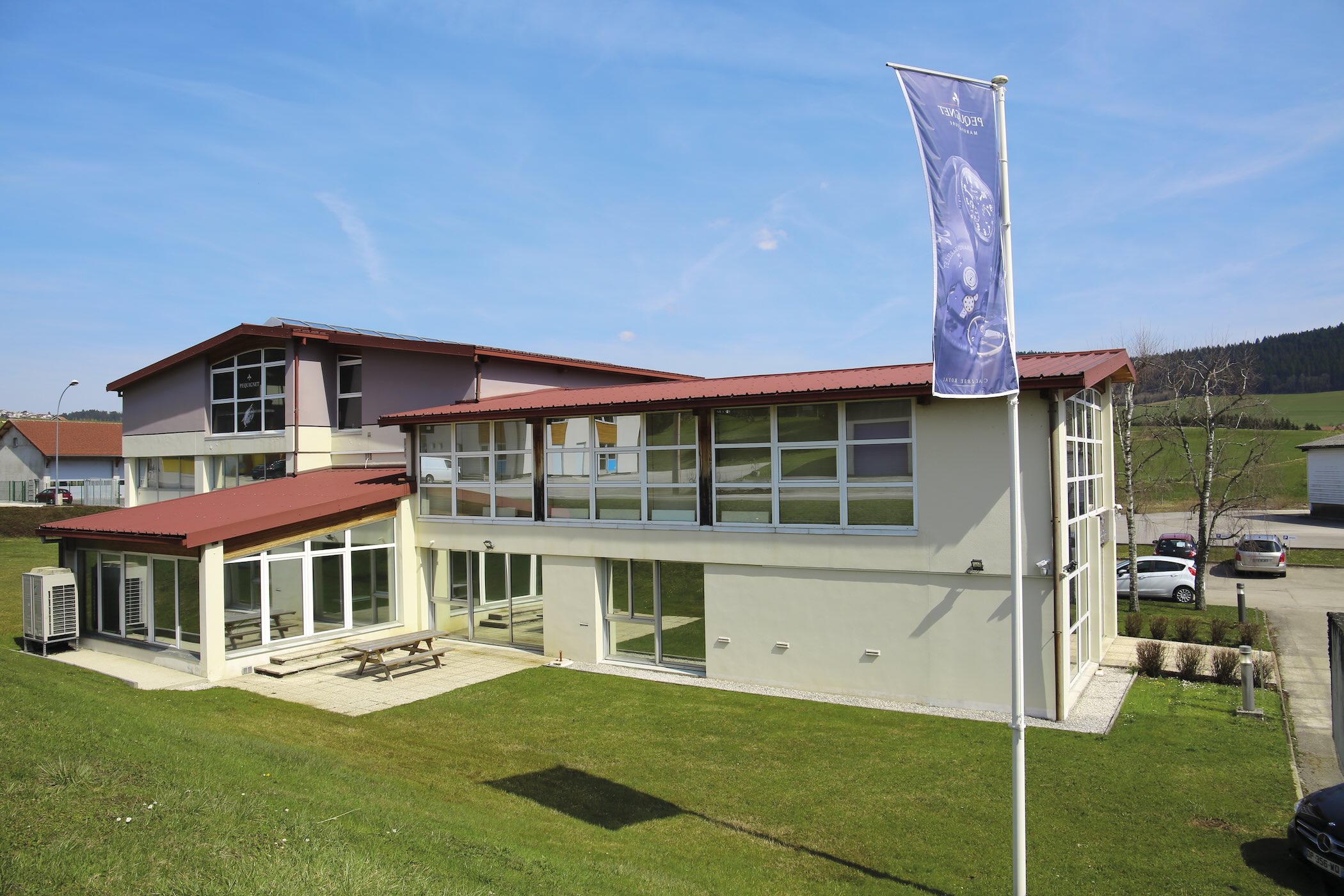
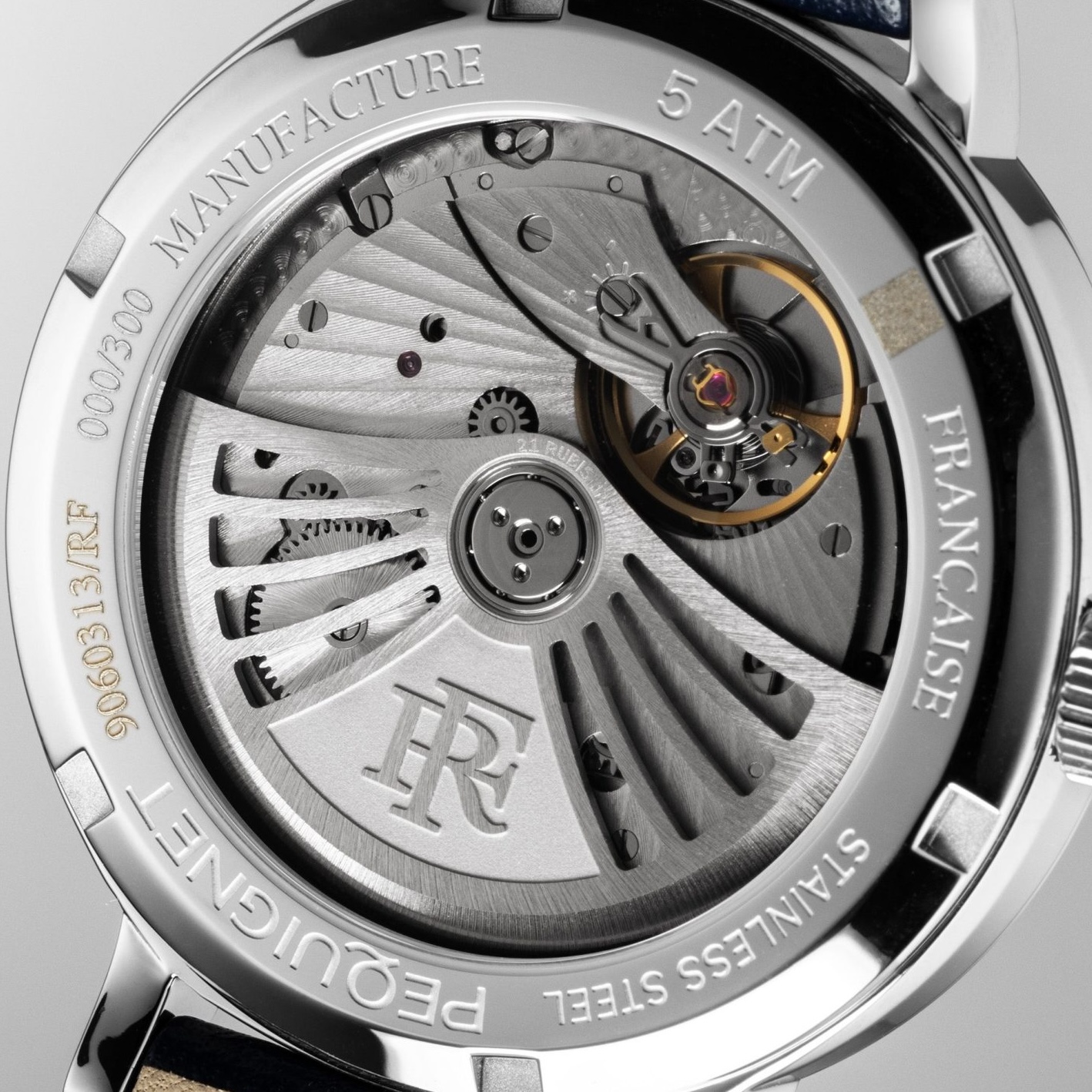
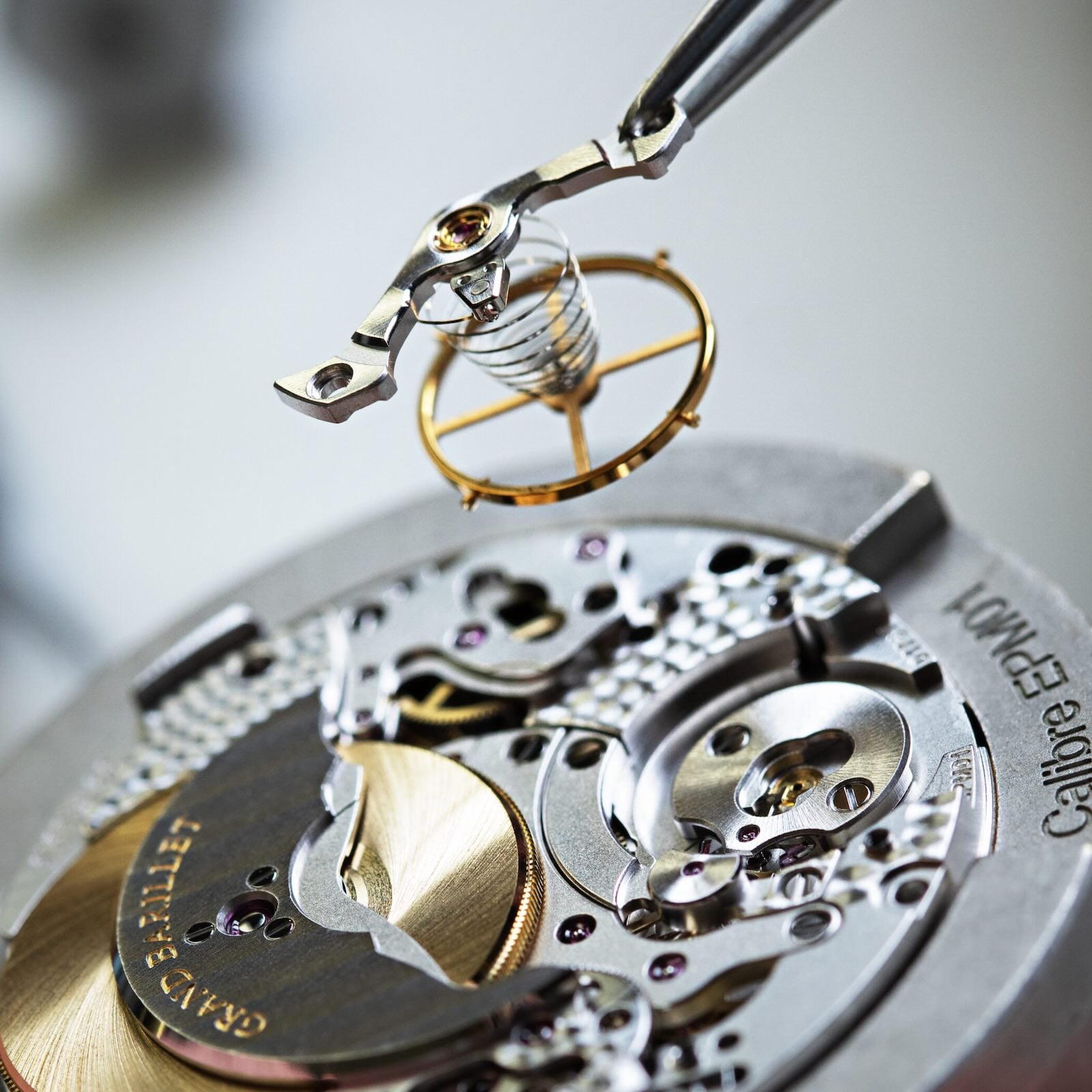
This isn’t a historic French brand like Breguet or Cartier, but rather a late 20th-century entry founded in Morteau in 1973 by Émile Pequignet. It also wasn’t an in-house brand from the start, sourcing Swiss mechanical calibres and then shifting predominantly to quartz to ride out the Quartz Crisis. In fact, it wasn’t until 2010 that the brand introduced its first in-house movement, the upscale Calibre Royal with an 88-hour power reserve and complications including day, date and moon phase. It debuted the following year in the Rue Royale model, offered in stainless steel and 18k gold. This shift to high-end, in-house production started in the mid-2000s under the leadership of industry veteran Didier Leibundgut, who acquired the brand in 2004. There were multiple ownership changes and financial hardships since, but the brand stayed the course and steadily shifted towards haute horology, and introduced a limited-edition flying tourbillon (Calibre Royal Tourbillon) in 2024 that debuted at Watches and Wonders.
Yema
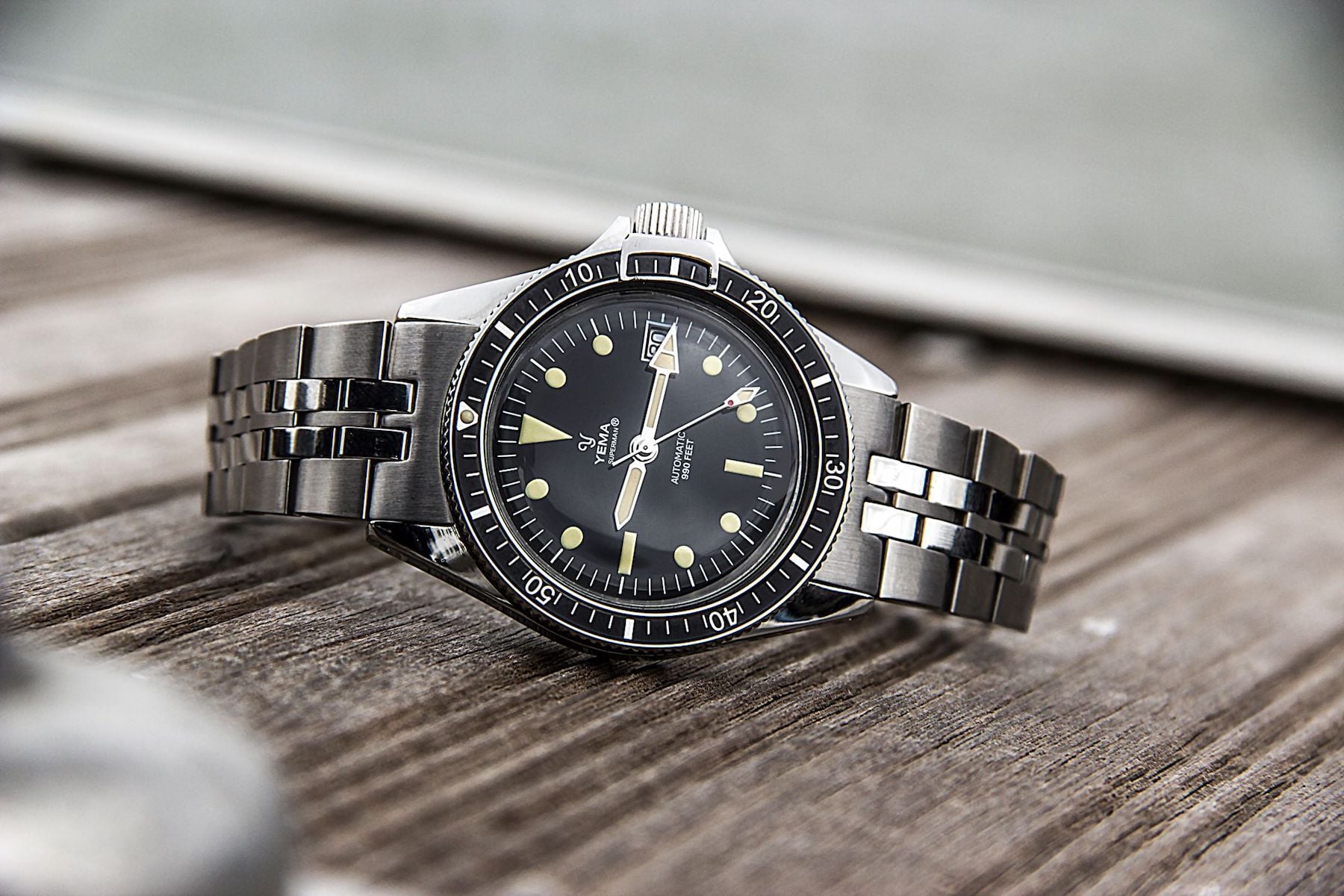
Yema is a mid-20th century brand, founded in 1948 by Henry-Louis Belmont in Besançon. He was a top graduate from the National Watchmaking School of Besançon and named the brand after an earlier school contest. The signature model launched in 1963, the Superman – a 300-metre dive watch with a patented and visually distinctive bezel-lock that was later issued to the French Air Force. Sports chronographs were also offered in the 1960s with models like the Rallygraf for auto races and Yachtingraf for regattas. By the 1970s, Yema became the largest French watch exporter with production exceeding one million watches per year. In 1982, the Spationaute I model was worn by cosmonaut Jean-Loup Chrétien in the Soyuz T-6 (that docked with the Salyut 7 space station), making it the first Western European watch in space. He wore the Spationaute III in a later mission in 1988 (although that was powered by a Seiko quartz chronograph).
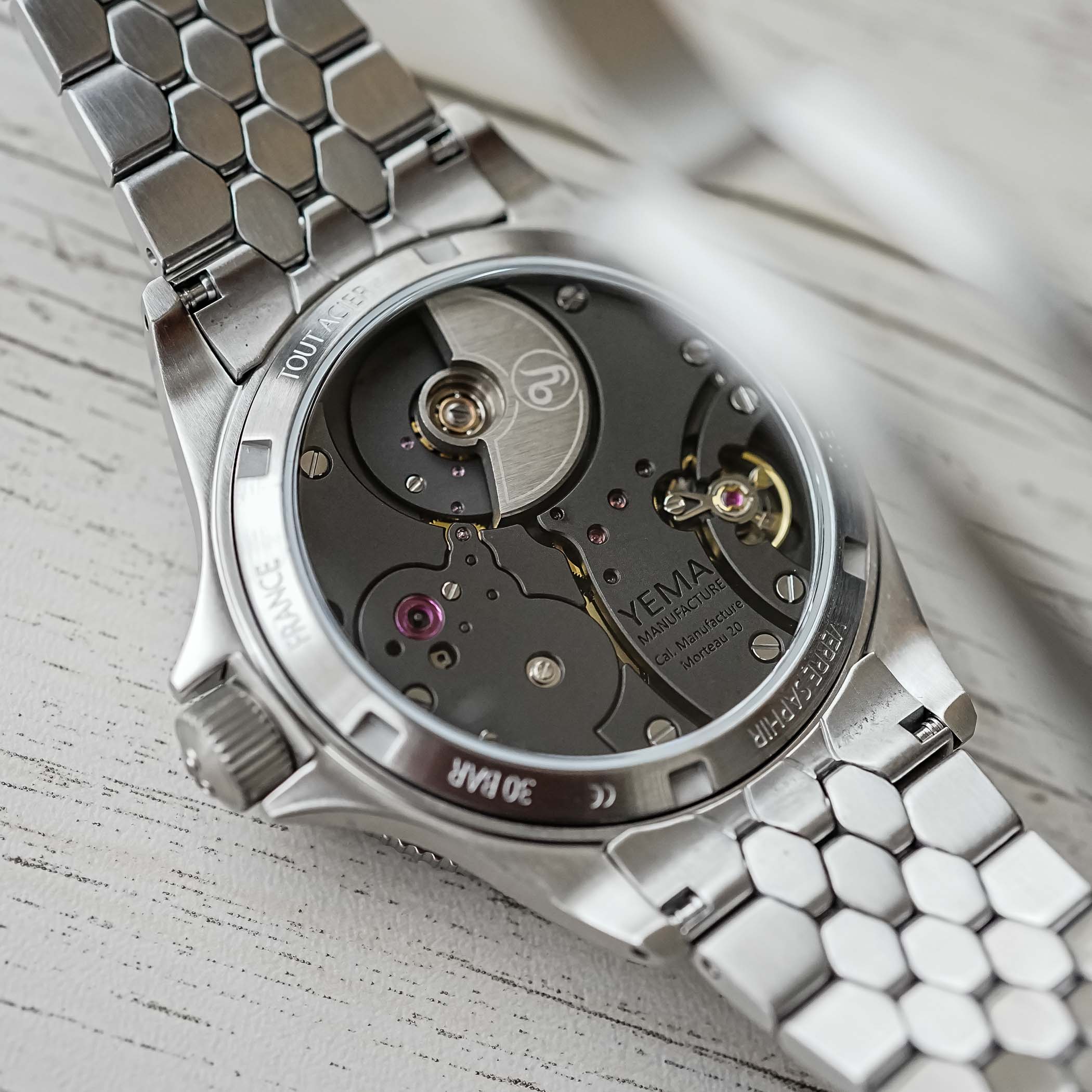
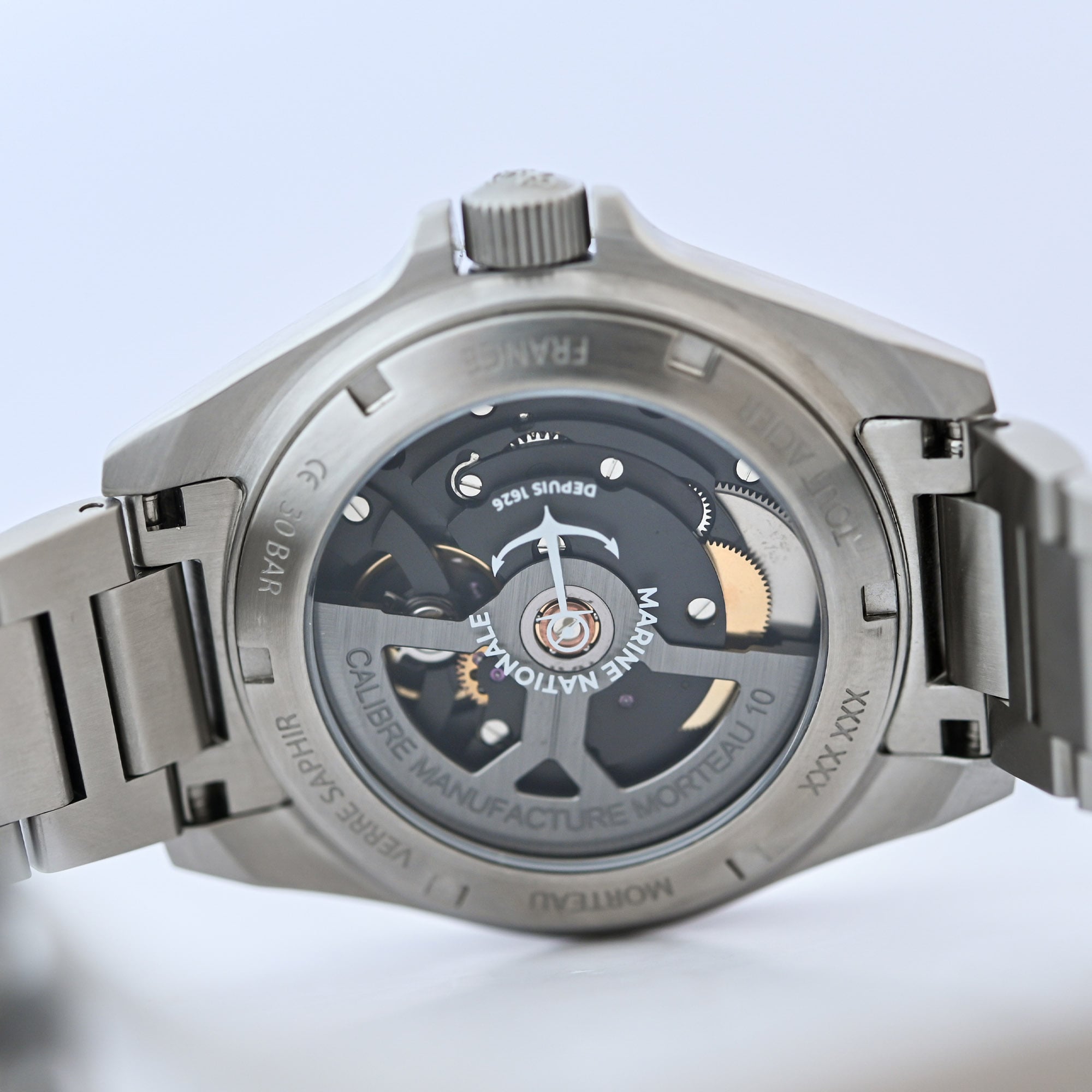
Following financial devastation during and after the Quartz Crisis, the brand rebounded with the first in-house movement in 2011, the MBP1000 automatic. MBP stood for Mouvement Bôle Pascal after the designer, Pascal Bôle. It was a three-hand calibre with optional date, and was succeeded by the YEMA2000 and YEMA3000 GMT, which were designed and developed in Morteau by Yema’s own watchmakers (Pascal Bôle had been hired separately by Ambre). In 2023, the brand introduced three high-end movements that went beyond the workhorse calibres from the prior decade, designed in partnership with experienced watchmaker and movement designer Olivier Mory (from Sellita, ValFleurier, etc.). Although Yema and Pequignet are the only two French watchmakers with in-house calibres today, many independent French brands (and microbrands) are very popular with affordable, innovative collections.
Independent and Microbrands
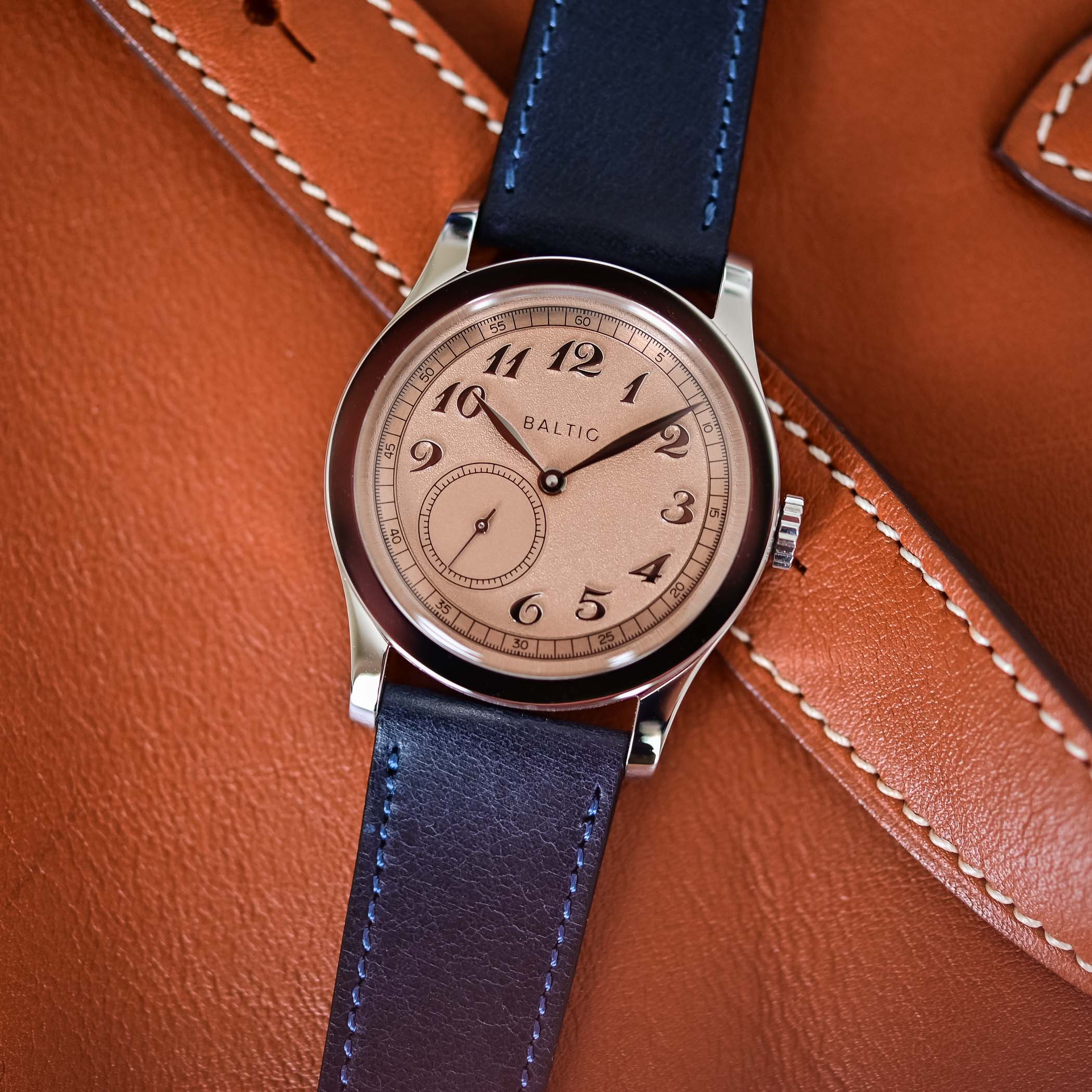
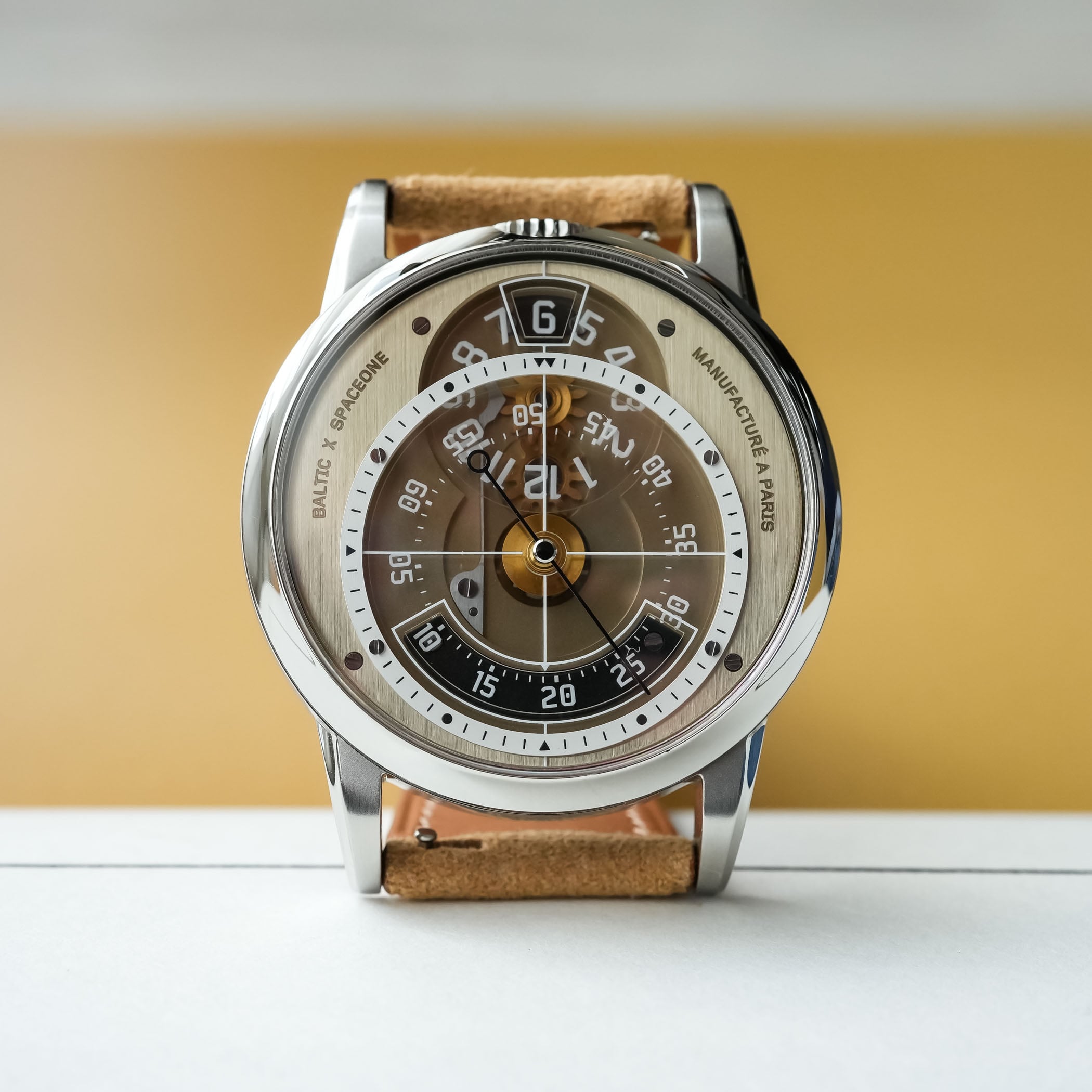
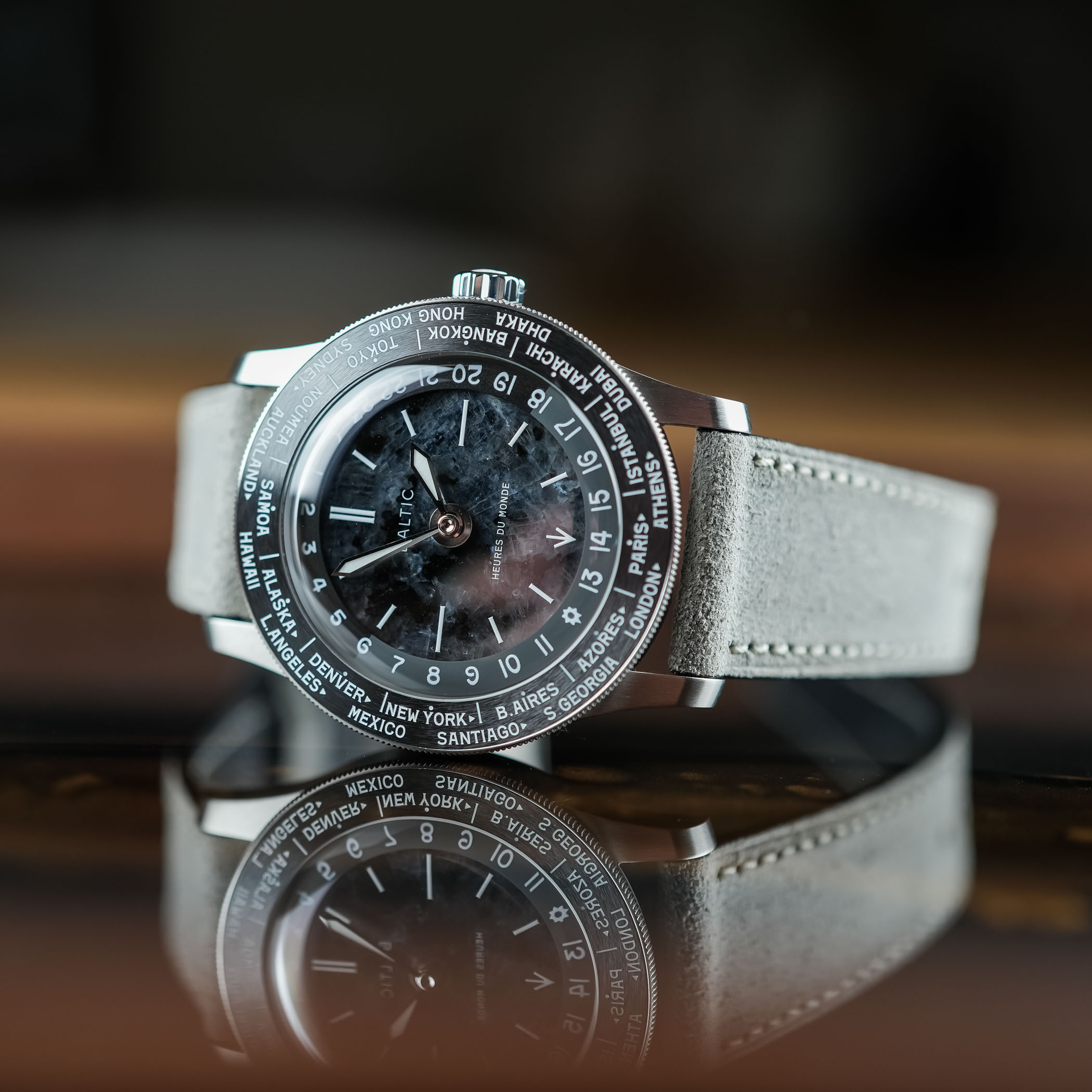
Baltic is arguably the most popular accessible independent French brand with best sellers like the affordable MR series of micro-rotor watches, Heures du Monde world timers, Aquascaphe divers, Scalegraph chronographs and much more, including a recent collaboration with SpaceOne, the jumping hour Seconde Majeure that just won the Challenge Watch Prize at the 2026 Grand Prix d’Horlogerie de Genève (GPHG).
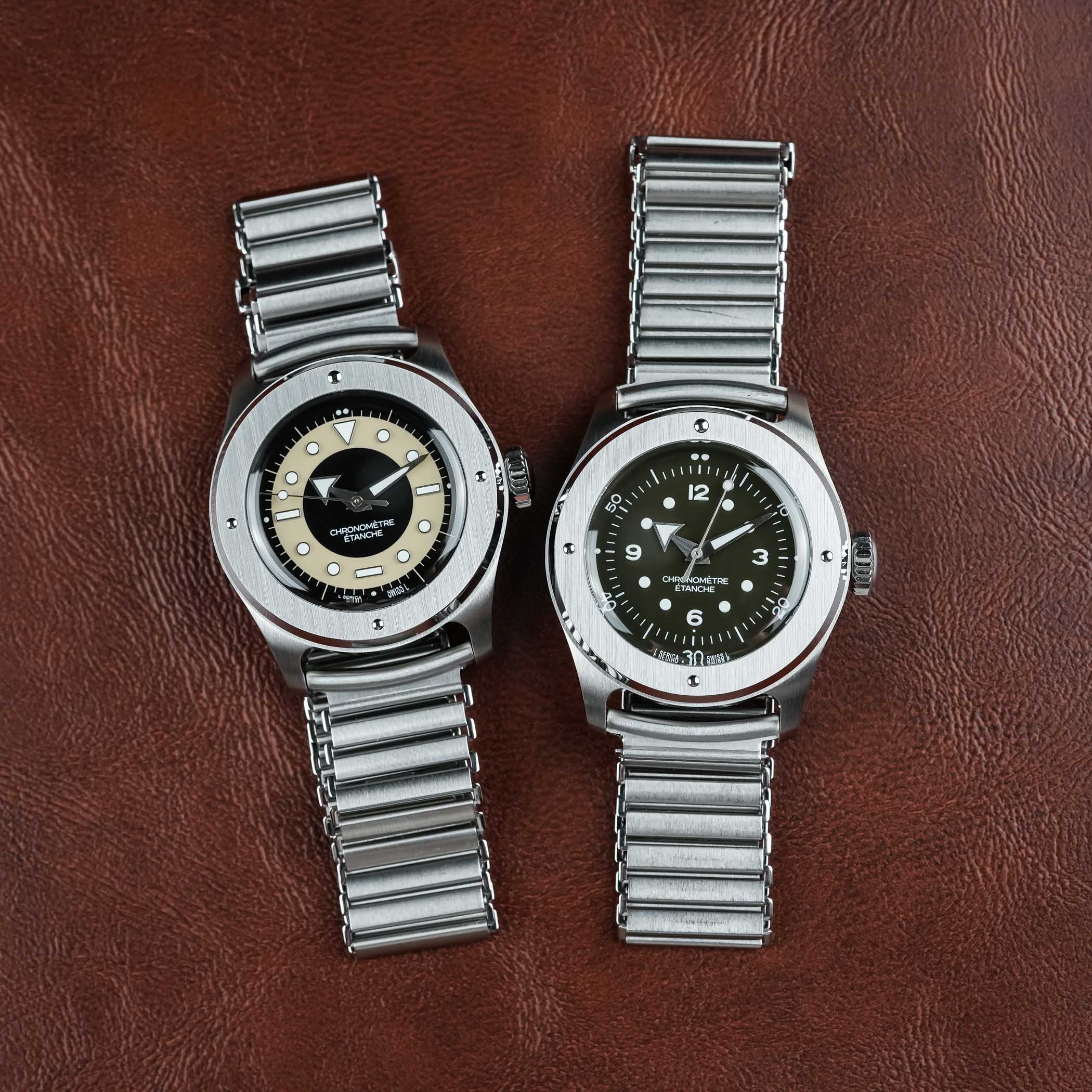
Based in Paris, Serica was founded in 2019 by Jérôme Burgert and Gabriel Vachette, previously from the well-known Les Rhabilleurs French horology blog. The brand is known for its traditional field watches and Bonklip bracelets, which have a history going back to the early 20th century, with a ladder design allowing the hooked clasp to secure anywhere along the bracelet for infinite sizing.
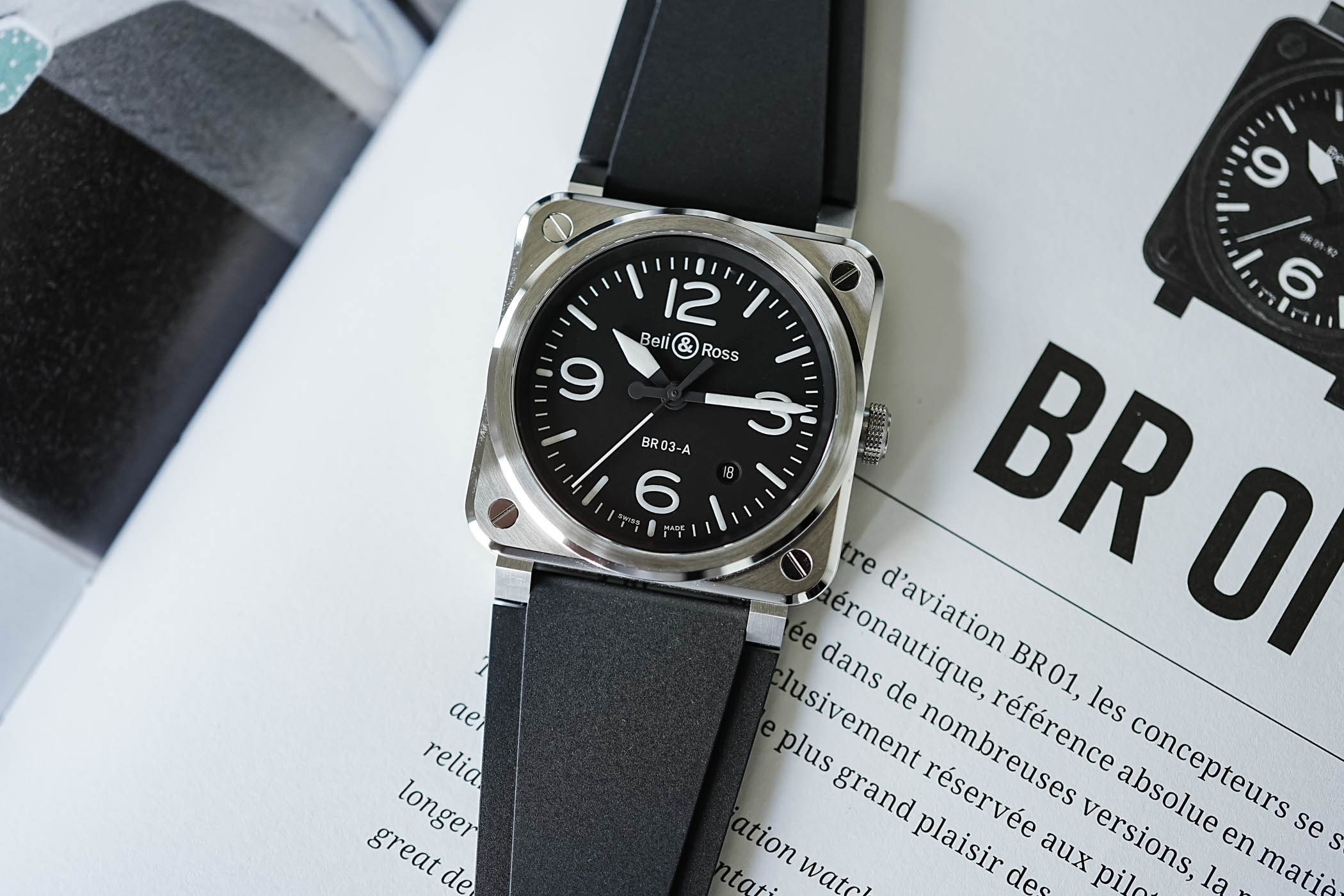
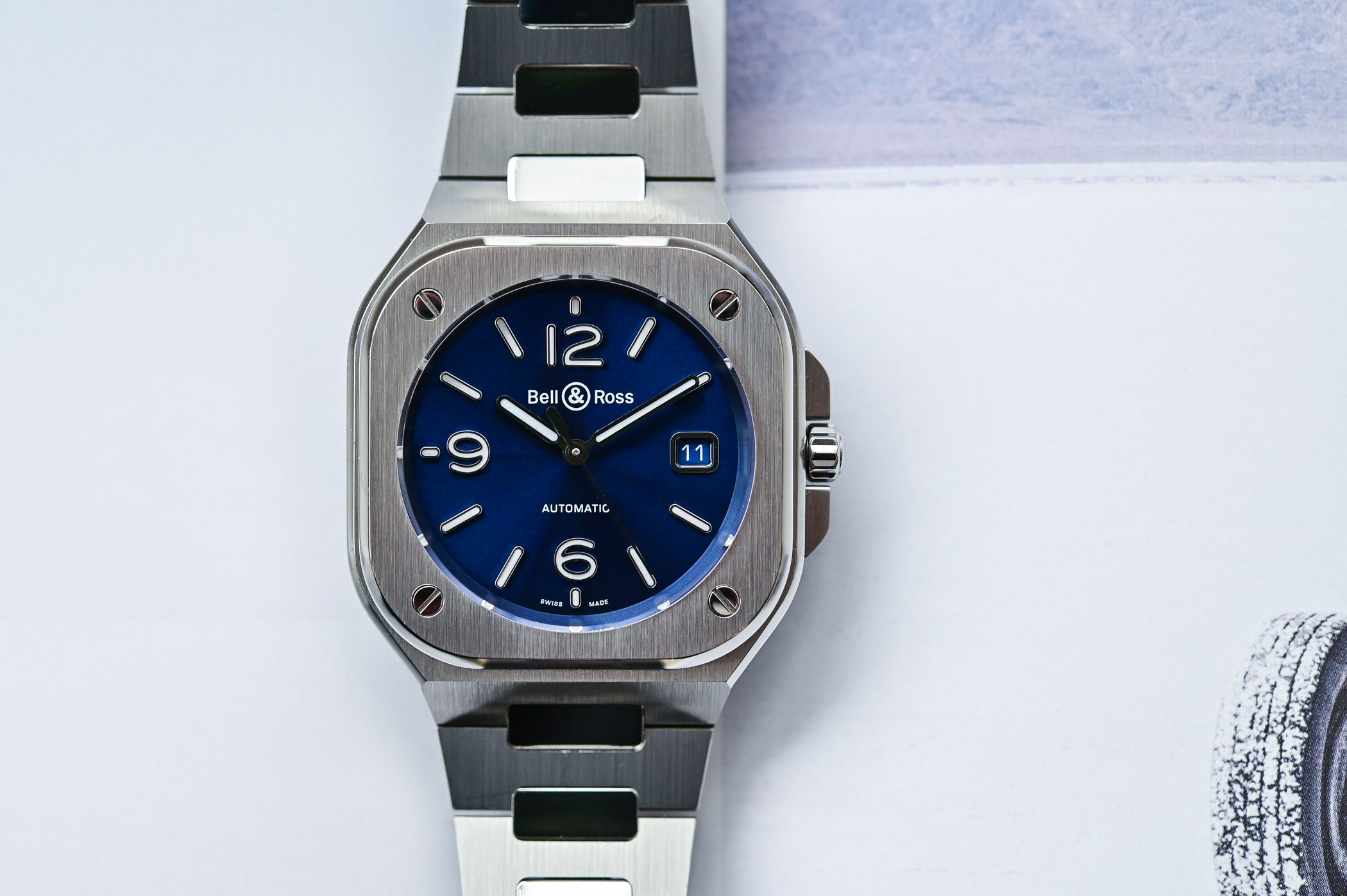
Bell & Ross was founded in 1992 by friends Bruno Belamich (Bell) and Carlos A. Rosillo (Ross) in Paris, and it started as a school project and evolved into a major brand. It has German and Swiss roots, as watches were initially produced via a partnership with Sinn in Germany, and dials often featured the names of both watchmakers – “Bell & Ross by Sinn”. In 1997, the Hydro Challenger model earned a Guinness World Record for the deepest depth rating of 11,000 metres, although it was designed and built by Sinn using its silicone oil-filled case technology (based on the Sinn Model 403 HYDRO from 1996). The partnership with Sinn ended in 2002, and Chanel Horlogerie bought a minority stake in the brand, allowing it to go independent with production in La Chaux-de-Fonds, Switzerland. Its signature model, launched in 2005, the BR01 pilot’s watch, set an aesthetic standard that still defines the brand today. The case was large at 46mm and featured a circle-in-a-square design – the circular dial and crystal were integrated within a square case.
And one of the latest French entries is Trilobe, founded in 2018 by Gautier Massonneau in Paris. His portfolio consists of unconventional dial setups with a series of rotating discs and stationary pointers to indicate hours, minutes and seconds – a wandering time display. The original watch was Les Matinaux, but his Une Folle Journée model took the concept to a new level with a three-dimensional design with floating discs (supported by thin columns) under a bulbous 10.2mm sapphire crystal. Recent watches were powered by a proprietary Swiss micro-rotor movement, Calibre X-Centric designed with Mojon and Le Cercle des Horlogers. Recently, Trilobe created its own manufacture in Ivry-sur-Seine near Paris, producing critical components of its new, self-developed movement, the automatic Calibre X-Nihilo. This movement was unveiled in the brand’s take on the integrated bracelet, the Trente-Deux collection, and has now found its way into the second generation of Une Folle Journée. Movements and watches are assembled and finished near the Opera in the centre of Paris.


Concluding Thoughts
This doesn’t cover every French watchmaker, but highlights the most prominent from centuries ago to modern, independent brands. Although many French brands have since become Swiss (at least to a degree), there’s no denying the rich history of French watchmaking and its significant contributions to global horology. From Breguet to Berthoud to Lepine, and to 21st-century in-house brands, Yema and Pequignet, France has been horologically important since the beginning of mechanical time. It’s often overshadowed by Switzerland, Germany and Asia, but legacy brands, 21st-century in-house production and newcomers like Baltic, Trilobe and Serica maintain France’s status as a European hub for watchmaking.