Not all images were able to load for printing. Please close the print window and try again.
Giving Artisans and Young Watchmakers a Platform – In Conversation with Baudouin Van Es of Tad Kozh
Empowering Artisans and Young Watchmakers

When Baudouin van Es set out to establish Tad Kozh, the goal was not simply to produce another limited-edition luxury timepiece. Instead, it was conceived as an incubator for heritage craftsmanship and a springboard for the next generation of independent watchmakers. By pairing independent manufactures with master artisans – giving those craftspeople full artistic carte blanche – Tad Kozh creates unique horological projects, using the proceeds to directly fund competitions, tooling, and mentorship for young talent entering the industry.
Following the presentation of their inaugural collaboration with Genus during Geneva Watch Days, we sat down with Baudouin Van Es to discuss the deeply personal origins of Tad Kozh, the daring Cloisonné enamel project, and how the initiative bridges the gap between traditional craft and the realities of modern watchmaking.
Frank Geelen, MONOCHROME: Baudouin, congratulations on the project. Seeing the results in person was very impressive. Before diving into the watch itself, what is the core philosophy that drives Tad Kozh?
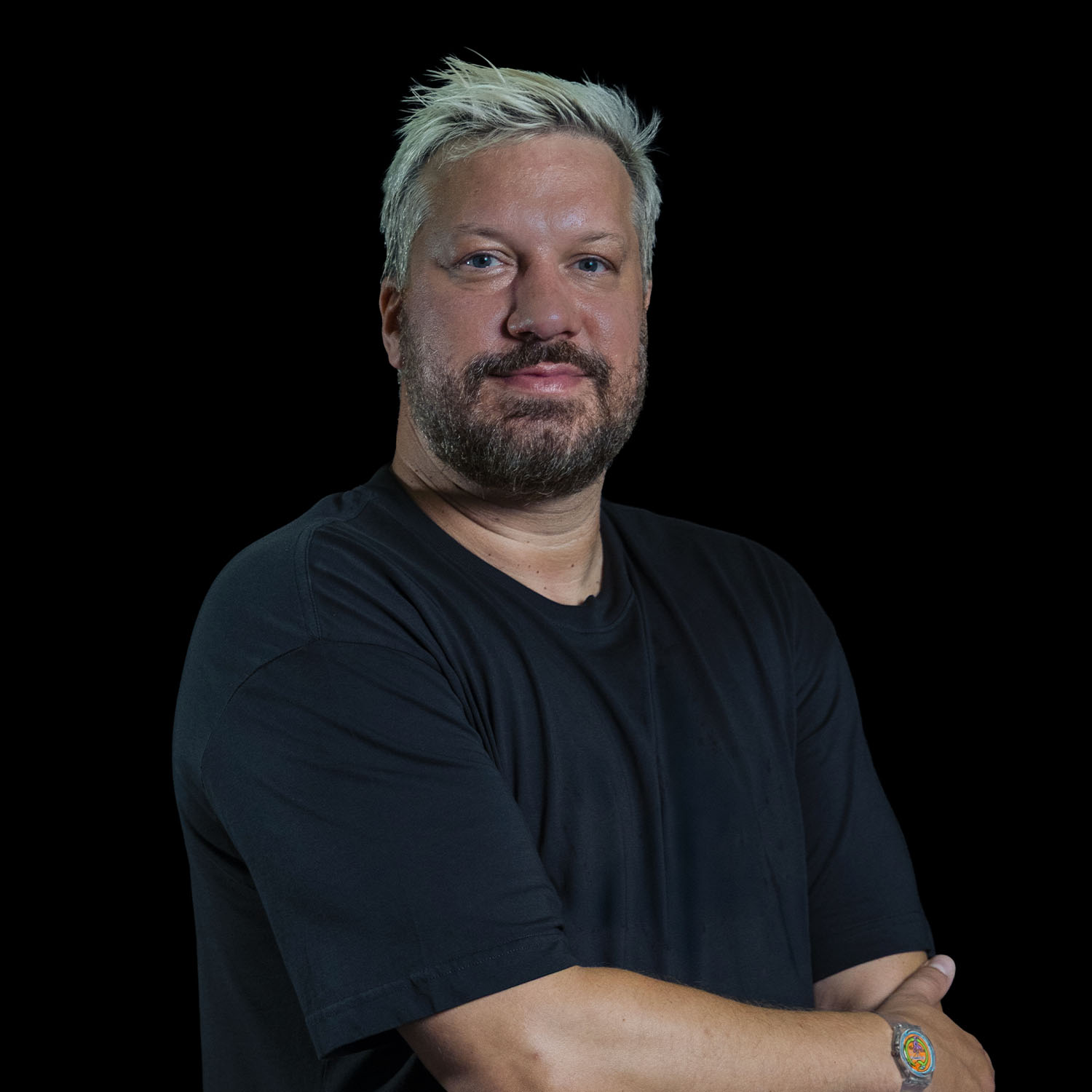
Baudouin van Es, Tad Kozh: What we do is promote craftsmanship through genuine collaborations. One rule is paramount: the craftsperson must be completely free to express themselves.
Normally, a brand hires an artisan and dictates the parameters. We invert that model. The watch brand presents itself to the craftsperson, and the artisan responds: “Given who you are and what you do, here is the expression of my art in your watch.” We give them a blank canvas, which is both exhilarating and daunting. The revenue generated from these limited collaborations serves a double purpose. It directly finances the Tad Kozh new talent competition, helping young independent watchmakers launch viable, sustainable careers.

The name “Tad Kozh” carries an intriguing ring to it. Where does it come from?
Baudouin: The word comes from Brittany, the region in France where my mother’s family is from. In Breton, Tad Kozh means “grandfather,” and it was my own grandfather’s nickname. Growing up in Paris, my siblings and I spent every holiday at my grandparents’ house in the countryside. My grandmother was an artisan framer, and she gave me my very first connection to craftsmanship. I spent countless hours in her workshop watching her frame art and learning how to cut glass.
I wanted to honour what my grandparents represented: a safe harbour where you can be yourself and express who you are. Just six days before our official launch, my grandfather passed away. At our launch gathering, I shared with everyone that Tad Kozh had taken on an even deeper meaning. He gave me so much, and this initiative is my way of completing the circle – giving back to young watchmakers and craftspeople. It isn’t a marketing angle; it’s a living legacy.
That vision first materialised through a collaboration with Genus. How did that partnership come together, and how did you choose the artisan?
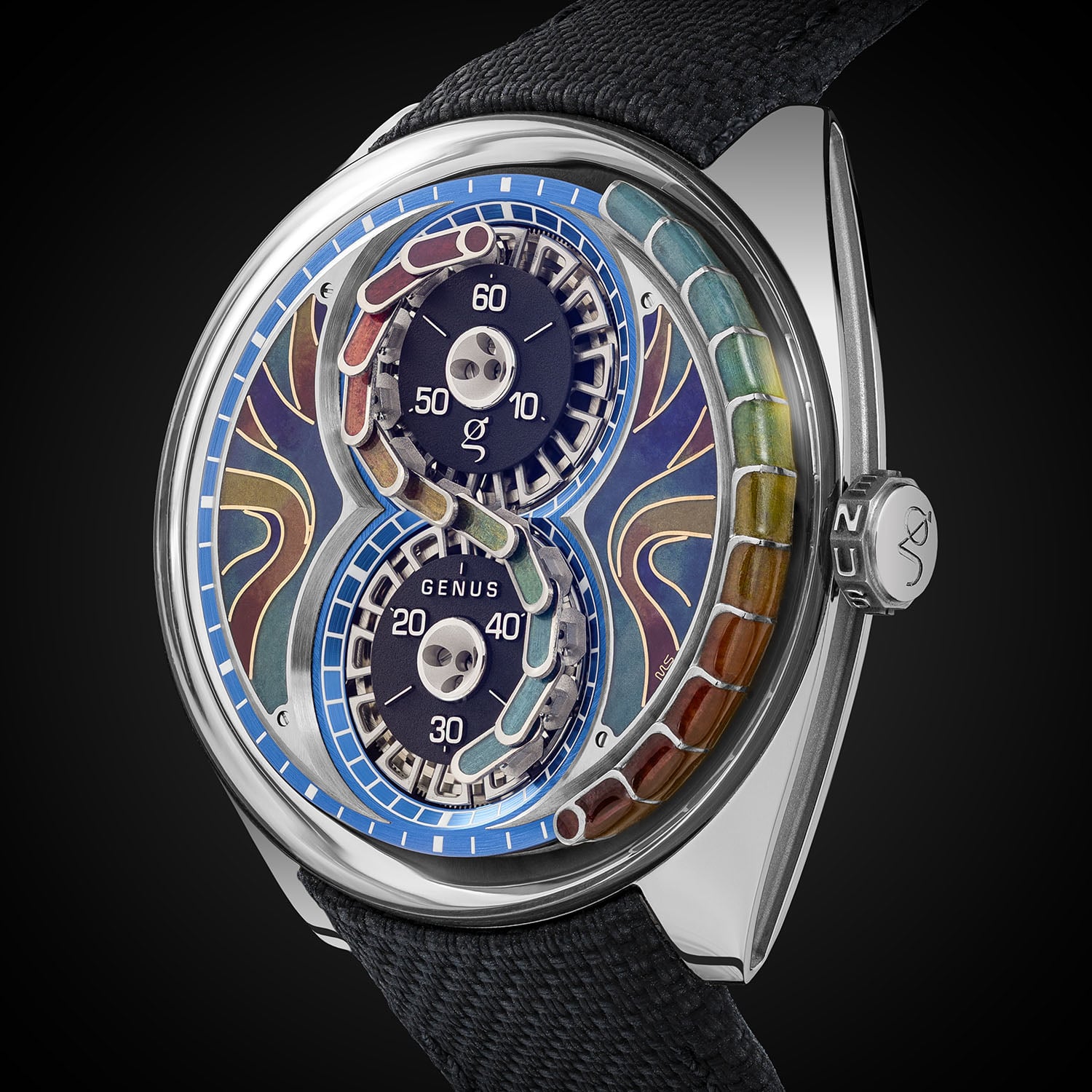
About two years ago, I approached Genus with the idea of exploring a métier d’art they had never used: Cloisonné enamel. The open architecture and dynamic display of the Genus gave us a generous canvas. Sébastien Billières loved the idea and embraced the challenge immediately.
Finding the right enameler took some turns. After an initial candidate had to step away due to a difficult pregnancy and creative block, someone recommended Mathieu Soufache, an enameler based near me in Lausanne. I called him up, explained the concept, told him he’d be pushed creatively, and met him at his workshop the next day. He greeted me by saying, “I hate you, but I love you. I hate you because I couldn’t sleep all night thinking about this; I love you because the project is incredible.” He presented an initial sketch, and it was brilliant.

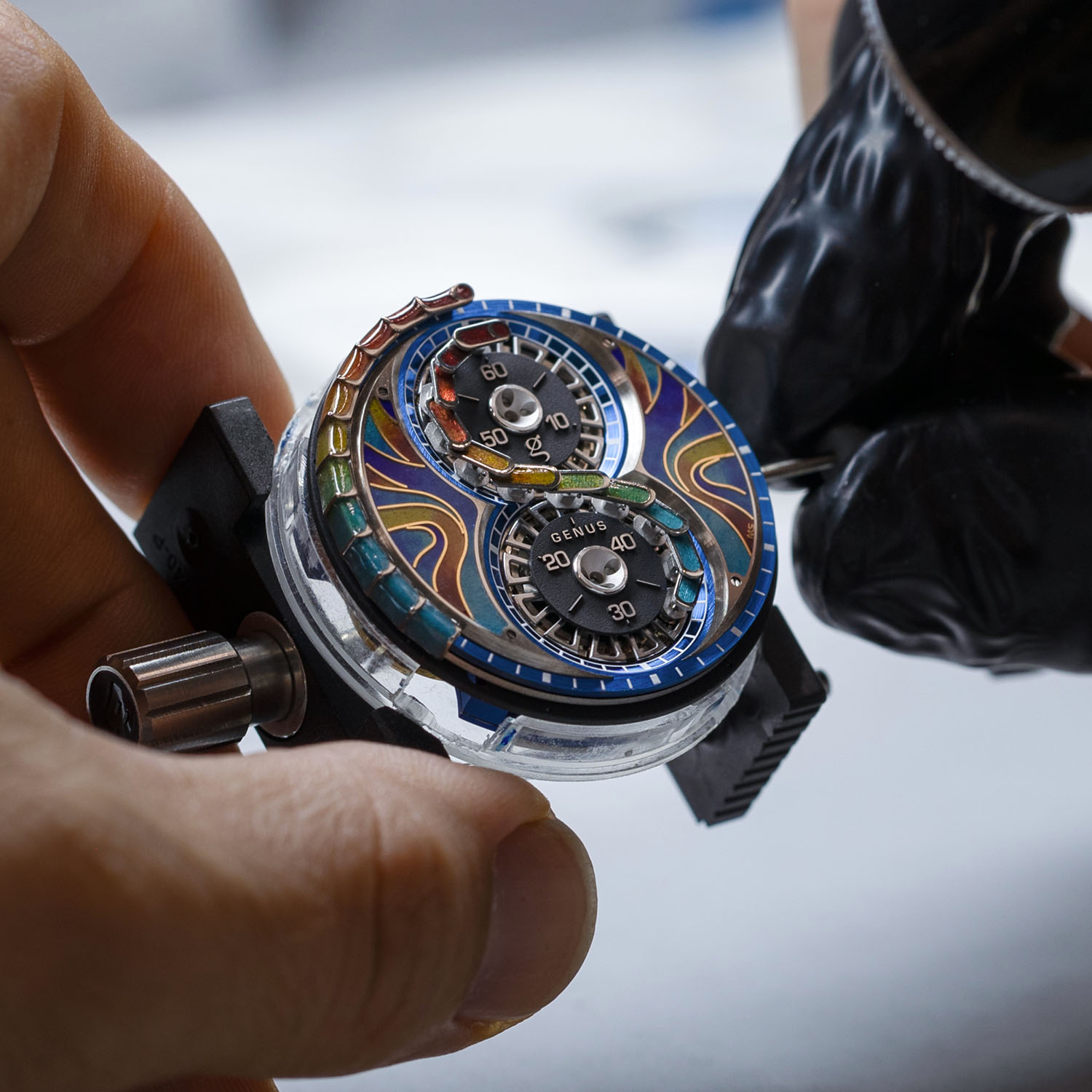
When we brought Mathieu and Sébastien into the same room, it was pure passion. At first, the design only called for enamel on the two crescent shapes on the dial. Then someone suggested enamelling the three indicator arrows. Sébastien didn’t hesitate: “Yes, we can do it; we just have to engineer a solution.” Then, because the watch features a glass box sapphire crystal exposing the dial profile, we realised the raw sides of the hour indicators were visible. We decided to apply Cloisonné enamel both across the top surfaces and down the flanks of the markers.
That sounds like an immense technical hurdle for miniature enamel work.
It really was. But Sébastien is an extraordinary watchmaker. He was there at the very beginnings of Urwerk, working alongside Felix Baumgartner. He thrives on mechanical and artistic extremes, but because he focuses on the bench rather than public relations, many collectors don’t realise the depth of his background.
The result is an ultra-creative, highly technical five-piece subscription series. We sold the first piece almost serendipitously to a collector in New York who turned out to be the same person who acquired the unique Genus piece at Only Watch. We presented the finished watch during Geneva Watch Days to great reception, and three of the five pieces are already committed.
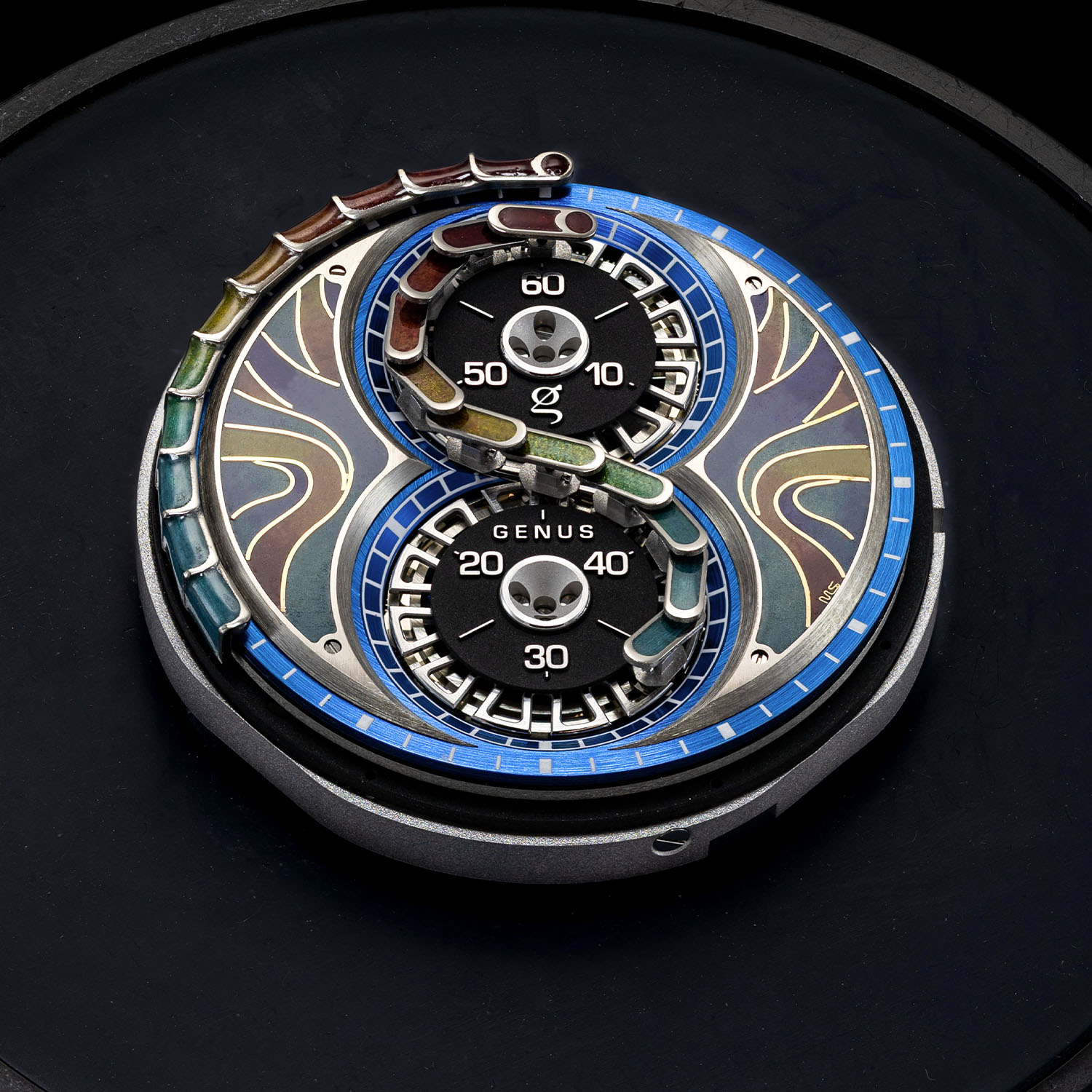
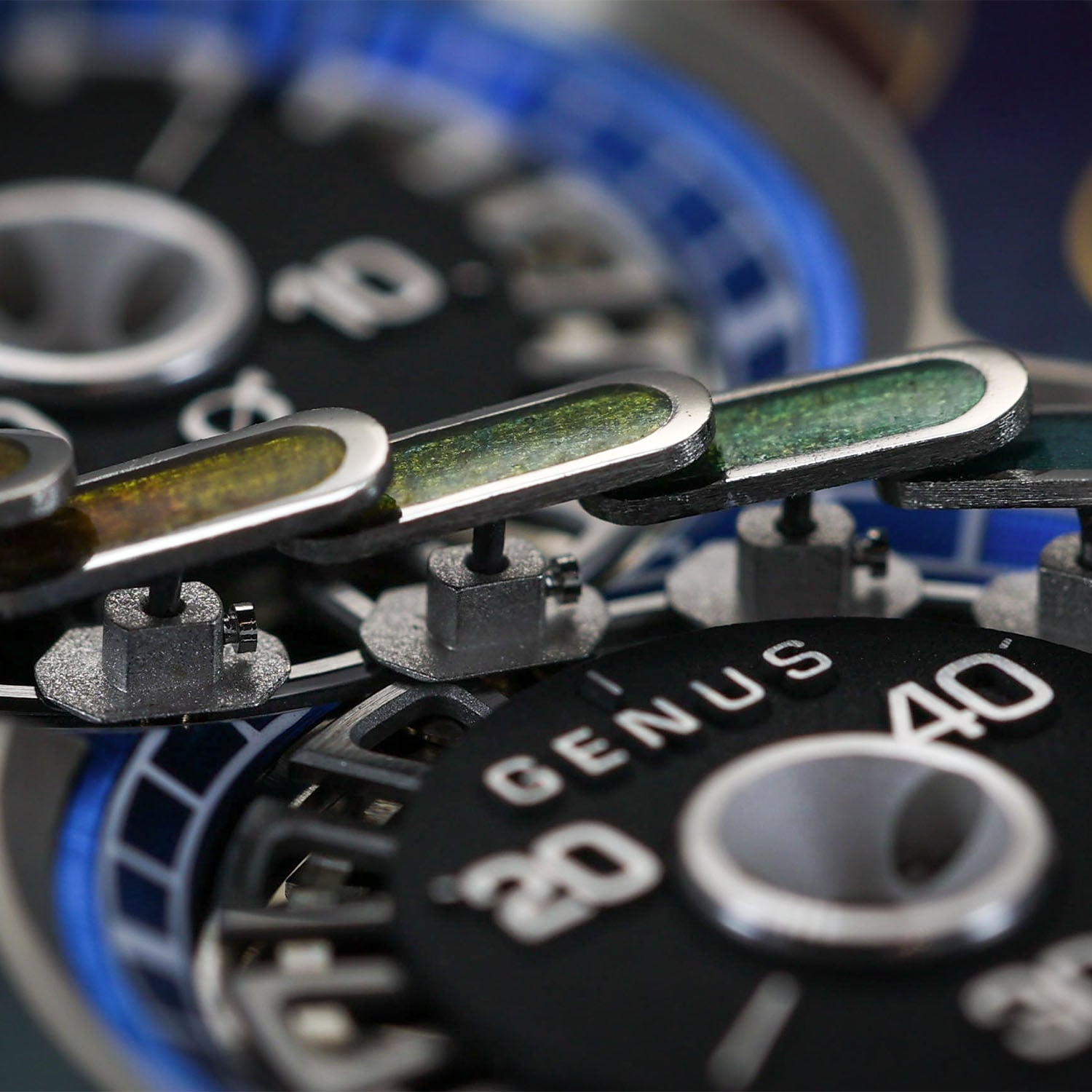
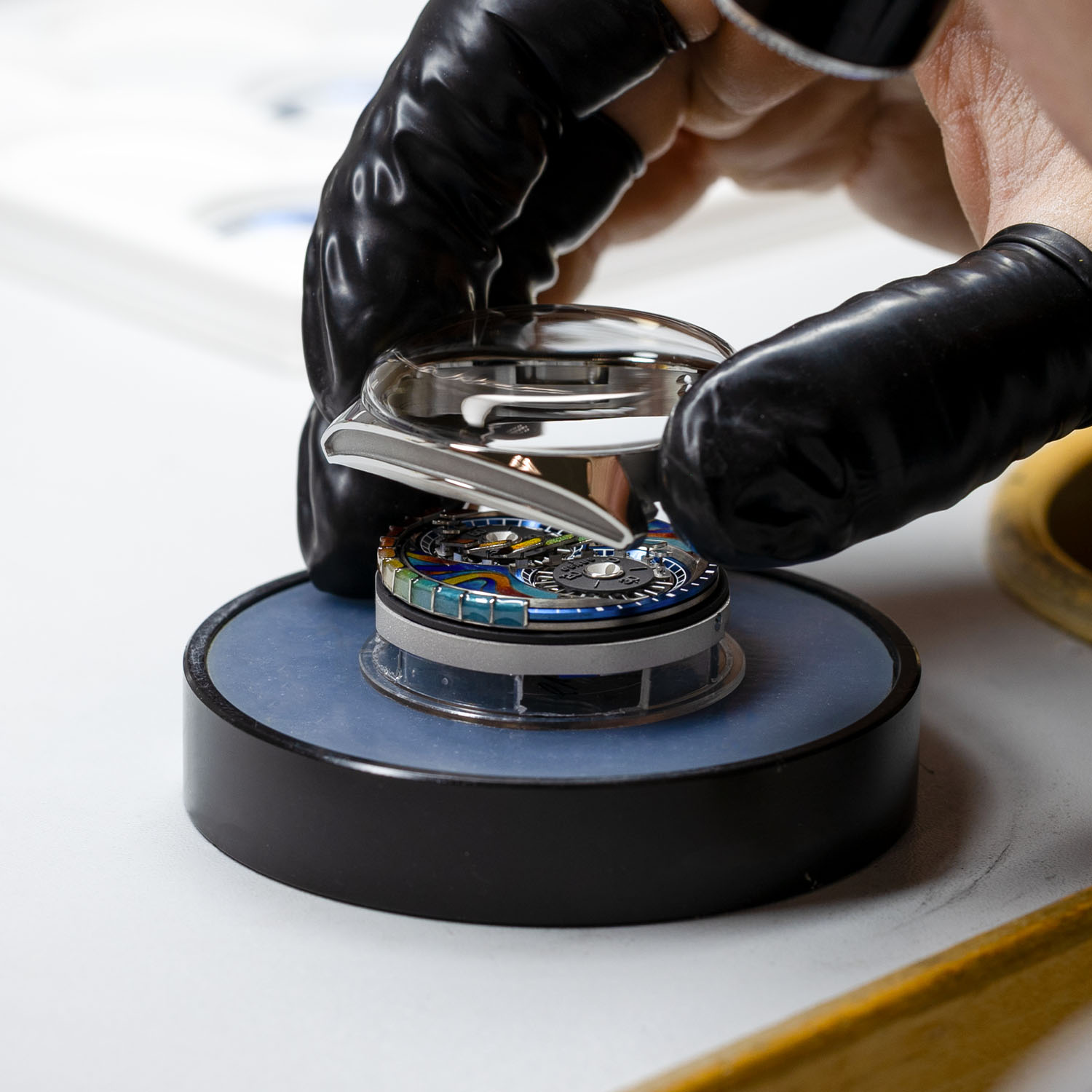
Every buyer is brought into a direct communication group with the enameler and the manufacture. They follow every step of production and will meet in Geneva to receive their watches together. Two of the collectors have already planned a journey together on the Swiss glacier train with their watches once delivered. It’s about building human connections around horology.
The proceeds from these five pieces fund your young watchmaker initiative. How does that program operate?
We received 16 applications for the inaugural competition. Our jury narrowed the field down to six finalists who were invited to Geneva for bench evaluations, finishing assessments, and movement assembly.
A key aspect of our program is balancing watchmaking mastery with commercial reality. Many gifted watchmakers launch an independent brand only to fail within three years because running a business requires an entirely different skill set. Because of that, our jury includes both technical masters—like Luc Monnet and Eric Fisher—and experienced commercial minds like Alexander Ghotbi, Roy Davidoff, and Guillaume Têtu. Candidates have to answer tough business questions: their brand identity, their five closest competitors, and how they plan to achieve long-term viability.
Ultimately, two winners are awarded specialised tooling and machinery. We also visit their workshops to ensure the machines are integrated properly, grant them access to technical mentorship with Jean-François Mojon, provide business mentoring, and introduce them directly to our collector community.
It’s a complete ecosystem. What lies ahead for Tad Kozh after this Genus release?
We are committed to supporting all six finalists where we can – particularly with PR, media awareness, and commercial guidance so their voices get heard.
On the collaborative watchmaking side, we are preparing our second major project: a collaboration with Armin Strom, which we plan to reveal this November. We want to keep building a platform where established independents, master artisans, and rising watchmakers support one another.
For more details, please visit www.tadkozh.com.