


 Not all images were able to load for printing. Please close the print window and try again.
 Fighting Counterfeiting – How Brands Can Ensure Authenticity
Many luxury brands go beyond serial numbers and hologram stickers to fight counterfeiting, employing lasers, microchips and UV-sensitive markings…
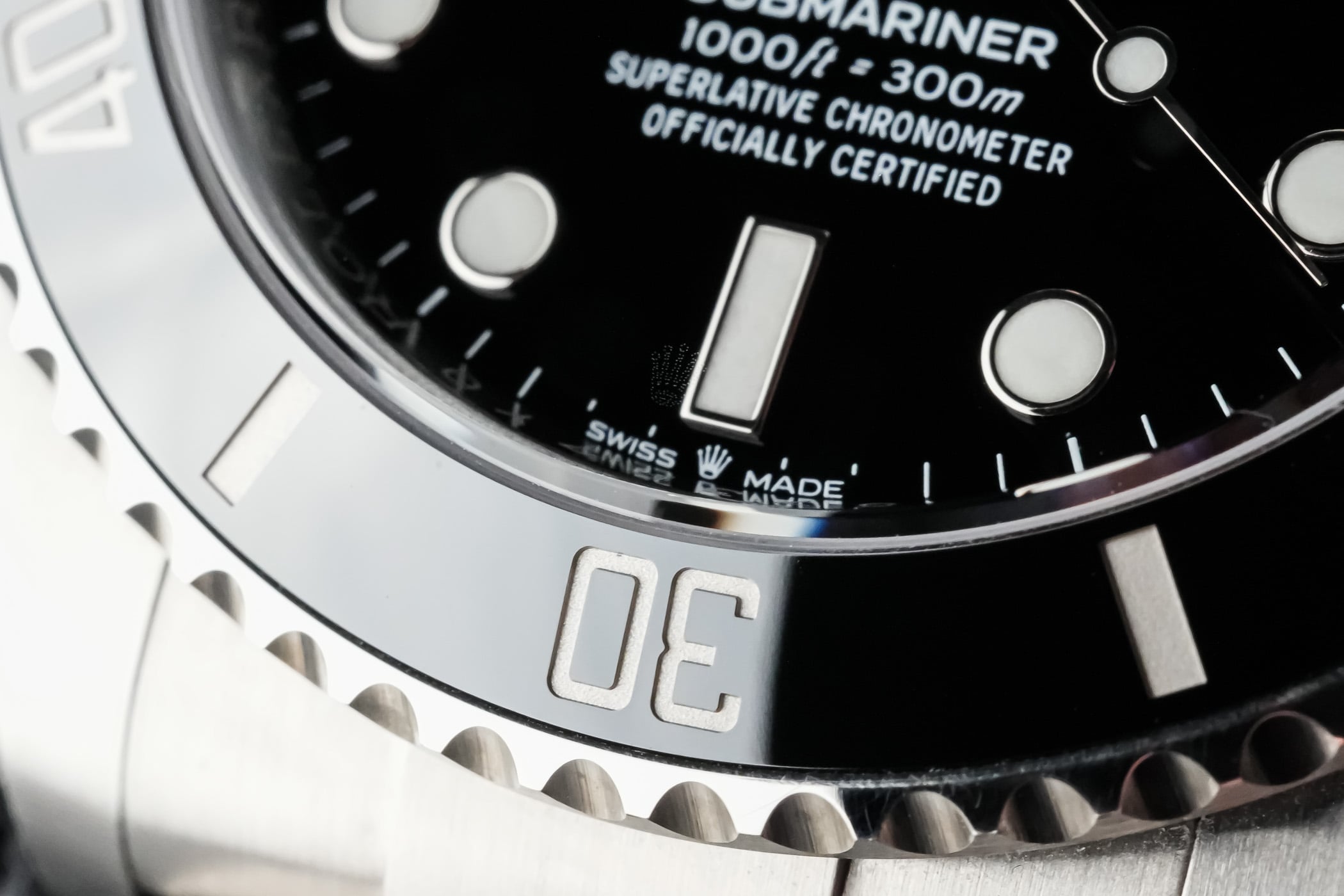
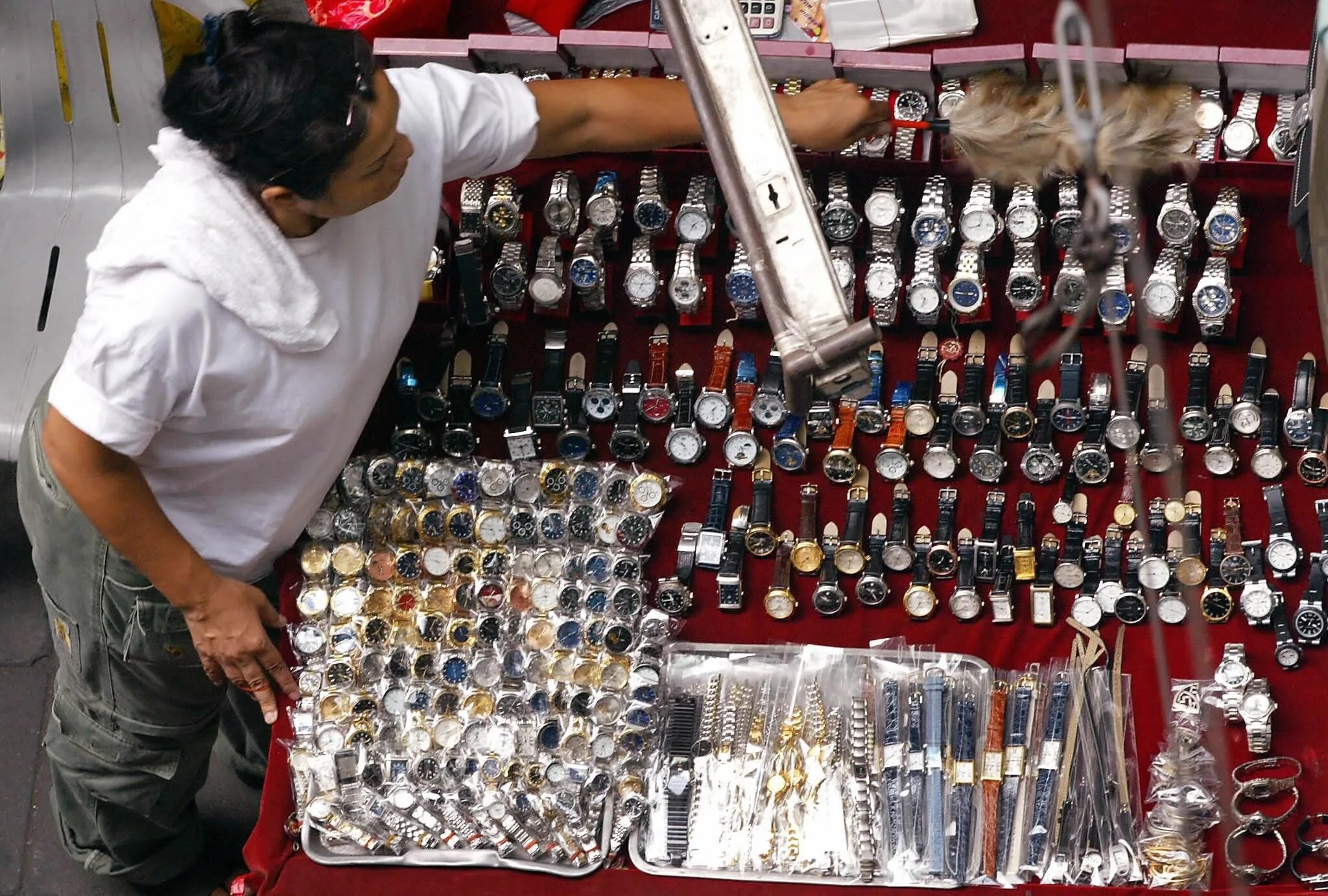
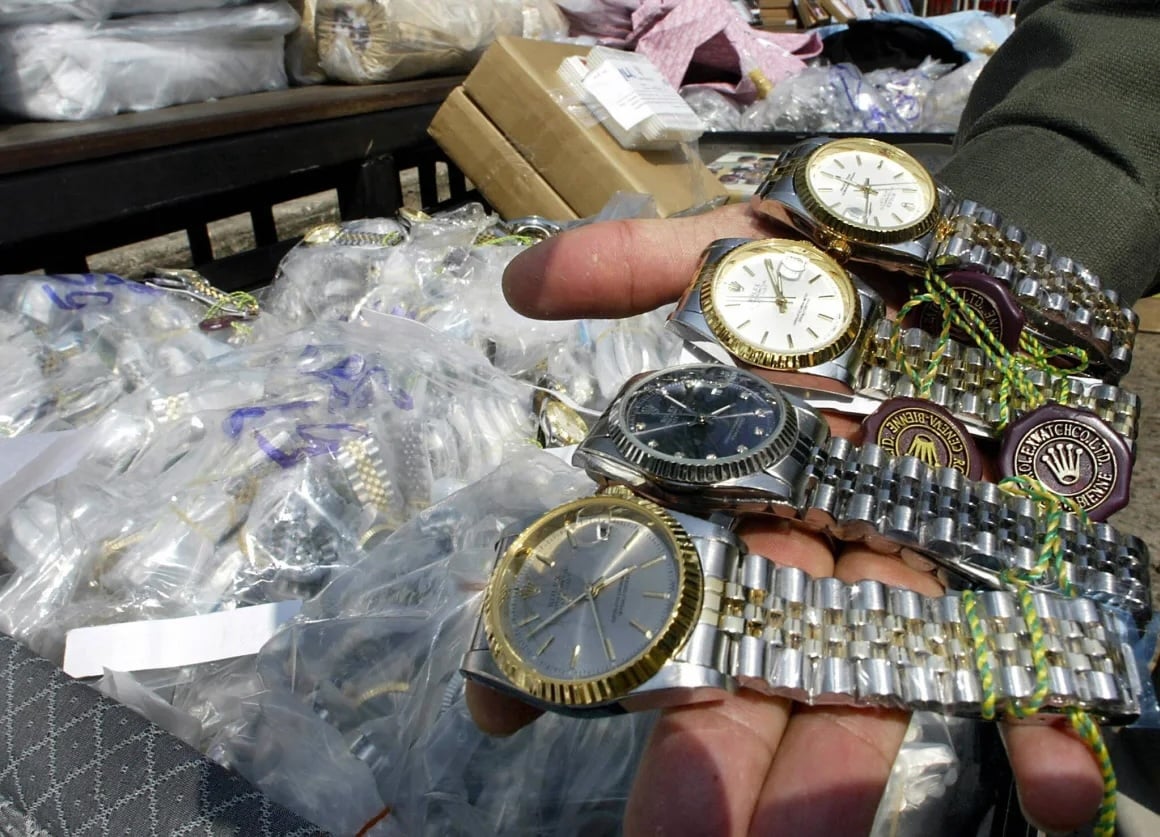
If you’ve ever travelled to Shanghai or Thailand, you might be familiar with the ease of acquiring a convincing fake Rolex for pennies on the dollar. Asian counterfeiters (particularly in Guangdong Province, China) often have access to the original machines used for cases, bracelets, and so on (not for Rolex specifically), as some Swiss brands commonly order these critical parts from China while still meeting the somewhat loose Swiss Made standards. It can take a skilled watchmaker or brand specialist to identify a “super fake”, and simply opening the case isn’t always enough, as a few genuine parts like rotors might be used to mask an otherwise fraudulent movement. Rolex is a prime example, but counterfeiting plagues the luxury watch market and brands like Vacheron Constantin, Omega, Jaeger-LeCoultre and many more are utilising high-tech methods that rival (and sometimes surpass) global banknote security measures.
Rolex and other elite brands are almost 100% vertically integrated manufactures, so no one is reproducing cases or other exterior parts with their machinery. That said, modern CNC and printing technology allow counterfeiters to closely replicate exterior designs and dials to a point that even seasoned enthusiasts can be fooled without a very close inspection. Just like paper currency, specific security designs have been added in recent decades to counter counterfeiting, and they’ve become very sophisticated. Microscopic images, holograms, laser-engraved microtext and even hidden images within the crystal are some of the special techniques used, while NFC chips (Near-Field Communication), which are part of the broader RFID chip technology (Radio-Frequency Identification), are also being embedded into packaging, straps and even watches themselves as technology advances. NFC chips can be easily scanned by a smartphone to verify authenticity, get complete service history and so on. Of course, older and vintage models don’t carry such physical security, but many high-end luxury watches today are becoming nigh impossible to counterfeit and fool seasoned enthusiasts (and, of course, experts in the field). And here’s our frequent disclaimer with the ABCs of Time articles: this won’t be an exhaustive list, but it will highlight some of the latest and most important techniques to fight counterfeiting.
Rolex is a prime target
Rolex is the most popular and profitable luxury watchmaker in the world, and consequently the biggest target for counterfeiters. Over 25% of counterfeit watches globally are fake Rolexes, and counterfeiting luxury watches in general is a multi-billion-dollar illegal industry. Fortunately, the days when an accurately machined case, a crafted dial, and a sweeping seconds hand were enough to fool watch people are coming to an end. Inexperienced watch enthusiasts continue to be duped by modern production techniques that allow for very convincing fakes, but with a bit of online research, knowing what to look for can save a lot of headaches. Today, sophisticated security features are extremely difficult or impossible to replicate outside of the watchmaker’s atelier, ensuring the watch you have is genuine. Rolex has several security measures in place that some other watchmakers employ as well (to a degree), so many aren’t exclusive to the brand. Some are easy to spot and even part of the overall design, while others are imperceptible without magnification or special UV light, but all are designed to fight counterfeiting. Unfortunately, many people around the world continue to buy counterfeits, knowing they’re fake, as they often can’t afford the real thing.
The video above by Watchfinder is a perfect example of how good these fake watches have become, making it increasingly difficult for watch enthusiasts and even dealers to spot the real deal.
Specially Engraved Rehauts
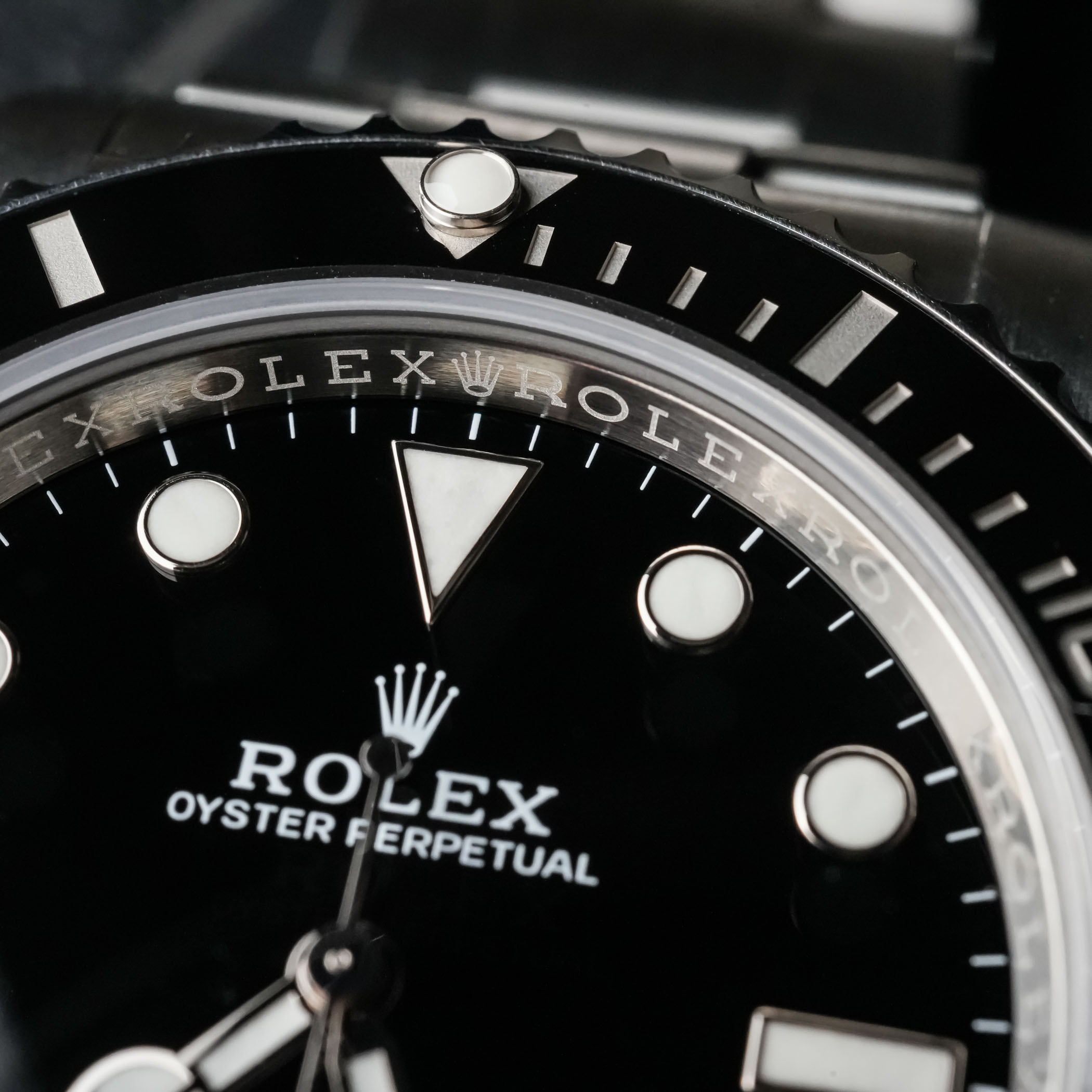
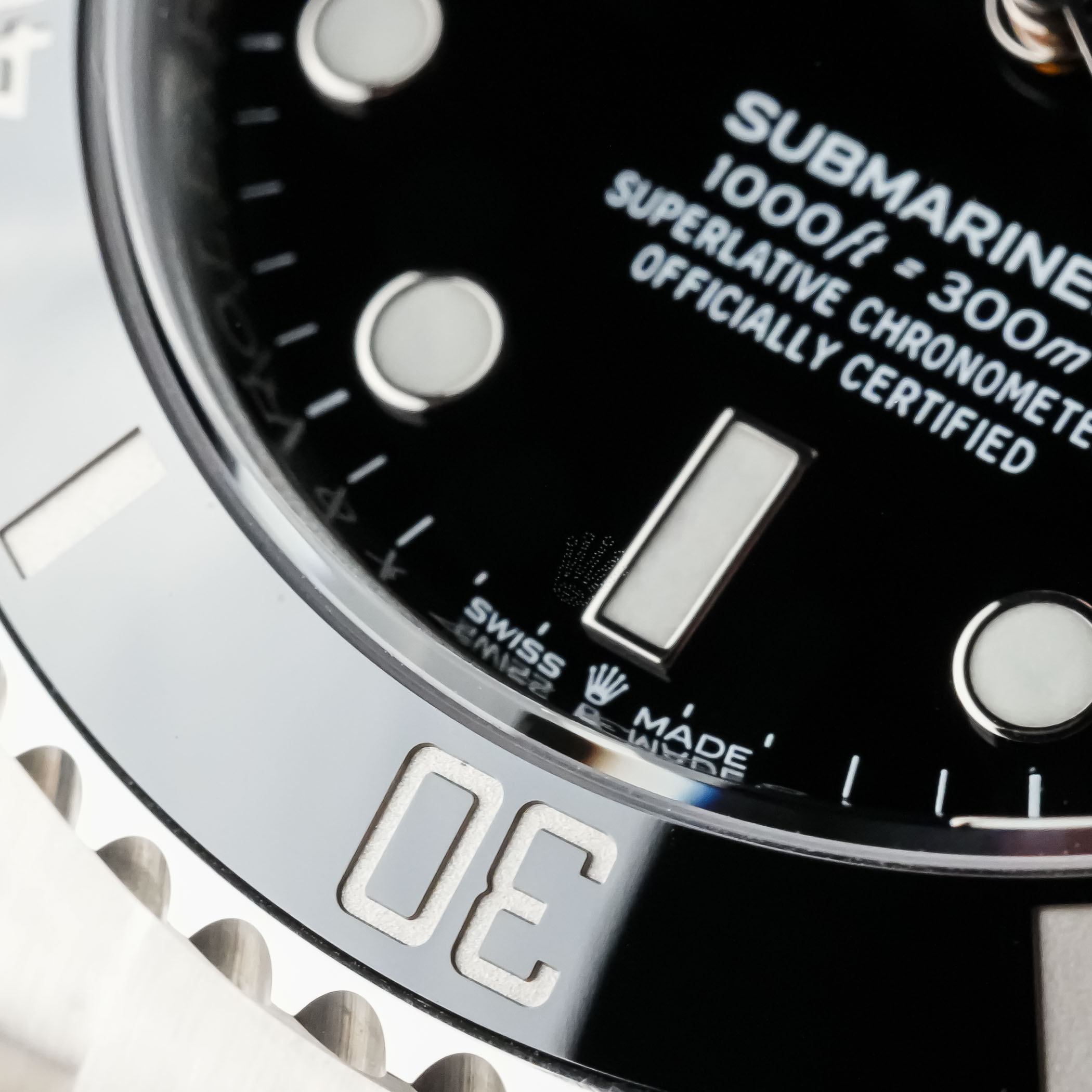
Starting around late 2004, Rolex began laser engraving ROLEX ROLEX ROLEX repeatedly on the rehaut, which hit most models by 2008 (with the Cellini and the Perpetual 1908 being exceptions). It’s clearly visible and a new part of the overall dial design, although this was a bit polarising at first (diehard fans don’t like change). The precision and alignment of the engraved lettering are very difficult to replicate accurately, making it an easy-to-identify security feature (and modern dials without the engraved rehaut are obviously fake). In addition, the serial number was laser-engraved at 6 o’clock, replacing the traditional serial number engravings between the lugs, while the Rolex coronet was laser-engraved at 12 o’clock. And on the topic of serial numbers, Rolex began randomising them in 2009, scrambling the eight-digit numbers so that counterfeiters can’t predict production dates or sequences. Rolex is the only major luxury brand using laser-engraved rehauts at this level for a visible security measure, but that’s just one step in its ongoing counterfeiting battle.
Laser-Etched Crystals (LEC)
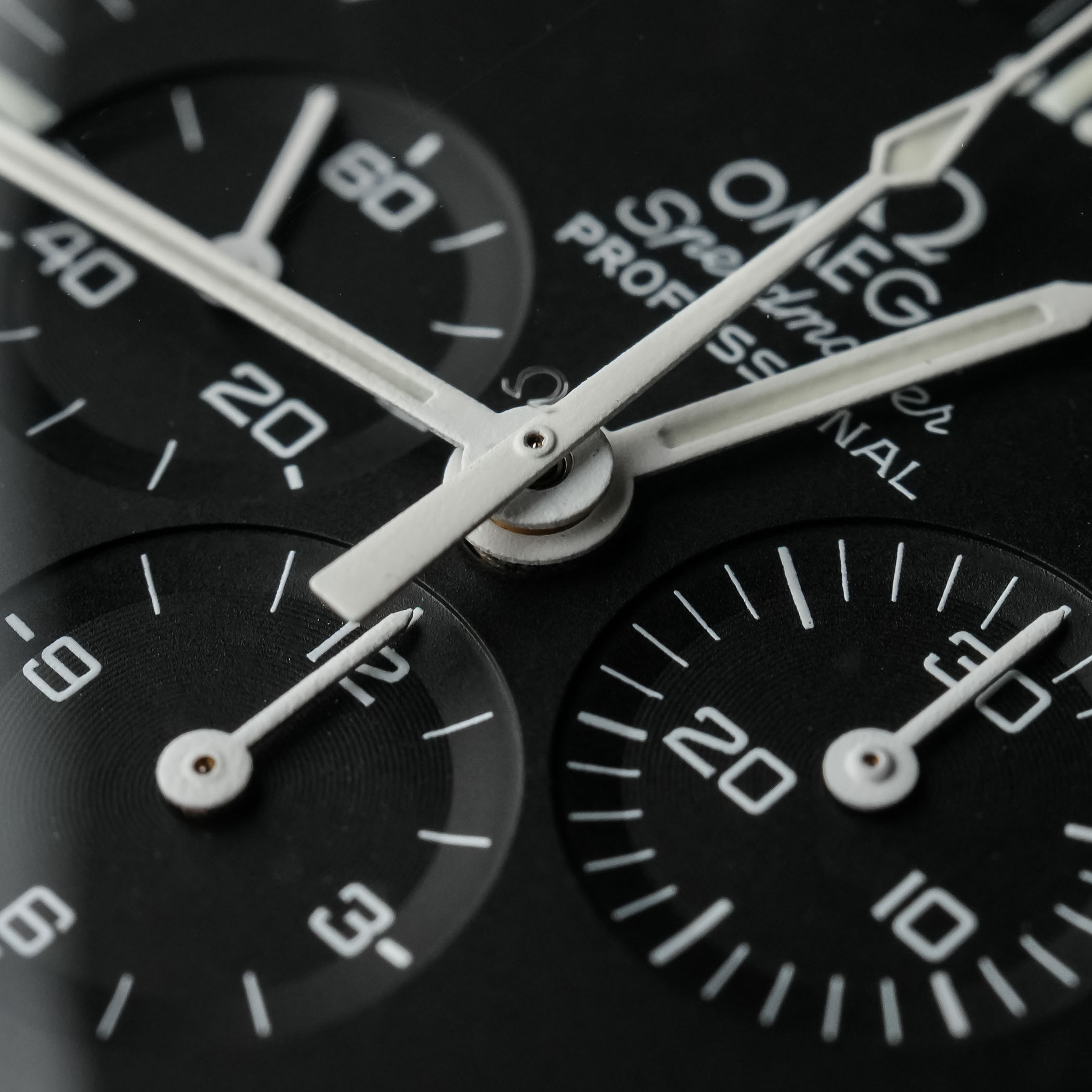
Since 2002, Rolex has laser-etched a tiny, hidden coronet on the sapphire crystals at 6 o’clock, which is generally visible only with a loupe or high magnification (or specialised lighting). It’s a next-level security feature that’s not part of the design like the engraved rehaut, and while not exclusive to Rolex per se, the watchmaker is best known for the practice, and it’s otherwise rare. If a counterfeiter were even capable of etching a logo into the crystal, it’d be exceptionally difficult to accurately match Rolex’s precision. Omega etches its miniature logo – ? – into the interior centre of Hesalite crystals on the Speedmaster Moonwatch Professional (ref. 310.30.42.50.01.001), and even some models equipped with sapphire crystals are now securely marked by the brand.
Micro-Text and secret signature
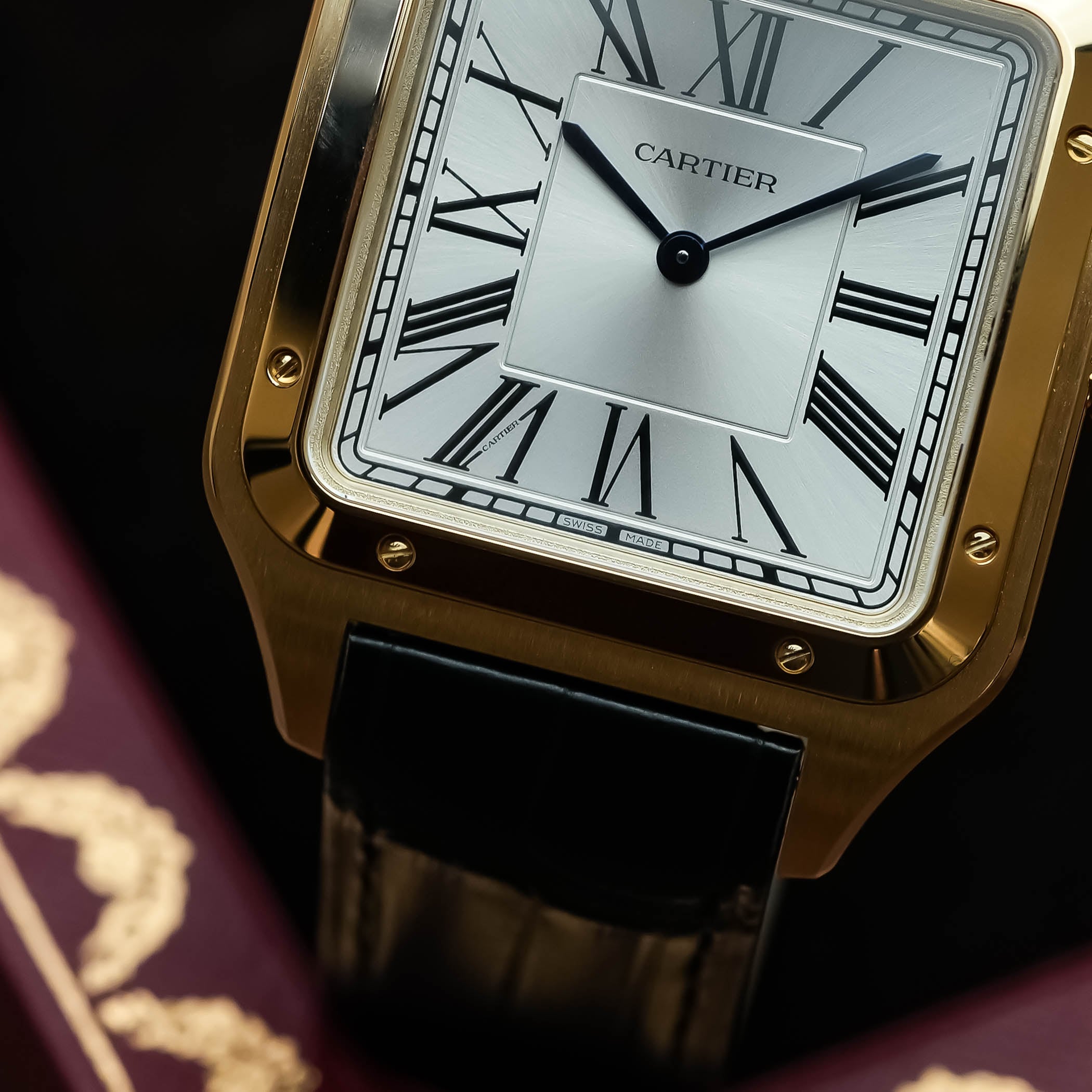
Cartier is known for using micro-text and specifically a “Secret Signature”, with CARTIER placed within Roman numerals on the dial, usually at 10 o’clock on the X numeral and/or 7 o’clock on the VII numeral. The precision of this is difficult replicate if counterfeiters can even achieve proper micro-text, and it’s almost always imprecise or blurry under magnification. Cartier also enhanced its accompanying paperwork and packaging with holograms and QR codes, but that’s only effective if included with the watch (which isn’t always the case on the pre-owned market). It’s a solid tool if buying new through unofficial retail channels or secondhand with “box and papers”.
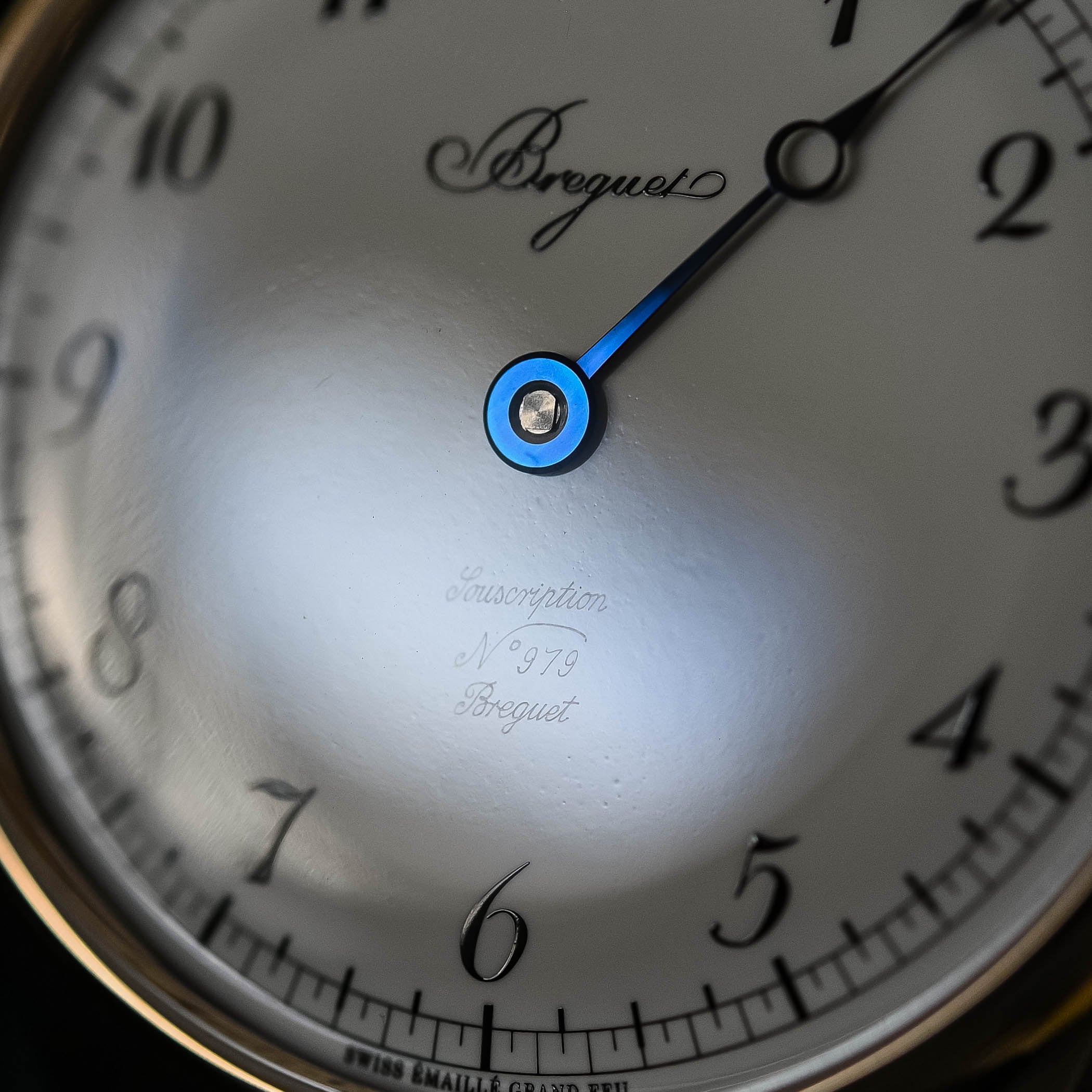
Breguet is also famous for being one of the first watchmakers to have implemented anti-counterfeiting measures, starting with a secret signature, which was machined into the dial with an early form of the pantograph – these were already found on the original souscription pocket watches back in the late 1790s. This early form of protection has now become a hallmark of the brand, and the recent Classique Souscription 2025 even features a secret Breguet signature with the inscriptions “Souscription”, the unique serial number, and the Breguet logo discreetly appearing. And like in the old days, it is still produced traditionally using a precision tool equipped with articulated arms: the diamond-point pantograph.
Vacheron Constantin and Banknote Security
In 2019, Vacheron Constantin began supplementing paperwork with the Arianee protocol, which uses blockchain technology to issue digital certificates (Digital Passports) that are impossible to forge. Digital Passports track a watch’s provenance, maintenance and ownership, and are passed down to new owners. This is most important for the pre-owned market, and the tech has even been extended to some vintage pieces, but it doesn’t solve security for the physical watch itself. To that end, the watchmaker employs multiple strategies, including banknote security techniques. In fact, Orell Fuessli, a Swiss passport and banknote printer, was brought in to help develop security features in 2008. At the same time, Swiss designer Roger Pfund, who designed the Swiss passport and graphics for banknotes, was also brought on board. The team created security measures considered too complex to copy, and the required equipment was also too expensive for counterfeiters to replicate realistically.
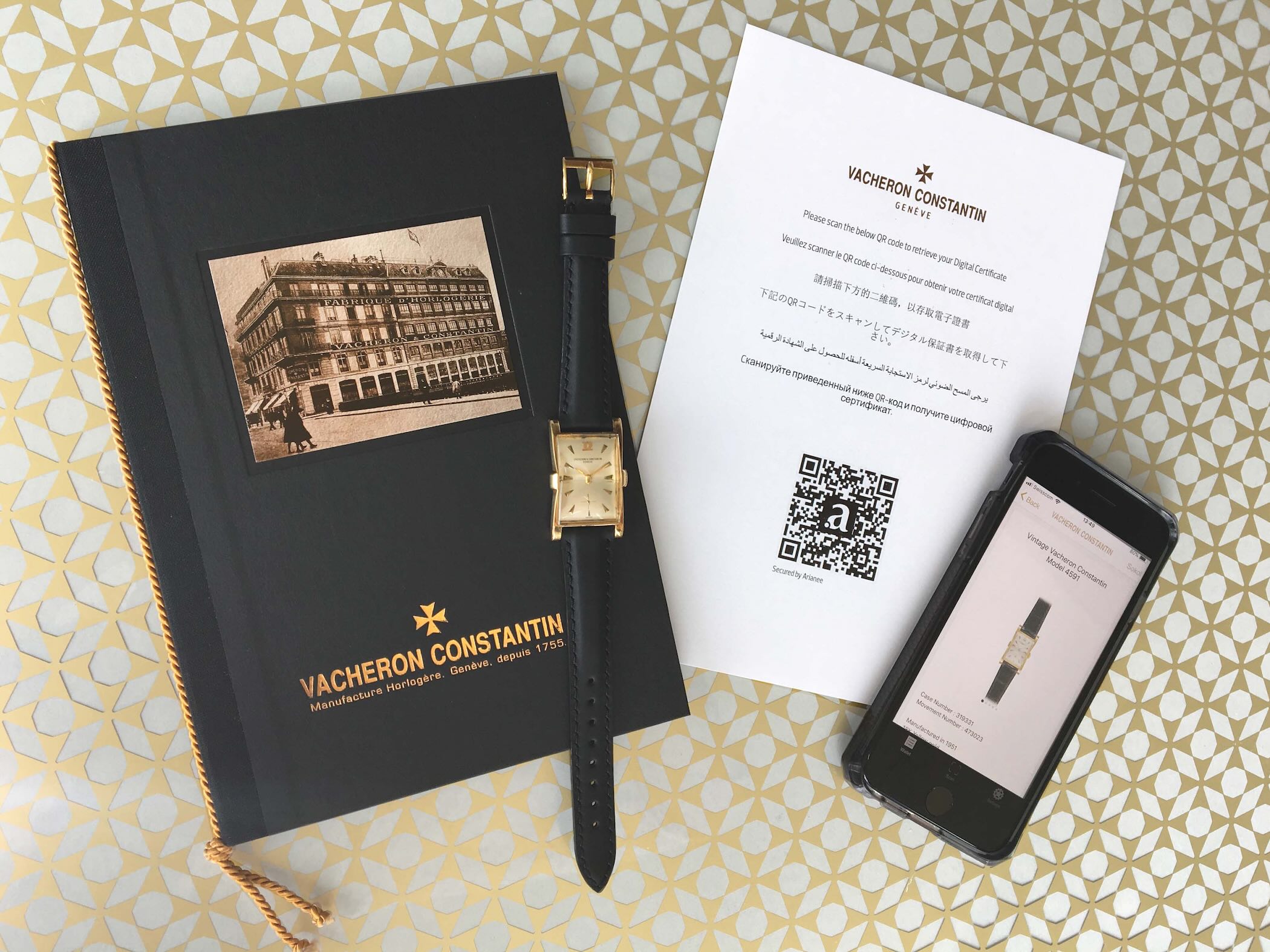
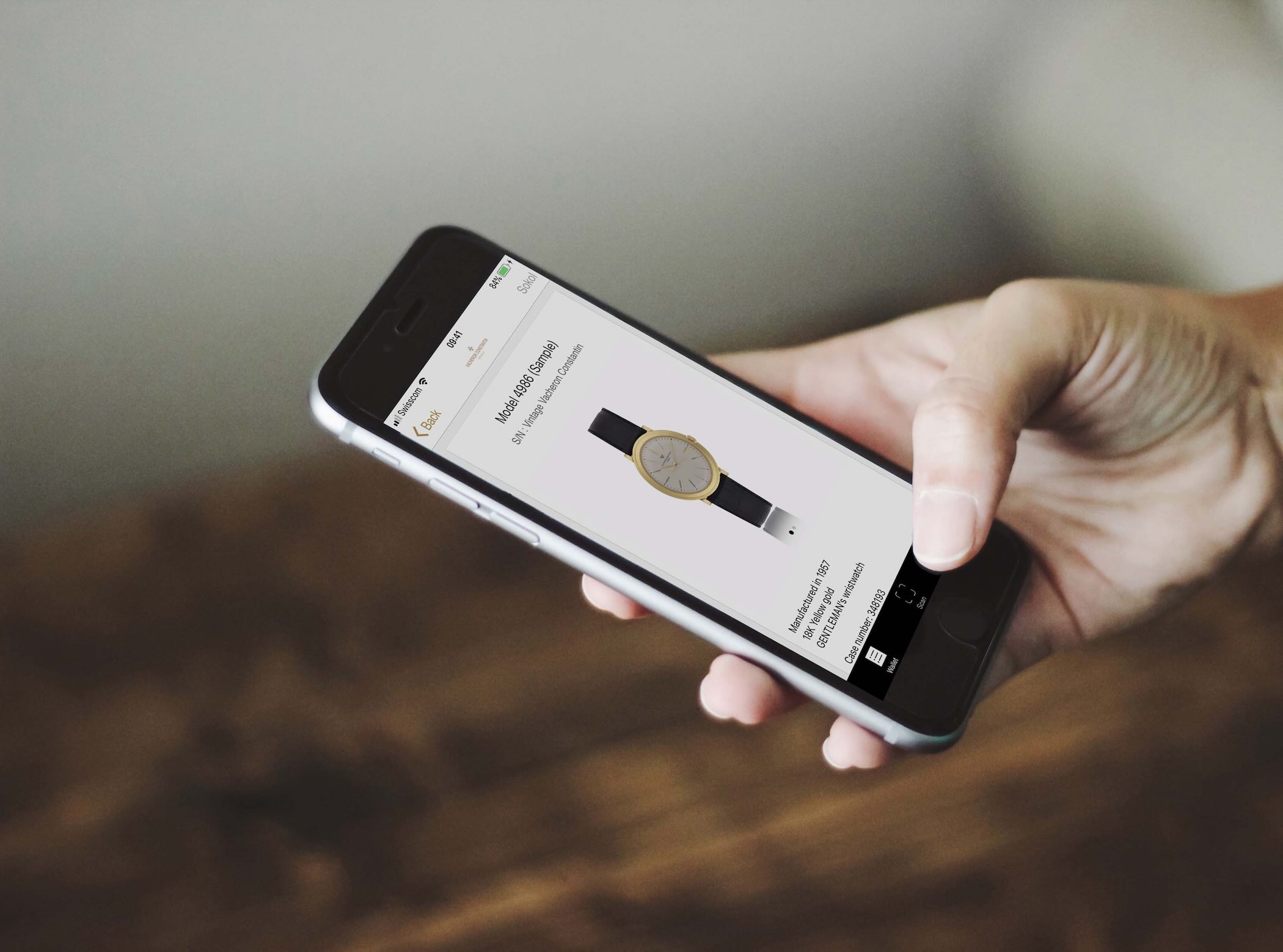
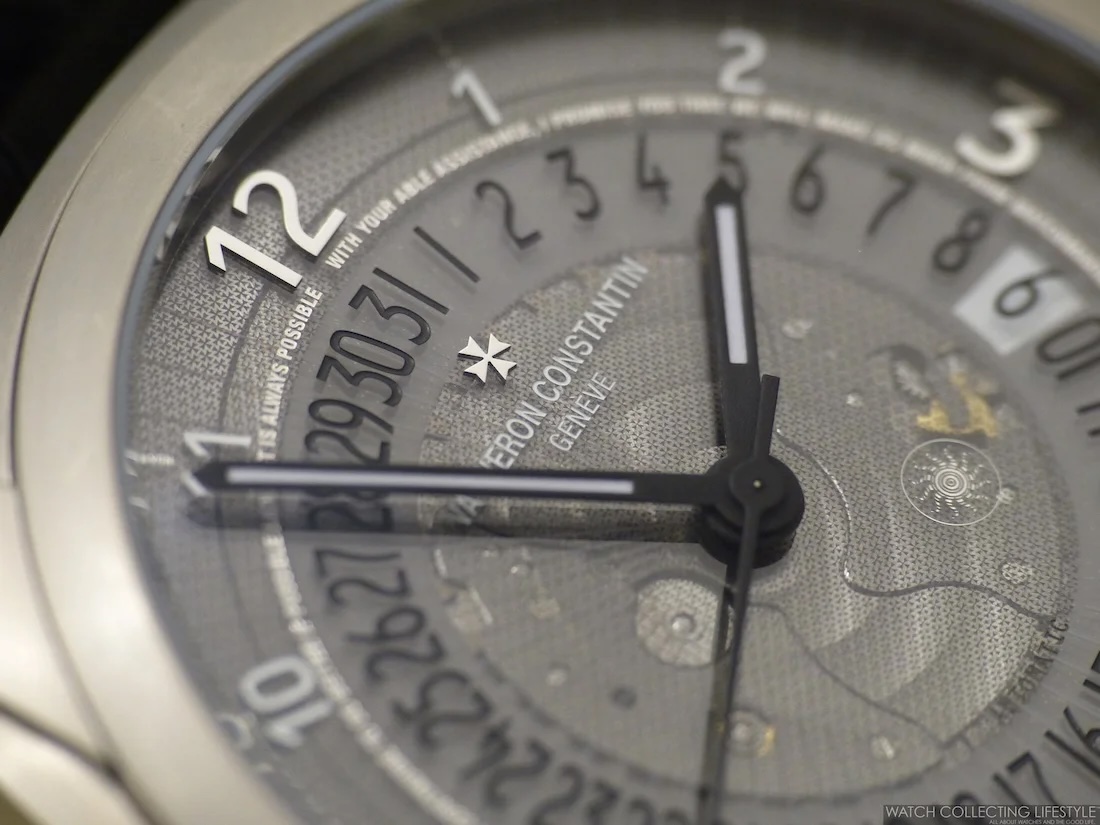
The Quai de l’Ile line was the first to benefit from security features, including inkless laser engraving for “Swiss Made” and “Automatique” on dials, and a metallisation process of very fine white gold on dial surfaces to form micro-text that’s invisible without magnification (a type of microscopic plating). A security film used for banknotes was also added to some Sapphire crystals (front and back) with micro-printing that can’t be seen with the naked eye and invisible ink only detectable under UV light. Additional micro-engravings, only visible under UV light, were introduced. The Poinçon de Genève (Hallmark of Geneva) is marked on many VC watches by TIMELAB (the Geneva Laboratory of Horology and Micro-engineering), further verifying authenticity through this third-party mark. The latest security features can take more than 16 hours per watch to implement, and Vacheron Constantin has some of the most foolproof methods in the industry.
NFC (and RFID) Technology
NFC chips (Near Field Communication) are sometimes embedded in the watch case and serve as virtual fingerprints that can be easily scanned with a smartphone. The chips are encrypted and unique to the watch, verifying authenticity and making them almost impossible to clone. They can also act as paperless warranty cards and allow the entire history to be documented, particularly after a watch changes ownership. These chips are more often embedded in the packaging or paperwork (along with QR codes), but provide the most effective counterfeiting deterrence if integrated within the watch itself (without compromising aesthetics, of course). Manufacturers can also track watches from the factory to authorised retailers (while also tracking sales) and maintain ongoing records of genuine pieces indefinitely using NFC.
NFC chips operate at 13.56 MHz and have a very short range (up to 4cm), enhancing security as users must be in close proximity to utilise them. NFC is again a type of broader RFID (Radio-Frequency Identification), using passive chips that send radio waves when a reader in close proximity emits electromagnetic energy to “wake it up” and power it. Stored information, such as serial numbers and other identifiers, is then transmitted. Many need dedicated readers and aren’t as user-friendly as specific NFC types that only require smartphones. Passive RFID chips are small and easy to incorporate into packaging, but active chips require a battery for continuous operation without a reader, generally making them too large and impractical for watch security.
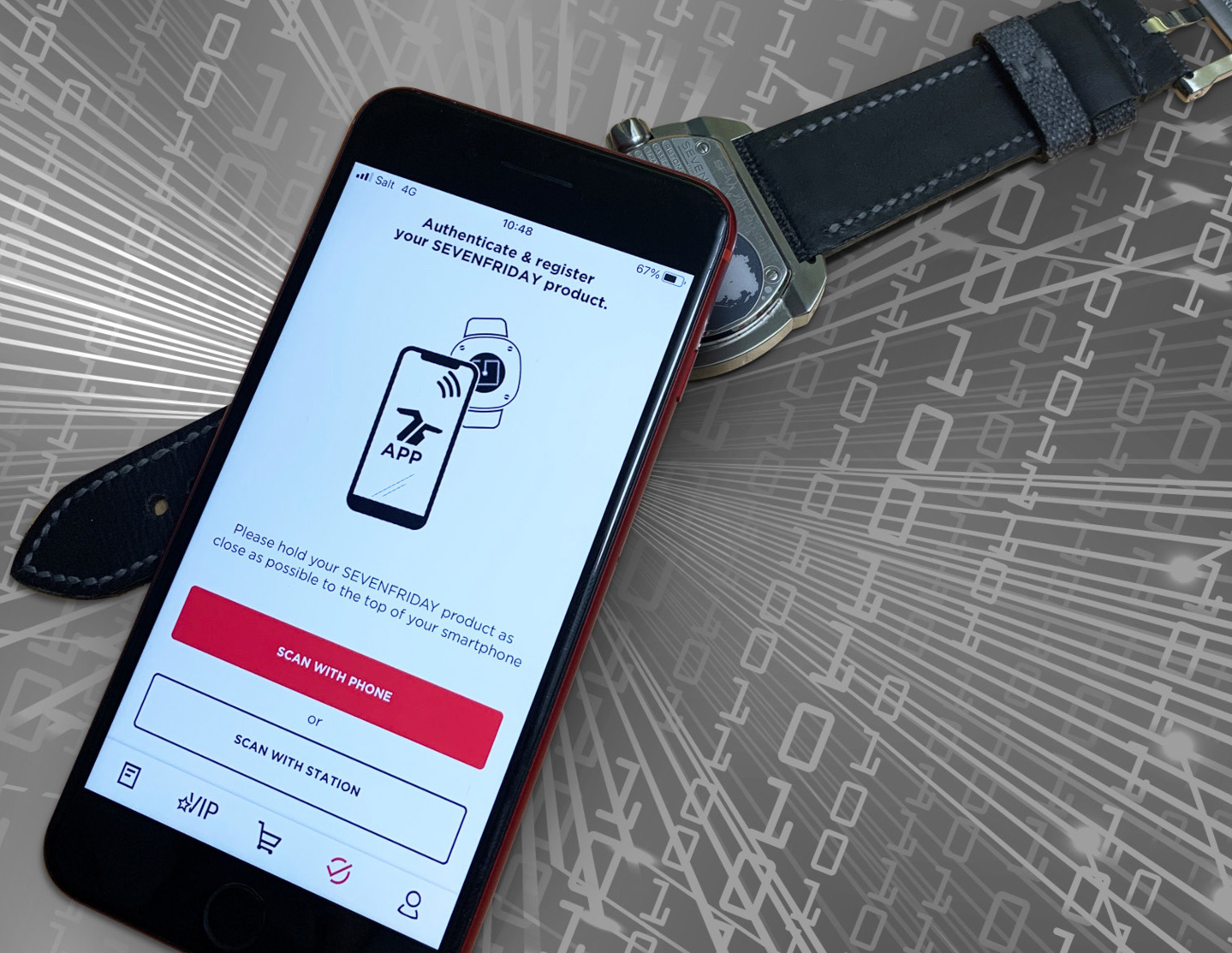
In 2016, Swiss avant-garde brand SevenFriday began embedding NFC chips in cases (under small, non-metallic sections) to be scanned via its mobile app. This was an unusual move as the brand was only founded in 2012, so it was quick to embrace the technology and specialised case designs to enhance security. SevenFriday has already expanded to over 90 countries, so security is necessary as its unusual, funky designs with large square cases and multi-level dials are prime targets for counterfeiters. STISS Ltd (Swiss Technology Inside Smart Sapphire), often in partnership with WINWATCH TRADE LTD (launched in 2012 from Sion, Switzerland), embeds nearly invisible NFC chips within sapphire crystals. Some luxury brands use these NFC crystals for digital security, and many watches can also be retrofitted with the new “Augmented Glass” crystals. This type of embedded NFC chip also allows analogue watches to make contactless payments like a smartwatch, bringing technological convenience to old-school hardware.
Counterfeiting Remains a Problem
Despite significant advances in anti-counterfeiting measures that use encrypted digital technology and specialised techniques comparable to those used in banknote security, counterfeit watches remain a successful underground business. And although the days of trying to pass off “super fakes” as genuine are dwindling, counterfeits are good enough to entice buyers who again can’t (or don’t want to) pay the price for the real deal. Casual onlookers will be hard-pressed to spot a good fake at the office, so cheap flexes are definitely a thing. That said, buyers who do want the real thing, especially new or recent models, have never been in a better position to ensure authenticity when making secondhand or grey-market purchases. Of course, buying from official retail channels is the easiest way to secure a genuine piece, but it doesn’t usually require a skilled watchmaker to identify a fake today. And as technology advances, perhaps all cases or sapphire crystals will be embedded with NFC chips to allow smartphones to do the heavy lifting, although physical security measures like micro-text and laser engraving will likely always have a place.

7 responses
All of the above mentioned systems are interesting but not stopping the average buyer of a fake watch, who is not dealing with experts but only with his dumb friends who might be impressed after e few drinks.
I read years ago that counterfeiting funds terrorists. I agree with Rik. I think most of the fakes are bought by those that want to impress others. I am more impressed by a real Timex than a fake Rolex. I have a few TX watches I bought in a city Iran bombed.
Im in for 100% genuine. 100%
But here’s a few pointers for the Swiss Watch Industry to consider:-
1. When many brands outsource component manufacturing to the Far East….what do you think would really happen long term?
2. When I can buy a really convincing Rolex or SS Patek etc….for $1000-2000 and you charge $15k or $40k respectively, do you think a) wish I had not outsourced all those parts, b) or do you think “how do they do it so cheaply, yet so good?” (i.e. design, development and marketing costs really cant add that much an original over a near-perfect copy? Can it?
3. When you dick-around making faux-scarcity to pump your “exclusiveness” and the Grey Dealers (fresh from the back door of the ADs taking the latest consignment) are doubling/tripling the price….that there are not consequences there too?
The main problem for the top-marques in Switzerland is that it is all just happy-hunting until you become the hunted.
If a genuine Rolex can be mistaken for a much cheaper copy, the real question is: why is the real thing so much dearer? Because there is one born every minute 🙂
If a copy is so hard to tell from the real thing, and it is much cheaper, what justifies the price of the real thing?
When I was an AD for a few brands at my store in northeast Florida I had the poster with the mannequin hand stating Fake watches are for Fake People. I refused to repair or remove links on folex
Let’s face it. Most people, unless they’re genuine collectors, just want a watch for the look. They’re not too fussed about whether or not it keeps time to +/- 10 seconds a day or +/- 5 minutes. As long as watch makers insist on charging stupid prices for what can obviously be very well made/copied in China or elsewhere then people are going to buy fakes. I don’t condone it, but I do understand it.