


 Not all images were able to load for printing. Please close the print window and try again.
 The Jensen Interceptor is Back, with a Bang
The new Interceptor makes its debut with the GTX, a pure-bread racing car (that won't go competitive racing) hinting at future road cars.
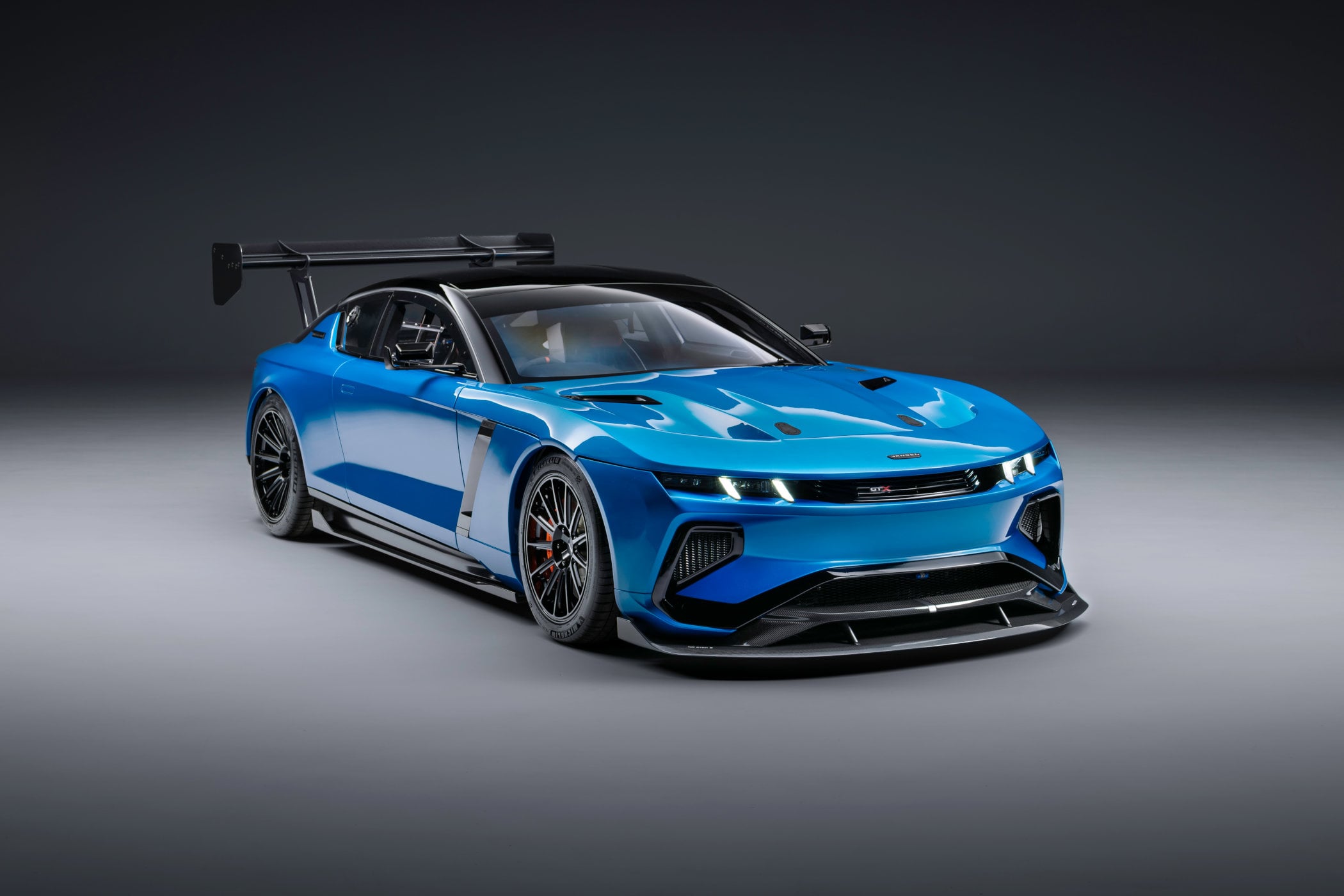
Few cars have the timeless demeanour the Jensen Interceptor has. It is considered one of the coolest and most unique British GT cars ever made, with V8 power from Chrysler and a unique shape penned by Carrozzeria Touring. Production spanned a full decade, and even today, the Interceptor is considered a true classic with a large group of enthusiasts and collectors keeping them on the road. Shortly after the Interceptor went out of production, though, the Jensen Motors company ceased operations entirely, so a follow-up sadly never happened. Until now, that is, as the Jensen name is revived, along with a brand-new Interceptor. Surprisingly, it returns as a full-fledged race car, the Interceptor GTX, but it’s not intended for competitive racing. Instead, it is built as a rolling testbed for future road cars and will, quite literally, be driven till destruction.
The Jensen Motors Story
Jensen Motors follows the path many British car manufacturers have. It started out in 1922 as the W.J. Smiths & Sons Limited trading company, manufacturing sports cars and commercial vehicles out of West Bromwich in the United Kingdom. In the early 1930s, brothers Alan and Richard Jensen started working for W.J. Smiths & Sons Ltd, after designing a series of car bodies for Wolsely, Avon and others. In the early 1930s, work started on a pair of open-top cars, a four-seater luxury model and a two-seater sports roadster, both later known as the Jensen Wolseley Hornets. Things progressed to more coachbuilt projects, and in 1934 American actor Clark Gable commissioned a unique coachbuilt design based on a Ford V8 chassis, which was met with rave reviews when revealed to the public.
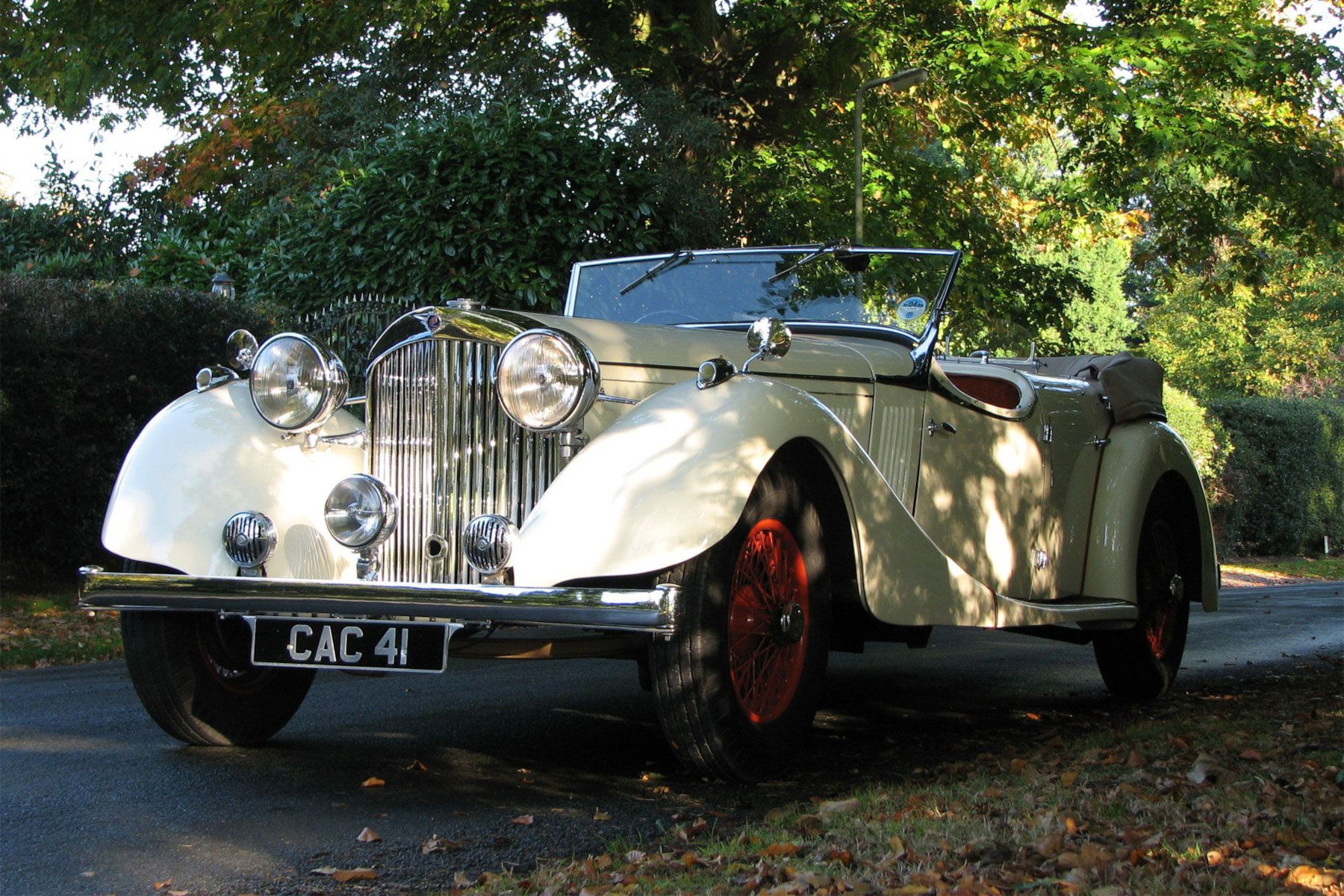
Following the death of company chairman Smith, the brothers managed to take a controlling stake in the company and renamed it Jensen Motors Limited in 1934. That same year, development on the first fully Jensen-built car was started: the Jensen S-Type, which was put into production in 1935 (see above). At the end of the 1930s, the company also diversified into commercial vehicles, and during the war, production of sports and luxury cars was stopped altogether. This was picked up again in 1946, and in 1950 the name Interceptor first appeared on a Jensen car. It wouldn’t be for another decade, though, that the world was introduced to the Jensen Interceptor as most people will remember it, fondly…
Britain’s Greatest Grand Tourer
The Jensen Interceptor from the 1950s was an open-top luxury cruiser produced in very low numbers (only 88 cars made). It was followed by the sleeker 541 series, after which came the C-V8 (see below). This proved to be Jensen’s most popular car until then, with 499 of them being put on the road. The two-door coupe was a proper Grand Tourer, with a 5.9-litre or 6.3-litre Chrysler V8 up front, power to the rear and a fibreglass body designed by Eric Neale. Performance-wise, it was among the fastest four-seater sports cars of its time.
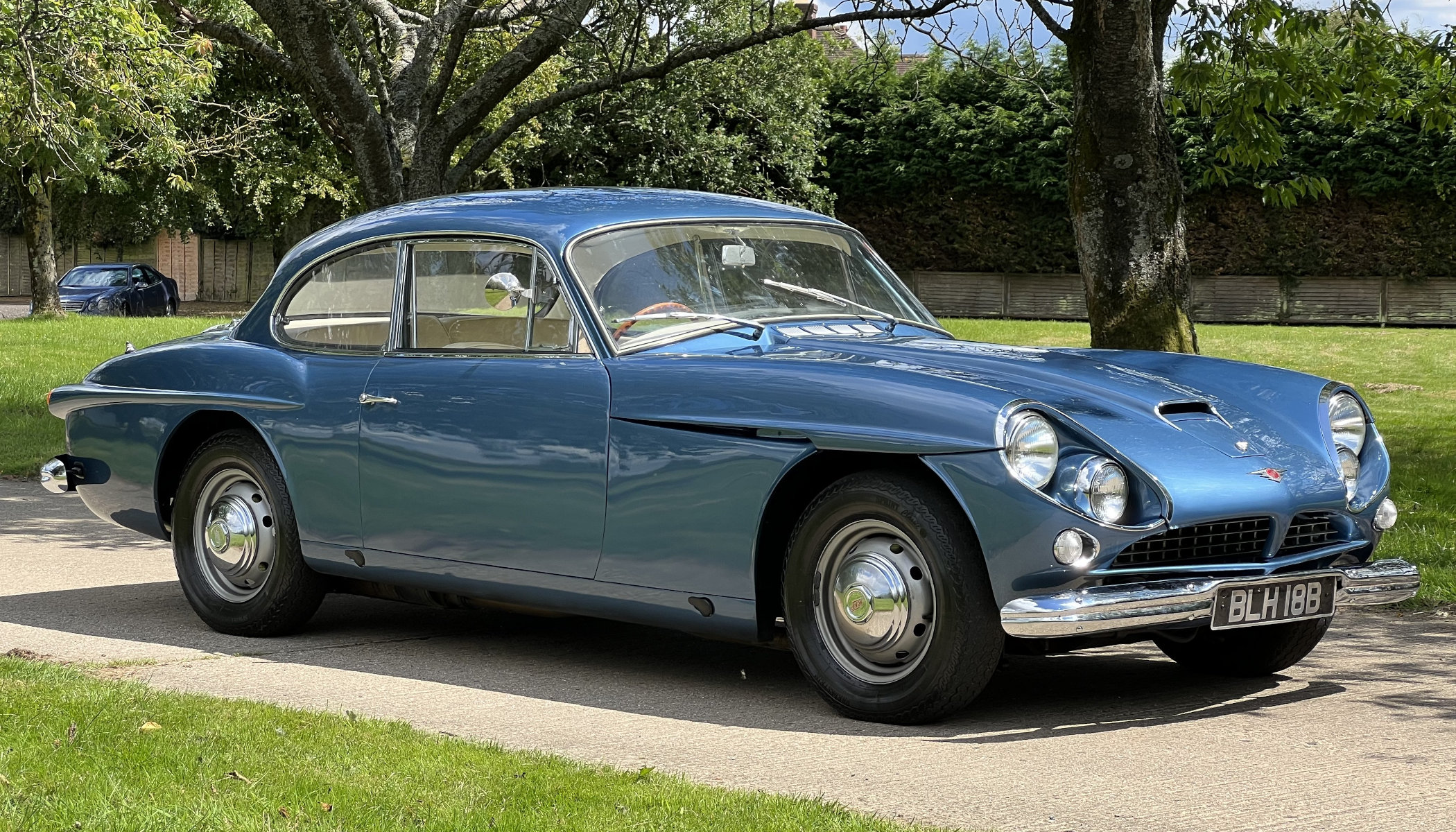
This paved the way for what would become Jensen’s ultimate bedroom-poster car, the Carrozzeria Touring-designed FF and subsequent Interceptor. The FF was among the very first sports cars to use four-wheel drive, with the Interceptor being a rear-wheel drive car only. It also signalled a return to steel bodies for the company, following the fibreglass-bodied C-V8. The FF and all subsequent Interceptors used a Chrysler-sourced V8 engine, ranging in capacity from 5.9 litres to 7.2 litres, producing between 250 and 335 horsepower roughly. Across all FF/Interceptor iterations, over 6,400 were built, so it’s fair to say it was a popular car for the brand!
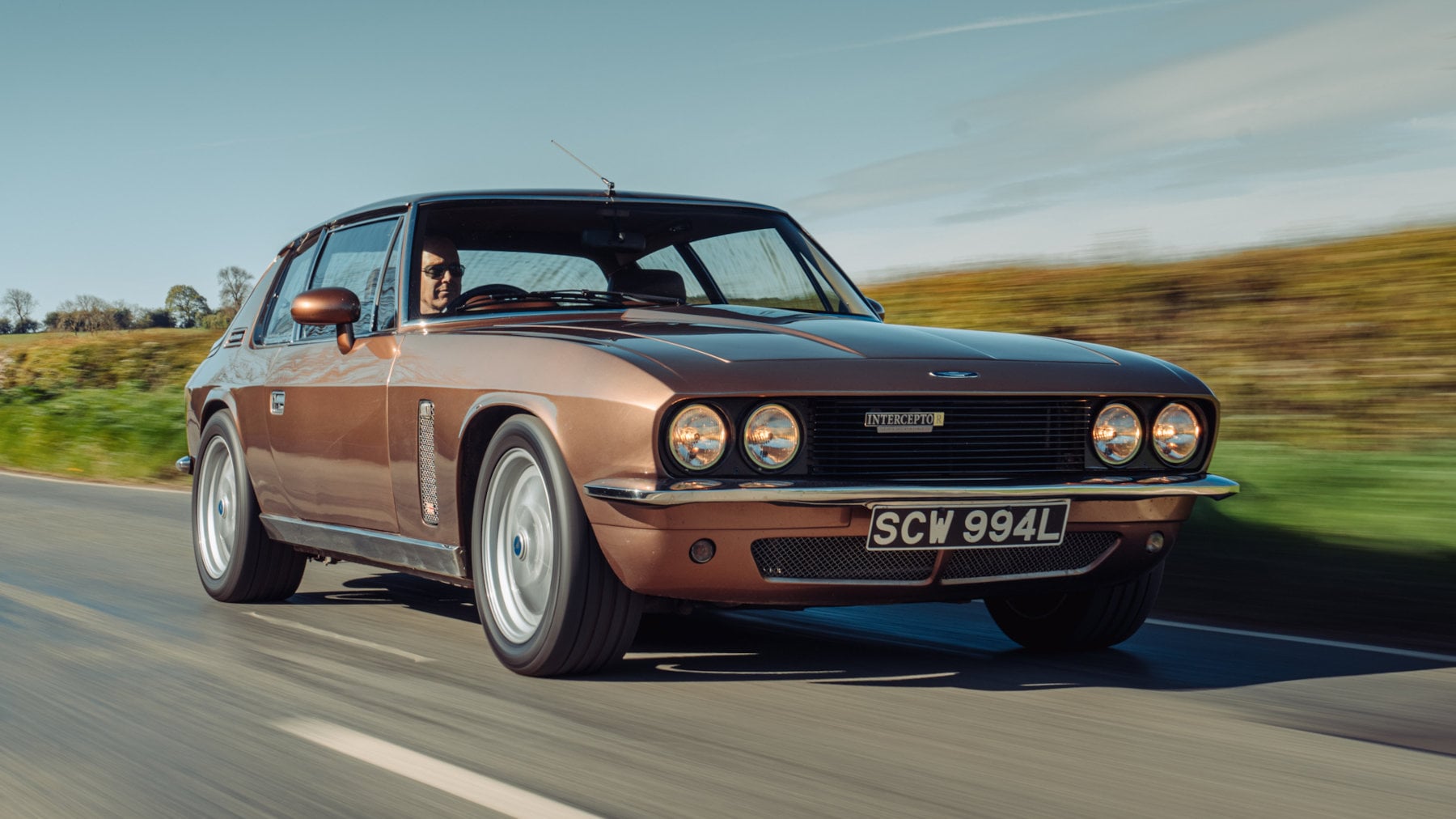
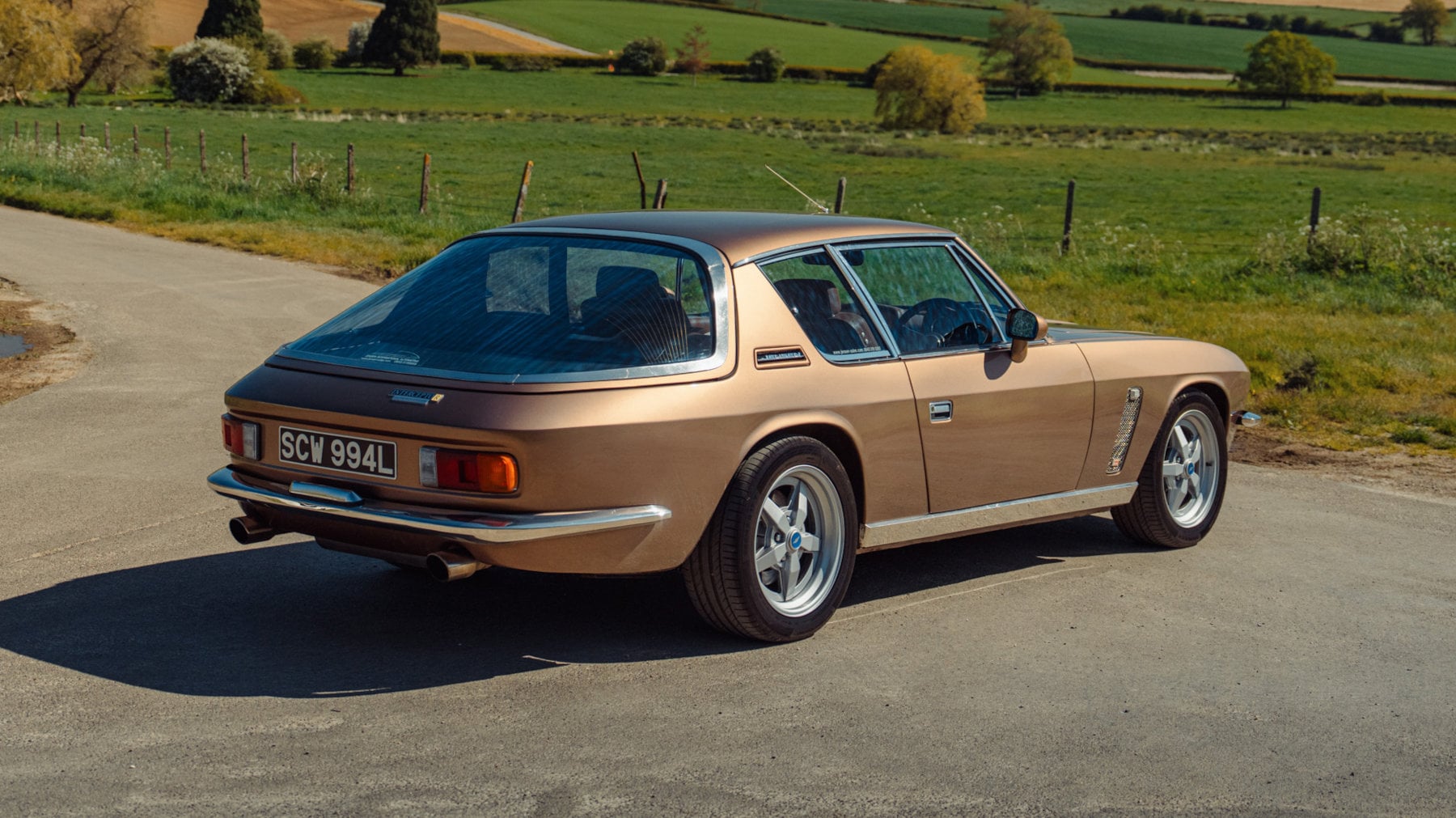
And the reason for that popularity was its performance on the one hand, and its styling very much on the other. The two-door sports car had a distinct hatchback design, with a large wrap-around windshield at the back. It was also a proper four-seater as well, so there was space for the wife and kids if you wanted. Jensen also built a convertible and even a coupe version of the Interceptor, which are among the rarest versions of the GT car produced. The Interceptor also had its fair share of celebrity clientele, with the likes of Cher and Frank Sinatra owning one, and the car being used in the hit TV show ‘The Protectors‘ and ‘The Saint‘ franchise (the 1989 series starring Simon Dutton). Top Gear also made this very cool, period-inspired teaser for ‘The Interceptors‘, honouring the importance of the car in automotive history.
Shortly after production ended, and suffering a monumental drop in sales due to the global oil crisis in the early 1970s, Jensen ceased operation towards the end of the 1970s. In 2001, an attempt was made to revive the name with the S-V8 sports car, yet troubles in manufacturing meant production halted after just 20-or-so cars. Now, a quarter century later, the Jensen name is back once again, and it of course honours the spirit of the mighty Interceptor!
The Interceptor GTX
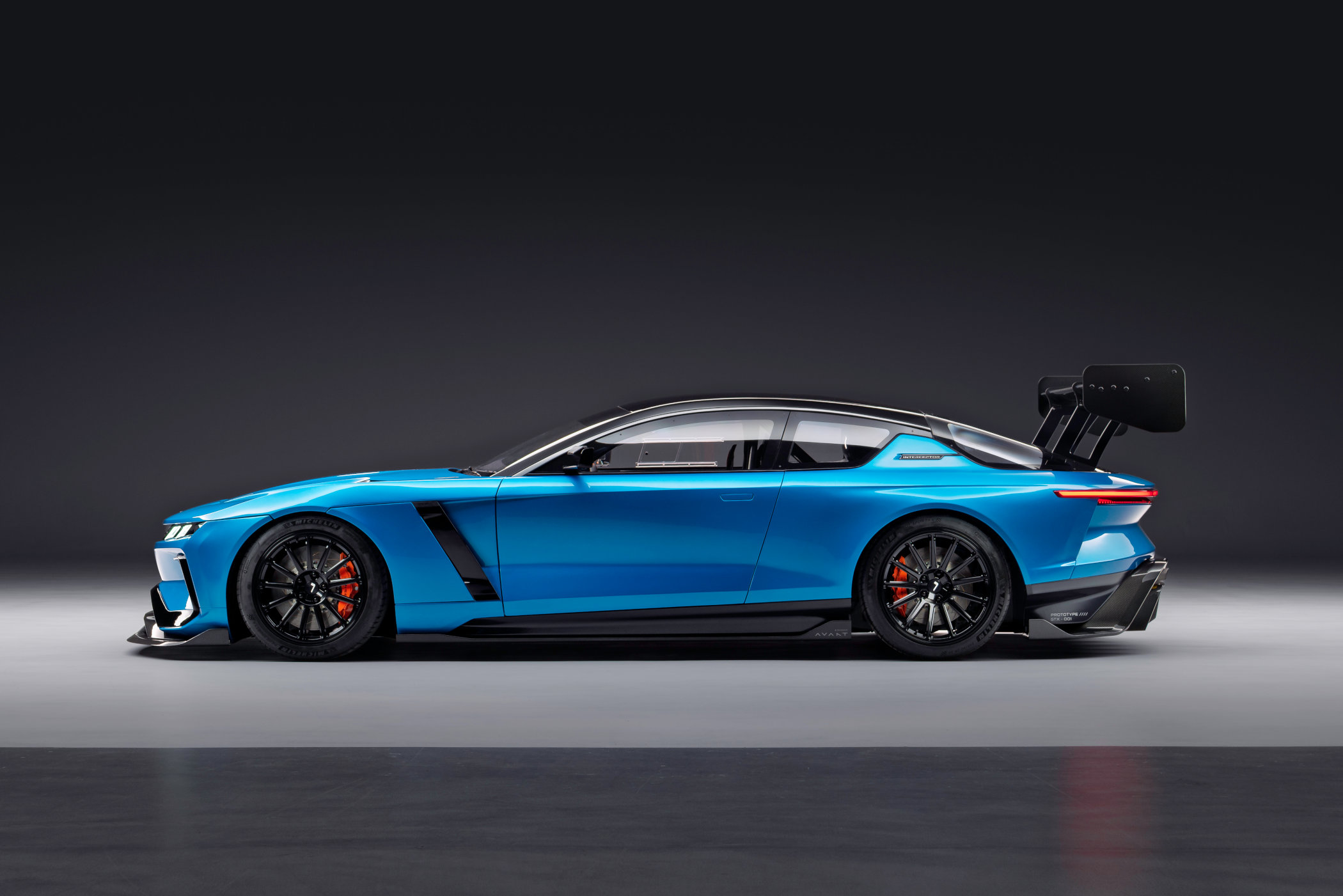
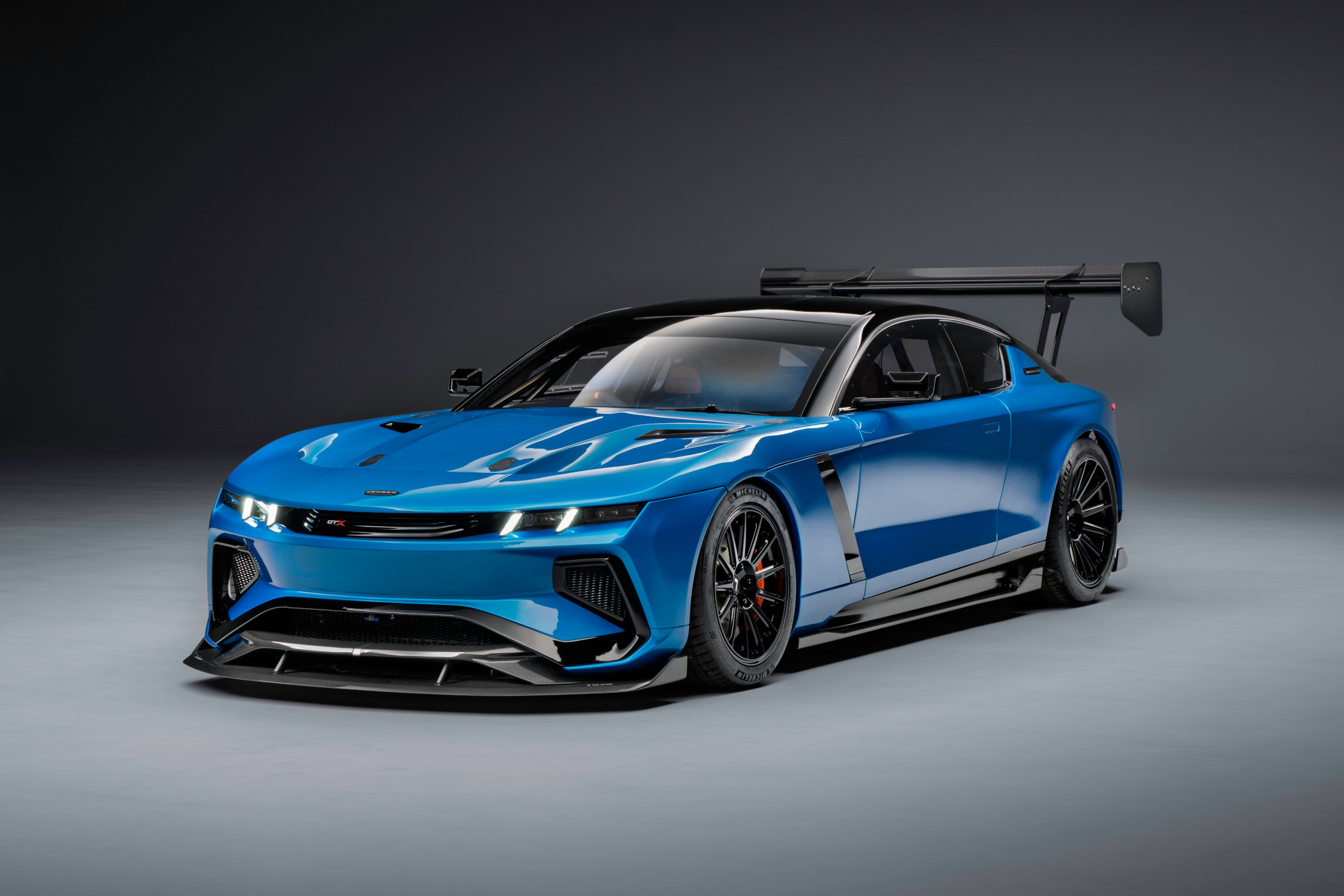
With a name such as Interceptor, and a legacy as great as the 1966-1976 original, you have to come out swinging to make any sort of impression. And the Jensen International Automotive company, renowned for its classic Interceptor restorations, has certainly made a statement with the brand-new Interceptor GTX! It looks very much like an Interceptor, although it is dressed in a very race-born tracksuit, for a very good reason.
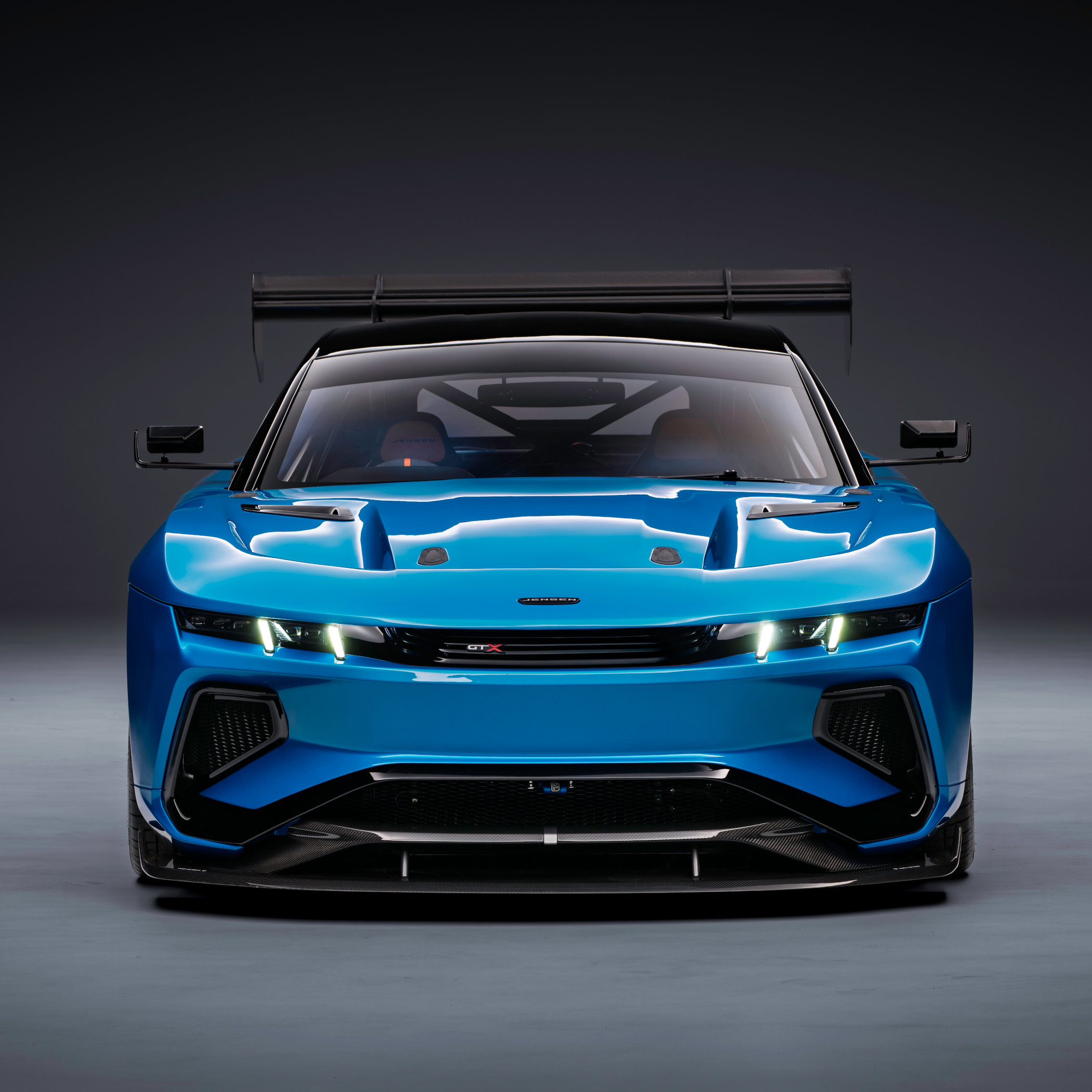
You see, despite the fact that future road-car models are very much in the pipeline, the Interceptor debuts as a full-fledged prototype race car. And no, it is not going into GT3 racing or any of that nonsense; it is built to test future technology for the Interceptor range, to the point of breaking. That means it will be pushed to, and beyond, its limit in terms of performance, durability and aero, with the aim of honing the Interceptor with license plates into an “all-new, ultra high performance British GT”, as the company itself puts it.
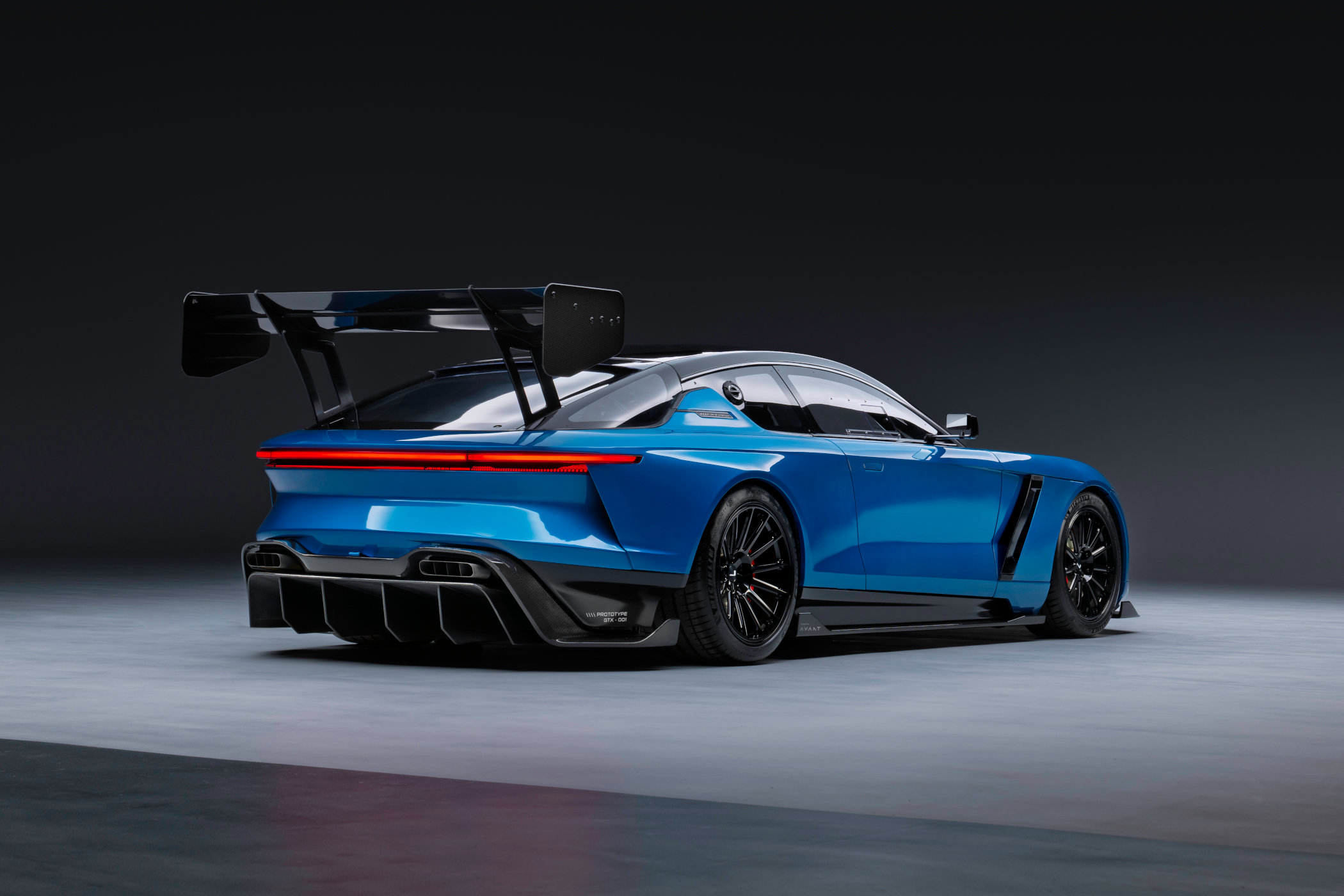
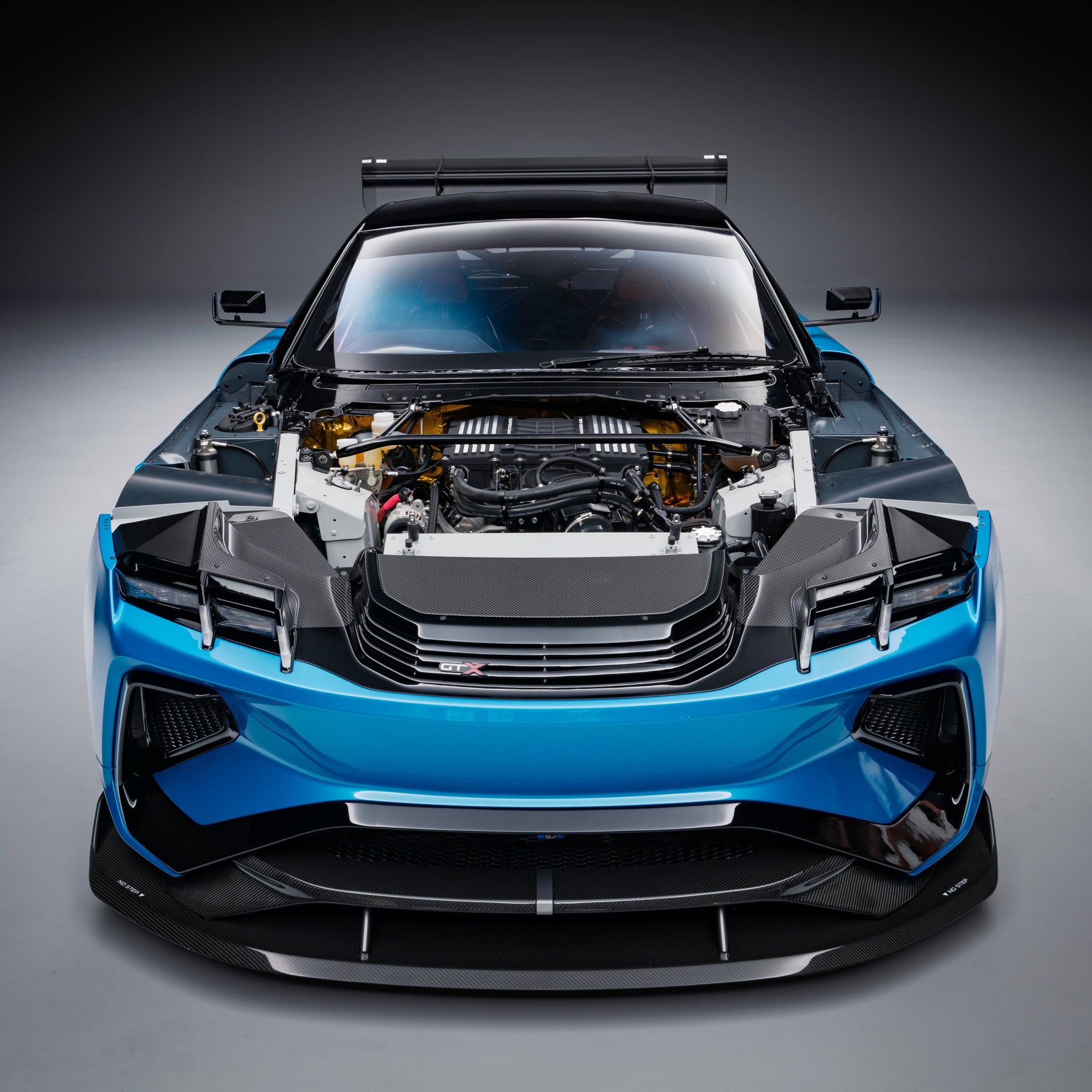
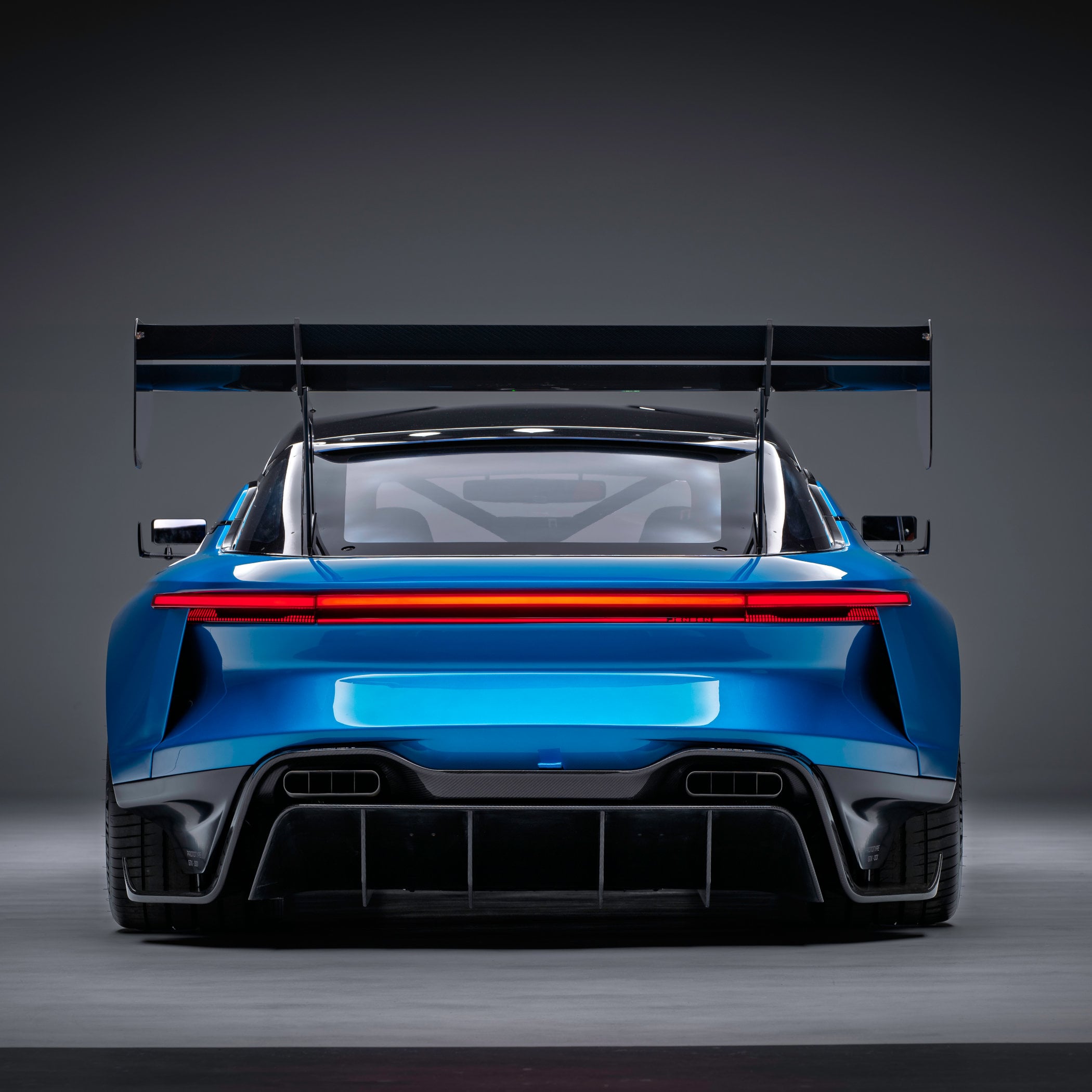
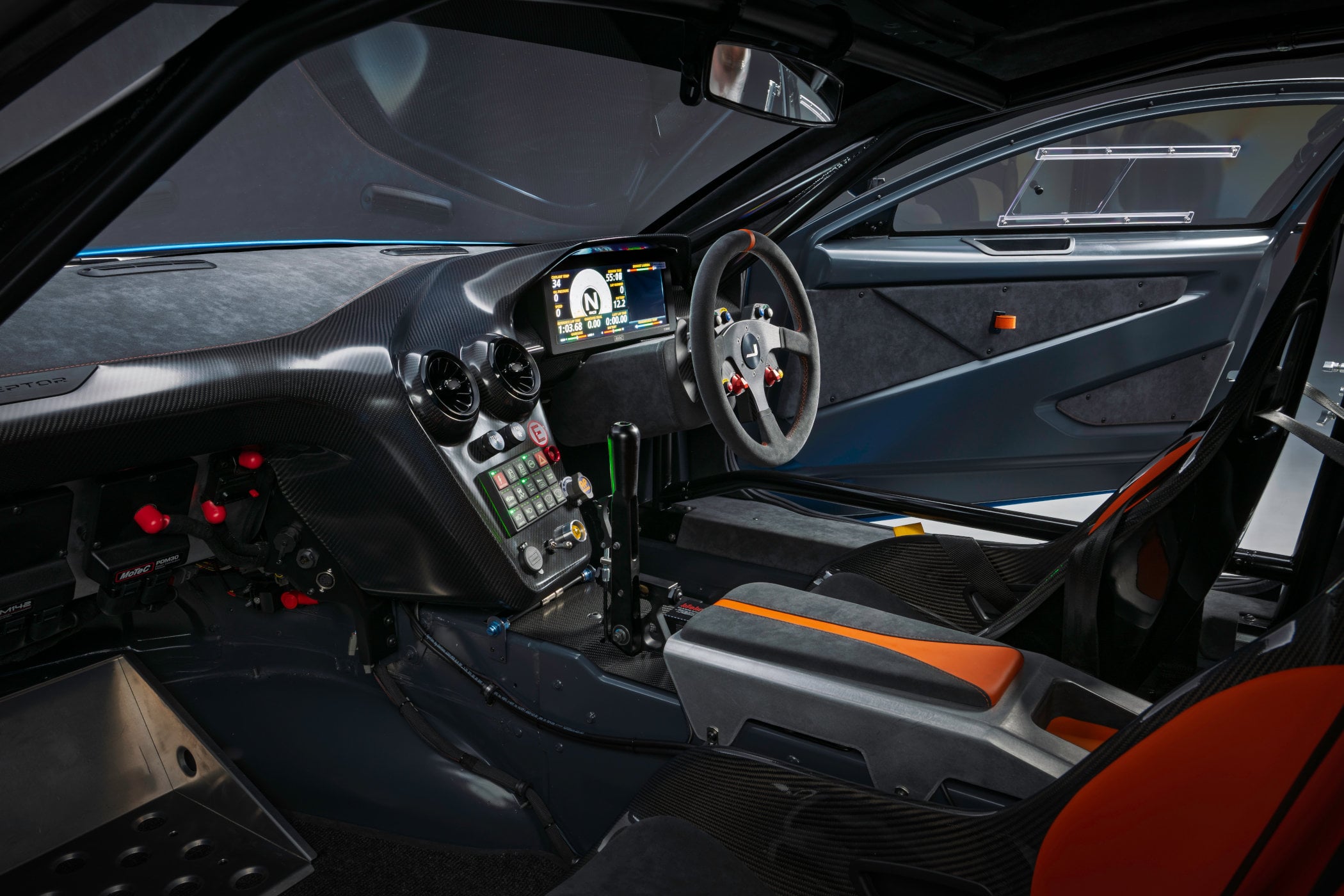
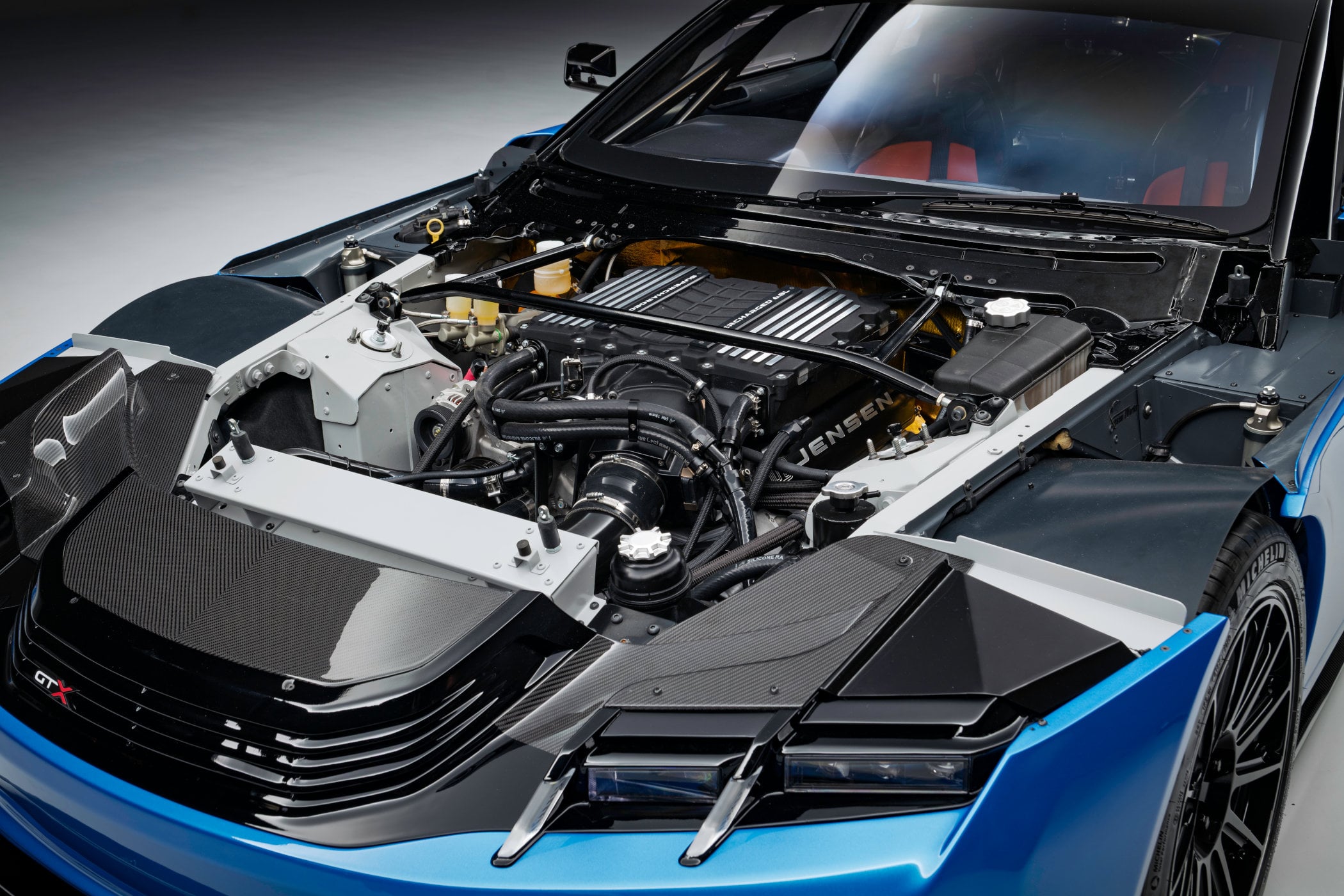
So what’s, what? The Interceptor GTX starts with an advanced aluminium chassis fitted with a gargantuan 6.9-litre supercharged V8 in the front, pumping out no less than 960 horsepower! And if that isn’t enough, Jensen states the engine is capable of producing as much 1,200bhp with some fettling. Yikes! All that power is put through a carbon fibre drive shaft and six-speed sequential gearbox to the rear wheels. Dressed in hand-formed aluminium bodywork with lightweight carbon aero elements and polycarbonate glazing all around, it promises barn-storming performance, although no exact figures are given at this point in time. And being a proper racecar, it comes with all the necessary bits and bods, such as carbon ceramic brakes, flappy paddles behind the steering wheel (although it also has a sequential gear lever in the centre!), racing suspension, massive wings, cuts and slashes, and more.
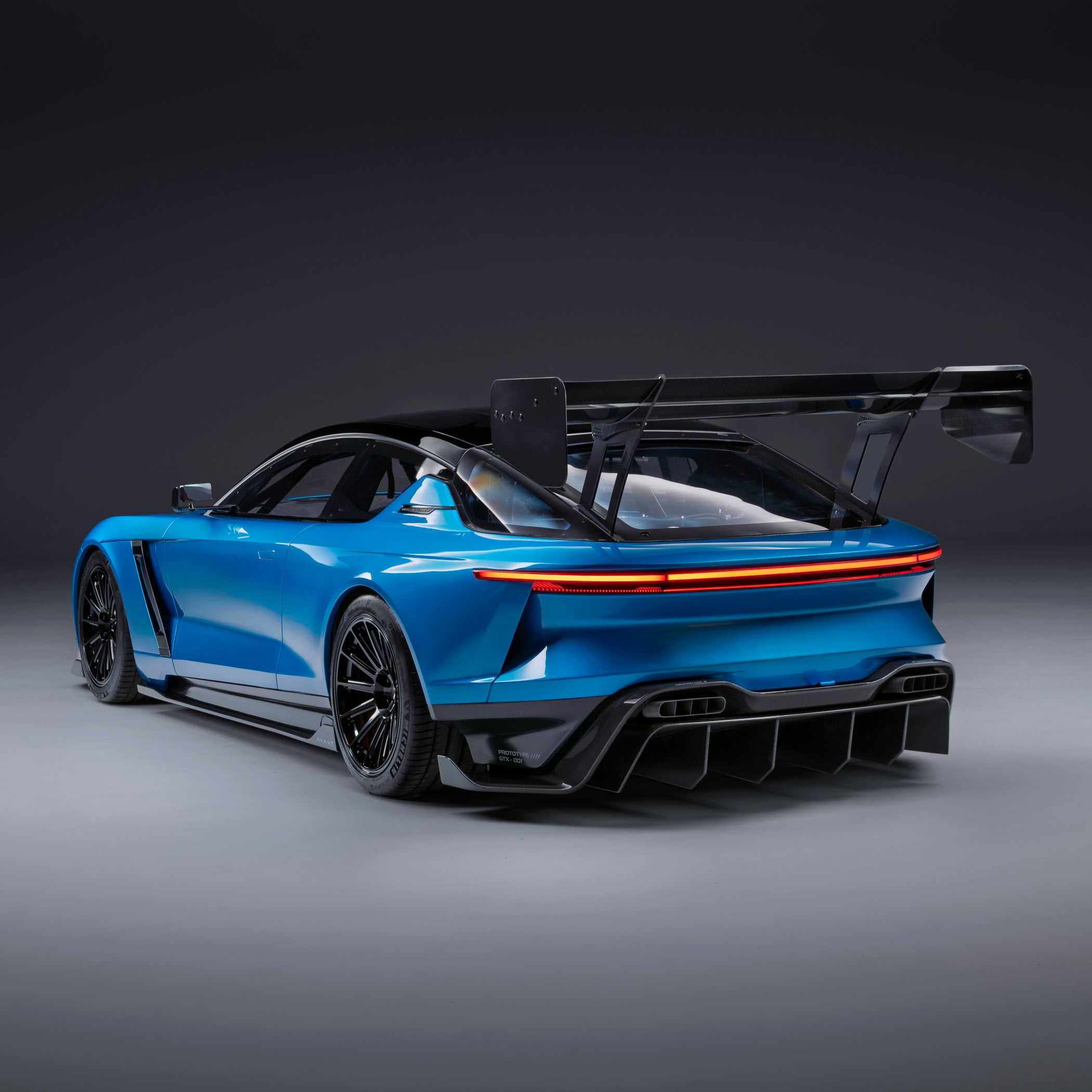
And in terms of Interceptor styling? It hits most of the essential hallmarks on the head. The horizontal grille, the slanted intake behind the front wheel, the long bonnet, the two-door layout and that cut-off rear- it’s all there. The only leeway the new GTX takes, a bit, is the shape of the roofline and back glass. Where the original Interceptor is loved for its greenhouse-esque rear section, the roofline of the new GTX is sort of smoothed out. It still looks pretty sweet, just a touch too soft for my liking.
What the future holds
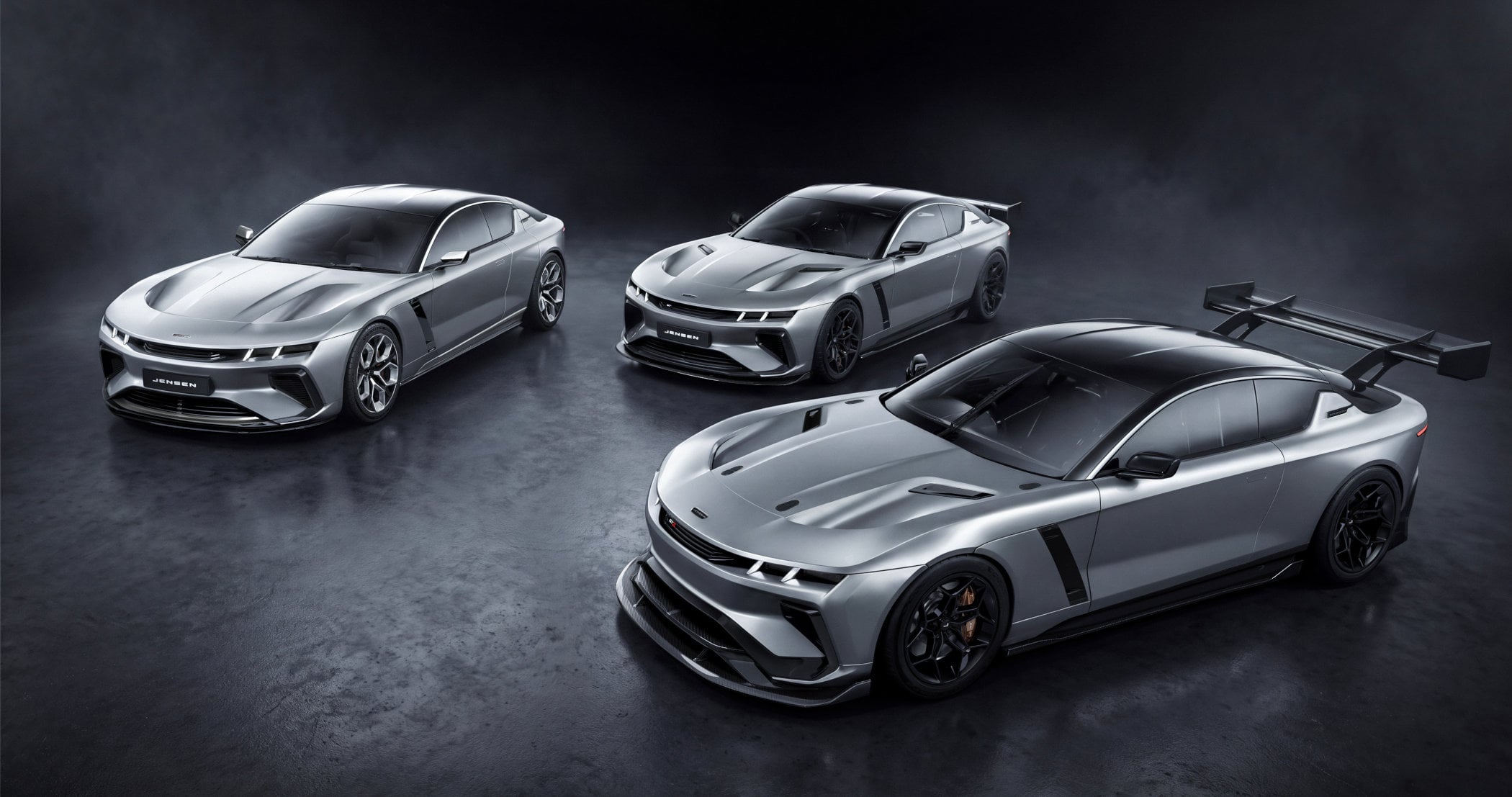
Playing a game of reverse psychology of sorts, Jensen International Automotive has thus decided that a race-bred testbed is the way to kick things off. And although I am not complaining one bit, no road car has been built yet, and that’s where the money is, of course. Nevertheless, Jensen has announced a series of super-GTs based on the GTX concept. The first example of that we’re said to expect is the Interceptor GTR, which uses the GTX’s performance-oriented nature, but puts it on the road (below, middle). What comes after that is a more luxury-oriented Grand Touring model, much like the Interceptor was back in its heyday (below, left)!
For more information, please visit Jensen-Sales.com.
Editorial Note: The information used and images portrayed in this article are sourced from and used with the permission of the Jensen International Automotive company, unless stated otherwise.


1 response
No no no no.
This is some random American muscle car, crossed with the latest headlight treatment from BMW, combined with a wing that screams “over-compensating” unless it’s trucked to a track-day event. (Where apparently, it’s not yet intended to be competitive in any particular series for off-road vehicles.)
It is not anything that resembles, nor builds on the legacy of, nor does anything more than try to trade on the brand goodwill for, any classic Jensen.
It didn’t need to be a retro-mod, but this thing is just an abortion, as presented.