
 Not all images were able to load for printing. Please close the print window and try again.
 The Zero-Compromise Donkervoort P24 RS Goes To Extremes In Pursuit Of Performance
Add power, remove weight, and blow the doors off the anyone who dares to test you!
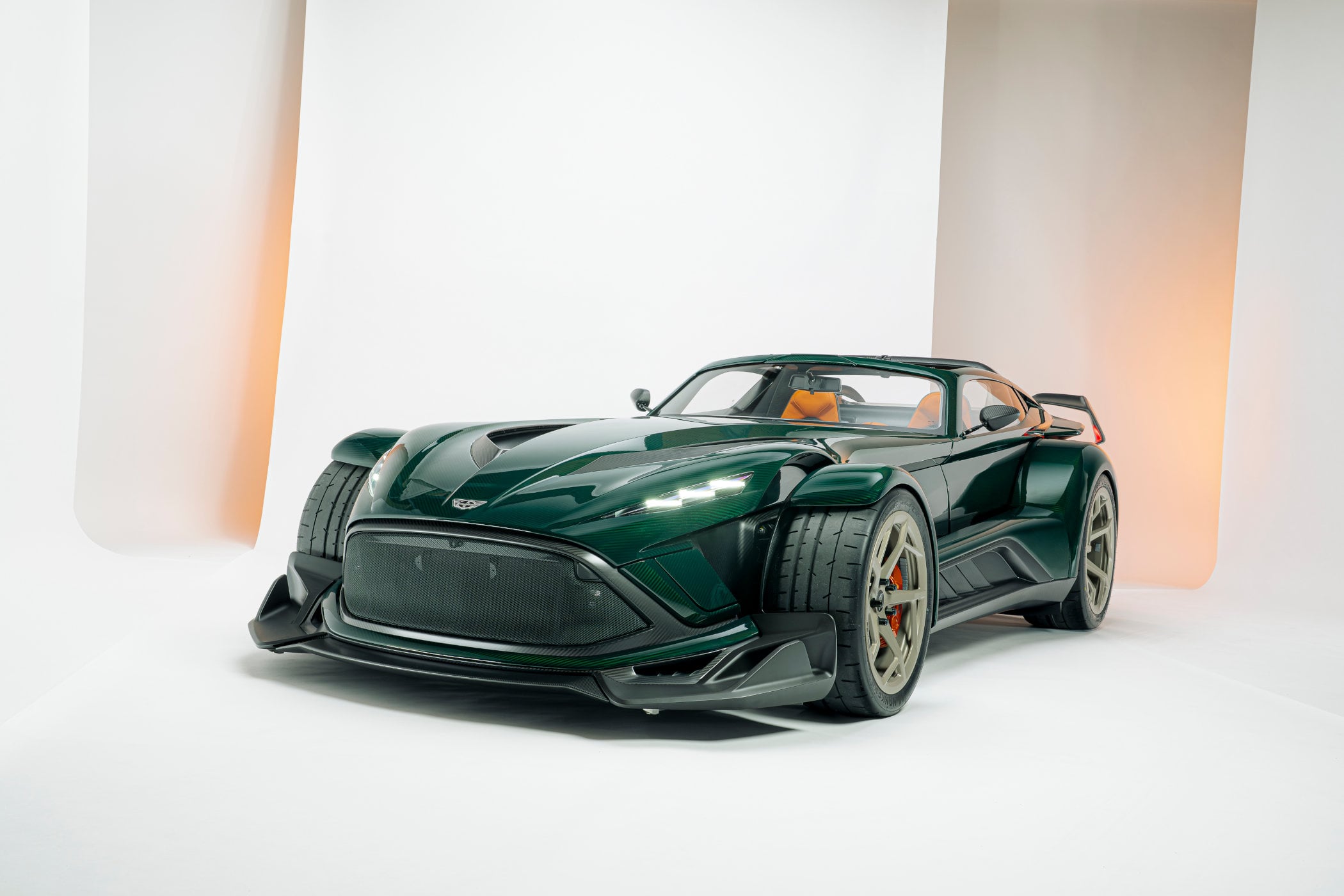
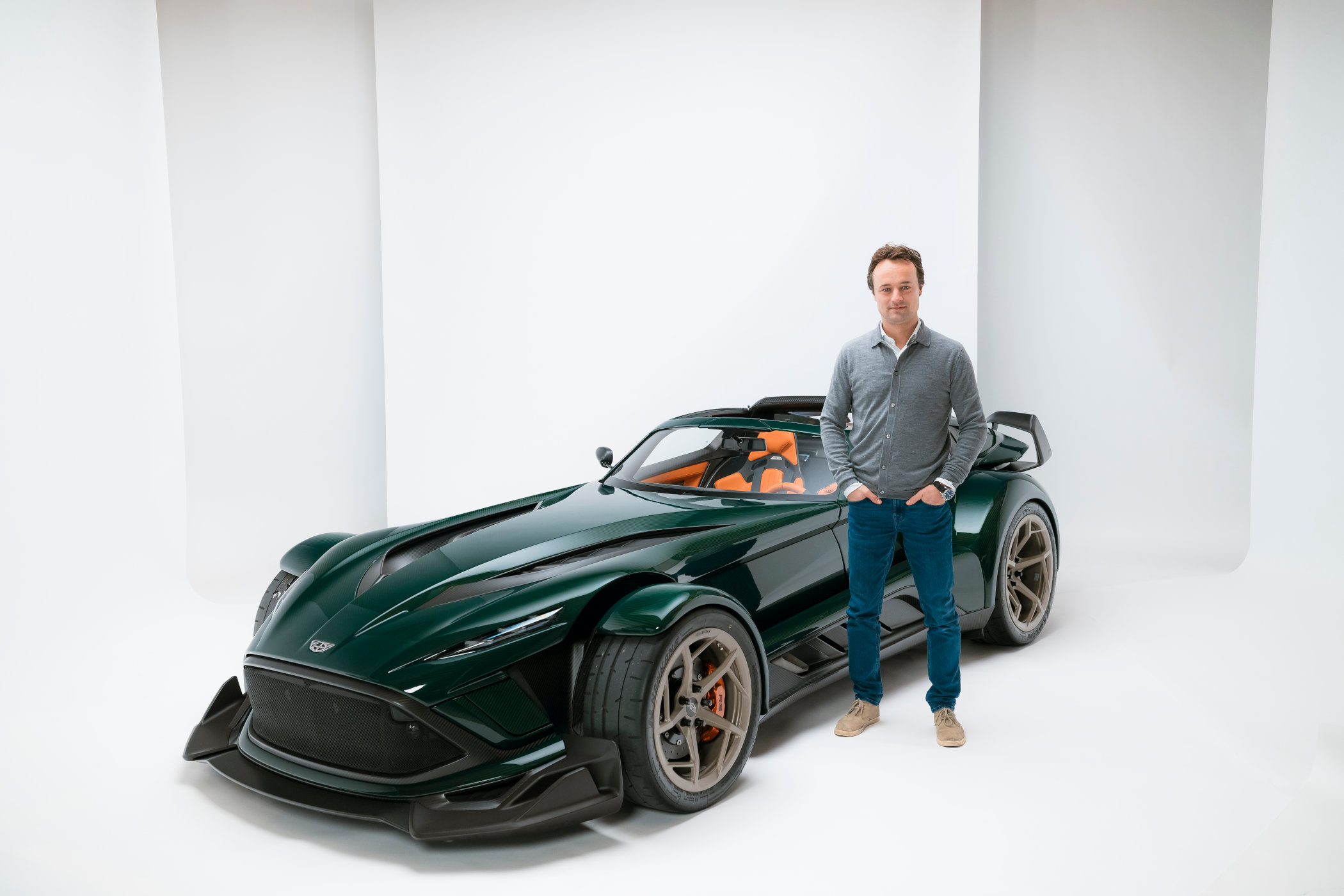
The mad scientists of Donkervoort, the only active Dutch sports car manufacturer, have done it again. They have raised the performance bar set by the already razor-sharp F22 even further. Although it looks vaguely the same as its predecessor, the new P24 RS is almost entirely new, featuring the latest innovation Donkervoort has to offer. This small company has poured their heart and soul into this new car, and it shows. Swapping out the turbocharged Audi 5-cylinder engine, Donkervoort has turned to Ford for its new powertrain. But don’t think this is just a little bit more advanced, as the P24 RS can rally with the fastest of the fastest, and probably come out on top more often than not! Why, you ask? For the simple reason, this packs an astonishing 770bhp per tonne, a number the likes of Porsche, Ferrari, or Lamborghini have yet to hit in a road car!
The Donkervoort philosophy
Founded by Joop Donkervoort in 1978, the Donkervoort story starts with a licensing deal to import and sell kit cars from the UK into the Netherlands. Back then, it was very common for people to use an existing platform and turn it into something a little more exciting, with new mechanical bits, a new body and so on. One of the best-known examples is Bruce Meyers, who turned the humble VW Beetle into the beach-cruising Meyers Manx. Joop Donkervoort faced a bit of a challenge in the early days, as the UK-approved kit cars were not road legal in the Netherlands without modifications. So from the very early on, the decision was made to build turn-key cars instead, and the company hasn’t looked back.
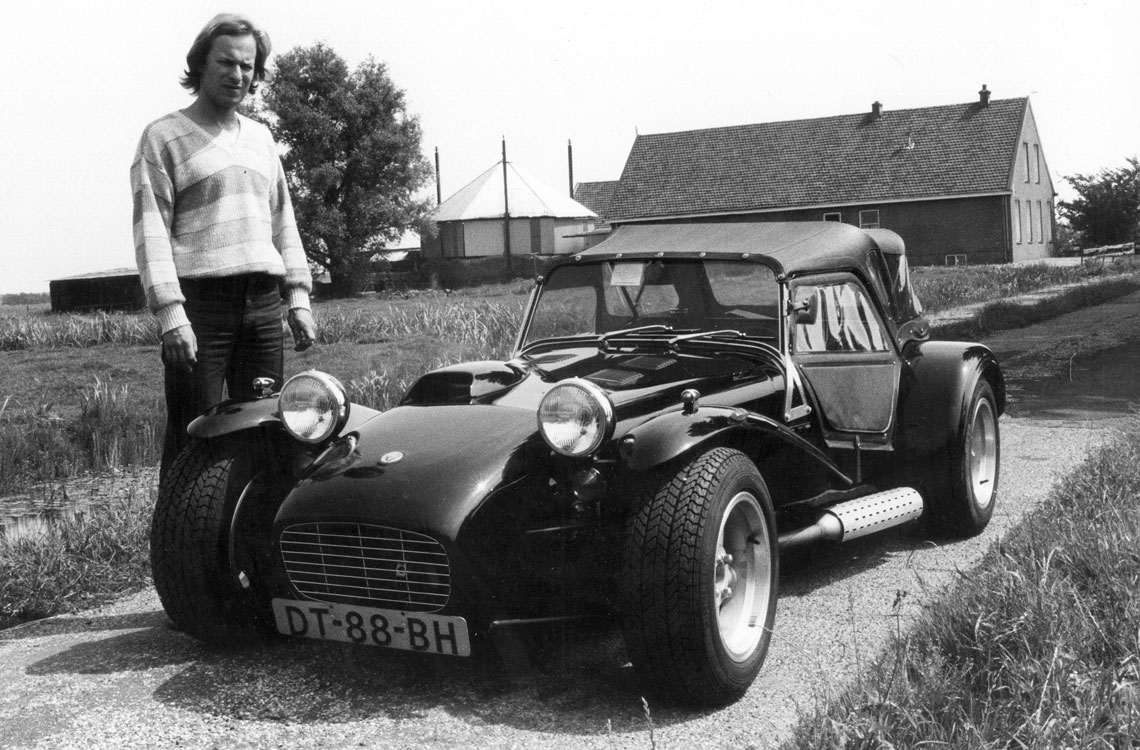

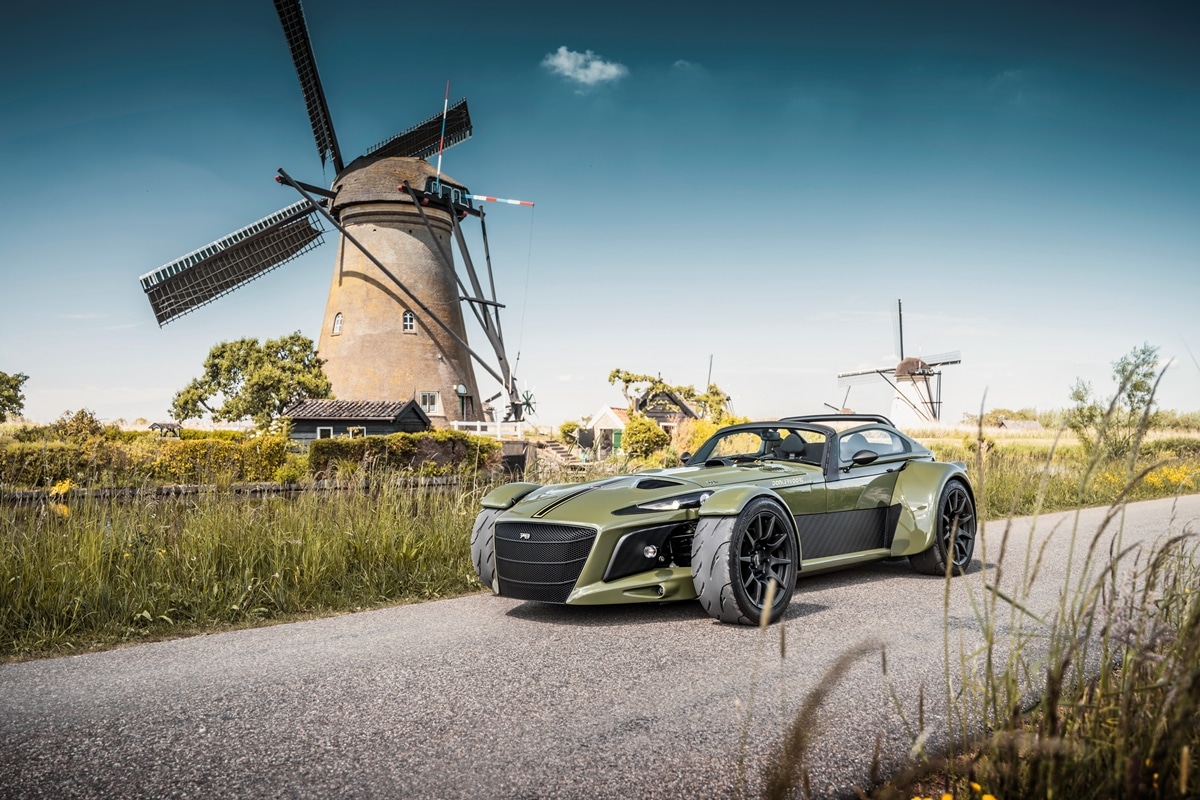
The first car was the S7, which relied on the concept of the Lotus Seven. The cigar-like shape, the engine up front, drive to the rear, exposed front wheels, and Spartan interior made the Lotus Seven an automotive icon, and the S7 built upon that reputation by adding the Donkervoort touch. Over the years, the Donkervoort company explored how far they could push this concept, through cars like the S8 and the D10. By 1999, Audi was pulled on board as an engine supplier, with the turbocharged 1.8-litre straight-four engine finding its place in the front of the D8. A short few years later, the company moved from Tienhoven to Lelystad (both in the Netherlands), and the ever-increasing complexity and power outputs meant that more and more work needed to be done in-house. By 2021, it was time for Joop Donkervoort to step down and hand over the reins of the company to his son, Denis.

Now, after almost 50 years of building sports cars, the Lotus Seven DNA is still evident in all cars built by Donkervoort. The F22, launched in 2022, and now the P24 RS still uphold the company’s ethos of adding more power and innovation, and removing weight, to create the purest and most exhilarating driving experience possible. And it shows with the latest weapon Donkervoort is putting on the road, the P24 RS!
PTC, EX-Core, swing-outs & more
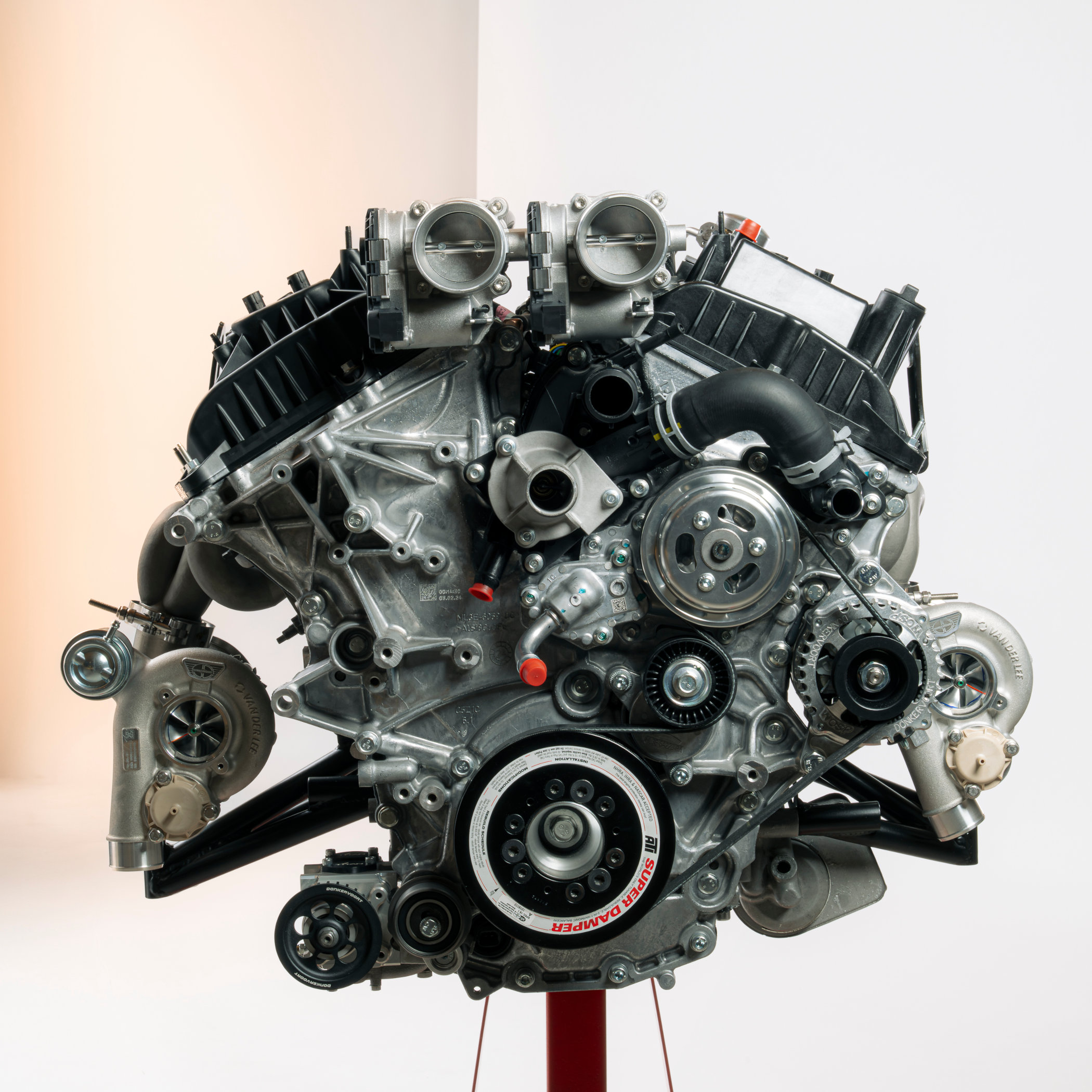
With the F22 laying the proverbial groundworks for the P24 RS, this is not just an update of that platform. In fact, it’s a hugely different car that raises the innovation- and performance-bar for Donkervoort. At the heart sits the completely new PTC (Power To Choose) engine, sourced from Ford but further developed and extensively modified by Donkervoort themselves, with 3D printed exhaust manifolds, in-house developed turbochargers, CFRP intake manifolds, dual fuel injection (direct and port), and so on.
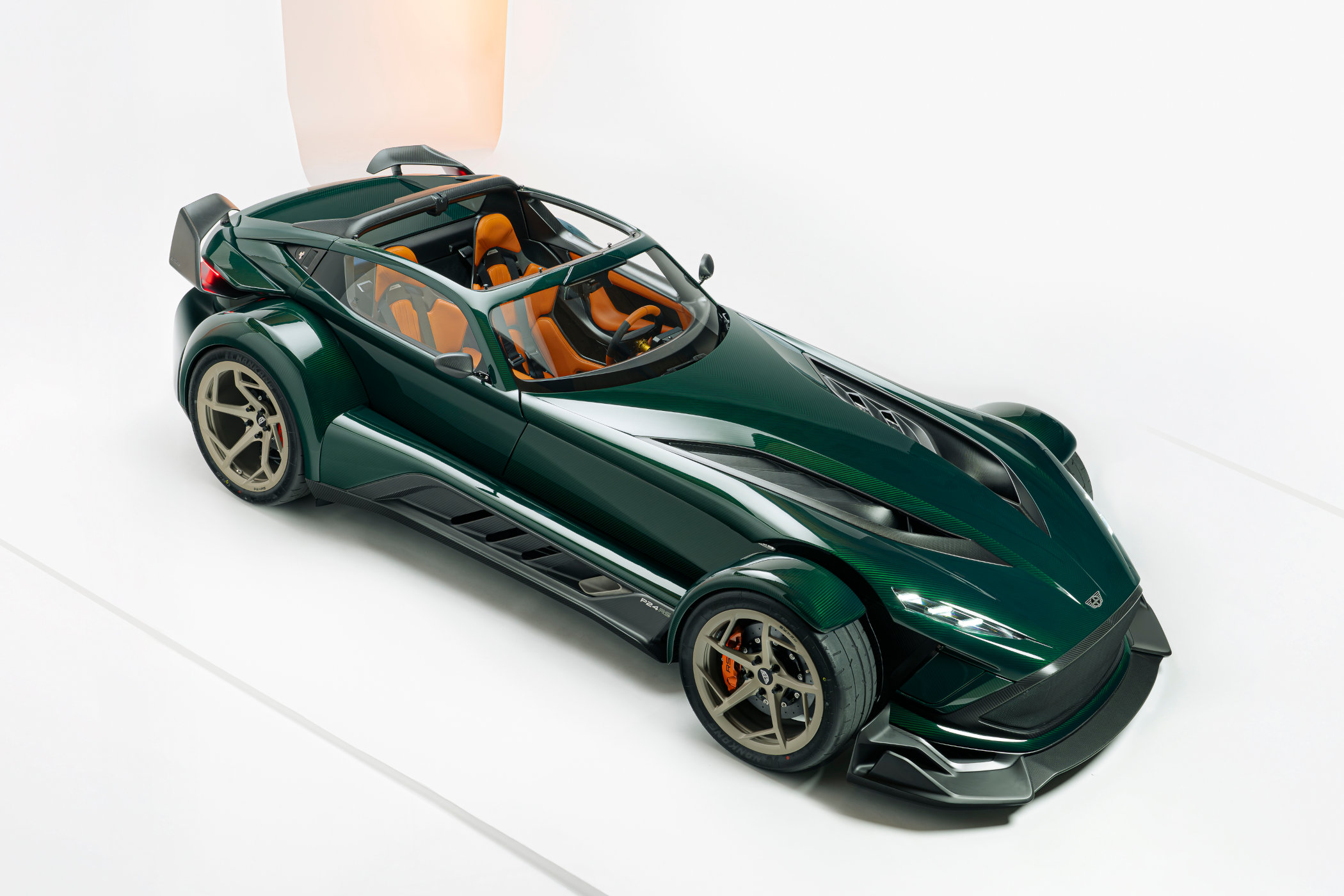
Donkervoort uses something called Ex-Core for a lot of the structural components, which is an innovative carbon fibre technology developed in-house that uses foam inserts to create zero-radius angles. Nestled between the layers of fibre, the foam expands when subjected to heat, pushing the layers into the corners of the mould. When solidified, the foam also adds rigidity and durability, while also reducing vibrations. Ex-Core is used for the Targa roof structure, the doors, the windshield frame, parts of the chassis and the entire front Fort-Ex subframe, which is a single piece by the way and includes crash structures to be road-compliant.
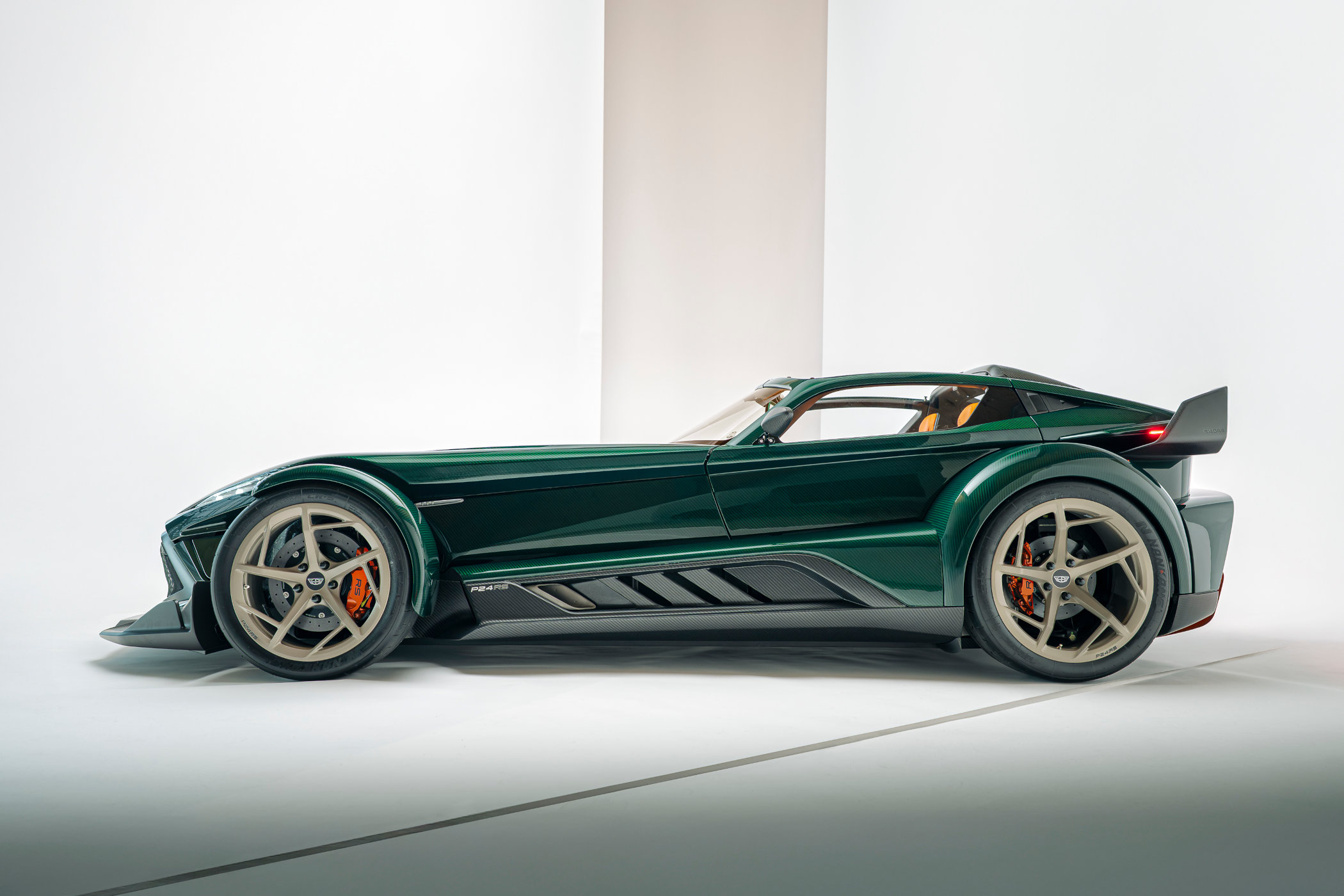
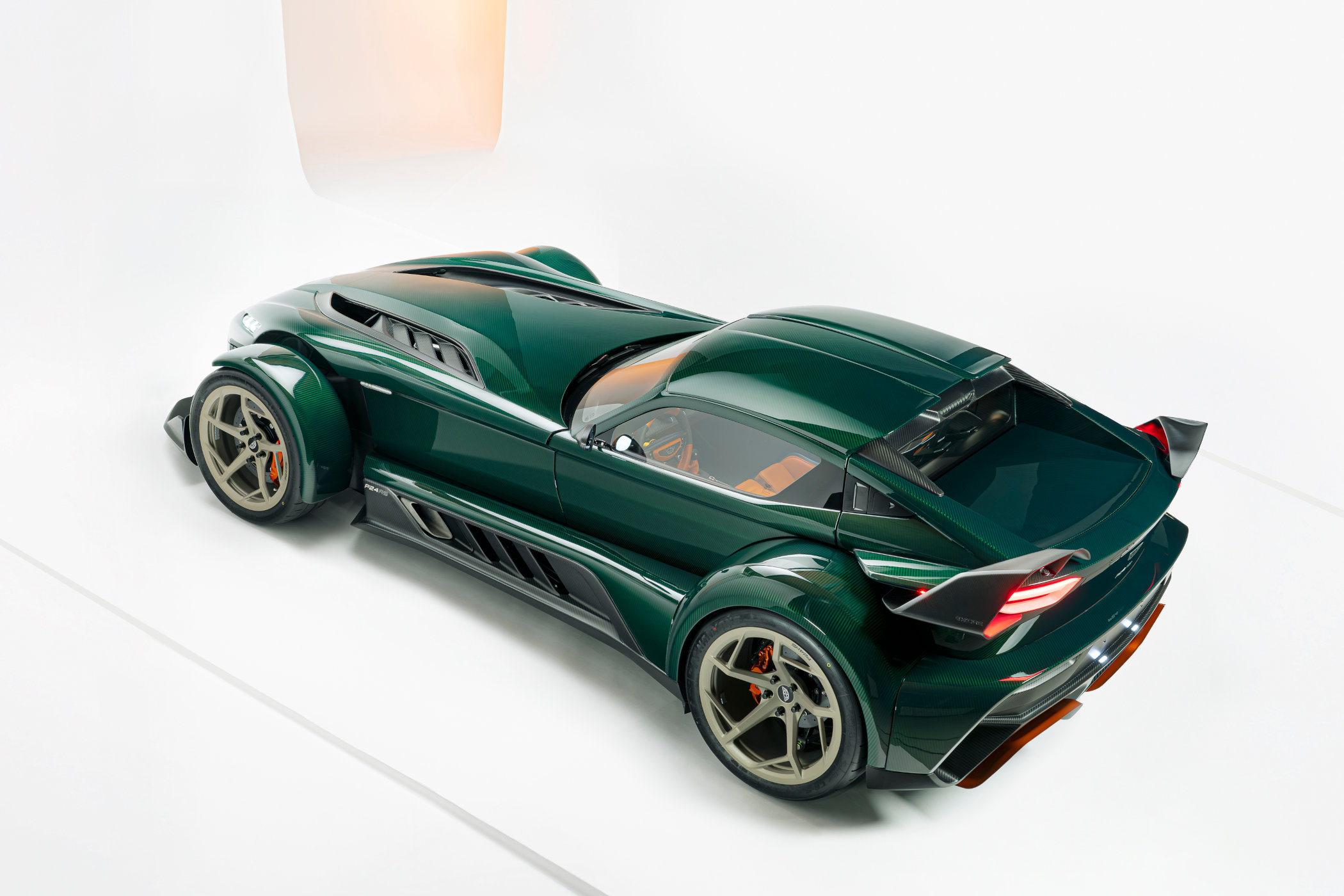
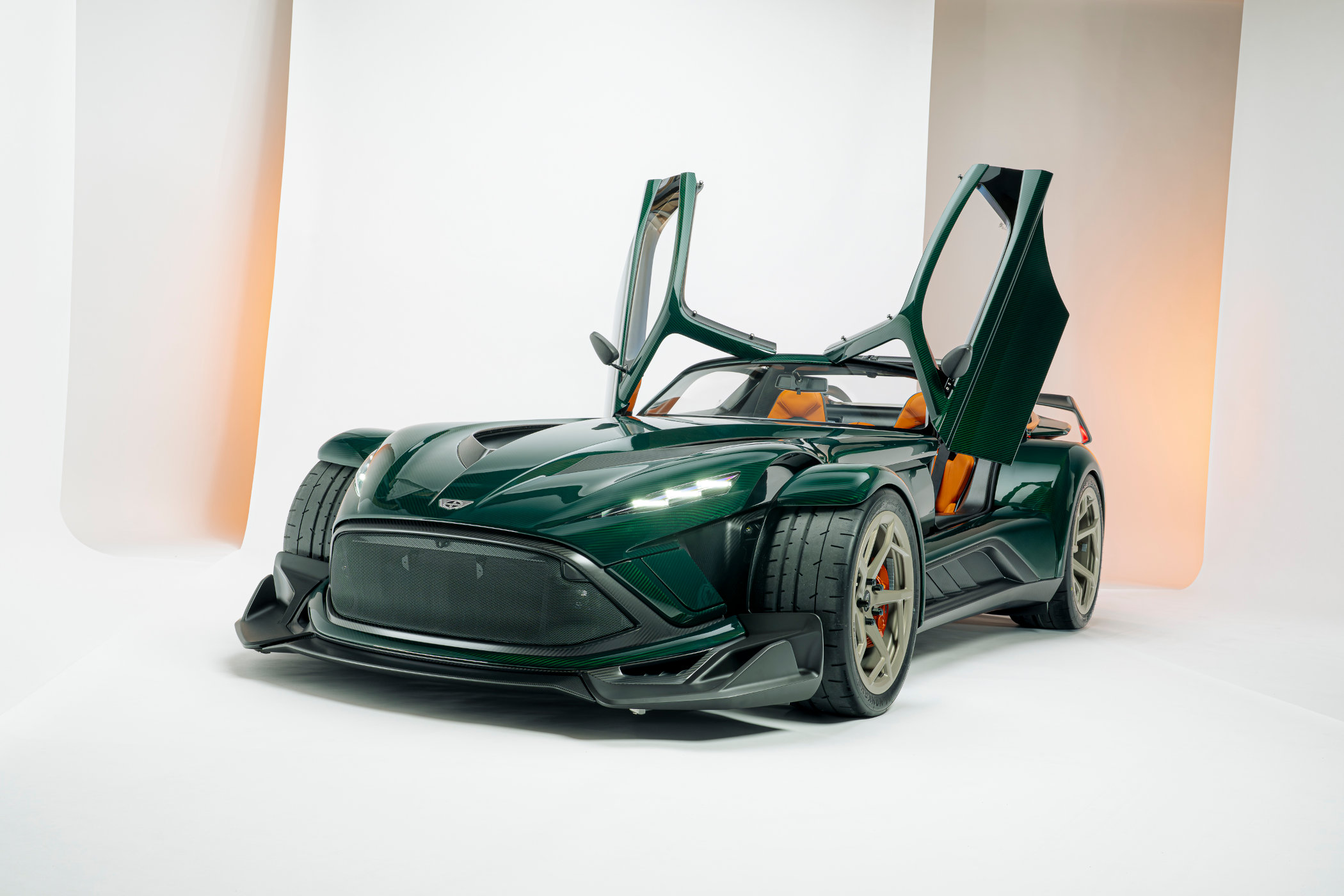
The styling is an F22 turned to eleven, or rather 24 if you will. It still is an open wheel layout, just like the Lotus Seven and all Donkervoort cars have been. But it’s far more modern, more aggressive than it’s ever been before. The stance, the lines, the long nose, and the rear diffuser all add up to a unique and menacing profile. The entire body is drawn up in carbon fibre, which is the prime reason this car weighs so little. However, despite its aggressive styling, the P24 RS is said to be quite practical (for a supercar), and even comes with a trunk! Ok, a tiny one, which can be used to store the removable aero package, but still…
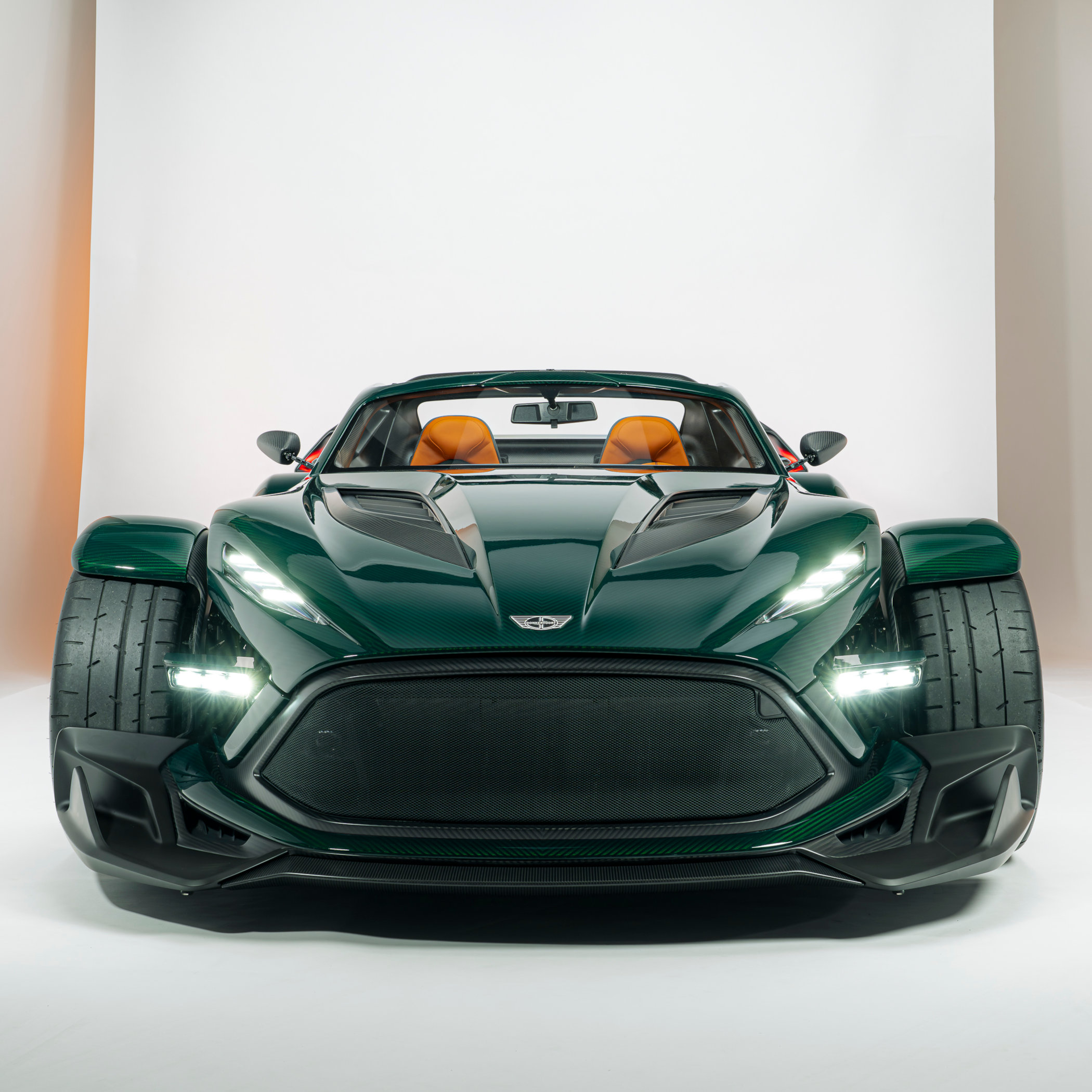
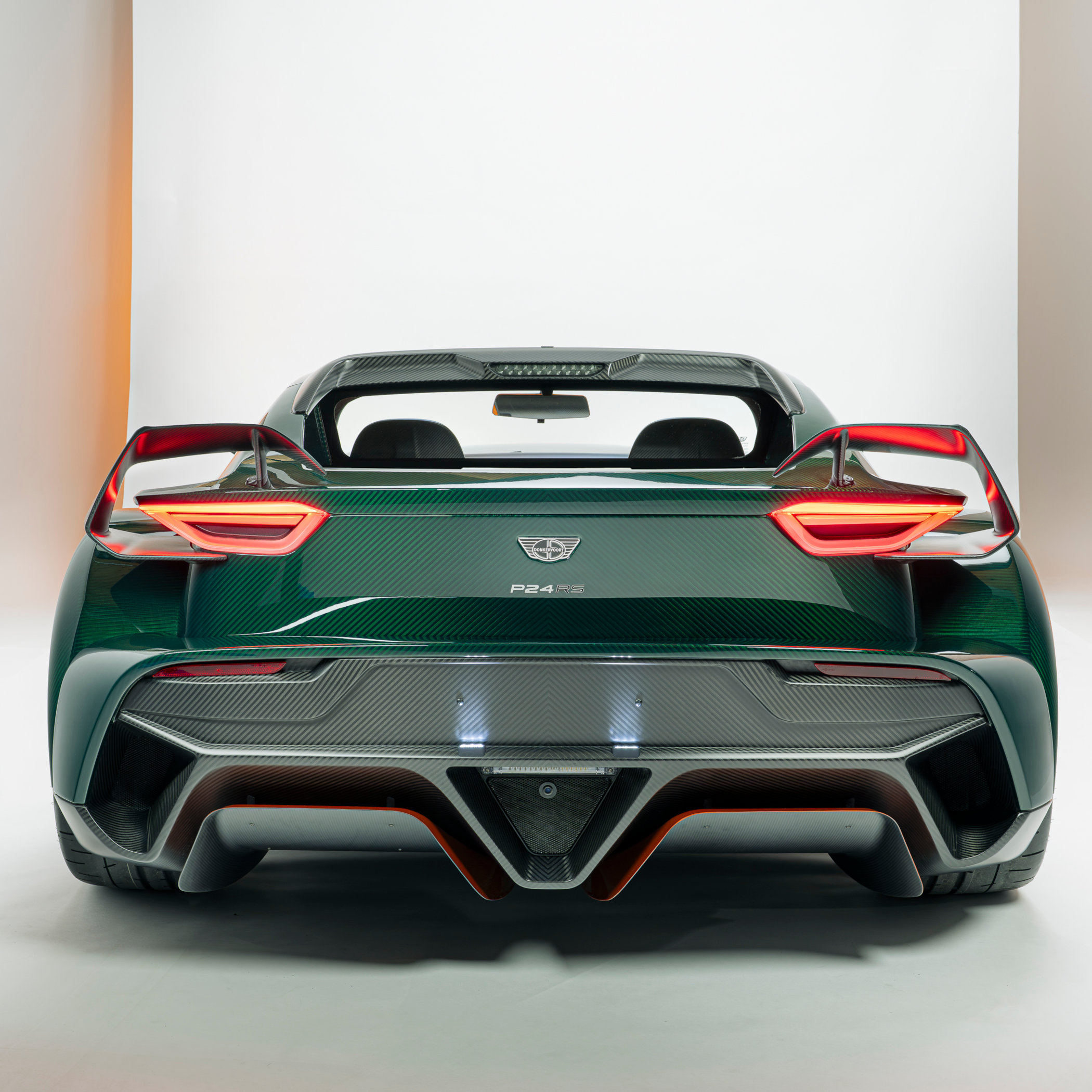
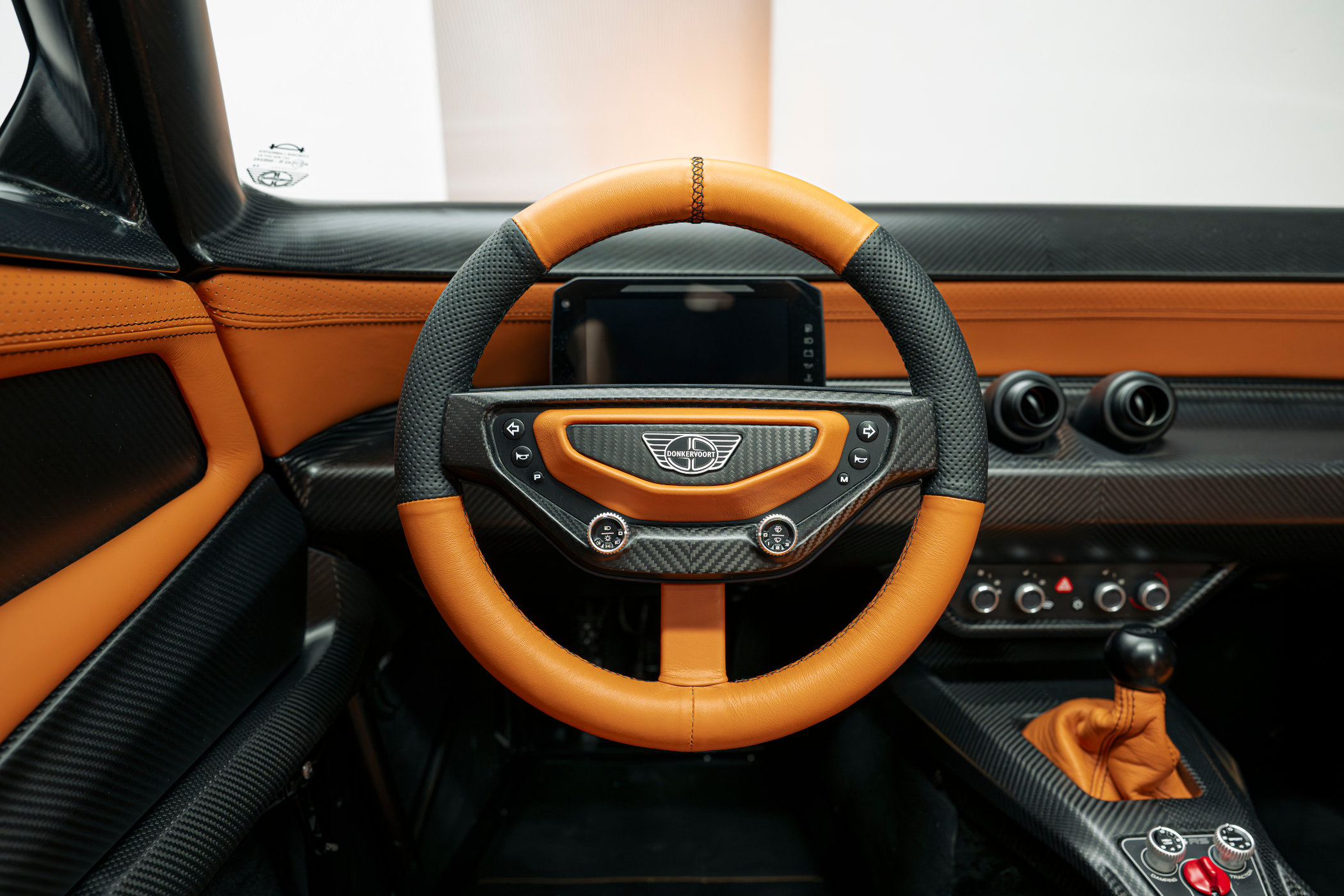
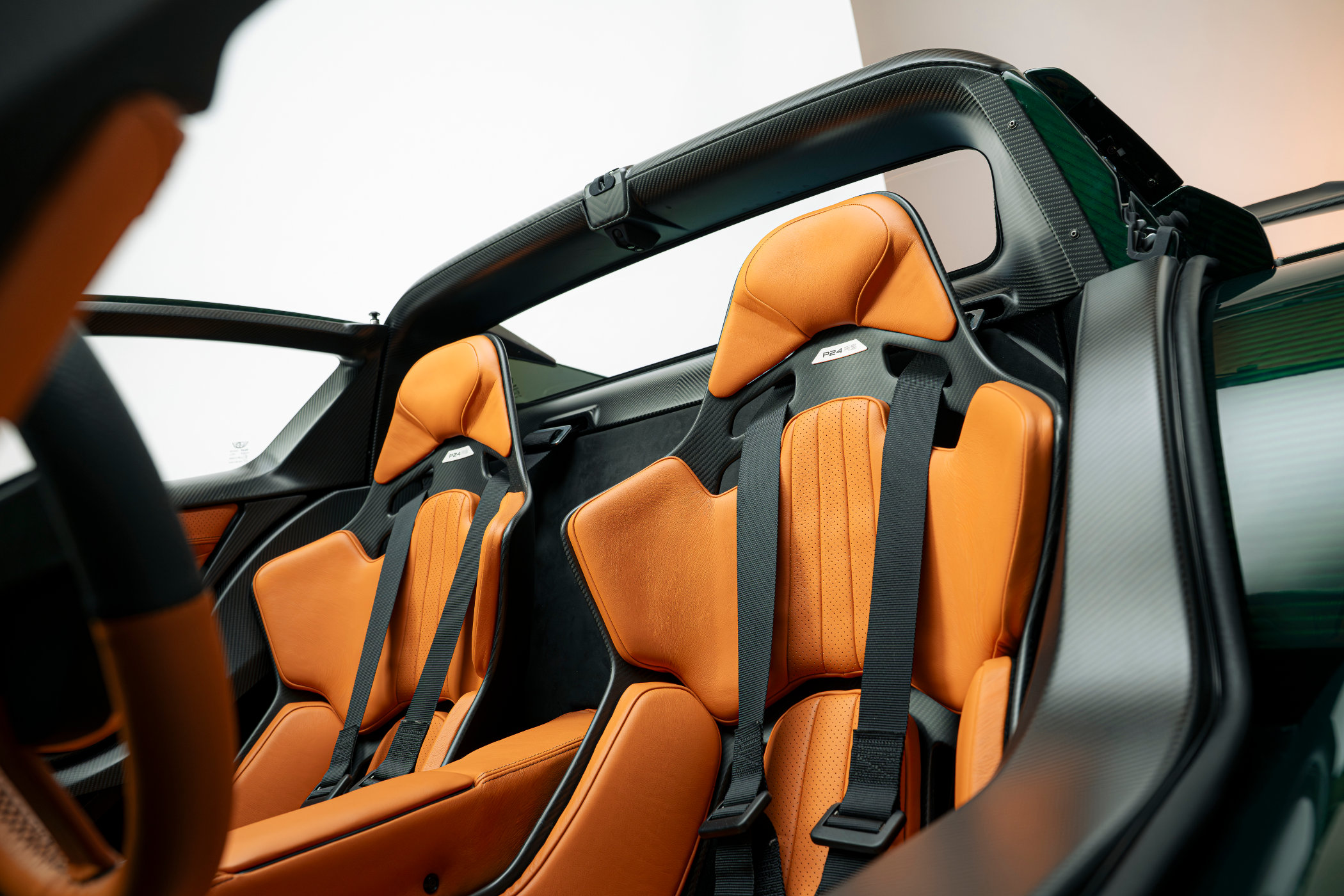
Speaking of which, P24 RS relies on floor-generated downforce for the most part, with the optional aero kit providing even more downforce when needed. The kit consists of front corner wings and rear winglets, each removable with just three bolts. Stopping is done on the proverbial dime, thanks to carbo-ceramic brakes by AP Racing. The P242 RS also comes with a multi-step adjustable traction control as standard, but the ABS is optional. The carbon fibre bucket seats are custom-designed for the car and made by Recaro, and you can strap yourself in place with a six-point racing harness. The interior accommodates people up to 2.05m with ease, which I am happy try out for Donkervoort if they’re reading this (I’m 2.01m, as I’ve explained in the past). A digital instrument cluster provides all the details you need on the road and potentially on the track, and the steering wheel is removable to make getting in and out a bit easier.
But the coolest thing on the P24 RS is the swing-out headlight! An industry first, the so-called Aero Blade light units are tucked away behind the grill until needed, so they don’t disturb the airflow. When they are activated, they sway out and guide air over the front suspension. It just goes to show the lengths Donkervoort goes to in the pursuit of pure, unfiltered performance!
The P24 RS in Numbers
When it comes to that pure, unfiltered performance, the Donkervoort P24 RS puts down some insane figures, to say the least. Sure, it’s not the most powerful car in the world, nor does it have the highest top speed, but it outclasses some of the most established names in the supercar industry. Heck, I would even say it would embarrass pretty much anything it would come up against at the traffic light, let alone a twisty B-road or even the track!
Let’s start with power, and I can honestly say there’s plenty of it. The heavily modified Ford-sourced twin-turbocharged PTC 3.5-litre V6 pumps out a very meaty 600bhp. Another important factor is torque, of which the ‘Power To Choose’ engine can deliver 800Nm at the highest setting. A setting, by the way, you can adjust yourself, hence the name. A switch lets you select outputs between 400bhp and the full 600bhp, to go from mild(-ish) to wild in an instant. All this power is fed to the rear wheels only through a five-speed manual transmission with rev-matching and flatshift, keeping the engine within its ideal power band as you shift through the gears. And in essence, it makes this the fastest Donkervoort ever produced, but also the only 600bhp supercar below the 1,000kg mark!
And then there’s the speed. Donkervoort claims the zero-to-100kph sprint is “appropriate”, which says… well, nothing. However, given the fact that the F22 needed only 2.5 seconds to hit 100kph, and this one is a ‘little’ bit faster on all fronts, I wouldn’t be surprised if it does sub-2.5 seconds runs in ideal conditions. They do give us a zero-to-200kph time, though, if ever you were wondering, and that’s said and done in 7.4 seconds only. So yes, the P24 RS is fast! If you’re brave enough and have a stretch of road wide, flat, and free enough to chase its top speed, you’ll be looking at well over 300kph! The exact top speed is yet to be confirmed, but it will be mighty, no doubt.
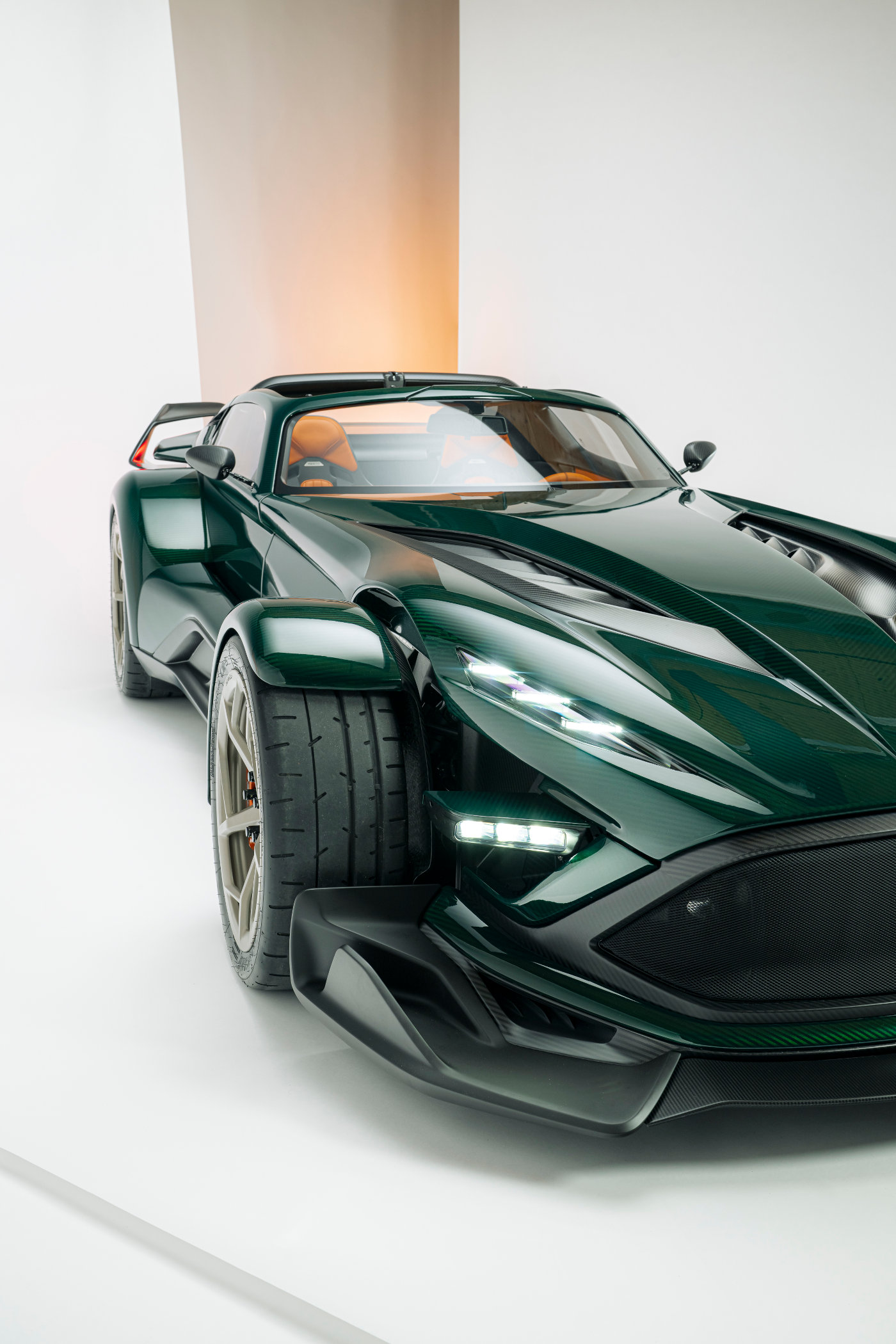
All this power, combined with a dry weight of only 780 kilo means this is a hugely impressive machine in a straight line, but even more so through corners. The maximum lateral acceleration is said to be 2.3Gs, far surpassing most other supercars around. Mind you, that is with the removable aero package installed! You definitely need that extra 90kgs of front and rear downforce at 250kph, the corner wings and front winglets add, when you’re out and about hammering this thing!
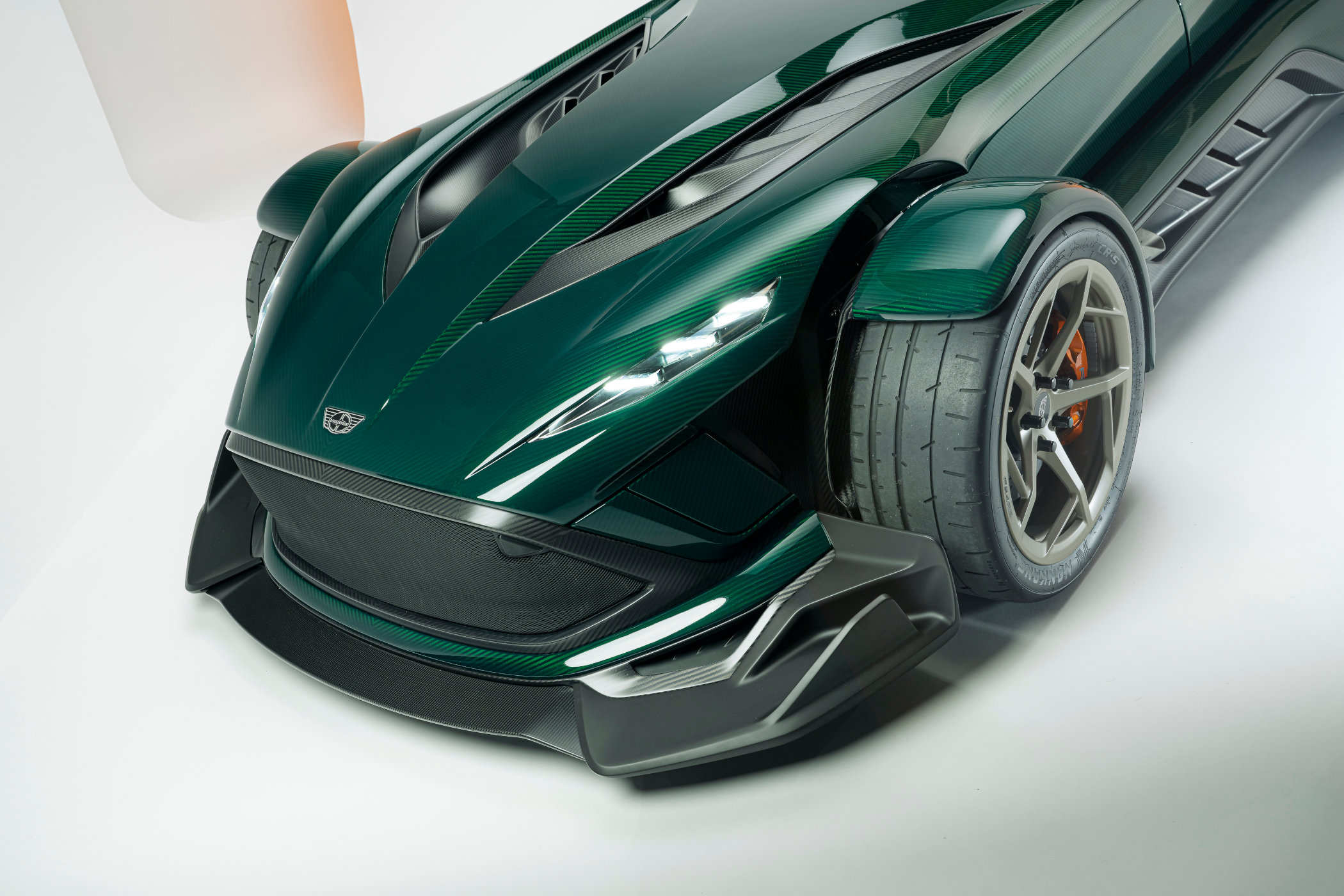
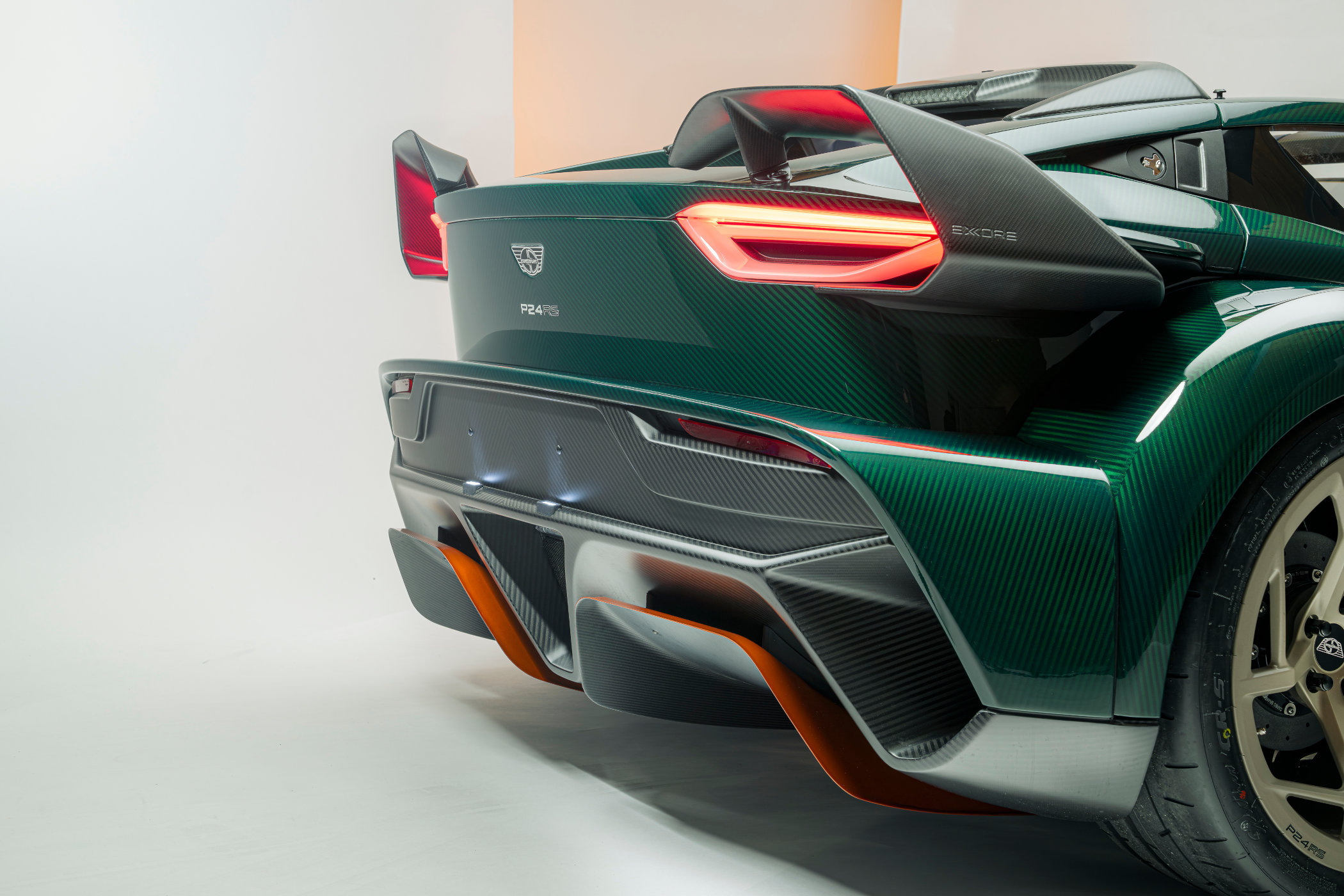
To finish off the numbers-game, Donkervoort will build only 150 P24 RS’s and at the time of the launch, Donkervoort announced that roughly a third of the production was already allocated. The base price in the Netherlands, under 21% VAT and BPM, is just shy of EUR 300,000. Sift through the options list and tick a few boxes here and there, and that can easily be doubled. But since most clients want the full experience, a louder high-performance exhaust system comes as standard! Now, where did I put my chequebook again?
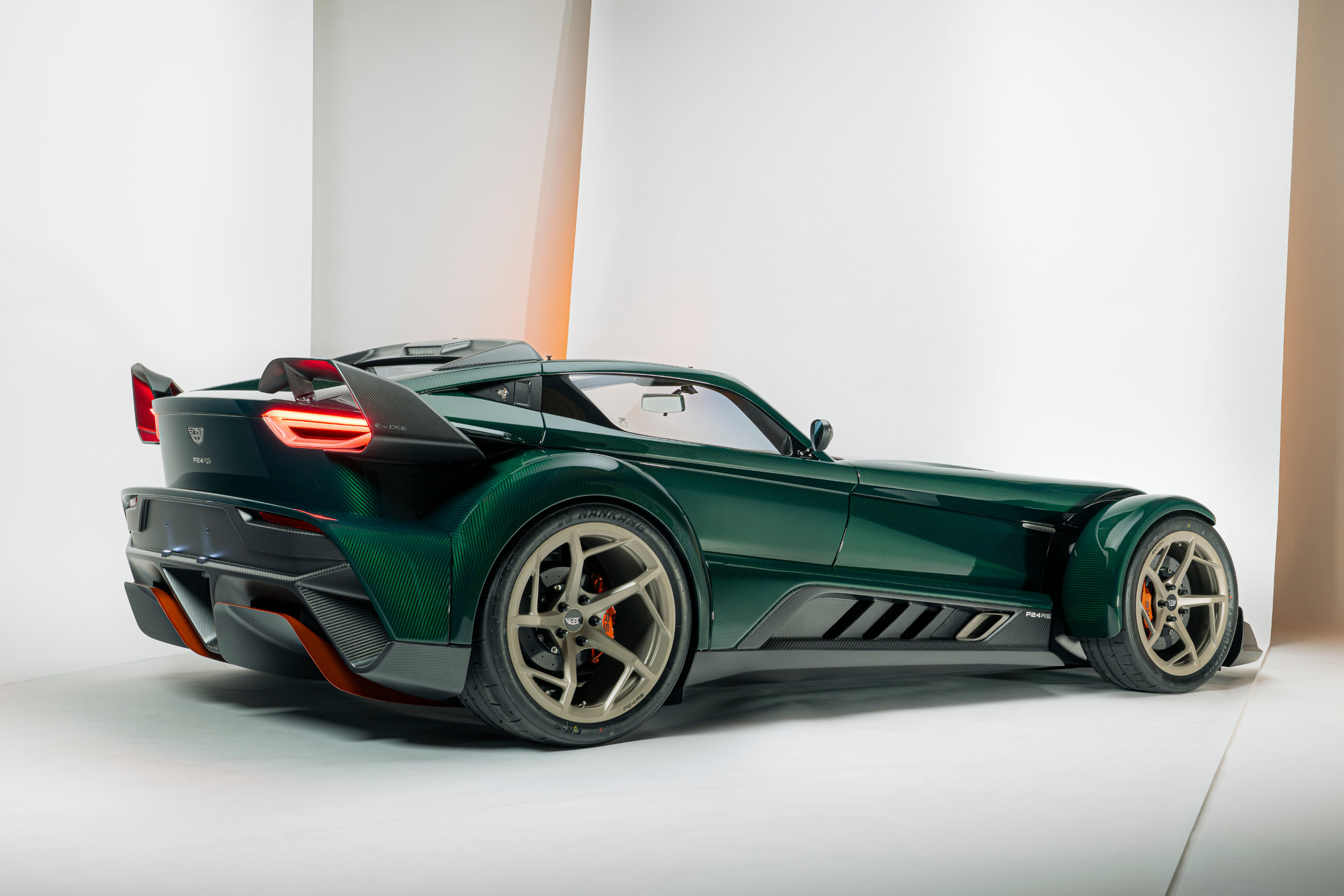
For more information, please visit Donkervoort.com.
Editorial Note: The information used and images portrayed in this article are sourced from and used with permission of Donkervoort unless stated otherwise.