
 Not all images were able to load for printing. Please close the print window and try again.
 Dacia Takes Its First Ever Win At The 2026 Running of the Dakar
Nasser Al-Attiyah returns to the winner's circle to claim his sixth overall victory, and the first for the Dacia team!
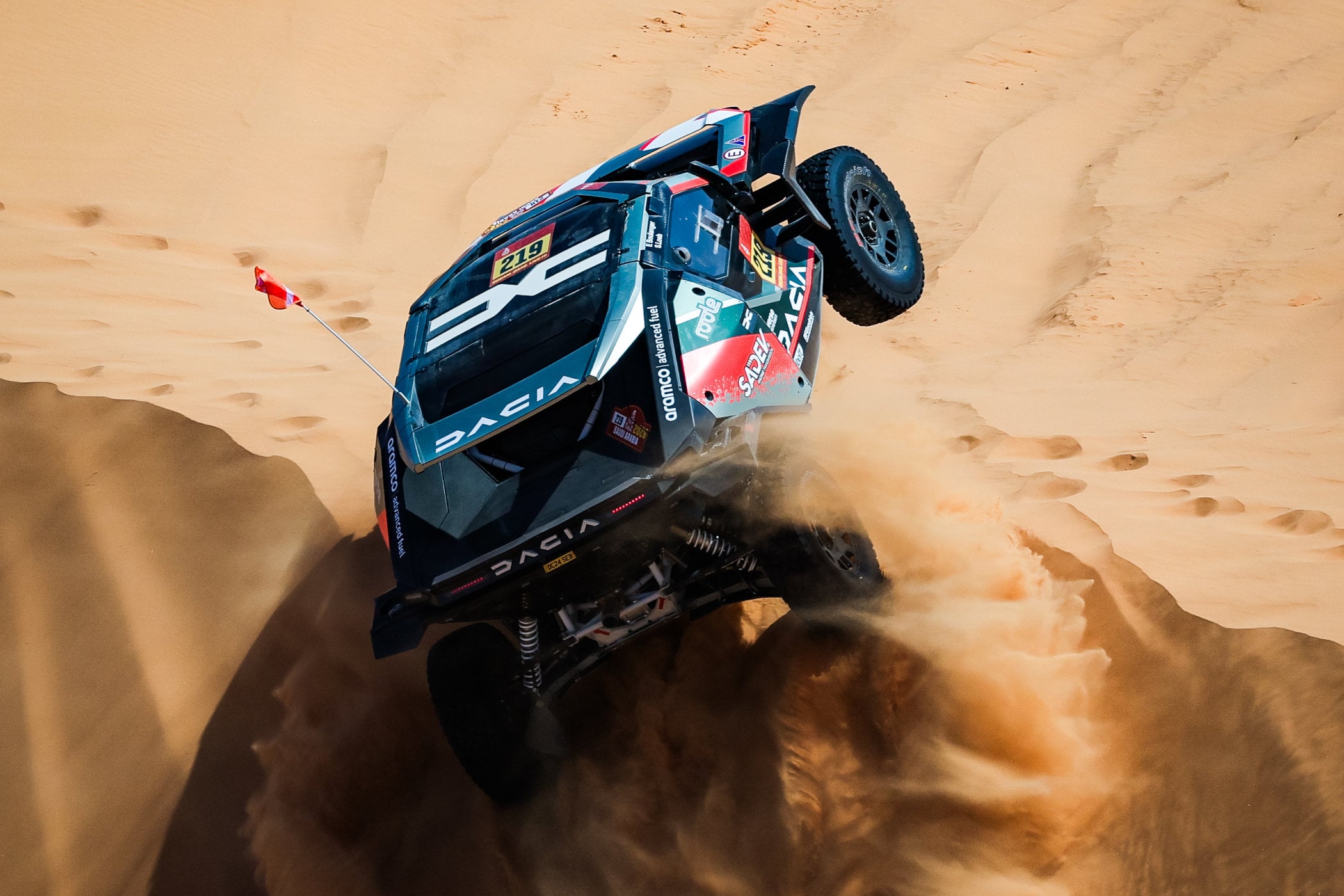
The Dakar is the true stuff of legends. And it’s not just the historic editions that still leave many of us in awe, the yearly adventure is still the playing field for the creme de la creme in rallying. Each competitor, whether on two wheels or in a car or truck, has to battle the odds and navigate the toughest terrains on earth for days on end. And while sand might not sound very daunting, it becomes a whole different story when you have to tackle dunes higher than a house. In the Dakar, danger is literally around every corner and behind every dune, and lives are literally at stake. This year, the racing was closer than ever, especially in the Bikes class, where it came down to literal seconds. Here’s the complete rundown on the 2026 edition of the legendary Dakar Rally.
KTM Wins with Luciano Benavides, in Dakar’s closest finish ever
The Bike category is always one of the most intense classes in the Dakar, as well as one of the most gruelling ones. The entire Dakar is a monumental test of man and machine, but to do it on two wheels always feels a little bit more… insane, really! Navigating the toughest terrains imaginable, from towering sand dunes to endless plains and treacherous rocky roads and mountain paths, for days on end, all in pursuit of that ultimate dream: winning the Dakar. While not all riders are “in it to win it”, as for some, it’s all about experiencing the Dakar in the first place, it always draws in top names from all over the world.
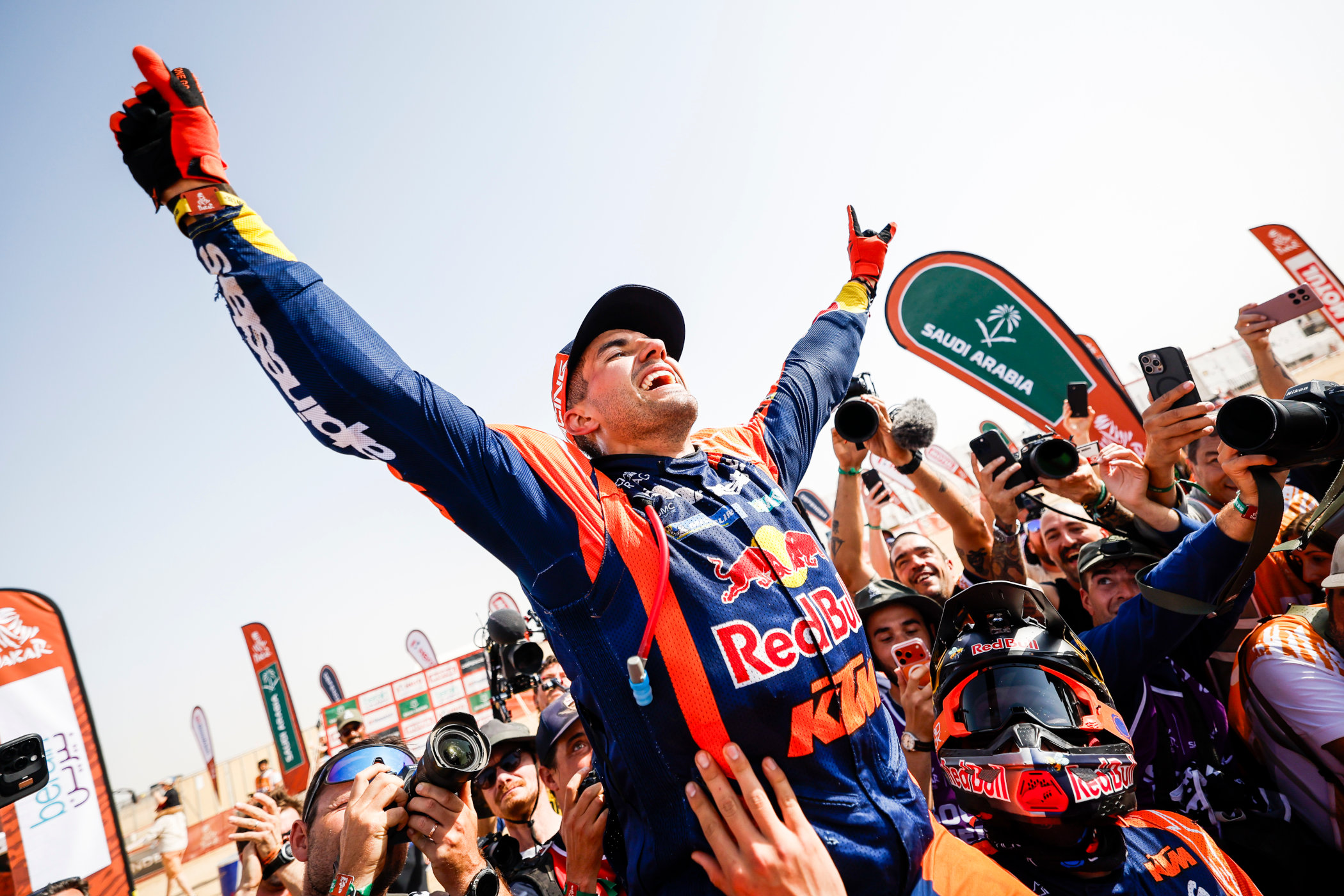
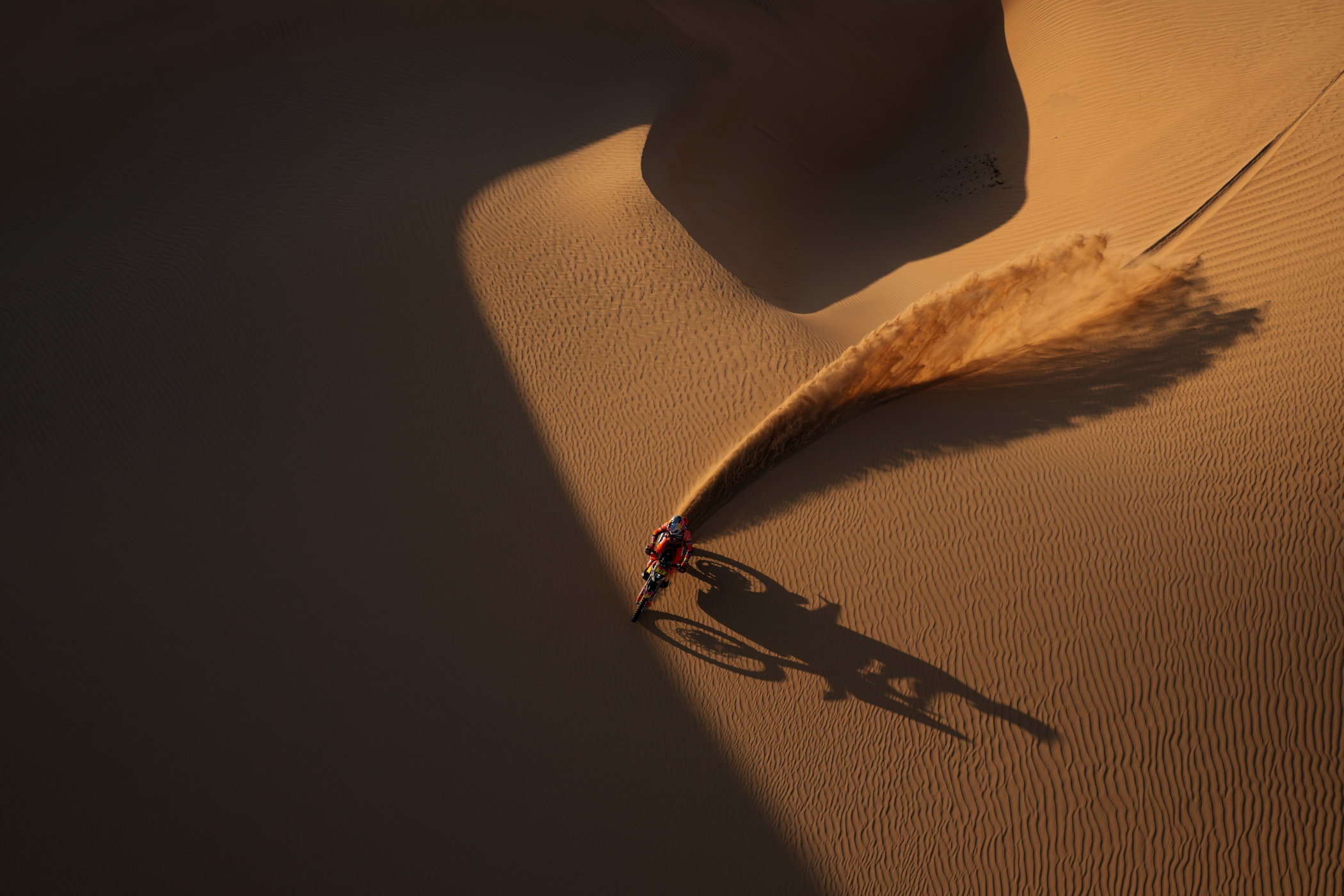
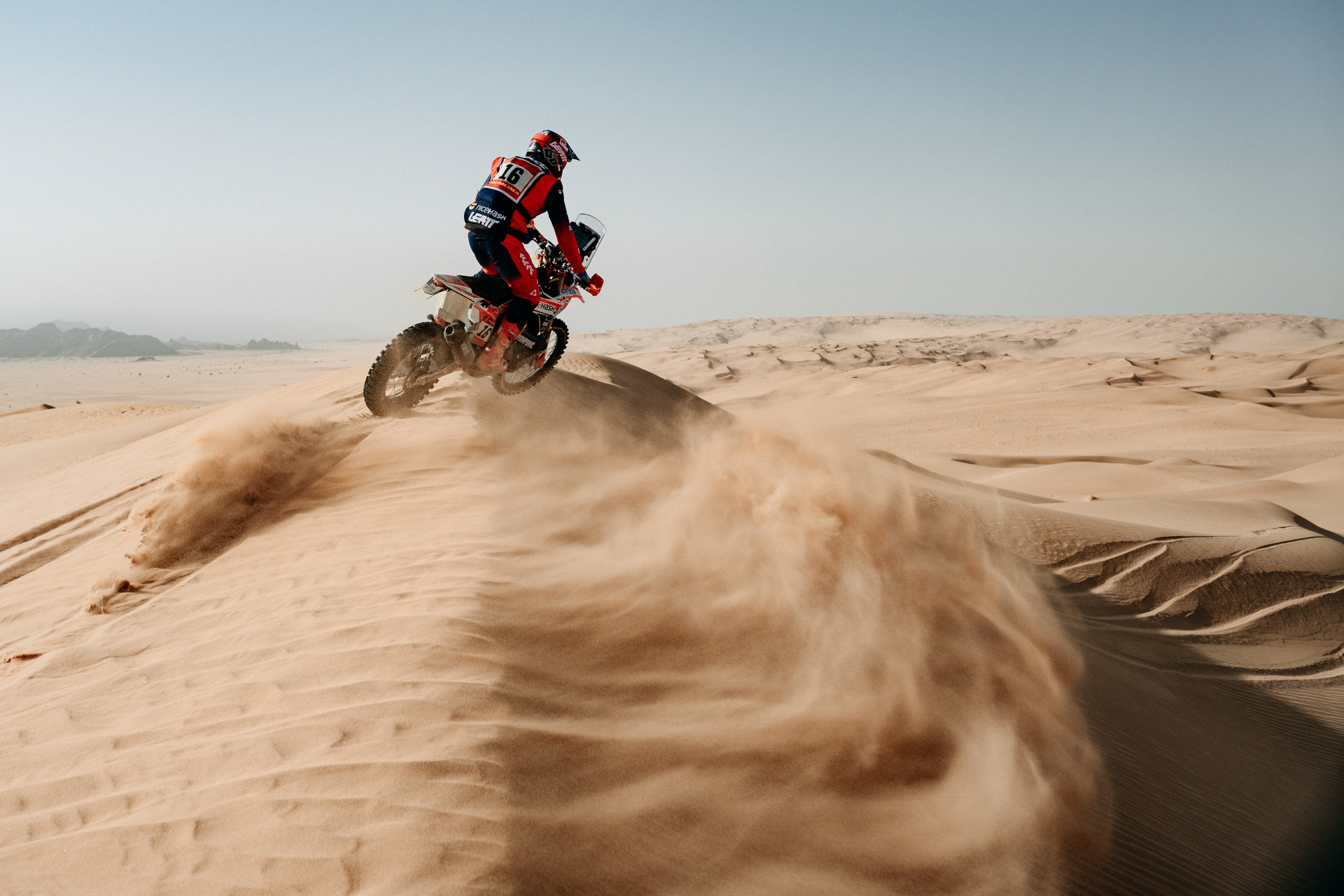
This year, it came down to the wire, and just a couple of seconds. With 115 bikes lined up at the start and 90 finishers, it was Luciano Benavides riding a KTM 450 Rally and Ricky Brabec on a Honda CRF 450, both very experienced Dakar motorcyclists, that battled it out until the very last stage. Brabec strung together five podium finishes right from the start, with Benavides not far off but with a bit more ups and downs. Gradually, though, Benavides started to get into the groove and climb the general rankings.
Midway through the event, he notched up three stage wins and was battling for the overall lead. In the very final stage, Brabec took a wrong turn midway through the course and saw his 3:20-minute lead melt like snow in the sun. Benavides profited from Brabec’s mistake and, after 49 hours and close to 8,000 kilometres of competition, took the win by just two seconds, setting the record for the closest finish in any class in Dakar history!
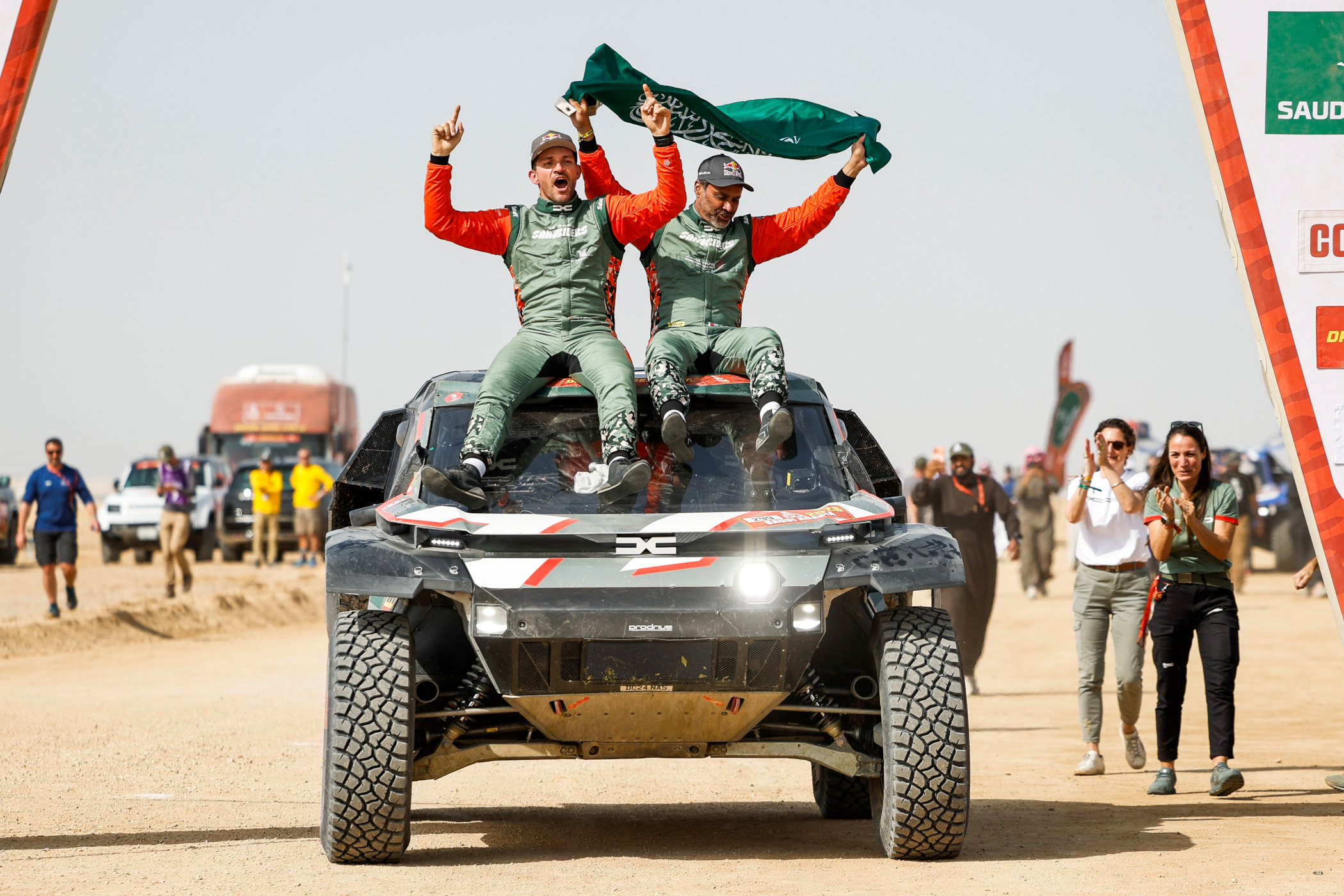
Nasser Al-attiyah Wins His sixth Dakar and Grants Dacia its first
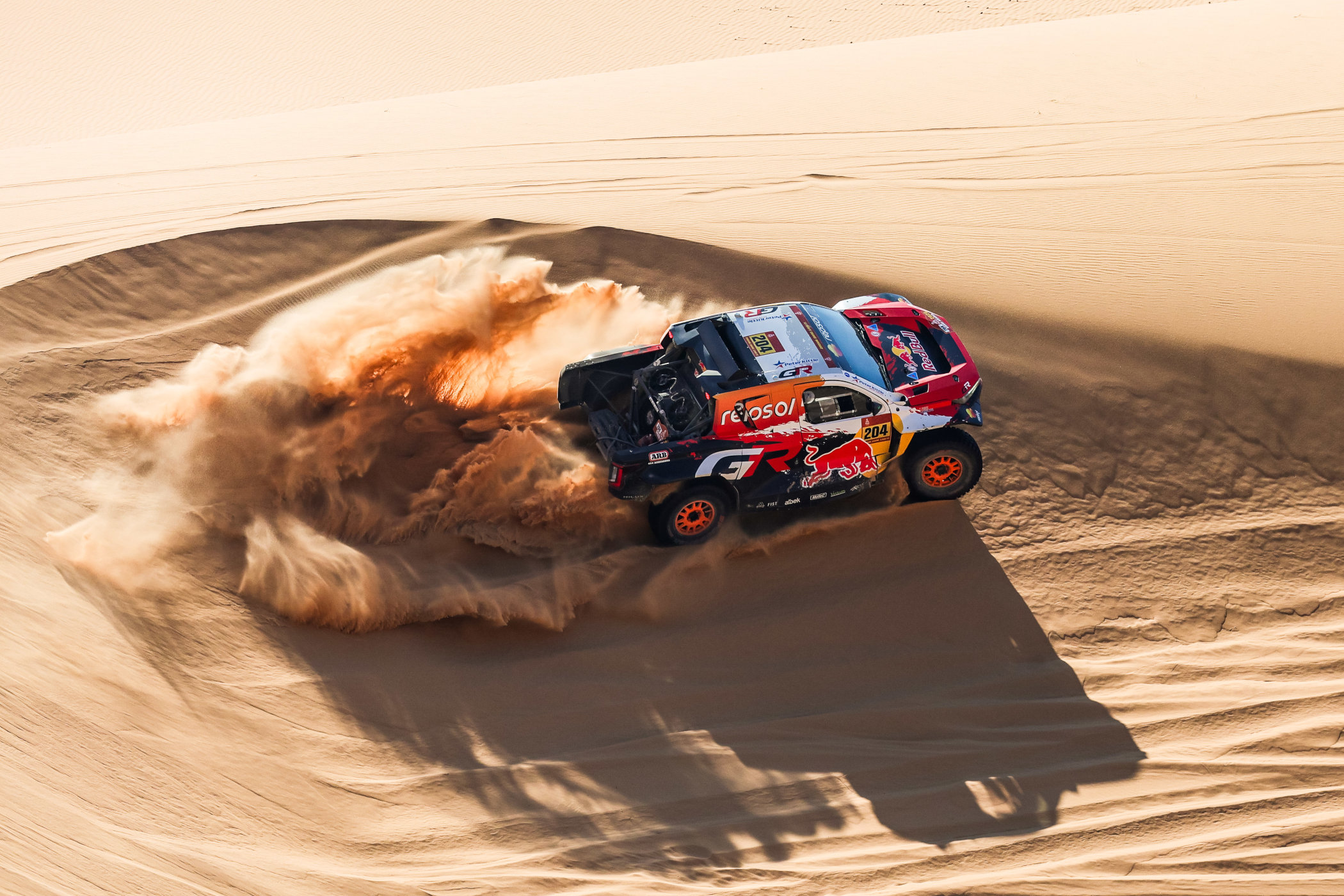
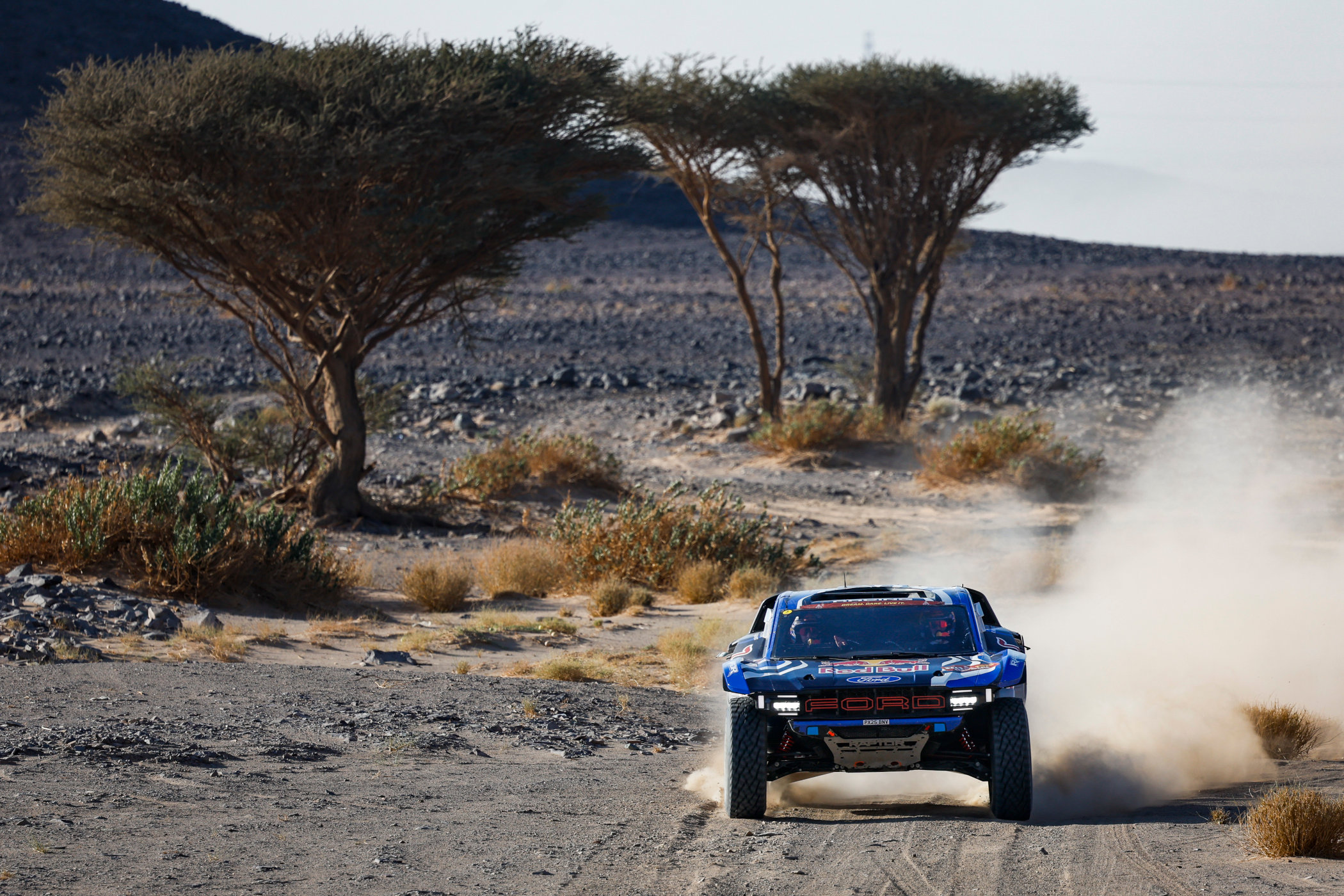
The big-budget teams of Mini, Dacia and Ford all lined up at the start seeking to knock Toyota off its throne, but it was the Dacia team that took home the overall win in what would be another epic battle across the Saudi desert. Following last year’s debut of the Dacia Sandrider, Dakar veteran Nasser Al-Attiyah rose to the top once more, to claim his sixth overall victory, now winning for four different manufacturers. But it was far from an easy win for the Qatarian driver, as the competition proved fast and capable.

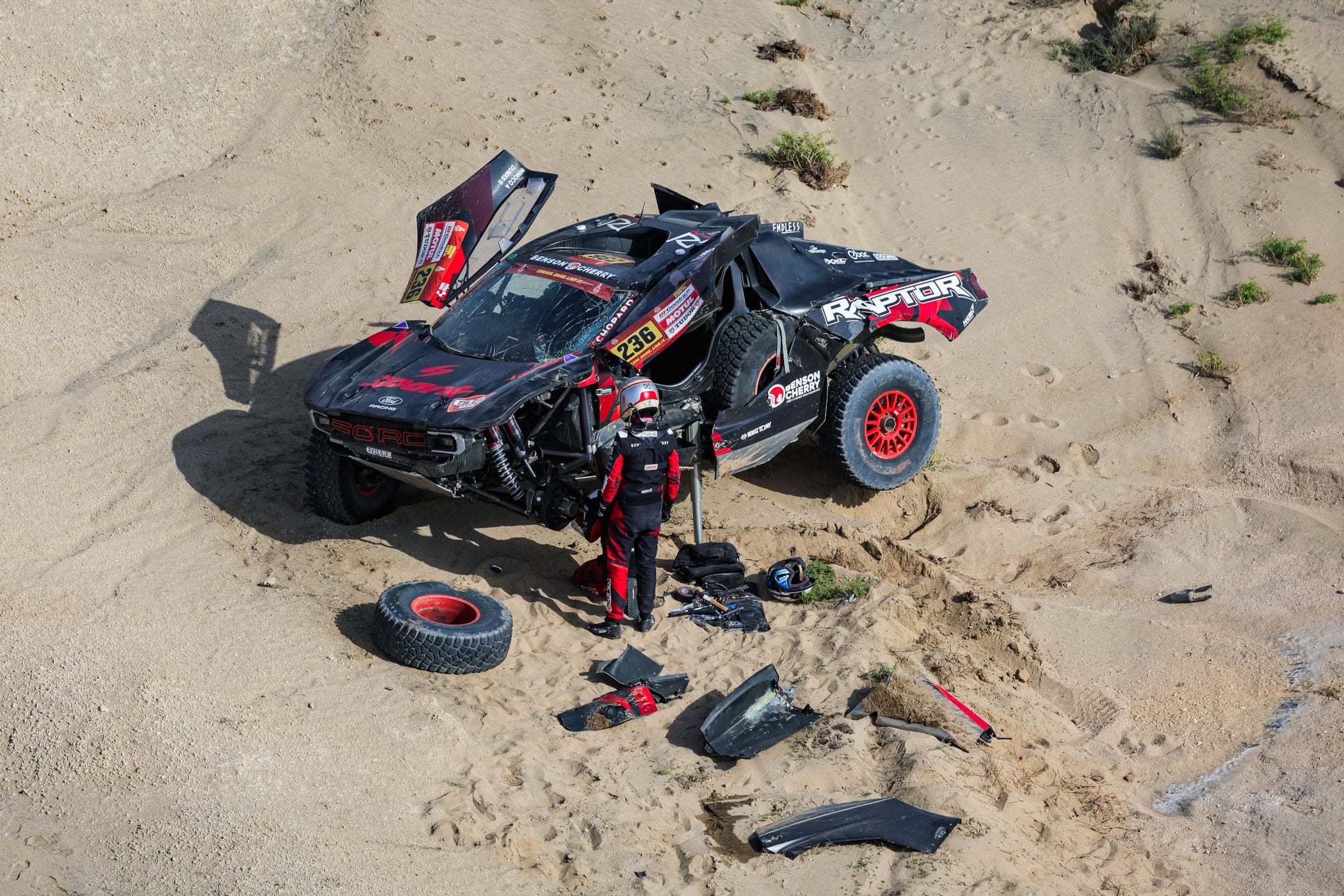
Having to battle it out with the fast Ford Raptors, Mini JCWs, and Toyota Hilux GRs, Al-Attiyah and navigator Fabian Lurquin gained the lead after stage 6, dropped down to third after stage 9, but were back at the top of the leaderboard after stage 10, with a lead of 12 minutes over Henk Lategan and Brett Cummings in a Toyota. A lead they wouldn’t relinquish, despite a fast-charging Nani Roma and Alex Haro in a Ford Raptor and taking it very slow themselves in the 13th and final stage, finishing a low 43rd! Mattias Ekström and Emil Bergkvist, also racing for the Ford Racing team, managed to hold off Sebastien Loeb in the second Dacia Sandrider for a third-place finish. Toyota managed no better than 8th overall, regardless of winning four stages this year. A special mention goes to Mathieu Serradori and Loïc Minaudier, who piloted their Century CR7 to a stage 10 win, and 6th overall, ahead of the third Dacia Sandrider duo, and a trio of Toyota Hilux GRs.
Nordis Team de ROoy FPT wins the trucks division
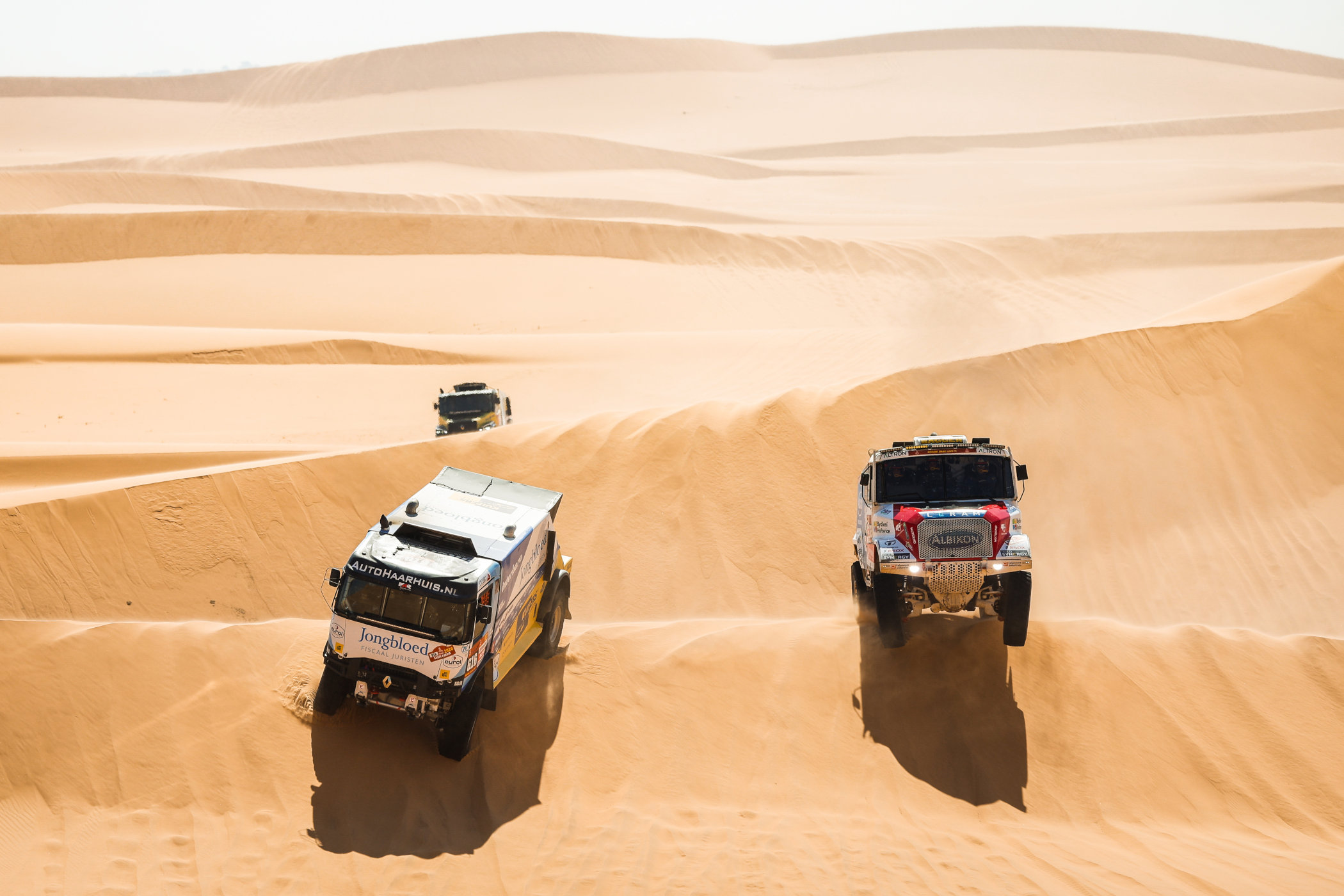
With 44 trucks starting the 2026 Dakar and literally half of them not making it to the end, it was a brutal edition for the heavyweights. While there are always a good number of cars, bikes and trucks forced to retire due to technical/mechanical issues or crashes and other incidents, it’s rare to see half of the teams not make it to the finish. For years now, it seems that the Trucks class is the playing field of the Dutch and Czechs, but this year it was Lithuanian rally driver Vaidotas Žala, Portuguese co-driver Paulo Fiuza and Dutch technician Max van Grol of the Nørdis Team De Rooy FPT who came out victorious. Staying clear of any major incidents in his Iveco PowerStar, he bested the Czech team of Aleš Loprais, David Kripal and Jiri Stross, as well as the Dutch team of Mitchel van den Brink, Bart van Heun and Jarno van de Pol, all driving similar Iveco PowerStars.
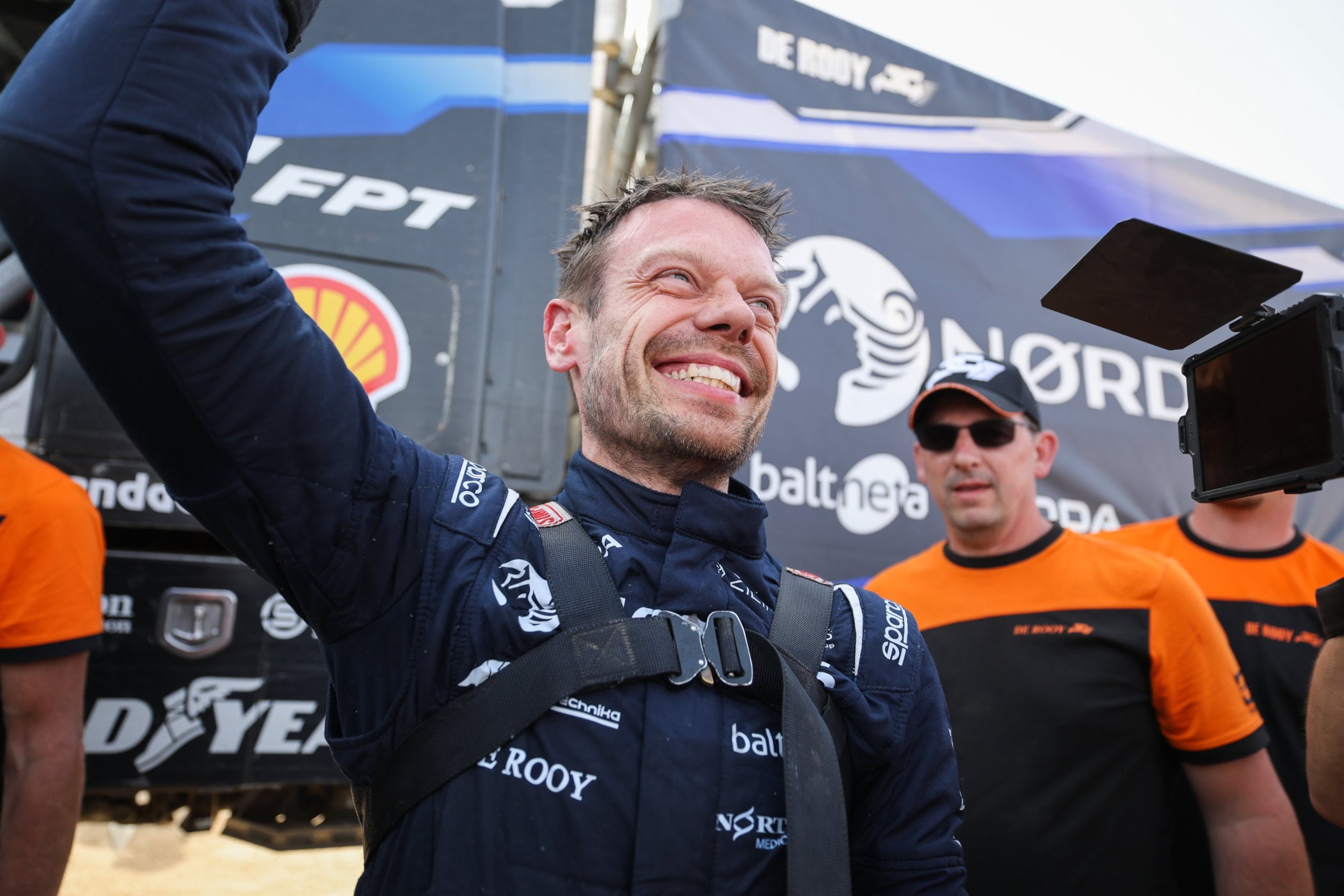
The hard-charging team of Mitchel van den Brink, as well as Iveco’s Martin Macik and Aleš Loprais, made headlines by winning a combined 11 out of 13 stages plus the prologue. Yet it was Vaidotas Žala’s consistency that proved key in this year’s Dakar. He and his fellow men stepped on the podium a total of 10 times, with one stage win, and were never lower than 8th in a single stage and 5th in the general standings. Margins were slim, though, as it was the team of Mitchel van den Brink, Barn van Heun and Jarno van de Pol that looked in control for the majority of the rally. The Dutchmen were either first or second overall from the prologue down to stage 10, where a seventh-place finish saw them drop down to third. At the end of it all, after just under 57 hours of racing through Saudi Arabia, the difference was only 20 minutes between first and second, with third-place finishers finishing 9 more minutes behind that.
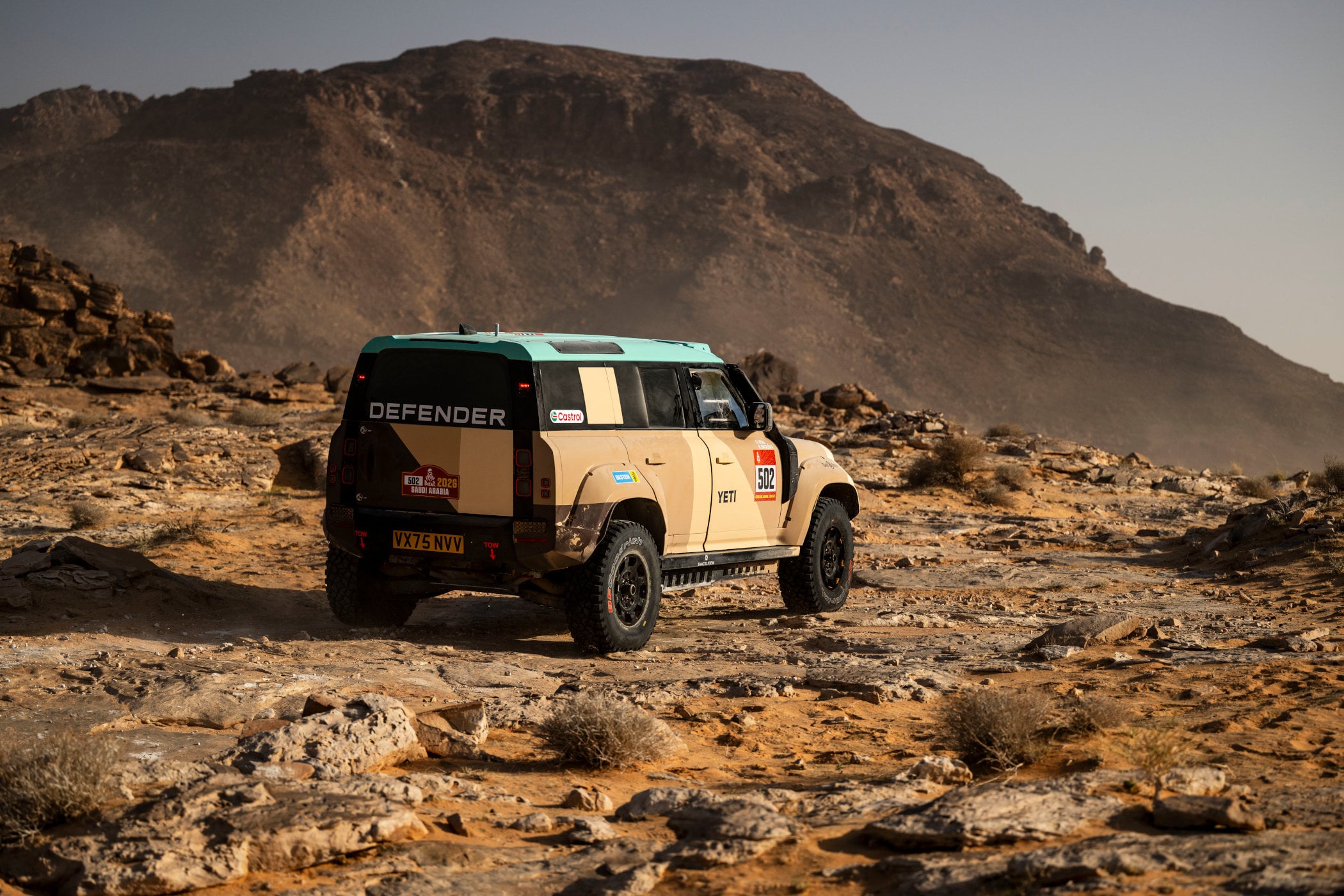
The Defender D7X-R Triumphs the Stock class
This year, the Dakar also welcomed production-based entries in the newly formed Stock Class. The Defender Rally team made a grand entry with their Defender Octa-based D7X-R, taking on two other true off-roading greats, the Toyota Land Cruiser and the Nissan Patrol. Yet it was not Dakar legend Stéphane Peterhansel claiming top spot, but his teammates, Rokas Baciuska and Oriol Vidal, coming in first. The podium was completed by the second Dakar duo, of Sara Price and Sean Berriman, finishing in second place, and Ronald Basso and Julien Ménard coming in third for Team Toyota Land Cruiser Toyota Auto Body. Peterhansel finished fourth in class, which makes for an impressive debut altogether for the Defender team.
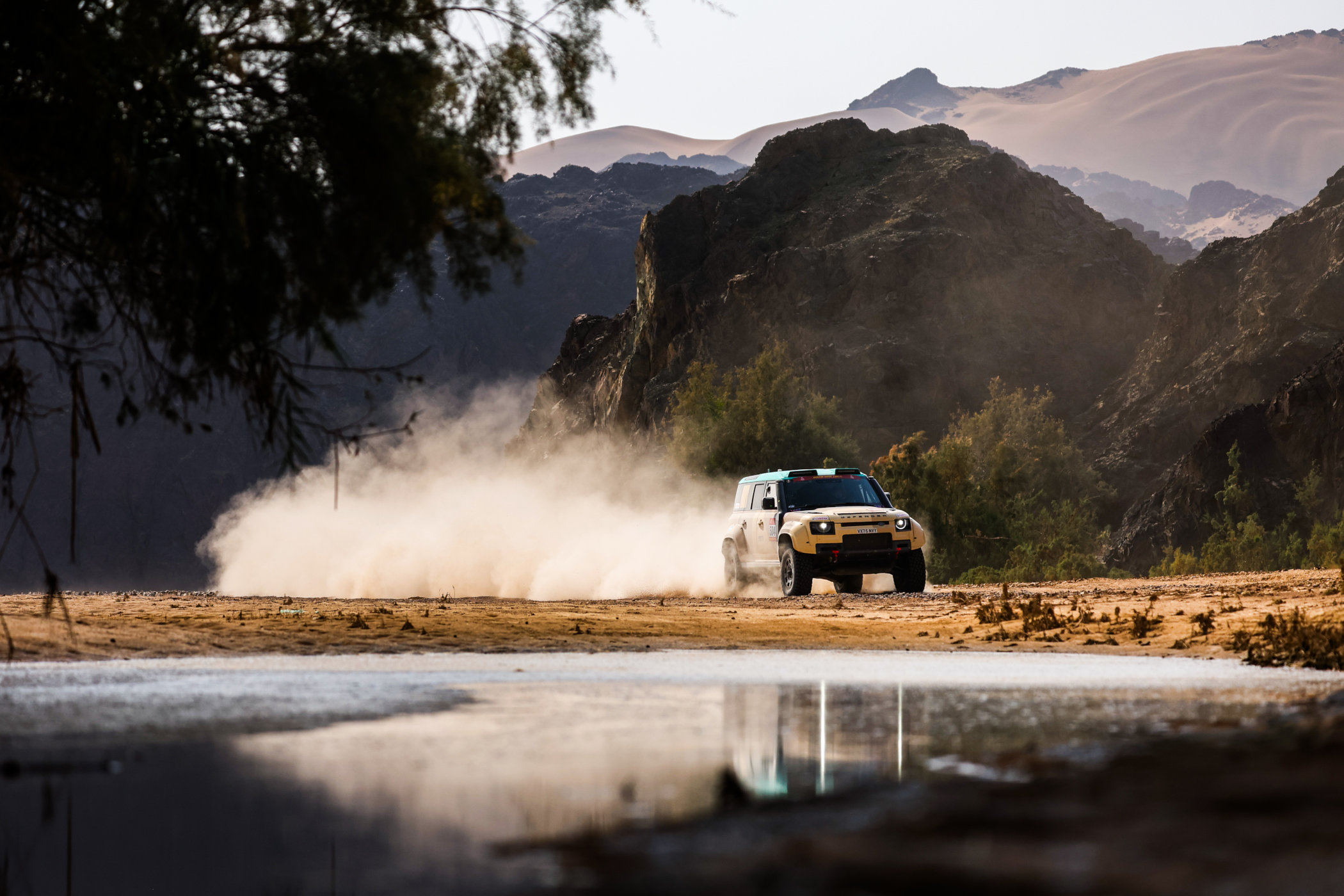
From the early goings in the Prologue, the Defender team took the reins and never relinquished the lead of the rally. Sara Price took the early lead, with Stéphane Peterhansel and Rokas Baciuska close behind in second and third. What followed was clear dominance, as the Defender Rally team took every single stage win, swapping out podium places between their three entries. In the end, the Toyota and Nissan running team did end up on the podium several times, but were no real threat to the Defenders. With such a strong debut for the class and the D7X-R, we might have a great new era on our hands!
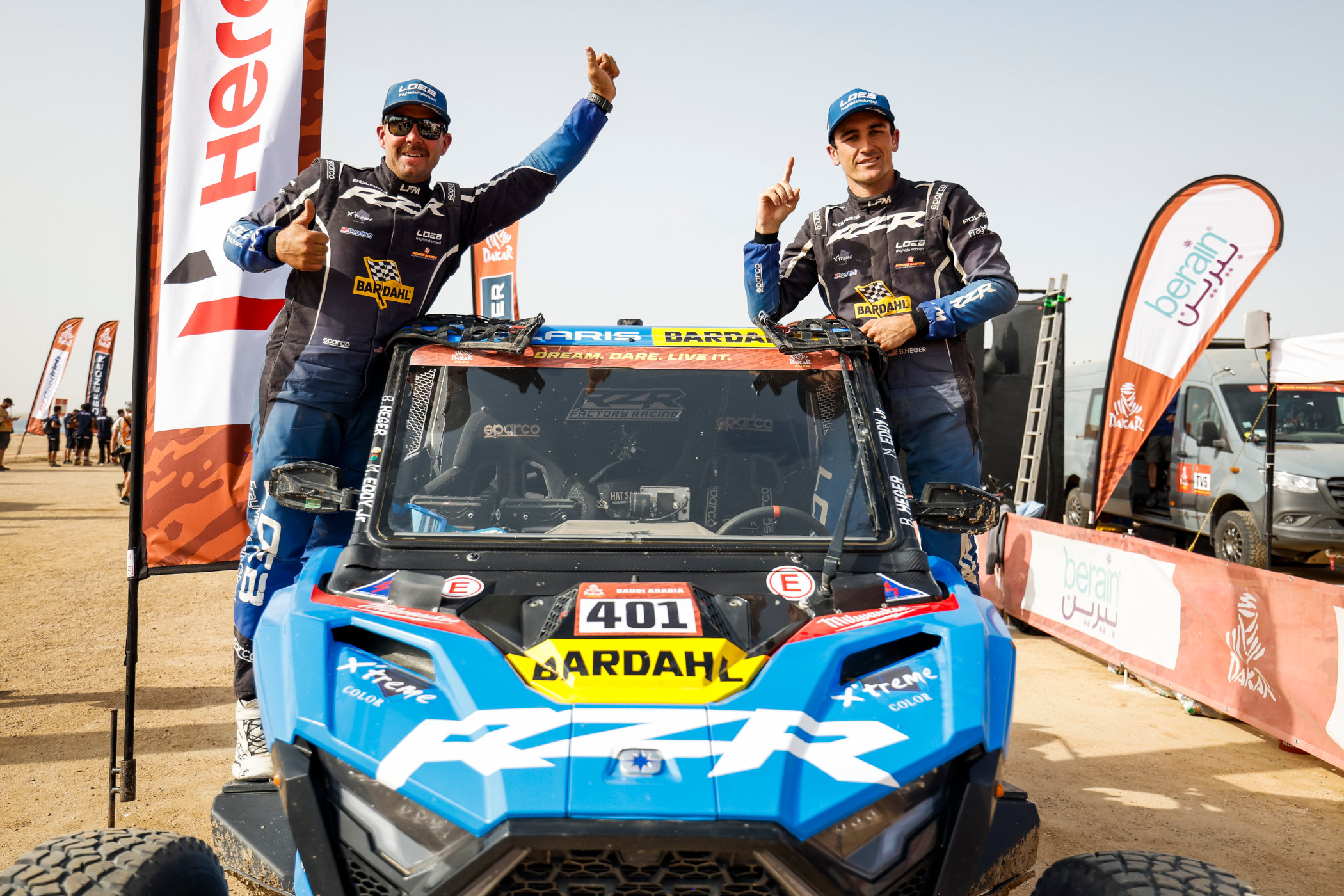
Challenger & SSV
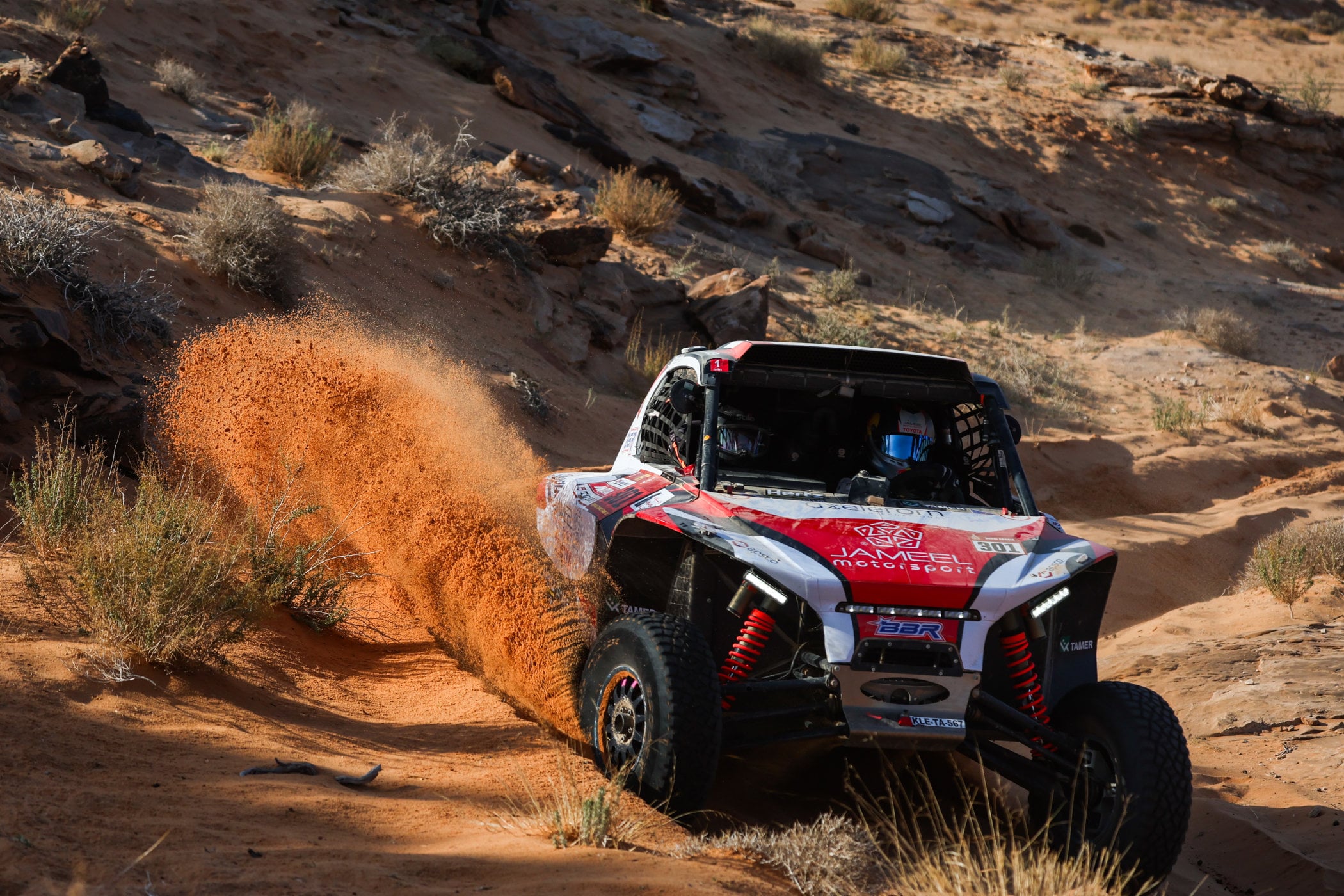
Like every year, the Challenger and SSV classes delivered in excitement and sensation. While the Challengers class runs prototype-style buggies and the SSV class uses more production-based buggies, the competition is close in both categories. The field is a mix of high-profile veterans and former winners, pure adventurers and debutants looking to make a name for themselves. American-born Brock Heger, along with navigator and fellow-Yank Max Eddy, both entered the Dakar for the very first time, but came out victorious after 14 stages, a remarkable achievement for a rookie team! They managed to fend off Kyle Chaney and Jacob Argubright, who finished second, and Xavier de Soultrait and Martin Bonnet, clinching third overall.
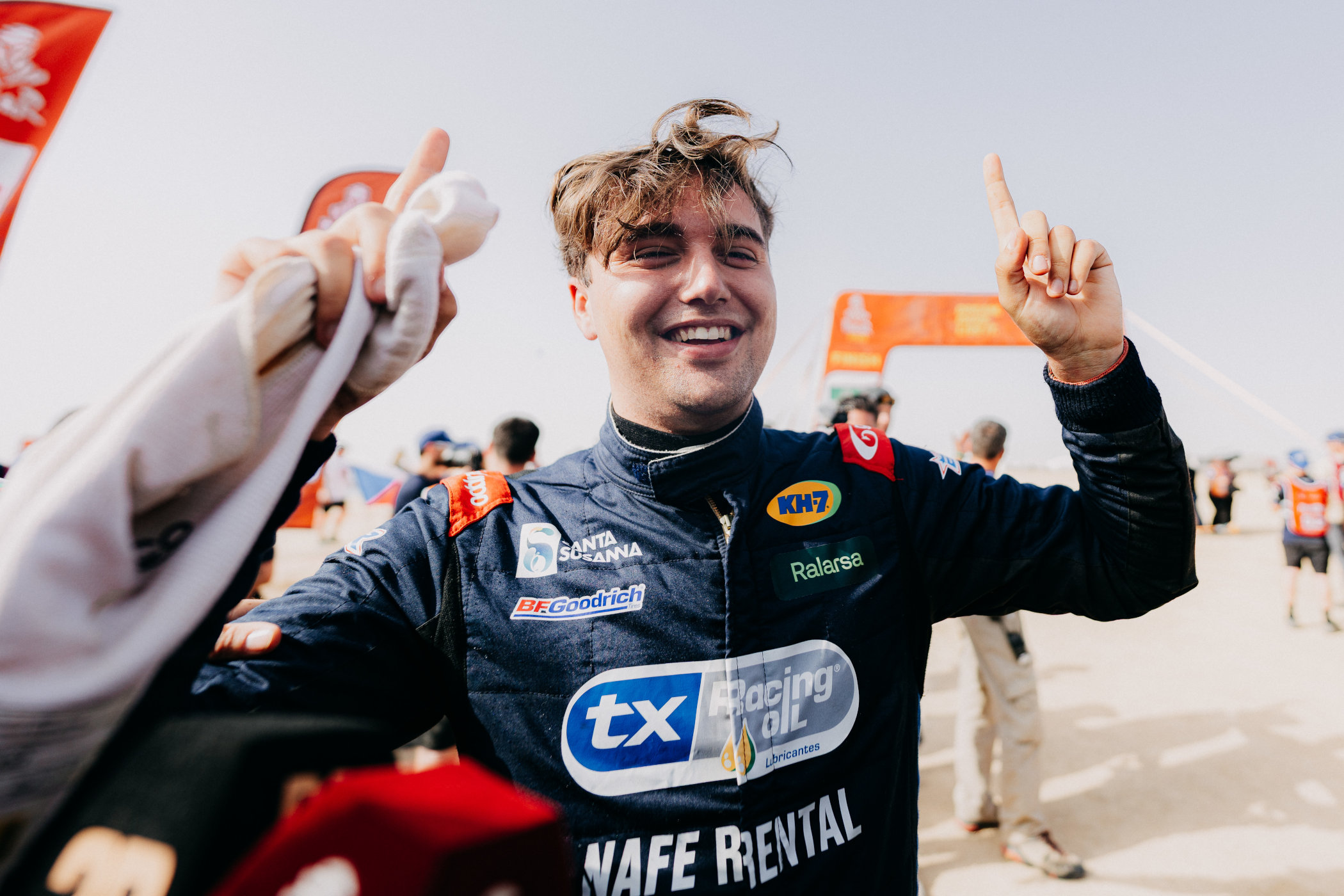
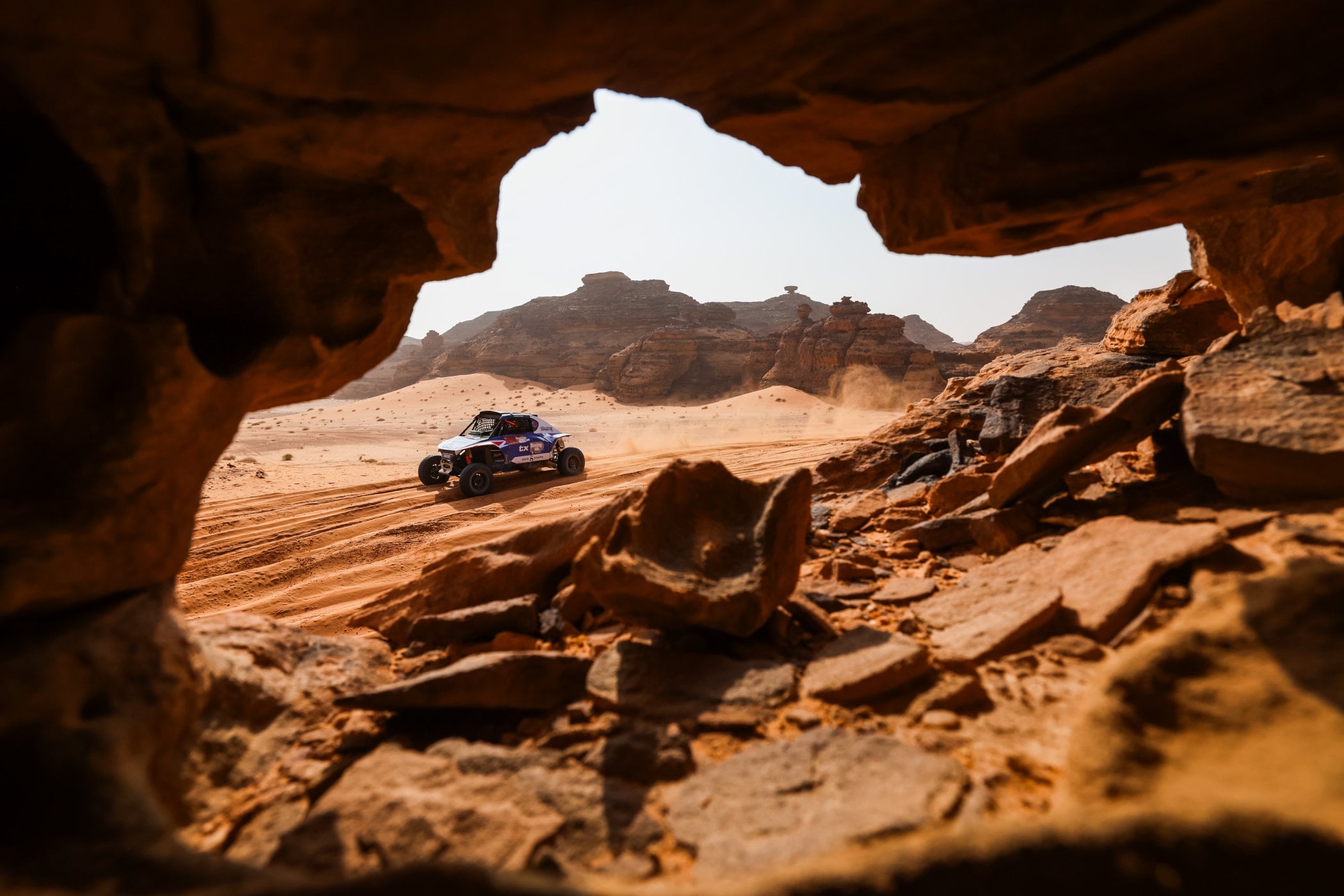
In the Challengers, it was five-time Dakar participant Pau Navarro, along with co-driver Jan Rosa, who proved best in class despite not winning a single stage and only three trips to the stage podiums. With a margin of only 23 minutes over second-place finishers Yasir Seaidan and Xavier Flick, the Spanish duo were in the lead from stage 5, all the way to stage 13. Third place went to the Argentinian duo of Nicolás Cavigliasso and Valen Pertegarini.
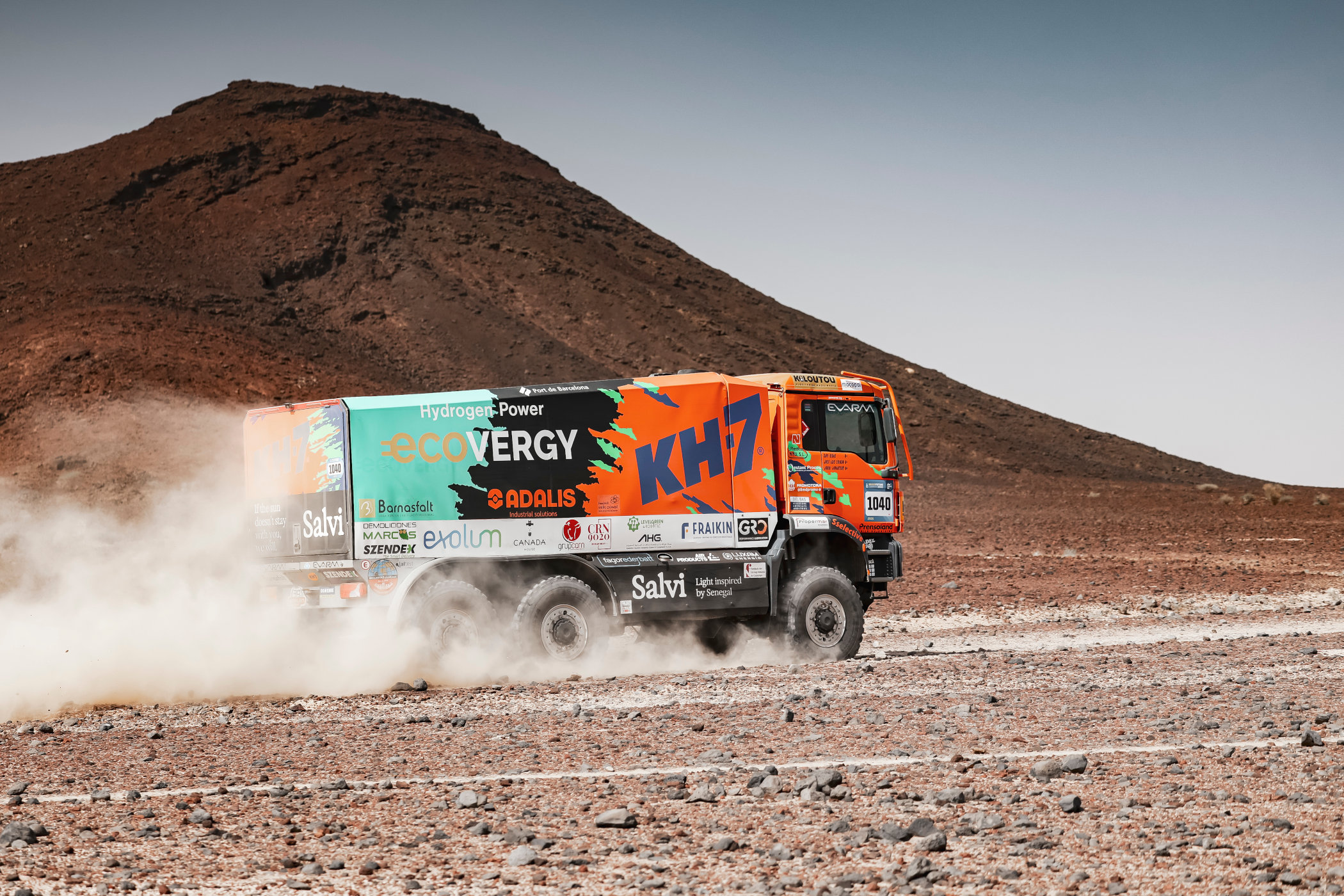
back-to-back wins for the Mission 1000 KH7-ecovergy team
The Mission 1000 class entered its third official year of competition, with the hybrid hydrogen-biodiesel KH-7 Ecovergy Team MAN truck of the team of Jordi Juvanteny, José Luis Criado and Xavier Ribas claiming a back-to-back class win. Closely following the KH-7 Ecovergy team, Fran Gómez Pallas came in second for the Arctic Leopard Galicia team, with Benjamin Pascual completing the podium for the Segway Team, both racing a fully electric motorcycle. It might seem odd on paper to pit the might of a six-wheeled MAN against a series of electric motorcycles, but the Mission 1000 class is all about balance and energy management. The point-based class is open to alternative zero-emission vehicles, which come down to electric or hydrogen power. The winner is determined by the competitor who comes closest to a set reference time for each stage, and who manages his or her energy usage the best.
Ovoko Racing makes a Land Rover double, winning the Dakar Classic
For what is the sixth running of the Dakar Classics category, the cut-off year for eligible vehicles moved up to 2006. That means cars that were built before the year 2006, or built to pre-2006 regulations, were able to enter and try their luck in the Saudi desert. And given the Dakar’s rich and diverse history of competition and classics, you are free to run anything that meets the basic parameters. So picture a Porsche 911 or 959 taking on a Lada Niva, a Renault 18, a huge number of vintage Toyota Land Cruisers, Nissan Patrols and Mitsubishi Pajeros or even trucks and motorcycles.
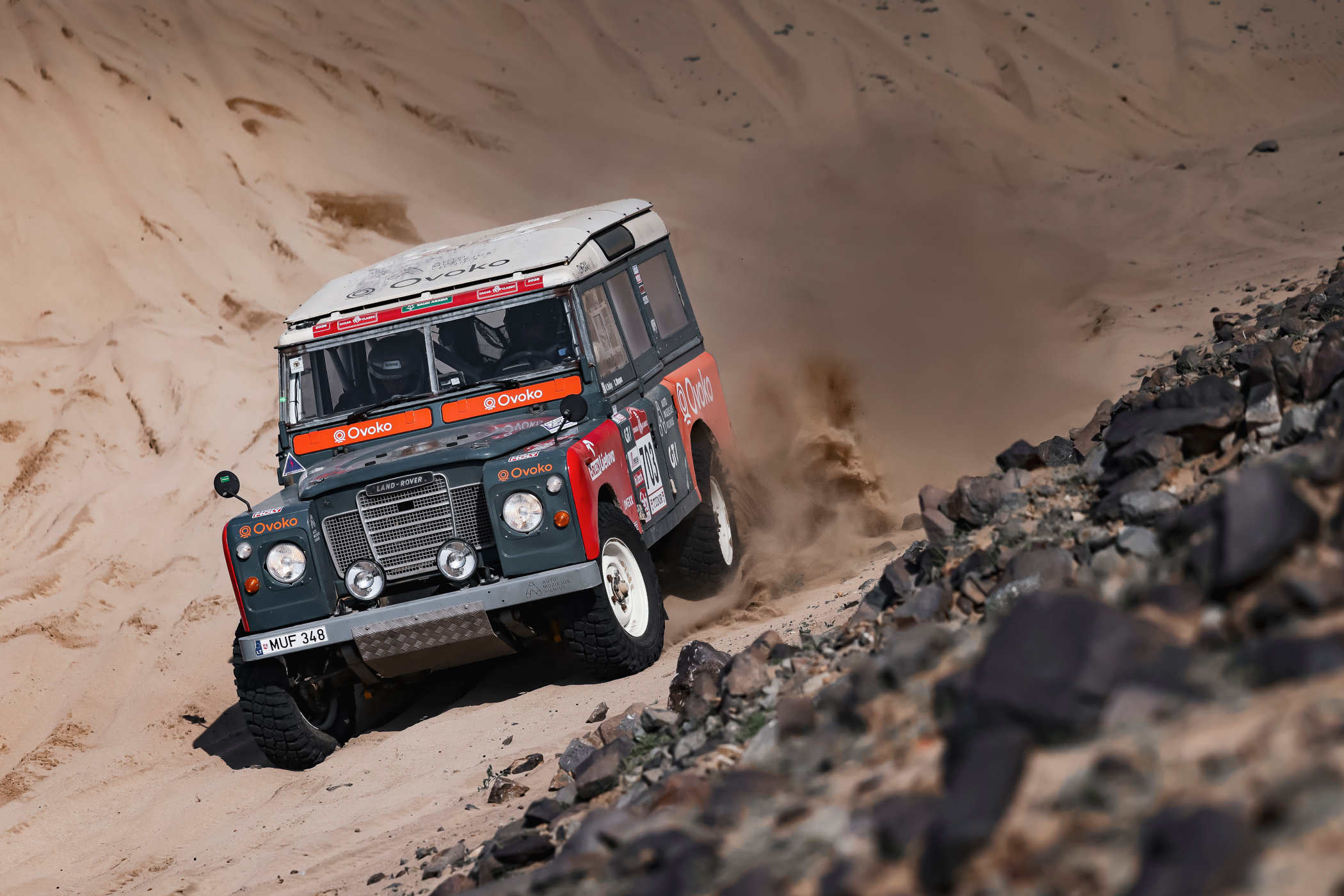
This year, Ovoko Racing Team of Karolis Raisys and Christophe Marques entered a Series III Land Rover 109 Stationwagon for the third year in a row, and after a strong third-place finish last year, they moved to the top spot this year, effectively making it a double-class win for Land Rover. With podium finishes in all but two stages, the duo beat Ondrej Klymciw and Josef Broz in a Mitsubishi Pajero in second place, and third-place finishers Joserf Unterholzner and Franco Gaioni in another Pajero.
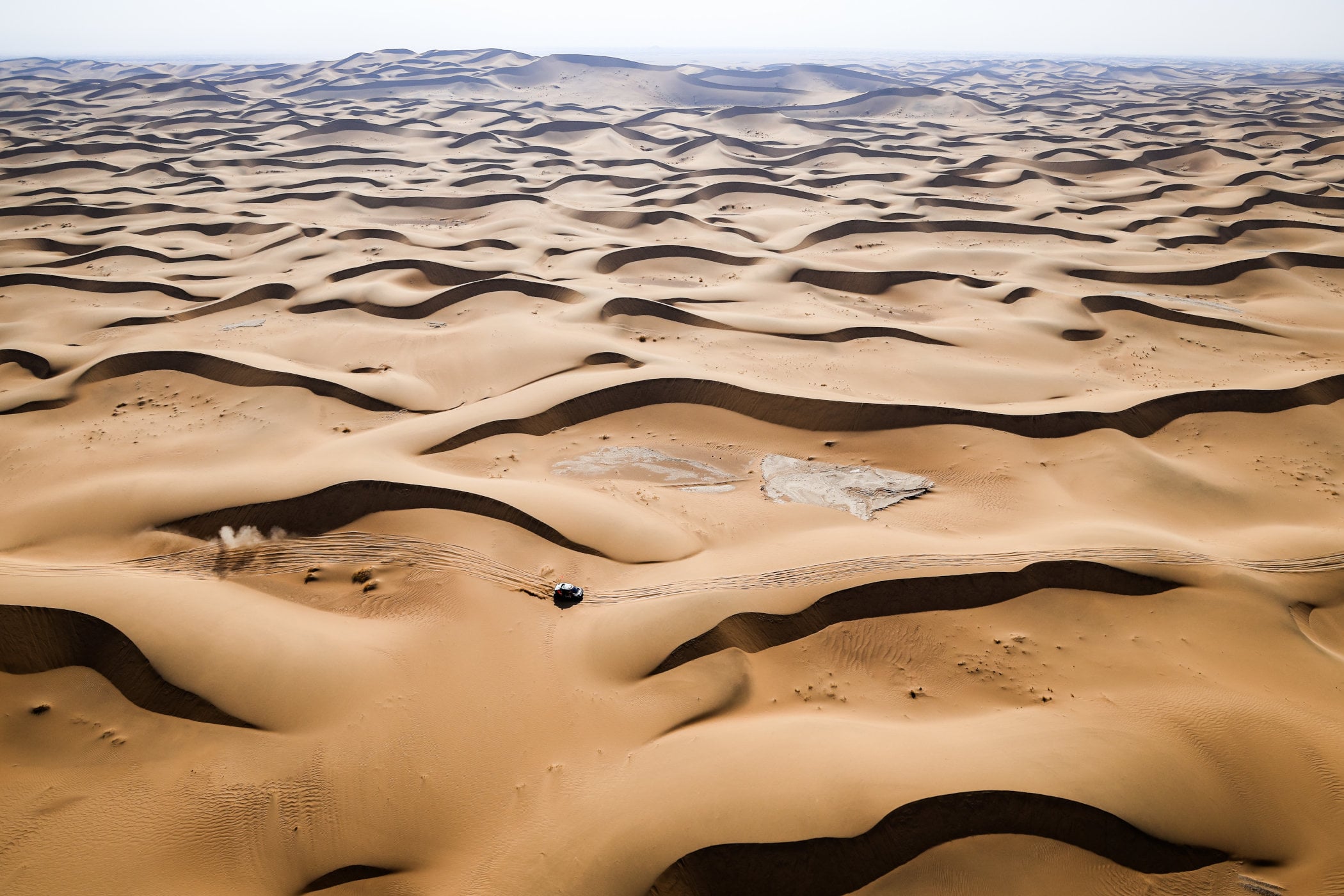
For more details on the 2026 edition of the Dakar Rally, and to find out more about all the teams and drivers who competed in the wide range of categories, please visit Dakar.com.
Editorial Note: The images used in this article are sourced by, and used with permission by the official Dakar Rally organisation and the Amaury Sport Organisation, unless stated otherwise