Not all images were able to load for printing. Please close the print window and try again.
The Return of the BRM P351 Group C Prototype
Only one was ever built, long lost and forgotten, now brought back to life.
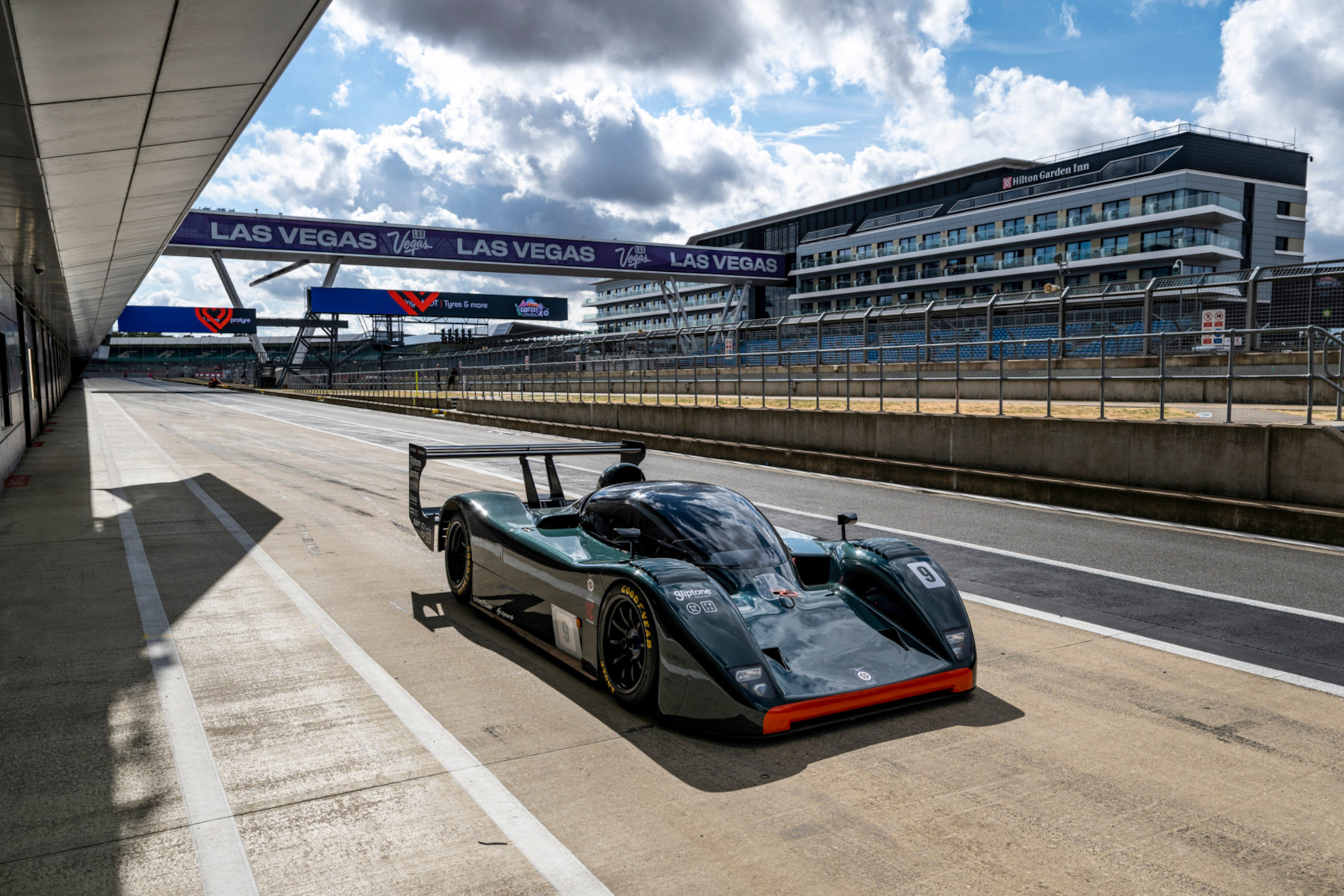
Sometimes, a racing car that looks very promising on paper never gets the chance to shine and reach its full potential. Rule changes, troubled development stages, reliability issues during its maiden races or even car manufacturers going bust midway through a project – it’s all part of the fascinating world of motorsports. One such car is the British Racing Motors P351, once built to tackle what’s regarded as the most competitive era of endurance racing, Group C. Powered by a Weslake V12, it seemed like a proper comeback car for BRM, the illustrious company behind cars such as the howling V16, the weirdly wonderful H16 and the Formula 1 World Championship-winning P57.
The Ups and Downs of BRM
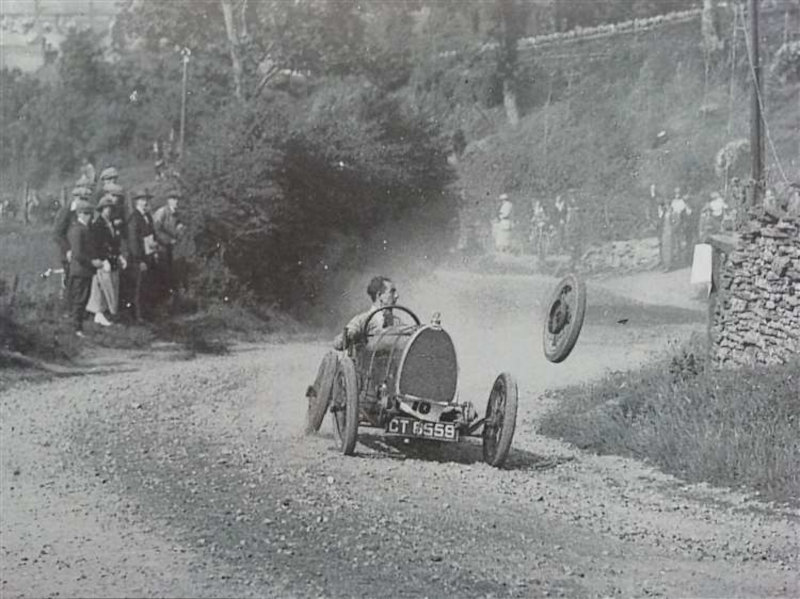
British Racing Motors, or BRM in short, is one of Britain’s many historic Formula 1 teams, founded in 1945 by Raymond Mays and Peter Berthon. Mays had pre-war racing and engineering experience with ERA (which he co-founded with Peter Berthon and Humphrey Cook), and was famously photographed losing a wheel of his Bugatti Type 13 during the 1924 Caerphilly Hill Climb. Peter Berthon, another man behind ERA, was also no stranger to racing, though not as a competitive driver but as a designer and engineer.
BRM made its F1 debut in 1951 and is best known for taking a rather liberal approach to engineering, producing some of the wildest engines ever put on the grid. A personal favourite is the BRM V16 MKII, a 600 horsepower supercharged 1.5-litre V16 engine. Pink Floyd drummer Nick Mason owned one and included it in his Into the Red book, which came with an accompanying CD featuring a full seven-and-a-half-minute recording of the BRM V16 MKII lapping Donington Park. The sound it makes, from running idle in the pits, to hitting the redline, and even misfiring multiple times as it’s being pushed to its limit, is utterly incredible:
The V16 was hugely powerful, about double that of most of its direct competitors at the time, but it had a huge problem as well. The engine was so complex and delicate that it often failed to start and run properly, and thus it never managed to make much of an impact in race wins. However, it more than made up for it with its incredible story and sound, earning it an almost cult-like reputation among enthusiasts.

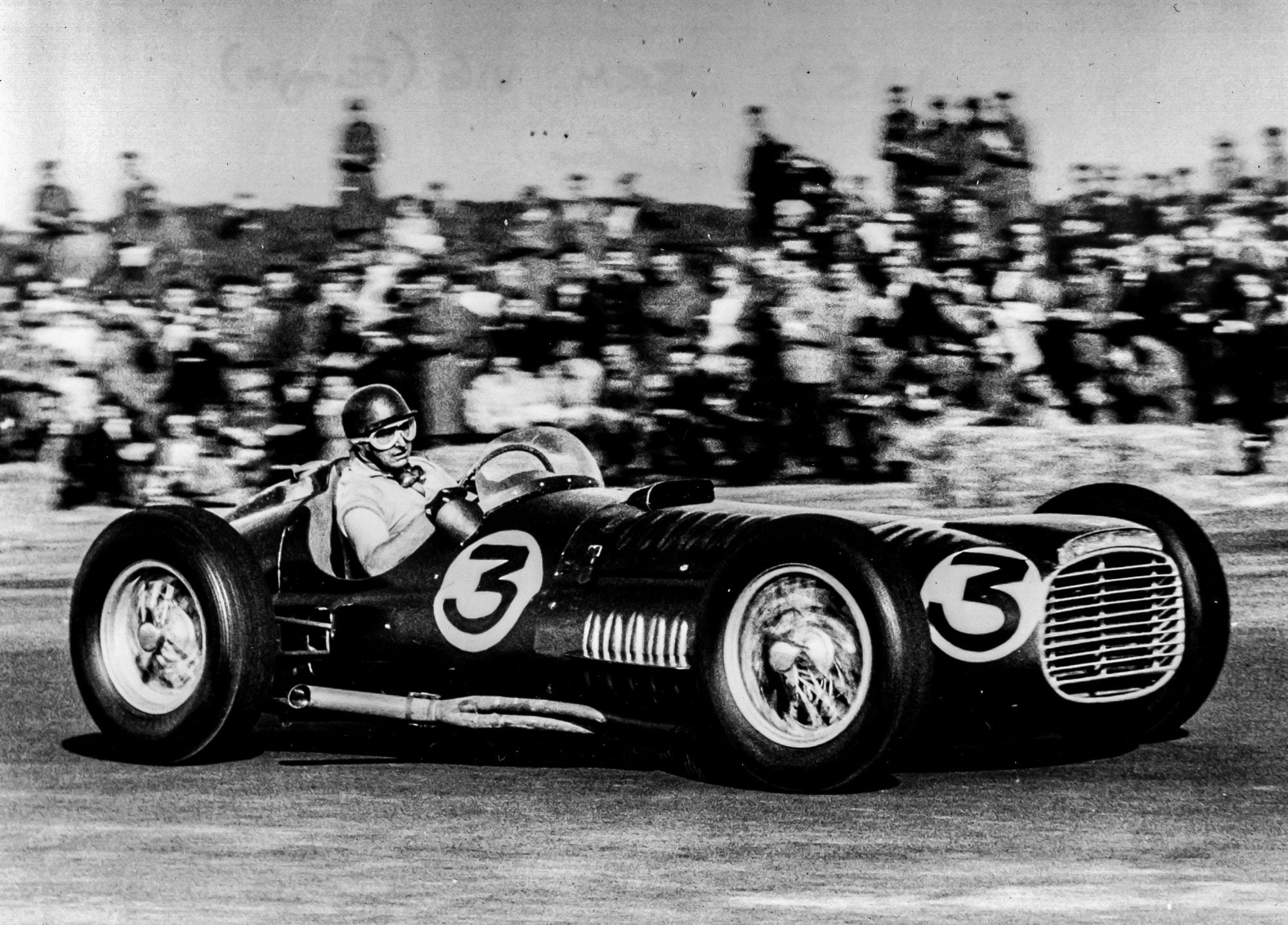
Following the V16, the BRM P25 was developed, powered by a 1.5-litre V8. This proved more reliable and capable on the track, coming in third in the 1958 Dutch Grand Prix with Jean Behra behind the wheel, and Jo (Joakim) Bonnier winning the 1959 Dutch Grand Prix. This paved the way for the BRM P57, which used the same 1.5-litre V8 but moved it from in front of the driver to behind. Enlisting the help of Graham Hill, the BRM team finally hit it big. Hill won four out of the nine races in the 1962 Formula 1 season, clinching the World Driver’s Championship in the process. The team finished second in the standings for the next three seasons, but things gradually went downhill, despite having some of the best drivers in Formula 1 history behind the wheel.

The next chapter in BRM’s up-and-down path through Formula 1 was the 3.0-litre P75 H16 engine. This highly unconventional and frankly overcomplicated machine was developed for the P83 Grand Prix car and basically stacked two flat-eight engines on top of each other. The engine proved hugely unreliable as the unique configuration demanded two water pumps, two fuel pumps, special balancing weights, and so on, effectively doubling its complexity. In the two years the team ran the H16 engine, it finished only 9 times, and on occasion wouldn’t even make it past the practice sessions. The only upside to its story was the 1966 Belgian Grand Prix, where Sir Jackie Stewart brought home the H16-powered P83 in second place.

The forward-thinking designs fielded by BRM often couldn’t compete with the majority of the field running more conventional setups. BRM withdrew from the world of Formula 1 in 1977, and it won a total of 17 races out of 197 entries. Outside of Formula 1, BRM was also involved in projects such as the gas-turbine-powered Rover-BRM that ran Le Mans in 1963, and Donald Campbell’s Bluebird-Proteus CN7 world land speed record project. The BRM name remained dormant until the V16 MKII Continuation Program launched in 2021, which now gets a sequel of sorts, with the recreation of the P351 Le Mans prototype.
The P351 Program
The P351 program was born from a desire to resurrect the BRM name and have a crack at endurance racing. At the time, the Group C era of prototype racing was hitting its peak, with multiple factory teams trying to outdo each other with some of the fastest endurance racers in history. During the 1980s, Porsche’s 956 and 962 were pretty much the cars to beat, but the German team wasn’t invincible. Towards the end of the decade, Peugeot, Jaguar and Sauber all managed to rival Porsche and win the legendary 24-hour race of Le Mans at least once during the heyday of Group C racing.
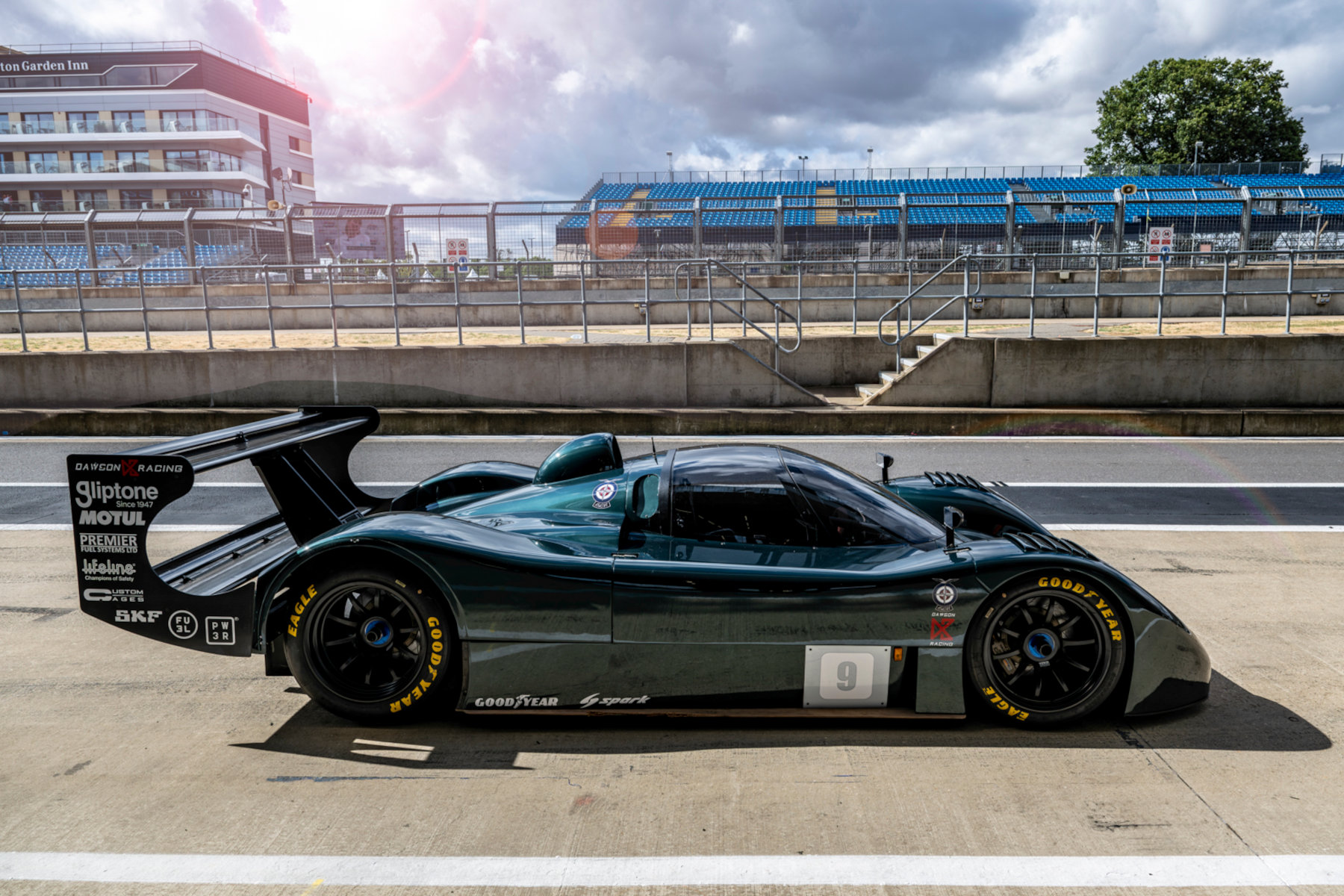
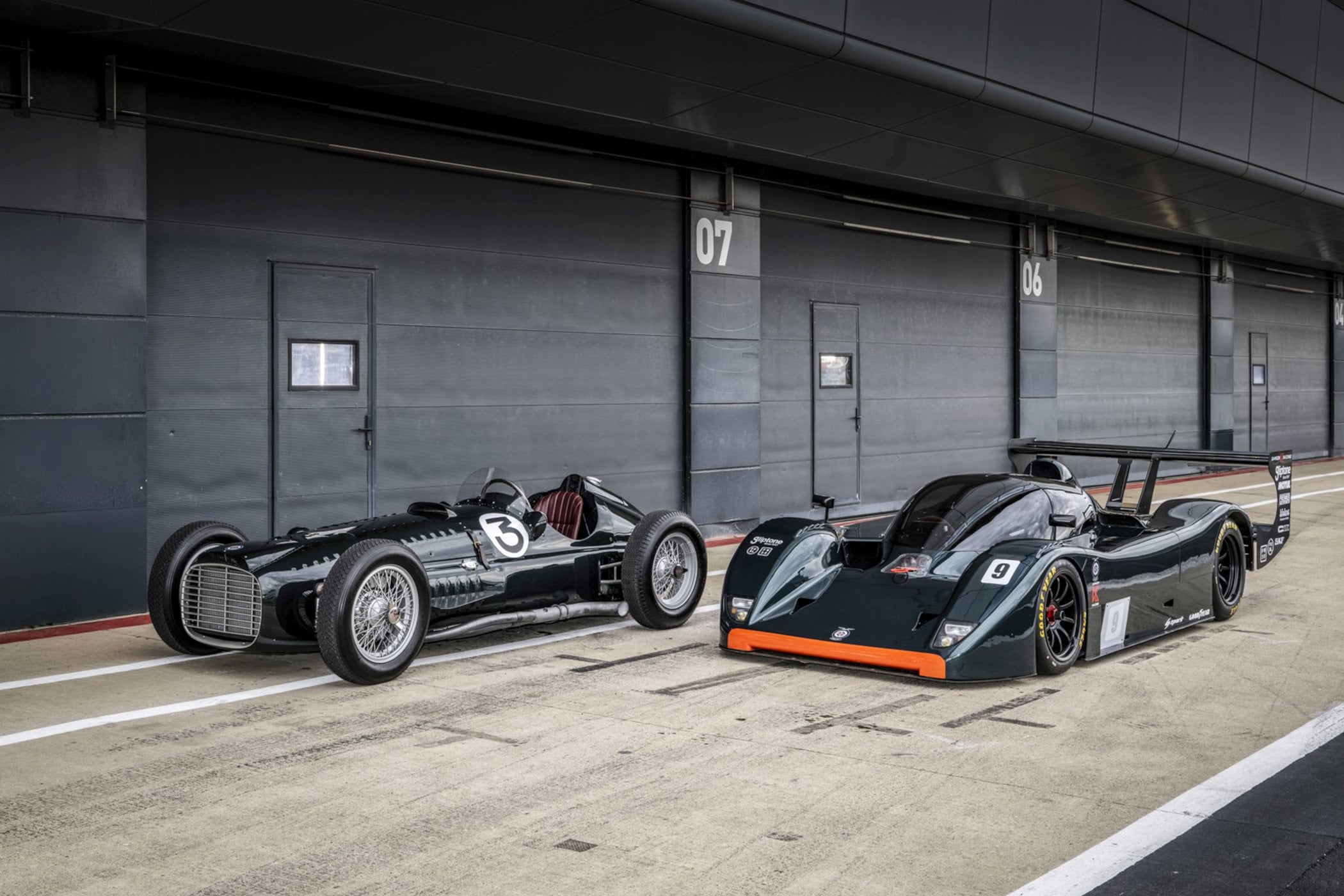
Alfred Owen’s family, the entrepreneur and former BRM employee who led the company from the early 1950s until his death in 1975, reached a deal with entrepreneur John Mangoletsi to bring the brand back to life. The name would be instantly recognised by anyone with even the vaguest memory of the olden days of BRM, making raising funds all that bit easier. Former Zakspeed chief engineer Paul Brown was hired, who started work on a carbon composite monocoque chassis. Finished in metallic British Racing Green with the hallmark orange BRM nose, the P351 was first shown in January 1991 and featured a Weslake-based V12 engine.
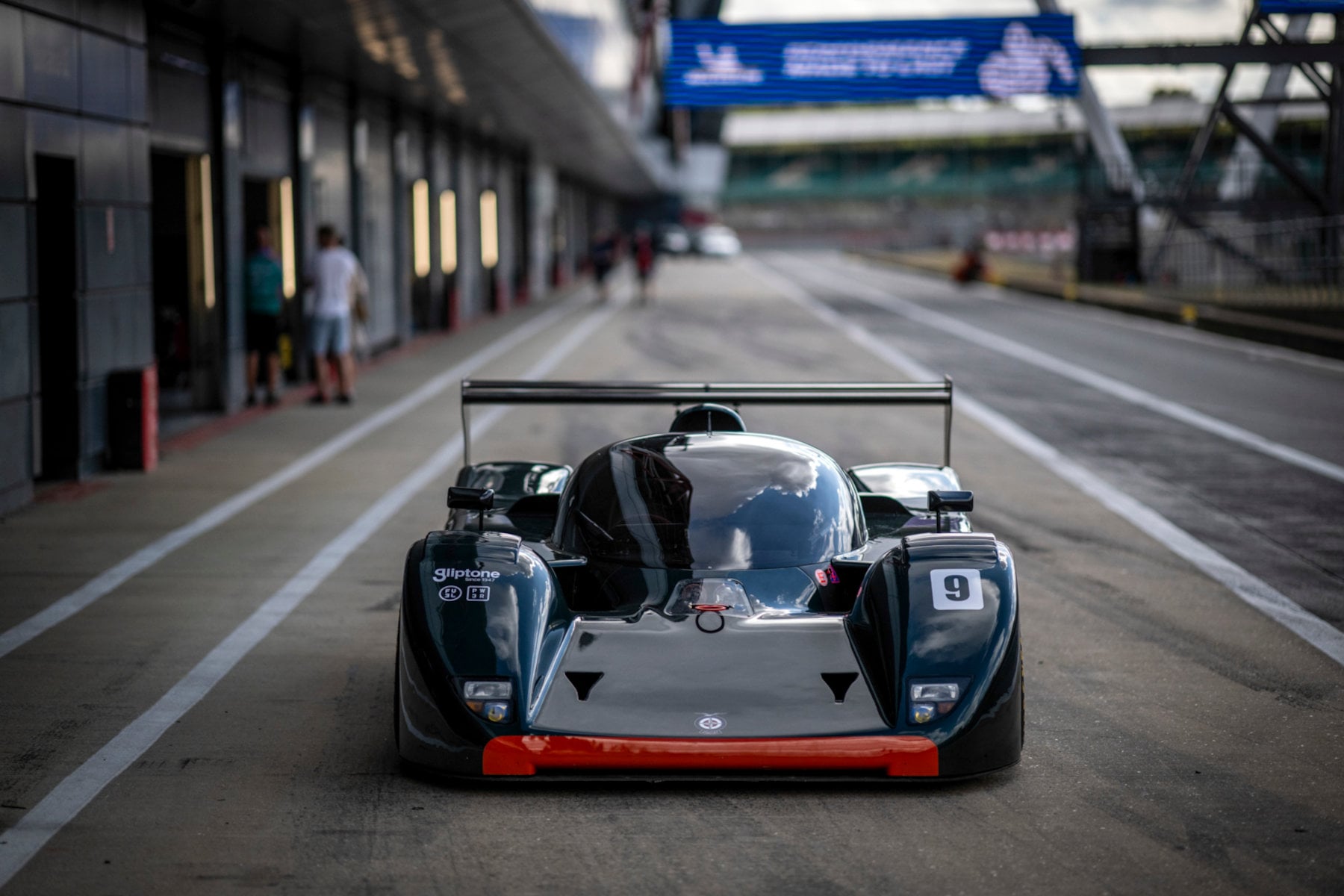
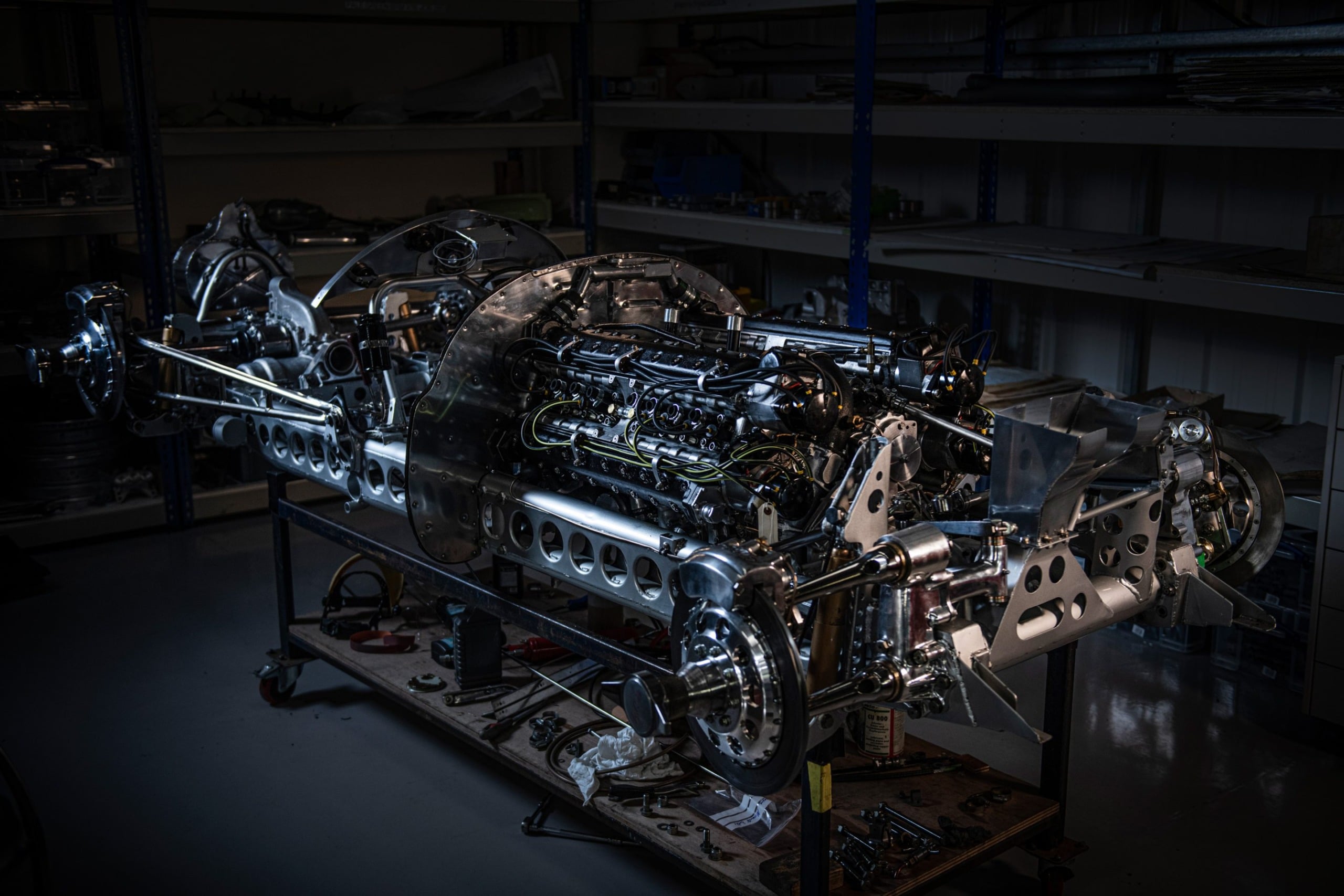
Derived from the Weslake V12 formula one engine that powered the AAR Eagle MK I Gurney-Weslake to glory years earlier, the naturally aspirated engine had a 3.5-litre capacity. Power was around 620 horsepower, which was on par with the main Group C protagonists at the time. It proved uncompetitive and unreliable from the get-go, however, so expectations were high when the team headed to Silverstone for the P351’s maiden race. The 1992 500km of Silverstone was the second round of the World Sportscar Championship, but sadly the team faced so many issues that the car didn’t even start the race.
Next up was the big one, Le Mans. Richard Jones was hired as a third driver, alongside Wayne Taylor and Harri Toivonen. Transmission issues plagued the car during qualifying, with Taylor being the only one to set a somewhat competitive lap time, good enough to earn a spot on the starting grid. A mere twenty laps into the 24-hour race, disaster struck, as the problems with the transmission reared their head again, and the car was out of the race.
Moving to the States for the IMSA Camel GT race at Watkins Glen, the undulating, bumpy track forced the team to raise the ride height of the car, making it too tall according to the IMSA regulations. Scrambling to find a solution, Paul Brown suggested cutting the roof scoop, which worked! Five laps into the race, however, electrical issues meant the third DNF in a row, which proved pretty much the nail in the coffin for the ambitious, yet troubled P351 program. The team registered for the next round in the World Sportscar Championship at Donington Park but never made its appearance, after which the team ceased all operations and the car was returned to the Owen family.
Three years later, now owned by Pacific Racing’s Keith Wiggins, the P351 re-emerged as the P301, with an open-top Barchetta configuration and a twin-turbo Nissan V6 in the back. It entered the 1997 International Sportscar Racing Series’ opening race at Donington Park, and qualified sixth out of nine entries in its class. Come the start of the race, however, the P301 suffered from electrical problems. The P301 would go on to compete at Le Mans the same year, with the car again being the first out of the race, just six laps in. The following year it would again enter the ISRS, but history repeated itself once more, with the car being sidelined after just four laps into its one and only race that season. It did qualify for the next round, again at Donington, but it failed to make the start altogether.

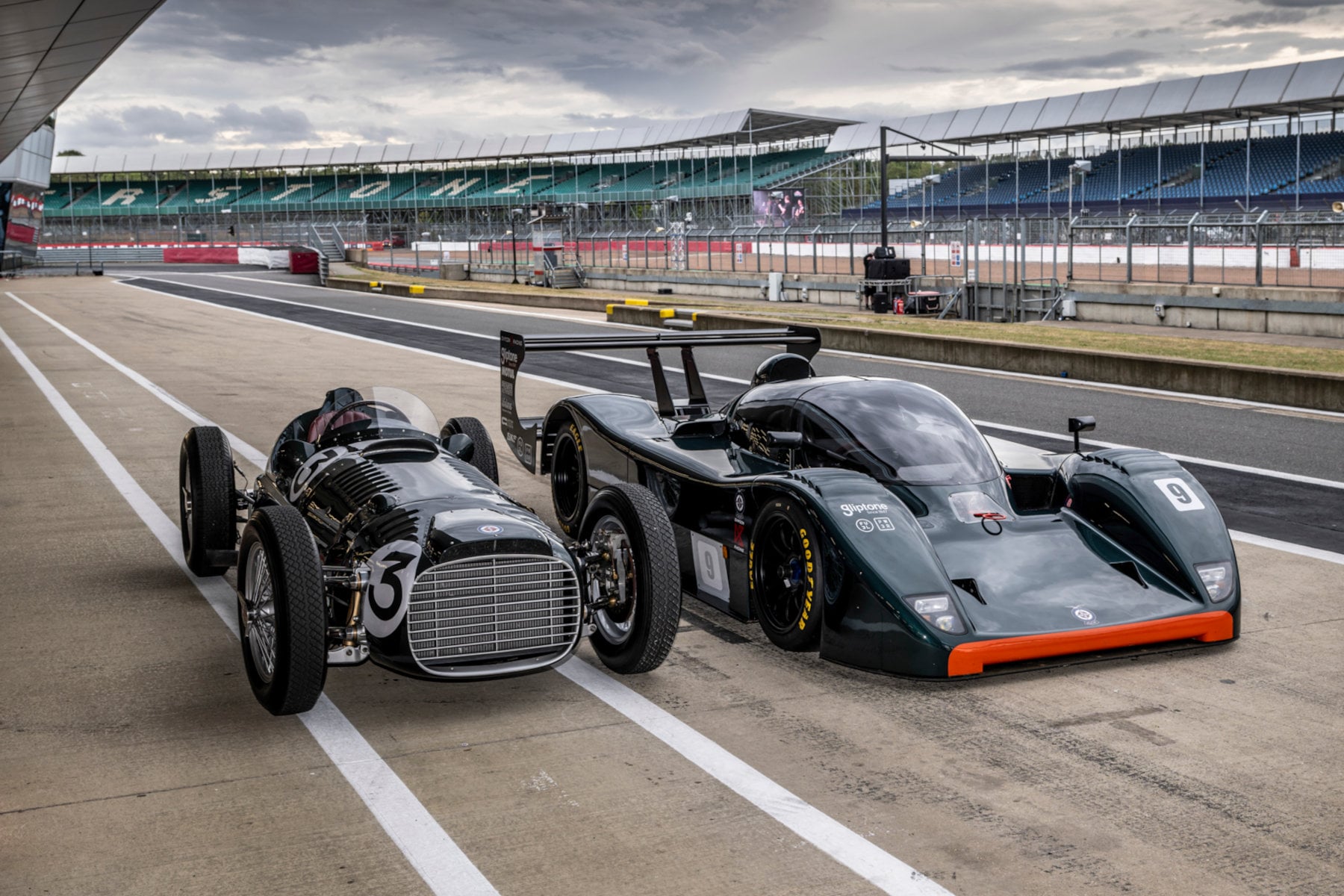
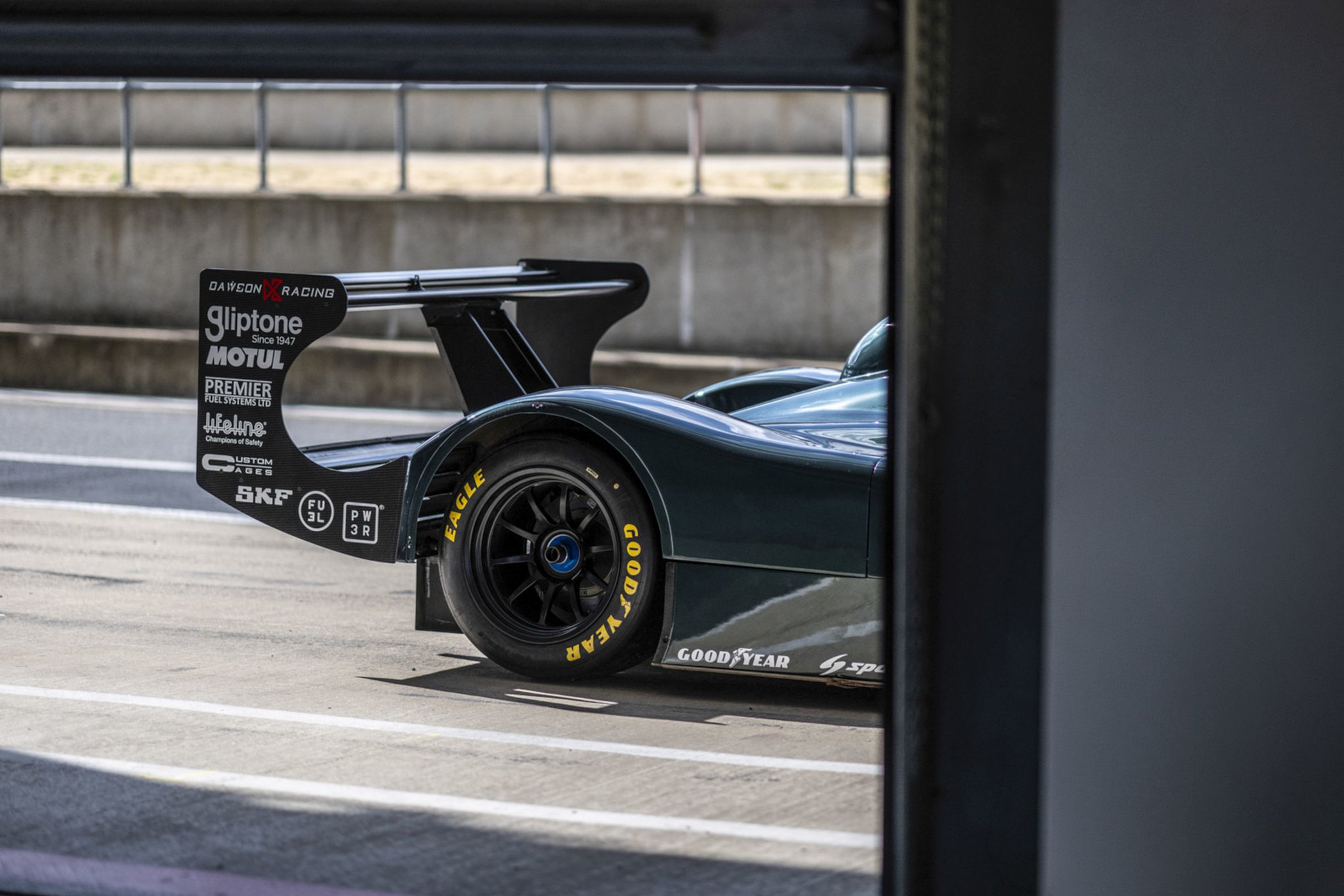
Now though, some thirty years later, the one and only chassis has been completely restored top to bottom. It was bought by the BRM company in 2024 and entrusted to Ian Dawson, who worked on the car when it competed under the name of Pacific Racing as the P301. The car was rebuilt to the original closed-cockpit style of the P351, with the fully rebuilt 3.5-litre Weslake V12 and period gearbox in the back. The car returned to Silverstone for its unveiling, alongside the legendary V16, where it will also soon be put through its first testing kilometres. The goal of the project? To take it racing one more, and prove the car’s potential it never could live up to in its early days…
For more information, please visit BritishRacingMotors.co.uk.
Editorial Note: The information used and images portrayed in this article are sourced from and used with permission from The Petrolhead Agency, the media partner for British Racing Motors, unless stated otherwise.